Samsung The Frame 2025 (LS03F) vs Philips PUS7000

Direct comparison

Check the best price offer:

Samsung The Frame 2025 (LS03F)
$1 525

The Frame / LS03FAU

Info

Available screen sizes: 43”50”55”65”

Available screen sizes: 43”50”55”65”75”

Panel type: LCD VA

Resolution: 3840x2160

System: Tizen

Model year: 2025

Complete the survey to find out the result

Panel type: LCD VA

Resolution: 3840x2160

System: Titan OS

Model year: 2025

Complete the survey to find out the result

Overall rating

7.0

5.3

  • Movies and series in UHD quality

    6.8

    4.8

  • Classic TV, YouTube

    6.5

    5.7

  • Sports broadcasts (TV and apps)

    6.4

    4.9

  • Gaming on console

    8.8

    6.5

  • TV as a computer monitor

    8.2

    5.8

  • Watching in bright light

    6.3

    3.5

  • Utility functions

    7.2

    5.0

  • Apps

    8.7

    6.7

  • Sound quality

    6.0

    5.8

Advantages

  • The matte display effectively reduces reflections

  • Customization options for the screen with interchangeable frames + art mode

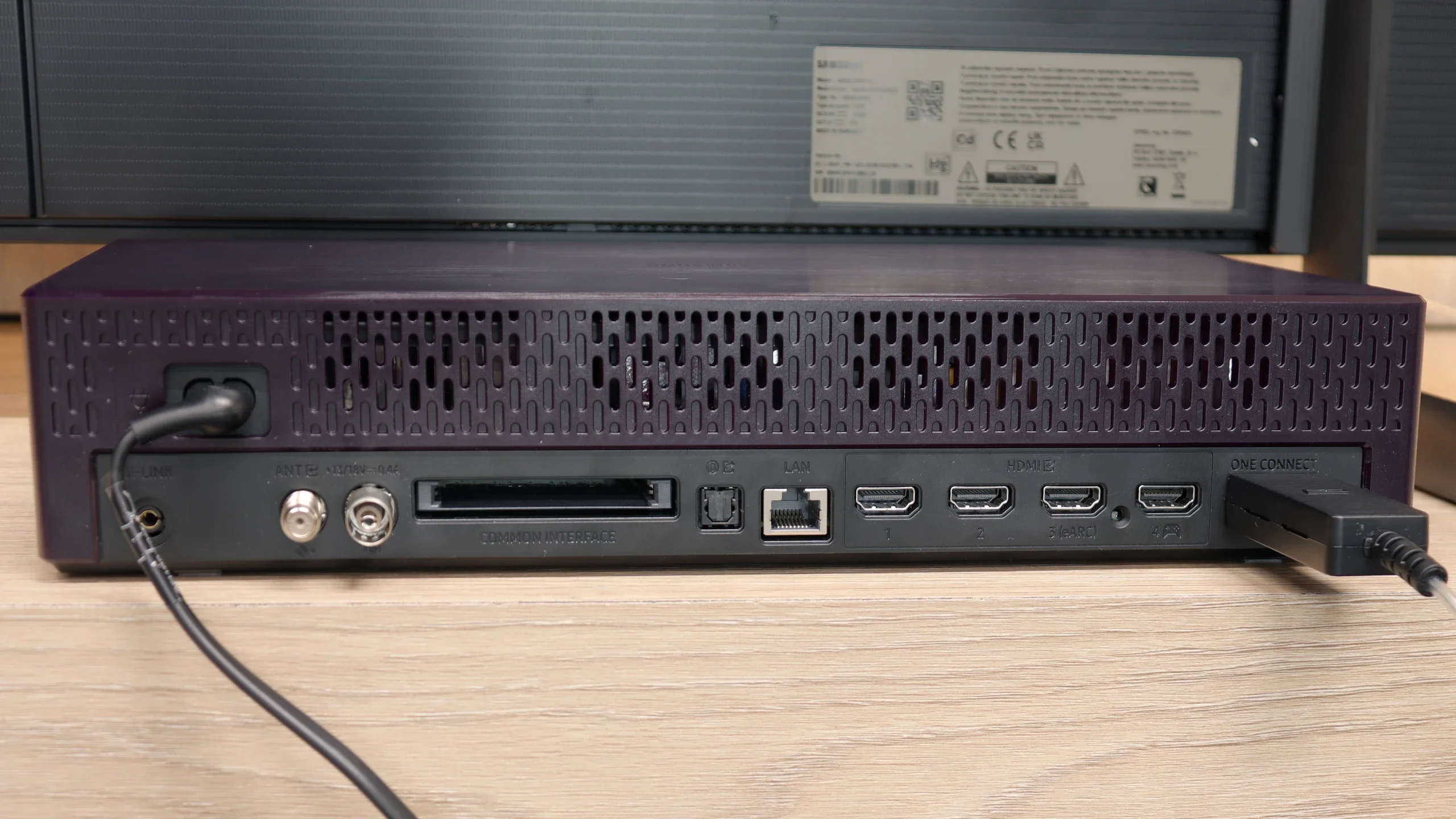
  • Free accessories in the form of a wall mount + OneConnect module

  • High native contrast

  • Decent brightness

  • High refresh rate - 120/144Hz

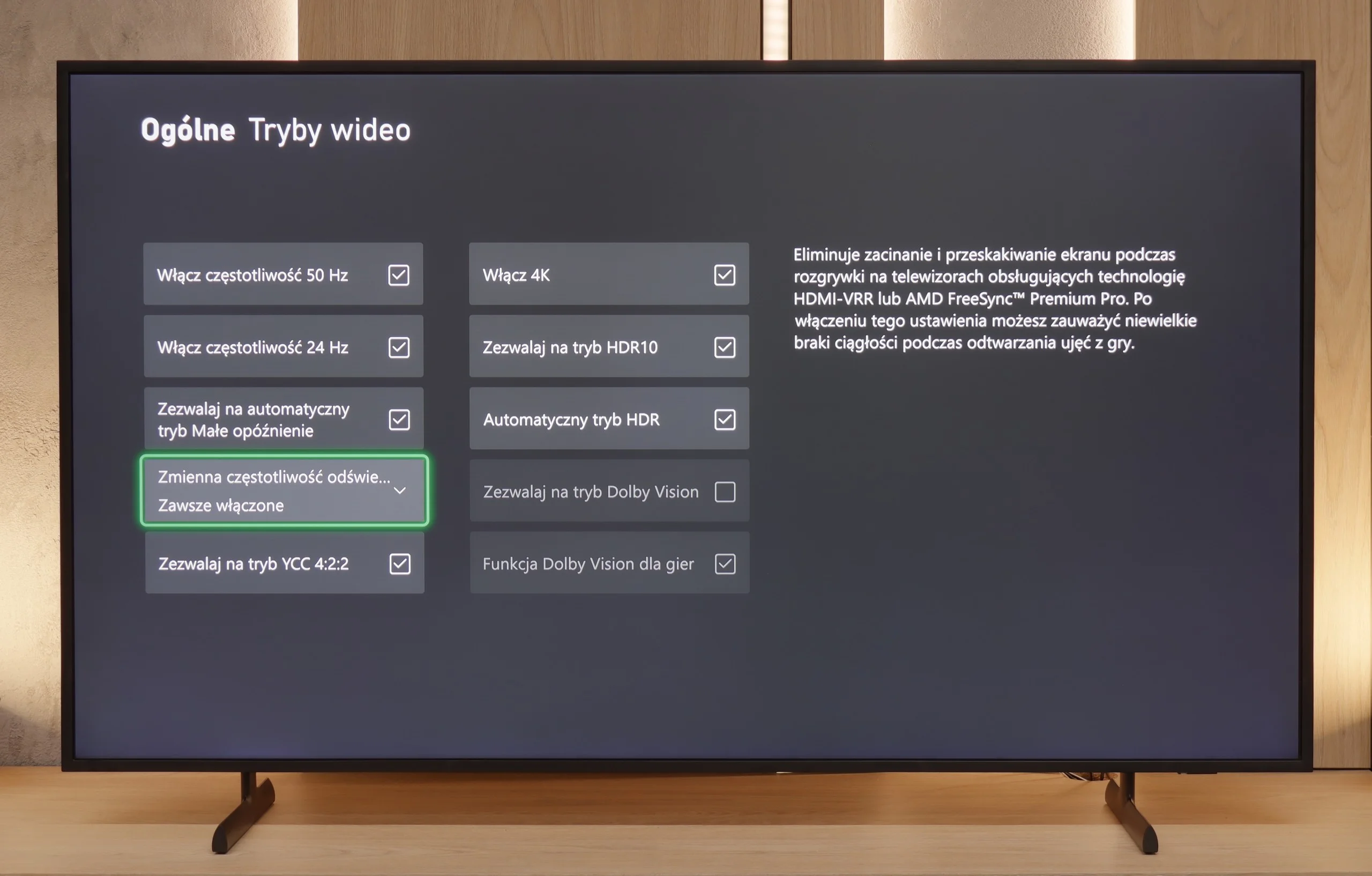
  • Lots of features for gamers - VRR, ALLM, Gamebar, proprietary motion smoother working in games

  • Attractive price

  • High contrast VA panel

  • Very low input lag

  • Gaming features – presence of VRR, ALLM, and a dedicated Game Bar

  • HDR10+ support

  • Quite decent image processing (for such a cheap TV)

  • Good readability of fonts – will work well as a large monitor

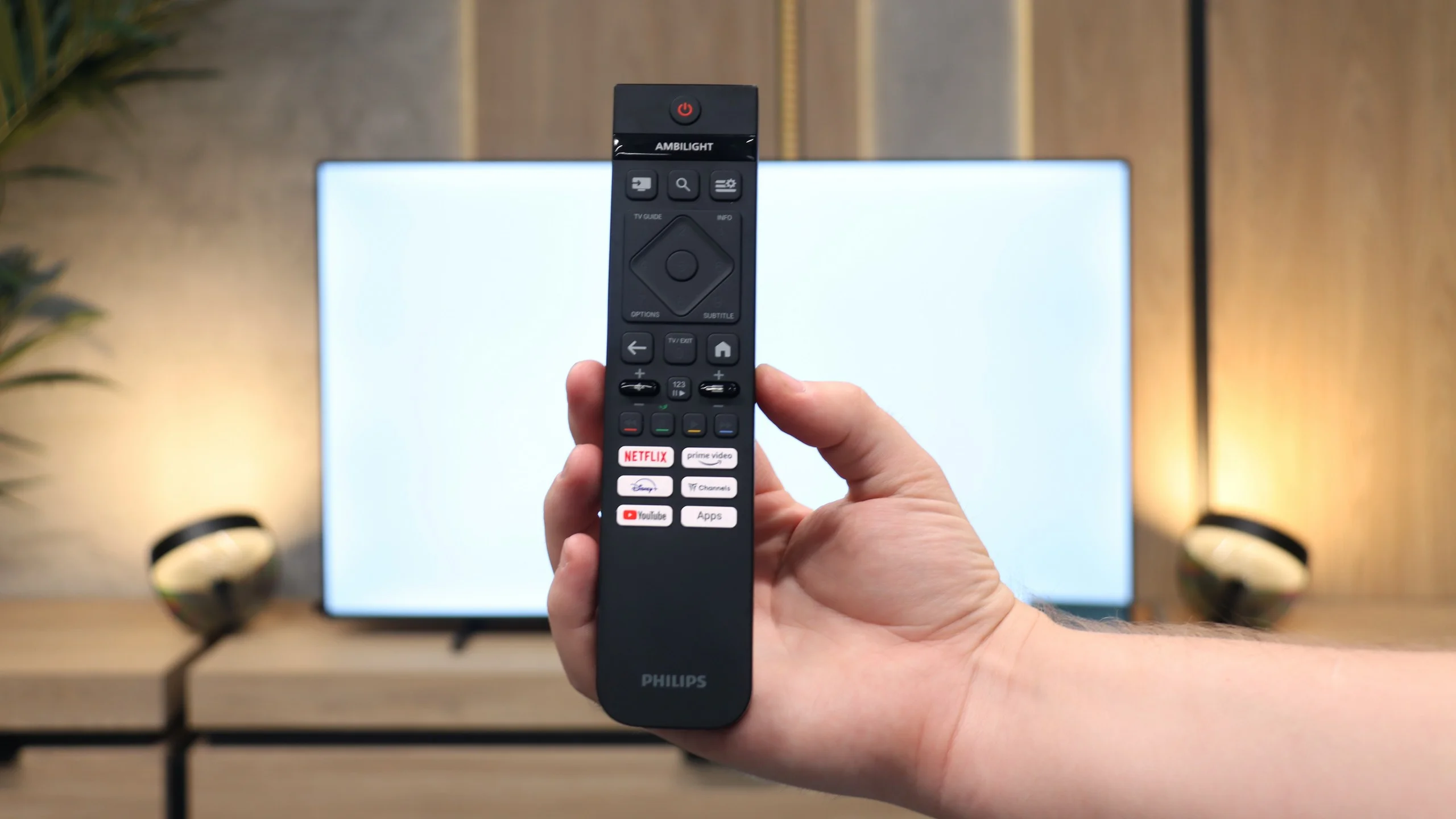
  • Backlit remote control with numeric keypad

Disadvantages

No like
  • No DTS support – requires additional equipment for certain films from Blu-ray discs.

  • Paid image mode

  • Very low brightness – 200 nits

  • No Ambilight

  • Lack of any features to improve fluidity makes the image very "raw"

  • Titan OS system – the interface is slow, and it lacks many popular applications

  • The remote works with infrared

Our verdict

Samsung The Frame 2025 is a TV unlike any other – and even though competition has emerged for it, it still does it best. The matte screen, flush mount to the wall, and one thin cable thanks to the One Connect module make the device resemble a painting more than any other screen. The Art Store app still offers the best art scans on the market (even if they are on a subscription), and thanks to interchangeable frames, we can match the TV to the interior almost like a piece of furniture. As for the picture itself, since we are also talking about an ordinary TV, there are no major changes, but no disappointments compared to last year's LS03D model. The Frame still offers high native contrast and solid brightness at 600 nits, which, combined with the matte finish, provides very comfortable daytime use. The colors are not as vibrant as those on glossy screens, but against the backdrop of competing matte constructions, they stand out the best. A novelty is the 144 Hz refresh rate, although in practice it will mainly benefit PC gamers. And indeed – in terms of gaming features, The Frame has almost everything: low input lag, variable refresh rate (VRR) support, automatic game mode (ALLM), Game Bar, and a unique motion smoother designed for games. Unfortunately, not everything is as perfect as it might seem. Why? Because the HGiG mode is missing, which suddenly disappeared from the latest version of the Tizen system. Samsung really should respond to this, as it is a key element for many gamers' choice of screen. And we fully understand that. Even though the LS03F The Frame 2025 does not bring major revolutions, it is still a unique TV that, apart from its appearance, offers quite solid picture quality and advanced gaming functions. It's just a pity that year after year we also receive new compromises.

[UPDATE] We have updated our Samsung TV tests for the 2025 model year due to the release of software version 1131, which has restored the HGiG feature that is crucial for gamers.
If you are looking for a specific reason to buy the Philips PUS7000, it is essentially just the price. This model is meant to be primarily inexpensive, and it fulfills that role perfectly. It could be a decent choice for someone who is still using an old Full HD screen and wants to finally switch to 4K without emptying their wallet. Interestingly, even though this is a "budget 60 Hz" model, Philips has not forgotten about gamers. We get VRR and ALLM, which significantly enhance the gaming experience when connected to a console, making everything quite responsive. But... well, the biggest problem with this TV is brightness, or rather, the lack of it. 200 nits is an output that makes the PUS7000 simply capitulate on a sunny day. The image will be pale and unclear even though it features a high-contrast VA panel. HDR here is basically just a label on the box. With such a dark panel, HDR content looks artificial and simply lacks the necessary intensity, so it’s better to forget about it and stick with regular SDR. Is it worth buying? At this price point, every manufacturer makes similar compromises, so the PUS7000 does not drastically fall behind the rest of the budget screens. The only question is whether you can get along with the Titan OS, which is still a bit raw and lacks many apps that are standard among competitors. With today’s prices, where Chinese brands like TCL and Hisense are flooding the market with QLEDs and Mini-LEDs, the Philips PUS7000 faces a really tough battle. If you care about a well-known brand logo and a low price: you can go for it. However, if you are looking for image quality… you’d better double-check your budget before purchasing.
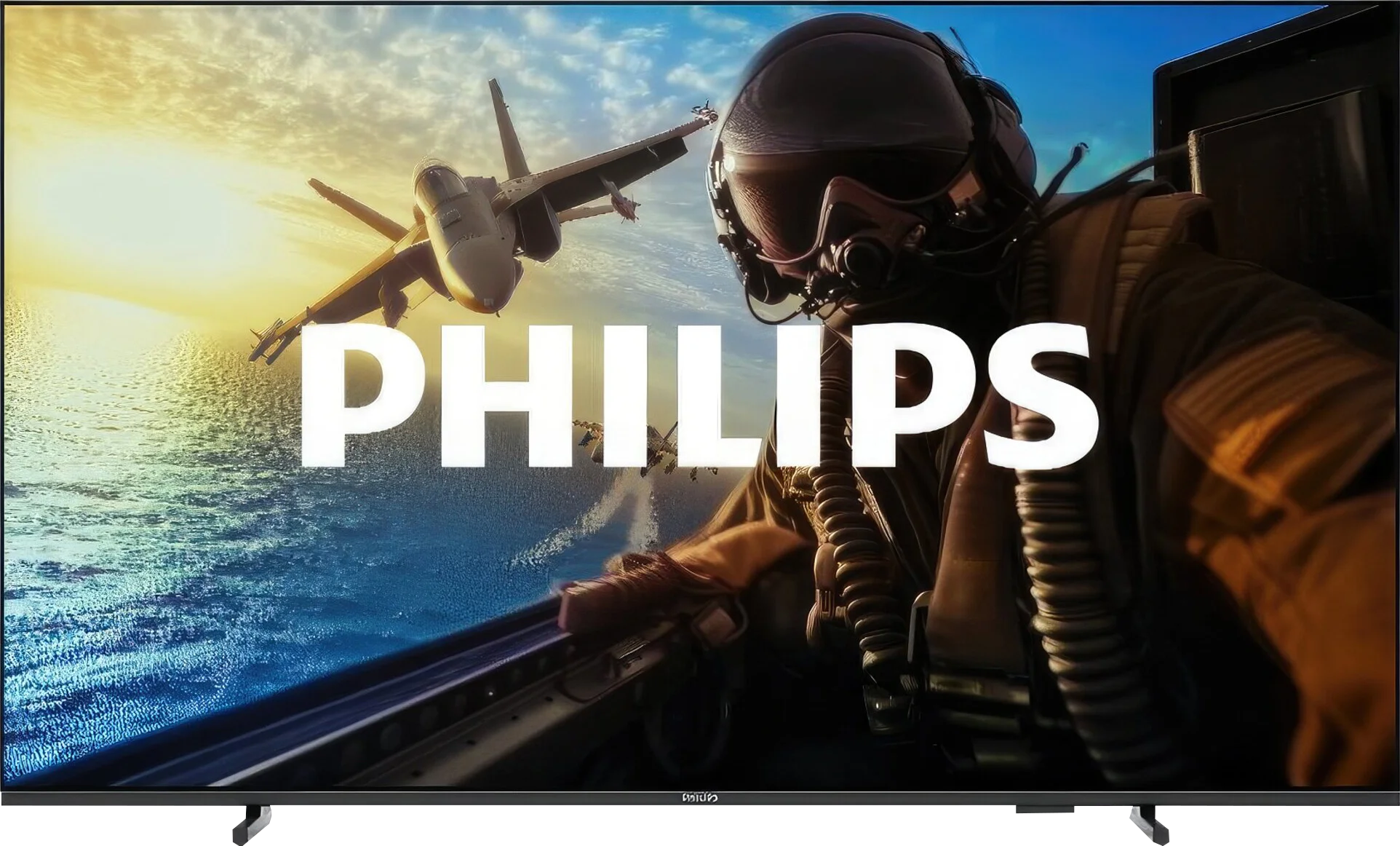
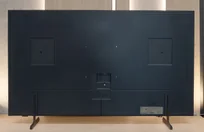
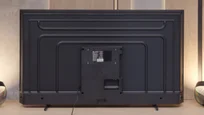
TV appearance

HDMI inputs
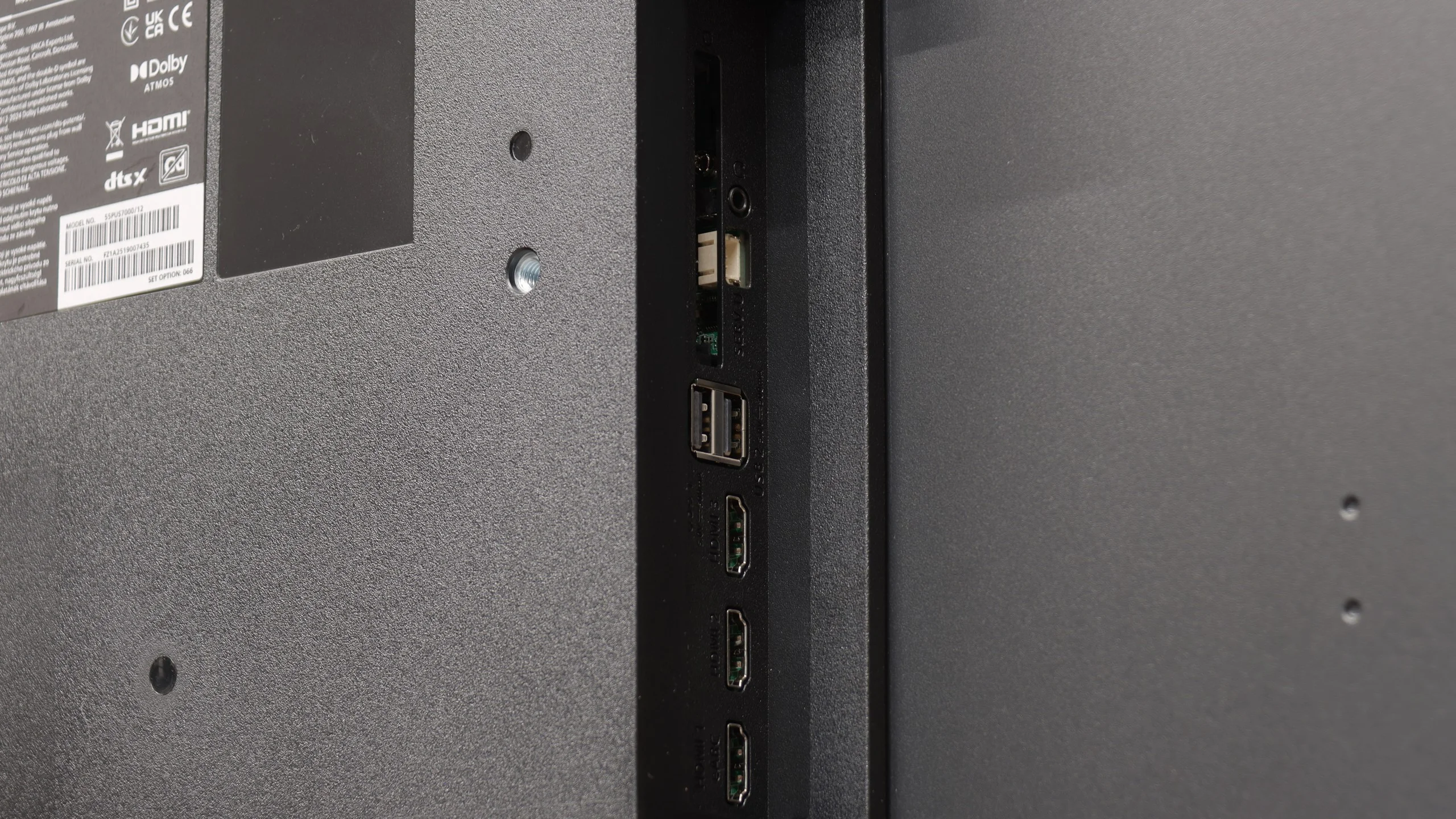
3 x HDMI 2.0, 1 x HDMI 2.1 (40Gbps)
3 x HDMI 2.0, 0 x HDMI 2.1
Other inputs
Outputs
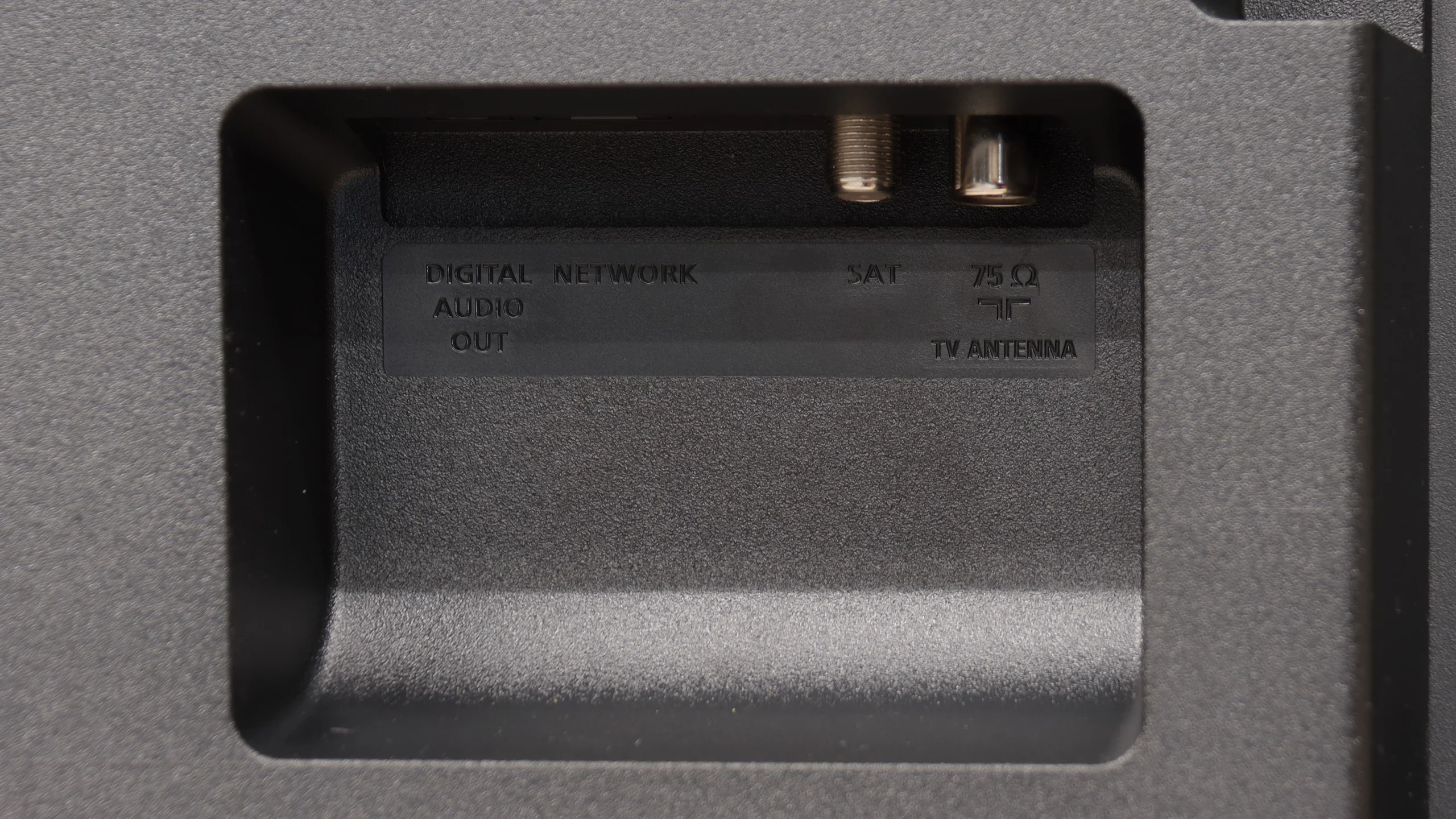
Toslink (Optical audio), eARC (HDMI), ARC (HDMI)
Toslink (Optical audio), eARC (HDMI), ARC (HDMI), Mini-Jack (Headphones)
Network Interfaces
Wi-Fi 2.4GHz, Wi-Fi 5GHz
Wi-Fi 2.4GHz, Wi-Fi 5GHz, Ethernet (LAN) 100Mbps
Build quality
Premium
Average
Stand type
Legs
Legs
Bezel color
Changeable Frame
Graphite
Stand
Height adjustment
Fixed
Flat design
Yes
No
Accessories
Stand, Wall bracket, One Connect Box
Stand

Contrast and black detail

6/10

5.9/10

Local dimming function: No

Local dimming function: No

Contrast:

Review Samsung The Frame 2025 (LS03F) Contrast and black detail

Result

4,800:1

Review Samsung The Frame 2025 (LS03F) Contrast and black detail

Result

4,750:1

Review Samsung The Frame 2025 (LS03F) Contrast and black detail

Result

14,900:1

Review Samsung The Frame 2025 (LS03F) Contrast and black detail

Result

4,500:1

Review Samsung The Frame 2025 (LS03F) Contrast and black detail

Result

4,300:1

Review Philips PUS7000 Contrast and black detail

Result

5,950:1

Review Philips PUS7000 Contrast and black detail

Result

4,950:1

Review Philips PUS7000 Contrast and black detail

Result

5,500:1

Review Philips PUS7000 Contrast and black detail

Result

5,550:1

Review Philips PUS7000 Contrast and black detail

Result

5,150:1

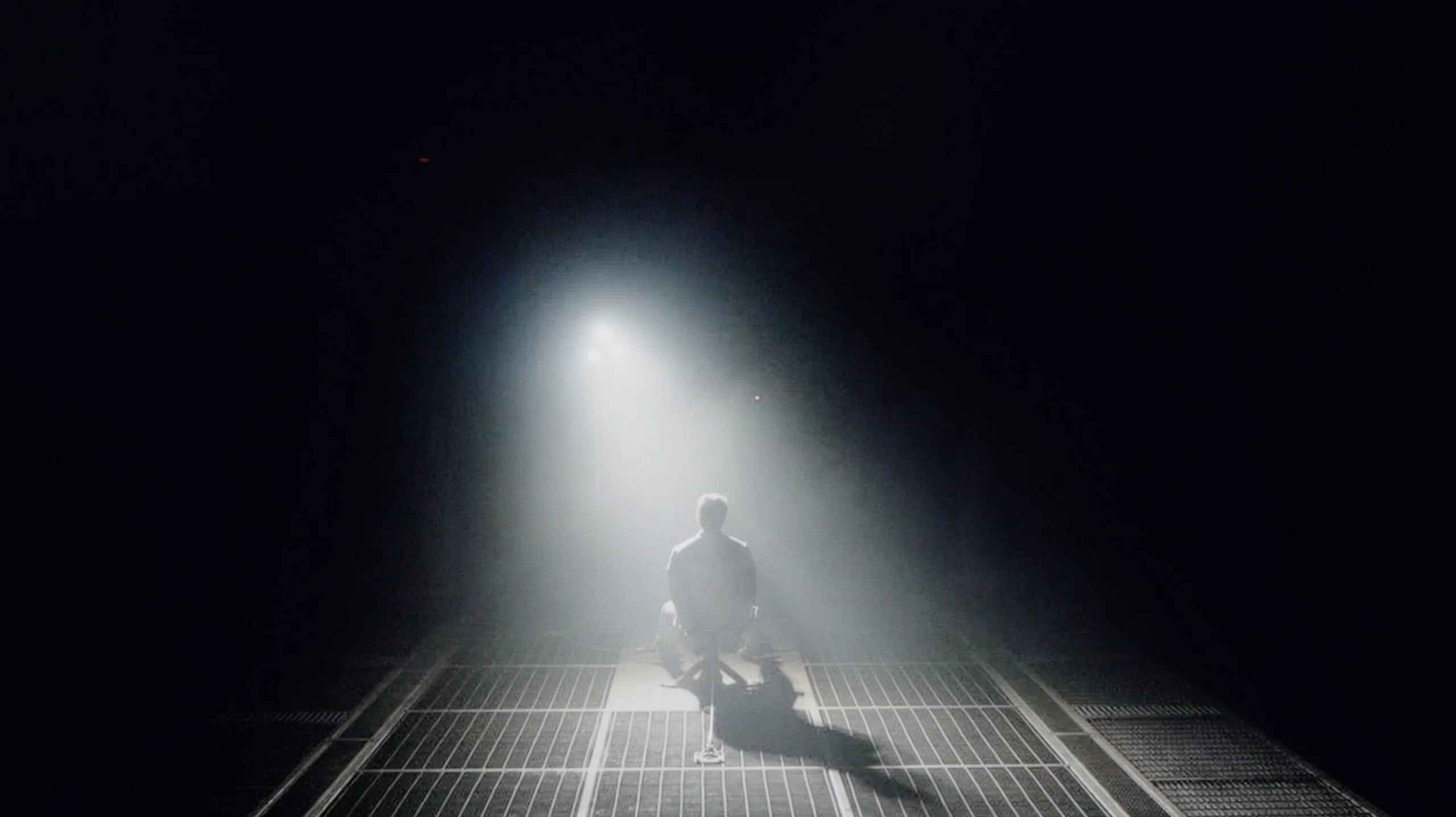
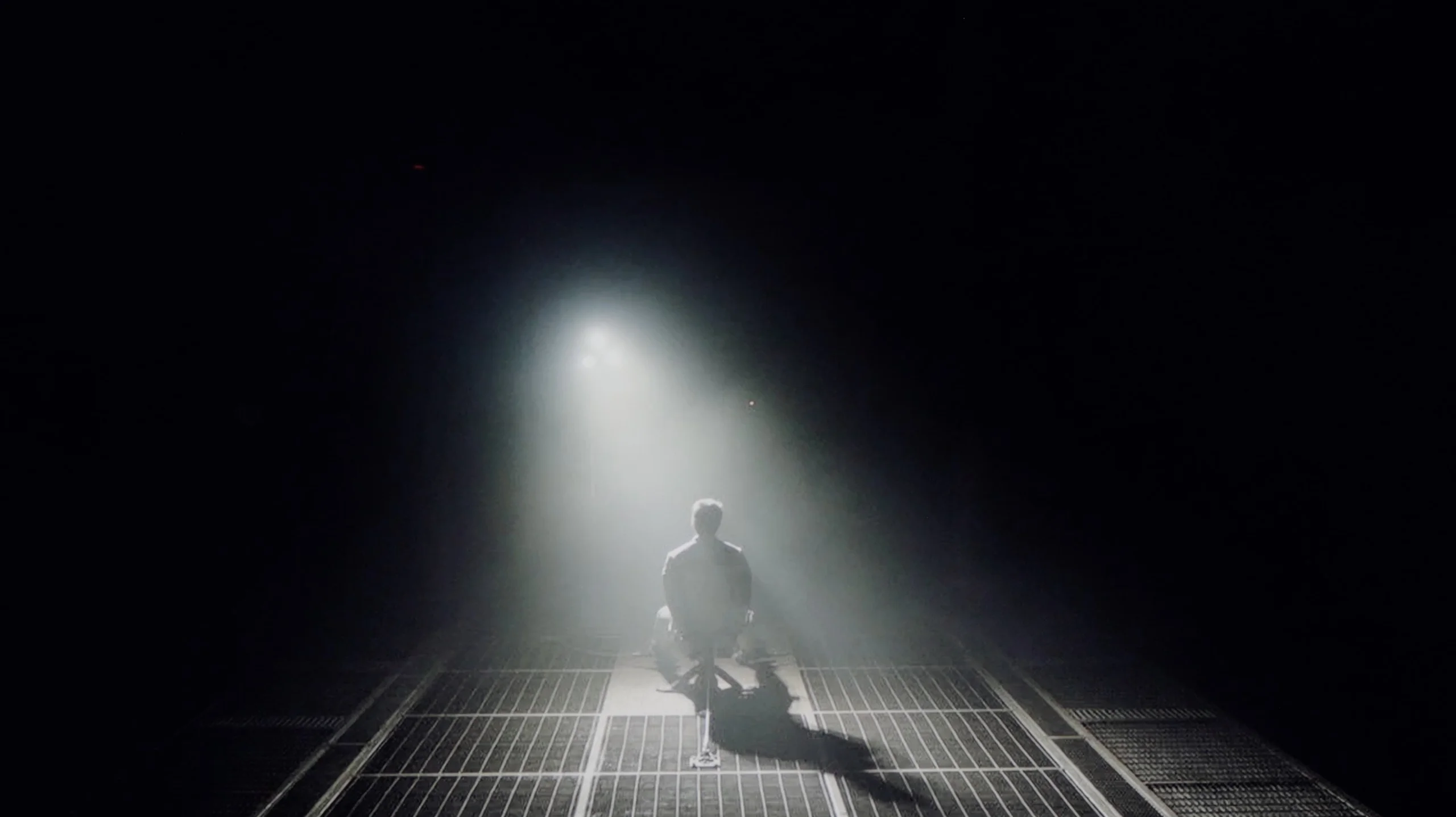
Halo effect and black detail visibility:

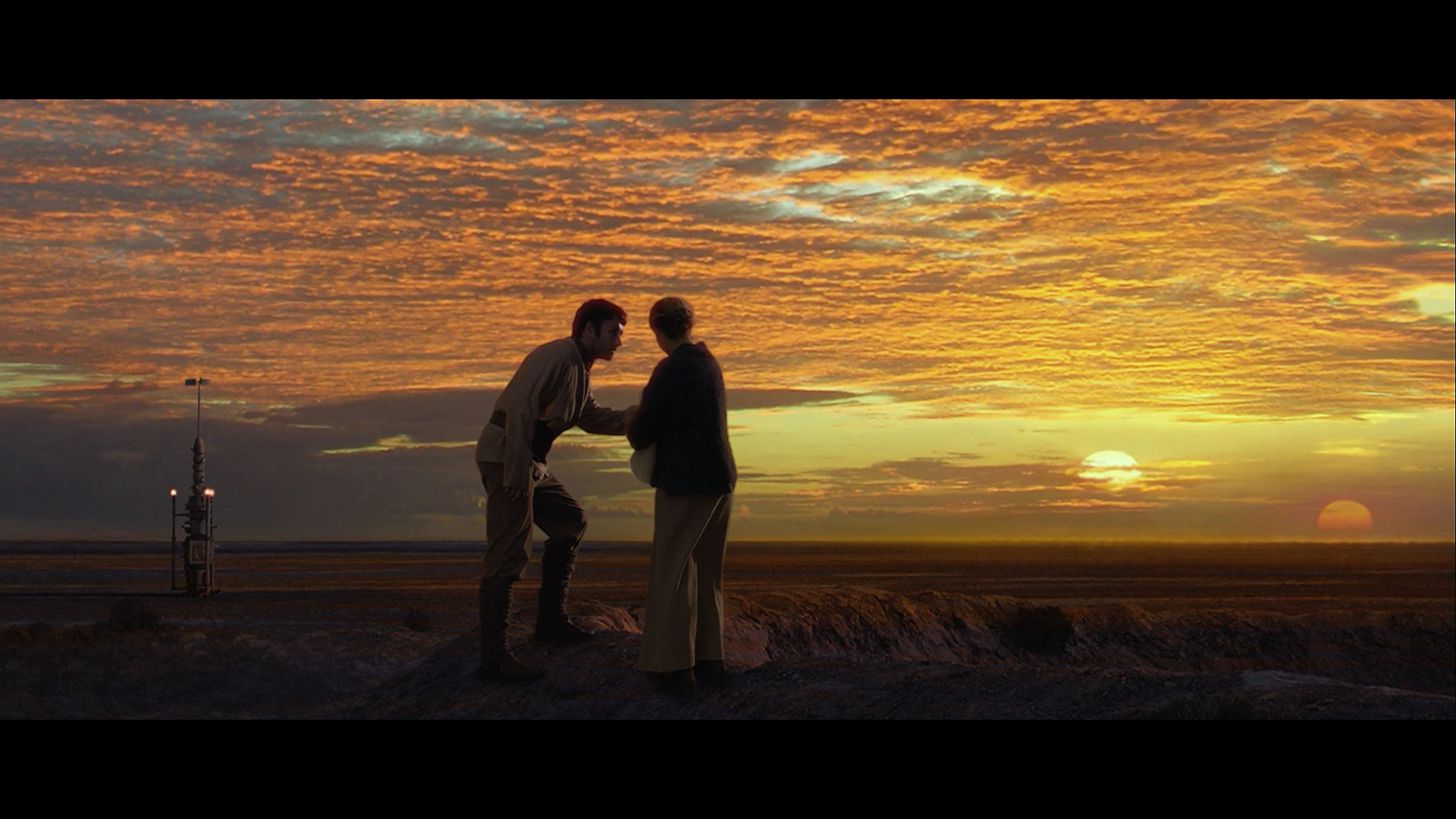
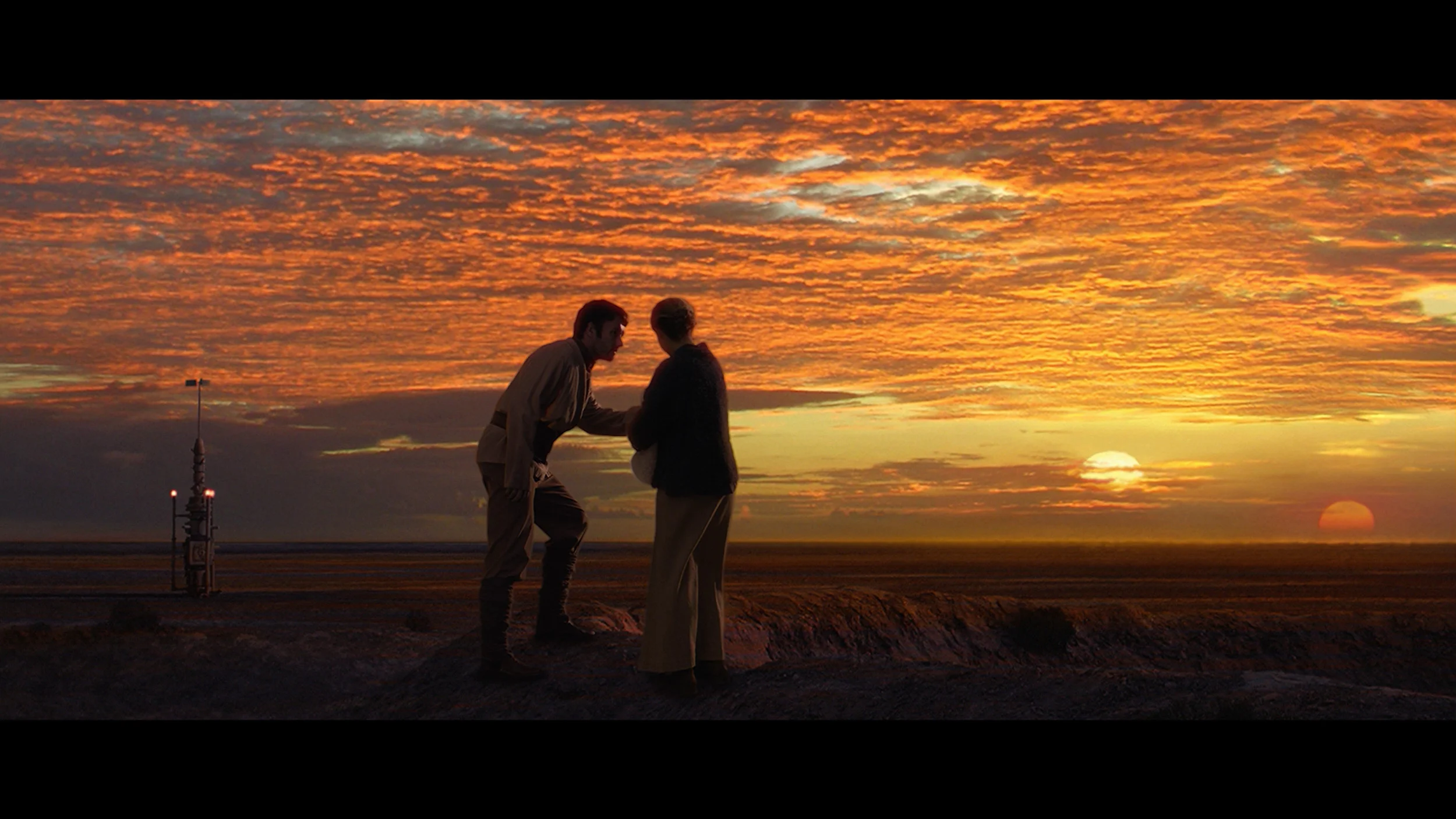
Check the visibility of bright lights on a dark background. Mini-LEDs often struggle with this. The photo does not compare black levels – that’s what the video below is for.

The video accurately shows differences in contrast and black levels between TVs, as well as potential issues: halo around bright objects or Mini-LED zone operation visible as brightness jumps.

The year 2025 looks quite interesting when it comes to lifestyle TVs. Why? Because Samsung has prepared two versions of the iconic model The Frame – one regular and another with the "Pro" label. In this review, we take a look at the version without "Pro," which – as will soon become evident – is quite significant. The regular model LS03F does not feature any local dimming technology, unlike its more expensive sibling. This is important because it affects not only the overall picture quality but primarily how this TV handles black levels.

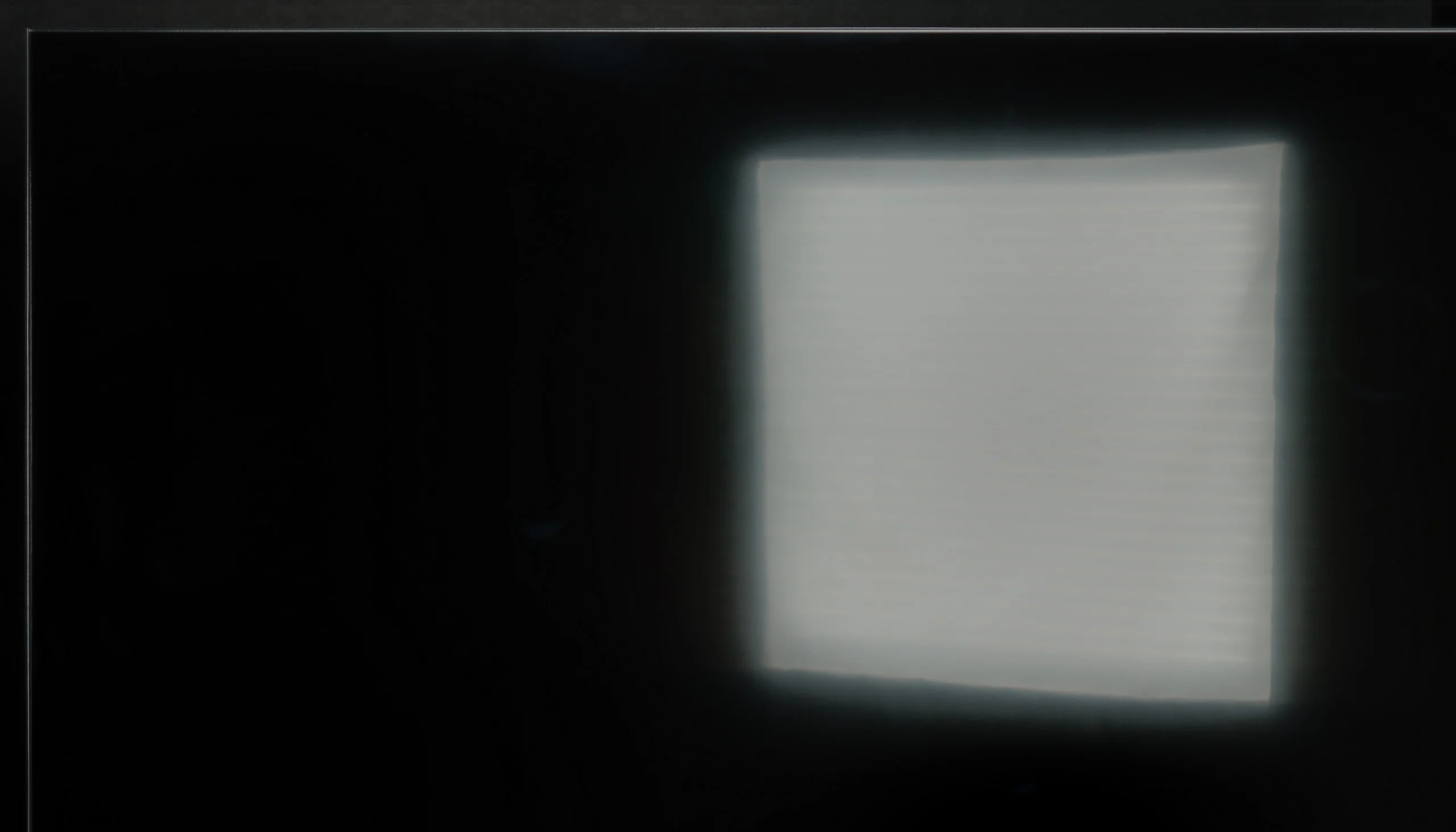
The VA panel used in The Frame 2025 has a high native contrast – and this obviously works to its advantage. In the tested movie scenes, details in the dark parts of the image were clearly visible; nothing blended together, and it didn’t create a uniform black/bright spot. For the average viewer, this will be more than sufficient. But of course, not everything is perfect. The lack of local dimming causes the black levels on this TV not to be perfectly deep – it resembles a dark navy more than pitch black. Additionally, in our tested unit, we noticed slight backlighting in the right part of the screen, but this may just be the "beauty of the specimen" rather than a rule. Theoretically, one could try to improve the perception of blacks by backlighting the screen – for example, with an LED strip – but in the case of The Frame, this is rather impossible because this TV is meant to sit flush against the wall like a painting. So to achieve better blacks visible to our eyes, we are forced to watch the LS03F with the lights on. Such is the charm of this technology.

The model PUS7000 we tested in the 55-inch size is equipped with a VA panel. This is significant for black quality, as in such budget constructions we do not find local dimming systems that could assist the screen in dark scenes. Therefore, all the work rests on the panel itself, which, thanks to its characteristics, offers a decent contrast of 6000:1. In practice, this translates to much better experiences during evening viewings compared to competing TVs with IPS panels. The black here is better separated from bright elements, making dark parts of the image not appear washed out, and details in shadows remain visible. However, it is worth noting that in completely dark conditions, the black may slightly take on shades of navy blue and will not be as perfectly "pitch black" as in more expensive models. To mitigate this effect and improve depth perception, it is advisable to consider watching the TV with soft, additional lighting in the room. Usually, this issue was somewhat resolved by the well-known Ambilight system from Philips TVs, which, through a glow on the wall, optically increases contrast. Unfortunately, in the PUS7000 model, the manufacturer decided to look for savings, so we do not find this backlighting system here, which is standard in higher series like the PUS8000.

HDR effect quality

6/10

3.3/10

Supported formats
HDR10, HDR10+, HLG
HDR10, HDR10+, HLG
Color gamut coverage
DCI P3: 91.5%, Bt.2020: 72.2%
DCI P3: 78.3%, Bt.2020: 57.1%

Luminance measurements in HDR:

Review Samsung The Frame 2025 (LS03F) Brightness measurement

Result

642 nit

Review Samsung The Frame 2025 (LS03F) Brightness measurement

Result

589 nit

Review Samsung The Frame 2025 (LS03F) Brightness measurement

Result

574 nit

Review Samsung The Frame 2025 (LS03F) Brightness measurement

Result

584 nit

Review Samsung The Frame 2025 (LS03F) Brightness measurement

Result

631 nit

Review Philips PUS7000 Brightness measurement

Result

193 nit

Review Philips PUS7000 Brightness measurement

Result

202 nit

Review Philips PUS7000 Brightness measurement

Result

197 nit

Review Philips PUS7000 Brightness measurement

Result

209 nit

Review Philips PUS7000 Brightness measurement

Result

230 nit

Scene from the movie “Pan” (about 2800 nits)

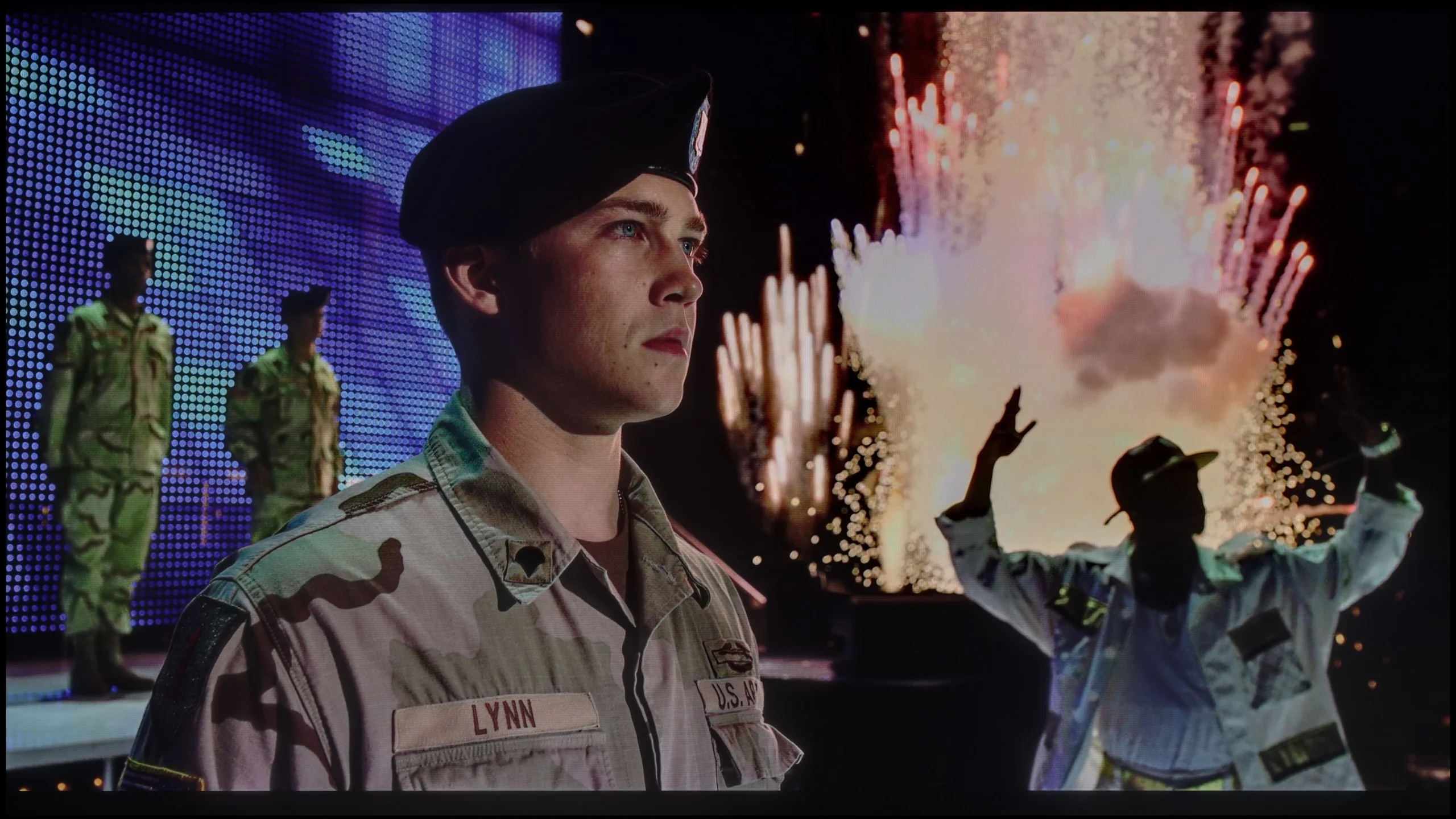
Scene from the movie “Billy Lynn” (about 1100 nits)

The photos show two HDR10 movies. 'Pan' is one of the brightest productions ever made, while 'Billy Lynn' (soldier) has brightness typical of streaming (Netflix, Prime, HBO MAX). Notice the intensity of effects and detail in whites.

Static HDR10

The photos present the visibility of white details in various HDR formats. They do not show brightness differences between TVs (these can be compared in the previous gallery).

Dynamic: HDR10+

Dynamic: HDR10+

The photos present the visibility of white details in various HDR formats. They do not show brightness differences between TVs (these can be compared in the previous gallery).

HDR luminance chart:

Philips PUS7000

Samsung The Frame 2025 (LS03F)

The Frame LS03F is a television that can surprise with its brightness. The maximum luminance reaches around 650 nits, which already looks solid on paper. But as we know, lab tests are one thing, and real movie scenes tell a completely different story. When watching HDR content in natural conditions, The Frame 2025 maintains very good results. In most film scenes, peak brightness remained at levels of 550–650 nits. This is enough to feel the difference between standard image quality and that of HDR – bright highlights, reflections on water, and moonlight appear clear and impressive.

It’s also worth noting that the LS03F is a QLED television, which translates to solid color saturation. The coverage of the DCI-P3 color space reaches about 92%, allowing for vibrant, intense colors in HDR content. It may not be at the level of top premium models, but for a lifestyle screen, the result truly deserves recognition.

Unfortunately, the PUS7000 is not suitable for watching HDR content. This screen is simply too dark. A brightness level of 200 nits is not enough to correctly display such a format. Even if a HDR signal message appears on the screen, the image will resemble a regular SDR recording. Therefore, it's better to stick with the latter format to avoid issues in displaying bright scenes, which you can read about below. The situation is not improved by the fact that this is a classic LCD model without additional layers to enhance colors, such as QLED or PFS. As a result, colors in HDR may appear washed out. Ultimately, this gives a worse effect than in the standard SDR format, which is simply better suited to the capabilities of this panel.

Factory color reproduction

7.1/10

5.3/10

This gallery shows how colors change after professional TV calibration. If you notice the difference, we recommend ordering this service at SkalibrujTV.com.

Factory Mode

After calibration

This gallery shows how colors change after professional TV calibration. If you notice the difference, we recommend ordering this service at SkalibrujTV.com.

Factory Mode

After calibration

When it comes to image quality right out of the box, even in Filmmaker mode, which is supposed to be the closest to reference, there were issues. In both HD and 4K HDR content, we noticed noticeable deviations in white balance. The image was heavily skewed towards red and blue, giving the screen a characteristic rosy tint. This effect was most visible in bright scenes – for example, in shots with a lot of white, where neutral light should naturally dominate. In such moments, the screen clearly leaned towards pink tones, which can also be seen in the attached comparison photo. As for brightness characteristics – it wasn't as bad as one might expect given such color inaccuracies. Analysis of the gamma curve and EOTF showed a slight brightening of the image compared to the reference, but not enough to drastically affect the perception of the material.

We tested the television in movie mode, which theoretically should provide the best and most natural colors. And indeed, this mode is quite correct; however, after connecting the calibration equipment, its biggest flaw became apparent. The PUS7000 has significant deficiencies in displaying red. Poorly tuned white balance and too low saturation of this color cause the image to appear too cool. As a result, one might get the impression that the displayed content is simply lacking in vibrant colors. The situation is exacerbated by the fact that both SDR and HDR content are excessively brightened. This is confirmed by the gamma curve and EOTF graphs, which show that the television displays the image brighter than it should. This causes scenes to lose their depth and may appear somewhat washed out. Fortunately, the Philips menu offers many functions to improve these aspects, so we immediately proceeded to calibration to see what could be squeezed out of this screen.

Color reproduction after calibration

8/10

7/10

The photos show how movies look on the TV. Pay attention to black detail visibility, colors, and shadow tint.

The photos show how movies look on the TV. Pay attention to black detail visibility, colors, and shadow tint.

After calibration, the movie mode gained a completely new quality. The issue of pink tint, which had previously been clearly visible, especially in bright scenes, was effectively eliminated. Colors began to look much more natural, and the white balance no longer dominated the rest of the image. It was no longer the same exaggerated “box picture” – everything gained coherence and a cinematic character. Additionally, the tendency of the television to slightly brighten scenes, previously visible in the EOTF curve analysis, was partially corrected. Of course, this was within the limits of what the design allows without local dimming – it’s hard to speak of perfect brightness management here. Nevertheless, the final effect was definitely closer to what one would expect from a mode called Filmmaker.

After professional calibration, it is clear that the PUS7000 responds well to image adjustments. In this price range, this is not a given. The effects should be assessed in two scenarios, depending on what content we plan to watch. SDR performs the best. After our corrections, the image looks really good. Most color errors fell below level 3, which is the threshold at which distortions typically become visible to the naked eye in measurements. Movies, series, sports, and regular television present themselves naturally, without unpleasant deviations. If someone primarily watches classic channels or streaming in HD quality, the difference after calibration will be noticeable immediately. However, it must be made clear that the PUS7000 is still not a television suitable for sensible HDR, and calibration does not change much here. The reason lies in the hardware: colors remain too undersaturated. The television lacks solutions that expand the color gamut, such as PFS filters or a quantum dot layer, so the panel simply cannot show the intense colors required by HDR. This is most evident in reds, which still look pale. This limitation cannot be bypassed with menu settings, as it results from the design of the backlighting and the panel itself.

Smoothness of tonal transitions

9/10

6/10

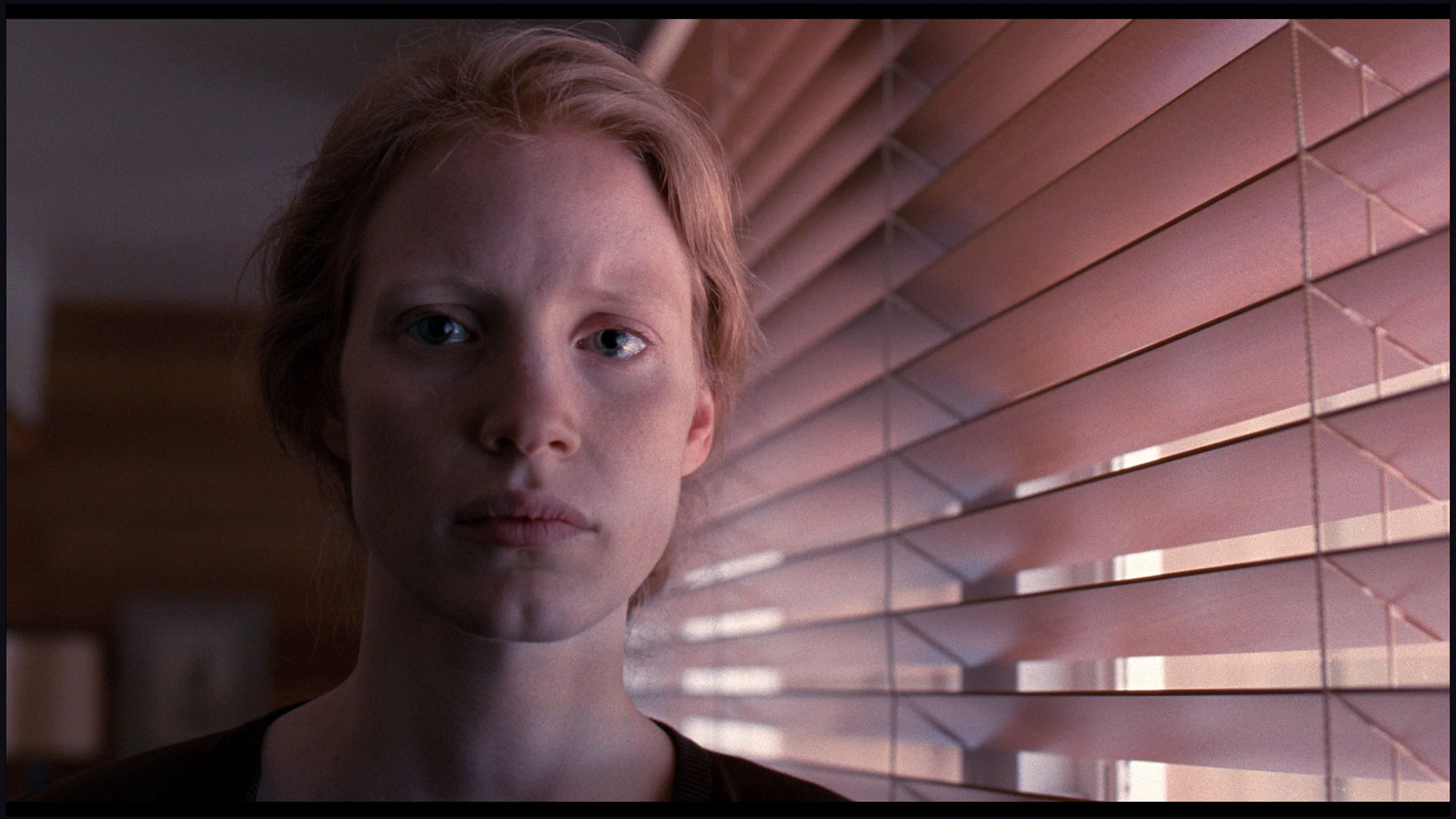
These are selected scenes that show smooth tonal transitions from one color to another. If you see distinct banding, it’s the TV panel’s fault.

These are selected scenes that show smooth tonal transitions from one color to another. If you see distinct banding, it’s the TV panel’s fault.

These are selected scenes that show smooth tonal transitions from one color to another. If you see distinct banding, it’s the TV panel’s fault.

These are selected scenes that show smooth tonal transitions from one color to another. If you see distinct banding, it’s the TV panel’s fault.

In terms of the fluidity of tonal transitions, the LS03F maintains a high level – just like last year’s models. The television had no issues during the testing of more challenging movie scenes, where visible transitions between color shades can easily occur. The color grading is very good here – both in the lighter and darker parts of the image. We did not observe the typical banding effect or other disturbances that could stand out while watching movies. If we had to nitpick, in the most demanding scenes – with subtle transitions and delicate gradients – small imperfections can be noticed. But only when one gets really close to the screen and begins to analyze the image from a distance not intended by the manufacturer.

In terms of color gradation in bright scenes, the PUS7000 model performs surprisingly well. It's hard to have any major complaints here. The color transitions are natural and smooth, so there are no disturbing bands or jumps between shades on a bright background. When watching cheerful scenes, nothing should distract your attention from the screen. However, the situation changes dramatically when darker shades of gray or simply very dark colors appear on the screen. Unfortunately, you can then see quite strong "stepping" of colors. Instead of smooth transitions, you get clear cuts between individual tones. In dark, atmospheric films, this can be quite annoying and distract from the viewing experience, as the tonal transitions are not as clean as in the bright parts of the image.

Image scaling and smoothness of tonal transitions

6.7/10

6.5/10

Image without overscan on the SD signal
No
OK
Smooth transition function
OK
OK

Smooth transition function

The match photo shows how the TV smooths weak tonal transitions in low-quality video.

Image scaling SD (576i)

The model photo shows how it handles upscaling of SD material.

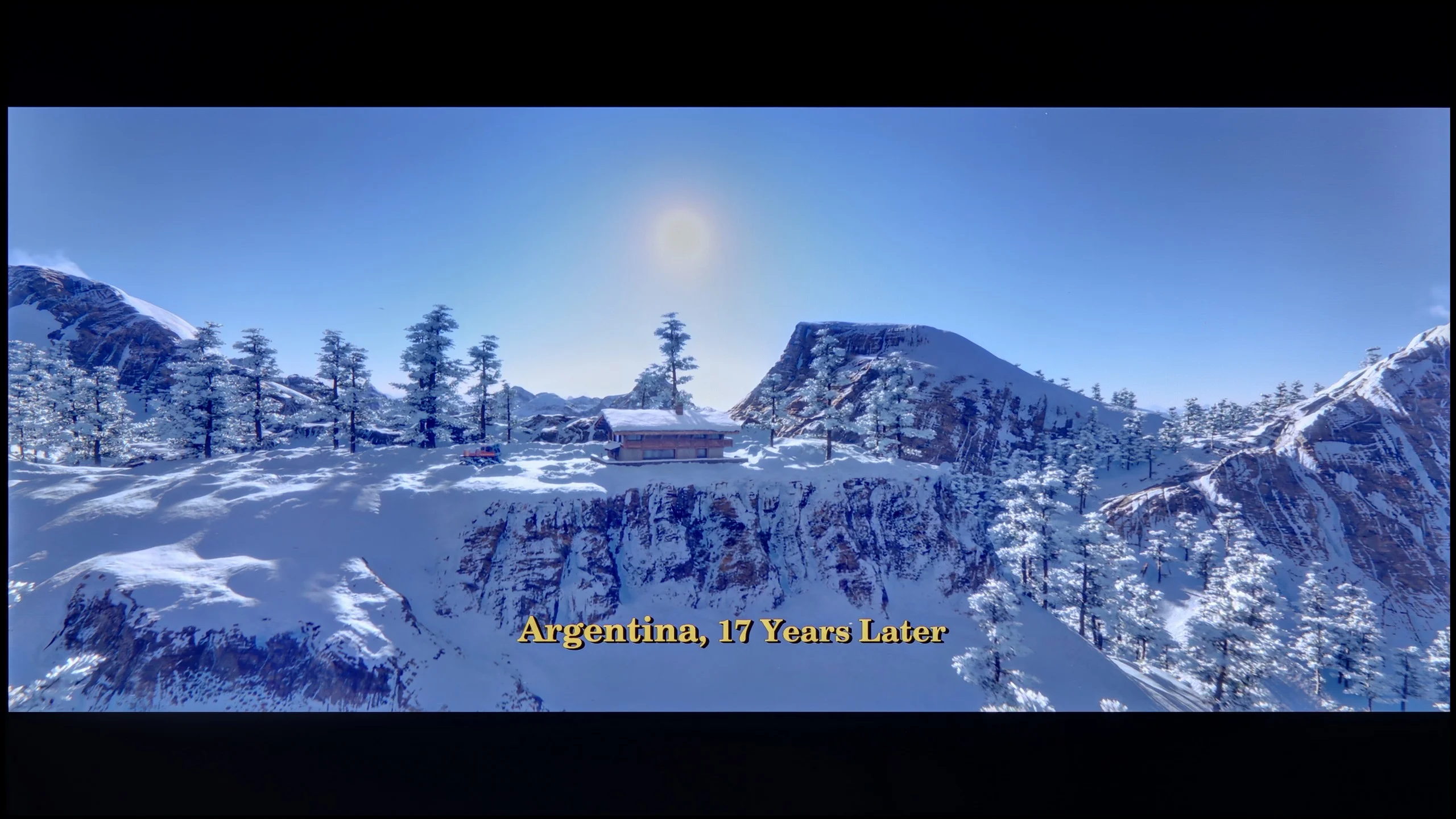
The LS03F is equipped with the NQ4 processor, which is responsible for improving image quality—especially in lower-quality materials. In practice, it works surprisingly well, particularly with older content and recordings with lower resolution. Activating the "noise reduction" feature yields noticeable effects. The television effectively smooths tonal transitions and removes digital noise that can appear in darker areas of the image. Compared to previous generations, there is a clear improvement—previously, this feature often smoothed everything too much, including details that it shouldn't have removed. In this year's model, the smoothing still occurs, but it is done in a much more acceptable manner. Textures of materials, skin, or fabric details are no longer so heavily muted as before—the image retains more naturalness. However, this does not change the fact that film grain is still removed by the television, which may not be to everyone's liking. On the other hand, it is no longer as aggressive an intervention as in previous models. It is also worth mentioning that the LS03F may struggle with very weak signals—such as recordings from VHS tapes or video in low resolution. In such cases, we noticed slight clipping of the image at the edges—so-called overscan. This can lead to situations where a small part of the image (e.g., subtitles at the bottom edge) gets cut off.

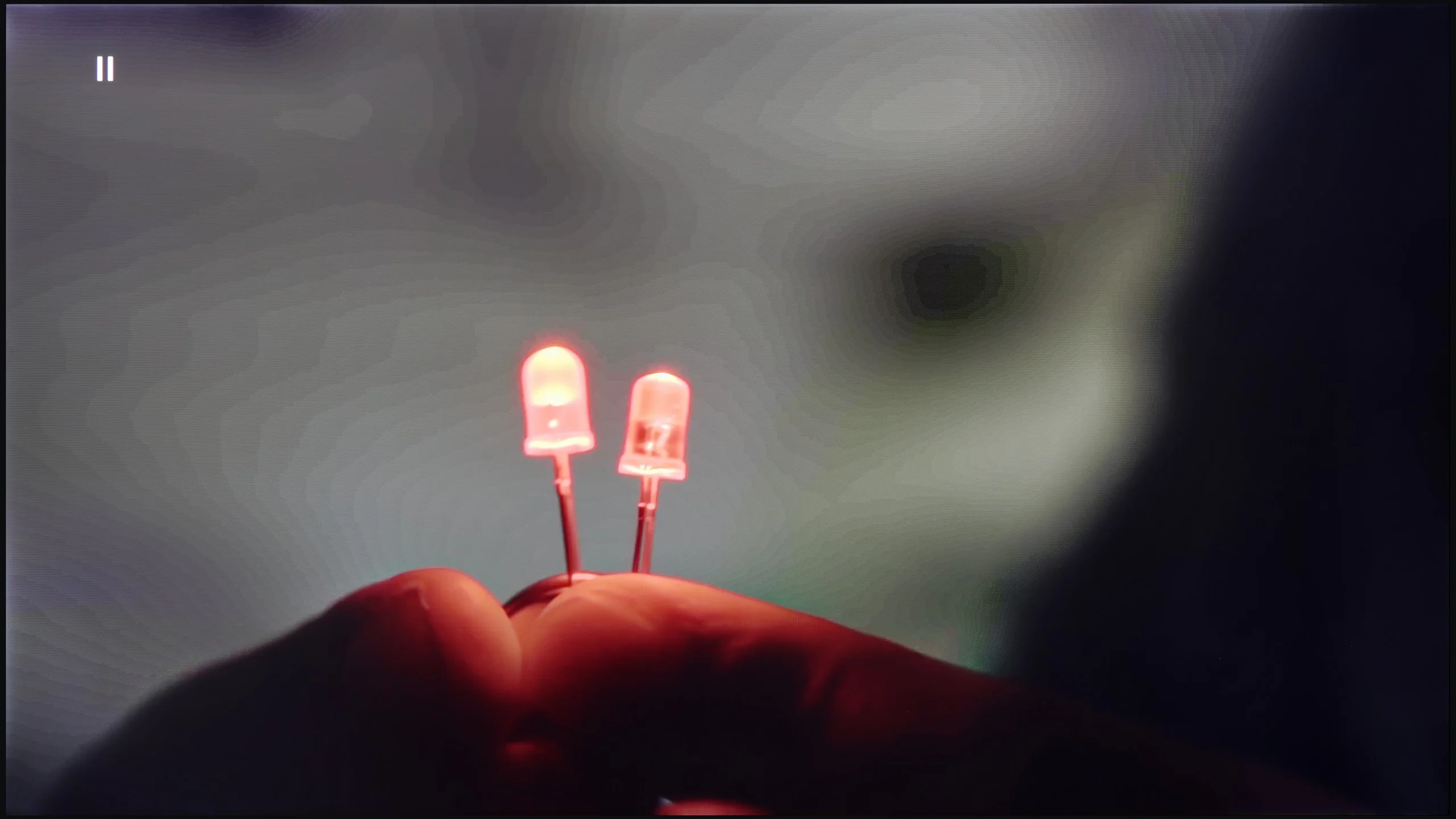
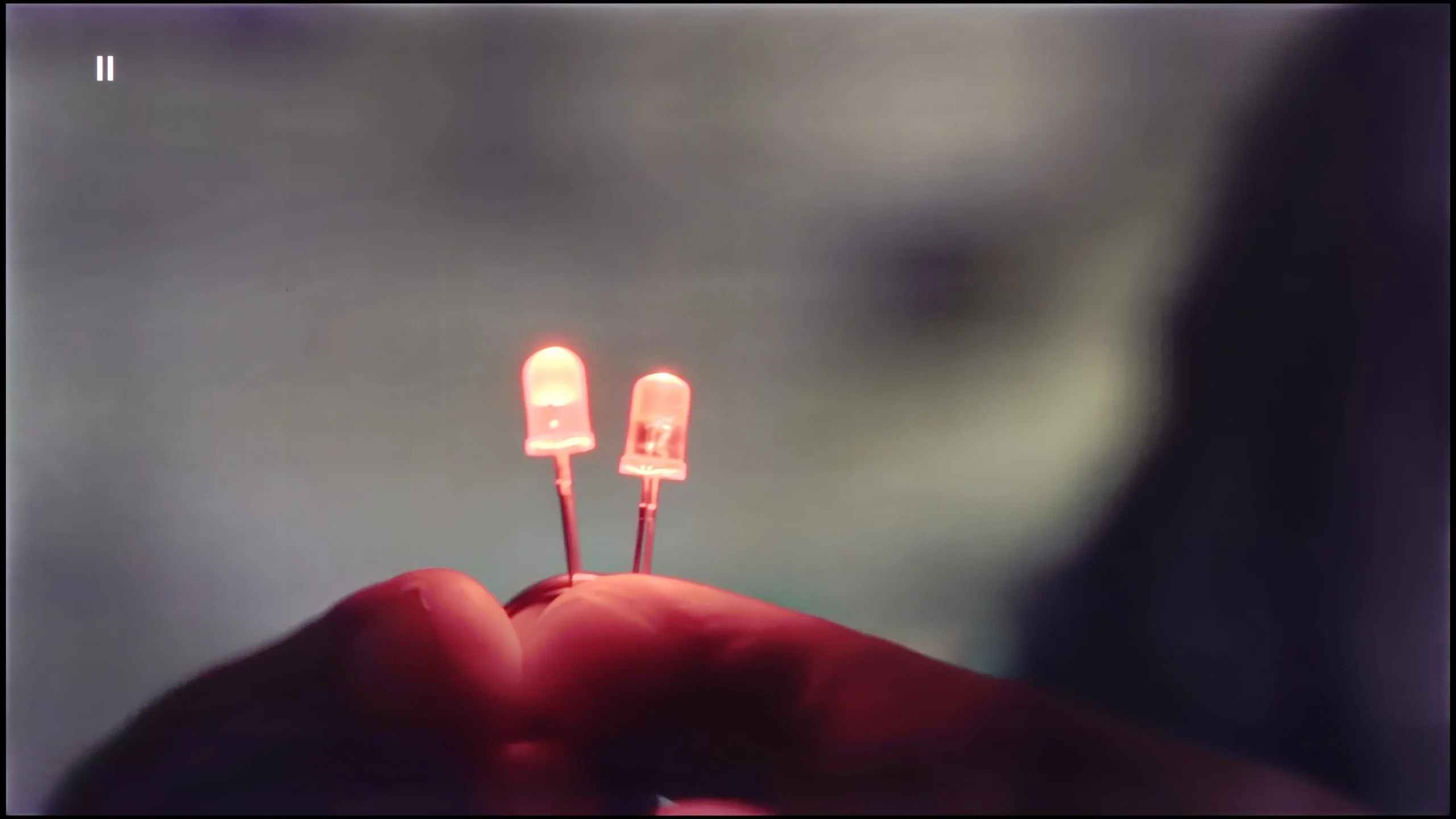
The PUS7000 handles digital image processing quite well. The distortion reduction feature deserves praise, as it effectively smooths out unwanted tonal transitions even at a low setting. However, it has a flaw: if the action is too aggressive, it can introduce undesirable artifacts on the screen. It’s a good idea to experiment with this setting to find the sweet spot between a smooth image and detail clarity.

The upscaling, which is the enhancement of lower quality materials to 4K, is adequate. The image after processing is very "soft," which is typical for almost all Philips televisions. The edges are plastic and smooth, making the image look cohesive. If someone finds it too soft, it can always be adjusted with the sharpness slider in the menu to achieve a more pronounced effect.

Blur and motion smoothness

6.9/10

3.9/10

Maximum refresh rate of the panel
144Hz
60Hz
Film motion smoothing option
OK
No
Blur reduction option
OK
No
BFI function 60Hz
Yes, 60Hz (image flickers)
No
BFI function 120Hz
No
No
Brightness drop with BFI
43%
-%

Blur (native resolution, maximum refresh rate):

Blur (BFI function enabled):

Image flickers in this mode

A novelty in The Frame for 2025 is the panel with a refresh rate of 144 Hz. Yes – in a television primarily associated with displaying artwork, you can now not only watch Van Gogh but also comfortably play on a console or follow dynamic sports action. This is a definite step towards greater versatility. In the case of Samsung films, as usual in models with a 120 Hz panel and above, it allows you to adjust motion smoothness according to your own preferences. You can set a more cinematic representation while maintaining frame rate or opt for full motion smoothing. The range of options is wide, allowing you to tailor the effect to your taste – whether the viewing experience is meant to resemble classic cinema or a presentation on a modern theater panel.

*this part of the test refers to the model LS03FAU in sizes 55 and 65 inches, which is equipped with a 144Hz panel; the 43 and 50-inch sizes have 60Hz panels, and therefore perform much worse in terms of motion smoothness.

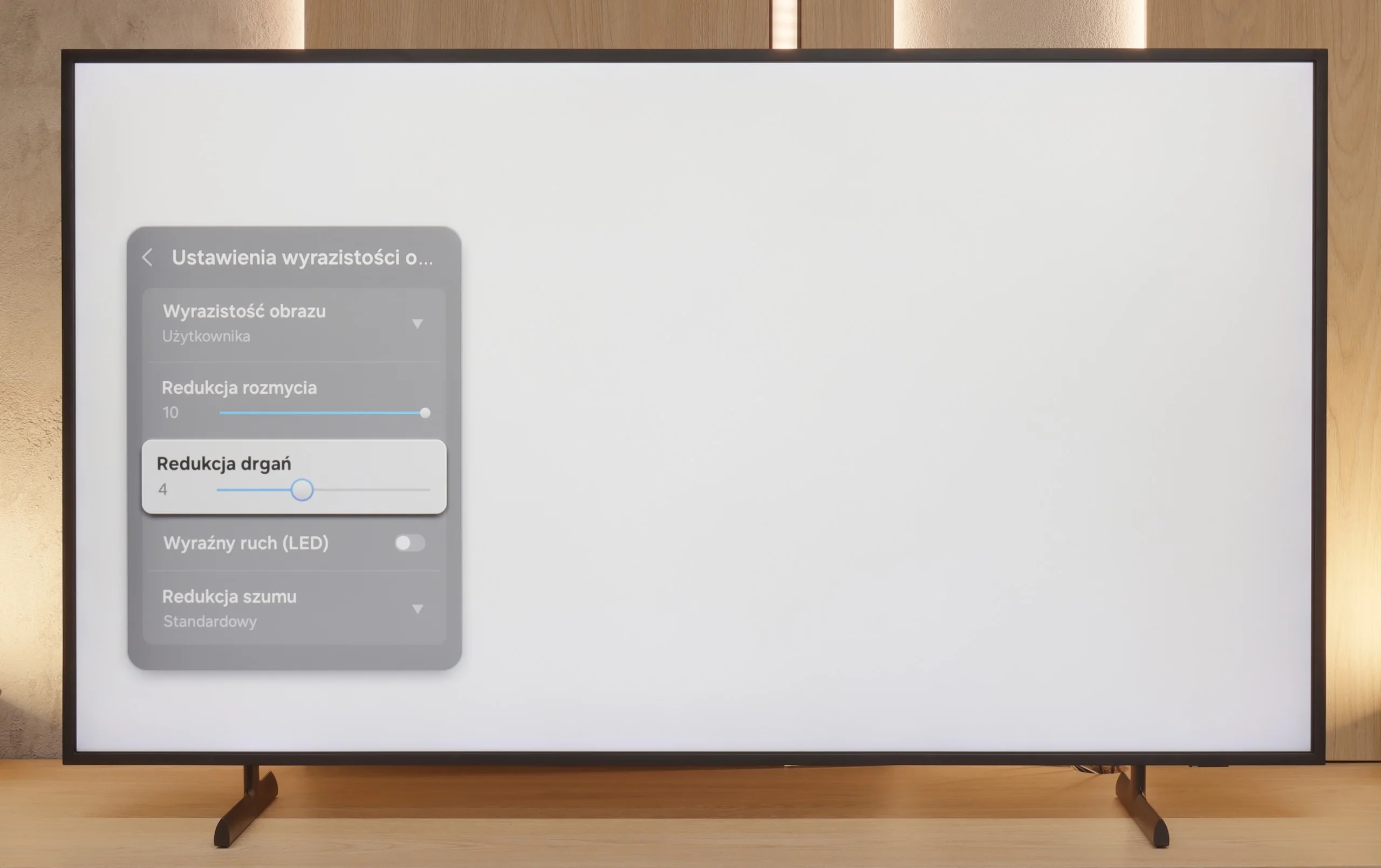
In this regard, we don't really have any good news. It might seem that the biggest downside is the lack of a 120 Hz panel, but in this price range, that's actually standard, and it's hard to expect more. However, the worst part is that the TV does not have any motion smoothing features. There are no supporting systems for either movies or sports. We have to accept that the image on the PUS7000 is processed "raw." This means that during dynamic scenes or fast camera movements, the motion may appear choppy or unclear. We have no way to enable any smoother that would soften this effect.

Console compatibility and gaming features

9.6/10

4.7/10

  • ALLM
    Yes
    Yes
  • VRR
    Yes
    Yes
  • VRR range
    48 - 144Hz
    48 - 60Hz
  • Dolby Vision Game Mode
    No
    No
  • Correct implementation of HGIG
    Yes
    No
  • 1080p@120Hz
    Yes
    No
  • 1440p@120Hz
    Yes
    No
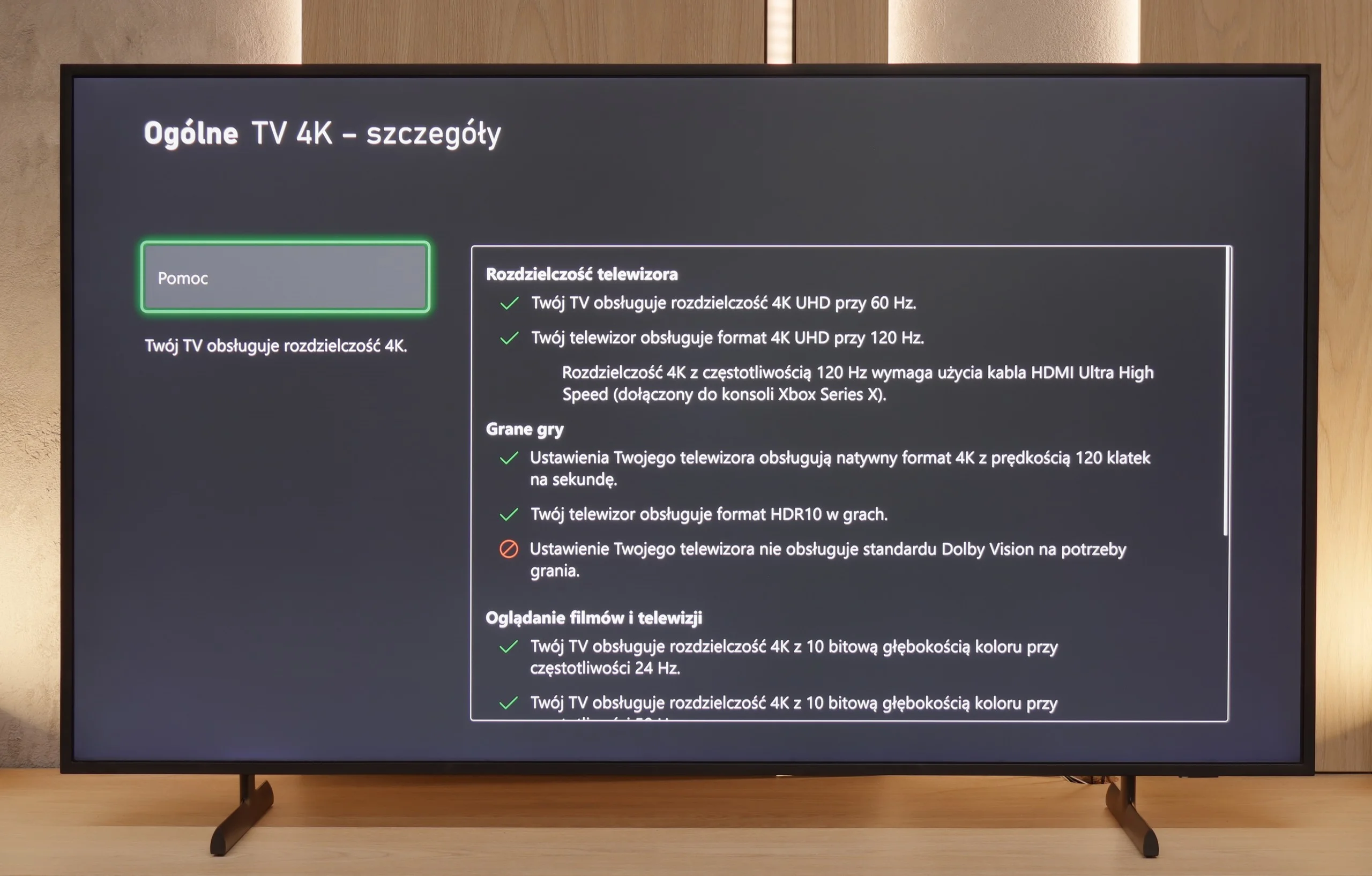
  • 4K@120Hz
    Yes
    No
  • Game bar
    Yes
    Yes

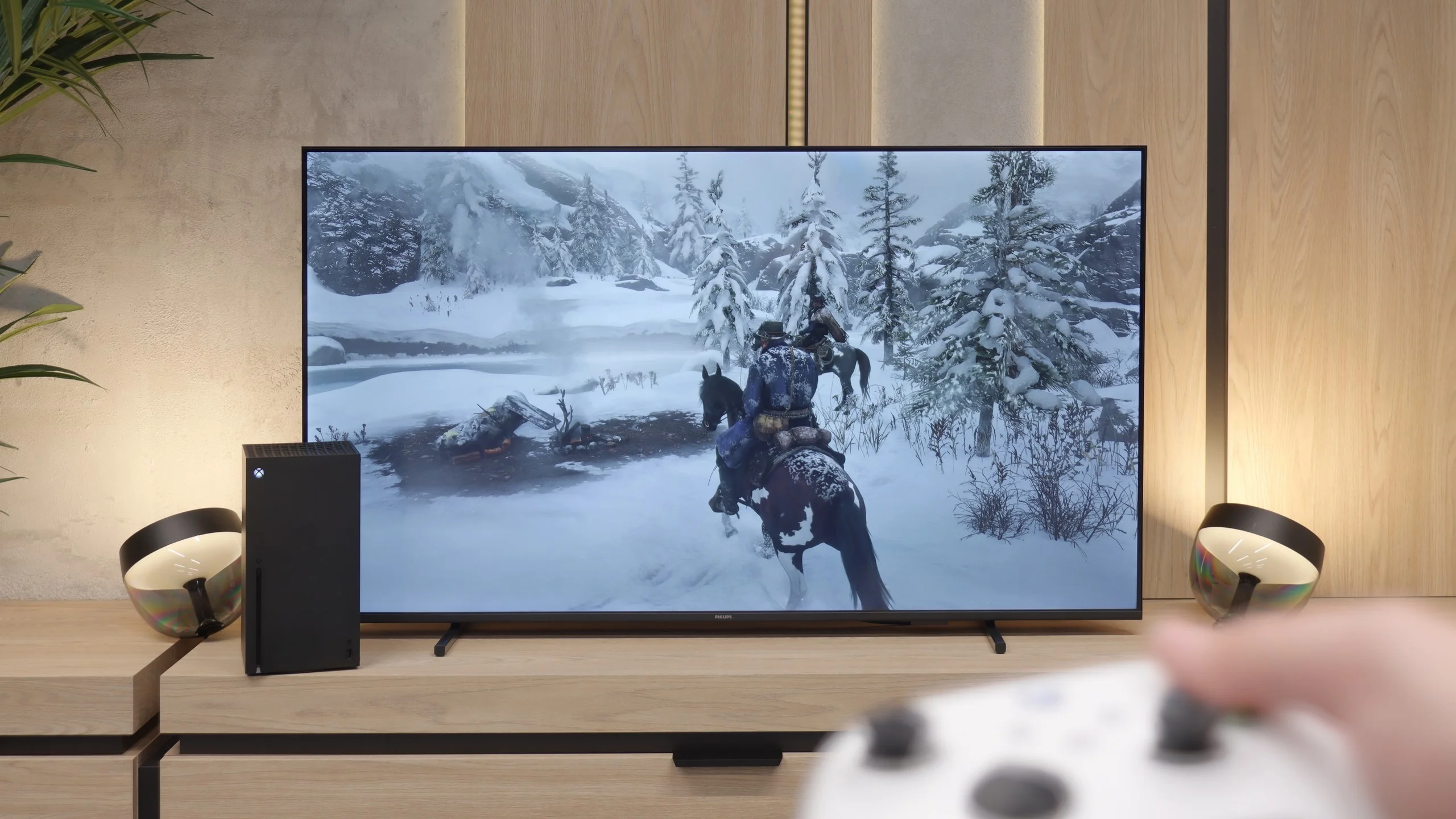
As we mentioned earlier – although The Frame is likely displaying images and artwork most of the time, Samsung recognized that a Van Gogh enthusiast could just as well be an avid gamer. And it must be admitted that The Frame 2025 has almost everything it needs to become a full-fledged gaming TV.

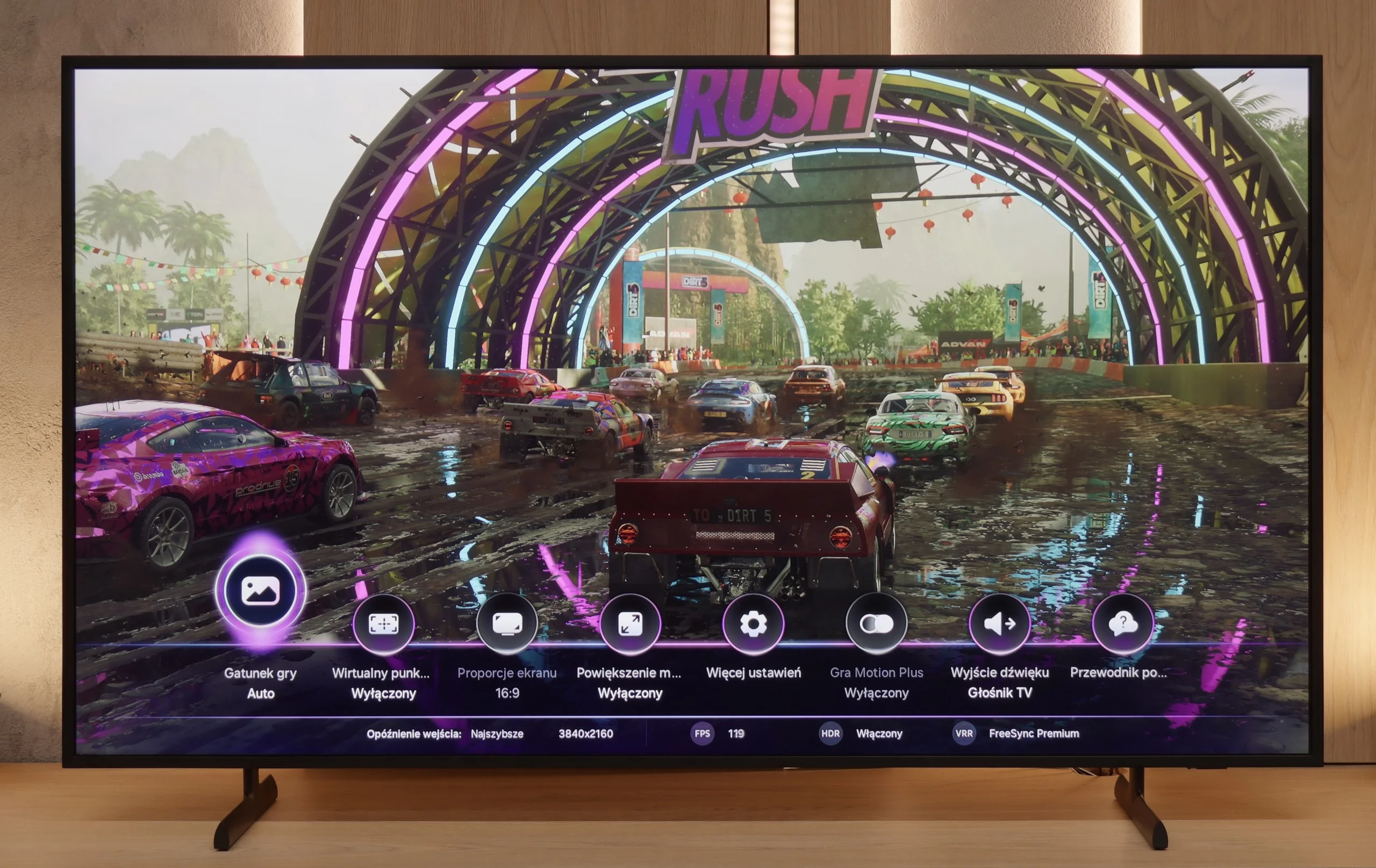
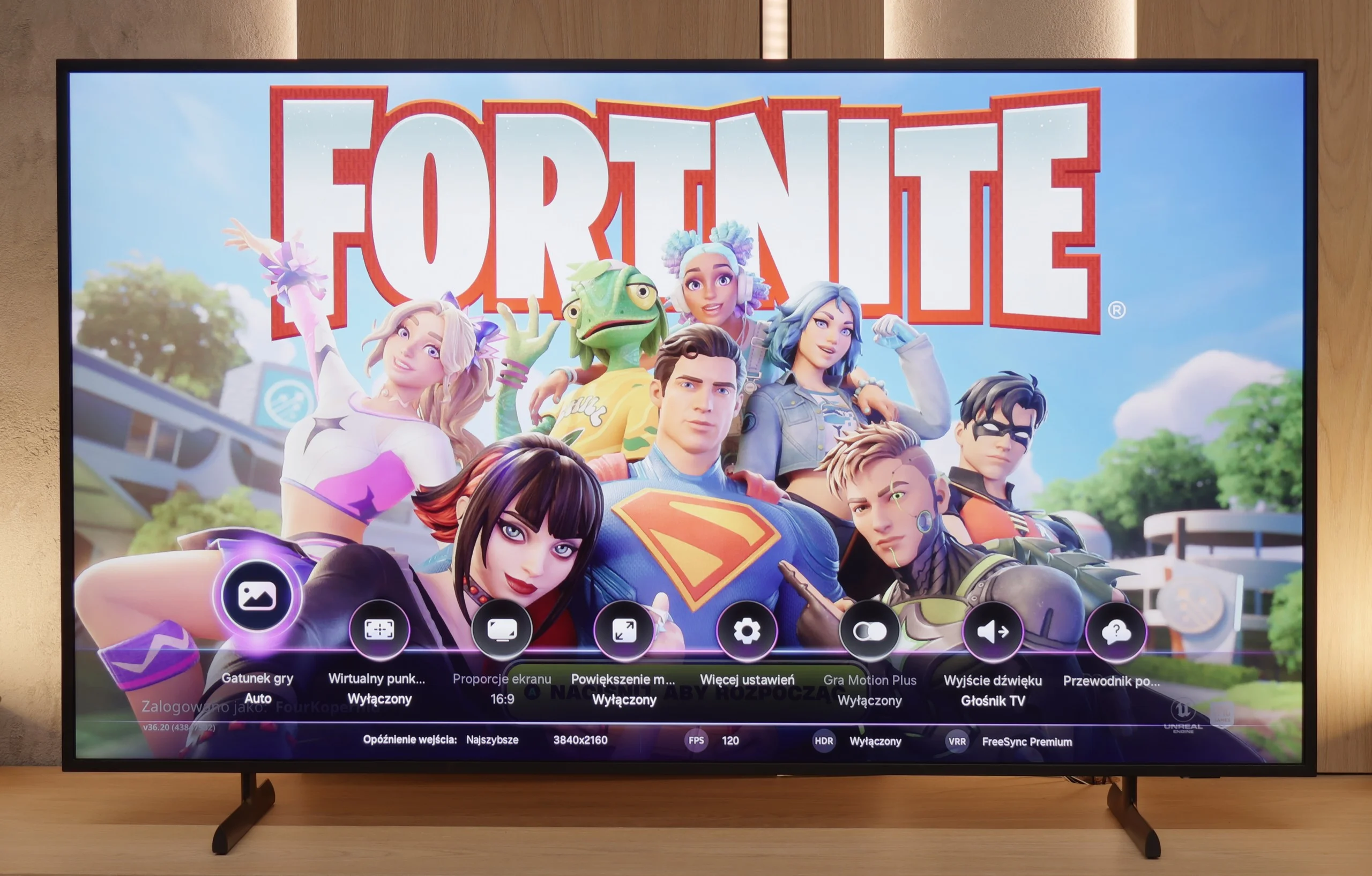
On board, we find support for ALLM (Auto Low Latency Mode) and variable refresh rate (VRR) thanks to the implementation of one HDMI 2.1 port. The TV handles lower resolutions at higher refresh rates with ease and features an advanced Game Bar – already known from other Samsung models – which allows for a quick overview and change of the most important gaming-related settings. And for that, it earns extra points from us. The proprietary motion smoothing feature, Auto Motion Plus Game, also deserves a mention, which – and it’s worth emphasizing – works without boosting input lag. Samsung remains the only manufacturer that has managed to implement this feature in a practically unnoticeable way in terms of delays. The result? Much better fluidity in games, especially those that struggle to maintain a steady 60 frames. This solution can genuinely improve gameplay comfort in more demanding titles – especially on consoles that don’t always manage full fluidity, particularly in AAA games.

As for the downsides – the absence of Dolby Vision we already treat as a standard in Samsung TVs, so there’s not much to complain about here. The problem, however, is something completely different. In the latest version of the Tizen system, the HGiG option has disappeared. Literally – it’s gone. This is a significant hindrance when configuring the console for proper HDR content display in games. It’s hard to understand why such a decision was made, but one thing is for sure – it should be fixed as soon as possible. We are talking about a brand that has set standards in gaming on TVs for years. If HGiG returns – and we hope that it will – The Frame LS03F can confidently aspire to the title of a true gaming TV. Not only as a wall decoration but as a device that really provides enjoyment in gaming.

[UPDATE] We have updated our tests of Samsung TVs from the 2025 lineup due to the release of software version 1131, which has restored the critical gaming feature HGiG.

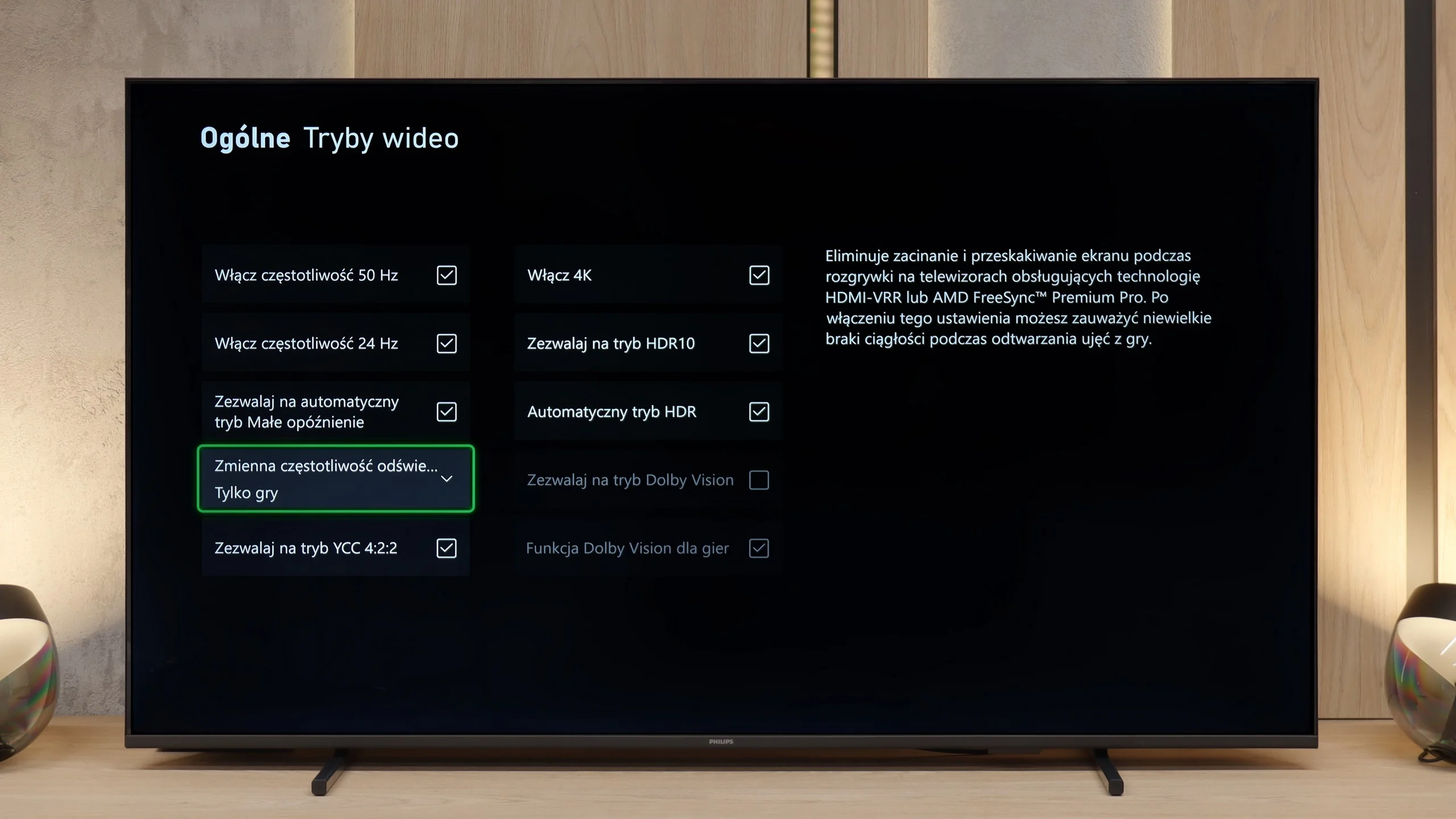
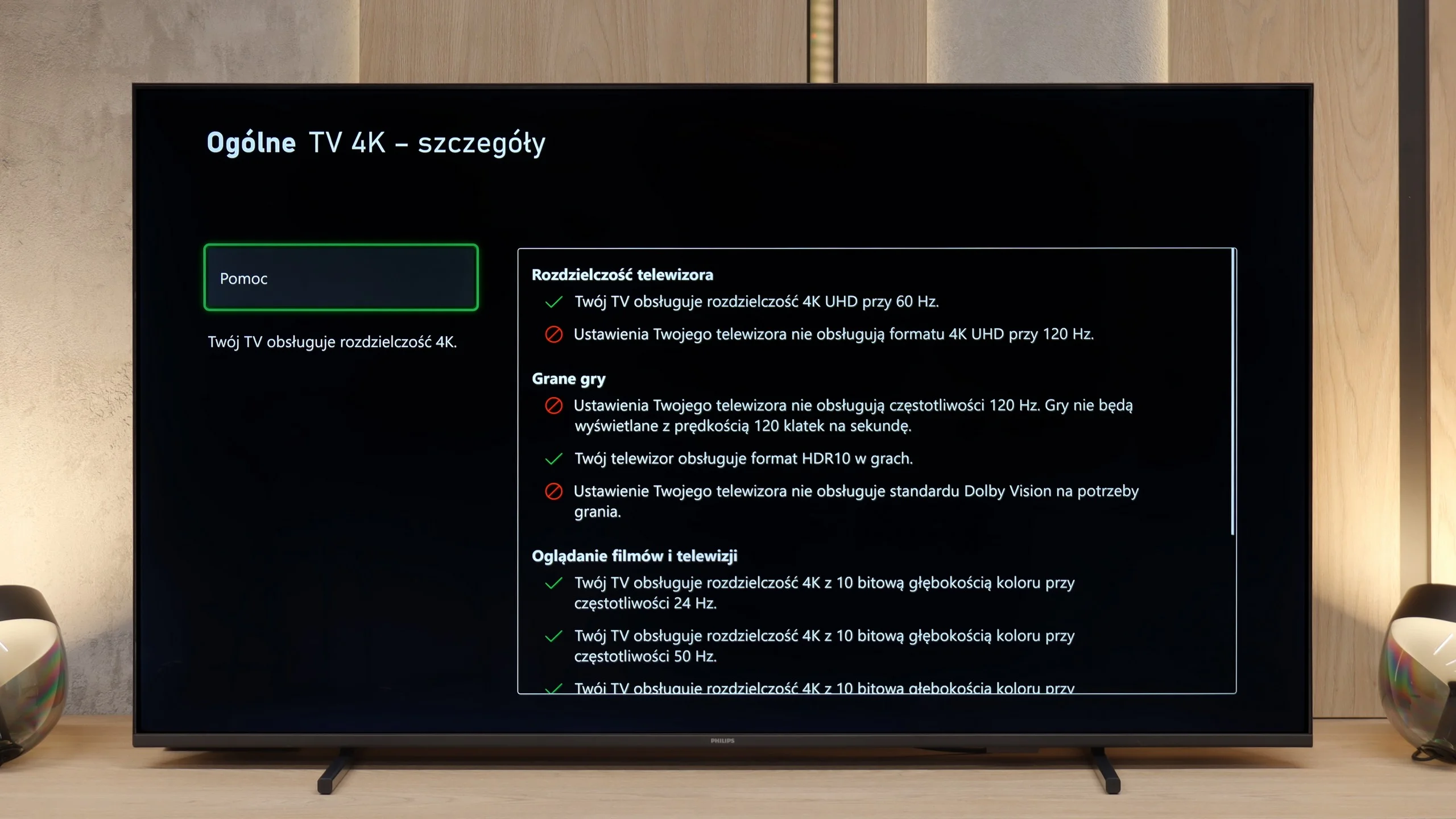
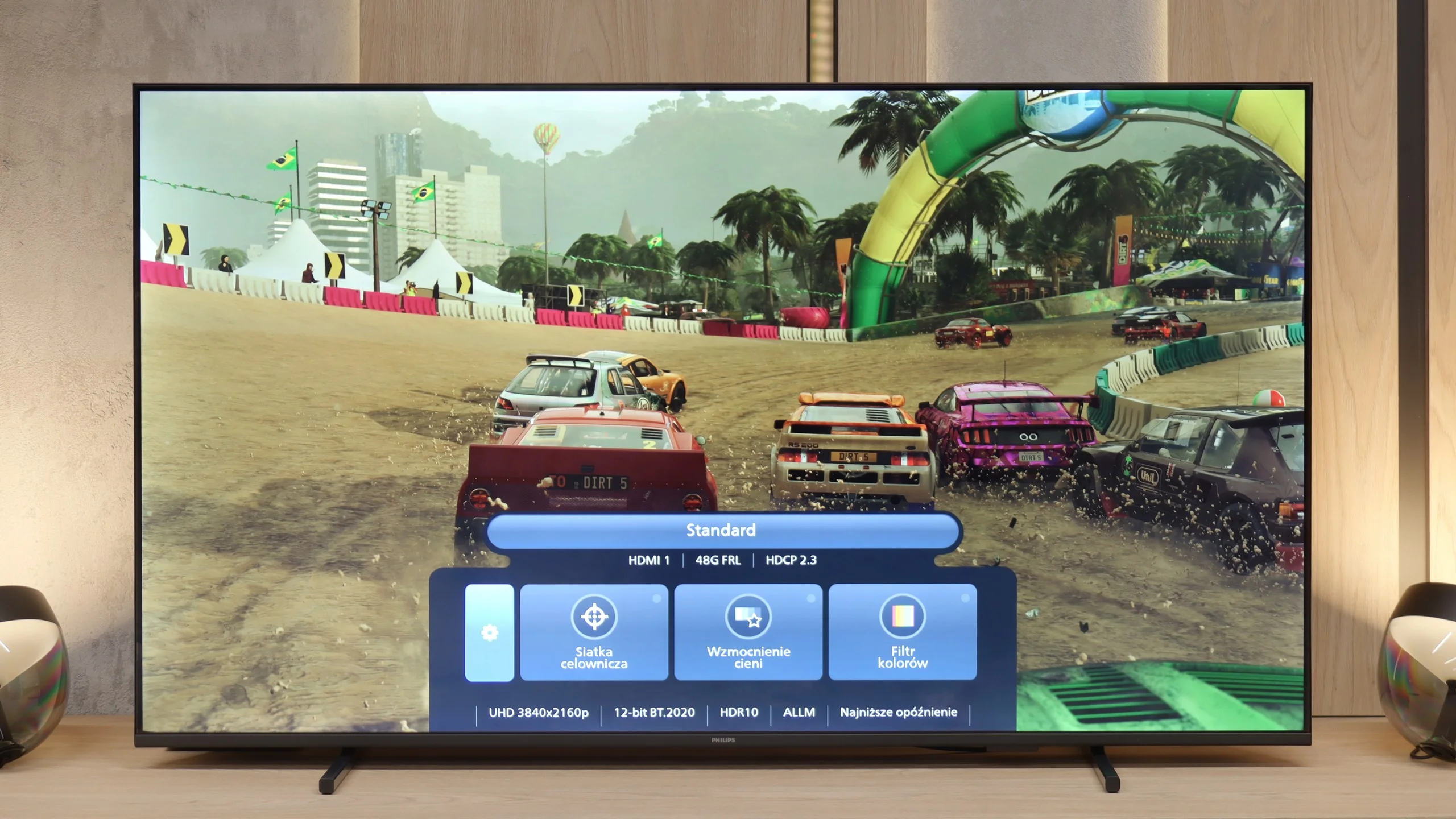
Although the PUS7000 is not marketed as a gaming TV, it does not perform as poorly in this category as one might expect. While there is no support for 120 Hz refresh rates, which is understandable at this price point, the manufacturer has included several important features that genuinely improve the comfort of playing on a console. The most significant of these are VRR and ALLM technologies. VRR is responsible for synchronizing the screen with the number of frames generated by the console. This prevents the image from "tearing" and keeps it consistent even during sudden frame drops in the game. In turn, ALLM is a solution that automatically switches the TV to the lowest latency mode right after detecting a signal from the console. All of these parameters are easily accessible thanks to the Game Bar feature. This is a special control panel for gamers that can be brought up on the screen at any time. It allows for a quick overview of current settings and connection status without interrupting gameplay, which is a very convenient solution.

Input lag

10/10

10/10

SDR

1080p60
13 ms
12 ms
1080p120
8 ms
2160p60
13 ms
12 ms
2160p120
8 ms

HDR

2160p60
13 ms
13 ms
2160p120
8 ms
4320p60

Dolby Vision

2160p60 DV
2160p120 DV

In terms of input lag, Samsung maintains a high standard – and it's a very high one. The LS03F, like most of this year's models from this brand, achieves a score of 8 ms for 4K content, which is almost a reference value. This result allows you to play even the most dynamic titles without delays and with full responsiveness. Well done!

Another plus for gamers is the very low input lag at around 12 ms. In this price range, the result is impressive. The delay is small enough that the response to controller movements feels instantaneous, and in practice, it's hard to notice at all. Gaming remains comfortable even in fast, dynamic titles where every millisecond counts. In this regard, the PUS7000 can keep pace with much more expensive televisions.

Compatibility with PC

8.2/10

5.8/10

Chroma 444 (max. resolution and refresh rate)
Yes
Yes
Font clarity
Good
Good
Readability of dark text and shapes
Average
Good
Input lag in PC mode (4K, max. refresh rate)
8ms
12ms
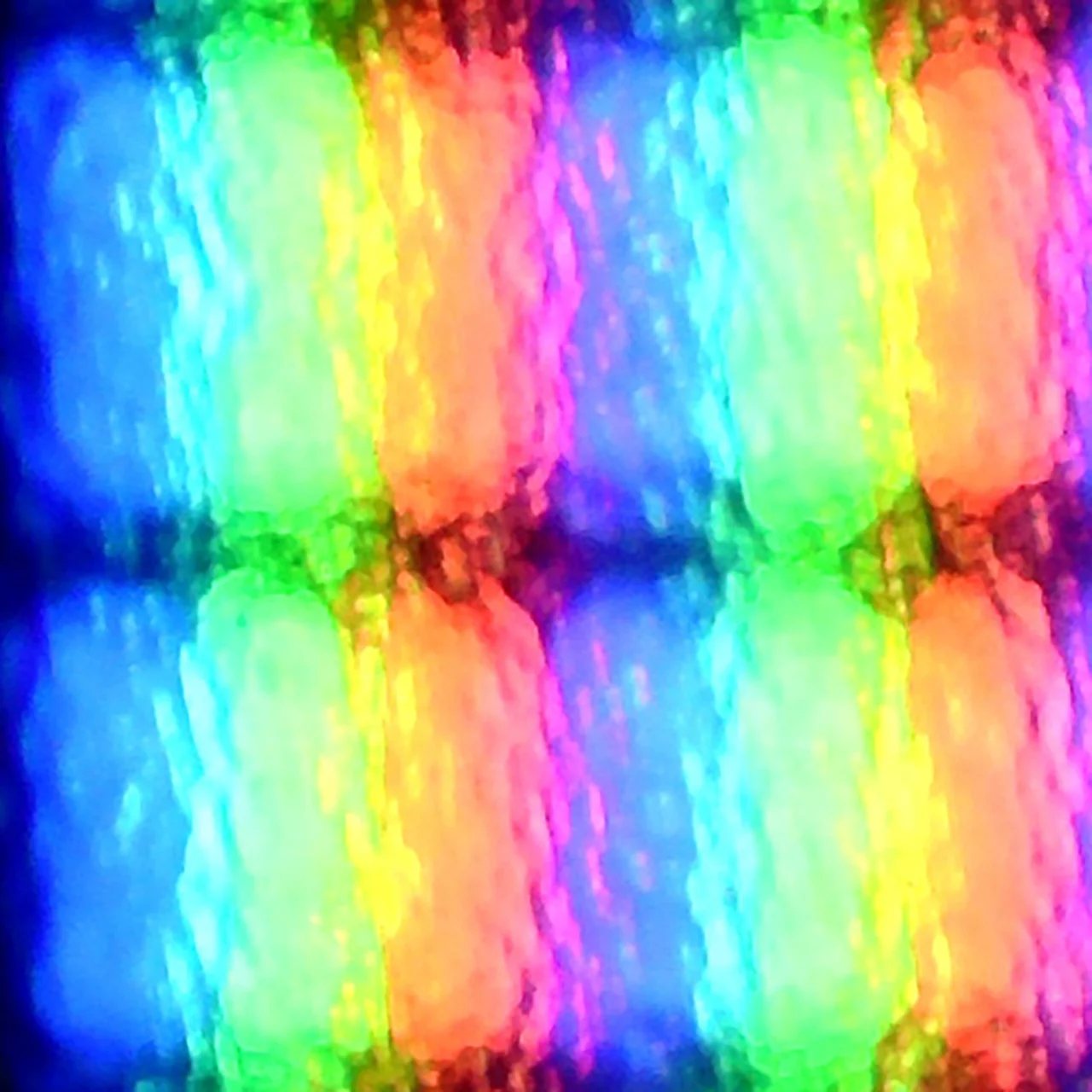
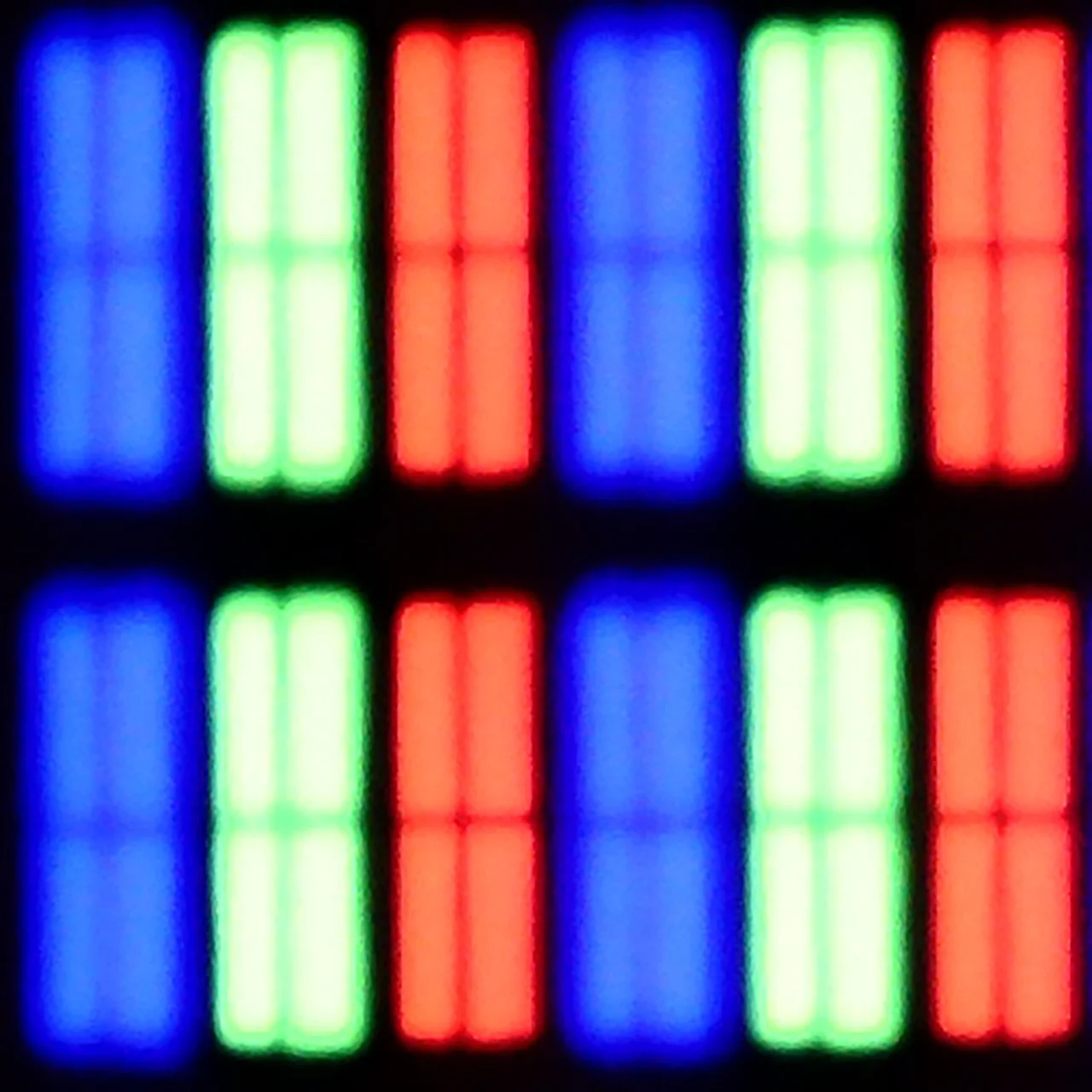
Matrix subpixel arrangement
BGR
BGR
Max refresh rate
144Hz
60Hz
G-Sync
Yes
No

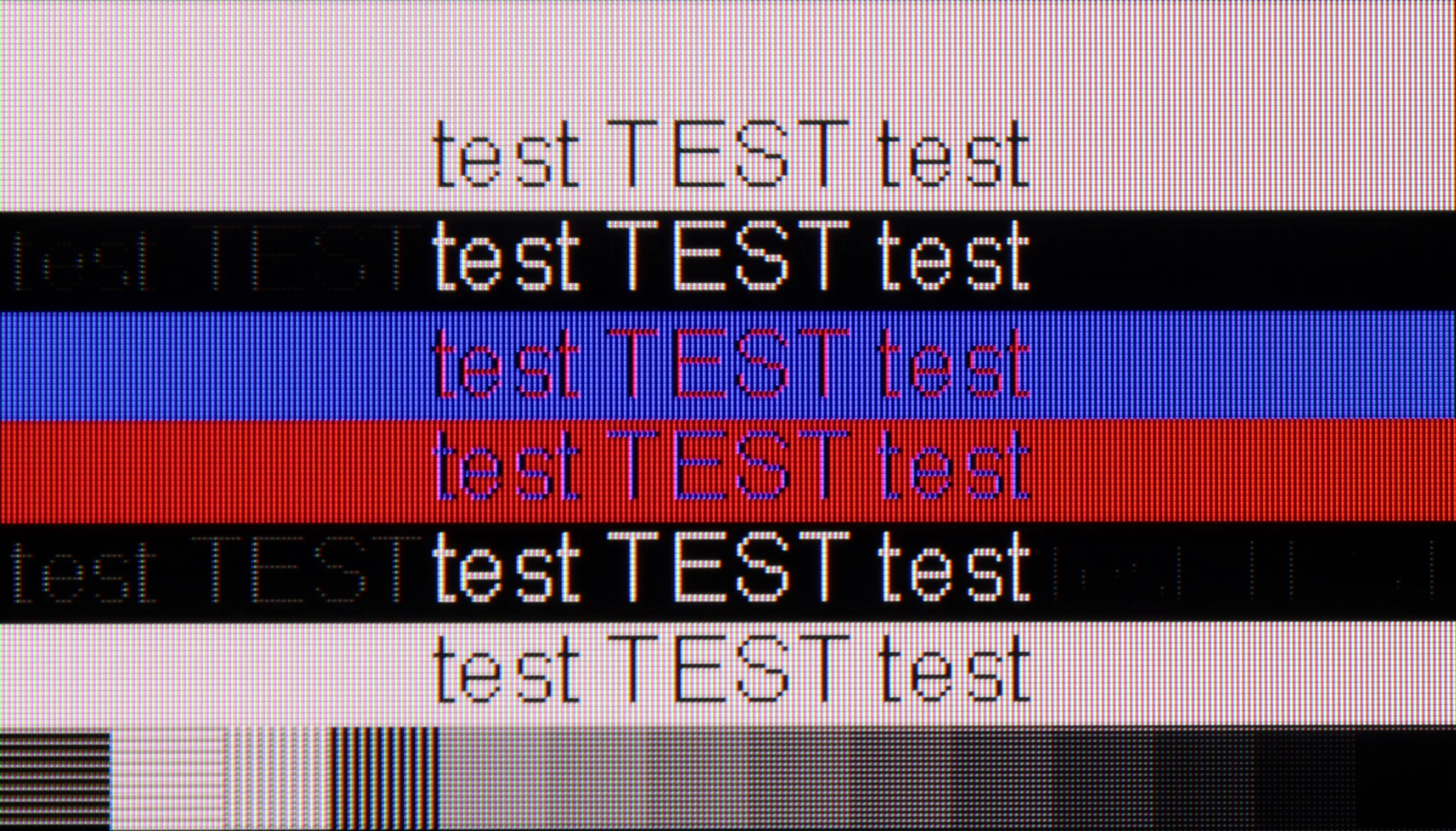
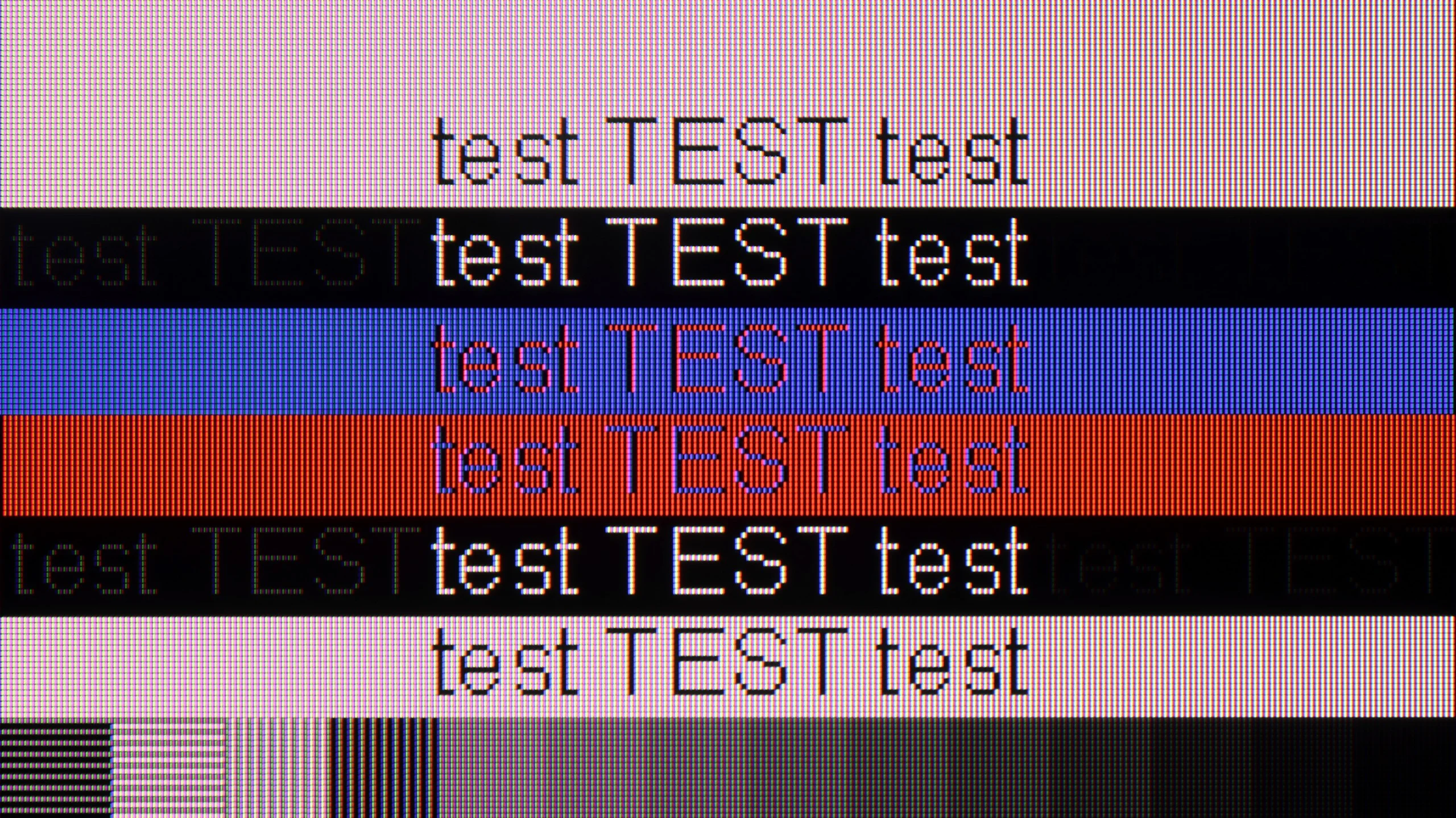
The photo shows the legibility of small fonts. Ideally, lines should be the same thickness on both light and dark text, with minimal pixel gaps.

The collaboration of The Frame 2025 with a computer poses no major issues. Let's start with gaming, as this is where this model shows its strengths – support for a 144 Hz signal, low input lag, and compatibility with G-Sync technology (for NVIDIA cards) make it hard not to consider it a fully-fledged gaming monitor. It is one of the more interesting "PC gaming" TVs available on the market in this class.

When it comes to daily work, the situation looks just as good. The Frame easily handles chroma 4:4:4, which translates to good font readability and overall user comfort. We only noticed minor issues with dimming very thin lines and dark details on a bright background – this effect may occur particularly when working with small interface elements. However, in practice, with a 55-inch screen and standard office working distance, it will be difficult to notice this problem realistically. Nonetheless, it's worth keeping this in mind if the television is to serve as a monitor not only for entertainment but also for precise work with graphics or text.

When it comes to connecting a computer, the gaming options are quite limited. The screen supports a maximum of 60 Hz and does not offer G-Sync technology, so it is not equipment for demanding PC gamers. However, the PUS7000 surprisingly performs well for text work. The readability of the fonts is at a very high level. The TV correctly handles chrominance sampling at 4:4:4. This means that every letter, regardless of its size or color, is displayed sharp and without any distortion at the edges. As a result, office work or browsing the internet on this screen is simply comfortable and does not strain the eyes like some cheap panels that have trouble with clean font rendering.
Viewing angles

3.5/10

3.1/10

Brightness drop at an angle of 45 degrees
70%
70%

As one could expect from a VA panel, the viewing angles on The Frame 2025 are at best average. The image loses saturation and contrast when viewed off-angle. It’s a pity, because we are talking about a model that displays digital artworks while in standby mode—and it is precisely in such moments that wide viewing angles would make the most sense, enhancing the feeling of being in the presence of a real image, rather than just its screen imitation.

Perhaps in the future, manufacturers will decide to introduce special coatings or modified versions of VA panels that will improve this aspect—because in the case of lifestyle televisions, it would have real significance not only in terms of usability but also aesthetics.

The viewing angles in this model are poor, which results directly from the use of a VA-type panel. Although this panel provides decent contrast, as I mentioned earlier, it has one major drawback: it requires sitting directly in front of the screen. Just slightly shifting to the side is enough for the colors to start losing saturation, and the picture becomes noticeably worse.

Daytime performance

6.3/10

3.5/10

Panel finish
Matte
Satin
Reflection suppression
Very Good
Decent
Black levels during daytime
Poor
Good

Panel brightness

Philips PUS7000: 202 cd/m2

Samsung The Frame 2025 (LS03F): 596 cd/m2

One of the most characteristic features of The Frame is its matte display – and it must be admitted that Samsung has really refined this aspect. From our experience, this is one of the best solutions for reducing reflections, especially direct ones. If reflections on the screen can be irritating, it will be hard to find a better display in this budget than the matte panel used in Samsung TVs. Of course, this comes with a certain compromise. In very strong sunlight, colors may appear slightly washed out, and the image loses some depth. However, this is something we consciously accept when choosing a matte screen – something for something. In practice, the colors and contrast on Samsung's matte screen still perform better than on Chinese models like TCL NXT Vision or Hisense Canvas TV. If effectively reducing reflections and the desire to use the TV also as a 'digital picture' in bright rooms are priorities, it’s hard to find a better choice.

The Frame achieves about 600 nits of brightness, which, combined with the matte coating, allows the TV to handle well-lit daytime conditions without any issues. It may not reach the level of flagship models, but in everyday use – in a living room with plenty of light – it performs seamlessly.

In a sunny room, the PUS7000 performs poorly. This is all because the panel is simply dim. A brightness level of 200 nits is a very low score that does not allow for comfortable viewing in bright daylight. On the positive side, the satin screen coating does quite well in reducing reflections. Thanks to it, the panel does not display reflections as prominently, but this is not enough to save the situation. The brightness of this model is too low to cut through strong sunlight, so in very bright rooms, the image will simply be unclear.

Panel details

Backlight Type
QLED
White LED
Software version during testing
T-PTMFDEUC-0090-1110.7, E2500007, BT-S
TPN256E_V056.002.236.141
Image processor

Subpixel Structure:

Panel uniformity and thermal imaging:

Review Samsung The Frame 2025 (LS03F) TV Panel details
Review Philips PUS7000 TV Panel details

Samsung The Frame 2025 (LS03F)

Philips PUS7000

TV features

7.2/10

5/10

  • HDMI inputs
    3 x HDMI 2.0, 1 x HDMI 2.1 40Gbps
    3 x HDMI 2.0, 0 x HDMI 2.1
  • Outputs
    Toslink (Optical audio), eARC (HDMI), ARC (HDMI)
    Toslink (Optical audio), eARC (HDMI), ARC (HDMI), Mini-Jack (Headphones)
  • Network Interfaces
    Wi-Fi 2.4GHz, Wi-Fi 5GHz
    Wi-Fi 2.4GHz, Wi-Fi 5GHz, Ethernet (LAN) 100Mbps
  • TV reception
    DVB-T, DVB-T2, DVB-S, DVB-S2, DVB-C
    DVB-T, DVB-T2, DVB-S, DVB-S2, DVB-C

Classic features:

  • Recording to USB (terrestrial TV)
    No
    No
  • Recording programming
    No
    No
  • Picture in Picture (PiP)
    No
    No
  • RF remote control (no need to aim)
    Yes
    No
  • Backlit remote control
    No
    Yes
  • Teletext
    Yes
    Yes
  • Audio only mode
    Yes
    Yes
  • Bluetooth headphones support
    Yes
    Yes
  • Simultaneous Bluetooth headphones & TV audio
    Yes
    No

Smart features:

  • AirPlay
    Yes
    Yes
  • Screen mirroring (Windows Miracast)
    Yes
    No
  • Voice search
    Yes
    No
  • Voice search in native language
    Yes
    No
  • Ability to connect a keyboard and mouse
    Yes
    Yes
Review Samsung The Frame 2025 (LS03F) TV features
Review Philips PUS7000 TV features

Classic TV Features

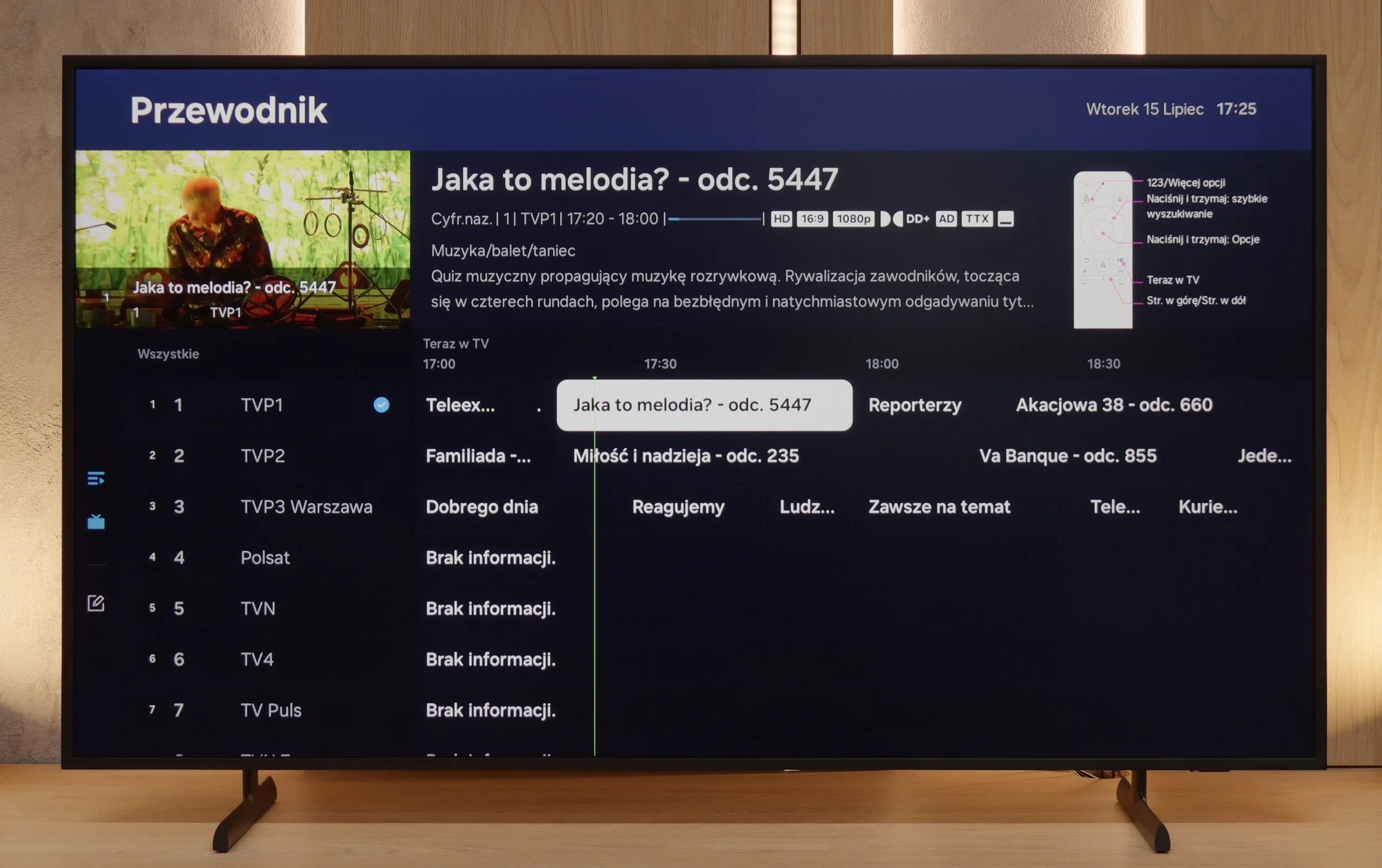
In terms of classic features, The Frame does not stand out in any way compared to the competition. There is no USB recording option or PiP (picture in picture) feature, which may be disappointing for some users. On the other hand, the TV allows for simultaneous use of speakers and headphones, which can be useful – especially for older users. The EPG, or electronic program guide, is quite readable, and despite the lack of traditional buttons on the remote, we managed to launch even the teletext. In everyday use, the basic functions work smoothly and without significant complaints.



Smart System – Tizen and Apps

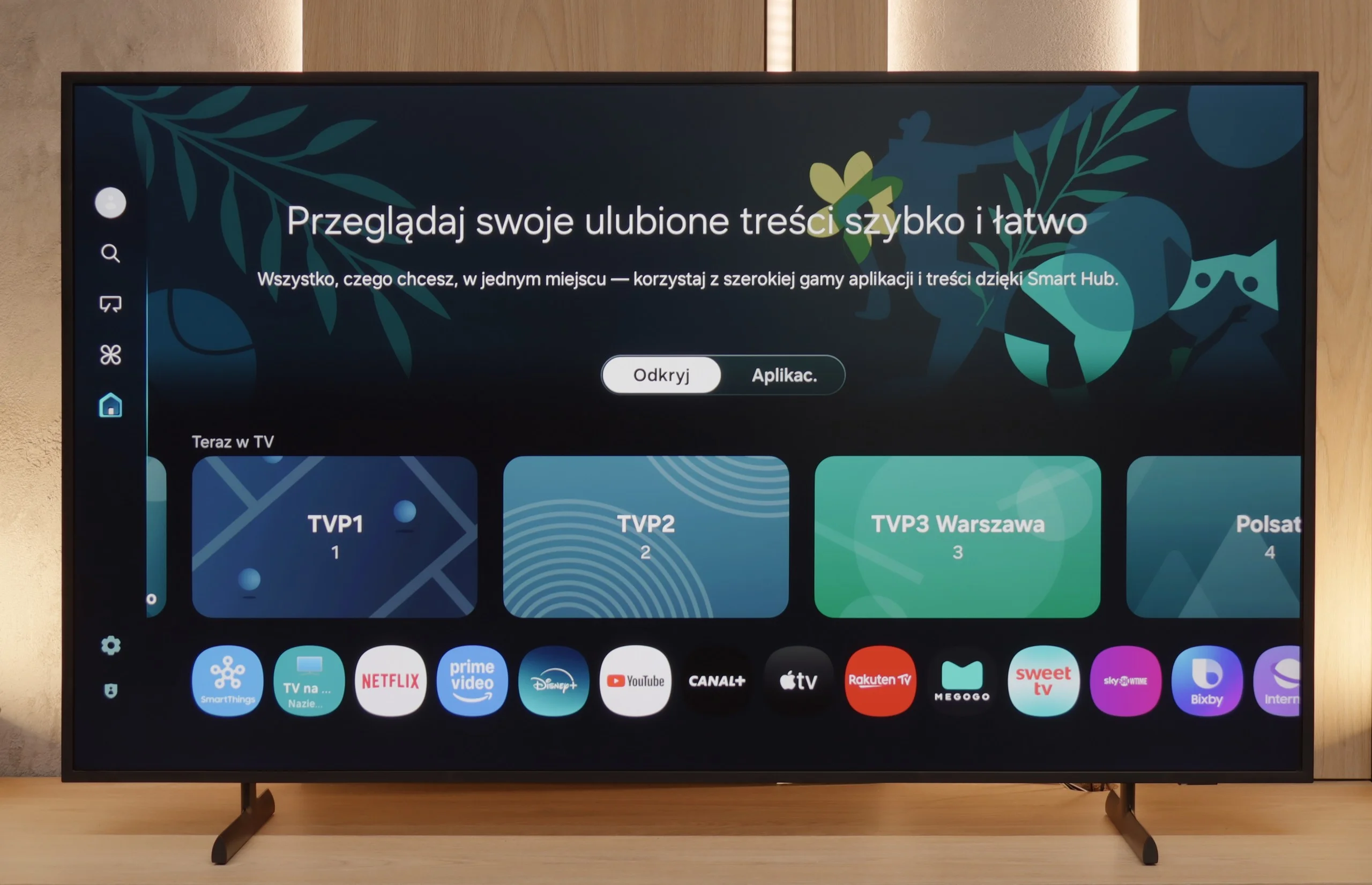
The Frame 2025 runs on the Tizen operating system, which has been considered one of the most refined Smart TV solutions on the market for years. It is a system designed for devices that are more than just a television – and it was created with that spirit in mind. Tizen offers full integration with external devices – supporting both Apple AirPlay and Miracast. With the SmartThings app, it is possible to control not only the television but also other devices within the smart home. Since last year, Samsung has also been developing its own voice assistant with support for the Polish language, which significantly facilitates operation. However, the greatest strength of the Smart system in The Frame remains the Art Gallery app. Although access to it is paid (via subscription), it offers the best art scans on the market – we are talking about scans, not just ordinary photos. As a result, the effect of a digital artwork hanging on the wall looks much better than in any other lifestyle TV.

Titan OS System

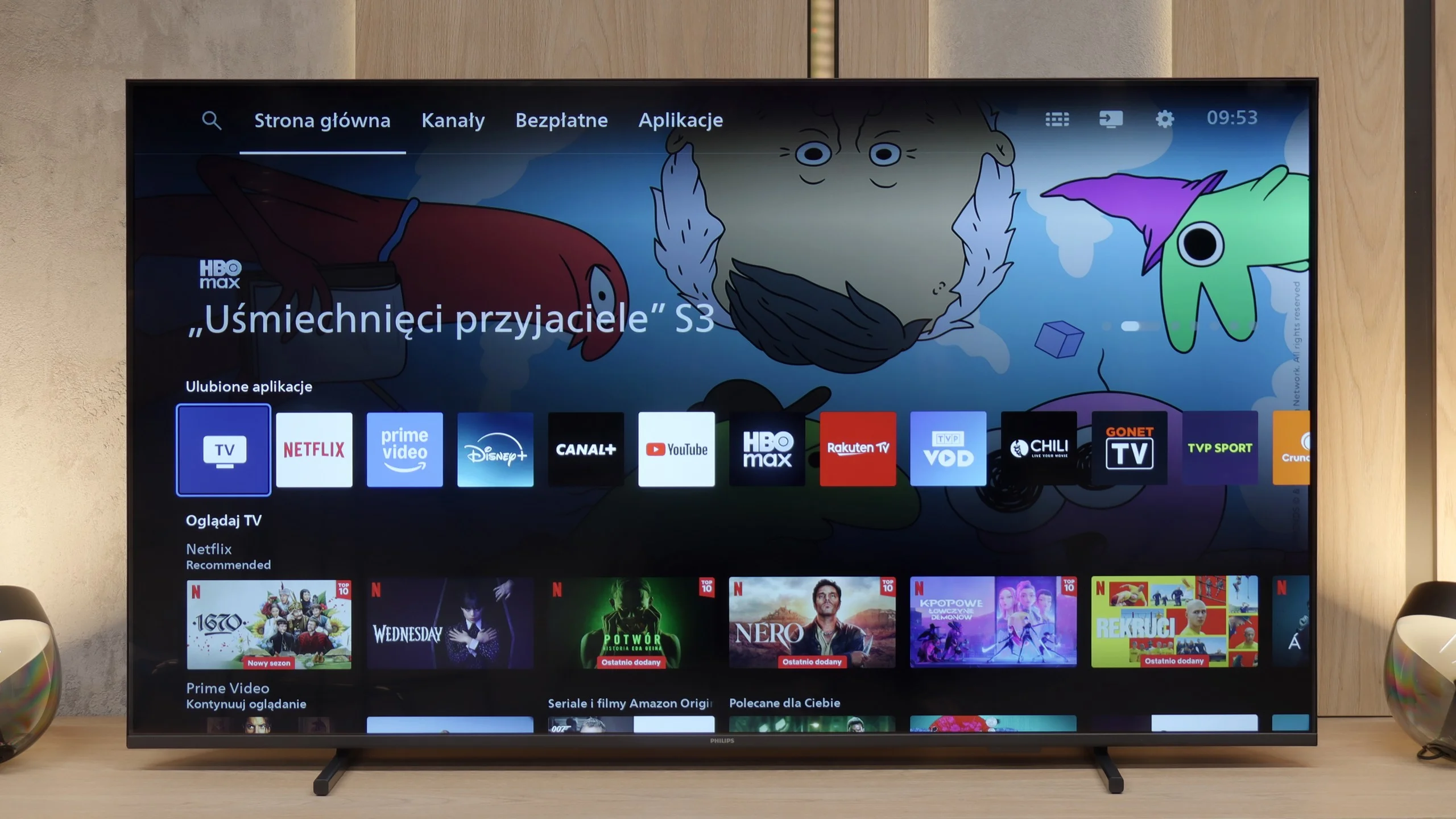
Titan OS is still a fairly new operating system, and unfortunately, this is evident in daily use. Overall, it operates sluggishly, sometimes even clumsily. The response to commands from the remote is slow, which is further complicated by the fact that the device uses infrared connectivity instead of Bluetooth / RF. This means that we have to aim the remote quite precisely at the television for the system to respond at all. During testing, the screen mirroring feature with computers equipped with Windows failed to work again. Fortunately, streaming from Apple devices using AirPlay went smoothly. Another drawback of Titan OS is the very modest app library. The selection is much smaller than in systems like webOS or Tizen, not to mention Google TV, where the choice of programs is almost unlimited.

Classic Features

On the other hand, the PUS7000 might be a good choice for people who mainly watch traditional television. Here we find a properly functioning teletext and a clear EPG interface, which is the electronic program guide. The remote included in the package is backlit, which greatly facilitates operation after dark, and it has standard numeric buttons for quick channel selection. Interestingly, there is a classic headphone jack input. This is a rarely seen addition in new televisions, allowing for the connection of older home theater systems or wired headphones without the need for additional adapters.

Apps

8.7/10

6.7/10

OK
Disney_Plus
OK
Amazon_Prime_Video
OK
Player_TVN
OK
Polsat_Box_Go
OK
Canal_Plus_Online
OK
TVP_VOD
OK
Apple_TV_Plus
OK
SkyShowtime
OK
Rakuten
OK
CDA_Premium_Browser
OK
Spotify
No
Tidal
OK
Netflix
OK
YouTube
OK
HBO_MAX
No
Kodi
OK
Apple_music
No
Eleven_sports
OK
Xbox Game Pass
OK
GeForce Now!
OK
Amazon Luna
OK
Boosteroid
No
Steam Link
OK
Disney_Plus
OK
Amazon_Prime_Video
OK
Player_TVN
OK
Polsat_Box_Go
OK
Canal_Plus_Online
OK
TVP_VOD
No
Apple_TV_Plus
No
SkyShowtime
OK
Rakuten
OK
CDA_Premium_Browser
No
Spotify
No
Tidal
OK
Netflix
OK
YouTube
OK
HBO_MAX
No
Kodi
No
Apple_music
No
Eleven_sports
No
Xbox Game Pass
No
GeForce Now!
No
Amazon Luna
OK
Boosteroid
No
Steam Link

Playing files from USB

9.1/10

8.2/10

Supported photo formats:

JPEG
Yes
Yes
HEIC
No
No
PNG
Yes
Yes
GIF
No
Yes
WebP
No
No
TIFF
No
No
BMP
Yes
Yes
SVG
No
No

Maximum photo resolution:

4 Mpix
Yes
Yes
6 Mpix
Yes
Yes
8 Mpix
Yes
Yes
10 Mpix
Yes
No
12 Mpix
Yes
No
16 Mpix
Yes
Yes
20 Mpix
Yes
No
24 Mpix
Yes
No
28 Mpix
Yes
No
32 Mpix
Yes
Yes

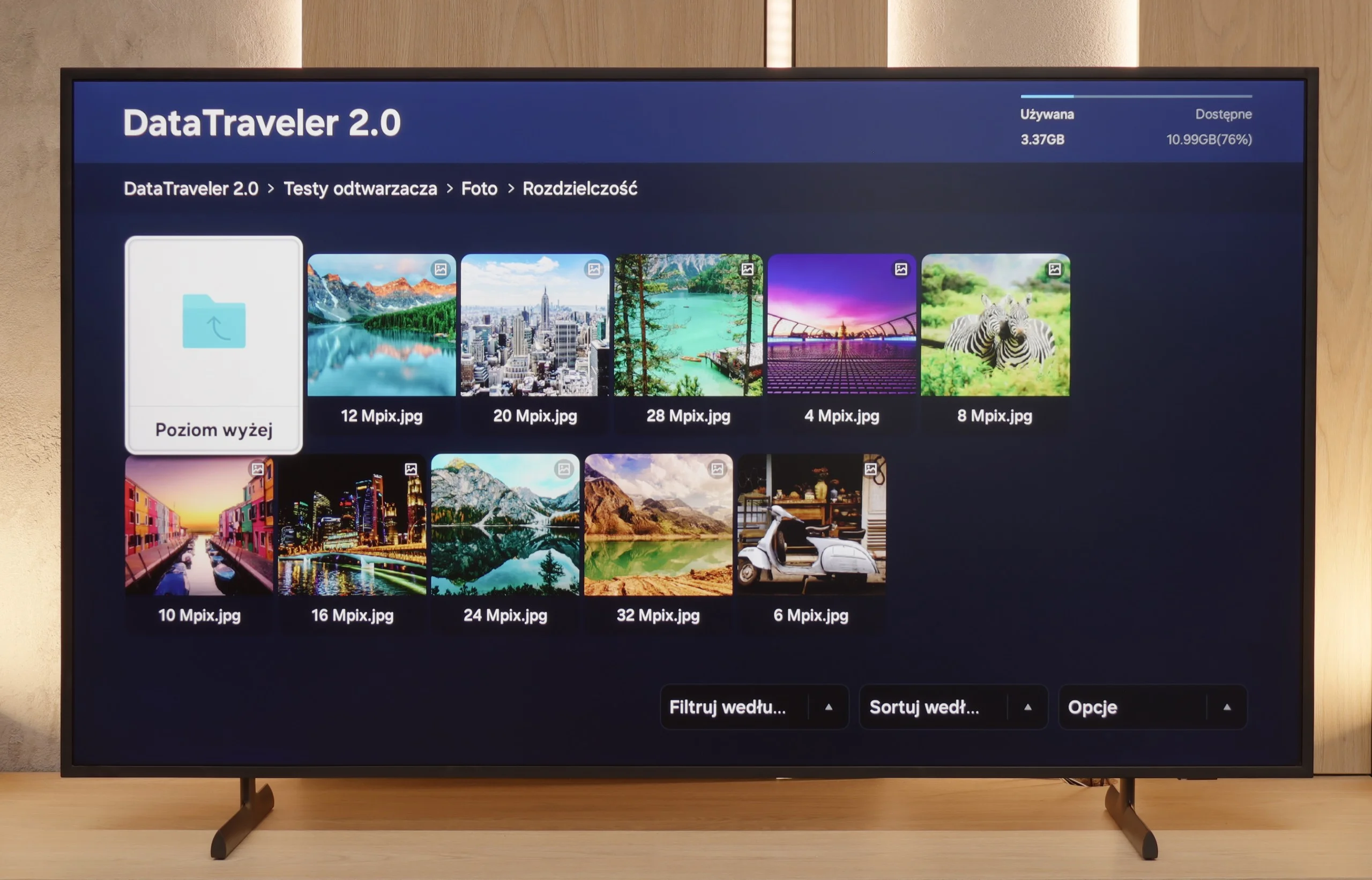
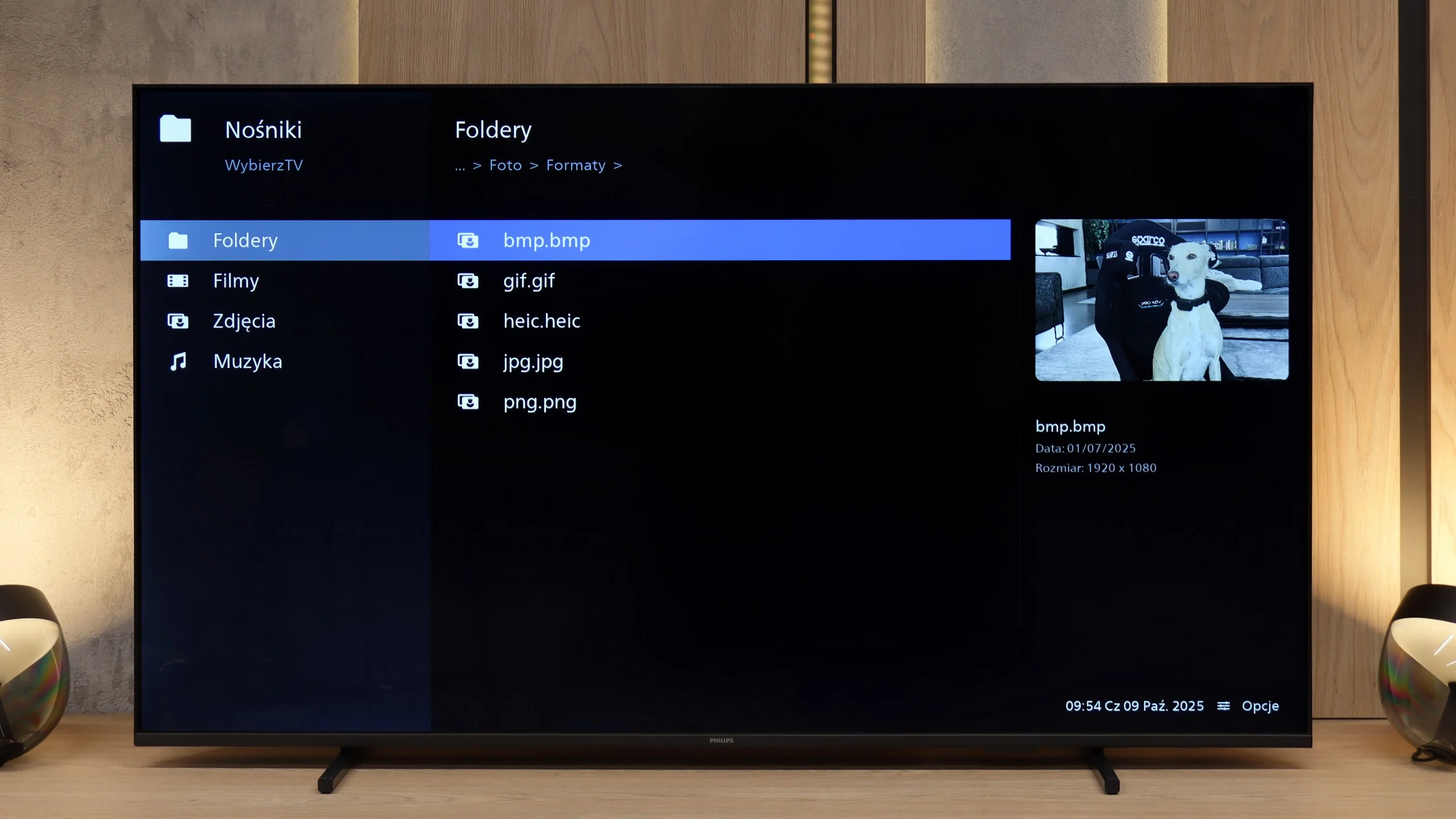
During testing, we did not notice any major problems with playing files from a USB memory. The TV handled both video materials and photos well. Of course, there are some exceptions – for example, lack of support for the HEIC format (used by Apple devices) – but it’s hard to consider this surprising. On the plus side, there is full support for high-resolution photos – the TV displays files with a high number of megapixels without any issues, which may be particularly important for those who want to treat The Frame as a digital frame as well. However, during testing, we noticed a limitation regarding subtitles – the TV only properly handled files in the .txt format. It's worth keeping this in mind and ensuring that the downloaded subtitles for movies are saved in this format, otherwise they may simply not display.

The built-in media player works quite well and handles most popular video formats without major issues. The TV easily reads subtitles from files and manages various audio formats, so those who keep movies on a disk or USB drive should not feel limited. The only complaint pertains to the photo browser - not everything worked correctly, and some files, especially at certain resolutions, would not open at all.


Sound

6/10

5.8/10

  • Maximum volume
    -
    81dB
  • Dolby Digital Plus 7.1
    Yes
    Yes
  • Dolby True HD 7.1
    No
    Yes
  • Dolby Atmos in Dolby Digital Plus (JOC)
    Yes
    Yes
  • Dolby Atmos in Dolby True HD
    No
    No
  • DTS:X in DTS-HD MA
    No
    Yes
  • DTS-HD Master Audio
    No
    Yes

For such a slim TV, the sound is quite good. It's full, sufficient for everyday viewing, but without much excitement – typical for flat designs. There's not much bass, although at times it can be heard. The speakers in a 2.0.2 configuration have a total power of 40 W (in the 55+ inch version). Unfortunately, the TV does not support DTS format, so when watching films with that audio, external equipment, such as a home theater system, must be used. You can connect a soundbar, and thanks to the Q-Symphony feature, the TV plays along with it. Samsung also offers visually matching models to The Frame like S700D or S800D, but they are sold separately. (This shouldn't surprise anyone😉).

The sound is already at a typical budget level. It is sufficient for news and public affairs programs, but when it comes to movies and music, it quickly lacks depth and bass. At this price range, it's hard to expect something more, so if we care about better experiences, it’s worth considering a soundbar or connecting external audio, even through the headphone output.

Sound Quality Test

No sound test video

Acoustic Measurements

No acoustic data

81dBC (Max)

75dBC