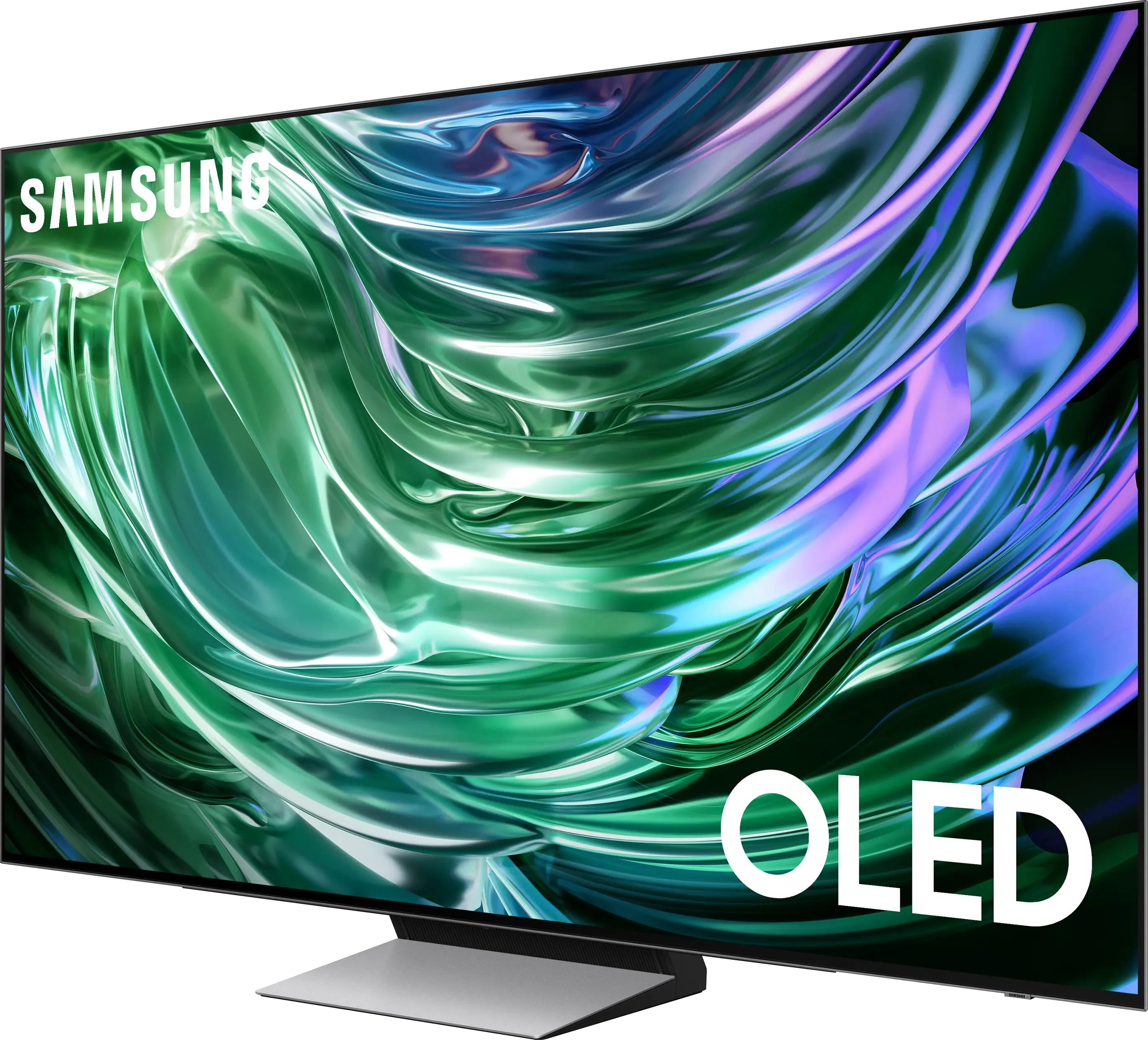
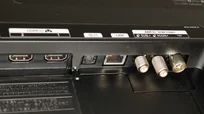
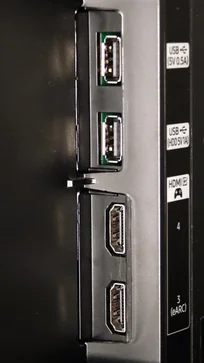
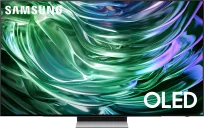
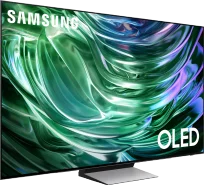
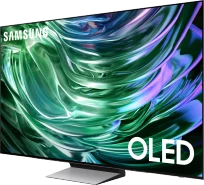
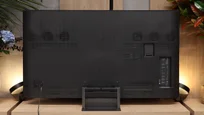
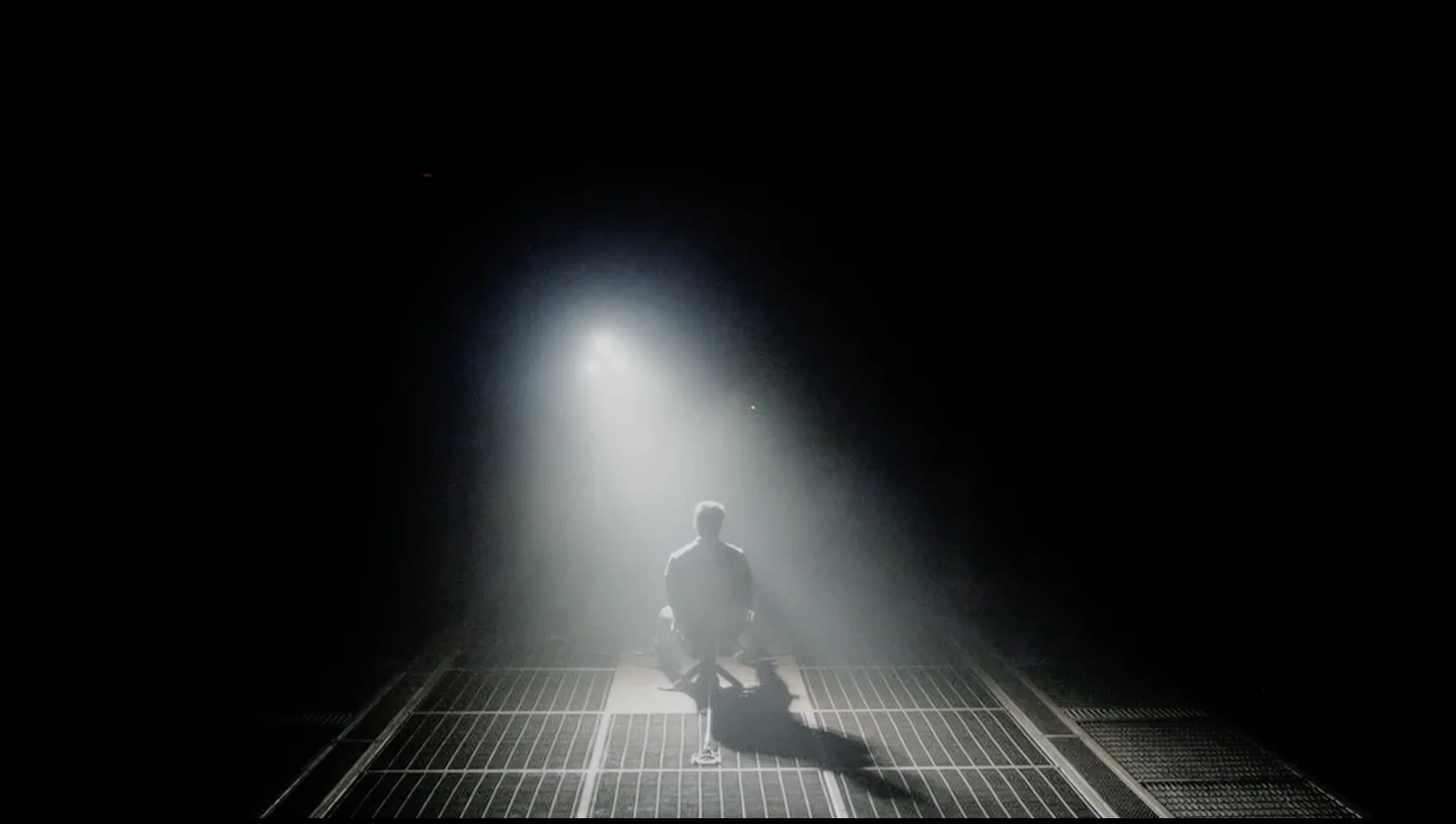
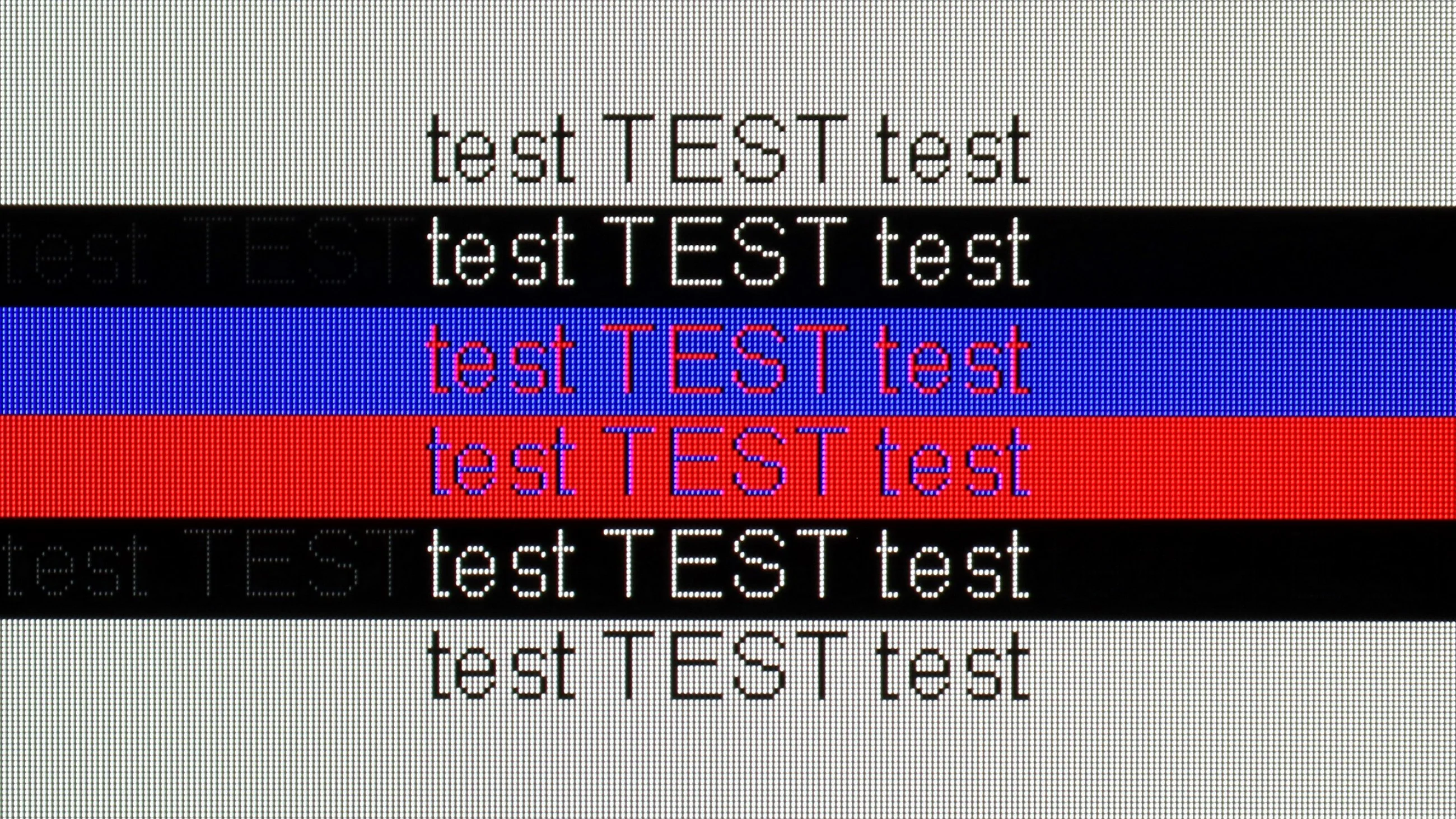
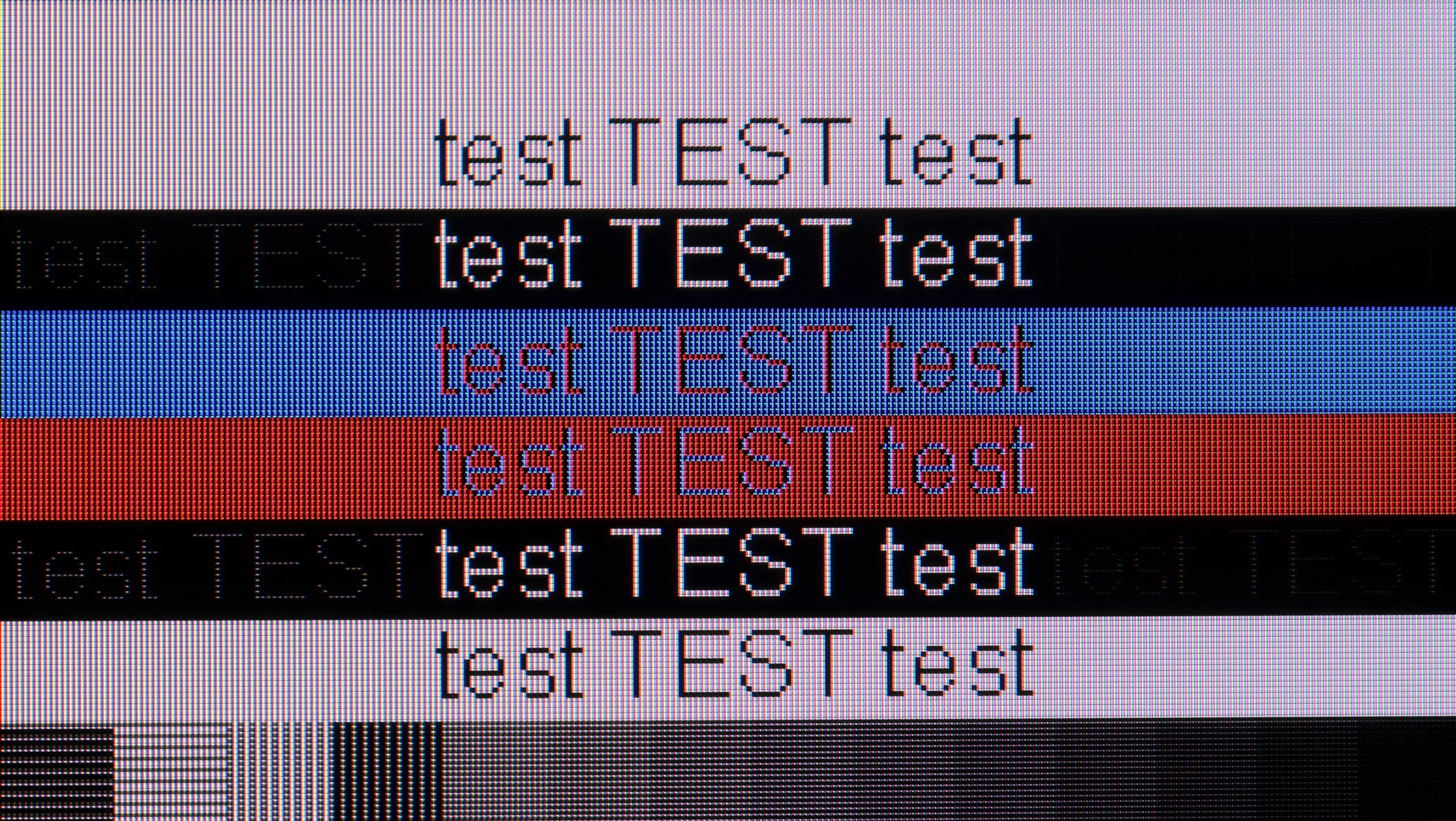
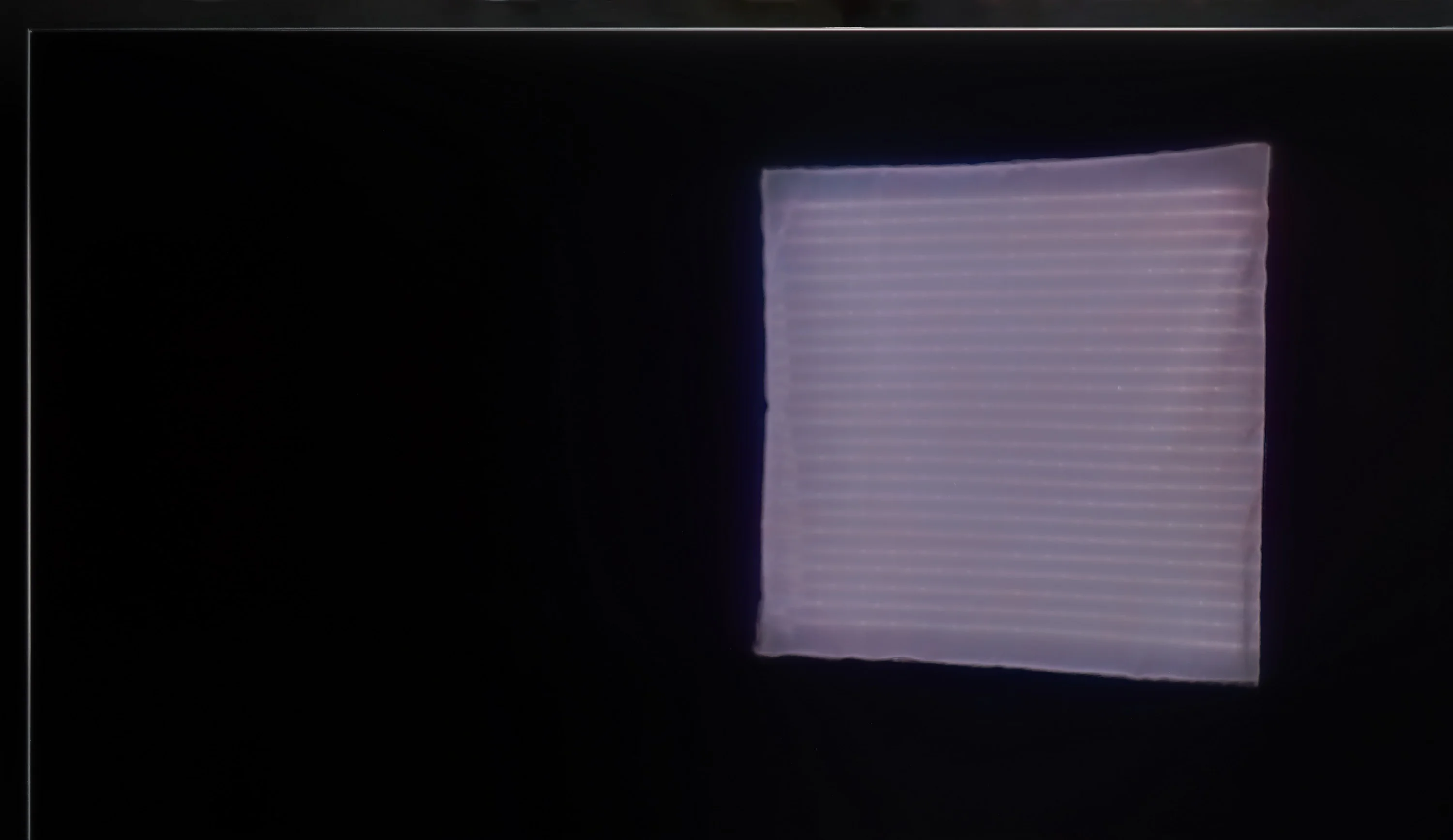
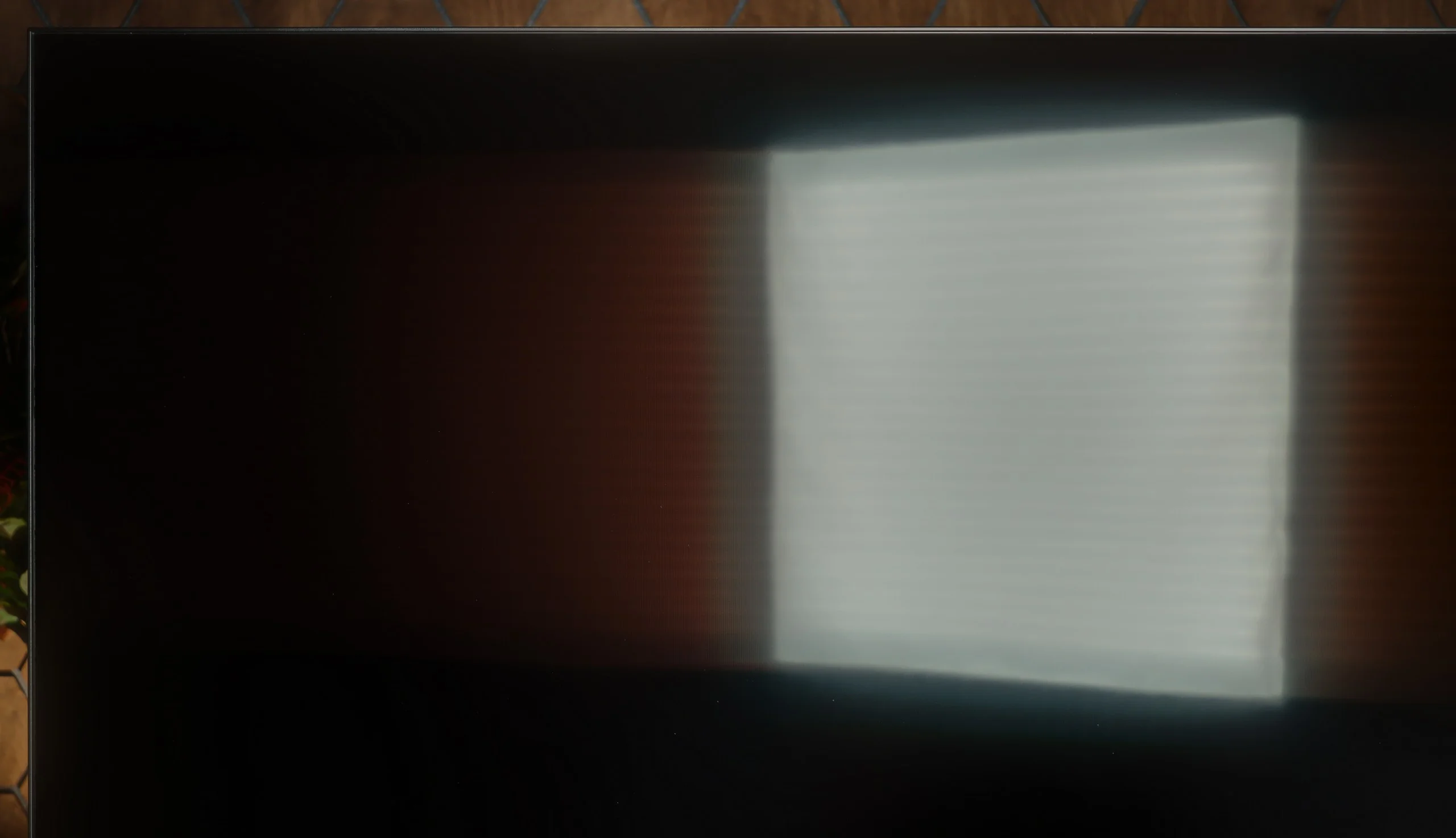
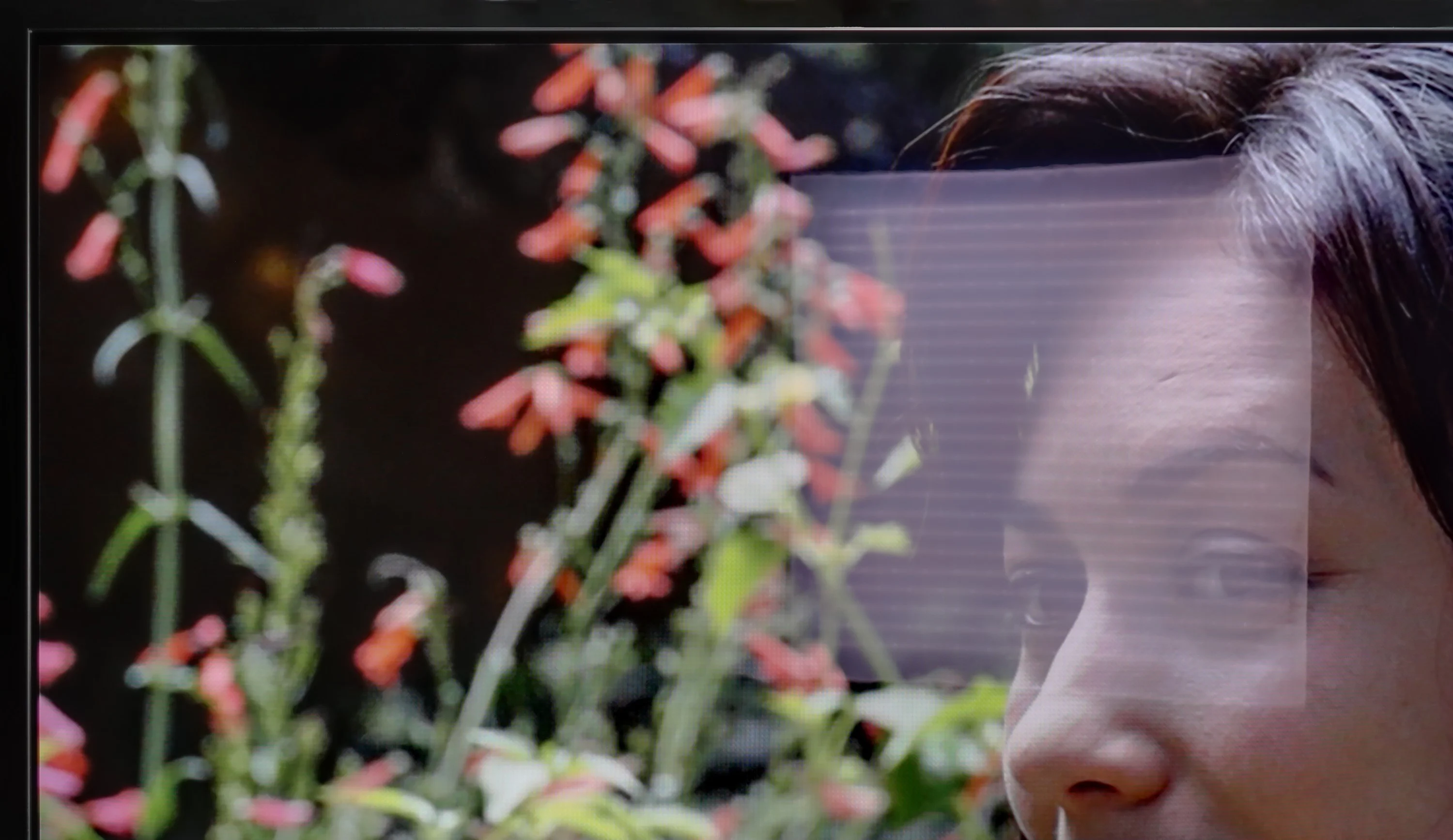
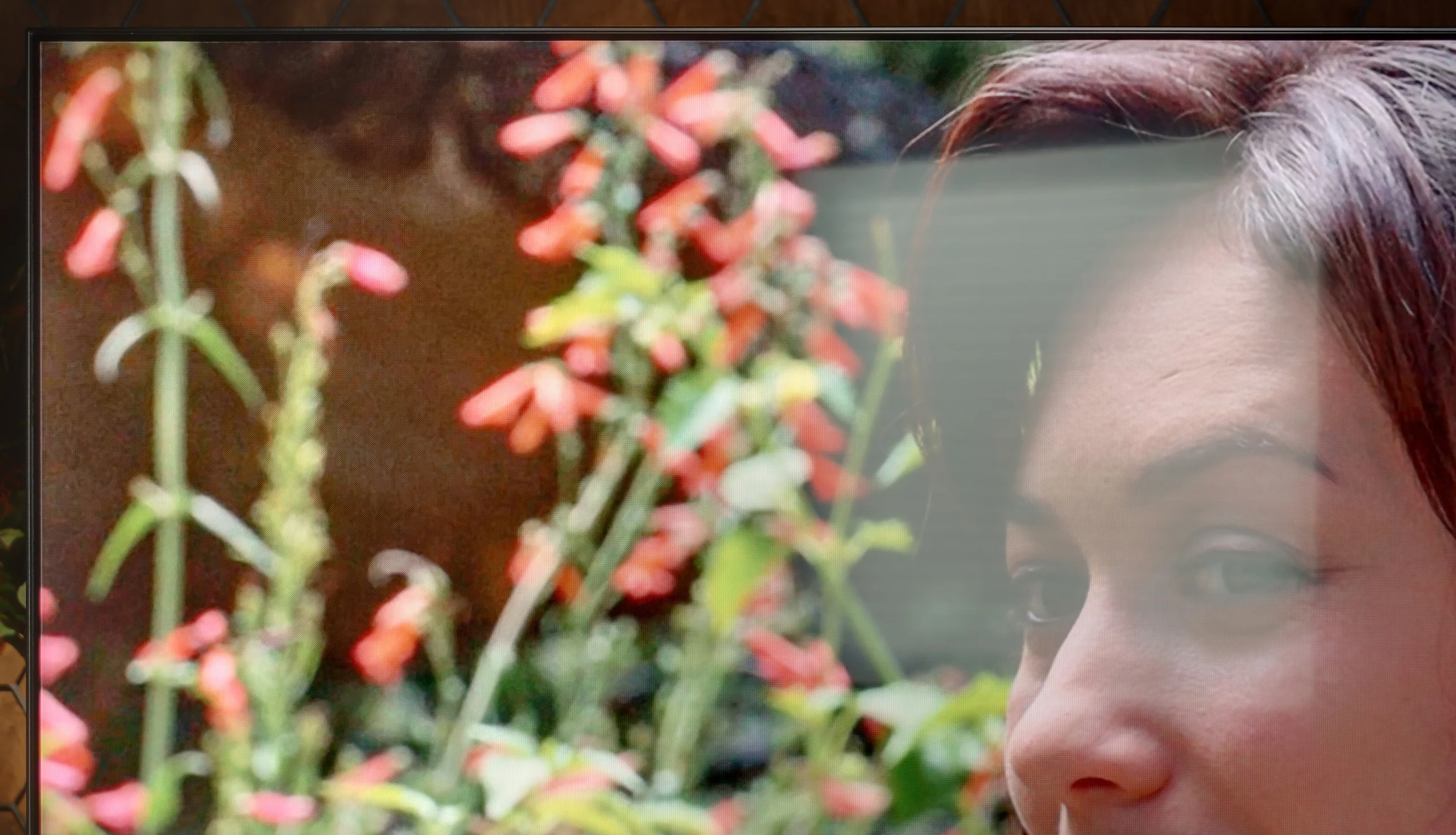
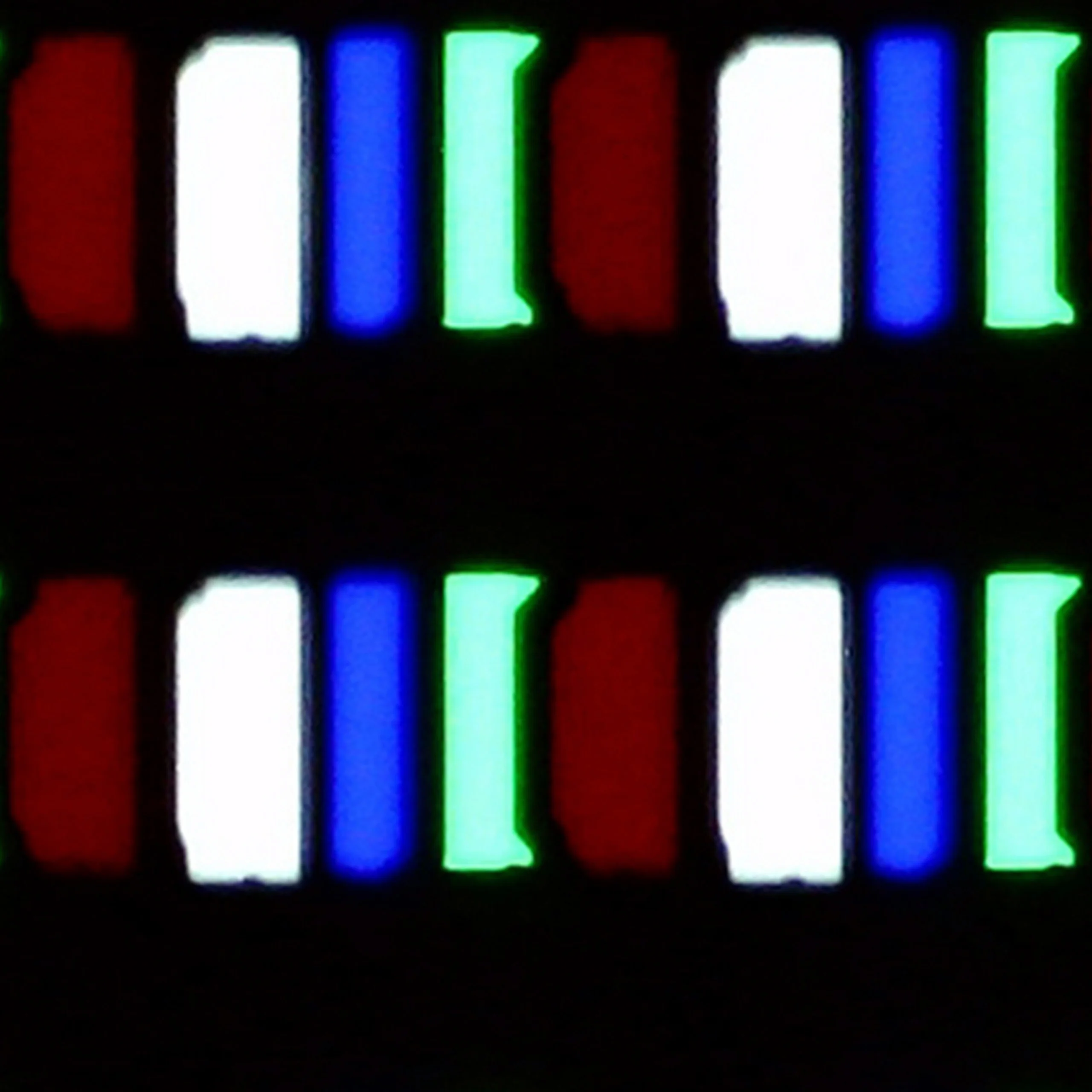
The Samsung S90D TV in its smallest variant is a model that excels in many respects. It performs impressively in displaying details in dark scenes, enhancing the experience of watching demanding productions. However, the 48-inch variant has slightly lower brightness compared to larger models, and the screen features a satin finish rather than a glossy one, which can affect daytime viewing. Regardless of the variant, you can expect perfect blacks, while the high screen brightness makes HDR effects particularly striking. Although the factory colour settings may not be ideal, the TV achieves exceptional results after proper calibration, unmatched in its price range.
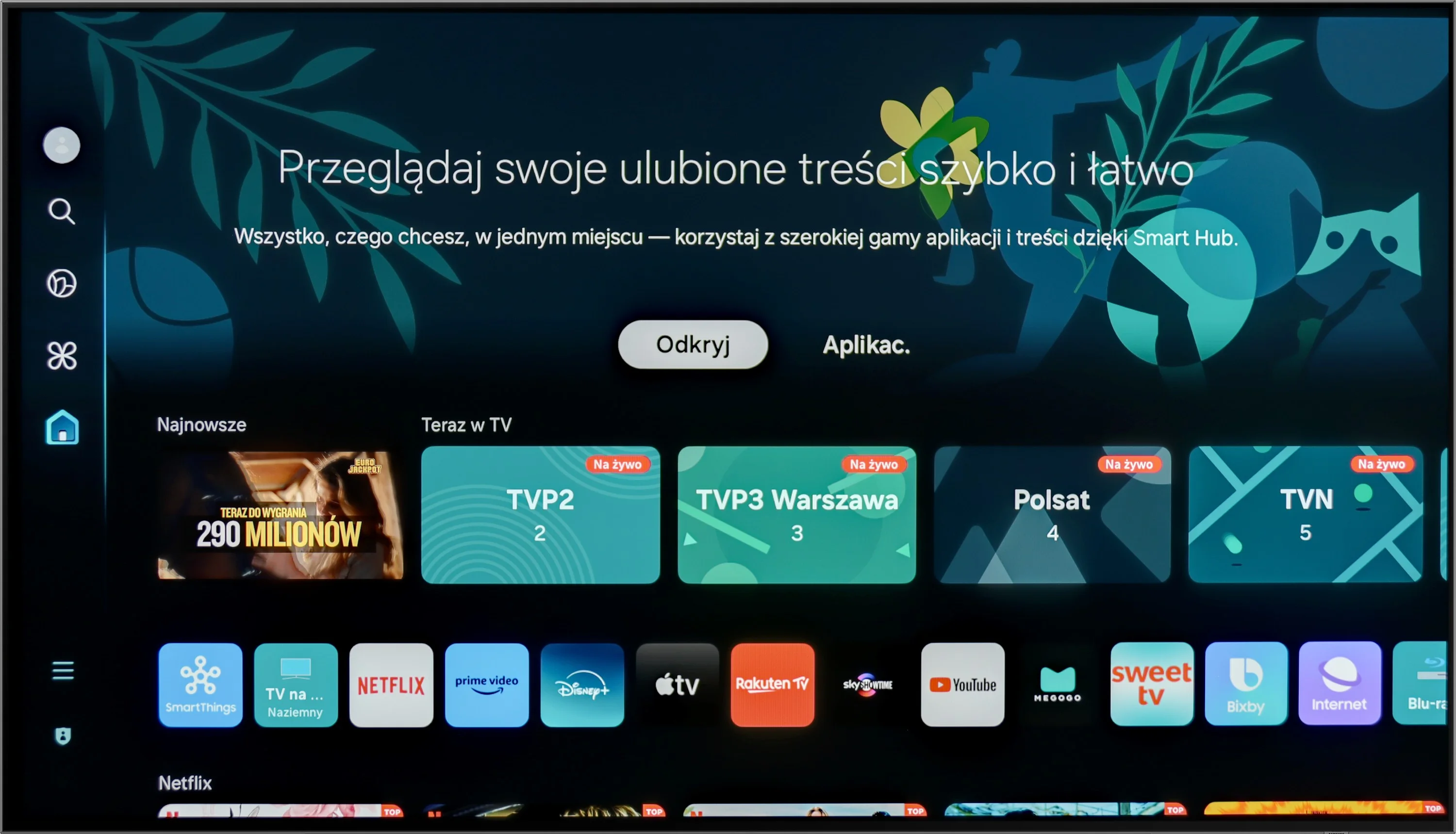
The Samsung S90D caters to both cinema enthusiasts and everyday viewers. Its wide viewing angles ensure a sharp and detailed picture, even from the side. The TV runs on the intuitive Tizen operating system, which offers a host of features and quick navigation. Access to streaming services and multimedia content is seamless, though the closed nature of the system may result in some missing applications.
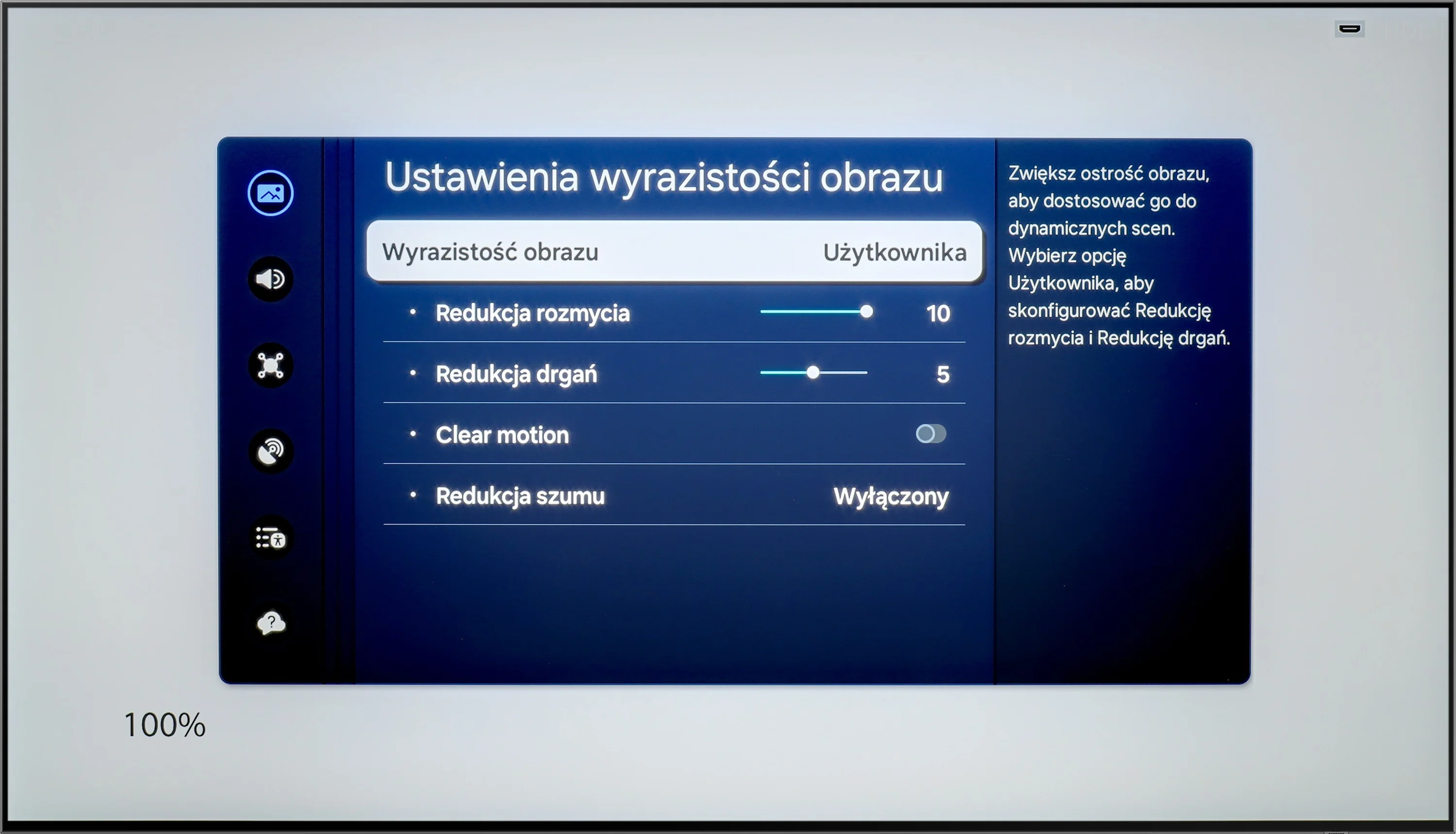
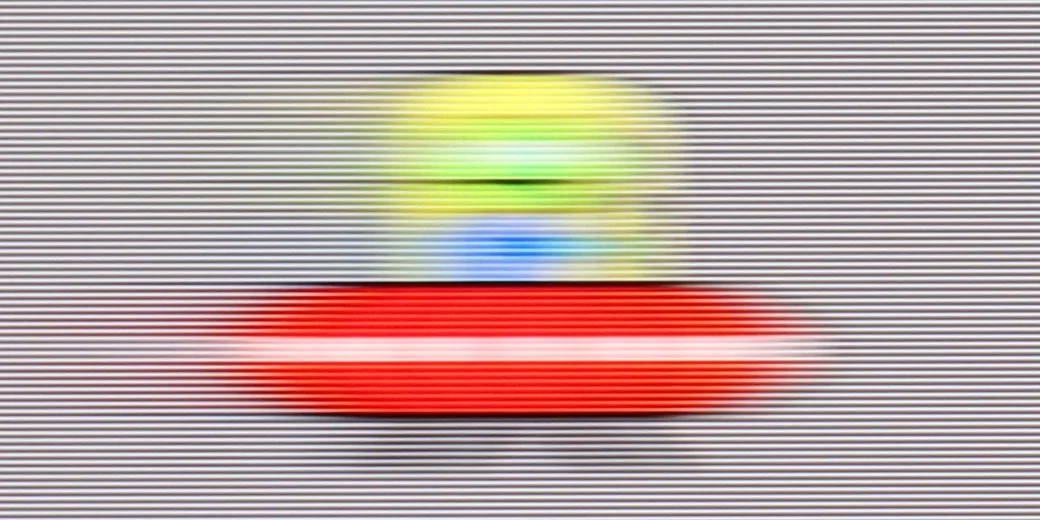
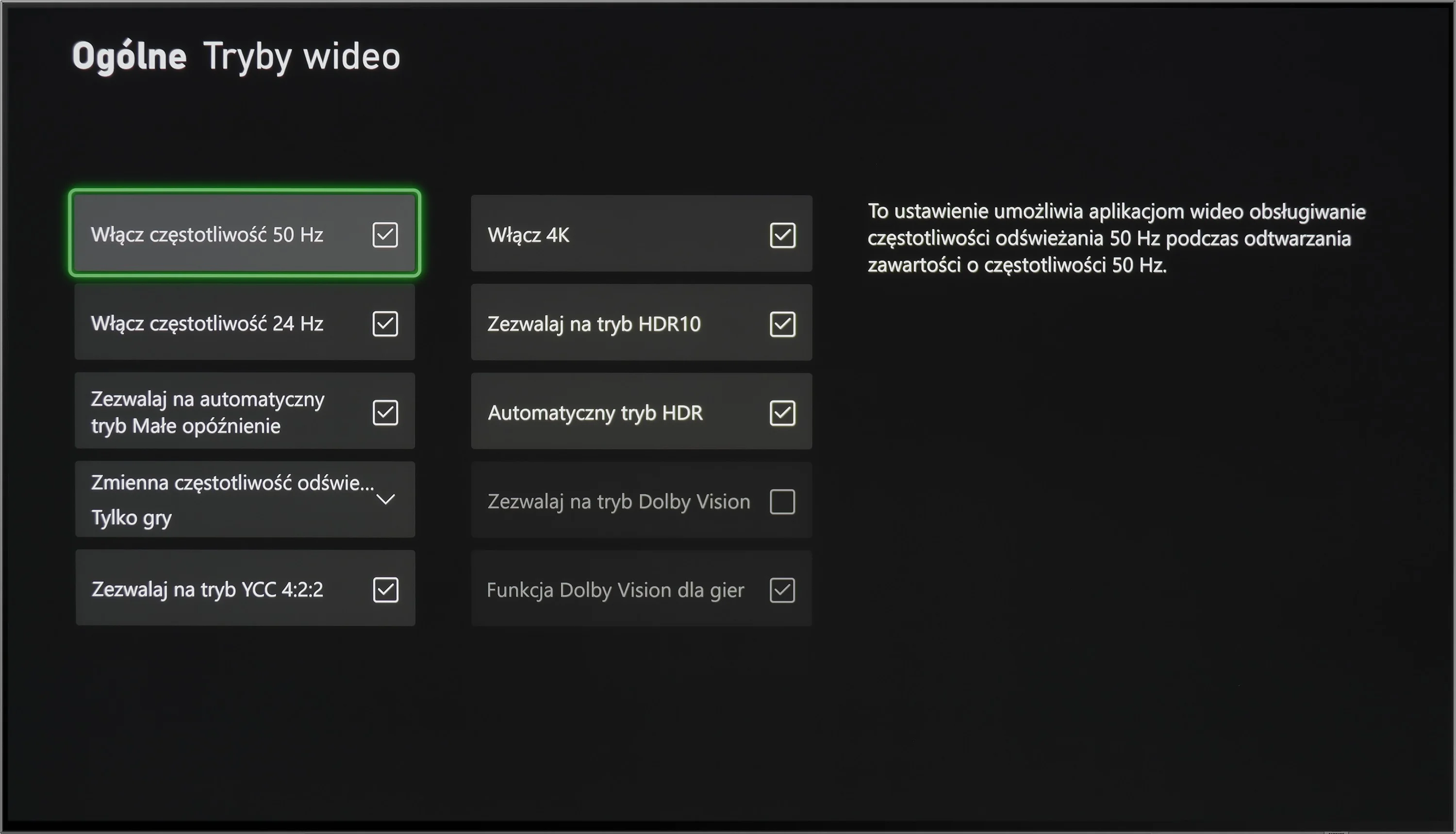
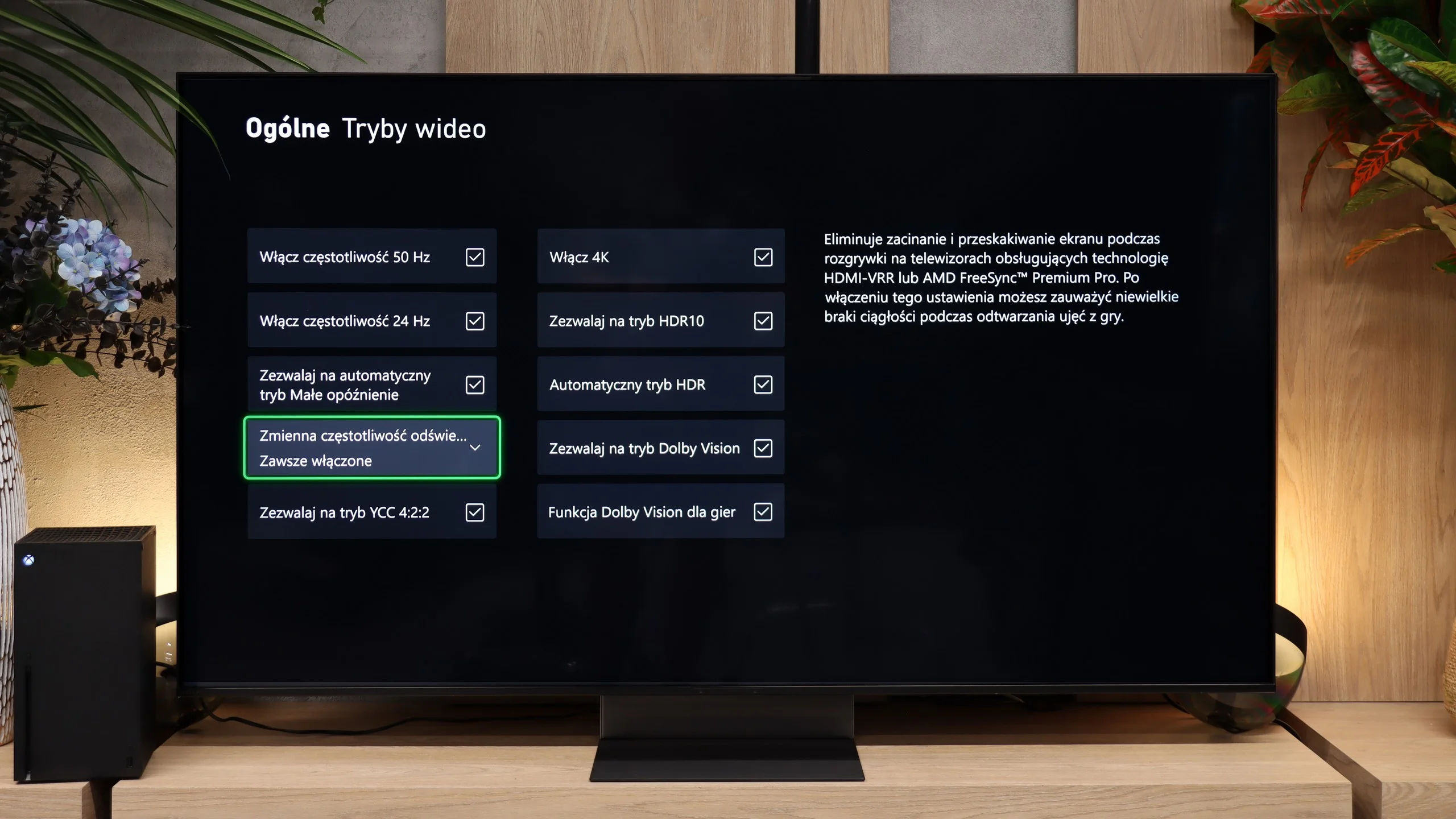
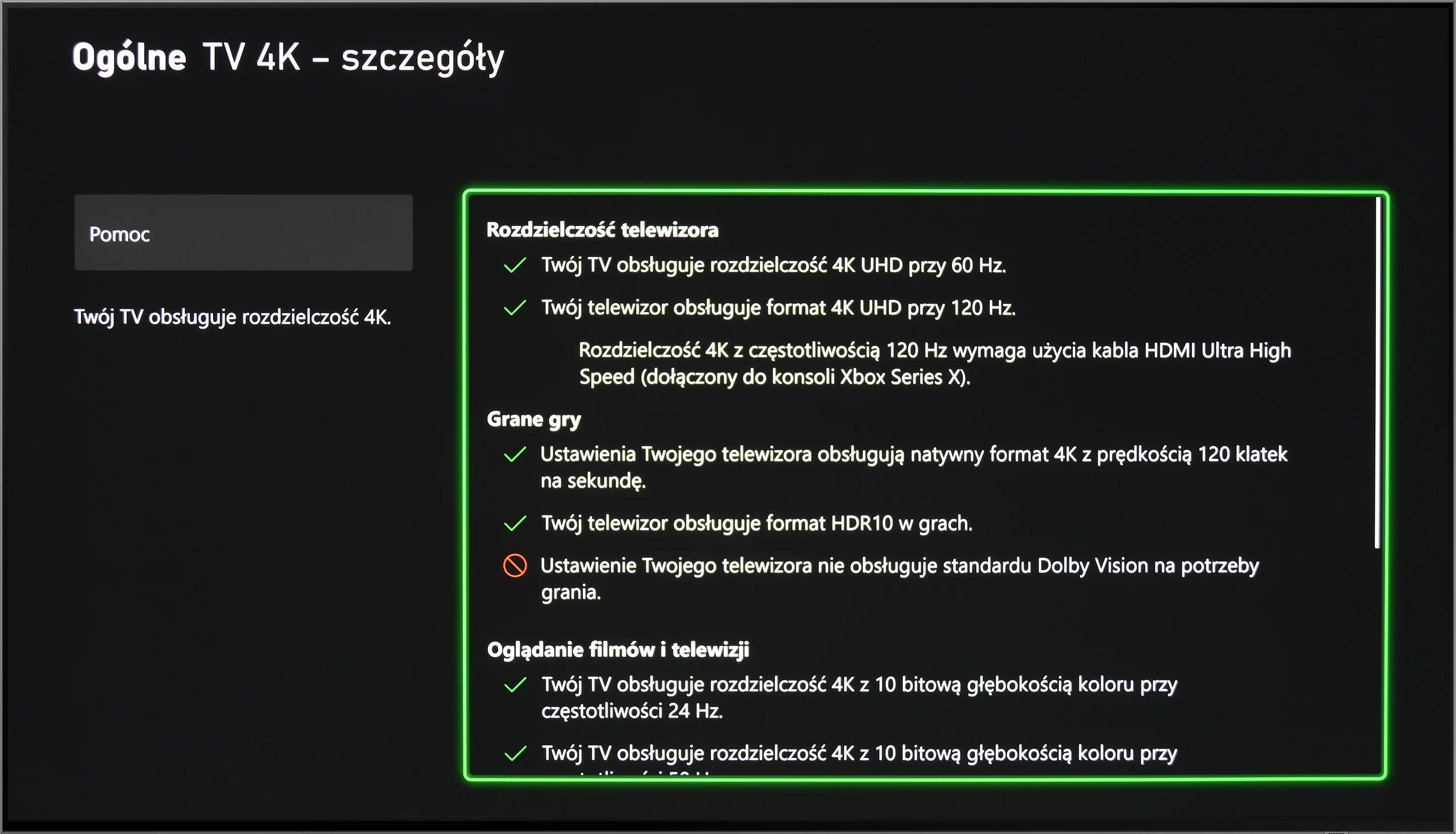
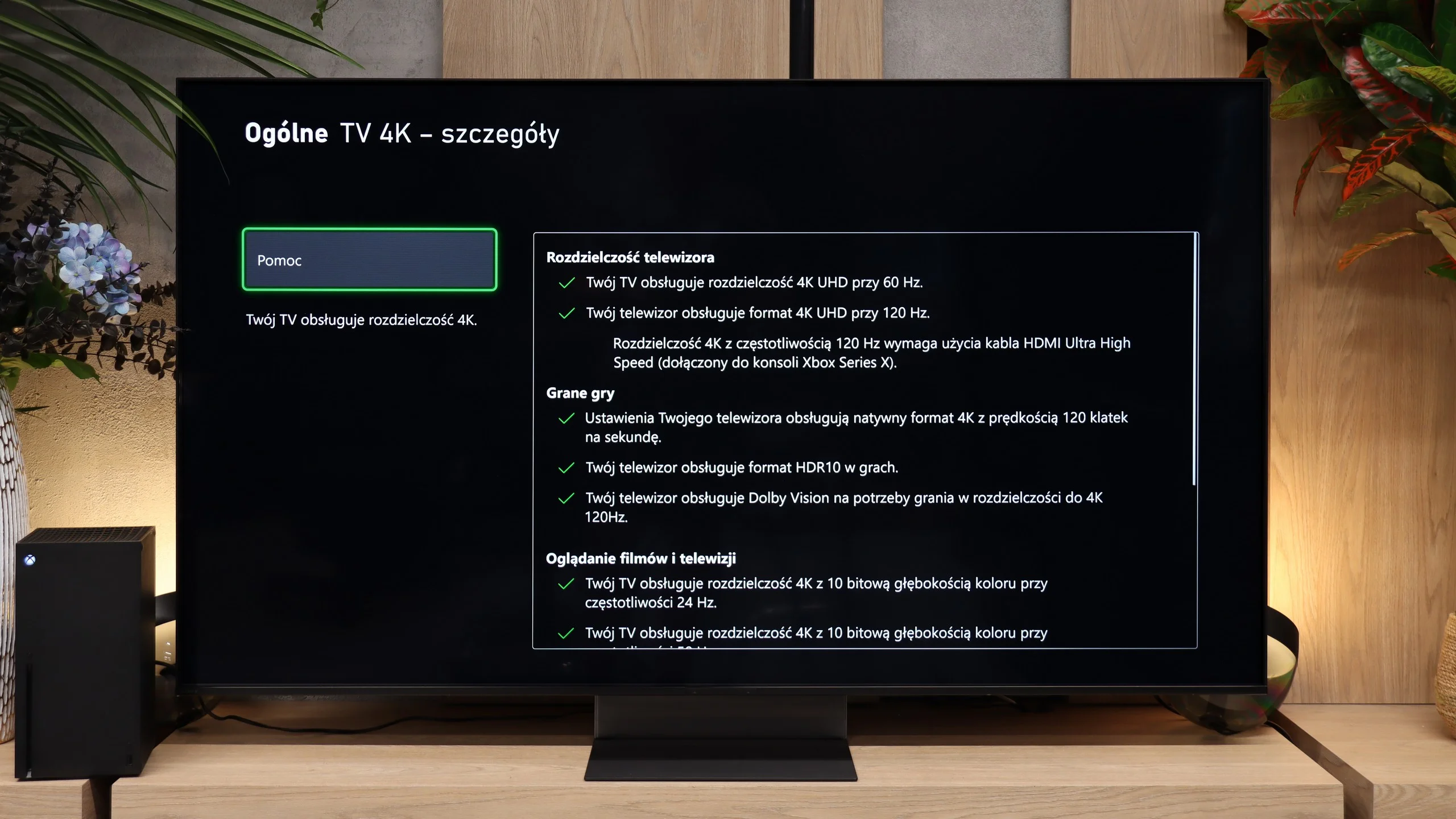
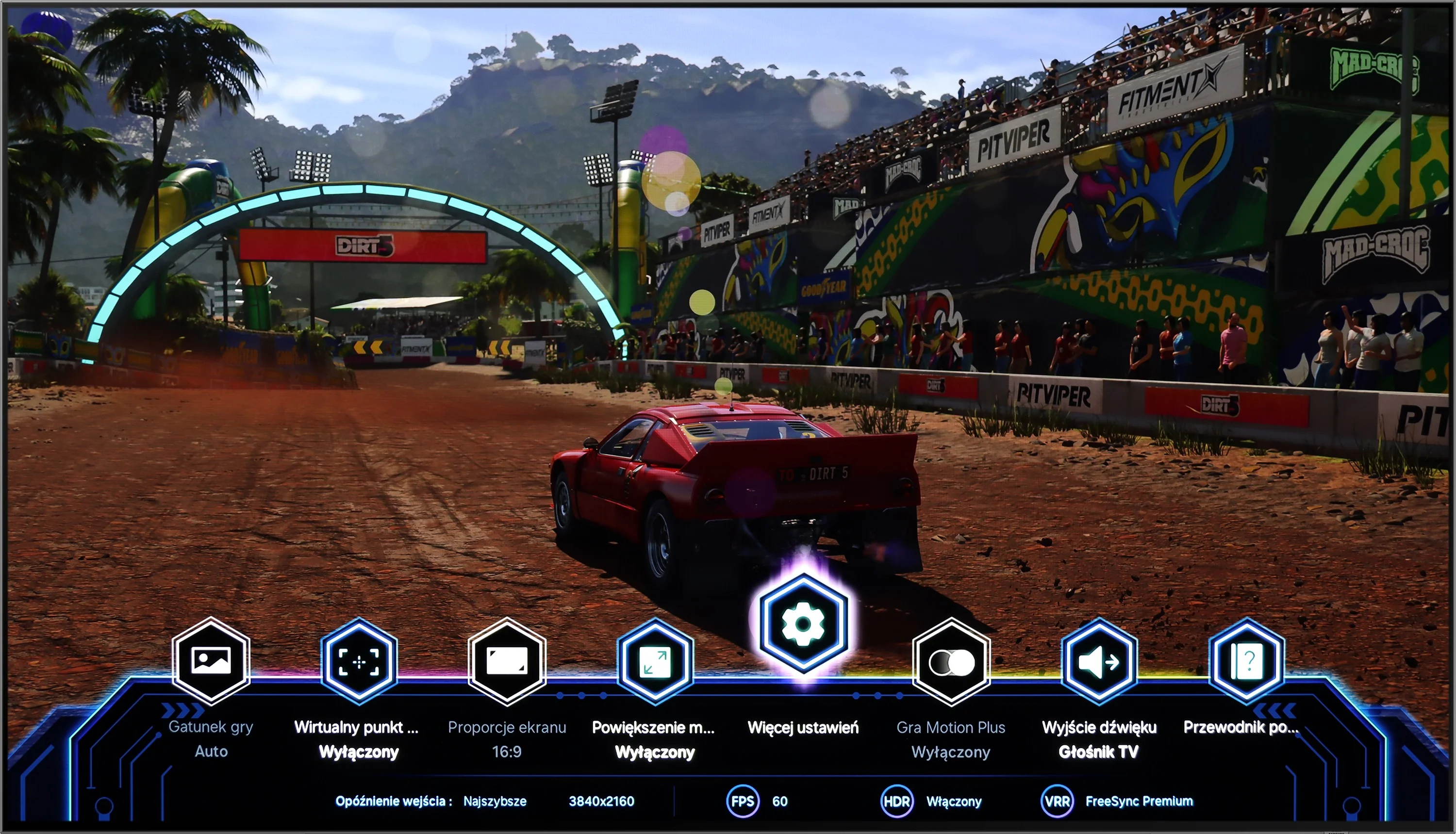
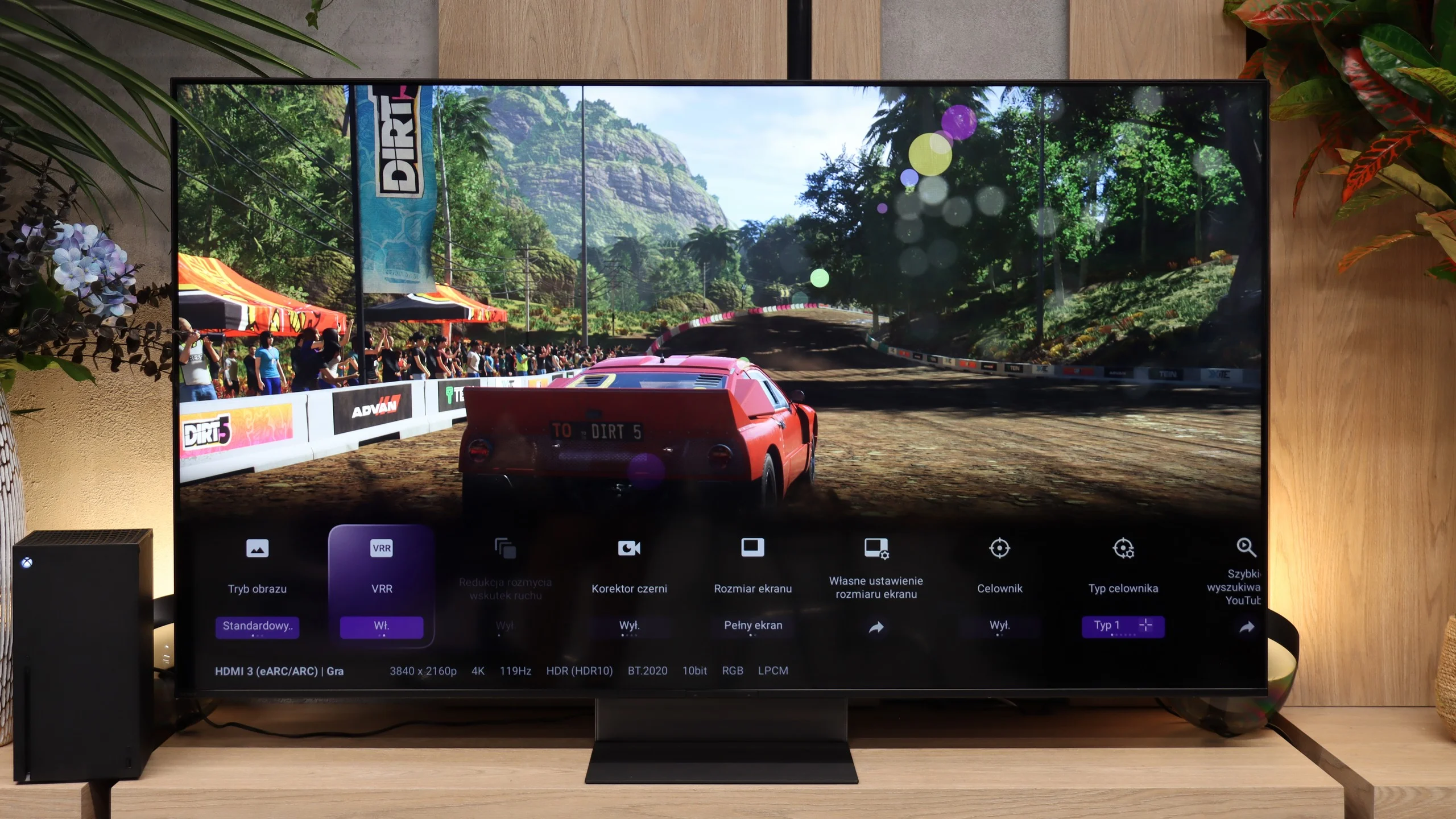
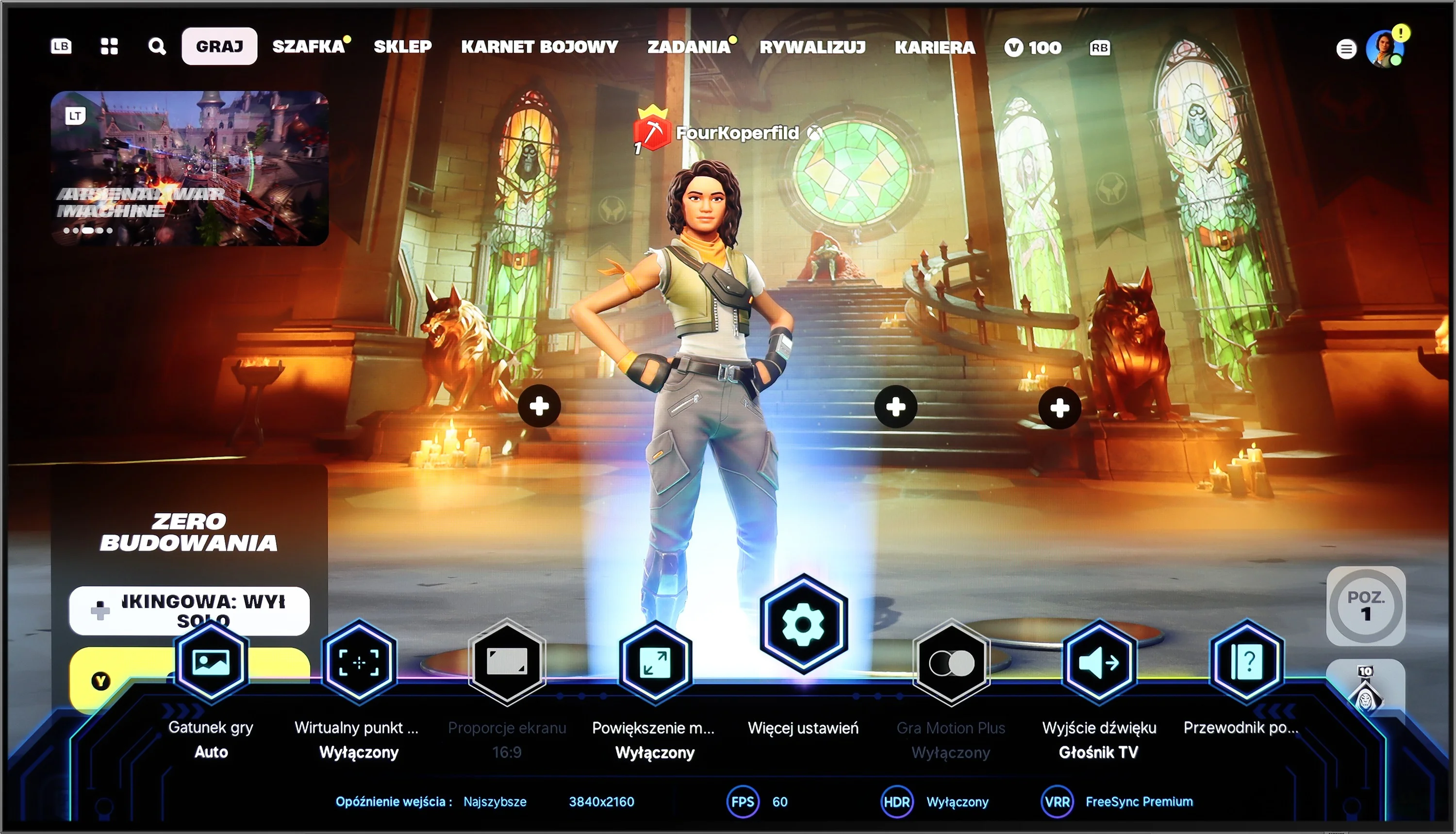
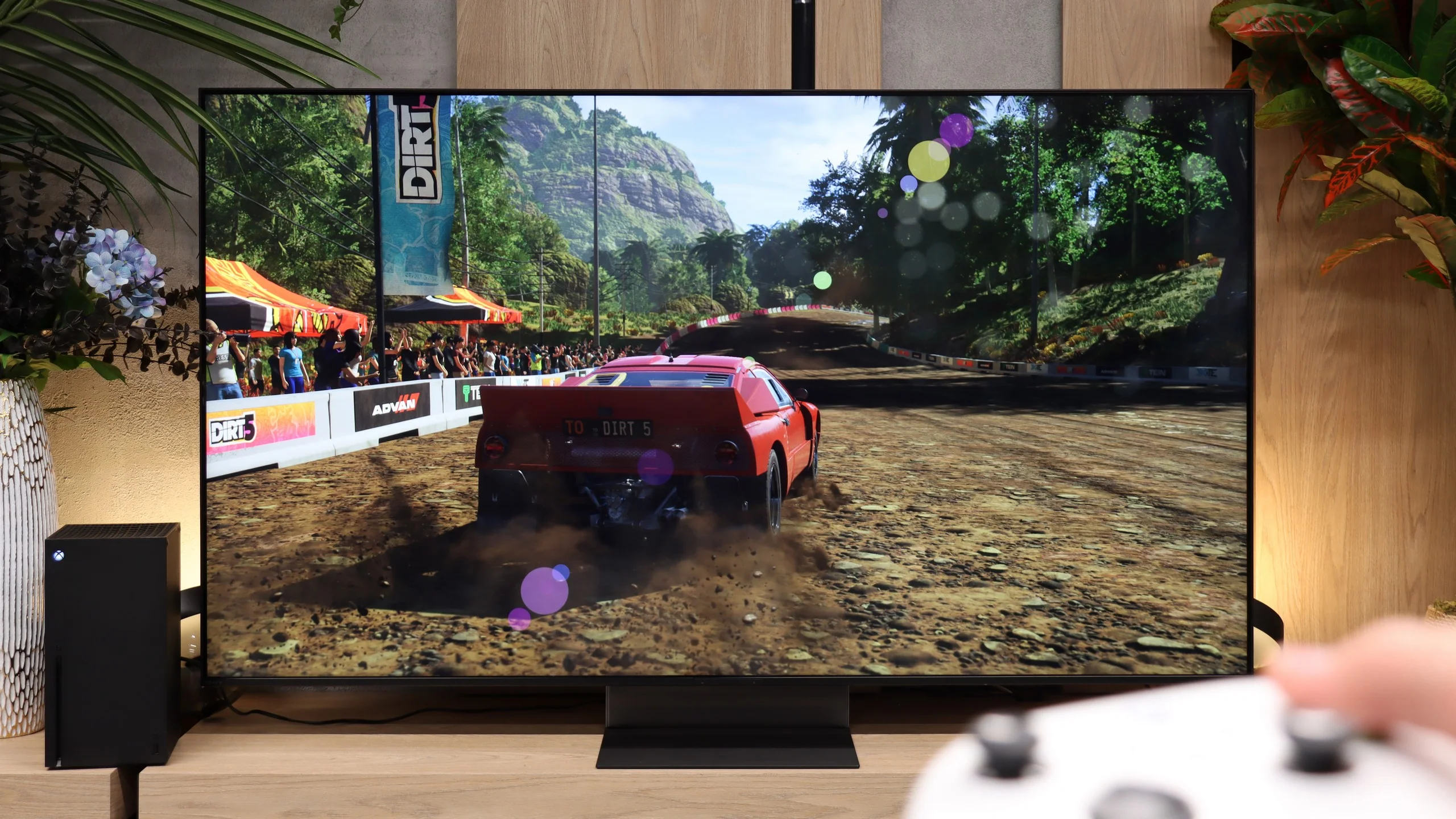
For motion handling, the Samsung S90D boasts a 120Hz refresh rate panel that eliminates blurring and provides smooth playback of dynamic scenes, making it a great choice for sports fans. It is also an excellent option for gamers, with features that enhance the gaming experience. Low input lag ensures responsiveness, and the 144Hz panel caters to even the most demanding players.
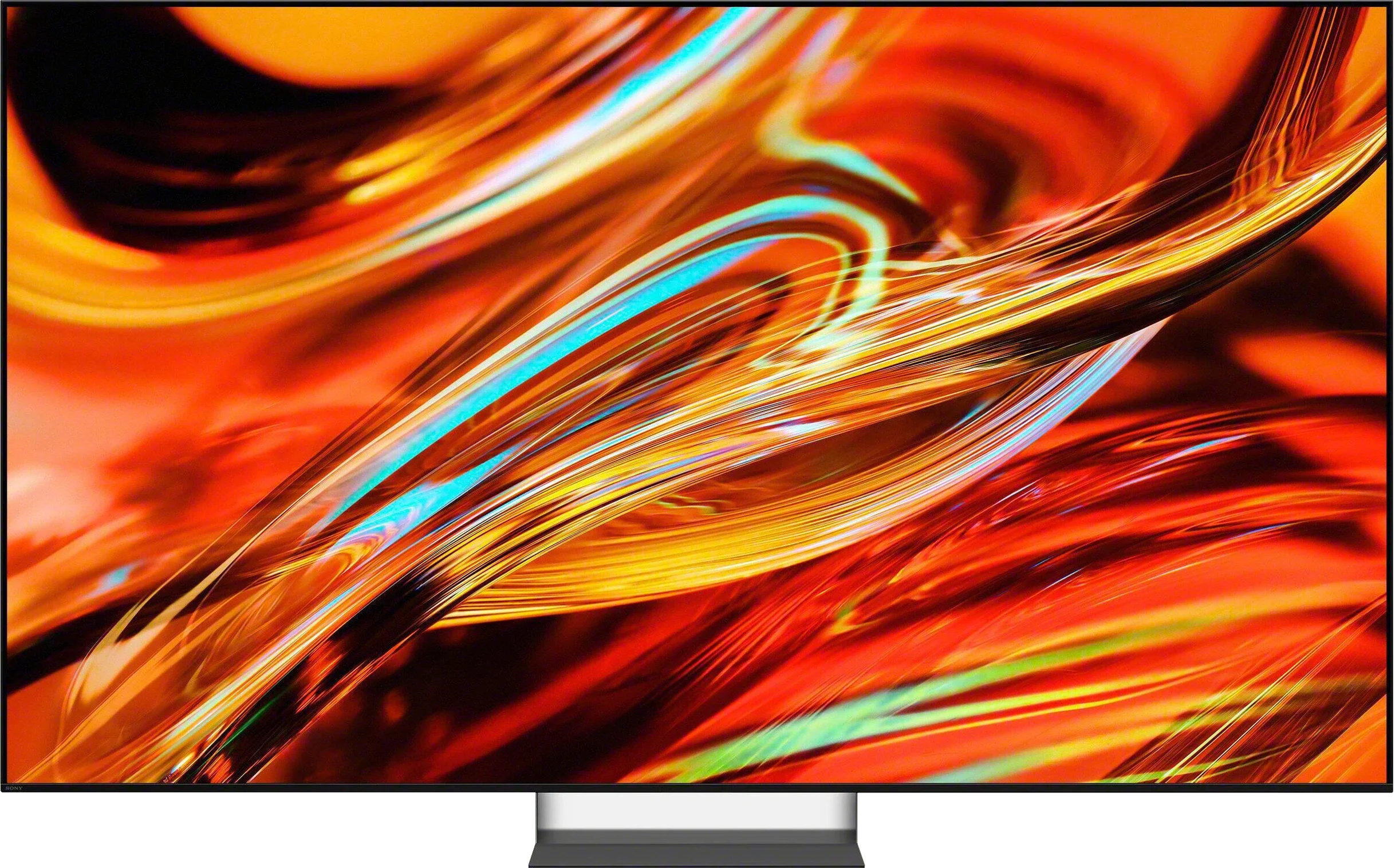
Sony Bravia 7 II is a TV that shows RGB Mini-LED doesn’t have to be reserved only for the wealthiest customers. And although in a few places you can see it sits below the Bravia 9 II, in everyday use it doesn’t feel like a heavily stripped-down model. The biggest contribution comes from the combination of very good black levels, high brightness and Sony’s excellent algorithms. As a result the picture is spectacular, while still staying true to how a film should look. HDR performs especially well, where the Bravia can show lots of highlights without losing detail. The True RGB backlight itself also has advantages. It gives the TV a wide color gamut and improves viewing angles, which for a VA panel are really good. That doesn’t mean RGB Mini-LED suddenly solves all the limitations of LCDs. You can still see some bloom around small bright elements, and the backlight’s color capabilities aren’t fully utilized in every scene. Still, Sony manages all of this very well, and the way it controls the image is one of the Bravia 7 II’s biggest strengths.
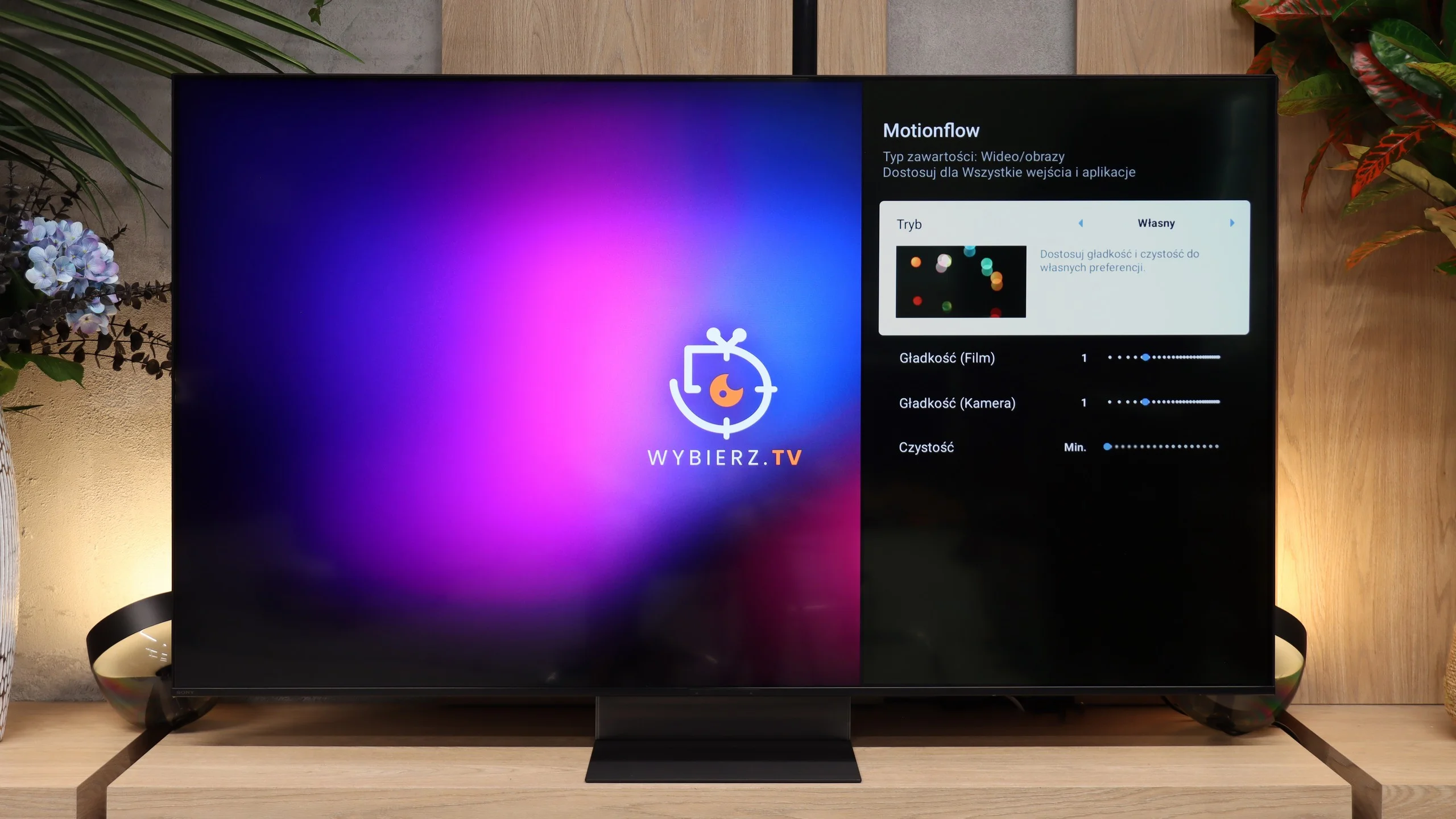
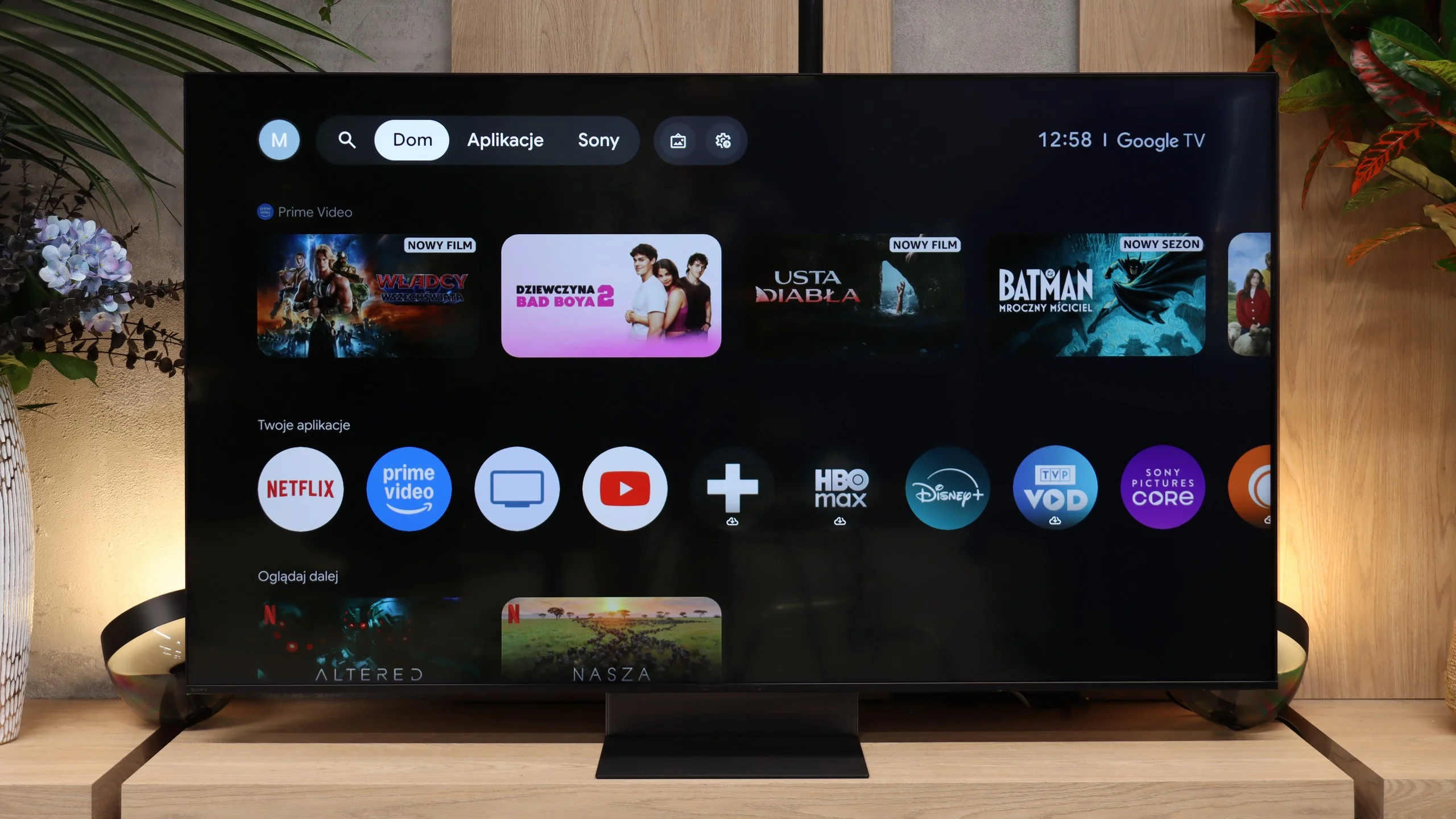
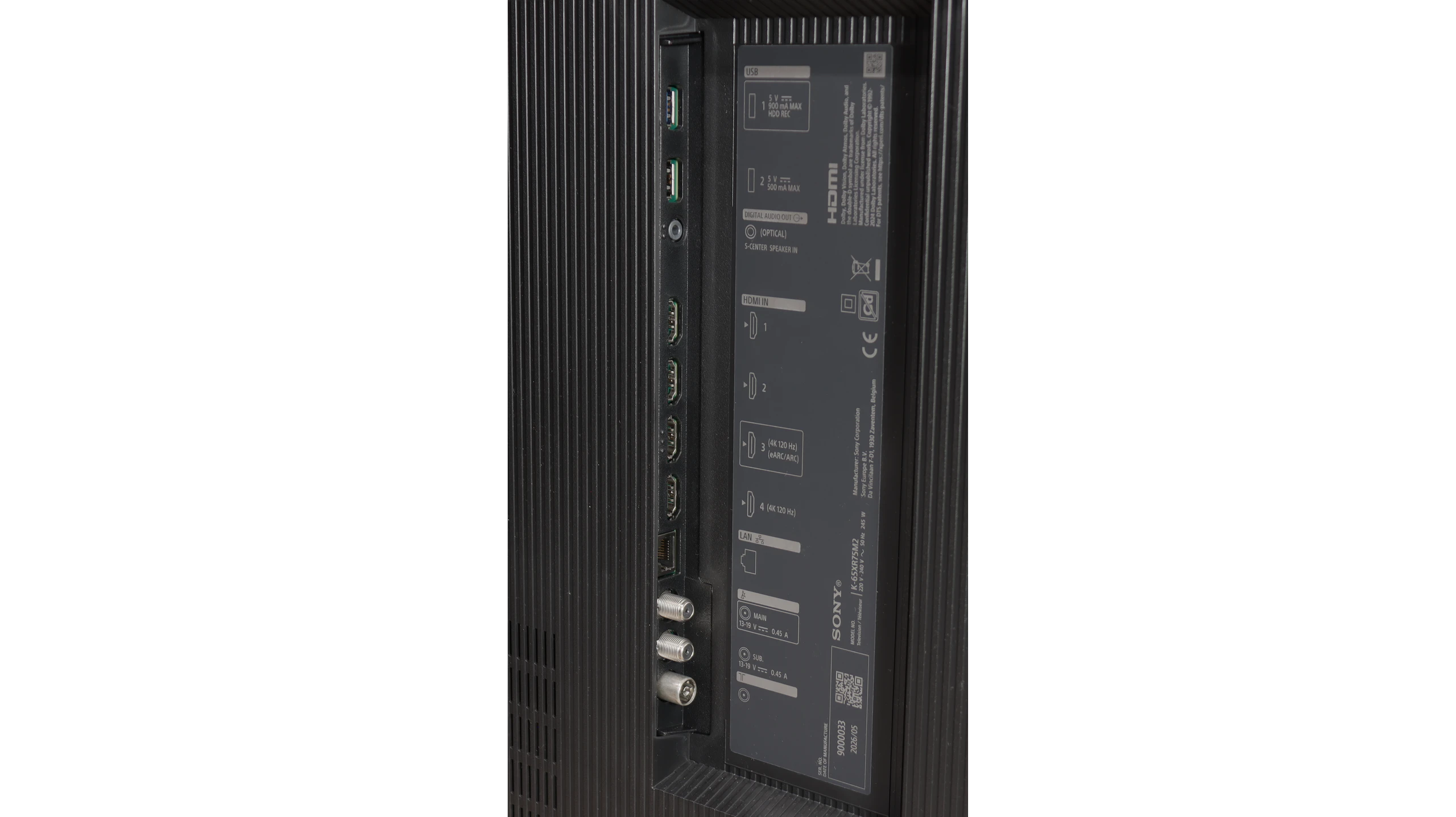
Image processing also remains a big advantage over many rivals. Upscaling, smoothing weaker tonal transitions and HDR mapping are among this model’s stronger points. On top of that there’s Google TV, solid features, very low input lag and an almost complete set of gaming functions. However, there are things hard to understand in a TV of this class. The most frustrating is the presence of only two HDMI 2.1 ports, one of which also serves as eARC. Sony also sticks with 120 Hz, while competitors increasingly offer 144, 165 or 180 Hz. Ultimately the Bravia 7 II stands out above all as a very well-rounded TV. It doesn’t try to win on the spec sheet, and in a few areas the competition will offer more. Sony makes up for that where specs don’t tell the whole story, with image processing, very good HDR tuning, backlight control and overall picture quality in movies. That’s what makes the Bravia 7 II one of the more interesting Mini-LEDs of 2026, especially for people looking for a bright, versatile TV for movies, broadcasts, sports and gaming, but who don’t necessarily want to go OLED.
 Direct comparison