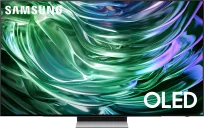
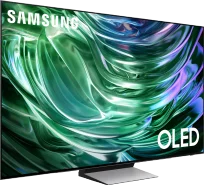
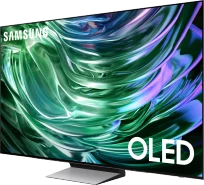
Samsung S90D / S94D 48" (WRGB OLED) vs Samsung S90H (WOLED)

Direct comparison

Check the best price offer:

Samsung S90D / S94D 48" (WRGB OLED)
$1 097

S90D / S94D

Info

S90H / S92H / HAE / HAT

Info

Available screen sizes: 48”

Available screen sizes: 42”48”55”65”83”

Panel type: WRGB OLED

Resolution: 3840x2160

System: Tizen

Model year: 2024

Complete the survey to find out the result

Panel type: WRGB OLED

Resolution: 3840x2160

System: Tizen

Model year: 2026

Complete the survey to find out the result

Overall rating

7.9

8.4

  • Movies and series in UHD quality

    8.0

    8.6

  • Classic TV, YouTube

    8.6

    8.8

  • Sports broadcasts (TV and apps)

    8.4

    8.5

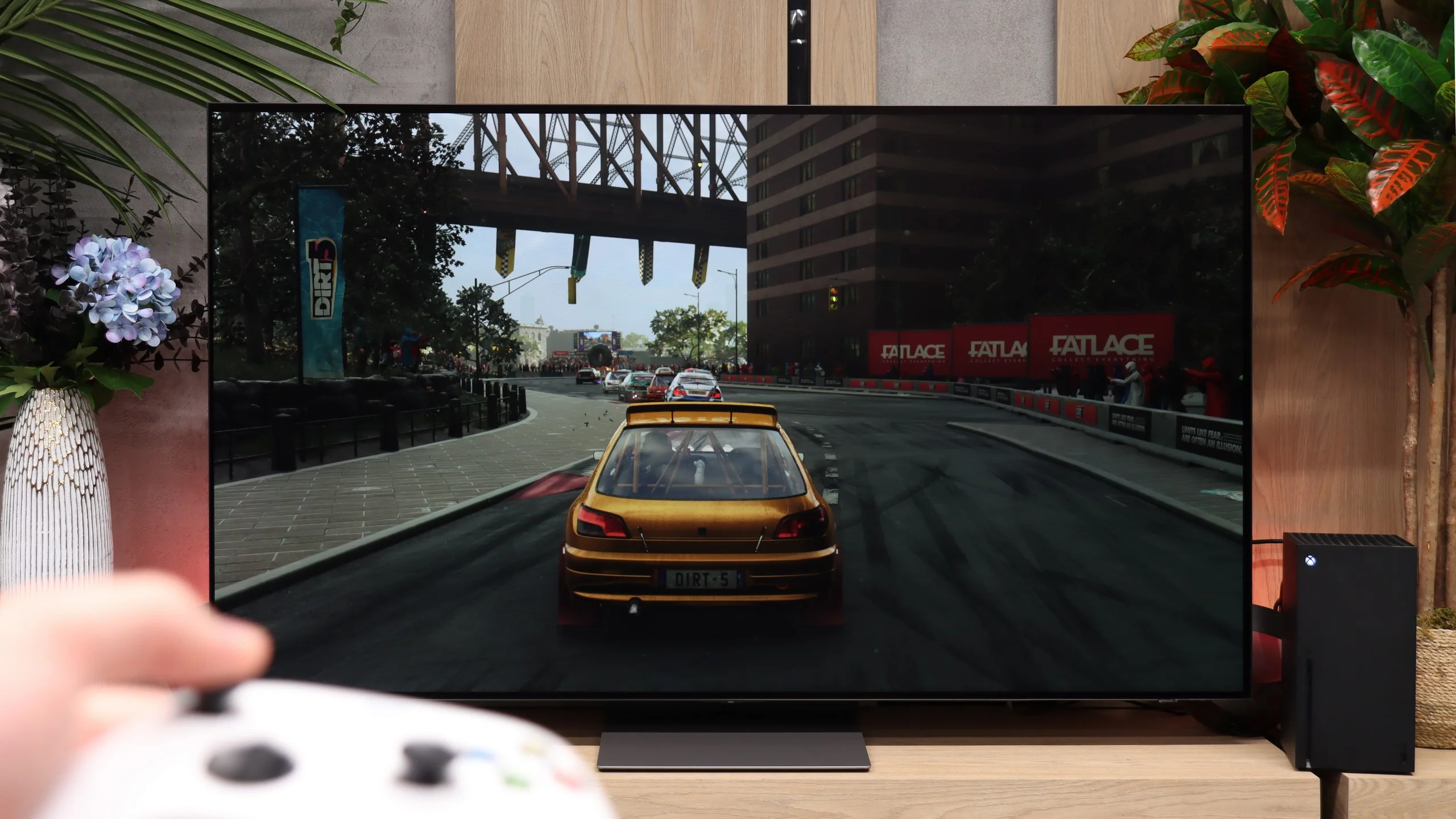
  • Gaming on console

    9.4

    9.7

  • TV as a computer monitor

    8.6

    8.6

  • Watching in bright light

    5.4

    6.5

  • Utility functions

    7.4

    7.3

  • Apps

    9.3

    9.3

  • Sound quality

    6.8

    8.4

Advantages

  • Perfect black

  • Great for 4K HDR content

  • Excellent for gamers - 144hz, HDMI 2.1, low input lag.

  • Advanced and smooth Tizen system

  • Multifunctional solar remote

  • Perfect black and infinite contrast (OLED)

  • Very high HDR brightness (up to 1400 nits)

  • Effective anti-reflective coating (matte, glare-free)

  • Exemplary color reproduction after calibration

  • Excellent motion handling (no motion blur)

  • Outstanding for gamers (4x HDMI 2.1, VRR, ALLM, low input lag)

  • Game Motion Plus feature

  • Refresh rate up to 165 Hz

  • Wide viewing angles

  • Fast, fully featured Tizen

  • Good sound

Disadvantages

No like
  • Worse brightness than in larger counterparts

  • Missing Dolby Vision and DTS:X

  • In bright light colors lose some depth (a trait of matte coatings)

  • Lacks TV features such as USB recording or PIP

  • No support for DTS:X (an issue for Blu-ray disc fans)

  • Limited color saturation compared to the QD-OLED variant

Our verdict

The Samsung S90D TV in its smallest variant is a model that excels in many respects. It performs impressively in displaying details in dark scenes, enhancing the experience of watching demanding productions. However, the 48-inch variant has slightly lower brightness compared to larger models, and the screen features a satin finish rather than a glossy one, which can affect daytime viewing. Regardless of the variant, you can expect perfect blacks, while the high screen brightness makes HDR effects particularly striking. Although the factory colour settings may not be ideal, the TV achieves exceptional results after proper calibration, unmatched in its price range.

The Samsung S90D caters to both cinema enthusiasts and everyday viewers. Its wide viewing angles ensure a sharp and detailed picture, even from the side. The TV runs on the intuitive Tizen operating system, which offers a host of features and quick navigation. Access to streaming services and multimedia content is seamless, though the closed nature of the system may result in some missing applications.

For motion handling, the Samsung S90D boasts a 120Hz refresh rate panel that eliminates blurring and provides smooth playback of dynamic scenes, making it a great choice for sports fans. It is also an excellent option for gamers, with features that enhance the gaming experience. Low input lag ensures responsiveness, and the 144Hz panel caters to even the most demanding players.
Samsung S90H is a TV that simply makes a spectacular impression. The combination of OLED's absolute blacks, high brightness, and excellent motion sharpness delivers a picture that's hard to look away from. And that's exactly what we expect from a good OLED TV. The matte anti-reflective coating also works very well. Reflections on a sunny day stop being a major problem, and thanks to the presence of a traditional polarizer black doesn't shift as much toward grayish-burgundy tones as with the QD-OLED variant. Add to that the blazing-fast Tizen, an excellent set of gaming features led by Game Motion Plus, and surprisingly good, full-bodied sound from the built-in speakers. Any weaknesses? Of course. Tone transitions aren't quite as perfect as on QD-OLED, and viewing angles remain slightly worse. In practice, though, these are mostly minor quibbles, especially since WOLED also has its own advantages, particularly in a bright room, where it preserves black levels and color saturation better. Overall, the QD-OLED variant still comes out slightly ahead, but this time the difference isn't as pronounced as it was a year ago. For most people that won't be the deciding factor when choosing a TV. So our advice is: rather than obsessing over the panel type, pick the size that best fits the room. Whether you buy the WOLED or QD-OLED version, you'll get a mature, versatile, and well-balanced TV. As every year, the S90H series has a guaranteed place among the most cost-effective OLEDs of 2026.

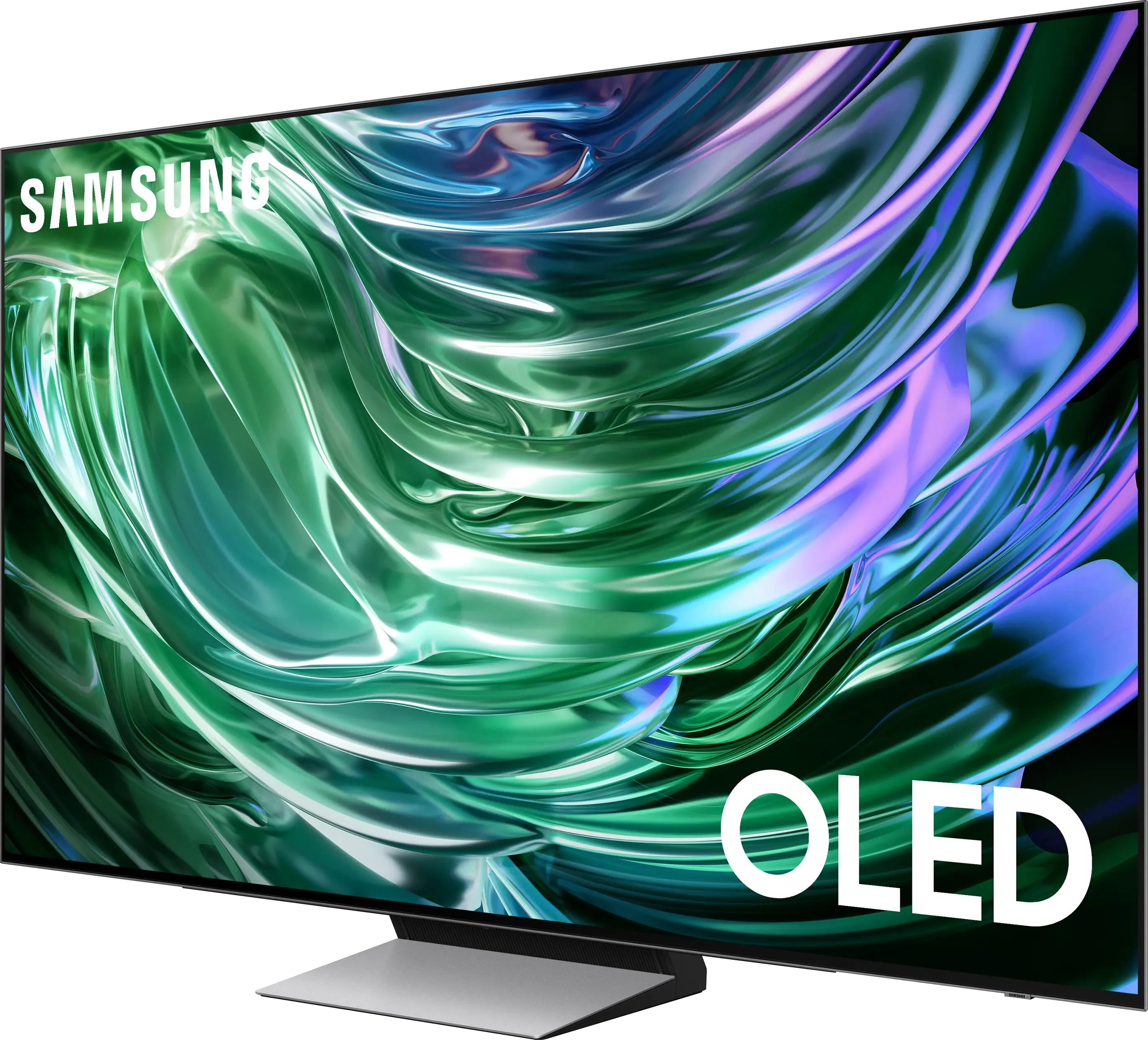
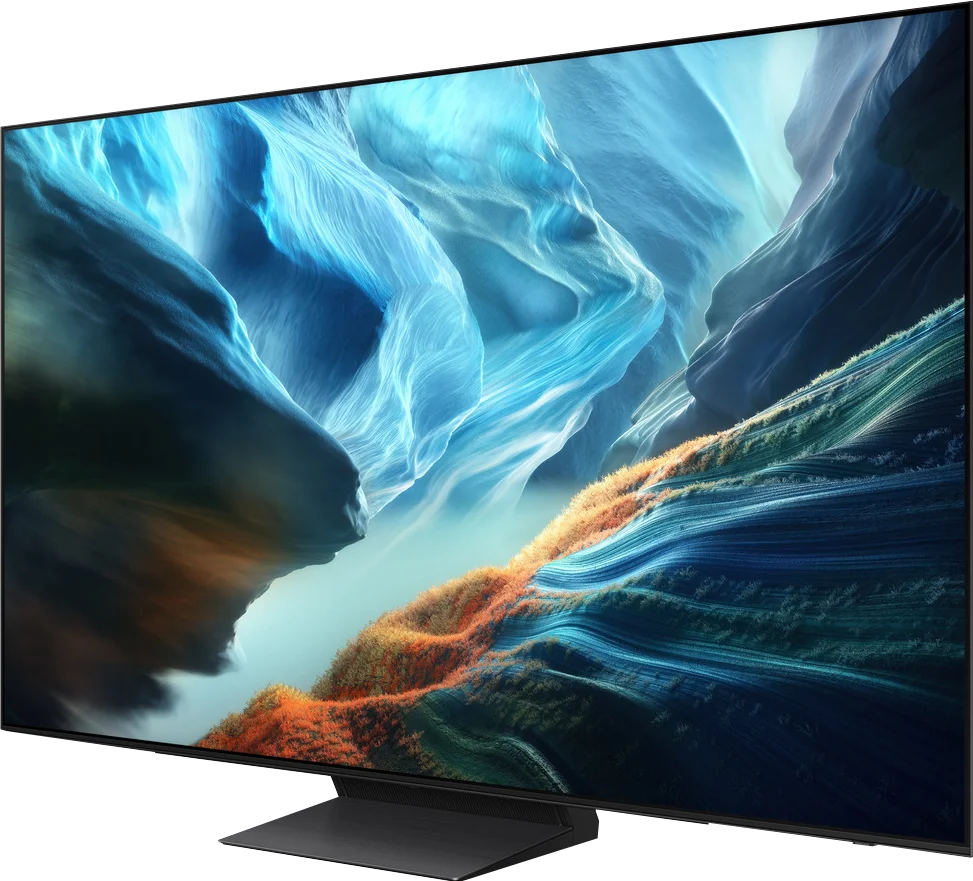
TV appearance

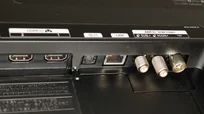
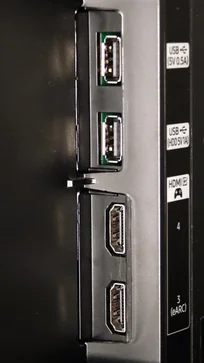
HDMI inputs
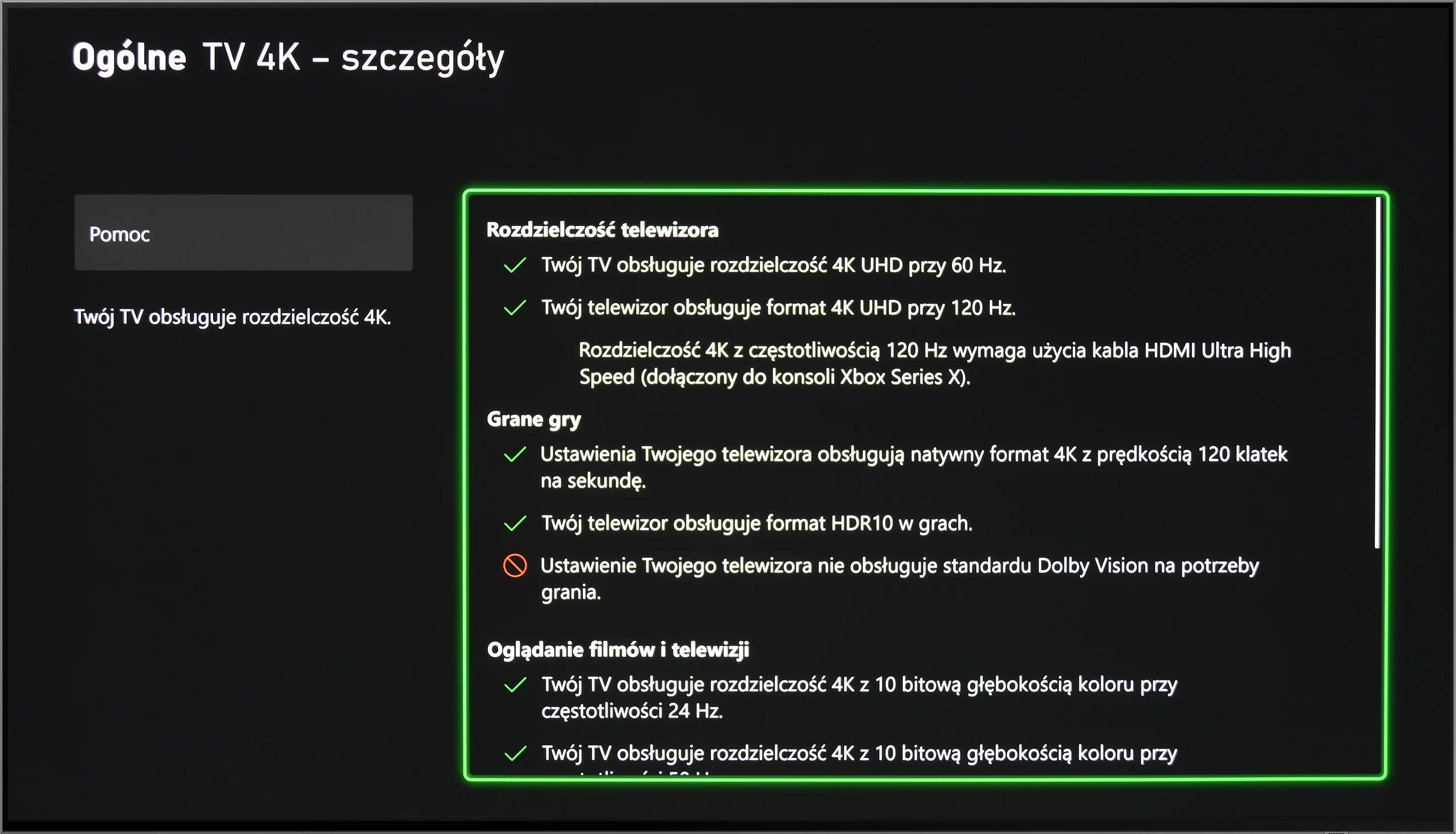
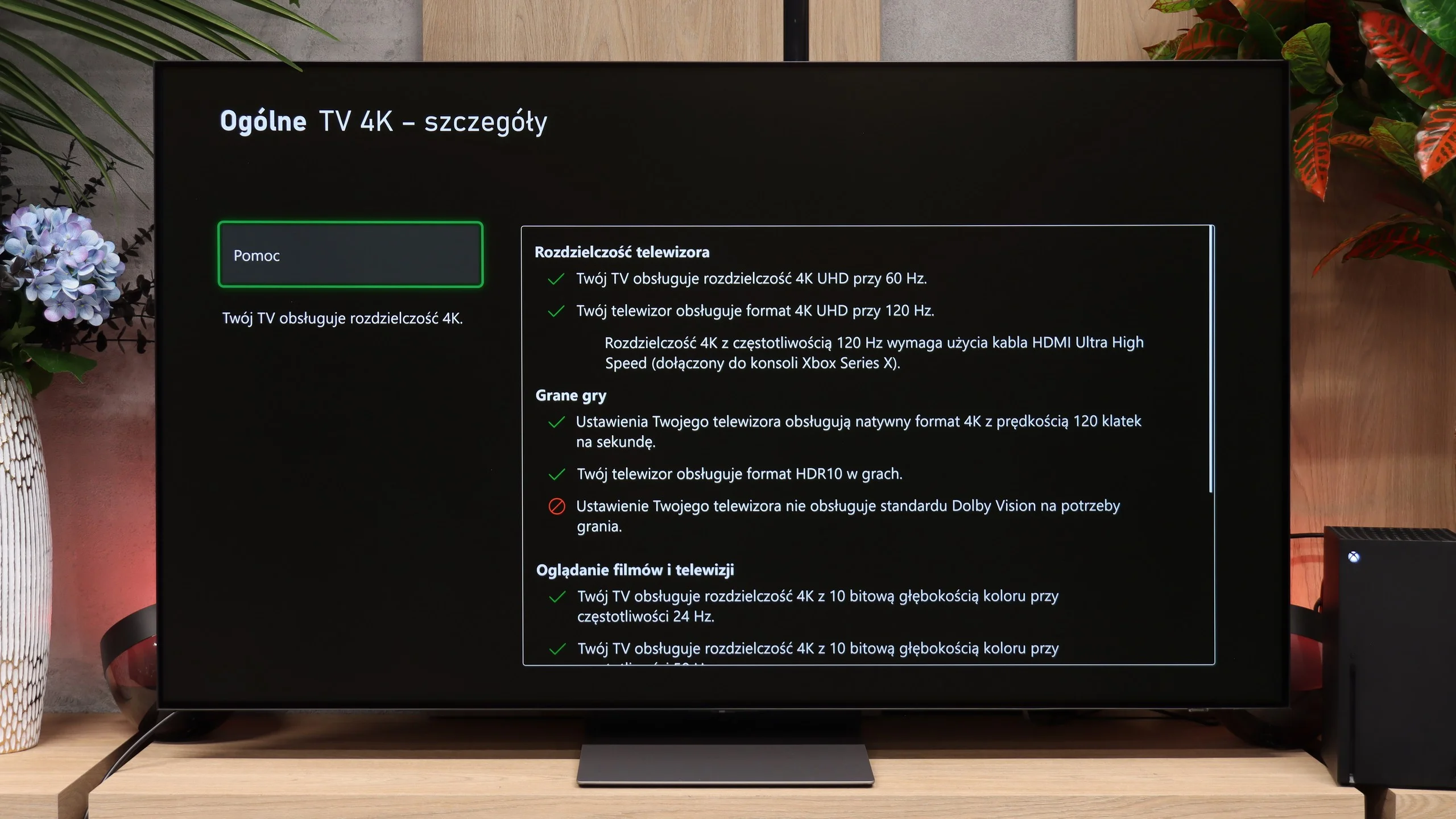
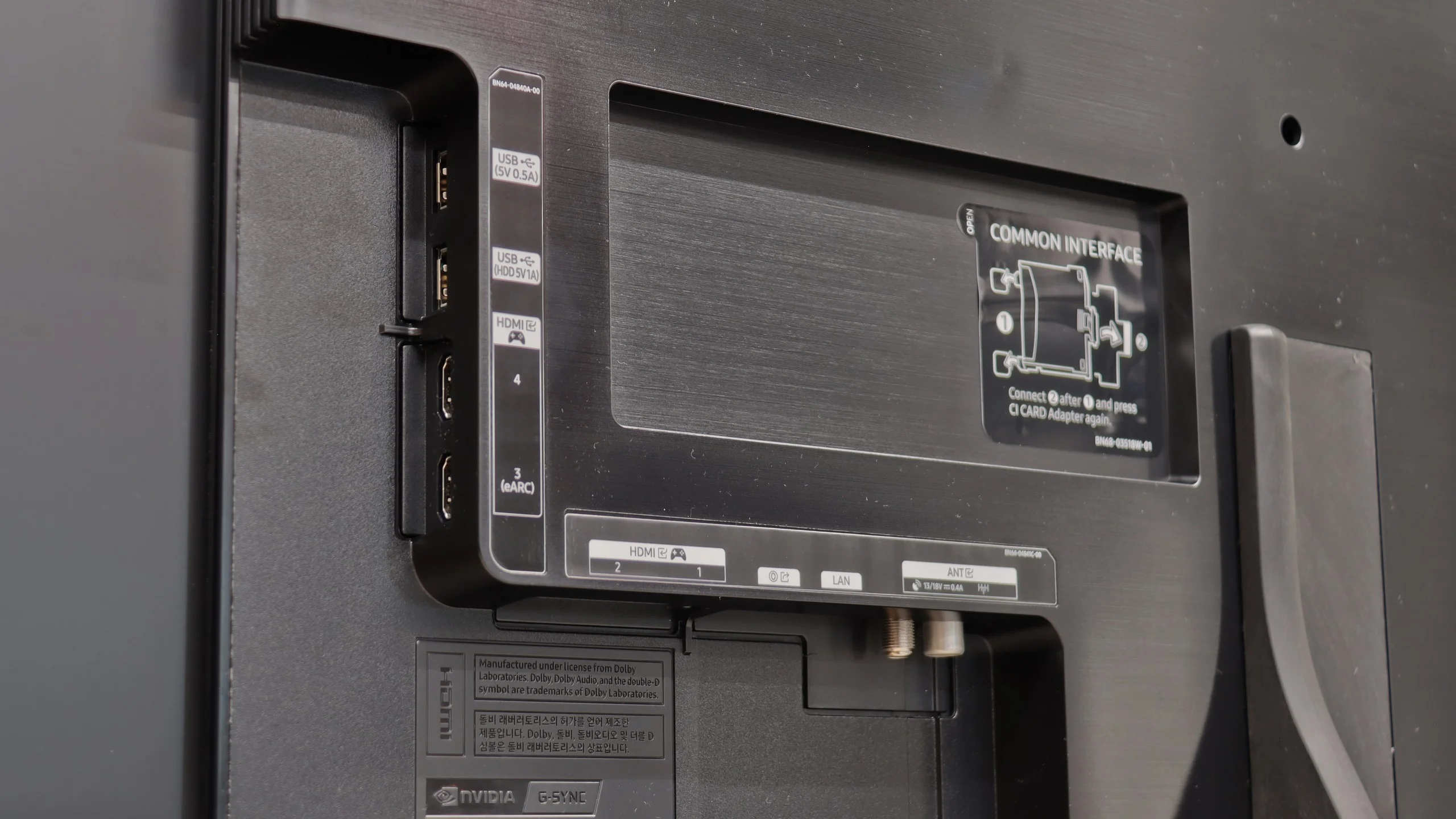
0 x HDMI 2.0, 4 x HDMI 2.1 (48Gbps)
Other inputs
Outputs
Toslink (Optical audio), eARC (HDMI), ARC (HDMI)
Network Interfaces
Wi-Fi 2.4GHz, Wi-Fi 5GHz, Ethernet (LAN) 100Mbps
Build quality
Premium
Premium
Stand type
Central
Central
Bezel color
Graphite
Graphite
Stand
Fixed
Fixed
Accessories
Stand
Stand

Contrast and black detail

10/10

10/10

Contrast:

Review Samsung S90D / S94D 48" (WRGB OLED) Contrast and black detail

Result

:1

Review Samsung S90D / S94D 48" (WRGB OLED) Contrast and black detail

Result

:1

Review Samsung S90D / S94D 48" (WRGB OLED) Contrast and black detail

Result

:1

Review Samsung S90D / S94D 48" (WRGB OLED) Contrast and black detail

Result

:1

Review Samsung S90D / S94D 48" (WRGB OLED) Contrast and black detail

Result

:1

Review Samsung S90H (WOLED) Contrast and black detail

Result

:1

Review Samsung S90H (WOLED) Contrast and black detail

Result

:1

Review Samsung S90H (WOLED) Contrast and black detail

Result

:1

Review Samsung S90H (WOLED) Contrast and black detail

Result

:1

Review Samsung S90H (WOLED) Contrast and black detail

Result

:1

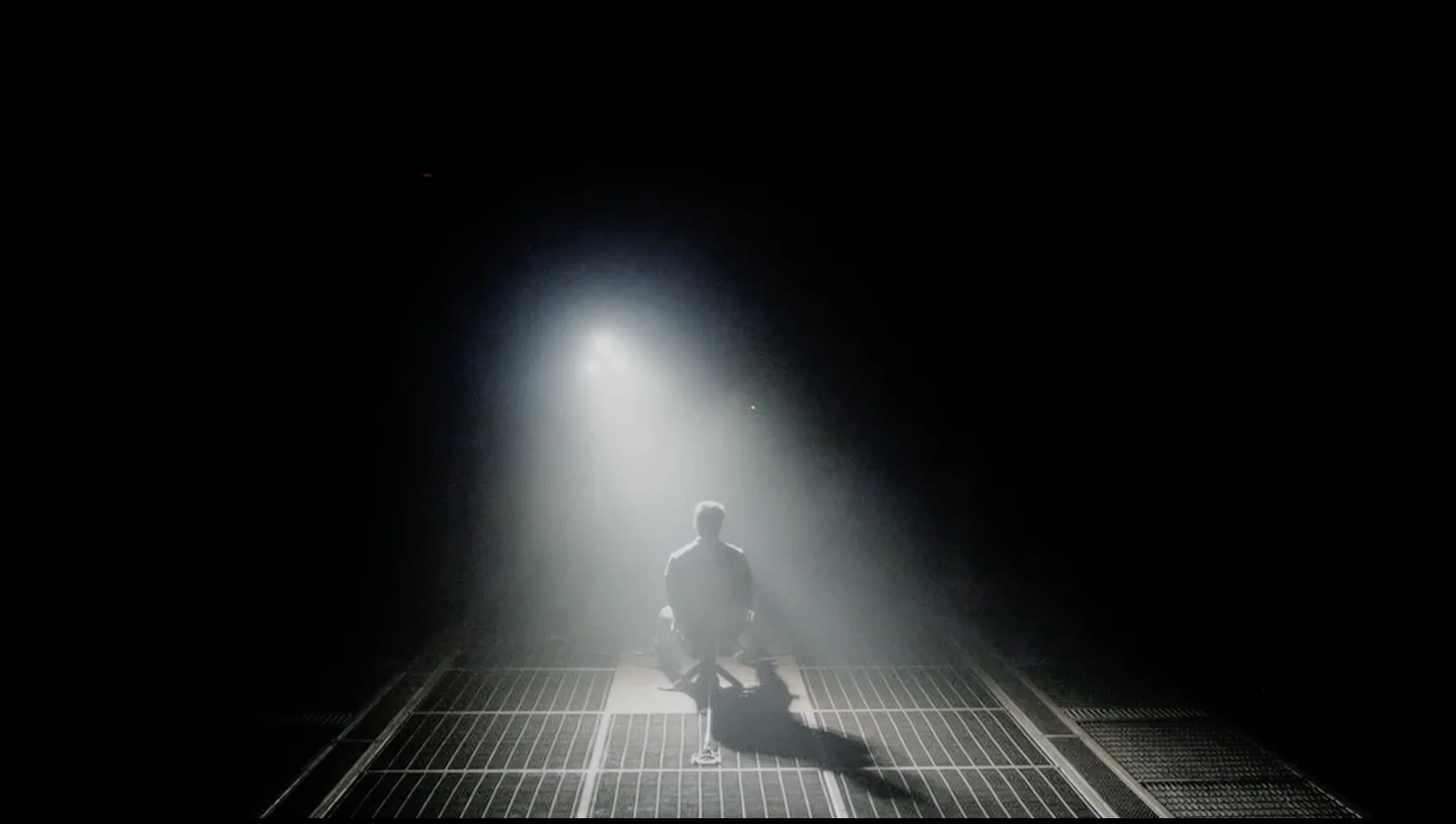
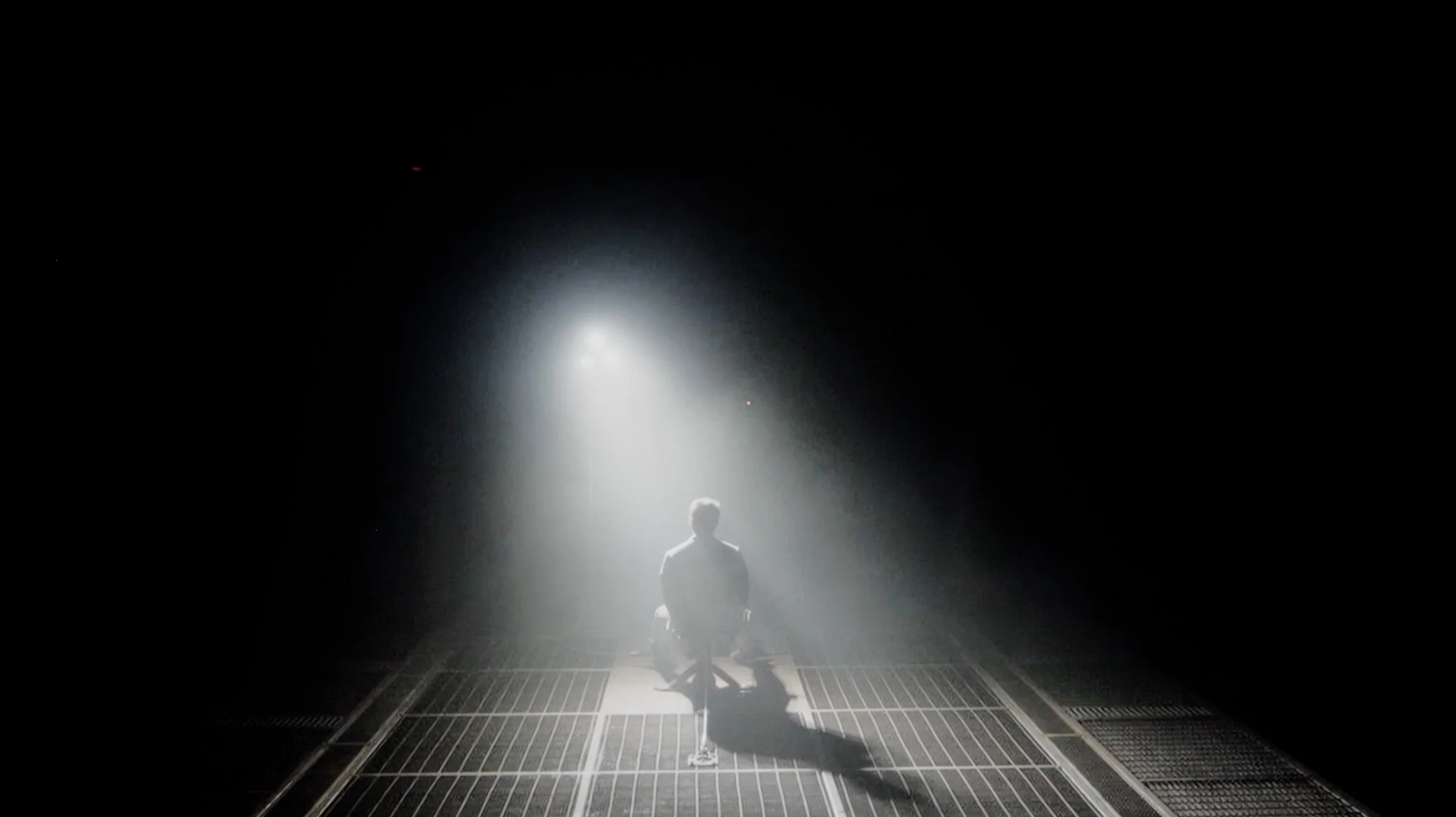
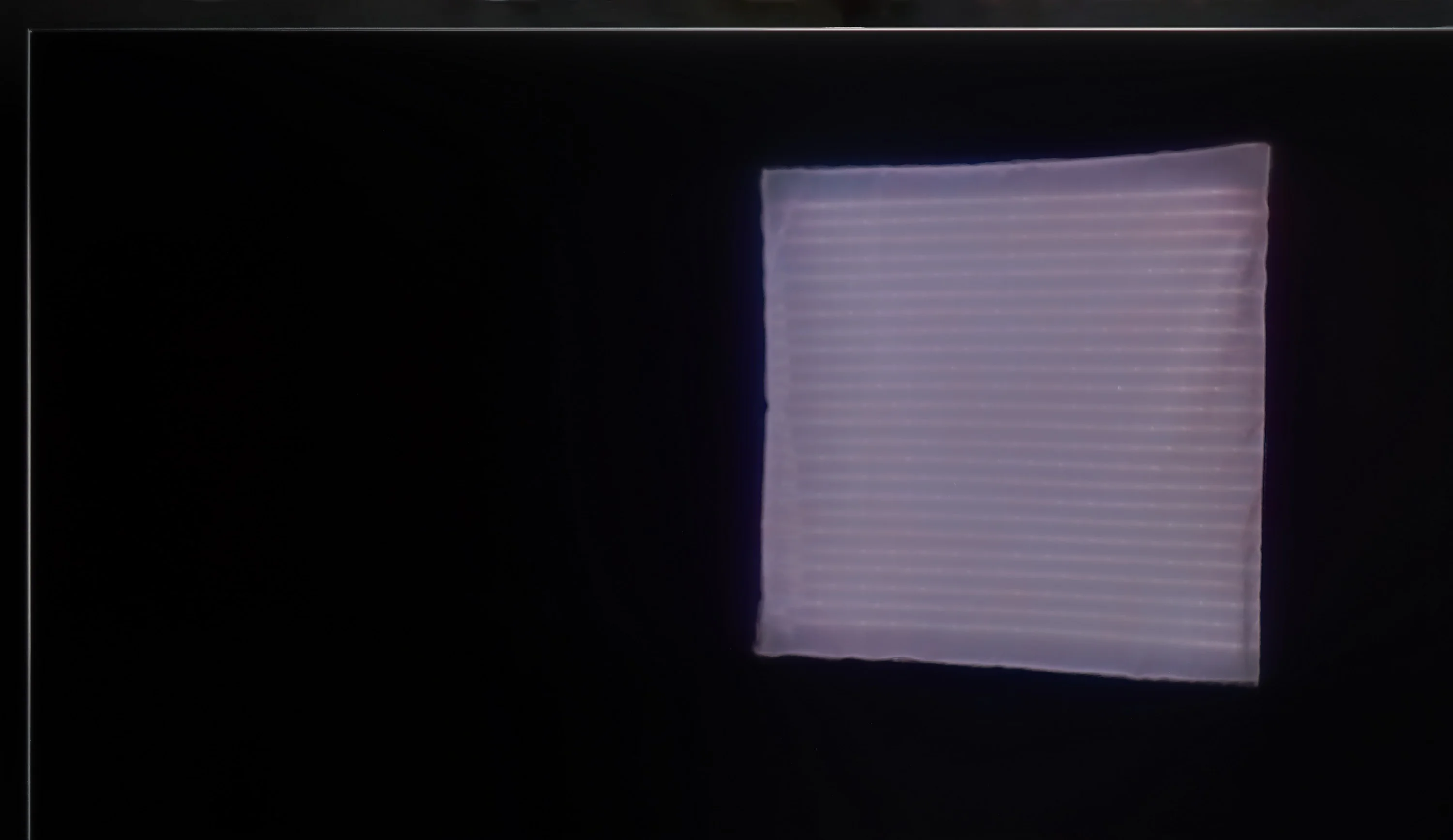
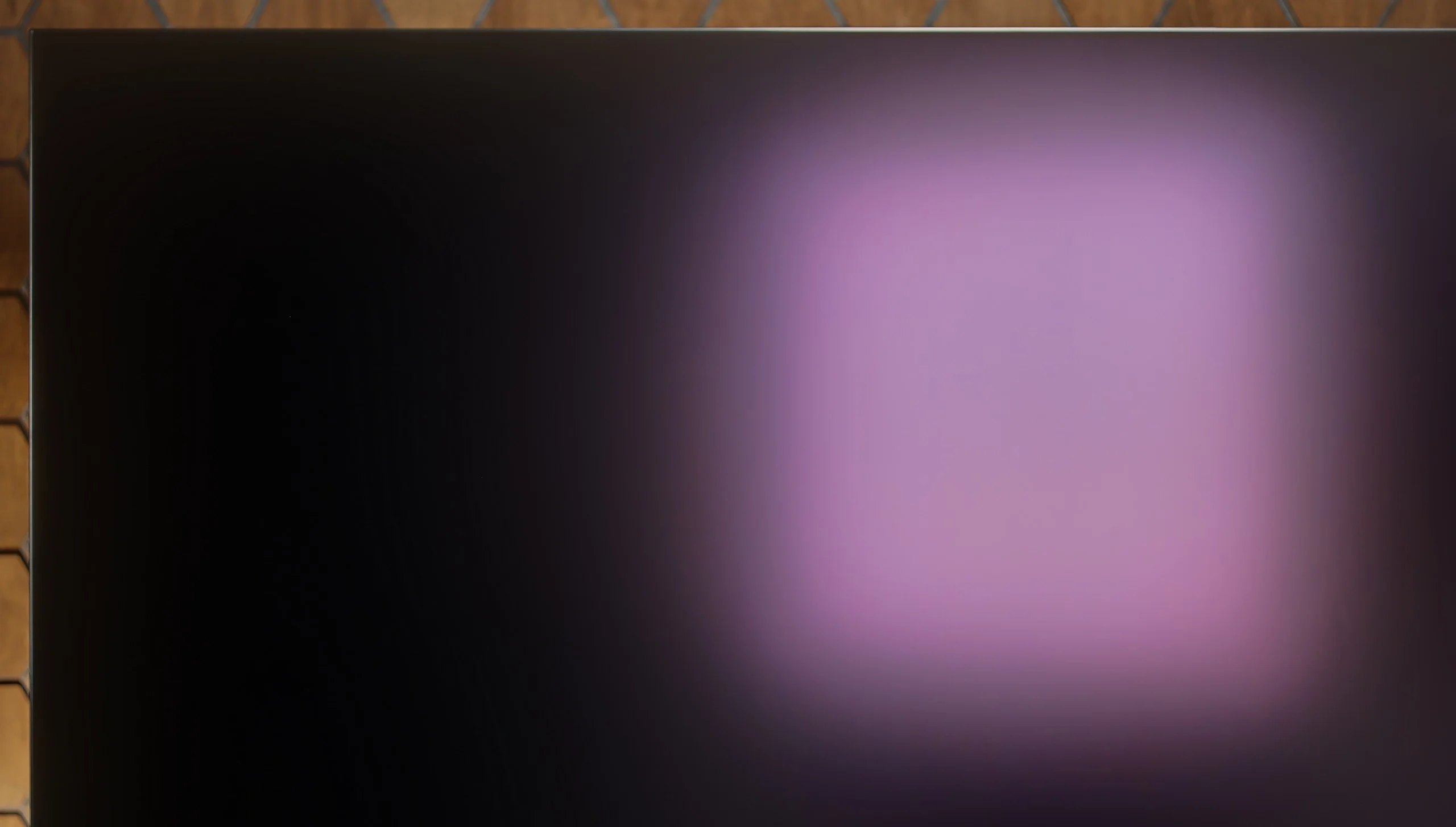
Halo effect and black detail visibility:

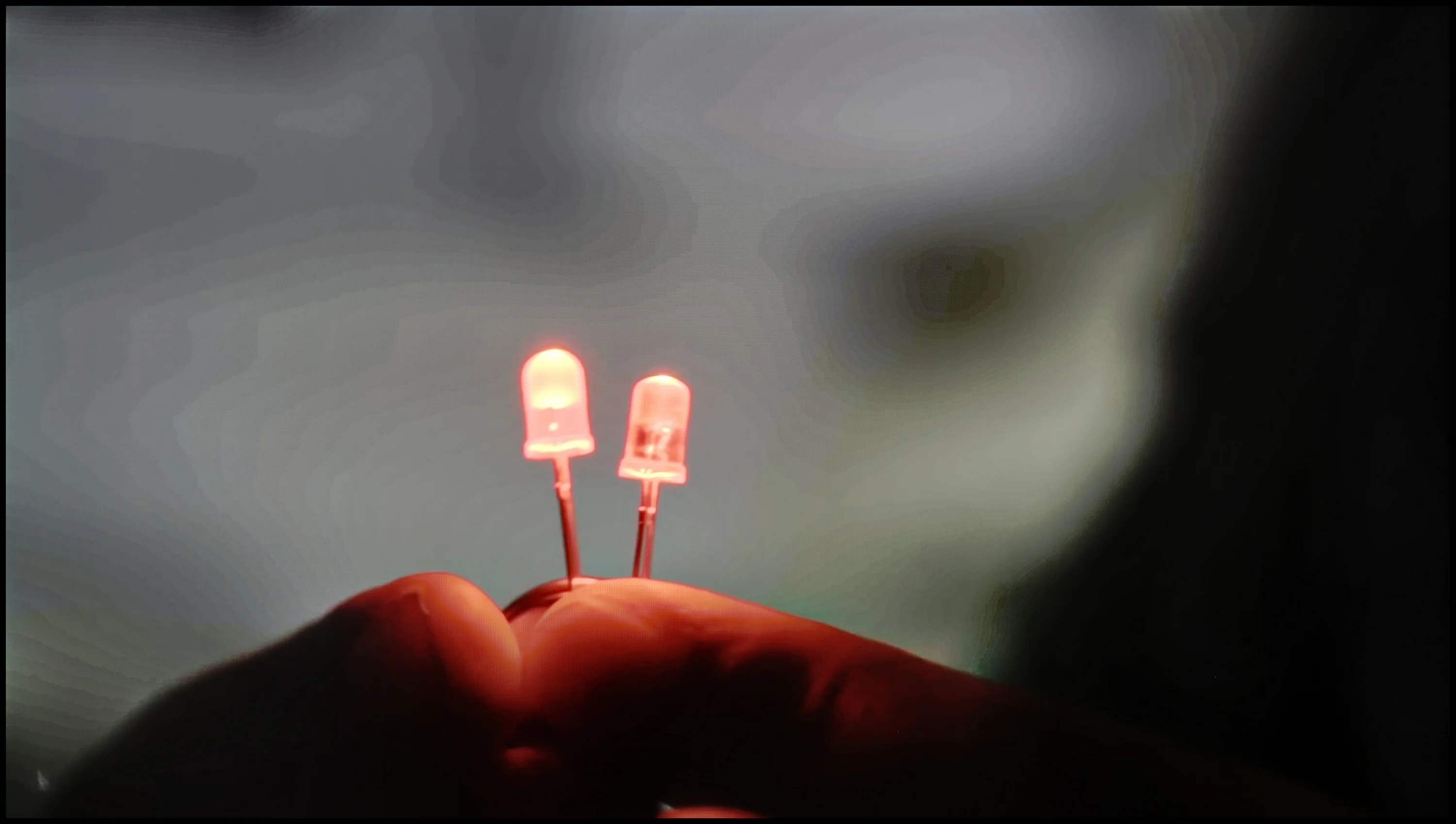
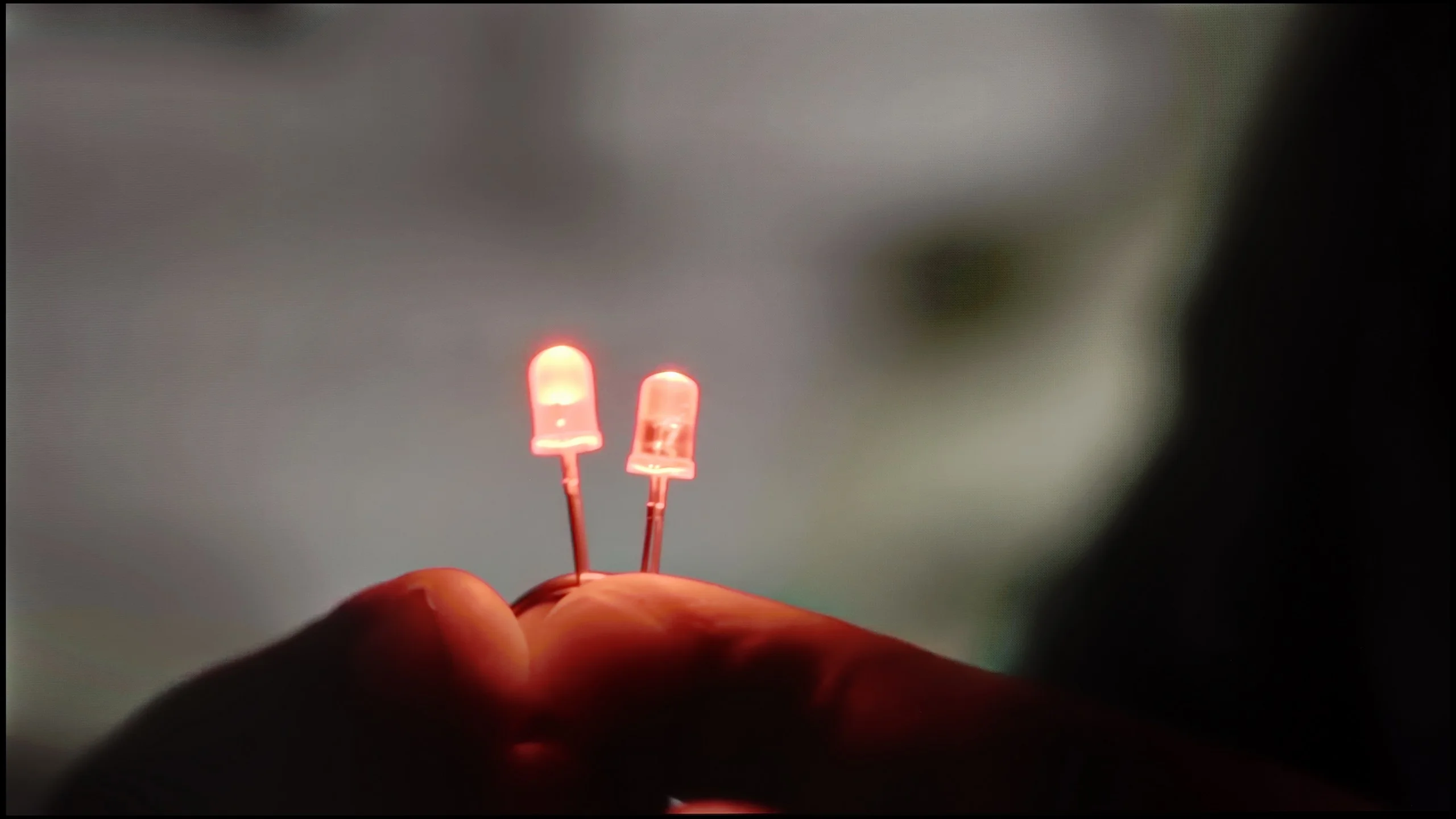
Check the visibility of bright lights on a dark background. Mini-LEDs often struggle with this. The photo does not compare black levels – that’s what the video below is for.

The video accurately shows differences in contrast and black levels between TVs, as well as potential issues: halo around bright objects or Mini-LED zone operation visible as brightness jumps.

The Samsung S90D distinguishes itself with its OLED matrix, which delivers exceptionally high contrast, one of its standout features. OLED technology allows each pixel to emit light independently, producing perfectly deep blacks and excellent detail visibility in even the darkest scenes. Unlike traditional LCD screens with backlighting—where blacks can appear washed out or greyish due to uneven illumination—OLED ensures that pixels in black areas are completely turned off, resulting in unparalleled contrast.

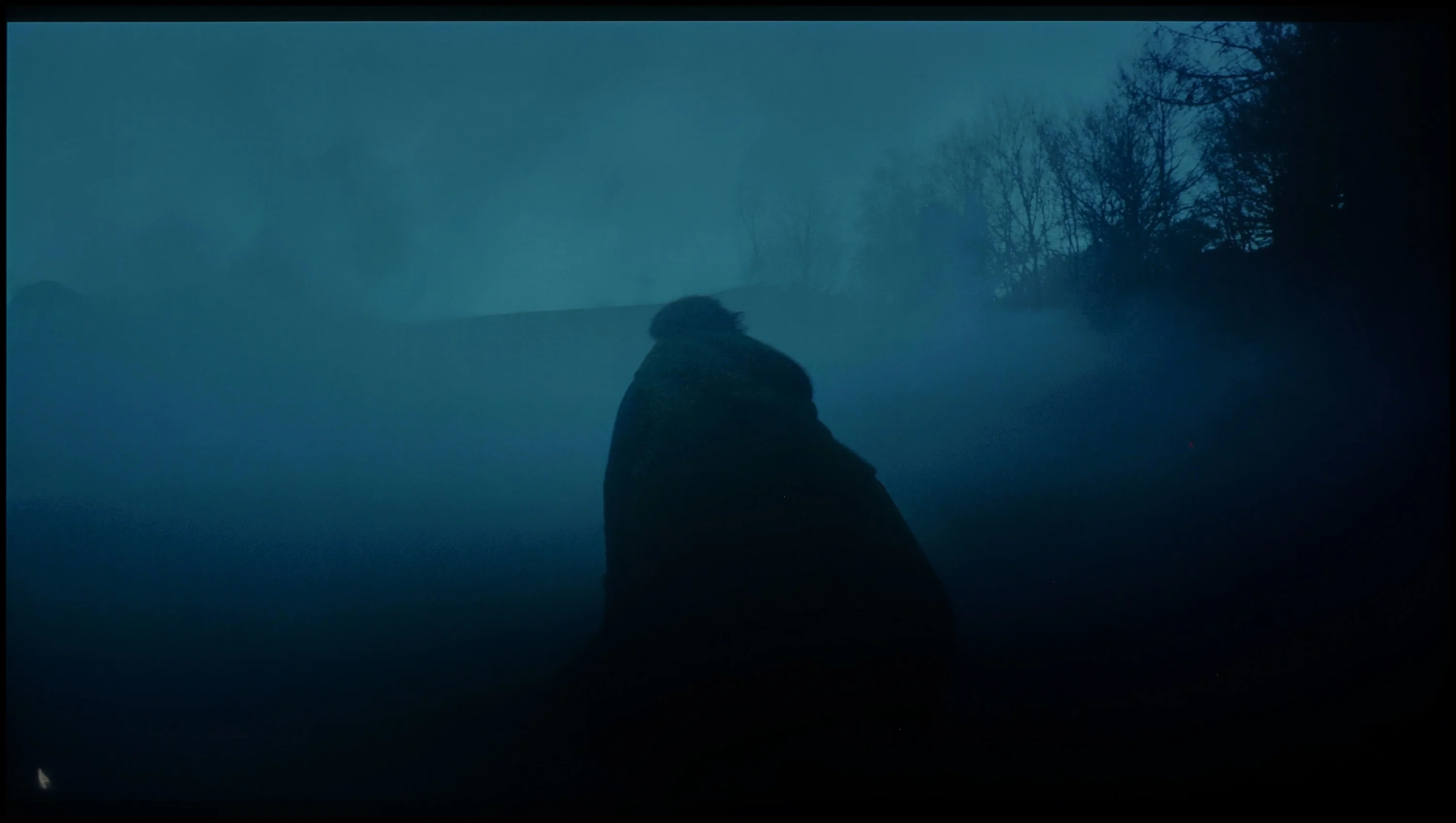
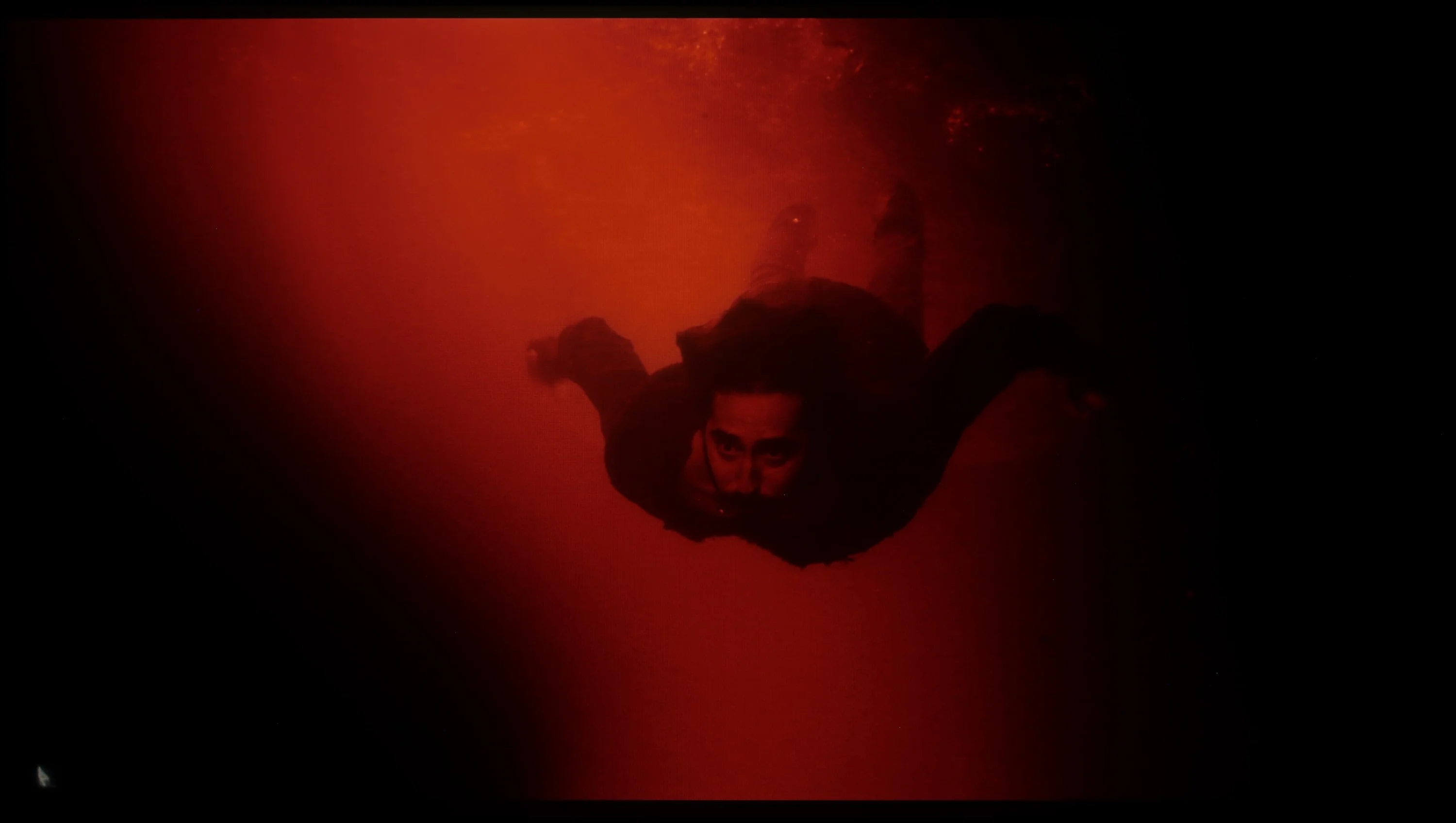
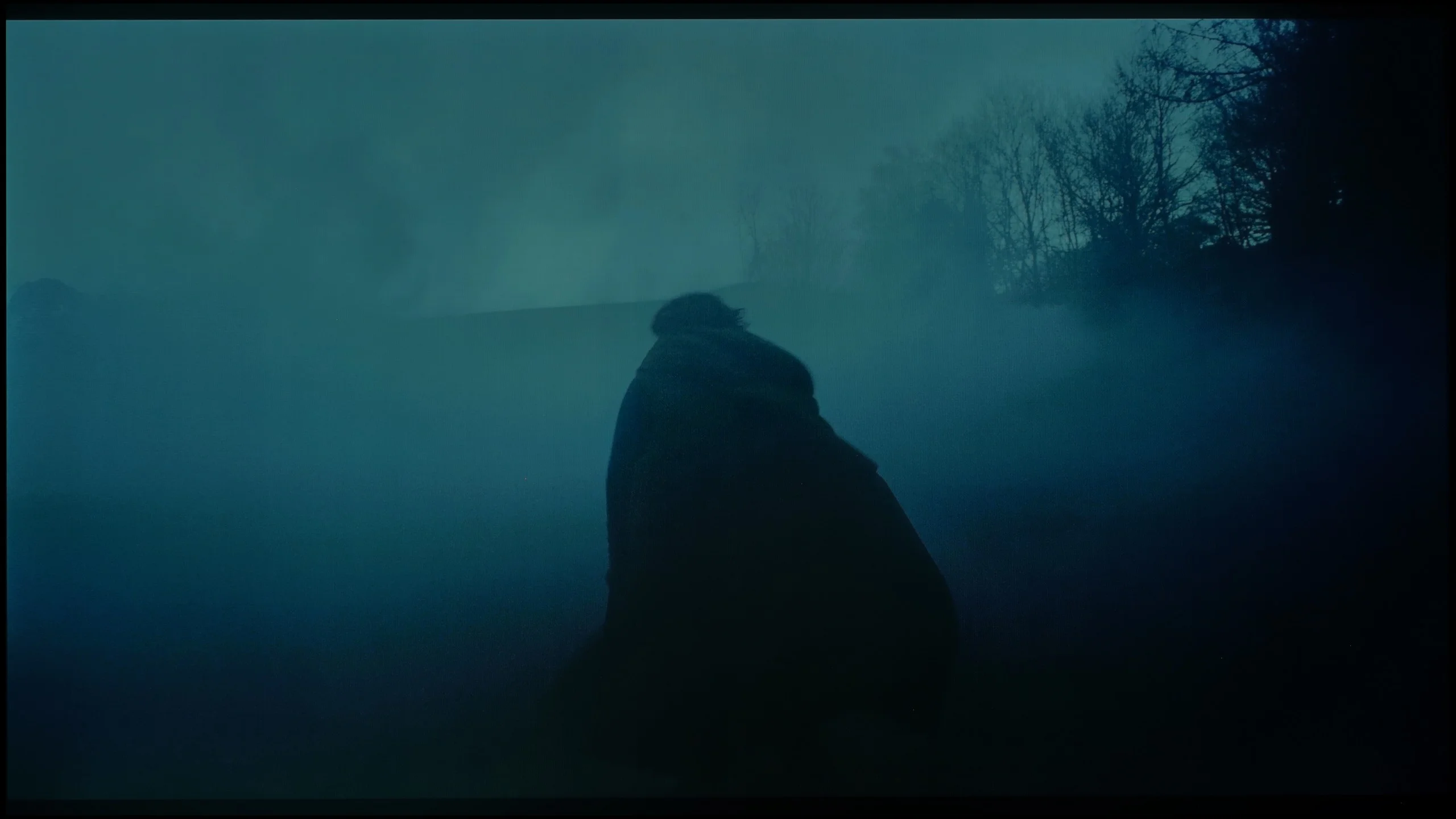
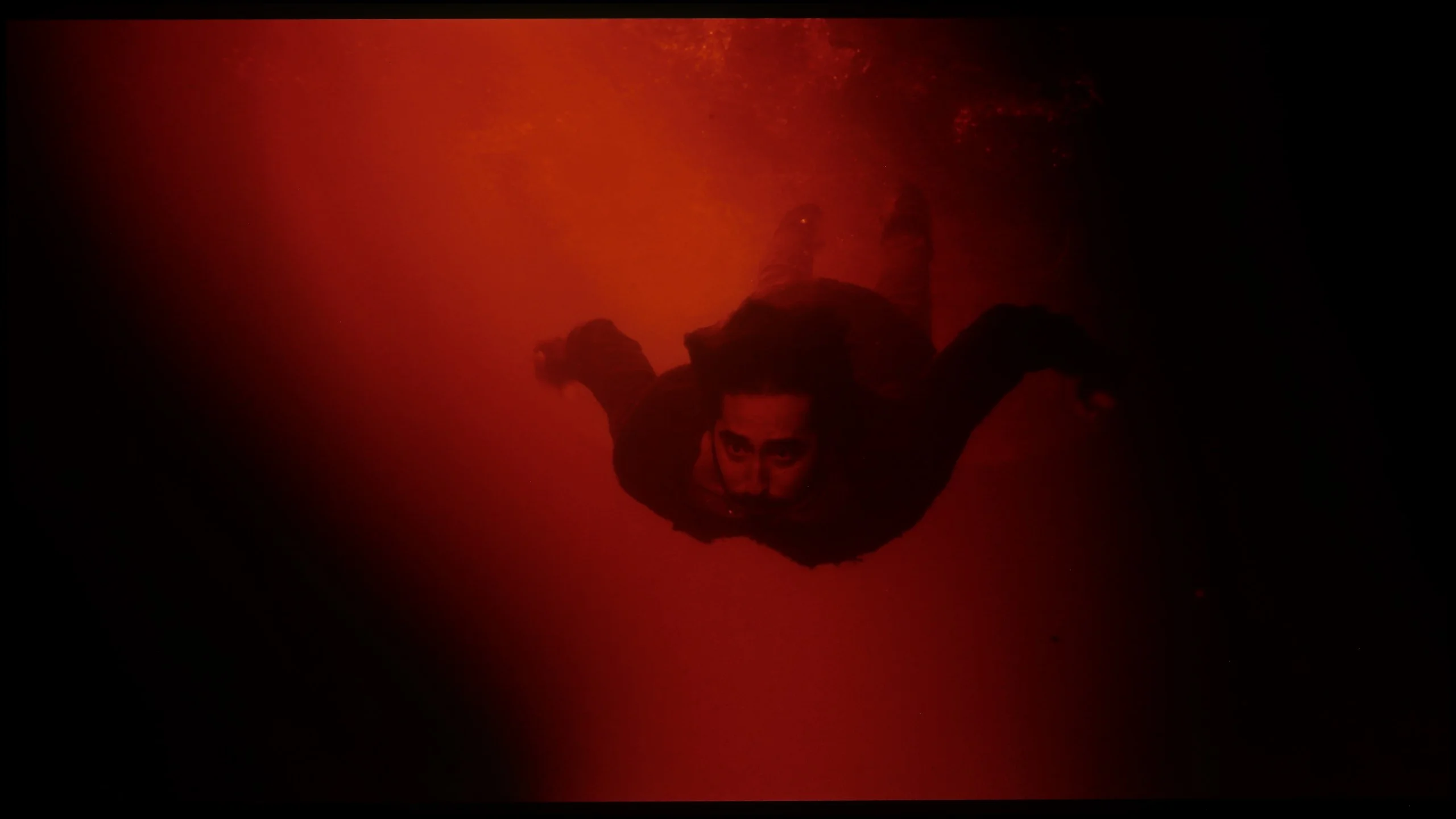
This remarkable performance brings vibrancy and realism to images. For example, in the film Oblivion, the Samsung S90D accurately reproduces the intense light of a lantern, preserving details in the brightest parts of the image. Similarly, in The Revenant, the OLED matrix sharply defines the actor’s silhouette against a dark forest backdrop, delivering outstanding dynamics and intricate detail. The result is a viewing experience that truly immerses the audience.

Because the Samsung S90H uses an organic display, it deserves the highest possible rating for contrast and blacks. This, of course, applies to both market variants: the WOLED version we tested and the QD-OLED variant. Because each pixel is an independent light source and can turn completely off, the TV delivers absolutely perfect blacks and infinite contrast. In practice, this translates into stunning image depth and perfectly sharp separation of bright details from dark backgrounds. Any haloing effect (blooming), which even top LCD TVs with Mini LED backlighting still struggle with today, is out of the question here. You'll appreciate the true magic of the WOLED panel especially during evening viewing in a darkened room; dark parts of scenes gain a remarkable sense of plasticity, incredible three-dimensionality, and a wealth of details hidden in the shadows.

HDR effect quality

6.4/10

7.7/10

Supported formats
HDR10, HDR10+, HLG
HDR10, HDR10+, HLG
Color gamut coverage
DCI P3: 97.0%, Bt.2020: 73.0%
DCI P3: 99.4%, Bt.2020: 75.9%

Luminance measurements in HDR:

Review Samsung S90D / S94D 48" (WRGB OLED) Brightness measurement

Result

788 nit

Review Samsung S90D / S94D 48" (WRGB OLED) Brightness measurement

Result

807 nit

Review Samsung S90D / S94D 48" (WRGB OLED) Brightness measurement

Result

851 nit

Review Samsung S90D / S94D 48" (WRGB OLED) Brightness measurement

Result

838 nit

Review Samsung S90D / S94D 48" (WRGB OLED) Brightness measurement

Result

372 nit

Review Samsung S90H (WOLED) Brightness measurement

Result

1374 nit

Review Samsung S90H (WOLED) Brightness measurement

Result

1419 nit

Review Samsung S90H (WOLED) Brightness measurement

Result

1570 nit

Review Samsung S90H (WOLED) Brightness measurement

Result

1395 nit

Review Samsung S90H (WOLED) Brightness measurement

Result

713 nit

Scene from the movie “Pan” (about 2800 nits)

Scene from the movie “Billy Lynn” (about 1100 nits)

The photos show two HDR10 movies. 'Pan' is one of the brightest productions ever made, while 'Billy Lynn' (soldier) has brightness typical of streaming (Netflix, Prime, HBO MAX). Notice the intensity of effects and detail in whites.

Static HDR10

The photos present the visibility of white details in various HDR formats. They do not show brightness differences between TVs (these can be compared in the previous gallery).

Dynamic: HDR10+

Dynamic: HDR10+

The photos present the visibility of white details in various HDR formats. They do not show brightness differences between TVs (these can be compared in the previous gallery).

HDR luminance chart:

Samsung S90H (WOLED)

Samsung S90D / S94D 48" (WRGB OLED)

Luminance of RGB colors

Luminance of RGB colors

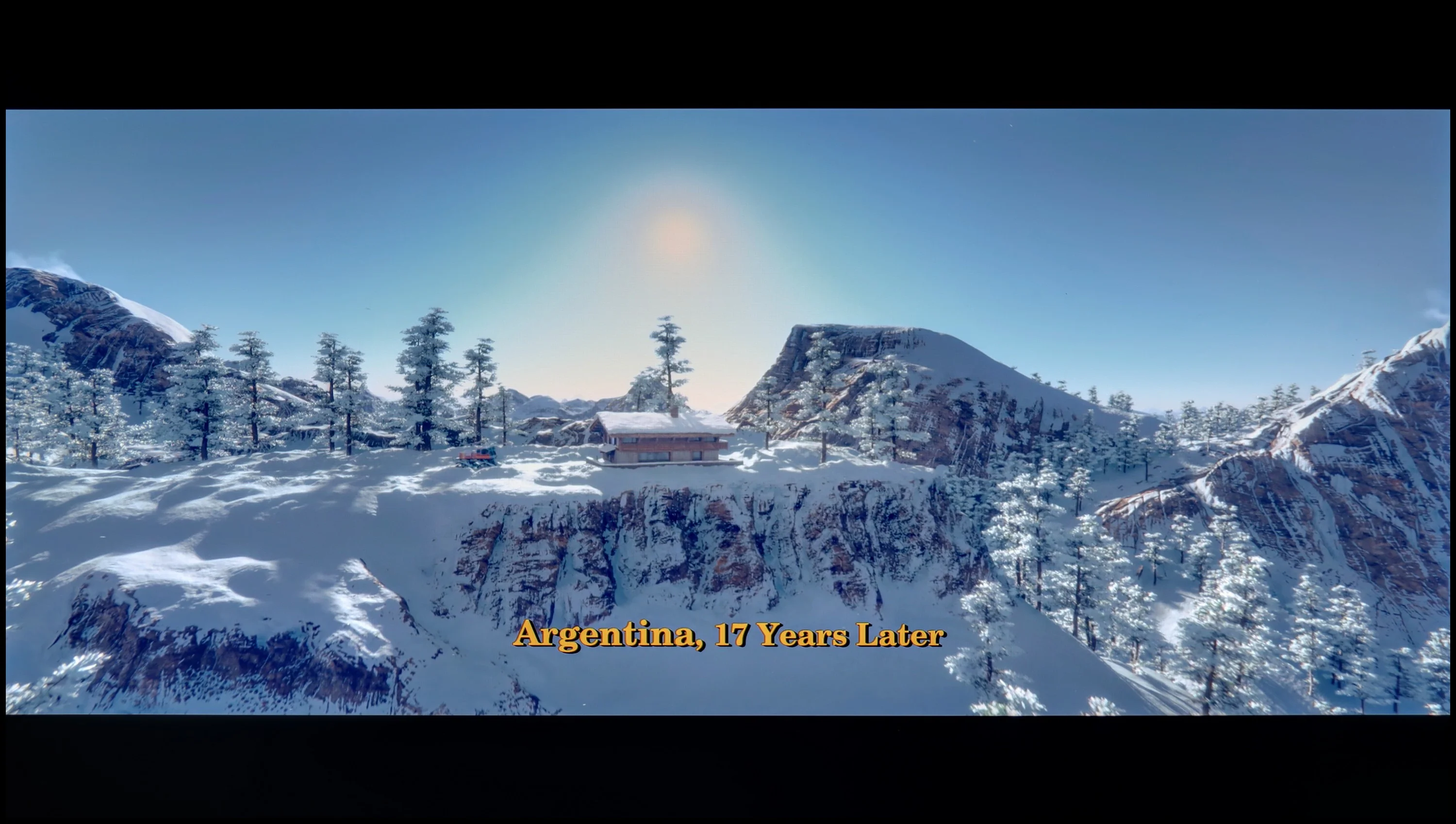
In the tested movie scenes, the Samsung S90D delivers impressive brightness levels, exceeding 800 nits in the first four shots—a very strong result. In the final shot, featuring a full-screen burst of sunlight, brightness drops to approximately 400 nits, which is still acceptable. Notably, larger versions of this model exceed 1,000 nits, offering even more impressive performance. Additionally, the colour space coverage of DCI-P3 at 97% ensures rich and realistic colour reproduction, greatly enhancing image quality. For those considering the size of the S90D, it is worth noting that larger variants with QD-OLED panels deliver even better HDR performance, making them an excellent choice for those seeking optimal visual fidelity.

The Samsung S90H in the WOLED variant is still an exceptionally bright TV for its price class, although it is slightly dimmer compared to the QD-OLED version. The difference is not as pronounced as in last year’s F series, where gaps could reach as much as 500 nits. Here the specs of both panels are very close, and differences in peak brightness are only about 100–150 nits. In small-area measurements, the S90H on the WOLED panel easily reaches levels close to 1500 nits. That headroom lets it portray HDR dynamics phenomenally—specular highlights, reflections or explosions have the right punch, just as the creators intended in the post-production studio. As with most OLED displays, when a very bright scene fills the entire screen, the protection systems that safeguard the panel kick in and brightness naturally falls to around 700 nits. It’s worth stressing that this is still an excellent result on the market, often noticeably better than many Mini LED screens in the same segment.

Color gamut coverage

The biggest difference between the two S90H variants lies in color reproduction and saturation. This stems directly from the different construction of the WOLED panel, which uses an additional white subpixel. As a result, colors at very high brightness don’t achieve quite the same intensity, and the volume of the wide color gamut is somewhat more limited than with QD-OLED. That said, in everyday use these differences will be hard for most viewers to notice. Our measured DCI-P3 coverage on the WOLED panel reaches nearly 99%, which means that in the vast majority of real film scenes both variants will deliver almost identical images. The true gap only appears in rarer, particularly demanding productions that use the ultra-wide BT.2020 gamut. Due to the WOLED panel’s design, coverage of that standard is about 15% lower compared to the S90HAT with a QD-OLED panel, so the brightest, heavily illuminated HDR colors may appear a bit less vivid.

Factory color reproduction

7/10

7.6/10

This gallery shows how colors change after professional TV calibration. If you notice the difference, we recommend ordering this service at SkalibrujTV.com.

Factory Mode

After calibration

This gallery shows how colors change after professional TV calibration. If you notice the difference, we recommend ordering this service at SkalibrujTV.com.

Factory Mode

After calibration

The Samsung S90D television has been tested in Filmmaker mode, which offers good colour reproduction, although with some imperfections that may be noticeable to more demanding users. This mode may seem too warm, and users who switched from Standard mode may experience a slight shock. It is worth noting that this state of affairs is caused by poor settings, for example, in the white balance, rather than the Filmmaker mode itself. In both SDR and HDR content, the device shows drops in blue colour, causing colours to become warmer than they should be. In practice, this means that some shades, such as sky blue or skin tones, may appear less natural and more tinged with pink or yellow. The Colour Checker test confirms these deviations, showing shifts towards warmer tones. In SDR content, the gamma graph indicates slight fluctuations, causing the image to be minimally darker, especially in shadows. This may affect less distinct details in darker scenes. Meanwhile, in 4K HDR materials, the EOTF curve is above the recommended line, which leads to some parts of the image being displayed too brightly, potentially causing clipping in the brightest areas. Overall, the Samsung S90D presents a solid picture straight out of the box, but for the best results, especially with more demanding content, additional calibration is recommended.



In Filmmaker mode, which we strongly recommend enabling right out of the box, the S90H offers very good factory color tuning. Colors are natural and faithful to the filmmakers' intent, without the intrusive oversaturation found in more aggressive profiles. However, as is usually the case without full calibration, there can be unit-to-unit variation. In our test the white balance lacked a bit of the blue component, causing the image to lean slightly toward warmer, yellowish tones. This was most noticeable in bright scenes, such as the snowy sequences from Star Wars. Additionally, the gamma curve ran slightly low, around 2.2, which resulted in a slight boost to shadow detail. In HDR mode the tuning was a bit better, showing only a slight undersaturation in the red region.

Color reproduction after calibration

8.7/10

9.2/10

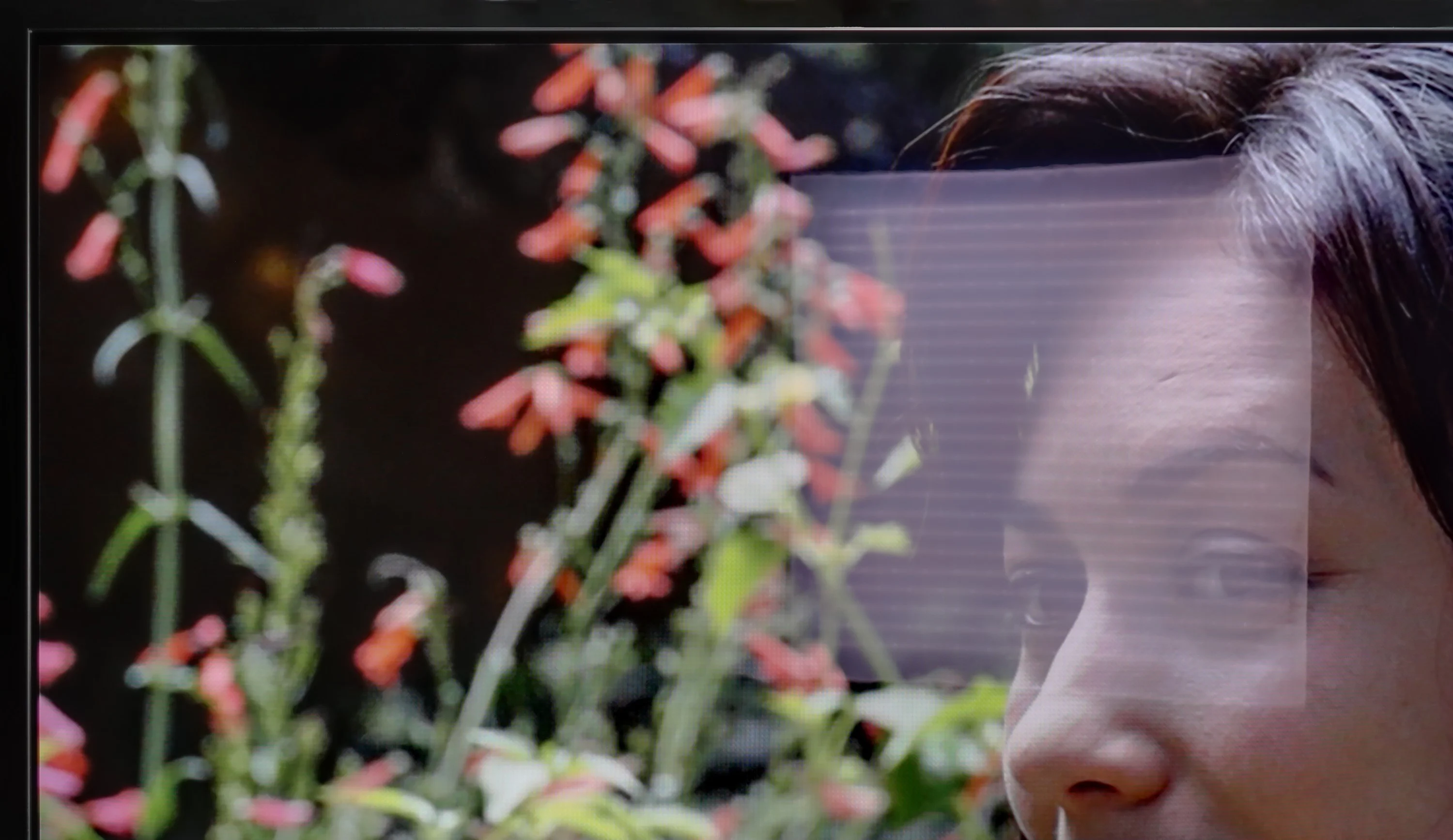
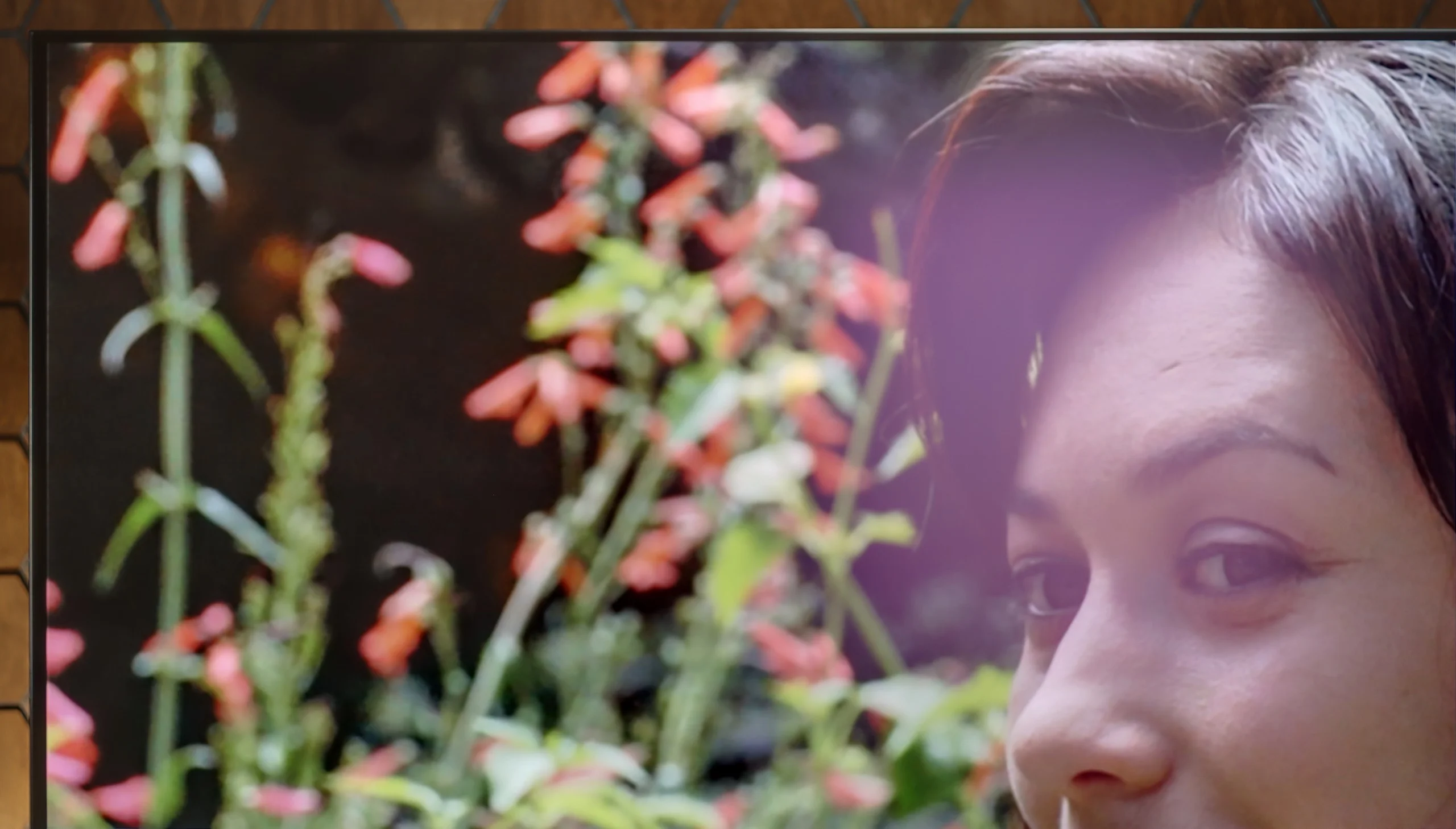
The photos show how movies look on the TV. Pay attention to black detail visibility, colors, and shadow tint.

The photos show how movies look on the TV. Pay attention to black detail visibility, colors, and shadow tint.

After calibration, the S90D TV delivers an even more impressive performance in movie mode. The white balance for both HD and 4K HDR content is now nearly perfect. While there are still some minor imperfections, they are so subtle that they don't significantly impact the overall image quality. The colours are more balanced, offering a natural depiction of details, especially in scenes that require precise colour accuracy.

It's important to note that the 48-inch model features a WOLED panel, which differs from the larger sizes. This results in a smaller coverage of the wide colour gamut, meaning it doesn't offer the same rich colours as the 65-inch version, which is equipped with a QD-OLED panel.

Contrast has also seen a substantial improvement. The gamma curve after calibration is much closer to the ideal line, achieving a better balance between bright and dark areas of the image. The EOTF curve, which previously showed issues with overly bright scenes, now performs much better, retaining more detail in the bright sections of the image, especially in HDR content.

After full calibration it can safely be said that the S90H in the WOLED version looks almost perfect. In SDR mode color reproduction errors drop to ultra-low levels, and Delta E values very rarely exceed 2. That's a phenomenal result, so if you care about perfectly faithful color reproduction it's definitely worth considering calibration. The calibrated HDR mode also performs very well, in which the white balance was stabilized and earlier deviations eliminated. After professional tuning it's really hard to find anything to criticize, because the TV delivers an image with almost exemplary naturalness and dimensionality. The slightly lower rating in this category compared with the QD-OLED variant is solely due to the previously described saturation limitation in extremely bright scenes; the tuning options and color fidelity themselves are at the highest level.

Smoothness of tonal transitions

7.6/10

8/10

These are selected scenes that show smooth tonal transitions from one color to another. If you see distinct banding, it’s the TV panel’s fault.

These are selected scenes that show smooth tonal transitions from one color to another. If you see distinct banding, it’s the TV panel’s fault.

These are selected scenes that show smooth tonal transitions from one color to another. If you see distinct banding, it’s the TV panel’s fault.

These are selected scenes that show smooth tonal transitions from one color to another. If you see distinct banding, it’s the TV panel’s fault.

The smoothness of tonal transitions on the S90D TV is generally good, though some subtle imperfections can be noticed in certain scenes. In most cases, the tonal transitions are smooth and natural, creating a pleasing visual experience. However, in more demanding sequences, such as dark skies, slight issues may arise, though they don’t significantly impact the overall viewing experience. In test scenes with dominant red shades, subtle cutoffs in brighter areas can be observed, but they are minor enough not to disrupt the viewing. Overall, the tonal transition smoothness on the S90D is solid, ensuring a satisfying display of content.

The smoothness of tonal transitions is very solid here, and the WOLED panel variant has been noticeably improved compared with last year's F-series model. Annoying gradient errors and visible banding now appear much less often. Despite this clear improvement, it still does not reach the level represented by QD-OLED technology. In almost every direct comparison, the QD-OLED panel handles smooth transitions between shades a bit more precisely. In summary: regarding gradients, the WOLED panel is clearly better than in previous generations of these panels, but the QD-OLED variant still maintains a noticeable advantage in this category.

Image scaling and smoothness of tonal transitions

7.9/10

7.5/10

Image without overscan on the SD signal
No
No
Smooth transition function
OK
OK

Smooth transition function

The match photo shows how the TV smooths weak tonal transitions in low-quality video.

Image scaling SD (576i)

The model photo shows how it handles upscaling of SD material.

The S90D TV excels in smoothing tonal transitions, offering natural and seamless colour shifts. Thanks to its advanced technology, it ensures a smoother visual experience overall. The noise reduction feature can further enhance tonal transitions, making it beneficial in certain situations. However, it’s important to note that enabling noise reduction may also smooth out the film grain, which can detract from the cinematic feel. For this reason, it's advisable to use the feature sparingly, preserving the natural grain that adds depth and authenticity to the content.

Samsung continues to impress with its scaling capabilities, with the S90D effectively processing lower-resolution content. The image is sharp and clear, maintaining proper outlines and presenting details accurately. For example, tree branches are rendered well, with no noticeable jagged edges that would compromise image quality. Thanks to the effective scaling, even lower-resolution materials are displayed attractively, making it a great choice for users who enjoy content from diverse sources, such as regular antenna or cable television.

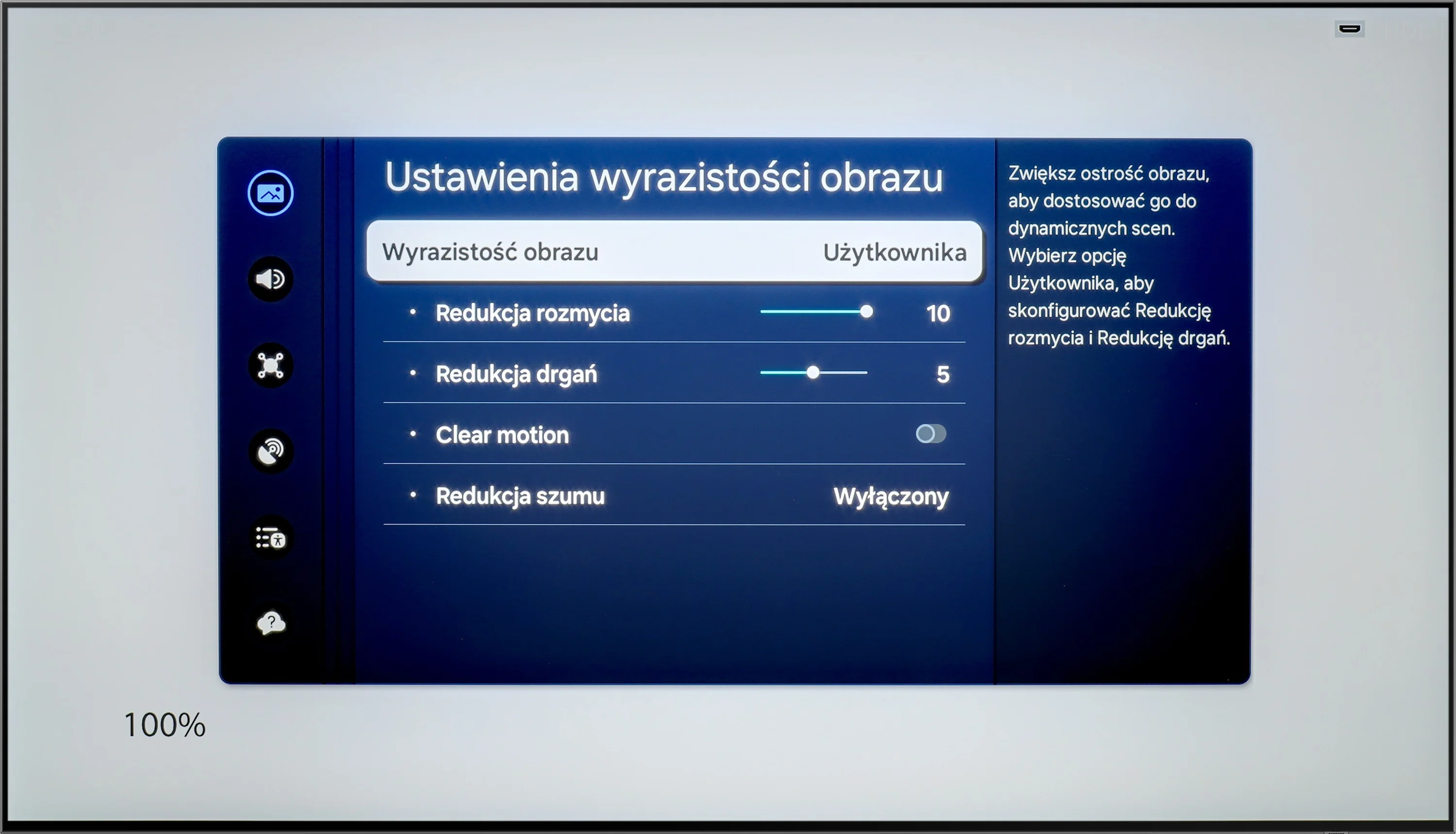
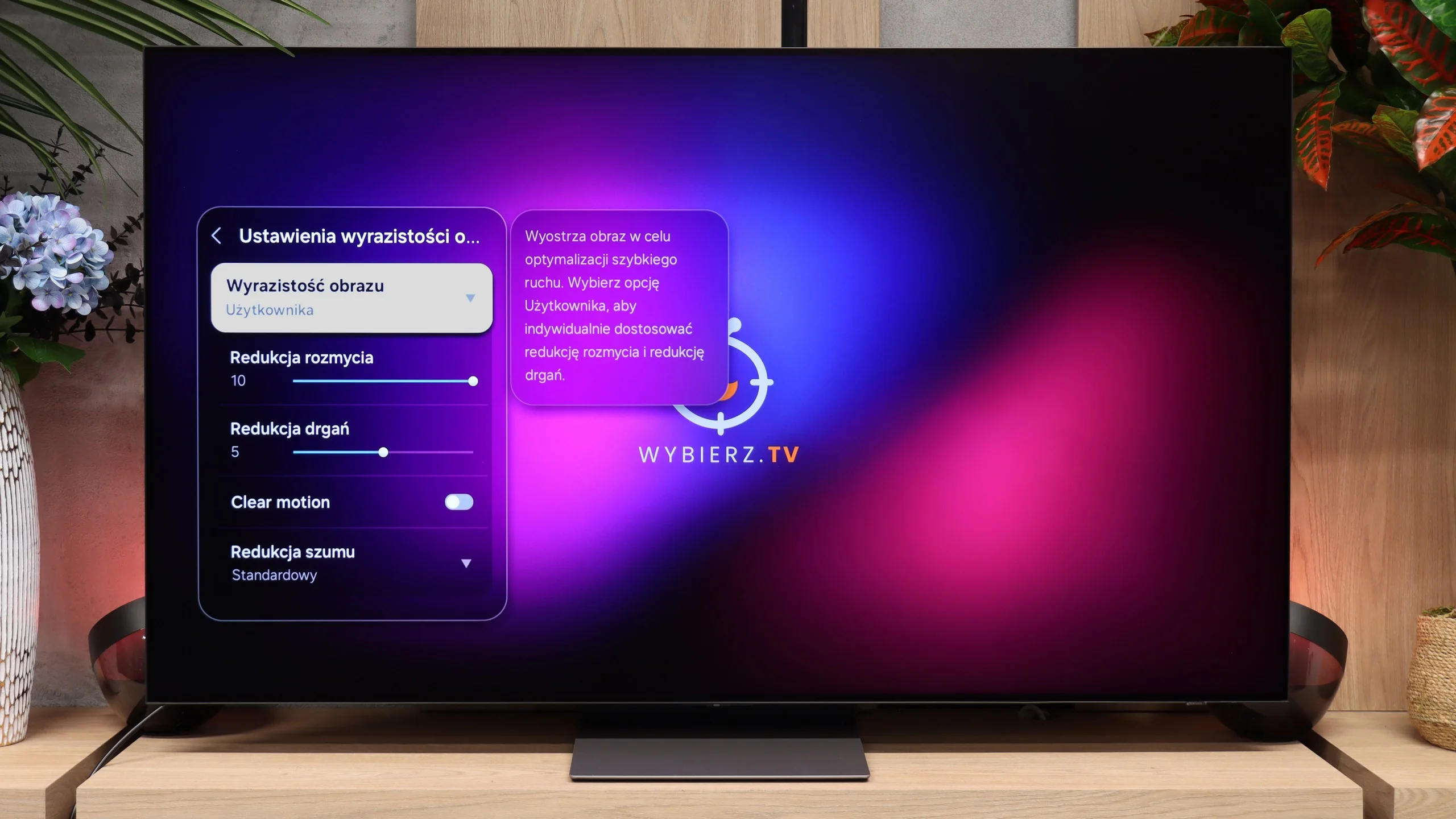
When it comes to reducing posterization, Samsung has kept the same solutions as last year’s models. The dedicated gradient-smoothing function works quite well and can effectively mask unwanted tonal transitions, which can be useful on a WOLED panel that is somewhat prone to banding. However, keep in mind it acts aggressively. This mechanism, aside from removing artifacts, can clean up fine film grain and slightly soften detail. Ultimately it’s a matter of compromise, but if you care about an absolutely faithful reproduction, it’s safer to leave this option off.

There’s also no breakthrough in scaling. The S90H uses the same NQ4 Gen3 processor as its predecessor, so the quality of upscaling was almost identical. The chip sharpens lower-resolution material very well, extracting a satisfying level of detail. Samsung still hasn’t dealt with the old overscan issue. With some older recordings or archival material the image edges can be slightly cropped. It’s a minor flaw, but it’s a shame the manufacturer still hasn’t eliminated it.

Blur and motion smoothness

8.5/10

8.5/10

Maximum refresh rate of the panel
144Hz
165Hz
Film motion smoothing option
OK
OK
Blur reduction option
OK
OK
BFI function 60Hz
Yes, 60Hz (image flickers)
BFI function 120Hz
No
No
Brightness drop with BFI
50%
50%

Blur (native resolution, maximum refresh rate):

Blur (BFI function enabled):

Image flickers in this mode

Image flickers in this mode

Blur ():

Blur (4K@165Hz ):

The S90D TV features a 120 Hz panel, which can be "overclocked" to 144 Hz with the appropriate PC setup, delivering exceptional motion fluidity. Samsung has long offered a range of image clarity settings on a ten-point scale, allowing users to fine-tune the display to their liking. In the UFO test, the OLED panel ensures no ghosting, with pixel response being instantaneous and perfectly capturing dynamic movements. OLED technology, in this regard, is considered one of the best on the market. The image remains incredibly sharp and detailed, even during fast-paced action, making the S90D TV a top choice for gamers and sports fans alike.

In terms of motion handling, the S90H is simply excellent. This year's panel offers a refresh rate boosted to 165 Hz, though in practice the benefit will be realized mainly by gamers connecting a powerful PC. For movies, TV series, or sports broadcasts, such a high refresh rate makes no difference and the picture looks exactly the same as at the standard 120 Hz. Regardless of the source, the OLED panel's lightning-fast response time does its job, so motion is clean and the ghosting or smearing seen on LCD screens simply doesn't occur here.

Console compatibility and gaming features

9.5/10

9.6/10

  • ALLM
    Yes
    Yes
  • VRR
    Yes
    Yes
  • VRR range
    48 - 144Hz
    48 - 165Hz
  • Dolby Vision Game Mode
    No
    No
  • Correct implementation of HGIG
    Yes
    Yes
  • 1080p@120Hz
    Yes
    Yes
  • 1440p@120Hz
    Yes
    Yes
  • 4K@120Hz
    Yes
    Yes
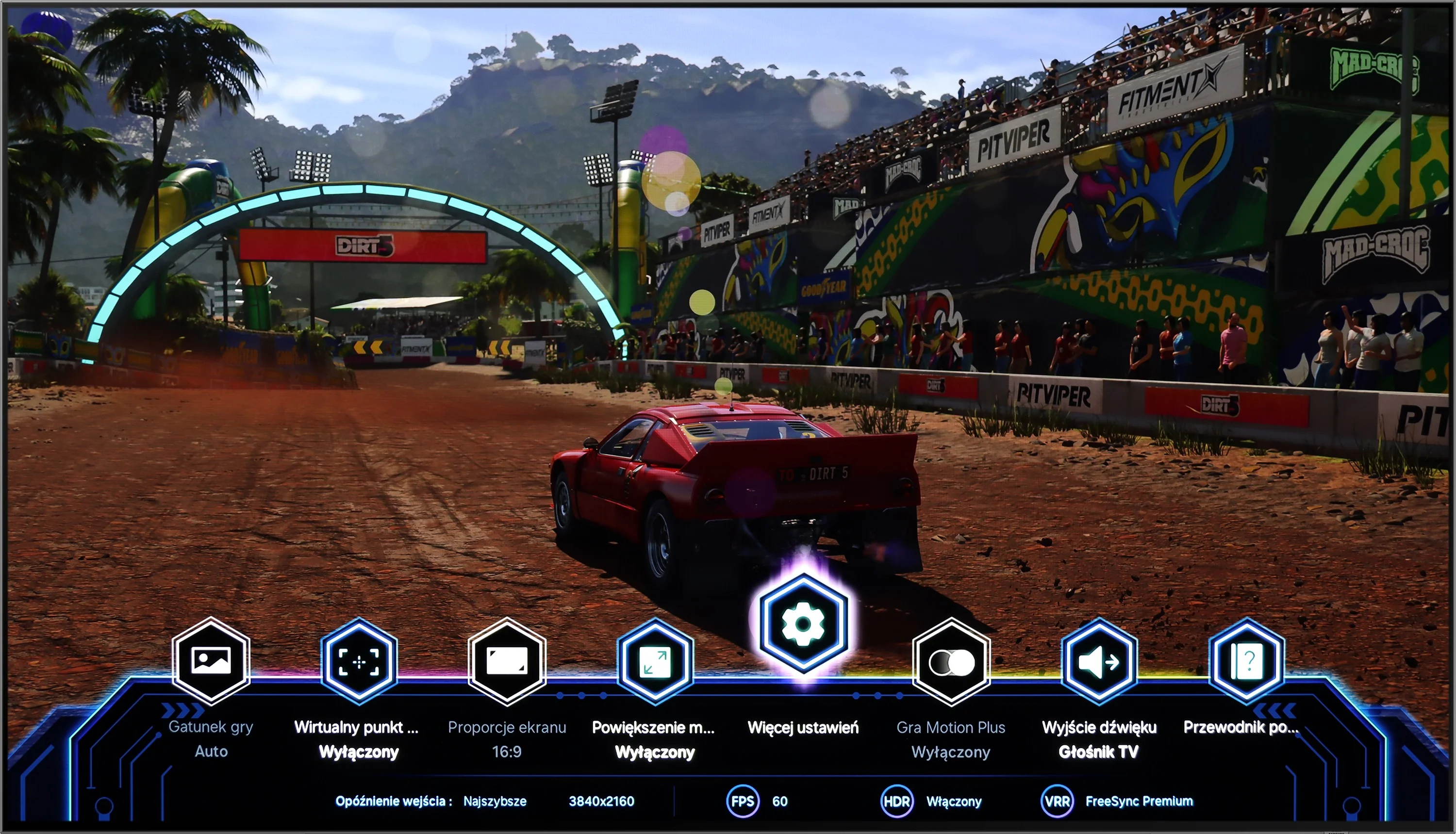
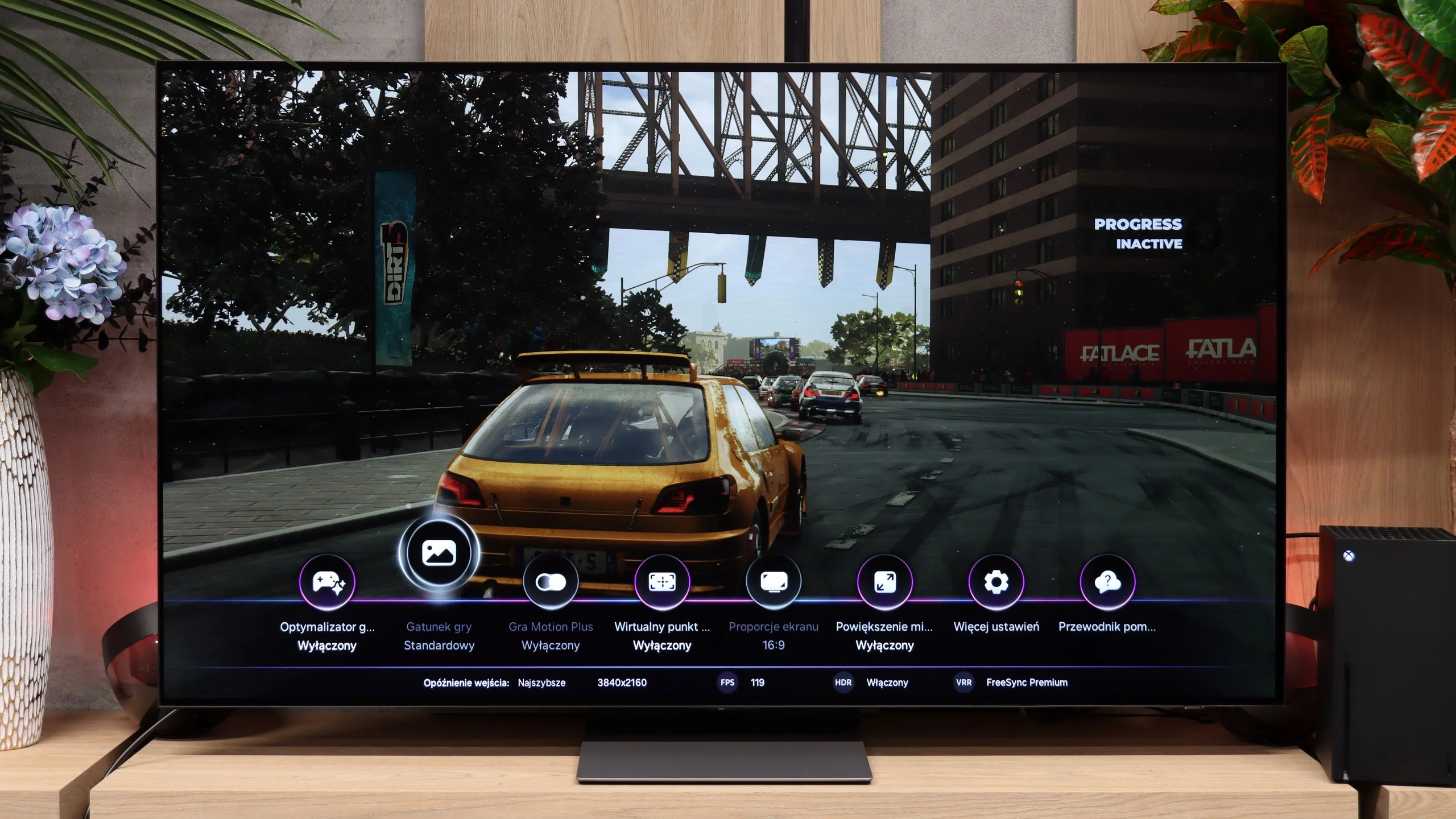
  • Game bar
    Yes
    Yes

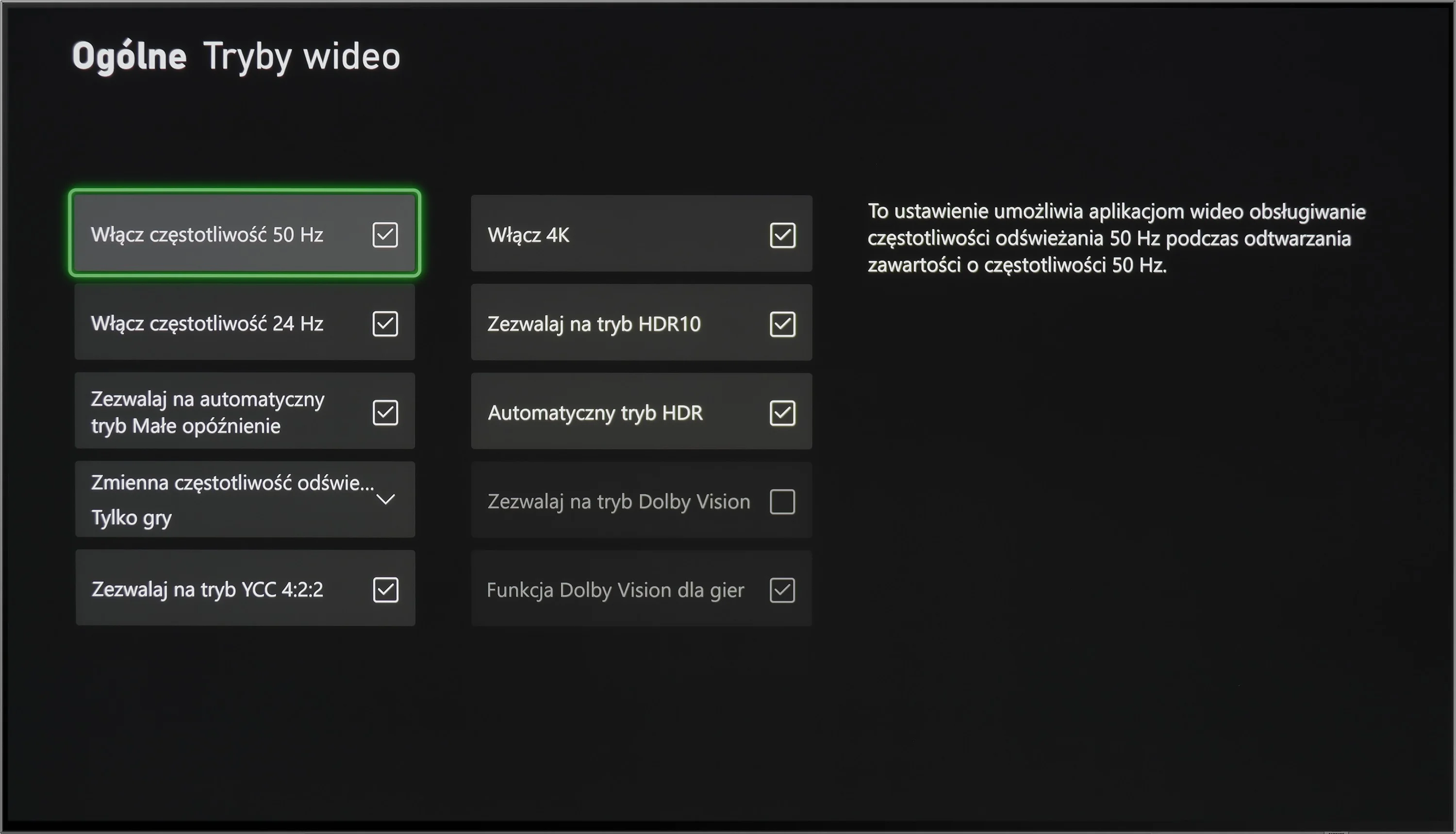
The S90D TV is perfectly designed with gamers in mind, offering four HDMI 2.1 ports that support features such as Auto Low Latency Mode (ALLM), Variable Refresh Rate (VRR), and HGIG (HDR Gaming Interest Group). These technologies ensure smoother gameplay and faster screen response, enhancing comfort during extended gaming sessions. The Game Bar feature also provides convenient access to settings like aspect ratio, which can be particularly useful for different game types. For PC users, the television offers an impressive refresh rate of 144Hz, with Nvidia and AMD graphics cards supporting G-Sync and FreeSync, further boosting image smoothness. While the lack of Dolby Vision support may be a limitation, it’s worth noting that this technology is less commonly used in gaming compared to movies. Nevertheless, the S90D still provides excellent features for gamers, making it a top choice for those seeking high-quality visuals and advanced gaming technologies.

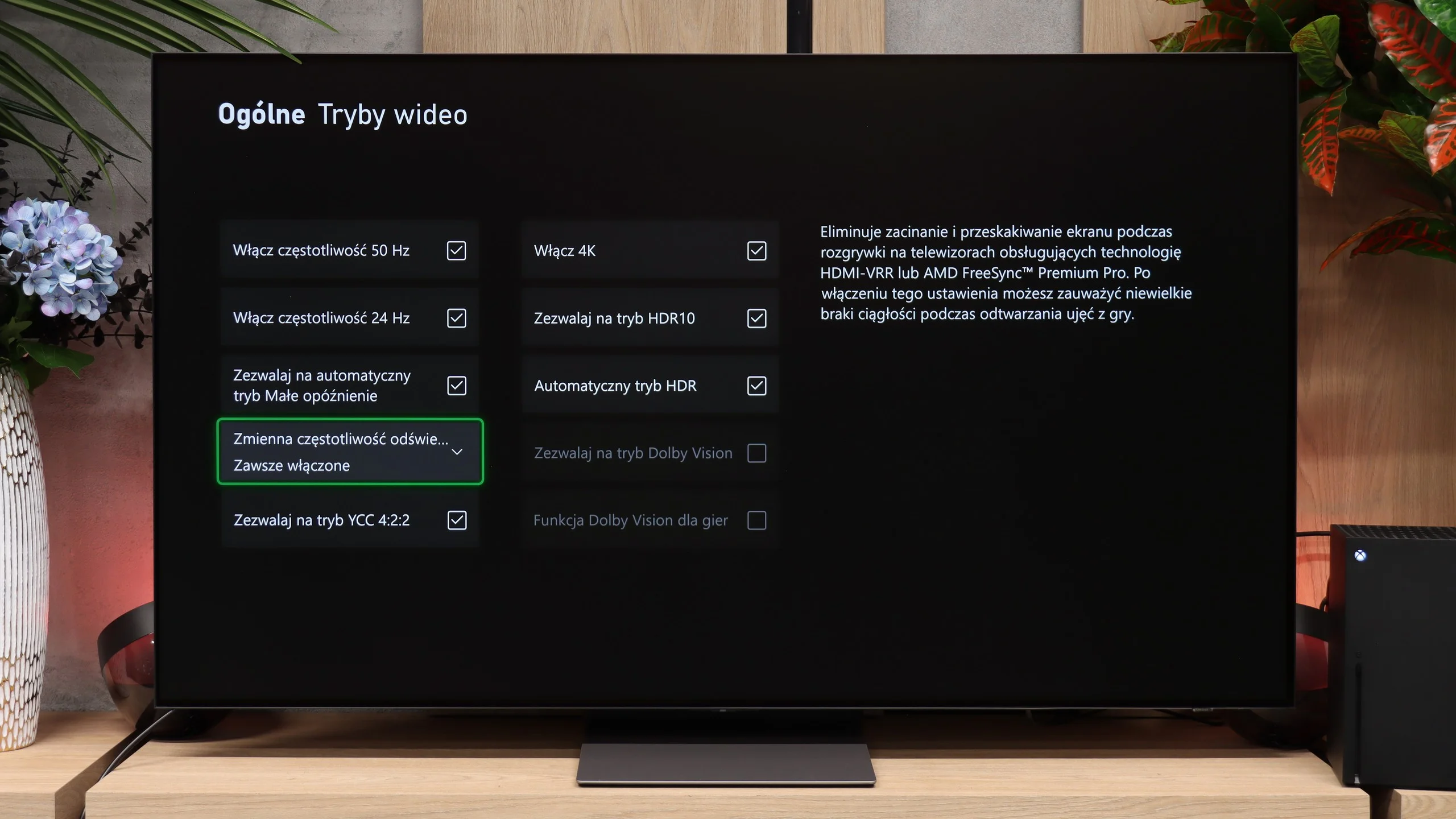
Players should feel at home with the S90H, because in that respect Samsung left few reasons to complain. The TV has four HDMI 2.1 ports, each of which supports VRR, ALLM, and high refresh rates. There's also the Game Bar, a handy menu that lets you quickly check key parameters and change settings without leaving the game. Importantly, Samsung has also improved HGiG. In last year's models it could cause issues when used with a console, but in the S90H it now works as it should. What sets it apart from the competition is primarily Game Motion Plus. It's a special motion-smoothing mode designed for games, which works best with titles running at 30 or 60 frames per second. Motion becomes noticeably smoother, while latency remains at a reasonable level. In our measurements it was under 50 ms, so you can still play comfortably. That's important, because on many TVs turning on a similar smoothing mode causes such a large increase in input lag that controls start to feel noticeably sluggish. Samsung has managed to find a good compromise here. There's still no Dolby Vision Gaming, but in practice Game Motion Plus may prove to be a far more useful feature.

Input lag

10/10

10/10

SDR

1080p60
10 ms
10 ms
1080p120
5 ms
6 ms
2160p60
10 ms
10 ms
2160p120
5 ms
6 ms

HDR

2160p60
10 ms
10 ms
2160p120
5 ms
5 ms
4320p60

Dolby Vision

2160p60 DV
2160p120 DV

The S90D TV features reference-level low input lag, regardless of resolution or frame rate, in both SDR and HDR modes. With impressive results around 10 ms, this low input lag greatly enhances the gaming experience. It ensures an immediate response to on-screen actions, which is vital in fast-paced games where every millisecond matters. This level of performance allows for smoothness and precision, making the S90D an excellent choice for gamers who prioritise top-tier gaming performance.

Input lag is another area that's really hard to fault. With a 120 Hz signal we measured only about 5/6 ms, which is truly a stellar result. After switching to even higher refresh rates the delay fell to virtually astronomically low values, practically imperceptible during gameplay. The Samsung S90H delivers absolutely top-tier results.

Compatibility with PC

8.6/10

8.6/10

Chroma 444 (max. resolution and refresh rate)
Yes
Yes
Font clarity
Good
Good
Readability of dark text and shapes
Very Good
Very Good
Input lag in PC mode (4K, max. refresh rate)
5ms
6ms
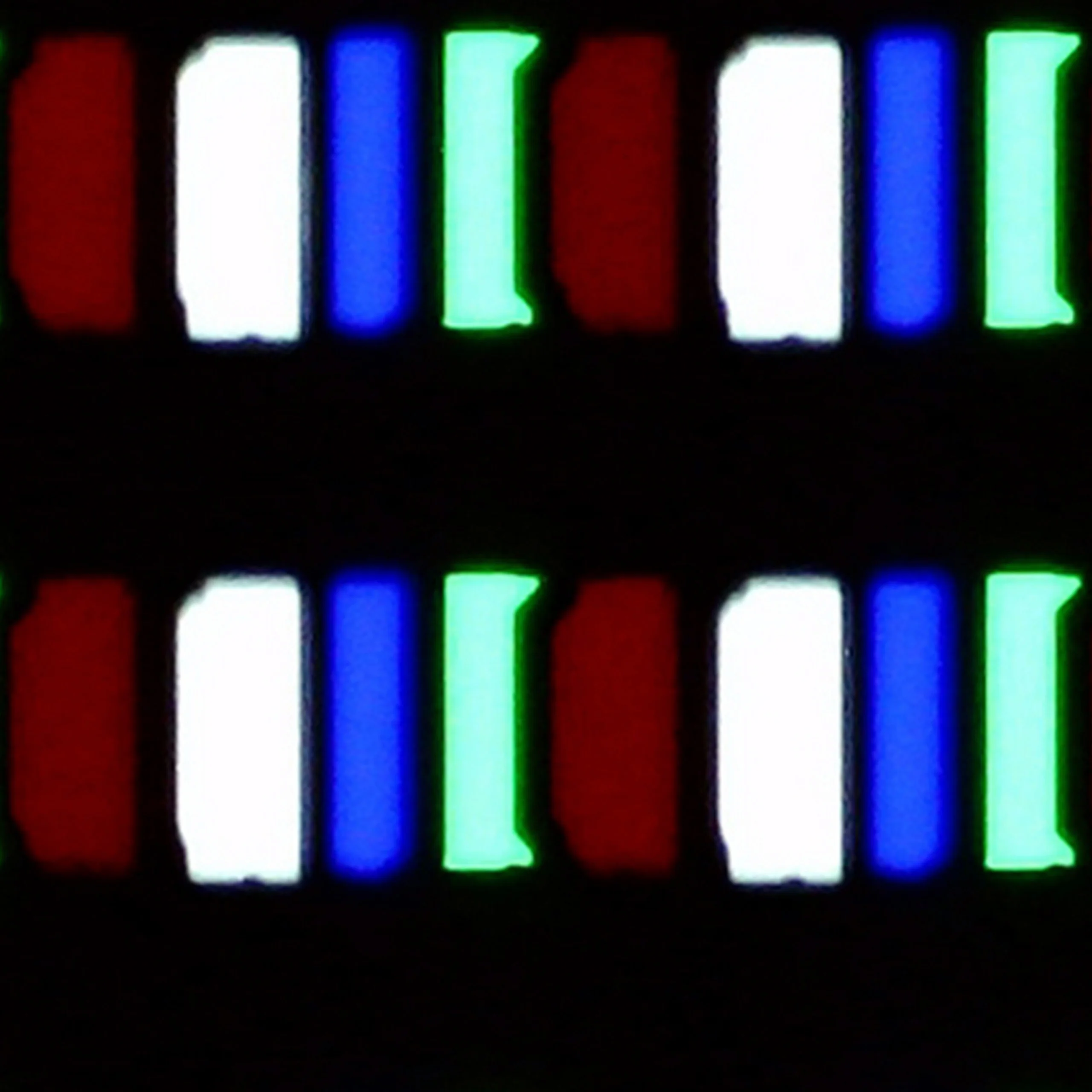
Matrix subpixel arrangement
RWGB
Max refresh rate
144Hz
165Hz
G-Sync
Yes
Yes

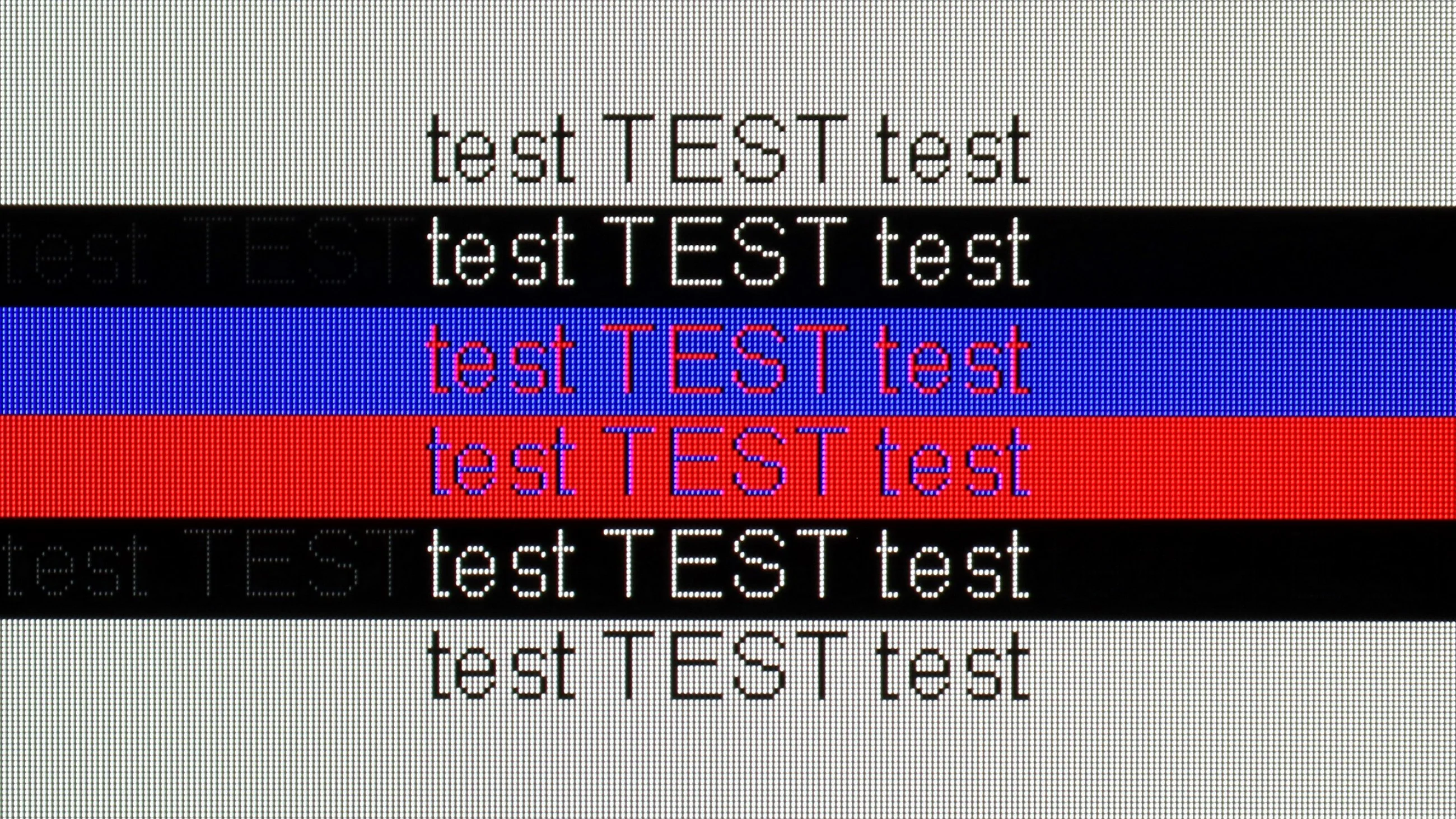
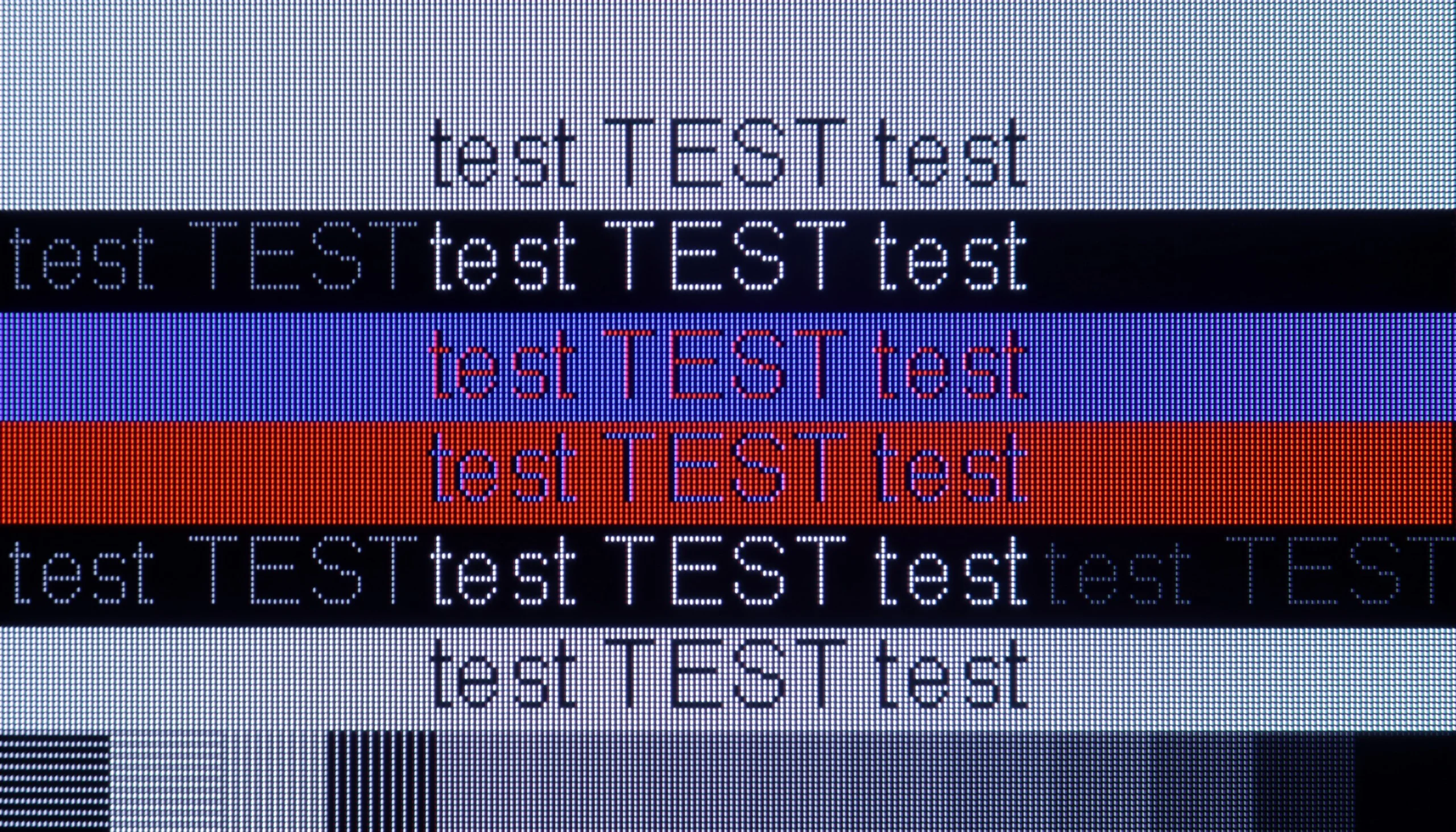
The photo shows the legibility of small fonts. Ideally, lines should be the same thickness on both light and dark text, with minimal pixel gaps.

The S90D television works seamlessly with a PC, offering clear fonts that make reading text and using applications effortless. It supports chroma 4:4:4 at 4K resolution and a 144 Hz refresh rate, ensuring vibrant colours and sharp images. Notably, the input lag of just 5 ms is a significant advantage, especially for gamers and professionals working with graphics. This low latency makes using the TV as a monitor a smooth and responsive experience. The S90D is a top choice for users seeking both performance and quality in everyday computing tasks.

The S90H works great as a large-format PC monitor, and not just because of its full set of gaming features. NVIDIA G-Sync certification, low input lag, and support for refresh rates up to 165 Hz mean it pairs with typical gaming PCs without issues. In terms of motion handling and image sharpness in PC games, it’s hard to find any faults. The situation is a bit different for everyday office work, web browsing, or text editing. While fonts remain readable, the specific subpixel structure of the WOLED panel (with an additional white subpixel) can make itself noticeable. When sitting very close to the screen, letter edges and small interface elements may show slight colored fringes or appear slightly softened. This is a characteristic of WOLED panels. In practice, however, it’s not a major problem. We tested the 65-inch variant, which is naturally used from about a meter or more away. From that distance the effect practically disappears and does not interfere with daily work. It may be more significant in the smallest versions, such as 42 or 48 inches, which often sit on desks and are used from a few dozen centimeters away.

Viewing angles

7.2/10

7.6/10

Brightness drop at an angle of 45 degrees
28%
31%

The S90D television offers exceptional viewing angles, thanks to OLED technology. It delivers excellent colour and contrast reproduction, even from wide angles, ensuring that the image remains sharp and vivid from almost any position. This means users can enjoy a consistent and immersive visual experience, no matter where they are sitting.

Viewing angles on the Samsung S90H are very good and among the best on the market. That's thanks to the OLED panel, which when viewed from the side doesn't lose brightness or color saturation as quickly as many LCD TVs. The image therefore keeps its proper appearance for longer, which matters especially when you're watching TV with a larger group and not everyone is seated directly in front of the screen. Only at very extreme angles can you notice the advantage of QD-OLED panels. In their case viewing angles are practically perfect, while on WOLED panels the colors and brightness begin to shift slightly.

Daytime performance

5.4/10

6.5/10

Panel finish
Satin
Matte
Reflection suppression
Decent
Very Good
Black levels during daytime
Very Good
Good

Panel brightness

Samsung S90H (WOLED): 473 cd/m2

Samsung S90D / S94D 48" (WRGB OLED): 320 cd/m2

The S90D television performs well during daytime viewing, reaching an average brightness of around 320 nits, which is a solid result for an OLED in the 48-inch size. Thanks to its satin matrix, reflection suppression is effectively managed, ensuring comfortable viewing even in bright rooms. However, a slight drawback of OLED technology becomes apparent when displaying a 100% white screen fill, as it struggles to achieve very high brightness. This can be noticeable when watching bright content, such as winter sports like ski jumping.

There is one thing, however, in which the S90H with a WOLED panel performs better than the QD-OLED version. It's about viewing in a strongly sunlit room. Thanks to the presence of a conventional polarizer, black doesn't shift here as much toward gray or a dark cherry tone as it does with QD-OLED panels. Combined with the new matte finish, this gives very good results. The image, even in strong light, retains more depth, and colors don't lose their vibrancy as quickly. That doesn't mean the screen stays completely black under all conditions. Under very strong lighting you can notice a slight purple tint, typical of WOLED panels. In the S90H it is partially muted by the matte coating and isn't as noticeable.

Ultimately both variants perform similarly in this category. WOLED does a better job of holding black in a bright room, but on the other hand delivers slightly lower SDR brightness. At times the difference compared with the QD-OLED version can be around 150 nits.

Panel details

Backlight Type
WRGB OLED
Software version during testing
1120
T-RSMHDEUC-0100-120 4.3, E4601200, BT - G. albo 1204
Image processor

Subpixel Structure:

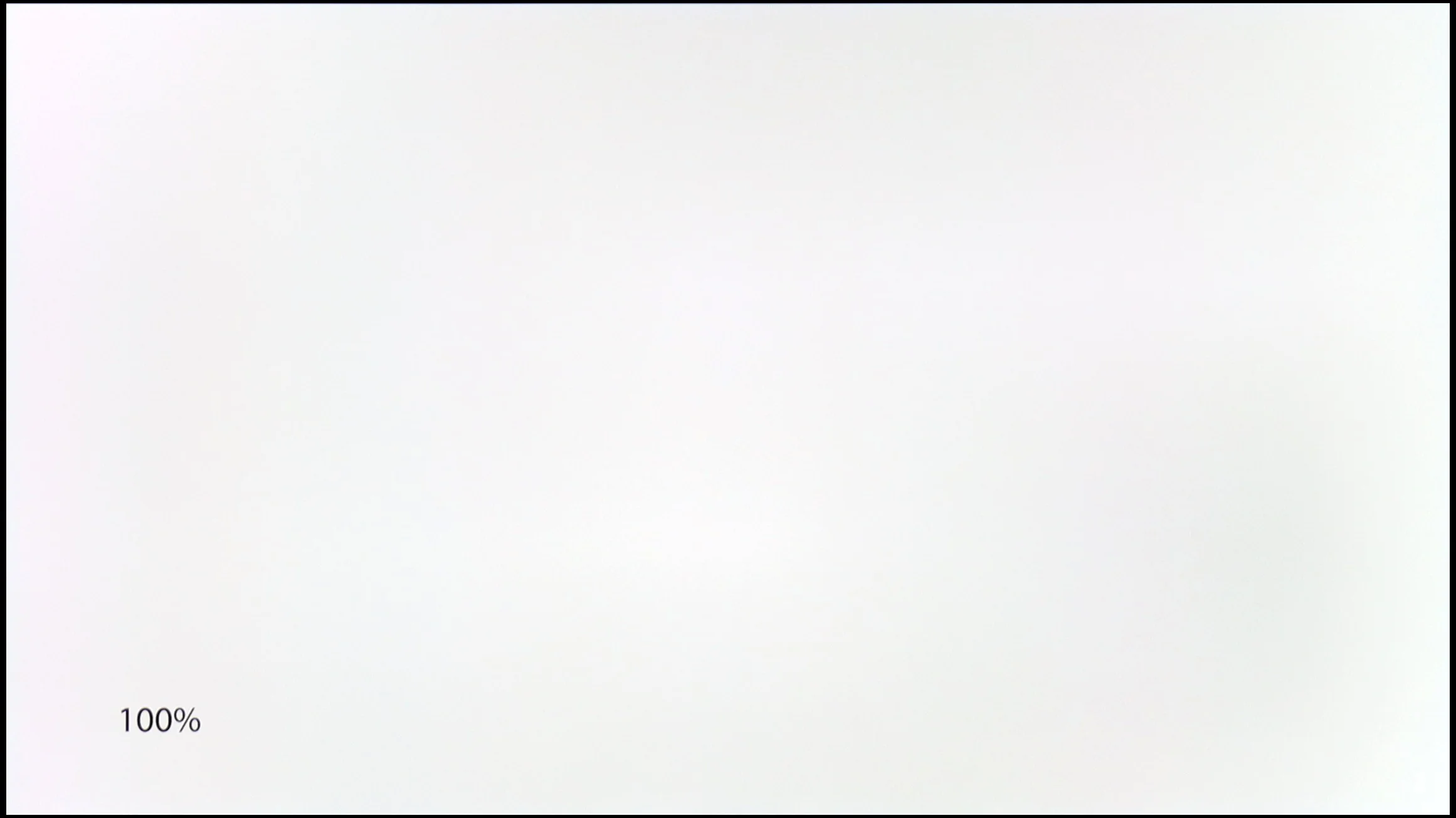
Panel uniformity and thermal imaging:

Review Samsung S90D / S94D 48" (WRGB OLED) TV Panel details
Review Samsung S90H (WOLED) TV Panel details

Samsung S90D / S94D 48" (WRGB OLED)

Samsung S90H (WOLED)

TV features

7.4/10

7.3/10

  • System
    Tizen
    Tizen
  • System performance
    Very good
    Very good
  • HDMI inputs
    0 x HDMI 2.0, 4 x HDMI 2.1 48Gbps
    0 x HDMI 2.0, 4 x HDMI 2.1 48Gbps
  • Outputs
    Toslink (Optical audio), eARC (HDMI), ARC (HDMI)
    Toslink (Optical audio), eARC (HDMI), ARC (HDMI)
  • Network Interfaces
    Wi-Fi 2.4GHz, Wi-Fi 5GHz, Ethernet (LAN) 100Mbps
    Wi-Fi 2.4GHz, Wi-Fi 5GHz, Ethernet (LAN) 100Mbps
  • TV reception
    DVB-T, DVB-T2, DVB-S, DVB-S2, DVB-C
    DVB-T, DVB-T2, DVB-S, DVB-S2, DVB-C

Classic features:

  • Recording to USB (terrestrial TV)
    No
    No
  • Recording programming
    No
    No
  • Picture in Picture (PiP)
    Yes
    No
  • RF remote control (no need to aim)
    Yes
    Yes
  • Backlit remote control
    No
    No
  • Teletext
    Yes
    Yes
  • Audio only mode
    Yes
    Yes
  • Bluetooth headphones support
    Yes
    Yes
  • Simultaneous Bluetooth headphones & TV audio
    Yes
    Yes

Smart features:

  • AirPlay
    Yes
    Yes
  • Screen mirroring (Windows Miracast)
    Yes
    Yes
  • Voice search
    Yes
    Yes
  • Voice search in native language
    Yes
    Yes
  • Ability to connect a keyboard and mouse
    Yes
    Yes
Review Samsung S90D / S94D 48" (WRGB OLED) TV features
Review Samsung S90H (WOLED) TV features

Sound connection options

  • HDMI audio
    eARC (HDMI), ARC (HDMI)
    eARC (HDMI), ARC (HDMI)
  • Other audio outputs
    Toslink (Optical audio)
    Toslink (Optical audio)
  • Wireless audio
    Bluetooth
    Bluetooth

Supported audio formats (external HDMI eARC audio):

  • Dolby Digital Plus 7.1
    Yes
    Yes
  • Dolby True HD 7.1
    No
    Yes
  • Dolby Atmos in Dolby Digital Plus (JOC)
    Yes
    Yes
  • Dolby Atmos in Dolby True HD
    No
    Yes
  • DTS:X in DTS-HD MA
    No
    No
  • DTS-HD Master Audio
    No
    No

Senior accessibility

  • Numeric keyboard on TV
    No
    No
  • Font size adjustment
    Yes
    Yes
  • Audio description
    Yes
    Yes

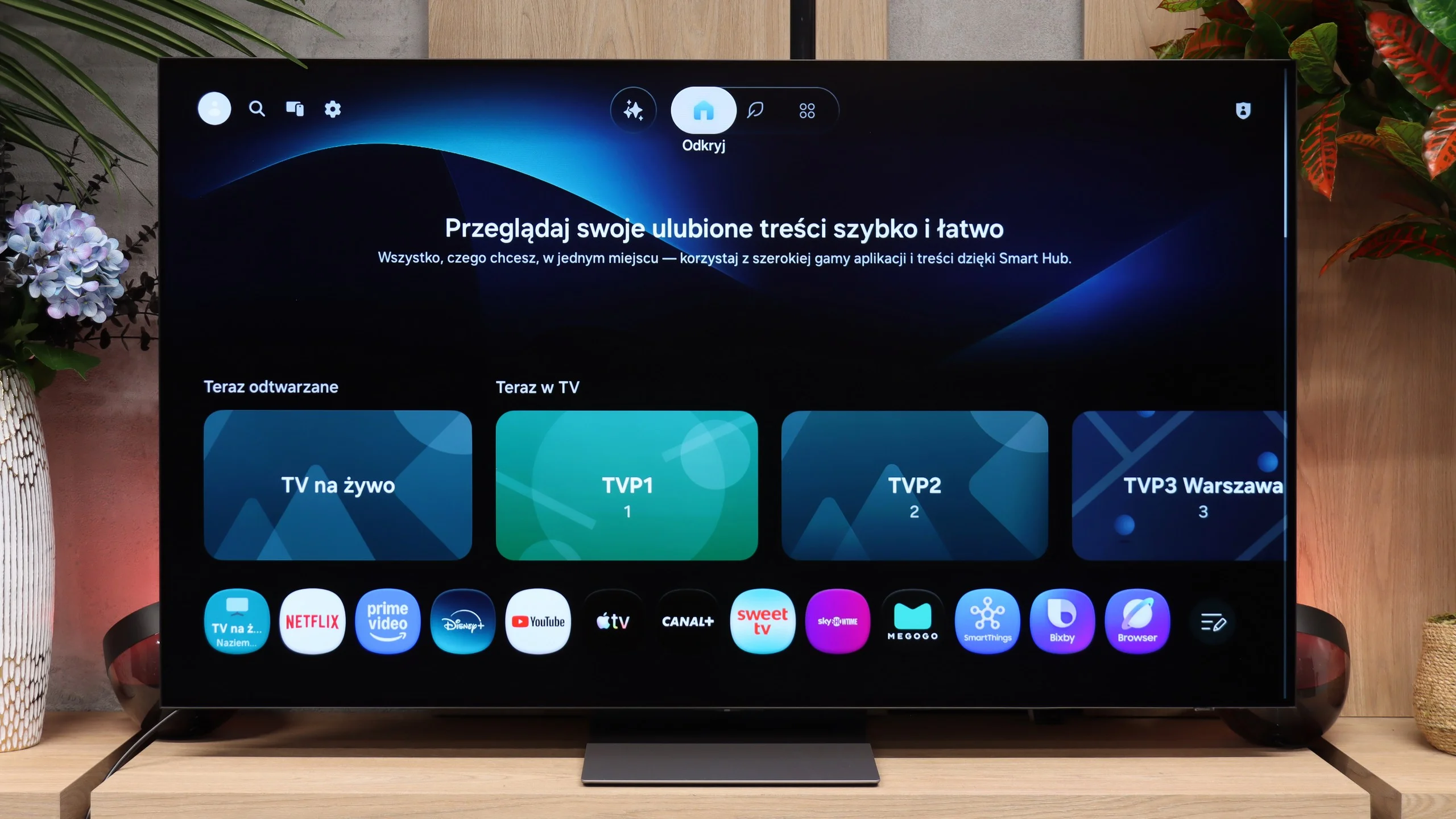
The S90D television offers a variety of features that enhance user comfort, making it an excellent choice for home entertainment. Powered by the Tizen system, this model provides a modern and intuitive platform, ensuring a seamless experience. Its user-friendly interface allows quick navigation through apps and settings, even for those who are less tech-savvy. Tizen supports a wide range of applications, including popular streaming services like Netflix, YouTube, and Amazon Prime Video. A new addition for 2024 is the voice search feature in Polish.

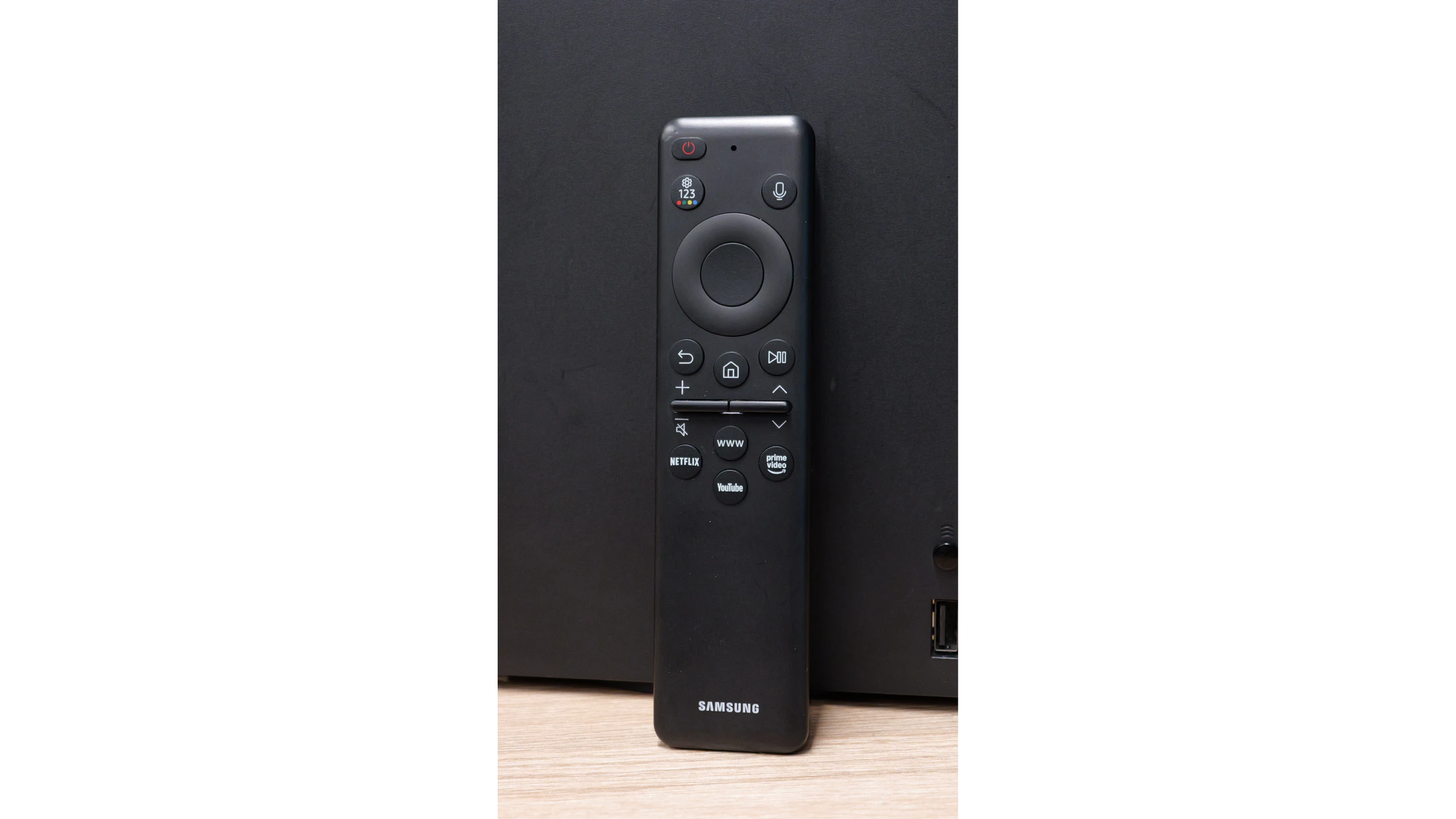
An eco-friendly solar remote control adds practicality, reducing the need for batteries while also controlling multiple connected devices, eliminating the need for several remotes. The television also supports AirPlay, making it easy to share content from Apple devices such as iPhones or iPads. Additionally, the S90D allows for the connection of Bluetooth devices like mice, keyboards, or headphones, further enhancing its versatility and allowing for a more personalised user experience.

One downside is the lack of USB recording support, which may be a limitation for users wishing to archive programs or movies. Nevertheless, the S90D remains an impressive choice with its array of advanced features and technologies, offering high-quality entertainment in the home.

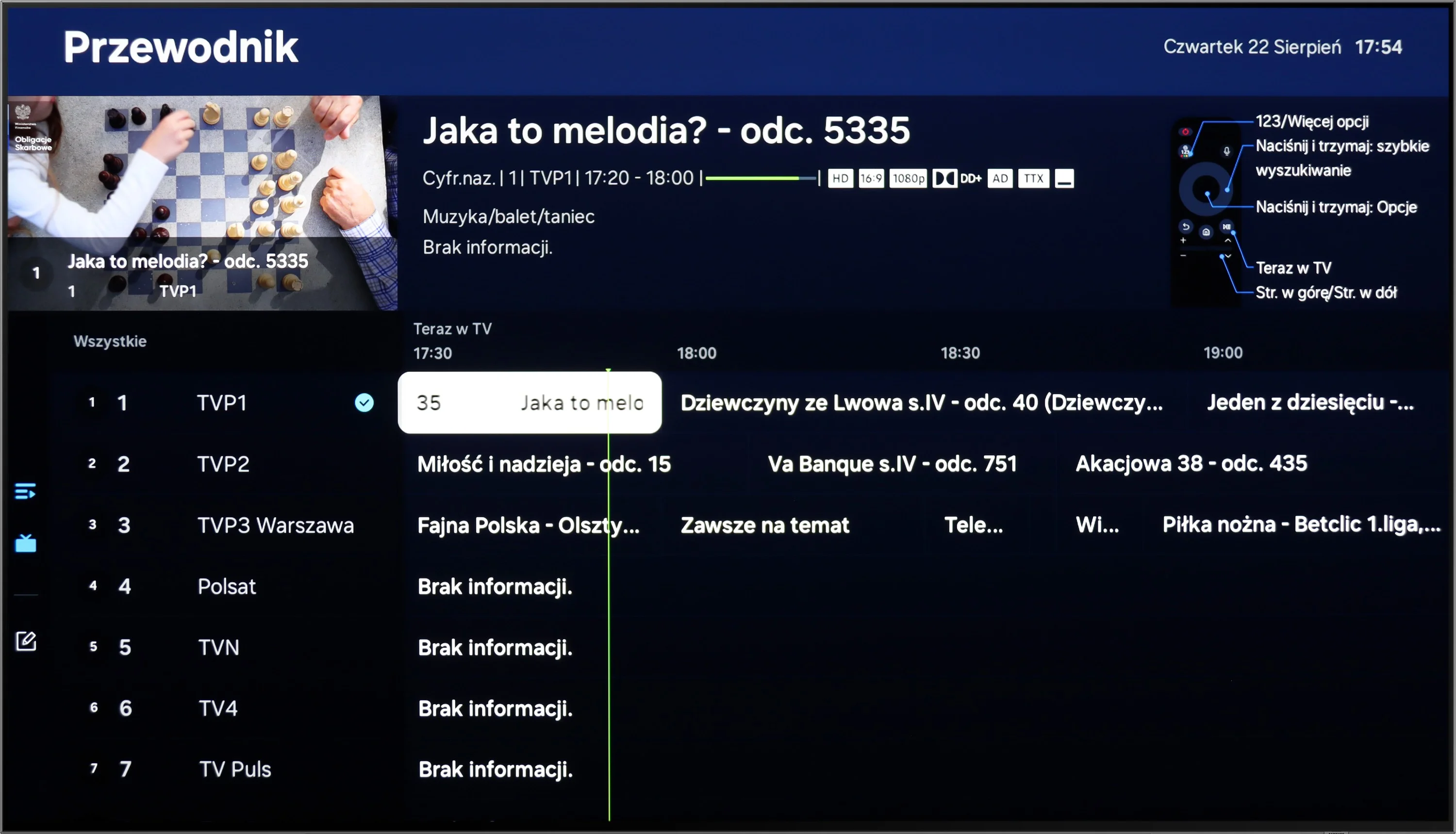
Classic TV

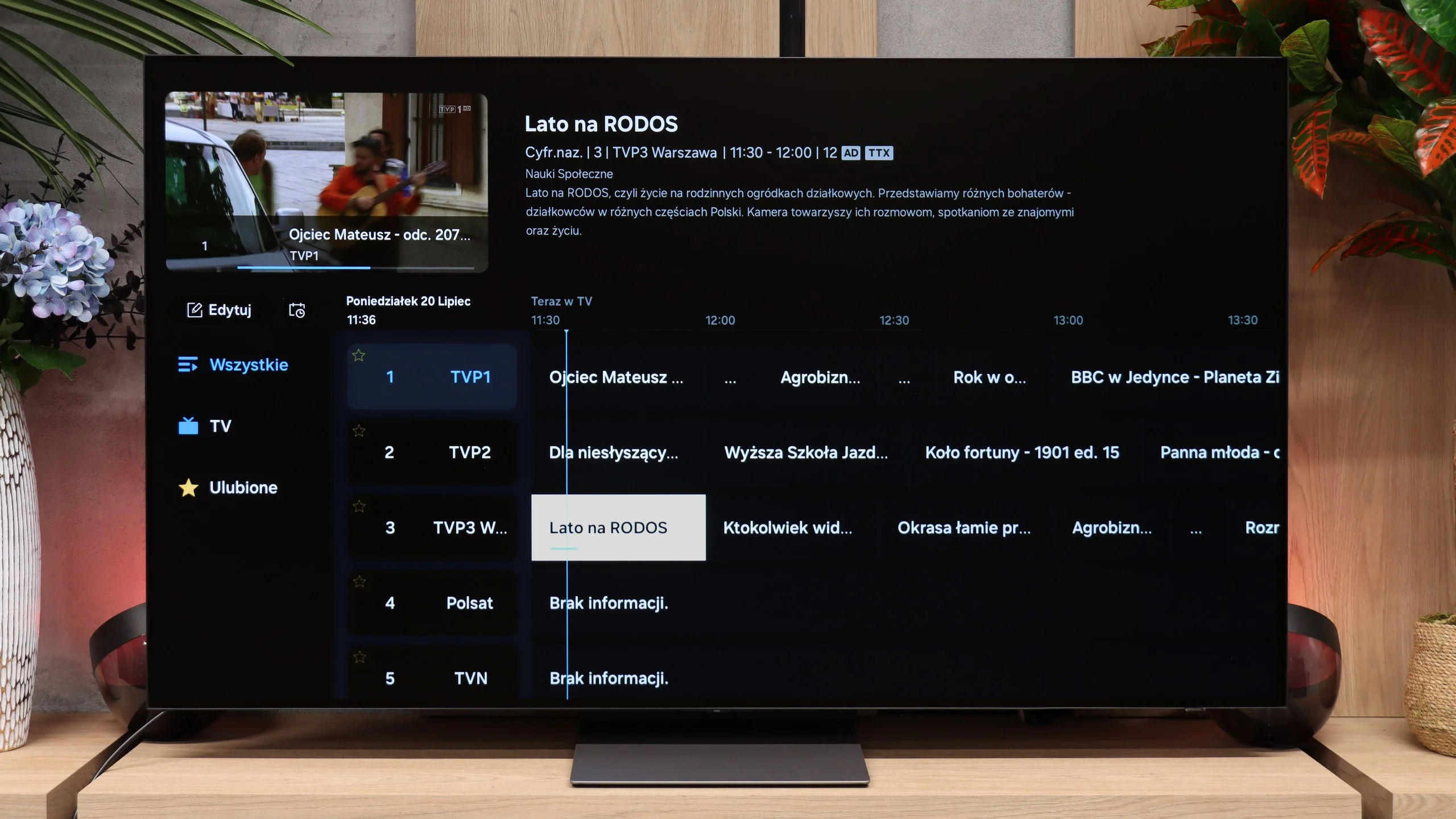
When it comes to ordinary cable or over-the-air TV, Samsung doesn't offer any revolutions compared with last year's model. Setting aside the marketing AI features, you simply get a solid, traditional package: a full set of tuners, a CI slot for a decoding card, teletext, and a convenient RF remote that doesn't require pointing directly at the screen. The problem is that the market competition offers exactly the same, and the S90H adds nothing new in this area. What's more, the PIP function, picture-in-picture, has been dropped from the S90 series. If you liked keeping an eye on the news in the corner of the screen while watching another program, you can't do that here.

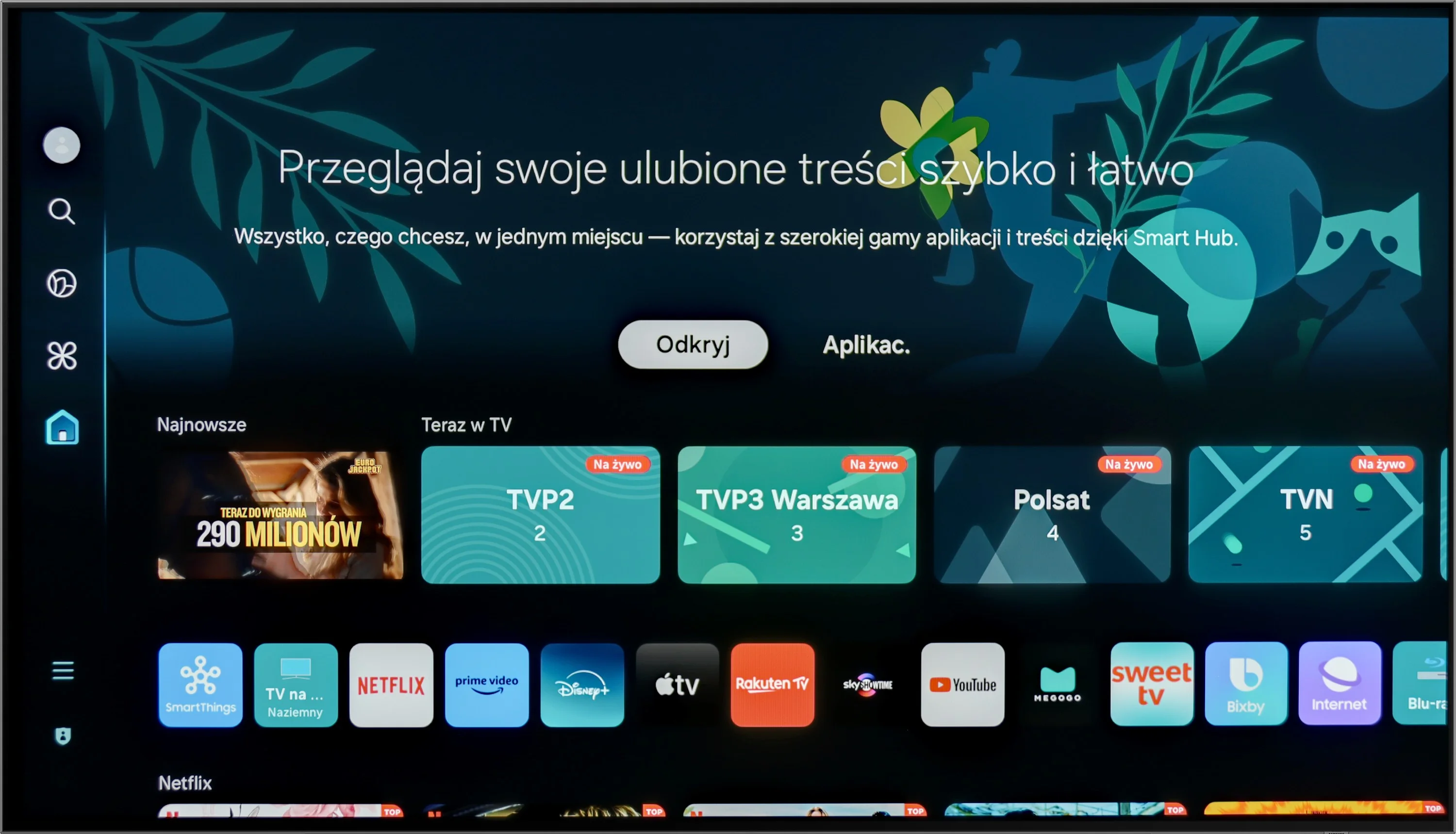
Smart TV: Tizen

While it's hard to call anything new for traditional TV, Tizen in its 2026 version performs really well. The most important news is that the system runs incredibly smoothly and responds to commands without unnecessary hesitation. Any animation stutters or lag in menu navigation have disappeared. Even though it's Samsung's proprietary platform, rather than the Google TV many dislike, the app lineup is complete — you'll find absolutely all major VOD services here. Cloud gaming fans will also be pleased, because the gaming section has been heavily refined. For everyday Smart TV use, it's an exceptionally fast and mature environment.

Apps

9.3/10

9.3/10

OK
Disney_Plus
OK
Amazon_Prime_Video
OK
Player_TVN
OK
Polsat_Box_Go
OK
Canal_Plus_Online
OK
TVP_VOD
OK
Apple_TV_Plus
OK
SkyShowtime
OK
Rakuten
OK
CDA_Premium_Browser
OK
Spotify
No
Tidal
OK
Netflix
OK
YouTube
OK
HBO_MAX
No
Kodi
OK
Apple_music
OK
Eleven_sports
OK
Xbox Game Pass
OK
GeForce NOW
OK
Amazon Luna
OK
Boosteroid
No
Steam Link
OK
Disney_Plus
OK
Amazon_Prime_Video
OK
Player_TVN
OK
Polsat_Box_Go
OK
Canal_Plus_Online
OK
TVP_VOD
OK
Apple_TV_Plus
OK
SkyShowtime
OK
Rakuten
OK
CDA_Premium_Browser
OK
Spotify
No
Tidal
OK
Netflix
OK
YouTube
OK
HBO_MAX
No
Kodi
OK
Apple_music
OK
Eleven_sports
OK
Xbox Game Pass
OK
GeForce NOW
OK
Amazon Luna
OK
Boosteroid
No
Steam Link

Playing files from USB

9.1/10

9.1/10

Supported photo formats:

JPEG
Yes
Yes
HEIC
No
No
PNG
No
Yes
GIF
No
No
WebP
No
No
TIFF
No
No
BMP
Yes
Yes
SVG
No
No

Maximum photo resolution:

4 Mpix
Yes
Yes
6 Mpix
Yes
Yes
8 Mpix
Yes
Yes
10 Mpix
Yes
Yes
12 Mpix
Yes
Yes
16 Mpix
Yes
Yes
20 Mpix
Yes
Yes
24 Mpix
Yes
Yes
28 Mpix
Yes
Yes
32 Mpix
Yes
Yes

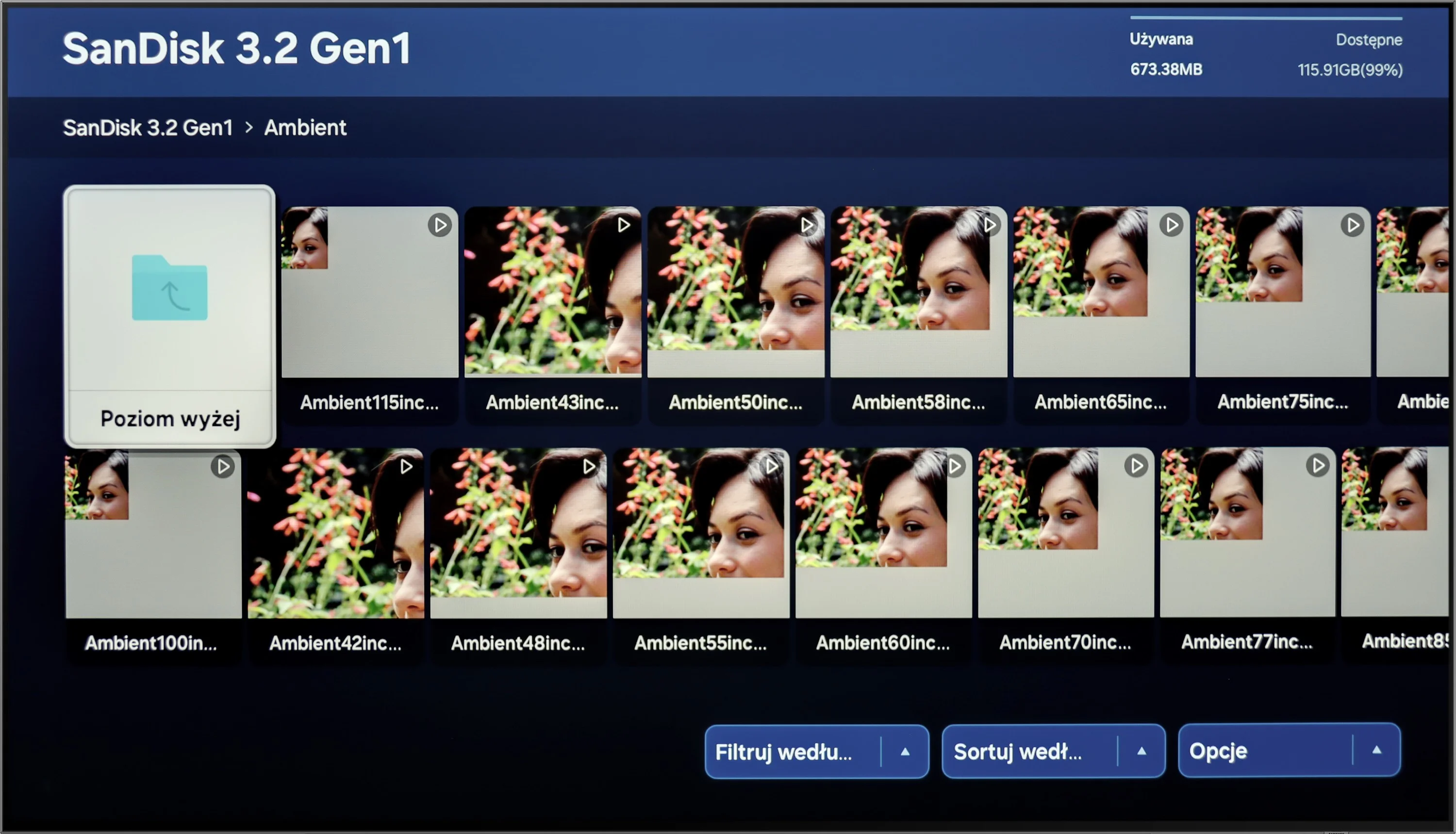
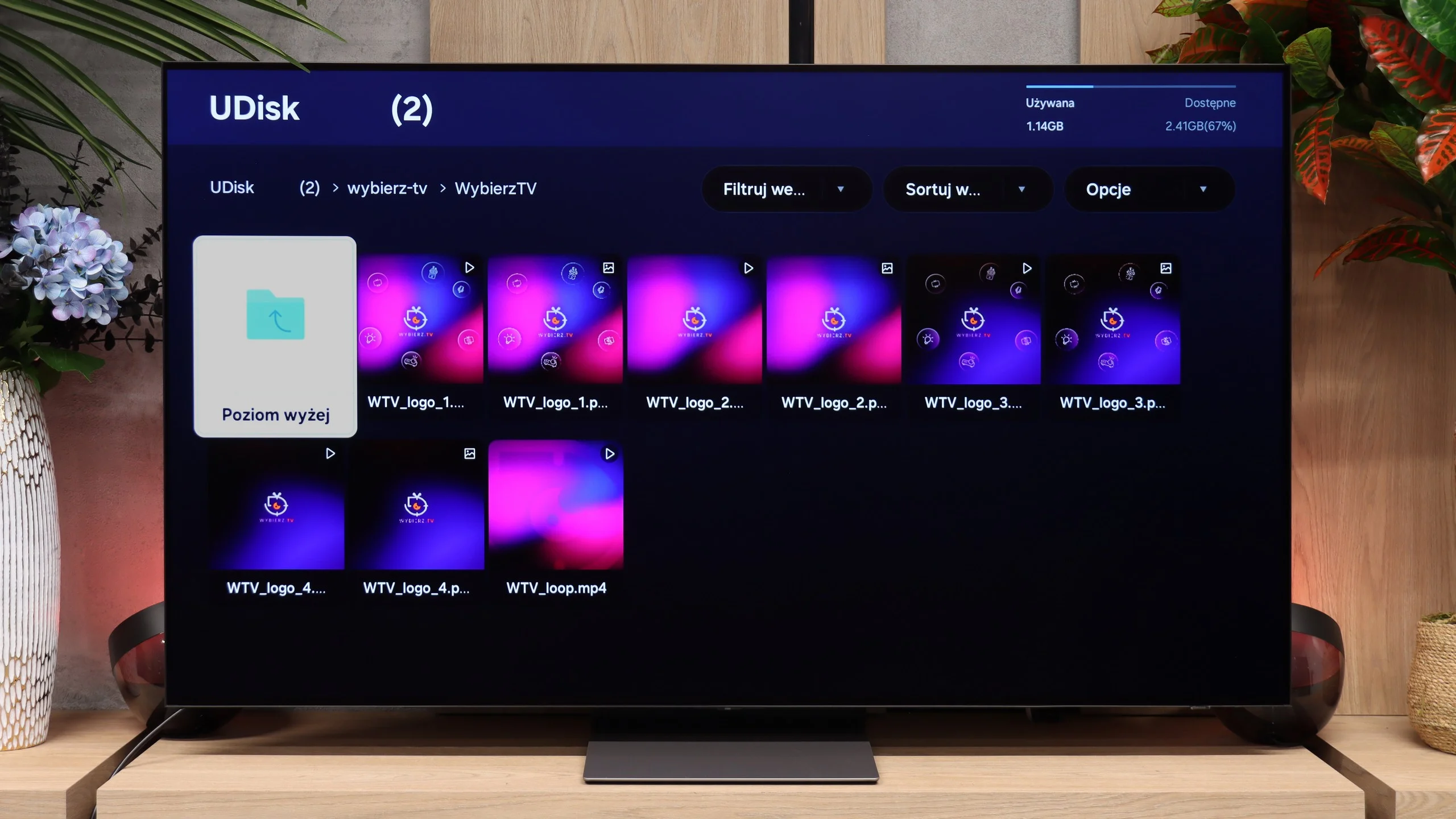
The S90D is equipped with a built-in player that supports most popular video formats, ensuring convenient playback of movies from various sources. It also supports Polish subtitles, with the option to customise the font colour, enhancing comfort when watching content with subtitles. While the television handles a wide range of photo formats, it lacks support for the widely used PNG format. Despite this minor limitation, the S90D offers excellent playback capabilities overall.

The built-in media player easily handles most popular video, audio, and photo formats. The range of supported files is broad enough that the inability to install external apps like VLC is hardly a problem. However, we did encounter one serious bug when trying to open HEIC photos from an iPhone. The TV not only failed to display the files, it caused Tizen to completely freeze. The system stopped responding to the remote, and we had to unplug it from the outlet. This is a clear software bug that Samsung should patch as soon as possible in the next firmware update.

Sound

6.8/10

8.4/10

  • Maximum volume
    -
    -
  • Dolby Digital Plus 7.1
    Yes
    Yes
  • Dolby True HD 7.1
    No
    No
  • Dolby Atmos in Dolby Digital Plus (JOC)
    Yes
    Yes
  • Dolby Atmos in Dolby True HD
    No
    No
  • DTS:X in DTS-HD MA
    No
    No
  • DTS-HD Master Audio
    No
    No

The S90D television delivers good sound quality with clear, balanced tones. The sound is crisp, and the bass is audible, enhancing the overall viewing experience. While the television remains clear even at higher volumes, it’s not particularly loud.

On paper the audio specification of the S90 series has stood still for years. It still uses a 2.1 configuration with a total power of 40 W, so before testing we assumed any noticeably better sound would mainly apply to the largest variants. However, the 65-inch model we tested also sounded noticeably better than its predecessors. The sound is fuller, more dynamic and has more "weight" than the dry technical specs would suggest. We don't know whether Samsung changed anything in the speakers themselves or whether the improvement is mainly due to better tuning and software optimization, but you can hear the effect from the first moments. For such a slim TV the S90H performs really well and for many people may be sufficient even without a soundbar. The only real complaint is the lack of DTS:X support, which unfortunately is increasingly absent from TVs. It does have Dolby Atmos, so users of streaming services are unlikely to feel any major drawback. Those most likely to be left wanting are people using Blu-ray discs, where DTS tracks still appear fairly often.


* In the test we used the S90H variant. The S92H is also available for purchase; it is equipped with two additional 20 W drivers. This results in a 2.1.2 setup with a total power of 60 W, so you can expect stronger and more spacious sound. We can't confirm that, however, as we didn't have the chance to test that version.

Reader comments

Comments are provided by the external service Disqus (Zeta Global). Once loaded, Disqus may set cookies and process data about your activity.

We will remember your choice on this device. Provider's privacy policy