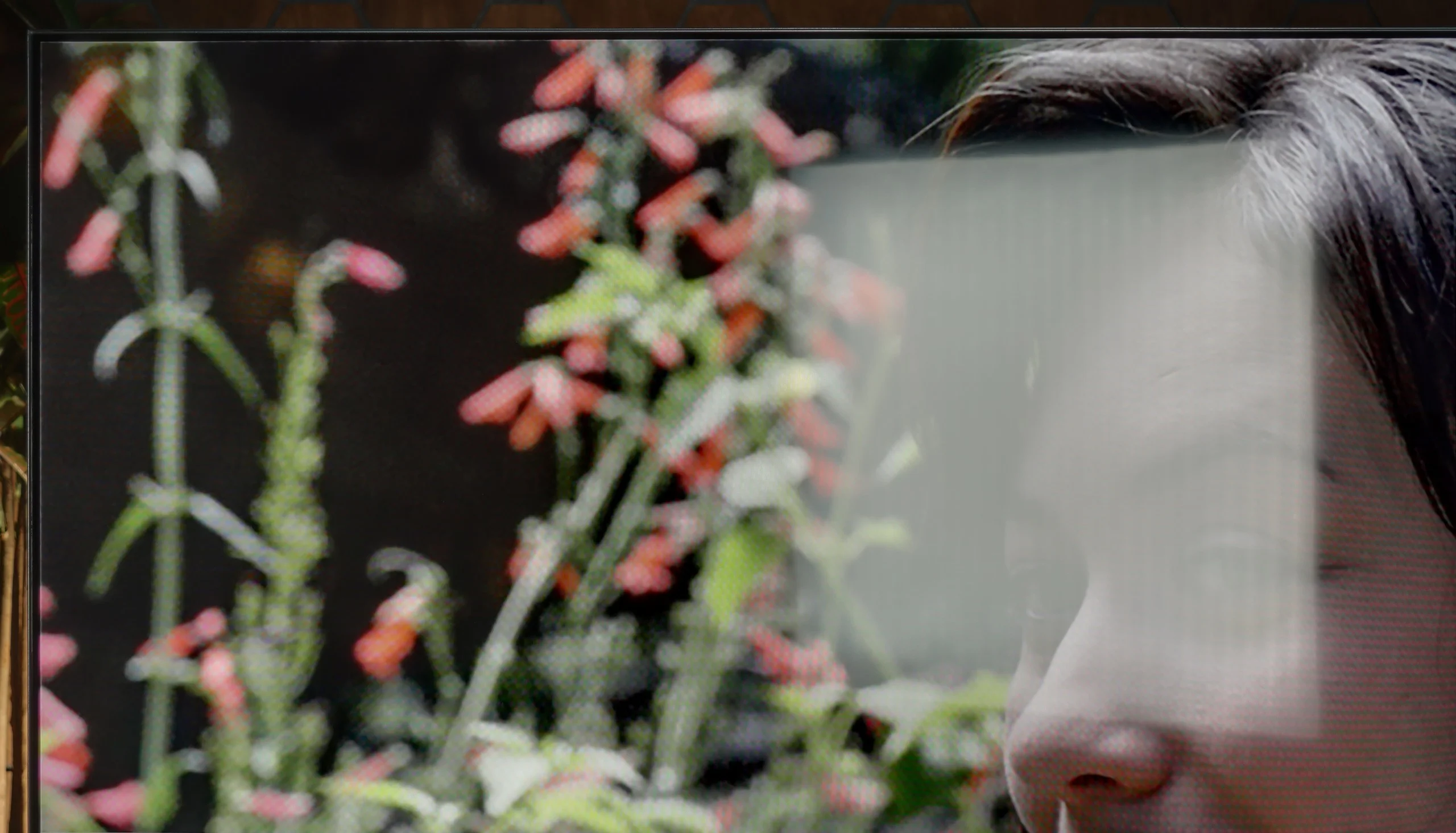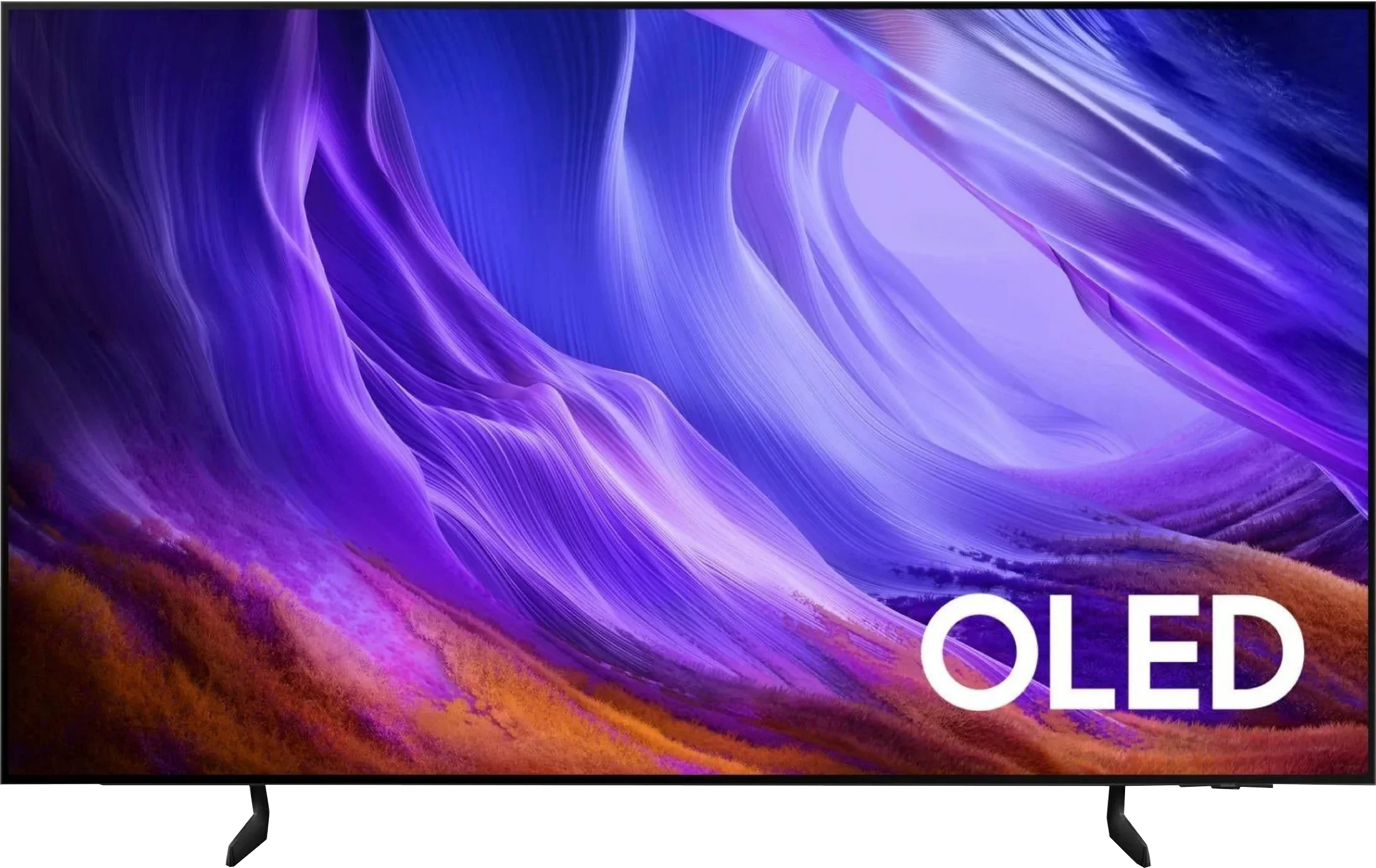
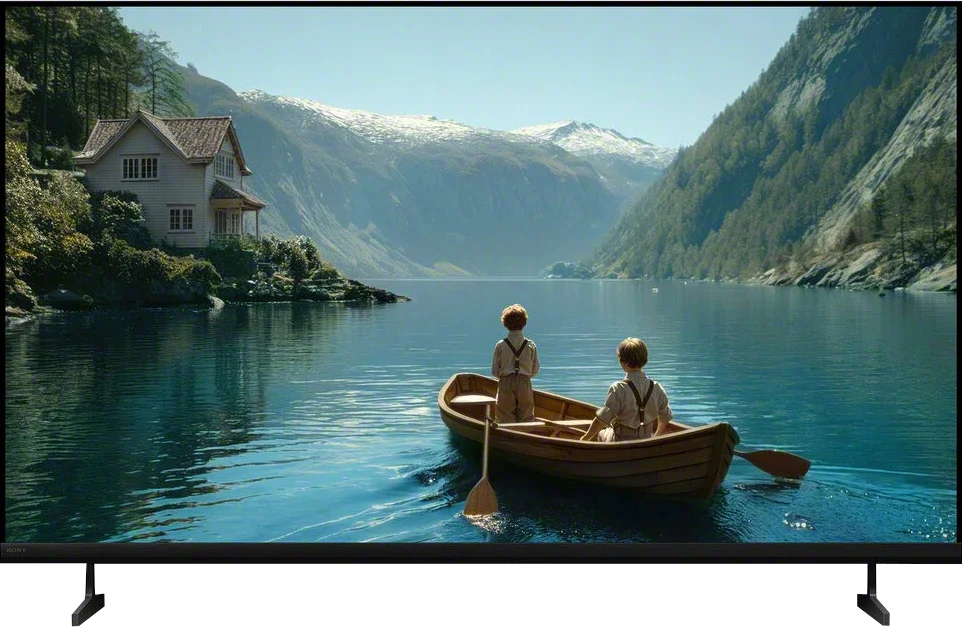
Samsung S85H / S83H vs SONY BRAVIA 3 II (XR35M2)

Direct comparison

Check the best price offer:

Samsung S85H / S83H(paid link)
$799

Check the best price offer:

SONY BRAVIA 3 II (XR35M2)(paid link)
$698

S85H / S83H

BRAVIA 3 II / XR35M2

Available screen sizes: 48”55”65”77”83”

Available screen sizes: 43”50”55”65”75”85”100”

Review Samsung S85H / S83H Main photo
Review SONY BRAVIA 3 II (XR35M2) Main photo

Panel type: WRGB OLED

Resolution: 3840x2160

System: Tizen

Model year: 2026

Complete the survey to find out the result

Panel type: LCD VA

Resolution: 3840x2160

System: Google TV

Model year: 2026

Complete the survey to find out the result

Overall rating

7.9

7.0

  • Movies and series in UHD quality

    8.0

    6.5

  • Classic TV, YouTube

    8.6

    6.3

  • Sports broadcasts (TV and apps)

    8.5

    6.7

  • Gaming on console

    9.6

    8.1

  • TV as a computer monitor

    7.6

    7.2

  • Watching in bright light

    5.1

    5.8

  • Utility functions

    7.3

    7.9

  • Apps

    9.3

    9.6

  • Sound quality

    7.2

    6.8

Advantages

  • Perfect blacks and infinite contrast with OLED

  • Good HDR brightness up to around 800 nits

  • High image fidelity after calibration

  • Very smooth motion thanks to a 120 Hz OLED panel

  • Rich set of features for gamers: VRR, Game Bar, low input lag

  • 4 HDMI 2.1 ports with full 48 Gbps bandwidth

  • Feature-rich, smooth-running Tizen system

  • Solar-powered remote with many features

  • Support for Dolby Atmos surround sound

  • Very good motion clarity and exceptionally low motion blur for a 120Hz LCD TV

  • 4 × HDMI 2.1 48 Gbps, finally!

  • Lots of gaming features: VRR, ALLM, low input lag

  • Wide color gamut, QLED (PFS)

  • Supports Dolby Vision

  • Google TV with a wide range of apps and features

  • Broad audio format support: Dolby Atmos and DTS

  • Record programs to USB

  • Two remotes included

Disadvantages

No like
  • Worse reflection suppression than its predecessor, a characteristic of the new OLED SE panel

  • Average SDR brightness, best suited for a room with controlled lighting

  • No DTS:X support, mainly a drawback for Blu-ray collectors

  • No Dolby Vision, not necessary but would be nice 🙂

  • High price relative to its capabilities; for only a little more you can buy the much better BRAVIA 5

  • No local dimming

  • Lacks proper HGiG support

  • Average processing of lower-quality content

Our verdict

Samsung S85H is a very successful continuation of the S85 series and a TV that still performs its main role well: to be an affordable entry into the world of OLEDs. The biggest change from its predecessor is the use of LG Display's new OLED SE panel, but the overall character of this model remains practically unchanged. Its greatest strengths are still perfect blacks, very high contrast and a picture that can look truly excellent in the evening. Add to that good colors and the ability to achieve a high degree of fidelity to the director's vision. The S85H also works very well as a versatile TV. Gamers get four HDMI 2.1 ports, 120 Hz, VRR, very low input lag and Game Motion Plus, so there is little to complain about here. Tizen runs fast and is user-friendly, and the whole system clearly targets users who today mainly use Netflix, YouTube and other streaming services, while traditional broadcast TV is treated as an extra.

However, the new OLED SE panel is not without flaws. This is most noticeable when watching during the day, because its glare handling is worse than previous OLED panels. Its peak brightness is also not high enough for the S85H to perform particularly well in a very sunlit living room. It is still a TV that shows its strengths best in the evening or in a room with at least partial control over ambient light. And that is probably the best way to look at the S85H. It is not an OLED meant to break brightness records or compete with the most expensive panels. It simply aims to offer what people like most about the technology, but at a lower price. Perfect blacks, very good movie picture quality, excellent gaming features and a convenient smart system make the S85H one of the easiest ways to get into OLED without spending a fortune.
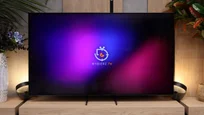
The Sony Bravia 3 II is a TV that quickly reveals what the manufacturer had in mind for this model. It's meant above all to be a sensible Bravia for gaming, and in that respect the changes are substantial. After all, Sony fixed one of the biggest complaints about its TVs: having only two full HDMI 2.1 ports. Here there are four, and that alone makes the Bravia 3 II a much more convenient choice for anyone who wants to hook up a lot of gaming gear. Fortunately it doesn't stop at gaming. The 120 Hz panel performs very well in terms of motion, motion blur is minimal, and the motion-enhancing systems work surprisingly effectively, sometimes even better than on Sony's top TVs. That's why sports are another use where the Bravia 3 II feels right at home. Add Google TV with its full suite of apps and features, and in terms of everyday use it's the Sony we've known for years.

The biggest problem with this model, however, isn't the TV itself but its current price. The Bravia 3 II is today priced dangerously close to the Bravia 5, and when the premium for the higher model is only a few percent, choosing the lower series starts to lose its point. The Bravia 5 already offers full Mini-LED backlighting with local dimming, exactly what the Bravia 3 II most lacks for evening viewing and in HDR. That's why we look at this model through the lens of price. The Bravia 3 II is a genuinely successful lower midrange TV and, at the right price, could easily be one of the more interesting choices for a gamer or sports fan. However, if the gap to the Bravia 5 remains small, it will be hard to recommend it with full conviction.

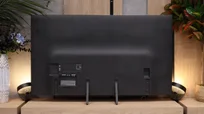
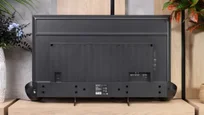
TV appearance

HDMI inputs
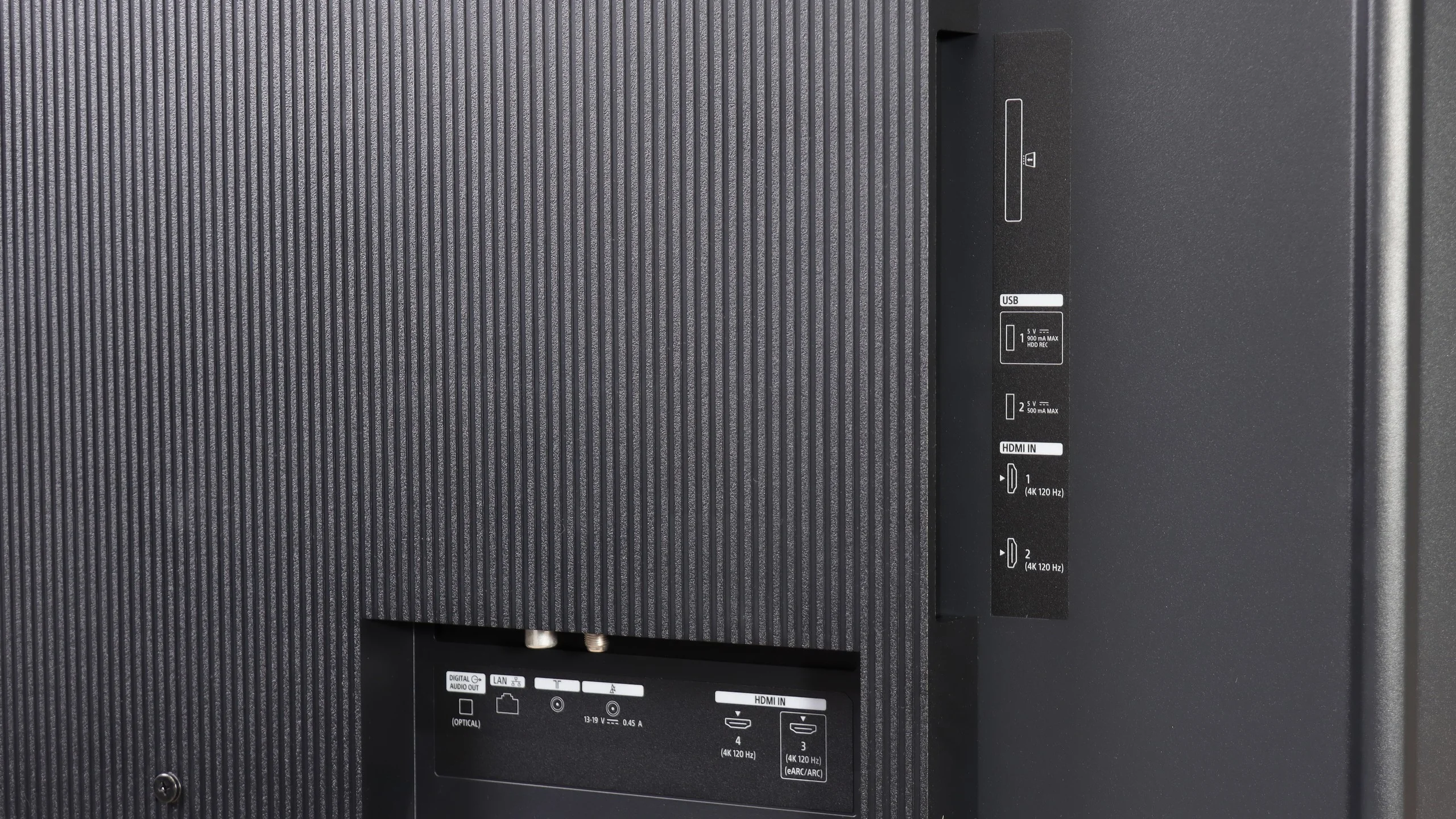
0 x HDMI 2.0, 4 x HDMI 2.1 (48Gbps)
Other inputs
Outputs
Toslink (Optical audio), eARC (HDMI), ARC (HDMI)
Network Interfaces
Wi-Fi 2.4GHz, Wi-Fi 5GHz, Ethernet (LAN) 100Mbps
Build quality
Good
Good
Stand type
Legs
Legs
Bezel color
Graphite
Graphite
Stand
Base adjustment
Base adjustment
Accessories
Stand
Two remote controls, Stand

Contrast and black detail

10/10

5.6/10

Local dimming function: No

Contrast:

Review Samsung S85H / S83H Contrast and black detail

Result

∞:1

Review Samsung S85H / S83H Contrast and black detail

Result

∞:1

Review Samsung S85H / S83H Contrast and black detail

Result

∞:1

Review Samsung S85H / S83H Contrast and black detail

Result

∞:1

Review Samsung S85H / S83H Contrast and black detail

Result

∞:1

Review SONY BRAVIA 3 II (XR35M2) Contrast and black detail

Result

3,050:1

Review SONY BRAVIA 3 II (XR35M2) Contrast and black detail

Result

4,650:1

Review SONY BRAVIA 3 II (XR35M2) Contrast and black detail

Result

5,850:1

Review SONY BRAVIA 3 II (XR35M2) Contrast and black detail

Result

6,400:1

Review SONY BRAVIA 3 II (XR35M2) Contrast and black detail

Result

4,350:1

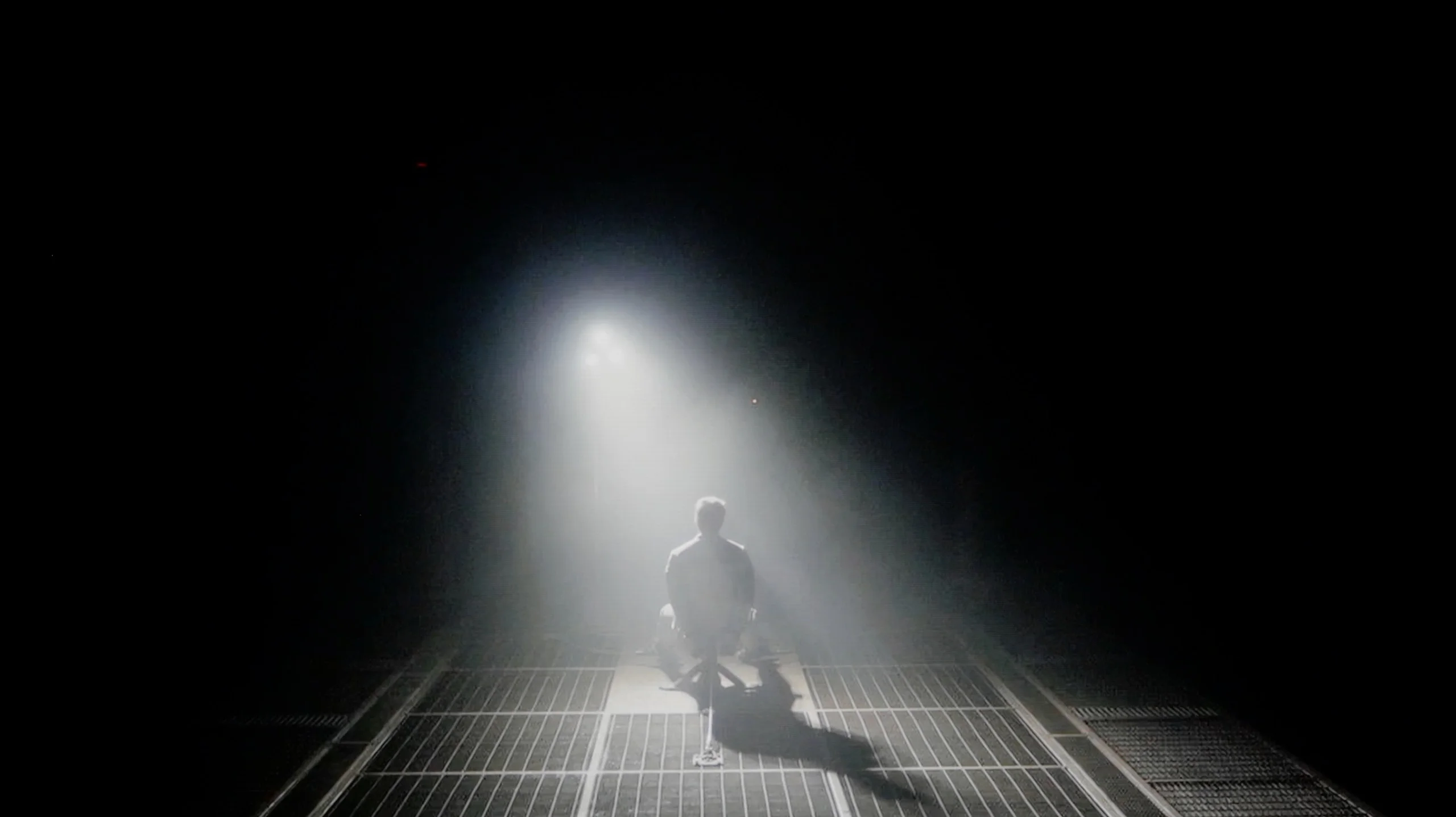
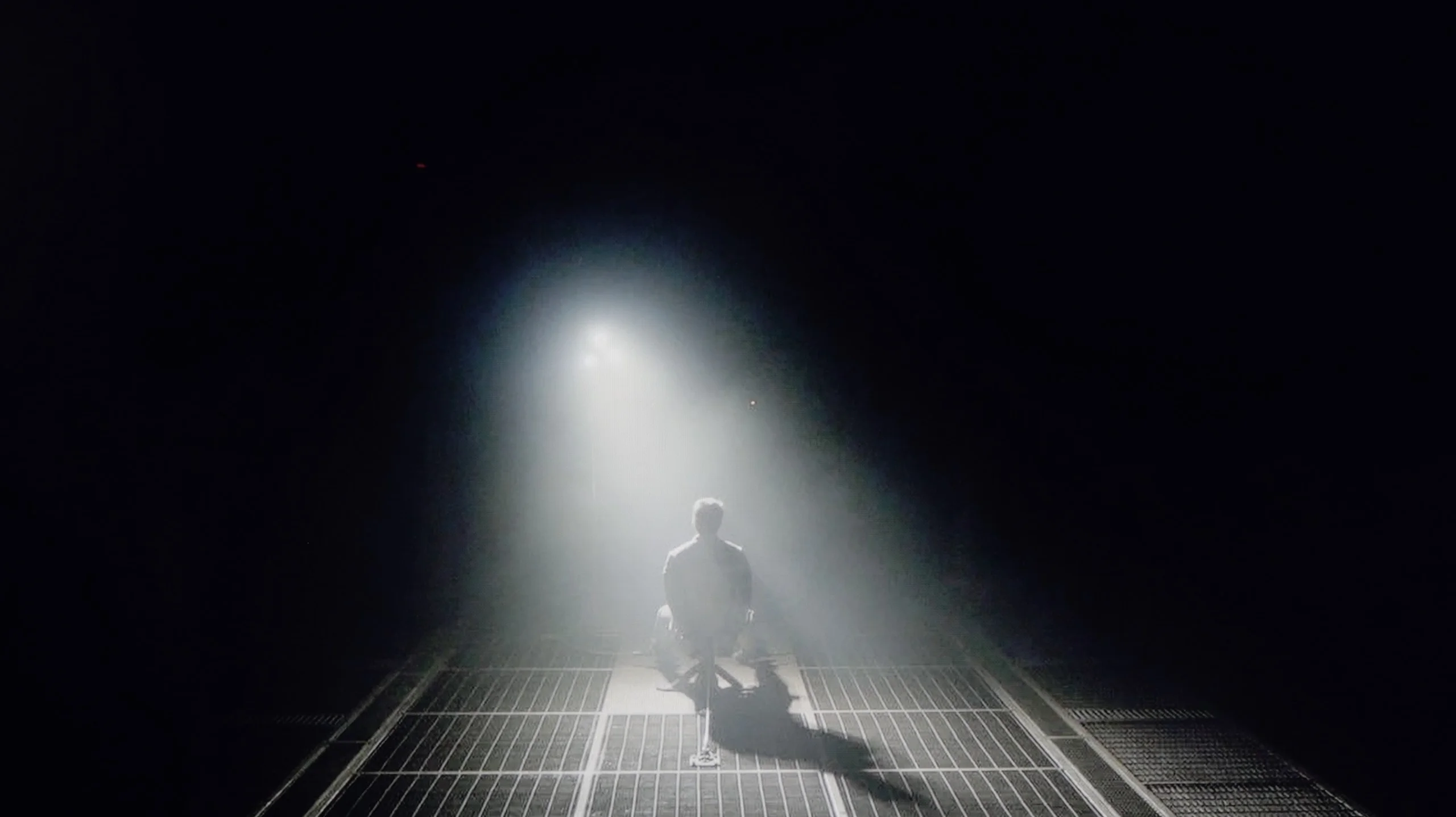
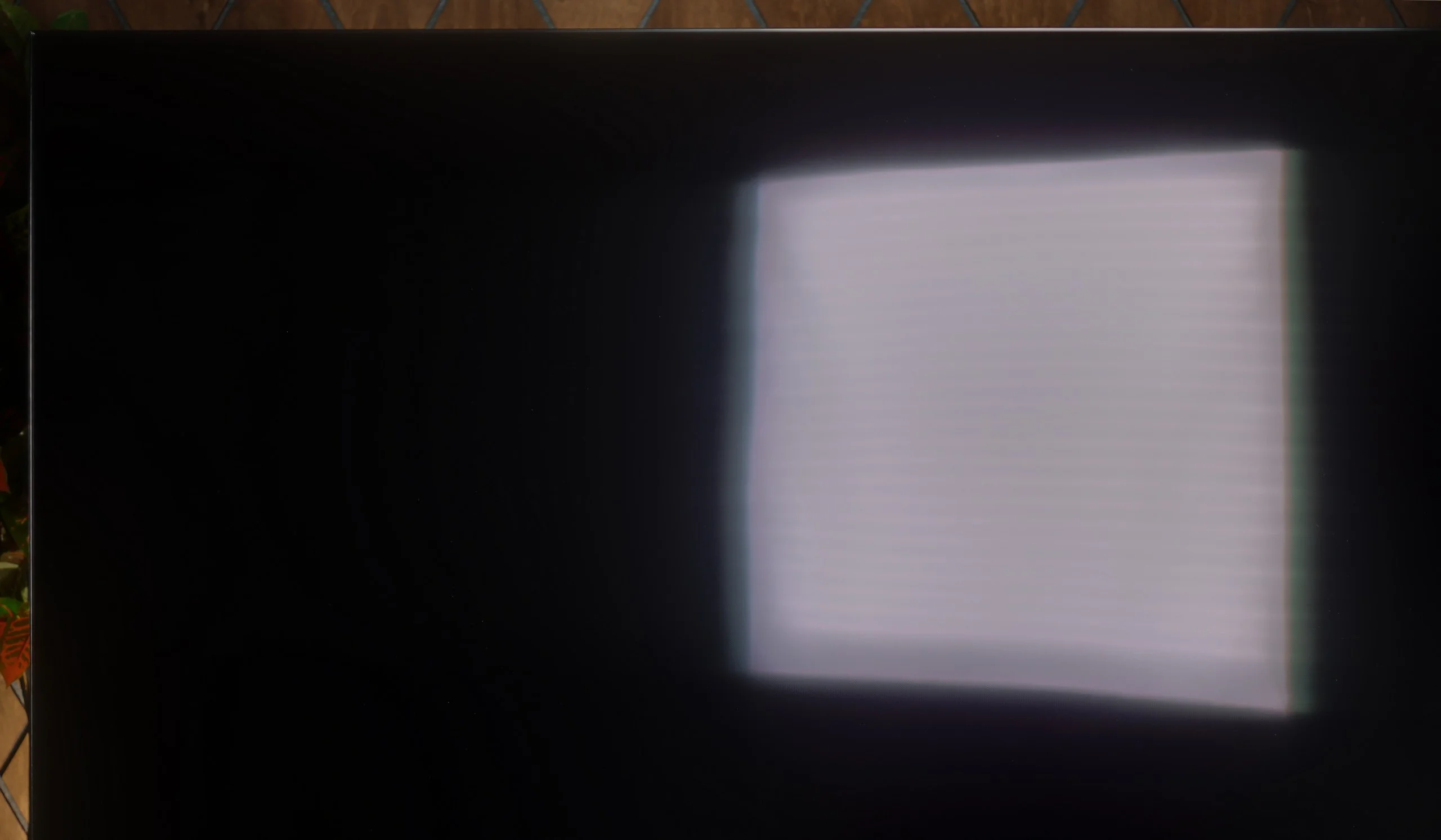
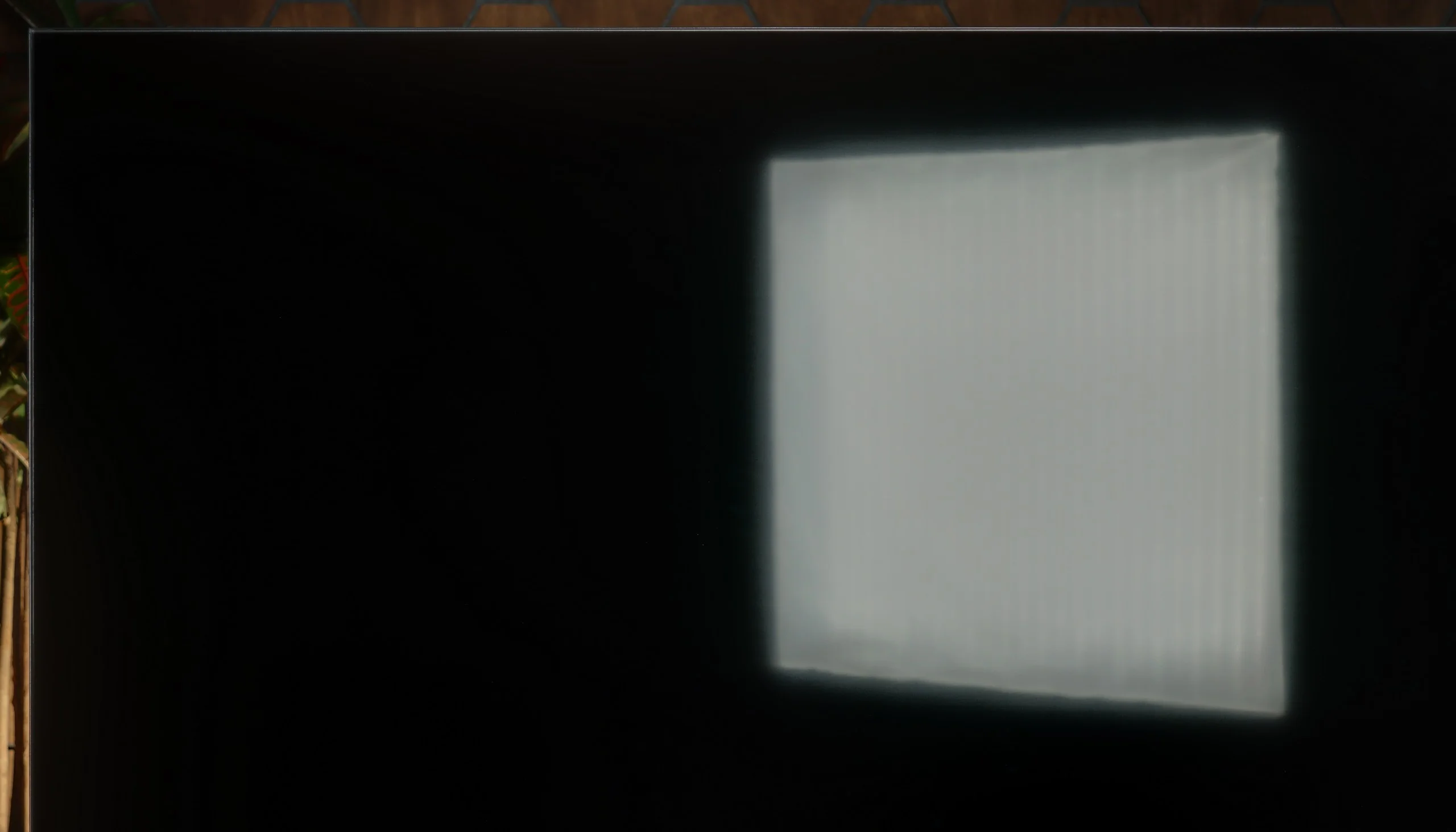
Halo effect and black detail visibility:

Check the visibility of bright lights on a dark background. Mini-LEDs often struggle with this. The photo does not compare black levels – that’s what the video below is for.

The video accurately shows differences in contrast and black levels between TVs, as well as potential issues: halo around bright objects or Mini-LED zone operation visible as brightness jumps.

The switch to LG Display’s new WOLED SE panel practically changed nothing when it comes to black levels and contrast. And you couldn’t really expect any major improvement, because we’re still talking about OLED, a technology that can completely turn off each pixel individually. In practice this means perfect black and enormous image depth, especially in darker scenes. Black bars are truly black, there is no halo around bright elements, and contrast remains virtually infinite. Even very expensive Mini-LEDs with thousands of local dimming zones still can’t offer the same precision as the S85H. And that is its biggest advantage. The S85H may be Samsung’s cheapest OLED, but in terms of black levels it can deliver exactly the same as much more expensive models using organic panels.

The Bravia 3 II uses a VA panel, a solution that by design provides much better contrast than IPS or ADS panels. In our unit the native contrast was about 5000:1, which is a pretty good result for a TV without local dimming. In practice this means that in a mildly lit room blacks can look really decent. Dark parts of the image don't immediately turn gray, and night scenes have noticeably more depth than on many IPS-panel TVs. However, the poorer black performance becomes apparent when you turn off the lights. The Bravia 3 II doesn't have local dimming, so the entire backlight behaves similarly regardless of what's happening in any particular area of the image. In a dark room it's easy to see that black is no longer truly black but starts to shift toward a dark navy. It's not at a level that seriously ruins the movie experience, but during an evening viewing the difference versus a Mini-LED, and even more so versus an OLED TV, becomes very clear.

HDR effect quality

6.3/10

5.3/10

Supported formats
HDR10, HDR10+, HLG
HDR10, Dolby Vision, HLG
Color gamut coverage
DCI P3: 95.2%, BT.2020: 70.9%
DCI P3: 94.2%, BT.2020: 73.9%

Luminance measurements in HDR:

Review Samsung S85H / S83H Brightness measurement

Result

733 nit

Review Samsung S85H / S83H Brightness measurement

Result

744 nit

Review Samsung S85H / S83H Brightness measurement

Result

837 nit

Review Samsung S85H / S83H Brightness measurement

Result

755 nit

Review Samsung S85H / S83H Brightness measurement

Result

404 nit

Review SONY BRAVIA 3 II (XR35M2) Brightness measurement

Result

408 nit

Review SONY BRAVIA 3 II (XR35M2) Brightness measurement

Result

430 nit

Review SONY BRAVIA 3 II (XR35M2) Brightness measurement

Result

449 nit

Review SONY BRAVIA 3 II (XR35M2) Brightness measurement

Result

457 nit

Review SONY BRAVIA 3 II (XR35M2) Brightness measurement

Result

455 nit

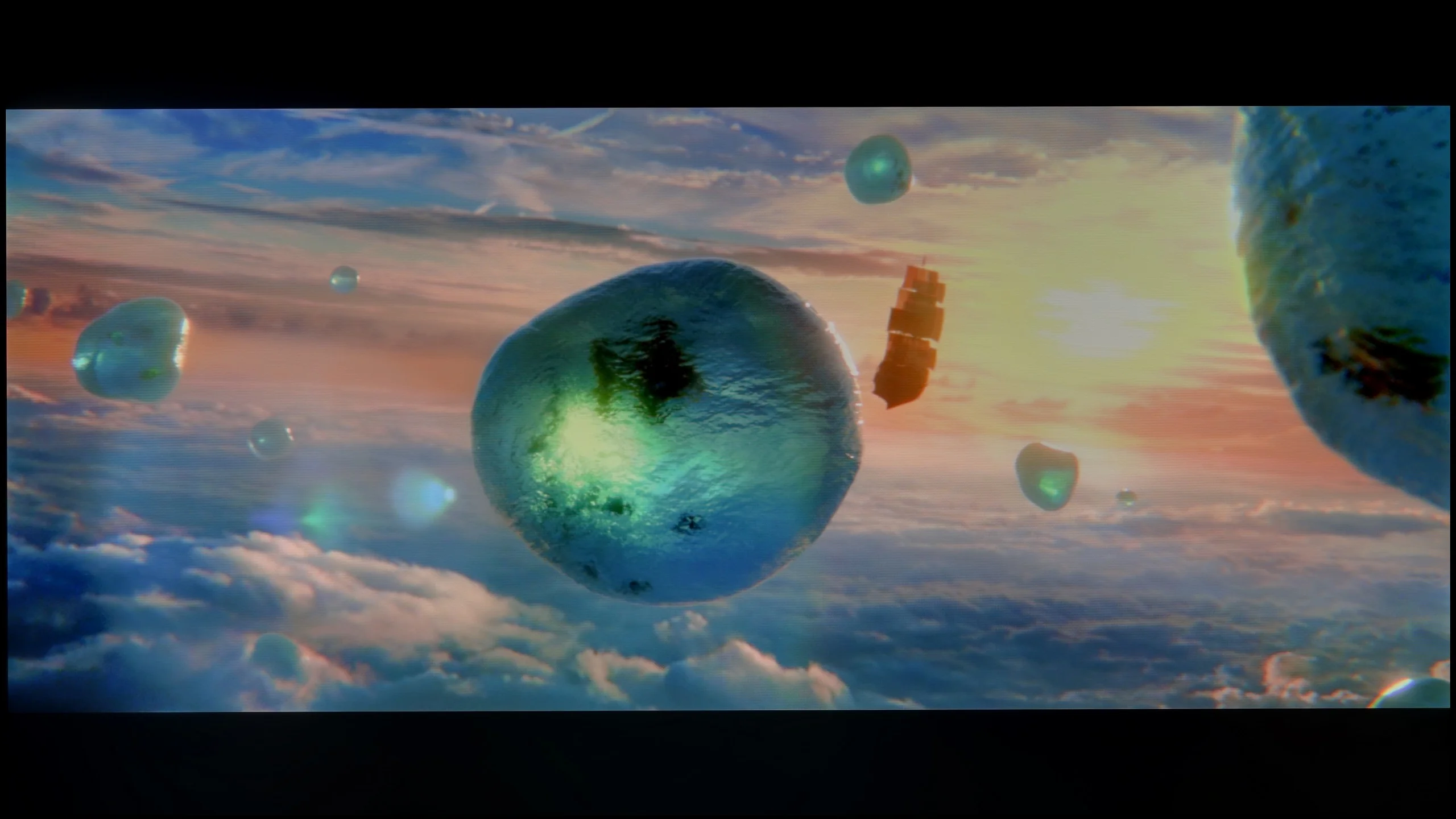
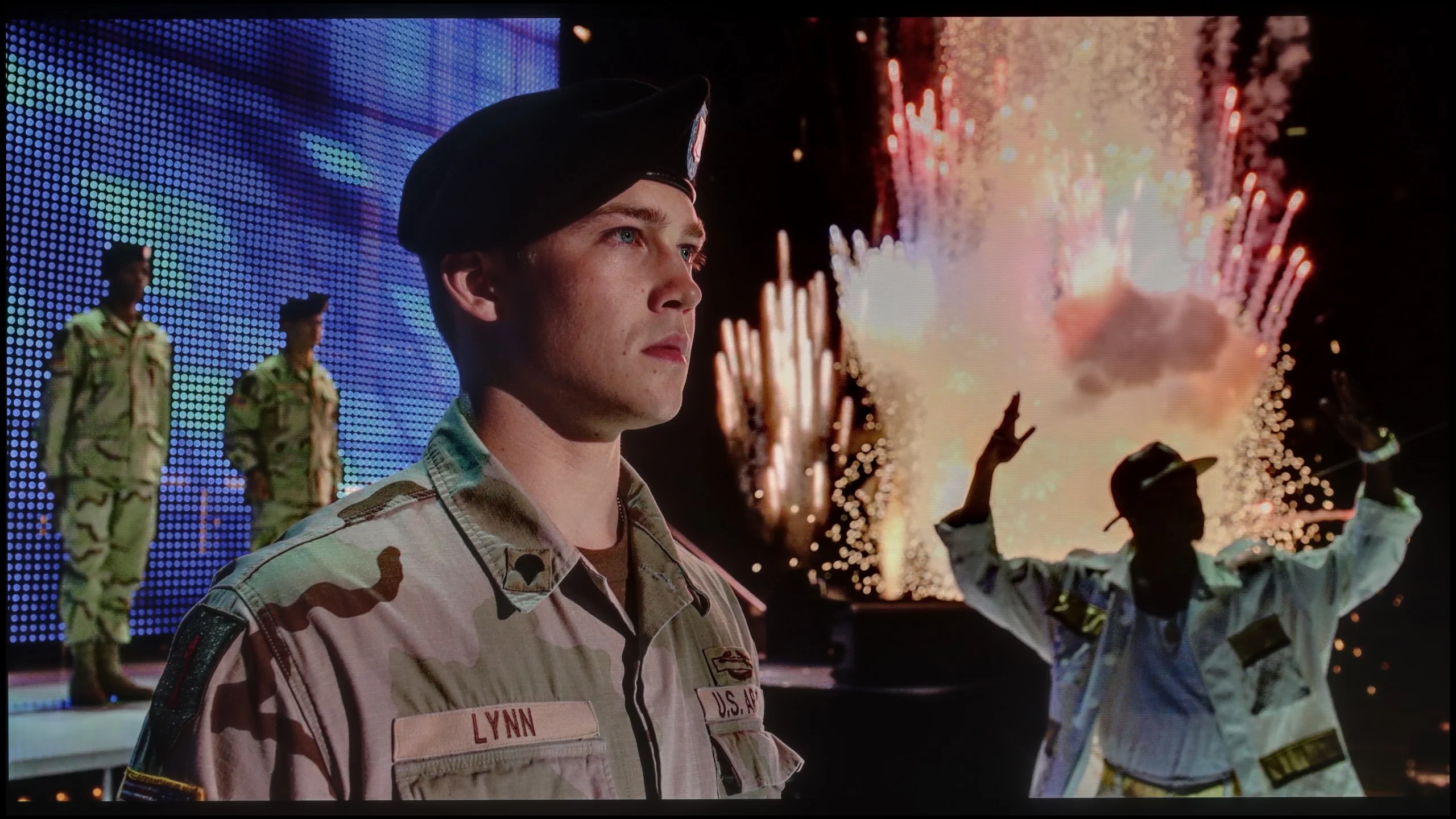
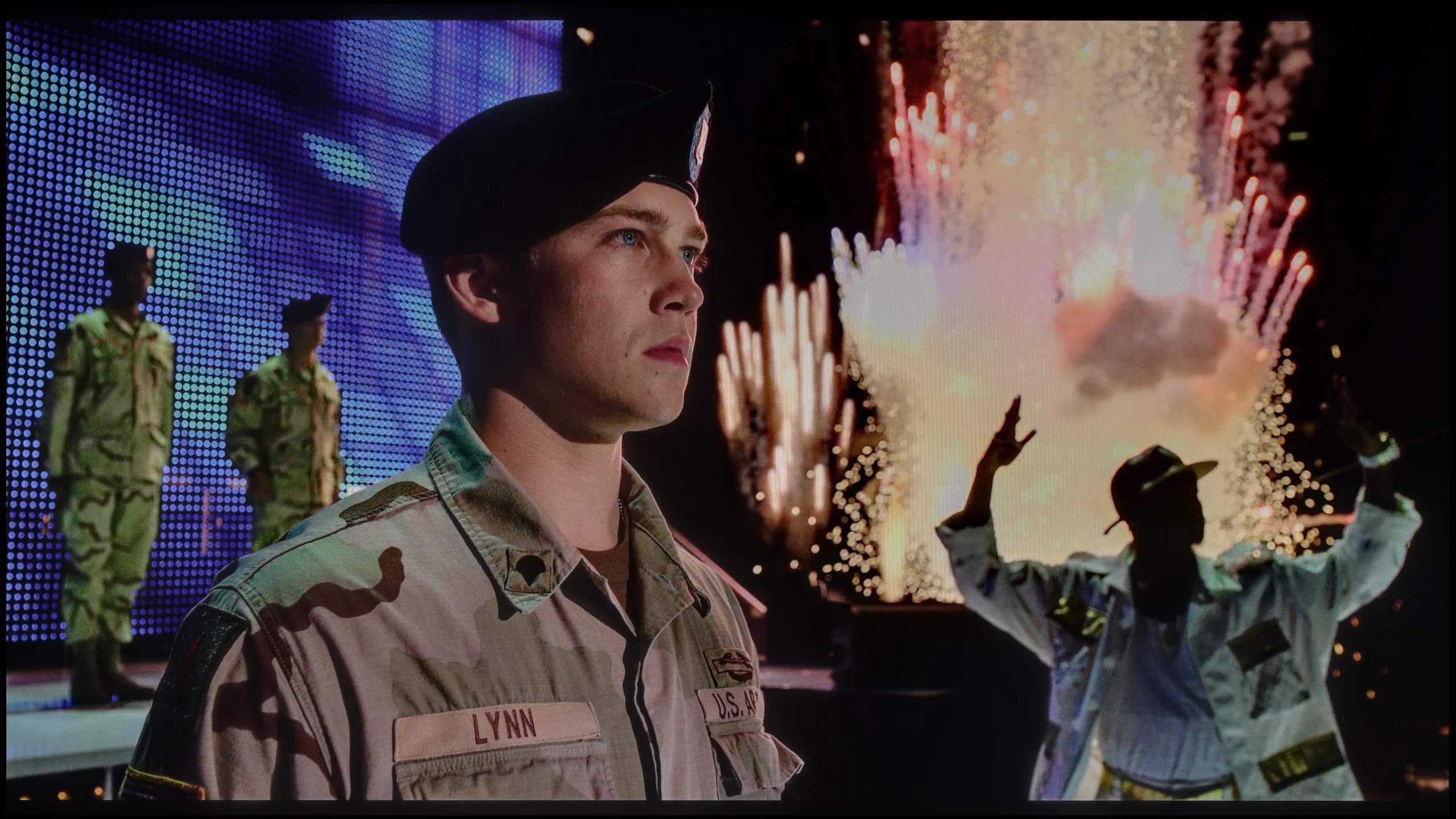
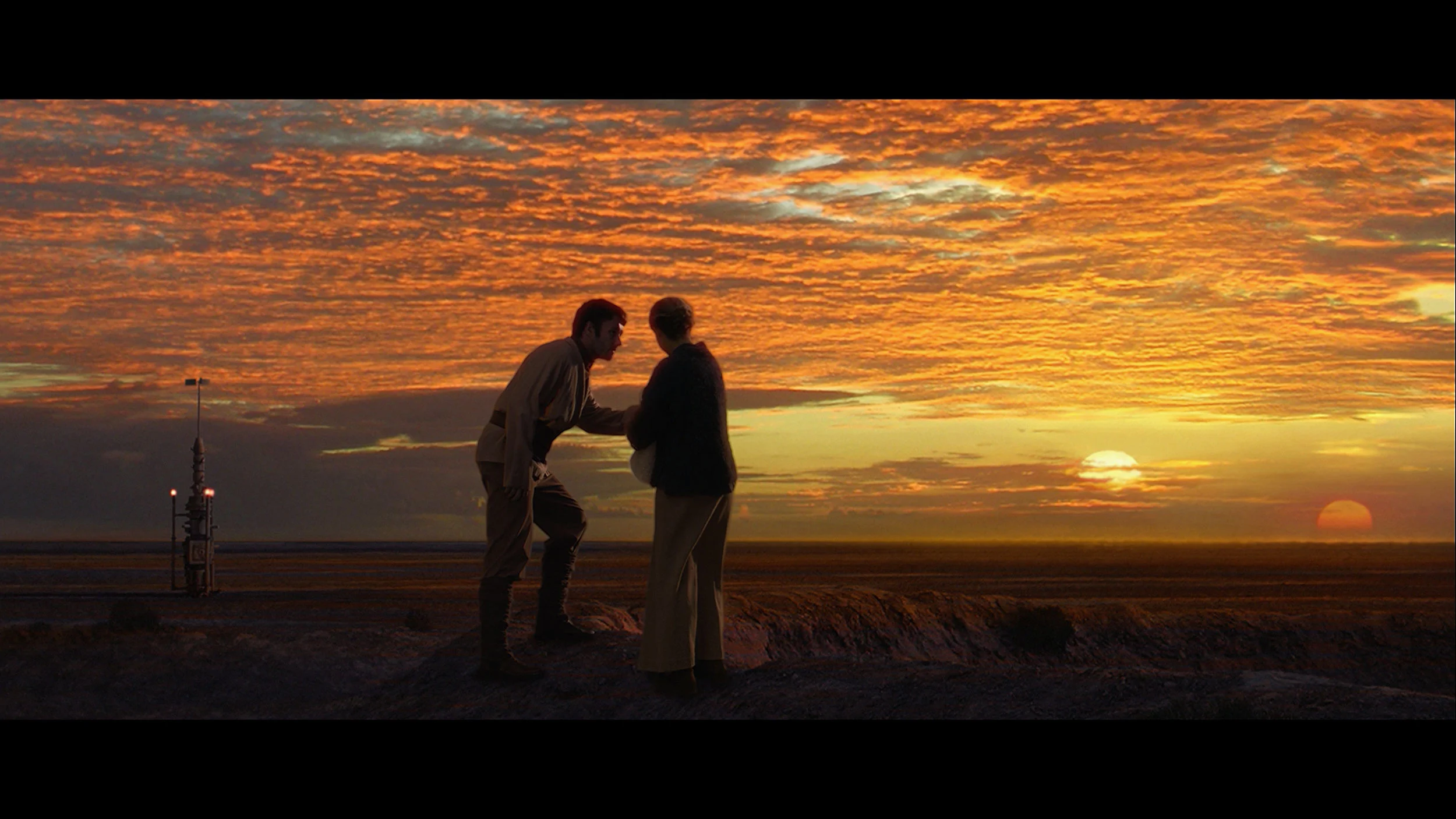
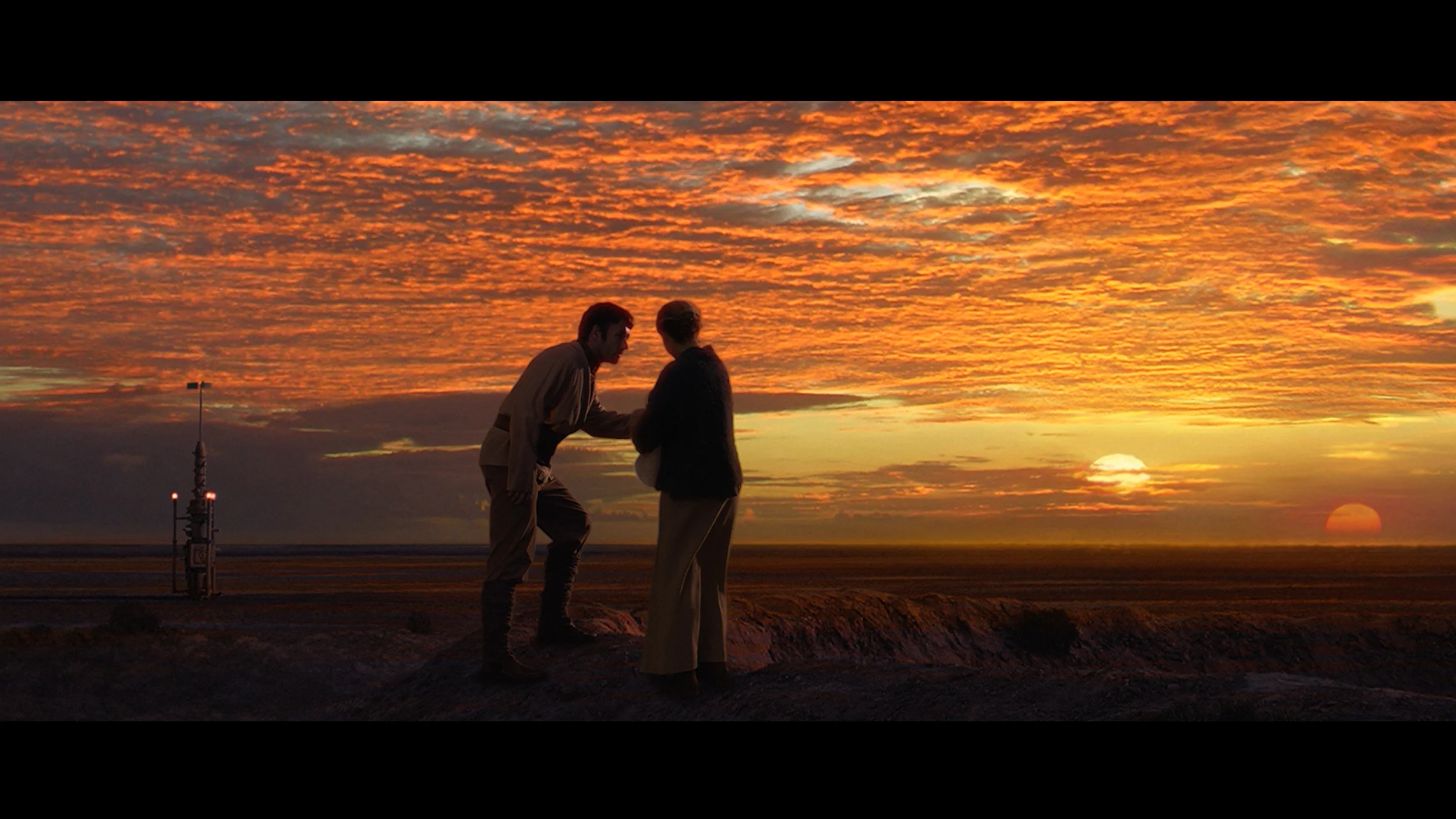
Scene from the movie “Pan” (about 2800 nits)

Scene from the movie “Billy Lynn” (about 1100 nits)

The photos show two HDR10 movies. 'Pan' is one of the brightest productions ever made, while 'Billy Lynn' (soldier) has brightness typical of streaming (Netflix, Prime, HBO MAX). Notice the intensity of effects and detail in whites.

Static HDR10

The photos present the visibility of white details in various HDR formats. They do not show brightness differences between TVs (these can be compared in the previous gallery).

Dynamic: HDR10+

Dynamic: Dolby Vision

The photos present the visibility of white details in various HDR formats. They do not show brightness differences between TVs (these can be compared in the previous gallery).

HDR luminance chart:

SONY BRAVIA 3 II (XR35M2)

Samsung S85H / S83H

Luminance of RGB colors

Interestingly, the new WOLED SE panel has brought a slight improvement in brightness to the S85 series. In the same movie scenes the previous year's model stayed closer to about 700 nits, while the S85H can reach around 800 nits. Of course this isn't a change that completely transforms the HDR experience, but that extra headroom is noticeable especially with small highlights, reflections, and stronger special effects. Around 800 nits is already a very good result for an entry-level OLED and in most films it's enough for HDR to have the right impact. Bright elements can clearly stand out from perfect black, and that contrast still does most of the heavy lifting here. You should remember the typical limitation of organic technology, though. When a very bright scene covers a large part of the screen, brightness can drop by almost half. This is the result of the panel's protection mechanisms, which limit its power with large bright areas.

Colors

The S85H can produce very pleasant, saturated colors and in most HDR films it looks really good in that respect. We measured roughly 95% DCI-P3 coverage, so the palette most often used in movies is reproduced to a very large degree. Skin tones, greens, and stronger reds still have appropriate intensity, and during normal viewing it's hard to fault them. Only when you look more broadly at BT.2020 do the limitations of the new WOLED SE panel become apparent. Coverage was around 70%, a bit less than in previous-generation WOLEDs and noticeably less than in QD-OLED panels. In films this isn't a major loss, because most productions rarely use such highly saturated colors. You notice it more often in games, where developers are much more likely to employ more intense colors.

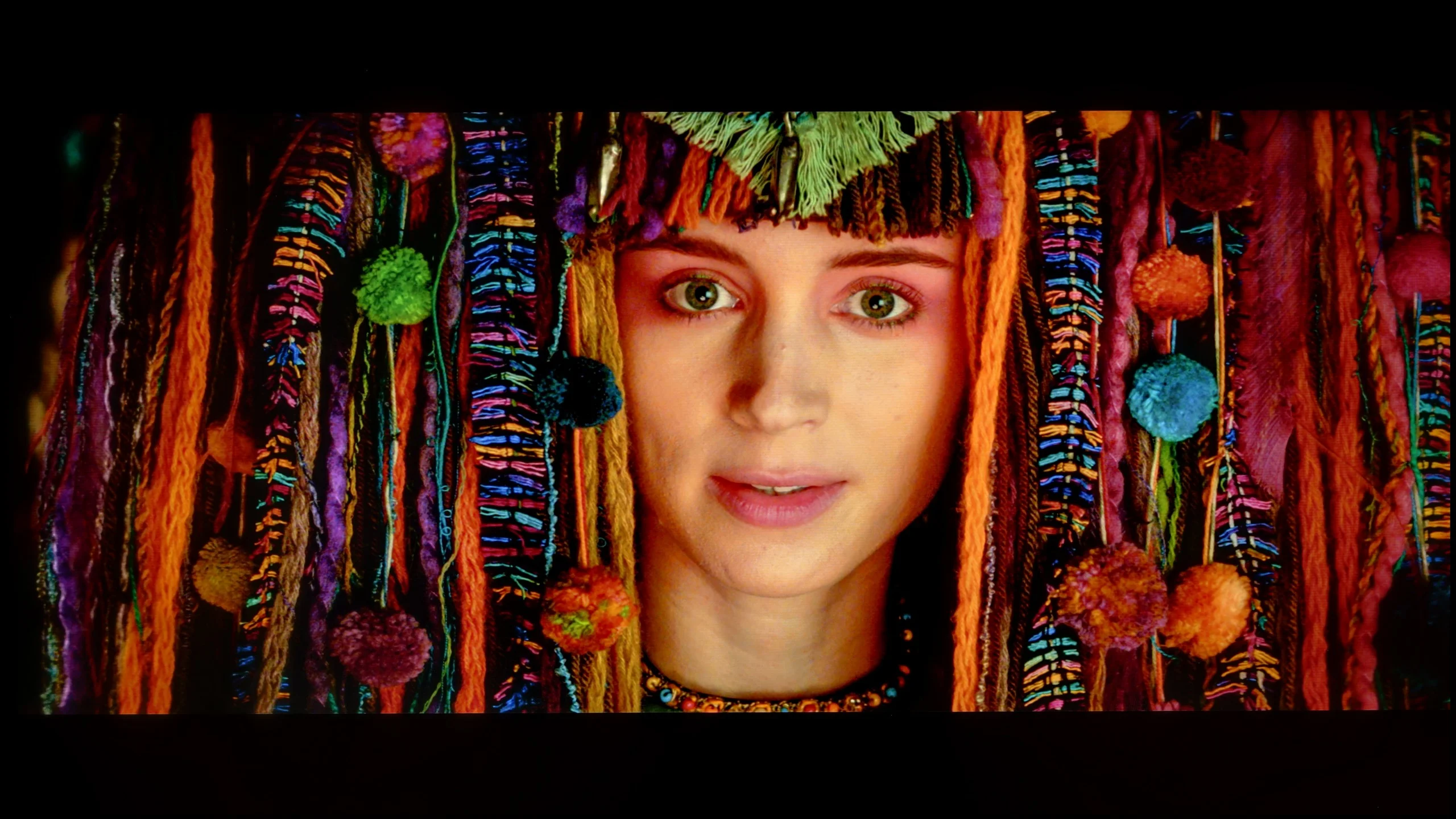
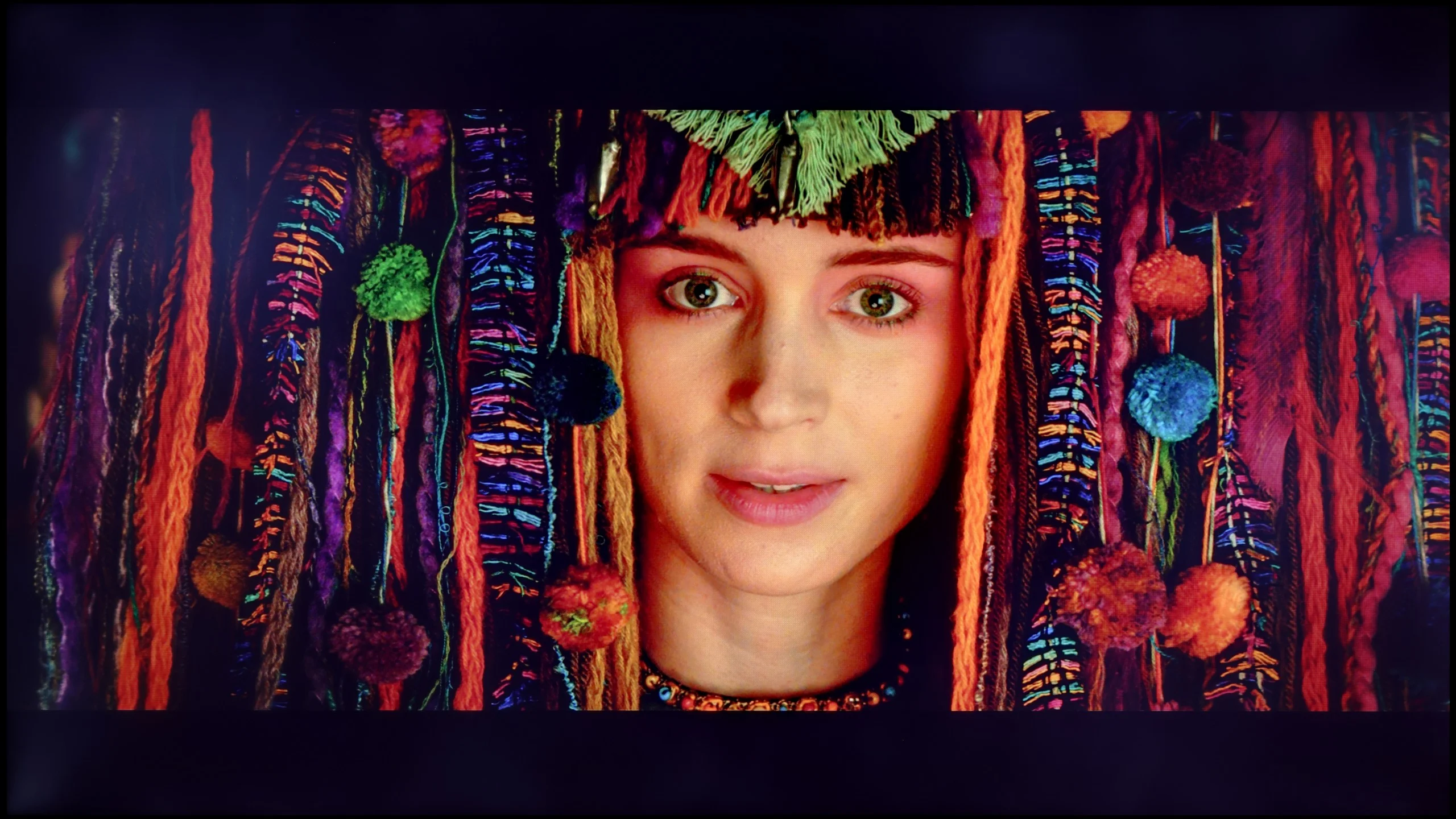
Bravia 3 II is certainly not a TV that tries to impress with brightness. In our measurements it reached about 450 nits, so it's far from the strongest designs on the market. That said, HDR here is not just a paper feature. Compared with regular SDR material, the brightest parts of the image can already punch through, and reflections, highlights, or stronger exposures have a bit more energy and stand out better from the rest of the scene. You can see this best in simpler shots where many bright elements appear on screen. Then the Bravia 3 II can give a hint of a higher-dynamic-range picture. The problem only starts with more demanding content, where much greater brightness headroom is needed. There the TV quickly shows its limits and instead of strong, striking HDR we get only a correctly rendered picture.
Colors

Bravia 3 II uses a QLED-type panel, although technically it does not use a traditional quantum-dot layer. Instead Sony applied a PFS phosphor-based solution that serves a very similar role: it allows for more saturated reds and greens and thus lets the TV display a much wider color gamut. Measurements showed about 94% coverage of the DCI-P3 gamut and about 74.4% of the very wide BT.2020. Those are good results for this class of hardware, meaning the Bravia 3 II has no problem showing adequately saturated colors in HDR content. Colors don't look washed out, and the more intense shades can look really attractive.

Factory color reproduction

7/10

6.3/10

This gallery shows how colors change after professional TV calibration. If you notice the difference, we recommend ordering this service at SkalibrujTV.com.

Factory Mode

After calibration

This gallery shows how colors change after professional TV calibration. If you notice the difference, we recommend ordering this service at SkalibrujTV.com.

Factory Mode

After calibration

To evaluate color we, of course, selected Filmmaker mode, and in SDR our S85H unit was very well calibrated out of the box. The biggest deviation appears in the white balance, where a bit of blue drops out as brightness increases. In practice this means whites and grays have a slightly warmer tint than they should. It's not a major error and during normal viewing it generally isn't very noticeable. Gamma also stays close to the reference value, so the image is neither overly bright nor unnecessarily dim. The S85H's SDR picture quality is therefore very good straight out of the box. A few more imperfections show up in HDR. Here the white balance shifts more as brightness increases, with blue becoming dominant and the red component noticeably lacking. That also leads to larger errors in some colors. These aren't yet distortions that completely change the character of the image, but compared directly with the reference the difference is easier to spot. Overall, Filmmaker mode is a very good starting point before professional calibration.

In Professional mode the Bravia 3 II, straight out of the box, delivers a fairly good level of color reproduction. In SDR the most noticeable issue is a slightly low gamma, which makes the midtone areas a bit brighter. White balance is not perfect either; as brightness increases there is a slight lack of blue and red, so whites can sometimes take on a slightly warmer, mildly greenish tint. However, these are not errors that immediately stand out while watching a movie. Average error values hover around 3, so the factory preset can be considered quite good. The situation is similar in HDR. Here again there is a slight deficiency in the blue component, so the image is a touch warmer than the reference, but the difference is not large enough to be significantly distracting during normal viewing.

Color reproduction after calibration

9.1/10

8/10

The photos show how movies look on the TV. Pay attention to black detail visibility, colors, and shadow tint.

The photos show how movies look on the TV. Pay attention to black detail visibility, colors, and shadow tint.

Calibration yields very good results on the S85H. First, the white balance can be set almost perfectly, which removes the slightly too-warm image cast that was visible earlier in SDR. Color reproduction itself also improves significantly; most errors drop to a very low level, and in everyday viewing it's hard to notice any visible inaccuracies. You can also improve a lot in HDR, although some issues remain due to the TV's inherent characteristics. The S85H doesn't always perfectly follow the brightness curve. The darkest areas are slightly boosted, and as you approach the panel's limits you can see small deviations in the brightest highlights. On top of that there's limited coverage of the wider BT.2020 gamut, which no calibration can of course overcome. Despite this, the end result is very good, and after calibration the S85H can deliver a well-tuned, natural image.

After calibration you can get a lot out of SDR content. The white balance was set almost perfectly, gamma practically matches the reference value, and average color errors fell from around 3 to about 1. That's a level at which differences from the reference image are, in practice, very hard to detect. The Bravia 3 II therefore shows that despite its position in Sony's lineup it has quite a lot of potential for precise picture tuning. Improvements are also visible in HDR, although here you can no longer work around all of the TV's limitations. After equalizing the colors it's easier to notice that the EOTF curve in film material runs slightly below the reference value in places, meaning the Bravia 3 II slightly darkens part of the image. That's not ideal from a reference standpoint, but in this particular TV it also has an advantage. With no local dimming and average black levels, this behavior slightly reduces the visibility of the backlight in darker scenes and helps maintain a greater sense of contrast. So you could say Sony partially masks the limits of the panel that way, rather than trying at all costs to stick to the reference luminance.

Smoothness of tonal transitions

7/10

9.5/10

These are selected scenes that show smooth tonal transitions from one color to another. If you see distinct banding, it’s the TV panel’s fault.

These are selected scenes that show smooth tonal transitions from one color to another. If you see distinct banding, it’s the TV panel’s fault.

These are selected scenes that show smooth tonal transitions from one color to another. If you see distinct banding, it’s the TV panel’s fault.

These are selected scenes that show smooth tonal transitions from one color to another. If you see distinct banding, it’s the TV panel’s fault.

The smoothness of tonal transitions is definitely not a strong suit of the S85H compared with other OLEDs. It's most noticeable on bright gradients, where fairly distinct banding appears between successive shades. Instead of an ideally smooth transition you can see separate color bands, and you don't have to look hard to spot them. Gradients in motion look even worse. When gradients move the imperfections become more visible and the image looks simply average in that regard. Dark gradients are not perfect either. You can see unevenness there as well, so the problem isn't limited to the brightest parts of the image. Of course you won't notice this all the time in a typical movie, but scenes with large areas of similar color such as the sky, fog, a sunset or a dark background can reveal the panel's limitations. Compared with older WOLEDs there is still some improvement, but looking at the TVs we've tested this year the S85H performs averagely in this respect, much like its competitor the LG B6, which uses the same panel. This is also one of those characteristics where the difference versus last year's QD-OLED panel becomes very clear. QD-OLEDs handle smooth blending of successive shades much better and clearly beat the WOLED SE panel used here when it comes to gradation.

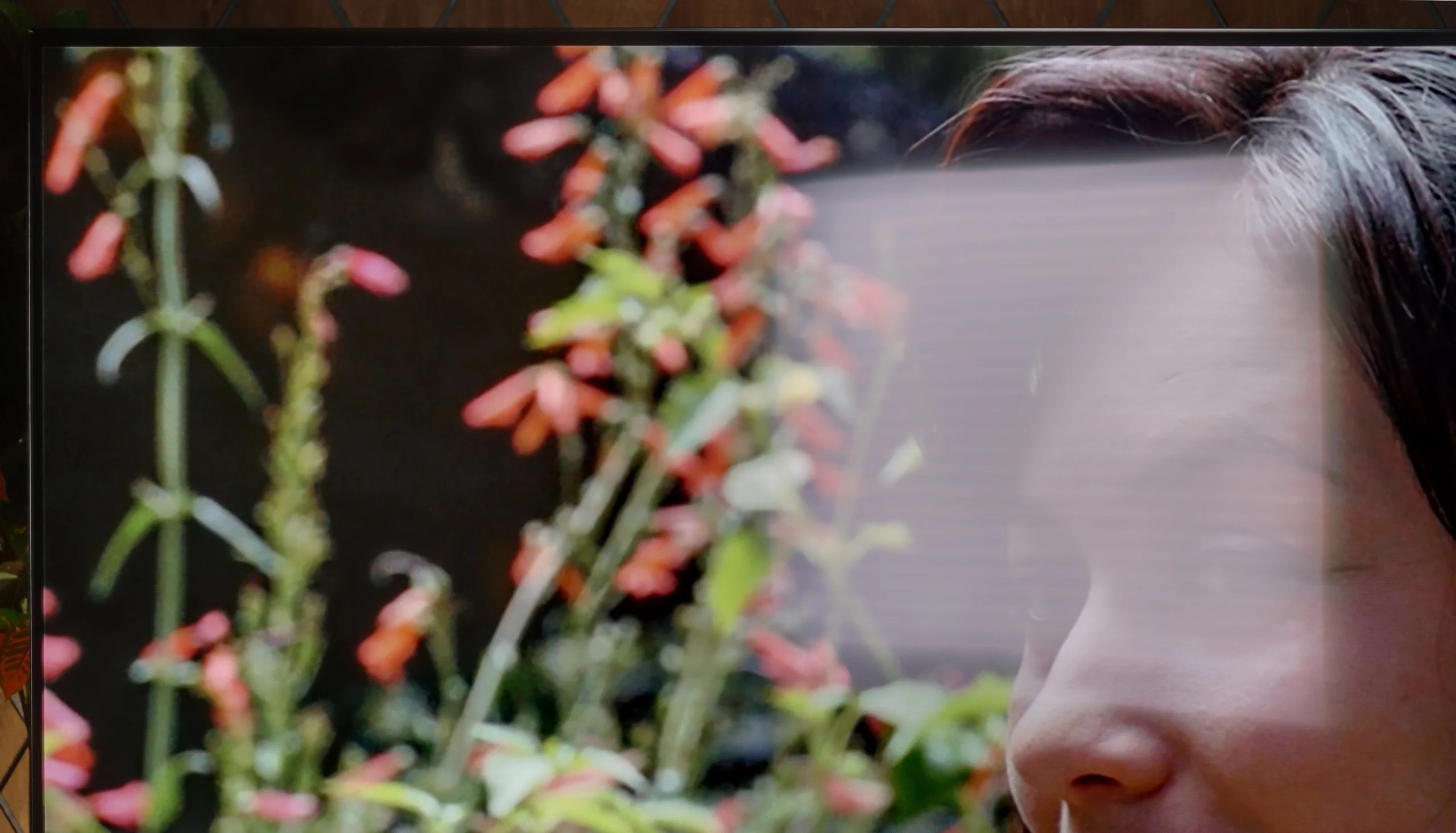
In terms of tonal transition smoothness, the Bravia 3 II performs very well. In most of the scenes we watched, it was hard to spot any issues with blending individual shades. Gradients remain smooth both in bright parts of the image, like skies or sunsets, and in much more challenging dark shots. The only thing that may be noticeable in our photos, especially in the darkest scenes, is uneven backlighting. This is not related to color banding, but rather a consequence of using a backlight without local dimming.

Image scaling and smoothness of tonal transitions

7.5/10

6/10

Image without overscan on the SD signal
No
OK
Smooth transition function
OK
OK

Smooth transition function

The match photo shows how the TV smooths weak tonal transitions in low-quality video.

Image scaling SD (576i)

The model photo shows how it handles upscaling of SD material.

For the S85H, Samsung used the same proprietary NQ4 Gen2 AI processor as in last year’s S85F, and in terms of digital image processing it performs quite well. Upscaling is one of this model’s strengths. Lower-resolution content is well sharpened, edges look natural, and the image doesn’t feel overly artificial. Just bear in mind a common Samsung quirk: at very low resolutions you can’t completely disable overscan, so the TV may slightly crop the left edge of the image. The "noise reduction" function, which smooths weaker tonal transitions, also works very well. The processor can effectively remove posterization and other imperfections visible in lower-quality material. However, you need to be careful with the strength of this feature, because Samsung can be fairly aggressive here. When it’s enabled, along with unwanted artifacts, fine image details such as the texture of skin or clothing can start to disappear.

The Bravia 3 II is Sony’s first TV to use the new MediaTek Pentonic 800 chipset, and you can see a few changes in image processing. Starting with the basics: upscaling is solid. The TV can sensibly upscale lower-resolution material and doesn’t have a strong tendency to overemphasize jagged edges or other source imperfections. With regular broadcast TV or lower-quality streaming the picture remains quite pleasing. We have more reservations about the digital image processing. In this model Sony replaced the well-known "Smooth Gradation" feature with a new setting called "Digital Noise Reduction." Its role is essentially the same: to smooth unpleasant tonal transitions and artifacts caused by heavy compression. Unfortunately, this feature performs noticeably worse than before. At the "Large" setting — the only one that noticeably affected the picture — the TV can smooth away too many image elements at once, causing film grain to disappear and surface textures or even character skin to start looking unnatural. Worse, the effect is not very consistent. When a scene contains more motion the function’s effect weakens significantly and at times it looks as if the TV stops intervening in the image altogether. For everyday viewing we therefore don’t recommend using it at a high level. It can help on a static shot, but the price is often too much loss of detail.

Blur and motion smoothness

8.5/10

8.2/10

Maximum refresh rate of the panel
120Hz
120Hz
Film motion smoothing option
OK
OK
Blur reduction option
OK
OK
BFI function 60Hz
Yes, 60Hz (image flickers)
Yes, 120Hz (double contours)
BFI function 120Hz
No
Yes, 240Hz (double contours)
Brightness drop with BFI
49%
25%

Blur (native resolution, maximum refresh rate):

Blur (BFI function enabled):

Image flickers in this mode

Blur (4K@60Hz):

Blur ():

The S85H uses an OLED panel, so it performs excellently when it comes to motion blur. Pixels respond virtually instantly, so moving objects don’t leave the characteristic ghosting seen on some LCD TVs. This is especially noticeable with sports or fast-paced games, where the image stays very clean even during rapid motion. The panel runs at 120 Hz. That’s more than enough for movies, TV series, sports, or console gaming. It’s a bit of a shame Samsung didn’t include a higher refresh rate aimed at PC gamers, since more and more TVs now offer 144 or even 165 Hz at 4K. However, that doesn’t affect motion perception in films or sports. There’s also the classic motion smoothing feature with two settings, blur reduction and judder reduction. So you can choose whether films should keep their cinematic 24 frames per second or if you prefer to smooth them a bit. The S85H gives you plenty of flexibility here, and the interpolation works well and, with reasonable settings, doesn’t produce too many artifacts.

Motion handling is definitely one of the Bravia 3 II's strongest points. The TV uses a 120 Hz VA panel, a solution that by nature, despite the high refresh rate, doesn't always cope well with motion blur. Here Sony has managed to get that problem very well under control. Fast-moving objects remain sharp, and the characteristic trails and blurring are reduced to a very low level, if not to zero. It's one of the least smearing LCD TVs we've had the chance to test. Interestingly, in this respect the Bravia 3 II can even outperform the much more expensive flagship True RGB series: the Bravia 9 II.

Console compatibility and gaming features

9.6/10

8.1/10

  • ALLM
    Yes
    Yes
  • VRR
    Yes
    Yes
  • VRR range
    48 - 120Hz
    48 - 120Hz
  • Dolby Vision Game Mode
    No
    Yes
  • Correct implementation of HGIG
    Yes
    No
  • 1080p@120Hz
    Yes
    Yes
  • 1440p@120Hz
    Yes
    No
  • 4K@120Hz
    Yes
    Yes
  • Game bar
    Yes
    Yes

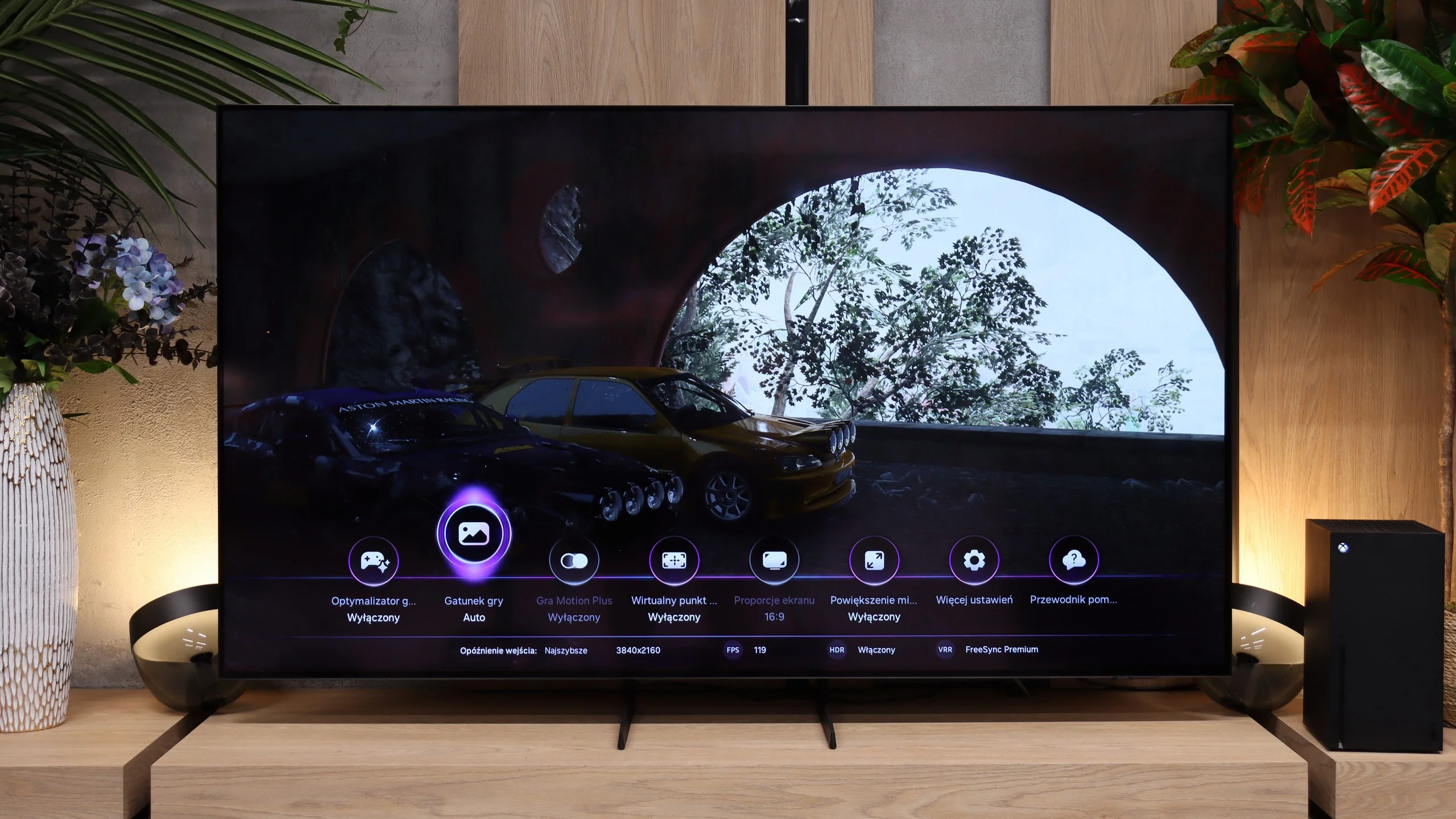
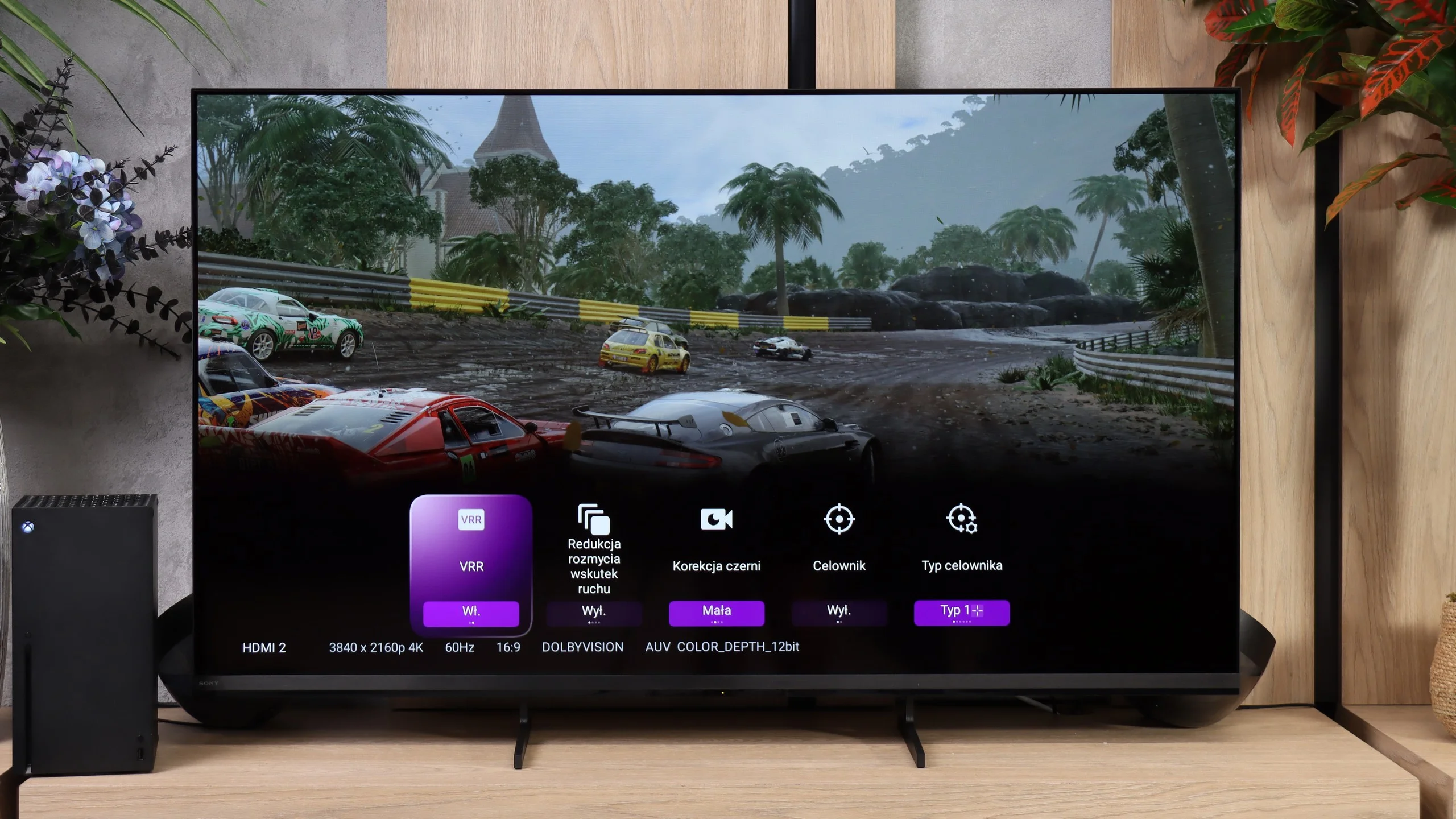
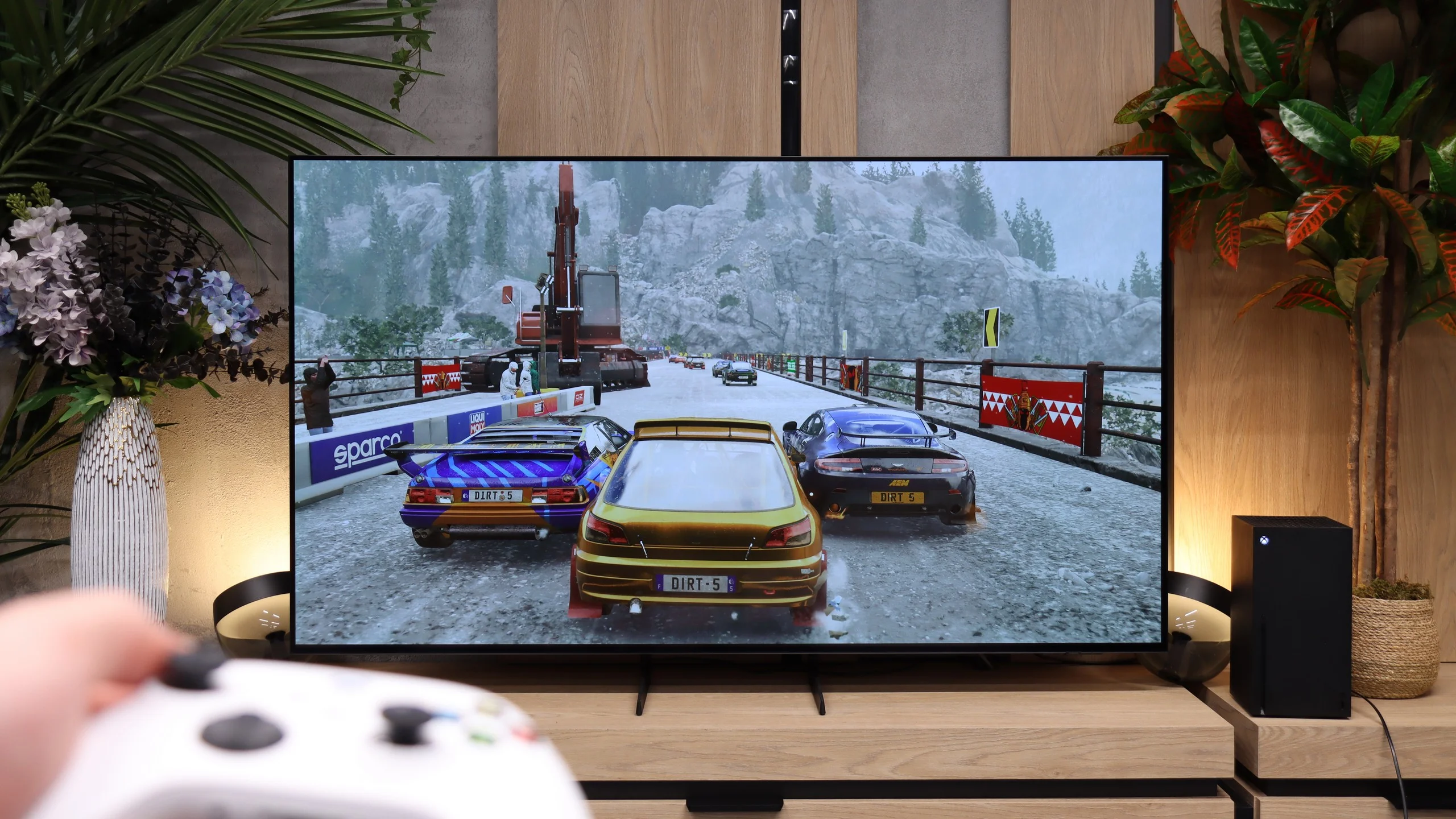
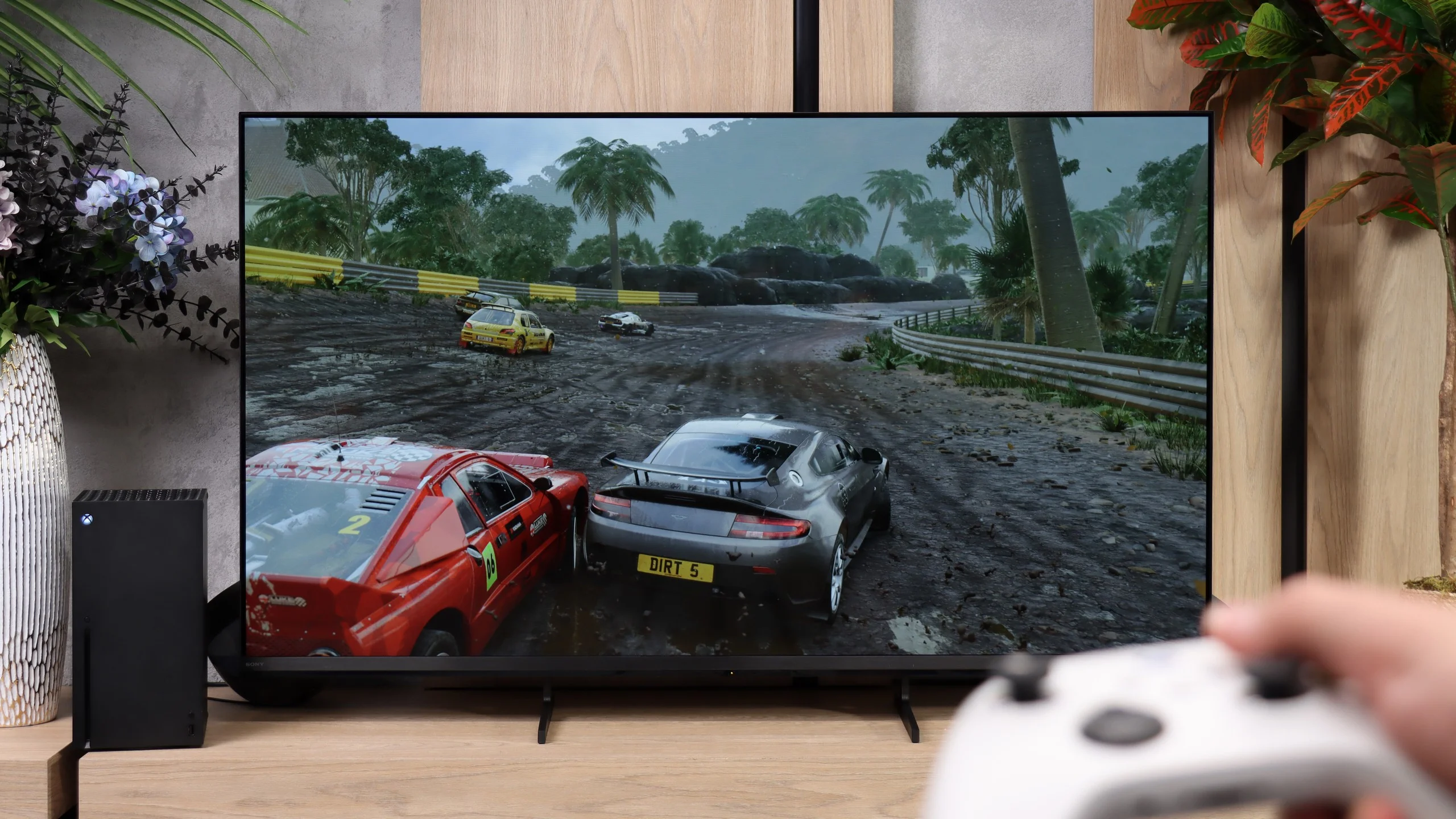
The Samsung S85H is very well set up for gaming, whether you connect a console or a PC. The manufacturer didn’t skimp on ports and all four HDMI inputs support full HDMI 2.1. That means you can use 4K at 120 Hz, VRR, and ALLM without worrying which input to plug your console into. With several devices that matters, because you don’t have to choose between a console, a PC, or a soundbar connected via eARC. The feature set itself is very comprehensive. The S85H supports VRR, FreeSync, and automatic switching to game mode, and Samsung offers its comprehensive Game Bar, which lets you quickly view key signal parameters and change settings without leaving the game. The only real omission is Dolby Vision, which will matter mainly to Xbox owners. That’s a typical trait of Samsung TVs. Game Motion Plus performs very well and is one of the features that have set Samsung TVs apart for years. It smooths motion in games running at 30 or 60 fps, but does so without as large an increase in input lag as traditional motion smoothing. In practice, with more relaxed games, racing titles, or action games this can really improve perceived motion, especially if you’re sensitive to low framerates.

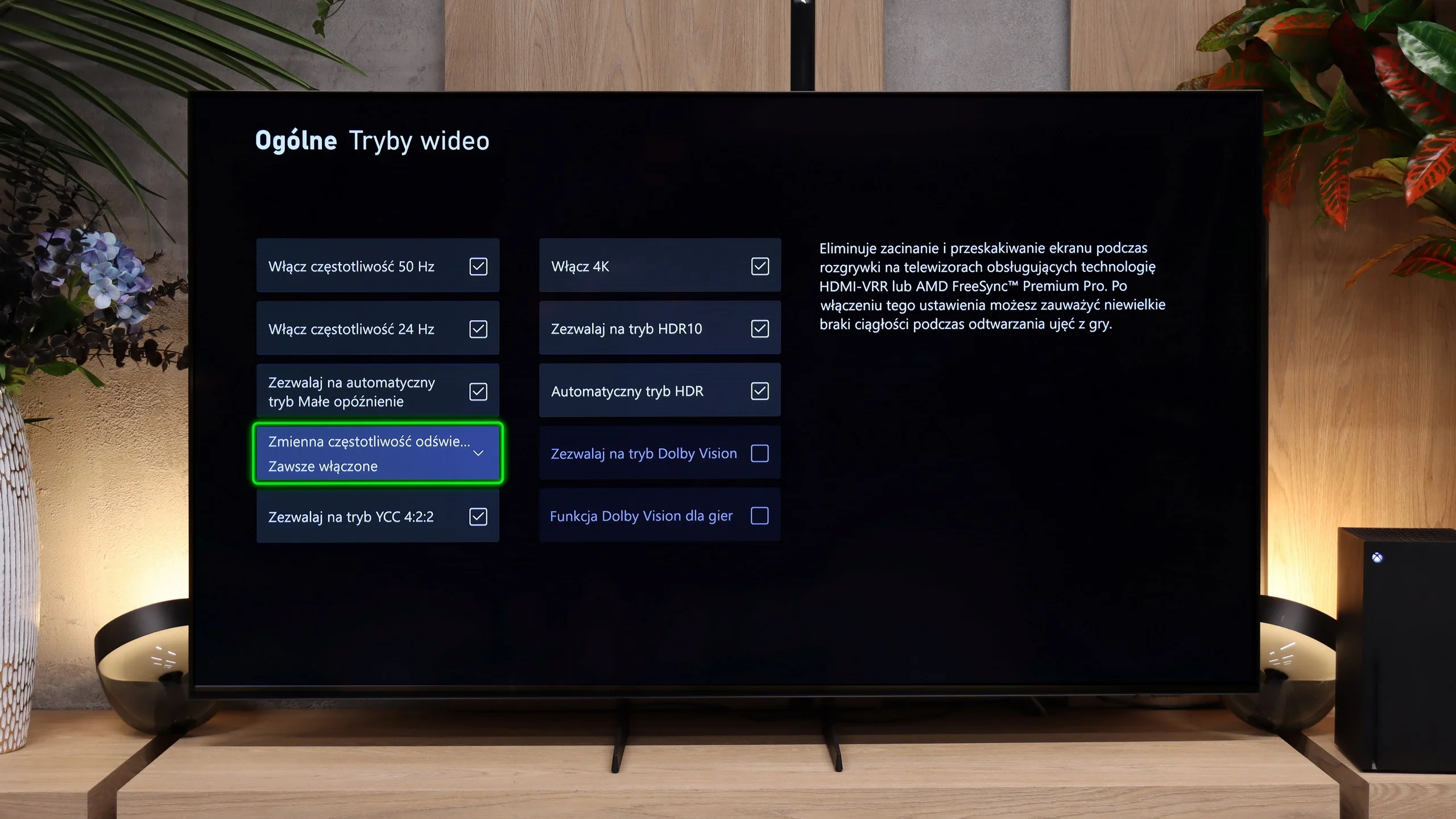
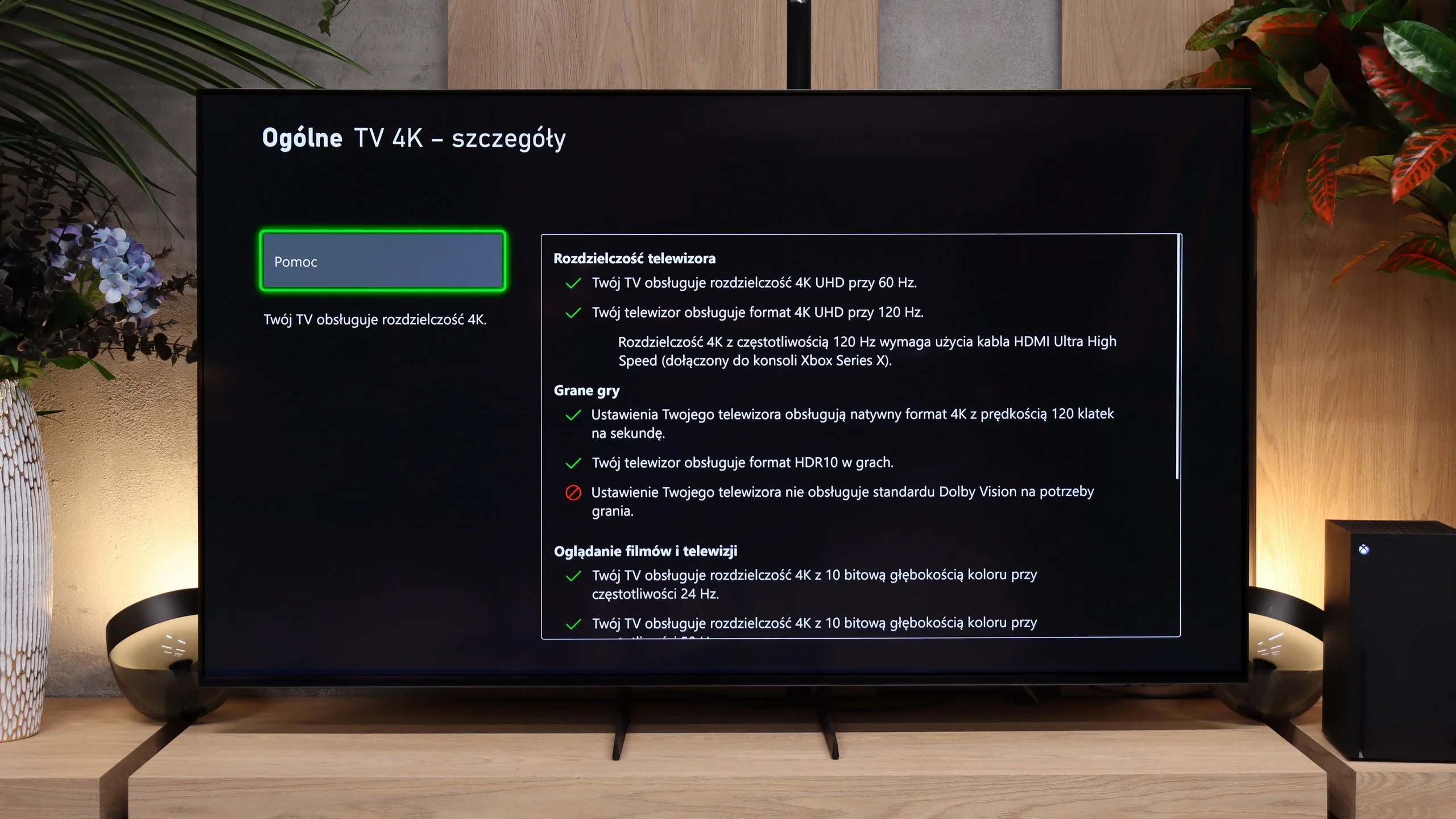
Sony Bravia 3 II is a very good TV for gamers, although not everything has been handled the way we'd like. The biggest change concerns the connections. For the first time in a Sony TV we get four full HDMI 2.1 ports with 48 Gb/s bandwidth, thanks to the new MediaTek Pentonic 800 chipset. That removes one of the long-standing issues that has plagued the manufacturer's TVs. You can connect several devices at once and use each input's full capabilities, including VRR and ALLM. There's also a simple Game Bar that lets you check key signal parameters and change a few useful settings, such as black level, when you want to improve visibility in darker parts of a game.

There are, however, two limitations worth knowing. The first is the lack of support for 1440p at 120 Hz. This won't be a problem for everyone, but people using that resolution on a console or PC, for example to get higher frame rates in certain games, will have to choose 1080p. We have more reservations about HGiG support. Sony does not allow disabling tone mapping on the Bravia 3 II, so the TV continuously processes HDR content even when you would prefer to leave that task to the console. You can most easily notice this during HDR setup. The checkerboard pattern does not disappear at the point corresponding to the TV's actual capabilities. That doesn't mean HDR in games will look bad. You just need to approach the setup a bit differently and, instead of relying on the pattern, manually set the peak brightness to about 450 nits. The issue can be worked around, but you should know about it before you start configuring your console.

Input lag

10/10

9.9/10

SDR

1080p60
10 ms
14 ms
1080p120
5 ms
8 ms
2160p60
10 ms
14 ms
2160p120
5 ms
8 ms

HDR

2160p60
10 ms
14 ms
2160p120
5 ms
8 ms
4320p60

Dolby Vision

2160p60 DV
14 ms
2160p120 DV
8 ms

Samsung S85H also performs very well in terms of input lag. At 120 Hz we measured input lag below 5 ms, which is a level at which the TV's response to controls is practically instantaneous. At 60 Hz the delay is naturally higher, but still remains very low, about 10 ms, so in this respect the S85H gives little reason to complain.

In terms of input lag, the Bravia 3 II performs very well. With a 120 Hz signal the input lag is around 8 ms, while at 60 Hz it increases to about 14 ms, so in both cases the response to controls is very fast and during normal gaming you'd be hard-pressed to notice any delay. It's also a plus that the TV behaves well in Dolby Vision Gaming mode on Xbox. The input lag then remains practically just as low, and until recently Sony often had a noticeable problem with this.

Compatibility with PC

7.6/10

7.2/10

Chroma 444 (max. resolution and refresh rate)
Yes
Yes
Font clarity
Good
Good
Readability of dark text and shapes
Very Good
Average
Input lag in PC mode (4K, max. refresh rate)
5ms
8ms
Matrix subpixel arrangement
RGWB
BGR
Max refresh rate
120Hz
120Hz
G-Sync
Yes
Yes

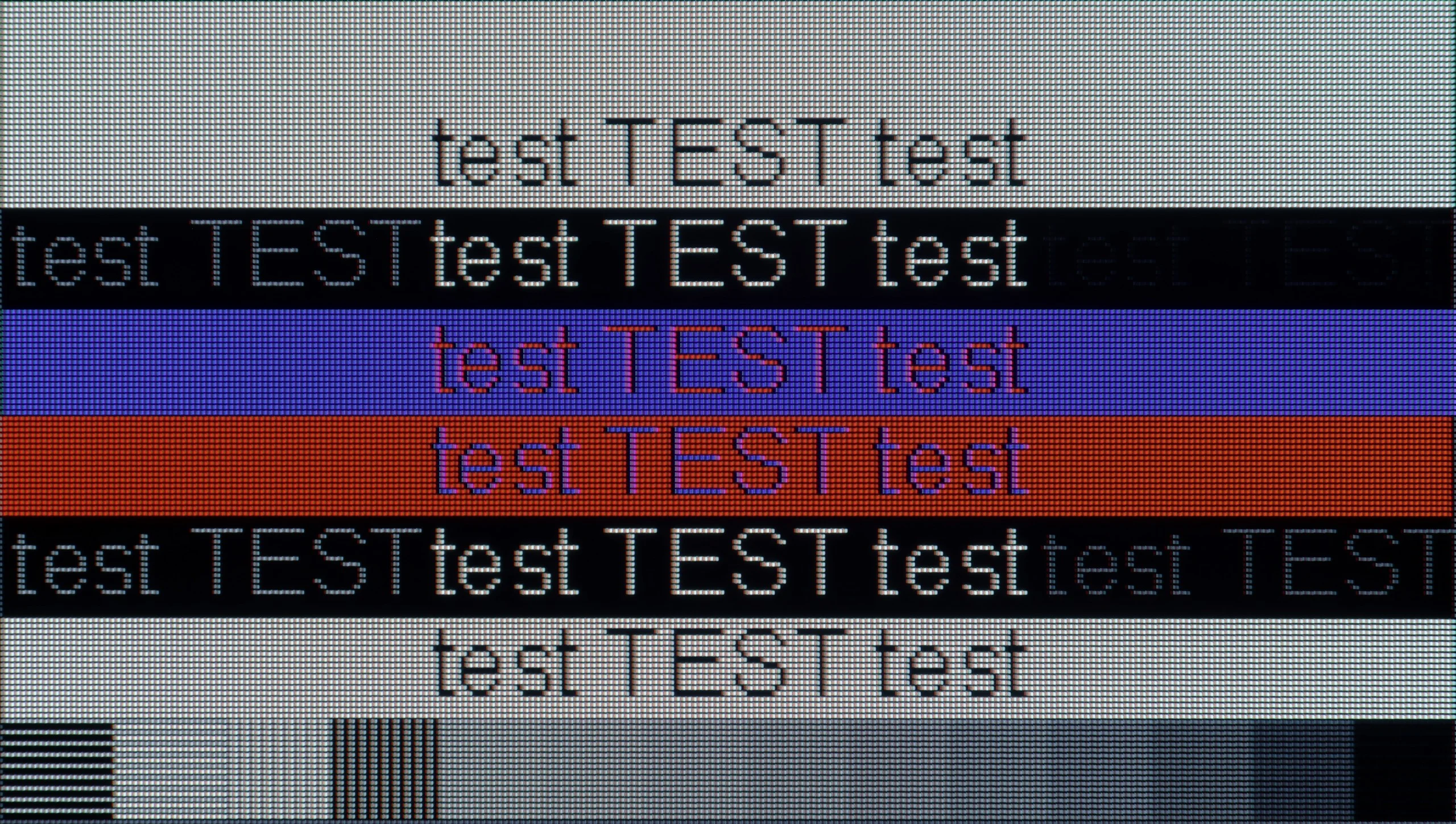
The photo shows the legibility of small fonts. Ideally, lines should be the same thickness on both light and dark text, with minimal pixel gaps.

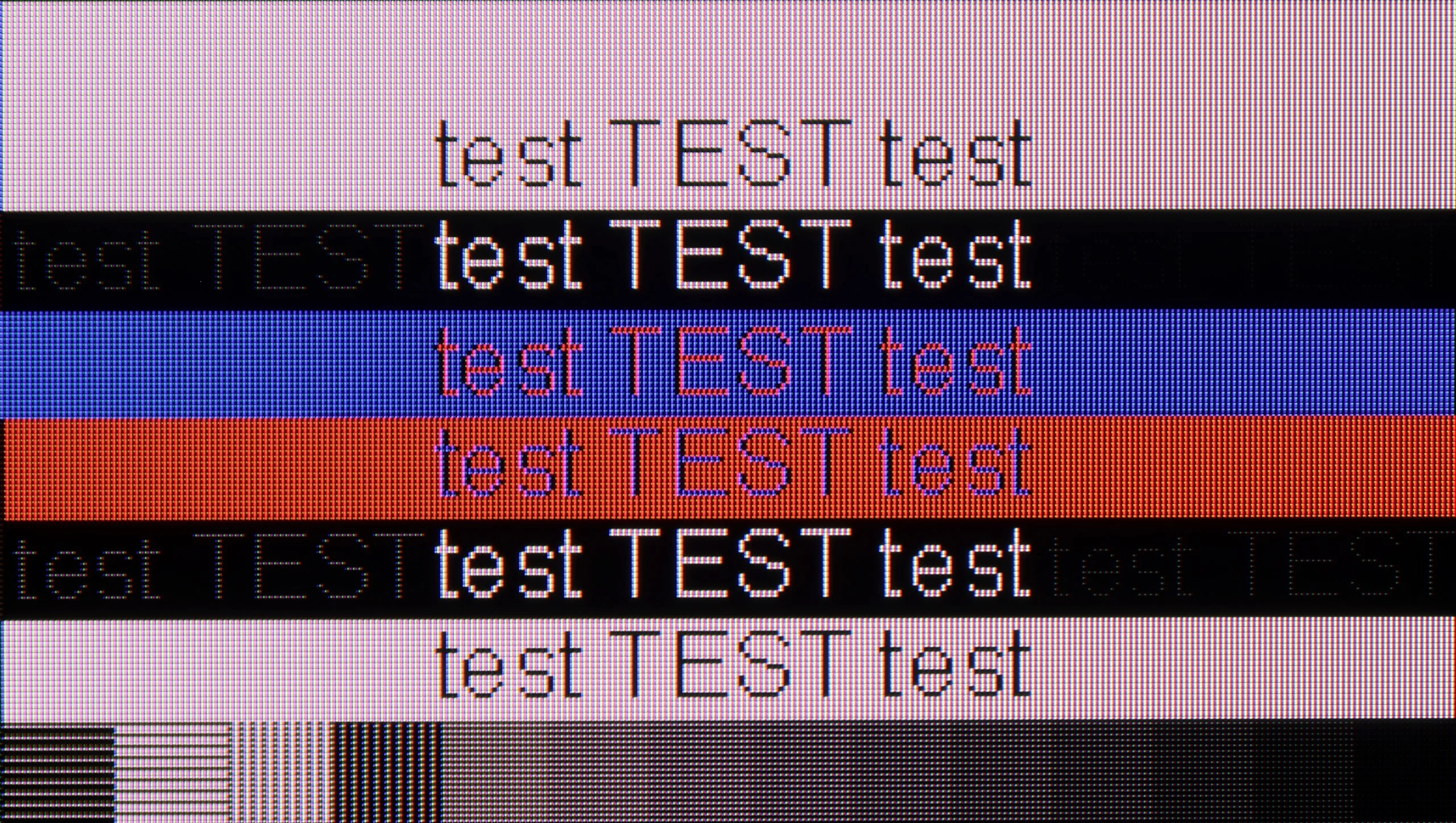
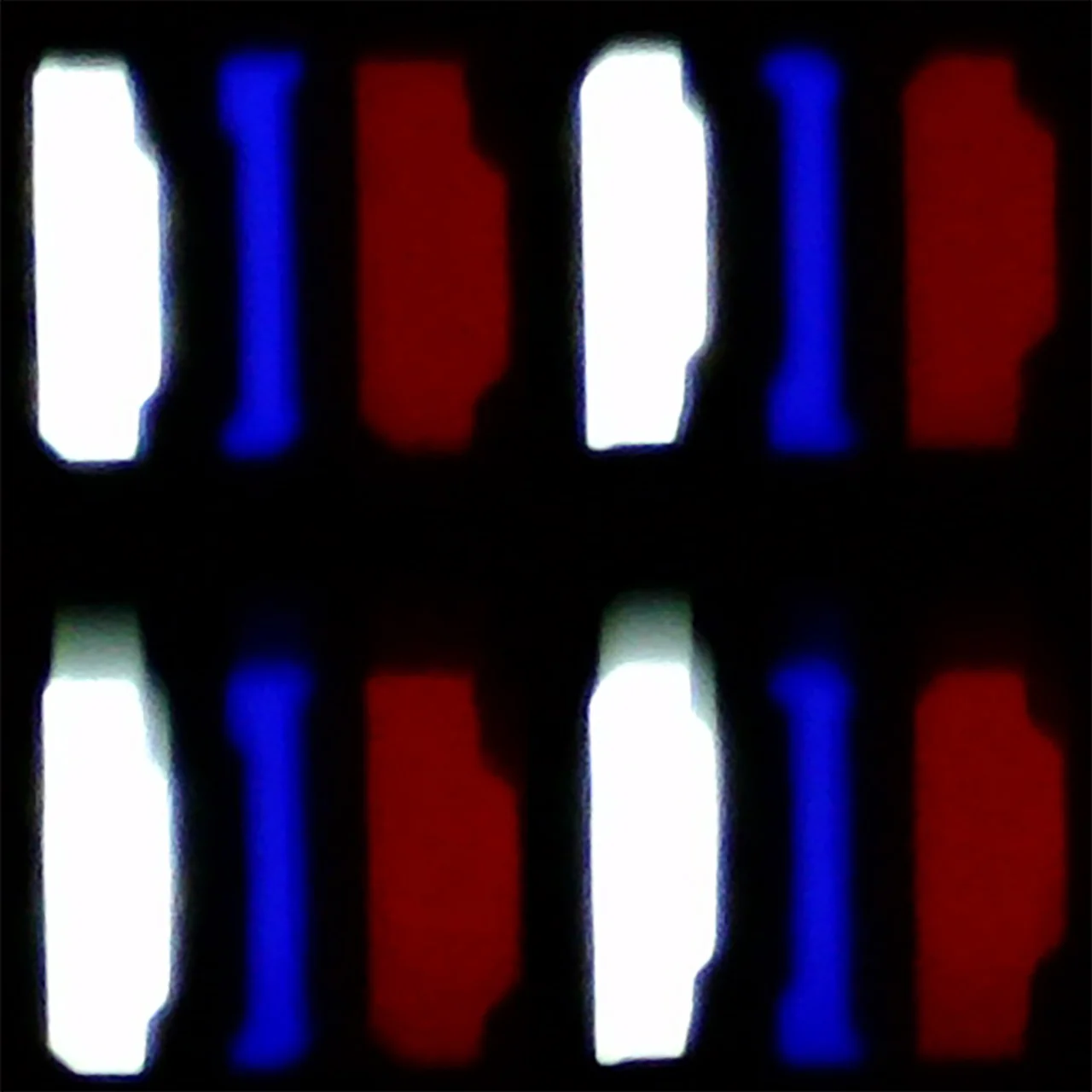
The Samsung S85H also works very well as a large PC monitor. Font readability is good, and from the typical distance you sit from a screen this size, text looks really good. You just need to remember the four-subpixel layout of the WOLED panel, which means that from very close up the edges of letters aren't quite as perfectly sharp as on a traditional RGB monitor. However, this is a characteristic of OLED technology itself and shouldn't be an issue in normal TV use.

The S85H also has a lot to offer PC gamers. It delivers 120 Hz, G-Sync support, very low input lag, and of course the lightning-fast response time of the OLED panel. The only thing that was really missing was the ability to run the panel at a higher refresh rate. More and more TVs already support 144 or 165 Hz at 4K, so an additional mode like that would be welcome here.

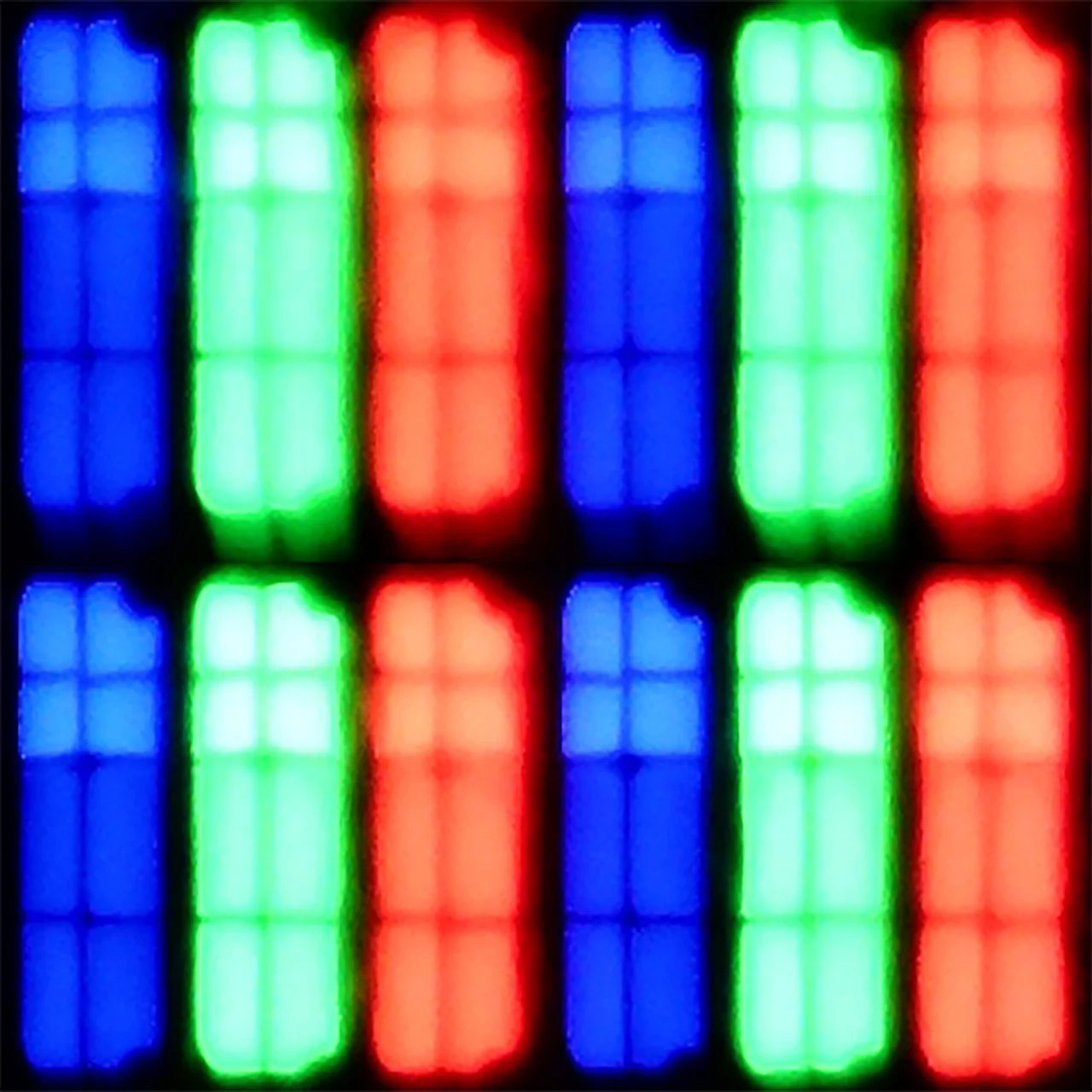
Using it with a computer is generally good, although again not without a few reservations. The Bravia 3 II correctly supports 4:4:4 chroma, so in typical use text and the system UI look sharp and readable. However, gray fonts can draw attention, as their vertical edges are often noticeably brighter than the horizontal ones. On a larger screen that isn't particularly bothersome, but if you're considering the smaller Bravia 3 II as a monitor for working with text, it's worth keeping in mind. What bothers us more is the lack of additional higher-refresh-rate modes. It's not even about 144 or 165 Hz at 4K, but at least the option to get smoother motion at Full HD. This solution is appearing increasingly in competing TVs (DLG 240Hz), while Sony still doesn't offer it, even in its pricier models. For most users, 4K at 120 Hz will of course be perfectly adequate, especially for consoles, but people who also use the TV as a PC gaming monitor may be left wanting.

Viewing angles

7.5/10

3.3/10

Brightness drop at an angle of 45 degrees
34%
72%

Viewing angles are one of the big advantages of the S85H and OLED panels in general. Even when you view the screen from well off to the side, the image still retains good contrast, brightness and color saturation. In this respect the S85H performs significantly better than practically any LCD or Mini-LED TV available today. Only QD-OLED panels actually do better, keeping colors even more stable at wide angles. However, you’ll only find those in higher-end models.

The viewing angles are pretty typical for a VA panel — in other words, just average and for some probably even poor. The Bravia 3 II looks best when you’re sitting directly in front of the screen. As you move to the side, colors start to lose saturation and blacks become increasingly gray. Unfortunately, that’s the price you pay for this panel’s high native contrast. Watching with two or three people shouldn’t be much of an issue, but if the couch is wide, people sitting at its far edges will see a noticeably worse picture.

Daytime performance

5.1/10

5.8/10

Panel finish
Satin
Satin
Reflection suppression
Average
Decent
Black levels during daytime
Good
Good

Panel brightness

SONY BRAVIA 3 II (XR35M2): 447 cd/m2

Samsung S85H / S83H: 350 cd/m2

Samsung S85H is a moderately bright TV. In our measurements the average brightness in SDR was about 350 nits, so that should be enough for ordinary daytime viewing as long as the TV isn't placed in a very sunlit living room. In a moderately lit room the picture remains readable, but with large windows and light hitting the screen directly the S85H's capabilities start to run out. We have a few more remarks about the WOLED SE panel itself. The change in panel construction compared with the previous generation affected how the screen handles reflections, and unfortunately it's not a change for the better. Reflections are more noticeable than on earlier WOLED panels. LG Display tried to partly mask this effect with a more satin screen finish that scatters light, but that doesn't completely solve the issue. With a strong light source the reflection becomes quite large and a characteristic grayish halo appears around it. In photos it's clear that such a reflection can take up a large part of the image and strongly affect how it's perceived. The S85H therefore doesn't really differ from cheaper OLEDs when it comes to daytime viewing. It performs best in the evening or in a room where you have at least partial control over the light. During the day it's still comfortable to use, but it's definitely not a TV designed for a very bright living room.

During the day the Bravia 3 II performs quite decently, although a lot depends on where you place the TV. The satin coating handles reflections reasonably well; it doesn't act like a mirror, but strong light sources, especially a window opposite the screen, can interfere with viewing. The VA panel is an advantage here, helping blacks retain fairly good depth in daylight so the image doesn't immediately turn gray or become washed out. The set can also reach about 450 nits of brightness and can maintain that level regardless of how many bright elements are on screen. That will be more than enough for a typical living room, and during the day the picture remains easy to see. If, however, the TV is to be placed in a very bright room with large windows and a lot of direct light, you can find models with a noticeably more effective coating and greater brightness headroom.

Panel details

Backlight Type
WRGB OLED
PFS LED
Software version during testing
1204
6140200730
Image processor
PENTONIC 800 4GB RAM

Subpixel Structure:

Panel uniformity and thermal imaging:

Review Samsung S85H / S83H TV Panel details
Review SONY BRAVIA 3 II (XR35M2) TV Panel details

Samsung S85H / S83H

SONY BRAVIA 3 II (XR35M2)

TV features

7.3/10

7.9/10

  • System
    Tizen
    Google TV
  • System performance
    Very good
    Good
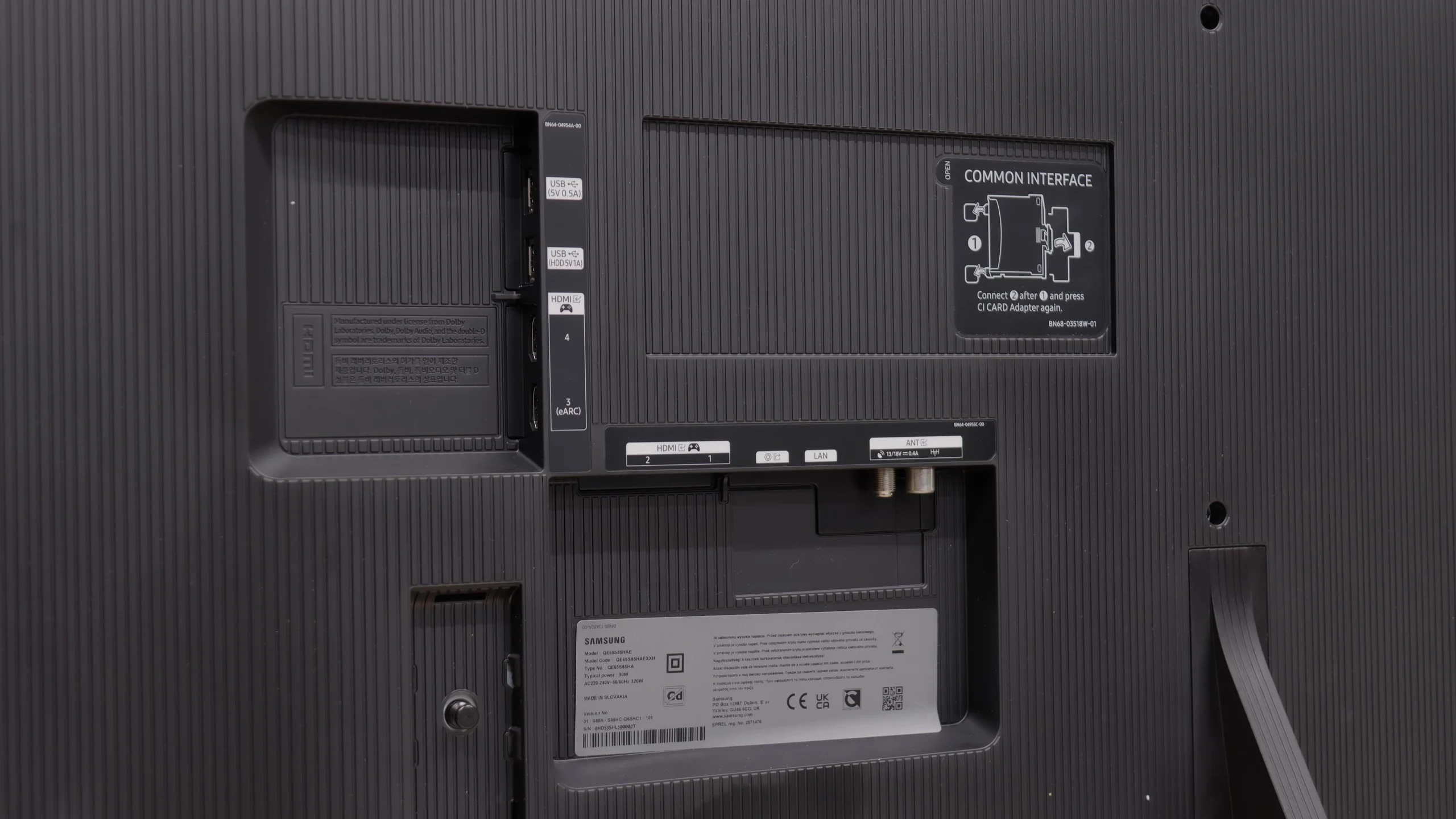
  • HDMI inputs
    0 x HDMI 2.0, 4 x HDMI 2.1 48Gbps
    0 x HDMI 2.0, 4 x HDMI 2.1 48Gbps
  • Outputs
    Toslink (Optical audio), eARC (HDMI), ARC (HDMI)
    Toslink (Optical audio), eARC (HDMI), ARC (HDMI)
  • Network Interfaces
    Wi-Fi 2.4GHz, Wi-Fi 5GHz, Ethernet (LAN) 100Mbps
    Wi-Fi 2.4GHz, Wi-Fi 5GHz, Ethernet (LAN) 100Mbps
  • TV reception
    DVB-T, DVB-T2, DVB-S, DVB-S2, DVB-C
    DVB-T, DVB-T2, DVB-S, DVB-S2, DVB-C

Classic features:

  • Recording to USB (terrestrial TV)
    No
    Yes
  • Recording programming
    No
    Yes
  • Picture in Picture (PiP)
    No
    No
  • RF remote control (no need to aim)
    Yes
    Yes
  • Backlit remote control
    No
    No
  • Teletext
    Yes
    Yes
  • Audio only mode
    Yes
    Yes
  • Bluetooth headphones support
    Yes
    Yes
  • Simultaneous Bluetooth headphones & TV audio
    Yes
    No

Smart features:

  • AirPlay
    Yes
    Yes
  • Screen mirroring (Windows Miracast)
    Yes
    No
  • Voice search
    Yes
    Yes
  • Voice search in native language
    Yes
    Yes
  • Ability to connect a keyboard and mouse
    Yes
    Yes
Review Samsung S85H / S83H TV features
Review SONY BRAVIA 3 II (XR35M2) TV features

Sound connection options

  • HDMI audio
    eARC (HDMI), ARC (HDMI)
    eARC (HDMI), ARC (HDMI)
  • Other audio outputs
    Toslink (Optical audio)
    Toslink (Optical audio)
  • Wireless audio
    Bluetooth, Samsung Q-Symphony (Speaker extension)
    Bluetooth, Samsung Q-Symphony (Speaker extension)

Supported audio formats (external HDMI eARC audio):

  • Dolby Digital Plus 7.1
    Yes
    Yes
  • Dolby True HD 7.1
    Yes
    Yes
  • Dolby Atmos in Dolby Digital Plus (JOC)
    Yes
    Yes
  • Dolby Atmos in Dolby True HD
    Yes
    Yes
  • DTS:X in DTS-HD MA
    No
    Yes
  • DTS-HD Master Audio
    No
    Yes

Senior accessibility

  • Numeric keyboard on TV
    No
    Yes
  • Font size adjustment
    Yes
    Yes
  • Audio description
    Yes
    Yes

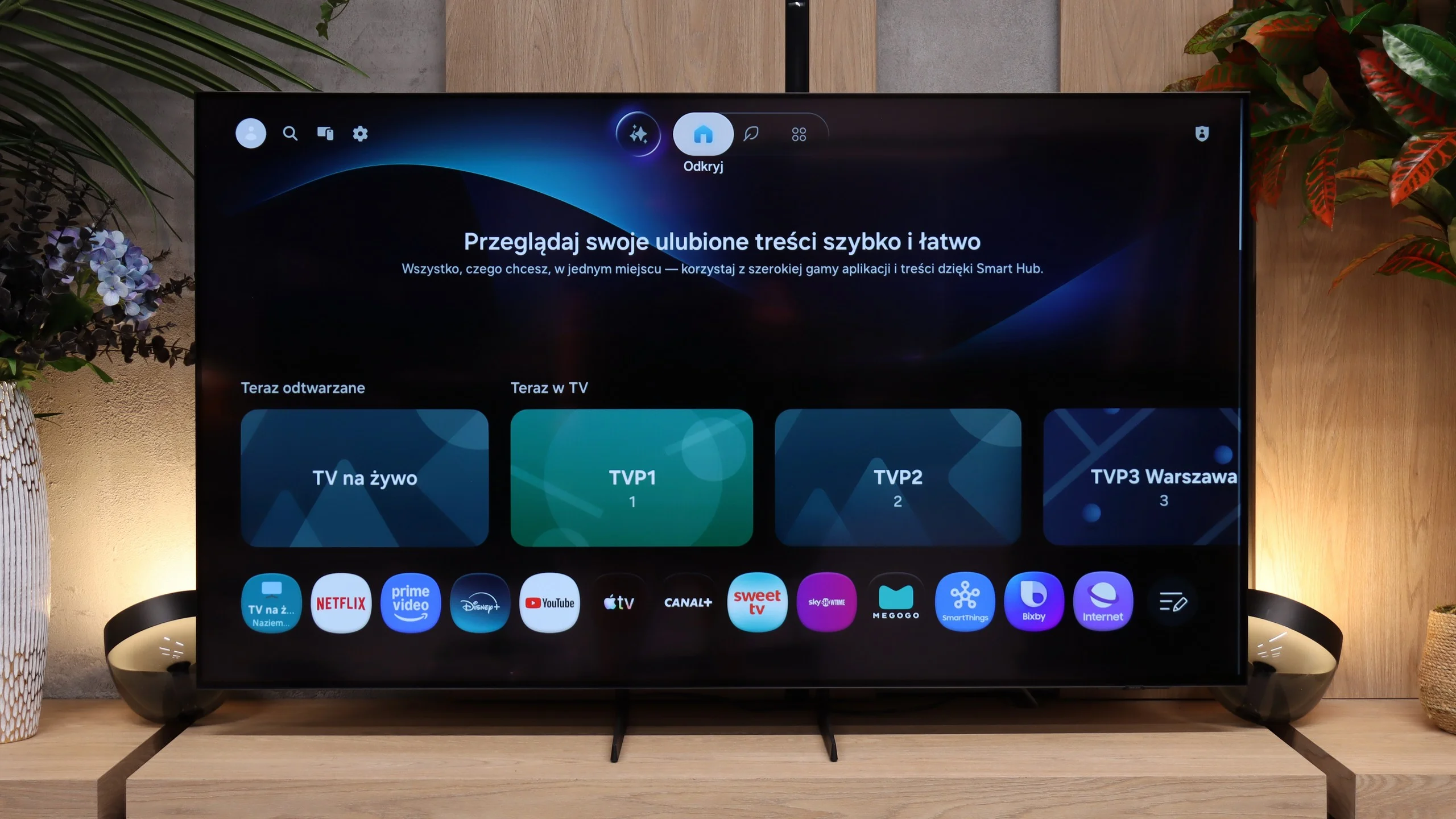
Tizen

Samsung S85H runs on Tizen, and it's hard to fault its online features. The system is fast, responsive, and the app selection is among the largest on the market. Besides the main streaming platforms, there are also plenty of less popular services, so it's unlikely you'll find yourself missing something essential. Samsung is also expanding SmartThings features, integration with other devices, and more AI-driven solutions. There are a lot of capabilities here, and some users will probably never explore even half of them. A big plus is the promised seven years of system updates. For a TV, which we usually keep much longer than a phone or computer, that matters. Tizen should therefore receive new features and fixes for a long time instead of being abandoned after two or three years. The S85H also doesn't feel like a budget model. We essentially get the same extensive ecosystem that Samsung offers in its higher-end TVs.

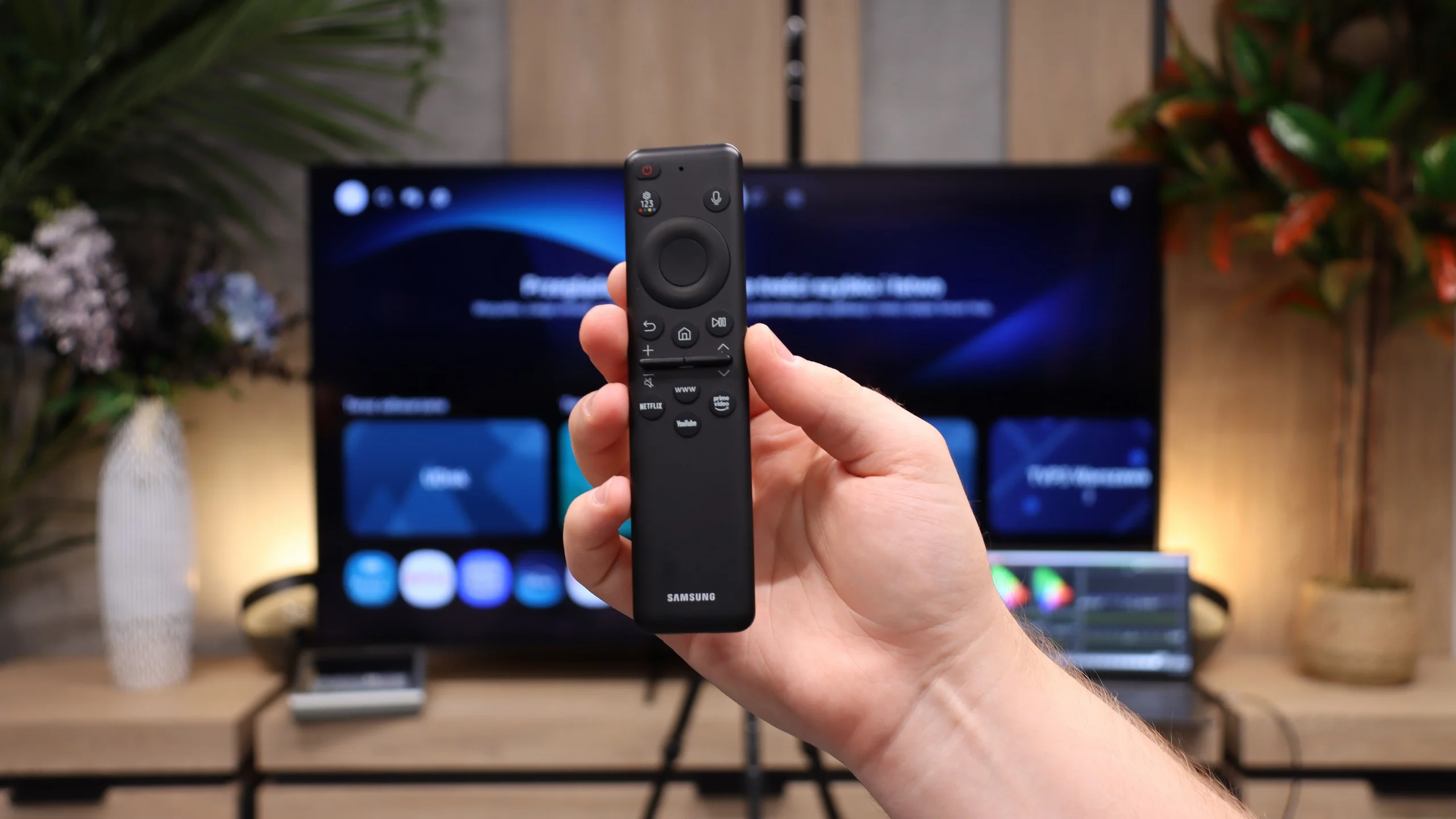
Traditional features

Samsung's approach to a TV's traditional features looks completely different. It's clear the manufacturer has been increasingly prioritizing "modern" services over traditional ones for several years. The S85H therefore isn't a TV that will particularly appeal to people who are used to full-featured regular TV operation. The included remote illustrates this well. It's small, minimalist, and has only the most necessary buttons, but no classic numeric keypad. For streaming this solution is convenient, but for frequent watching of traditional TV without a set-top box, not everyone will like it. It's simply a consequence of the direction Samsung is taking its TVs.

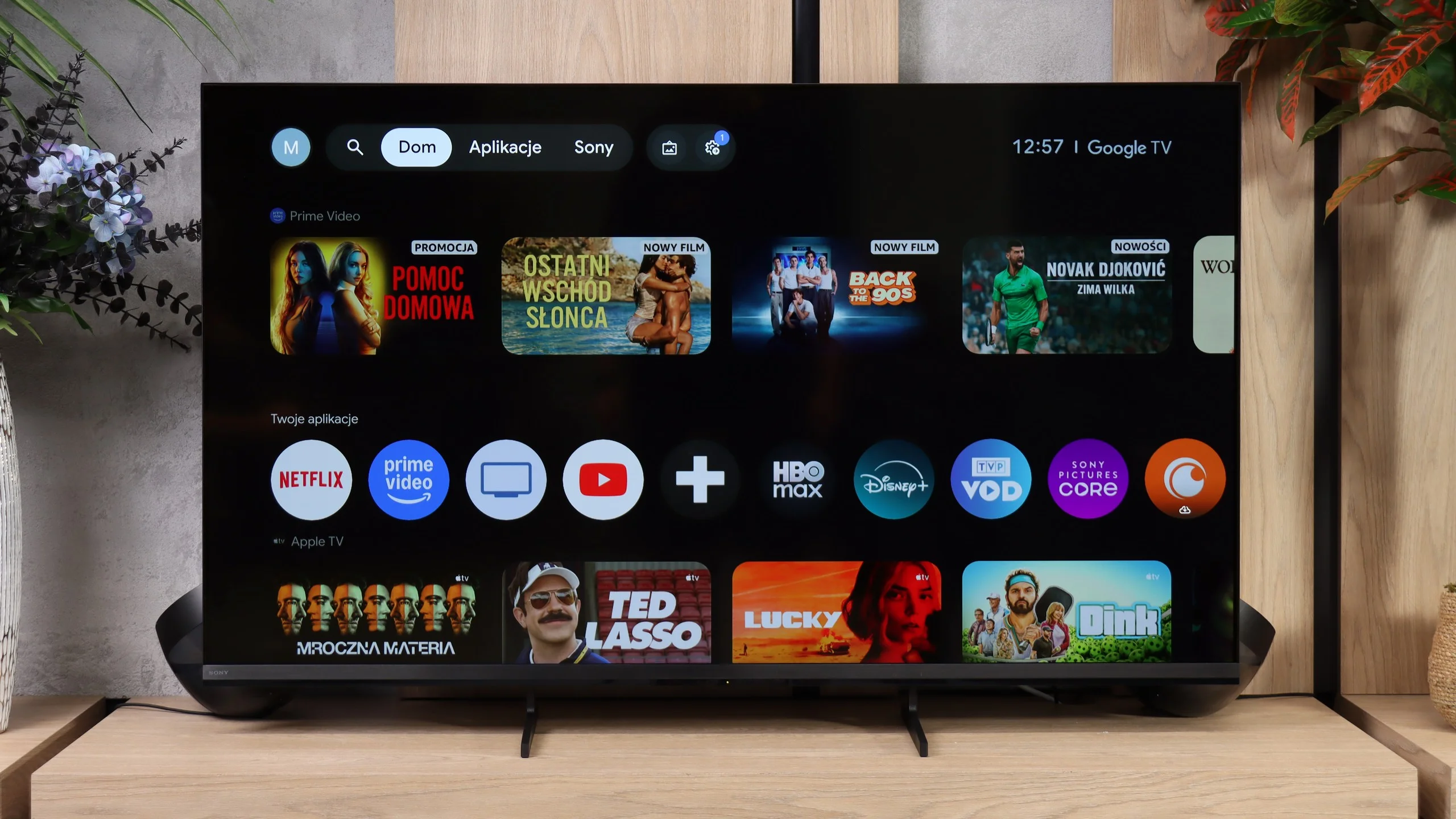
Smart TV Features: Google TV

The Bravia 3 II runs on Google TV and, in terms of capabilities, it’s one of the more feature-rich systems currently found in TVs. First and foremost, it offers access to a very large number of apps, so in addition to the most popular streaming platforms you’ll also find many less obvious services without much trouble. Sony also supports AirPlay and Chromecast, making it very convenient to cast content from a smartphone. Voice search also performs well, backed by Gemini, which handles commands in multiple languages and can genuinely make using the TV easier. However, during our tests we ran into one problem: the Bravia 3 II would not correctly receive a picture from a Windows 11 PC via Miracast. So if you want to use the TV as a secondary display for a computer, the safest solution is still a connection via HDMI.

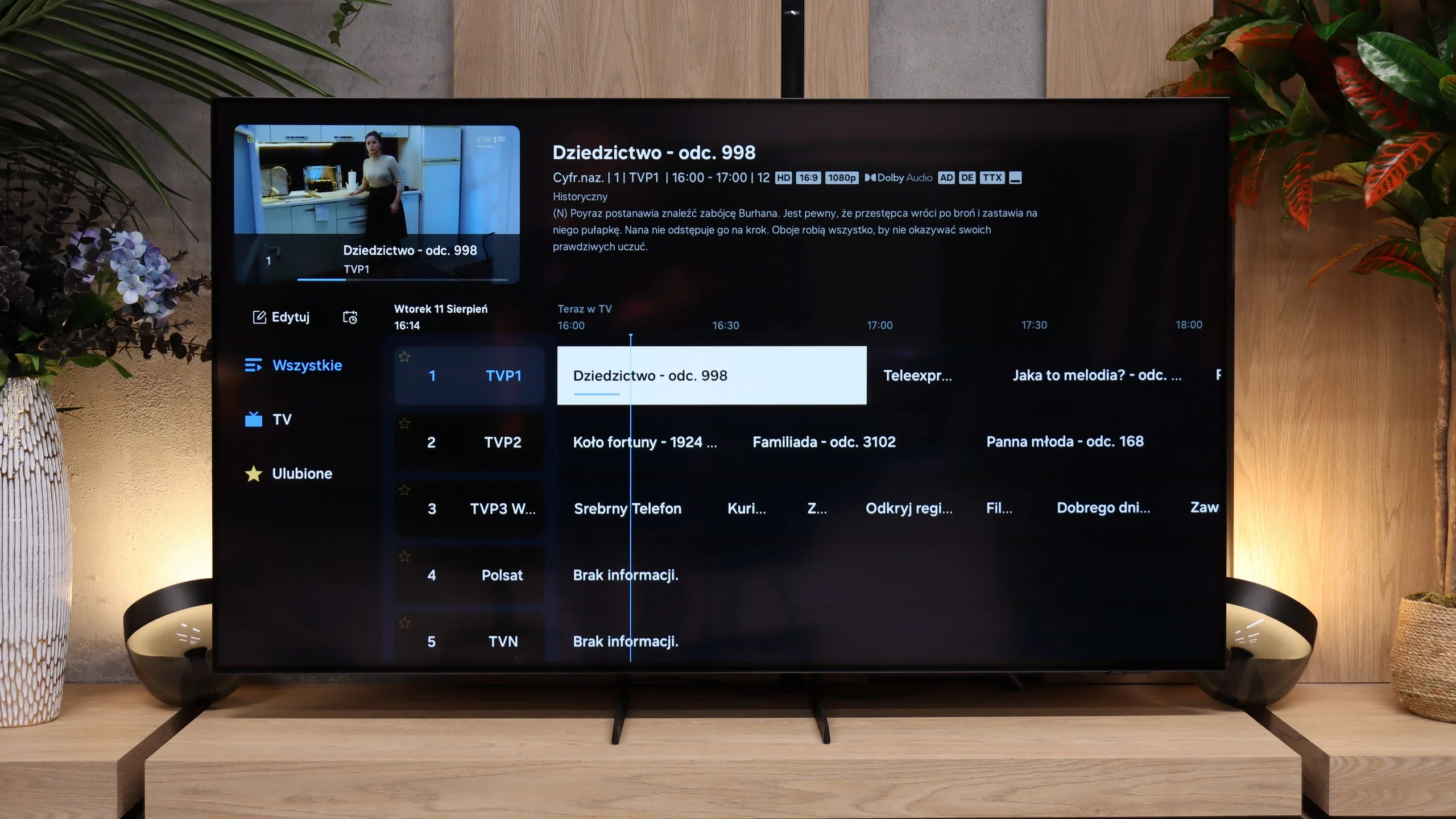
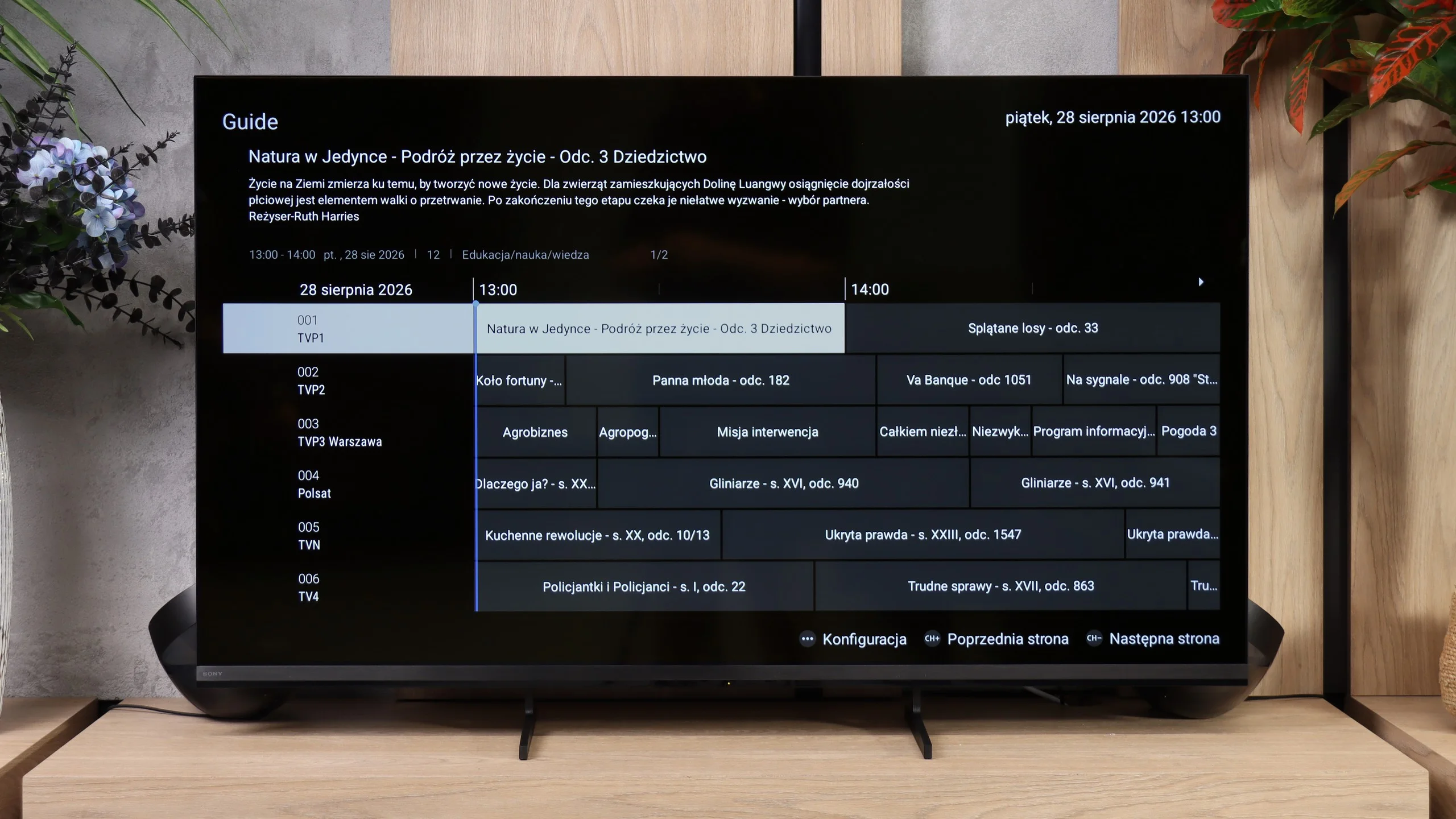
Classic TV features

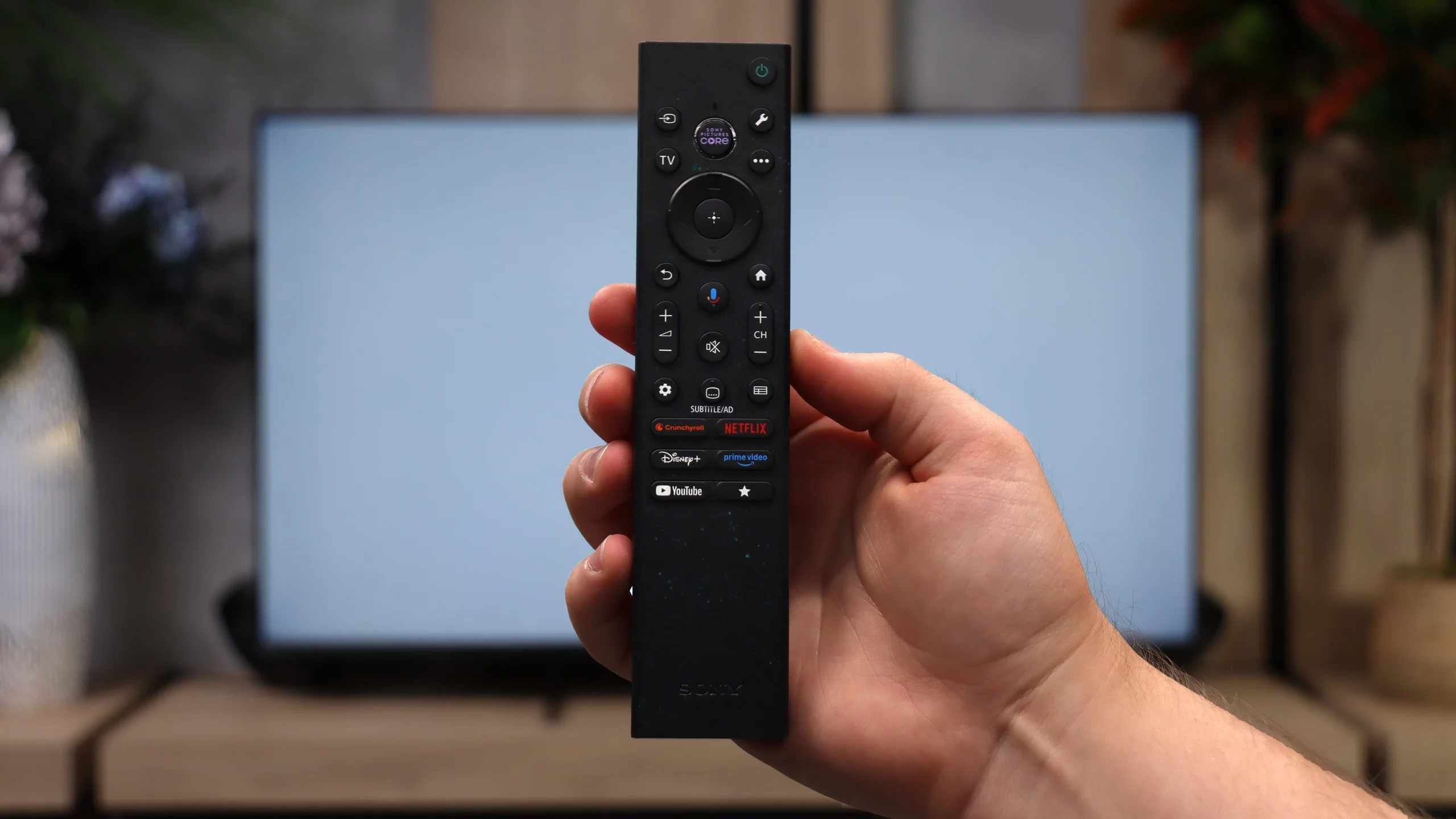
Sony also hasn’t forgotten users who still primarily use regular broadcast TV. The Bravia 3 II supports recording programs to USB, including the ability to schedule recordings via PVR, which is rare these days, especially in cheaper models. There is also teletext and a clear channel guide, so in terms of basic TV functions we really lacked nothing here, perhaps except for picture-in-picture (PiP). It’s notable that the set includes two remote controls. The first is modern and simplified (the non-backlit version), while the second is a classic design with a full numeric keypad. And although it may look a bit old-fashioned, viewers who watch a lot of traditional TV may actually find it more convenient, for example when entering channel numbers.

Apps

9.3/10

9.6/10

OK
Disney_Plus
OK
Amazon_Prime_Video
OK
Player_TVN
OK
Polsat_Box_Go
OK
Canal_Plus_Online
OK
TVP_VOD
OK
Apple_TV_Plus
OK
SkyShowtime
OK
Rakuten
OK
CDA_Premium_Browser
OK
Spotify
No
Tidal
OK
Netflix
OK
YouTube
OK
HBO_MAX
No
Kodi
OK
Apple_music
OK
Eleven_sports
OK
Xbox Game Pass
OK
GeForce NOW
OK
Amazon Luna
OK
Boosteroid
No
Steam Link
OK
Disney_Plus
OK
Amazon_Prime_Video
OK
Player_TVN
OK
Polsat_Box_Go
OK
Canal_Plus_Online
OK
TVP_VOD
OK
Apple_TV_Plus
OK
SkyShowtime
OK
Rakuten
OK
CDA_Premium_Browser
OK
Spotify
OK
Tidal
OK
Netflix
OK
YouTube
OK
HBO_MAX
OK
Kodi
No
Apple_music
OK
Eleven_sports
No
Xbox Game Pass
OK
GeForce NOW
No
Amazon Luna
OK
Boosteroid
OK
Steam Link

Playing files from USB

9.1/10

9.3/10

Supported photo formats:

JPEG
Yes
Yes
HEIC
No
Yes
PNG
Yes
Yes
GIF
No
Yes
WebP
No
Yes
TIFF
No
No
BMP
Yes
Yes
SVG
No
No

Maximum photo resolution:

4 Mpix
Yes
Yes
6 Mpix
Yes
Yes
8 Mpix
Yes
Yes
10 Mpix
Yes
Yes
12 Mpix
Yes
Yes
16 Mpix
Yes
Yes
20 Mpix
Yes
Yes
24 Mpix
Yes
Yes
28 Mpix
Yes
Yes
32 Mpix
Yes
Yes

The USB file player on the Samsung S85H works quickly and without major issues. The TV handles both videos and photos well, and for the latter we had no problems with unusual resolutions or a high number of megapixels. Subtitle support is also a plus; Polish characters display correctly and you don't need to change any settings. The only real shortcoming was the lack of support for HEIC, the image format commonly used by Apple devices. Aside from that, the built-in player performs very well and will be more than sufficient for most people for everyday use with a USB flash drive or external USB drive.

The Bravia 3 II's built-in player works really well, and during our tests it handled most popular video and audio formats without any problems. There’s really nothing that would force us to install an extra player or use an external device. The only exception might be videos with subtitles saved in .txt format, which the TV does not support, but let’s be honest, at that point that would be nitpicking.

Sound

7.2/10

6.8/10

  • Maximum volume
    86dB
    87dB
  • Dolby Digital Plus 7.1
    Yes
    Yes
  • Dolby True HD 7.1
    No
    Yes
  • Dolby Atmos in Dolby Digital Plus (JOC)
    Yes
    Yes
  • Dolby Atmos in Dolby True HD
    No
    No
  • DTS:X in DTS-HD MA
    No
    Yes
  • DTS-HD Master Audio
    No
    Yes

In terms of sound, the S85H hasn’t really changed compared with its predecessor. It still uses a fairly basic 2.0 system with a total output of 20 W, which sounds adequate and, for such a slim TV, can even add a bit of bass. That’s perfectly fine for everyday TV watching, but it’s not at the level of pricier models that can sound fuller and more "spatial." With that picture, adding at least a soundbar is a no-brainer. All the more so since the S85H supports Dolby Atmos and Samsung’s Q-Symphony, which lets a compatible Samsung soundbar work together with the TV speakers instead of replacing them entirely. If you want to get more from this setup when watching movies, external audio is the most sensible addition.

In terms of sound, the Bravia 3 II performs adequately, but there’s not much more to say. The speakers handle dialogue and regular TV well, but they clearly lack lower frequencies. Bass drops off quickly, so with music, action movies, or games the sound is fairly light and lacks punch. That’s not unusual for TVs in this class, but if you want a more impactful sound a soundbar is highly recommended. Supported audio formats are much better. The Bravia 3 II handles practically everything you might need, including Dolby TrueHD, DTS-HD Master Audio, and DTS:X, formats increasingly skipped by other manufacturers. The TV can also pass them through to an external audio setup. The exception is Dolby Atmos encoded in Dolby TrueHD, which the built-in speakers cannot reproduce directly, but when using a suitable soundbar or AV receiver this shouldn’t be a significant problem.

Sound Quality Test

Acoustic Measurements

86dBC (Max)

75dBC

87dBC (Max)

75dBC

Reader comments

Comments are provided by the external service Disqus (Zeta Global). Once loaded, Disqus may set cookies and process data about your activity.

We will remember your choice on this device. Provider's privacy policy