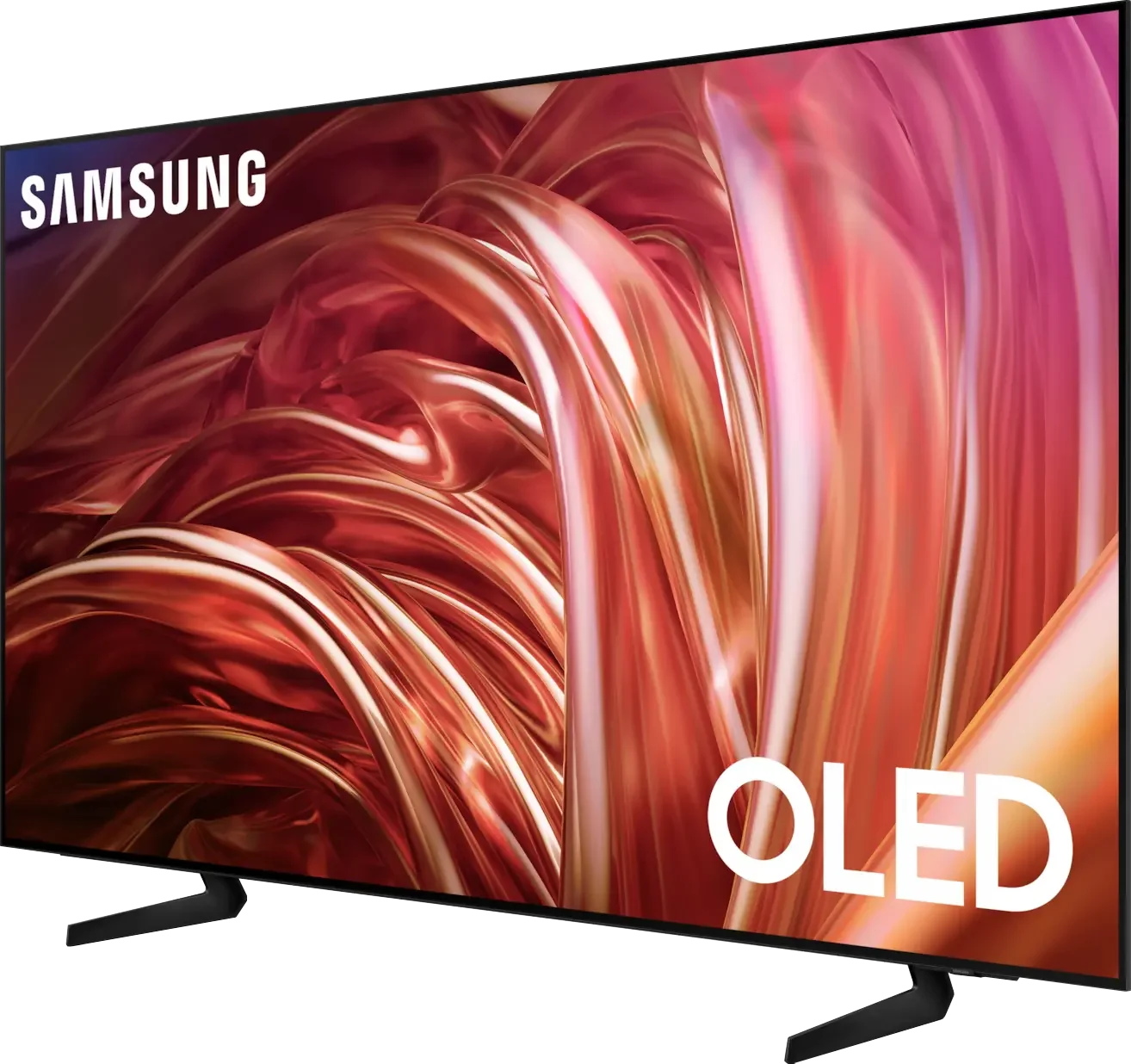
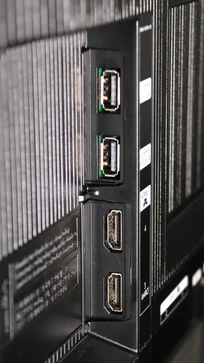
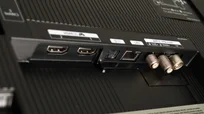
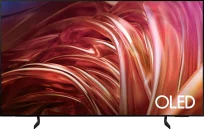
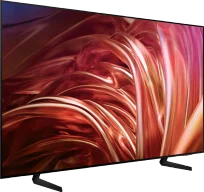
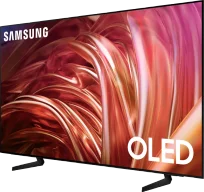
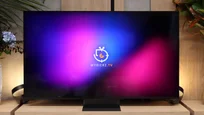
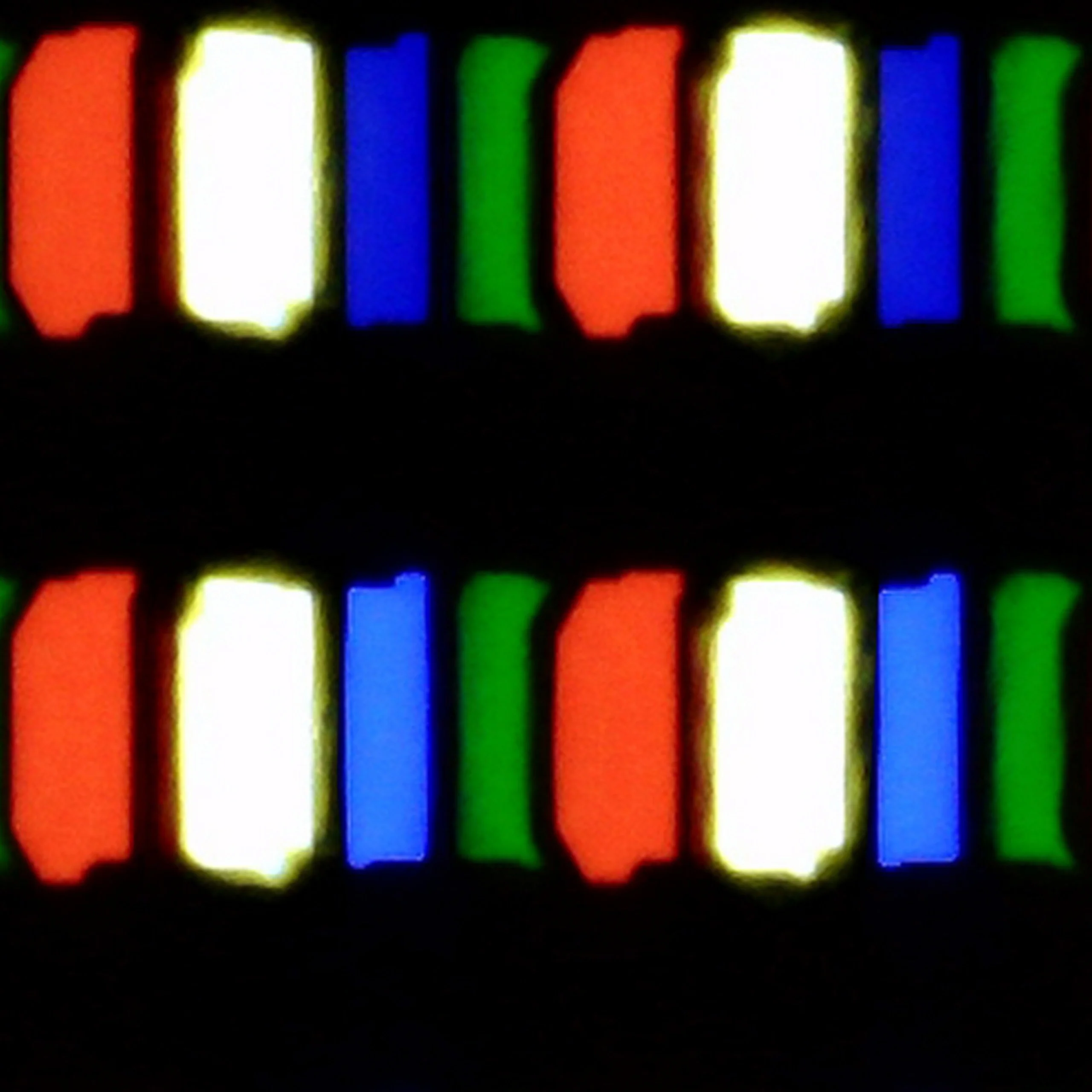
The S85D is the 2024 entry-level OLED model from Samsung, which offers a lot for its reasonable price tag.
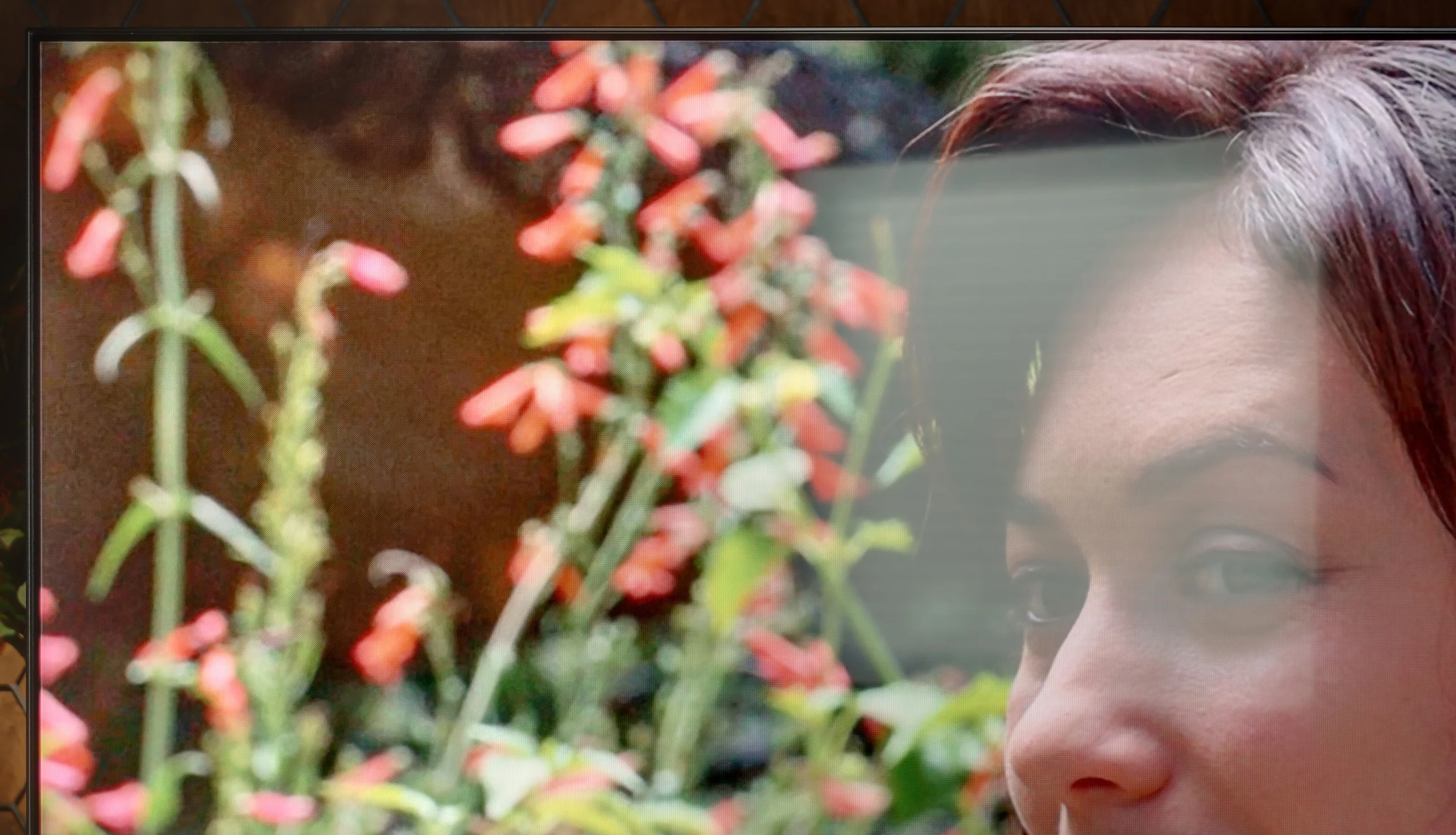
Thanks to OLED technology, you can enjoy excellent contrast, deep blacks, and impeccable viewing angles, ensuring a comfortable watch from anywhere in the room.
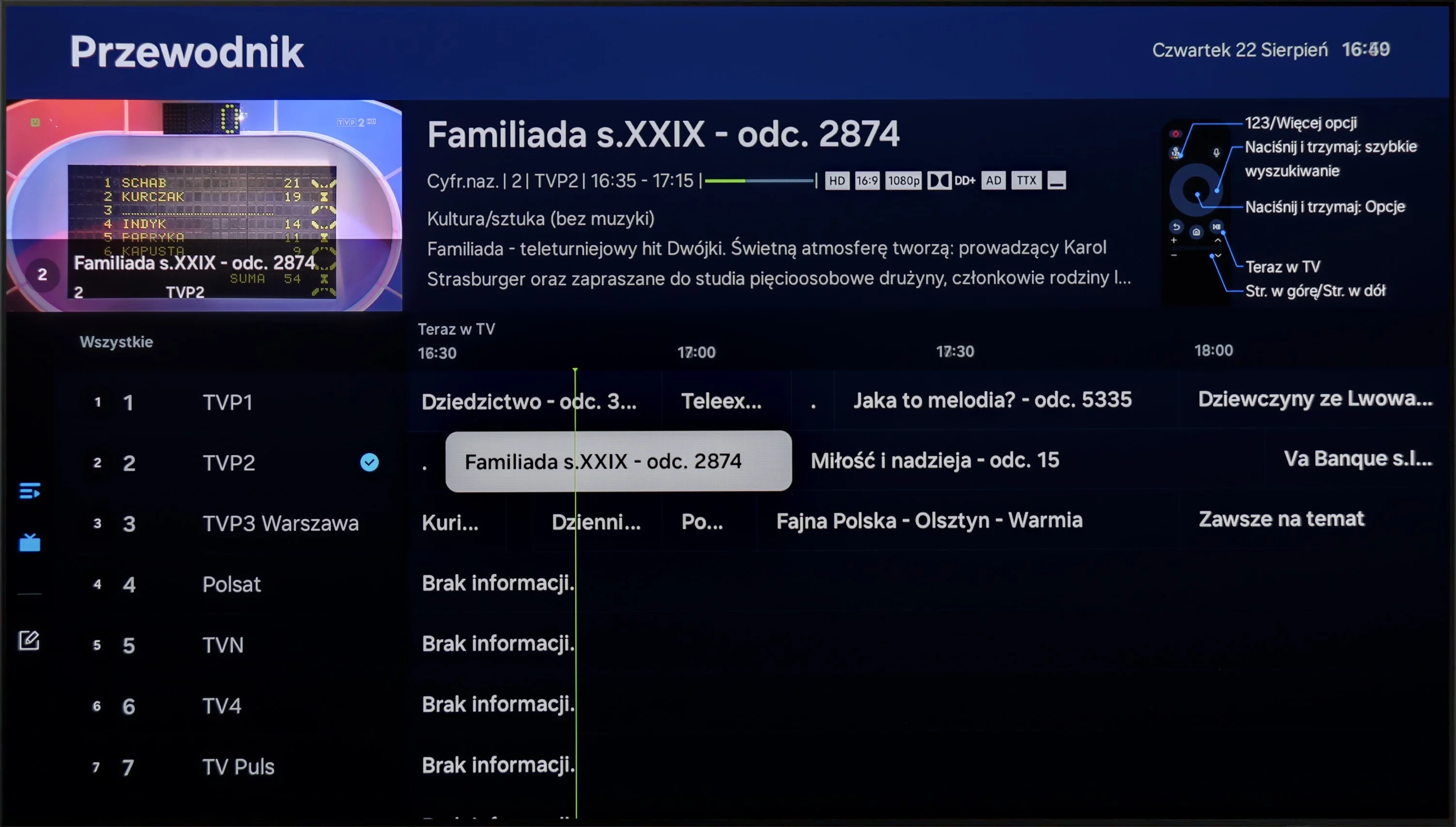
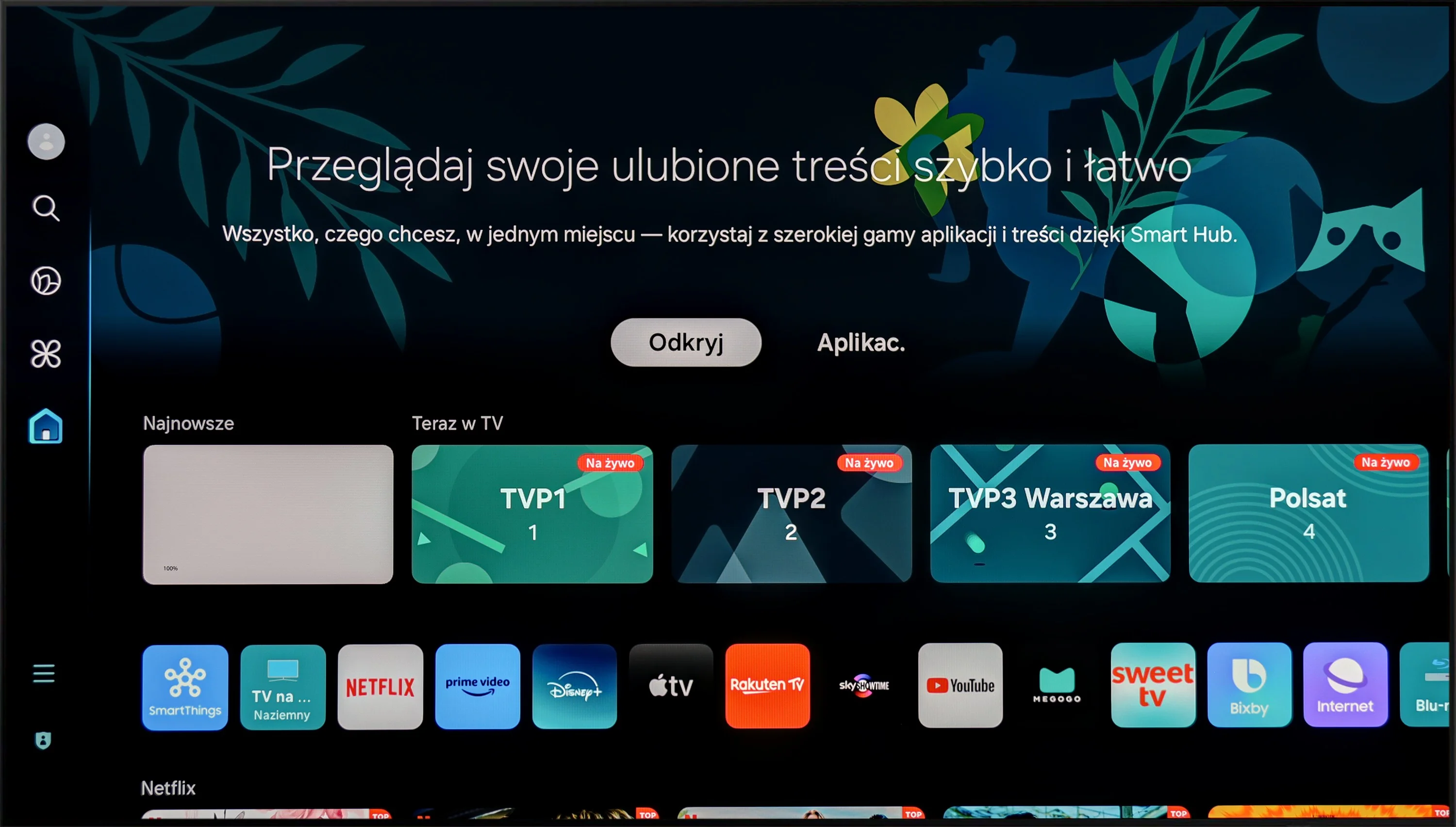
The Tizen operating system provides easy access to applications and streaming services including Netflix, Disney+, and HBO Max. At the same time, the solar remote permits control of other devices in the home - such as a satellite decoder, console, and more.
Its AirPlay feature allows for connection to iPhones, iPads and Macs and Bluetooth support enables wireless pairing with headphones, soundbars and gaming controllers.
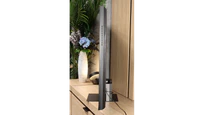
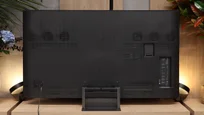
The design of the Samsung S85D stands out among its peers due to its unusual, rounded shape at the back, giving the TV an elegant appearance. High compatibility with other devices allows for easy transition into a home entertainment system without major issues.
However, no device is without flaws. The lack of recording functionality and DTS audio support means that users who prefer this codec will need an external audio system, and the average SDR brightness may affect viewing in very bright rooms.
Despite these slight imperfections, the Samsung S85D is an excellent choice for anyone looking for a modern, versatile TV with outstanding picture quality. It offers many features that significantly enhance the user experience, leaving a positive impression. A lot for a little – the Samsung S85D proves you don't have to spend a fortune to enjoy premium viewing from your TV.
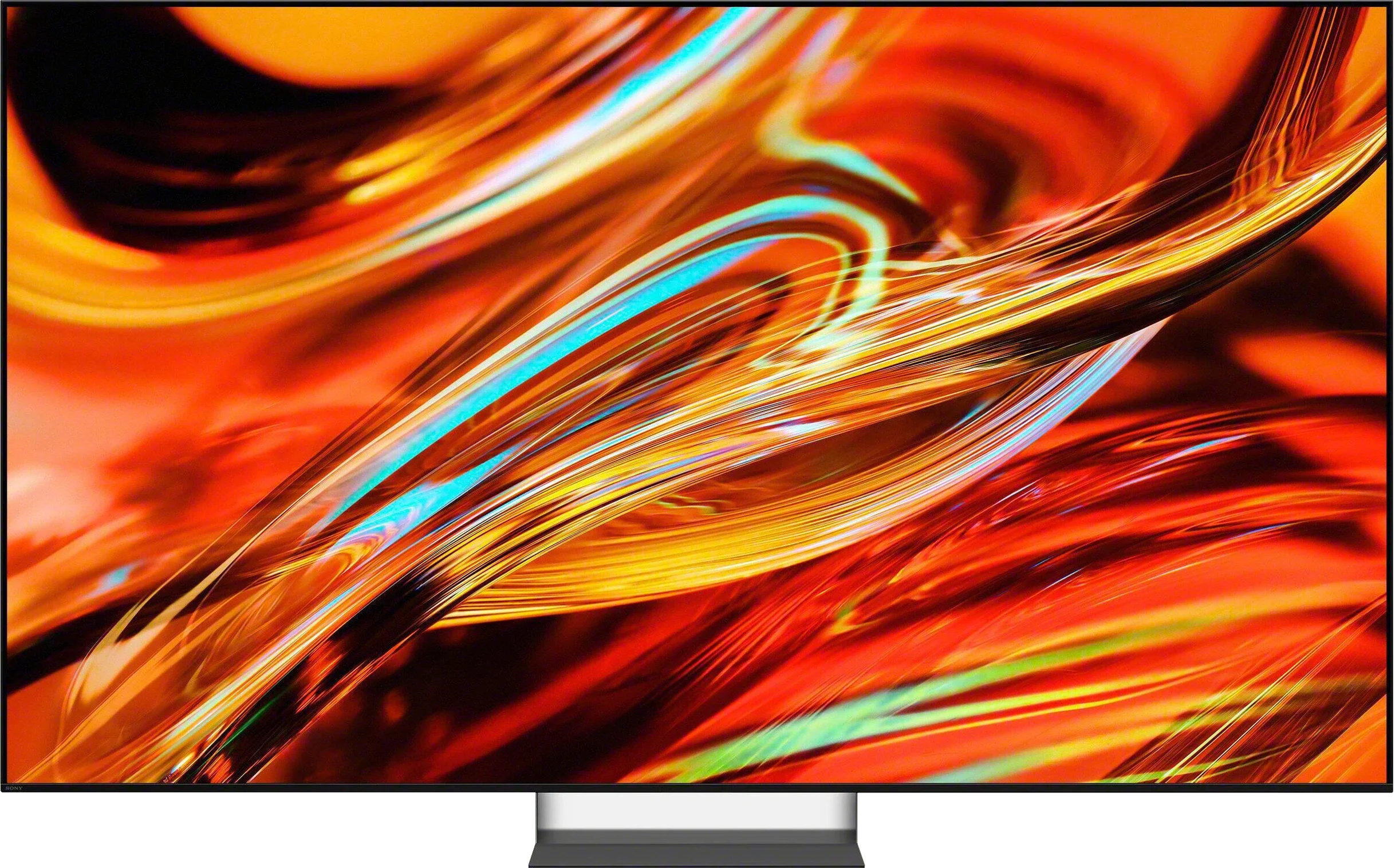
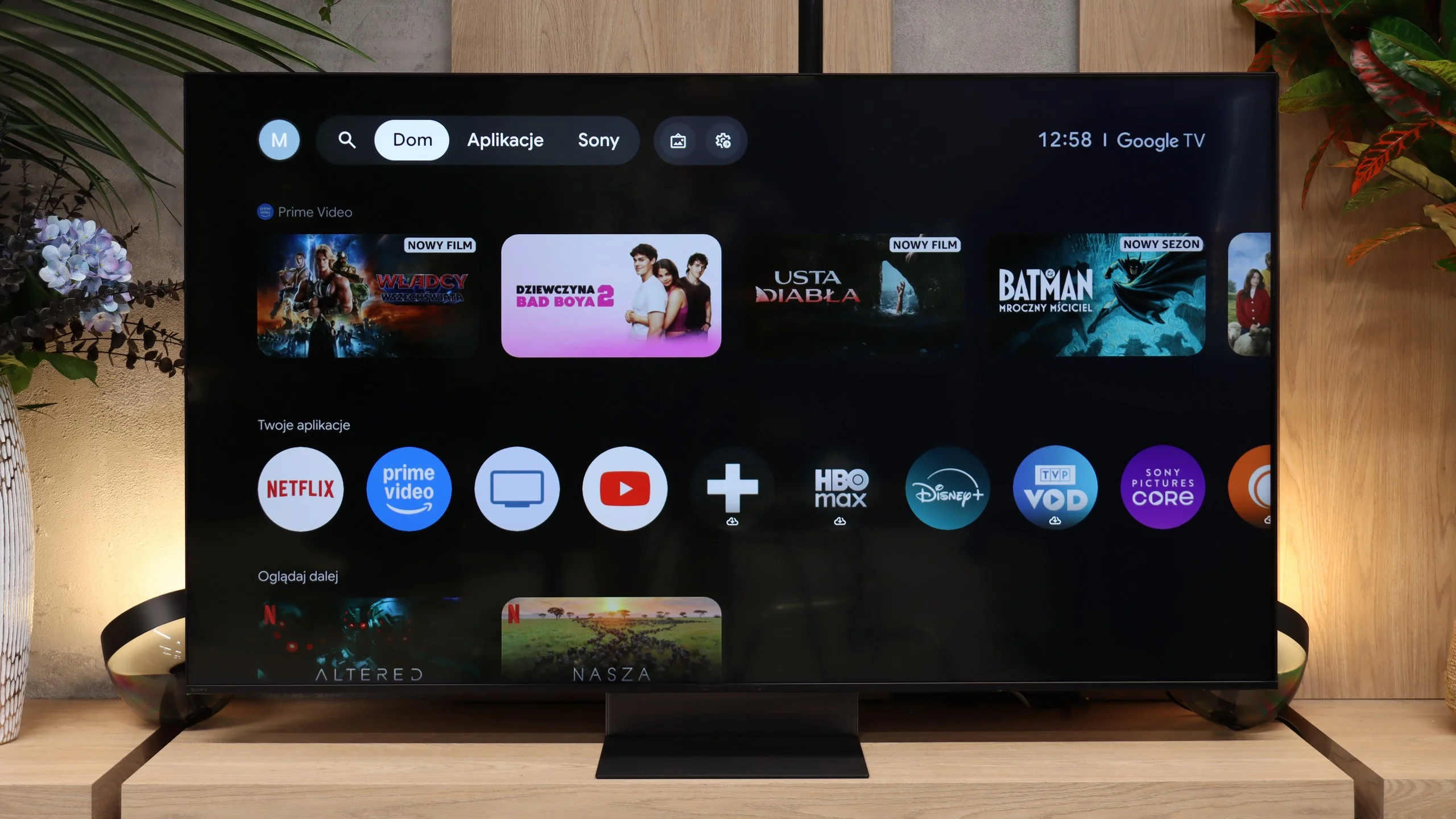
Sony Bravia 7 II is a TV that shows RGB Mini-LED doesn’t have to be reserved only for the wealthiest customers. And although in a few places you can see it sits below the Bravia 9 II, in everyday use it doesn’t feel like a heavily stripped-down model. The biggest contribution comes from the combination of very good black levels, high brightness and Sony’s excellent algorithms. As a result the picture is spectacular, while still staying true to how a film should look. HDR performs especially well, where the Bravia can show lots of highlights without losing detail. The True RGB backlight itself also has advantages. It gives the TV a wide color gamut and improves viewing angles, which for a VA panel are really good. That doesn’t mean RGB Mini-LED suddenly solves all the limitations of LCDs. You can still see some bloom around small bright elements, and the backlight’s color capabilities aren’t fully utilized in every scene. Still, Sony manages all of this very well, and the way it controls the image is one of the Bravia 7 II’s biggest strengths.
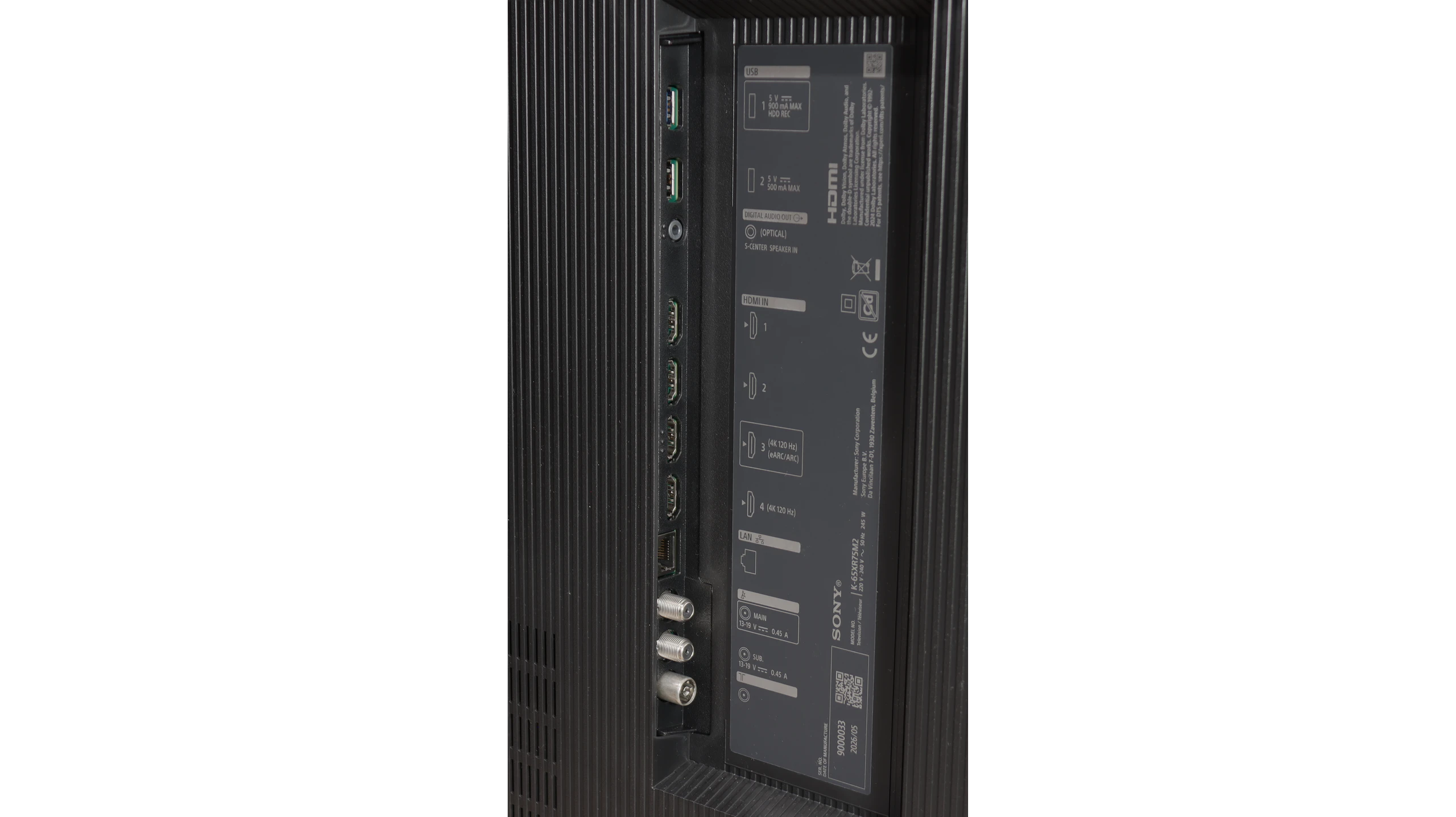
Image processing also remains a big advantage over many rivals. Upscaling, smoothing weaker tonal transitions and HDR mapping are among this model’s stronger points. On top of that there’s Google TV, solid features, very low input lag and an almost complete set of gaming functions. However, there are things hard to understand in a TV of this class. The most frustrating is the presence of only two HDMI 2.1 ports, one of which also serves as eARC. Sony also sticks with 120 Hz, while competitors increasingly offer 144, 165 or 180 Hz. Ultimately the Bravia 7 II stands out above all as a very well-rounded TV. It doesn’t try to win on the spec sheet, and in a few areas the competition will offer more. Sony makes up for that where specs don’t tell the whole story, with image processing, very good HDR tuning, backlight control and overall picture quality in movies. That’s what makes the Bravia 7 II one of the more interesting Mini-LEDs of 2026, especially for people looking for a bright, versatile TV for movies, broadcasts, sports and gaming, but who don’t necessarily want to go OLED.
 Direct comparison