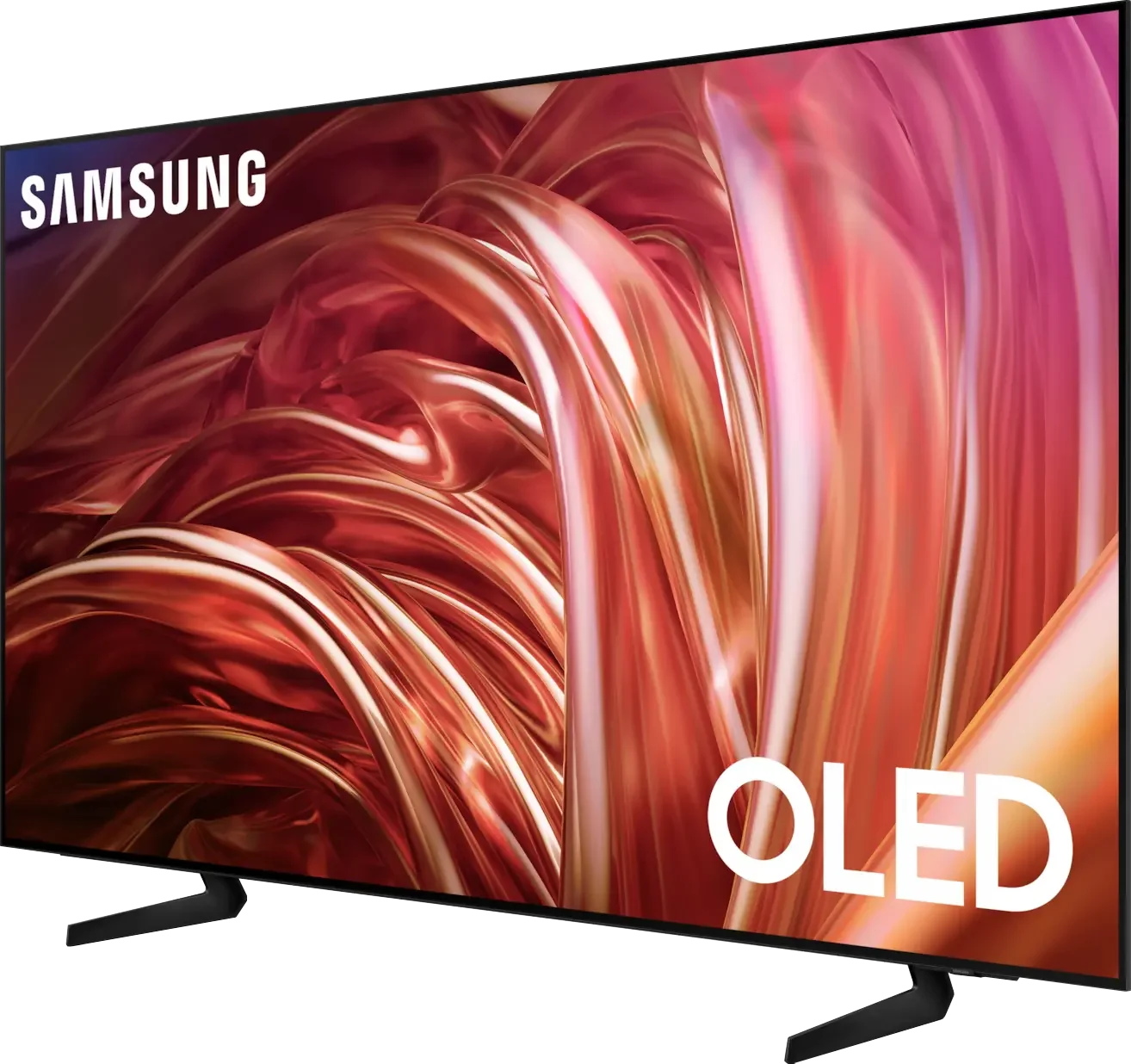
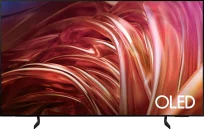
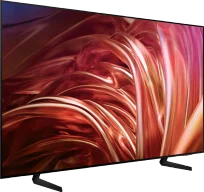
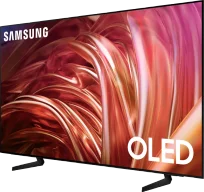
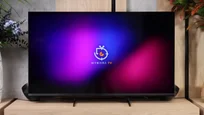
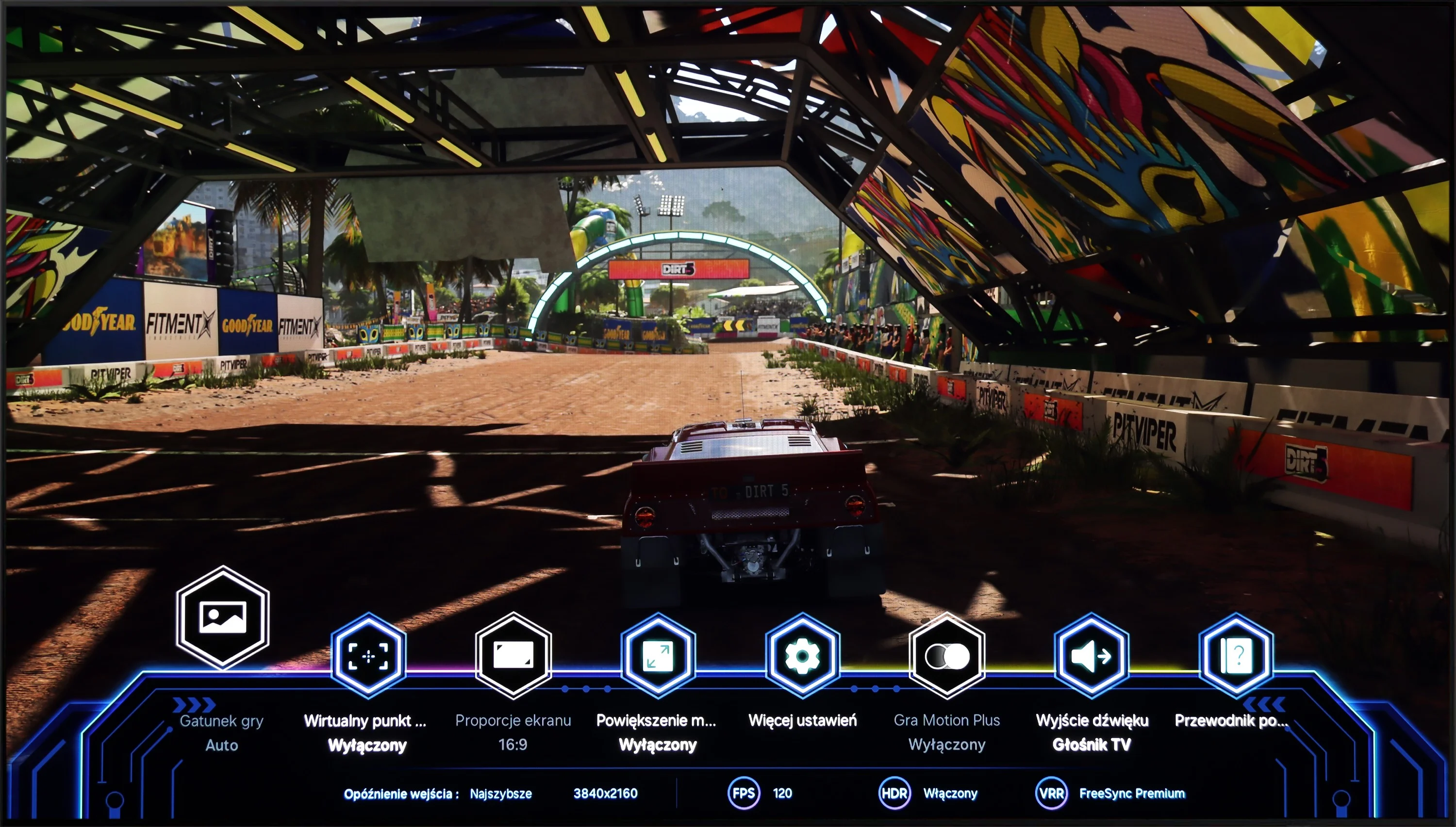
The S85D is the 2024 entry-level OLED model from Samsung, which offers a lot for its reasonable price tag.
Thanks to OLED technology, you can enjoy excellent contrast, deep blacks, and impeccable viewing angles, ensuring a comfortable watch from anywhere in the room.
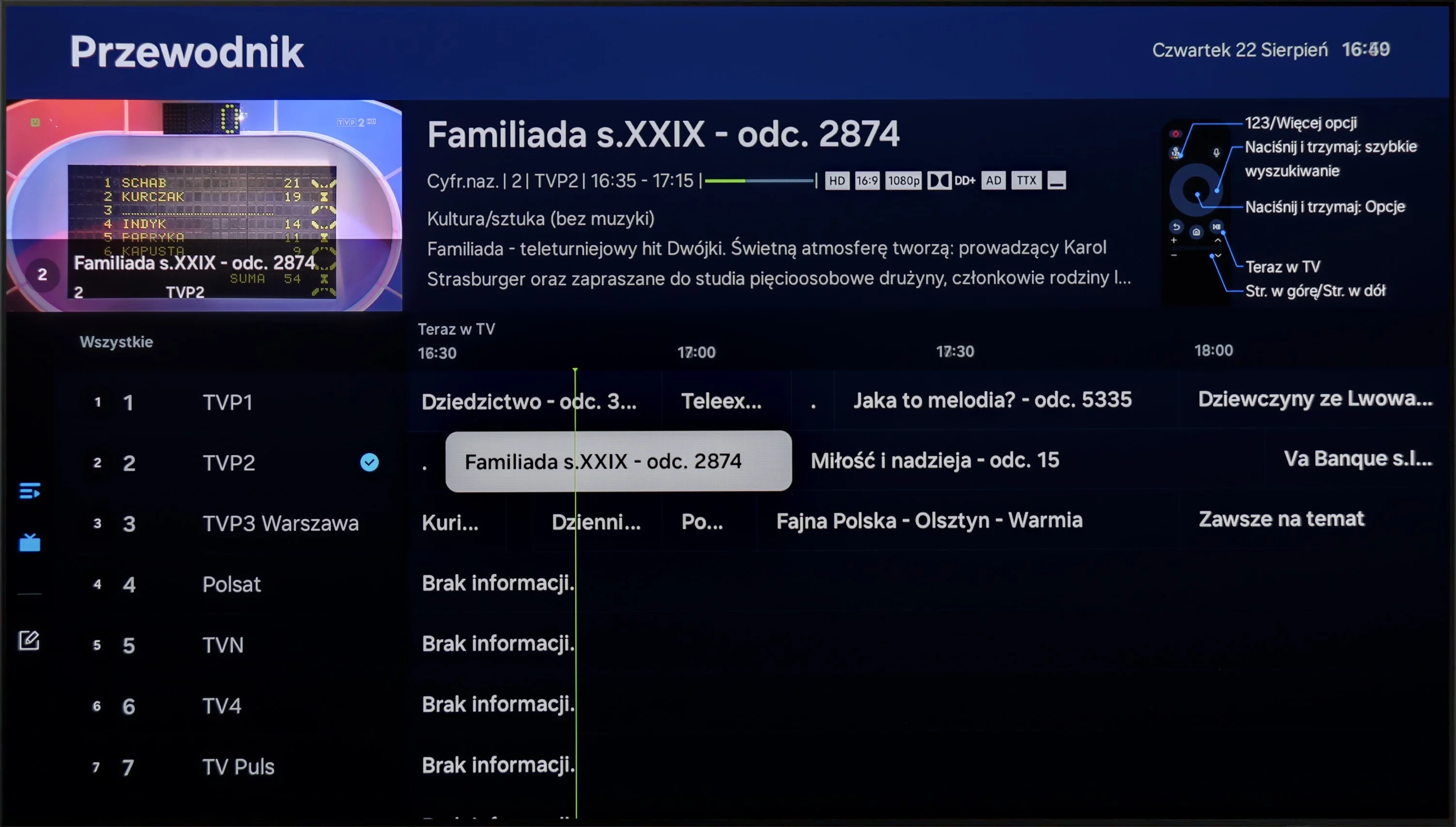
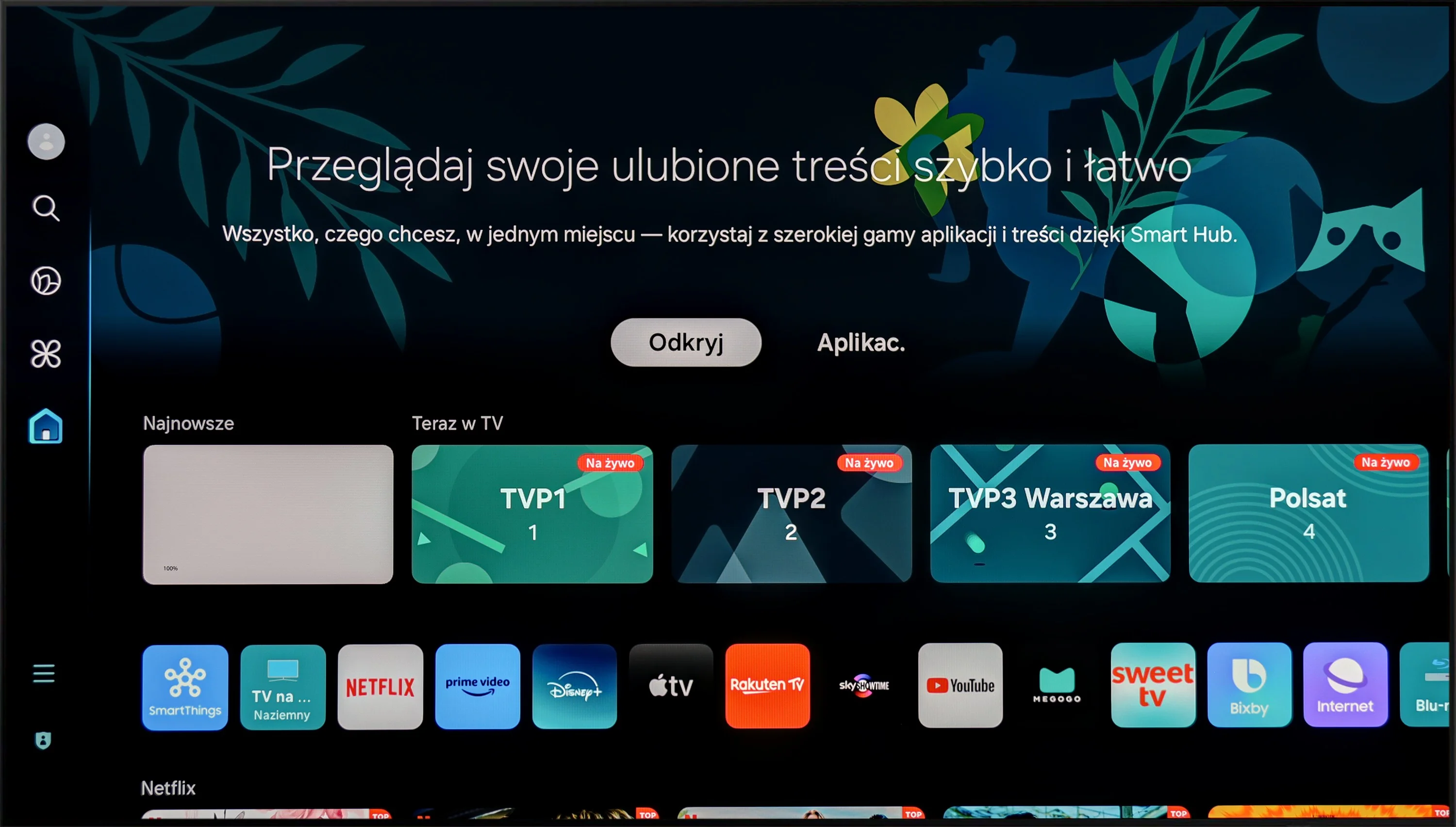
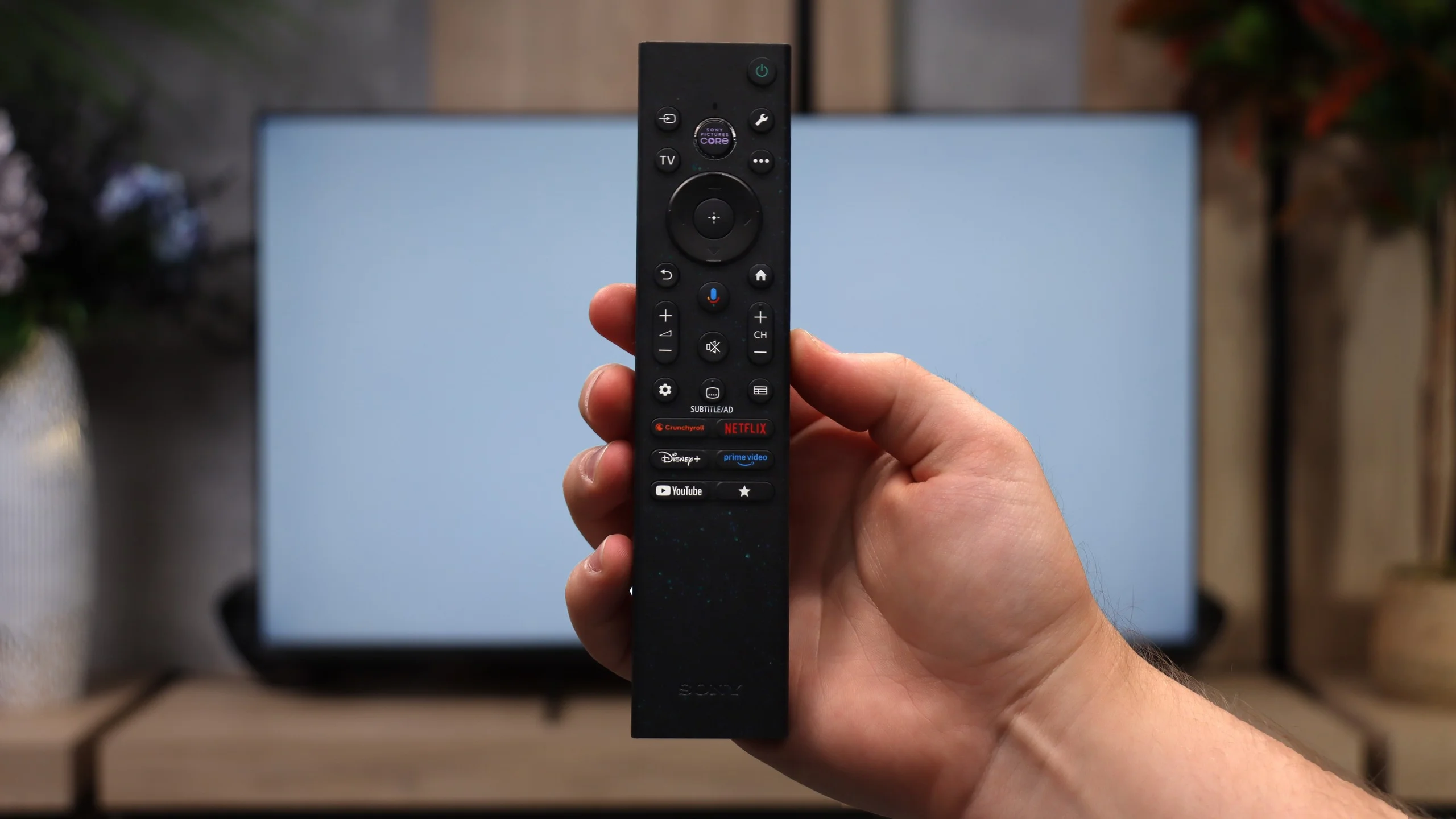
The Tizen operating system provides easy access to applications and streaming services including Netflix, Disney+, and HBO Max. At the same time, the solar remote permits control of other devices in the home - such as a satellite decoder, console, and more.
Its AirPlay feature allows for connection to iPhones, iPads and Macs and Bluetooth support enables wireless pairing with headphones, soundbars and gaming controllers.
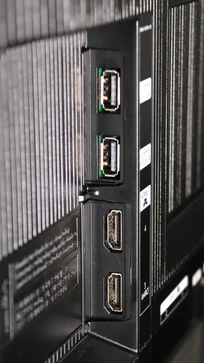
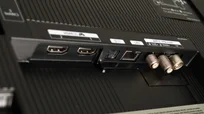
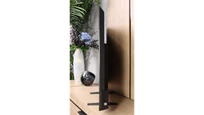
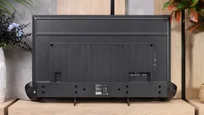
The design of the Samsung S85D stands out among its peers due to its unusual, rounded shape at the back, giving the TV an elegant appearance. High compatibility with other devices allows for easy transition into a home entertainment system without major issues.
However, no device is without flaws. The lack of recording functionality and DTS audio support means that users who prefer this codec will need an external audio system, and the average SDR brightness may affect viewing in very bright rooms.
Despite these slight imperfections, the Samsung S85D is an excellent choice for anyone looking for a modern, versatile TV with outstanding picture quality. It offers many features that significantly enhance the user experience, leaving a positive impression. A lot for a little – the Samsung S85D proves you don't have to spend a fortune to enjoy premium viewing from your TV.
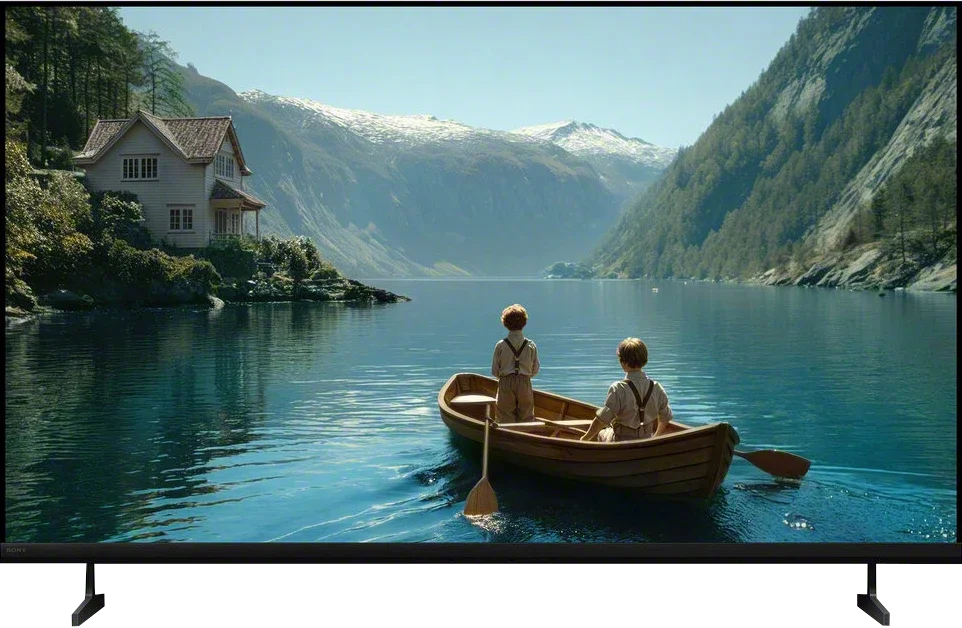
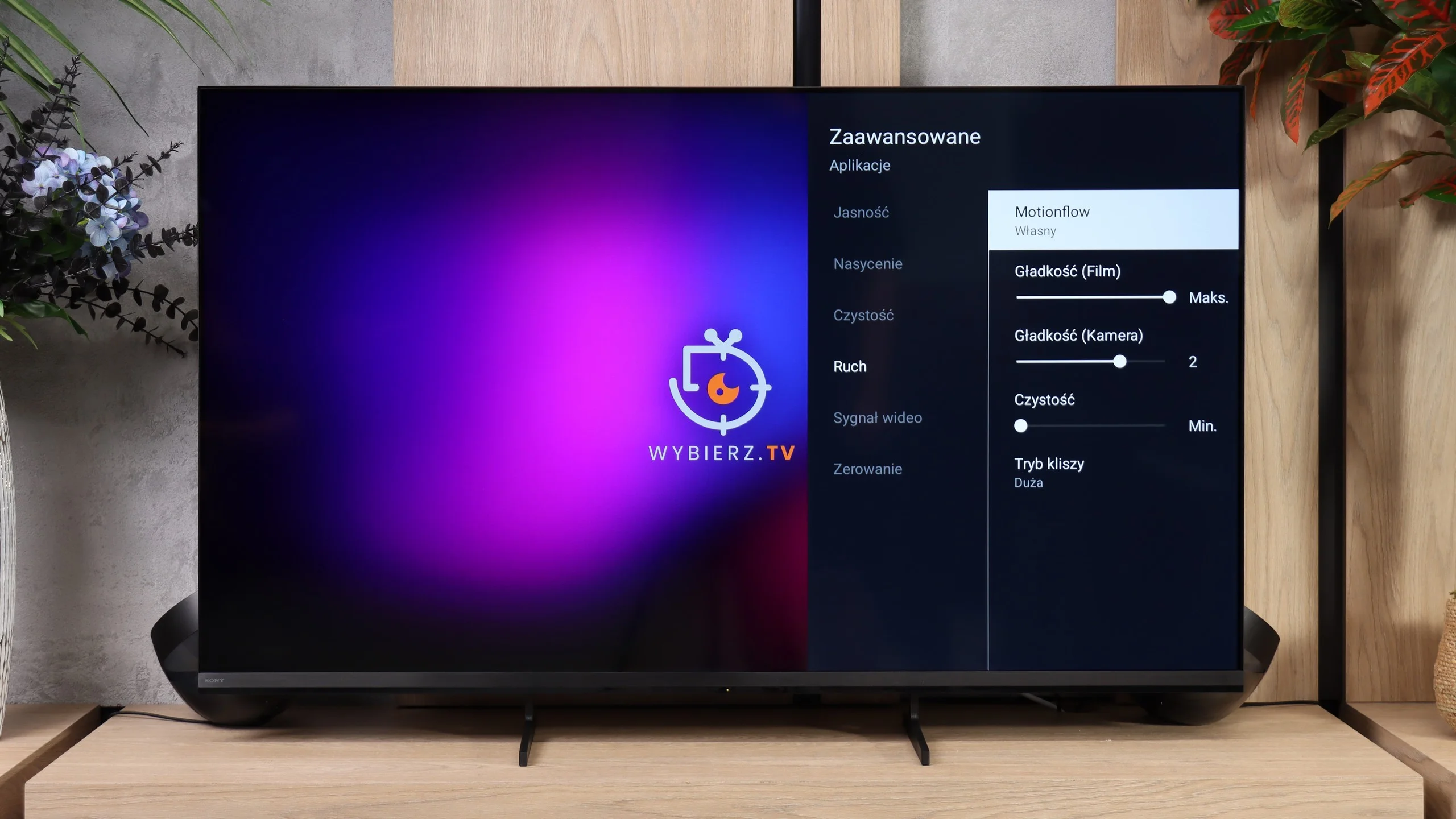
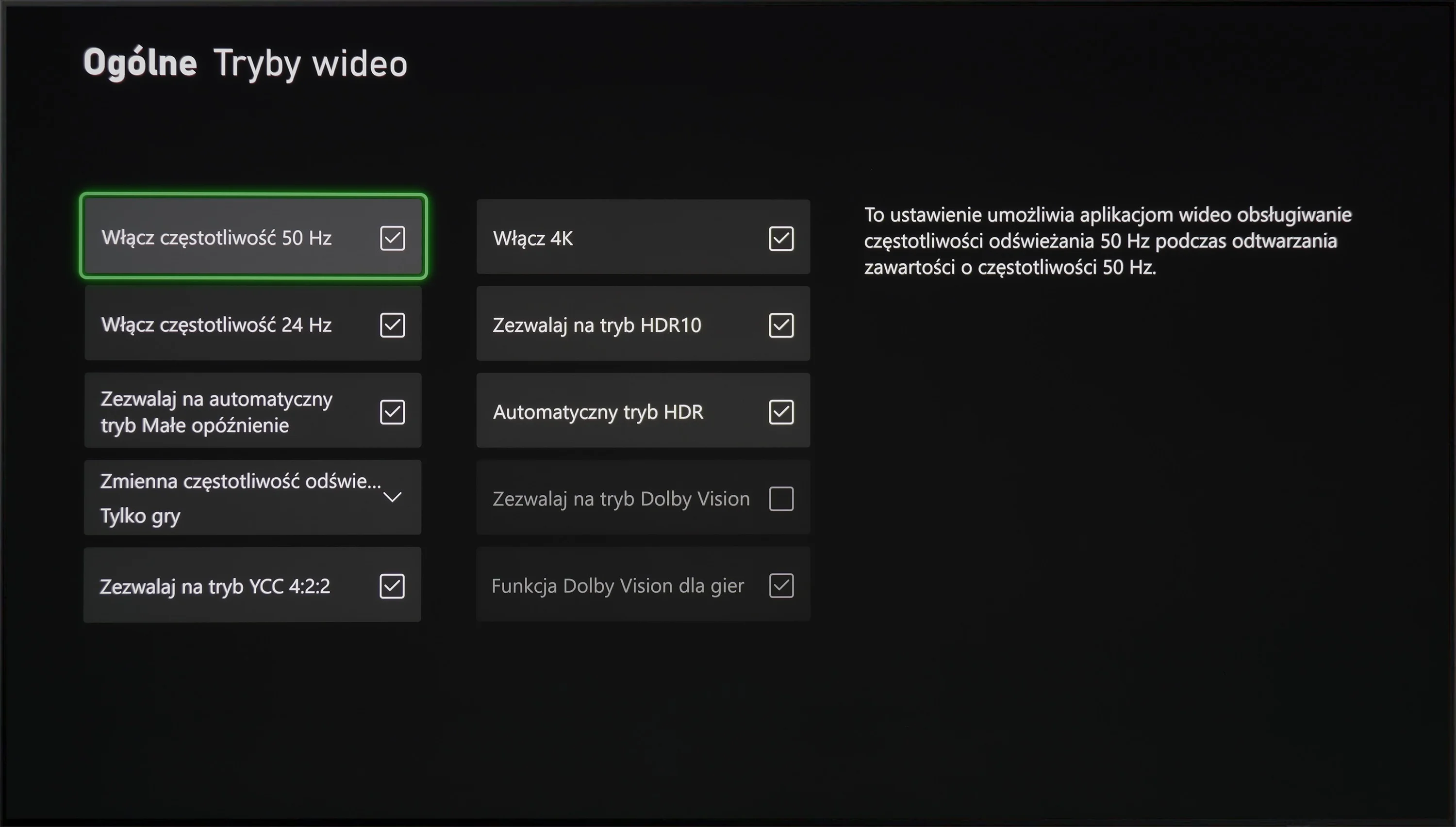
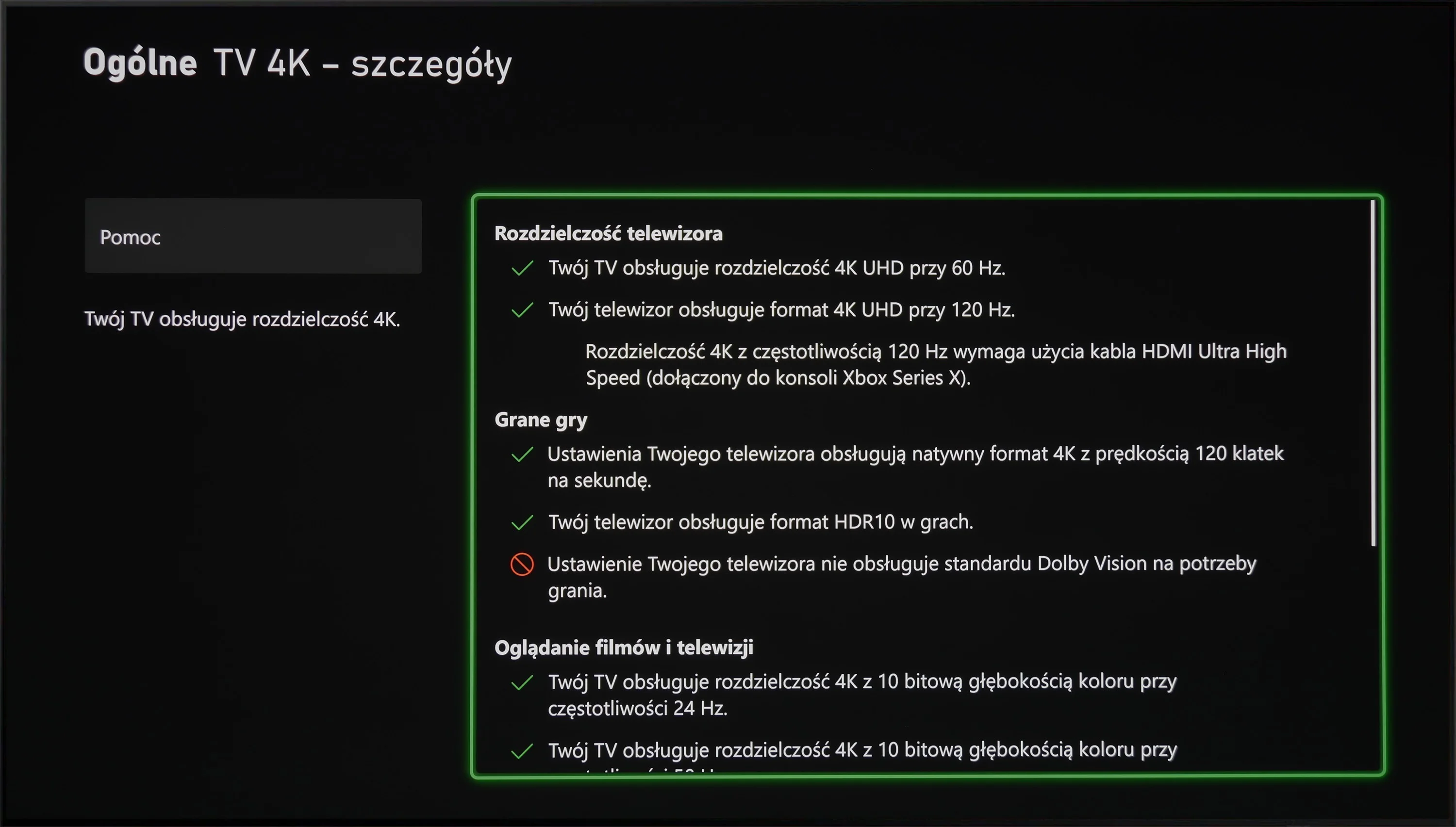
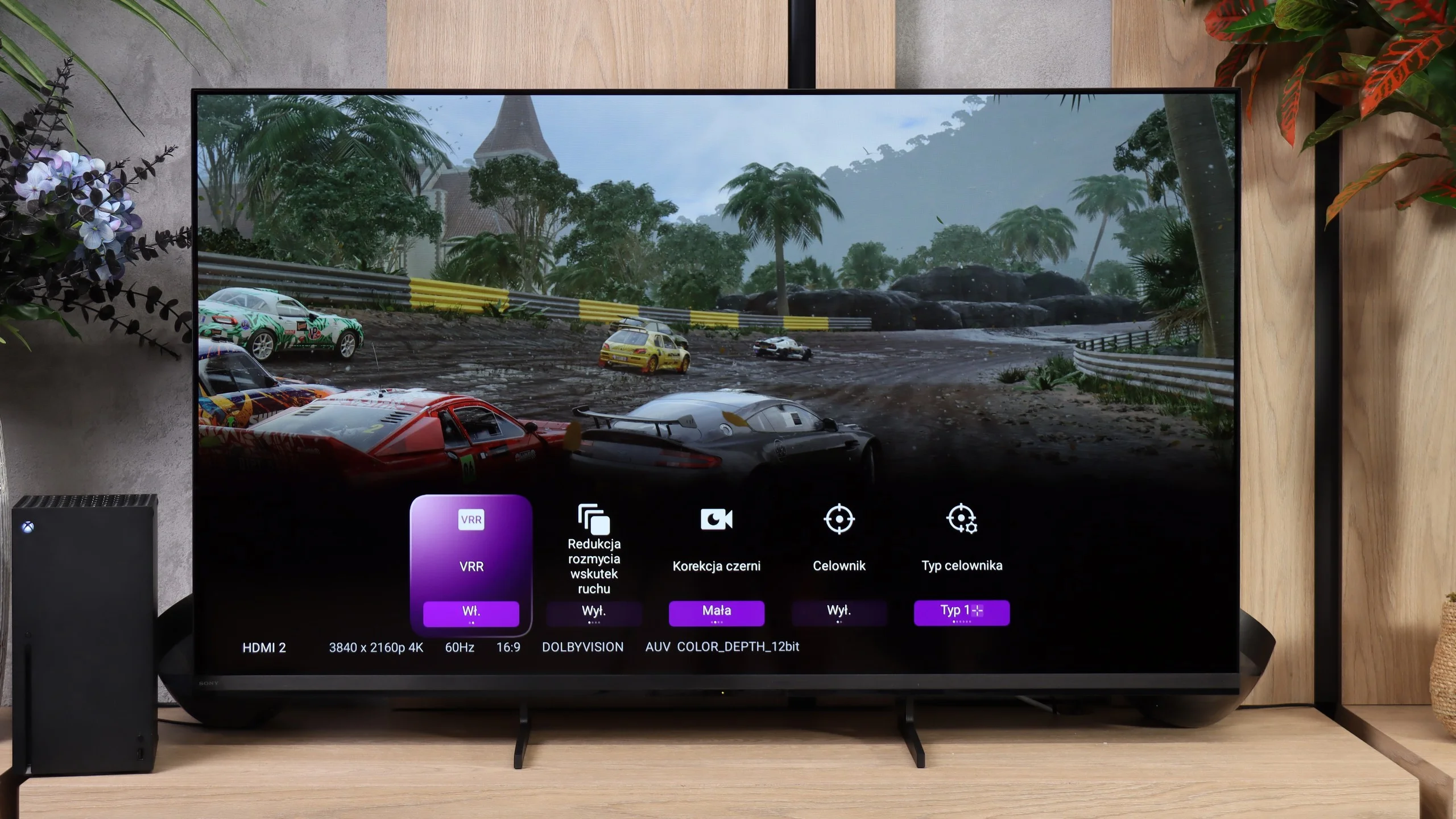
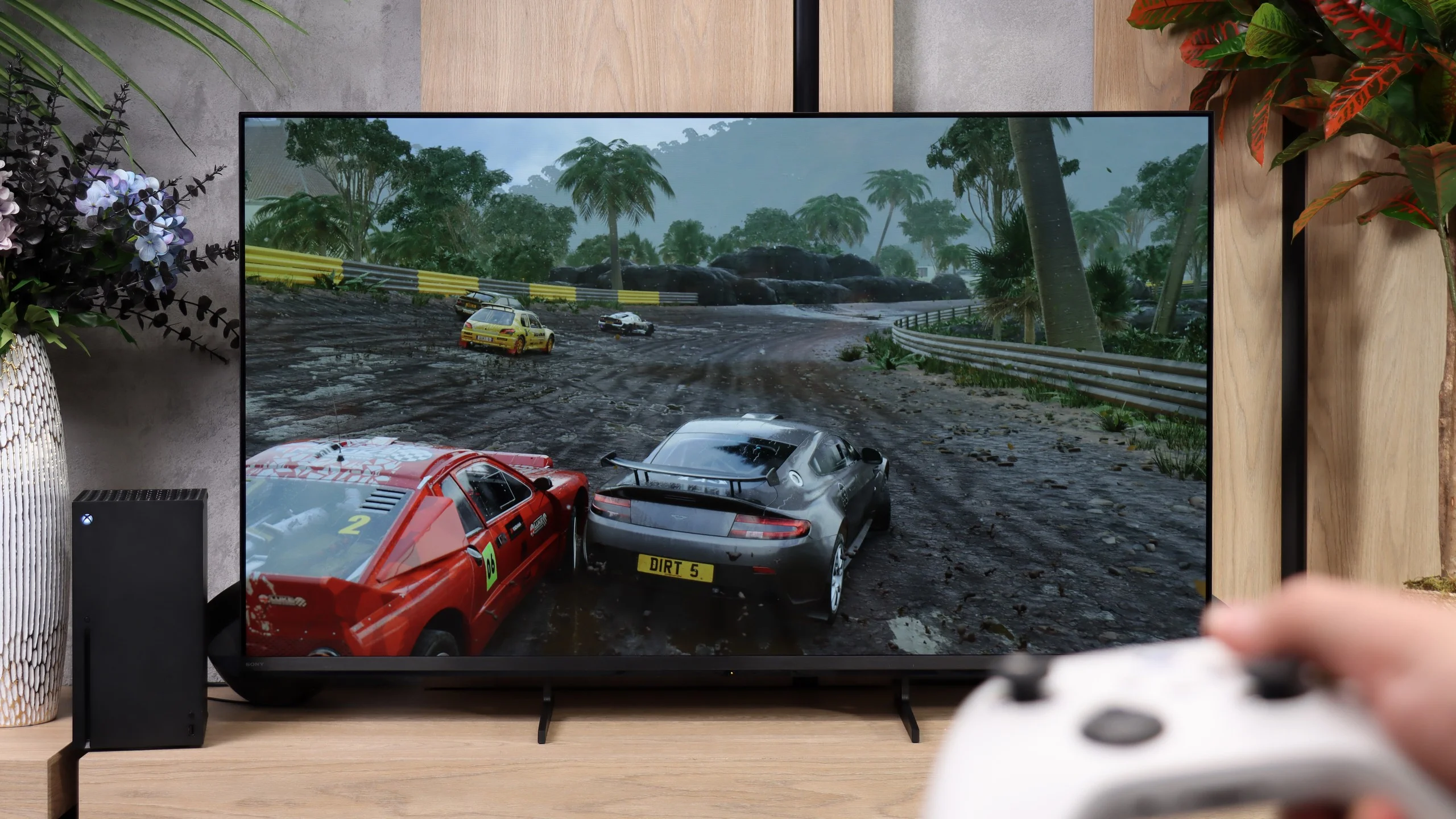
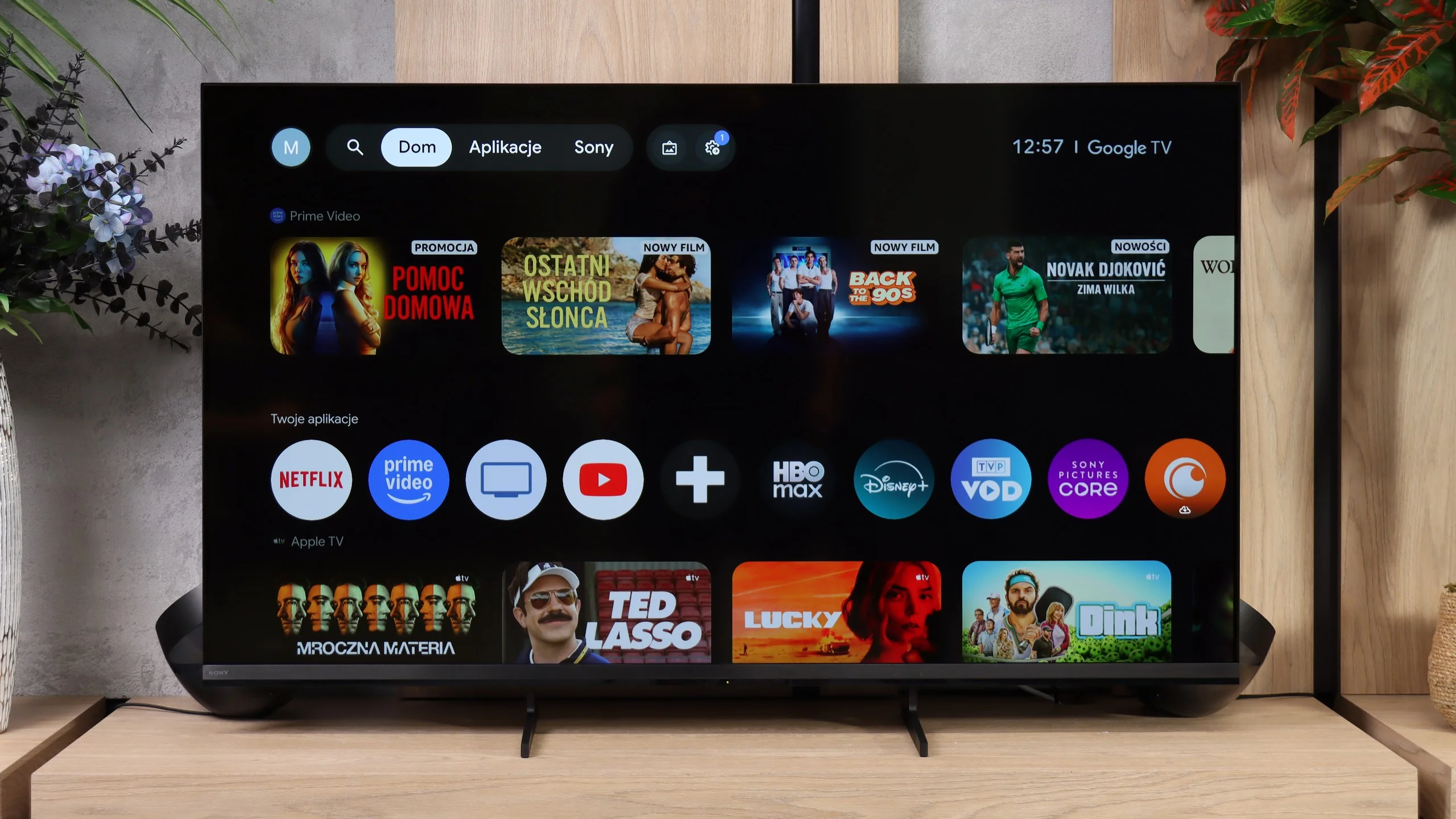
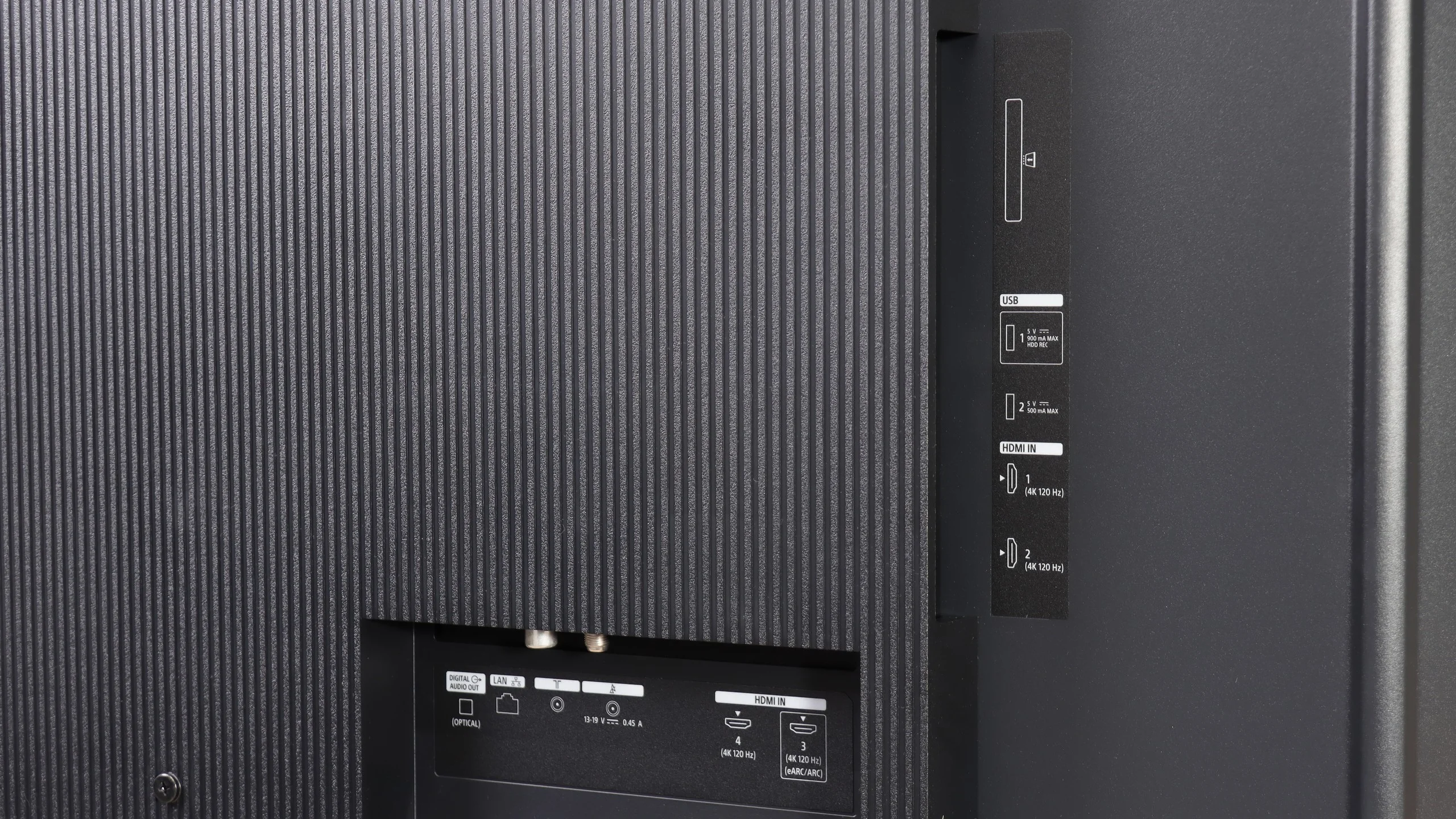
The Sony Bravia 3 II is a TV that quickly reveals what the manufacturer had in mind for this model. It's meant above all to be a sensible Bravia for gaming, and in that respect the changes are substantial. After all, Sony fixed one of the biggest complaints about its TVs: having only two full HDMI 2.1 ports. Here there are four, and that alone makes the Bravia 3 II a much more convenient choice for anyone who wants to hook up a lot of gaming gear. Fortunately it doesn't stop at gaming. The 120 Hz panel performs very well in terms of motion, motion blur is minimal, and the motion-enhancing systems work surprisingly effectively, sometimes even better than on Sony's top TVs. That's why sports are another use where the Bravia 3 II feels right at home. Add Google TV with its full suite of apps and features, and in terms of everyday use it's the Sony we've known for years.
The biggest problem with this model, however, isn't the TV itself but its current price. The Bravia 3 II is today priced dangerously close to the Bravia 5, and when the premium for the higher model is only a few percent, choosing the lower series starts to lose its point. The Bravia 5 already offers full Mini-LED backlighting with local dimming, exactly what the Bravia 3 II most lacks for evening viewing and in HDR. That's why we look at this model through the lens of price. The Bravia 3 II is a genuinely successful lower midrange TV and, at the right price, could easily be one of the more interesting choices for a gamer or sports fan. However, if the gap to the Bravia 5 remains small, it will be hard to recommend it with full conviction.
 Direct comparison