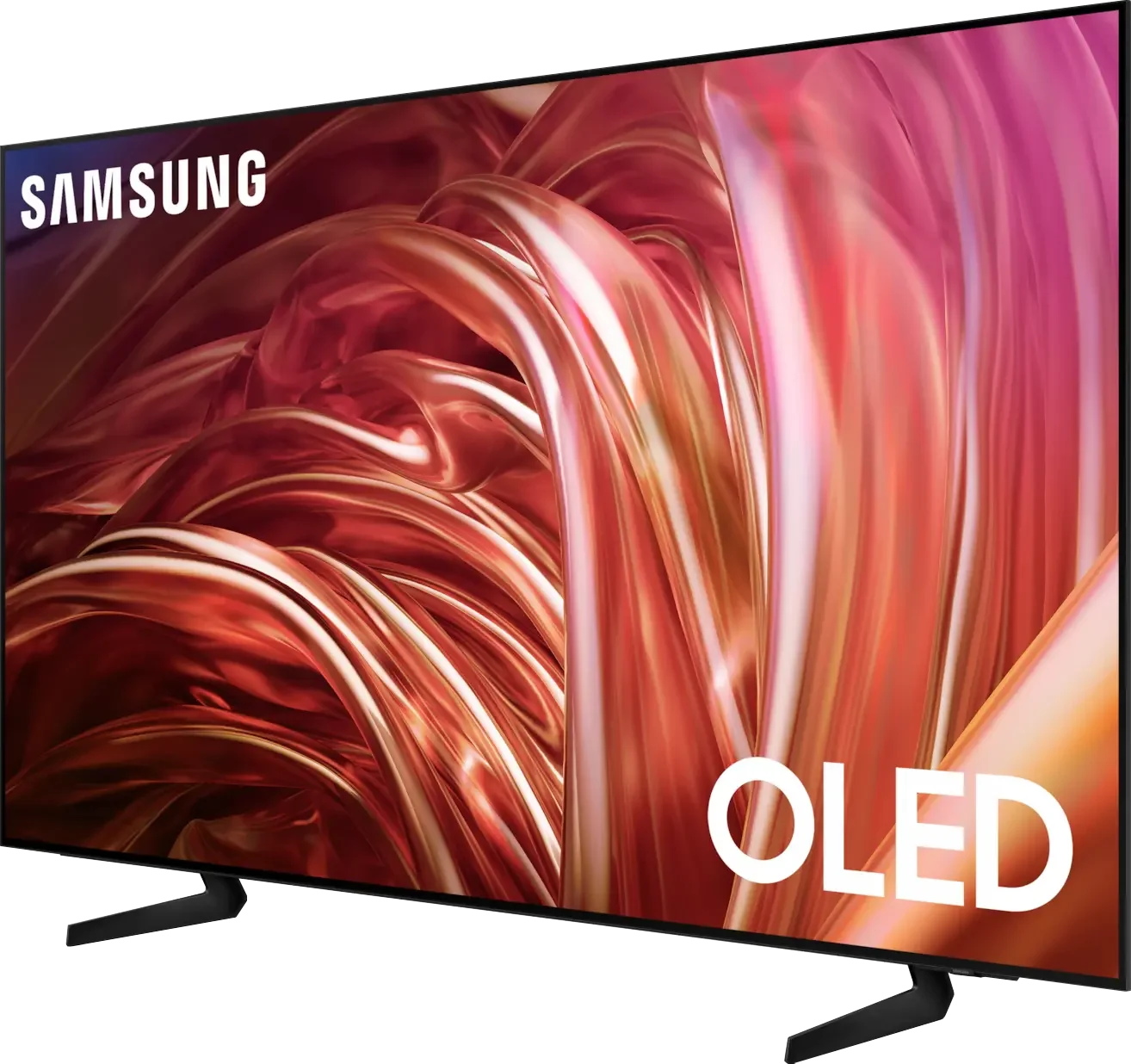
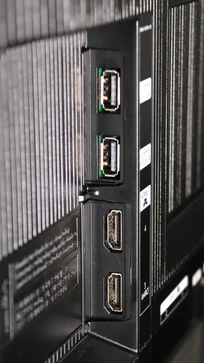
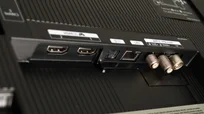
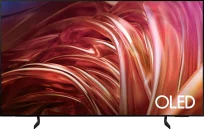
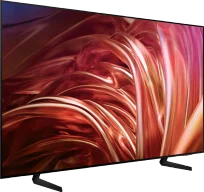
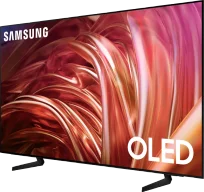
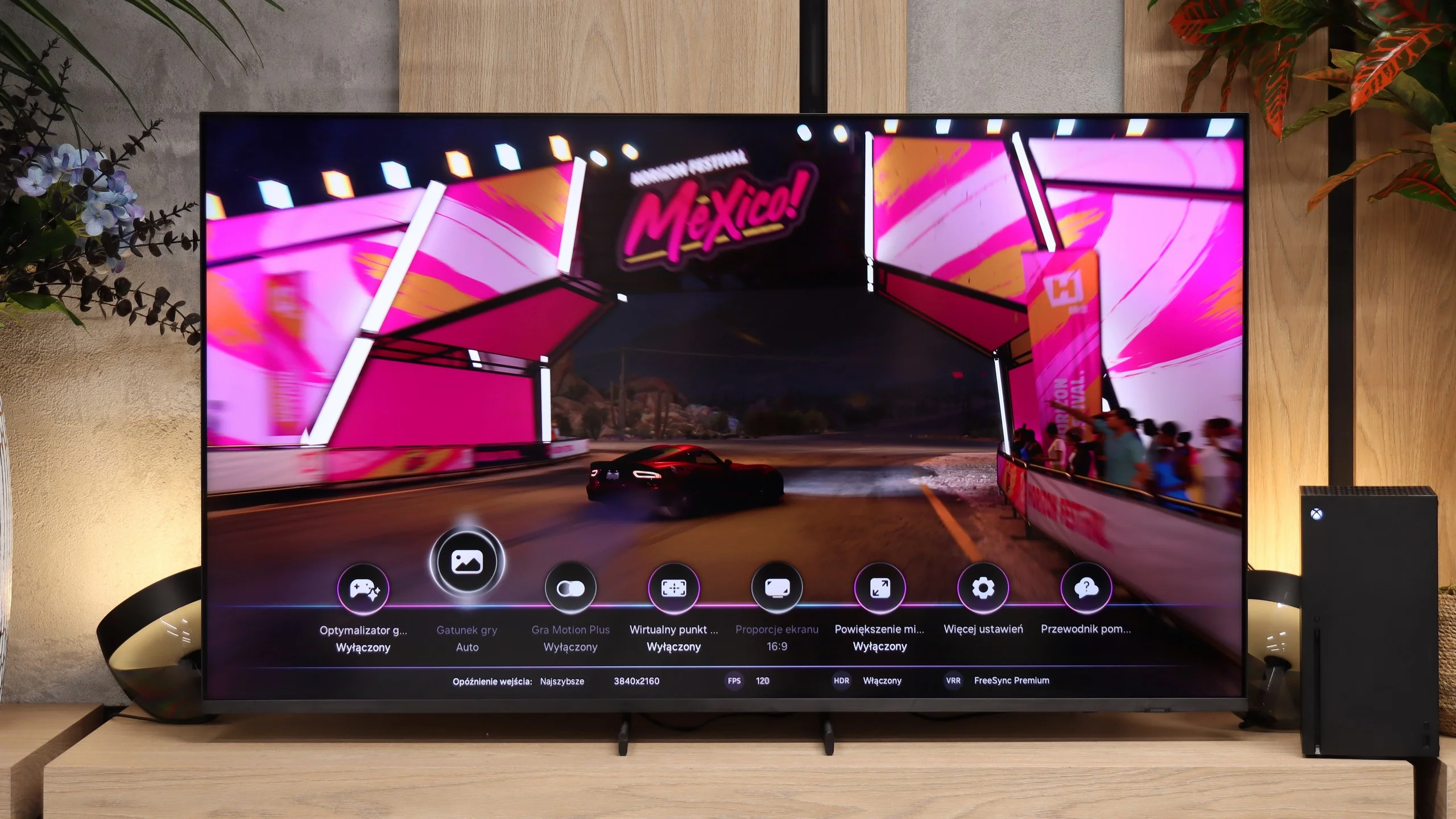
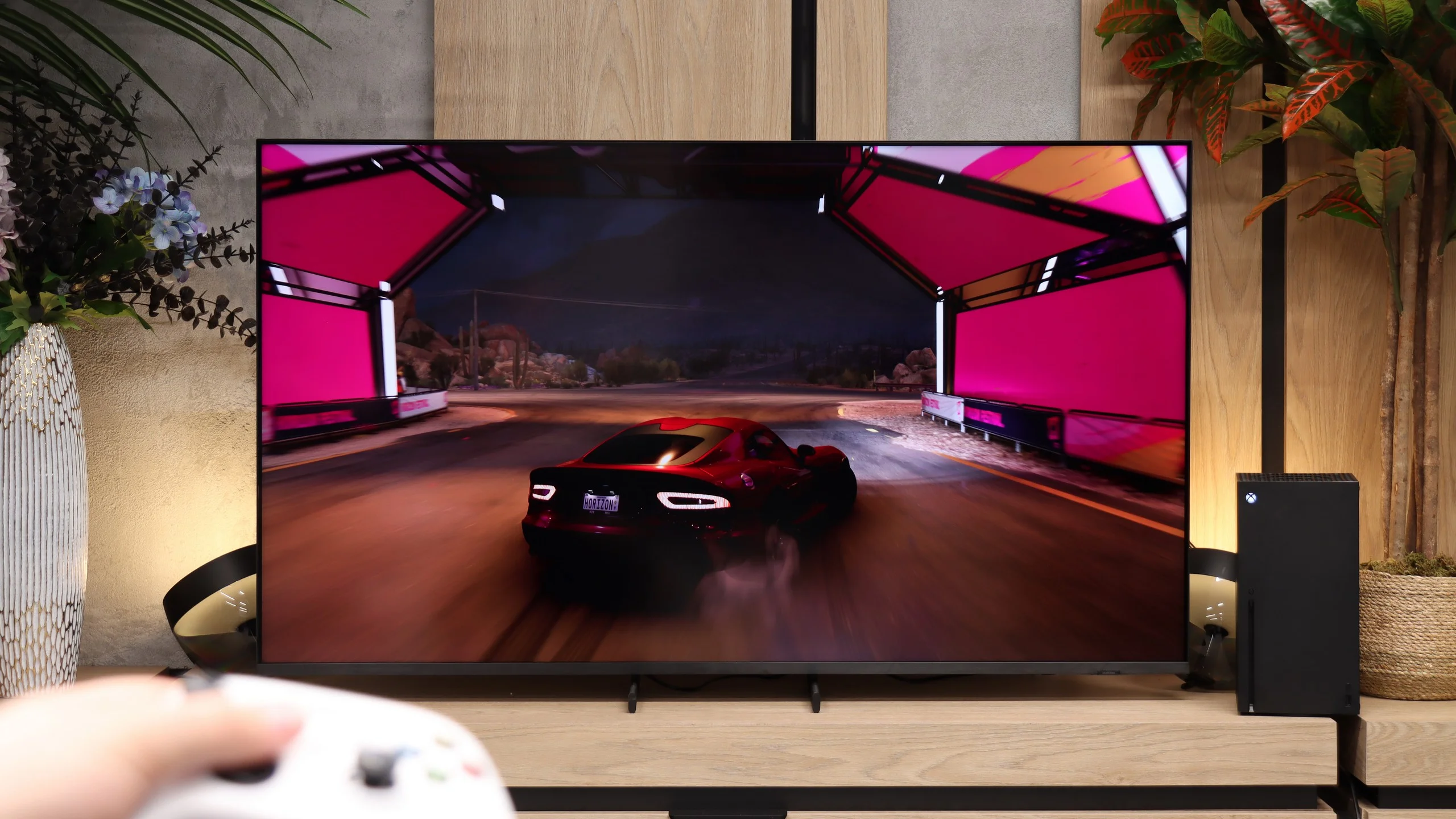
The S85D is the 2024 entry-level OLED model from Samsung, which offers a lot for its reasonable price tag.
Thanks to OLED technology, you can enjoy excellent contrast, deep blacks, and impeccable viewing angles, ensuring a comfortable watch from anywhere in the room.
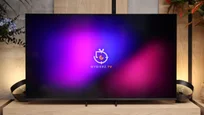
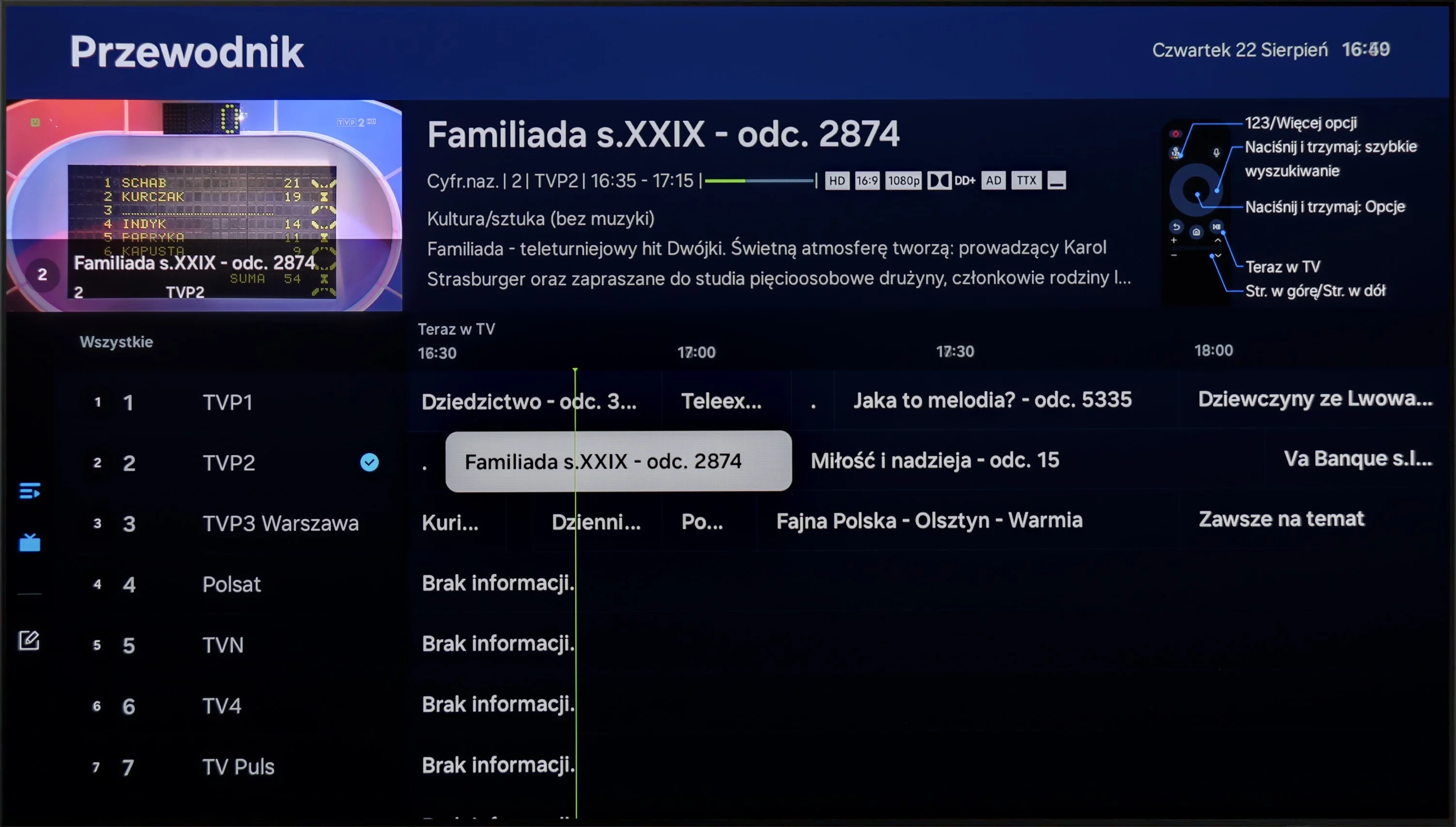
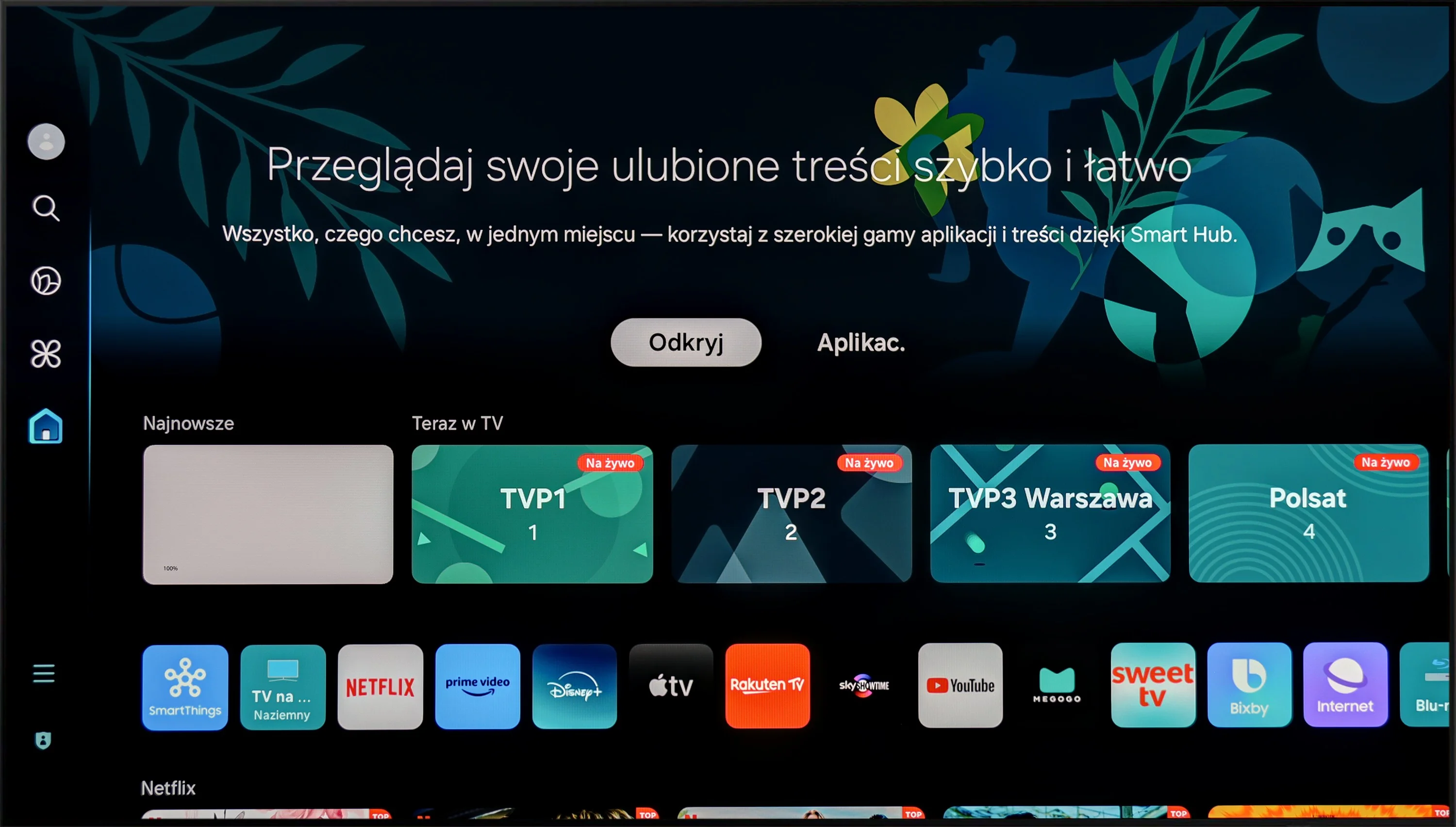
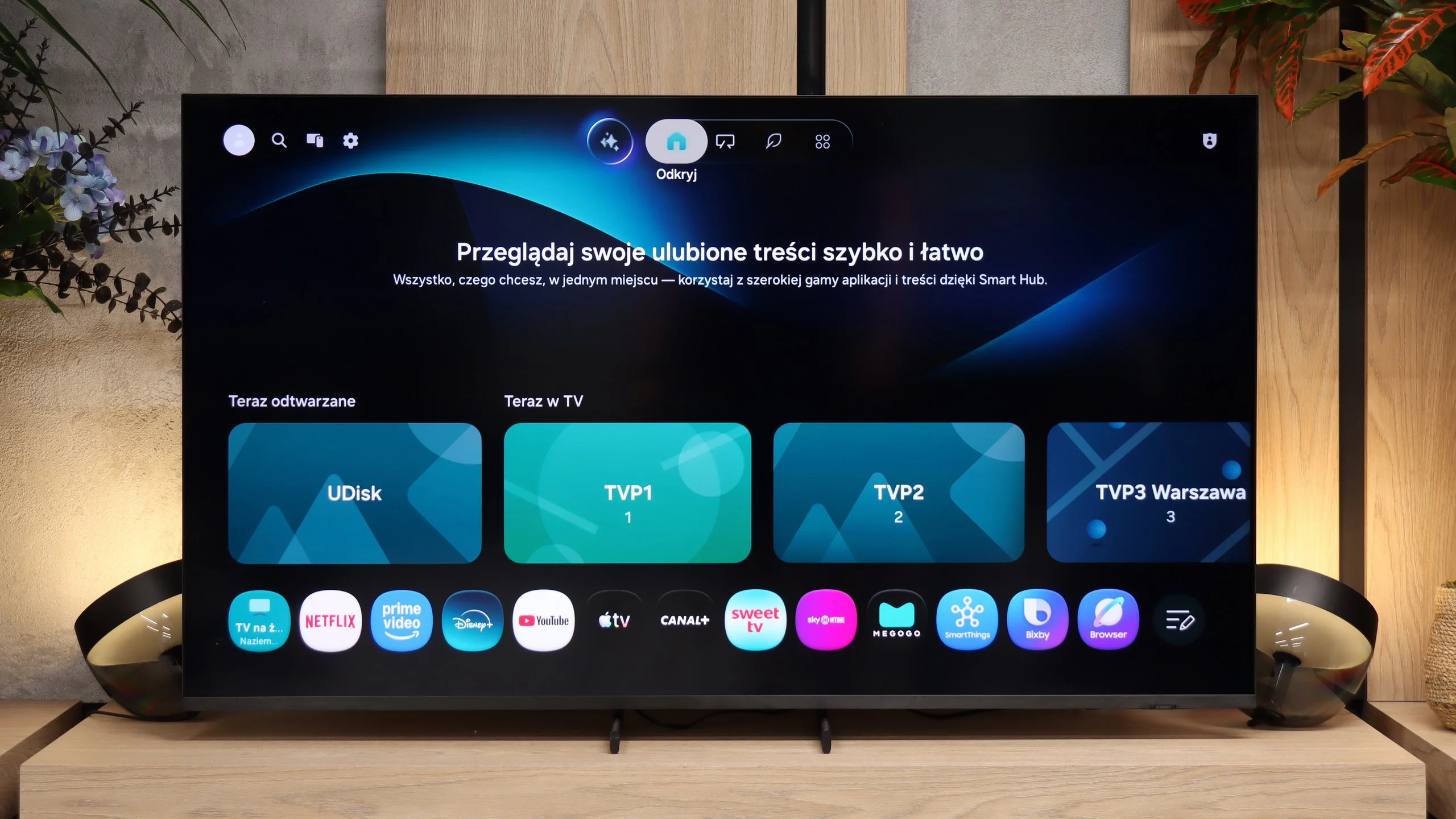
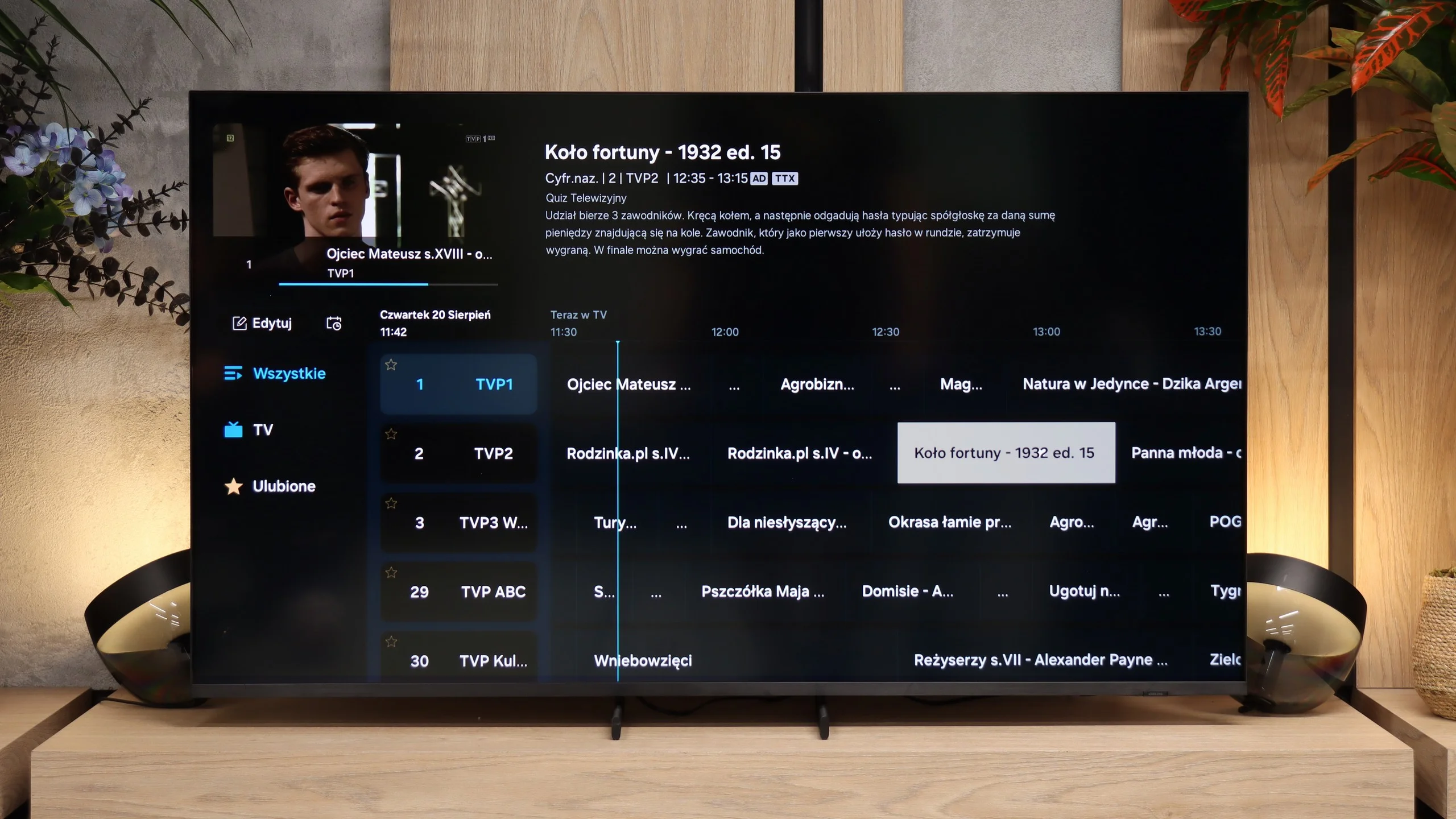
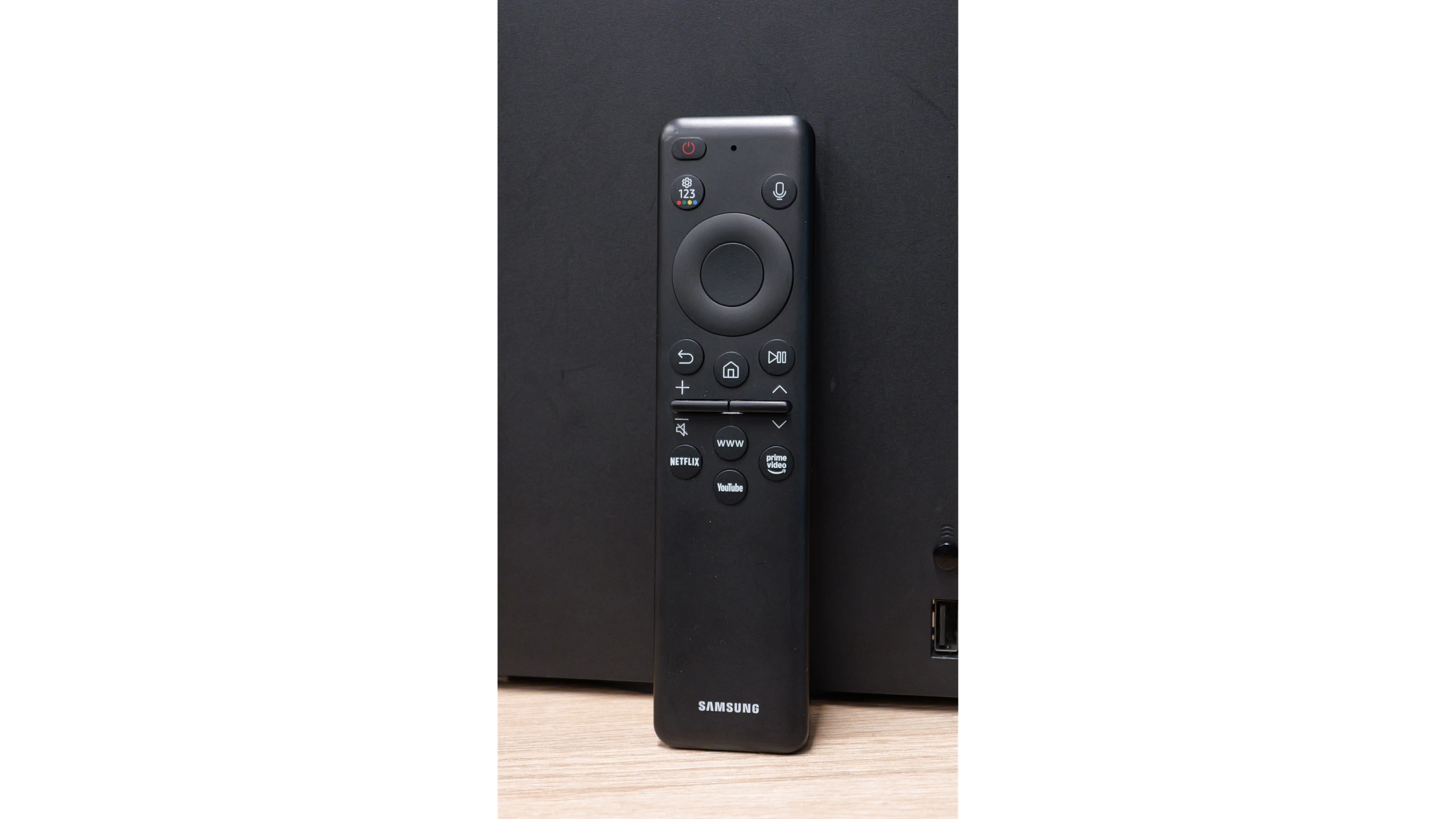
The Tizen operating system provides easy access to applications and streaming services including Netflix, Disney+, and HBO Max. At the same time, the solar remote permits control of other devices in the home - such as a satellite decoder, console, and more.
Its AirPlay feature allows for connection to iPhones, iPads and Macs and Bluetooth support enables wireless pairing with headphones, soundbars and gaming controllers.
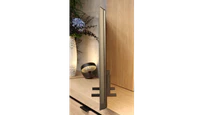
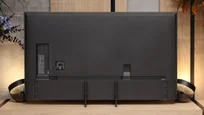
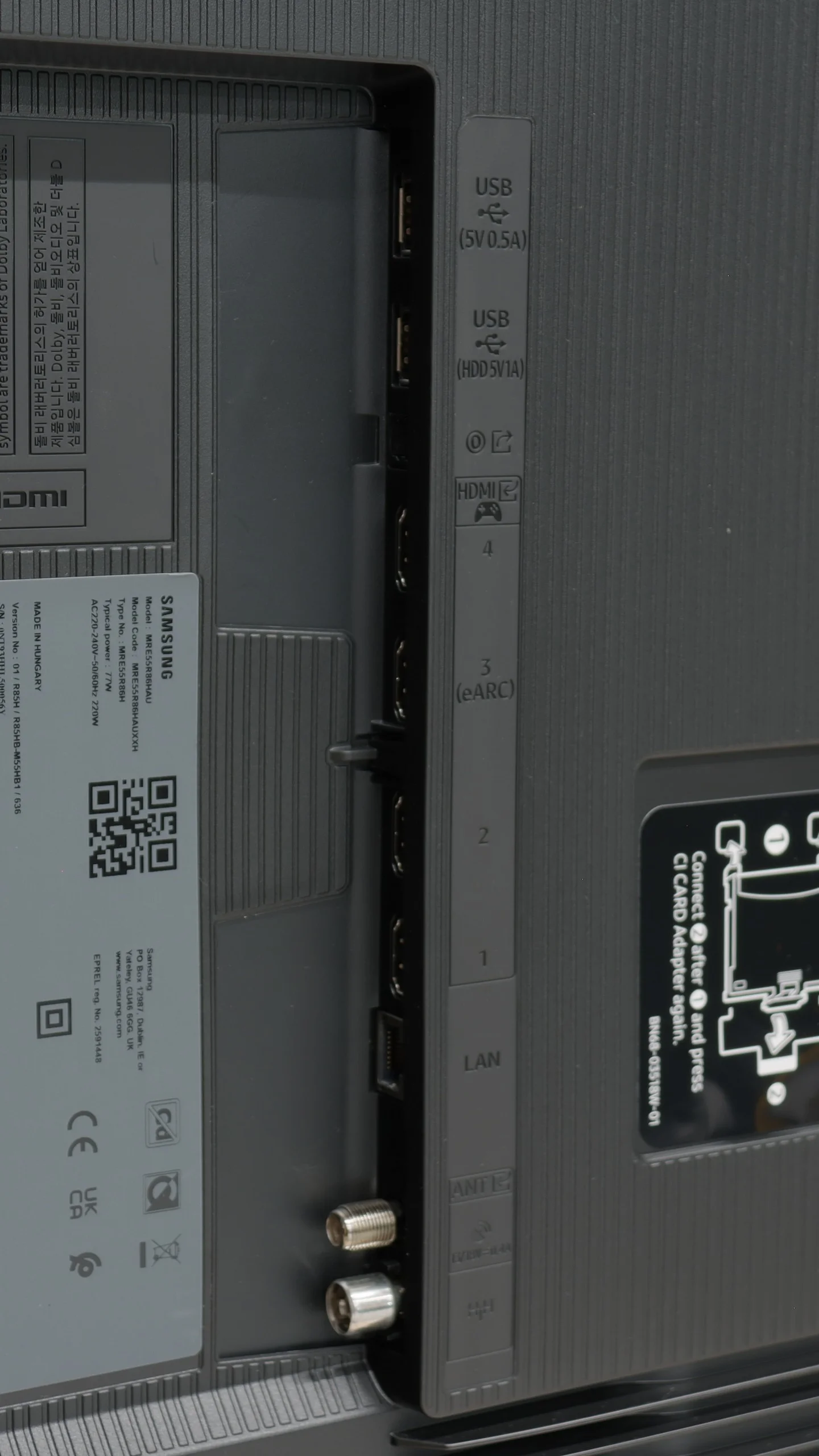
The design of the Samsung S85D stands out among its peers due to its unusual, rounded shape at the back, giving the TV an elegant appearance. High compatibility with other devices allows for easy transition into a home entertainment system without major issues.
However, no device is without flaws. The lack of recording functionality and DTS audio support means that users who prefer this codec will need an external audio system, and the average SDR brightness may affect viewing in very bright rooms.
Despite these slight imperfections, the Samsung S85D is an excellent choice for anyone looking for a modern, versatile TV with outstanding picture quality. It offers many features that significantly enhance the user experience, leaving a positive impression. A lot for a little – the Samsung S85D proves you don't have to spend a fortune to enjoy premium viewing from your TV.
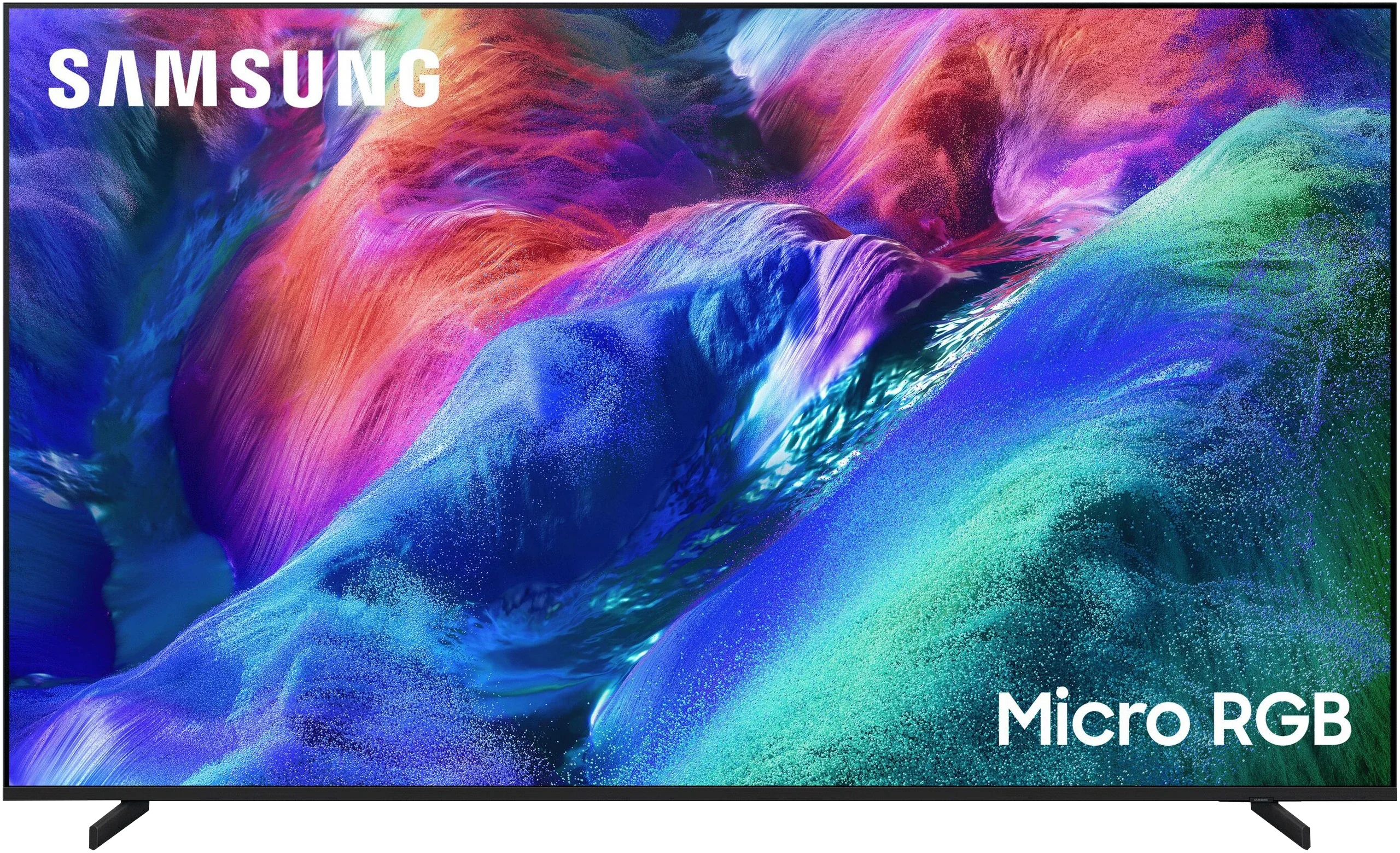
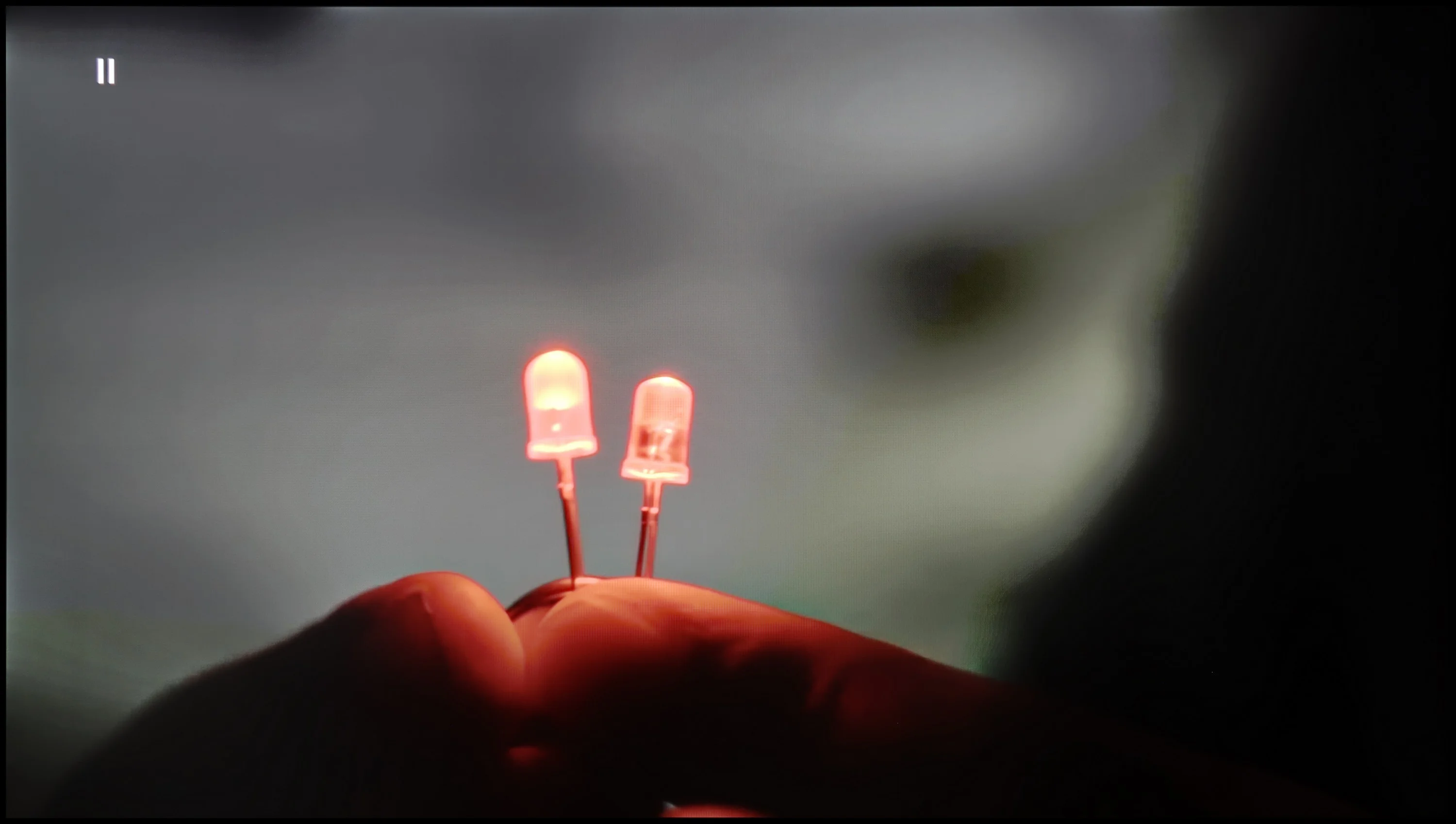
The Samsung R85H is above all a very versatile TV that works well in almost any situation. You can put it in a bright living room, hook up a console, watch a movie or series in the evening, and use regular broadcast TV every day, and each time you’ll get a good-quality picture. It may not make as strong an impression in the first minutes as Samsung’s best OLEDs, but it’s hard to point to a single feature that severely limits its use. That versatility is probably its biggest strength. Naturally, the R85H draws the most attention for its new "Micro RGB" backlight. From our tests we’d say it can indeed offer an advantage over classic Mini-LED, although not always in the areas the manufacturer emphasizes most. On test charts the color reproduction capabilities are impressive, but in real, more complex scenes the TV can’t always exploit the full potential of a three-color backlight. Its advantage is easiest to spot in simpler parts of the image, where intense reds, greens, or blues can look truly striking. Viewing angles are also a bit better, because colors viewed off-axis retain their saturation longer than on conventional LCD TVs. Micro RGB doesn’t, however, solve all the limits of RGB technology. With very saturated elements you can sometimes notice slight color bleeding into adjacent bright areas, and the relatively small number of local dimming zones means the backlight can’t always operate as precisely as its on-paper specs might suggest. The R85H shows that RGB really has potential and could be the next step in LCD development, but using colored LEDs alone doesn’t automatically translate into a huge jump in picture quality. For that reason we’d treat the R85H mainly as a somewhat better and more interesting alternative to the QN80H, not as a must-buy solely because it says Micro RGB. If the price gap between those models is reasonable, we’d choose the R85H. We wouldn’t pay a large premium just for the new backlight, since its everyday advantage isn’t always as big as marketing materials might imply. Regardless, the R85H is a successful all-purpose TV, and that’s probably the best way to look at it.
 Direct comparison