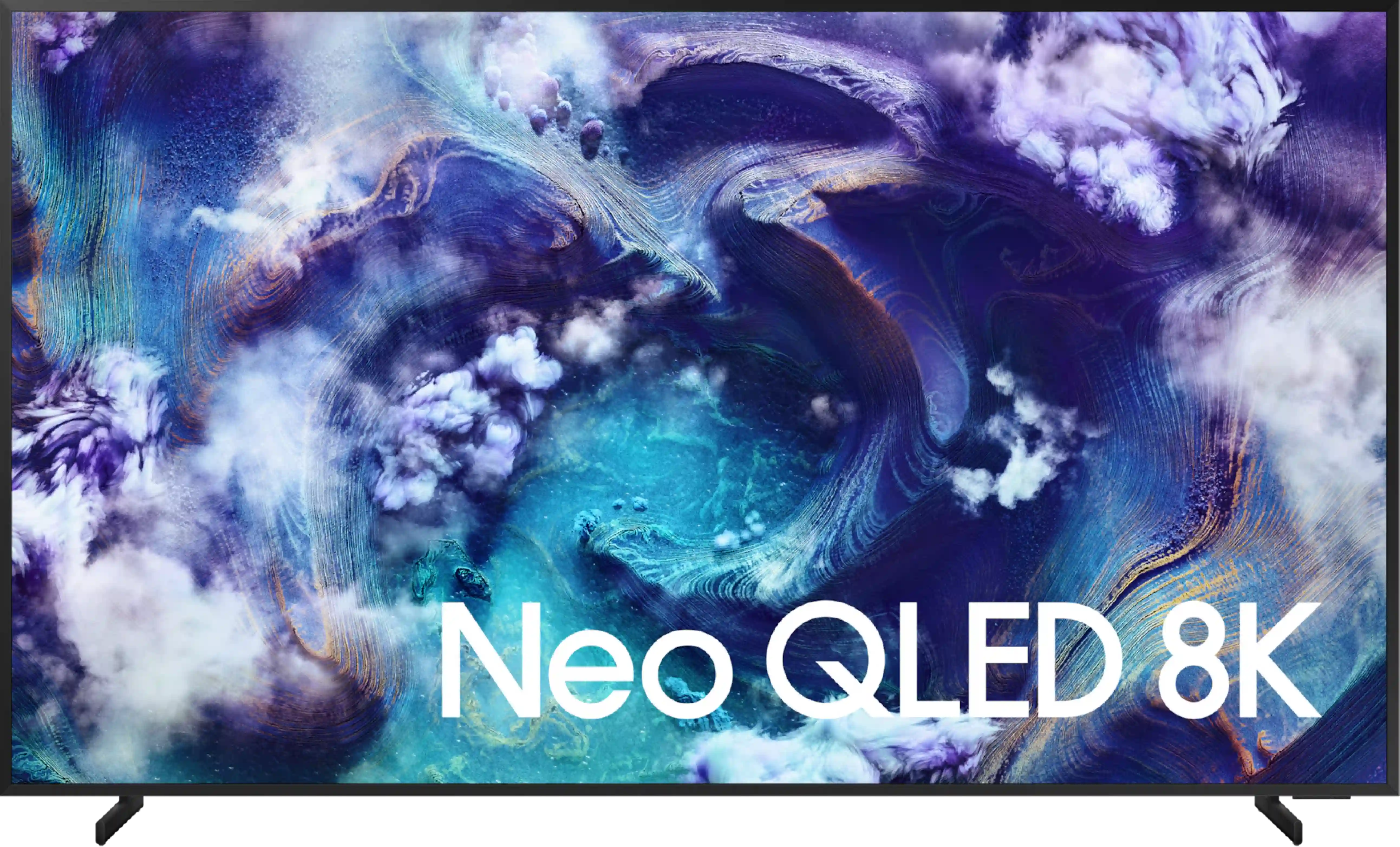
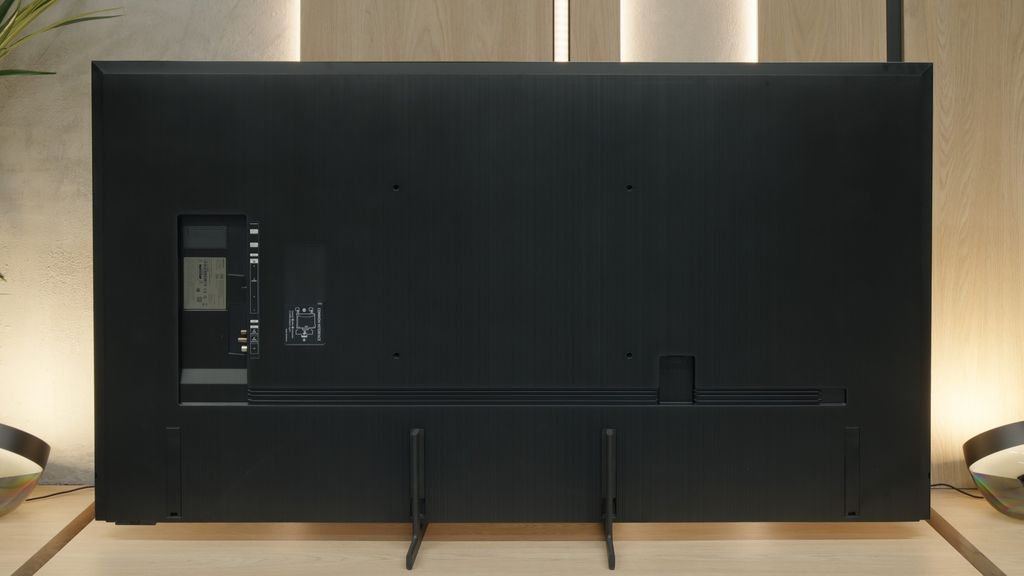
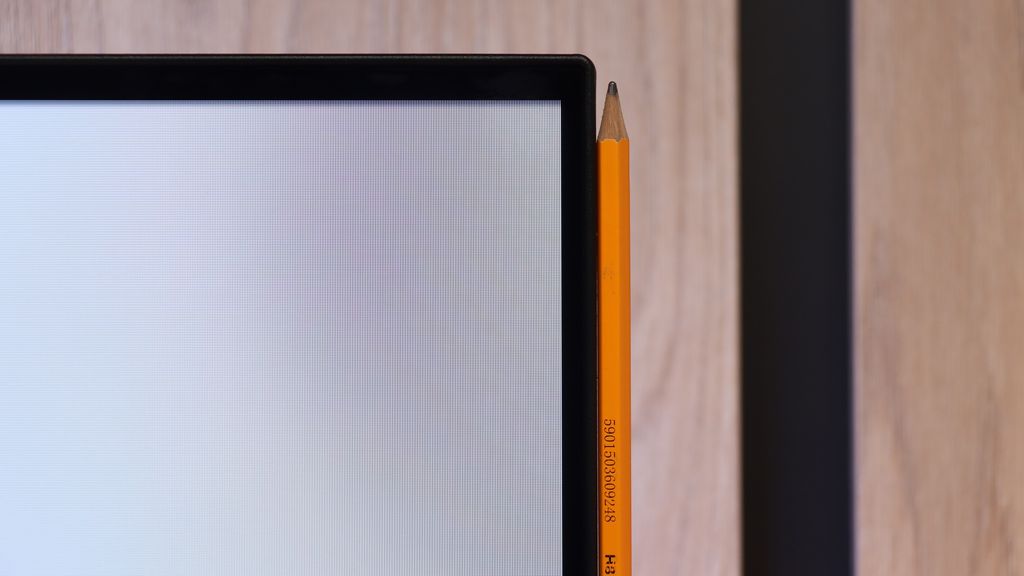
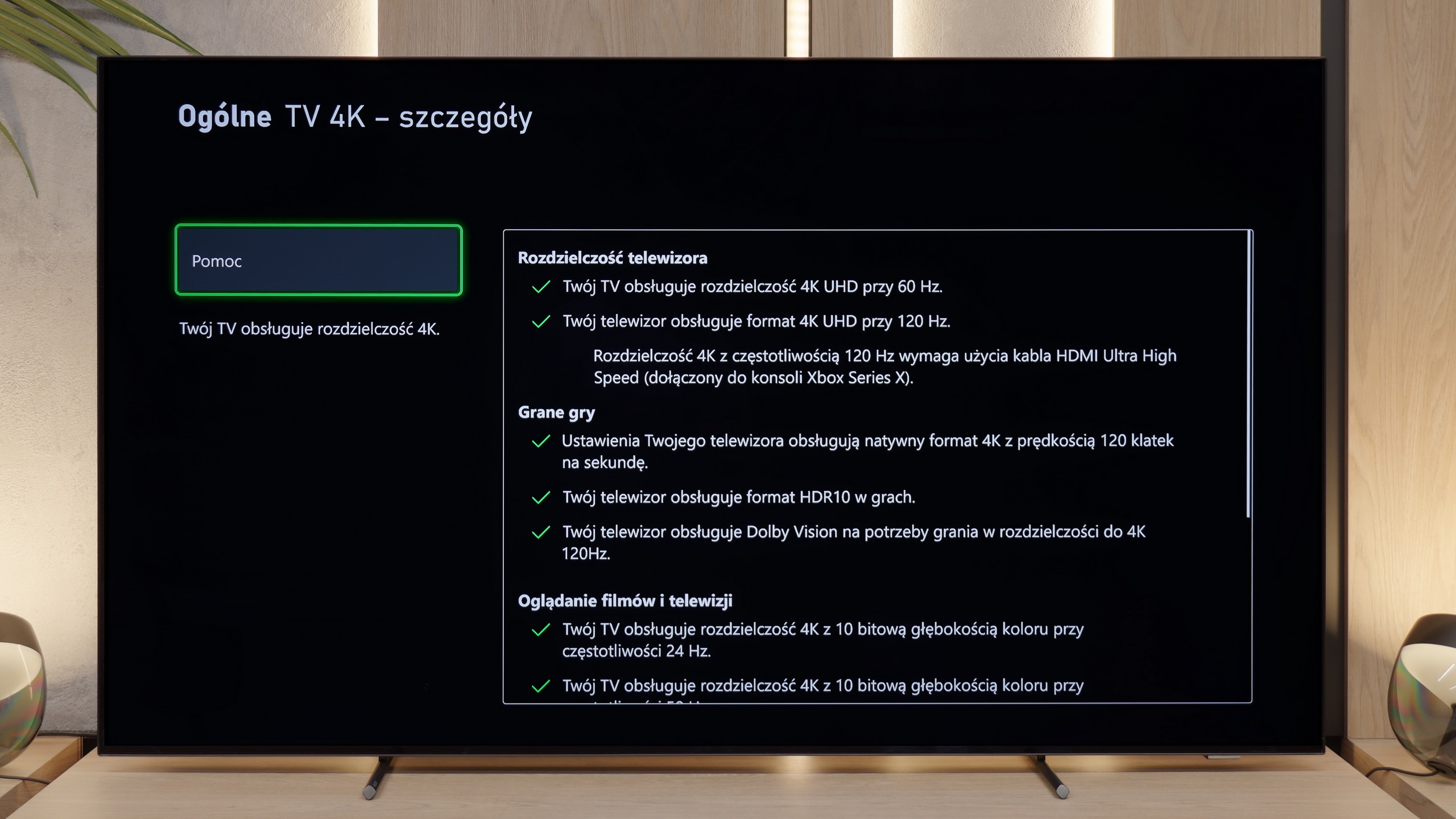
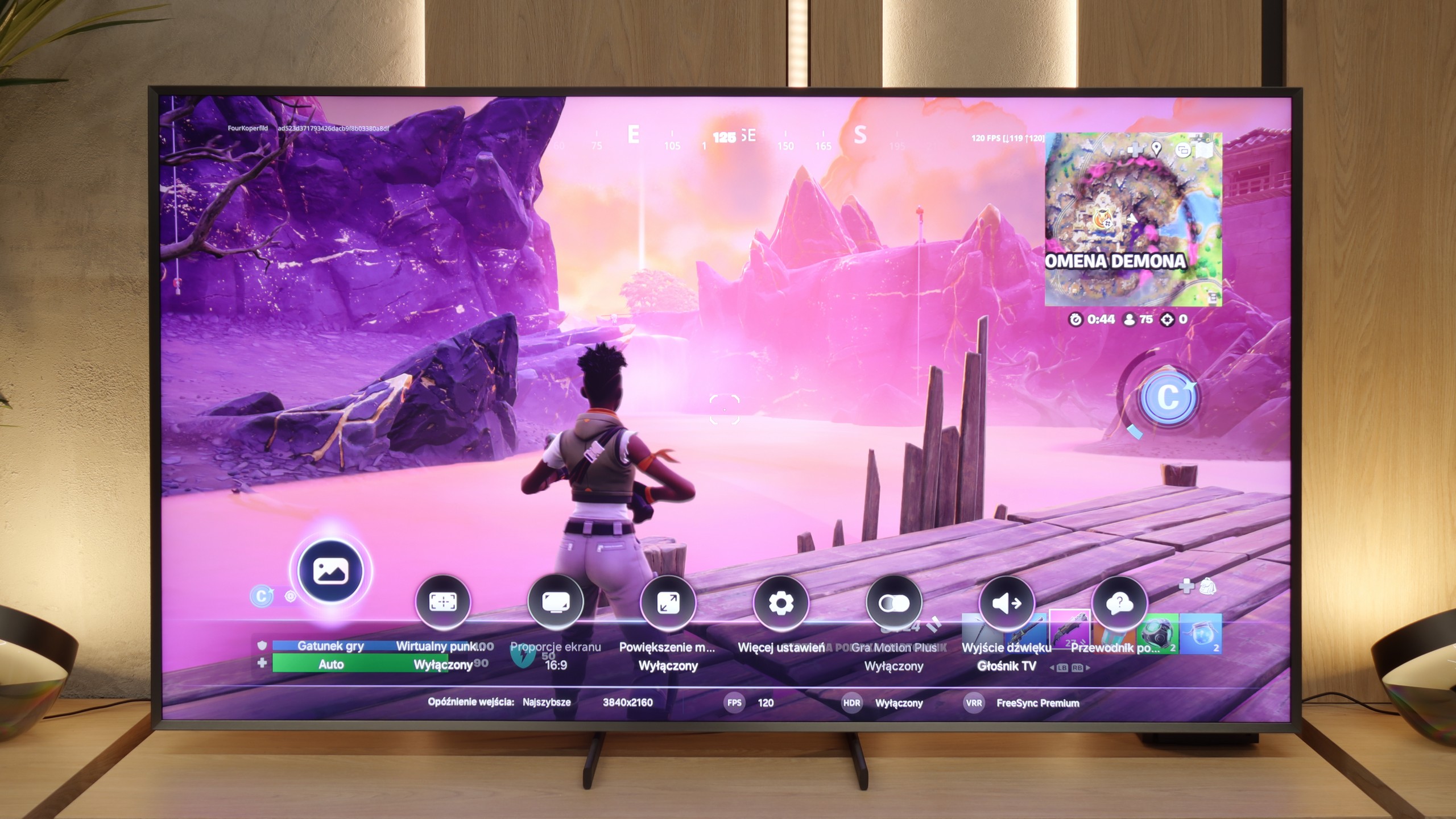
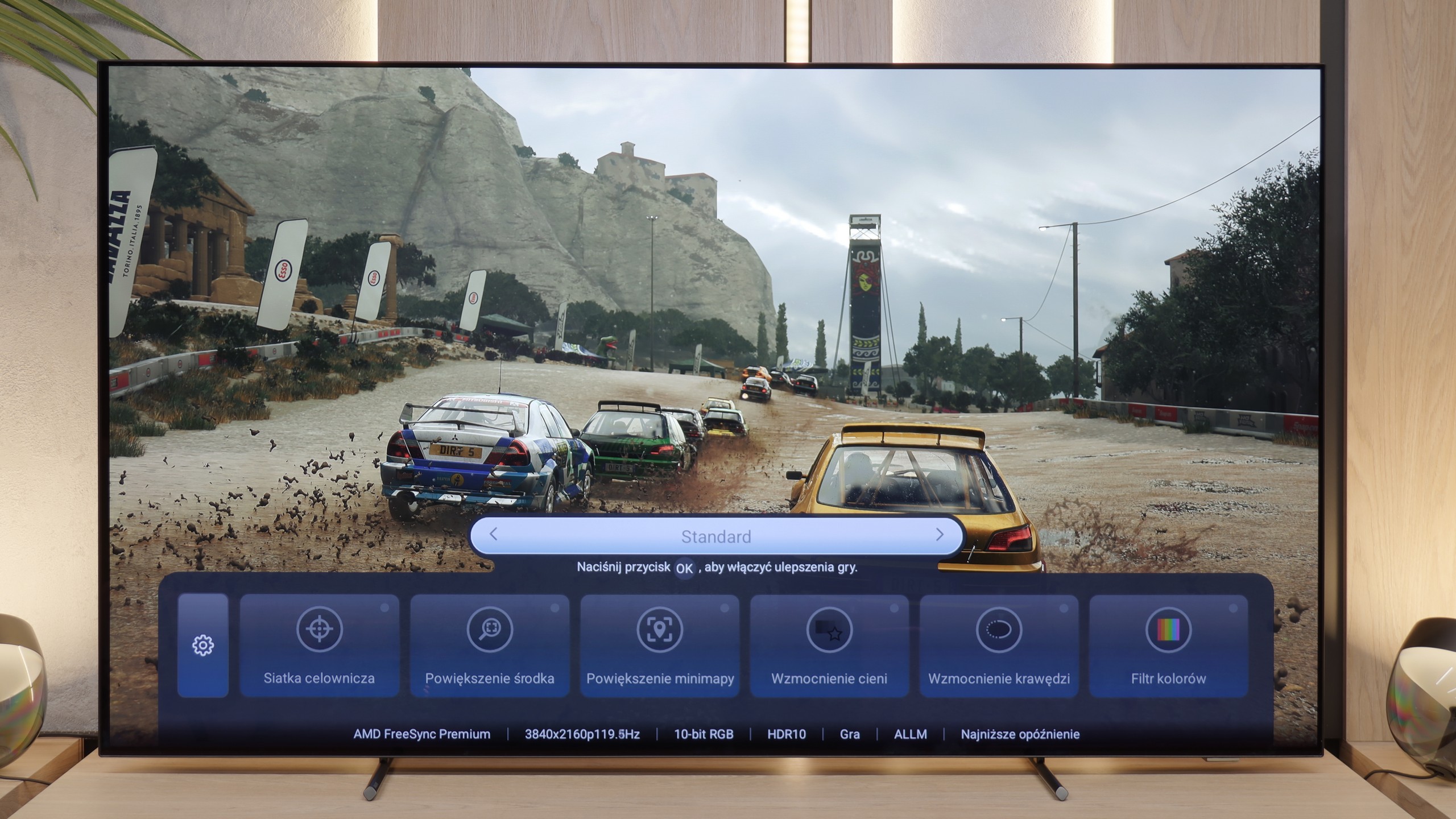
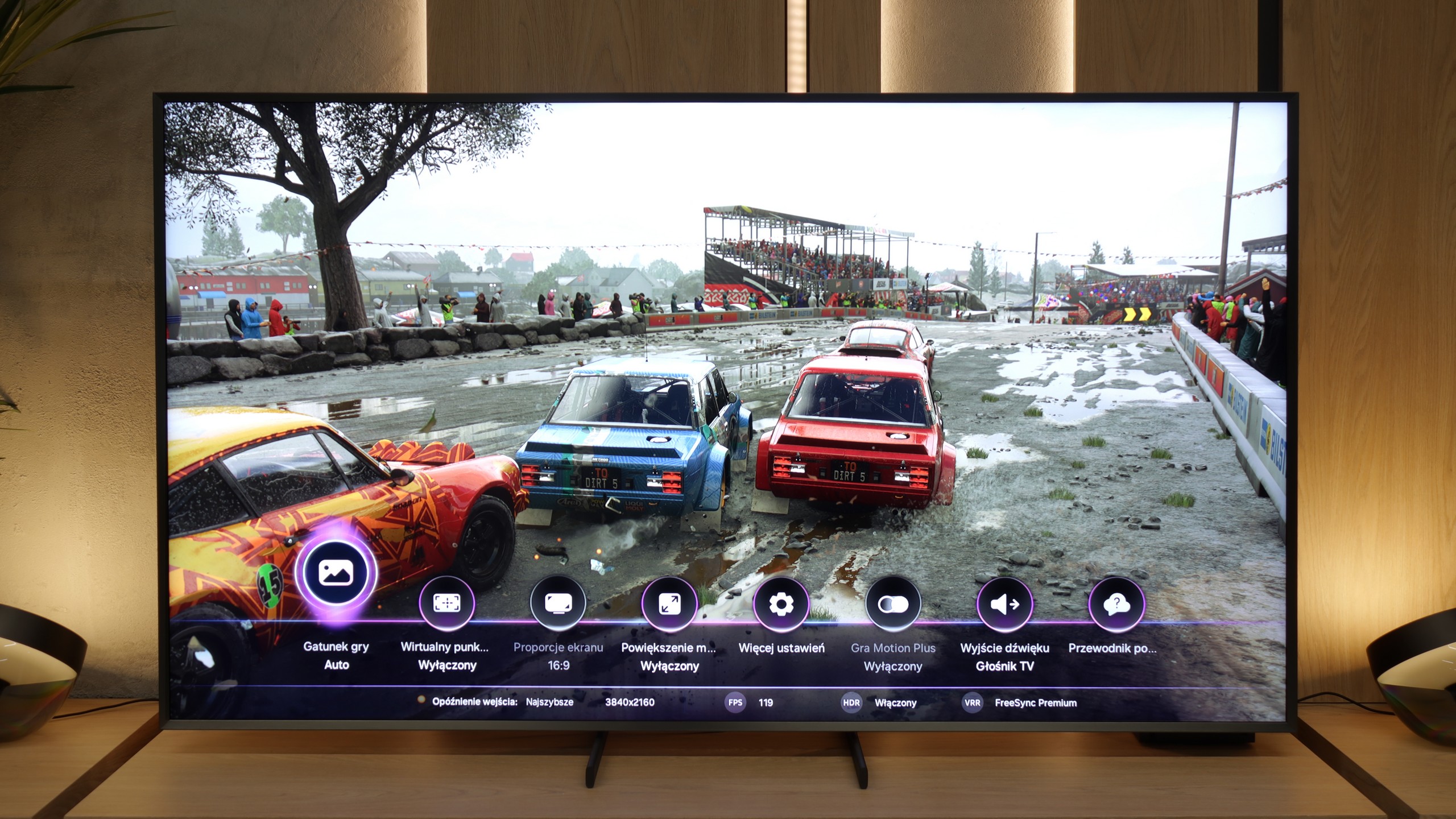
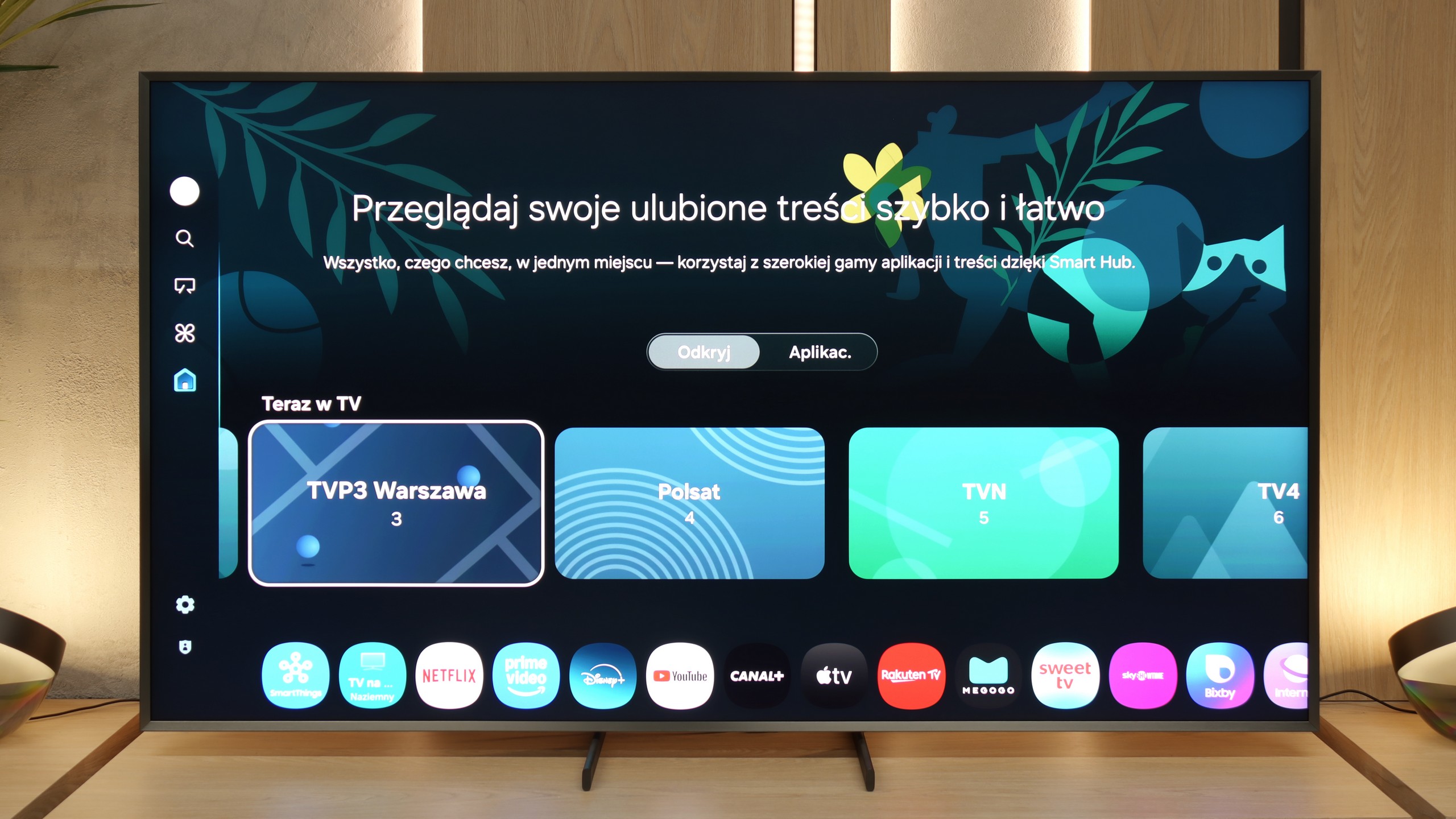
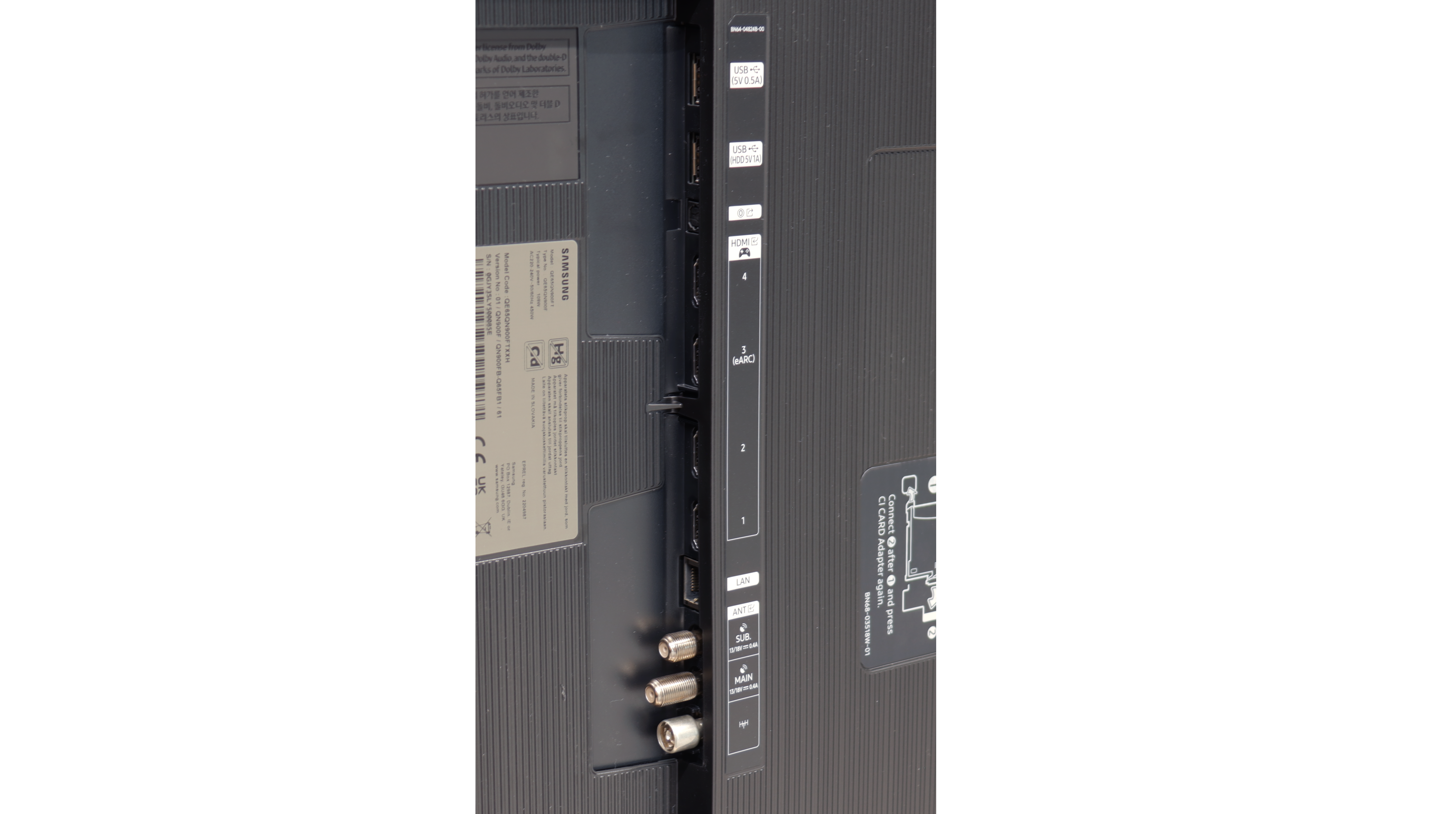
The Samsung QN900F is a television that can make a huge impression. The biggest strength of this model is the combination of Mini-LED backlighting with a matte panel. Thanks to this, we not only have decent blacks but, above all, incredible brightness and excellent readability in any conditions. During the day, in a brightly lit living room, it is probably the best-performing television in Samsung's offering this year. Gamers will also find plenty to enjoy here – even though it's an 8K screen, it can operate at a frequency of up to 165 Hz in 4K. Additionally, it comes with a full suite of HDMI 2.1, VRR and ALLM features, and low input lag, so the QN900F works well with both next-generation consoles and PCs. The design also deserves applause – when hung on the wall with a thick metal frame, this model resembles a more luxurious version of the iconic The Frame. Combined with the matte panel and Art Store mode, it can indeed be treated as a piece of equipment that not only plays and shines but also decorates the living room.
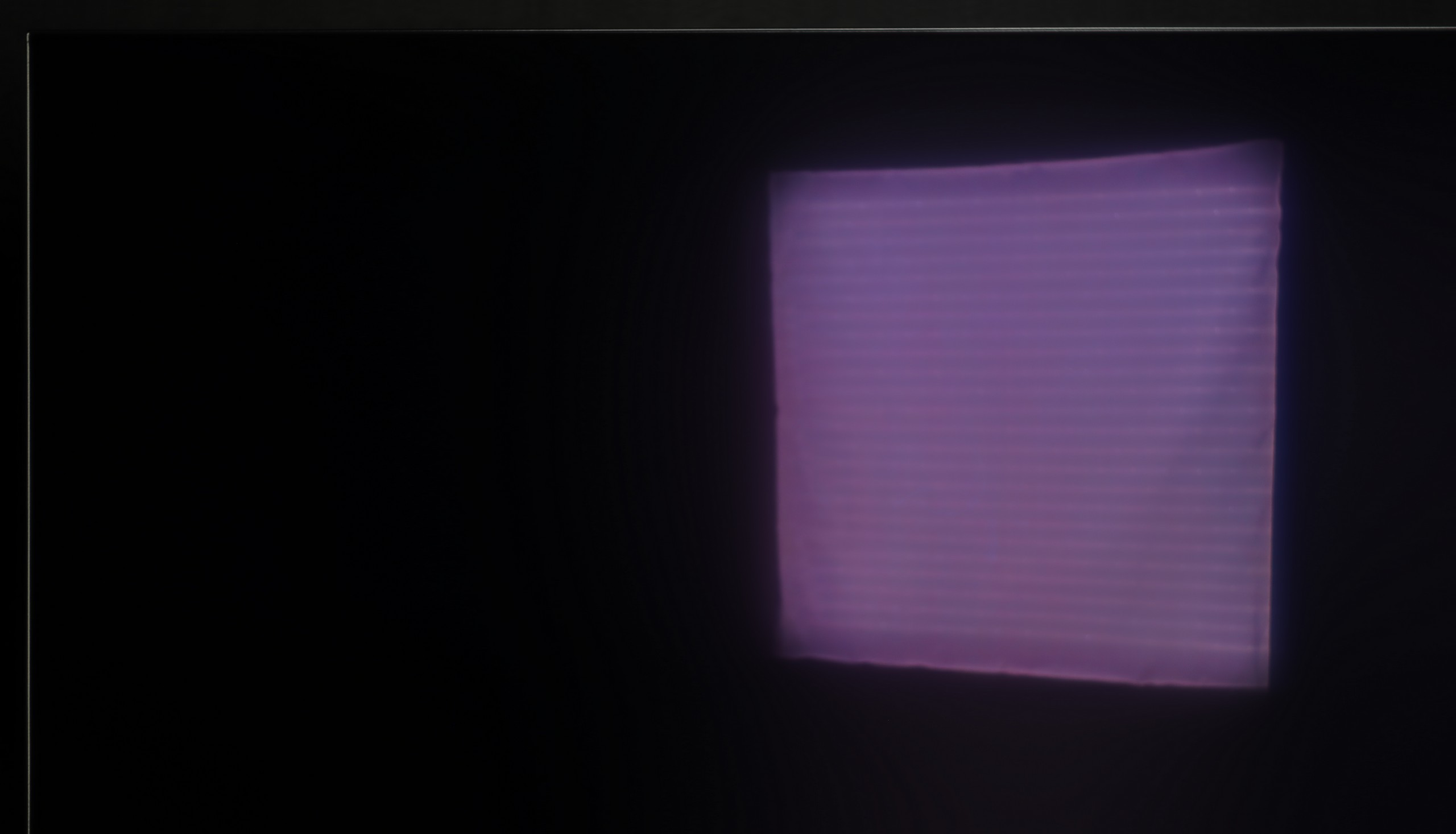
However, not everything is perfect. Despite its impressive specifications, managing local dimming doesn't always perform as well as one might expect. With such a large number of zones, Samsung could refine the control over blacks and HDR effects – it's clear that the potential is immense, but it doesn't always translate into top-tier picture quality. Also, it’s worth remembering that 8K resolution is still more of a novelty than a real necessity, and the price of this model makes it easy to start looking for cheaper alternatives, even within Samsung's own range. Despite these reservations, the QN900F is a television that can certainly impress. Its strength doesn't lie in 8K alone, but in how it presents the image, how it looks, and the enjoyment it provides during use.
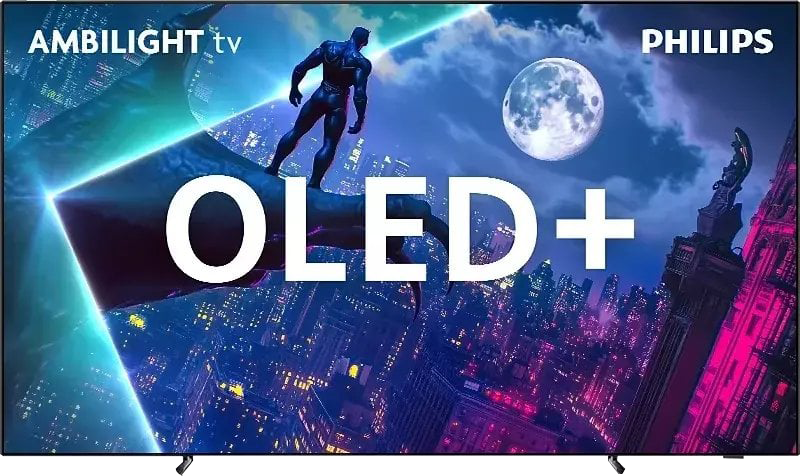
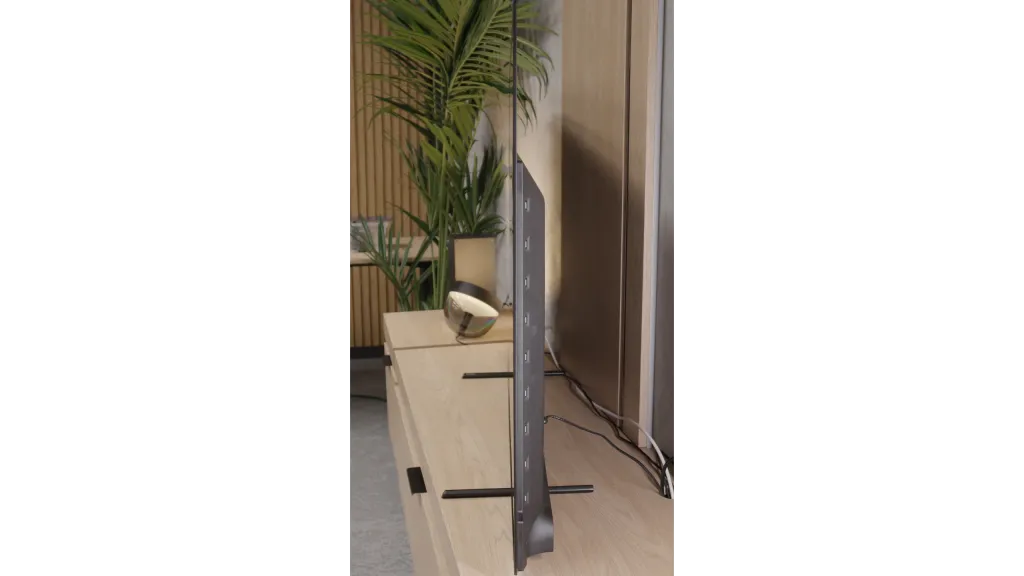
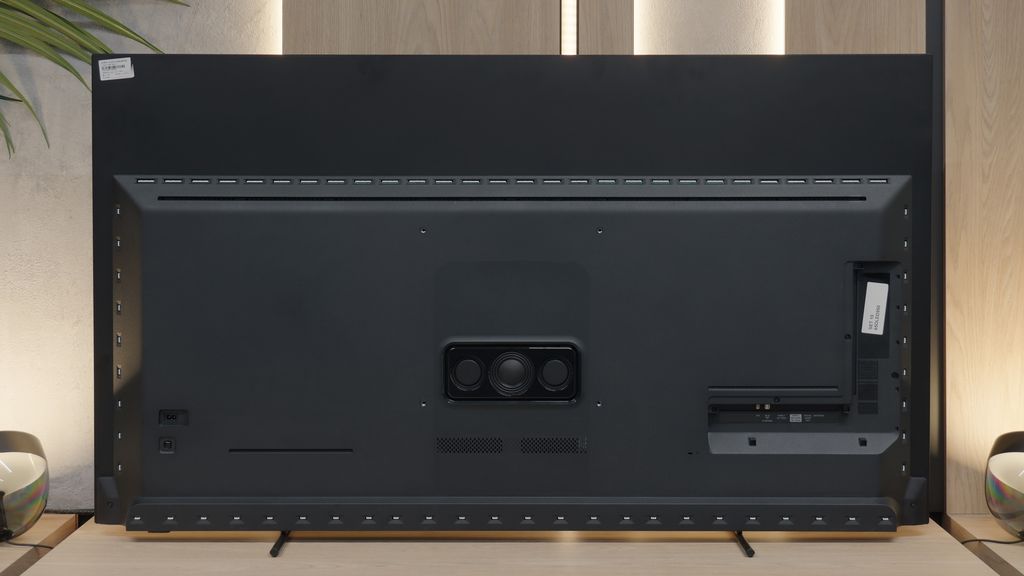
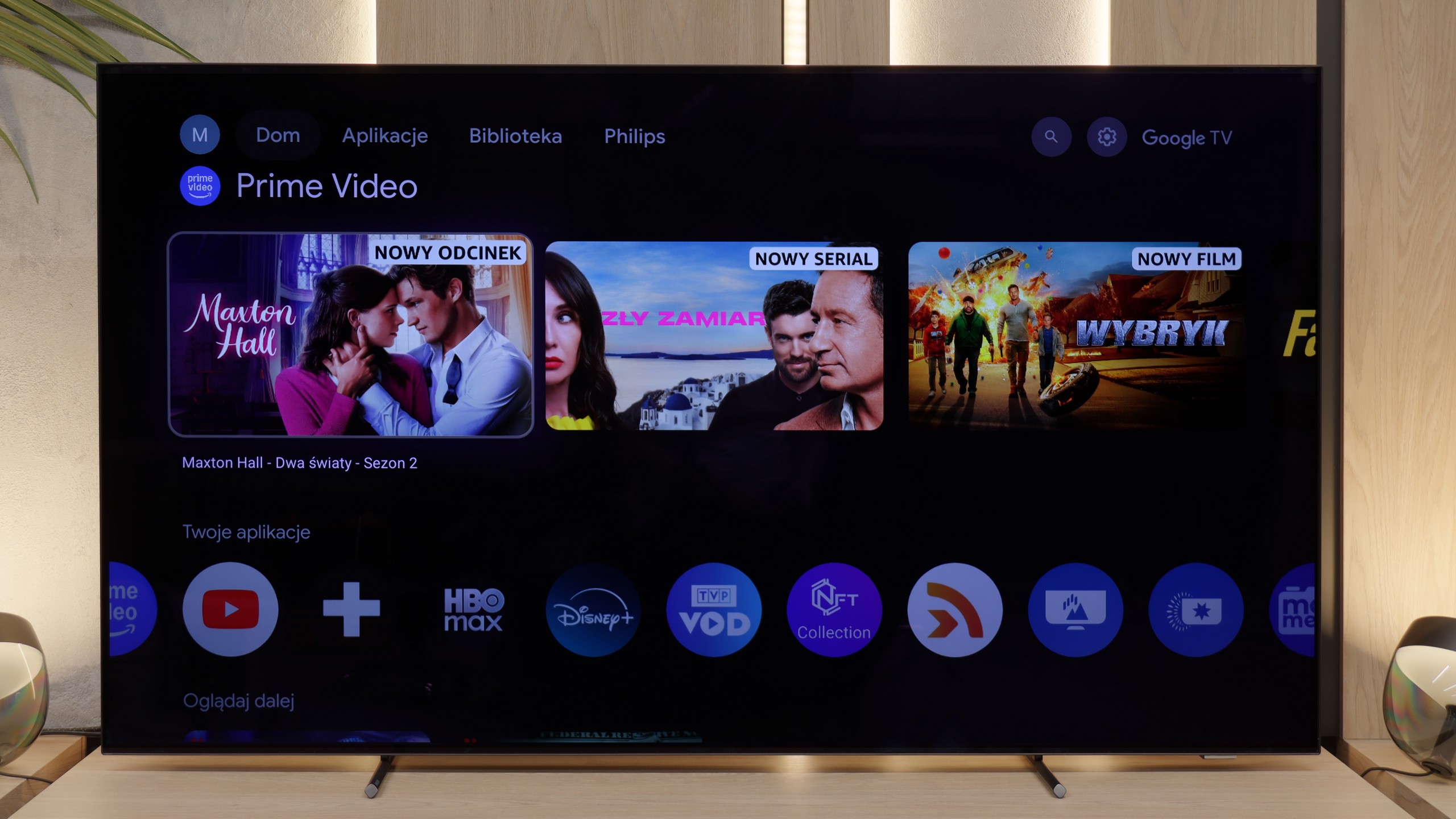
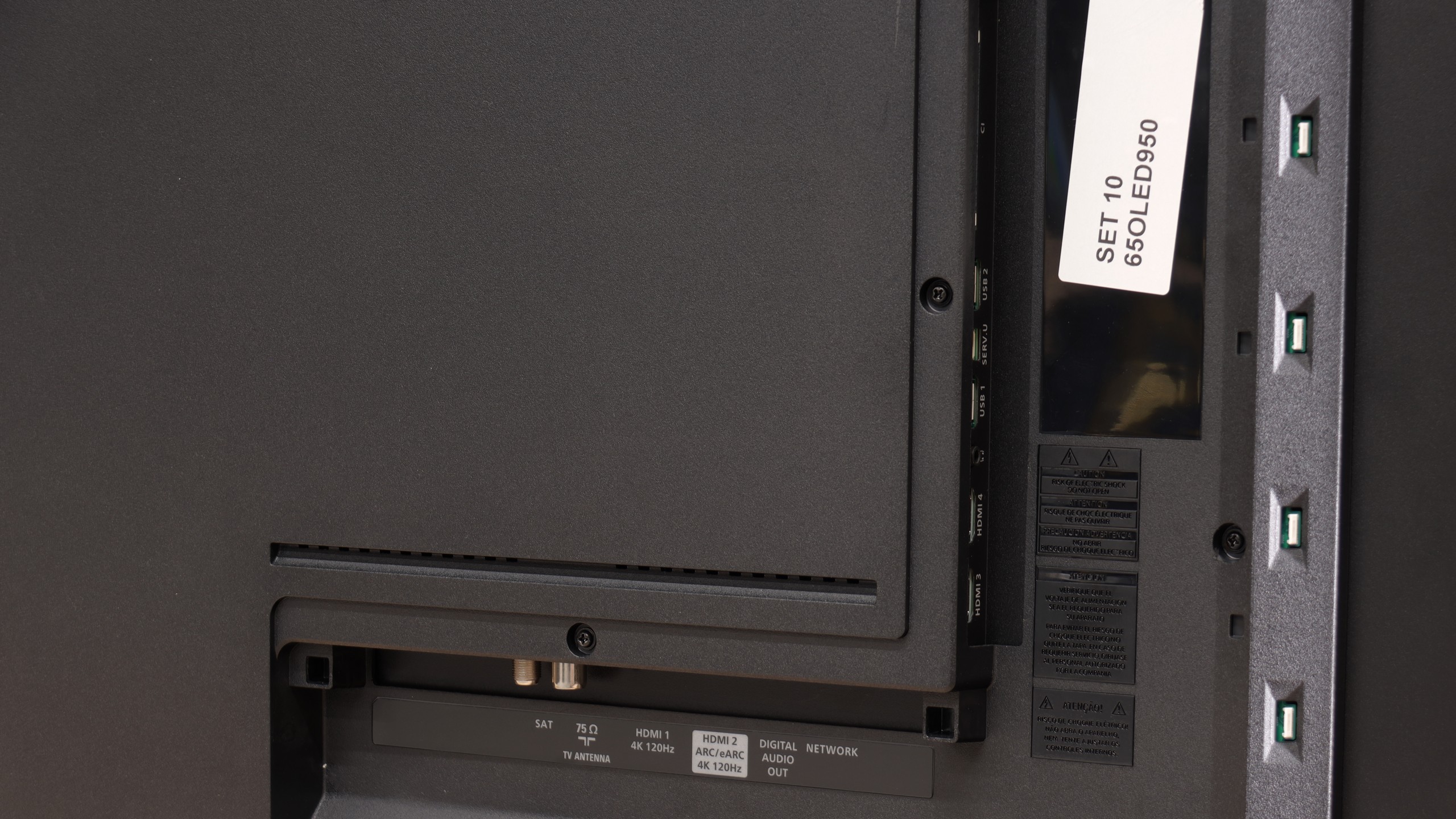
Philips OLED950 is undoubtedly a technological showcase that redefines what we can expect from a home entertainment center in many aspects. The use of groundbreaking Tandem OLED technology means that when it comes to picture quality, we are reaching absolute heights here. The combination of infinite black and perfect contrast with brightness that can exceed the magical barrier of 2000 nits in HDR mode produces effects that, at times, take your breath away. Whether we are watching movies in a sunlit living room or playing games at night with the support of a 4-sided Ambilight system, the experience is simply phenomenal. This is a complete screen that will satisfy both the cinephile seeking fidelity in Dolby Vision and the gamer demanding 144 Hz and perfect motion response.
However, this admiration for the raw performance of the panel is mixed with some disappointment when we look at the manufacturer's promises regarding image processing. Philips strongly promoted the use of a "dual" P5 processor, suggesting that it would be a remedy for all the woes of digital signal processing. However, the reality turned out to be less revolutionary. In our tests, the difference compared to models equipped with the standard, single P5 chip was almost imperceptible in everyday use. Issues with the smoothness of tonal transitions and posterization in difficult scenes, although rare, still occur. Given the astronomical price of this model, we expected a much greater qualitative leap in this aspect that would justify such a high positioning of the equipment. The issue of cost-effectiveness becomes the biggest problem for this otherwise outstanding television. When we look at the market with a cool head, the situation of the 950 model becomes complicated. It's not just about the strong competition from cheaper flagship models like the LG G5 or Samsung S95F, but about the "fratricidal" fight within Philips' own offerings. It turns out that the lower-positioned OLED910 model offers us practically the same brilliant image generated by an identical panel. Moreover, the 910 model wins at the starting gate in terms of audio, offering an integrated soundbar from Bowers & Wilkins, which is simply absent in the more expensive 950 model in favor of a different design. Thus, we encounter a paradox: we get the same picture and worse sound, yet we have to pay significantly more. Therefore, although the OLED950 is a fantastic screen, in 2025 the title of "Best Philips TV" and our recommendation goes to the model OLED910.
 Direct comparison