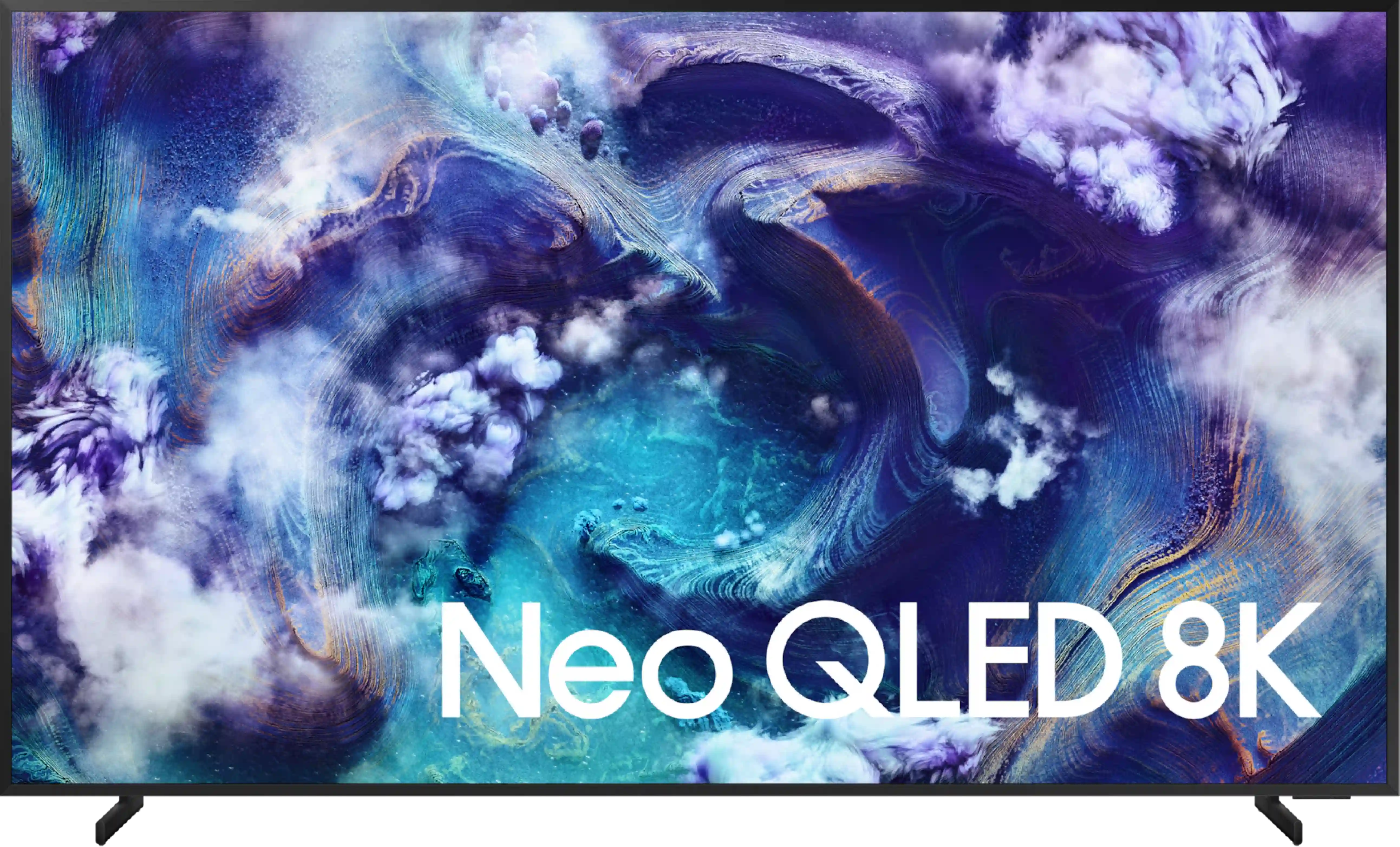
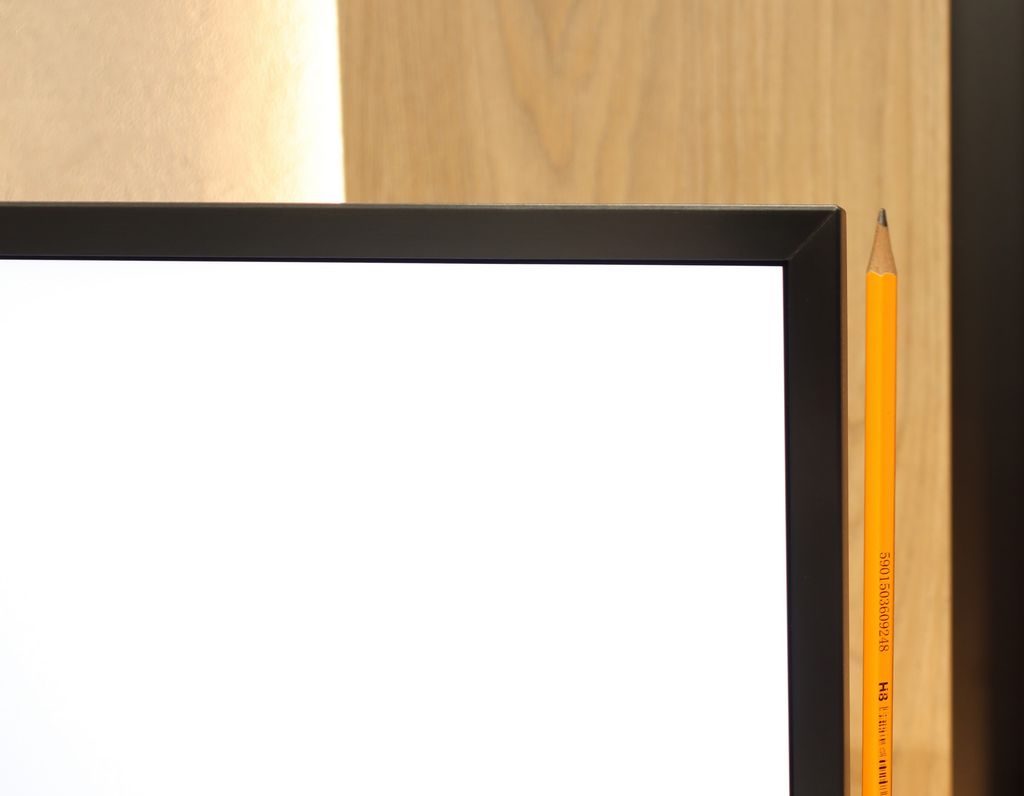
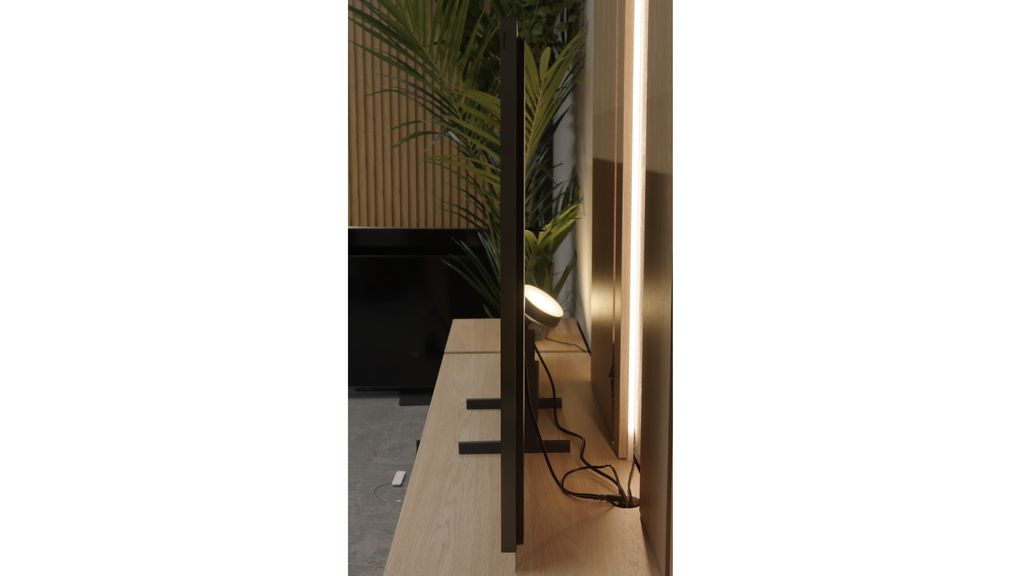
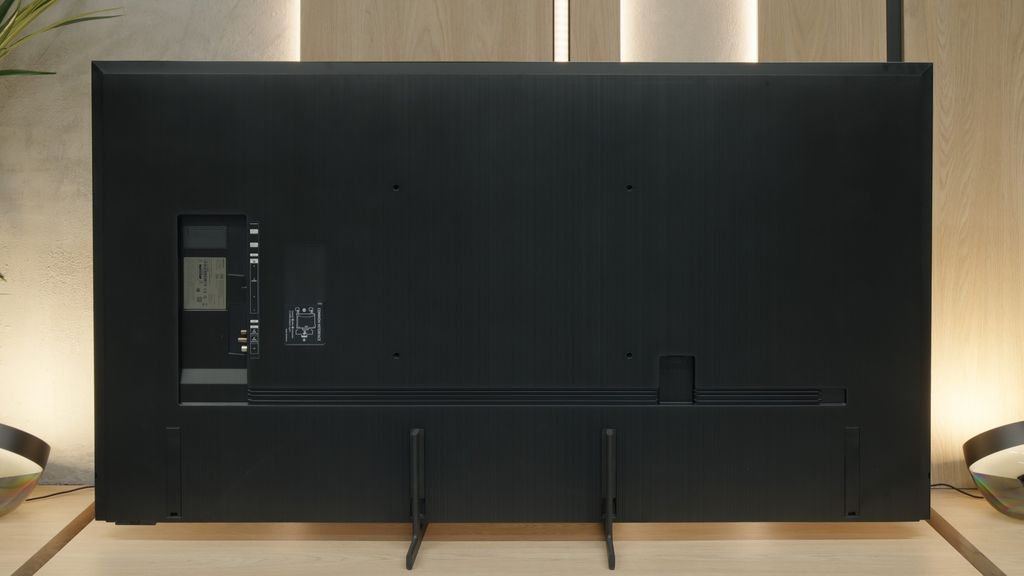
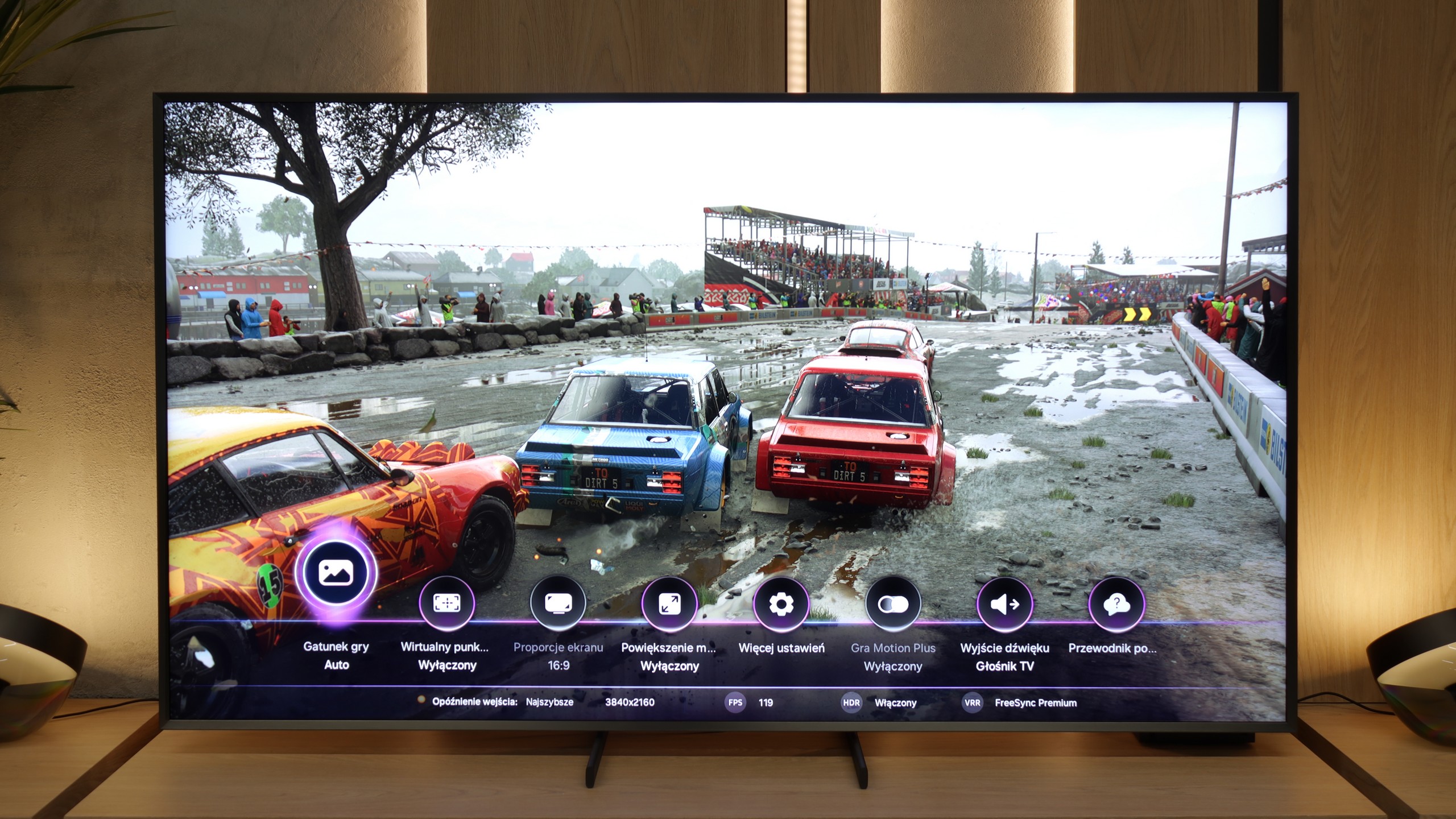
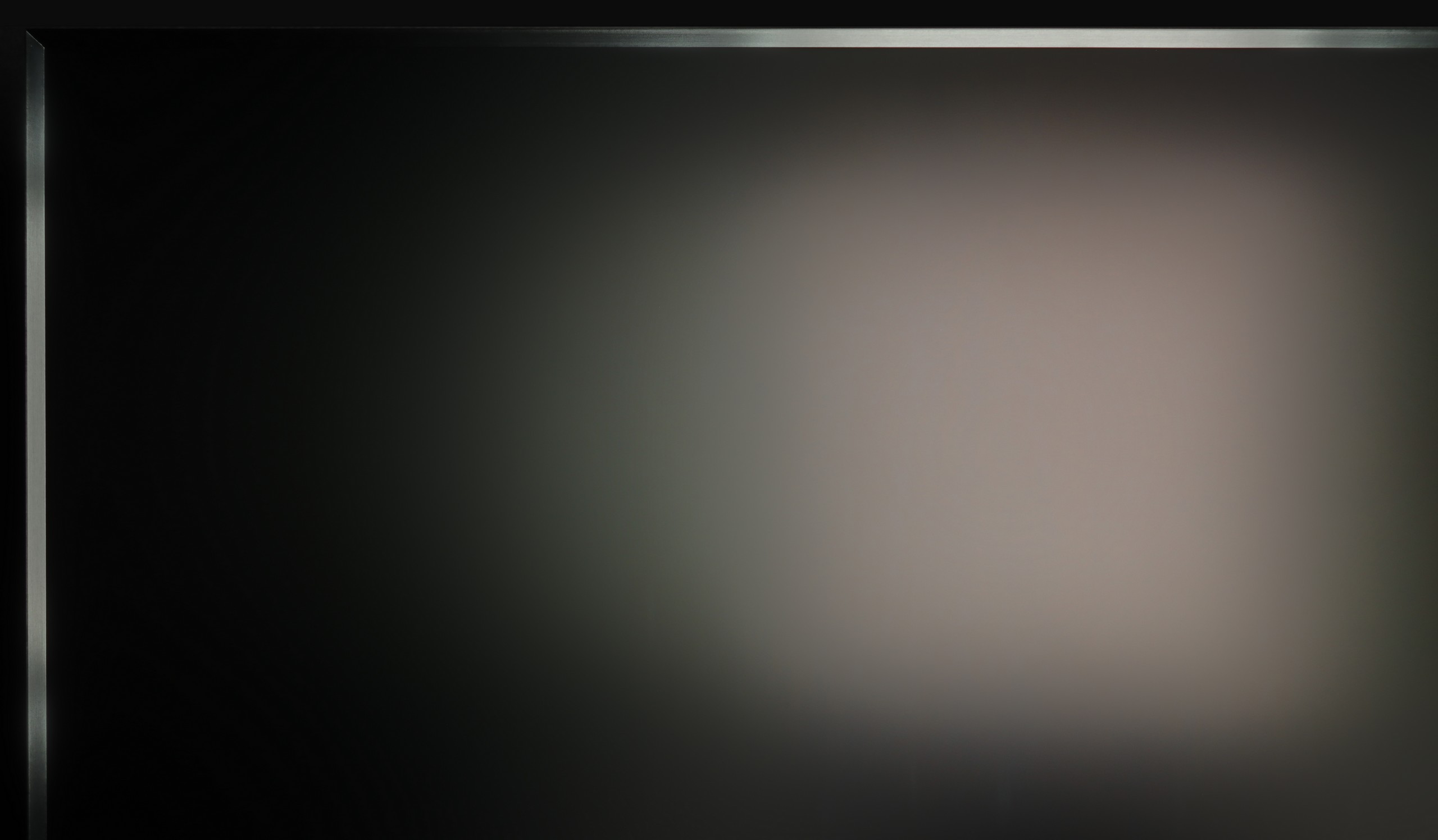
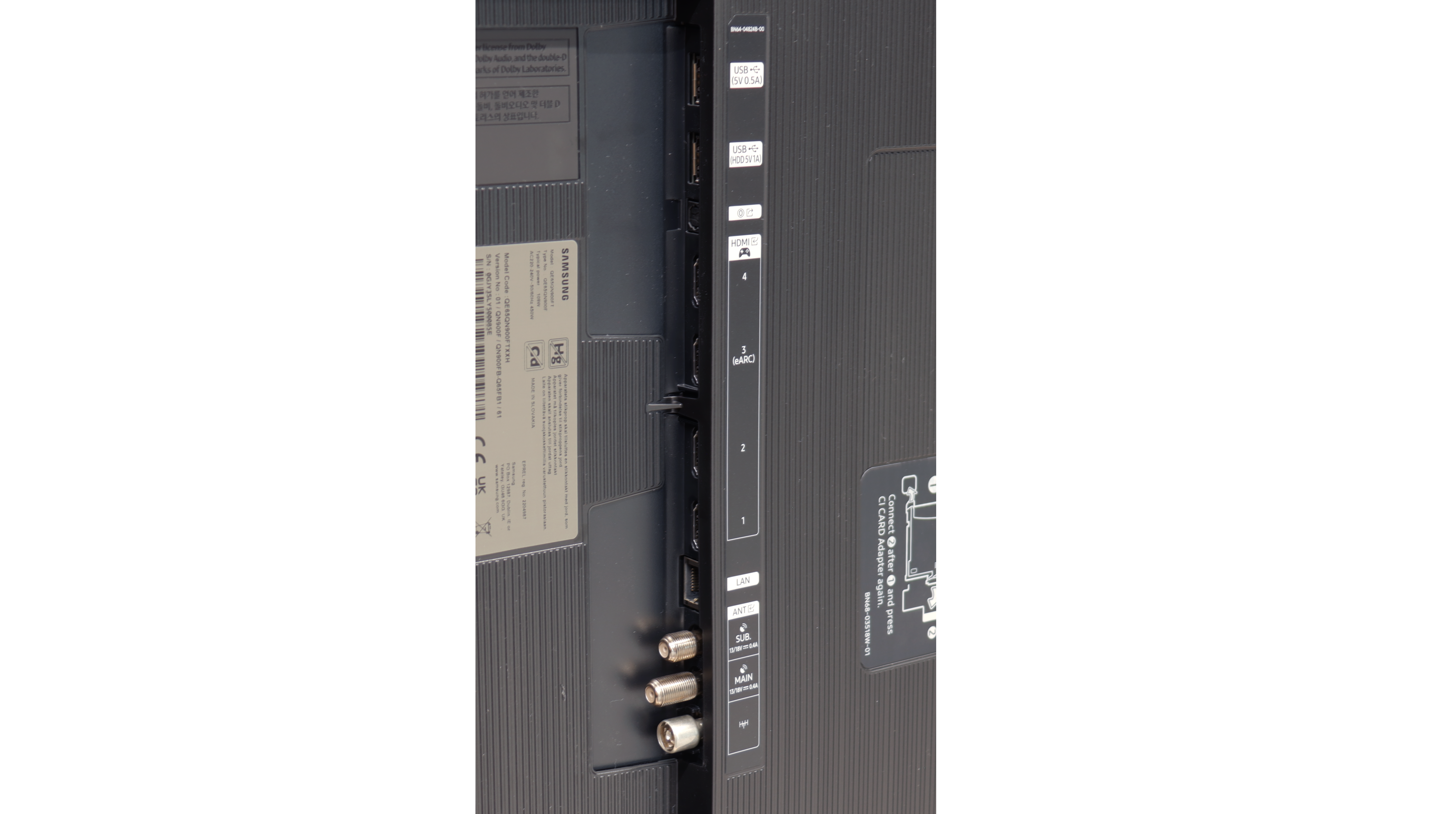
The Samsung QN900F is a television that can make a huge impression. The biggest strength of this model is the combination of Mini-LED backlighting with a matte panel. Thanks to this, we not only have decent blacks but, above all, incredible brightness and excellent readability in any conditions. During the day, in a brightly lit living room, it is probably the best-performing television in Samsung's offering this year. Gamers will also find plenty to enjoy here – even though it's an 8K screen, it can operate at a frequency of up to 165 Hz in 4K. Additionally, it comes with a full suite of HDMI 2.1, VRR and ALLM features, and low input lag, so the QN900F works well with both next-generation consoles and PCs. The design also deserves applause – when hung on the wall with a thick metal frame, this model resembles a more luxurious version of the iconic The Frame. Combined with the matte panel and Art Store mode, it can indeed be treated as a piece of equipment that not only plays and shines but also decorates the living room.
However, not everything is perfect. Despite its impressive specifications, managing local dimming doesn't always perform as well as one might expect. With such a large number of zones, Samsung could refine the control over blacks and HDR effects – it's clear that the potential is immense, but it doesn't always translate into top-tier picture quality. Also, it’s worth remembering that 8K resolution is still more of a novelty than a real necessity, and the price of this model makes it easy to start looking for cheaper alternatives, even within Samsung's own range. Despite these reservations, the QN900F is a television that can certainly impress. Its strength doesn't lie in 8K alone, but in how it presents the image, how it looks, and the enjoyment it provides during use.
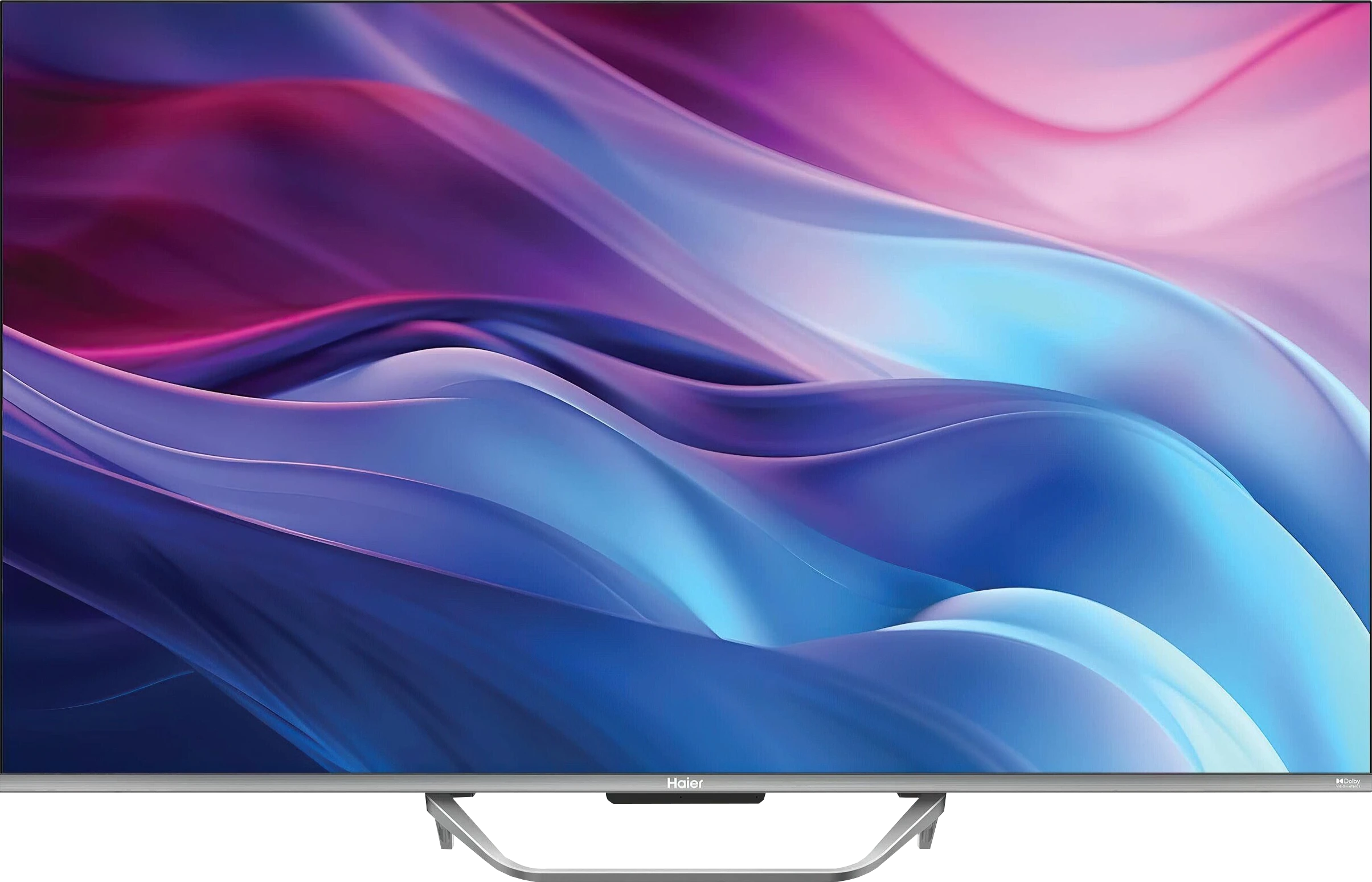
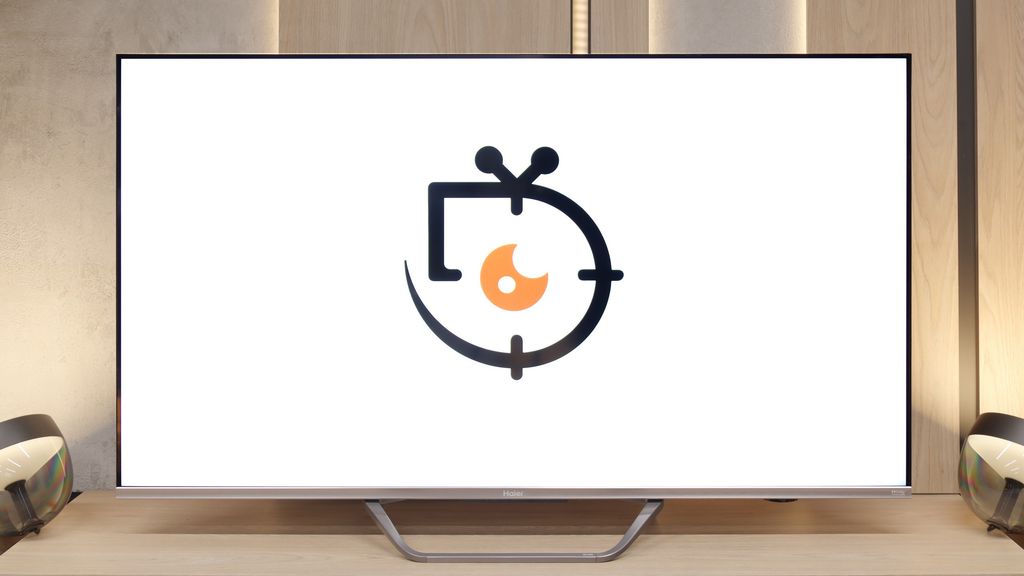
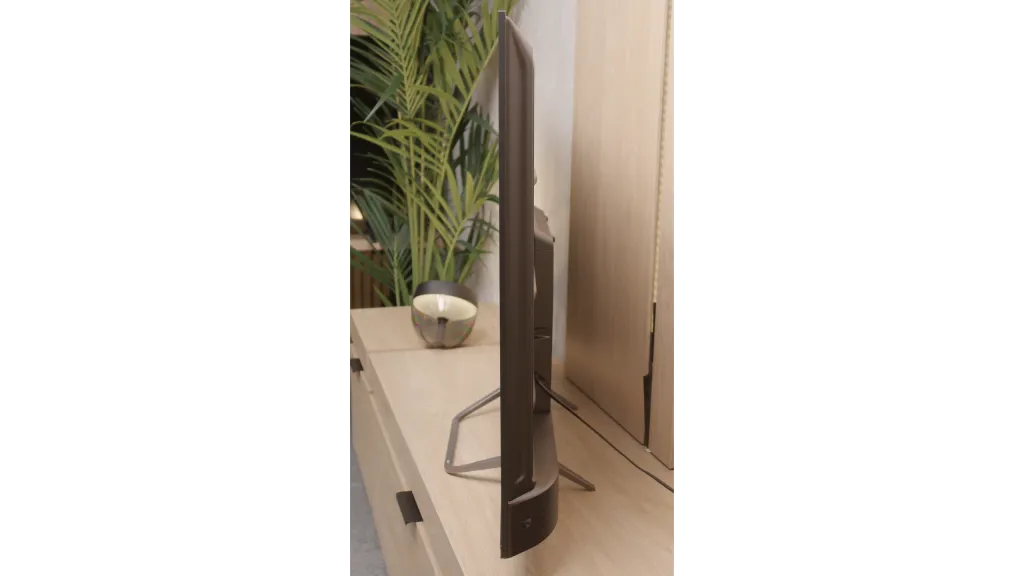
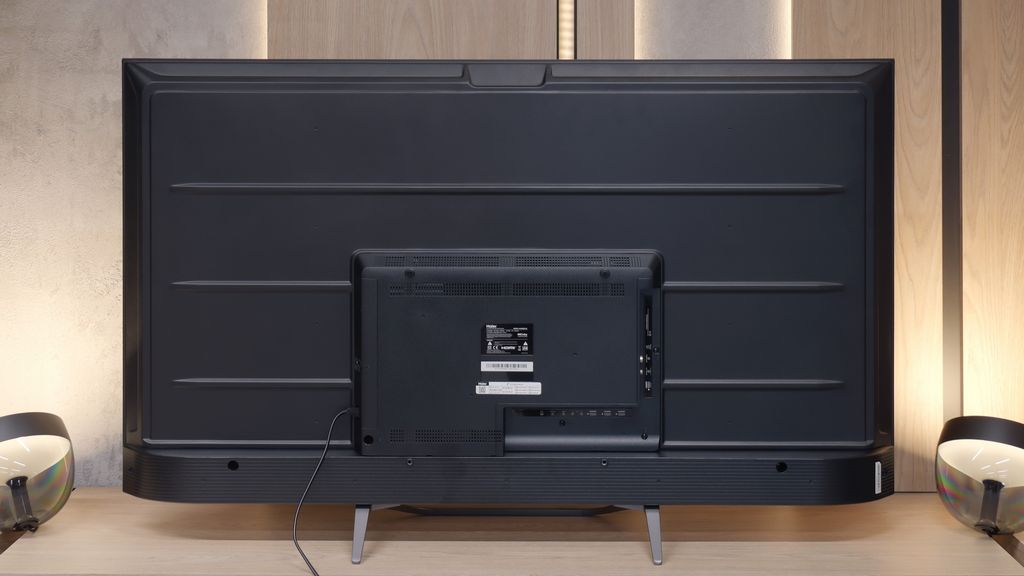
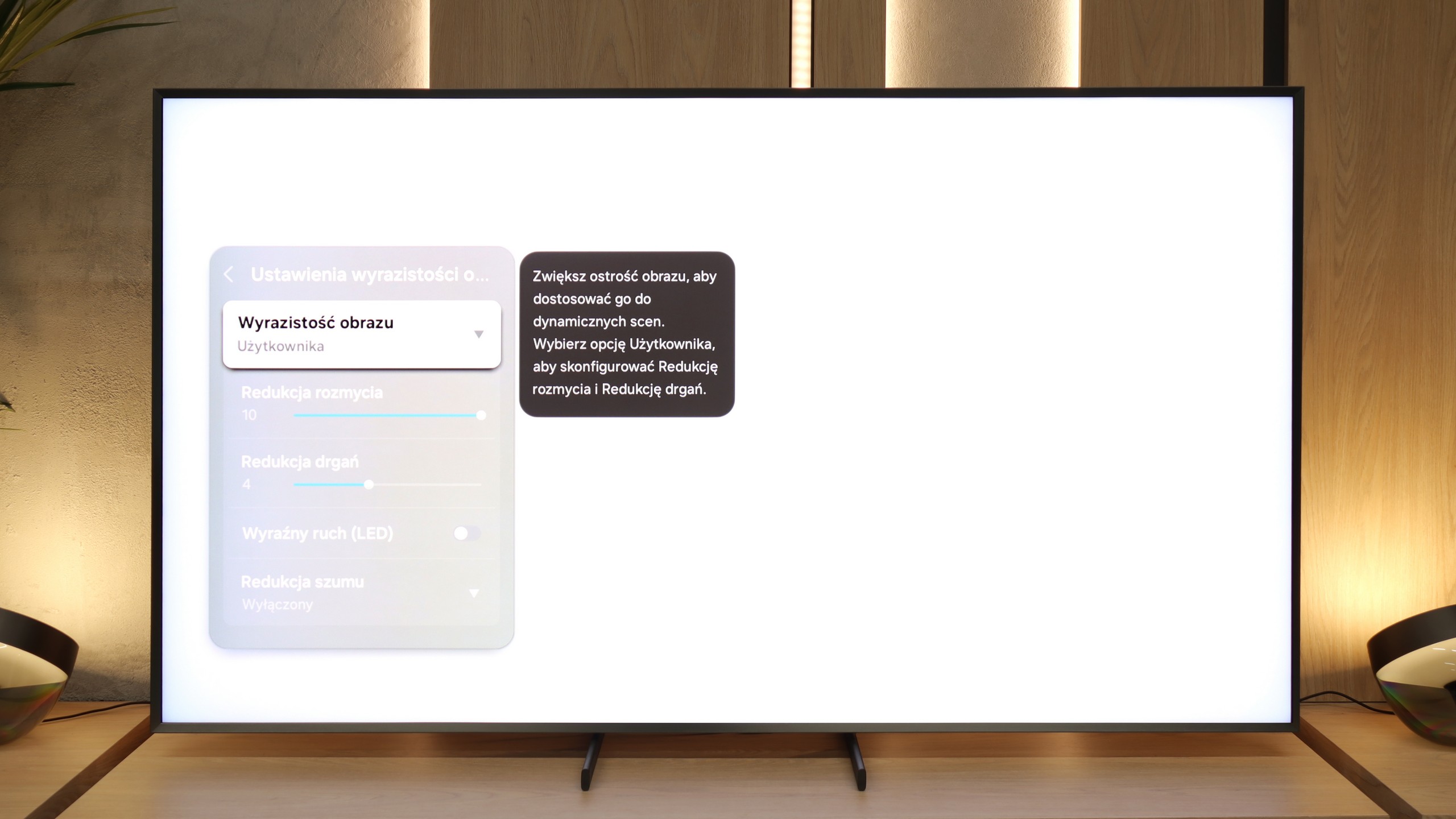
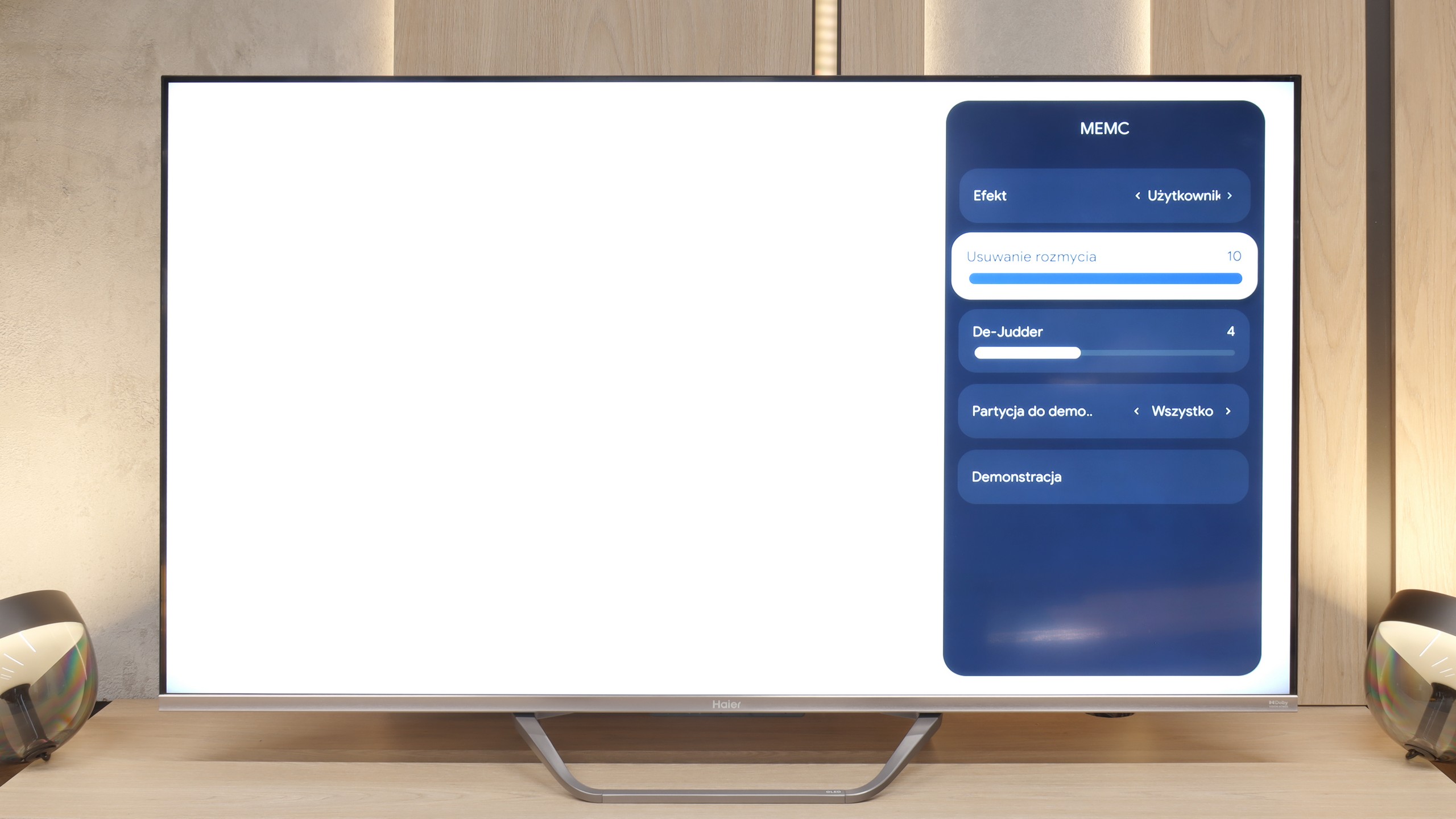
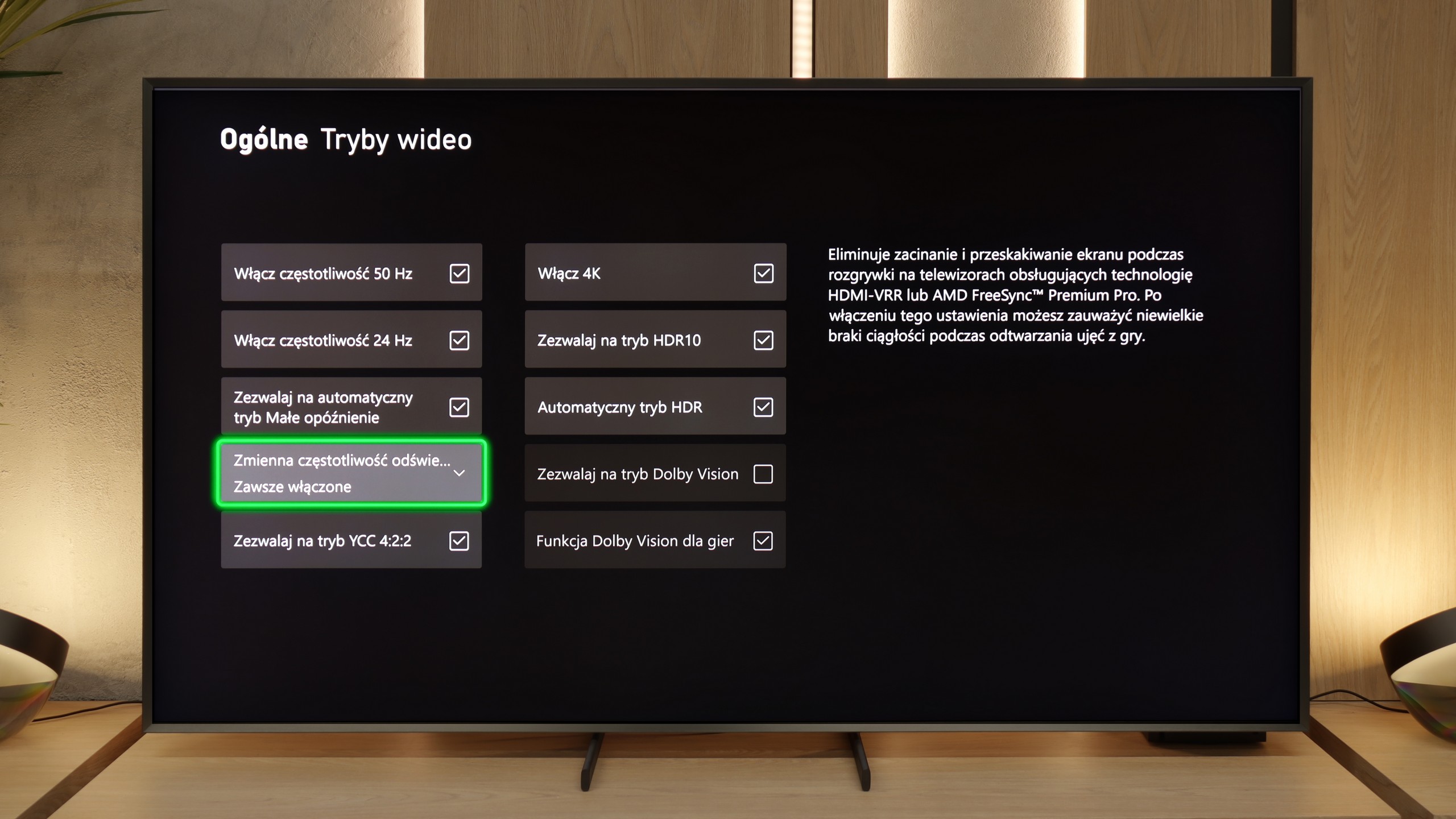
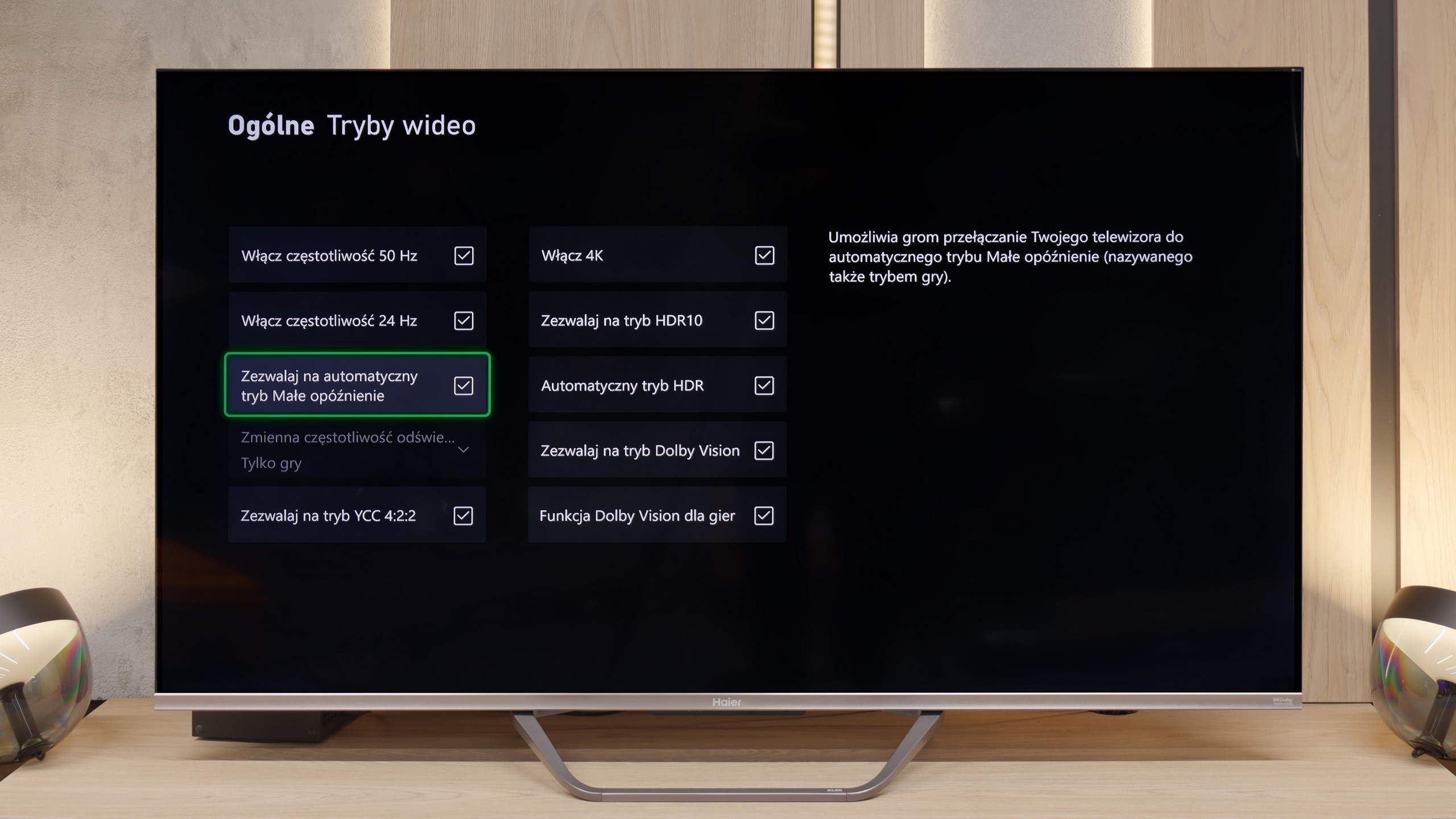
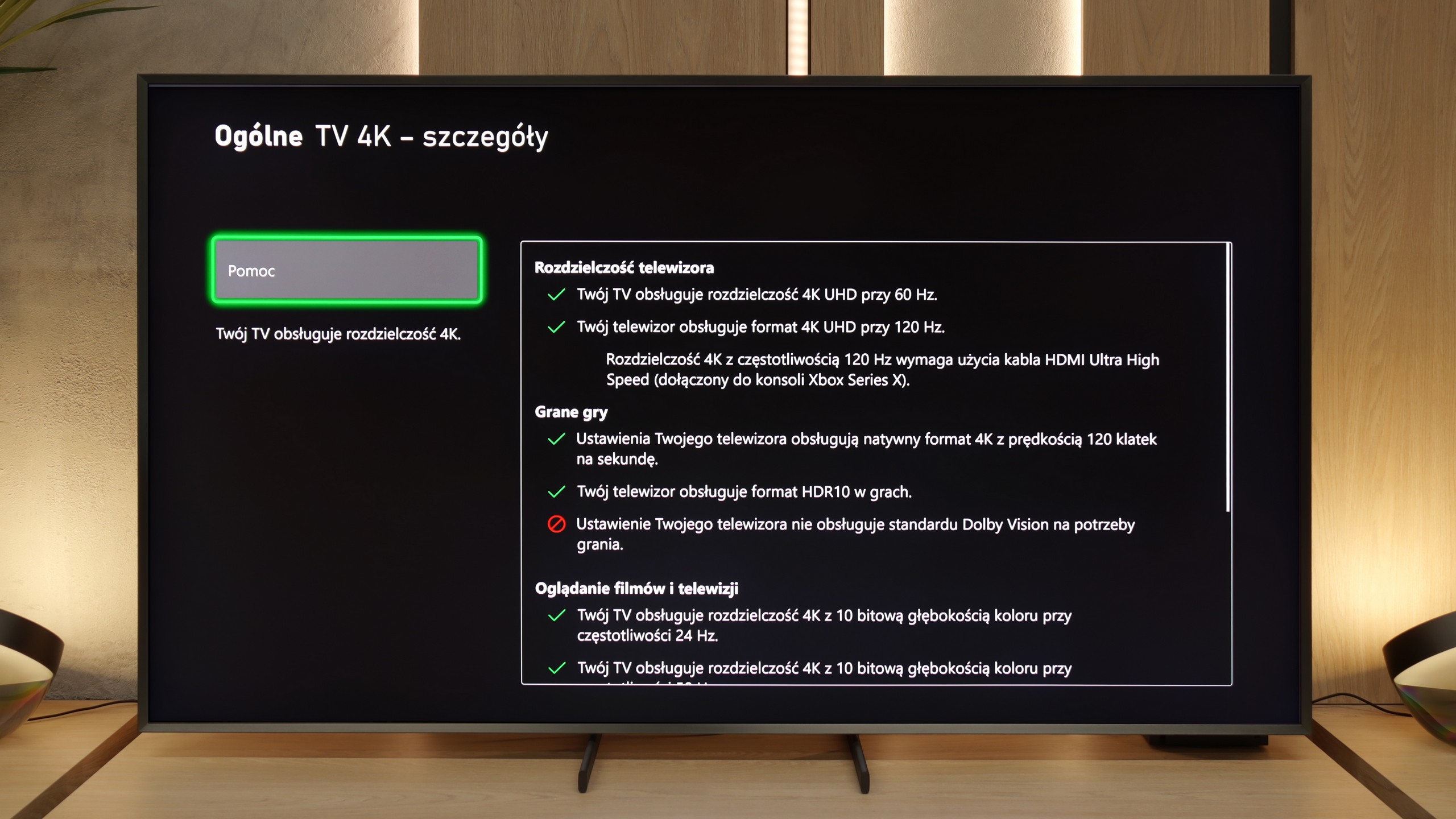
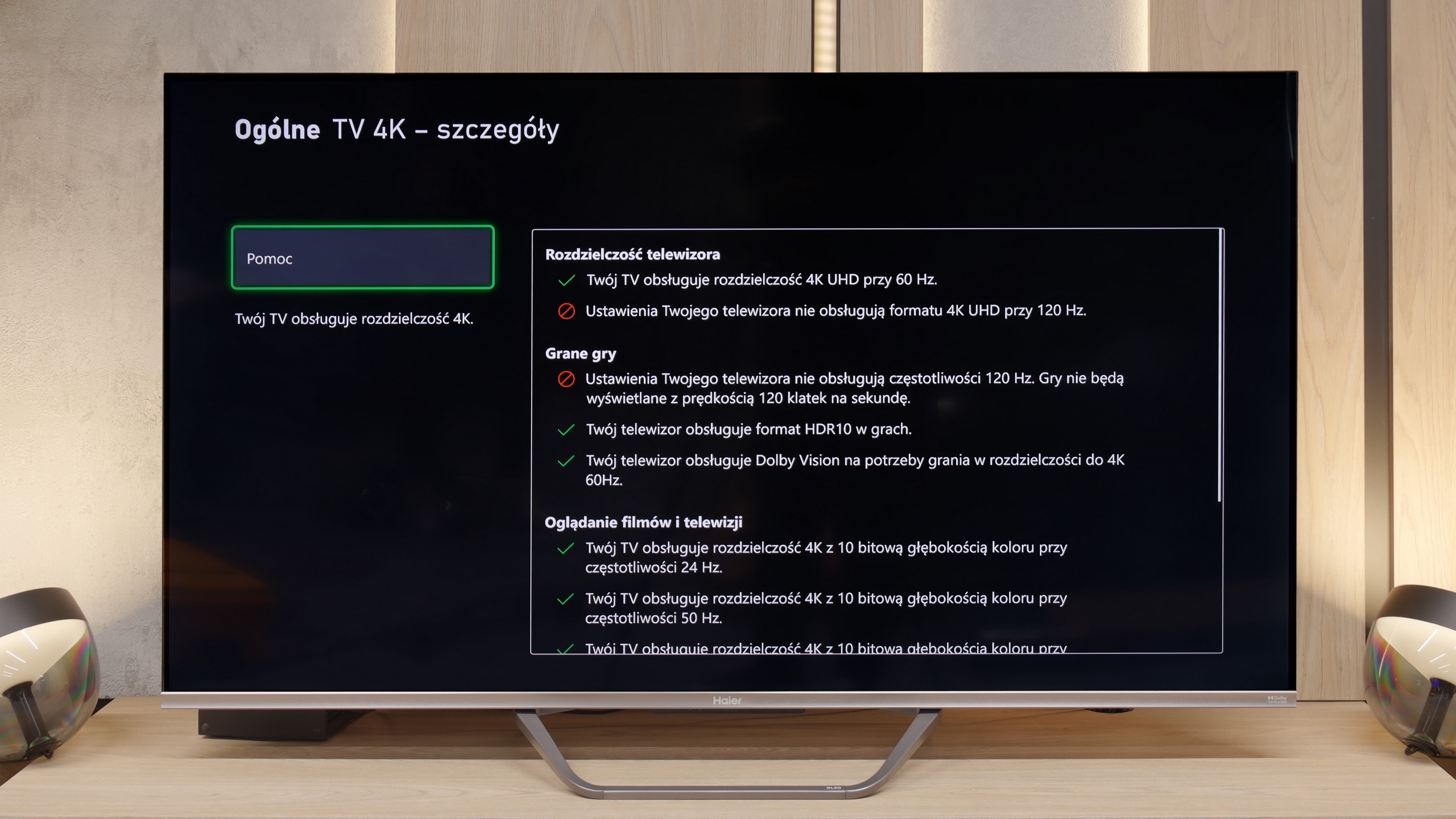
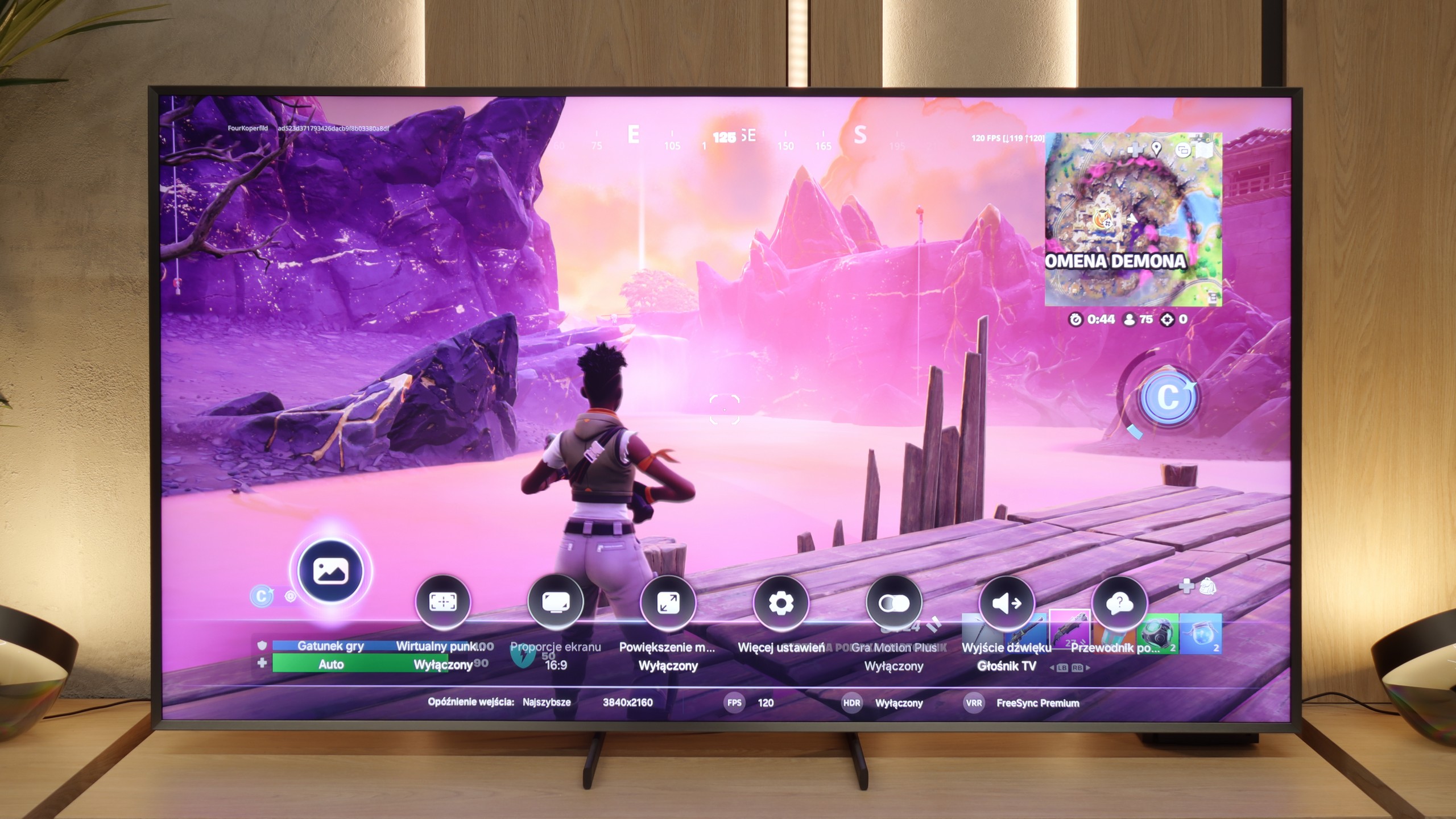
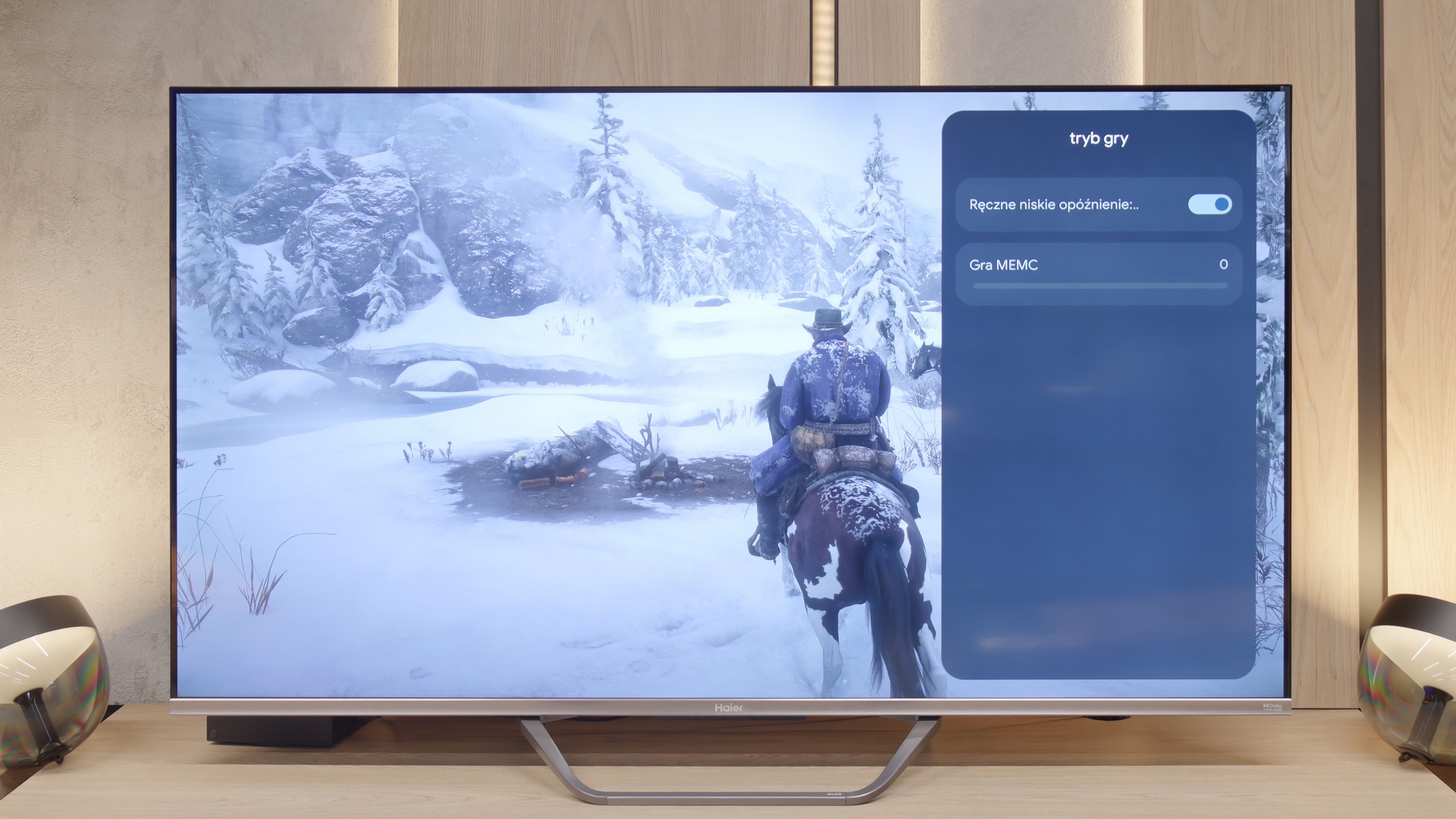
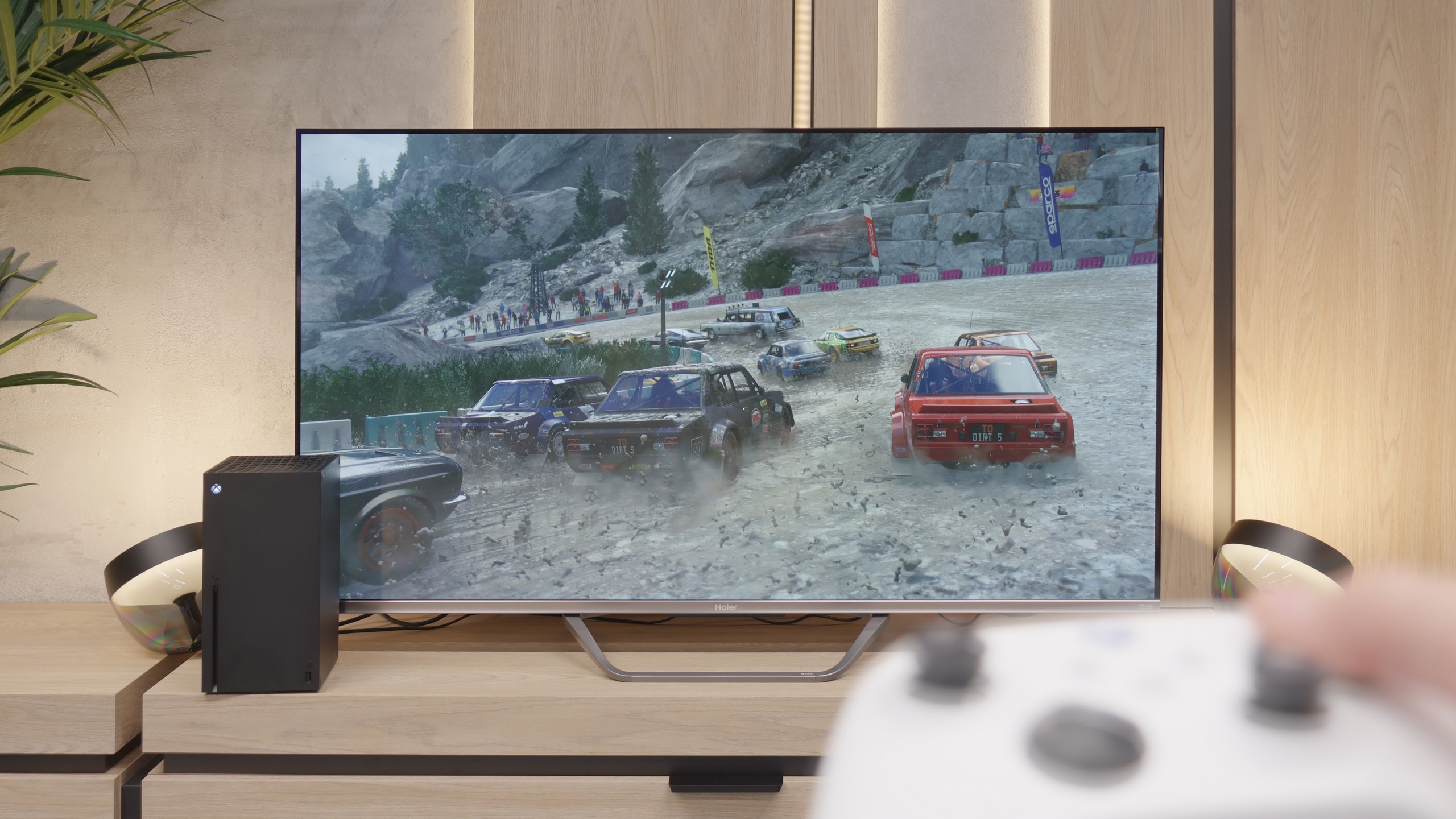
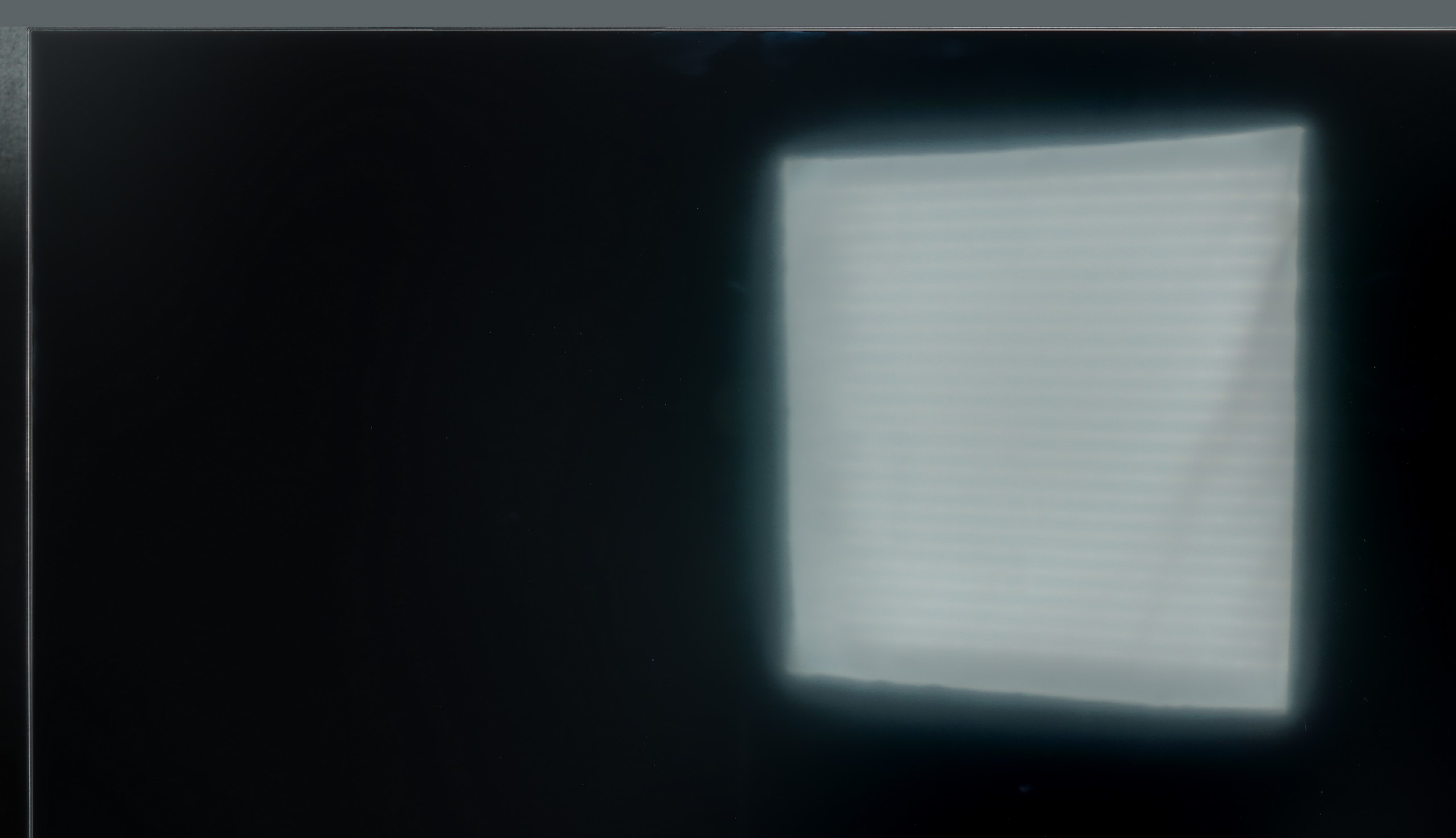
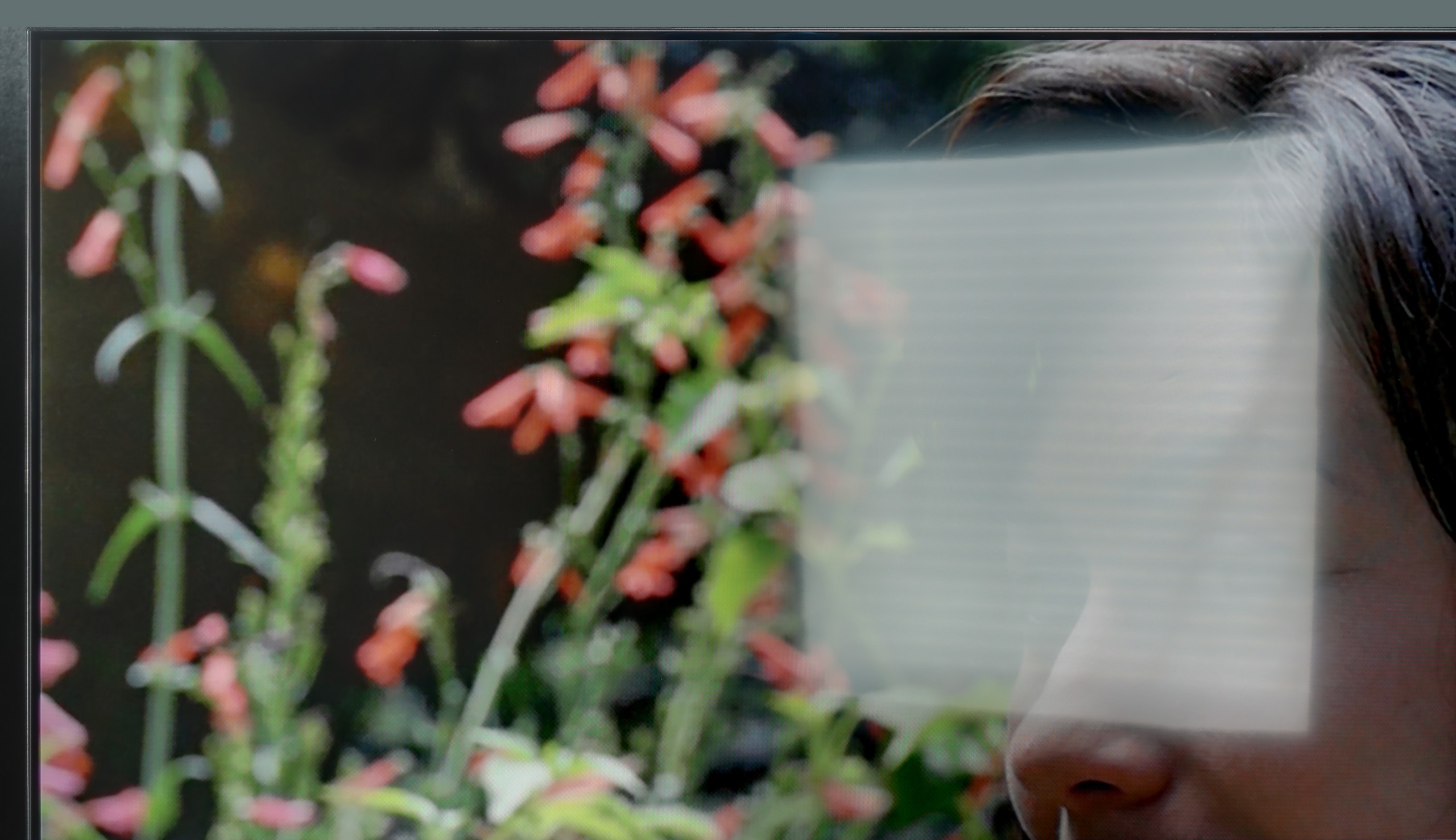
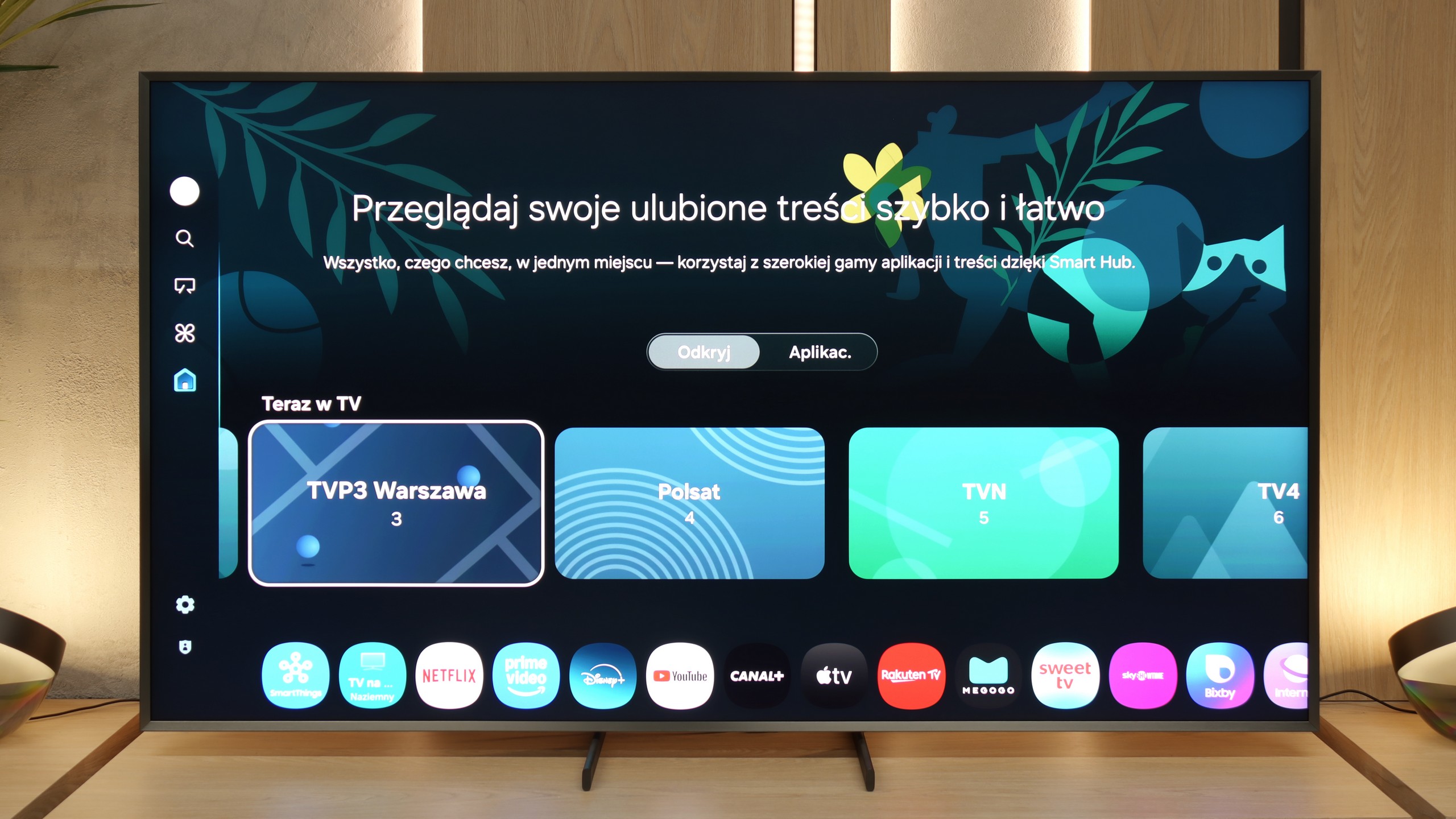
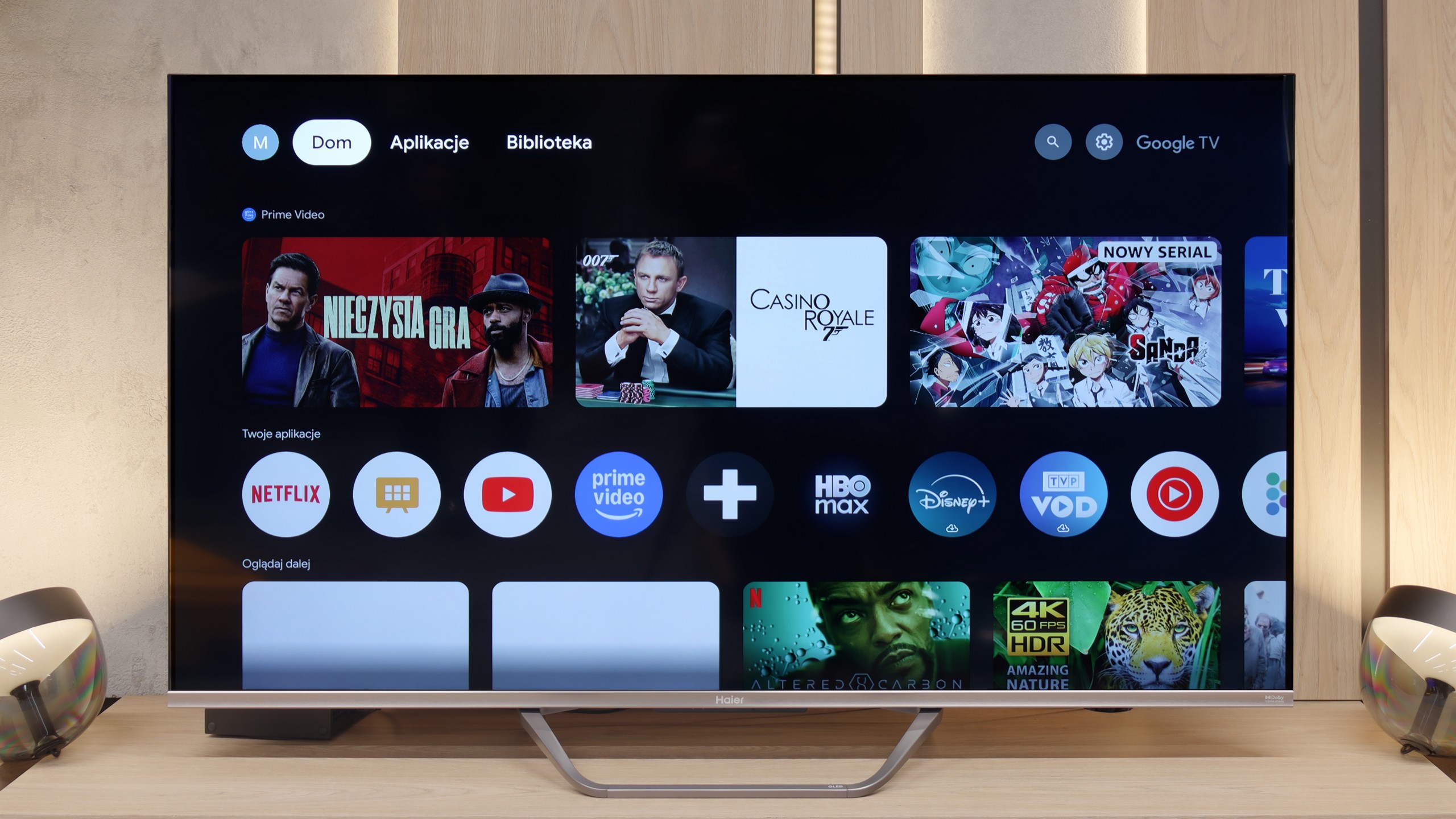
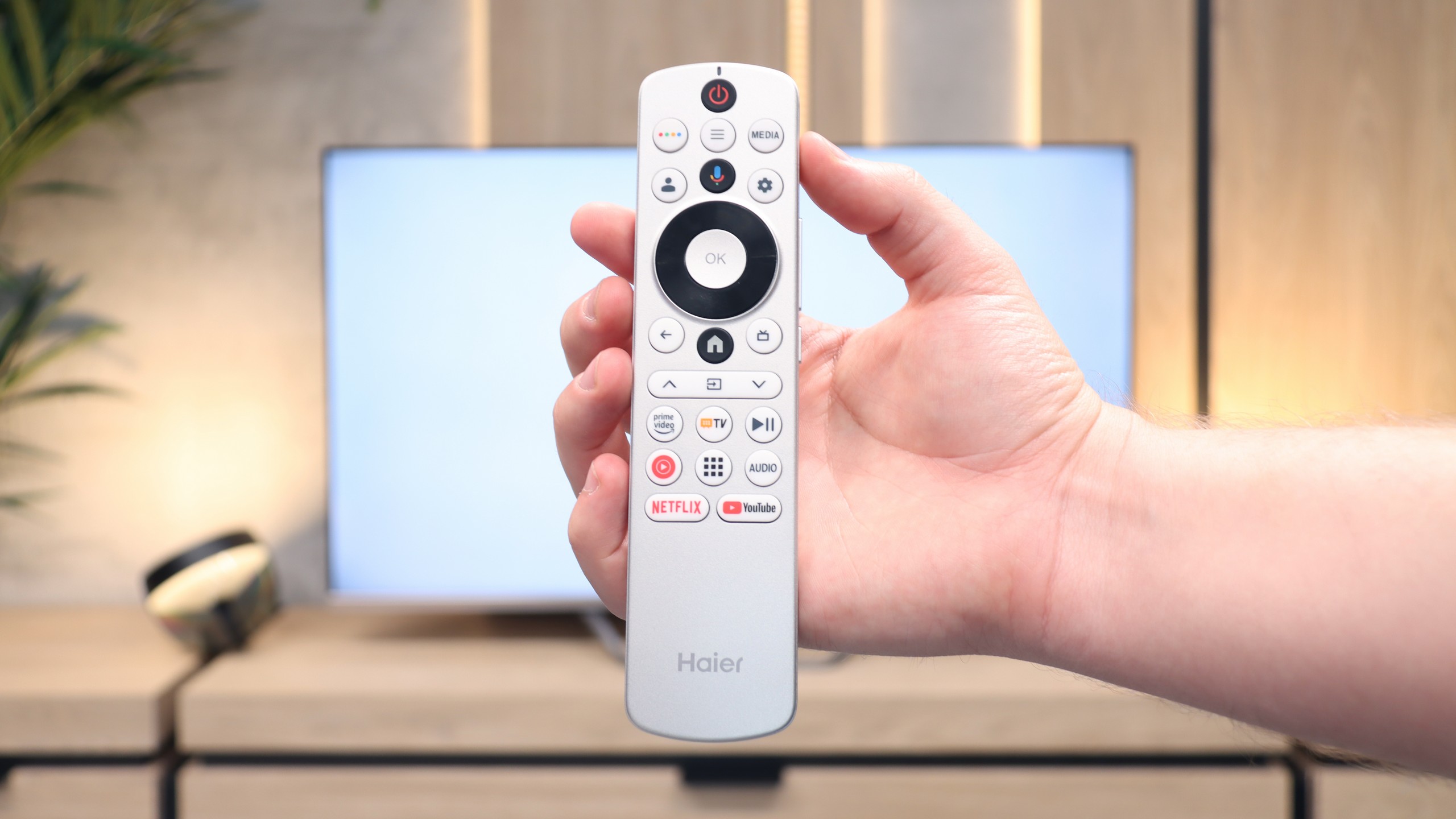
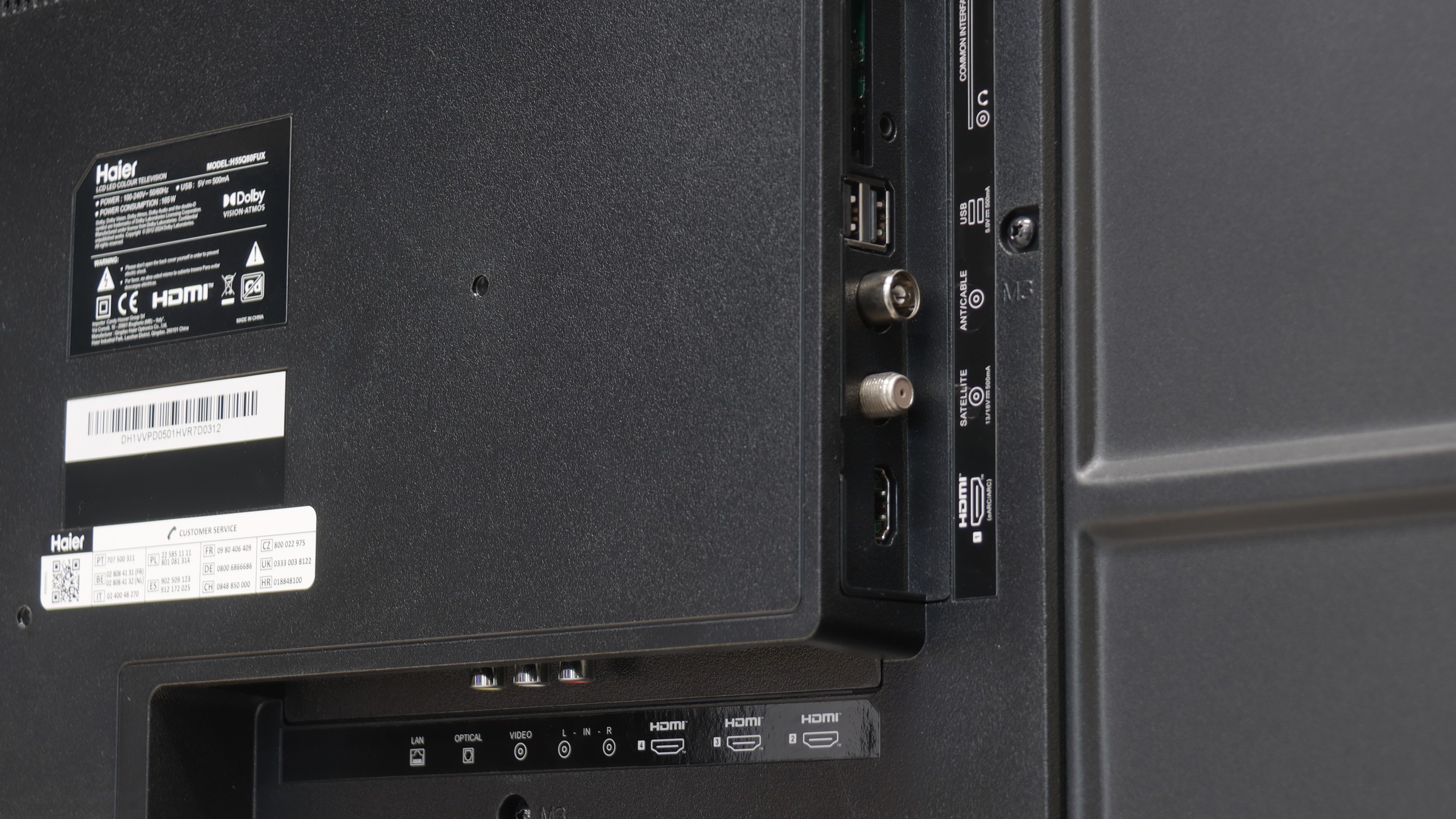
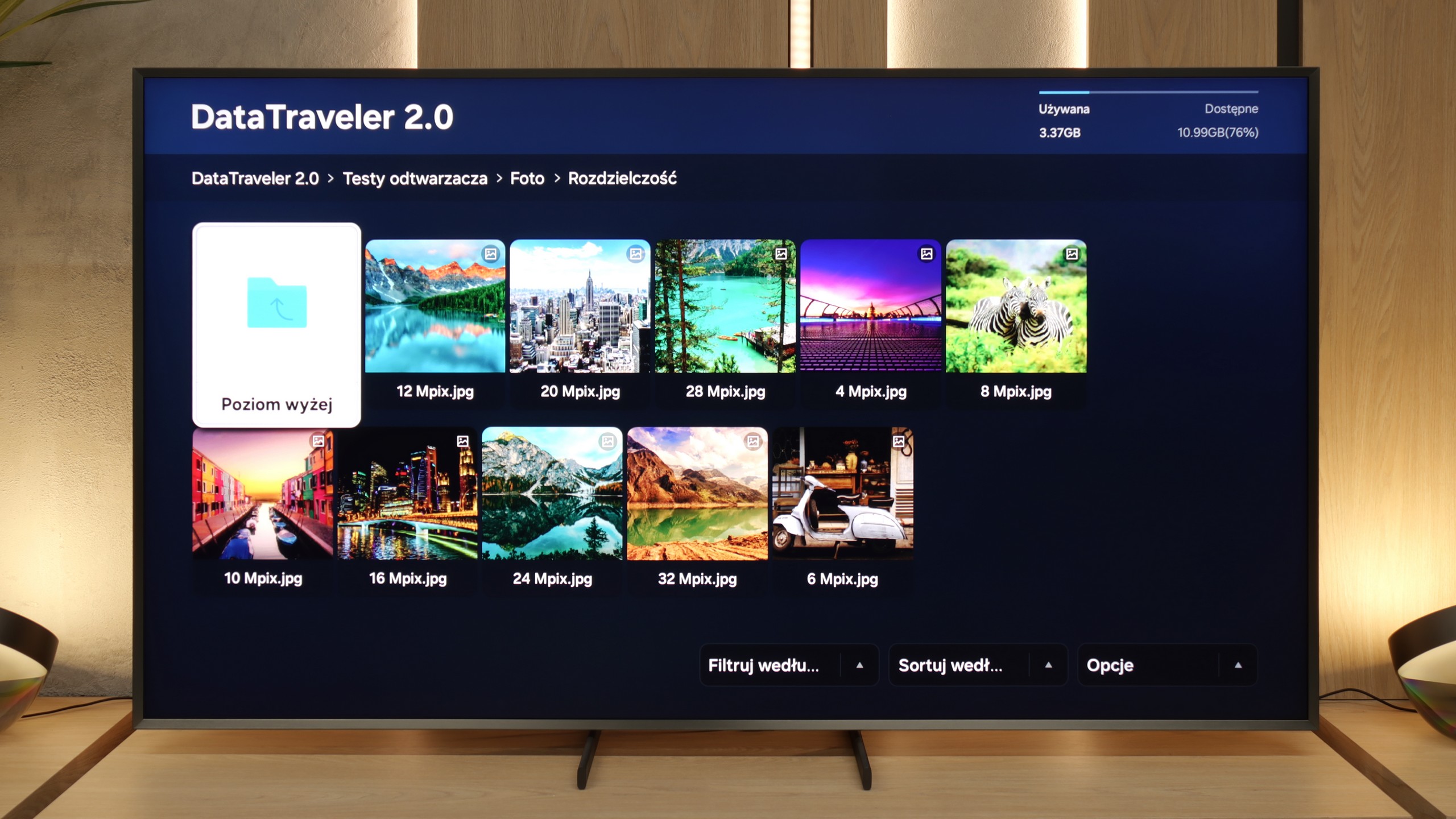
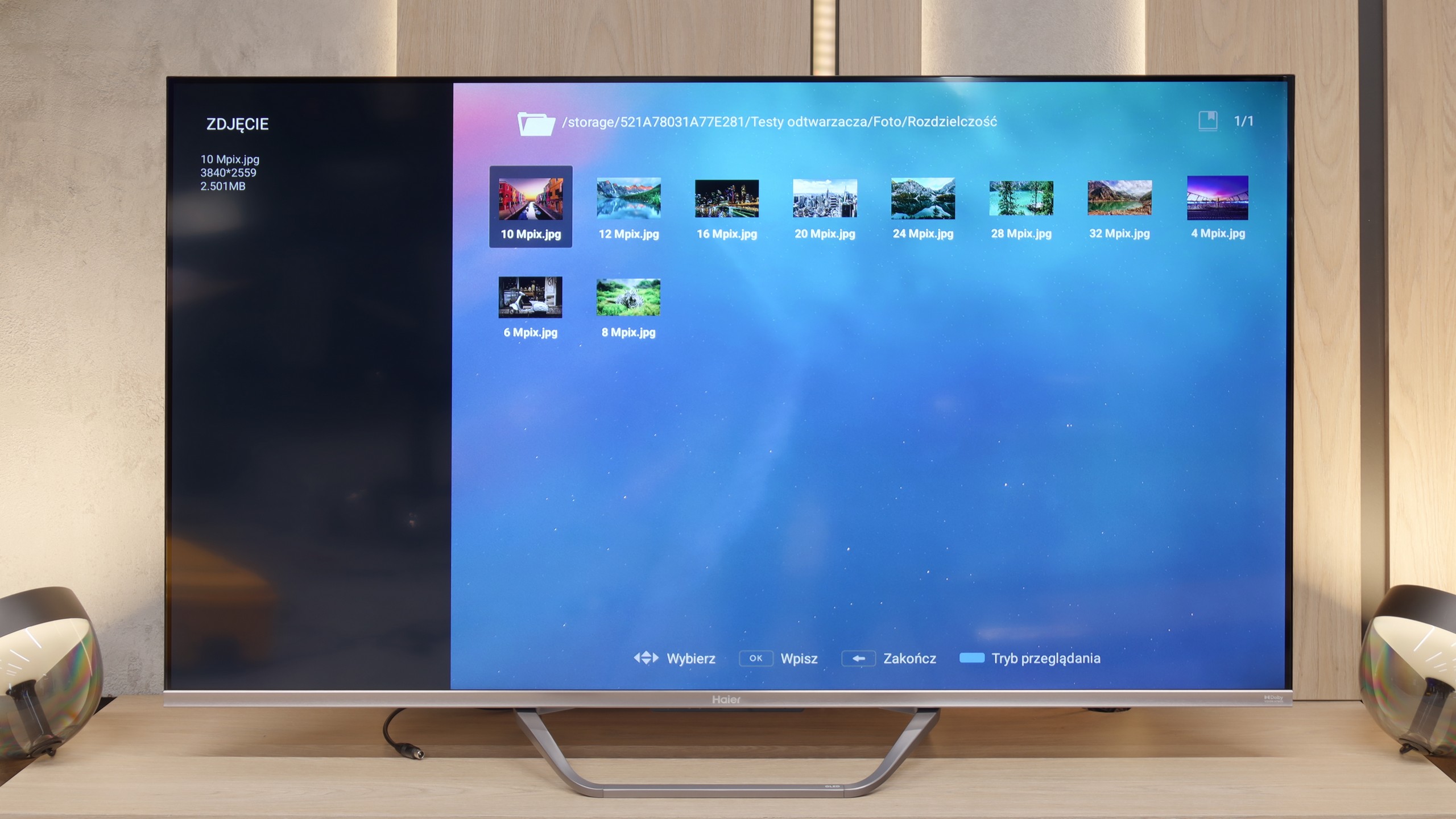
The Haier Q80FUX TV is one of the most schizophrenic proposals we've had in our editorial office for a long time. On one hand, we have a solid piece of equipment: a VA panel that guarantees deep blacks, as expected in this segment, and a QLED quantum filter that can indeed generate juicy, eye-catching colors. This is the foundation on which a truly competitive mid-range receiver could have been built. Unfortunately, all this potential of the panel is systematically torpedoed by the software, which is a real ball and chain for this model. The biggest Achilles' heel of the Q80FUX is its total capitulation in the face of HDR10 content. The electronics seem to completely misunderstand how to interpret the signal, resulting in consistently blowing out the brightest parts of the image, turning them into a flat, milky blob. If we add the Google TV system, which – although functional – is unstable, full of errors, and irritating shortcomings, we get a picture of a raw product that clearly reveals the manufacturer's lack of experience. And just when we were ready to write this model off, we discovered its surprising niche. Once connected to a console, the Q80FUX undergoes a transformation. It turns out that this TV offers wonderfully low input lag, fully supports VRR, and can accept a 120Hz signal at Full HD resolution. In the gaming world, where responsiveness is everything, these parameters put it in a very good light. So we are dealing with a device of very narrow specialization. This is not a universal living room TV – it lacks stability and, above all, any correctness in handling films. It is more of a budget, large-format monitor for gamers who are able to consciously overlook all its software flaws in exchange for those few key attributes essential for console/PC at a relatively affordable price.
 Direct comparison