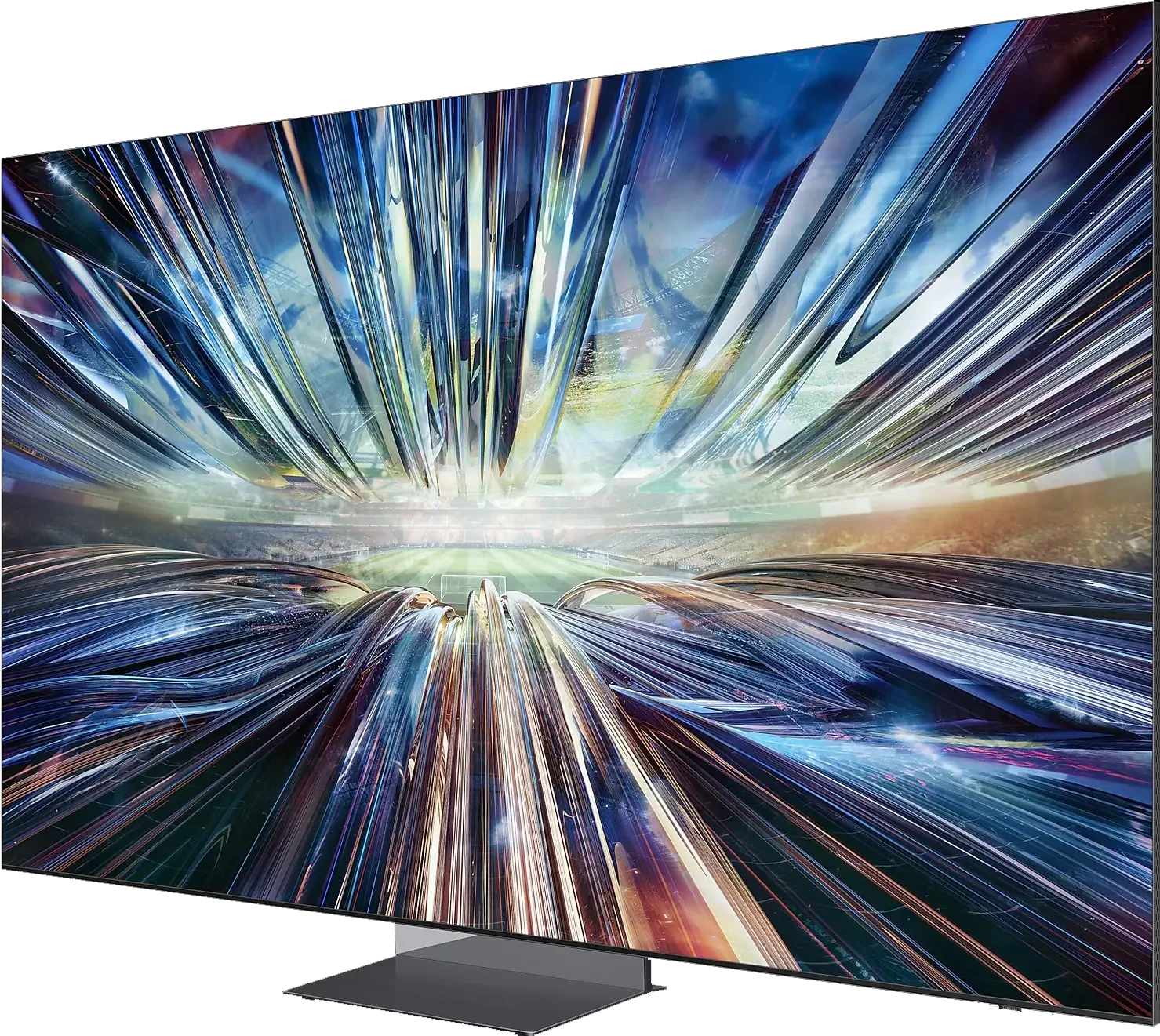
The Samsung QN900D, as the flagship model for 2024, is a standout in the realm of premium televisions. Its use of Mini LED technology elevates picture quality, producing deep blacks and striking brightness levels that make movies and high-resolution content highly immersive and realistic. HDR effects are rendered with exceptional detail, while vivid and true-to-life colors, especially post-calibration, position this TV as an excellent choice for discerning users prioritizing superior picture quality.
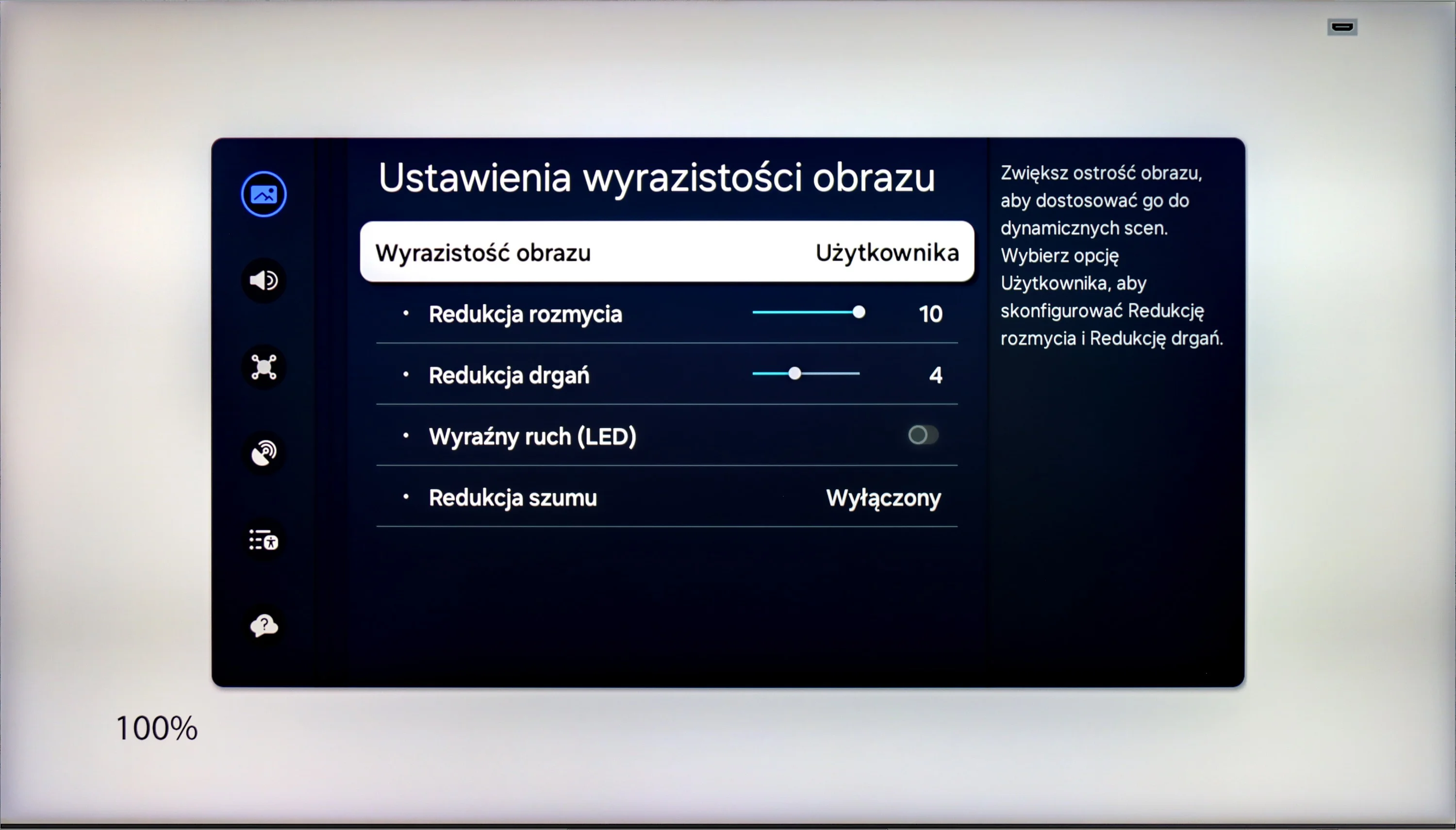
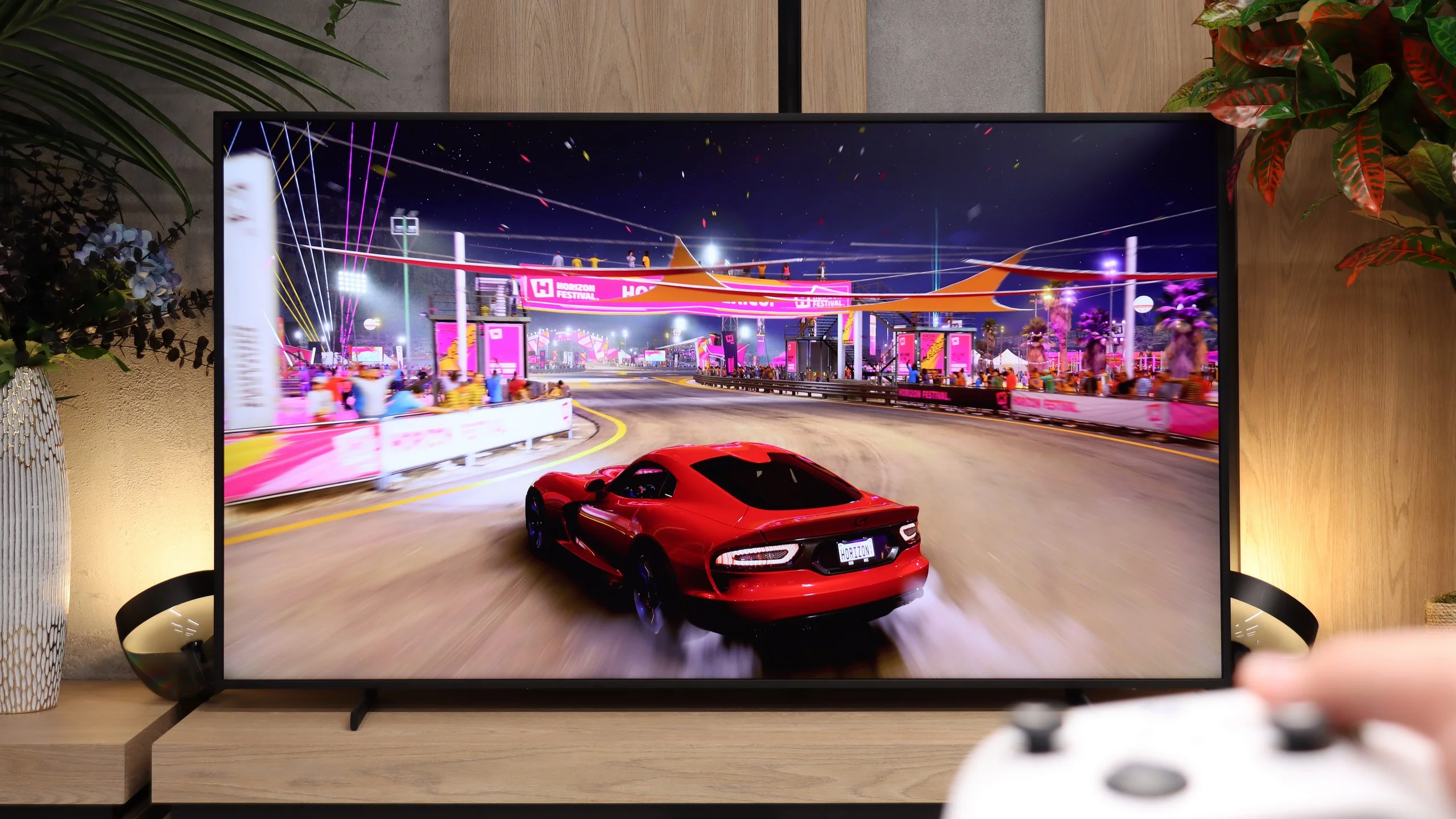
One of the QN900D's most impressive features is its motion handling. It is the only television currently on the market capable of delivering a 240 Hz refresh rate at 4K resolution, setting a new benchmark for fluidity. This capability makes fast-paced action scenes in movies and high-intensity gaming appear seamless, free from blurring or stuttering. Gamers, particularly those using high-end PCs, will find the ultra-smooth and responsive gameplay experience impressive.
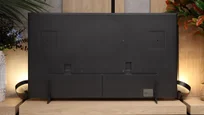
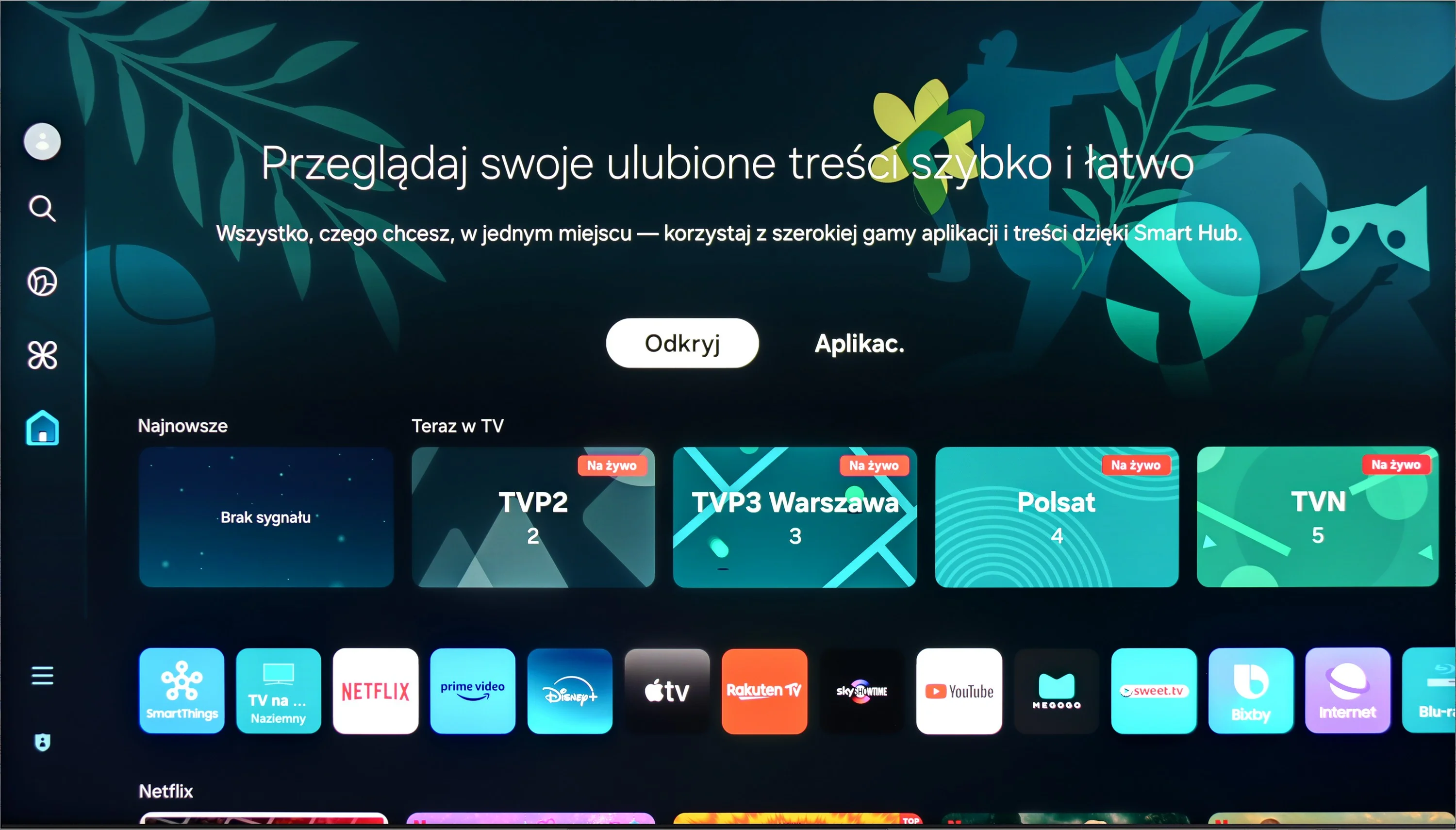
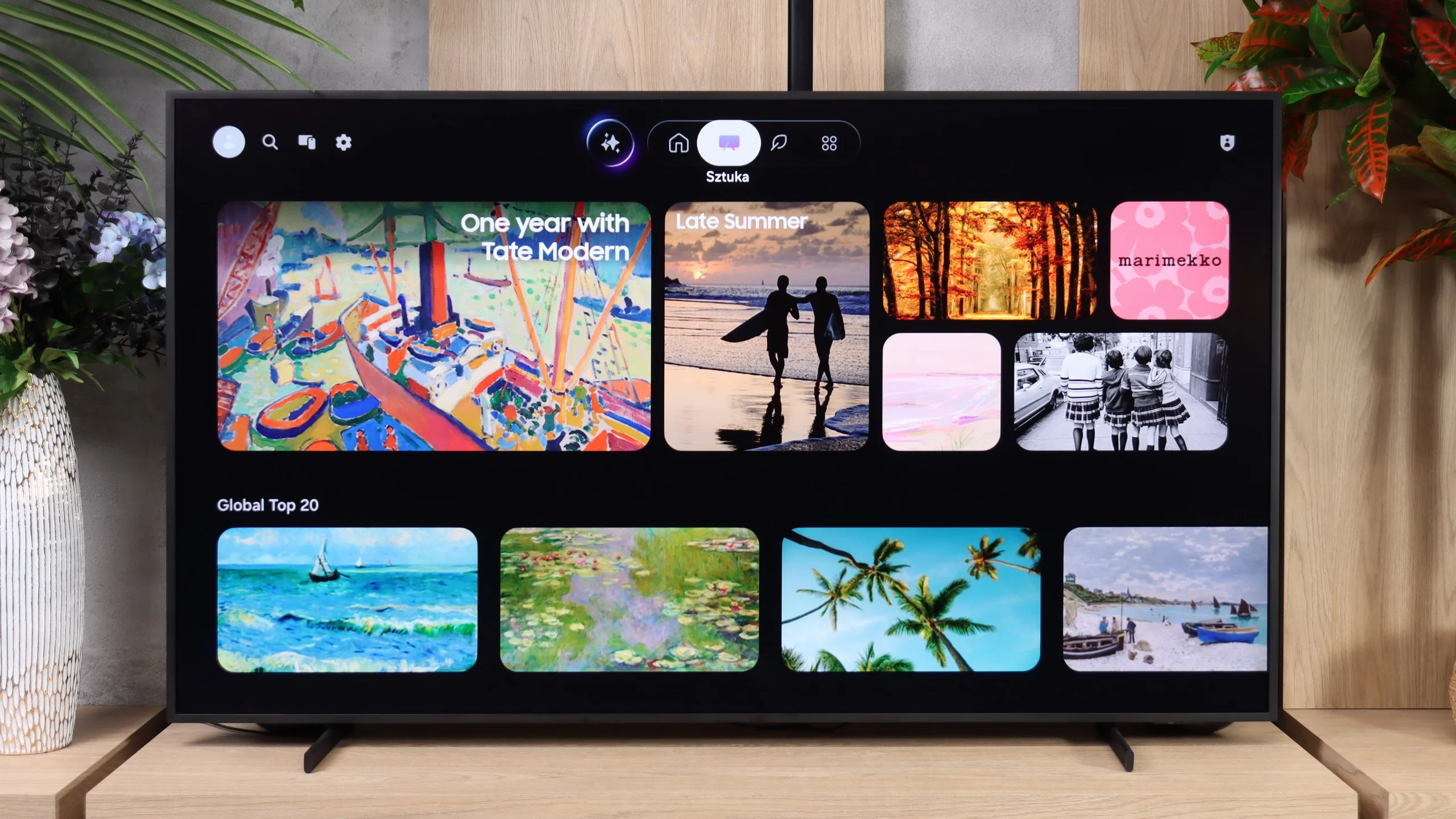
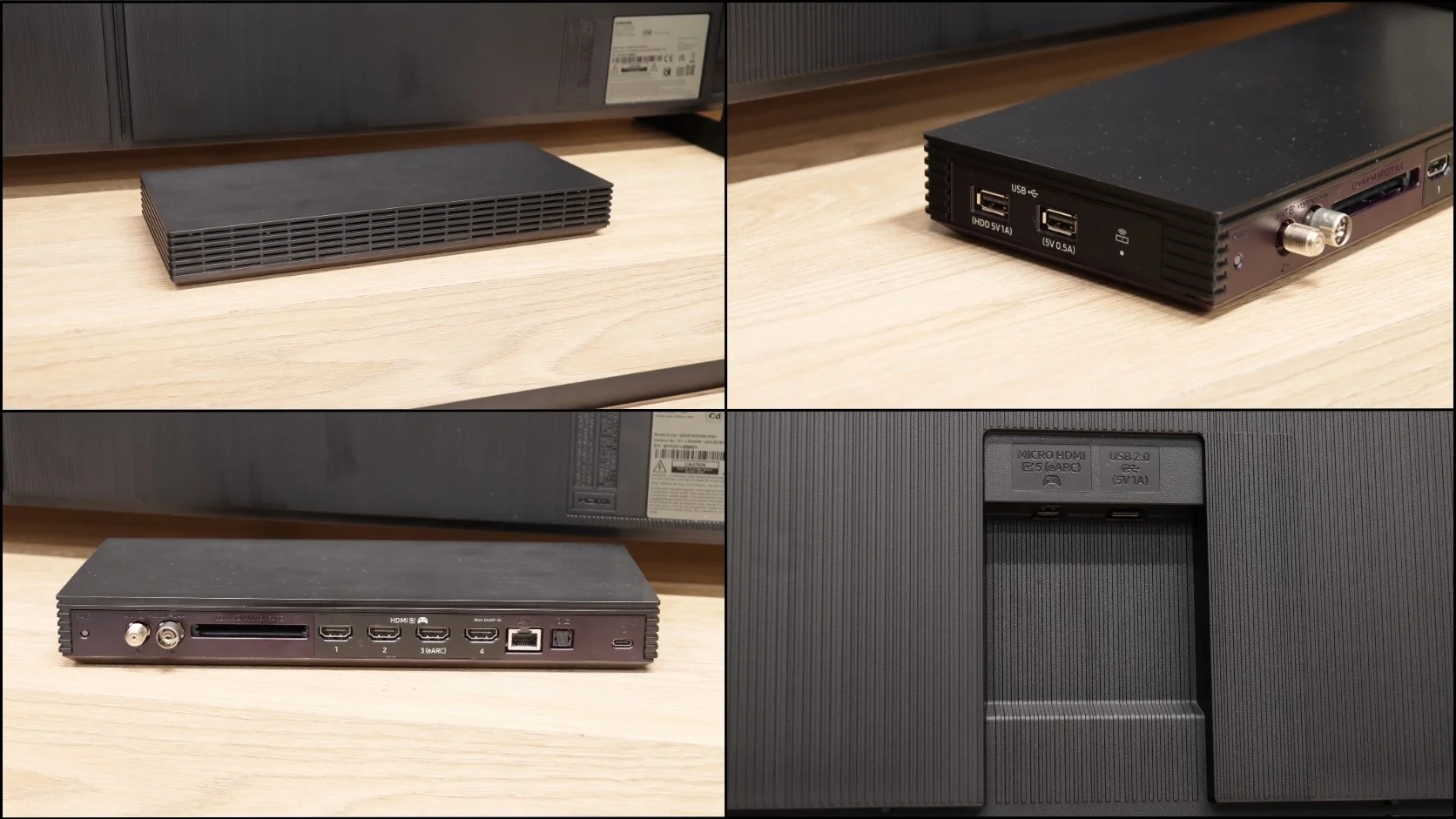
The Tizen operating system enhances the TV’s value, with seamless integration into smart home ecosystems and access to many popular applications. AirPlay and SmartThings allows for straightforward control of connected devices, turning the QN900D into a multifunctional entertainment hub. Its sleek design, combined with the One Connect box that simplifies cable management and an elegant central stand, lends a touch of luxury to any living space. The Ambient Mode further enhances its aesthetic appeal by enabling the display of decorative content, allowing the TV to blend harmoniously with its surroundings.
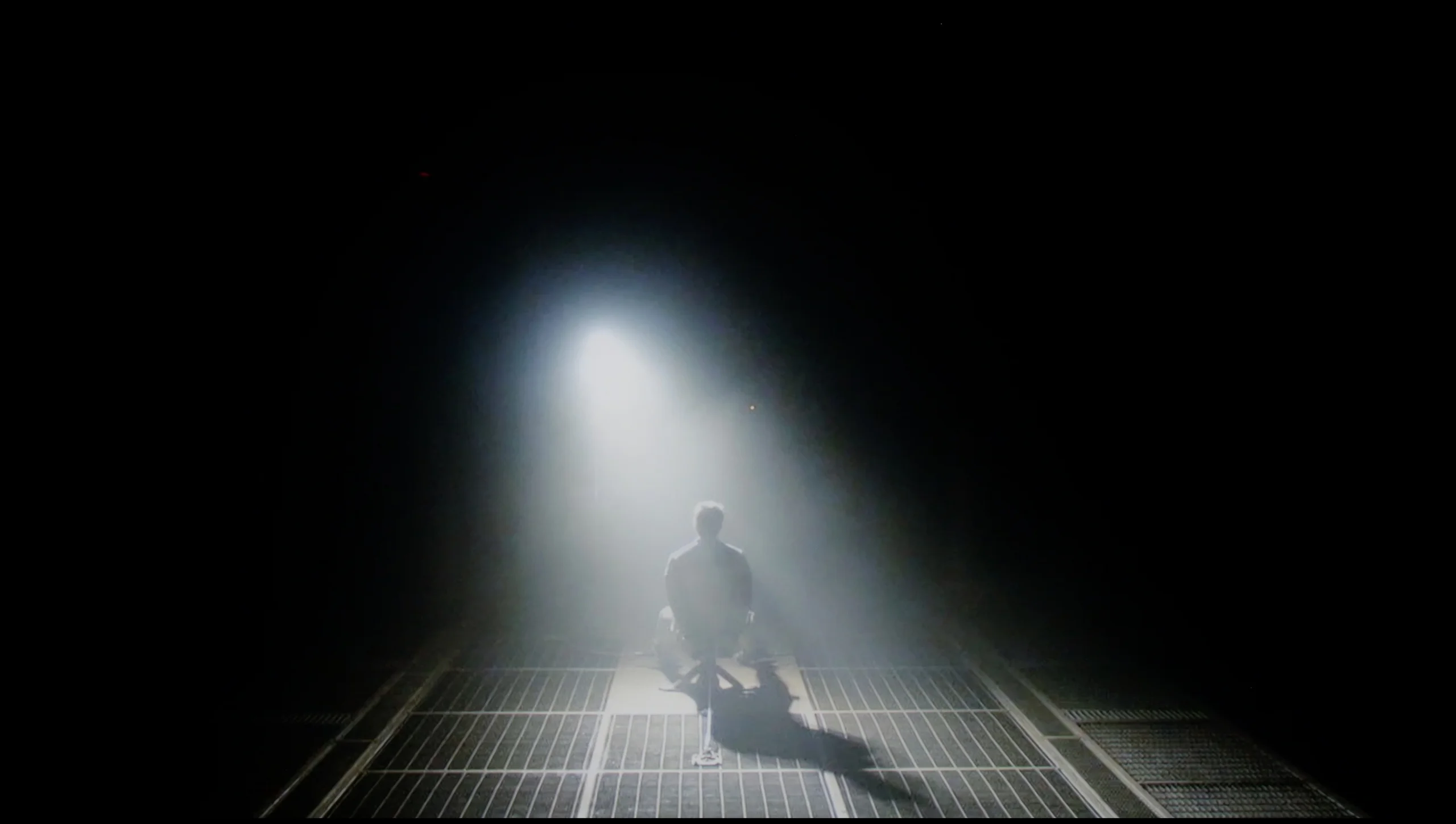
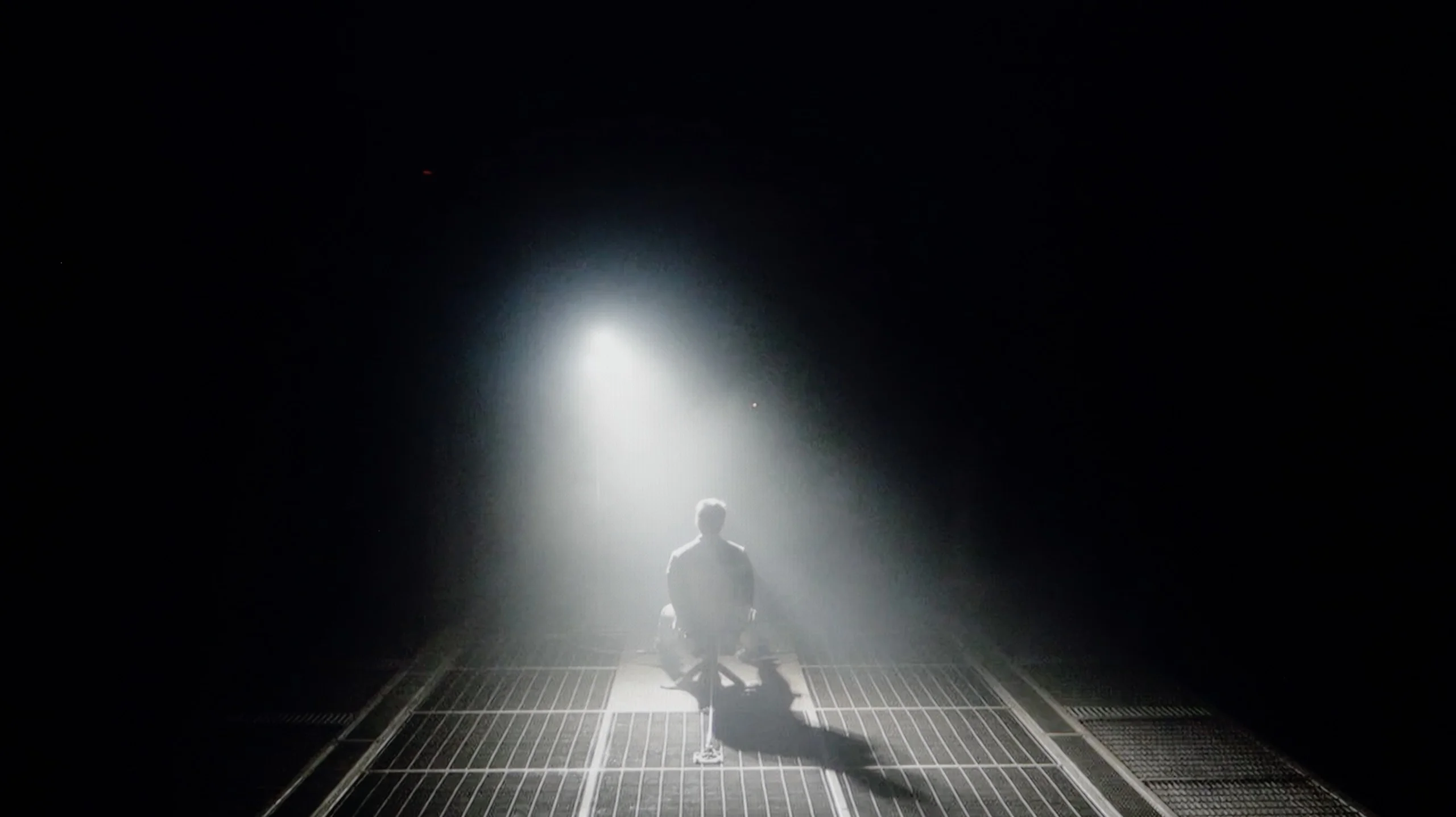
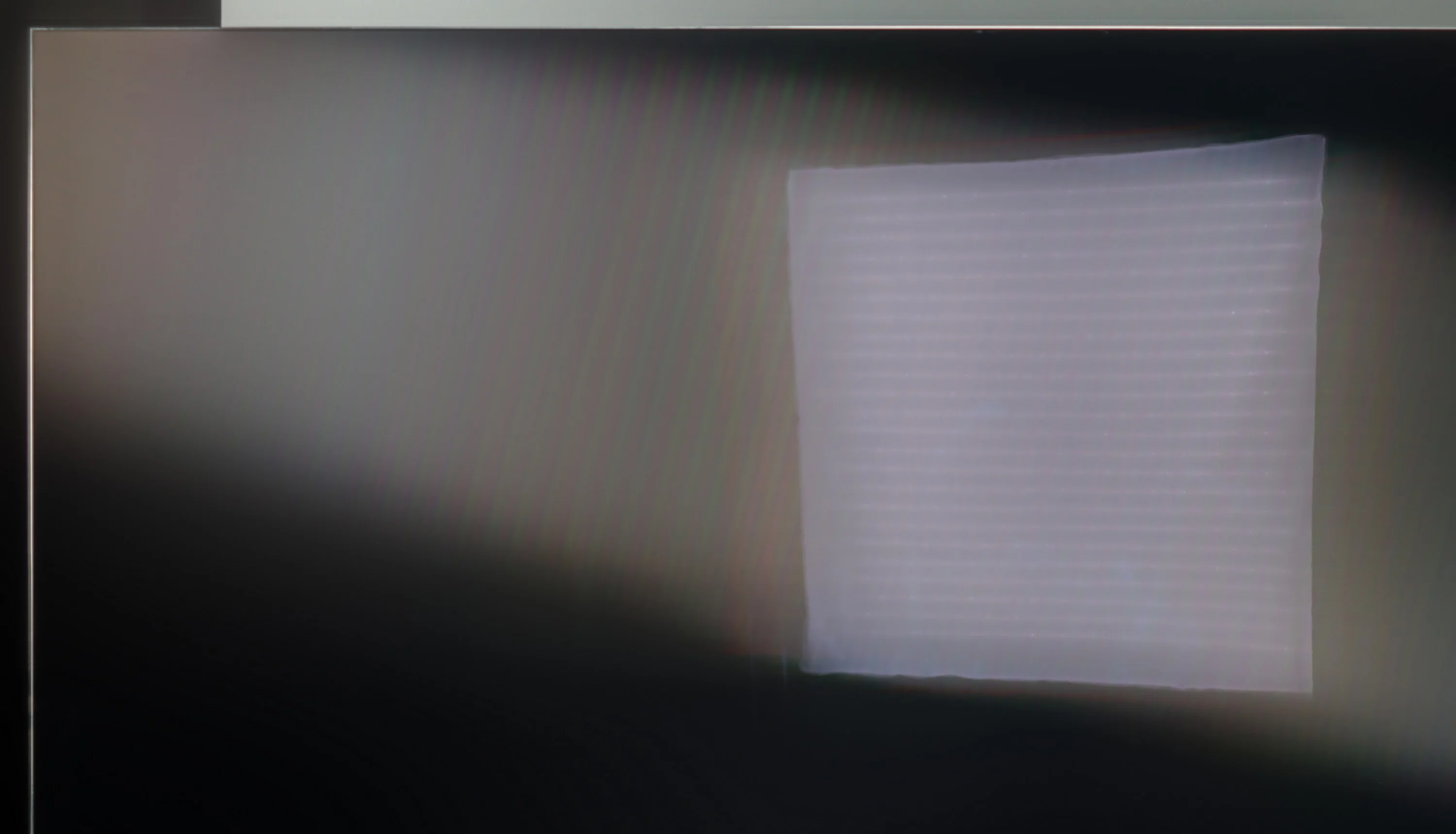
However, the QN900D does come with some limitations. Notably, it struggles slightly with contrast under certain conditions and lacks support for Dolby Vision, which could be a drawback for those seeking this feature. It’s also worth noting that while the TV's 8K resolution offers cutting-edge visuals, the utility of such resolution is still limited by the current availability of native 8K content. For most users, the 4K Neo QLED QN95D provides comparable performance at a potentially lower cost, raising the question of whether 8K is necessary at this stage.
Overall, the Samsung QN900D is undeniably one of the most advanced televisions of 2024, ideal for those who desire state-of-the-art technology and are willing to invest in the highest tier of home entertainment.
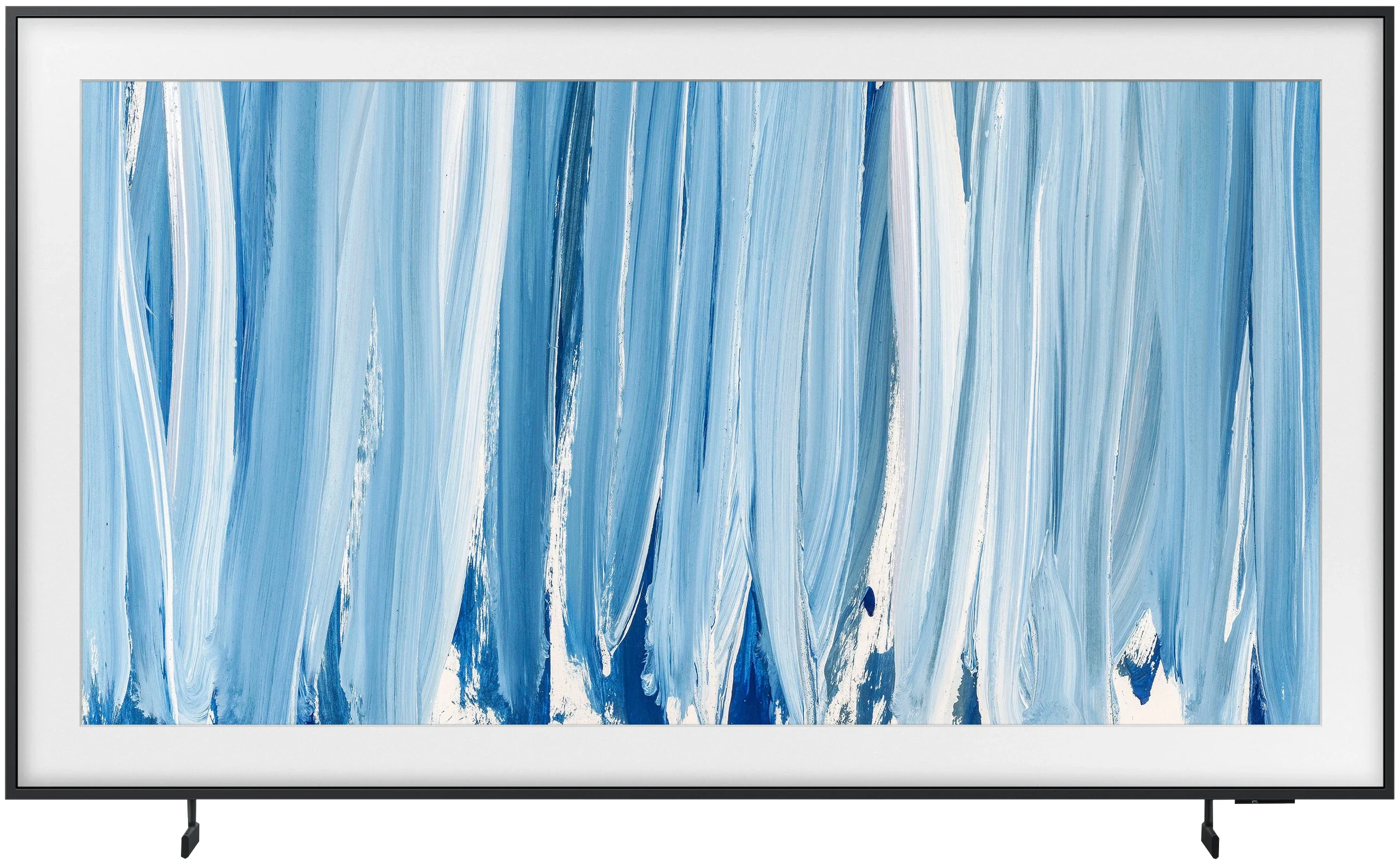
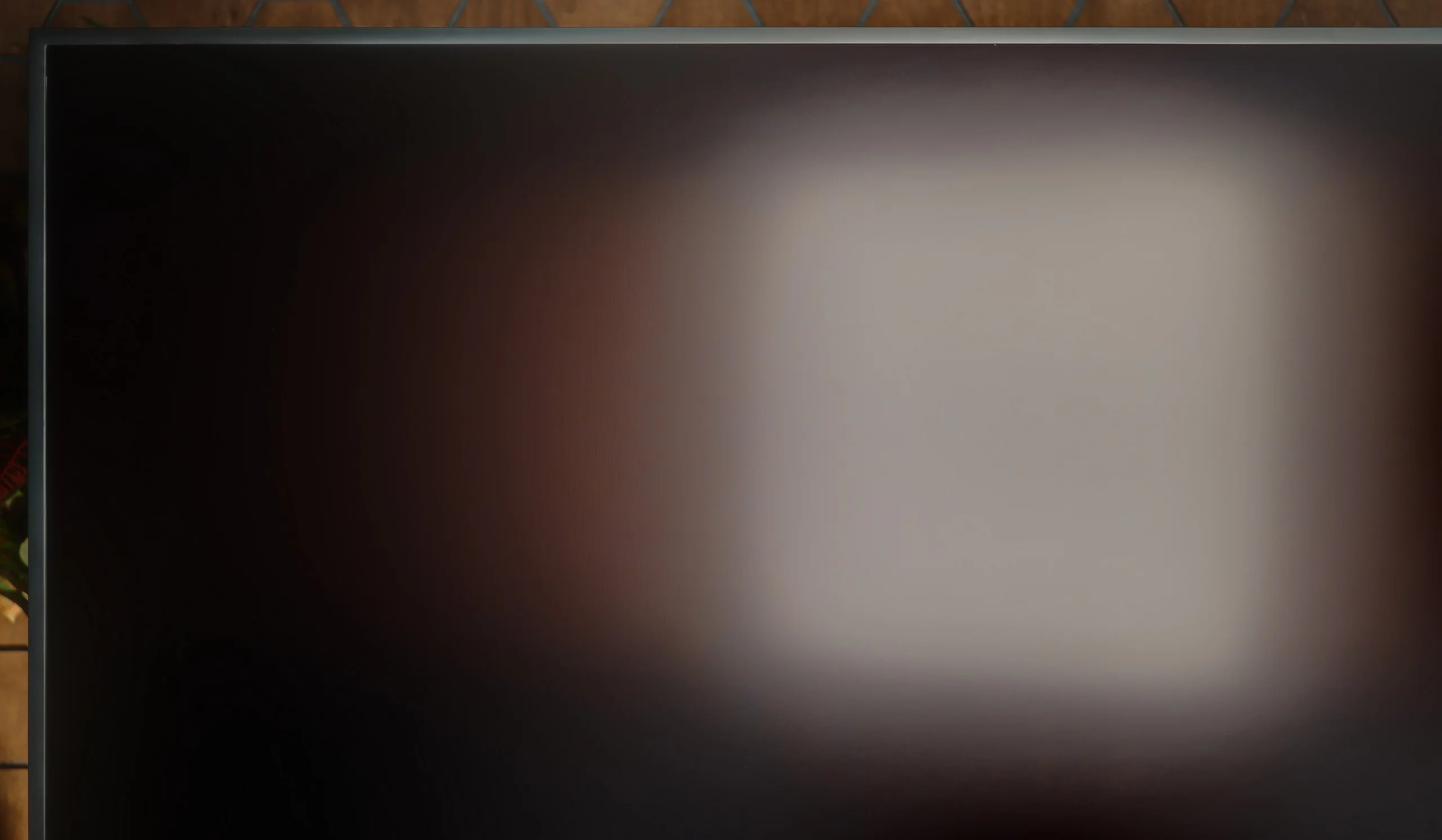
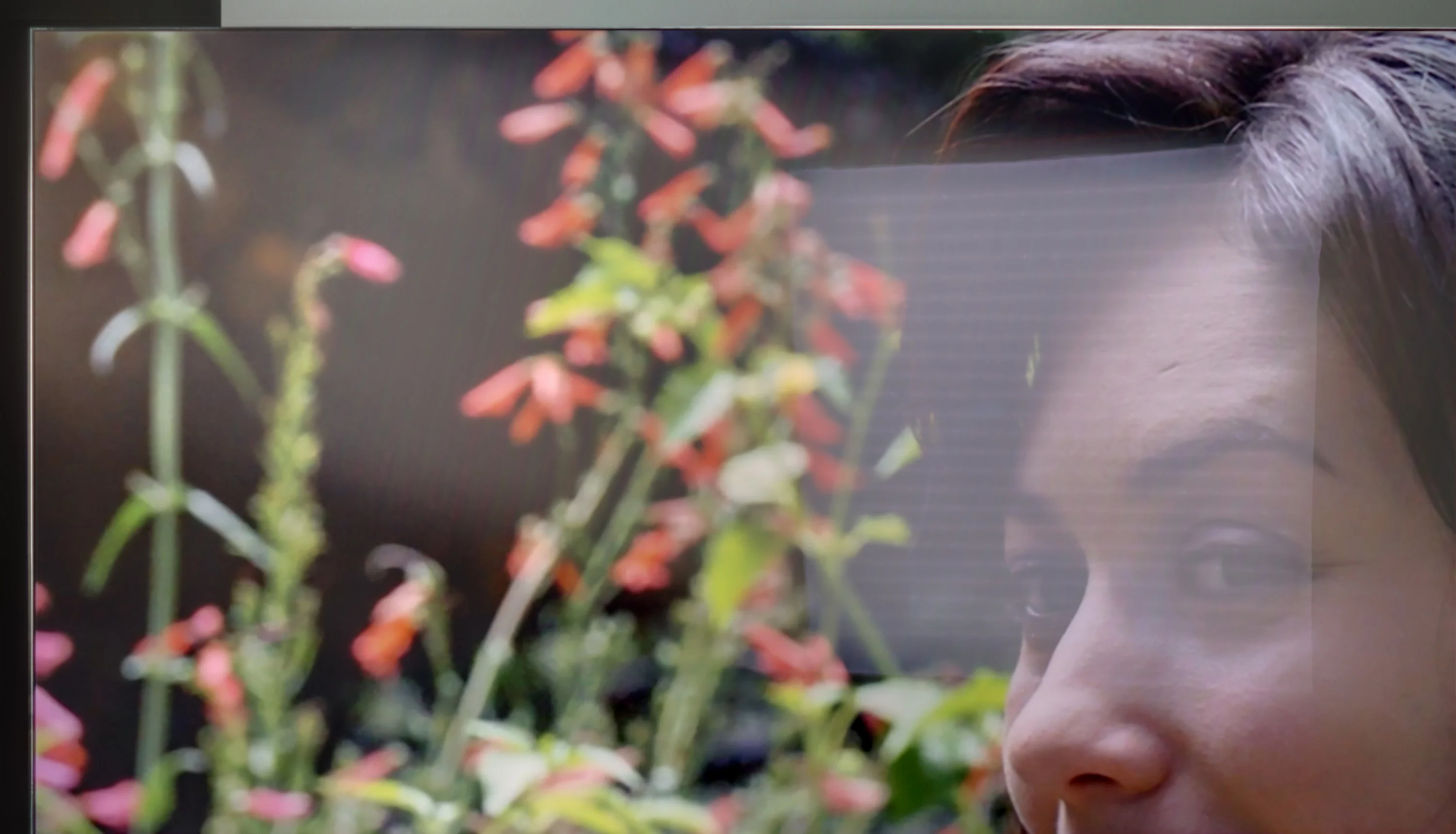
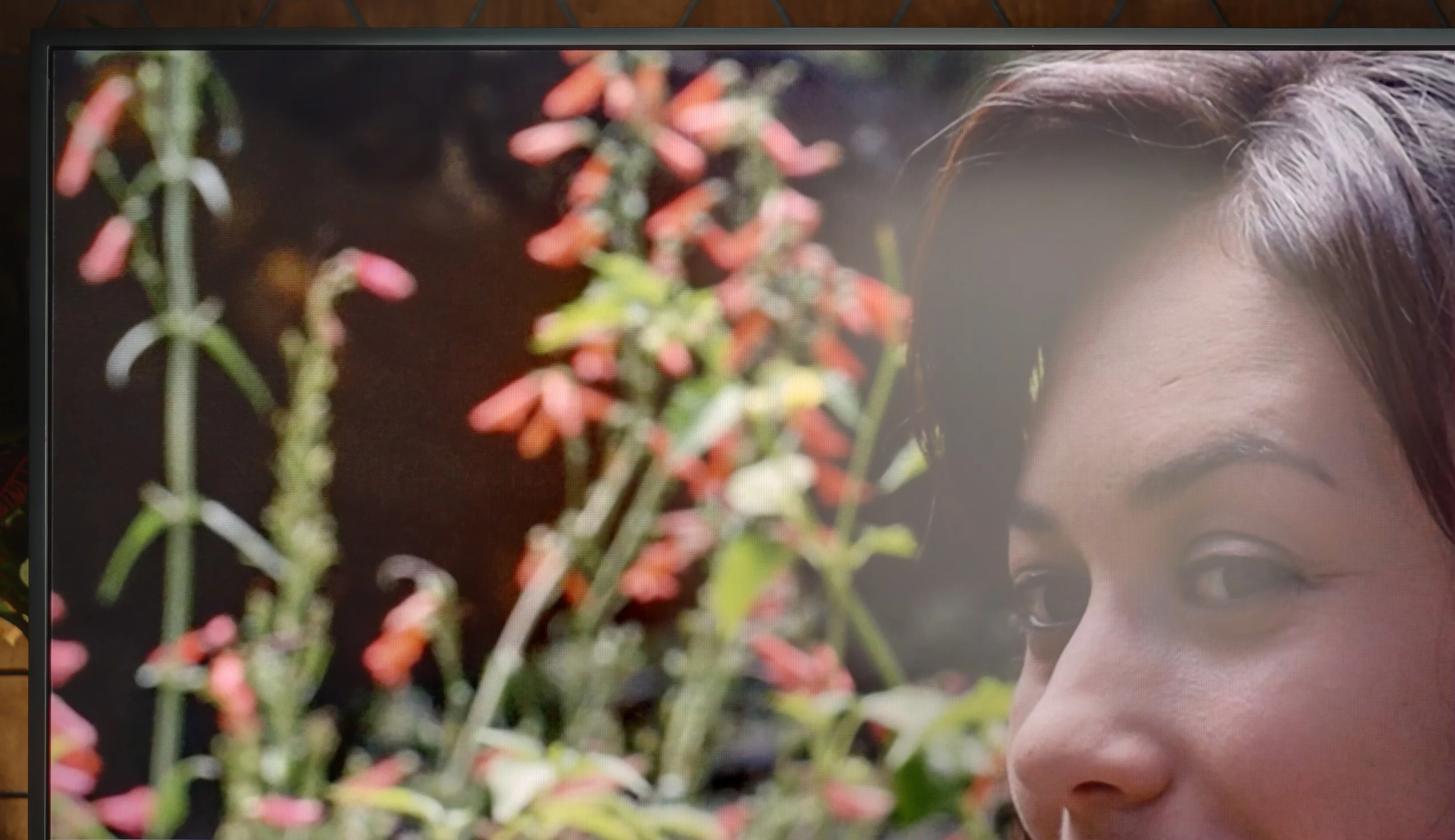
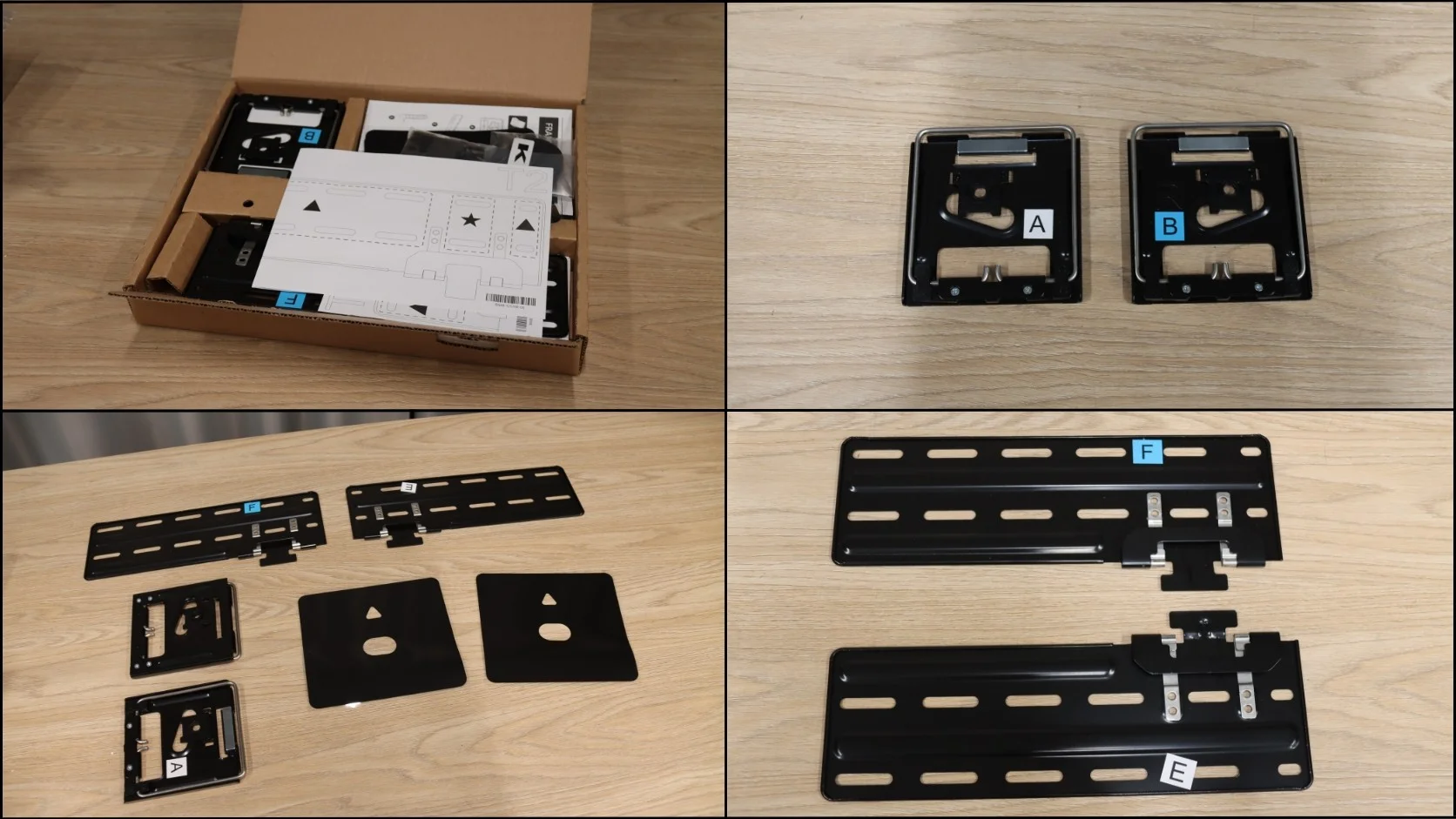
The Frame Pro 2026 makes the most sense when you want a TV that looks good in the living room and isn’t just another large black slab on the wall. And here Samsung still does something most manufacturers can’t match. Flush mounting, interchangeable bezels, Art Mode, a matte finish and the wireless One Connect mean that when The Frame Pro is hung correctly it can really look more like a piece of decor than AV equipment. In our view, it’s the best-executed TV of this kind on the market. Importantly, you don’t entirely pay for the looks with everyday performance. The Frame Pro is bright, the matte finish handles reflections very well, so it works really well in a brightly lit living room. Colors are vivid, motion is handled very well, and there are surprisingly many gamer-friendly features for a TV that’s primarily meant to “look better.” More questions arise when you consider the “Pro” badge and the fact it’s labelled as a Neo QLED screen. From that you might expect a large jump in picture quality over the regular The Frame, but in practice it isn’t that big. The TV uses Mini-LED backlighting and local dimming, but the zones are located at the edges of the screen. That’s a completely different approach than in more advanced Mini-LEDs, where the backlight works across the whole panel. That isn’t a major issue in bright, colorful scenes. It becomes more noticeable in the evening, especially in films with many dark scenes. Then you can see that black levels and backlight control are clearly weaker than in the best Mini-LED TVs. This is where it becomes most clear that “Pro” doesn’t mean top-tier picture quality in this case. An interesting alternative is the Samsung S99H. It has a strong design focus, but in terms of picture it really goes further. Of course it also costs significantly more, so it’s not a direct replacement but rather an option for someone who wants to combine both worlds with fewer compromises. So is it worth buying The Frame Pro 2026? We think yes, but only if you know what you’re paying for. The TV’s biggest strengths are its looks, Art Mode, very good performance in a bright living room, and the wireless One Connect. If that’s what you’re looking for, The Frame Pro is a very appealing option. If the main reason to pay extra is significantly better picture quality, we’re less convinced. It’s simply a better, more refined The Frame, not a full-fledged rival to the best Mini-LEDs.
 Direct comparison