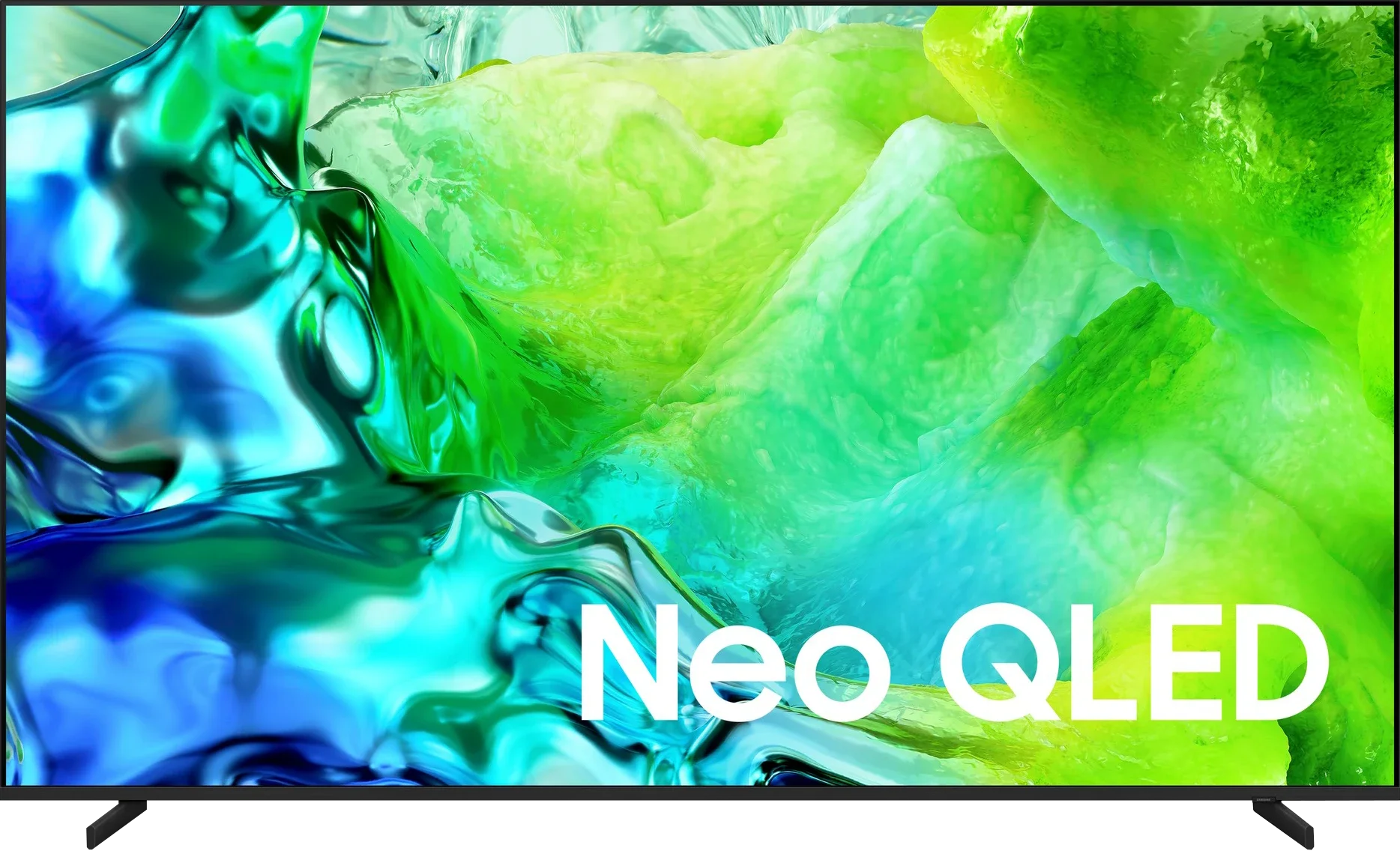
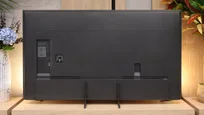
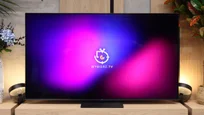
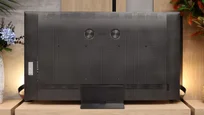
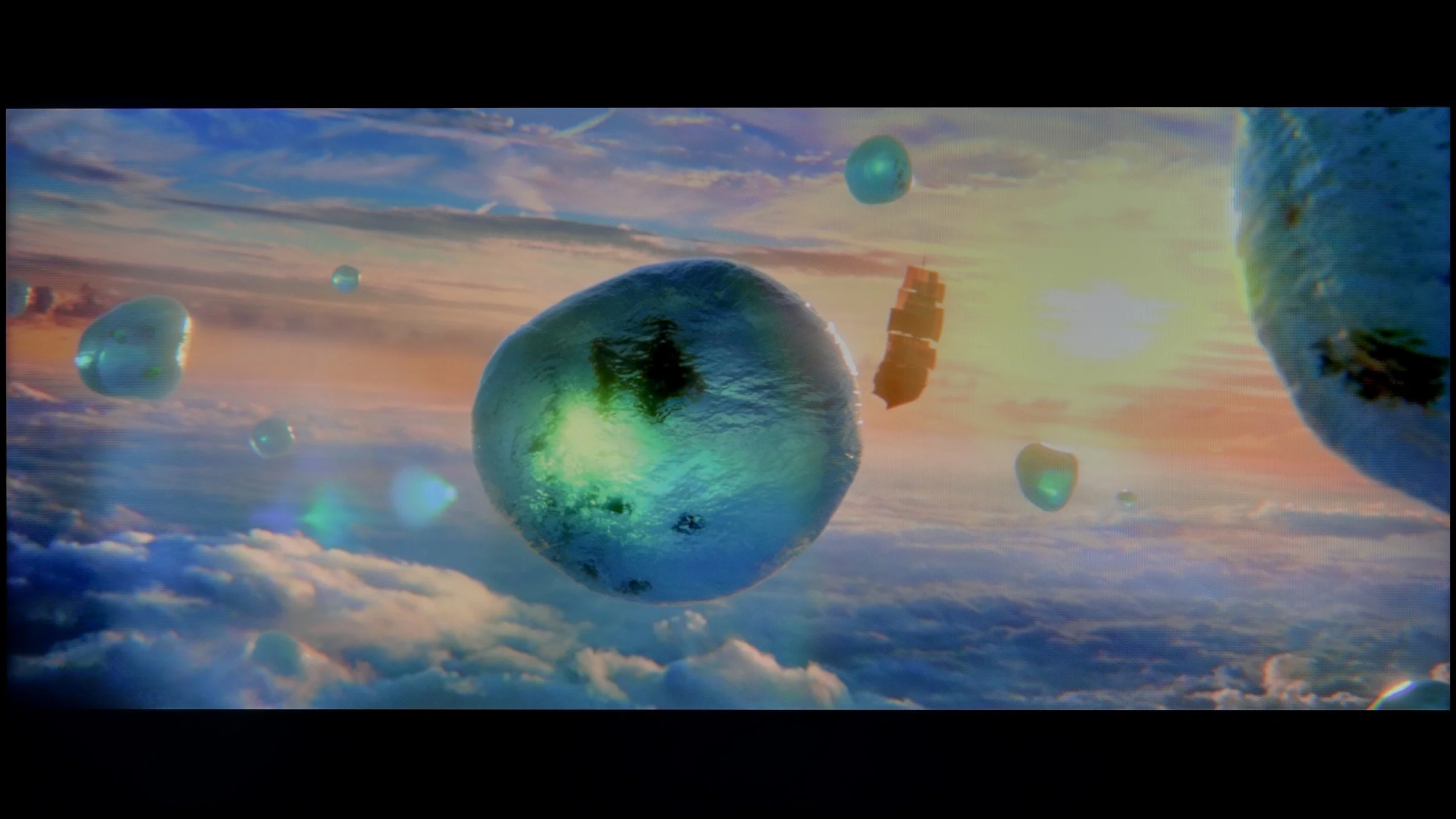
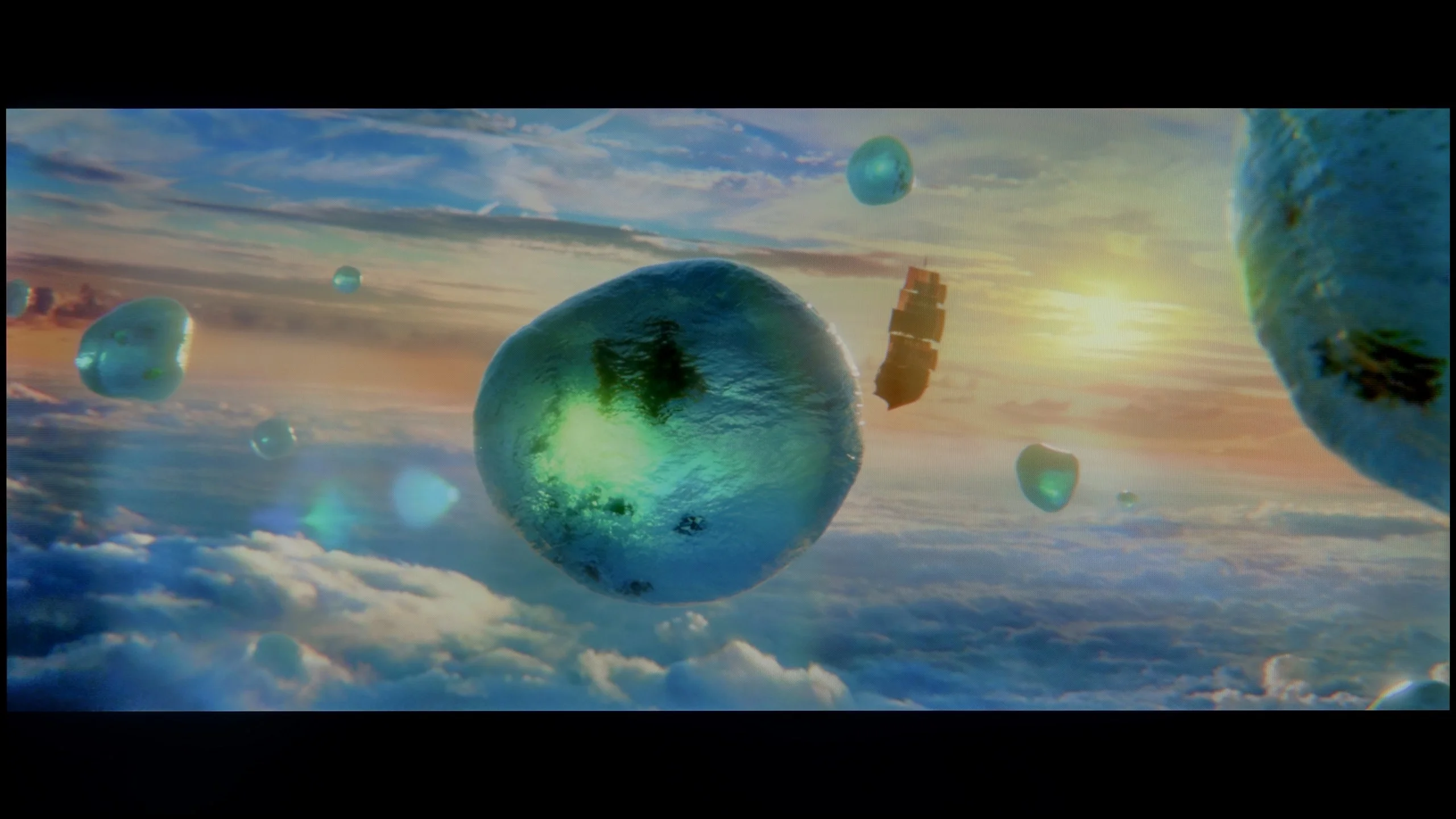
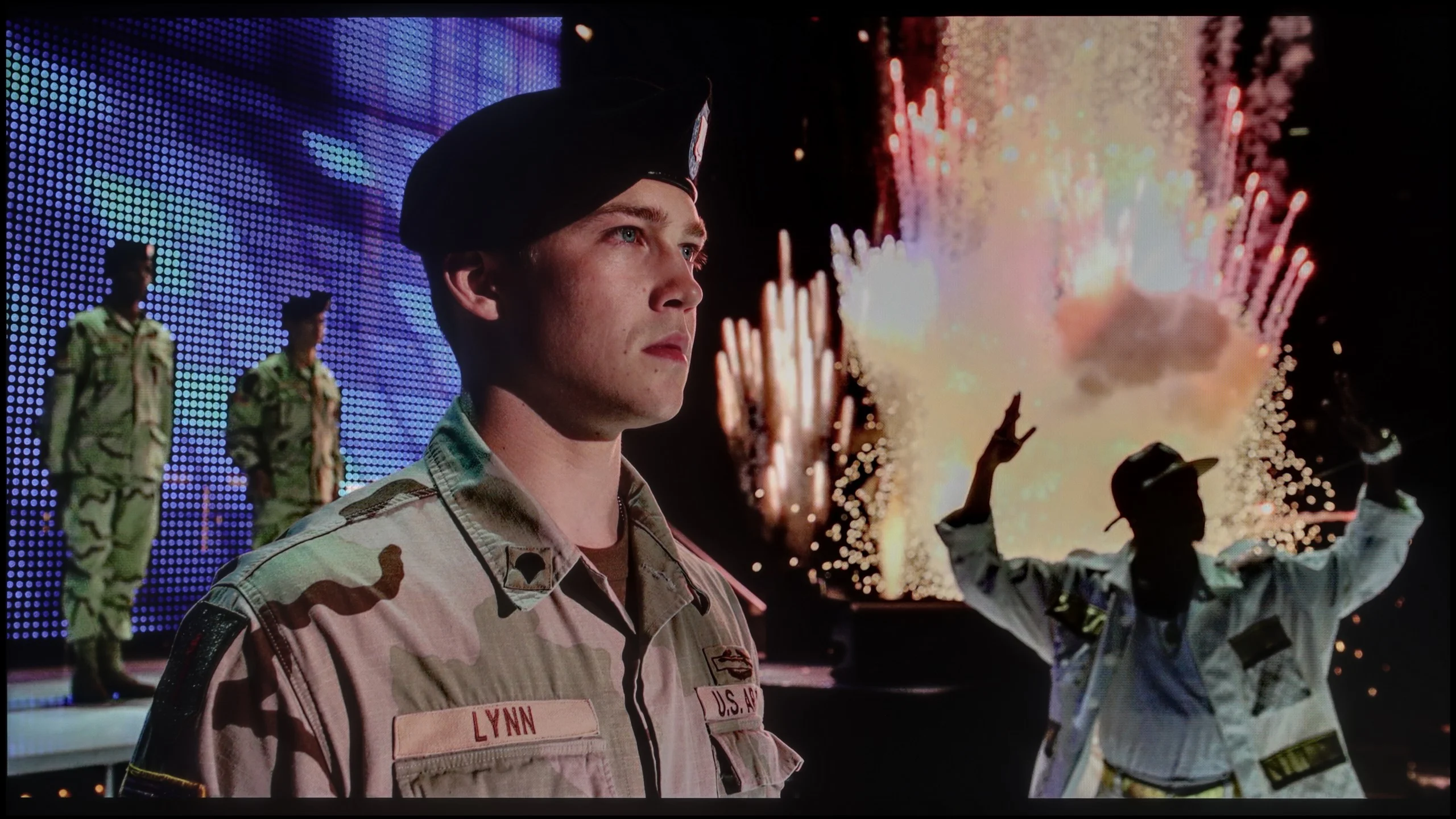
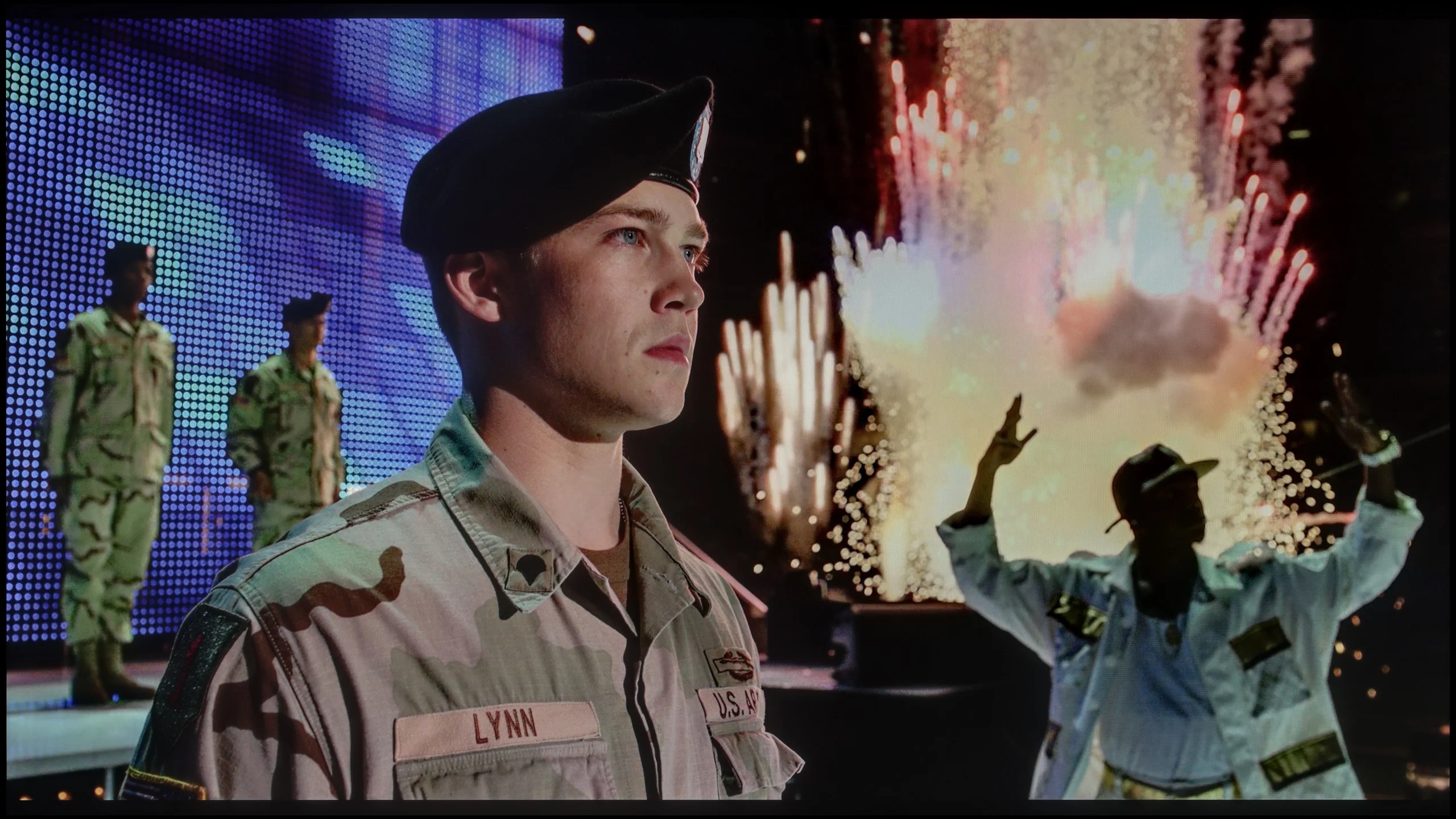
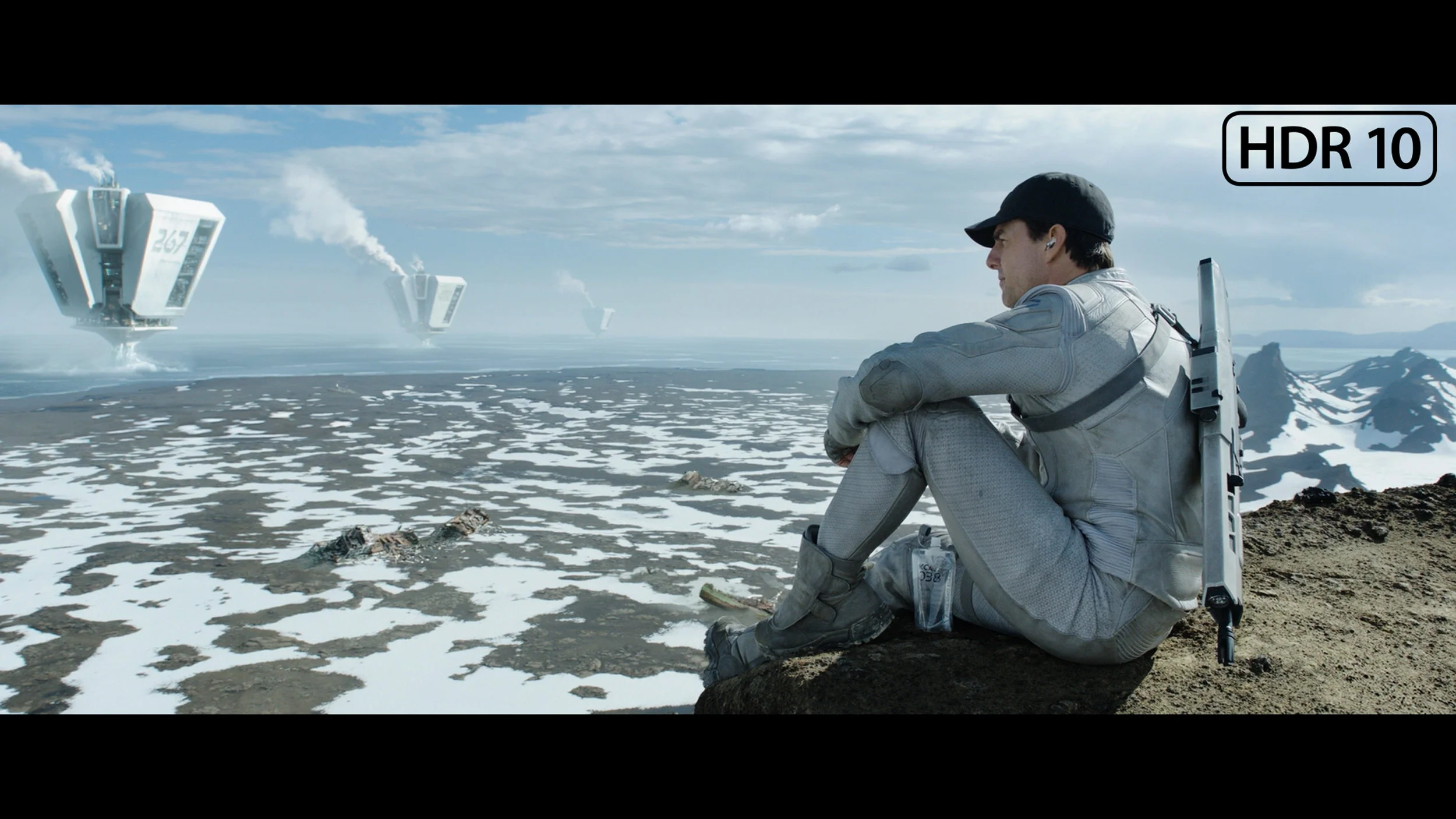
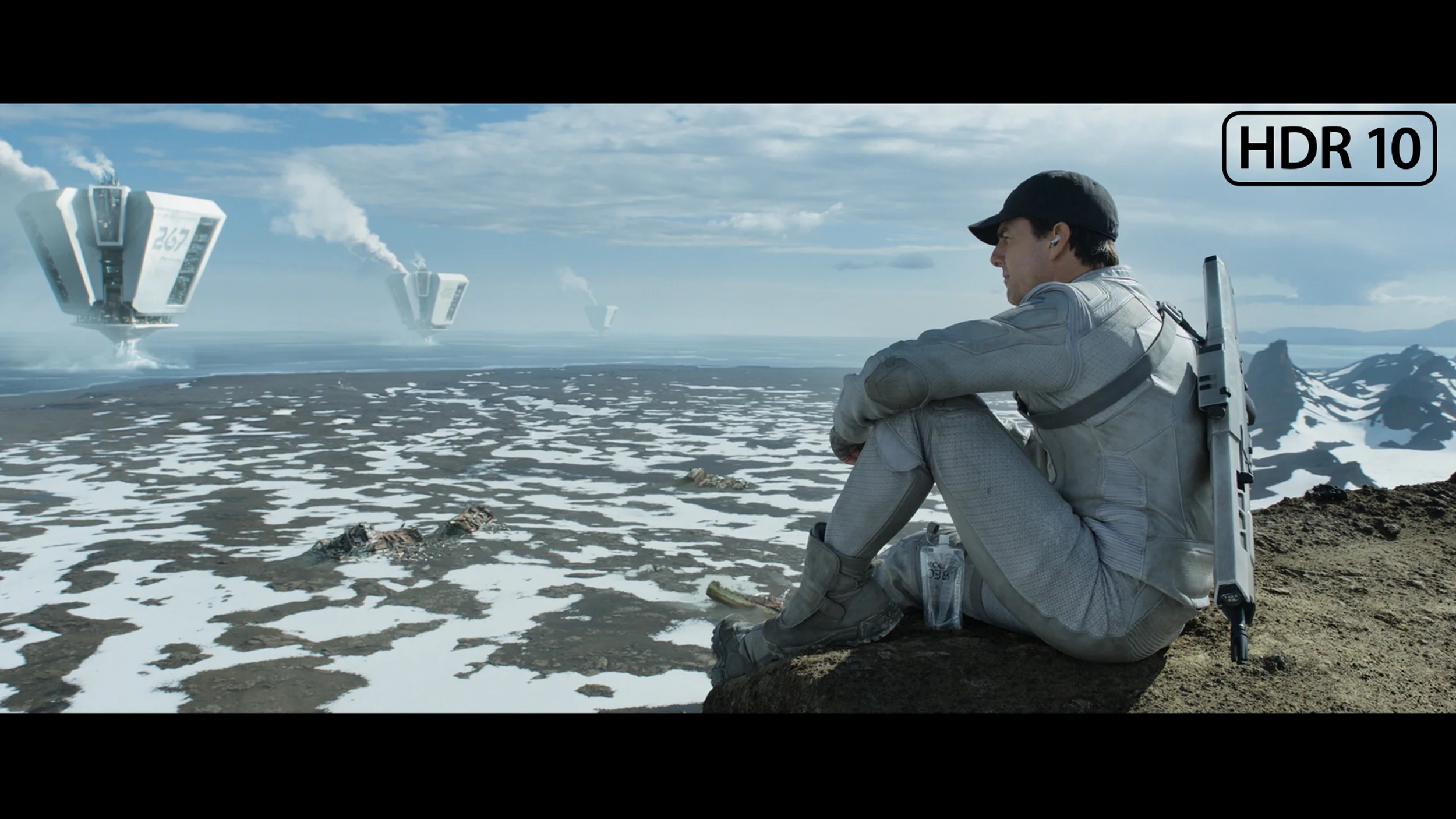
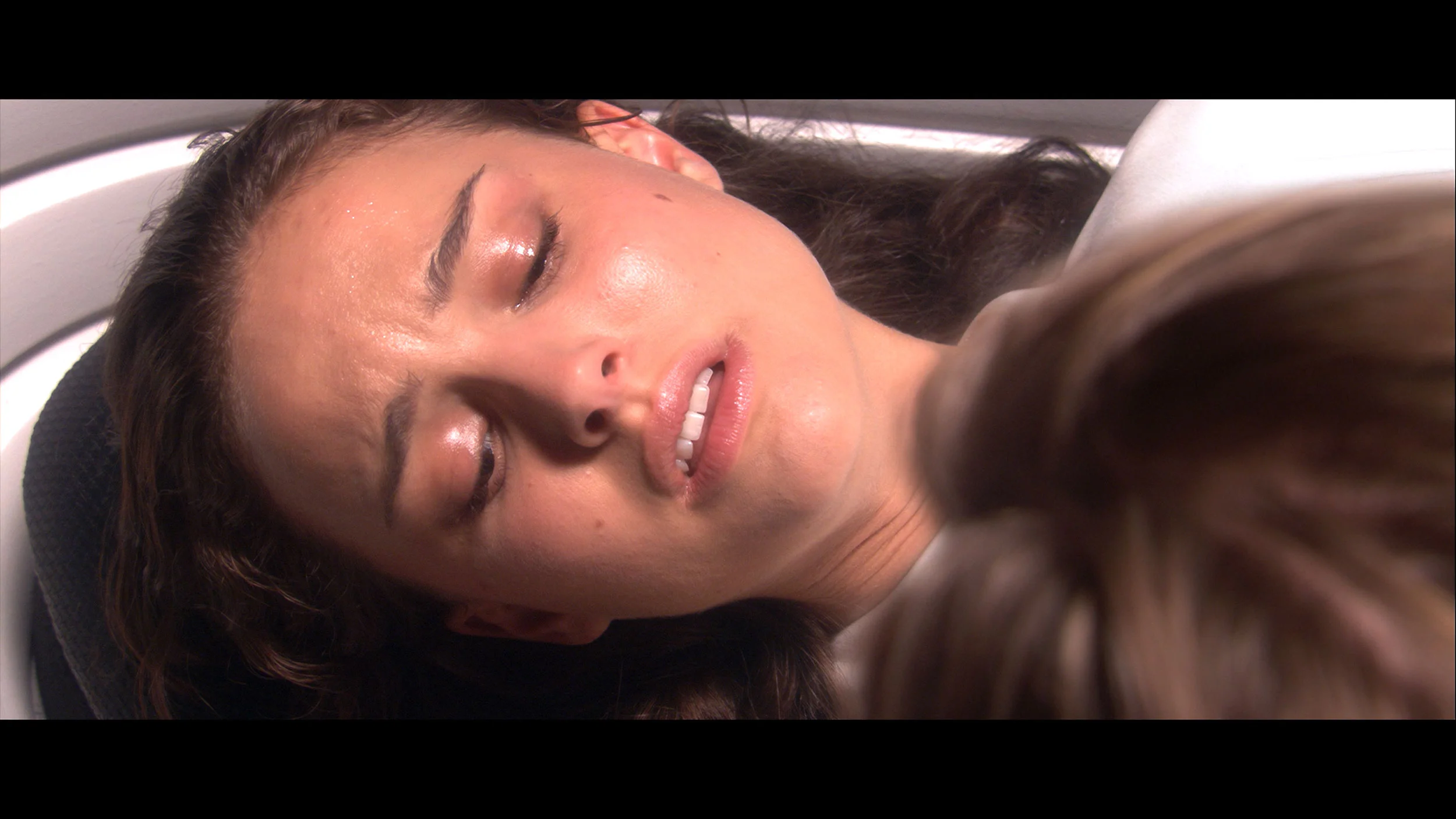
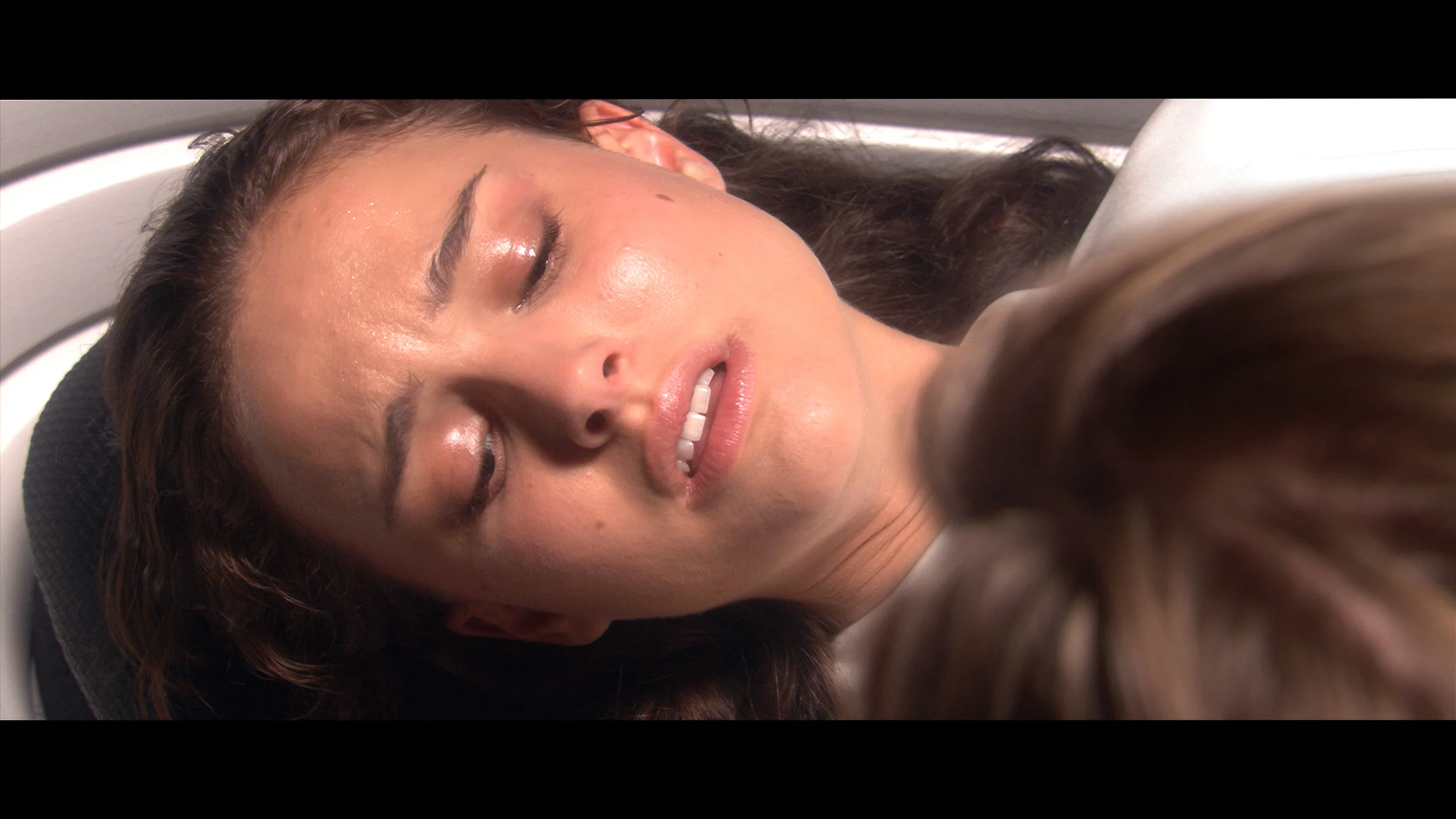
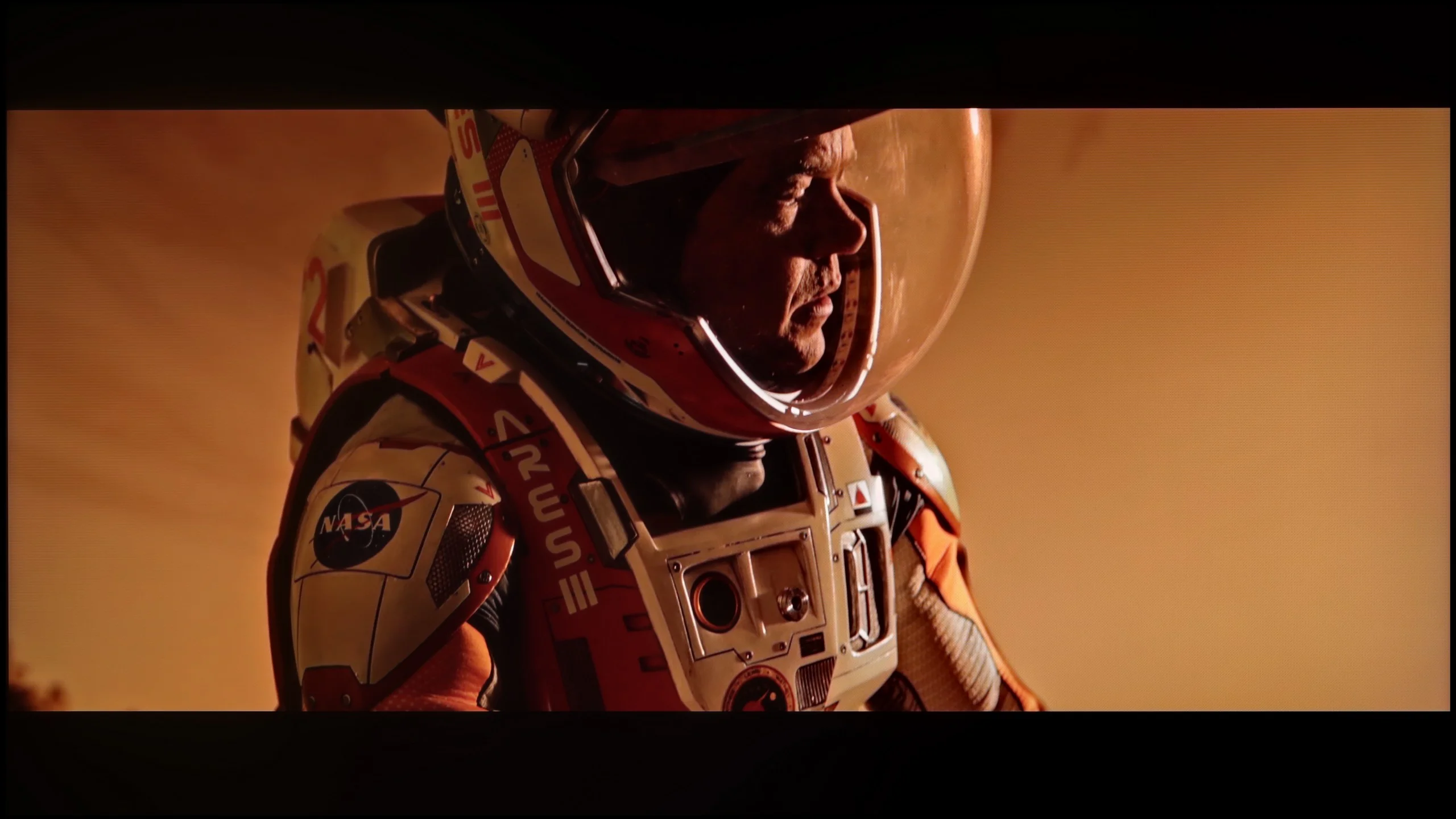
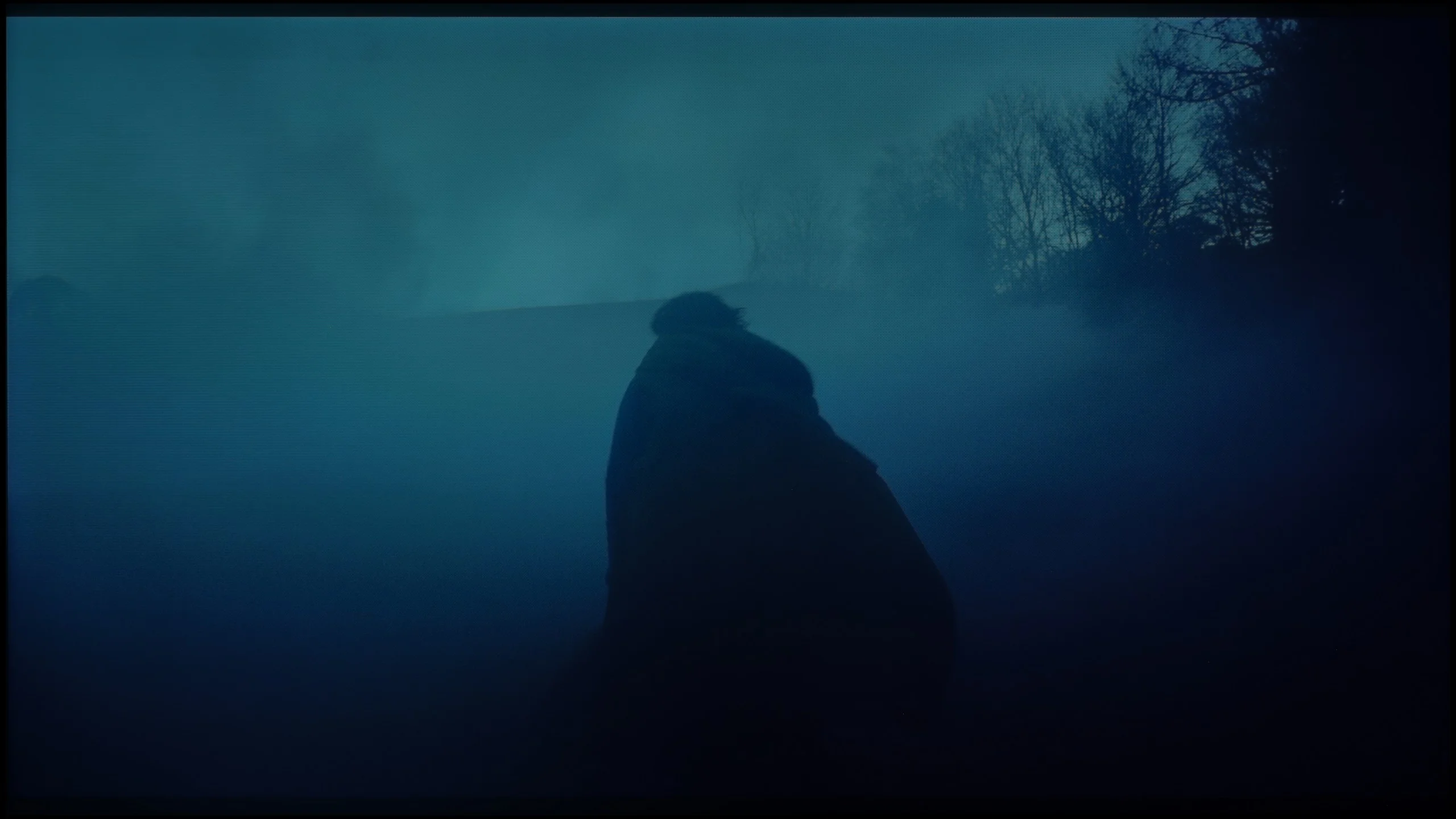
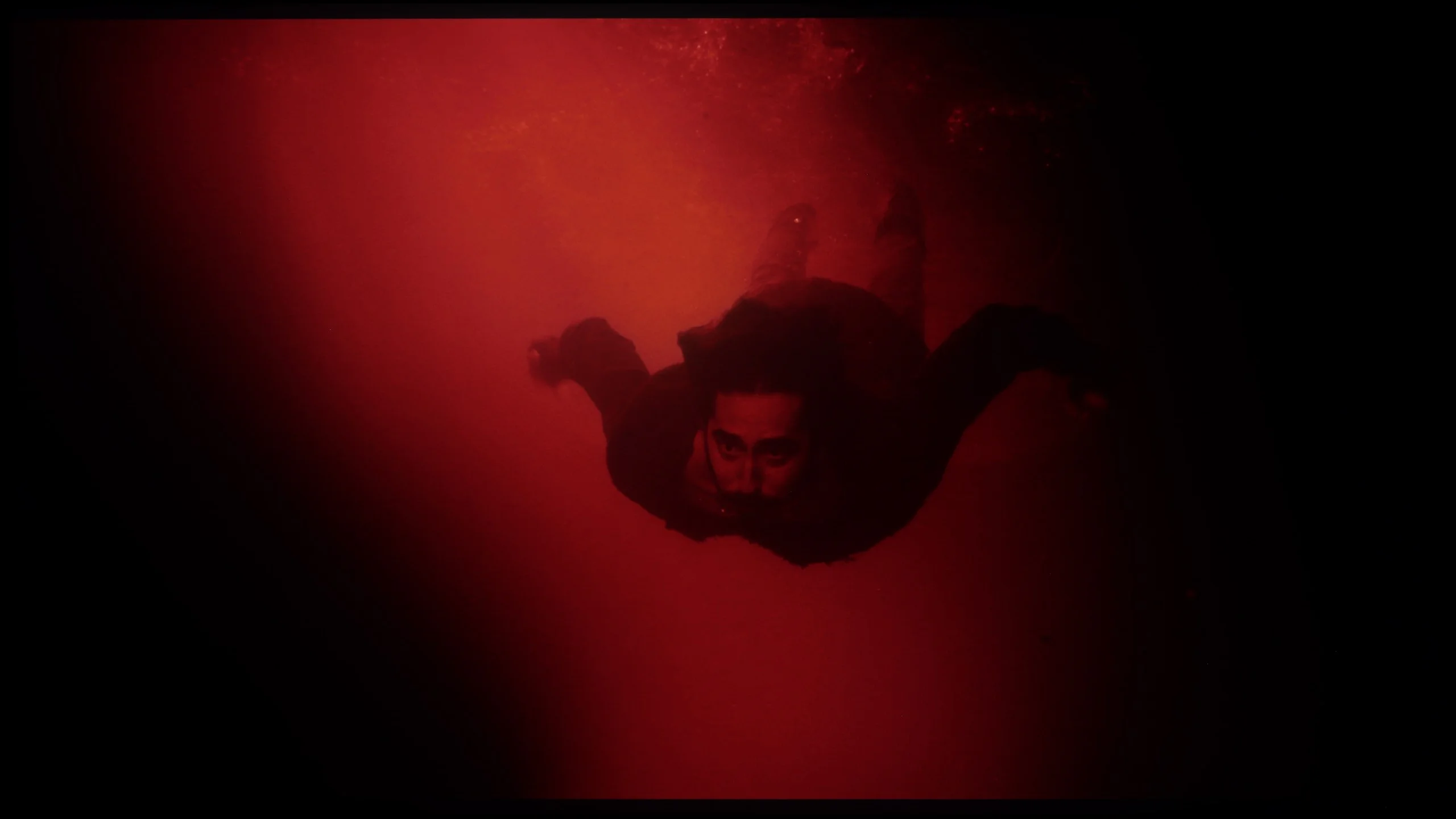
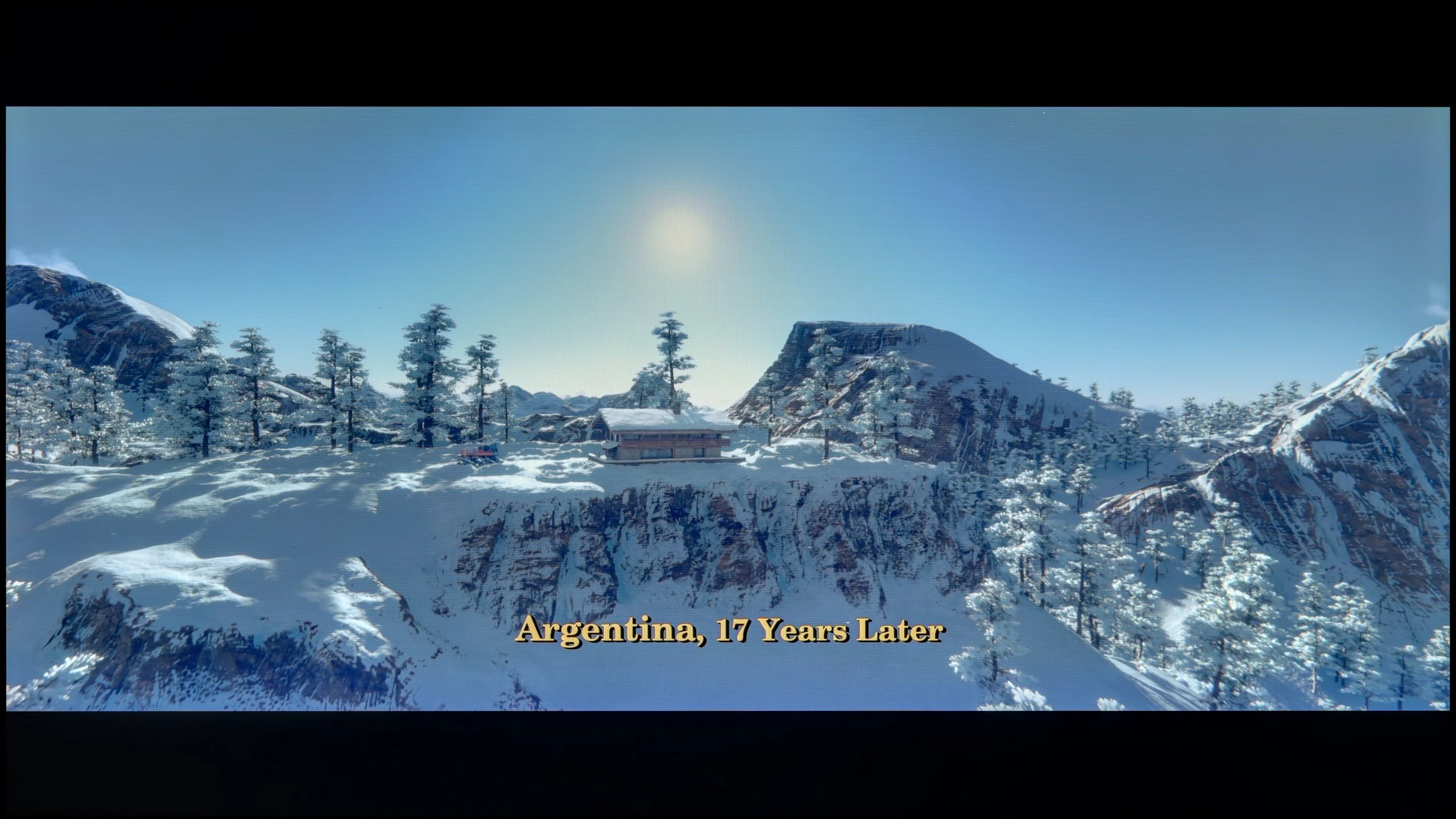
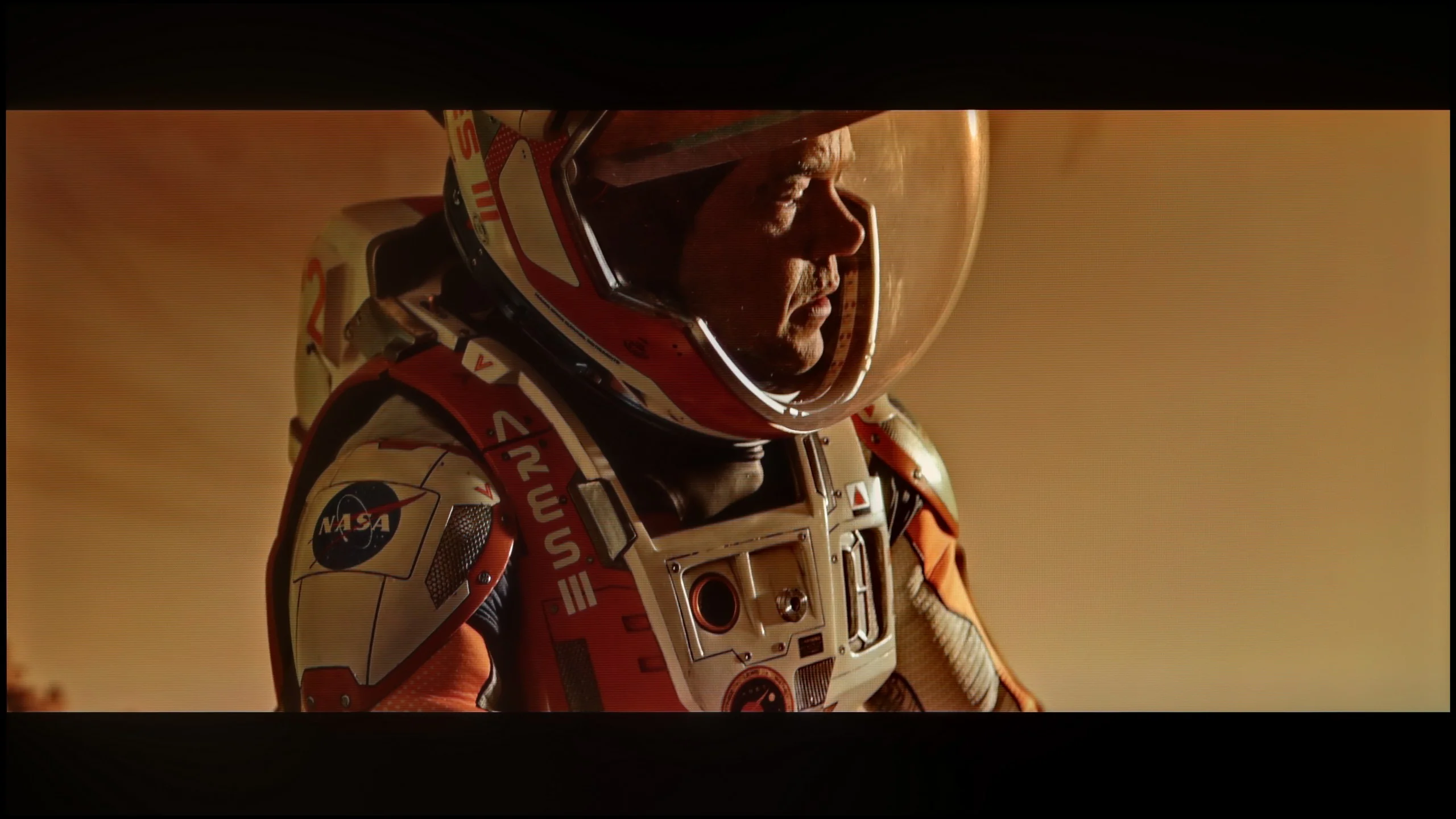
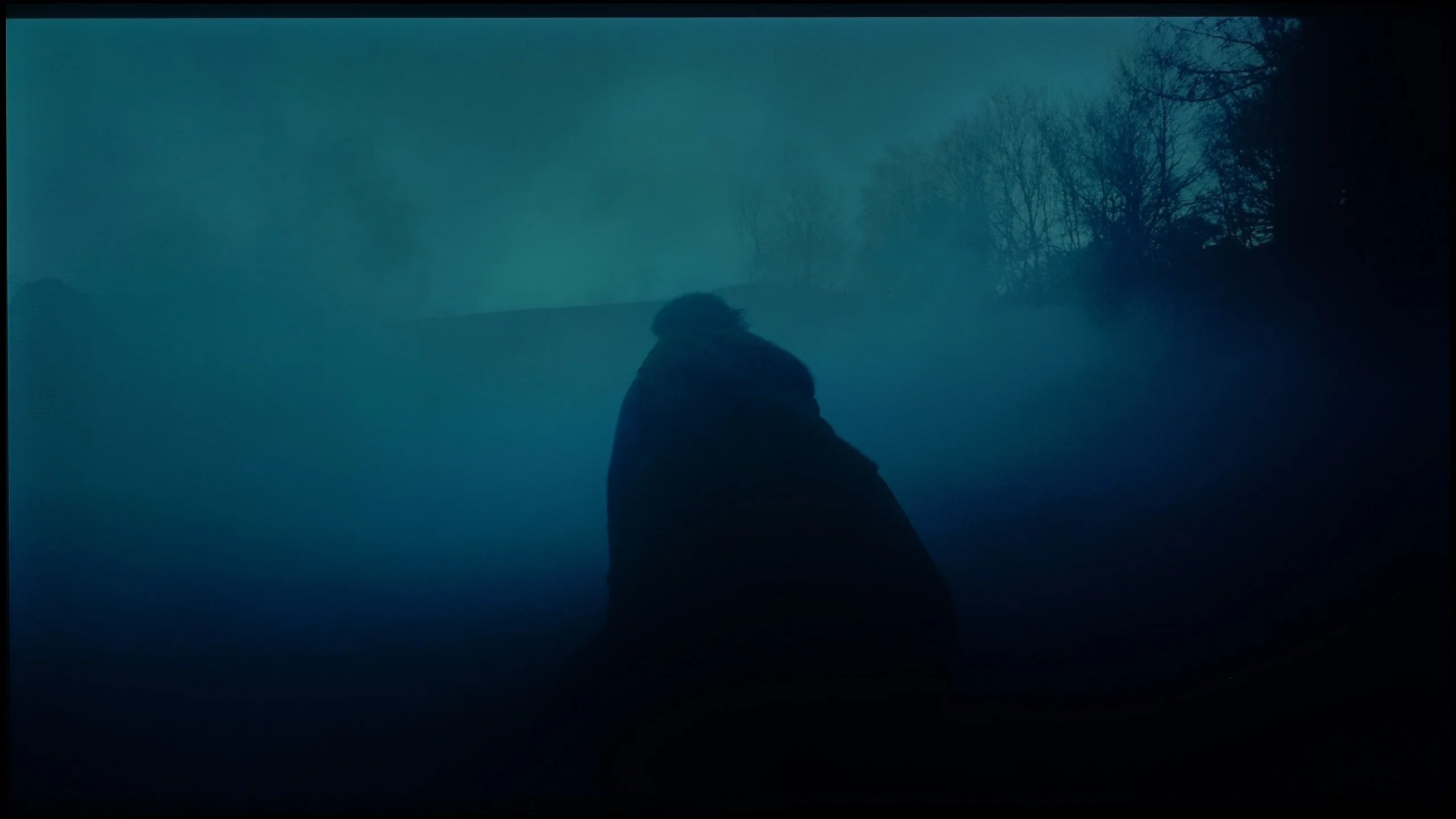
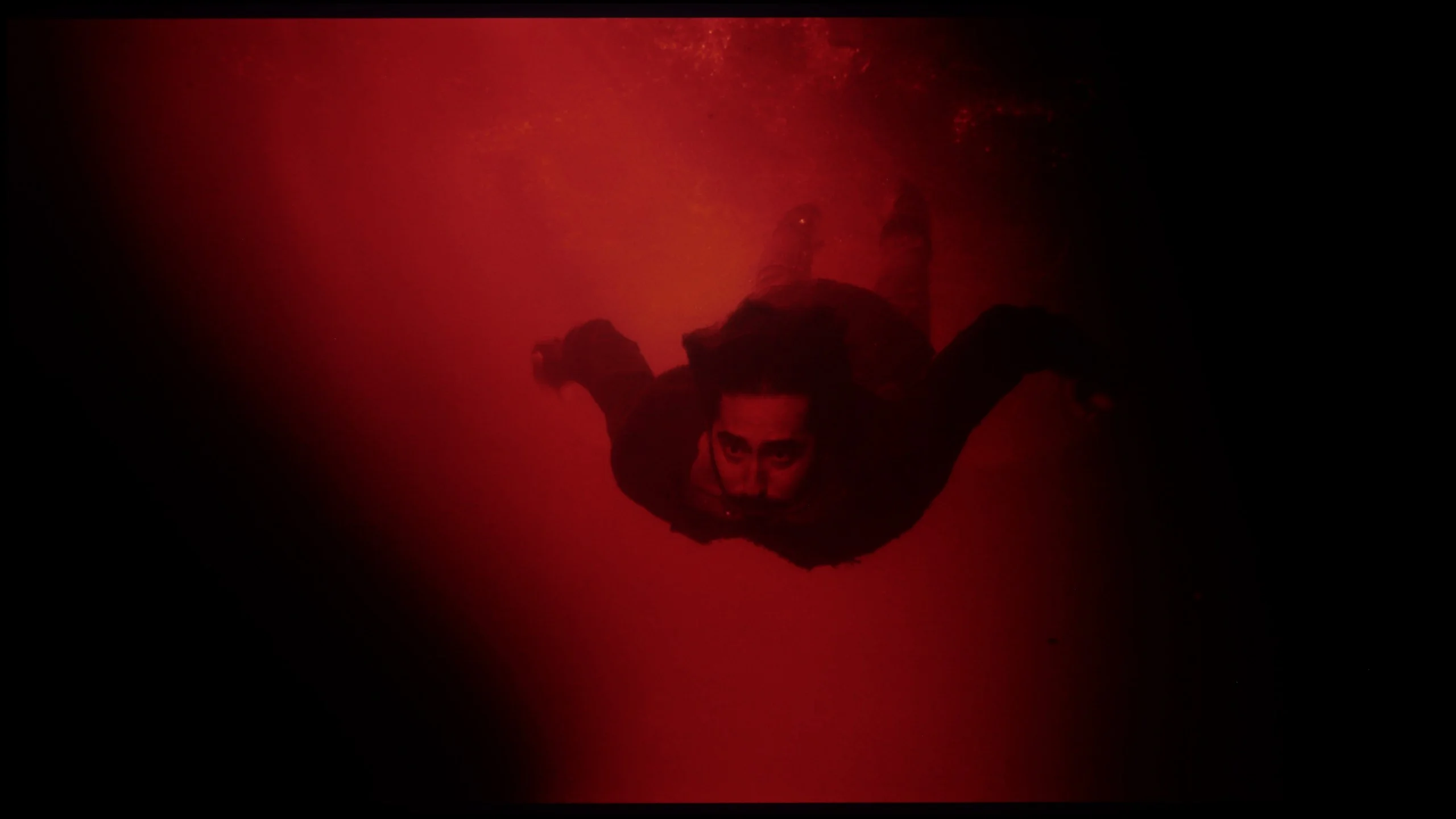
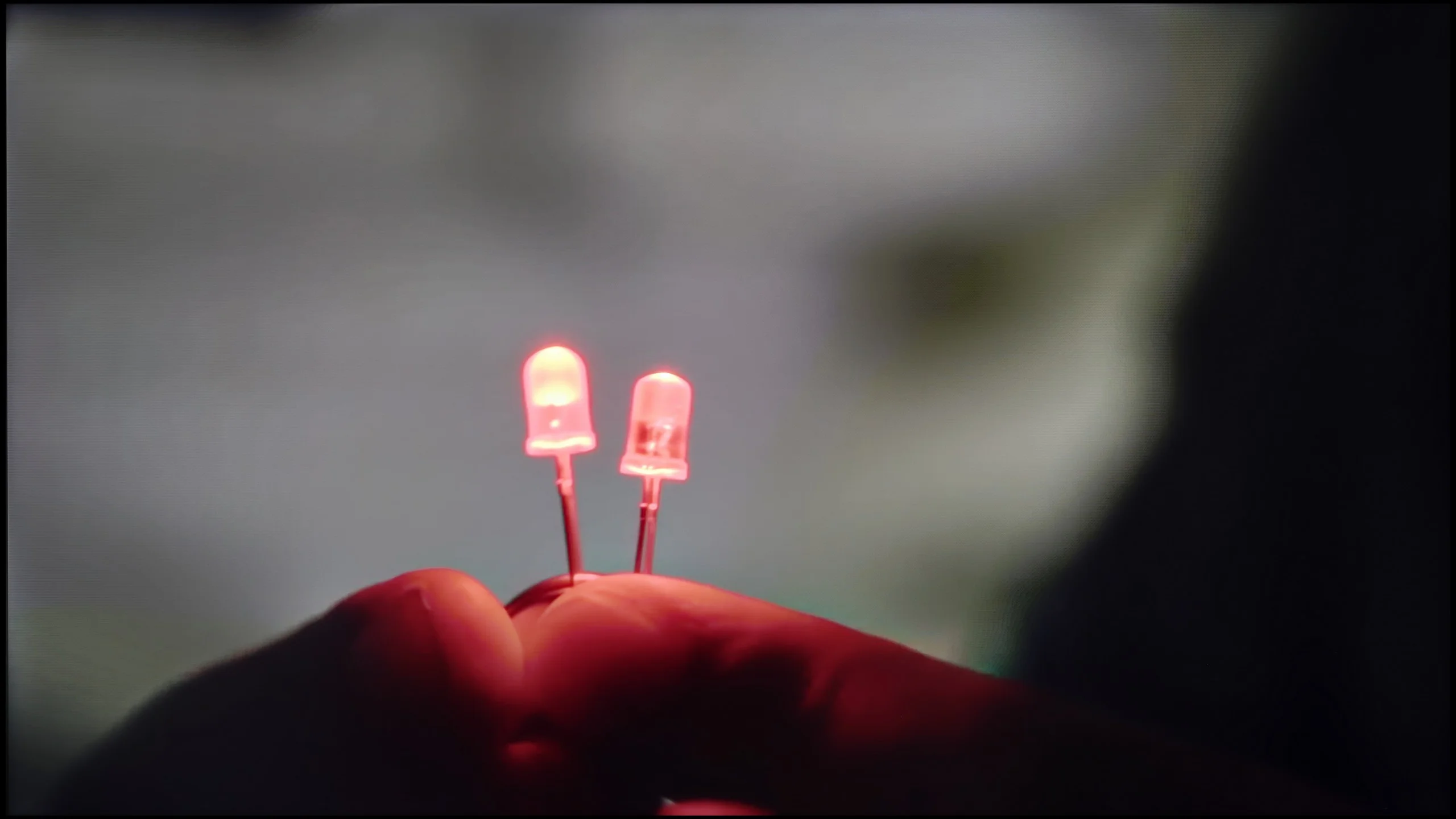
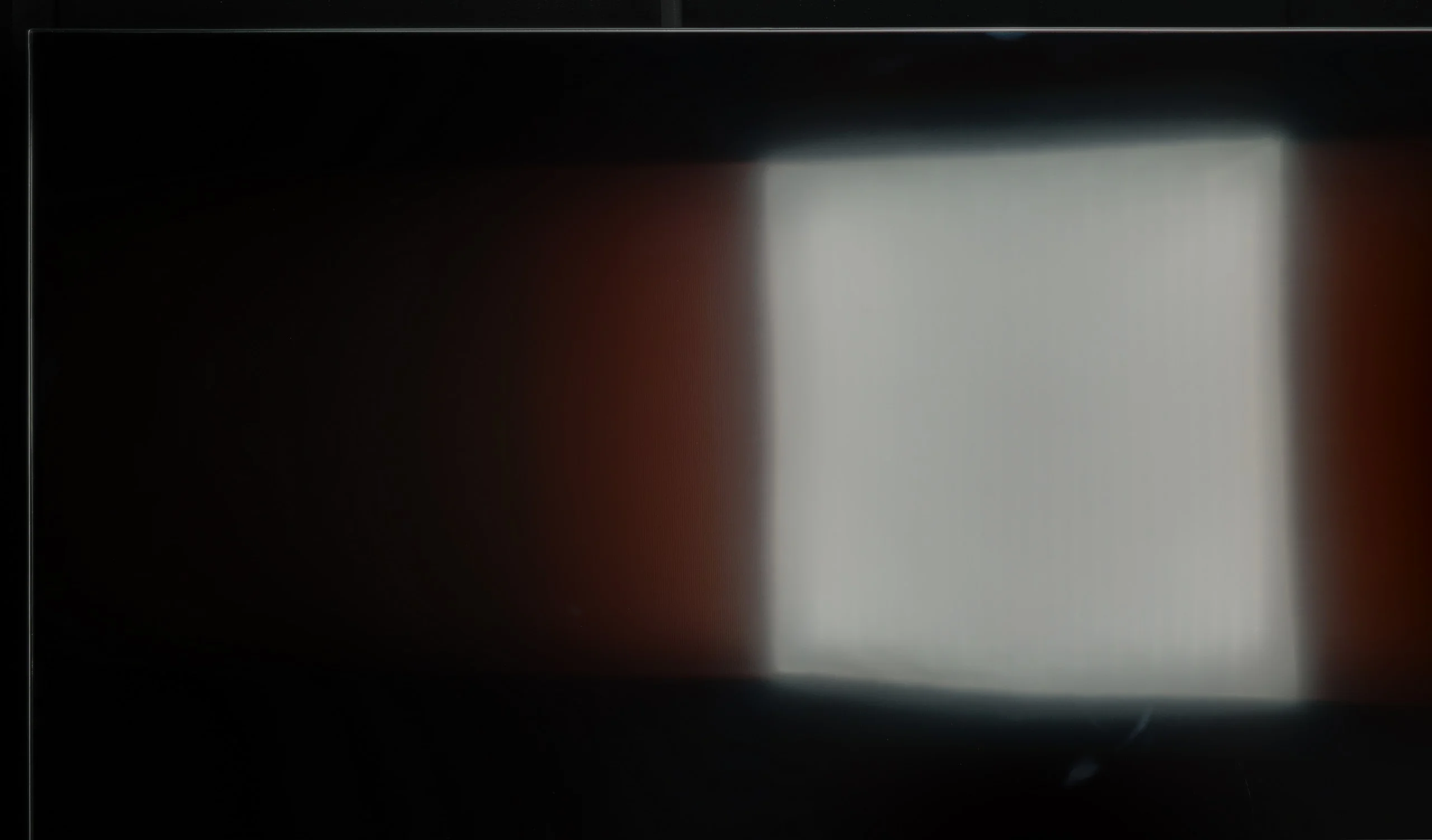
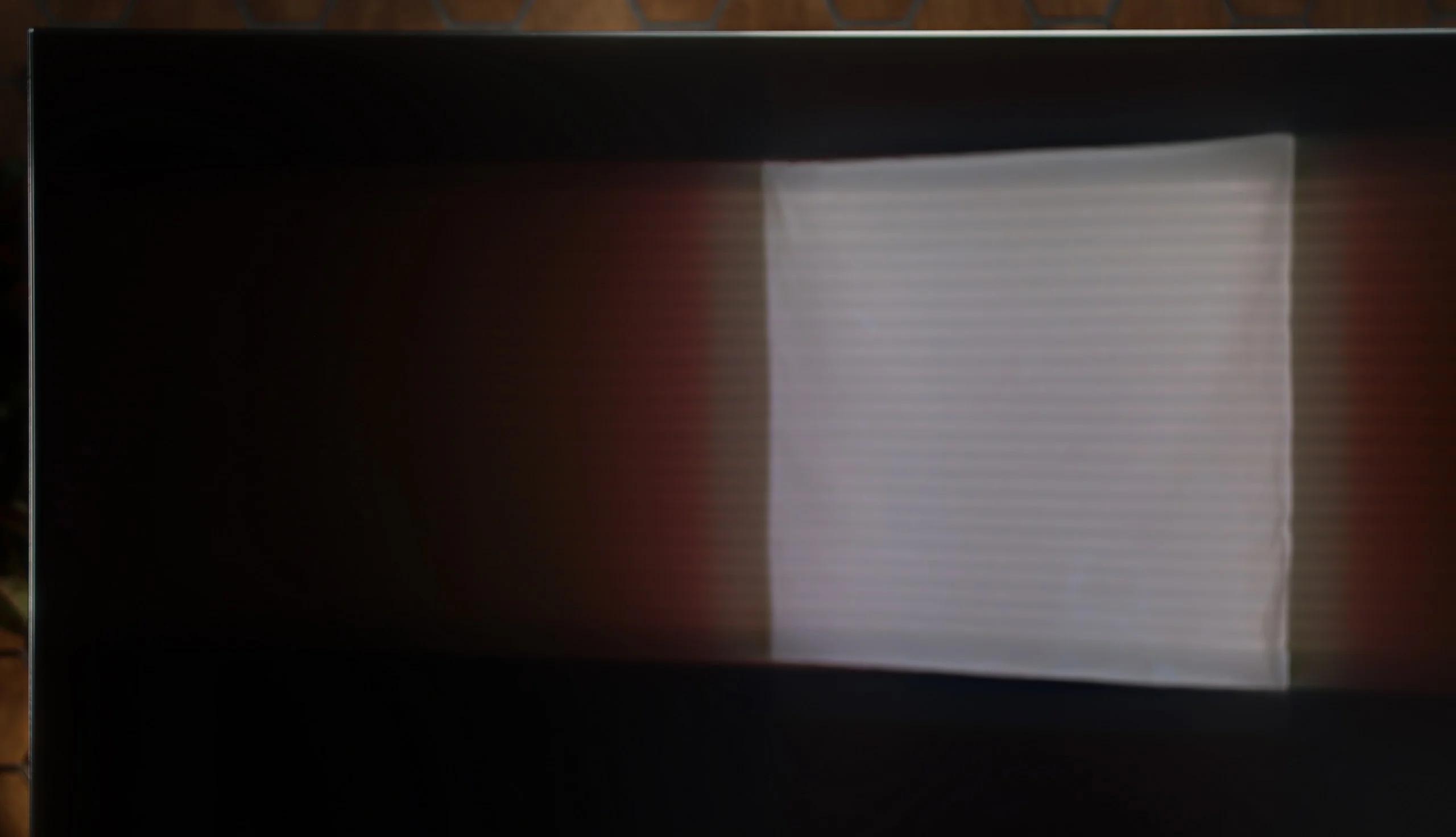
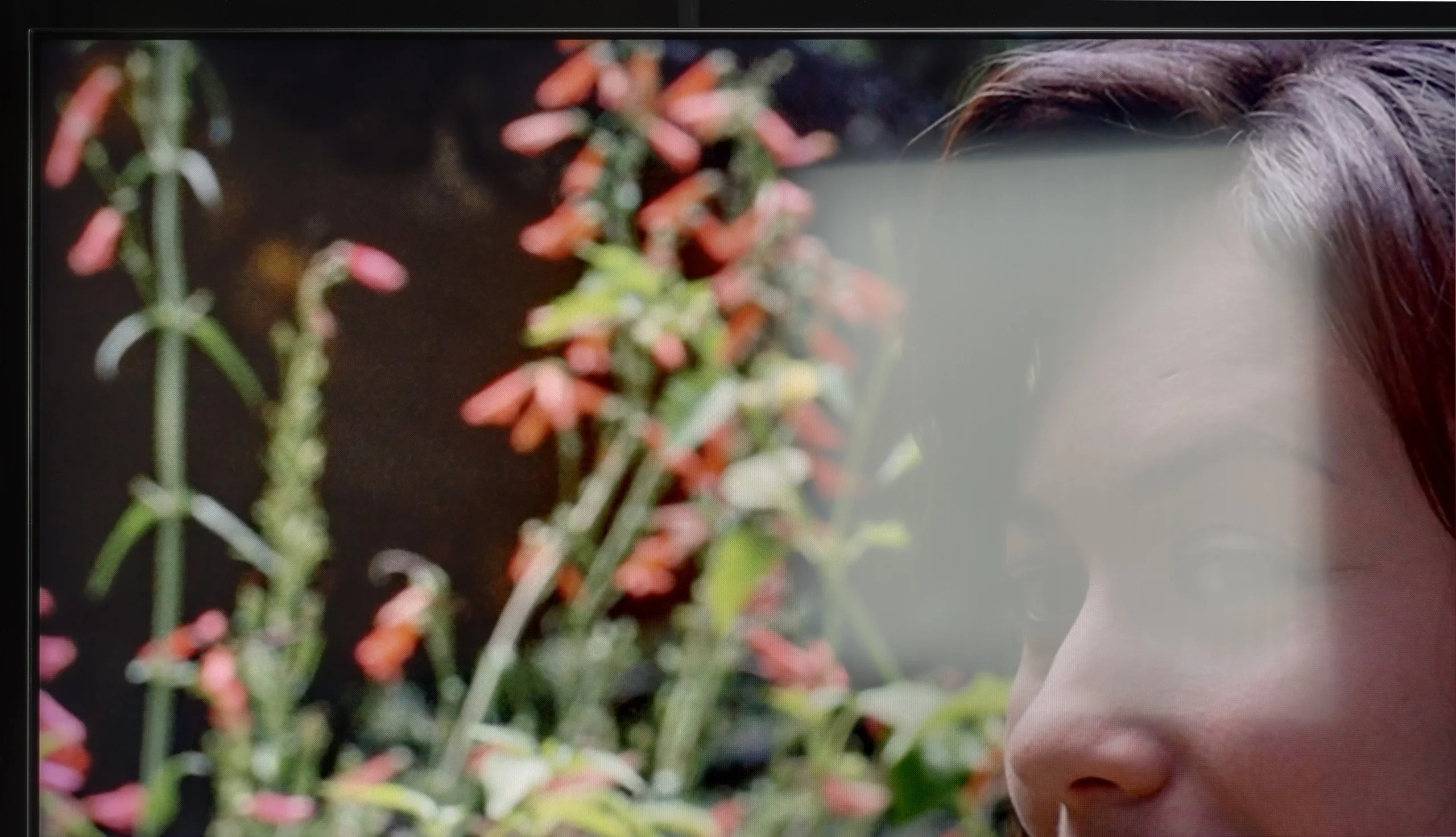
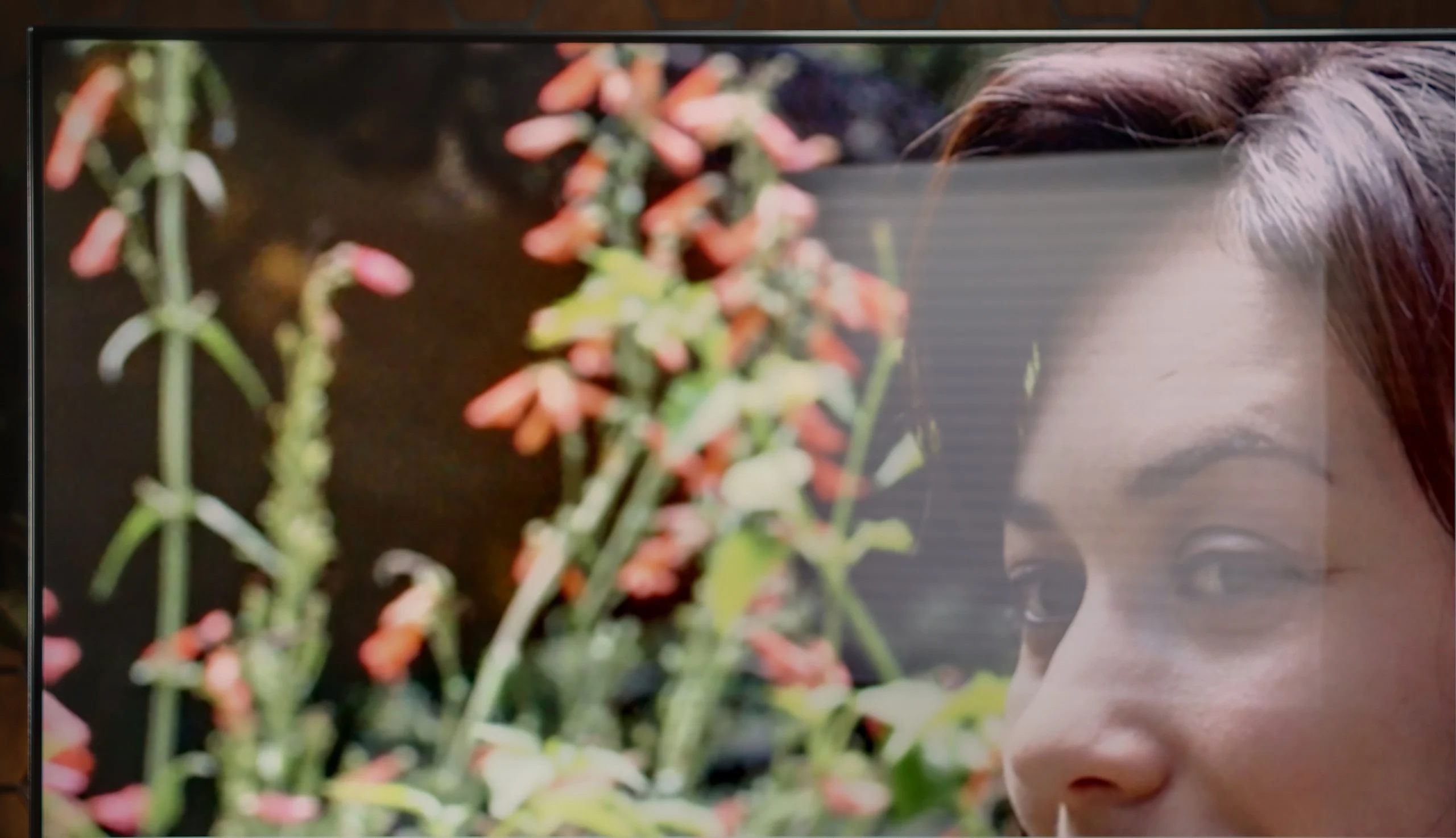
QN80H represents the Neo QLED lineup, which means it has direct, zoned Mini-LED backlighting on board. In the 65-inch unit we tested we counted exactly 110 local dimming zones. Compared with aggressively priced Chinese competition that number might not seem spectacular, but it’s still far better than having no dimming at all or the edge-lit dimming used in lower-tier models. Especially since Samsung paired the QN80H with a high-contrast VA panel. Thanks to that, even with a relatively modest number of zones the TV can deliver very good results. In our tests on movie scenes the QN80H performed solidly, particularly where deep blacks dominated the screen. In films like Oblivion the blacks we measured could be three to four times deeper than the panel’s native capability. That shows the TV can effectively and precisely dim the right areas to produce an image with satisfying contrast. The problems begin in more demanding moments. In scenes with lots of small details on a dark background (the shot with the helicopter at the bottom) the QN80H’s biggest weakness becomes apparent. When small but very bright points appear on screen the dimming algorithm clearly gets confused. Instead of illuminating only those details it brightens almost the entire screen, causing the blacks around them to turn very gray. That is a direct consequence of the limited number of dimming zones. One can only hope Samsung will optimize the algorithm in future firmware updates. Despite this, we judge the overall contrast positively, especially when comparing the QN80H to displays that have no zoned backlight at all.
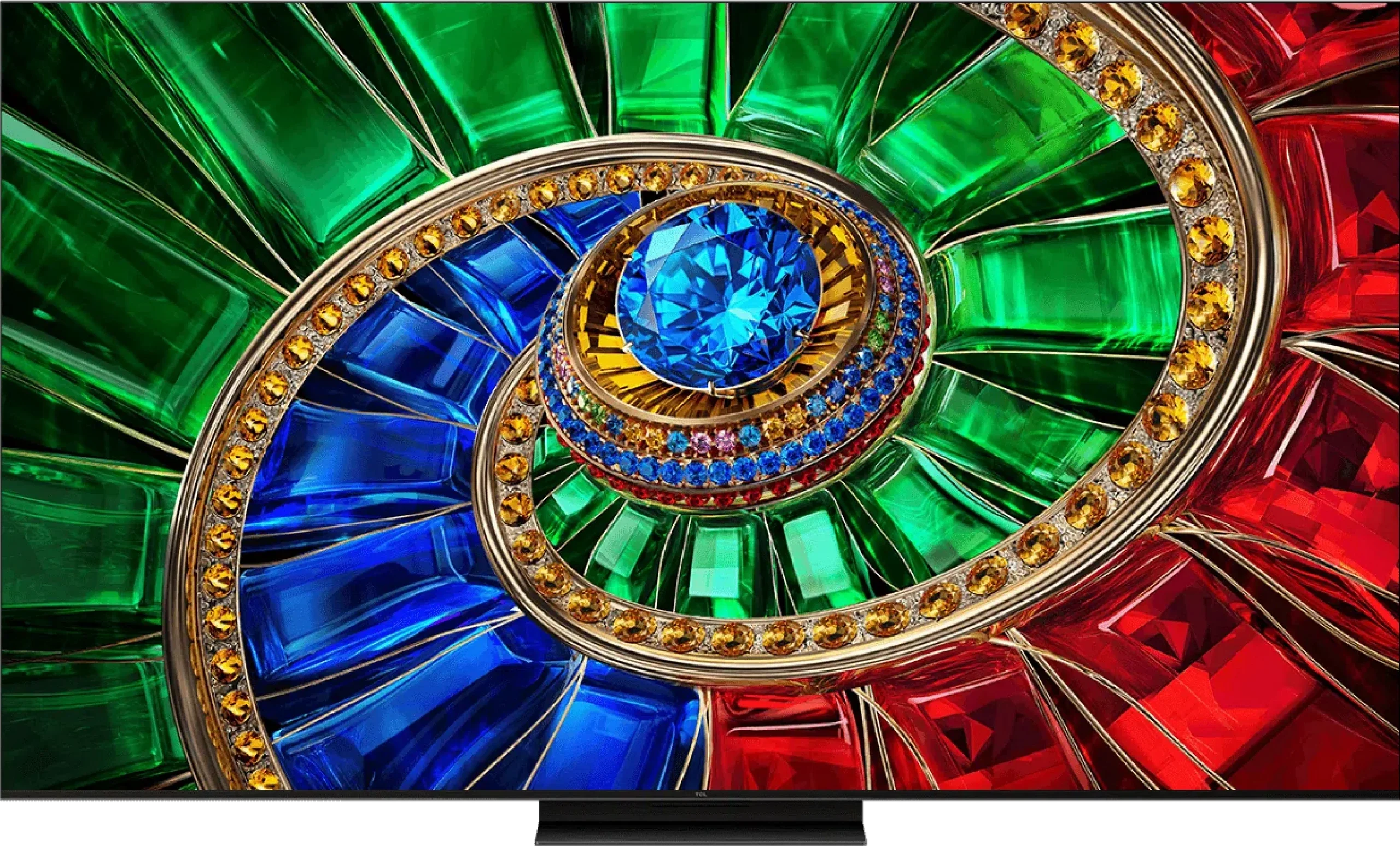
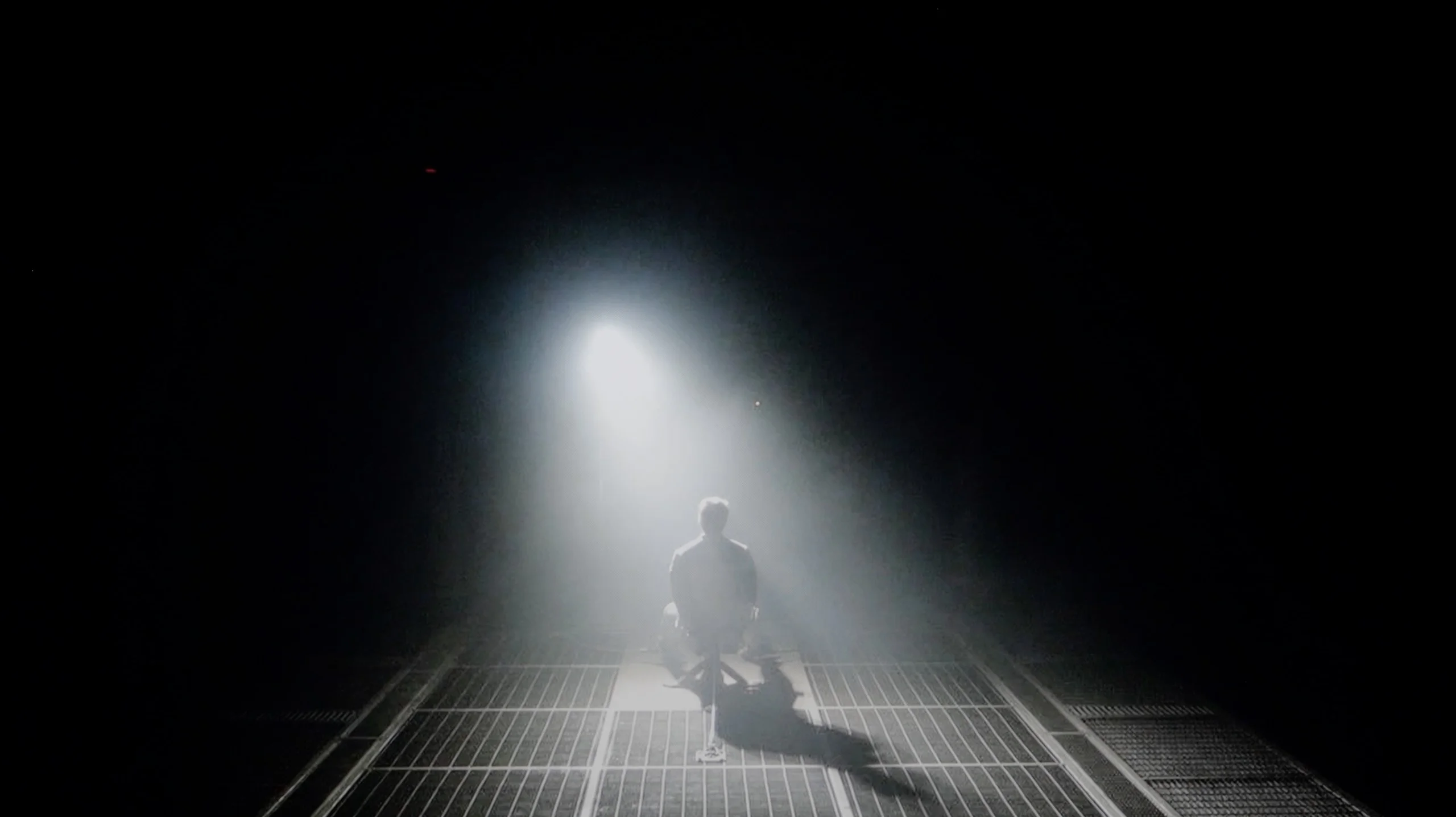
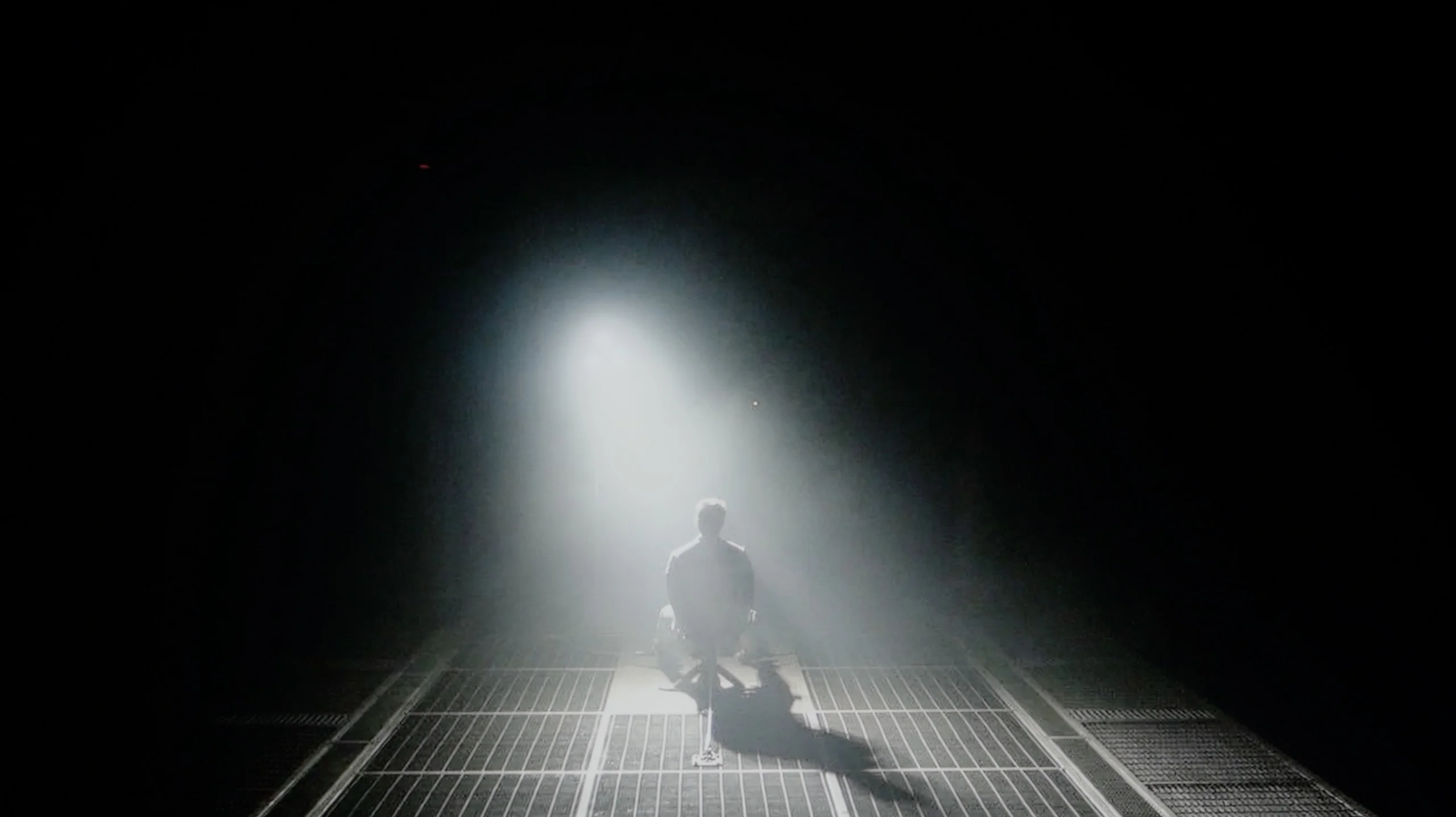
Black performance on the TCL RM7L is really good. The combination of a high-contrast VA panel with a zone-based RGB Mini-LED backlight allows the TV to achieve very high contrast figures. In most of the scenes we measured, the results were good enough that dark parts of the image looked deep and convincing. The RM7L performs best in less demanding shots where black occupies a large portion of the screen and bright elements are relatively small. In such conditions contrast can reach six-figure values. As scene complexity increases, results gradually fall off, but that is a natural characteristic of any LCD TV using local dimming.
However, the RM7L has noticeably fewer zones than its counterpart using an SQD Mini-LED backlight. In the 65-inch version the difference is more than twofold, so you more often see more pronounced blooming around bright elements on a dark background. In terms of pure dimming precision, the RM7L is therefore not as accurate as the C7L. RGB Mini-LED has its own advantage here though. The bloom is not simply white, it takes on the color of the displayed element. A good example is the helicopter cockpit scene from Sicario 2, where a greenish bloom appears around the green lights instead of the typical bright halo known from conventional Mini-LED TVs. The halo effect is still visible, but because its color matches the image it is less distracting and looks more natural.
Ultimately we rate the RM7L and C7L similarly for black-level performance. The C7L controls the backlight better thanks to a larger number of zones, while the RM7L makes up for it with the character of its bloom. The bloom is somewhat larger, but its color blends better with the displayed image.
NOTE: Naturally, as the TV size increases the number of zones grows, yet we expect similar contrast results across RM7L sizes. It’s also worth adding that TCL lists the number of "color zones" in its product brochures, not the actual dimming zones. Since each color zone consists of three RGB channels, the advertised number should be divided by three. Therefore 1,344 color zones in the 65-inch unit we tested mean 448 actual dimming zones.
Size | Dimming zones (actual) | Color zones |
|---|
65" | 448 | 1344 |
75" | 600 | 1800 |
85" | 720 | 2160 |
98" | 960 | 2880 |
 Direct comparison