A range of features on the Samsung Q80D television significantly enhances user comfort. Its advanced Tizen system provides an intuitive and smooth interface, making it quick and easy to navigate through apps and settings. With support for a wide array of applications, including popular streaming services, users can access diverse entertainment content without needing additional devices. Notably, the 2024 update includes support for the Polish language.
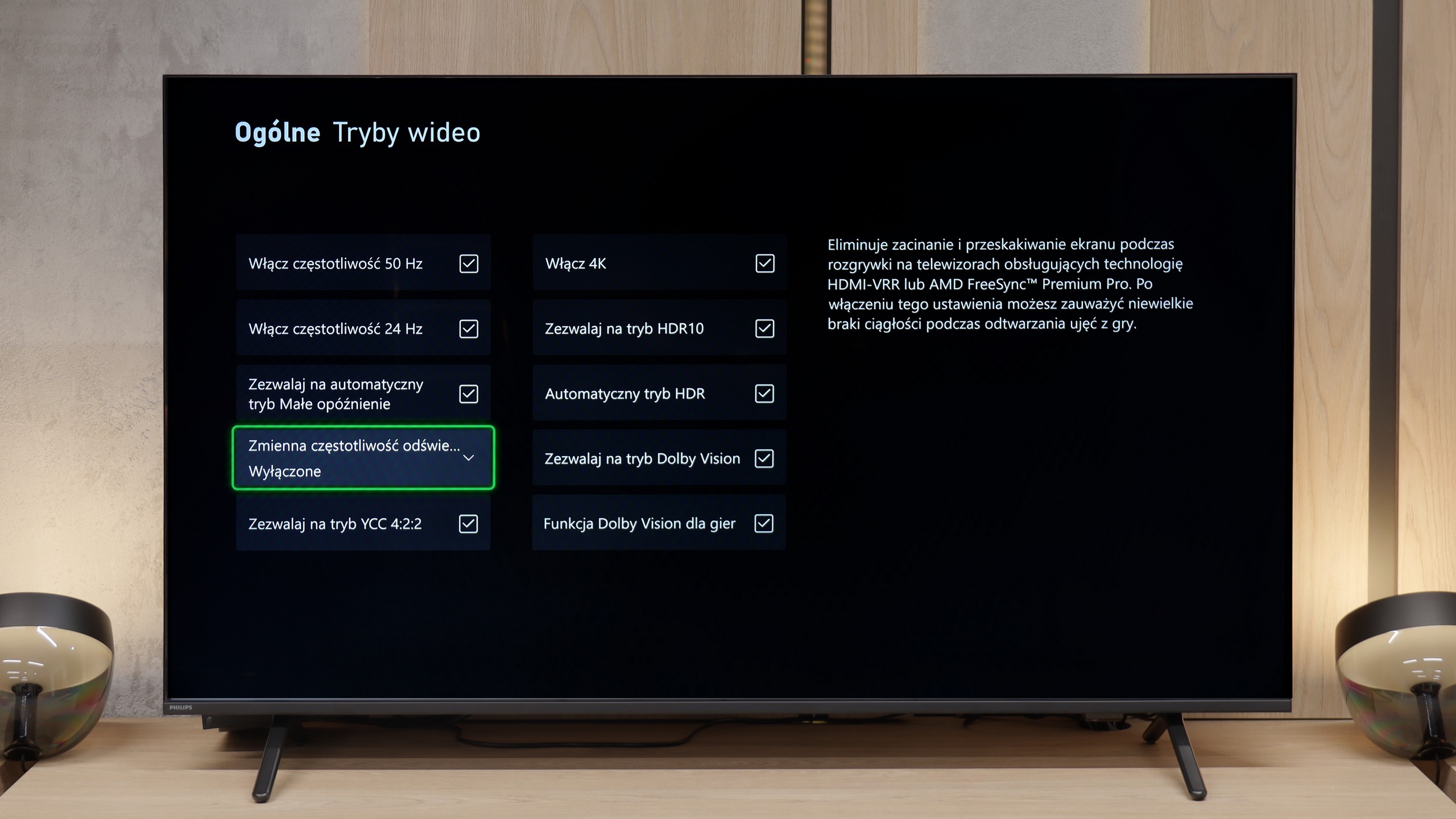
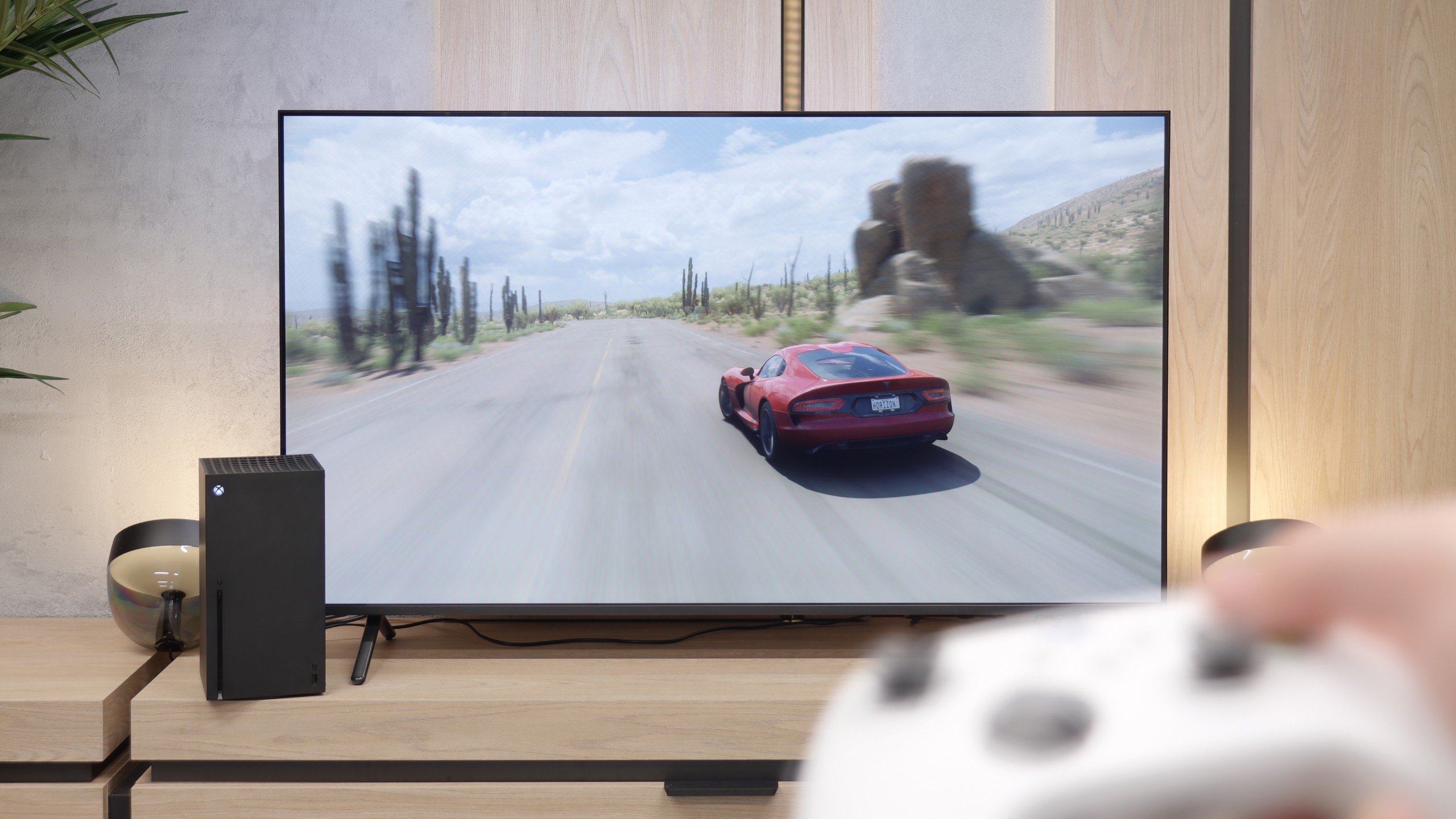
Additionally, the eco-friendly solar remote control offers convenience for everyday use, as it can also manage other devices such as home theatres, decoders (e.g., Canal+), and gaming consoles, which can be challenging for competing manufacturers. Gamers will appreciate several features tailored to enhance their experience. The television supports Variable Refresh Rate (VRR) technology, providing smoother game displays and reducing tearing and stuttering. With low input lag, responses in games are quick and precise.
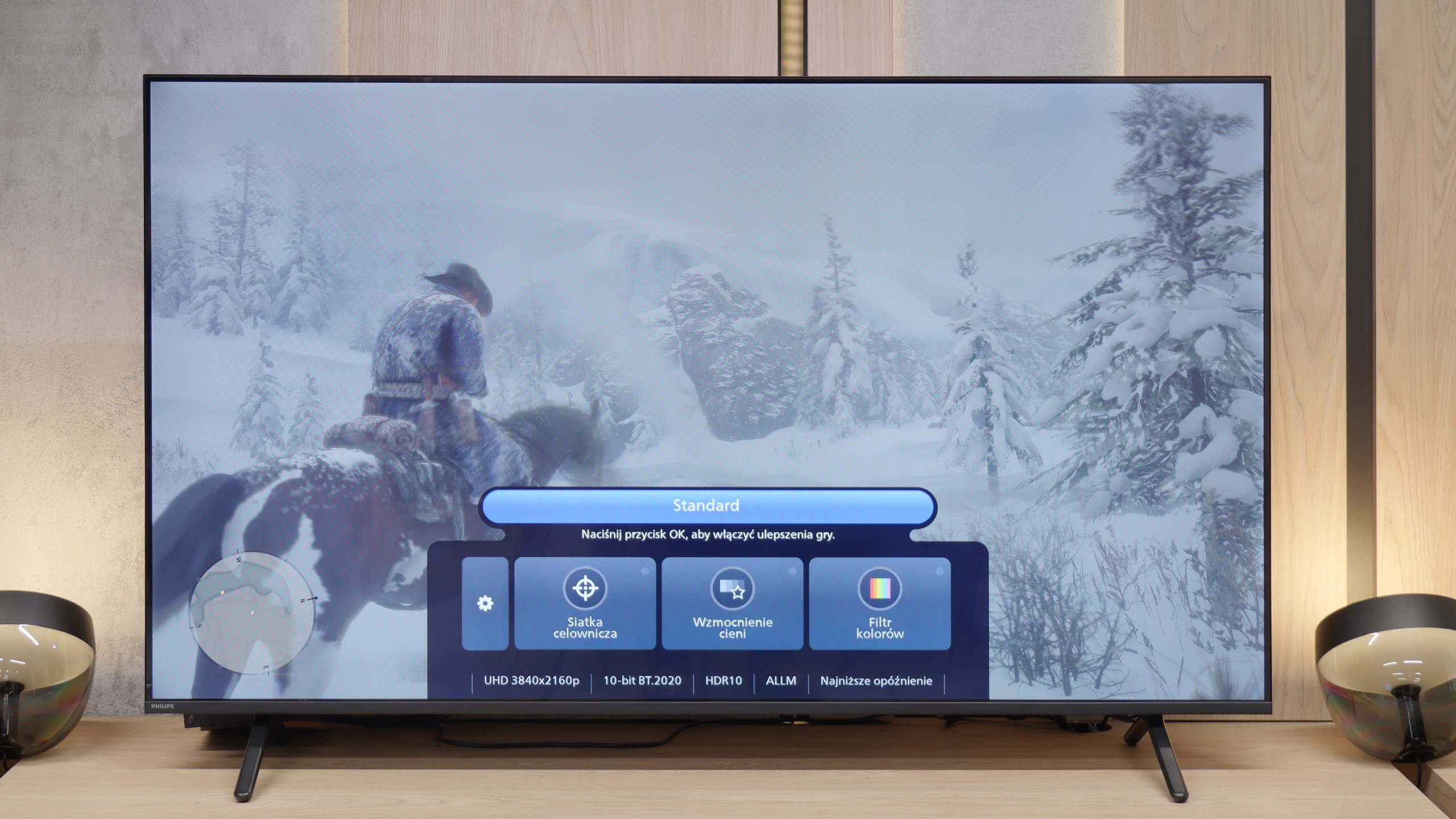
The Game Bar function allows for easy access to key gaming settings without leaving the game, enabling adjustments to parameters such as VRR, input lag, frames per second (FPS), screen ratios, and sound settings, allowing gamers to optimize their experiences in real time. Additionally, the television supports AirPlay for effortless content streaming from Apple devices and connects to various Bluetooth devices, such as mice and headphones, increasing versatility.
However, it is important to note the lack of USB recording support and the absence of DTS audio format compatibility. This limitation means that content encoded in DTS may not be correctly reproduced, which could pose issues for those using Blu-ray discs or multimedia files that rely on this format for high-quality surround sound. To fully enjoy the audio experience, users might need to consider an external player or soundbar that supports DTS.
Smart TV – Titan OS
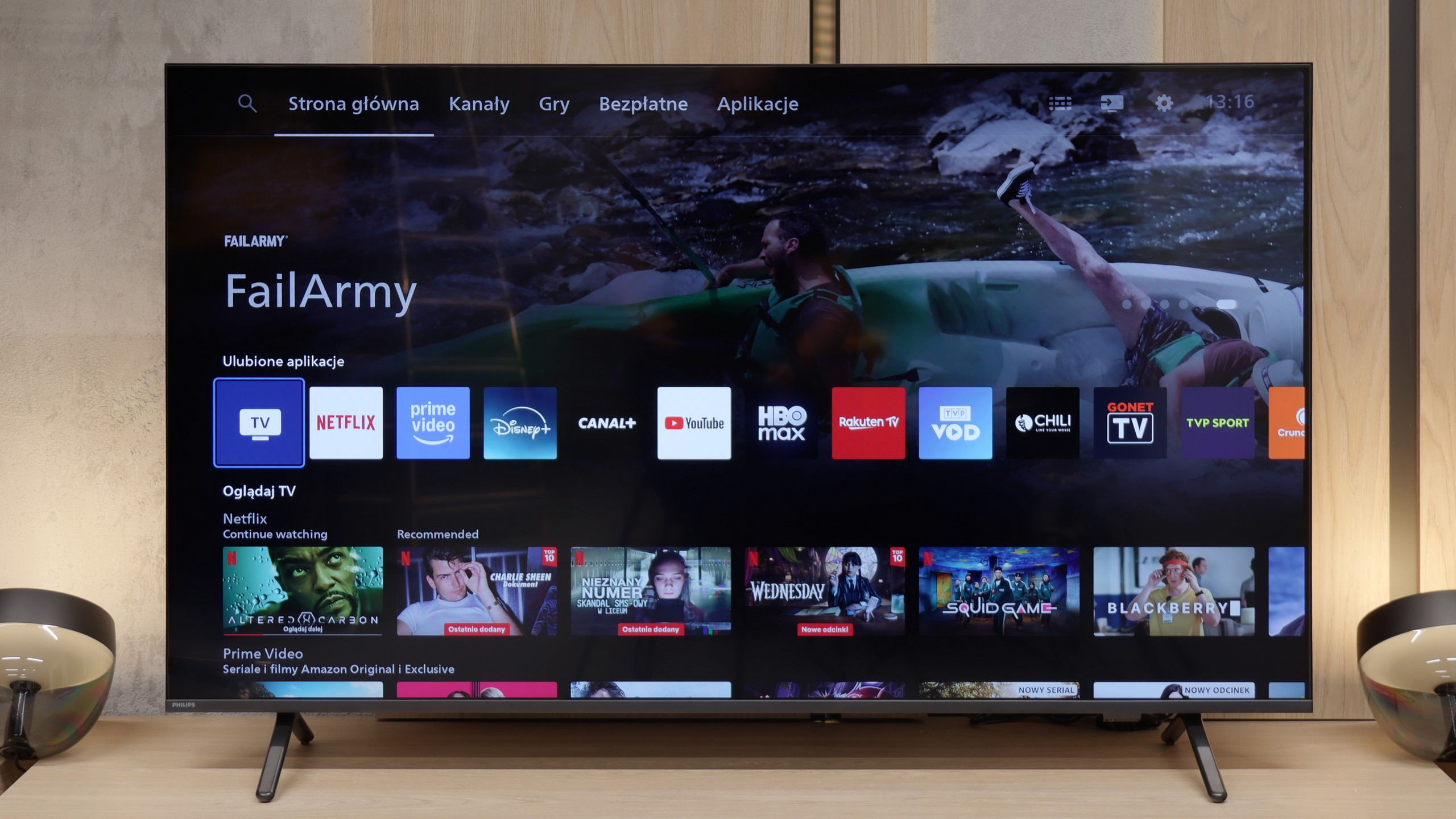
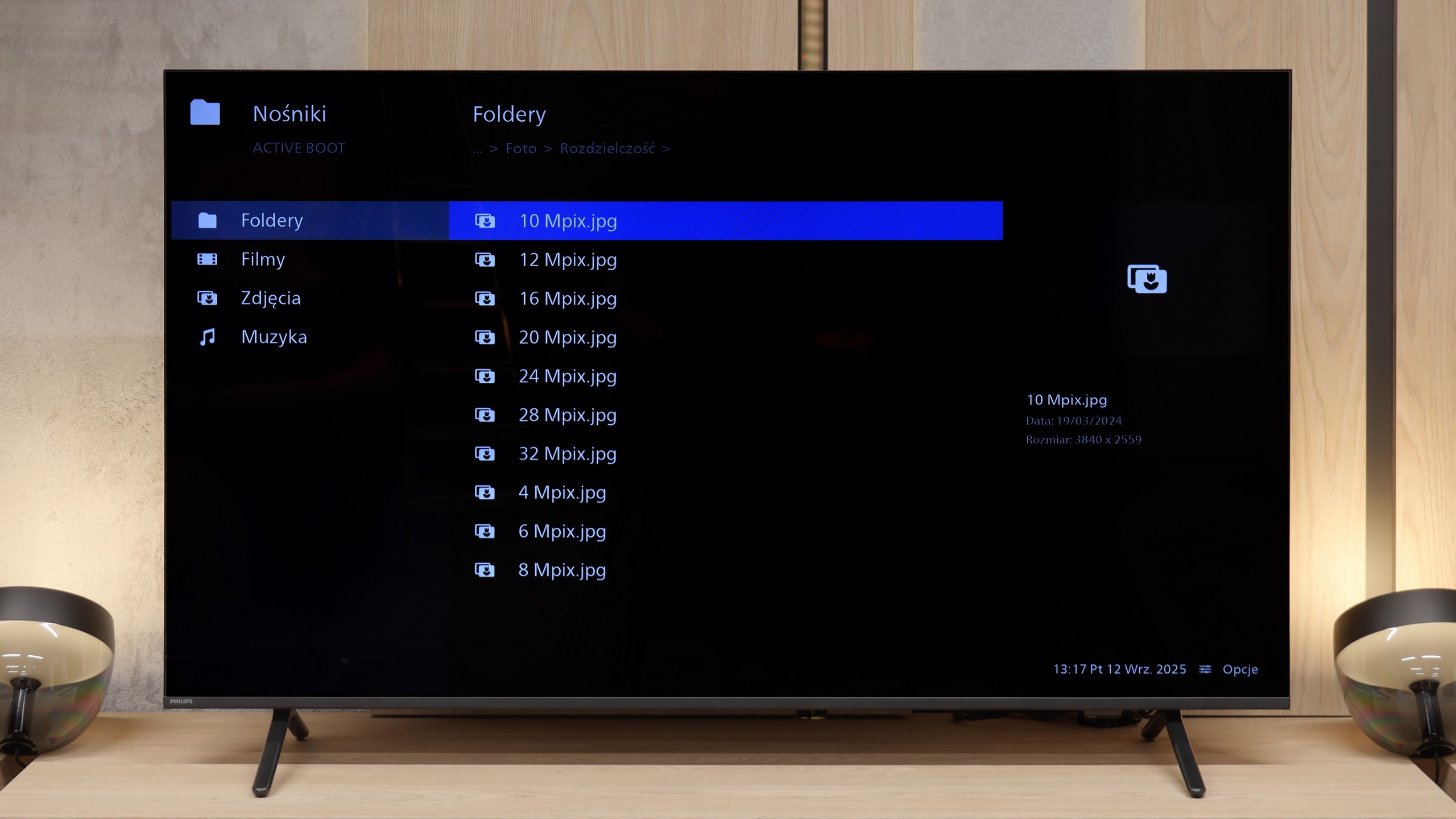
Philips MLED920 uses the proprietary Titan OS, which is just beginning its journey in the TV market, and unfortunately, this is evident at every turn. On one hand, we have basic features – such as support for AirPlay or the ability to mirror the screen from a smartphone, but on the other hand, its limitations quickly become apparent. Screen mirroring works only with a phone, but not with a laptop. Voice search? Yes, but it is only supported by Amazon Alexa and in languages supported by this assistant. The system runs fairly quickly, but every now and then it can "fail" and gives the impression of something unfinished, still developing.
Classic TV Functions
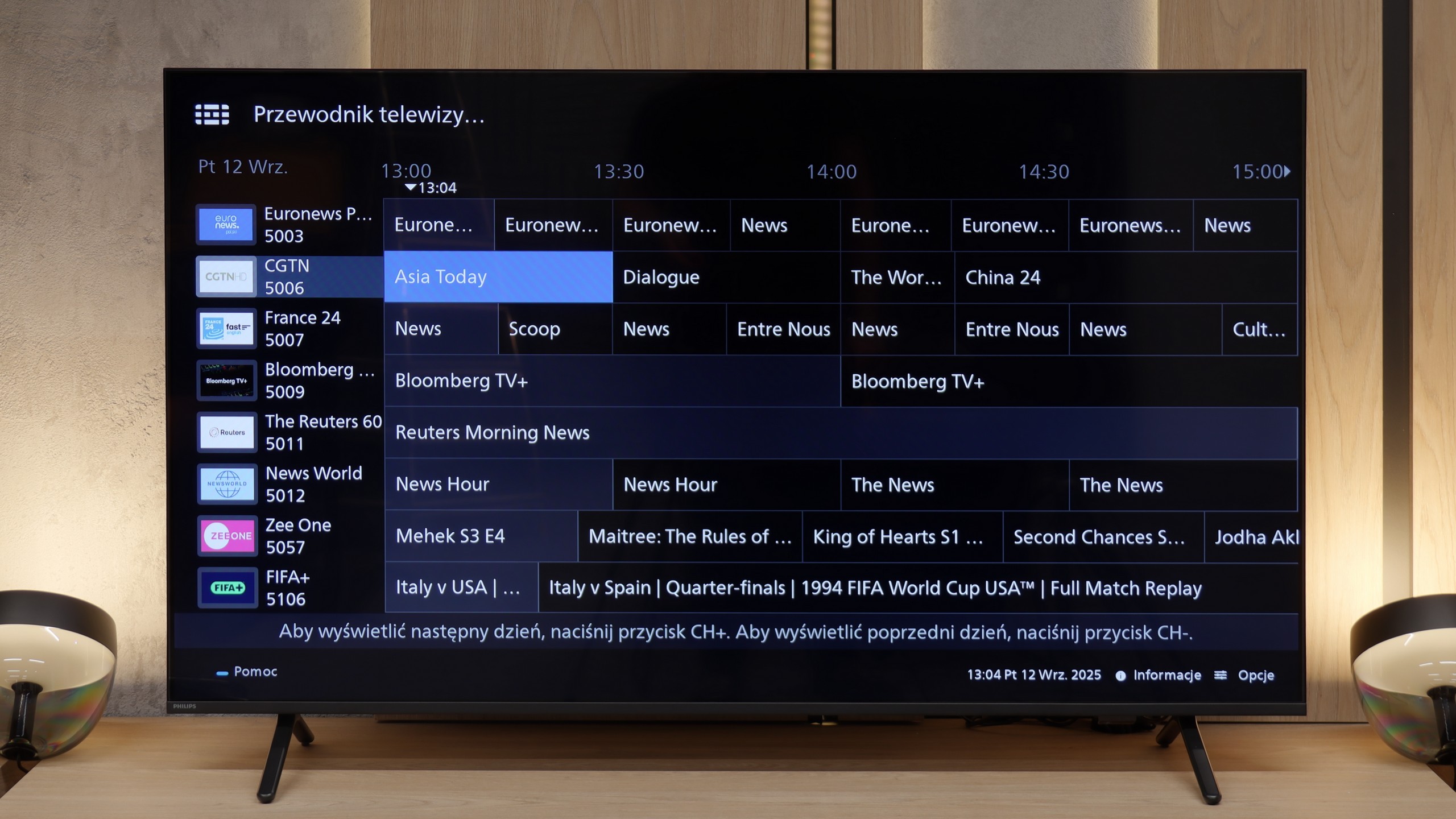
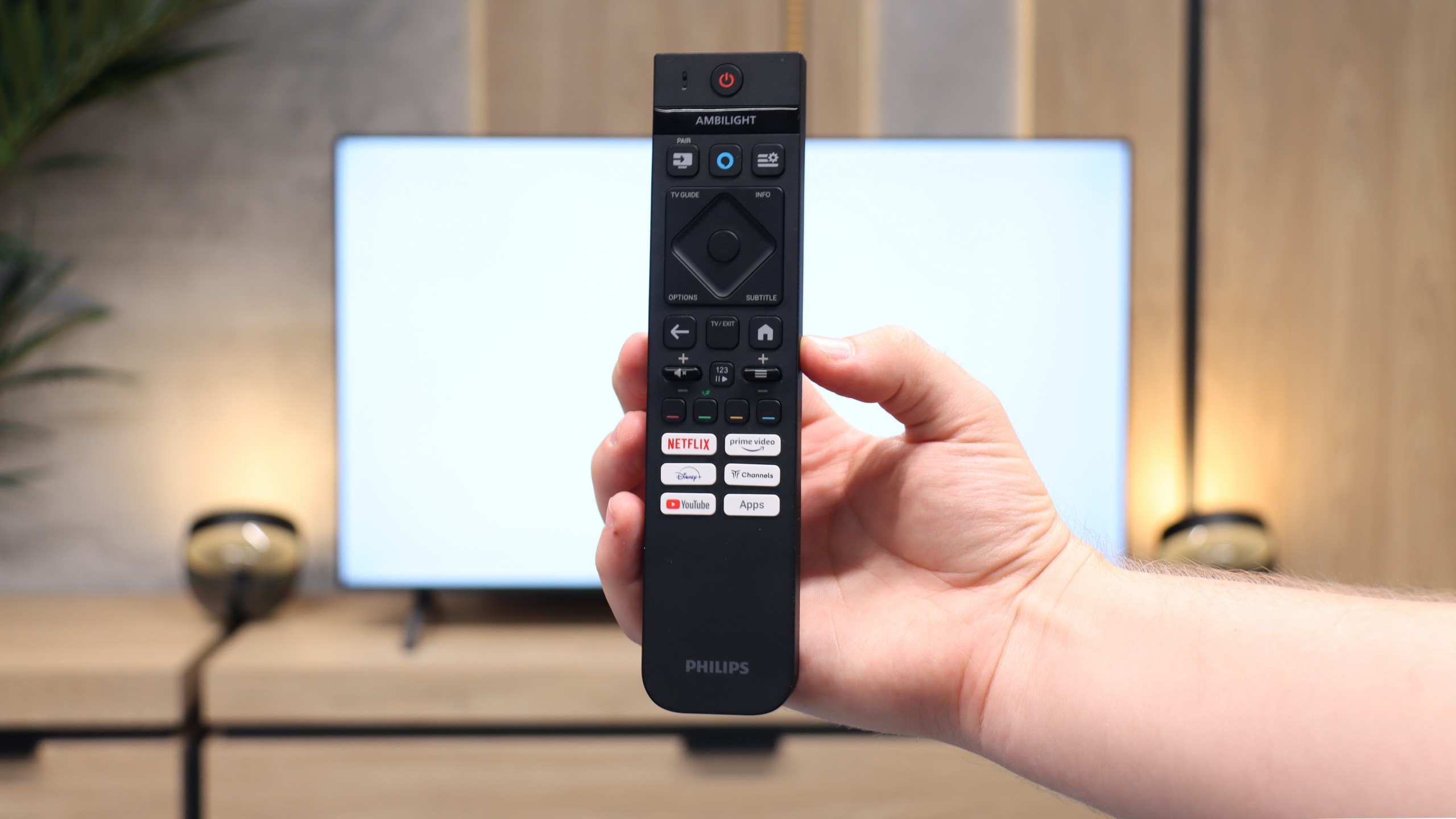
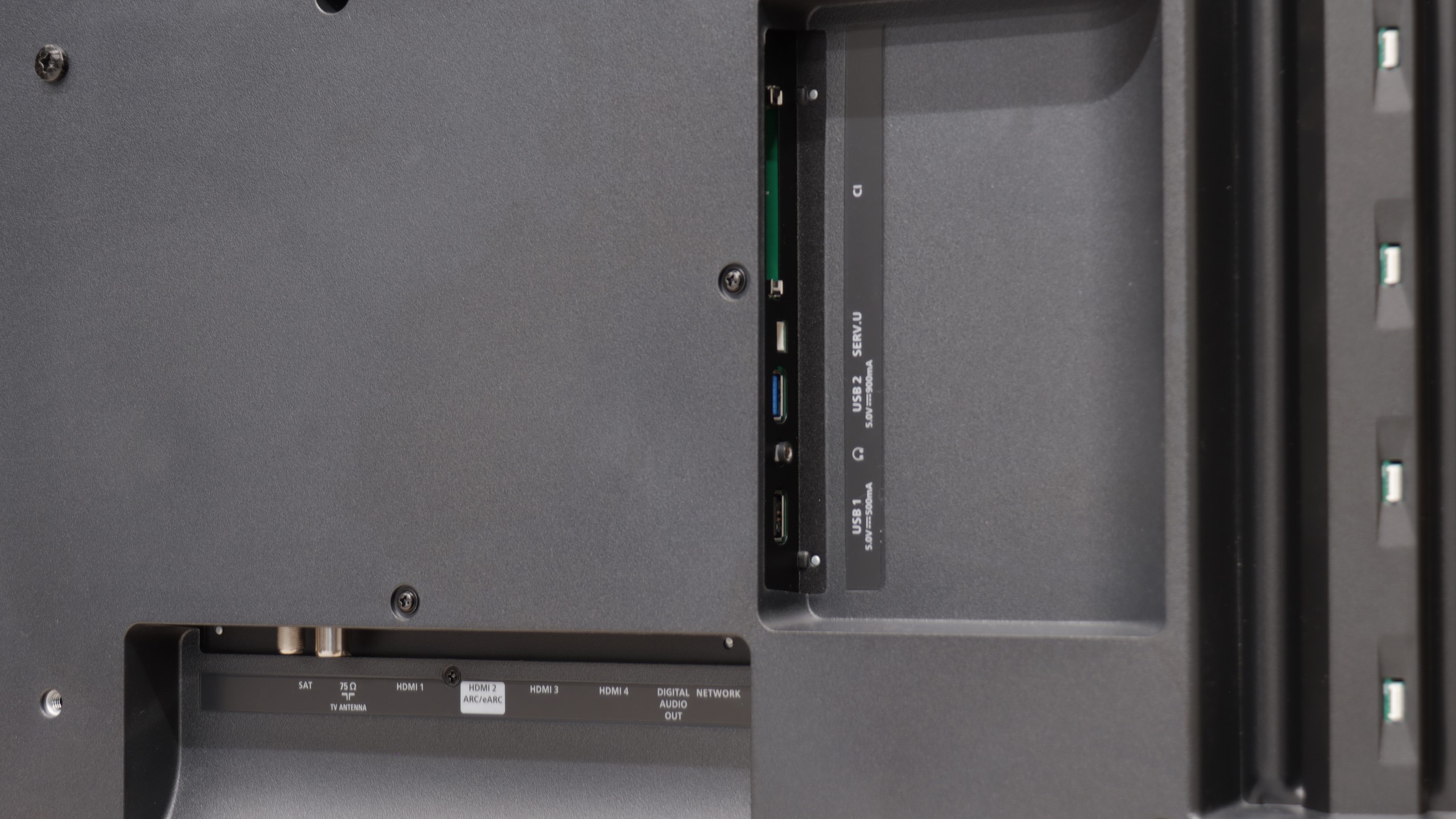
Titan OS does not pamper in terms of classic TV functions either. Besides the hybrid remote with a numeric keypad – which, although illuminated and cleverly designed in two modes, unfortunately works via infrared – we won't find anything that could truly distinguish the MLED920 from the competition. There is no USB recording or PiP function, and such solutions could be useful in this class. From unusual additions, we have an analog output in the form of a jack, which allows connecting headphones or older speakers. It’s a small nod to users who still use older equipment.
Ambilight TV
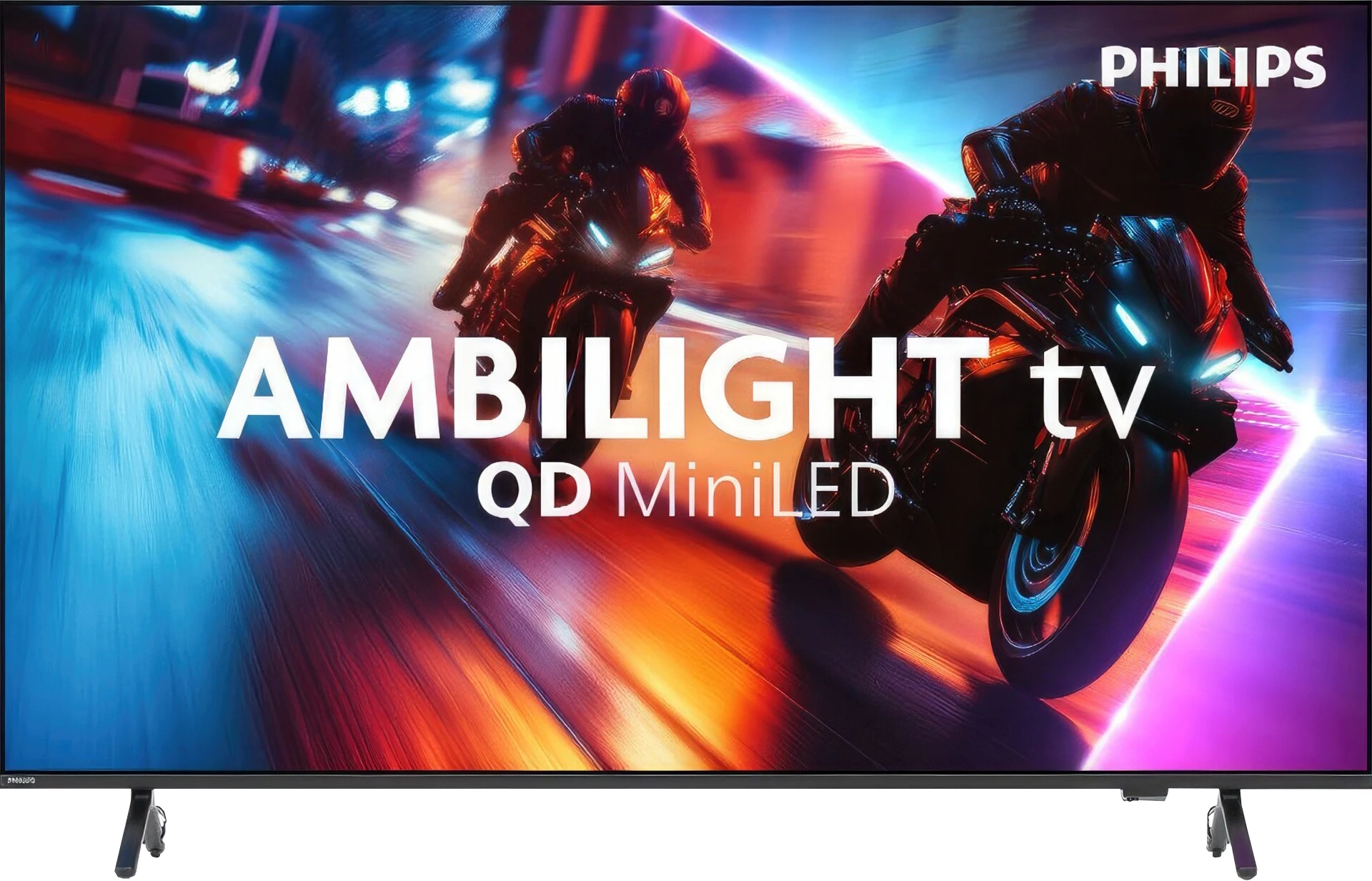
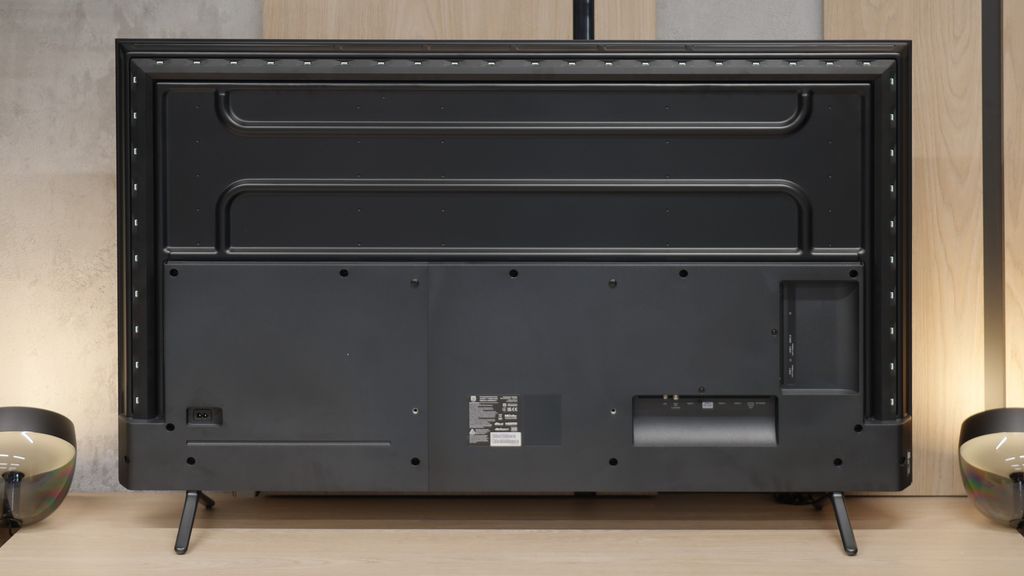
What definitely diverts attention from the shortcomings of Titan OS is the unique, three-sided Ambilight system. Here, Philips still plays in its own league and can amaze those who have not encountered this addition. The colorful lighting that responds to screen content gives screenings a unique atmosphere and is something that the competition does not offer in a similar form. It is Ambilight that is meant to ensure that other issues – both system and functional – take a back seat.
 Direct comparison