The Samsung Q70D delivers solid performance for its price range, with standout features that will appeal to a wide range of users. Its gaming capabilities, in particular, are impressive, offering features like smooth gameplay and low input lag that make 30 fps titles feel like they’re running at 60 fps. The well-executed HGIG mode, which performs similarly to Dolby Vision, is another highlight for gamers. Additionally, the Samsung Q70D pairs easily with Canal+ decoders, a feature many other TVs struggle with.
When it comes to daytime viewing, the Samsung Q70D shines with bright SDR content that makes it ideal for well-lit rooms. However, there are a couple of downsides. The lack of Dolby Vision is noticeable, as the TV’s brightness could have benefited from it, and light leakage can be seen in dark scenes with low brightness settings. While these issues are not dealbreakers, they are worth noting.
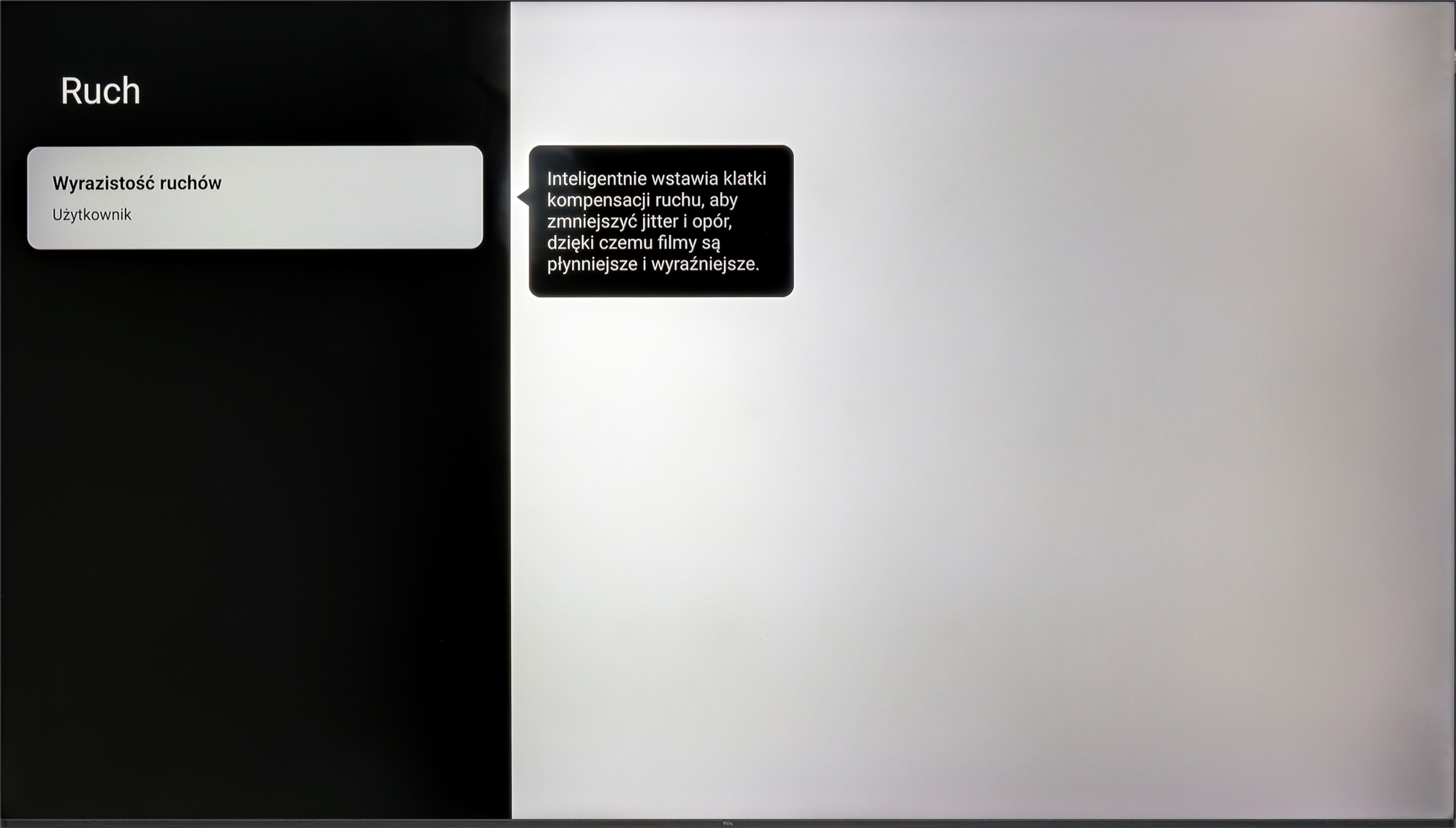
On the plus side, the Samsung Q70D has one of the best motion smoothers in its class, making it perfect for sports or fast-action content. The system runs smoothly and has all needed apps. Overall, the Samsung Q70D is a strong addition to the manufacturer's seventh series, with consistent improvements in quality and growing popularity.
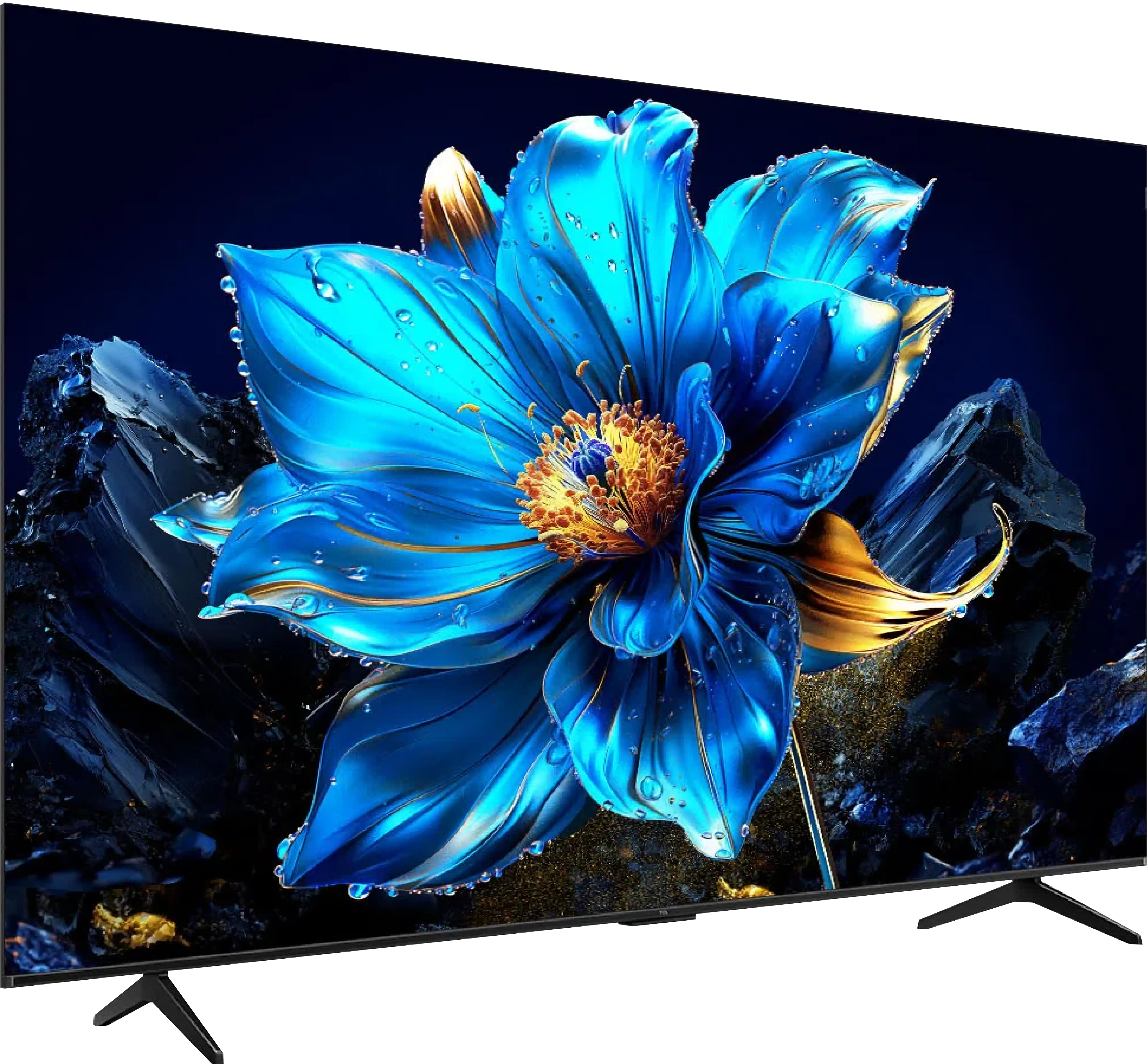
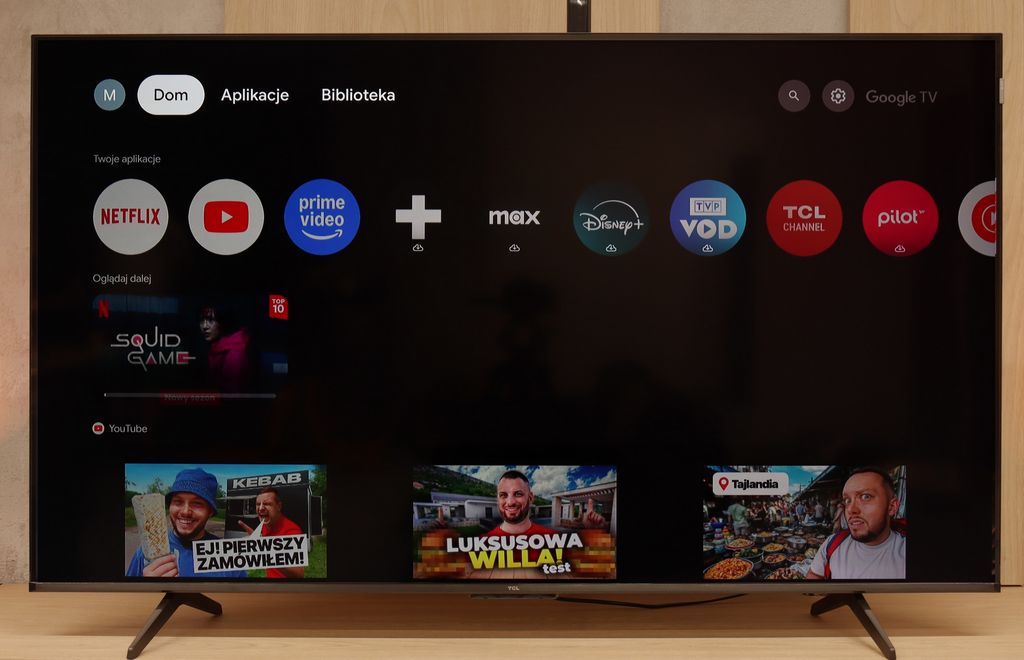
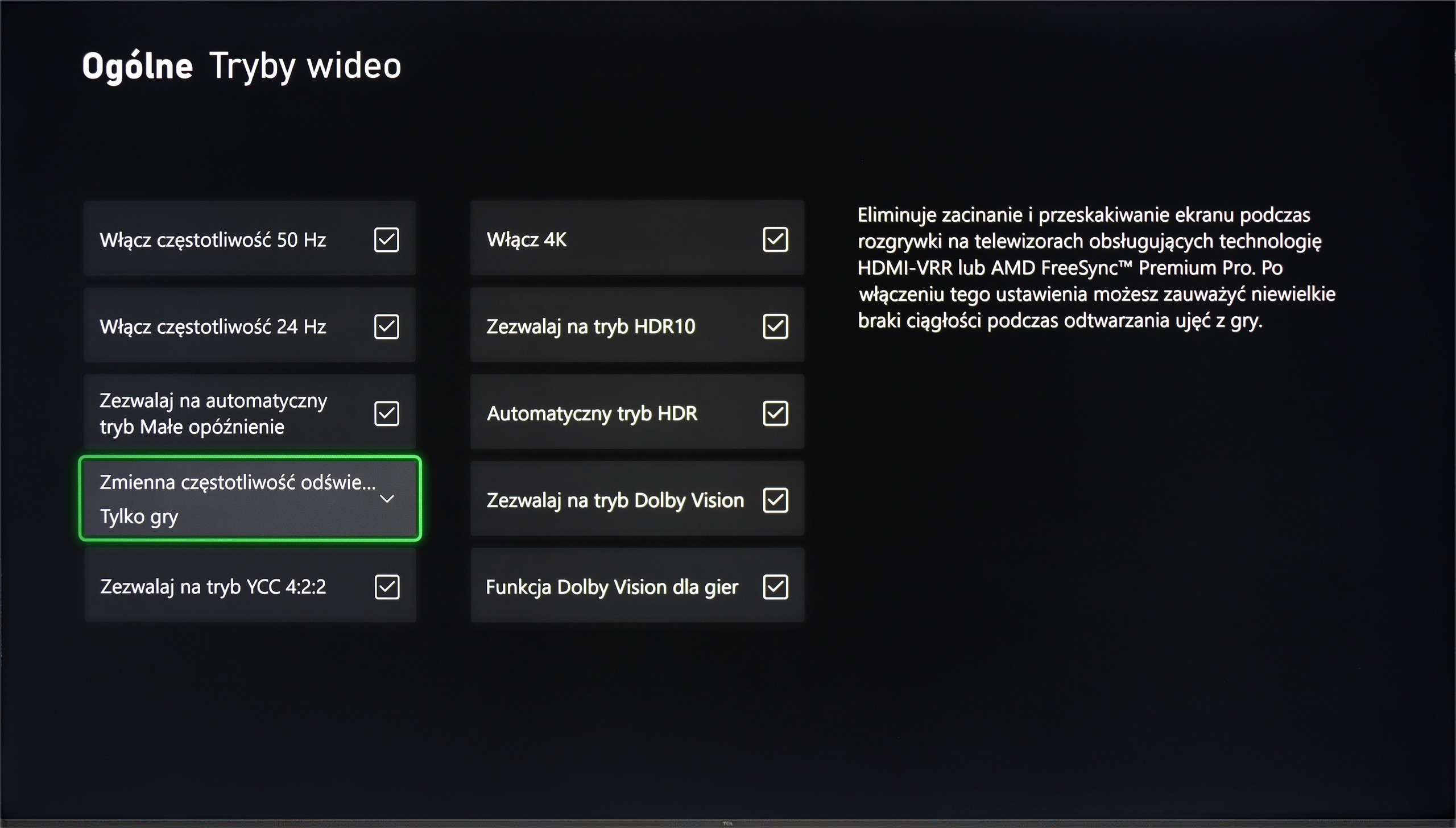
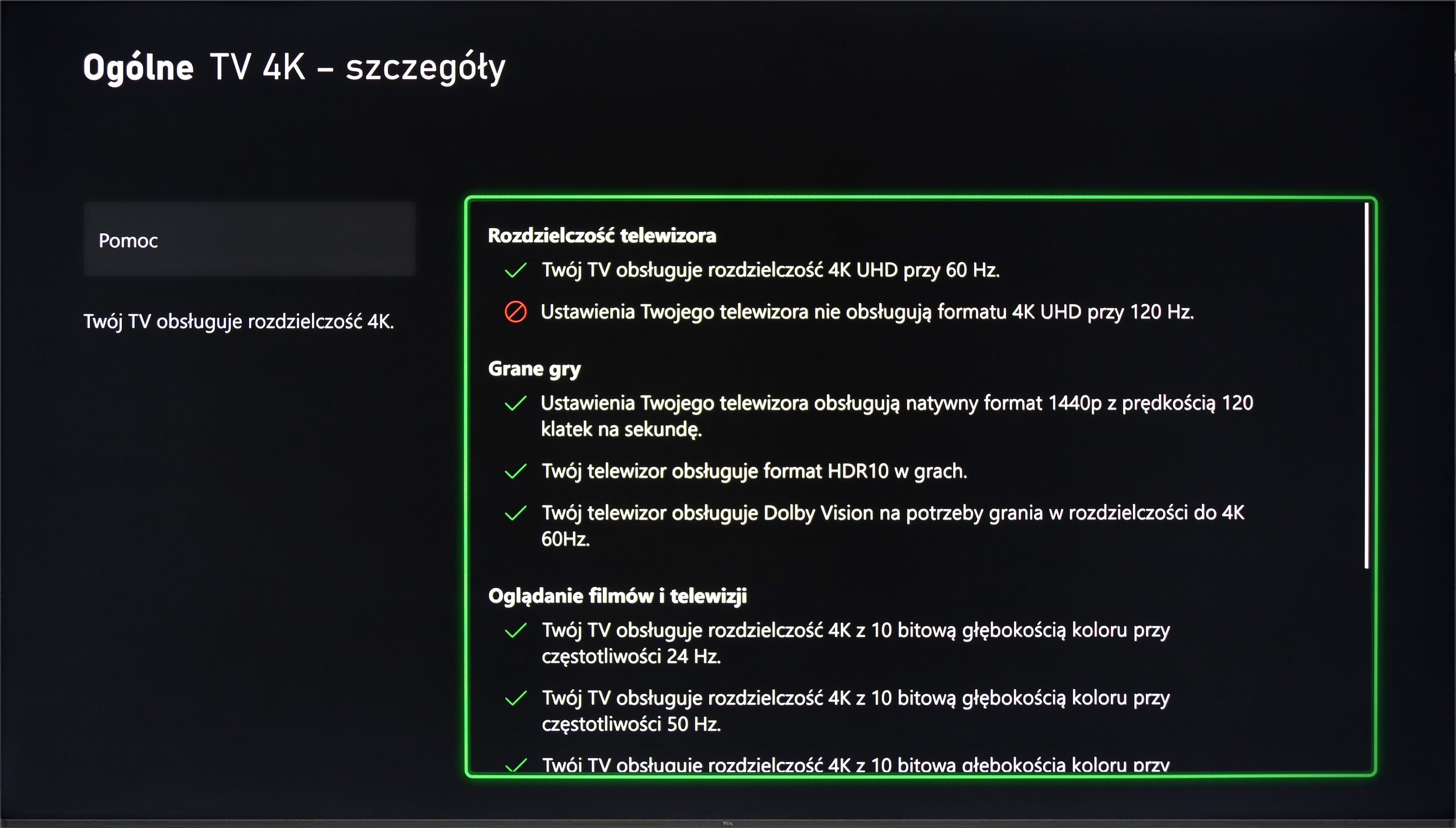
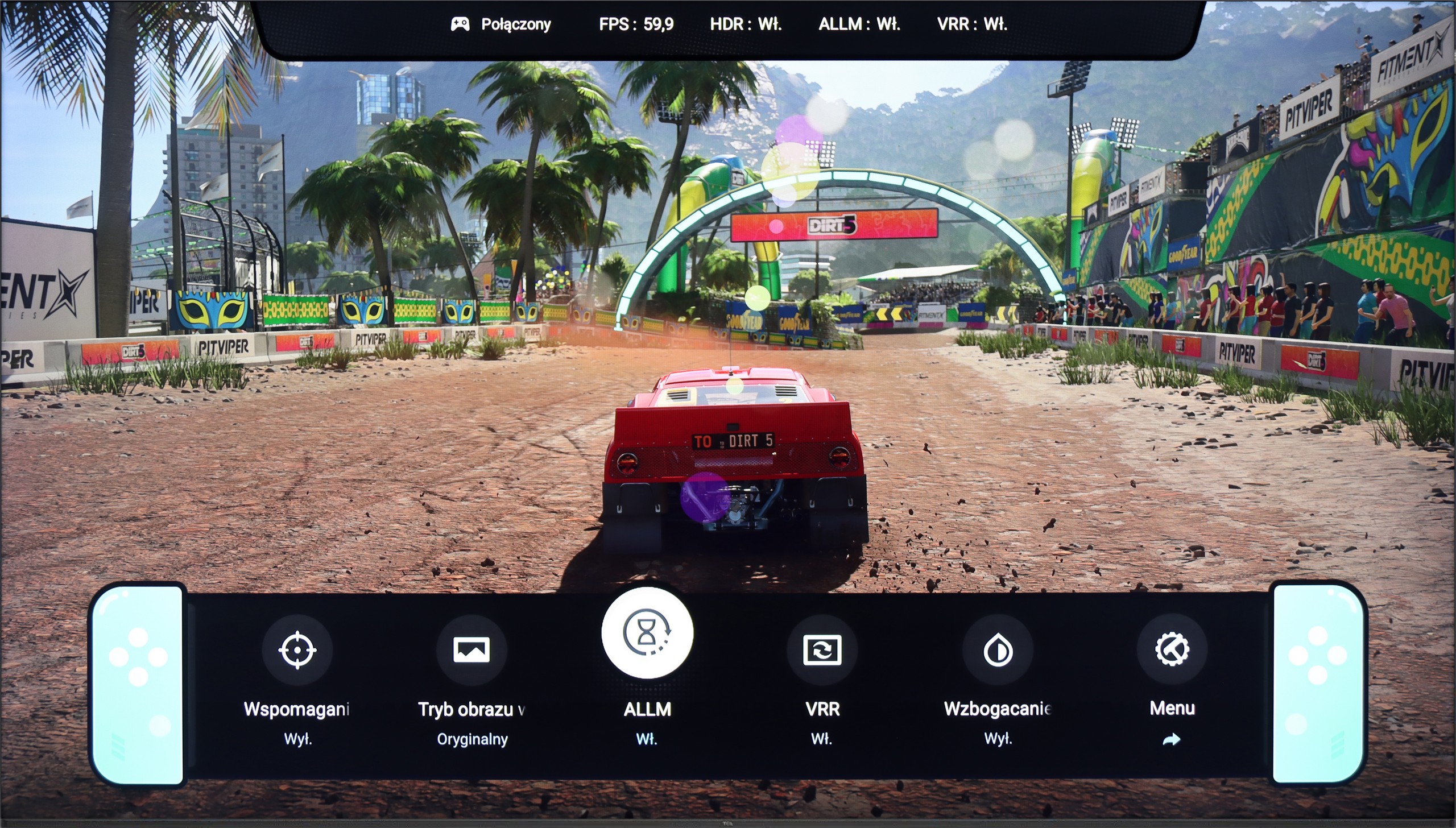
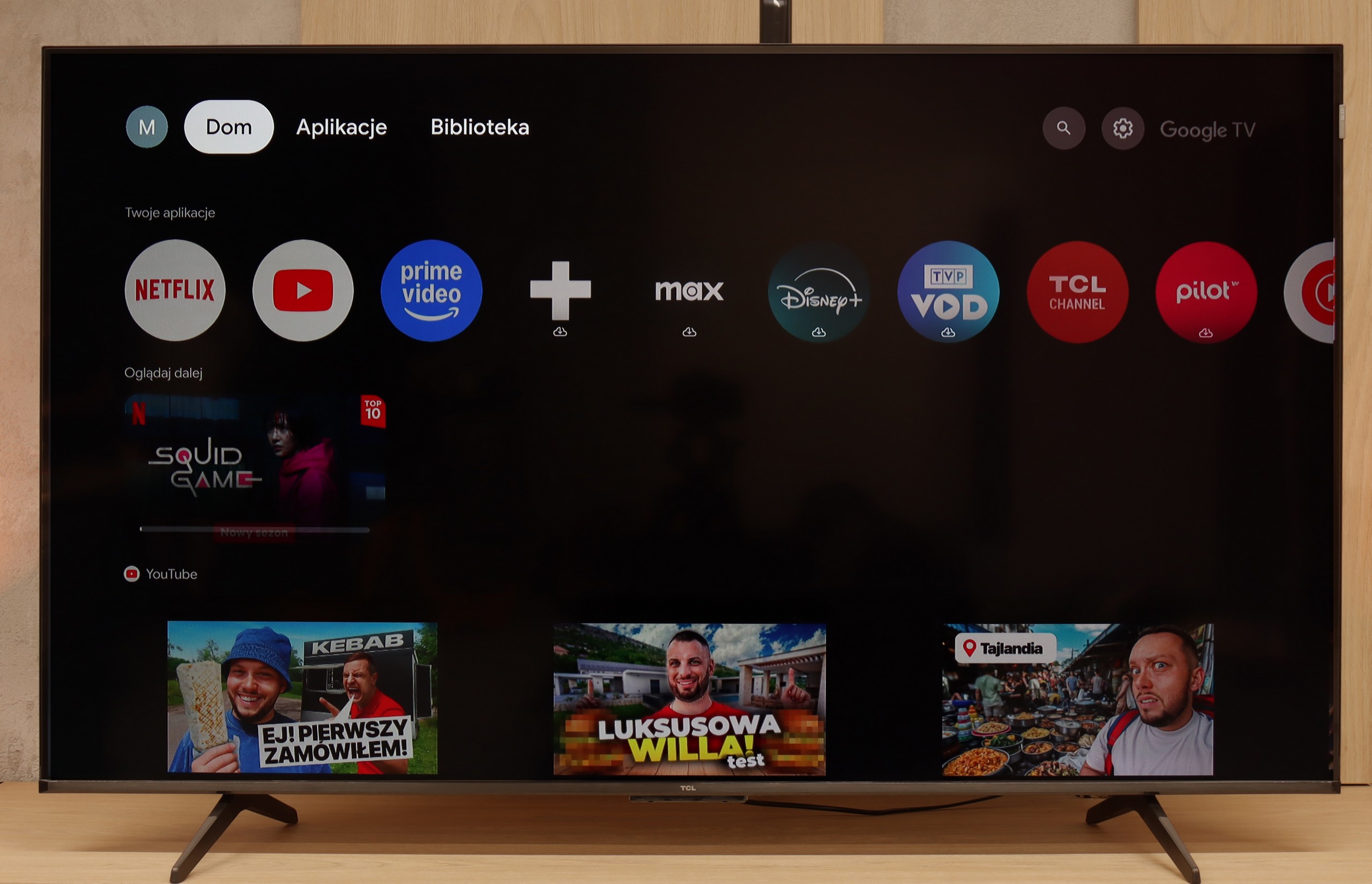
The time has come to gather all observations. The TCL P7K / P79K is a television that cleverly juggles compromises, offering significantly more than we could expect in its price range. Its undeniable advantage is the VA panel, guaranteeing deep blacks and high contrast, and a surprisingly rich package for gamers (with VRR and 120 Hz support at lower resolutions) makes it a phenomenal choice for console owners. The whole package is tied together by the functional Google TV system. Of course, low peak brightness means that HDR content lacks spectacular highlights, and the TV's performance in sunlit rooms is limited. And while at its relatively low price, the P7K / P79K is quite a decent option, its biggest competitor turns out to be… its more refined sibling, the P8K. Often FOR a small extra charge, we get a device a class higher – with a native 4K 144 Hz panel, significantly better audio system, and generally higher build quality, which is reflected in its much higher rating on our portal. Therefore, the final verdict must be as follows: if your budget is absolutely non-negotiable, the P7K / P79K will be a good and cost-effective choice. However, if you can afford to add a small amount, the P8K model will offer significantly more and will ultimately be a more satisfying investment.
 Direct comparison