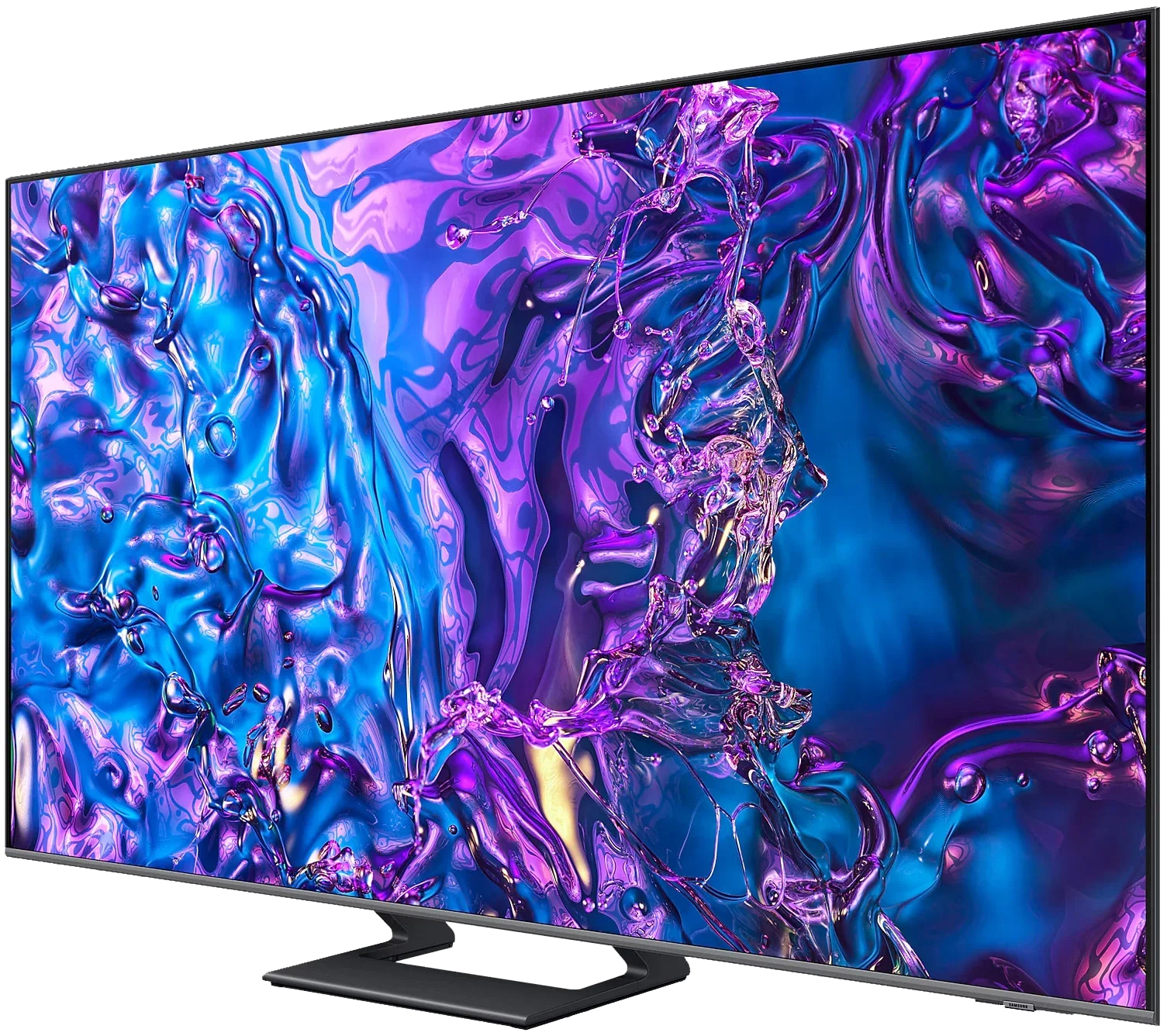
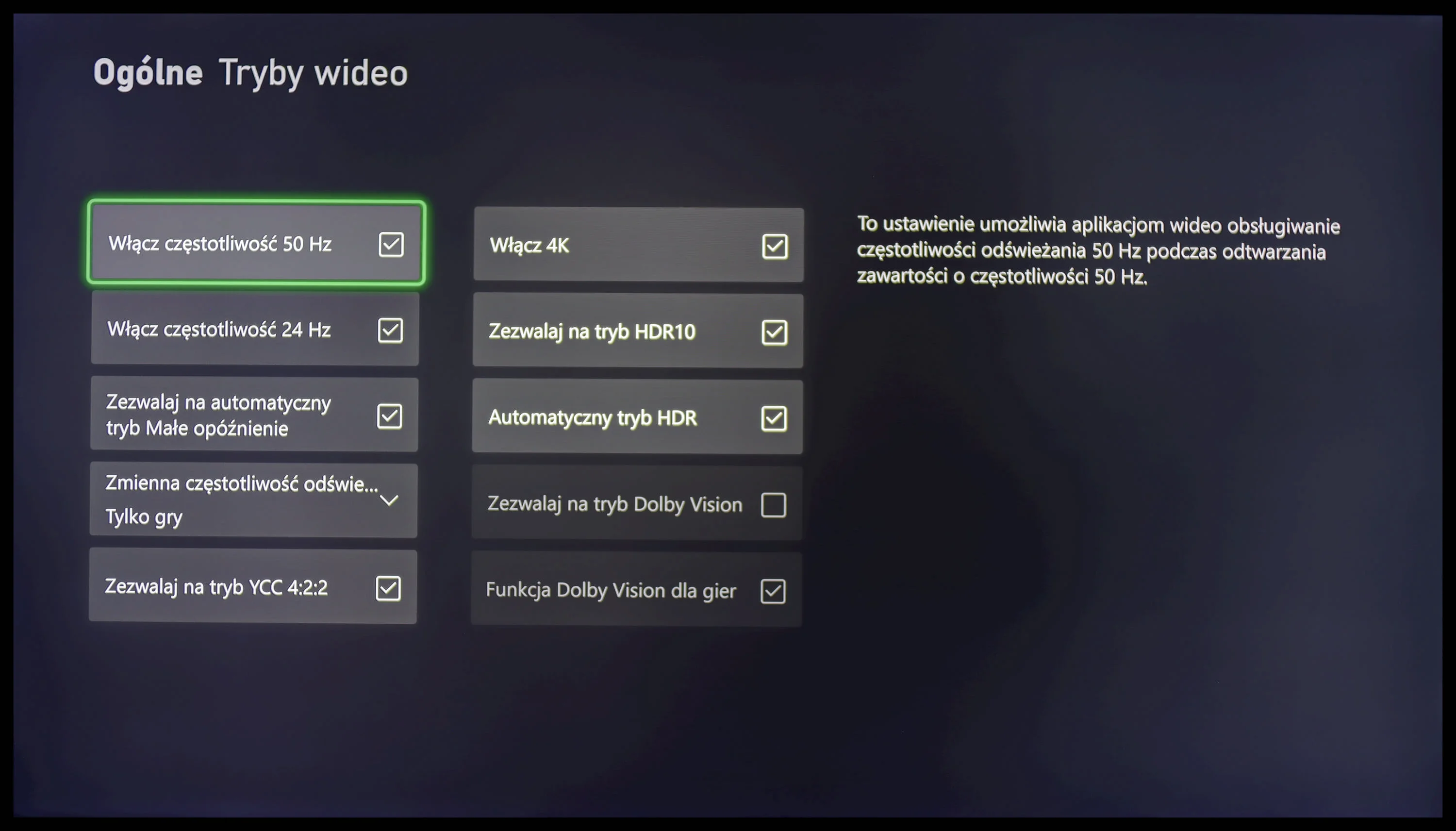
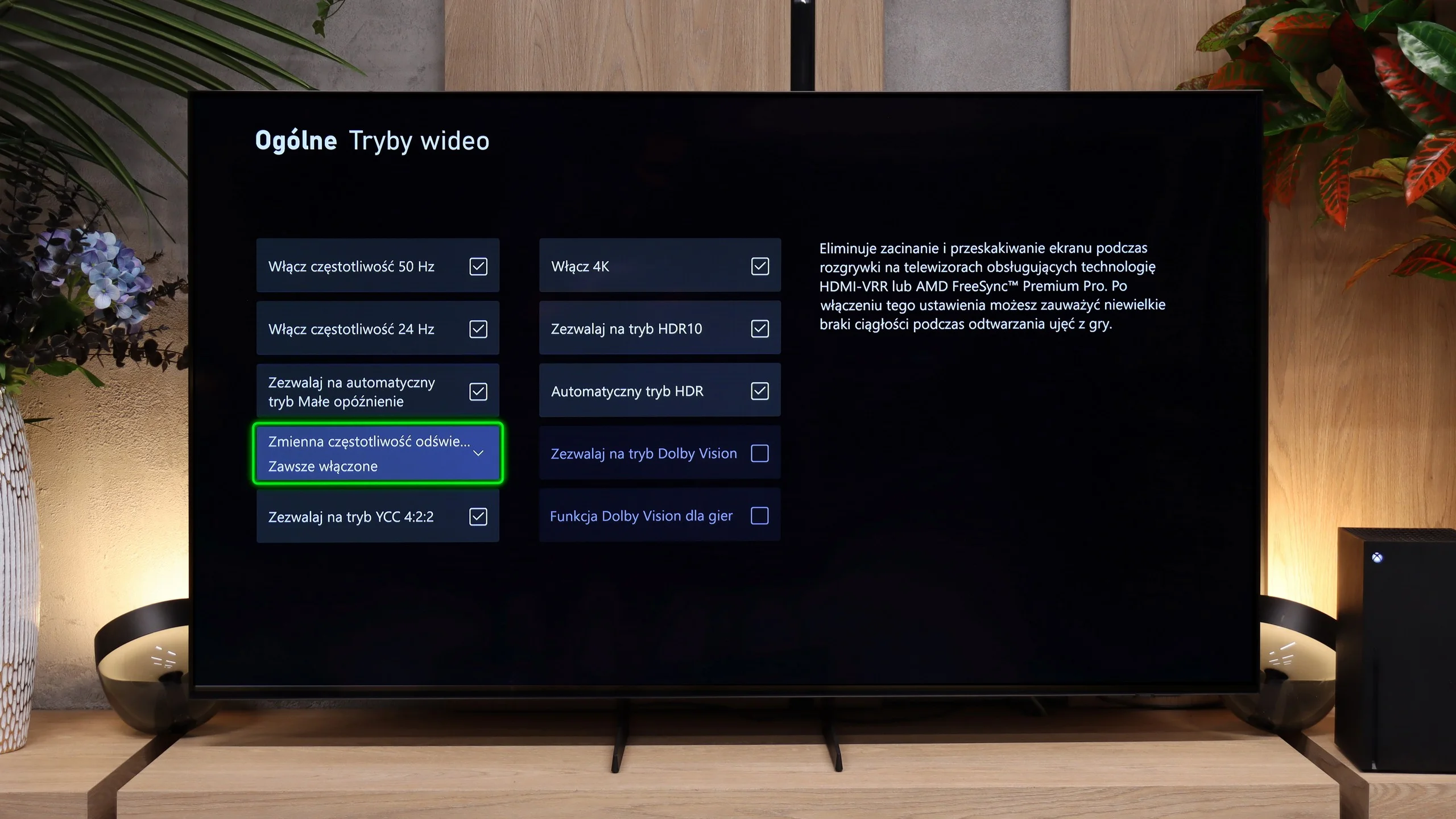
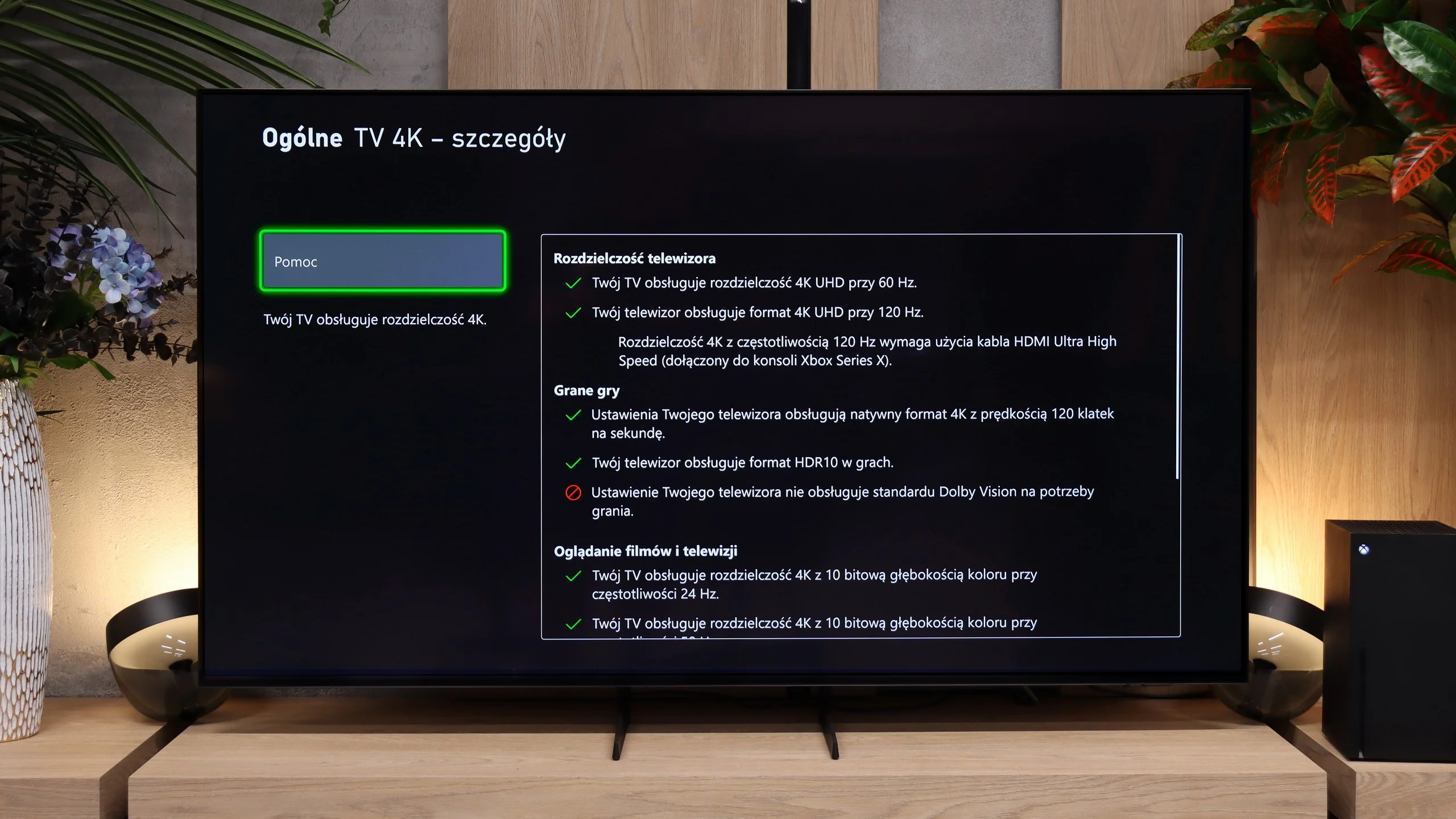
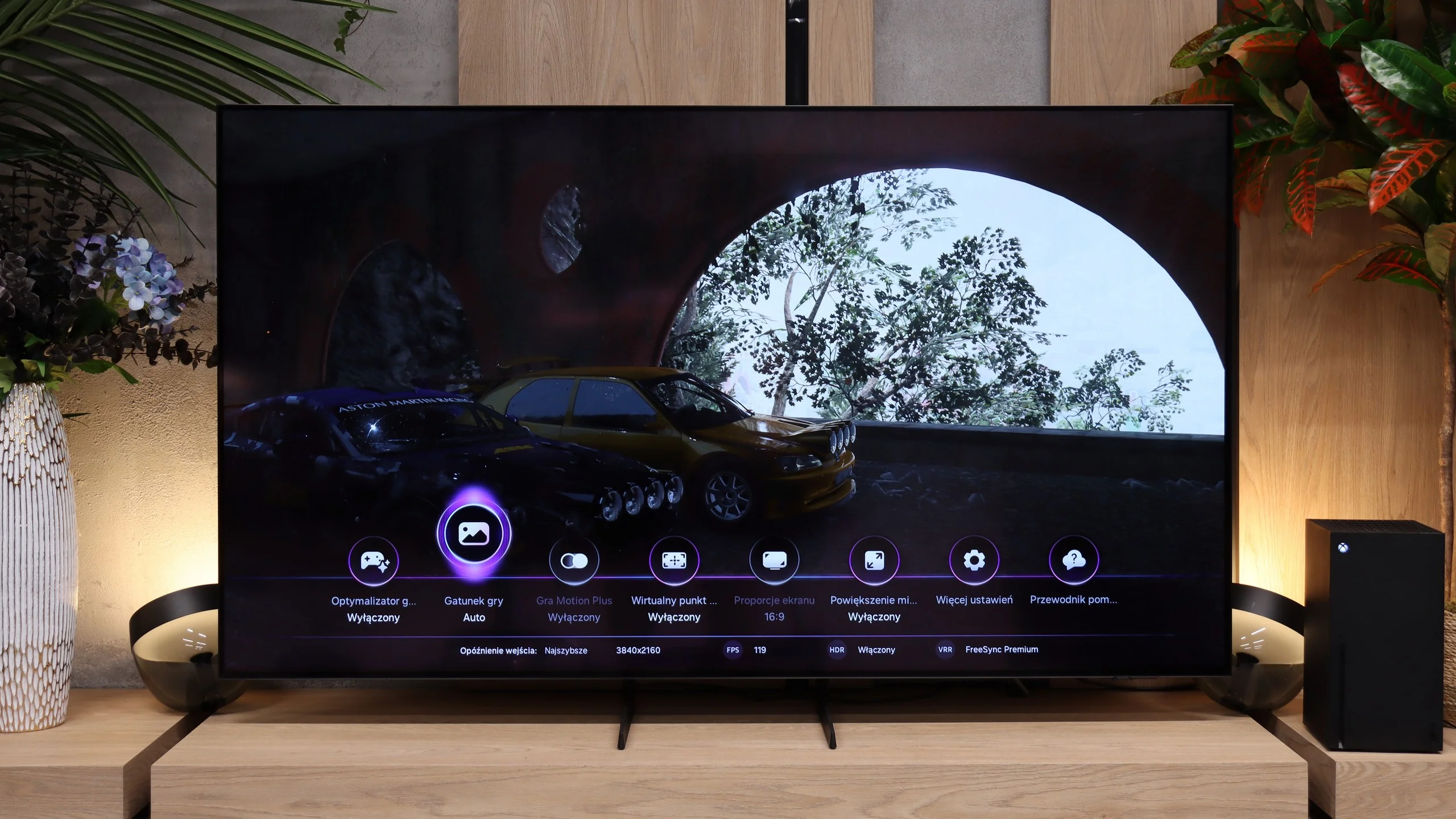
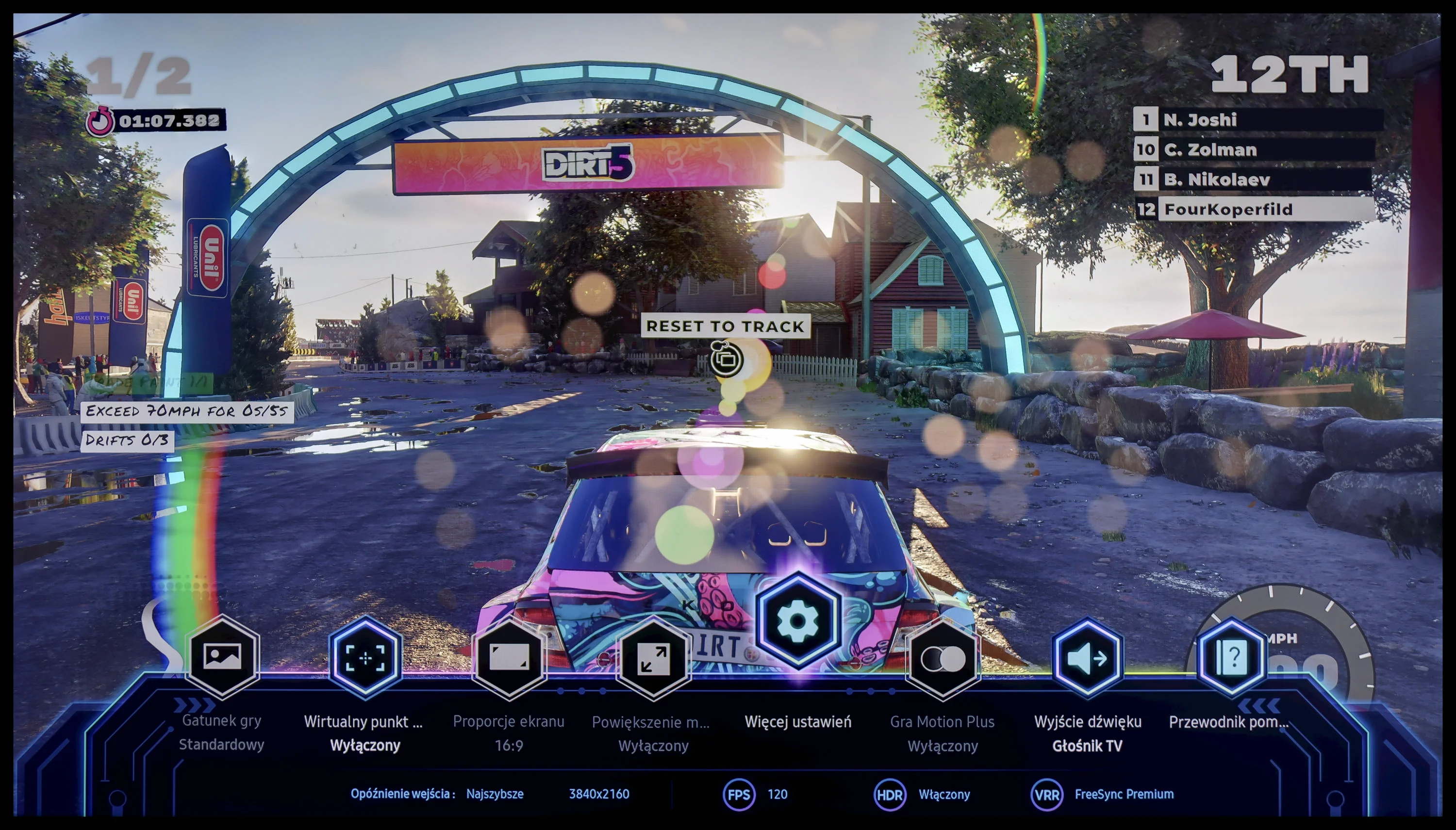
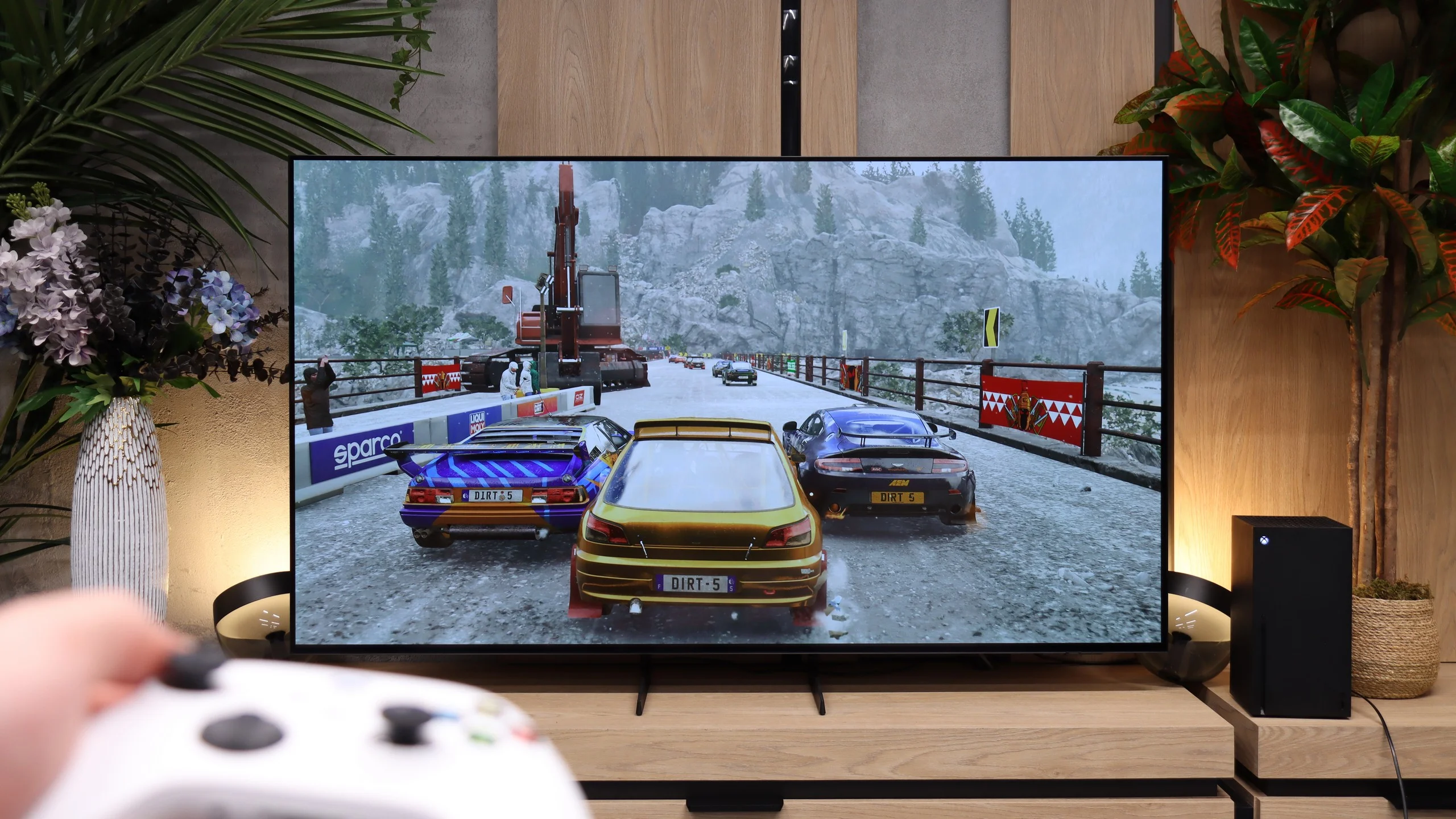
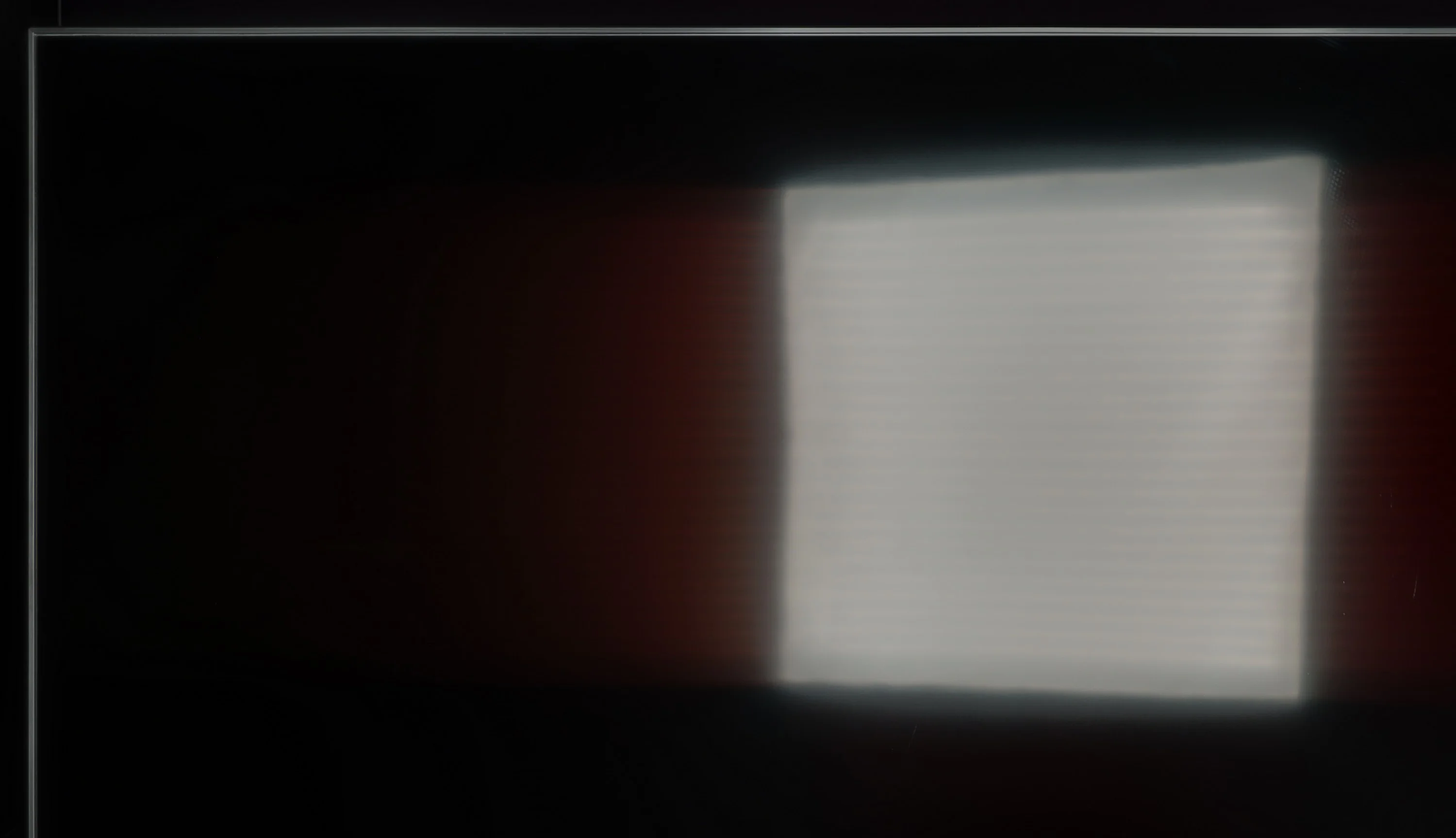
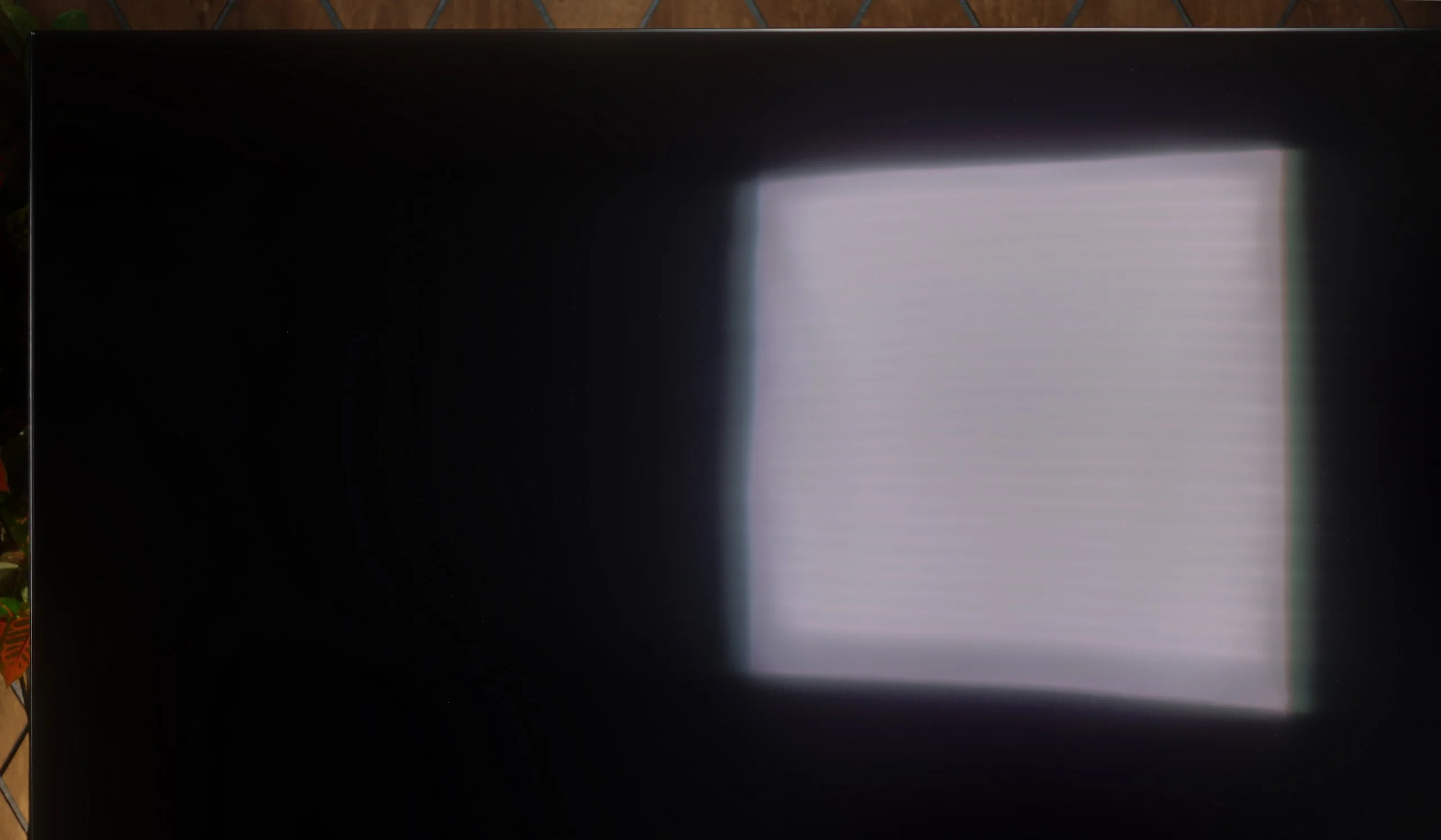
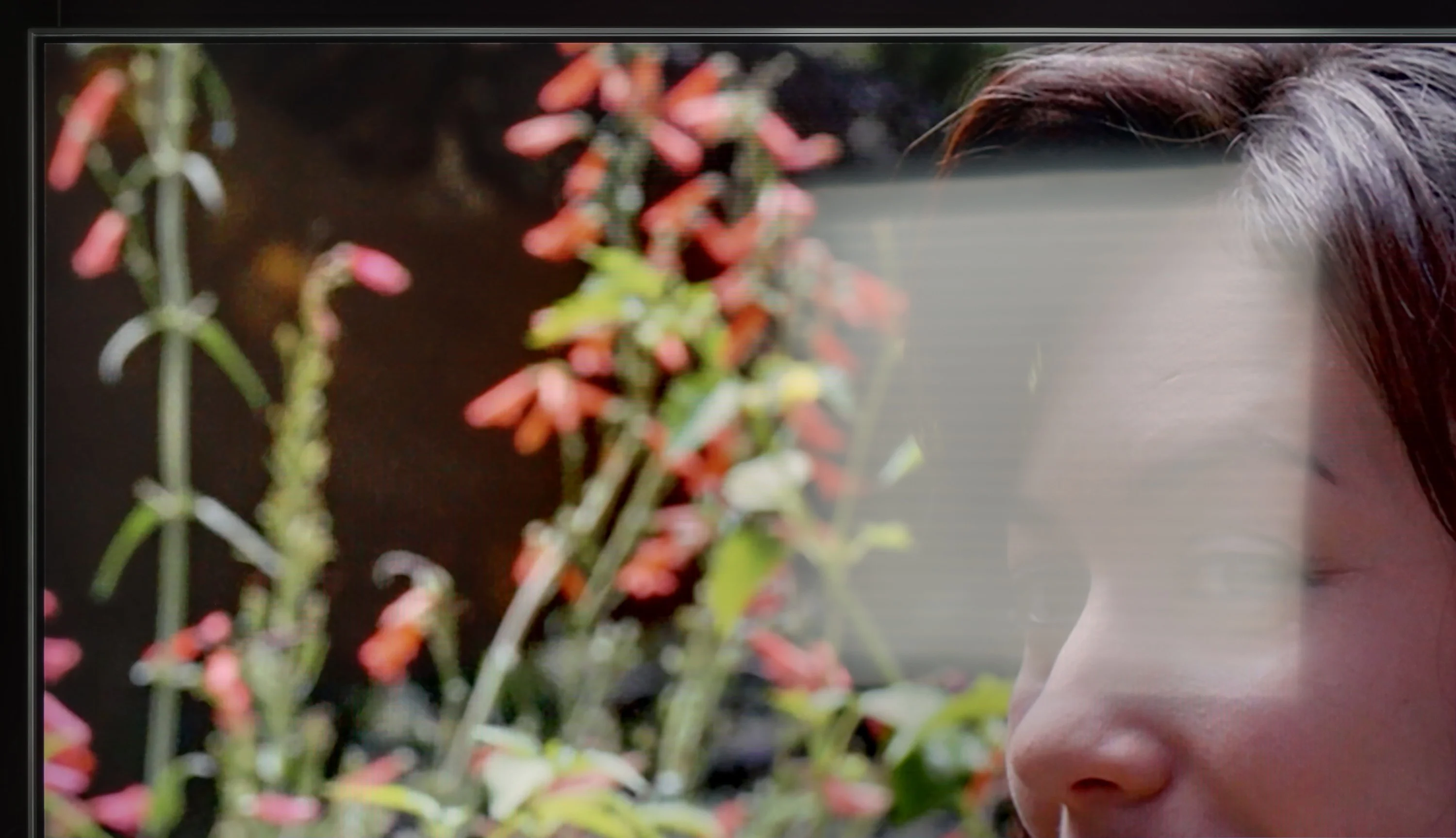
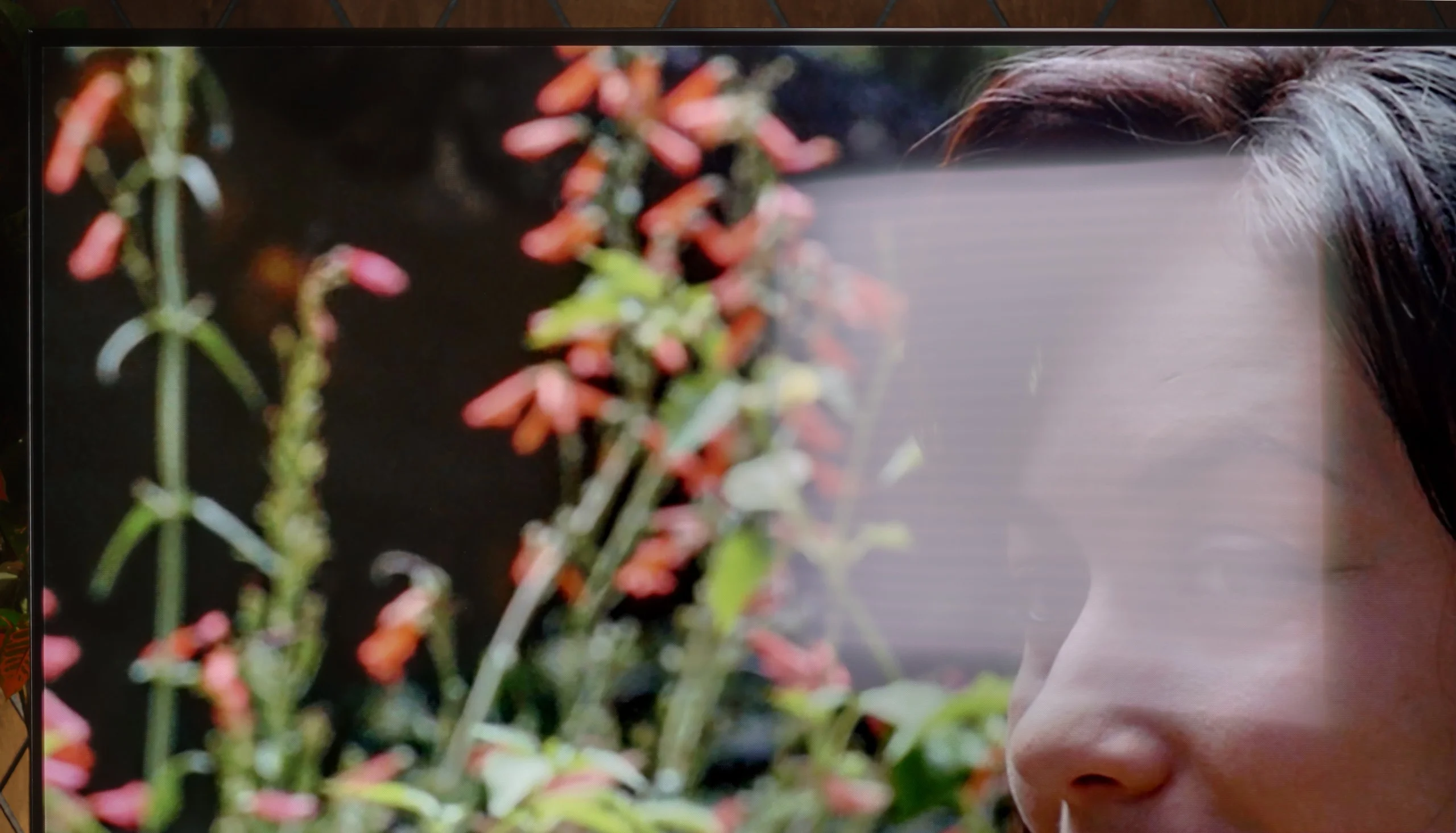
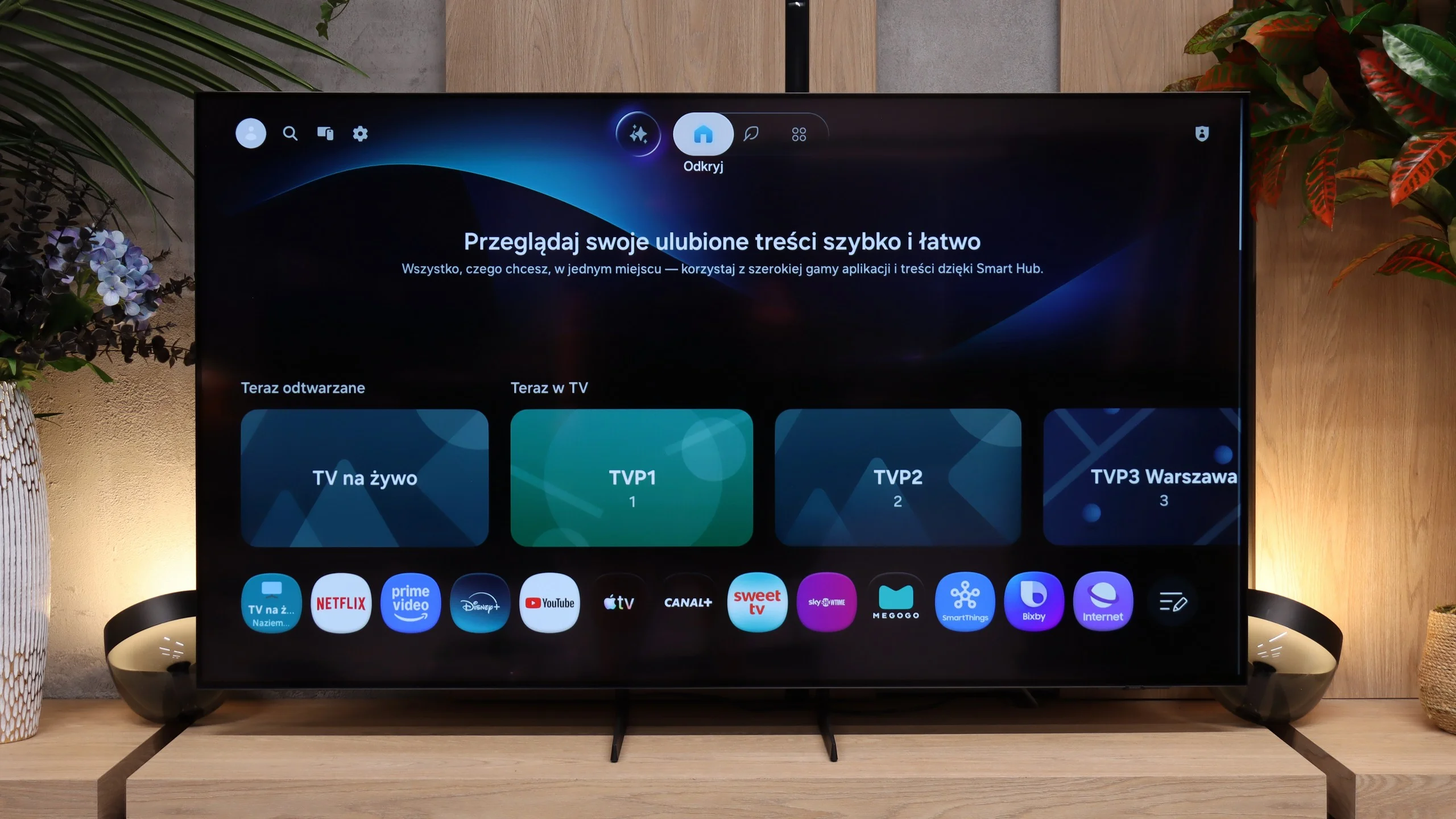
The Samsung Q70D delivers solid performance for its price range, with standout features that will appeal to a wide range of users. Its gaming capabilities, in particular, are impressive, offering features like smooth gameplay and low input lag that make 30 fps titles feel like they’re running at 60 fps. The well-executed HGIG mode, which performs similarly to Dolby Vision, is another highlight for gamers. Additionally, the Samsung Q70D pairs easily with Canal+ decoders, a feature many other TVs struggle with.
When it comes to daytime viewing, the Samsung Q70D shines with bright SDR content that makes it ideal for well-lit rooms. However, there are a couple of downsides. The lack of Dolby Vision is noticeable, as the TV’s brightness could have benefited from it, and light leakage can be seen in dark scenes with low brightness settings. While these issues are not dealbreakers, they are worth noting.
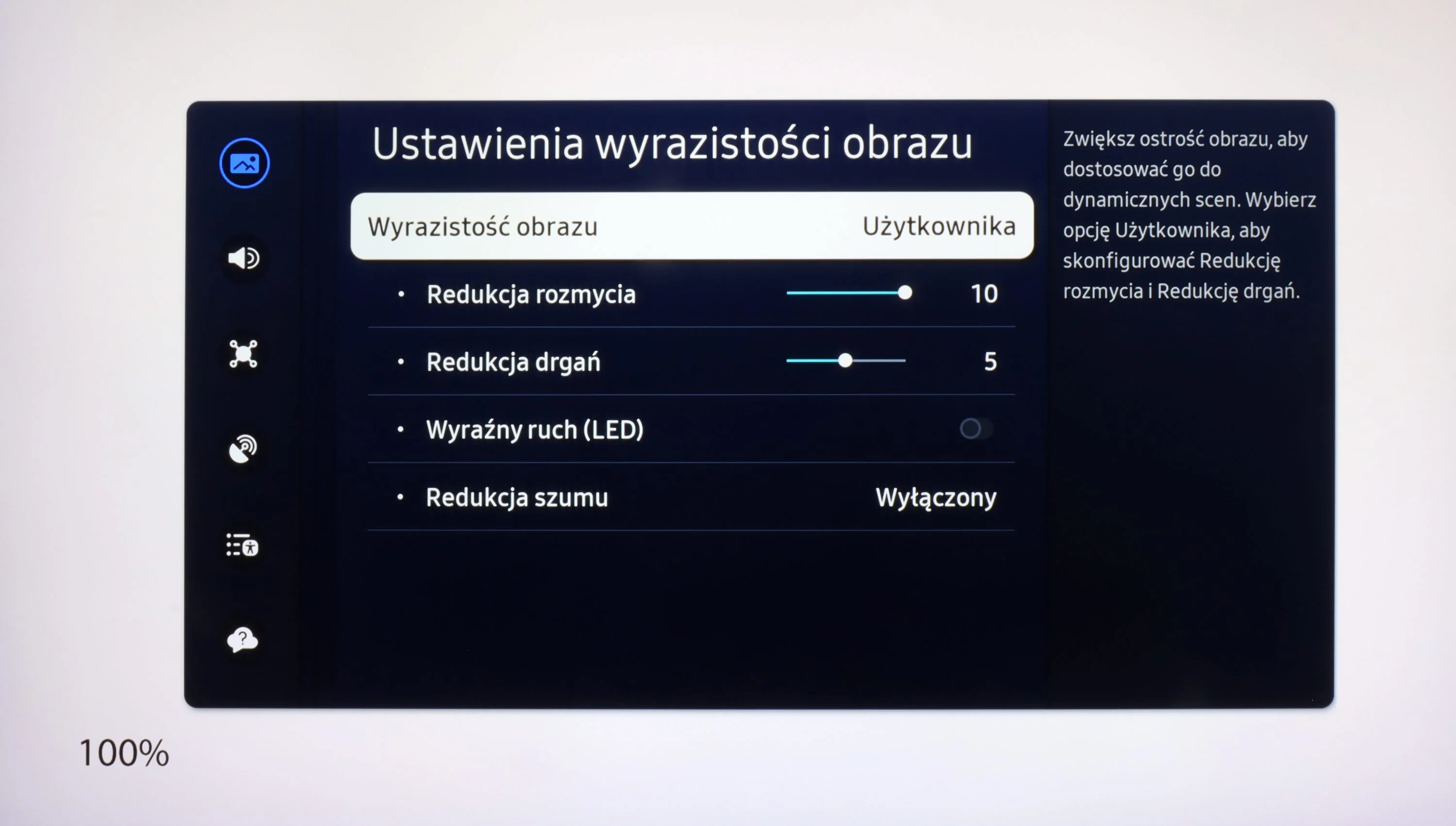
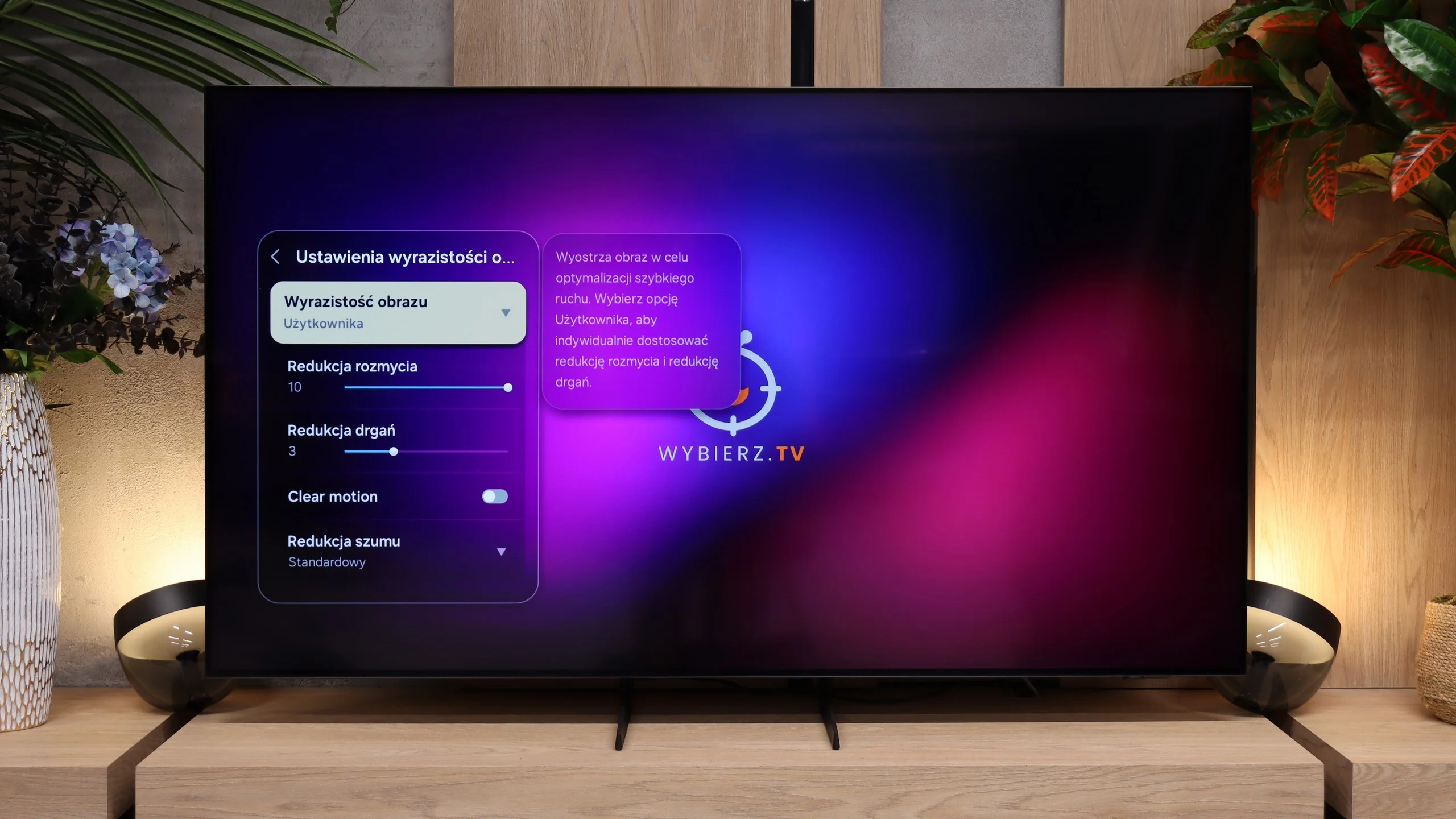
On the plus side, the Samsung Q70D has one of the best motion smoothers in its class, making it perfect for sports or fast-action content. The system runs smoothly and has all needed apps. Overall, the Samsung Q70D is a strong addition to the manufacturer's seventh series, with consistent improvements in quality and growing popularity.
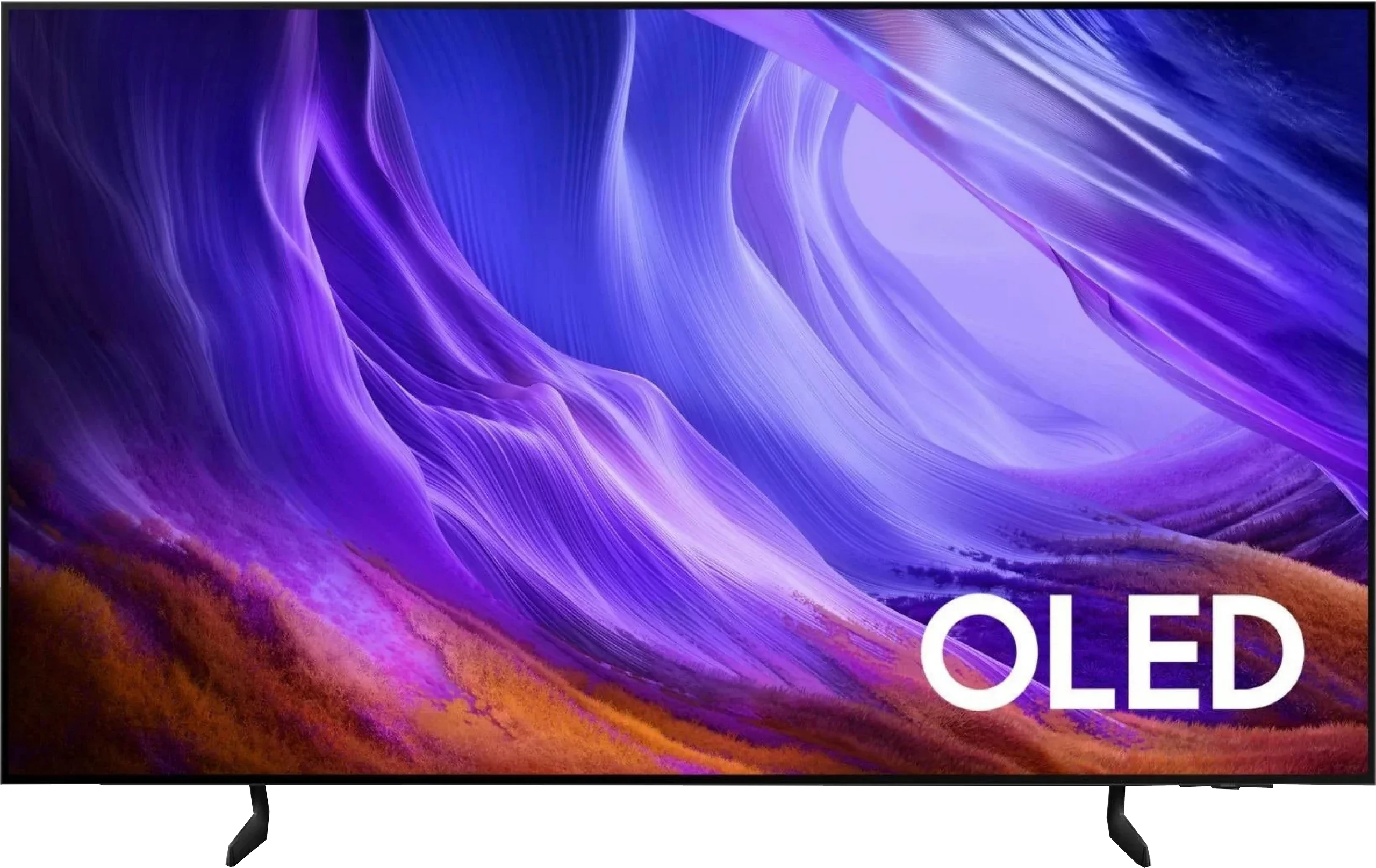
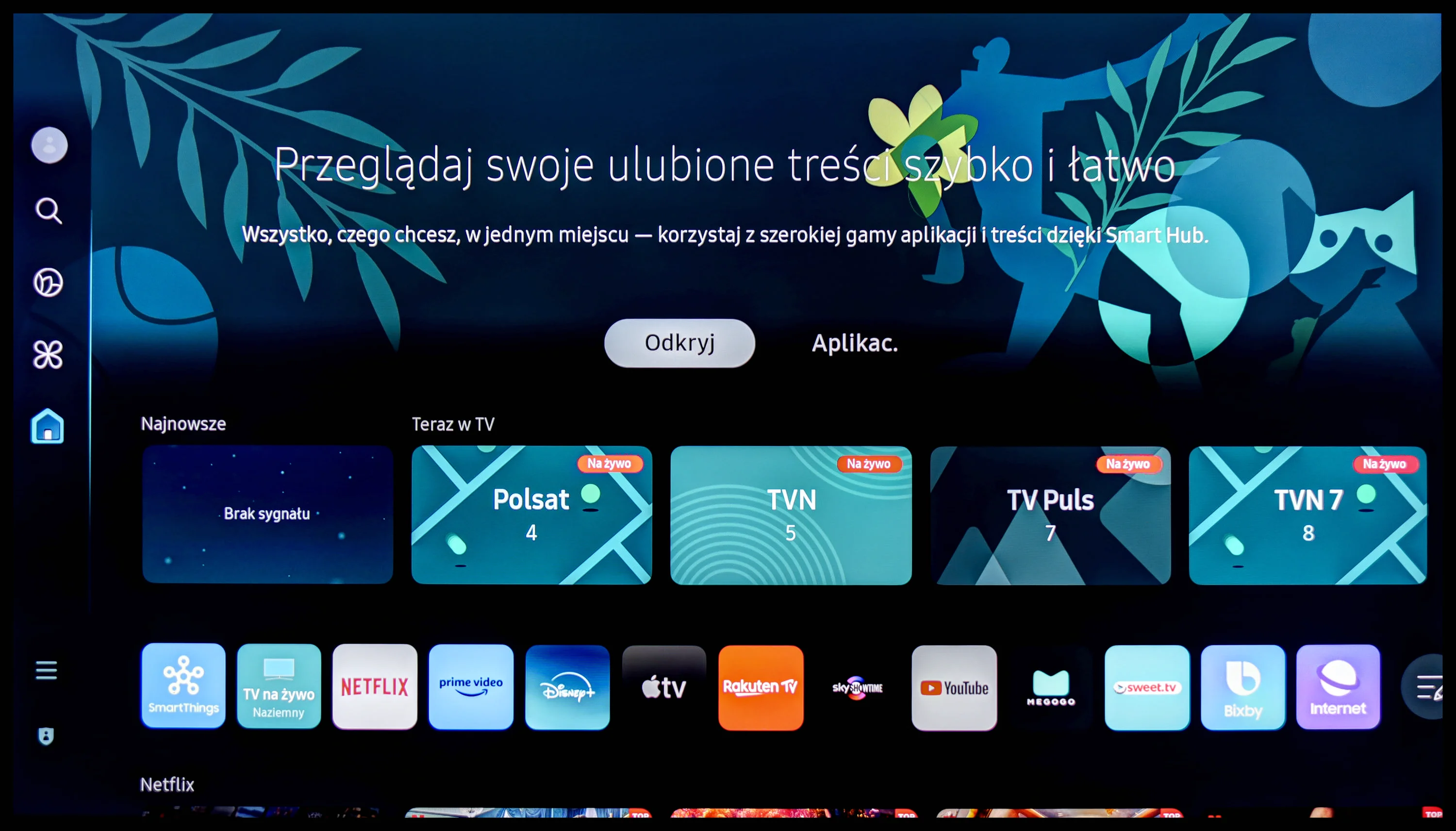
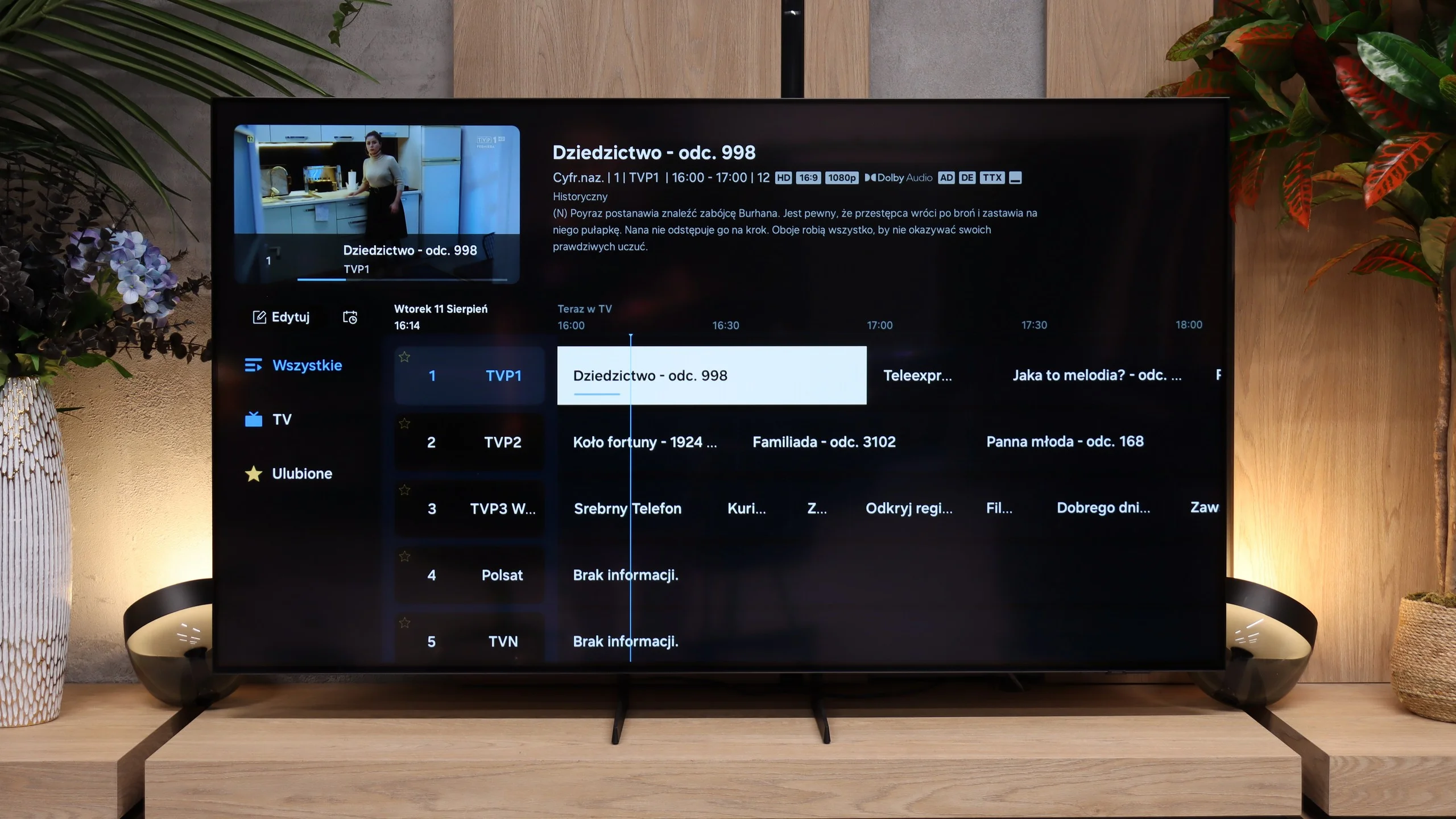
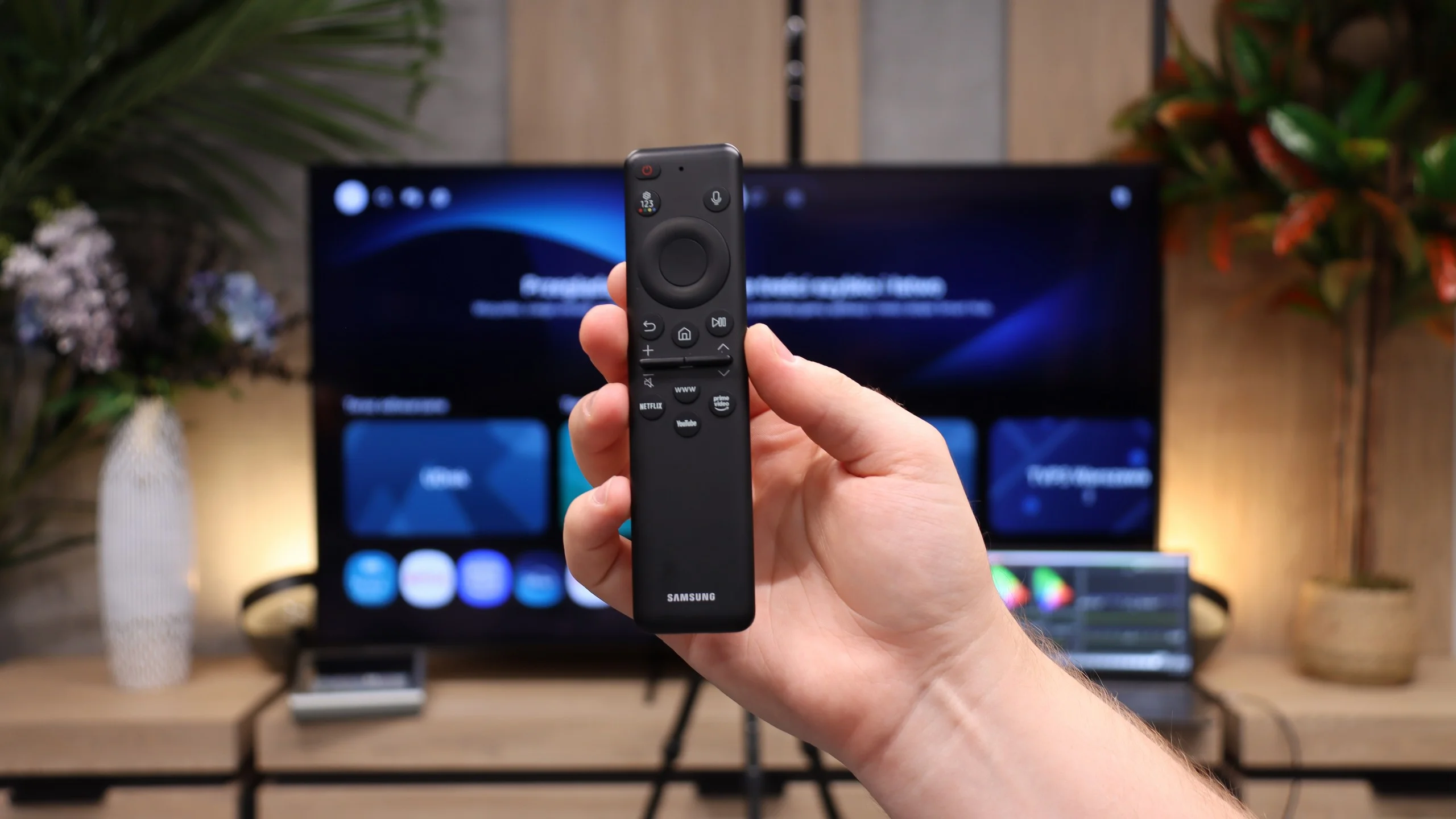
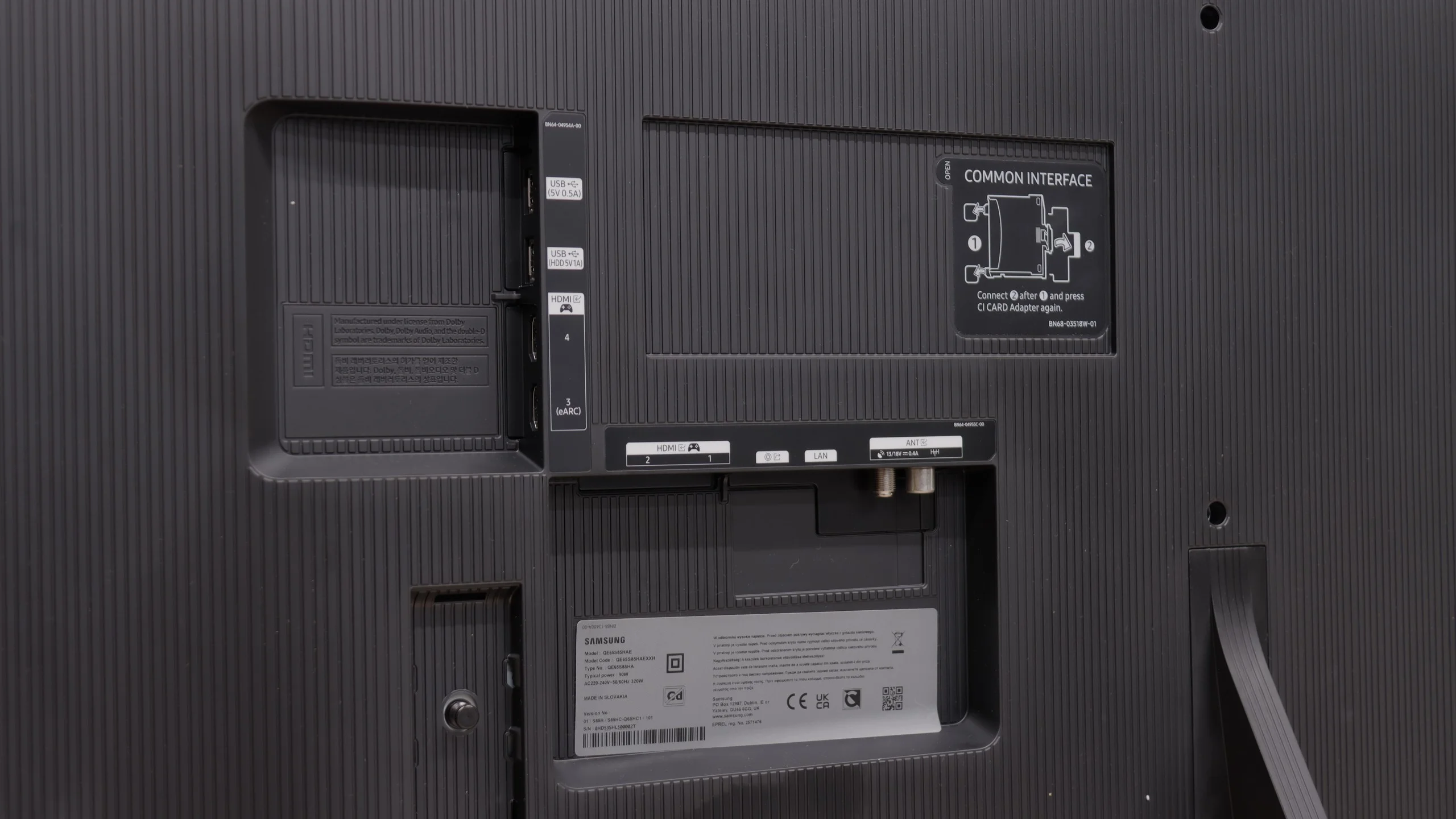
Samsung S85H is a very successful continuation of the S85 series and a TV that still performs its main role well: to be an affordable entry into the world of OLEDs. The biggest change from its predecessor is the use of LG Display's new OLED SE panel, but the overall character of this model remains practically unchanged. Its greatest strengths are still perfect blacks, very high contrast and a picture that can look truly excellent in the evening. Add to that good colors and the ability to achieve a high degree of fidelity to the director's vision. The S85H also works very well as a versatile TV. Gamers get four HDMI 2.1 ports, 120 Hz, VRR, very low input lag and Game Motion Plus, so there is little to complain about here. Tizen runs fast and is user-friendly, and the whole system clearly targets users who today mainly use Netflix, YouTube and other streaming services, while traditional broadcast TV is treated as an extra.
However, the new OLED SE panel is not without flaws. This is most noticeable when watching during the day, because its glare handling is worse than previous OLED panels. Its peak brightness is also not high enough for the S85H to perform particularly well in a very sunlit living room. It is still a TV that shows its strengths best in the evening or in a room with at least partial control over ambient light. And that is probably the best way to look at the S85H. It is not an OLED meant to break brightness records or compete with the most expensive panels. It simply aims to offer what people like most about the technology, but at a lower price. Perfect blacks, very good movie picture quality, excellent gaming features and a convenient smart system make the S85H one of the easiest ways to get into OLED without spending a fortune.
 Direct comparison