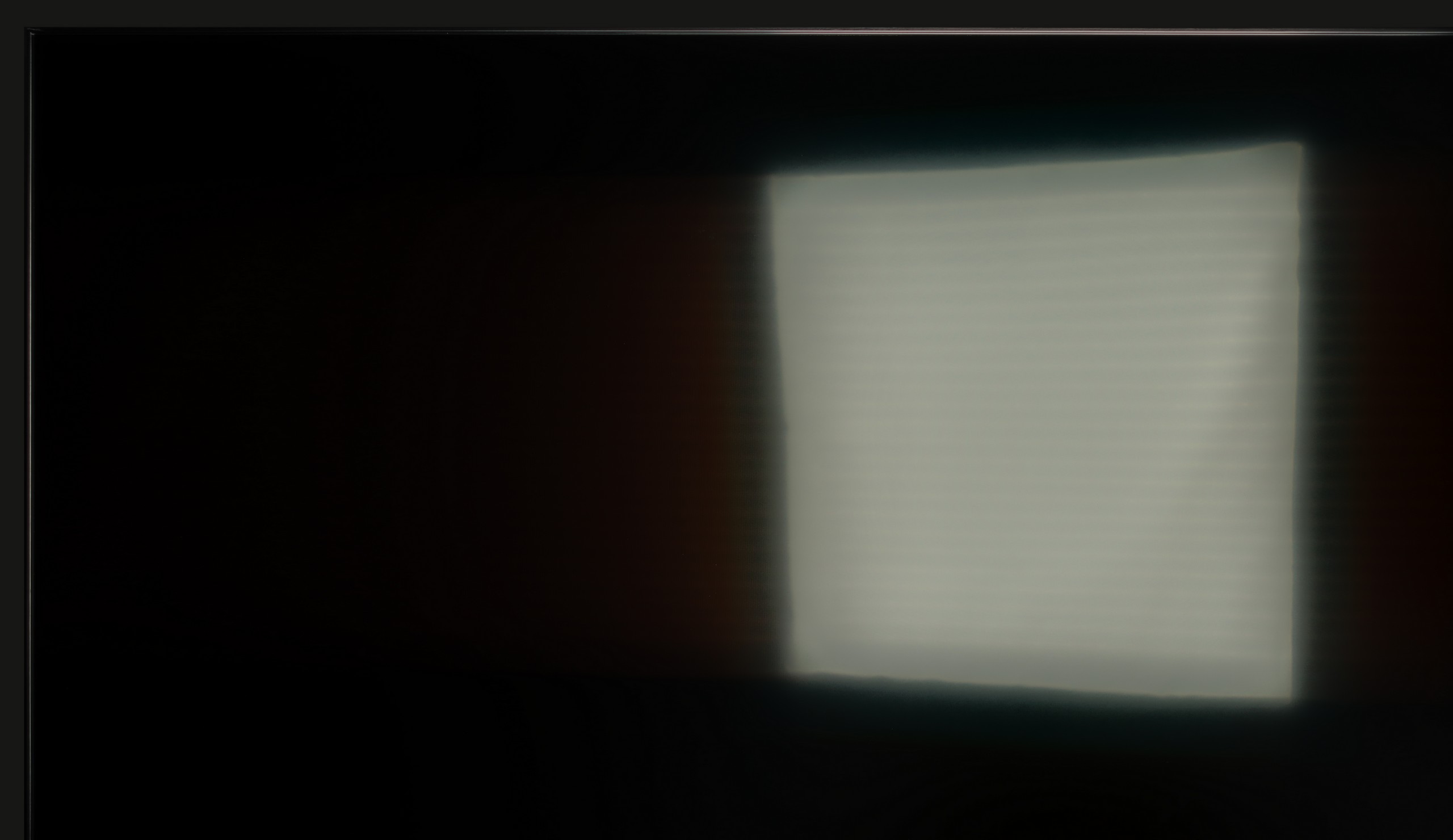
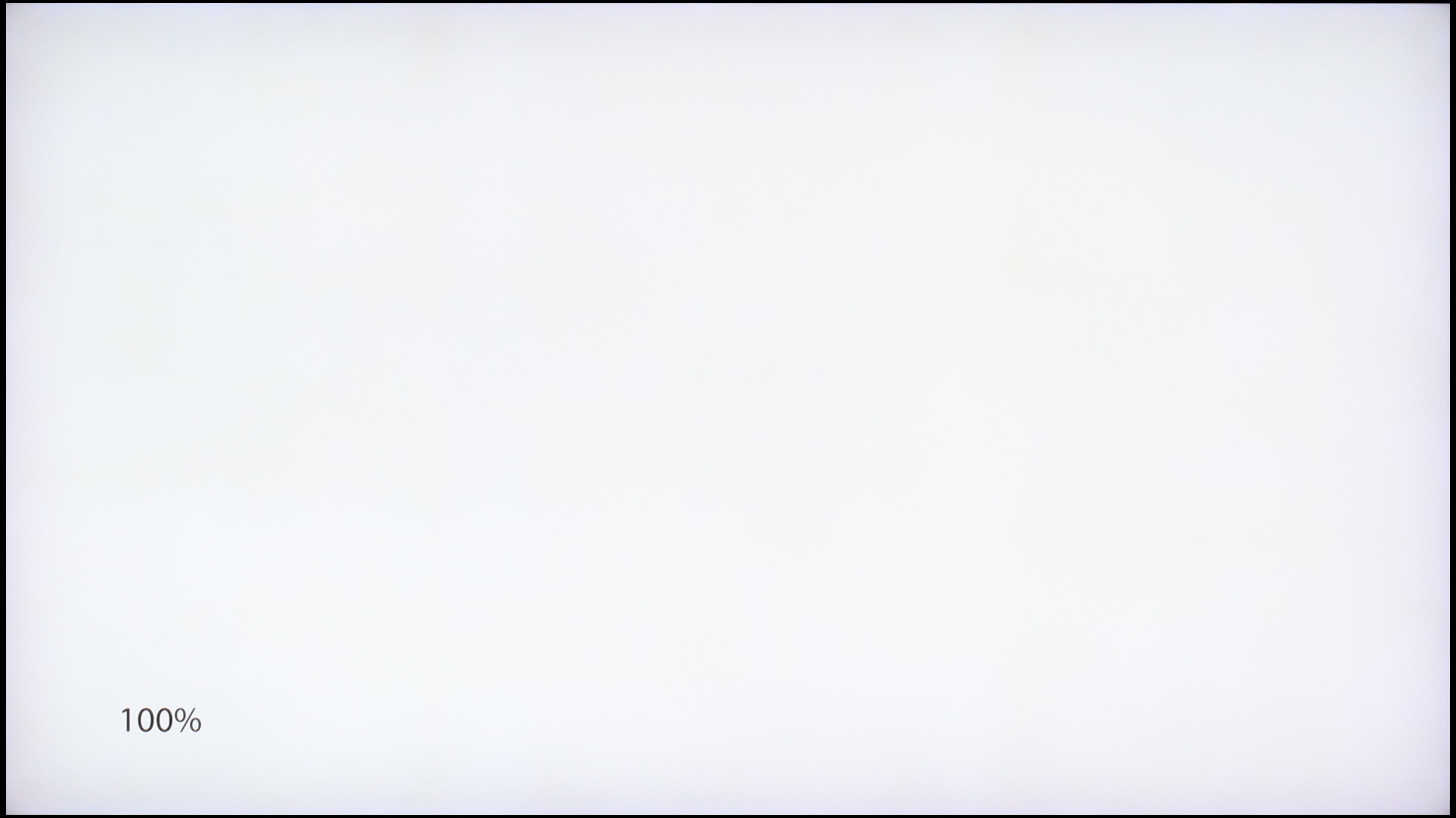
The Samsung Q70D and its related models, like the Q77D and Q74D, feature a VA panel, which generally provides excellent contrast. Compared to IPS/ADS screens without advanced local dimming, the contrast on these models is several times better. However, the contrast results can vary significantly due to the non-uniformity of the panel. This means that sometimes the contrast is great, but at other times it can be noticeably worse, though it tends to remain fairly consistent overall, except for light bleeding.
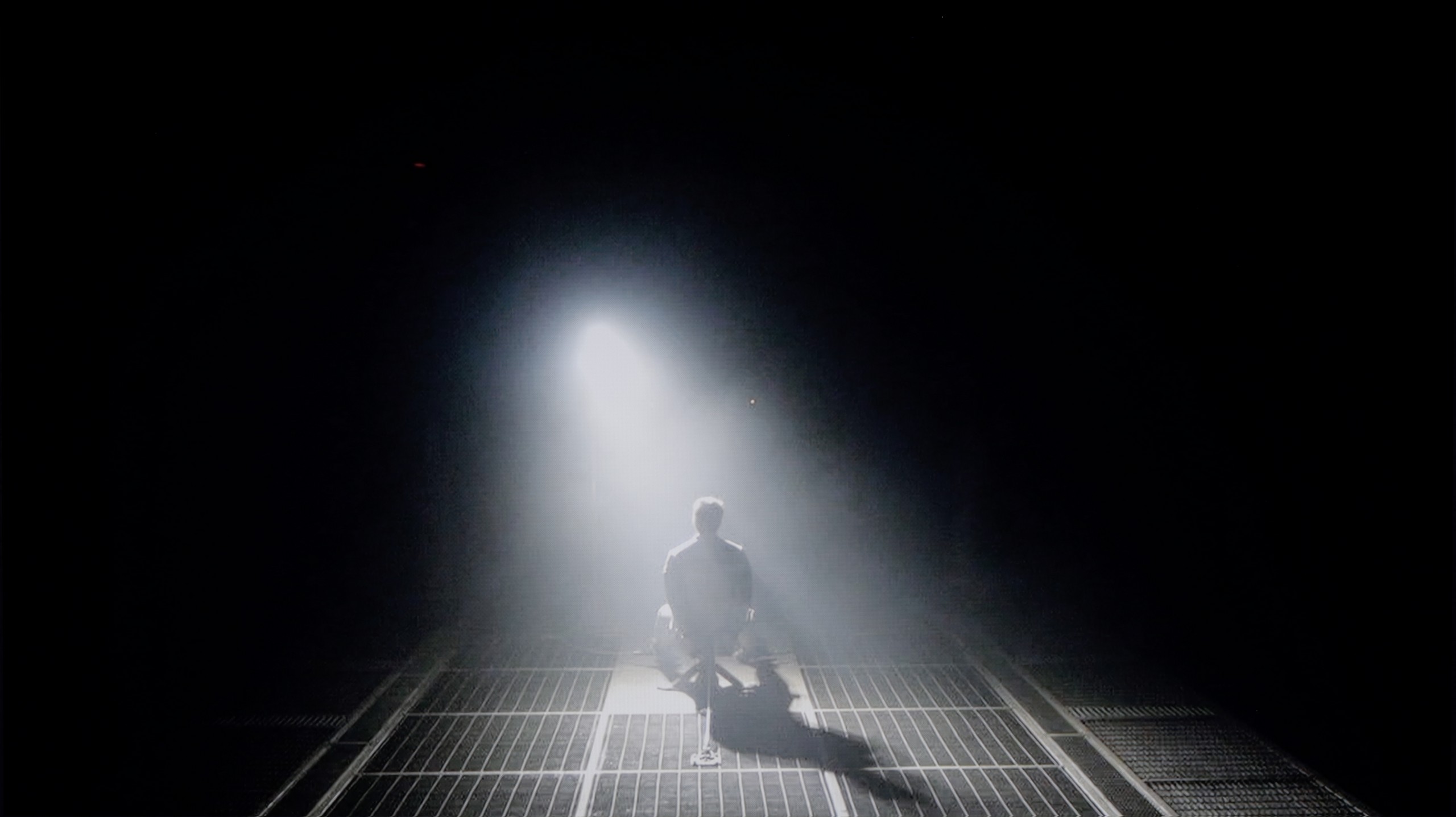
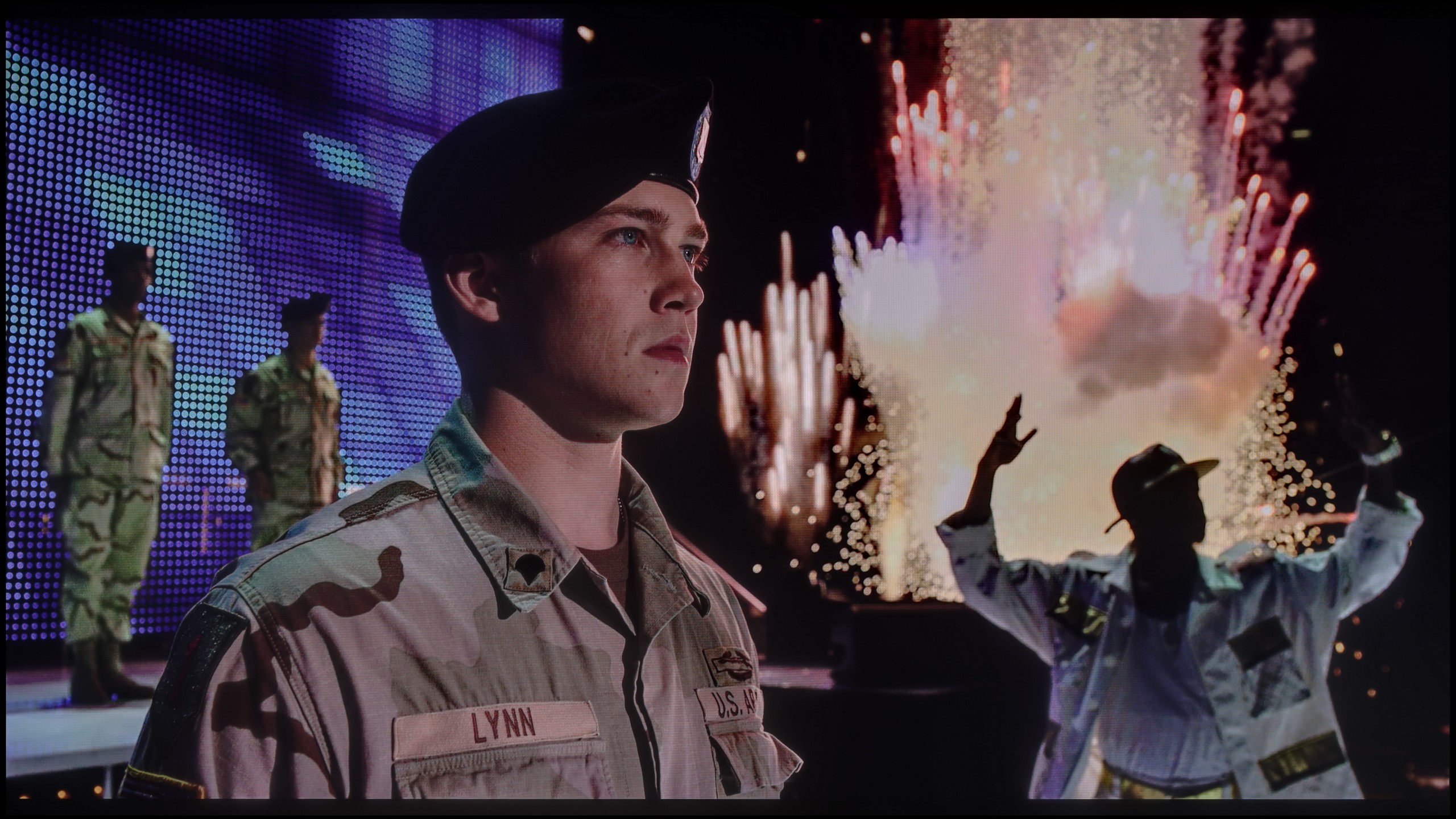
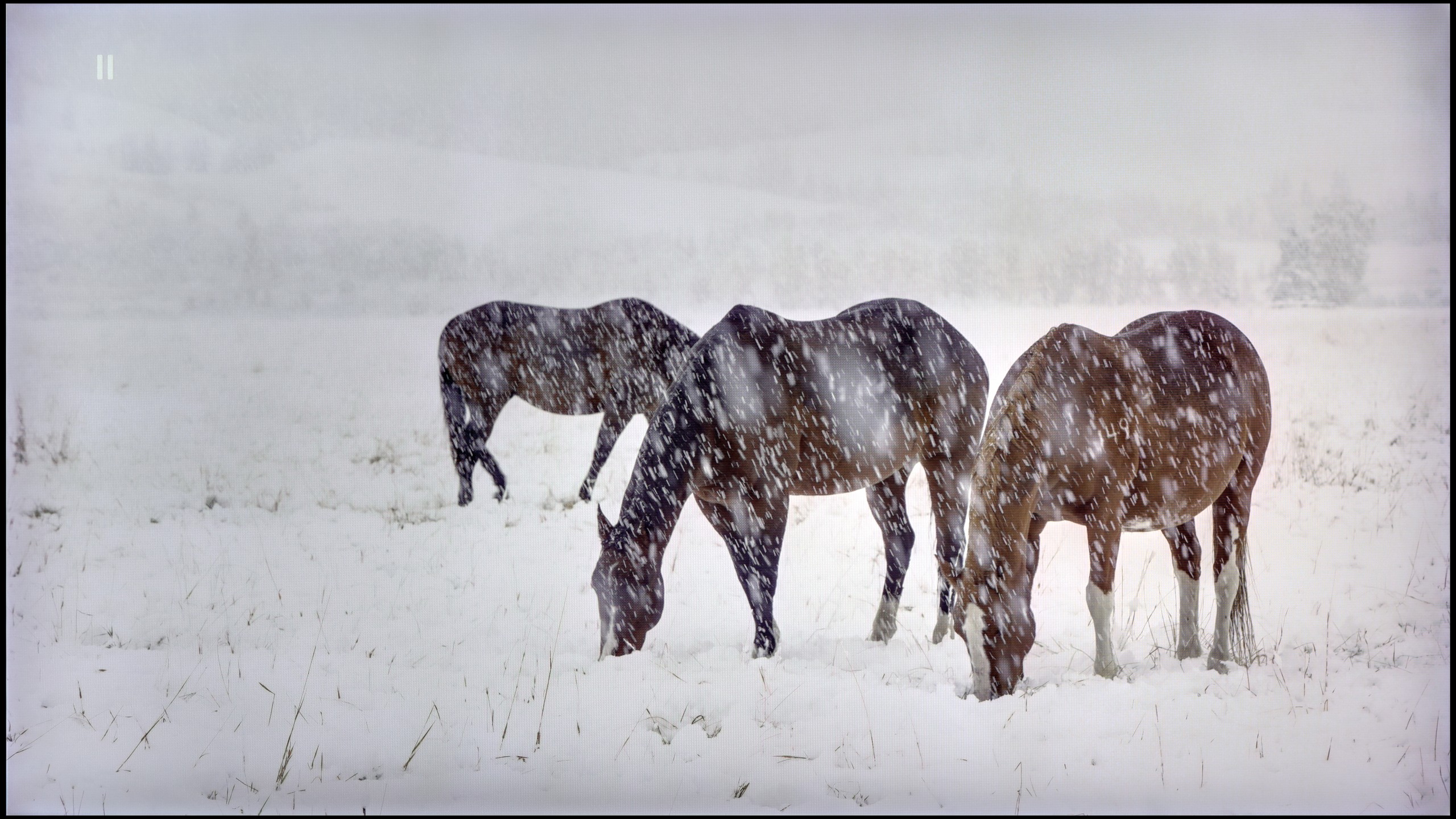
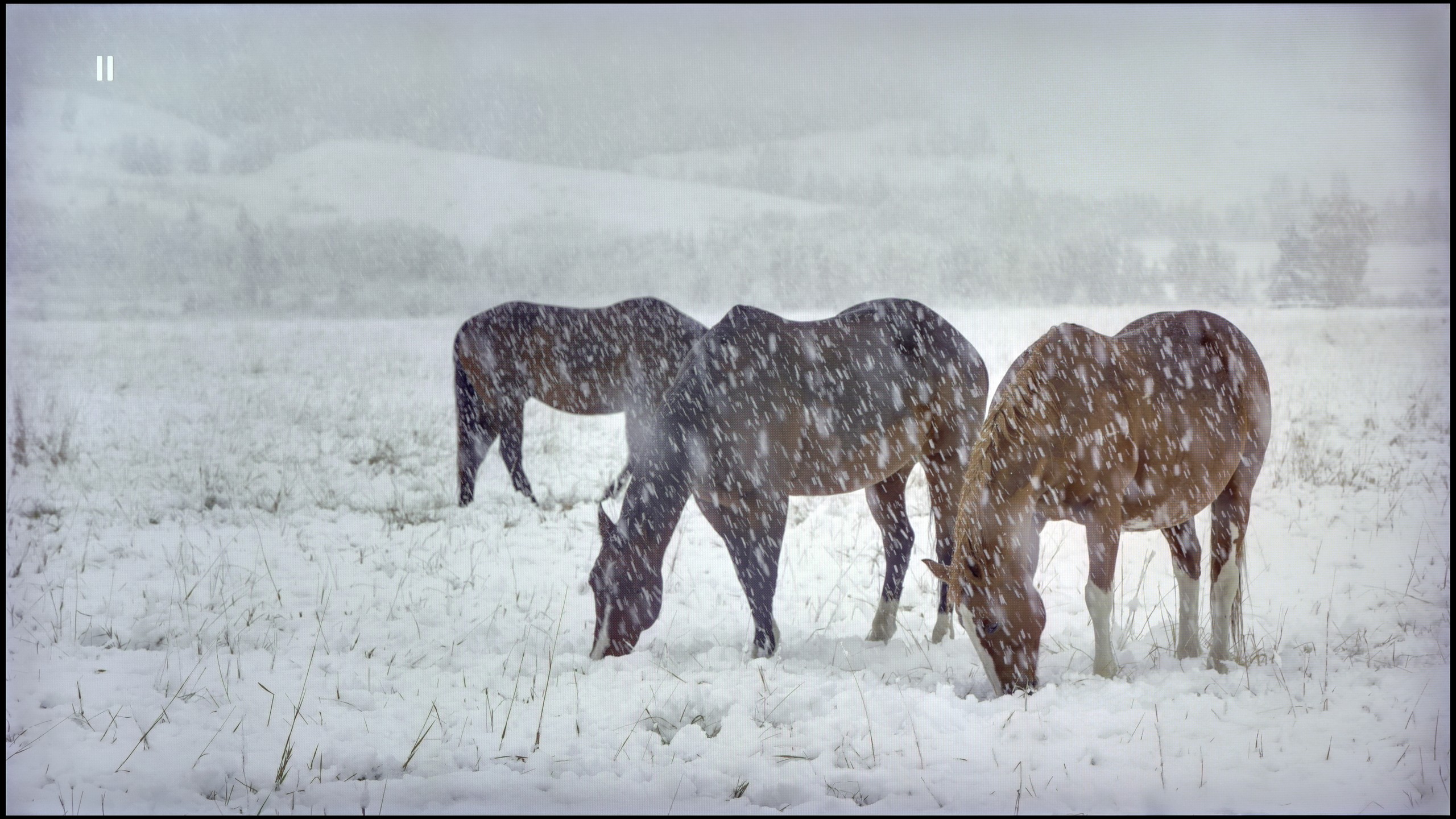
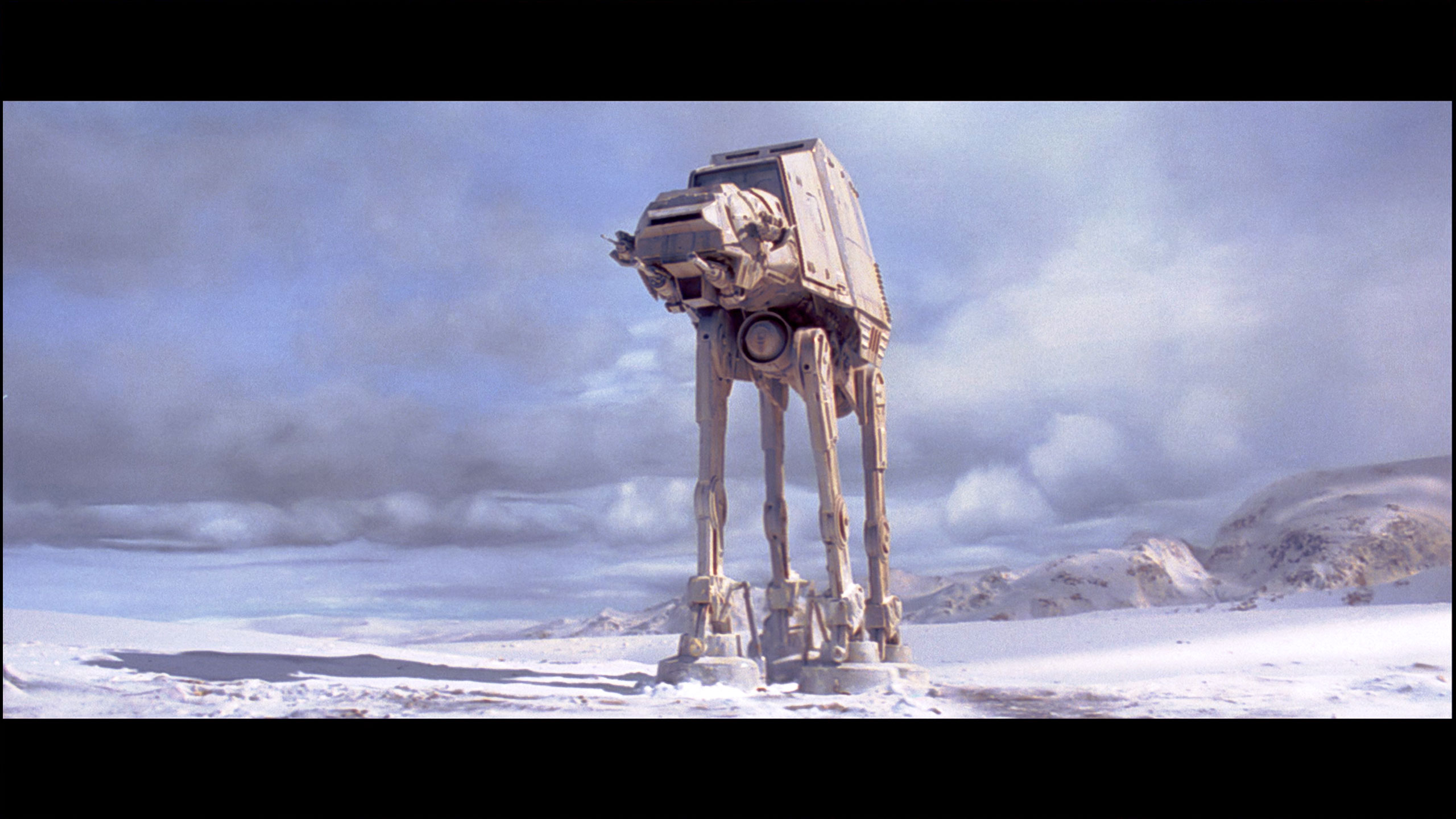
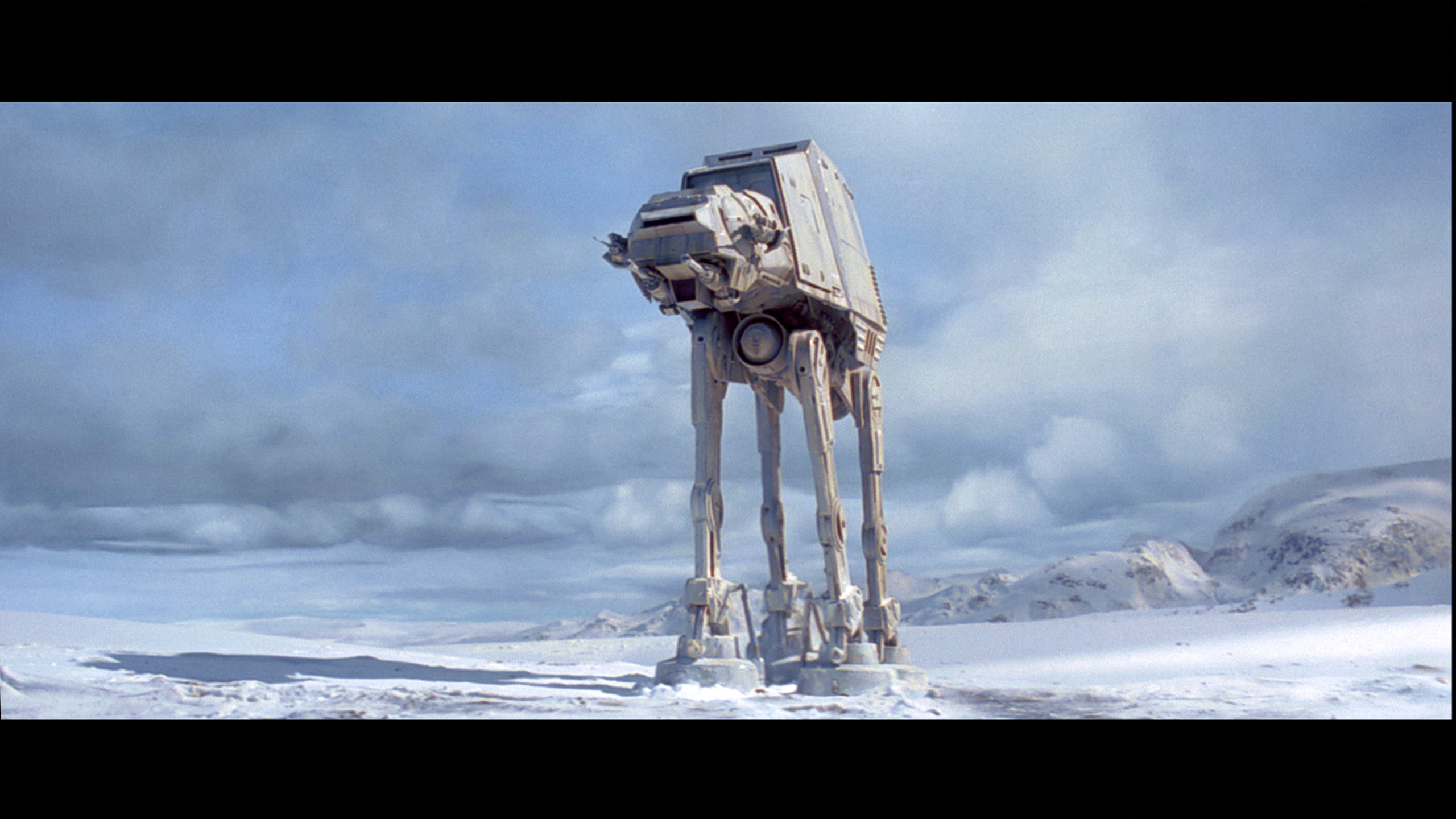
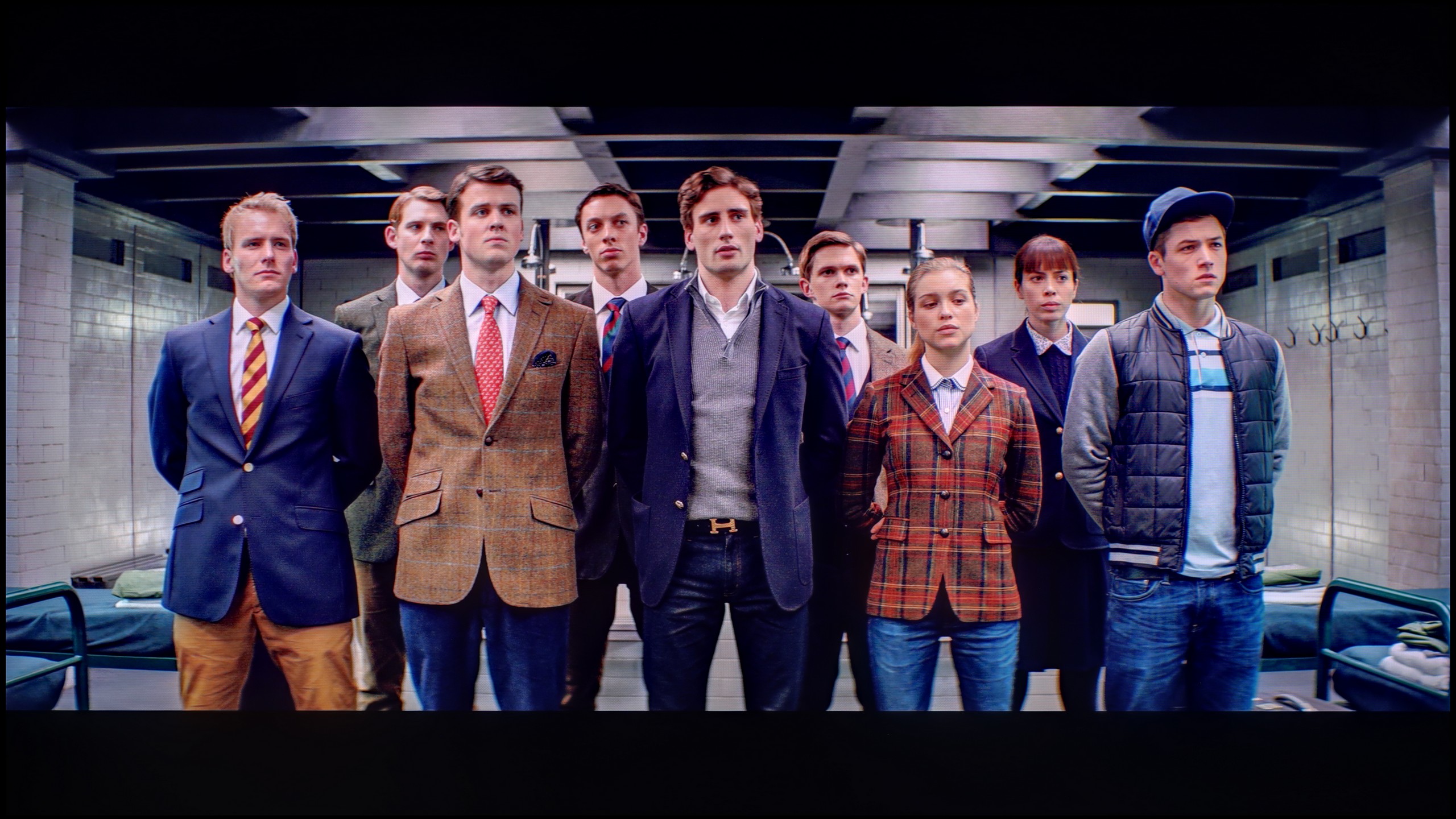
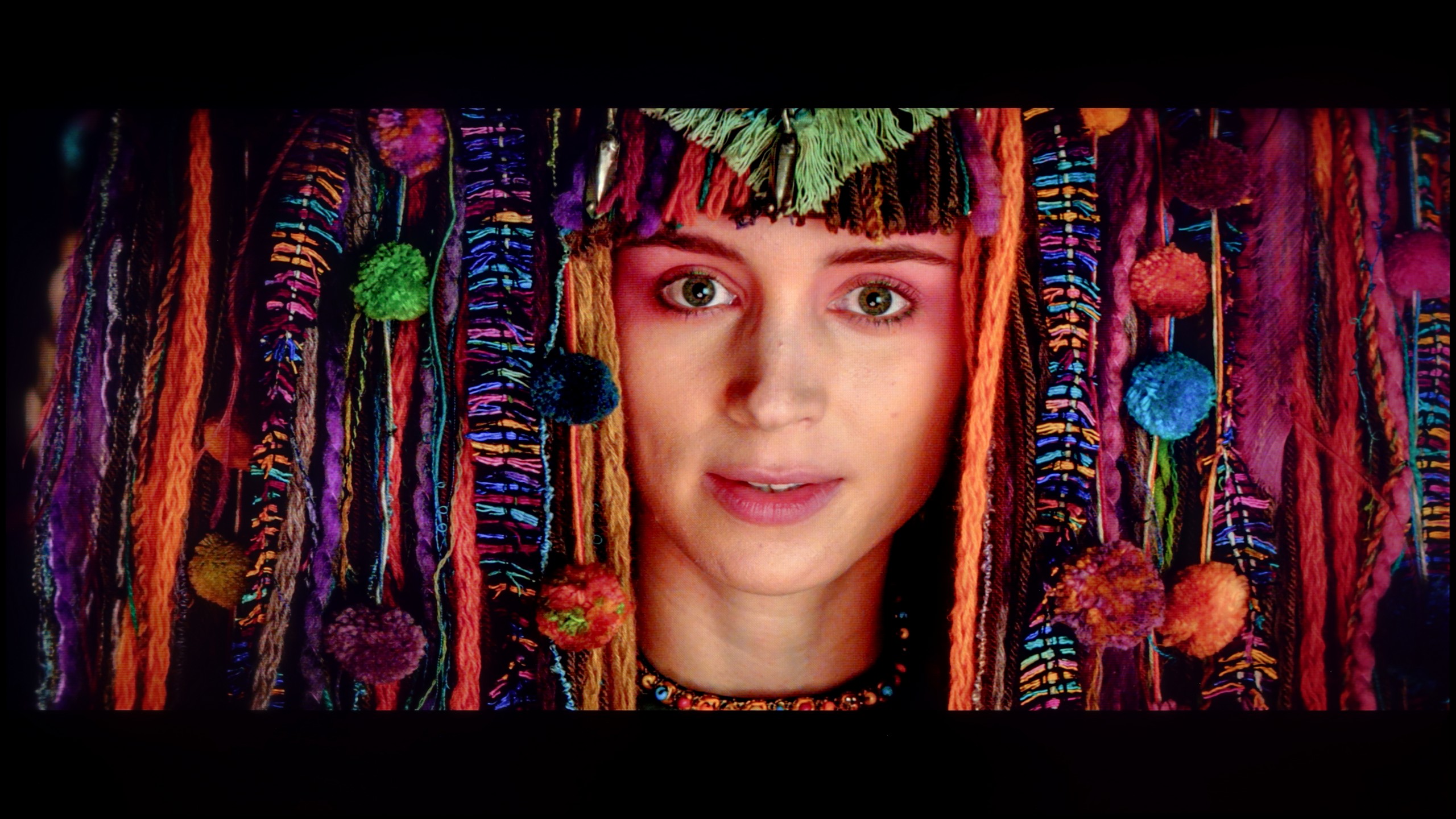
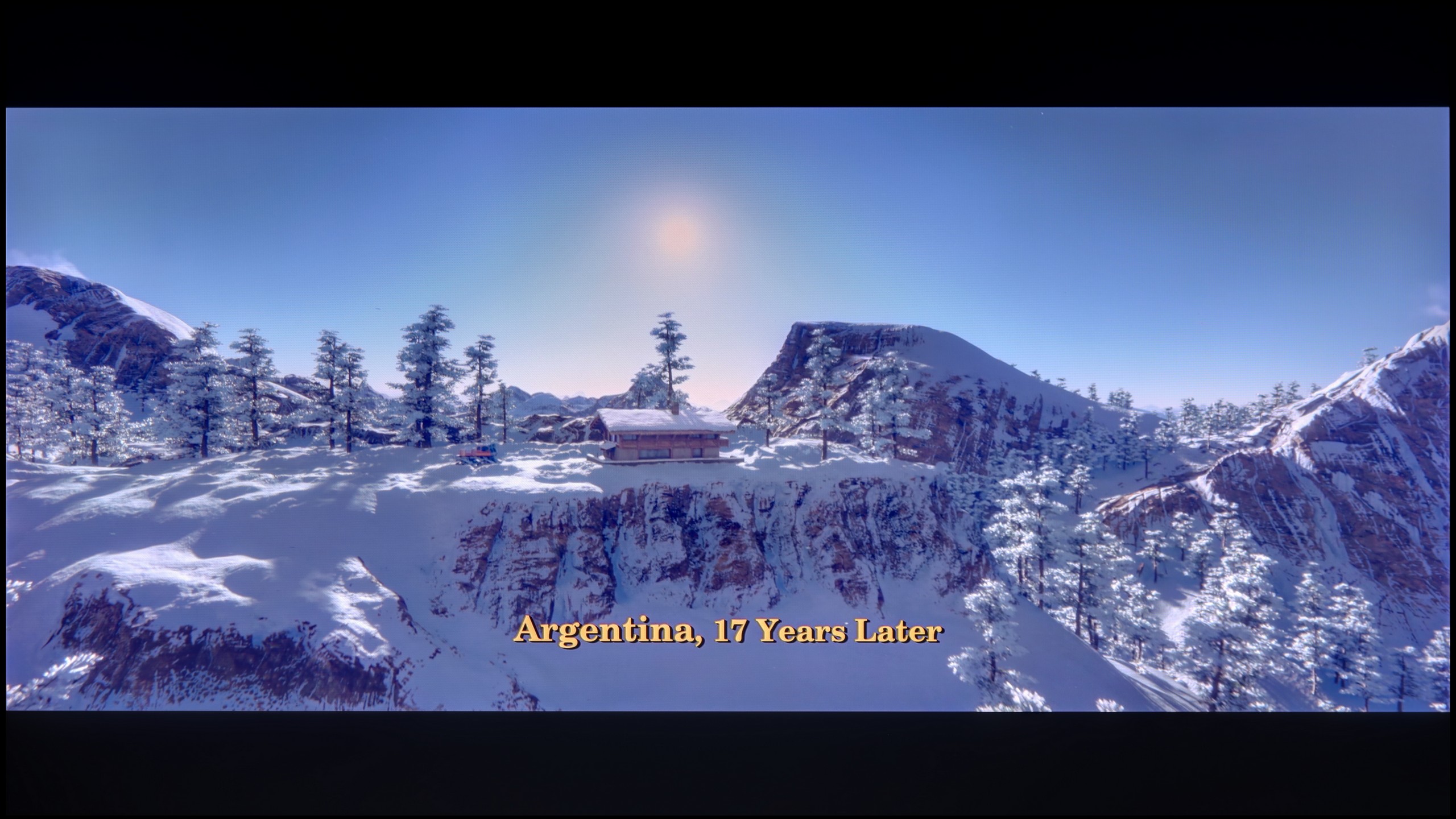
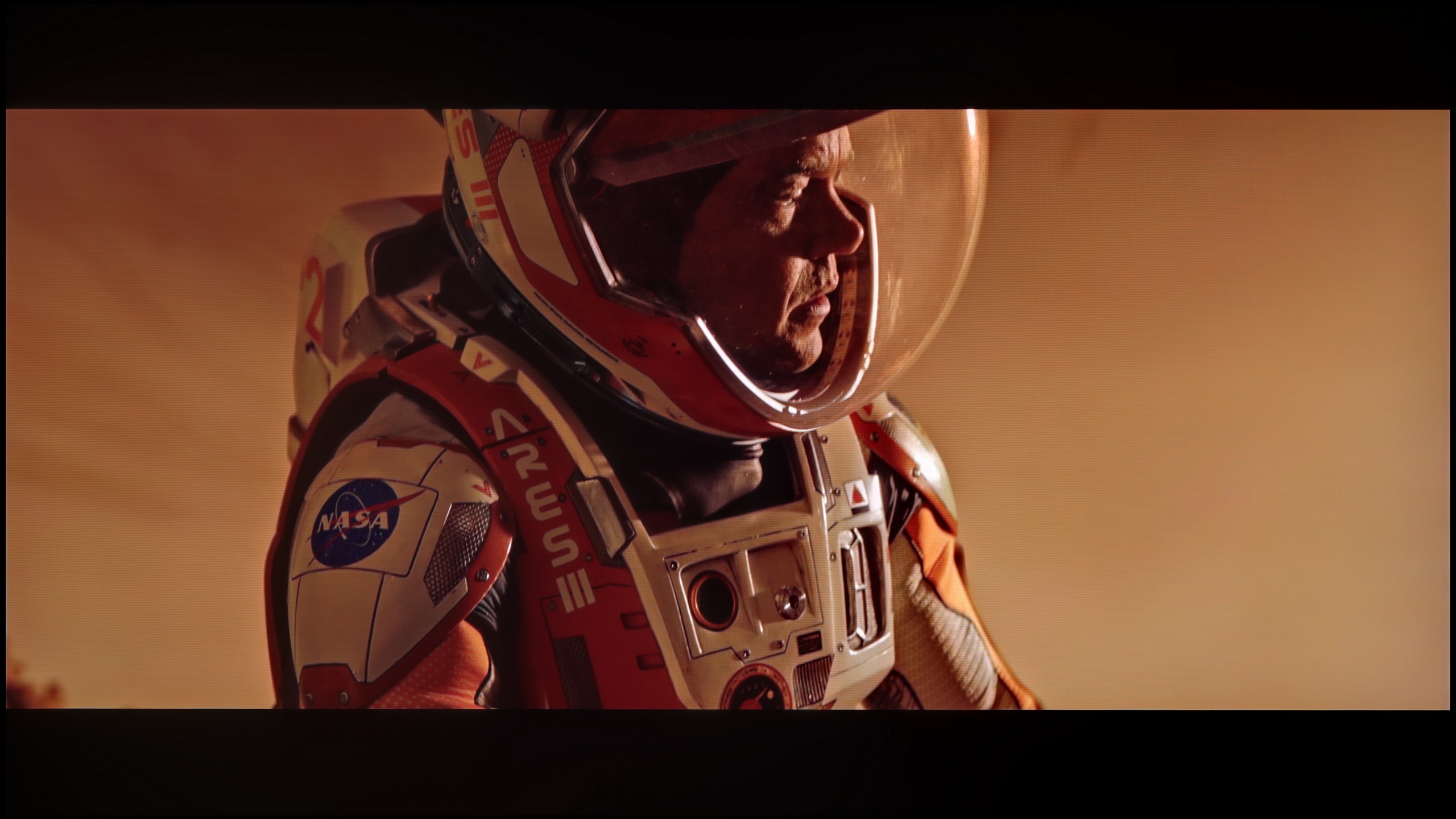
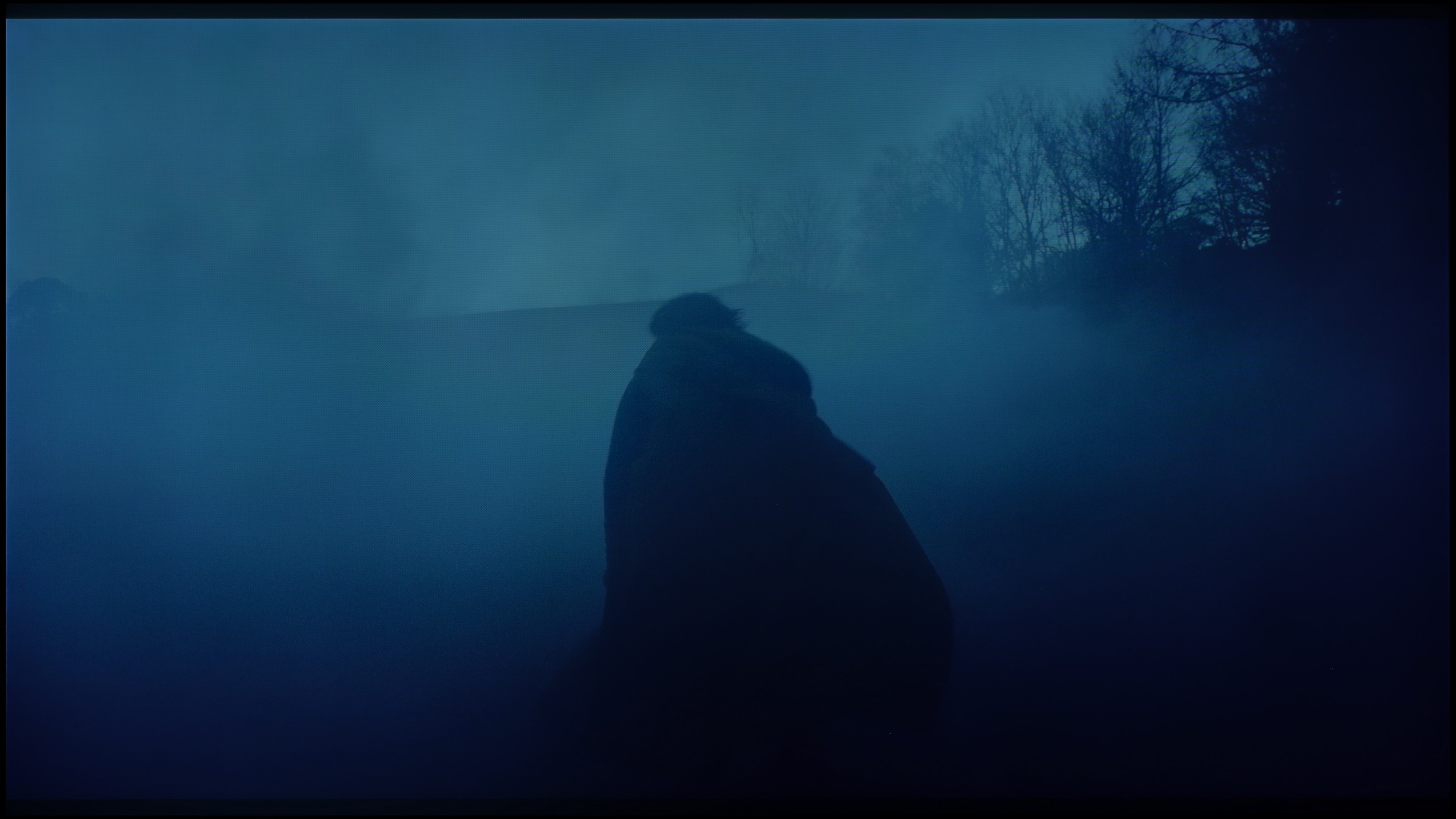
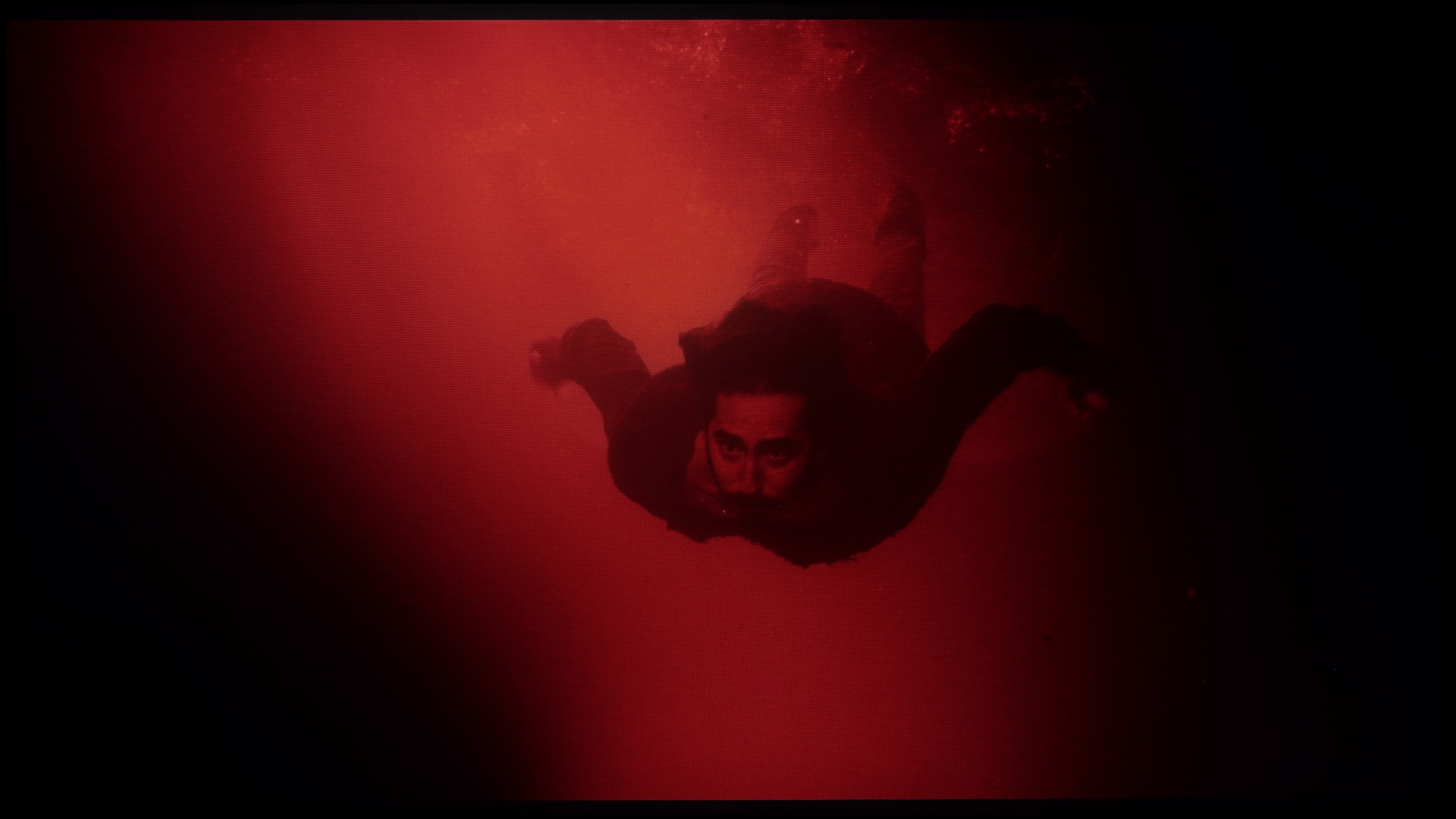
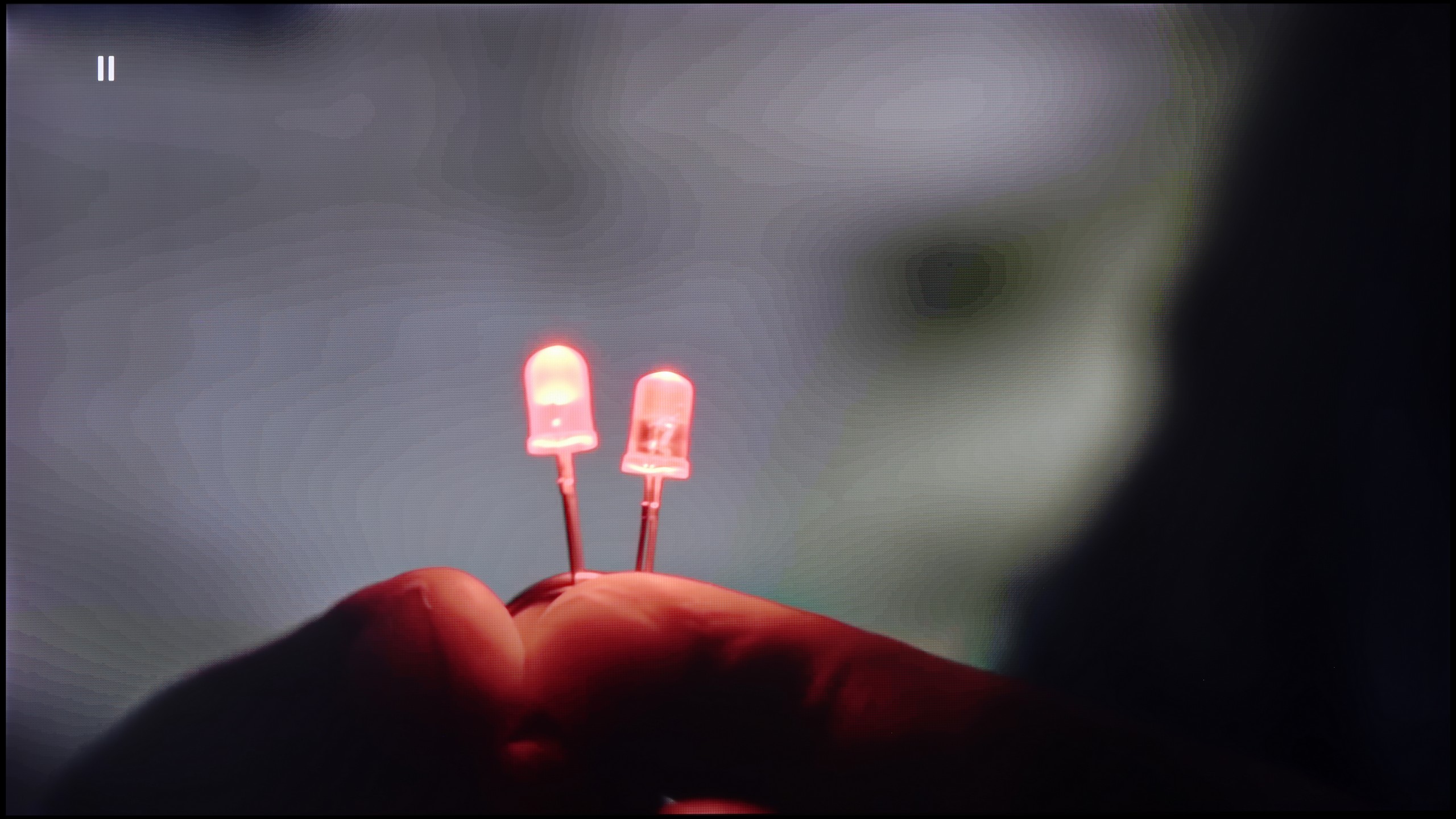
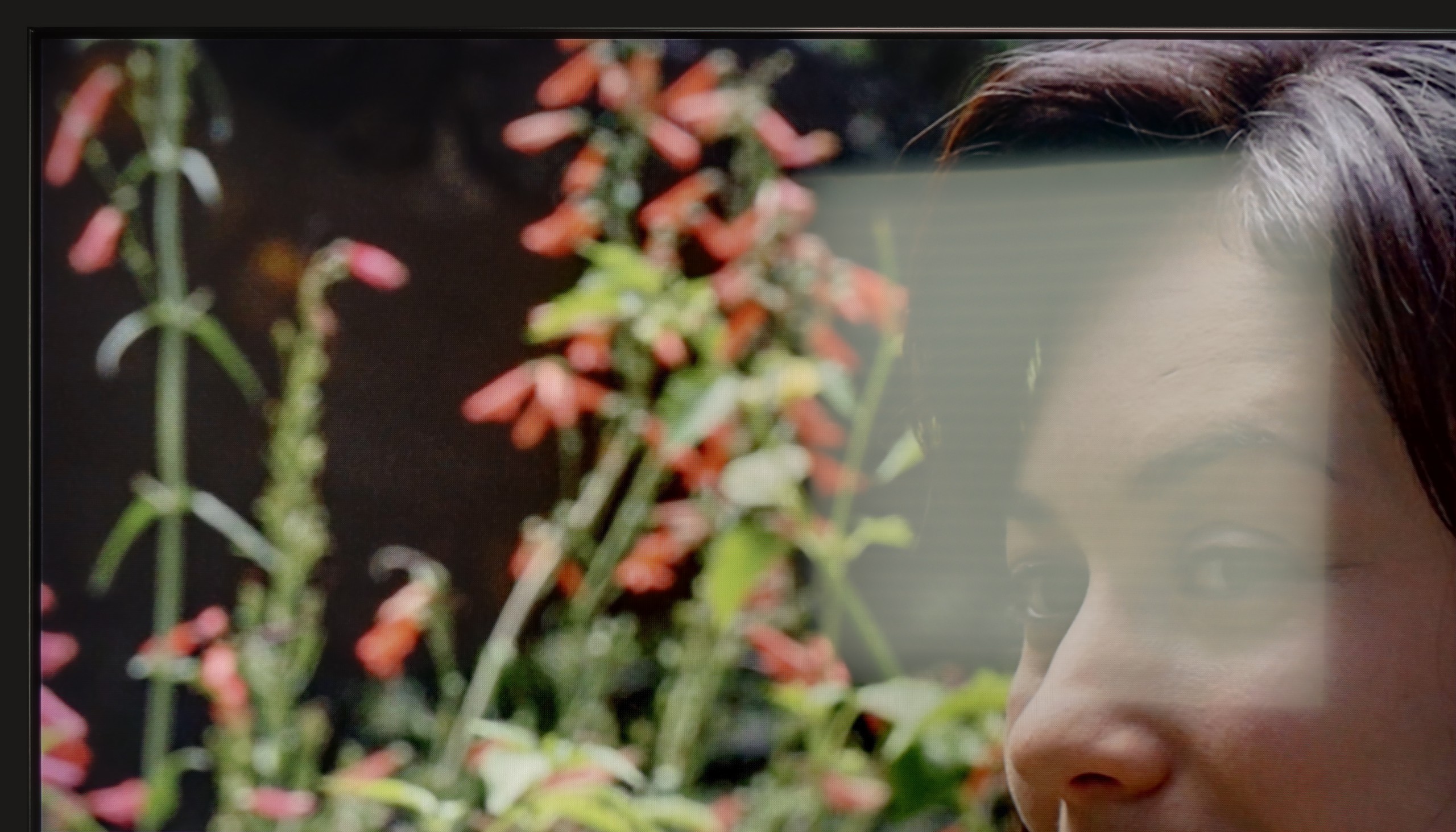
To illustrate this, we look at two film scenes from "Oblivion" and "Revenant." In the first scene, the lights are well-separated, which is a positive as it suggests that detailed visibility in bright areas should be good in future tests. What stands out in this frame is the sharpness of the smoke under the light and the deep navy blacks in the background. In contrast, the second scene from "Revenant" reveals uneven backlighting, which is quite noticeable and impacts the overall image quality. Despite this, the details in the movie remained clearly visible.
QN80F is a representative of the Neo QLED series, which means it's a television with Mini LED backlighting. Unlike its cheaper cousin, the QN70F model, here the diodes are placed directly behind the panel (rather than at the edges), which gives a solid advantage in contrast control right from the start. In the 65-inch variant we tested, we counted 88 local dimming zones – a result that may not be particularly impressive, but as it turned out, sufficient to achieve quite decent results.
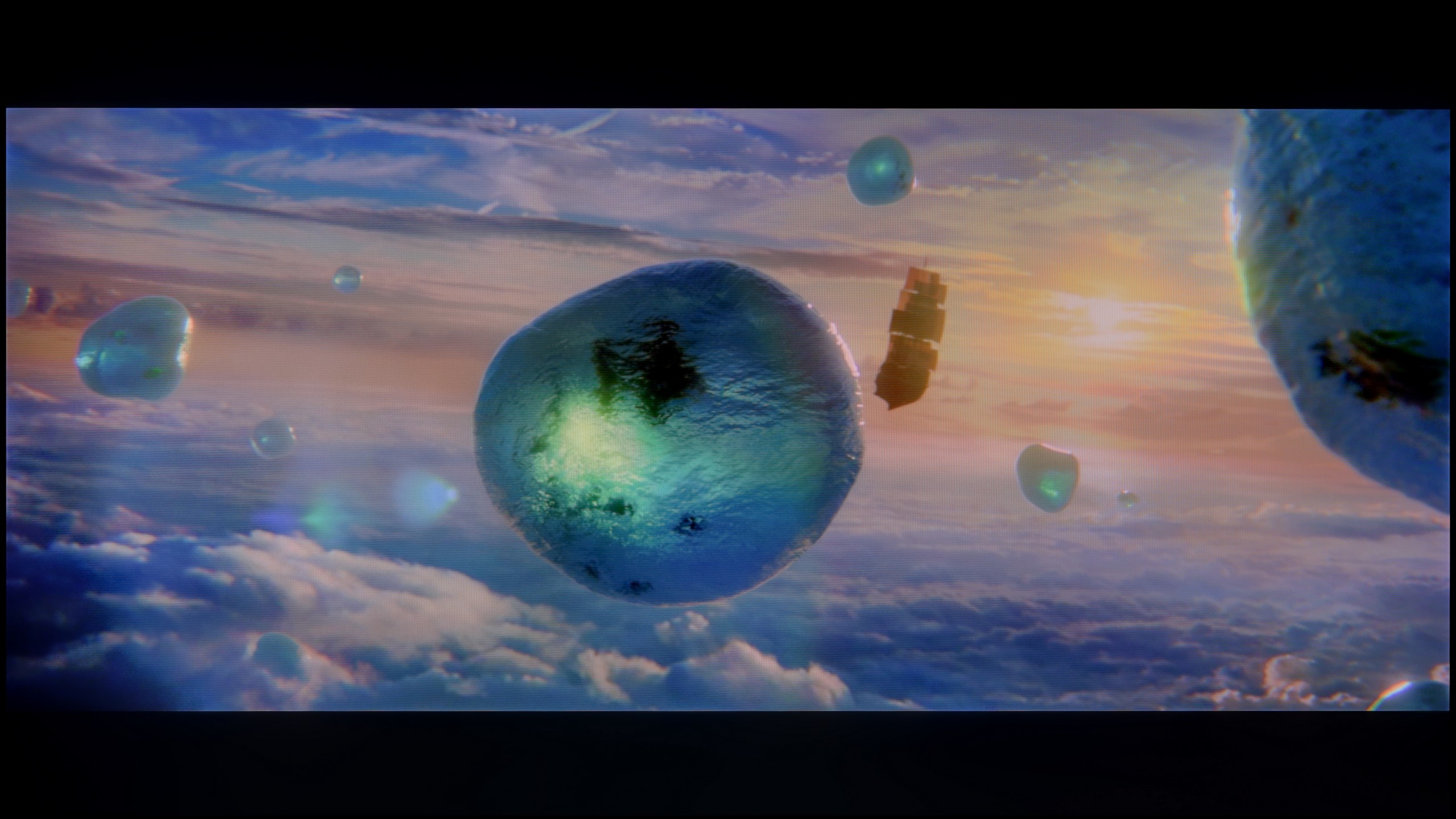
In tests based on scenes from movies like Oblivion and The Meg, the QN80F performed well – blacks were deep, and the overall image consistency was eye-catching. However, in more demanding moments (e.g., scenes with a lot of bright details on a dark background), a halo effect appeared. This is where the limitation of the number of zones shows – bright elements could bleed into each other, and some details in dark areas lost sharpness and contrast. In one of the helicopter scenes (The Meg), we even noticed a slight flicker in brightness, as if the television was trying its best to maintain visibility of details at the expense of black depth.
However, these are not problems exclusive to this model – the halo effect or contrast drops in very complex scenes are something most Mini LED televisions struggle with, even the more expensive ones. In its class, the QN80F still performs positively and offers clearly better contrast than the QN70F model with edge lighting. For most users, this will be a level more than sufficient – though not ideal.
 Direct comparison