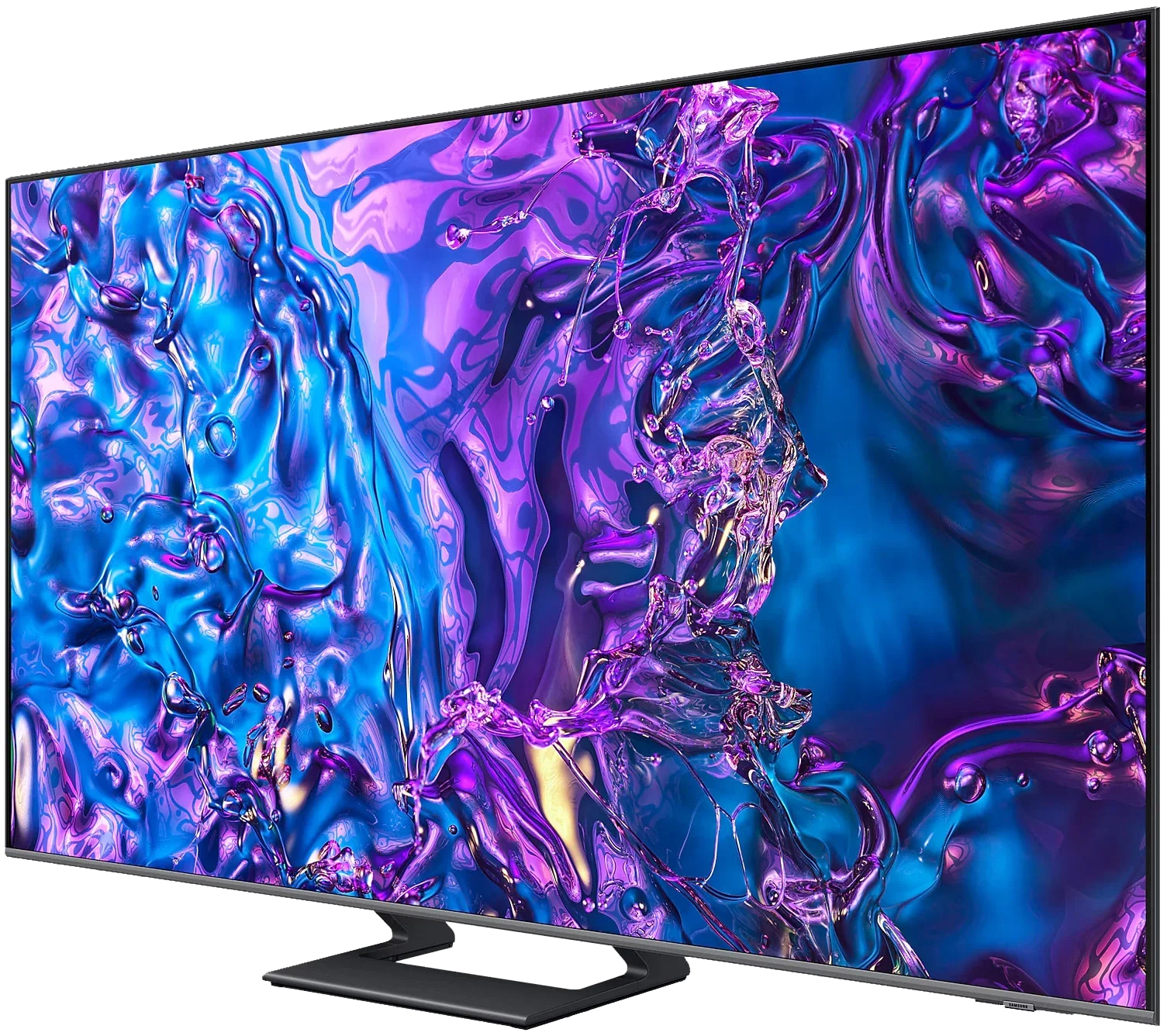
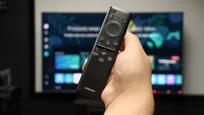
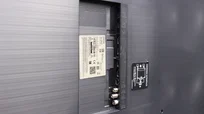
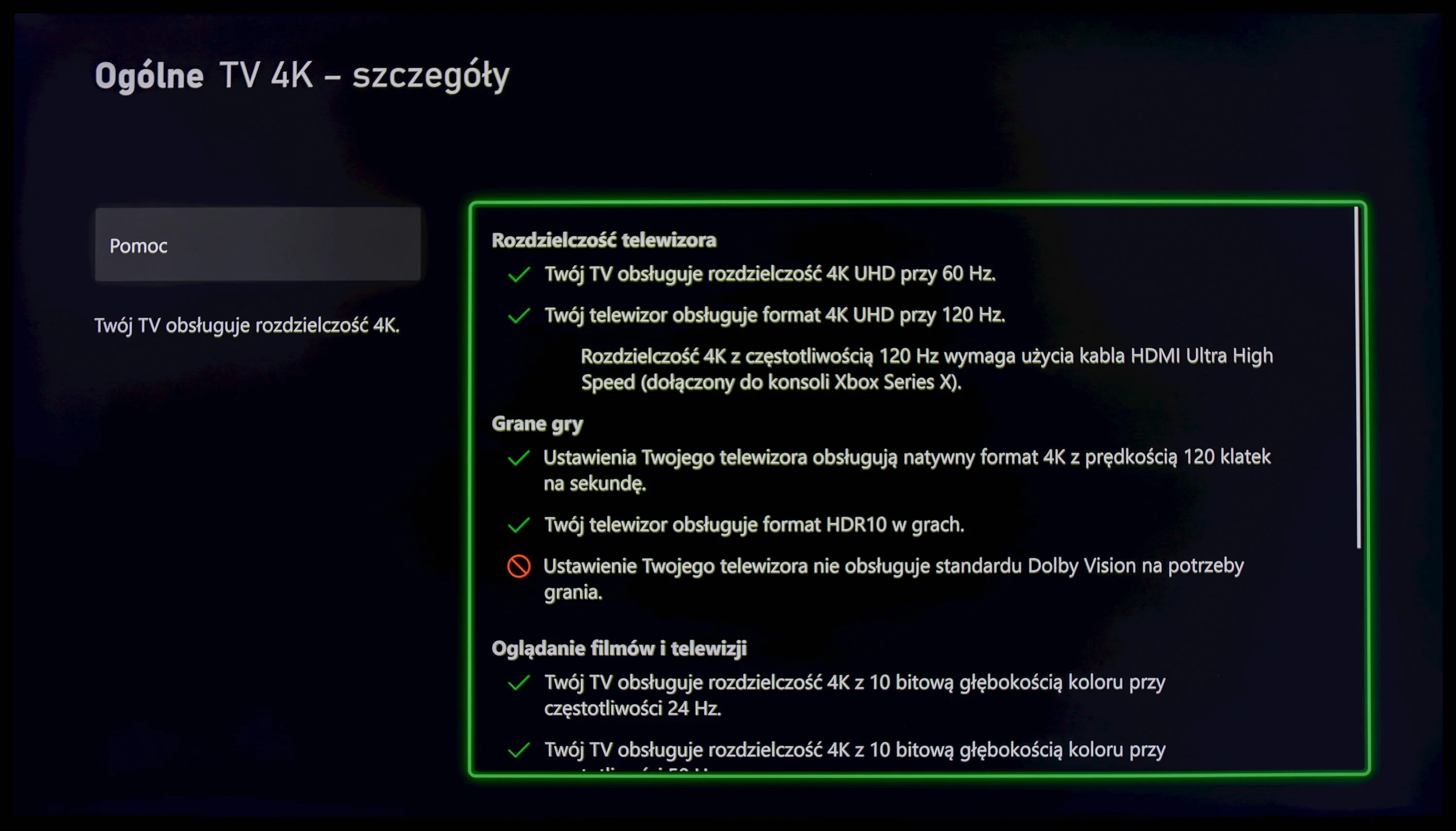
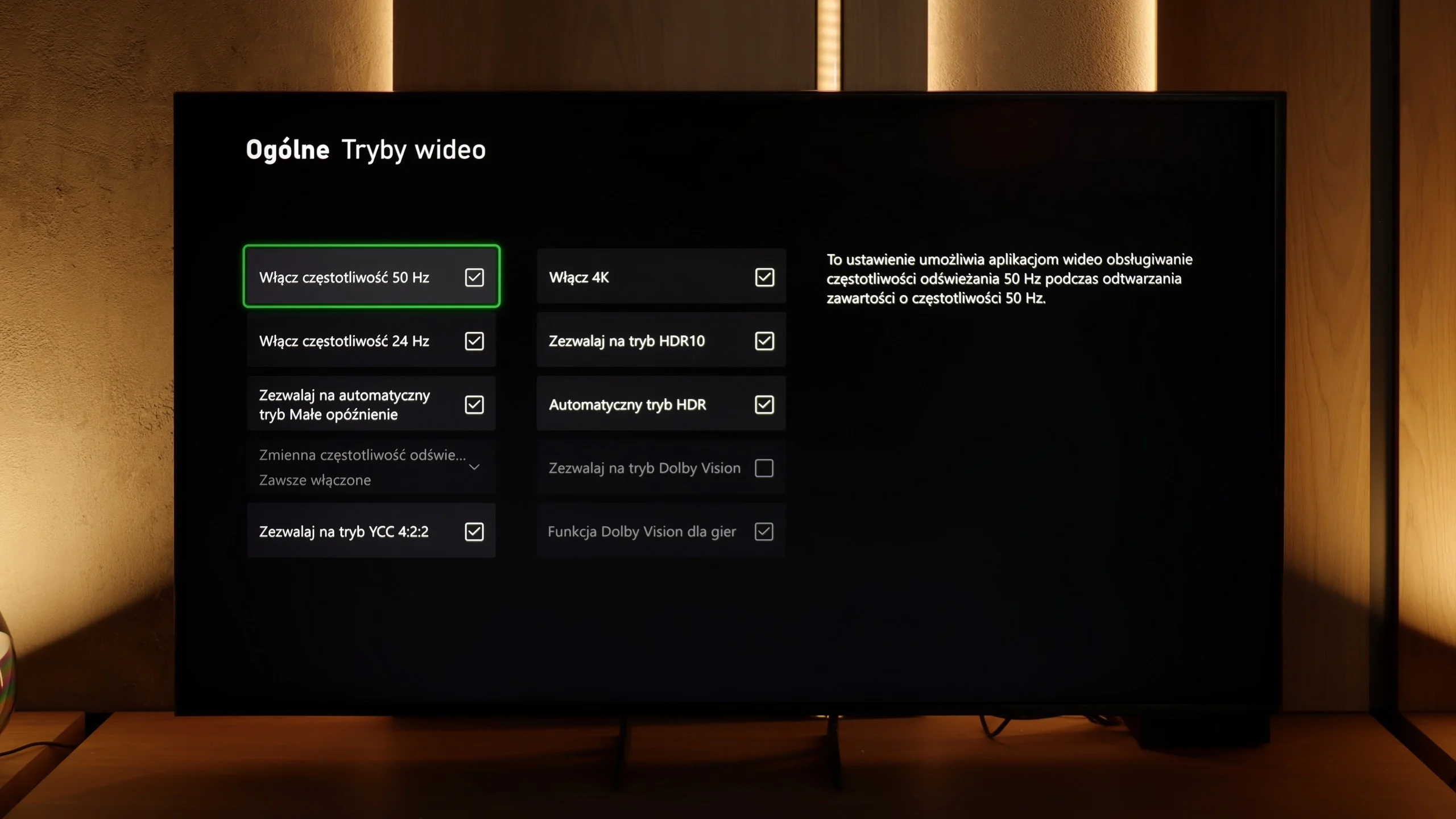
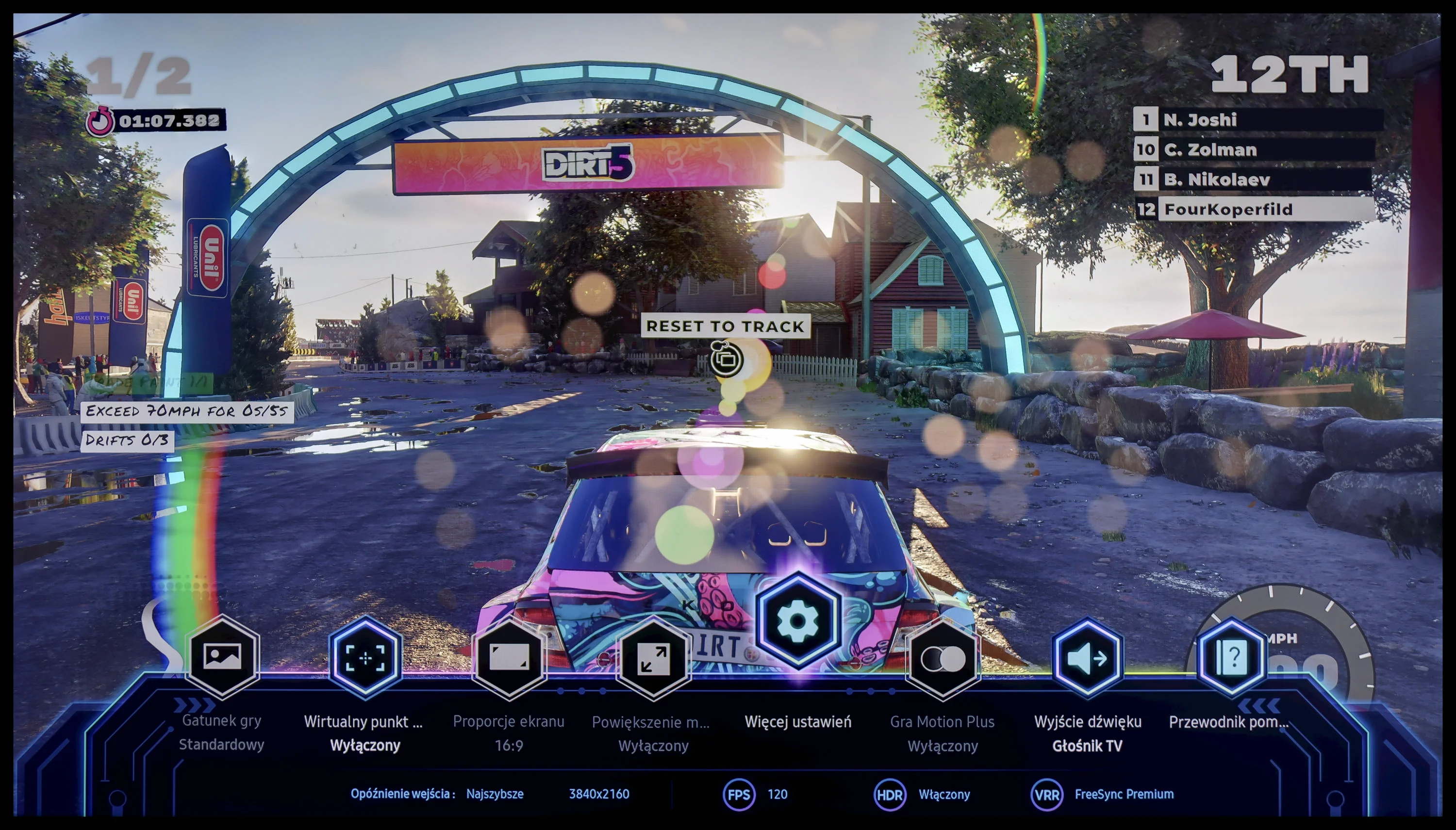
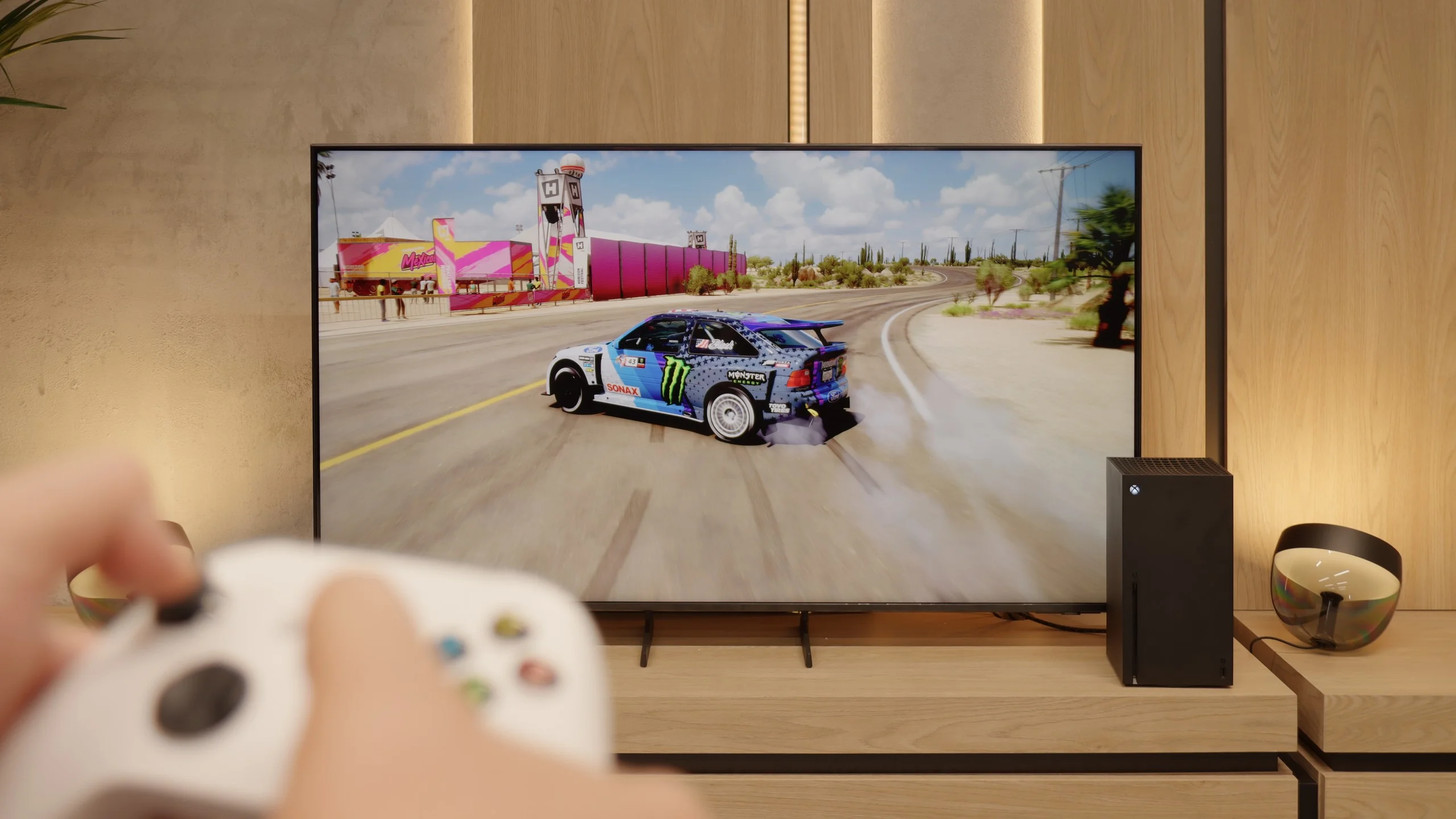
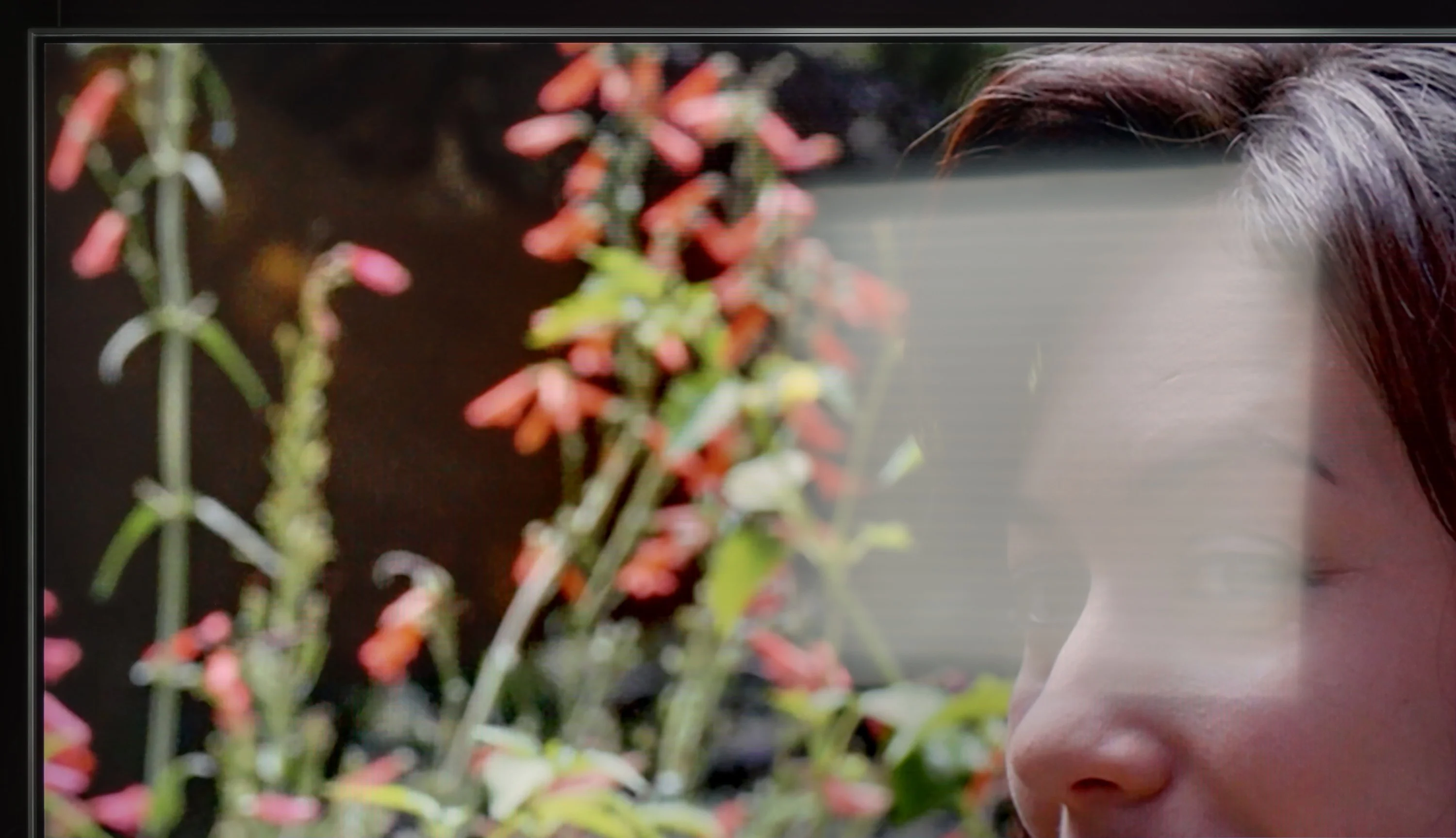
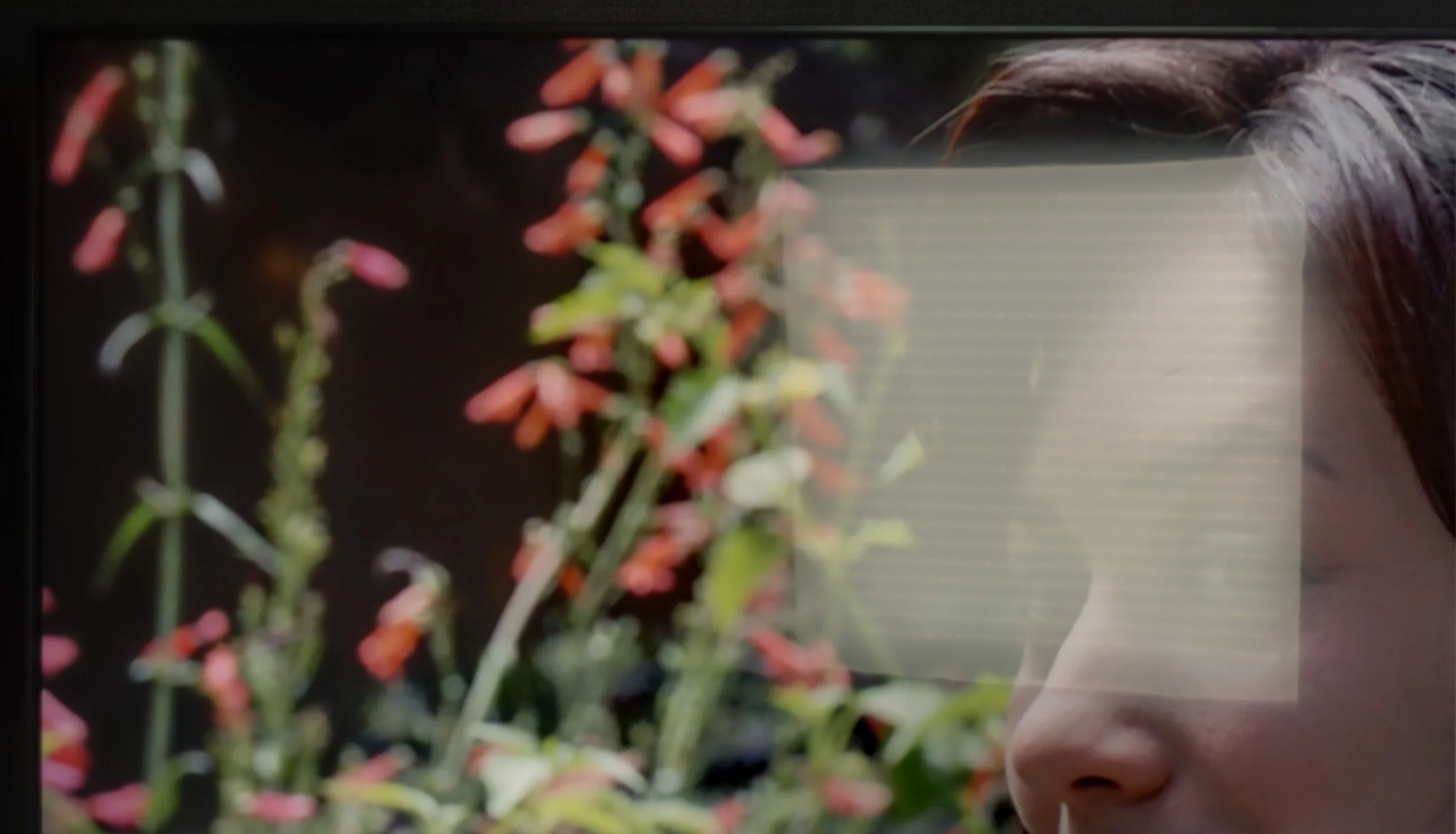
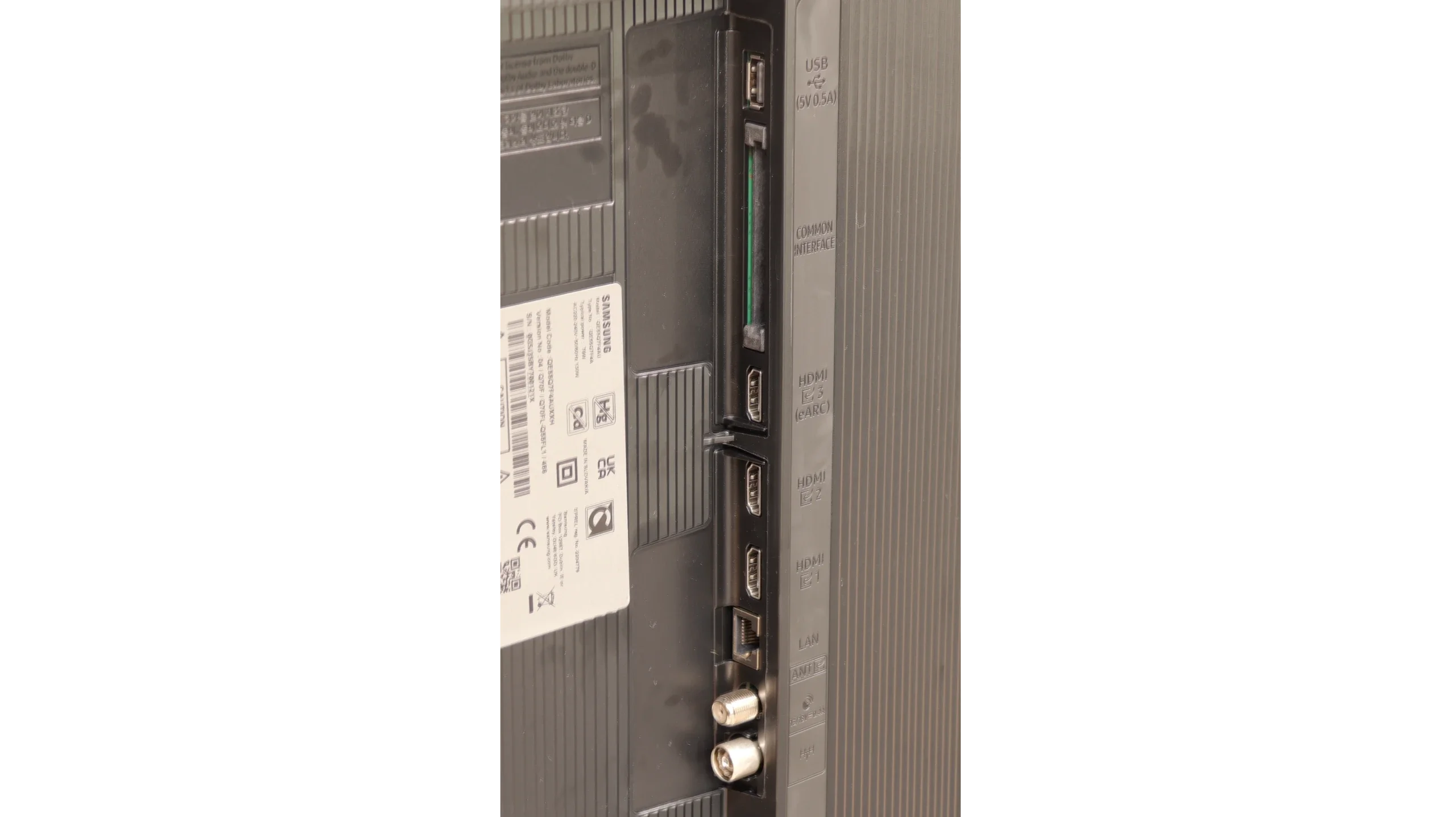
The tested television, Samsung Q70D, has four HDMI 2.1 ports, all offering a bandwidth of 40 Gbps. Despite this, no negative effects were noticed during testing. More importantly, the TV supports all features associated with the HDMI 2.1 standard. This will certainly please gamers, as it ensures optimal gaming performance using a console or a PC. While HDR Dolby Vision is absent, the correct implementation of HGIG mode and the absence of any calibration checkerboard issues are noteworthy. Additionally, Samsung stands out by allowing gaming with the smoothness enhancer activated without significant performance degradation. This means that 30 fps titles are perceived similarly to those running at a native 60 frames per second.
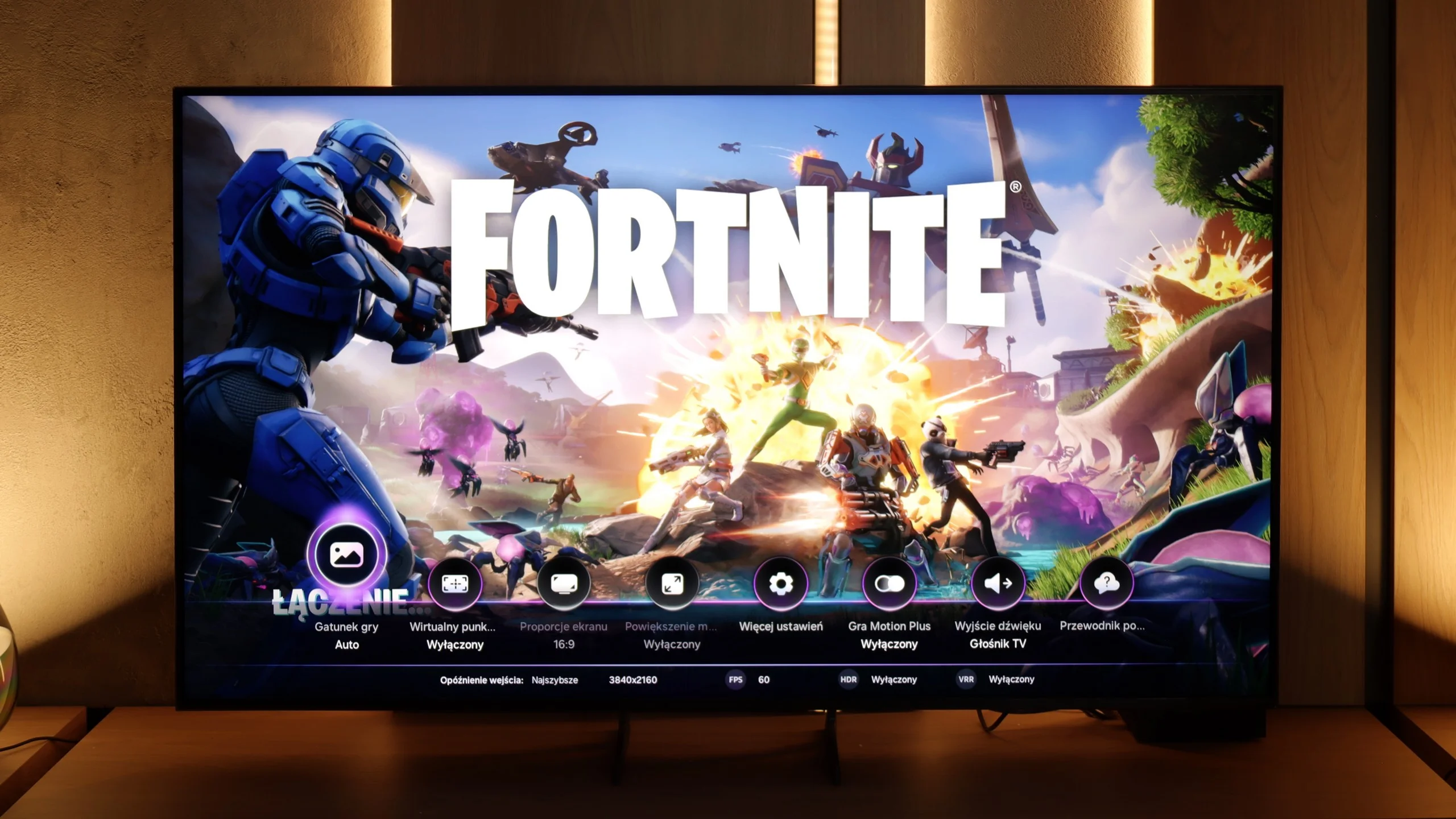
Samsung was one of the first manufacturers to introduce the Game Bar, which has been consistently improved. It provides all necessary gameplay information and allows users to adjust "on the fly."
In summary, the Samsung Q70D performs excellently with both consoles and computers. All functions worked seamlessly, and there were no issues. The ability to activate the smoothness enhancer without a noticeable increase in input lag is a game-changing feature.
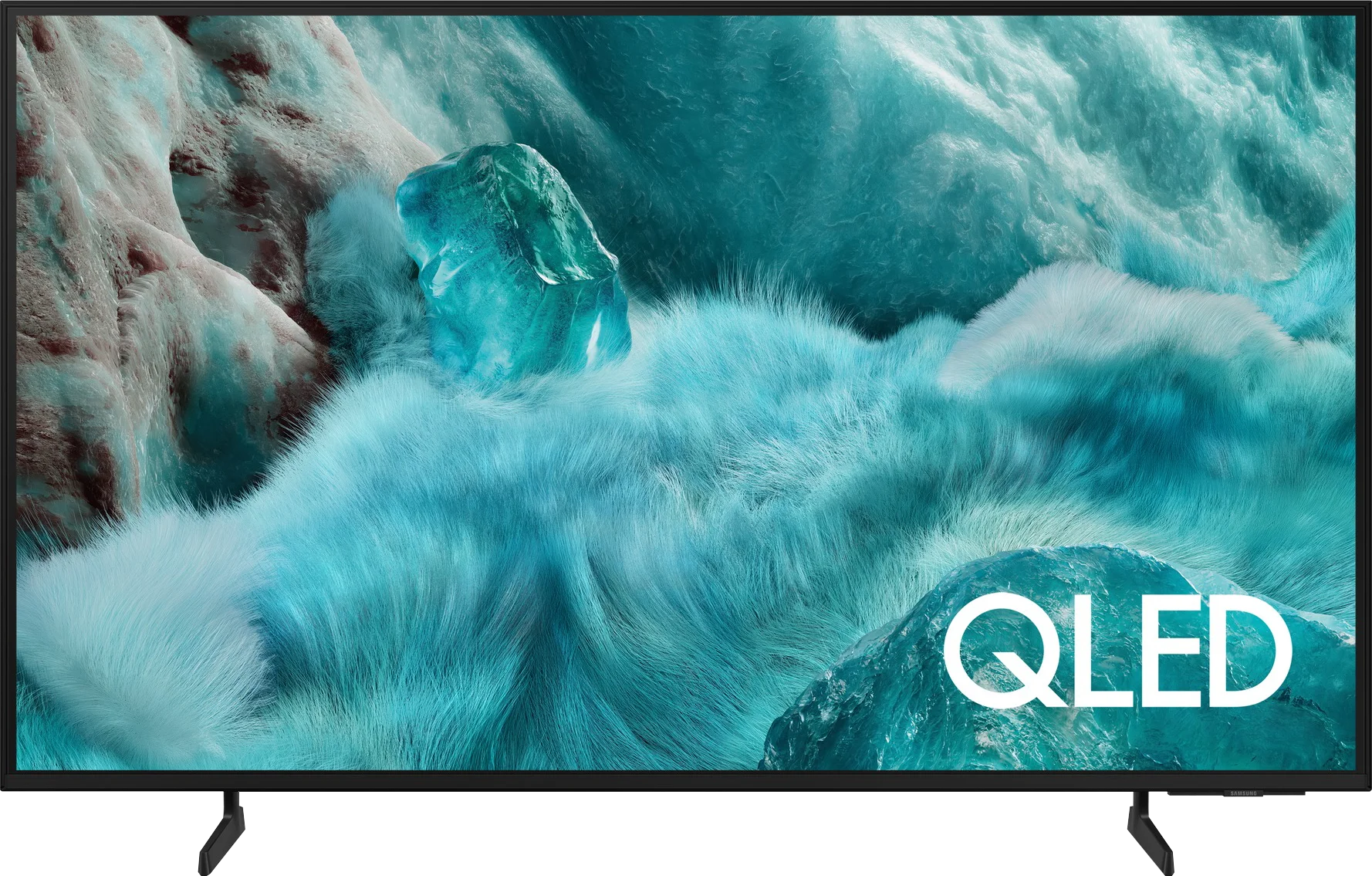
Features for gamers in the Samsung Q7F is a topic that evokes quite a mix of emotions. On one hand, no reasonable person expected miracles here, as this is a 60 Hz television, and it was clear from the start that it wouldn't be equipment for extracting the maximum from consoles or PCs. On the other hand, since the manufacturer promised specific solutions in promotional materials, it is natural that we wanted to see them in practice. At the outset, it’s quite decent. The automatic game mode (ALLM) works, so you don’t have to manually fiddle with the settings, the console itself switches the television to low-latency mode. In addition, we have Game Bar, which looks impressive and allows you to view some basic parameters without leaving the game. And this is where the good news ends.
[UPDATE] We have updated our tests of Samsung televisions from the 2025 model year due to the release of software version 1131, which restored the key feature for gamers, HGiG.
The biggest problem with the Q7F is VRR, or rather its absence. Indeed, a relevant icon appears in the menu, and you can even see it in the Game Bar, but throughout the entire test, the feature remained inactive and could not be activated in any way. It’s even more disappointing regarding HGiG; this option was actually available at the beginning, but after the software update, it completely disappeared, which is just unprofessional. Therefore, the Q7F is suitable only for absolute basics. Sure, you can turn on the console, play calmer titles, and enjoy low input lag, but if someone is counting on more advanced features that the manufacturer promised, they will be disappointed. This is not a television that you buy with gaming in mind, and it’s better to be aware of that before making a purchase.
 Direct comparison