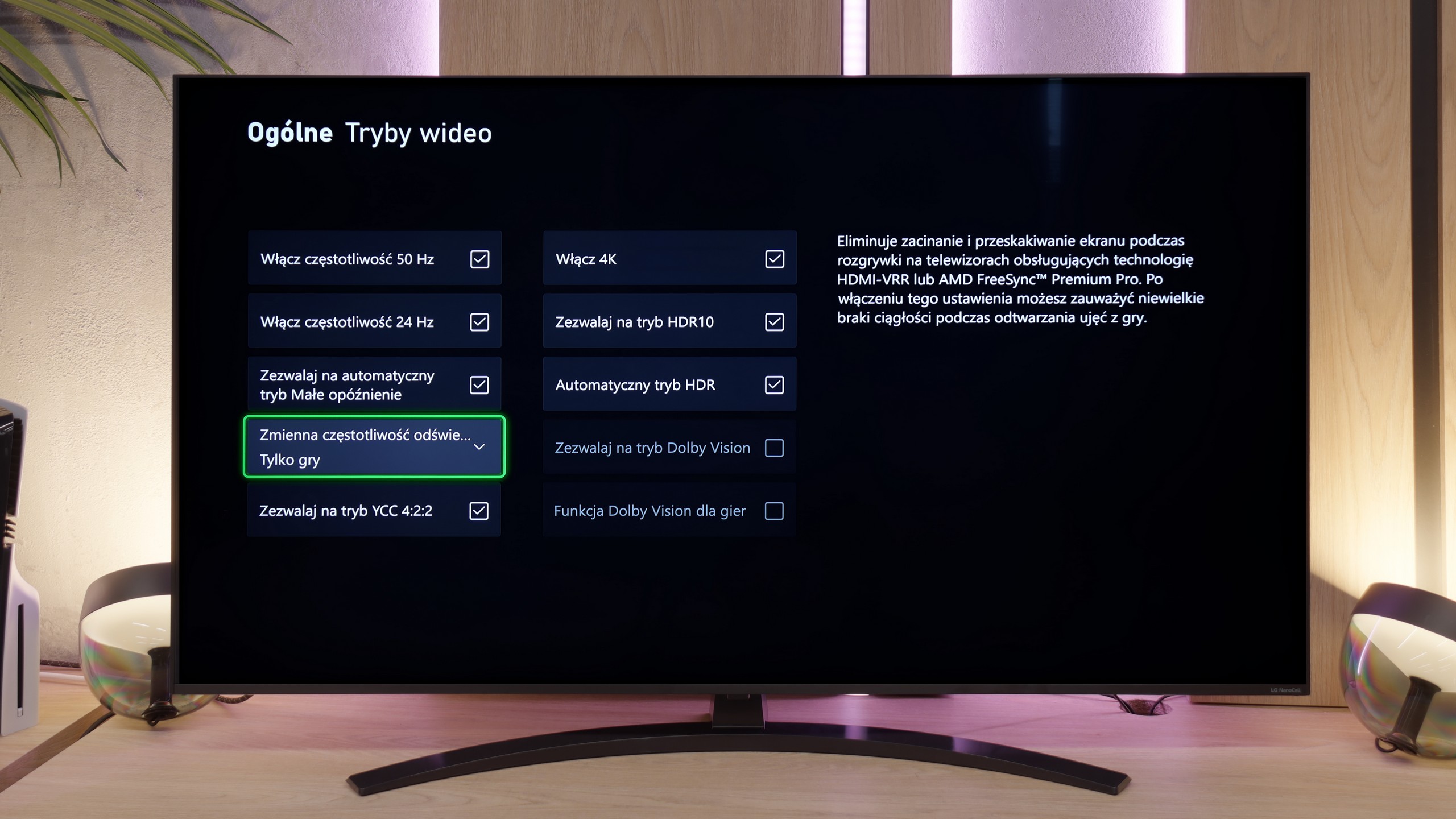
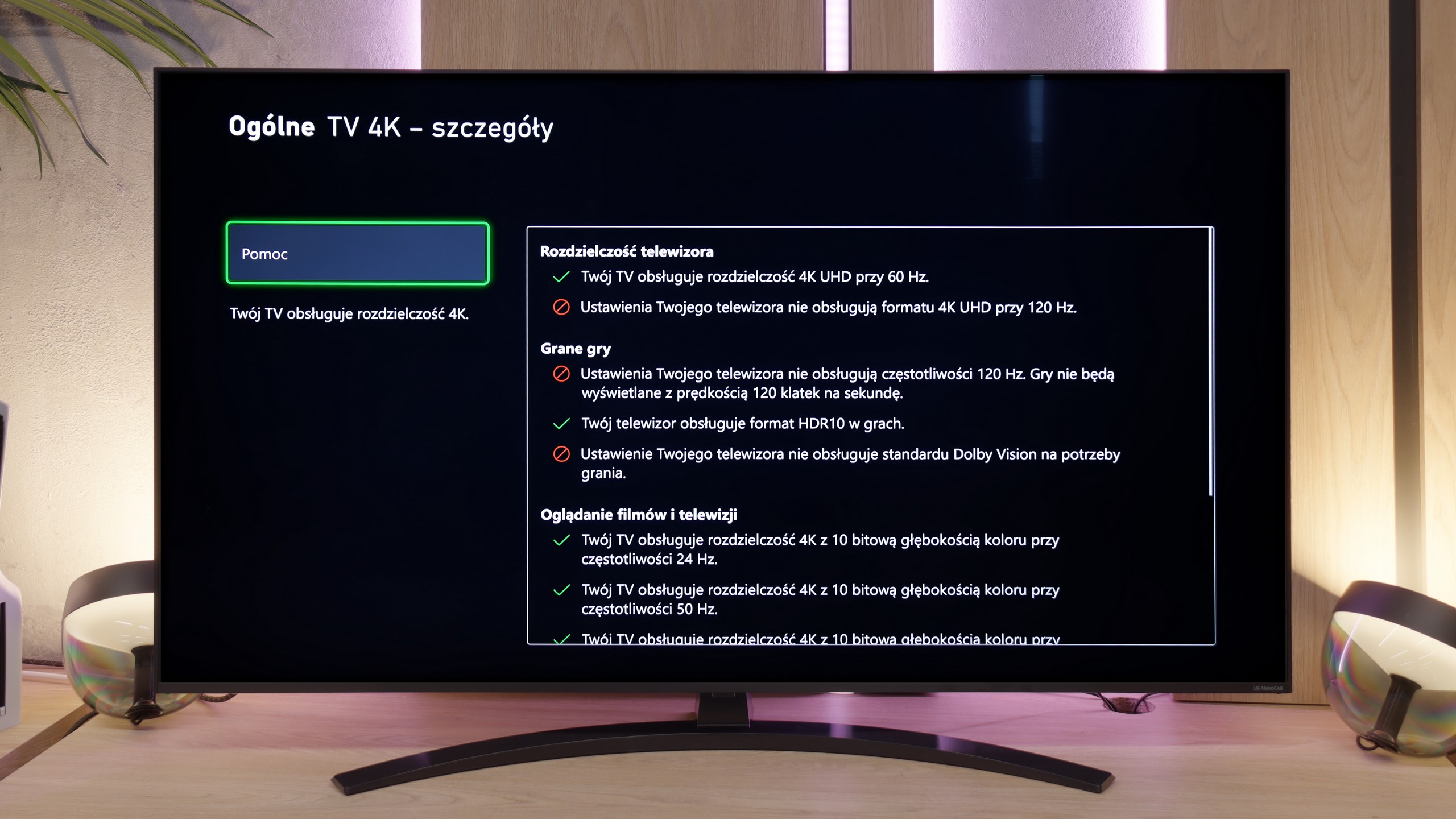
The Samsung Q70D delivers solid performance for its price range, with standout features that will appeal to a wide range of users. Its gaming capabilities, in particular, are impressive, offering features like smooth gameplay and low input lag that make 30 fps titles feel like they’re running at 60 fps. The well-executed HGIG mode, which performs similarly to Dolby Vision, is another highlight for gamers. Additionally, the Samsung Q70D pairs easily with Canal+ decoders, a feature many other TVs struggle with.
When it comes to daytime viewing, the Samsung Q70D shines with bright SDR content that makes it ideal for well-lit rooms. However, there are a couple of downsides. The lack of Dolby Vision is noticeable, as the TV’s brightness could have benefited from it, and light leakage can be seen in dark scenes with low brightness settings. While these issues are not dealbreakers, they are worth noting.
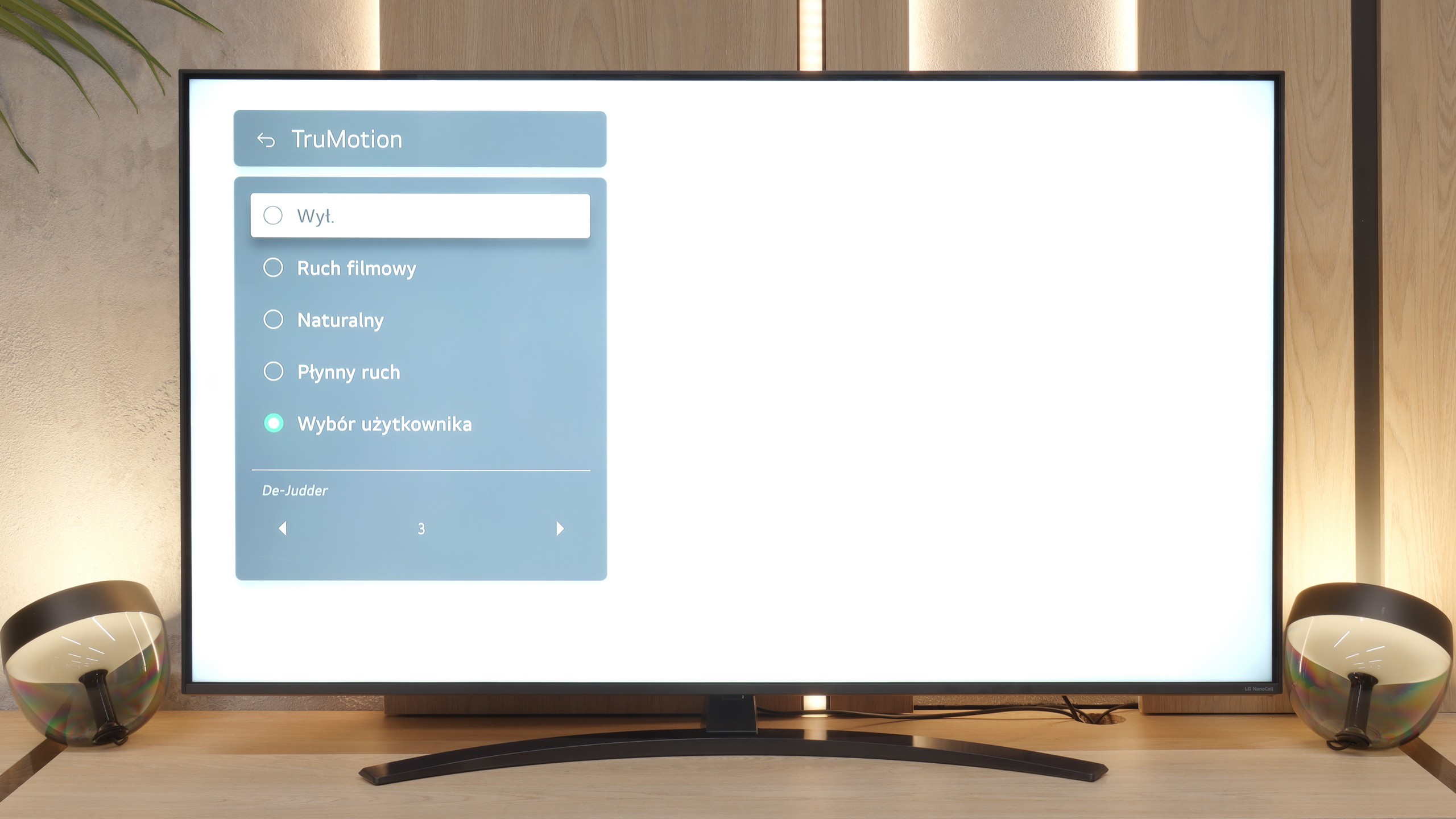
On the plus side, the Samsung Q70D has one of the best motion smoothers in its class, making it perfect for sports or fast-action content. The system runs smoothly and has all needed apps. Overall, the Samsung Q70D is a strong addition to the manufacturer's seventh series, with consistent improvements in quality and growing popularity.
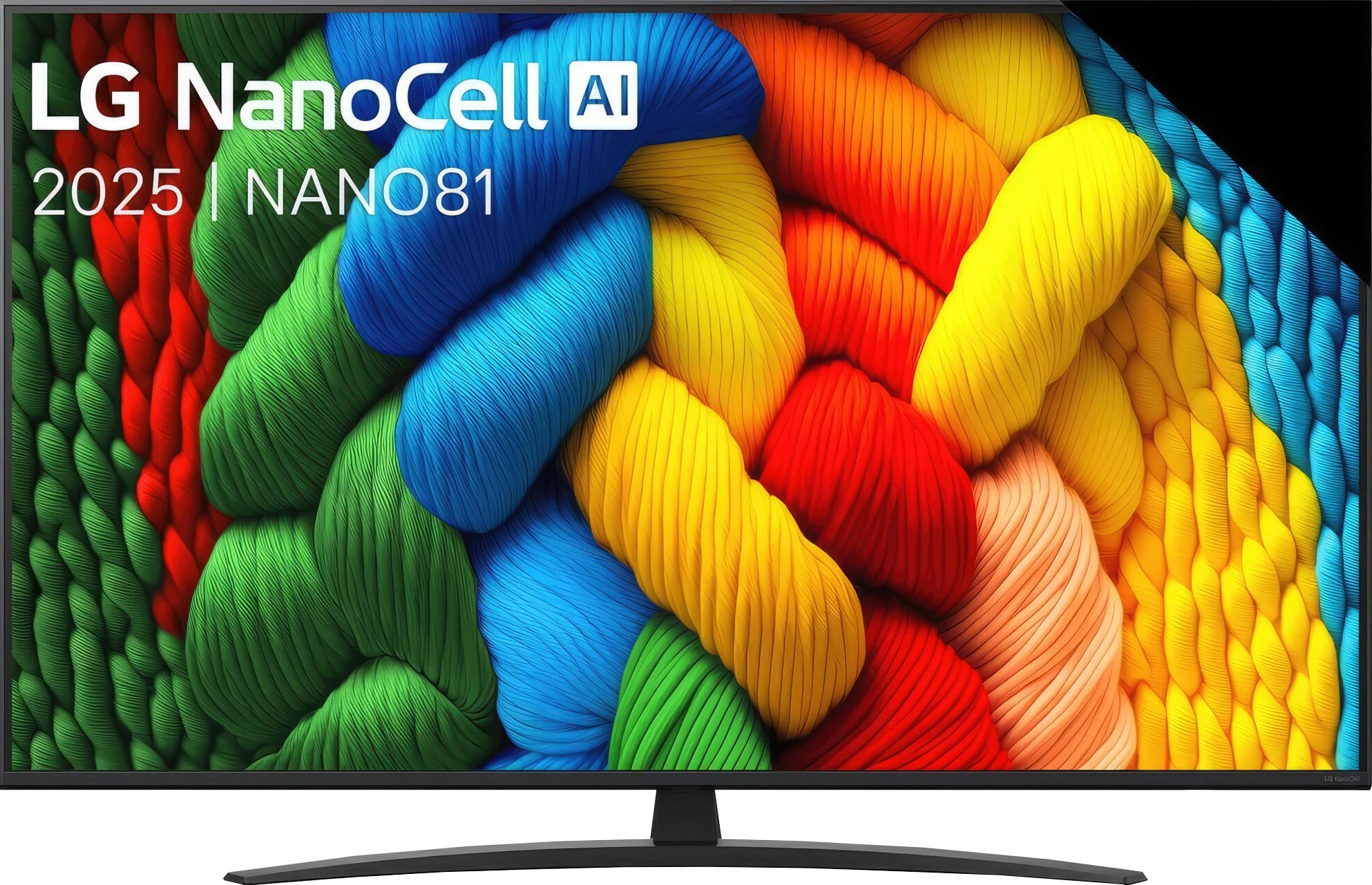
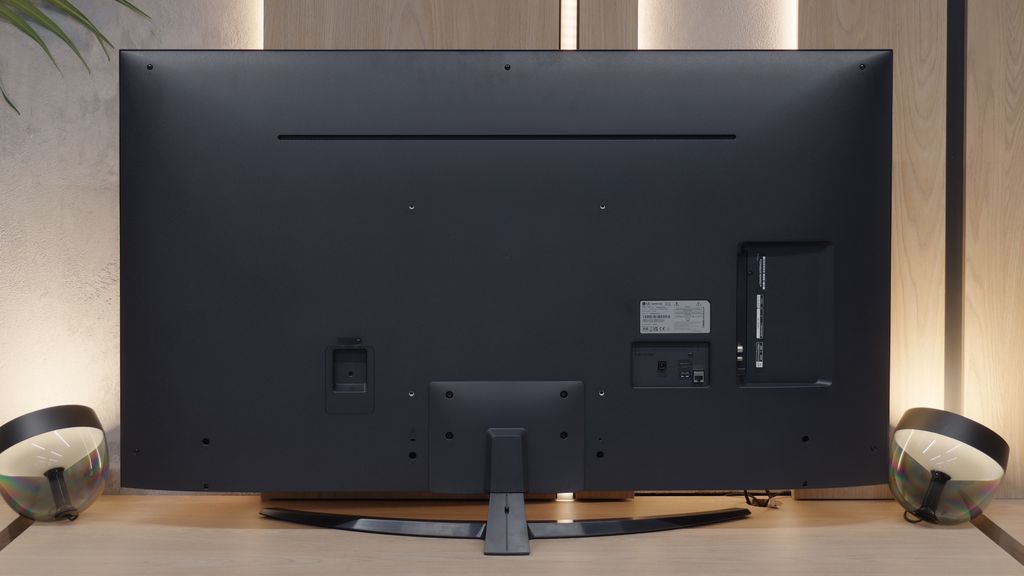
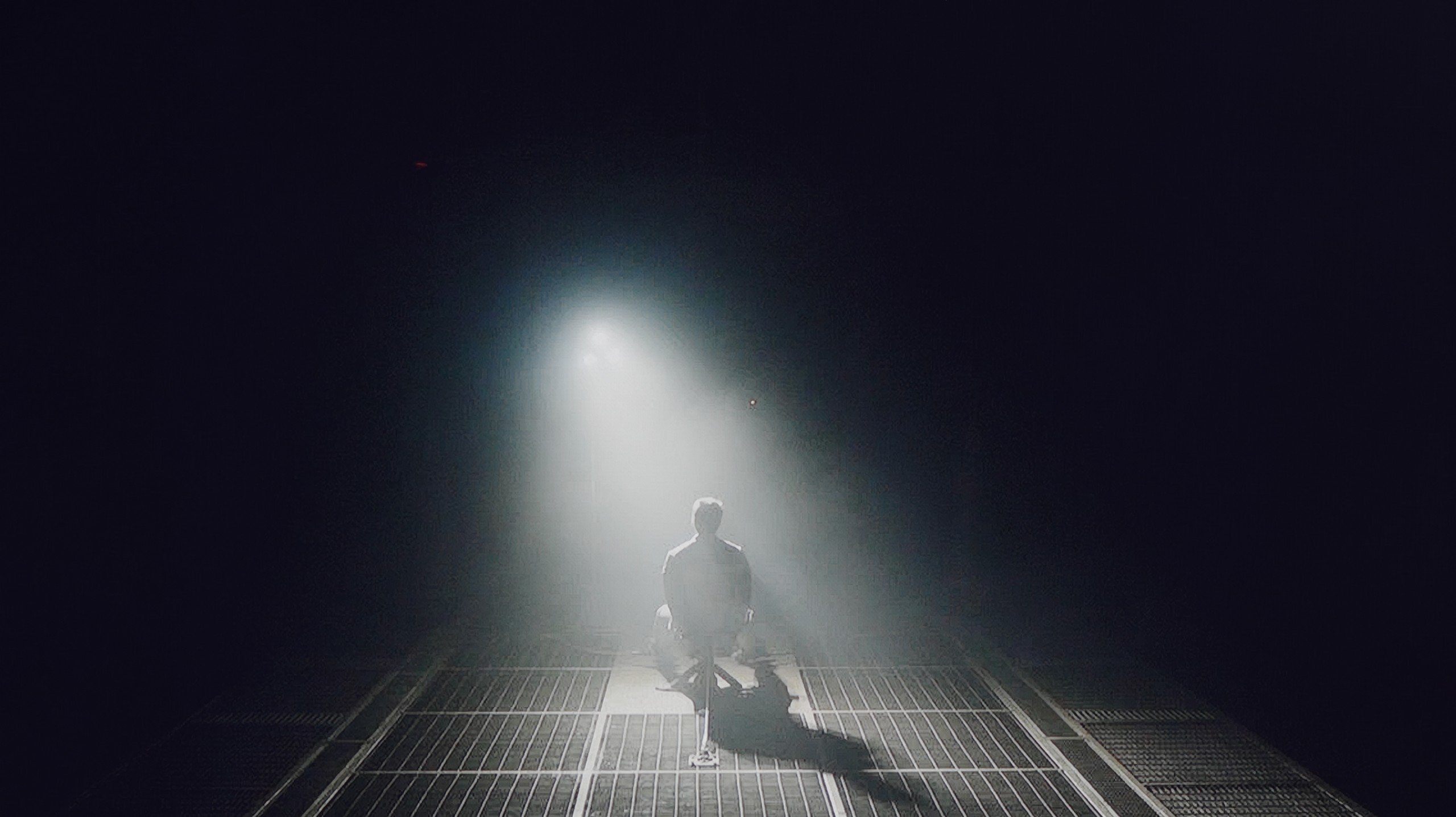
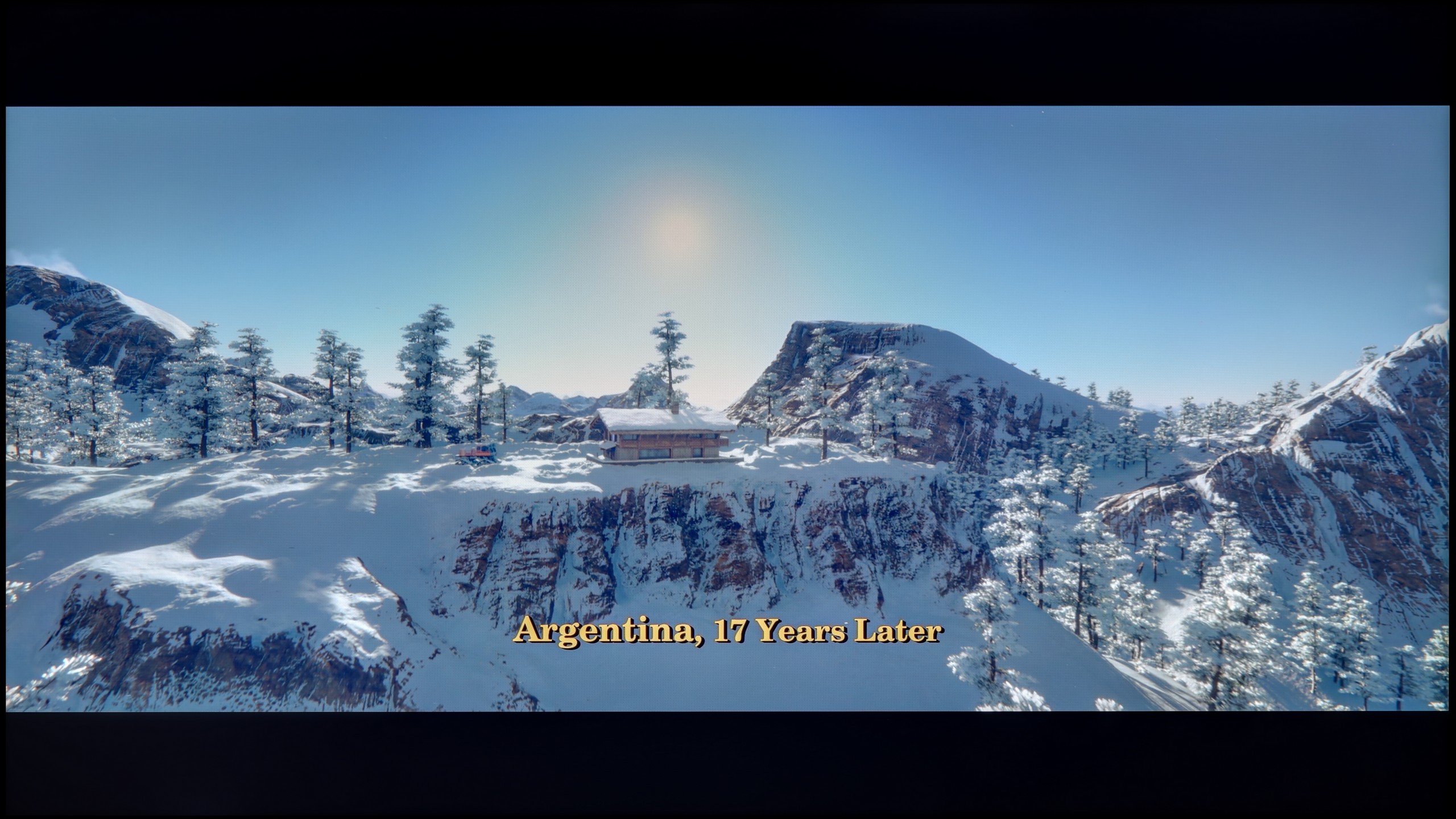
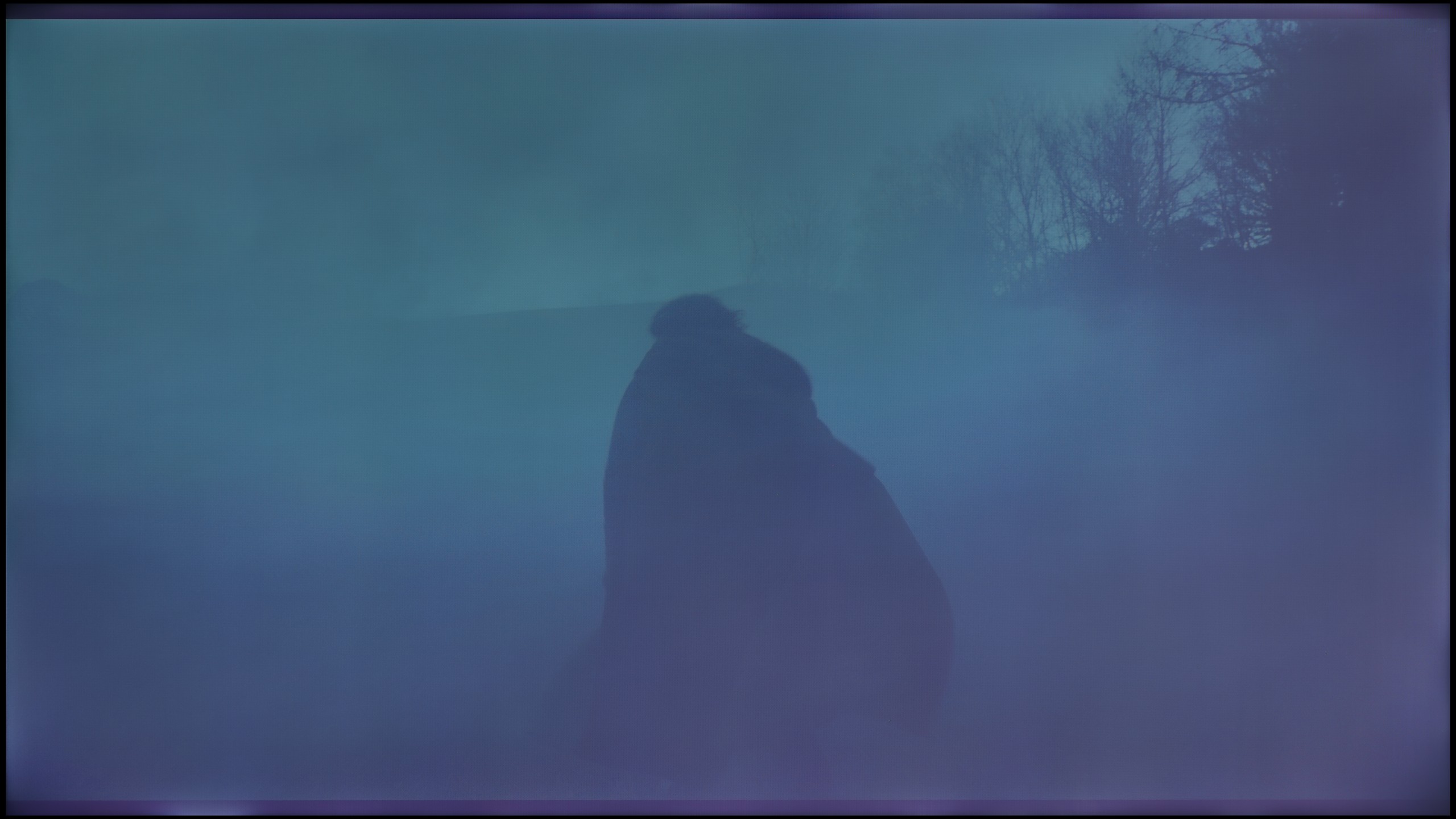
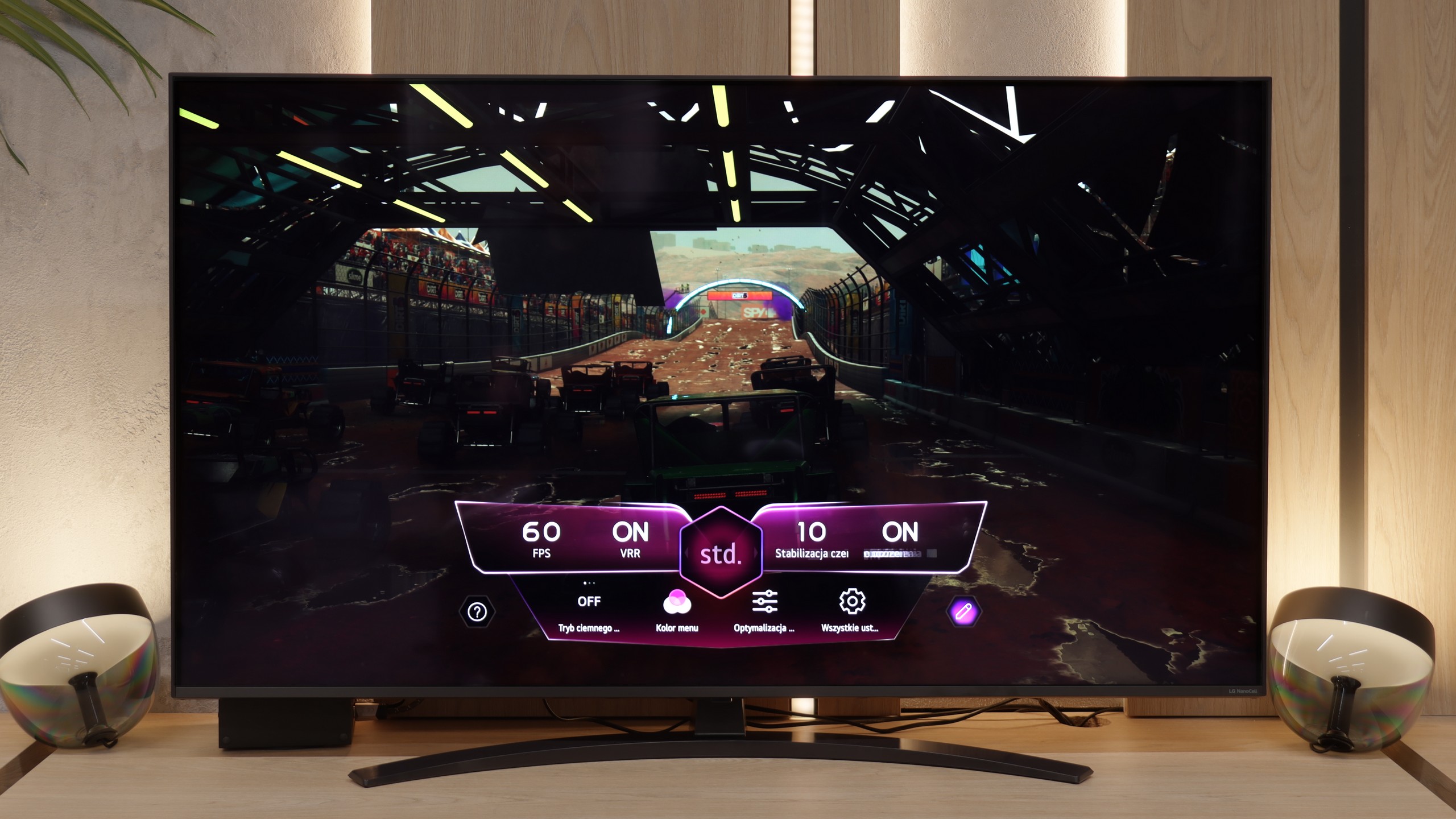
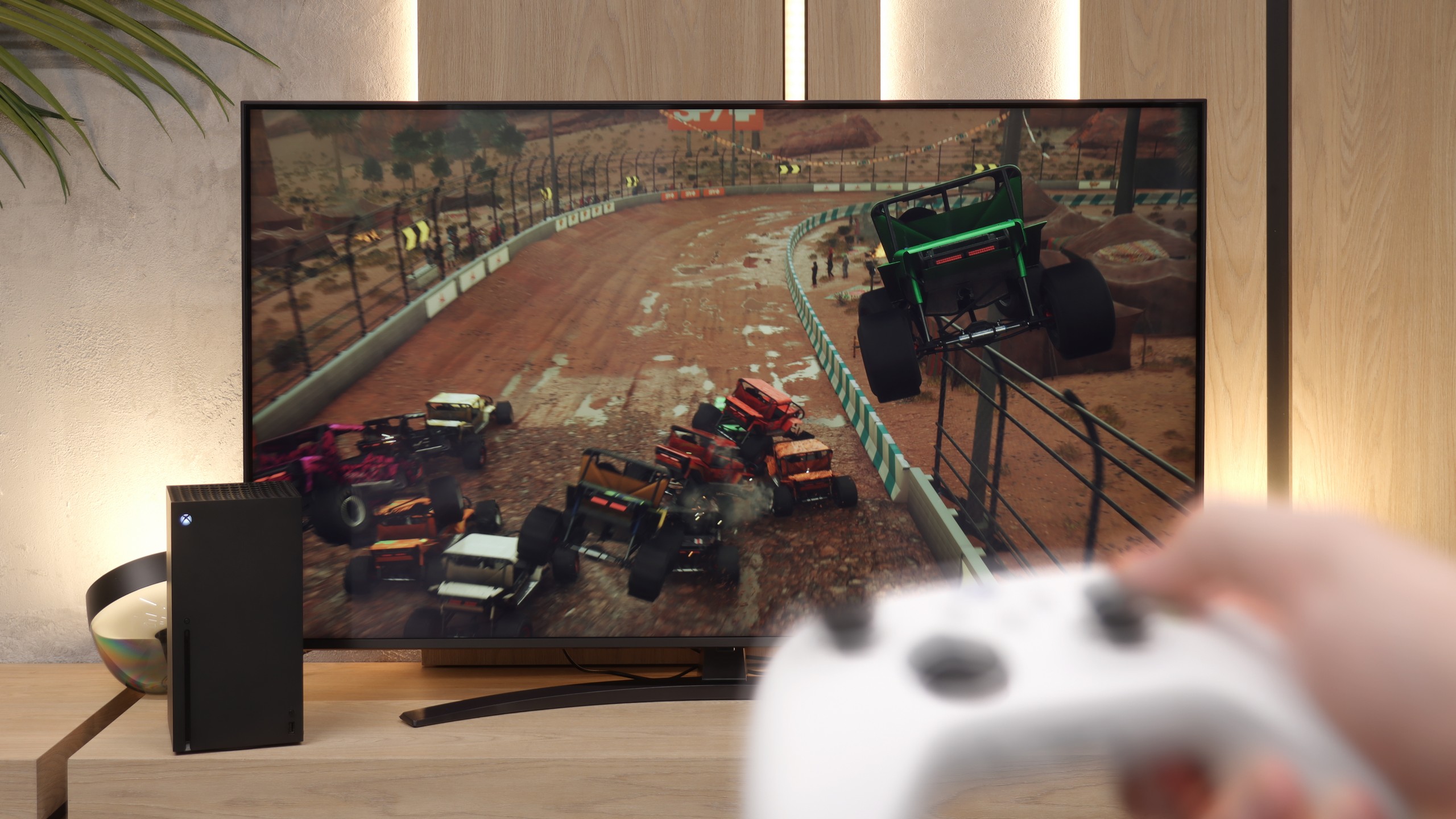
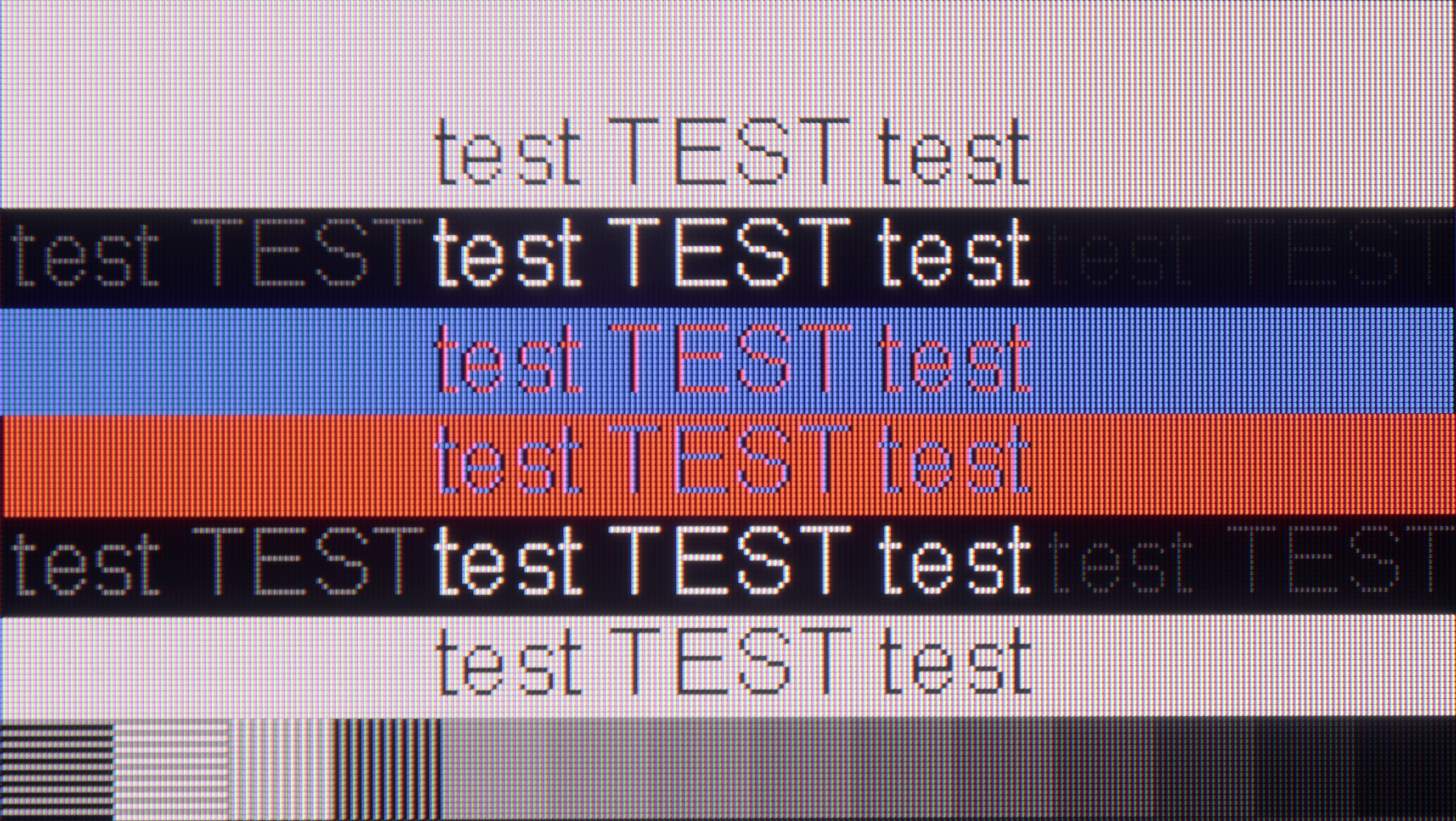
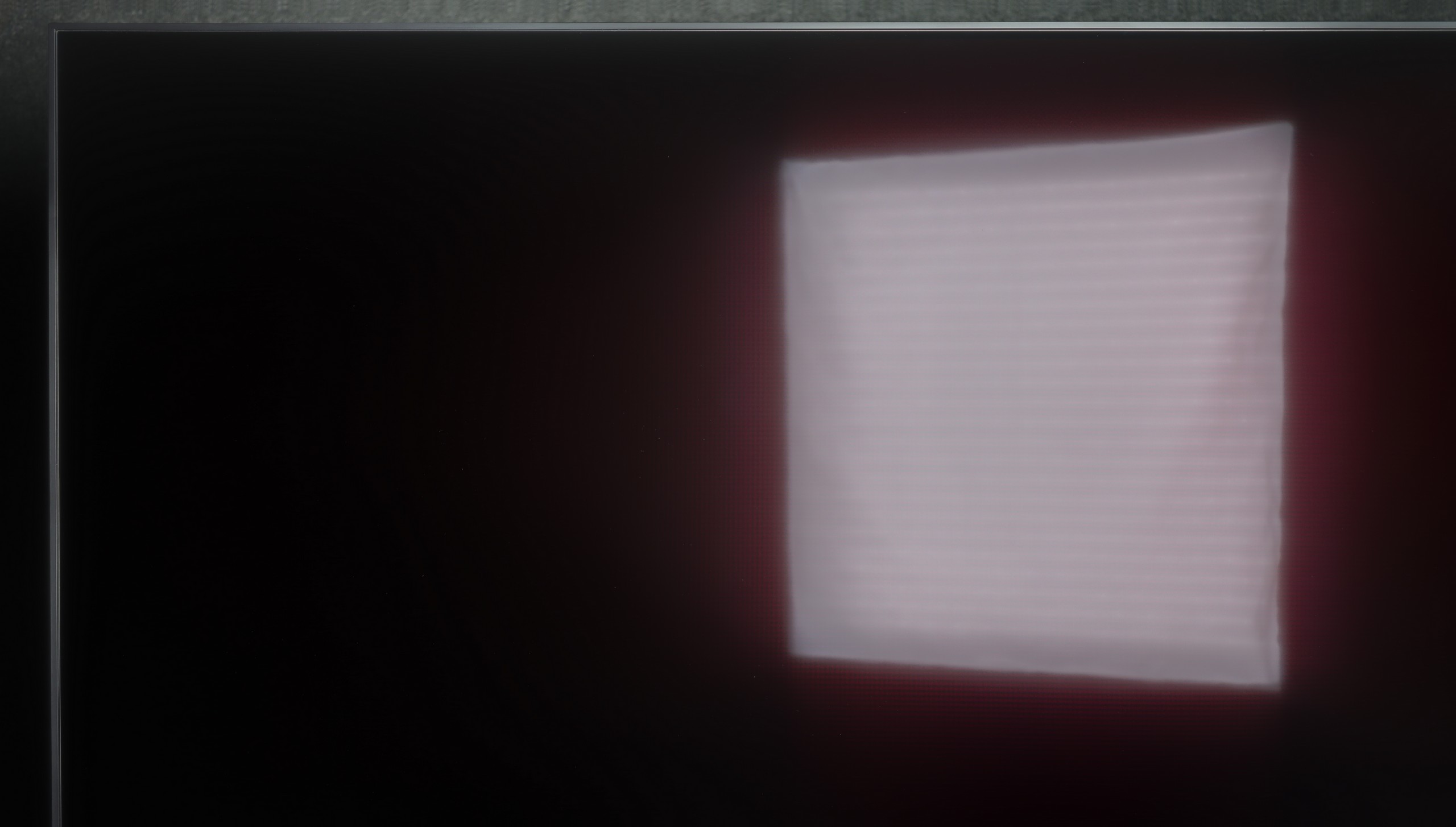
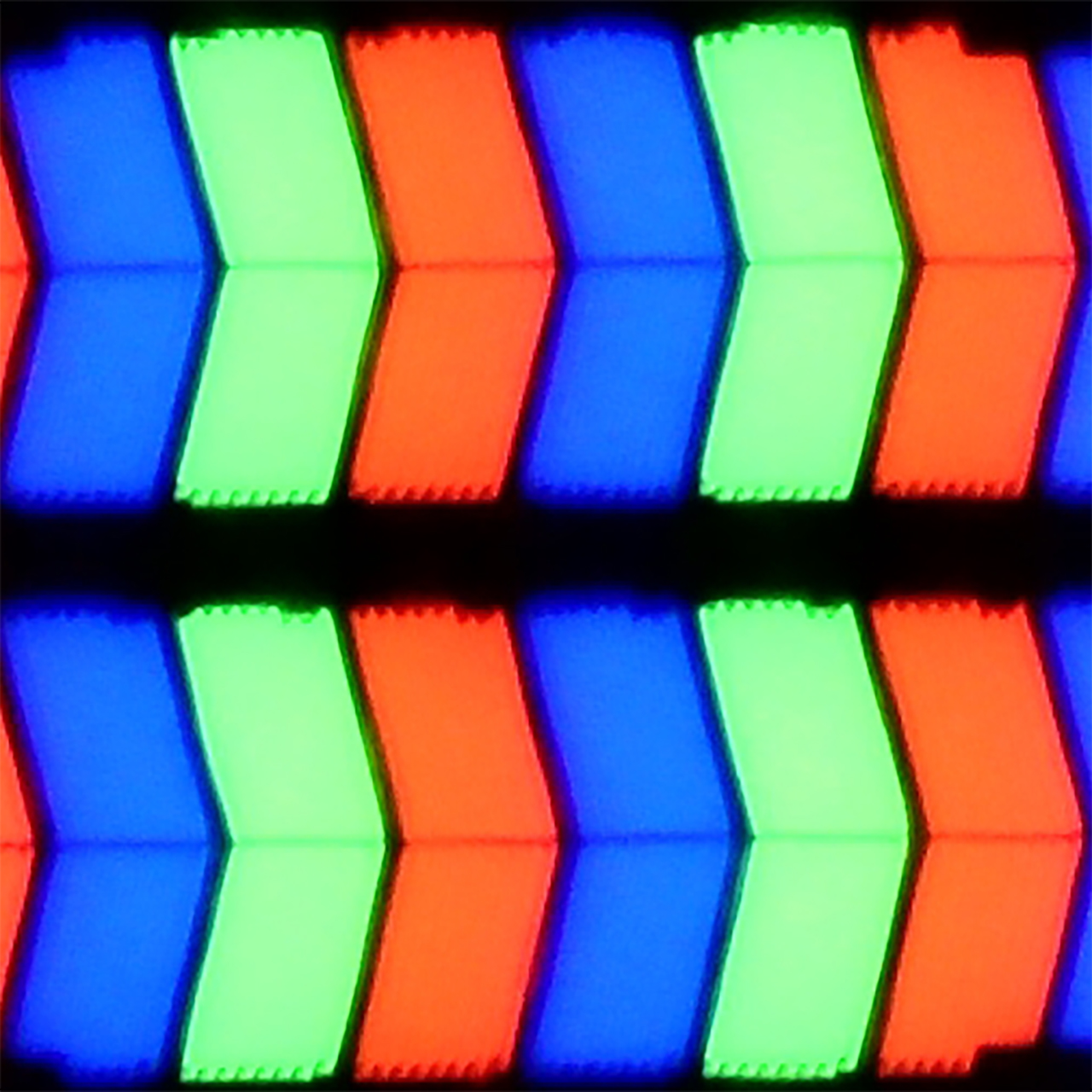
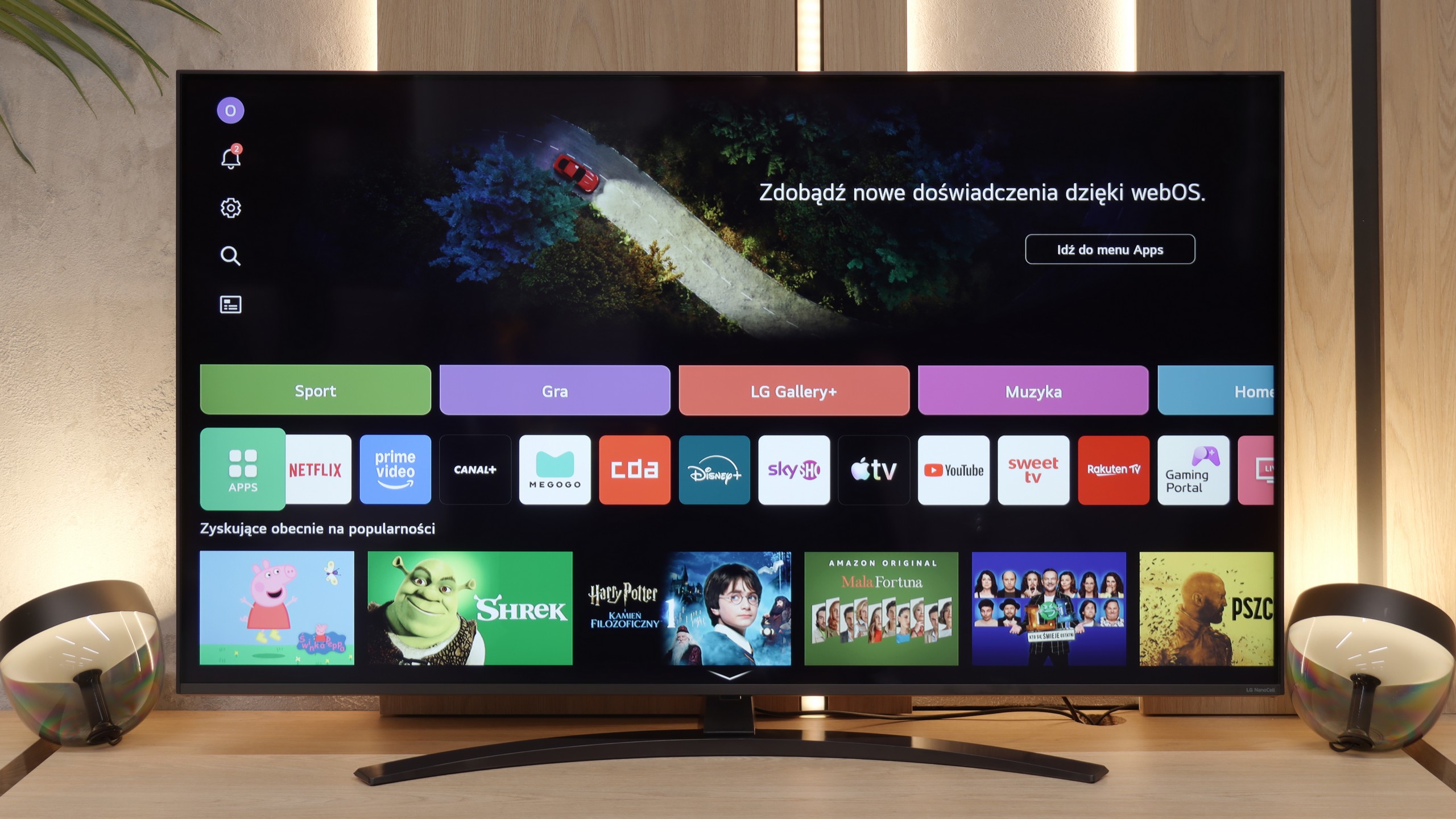
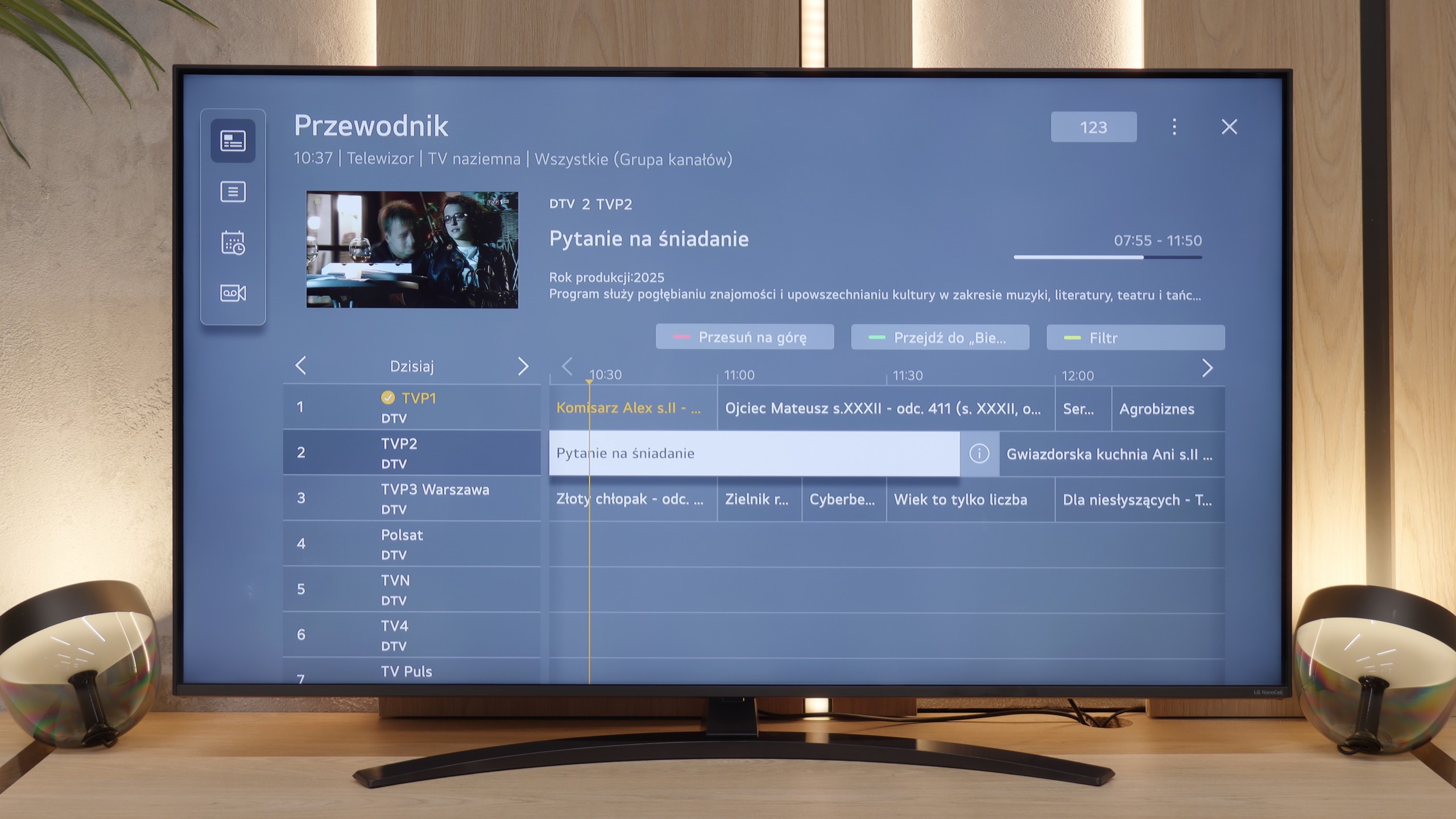
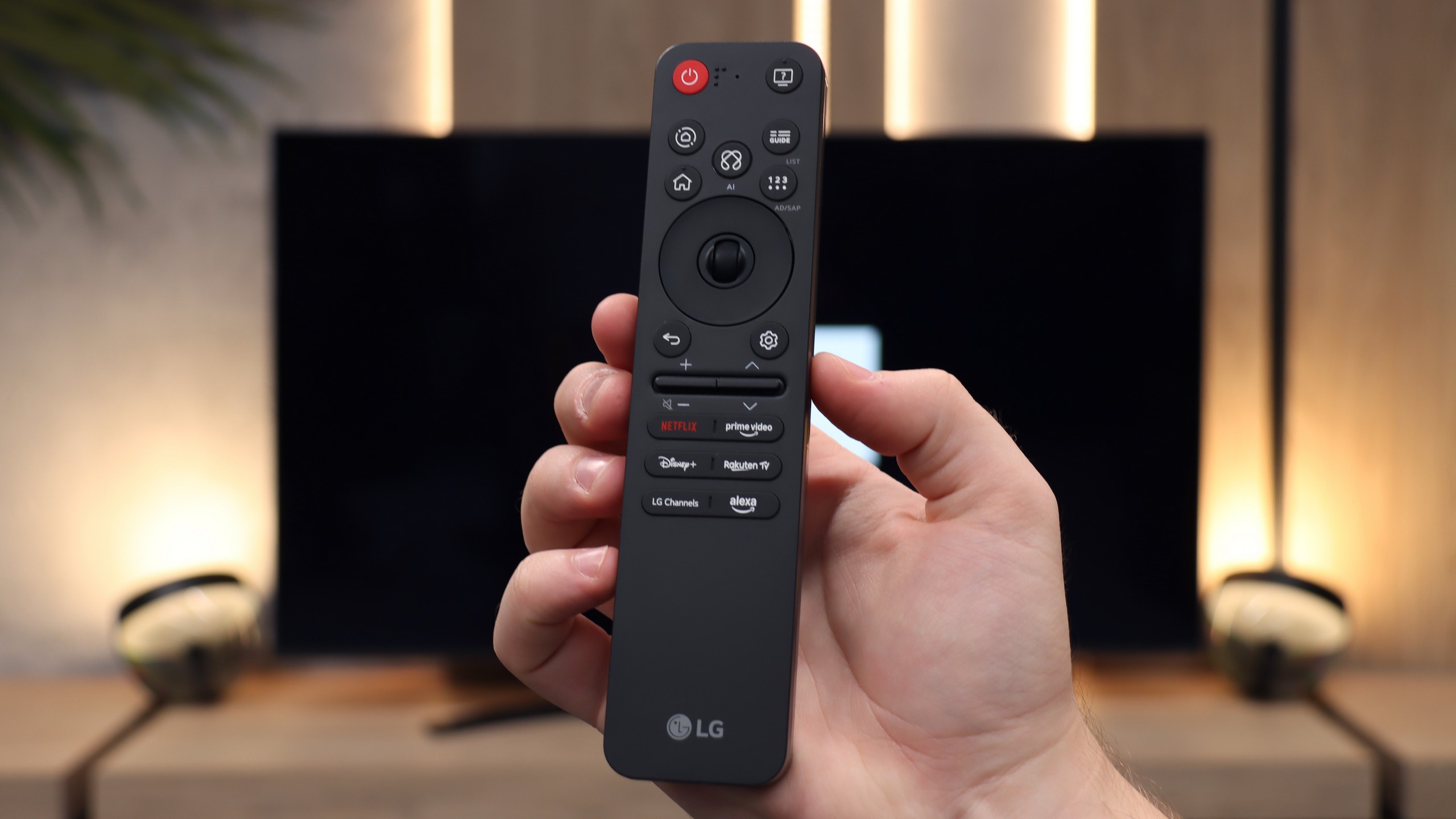
LG NANO81A is essentially a continuation of the NanoCell series, which has hardly changed over the past few years. Aside from a new operating system, a refreshed remote, and a few marketing additions, we are dealing with practically the same design that we have known for years. Thanks to the nanofilter, the TV is capable of displaying better, cleaner colors than standard budget TVs, and the IPS panel guarantees really decent viewing angles. Unfortunately, for these advantages, we pay a very weak black level and low contrast, which is immediately noticeable during nighttime viewings. Although webOS is still one of the best systems on the market, the biggest problem with the NANO81A is its price, which we simply do not understand. In 2025, this model faces enormous competition not only from brands like TCL or Hisense but... at LG itself. The model we tested earlier, QNED80A, is equipped with local dimming technology, has a brighter panel, and offers a wider color gamut. Interestingly, at the time of writing this review, the technically superior QNED80A is often much cheaper than the NANO81A. In this situation, the existence of the NanoCell model loses its meaning – unless wide viewing angles are your only priority, but in our opinion, the price you have to pay for them (at the cost of tragic blacks and a higher expenditure) is simply too high.
 Direct comparison