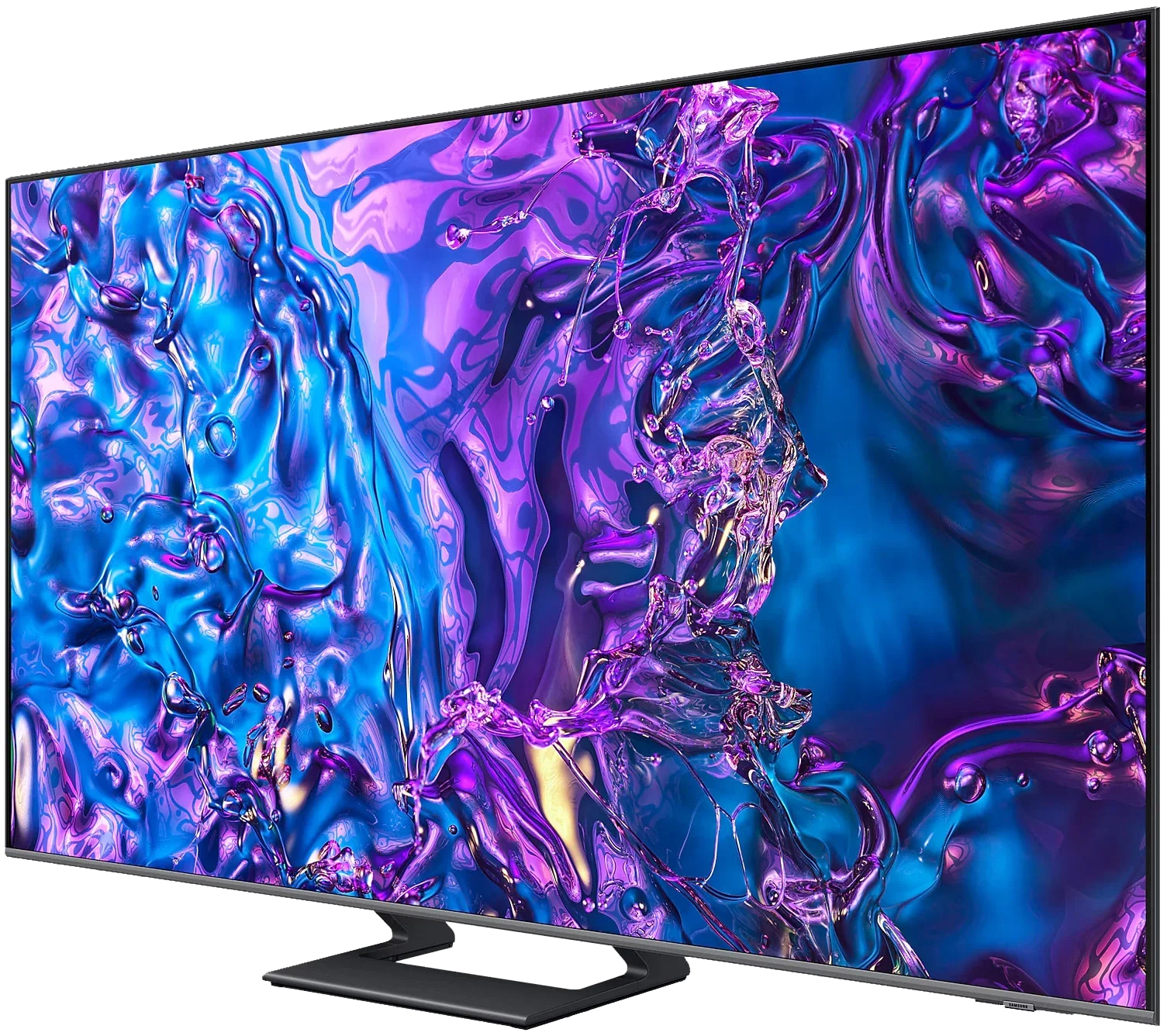
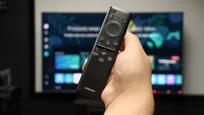
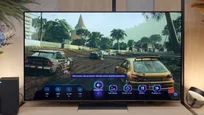
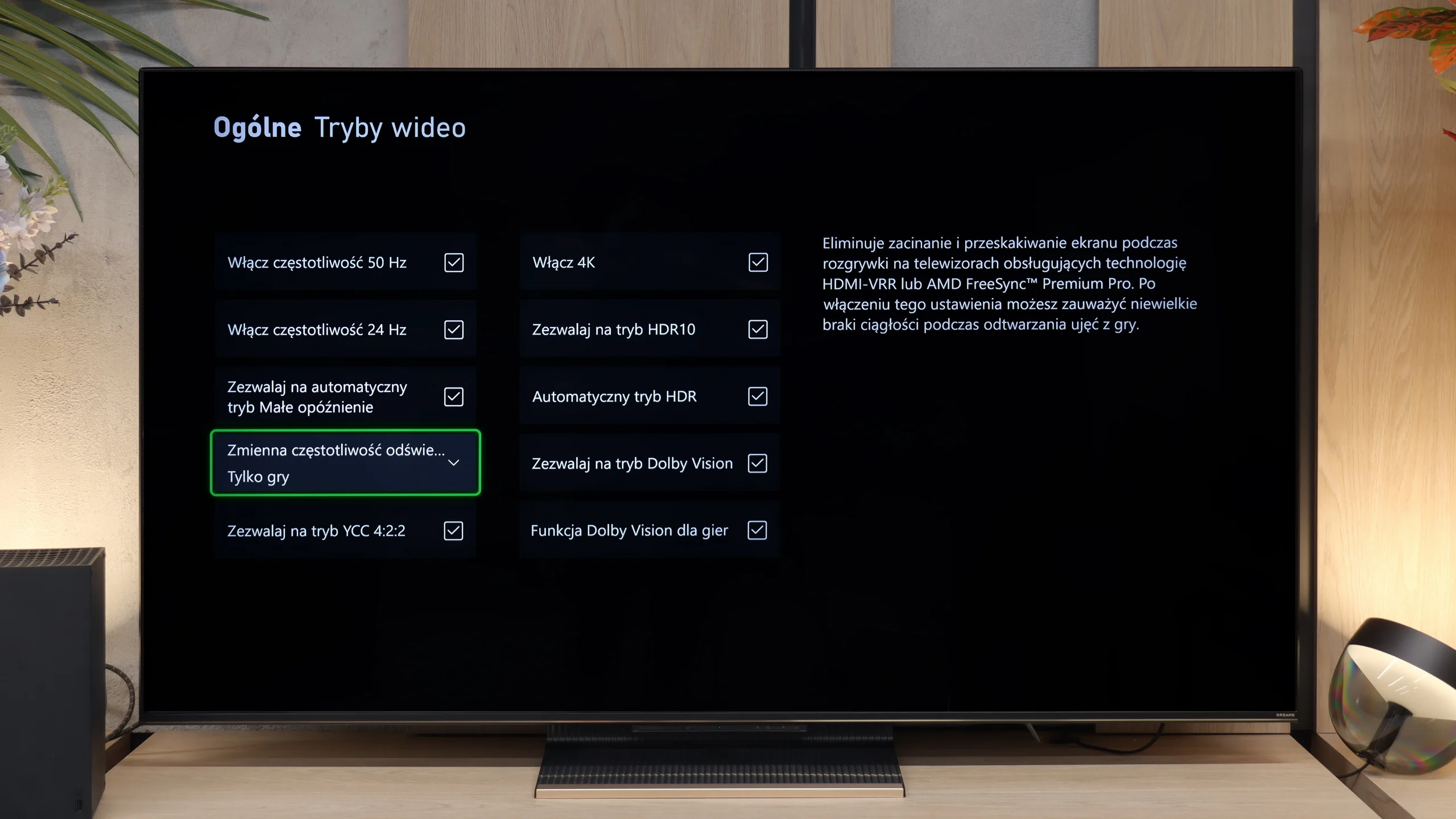
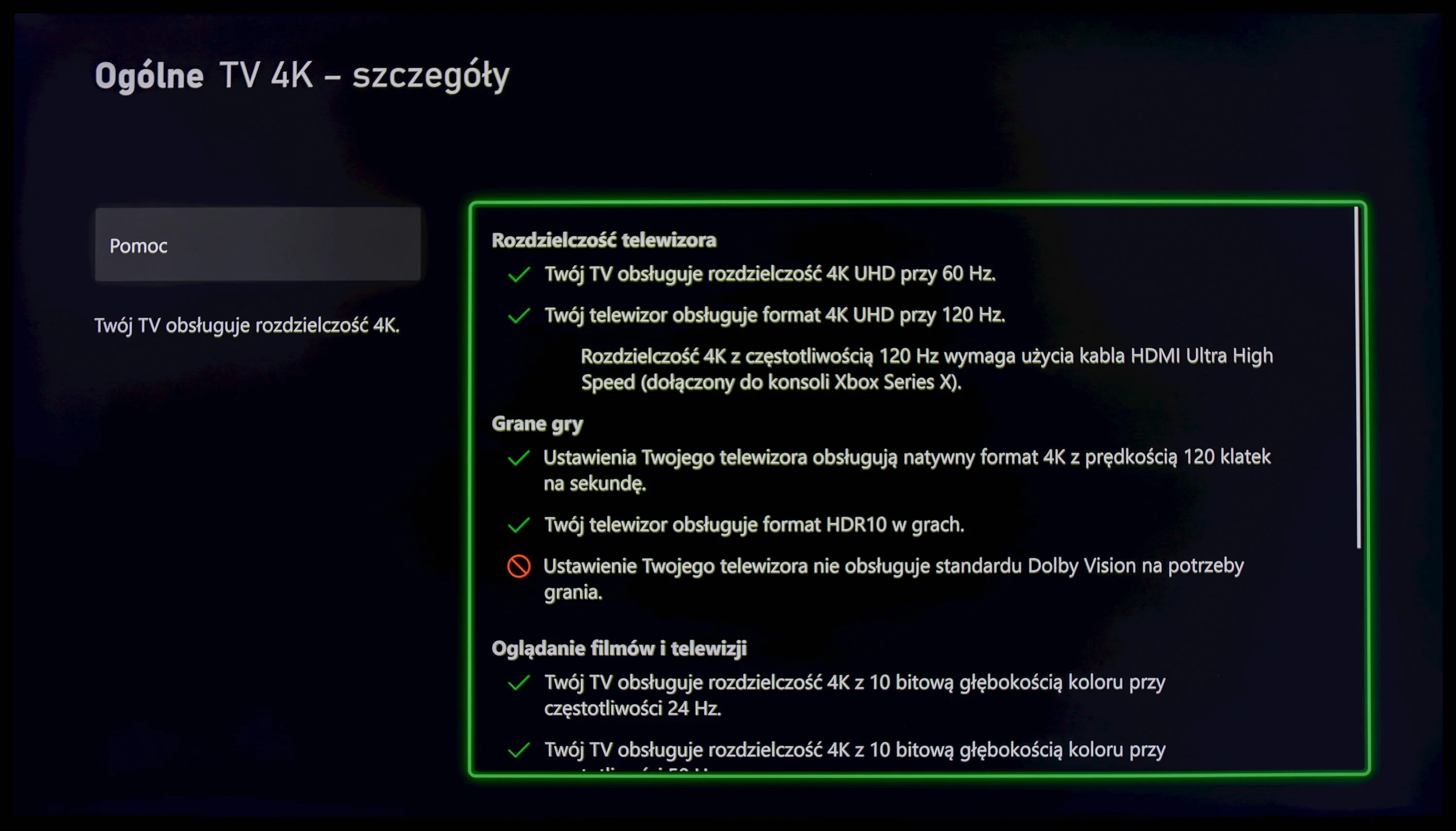
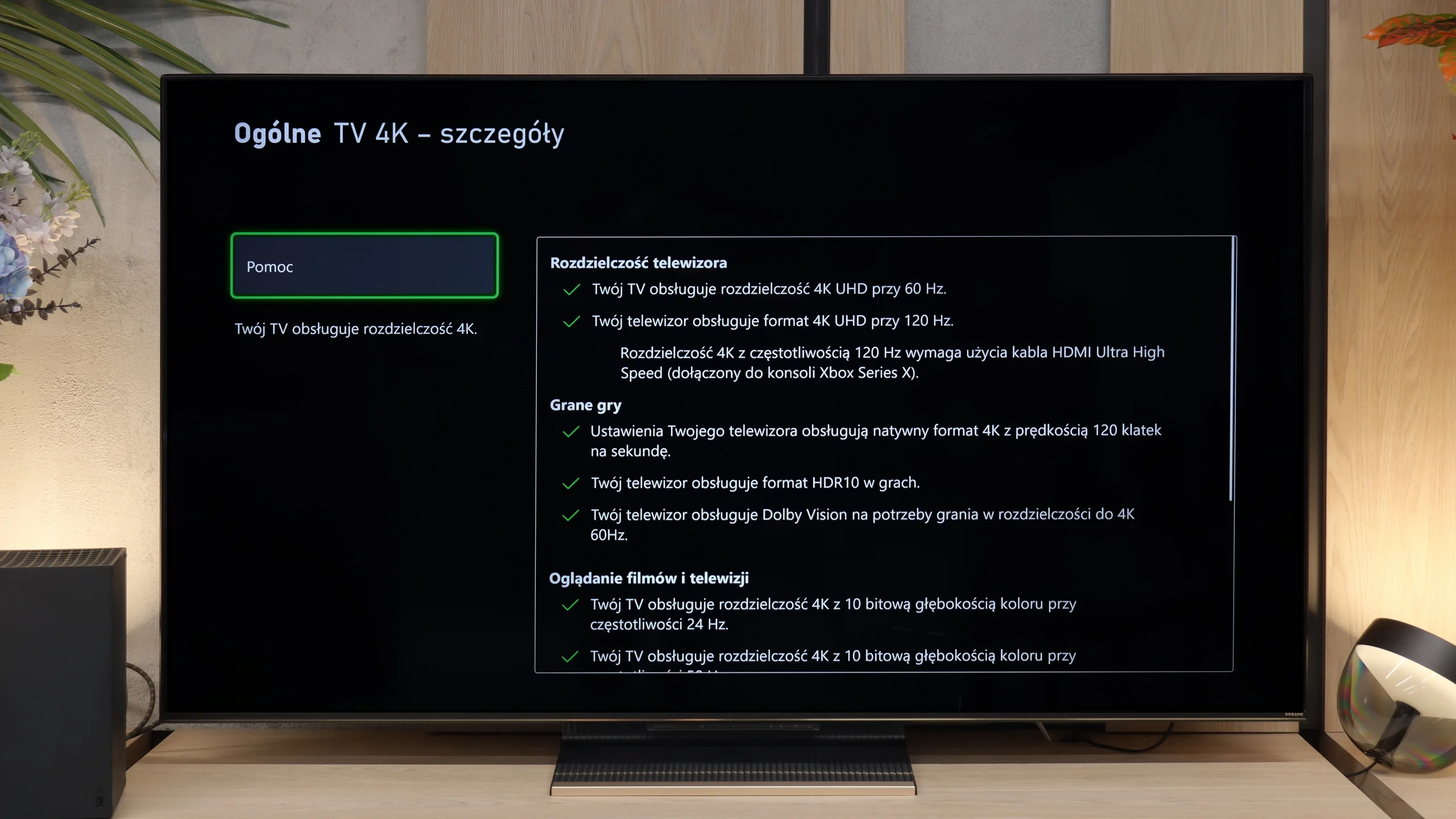
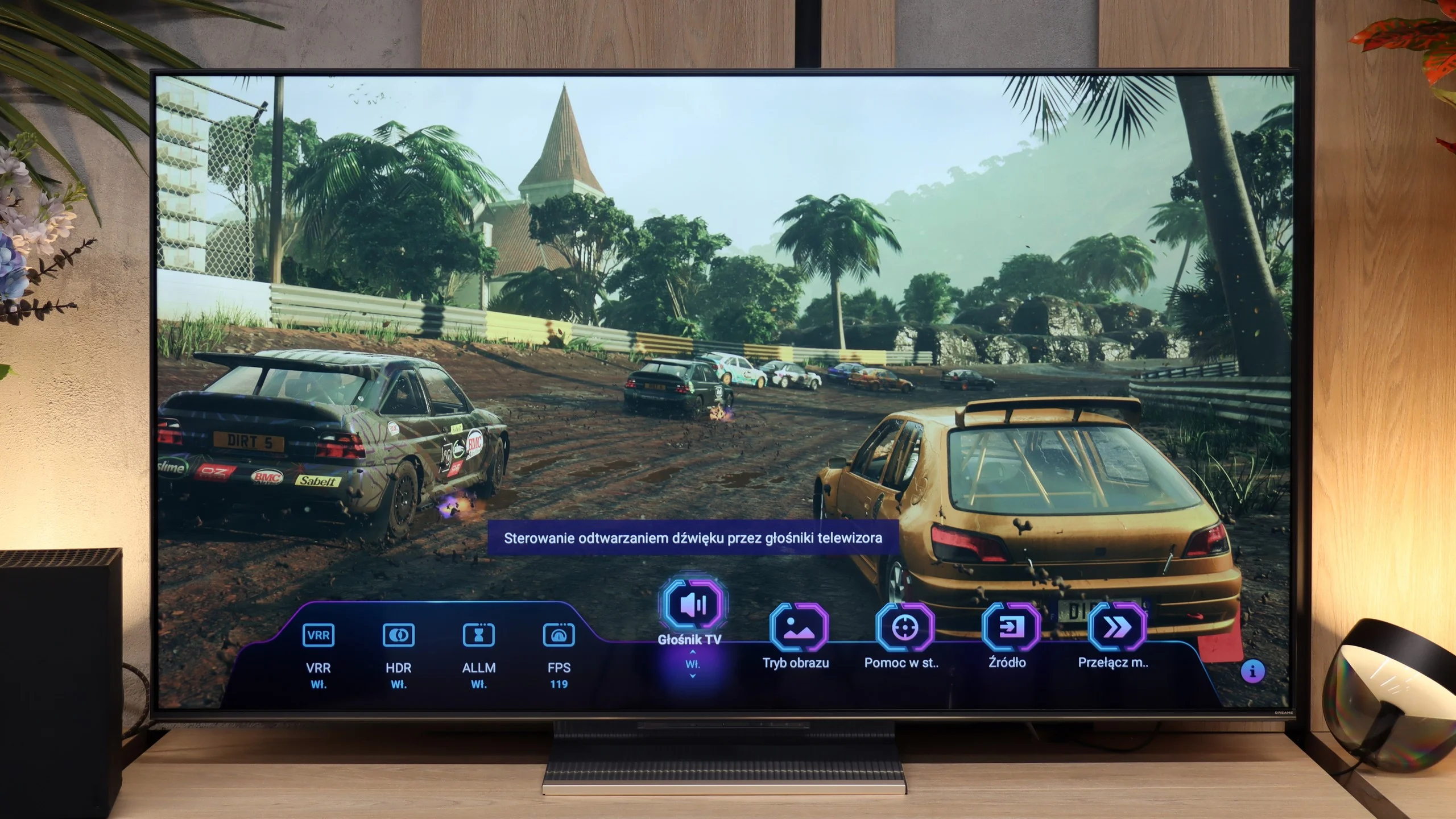
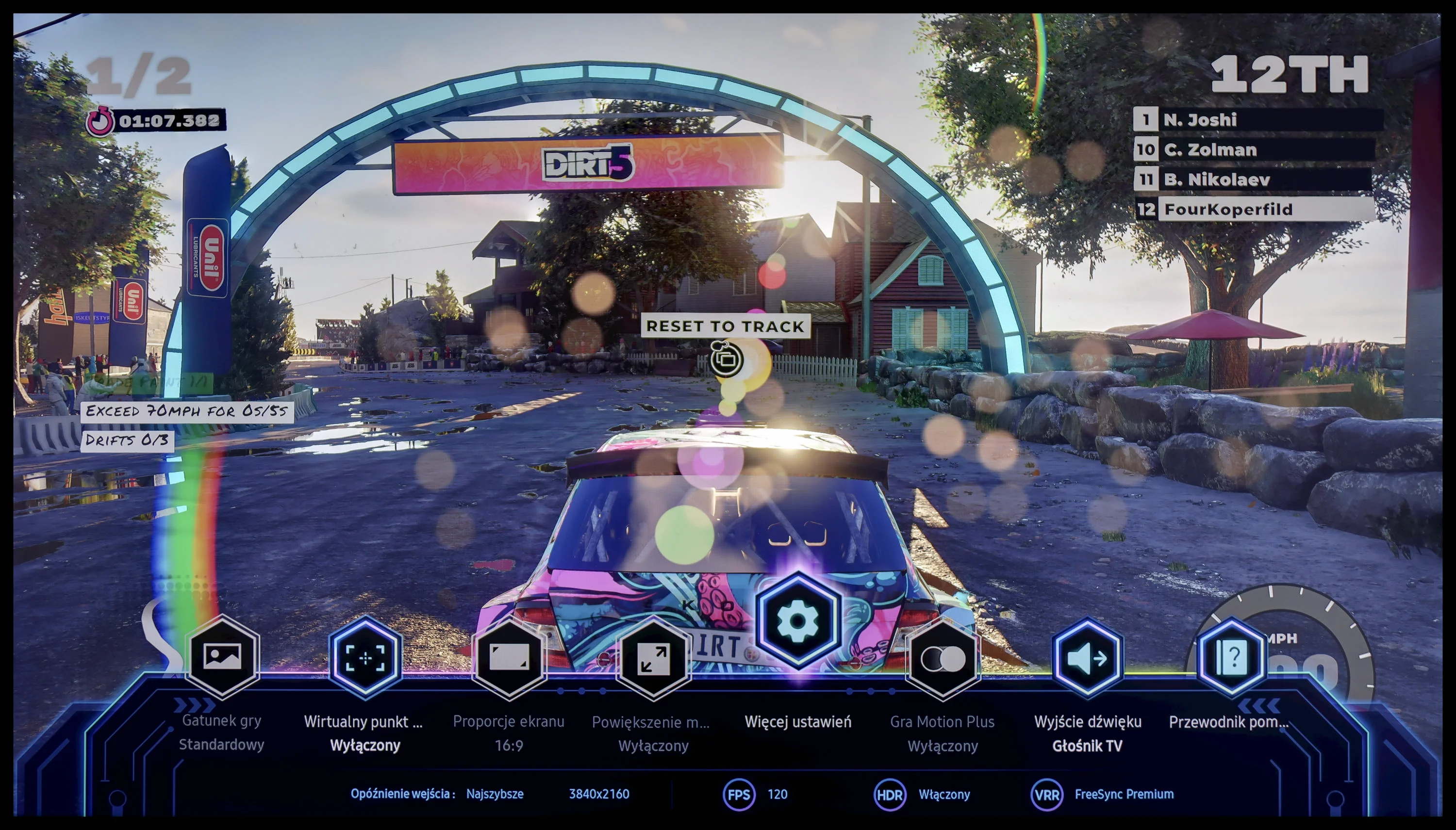
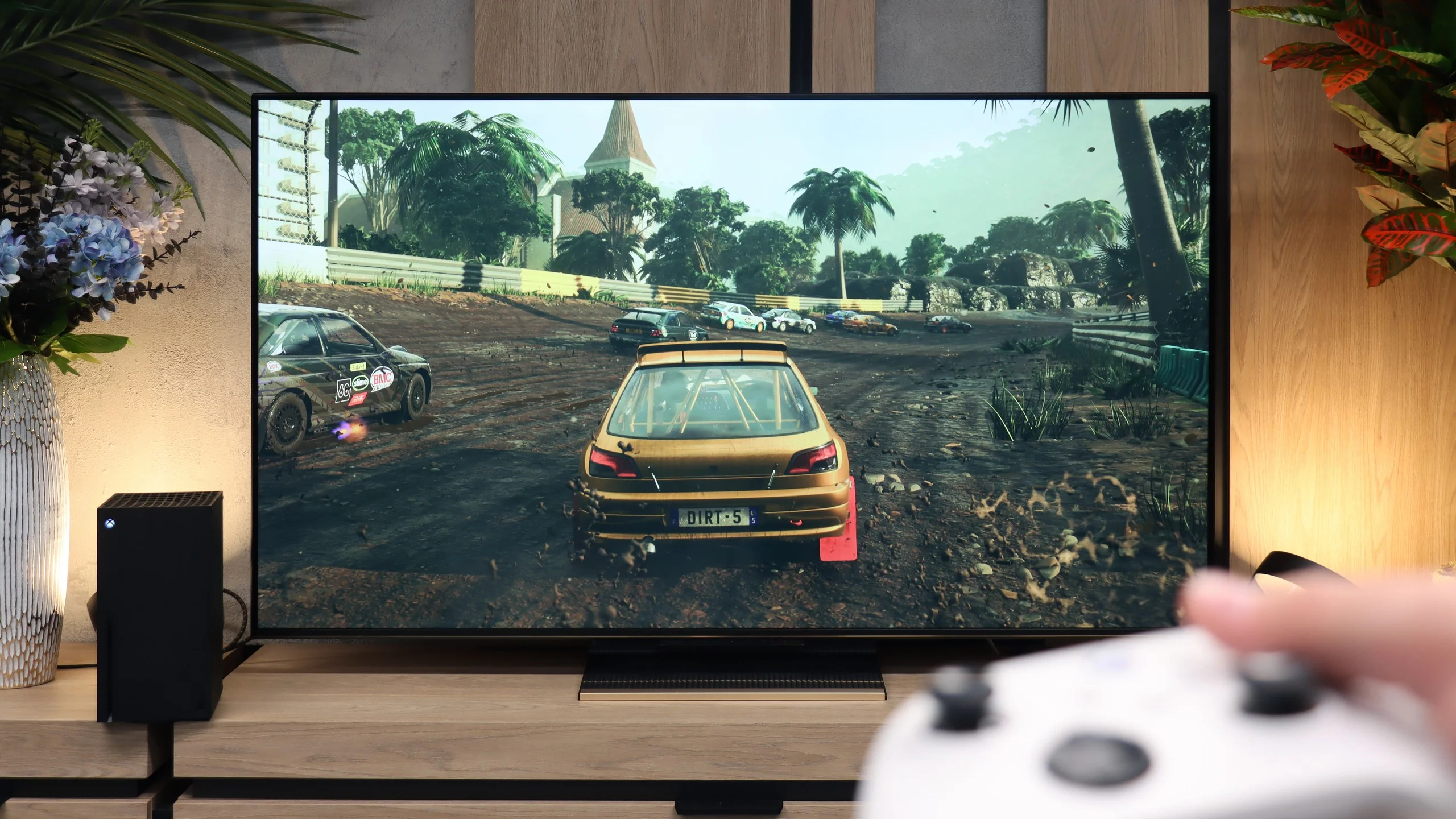
The Samsung Q70D delivers solid performance for its price range, with standout features that will appeal to a wide range of users. Its gaming capabilities, in particular, are impressive, offering features like smooth gameplay and low input lag that make 30 fps titles feel like they’re running at 60 fps. The well-executed HGIG mode, which performs similarly to Dolby Vision, is another highlight for gamers. Additionally, the Samsung Q70D pairs easily with Canal+ decoders, a feature many other TVs struggle with.
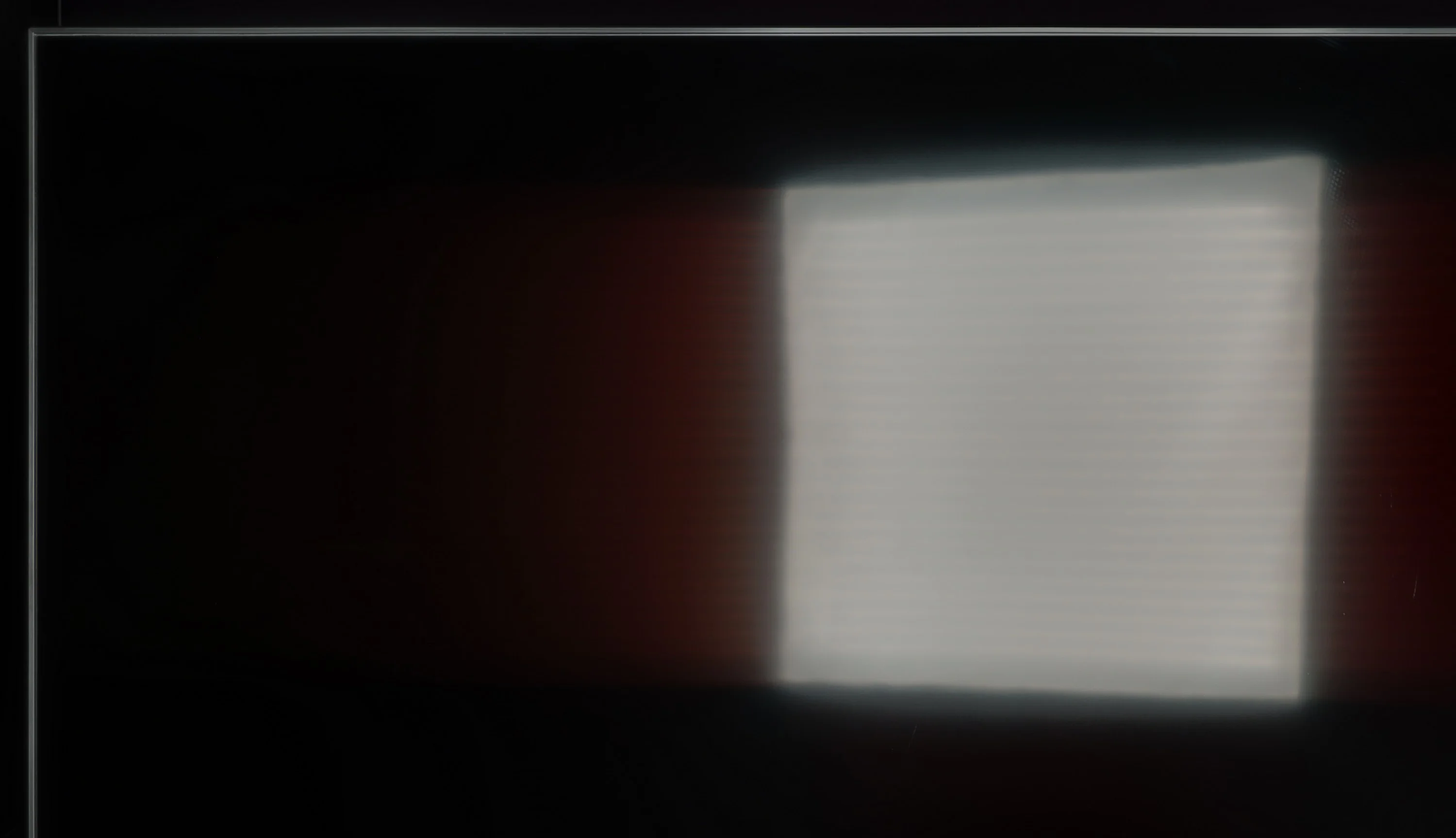
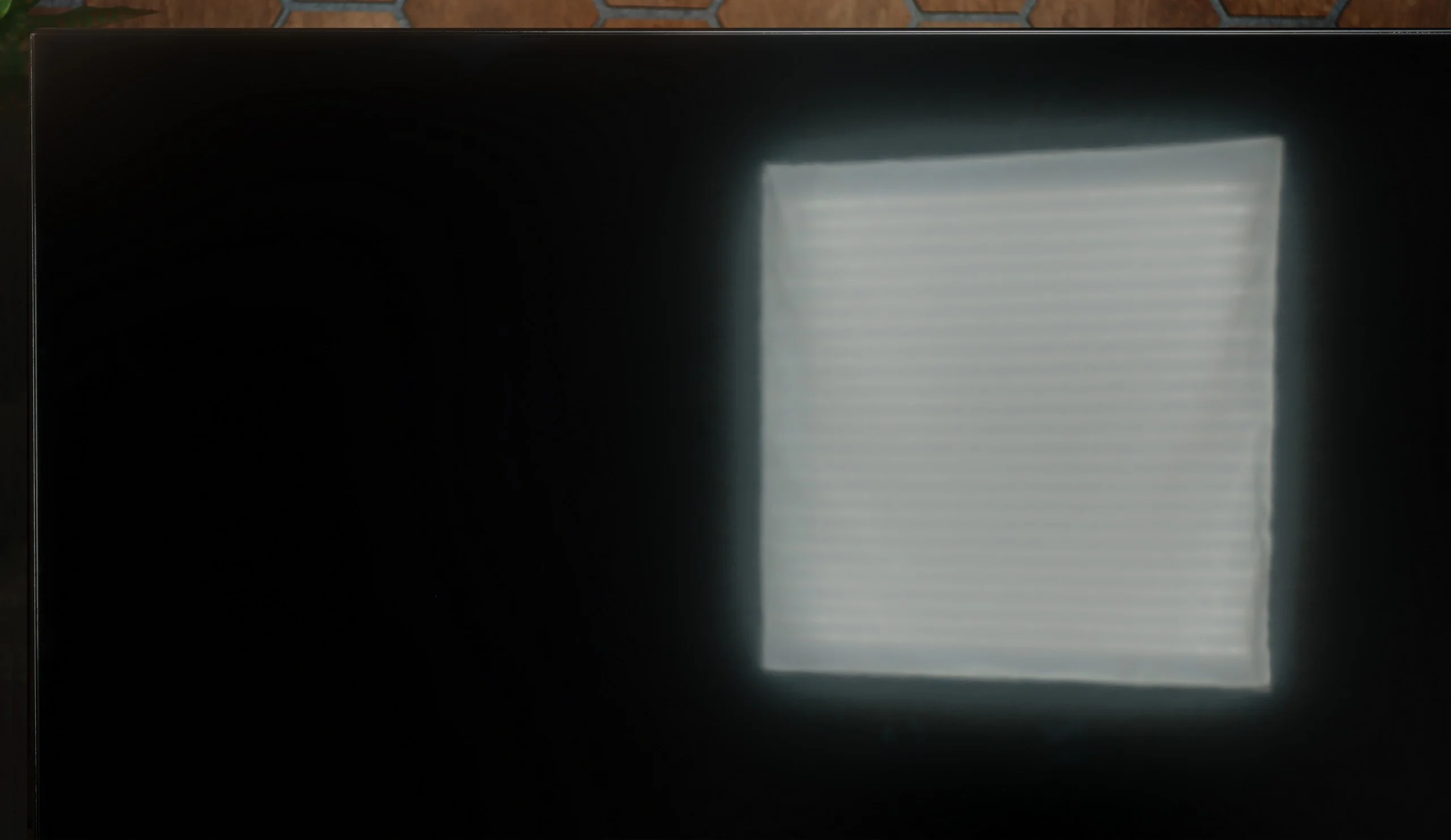
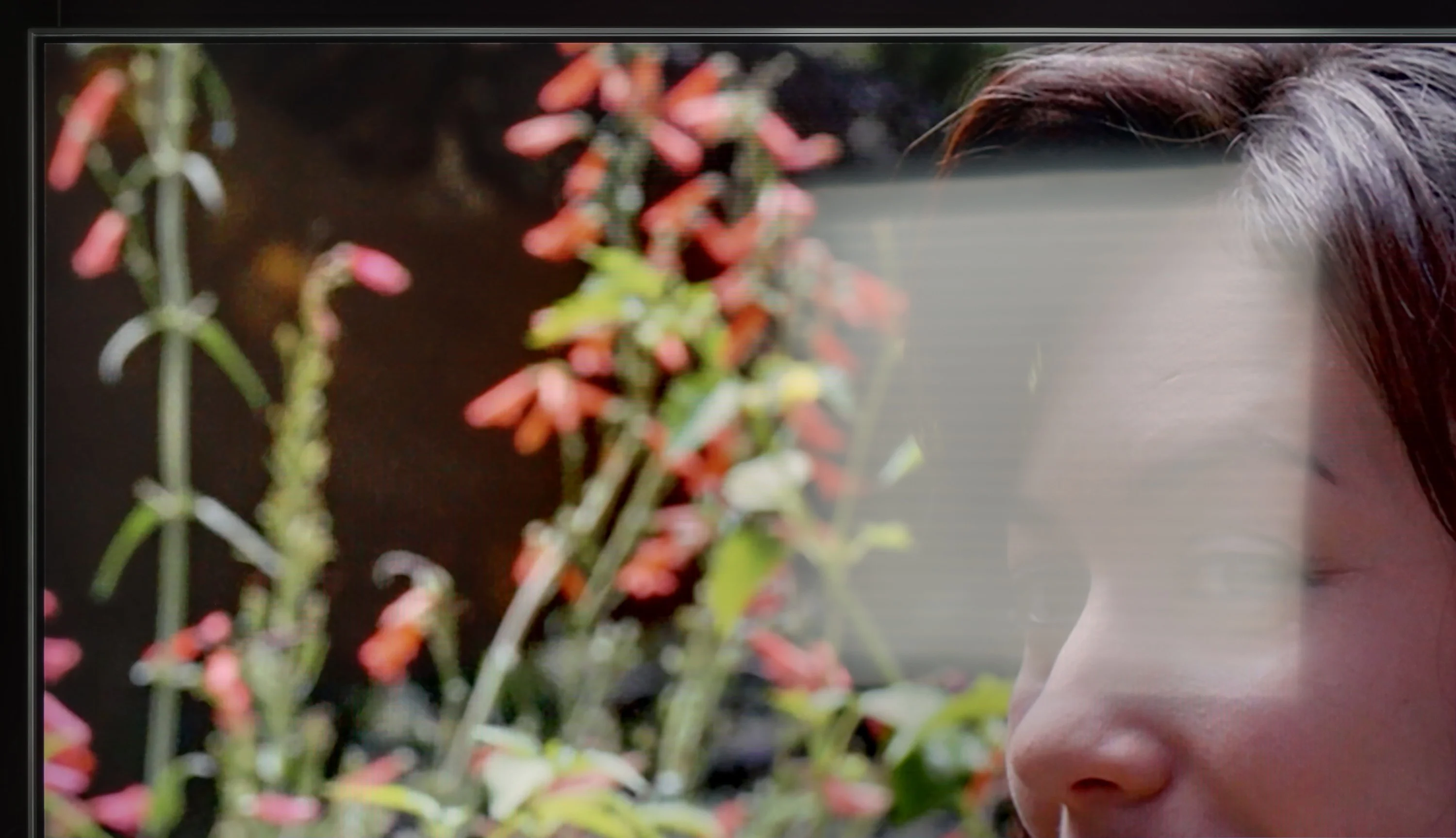
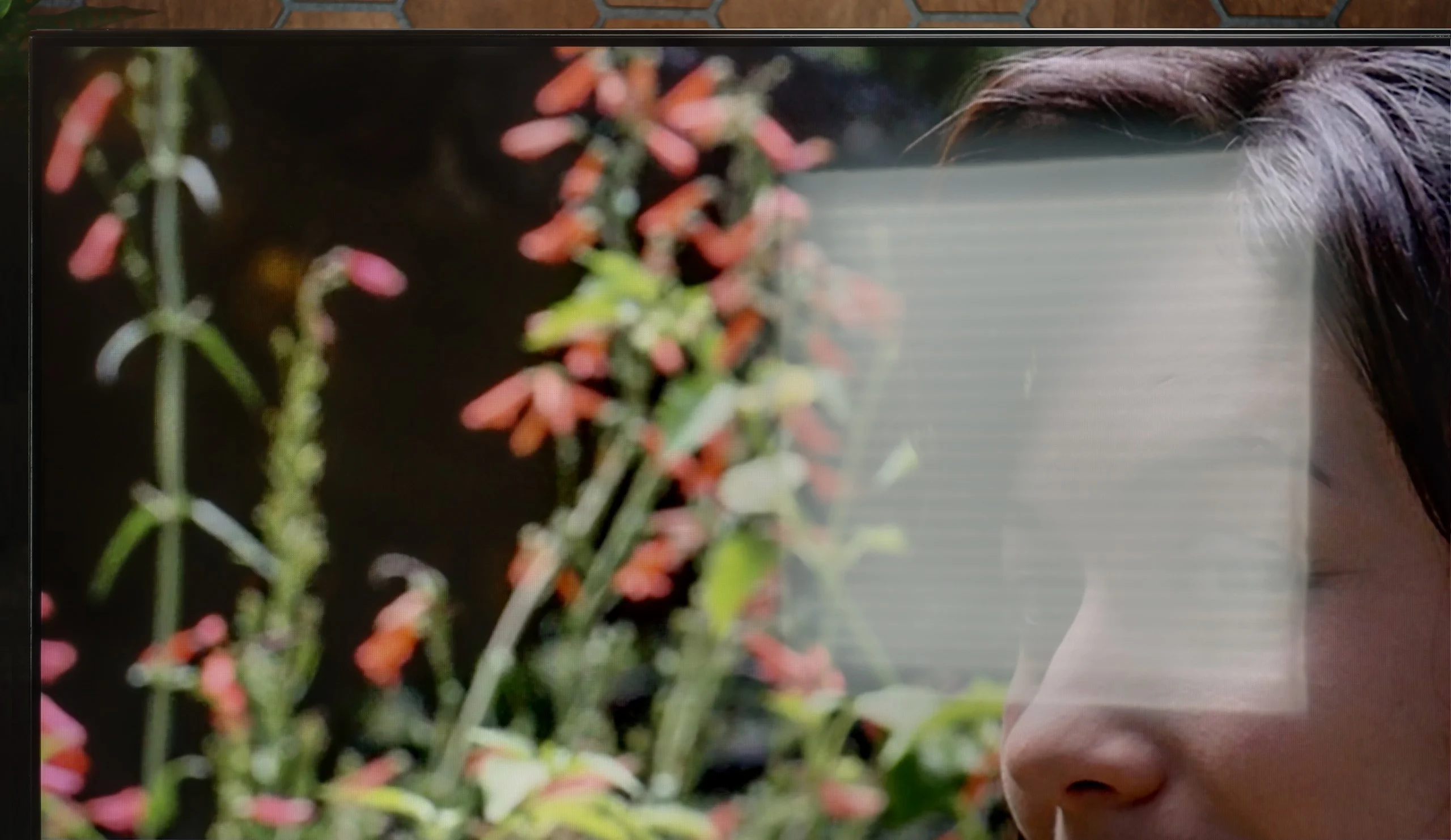
When it comes to daytime viewing, the Samsung Q70D shines with bright SDR content that makes it ideal for well-lit rooms. However, there are a couple of downsides. The lack of Dolby Vision is noticeable, as the TV’s brightness could have benefited from it, and light leakage can be seen in dark scenes with low brightness settings. While these issues are not dealbreakers, they are worth noting.
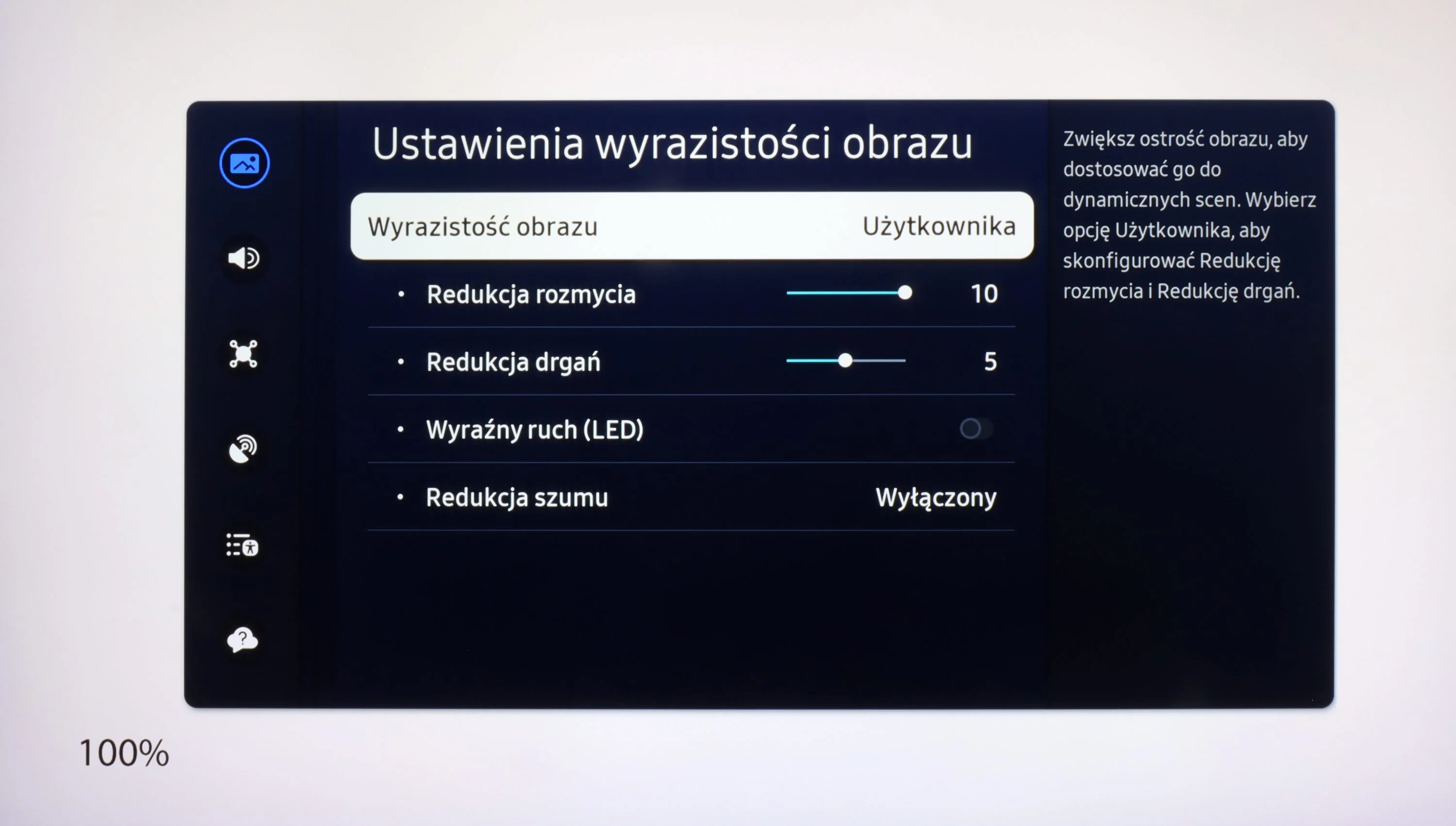
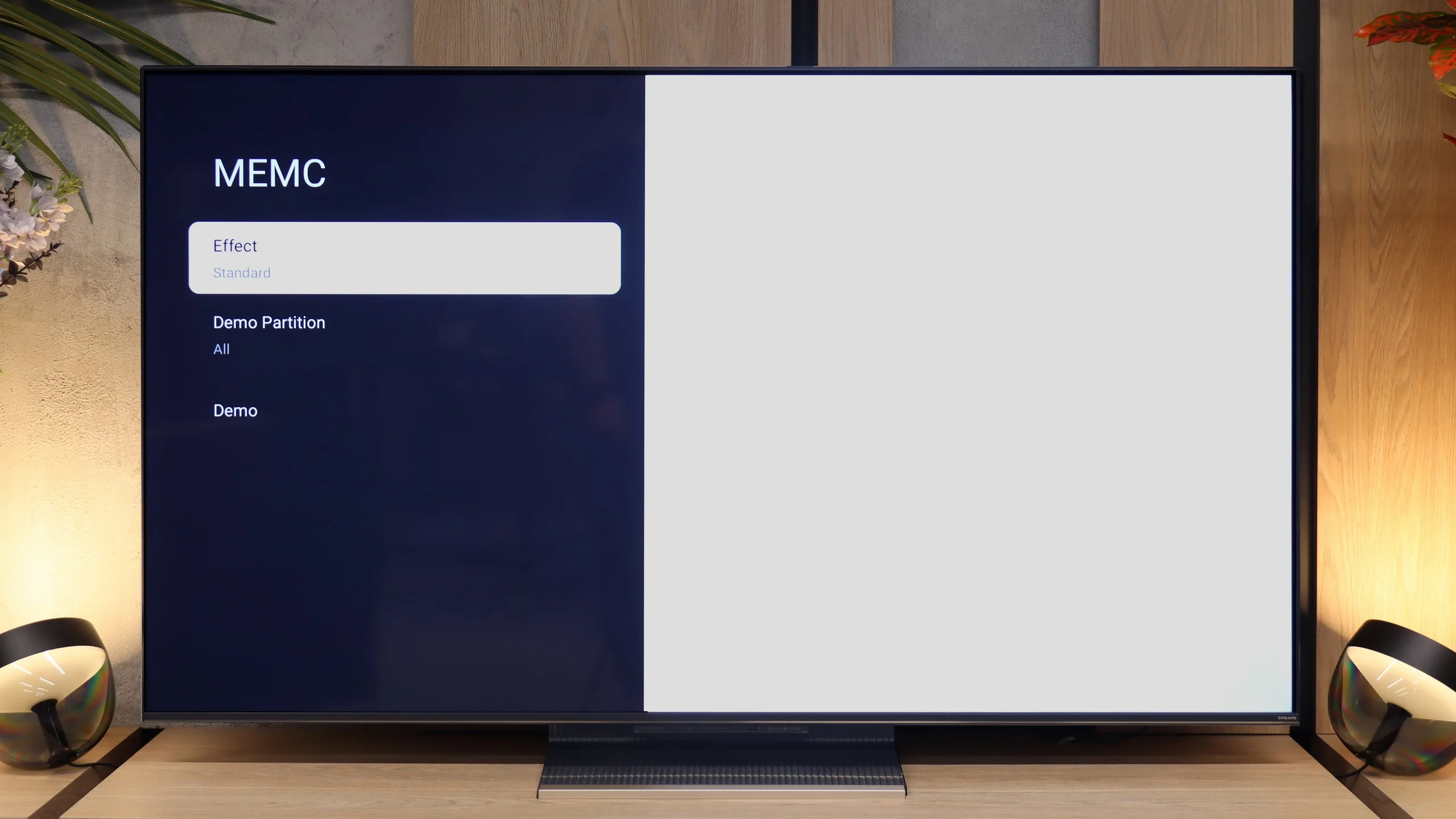
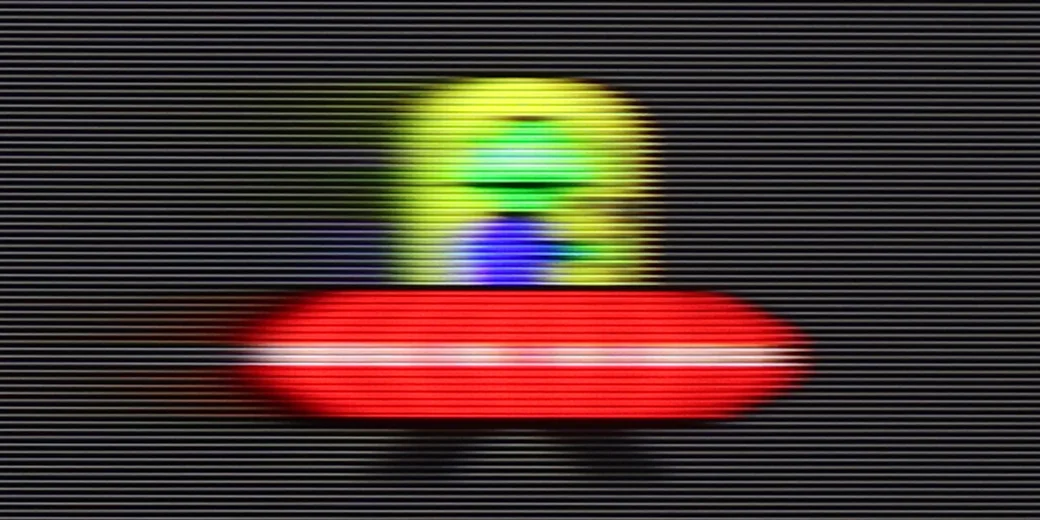
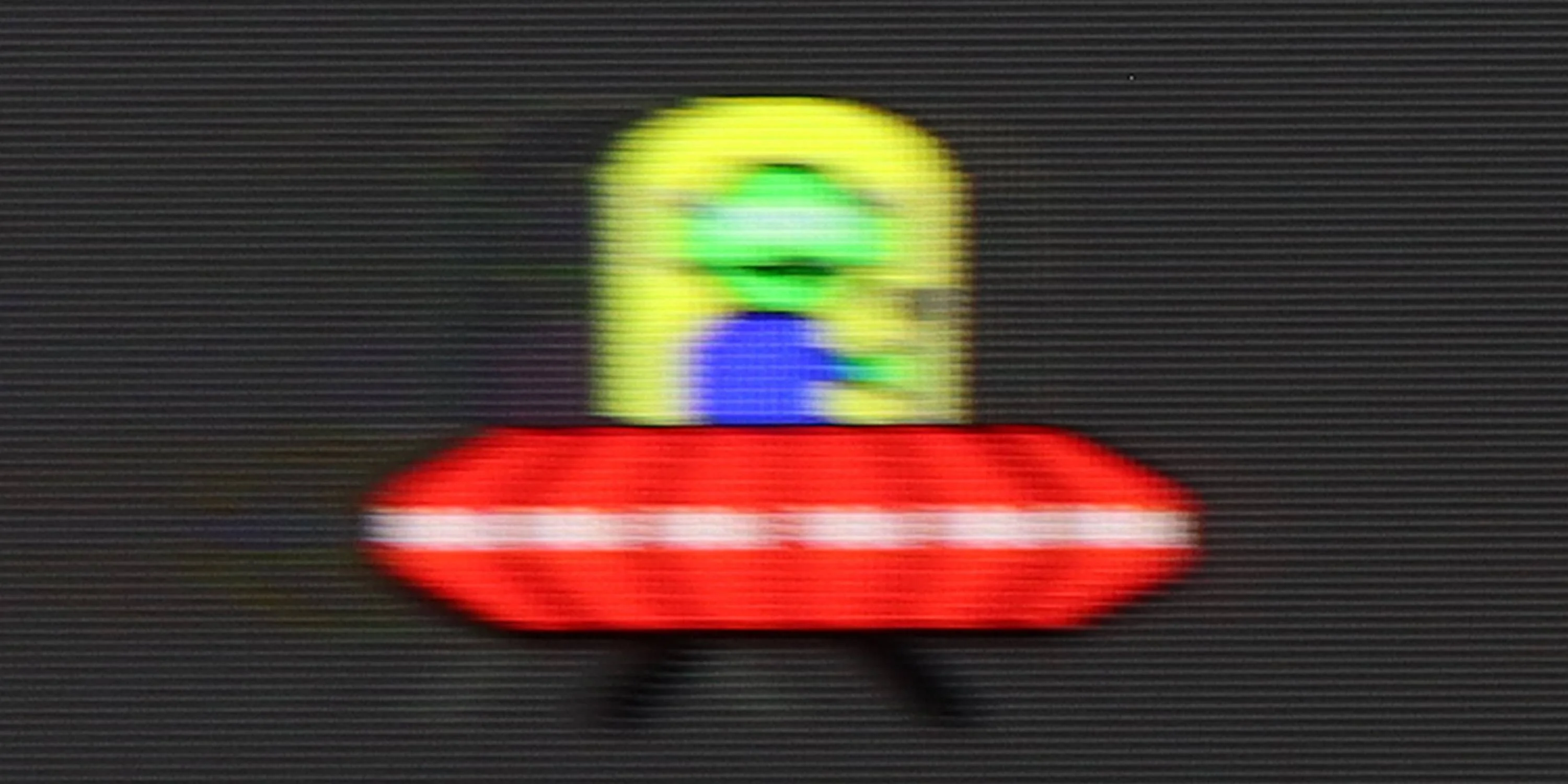
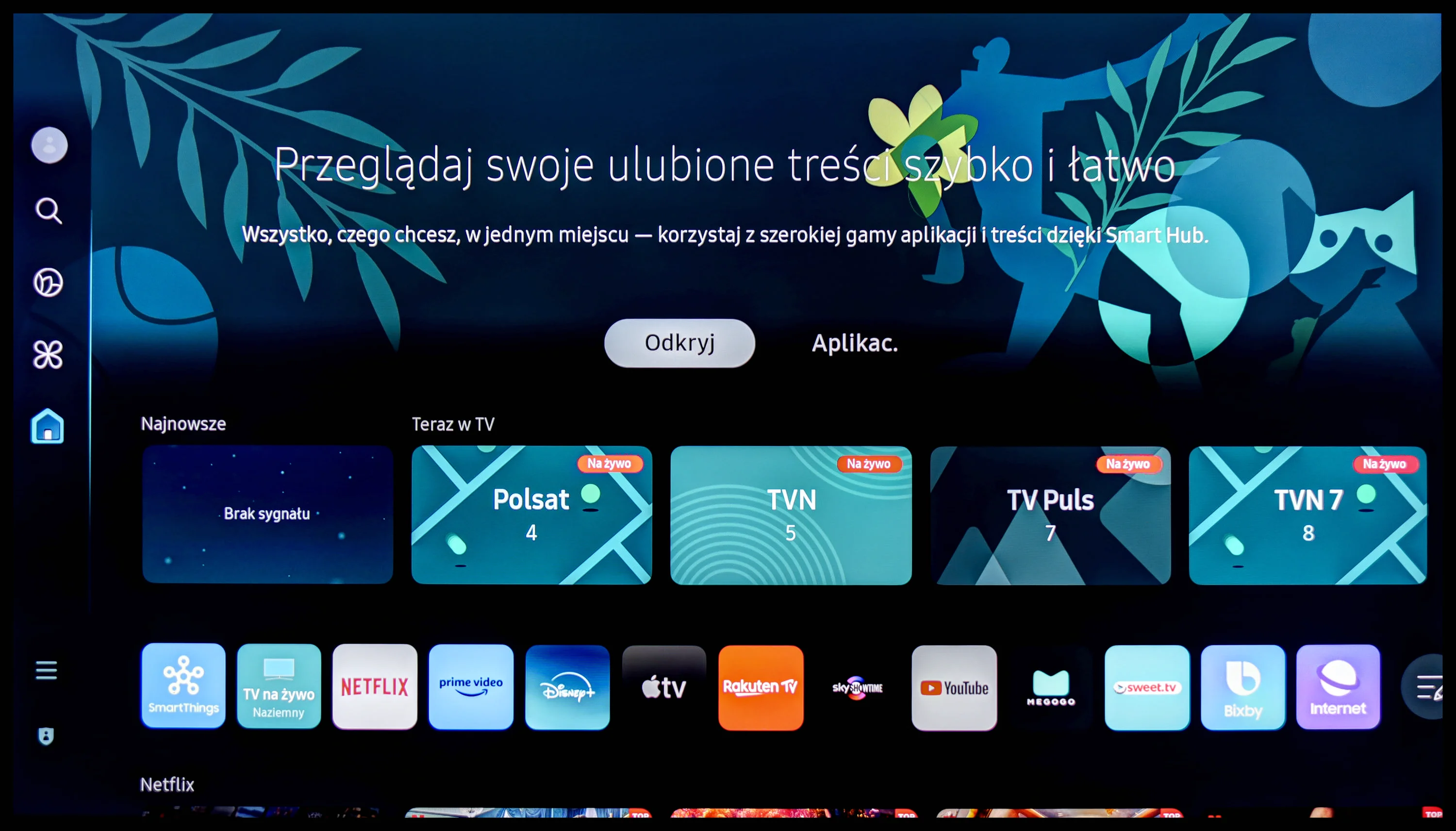
On the plus side, the Samsung Q70D has one of the best motion smoothers in its class, making it perfect for sports or fast-action content. The system runs smoothly and has all needed apps. Overall, the Samsung Q70D is a strong addition to the manufacturer's seventh series, with consistent improvements in quality and growing popularity.
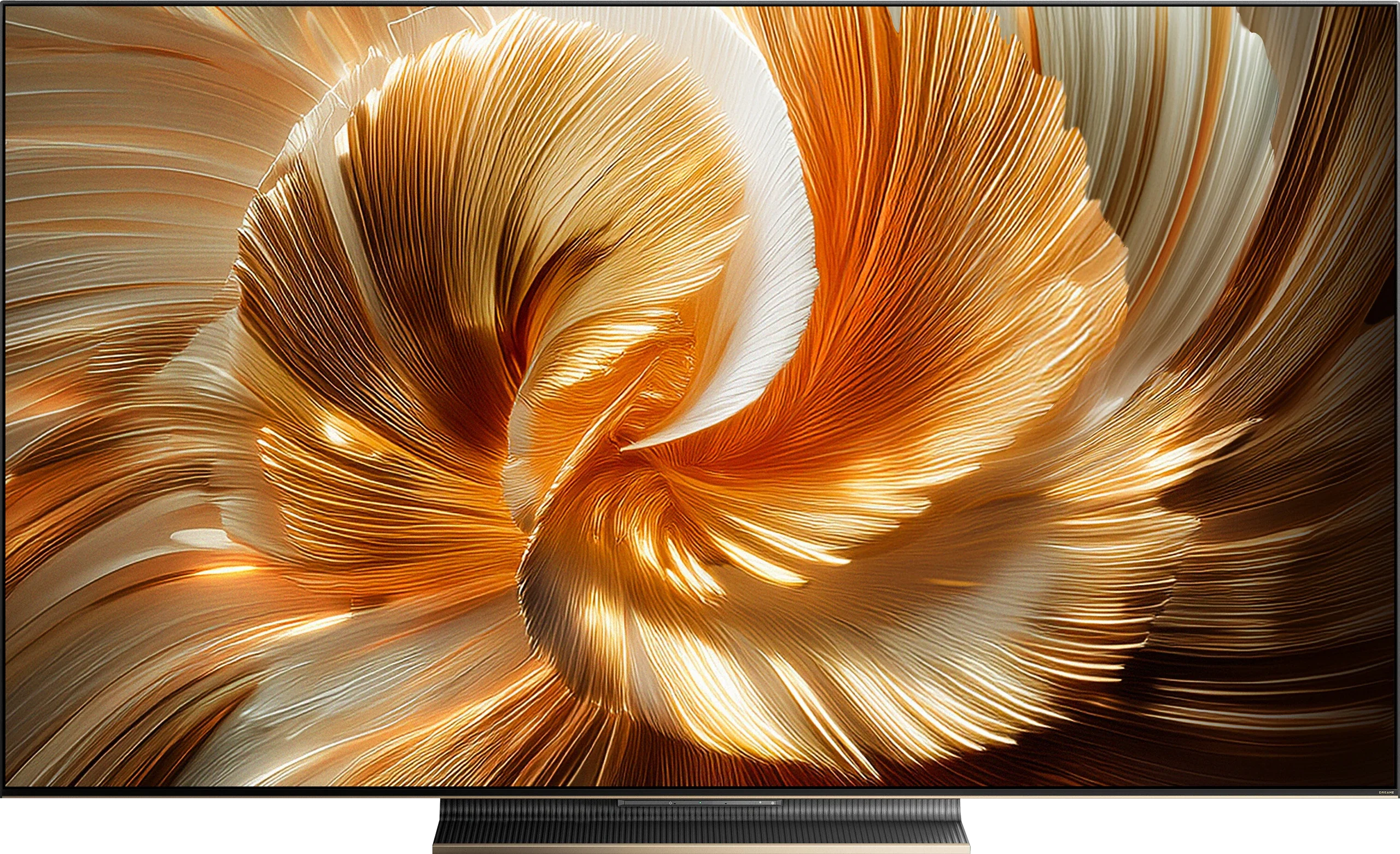
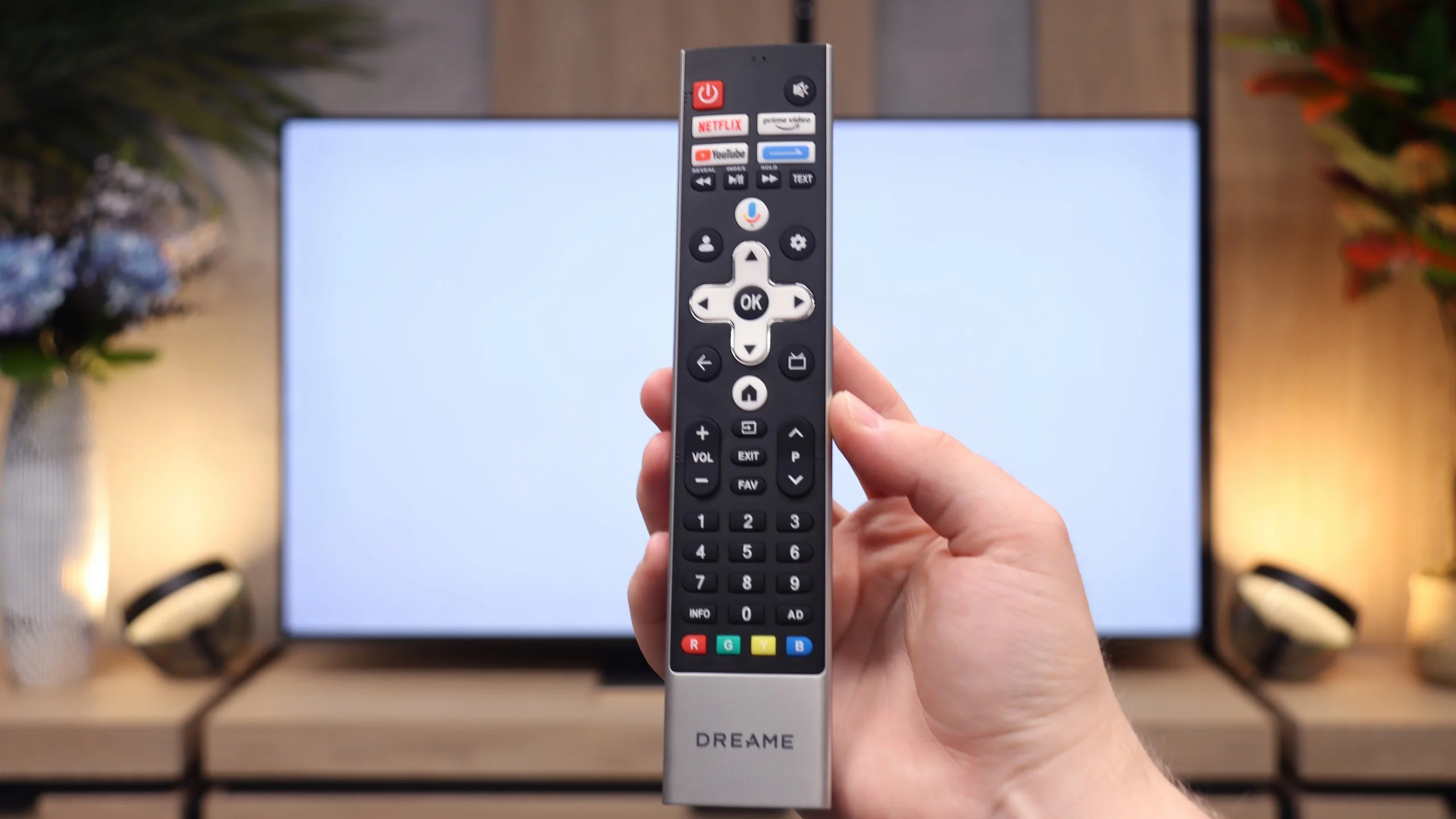
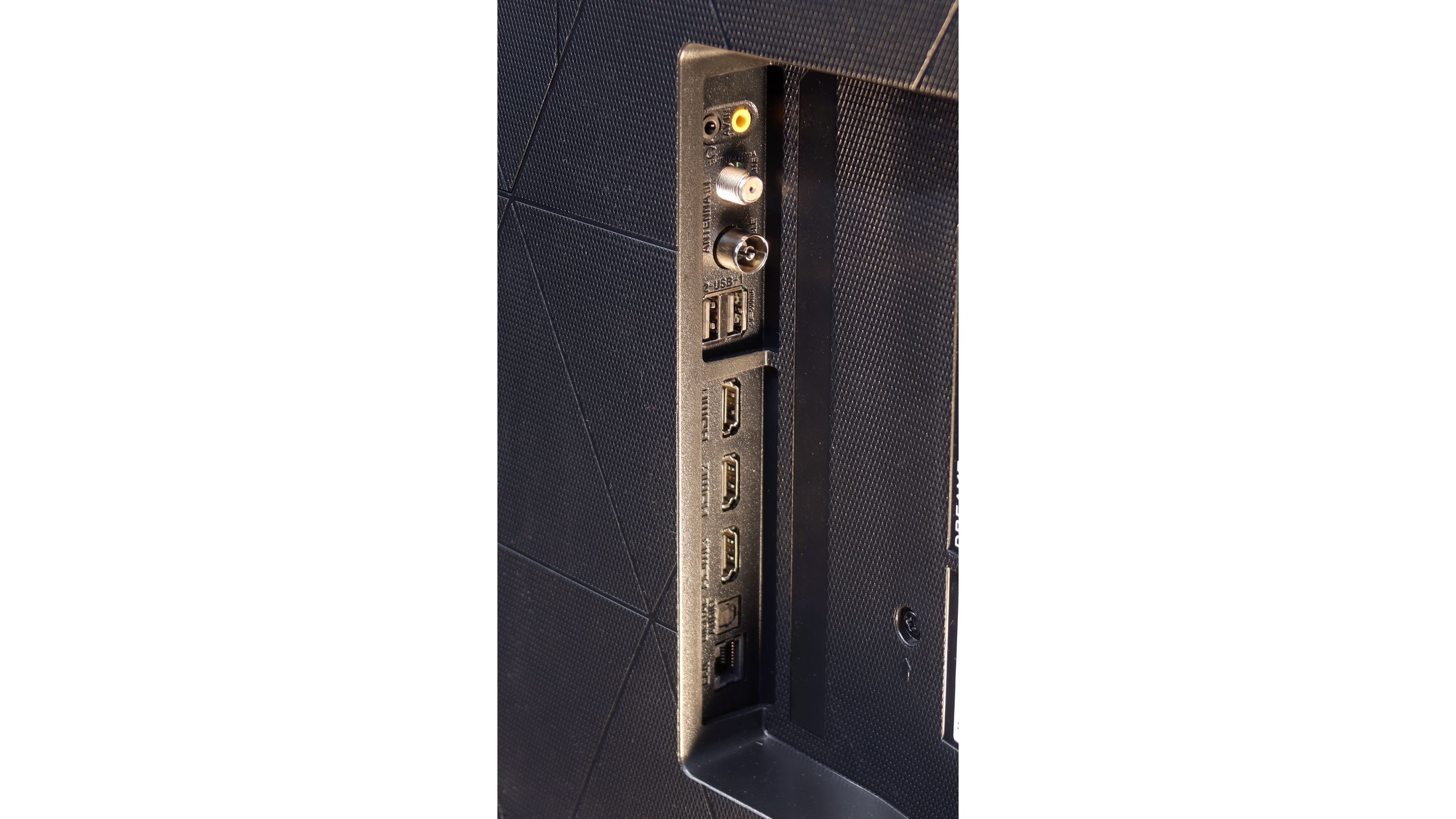
Dreame S100 is a successful, albeit still somewhat raw, debut in the Mini-LED segment. The hardware of the TV stands up for itself: the Mini-LED technology with local dimming provides deep and attractive blacks for the average viewer, while the IPS/ADS matrix offers brilliant viewing angles. This is an interesting combination, as it is extremely rare in the LCD TV segment, which will certainly please those with wide living rooms or large corner sofas. If we add to this a full package for gamers (HDMI 2.1, 144 Hz), the Google TV system with an almost endless number of applications, and a very powerful 4.1.2 sound system with a power of 70 W, which performs well above the market average, we get an incredibly versatile screen.
Where's the catch? In the software. Unfortunately, the Dreame S100 suffers from typical "growing pains" – the outdated processor doesn't quite handle advanced digital processing, and the local dimming algorithms can be irritating in more demanding scenes. Additionally, the Google TV system itself can occasionally experience slight stutters. So, if you're looking for a well-equipped Mini-LED for a wide living room and are willing to forgive it for minor system hiccups, which the manufacturer can fix with future updates – it's a very interesting option. The hardware potential is enormous, although the software still needs some final polishing.
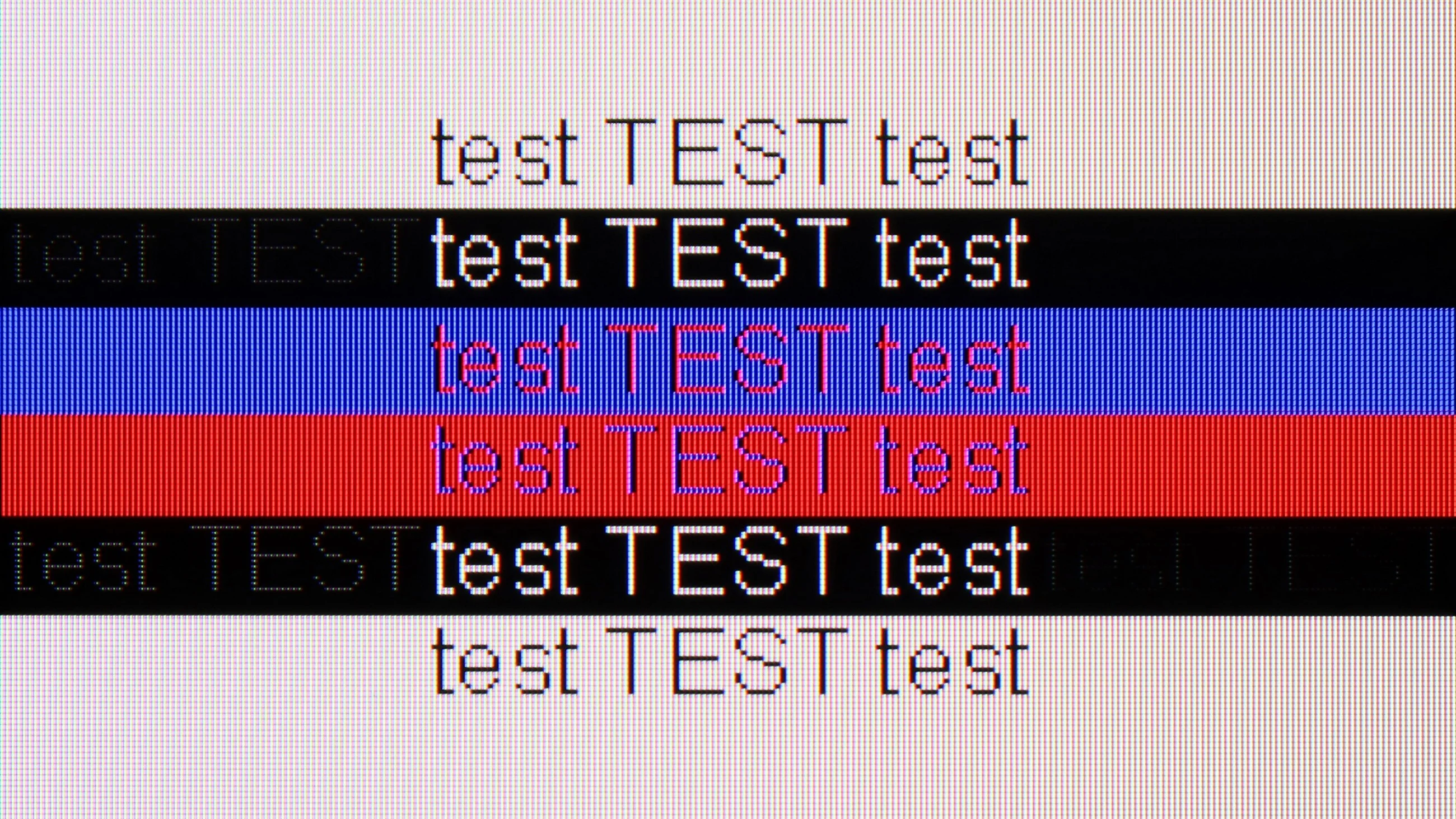
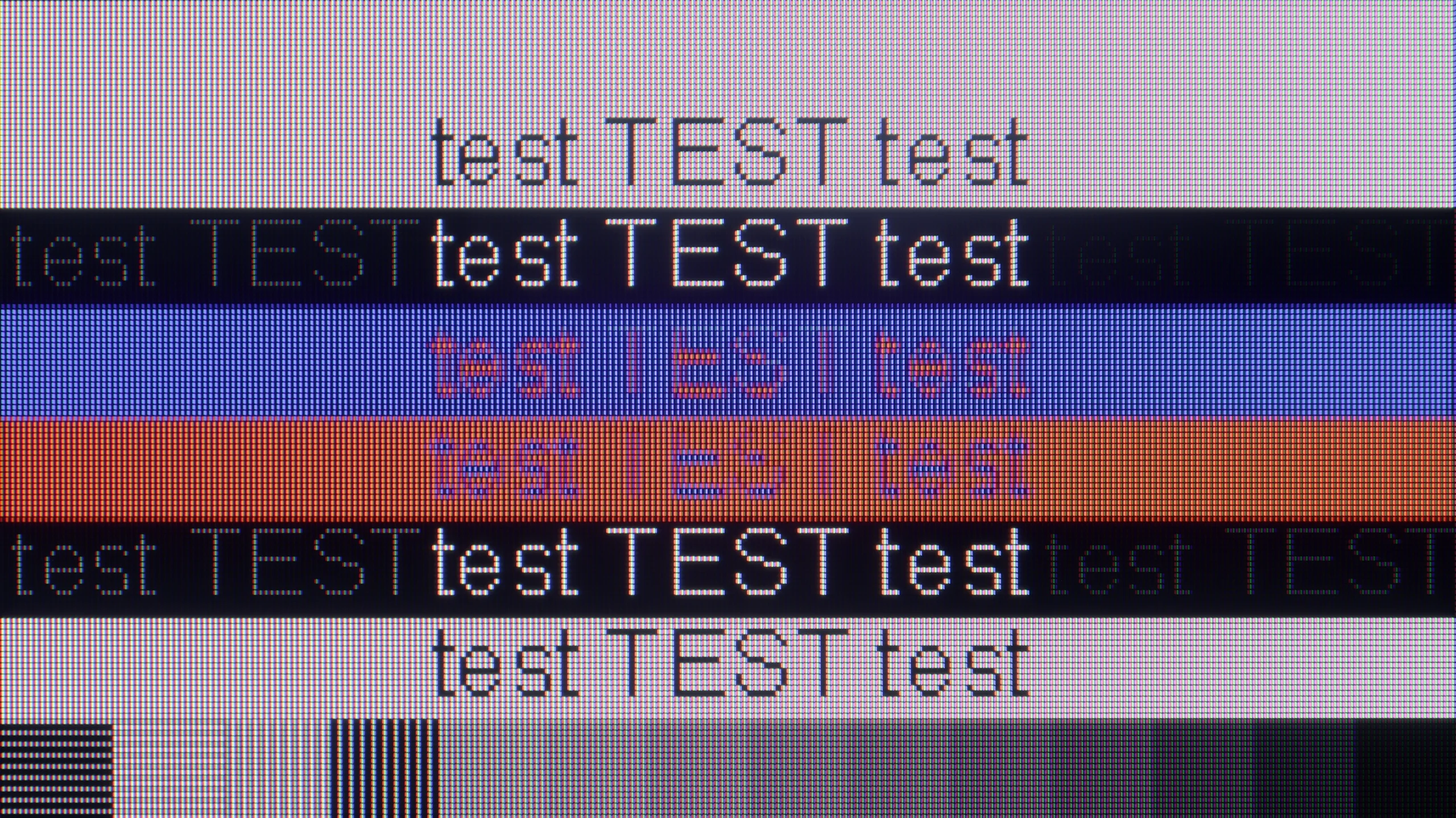
 Direct comparison