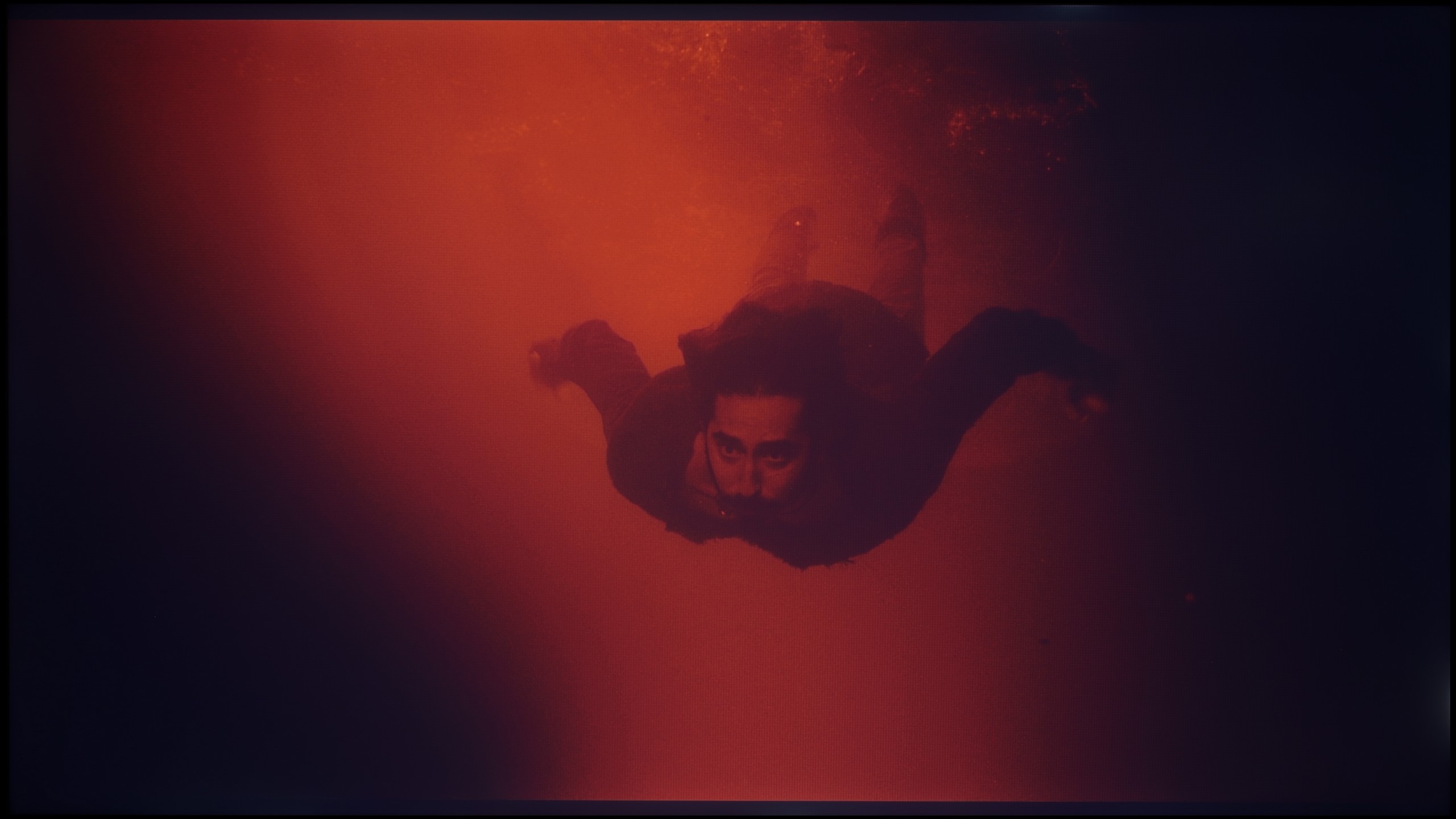
The best factory mode on the Samsung Q70D is "Filmmaker," and it is the one we used when conducting various tests. Before the calibration process, it had several flaws that effectively prevented the conveyance of the director's intentions. In both SDR and HDR materials, the white balance was dominated by red and green colors. As a result, there was a characteristic yellow tint on the image, causing whites to appear yellowed and creating issues with skin tones, which were noticeably too warm. The reduced gamma in the standard color gamut materials caused a significant drop in the already low contrast. This resulted in an emphasis on details in the blacks but also in blown-out images in brighter scenes. The EOTF curve, in this case, turned out to be much better and only lightened those scenes with relatively low luminance. This was clearly visible in the section where we measured the maximum brightness of the television in HDR materials. At that time, the frame from the movie "Billy Lynn" was unnaturally bright and lacking depth.
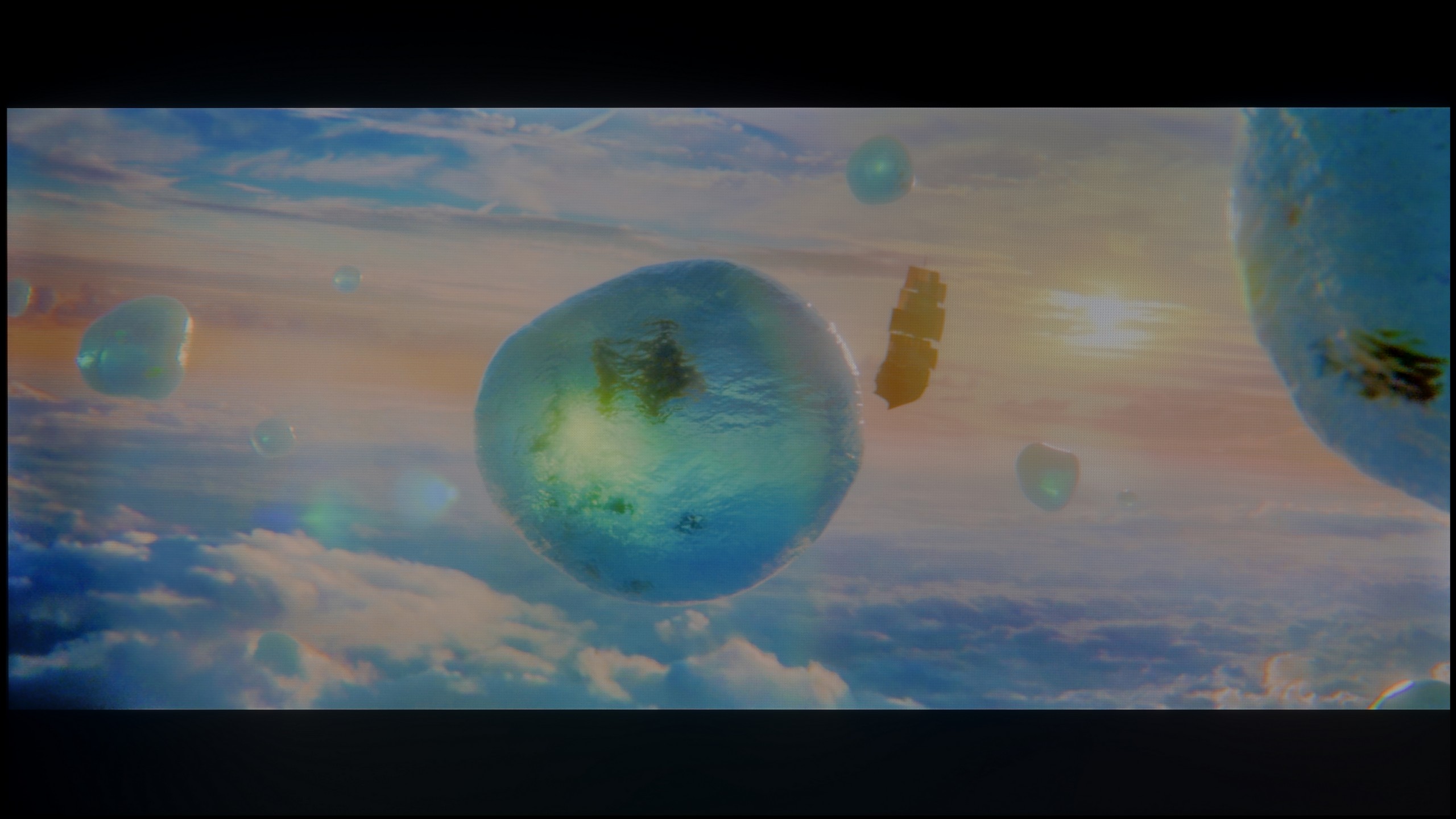
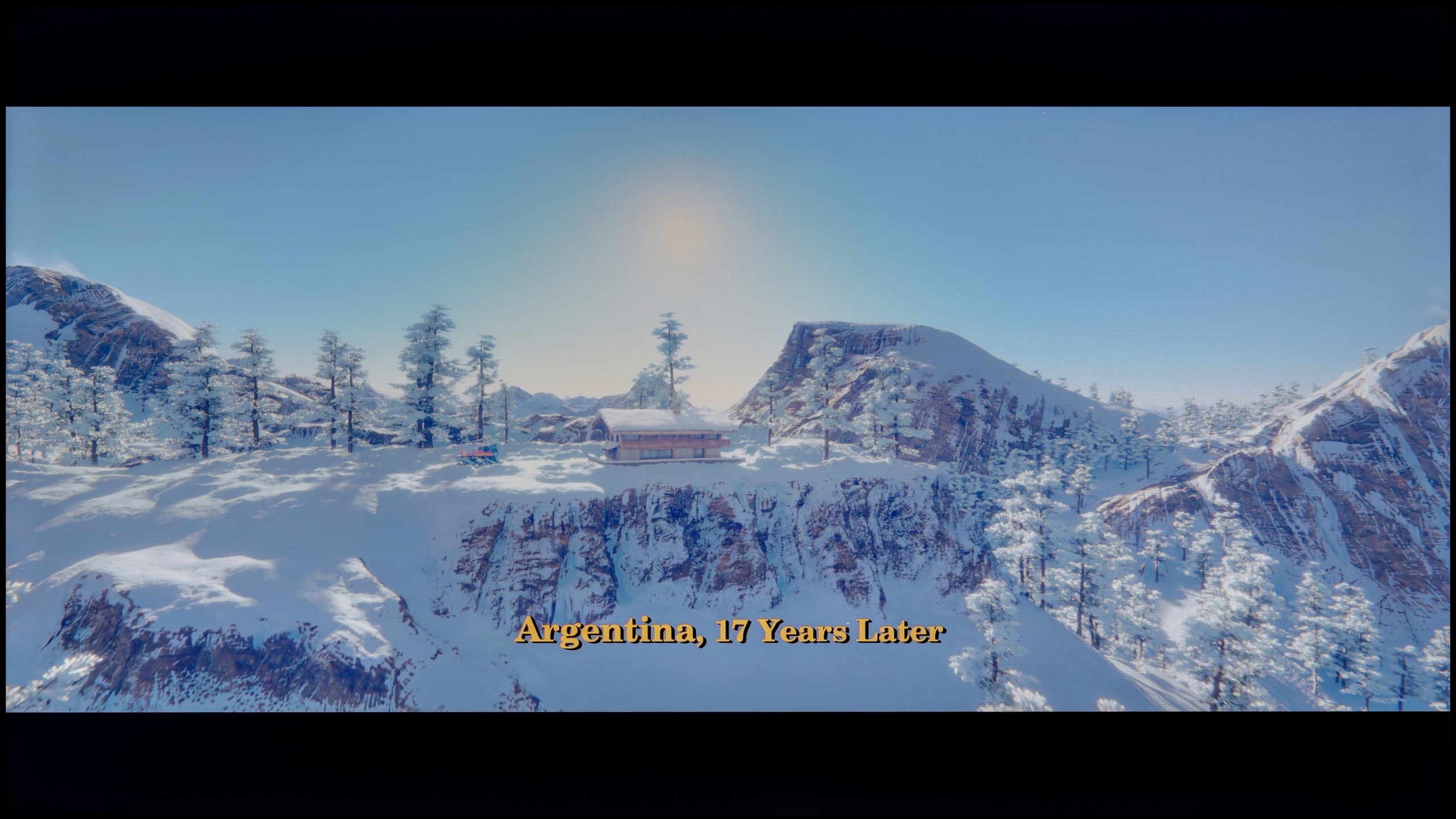
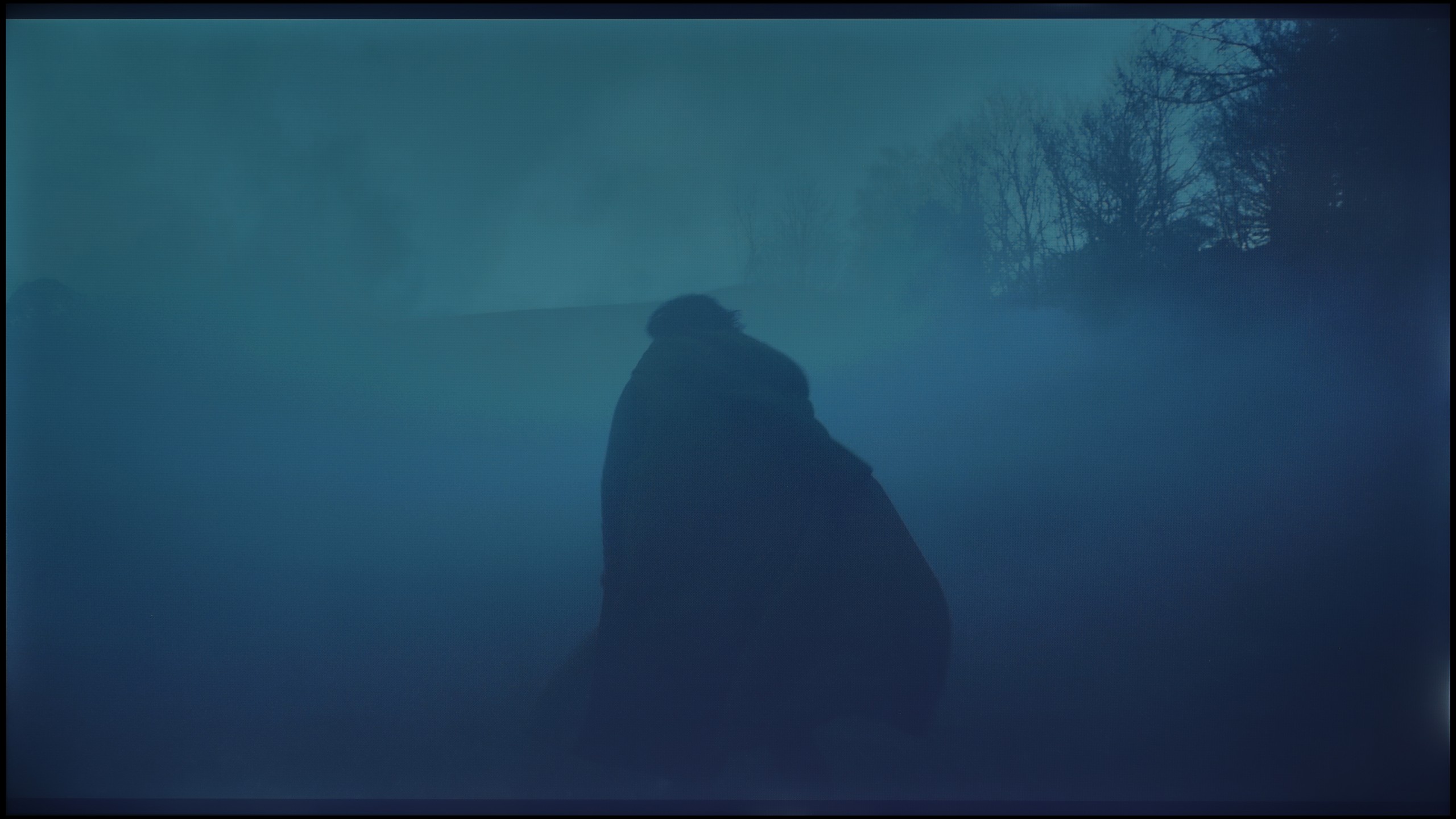
We also took a close look at how Blaupunkt handles colors in movie mode, and here the situation is, to put it briefly, twofold. We must clearly separate what we see in the standard SDR format from what happens when HDR is turned on, as these are two completely different worlds. Let’s start with the better side of the coin. If you plan to watch classic television, YouTube, or older movies on this TV, you can count on really well-tuned colors. In our test sample, the white balance in movie mode was exceptionally accurate, which honestly surprised us. Of course, to not make it too rosy, we noticed some flaws. Looking at the gamma charts, we observed that the processor struggles with properly dimming the image in its brightest parts. Additionally, there is quite strong, at times too aggressive, red saturation, which resulted in noticeable errors in reproducing certain shades. Nevertheless, in general terms, the image in SDR is simply solid and watchable without a grimace on your face. Unfortunately, the magic fades when we re-enter the world of HDR. Here, Blaupunkt behaves as if we suddenly switched it to store mode, and in its worst form. The excess blue in the white balance is so overwhelming that it literally clashes with the eyes, ruining any realism of the scene. Furthermore, the TV interprets brightness very loosely, which, when analyzing the EOTF curve, clearly showed that for most of the time the colors appear simply washed out and lacking depth. This is, by the way, perfectly visible in the color errors that become evident in this mode. Once again, we are left with the same conclusion: Blaupunkt in SDR mode looks significantly better and more natural than in HDR, which feels forced and not properly refined.
 Direct comparison