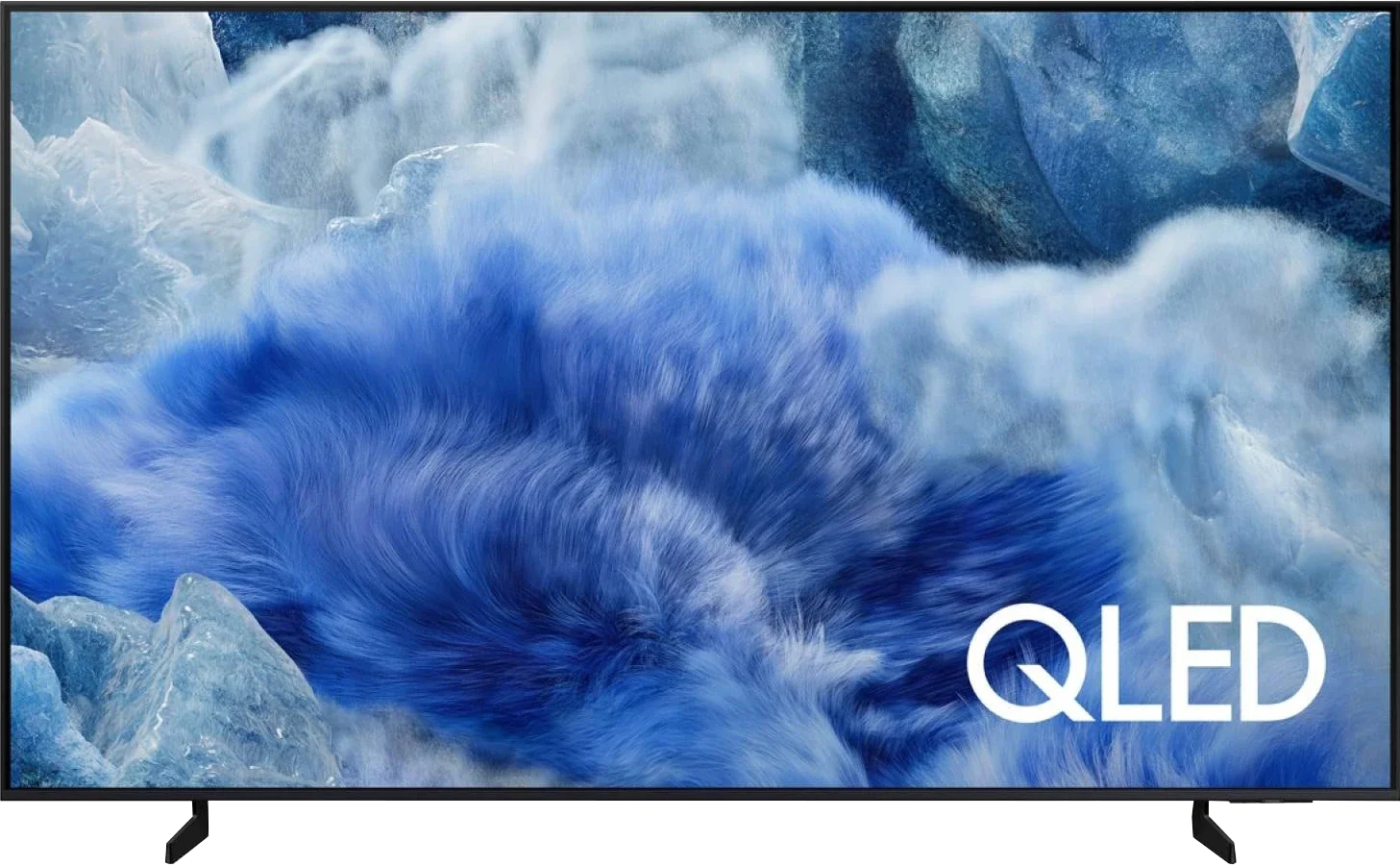
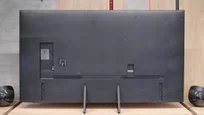
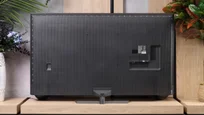
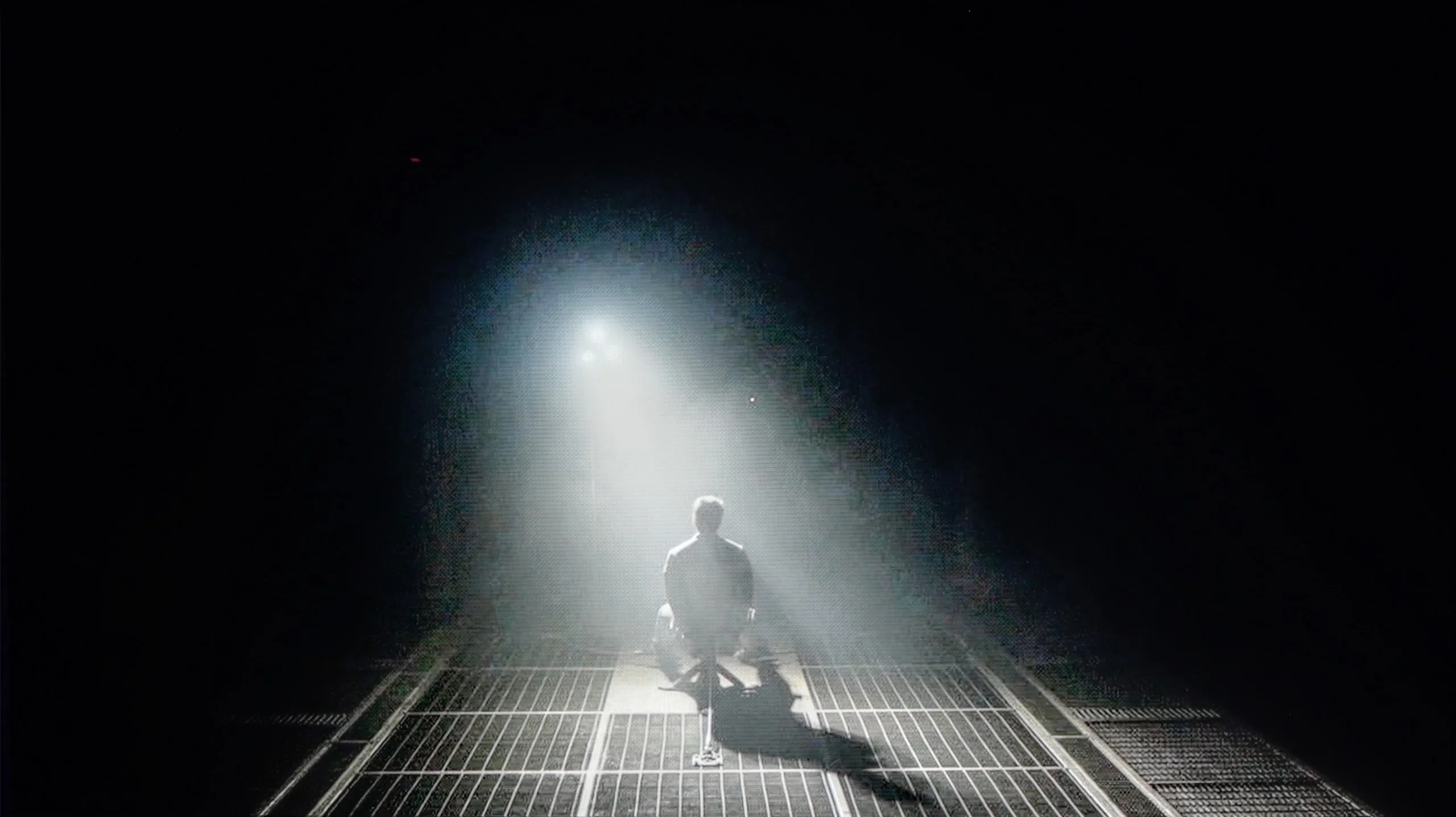
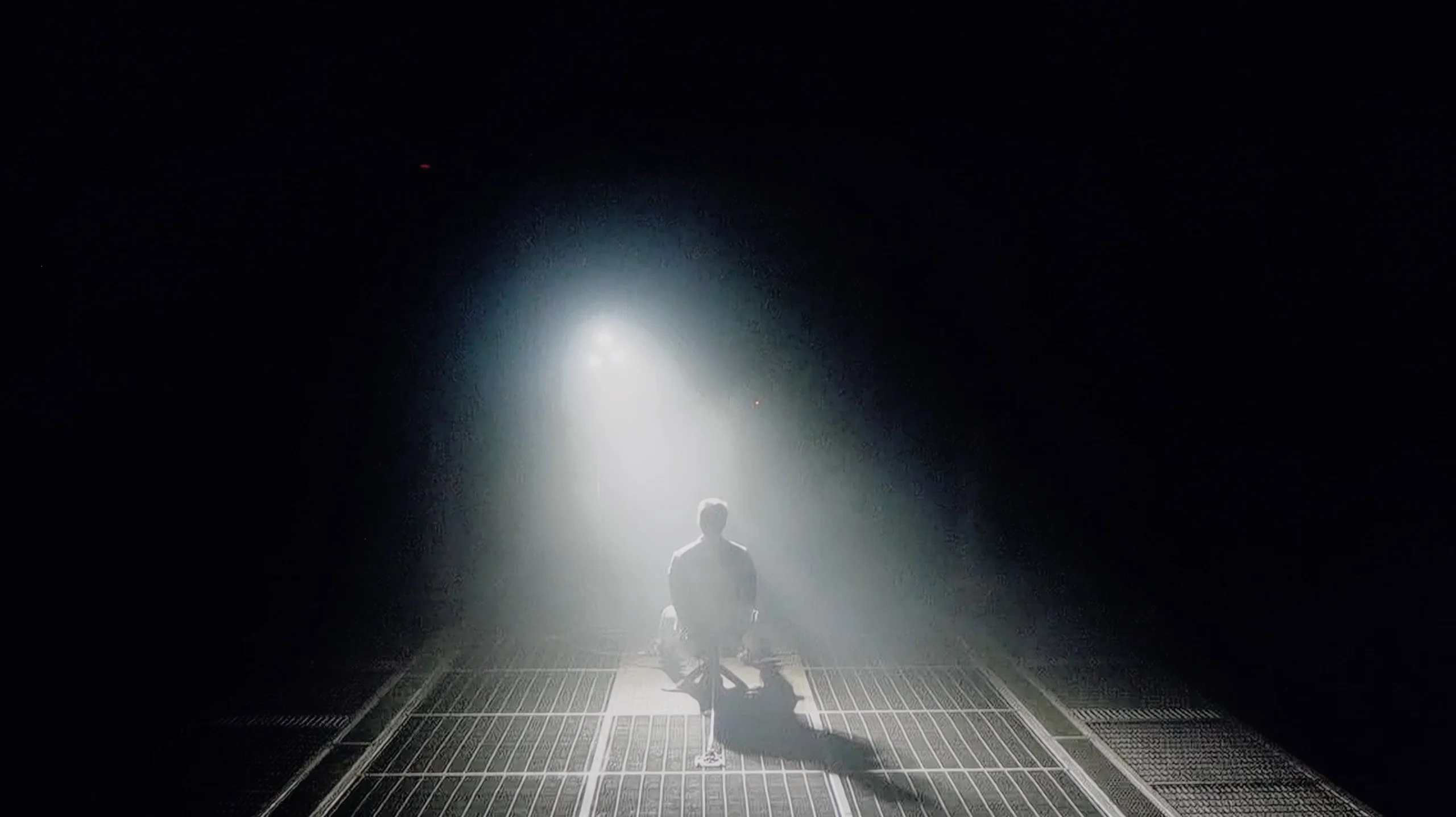
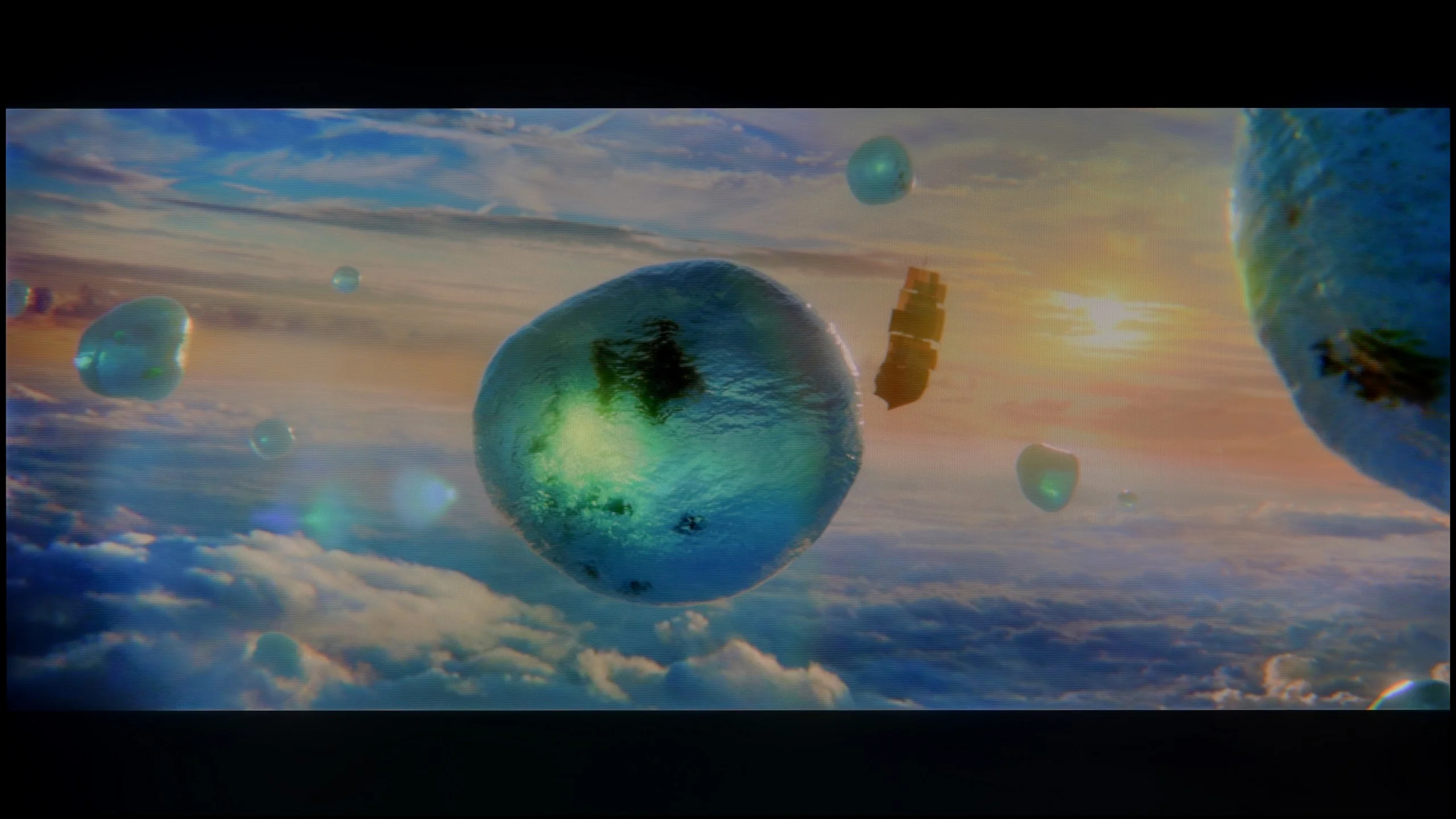
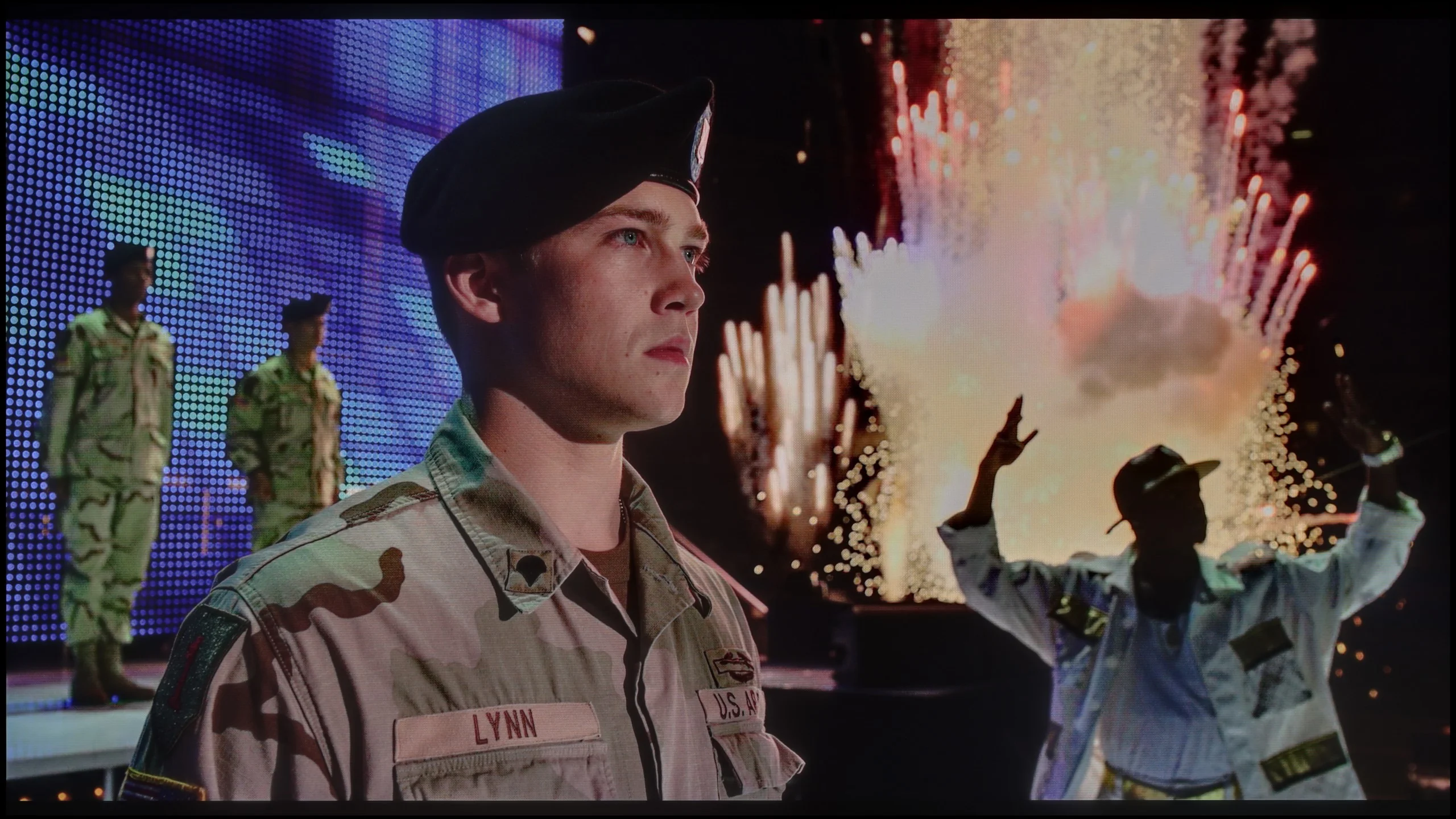
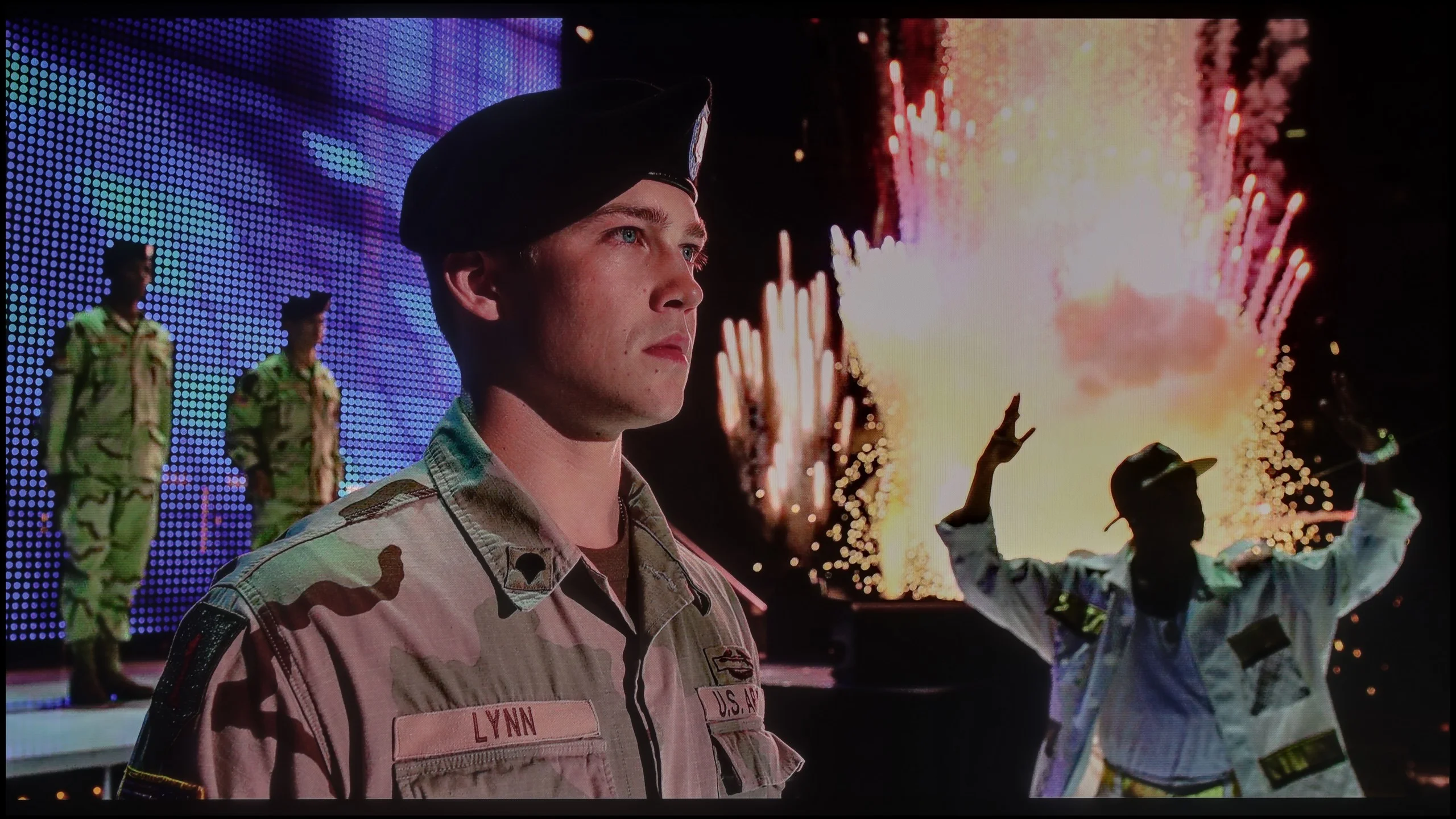
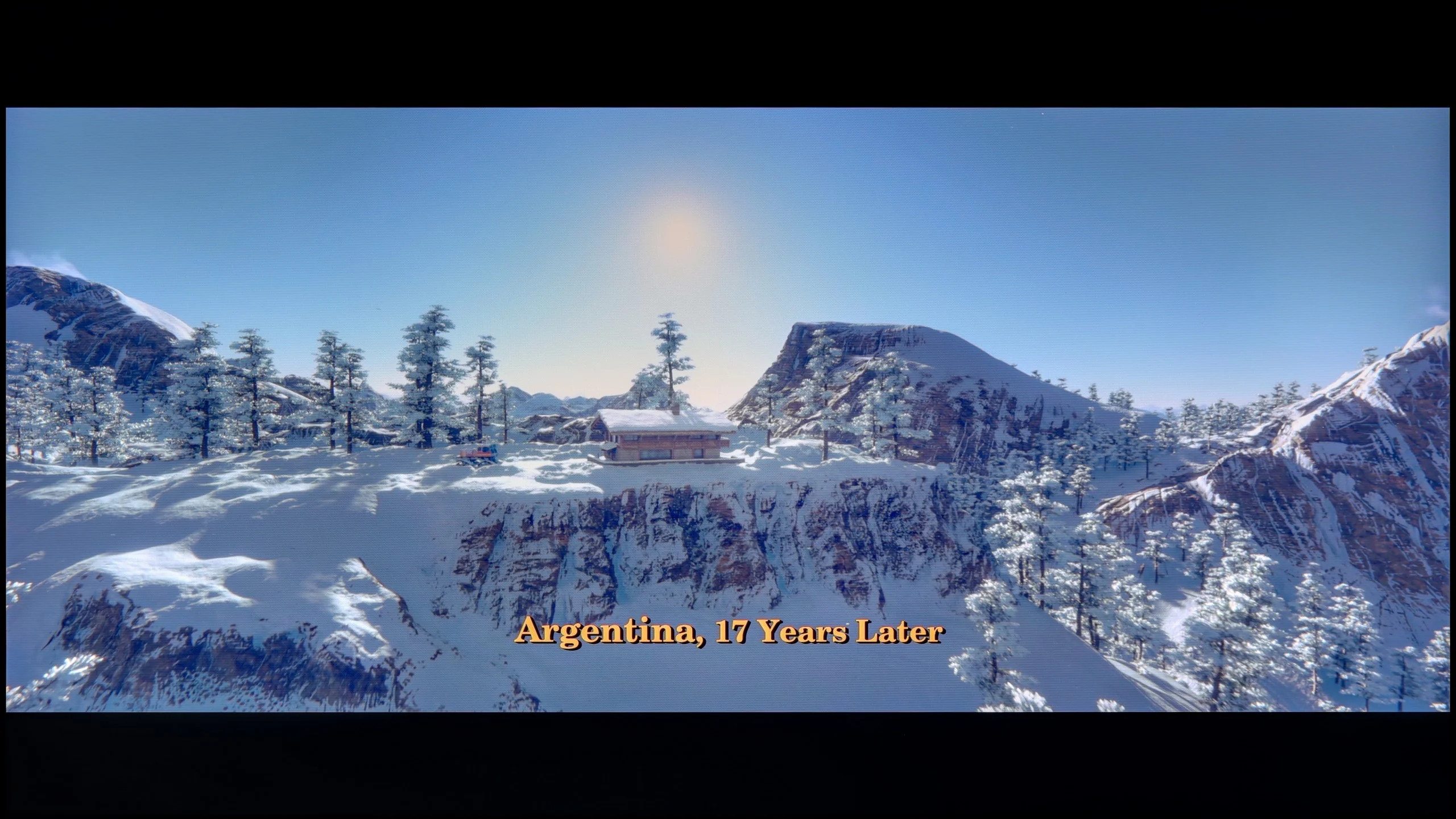
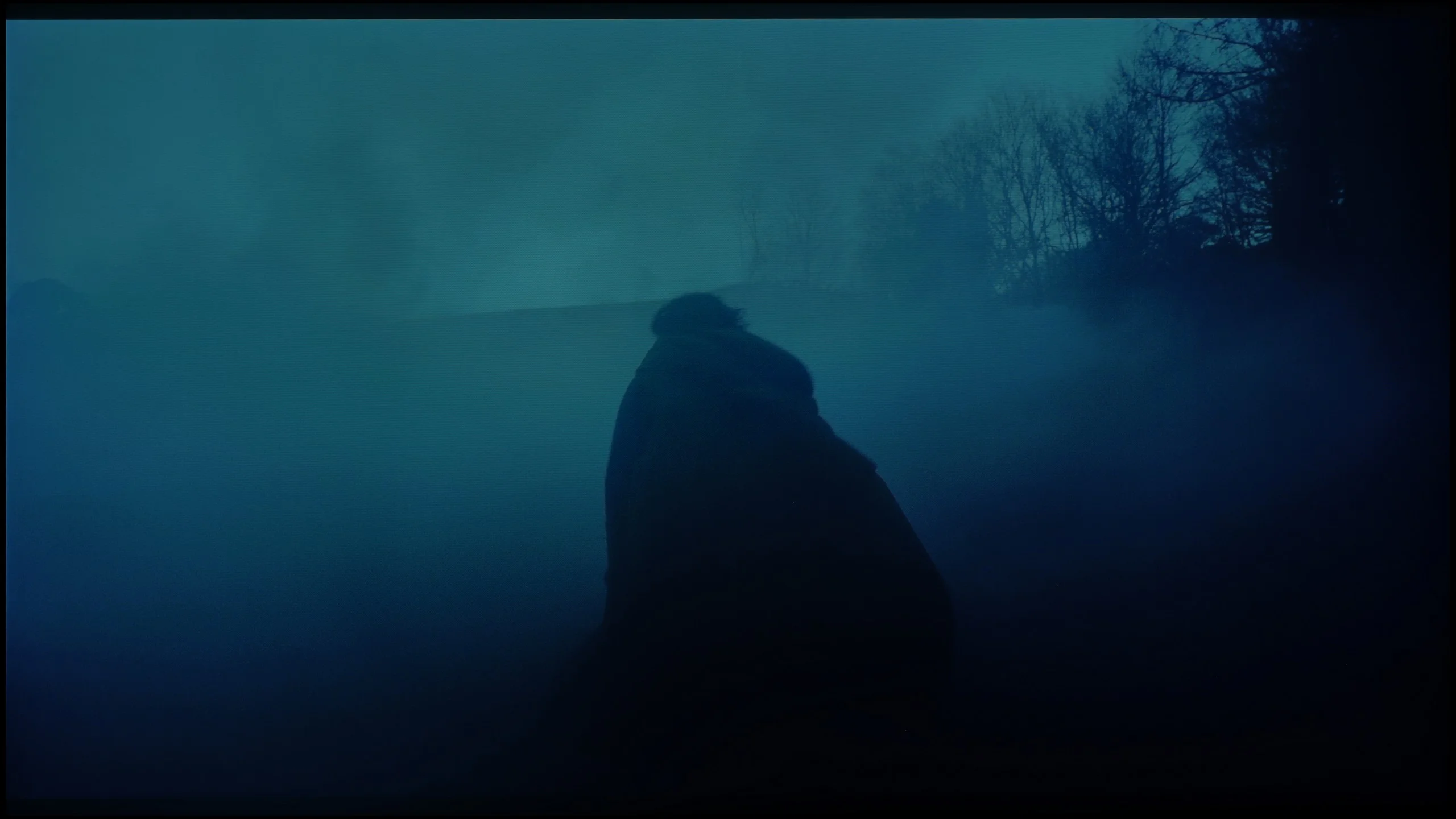
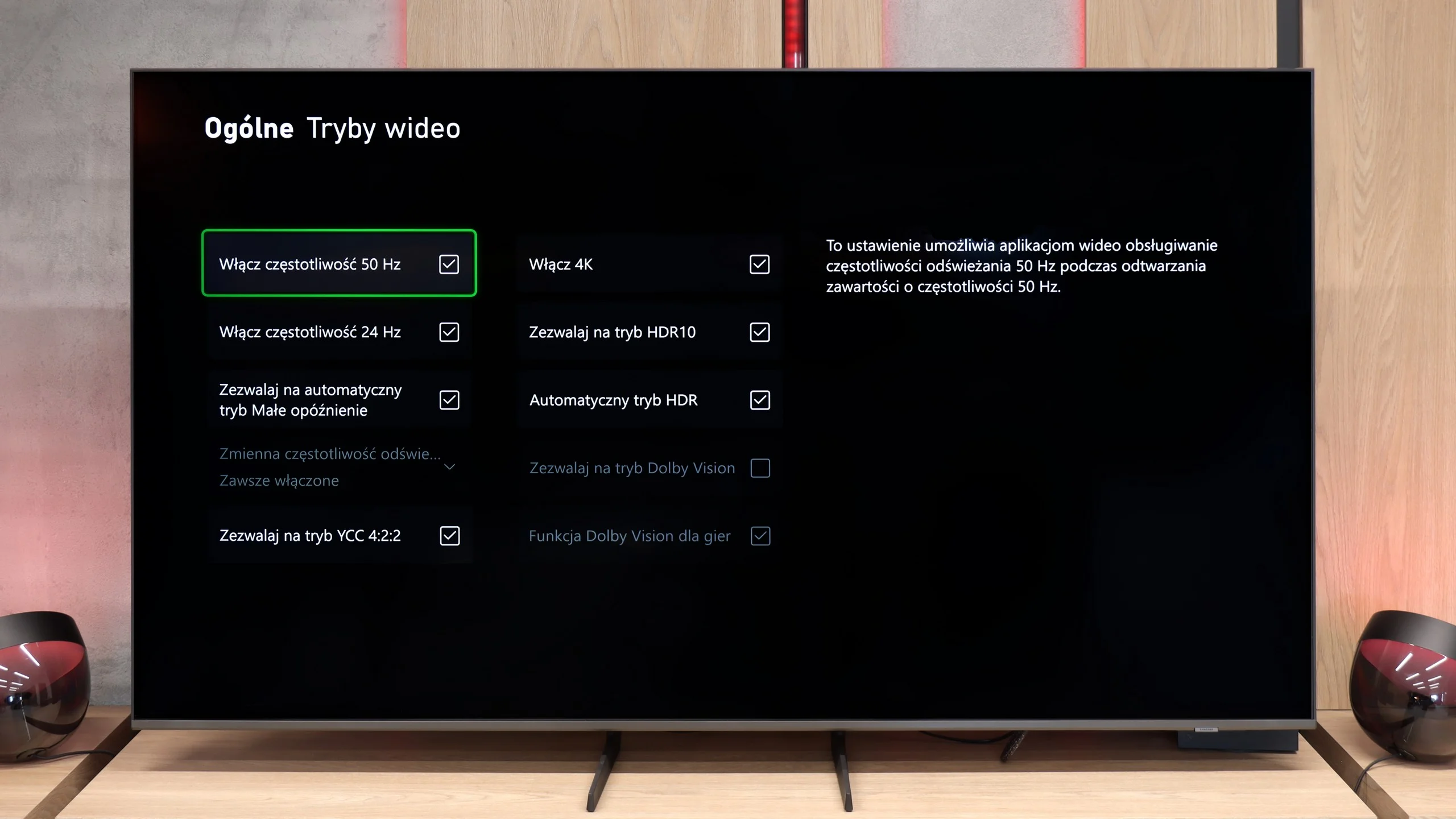
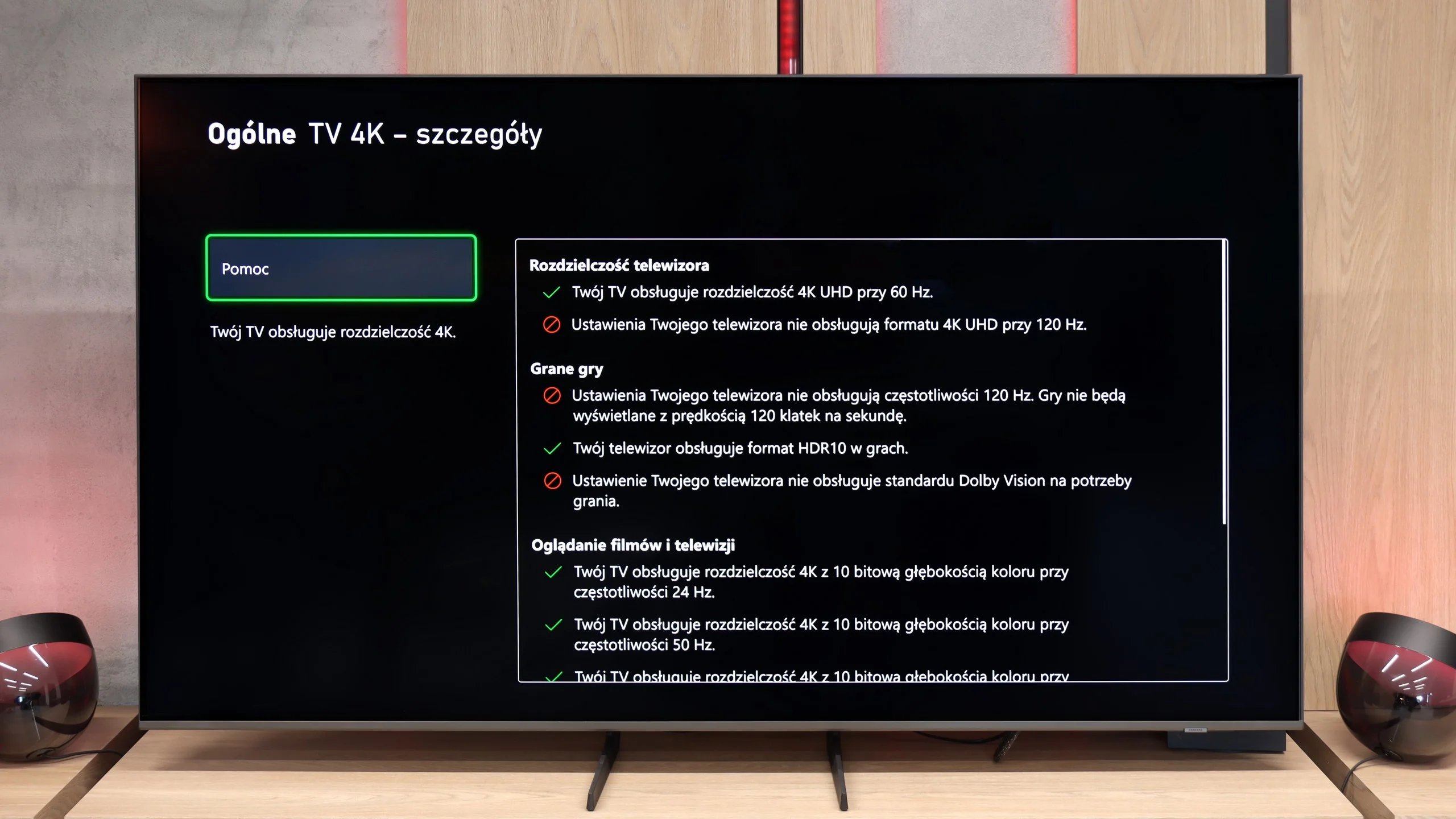
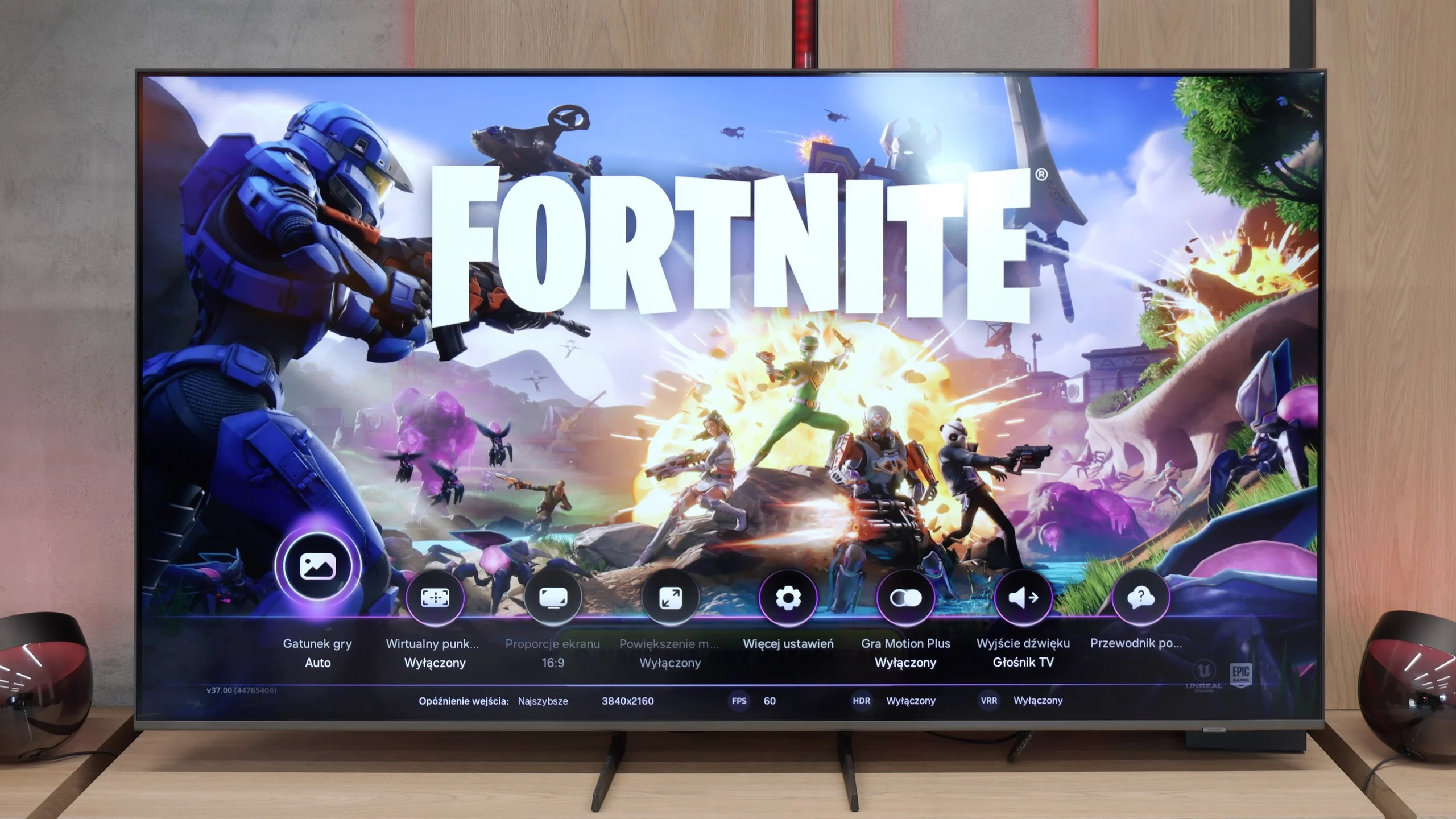
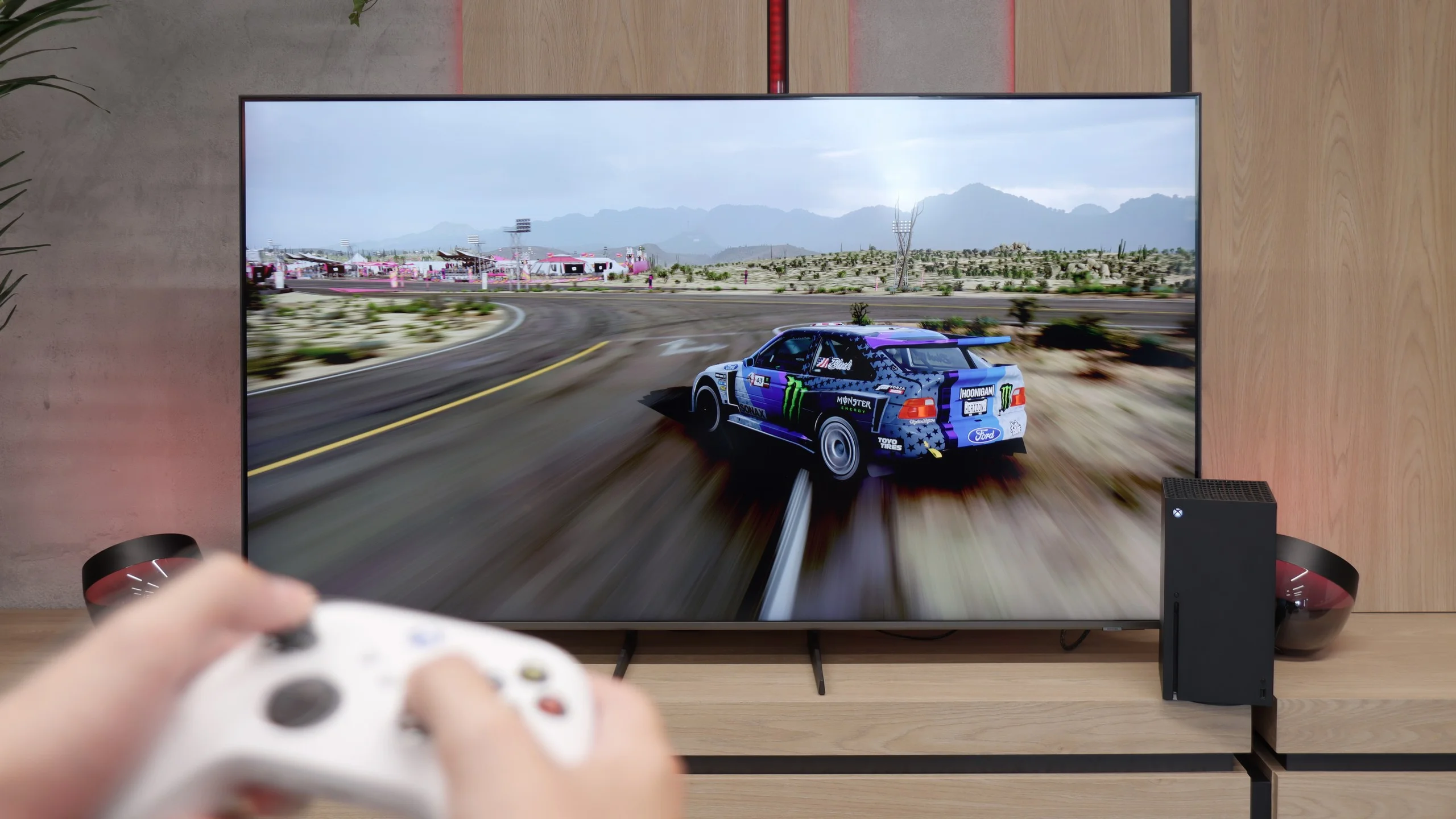
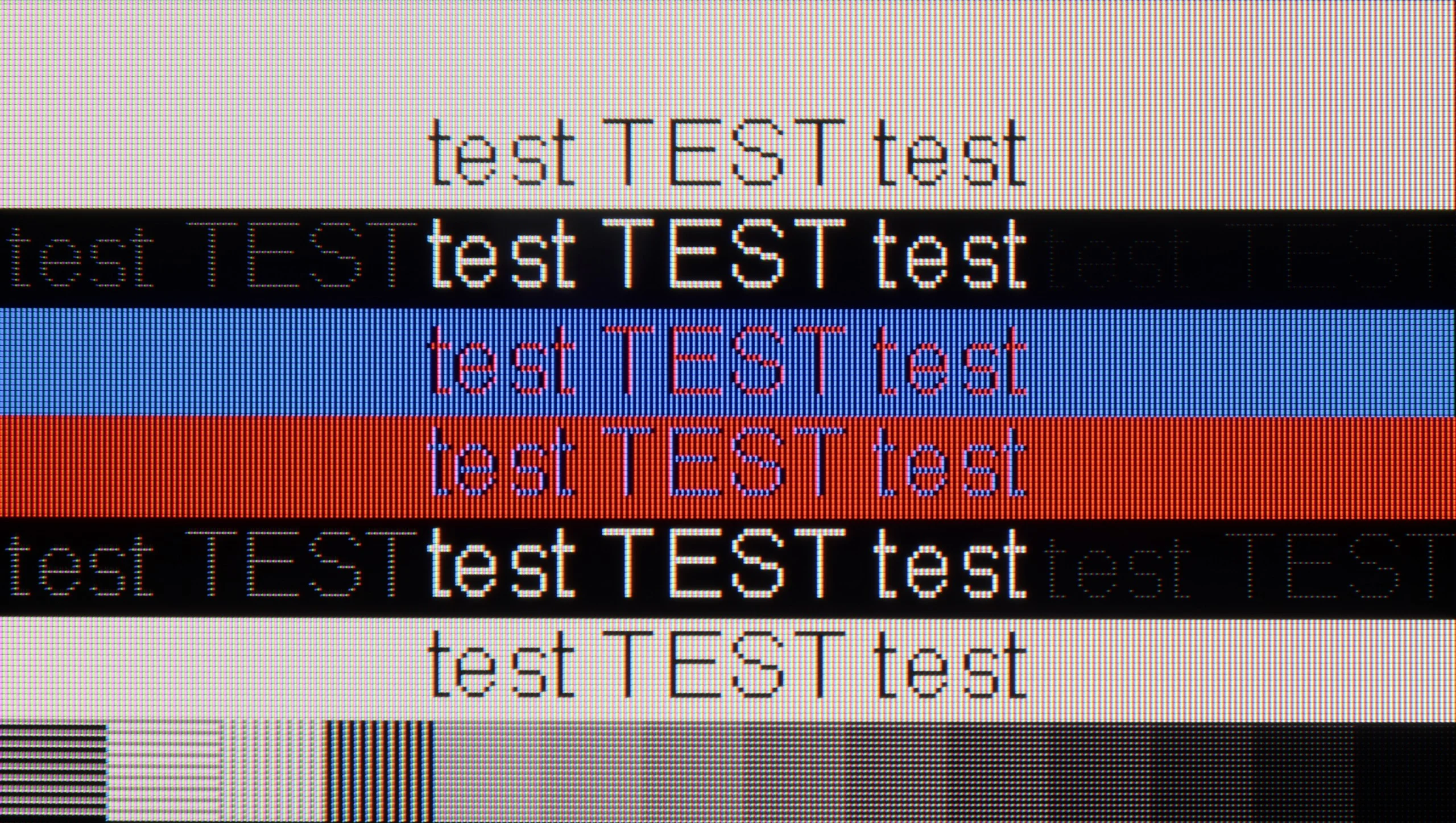
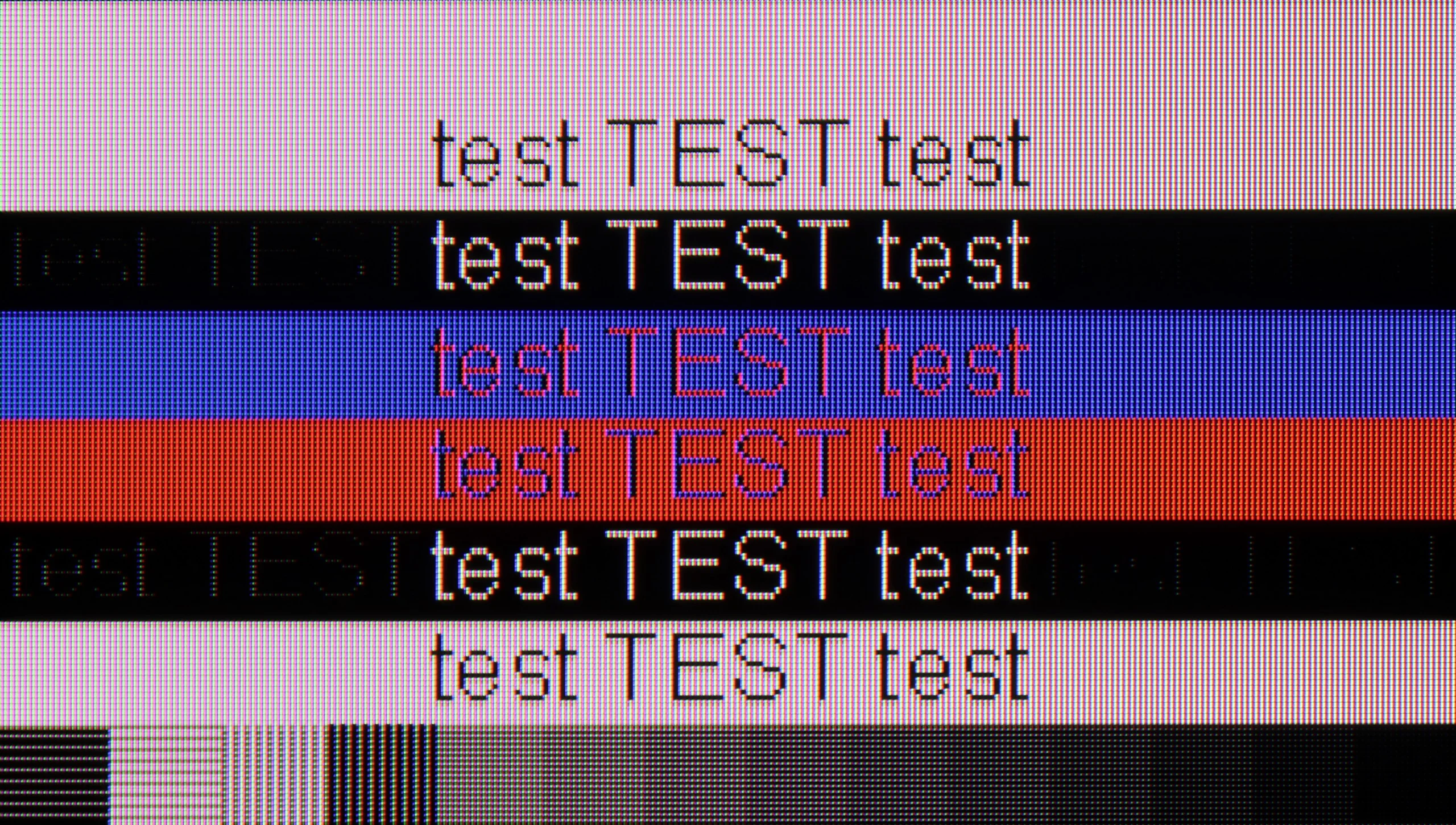
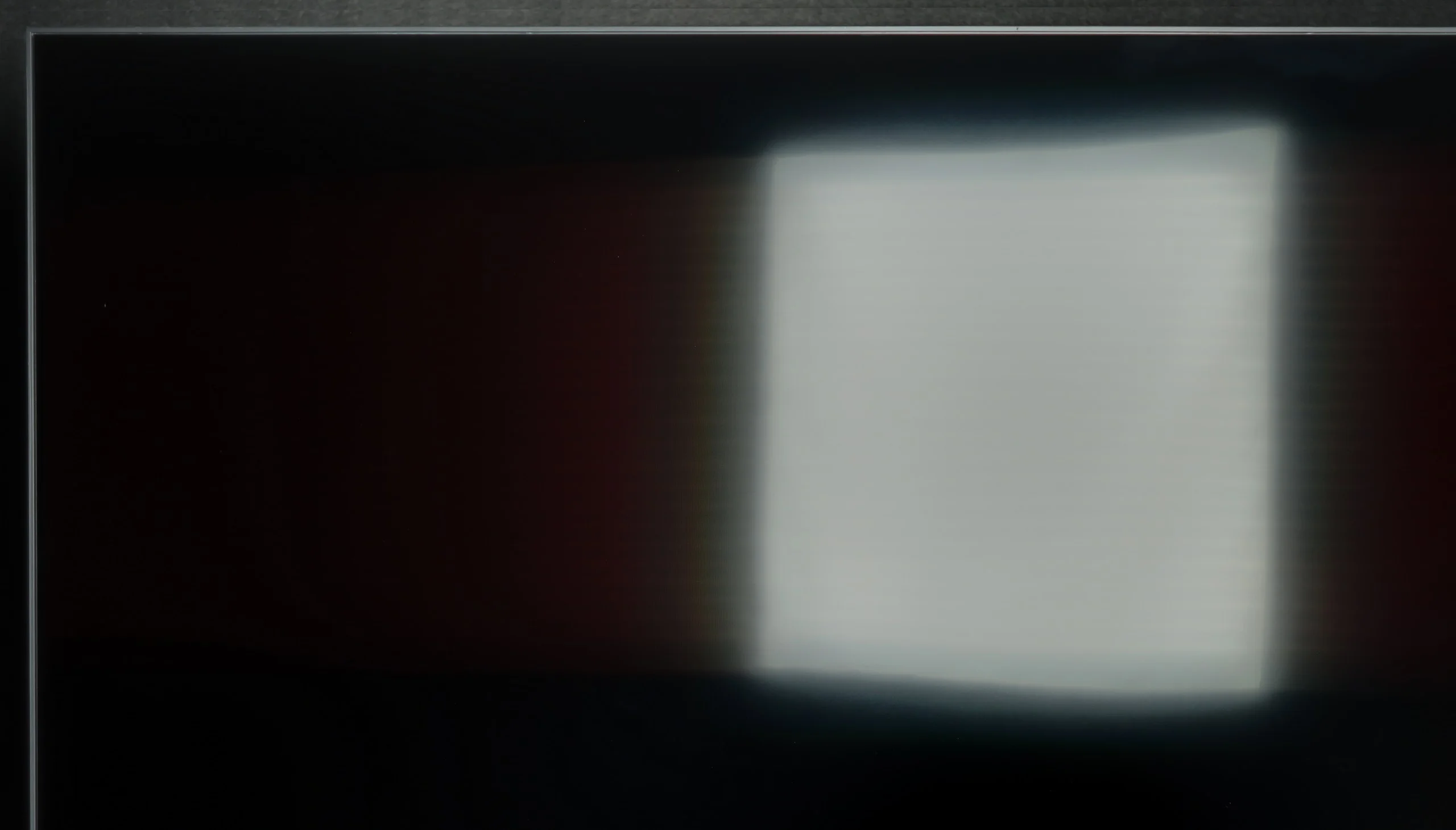
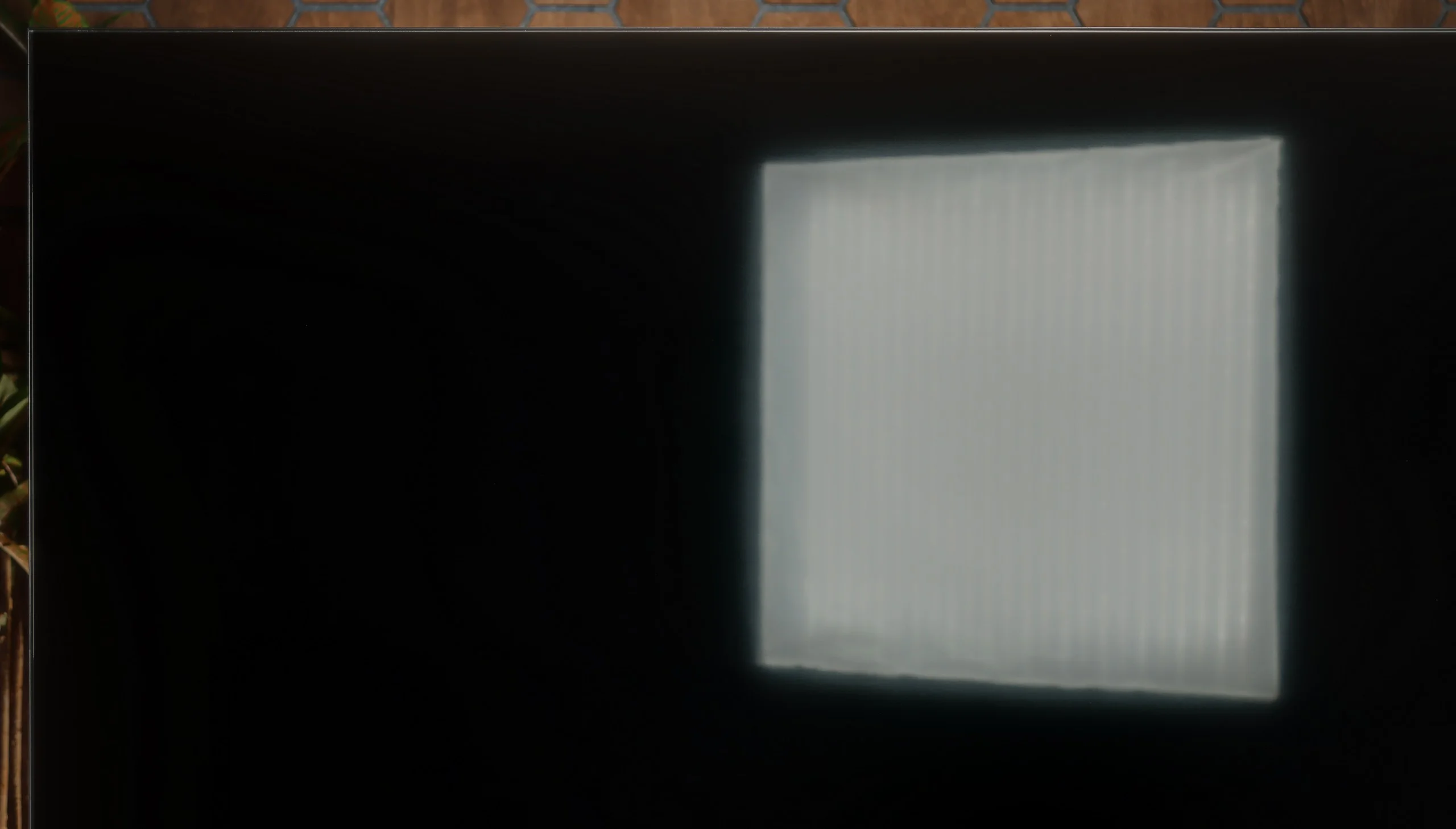
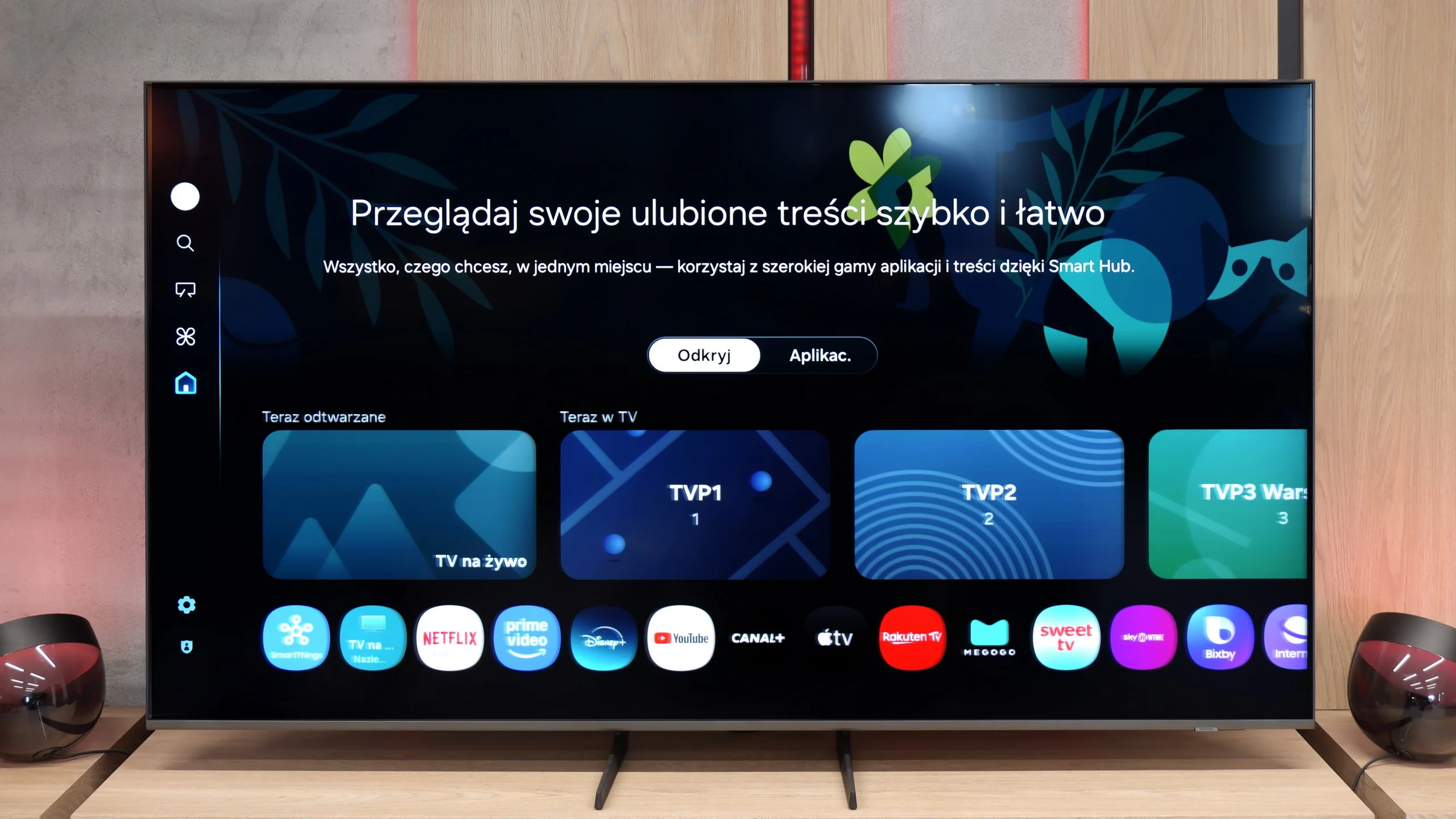
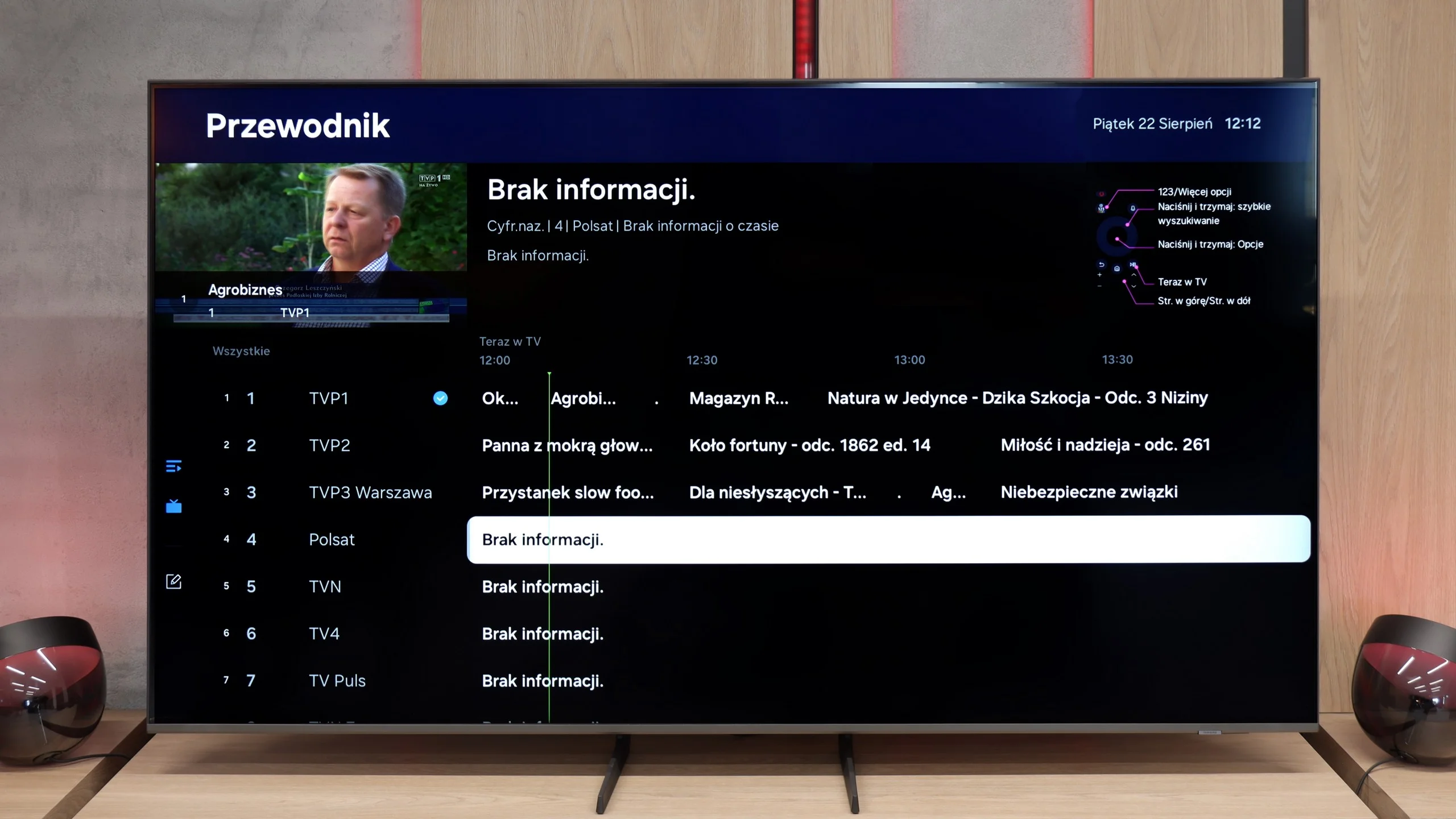
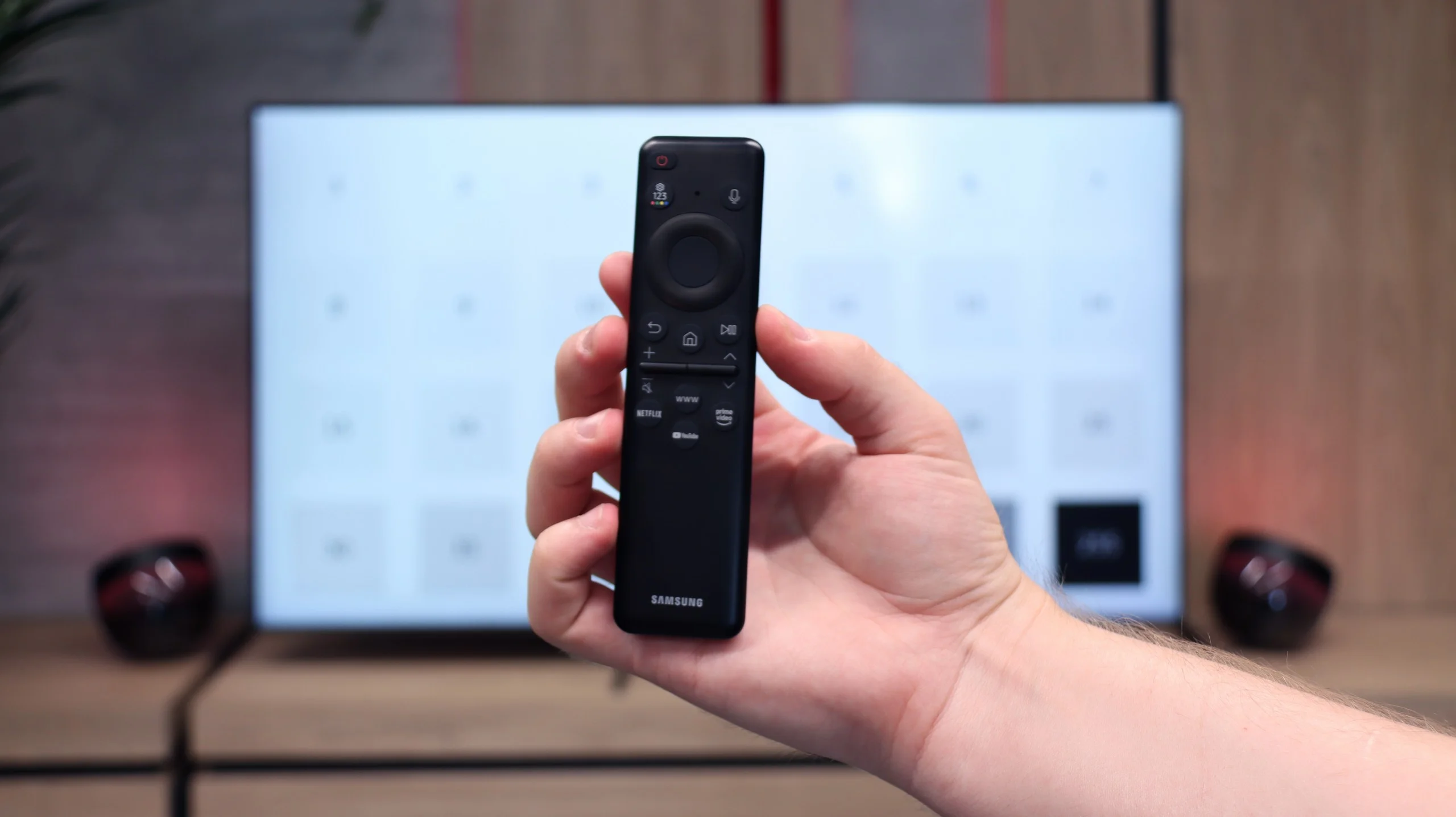
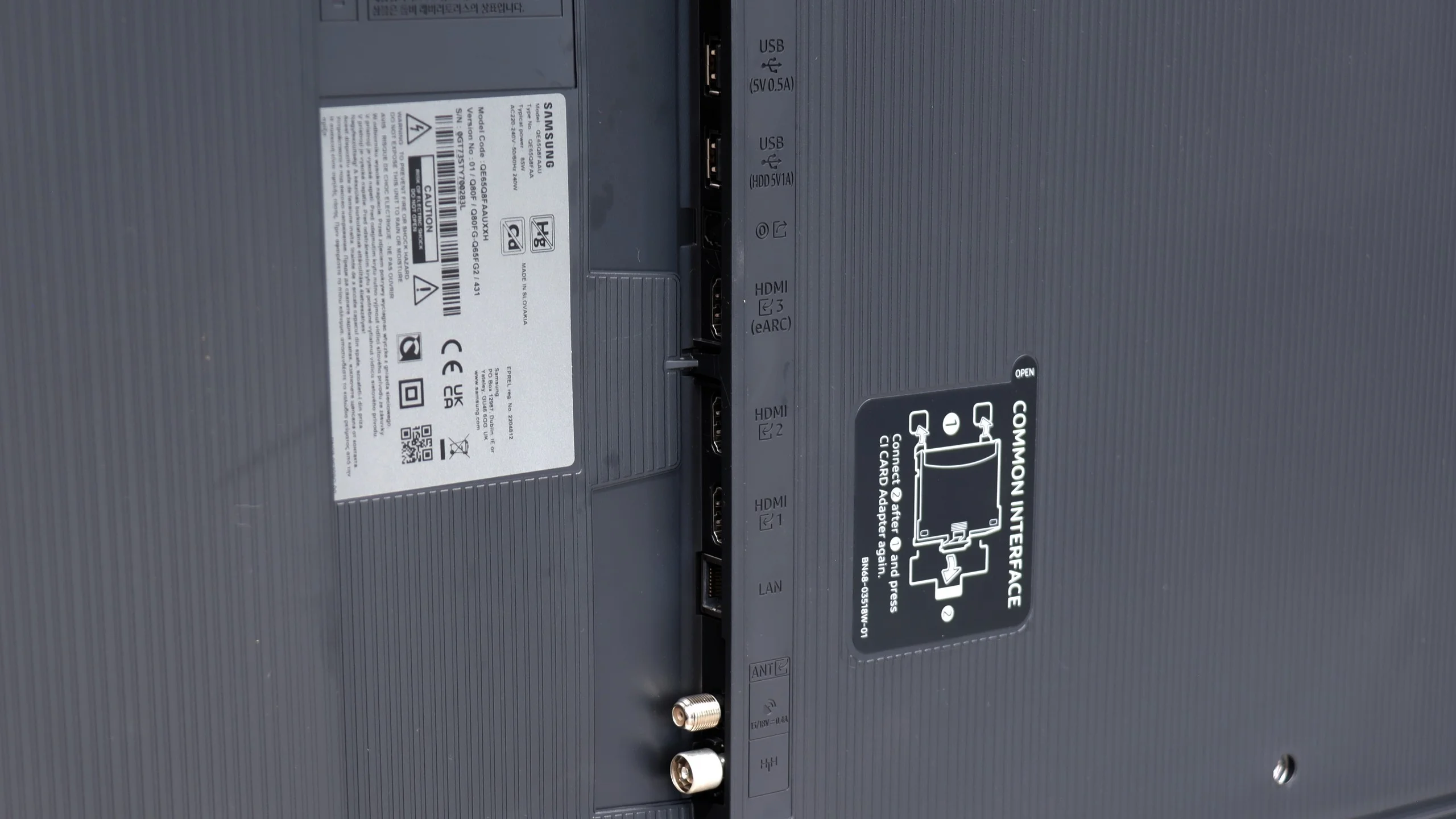
Samsung Q8F is quite a successful continuation of the Q67D model. It offers similar picture quality in HDR content, and with a brightness of around 500 nits, it can create an effect that is hard to call average. It is also aided by support for the HDR10+ format, which has been realistically competing with Dolby Vision for some time and provides comparable experiences in many productions. The contrast is also a plus—given its VA panel, it performs solidly and allows for pleasant blacks in movies and series. However, the biggest advantage of the Q8F remains the operating system. Tizen works quickly, provides access to many applications, and integrates well with the SmartThings ecosystem, making it easy to connect the television to a larger network of home devices. Interestingly, the Q8F also has some niche use—thanks to its very good font readability, it works great as a screen for text work. Additionally, the adjustable stand allows the TV to be positioned on practically any desk or narrower TV cabinet. The biggest drawback, in our opinion, is not the image quality itself—because in this price range it's hard to expect miracles—but rather what has happened to the features for gamers. In fact, the manufacturer even boasts about the availability of these features in its catalog. This makes it difficult to recommend the Q8F to anyone planning to hook up a console and expecting full support for new technologies. Thus, the Q8F is a TV that can please—primarily with its design, above-average picture quality, and efficient Tizen system. But at the same time, it shows a step back compared to its predecessor. Let’s hope that Samsung can quickly rectify these shortcomings, as otherwise, even such a successful “everyday” TV may leave some users feeling unsatisfied.
[UPDATE] We have updated our 2025 Samsung TV reviews following the release of firmware version 1131, which officially restores the essential HGiG (HDR Gaming Interest Group) support.
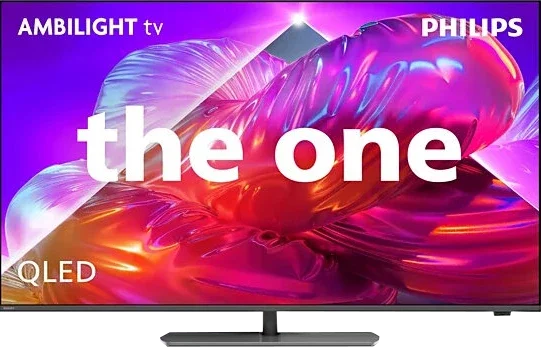
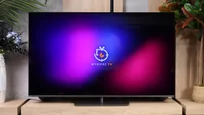
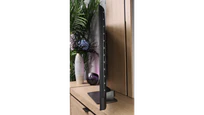
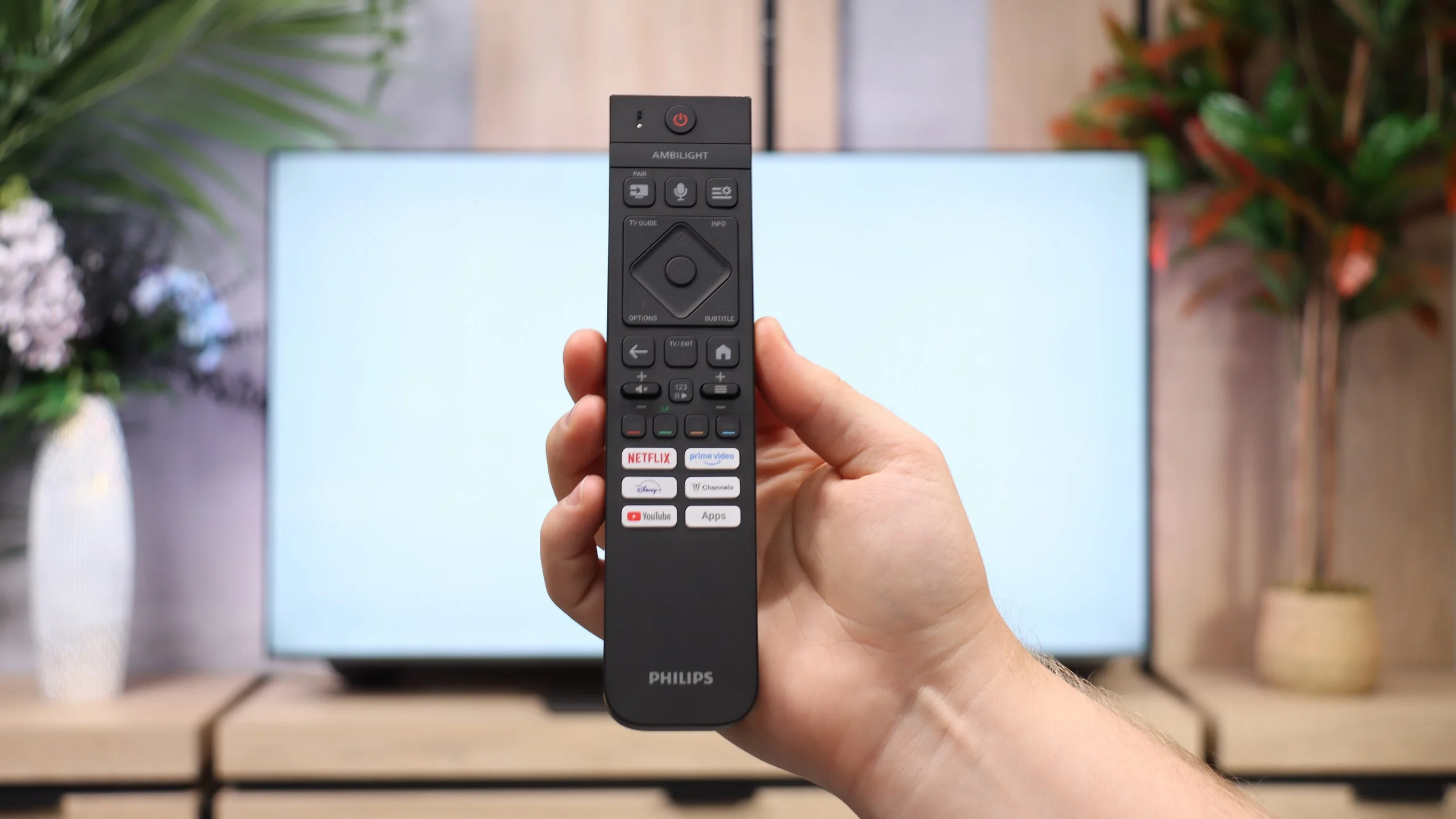
The idea behind The One series has remained practically unchanged for years, and with the Philips PQS9001 this is both an advantage and its biggest weakness. Once again, we get a versatile mid-range TV whose main distinguishing feature is Ambilight. The lighting that follows what is happening on the screen can completely change the atmosphere of an evening movie session, and for many people it will be the main reason to choose this TV. That is hardly surprising, because once you get used to the effect, it can be difficult to go back to watching without it. The picture quality itself is good, but we have already seen a very similar level from this series in previous years. The VA panel provides decent blacks, colours are nicely saturated, and the brightness is sufficient for comfortable viewing in a typical living room. It is a shame, however, that Philips did not take another step forward and introduce at least basic local dimming. In a dark room, blacks can look noticeably bluish, and HDR, while clearly visible, does not make as strong an impression as it could. After so many years of The One being on the market, we would have expected a little more progress here.
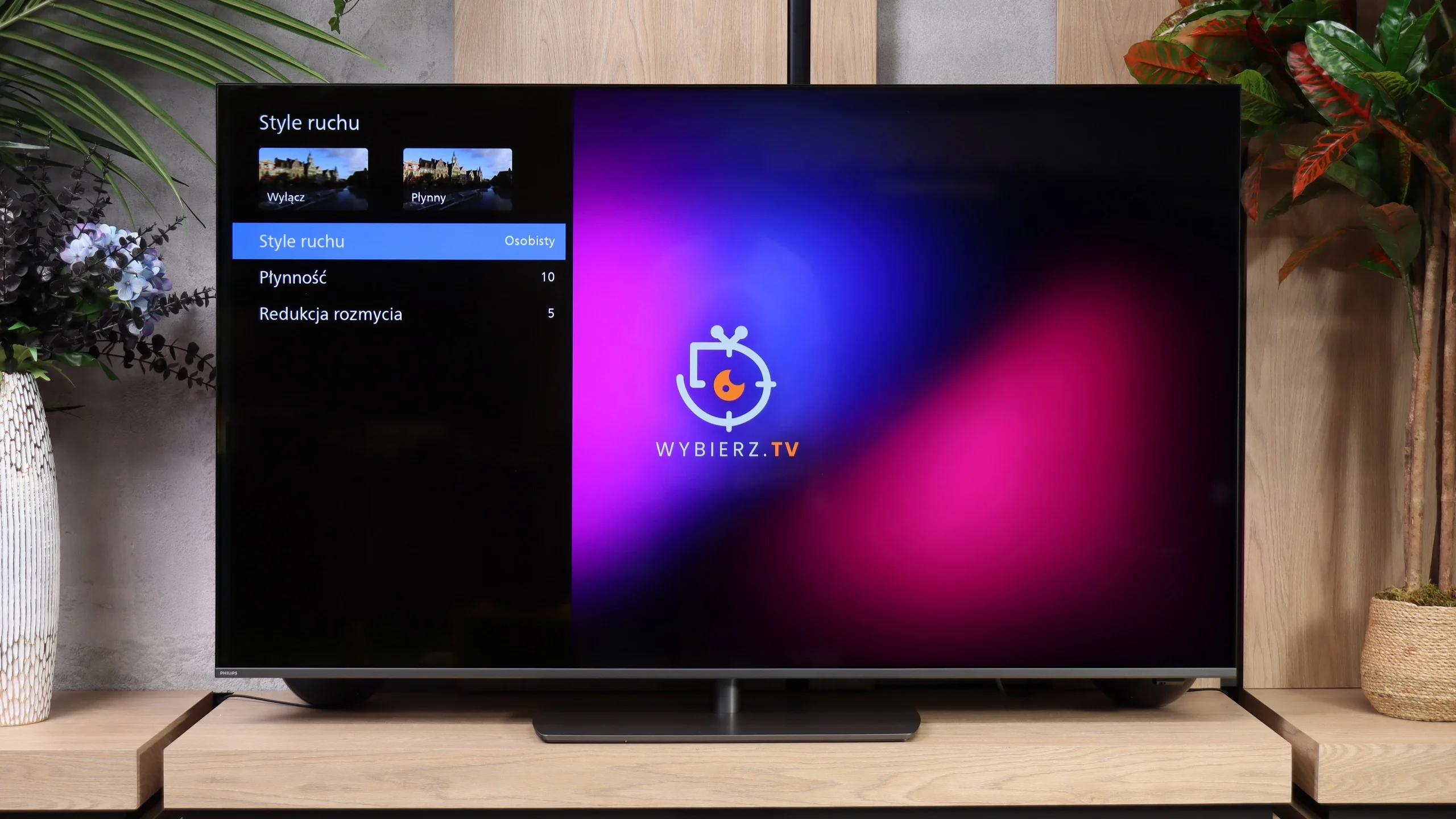
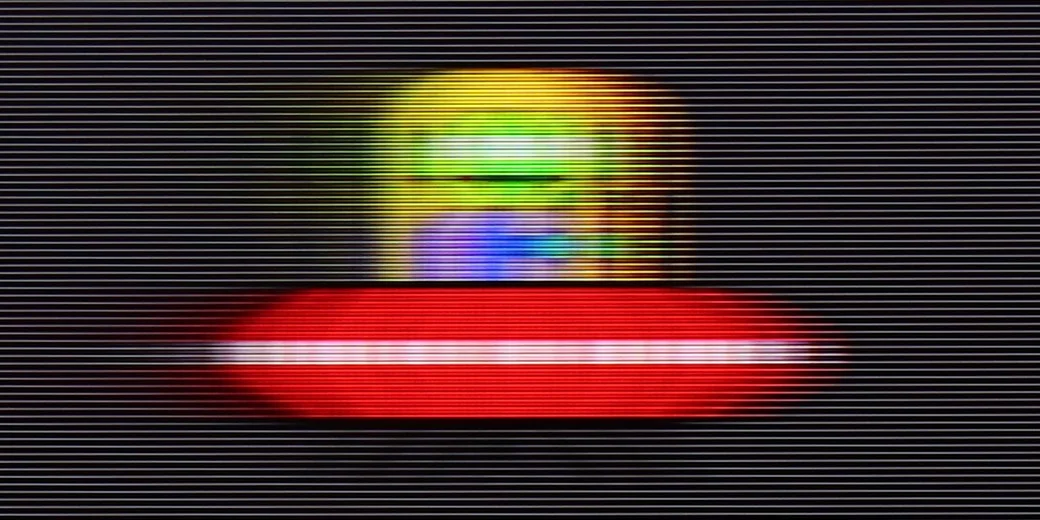
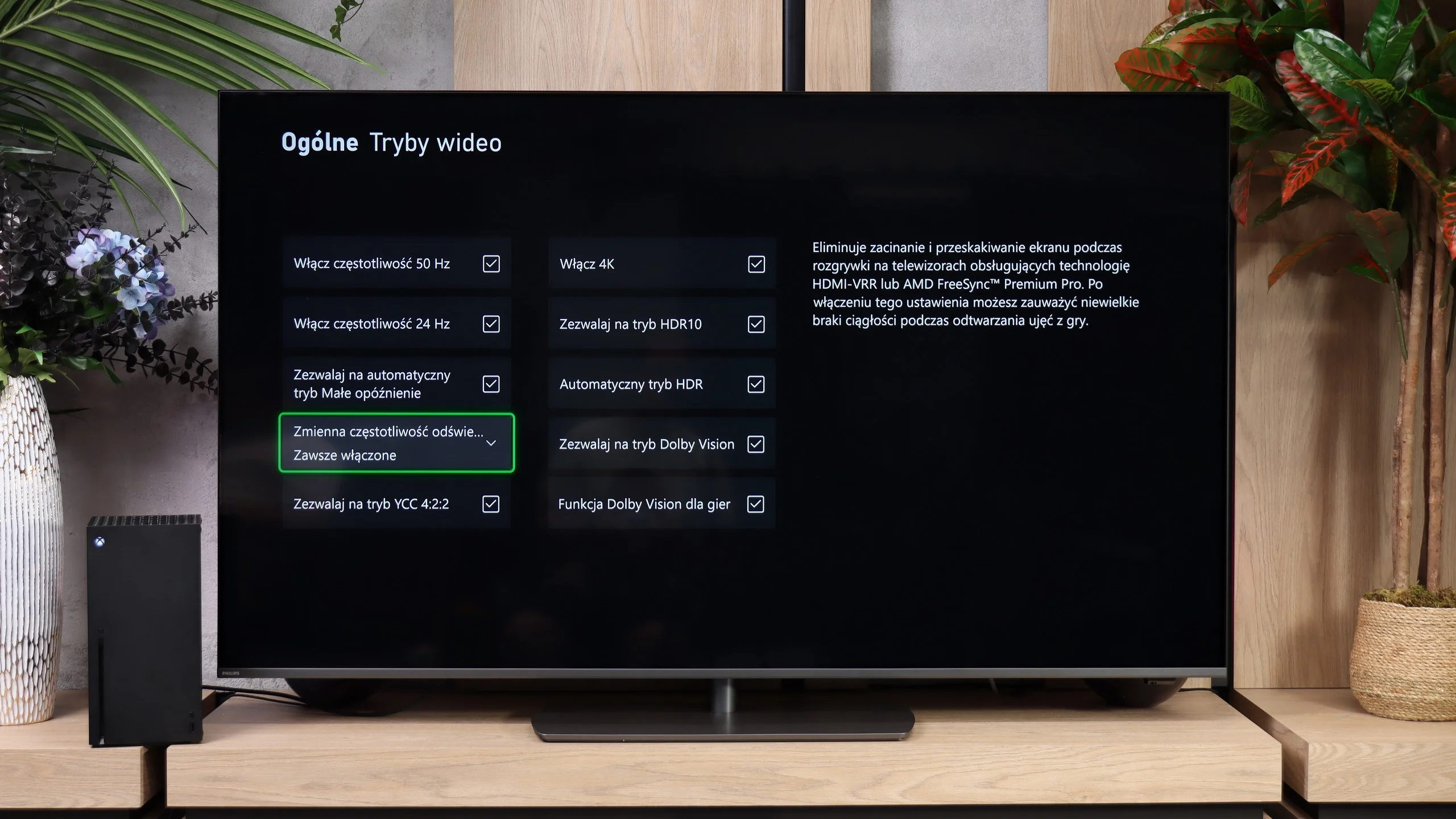
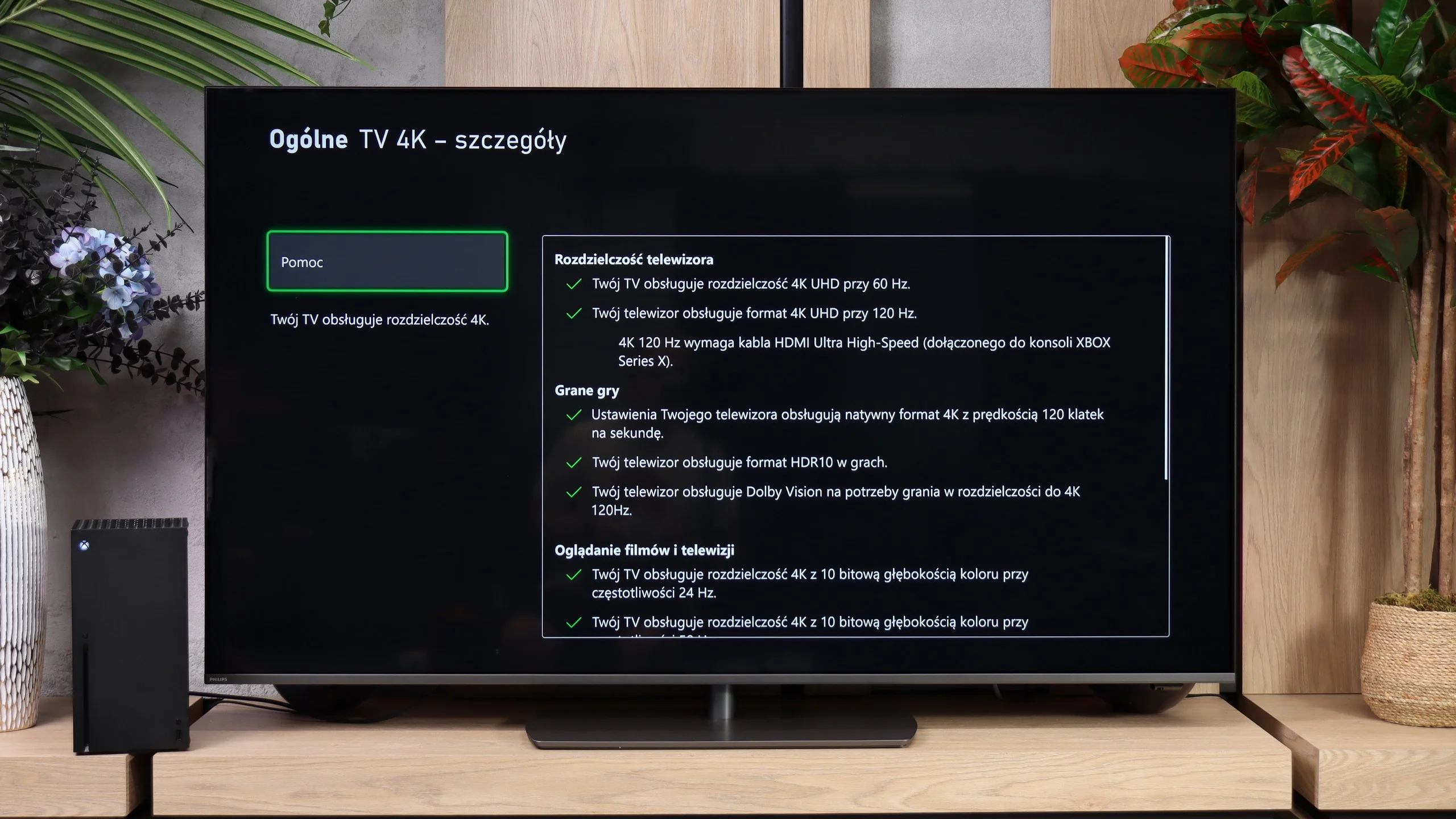
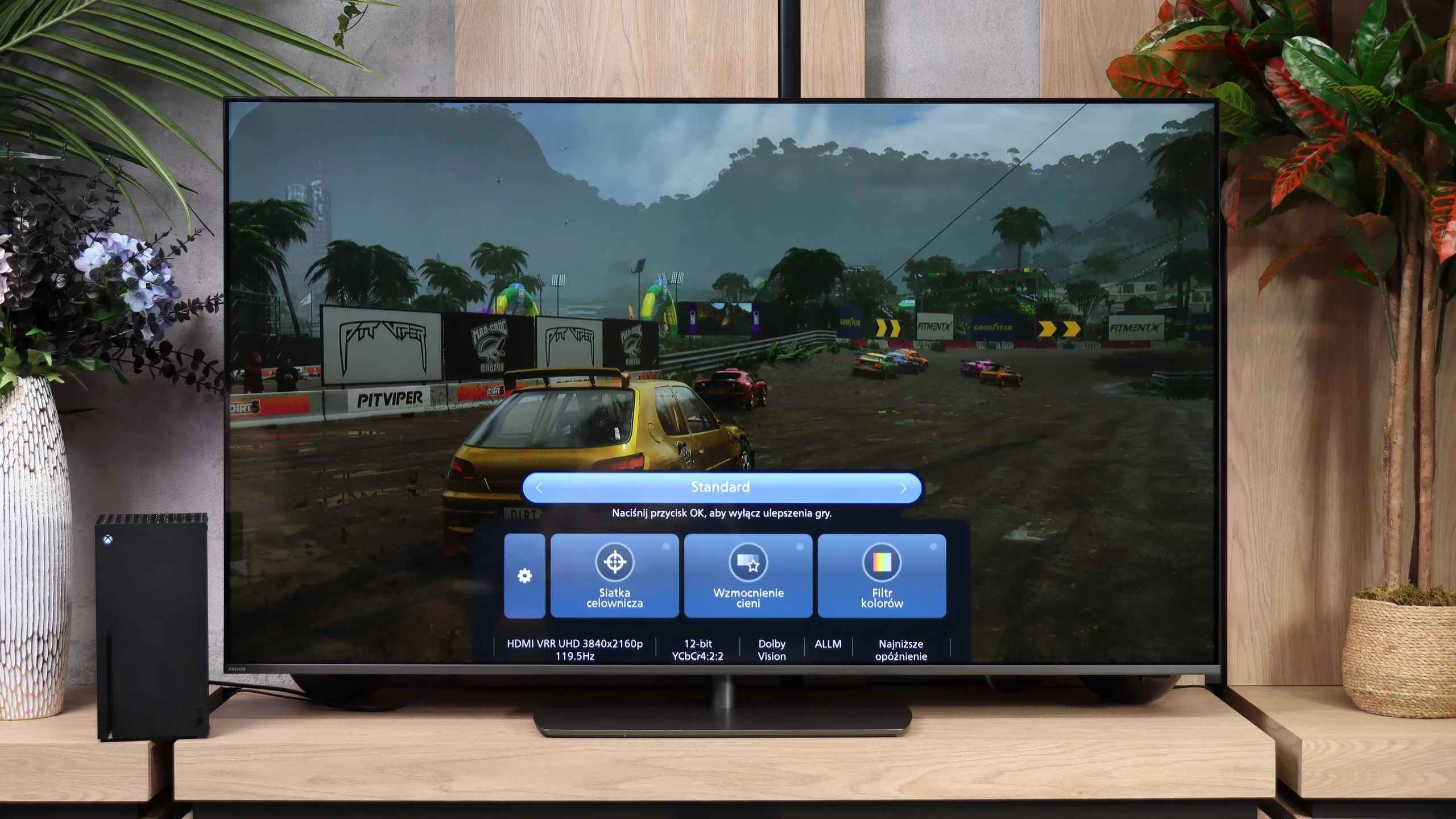
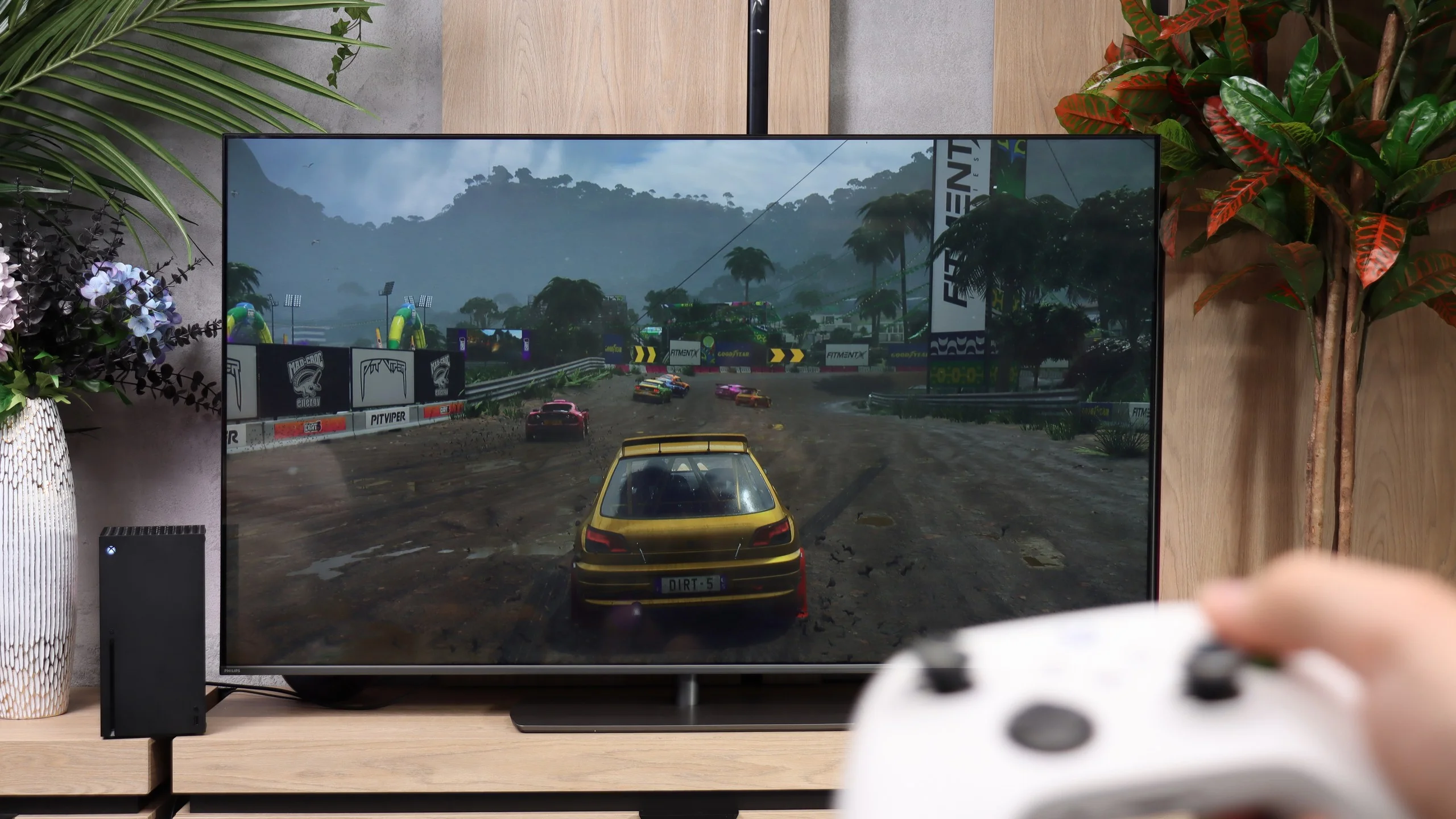
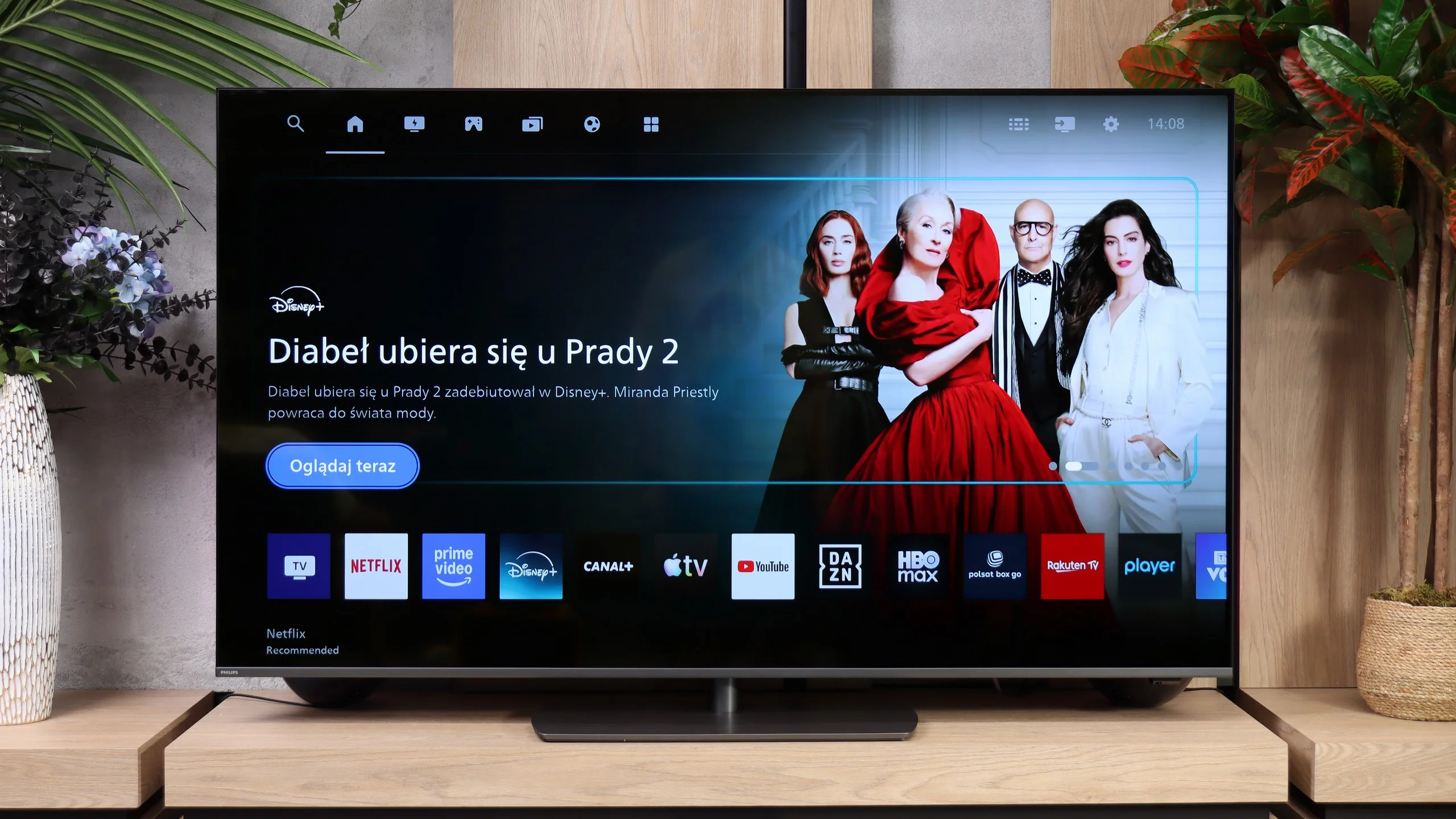
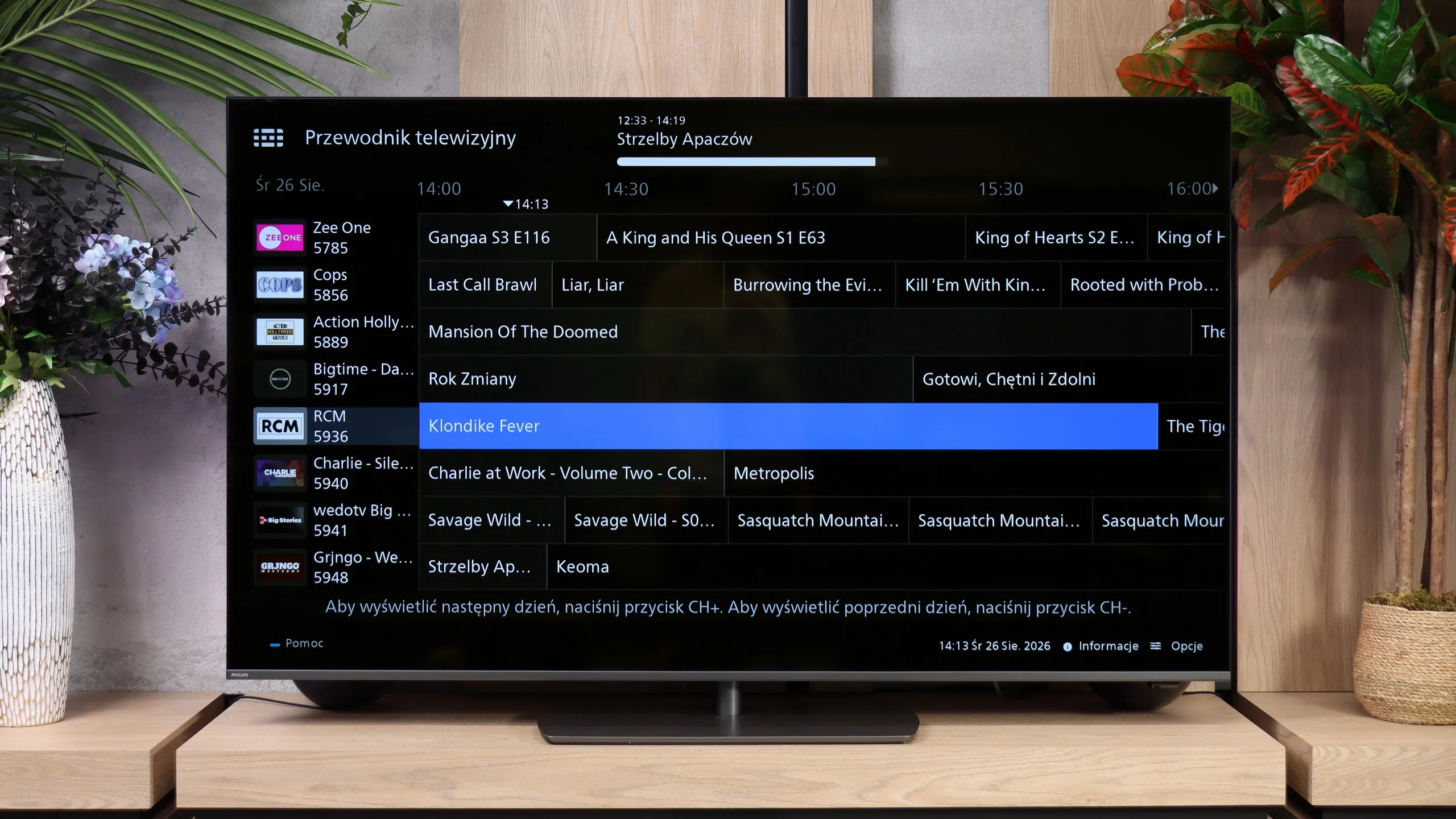
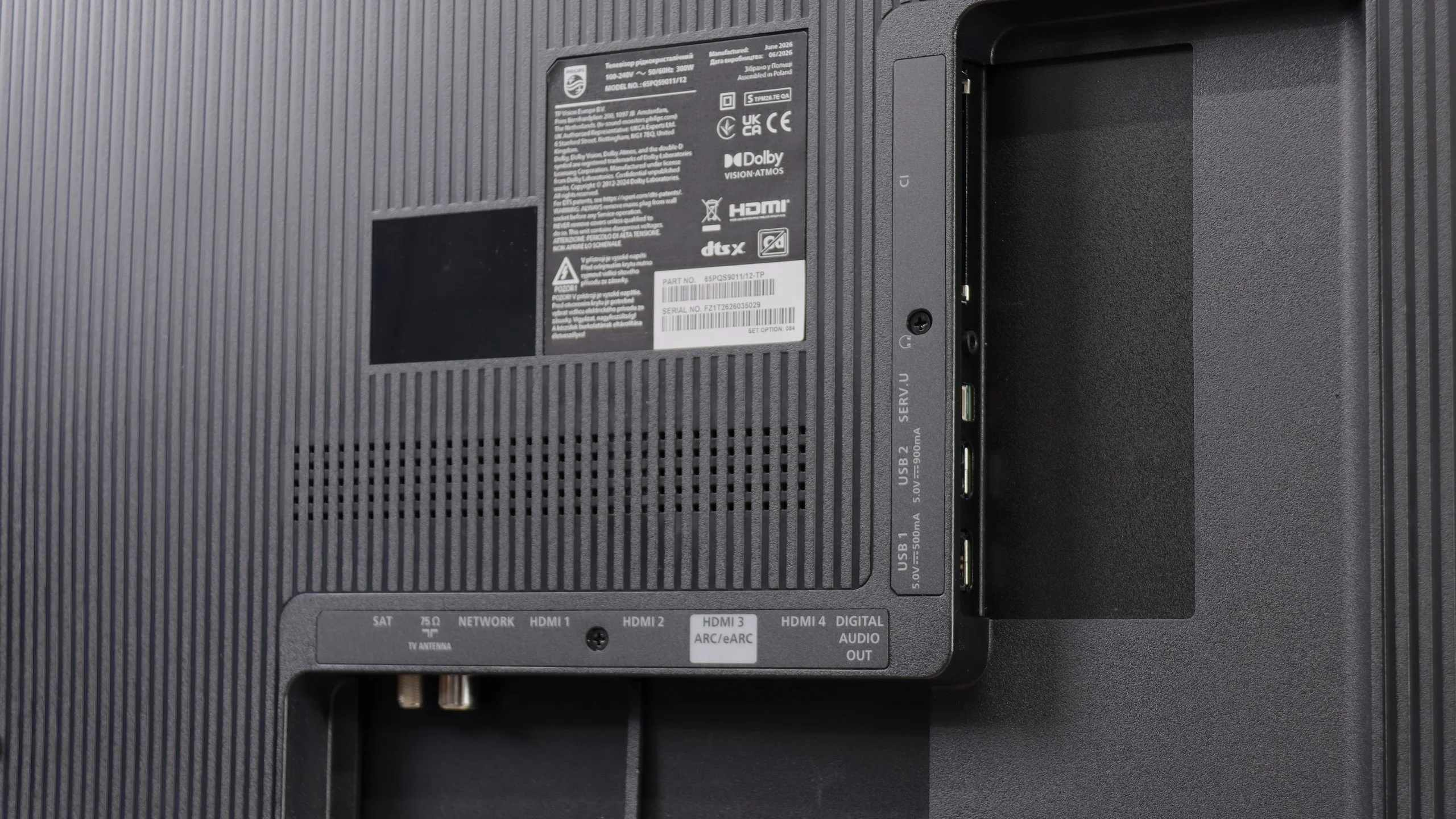
There has, however, been a noticeable improvement in Titan OS. Compared with last year, and especially with the version from two years ago, the system has become much more pleasant to use. There are more apps, many smaller functions have been improved, and a number of irritating bugs we previously complained about have been fixed. Overall, it works reasonably well, although we are once again frustrated by the remote control, which still requires you to point it directly at the TV. Philips continues to rely on infrared for regular navigation, even though voice control uses a wireless connection. That makes it even harder to understand why the same connection was not used for navigating the menus. The One also has quite a lot to offer gamers. Four HDMI 2.1 ports and a broad set of gaming features are one thing, but what impressed us most was the panel’s response time. Our unit showed practically no visible smearing, even on dark backgrounds, which is quite rare for an LCD TV with a VA panel. Philips deserves a lot of credit for that. The ability to play at 4K 144 Hz or Full HD 240 Hz also makes the TV an interesting option for PC users. Unfortunately, there is still one unfinished element: using Dolby Vision in games on Xbox results in very high input lag.
The PQS9000 therefore leaves us with mixed feelings. It can surprise with excellent motion handling and shows that Philips has clearly worked on its operating system, but we do not see a similar step forward in picture quality. This is a TV we can recommend primarily to fans of Ambilight. If that lighting system is the main reason you are considering a Philips, then buying The One makes a lot of sense. It is still worth checking, however, whether you can find a Mini LED model with good local dimming at a similar price. Such a TV may offer deeper blacks and more impressive HDR performance. In the end, the choice comes down to what matters more to you: the atmosphere created by Ambilight or better picture quality itself.
 Direct comparison