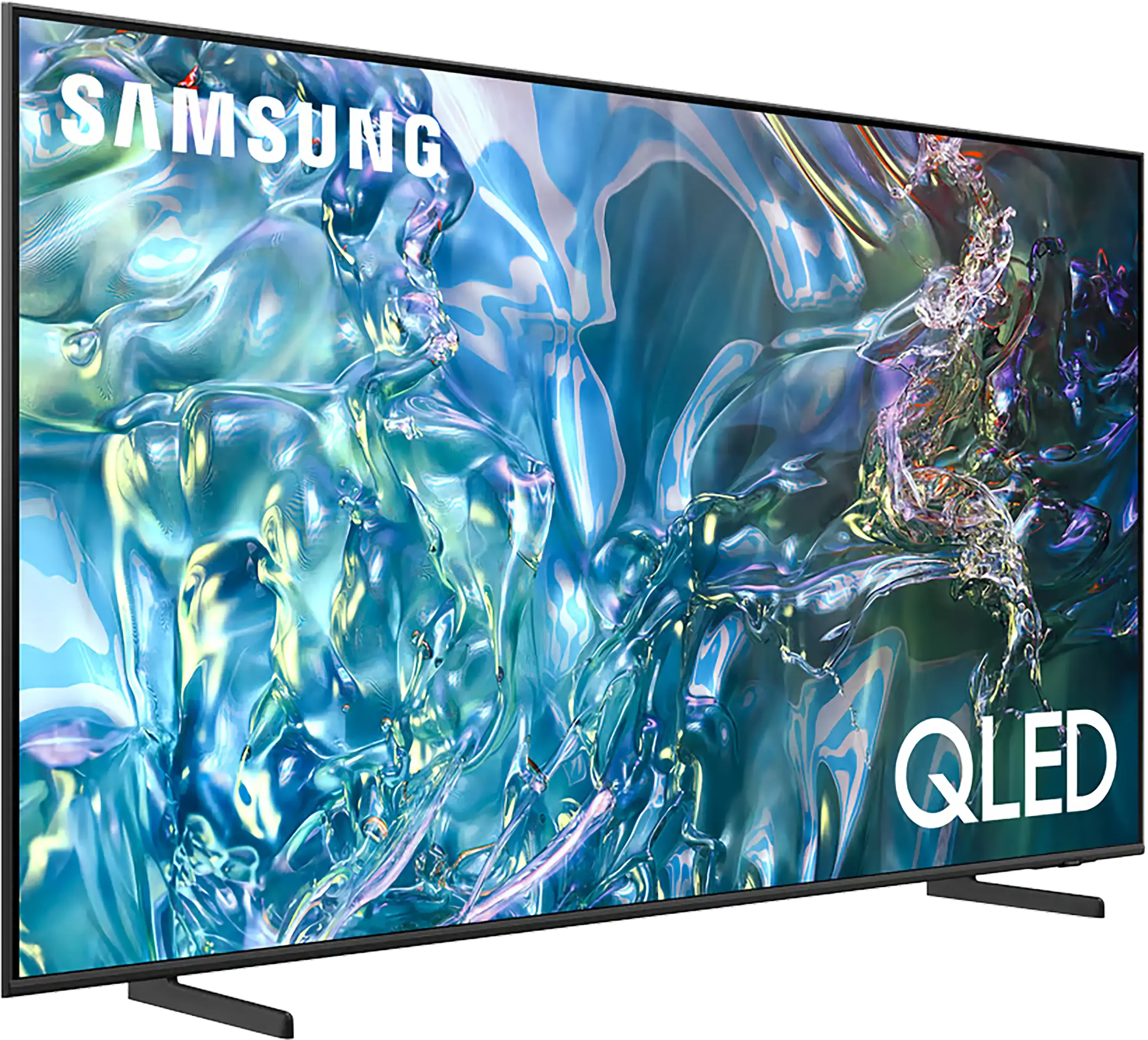
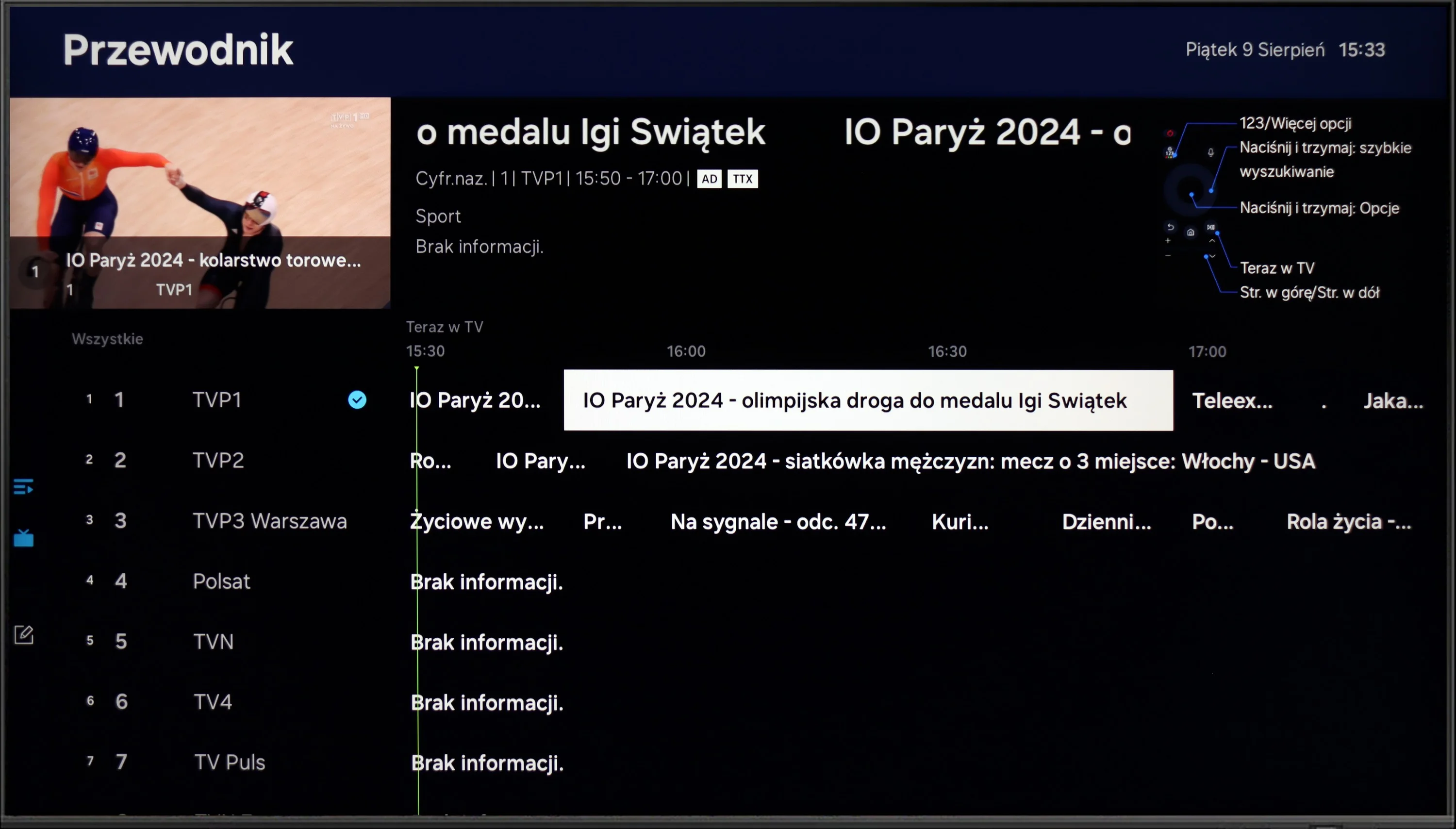
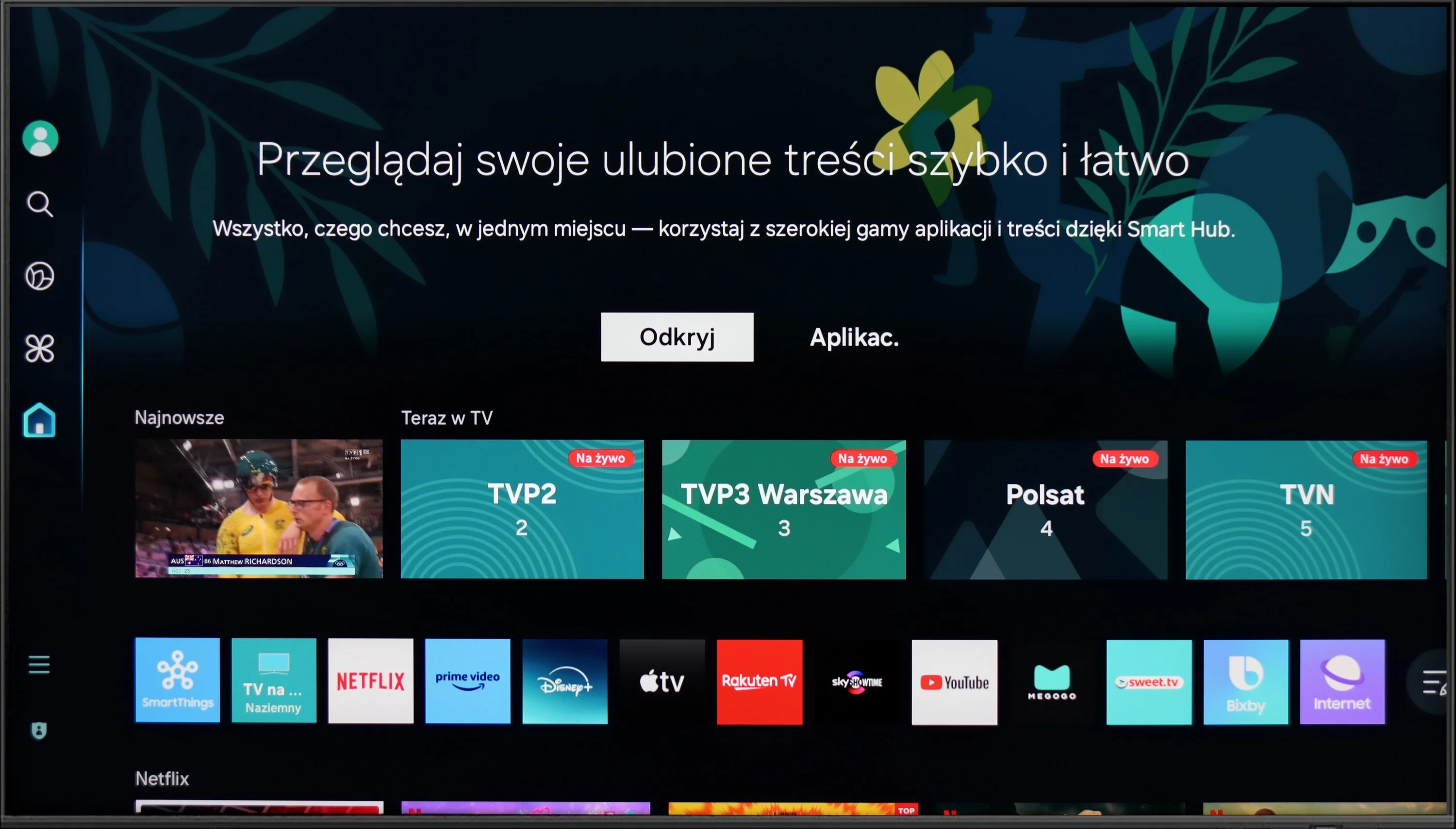
The Samsung Q60D operates on the proprietary Tizen system, which, while not as open as Google’s OS and with some limitations regarding app availability, is likely to satisfy most users. The interface is clean and intuitive, providing straightforward access to popular streaming services like Netflix, YouTube, and Prime Video. Users will appreciate the customisable home screen, allowing for quick access to favourite apps and content. One potential drawback is the absence of a recording function, which may disappoint those wanting to save shows or films for later viewing. However, the inclusion of AirPlay is a pleasant surprise, facilitating seamless content streaming from Apple devices such as iPhones and iPads, enabling users to share photos, videos, and other media without cables.
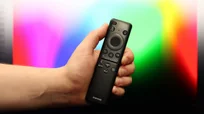
The TV also supports Bluetooth connectivity, allowing the use of various peripherals like wireless headphones and soundbars, enhancing user convenience. The remote control is slim, stylish, and ergonomic, featuring an internal rechargeable battery that can be powered via USB-C or solar energy, eliminating the need for disposable batteries. It can also control external devices, such as the NC+/Canal+ decoder.
Furthermore, the SmartThings app for Android and iOS enables the TV to integrate with other smart devices around the home. This feature allows users to remotely control elements like Philips Hue smart lighting, Yeelight, and other compatible products. As a result, the Samsung Q60D can act as a central hub for a smart home, streamlining the management of everyday tasks and enhancing the entertainment experience.
Google TV
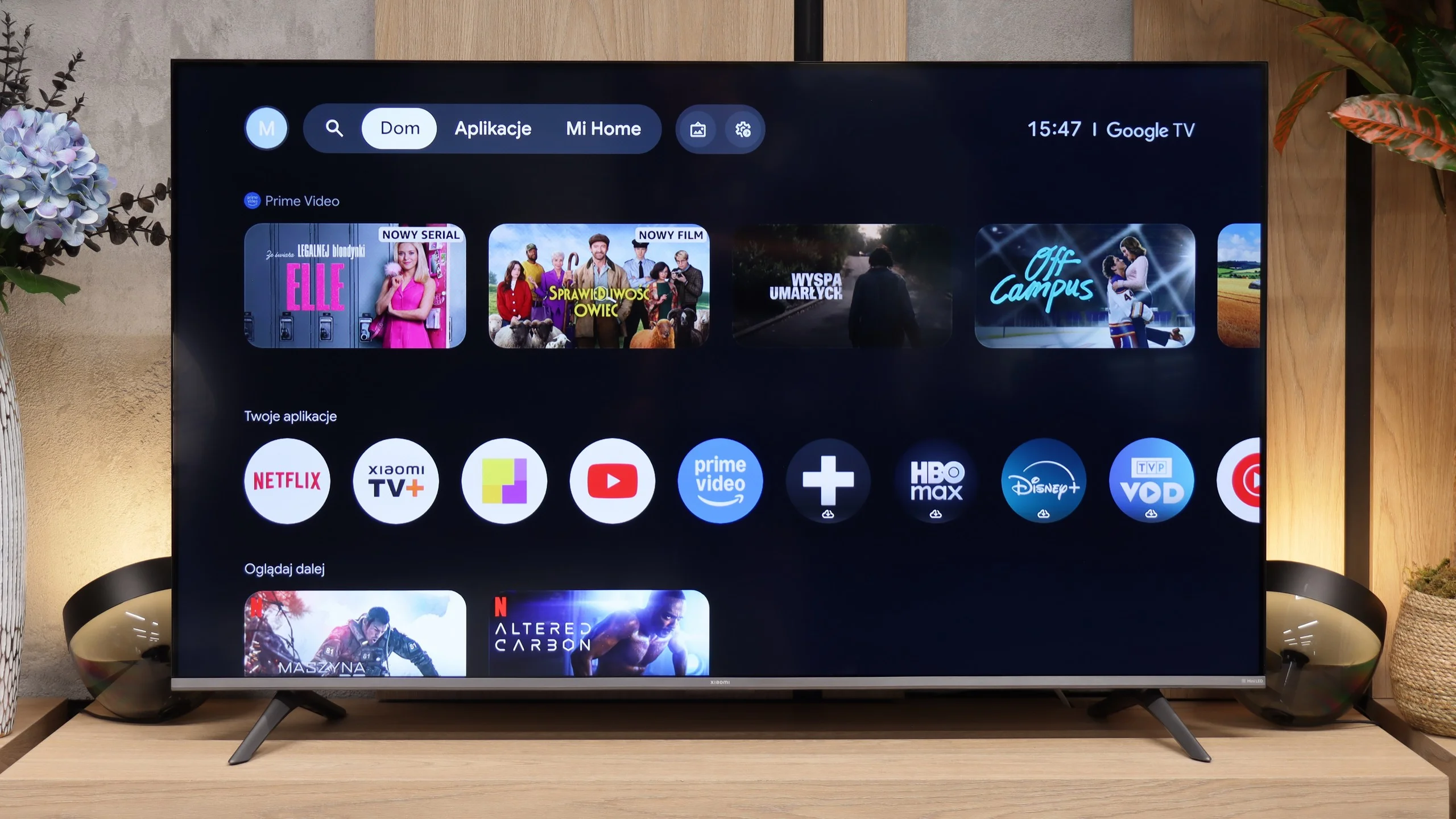
The Xiaomi S Mini 2026 runs on Google TV, which remains one of the most feature-rich Smart TV platforms. You’ll find practically all the most popular apps here, such as Netflix, YouTube, Prime Video, Disney+, HBO Max and Canal+, and thanks to the Google Play Store you can install many other apps as well. It also supports Google Assistant, Chromecast and the ability to control the TV from your smartphone.
Unfortunately, on the smaller models the system doesn’t run as smoothly as we’d expect. Switching between apps or navigating the menu can take a moment, and the interface sometimes responds with a slight delay. It’s not at a level that makes the TV unusable, but compared with the competition it’s clear this isn’t the fastest version of Google TV on the market.
Classic features
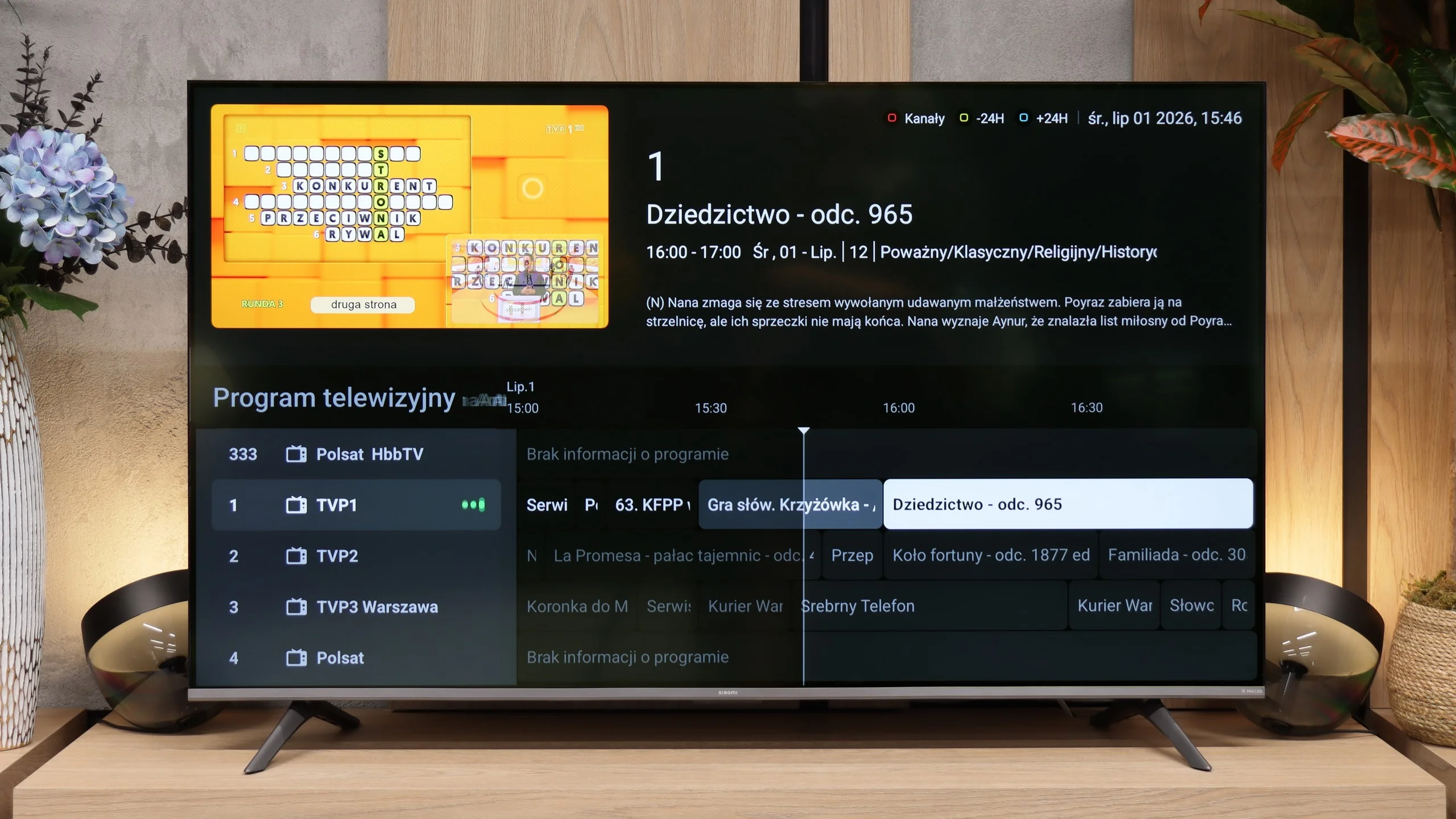
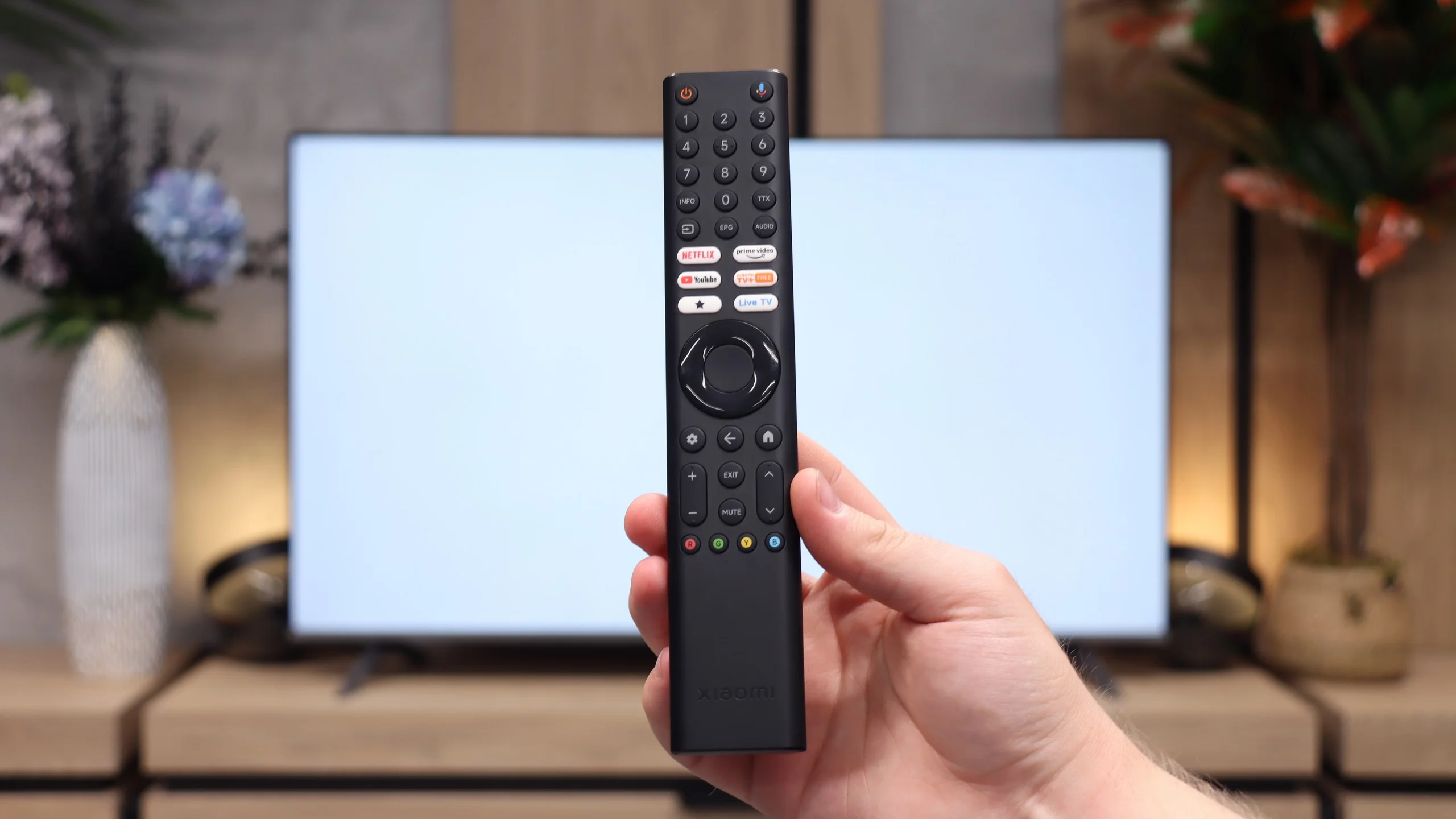
If you mainly use linear TV, Xiaomi doesn’t offer anything beyond what you’d expect from a modern TV. You get an electronic program guide (EPG) and teletext. The manufacturer also includes a remote with a traditional numeric keypad, which is becoming rarer these days but will still be a convenient solution for many people when changing channels.
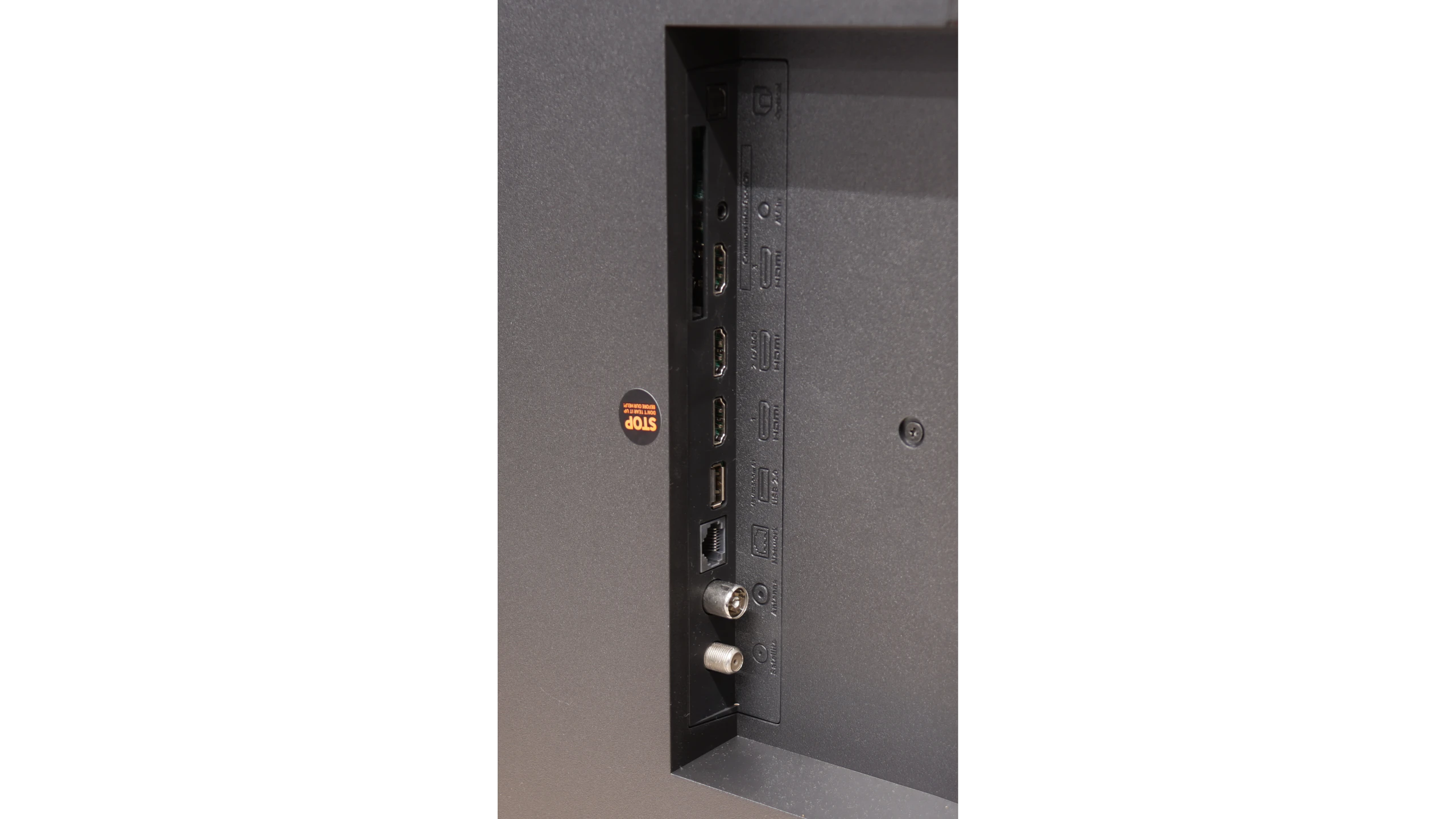
Noteworthy is the presence of an analog 3.5 mm headphone jack. This is a feature that is disappearing from TVs year by year in favor of only digital audio outputs. Because of it, you can easily connect older wired headphones or speakers without needing additional adapters.
 Direct comparison