The Samsung Q60D operates on the proprietary Tizen system, which, while not as open as Google’s OS and with some limitations regarding app availability, is likely to satisfy most users. The interface is clean and intuitive, providing straightforward access to popular streaming services like Netflix, YouTube, and Prime Video. Users will appreciate the customisable home screen, allowing for quick access to favourite apps and content. One potential drawback is the absence of a recording function, which may disappoint those wanting to save shows or films for later viewing. However, the inclusion of AirPlay is a pleasant surprise, facilitating seamless content streaming from Apple devices such as iPhones and iPads, enabling users to share photos, videos, and other media without cables.
The TV also supports Bluetooth connectivity, allowing the use of various peripherals like wireless headphones and soundbars, enhancing user convenience. The remote control is slim, stylish, and ergonomic, featuring an internal rechargeable battery that can be powered via USB-C or solar energy, eliminating the need for disposable batteries. It can also control external devices, such as the NC+/Canal+ decoder.
Furthermore, the SmartThings app for Android and iOS enables the TV to integrate with other smart devices around the home. This feature allows users to remotely control elements like Philips Hue smart lighting, Yeelight, and other compatible products. As a result, the Samsung Q60D can act as a central hub for a smart home, streamlining the management of everyday tasks and enhancing the entertainment experience.
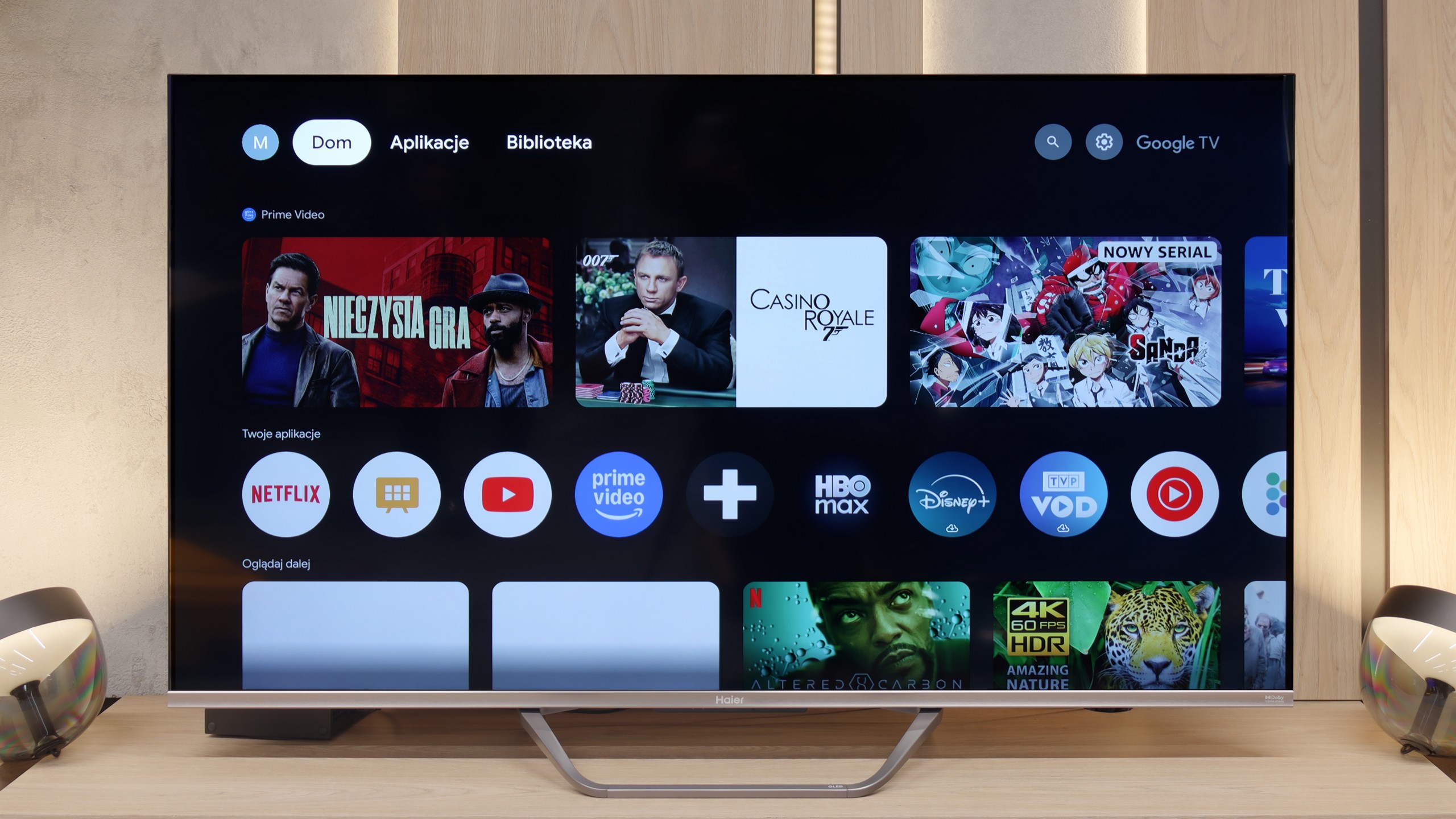
SmartTV on Haier Q80FUX: GoogleTV
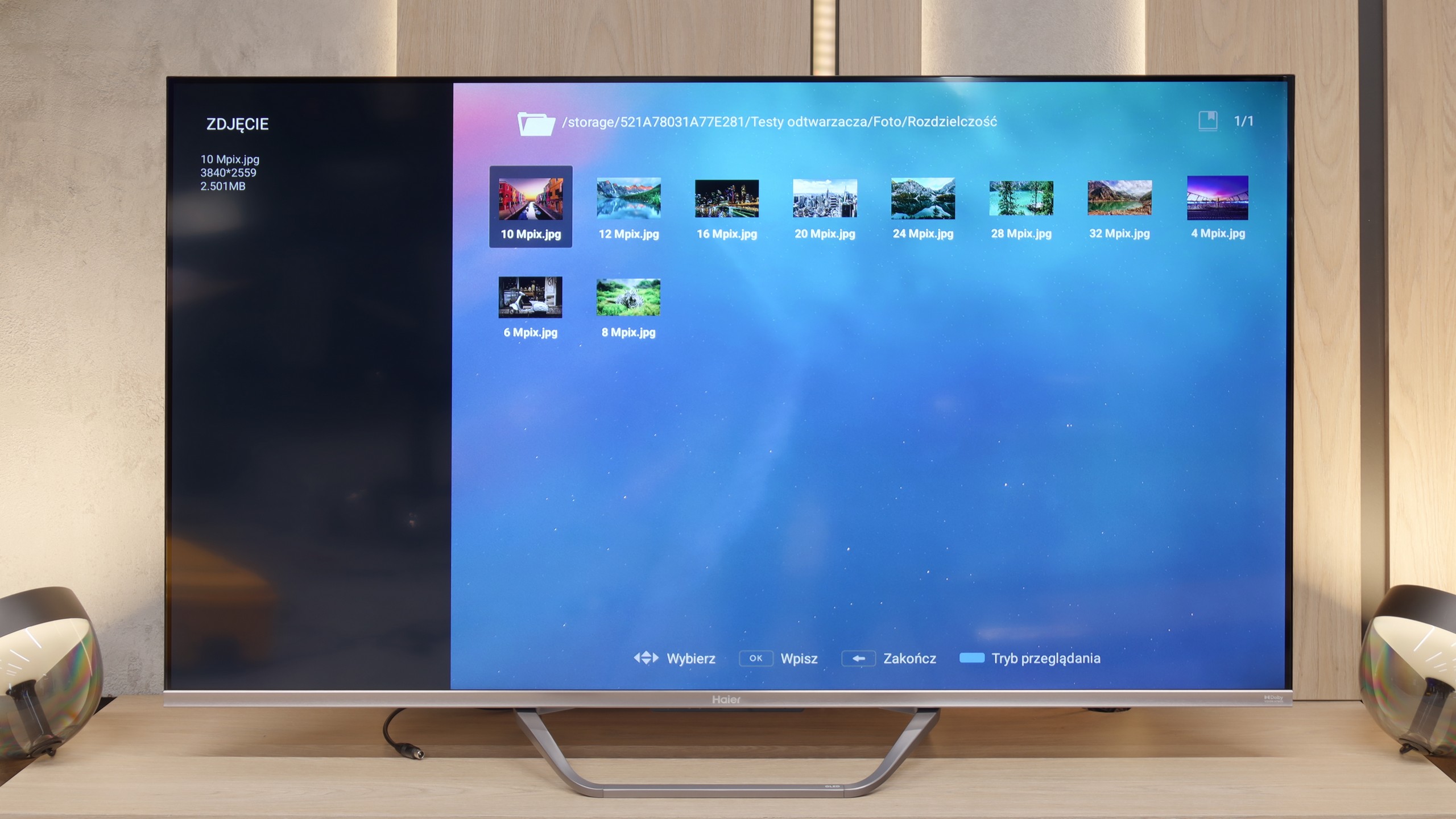
First, let's tackle the smart layer, which is managed by the Google TV system on the Q80FUX. This is theoretically a huge advantage, opening access to an endless library of applications, facilitating screen mirroring from mobile devices, and offering convenient voice search. Unfortunately, just like in other models from this brand that we've tested, the implementation of this platform leaves much to be desired. It’s not even about drastic freezes or delays in navigation, but rather a festival of minor errors, oversights, and terrible translations in the menu. It’s hard to regard "Google TV" in Haier’s version as comparable to what we know, for instance, from Sony or TCL receivers, even though the same proudly sounding name appears on the box.
Classic Features
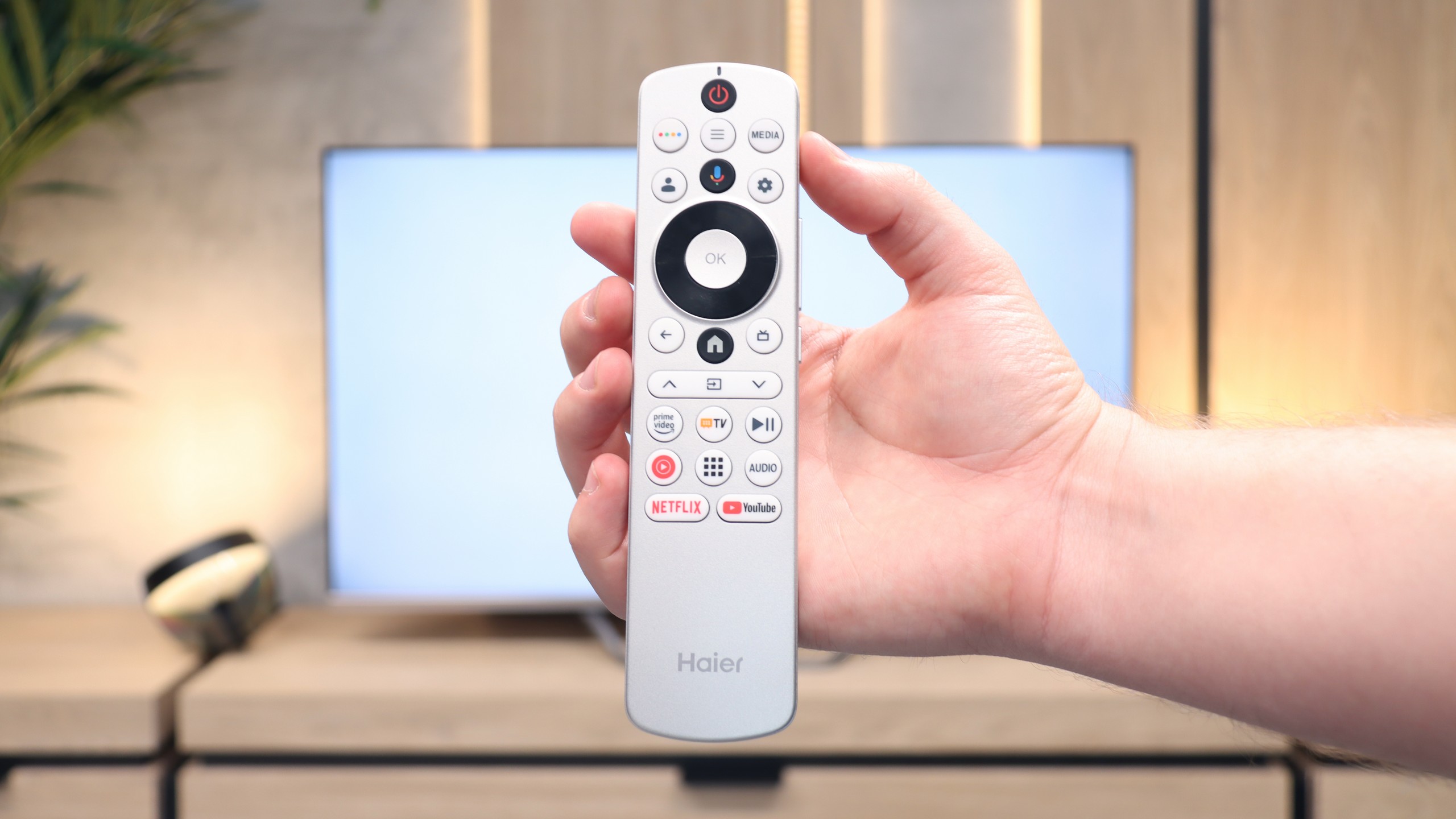
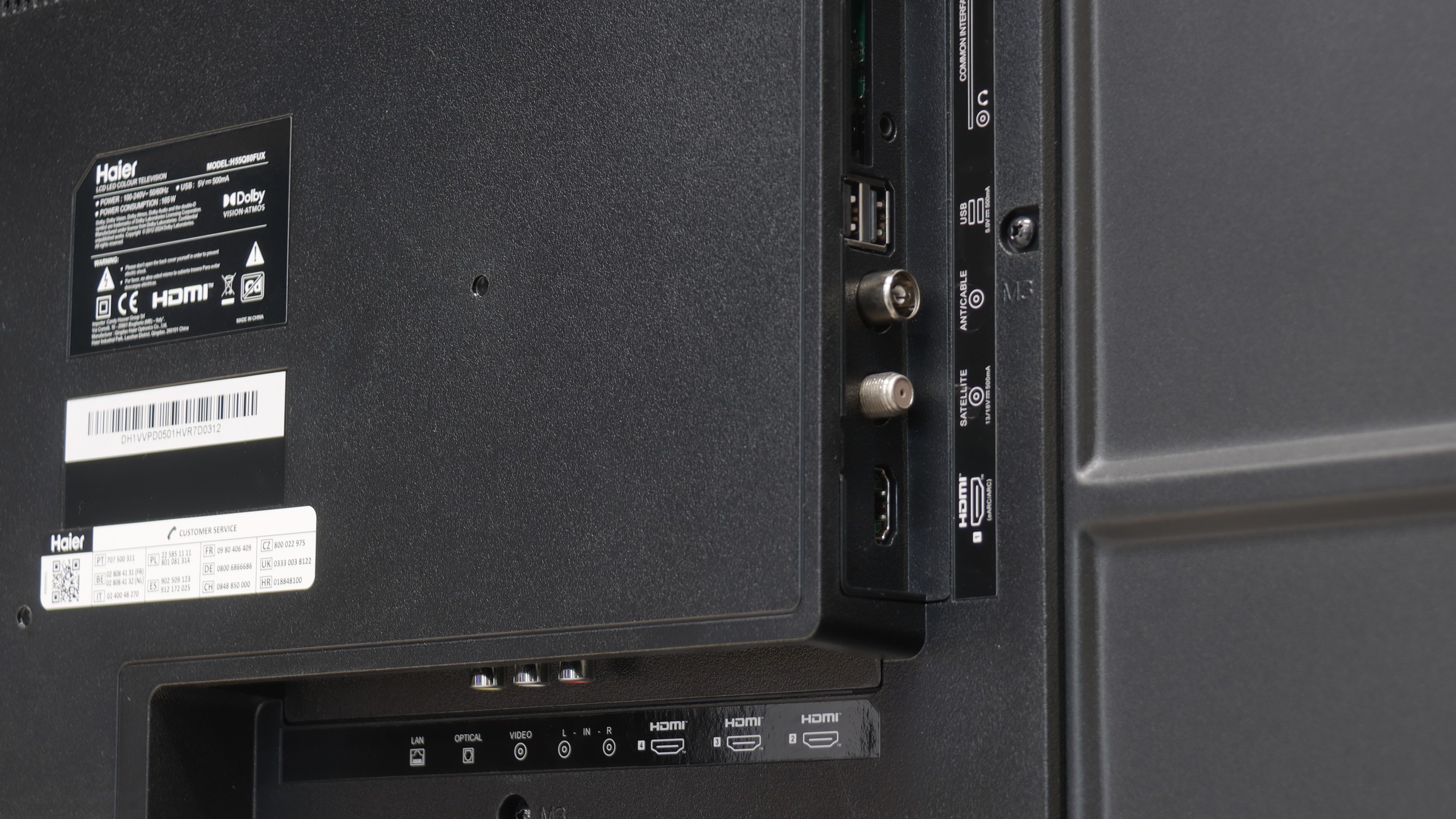
Moving on to the classic, practical functions of the television, the picture does not improve at all. The only commendable aspect is the presence of Bluetooth connectivity and an unusual yet useful relic from the past in the form of an analog headphone output jack. Other than that, it’s hard to find anything that would excite us. Due to problematic software, the receiver (just like its predecessors in our tests) was unable to find any terrestrial TV channels, while other TVs connected to the same installation had no issues whatsoever. The remote control itself is also strange – its design might appeal to some, but due to the lack of a numeric keypad and the absurd placement of some buttons on the side edge, it definitely cannot be called senior-friendly.
 Direct comparison