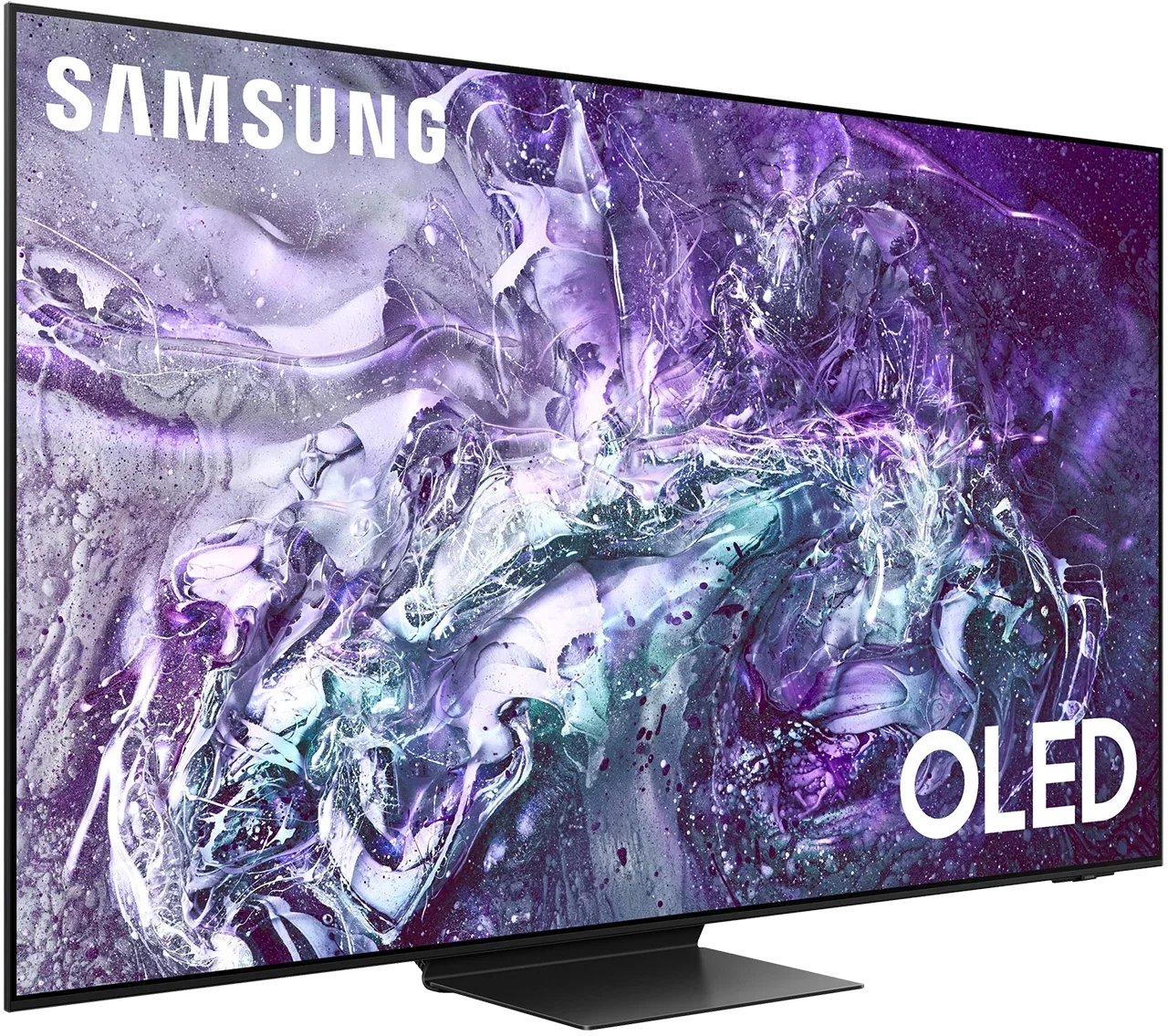
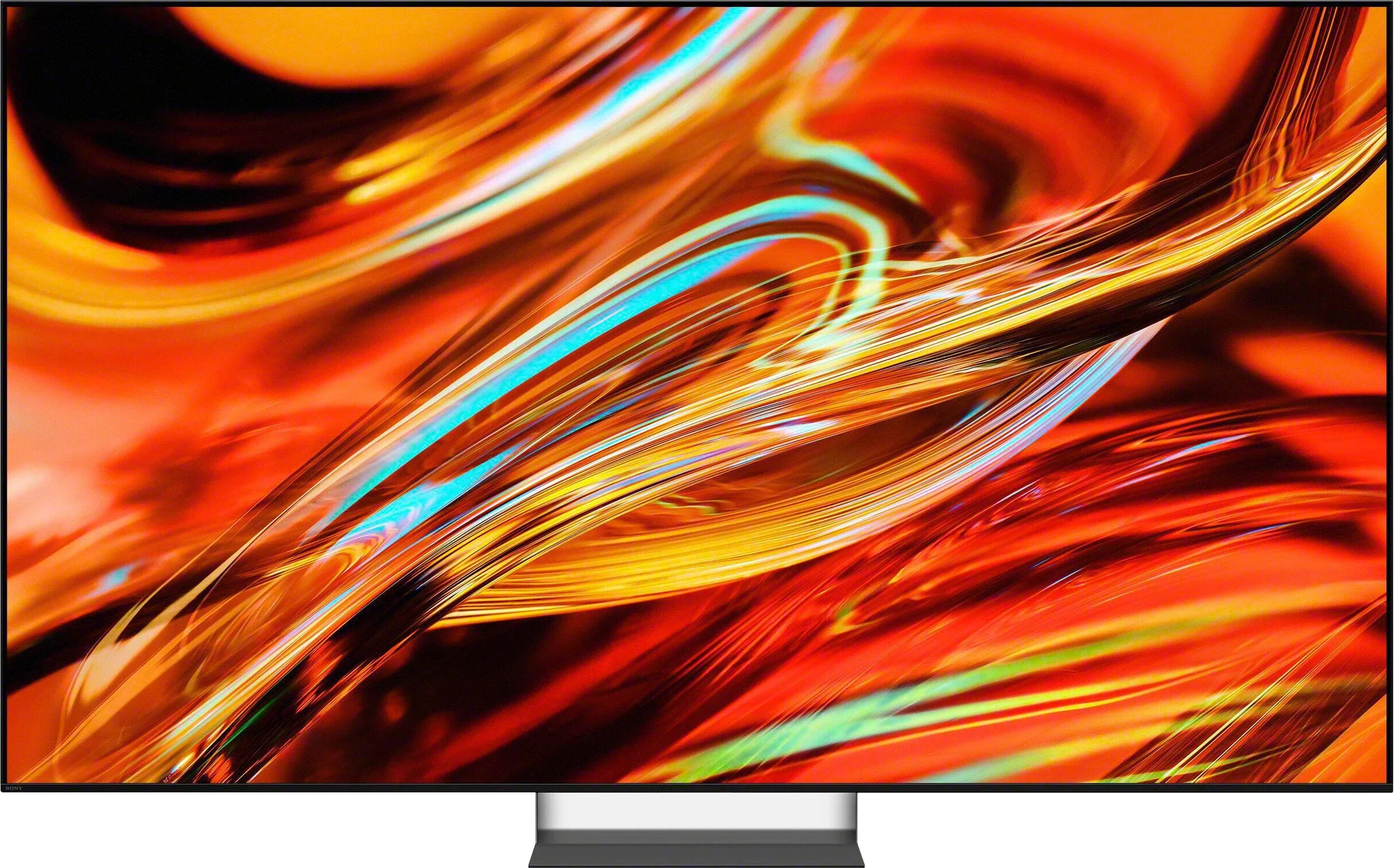
Samsung OLED S95D vs Sony BRAVIA 7 II

Direct comparison

Check the best price offer:

Samsung OLED S95D(paid link)
$1 597

S95D

BRAVIA 7 II / XR75M2

Available screen sizes: 55”65”77”

Available screen sizes: 50”55”65”75”85”98”

Review Samsung OLED S95D Main photo
Review Sony BRAVIA 7 II Main photo

Panel type: QD-OLED

Resolution: 3840x2160

System: Tizen

Model year: 2024

Complete the survey to find out the result

Panel type: LCD VA

Resolution: 3840x2160

System: Google TV

Model year: 2026

Complete the survey to find out the result

Overall rating

8.5

8.4

  • Movies and series in UHD quality

    8.9

    8.0

  • Classic TV, YouTube

    9.2

    8.0

  • Sports broadcasts (TV and apps)

    8.9

    7.7

  • Gaming on console

    9.8

    8.9

  • TV as a computer monitor

    8.6

    7.8

  • Watching in bright light

    6.2

    9.0

  • Utility functions

    7.9

    9.4

  • Apps

    9.3

    9.6

  • Sound quality

    7.9

    7.8

Advantages

  • Revolutionary image depth and blackness (OLED)

  • Superb HDR effect

  • Excellent brightness

  • Saturated colours - high coverage of the wide colour gamut Bt.2022

  • Best viewing angles on the market

  • Matte matrix

  • Super slim design (Innovative One Connect solution)

  • Very high contrast and excellent black for a Mini-LED

  • High brightness and very good HDR performance

  • Very good reproduction of the director's intent

  • Wide color gamut thanks to True RGB

  • Excellent upscaling and digital image processing

  • Good viewing angles for a VA panel

  • 120 Hz, VRR, ALLM, HGiG: plenty of features for gamers

  • Very low input lag

  • Great Google TV performance and extensive user features

  • Two remotes included

  • Support for Dolby Vision, Dolby Atmos, and DTS

Disadvantages

No like
  • Colours during the day may be less intense due to the matte display

  • No support for DTS audio tracks (may be an issue with an external player)

  • Only 2 HDMI 2.1 ports, one of which is shared with eARC

  • No high refresh-rate modes for PC gamers (higher than 120 Hz)

  • No option for precise color calibration (CMS)

  • Worse motion performance than last year's Bravia 7 (XR70)

Our verdict

The Samsung S95D stands out as a top choice in Samsung’s 2024 lineup, featuring an innovative matte display that minimises reflections and performs impressively in both low-light and daylight conditions. This model is among the brightest in the OLED segment, offering exceptional visibility in any room. With excellent motion fluidity, it handles fast-paced content like sports or gaming with precision, making it ideal for enthusiasts of dynamic visuals. Gamers will also appreciate the S95D's four HDMI 2.1 ports, fully compatible with the latest console features, as well as built-in access to the Xbox app for cloud gaming, allowing for gameplay without a console.

In daily use, the S95D proves user-friendly. Samsung’s Tizen system offers an intuitive interface with access to popular streaming platforms and is compatible with a range of smart devices via the SmartThings app, enabling control of home features like lighting and security directly from the TV. The S95D also supports MultiView, allowing two programs to be viewed simultaneously, and has a responsive interface for smooth switching between apps. An eco-friendly solar remote further enhances convenience, capable of controlling multiple devices from one place, including decoders, home cinema systems, and consoles.

Connectivity options, such as AirPlay and Bluetooth, enable easy streaming and pairing with accessories. Design-wise, the S95D impresses with its slim profile and One Connect solution, making it a sleek addition to any space. Although the matte display may slightly reduce colour intensity in bright daylight, this TV is packed with advanced features and high-quality performance. It’s a premium choice for anyone seeking top-tier home entertainment, deserving its reputation as one of the standout televisions of 2024.

Sony Bravia 7 II is a TV that shows RGB Mini-LED doesn’t have to be reserved only for the wealthiest customers. And although in a few places you can see it sits below the Bravia 9 II, in everyday use it doesn’t feel like a heavily stripped-down model. The biggest contribution comes from the combination of very good black levels, high brightness and Sony’s excellent algorithms. As a result the picture is spectacular, while still staying true to how a film should look. HDR performs especially well, where the Bravia can show lots of highlights without losing detail. The True RGB backlight itself also has advantages. It gives the TV a wide color gamut and improves viewing angles, which for a VA panel are really good. That doesn’t mean RGB Mini-LED suddenly solves all the limitations of LCDs. You can still see some bloom around small bright elements, and the backlight’s color capabilities aren’t fully utilized in every scene. Still, Sony manages all of this very well, and the way it controls the image is one of the Bravia 7 II’s biggest strengths.

Image processing also remains a big advantage over many rivals. Upscaling, smoothing weaker tonal transitions and HDR mapping are among this model’s stronger points. On top of that there’s Google TV, solid features, very low input lag and an almost complete set of gaming functions. However, there are things hard to understand in a TV of this class. The most frustrating is the presence of only two HDMI 2.1 ports, one of which also serves as eARC. Sony also sticks with 120 Hz, while competitors increasingly offer 144, 165 or 180 Hz. Ultimately the Bravia 7 II stands out above all as a very well-rounded TV. It doesn’t try to win on the spec sheet, and in a few areas the competition will offer more. Sony makes up for that where specs don’t tell the whole story, with image processing, very good HDR tuning, backlight control and overall picture quality in movies. That’s what makes the Bravia 7 II one of the more interesting Mini-LEDs of 2026, especially for people looking for a bright, versatile TV for movies, broadcasts, sports and gaming, but who don’t necessarily want to go OLED.

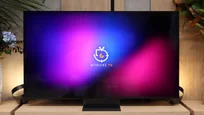
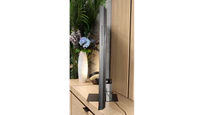
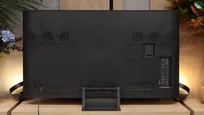
TV appearance

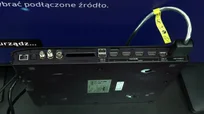
HDMI inputs
0 x HDMI 2.0, 4 x HDMI 2.1 (40Gbps)
2 x HDMI 2.0, 2 x HDMI 2.1 (48Gbps)
Other inputs
Toslink (Optical audio)
Outputs
eARC (HDMI), ARC (HDMI)
Toslink (Optical audio), eARC (HDMI), ARC (HDMI), Mini-Jack (Sony S-Center)
Network Interfaces
Wi-Fi 2.4GHz, Wi-Fi 5GHz, Ethernet (LAN) 100Mbps
Build quality
Super Premium
Premium
Stand type
Central
Central
Bezel color
Graphite
Black
Stand
Fixed
Fixed
Flat design
Yes
Yes
Accessories
Stand, One Connect Box
Stand

Contrast and black detail

10/10

8/10

Local dimming function: Yes, number of zones: 432 (18 x 24)

Contrast:

Review Samsung OLED S95D Contrast and black detail

Result

∞:1

Review Samsung OLED S95D Contrast and black detail

Result

∞:1

Review Samsung OLED S95D Contrast and black detail

Result

∞:1

Review Samsung OLED S95D Contrast and black detail

Result

∞:1

Review Samsung OLED S95D Contrast and black detail

Result

∞:1

Review Sony BRAVIA 7 II Contrast and black detail

Result

173,850:1

Review Sony BRAVIA 7 II Contrast and black detail

Result

27,750:1

Review Sony BRAVIA 7 II Contrast and black detail

Result

155,550:1

Review Sony BRAVIA 7 II Contrast and black detail

Result

6,800:1

Review Sony BRAVIA 7 II Contrast and black detail

Result

5,300:1

Halo effect and black detail visibility:

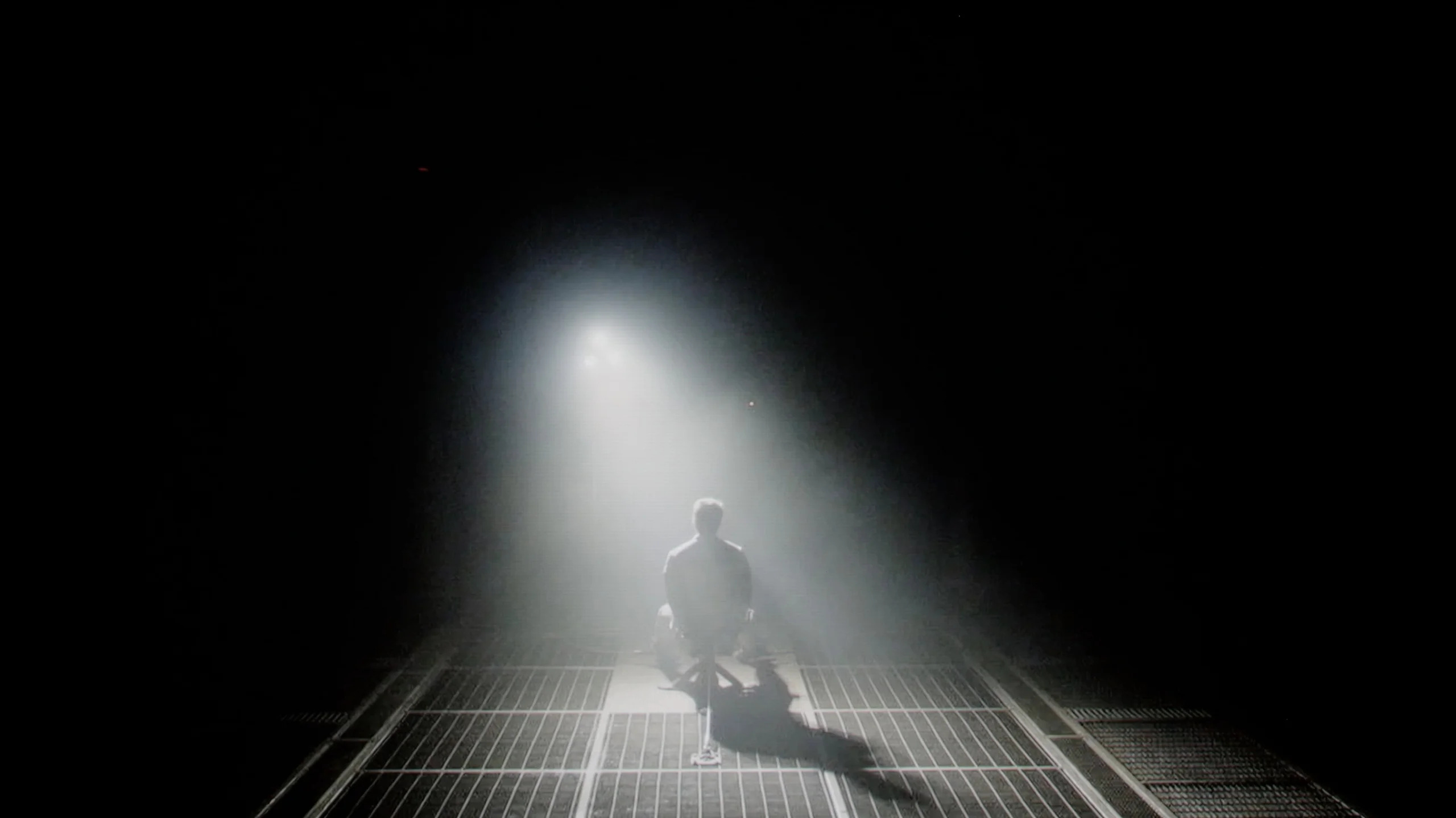
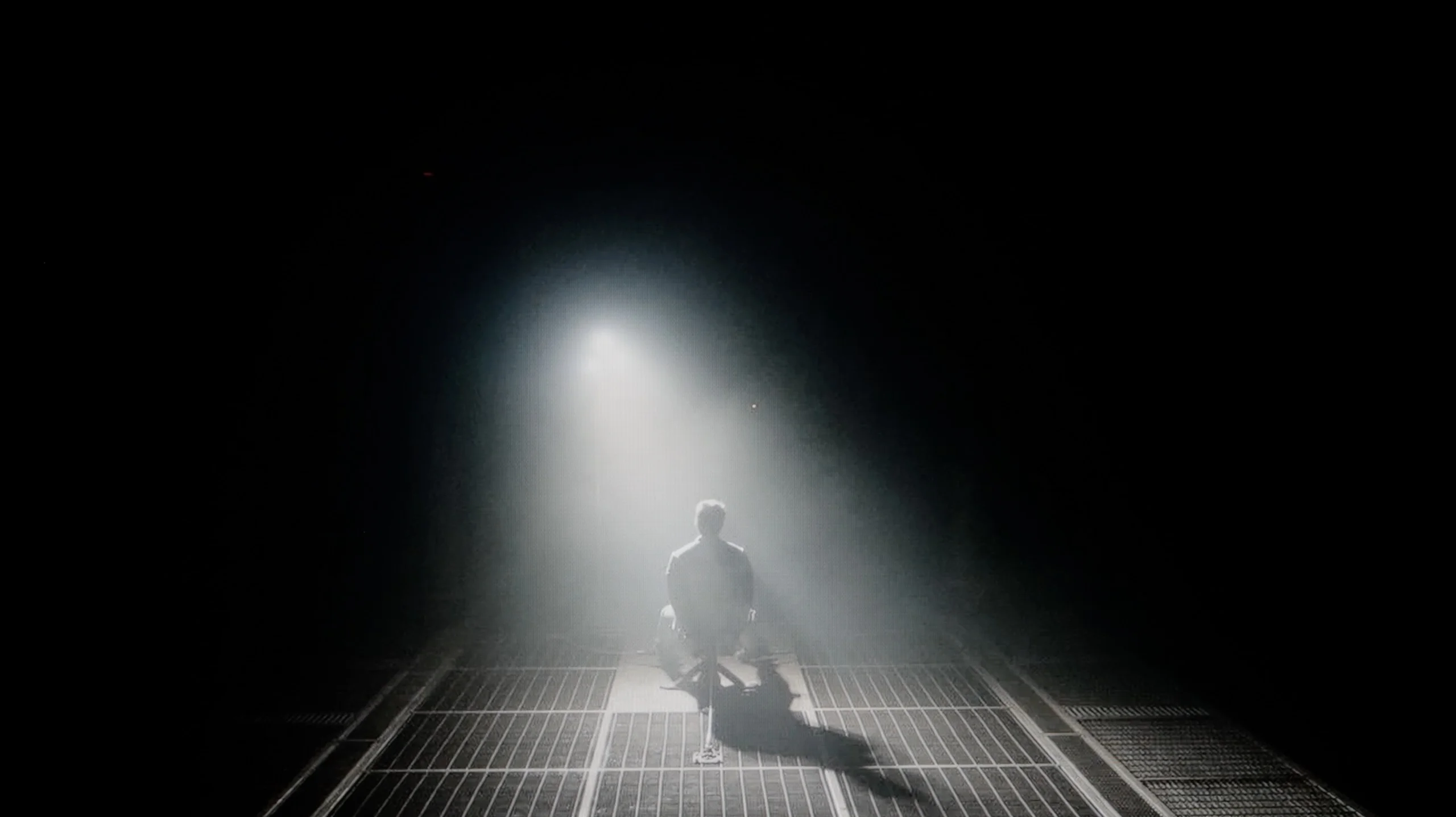
Check the visibility of bright lights on a dark background. Mini-LEDs often struggle with this. The photo does not compare black levels – that’s what the video below is for.

The video accurately shows differences in contrast and black levels between TVs, as well as potential issues: halo around bright objects or Mini-LED zone operation visible as brightness jumps.

Samsung S95D with QD-OLED technology stands out with incredible black levels, achievable due to self-emissive OLED pixels combined with a quantum dot layer. With this technology, each pixel on the screen can be individually turned off, resulting in absolute black with no light leakage. The result is an image with infinite contrast, where bright objects on a dark background are sharply visible, and details in the shadows are rendered with extraordinary precision. Compared to traditional LCD TVs and other OLEDs, S95D offers exceptional uniformity and depth of black, making it an ideal choice for the most demanding viewers. This provides extraordinary depth and "three-dimensionality" of the image when viewed in the dark.

The Sony Bravia 7 II in the 65-inch model we tested uses a VA panel and an RGB Mini-LED backlight divided into 432 local dimming zones. That already provides a solid foundation for achieving very good black levels, although one thing is worth noting. There are fewer zones here than in last year’s Bravia 7, which had 512 in the same size. Did that affect contrast? Interestingly, it didn’t. The Bravia 7 II handles black even better than its predecessor and clearly shows how much depends on the algorithms themselves. Sony controls the backlight very well and in many scenes can achieve genuinely deep blacks while still preserving detail in dark parts of the image. So there’s no situation where the TV tries to force perfect black at any cost, cutting out details in the process.

The smaller number of zones only really shows itself in the most demanding scenes. A starry sky, text on a black background, or many small bright elements displayed at once can already produce a halo effect. What’s interesting, however, is how that halo looks. Thanks to the RGB backlight, the glow can take on the color of the displayed object. So if there’s a small red object on a black background, the glow around it will also have a red tint. It doesn’t disappear completely, but because of that it contrasts less with the object itself and the image looks more coherent than on classic Mini-LEDs that use white backlighting.

HDR effect quality

7.8/10

7.7/10

Supported formats
HDR10, HDR10+, HLG
HDR10, Dolby Vision, Dolby Vision IQ, HLG
Color gamut coverage
DCI P3: 99.6%, BT.2020: 87.7%
DCI P3: 97.2%, BT.2020: 85.6%

Luminance measurements in HDR:

Review Samsung OLED S95D Brightness measurement

Result

1400 nit

Review Samsung OLED S95D Brightness measurement

Result

1521 nit

Review Samsung OLED S95D Brightness measurement

Result

1560 nit

Review Samsung OLED S95D Brightness measurement

Result

1385 nit

Review Samsung OLED S95D Brightness measurement

Result

804 nit

Review Sony BRAVIA 7 II Brightness measurement

Result

1715 nit

Review Sony BRAVIA 7 II Brightness measurement

Result

1182 nit

Review Sony BRAVIA 7 II Brightness measurement

Result

1401 nit

Review Sony BRAVIA 7 II Brightness measurement

Result

571 nit

Review Sony BRAVIA 7 II Brightness measurement

Result

1260 nit

Scene from the movie “Pan” (about 2800 nits)

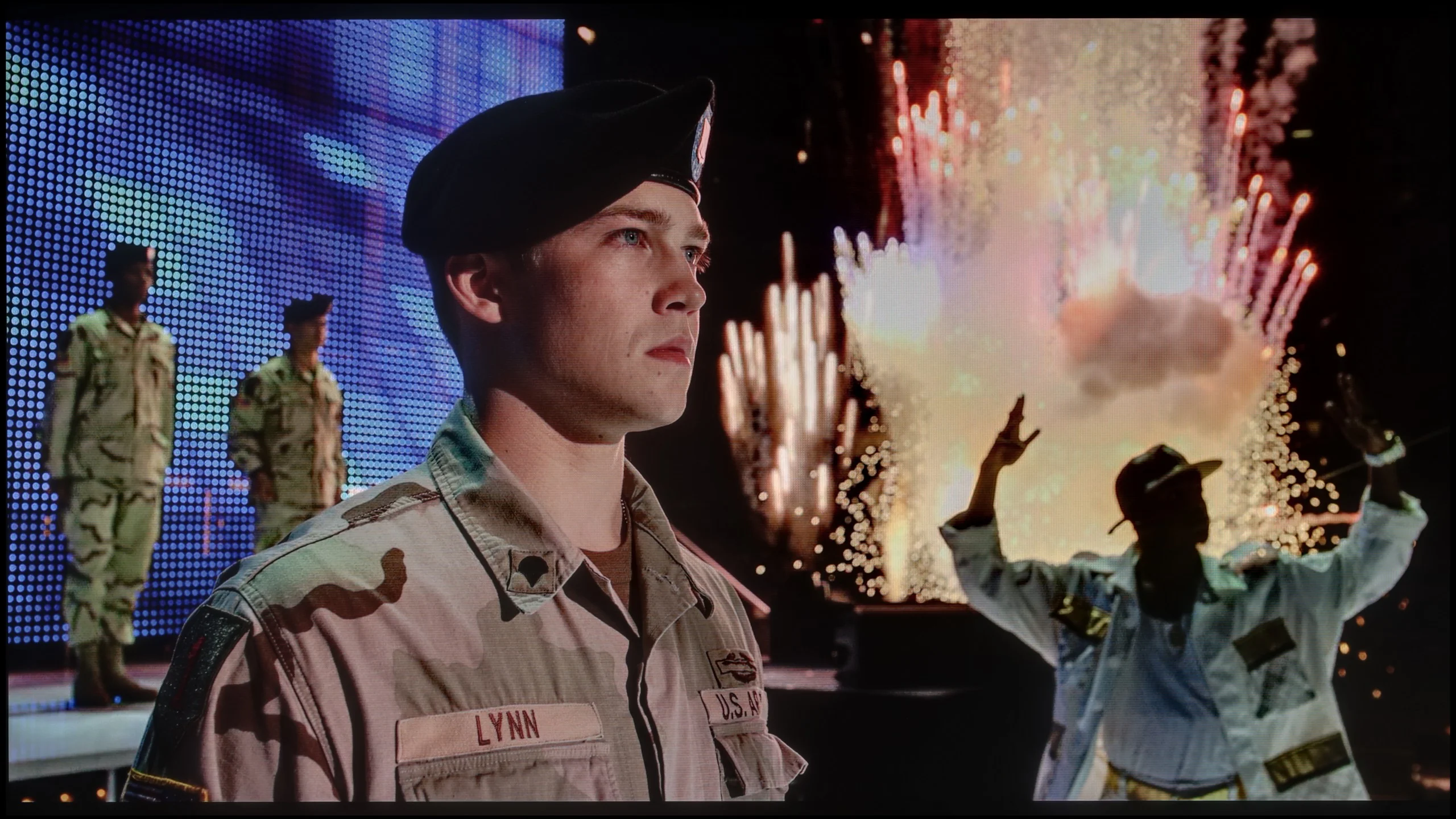
Scene from the movie “Billy Lynn” (about 1100 nits)

The photos show two HDR10 movies. 'Pan' is one of the brightest productions ever made, while 'Billy Lynn' (soldier) has brightness typical of streaming (Netflix, Prime, HBO MAX). Notice the intensity of effects and detail in whites.

Static HDR10

The photos present the visibility of white details in various HDR formats. They do not show brightness differences between TVs (these can be compared in the previous gallery).

Dynamic: HDR10+

Dynamic: Dolby Vision

The photos present the visibility of white details in various HDR formats. They do not show brightness differences between TVs (these can be compared in the previous gallery).

HDR luminance chart:

Sony BRAVIA 7 II

Samsung OLED S95D

Samsung S95D offers excellent HDR performance, providing uniform effects across all scenes exceeding 1500 nits, except for the fifth scene, where brightness drops to 800 nits. Despite this, the television maintains a high level of image quality. A significant advantage of QD-OLED technology is its ability to retain high brightness even in the smallest elements on a black background, which is uncommon in LCD and mini LED televisions. This ensures that every scene captivates with strong light effects, regardless of the size of the illuminated surface. Only in the brightest scenes with large light areas does brightness slightly decrease, which is typical even for standard LG-produced OLEDs. Additionally, the quantum dot coating has allowed for unprecedented high coverage of the BT.2020 colour gamut at 88%.

The Sony Bravia 7 II handles HDR very well and, above all, is simply a bright TV. In the proper "Professional" viewing mode we measured about 2000 nits of peak brightness, so the panel's capabilities are really substantial. Of course, with Mini-LEDs the result on a test pattern is only part of the story, because a lot depends on how the TV controls the backlight in real scenes. And here Sony's algorithms perform really well. Depending on the scene, the brightness we measured in movies ranged from around 1100 up to 1700 nits. That's already a level at which HDR has the proper punch and bright effects can really impress. It's not perfect in every situation, though. With small bright elements on a very dark background the Bravia 7 II clearly prioritizes maintaining good black levels, which can cause their brightness to drop to around 500 nits. It still looks good, but you can see the TV doesn't always operate without compromises.

Colors

The second thing that has a huge impact on the HDR effect is, of course, color. And this is where True RGB technology was supposed to bring one of the biggest changes. Looking at the panel's raw capabilities, the Bravia 7 II performs very well. We measured about 98% DCI‑P3 coverage and 88% BT.2020, so the potential to display highly saturated colors is really large. However, in RGB TVs the situation is a bit more complex. When we performed the same measurements with a movie background applied, the gamut coverage dropped to about 92% DCI‑P3 and 78% BT.2020. Those are still good figures, especially for an RGB Mini-LED TV, but they clearly show that the final result largely depends on how the algorithms control the three backlight colors. In most scenes the Bravia 7 II handles this well and colors retain high saturation. The biggest differences are seen in shades of blue, where samples start to deviate more noticeably from the reference values and coverage is weaker than for the other primary colors. So True RGB does offer real additional possibilities here, but like with brightness, much depends on what is actually happening on the screen.

Factory color reproduction

7.5/10

7/10

This gallery shows how colors change after professional TV calibration. If you notice the difference, we recommend ordering this service at SkalibrujTV.com.

Factory Mode

After calibration

This gallery shows how colors change after professional TV calibration. If you notice the difference, we recommend ordering this service at SkalibrujTV.com.

Factory Mode

After calibration

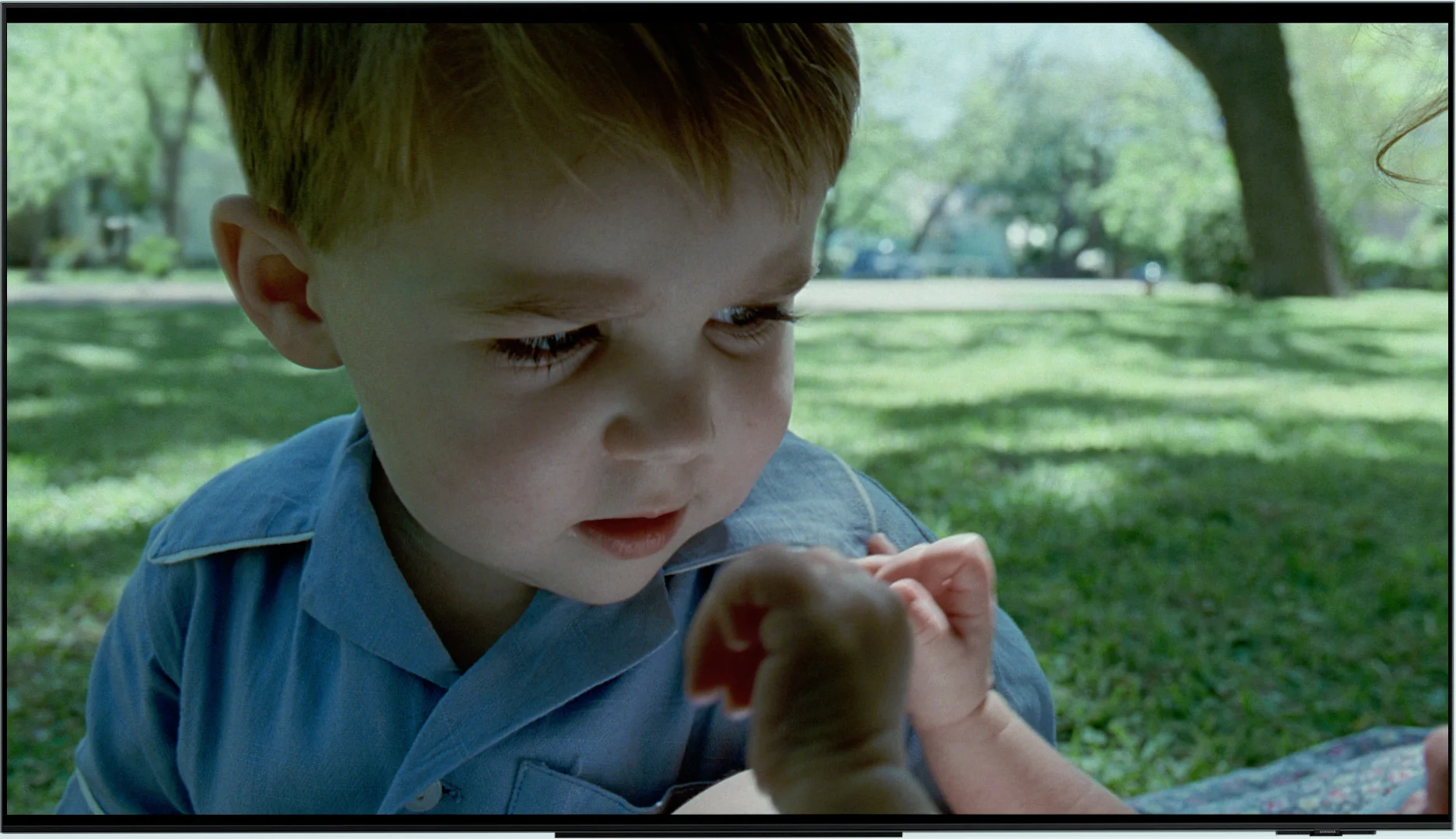
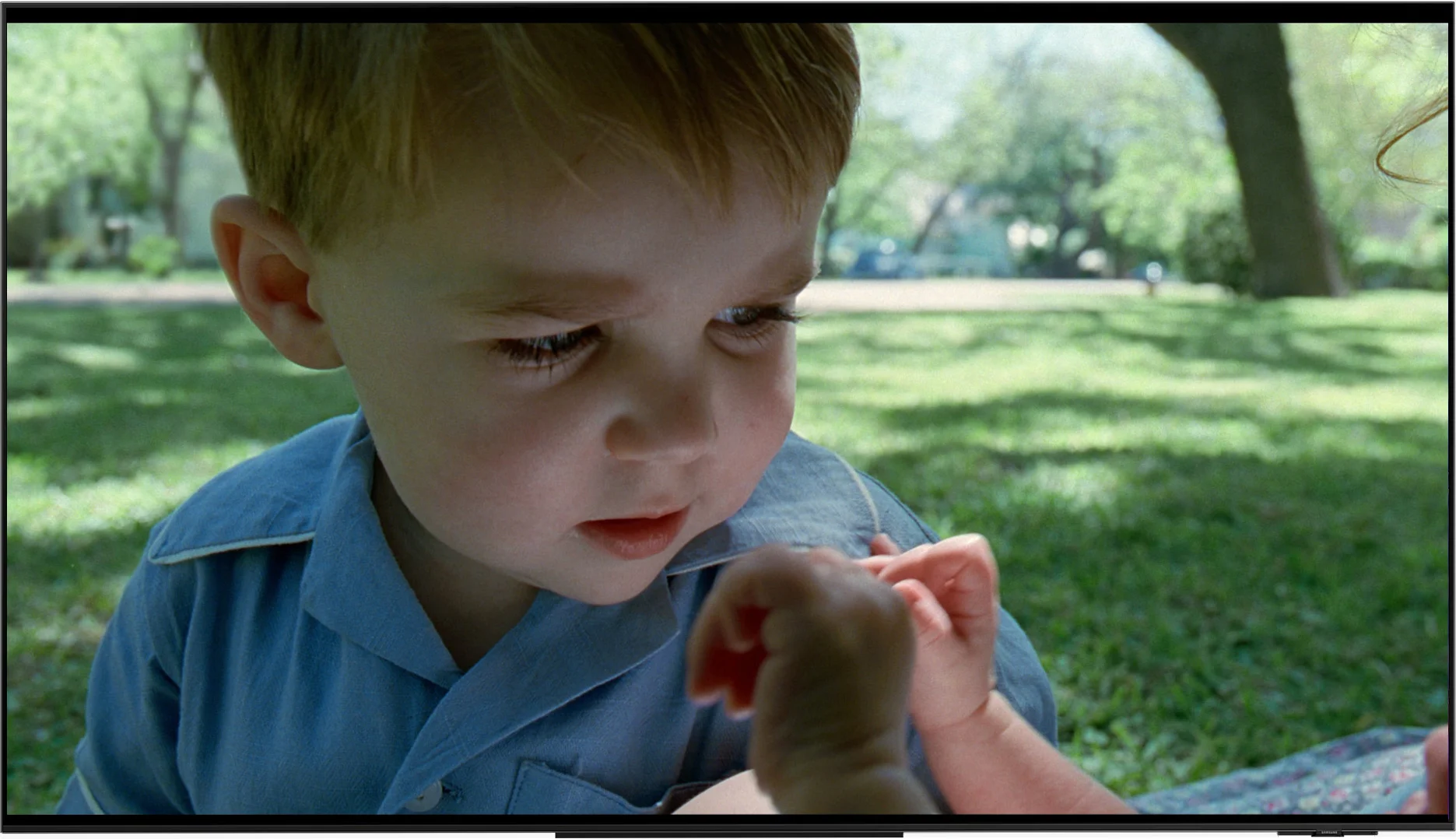
The Samsung S95D’s Filmmaker mode excels in colour accuracy, making it ideal for true-to-life viewing and closely reflecting the intent of content creators. We rely on this mode for all testing, as it presents significantly more detail than the often oversaturated standard or dynamic modes. Initially, viewers may find the image slightly warmer in Filmmaker mode, but it brings out a more authentic, balanced display. Despite being in the premium segment, the factory settings aren’t perfect. For example, there is a dip in red tones in the white balance for both HD and HDR content, with Colour Checker tests showing a cooler colour bias that shifts the image towards blue, impacting the natural appearance of scenes. In the sample photo, the boy appears in cooler tones, which diminishes realism.

Brightness performance for HD content is generally on point, though minor inconsistencies appear. However, the more noticeable issue arises with 4K HDR content. While the EOTF curve seems accurate in test patterns, real scenes sometimes reveal fluctuations, where some areas are overly brightened or darkened. Although the S95D offers reasonably good out-of-the-box colour reproduction, calibration is recommended to achieve a more precise, natural, and immersive picture, maximising the television’s potential.

To evaluate the out-of-the-box colors we chose Professional mode, because it performs best among the available settings. It's not perfect, though. In SDR the white balance leans slightly toward magenta, so some scenes look a bit warmer and less neutral than they should. A bigger issue is the gamma, which sits closer to 2.5 than 2.4. That makes the image a bit too dark in places, especially in the midtones. In HDR the situation is better. As brightness increases there is a bit too much red, but it's not a fault that stands out during viewing. Overall, Professional mode is a good starting point, although you can get a little more out of it with calibration.

Color reproduction after calibration

9/10

8.8/10

The photos show how movies look on the TV. Pay attention to black detail visibility, colors, and shadow tint.

The photos show how movies look on the TV. Pay attention to black detail visibility, colors, and shadow tint.

Calibration can significantly elevate a television's image quality, enhancing both accuracy and overall viewing experience. For the Samsung S95D, calibration has notably refined the white balance, removing major colour inaccuracies to produce more natural and balanced tones, which allows for a closer representation of the filmmakers’ vision. The adjustments bring subtle improvements to contrast and gamma, with more pronounced distinctions between light and dark areas, adding depth and revealing finer details in both shadows and highlights. This creates a richer, more lifelike image with enhanced detail, particularly in darker scenes where shadows now hold greater clarity, while bright areas appear well-balanced rather than overly intense.

Despite these improvements, the EOTF curve remains slightly below ideal, which might influence the handling of dynamic scenes. However, the enhanced tonal transitions and boosted contrast post-calibration make the S95D an excellent choice for film and high-definition content, bringing it closer to reference-level quality. This calibration enables the television to deliver a more immersive, accurate visual experience in line with industry standards, ultimately offering a more rewarding viewing experience.

After calibration the Bravia 7 II can look significantly better. First of all, we managed to set the white balance very well, both in SDR and HDR. Gamma can also be improved, and after correction it runs very close to the reference value. For most users, those changes will have the biggest impact on the picture. There is, however, a limitation when it comes to colors. On the Bravia 7 II Sony does not provide access to a classic CMS that would let us adjust individual hues separately. A lot is therefore left in the hands of the algorithms controlling the True RGB backlight. If the TV reproduces a specific color inaccurately, we are not always able to do anything about it. In our measurements this is most evident with some reds and blues, where errors can still be quite large. That does not, however, diminish the value of calibration. Correctly setting the white point and gamma strongly affects the overall image, so even without the ability to precisely tweak every color the difference compared with the factory settings is noticeable.

Smoothness of tonal transitions

8.5/10

8.5/10

These are selected scenes that show smooth tonal transitions from one color to another. If you see distinct banding, it’s the TV panel’s fault.

These are selected scenes that show smooth tonal transitions from one color to another. If you see distinct banding, it’s the TV panel’s fault.

These are selected scenes that show smooth tonal transitions from one color to another. If you see distinct banding, it’s the TV panel’s fault.

These are selected scenes that show smooth tonal transitions from one color to another. If you see distinct banding, it’s the TV panel’s fault.

The tonal gradation in the Samsung S95D television is exceptional. Even in the most demanding scenes from tested films, the TV performs remarkably well, with minimal and nearly imperceptible issues related to smoothing tonal transitions. These minor imperfections are unlikely to be noticed by the average viewer, enhancing the overall positive visual experience during everyday use.

Furthermore, the incorporation of a QD-OLED panel enables the S95D to achieve superior results compared to the best WOLED panels produced by LG. This advanced technology contributes to a more vibrant and nuanced colour reproduction, allowing viewers to enjoy a richer and more immersive viewing experience. Overall, the Samsung S95D sets a high standard for tonal performance in televisions.

Color grading on the Bravia 7 II is very good and there's little to criticize. Transitions between individual tones are smooth, both in bright and darker scenes. You can notice minor imperfections, but they're subtle enough that they generally go unnoticed during normal viewing. It fares a bit worse with the same source material when played back in Dolby Vision. In that mode the TV has more trouble maintaining equally smooth transitions, especially in darker tones. Banding and unevenness become a bit easier to spot, so Dolby Vision performs worse in this respect than standard HDR10.

Image scaling and smoothness of tonal transitions

7.5/10

8.5/10

Image without overscan on the SD signal
No
OK
Smooth transition function
OK
OK

Smooth transition function

The match photo shows how the TV smooths weak tonal transitions in low-quality video.

Image scaling SD (576i)

The model photo shows how it handles upscaling of SD material.

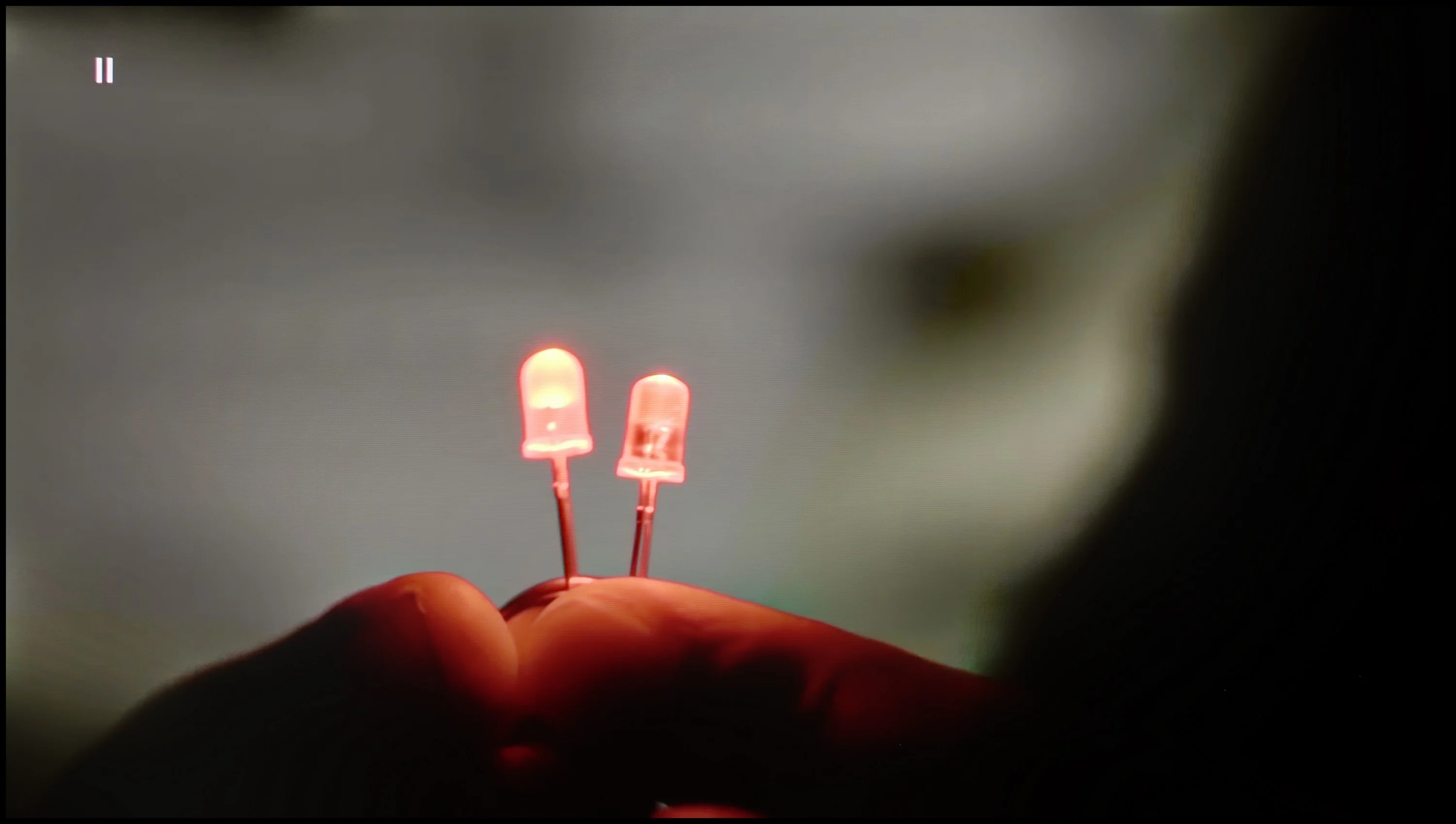
The Samsung S95D handles tonal transitions in lower-quality materials exceptionally well. In tests featuring a screen with a light bulb, there are virtually unnoticeable transitions between shades of grey, positioning it among the best televisions we have evaluated in this aspect.

Regarding digital processing, the S95D excels in rendering the entire image—whether it's branches or figures—without any jagged edges or overly pronounced contours. However, one point to note is that the image appears slightly trimmed. Despite this minor issue, the television still performs admirably, ensuring that details in lower-quality materials remain noticeable and well-defined. This ability to maintain clarity and depth in various content types further solidifies the S95D's reputation for delivering a high-quality viewing experience.

Upscaling and digital processing are among the Bravia 7 II's strongest assets and one of Sony's biggest advantages over the competition. Sony has handled digital image processing well for years, and it shows here too. Above all, the "Smooth Gradation" function works very well; it can smooth weak tonal transitions in lower-quality content. It's safest to set it to Low, but we'd comfortably recommend Medium as well. The effect is stronger then, and the TV still handles details very delicately. Some fine detail may be slightly smoothed, but Sony does it much more subtly than many other brands. The upscaling itself also performs very well. Lower-resolution sources are well upscaled to 4K; the picture looks clean and retains a lot of detail. Of course the TV won't magically turn native HD material into true 4K, but the Bravia 7 II does a very good job with what can be extracted from such a source.

Blur and motion smoothness

8.5/10

7.8/10

Maximum refresh rate of the panel
144Hz
120Hz
Film motion smoothing option
OK
OK
Blur reduction option
OK
OK
BFI function 60Hz
Yes, 60Hz (image flickers)
Yes, 120Hz (double contours)
BFI function 120Hz
No
Yes, 240Hz (double contours)
Brightness drop with BFI
50%
50%

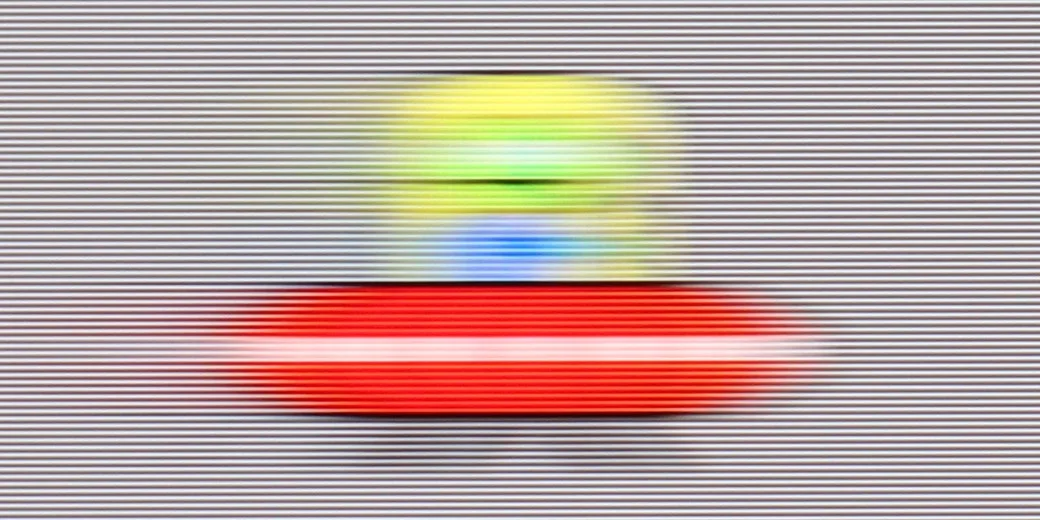
Blur (native resolution, maximum refresh rate):

Blur (BFI function enabled):

Image flickers in this mode

Blur ():

Blur (4K60Hz):

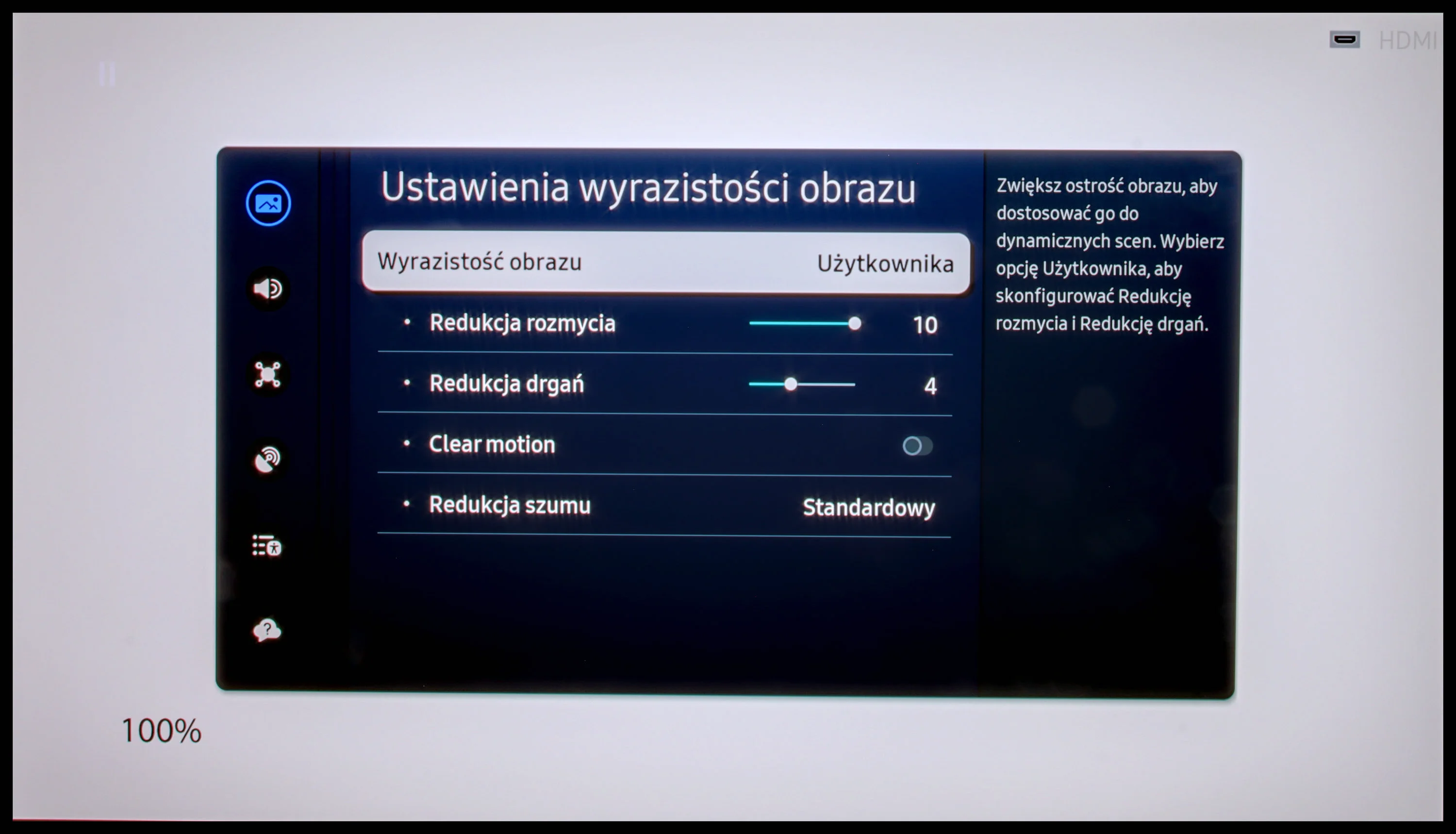
The Samsung S95D TV, featuring a refresh rate of 120 Hz (and even 144 Hz when configured correctly for PC use), guarantees exceptional motion smoothness. Samsung provides a range of image sharpness settings on a ten-point scale, enabling users to customise the display according to their preferences— favouring a more cinematic look or a smoother, theatrical feel.

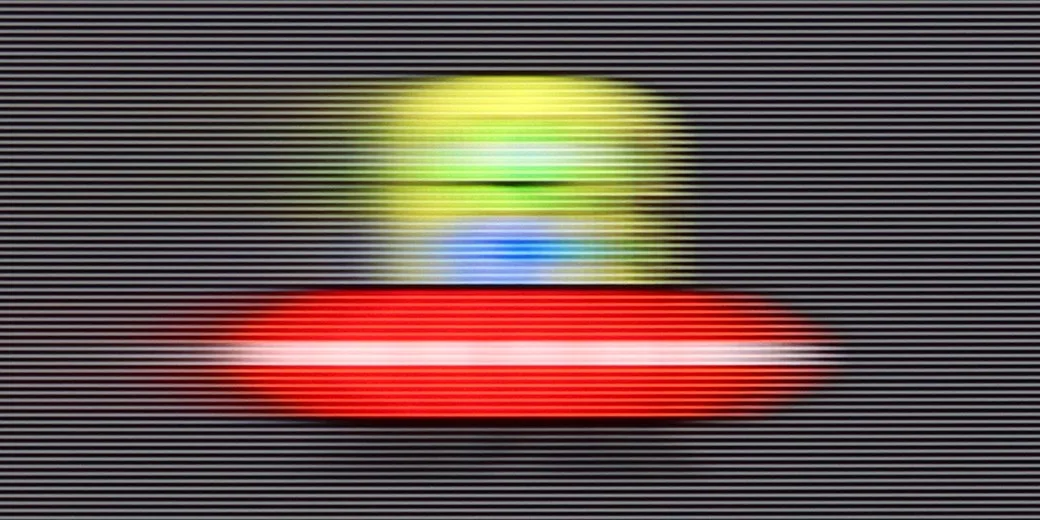
In UFO tests, the OLED panel demonstrates its strengths by effectively eliminating any blurring. The rapid pixel response ensures that dynamic movements are replicated with remarkable precision, resulting in a fluid viewing experience that enhances fast-paced content, such as action films or competitive gaming. This combination of high refresh rates and superior pixel response makes the S95D an outstanding choice for those seeking crisp, clear motion in their visual media.

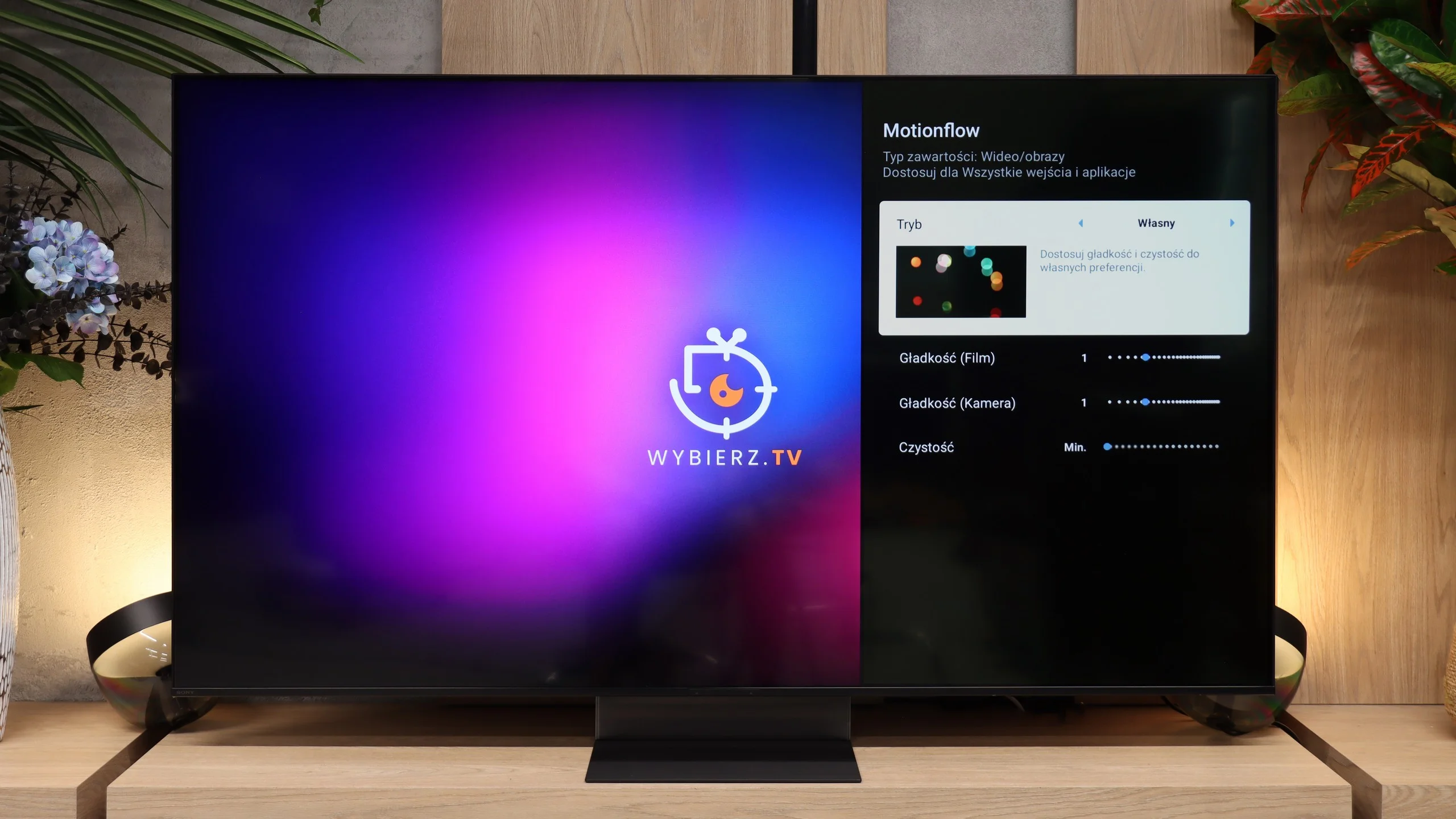
The Bravia 7 II uses a 120 Hz panel, so in terms of motion smoothness it delivers everything you’d expect from a TV in this class. With sports or games at 120 fps the picture is appropriately smooth, and for movies Sony provides an advanced motion smoothing feature. You can adjust the level of interpolation separately and decide whether you want to keep a more cinematic motion or achieve noticeably smoother motion. The issue of motion blur is a bit worse. The VA panel used isn’t among the fastest, and you can notice a slight trail behind moving objects, especially on darker backgrounds. It’s not at a level that will be highly distracting during normal viewing, but last year’s Bravia 7 performed better in this respect and had a noticeably faster panel.

Console compatibility and gaming features

9.6/10

9.4/10

  • ALLM
    Yes
    Yes
  • VRR
    Yes
    Yes
  • VRR range
    48 - 144Hz
    48 - 120Hz
  • Dolby Vision Game Mode
    No
    Yes
  • Correct implementation of HGIG
    Yes
    Yes
  • 1080p@120Hz
    Yes
    Yes
  • 1440p@120Hz
    Yes
    No
  • 4K@120Hz
    Yes
    Yes
  • Game bar
    Yes
    Yes

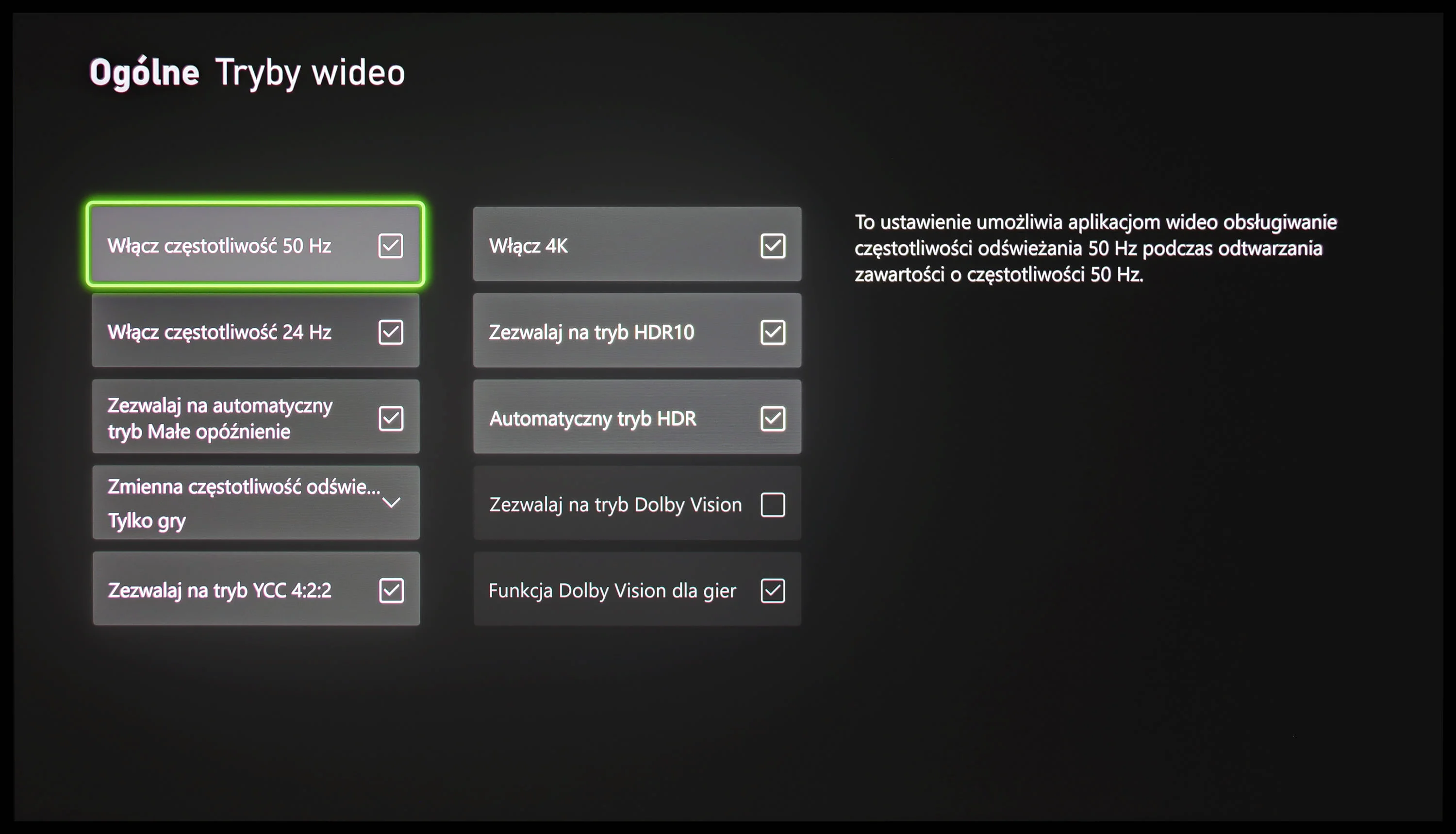
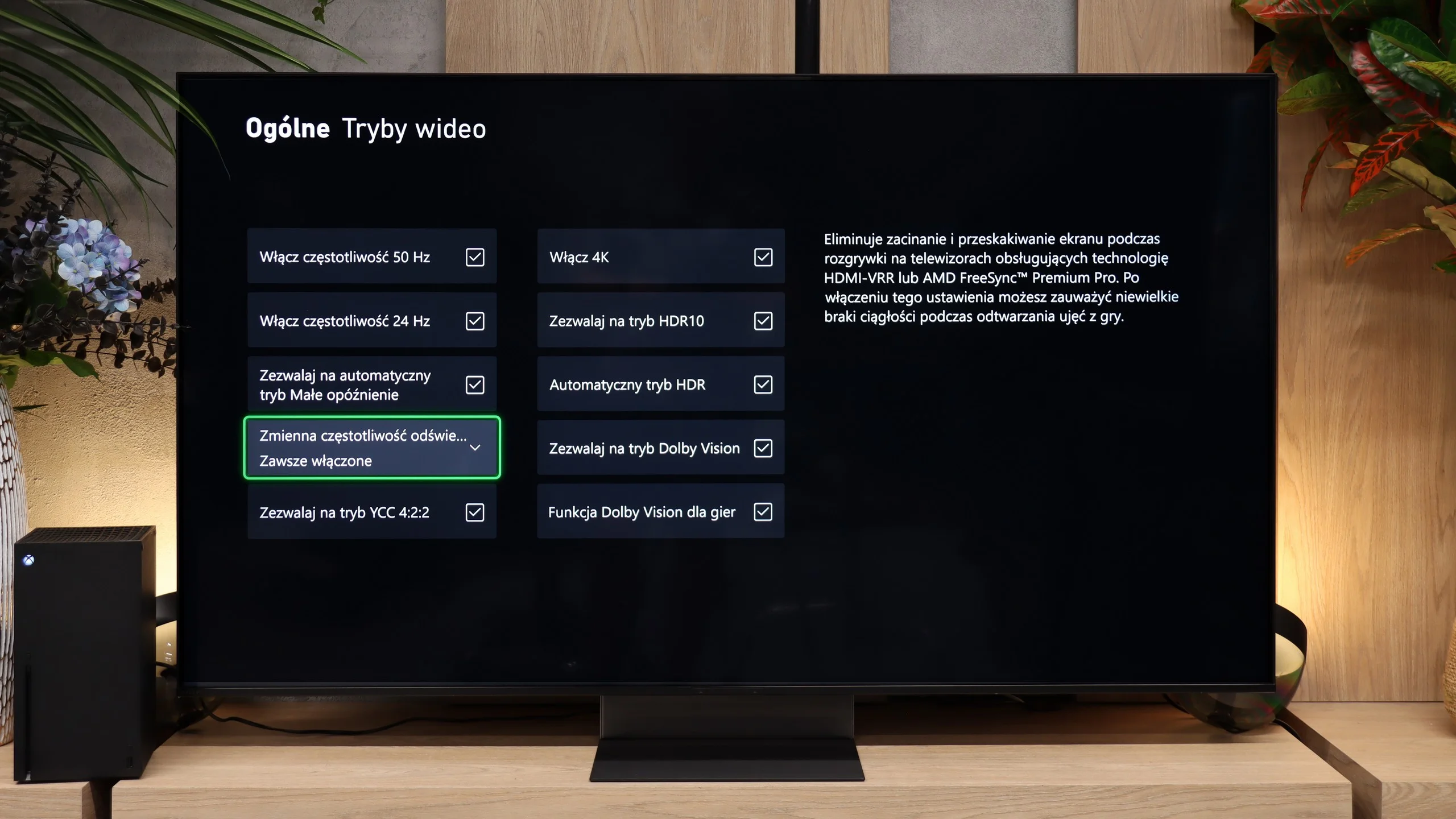
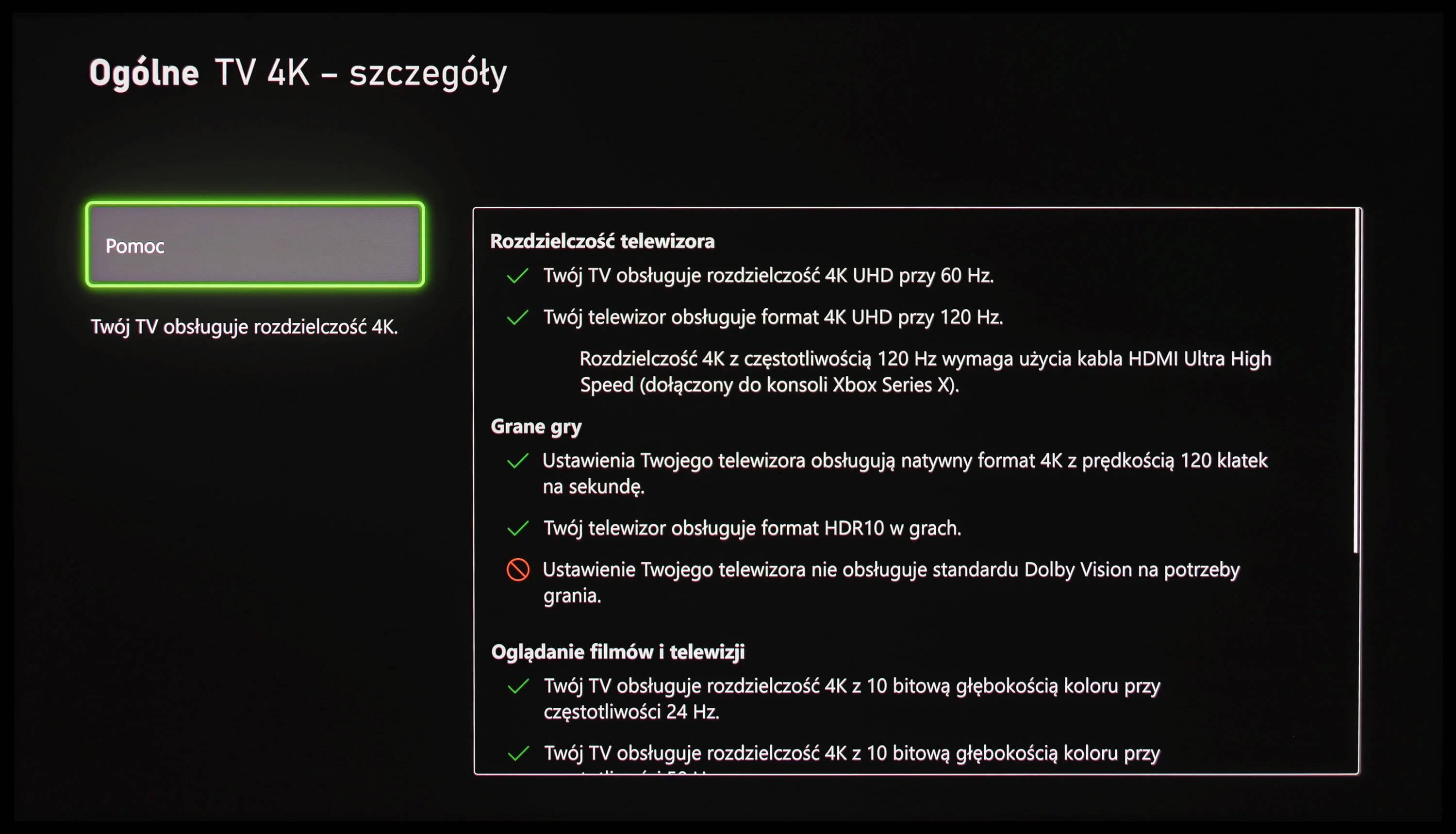
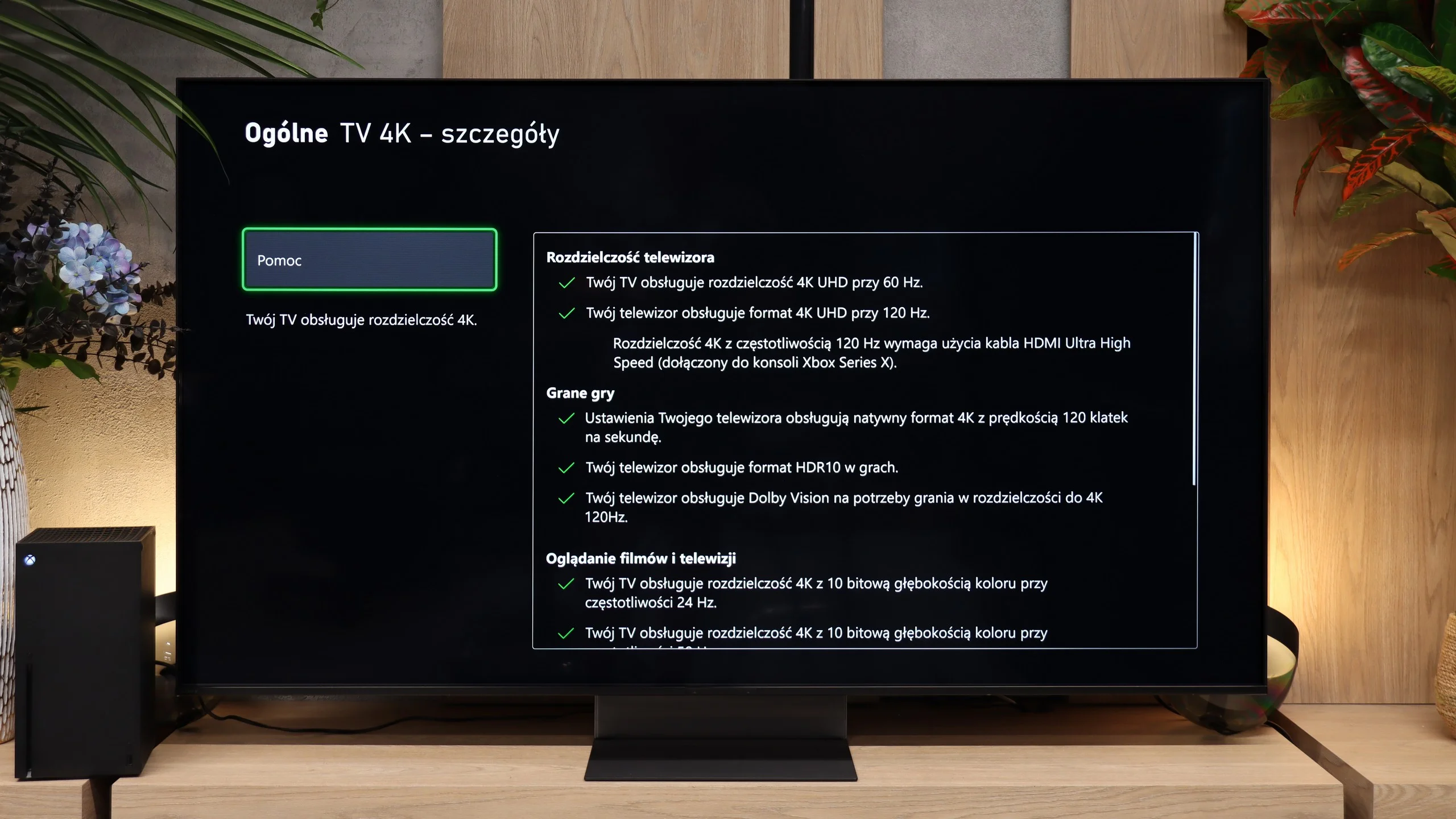
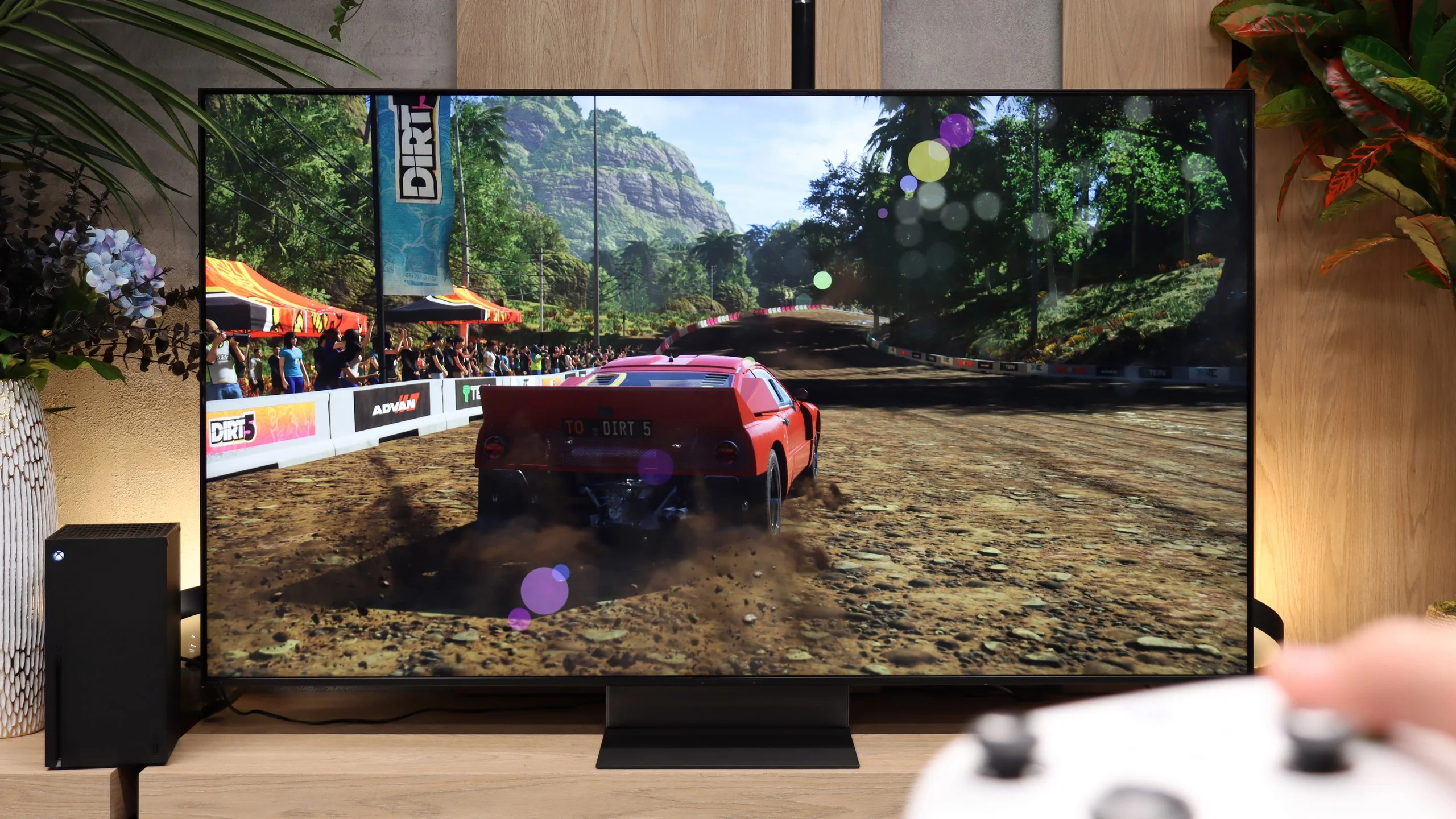
The Samsung S95D TV is expertly designed to meet the needs of gamers, featuring four HDMI 2.1 ports that support essential functionalities like Auto Low Latency Mode (ALLM), Variable Refresh Rate (VRR), and HDR Gaming Interest Group (HGIG). While the HDMI 2.1 ports do not offer the full 48Gb bandwidth, they are still adequate for achieving the desired resolution and smooth performance.

These technologies enable players to experience smoother and more responsive gameplay, significantly enhancing comfort and performance during intense gaming sessions. A standout feature is the Xbox app, which facilitates cloud gaming without requiring a console. This allows gamers to access an extensive range of titles directly on the TV, enjoying high image quality and fluid gameplay.

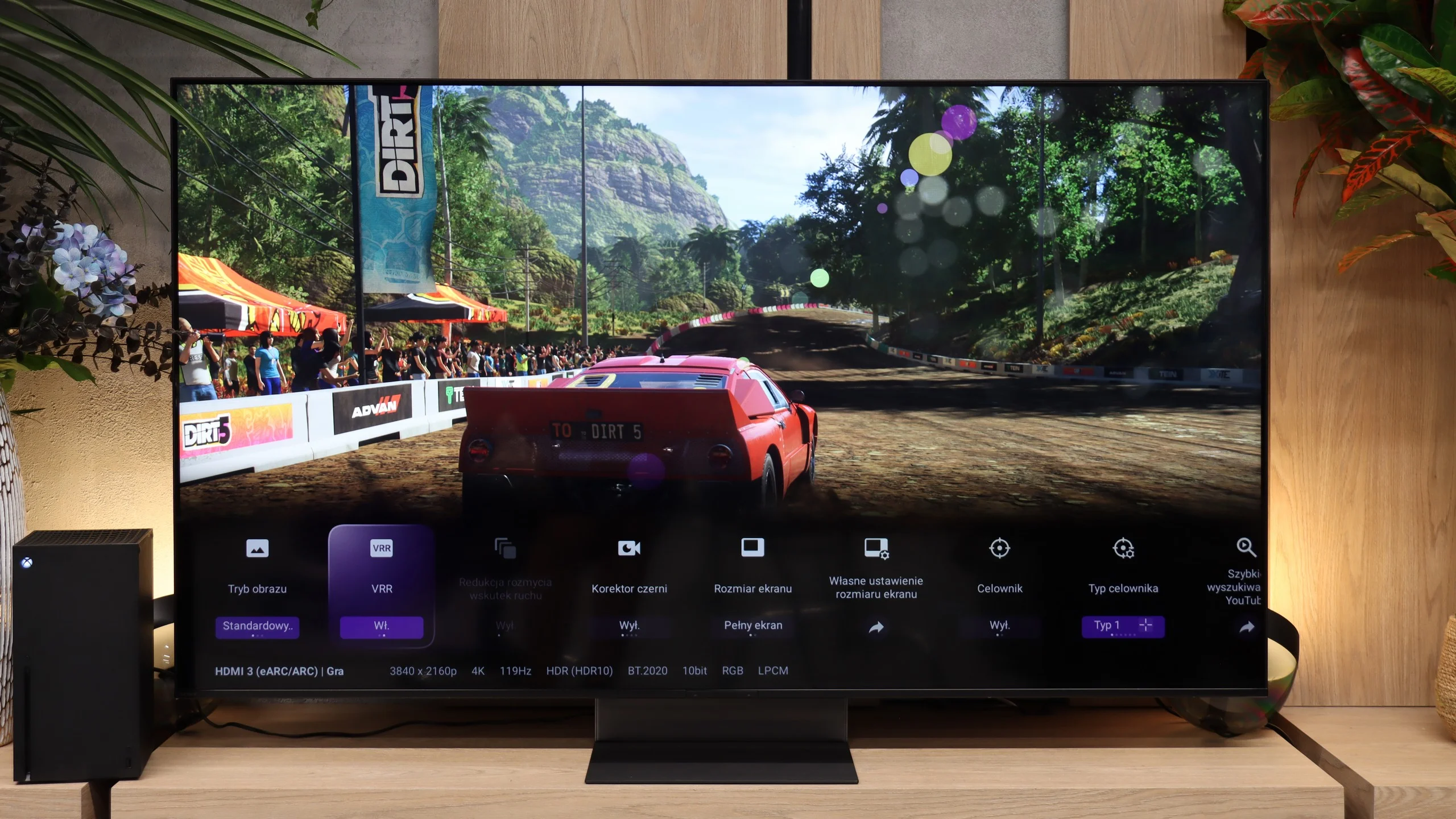
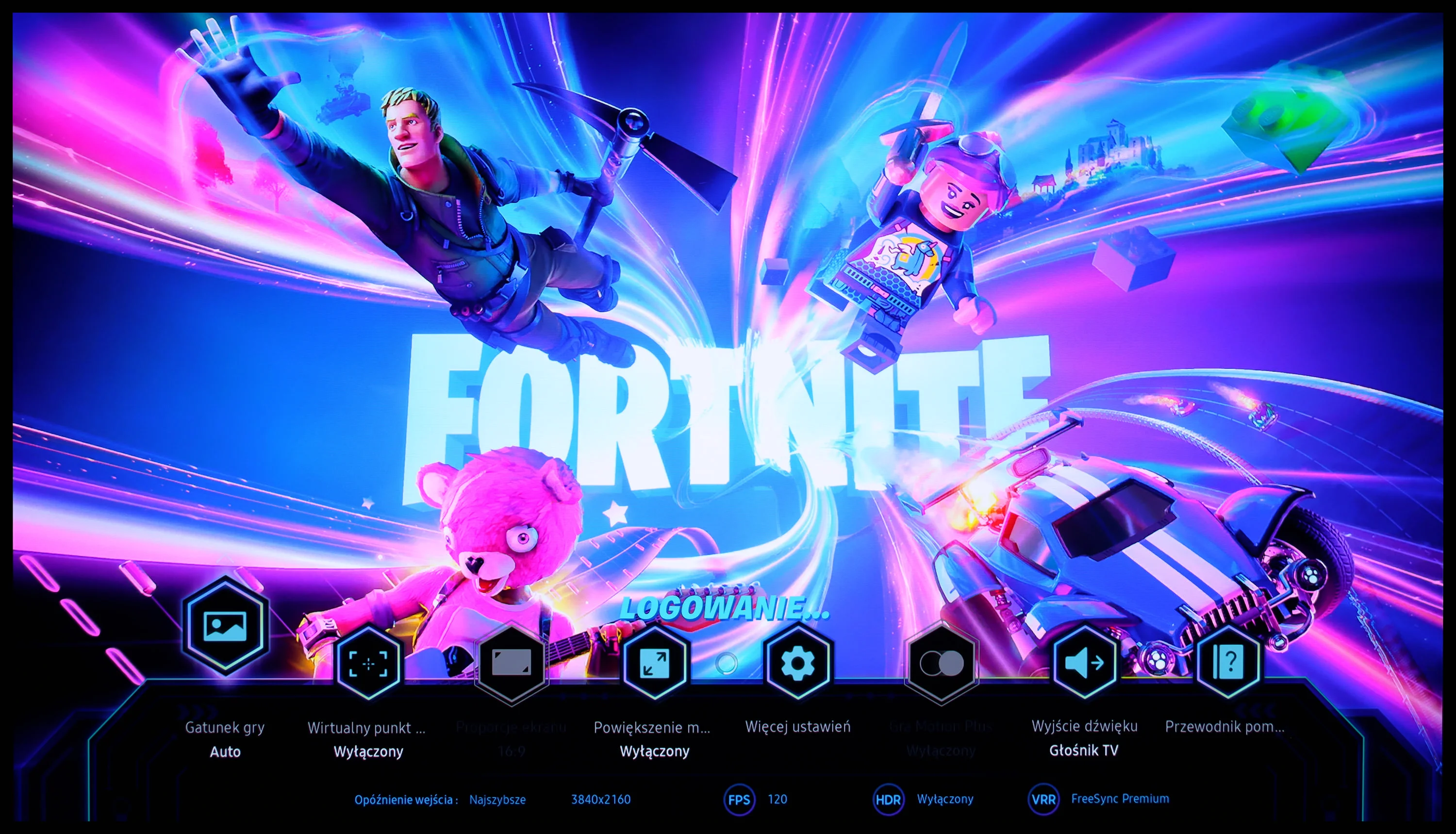
Additionally, the S95D includes a Game Bar feature, making it easy to manage game settings with quick adjustments, such as changing the screen ratio—an extremely useful function for various games and gameplay modes. The support for G-Sync and FreeSync is another advantage, particularly for Nvidia and AMD graphics card users.

Although the S95D lacks support for Dolby Vision, it still provides an impressive array of features, making it an ideal choice for console gaming enthusiasts. Overall, the S95D combines cutting-edge technology with exceptional picture quality, creating a comprehensive package for any gamer seeking an immersive experience.

The Bravia 7 II essentially has everything you'd expect from a good console TV today. It supports 4K at 120 Hz, VRR from 48 to 120 Hz, and ALLM, so when you start a game the TV automatically switches to low-latency mode. There's also a properly working HGiG, which means that after setting up HDR on the console the TV won't try to further brighten the image on its own. Just remember to turn off tone mapping in the TV's menu. Dolby Vision in game mode is another plus, especially for Xbox owners. Sony also includes its own Game Menu. From it you can quickly view key signal information, check VRR, or change gaming settings without digging through the TV's entire menu. The only thing missing from the feature list is support for 1440p at 120 Hz.

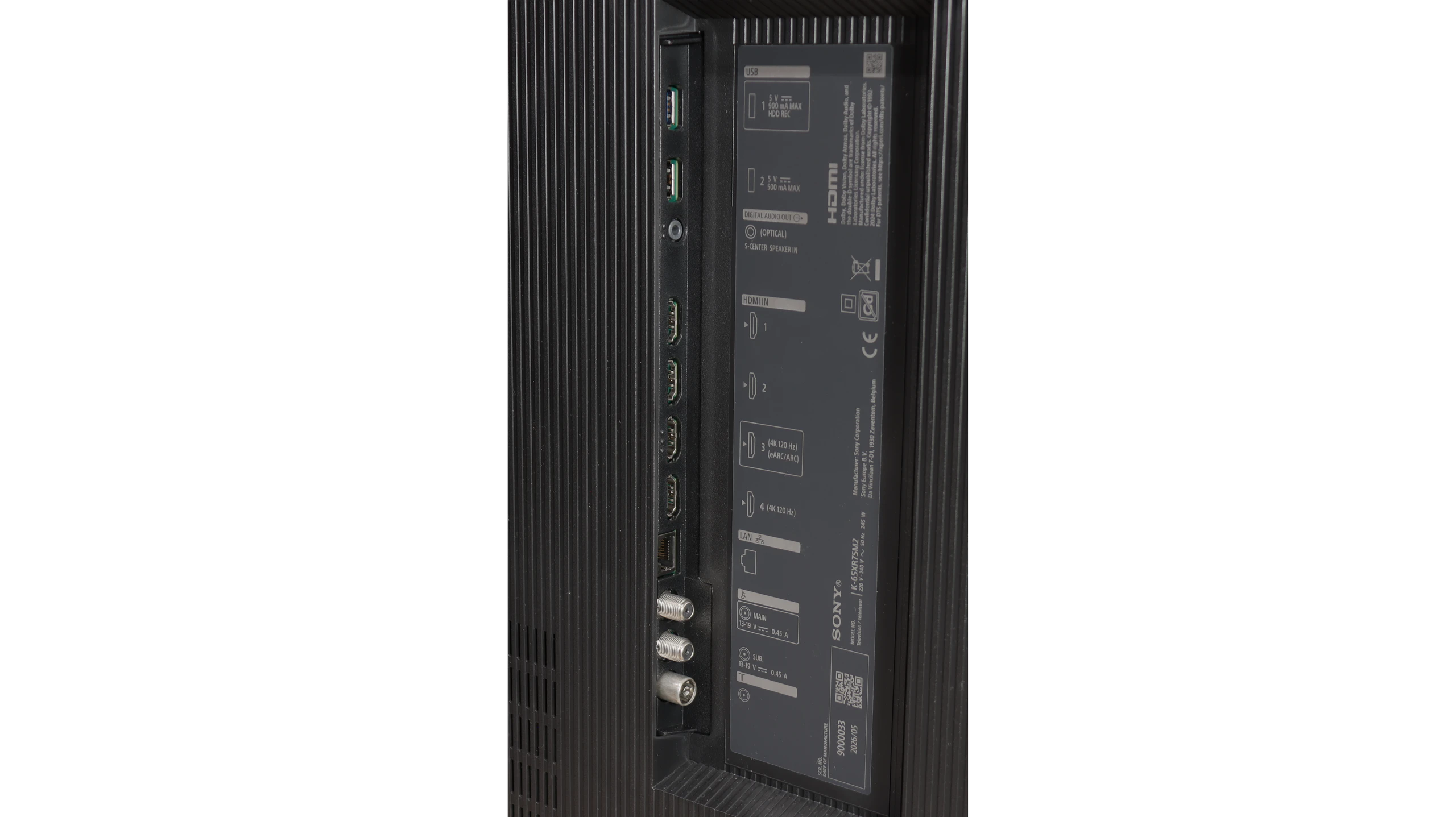
Our biggest complaint is not really with the features themselves, but with the connectors. The Bravia 7 II has four HDMI ports, but only two of them support full HDMI 2.1 at 48 Gbps. One of those is also an eARC port. So if you connect a soundbar or AV receiver via HDMI, in practice you have only one full HDMI 2.1 port left for a console or PC. With a single console that's fine, but with a PS5, an Xbox, and an audio setup it starts to get tight. That's hard to justify from Sony. Two HDMI 2.1 ports might be acceptable in cheaper TVs, but in a model of this class, especially in 2026, we'd expect all four ports to be HDMI 2.1.

Input lag

10/10

10/10

SDR

1080p60
9 ms
14 ms
1080p120
5 ms
9 ms
2160p60
9 ms
14 ms
2160p120
5 ms
9 ms

HDR

2160p60
9 ms
13 ms
2160p120
5 ms
8 ms
4320p60

Dolby Vision

2160p60 DV
14 ms
2160p120 DV
8 ms

The Samsung S95D TV excels with an exceptionally low input lag of just 5 ms for 120 Hz content and 9 ms for 60 Hz content. These impressive figures contribute to an incredibly smooth gaming experience, ensuring players can react quickly and accurately during intense gaming sessions. If our scale extended beyond 10 points, the S95D would undoubtedly warrant an even higher rating for its outstanding performance!

Input lag on the Bravia 7 II is excellent. With a 60 Hz signal we measured about 13-14 ms, while at 120 Hz the delay drops to just 8-9 ms. Those values are low enough that controls feel practically instantaneous, and even more demanding gamers shouldn't have any reason to complain. Dolby Vision also deserves praise. A few years ago Sony TVs had some issues with this format in games, and turning it on could mean higher input lag. On the Bravia 7 II that problem has basically disappeared. In Dolby Vision we measured 14 ms at 60 Hz and 8 ms at 120 Hz, which is virtually the same as with standard HDR.

Compatibility with PC

8.6/10

7.8/10

Chroma 444 (max. resolution and refresh rate)
Yes
Yes
Font clarity
Good
Very Good
Readability of dark text and shapes
Good
Good
Input lag in PC mode (4K, max. refresh rate)
5ms
8ms
Matrix subpixel arrangement
RGB
Max refresh rate
144Hz
120Hz
G-Sync
Yes
Yes

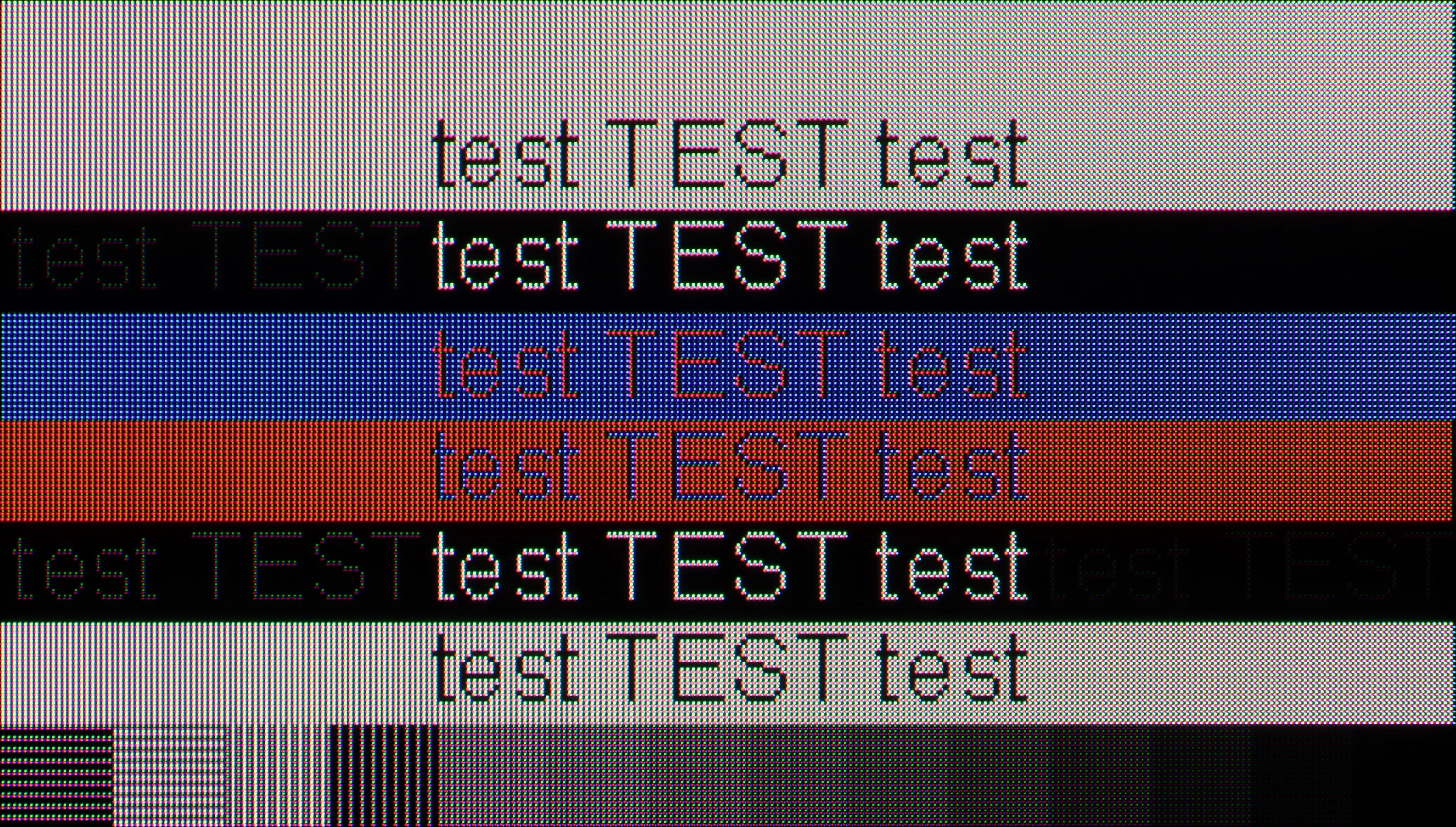
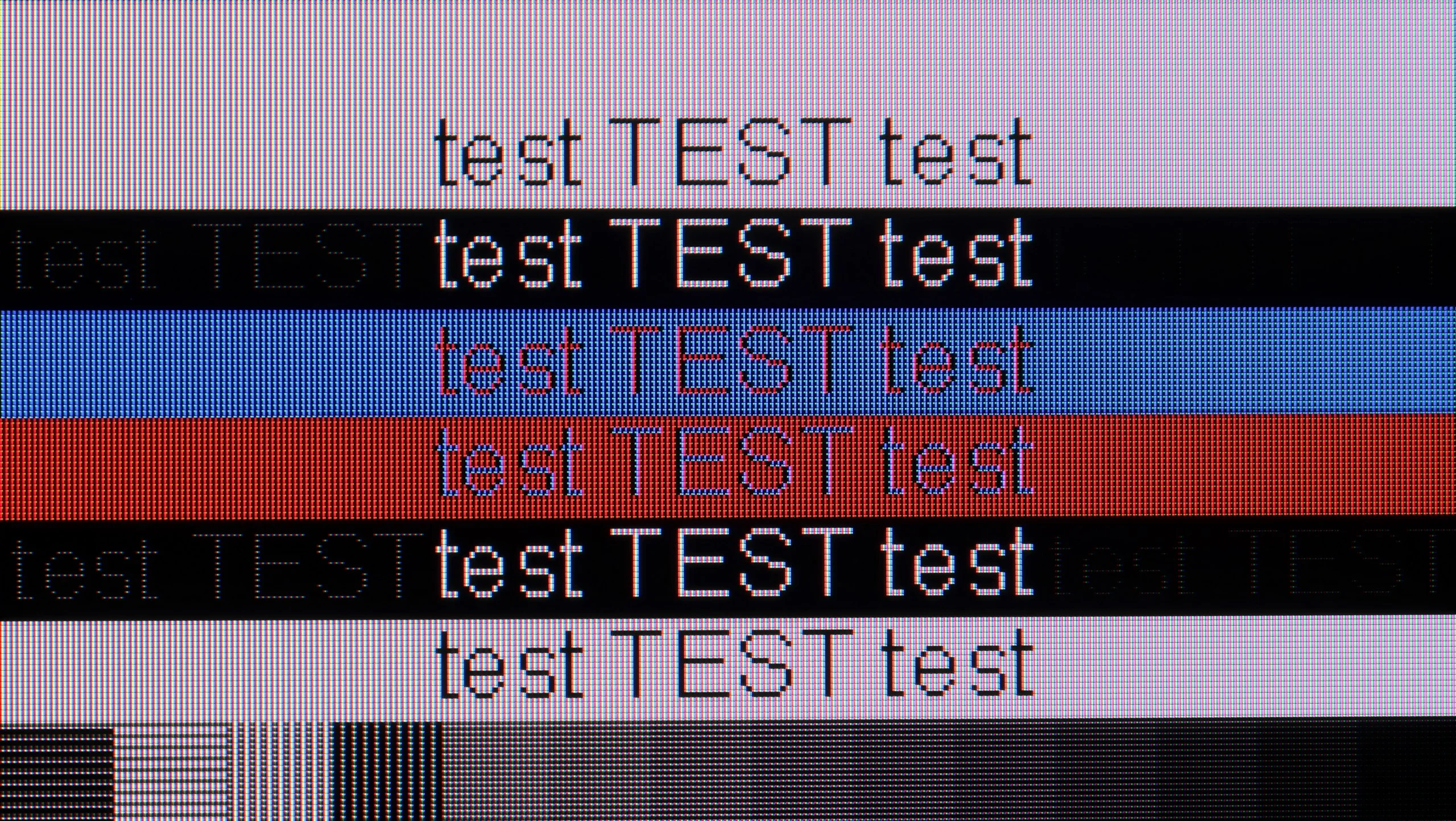
The photo shows the legibility of small fonts. Ideally, lines should be the same thickness on both light and dark text, with minimal pixel gaps.

The Samsung S95D is truly an excellent choice for computer use. With support for chroma 4:4:4, text on the screen is sharp and clear, making it ideal for both work and gaming. When connected to a computer, the input lag of just 5 ms ensures a smooth and responsive experience.

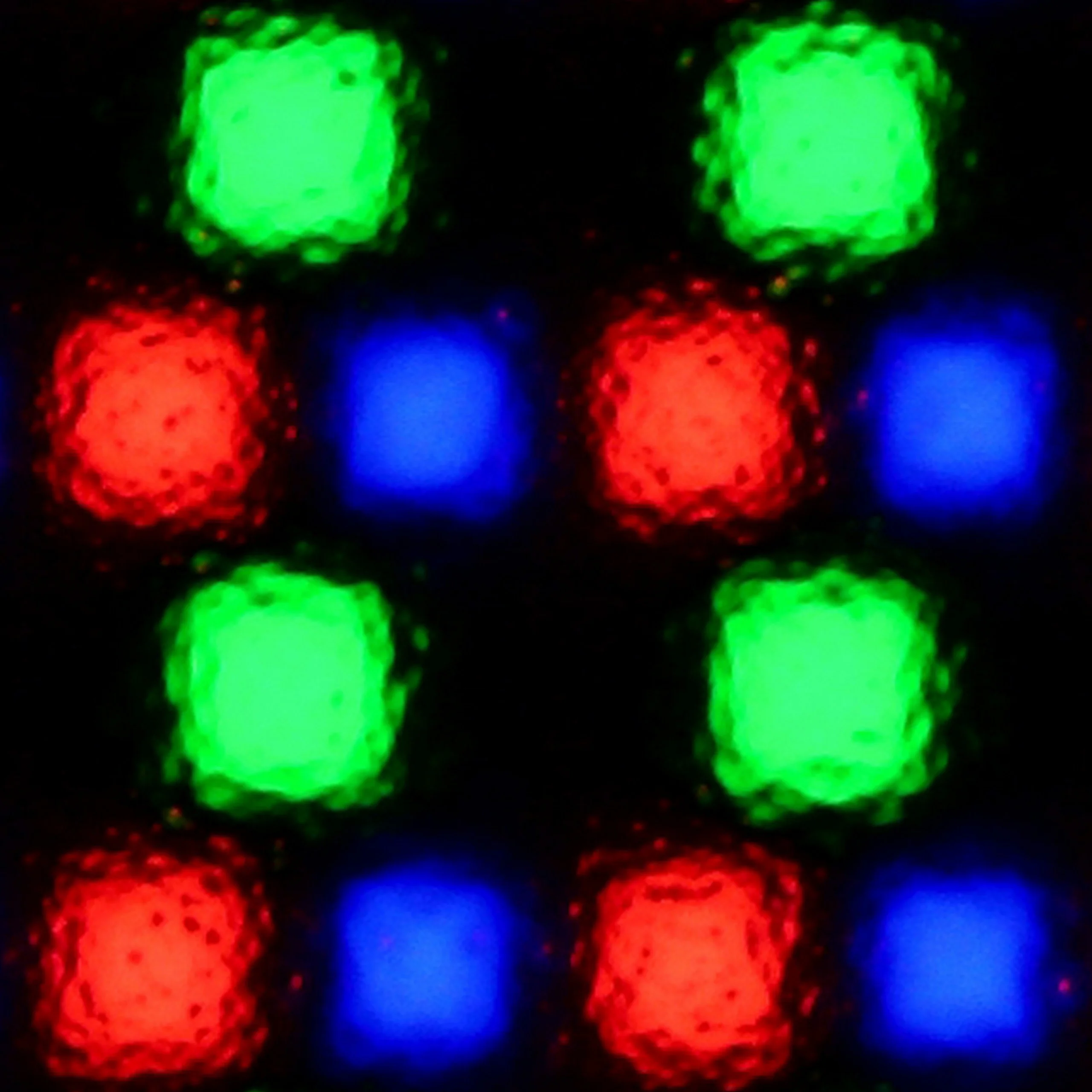
However, we did deduct some points due to the visibility issues with small fonts on a black background, which stem from the specific sub-pixel layout of QD-OLED panels. Despite this, the overall user experience is impressive, and the TV performs exceptionally well in both everyday tasks and more demanding scenarios.

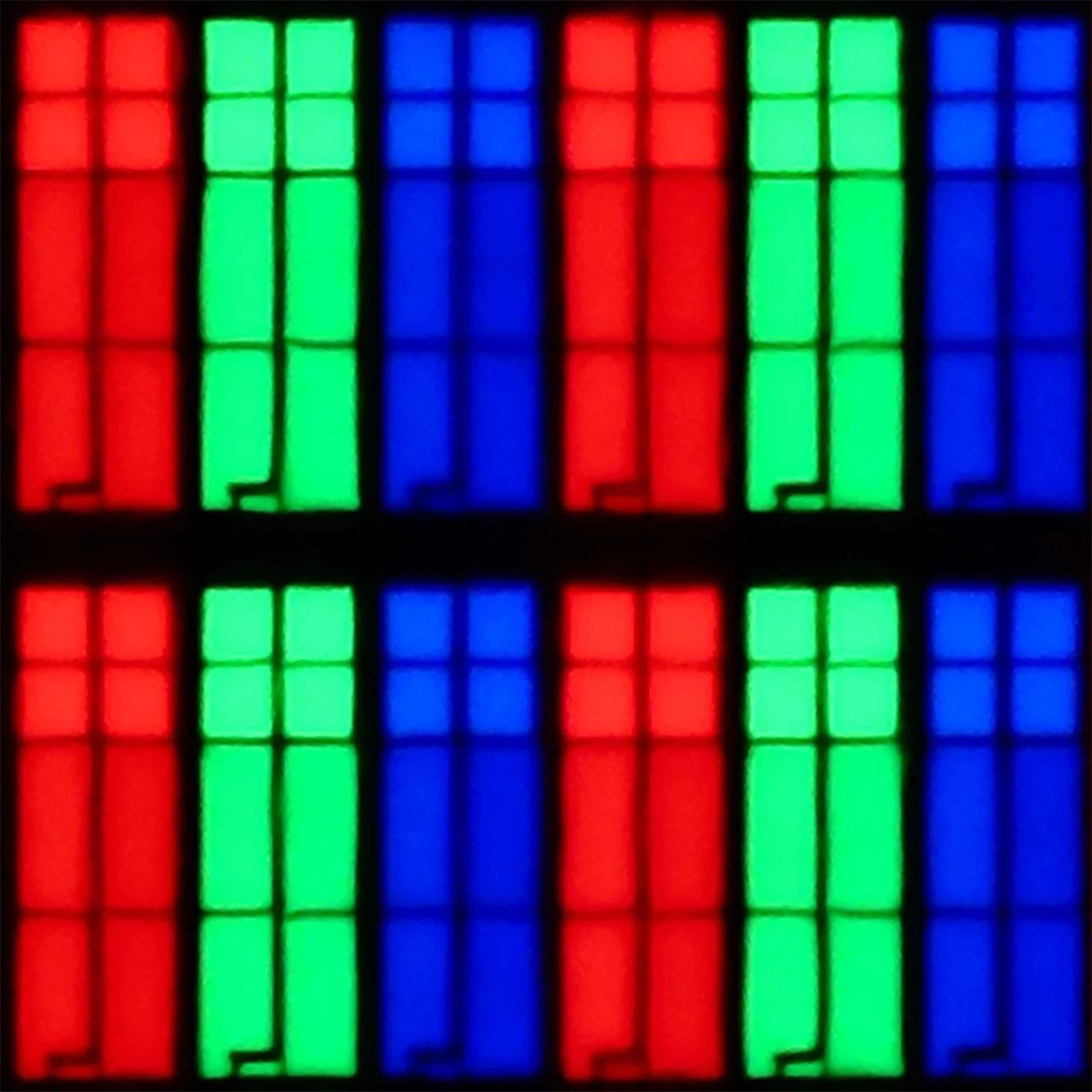
The Bravia 7 II also works very well as a large PC monitor. The TV correctly handles chroma 4:4:4, and thanks to the classic RGB subpixel layout fonts are very legible and don't have the characteristic colored fringes. For everyday work with the desktop, web browser, or documents it therefore performs very well.

PC gamers also get most of the features found on consoles, including VRR and low input lag. The only gripe is the maximum refresh rate of 120 Hz. A few years ago that would have been an excellent result, but today some competitors already offer 4K at 144, 165, or even 180 Hz, and at Full HD they can exceed 300 Hz. For most people 120 Hz will still be more than enough, but owners of powerful PCs might expect a bit more here.

Viewing angles

9.8/10

5.7/10

Brightness drop at an angle of 45 degrees
9%
66%

The viewing angles on the Samsung S95D are truly outstanding—the best we've encountered in our tests. QD-OLED matrices excel in this area, setting a new standard. While standard WOLEDs offer impressive viewing angles, the S95D surpasses them easily. No matter the angle you're watching, the image remains bright, clear, and rich in detail. This remarkable performance solidifies the Samsung S95D as the absolute leader in viewing angle quality among televisions.

The viewing angles on the Bravia 7 II are really good, largely thanks to the RGB Mini-LED backlight. Unlike traditional TVs with VA panels and white/blue backlighting, when you view it off-axis the picture doesn't lose brightness and color saturation as quickly. That's a noticeable improvement, because viewing angles are usually one of the bigger compromises of VA panels. Of course it's still not at the level of the best IPS panels, and certainly not OLEDs, but the difference compared to a typical Mini-LED with a VA panel is clear. Even sitting a bit to the side, the picture still looks good and the colors don't immediately wash out.

Daytime performance

6.2/10

9/10

Panel finish
Matte
Satin
Reflection suppression
Very Good
Good
Black levels during daytime
Poor
Good

Panel brightness

Sony BRAVIA 7 II: 1247 cd/m2

Samsung OLED S95D: 508 cd/m2

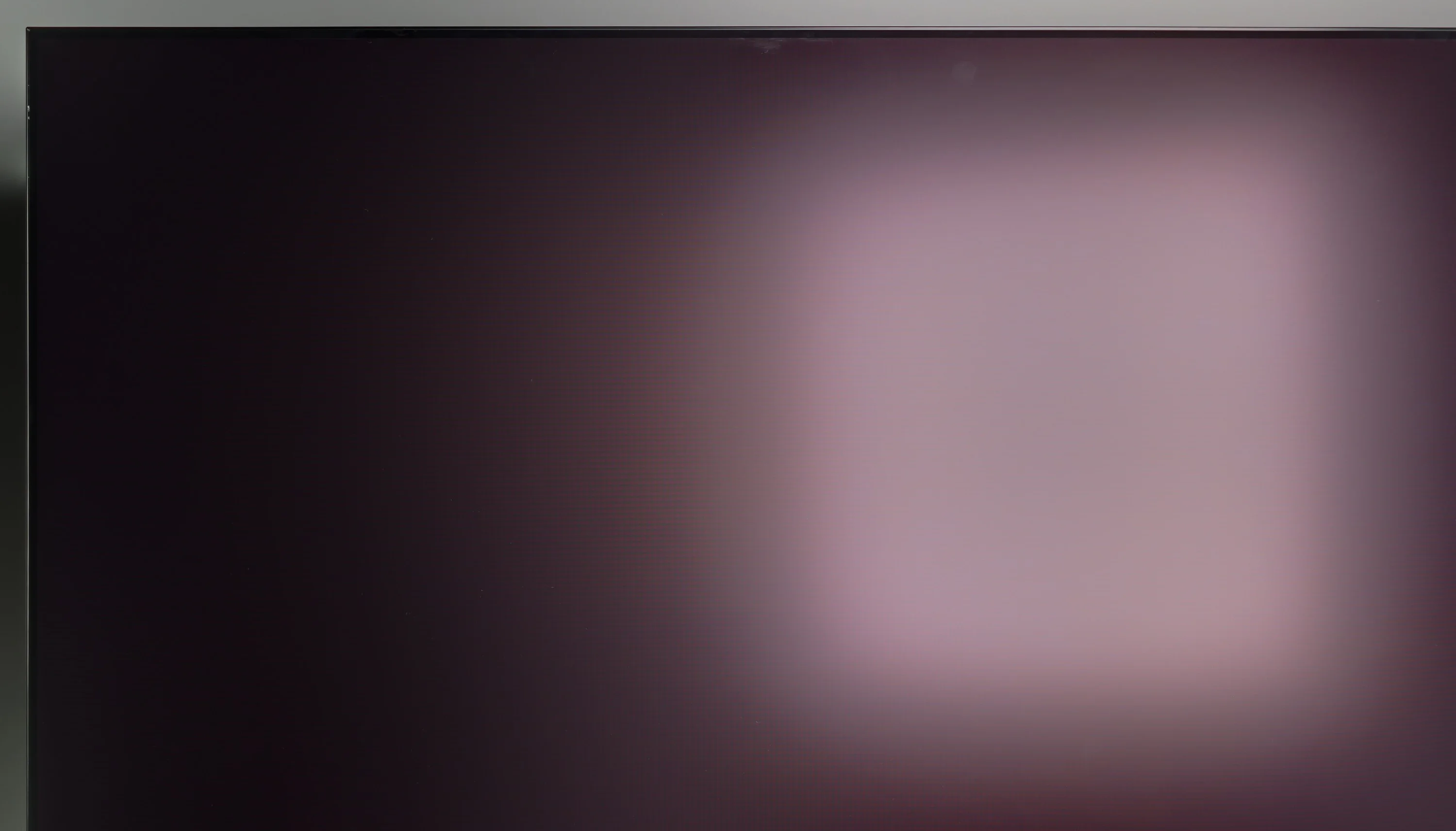
The Samsung S95D television stands out with exceptional performance during the day, being the only OLED on the market with a matte screen. Thanks to this feature, light reflections are reduced, allowing for comfortable viewing in bright rooms. However, it is worth noting that the matte coating may slightly diminish colour intensity. Despite this minor drawback, the television remains very bright, offering up to 500 nits of brightness. This makes the picture clear and vivid even in well-lit spaces, making the S95D a great choice for everyday use.

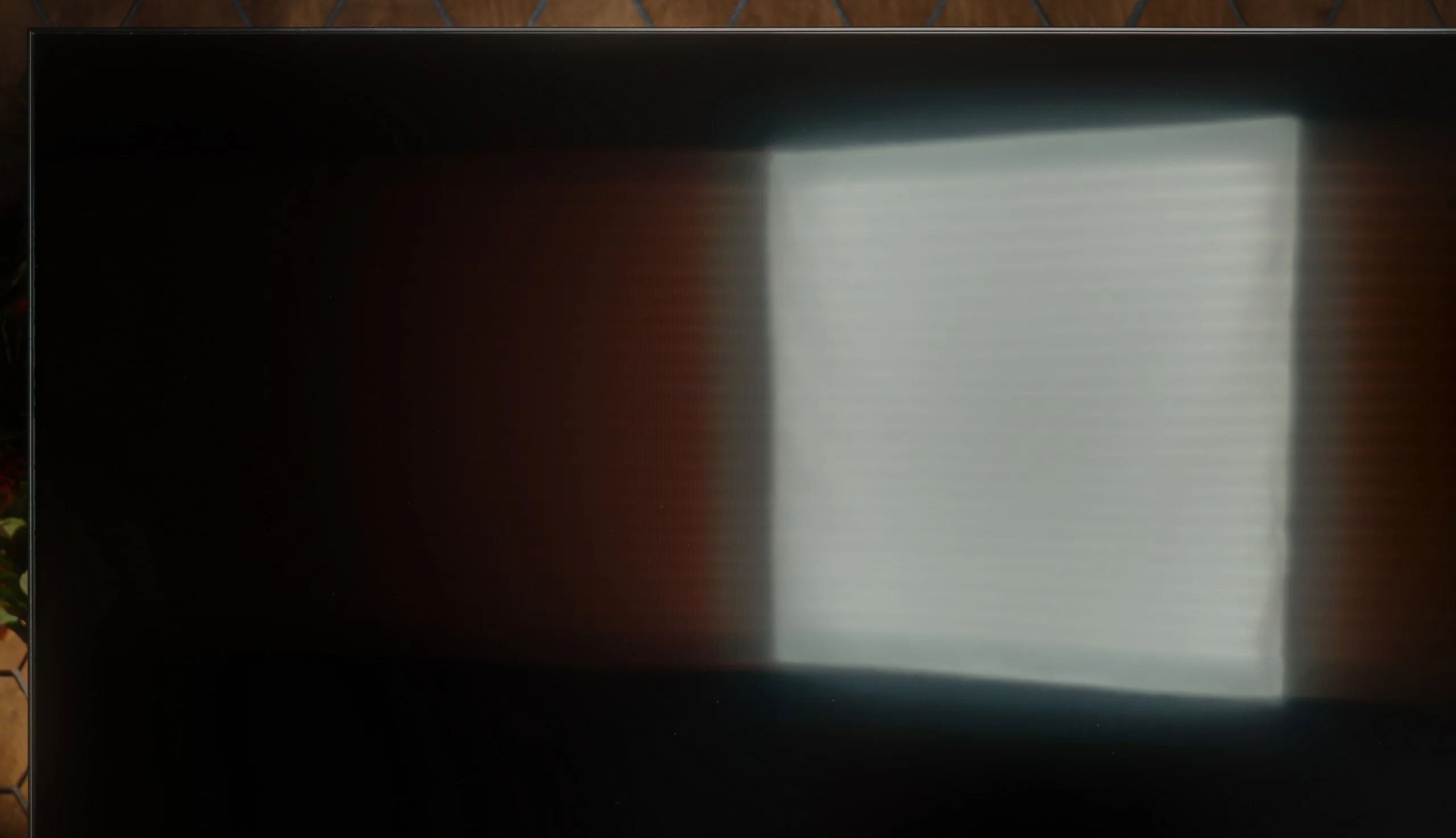
The Bravia 7 II also performs very well in a bright living room. The main reason is its high brightness, which in SDR reaches about 1250 nits. The TV therefore has enough power to keep the picture readable and vivid even when a lot of light enters the room. Compared with the higher-end Bravia 9 II there is one important difference. The Bravia 7 II doesn’t have a fully matte screen; it uses a coating with a more satin finish. It still handles reflections quite well, but reflections from windows or lamps are more noticeable. On the other hand, blacks hold up well during the day and don’t turn noticeably gray under light. Overall, it’s still a very good TV for bright rooms, only in terms of reducing direct reflections does the Bravia 9 II have the advantage.

Panel details

Backlight Type
Mini-LED RGB
Software version during testing
.1066
114.602.080.1EUA
Image processor
mt5897 5gb ram

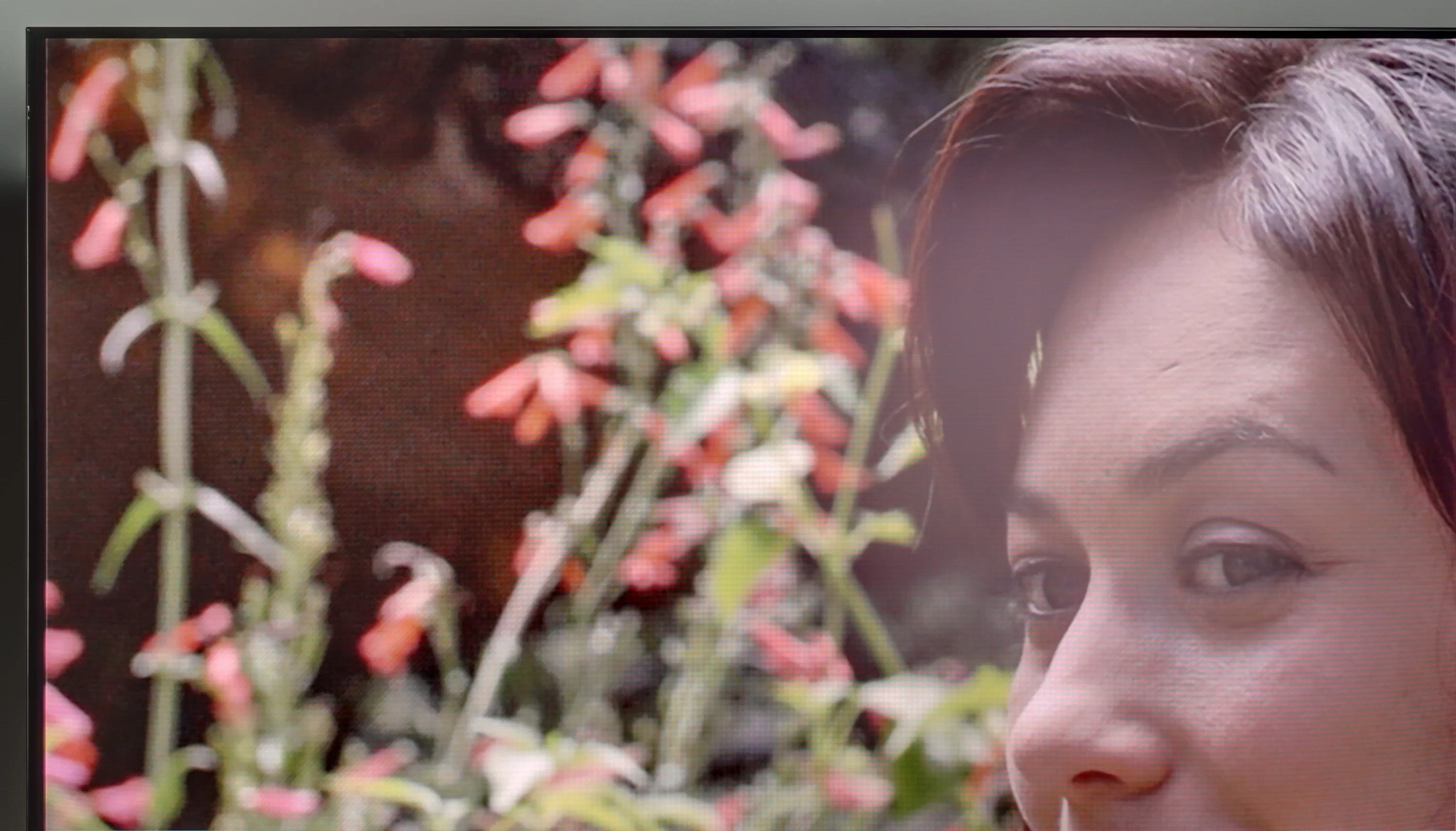
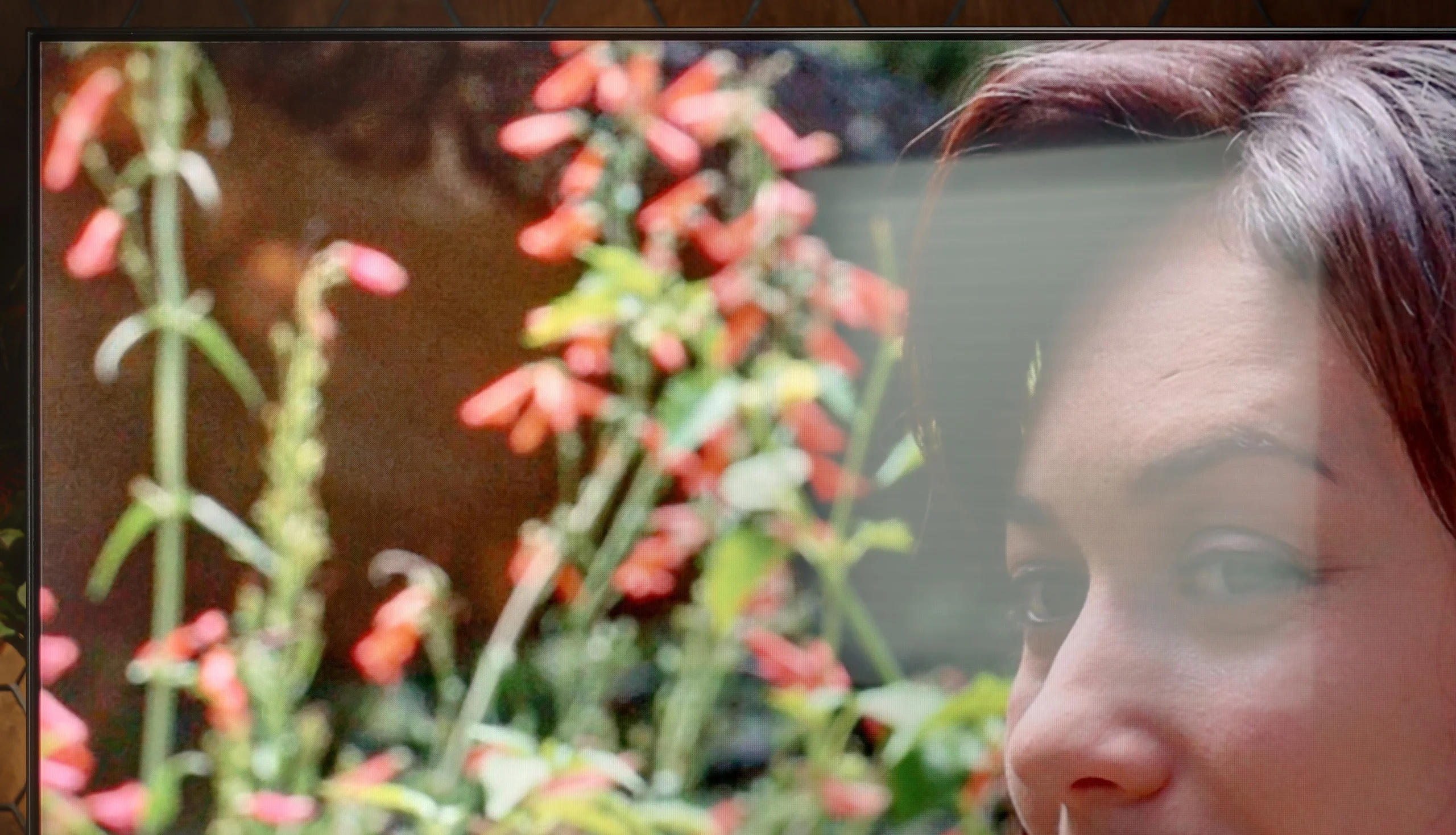
Subpixel Structure:

Panel uniformity and thermal imaging:

Review Samsung OLED S95D TV Panel details
Review Sony BRAVIA 7 II TV Panel details

Samsung OLED S95D

Sony BRAVIA 7 II

TV features

7.9/10

9.4/10

  • System
    Tizen
    Google TV
  • System performance
    Very good
    Very good
  • HDMI inputs
    0 x HDMI 2.0, 4 x HDMI 2.1 40Gbps
    2 x HDMI 2.0, 2 x HDMI 2.1 48Gbps
  • Other inputs
    Toslink (Optical audio)
  • Outputs
    eARC (HDMI), ARC (HDMI)
    Toslink (Optical audio), eARC (HDMI), ARC (HDMI), Mini-Jack (Sony S-Center)
  • Network Interfaces
    Wi-Fi 2.4GHz, Wi-Fi 5GHz, Ethernet (LAN) 100Mbps
    Wi-Fi 2.4GHz, Wi-Fi 5GHz, Ethernet (LAN) 100Mbps
  • TV reception
    DVB-T, DVB-T2, DVB-S, DVB-S2, DVB-C
    DVB-T, DVB-T2, DVB-S, DVB-S2, DVB-C

Classic features:

  • Recording to USB (terrestrial TV)
    No
    Yes
  • Recording programming
    No
    Yes
  • Picture in Picture (PiP)
    Yes
    No
  • RF remote control (no need to aim)
    Yes
    Yes
  • Backlit remote control
    No
    Yes
  • Teletext
    Yes
    Yes
  • Audio only mode
    Yes
    Yes
  • Bluetooth headphones support
    Yes
    Yes
  • Simultaneous Bluetooth headphones & TV audio
    Yes
    Yes

Smart features:

  • AirPlay
    Yes
    Yes
  • Screen mirroring (Windows Miracast)
    Yes
    Yes
  • Voice search
    Yes
    Yes
  • Voice search in native language
    Yes
    Yes
  • Ability to connect a keyboard and mouse
    Yes
    Yes
Review Samsung OLED S95D TV features
Review Sony BRAVIA 7 II TV features

Sound connection options

  • HDMI audio
    eARC (HDMI), ARC (HDMI)
    eARC (HDMI), ARC (HDMI)
  • Other audio outputs
    Toslink (Optical audio), AuxiliaryOutput-Mini-Jack (Sony S-Center)
  • Wireless audio
    Bluetooth
    Bluetooth

Supported audio formats (external HDMI eARC audio):

  • Dolby Digital Plus 7.1
    Yes
    Yes
  • Dolby True HD 7.1
    Yes
    Yes
  • Dolby Atmos in Dolby Digital Plus (JOC)
    Yes
    Yes
  • Dolby Atmos in Dolby True HD
    Yes
    Yes
  • DTS:X in DTS-HD MA
    No
    Yes
  • DTS-HD Master Audio
    No
    Yes

Senior accessibility

  • Numeric keyboard on TV
    No
    Yes
  • Font size adjustment
    Yes
    Yes
  • Audio description
    Yes
    Yes

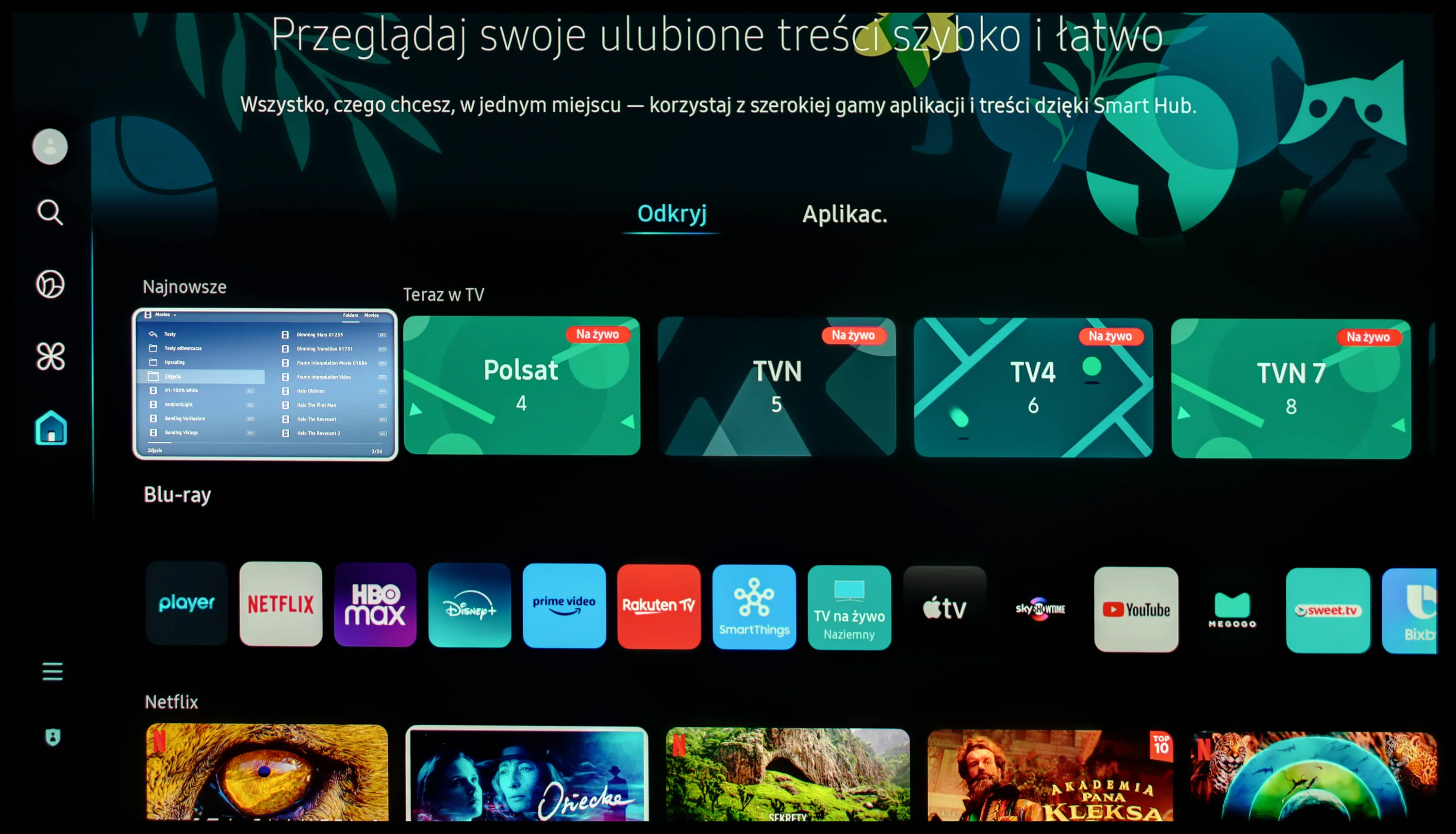
The Samsung S95D television offers a range of features that significantly enhance user comfort, making it an ideal device for home entertainment. The Tizen system, on which this model is based, is a modern and advanced platform that provides an intuitive and smooth experience. Thanks to the user-friendly interface, navigation through applications and settings is quick and simple, making it easy to use the television even for those less familiar with technology. Tizen supports a rich set of applications, including all popular streaming services such as Netflix, YouTube, and Amazon Prime Video. Alongside this, the support of AirPlay allows for easy content sharing from Apple devices such as the iPhone or iPad.

It is also worth noting that the S95D television works with the SmartThings app, enabling integration with other smart devices in the home. This app allows for the creation of automations and monitoring of home equipment, making the television an entertainment device and a smart home management centre all in one.

Another highlight is the included accessories, such as the environmentally friendly solar remote, which is also practical for everyday use. This remote can control multiple devices connected to the television, eliminating the need for several different remotes; it easily integrates with other decoders such as Canal+ and NC+. Additionally, the One Connect module in the Samsung S95D is a fantastic solution that makes the television incredibly sleek. With this device, you can hide all cables and connections. It is one of the slimmest devices that can be mounted on the wall, providing an aesthetic and modern look to your interior. If you wish to place the device on a sturdy metal base, you need not worry; this module can be mounted at the back of the base, creating a harmonious whole.

The only downside that can be pointed out is the lack of USB recording support. For some users, this may be a limitation. Despite this, the Samsung S95D television offers many advanced features and technologies making it an excellent choice for anyone seeking high-quality entertainment in their home.

Classic features

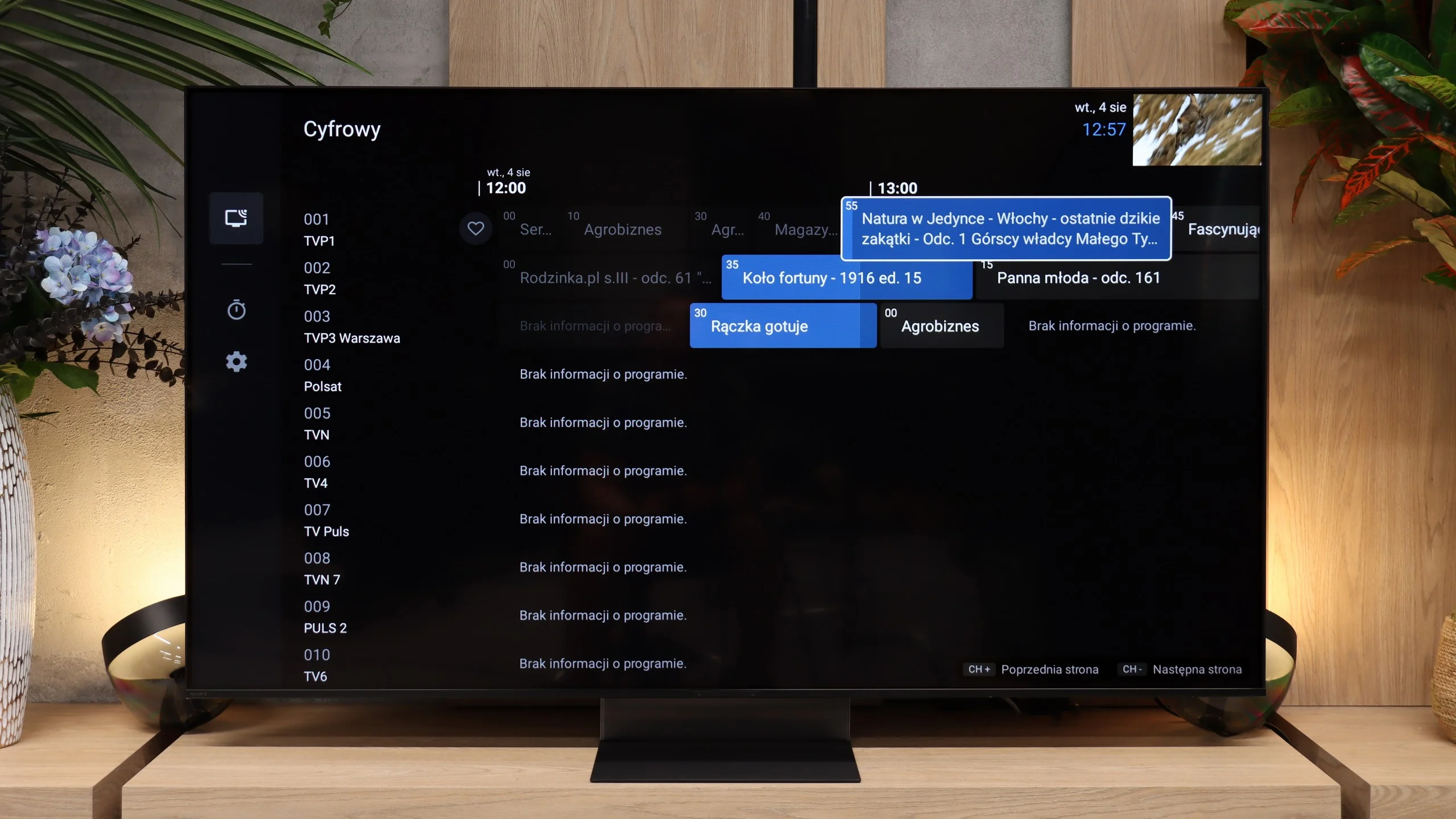
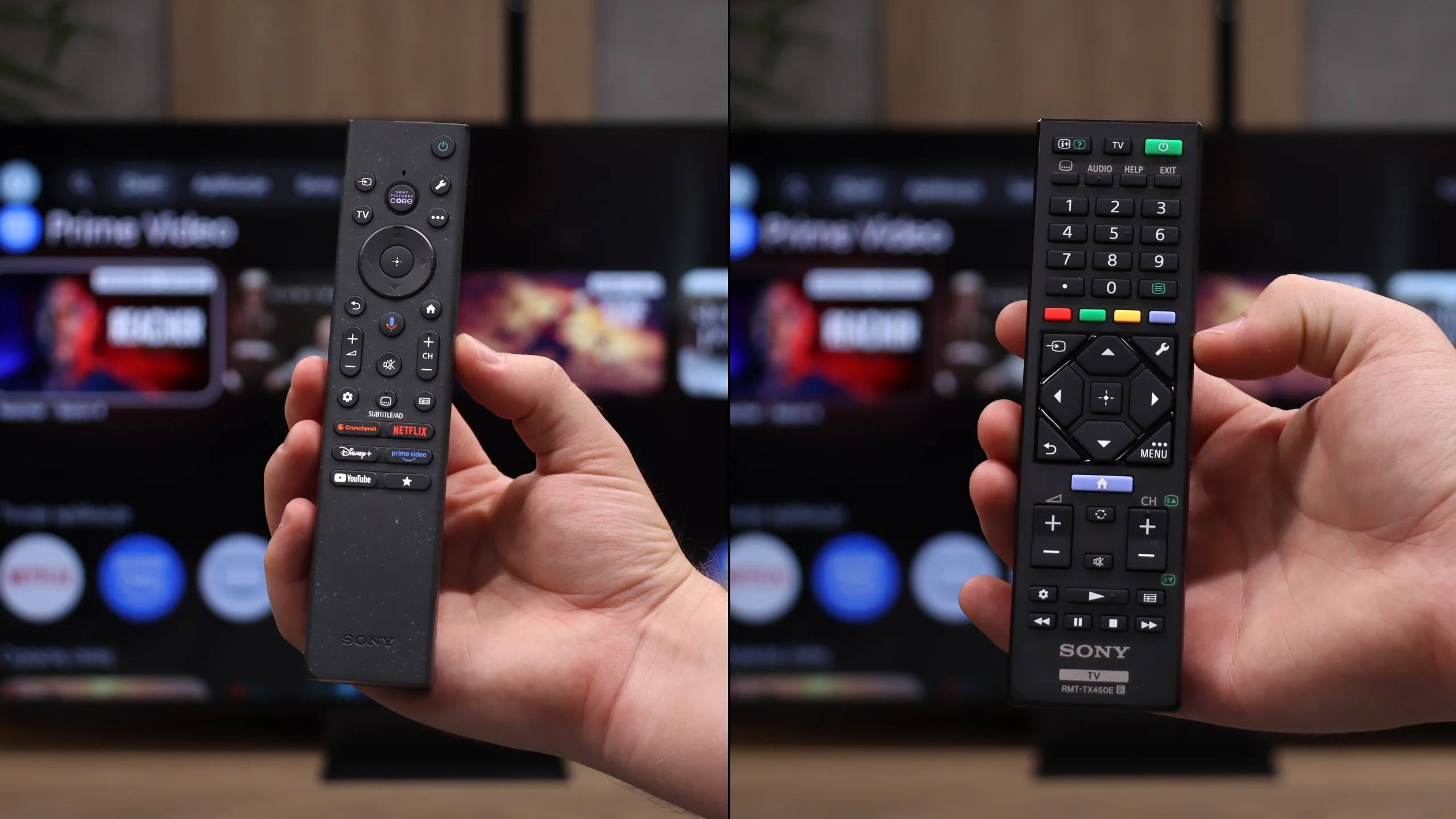
Sony in the Bravia 7 II still approaches the TV a bit more old-school than some competitors, and here that works to its advantage. This is not just a screen for streaming apps, because the manufacturer kept plenty of traditional features that many people still use every day. You can record programs to USB, schedule recordings, or use the TV with Bluetooth headphones without having to turn off its built-in speakers. Overall it feels like a refined device for normal TV watching, not just a "monitor with apps." The control setup is also worth praise. The package includes two remotes: one more modern and simplified, the other classic with more buttons. That way everyone can choose the control method they find most comfortable. The main remote uses RF, so you don't have to point it directly at the TV, and the backlit buttons are especially useful in the evening.

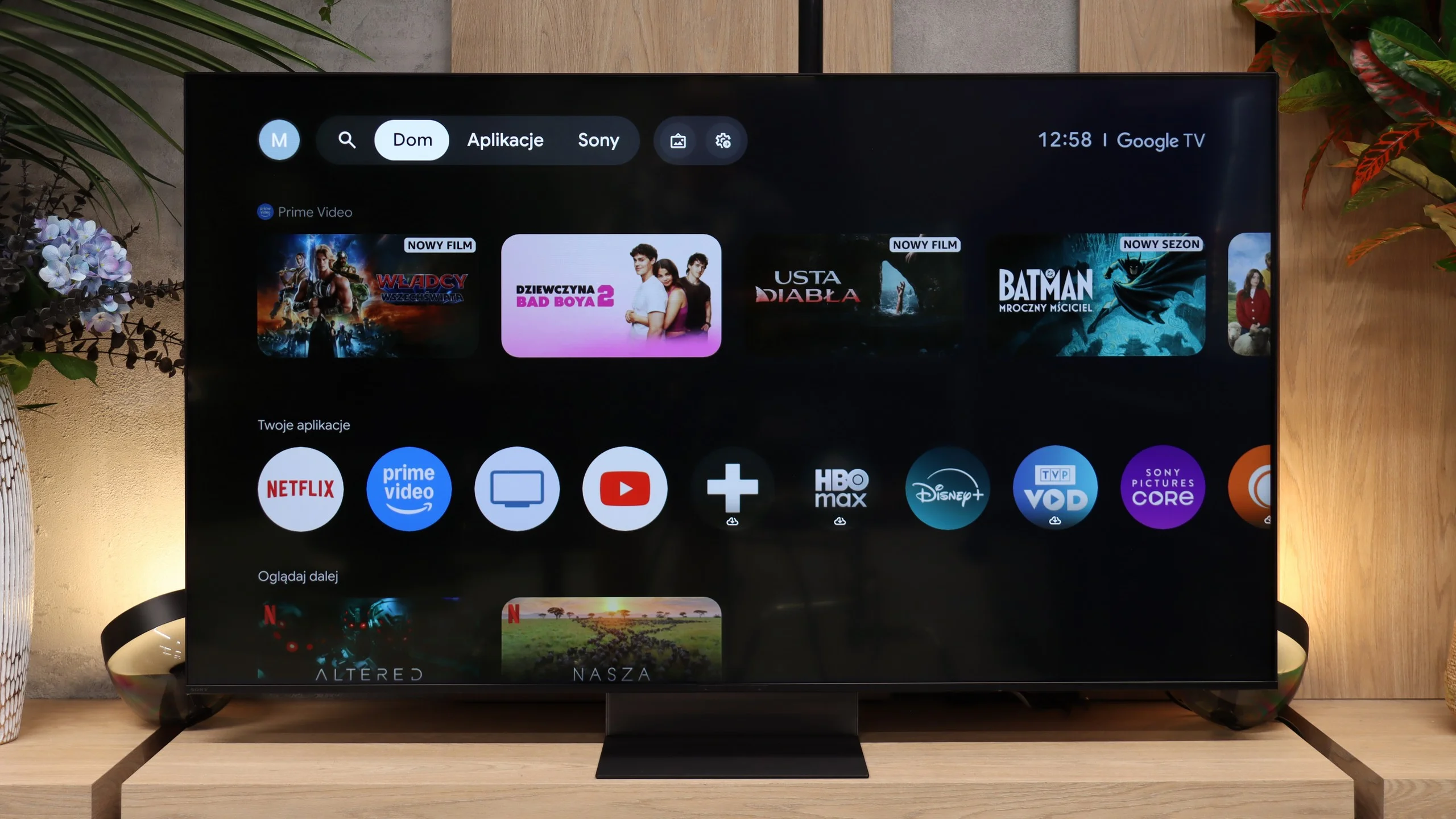
Google TV

Google TV handles the Smart features, and here the Bravia 7 II performs as you would expect from a TV of this class. The system runs fast, menus respond smoothly, and it doesn't feel like the unit needs a moment for every simple operation. The biggest advantage remains the vast selection of apps, so practically everything we use on TVs today is immediately at hand. Google TV also works well when the TV is meant to be part of a larger ecosystem. You can cast content from your phone or computer, use AirPlay and Miracast, and search for content by voice in your native language. In practice, the Bravia 7 II therefore gives a lot of freedom, and it's hard to encounter a situation where you're missing some basic Smart TV function.

Apps

9.3/10

9.6/10

OK
Disney_Plus
OK
Amazon_Prime_Video
OK
Player_TVN
OK
Polsat_Box_Go
OK
Canal_Plus_Online
OK
TVP_VOD
OK
Apple_TV_Plus
OK
SkyShowtime
OK
Rakuten
OK
CDA_Premium_Browser
OK
Spotify
No
Tidal
OK
Netflix
OK
YouTube
OK
HBO_MAX
No
Kodi
OK
Apple_music
OK
Eleven_sports
OK
Xbox Game Pass
OK
GeForce NOW
OK
Amazon Luna

OK
Boosteroid
No
Steam Link
OK
Disney_Plus
OK
Amazon_Prime_Video
OK
Player_TVN
OK
Polsat_Box_Go
OK
Canal_Plus_Online
OK
TVP_VOD
OK
Apple_TV_Plus
OK
SkyShowtime
OK
Rakuten
OK
CDA_Premium_Browser
OK
Spotify
OK
Tidal
OK
Netflix
OK
YouTube
OK
HBO_MAX
OK
Kodi
No
Apple_music
OK
Eleven_sports
No
Xbox Game Pass
OK
GeForce NOW
No
Amazon Luna
OK
Boosteroid
OK
Steam Link

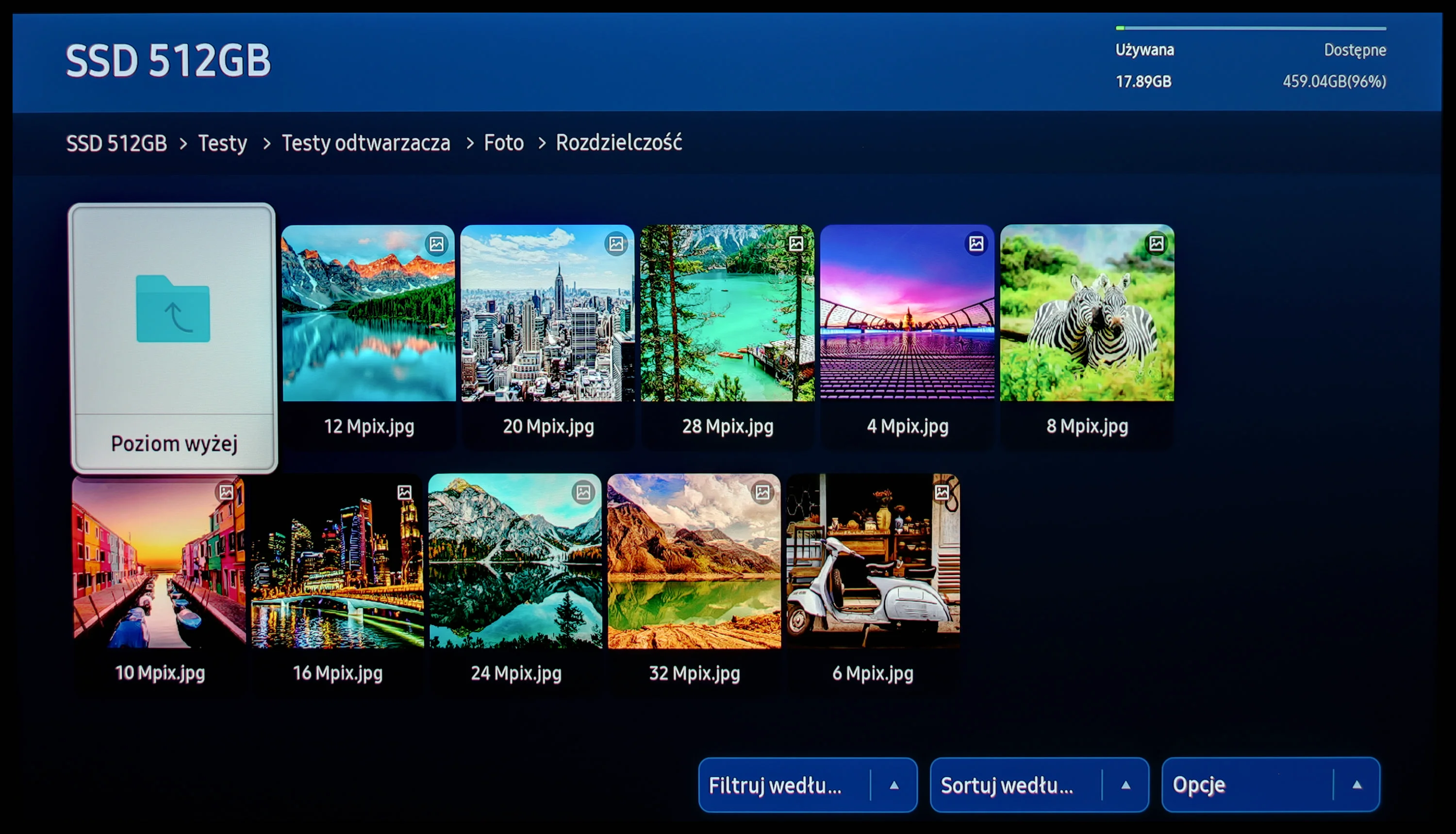
Playing files from USB

8.8/10

8.9/10

Supported photo formats:

JPEG
Yes
Yes
HEIC
No
Yes
PNG
No
No
GIF
No
No
WebP
No
No
TIFF
No
No
BMP
Yes
No
SVG
No
No

Maximum photo resolution:

4 Mpix
Yes
Yes
6 Mpix
Yes
Yes
8 Mpix
Yes
Yes
10 Mpix
Yes
Yes
12 Mpix
Yes
Yes
16 Mpix
Yes
Yes
20 Mpix
Yes
Yes
24 Mpix
Yes
Yes
28 Mpix
Yes
Yes
32 Mpix
Yes
Yes

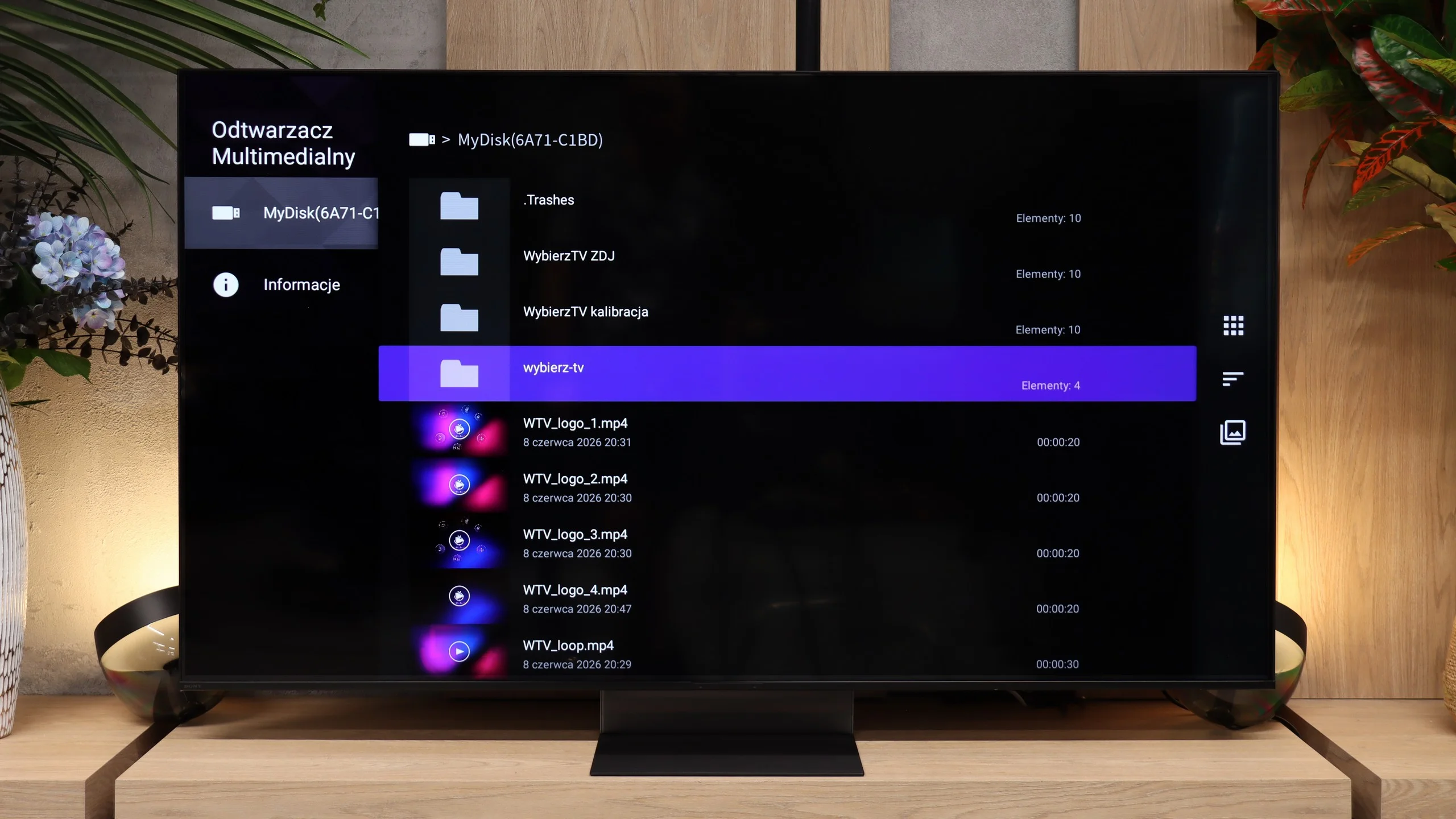
Samsung S95D stands out with its excellent built-in player, which handles most of the video and audio files we tested without any issues. The exceptions are files in Dolby Vision format and some less common codecs.
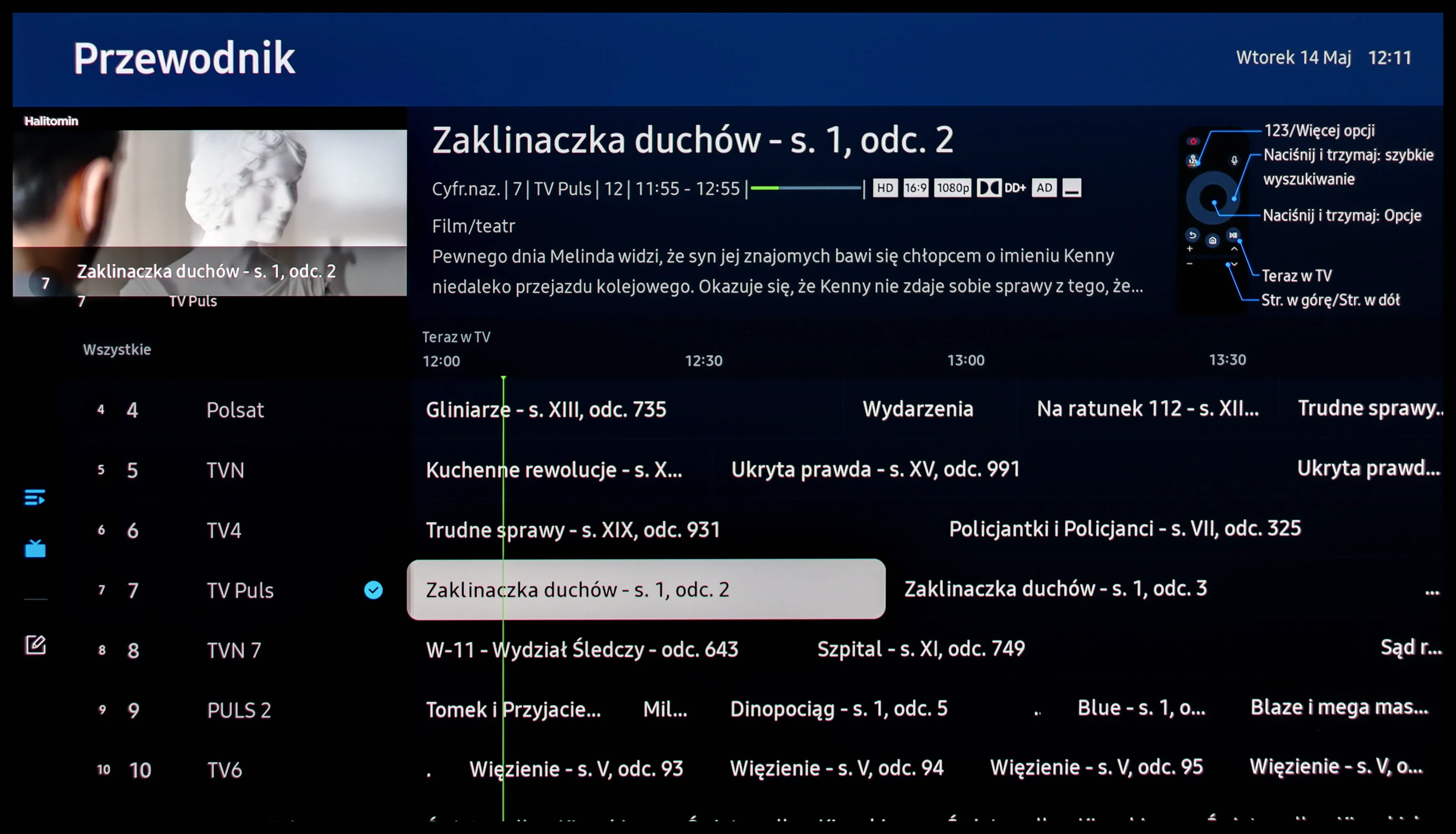
The built-in file player on the Bravia 7 II works well and has no major issues with most common media. The TV handles the most frequently encountered video files and codecs, so when using an external drive or USB stick you probably won't run into significant limitations. What’s missing for full satisfaction is mainly broader support for subtitle formats and image files. For photos the TV opens JPEG and HEIC, but it doesn’t handle, for example, PNG, WebP, or TIFF. We wouldn’t treat this as a serious flaw, though, since many of the missing formats are fairly niche. And if the built-in player proves insufficient, Google TV simply lets you install a third-party app and largely work around those limitations.

Sound

7.9/10

7.8/10

  • Maximum volume
    84dB
    94dB
  • Dolby Digital Plus 7.1
    Yes
    Yes
  • Dolby True HD 7.1
    Yes
    No
  • Dolby Atmos in Dolby Digital Plus (JOC)
    Yes
    Yes
  • Dolby Atmos in Dolby True HD
    Yes
    No
  • DTS:X in DTS-HD MA
    No
    Yes
  • DTS-HD Master Audio
    No
    Yes

Despite being one of the slimmest televisions on the market, the Samsung S95D offers surprisingly pleasant sound quality. The television supports Dolby codecs, allowing for high audio fidelity. However, a notable downside is the lack of DTS support, which may be a limitation for some users who rely on external players. Nonetheless, the overall sound quality remains satisfactory, especially for such a slim device.

With advanced Dolby Atmos technology, users can enjoy immersive, three-dimensional sound that perfectly complements the high picture quality. In tests, the sound quality of the Samsung S95D QE65S95D model was characterised by exceptional clarity and detail, making it stand out among other models in this category. The integrated acoustic correction system further fine-tunes the sound to the size and acoustics of the room, ensuring optimal audio experiences. Overall, the Samsung S95D performs excellently whether watching movies or listening to music, providing an impressive audio-visual experience.

Sony made a lot of changes to the sound system of the new Bravia 7 II, and you definitely can't say the TV lacks bass. There's plenty of it, and the whole setup can also play very loudly; in our measurement it reached about 94 dBC. In our view, however, the low end is at times almost excessive. The bass can mask the rest of the spectrum, causing dialogue and some sounds to lose a bit of clarity. The overall sound is therefore powerful and impressive, but it could use a slightly more balanced tuning. On the plus side, the TV handles audio formats well. Sony supports both Dolby Atmos and DTS, so in that respect the Bravia 7 II doesn't impose major limitations.

Sound Quality Test

No sound test video

Acoustic Measurements

No acoustic data

94dBC (Max)

75dBC

Reader comments

Comments are provided by the external service Disqus (Zeta Global). Once loaded, Disqus may set cookies and process data about your activity.

We will remember your choice on this device. Provider's privacy policy