Samsung OLED S95D vs Samsung S85F (WOLED)

Direct comparison

Check the best price offer:

Samsung OLED S95D
$1 597

Check the best price offer:

Samsung S85F (WOLED)
$3 999

S95D

S85F / FAU / FAE

Info

Available screen sizes: 55”65”77”

Available screen sizes: 65”77”83”

Panel type: QD-OLED

Resolution: 3840x2160

System: Tizen

Model year: 2024

Complete the survey to find out the result

Panel type: WRGB OLED

Resolution: 3840x2160

System: Tizen

Model year: 2025

Complete the survey to find out the result

Overall rating

8.5

7.7

  • Movies and series in UHD quality

    8.9

    7.9

  • Classic TV, YouTube

    9.2

    8.6

  • Sports broadcasts (TV and apps)

    8.9

    8.5

  • Gaming on console

    9.8

    8.7

  • TV as a computer monitor

    8.6

    7.6

  • Watching in bright light

    6.2

    5.3

  • Utility functions

    7.9

    7.3

  • Apps

    8.7

    8.7

  • Sound quality

    7.9

    7.2

Advantages

  • Revolutionary image depth and blackness (OLED)

  • Superb HDR effect

  • Excellent brightness

  • Saturated colours - high coverage of the wide colour gamut Bt.2022

  • Best viewing angles on the market

  • Matte matrix

  • Super slim design (Innovative One Connect solution)

  • Remarkable black and contrast

  • Great picture in SDR and HDR content after calibration

  • Very good motion smoothness – 120 Hz OLED panel

  • Rich set of features for gamers: VRR, Game Bar, low input lag

  • 4 HDMI 2.1 ports with full 48 Gbps bandwidth

  • Advanced and smoothly operating Tizen system

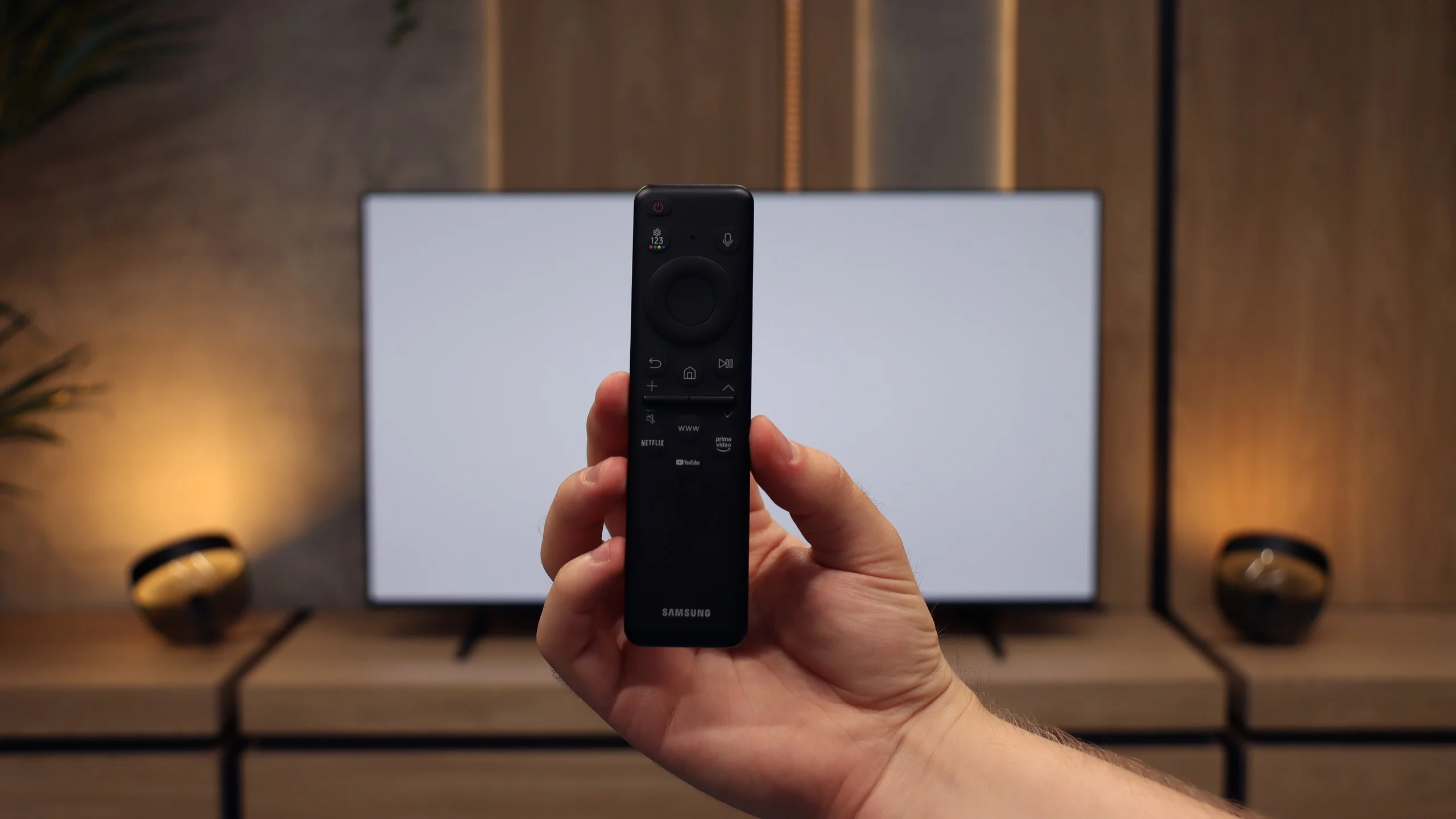
  • Solar Remote with multiple features

Disadvantages

No like
  • Colours during the day may be less intense due to the matte display

  • No support for DTS audio tracks (may be an issue with an external player)

  • No USB recording function and PiP

  • No Dolby Vision

  • No HGiG function*

  • Worse viewing angles, color gamut coverage, and lower brightness than the variant with the QD-OLED panel

*This function disappeared with the software update 1110.7 – we are monitoring this situation continuously.

Our verdict

The Samsung S95D stands out as a top choice in Samsung’s 2024 lineup, featuring an innovative matte display that minimises reflections and performs impressively in both low-light and daylight conditions. This model is among the brightest in the OLED segment, offering exceptional visibility in any room. With excellent motion fluidity, it handles fast-paced content like sports or gaming with precision, making it ideal for enthusiasts of dynamic visuals. Gamers will also appreciate the S95D's four HDMI 2.1 ports, fully compatible with the latest console features, as well as built-in access to the Xbox app for cloud gaming, allowing for gameplay without a console.

In daily use, the S95D proves user-friendly. Samsung’s Tizen system offers an intuitive interface with access to popular streaming platforms and is compatible with a range of smart devices via the SmartThings app, enabling control of home features like lighting and security directly from the TV. The S95D also supports MultiView, allowing two programs to be viewed simultaneously, and has a responsive interface for smooth switching between apps. An eco-friendly solar remote further enhances convenience, capable of controlling multiple devices from one place, including decoders, home cinema systems, and consoles.

Connectivity options, such as AirPlay and Bluetooth, enable easy streaming and pairing with accessories. Design-wise, the S95D impresses with its slim profile and One Connect solution, making it a sleek addition to any space. Although the matte display may slightly reduce colour intensity in bright daylight, this TV is packed with advanced features and high-quality performance. It’s a premium choice for anyone seeking top-tier home entertainment, deserving its reputation as one of the standout televisions of 2024.
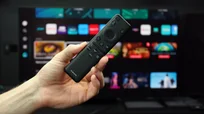
The Samsung S85F in the tested version with a WOLED panel is a television that should primarily be evaluated through the lens of its price. As expected from organic technology, it offers perfect, almost ideal black and infinite contrast in cinematic conditions. This feature alone will impress most buyers, especially those transitioning from any LCD television. However, it cannot be denied that in a direct comparison with the 55-inch QD-OLED variant, the WOLED version shows some weaknesses. It is slightly darker, especially in bright full-screen scenes, and offers noticeably worse viewing angles. Nevertheless, the rest of its advantages remain intact. Motion fluidity is at a high level – the 120 Hz panel handles both sports and action movies excellently. And if someone plans to connect a console to the S85F, they will receive a complete set of advantages: low input lag, variable refresh rate, Game Bar, and full HDMI 2.1 support. In everyday use, we were assisted by the Tizen system – closed but extremely refined. It reacts quickly, offers a rich selection of applications, and add-ons like AirPlay and voice control make it hard to find something more complete in this category. Indeed, the S85F in the WOLED version is not a perfect television and yields to its sibling with a QD-OLED panel. However, its greatest weapon is its absurdly low price. The cost of purchase is almost laughable in relation to the capabilities offered. It is still a great and, most importantly, affordable OLED that will be one of the best and most cost-effective televisions on the market for a vast number of users.

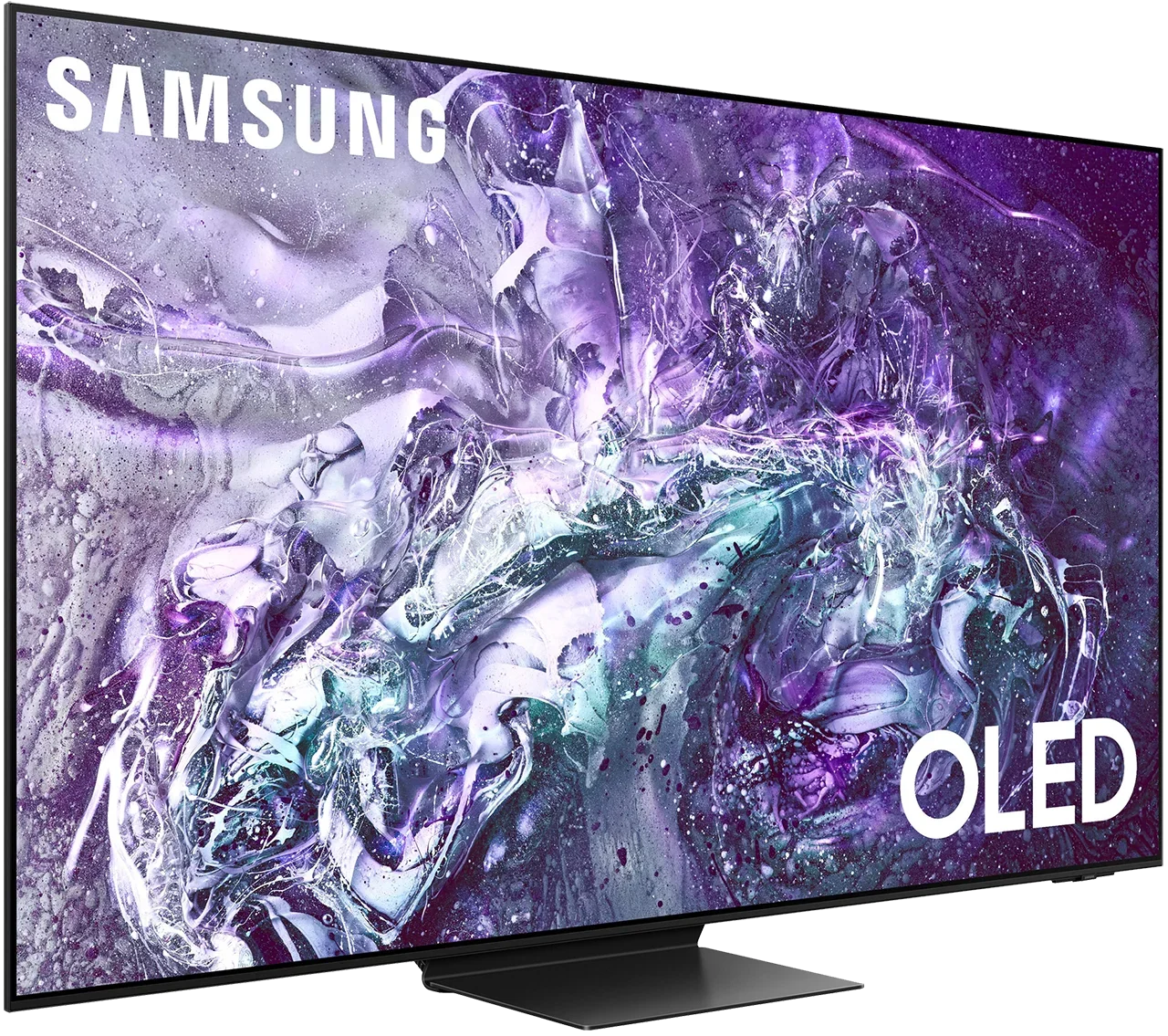
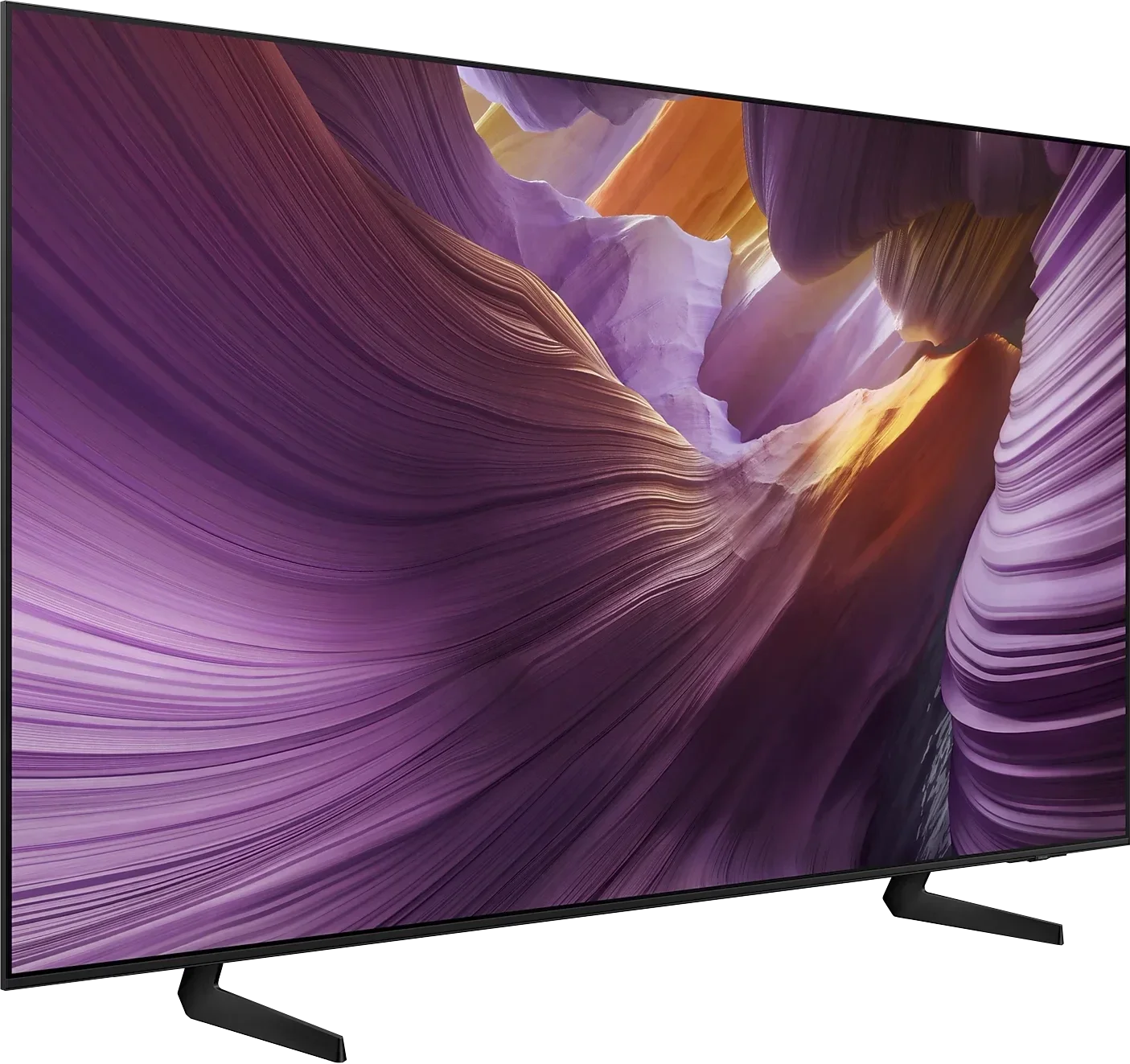
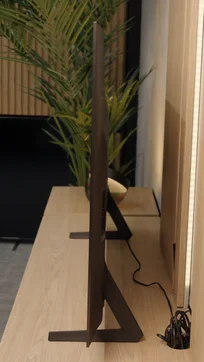
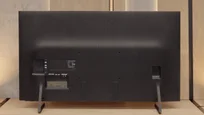
TV appearance

HDMI inputs
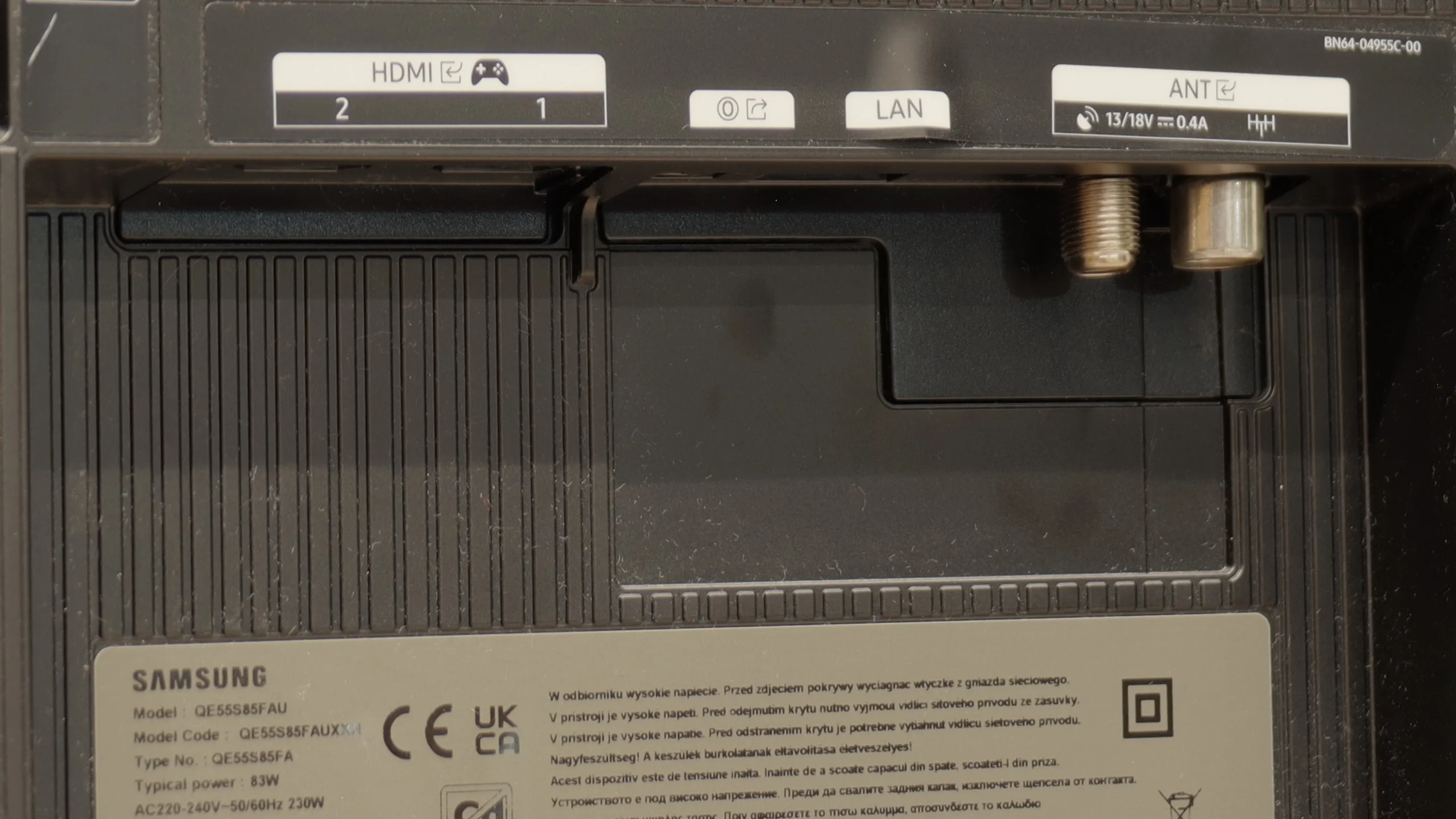
0 x HDMI 2.0, 4 x HDMI 2.1 (40Gbps)
0 x HDMI 2.0, 4 x HDMI 2.1 (48Gbps)
Other inputs
Toslink (Optical audio)
Outputs
eARC (HDMI), ARC (HDMI)
Toslink (Optical audio), eARC (HDMI), ARC (HDMI)
Network Interfaces
Wi-Fi 2.4GHz, Wi-Fi 5GHz, Ethernet (LAN) 100Mbps
Build quality
Super Premium
BuildQuality-Good
Stand type
Central
Legs
Bezel color
Graphite
Graphite
Stand
Fixed
Base adjustment
Flat design
Yes
No
Accessories
Stand, One Connect Box
Stand

Contrast and black detail

10/10

10/10

Contrast:

Review Samsung OLED S95D Contrast and black detail

Result

:1

Review Samsung OLED S95D Contrast and black detail

Result

:1

Review Samsung OLED S95D Contrast and black detail

Result

:1

Review Samsung OLED S95D Contrast and black detail

Result

:1

Review Samsung OLED S95D Contrast and black detail

Result

:1

Review Samsung S85F (WOLED) Contrast and black detail

Result

:1

Review Samsung S85F (WOLED) Contrast and black detail

Result

:1

Review Samsung S85F (WOLED) Contrast and black detail

Result

:1

Review Samsung S85F (WOLED) Contrast and black detail

Result

:1

Review Samsung S85F (WOLED) Contrast and black detail

Result

:1

Halo effect and black detail visibility:

Review Samsung OLED S95D Contrast and black detail
Review Samsung S85F (WOLED) Contrast and black detail
Review Samsung OLED S95D Contrast and black detail
Review Samsung S85F (WOLED) Contrast and black detail

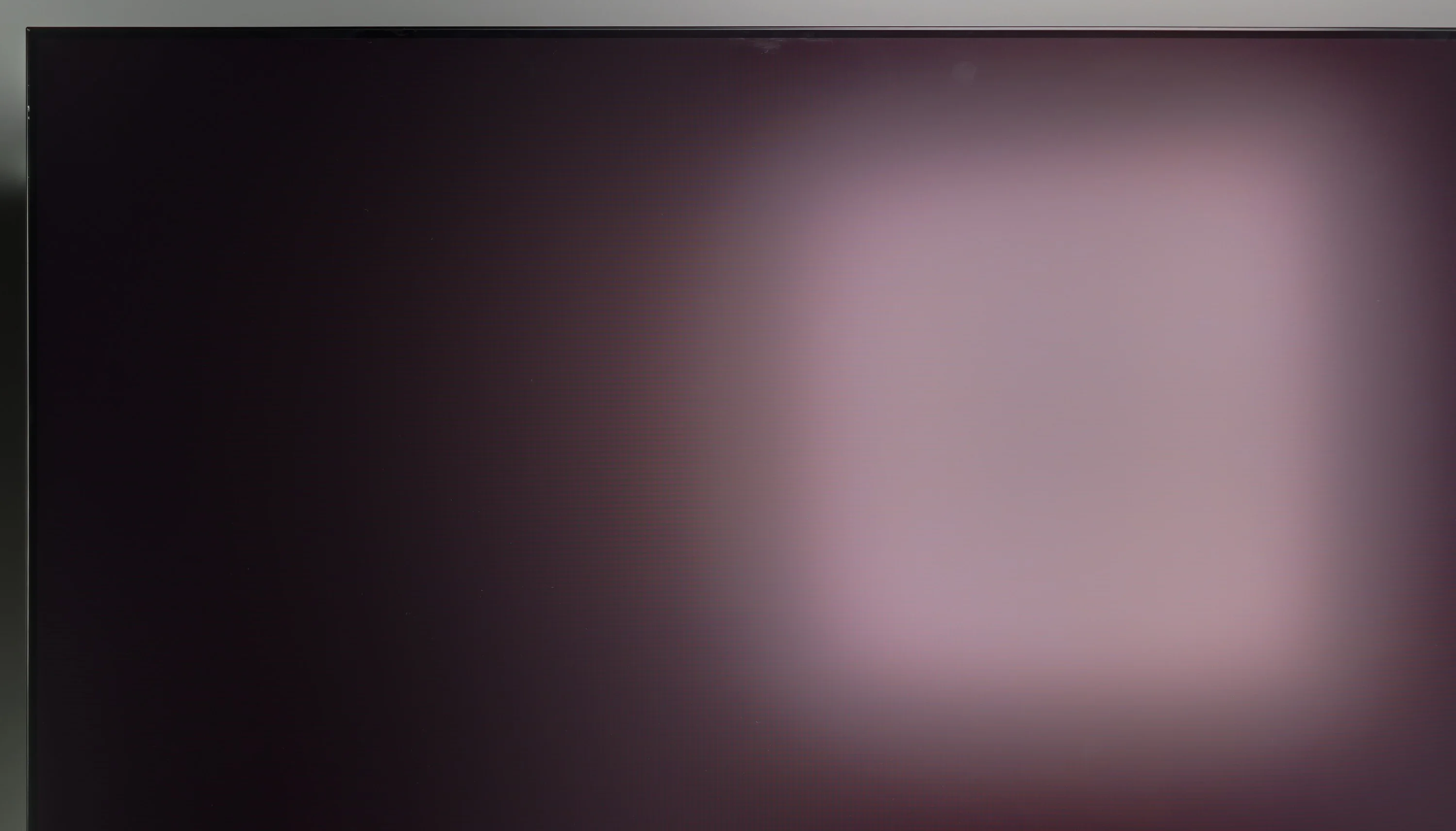
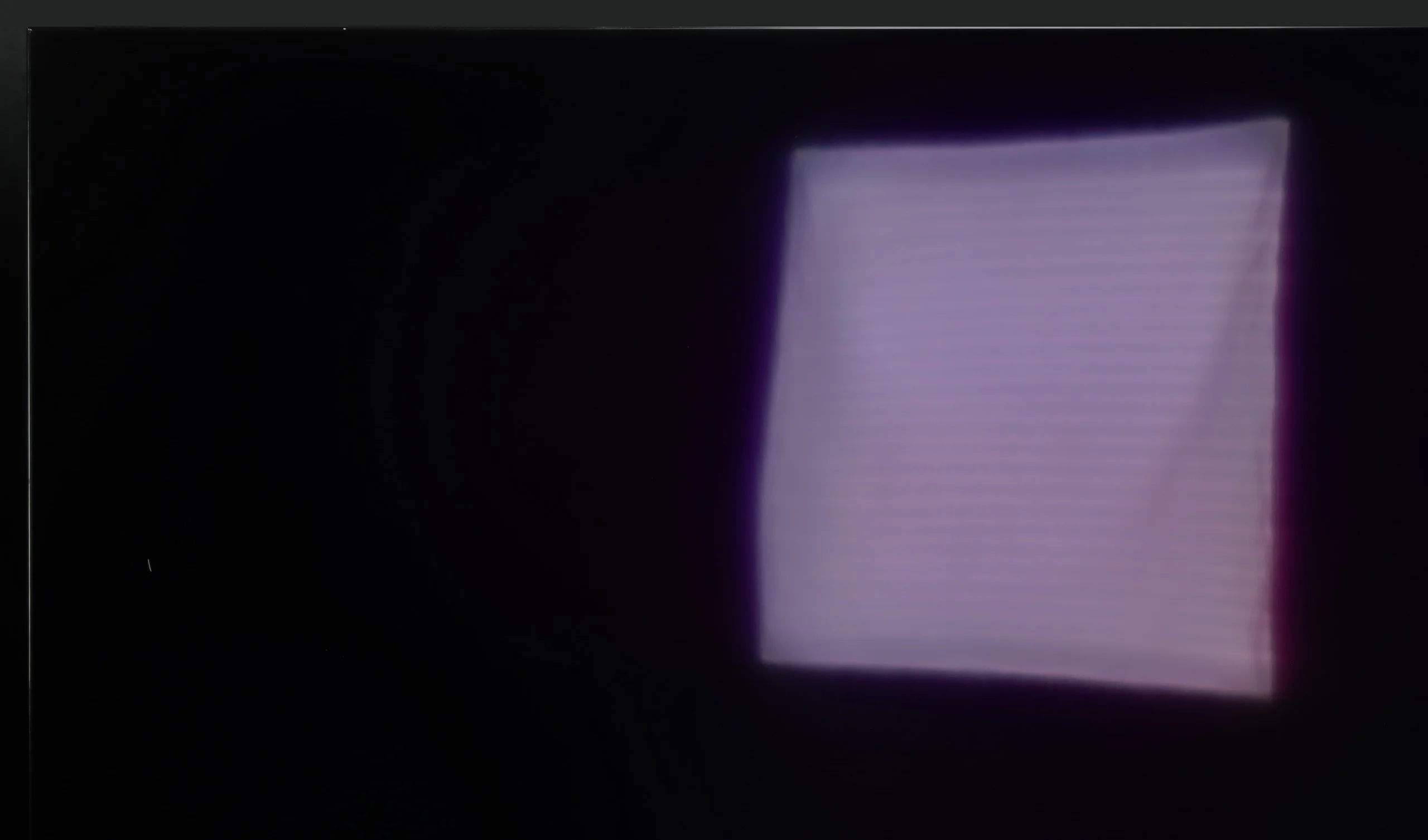
Samsung S95D with QD-OLED technology stands out with incredible black levels, achievable due to self-emissive OLED pixels combined with a quantum dot layer. With this technology, each pixel on the screen can be individually turned off, resulting in absolute black with no light leakage. The result is an image with infinite contrast, where bright objects on a dark background are sharply visible, and details in the shadows are rendered with extraordinary precision. Compared to traditional LCD TVs and other OLEDs, S95D offers exceptional uniformity and depth of black, making it an ideal choice for the most demanding viewers. This provides extraordinary depth and "three-dimensionality" of the image when viewed in the dark.

When it comes to black levels and contrast, we must be honest – this is the area where the differences between QD-OLED and WOLED panels are virtually nonexistent under typical cinematic conditions. We can confirm with full responsibility: the Samsung S85F equipped with a WOLED panel achieves incredible and unmatched results in this regard. Regardless of the scene being watched – whether it's a dynamic action movie or a dark thriller – we get infinite contrast and perfect black levels that we expect from any OLED television. These are results that can impress even the most demanding cinema lovers. It is worth emphasizing that such deep, absolute black can only be offered by televisions with organic panels. In film conditions, as we see in our measurements, the luminance level of black is zero. So, if you dream of a screen that can "turn off" the light in a scene just as effectively as an art-house cinema in a dark room, we are pleased to state that the S85F, also in the WOLED variant, is one of those televisions.

HDR effect quality

7.8/10

5.9/10

Supported formats
HDR10, HDR10+, HLG
HDR10, HDR10+, HLG
Color gamut coverage
DCI P3: 99.6%, Bt.2020: 87.7%
DCI P3: 97.0%, Bt.2020: 70.7%

Luminance measurements in HDR:

Review Samsung OLED S95D Brightness measurement

Result

1400 nit

Review Samsung OLED S95D Brightness measurement

Result

1521 nit

Review Samsung OLED S95D Brightness measurement

Result

1560 nit

Review Samsung OLED S95D Brightness measurement

Result

1385 nit

Review Samsung OLED S95D Brightness measurement

Result

804 nit

Review Samsung S85F (WOLED) Brightness measurement

Result

672 nit

Review Samsung S85F (WOLED) Brightness measurement

Result

673 nit

Review Samsung S85F (WOLED) Brightness measurement

Result

718 nit

Review Samsung S85F (WOLED) Brightness measurement

Result

670 nit

Review Samsung S85F (WOLED) Brightness measurement

Result

276 nit

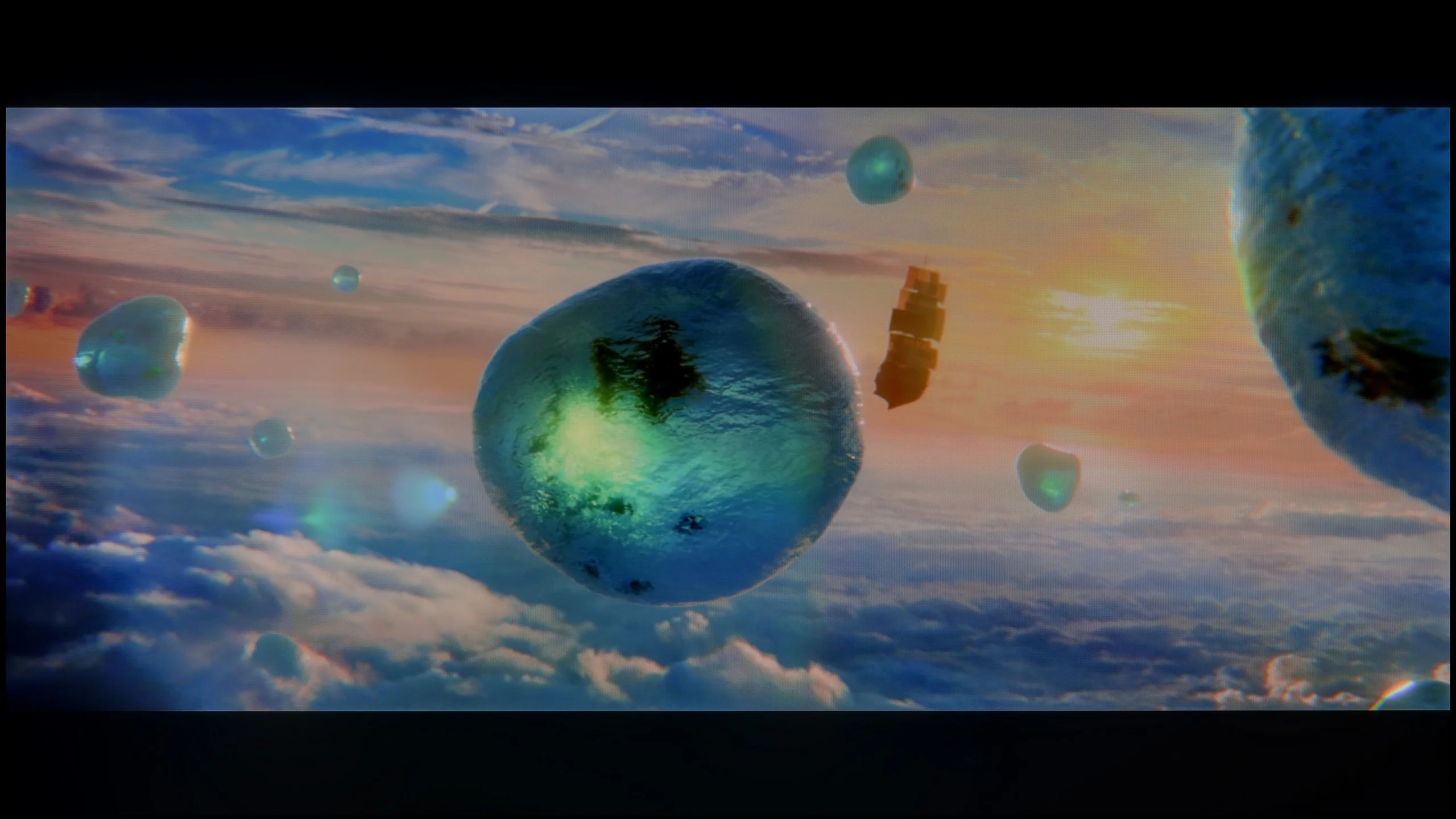
Scene from the movie “Pan” (about 2800 nits)

Review Samsung OLED S95D HDR effect quality
Review Samsung S85F (WOLED) HDR effect quality

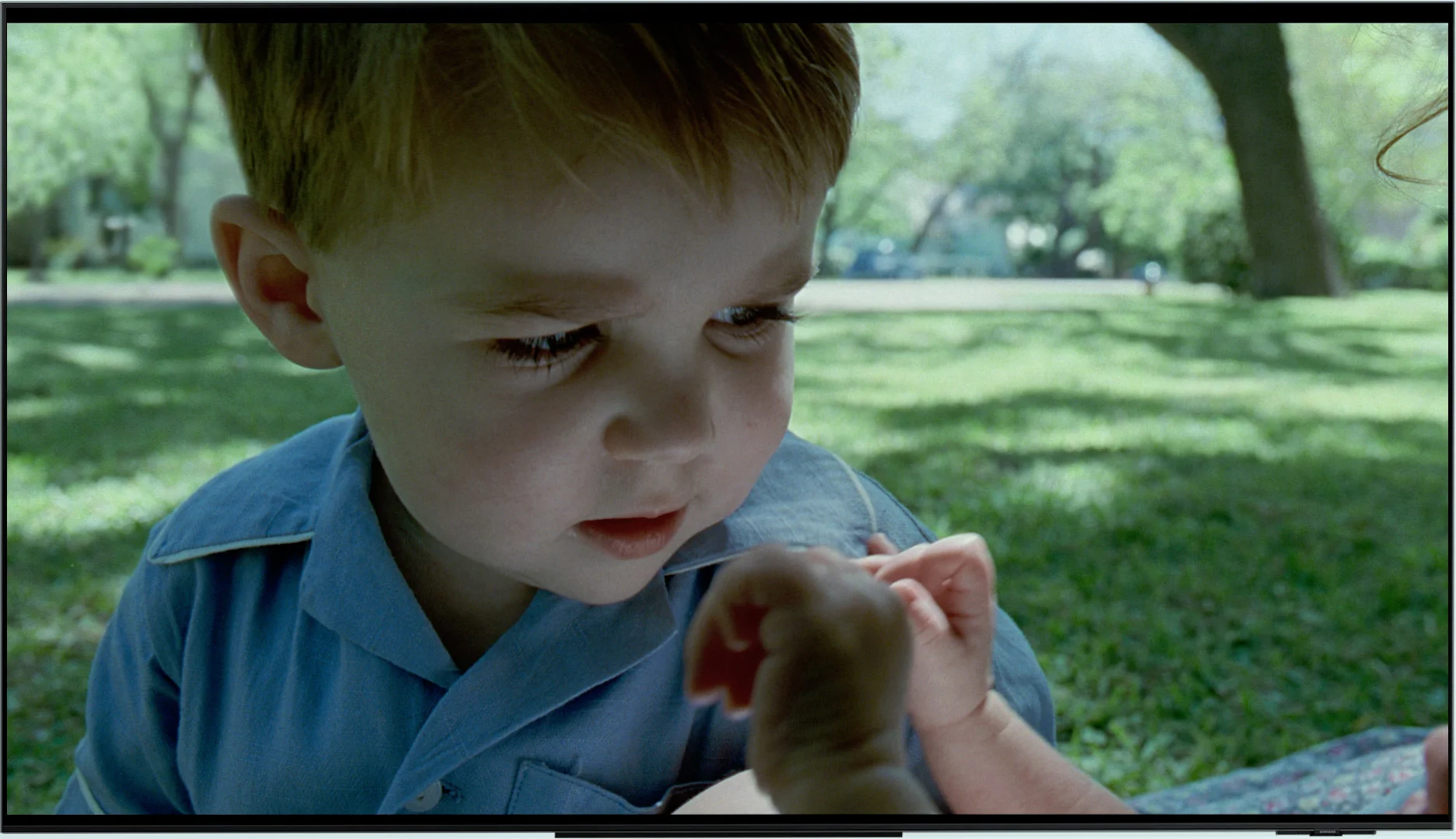
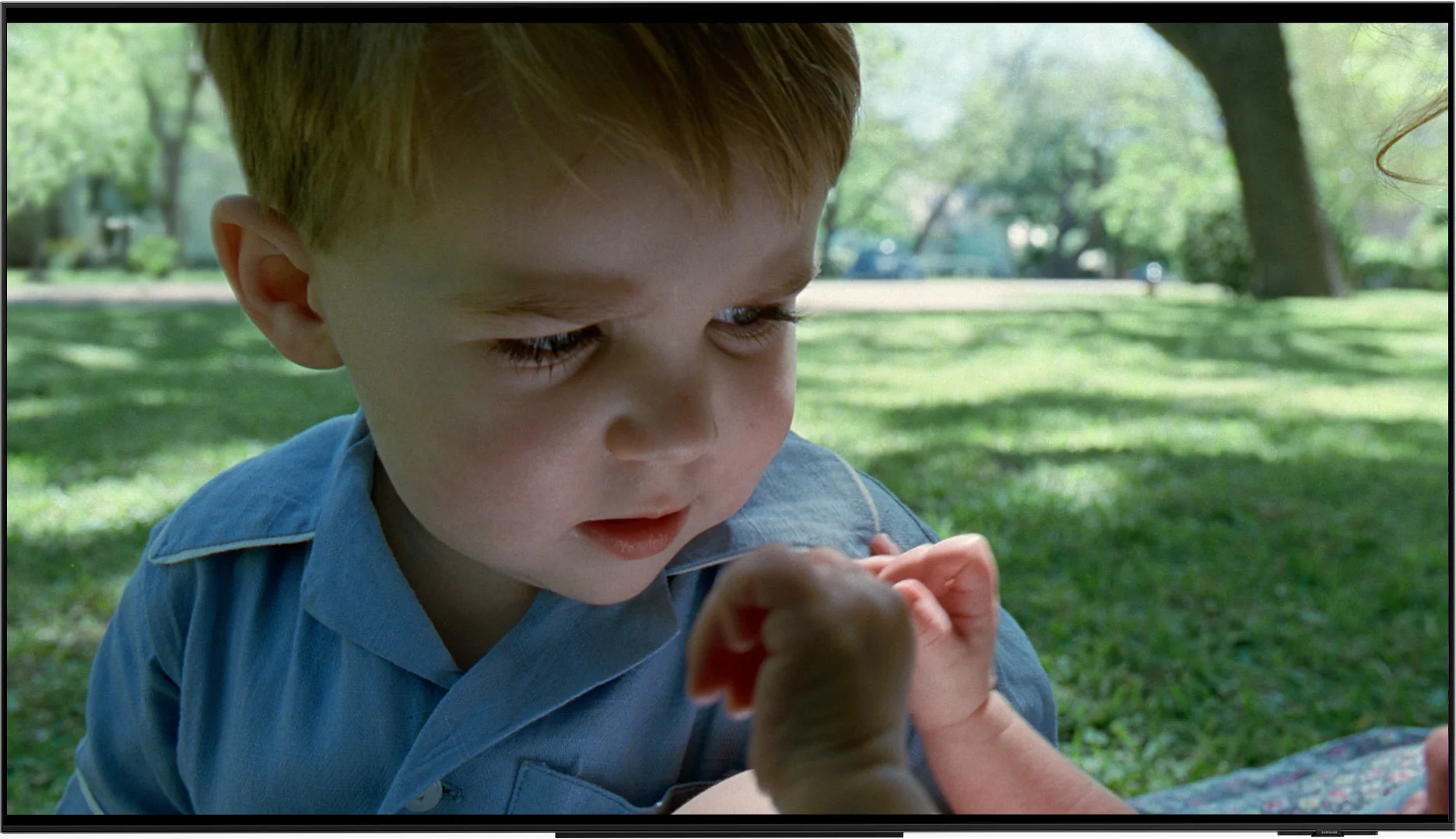
Scene from the movie “Billy Lynn” (about 1100 nits)

Review Samsung OLED S95D HDR effect quality
Review Samsung S85F (WOLED) HDR effect quality

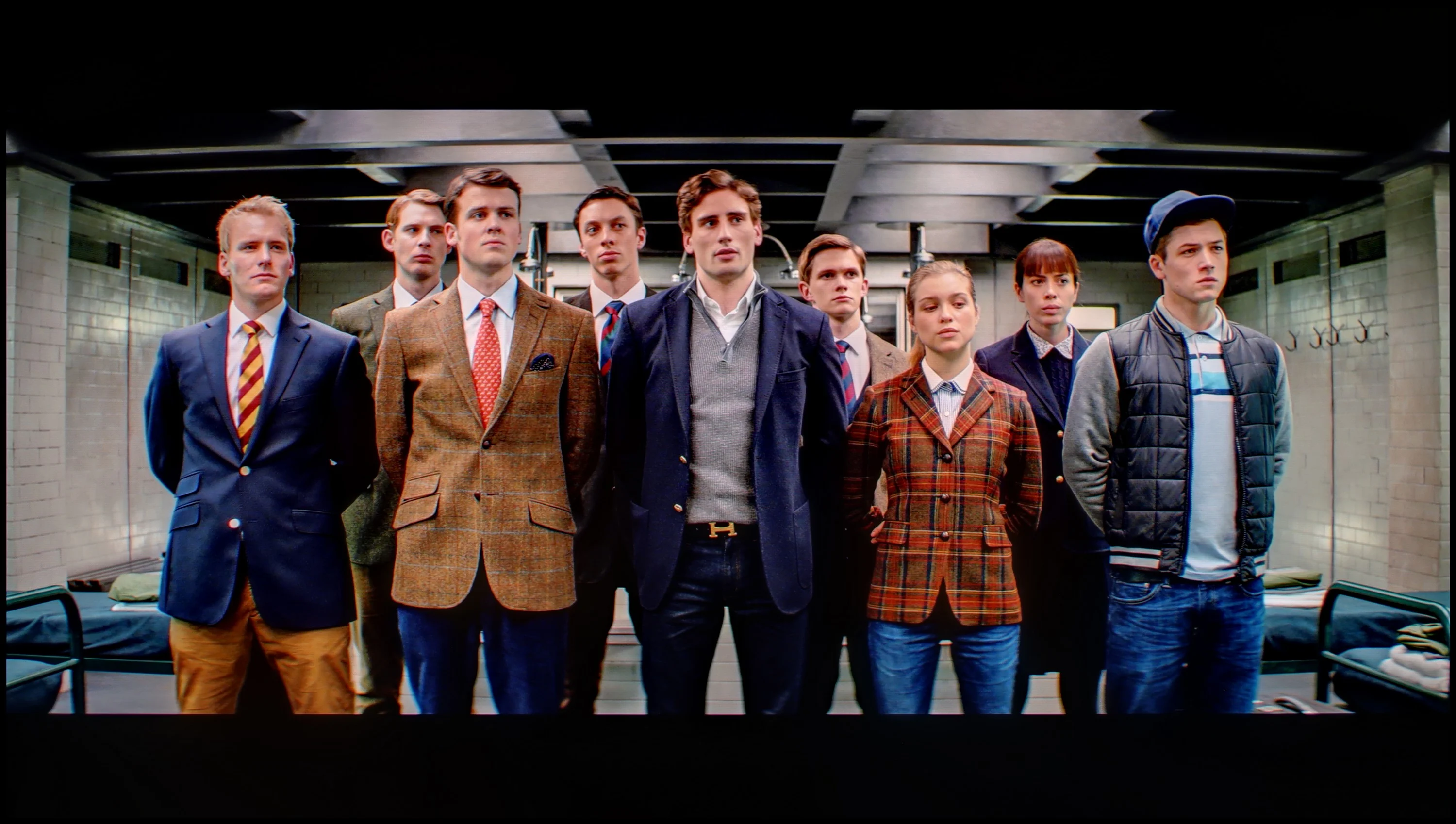
Static HDR10

Review Samsung OLED S95D HDR effect quality
Review Samsung S85F (WOLED) HDR effect quality

Dynamic: HDR10+

Dynamic: HDR10+

Review Samsung OLED S95D HDR effect quality
Review Samsung S85F (WOLED) HDR effect quality

HDR luminance chart:

Samsung S85F (WOLED)

HDR luminance

Luminance of RGB colors

Samsung OLED S95D

HDR luminance

Samsung S95D offers excellent HDR performance, providing uniform effects across all scenes exceeding 1500 nits, except for the fifth scene, where brightness drops to 800 nits. Despite this, the television maintains a high level of image quality. A significant advantage of QD-OLED technology is its ability to retain high brightness even in the smallest elements on a black background, which is uncommon in LCD and mini LED televisions. This ensures that every scene captivates with strong light effects, regardless of the size of the illuminated surface. Only in the brightest scenes with large light areas does brightness slightly decrease, which is typical even for standard LG-produced OLEDs. Additionally, the quantum dot coating has allowed for unprecedented high coverage of the BT.2020 colour gamut at 88%.

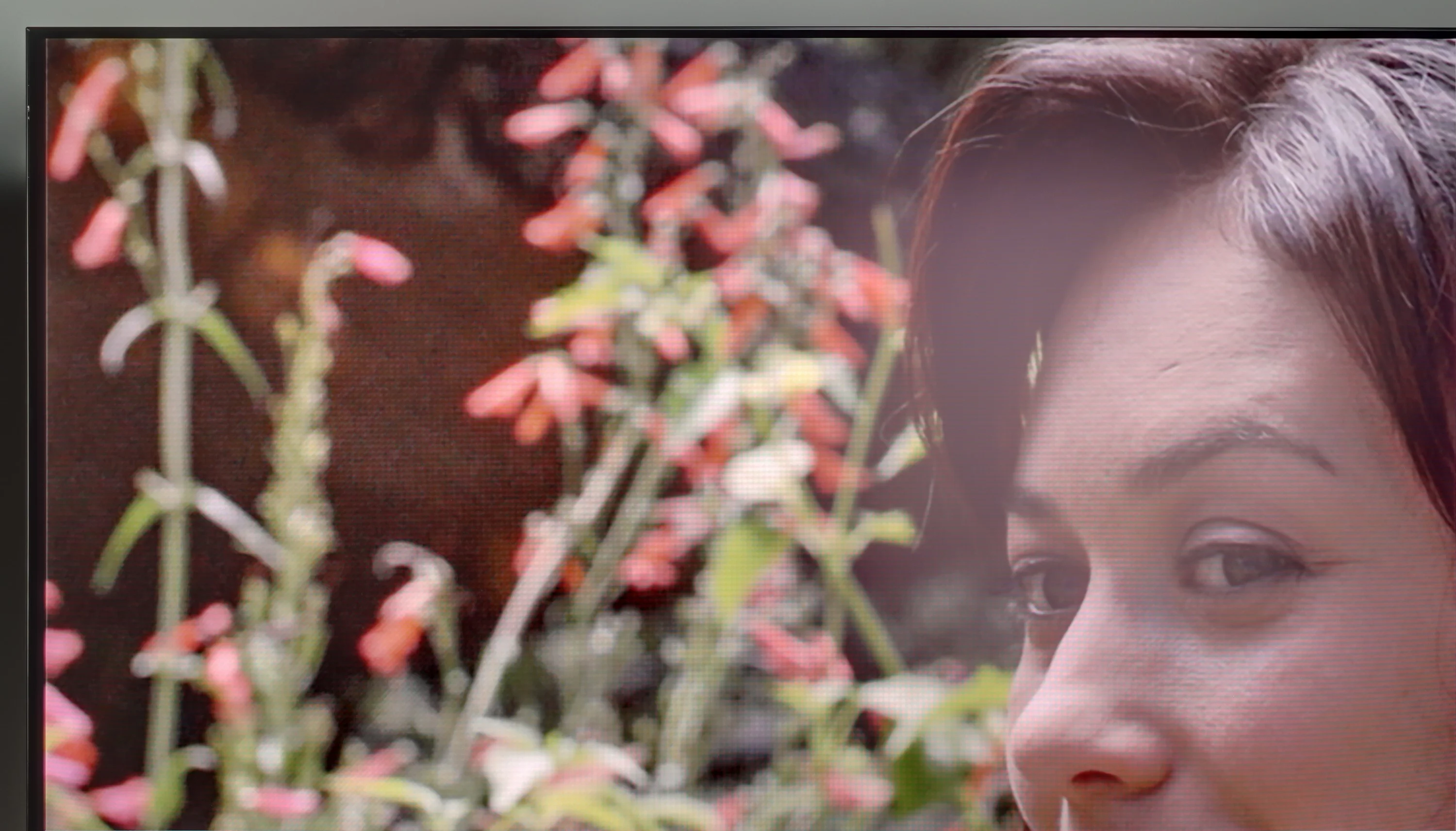
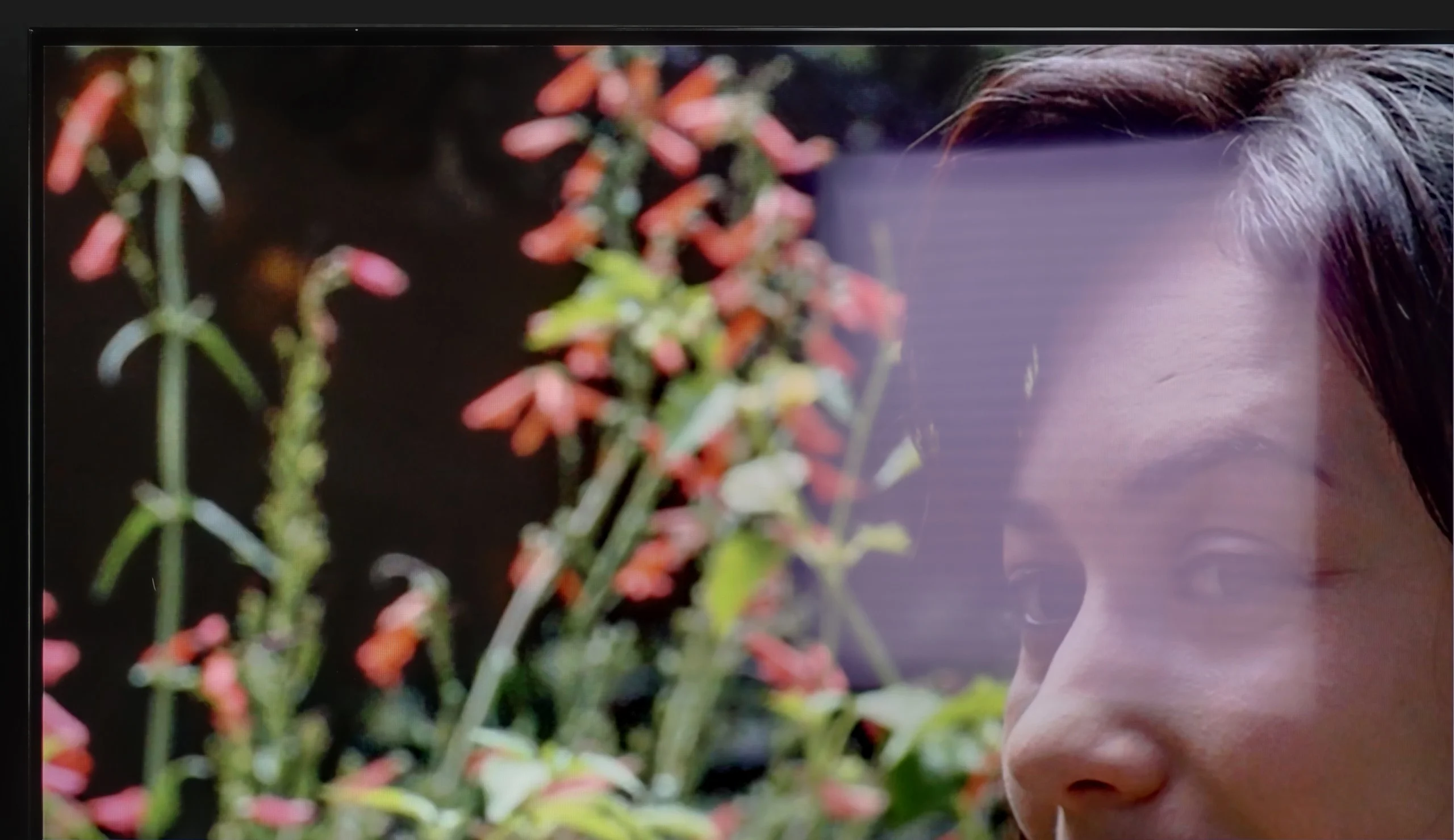
For most of the time, let's say in 90% of film scenes, viewers won't see practically any difference between the S85F versions. When small but very strong light points appear on the screen – a lantern in a dark alley, a gunshot, the sun breaking through the clouds – this WOLED panel (like the smaller S85F) performs wonderfully. Our measurements showed peak brightness at around 750 nits. We can confidently state: this is an excellent result that guarantees fantastic HDR effects. The problem arises in a very specific, uncomfortable situation for any OLED. We're talking about the moment when the entire screen has to shine at full power brightly. Examples include a slide with a white background, a ski jump scene, or our test sequences (5) from the movie The Meg. And here, unfortunately, the results diverge quite significantly to the detriment of the WOLED panel variant. Our measurement equipment was able to measure a maximum of about 250 to 300 nits of brightness in such conditions. Just to be clear: the same model on a QD-OLED panel in the same test is almost twice as bright. The second issue: colors. And here we also have to be honest – QD-OLED has a design advantage. Why? It’s simple. QD-OLED creates colors from three components (red, green, and blue) and does not need an additional white subpixel. The WOLED panel we are testing uses this white subpixel mainly to boost overall brightness. The effect is that QD-OLED is able to show a slightly wider color palette, and the colors are a bit "cleaner." But let’s be clear: it’s not that the colors on this WOLED panel are bad! On the contrary, they are actually very good. Coverage of the DCI-P3 film palette at 97% and 71% for the wider BT.2020 palette is still a high standard. We just have to honestly admit that this few percent advantage in color coverage is on the side of QD-OLED technology and may be noticeable in very specific moments.

Factory color reproduction

7.5/10

5.5/10

Review Samsung OLED S95D Factory color reproduction
Review Samsung S85F (WOLED) Factory color reproduction

Factory Mode

After calibration

The Samsung S95D’s Filmmaker mode excels in colour accuracy, making it ideal for true-to-life viewing and closely reflecting the intent of content creators. We rely on this mode for all testing, as it presents significantly more detail than the often oversaturated standard or dynamic modes. Initially, viewers may find the image slightly warmer in Filmmaker mode, but it brings out a more authentic, balanced display. Despite being in the premium segment, the factory settings aren’t perfect. For example, there is a dip in red tones in the white balance for both HD and HDR content, with Colour Checker tests showing a cooler colour bias that shifts the image towards blue, impacting the natural appearance of scenes. In the sample photo, the boy appears in cooler tones, which diminishes realism.

Brightness performance for HD content is generally on point, though minor inconsistencies appear. However, the more noticeable issue arises with 4K HDR content. While the EOTF curve seems accurate in test patterns, real scenes sometimes reveal fluctuations, where some areas are overly brightened or darkened. Although the S95D offers reasonably good out-of-the-box colour reproduction, calibration is recommended to achieve a more precise, natural, and immersive picture, maximising the television’s potential.

When it comes to factory color reproduction, our test sample in SDR mode suffered from a slight deficiency in red and yellow color. This resulted in a subtle yellowish tint visible in the shades of white. However, this is not the biggest problem with the S85F. Similar to the QD-OLED panel variant, the biggest issue with this model is the way it presents HDR content. When we look at the EOTF curve graph, it is easy to see that the television has quite significant problems with overly brightening the image. This causes the final picture in many scenes to become very unnatural.

Color reproduction after calibration

9/10

9/10

Review Samsung OLED S95D Color reproduction after calibration
Review Samsung S85F (WOLED) Color reproduction after calibration
Review Samsung OLED S95D Color reproduction after calibration
Review Samsung S85F (WOLED) Color reproduction after calibration

Calibration can significantly elevate a television's image quality, enhancing both accuracy and overall viewing experience. For the Samsung S95D, calibration has notably refined the white balance, removing major colour inaccuracies to produce more natural and balanced tones, which allows for a closer representation of the filmmakers’ vision. The adjustments bring subtle improvements to contrast and gamma, with more pronounced distinctions between light and dark areas, adding depth and revealing finer details in both shadows and highlights. This creates a richer, more lifelike image with enhanced detail, particularly in darker scenes where shadows now hold greater clarity, while bright areas appear well-balanced rather than overly intense.

Despite these improvements, the EOTF curve remains slightly below ideal, which might influence the handling of dynamic scenes. However, the enhanced tonal transitions and boosted contrast post-calibration make the S95D an excellent choice for film and high-definition content, bringing it closer to reference-level quality. This calibration enables the television to deliver a more immersive, accurate visual experience in line with industry standards, ultimately offering a more rewarding viewing experience.

After calibrating in Filmmaker mode, we managed to eliminate most of the unwanted effects. In SDR content, the television performs exemplary, and its color reproduction errors do not exceed a value of 2, which is an excellent result. A bit worse, although still very good, are the HDR quality contents. While we were able to eliminate a significant unnaturalness in the image caused by too high a positioning of the EOTF curve, the most discerning observers may notice that it is not perfectly aligned. It runs slightly below the reference curve, which would suggest that the S85F has slight issues showing all the details in the image. We must point out right away that it is highly unlikely that an average viewer would notice any shortcomings in the image. The final effect after calibration is rated as exemplary.

Smoothness of tonal transitions

8.5/10

7.3/10

Review Samsung OLED S95D Smoothness of tonal transitions
Review Samsung S85F (WOLED) Smoothness of tonal transitions
Review Samsung OLED S95D Smoothness of tonal transitions
Review Samsung S85F (WOLED) Smoothness of tonal transitions
Review Samsung OLED S95D Smoothness of tonal transitions
Review Samsung S85F (WOLED) Smoothness of tonal transitions
Review Samsung OLED S95D Smoothness of tonal transitions
Review Samsung S85F (WOLED) Smoothness of tonal transitions

The tonal gradation in the Samsung S95D television is exceptional. Even in the most demanding scenes from tested films, the TV performs remarkably well, with minimal and nearly imperceptible issues related to smoothing tonal transitions. These minor imperfections are unlikely to be noticed by the average viewer, enhancing the overall positive visual experience during everyday use.

Furthermore, the incorporation of a QD-OLED panel enables the S95D to achieve superior results compared to the best WOLED panels produced by LG. This advanced technology contributes to a more vibrant and nuanced colour reproduction, allowing viewers to enjoy a richer and more immersive viewing experience. Overall, the Samsung S95D sets a high standard for tonal performance in televisions.

Another issue with the S85F version featuring a WOLED panel, noticeable compared to the QD-OLED variant, is the quality of smoothness in tonal transitions. In very bright moments, it is evident that the blending of colors is not perfect and can sometimes be spotted with the naked eye. Although the overall quality of gradients is still good, certain issues with the panel produced by LG Displays are visible here, which are not as apparent in competing panels (QD-OLED).

Image scaling and smoothness of tonal transitions

7.5/10

7.5/10

Image without overscan on the SD signal
No
No
Smooth transition function
OK
OK

Smooth transition function

Review Samsung OLED S95D Image scaling and smoothness of tonal transitions
Review Samsung S85F (WOLED) Image scaling and smoothness of tonal transitions

Image without overscan on the SD signal

Review Samsung OLED S95D Image scaling and smoothness of tonal transitions
Review Samsung S85F (WOLED) Image scaling and smoothness of tonal transitions

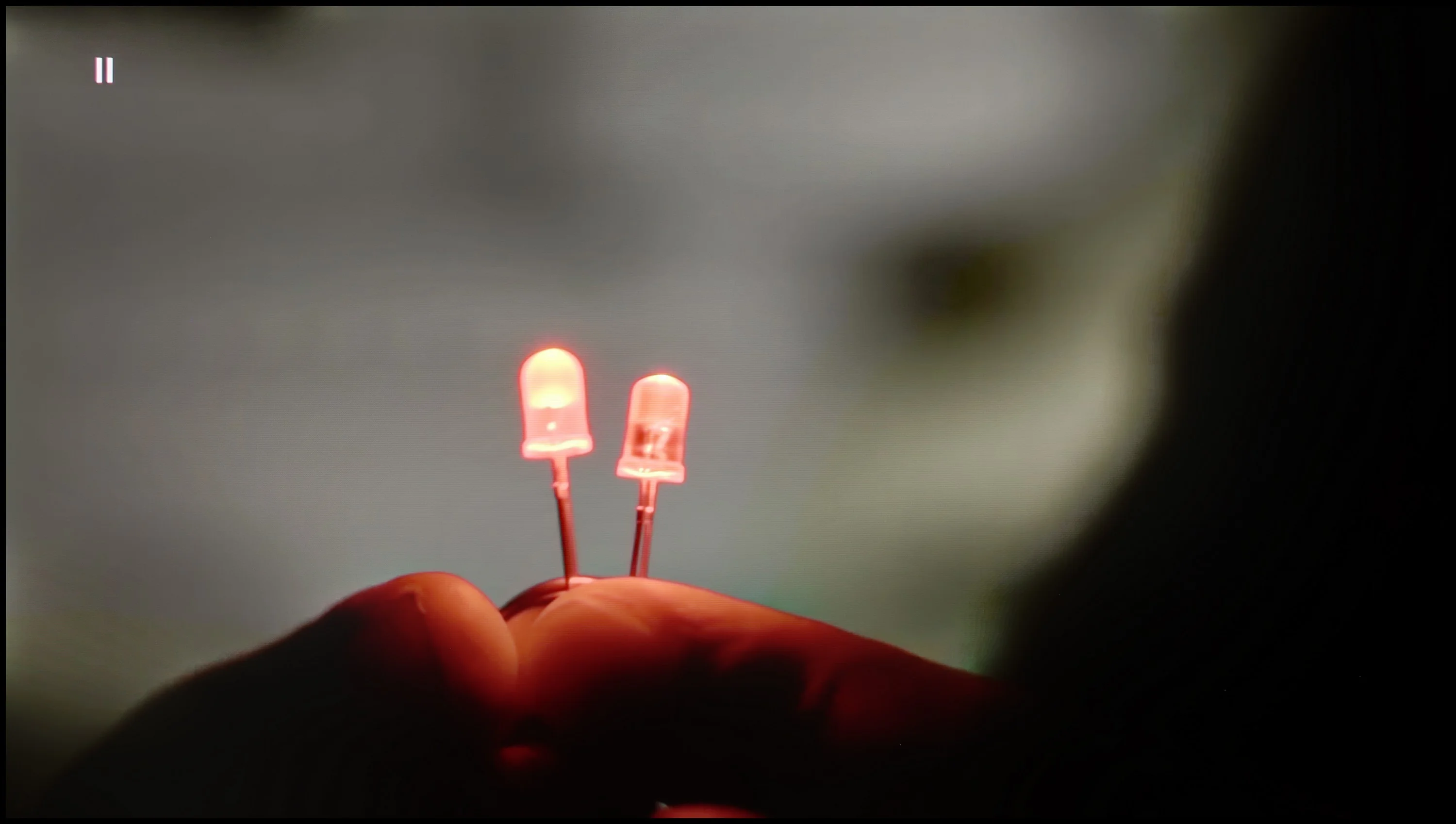
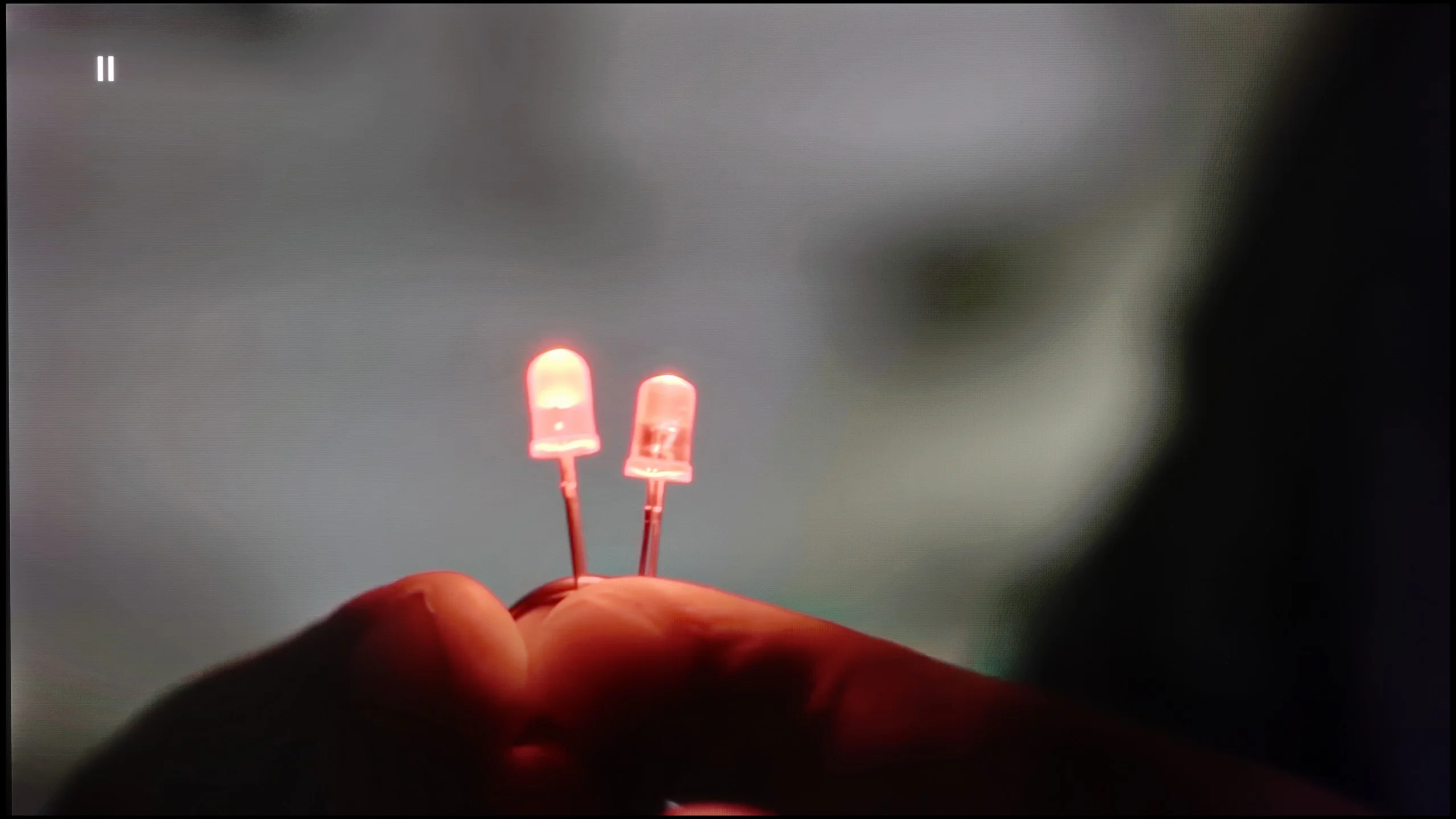
The Samsung S95D handles tonal transitions in lower-quality materials exceptionally well. In tests featuring a screen with a light bulb, there are virtually unnoticeable transitions between shades of grey, positioning it among the best televisions we have evaluated in this aspect.

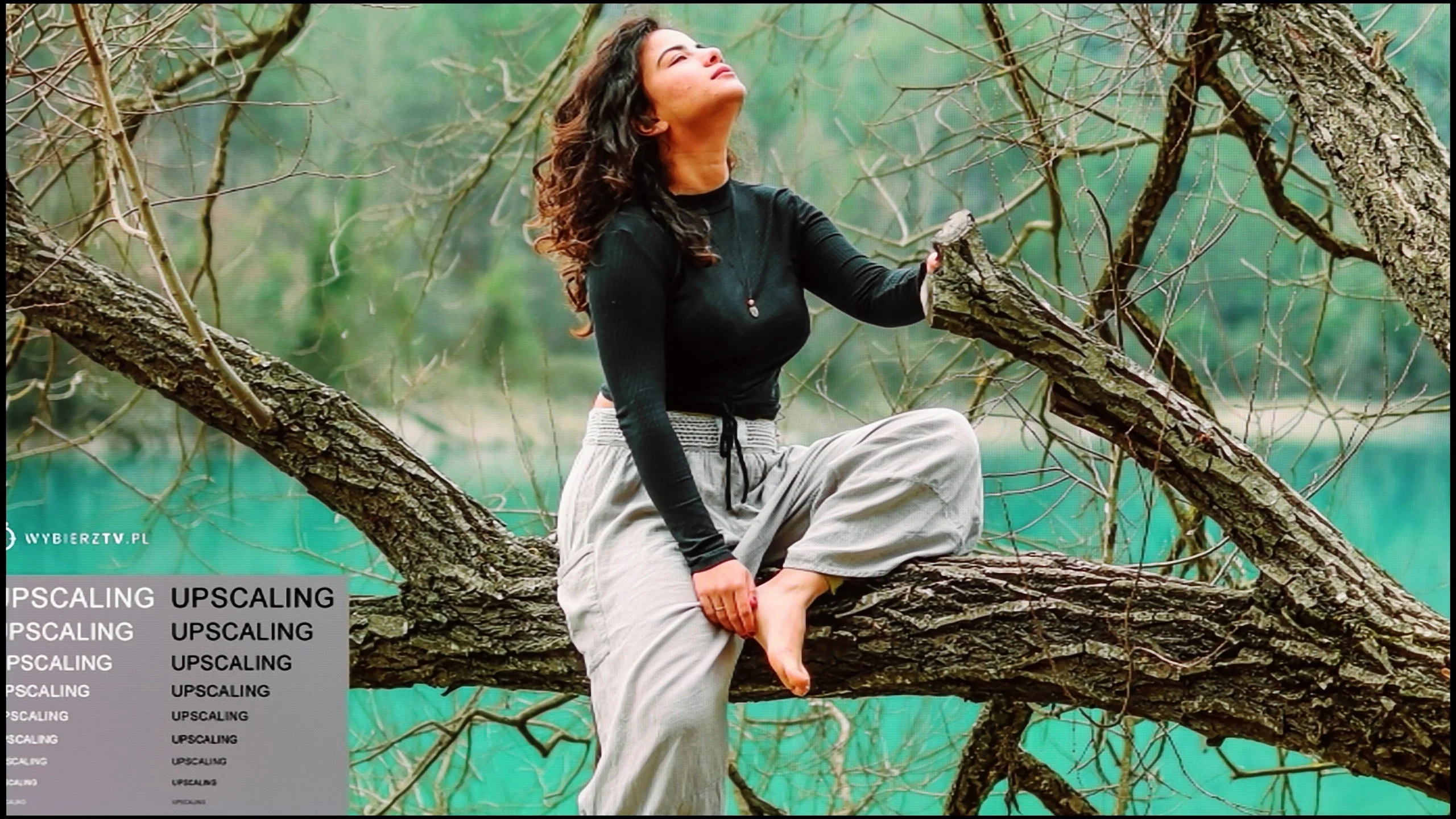
Regarding digital processing, the S95D excels in rendering the entire image—whether it's branches or figures—without any jagged edges or overly pronounced contours. However, one point to note is that the image appears slightly trimmed. Despite this minor issue, the television still performs admirably, ensuring that details in lower-quality materials remain noticeable and well-defined. This ability to maintain clarity and depth in various content types further solidifies the S95D's reputation for delivering a high-quality viewing experience.

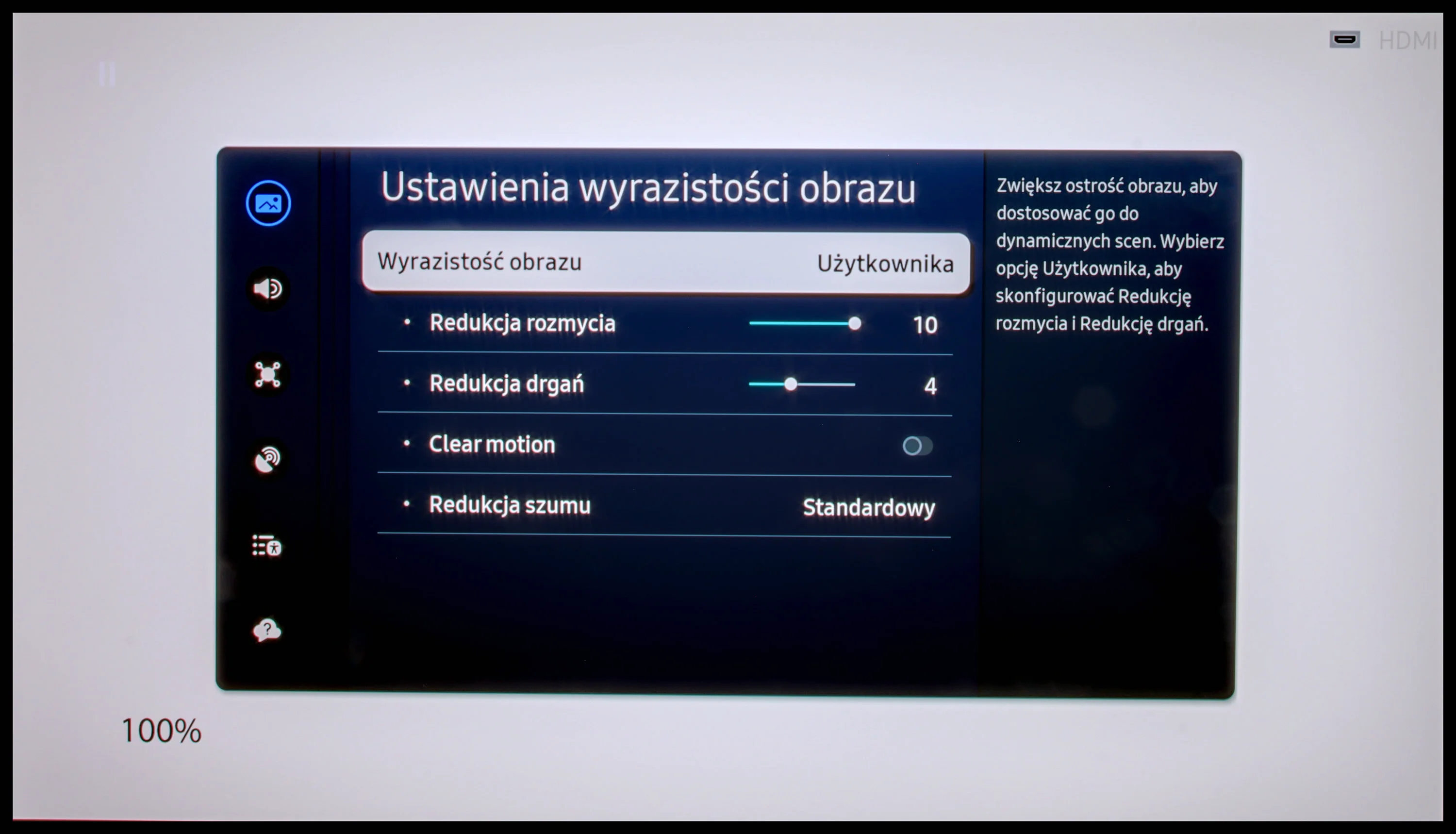
The processing of tonal transitions (gradients) in the S85F is at a high level. The television effectively handles posterization (the "stepping" effect of colors), even with heavily compressed materials, such as from streaming services. However, using this feature requires making a certain compromise. We noticed that the noise reduction algorithm is quite aggressive – even at the lowest setting, it can eliminate natural film grain, which for many viewers is part of the film's aesthetics. The "Standard" setting seems to be the golden mean, not causing visible loss of important details, so we can recommend it. However, we advise against using the "High" level, which removes not only noise but also desired details, such as texture or structure of objects on the screen.

The scaling (upscaling) process of lower resolution content works very well in the S85F. The image is sharp and clear. The only minor imperfection we observed is occasional, slight aliasing on the edges. The television also still exhibits characteristics typical of this manufacturer, such as active "overscan" (slight magnification of the image). This should be kept in mind, especially when watching older materials, as it may result in a minimal cropping of the original frame.

Blur and motion smoothness

8.5/10

8.5/10

Maximum refresh rate of the panel
144Hz
120Hz
Film motion smoothing option
OK
OK
Blur reduction option
OK
OK
BFI function 60Hz
Yes, 60Hz (image flickers)
BFI function 120Hz
No
No
Brightness drop with BFI
50%
50%

Blur (native resolution, maximum refresh rate):

Blur (BFI function enabled):

Image flickers in this mode

Image flickers in this mode

The Samsung S95D TV, featuring a refresh rate of 120 Hz (and even 144 Hz when configured correctly for PC use), guarantees exceptional motion smoothness. Samsung provides a range of image sharpness settings on a ten-point scale, enabling users to customise the display according to their preferences— favouring a more cinematic look or a smoother, theatrical feel.

In UFO tests, the OLED panel demonstrates its strengths by effectively eliminating any blurring. The rapid pixel response ensures that dynamic movements are replicated with remarkable precision, resulting in a fluid viewing experience that enhances fast-paced content, such as action films or competitive gaming. This combination of high refresh rates and superior pixel response makes the S95D an outstanding choice for those seeking crisp, clear motion in their visual media.

The S85F is a model with impressive speed. The use of a 120 Hz OLED panel ensures that dynamic scenes, both in games and during sports broadcasts, meet expectations: smoothly, sharply, and without loss of clarity. A key role here is played by the instantaneous pixel response time, which is a natural advantage of OLED technology. Transitions between frames are instantaneous, and the image remains clear even during the fastest camera movements. Moving objects, like a ball on the field or a car in a chase scene, are clear and devoid of the characteristic motion blur typical of LCD panels (the so-called "tail").

Console compatibility and gaming features

9.6/10

7.8/10

  • ALLM
    Yes
    Yes
  • VRR
    Yes
    Yes
  • VRR range
    48 - 144Hz
    48 - 120Hz
  • Dolby Vision Game Mode
    No
    No
  • Correct implementation of HGIG
    Yes
    No
  • 1080p@120Hz
    Yes
    Yes
  • 1440p@120Hz
    Yes
    Yes
  • 4K@120Hz
    Yes
    Yes
  • Game bar
    Yes
    Yes

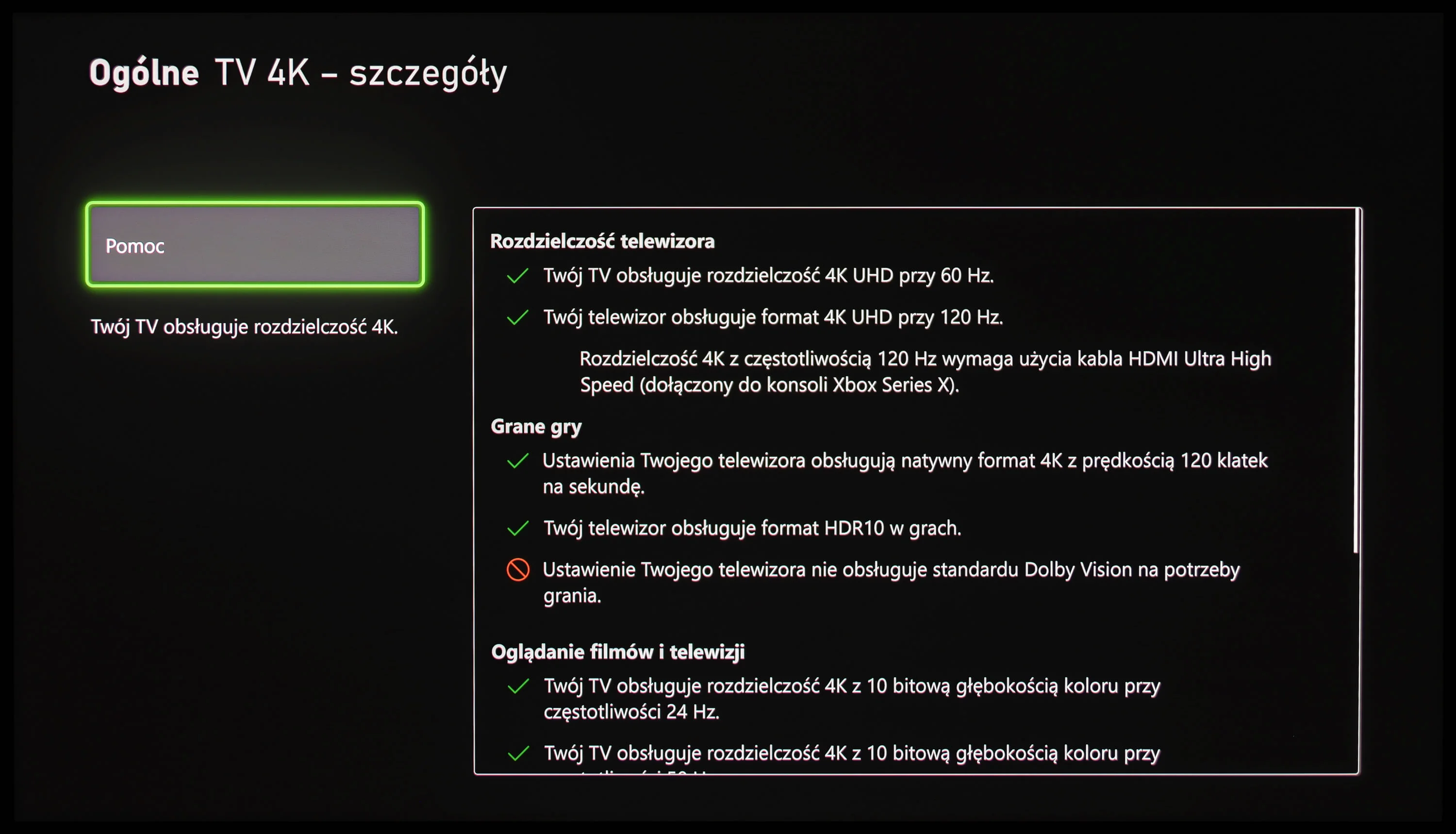
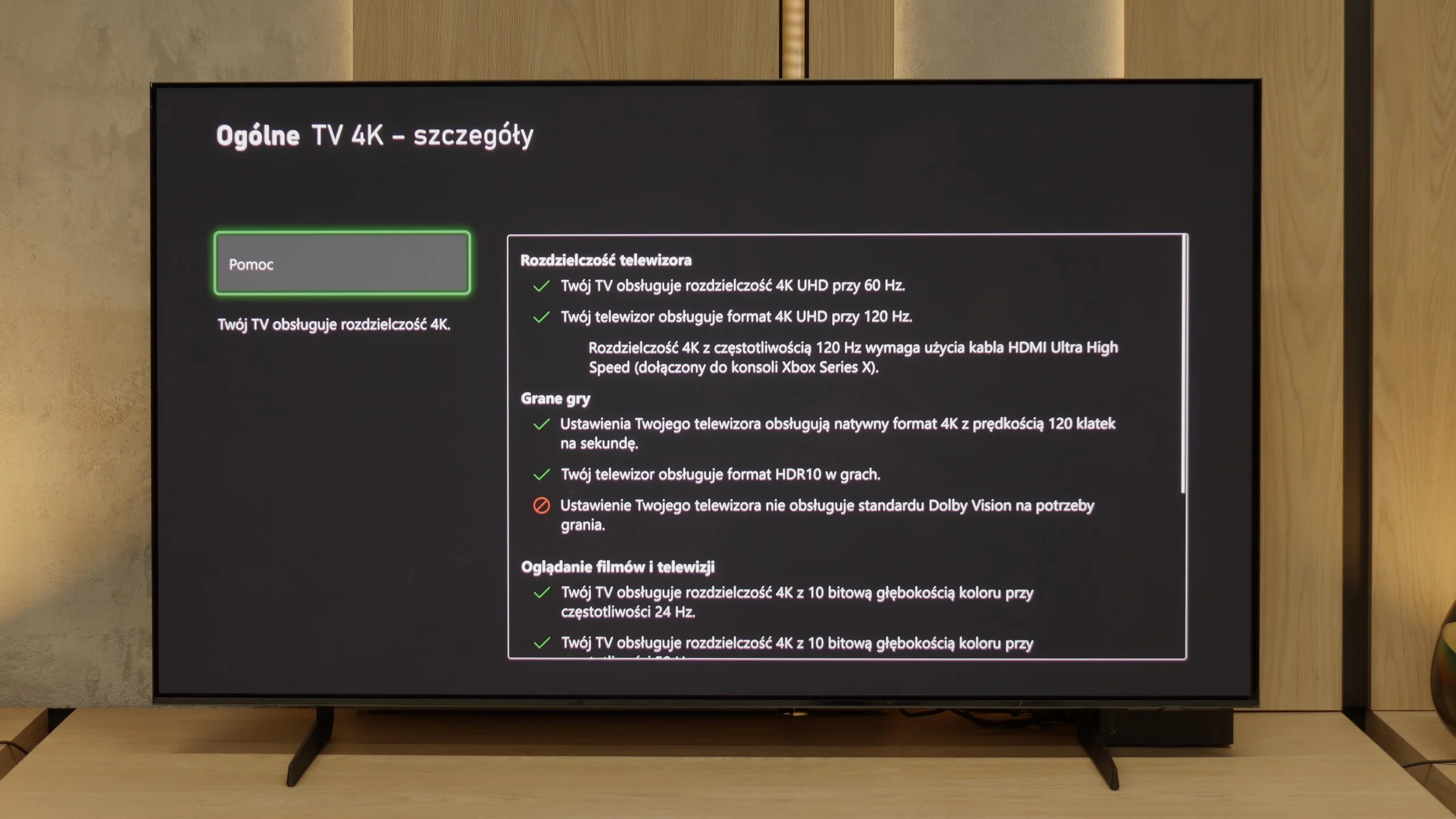
The Samsung S95D TV is expertly designed to meet the needs of gamers, featuring four HDMI 2.1 ports that support essential functionalities like Auto Low Latency Mode (ALLM), Variable Refresh Rate (VRR), and HDR Gaming Interest Group (HGIG). While the HDMI 2.1 ports do not offer the full 48Gb bandwidth, they are still adequate for achieving the desired resolution and smooth performance.

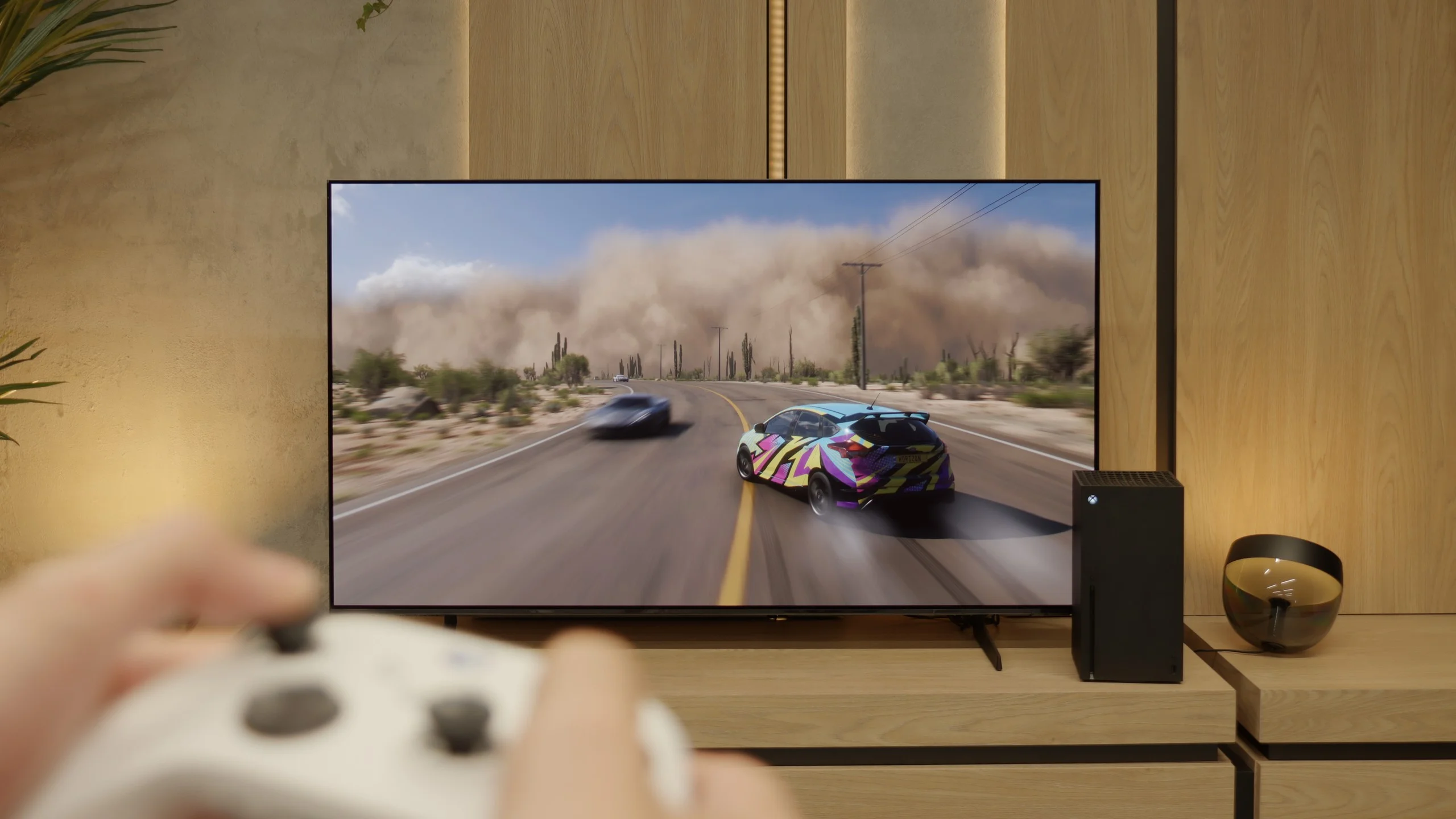
These technologies enable players to experience smoother and more responsive gameplay, significantly enhancing comfort and performance during intense gaming sessions. A standout feature is the Xbox app, which facilitates cloud gaming without requiring a console. This allows gamers to access an extensive range of titles directly on the TV, enjoying high image quality and fluid gameplay.

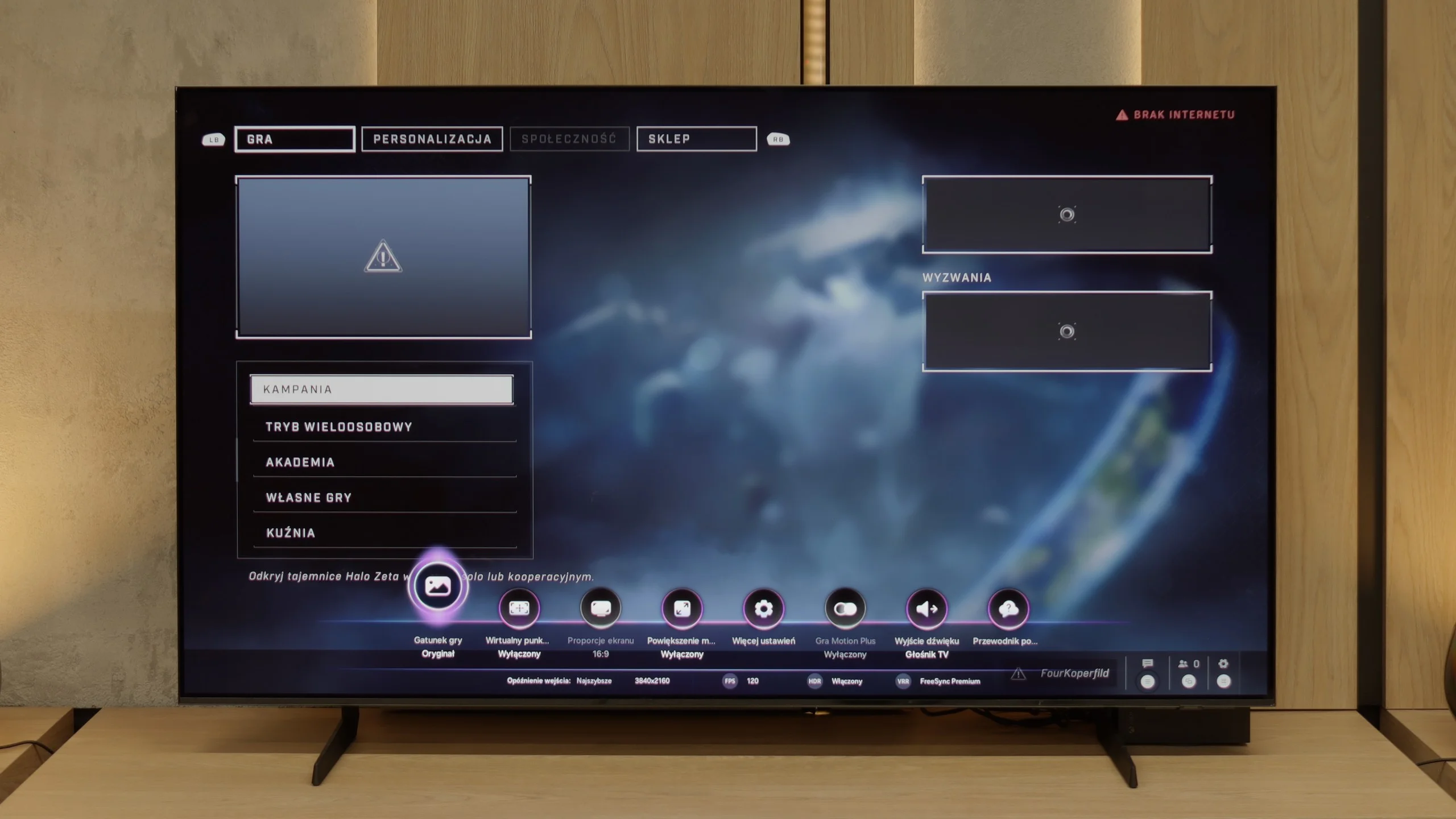
Additionally, the S95D includes a Game Bar feature, making it easy to manage game settings with quick adjustments, such as changing the screen ratio—an extremely useful function for various games and gameplay modes. The support for G-Sync and FreeSync is another advantage, particularly for Nvidia and AMD graphics card users.

Although the S95D lacks support for Dolby Vision, it still provides an impressive array of features, making it an ideal choice for console gaming enthusiasts. Overall, the S95D combines cutting-edge technology with exceptional picture quality, creating a comprehensive package for any gamer seeking an immersive experience.

85F has practically everything on board to become the ultimate screen for gaming. It features four full HDMI 2.1 ports with a bandwidth of 48 Gb/s, support for VRR (Variable Refresh Rate), and ALLM (Auto Low Latency Mode). Additionally, it includes a super-detailed Game Bar that clearly displays all key parameters. However, the true gem is the Game Motion Plus feature. This motion smoother dedicated to games makes animations more pleasant to the eyes while only slightly increasing input lag. This is a rare and well-functioning combination, deserving of high praise for Samsung.

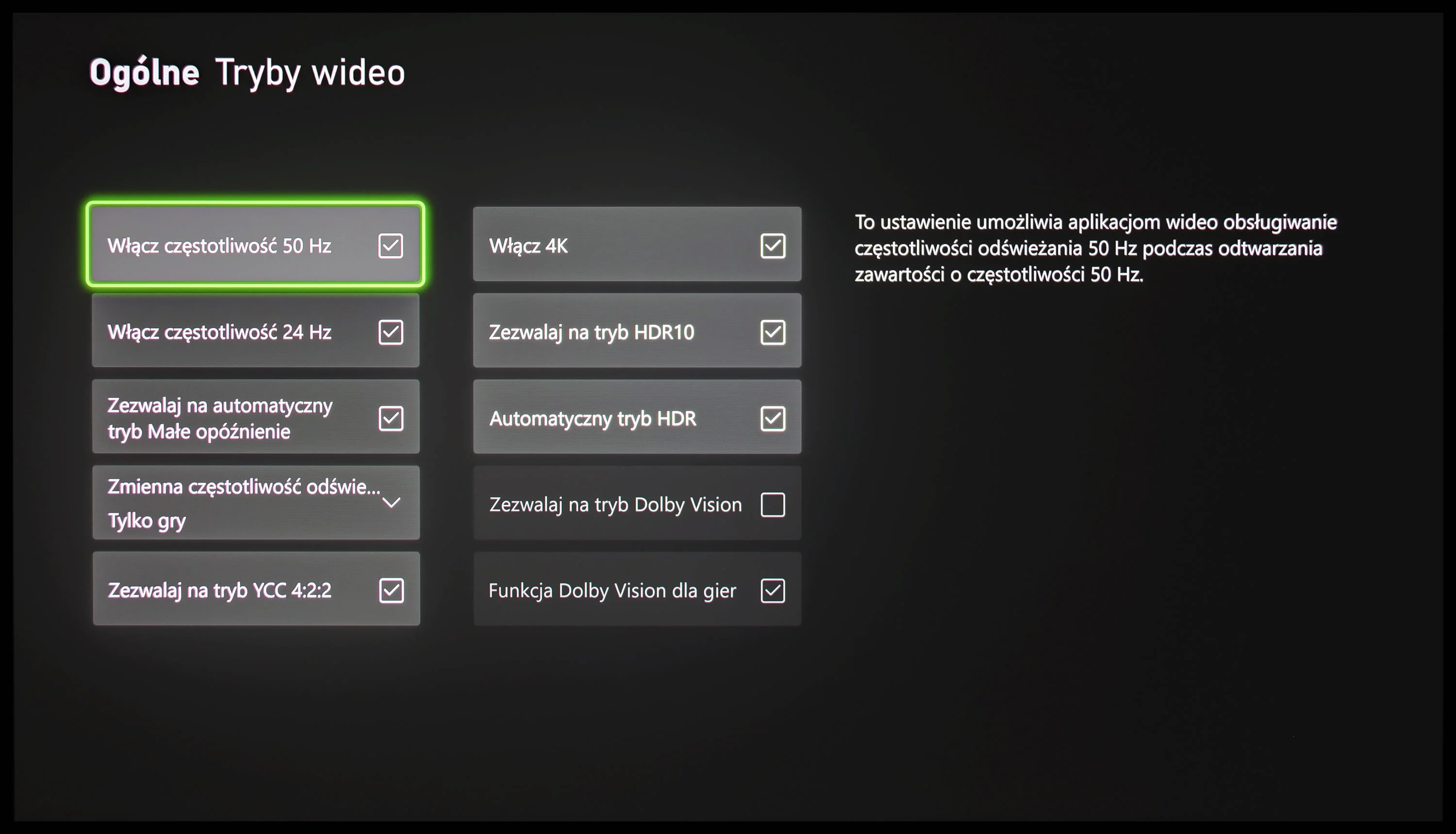
And now comes the moment when we have to complain a bit. The absence of Dolby Vision in Samsung TVs has become standard, so there's no use hoping (unless something changes in the future). Unfortunately, it's much harder to explain the disappearance of support for HGiG after one of the software updates. HGiG (HDR Gaming Interest Group) is a crucial mode that allows for precise brightness representation in HDR games, according to the developers' intent. Without it, HDR calibration on the console becomes less precise, which can result in images that are too dark in the shadows or overly bright in the highlights. Perhaps Samsung will fix this in the next update – we have high hopes for that. Because if HGiG returns, S85F will become an almost perfect gaming TV.

Input lag

10/10

10/10

SDR

1080p60
9 ms
10 ms
1080p120
5 ms
5 ms
2160p60
9 ms
10 ms
2160p120
5 ms
5 ms

HDR

2160p60
9 ms
10 ms
2160p120
5 ms
5 ms
4320p60

Dolby Vision

2160p60 DV
2160p120 DV

The Samsung S95D TV excels with an exceptionally low input lag of just 5 ms for 120 Hz content and 9 ms for 60 Hz content. These impressive figures contribute to an incredibly smooth gaming experience, ensuring players can react quickly and accurately during intense gaming sessions. If our scale extended beyond 10 points, the S95D would undoubtedly warrant an even higher rating for its outstanding performance!

In this category, the S85F shows its true claws. The values measured by us – 5 ms at 120 Hz content and around 10 ms at 60 Hz – are results that can be described in one word in the world of televisions: phenomenal. This means that the response to a player's movements is practically instantaneous. Pressing a button on the controller results in action on the screen without any noticeable delay. In dynamic games, where a fraction of a second determines victory or loss, such values make a huge difference. There is no question of a nervous "waiting" for the picture to catch up with our commands. The S85F gives a sense of full control – and that is how it should be in equipment aspiring to be the ideal screen for gamers.

Compatibility with PC

8.6/10

7.6/10

Chroma 444 (maximum resolution and refresh rate)
Yes
Yes
Font clarity
Good
Good
Readability of dark text and shapes
Good
Very Good
Input lag in PC mode (4K, maximum refresh rate)
5ms
5ms
Matrix subpixel arrangement
RWGB
Max refresh rate
144Hz
120Hz
G-Sync
Yes
Yes
Review Samsung OLED S95D Compatibility with PC
Review Samsung S85F (WOLED) Compatibility with PC

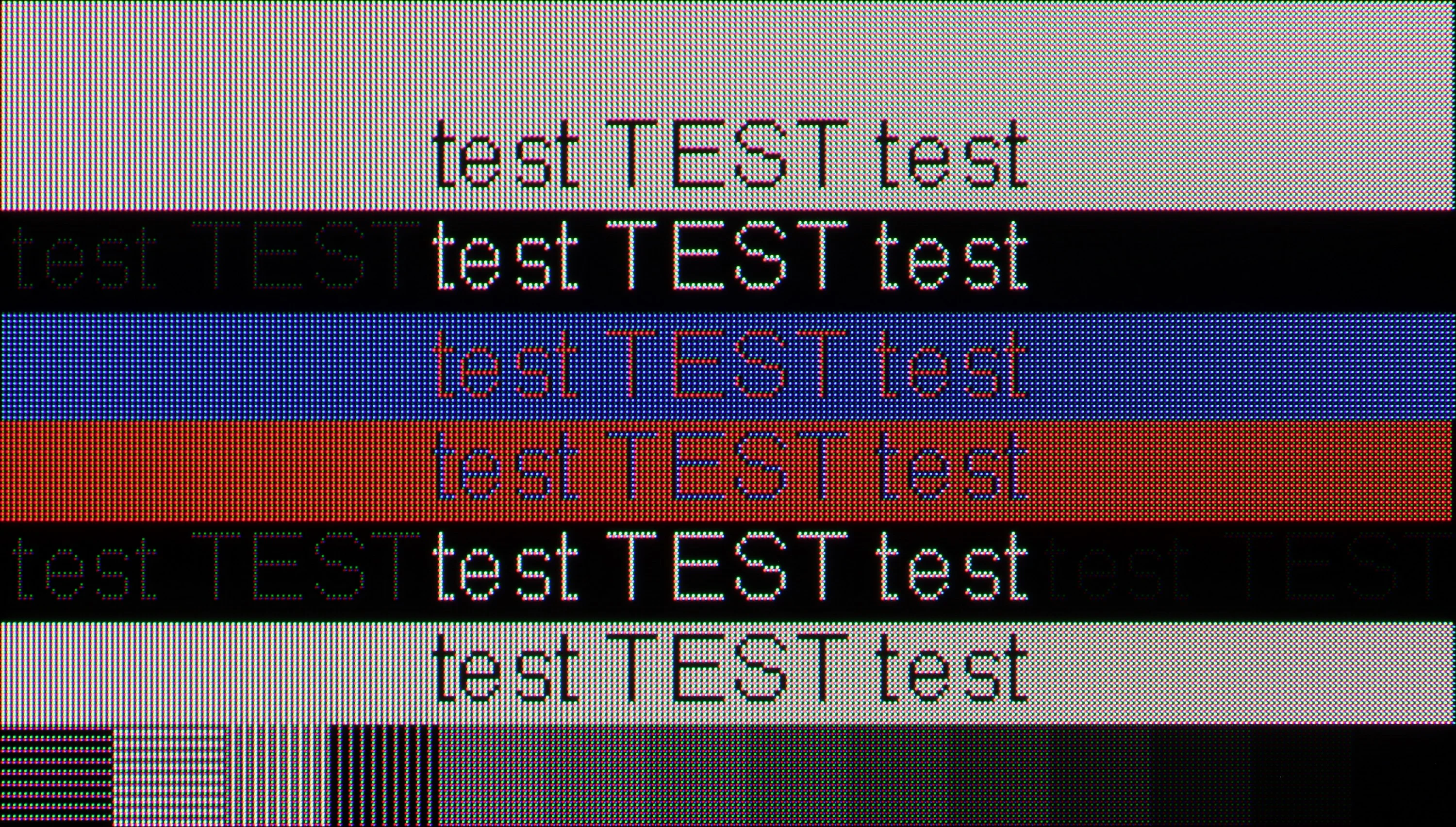
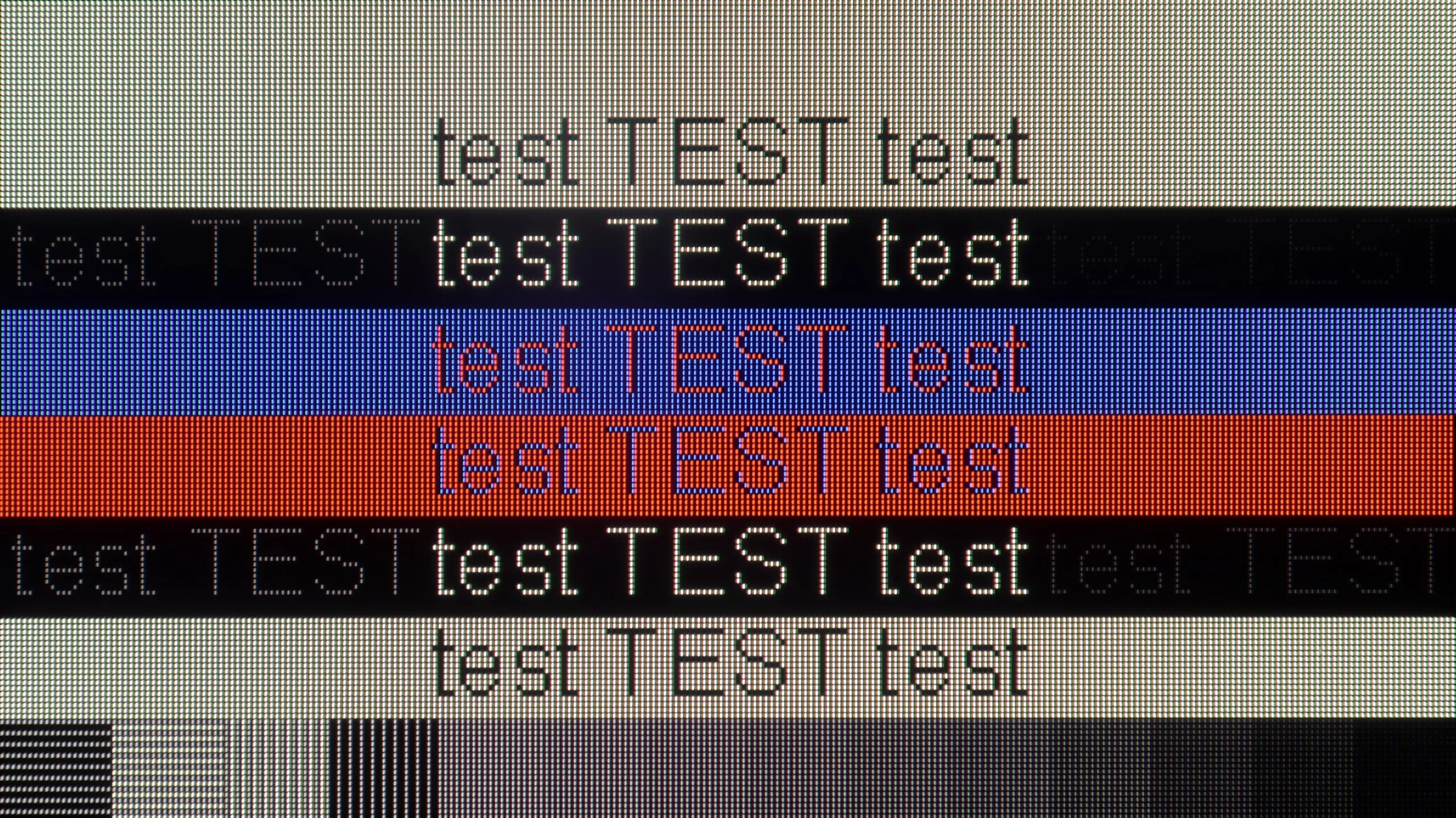
The Samsung S95D is truly an excellent choice for computer use. With support for chroma 4:4:4, text on the screen is sharp and clear, making it ideal for both work and gaming. When connected to a computer, the input lag of just 5 ms ensures a smooth and responsive experience.

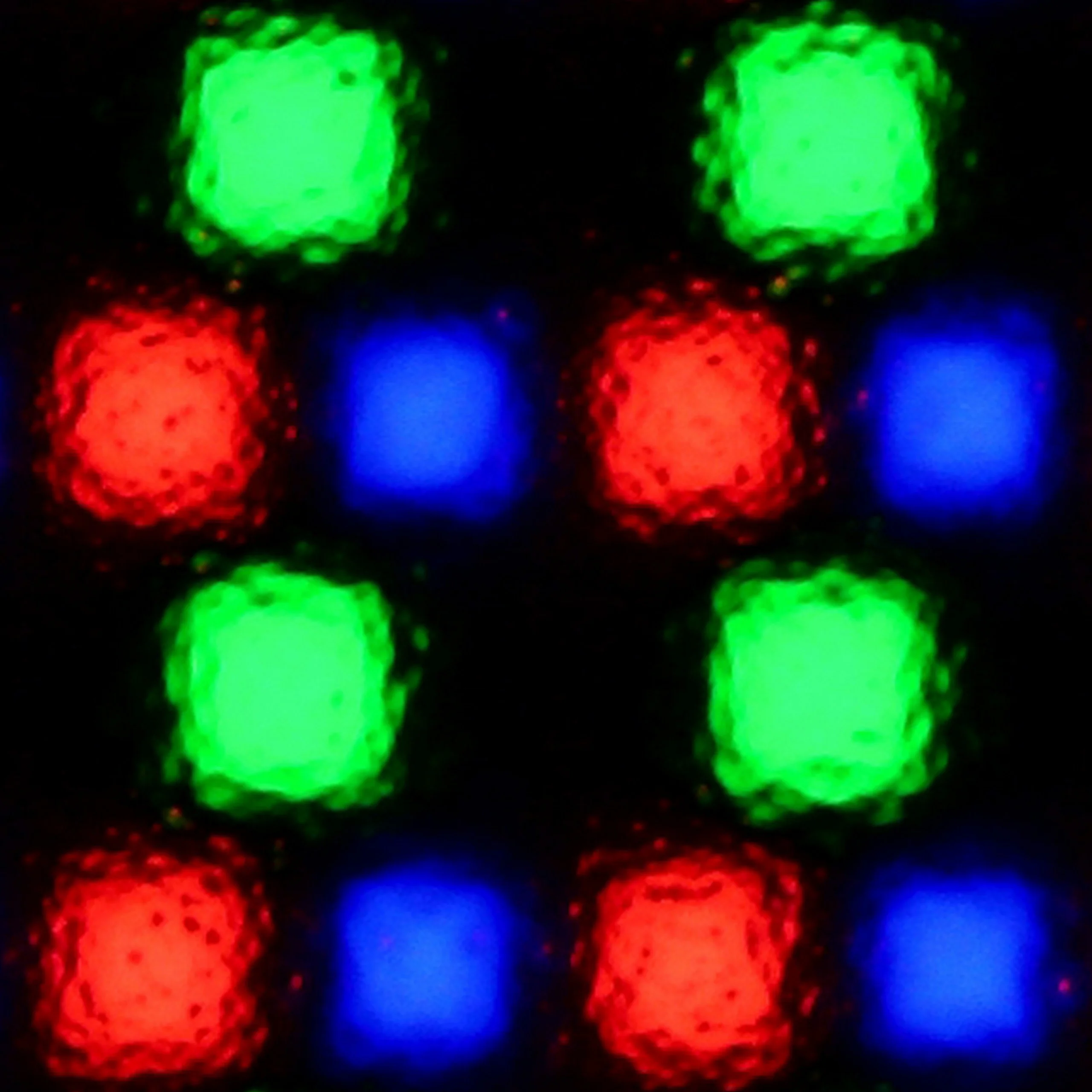
However, we did deduct some points due to the visibility issues with small fonts on a black background, which stem from the specific sub-pixel layout of QD-OLED panels. Despite this, the overall user experience is impressive, and the TV performs exceptionally well in both everyday tasks and more demanding scenarios.

And what about connecting to a computer? We are quick to answer: the S85F performs excellently in this role. The combination of instant input lag and a 120 Hz panel is a recipe for successful gaming on a PC. Both fast-paced shooters and more tranquil RPG titles benefit from the instant response and fluidity of the animations, which can draw you in for long hours. Of course, it’s not perfect. We must mention the specific construction of the WOLED panel. It consists of four subpixels (WRGB), which is a different structure than the classic RGB known from monitors. As a result, if we sit very close to the screen, we may notice that the fonts are not as perfectly sharp as we would wish. However, this is not a big issue and should not hinder everyday use, especially since the television correctly supports a chroma 4:4:4 signal.

Viewing angles

9.8/10

7.5/10

Brightness drop at an angle of 45 degrees
9%
29%

The viewing angles on the Samsung S95D are truly outstanding—the best we've encountered in our tests. QD-OLED matrices excel in this area, setting a new standard. While standard WOLEDs offer impressive viewing angles, the S95D surpasses them easily. No matter the angle you're watching, the image remains bright, clear, and rich in detail. This remarkable performance solidifies the Samsung S95D as the absolute leader in viewing angle quality among televisions.

As is typical for OLED technology, the viewing angles on the S85F are very good. The picture retains its properties even when viewed from the side, which is a clear advantage over most LCD TVs. However, we must point out that it does not reach the level known from QD-OLED panels. In the case of the tested WOLED panel, with a significant deviation from the screen's axis, a slight drop in brightness and a slight change in white tones can be observed. QD-OLED remains unparalleled in this regard, offering an almost perfect picture regardless of where you are viewing it from.

Daytime performance

6.2/10

5.3/10

Panel finish
Matte
Satin
Reflection suppression
Very Good
Decent
Black levels during daytime
Poor
Very Good
Review Samsung OLED S95D Daytime performance
Review Samsung S85F (WOLED) Daytime performance
Review Samsung OLED S95D Daytime performance
Review Samsung S85F (WOLED) Daytime performance

Panel brightness

Average luminance SDR

Samsung S85F (WOLED): 305 cd/m2

Samsung OLED S95D: 508 cd/m2

The Samsung S95D television stands out with exceptional performance during the day, being the only OLED on the market with a matte screen. Thanks to this feature, light reflections are reduced, allowing for comfortable viewing in bright rooms. However, it is worth noting that the matte coating may slightly diminish colour intensity. Despite this minor drawback, the television remains very bright, offering up to 500 nits of brightness. This makes the picture clear and vivid even in well-lit spaces, making the S95D a great choice for everyday use.

We must state clearly that working in a brightly lit room is not the strong suit of the S85F. We are dealing with a somewhat moderately bright OLED panel here. Our measurements have shown that the average brightness of the screen in "TV" mode hovers around 300 nits. For some users, this may be too low, especially in rooms with a lot of daylight. Of course, this TV is perfect for moderately bright living rooms. However, it is not a model we would recommend for exceptionally bright, sun-drenched interiors. This issue is compounded by the anti-reflective coating applied. We noticed that it does not suppress reflections from the surroundings as well as the variant with a QD-OLED panel does, especially when direct sunlight hits the screen.

Panel details

Backlight Type
Software version during testing
.1066
T-PTMFDEUC-0090-1110.7
Image processor

Subpixel Structure:

Panel uniformity and thermal imaging:

Review Samsung OLED S95D TV Panel details
Review Samsung S85F (WOLED) TV Panel details

Samsung OLED S95D

Samsung S85F (WOLED)

TV features

7.9/10

7.3/10

  • HDMI inputs
    0 x HDMI 2.0, 4 x HDMI 2.1 40Gbps
    0 x HDMI 2.0, 4 x HDMI 2.1 48Gbps
  • Other inputs
    Toslink (Optical audio)
    Toslink (Optical audio)
  • Outputs
    eARC (HDMI), ARC (HDMI)
    Toslink (Optical audio), eARC (HDMI), ARC (HDMI)
  • Network Interfaces
    Wi-Fi 2.4GHz, Wi-Fi 5GHz, Ethernet (LAN) 100Mbps
    Wi-Fi 2.4GHz, Wi-Fi 5GHz, Ethernet (LAN) 100Mbps
  • TV reception
    DVB-T, DVB-T2, DVB-S, DVB-S2, DVB-C
    DVB-T, DVB-T2, DVB-S, DVB-S2, DVB-C

Classic features:

  • Recording to USB (terrestrial TV)
    No
    No
  • Recording programming
    No
    No
  • Picture in Picture (PiP)
    Yes
    No
  • RF remote control (no need to aim at the screen)
    Yes
    Yes
  • Backlit remote control
    No
    No
  • Teletext
    Yes
    Yes
  • Audio only mode
    Yes
    Yes
  • Bluetooth headphones support
    Yes
    Yes
  • Simultaneous Bluetooth headphones & TV audio
    Yes
    Yes

Smart features:

  • AirPlay
    Yes
    Yes
  • Screen mirroring (Windows Miracast)
    Yes
    Yes
  • Voice search
    Yes
    Yes
  • Voice search in native language
    Yes
    Yes
  • Ability to connect a keyboard and mouse
    Yes
    Yes
Review Samsung OLED S95D TV features
Review Samsung S85F (WOLED) TV features

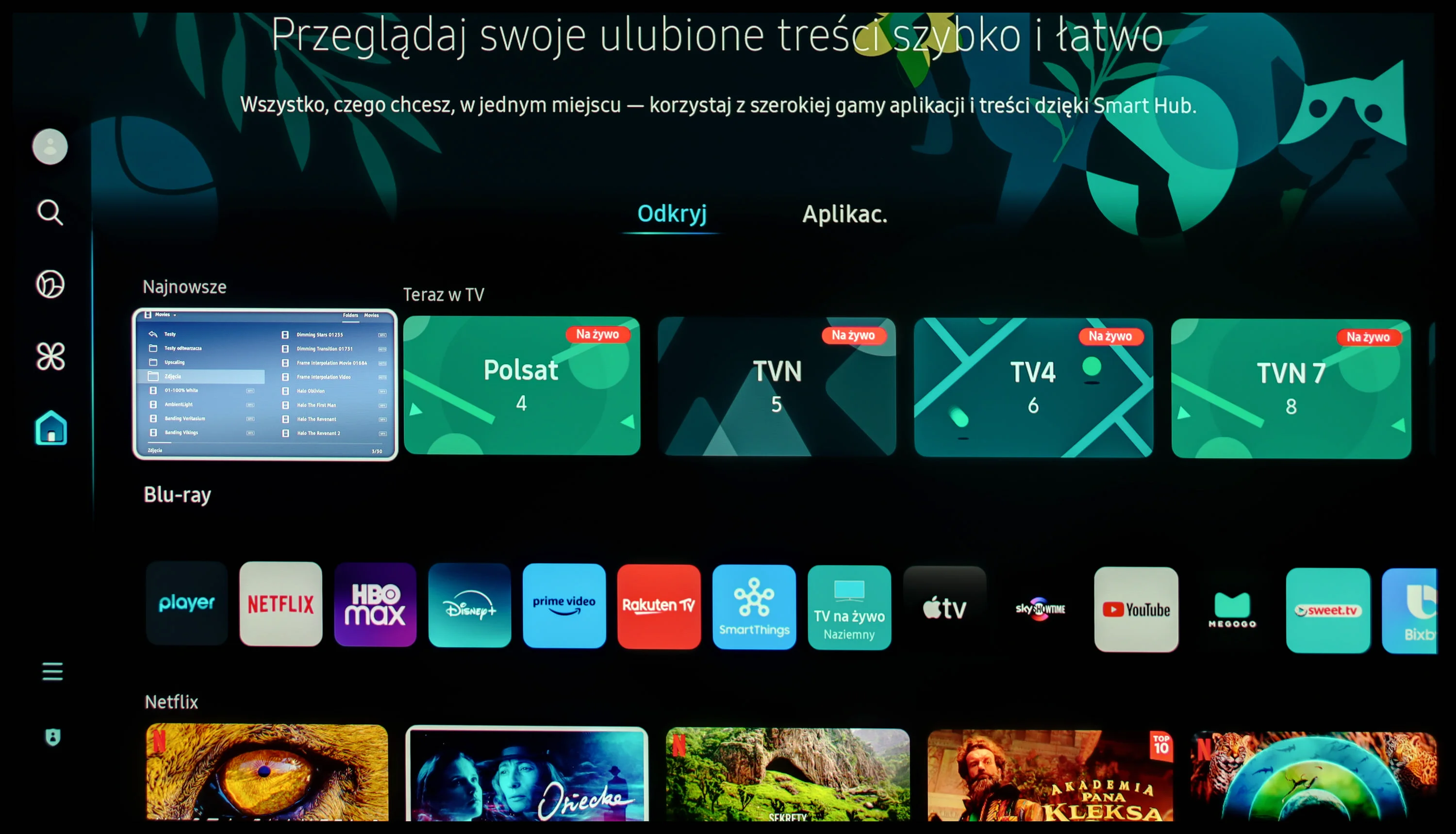
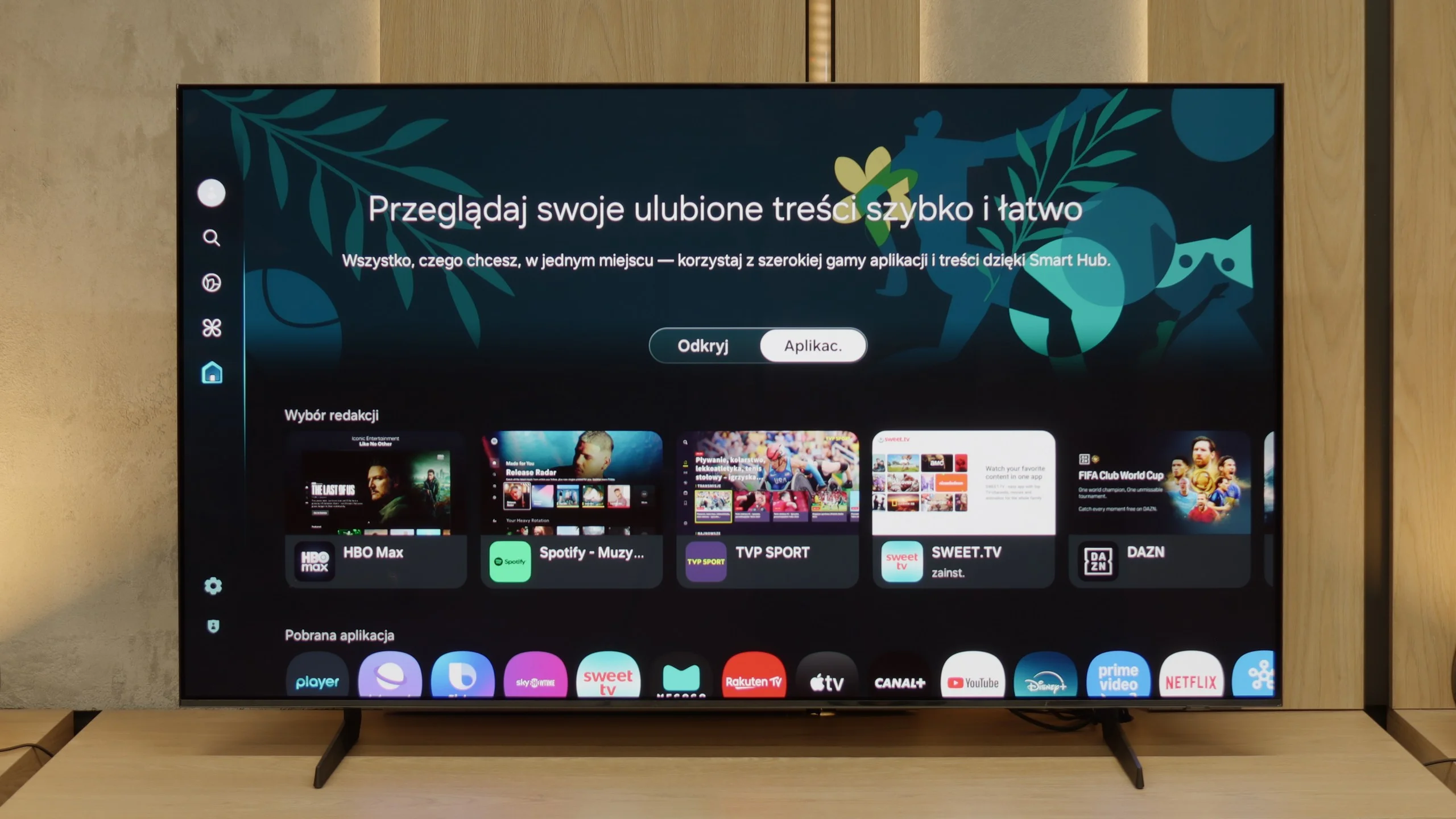
The Samsung S95D television offers a range of features that significantly enhance user comfort, making it an ideal device for home entertainment. The Tizen system, on which this model is based, is a modern and advanced platform that provides an intuitive and smooth experience. Thanks to the user-friendly interface, navigation through applications and settings is quick and simple, making it easy to use the television even for those less familiar with technology. Tizen supports a rich set of applications, including all popular streaming services such as Netflix, YouTube, and Amazon Prime Video. Alongside this, the support of AirPlay allows for easy content sharing from Apple devices such as the iPhone or iPad.

It is also worth noting that the S95D television works with the SmartThings app, enabling integration with other smart devices in the home. This app allows for the creation of automations and monitoring of home equipment, making the television an entertainment device and a smart home management centre all in one.

Another highlight is the included accessories, such as the environmentally friendly solar remote, which is also practical for everyday use. This remote can control multiple devices connected to the television, eliminating the need for several different remotes; it easily integrates with other decoders such as Canal+ and NC+. Additionally, the One Connect module in the Samsung S95D is a fantastic solution that makes the television incredibly sleek. With this device, you can hide all cables and connections. It is one of the slimmest devices that can be mounted on the wall, providing an aesthetic and modern look to your interior. If you wish to place the device on a sturdy metal base, you need not worry; this module can be mounted at the back of the base, creating a harmonious whole.

The only downside that can be pointed out is the lack of USB recording support. For some users, this may be a limitation. Despite this, the Samsung S95D television offers many advanced features and technologies making it an excellent choice for anyone seeking high-quality entertainment in their home.

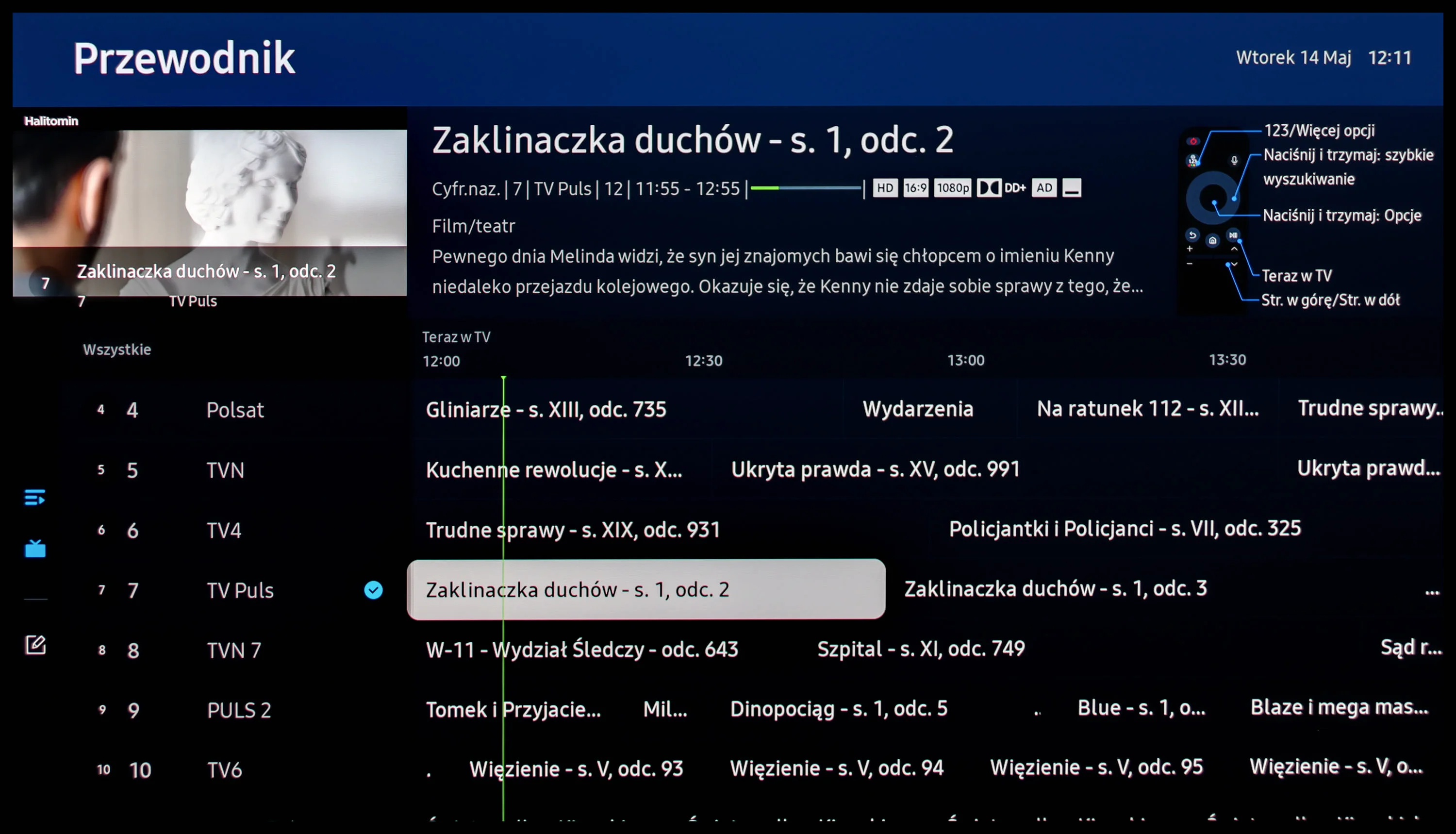
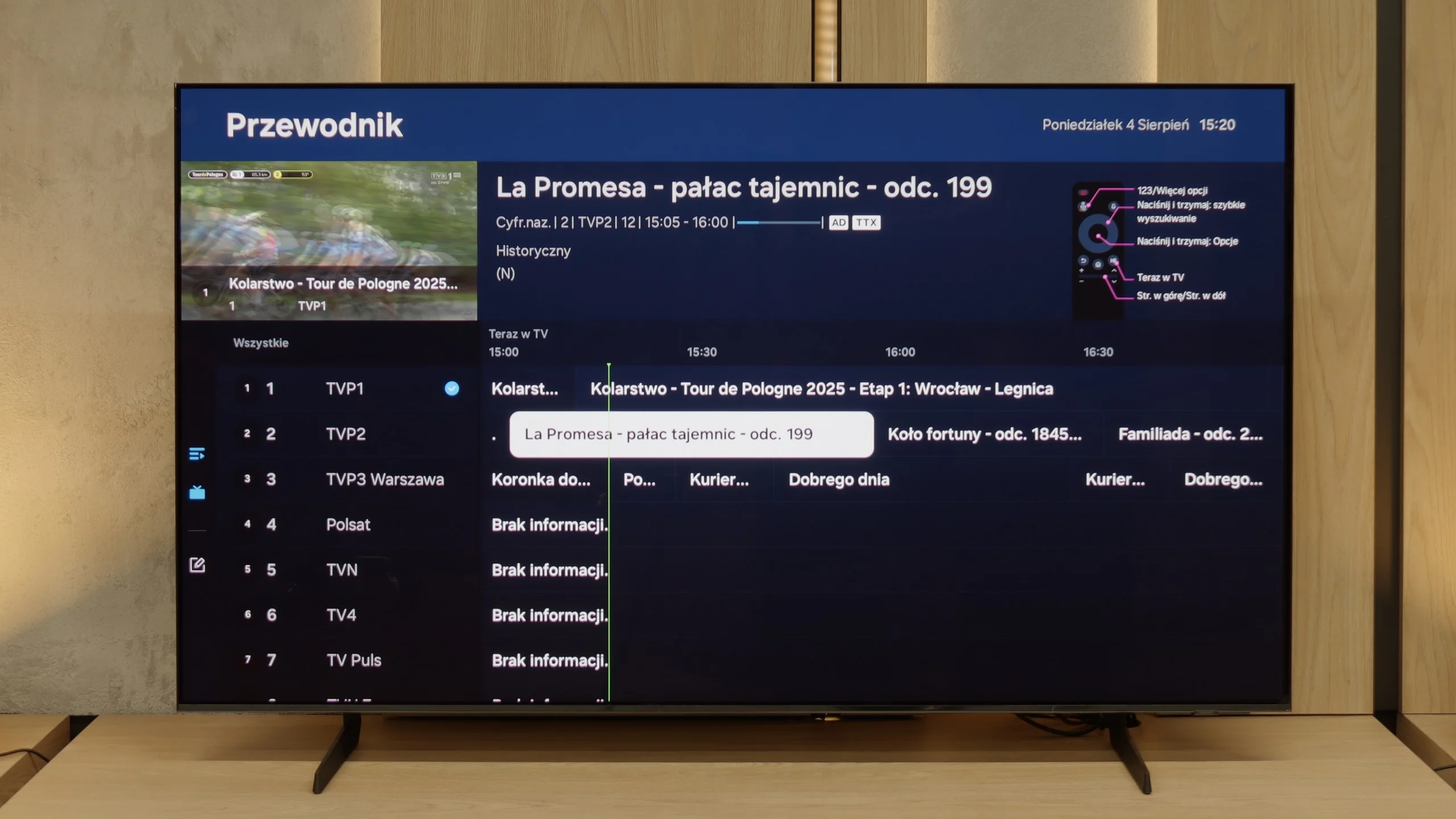
Classic TV Features S85F

The S85F was not really designed with fans of classic television in mind. We won’t find the PiP (Picture-in-Picture) feature here (which is a bit surprising since Samsung usually offers it) or the ability to record programs to USB from built-in tuners. Fortunately, the basics are there – teletext and a clear channel guide – so it's perfectly adequate for ordinary, everyday viewing. The included remote, although simple and lacking a numeric keypad at first glance, allows for control of multiple devices. This means that when connecting, for example, a Canal+ decoder, you don’t need to have two remotes on the table – just the one from the TV is entirely sufficient.

SmartTV S85F: Tizen

The smart part is a completely different story. Tizen is one of the most advanced operating systems in televisions. It runs smoothly, supports all popular internet features – from screen mirroring, through AirPlay, to voice search. The strongest aspect of Tizen is its integration with the SmartThings app, which can serve as a control center for the entire home. Of course, like any closed system, Tizen has its limitations – such as a smaller app library compared to GoogleTV. However, looking at the current list of available applications, it’s hard to point out anything that might actually be missing.

Playing files from USB

8.8/10

9.1/10

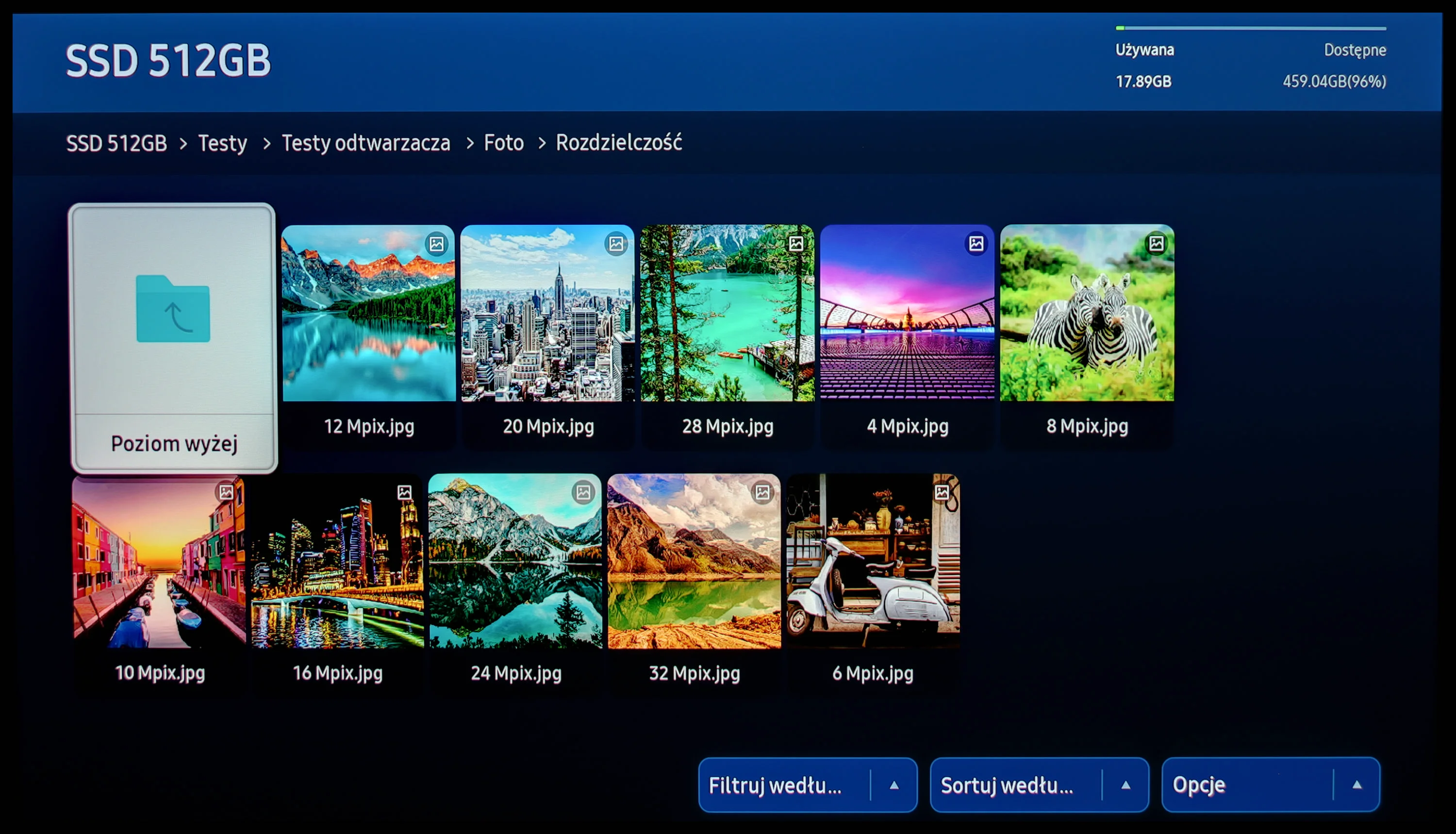
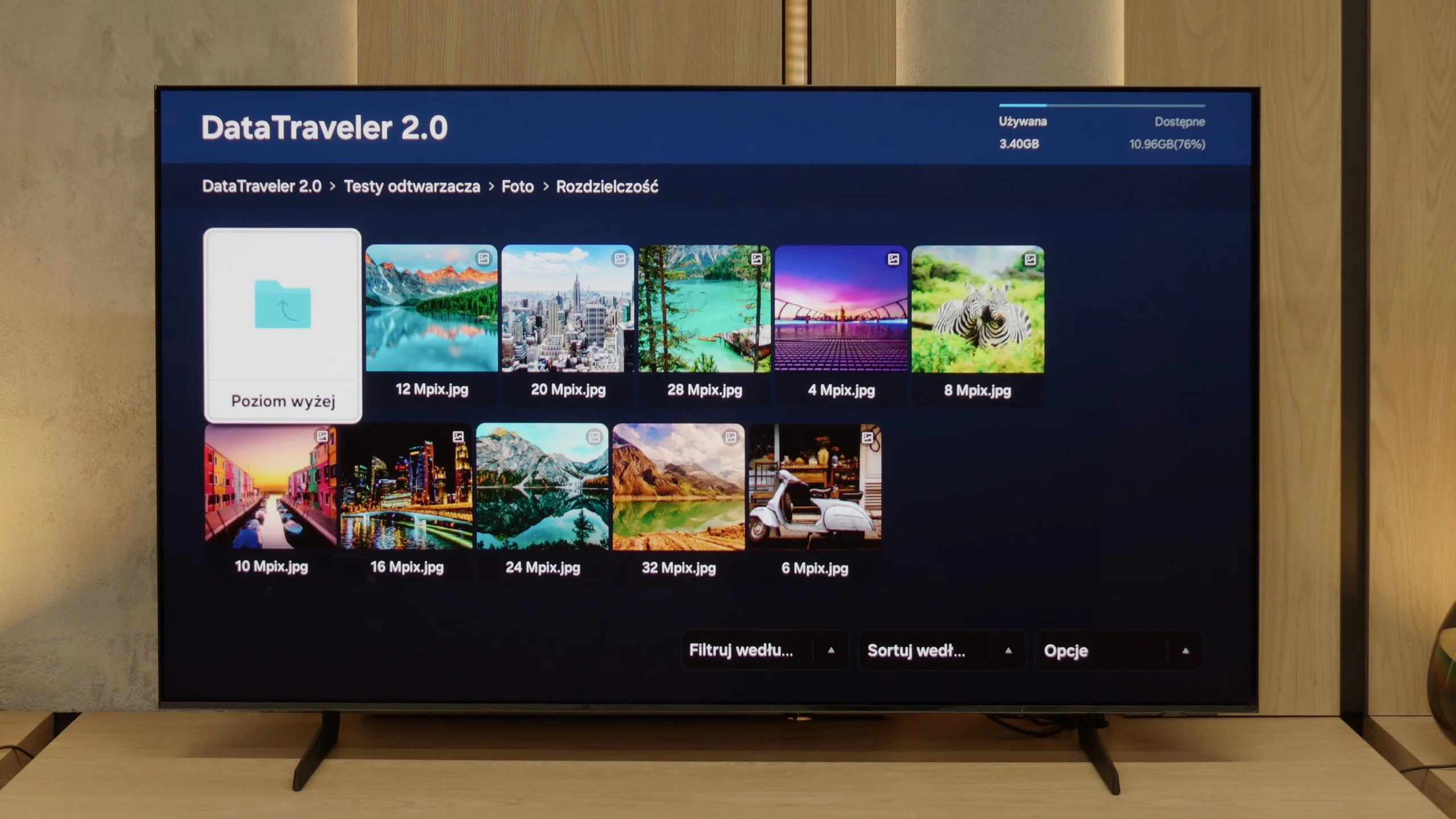
Supported photo formats:

JPEG
Yes
Yes
HEIC
No
No
PNG
No
Yes
GIF
No
No
WebP
No
No
TIFF
No
No
BMP
Yes
Yes
SVG
No
No

Maximum photo resolution:

4 Mpix
Yes
Yes
6 Mpix
Yes
Yes
8 Mpix
Yes
Yes
10 Mpix
Yes
Yes
12 Mpix
Yes
Yes
16 Mpix
Yes
Yes
20 Mpix
Yes
Yes
24 Mpix
Yes
Yes
28 Mpix
Yes
Yes
32 Mpix
Yes
Yes

Samsung S95D stands out with its excellent built-in player, which handles most of the video and audio files we tested without any issues. The exceptions are files in Dolby Vision format and some less common codecs.

The built-in media player in the S85F performs excellently – practically everything you put on a USB drive or disk will be played without the slightest issue. Small gaps only appear in the support for some less popular photo formats, but for the vast majority of you, this will be more than sufficient. So it can be confidently said that the built-in player is more than solid for home use.

Apps

8.7/10

8.7/10

OK
Disney_Plus
OK
Amazon_Prime_Video
OK
Player_TVN
OK
Polsat_Box_Go
OK
Canal_Plus_Online
OK
TVP_VOD
OK
Apple_TV_Plus
OK
SkyShowtime
OK
Rakuten
OK
CDA_Premium_Browser
OK
Spotify
No
Tidal
OK
Netflix
OK
YouTube
OK
HBO_MAX
No
Kodi
OK
Apple_music
No
Eleven_sports
OK
Xbox Game Pass
OK
GeForce Now!
OK
Amazon Luna
OK
Boosteroid
No
Steam Link
OK
Disney_Plus
OK
Amazon_Prime_Video
OK
Player_TVN
OK
Polsat_Box_Go
OK
Canal_Plus_Online
OK
TVP_VOD
OK
Apple_TV_Plus
OK
SkyShowtime
OK
Rakuten
OK
CDA_Premium_Browser
OK
Spotify
No
Tidal
OK
Netflix
OK
YouTube
OK
HBO_MAX
No
Kodi
OK
Apple_music
No
Eleven_sports
OK
Xbox Game Pass
OK
GeForce Now!
OK
Amazon Luna
OK
Boosteroid
No
Steam Link

Sound

7.9/10

7.2/10

  • Maximum volume
    84dB
    80dB
  • Dolby Digital Plus 7.1
    Yes
    Yes
  • Dolby True HD 7.1
    Yes
    No
  • Dolby Atmos in Dolby Digital Plus (JOC)
    Yes
    Yes
  • Dolby Atmos in Dolby True HD
    Yes
    No
  • DTS:X in DTS-HD MA
    No
    No
  • DTS-HD Master Audio
    No
    No

Despite being one of the slimmest televisions on the market, the Samsung S95D offers surprisingly pleasant sound quality. The television supports Dolby codecs, allowing for high audio fidelity. However, a notable downside is the lack of DTS support, which may be a limitation for some users who rely on external players. Nonetheless, the overall sound quality remains satisfactory, especially for such a slim device.

With advanced Dolby Atmos technology, users can enjoy immersive, three-dimensional sound that perfectly complements the high picture quality. In tests, the sound quality of the Samsung S95D QE65S95D model was characterised by exceptional clarity and detail, making it stand out among other models in this category. The integrated acoustic correction system further fine-tunes the sound to the size and acoustics of the room, ensuring optimal audio experiences. Overall, the Samsung S95D performs excellently whether watching movies or listening to music, providing an impressive audio-visual experience.

Built-in speakers with a power of 20 W on paper may not impress much, but in practice, the S85F can surprise. It sounds really pleasant, and at times you can even catch a subtle bass, which is not at all obvious in this class of speakers. The TV does not support the DTS format, which unfortunately has become a standard for most manufacturers by 2025. A nice surprise, however, is the support for Dolby Atmos. Of course, talking about "spatial" sound with two speakers placed at the bottom of the enclosure would be a bit of an exaggeration, but it's good that Samsung offers such a feature in this model at all.