The Samsung S90D (or S94D) TV is a model that surprises in many ways, offering exceptional performance across various aspects. One key feature to note is that depending on the size of the television, it may differ in the OLED panel variants used. Regardless of the specific panel technology, the S90D guarantees perfect blacks, and its HDR light effects, aided by high brightness, truly impress, creating a cinematic experience in the comfort of your home. OLED technology provides deep blacks and vibrant colours, making every movie and series look stunning, with clear details even in dark scenes.
Although the factory colour settings might not be ideal, the television truly shines after calibration, becoming unbeatable in its price range for colour accuracy. This makes the S90D a fantastic option for film enthusiasts who appreciate high-quality picture performance. The TV is also an excellent choice for regular TV watching, offering wide viewing angles and an intuitive, feature-rich Tizen operating system, which makes navigating apps and accessing content effortless. With support for popular streaming services and AirPlay, users can enjoy multimedia of the highest quality.
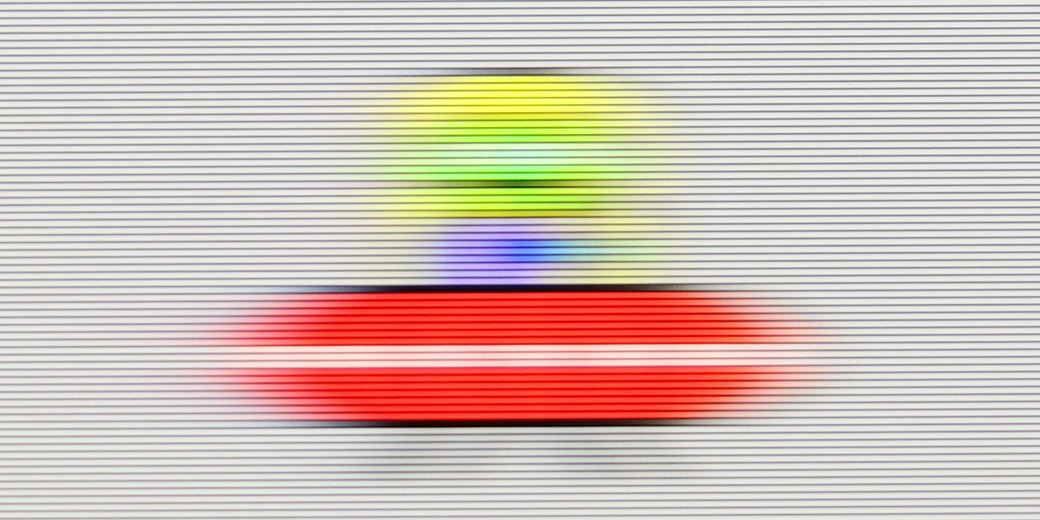
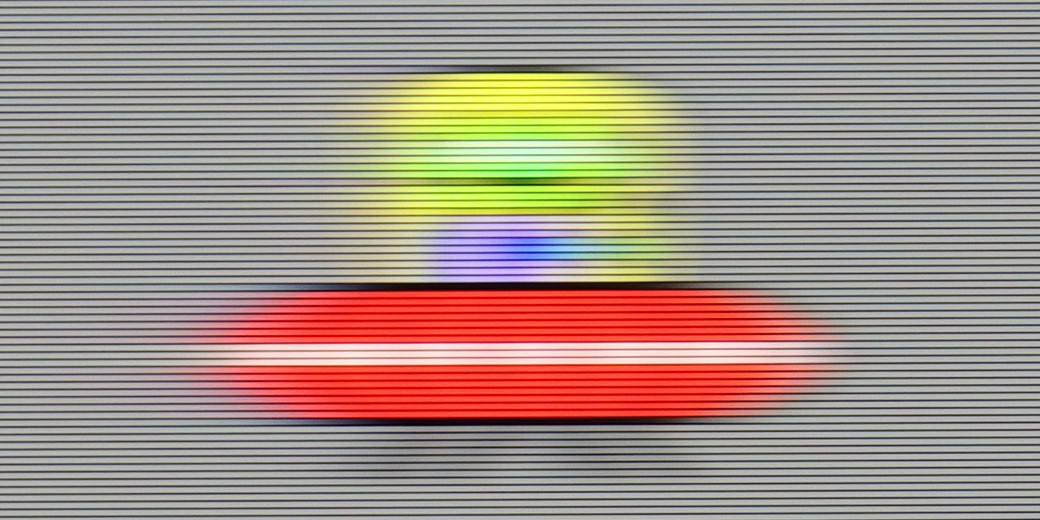
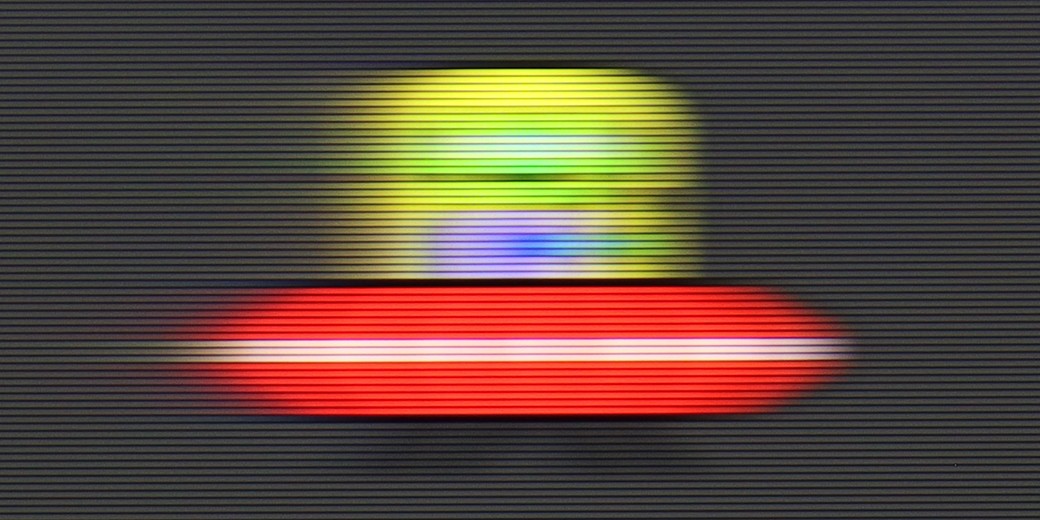
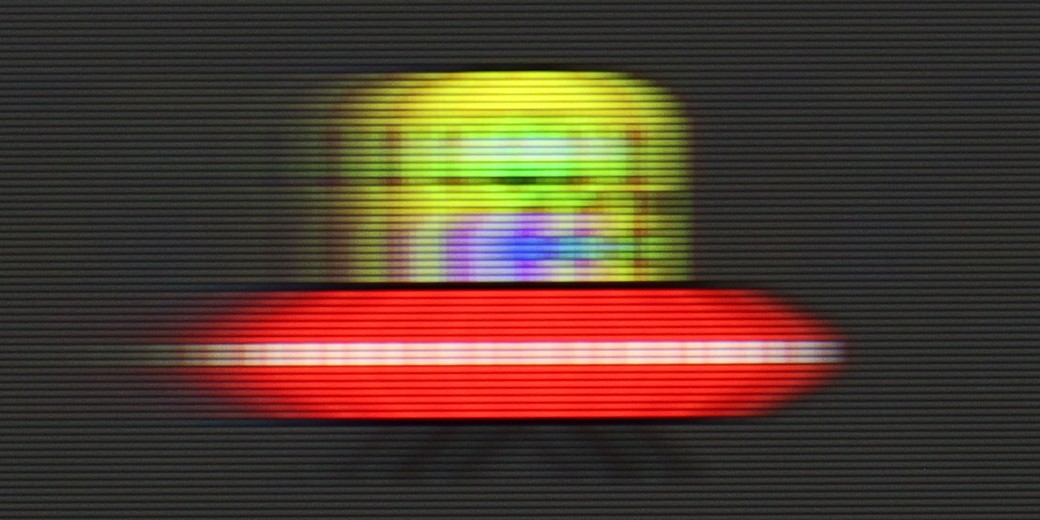
Regarding image smoothness, the S90D excels with its 120Hz panel, effectively eliminating motion blur and ensuring smooth rendering of fast-paced scenes. Watching sports on this television is a joy, with dynamic actions displayed clearly without interruptions. Additionally, the S90D is a great option for gamers, thanks to full support for HDMI 2.1 and low input lag, providing a responsive and fluid gaming experience.
Overall, the Samsung S90D combines excellent image quality, smooth performance, and a wealth of features, making it one of the best choices in the premium TV category.
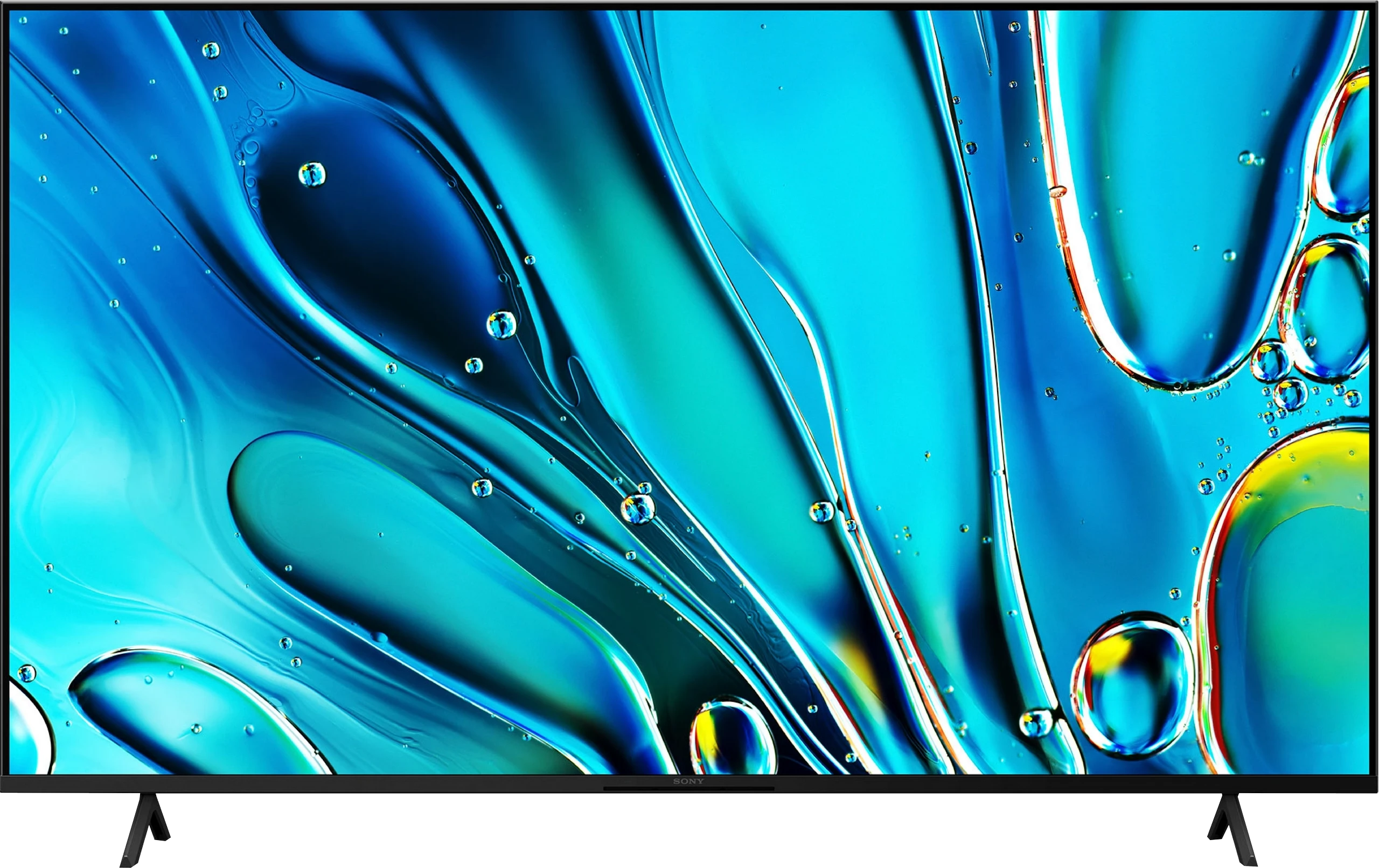
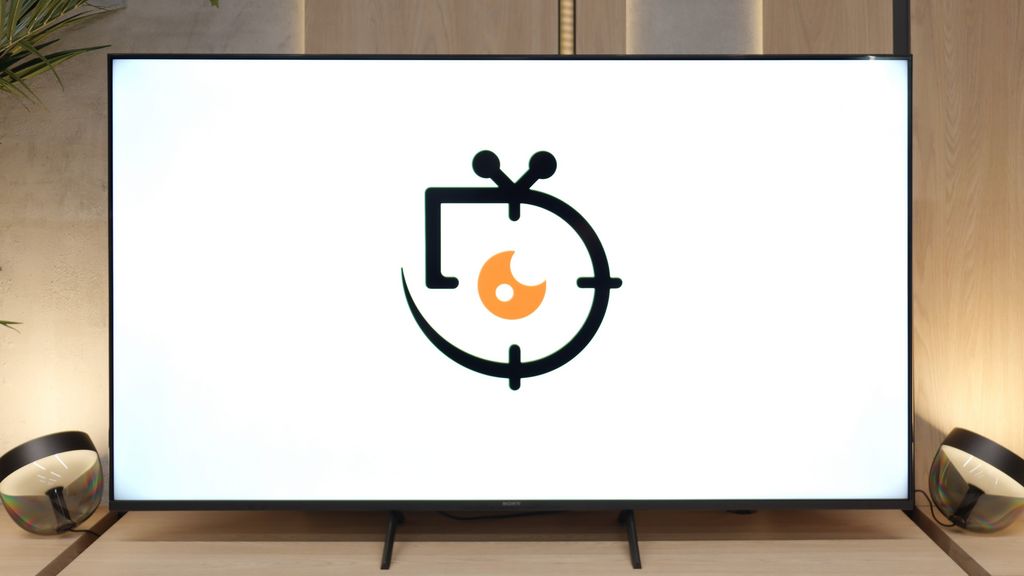
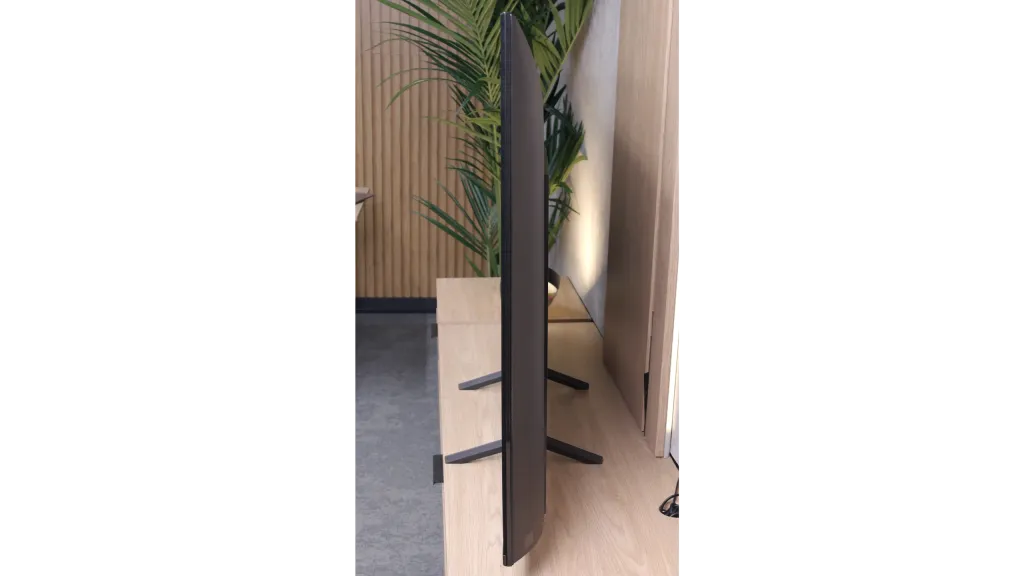
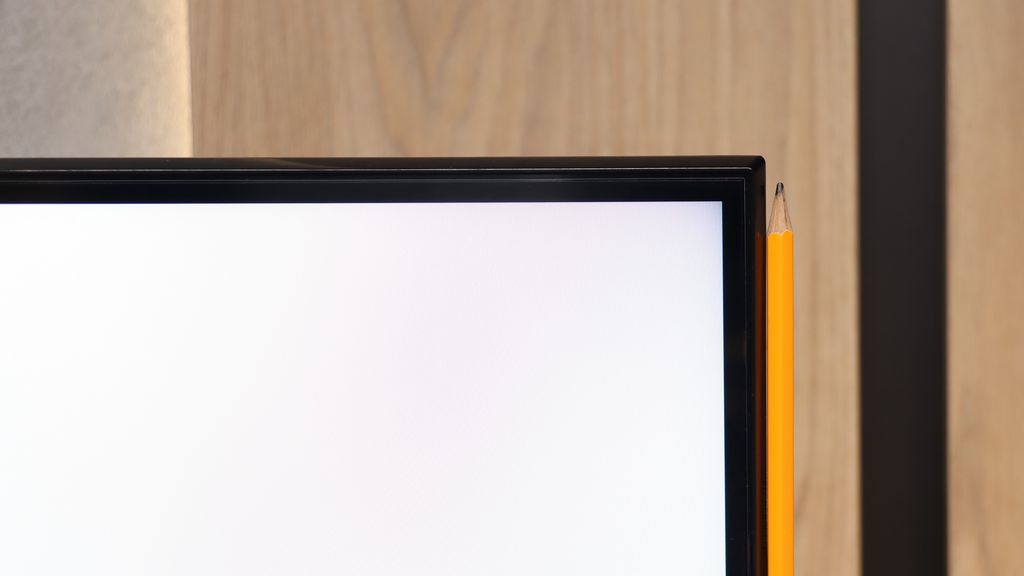
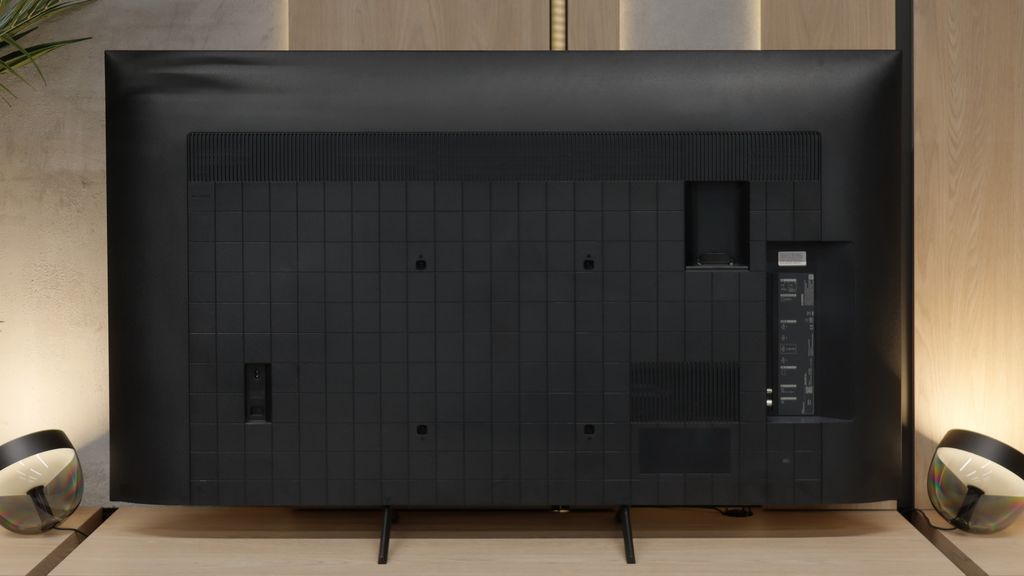
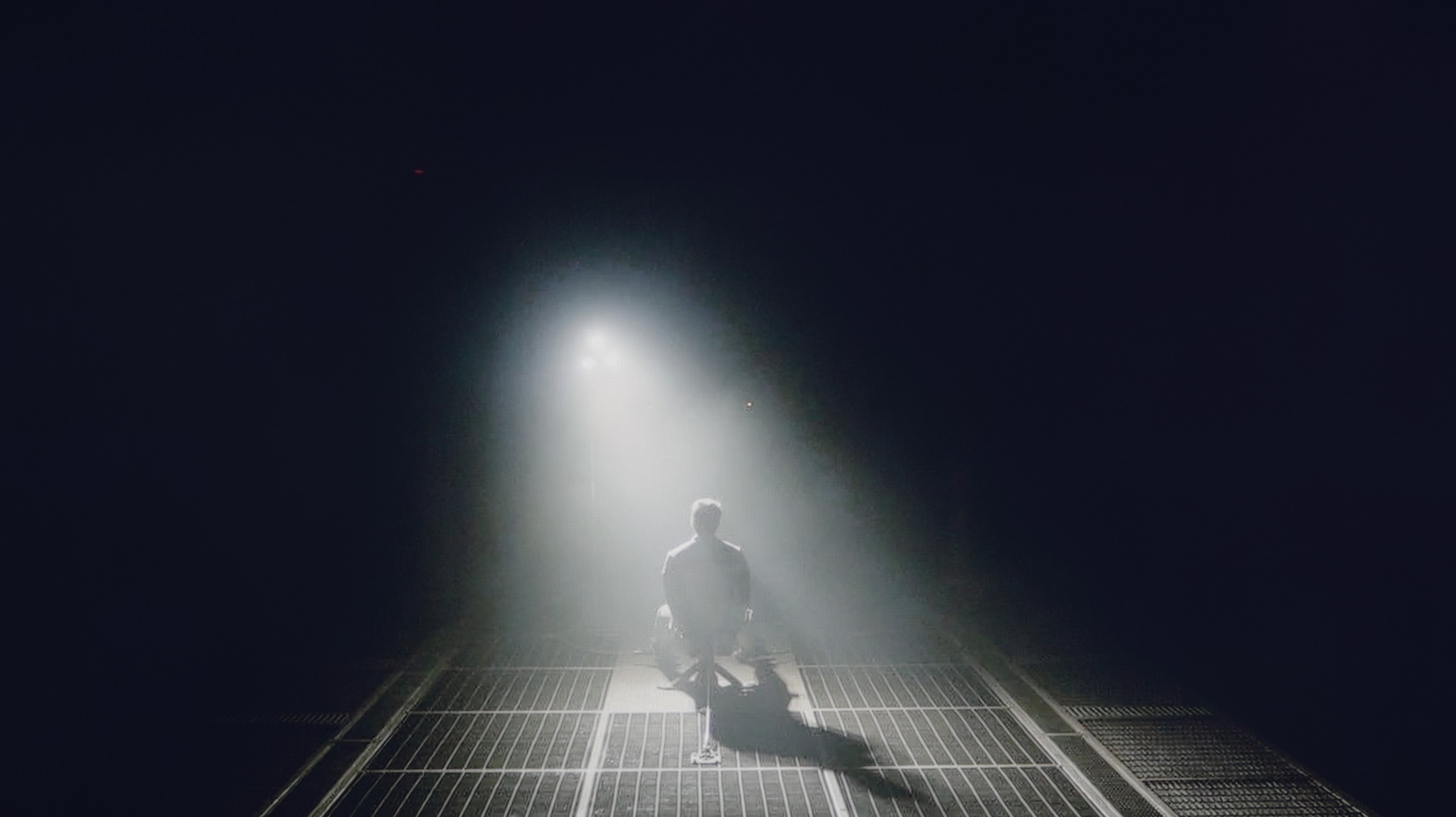
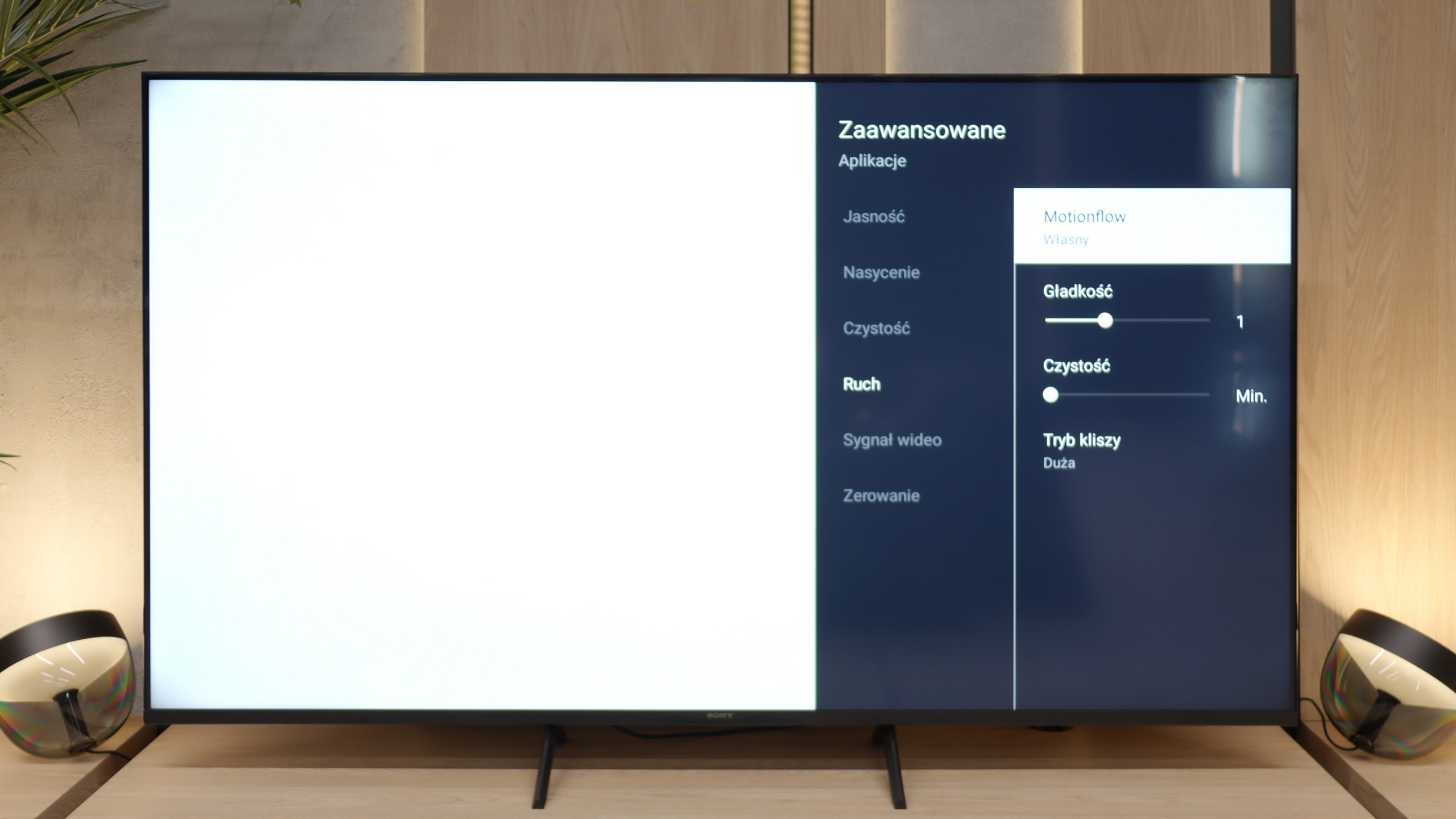
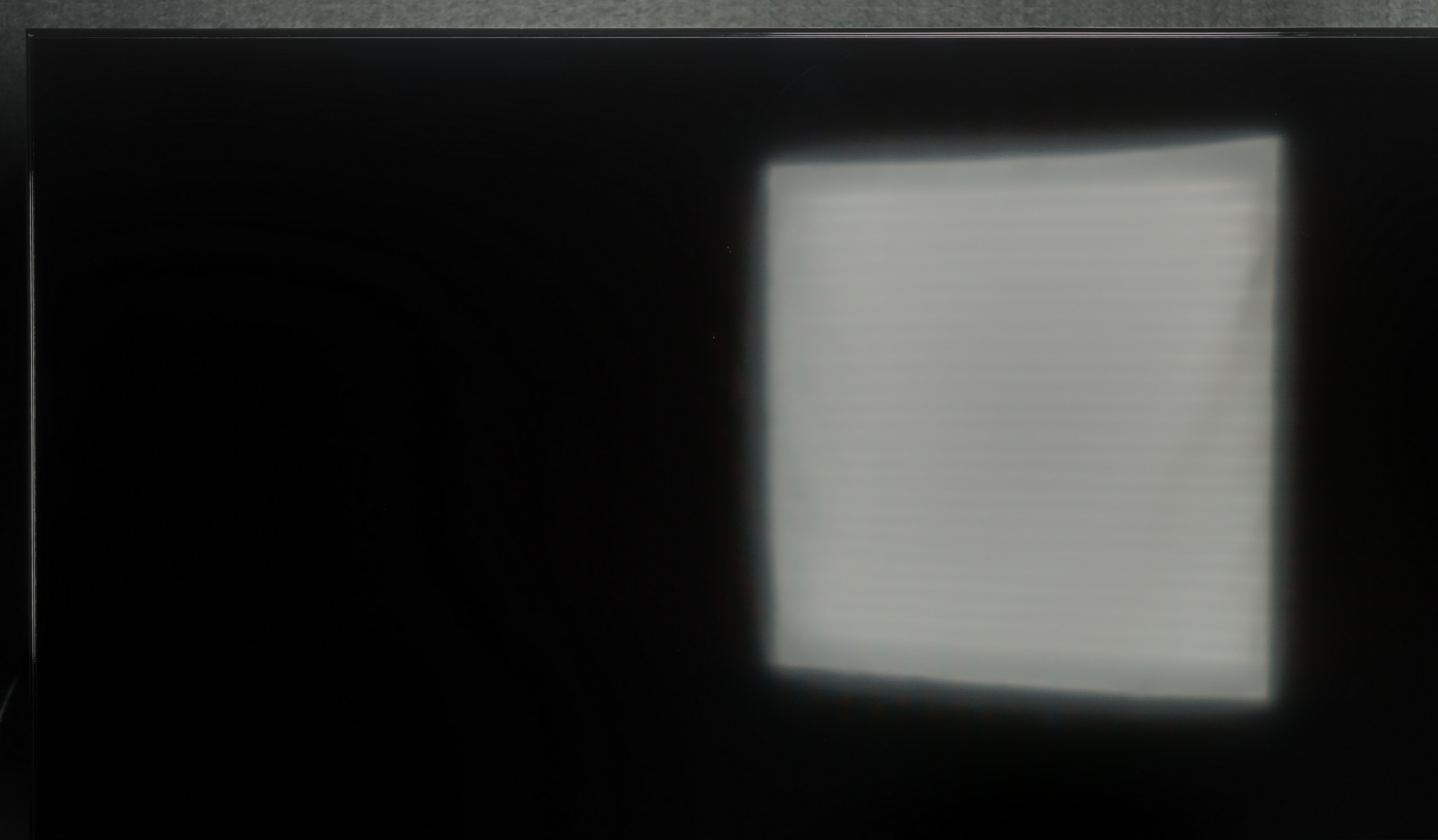
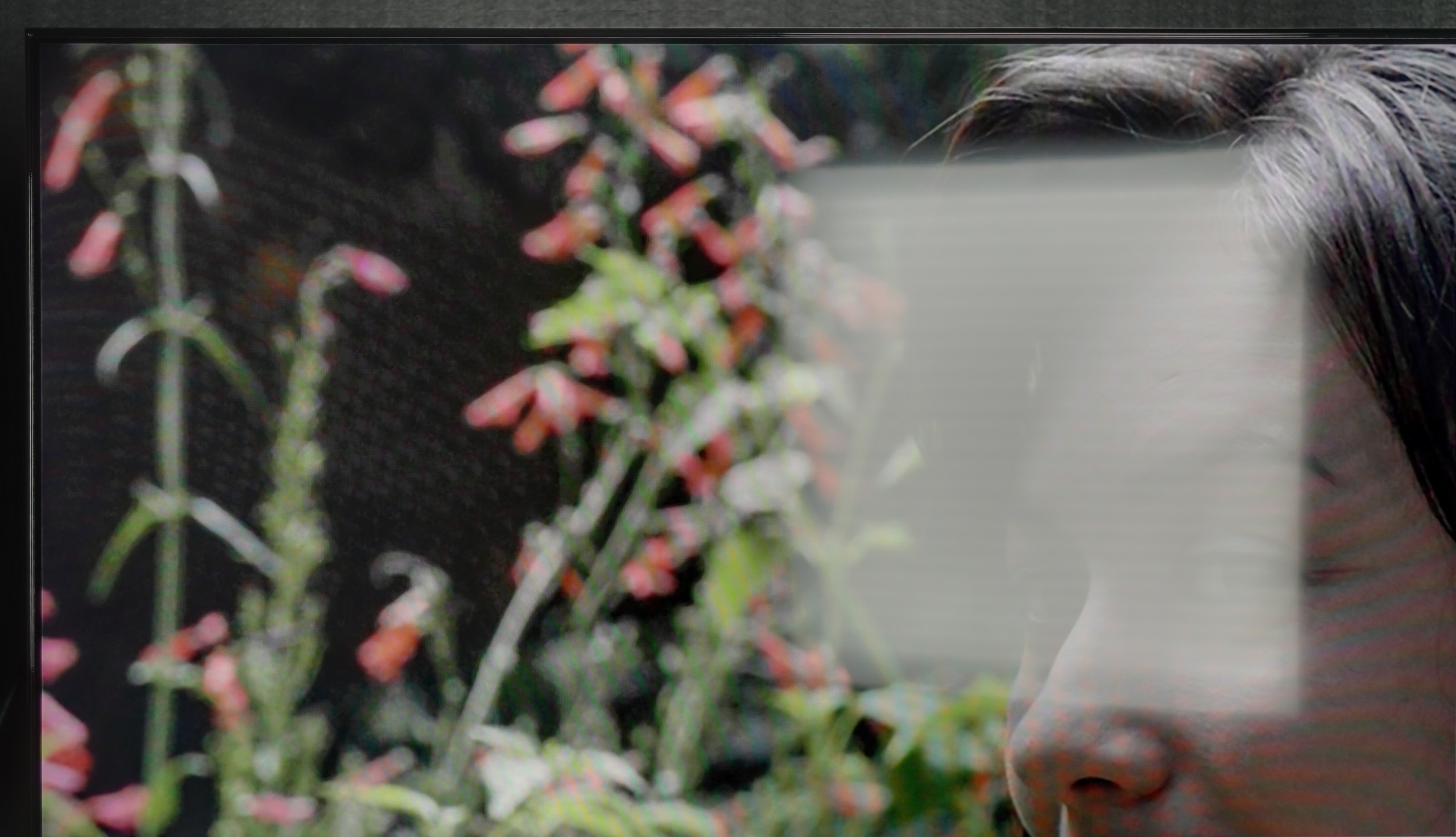
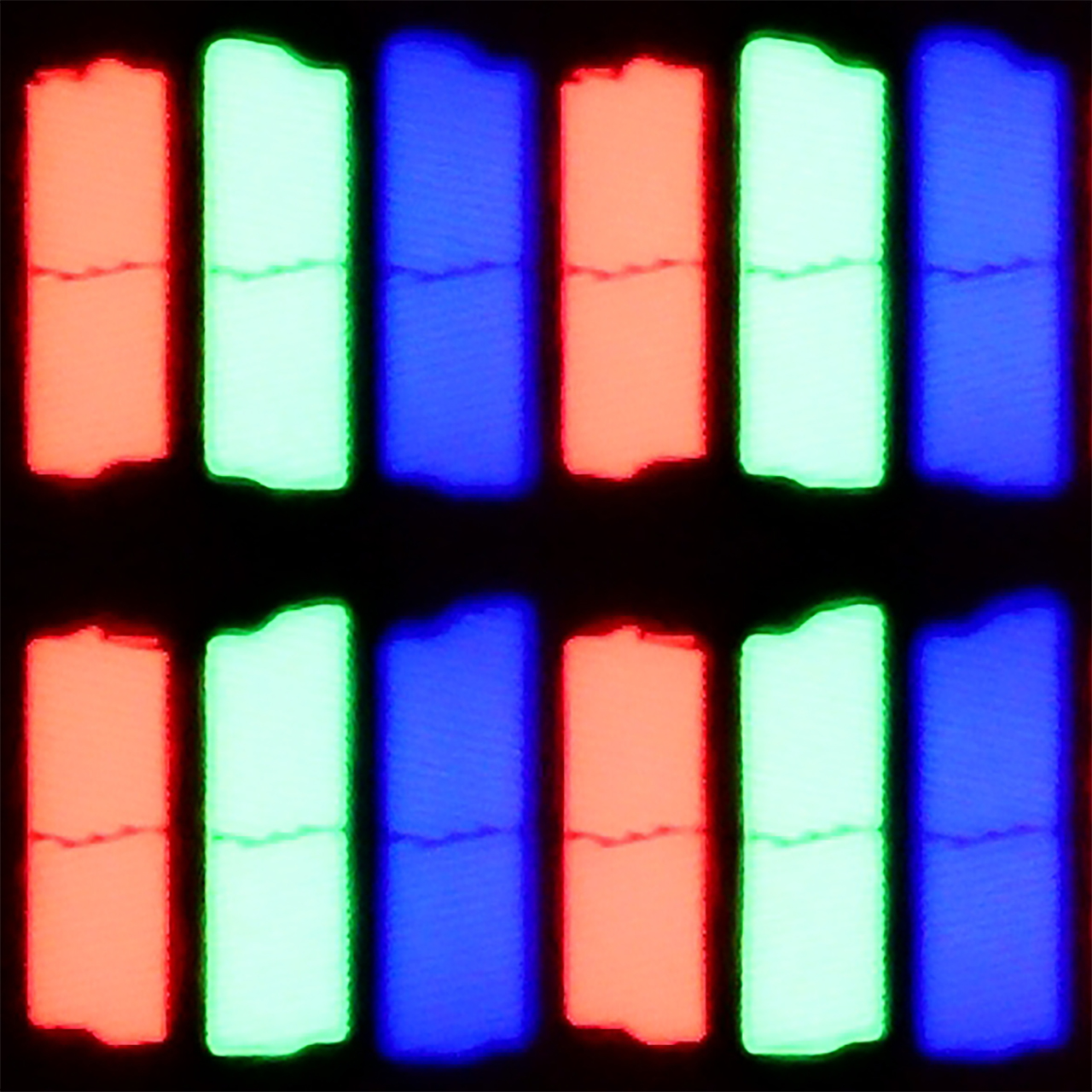
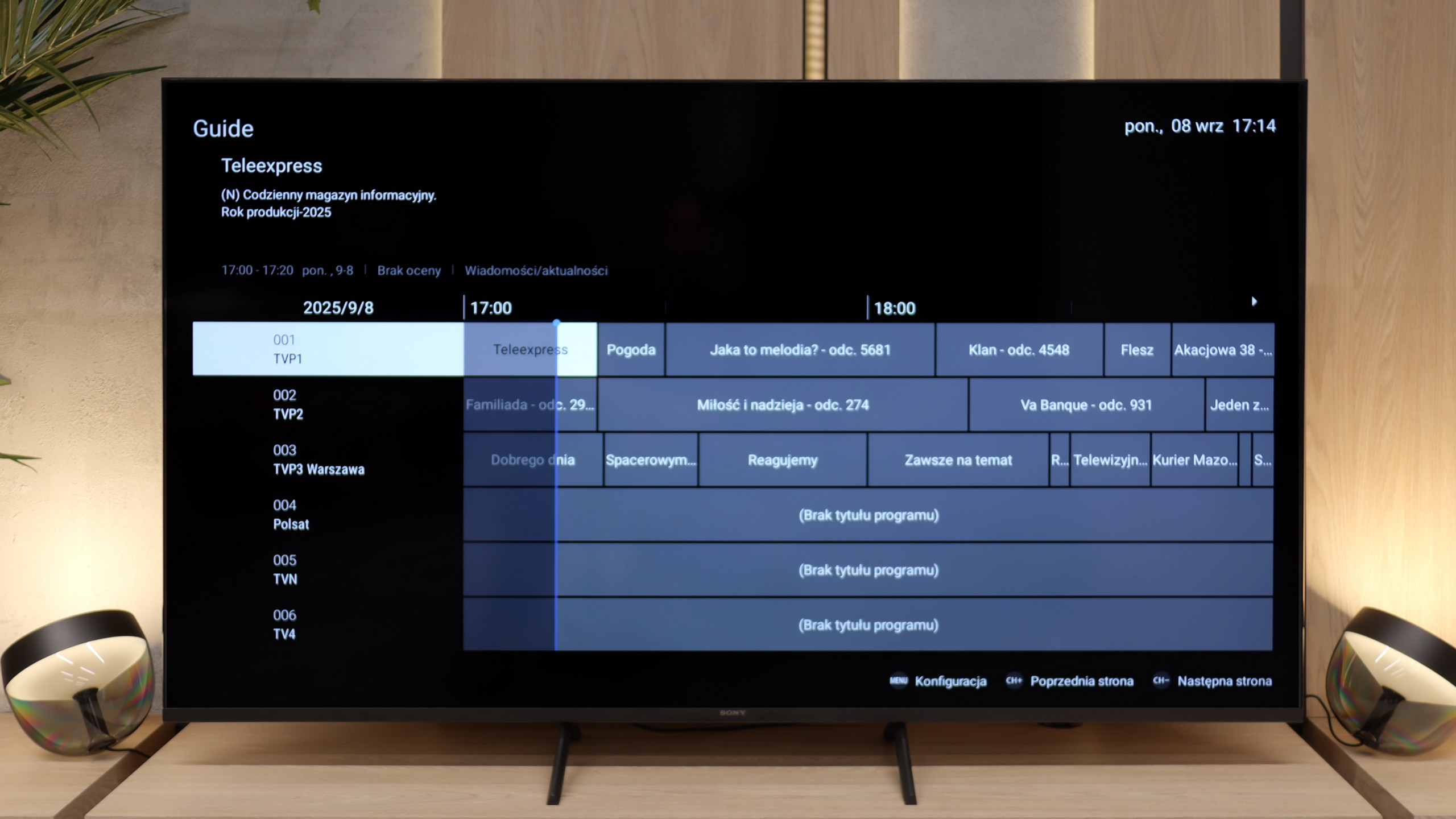
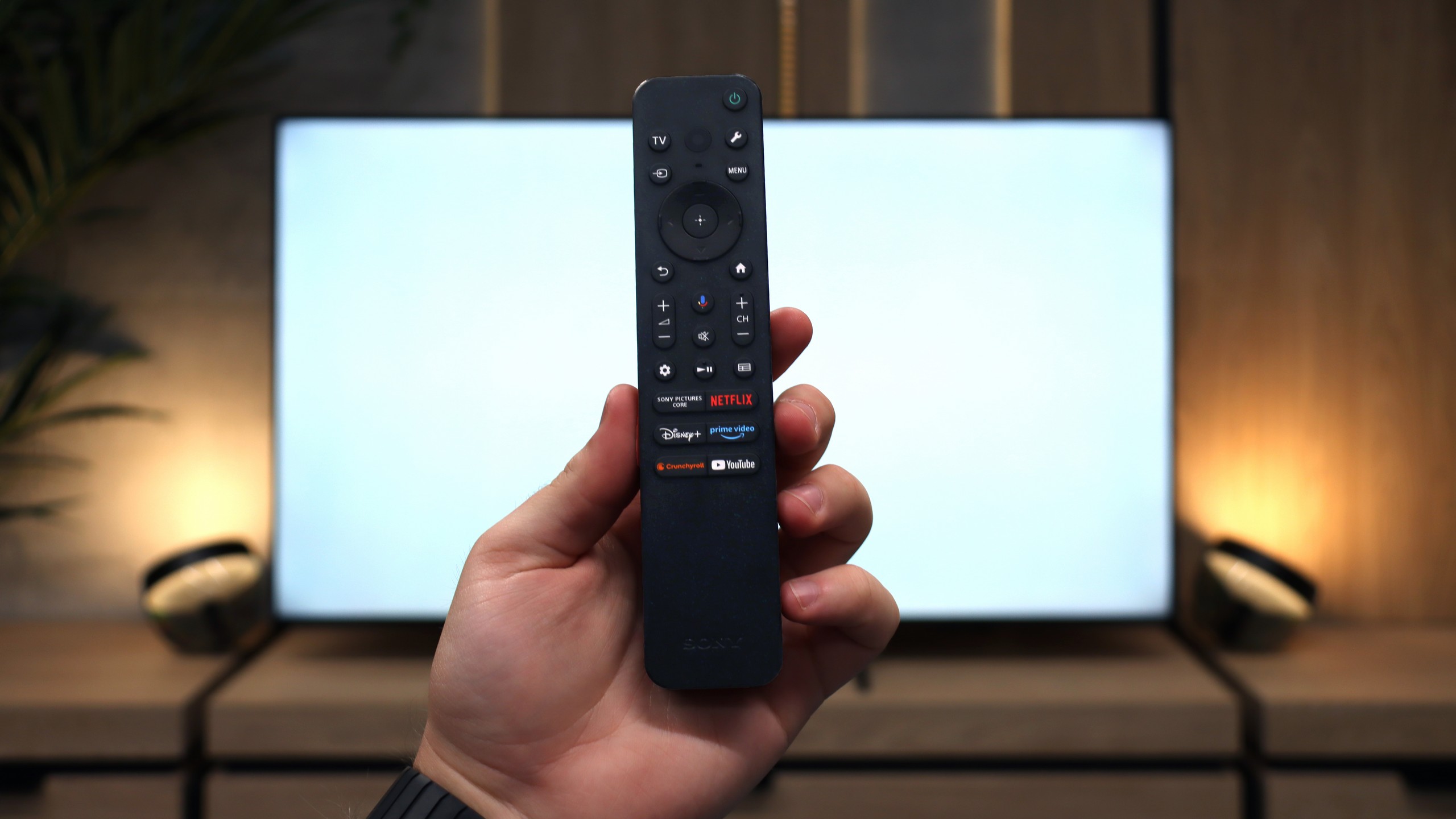
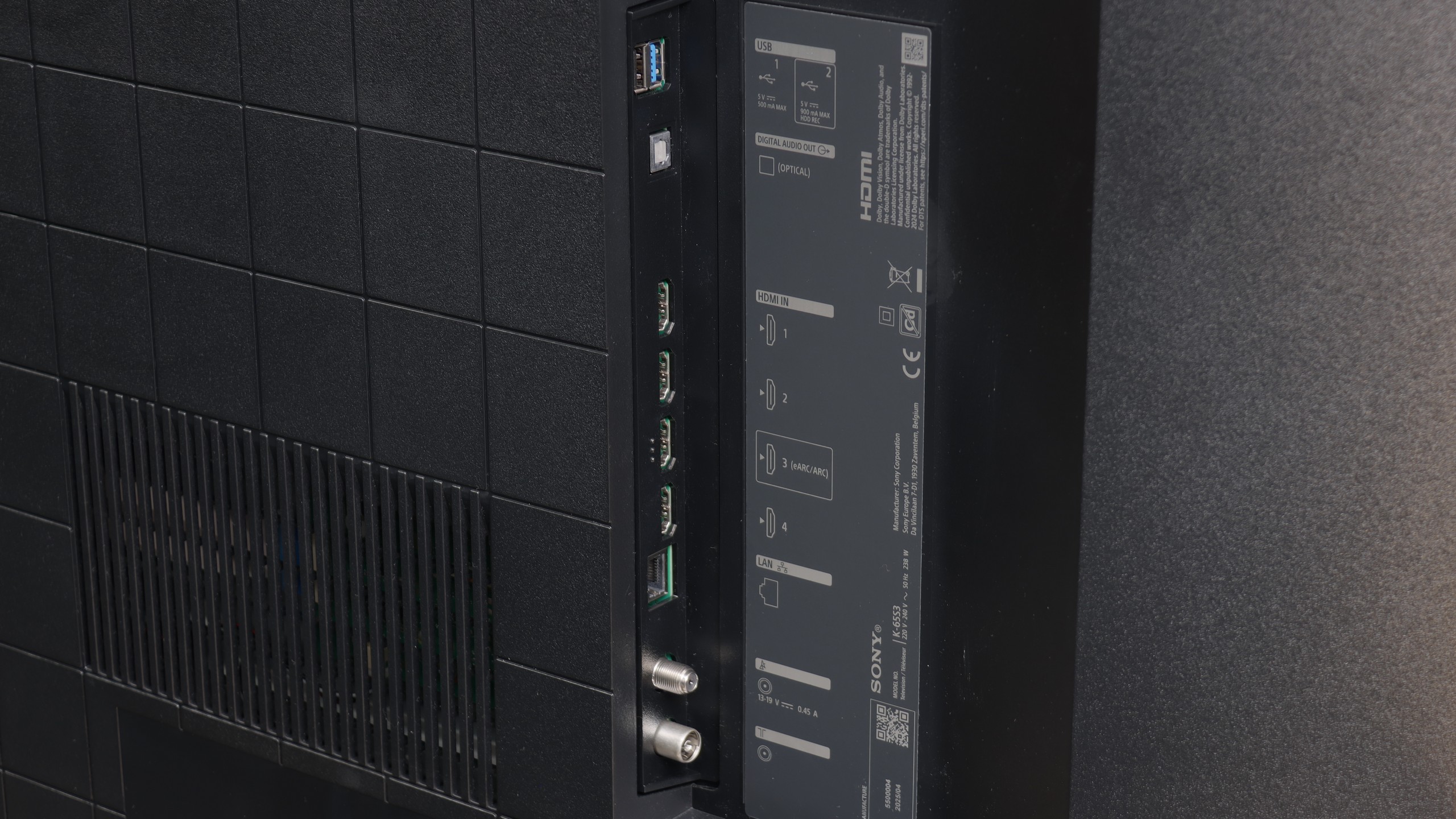
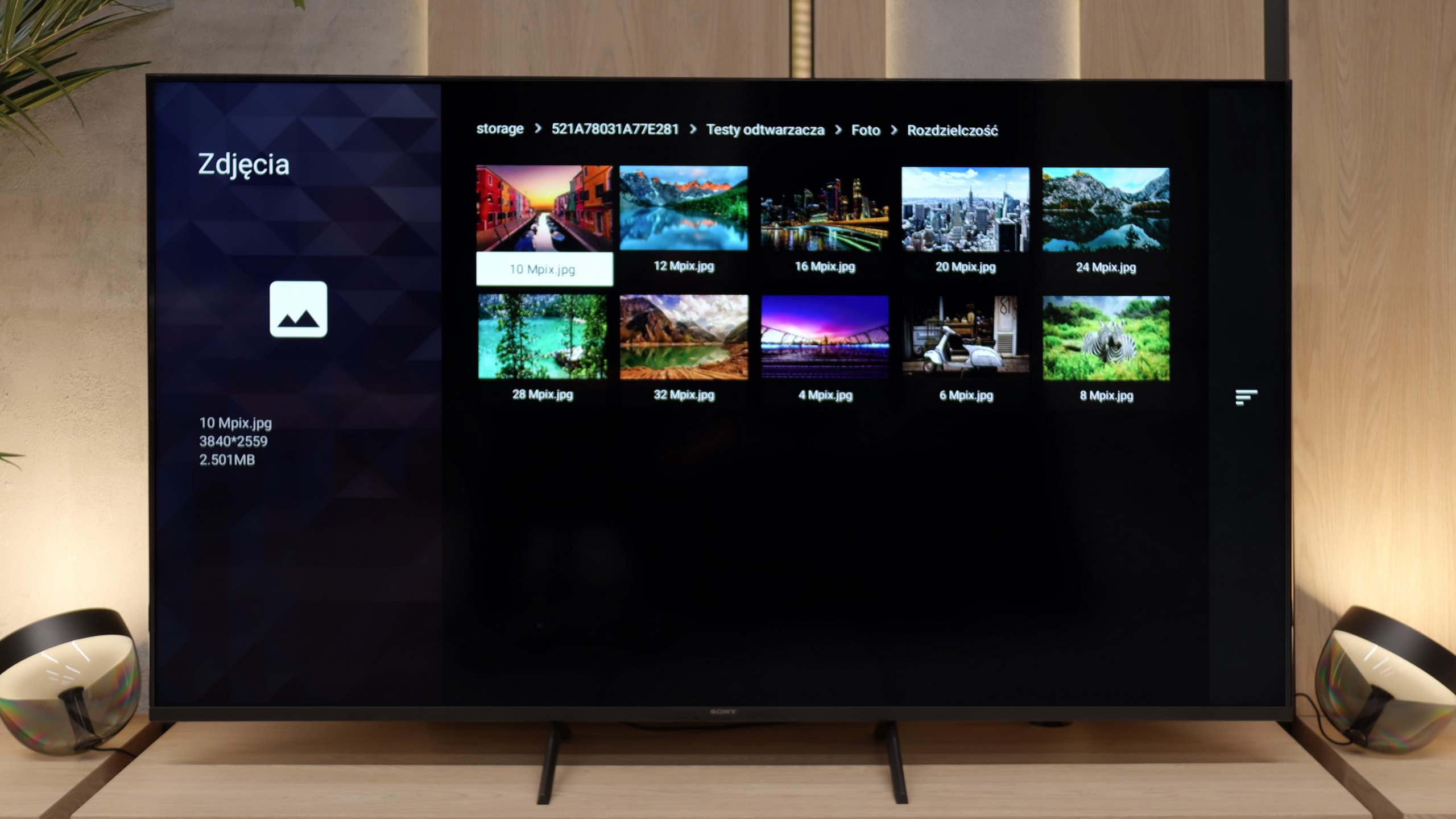
Sony Bravia 3 is a television that brings several important improvements over its predecessor, while still staying true to its core. The biggest change is the design – slim bezels and solid metal legs make it look modern and fit much better in a living room than the X75WL. Improved colors thanks to the PFS filter and really good upscaling are also a plus. It is in lower-quality content, especially in classic SDR, that the Bravia 3 can show its best side – colors look pleasant, the image is clean, and thanks to the IPS panel, the viewing angles are at a very good level. For a role as a "classic" television receiver, where viewing comfort from different places in the room and decent quality of everyday content matters, it is virtually perfect. A huge advantage is also the Google TV system. During our tests, there were instances where the interface did not always work as smoothly as we would have liked, and some functions could freeze. However, despite these imperfections, the presence of Google TV is a huge plus – access to thousands of applications and a full streaming library compensates for the minor shortcomings. Unfortunately, what was weak in the X75WL remains weak here too. The IPS panel has very low contrast and does not offer local dimming, making watching movies in a dark room quickly lose its appeal – the black resembles gray and effectively detracts from the enjoyment of viewing. Additionally, the option to record content to USB, which was available in the predecessor, has been removed. It’s hard not to notice this and not add it to the list of cons.
So who is the Bravia 3 for? Primarily for those who want to enter the world of Sony televisions in the most affordable variant and at the same time value the Google TV system. However, it is not the most attractive option in its class – the competition in this budget can offer models with Mini-LED backlighting, whose image performs significantly better in terms of contrast and HDR. Therefore, the Bravia 3 is worth keeping in mind, but mainly when there is a solid discount. At its regular price, it will be very difficult to stand out against its more competitive rivals.
 Direct comparison