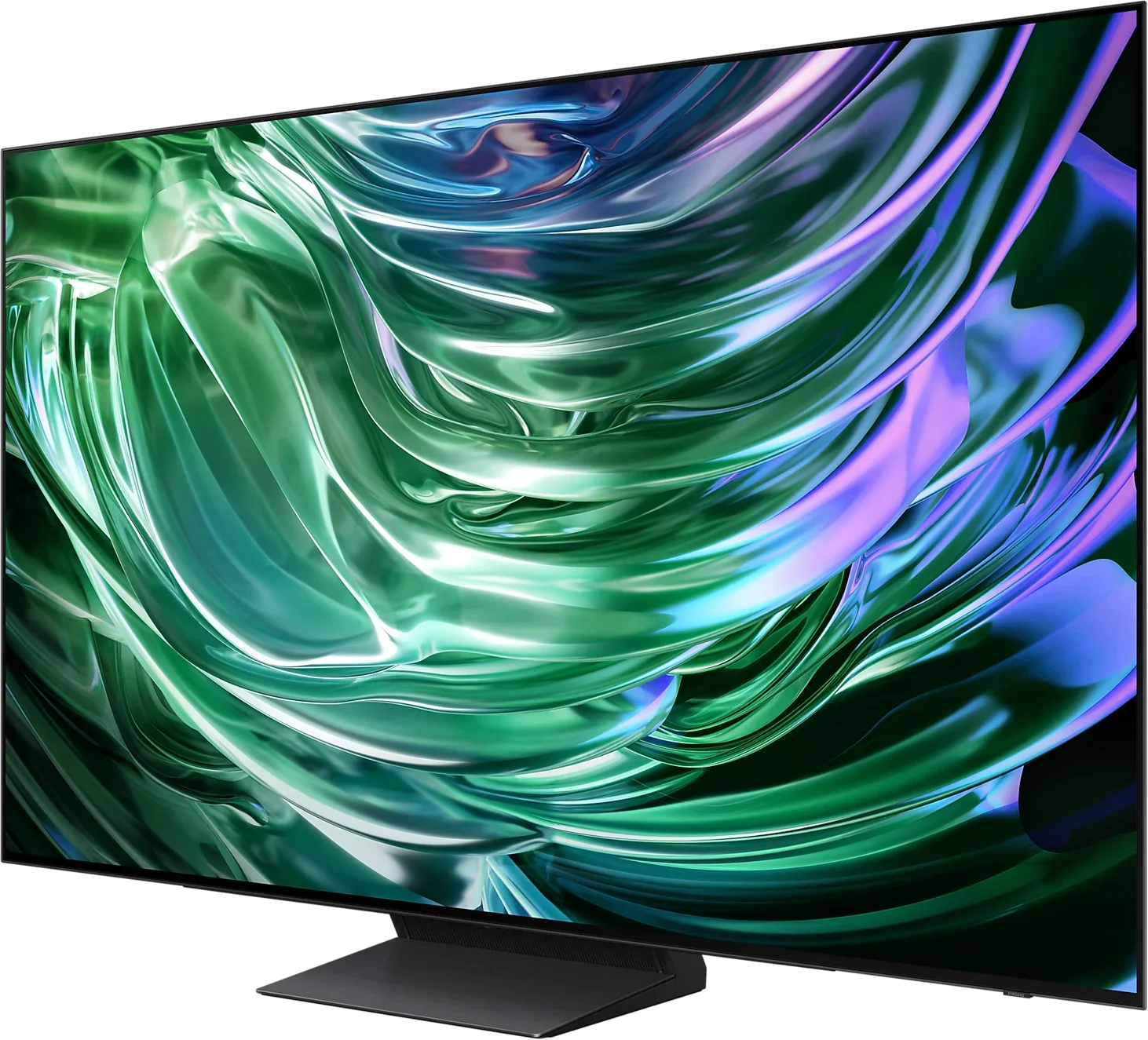
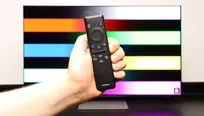
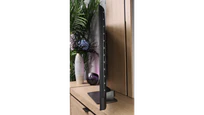
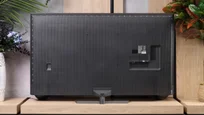
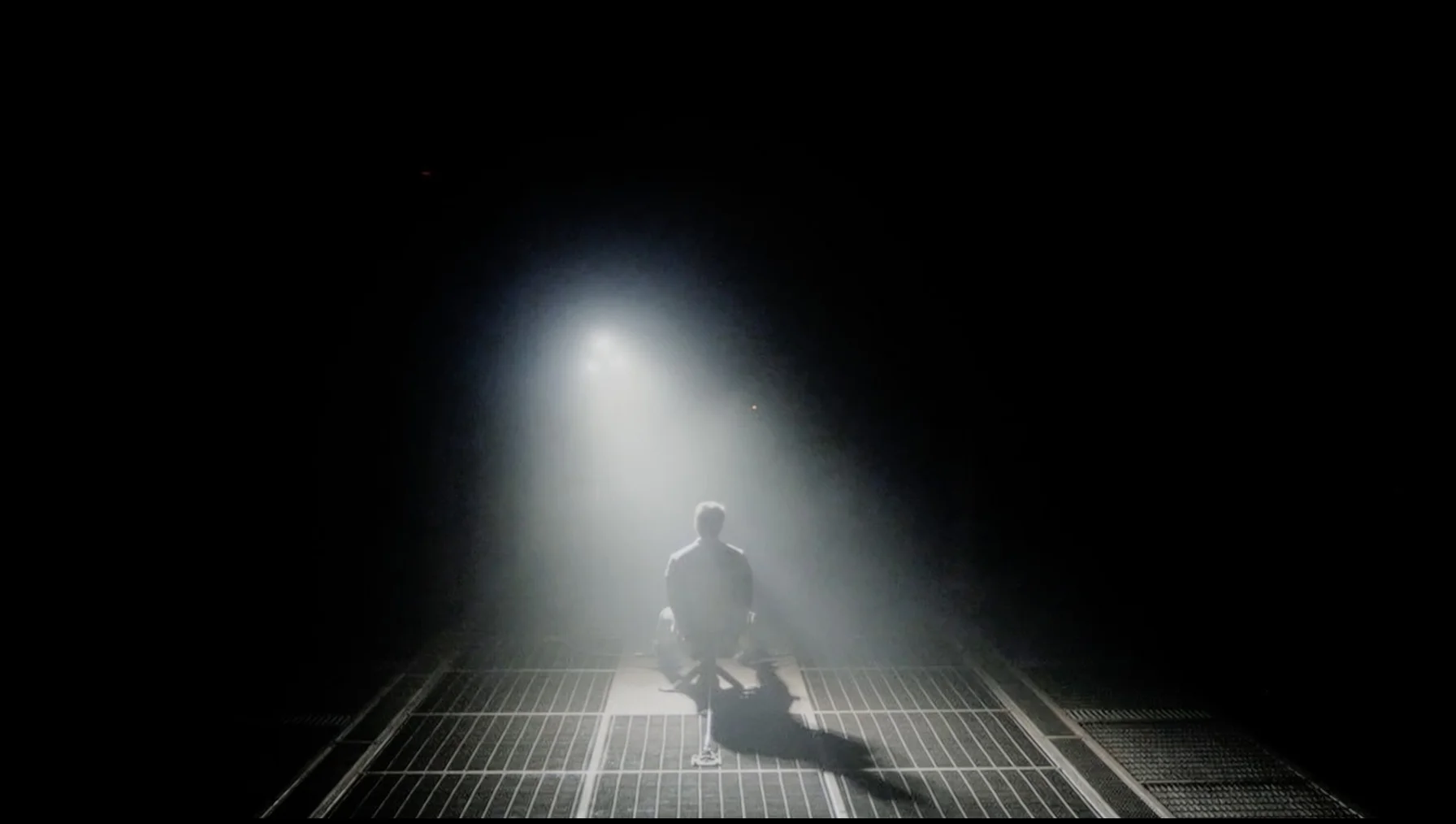
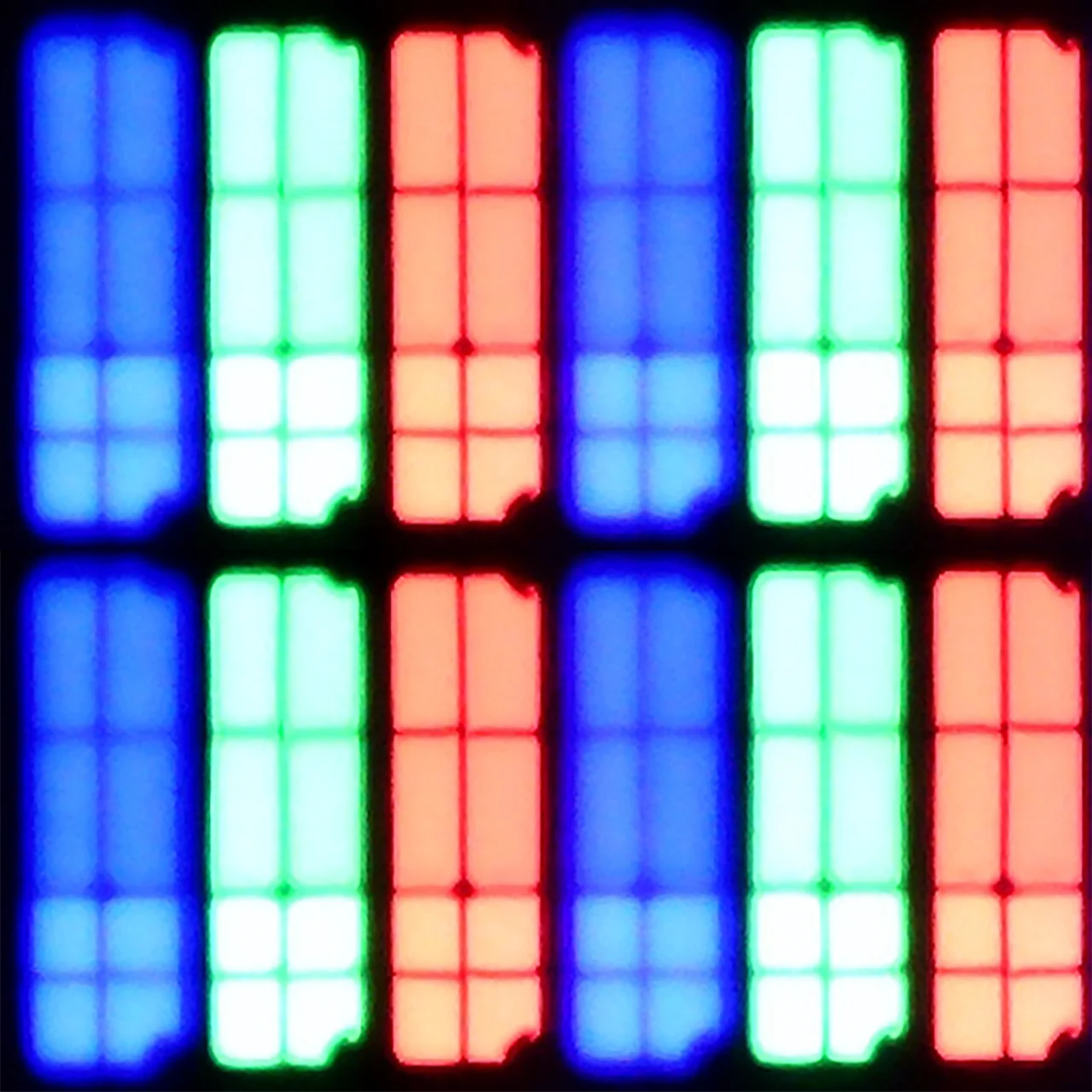
The Samsung S90D (or S94D) TV is a model that surprises in many ways, offering exceptional performance across various aspects. One key feature to note is that depending on the size of the television, it may differ in the OLED panel variants used. Regardless of the specific panel technology, the S90D guarantees perfect blacks, and its HDR light effects, aided by high brightness, truly impress, creating a cinematic experience in the comfort of your home. OLED technology provides deep blacks and vibrant colours, making every movie and series look stunning, with clear details even in dark scenes.
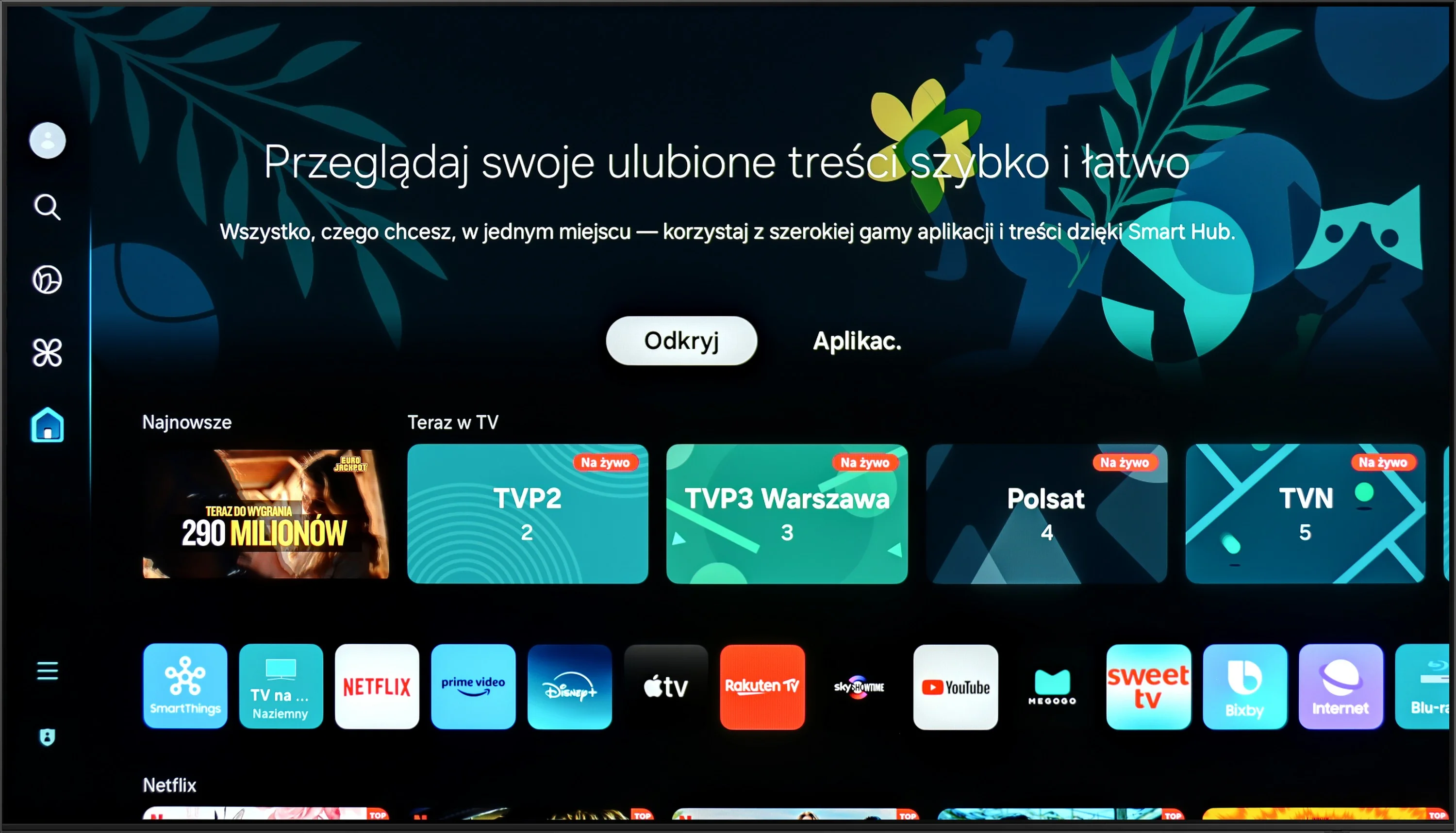
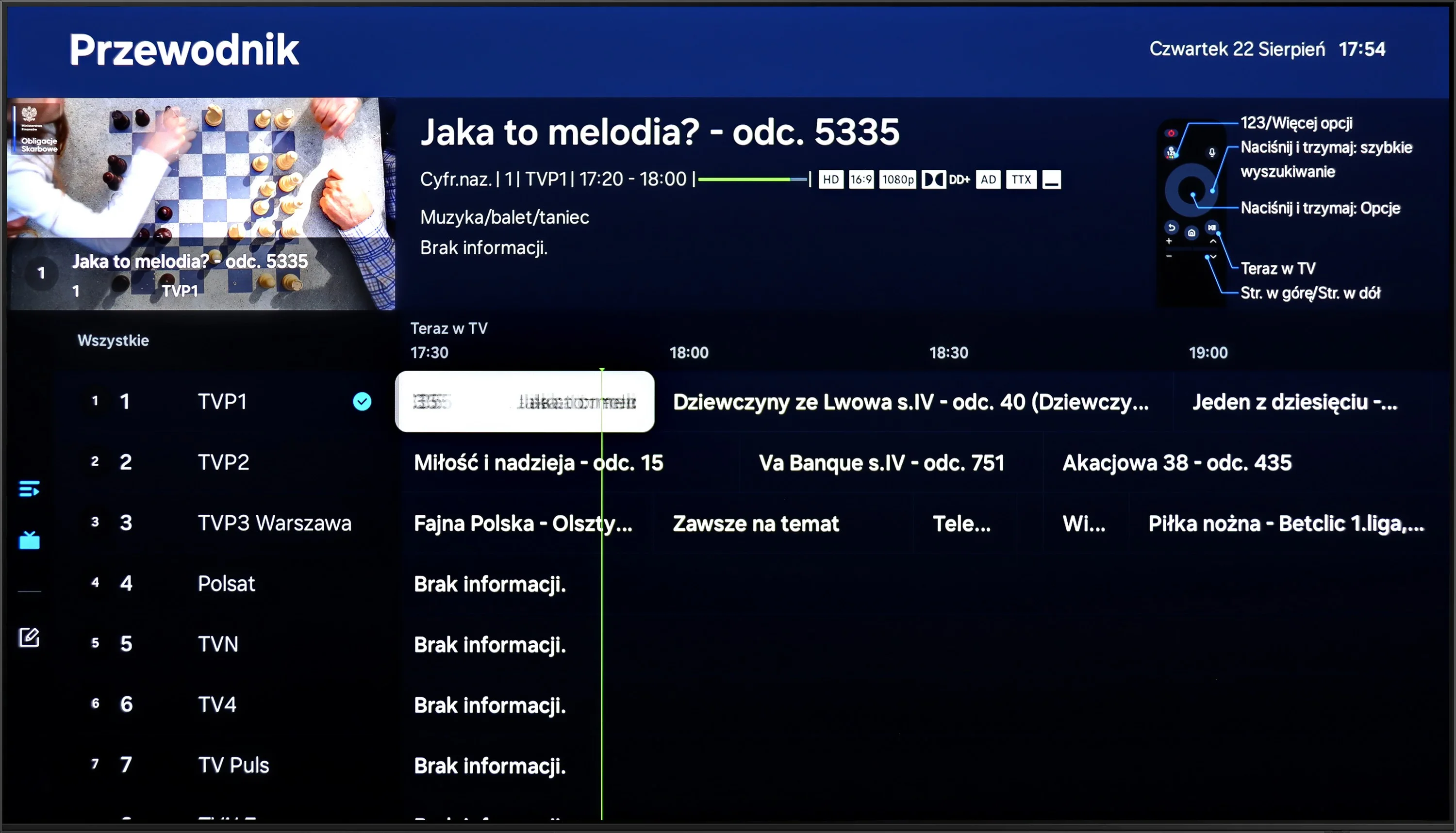
Although the factory colour settings might not be ideal, the television truly shines after calibration, becoming unbeatable in its price range for colour accuracy. This makes the S90D a fantastic option for film enthusiasts who appreciate high-quality picture performance. The TV is also an excellent choice for regular TV watching, offering wide viewing angles and an intuitive, feature-rich Tizen operating system, which makes navigating apps and accessing content effortless. With support for popular streaming services and AirPlay, users can enjoy multimedia of the highest quality.
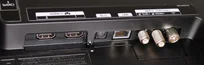
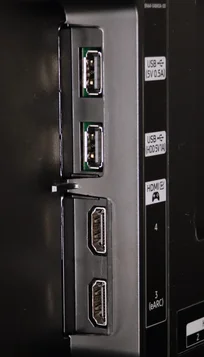
Regarding image smoothness, the S90D excels with its 120Hz panel, effectively eliminating motion blur and ensuring smooth rendering of fast-paced scenes. Watching sports on this television is a joy, with dynamic actions displayed clearly without interruptions. Additionally, the S90D is a great option for gamers, thanks to full support for HDMI 2.1 and low input lag, providing a responsive and fluid gaming experience.
Overall, the Samsung S90D combines excellent image quality, smooth performance, and a wealth of features, making it one of the best choices in the premium TV category.
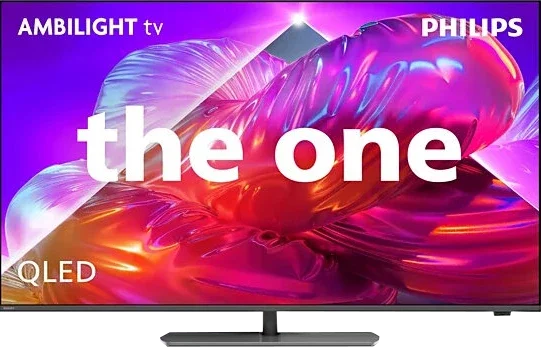
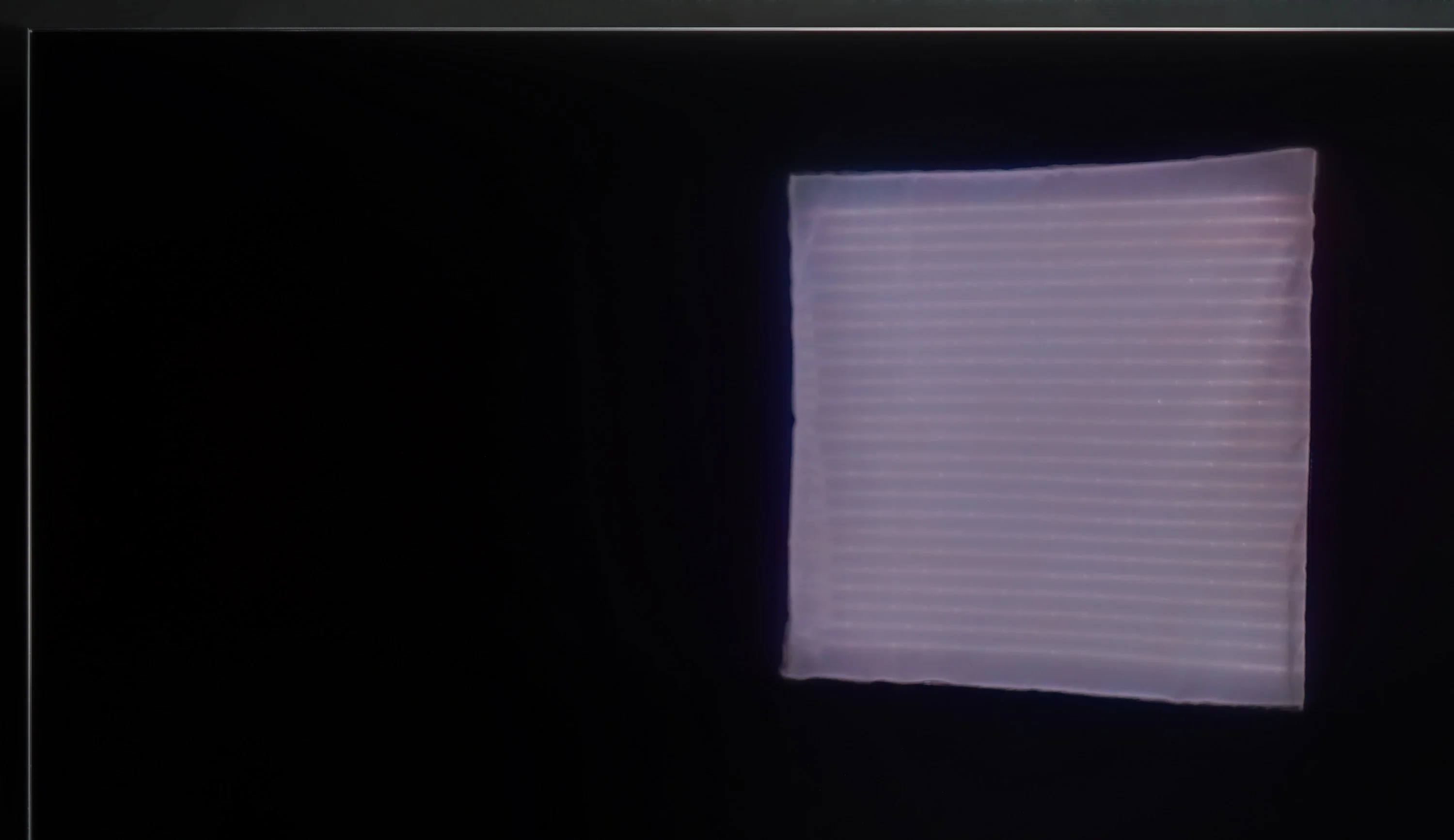
The idea behind The One series has remained practically unchanged for years, and with the Philips PQS9001 this is both an advantage and its biggest weakness. Once again, we get a versatile mid-range TV whose main distinguishing feature is Ambilight. The lighting that follows what is happening on the screen can completely change the atmosphere of an evening movie session, and for many people it will be the main reason to choose this TV. That is hardly surprising, because once you get used to the effect, it can be difficult to go back to watching without it. The picture quality itself is good, but we have already seen a very similar level from this series in previous years. The VA panel provides decent blacks, colours are nicely saturated, and the brightness is sufficient for comfortable viewing in a typical living room. It is a shame, however, that Philips did not take another step forward and introduce at least basic local dimming. In a dark room, blacks can look noticeably bluish, and HDR, while clearly visible, does not make as strong an impression as it could. After so many years of The One being on the market, we would have expected a little more progress here.
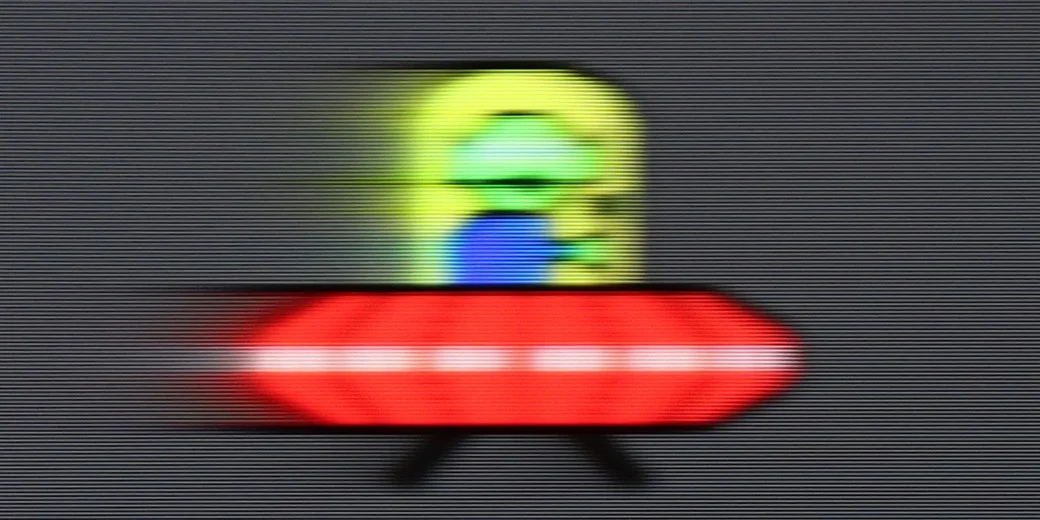
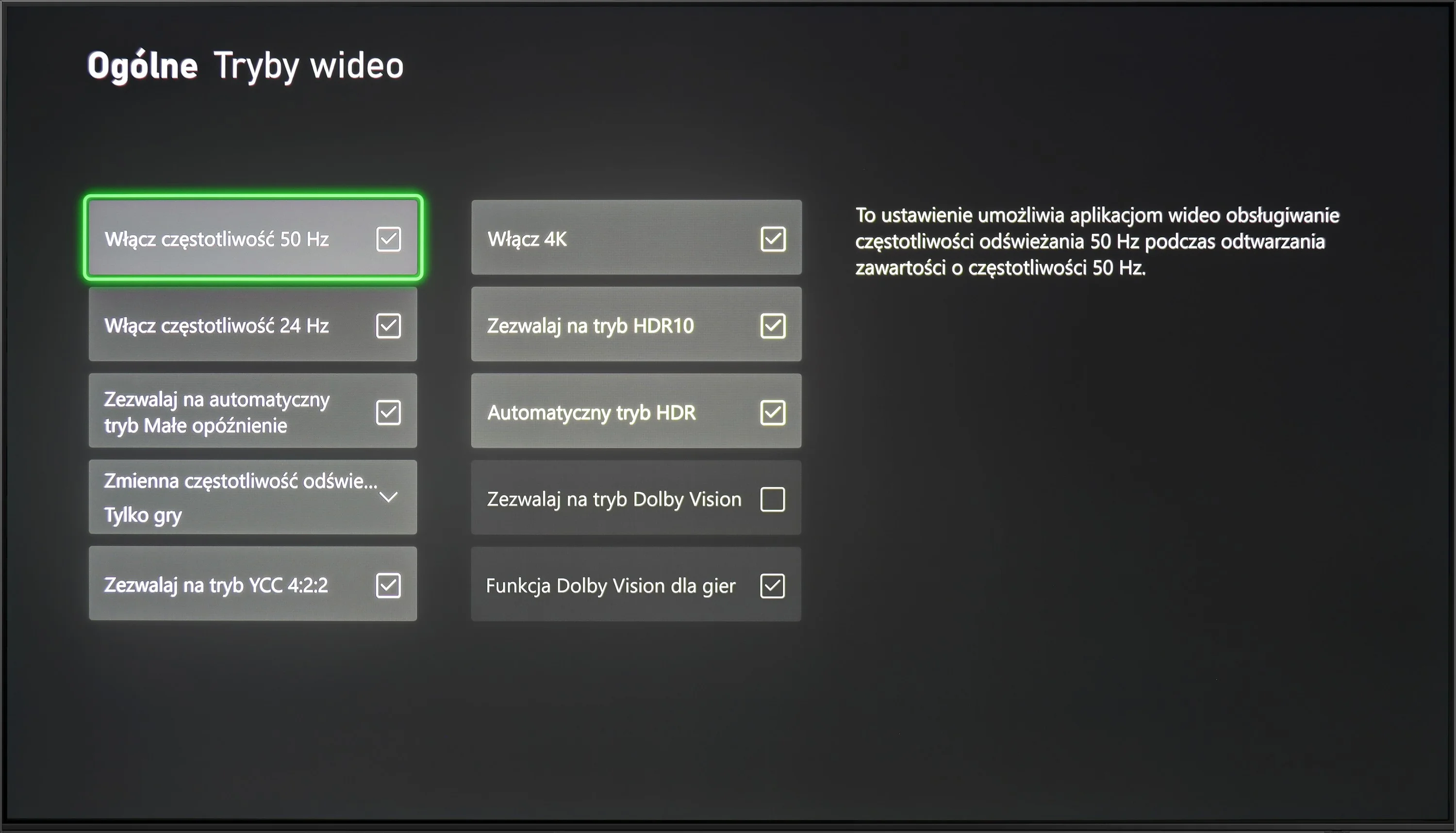
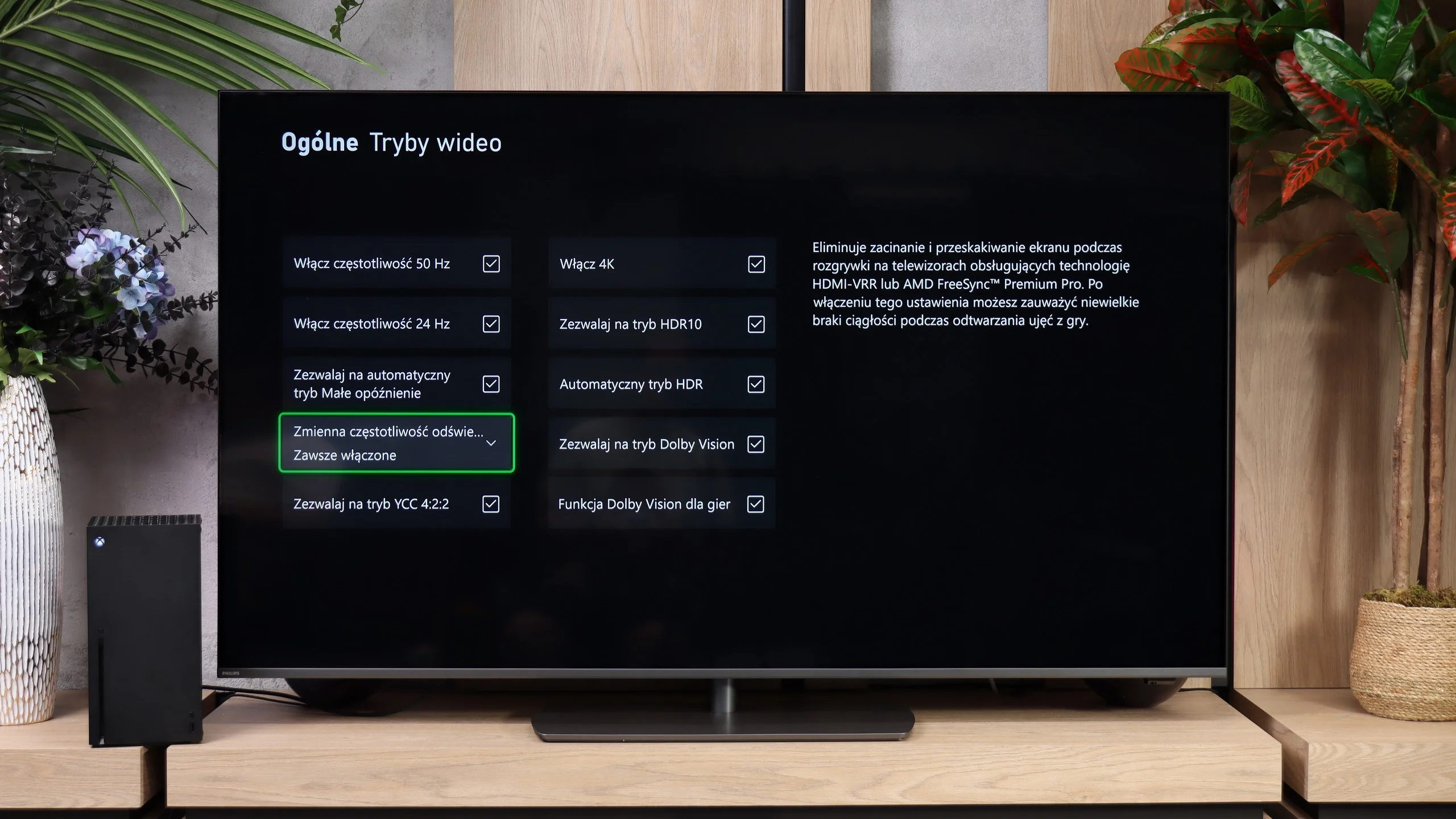
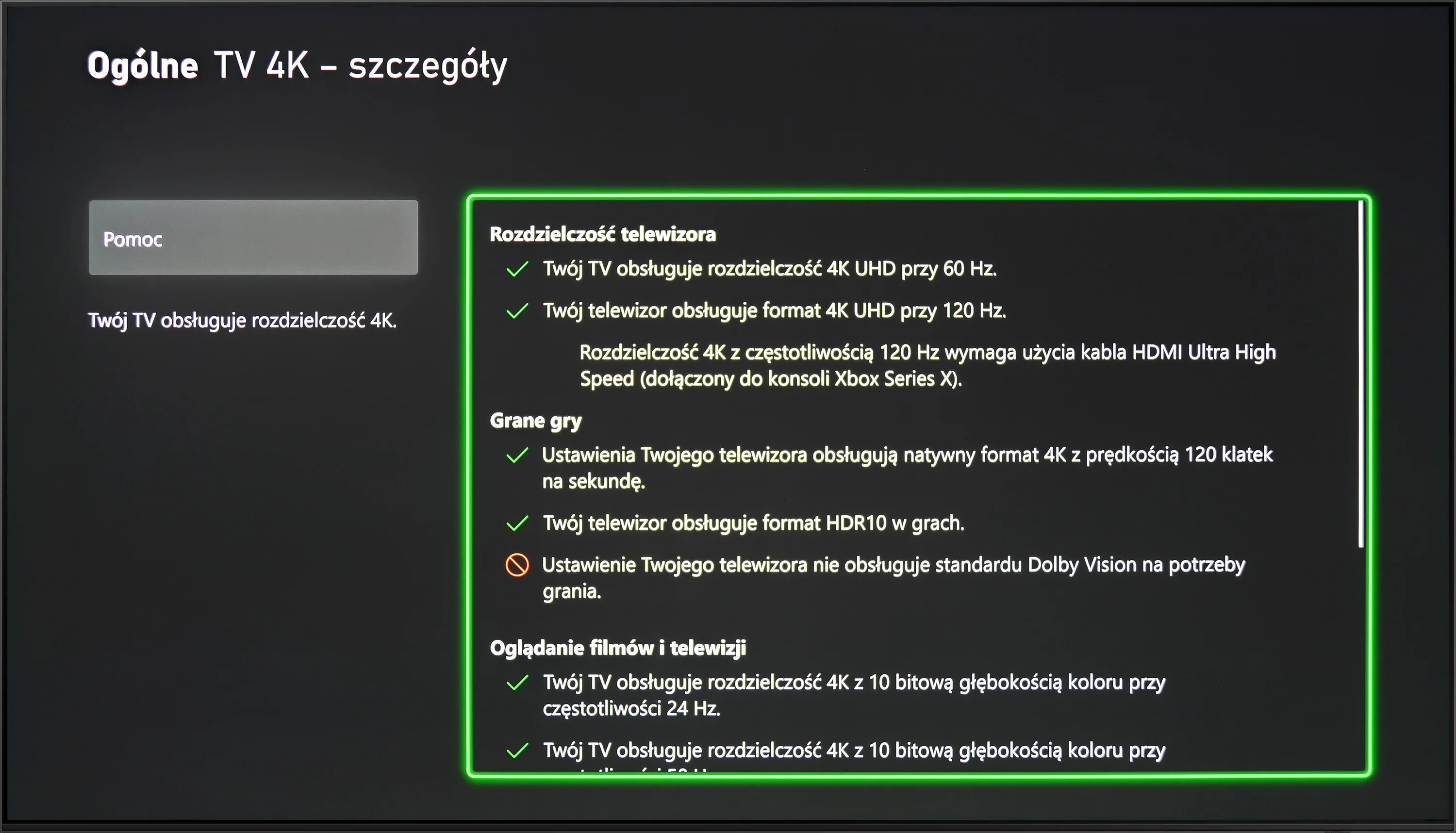
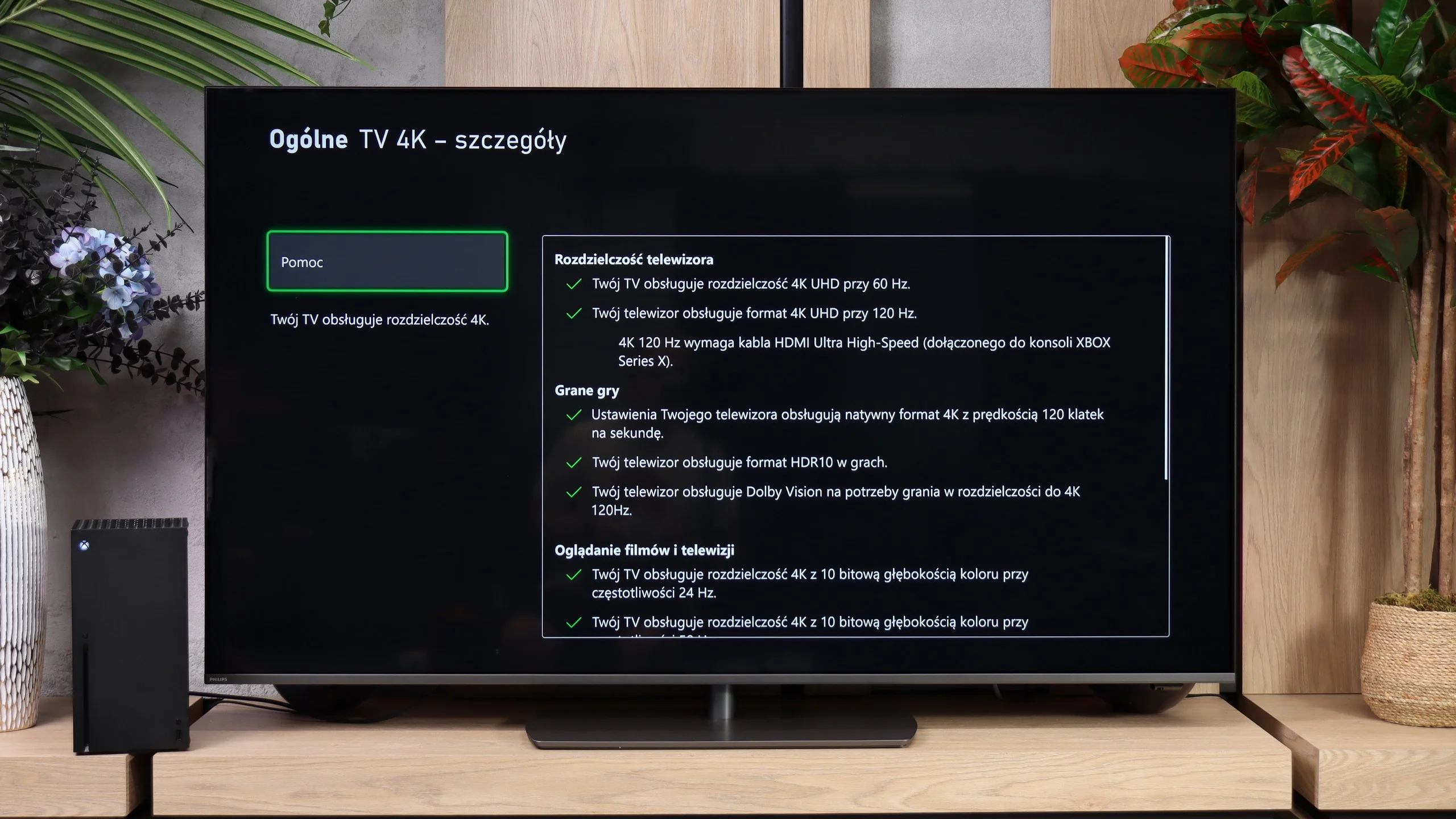
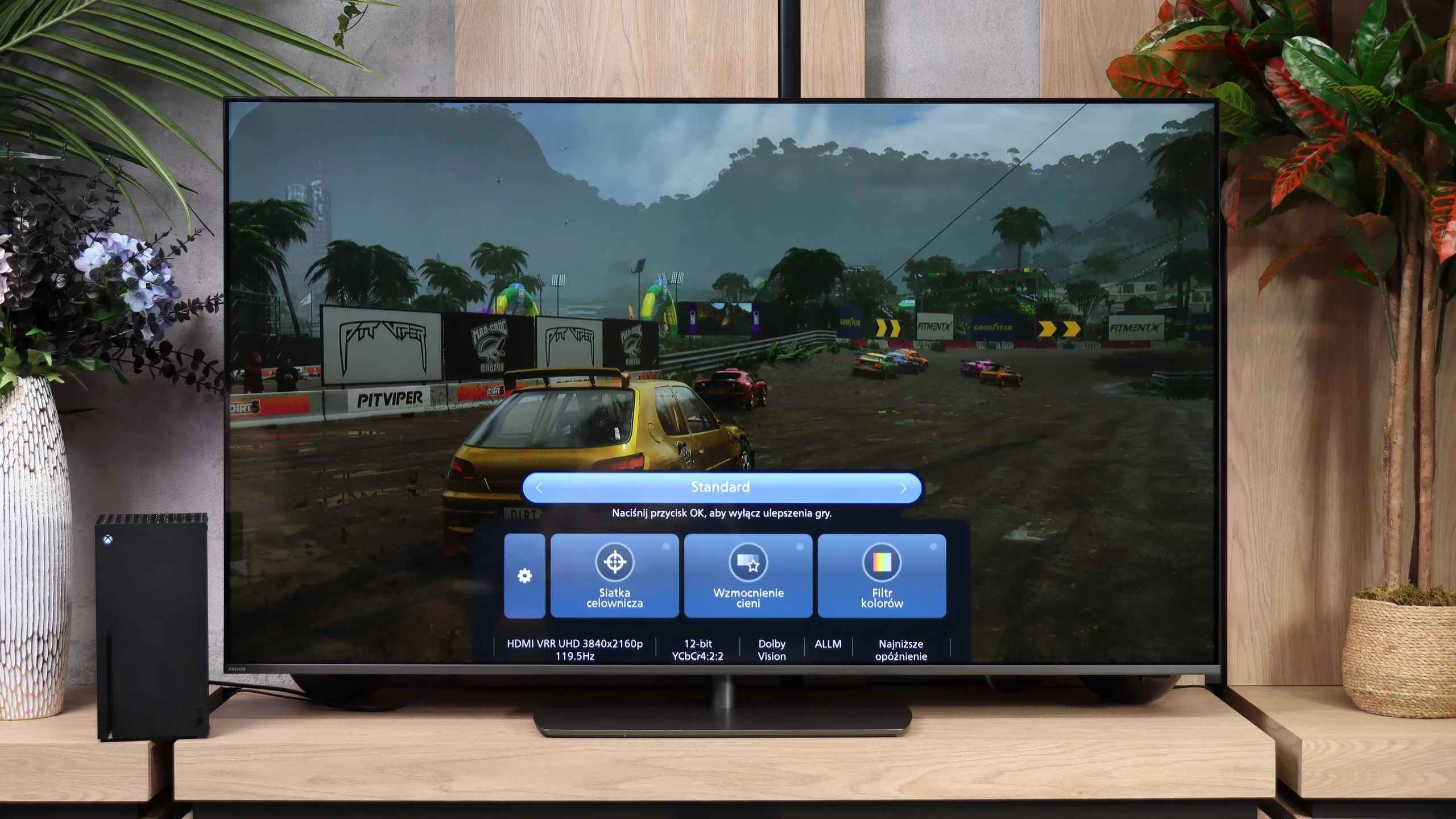
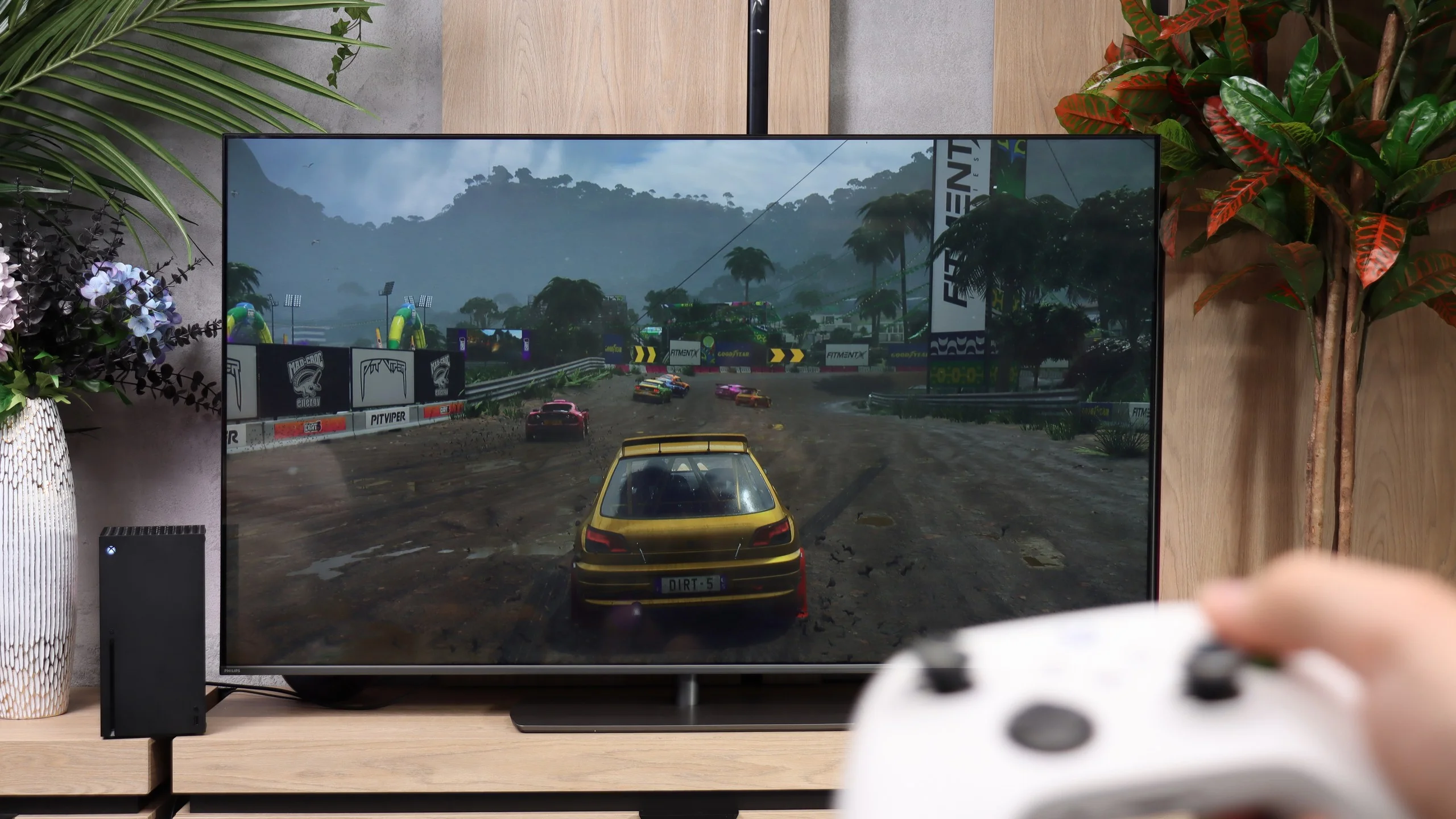
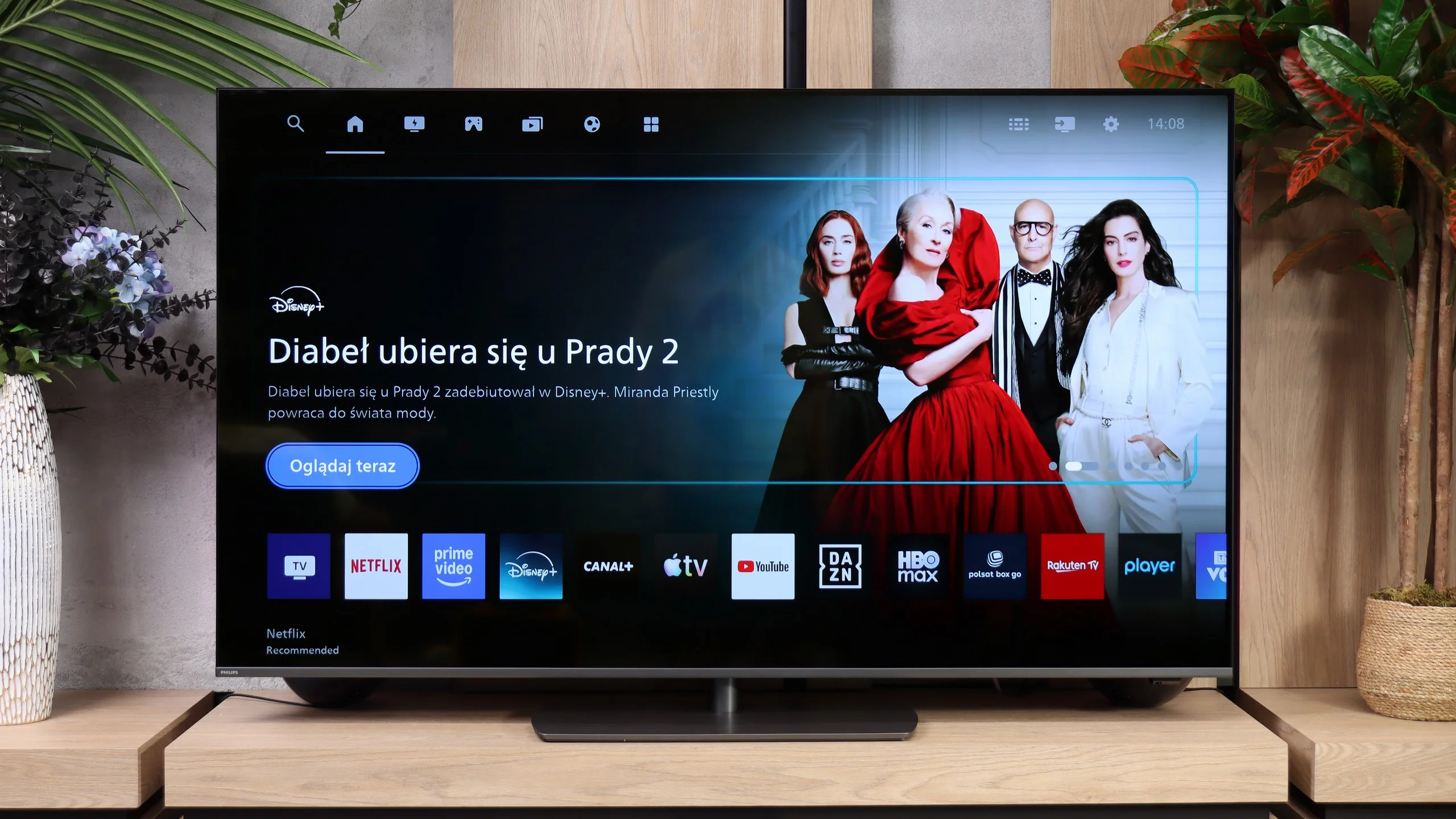
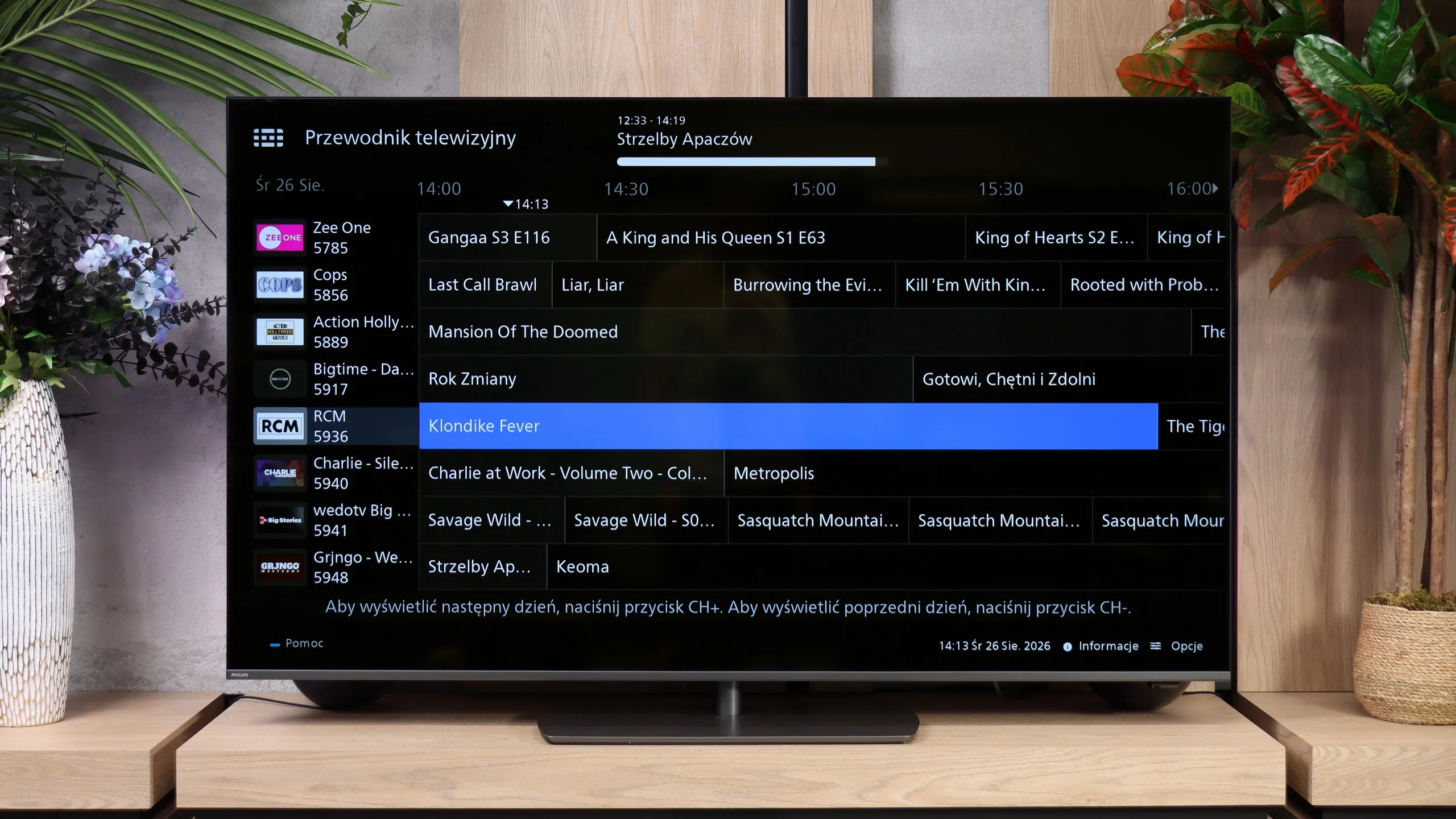
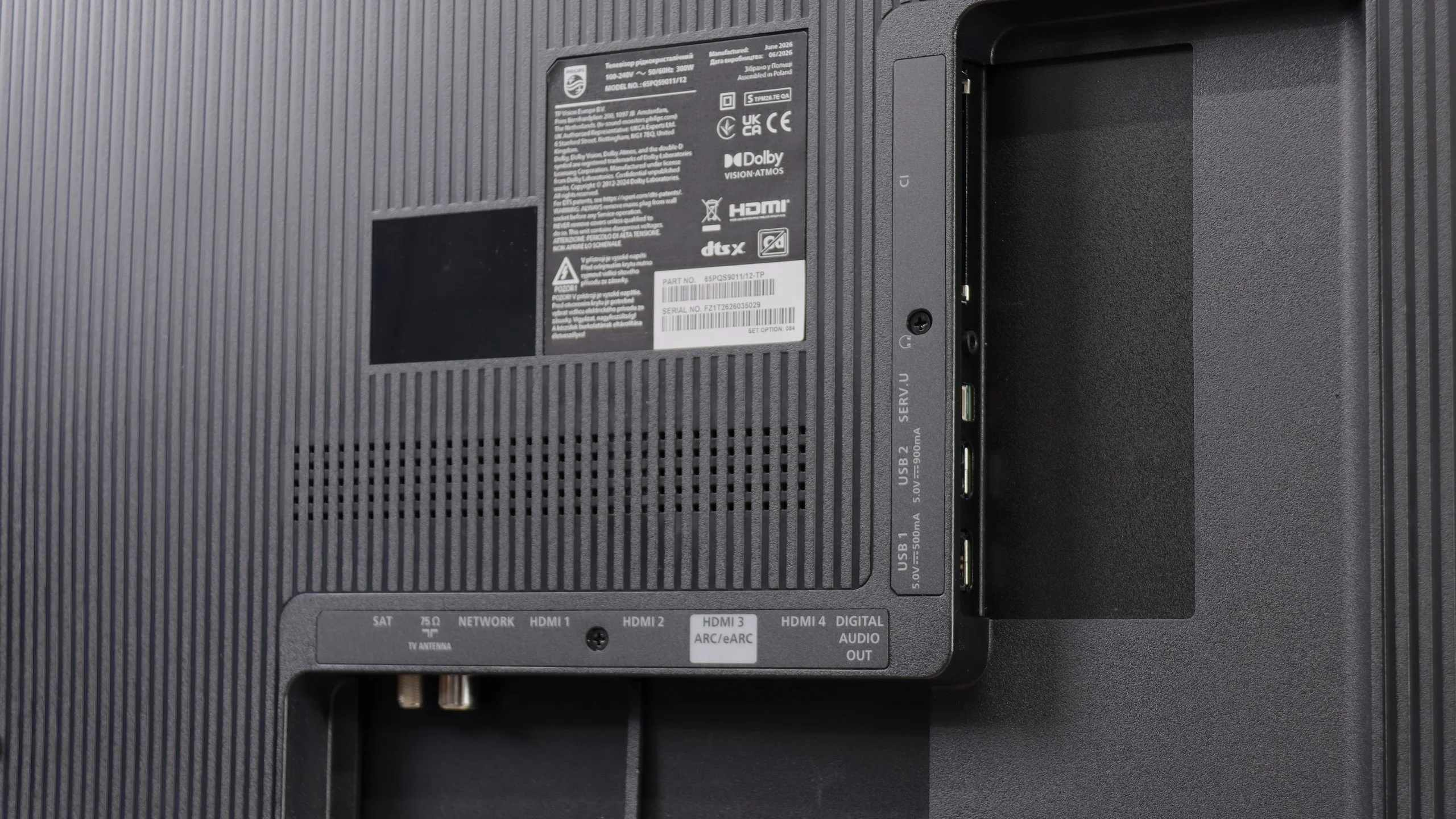
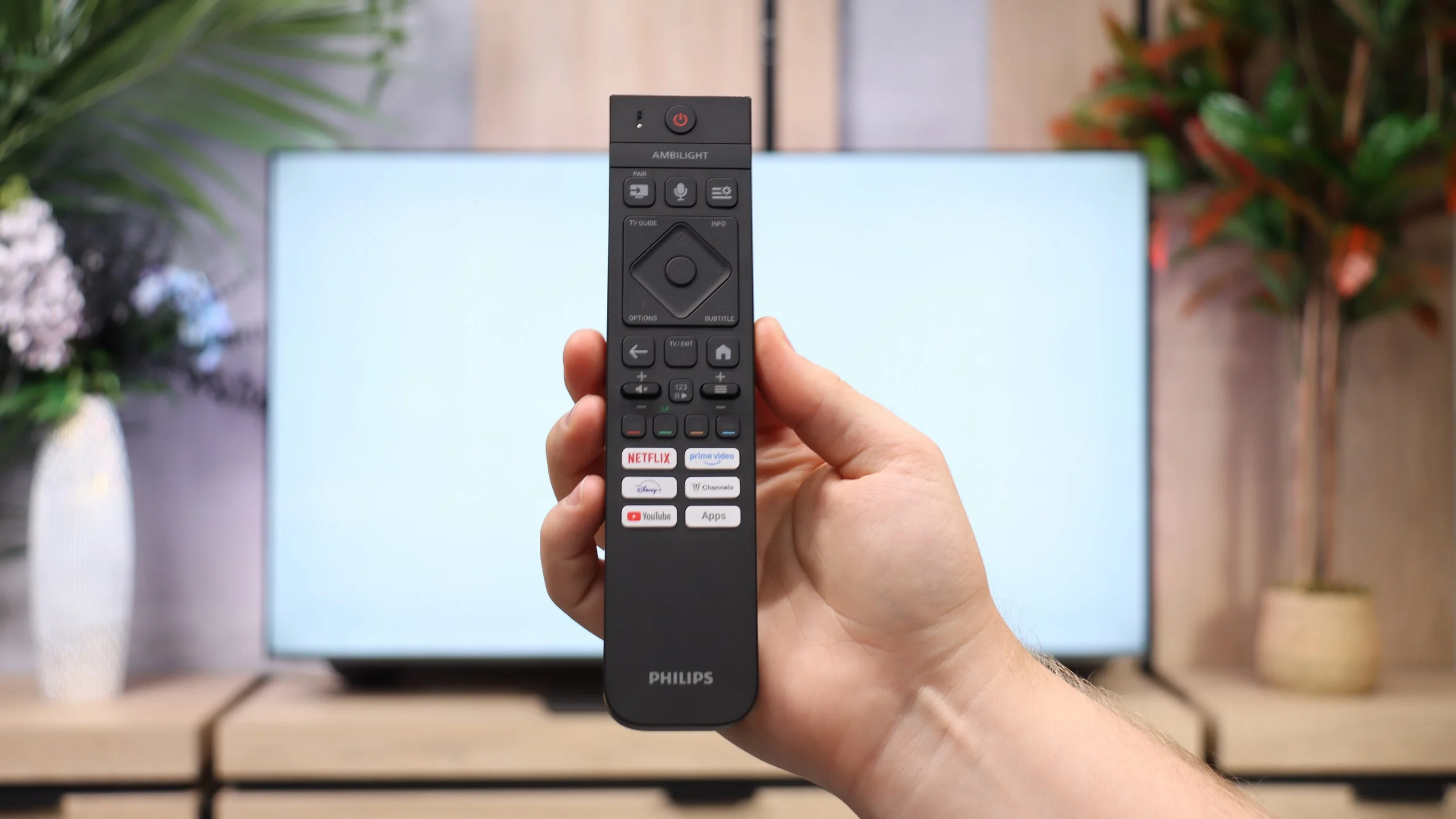
There has, however, been a noticeable improvement in Titan OS. Compared with last year, and especially with the version from two years ago, the system has become much more pleasant to use. There are more apps, many smaller functions have been improved, and a number of irritating bugs we previously complained about have been fixed. Overall, it works reasonably well, although we are once again frustrated by the remote control, which still requires you to point it directly at the TV. Philips continues to rely on infrared for regular navigation, even though voice control uses a wireless connection. That makes it even harder to understand why the same connection was not used for navigating the menus. The One also has quite a lot to offer gamers. Four HDMI 2.1 ports and a broad set of gaming features are one thing, but what impressed us most was the panel’s response time. Our unit showed practically no visible smearing, even on dark backgrounds, which is quite rare for an LCD TV with a VA panel. Philips deserves a lot of credit for that. The ability to play at 4K 144 Hz or Full HD 240 Hz also makes the TV an interesting option for PC users. Unfortunately, there is still one unfinished element: using Dolby Vision in games on Xbox results in very high input lag.
The PQS9000 therefore leaves us with mixed feelings. It can surprise with excellent motion handling and shows that Philips has clearly worked on its operating system, but we do not see a similar step forward in picture quality. This is a TV we can recommend primarily to fans of Ambilight. If that lighting system is the main reason you are considering a Philips, then buying The One makes a lot of sense. It is still worth checking, however, whether you can find a Mini LED model with good local dimming at a similar price. Such a TV may offer deeper blacks and more impressive HDR performance. In the end, the choice comes down to what matters more to you: the atmosphere created by Ambilight or better picture quality itself.
 Direct comparison