The Samsung S90D (or S94D) TV is a model that surprises in many ways, offering exceptional performance across various aspects. One key feature to note is that depending on the size of the television, it may differ in the OLED panel variants used. Regardless of the specific panel technology, the S90D guarantees perfect blacks, and its HDR light effects, aided by high brightness, truly impress, creating a cinematic experience in the comfort of your home. OLED technology provides deep blacks and vibrant colours, making every movie and series look stunning, with clear details even in dark scenes.
Although the factory colour settings might not be ideal, the television truly shines after calibration, becoming unbeatable in its price range for colour accuracy. This makes the S90D a fantastic option for film enthusiasts who appreciate high-quality picture performance. The TV is also an excellent choice for regular TV watching, offering wide viewing angles and an intuitive, feature-rich Tizen operating system, which makes navigating apps and accessing content effortless. With support for popular streaming services and AirPlay, users can enjoy multimedia of the highest quality.
Regarding image smoothness, the S90D excels with its 120Hz panel, effectively eliminating motion blur and ensuring smooth rendering of fast-paced scenes. Watching sports on this television is a joy, with dynamic actions displayed clearly without interruptions. Additionally, the S90D is a great option for gamers, thanks to full support for HDMI 2.1 and low input lag, providing a responsive and fluid gaming experience.
Overall, the Samsung S90D combines excellent image quality, smooth performance, and a wealth of features, making it one of the best choices in the premium TV category.
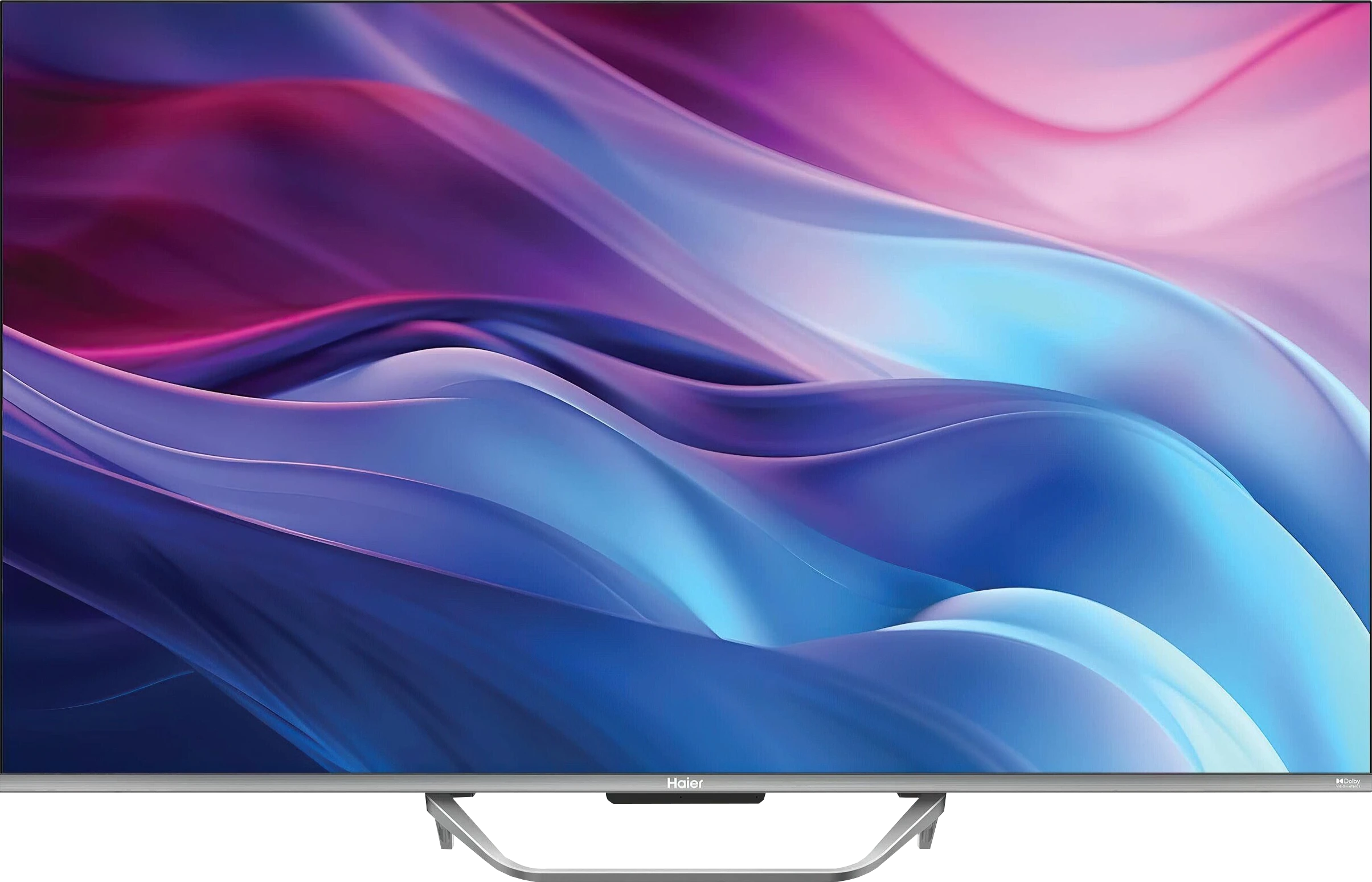
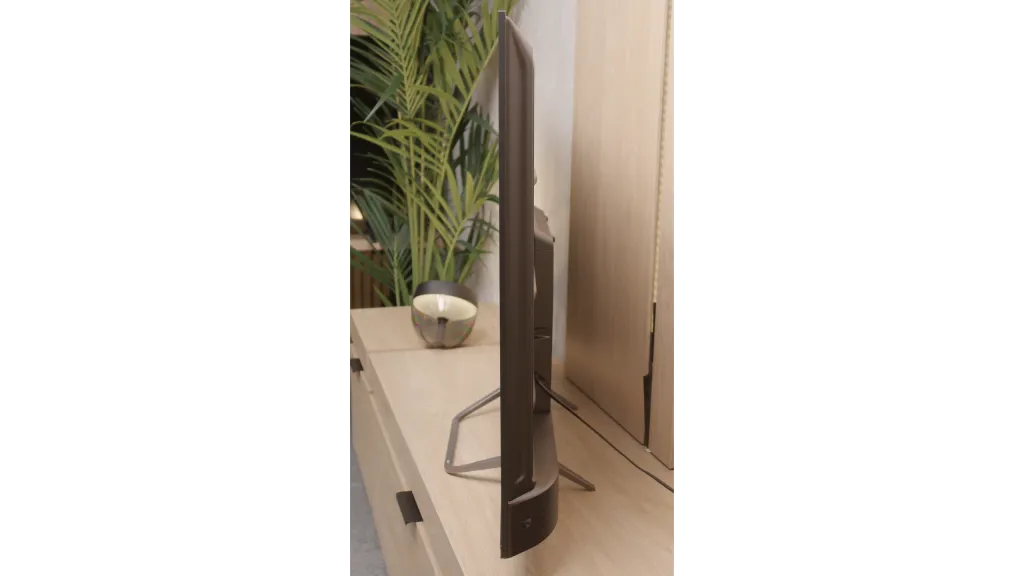
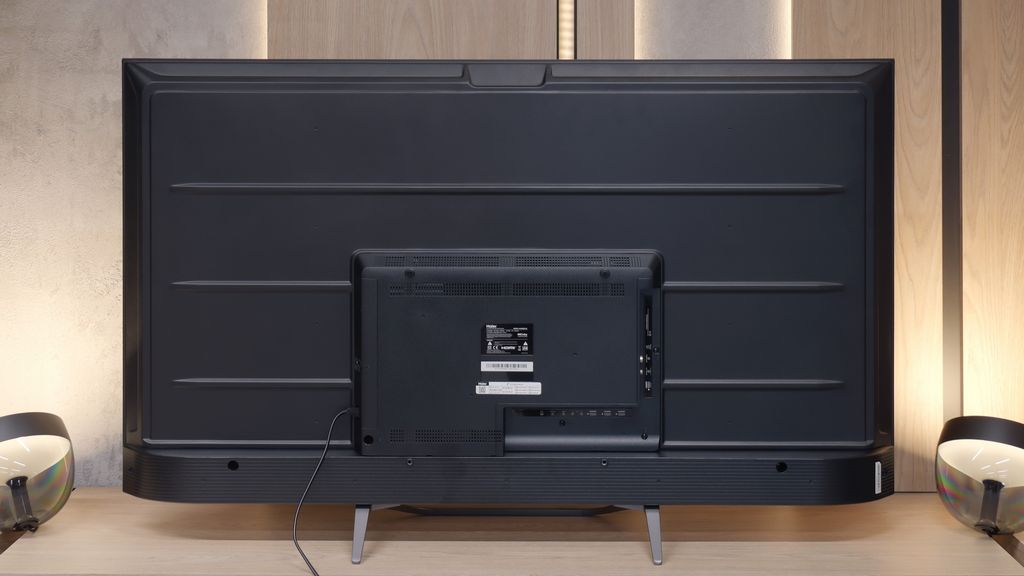
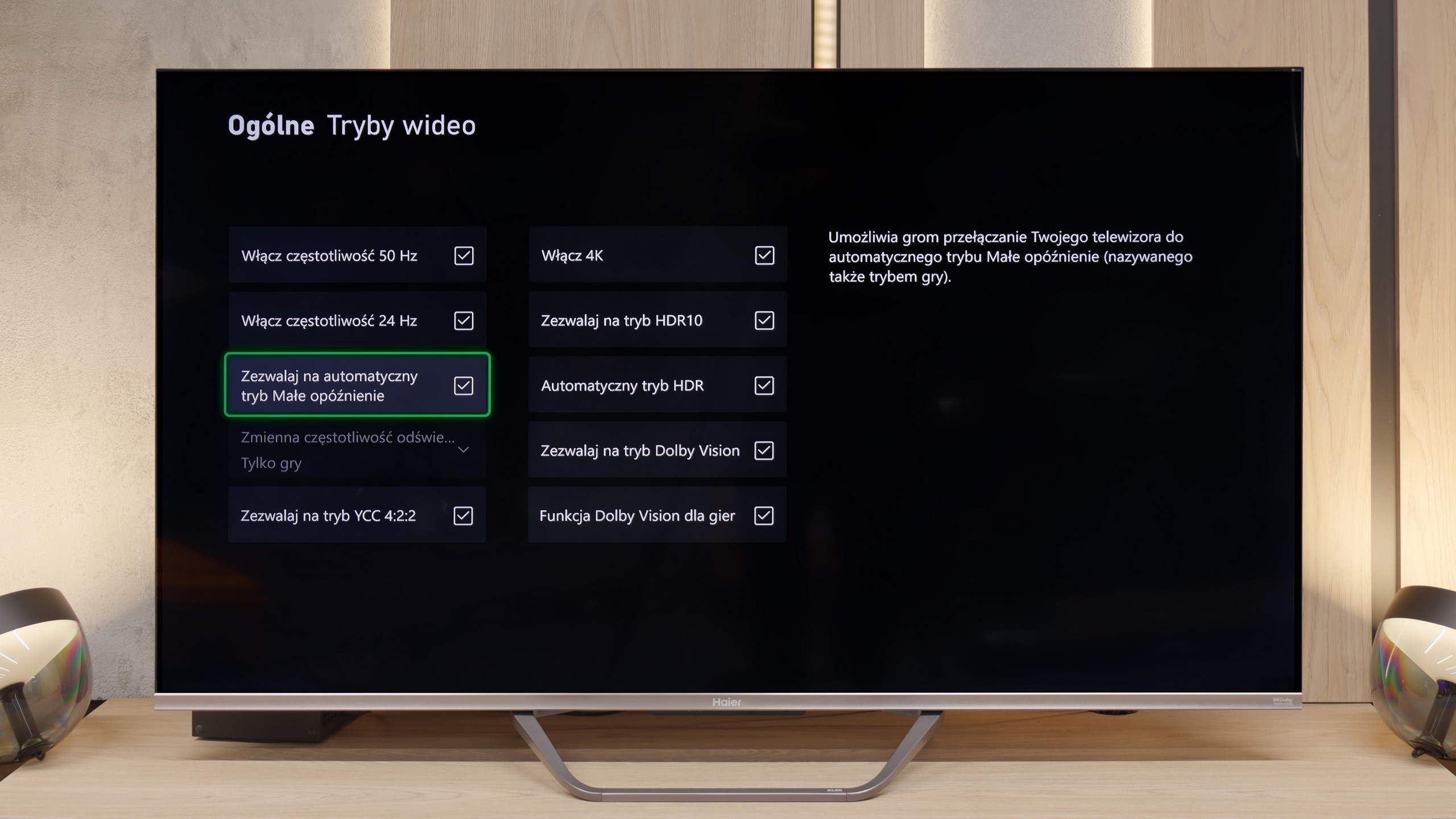
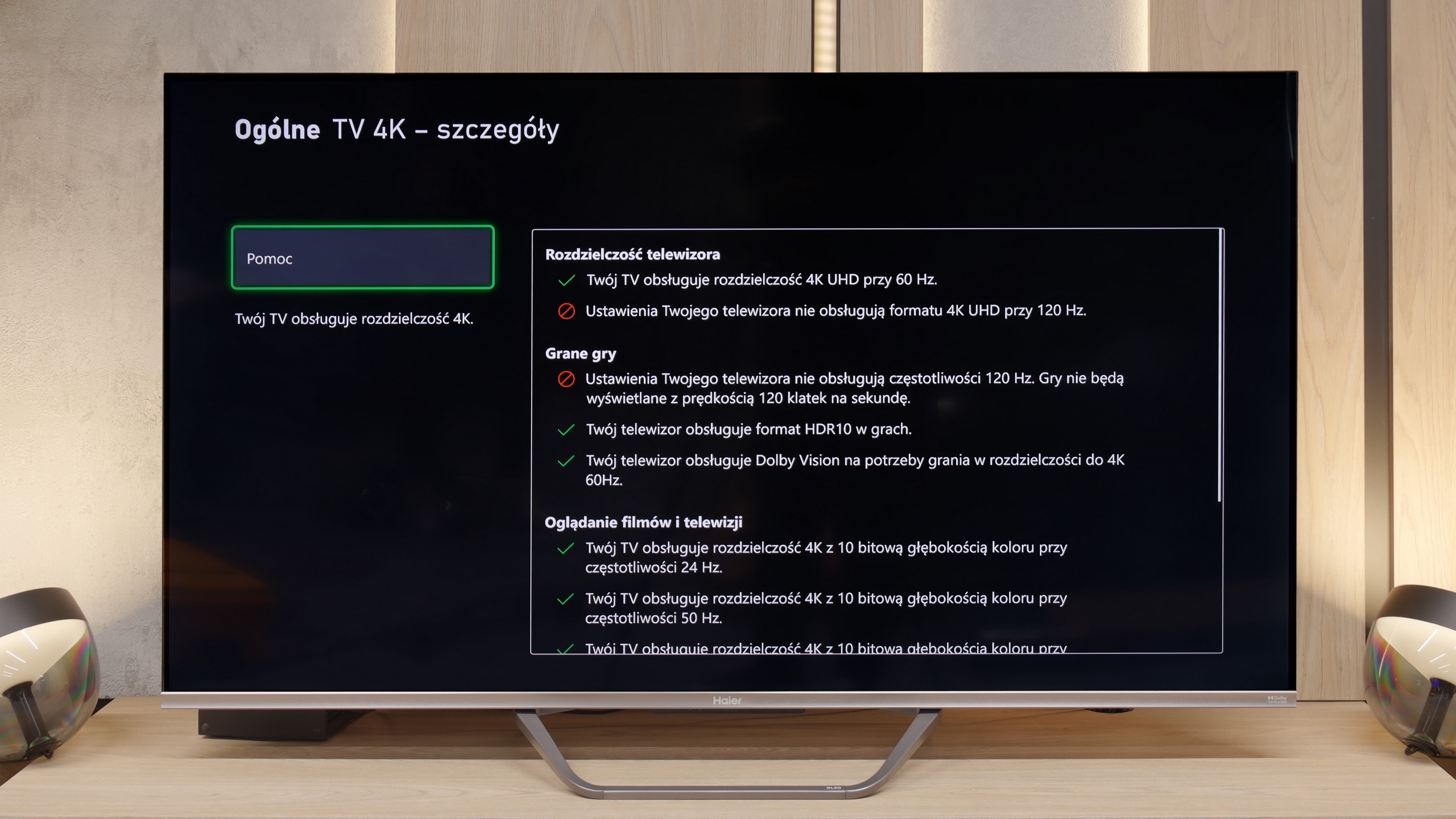
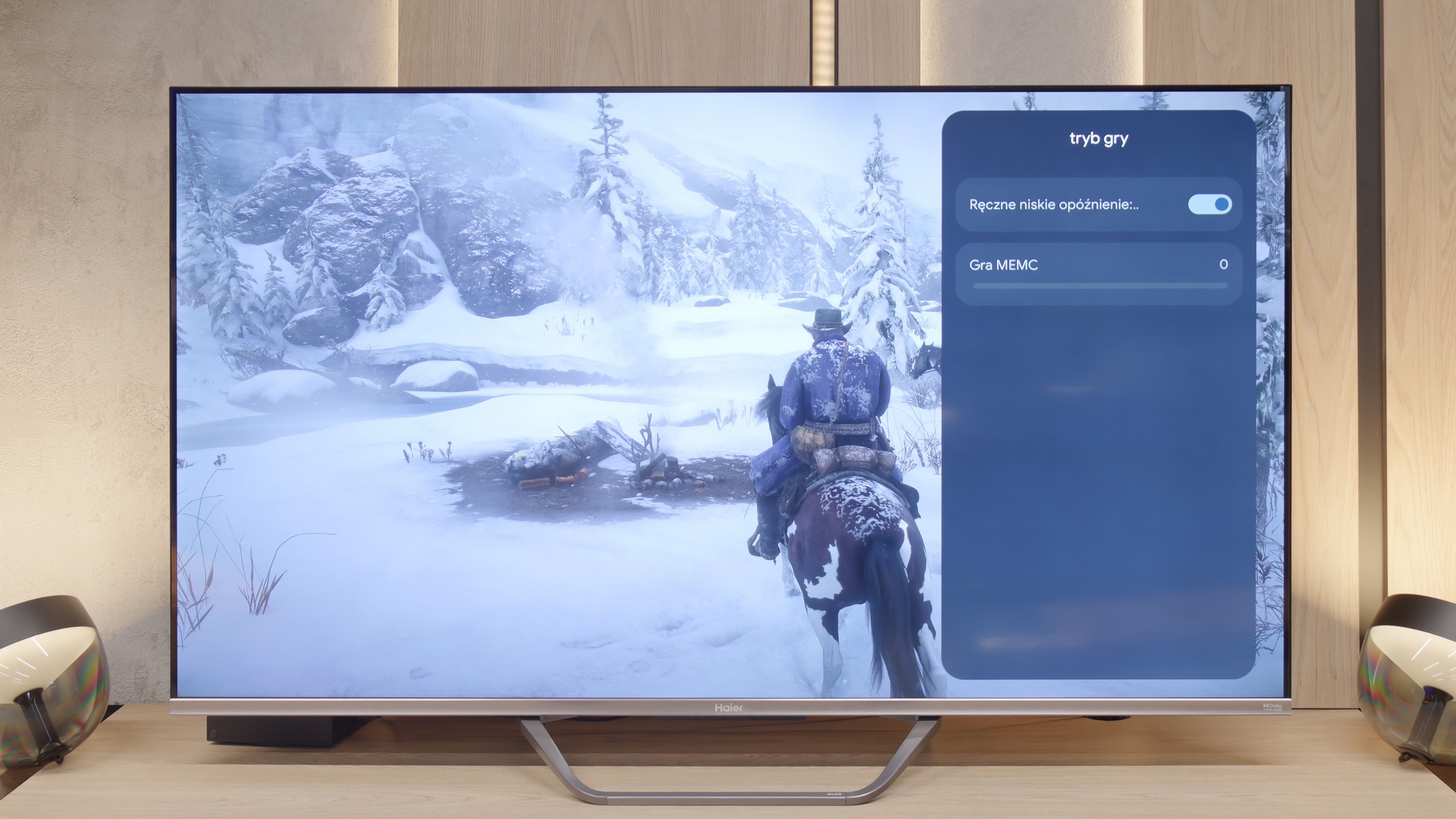
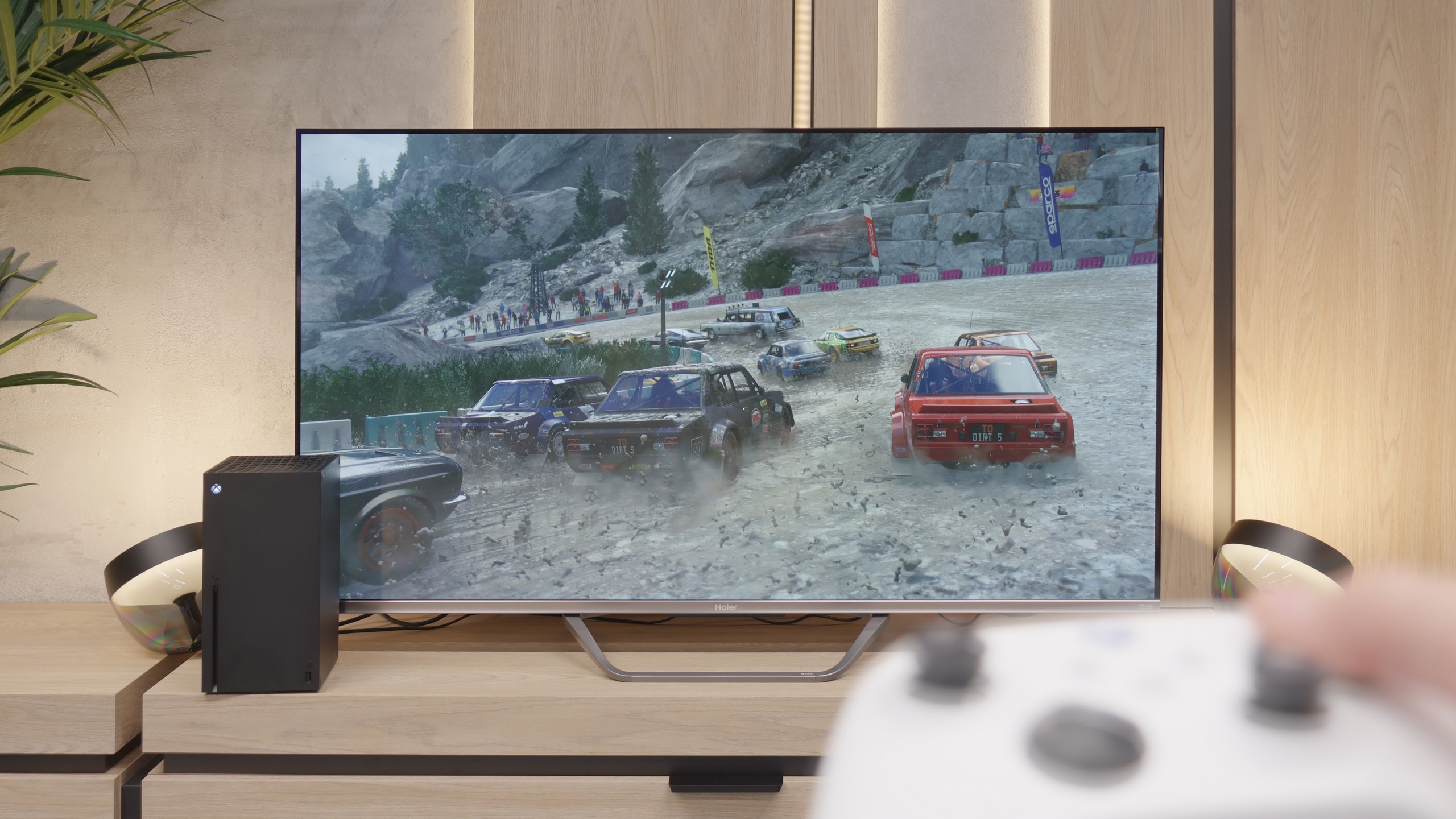
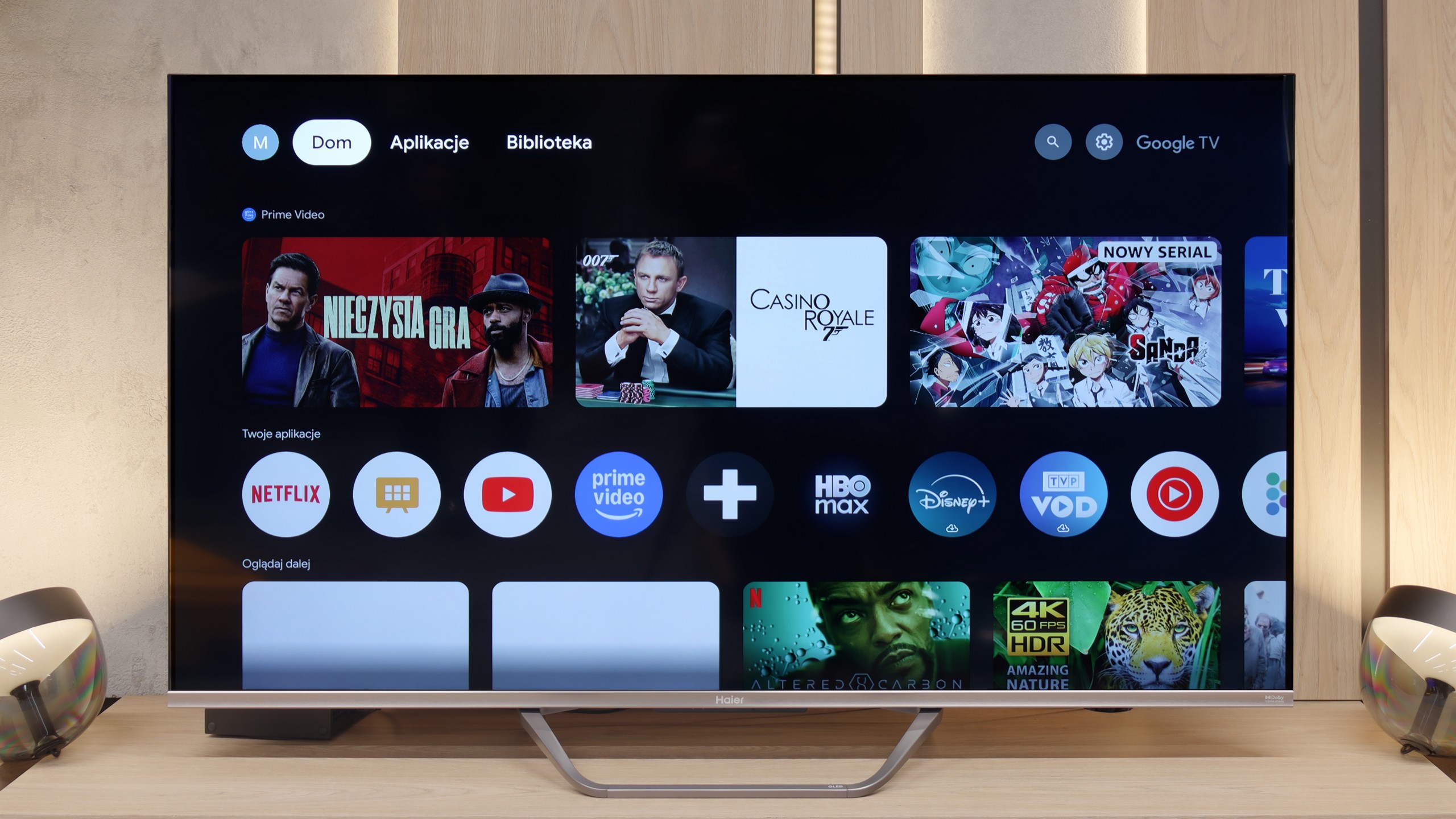
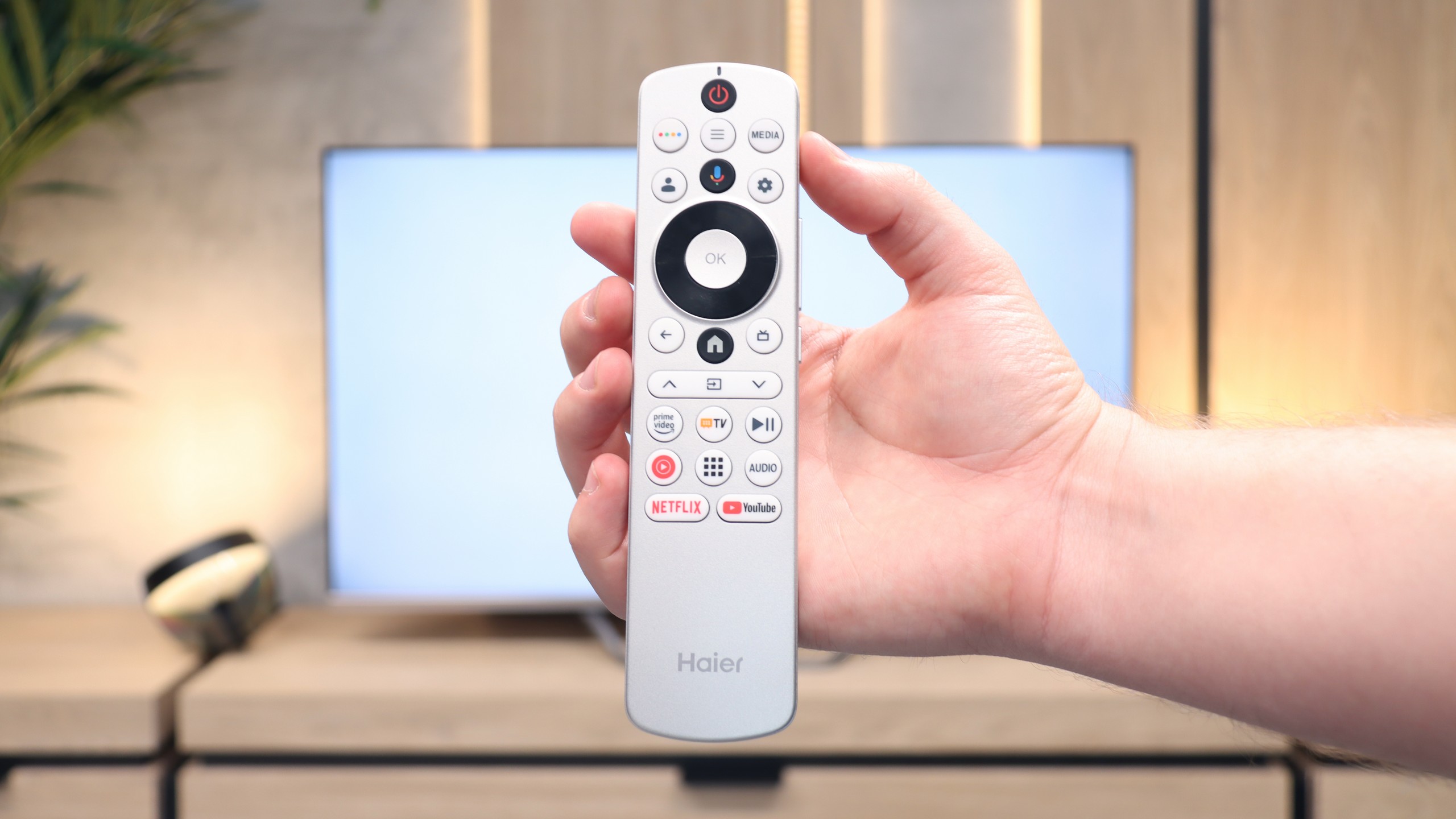
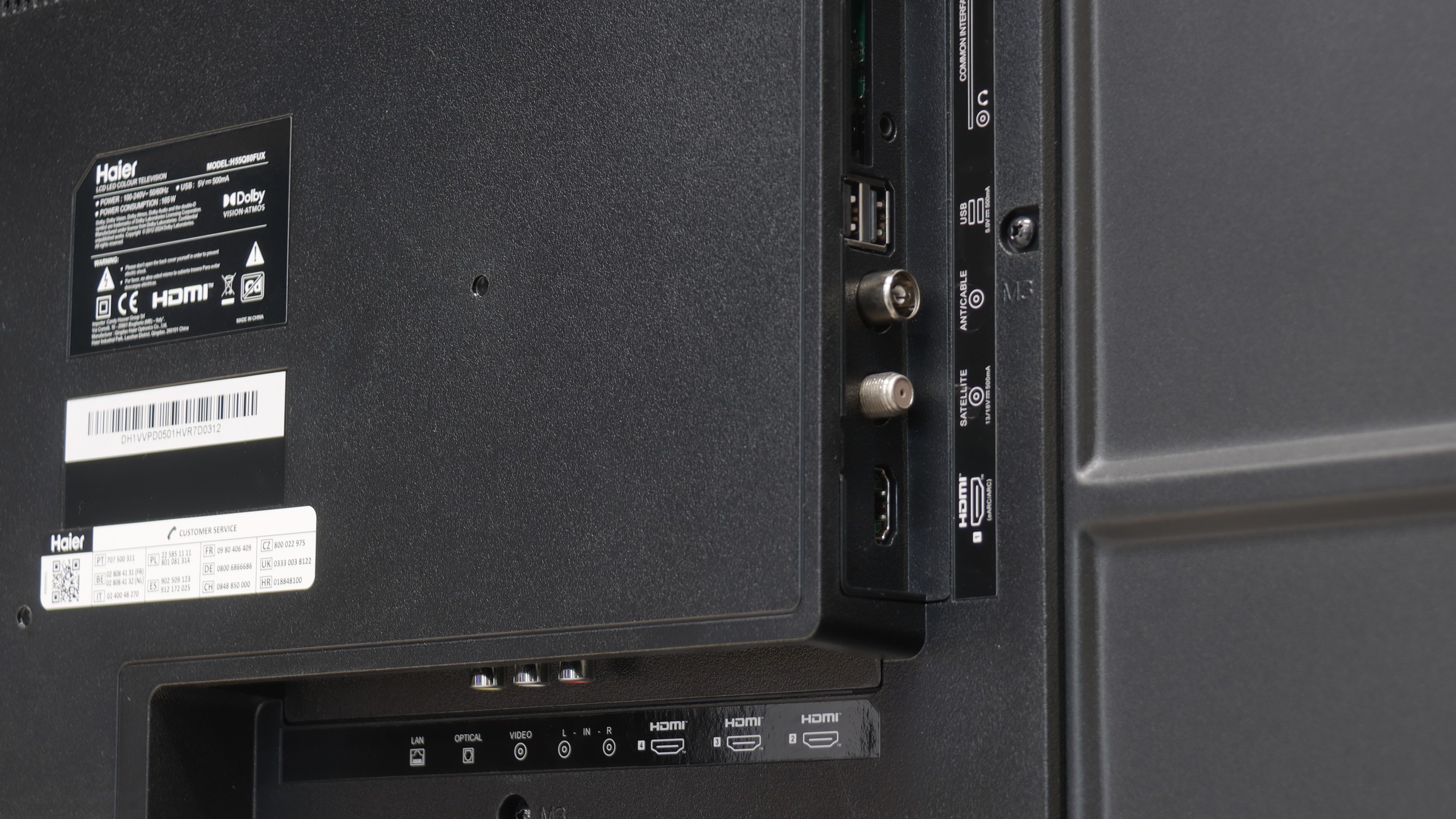
The Haier Q80FUX TV is one of the most schizophrenic proposals we've had in our editorial office for a long time. On one hand, we have a solid piece of equipment: a VA panel that guarantees deep blacks, as expected in this segment, and a QLED quantum filter that can indeed generate juicy, eye-catching colors. This is the foundation on which a truly competitive mid-range receiver could have been built. Unfortunately, all this potential of the panel is systematically torpedoed by the software, which is a real ball and chain for this model. The biggest Achilles' heel of the Q80FUX is its total capitulation in the face of HDR10 content. The electronics seem to completely misunderstand how to interpret the signal, resulting in consistently blowing out the brightest parts of the image, turning them into a flat, milky blob. If we add the Google TV system, which – although functional – is unstable, full of errors, and irritating shortcomings, we get a picture of a raw product that clearly reveals the manufacturer's lack of experience. And just when we were ready to write this model off, we discovered its surprising niche. Once connected to a console, the Q80FUX undergoes a transformation. It turns out that this TV offers wonderfully low input lag, fully supports VRR, and can accept a 120Hz signal at Full HD resolution. In the gaming world, where responsiveness is everything, these parameters put it in a very good light. So we are dealing with a device of very narrow specialization. This is not a universal living room TV – it lacks stability and, above all, any correctness in handling films. It is more of a budget, large-format monitor for gamers who are able to consciously overlook all its software flaws in exchange for those few key attributes essential for console/PC at a relatively affordable price.
 Direct comparison