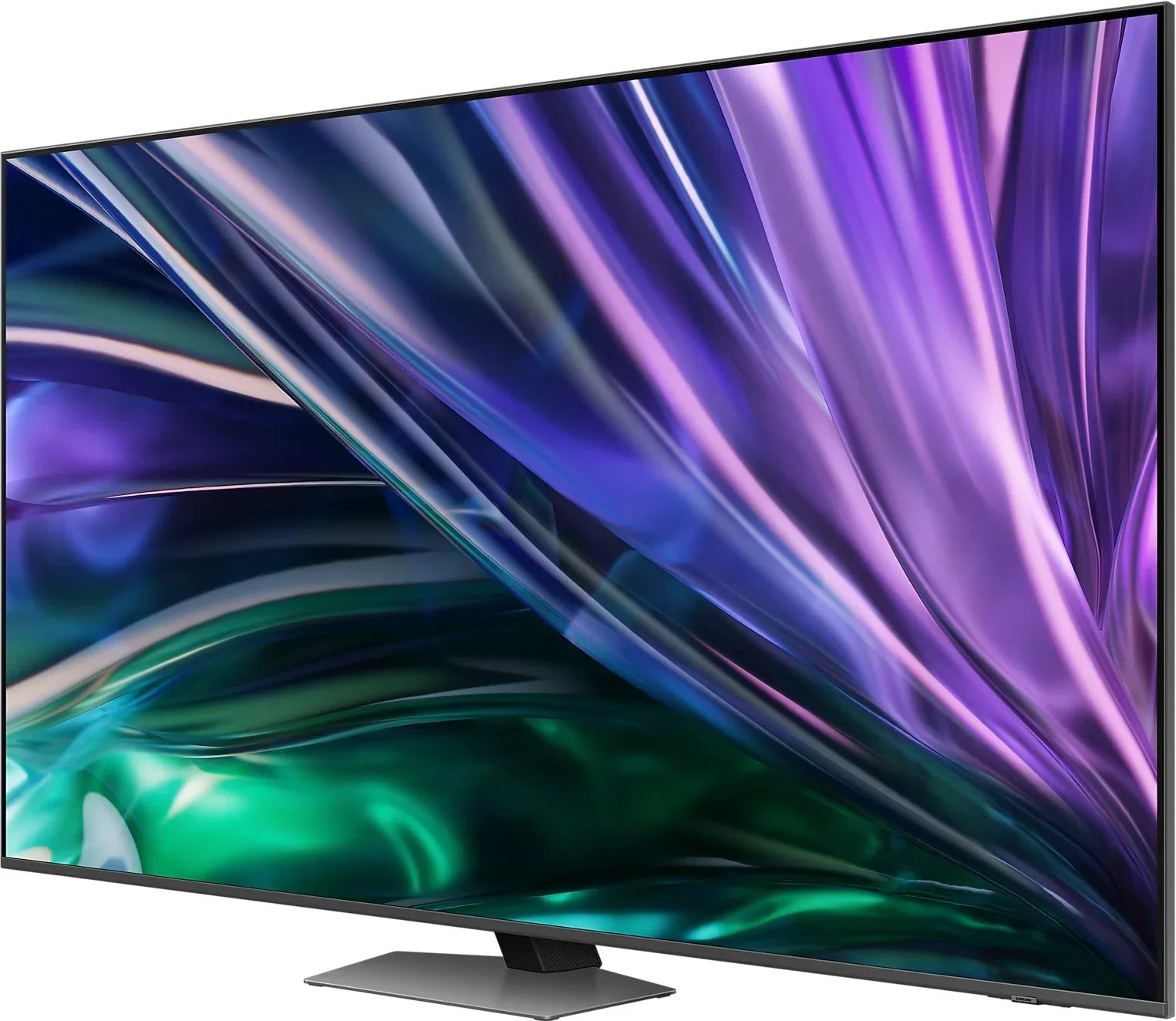
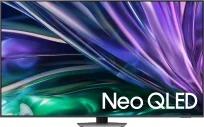
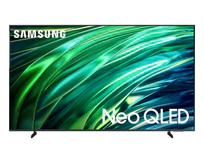
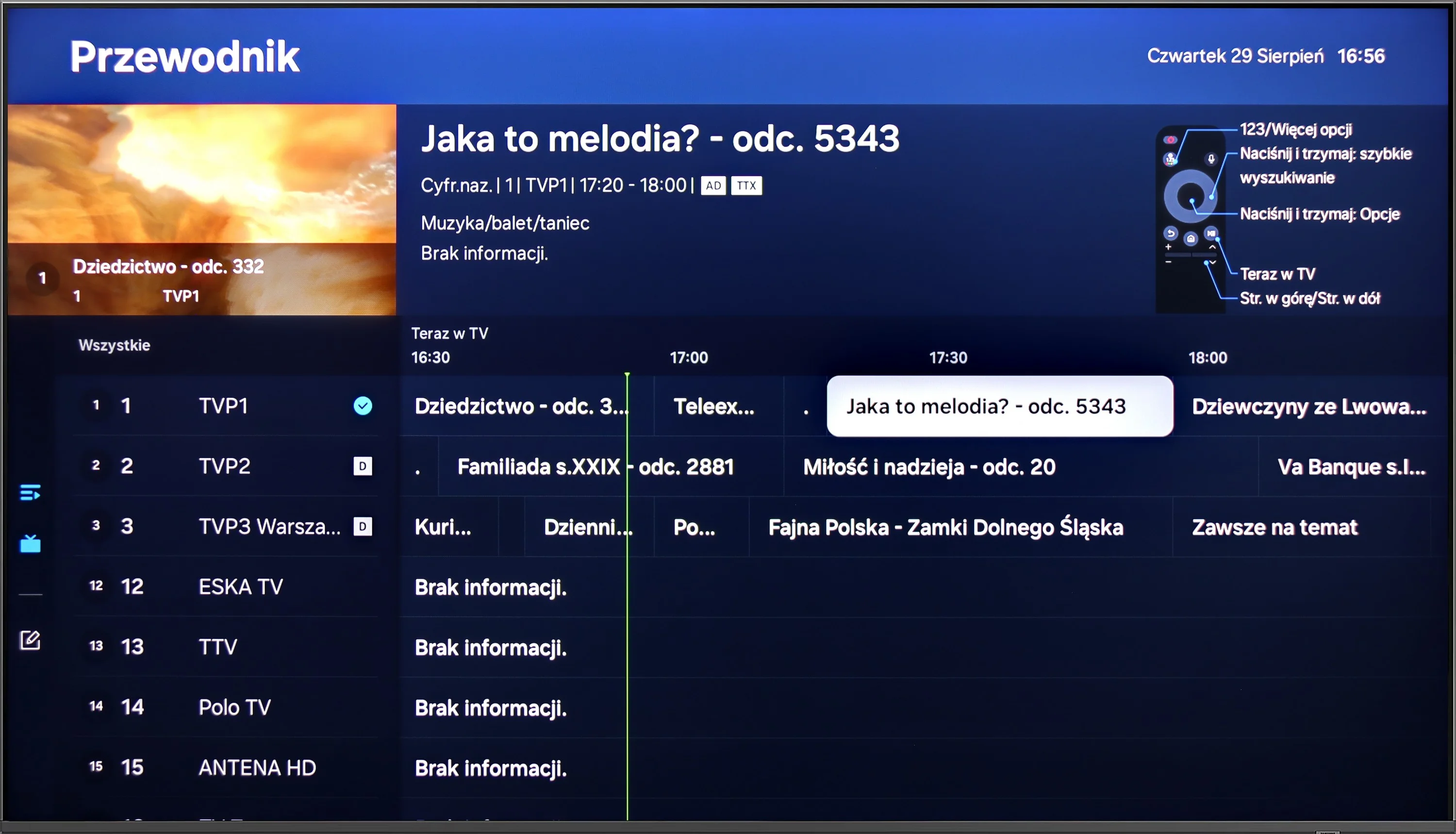
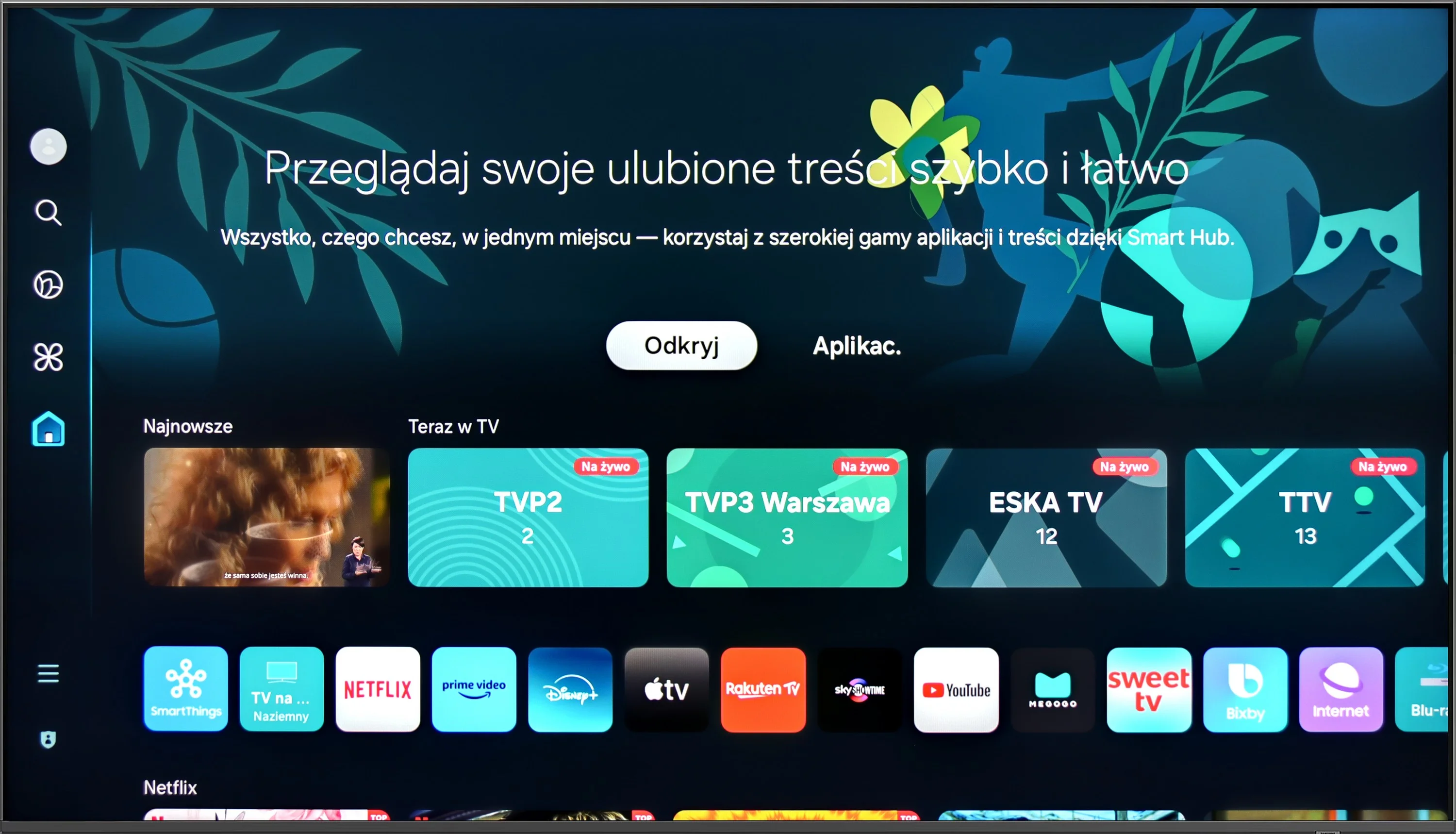
The Samsung QN85D is the entry-level model in Samsung's 2024 Mini LED – Neo QLED lineup, offering a well-balanced mix of modern smart features and impressive picture quality. Running on the Tizen platform, the QN85D provides extensive support for Samsung's SmartThings ecosystem, enabling seamless integration with other smart devices in the home, regardless of brand. Apple users benefit from AirPlay compatibility, making content sharing from Apple devices straightforward, while the Daily+ feature adds an extra layer of engagement by delivering daily curated content, enhancing everyday use.
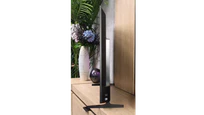
For regular viewing, the QN85D performs commendably. Its high brightness level allows it to easily handle well-lit rooms, and the central stand offers stability and aesthetic appeal. Though it lacks a recording function, the QN85D includes several practical features, such as a solar-powered remote that also controls Canal+ decoders, along with Picture-in-Picture (PiP) mode, enhancing versatility in various viewing situations.
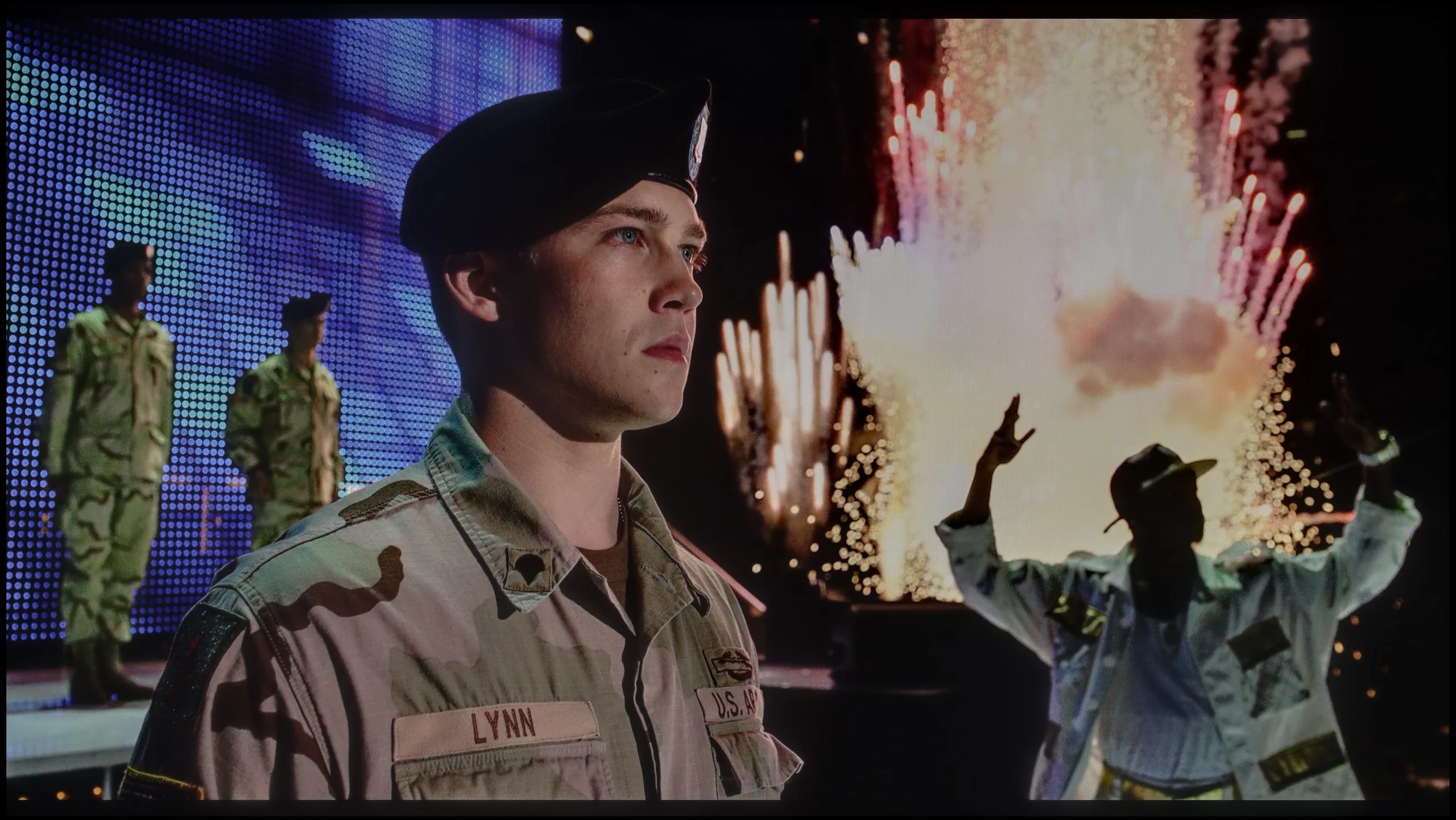
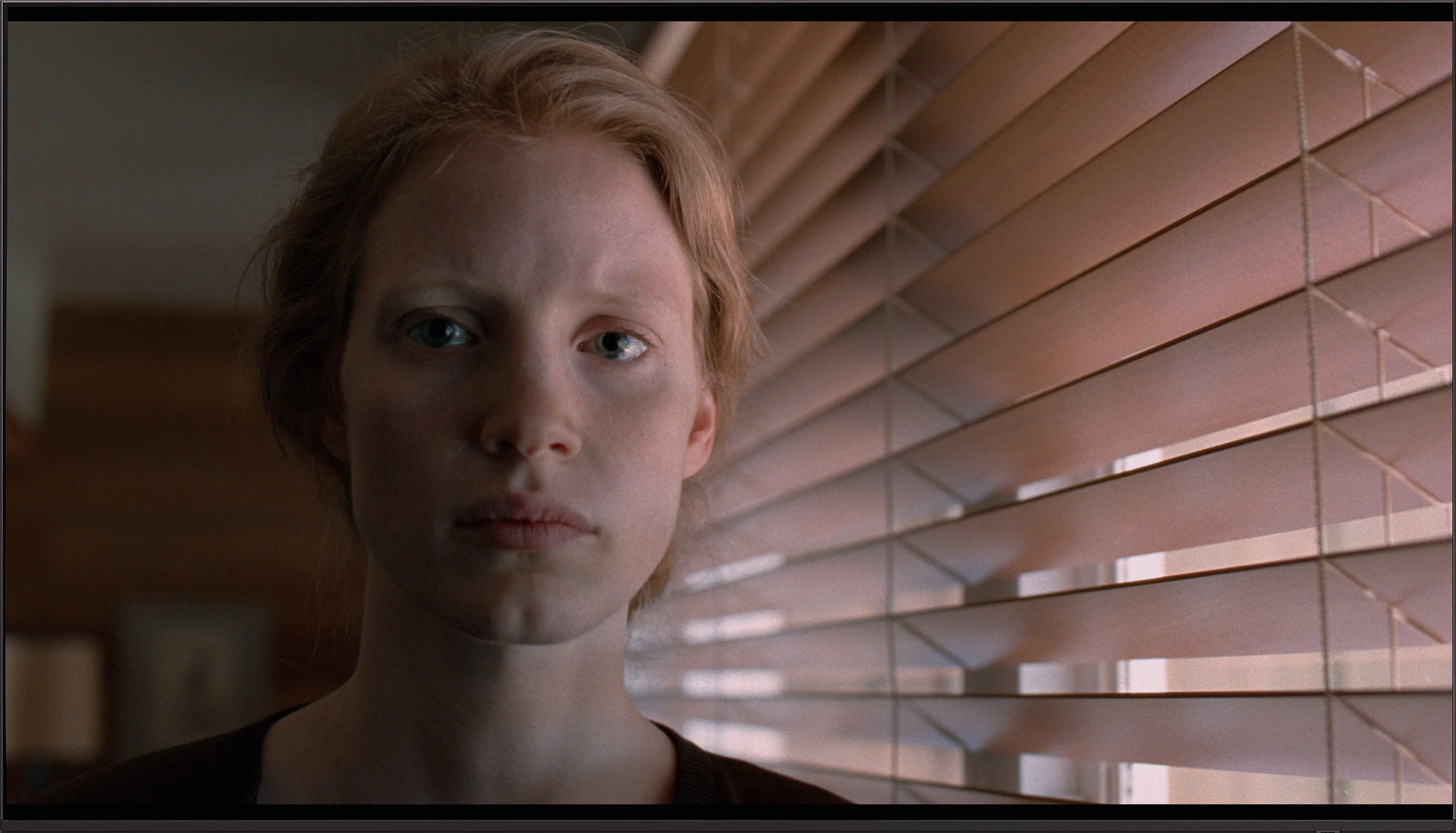
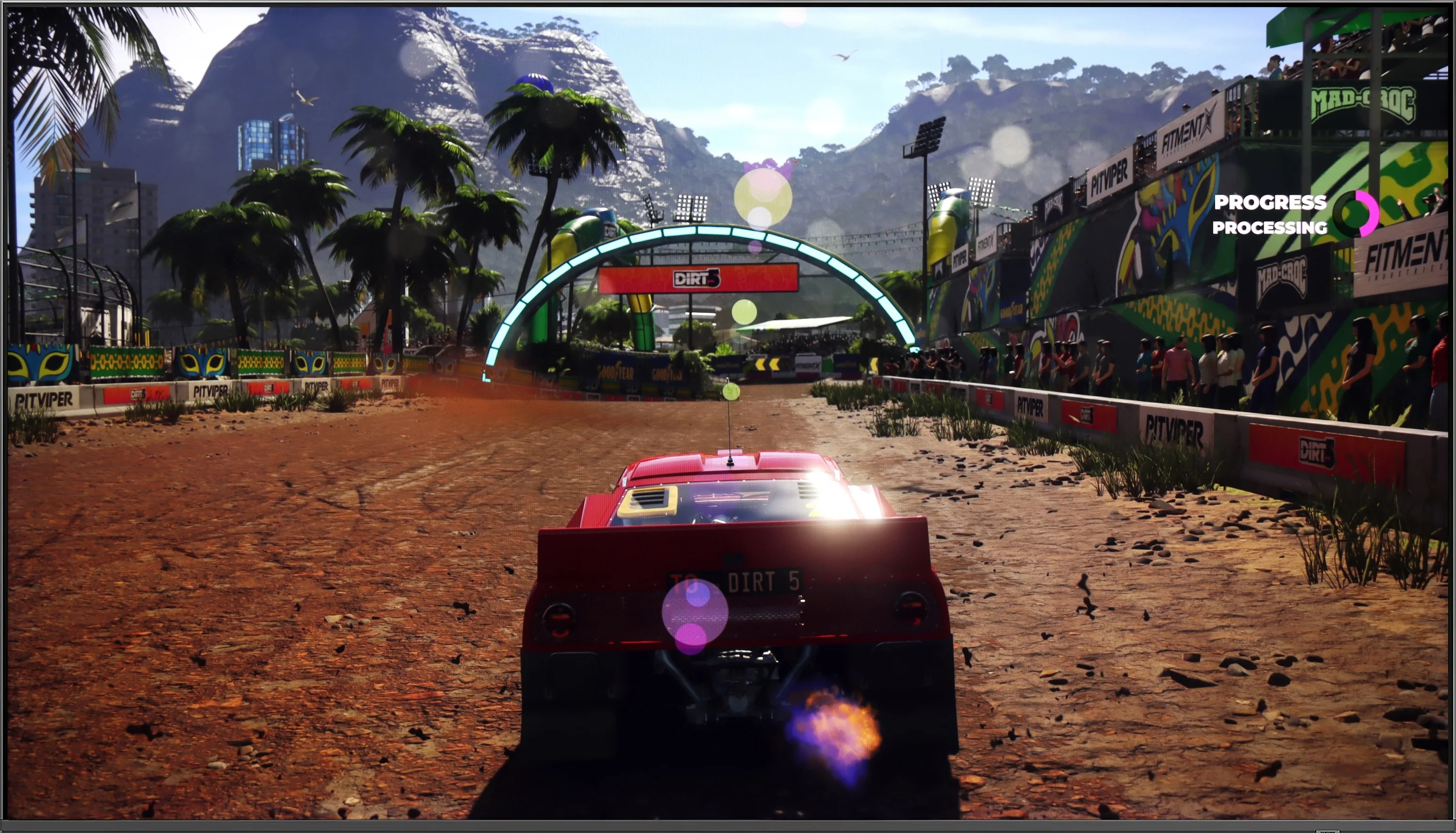
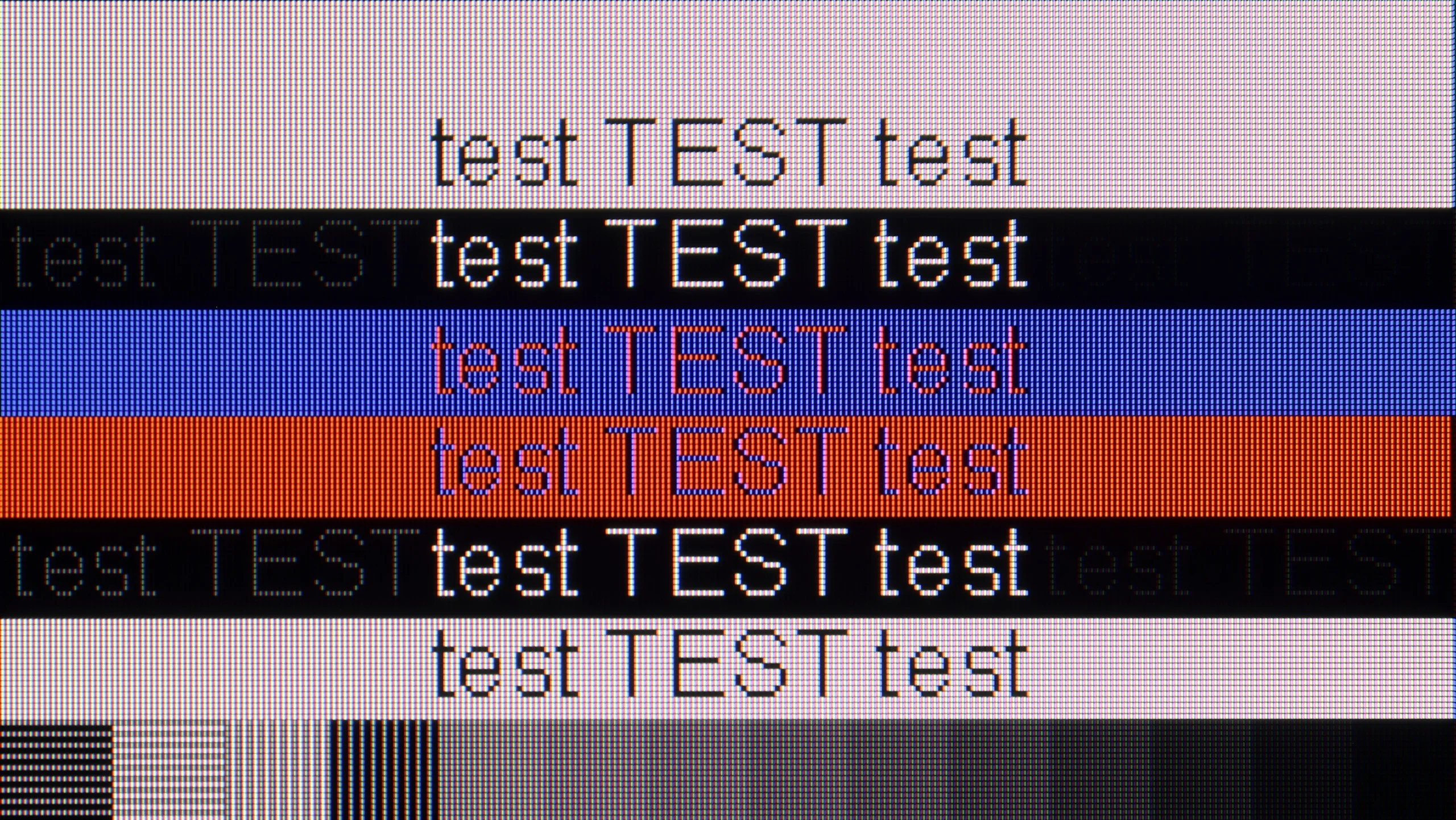
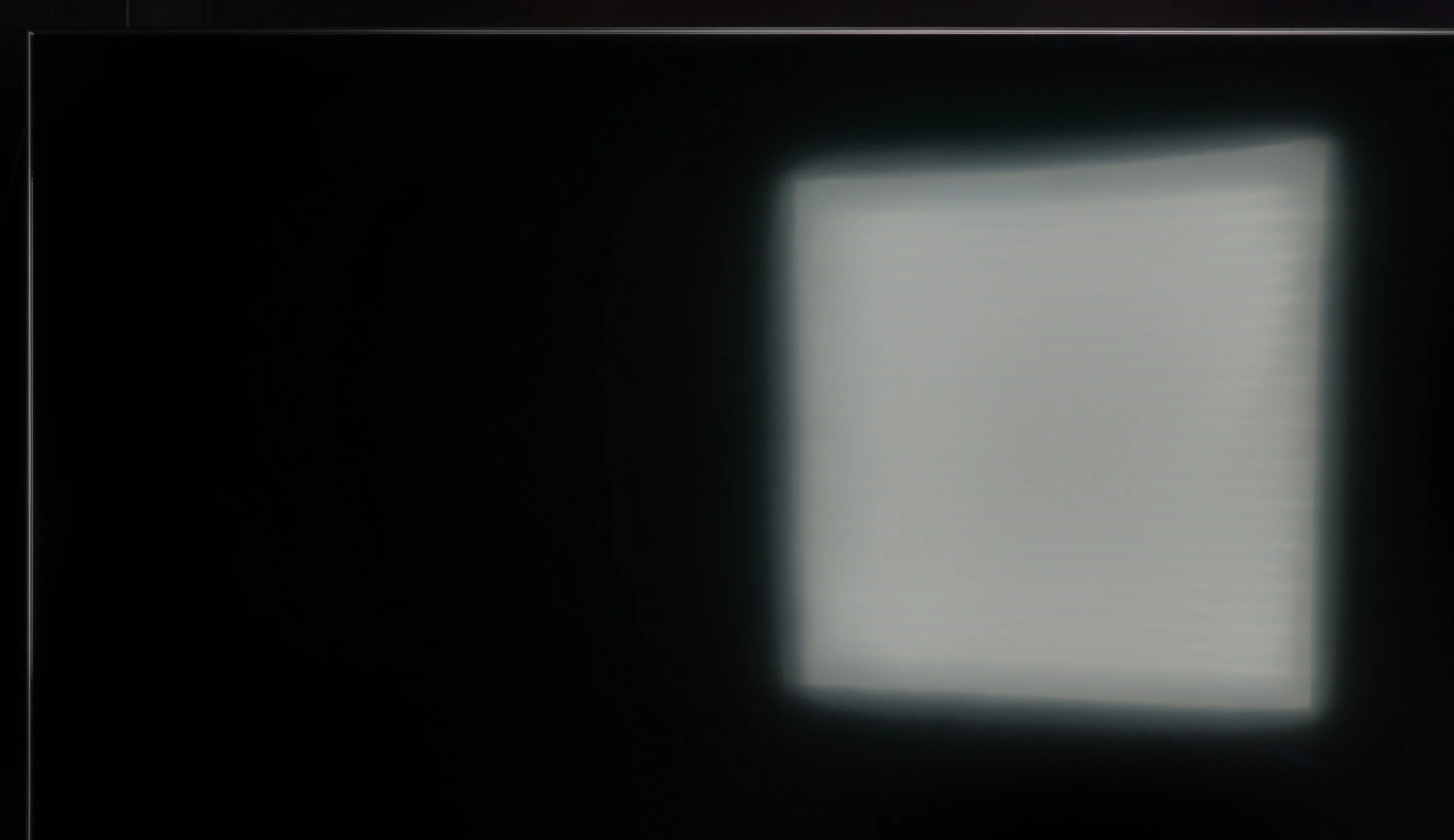
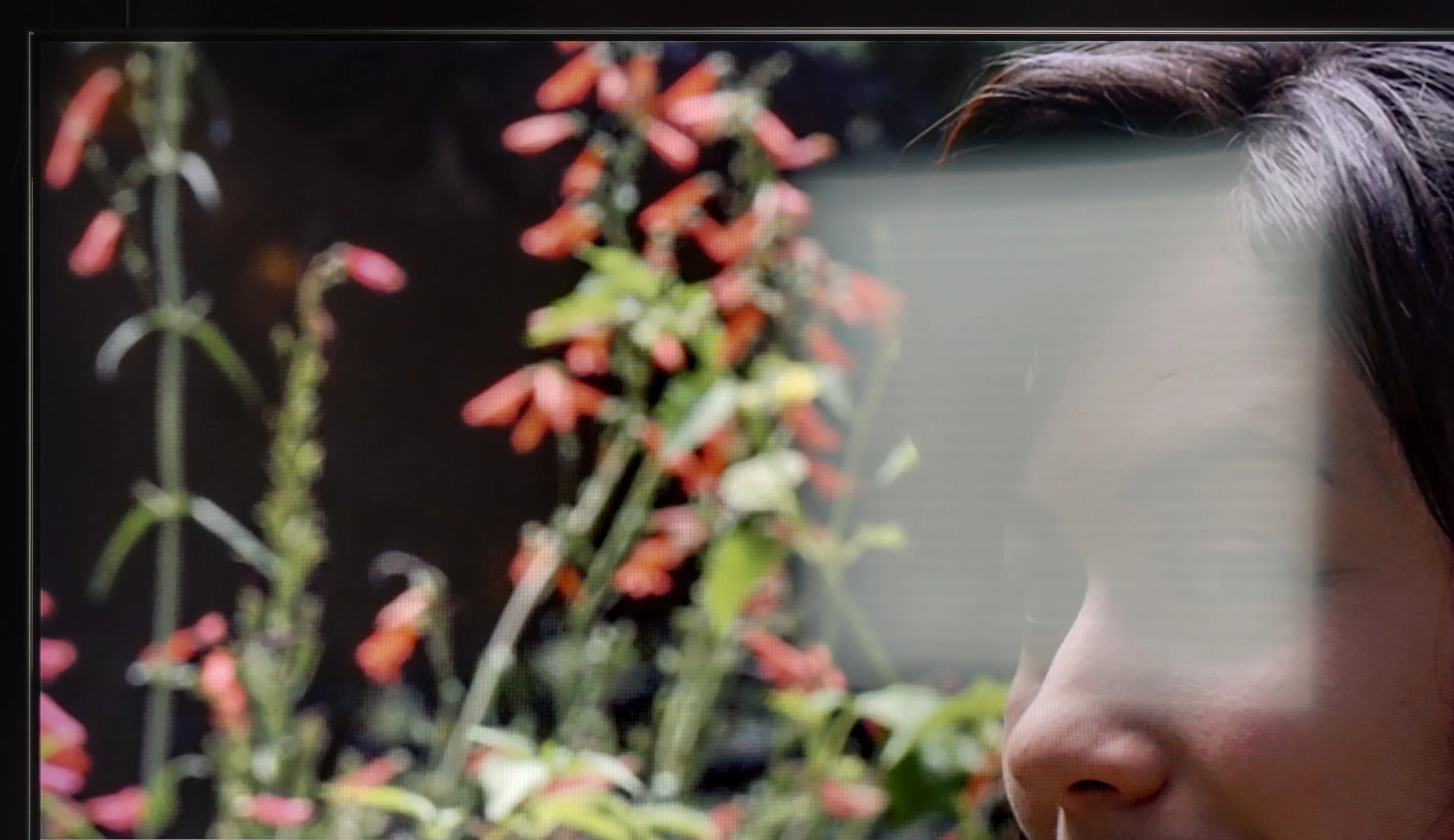
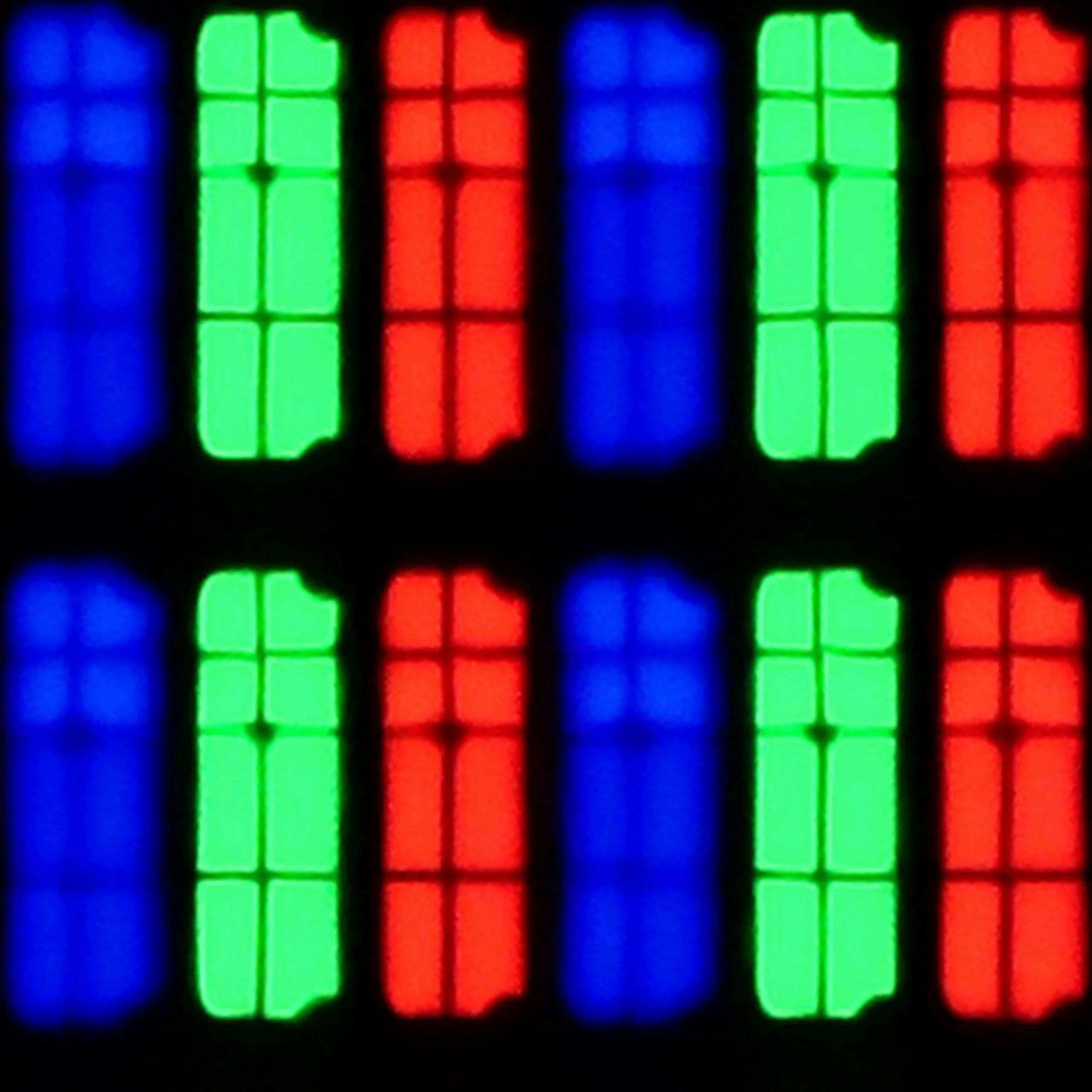
When it comes to picture quality, the QN85D excels in contrast and brightness. Its VA panel delivers deep blacks when viewed directly, and the Mini LED technology provides improved backlight control (with some limitations), which is particularly effective in dark scenes. A refresh rate of 120 Hz ensures smooth handling of fast-paced scenes, while low input lag makes the QN85D an excellent choice for gamers and sports fans alike.
Overall, the Samsung QN85D stands out in 2024 as a robust, feature-rich TV with high picture quality and advanced smart capabilities, making it ideal for both everyday viewing and more demanding movie or gaming sessions.
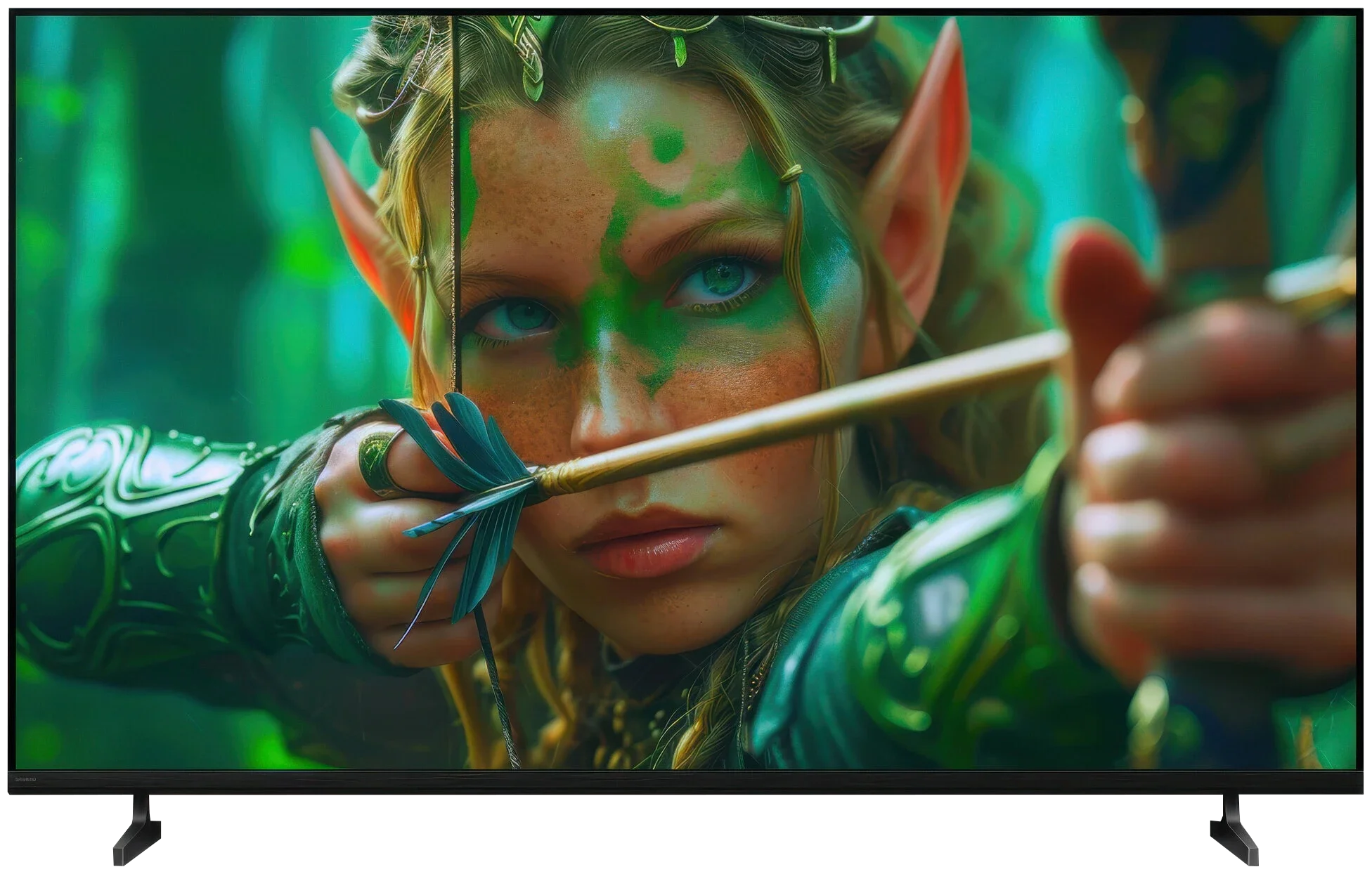
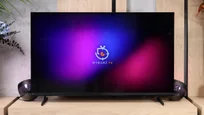
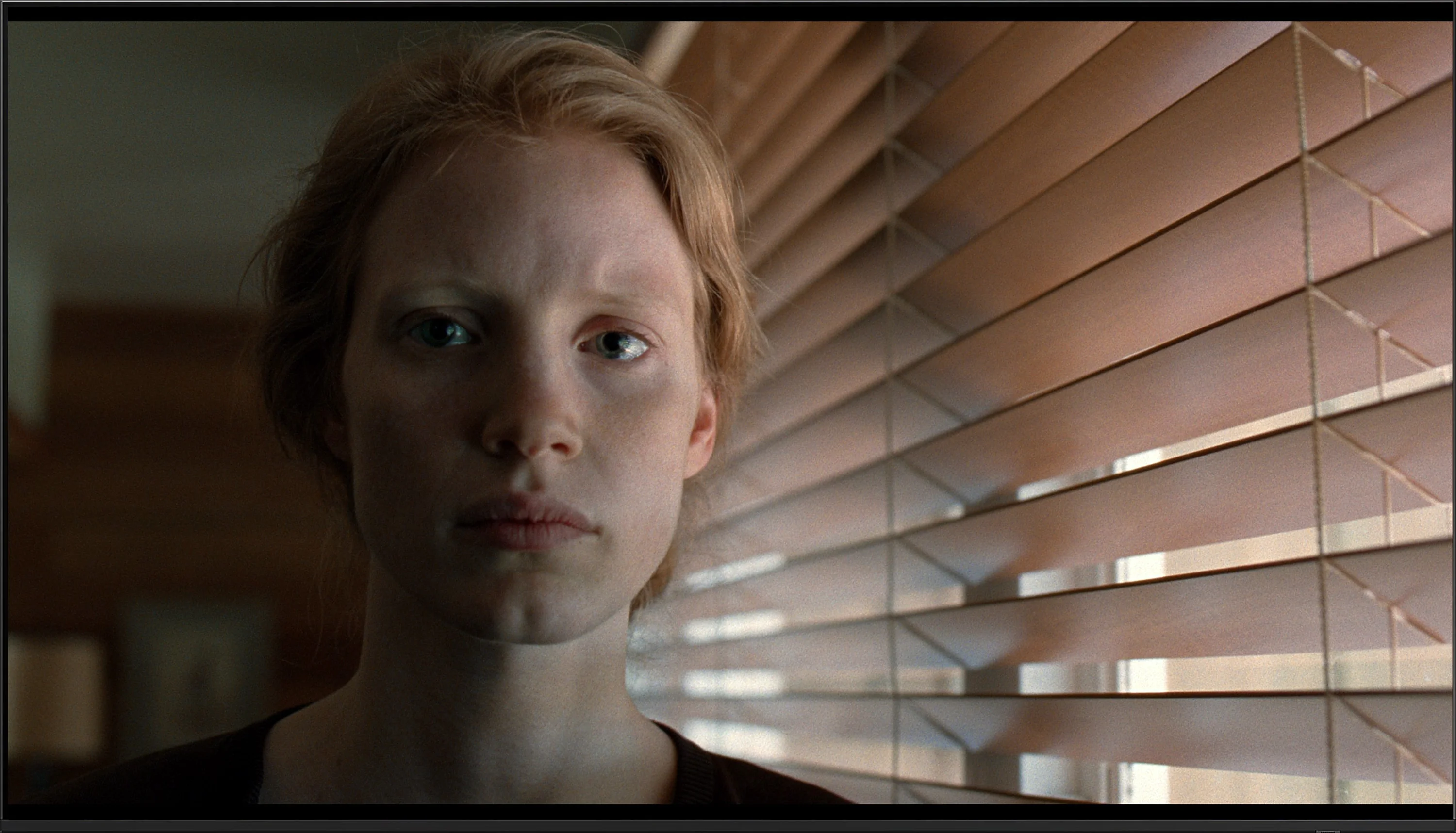
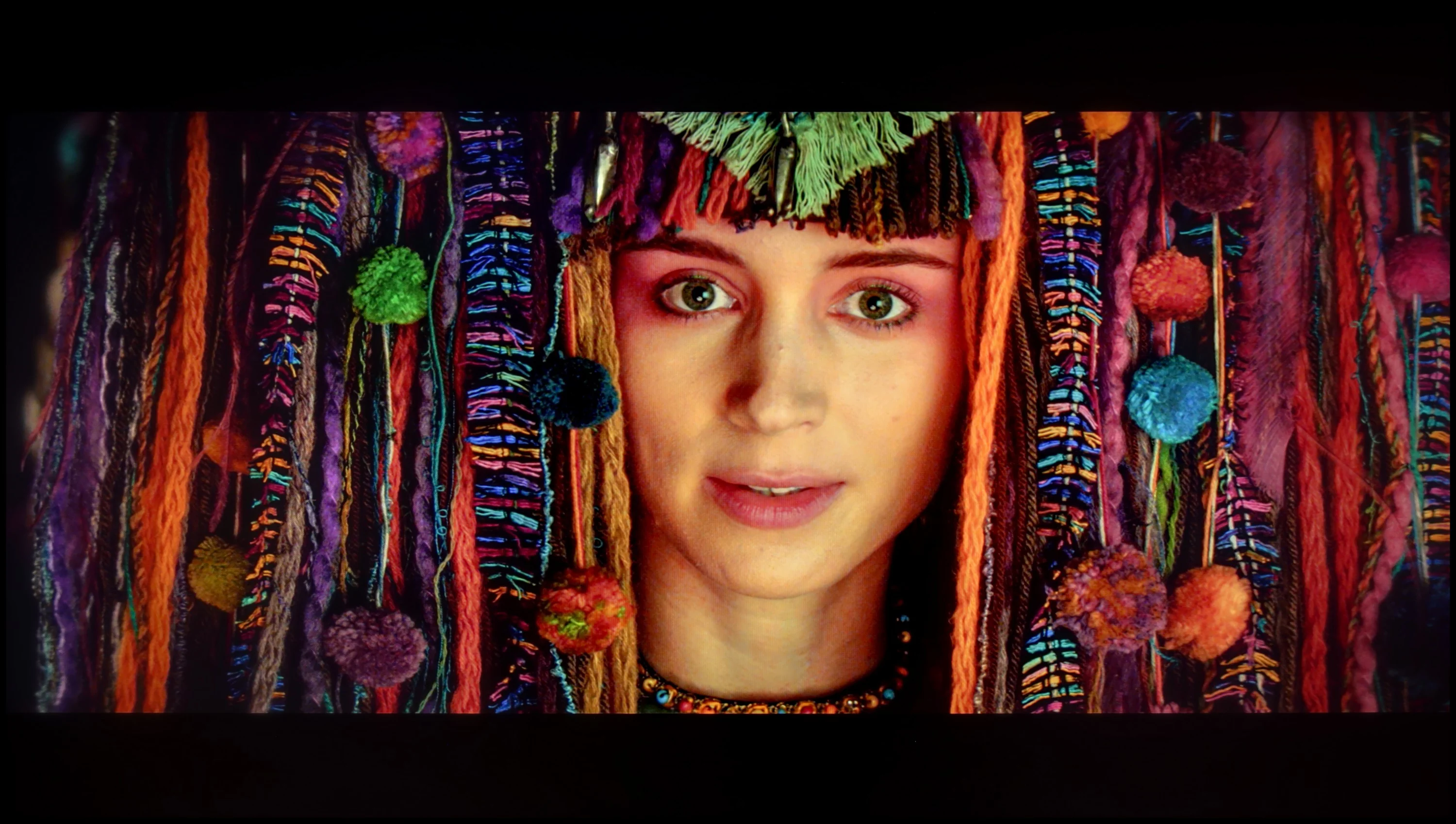
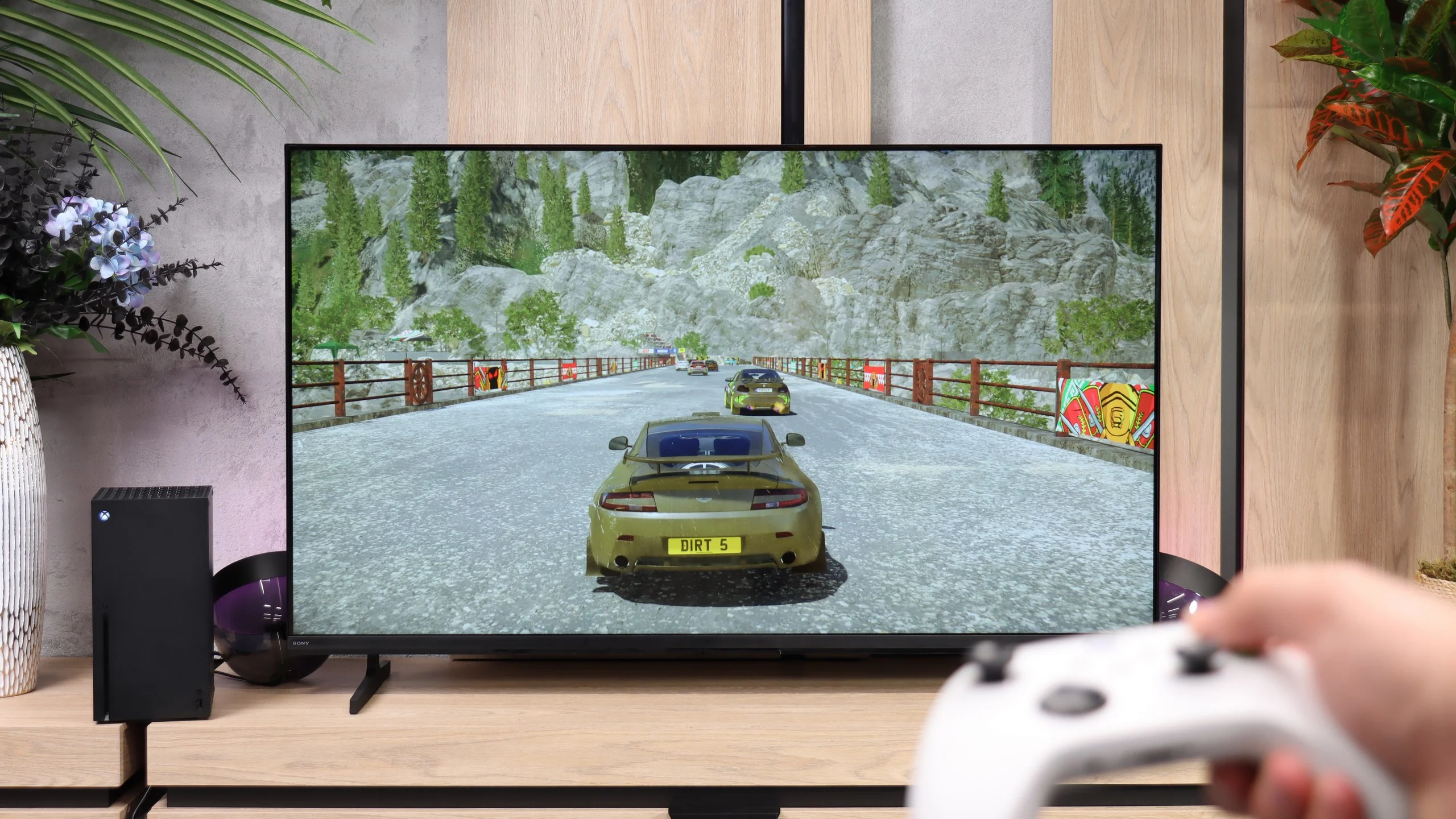
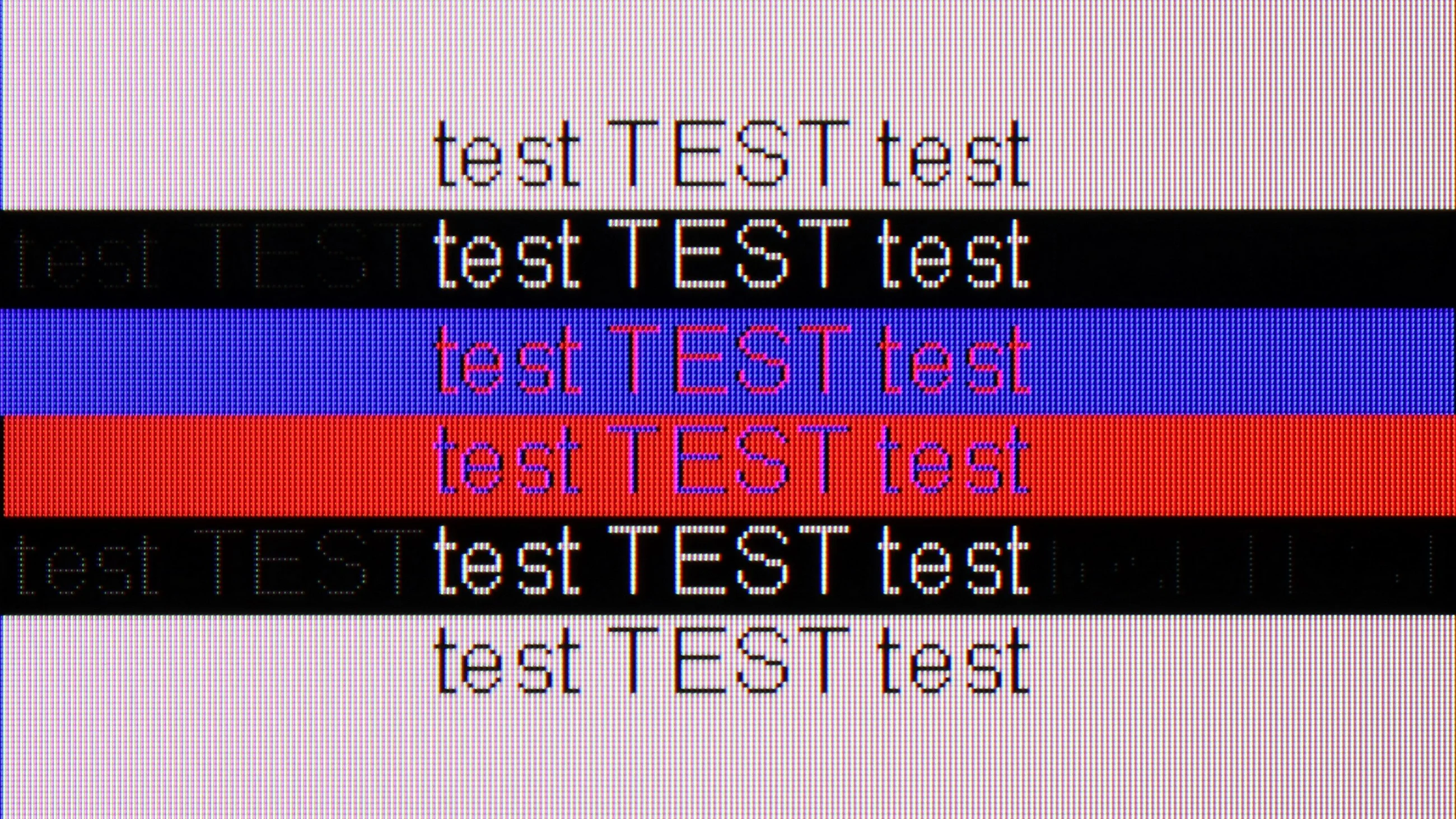
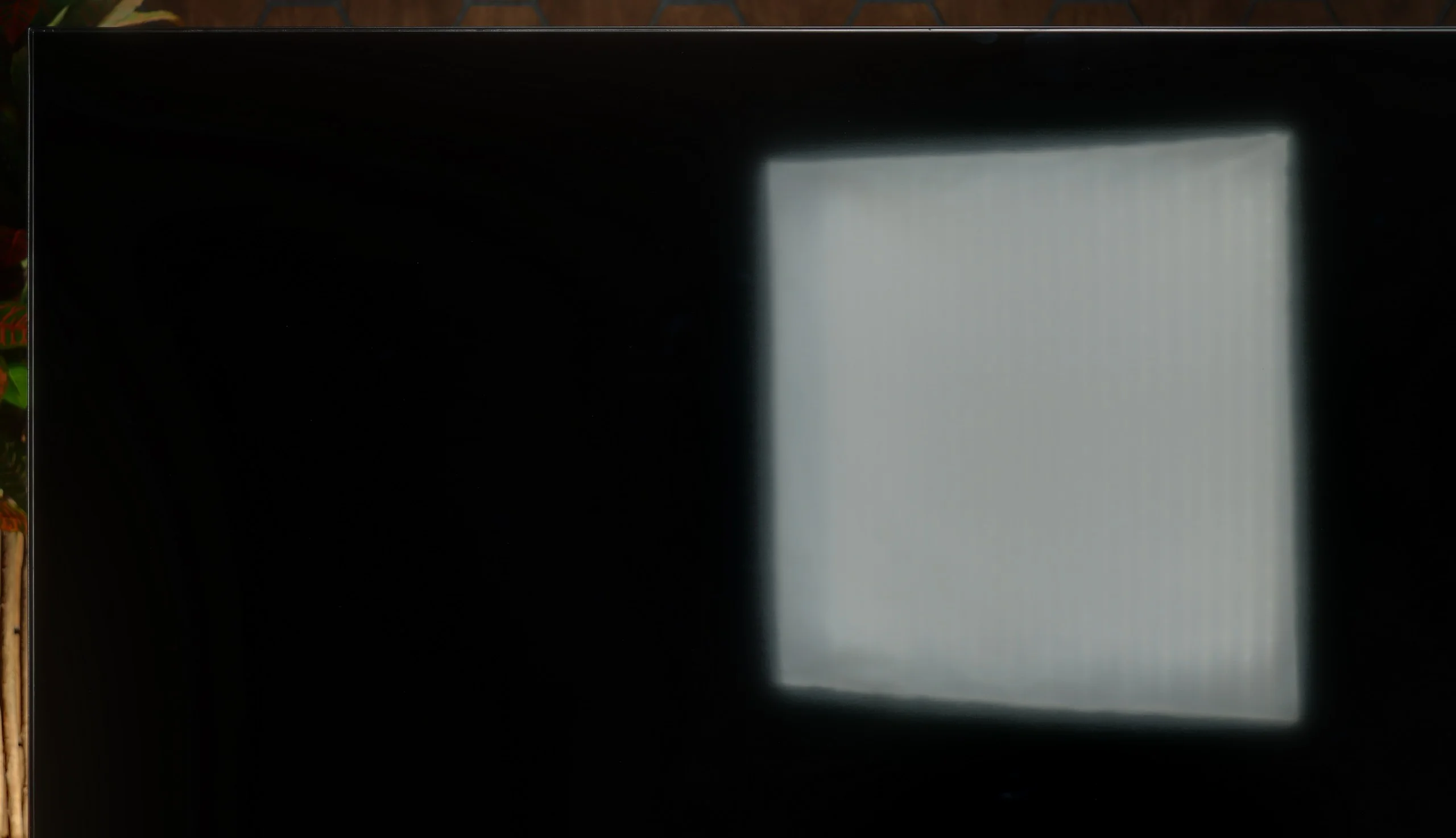
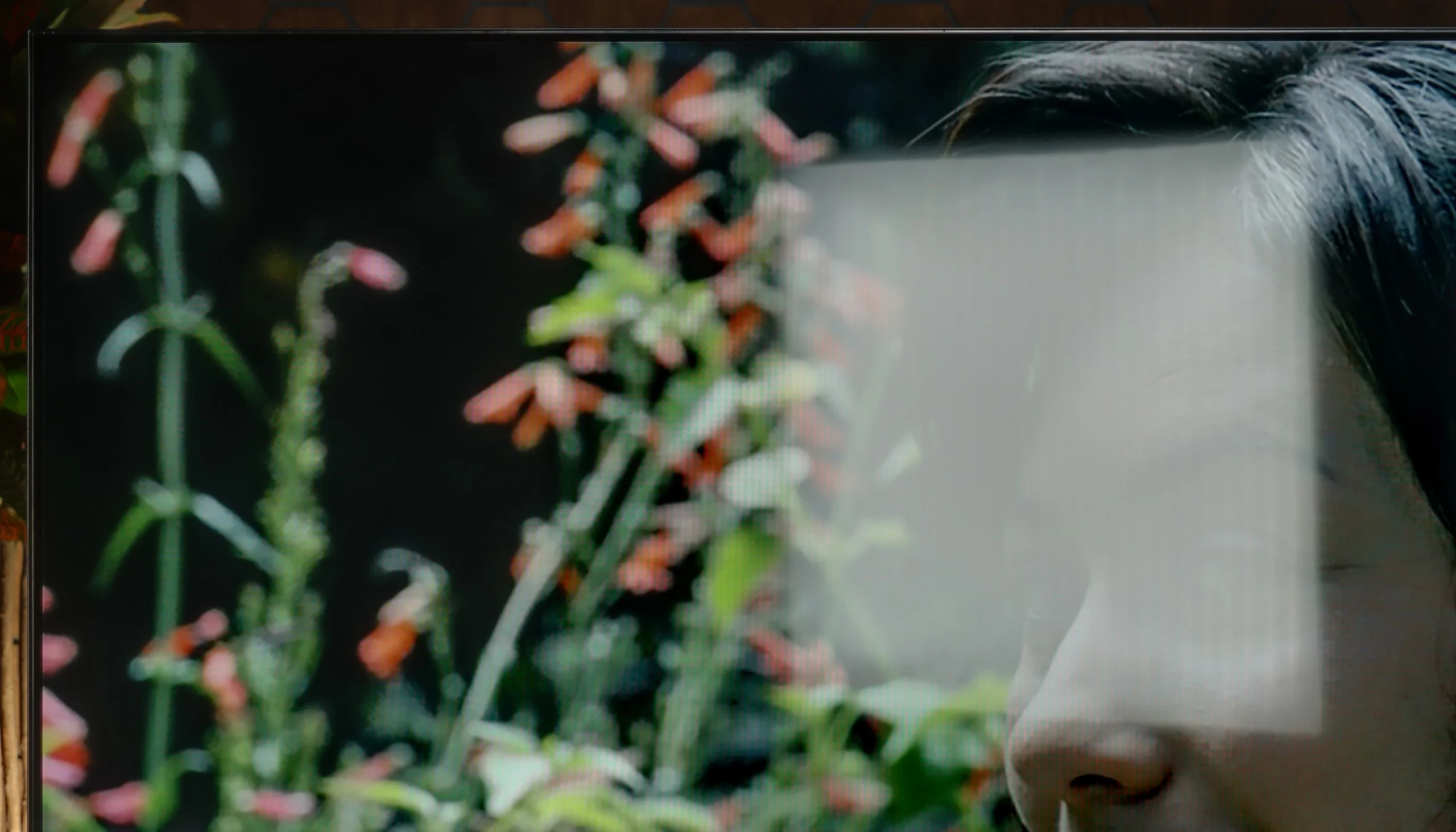
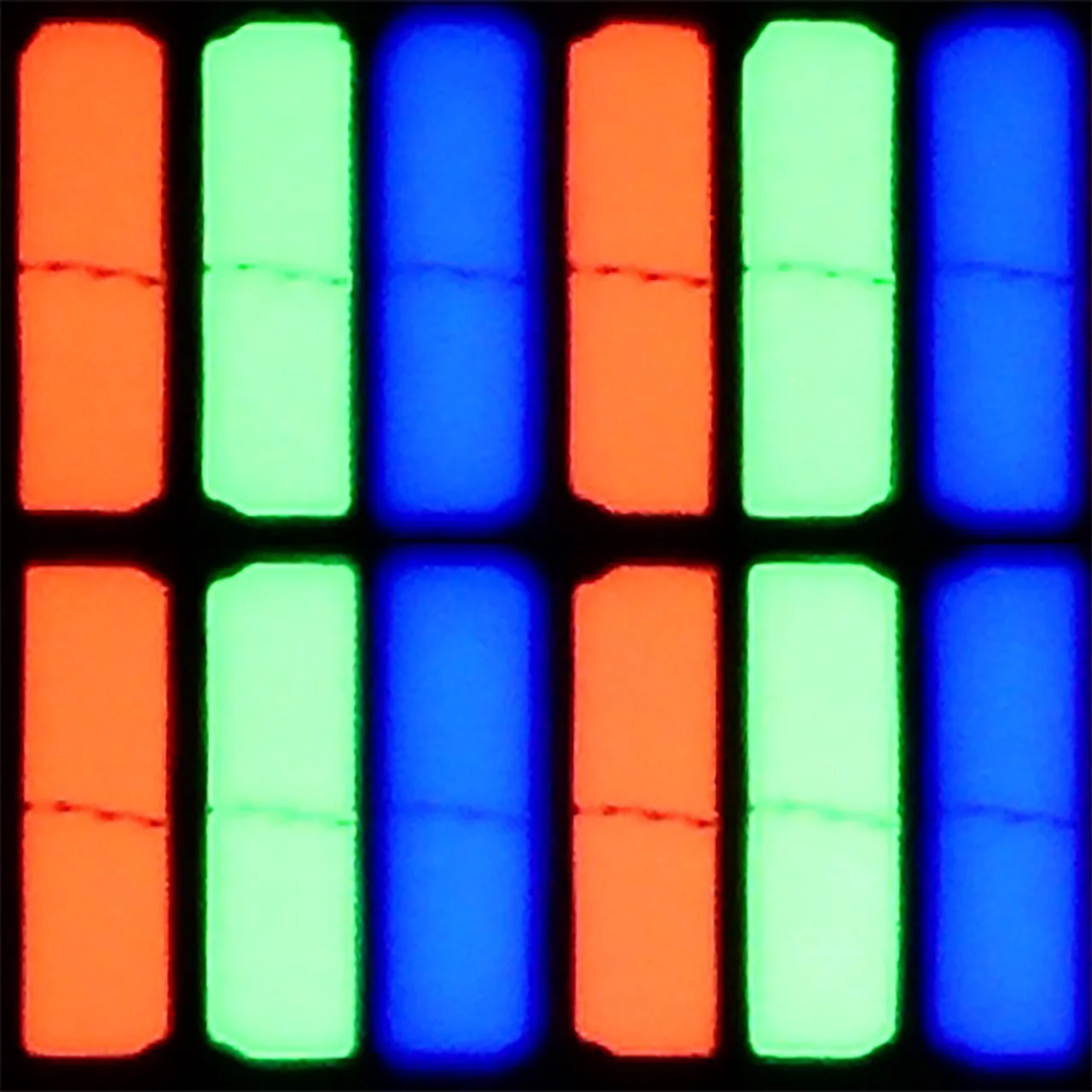
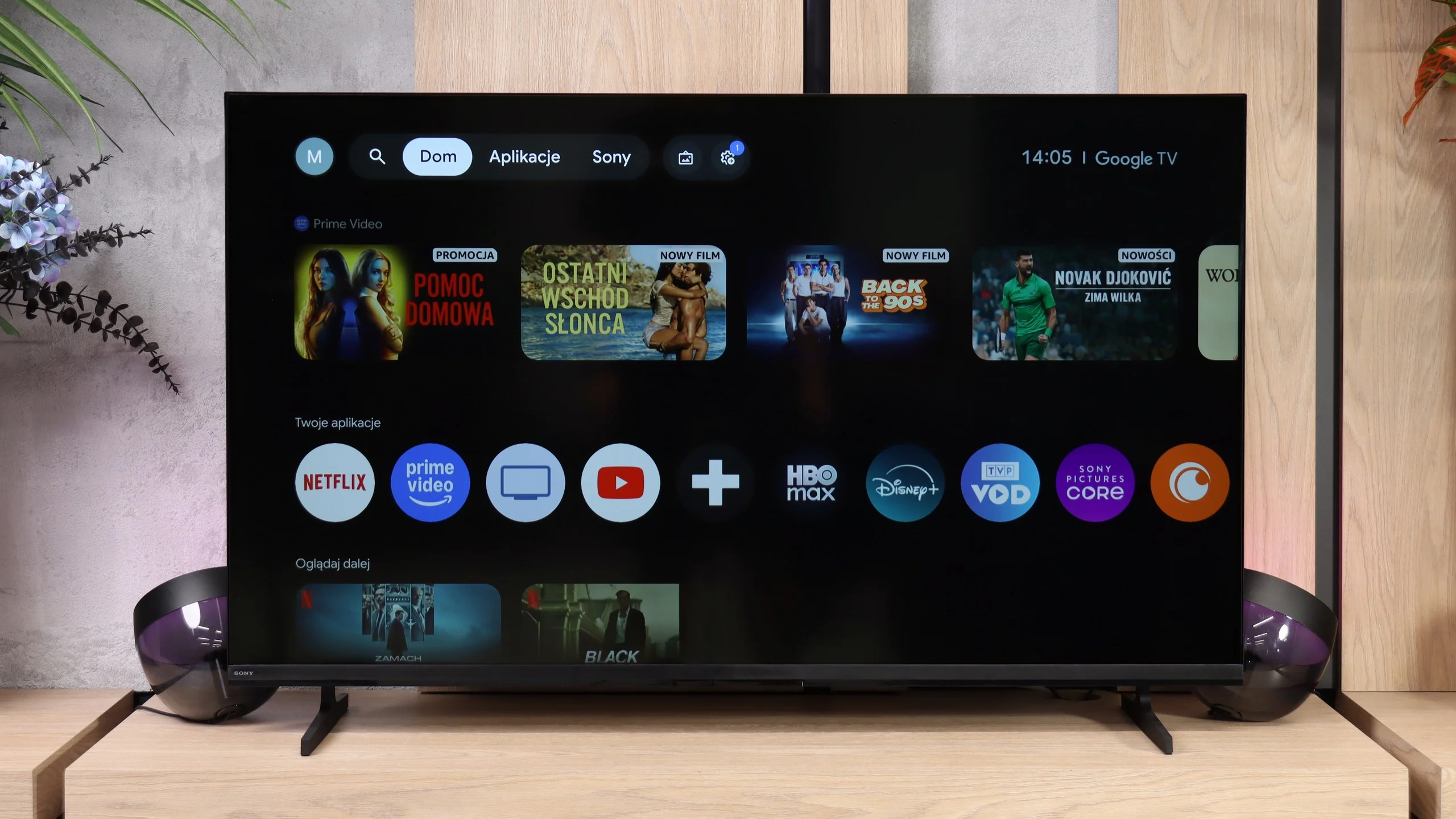
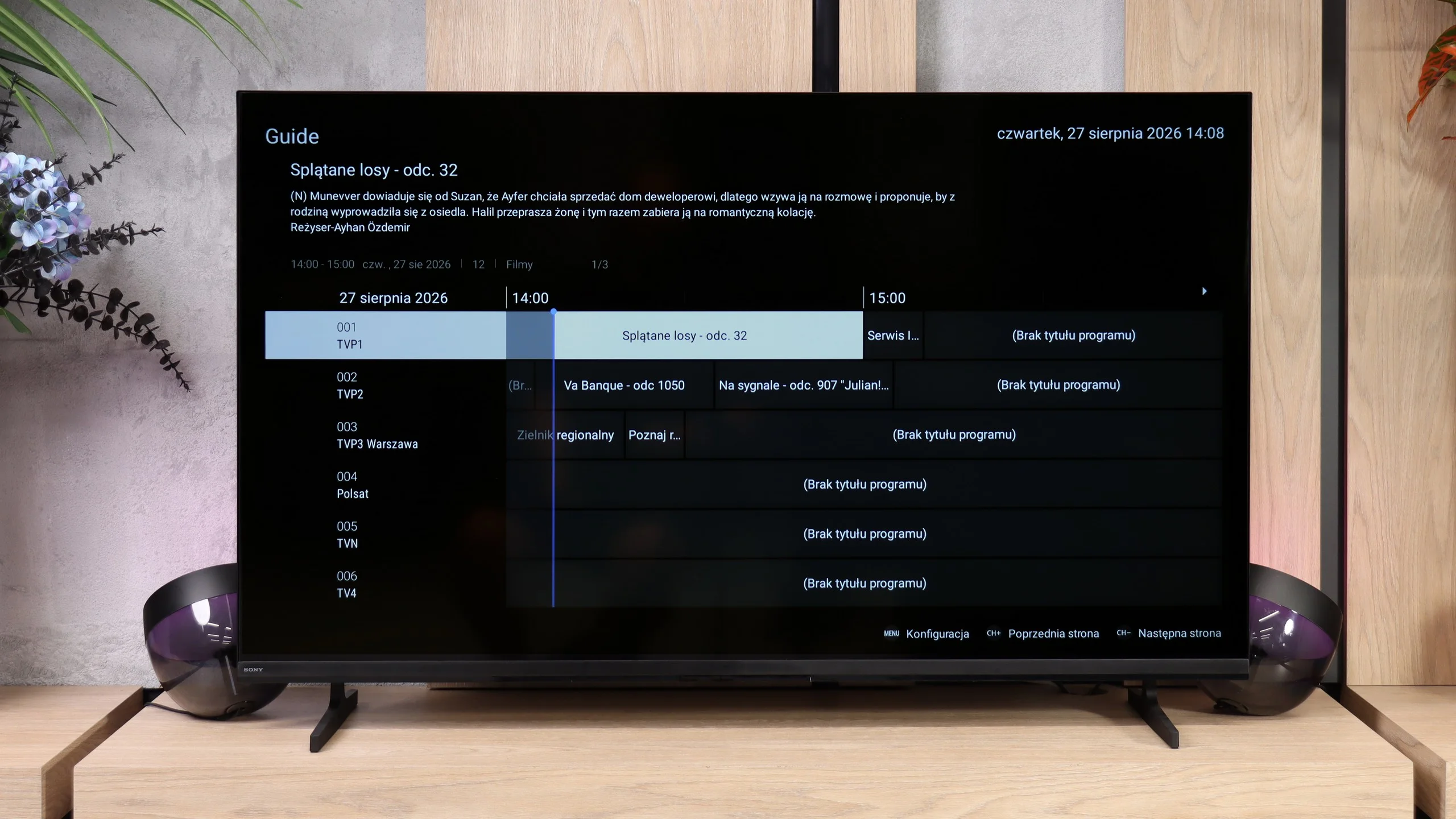
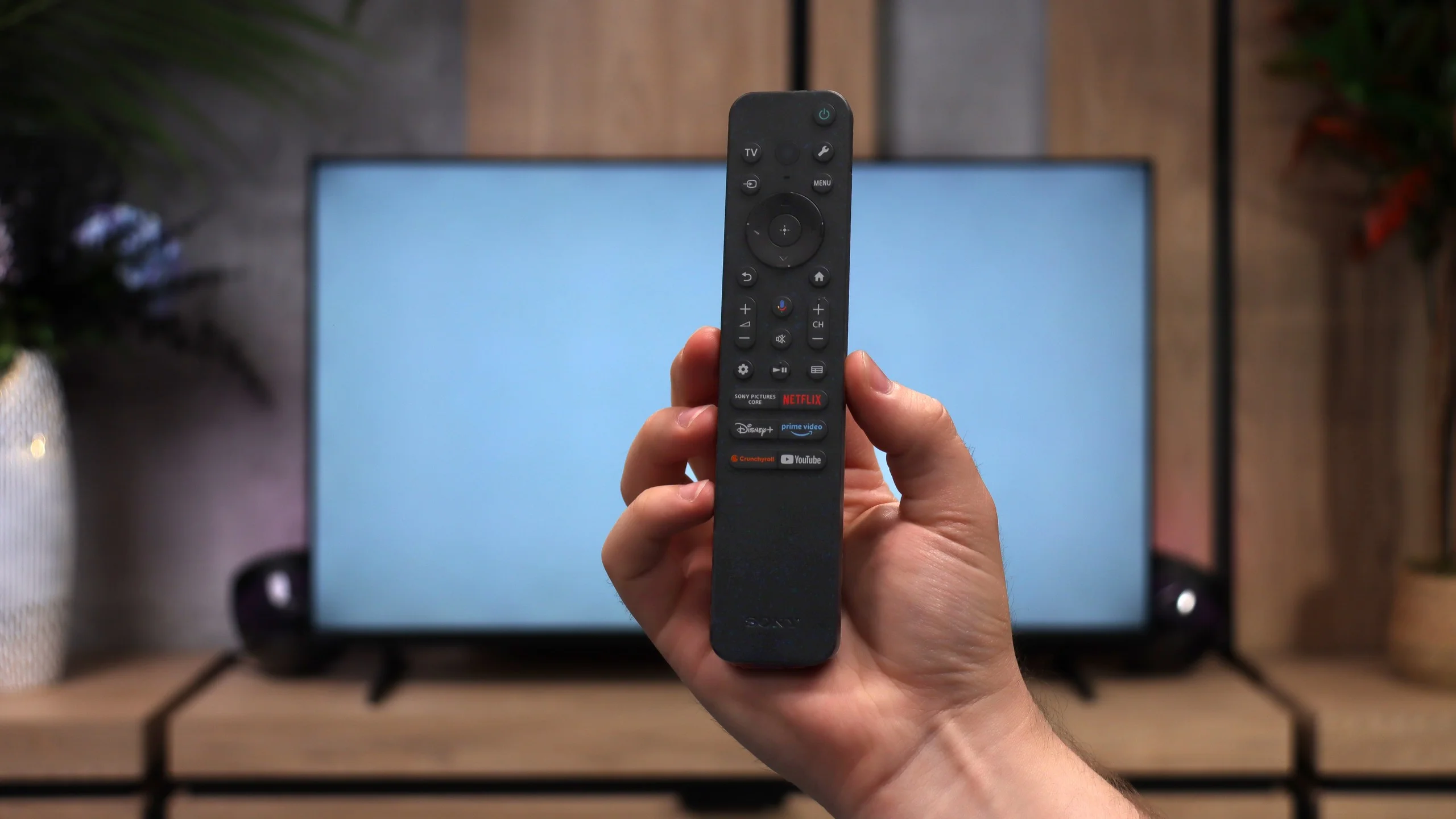
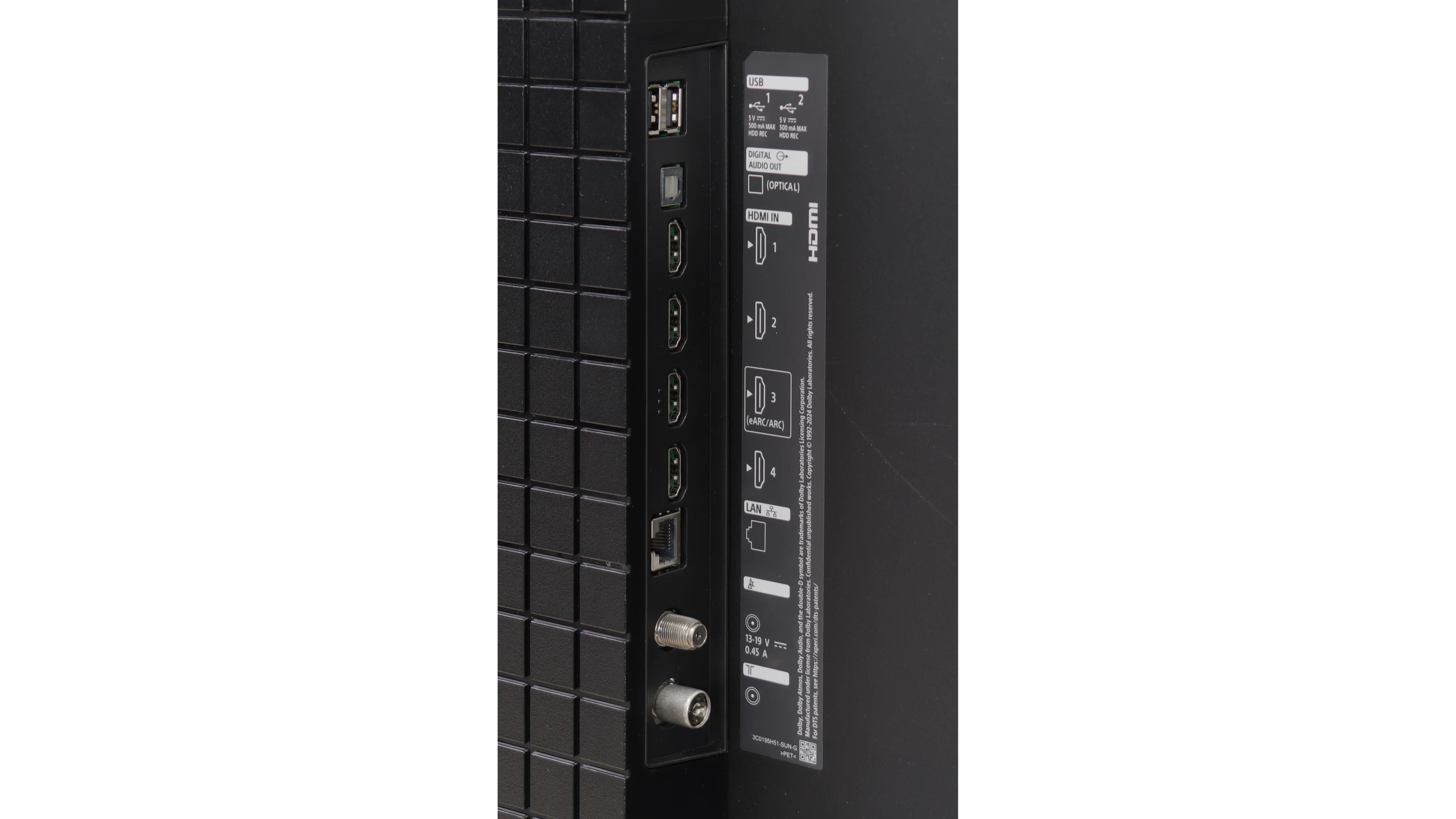
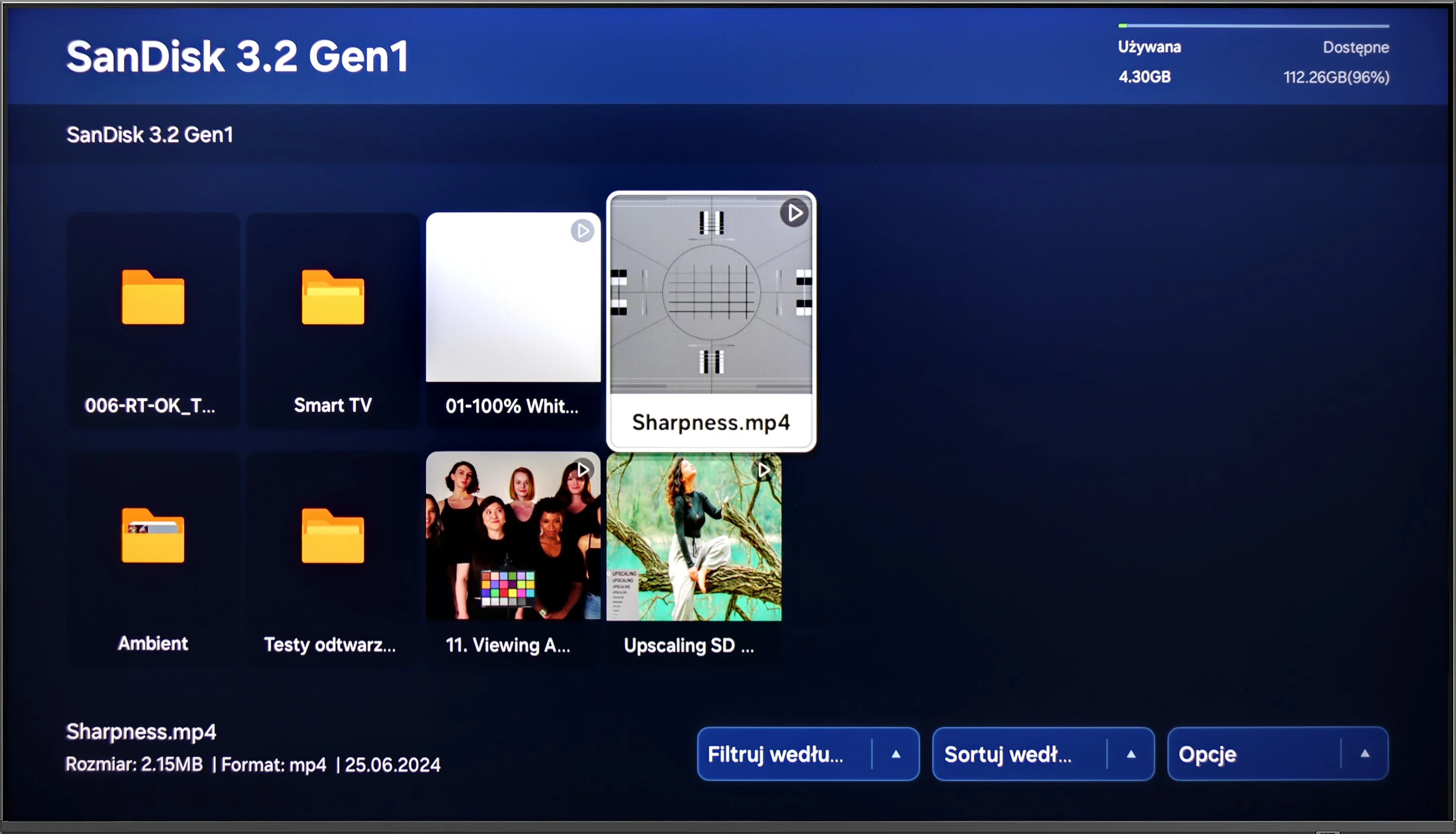
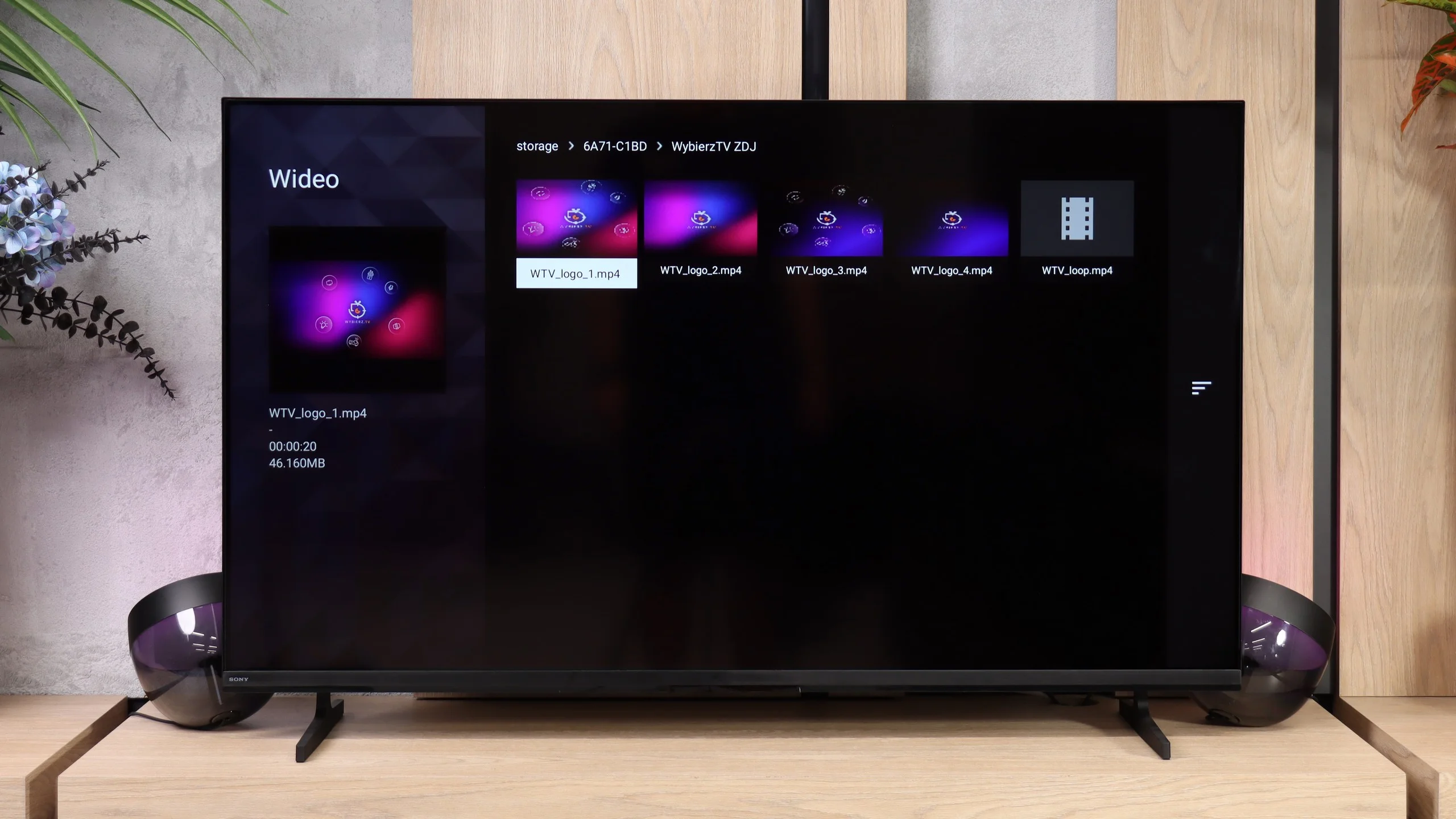
Sony Bravia 2 II is a TV that performs best in simple, everyday use. And we suspect many people will choose it mainly because of Google TV. The system provides access to a huge number of apps and streaming services, and you also get Chromecast, AirPlay and convenient voice search. The TV itself may not run as fast as pricier Sony models, but in terms of capabilities there’s little to complain about. Importantly, for regular viewing the picture quality is quite decent. The Bravia 2 II handles SDR material particularly well — regular broadcast TV, YouTube and much of older movies and series. The out-of-the-box Cinema mode is already fairly well set, colors look natural, and without much fiddling with the settings you can just start watching. And in our view this is where the Bravia 2 II shines: as a simple Smart TV for everyday use, not a TV meant to wow with the panel’s capabilities. You do need to remember, though, that the Bravia badge on the housing doesn’t automatically mean great picture quality. The Bravia 2 II uses an IPS panel with very low contrast, and that is its biggest problem. During the day this isn’t such a big issue, but turn off the lights in the evening and blacks start to look more like dark gray. Of course, in return you get good viewing angles, so if the TV sits in a large living room and several people watch from different spots, IPS is an advantage. But it comes at the cost of weak black levels. This isn’t a TV built for HDR impact or for more demanding gamers either. Around 300 nits of brightness and a narrow color gamut mean HDR material doesn’t show much more here than SDR. The 60 Hz panel and the lack of broader gaming features also make it clear that gaming isn’t a priority for this model. And actually that wouldn’t be a big problem, because it’s exactly what we expected from Sony’s entry-level model. The biggest issue with the Bravia 2 II, however, is the price. For a similar amount you can easily find competitor TVs, especially from Korean and Chinese brands, that already offer much more, from 120 Hz panels to Mini-LED backlighting with local dimming. So the Bravia 2 II itself is not a bad TV. It’s simply too expensive for what it offers. If its price were clearly lower, it would make much more sense as a simple TV for everyday viewing.
 Direct comparison