The Samsung QN85D is the entry-level model in Samsung's 2024 Mini LED – Neo QLED lineup, offering a well-balanced mix of modern smart features and impressive picture quality. Running on the Tizen platform, the QN85D provides extensive support for Samsung's SmartThings ecosystem, enabling seamless integration with other smart devices in the home, regardless of brand. Apple users benefit from AirPlay compatibility, making content sharing from Apple devices straightforward, while the Daily+ feature adds an extra layer of engagement by delivering daily curated content, enhancing everyday use.
For regular viewing, the QN85D performs commendably. Its high brightness level allows it to easily handle well-lit rooms, and the central stand offers stability and aesthetic appeal. Though it lacks a recording function, the QN85D includes several practical features, such as a solar-powered remote that also controls Canal+ decoders, along with Picture-in-Picture (PiP) mode, enhancing versatility in various viewing situations.
When it comes to picture quality, the QN85D excels in contrast and brightness. Its VA panel delivers deep blacks when viewed directly, and the Mini LED technology provides improved backlight control (with some limitations), which is particularly effective in dark scenes. A refresh rate of 120 Hz ensures smooth handling of fast-paced scenes, while low input lag makes the QN85D an excellent choice for gamers and sports fans alike.
Overall, the Samsung QN85D stands out in 2024 as a robust, feature-rich TV with high picture quality and advanced smart capabilities, making it ideal for both everyday viewing and more demanding movie or gaming sessions.
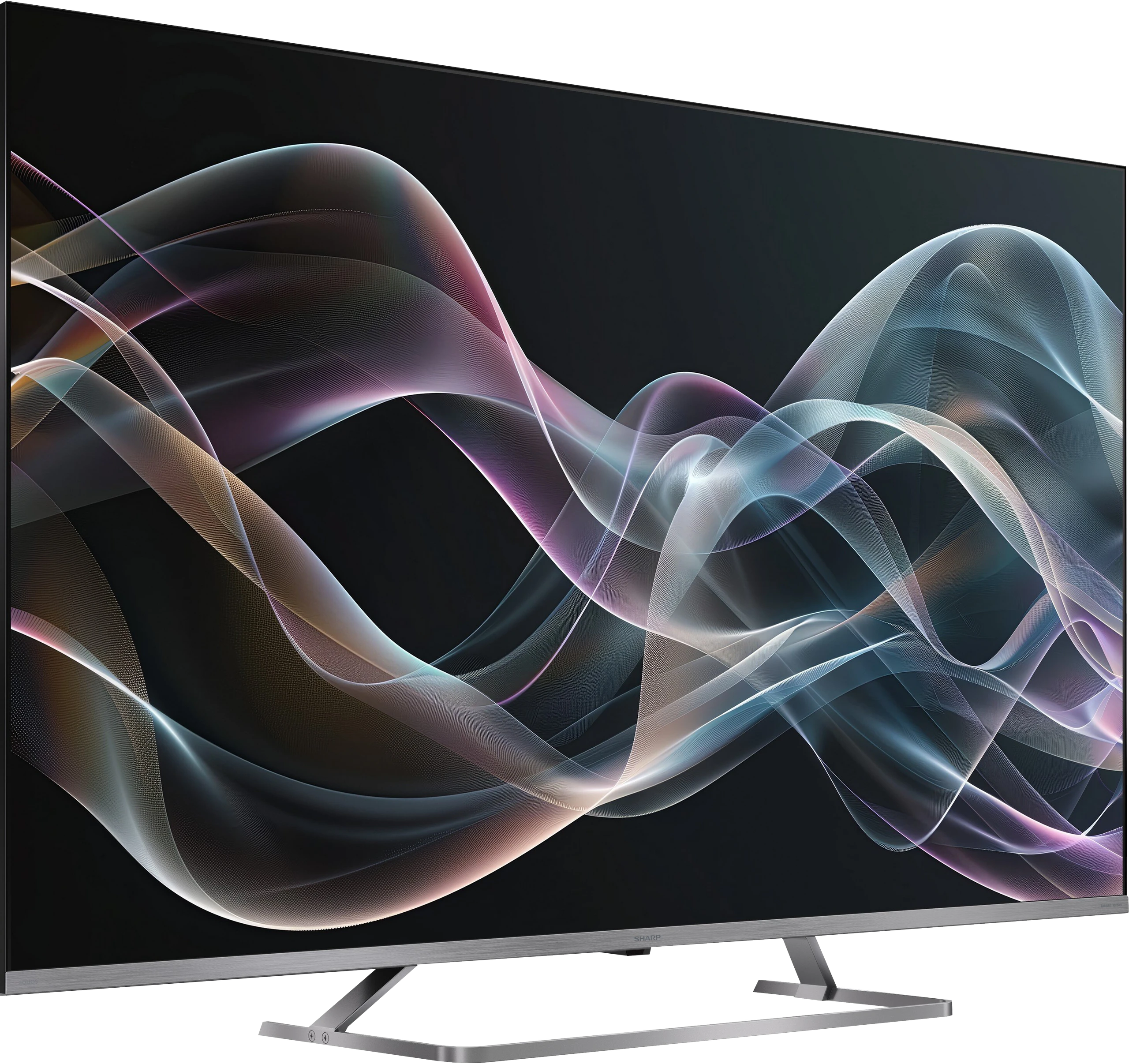
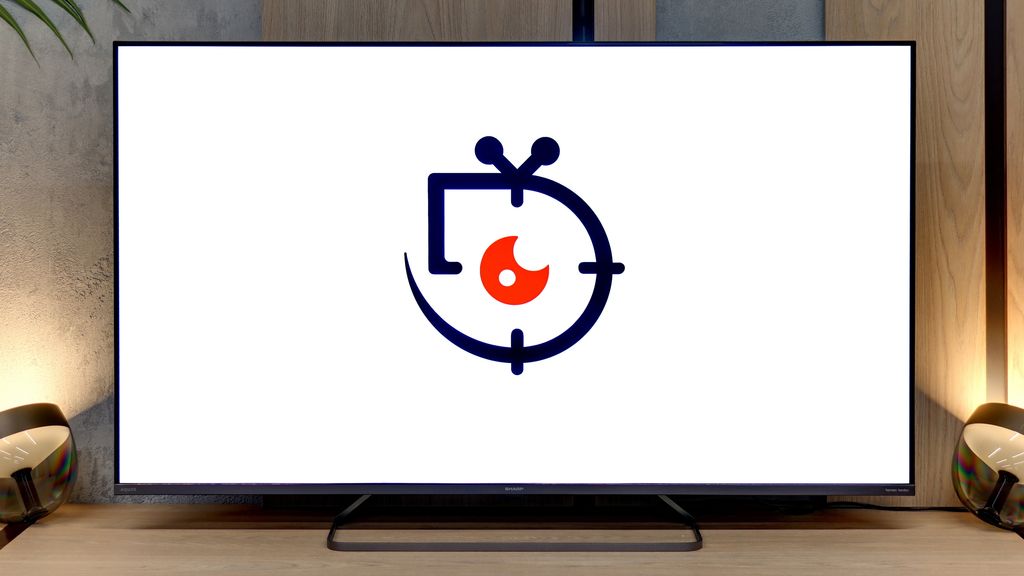
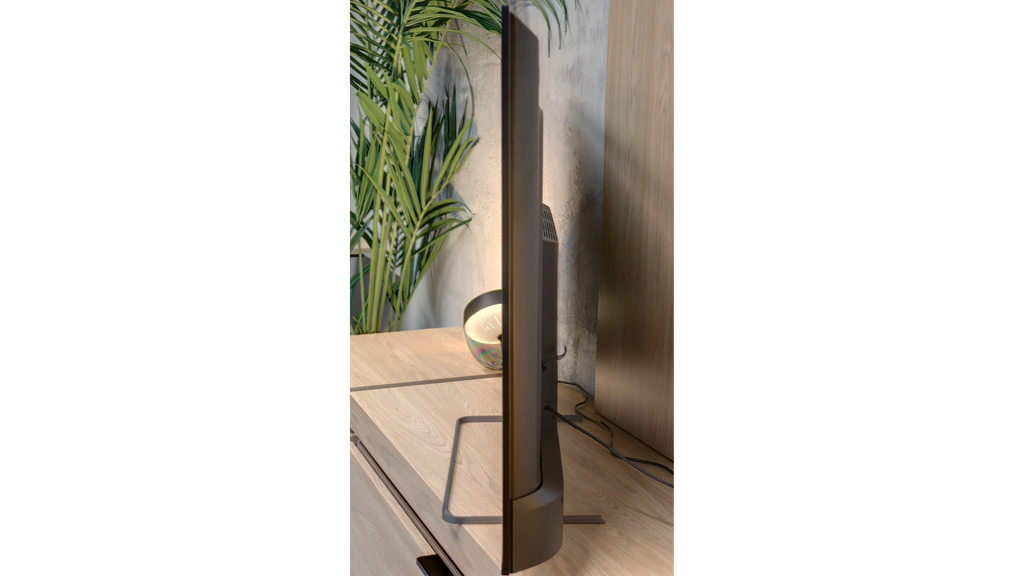
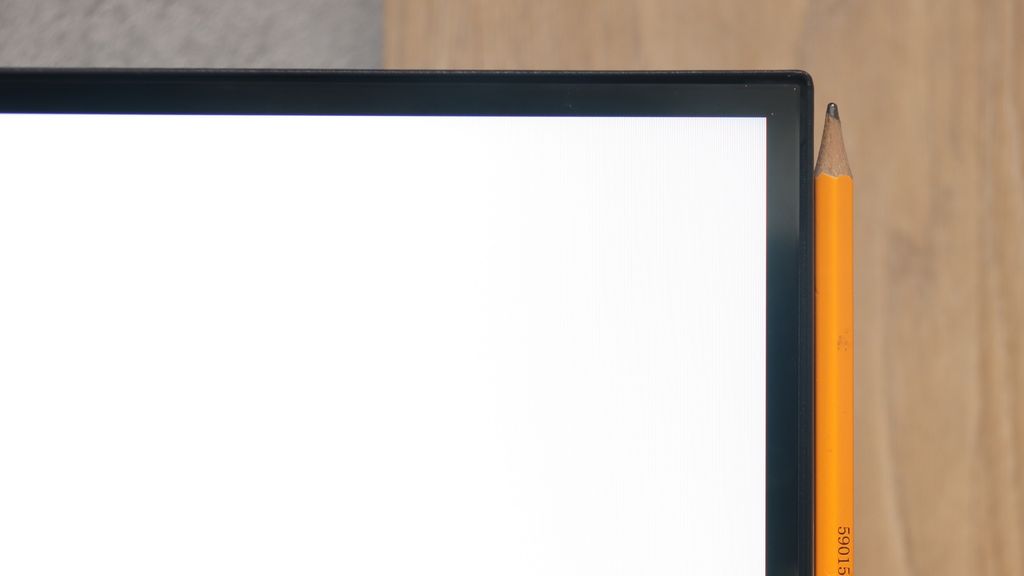
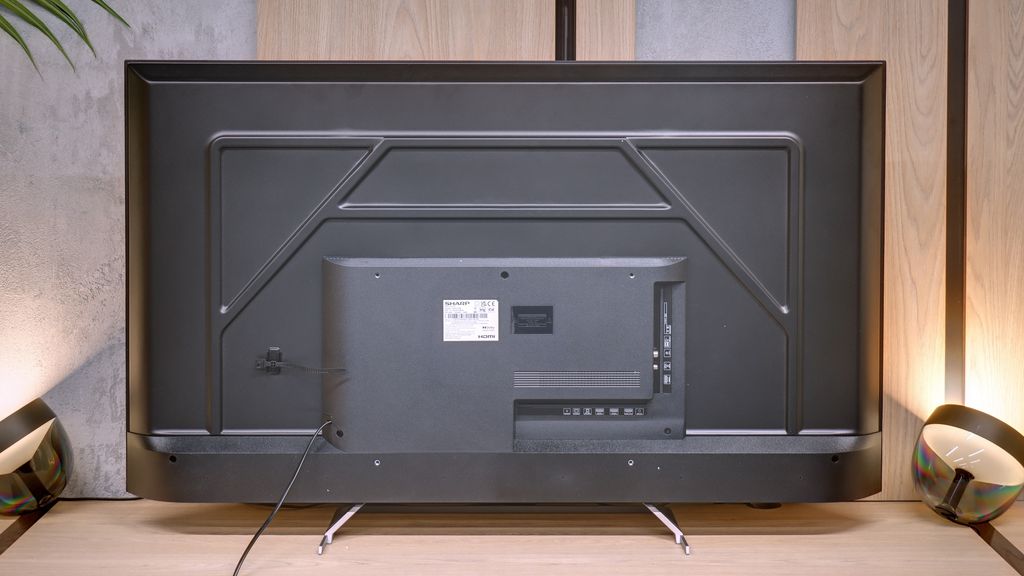
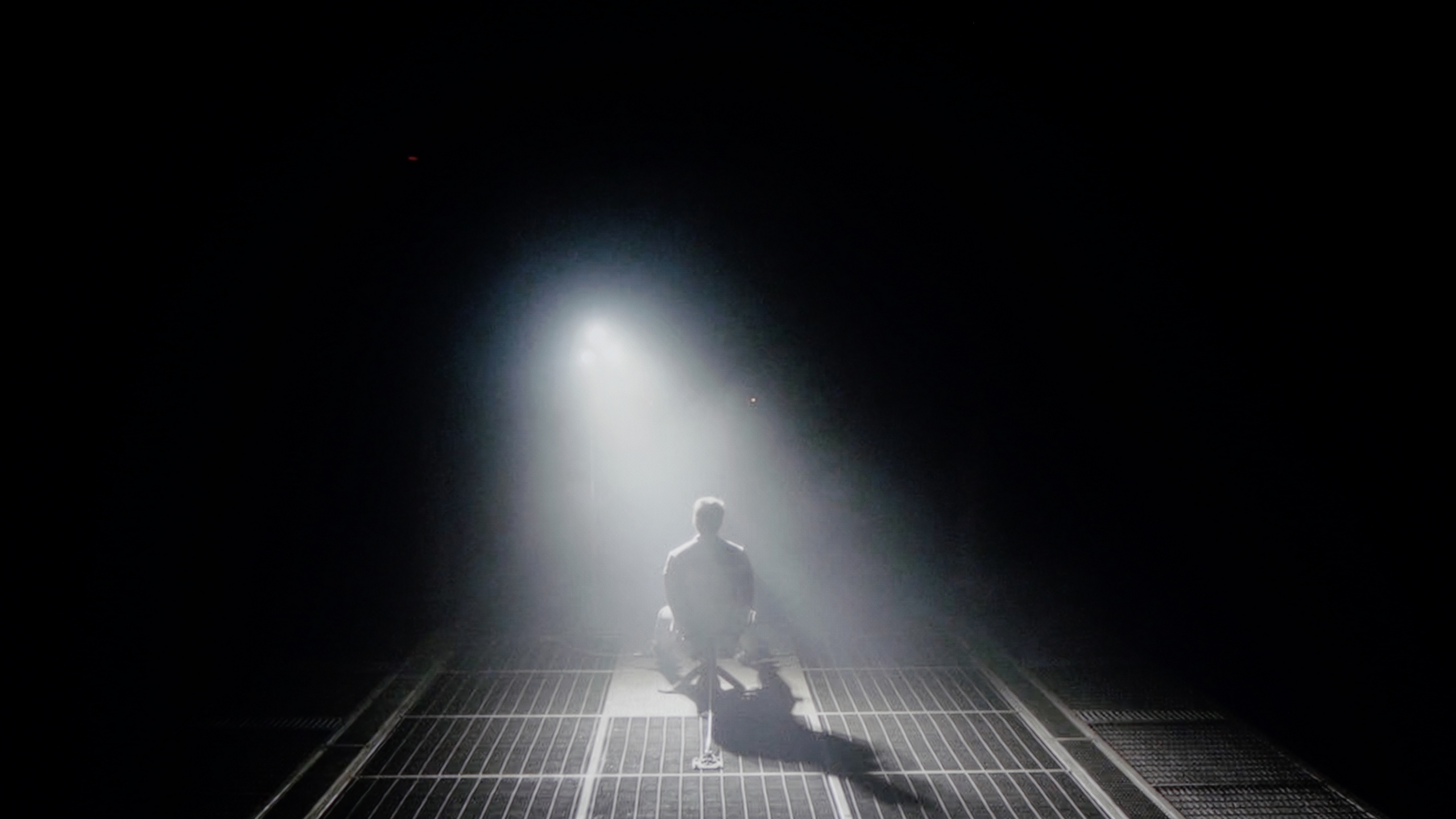
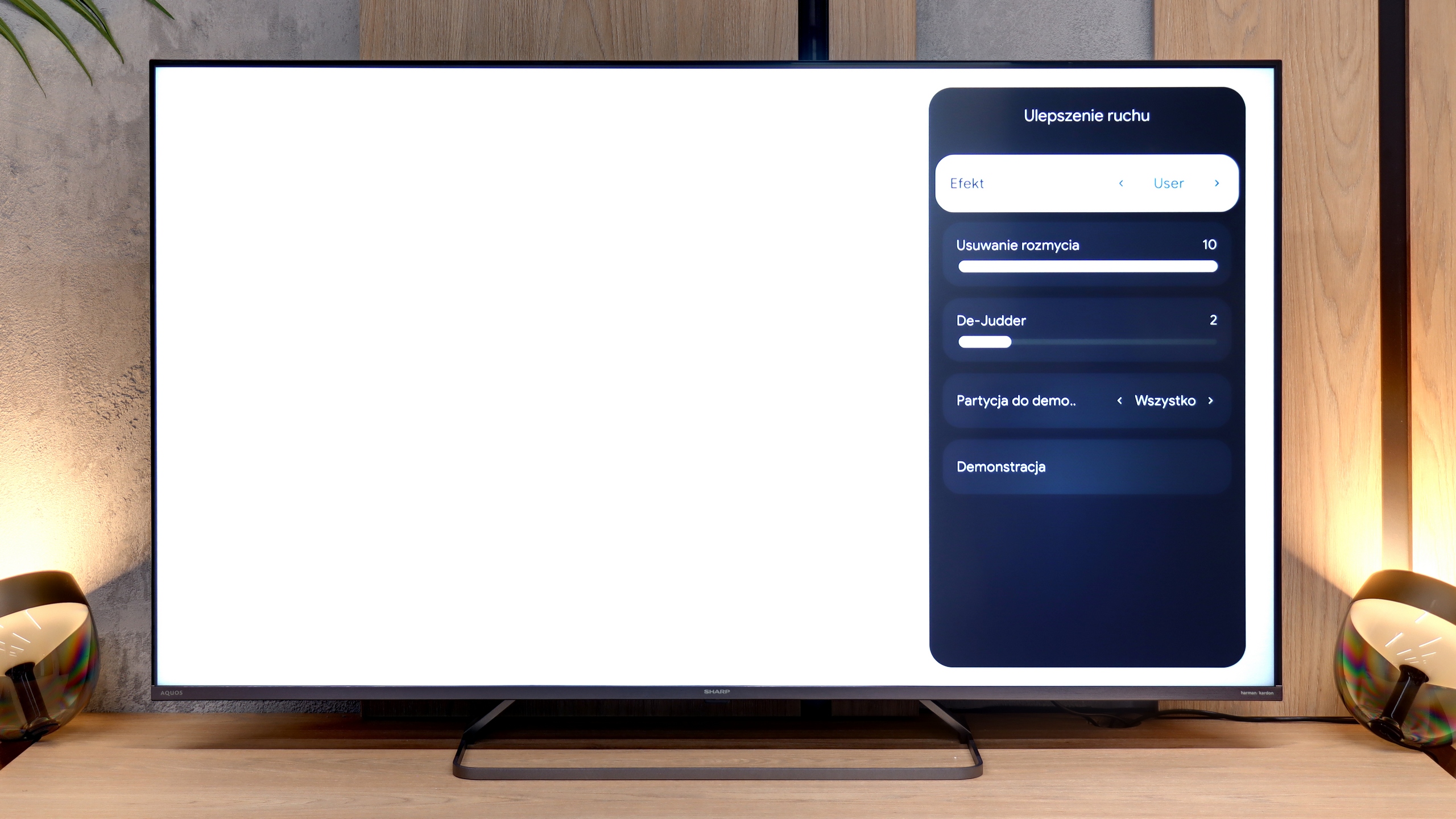
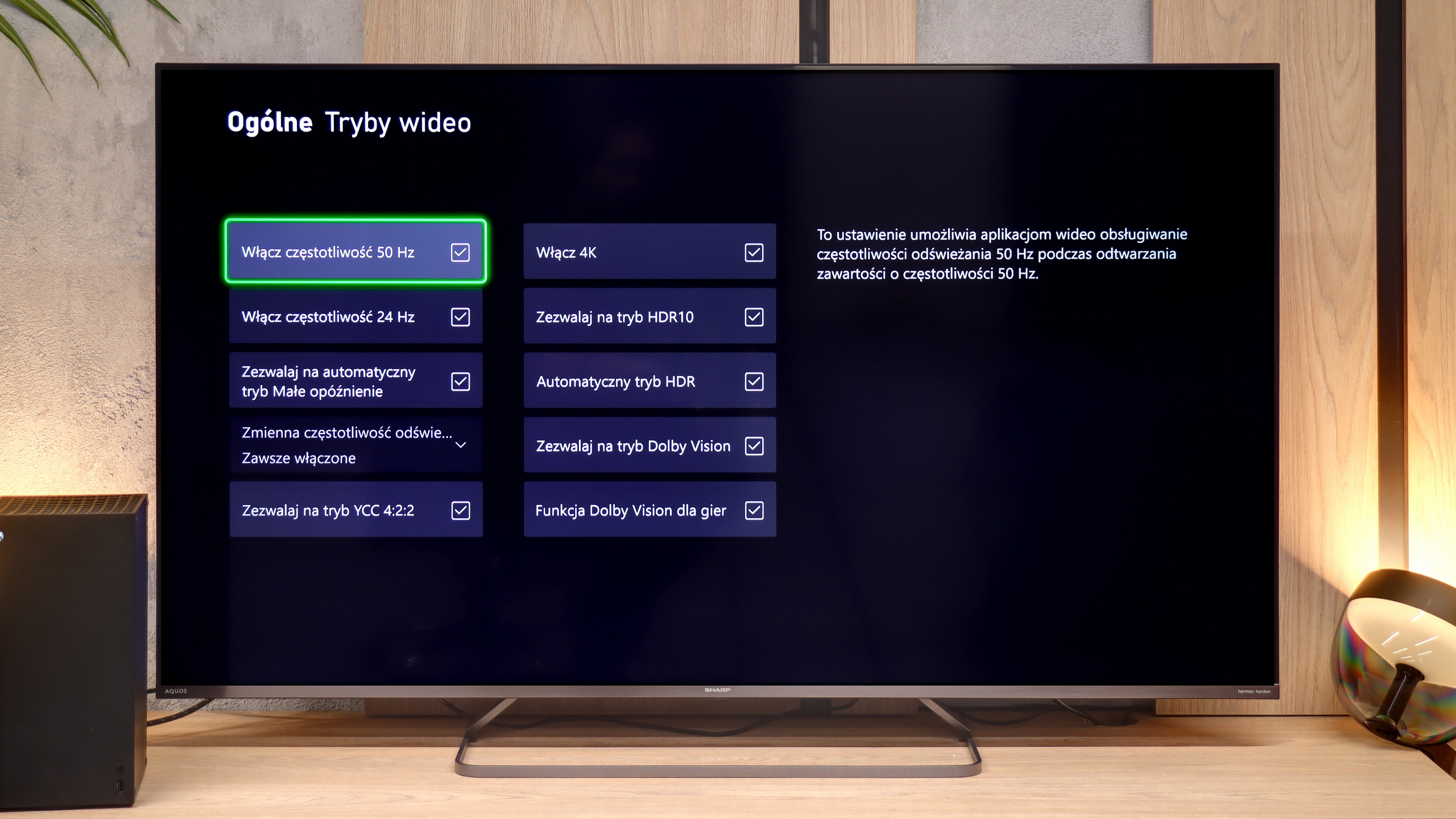
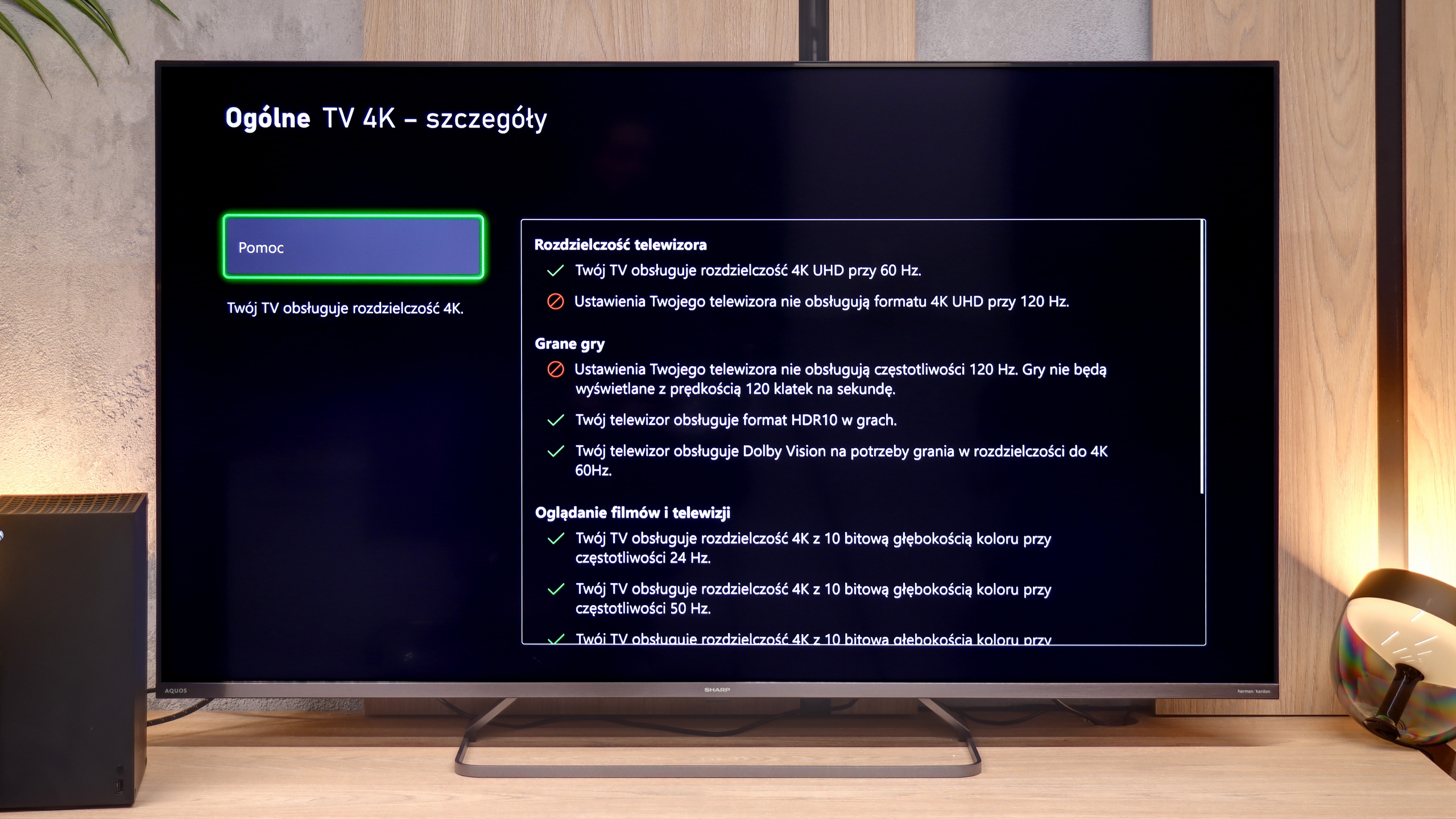
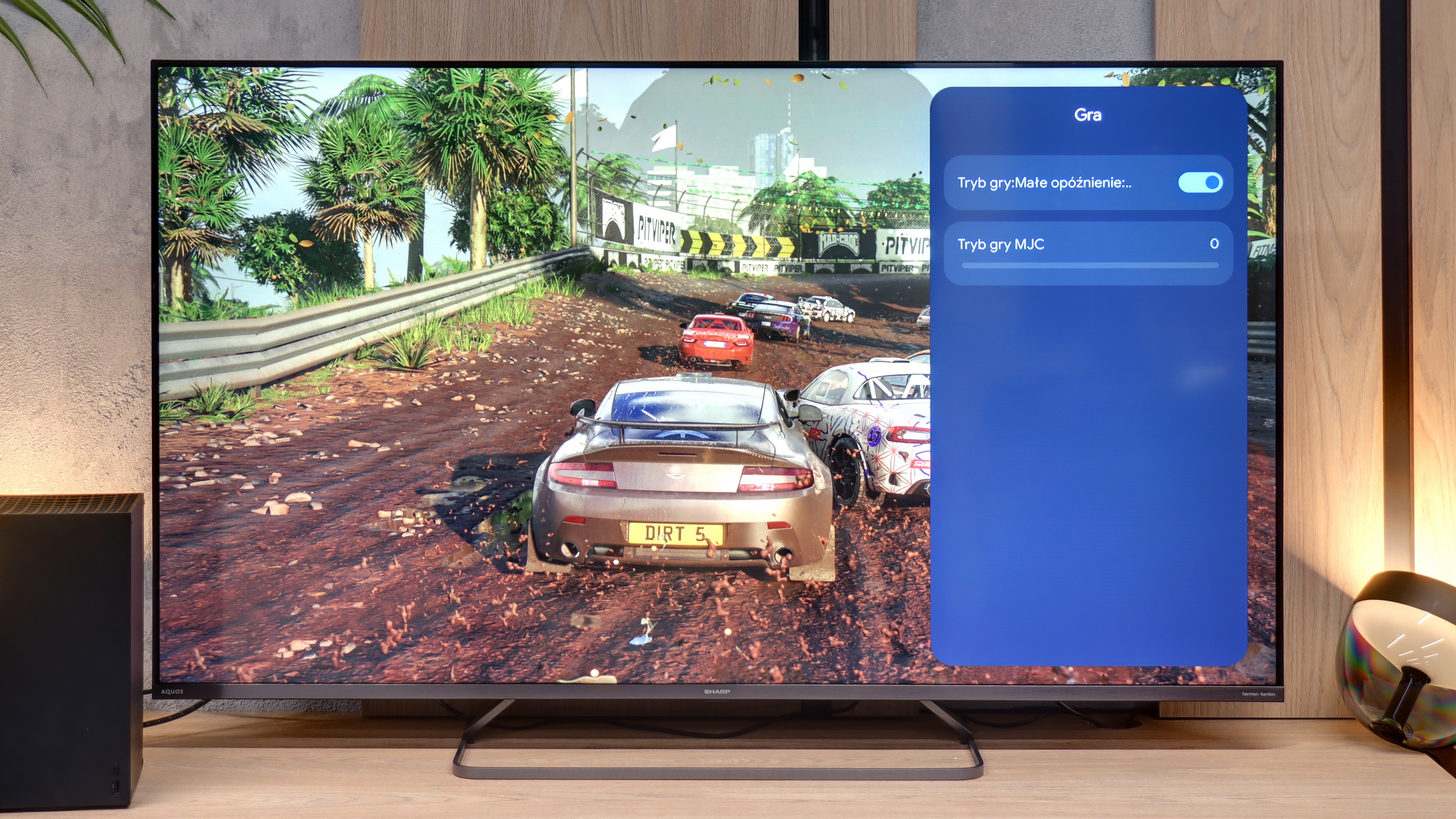
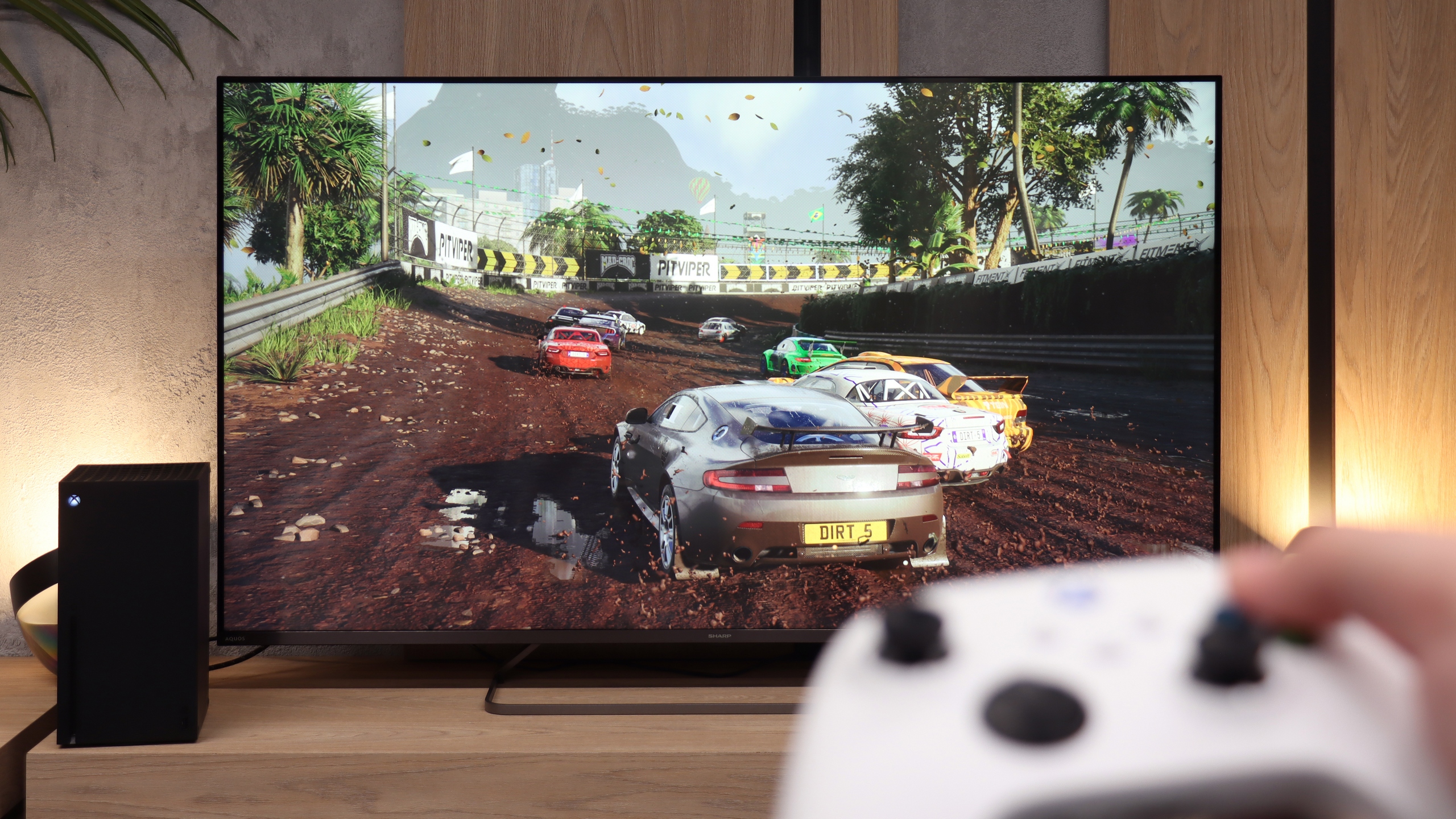
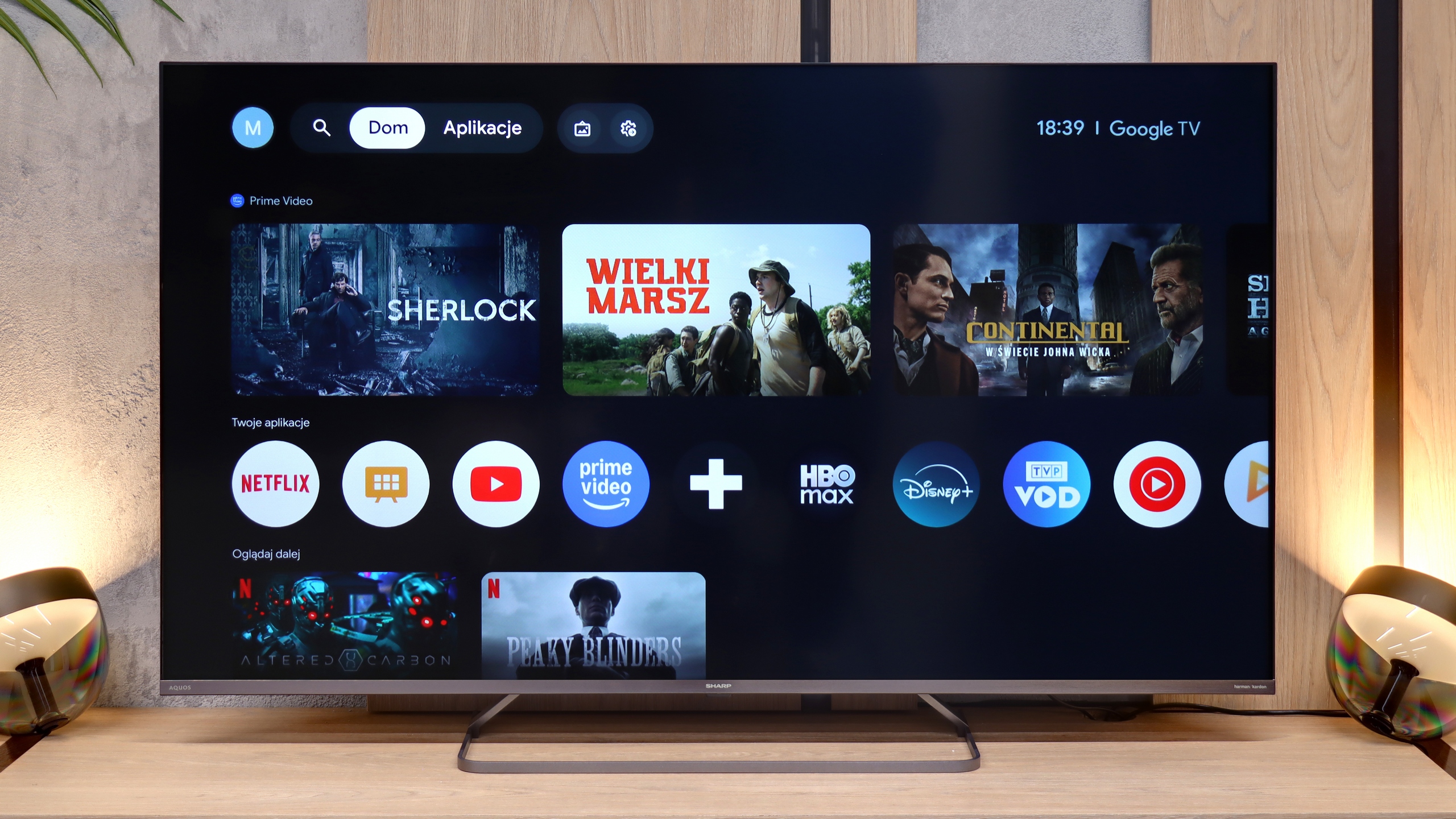
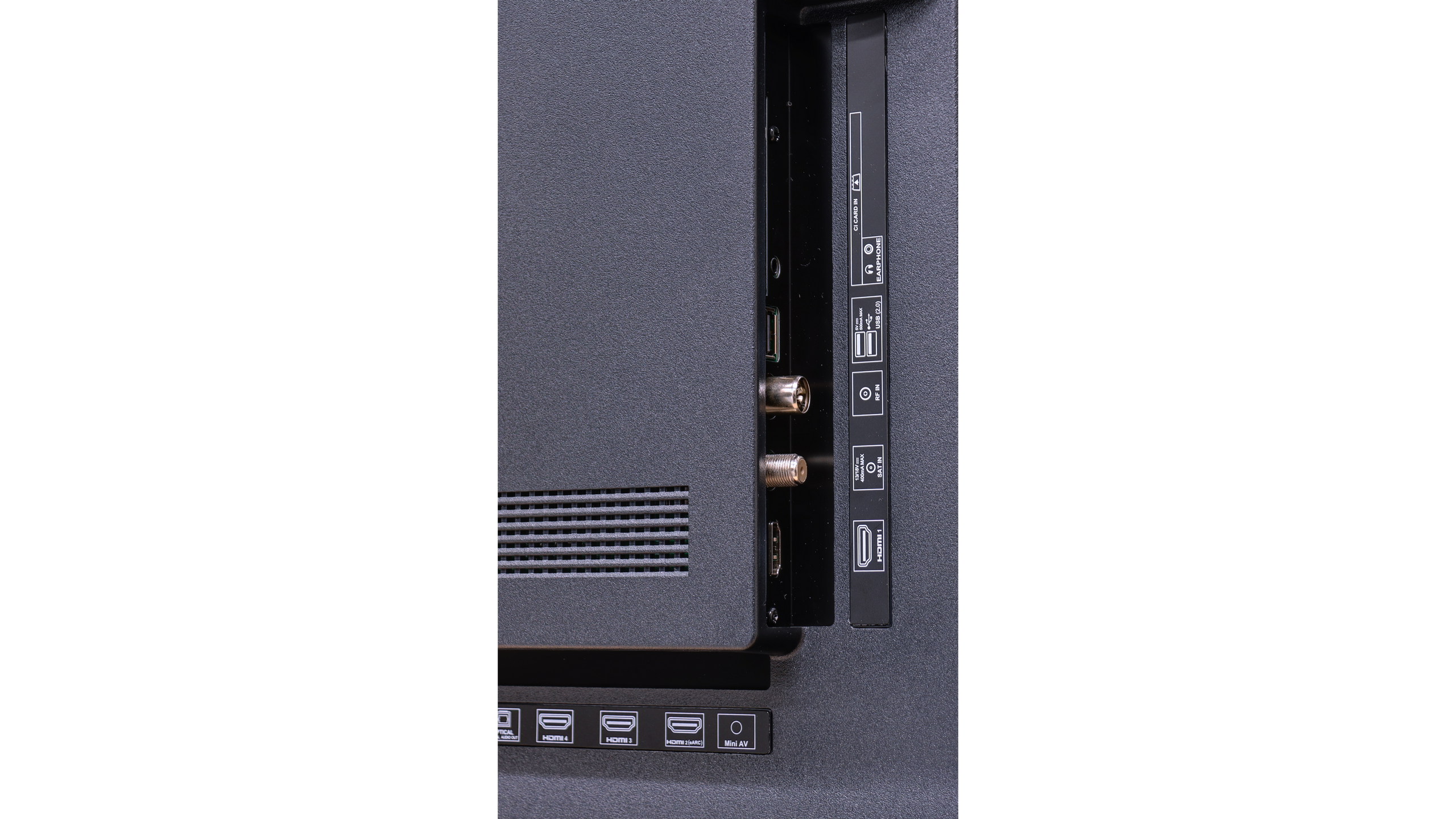
Sharp JP7765 is another offering in the market that tries to prove that Mini-LED technology doesn’t have to cost a fortune. The low price is matched with an exceptionally high brightness — a peak of 1000 nits in HDR is a result that simply impresses in this price range. Although the proprietary processor doesn’t always manage backlighting perfectly in demanding scenes, support for Dolby Vision effectively saves the situation. Thanks to dynamic metadata, the image becomes plastic, deep, and simply appealing to the eye. Adding to this the Google TV system, extreme volume, and a rarely-seen headphone jack, we get a device that is a brilliant option for seniors or less demanding viewers transitioning from basic, cheap LCDs. In such a scenario, the Sharp JP7 appears to be a really decent and cost-effective choice. However, it must be made clear: contrary to marketing slogans, this is not equipment for everyone. Gamers or sports fans will definitely not find themselves here. The biggest drawback of the JP7765 model is the slow, 60Hz panel and significant motion blur, which essentially disqualifies this television when watching dynamic matches or playing fast-paced titles. The image loses sharpness so markedly during rapid movements that for a football or racing fan, it may be an unacceptable barrier.
So who is the Sharp JP7765 for? It is a sensible option for budget-conscious individuals who do not have high demands for motion fluidity but appreciate a “kick” of brightness. By choosing the Sharp JP7, you will definitely make a better deal than purchasing basic (non-dimming) televisions from the competition. Rivals usually offer standard LCD panels at a similar price that cannot compare to the capabilities of even such a basic Mini-LED model as the JP7. Ultimately, it’s a matter of a simple arrangement: you accept weaker motion fluidity in exchange for the powerful brightness that is hard to find with other manufacturers at this price point.
 Direct comparison