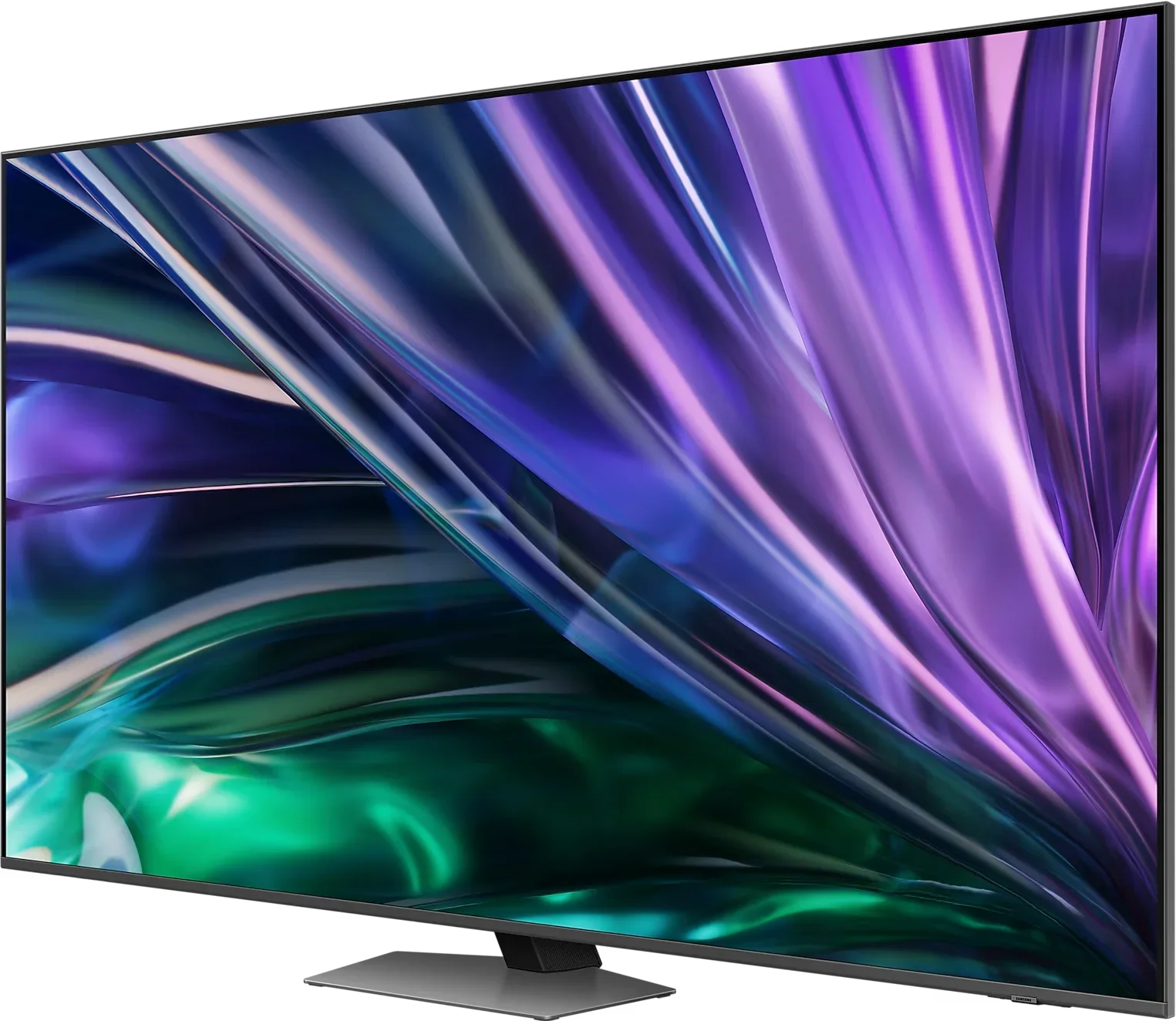
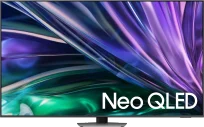
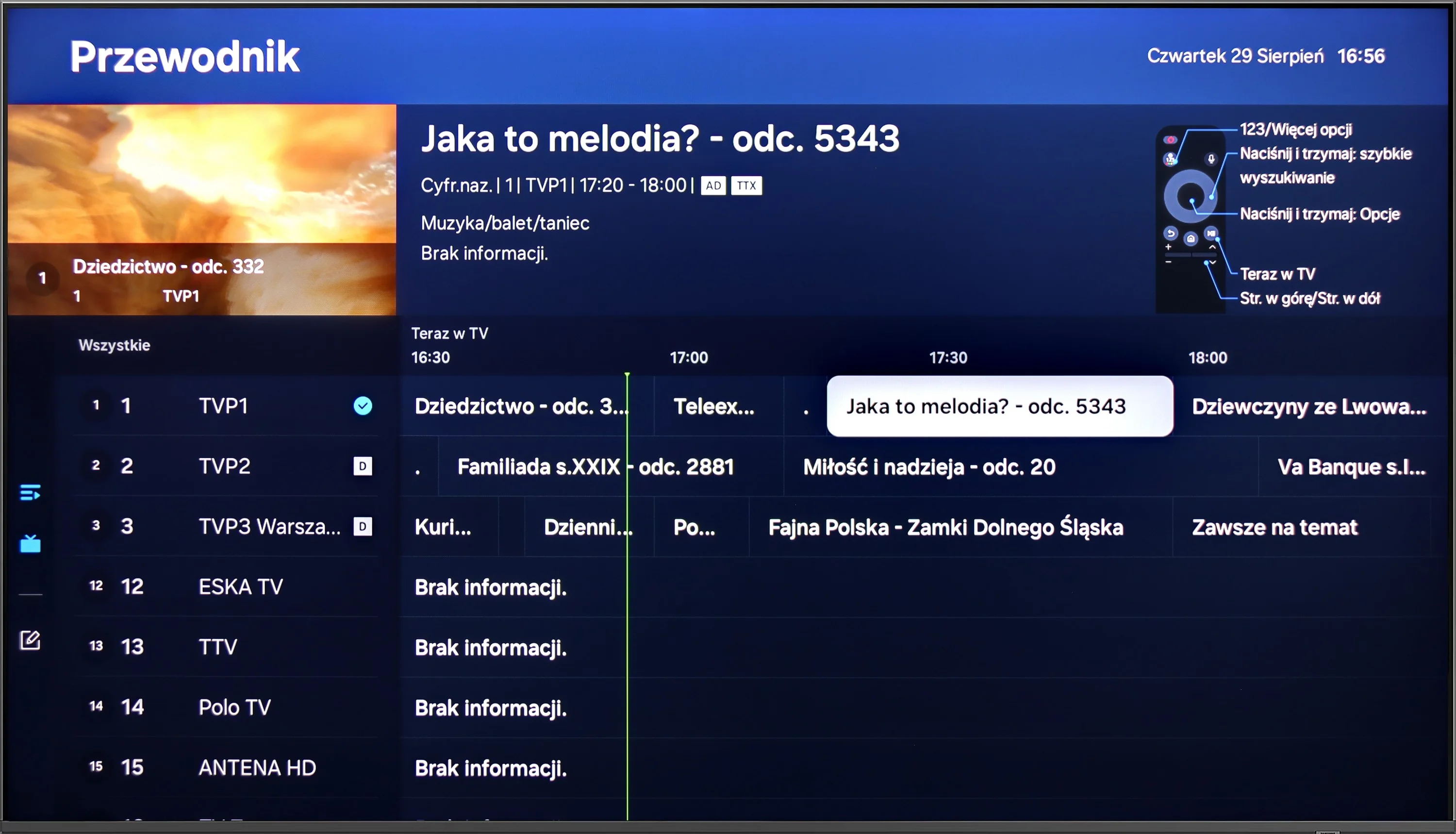
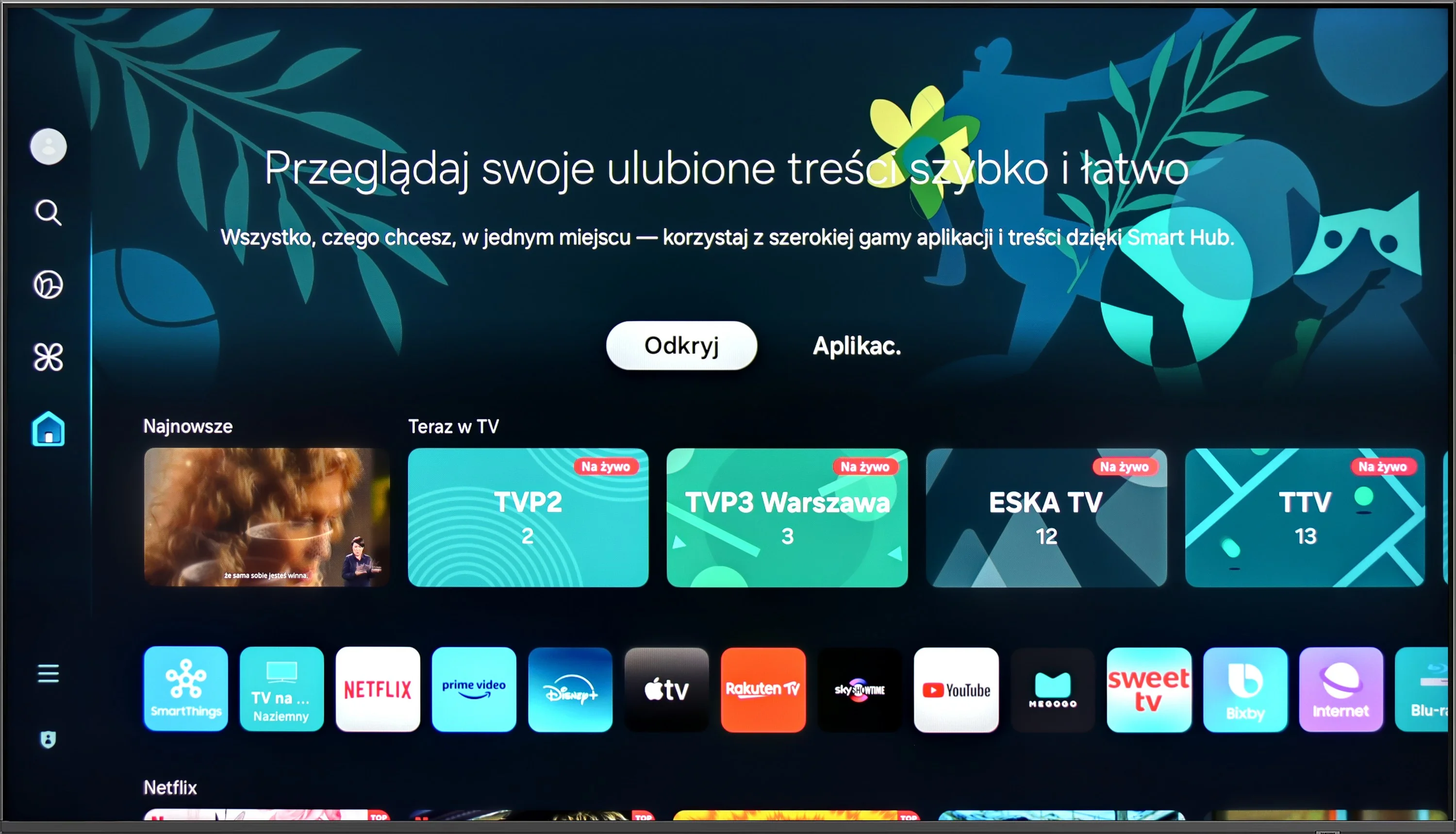
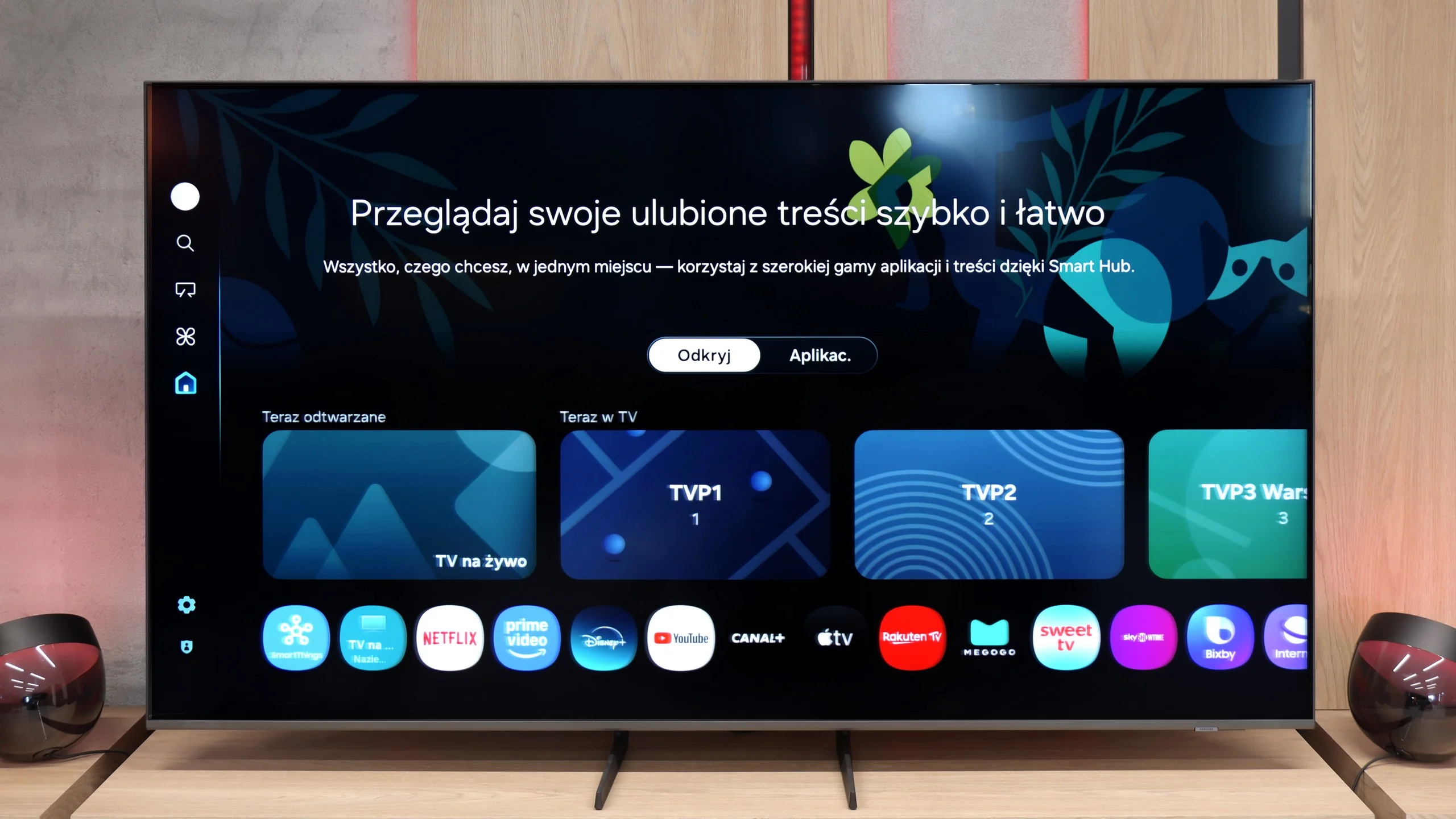
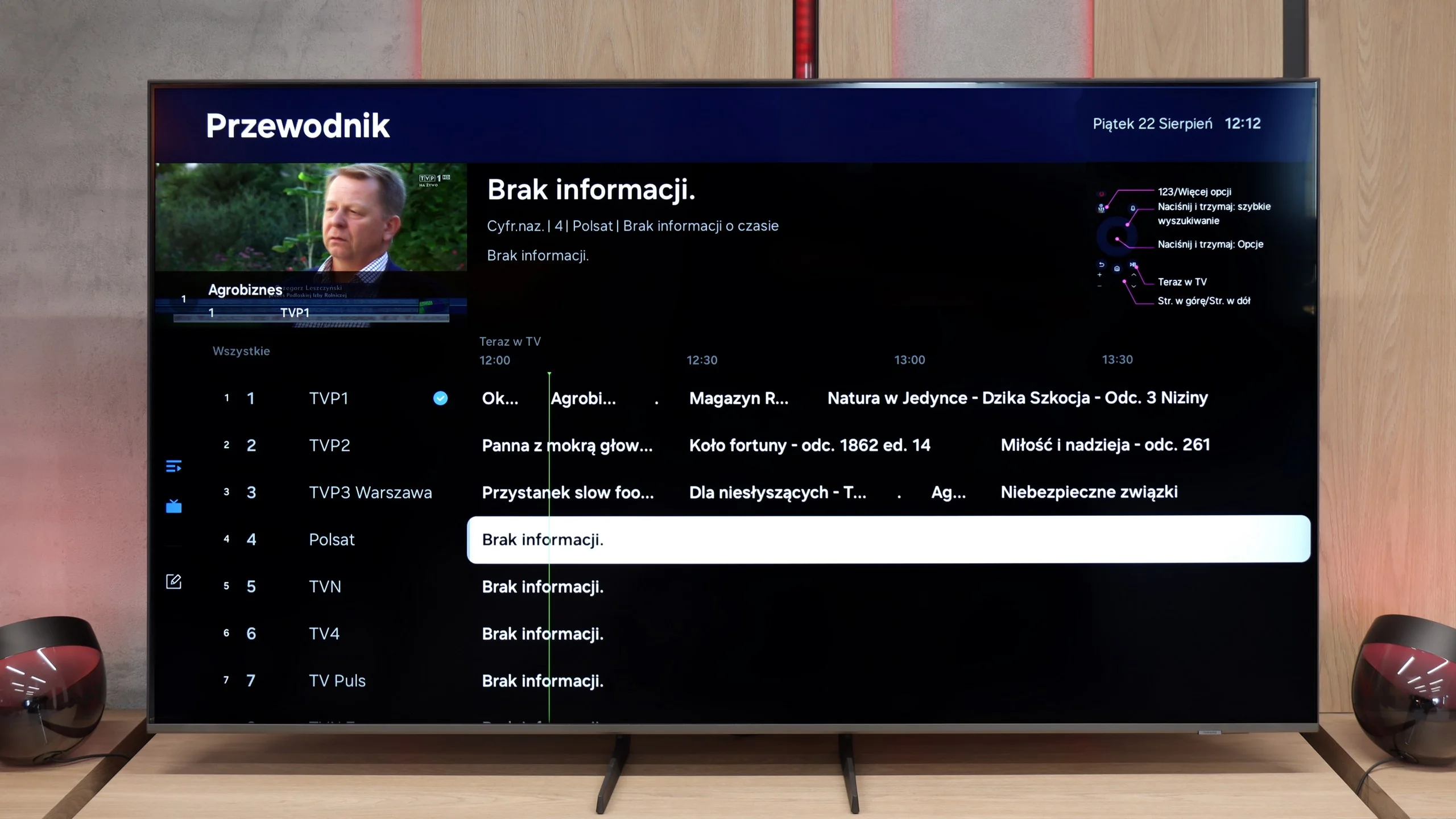
The Samsung QN85D is the entry-level model in Samsung's 2024 Mini LED – Neo QLED lineup, offering a well-balanced mix of modern smart features and impressive picture quality. Running on the Tizen platform, the QN85D provides extensive support for Samsung's SmartThings ecosystem, enabling seamless integration with other smart devices in the home, regardless of brand. Apple users benefit from AirPlay compatibility, making content sharing from Apple devices straightforward, while the Daily+ feature adds an extra layer of engagement by delivering daily curated content, enhancing everyday use.
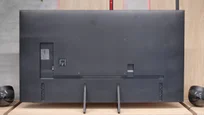
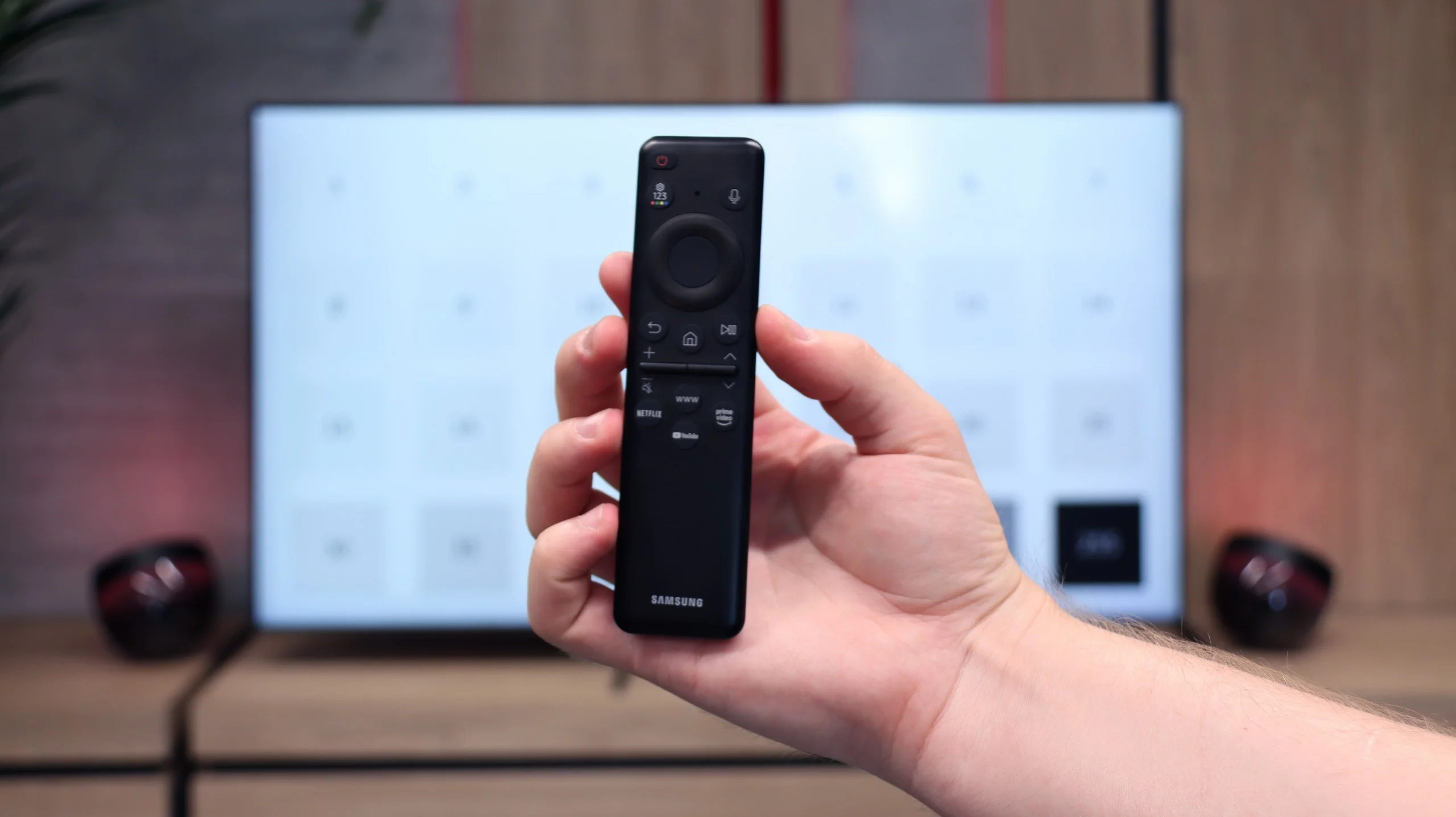
For regular viewing, the QN85D performs commendably. Its high brightness level allows it to easily handle well-lit rooms, and the central stand offers stability and aesthetic appeal. Though it lacks a recording function, the QN85D includes several practical features, such as a solar-powered remote that also controls Canal+ decoders, along with Picture-in-Picture (PiP) mode, enhancing versatility in various viewing situations.
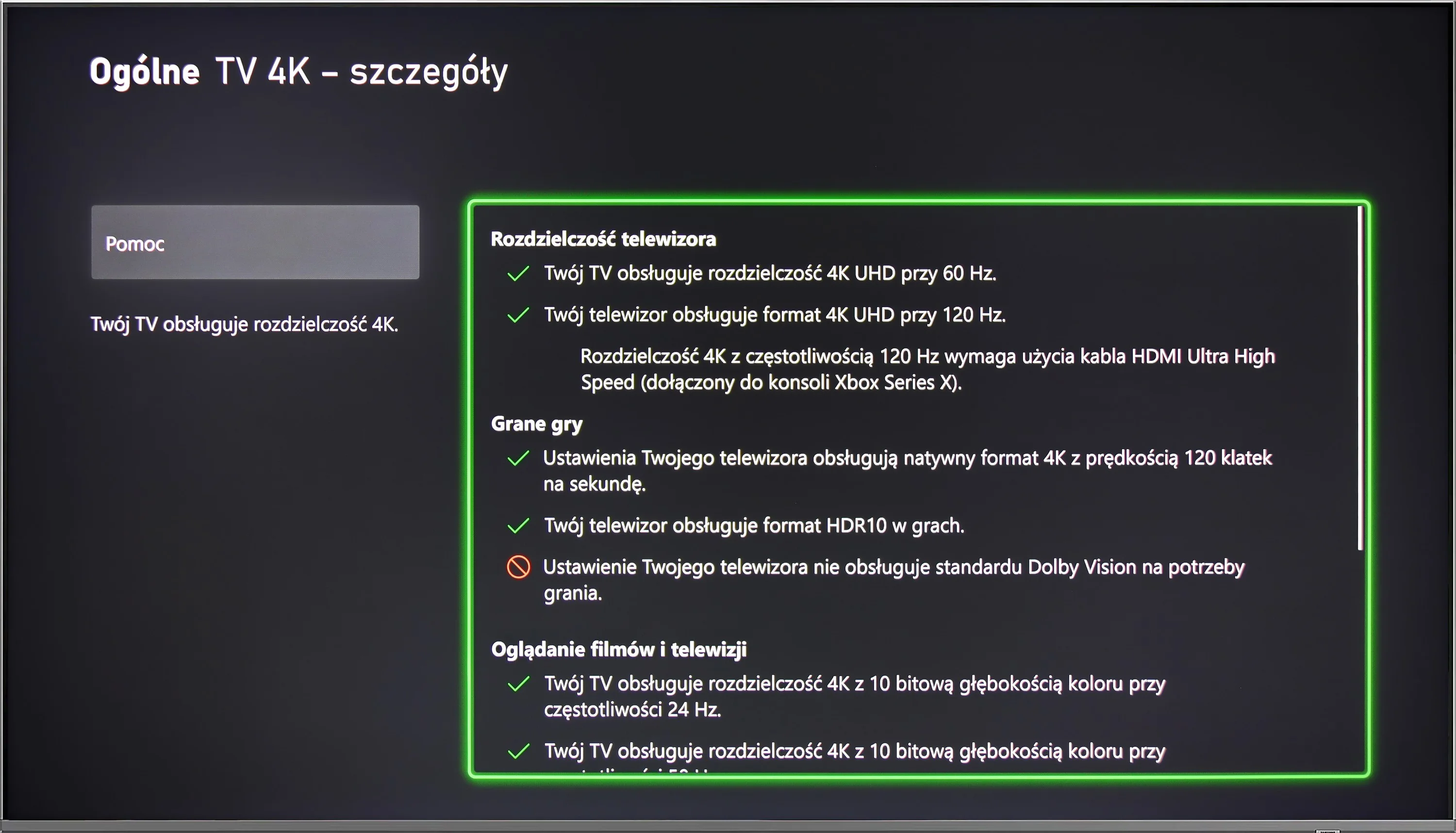
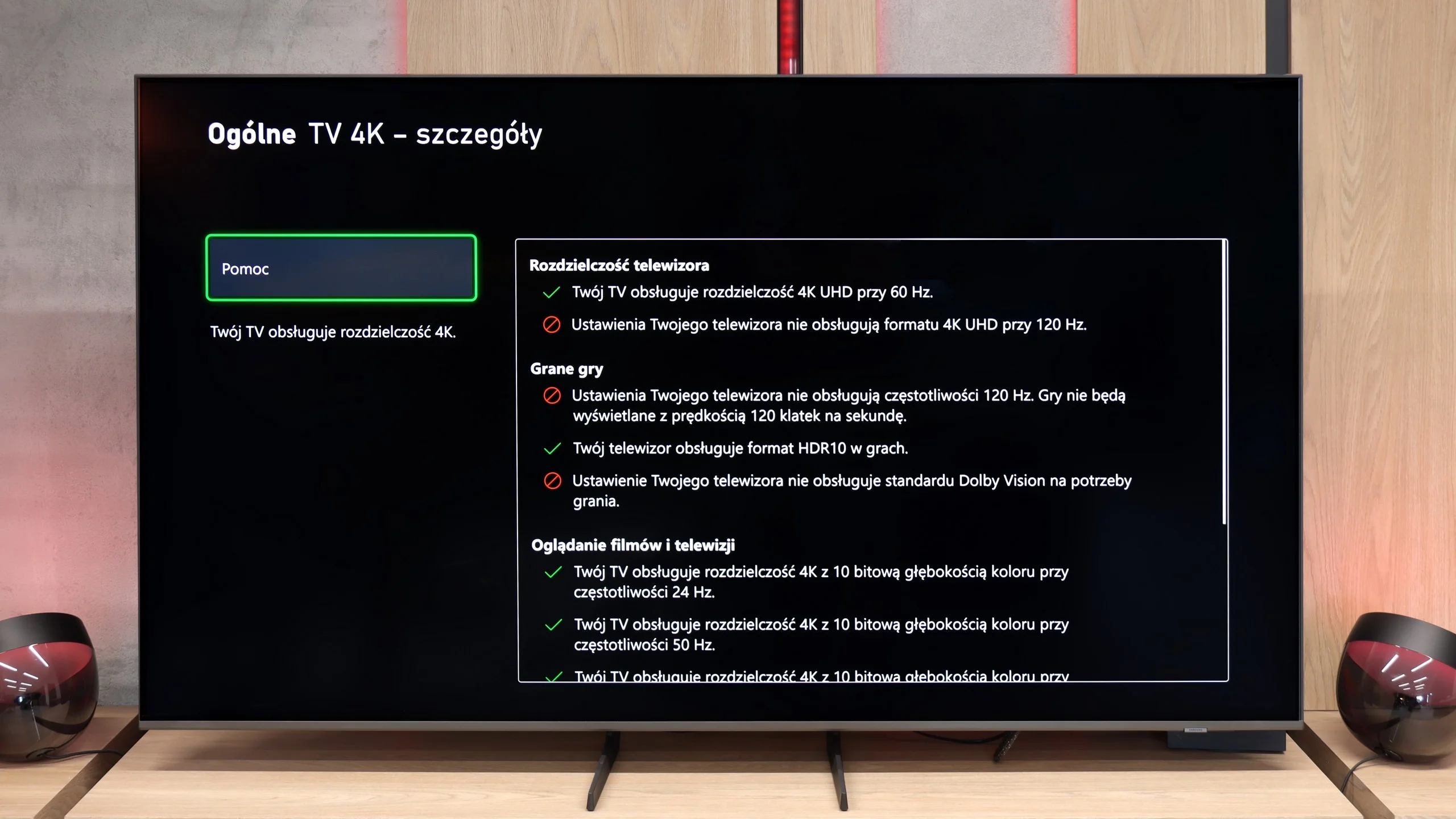
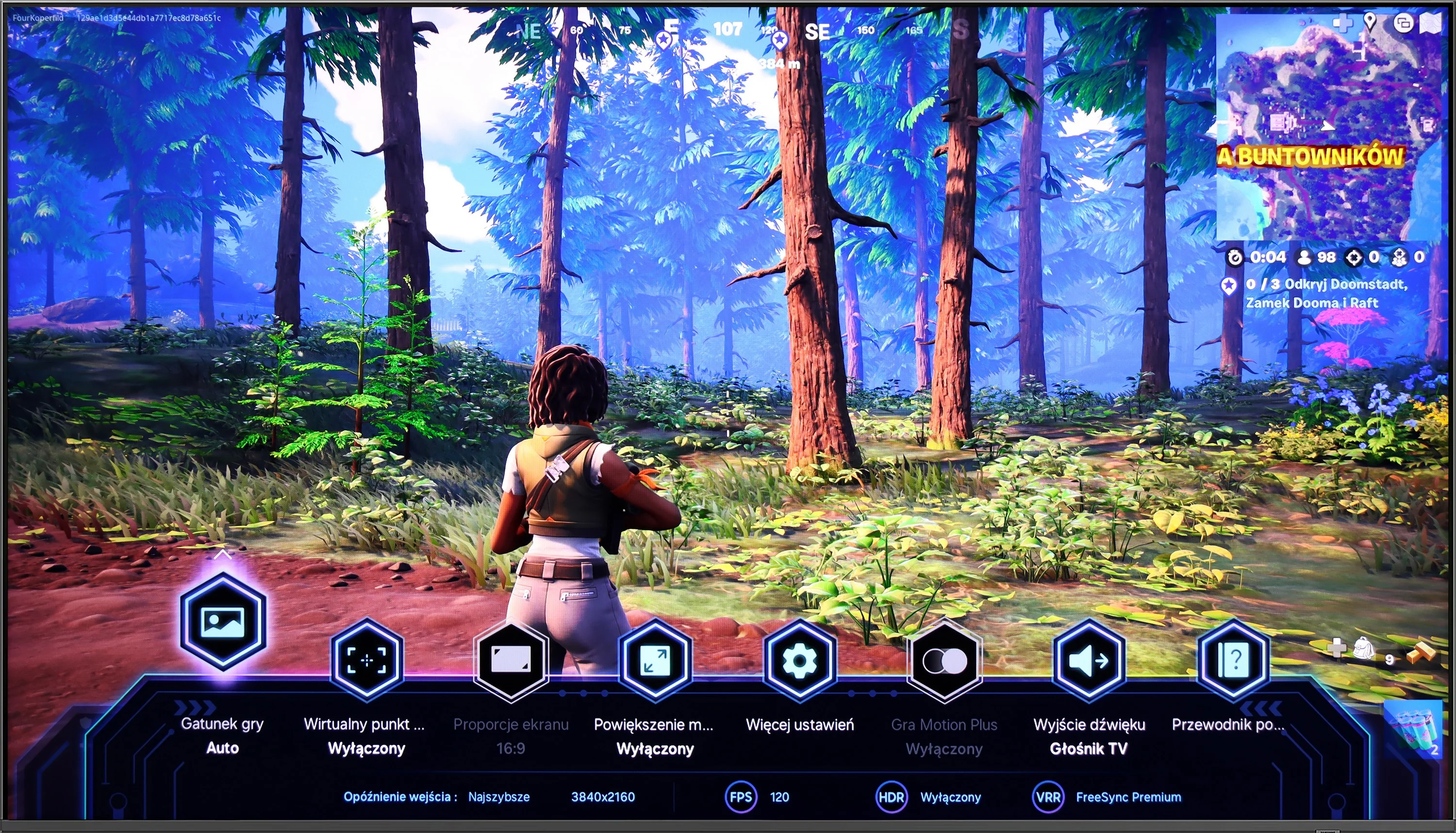
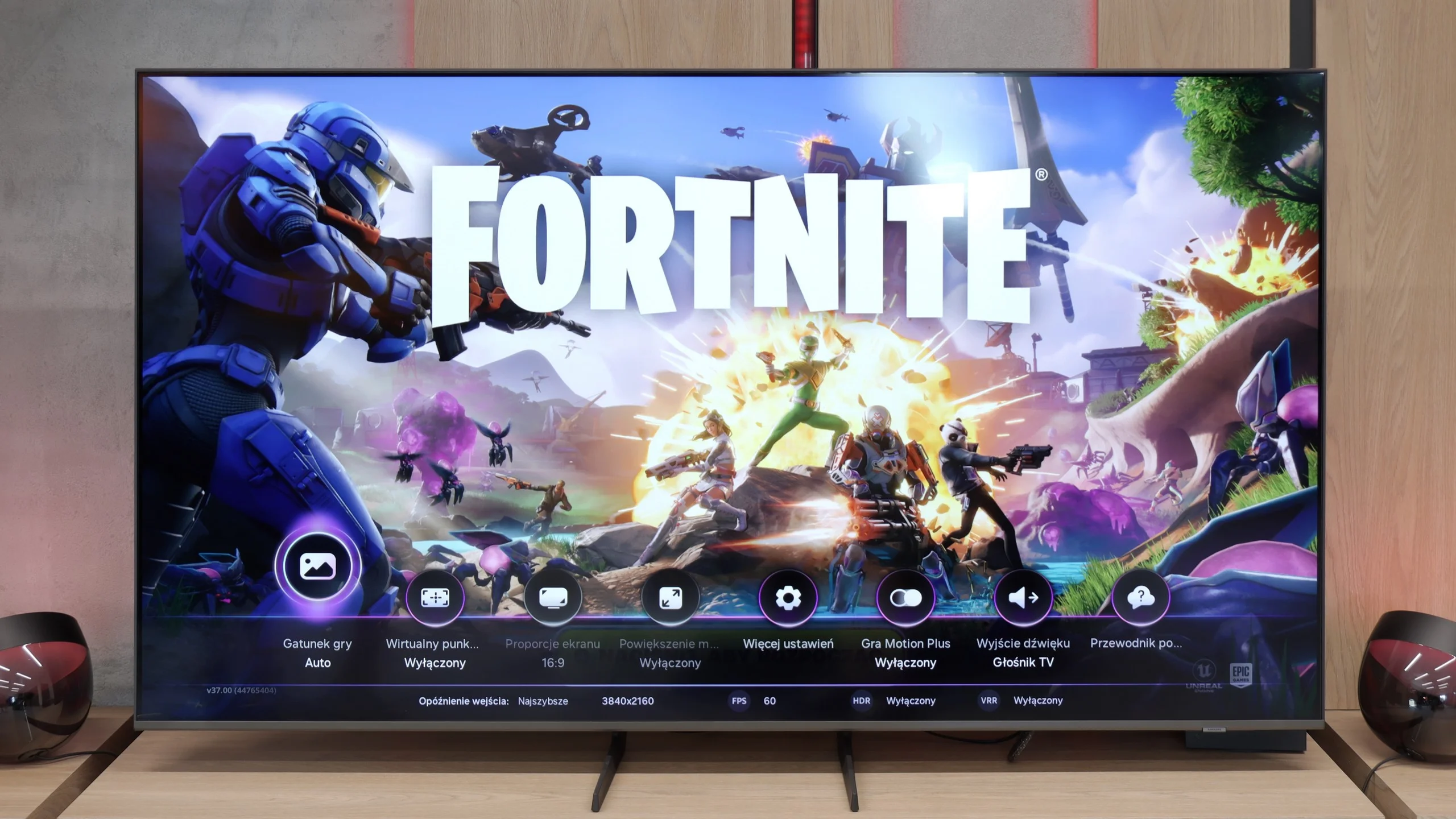
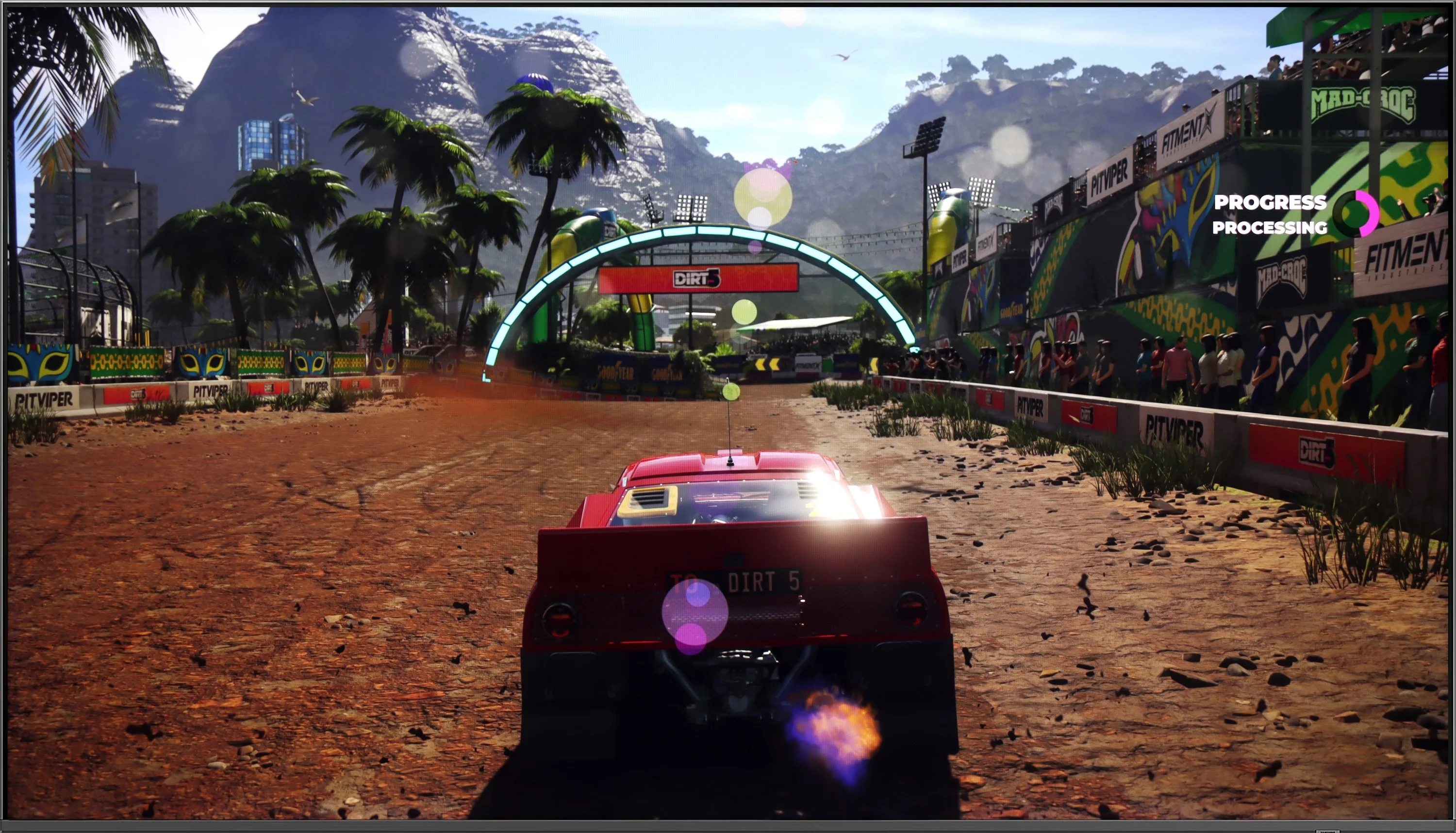
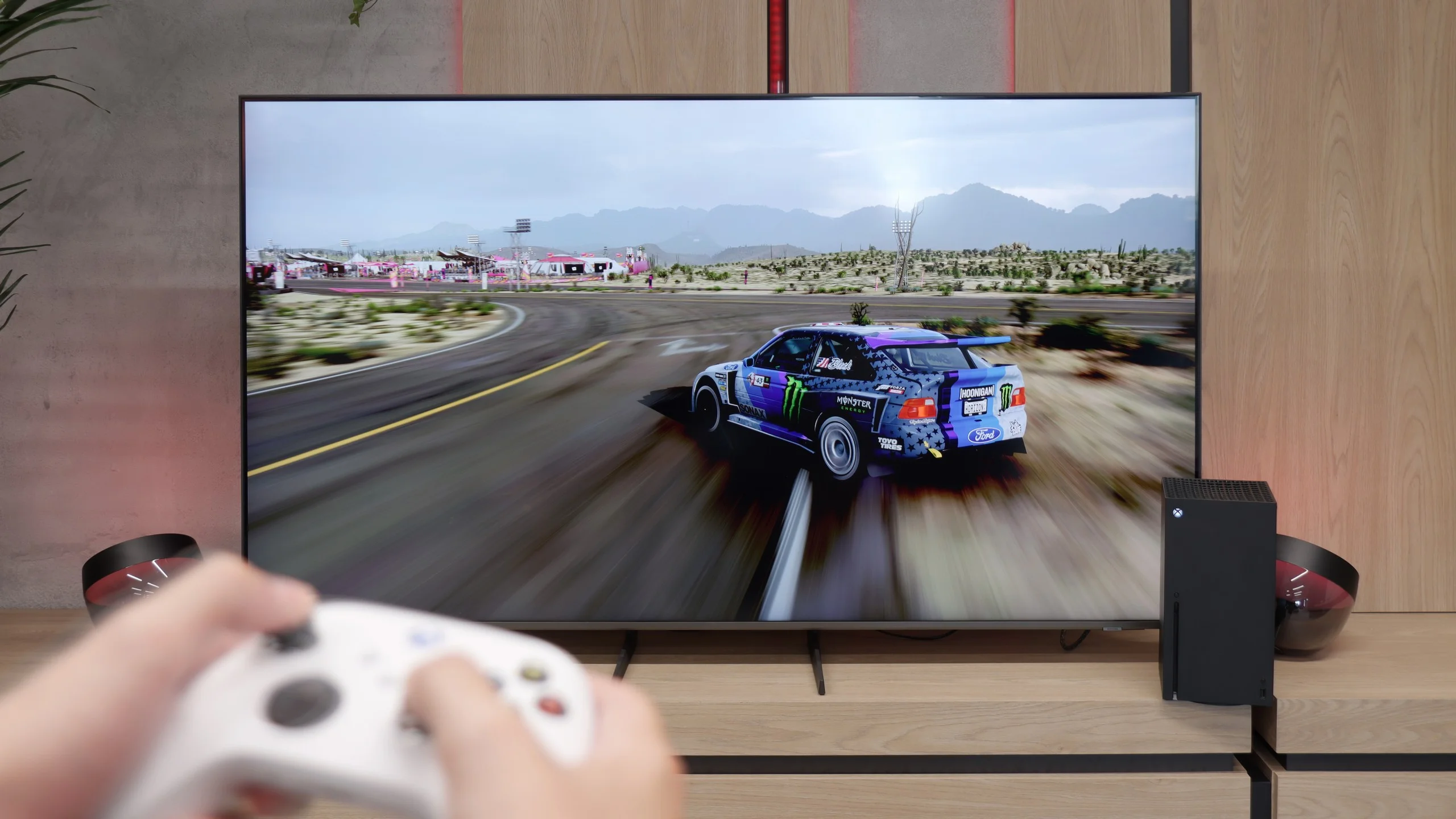
When it comes to picture quality, the QN85D excels in contrast and brightness. Its VA panel delivers deep blacks when viewed directly, and the Mini LED technology provides improved backlight control (with some limitations), which is particularly effective in dark scenes. A refresh rate of 120 Hz ensures smooth handling of fast-paced scenes, while low input lag makes the QN85D an excellent choice for gamers and sports fans alike.
Overall, the Samsung QN85D stands out in 2024 as a robust, feature-rich TV with high picture quality and advanced smart capabilities, making it ideal for both everyday viewing and more demanding movie or gaming sessions.
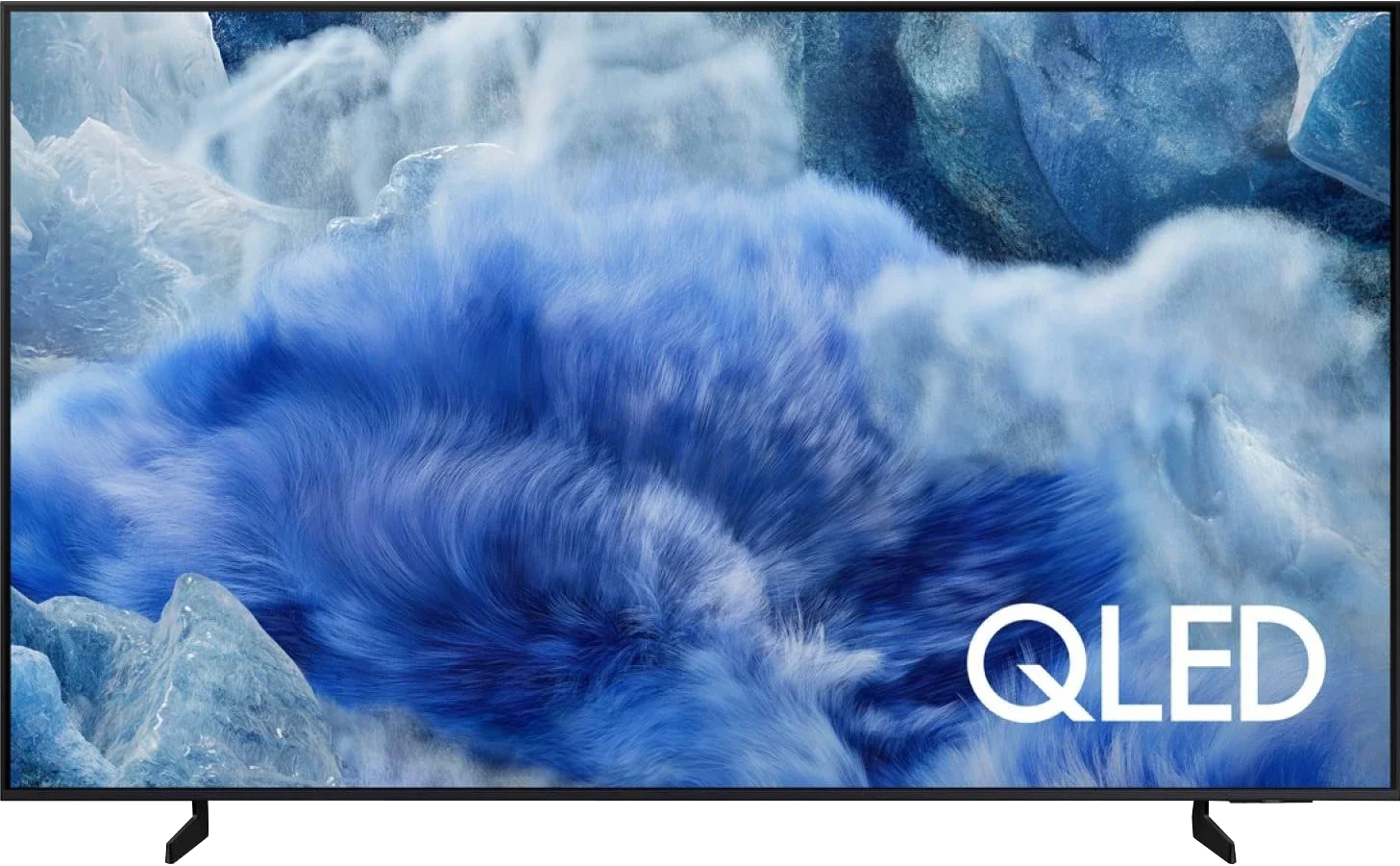
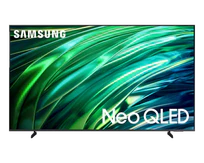
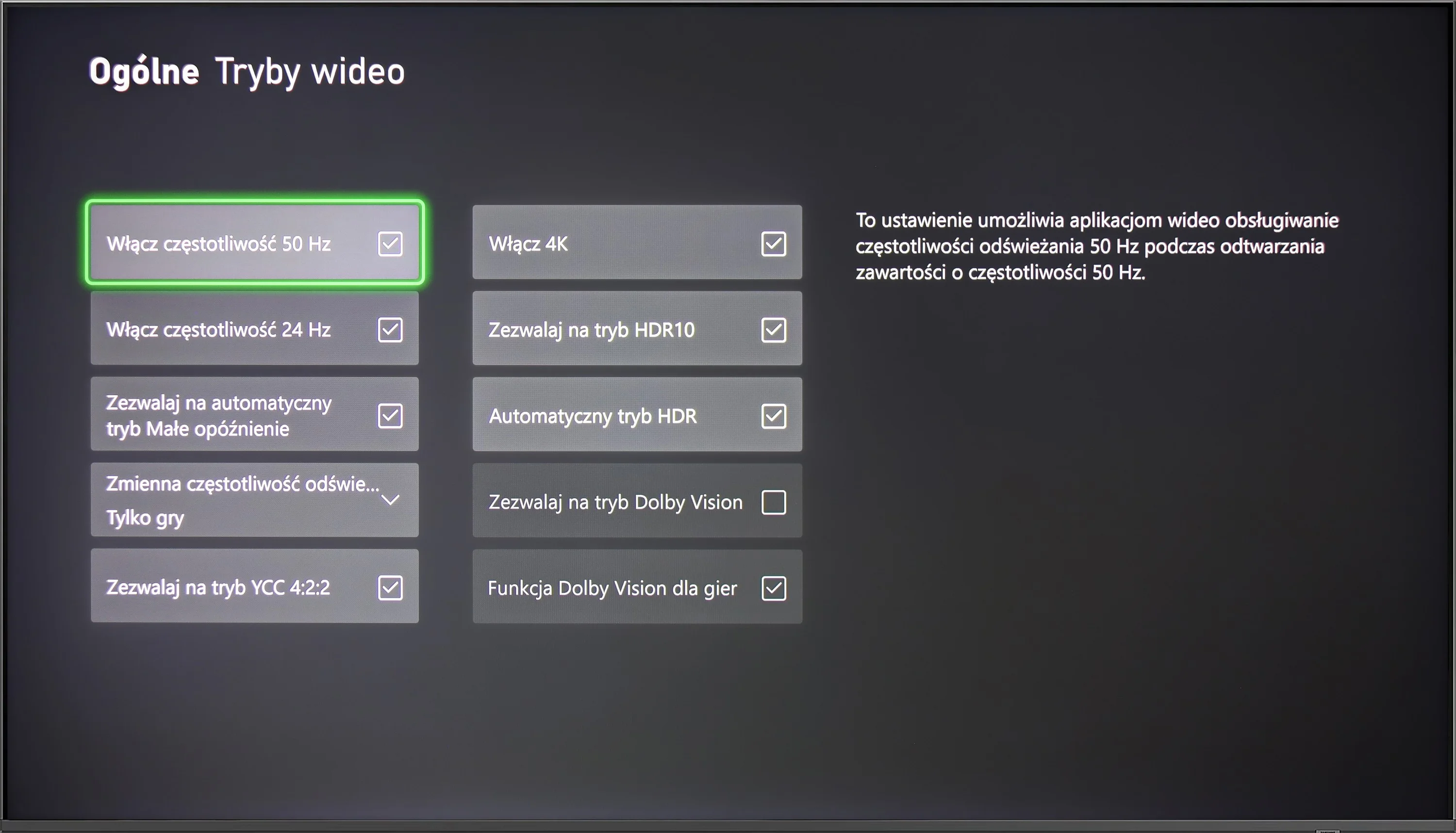
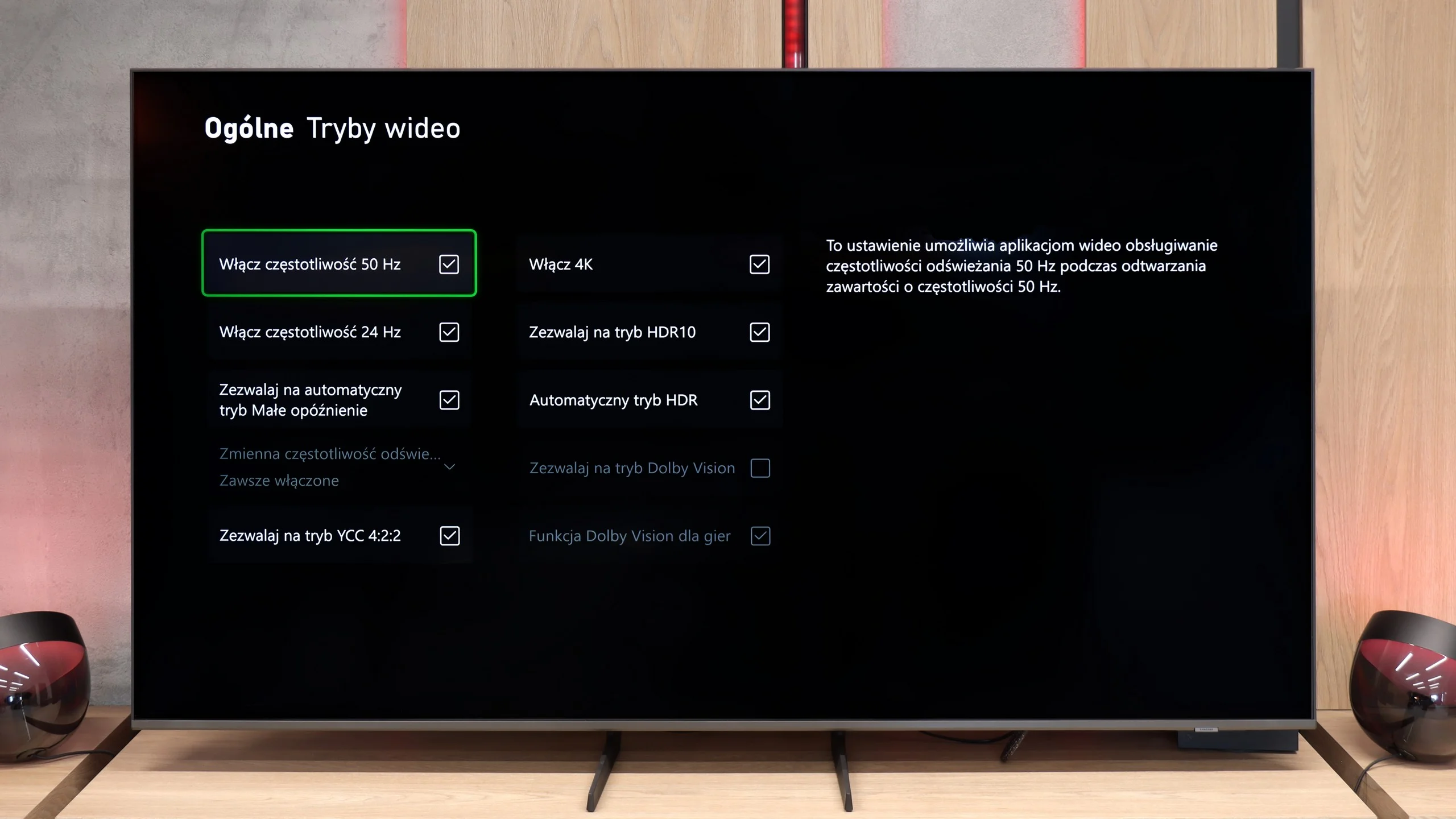
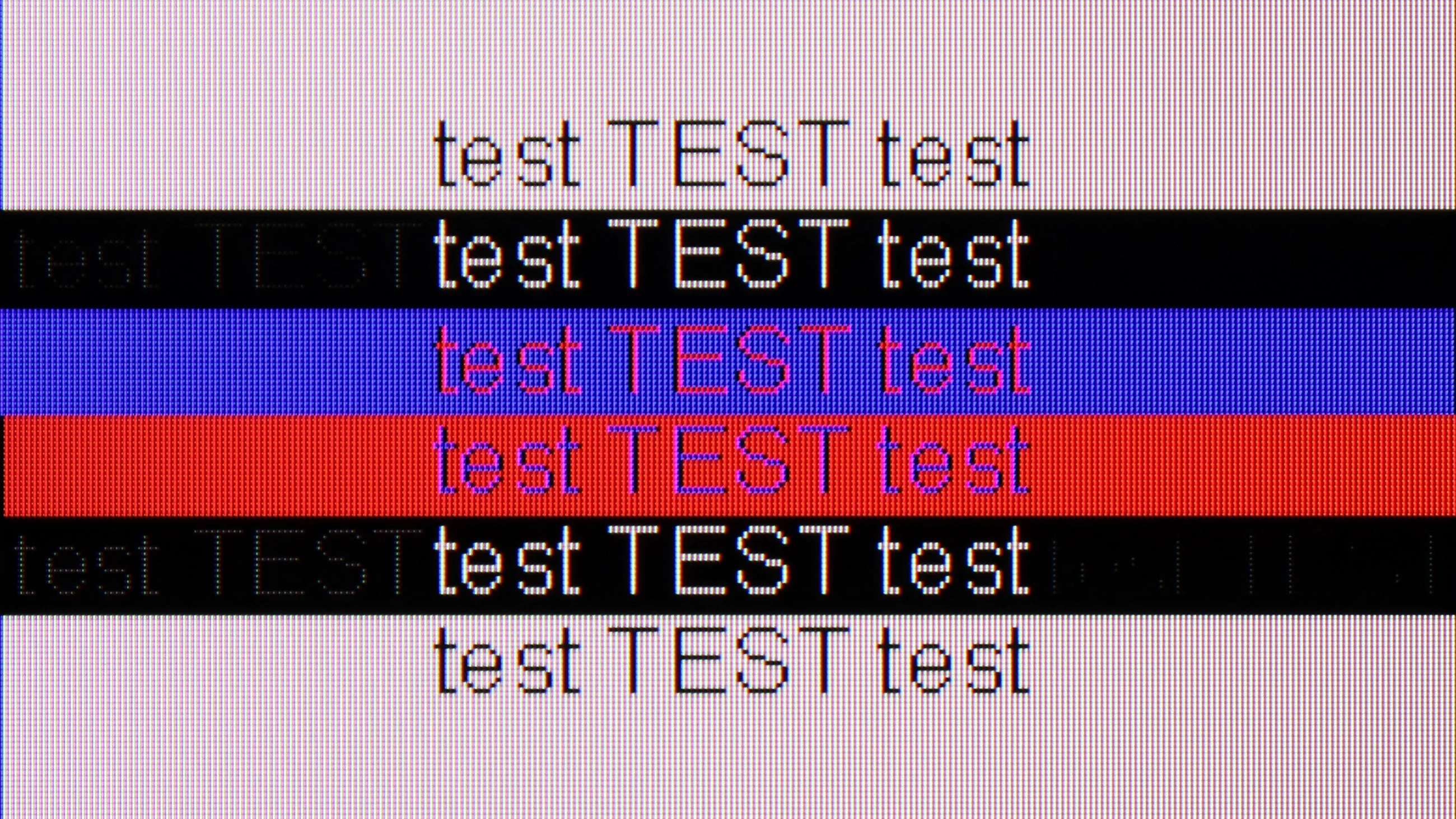
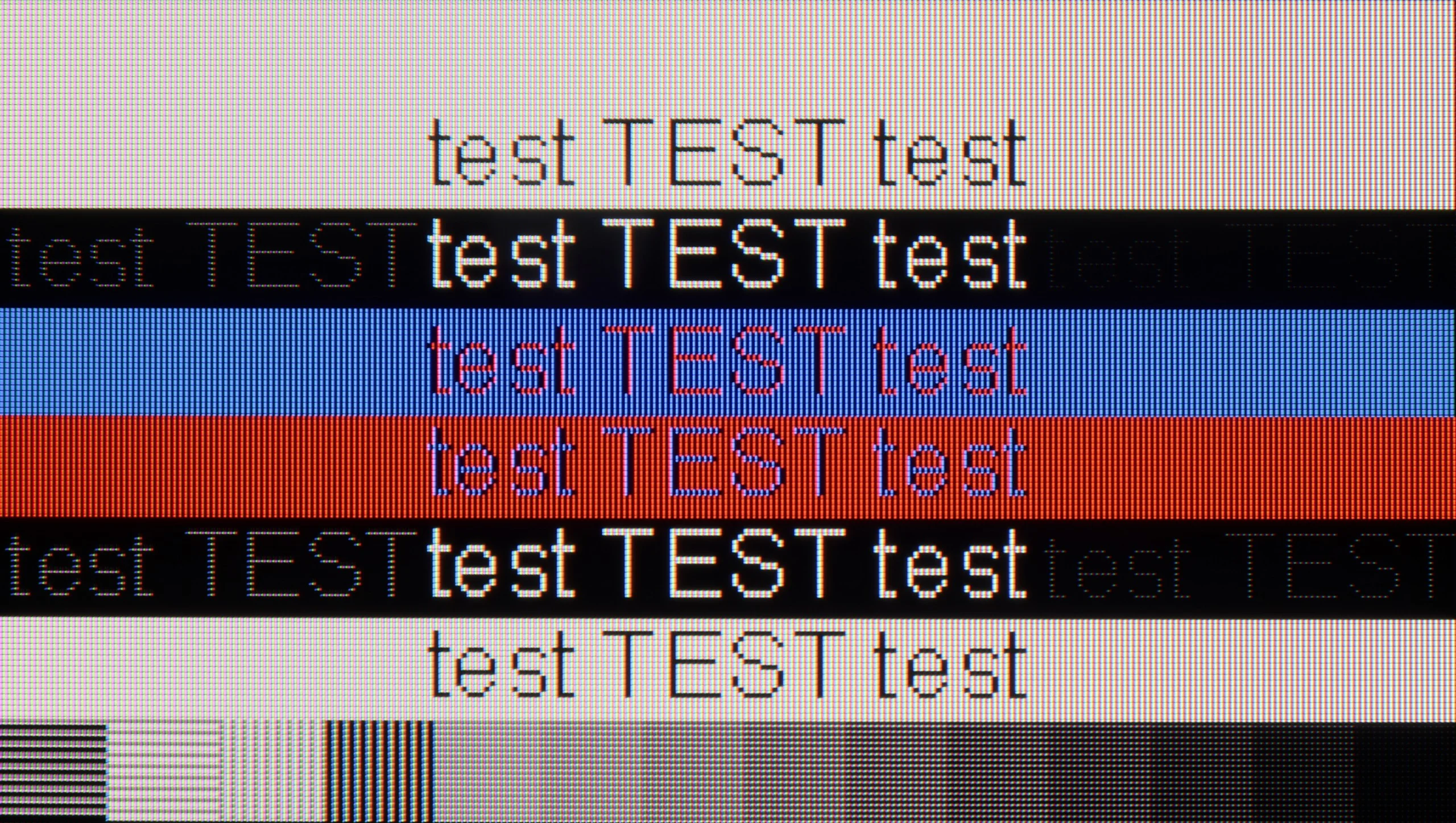
Samsung Q8F is quite a successful continuation of the Q67D model. It offers similar picture quality in HDR content, and with a brightness of around 500 nits, it can create an effect that is hard to call average. It is also aided by support for the HDR10+ format, which has been realistically competing with Dolby Vision for some time and provides comparable experiences in many productions. The contrast is also a plus—given its VA panel, it performs solidly and allows for pleasant blacks in movies and series. However, the biggest advantage of the Q8F remains the operating system. Tizen works quickly, provides access to many applications, and integrates well with the SmartThings ecosystem, making it easy to connect the television to a larger network of home devices. Interestingly, the Q8F also has some niche use—thanks to its very good font readability, it works great as a screen for text work. Additionally, the adjustable stand allows the TV to be positioned on practically any desk or narrower TV cabinet. The biggest drawback, in our opinion, is not the image quality itself—because in this price range it's hard to expect miracles—but rather what has happened to the features for gamers. In fact, the manufacturer even boasts about the availability of these features in its catalog. This makes it difficult to recommend the Q8F to anyone planning to hook up a console and expecting full support for new technologies. Thus, the Q8F is a TV that can please—primarily with its design, above-average picture quality, and efficient Tizen system. But at the same time, it shows a step back compared to its predecessor. Let’s hope that Samsung can quickly rectify these shortcomings, as otherwise, even such a successful “everyday” TV may leave some users feeling unsatisfied.
[UPDATE] We have updated our 2025 Samsung TV reviews following the release of firmware version 1131, which officially restores the essential HGiG (HDR Gaming Interest Group) support.
 Direct comparison