The Samsung QN85D is the entry-level model in Samsung's 2024 Mini LED – Neo QLED lineup, offering a well-balanced mix of modern smart features and impressive picture quality. Running on the Tizen platform, the QN85D provides extensive support for Samsung's SmartThings ecosystem, enabling seamless integration with other smart devices in the home, regardless of brand. Apple users benefit from AirPlay compatibility, making content sharing from Apple devices straightforward, while the Daily+ feature adds an extra layer of engagement by delivering daily curated content, enhancing everyday use.
For regular viewing, the QN85D performs commendably. Its high brightness level allows it to easily handle well-lit rooms, and the central stand offers stability and aesthetic appeal. Though it lacks a recording function, the QN85D includes several practical features, such as a solar-powered remote that also controls Canal+ decoders, along with Picture-in-Picture (PiP) mode, enhancing versatility in various viewing situations.
When it comes to picture quality, the QN85D excels in contrast and brightness. Its VA panel delivers deep blacks when viewed directly, and the Mini LED technology provides improved backlight control (with some limitations), which is particularly effective in dark scenes. A refresh rate of 120 Hz ensures smooth handling of fast-paced scenes, while low input lag makes the QN85D an excellent choice for gamers and sports fans alike.
Overall, the Samsung QN85D stands out in 2024 as a robust, feature-rich TV with high picture quality and advanced smart capabilities, making it ideal for both everyday viewing and more demanding movie or gaming sessions.
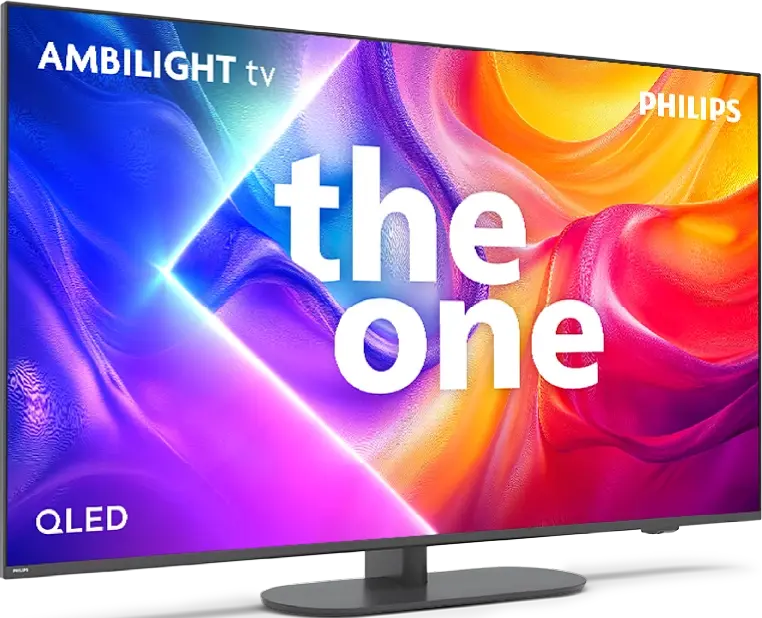
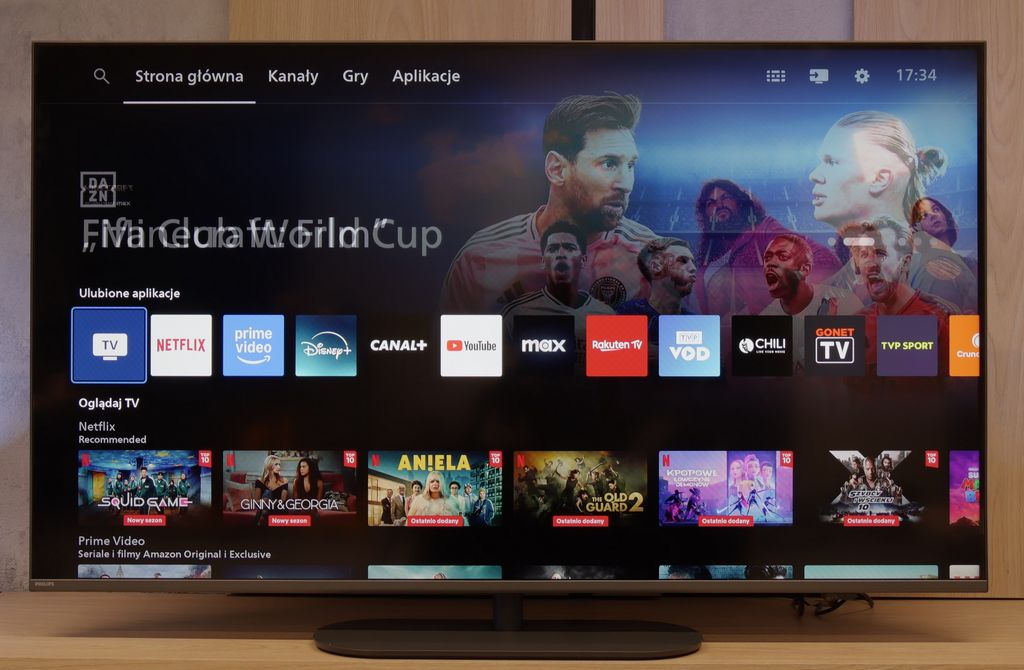
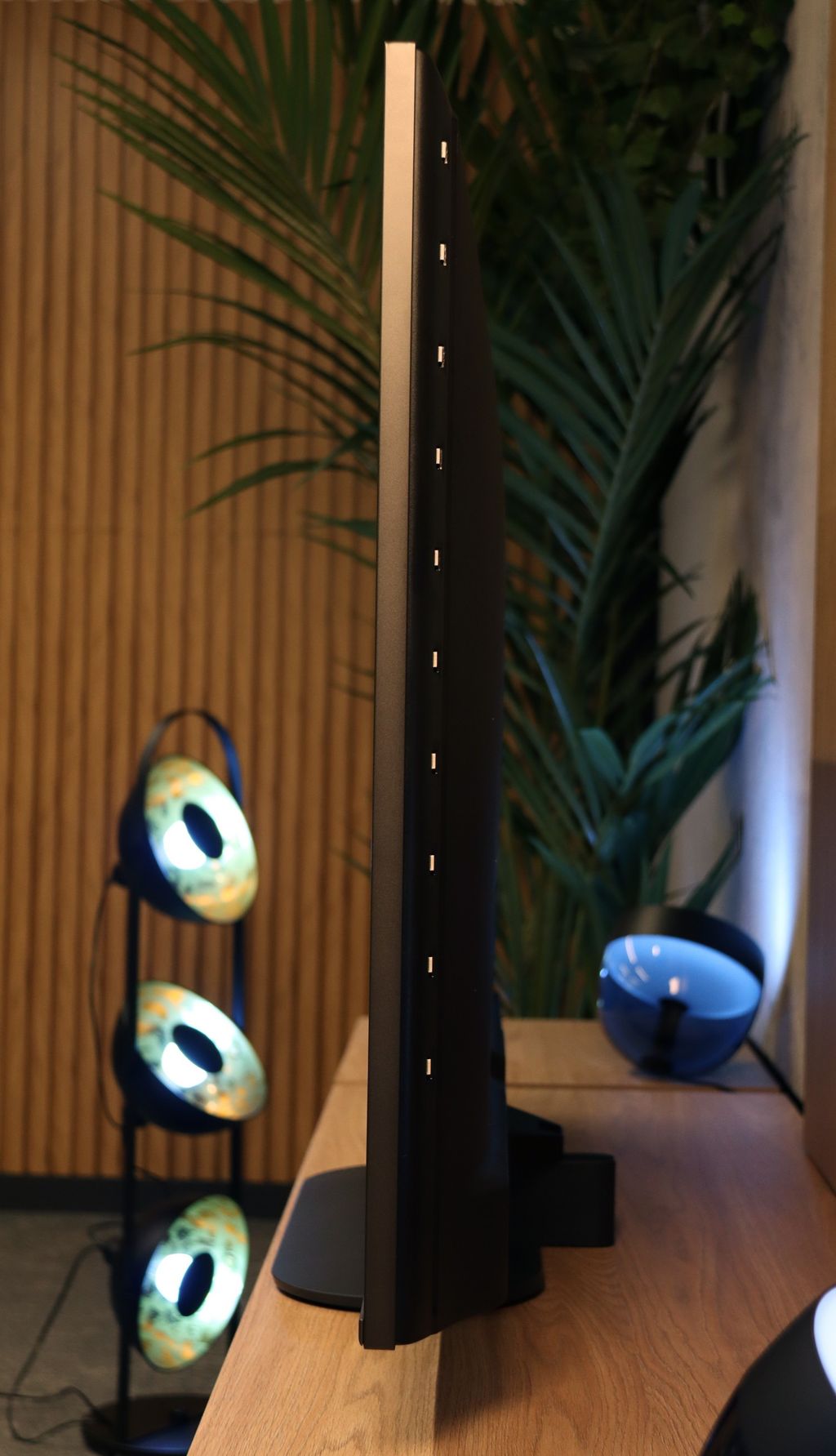
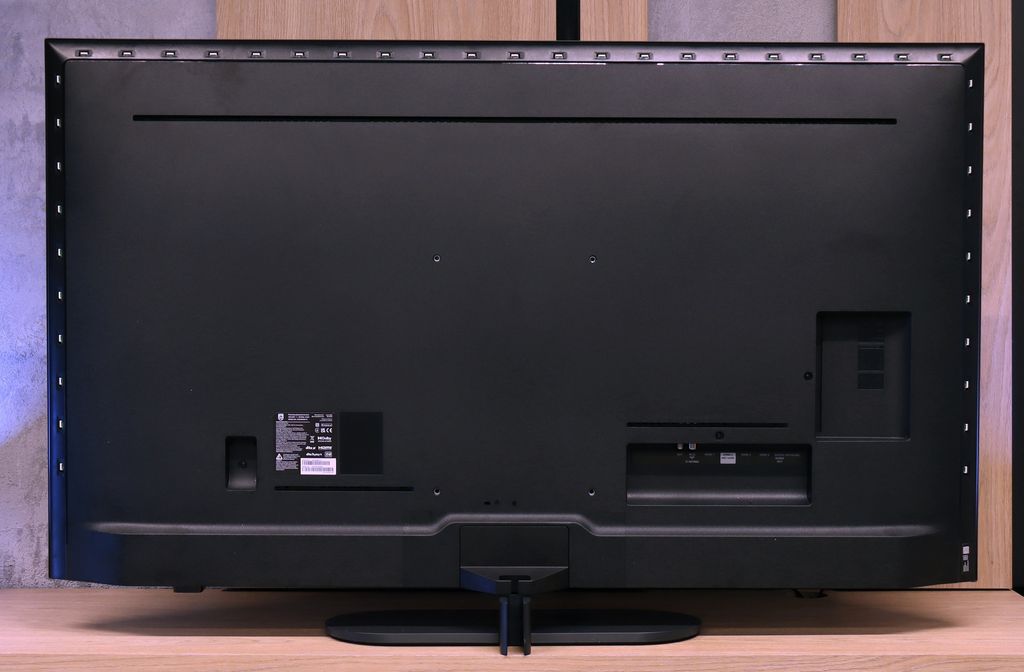
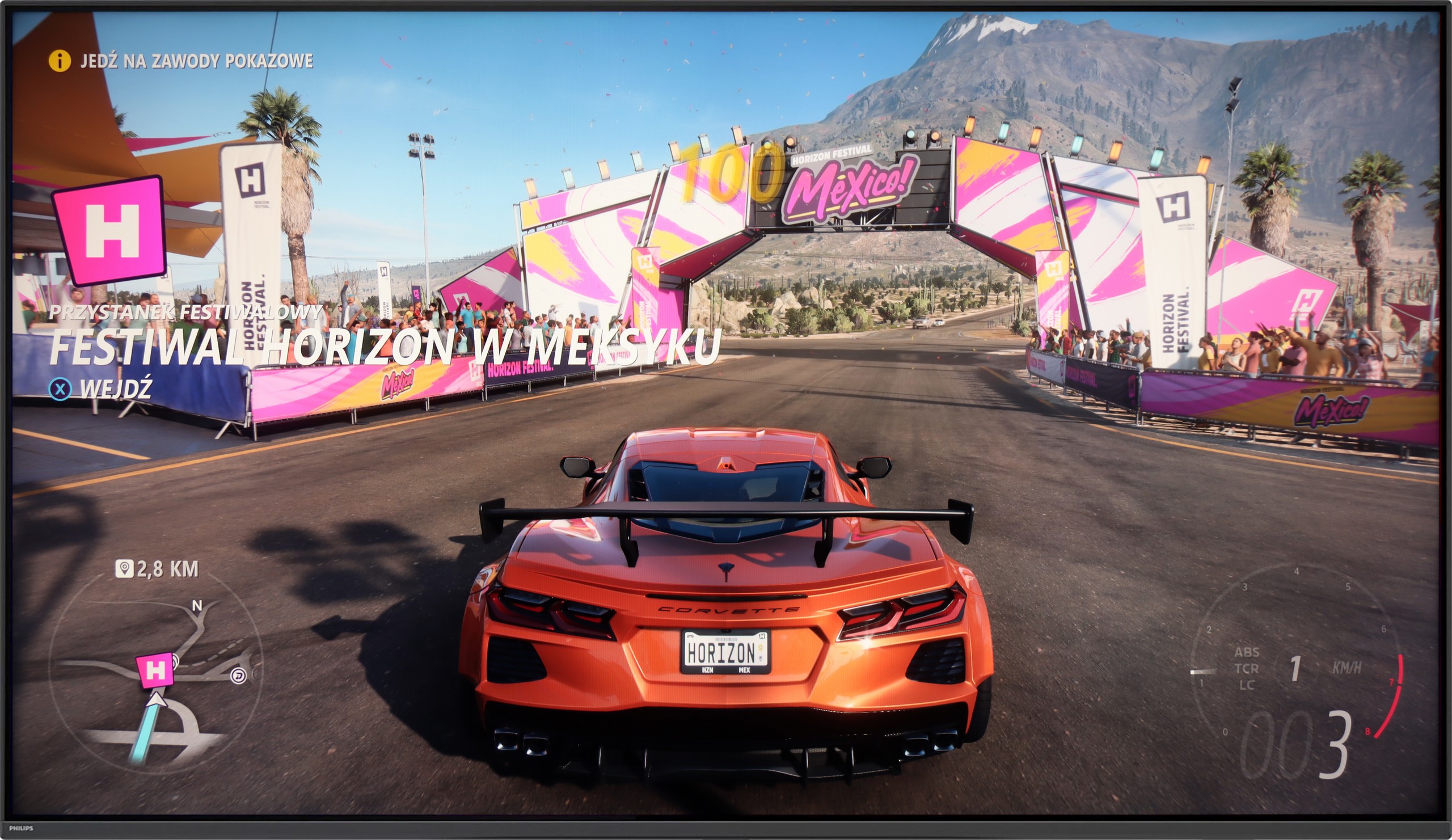
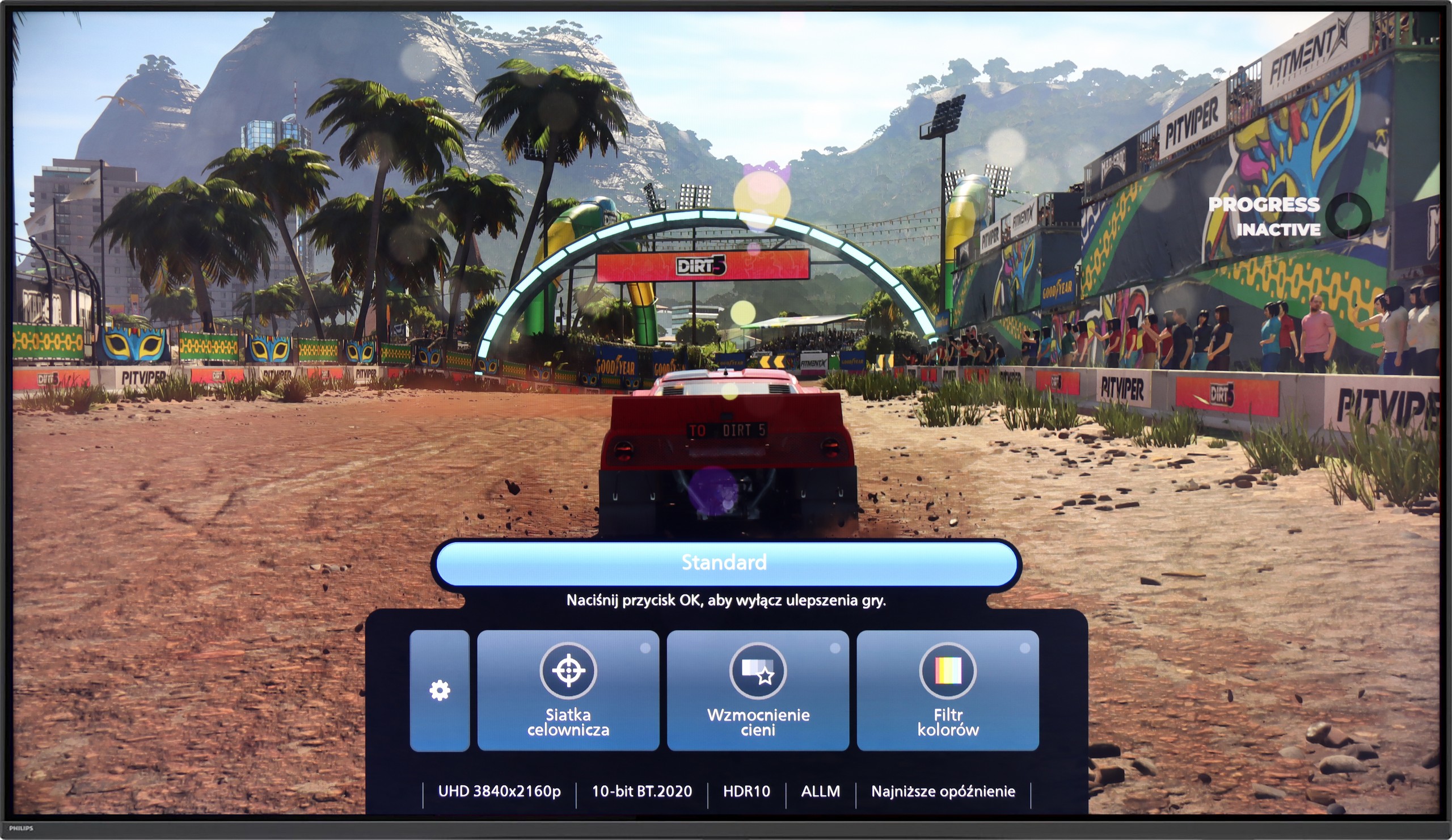
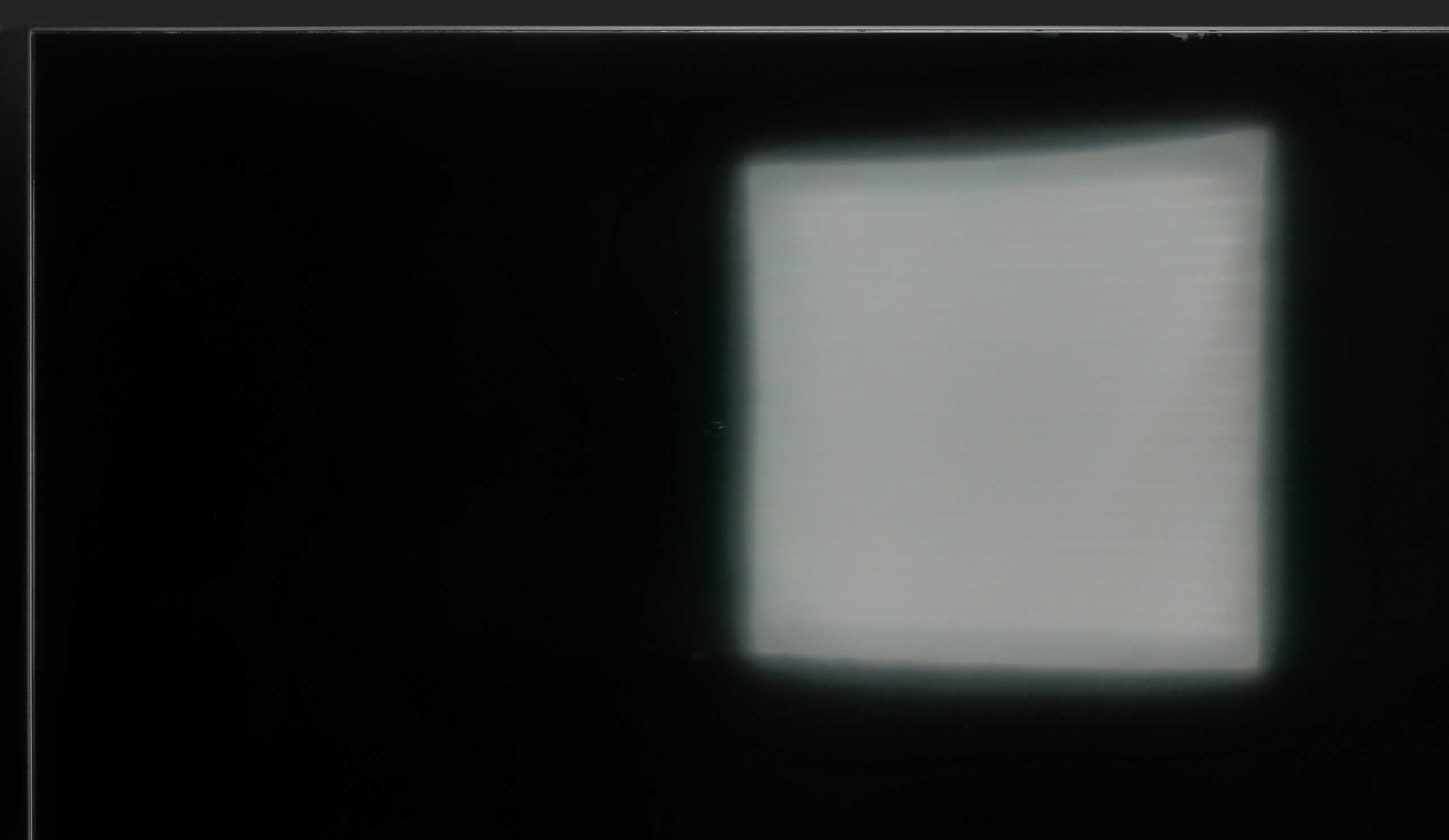
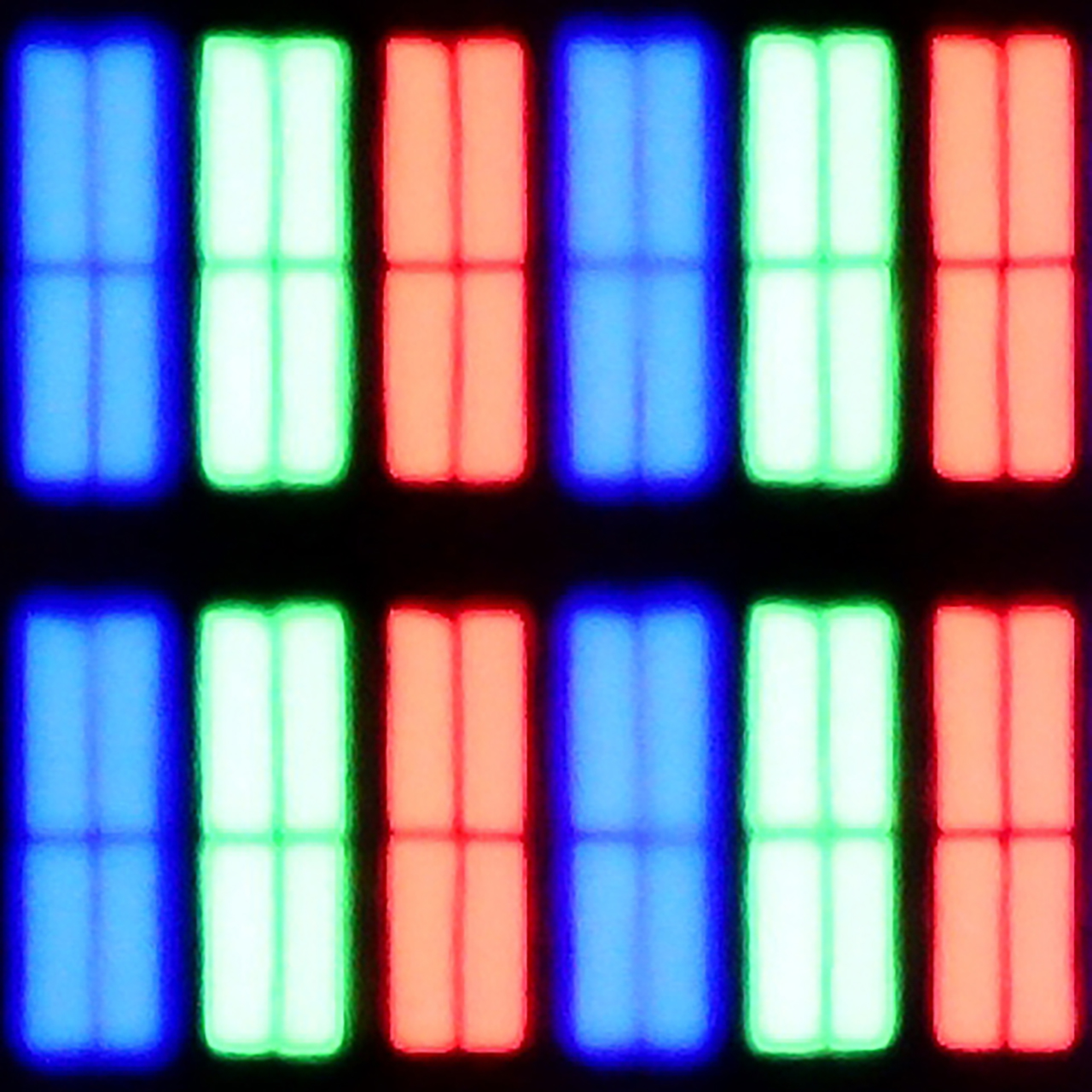
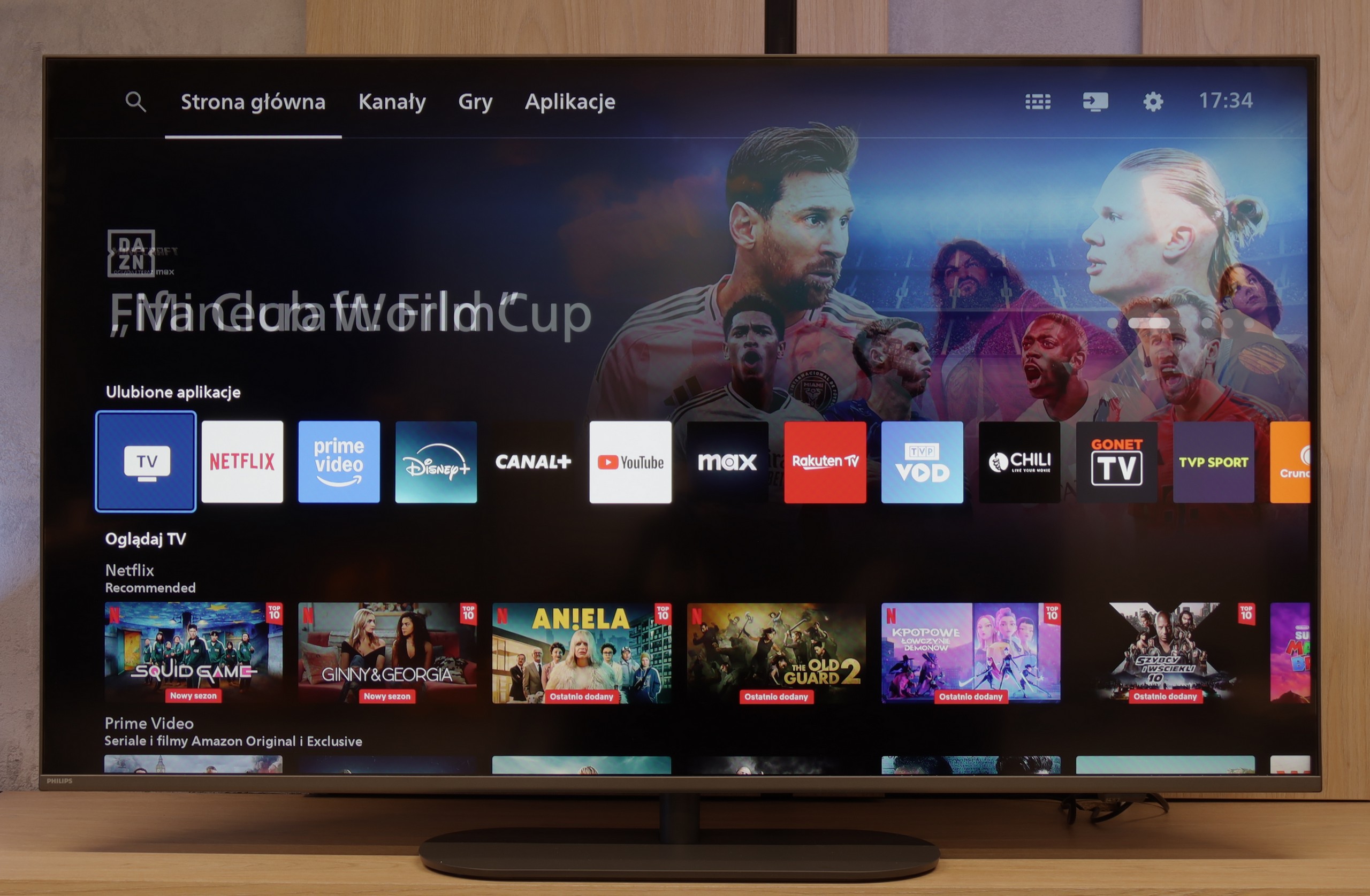
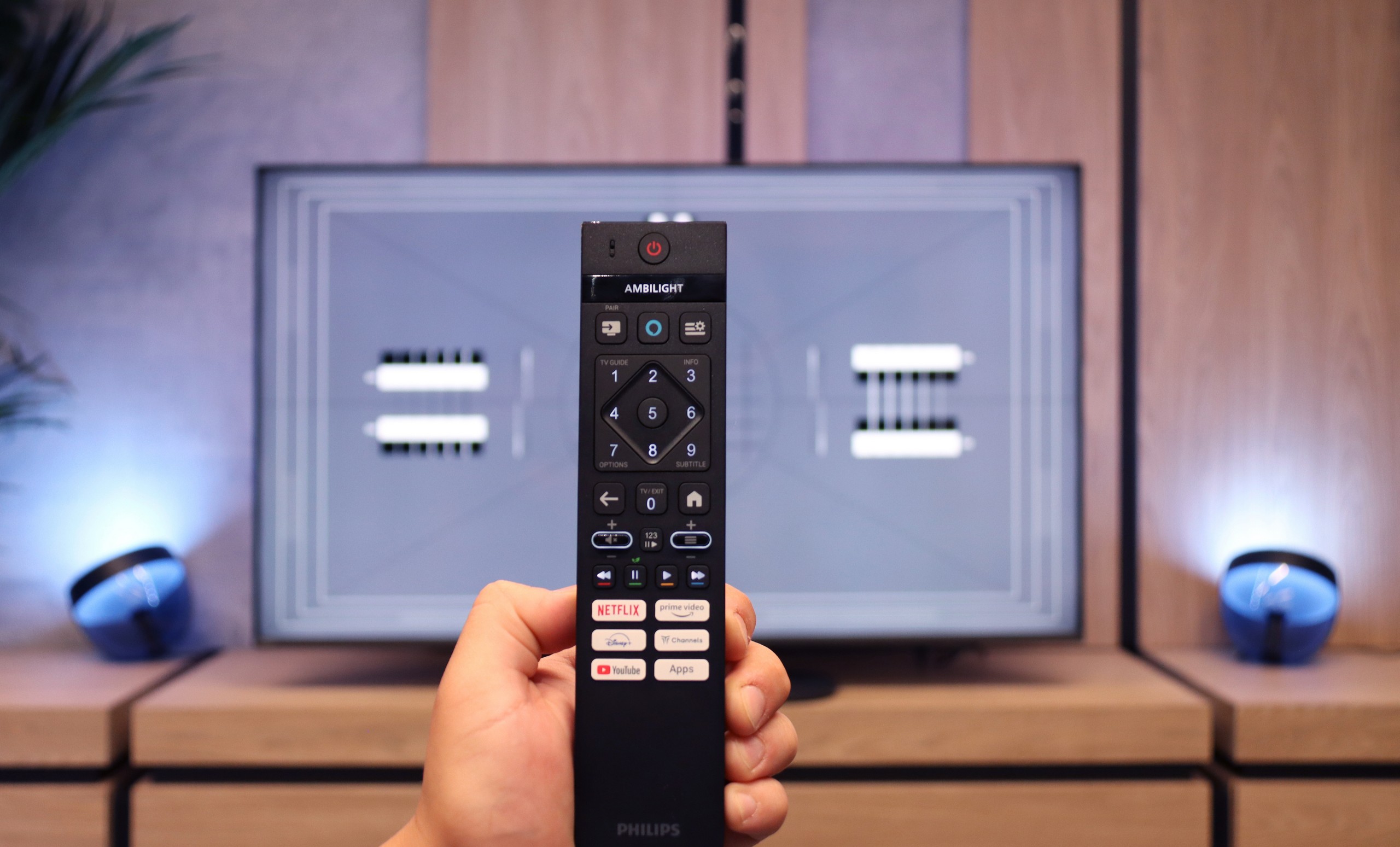
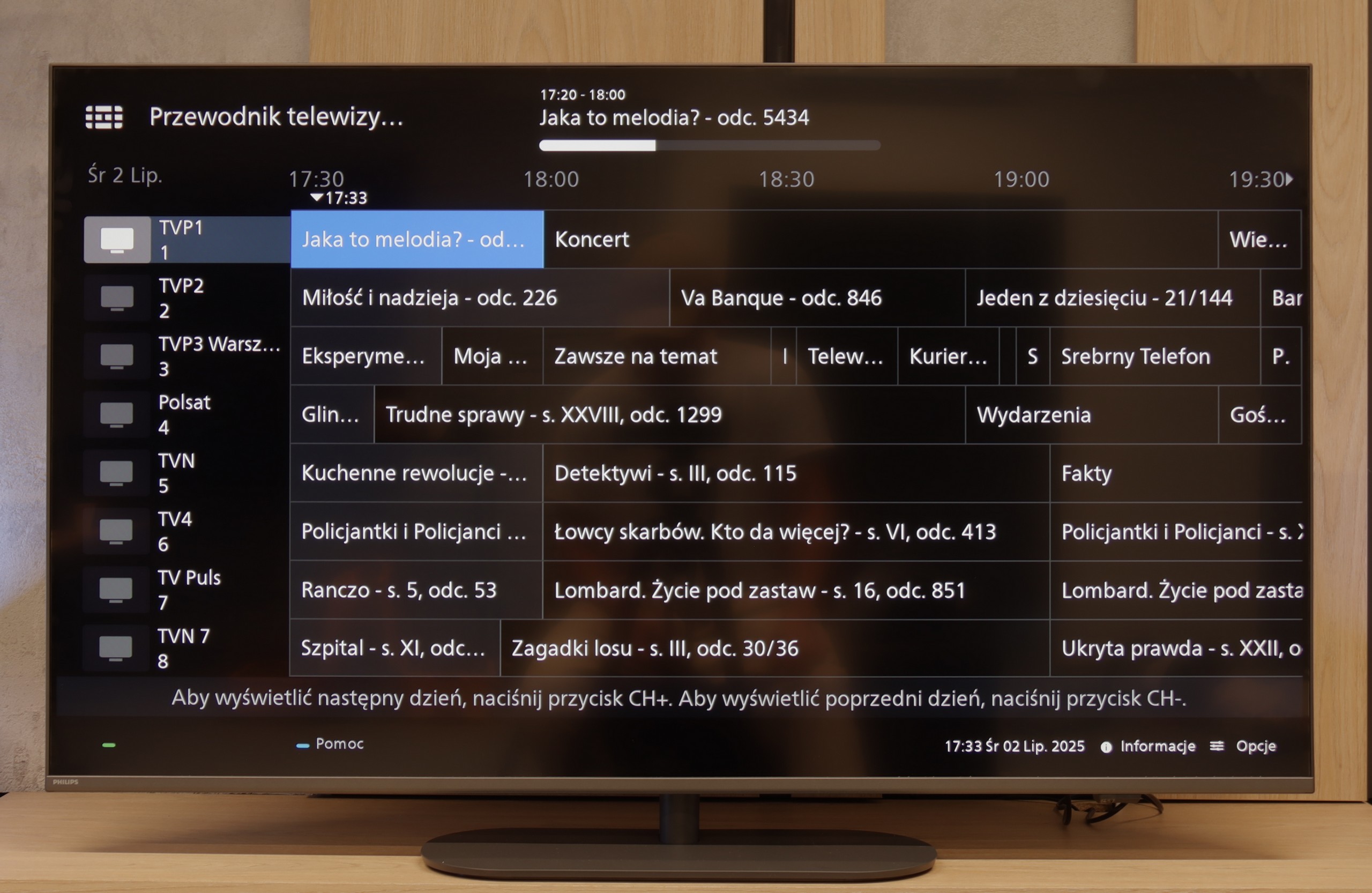
Philips PUS9000 is proof that the manufacturer not only keeps a finger on the pulse but also listens carefully to its users. In the latest version of this popular series, a clear progress is visible – especially compared to the previous generation that we had the opportunity to test. The use of a VA panel has resulted in a noticeable improvement in black levels, which finally present at an acceptable level. A brightness of up to 500 nits does not disappoint even in sunlit rooms, and support for a wide range of HDR formats – including Dolby Vision and HDR10+ – complements the image of a well-prepared device. Additionally, the support for spatial audio technologies like Dolby Atmos and DTS only enhances the positive impression, especially since the presence of all the aforementioned formats is not a given even in the most expensive models of 2025. But what truly distinguishes this model from its competitors is the Ambilight system. The multi-colored backlighting not only creates a visual impression – in a darkened room, it can enhance perceived contrast and completely change the way a movie or series is experienced. The gaming mode also deserves recognition. 144 Hz, low input lag, variable refresh rate, G-Sync compatibility, and the Game Bar feature – everything one might expect from equipment designed with consoles and PCs in mind. Unfortunately, not everything works perfectly. The Titan OS system, although it operates fairly smoothly, still suffers from shortcomings – many popular apps are missing, minor bugs appear, and the overall experience can be cumbersome in daily use. Plus, the remote, despite its modern look, still uses infrared and requires aiming at the TV. What a pity.
So, for whom is the PUS9060? For those who want to immerse themselves in a movie with impressive Ambilight in the evenings, game on consoles, and stream content from external devices. In such a scenario, “The One” could indeed turn out to be "the one" – especially since its price is not off-putting on launch day.
 Direct comparison