Samsung Neo QLED QN85D / QNX1D vs Dreame S100

Direct comparison

Check the best price offer:

Samsung Neo QLED QN85D / QNX1D
$897

Neo QLED / QN85D / QNX1D

Info

Available screen sizes: 55”65”75”85”

Available screen sizes: 55”65”75”

Panel type: LCD VA

Resolution: 3840x2160

System: Tizen

Model year: 2024

Complete the survey to find out the result

Panel type: LCD IPS

Resolution: 3840x2160

System: Google TV

Model year: 2026

Complete the survey to find out the result

Overall rating

7.4

6.8

  • Movies and series in UHD quality

    6.7

    5.9

  • Classic TV, YouTube

    6.8

    6.2

  • Sports broadcasts (TV and apps)

    6.7

    6.8

  • Gaming on console

    8.9

    7.5

  • TV as a computer monitor

    7.6

    7.6

  • Watching in bright light

    7.3

    6.0

  • Utility functions

    7.4

    5.9

  • Apps

    9.3

    9.6

  • Sound quality

    7.0

    8.3

Advantages

  • Nice Contrast with Mini LED Backlight

  • Ideal for gamers - 120hz, 4xHDMI 2.1, low input lag

  • Tizen operating system with SmartThings and AirPlay support – wide integration and flexibility

  • High brightness 825 cd/m² – Performs well in bright rooms

  • Pleasant sound with noticeable bass

  • Great viewing angles (thanks to the ADS matrix)

  • Decent blacks thanks to Mini-LED backlighting

  • Good colors thanks to the PFS filter (advertised as QLED)

  • High motion fluidity (144 Hz panel)

  • Low input lag (in game mode)

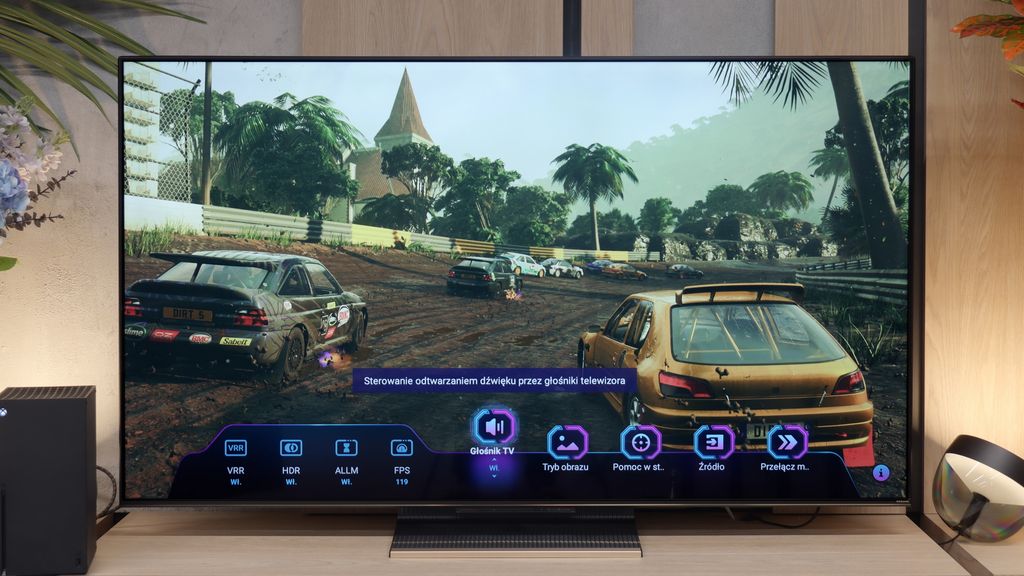
  • A lot of gaming features, including two HDMI 2.1 ports (VRR, ALLM, and Game Bar)

  • Google TV system with a rich library of apps

  • Good sound thanks to the built-in "soundbar"

Disadvantages

No like
  • Lack of recording function

  • Limited support for multimedia formats, no DTS audio format

  • Underdeveloped local dimming algorithms (may cause annoying brightness drops)

  • Outdated image processor and poor digital processing of the Google TV system

  • Software bugs, occasional stuttering

  • Useless Filmmaker mode (completely blocks any change to picture settings)

  • Poor implementation of HDR format in games (lack of HGiG support and high input lag in Dolby Vision mode)

Our verdict

The Samsung QN85D is the entry-level model in Samsung's 2024 Mini LED – Neo QLED lineup, offering a well-balanced mix of modern smart features and impressive picture quality. Running on the Tizen platform, the QN85D provides extensive support for Samsung's SmartThings ecosystem, enabling seamless integration with other smart devices in the home, regardless of brand. Apple users benefit from AirPlay compatibility, making content sharing from Apple devices straightforward, while the Daily+ feature adds an extra layer of engagement by delivering daily curated content, enhancing everyday use.

For regular viewing, the QN85D performs commendably. Its high brightness level allows it to easily handle well-lit rooms, and the central stand offers stability and aesthetic appeal. Though it lacks a recording function, the QN85D includes several practical features, such as a solar-powered remote that also controls Canal+ decoders, along with Picture-in-Picture (PiP) mode, enhancing versatility in various viewing situations.

When it comes to picture quality, the QN85D excels in contrast and brightness. Its VA panel delivers deep blacks when viewed directly, and the Mini LED technology provides improved backlight control (with some limitations), which is particularly effective in dark scenes. A refresh rate of 120 Hz ensures smooth handling of fast-paced scenes, while low input lag makes the QN85D an excellent choice for gamers and sports fans alike.

Overall, the Samsung QN85D stands out in 2024 as a robust, feature-rich TV with high picture quality and advanced smart capabilities, making it ideal for both everyday viewing and more demanding movie or gaming sessions.

Dreame S100 is a successful, albeit still somewhat raw, debut in the Mini-LED segment. The hardware of the TV stands up for itself: the Mini-LED technology with local dimming provides deep and attractive blacks for the average viewer, while the IPS/ADS matrix offers brilliant viewing angles. This is an interesting combination, as it is extremely rare in the LCD TV segment, which will certainly please those with wide living rooms or large corner sofas. If we add to this a full package for gamers (HDMI 2.1, 144 Hz), the Google TV system with an almost endless number of applications, and a very powerful 4.1.2 sound system with a power of 70 W, which performs well above the market average, we get an incredibly versatile screen.

Where's the catch? In the software. Unfortunately, the Dreame S100 suffers from typical "growing pains" – the outdated processor doesn't quite handle advanced digital processing, and the local dimming algorithms can be irritating in more demanding scenes. Additionally, the Google TV system itself can occasionally experience slight stutters. So, if you're looking for a well-equipped Mini-LED for a wide living room and are willing to forgive it for minor system hiccups, which the manufacturer can fix with future updates – it's a very interesting option. The hardware potential is enormous, although the software still needs some final polishing.

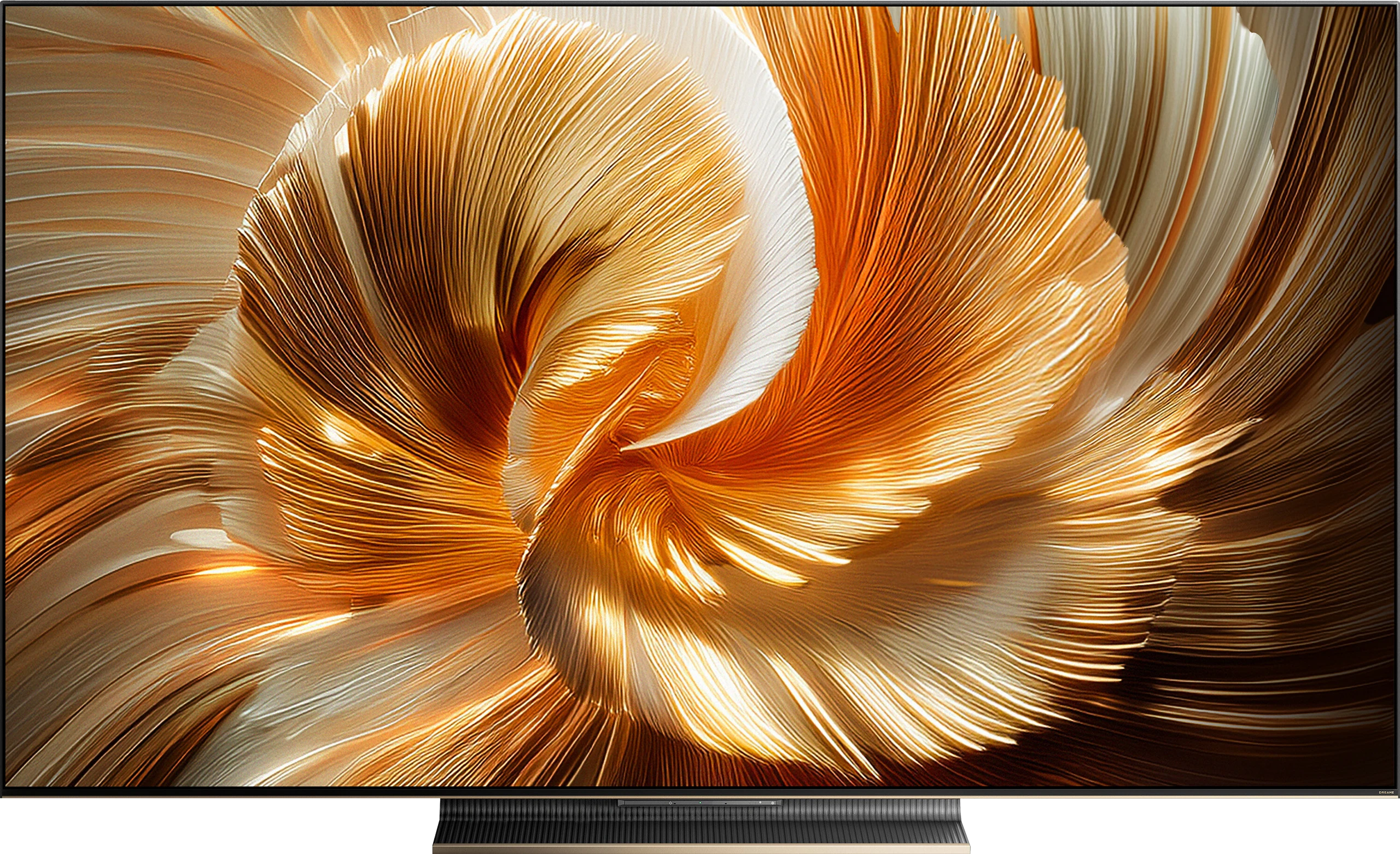
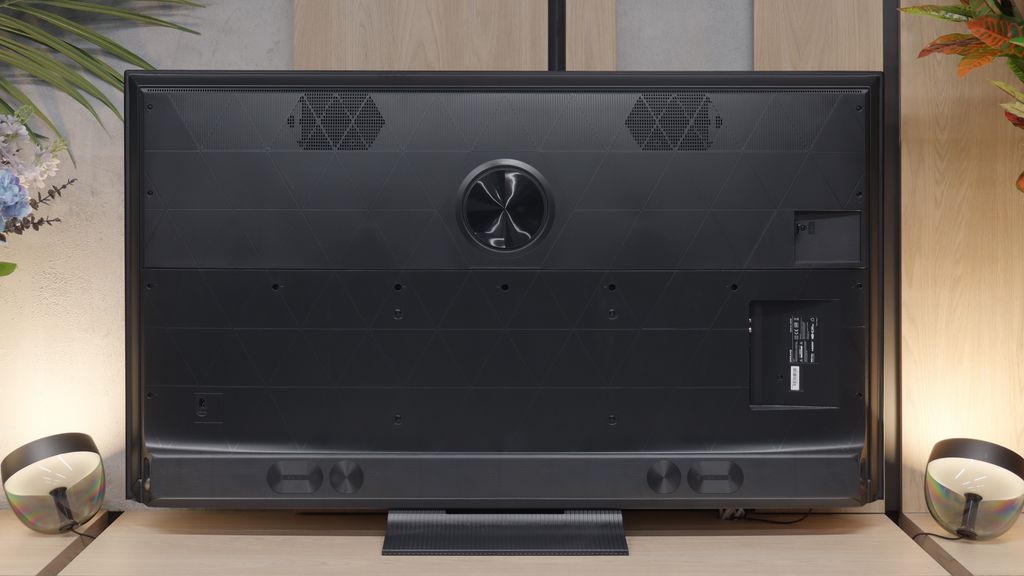
TV appearance

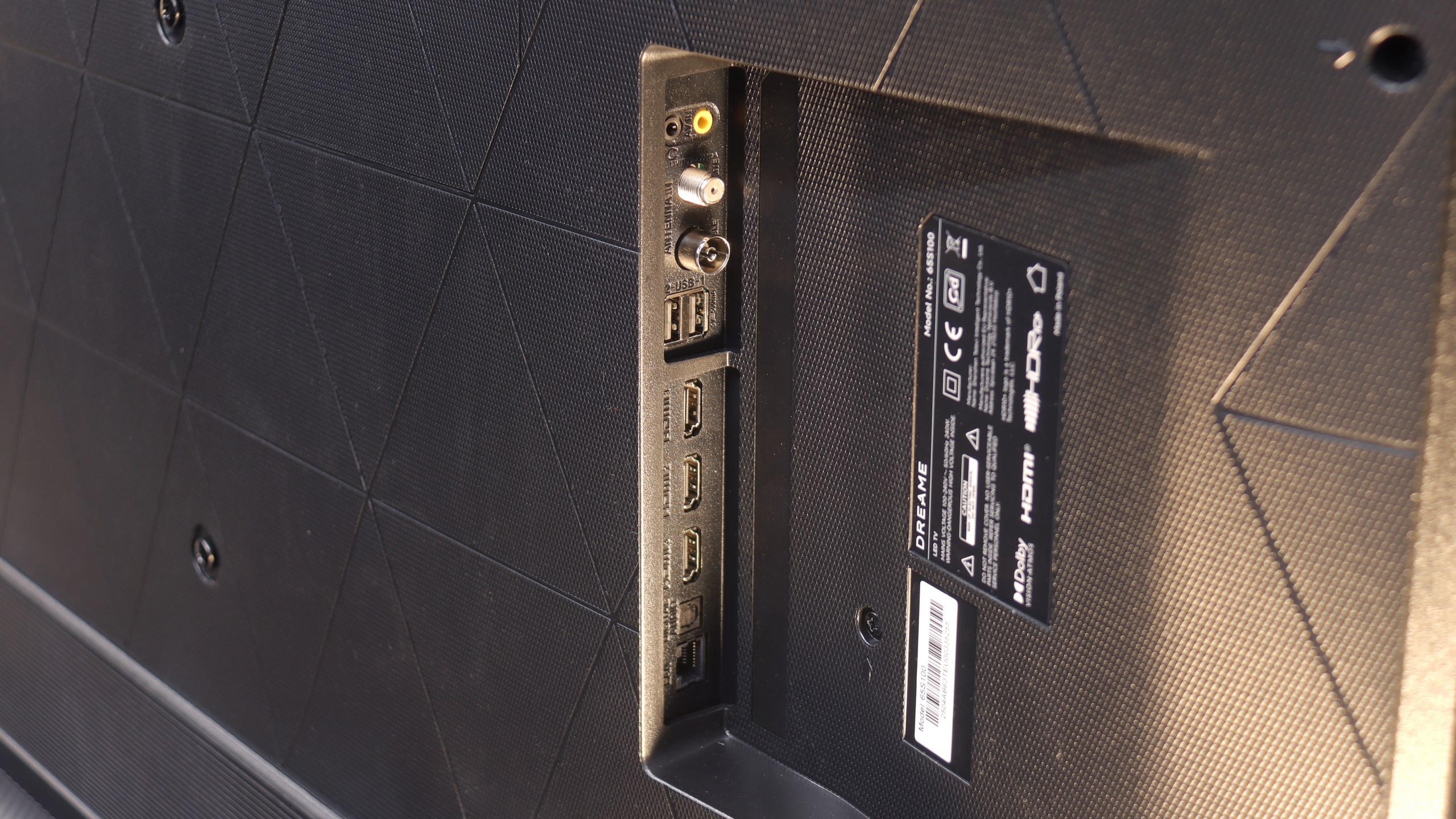
HDMI inputs
0 x HDMI 2.0, 4 x HDMI 2.1 (48Gbps)
1 x HDMI 2.0, 2 x HDMI 2.1 (40Gbps)
Other inputs
RCA (Chinch)
Outputs
Toslink (Optical audio), eARC (HDMI), ARC (HDMI)
Toslink (Optical audio), eARC (HDMI), ARC (HDMI), Mini-Jack (Headphones)
Network Interfaces
Wi-Fi 2.4GHz, Wi-Fi 5GHz, Ethernet (LAN) 100Mbps
Build quality
Good
Good
Stand type
Central
Central
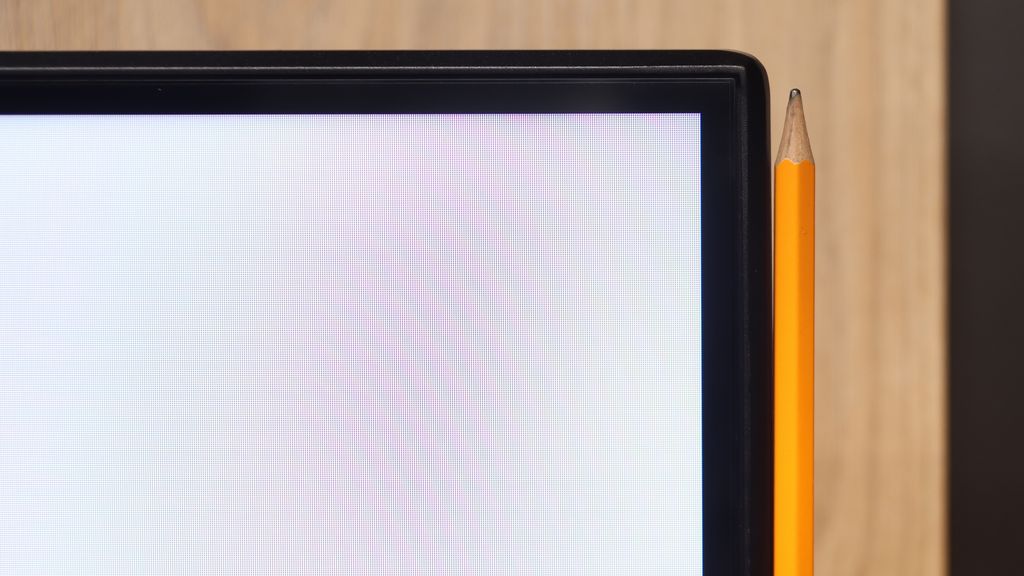
Bezel color
Graphite
Black
Stand
Fixed
Fixed
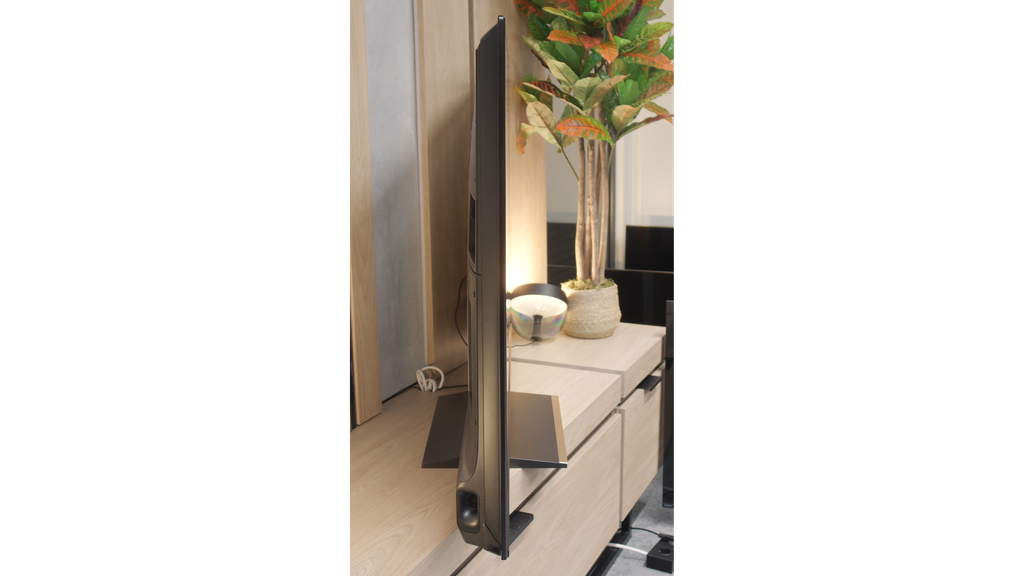
Flat design
Yes
No
Accessories
Stand
Stand

Contrast and black detail

7.6/10

5.9/10

Local dimming function: Yes, number of zones: 120 (12 x 10)

Local dimming function: Yes, number of zones: 160 (10 x 16)

Contrast:

Review Samsung Neo QLED QN85D / QNX1D Contrast and black detail

Result

107,750:1

Review Samsung Neo QLED QN85D / QNX1D Contrast and black detail

Result

27,100:1

Review Samsung Neo QLED QN85D / QNX1D Contrast and black detail

Result

62,500:1

Review Samsung Neo QLED QN85D / QNX1D Contrast and black detail

Result

8,750:1

Review Samsung Neo QLED QN85D / QNX1D Contrast and black detail

Result

4,950:1

Review Dreame S100 Contrast and black detail

Result

32,850:1

Review Dreame S100 Contrast and black detail

Result

11,800:1

Review Dreame S100 Contrast and black detail

Result

6,900:1

Review Dreame S100 Contrast and black detail

Result

2,650:1

Review Dreame S100 Contrast and black detail

Result

1,700:1

Halo effect and black detail visibility:

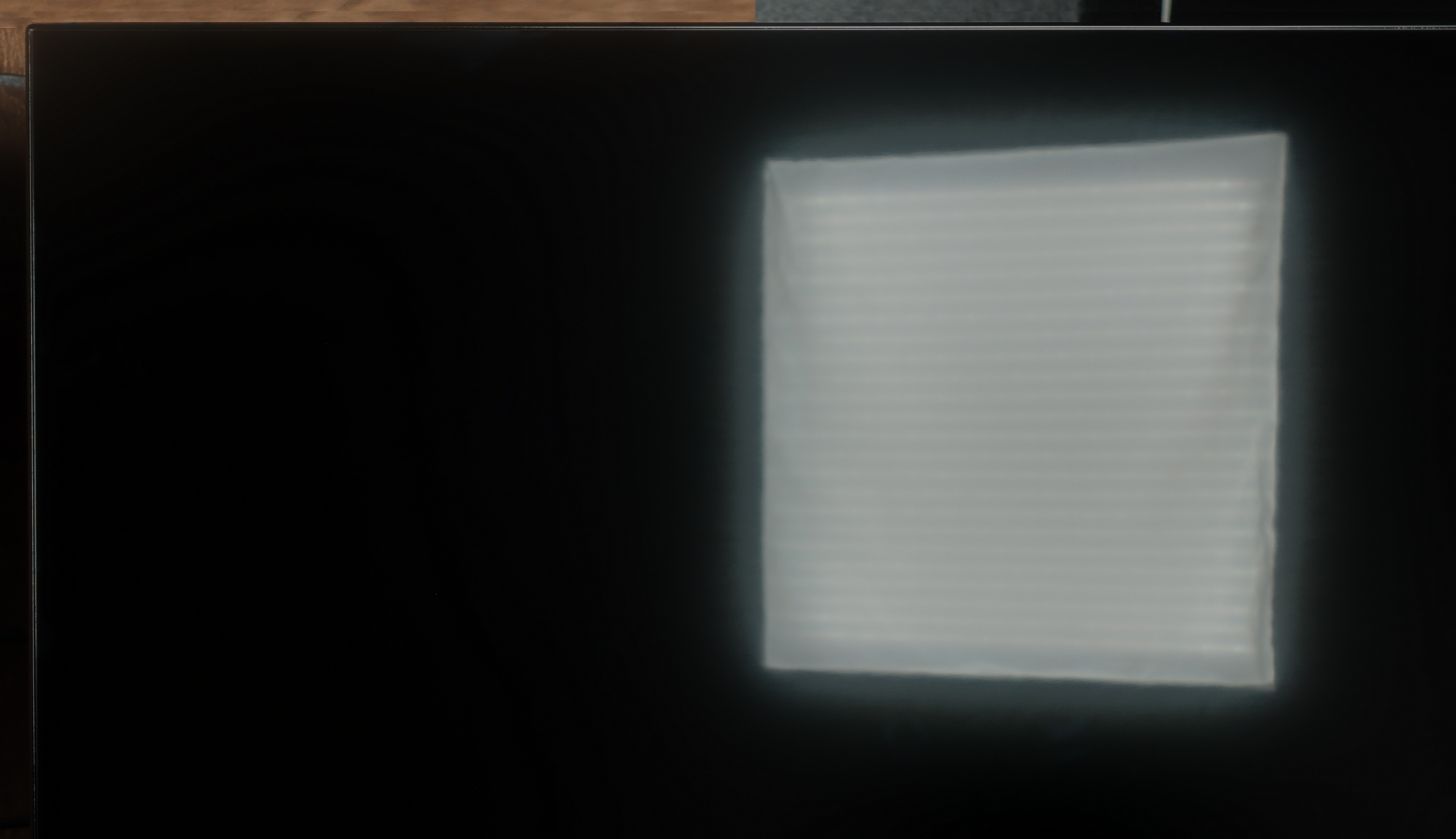
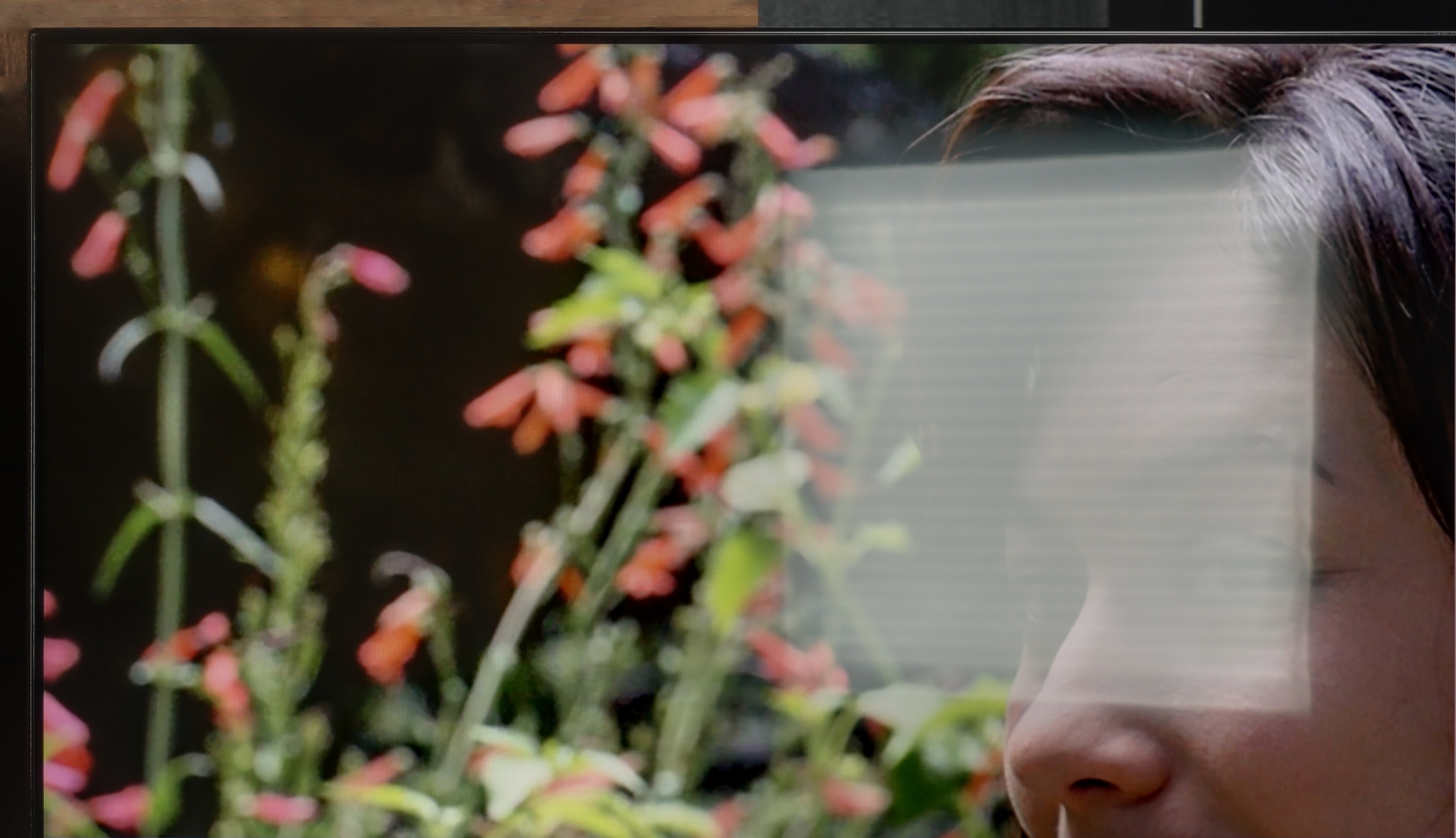
Check the visibility of bright lights on a dark background. Mini-LEDs often struggle with this. The photo does not compare black levels – that’s what the video below is for.

The video accurately shows differences in contrast and black levels between TVs, as well as potential issues: halo around bright objects or Mini-LED zone operation visible as brightness jumps.

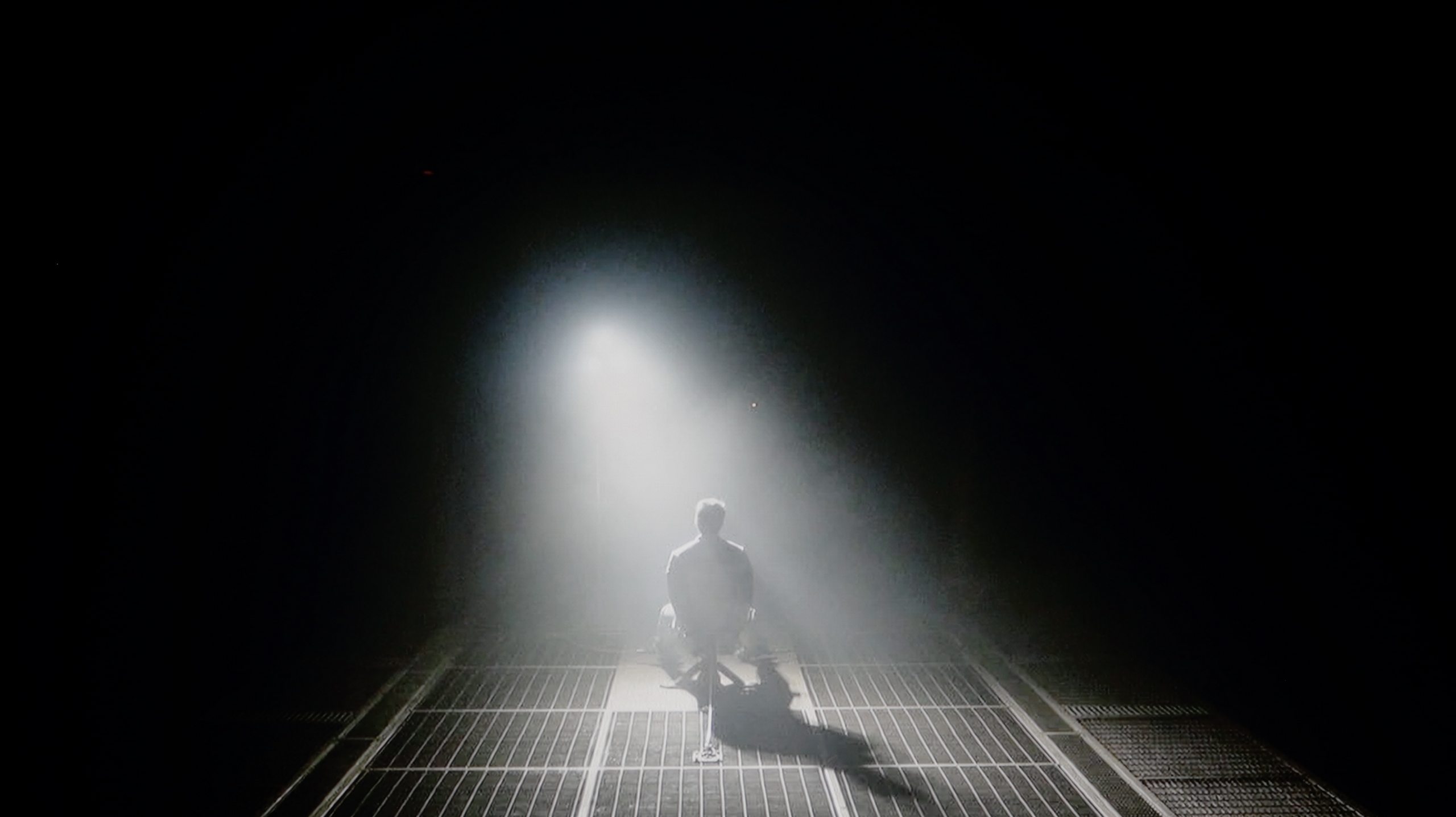
The 2024 Samsung QN85D stands out as the first model in the Neo QLED series to use a VA panel, allowing for significantly better blacks than the IPS/ADS alternatives. For the 55-inch version, the TV is equipped with 160 dimming zones. While this is fewer than some competing models, particularly those from Chinese brands, the number increases with larger screen sizes, enhancing contrast further.

However, the limited number of dimming zones can present challenges. When displaying smaller bright elements on a dark background, the TV may either keep the brightness high—resulting in a halo effect around objects—or dim the image too much, which is evident in specific test scenes like the Pioneer disc. In more contrast-intensive scenes, such as Oblivion, the TV showcases impressive depth in blacks, though it sometimes struggles with precise light separation, attempting to maintain black levels while sacrificing some detail in brighter areas. These trade-offs affect overall perceived contrast, particularly in demanding viewing conditions.
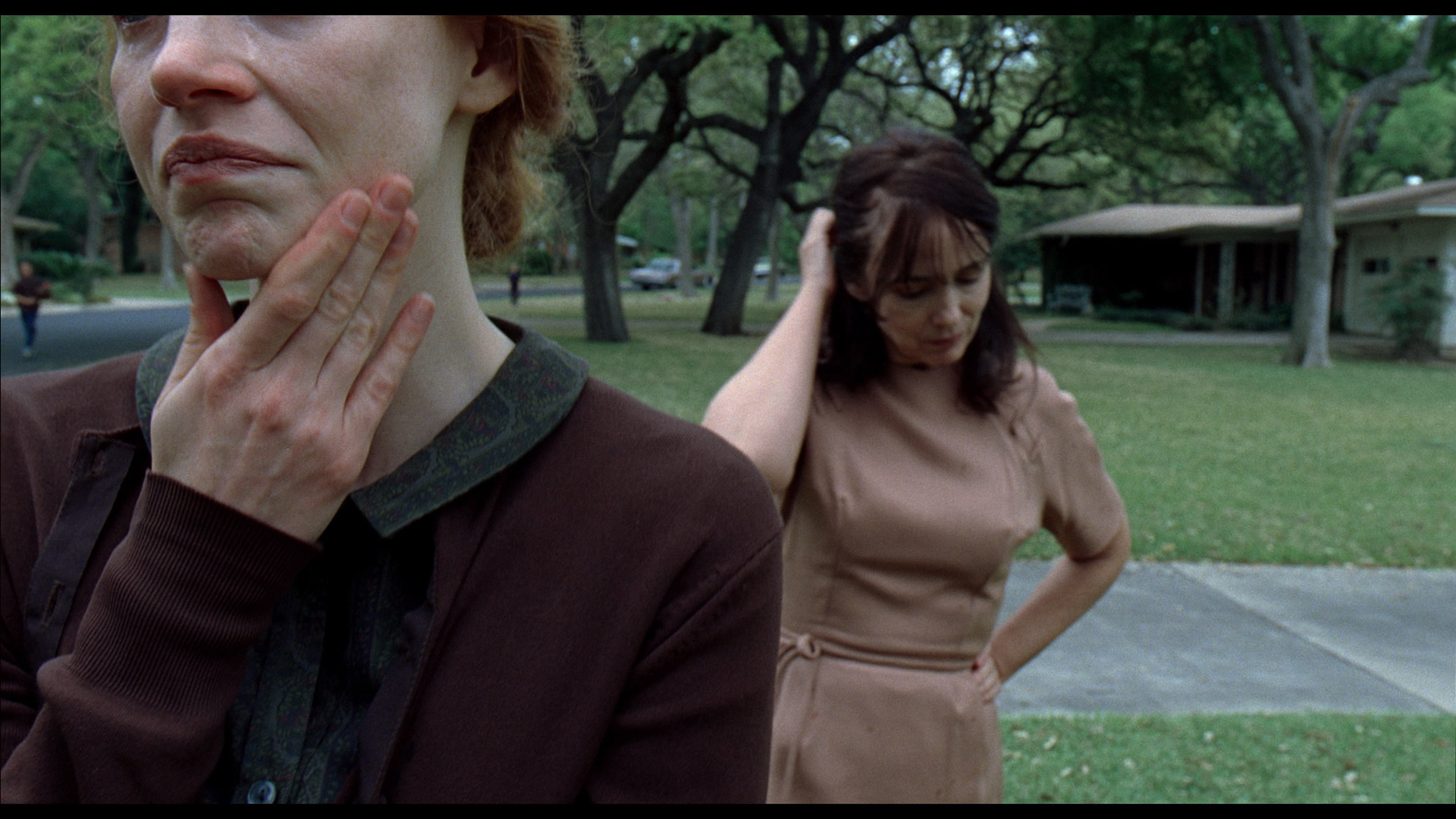
Despite these limitations, the QN85D’s performance in contrast remains strong for its category, especially compared to TVs without local dimming, where the results are generally more impressive than anticipated.

Dreame S100 is a Mini-LED television that in the 65" version uses an IPS/ADS panel. Such a panel does not naturally offer the best contrast on the market, but thanks to a fairly dense Mini-LED backlight, the black levels in this model are quite decent. In less demanding scenes, the contrast could reach values of 30,000:1. This is several times higher and virtually impossible to achieve for any type of LCD panel without local dimming technology. This makes the black levels and contrast in the S100 quite appealing for a less demanding viewer.

Unfortunately, in more demanding shots where a substantial number of small elements appear on a black background, the local dimming algorithms in the Dreame S100 do not work perfectly. The television can become either excessively dark, resulting in super deep blacks, but almost nothing is visible on the screen, or go in the other direction – a large number of details are visible, but the contrast results are very poor. The black levels in very demanding scenes around bright objects take on a grayish hue (halo effect). This is a typical limitation of Mini-LED televisions from the lower and mid-range, and unfortunately, the Dreame S100 is not an exception that handles this problem particularly well. However, it should be noted that generally, the contrast and black levels are definitely better here than in LCD televisions without any local dimming technology.

HDR effect quality

5.6/10

3.4/10

Supported formats
HDR10, HDR10+, HLG
HDR10, HDR10+, Dolby Vision, HLG
Color gamut coverage
DCI P3: 94.6%, Bt.2020: 77.5%
DCI P3: 94.6%, Bt.2020: 71.6%

Luminance measurements in HDR:

Review Samsung Neo QLED QN85D / QNX1D Brightness measurement

Result

999 nit

Review Samsung Neo QLED QN85D / QNX1D Brightness measurement

Result

335 nit

Review Samsung Neo QLED QN85D / QNX1D Brightness measurement

Result

562 nit

Review Samsung Neo QLED QN85D / QNX1D Brightness measurement

Result

182 nit

Review Samsung Neo QLED QN85D / QNX1D Brightness measurement

Result

855 nit

Review Dreame S100 Brightness measurement

Result

503 nit

Review Dreame S100 Brightness measurement

Result

71 nit

Review Dreame S100 Brightness measurement

Result

241 nit

Review Dreame S100 Brightness measurement

Result

42 nit

Review Dreame S100 Brightness measurement

Result

589 nit

Scene from the movie “Pan” (about 2800 nits)

Scene from the movie “Billy Lynn” (about 1100 nits)

The photos show two HDR10 movies. 'Pan' is one of the brightest productions ever made, while 'Billy Lynn' (soldier) has brightness typical of streaming (Netflix, Prime, HBO MAX). Notice the intensity of effects and detail in whites.

Static HDR10

The photos present the visibility of white details in various HDR formats. They do not show brightness differences between TVs (these can be compared in the previous gallery).

Dynamic: HDR10+

Dynamic: Dolby Vision

The photos present the visibility of white details in various HDR formats. They do not show brightness differences between TVs (these can be compared in the previous gallery).

HDR luminance chart:

Dreame S100

Samsung Neo QLED QN85D / QNX1D

The HDR performance of the Samsung QN85D is a mixed bag. While it excels in synthetic luminance tests, reaching up to 1000 nits, and delivers impressive results in scenes with full-screen brightness – like in The Meg or the opening of Life of Pi – the limitations become apparent when smaller bright elements are introduced. In these cases, the brightness level noticeably dips, weakening the HDR effect and reducing its impact. When brightness hovers around 200-300 nits, the immersive “wow factor” of HDR tends to diminish, and visuals lose some of their intended brilliance.

That said, the QN85D still manages to deliver decent colour quality, covering 95% of the DCI-P3 colour space, which, while respectable, doesn’t set it apart from its top competitors. Colours appear accurate and vibrant, but the HDR experience could be more compelling if the brightness was consistently well-balanced across various content types.

The Dreame S100 is a relatively bright television. In movie mode, the brightness we measured reached about 600 nits. This is a really good result, although not the highest, considering the capabilities of the competition in this price range. In fullscreen scenes, it is evident that the television can generate an image that strikes with brightness. Unfortunately, when more complex scenes appeared on the screen, the local dimming algorithm in this model tried above all to maintain the deepest blacks. However, this came at the expense of HDR effect – and in a drastic way. In such scenes, the brightness of bright elements dropped below 100 nits, which is a truly tragic result, far from any HDR effect. This aspect can be improved, though not without any "buts." It is enough to change the local dimming setting in the television's menu, but then the blacks in such scenes simply turn gray. It’s a pity that Dreame could not refine the local dimming algorithms better, and the S100 is another example that the mere number of local dimming zones does not always translate into better image quality. As a consolation, it is worth adding that the Dreame S100 is advertised as a "QLED" television, although in reality it utilizes a PFS LED filter. As a result, the colors are appropriately saturated, and the color gamut coverage we measured exceeded 94% of the DCI-P3 palette.

Factory color reproduction

6.3/10

5/10

This gallery shows how colors change after professional TV calibration. If you notice the difference, we recommend ordering this service at SkalibrujTV.com.

Factory Mode

After calibration

This gallery shows how colors change after professional TV calibration. If you notice the difference, we recommend ordering this service at SkalibrujTV.com.

Factory Mode

After calibration

The Samsung QN85D, when tested in Filmmaker Mode, falls short of expectations for film accuracy due to several notable issues in colour and brightness reproduction. In HD content, the white balance is skewed by an excess of red and blue, causing a pinkish tint across the image. This effect, confirmed by Colour Checker tests, impacts the realism of skin tones and other details, becoming particularly distracting in complex scenes.

For 4K HDR content, while the white balance intially appears accurate, there is a pronounced shift towards blue tones at the upper end of the spectrum. This deviation results in colours that lack natural appeal, subtly detracting from the viewing experience. The gamma, although close to the standard reference, slightly dips below the ideal 2.4 level, reducing shadow depth. Moreover, the EOTF curve for 4K content is noticeably elevated above the reference line, leading to excessive brightness in certain image areas. This undermines the cinematic look Filmmaker Mode aims to deliver, creating a visual experience that feels over-bright rather than authentically nuanced.

In summary, while Filmmaker Mode on the QN85D initially presents a cinematic effect, the inaccuracies in colour balance and brightness are too significant to achieve the true-to-source quality that the mode promises.

We tested the Dreame S100 in "movie" mode and definitely recommend using this setting for watching all kinds of content. Interestingly, in the deeper settings of the TV, we also find a dedicated "Filmmaker" mode, which is available today from almost every manufacturer. However, in the case of the Dreame S100, we do not recommend using it – it blocks all image-related settings and does not allow any configuration in the menu - not even motion smoothing. So how do the factory colors perform on the S100? Not too bad, but also not great. The TV itself was quite heavily tinted with blue components, which is clearly visible in our white balance measurements. This caused the image to be artificially brightened, and the colors had a slight bluish tint. This is confirmed by the Color Checker palette, which showed how color samples leaned towards blue, generating quite significant color errors. The image in HDR mode looked definitely better, where color errors were not as prominently visible, though they still fell far from ideal. Here, the white balance was also too heavily skewed towards the blue color, which caused quite significant errors in color reproduction.

Color reproduction after calibration

7.9/10

7.5/10

The photos show how movies look on the TV. Pay attention to black detail visibility, colors, and shadow tint.

The photos show how movies look on the TV. Pay attention to black detail visibility, colors, and shadow tint.

After professional calibration of the Samsung QN85D’s Filmmaker Mode, there's a noticeable enhancement in HD/SDR content quality. The calibration eliminates major issues with white balance, and adjustments to the brightness characteristics result in a more natural and lifelike picture. Regular HD content, like television broadcasts and YouTube videos, now benefits from well-balanced colours, free from the distracting hues that previously impacted image quality.

However, challenges remain with 4K HDR content. Despite calibration, improvements in white balance for HDR are minor, and more cosmetic than transformative. The EOTF curve initially aligns with reference standards in test conditions, but the television struggles to maintain consistent brightness during film scenes. As a result, dark elements appear overly boosted in mixed scenes, creating excessive contrast. In fully dark scenes, the image often becomes too dim, obscuring finer details and diminishing the overall viewing experience. This inconsistency in brightness affects the depth and accuracy of HDR performance, especially in more challenging scenes.

The Dreame S100 turned out to be a device very susceptible to professional calibration. In its menu, we found a whole array of advanced options that allowed us to effectively correct factory errors. Thanks to advanced white balance correction – both in SDR and HDR content – we completely eliminated excess blue components. The image immediately became much more natural and pleasant to view. After fully tuning the colors, errors in the Color Checker test dropped below Delta E values of 2-3. For the average viewer, this means that any color distortions have become nearly impossible to notice with the naked eye. This is a really nice surprise, as often new brands in the television market have significant problems with proper implementation and functioning of sliders in the calibration menu. Here, everything worked as it should. The only thing we need to criticize is the way the television manages its brightness in HDR. Due to the specific nature of the local dimming algorithms, we observed anomalies in the EOTF curve we measured. In the areas where high highlights should appear, there is a slight uplift of the curve above the reference line. In practice, this results in unnatural brightening of some of the brightest elements in movies or games. Despite this minor flaw, professional calibration brings a huge, very positive change to this model.

Smoothness of tonal transitions

7.6/10

8/10

These are selected scenes that show smooth tonal transitions from one color to another. If you see distinct banding, it’s the TV panel’s fault.

These are selected scenes that show smooth tonal transitions from one color to another. If you see distinct banding, it’s the TV panel’s fault.

These are selected scenes that show smooth tonal transitions from one color to another. If you see distinct banding, it’s the TV panel’s fault.

These are selected scenes that show smooth tonal transitions from one color to another. If you see distinct banding, it’s the TV panel’s fault.

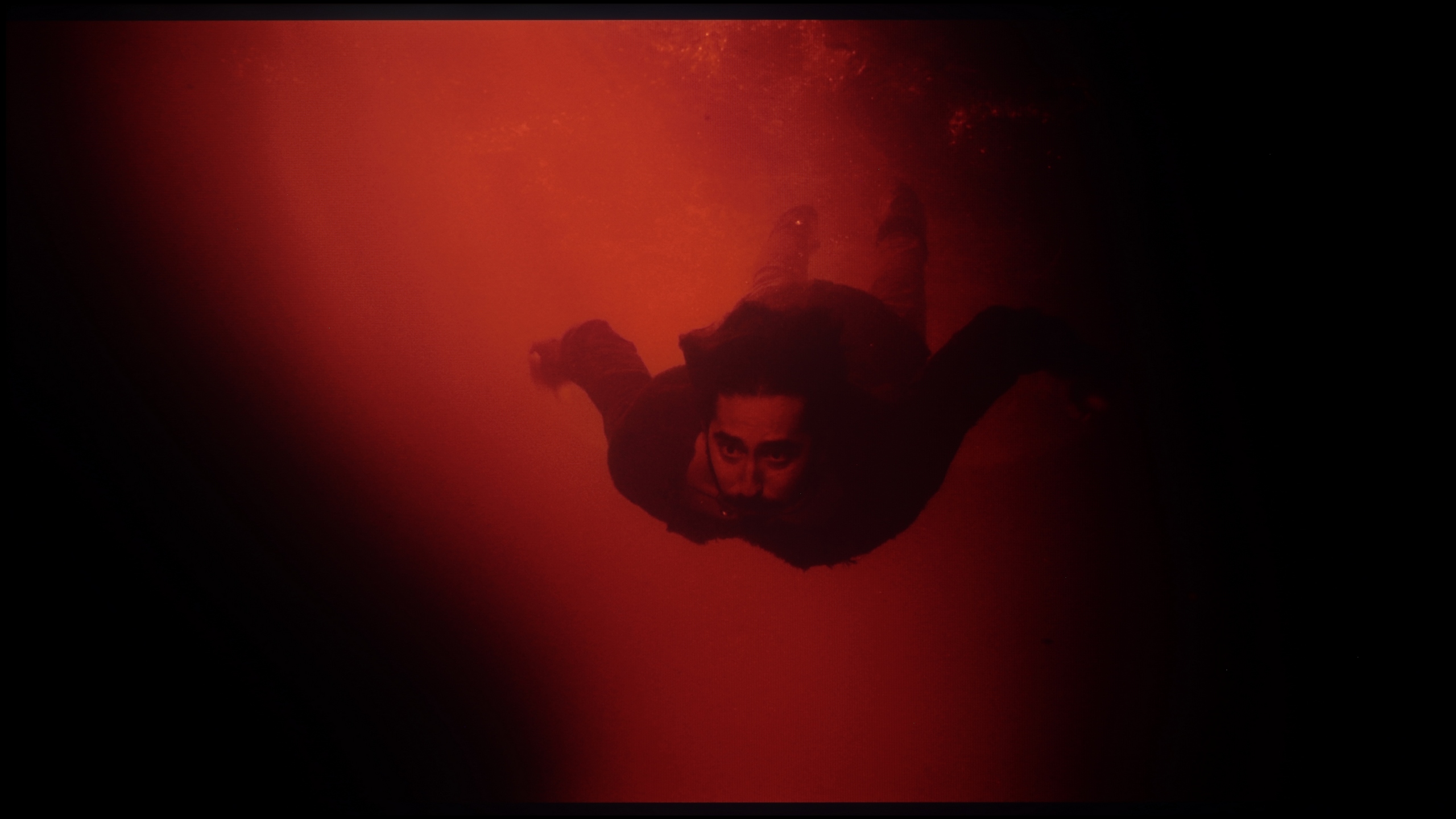
When it comes to the smoothness of tonal transitions on the Samsung QN85D, it is generally very good. The tonal transitions are smooth, with no significant artefacts. However, more discerning users may notice some minor issues in certain scenes. For example, when blending darker colours, such as in the scene with the red sea, subtle imperfections can be observed. Similarly, with bright colours – the scene from the movie The Martian displays slight gradation issues, resulting in subtle but noticeable transitions between shades. Despite these minor drawbacks, most users will likely be satisfied. The overall performance remains high and in most cases, it delivers smooth, natural transitions between colours.

The transition between individual shades on the Dreame S100 is quite good. Analyzing most content in HDR10 format, we did not notice significant issues with banding. Only some very extreme and dark scenes revealed a problem with contouring of shades. However, the situation is a bit worse with content in Dolby Vision* format. Here, the color gradation clearly worsens, and the tonal transitions from one color to another are more visible and distinct from each other. Therefore, the rating of this element on our site is slightly lower when considering viewing (on streaming platforms) in this format.

*we will add photos after modifying the site 😉

Image scaling and smoothness of tonal transitions

7/10

4/10

Image without overscan on the SD signal
OK
OK
Smooth transition function
OK
OK

Smooth transition function

The match photo shows how the TV smooths weak tonal transitions in low-quality video.

Image scaling SD (576i)

The model photo shows how it handles upscaling of SD material.

When assessing the fluidity of tonal transitions in low-resolution materials on the Samsung QN85D, it's important to consider the noise reduction feature, which significantly improves problematic tonal transitions. However, this feature also has its drawbacks – it removes film grain, a crucial element in many productions that adds authenticity, and it can also soften the image. While this may appeal to those who prefer a smoother image, film enthusiasts who favour the authentic look of films may want to use this feature sparingly.

In terms of image scaling, the television performs very well. The model's figure is presented correctly, without noticeable distortions, and the branches in the background do not suffer from excessive artificial sharpness, a common issue when scaling lower-resolution content. The high capabilities of the image processor are evident, as it effectively handles lower-quality materials, ensuring a high-quality final image.

The scaling and digital processing in the Dreame S100 is handled by a technology that the manufacturer proudly calls Dreamind™ Pro AI. However, it is essential to clarify that this is not a proprietary processor but merely a marketing name for a chip from MediaTek – specifically, the model MT5889. Unfortunately, we are talking about quite an outdated unit, from the time when MediaTek lagged significantly behind the competition in terms of performance. This, unfortunately, has a direct impact on the image, as this chip is responsible for that as well. The upscaling in the S100 is rather mediocre, and the processor tends to strongly and artificially sharpen edges (fortunately, this can be somewhat tempered with the sharpness slider in the menu). In the options, we also find a "Contour Smoothing" function, which theoretically is supposed to improve tonal transitions. In practice, it brings almost no improvement – setting it to any level rarely eliminates visible color banding but can unnecessarily blur elements of the image that should remain sharp.
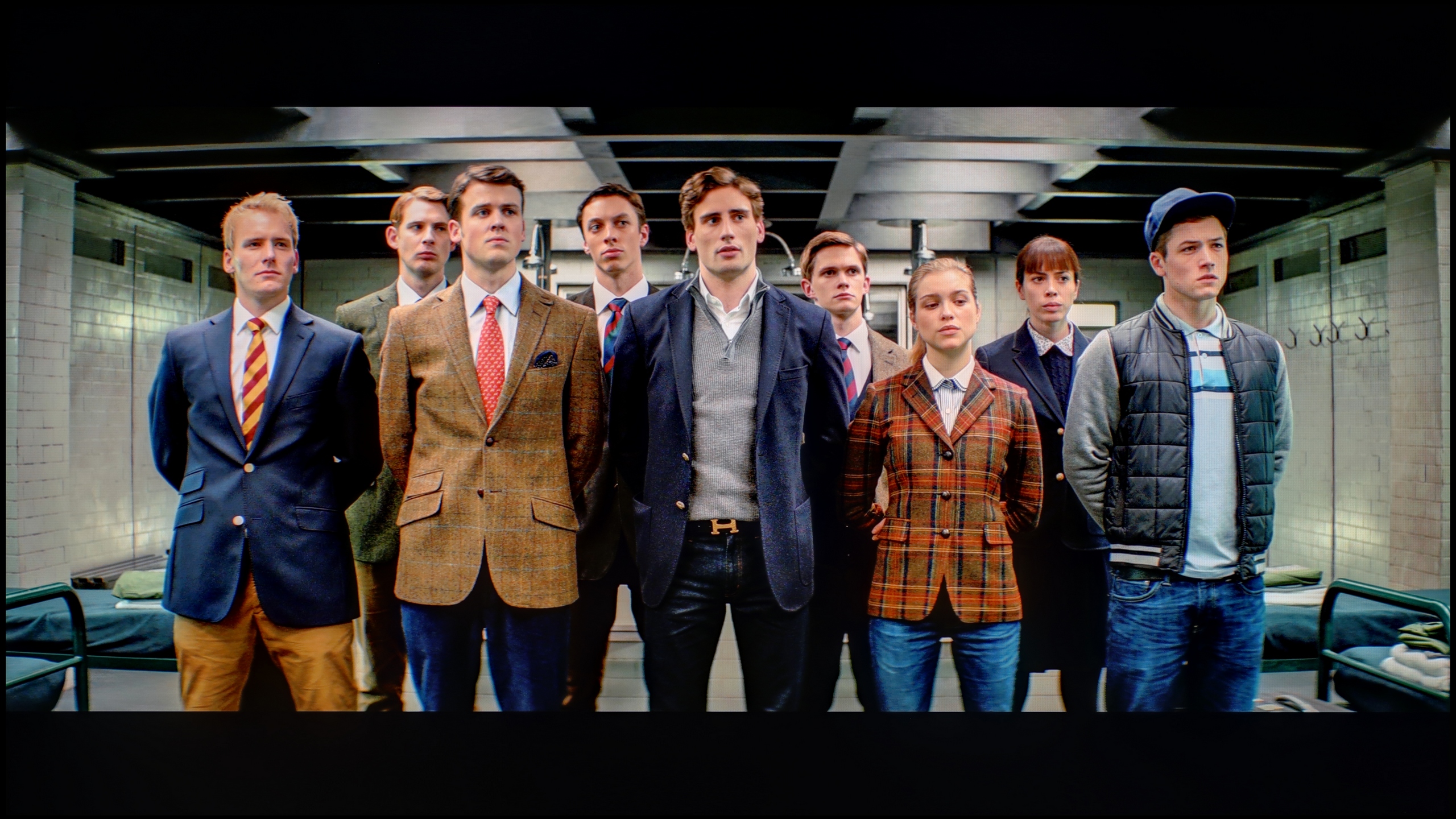
A separate problem is the phenomenon of overscan (clipping the edges of the frame), which is almost always visible here. Although there is an option to set the screen to display the full frame in low-resolution materials, it requires activating the aforementioned Filmmaker mode. And as you already know, this mode completely blocks any other adjustments in the image menu. In our test tables, we noted that the television offers the option to disable overscan, as technically such a feature exists in the system – however, in everyday use, with reasonable image settings, you will not be able to take advantage of it.

Blur and motion smoothness

7.5/10

7.7/10

Maximum refresh rate of the panel
120Hz
144Hz
Film motion smoothing option
OK
OK
Blur reduction option
OK
OK
BFI function 60Hz
Yes, 60Hz (image flickers)
No
BFI function 120Hz
No
No
Brightness drop with BFI
75%
-%

Blur (native resolution, maximum refresh rate):

Blur ():

Blur (4K@144Hz):

The Samsung QN85D’s display boasts a 120 Hz refresh rate, which should satisfy both gamers and sports enthusiasts, providing a smooth and dynamic viewing experience. There are options for further improving fluidity, including a blur and judder reduction feature that allows precise adjustment of motion smoothness on a 10-point scale. Blur reduction enhances the sharpness of fast-moving objects, making action scenes clearer, while judder reduction smooths motion to eliminate the "stuttering" effect. Ghosting is generally well-controlled, although minor drawbacks may be noticeable in more demanding scenes, particularly when an object moves against a dark background. Additionally, the television features a BFI (Black Frame Insertion) option at a 60 Hz frequency, which can significantly enhance motion smoothness, although it comes with the potential downside of flicker, which may be bothersome for some viewers.

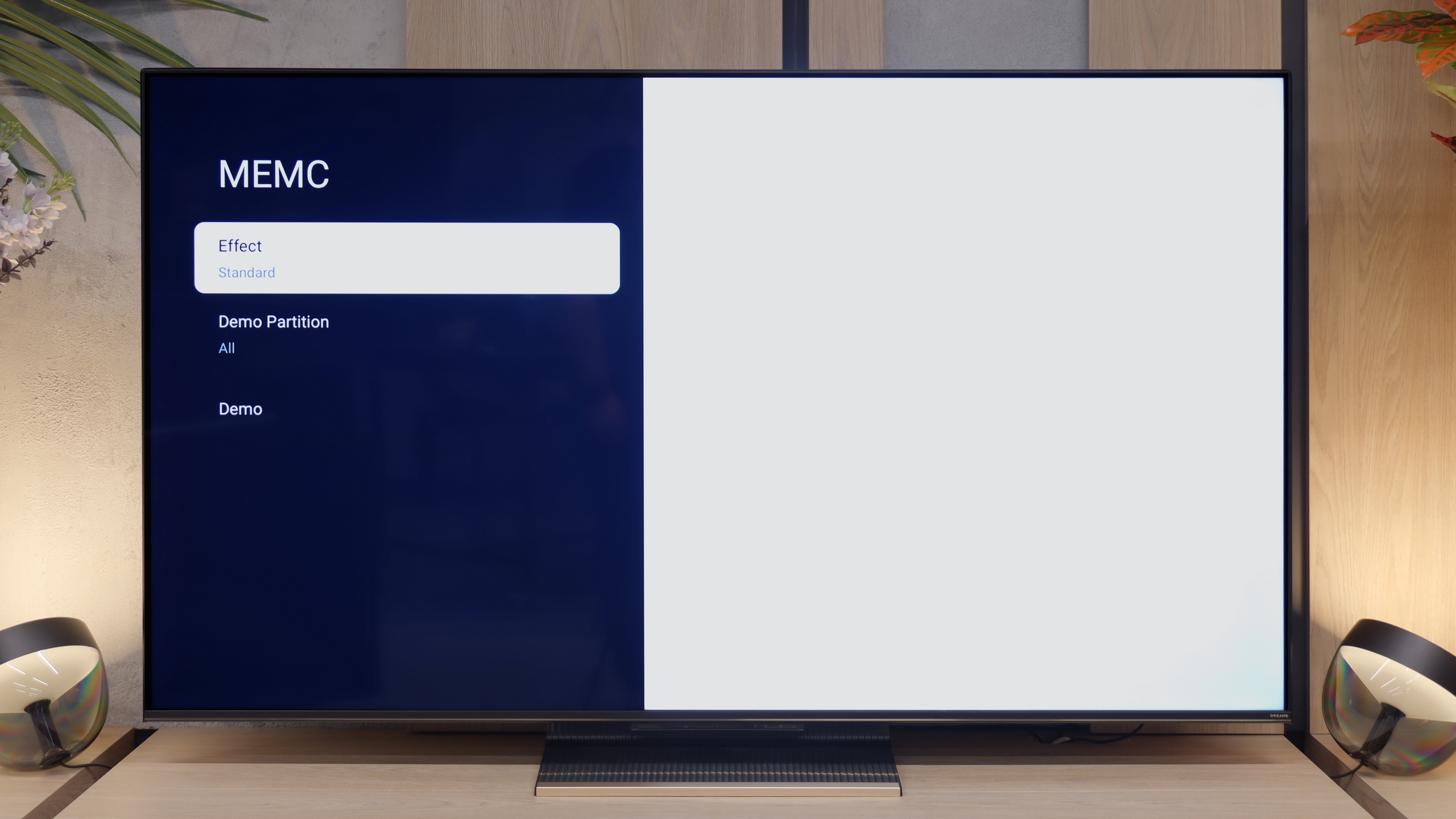
When it comes to motion fluidity, the Dreame S100 performs really well. It features a panel with a 144 Hz refresh rate, although in reality, the vast majority of users using it in a traditional way will still be limited to 120 Hz (because today's equipment, apart from PCs, only allows for such values). Thanks to the high refresh rate, the image in motion remains really sharp, largely due to the well-functioning MEMC fluidity enhancer. In the menu, we find predefined modes that allow the TV to efficiently add artificial frames, which effectively improves the fluidity of dynamic sports shots, but also helps get rid of image stuttering in film and series materials recorded at 24 frames.

Console compatibility and gaming features

9.5/10

7.8/10

  • ALLM
    Yes
    Yes
  • VRR
    Yes
    Yes
  • VRR range
    48 - 120Hz
    48 - 144Hz
  • Dolby Vision Game Mode
    No
    Warning Yes, high input lag
  • Correct implementation of HGIG
    Yes
    No
  • 1080p@120Hz
    Yes
    Yes
  • 1440p@120Hz
    Yes
    No
  • 4K@120Hz
    Yes
    Yes
  • Game bar
    Yes
    Yes

The Samsung QN85D is an excellent choice for gamers, offering a wide range of features that elevate gameplay quality and make it even more immersive. With a 120 Hz refresh rate, the image remains incredibly smooth, crucial during fast-paced action scenes in games. The TV also boasts low input lag, making player responses to commands almost instantaneous, enhancing control over characters and events on screen. Additionally, the Samsung QN85D supports VRR (variable refresh rate) and ALLM (auto low latency mode) technologies, optimising image fluidity and reducing lag by automatically adjusting the TV to meet gamers' needs.

The Xbox app, which enables cloud gaming without requiring a console, is another significant advantage, offering a seamless gaming experience without the need for additional hardware – a feature that sets Samsung TVs apart. The Auto Motion Plus Game feature is another notable addition. This motion smoother simulates a higher frame rate, making 30 fps games appear smoother, akin to 45 fps, while games at 60 Hz are upgraded to a 90 Hz experience. Most importantly, this feature does not introduce significant lag, ensuring the comfort of gameplay remains intact. It allows gamers to enjoy a smoother image without compromising responsiveness.

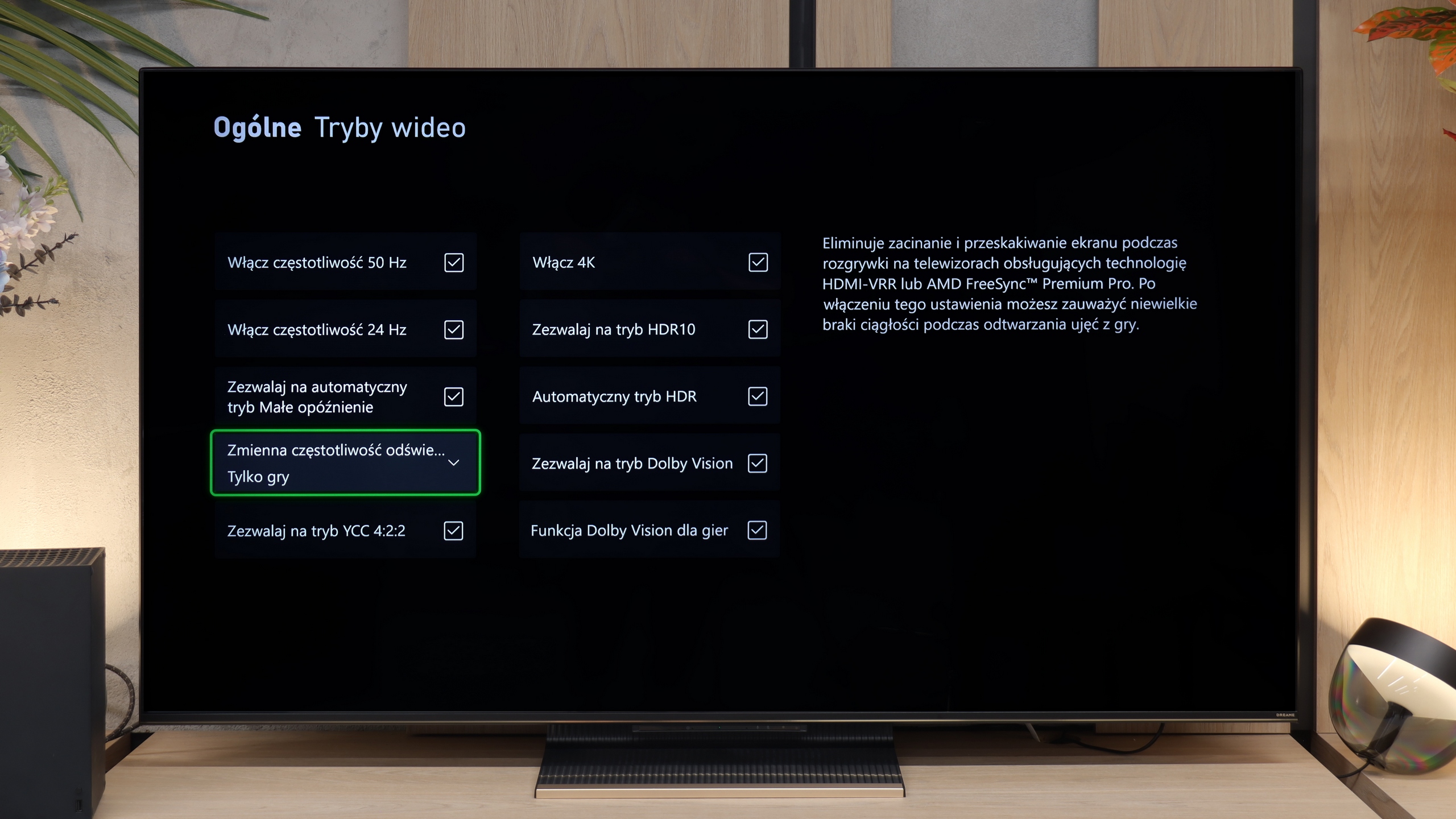
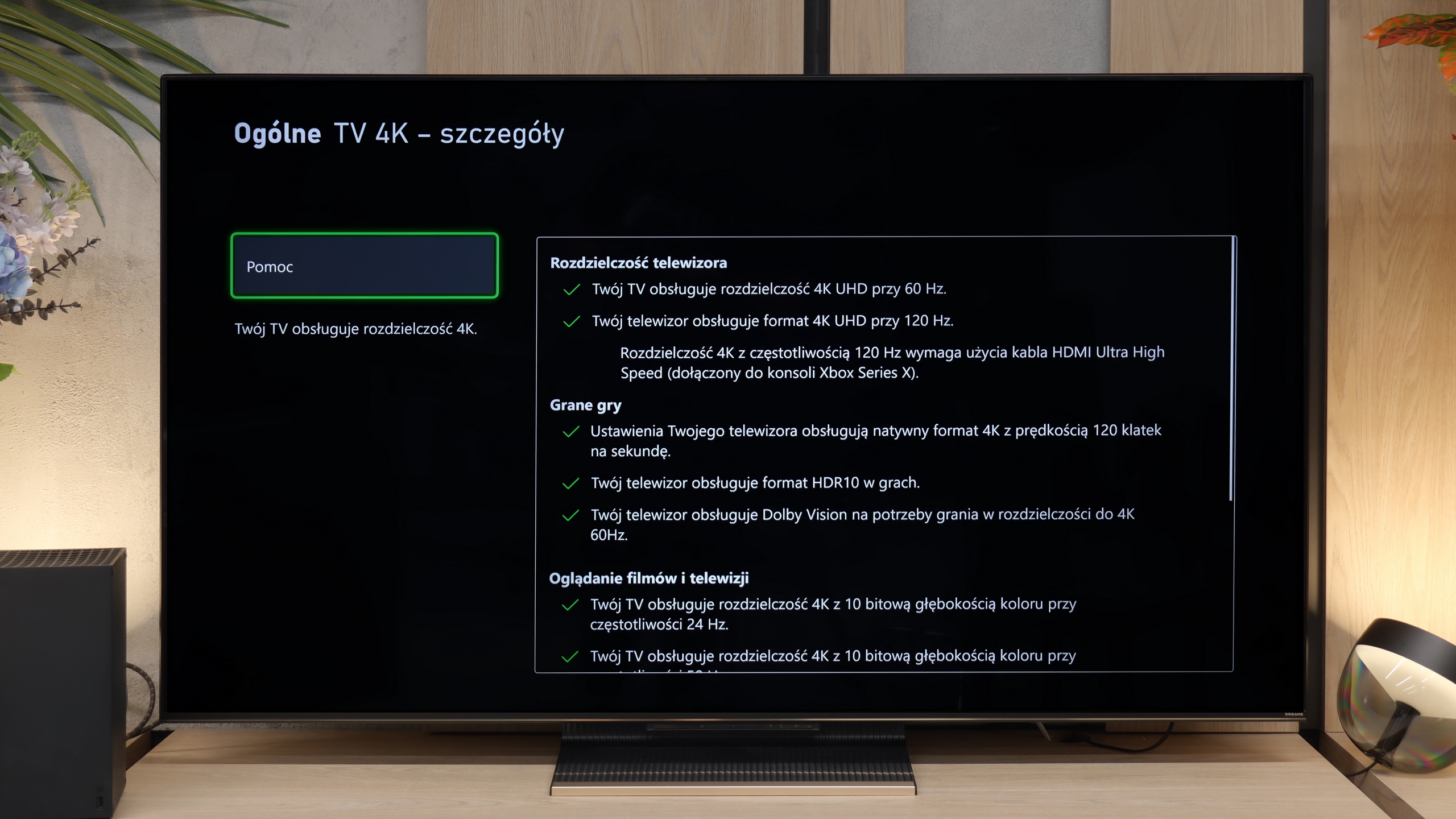
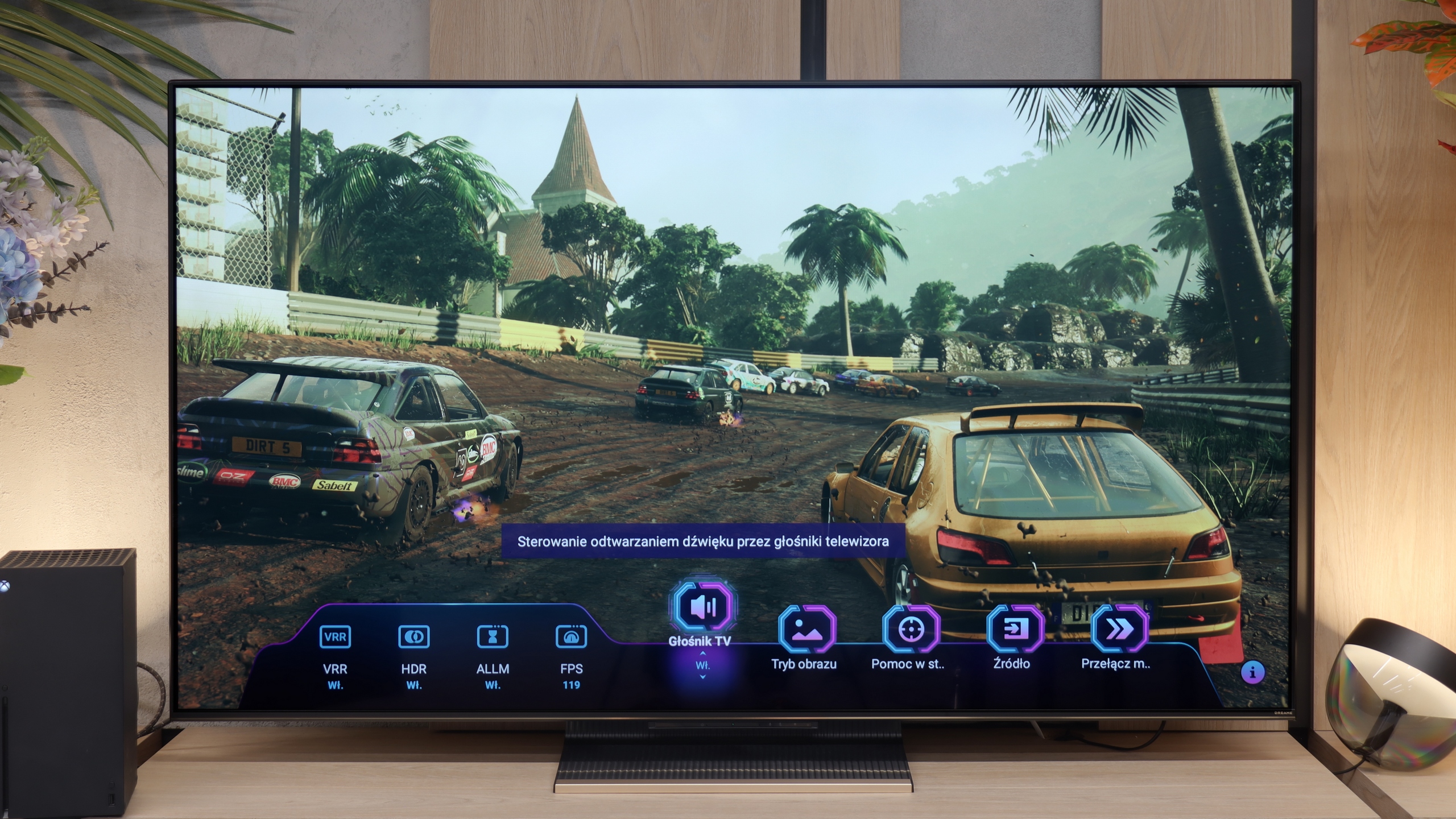
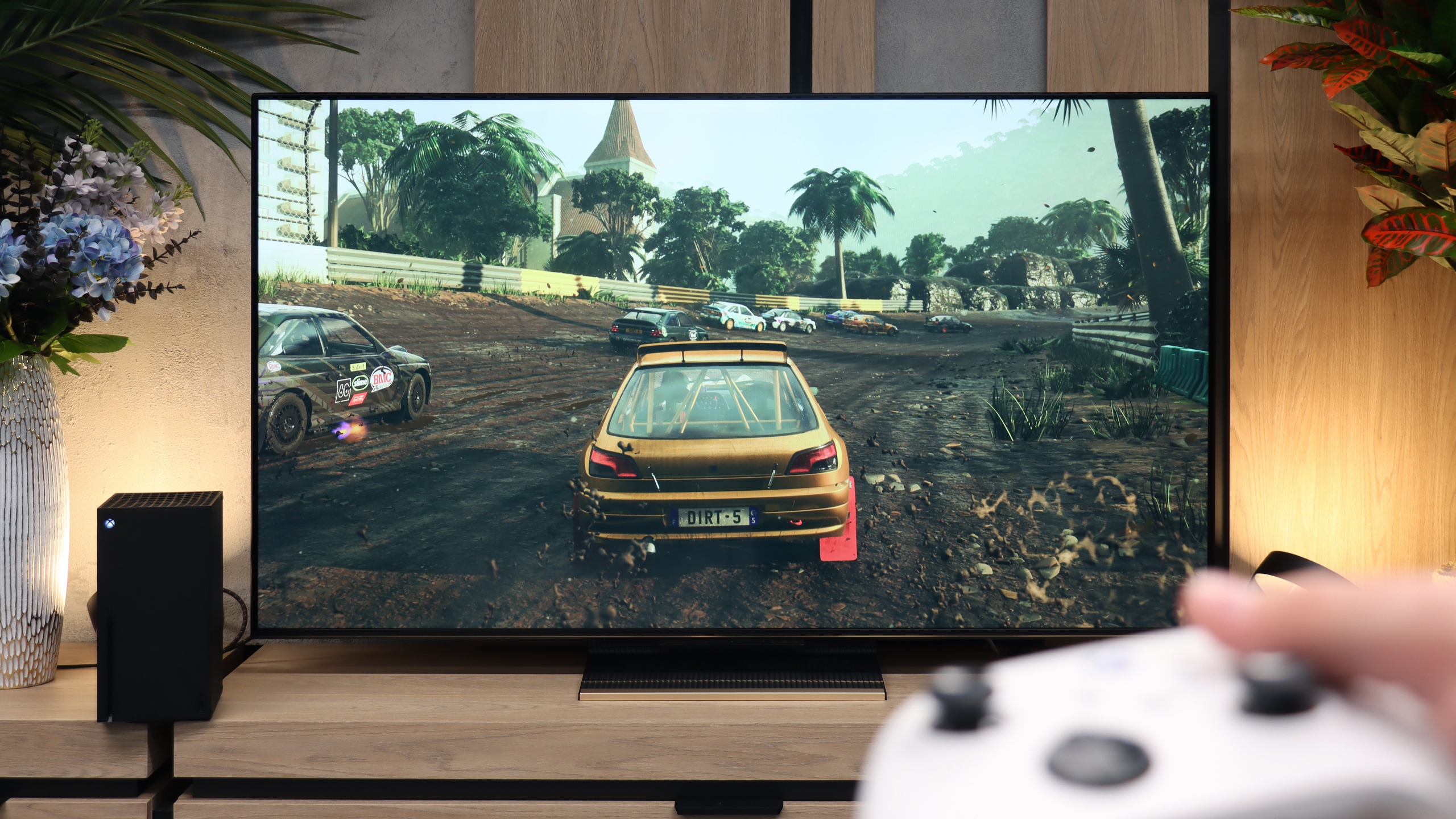
The Dreame S100 seems almost like the perfect screen for gamers. The TV is equipped with 2 HDMI 2.1 ports with a bandwidth of 40 Gbps, which means that features such as Auto Low Latency Mode (ALLM) and Variable Refresh Rate (VRR) synchronization in the range of 48-144 Hz work seamlessly on consoles. It also has a well-designed game panel (Game Bar) that allows you to continuously check the most important parameters – from active picture modes to the number of frames rendered by the console, and even the ability to add a crosshair in the center of the screen. All of this looks great on paper, but the biggest issue with the S100 is the implementation of HDR mode in games. The TV does not have a properly implemented HGiG format. As a result, an unsuspecting user may incorrectly configure the console during the initial setup of the display. A wrong configuration can lead to a picture that is too dark or too bright (as a guideline: we suggest setting the brightness in the Xbox console menu to about 600 nits, and in the PS5 to 12 clicks). The Dolby Vision format is also problematic; it often just would not activate at all when using the XBOX – Dreame S100 line. And when it was managed to be activated, gaming was impossible due to a very high input lag that often exceeded 100ms. If the manufacturer can improve the HDR issue in games through an update, the S100 will be truly excellent equipment for gamers. For now, however, one must reckon with compromises.

Input lag

9.9/10

9.2/10

SDR

1080p60
14 ms
15 ms
1080p120
10 ms
6 ms
2160p60
14 ms
15 ms
2160p120
10 ms
6 ms

HDR

2160p60
14 ms
15 ms
2160p120
10 ms
6 ms
4320p60

Dolby Vision

2160p60 DV
127 ms
2160p120 DV
18 ms

The Samsung QN85D impresses in terms of input lag value. The TV achieves remarkable results – below 15 ms for 60 Hz content and around 10 ms for 120 Hz content. This allows gamers to enjoy instantaneous reactions to their actions, especially in dynamic games where every millisecond counts. Such low input lag makes gameplay more responsive and natural, enhancing the overall gaming experience.

Aside from the aforementioned problem with Dolby Vision, the input lag on the Dreame S100 is really very low. Values around 5-6 ms at a refresh rate of 120 Hz and 12-15 ms for 60 Hz are such excellent results that even a professional gamer won't be able to feel any delay during gameplay. The response to movements on the controller is almost instantaneous here.

Compatibility with PC

7.6/10

7.6/10

Chroma 444 (max. resolution and refresh rate)
Yes
No
Font clarity
Very Good
Average
Readability of dark text and shapes
Average
Very Good
Input lag in PC mode (4K, max. refresh rate)
10ms
6ms
Matrix subpixel arrangement
BGR
RGB
Max refresh rate
120Hz
144Hz
G-Sync
Yes
Yes

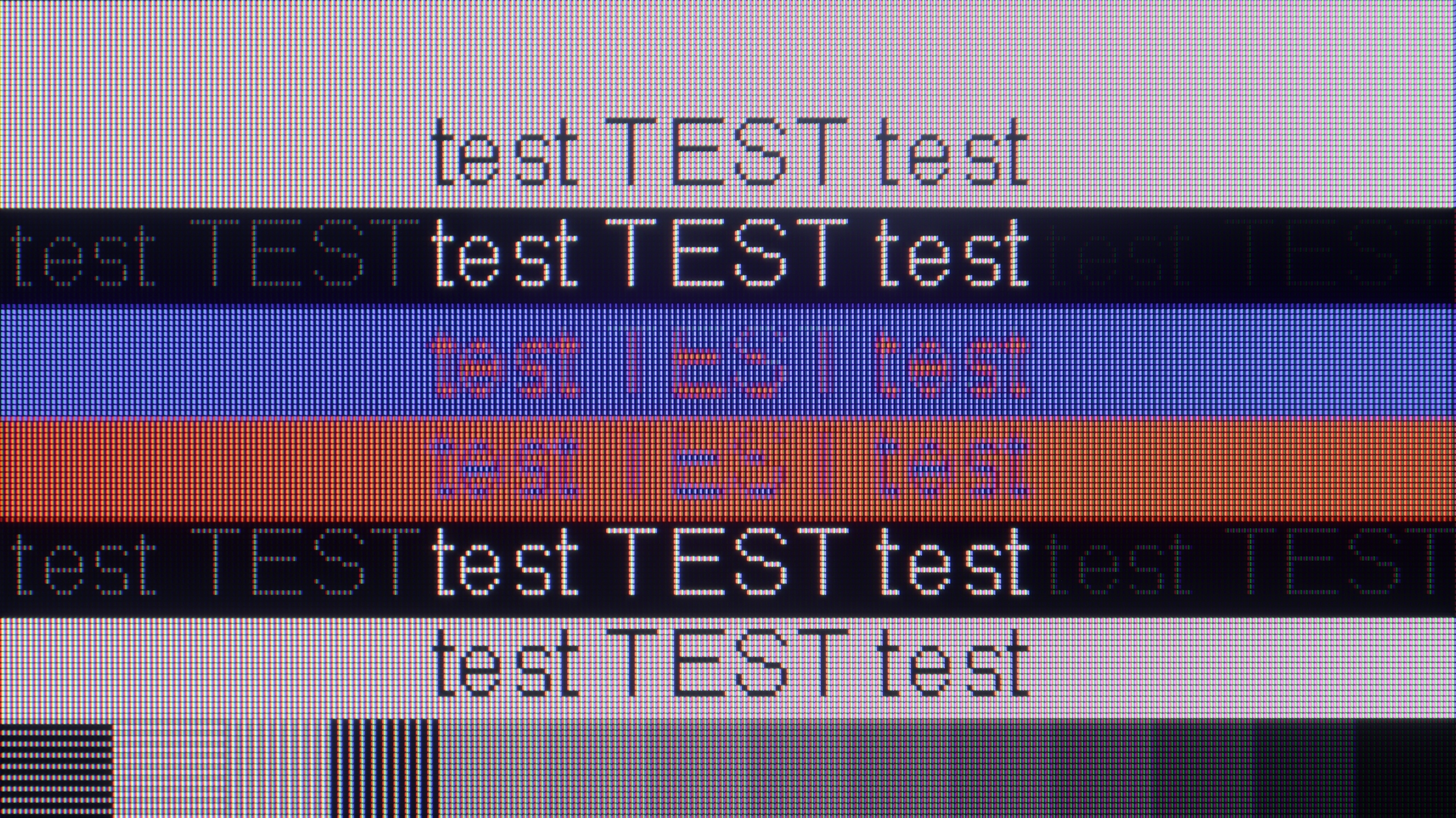
The photo shows the legibility of small fonts. Ideally, lines should be the same thickness on both light and dark text, with minimal pixel gaps.

The Samsung QN85D can be a solid option as a computer monitor. Its support for 4:4:4 chroma (available only in "Game" mode) ensures that text on the screen remains sharp and easy to read, which is essential for tasks such as working with text documents or spreadsheets. A notable advantage of this model is its exceptionally low input lag in "PC" mode – just 9 ms, providing excellent smoothness and responsiveness, making it suitable for both productivity tasks and gaming.

However, there are a few drawbacks. When displaying fonts on a dark background, an issue becomes apparent – zooming in on an image reveals that horizontal lines appear darker than vertical ones. This is because the subpixels in these areas do not fully illuminate, which seems to be a flaw in the algorithm responsible for rendering thin lines. As a result, text quality on dark backgrounds is not optimal. Despite this, the TV remains a solid choice as a PC monitor, especially given its low input lag and support for 4:4:4 chroma.

The Dreame S100 performs well as a large gaming monitor. It has a 144 Hz panel and easily supports G-Sync and FreeSync. The problem arises when you want to work with text on it. Due to a software bug, the television does not handle full color sampling (Chroma 4:4:4) at 120 Hz and 144 Hz refresh rates, causing the fonts to appear blurry. To make the text perfectly sharp, you need to manually lower the refresh rate to 60 Hz in Windows. This is quite an irritating solution that forces constant switching between settings if you want to use this screen for both work and gaming.

Viewing angles

2.9/10

6.6/10

Brightness drop at an angle of 45 degrees
84%
68%

The Samsung QN85D, due to its VA panel, has relatively poor viewing angles. When viewed from the side, colours lose their intensity, with less image contrast. This is a common drawback of VA panels, which generally offer significantly worse image quality when viewed from wider angles. However, when viewed directly in front of the TV, the situation improves considerably – the VA panel provides deep blacks and better contrast, which is a notable advantage if the TV is mainly watched from a central position.

The viewing angles on the Dreame S100 are really good, thanks to the ADS panel. Unlike VA panels, this type of screen allows you to view the image at a steep angle without a noticeable loss in color saturation and brightness. This comes at the cost of worse native contrast; however, for most viewers (especially those with a wide couch), it will be quite a good compromise. There is a lack of Mini-LED TVs with good viewing angles at a reasonable price on the market today, so the S100 nicely fills this niche.

Daytime performance

7.3/10

6/10

Panel finish
Satin
Satin
Reflection suppression
Average
Decent
Black levels during daytime
Good
Good

Panel brightness

Dreame S100: 463 cd/m2

Samsung Neo QLED QN85D / QNX1D: 825 cd/m2

The Samsung QN85D performs excellently in bright daytime conditions. Although the satin panel moderately suppresses reflections, its impressive brightness level of 825 cd/m² ensures that the TV remains highly readable even in bright sunlight. Large external light sources do not pose a significant issue, making this model a great choice for rooms with plenty of natural light.

The Dreame S100 easily performs well in most living rooms during the day. The television is equipped with a satin finish on the screen – while it may not perfectly reduce reflections, it does an excellent job of preserving color saturation, which does not fade when the room is bright. In terms of pure brightness, the S100 features a moderately bright screen. At peak brightness in SDR format, it can reach about 600 nits. Such a reserve allows it to be placed in a typically sunlit room, although – let's be honest – it is not a brightness demon, and it may struggle with direct, harsh sunlight.

Panel details

Backlight Type
Mini-LED QLED
Mini-LED PFS LED
Software version during testing
1120
RTMA.250416.179
Image processor
mt5889 3GB RAM

Subpixel Structure:

Panel uniformity and thermal imaging:

Review Samsung Neo QLED QN85D / QNX1D TV Panel details
Review Dreame S100 TV Panel details

Samsung Neo QLED QN85D / QNX1D

Dreame S100

TV features

7.4/10

5.9/10

  • System
    Tizen
    Google TV
  • System performance
    Very good
    Decent
  • HDMI inputs
    0 x HDMI 2.0, 4 x HDMI 2.1 48Gbps
    1 x HDMI 2.0, 2 x HDMI 2.1 40Gbps
  • Other inputs
    RCA (Chinch)
  • Outputs
    Toslink (Optical audio), eARC (HDMI), ARC (HDMI)
    Toslink (Optical audio), eARC (HDMI), ARC (HDMI), Mini-Jack (Headphones)
  • Network Interfaces
    Wi-Fi 2.4GHz, Wi-Fi 5GHz, Ethernet (LAN) 100Mbps
    Wi-Fi 2.4GHz, Wi-Fi 5GHz, Ethernet (LAN) 100Mbps
  • TV reception
    DVB-T, DVB-T2, DVB-S, DVB-S2, DVB-C
    DVB-T, DVB-T2, DVB-S, DVB-S2, DVB-C

Classic features:

  • Recording to USB (terrestrial TV)
    No
    No
  • Recording programming
    No
    No
  • Picture in Picture (PiP)
    Yes
    No
  • RF remote control (no need to aim)
    Yes
    Yes
  • Backlit remote control
    No
    No
  • Teletext
    Yes
    No
  • Audio only mode
    Yes
    Yes
  • Bluetooth headphones support
    Yes
    Yes
  • Simultaneous Bluetooth headphones & TV audio
    Yes
    No

Smart features:

  • AirPlay
    Yes
    No
  • Screen mirroring (Windows Miracast)
    Yes
    Yes
  • Voice search
    Yes
    Yes
  • Voice search in native language
    Yes
    Yes
  • Ability to connect a keyboard and mouse
    Yes
    Yes
Review Samsung Neo QLED QN85D / QNX1D TV features
Review Dreame S100 TV features

Sound connection options

  • HDMI audio
    eARC (HDMI), ARC (HDMI)
    eARC (HDMI), ARC (HDMI)
  • Other audio outputs
    Toslink (Optical audio)
    Toslink (Optical audio), Mini-Jack (Headphones)
  • Wireless audio
    Bluetooth
    Bluetooth

Supported audio formats (external HDMI eARC audio):

  • Dolby Digital Plus 7.1
    Yes
    Yes
  • Dolby True HD 7.1
    No
    Yes
  • Dolby Atmos in Dolby Digital Plus (JOC)
    Yes
    Yes
  • Dolby Atmos in Dolby True HD
    No
    Yes
  • DTS:X in DTS-HD MA
    No
    No
  • DTS-HD Master Audio
    No
    No

Senior accessibility

  • Numeric keyboard on TV
    No
    Yes
  • Font size adjustment
    Yes
    No
  • Audio description
    Yes
    Yes

The Samsung QN85D offers a comprehensive range of smart features thanks to the Tizen platform. Users can access a variety of apps and functions, including SmartThings, which allows them to control not only Samsung devices but also products from other brands, enabling the creation of a fully integrated smart home ecosystem. The TV also supports AirPlay, making it easy to stream content from Apple devices directly to the screen, adding to its versatility and convenience.

This model stands out with its unique features as well. It includes Daily+, which provides diverse content daily, such as fitness exercises or workspace ideas. In terms of design, while it may not be as slim as last year's models, the TV still boasts a sleek and attractive look. The central stand offers solid support and enhances the overall elegance of the device.

In terms of user functions, the TV comes with a remote control compatible with decoders like Canal+, allowing users to control most home equipment with a single device. Additionally, the PiP (Picture-in-Picture) function lets viewers watch two image sources simultaneously. However, a notable drawback is the lack of a recording function, which may be a significant downside for some users.

Smart TV: Google TV

Dreame S100 uses the Google TV operating system. This is great news for anyone looking for a TV with access to almost all streaming apps on the market. The system operates quite smoothly, although it occasionally experiences slight stutters – which is a classic issue in most Chinese TVs with Google software. On board, we find almost every necessary Smart TV feature, including screen mirroring and voice search using Google Assistant. Unfortunately, the Dreame S100 lacks support for AirPlay, so iPhone users won't be able to easily share content from their phones.

TV Features

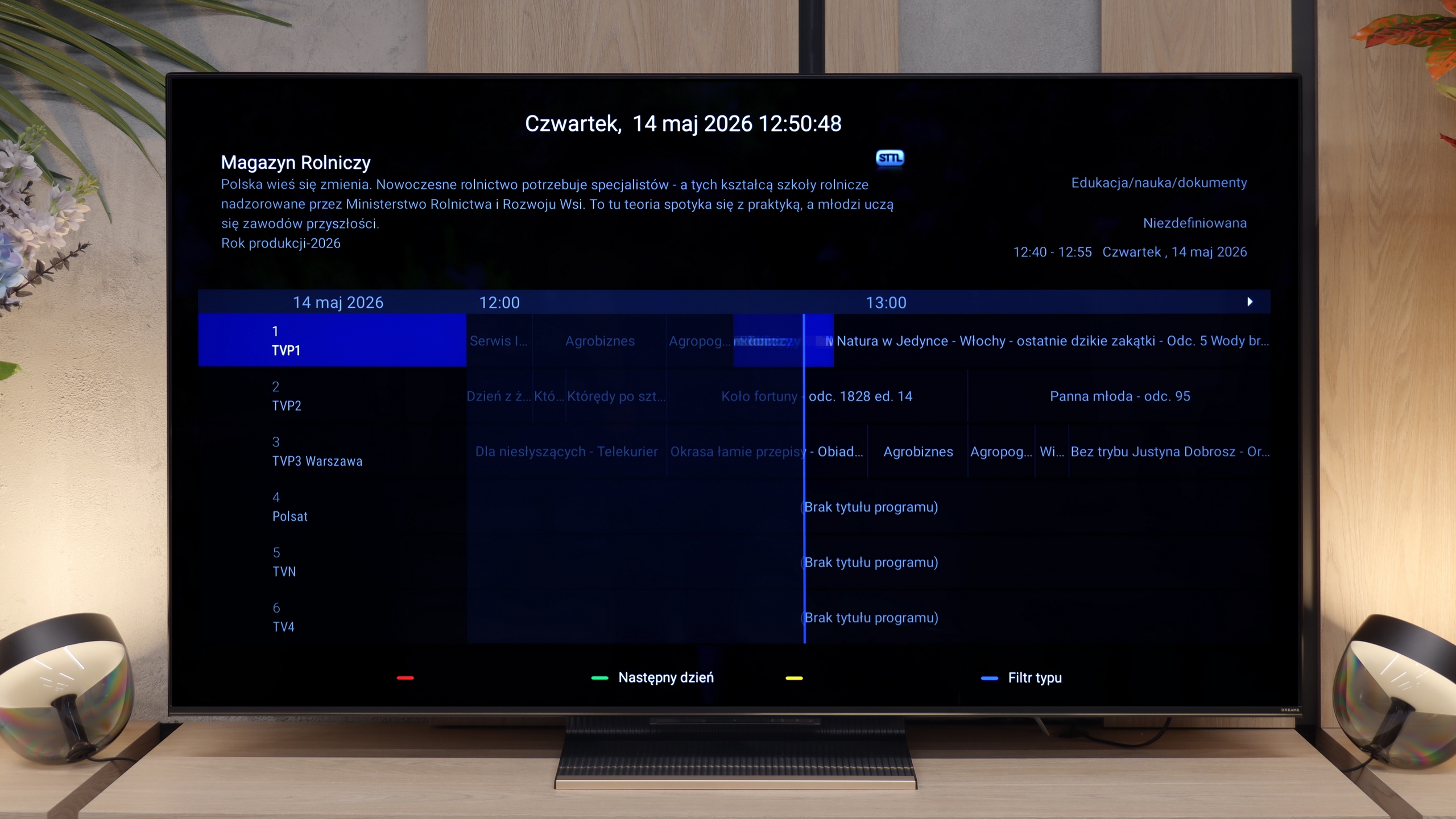
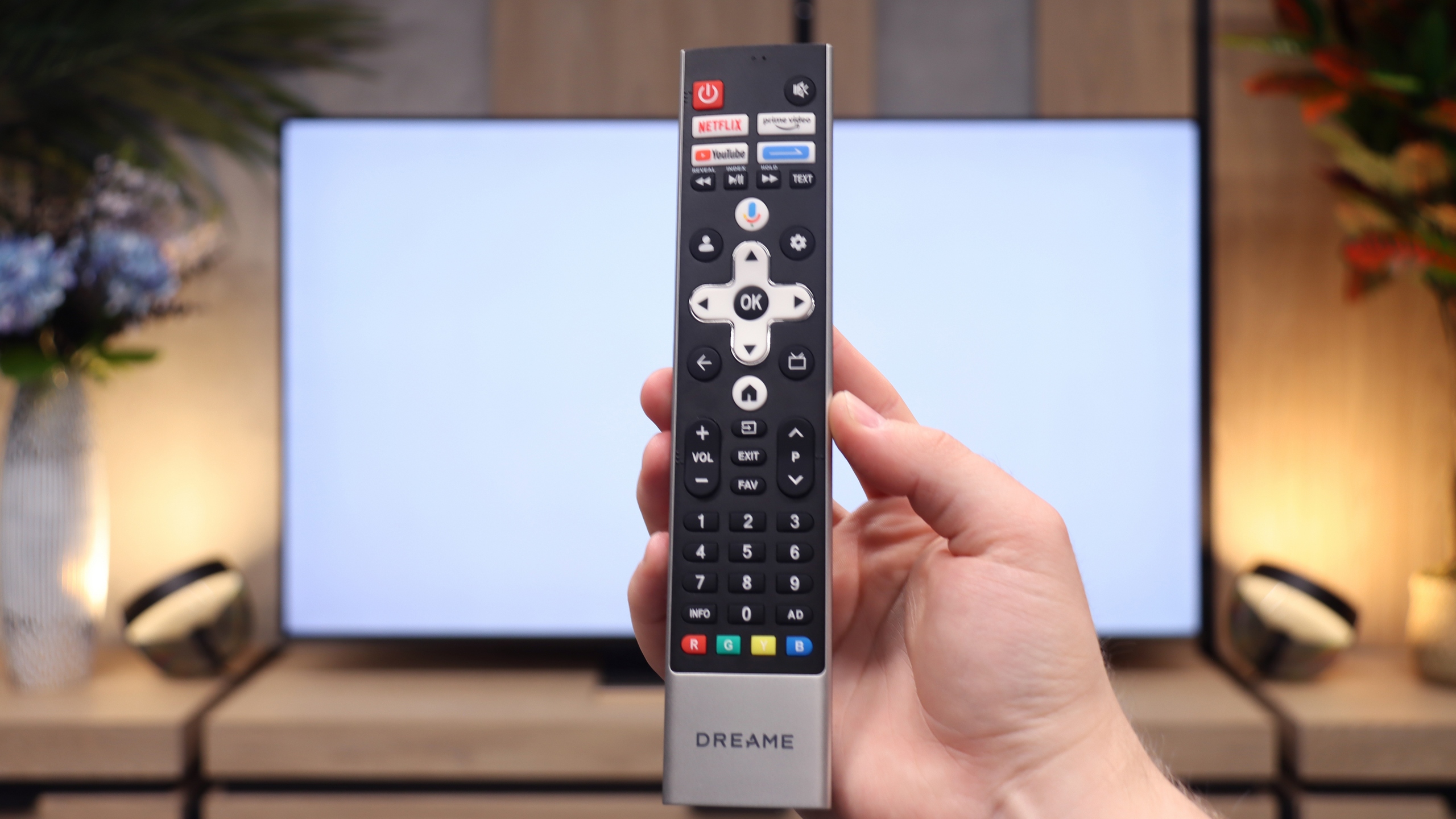
Unfortunately, the Dreame S100 is not a TV designed for traditional television viewers. Apart from basic options for connecting headphones or a fairly simple remote control equipped with a numeric keypad, we won't find virtually any additional features to facilitate everyday viewing of traditional channels. The only nice and, recently, quite rarely found addition is the presence of a physical headphone jack output. This allows for the connection of older wired headphones or analog audio sets.

Apps

9.3/10

9.6/10

OK
Disney_Plus
OK
Amazon_Prime_Video
OK
Player_TVN
OK
Polsat_Box_Go
OK
Canal_Plus_Online
OK
TVP_VOD
OK
Apple_TV_Plus
OK
SkyShowtime
OK
Rakuten
OK
CDA_Premium_Browser
OK
Spotify
No
Tidal
OK
Netflix
OK
YouTube
OK
HBO_MAX
No
Kodi
OK
Apple_music
OK
Eleven_sports
OK
Xbox Game Pass
OK
GeForce NOW
OK
Amazon Luna
OK
Boosteroid
No
Steam Link
OK
Disney_Plus
OK
Amazon_Prime_Video
No
Player_TVN
OK
Polsat_Box_Go
OK
Canal_Plus_Online
OK
TVP_VOD
OK
Apple_TV_Plus
OK
SkyShowtime
OK
Rakuten
OK
CDA_Premium_Browser
OK
Spotify
OK
Tidal
OK
Netflix
OK
YouTube
OK
HBO_MAX
OK
Kodi
No
Apple_music
OK
Eleven_sports
No
Xbox Game Pass
OK
GeForce NOW
No
Amazon Luna
OK
Boosteroid
OK
Steam Link

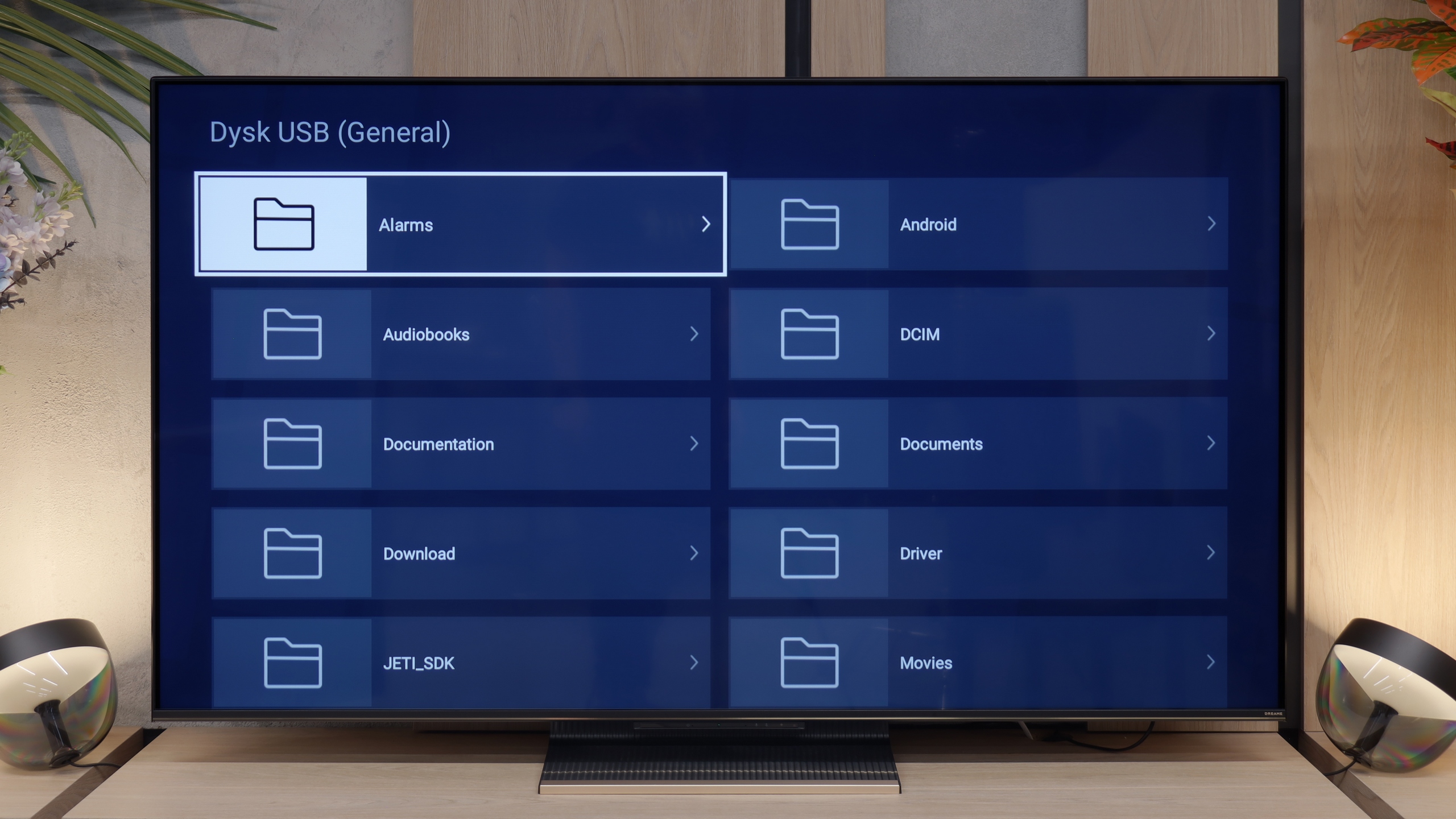
Playing files from USB

9.1/10

8.3/10

Supported photo formats:

JPEG
Yes
Yes
HEIC
No
No
PNG
No
Yes
GIF
No
Yes
WebP
No
No
TIFF
No
No
BMP
Yes
Yes
SVG
No
No

Maximum photo resolution:

4 Mpix
Yes
Yes
6 Mpix
Yes
Yes
8 Mpix
Yes
Yes
10 Mpix
Yes
Yes
12 Mpix
Yes
Yes
16 Mpix
Yes
Yes
20 Mpix
Yes
Yes
24 Mpix
Yes
Yes
28 Mpix
Yes
Yes
32 Mpix
Yes
Yes

The built-in player on the Samsung QN85D should meet the needs of most users. It supports popular video and audio formats without major issues, providing solid compatibility with widely used codecs. However, more discerning users may notice some limitations – for instance, it does not support playing photos in the HEIC format, which is commonly used by Apple devices, nor does it handle several other less common photo formats.

The built-in media player works well and handled most of the files we provided from our flash drive without any issues. However, there were instances when the application experienced slight stuttering, and selected movies or photos took several seconds to load. If the factory player turned out to be not very intuitive for you or lacked advanced features, the Google TV system comes to the rescue. Just enter the app store and install any external file playback program (e.g., VLC) that will solve this problem.

Sound

7/10

8.3/10

  • Maximum volume
    -
    84dB
  • Dolby Digital Plus 7.1
    Yes
    Yes
  • Dolby True HD 7.1
    No
    No
  • Dolby Atmos in Dolby Digital Plus (JOC)
    Yes
    Yes
  • Dolby Atmos in Dolby True HD
    No
    No
  • DTS:X in DTS-HD MA
    No
    No
  • DTS-HD Master Audio
    No
    No

The sound on the Samsung QN85D television is pleasant, with a subtle bass feel and clarity across the entire volume range. This is thanks to the built-in 2.2 40W speakers. Unfortunately, the lack of DTS audio format support may be problematic for users looking to enjoy a full audio experience. In such cases, it will be necessary to use an external player to get support for this format.

The sound of the Dreame S100 is one of the greatest advantages of this model – it is really good. The TV is equipped with a 4.1.2 speaker system with a total power of 70 W. The sound is clean, with distinctly perceivable bass, which is confirmed by our acoustic measurements. Large drivers placed on the sides of the cabinet effectively widen the soundstage. As a result, we get a noticeably more spacious sound than with standard 20-watt 2.0 systems. The device supports Dolby Atmos encoding, so we can easily play spatial audio tracks from streaming platforms without the need to purchase an external soundbar. Unfortunately, it lacks support for the DTS format – this is a downside, although we must honestly admit that this standard has recently been abandoned by most manufacturers. On the positive side, the audio connection options are commendable. The Dreame S100 can easily be connected to newer home theaters or soundbars via the HDMI eARC port or optical output. A nice and increasingly rare addition is the classic minijack headphone jack, which gives a second life to older audio sets.

Sound Quality Test

No sound test video

Acoustic Measurements

No acoustic data

84dBC (Max)

75dBC