 Direct comparison
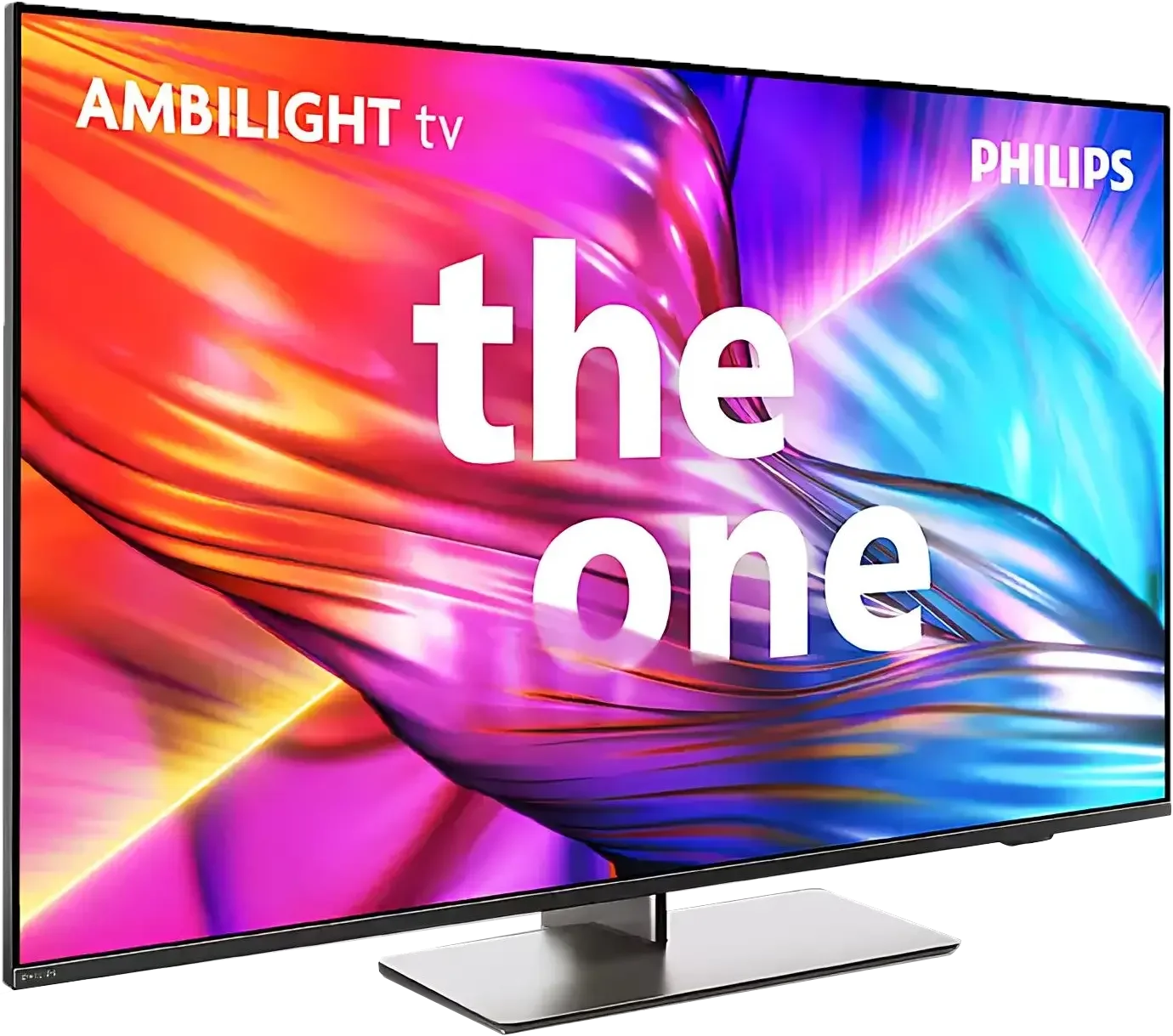
Philips PUS8959, also known by other designations under the PUS89 abbreviation (depending on the sales network), is a model from the popular series The One. Its biggest distinguishing feature is the Ambilight system, which still makes a great impression. The three-sided backlighting adapts to the picture on the screen, making movies, series, or games literally extend beyond the edges of the TV. The One is also a good option for gamers. The 120 Hz panel and low input lag ensure that games run smoothly, and the motion on the screen is clear. On the console, we tested several dynamic titles, and the TV handled them without any problems – no stutters or delays. Additionally, HGiG support allows for better reproduction of HDR effects in games. This is a great solution if we care about the image matching what the creators intended. The picture quality is at a good level, especially during the day. With a brightness of 550 nits, The One performs well even in well-lit rooms, and Dolby Vision in HDR films delivers vivid colors and sharp details. However, the ADS panel has its limitations – the blacks in dark scenes resemble a gray shade more, which can be noticeable when watching in a dimly lit room. When we watched movies with the lights off, the lack of depth in the blacks was somewhat evident. The Titan OS operating system is something that still needs refinement. It is fast, but the limited number of applications, such as the lack of Spotify or TVN Player, can be frustrating for those used to more advanced platforms like GoogleTV. When daily using Netflix or YouTube, it works flawlessly, but if we expect more advanced features, the system may not meet expectations. Overall, Philips The One is a good choice in its price category. The Ambilight system impresses and significantly enhances the viewing experience, especially in the evening. It is also a solid option for gamers, thanks to smooth image and low input lag. Although the blacks are not perfect and the operating system needs refinement, the TV performs well in everyday use. For fans of unique solutions like Ambilight, this is a proposition that definitely deserves attention.
- Matching (Score) |
- Our verdict |
- TV appearance |
- Where to buy |
- Contrast and black detail |
- HDR effect quality |
- Factory color reproduction |
- Color reproduction after calibration |
- Smoothness of tonal transitions |
- Image scaling and smoothness of tonal transitions |
- Blur and motion smoothness |
- Console compatibility and gaming features |
- Input lag |
- Compatibility with PC |
- Viewing angles |
- Daytime performance |
- Panel details |
- TV features |
- Apps |
- Playing files from USB |
- Sound
PUS8959 / PUS8919 / The One / PUS8909 / PUS8949

Q100
Panel type: LCD IPS
Resolution: 3840x2160
System: Titan OS
Model year: 2024
Complete the survey to find out the result
Panel type: LCD VA
Resolution: 3840x2160
System: Google TV
Model year: 2026
Complete the survey to find out the result
Overall rating
6.9
5.6
 Movies and series in UHD quality
6.6
5.8
 Classic TV, YouTube
6.3
5.4
 Sports broadcasts (TV and apps)
7.2
4.6
 Gaming on console
8.5
7.0
 TV as a computer monitor
8.0
4.0
 Watching in bright light
6.1
4.4
 Utility functions
6.1
5.2
 Apps
6.7
9.6
 Sound quality
6.4
5.0
Complete the survey to find out what fits your preferences
Advantages

Ambilight System: Triple-sided backlighting
120Hz Panel - smooth image
Additional features for gamers
Satisfactory level of brightness that works well during the day
Wide viewing angles
Google TV with plenty of apps
Dolby Vision support
Wide color gamut, QLED PFS color filter
Decent VA panel contrast
Good tonal transitions
Gaming features: VRR and ALLM
120 Hz in Full HD
Game Bar
Low input lag
Disadvantages

Poor black quality
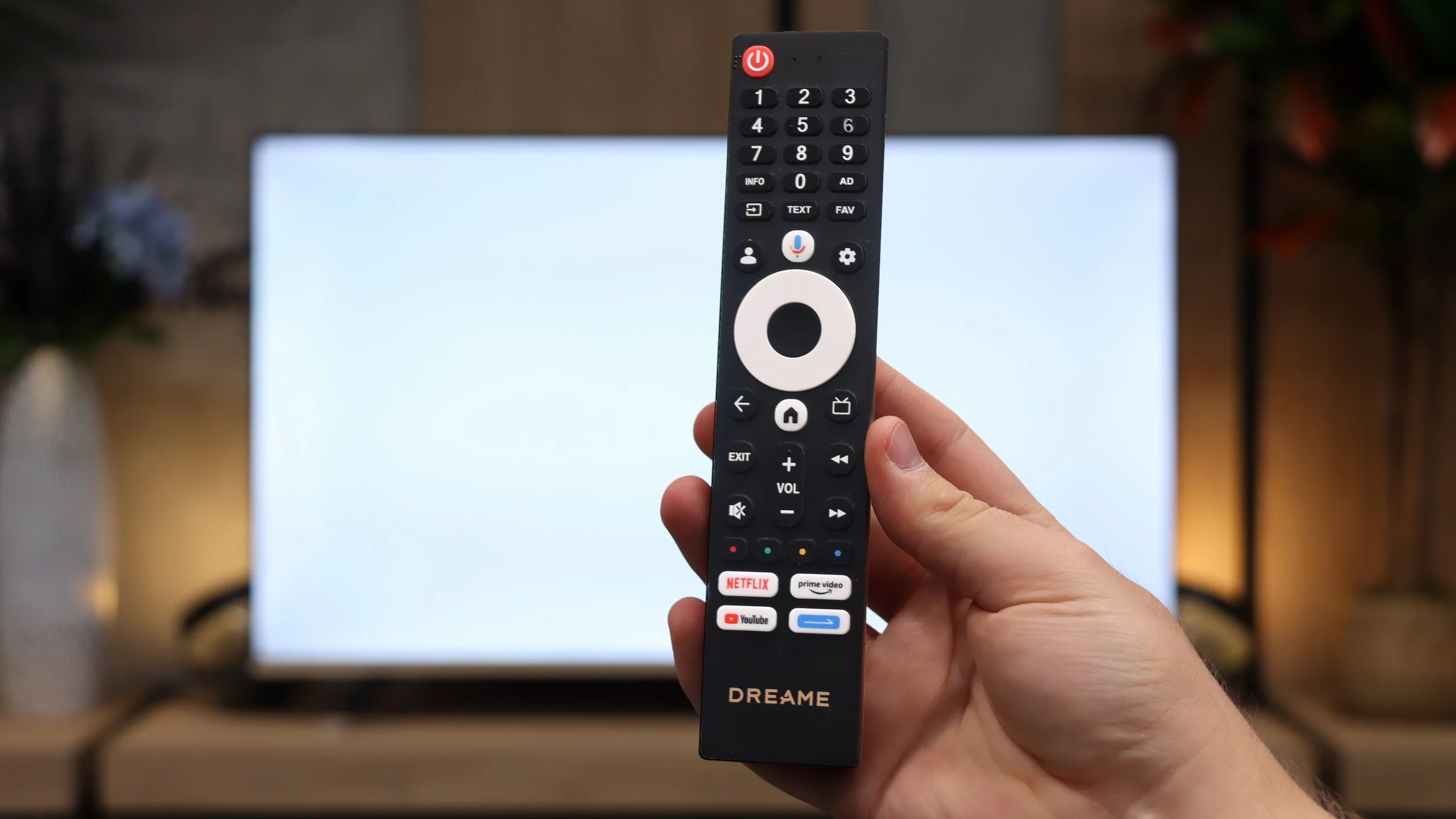
Annoying "hybrid" remote
Titan OS: Still in development, with a limited number of applications and not very functional compared to more advanced platforms
Low brightness, about 300 nits
Poor HDR performance
Average image processing
No AirPlay
Average audio
Our verdict
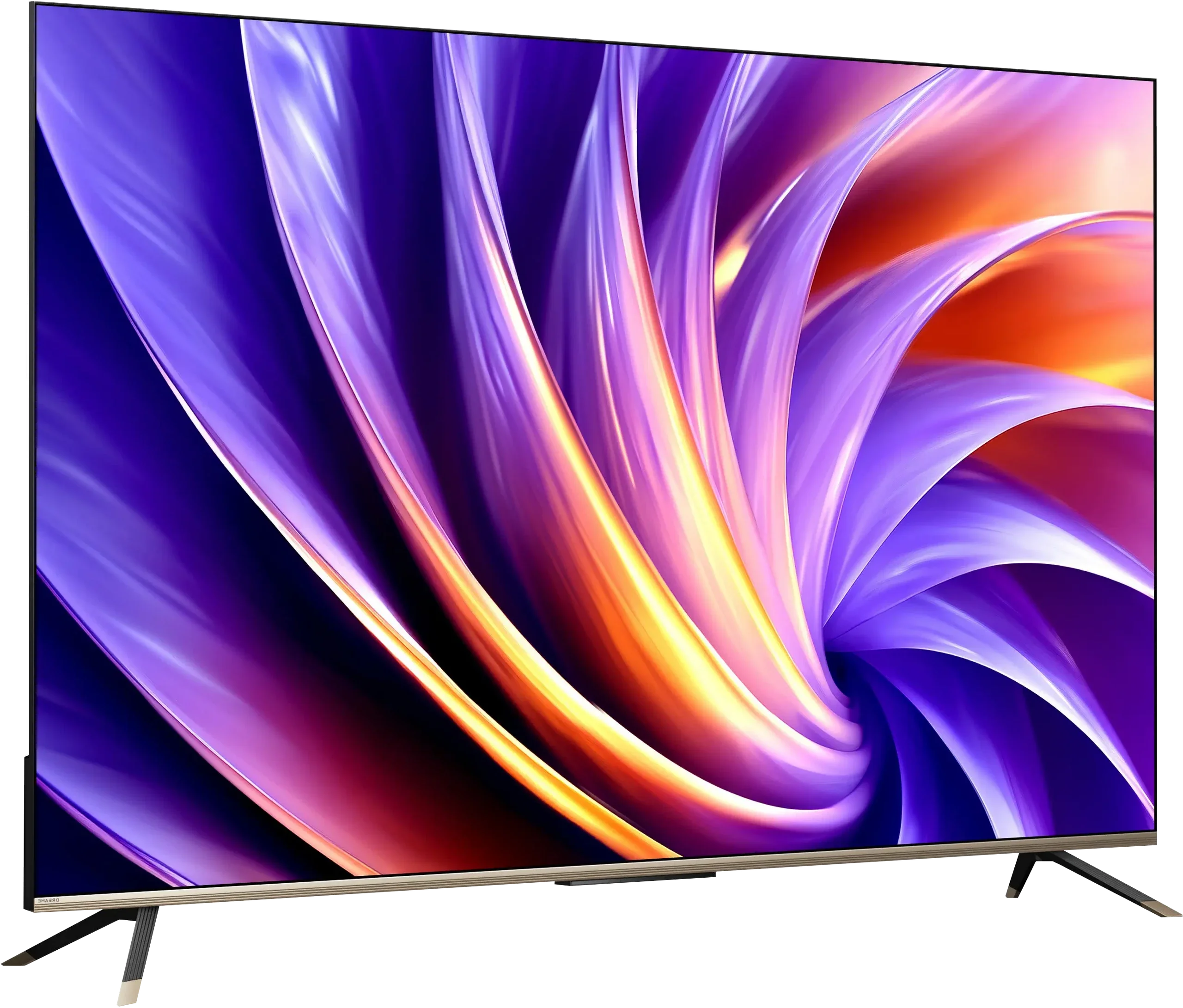
The Dreame Q100 is the manufacturer's entry-level model, and its price alone hints at what to expect. It’s not a TV that tries to win on picture quality. Its strengths lie elsewhere: it has Google TV, surprisingly many features for gamers, and costs relatively little. In terms of picture, the Q100 performs similarly to many other TVs in this price range. The VA panel provides decent contrast, and colors are quite respectable thanks to the QLED (PFS) filter, but with only around 300 nits of brightness the limitation quickly becomes apparent. Especially in HDR, where it simply lacks the power. It's good that Dreame didn't drop Dolby Vision, because with a TV like this that format really comes in handy. Movies and series from streaming platforms are better matched to the screen's capabilities and can therefore look quite good. So the Q100 makes sense mainly if you're looking for an inexpensive TV for casual watching, Netflix, YouTube, or occasional console use. There are no big surprises in picture quality, but it's hard to expect them from one of the cheapest models in the lineup. For Dreame's first foray into this segment of the market, the Q100 is a pretty interesting start, especially since not long ago the brand name was far more likely to be associated with a vacuum cleaner than with a TV.
TV appearance
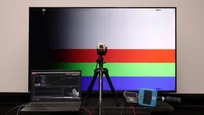
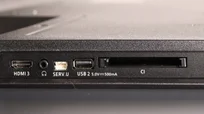
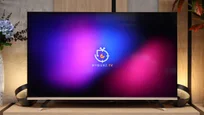
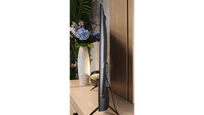

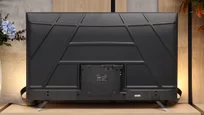

Contrast and black detail
4.3/10
5.3/10
Local dimming function: No
Local dimming function: No
Contrast:


Result
2,350:1

Result
2,400:1

Result
2,600:1

Result
2,550:1

Result
2,200:1
Result
4,350:1
Result
3,850:1
Result
4,100:1
Result
4,450:1
Result
3,400:1
Halo effect and black detail visibility:
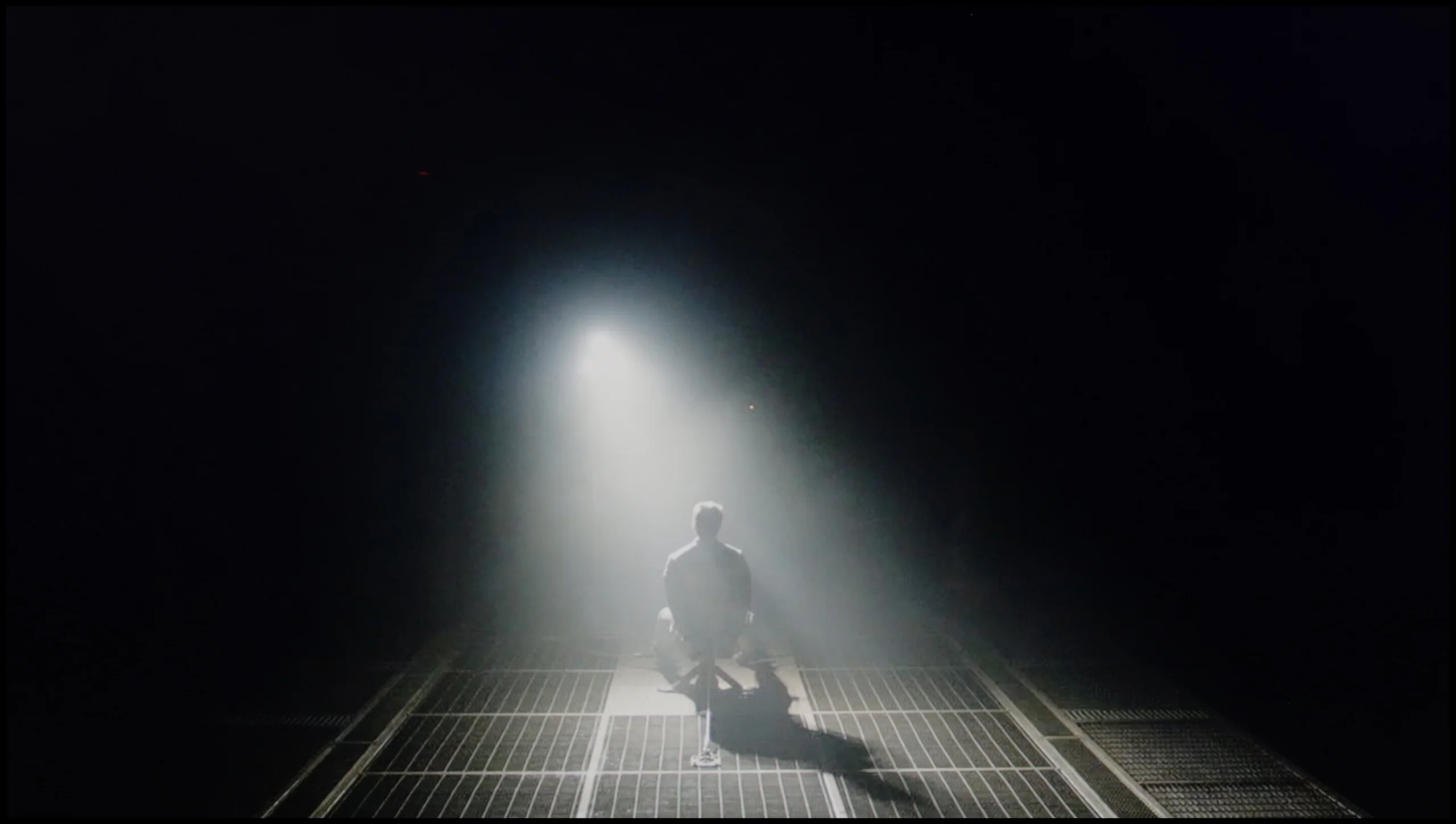
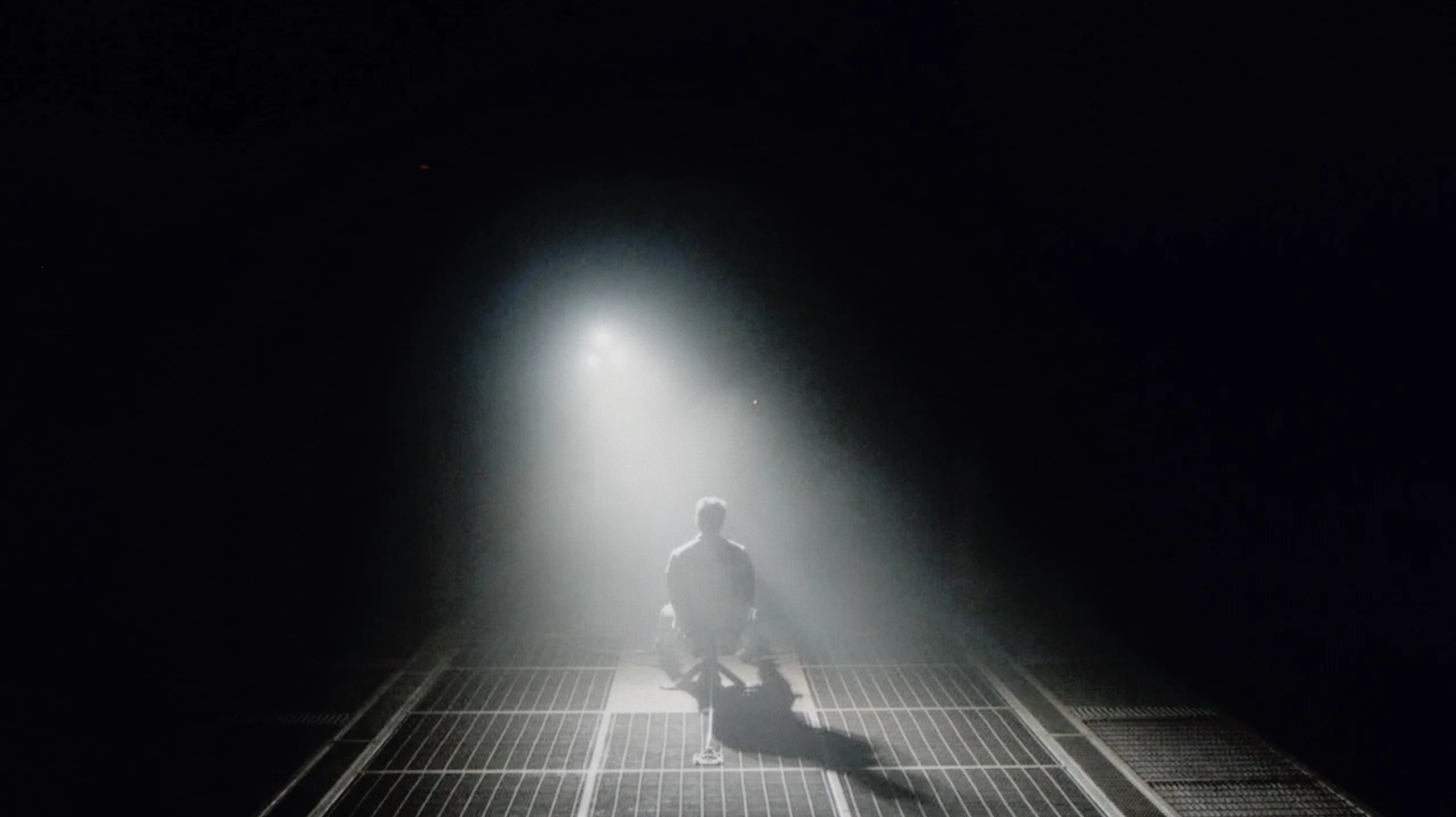
Check the visibility of bright lights on a dark background. Mini-LEDs often struggle with this. The photo does not compare black levels – that’s what the video below is for.
The video accurately shows differences in contrast and black levels between TVs, as well as potential issues: halo around bright objects or Mini-LED zone operation visible as brightness jumps.
The television Philips PUS8959 is based on an ADS panel, which offers slightly different parameters compared to the popular VA panels. In the tested scenes, the contrast was around 2000:1, making the black level far from ideal. ADS panels are known for their weaker contrast compared to VA panels, which in practice means that instead of deep black, we see more navy or gray shades. However, the ADS panel is still better than the standard IPS panel, which cannot achieve such a level of contrast. Additionally, the Philips PUS8959 is not equipped with local dimming technology that could improve these parameters. The lack of this feature amplifies the effect of shallow black, particularly noticeable in dark scenes, like those in the movie "Sicario 2." Instead of intense black, the screen generates a silvery glow, which can be bothersome, especially when watching in darker conditions. All of this makes the visual experience lose depth, and details in dark scenes are not as well visible as one might expect from higher-class screens. Despite the lack of local dimming, the television is equipped with something called Global Dimming. The television is capable of completely dimming the panel to achieve higher contrast, but at the expense of details that may blend together, for example, lights in the test scene from the movie Oblivion. It is worth adding that the model we received for testing has quite large spots resulting from uneven backlighting, although this is not an exception, and one should take into account that we might also receive such a unit when purchasing.
Dreame Q100 is an entry-level LCD TV, so its black level and contrast performance depend mainly on the panel itself. It uses a VA panel that achieves a native contrast ratio of about 4500:1. For this class of device that's a pretty good result. In practice this mainly means noticeably deeper blacks than similarly priced TVs with IPS or ADS panels. The difference is especially visible in the evening, when dark scenes have more depth and don't look as gray.
However, it's important to remember that the Q100 does not have local dimming. The entire backlight therefore runs continuously, with no ability to dim specific areas of the image. In a very dark room the blacks can start to take on a navy tint and are far from what better Mini LEDs and especially OLEDs can achieve in this regard. That said, this is not surprising, because the same limitation affects most entry-level LCD TVs in this price range.
HDR effect quality
5.9/10
4.2/10
Luminance measurements in HDR:

Result
501 nit

Result
514 nit

Result
553 nit

Result
544 nit

Result
569 nit
Result
230 nit
Result
252 nit
Result
285 nit
Result
298 nit
Result
298 nit
Scene from the movie “Pan” (about 2800 nits)

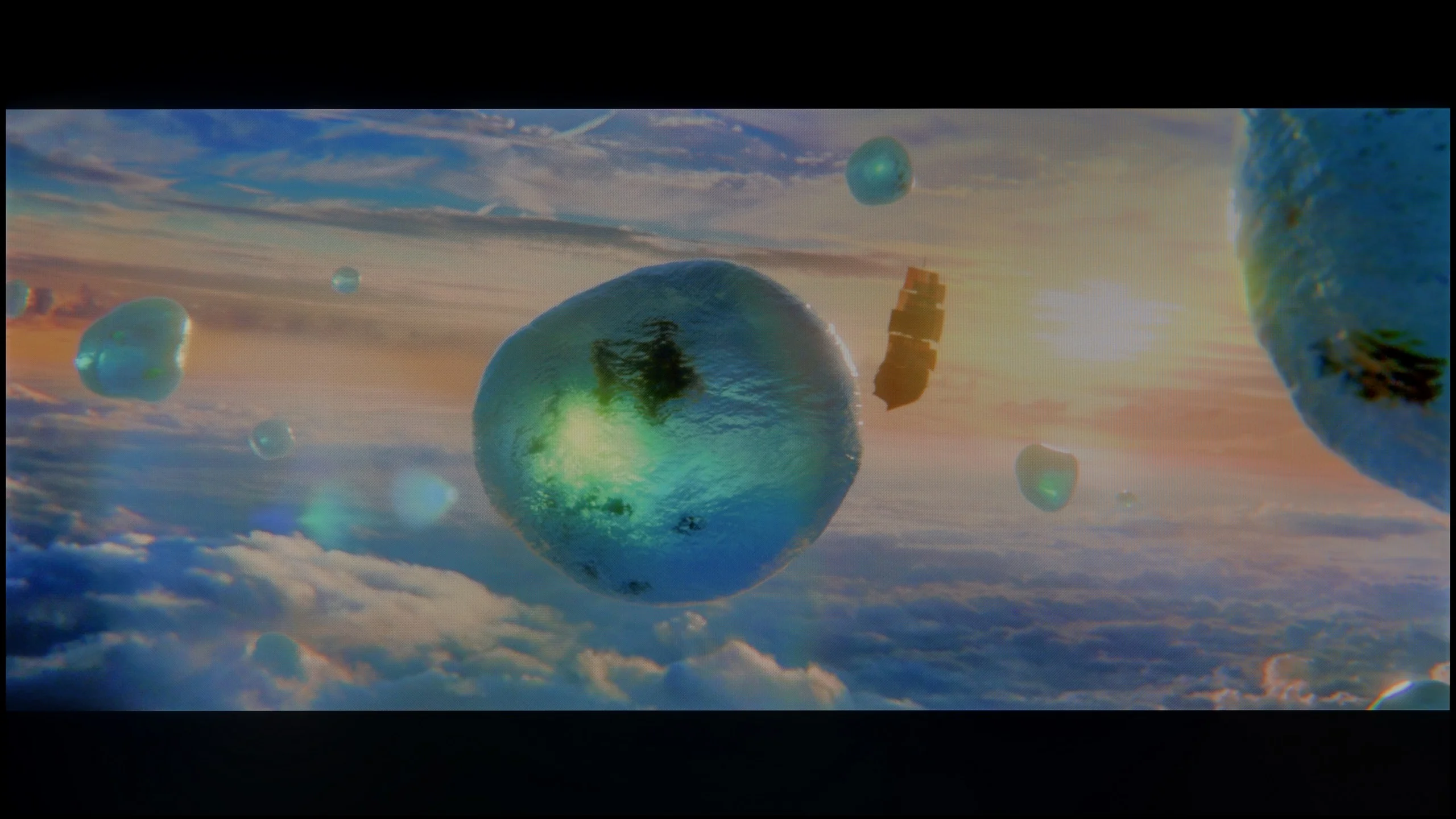
Scene from the movie “Billy Lynn” (about 1100 nits)
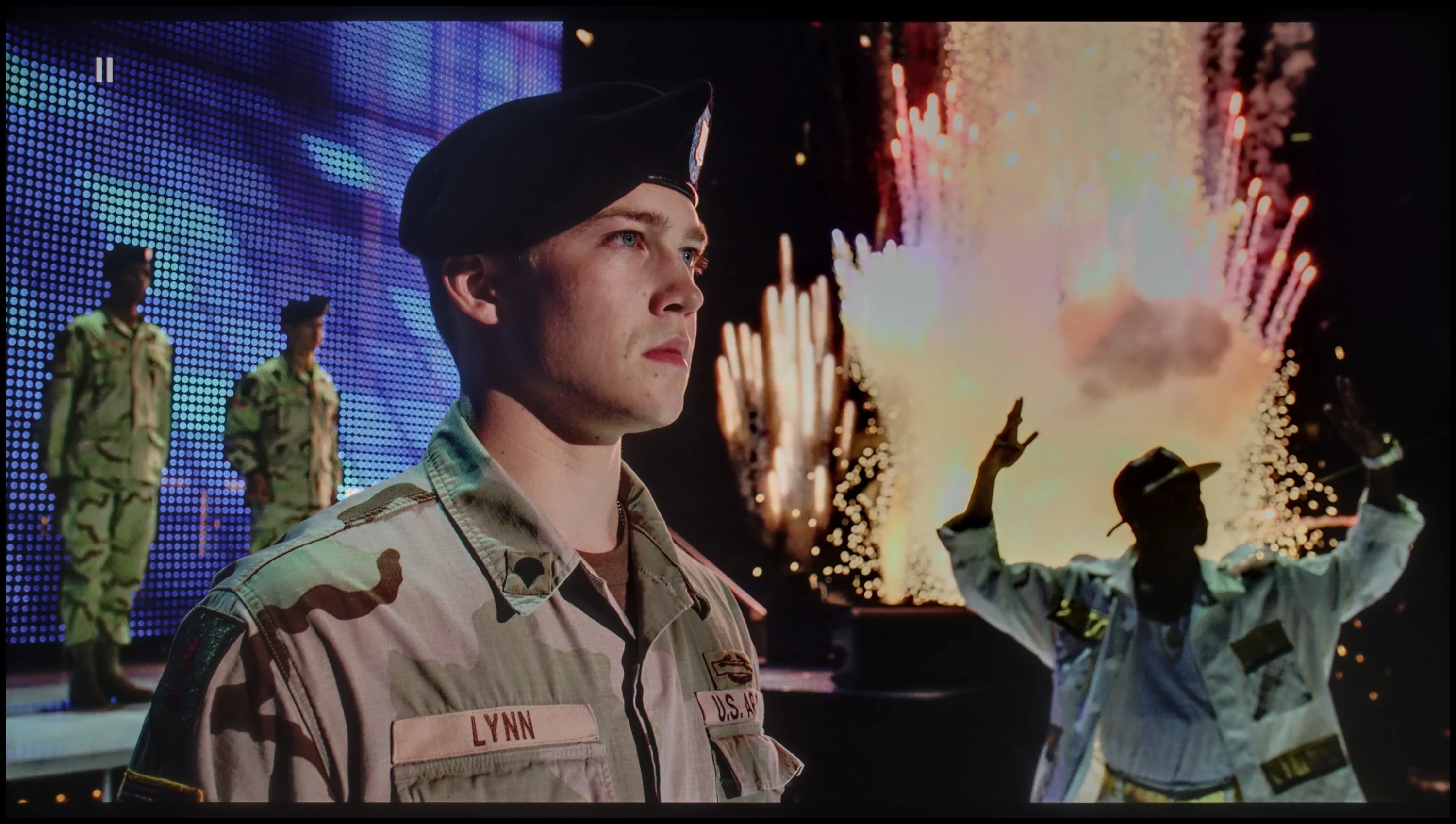
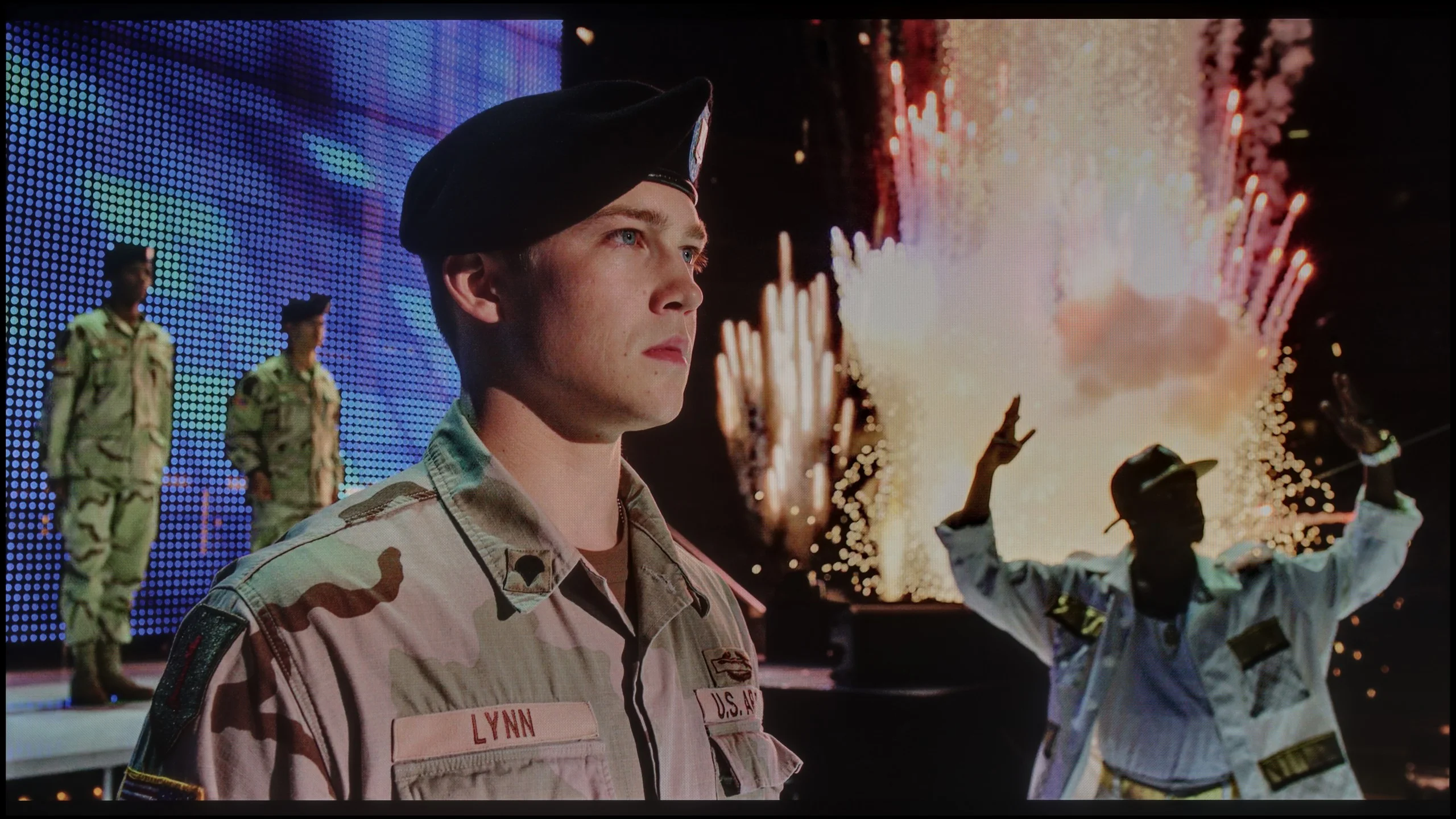
The photos show two HDR10 movies. 'Pan' is one of the brightest productions ever made, while 'Billy Lynn' (soldier) has brightness typical of streaming (Netflix, Prime, HBO MAX). Notice the intensity of effects and detail in whites.
Static HDR10


The photos present the visibility of white details in various HDR formats. They do not show brightness differences between TVs (these can be compared in the previous gallery).
Dynamic: Dolby Vision
Dynamic: Dolby Vision


The photos present the visibility of white details in various HDR formats. They do not show brightness differences between TVs (these can be compared in the previous gallery).
HDR luminance chart:
Dreame Q100
Philips The One (PUS8959 / PUS8919 / PUS8909 / PUS8949
The luminance chart for Philips PUS8959 shows that the television can achieve around 550 nits of brightness, which can be considered a satisfactory level. This brightness allows the effects of HDR to be felt, particularly standing out in more demanding scenes. In the tested patterns, the television performed quite well, even in challenging sequences like those from "Sicario 2". Due to the lack of local dimming, the television does not dim small bright elements, and they shine with the full "power" of the television but at the cost of the silverish blacks we mentioned in the paragraph about blacks. It is also worth praising Philips PUS8959 for its good coverage of the DCI-P3 color palette, which amounts to around 94.5%. This makes the colors vivid and close to the creators' intentions, further enhancing the quality of HDR effects and the viewing experience of high dynamic range content.
Unfortunately, the Dreame Q100 is too basic and, above all, too dim to be said to deliver a true HDR effect. Our measured brightness reaches a maximum of about 300 nits, which is definitely too low for bright parts of the image to truly pop. In fact, that’s a level we more often associate with SDR material than with HDR. It therefore lacks the brightness headroom offered by more expensive TVs that makes highlights, reflections, or the sun look noticeably more impressive.
HDR Colors
Fortunately the Q100 makes up for it a bit elsewhere. The manufacturer calls it a QLED TV, though in practice color gamut expansion is handled by a PFS filter. Our measurements showed roughly 92% coverage of the DCI-P3 color space and about 67% of BT.2020. These aren’t top-tier numbers, but they are still clearly better than basic LCD TVs without an additional gamut-expanding layer. As a result, HDR content can at least offer more saturated and varied colors, even if the peak brightness itself still doesn’t allow us to speak of a fully fledged HDR effect.
Factory color reproduction
4.1/10
6.5/10


This gallery shows how colors change after professional TV calibration. If you notice the difference, we recommend ordering this service at SkalibrujTV.com.
Factory Mode
After calibration


This gallery shows how colors change after professional TV calibration. If you notice the difference, we recommend ordering this service at SkalibrujTV.com.
Factory Mode
After calibration
The Philips PUS8959 television was tested in the best, theoretically most precise picture mode – Filmmaker. Although the name suggests cinematic quality, it unfortunately falls far short of the ideal. The biggest issue in this mode is white balance, both in HD and 4K content. It is characterized by a significant dominance of the red color and dips in the green level, resulting in an unnatural color reproduction. For example, white elements of the image have a distinctly pinkish hue, and the green is less intense, causing the overall image to lose its naturalness and color balance. The ColorChecker test confirms these errors – it is clearly visible how the color samples "deviate" from the correct values, which can be best observed on the sample squares that should accurately reproduce colors. The lack of accuracy in this regard affects the realism and fidelity of the image, which is particularly undesirable in Filmmaker mode.
Regarding brightness characteristics, the gamma chart resembles a real roller coaster – with small elements displayed on the screen, the brightness is excessive, causing details to become overly highlighted. Meanwhile, at higher gamma values, the image loses contrast and becomes too dark, making the overall appearance look less dynamic. Similar issues can be noticed in the EOTF characteristics – the television is unable to correctly reproduce the brightness level, negatively affecting the overall image quality.
For testing we chose the "Film" mode and in our opinion it is by far the best of the available presets. There are no heavily boosted, unnatural colors you can see in the Vivid/Dynamic mode. The picture already looks quite reasonable out of the box, though it falls a bit short of perfect. In SDR material the most noticeable issue was a slight warming of the image. The white balance had too much red, so whites leaned toward a warmer tone, and a similar tint was visible in shades of gray. In HDR the situation was a bit different. Here blue had a slight edge, making the image a touch cooler. These are not major faults, though. For such an inexpensive TV, the factory settings on our unit were pretty decent and the "Film" mode delivers a relatively natural image without much fiddling with the settings.
Color reproduction after calibration
8.1/10
7/10

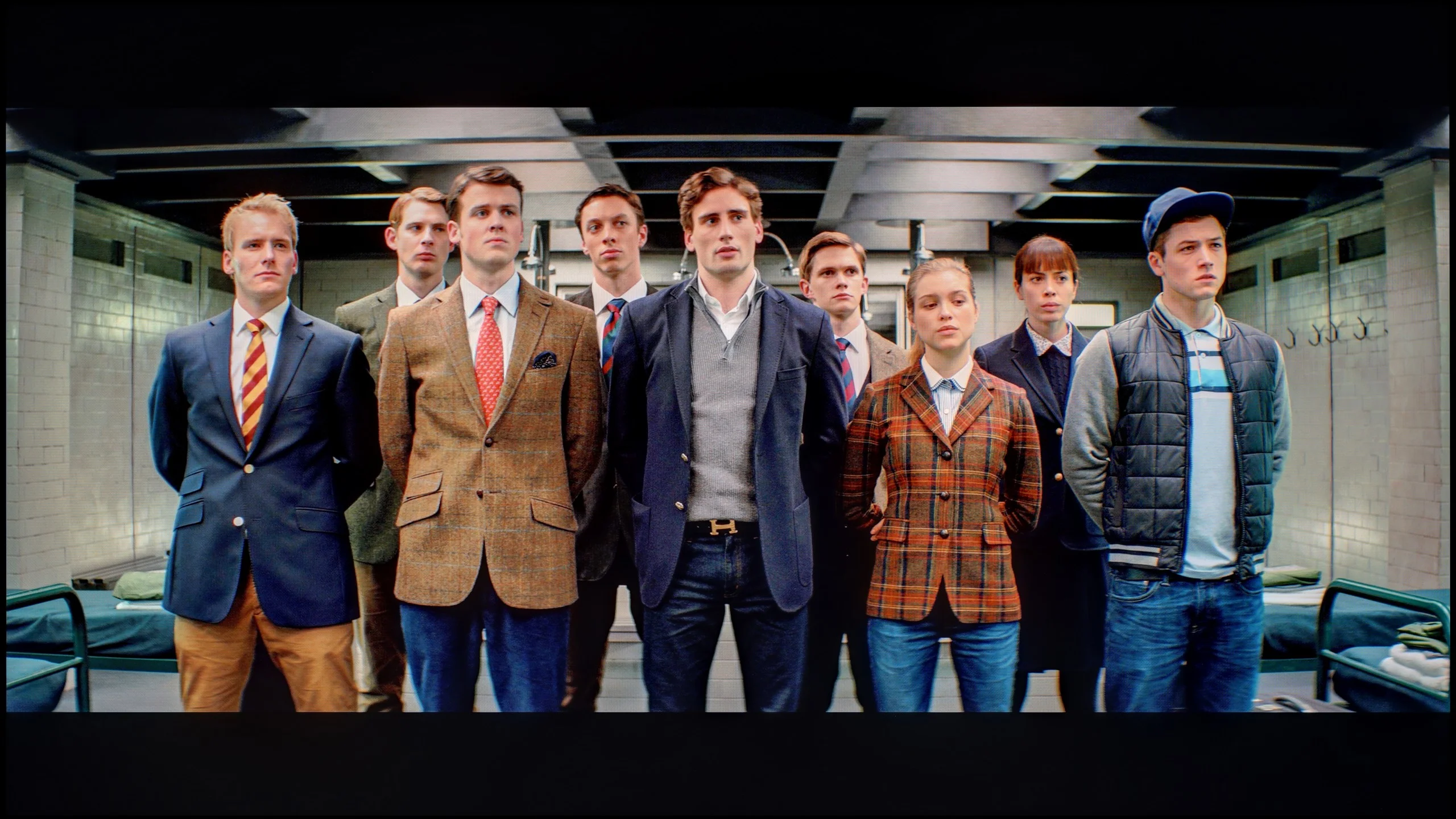
The photos show how movies look on the TV. Pay attention to black detail visibility, colors, and shadow tint.


The photos show how movies look on the TV. Pay attention to black detail visibility, colors, and shadow tint.
After calibration, the Philips PUS8959 television shows a significant improvement in color reproduction, especially in HD content. The white balance is exceptionally even, and the Delta E error values are below 1, which can be considered an outstanding result. Additionally, the gamma, which is responsible for brightness in lower-quality materials, performs very well, maintaining a stable level at 2.4, leading to an appropriate balance between bright and dark areas of the image.
Regarding 4K HDR materials, a significant improvement is also noticeable. The white balance, although not as perfect as in HD content, no longer shows issues with excessive red exposure, making the image appear more natural and harmonious. Unfortunately, in the EOTF characteristics, it is difficult to speak of any significant improvement, due to the design limitations of the television that prevent significant enhancement in this aspect.
Nevertheless, the overall performance is much better after calibration, making the Philips PUS8959 one of those televisions where it is truly worth spending time on precise calibration to achieve satisfactory image quality.
Contrary to appearances, the Dreame Q100 is quite well equipped for image calibration. The menu contains plenty of advanced picture settings that let you adjust its characteristics fairly precisely. In our case most work was needed on the white balance in both SDR and HDR. After calibration, SDR content looked very good. We managed to achieve an almost neutral white balance and natural colors, and the main remaining limitation was the black level itself, caused by the panel design and the lack of local dimming.
In HDR we were also able to improve white balance and color reproduction, but here the TV's electronic limitations become apparent sooner. Even after very precise EOTF curve adjustments, the Q100 doesn't always follow it correctly during real scenes. In some content it can also brighten the image, making certain parts look lighter than they should, and in bright areas some detail can be lost in the process.
Smoothness of tonal transitions
8.9/10
9/10
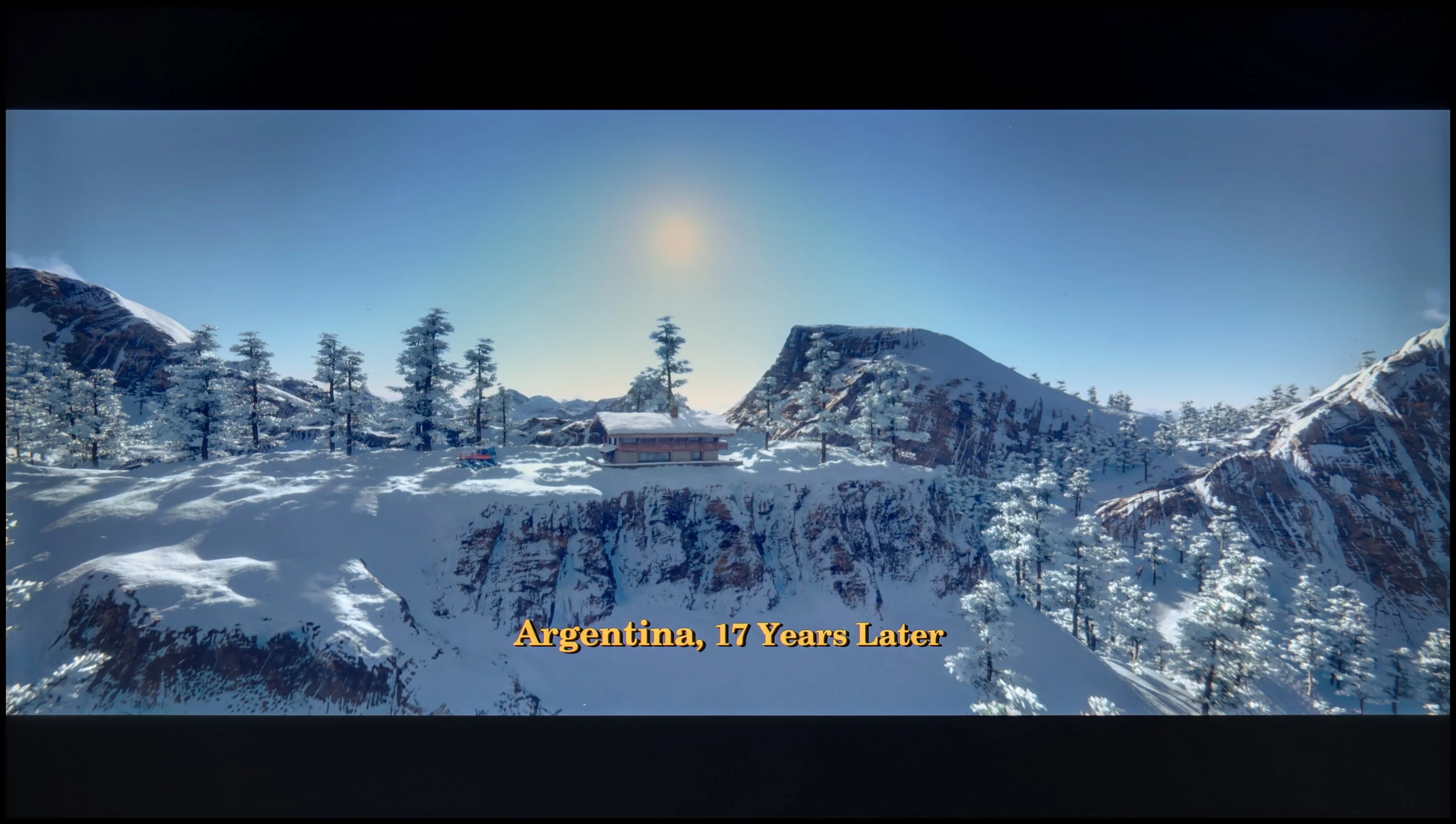

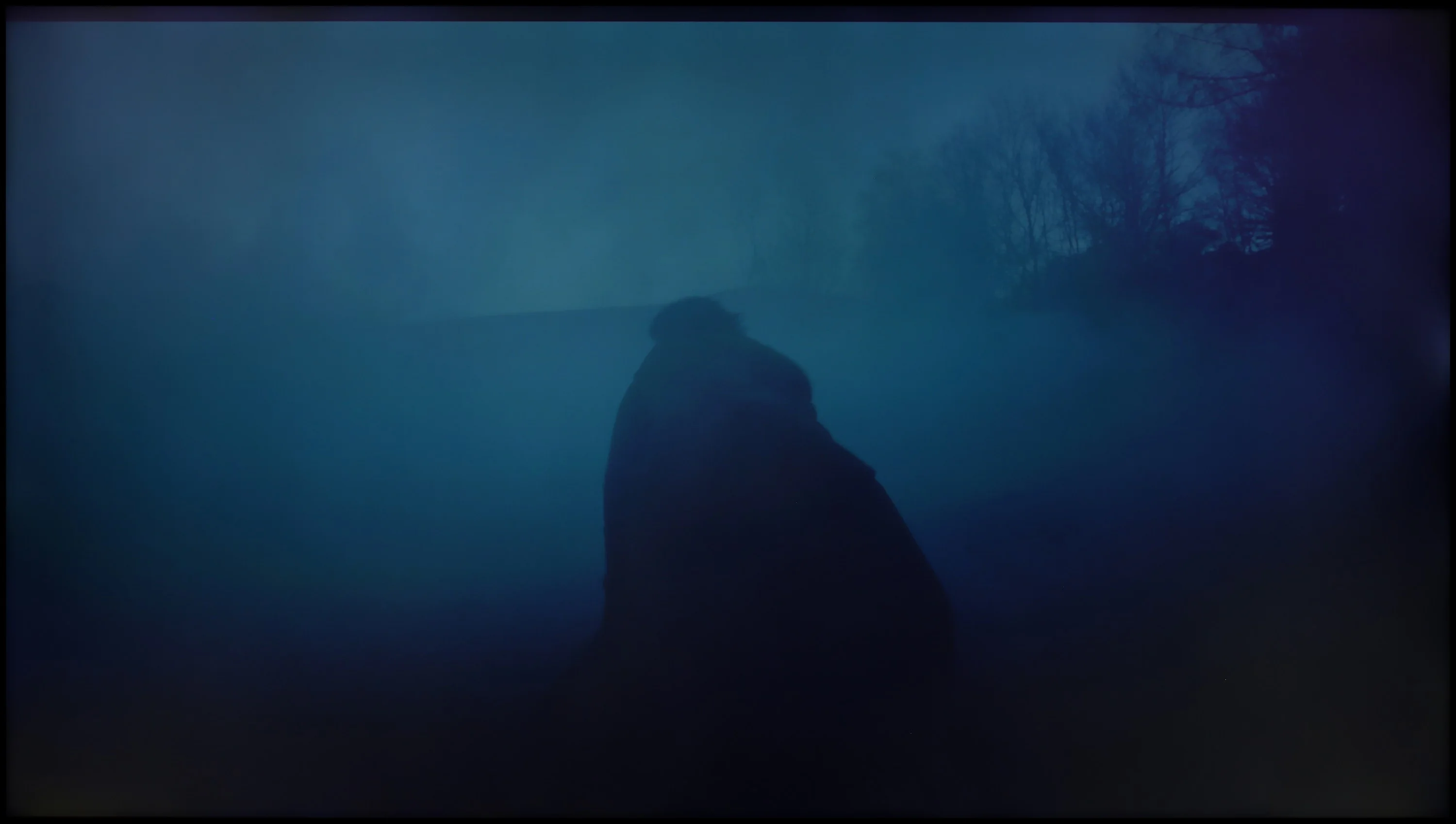
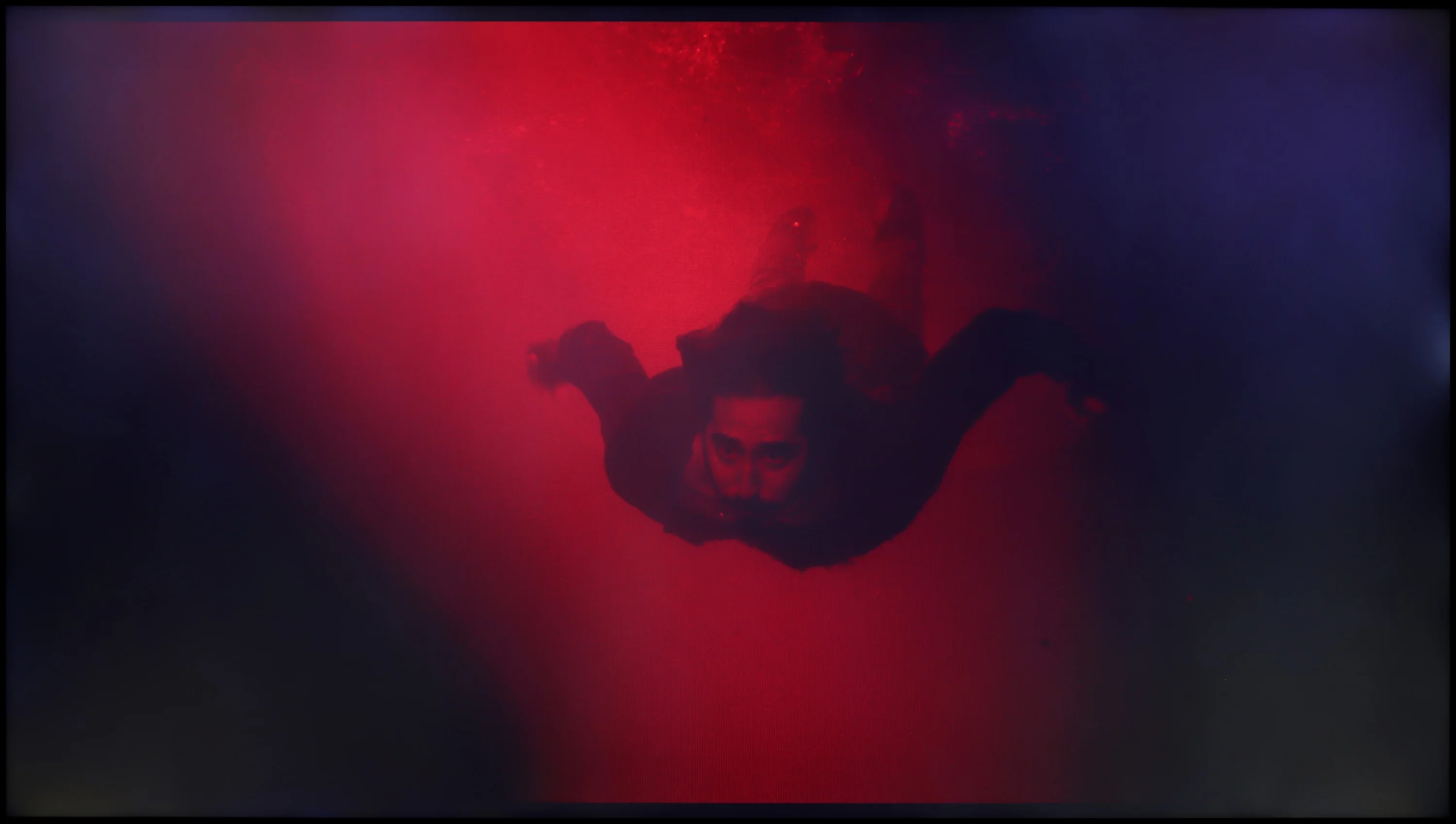
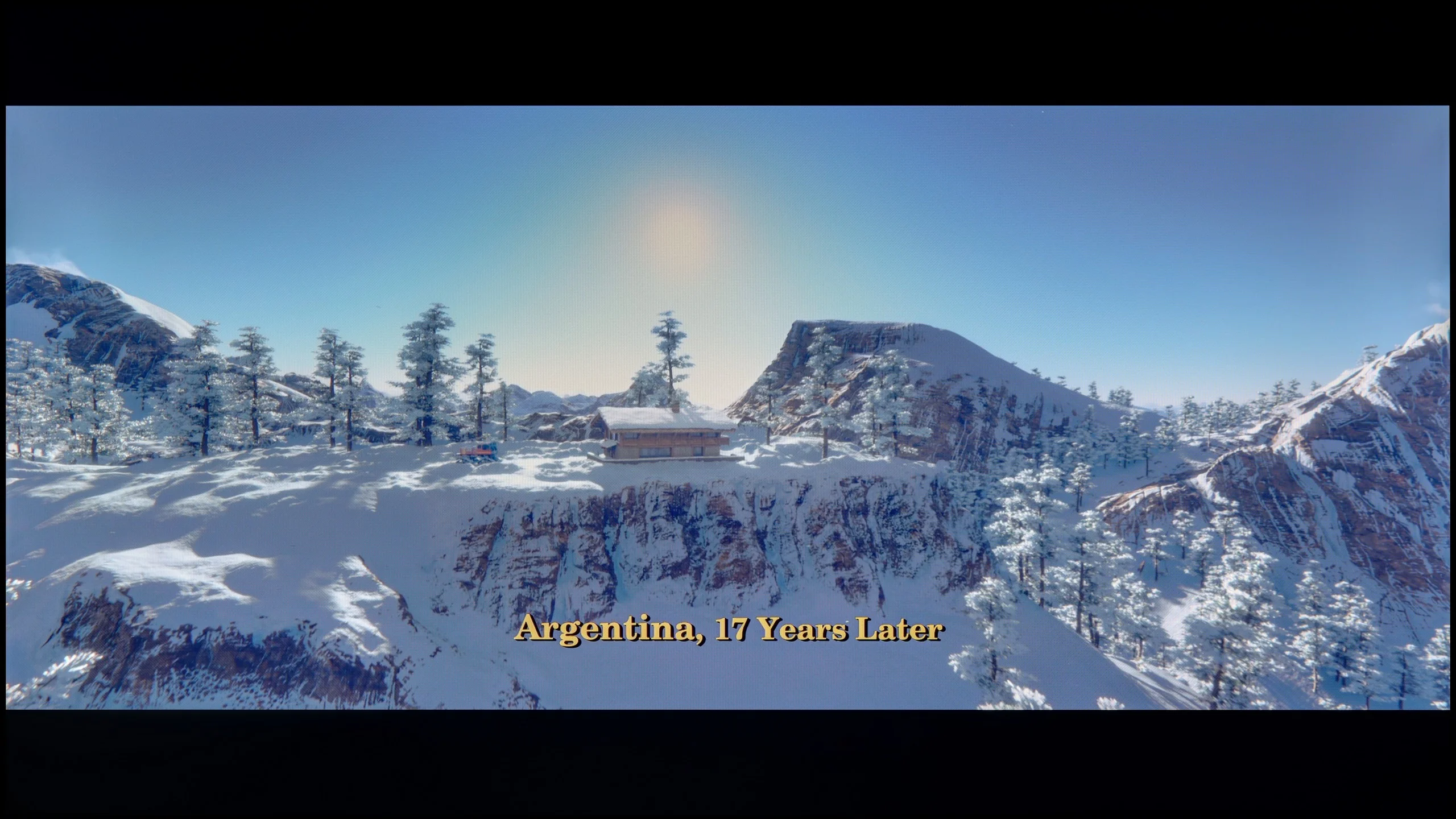
These are selected scenes that show smooth tonal transitions from one color to another. If you see distinct banding, it’s the TV panel’s fault.

These are selected scenes that show smooth tonal transitions from one color to another. If you see distinct banding, it’s the TV panel’s fault.
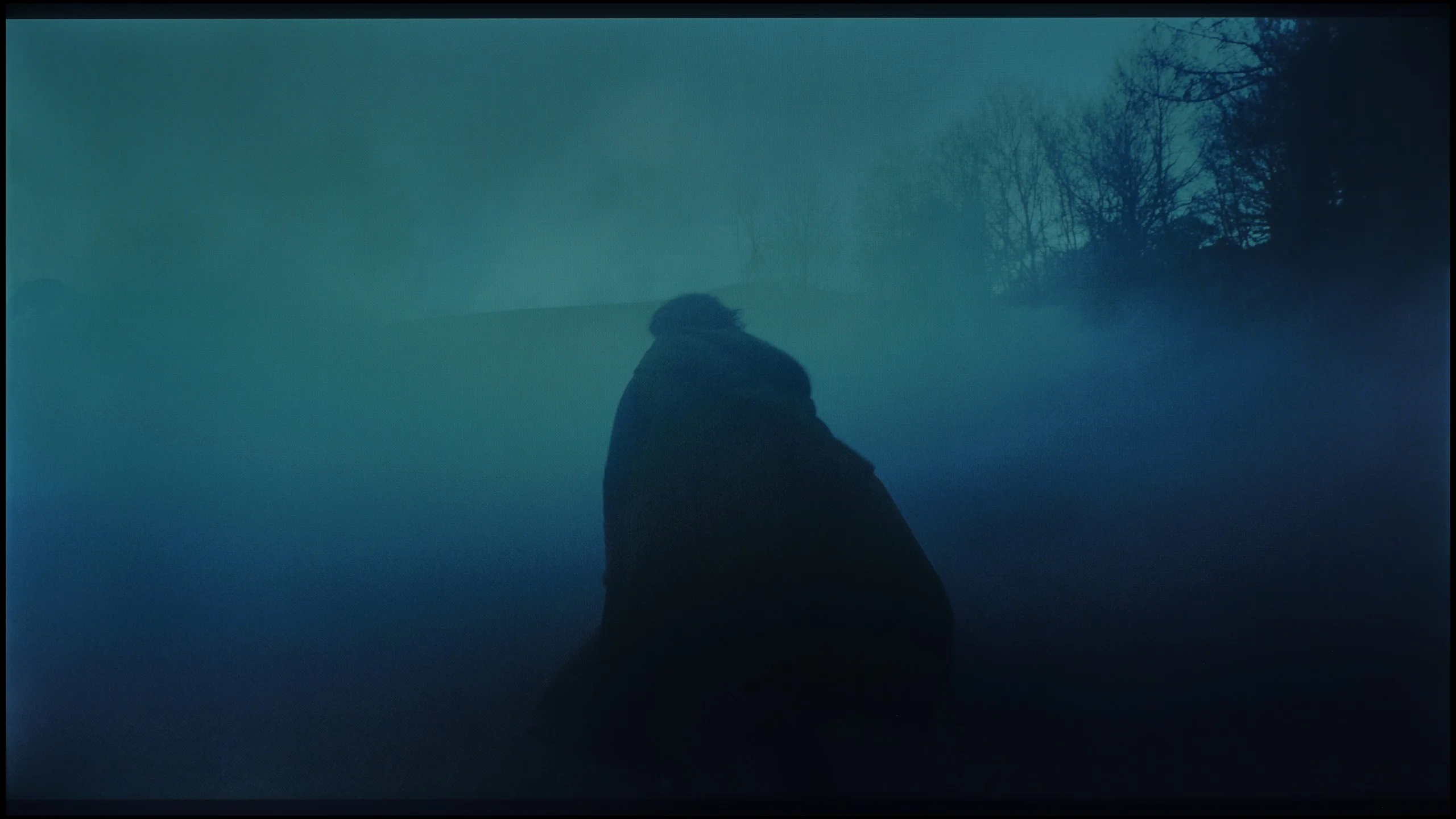
These are selected scenes that show smooth tonal transitions from one color to another. If you see distinct banding, it’s the TV panel’s fault.
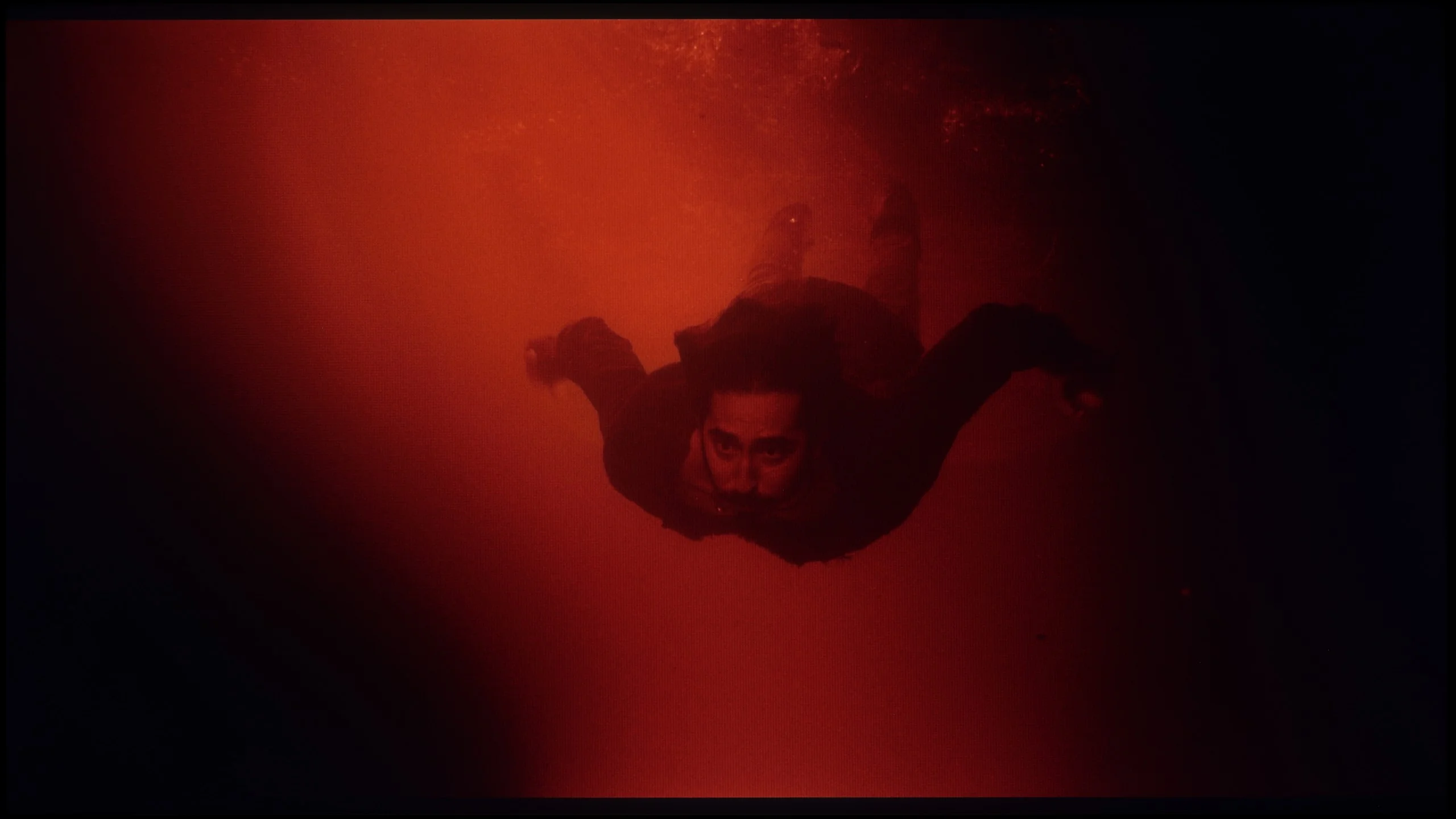
These are selected scenes that show smooth tonal transitions from one color to another. If you see distinct banding, it’s the TV panel’s fault.
The gradation on the Philips PUS8959 television looks very good, offering smooth tonal transitions in most scenes. Occasionally, minor issues can be noticed, especially during transitions between certain colors, where subtle unevenness is apparent. However, these imperfections are subtle enough that they do not significantly impact the overall viewing experience and can be considered completely acceptable. In everyday use, the television provides sufficiently good gradation quality to satisfy even more demanding users, maintaining the naturalness of the image and avoiding glaring tonal distortions.
The Dreame Q100 handles tonal transitions very well. In most scenes the gradients are smooth, and transitions between lighter and darker shades look natural, without noticeable banding or posterization. Minor imperfections may only appear in very demanding scenes, but these are situations even much more expensive TVs can struggle with. Overall, in this respect the Q100 performs really well.
Image scaling and smoothness of tonal transitions
6.5/10
3/10


Smooth transition function
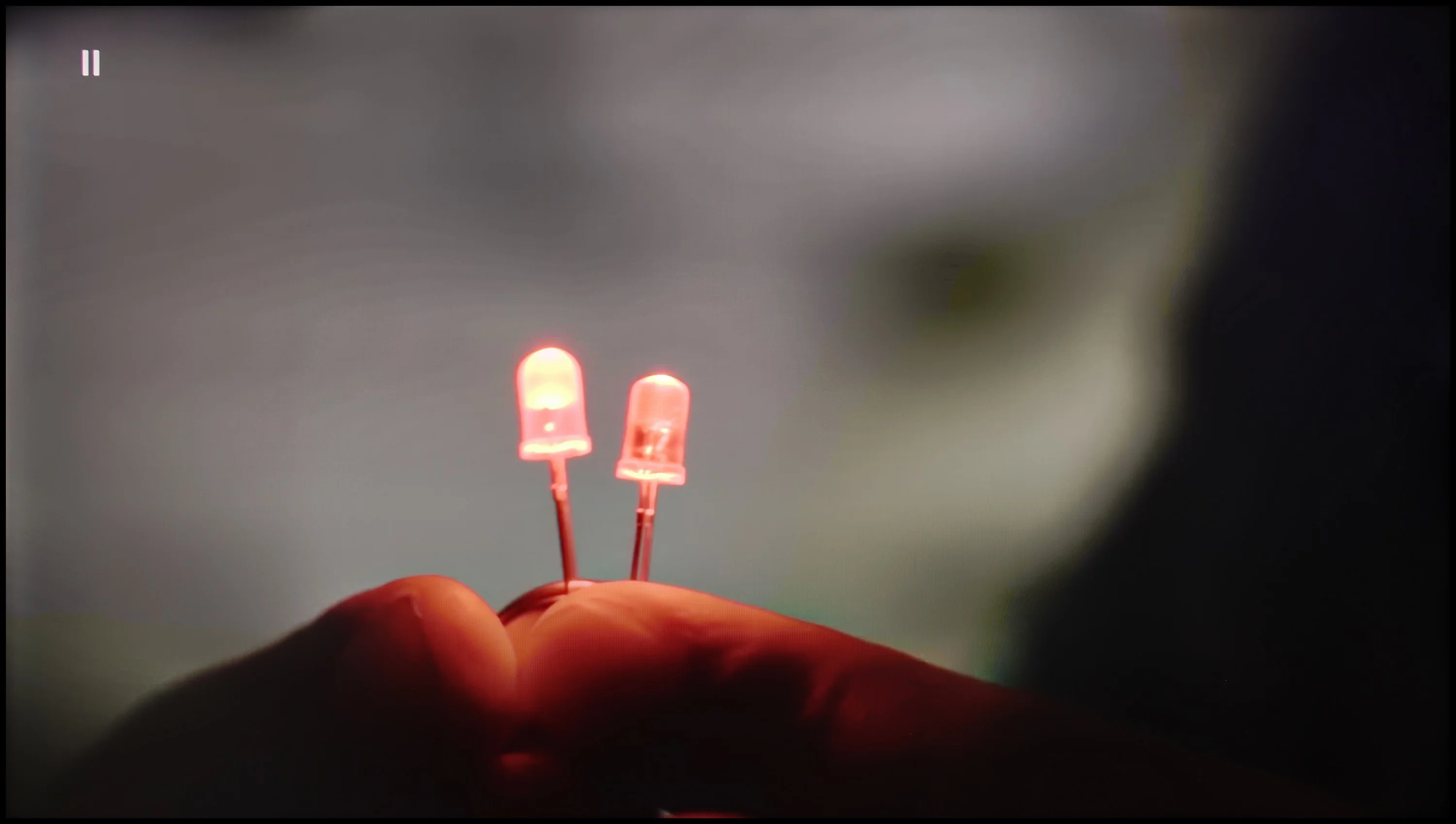
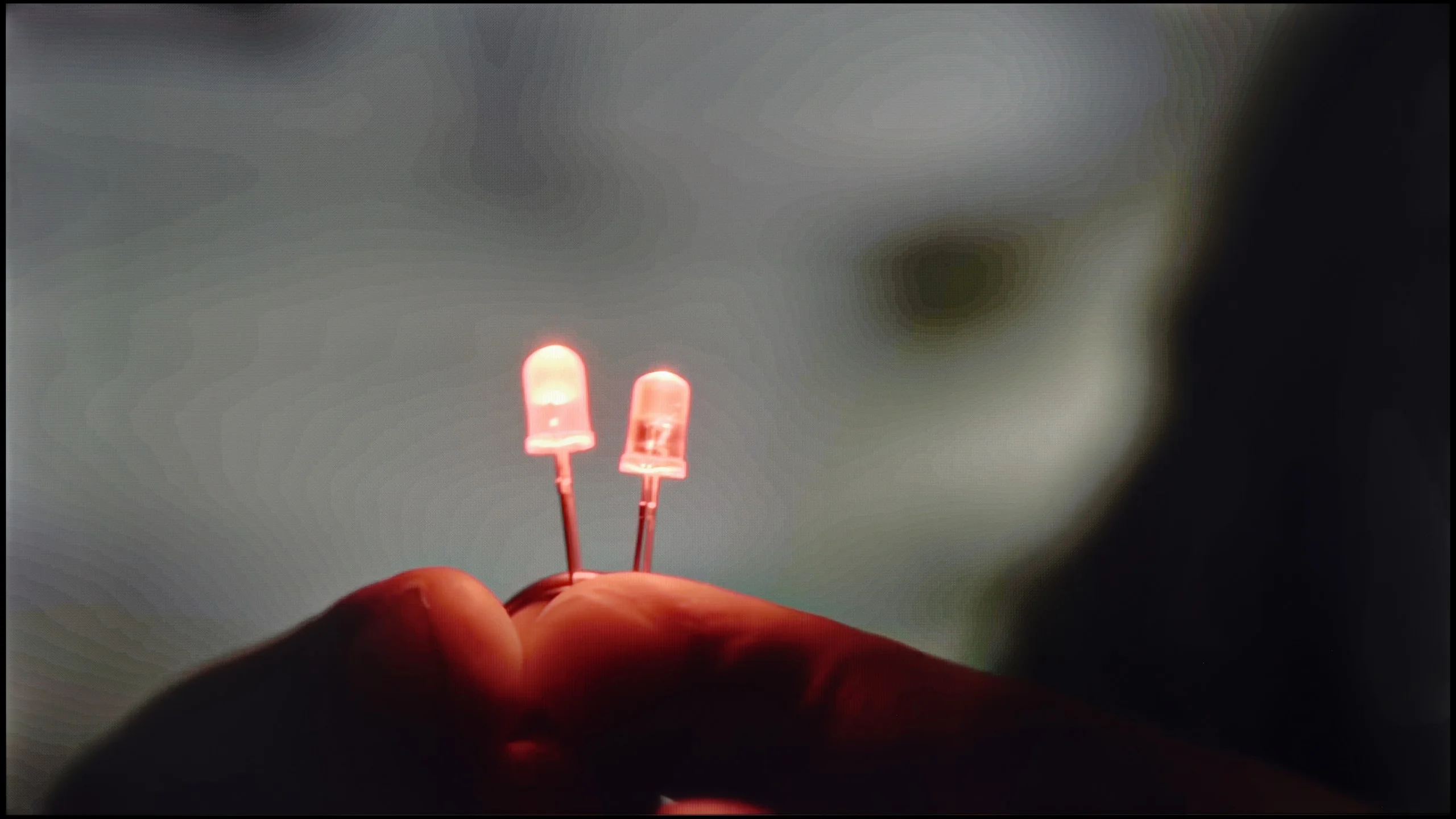
The match photo shows how the TV smooths weak tonal transitions in low-quality video.
Image scaling SD (576i)


The model photo shows how it handles upscaling of SD material.
When it comes to smoothing tonal transitions, the "Distortion Reduction" function at the minimal setting performs quite well, effectively smoothing tonal transitions without excessive influence on other elements of the image. In tests, I did not notice that the reduction negatively affected the image structure, such as film grain or object details – everything remains in place, which is a big plus for users who appreciate the natural look of film materials.
On the other hand, regarding digital processing, the image looks quite good, although it is characterized by very softened contours, giving it an almost "misty" quality. This effect can evoke mixed feelings – some users may enjoy the fluidity and delicacy of this type of presentation, while others may find it too gentle, losing detail. It is a matter of individual preferences, but it must be admitted that the Philips PUS8959 provides quite subtle yet effective tools for improving tonal transitions without excessive interference in the natural character of the image.
The weakest point of the Dreame Q100 is its digital image processing capabilities. The processor used does a rather mediocre job of improving weaker sources, and the menu doesn't include any function that effectively smooths unattractive tonal transitions or reduces visible posterization. Upscaling itself also fails to impress. With low-resolution content the image is fairly soft and lacks strong detail reproduction. Additionally, the Q100 tends to overscan, meaning it slightly crops the edges of the image with very poor sources, such as 480p content. In everyday viewing of HD or 4K content this won't be a major issue, but with older recordings the processor's limitations are already clearly visible.
Blur and motion smoothness
8/10
4.6/10
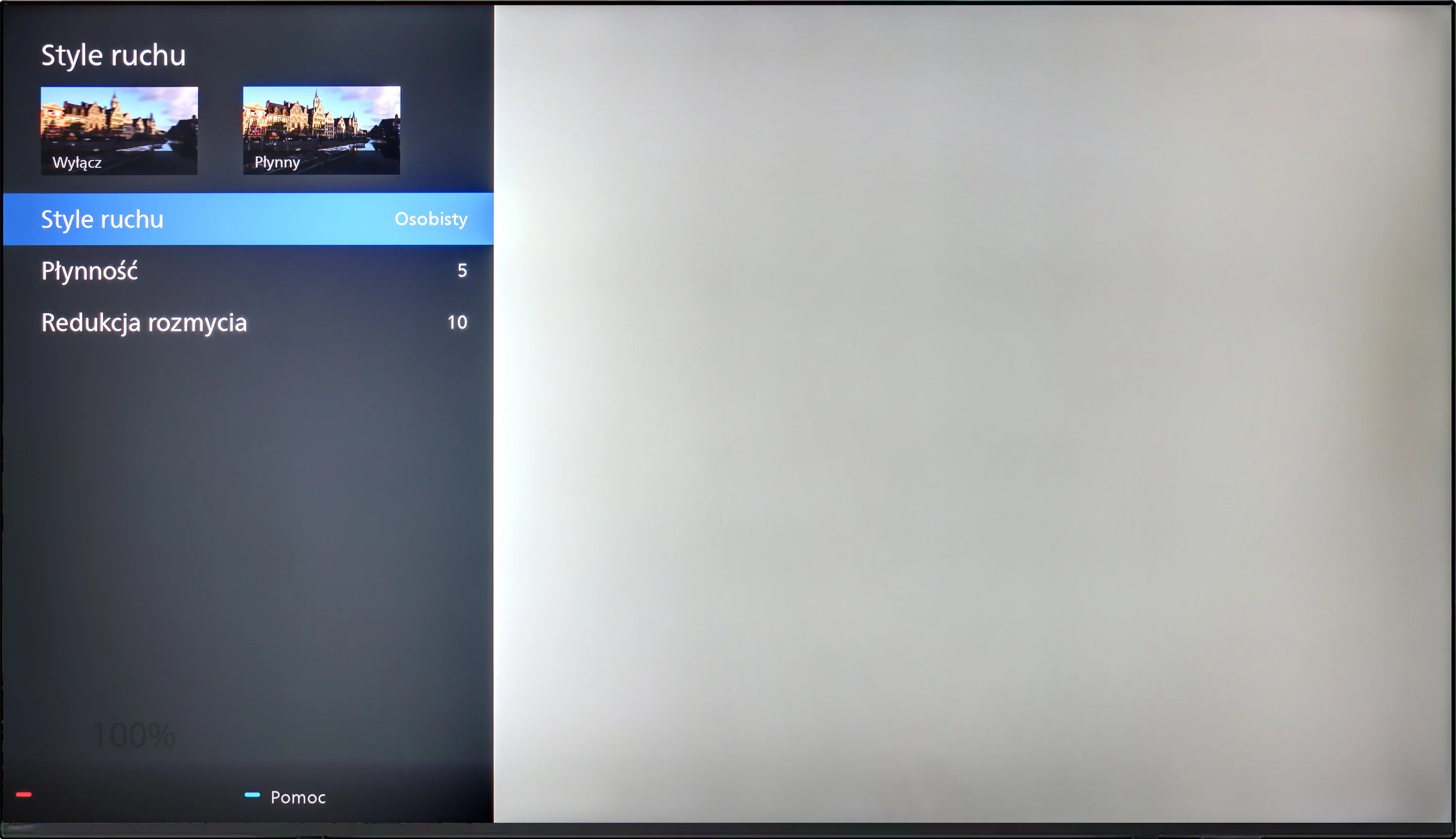
Blur (native resolution, maximum refresh rate):

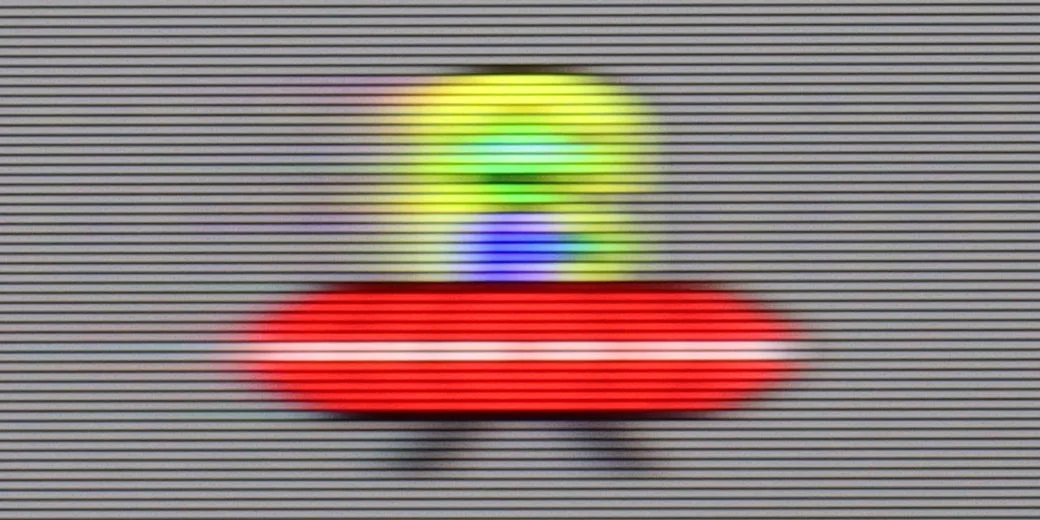
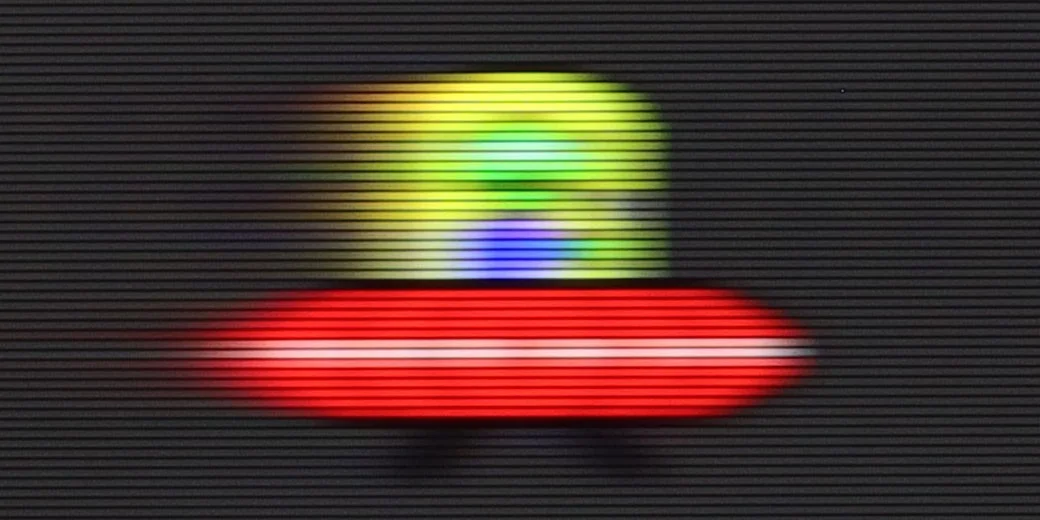
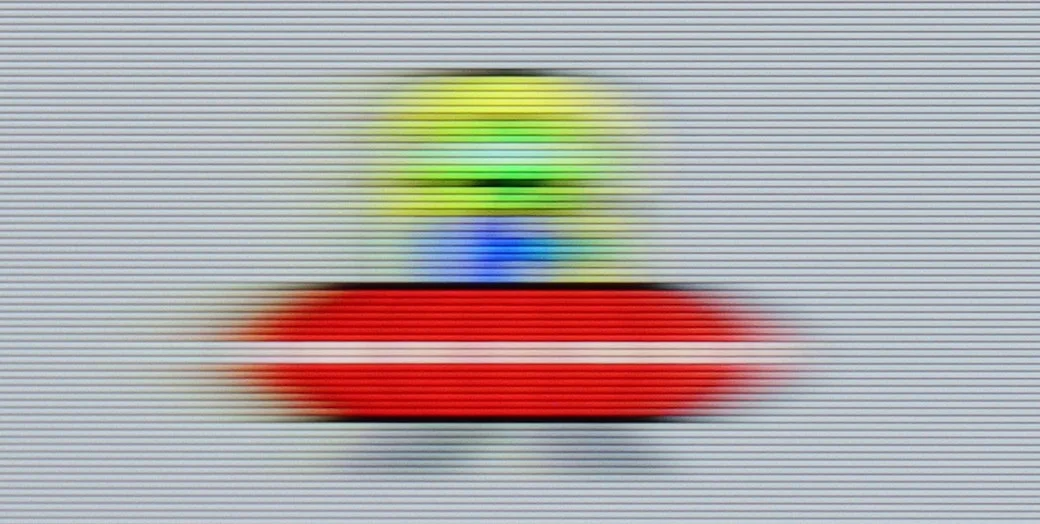


Blur ():
Blur (1080p@120Hz):


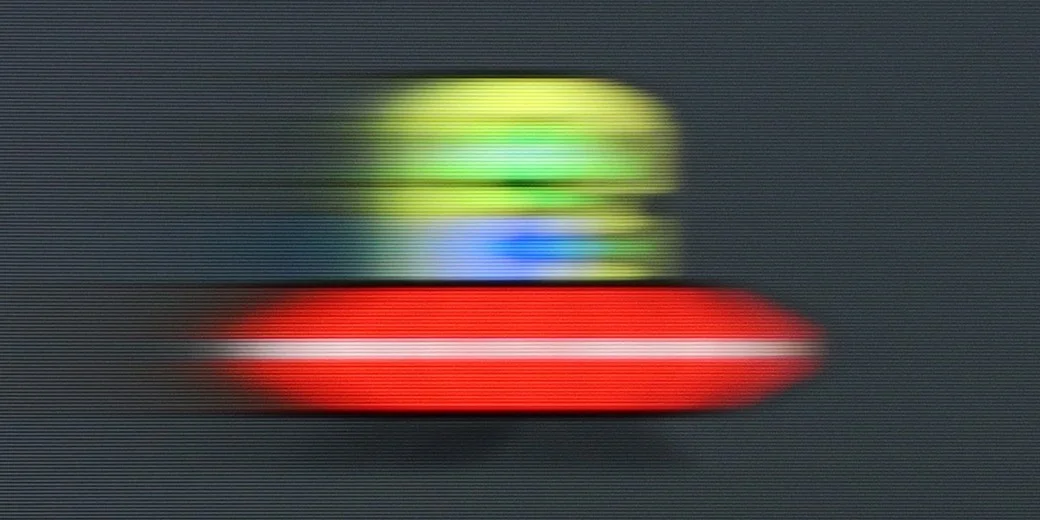
Philips TV PUS8959 is equipped with a 120 Hz panel, which should satisfy more demanding users, especially those who love watching dynamic sports broadcasts or playing games. Such a high refresh rate allows for a significantly smoother image, being a key aspect during dynamic scenes and fast actions.
For those who prefer watching movies, the TV offers an additional motion smoother that allows adjusting the frame rate of the film according to personal preferences. The Philips PUS8959 has a 10-step adjustment for the functions called "Smoothness" and "Motion Blur Reduction." The "Smoothness" function is responsible for increasing the number of frames through interpolation, making motion on the screen smoother, resembling the effect of so-called "soap opera." Meanwhile, "Motion Blur Reduction" focuses on minimizing blurring and improving motion sharpness, which is particularly noticeable in dynamic sequences, such as action scenes or fast sports shots.
The VA panel used in the Dreame Q100 has a native 60 Hz refresh rate, so from the outset this isn’t a TV aimed at the most demanding sports fans or gamers. The manufacturer does note the possibility of running at 120 Hz, and that option is indeed available, but it mainly applies to a mode intended for gamers. In everyday use the Q100 should therefore be treated as a standard 60 Hz TV. During fast-paced sports broadcasts or quick gameplay this means less smoothness than models with 120 Hz panels or higher. On the plus side, the panel’s response time is decent. The VA panel doesn’t produce excessive smearing, so motion remains fairly clear and doesn’t leave heavy, blurred trails behind objects. For movies you can also use a simple motion‑smoothing system; the manufacturer has prepared several presets that help reduce the characteristic judder in material shot at 24 frames per second.
Console compatibility and gaming features
9.8/10
6.3/10
- ALLM
- VRR
- VRR range48 - 144Hz48 - 120Hz
- Dolby Vision Game Mode
- Correct implementation of HGIG
- 1080p@120Hz
- 1440p@120Hz
- 4K@120Hz
- Game bar
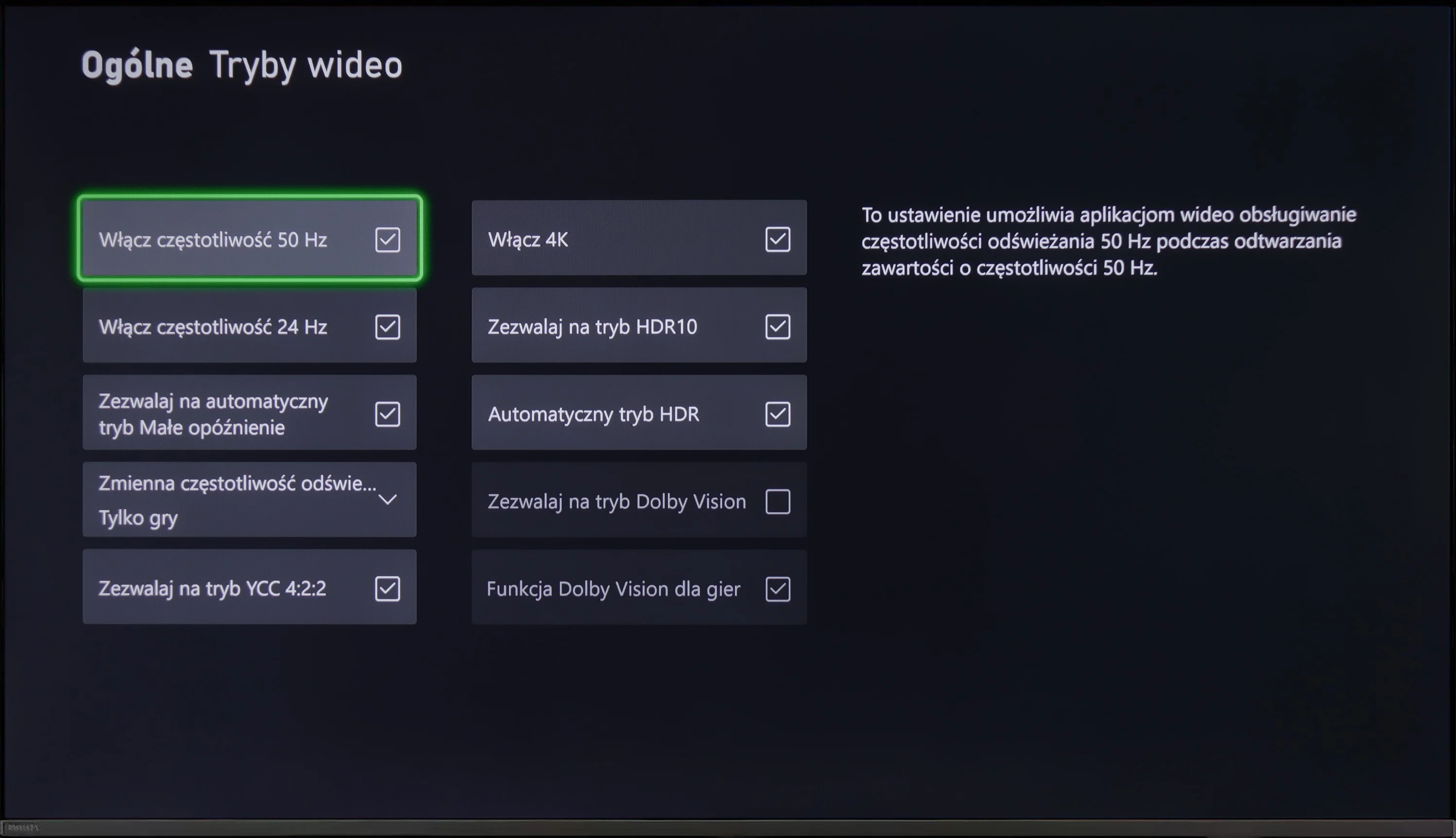
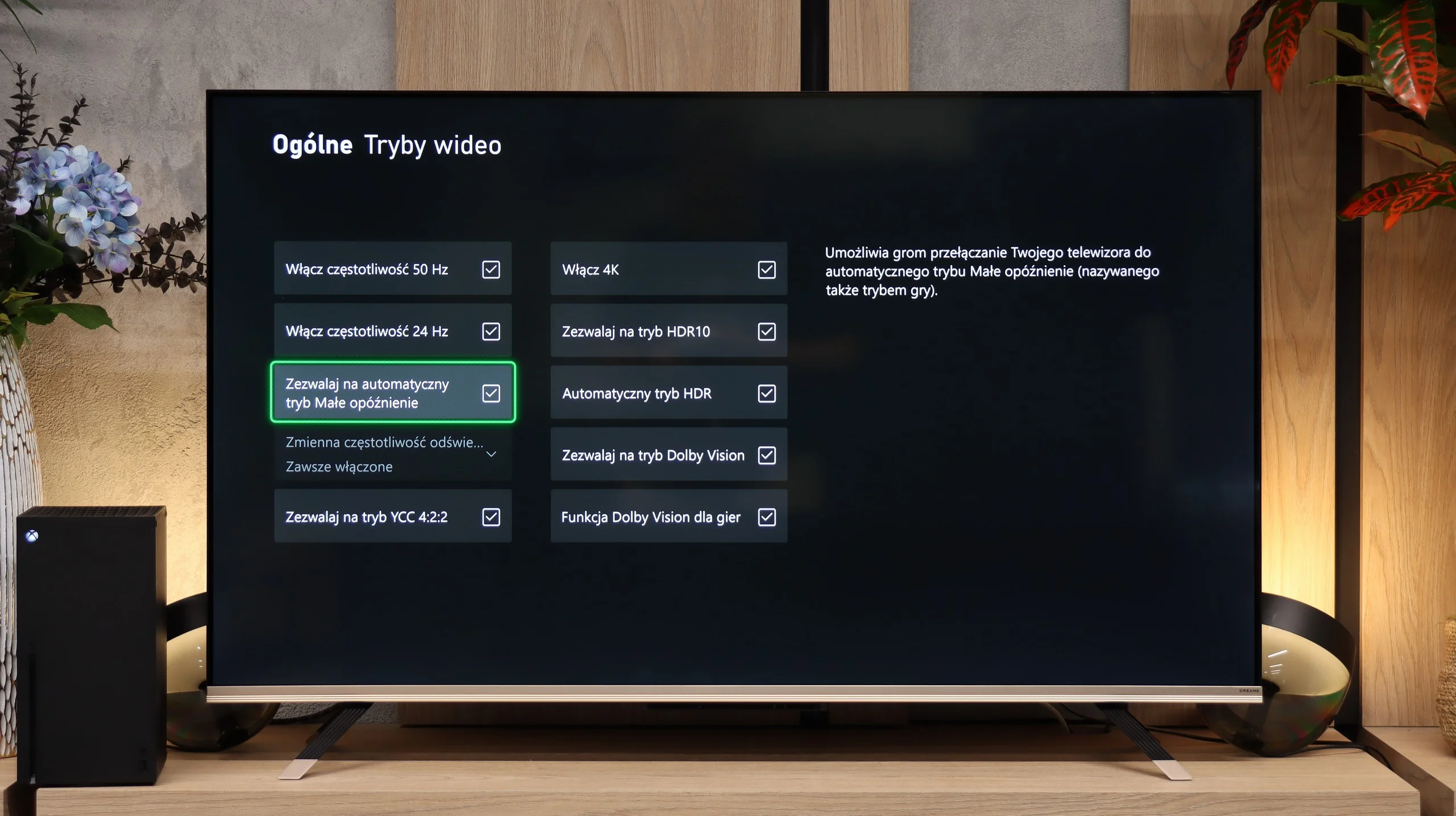
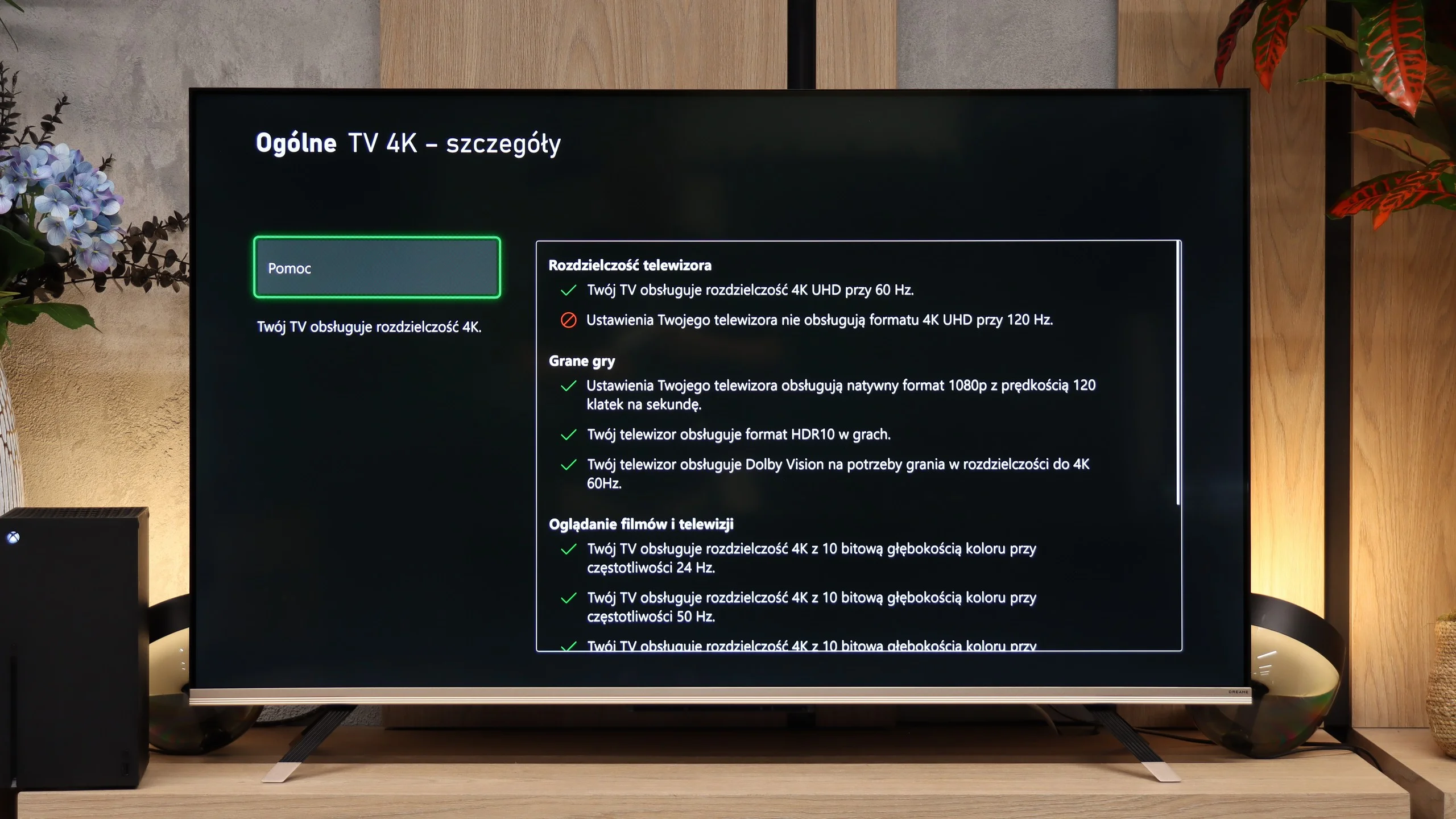
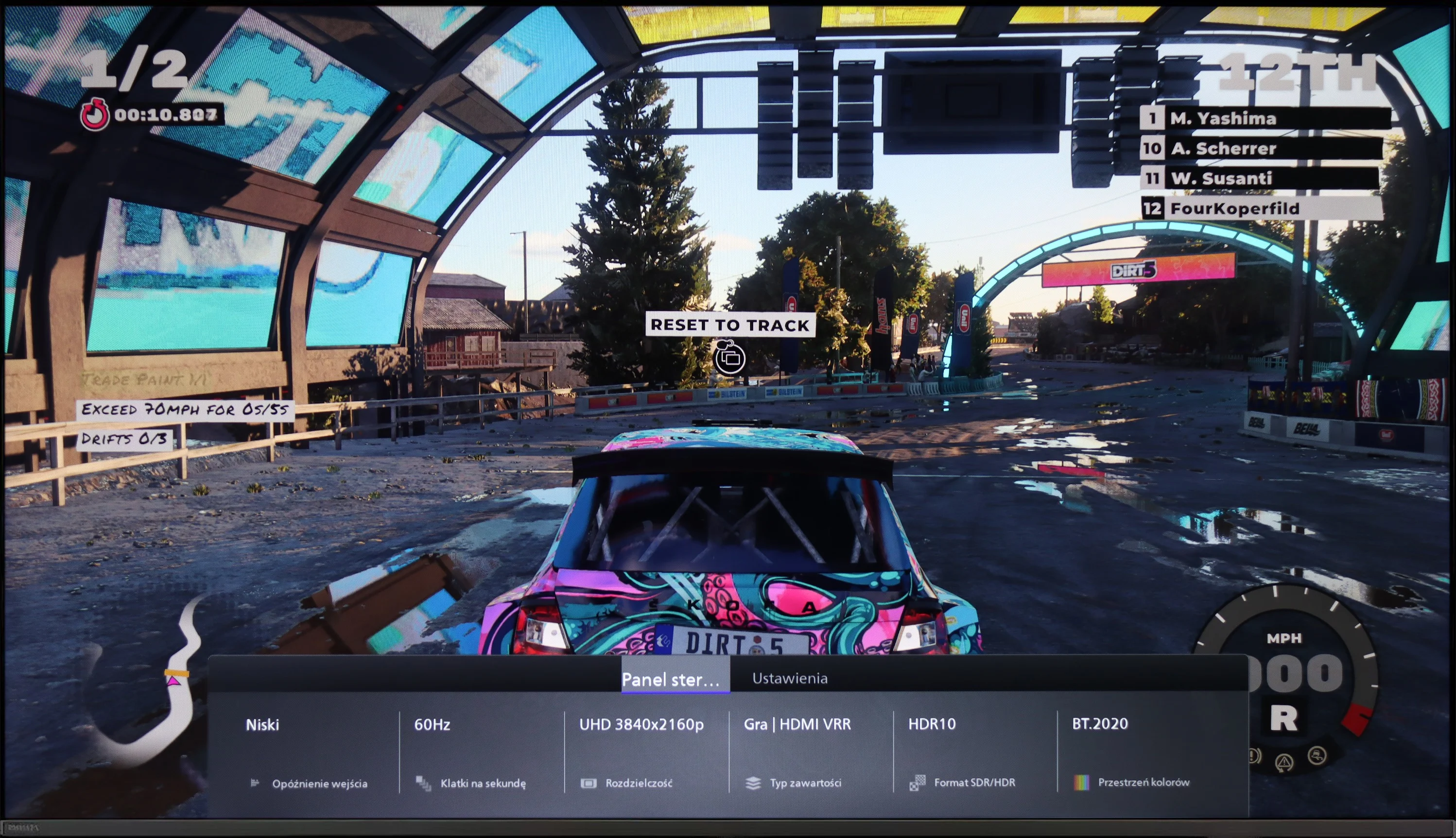
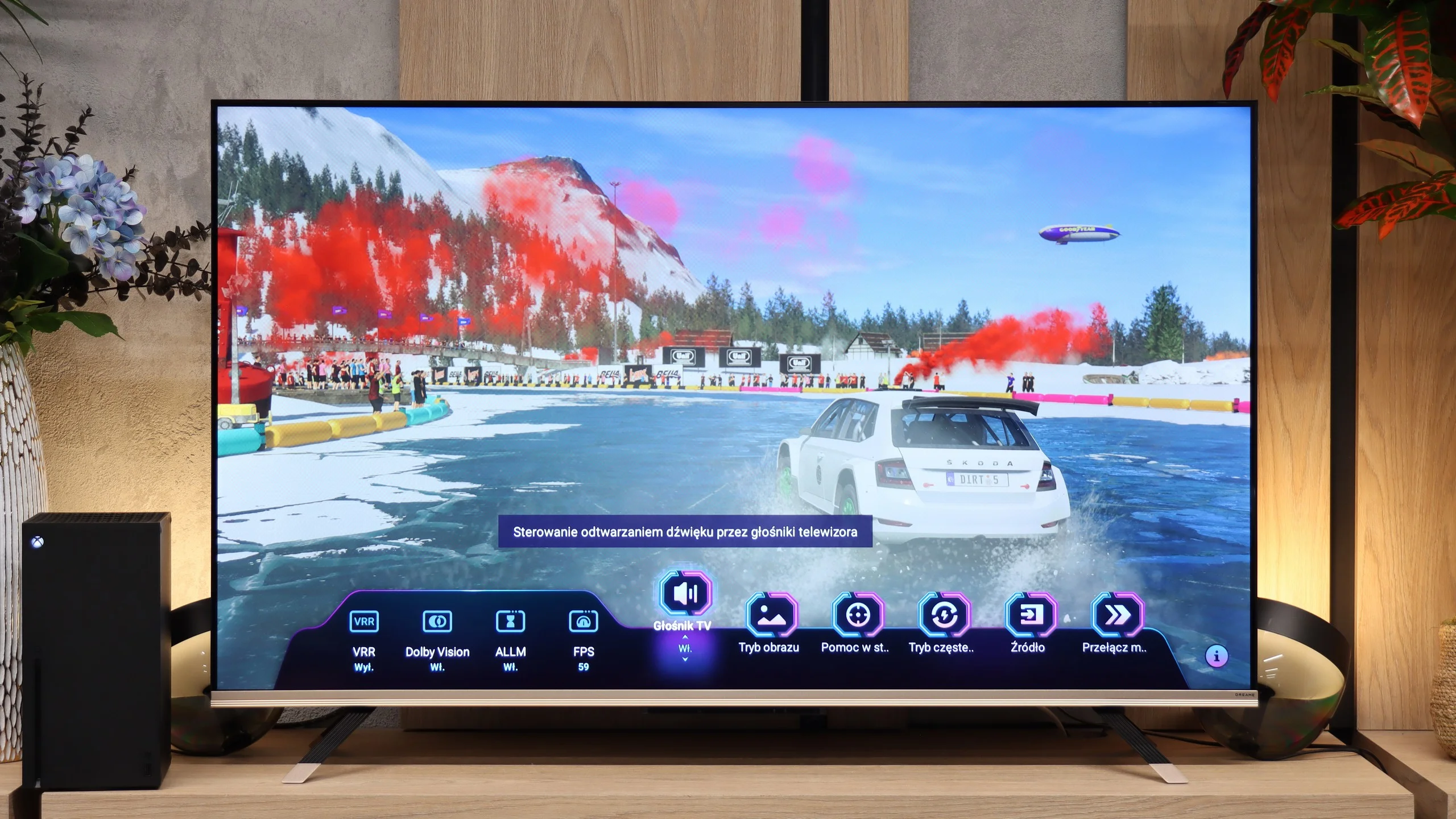
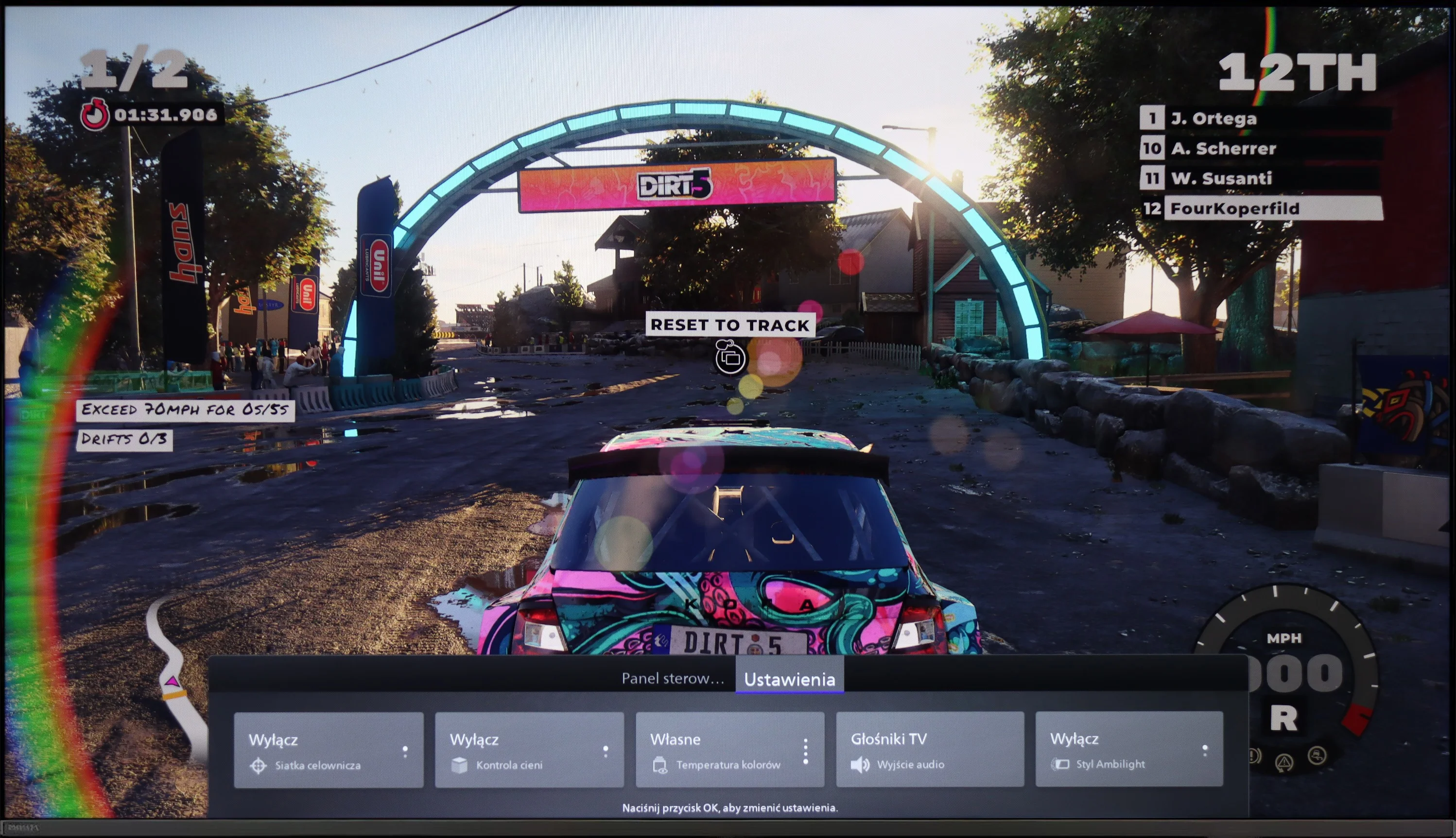
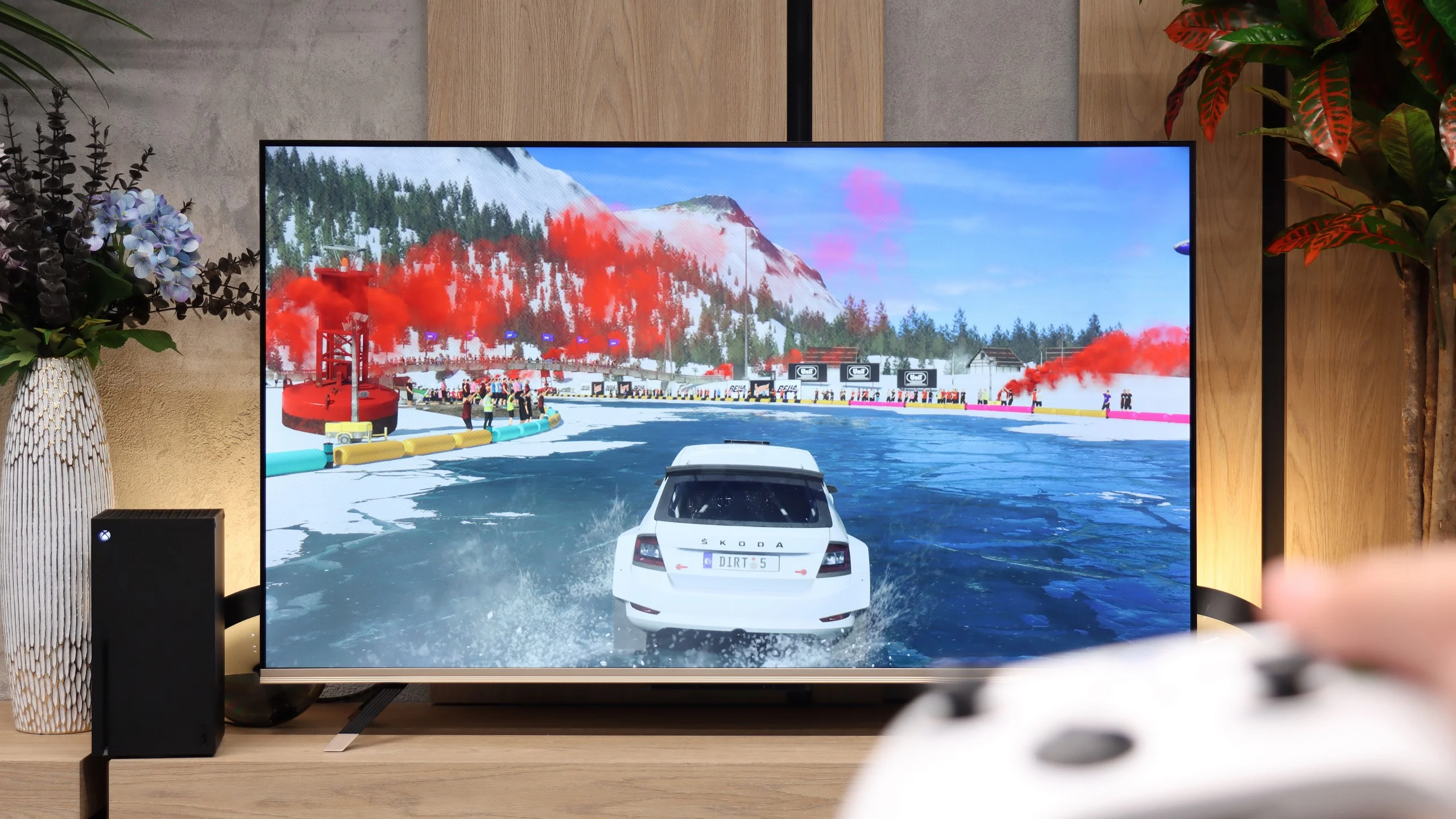
Philips PUS8959 is a television that will certainly satisfy gaming enthusiasts. It supports most modern technologies useful during gameplay, such as HGiG, allowing for better HDR effect reproduction in games. As a result, the image is closer to what the game developers intended to achieve.
The television also supports 120 Hz image display, ensuring smoothness and dynamism, which is particularly important during action games and sports broadcasts. The Game Bar feature provides quick access to game settings, making it easier to adjust the image according to user preferences without interrupting gameplay.
Unfortunately, the Dolby Vision mode does not offer low input lag, which may be noticeable during dynamic scenes. Nevertheless, thanks to the HGiG feature and high refresh rate, the Philips PUS8959 remains an attractive choice for gamers, offering good image quality and appropriate smoothness during gameplay.
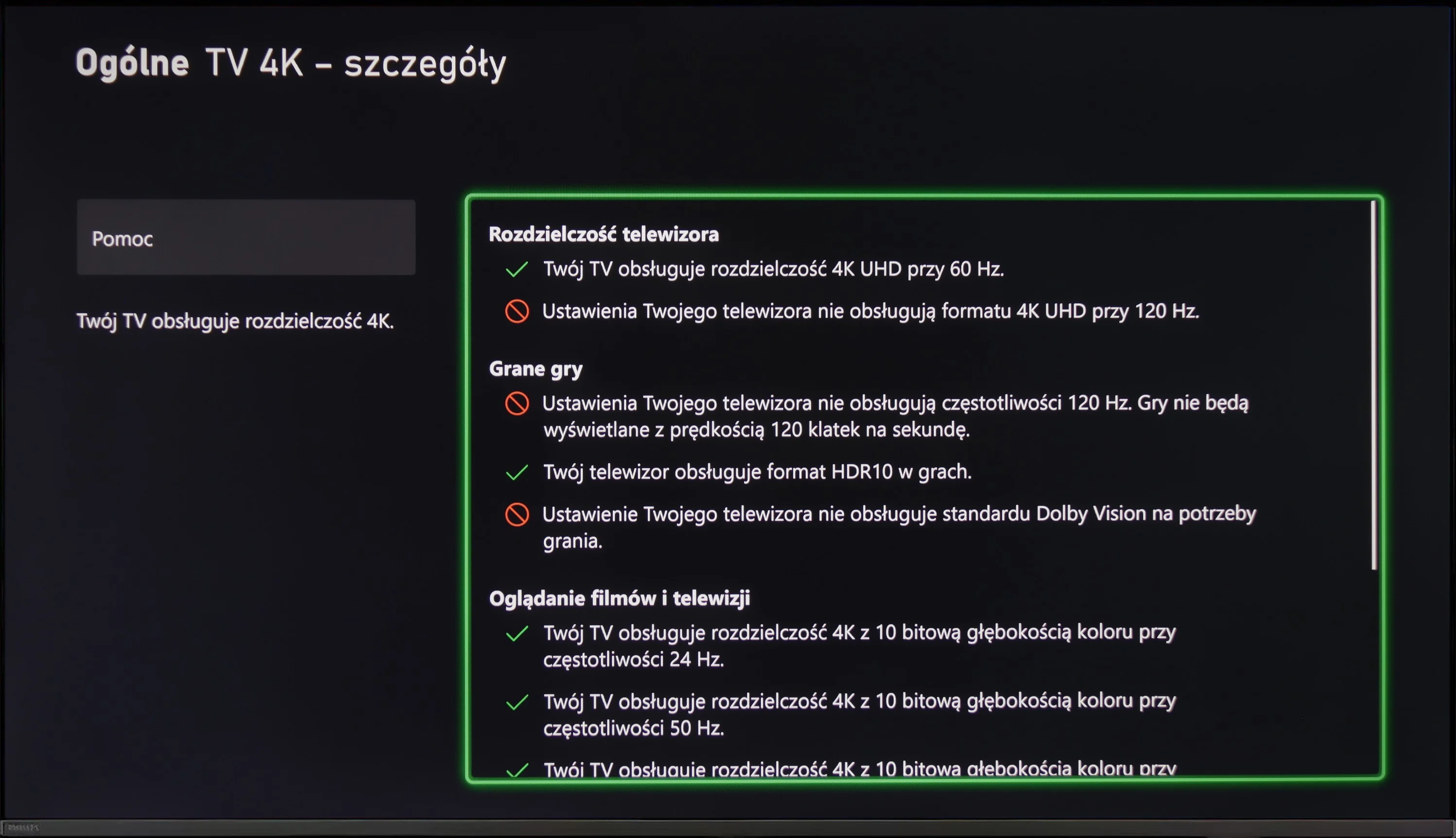
Dreame Q100 is not a strictly gaming device, but it delivers a pretty reasonable package for console use. You get VRR to eliminate screen tearing and ALLM, which automatically switches the TV to a low-latency mode when it detects a console signal. An interesting compromise is support for a 120 Hz mode. The panel won’t reach that refresh rate at 4K, but if you drop to 1080p you can play at 120 frames per second. If a given title prioritizes smoothness over high resolution (and the game itself offers such a mode), it’s worth using. There’s also a handy Game Bar on board that lets you quickly change screen settings, switch the refresh mode, or add a virtual crosshair. The HGiG implementation is admittedly weak, but credit is due for support of Dolby Vision Gaming on the Xbox Series X and S. This isn’t a panel for tech purists, but for casual console gaming, especially with the option to trade 4K for smoother Full HD, it performs flawlessly.
Input lag
9.7/10
10/10
SDR
HDR
Dolby Vision
Philips PUS8959 TV offers impressive results in terms of input lag, making it an excellent choice for gamers. For 120 Hz content, the lag is less than 6 ms, which is an absolutely outstanding result and allows for immediate reactions in games, especially in fast-paced titles. For 60 Hz content, the input lag is 15 ms, which is also a remarkable result and provides comfortable gameplay in most cases.
Unfortunately, the Dolby Vision mode does not perform as well, as the input lag increases to 31 ms. While this result may be acceptable for less dynamic content, it may prove insufficient for demanding gamers, affecting precision and reaction speed. Nevertheless, in standard modes, Philips PUS8959 still offers outstanding performance, making it a competitive choice in the gaming TV market.
The measured input lag is low enough that it should not pose any problem while gaming. In 60 Hz mode latency stays below 15 ms, and when switching to 120 Hz it falls below 10 ms. These very low values deliver extremely responsive gameplay.
Compatibility with PC
8/10
4/10
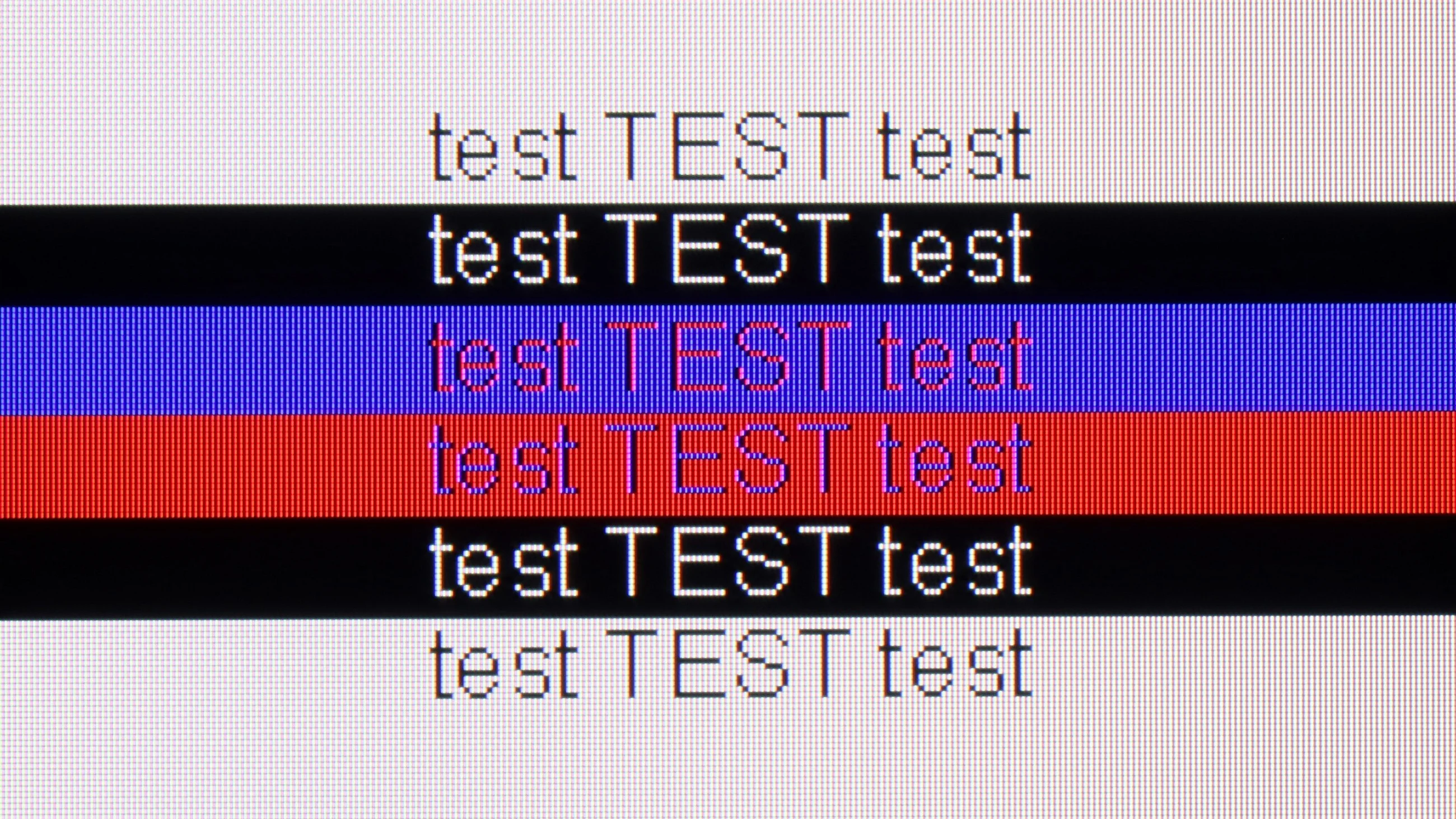
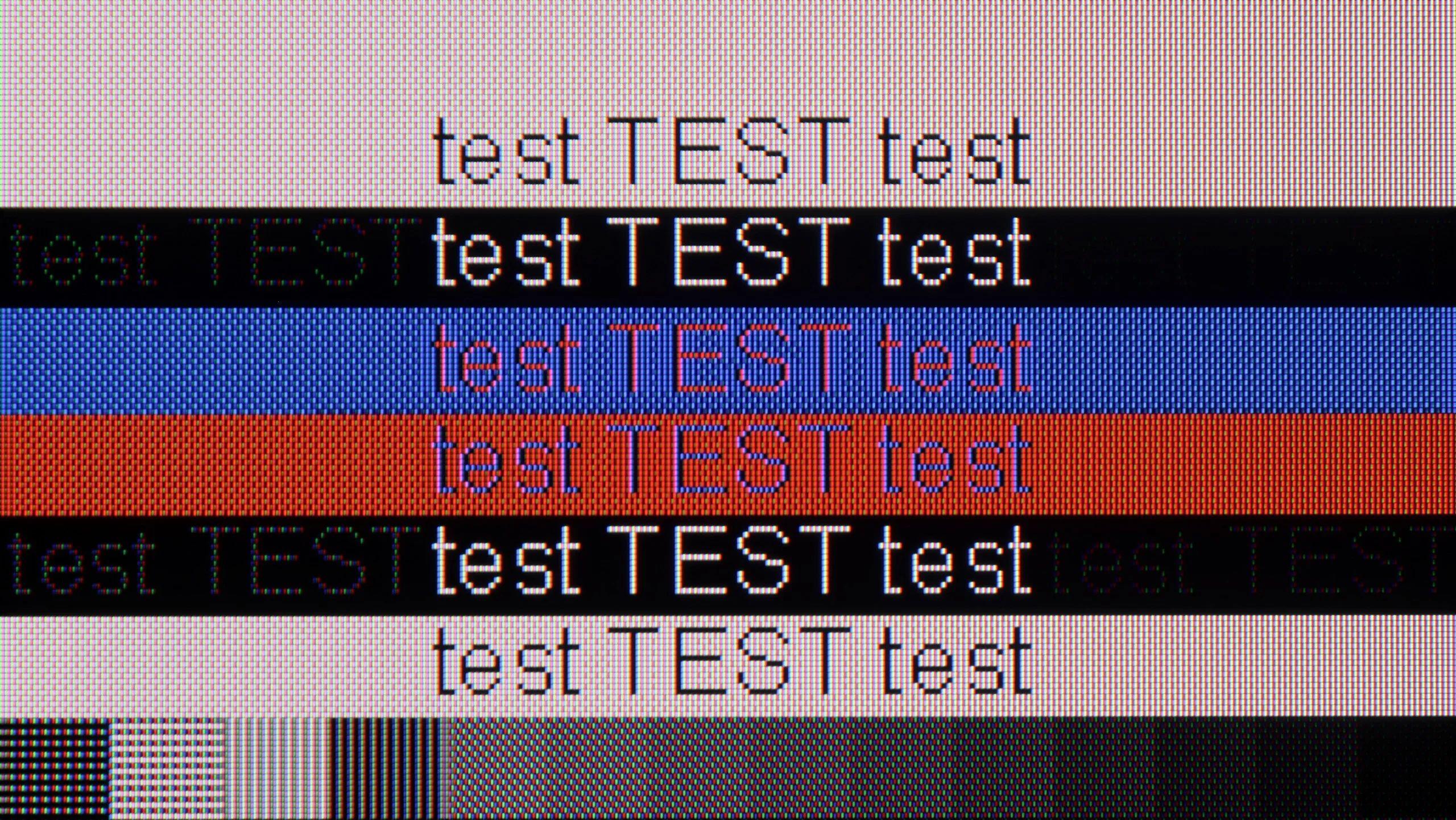
The photo shows the legibility of small fonts. Ideally, lines should be the same thickness on both light and dark text, with minimal pixel gaps.
Philips PUS8959 performs excellently as a monitor for use with a PC. With support for chroma 4:4:4, it provides full color clarity, which is crucial for working with text – fonts are sharp and legible, regardless of the background they are on. This makes using office applications, browsing the internet, and graphic editing comfortable and precise.
Additionally, the low input lag offered by the television guarantees smooth and responsive operation, which is important for both everyday tasks and more dynamic applications, such as gaming or multimedia editing. Philips PUS8959 is an excellent choice for users seeking a television that will also serve as a PC monitor, providing high image quality and user convenience.
The Dreame Q100 can occasionally serve as a large screen connected to a computer, but it performs much worse in the role of a monitor. First and foremost, the TV does not display chroma 4:4:4 correctly, so colored text and small interface elements are not as sharp and legible as they should be. With black text on a light background it’s much better, but during normal computer work this limitation quickly becomes noticeable. Then there’s the refresh rate issue. The Q100 can run at 120 Hz, but only after dropping the resolution to Full HD. At native 4K we’re stuck at 60 Hz. It’s fine for occasionally connecting a laptop or computer, but we wouldn’t really recommend it as a permanent monitor.
Viewing angles
6.9/10
2.9/10
Philips PUS8959, equipped with an ADS panel, offers quite good viewing angles, definitely better than those found in VA panels. The image retains its quality even when viewed from a greater angle – colors are vivid, and contrast does not deteriorate as much as in televisions with VA panels. As a result, when watching television from different spots in the room, one can still enjoy well-saturated colors and overall image quality, making Philips PUS8959 a perfect choice for larger spaces and for watching together with family or friends.
One of the typical limitations of VA panels is viewing angles, and the Dreame Q100 is no exception. If you sit noticeably to the side, the image starts to lose saturation and colors become washed out. In this respect, IPS or ADS panels perform significantly better. However, it's a trade-off: the VA panel offers much better contrast and deeper blacks when watching the TV straight on.
Daytime performance
6.1/10
4.4/10
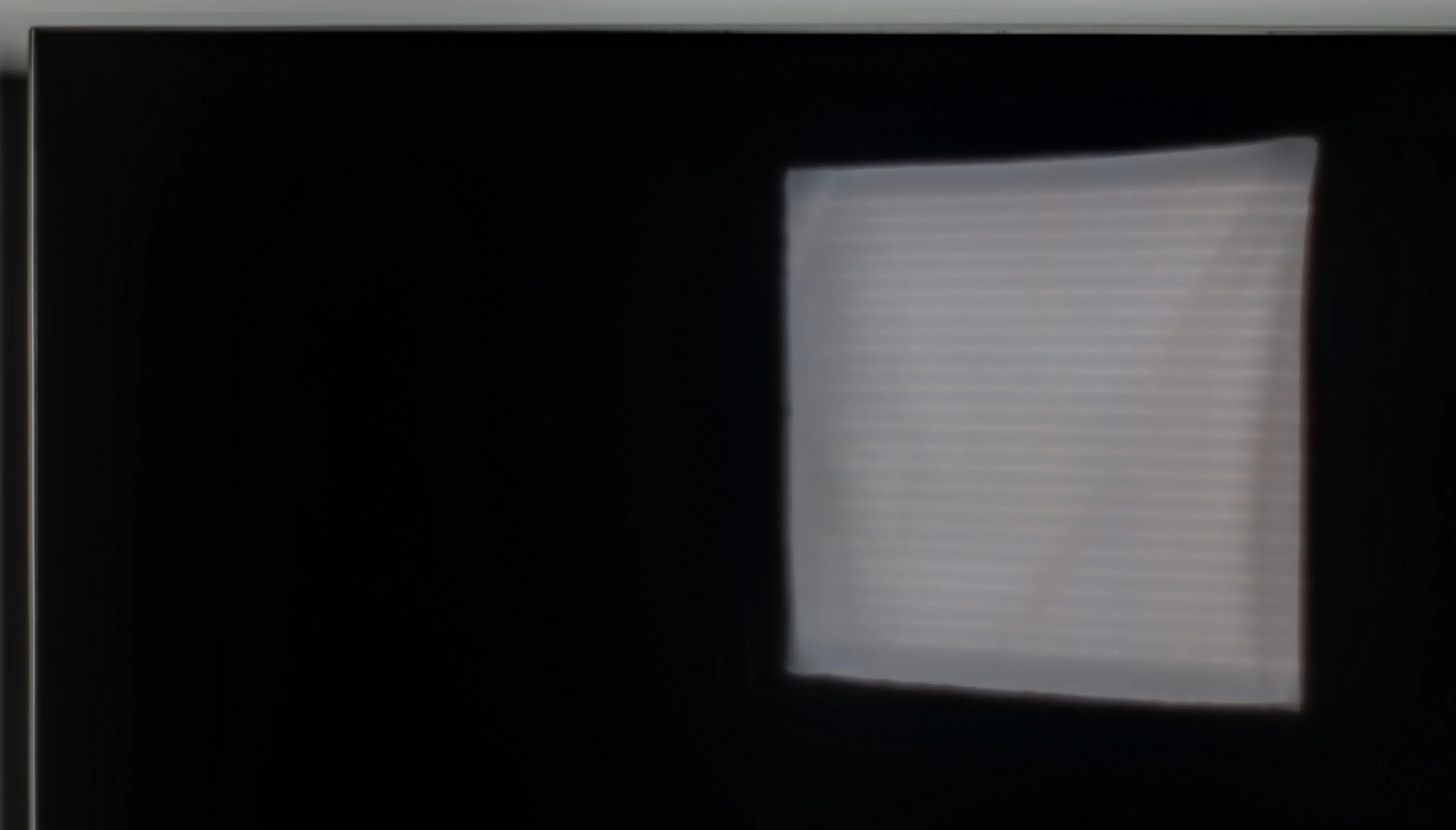
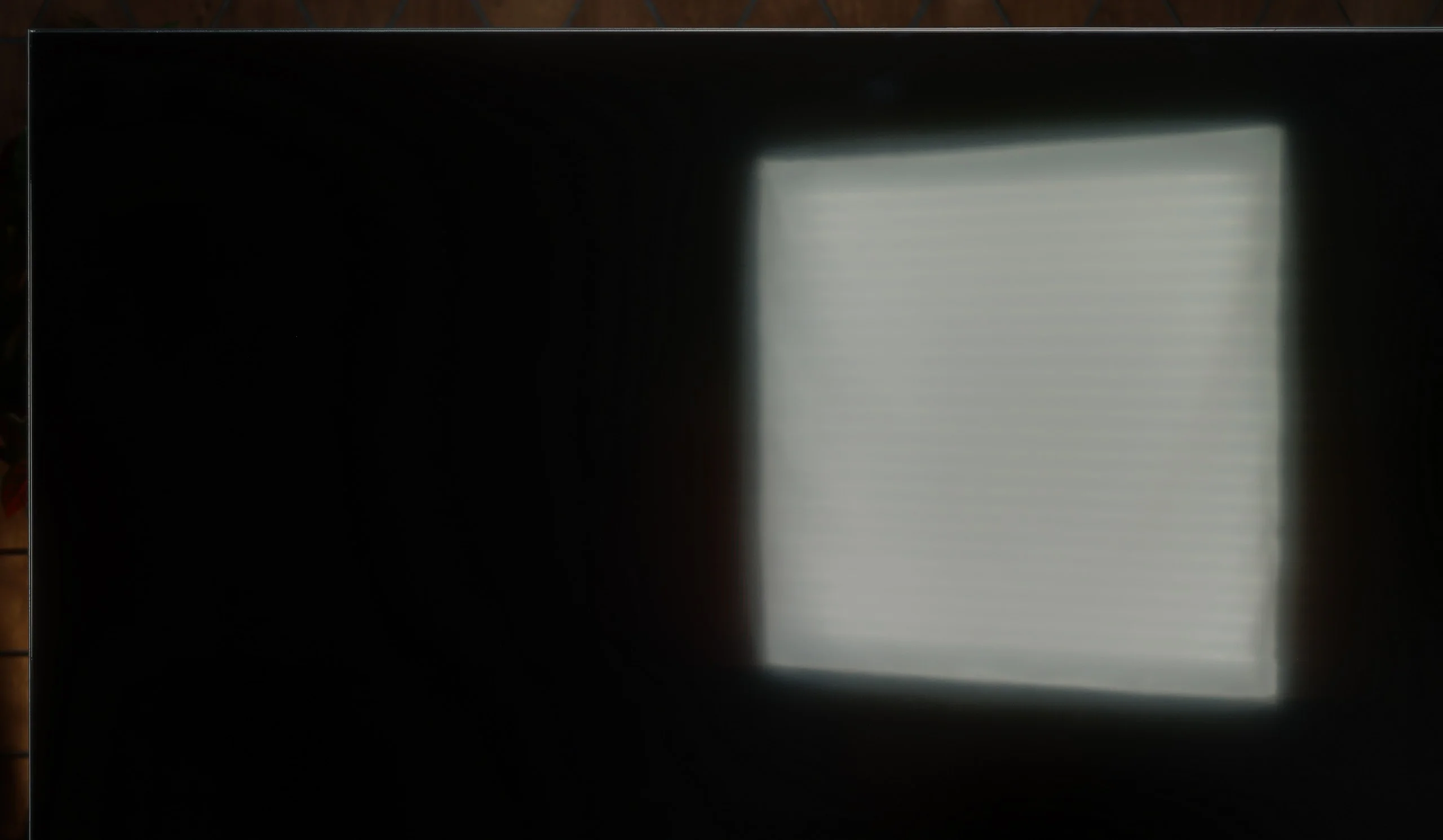
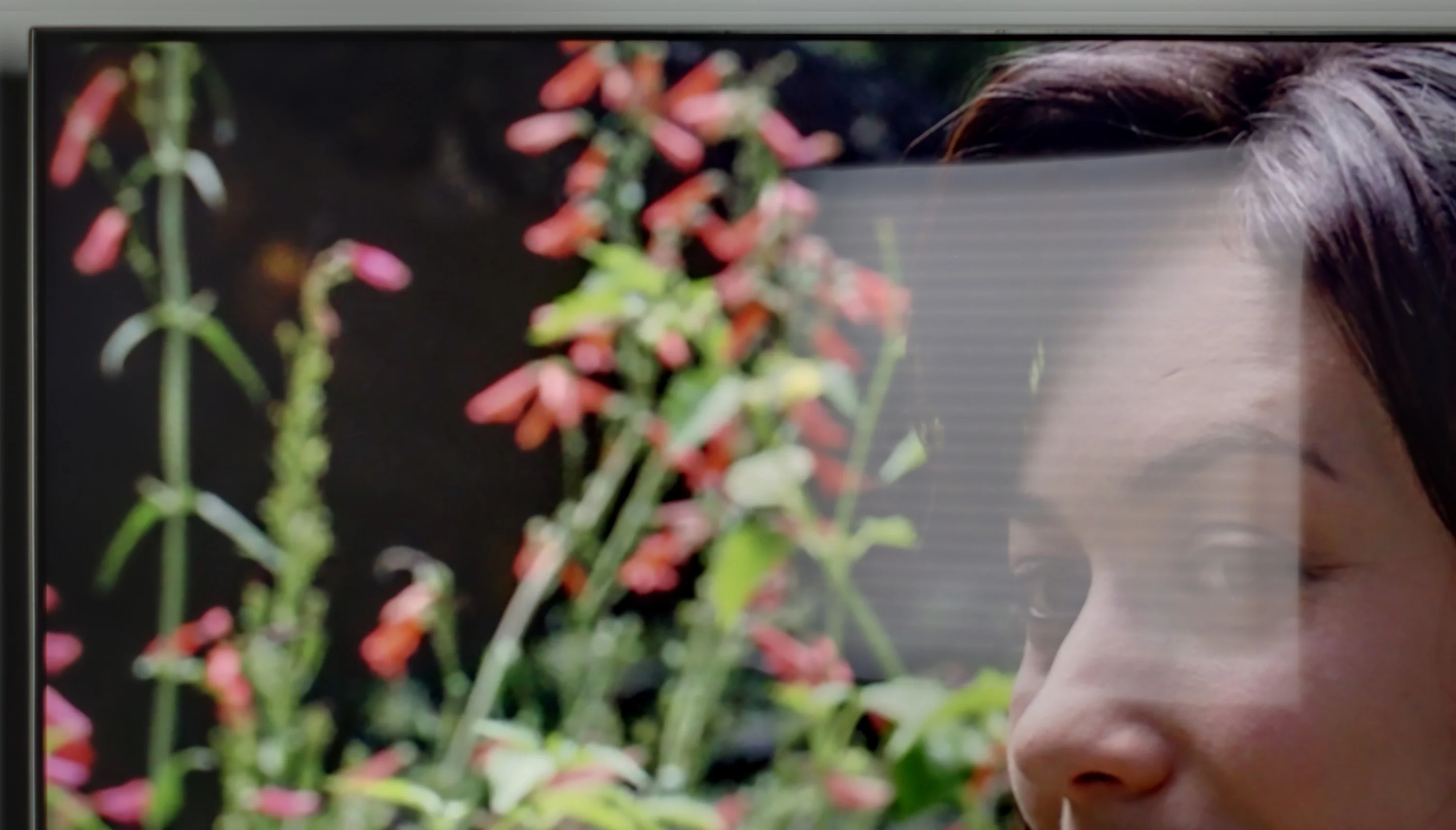
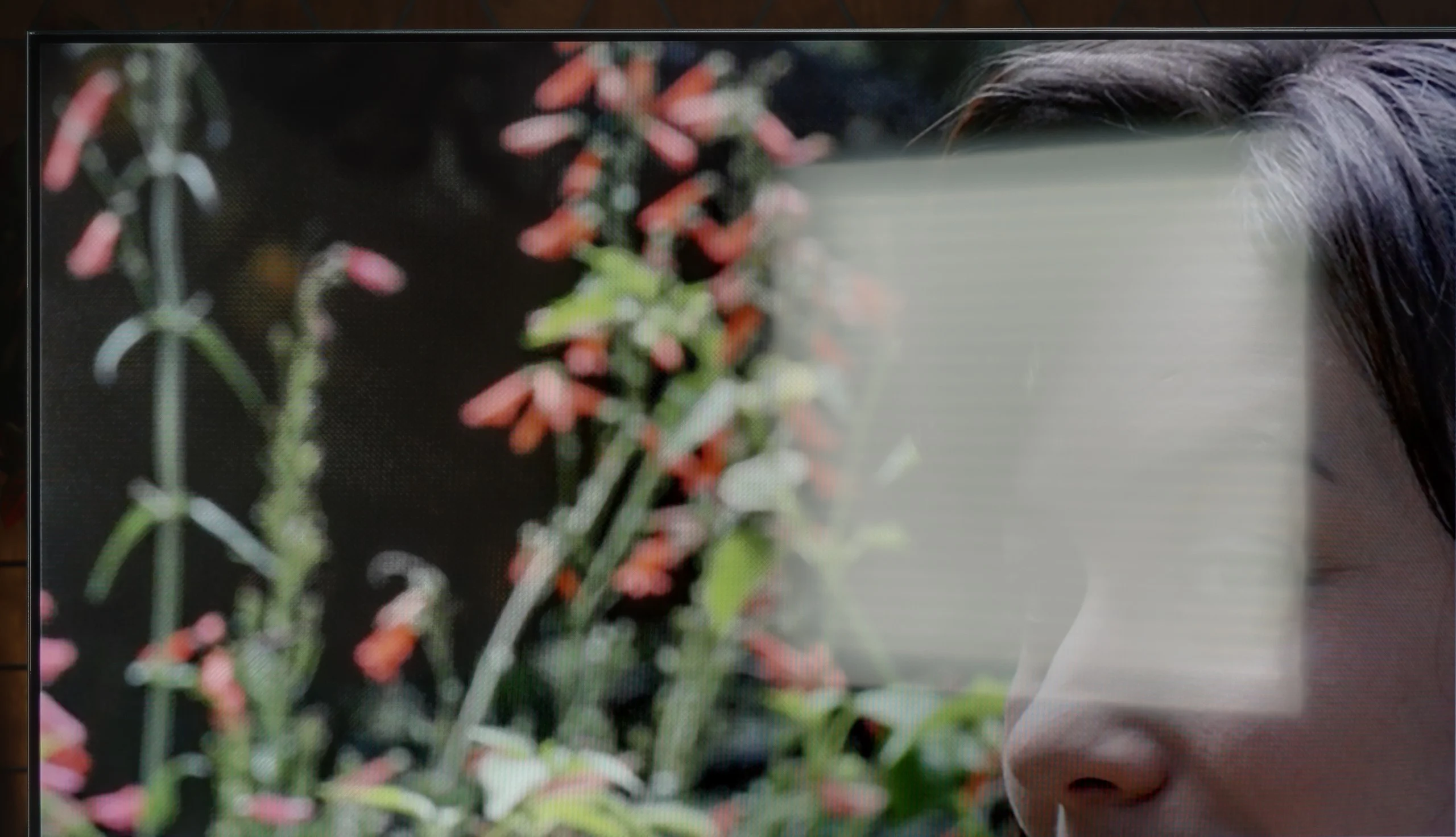
Panel brightness
Dreame Q100: 282 cd/m2
Philips The One (PUS8959 / PUS8919 / PUS8909 / PUS8949: 562 cd/m2
Philips PUS8959 has a satin coating on the screen that effectively reduces light reflections, which is advantageous when using the television in bright daylight conditions. However, such a coating causes blacks to take on shades of gray during the day, losing their depth and intensity, which affects the perception of the image in darker scenes.
A brightness level of 562 cd/m² allows for comfortable television viewing during the day, even in well-lit rooms. The image is bright enough to stand out against daylight, and the reduction of reflections ensures decent visibility of content, making Philips PUS8959 a good choice for rooms where lighting levels cannot always be controlled.
The Dreame Q100 is not a TV made for very bright rooms. Around 300 nits of brightness is too little for the picture to remain clearly visible in a sunlit living room, especially during the day. The situation is not helped by the screen’s satin coating, which copes only mediocrely with direct reflections. With a lamp or window opposite the TV, reflections can be clearly visible. In a typical, moderately lit room the Q100 will perform acceptably, but for a really bright living room it’s worth looking for something with higher brightness and a better anti-reflective coating.
Panel details
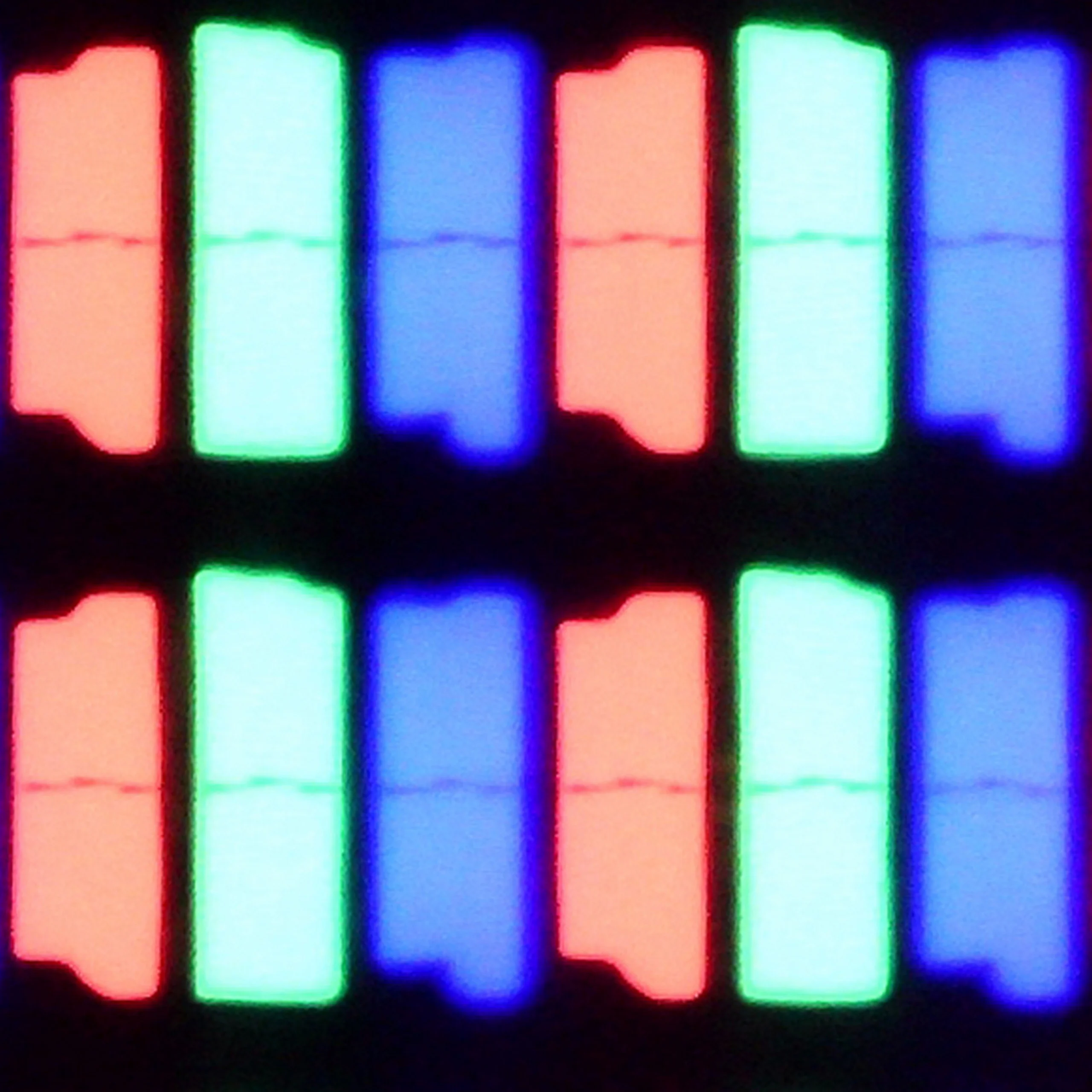
Subpixel Structure:
Panel uniformity and thermal imaging:


Philips The One (PUS8959 / PUS8919 / PUS8909 / PUS8949
Dreame Q100
TV features
6.1/10
5.2/10
- SystemTitan OSGoogle TV
- System performanceDecentAverage
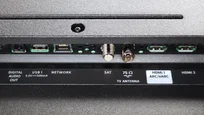
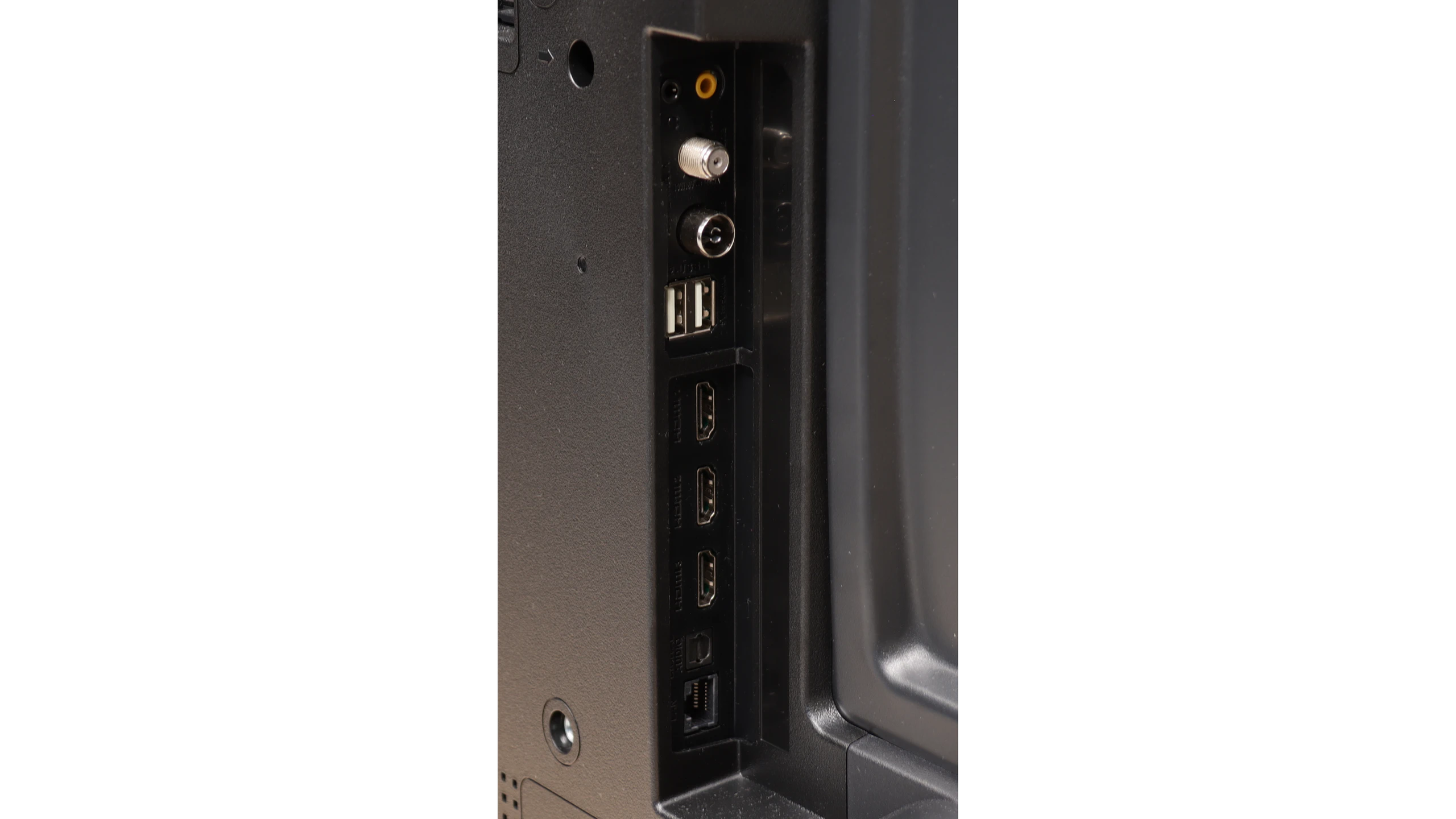
- HDMI inputs0 x HDMI 2.0, 0 x HDMI 2.1 48Gbps3 x HDMI 2.0, 0 x HDMI 2.1
- Other inputsRCA (Chinch)
- OutputsToslink (Optical audio), eARC (HDMI), ARC (HDMI), Mini-Jack (Headphones)SPDIF (Coaxial audio), eARC (HDMI), ARC (HDMI), Mini-Jack (Headphones)
- Network InterfacesWi-Fi 2.4GHz, Wi-Fi 5GHz, Ethernet (LAN) 100MbpsWi-Fi 2.4GHz, Wi-Fi 5GHz, Ethernet (LAN) 100Mbps
- TV receptionDVB-T, DVB-T2, DVB-S, DVB-S2, DVB-CDVB-T, DVB-T2, DVB-S, DVB-S2, DVB-C
Classic features:
- Recording to USB (terrestrial TV)
- Recording programming
- Picture in Picture (PiP)
- RF remote control (no need to aim)
- Backlit remote control
- Teletext
- Audio only mode
- Bluetooth headphones support
- Simultaneous Bluetooth headphones & TV audio
Smart features:
- AirPlay
- Screen mirroring (Windows Miracast)
- Voice search
- Voice search in native language
- Ability to connect a keyboard and mouse
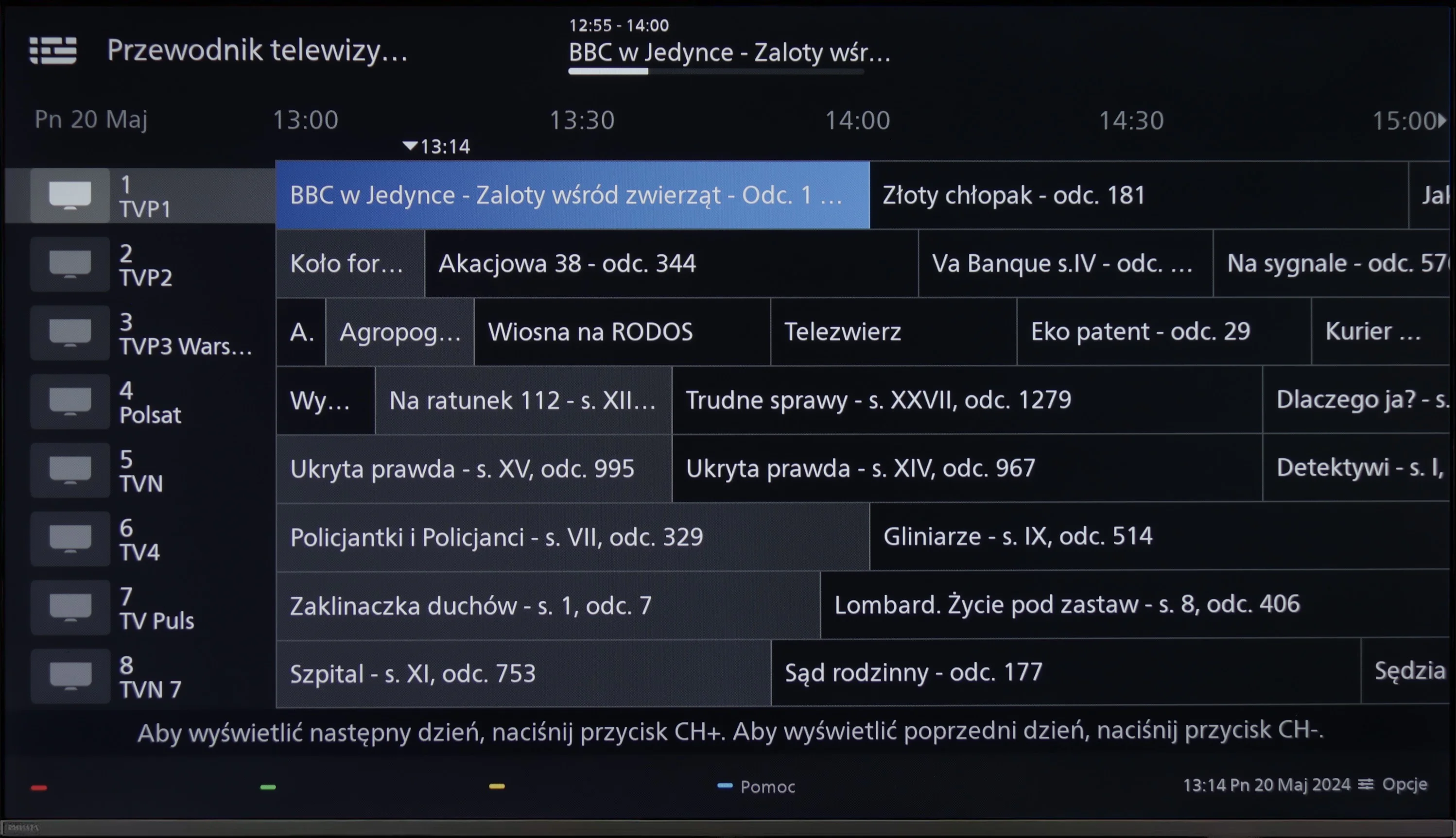
Sound connection options
- HDMI audioeARC (HDMI), ARC (HDMI)eARC (HDMI), ARC (HDMI)
- Other audio outputsToslink (Optical audio), Mini-Jack (Headphones)AuxiliaryOutput-SPDIF (Coaxial audio), Mini-Jack (Headphones)
- Wireless audioBluetoothBluetooth
Supported audio formats (external HDMI eARC audio):
- Dolby Digital Plus 7.1
- Dolby True HD 7.1
- Dolby Atmos in Dolby Digital Plus (JOC)
- Dolby Atmos in Dolby True HD
- DTS:X in DTS-HD MA
- DTS-HD Master Audio
Senior accessibility
- Numeric keyboard on TV
- Font size adjustment
- Audio description
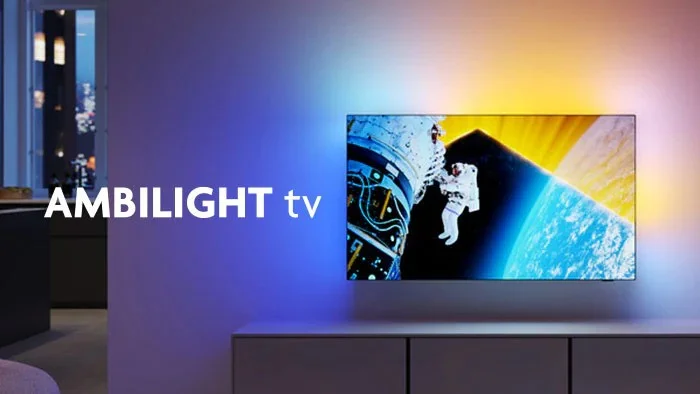
Philips PUS8959 is equipped with a three-sided Ambilight system – the flagship patent of this brand, which has delighted a dedicated group of fans for years. Ambilight relies on dynamic backlighting of the wall behind the TV, matching the content displayed on the screen, which significantly enhances the viewing experience, especially in dimly lit rooms. This effect is unique and adds a certain kind of "magic" to watching, causing many users to choose Philips specifically for this feature.
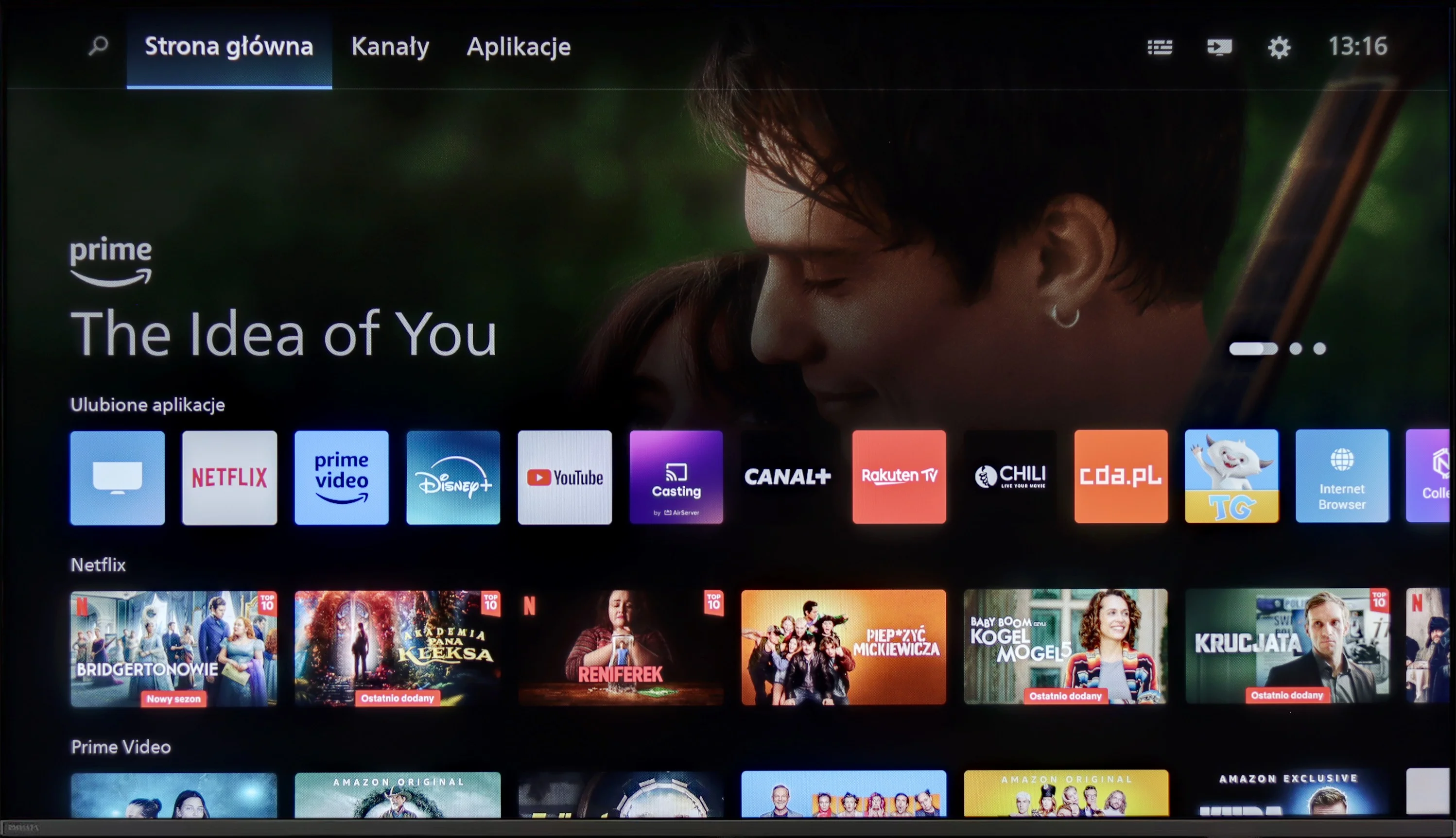
As for the operating system, Philips PUS8959 uses Titan OS – a system that is still in its early stages of development. Here, you can see growing pains, especially since Philips has moved away from Android in most of its models. Titan OS has a limited number of available apps. This is frustrating for those accustomed to a broader ecosystem like GoogleTV. Additionally, the TV does not have AirPlay functionality, which limits its compatibility with Apple devices and may be a drawback for users looking for a flexible way to stream content.
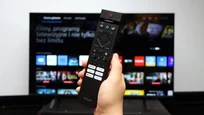
The user features of Philips PUS8959 are a mix of pros and cons. The remote control included with the TV is quite annoying – it requires direct aiming at the screen, which can be inconvenient. On the other hand, the voice function works without the need to aim, but it only supports English. On the plus side, the remote is backlit, making it easier to use in the dark. The TV does not have PiP (Picture-in-Picture) functionality or the ability to record programs, which is a significant drawback. However, the TV is equipped with Bluetooth, allowing connection to headphones or a keyboard, which can be useful – especially due to the limited number of available apps, which may encourage the use of the built-in web browser.
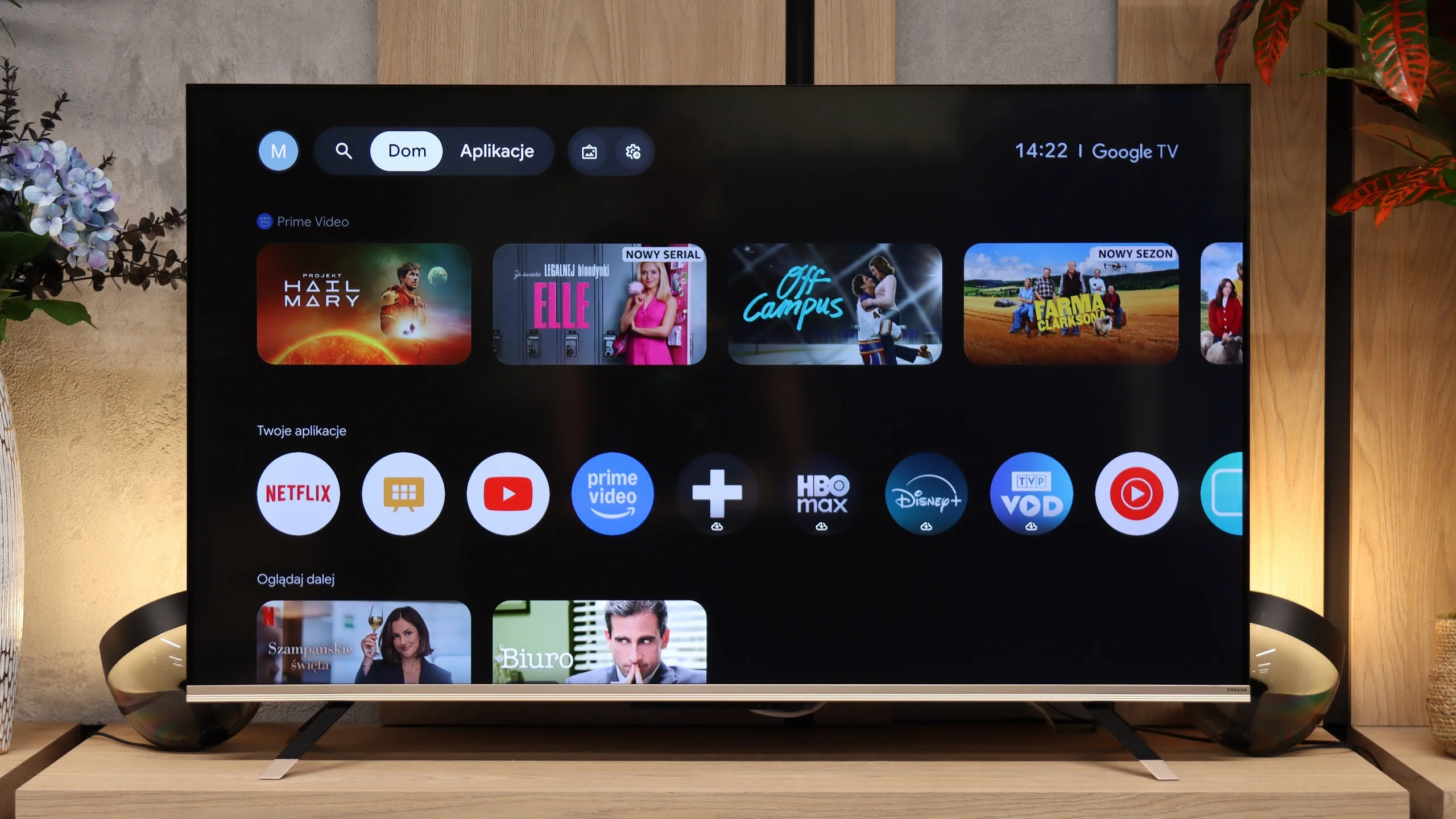
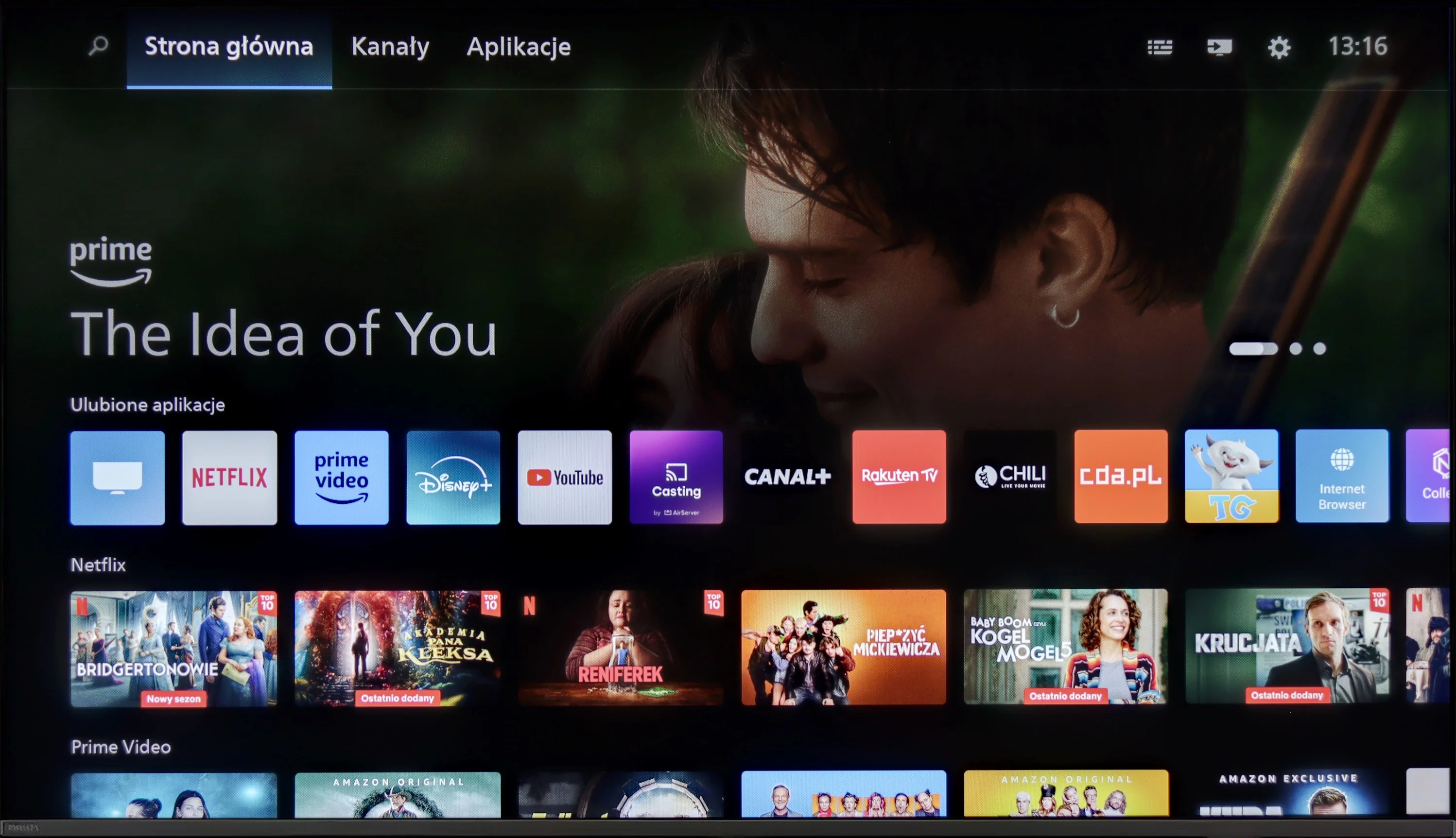
Google TV
The Dreame Q100 uses Google TV, so in terms of app access there’s little to complain about. It includes all the most popular streaming services, the ability to install additional apps from the Google Play store, and support for a Google account. The system therefore offers similar capabilities to many much more expensive TVs. However, during our tests we were unable to connect to the TV using an iPhone, so we consider AirPlay unavailable on this model.
Classic features
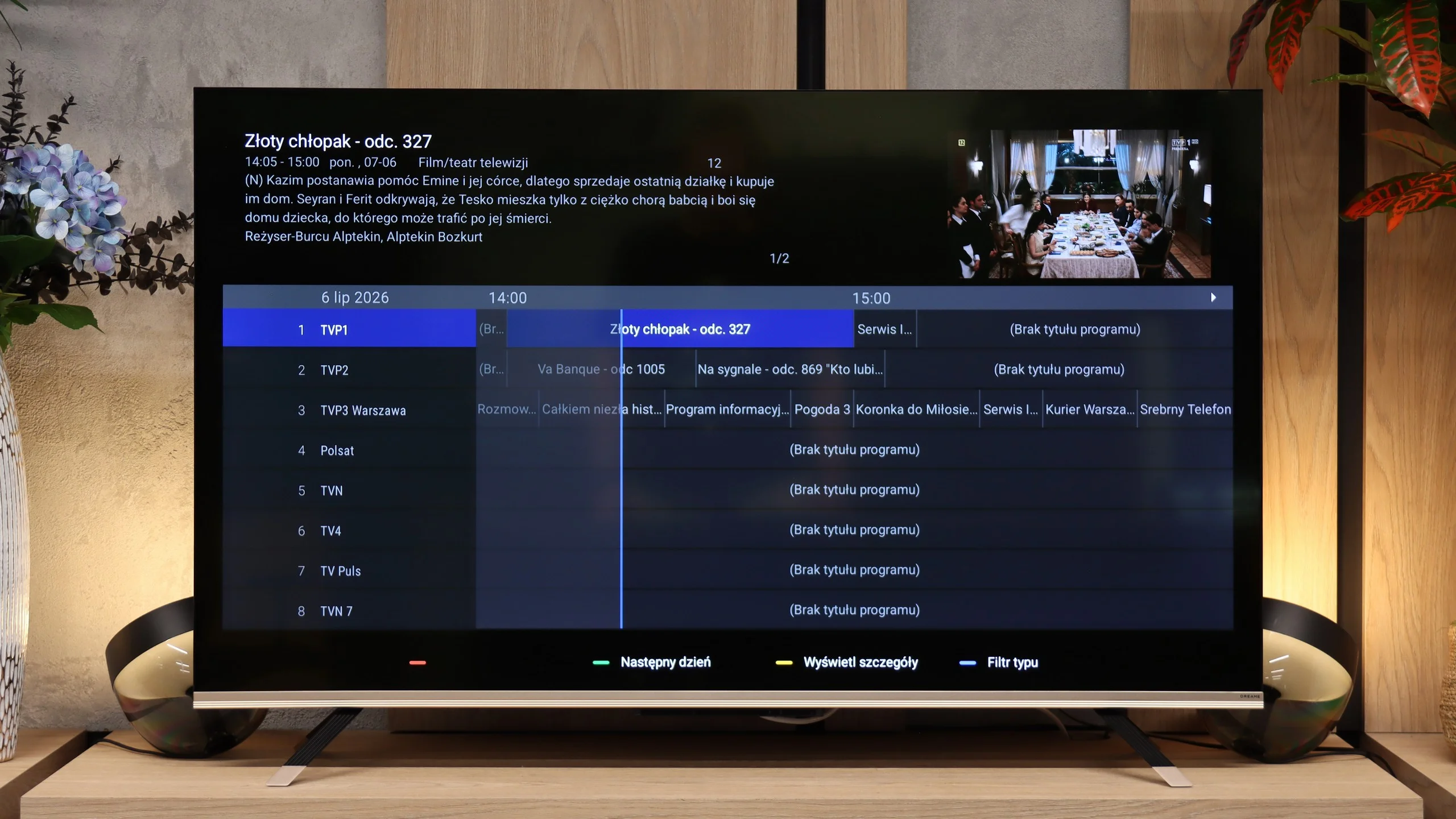
For ordinary TV viewing the Q100 performs without major problems, but when it comes to extra features it’s fairly basic. There’s no option to record programs to USB or to schedule recordings. It also lacks more advanced functions found on pricier models, such as viewing from two tuners at once or picture-in-picture mode. It comes with a rather mediocre remote control, but fortunately the manufacturer kept a full numeric keypad on it, which is still very convenient for traditional TV. On the plus side, it includes analog connectors. The Q100 even has a classic 3.5 mm headphone jack, which is increasingly rare on new TVs.
Apps
6.7/10
9.6/10






















Playing files from USB
8.2/10
8.9/10
Supported photo formats:
Maximum photo resolution:
Although the Titan OS system on the Philips PUS8959 TV is still in its infancy, it deserves praise for supporting Polish subtitles embedded in movies, which is a significant convenience for users dealing with external files. If we want to play a movie from a connected USB device, the TV will do so without major issues, providing comfortable viewing without the need for additional subtitle configuration.
When it comes to photos, the TV should have no significant difficulties in playing them. It supports most popular formats, although it lacks support for less common standards such as HEIC used in Apple devices. This means that some photos, especially from newer Apple devices, may require prior conversion to a more standard format in order to be played on the Philips screen.
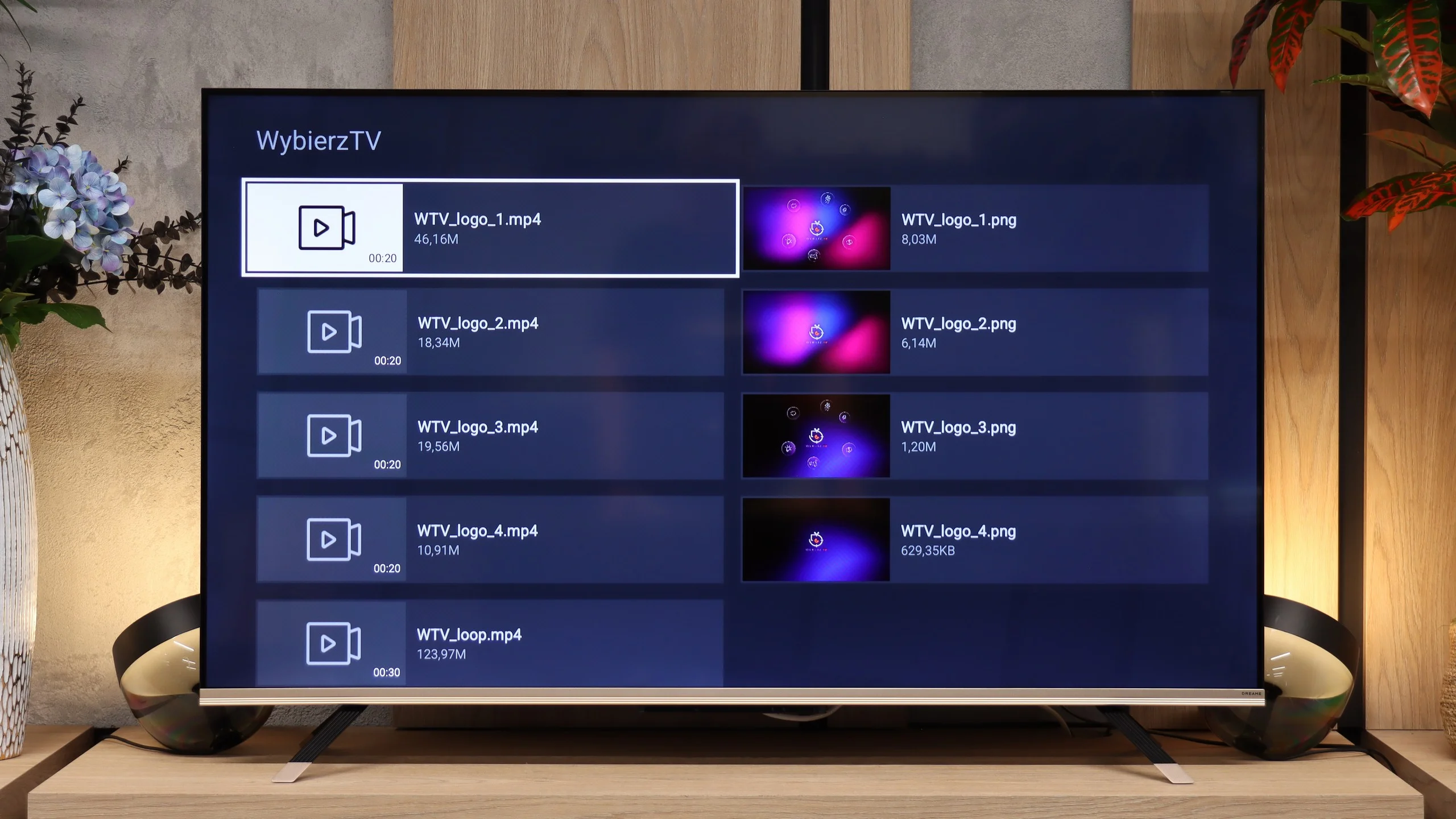
The Dreame Q100 handles playback from USB storage very well. During testing it had no major problems with most common video and audio formats. The only limitations concern subtitles; the TV wouldn't play some formats, such as .SUB or .TXT.
Sound
6.4/10
5/10
- Maximum volume-87dB
- Dolby Digital Plus 7.1
- Dolby True HD 7.1
- Dolby Atmos in Dolby Digital Plus (JOC)
- Dolby Atmos in Dolby True HD
- DTS:X in DTS-HD MA
- DTS-HD Master Audio
The sound of the Philips PUS8959 unfortunately leaves a lot to be desired. Although the low frequencies can be heard in the playback, the bass is very weak, which results in an overall unsatisfactory sound quality. The TV plays average, especially when compared to more advanced audio systems available on the market.
Despite the average quality of the speakers, the TV supports all the essential audio codecs, which may please users using external home theater systems. Thanks to compatibility with various audio formats, the Philips PUS8959 can offer good audio experiences when connected to appropriate external speakers or a receiver, providing a fuller, more cinematic sound.
Sound on the Dreame Q100 is simply average. It most notably lacks bass, which makes the overall sound fairly flat and doesn't provide much sense of space. Fortunately, even at higher volumes there are no unpleasant crackles, squeals, or resonance from the plastic parts of the casing. One positive is Dolby Atmos support, though the TV's built-in speakers can't really show what the format is capable of. If you want better spatial sound, you'll likely need a soundbar or a home theater system.
Sound Quality Test
No sound test video
Acoustic Measurements
No acoustic data
87dBC (Max)
75dBC
Reader comments
Comments are provided by the external service Disqus (Zeta Global). Once loaded, Disqus may set cookies and process data about your activity.
We will remember your choice on this device. Provider's privacy policy