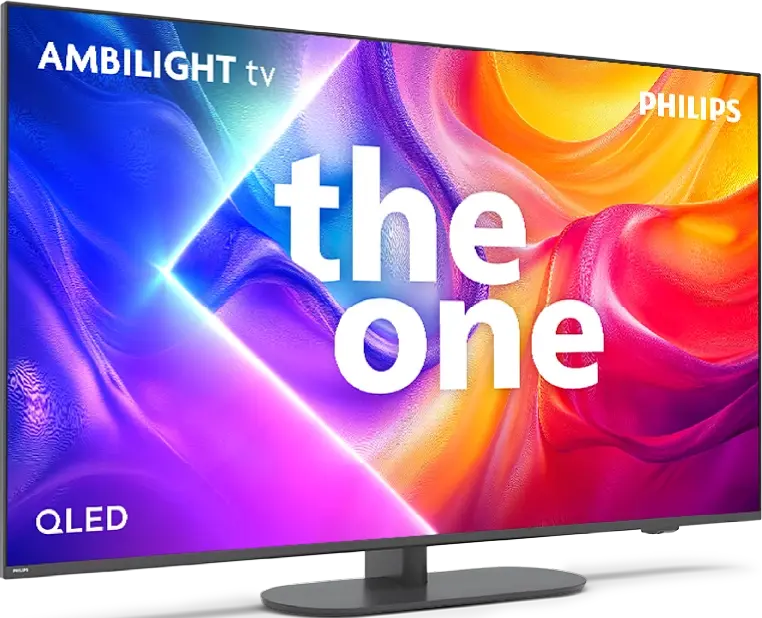
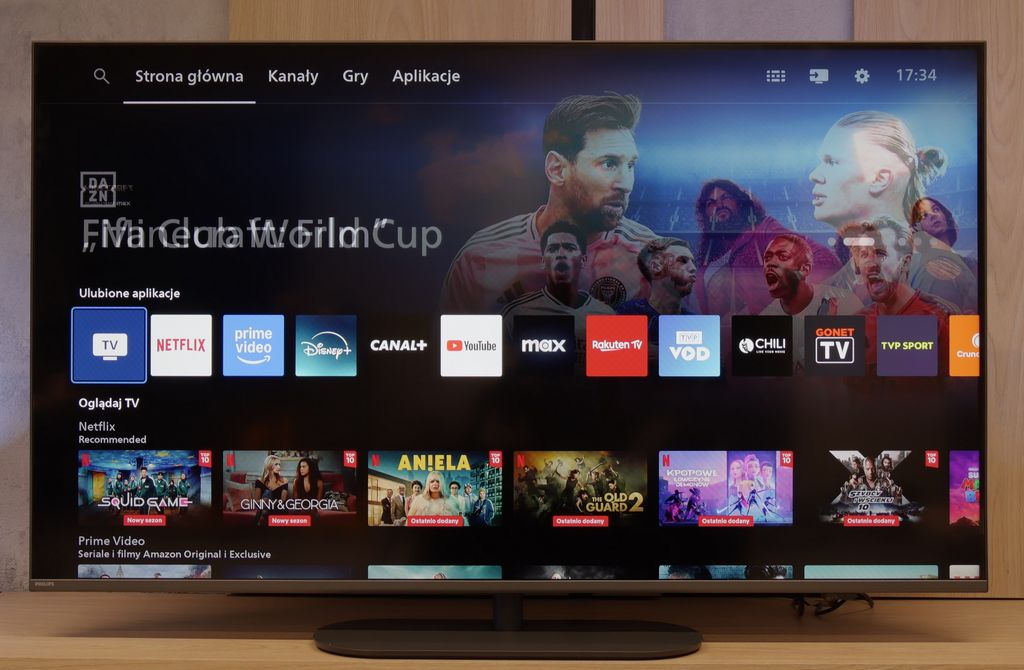
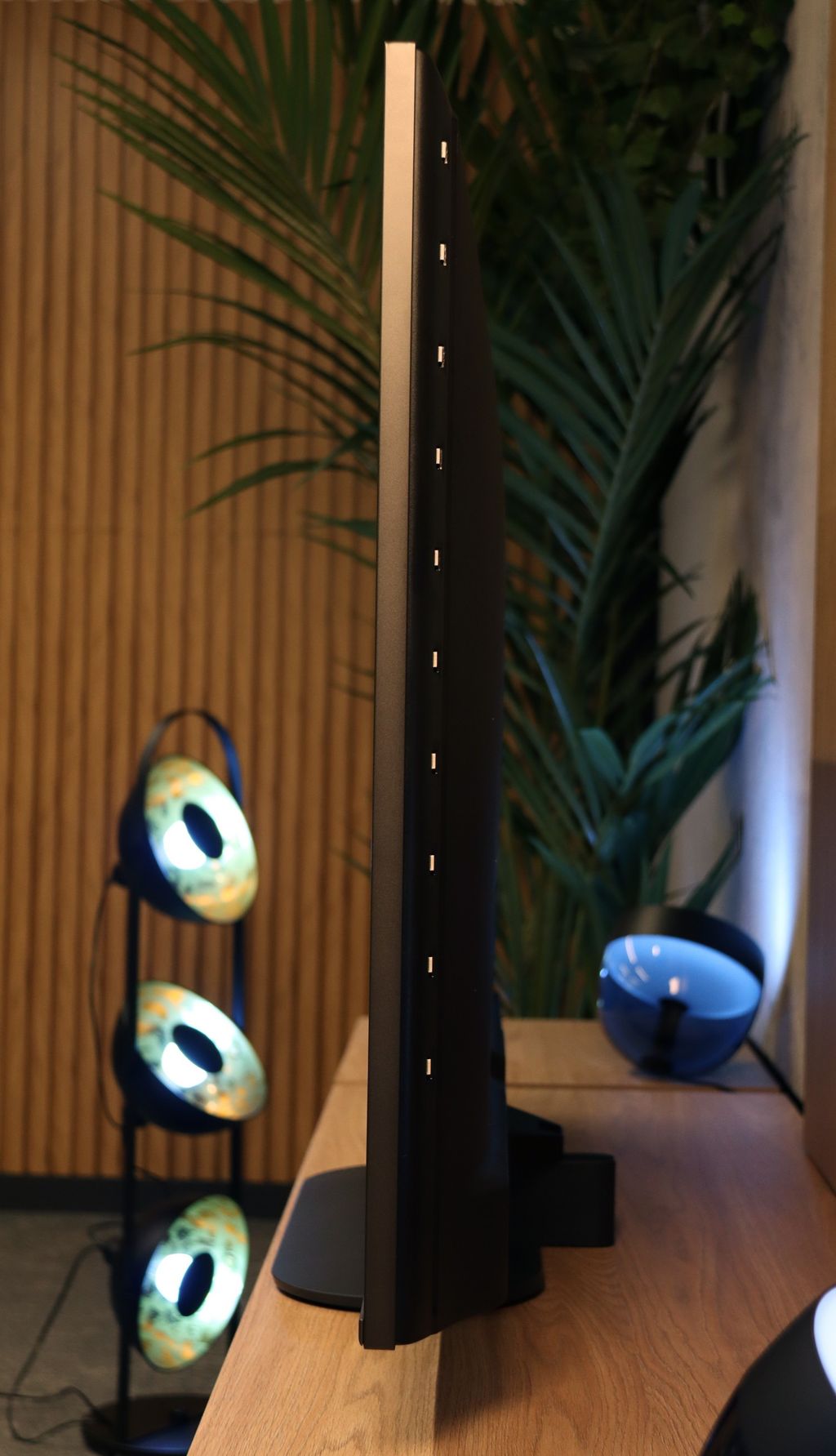
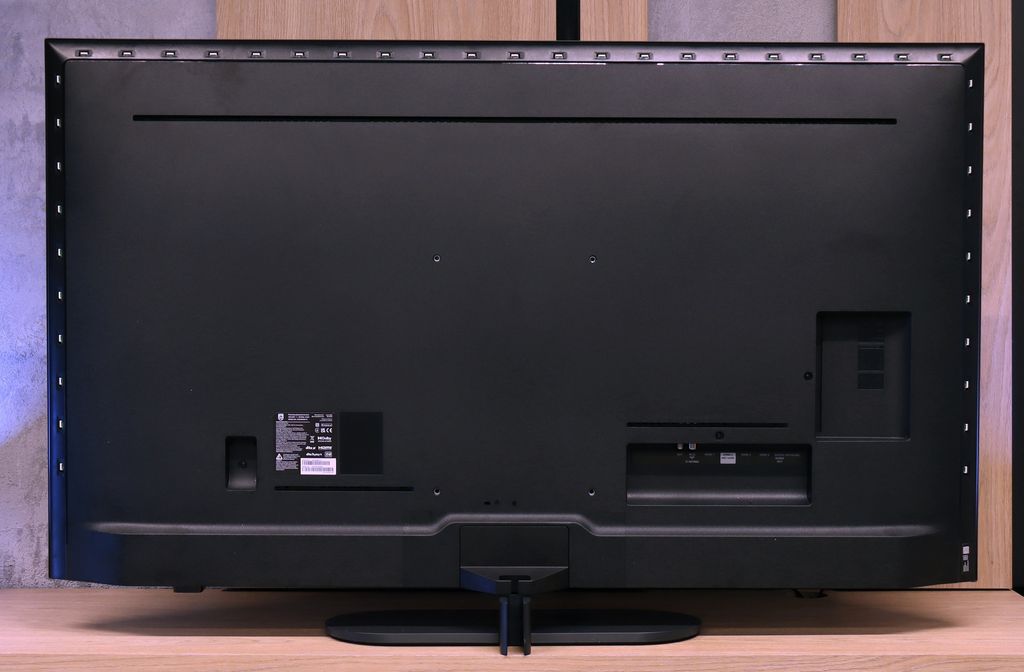
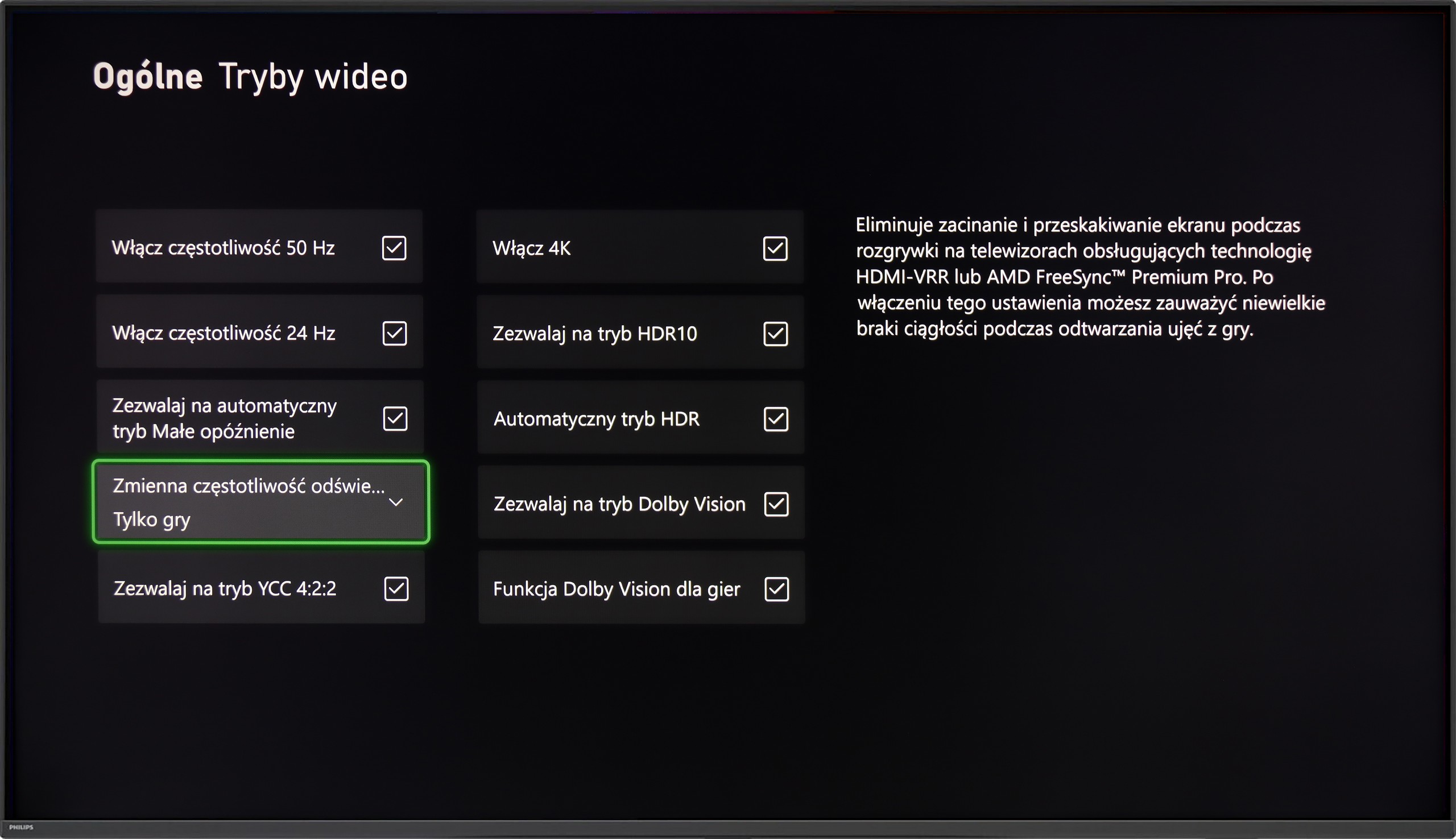
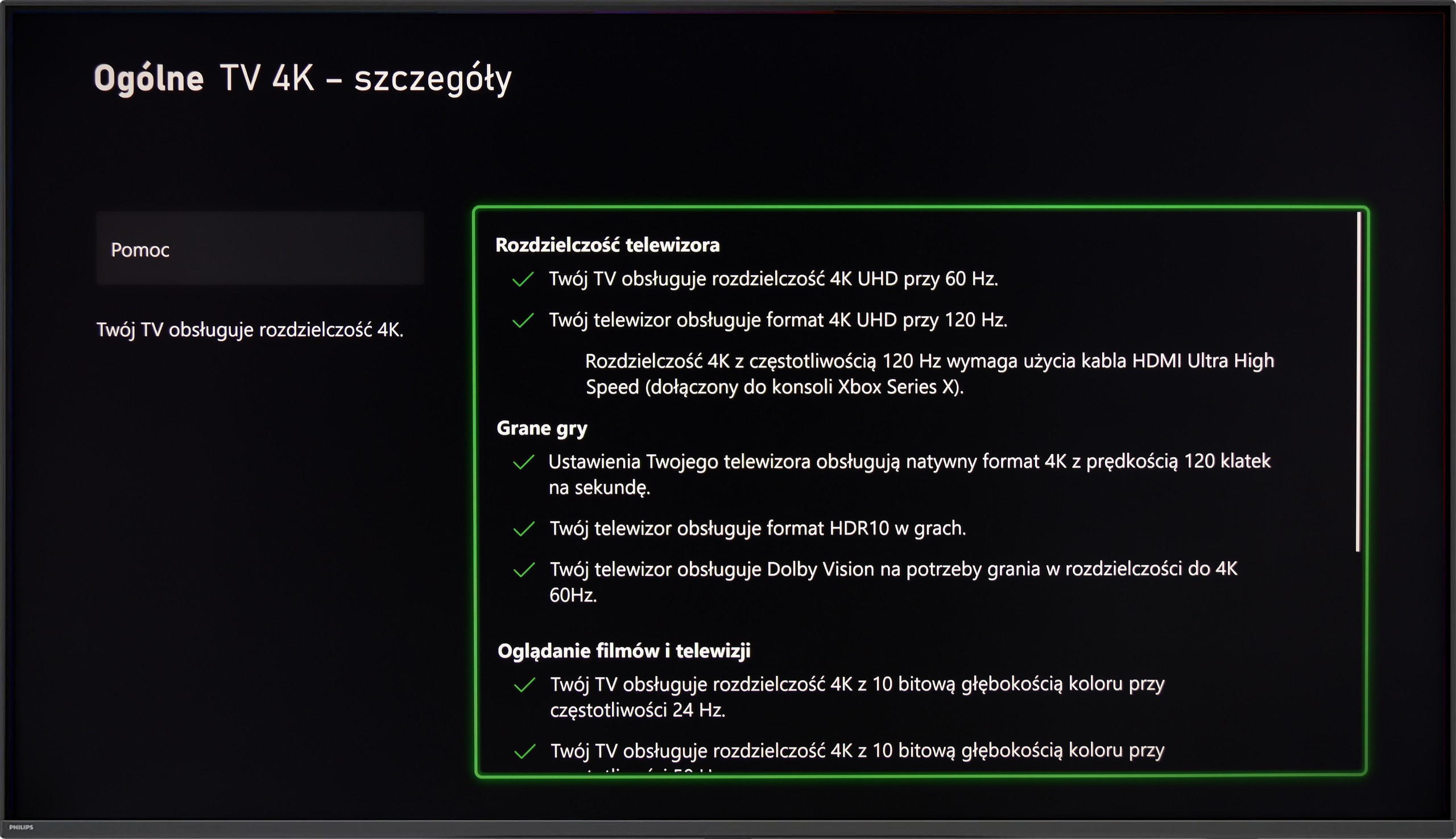
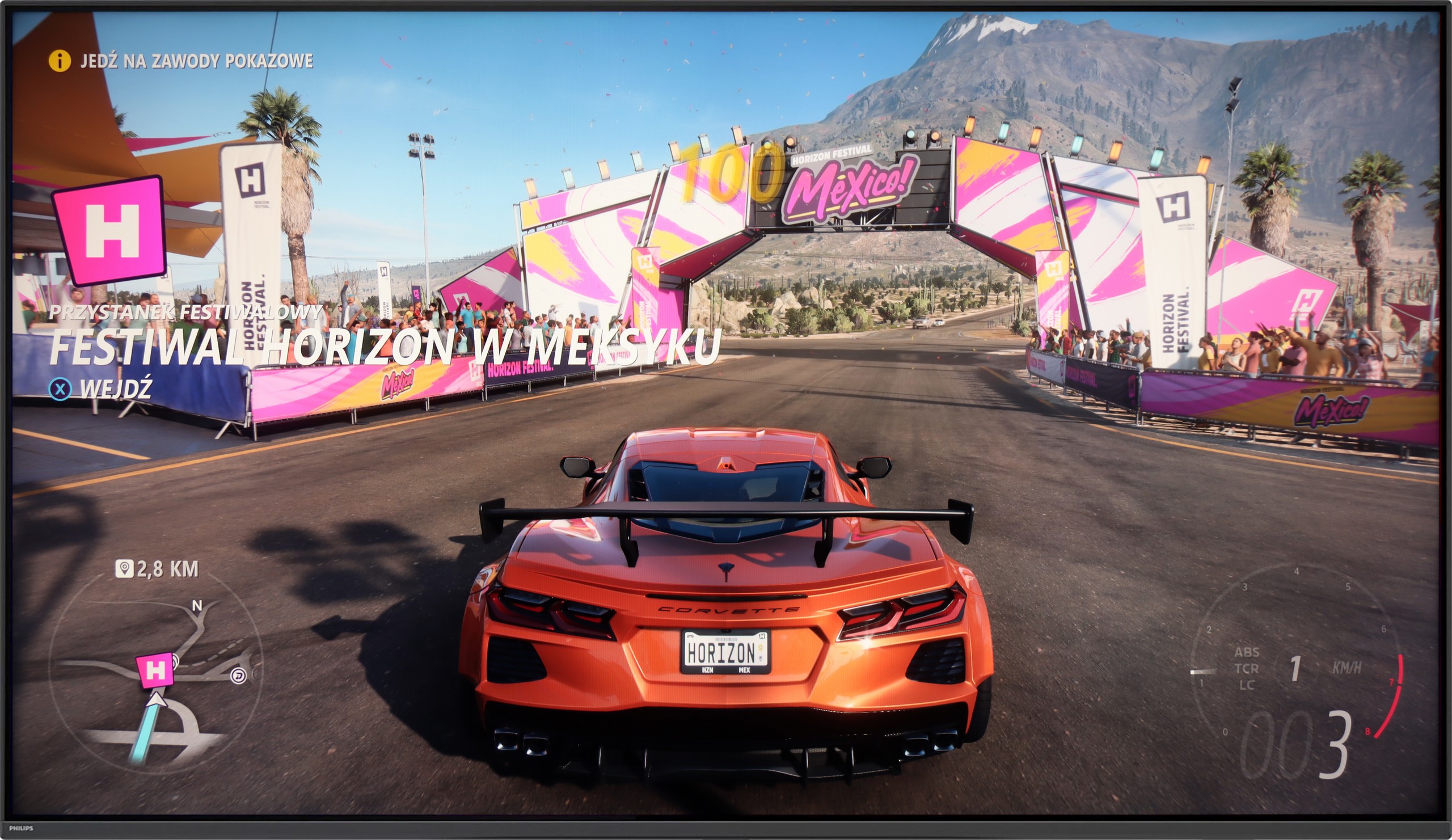
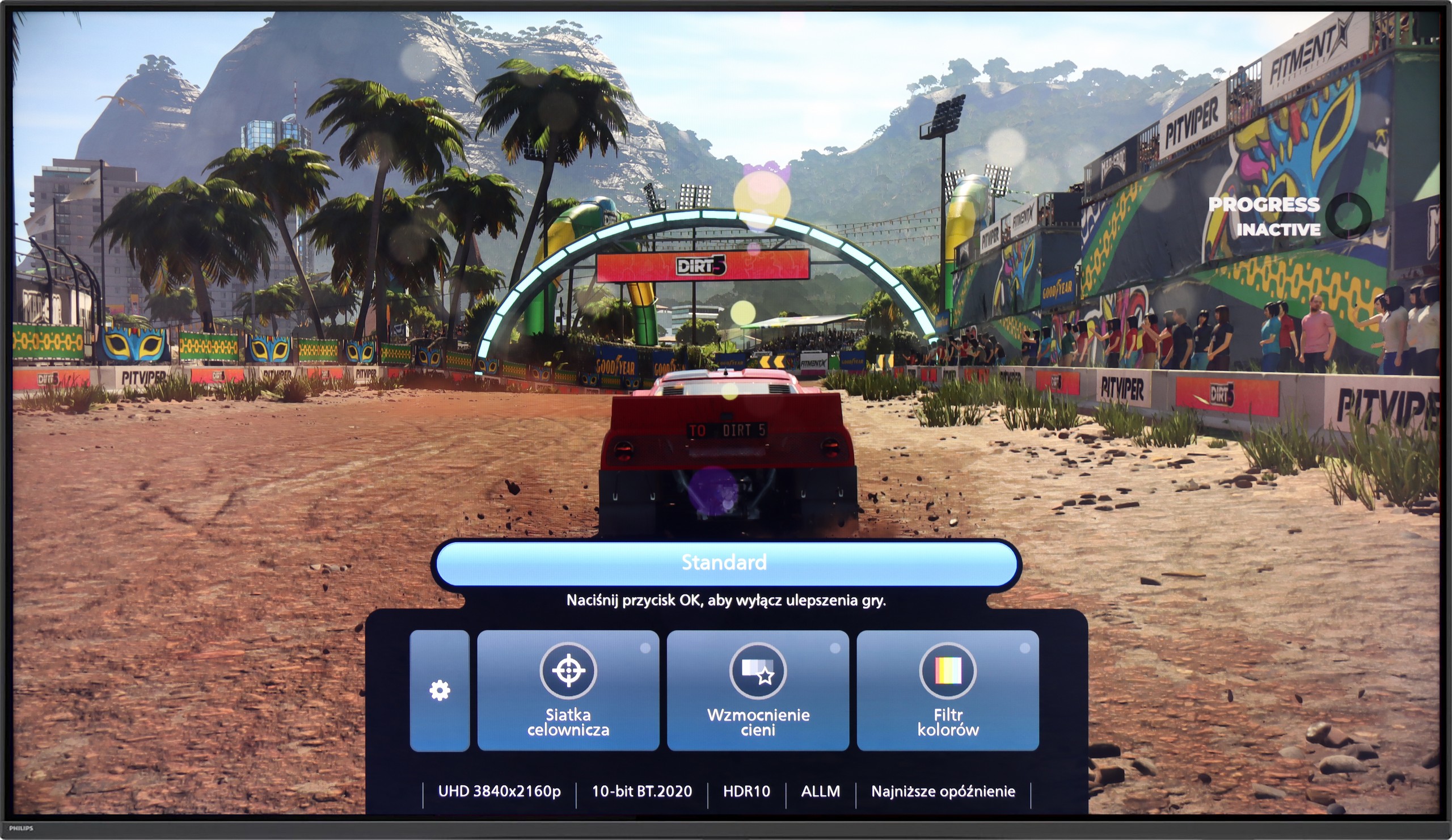
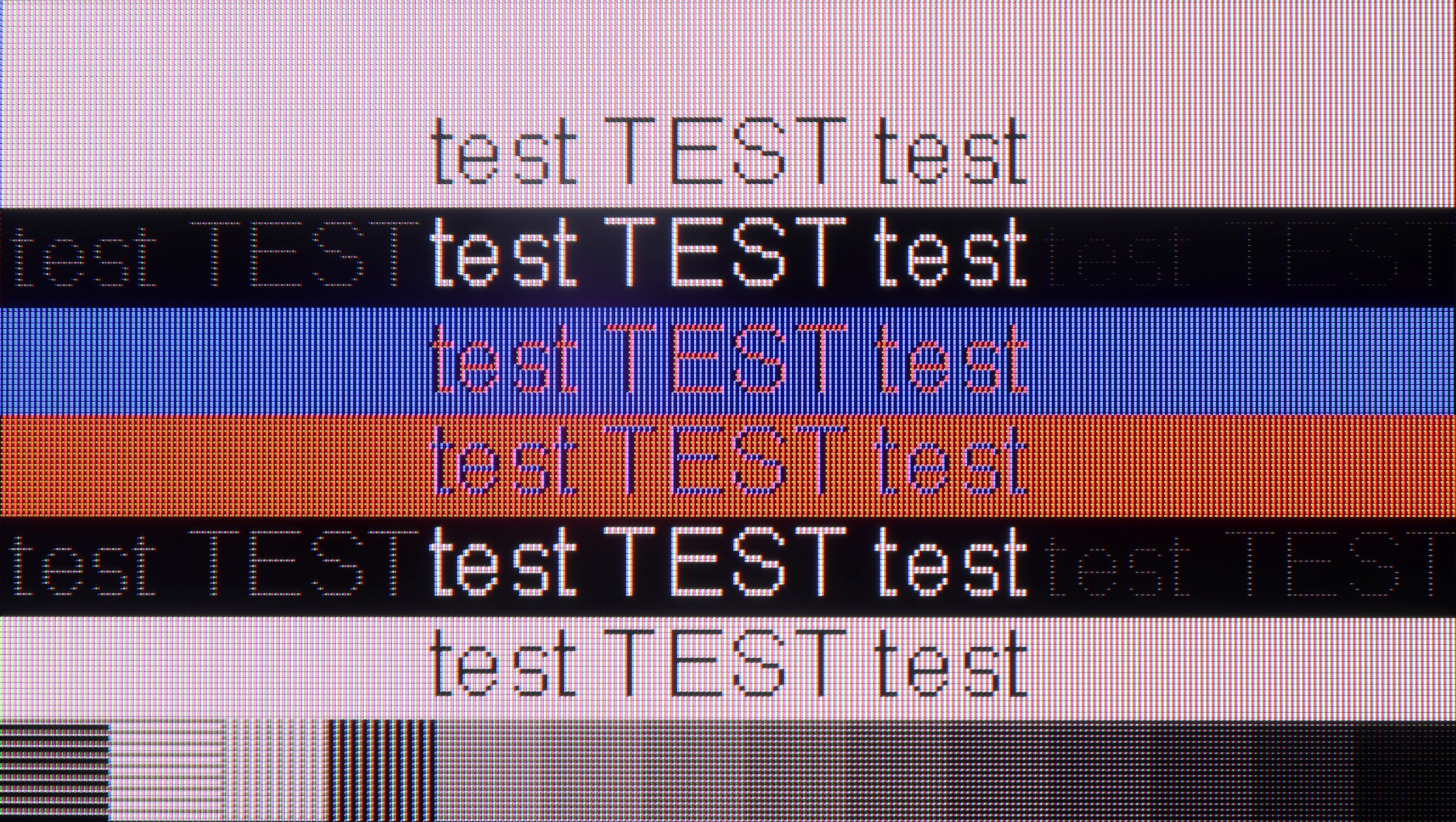
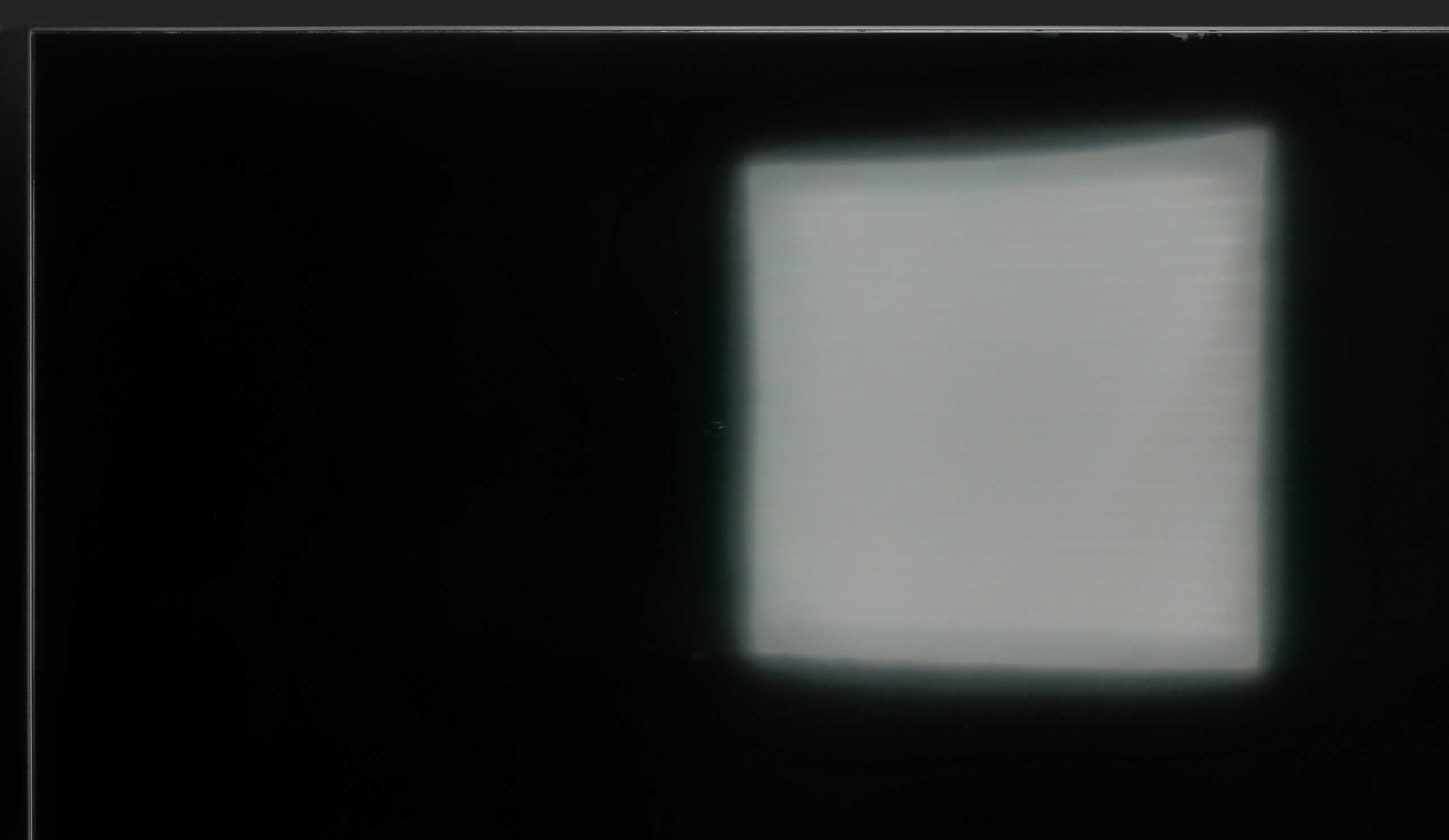
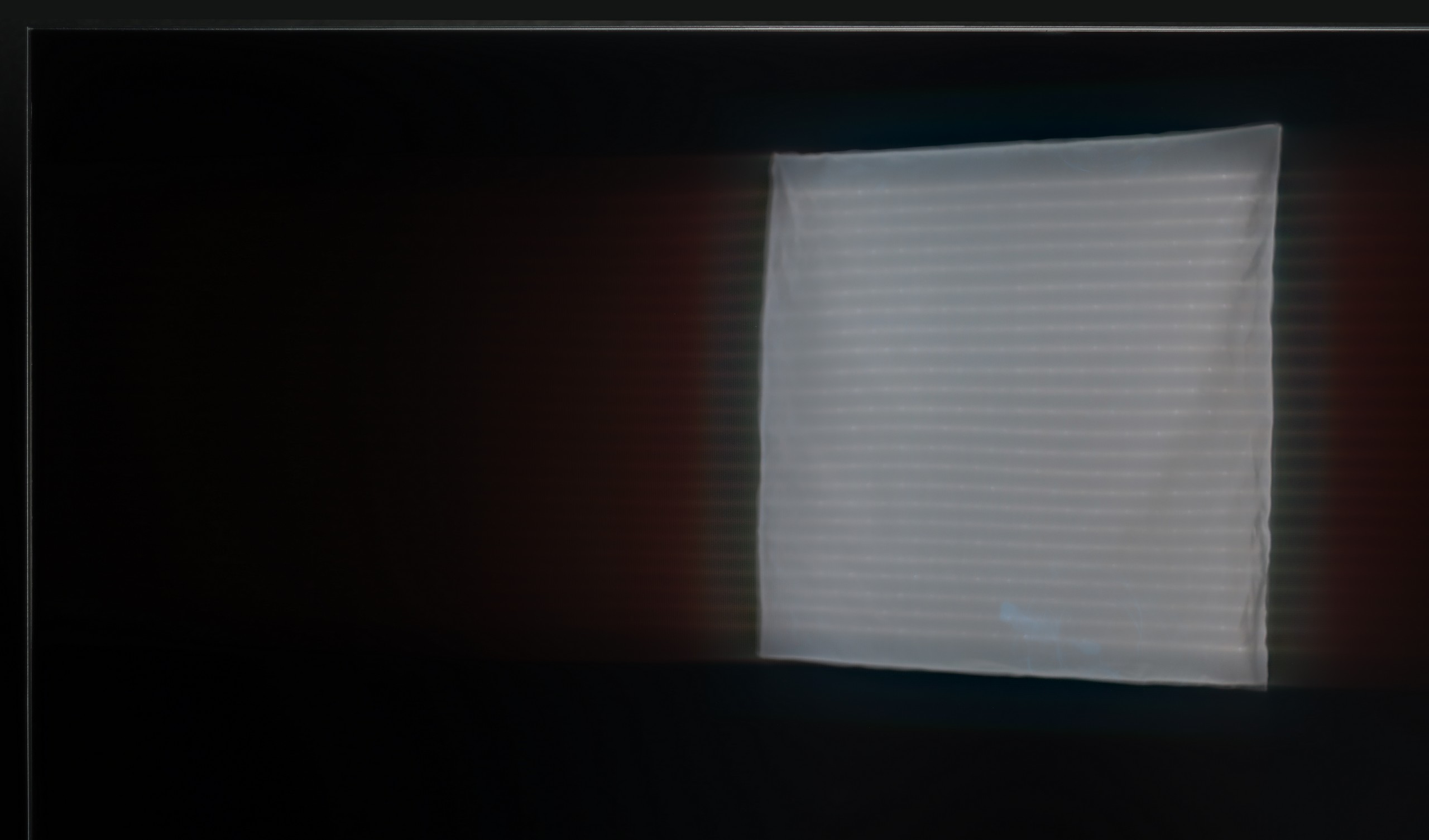
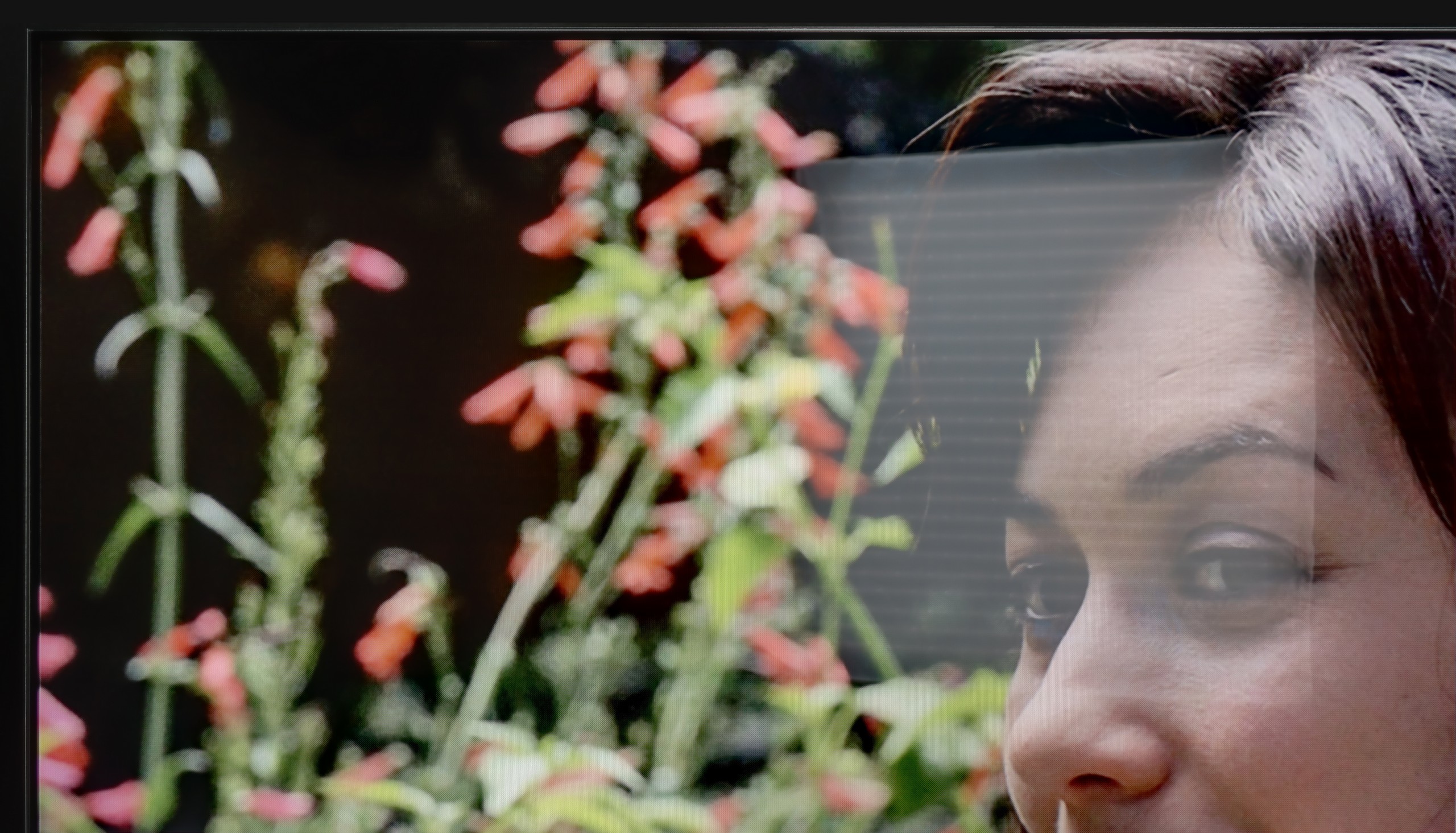
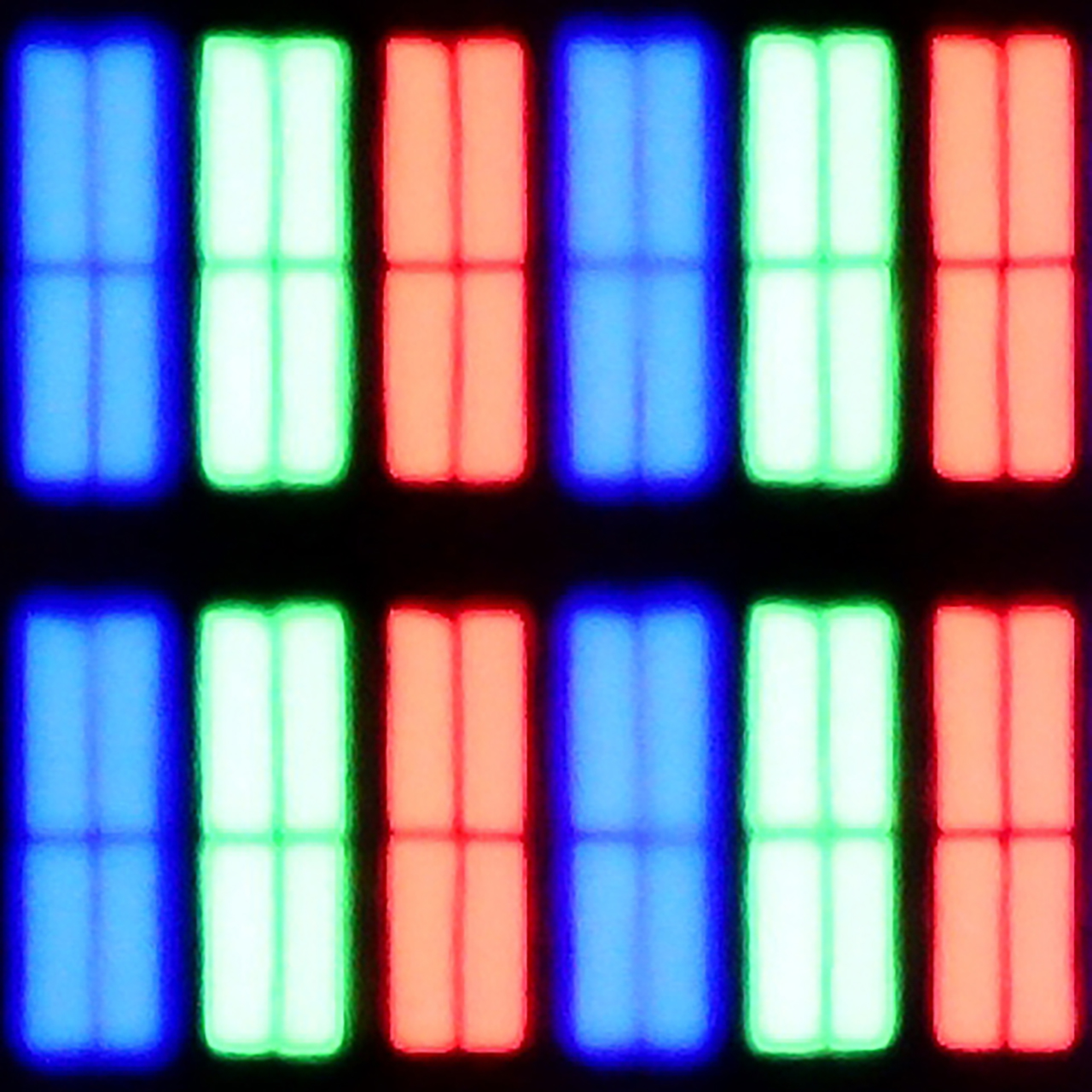
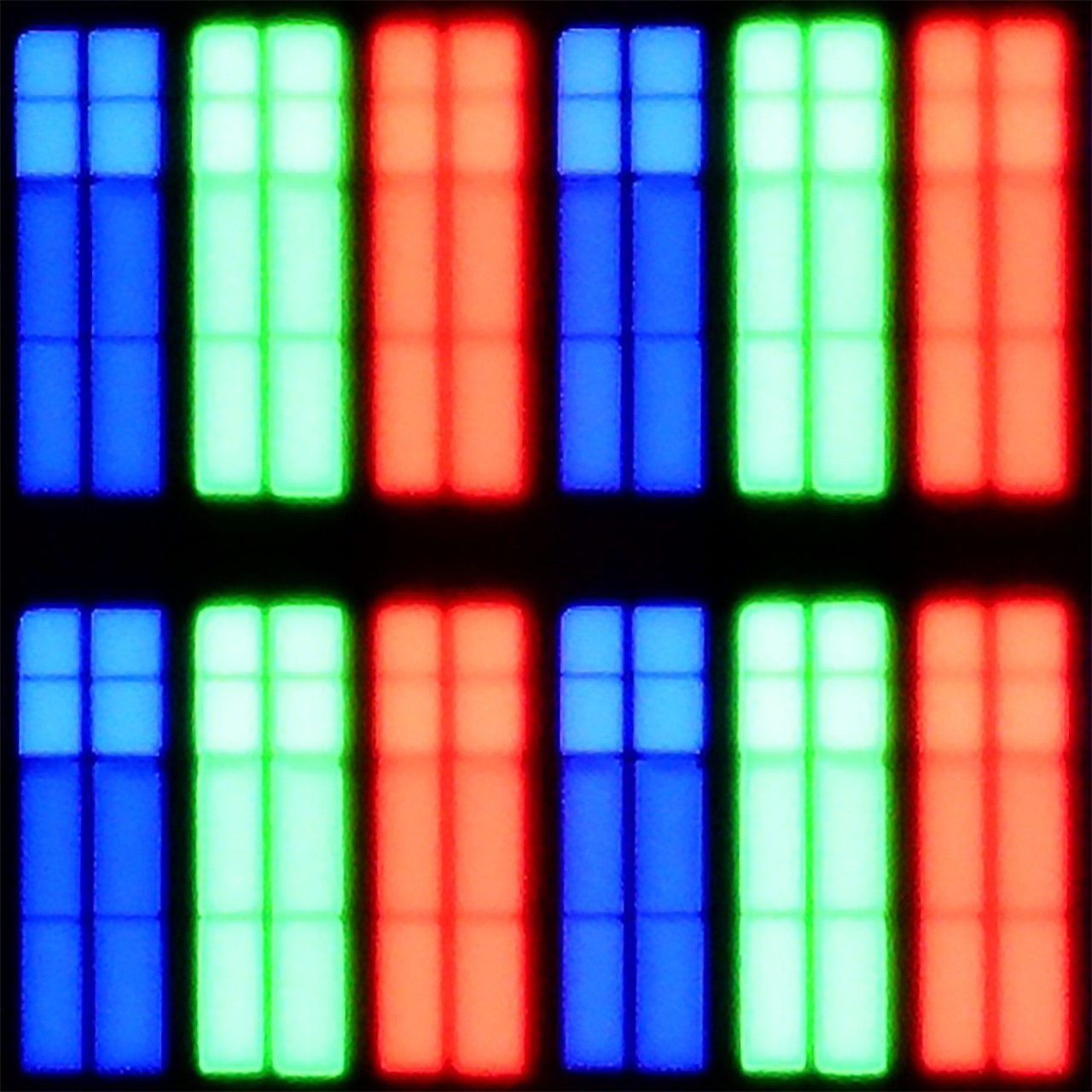
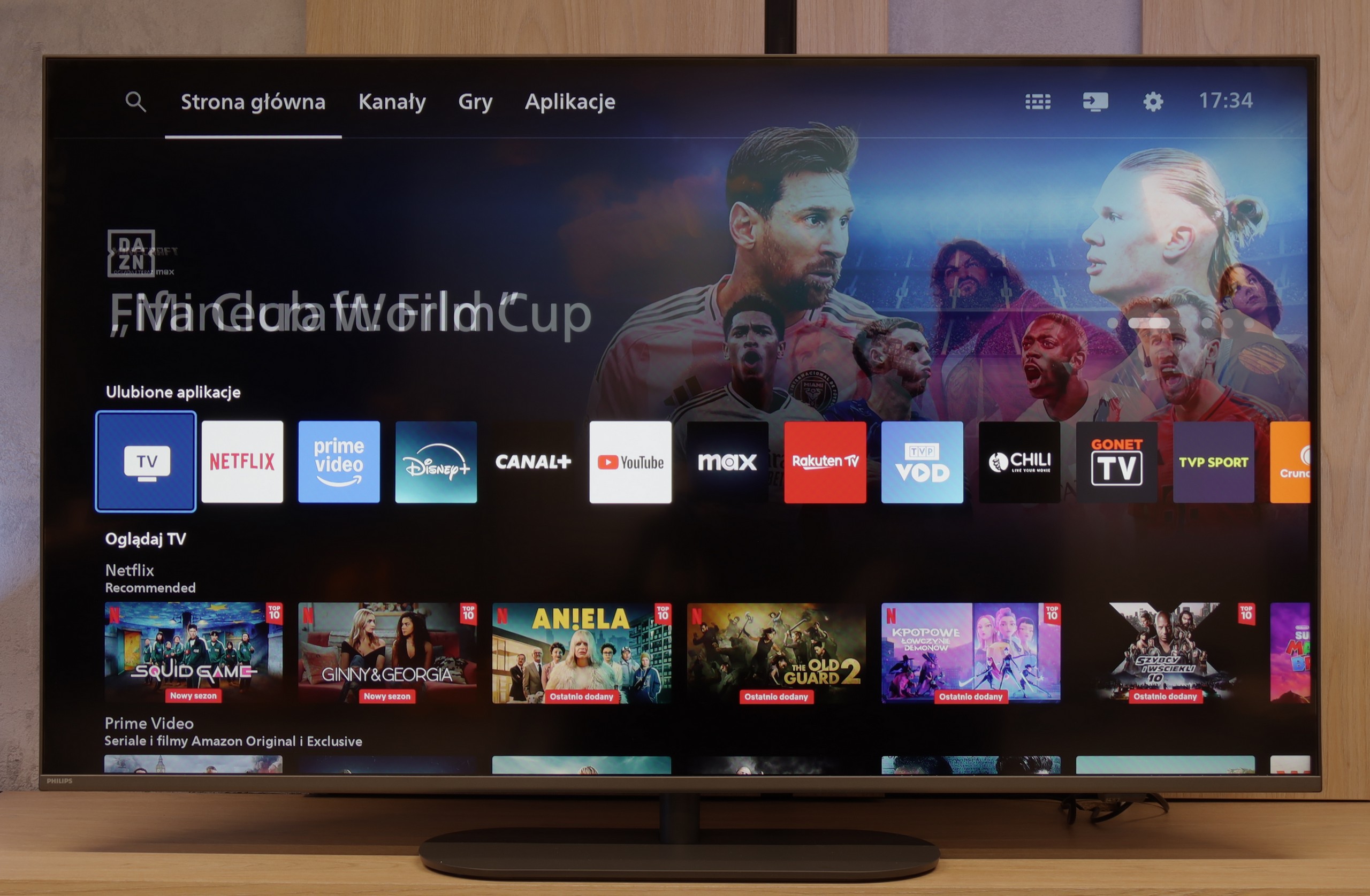
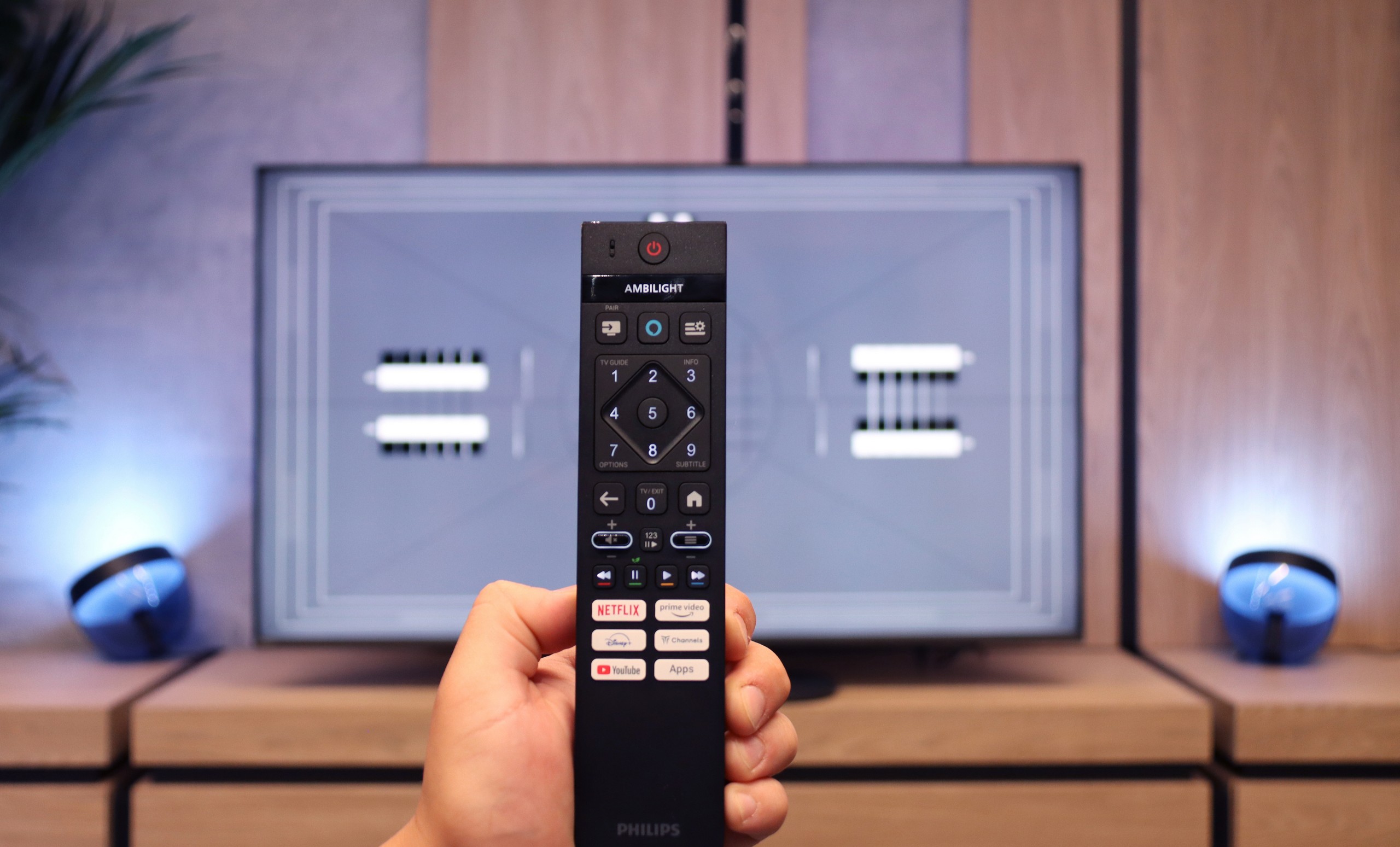
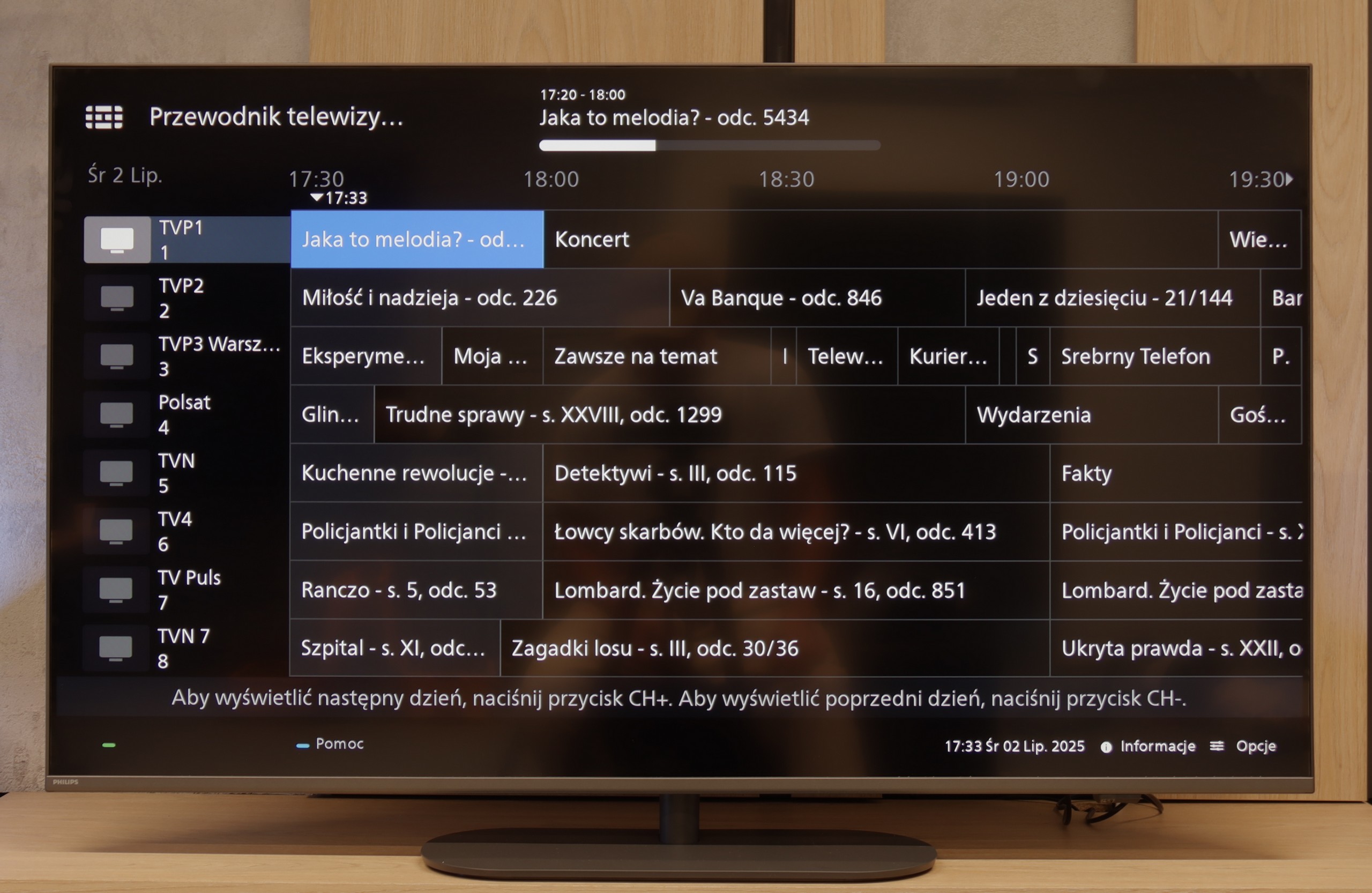
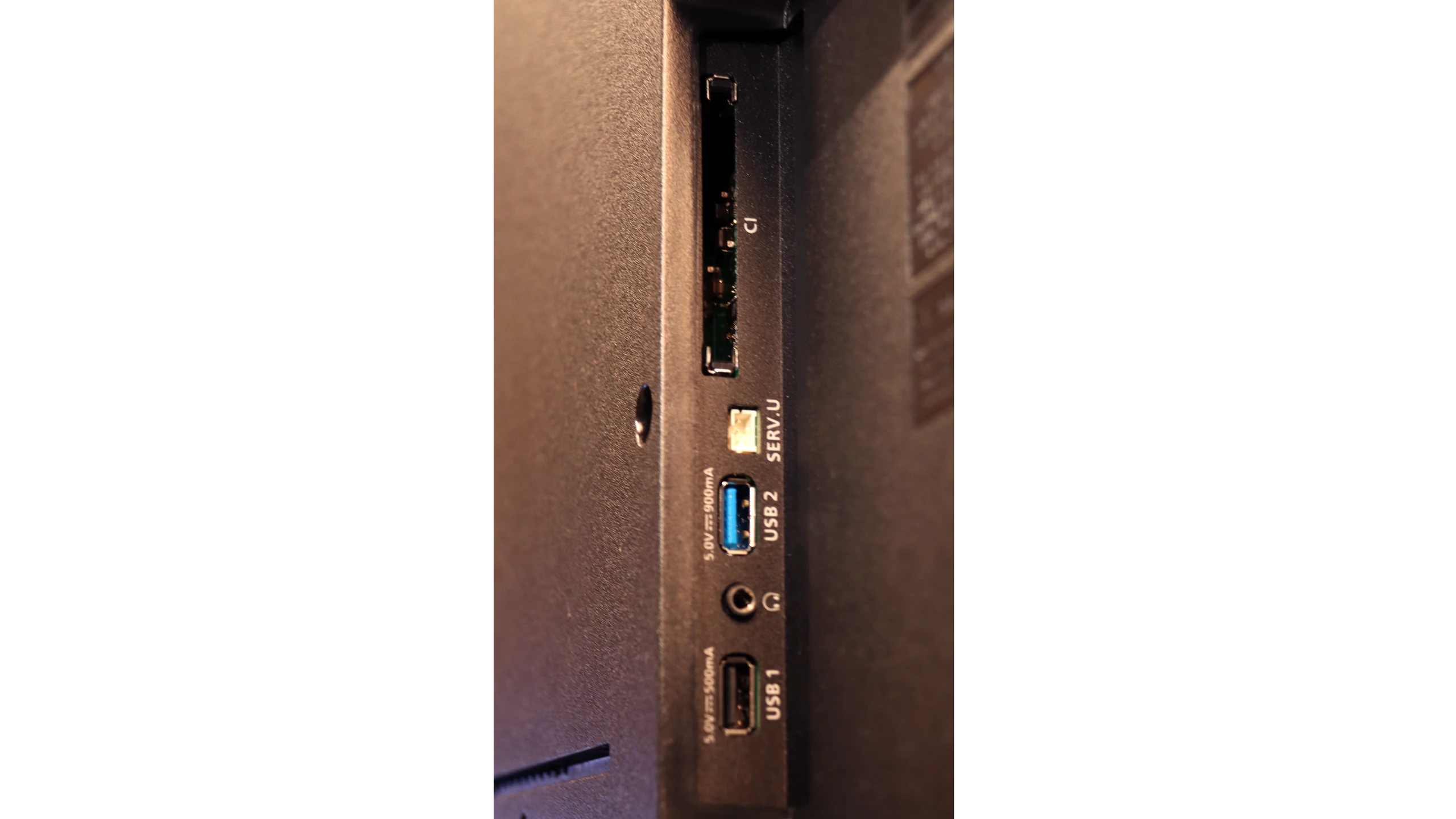
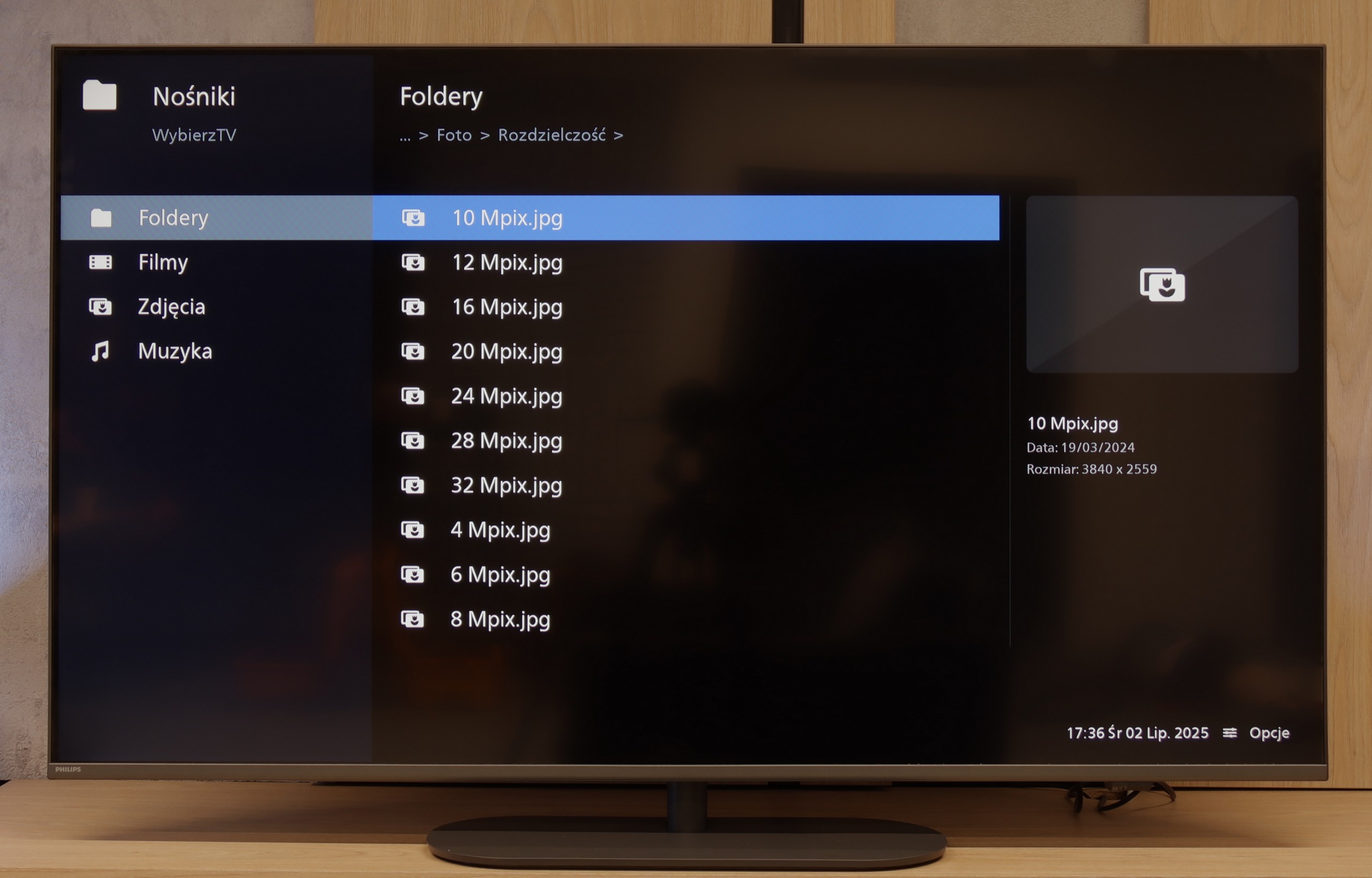
Philips PUS9000 is proof that the manufacturer not only keeps a finger on the pulse but also listens carefully to its users. In the latest version of this popular series, a clear progress is visible – especially compared to the previous generation that we had the opportunity to test. The use of a VA panel has resulted in a noticeable improvement in black levels, which finally present at an acceptable level. A brightness of up to 500 nits does not disappoint even in sunlit rooms, and support for a wide range of HDR formats – including Dolby Vision and HDR10+ – complements the image of a well-prepared device. Additionally, the support for spatial audio technologies like Dolby Atmos and DTS only enhances the positive impression, especially since the presence of all the aforementioned formats is not a given even in the most expensive models of 2025. But what truly distinguishes this model from its competitors is the Ambilight system. The multi-colored backlighting not only creates a visual impression – in a darkened room, it can enhance perceived contrast and completely change the way a movie or series is experienced. The gaming mode also deserves recognition. 144 Hz, low input lag, variable refresh rate, G-Sync compatibility, and the Game Bar feature – everything one might expect from equipment designed with consoles and PCs in mind. Unfortunately, not everything works perfectly. The Titan OS system, although it operates fairly smoothly, still suffers from shortcomings – many popular apps are missing, minor bugs appear, and the overall experience can be cumbersome in daily use. Plus, the remote, despite its modern look, still uses infrared and requires aiming at the TV. What a pity.
So, for whom is the PUS9060? For those who want to immerse themselves in a movie with impressive Ambilight in the evenings, game on consoles, and stream content from external devices. In such a scenario, “The One” could indeed turn out to be "the one" – especially since its price is not off-putting on launch day.
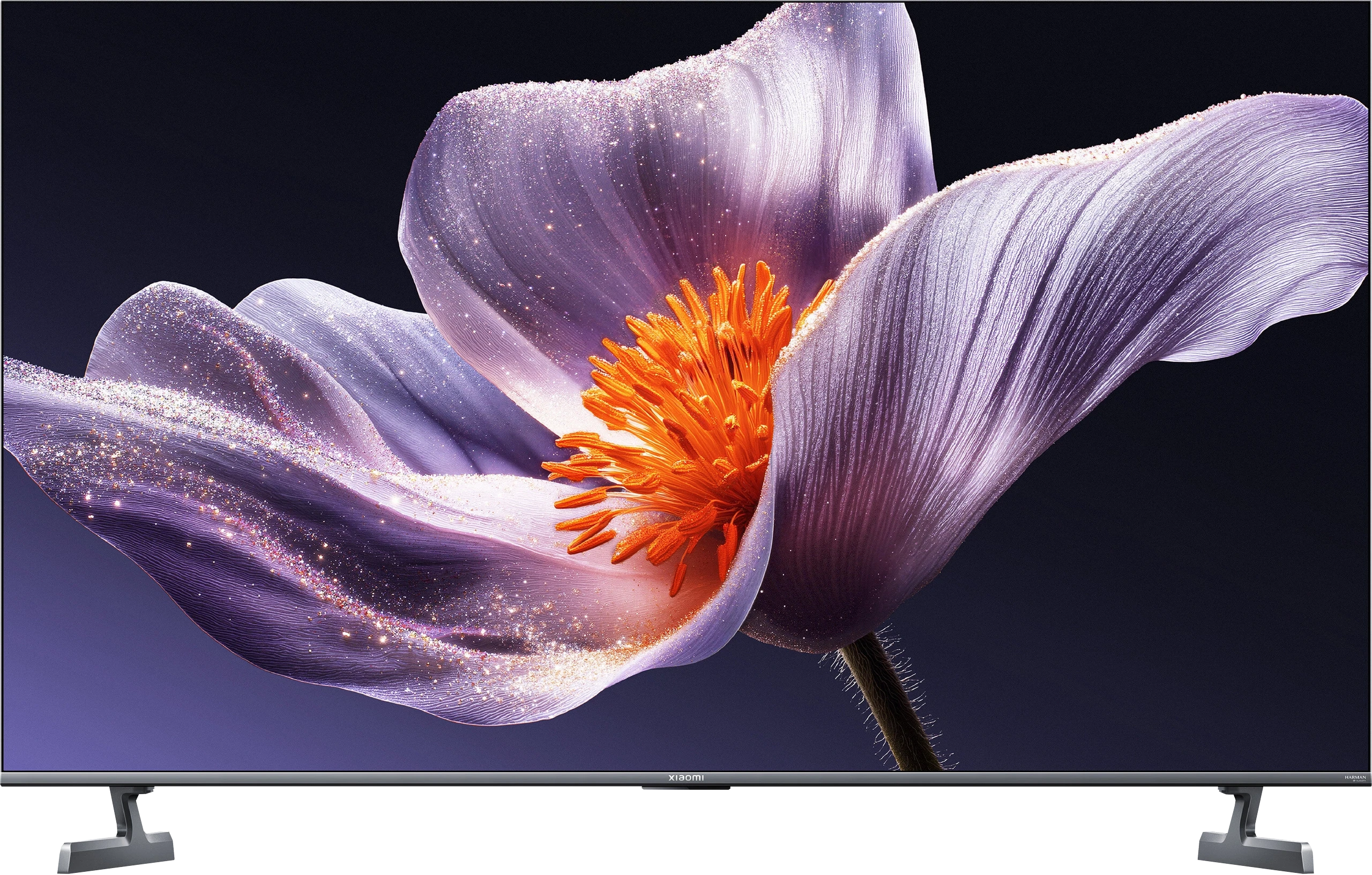
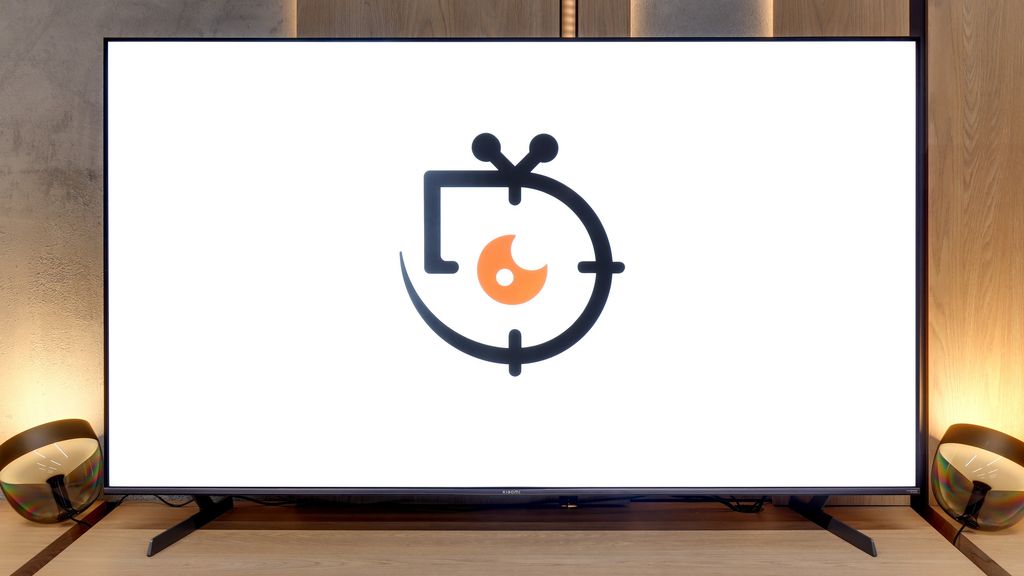
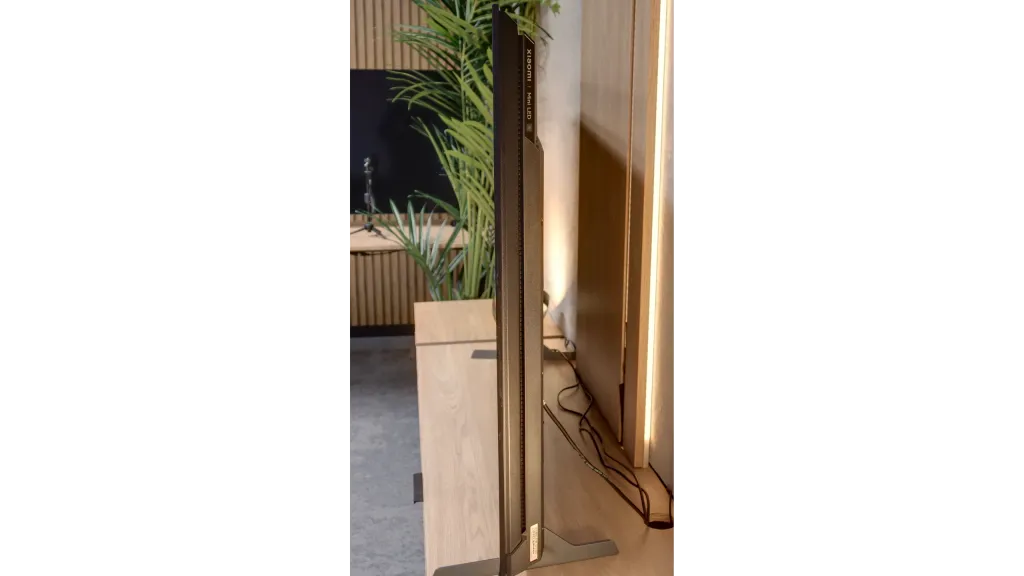
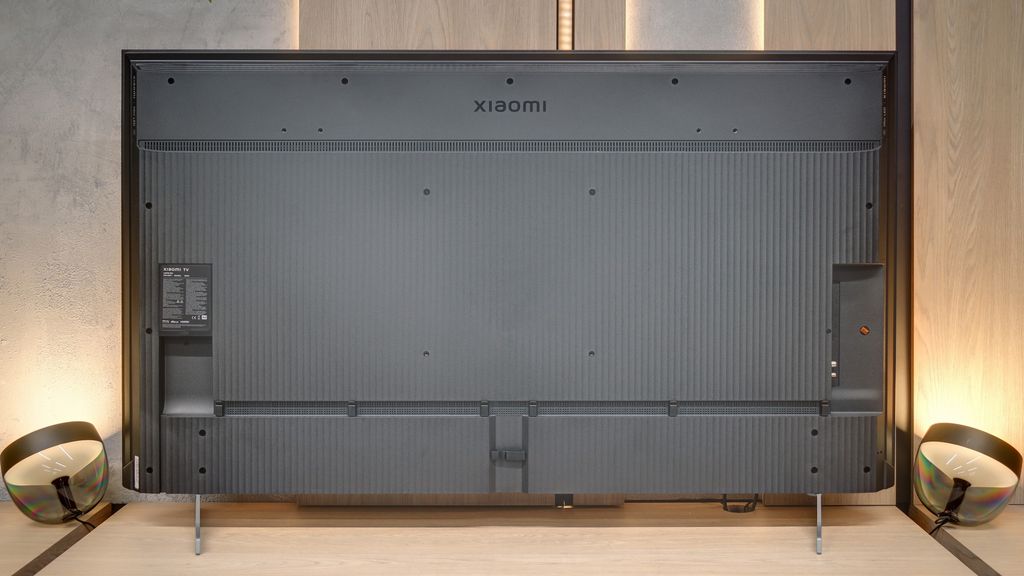
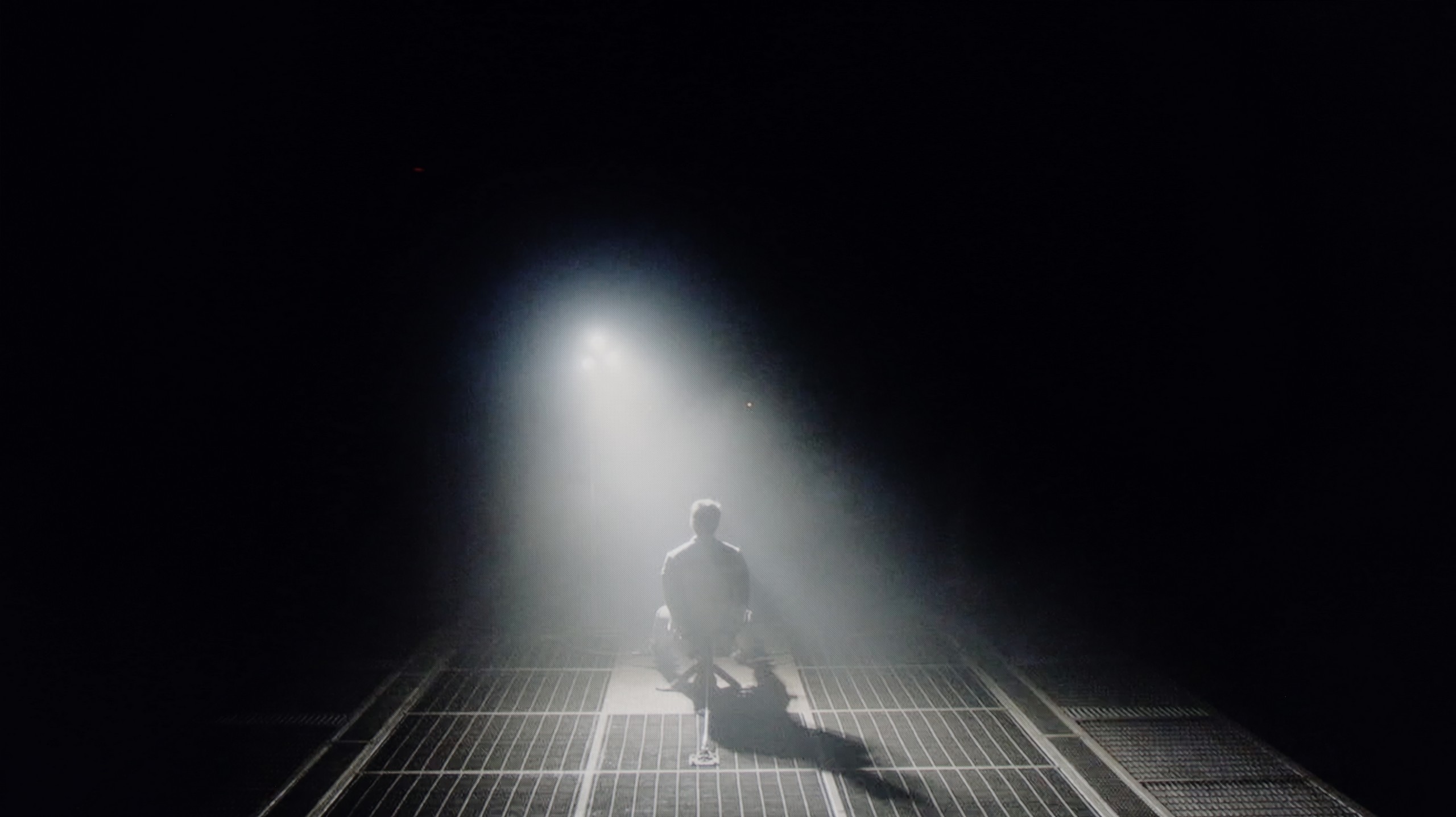
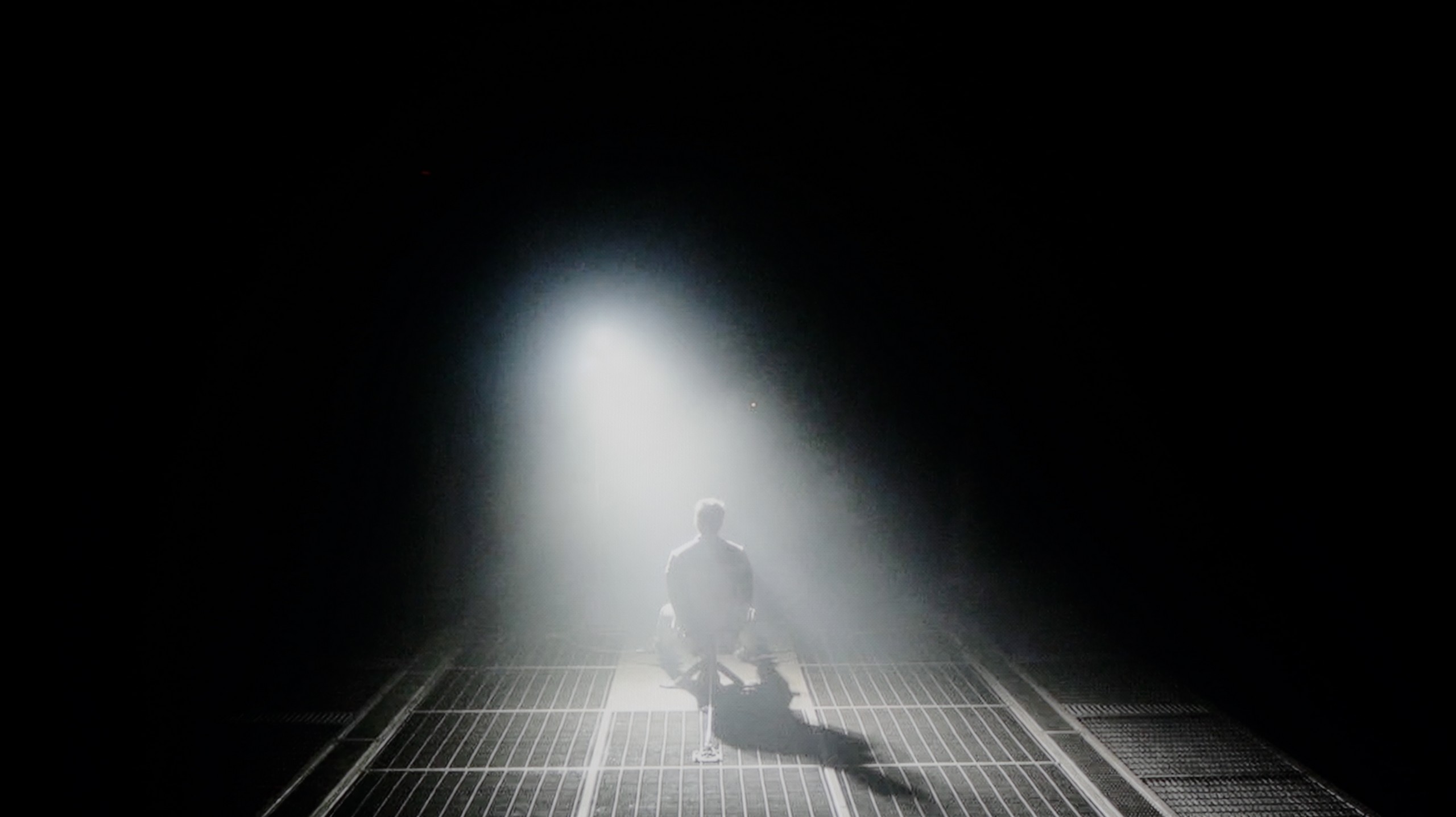
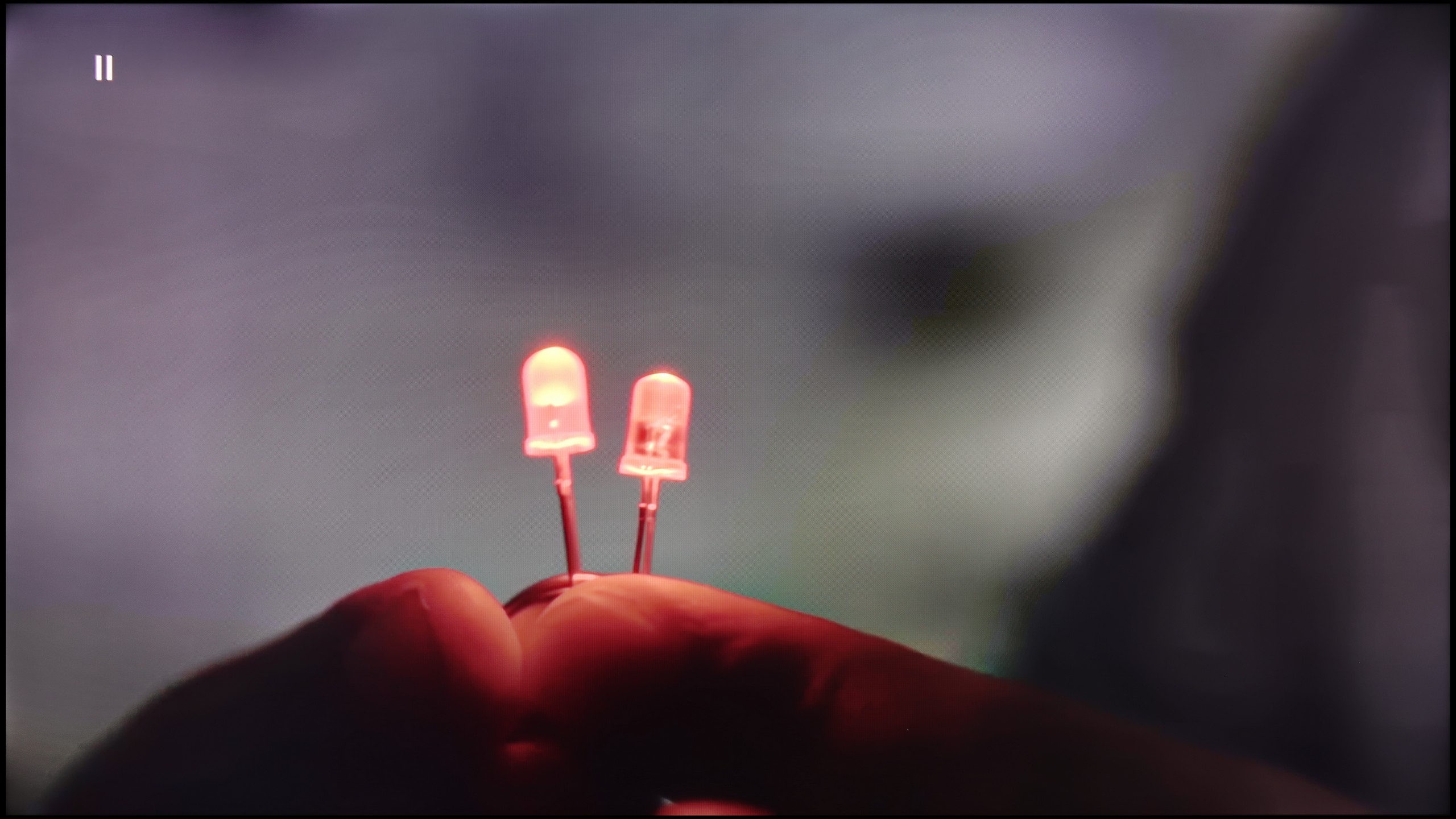
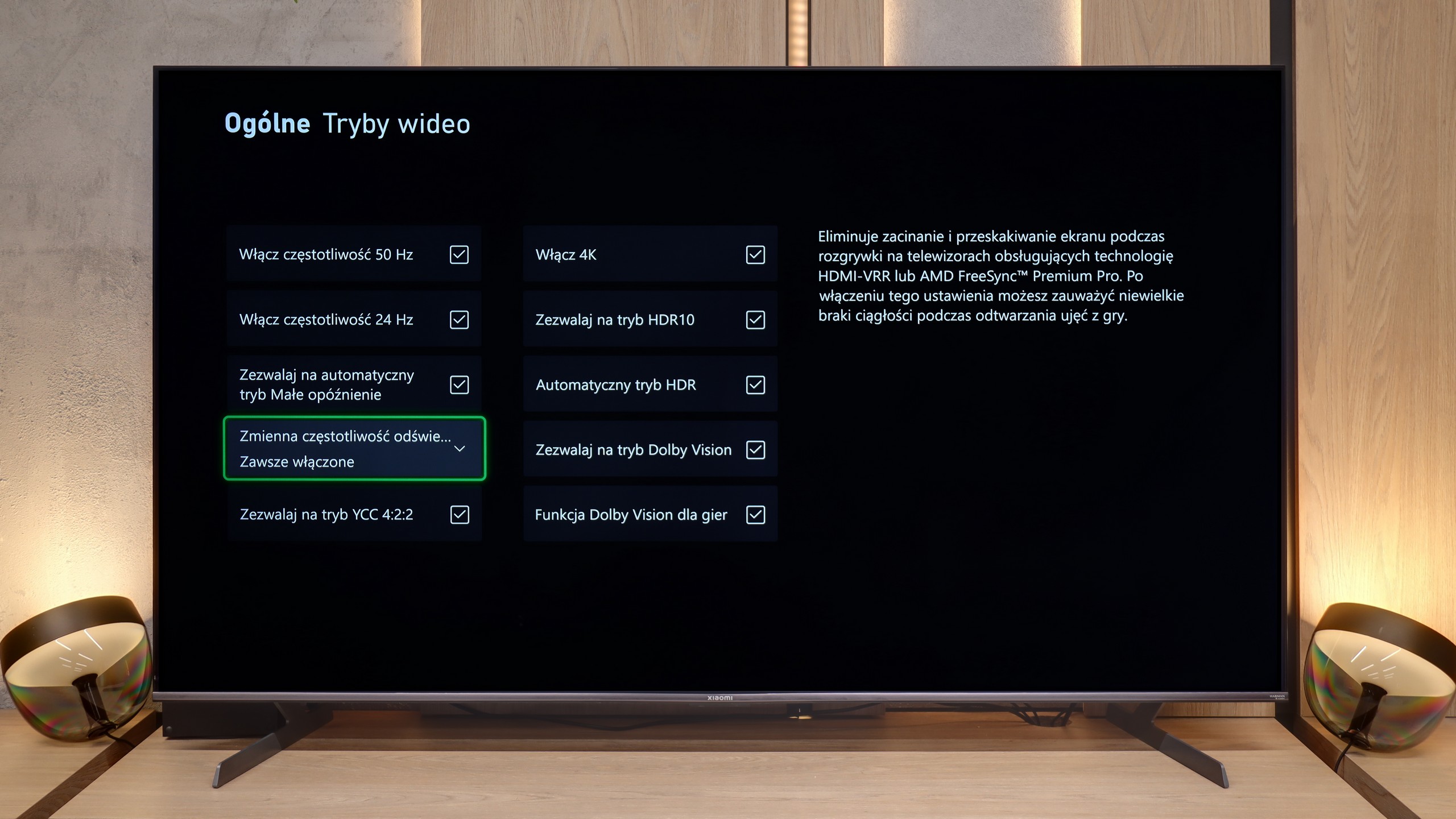
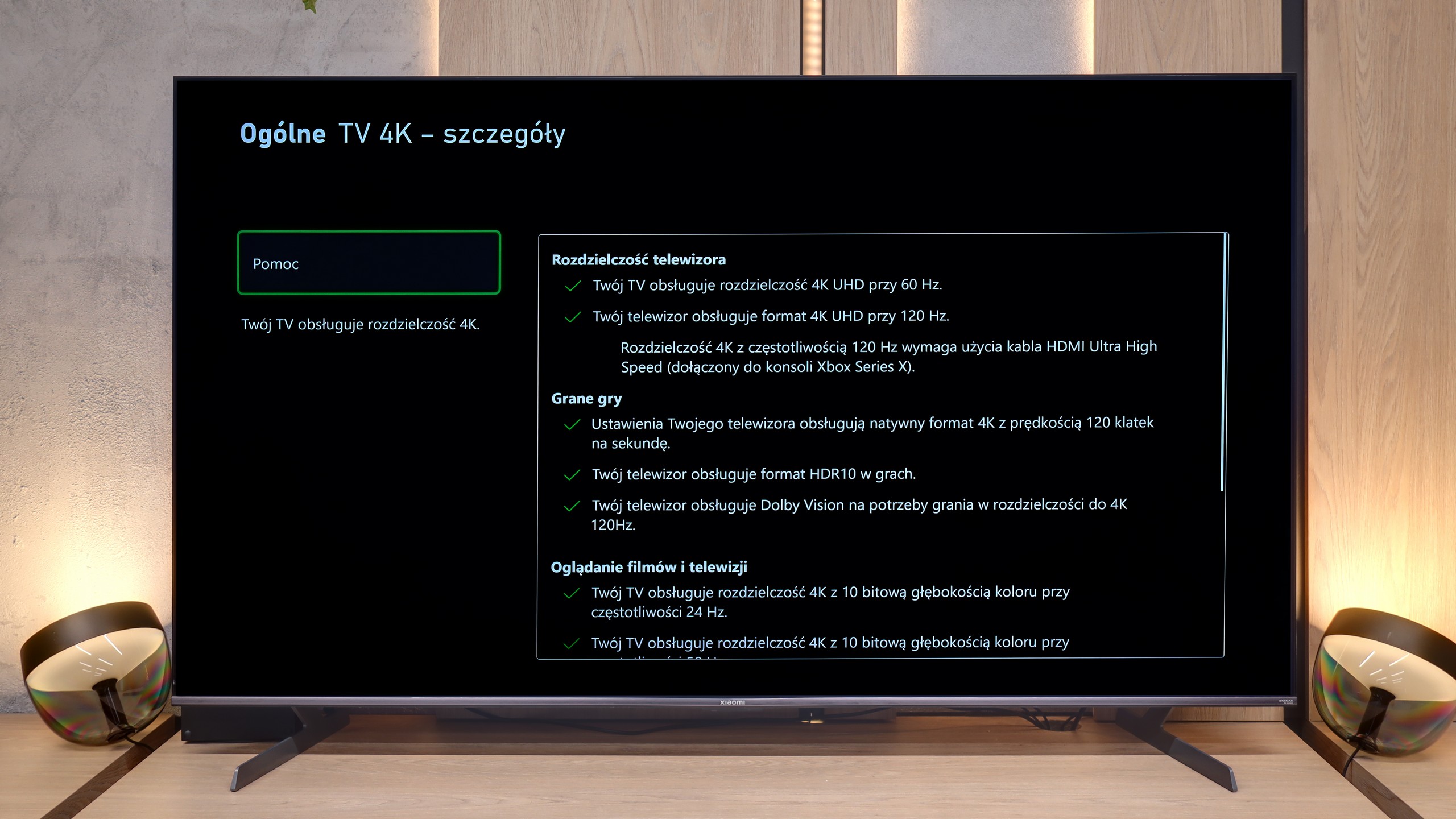
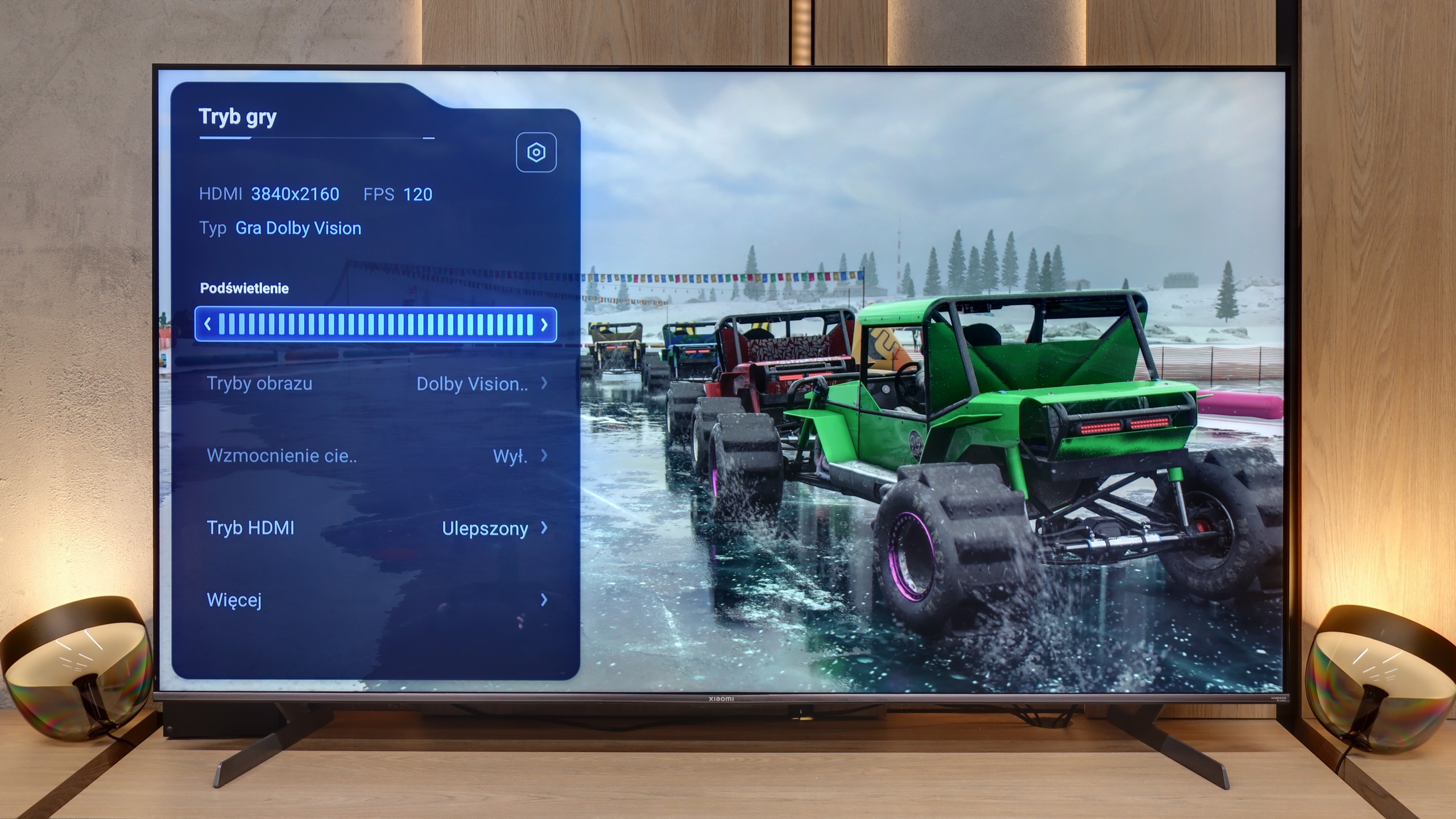
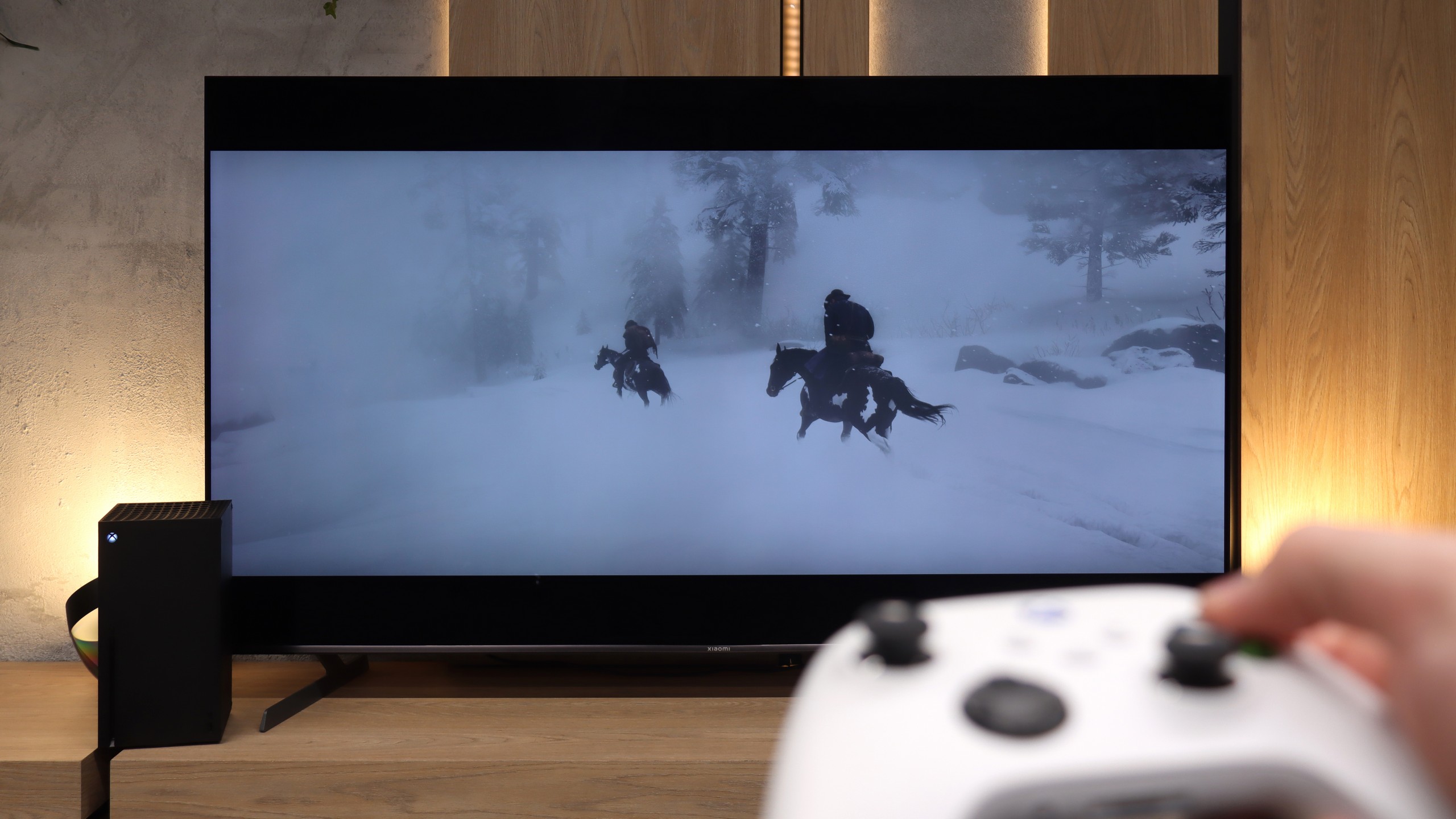
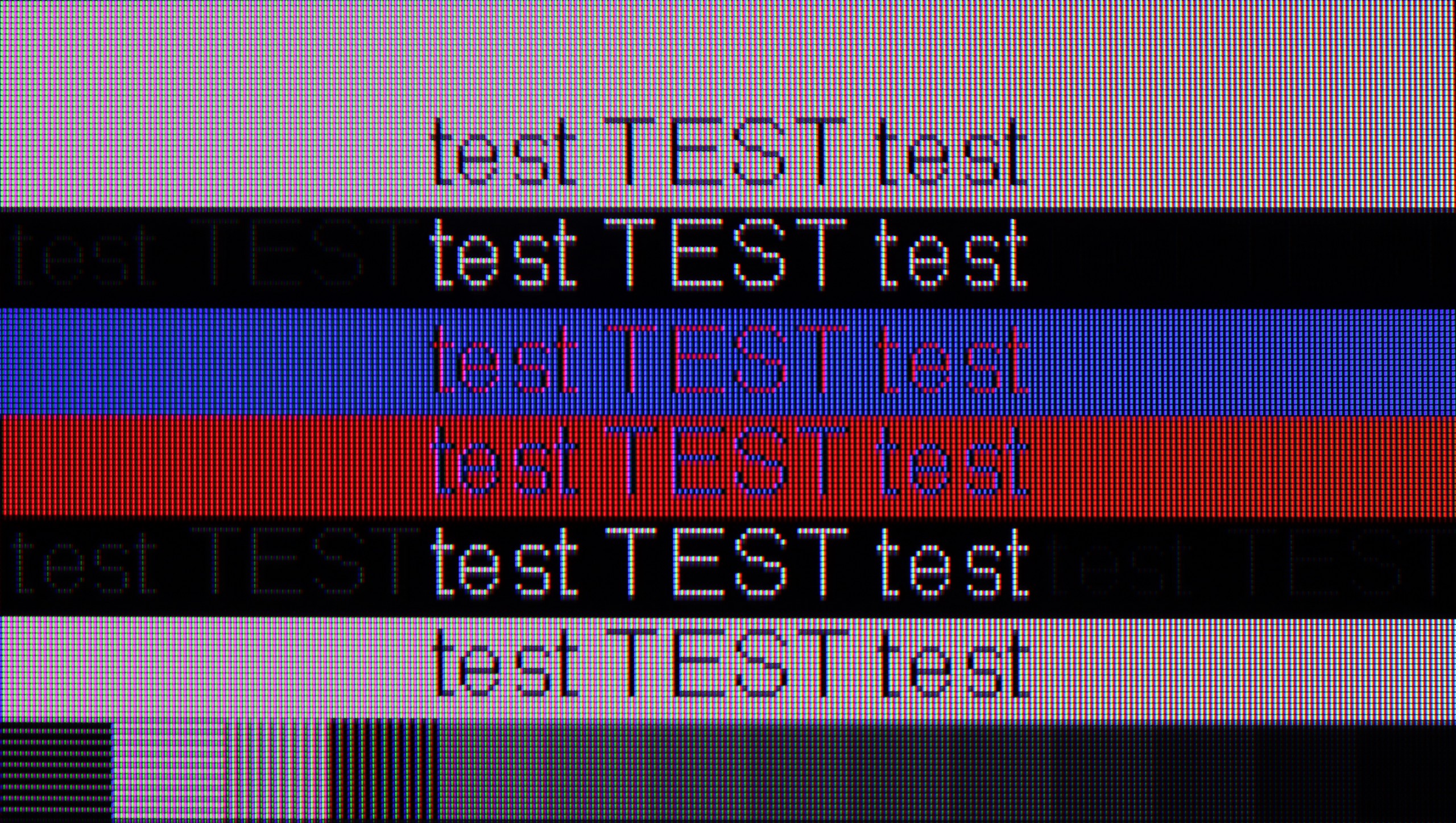
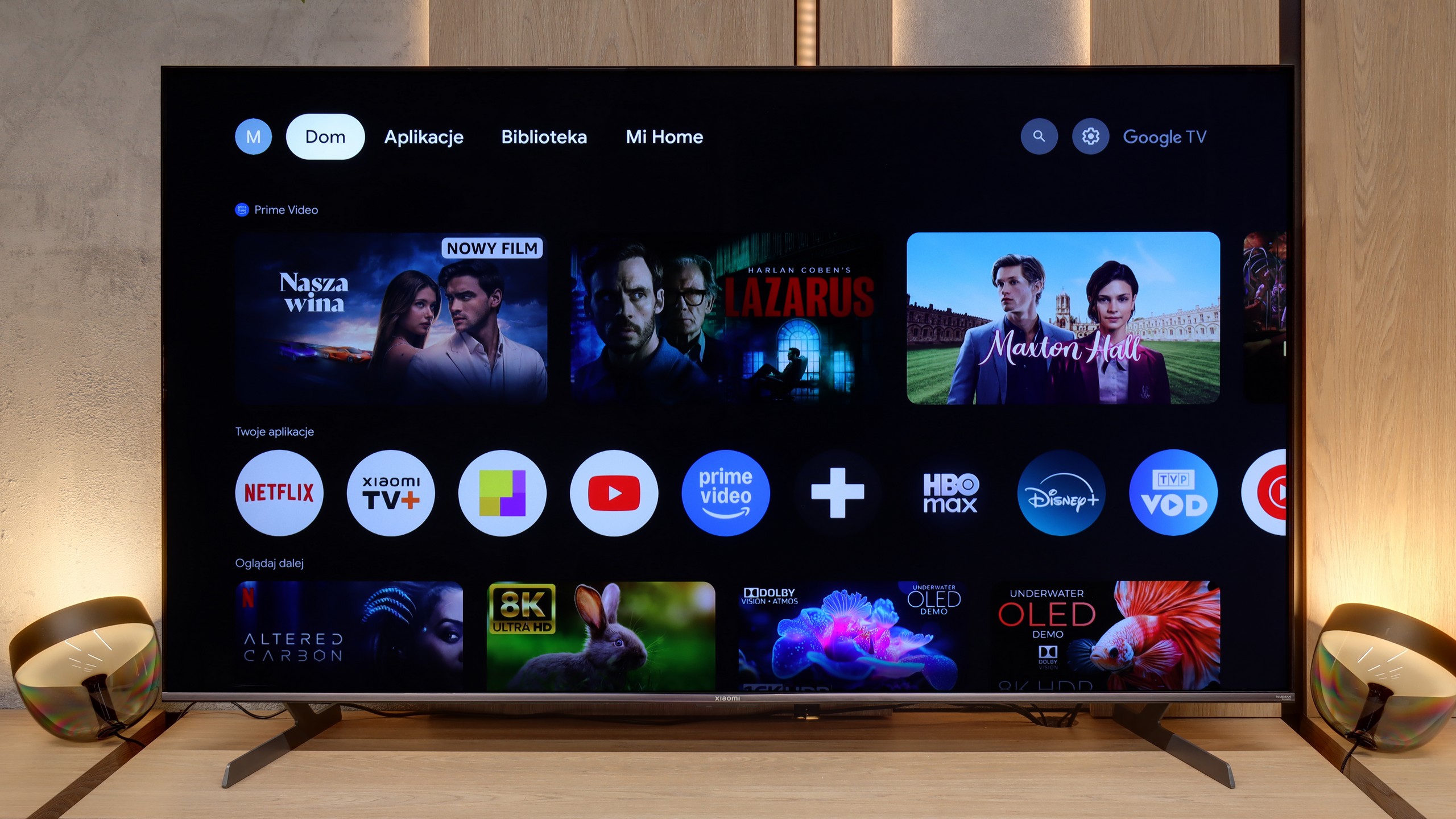
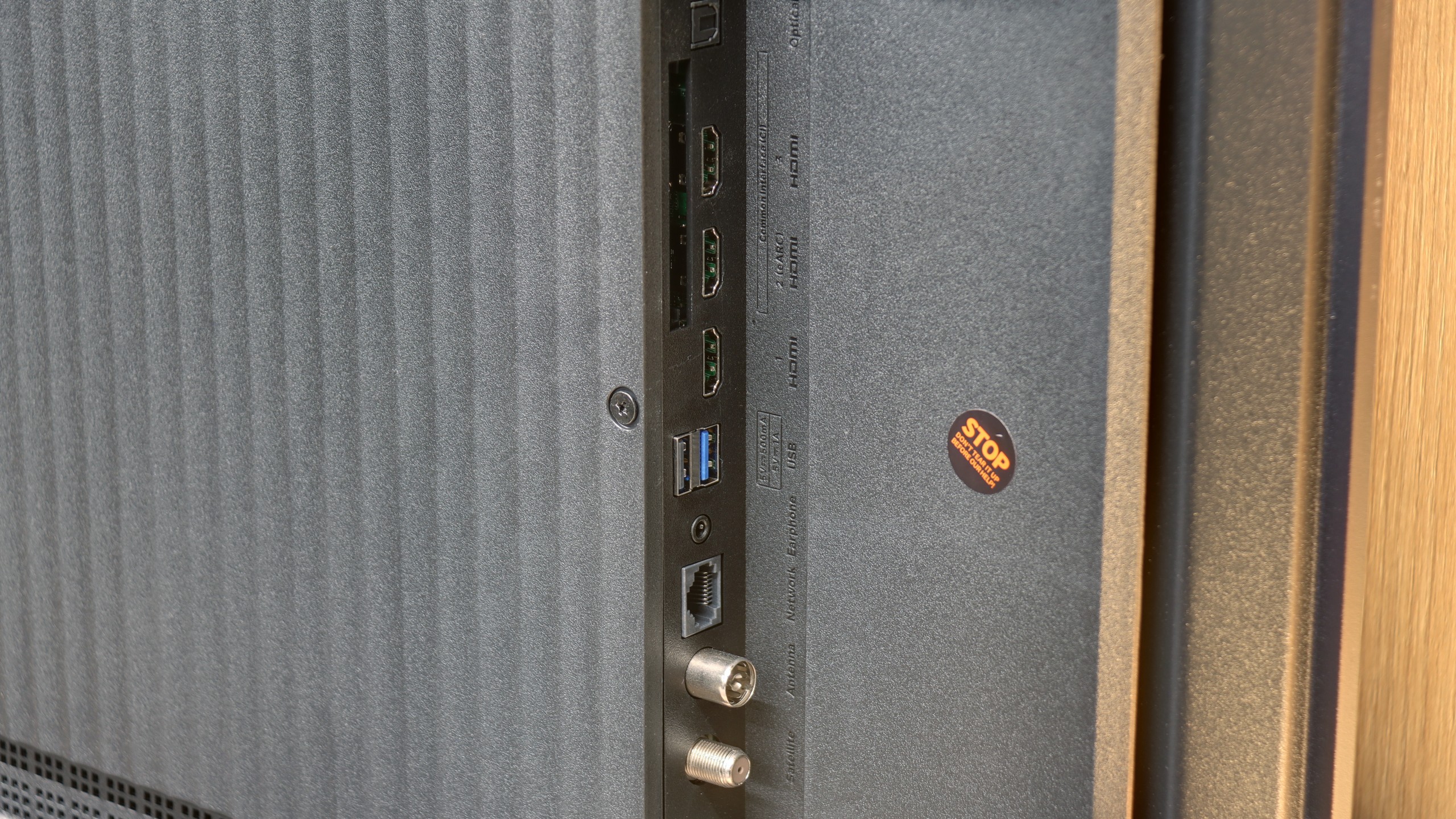
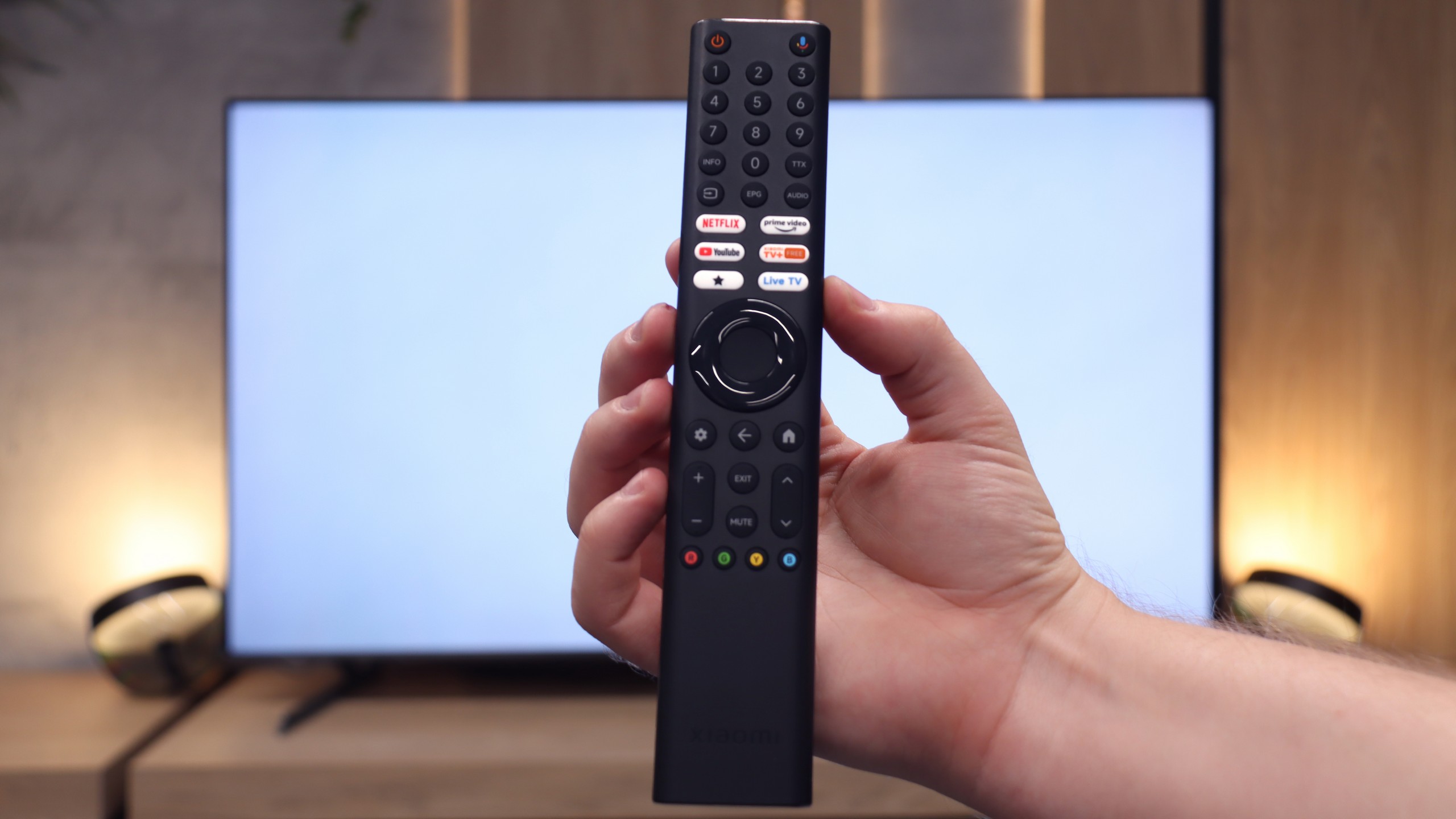
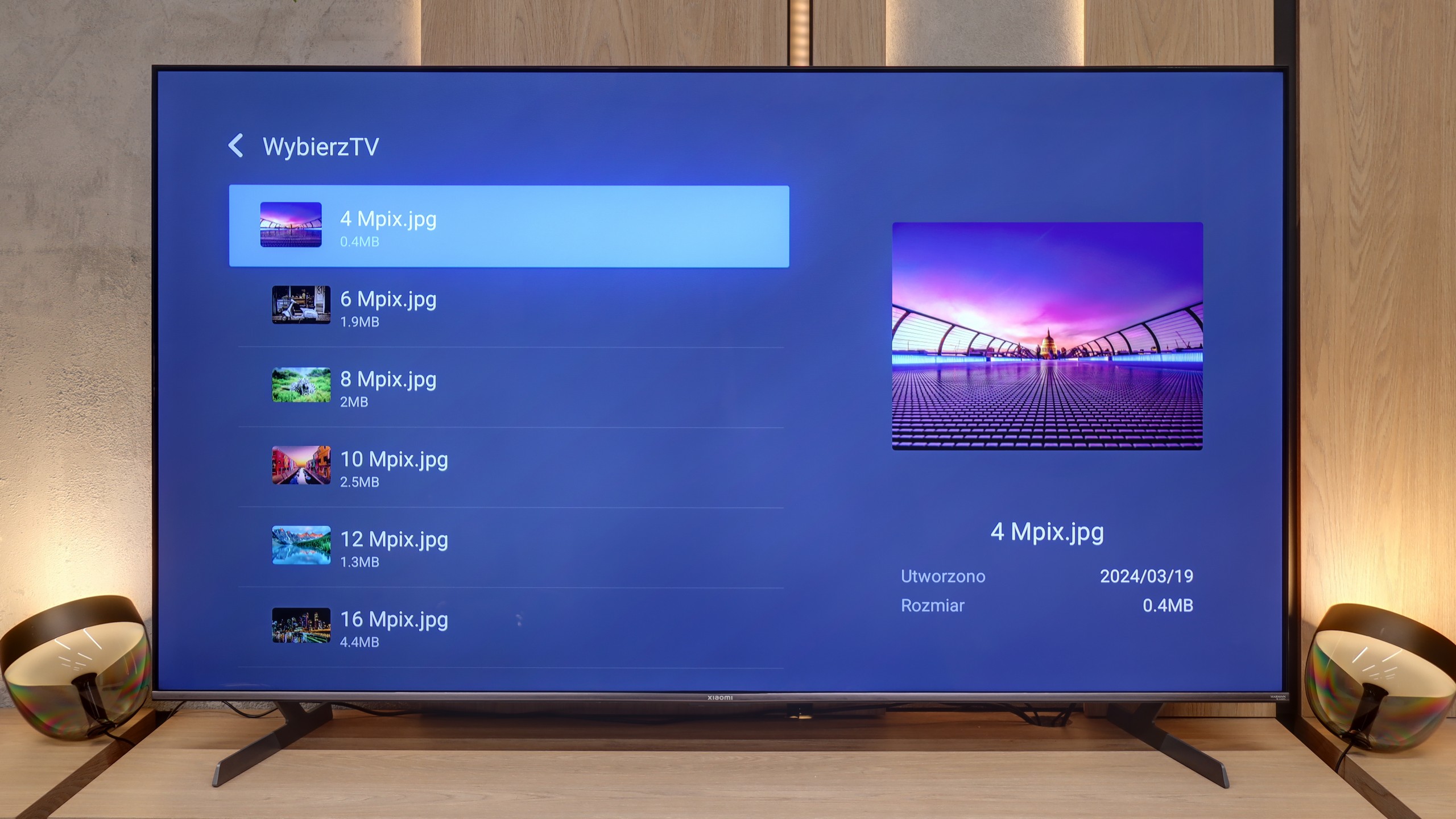
Is it worth buying the Xiaomi S Pro 2026? The answer to this question is quite complicated. Let's start with what's really great about this TV. First of all, the Xiaomi S Pro 2026 has an excellent price-to-performance ratio. We get a Mini LED panel with very high brightness, which handles well in a sunlit living room. Additionally, it has a fast 144 Hz (or even 288 Hz) display and a complete package for gamers: two HDMI 2.1 ports, support for VRR, and an impressively low input lag (under 10 ms). If we mainly watch "regular" content and play games, this is truly a fantastic screen. Even the built-in 30W speakers are surprisingly good and support Dolby Atmos. Unfortunately, there’s also a second, very problematic side to this model. In short: the software. We have the impression that Xiaomi has given us great "parts," but couldn't get them to work together correctly. The biggest problem is the HDR mode – the main reason one buys a TV today. For unknown reasons, the TV in HDR mode (HDR10, Dolby Vision) does not manage its dimming zones well. As a result, the black, which should be deep, becomes gray or bluish like in a regular LCD TV. There are also other software issues, such as the terrible implementation of HGiG or the fact that the Dolby Vision mode for gamers is useless due to enormous input lag (100 ms). Furthermore, the TV's capability for digital image processing is very poor. So how do we summarize this in terms of price? In its price class, the Xiaomi S Pro 2026 crushes the competition in terms of specifications. Other TVs for this money are usually simple LCD models without dimming, often only with a 60 Hz panel. The question then is: what is more important to you? If you are simply looking for a very bright and cheap TV for watching television during the day and gaming, and you are willing to calibrate it – you will be very satisfied with it. However, if you are looking for a TV to enjoy spectacular HDR in movies and games straight out of the box, you will be terribly disappointed with this model. In this case, in our opinion, it is better to pay a little more for a basic OLED TV or a more refined Mini-LED model from the competition.
 Direct comparison