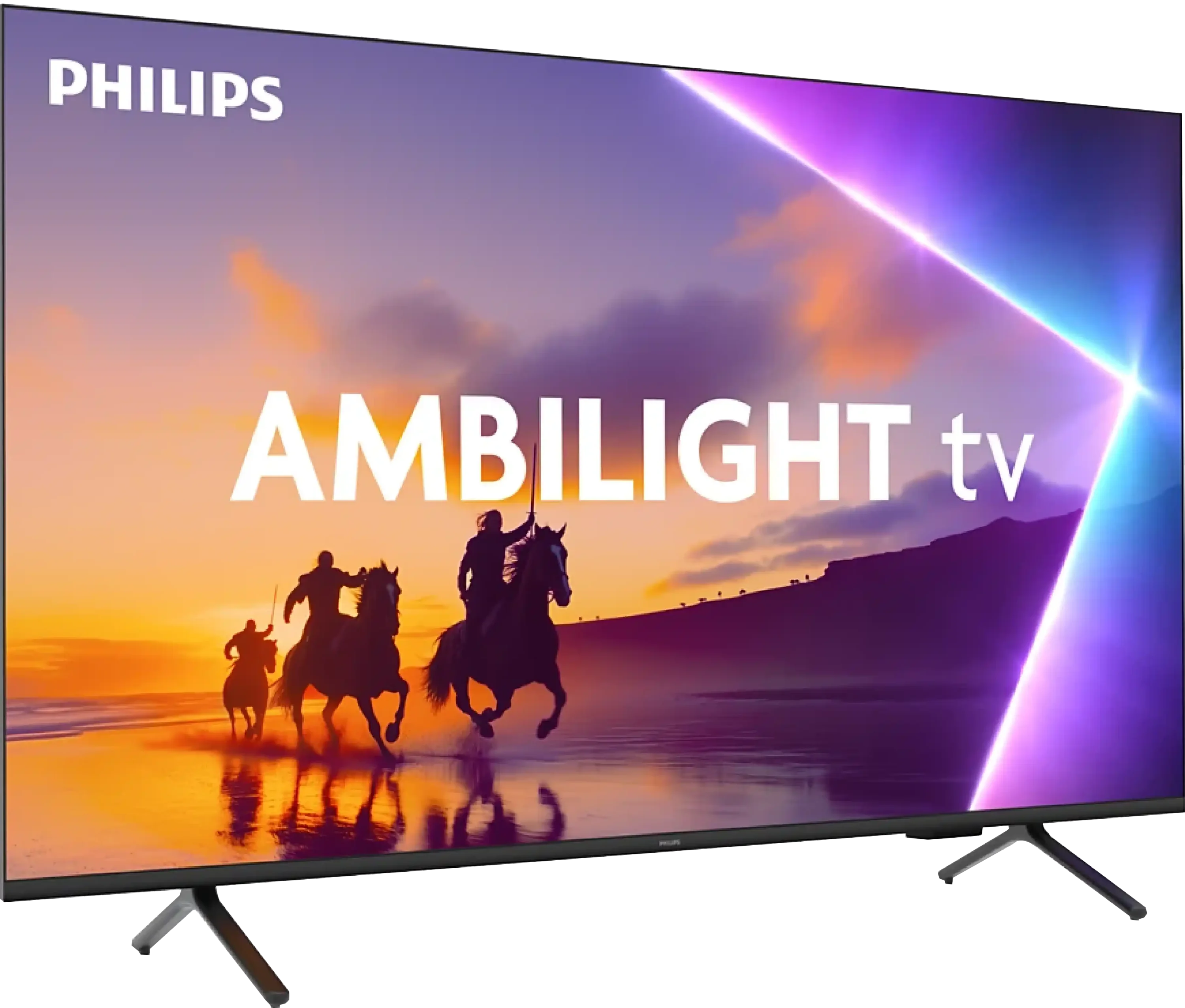
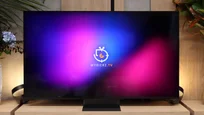
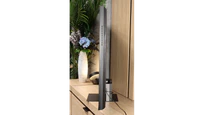
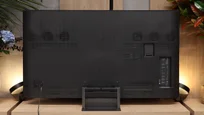
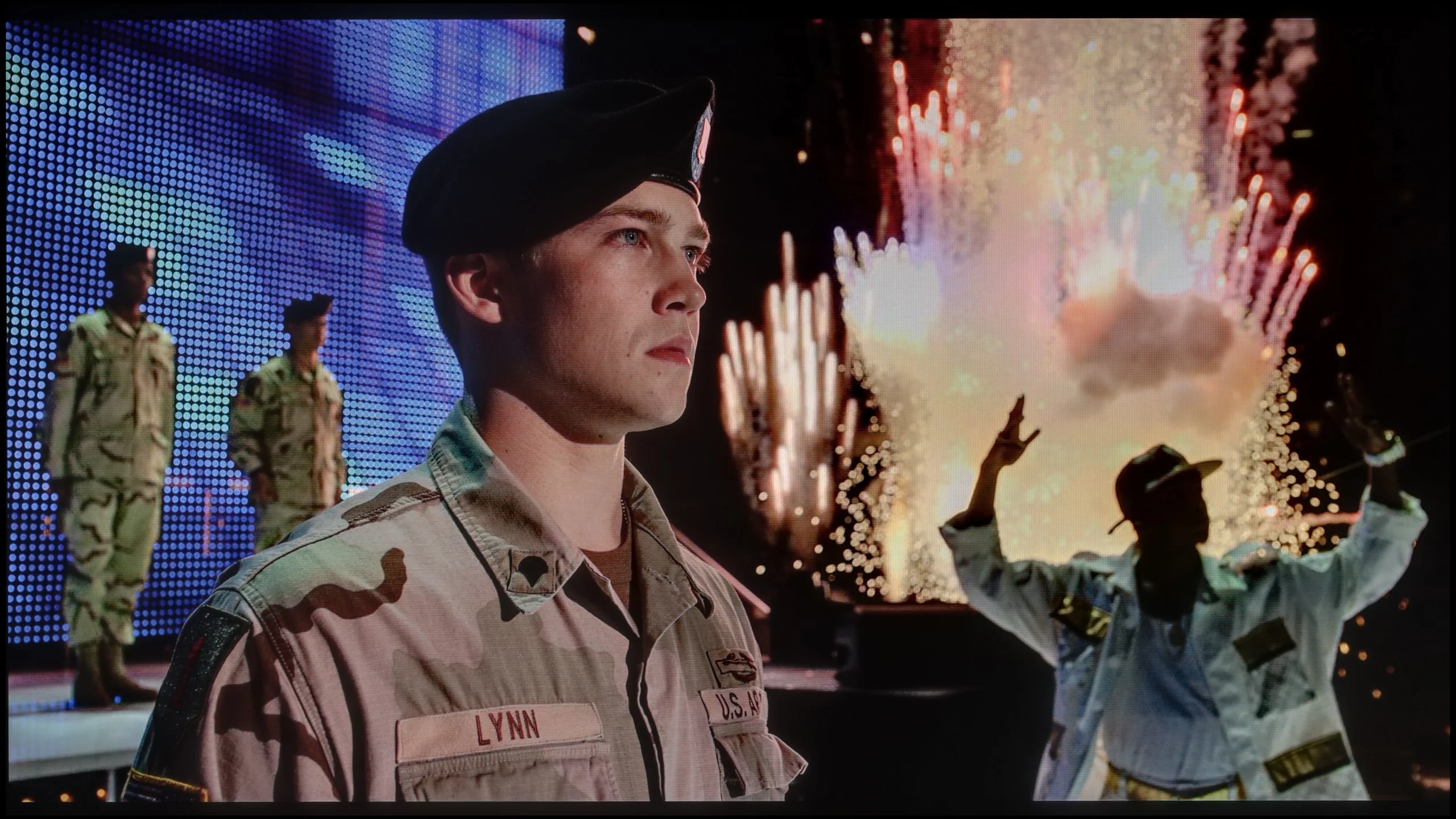
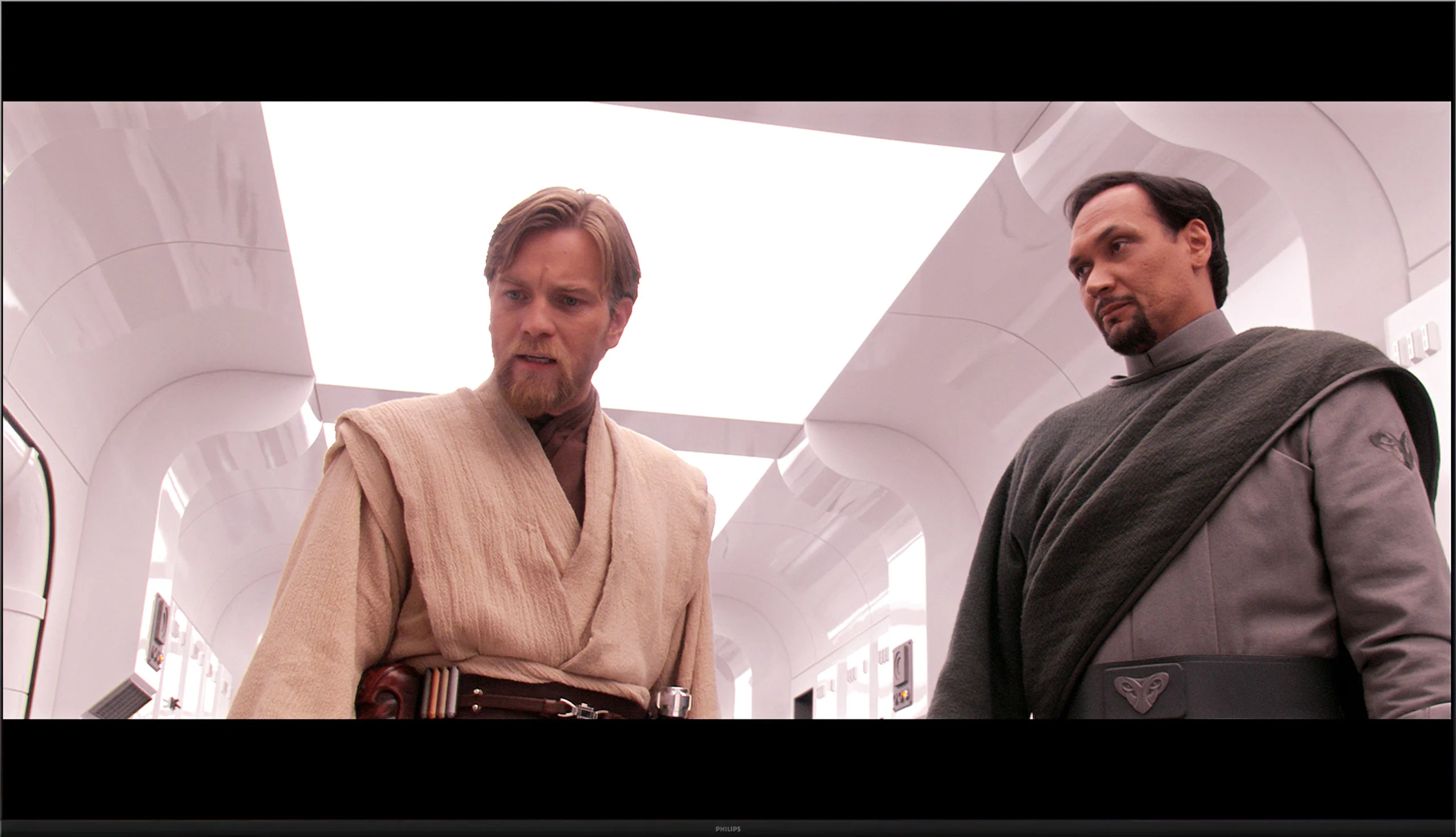
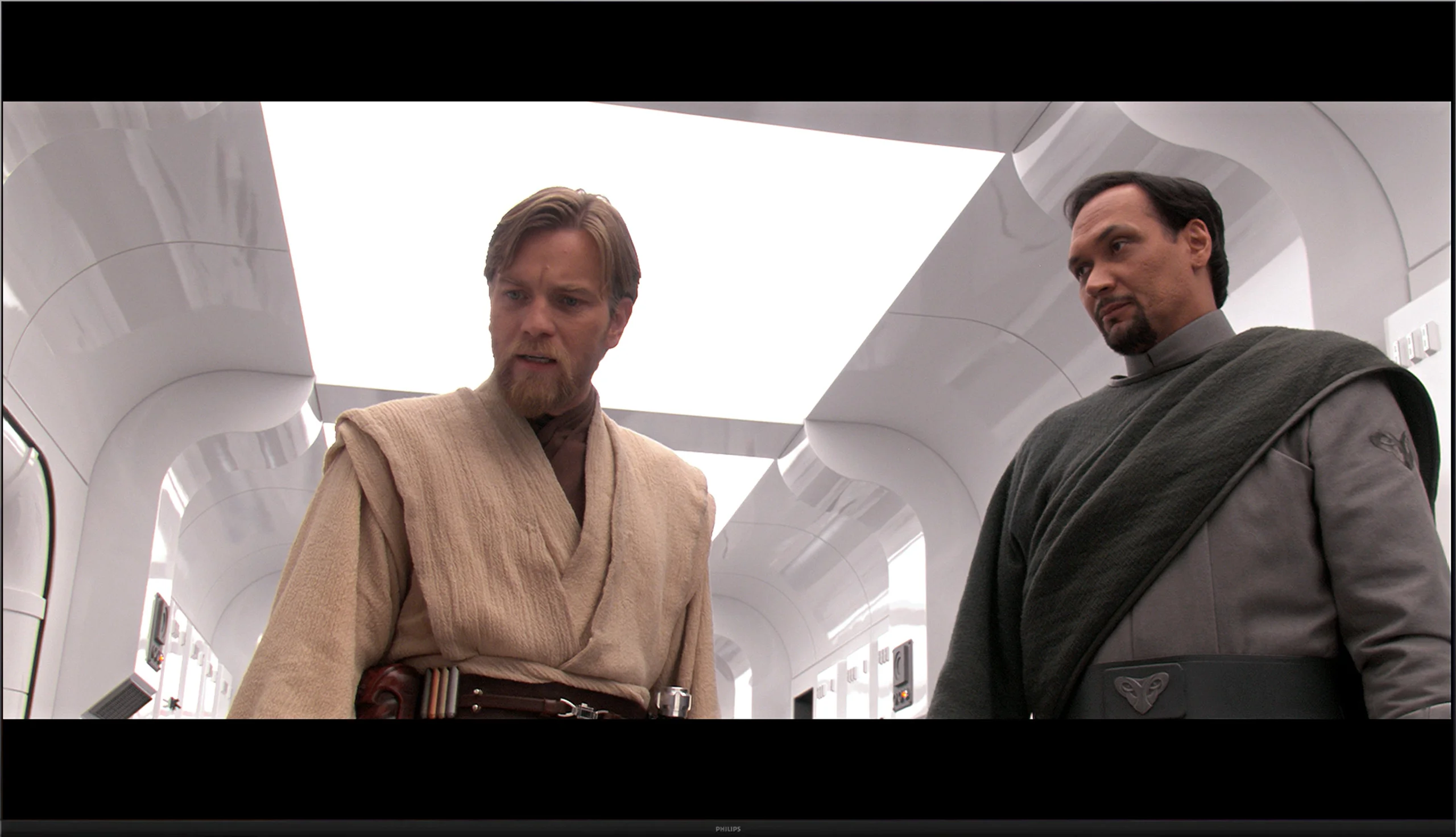
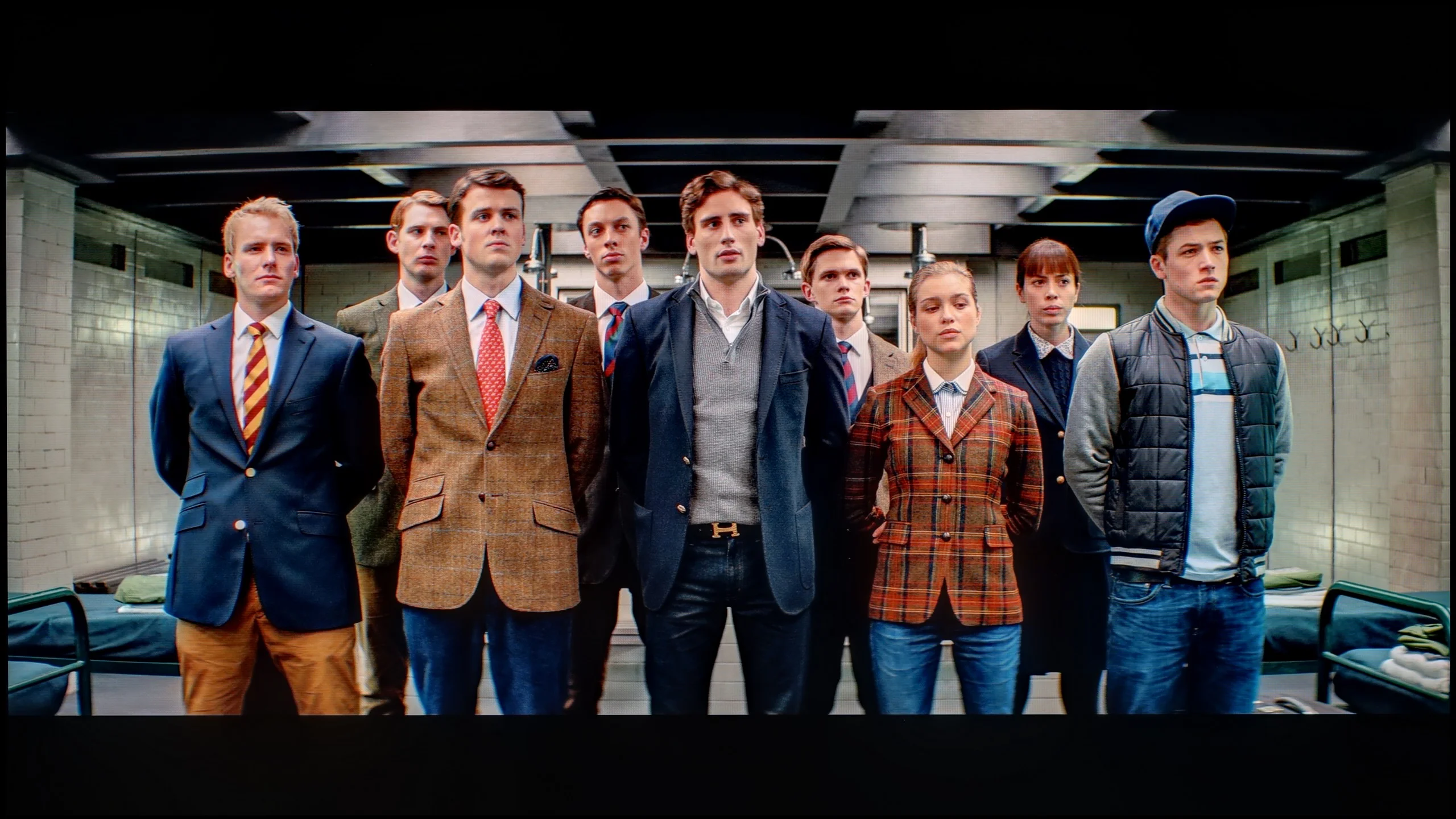
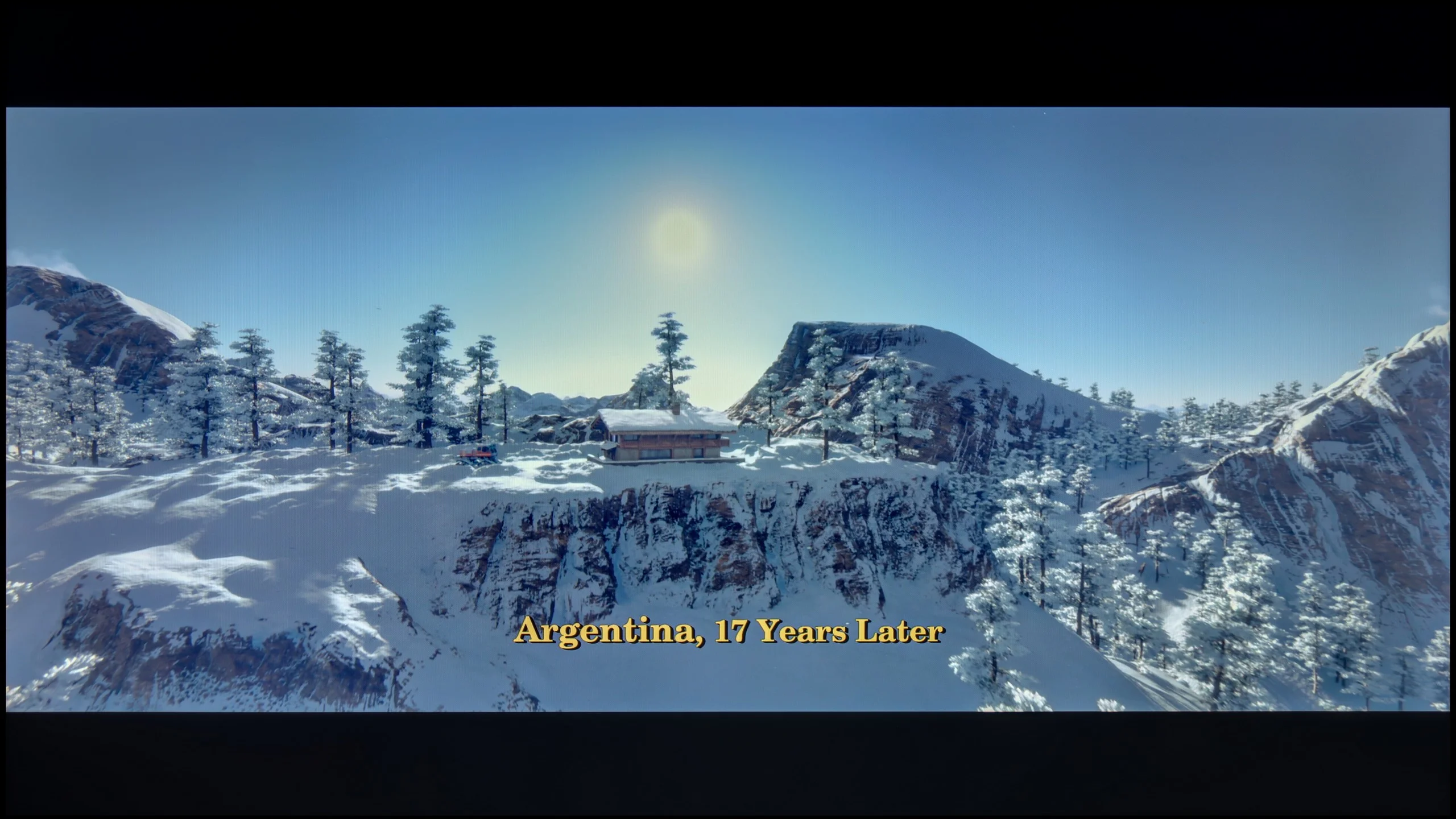
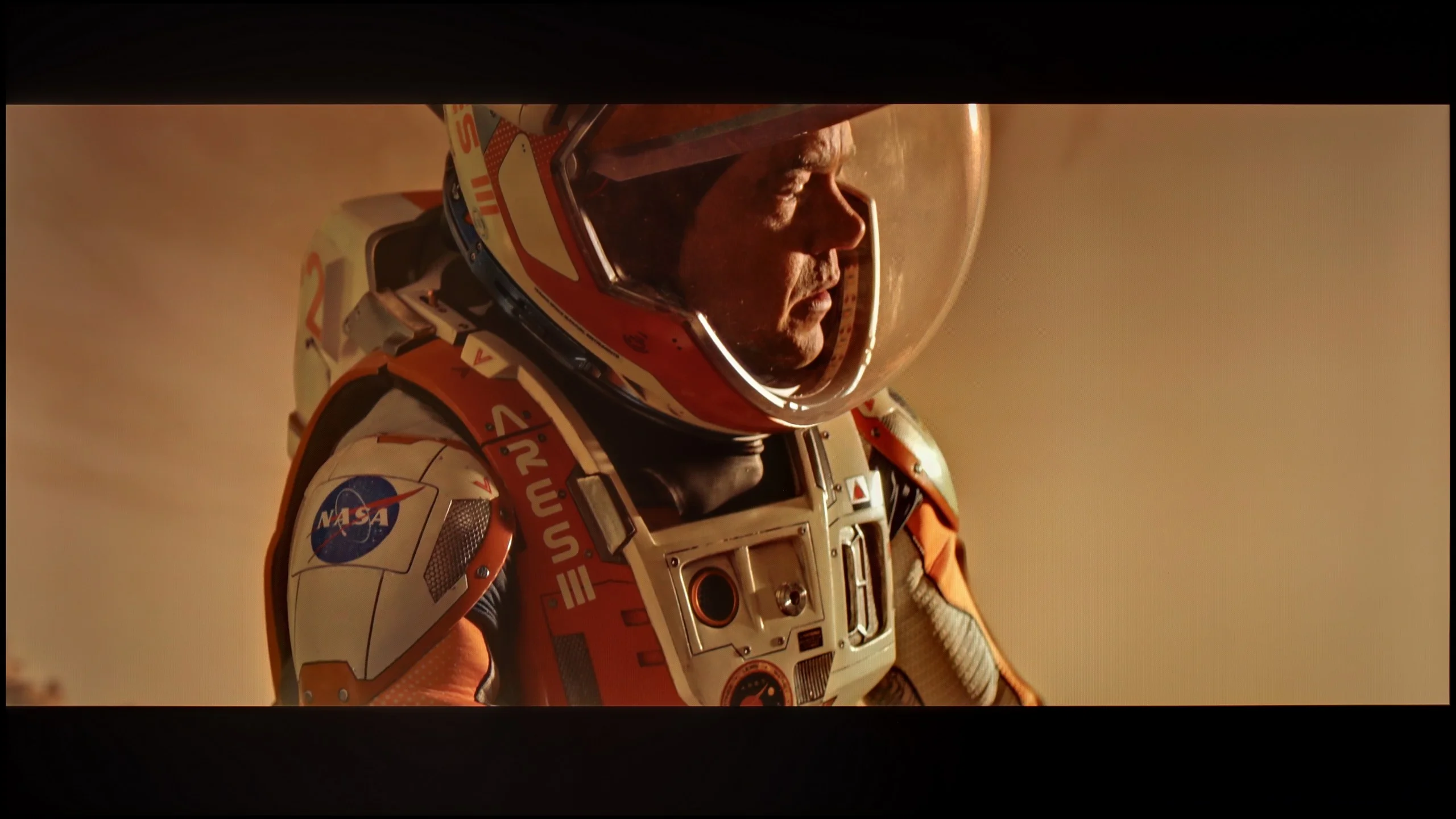
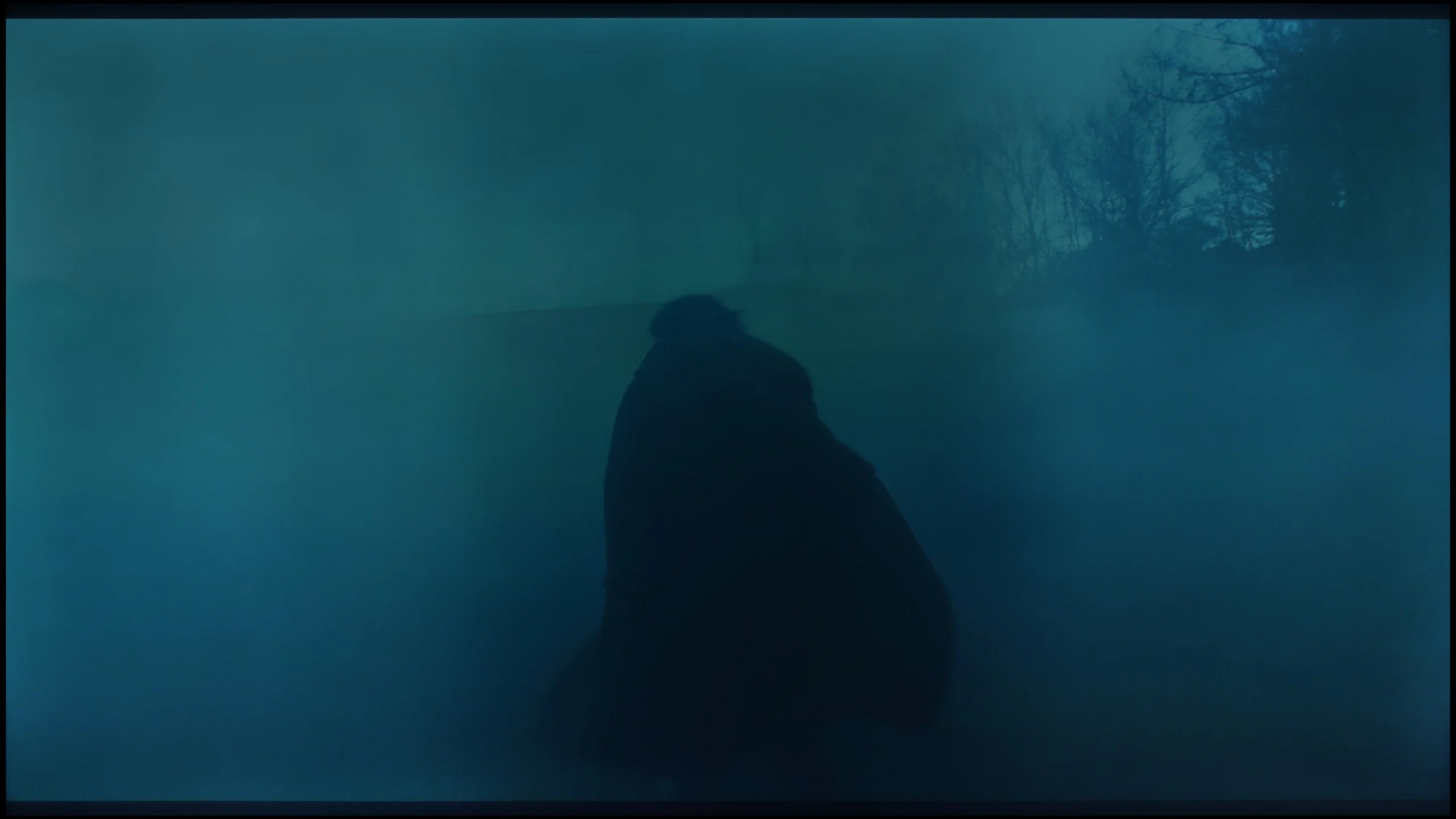
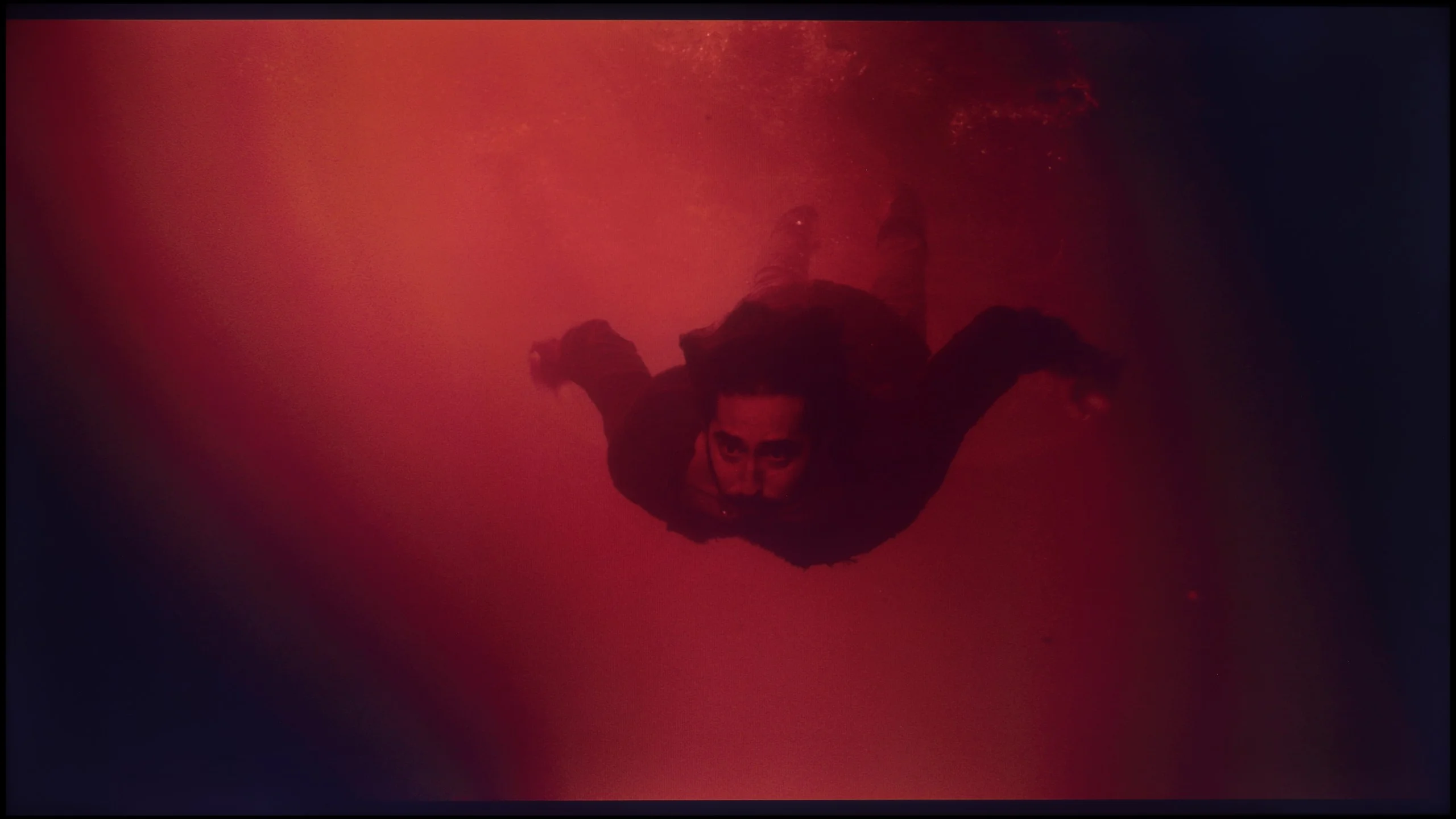
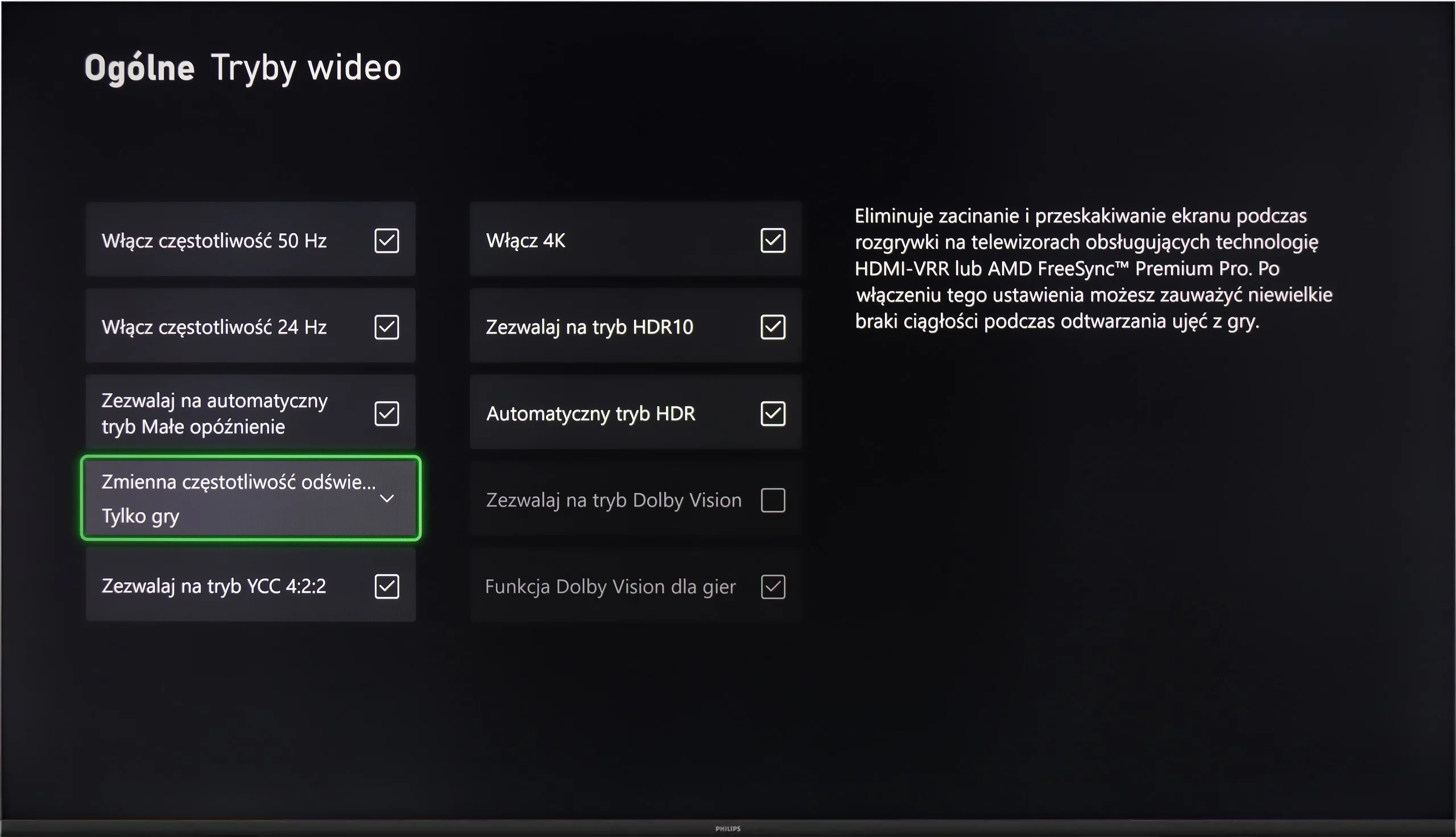
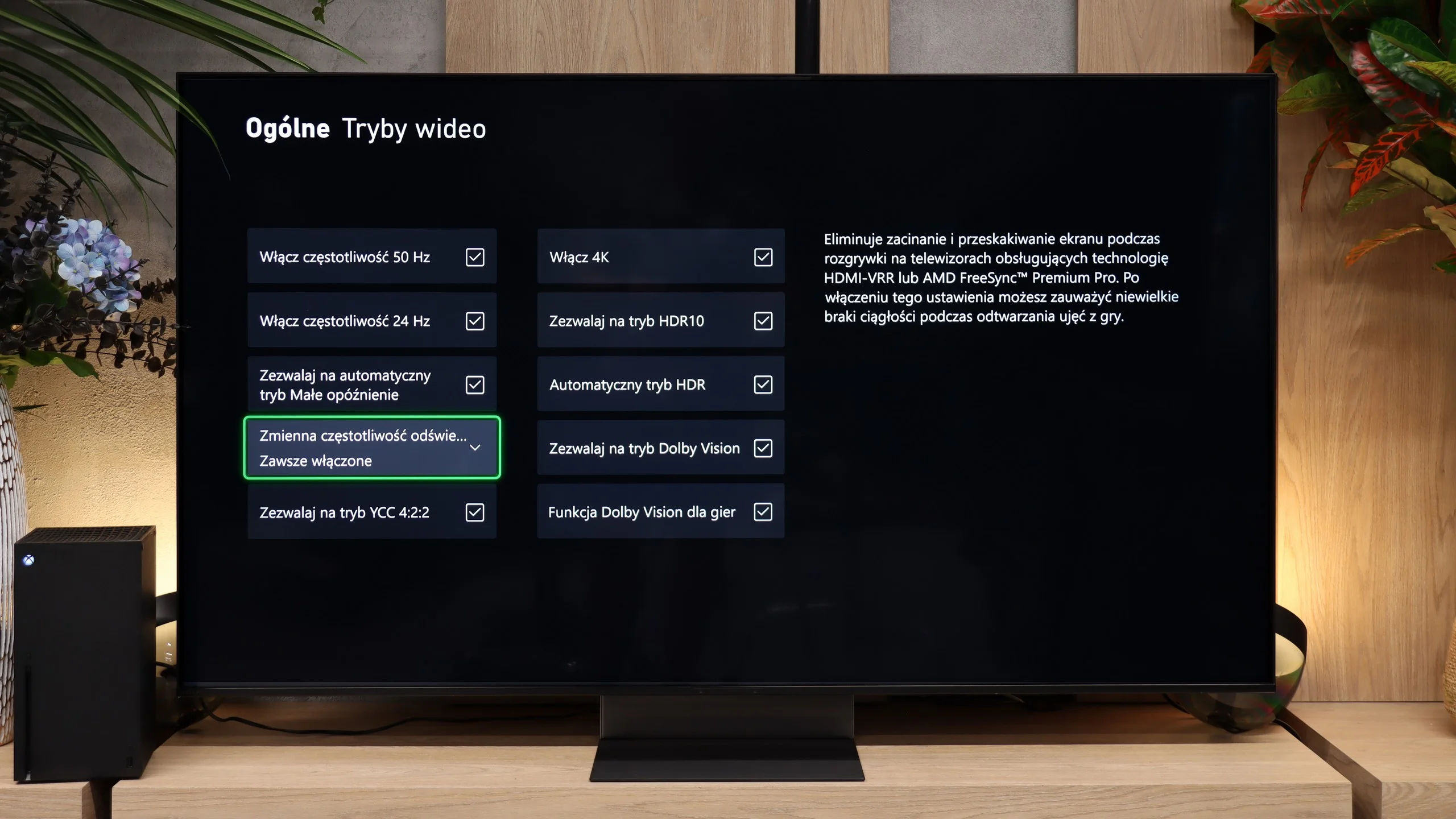
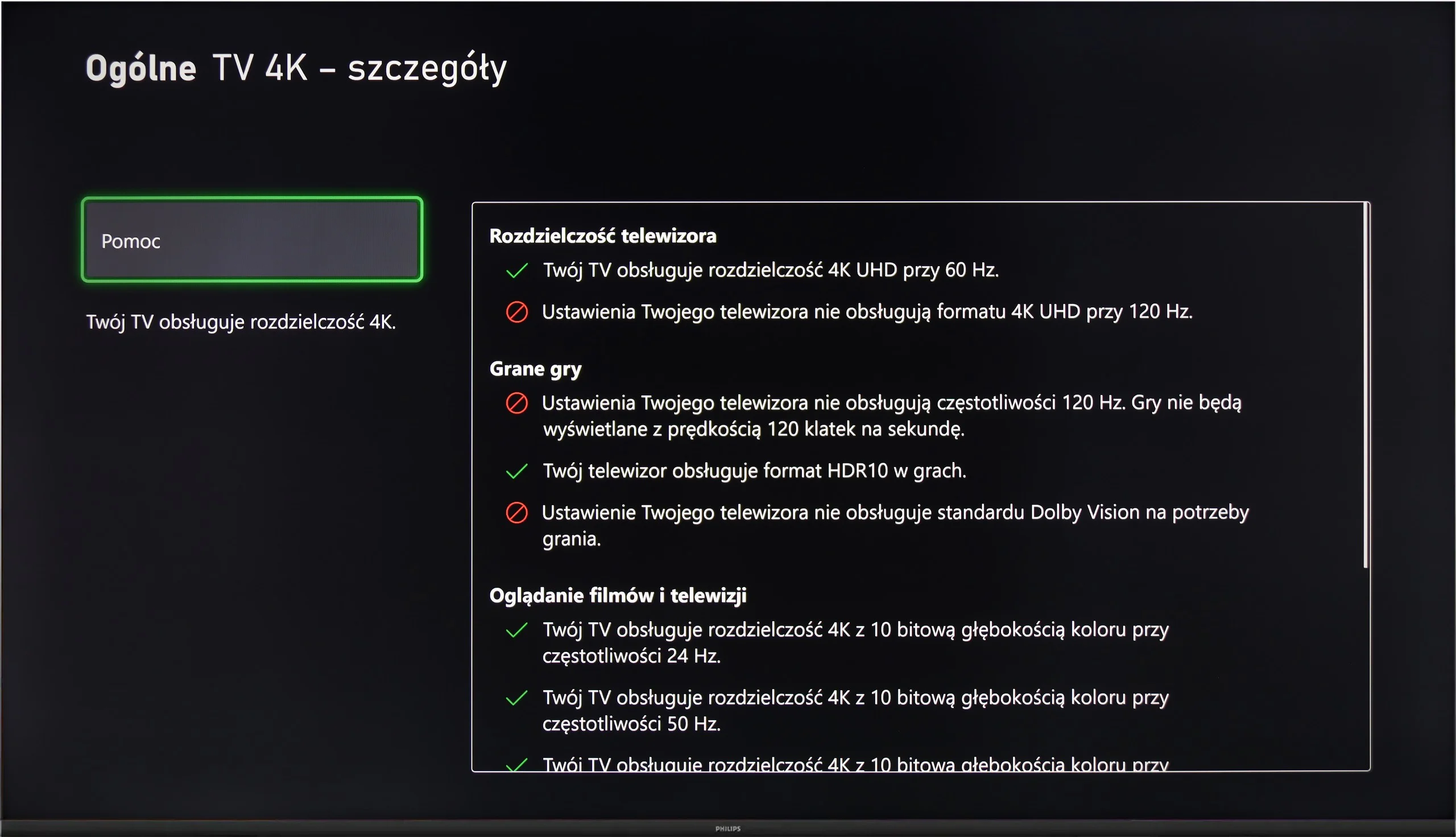
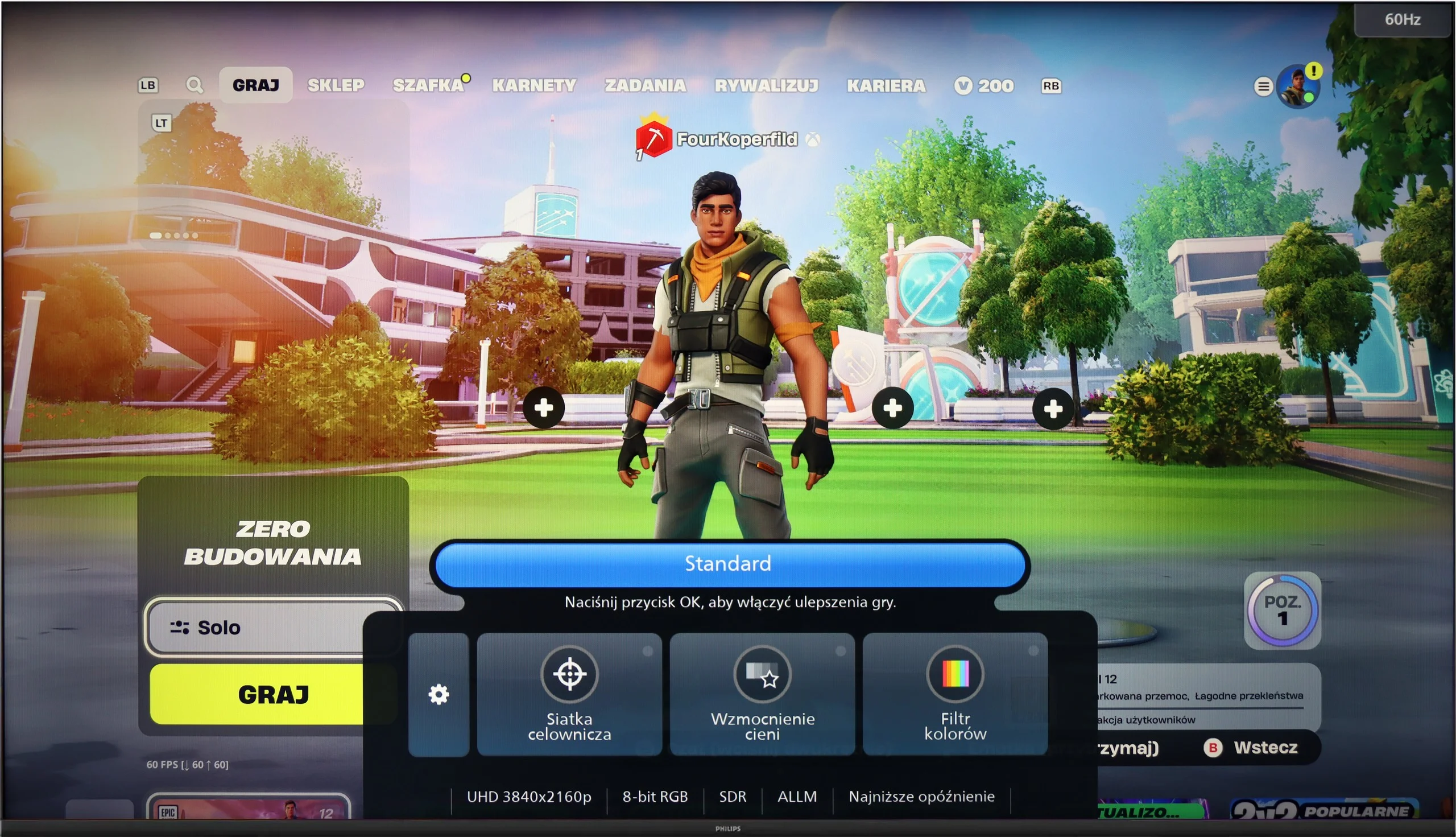
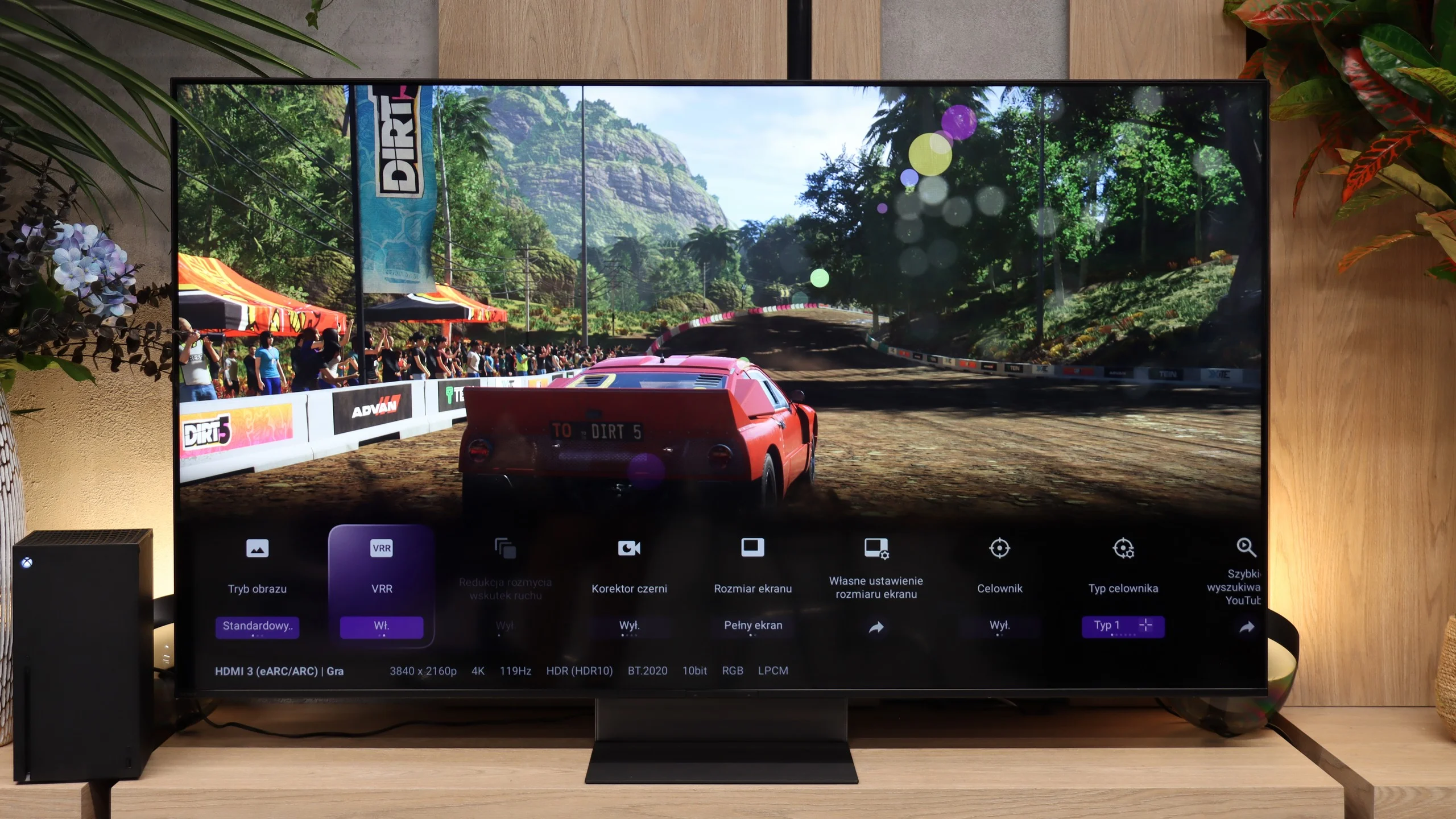
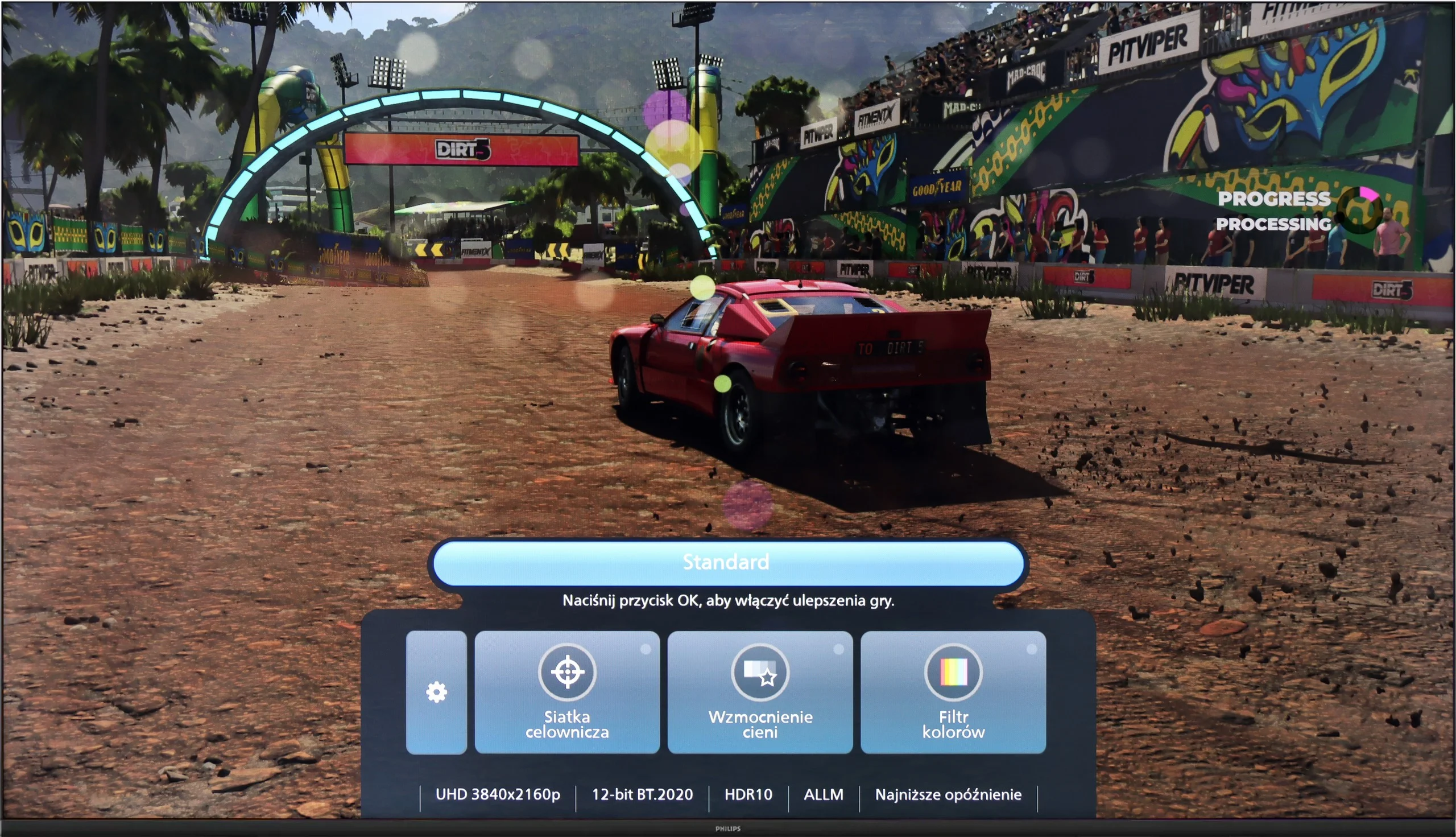
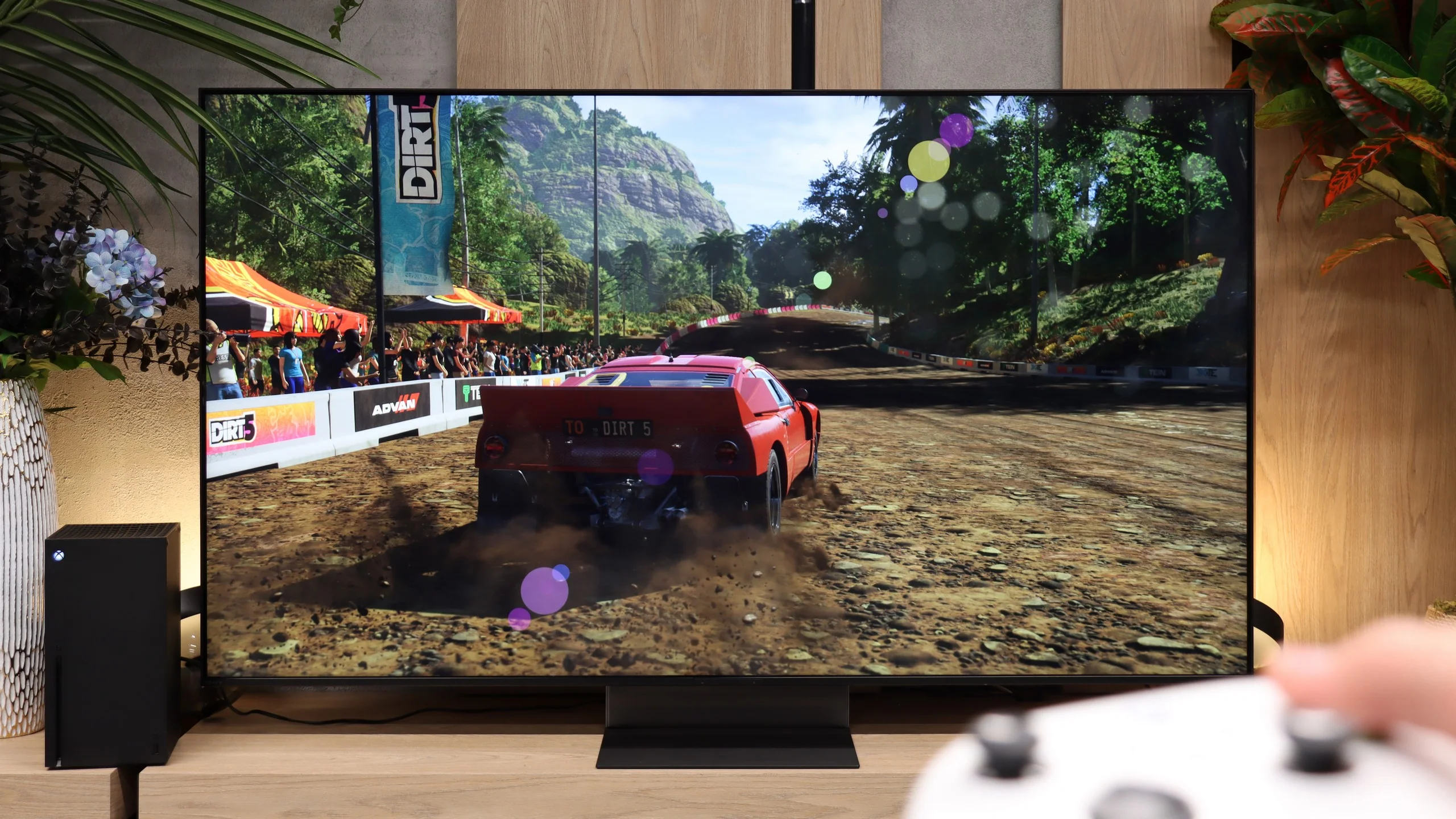
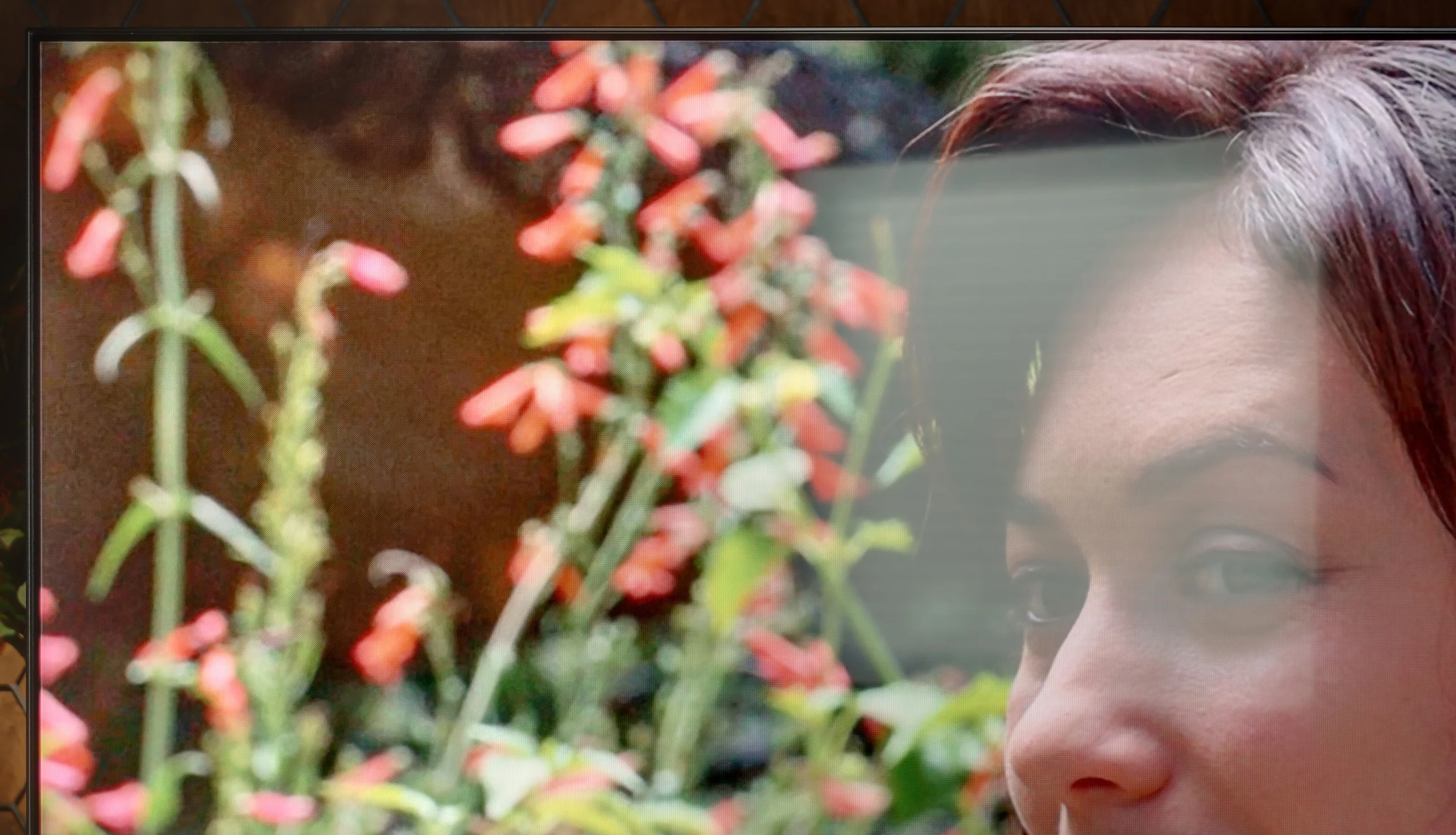
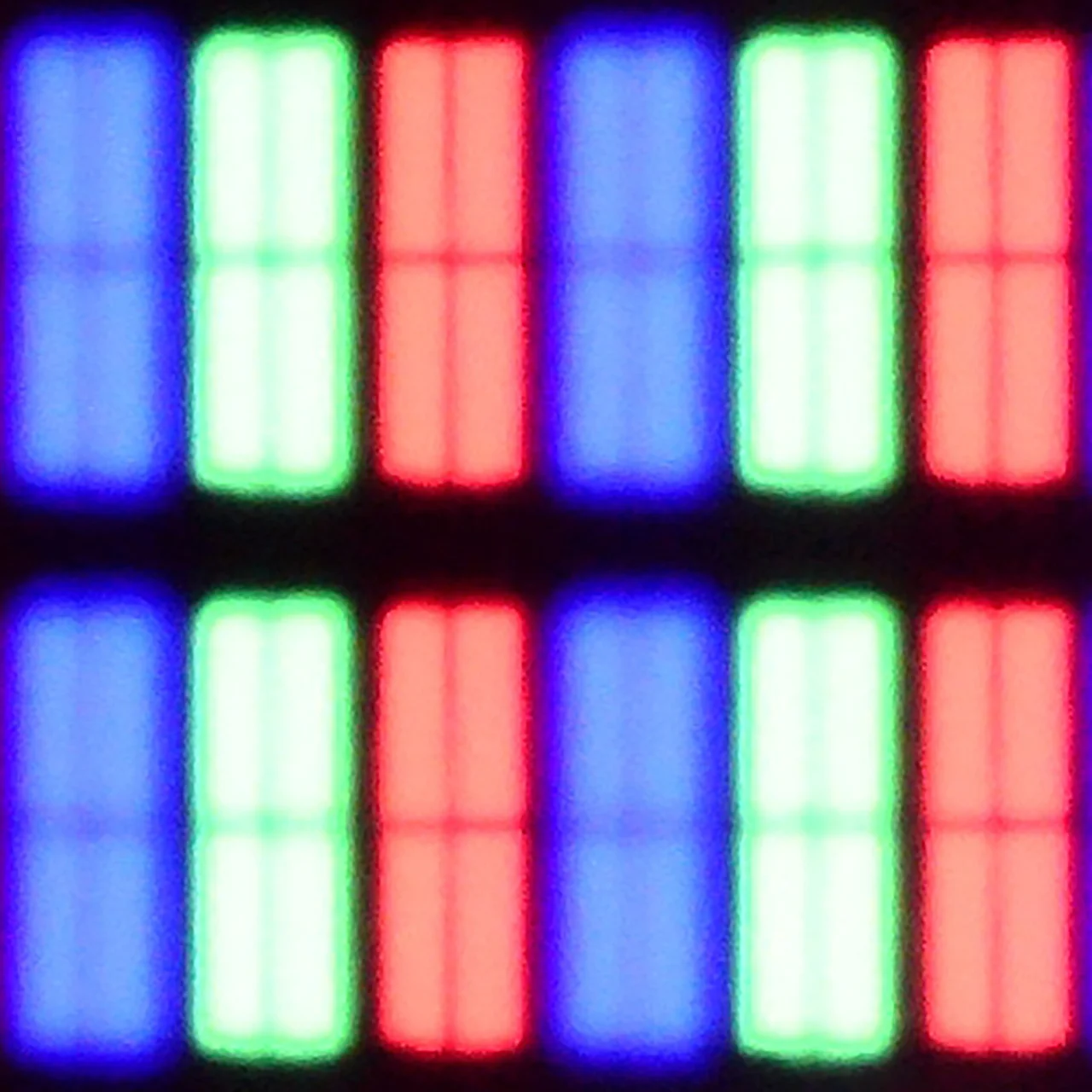
Ambilight because that's where we have to start, it's the biggest reason to buy the PUS8500. The three-sided backlighting of the TV looks great, especially in the evening. It creates an atmosphere, masks the imperfections of contrast, and makes the viewing experience simply more enjoyable. Even if the black levels aren't perfect, the native VA panel's high contrast is just fine. On top of that, there's really decent input lag and several gaming features like ALLM and VRR. Although there’s no HDMI 2.1 or 120Hz panel, casual gaming should be a pleasure. Especially since it's responsive and latency-free. Additionally, there’s full support for audio formats – both Dolby Atmos and DTS, so soundbar owners can rejoice too.
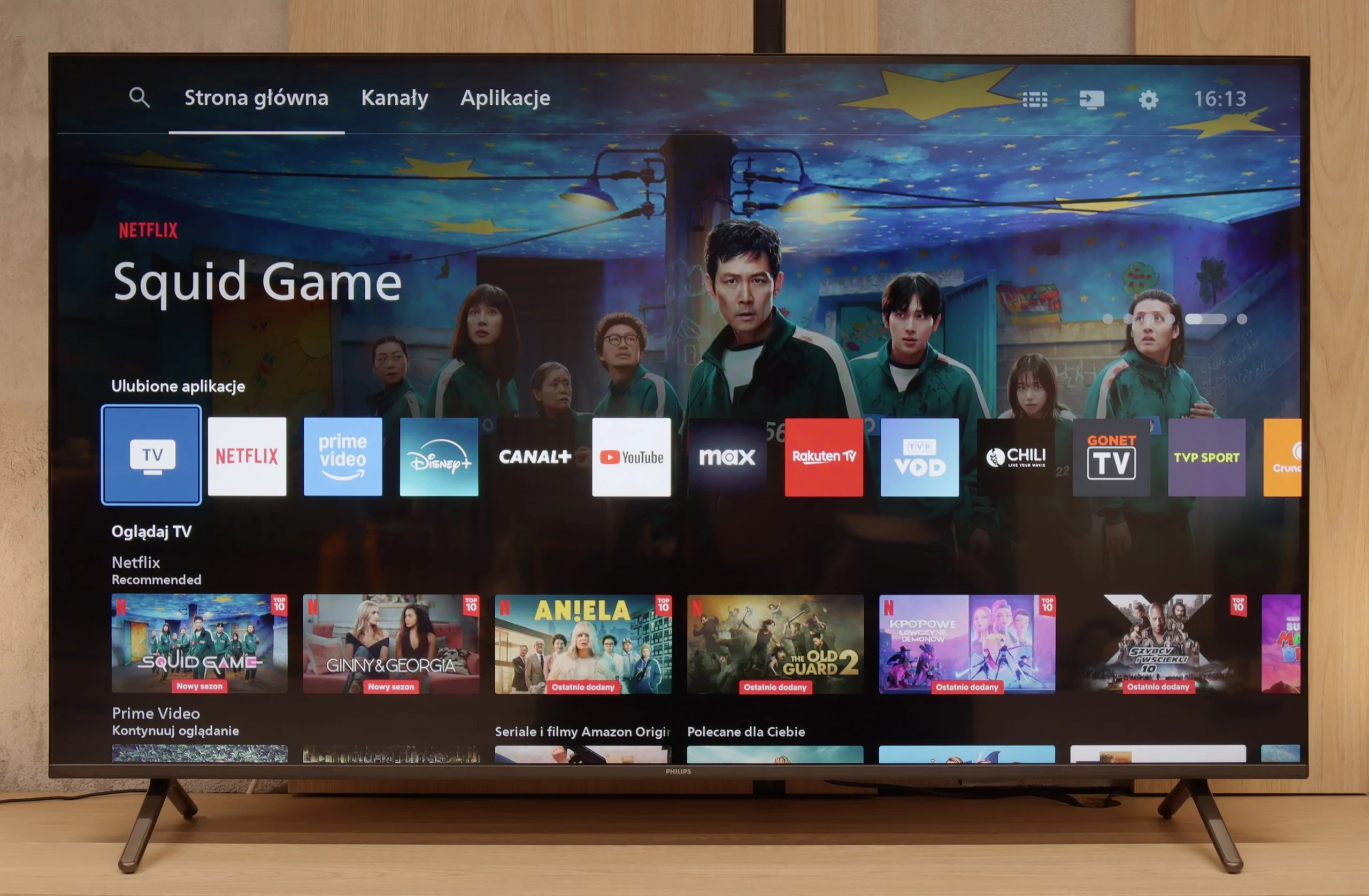
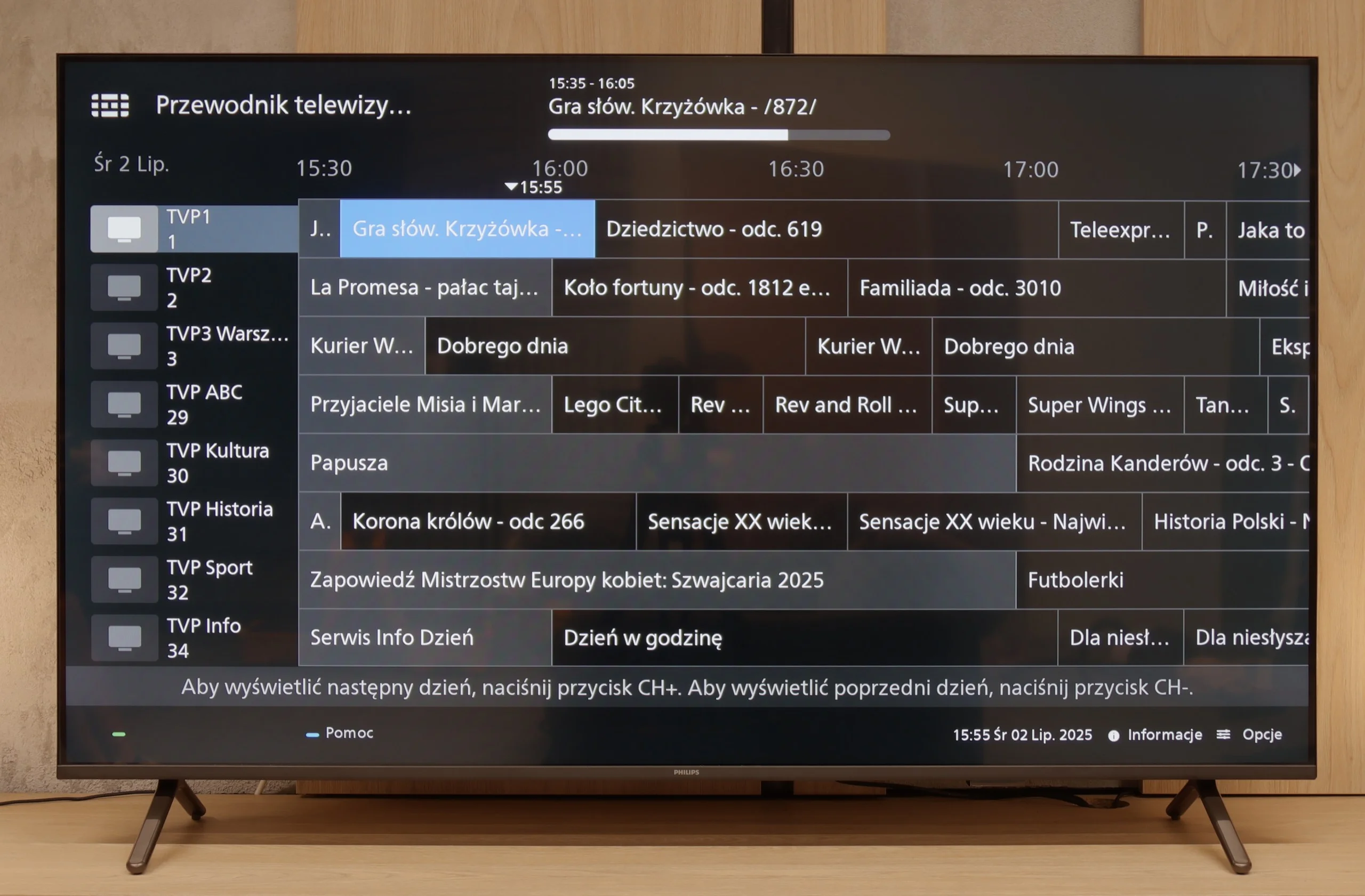
But let's not kid ourselves – this is still a budget TV, and at times it shows. Brightness is average – not weak enough to make viewing impossible, but if you hit a particularly sunny day, watching conditions without blinds can be problematic. However, in our opinion, the biggest disappointment with the PUS8560 is the operating system, Titan OS. Despite the system debuting some time ago, certain features simply wouldn't work – for example, screen mirroring from a phone despite the manufacturer's claims that such a feature is present here. There are fewer apps than with competitors, and the system itself runs a bit clumsily. Overall, it seems to have some capabilities, but clearly lacks refinement.
Of course, this is not a TV meant to compete with top models. But if someone is looking for something simple, with a nice atmosphere that the Ambilight system provides, it is a quite reasonable offer. You just need to know what to expect and accept the many compromises present here.
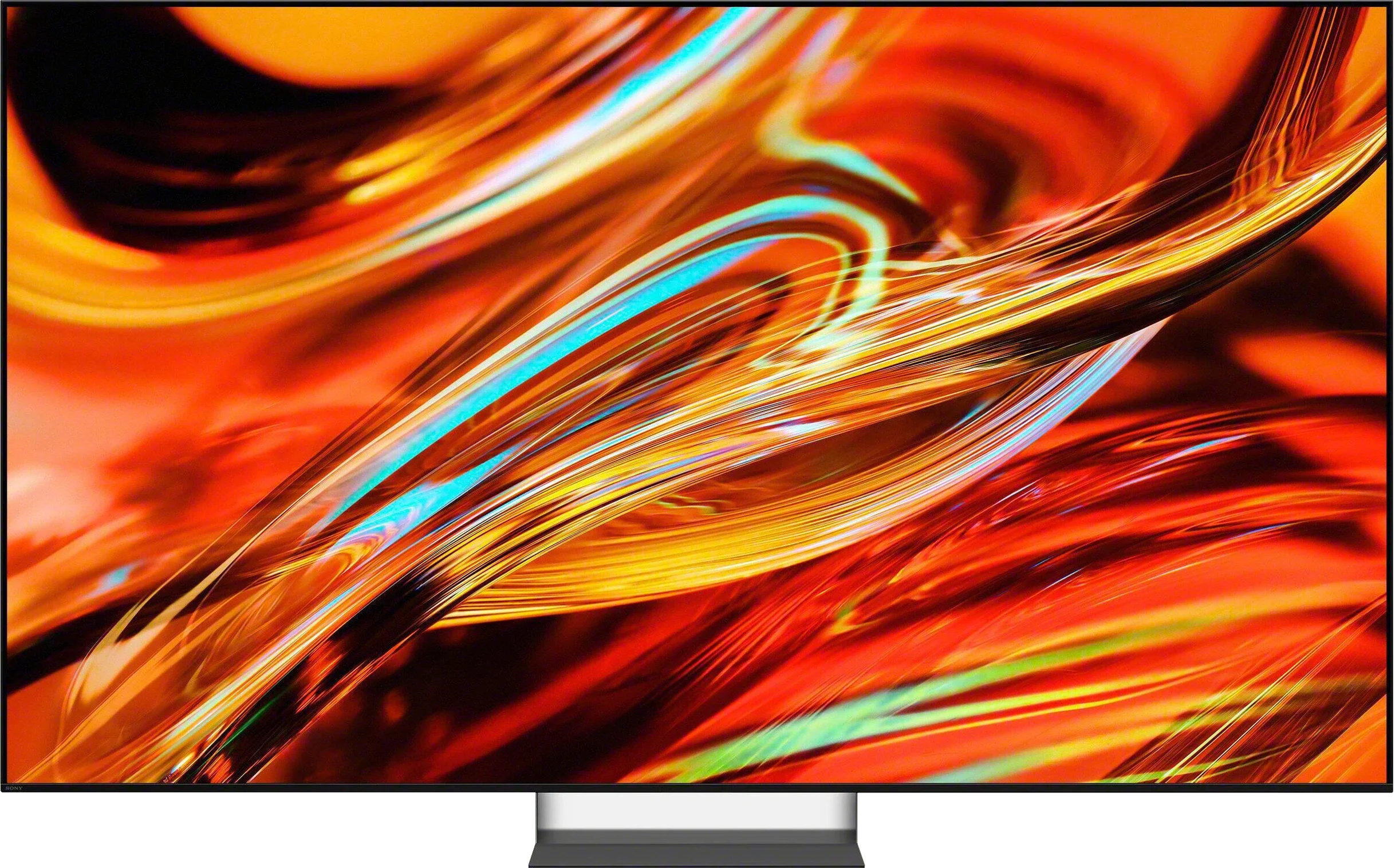
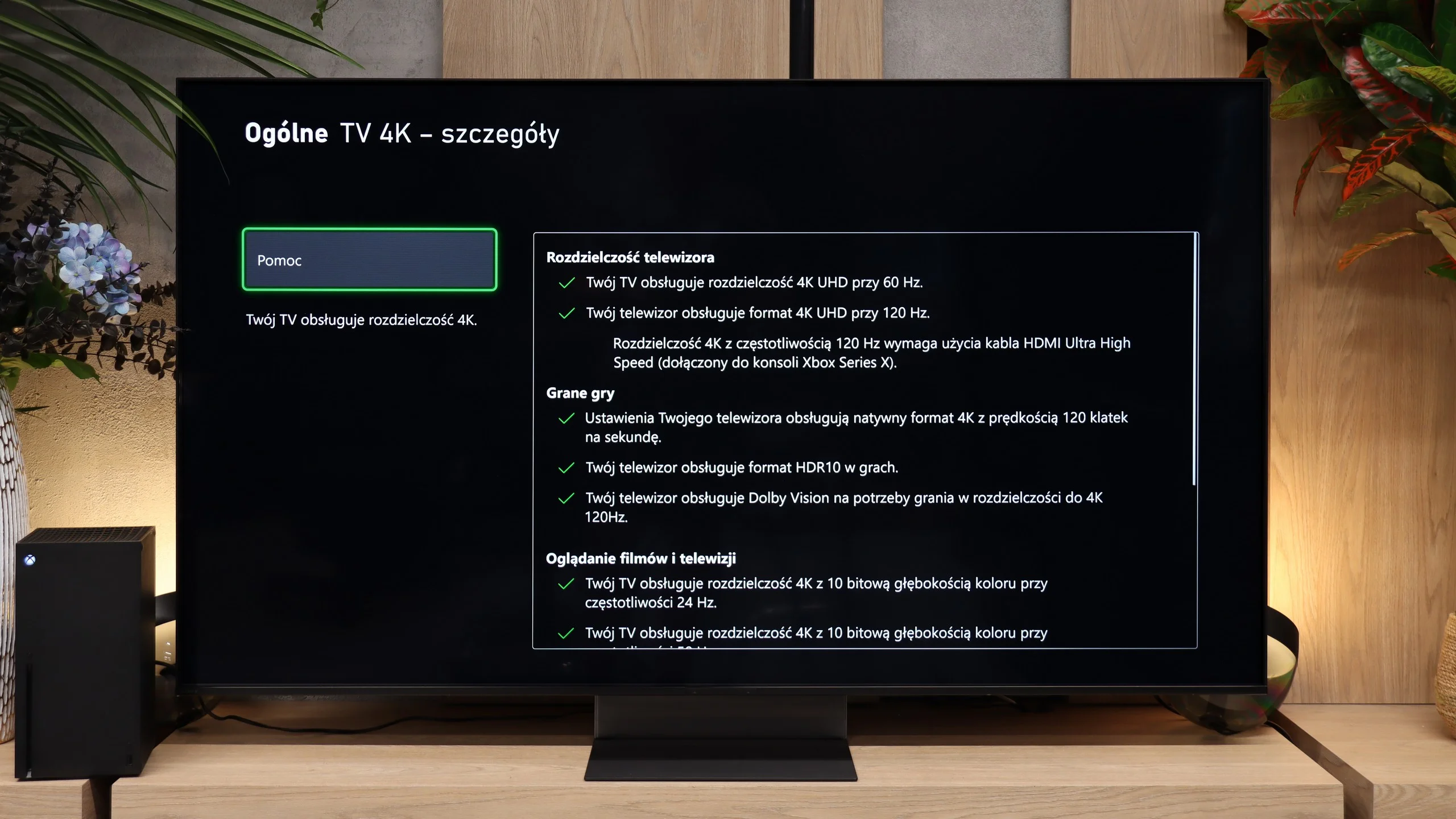
Sony Bravia 7 II is a TV that shows RGB Mini-LED doesn’t have to be reserved only for the wealthiest customers. And although in a few places you can see it sits below the Bravia 9 II, in everyday use it doesn’t feel like a heavily stripped-down model. The biggest contribution comes from the combination of very good black levels, high brightness and Sony’s excellent algorithms. As a result the picture is spectacular, while still staying true to how a film should look. HDR performs especially well, where the Bravia can show lots of highlights without losing detail. The True RGB backlight itself also has advantages. It gives the TV a wide color gamut and improves viewing angles, which for a VA panel are really good. That doesn’t mean RGB Mini-LED suddenly solves all the limitations of LCDs. You can still see some bloom around small bright elements, and the backlight’s color capabilities aren’t fully utilized in every scene. Still, Sony manages all of this very well, and the way it controls the image is one of the Bravia 7 II’s biggest strengths.
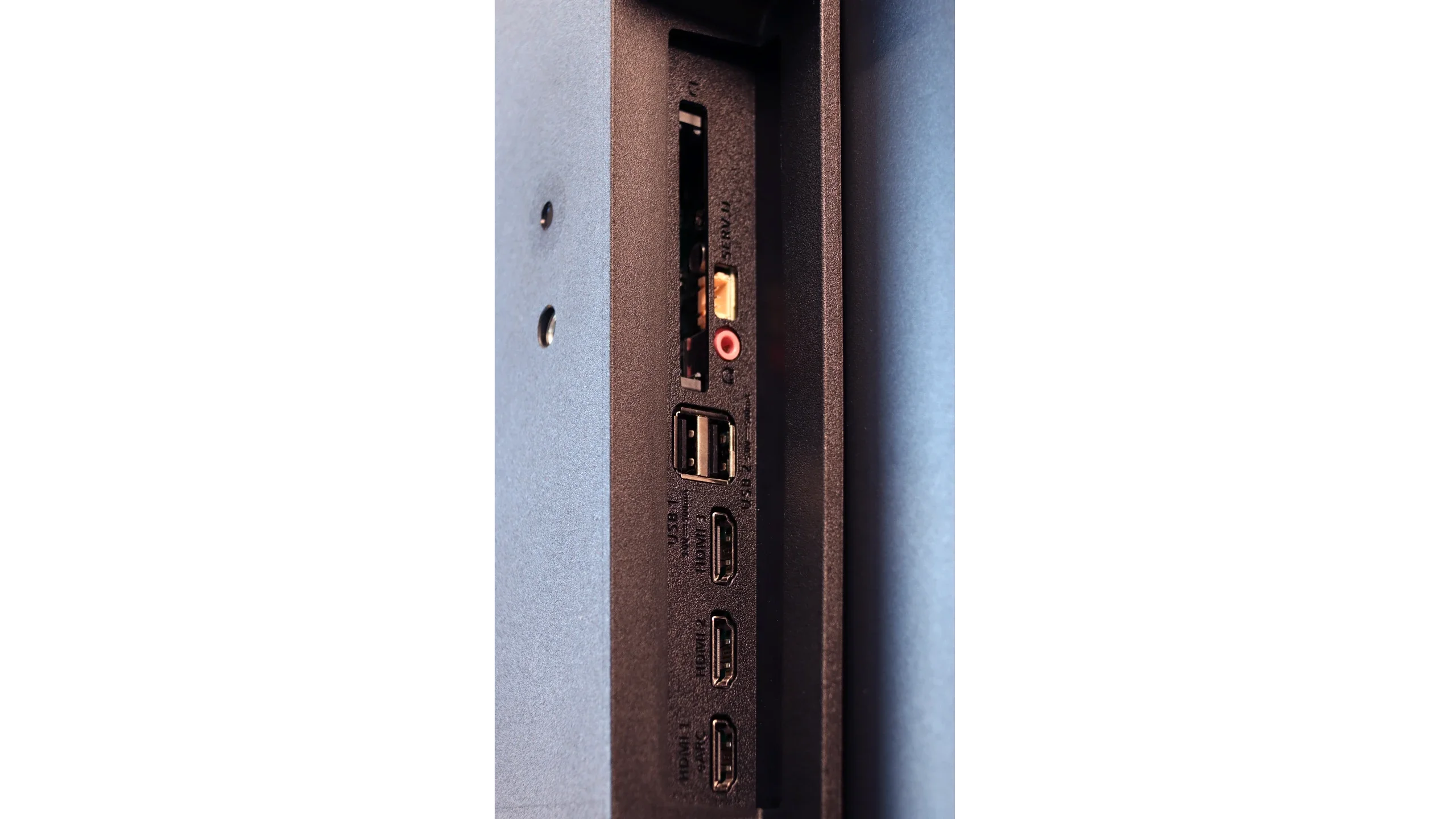
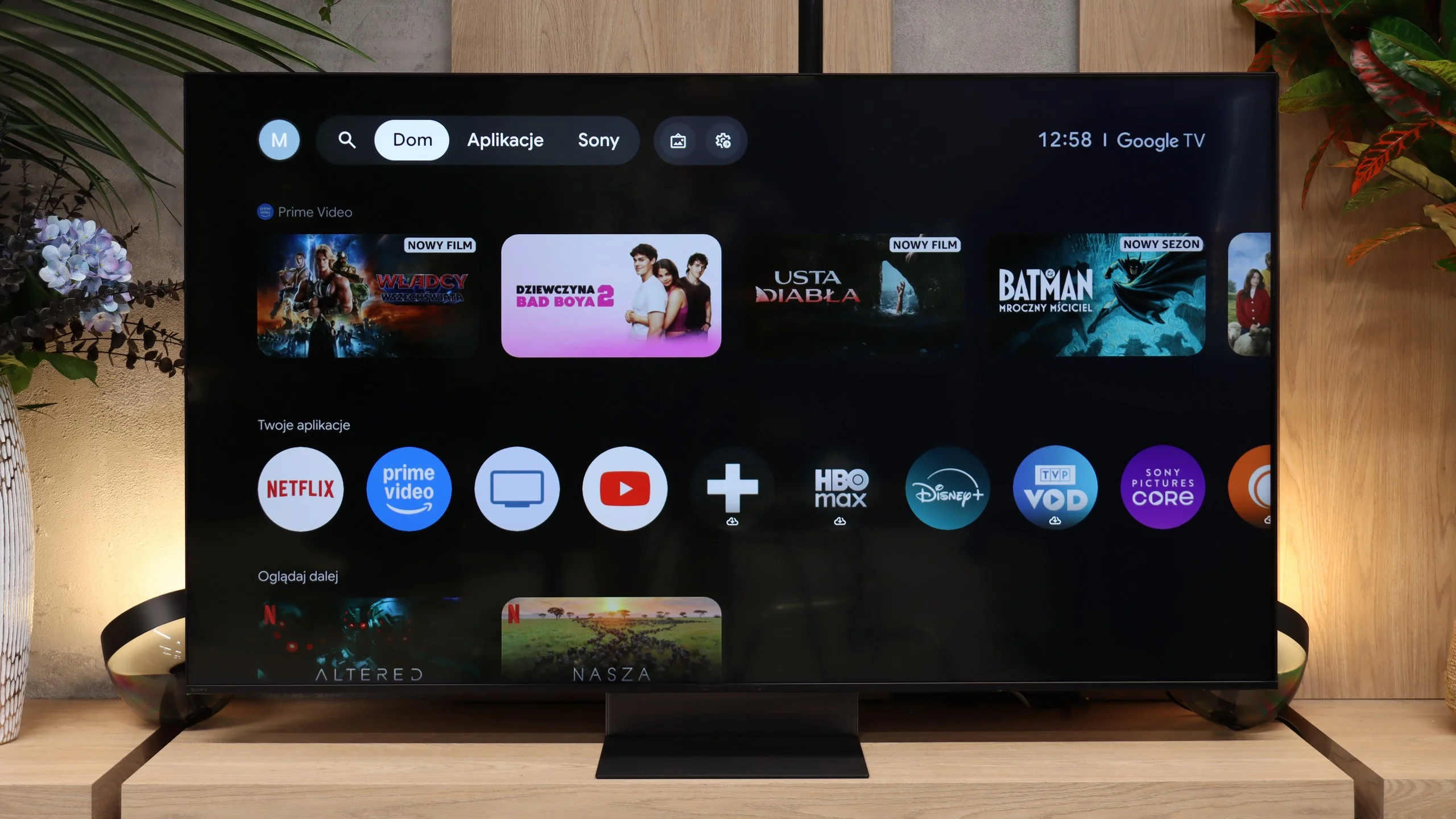
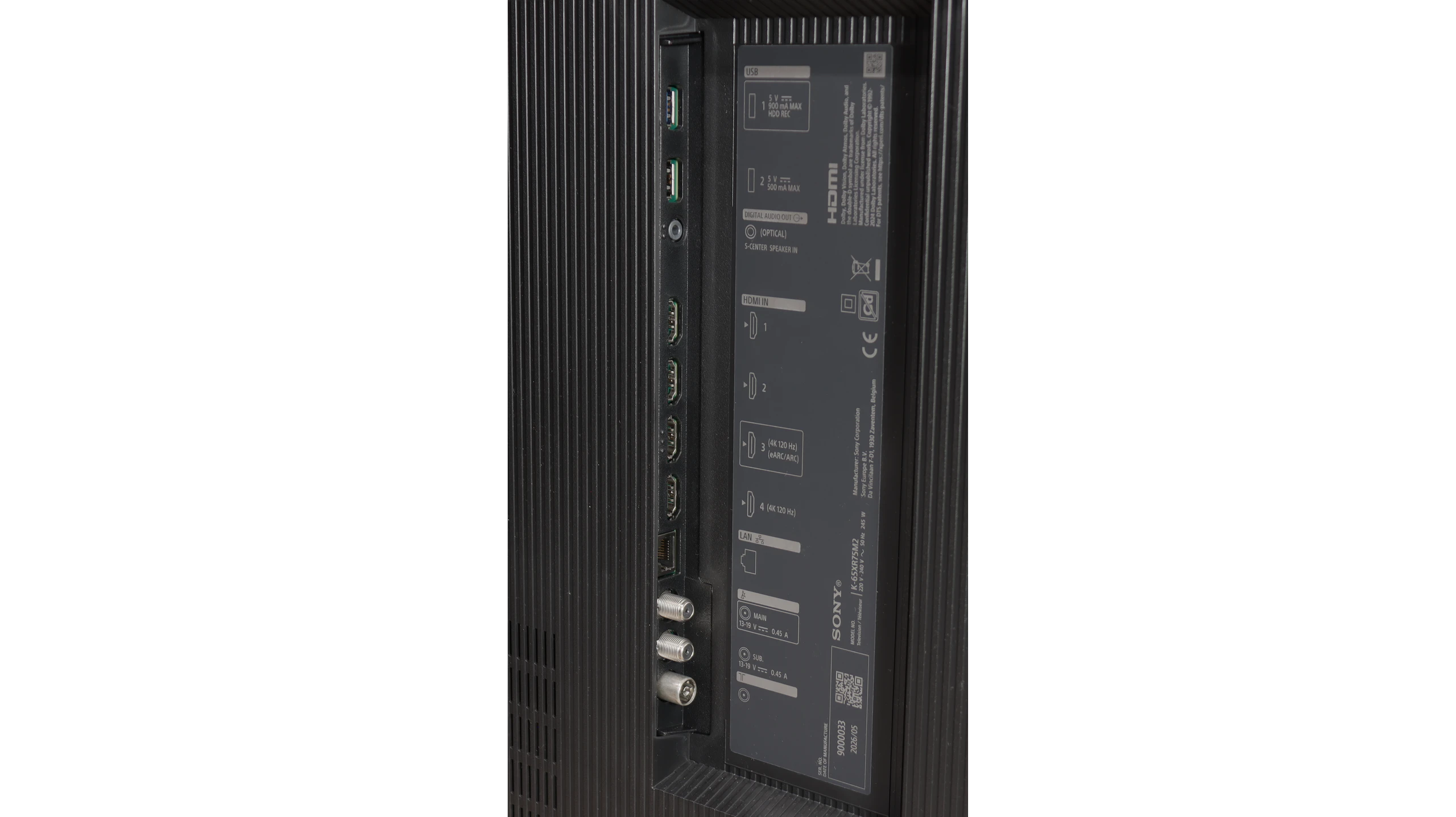
Image processing also remains a big advantage over many rivals. Upscaling, smoothing weaker tonal transitions and HDR mapping are among this model’s stronger points. On top of that there’s Google TV, solid features, very low input lag and an almost complete set of gaming functions. However, there are things hard to understand in a TV of this class. The most frustrating is the presence of only two HDMI 2.1 ports, one of which also serves as eARC. Sony also sticks with 120 Hz, while competitors increasingly offer 144, 165 or 180 Hz. Ultimately the Bravia 7 II stands out above all as a very well-rounded TV. It doesn’t try to win on the spec sheet, and in a few areas the competition will offer more. Sony makes up for that where specs don’t tell the whole story, with image processing, very good HDR tuning, backlight control and overall picture quality in movies. That’s what makes the Bravia 7 II one of the more interesting Mini-LEDs of 2026, especially for people looking for a bright, versatile TV for movies, broadcasts, sports and gaming, but who don’t necessarily want to go OLED.
 Direct comparison