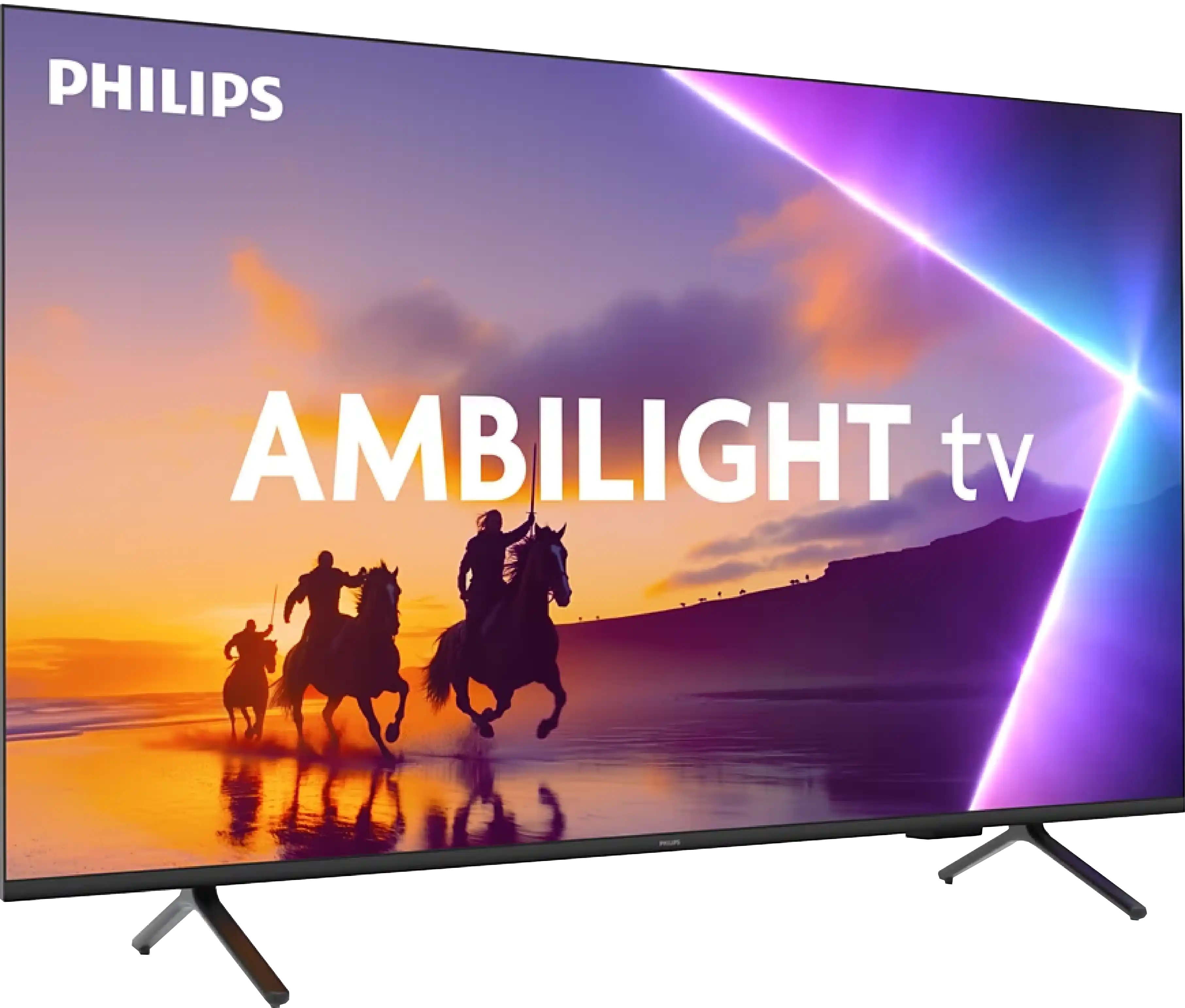
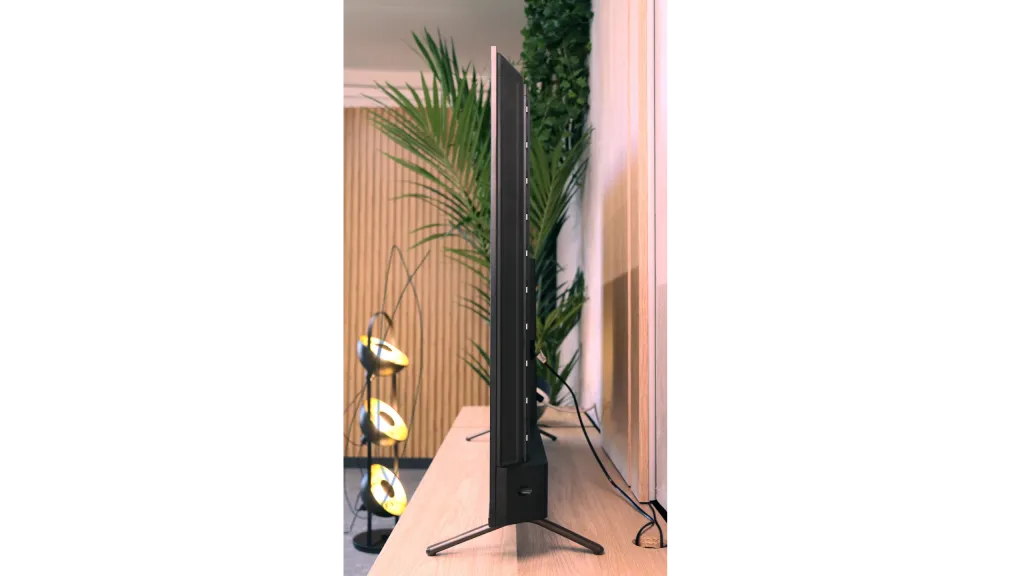
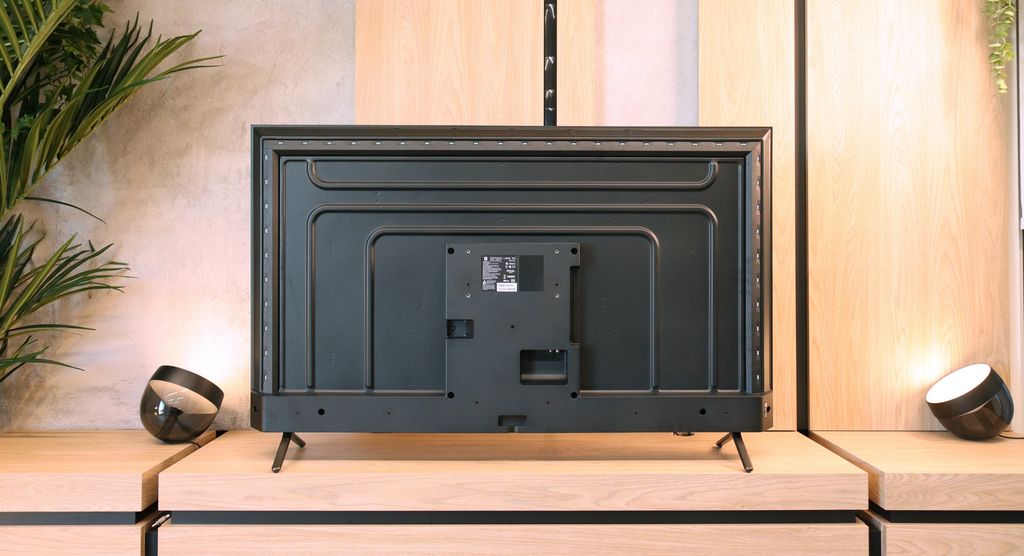
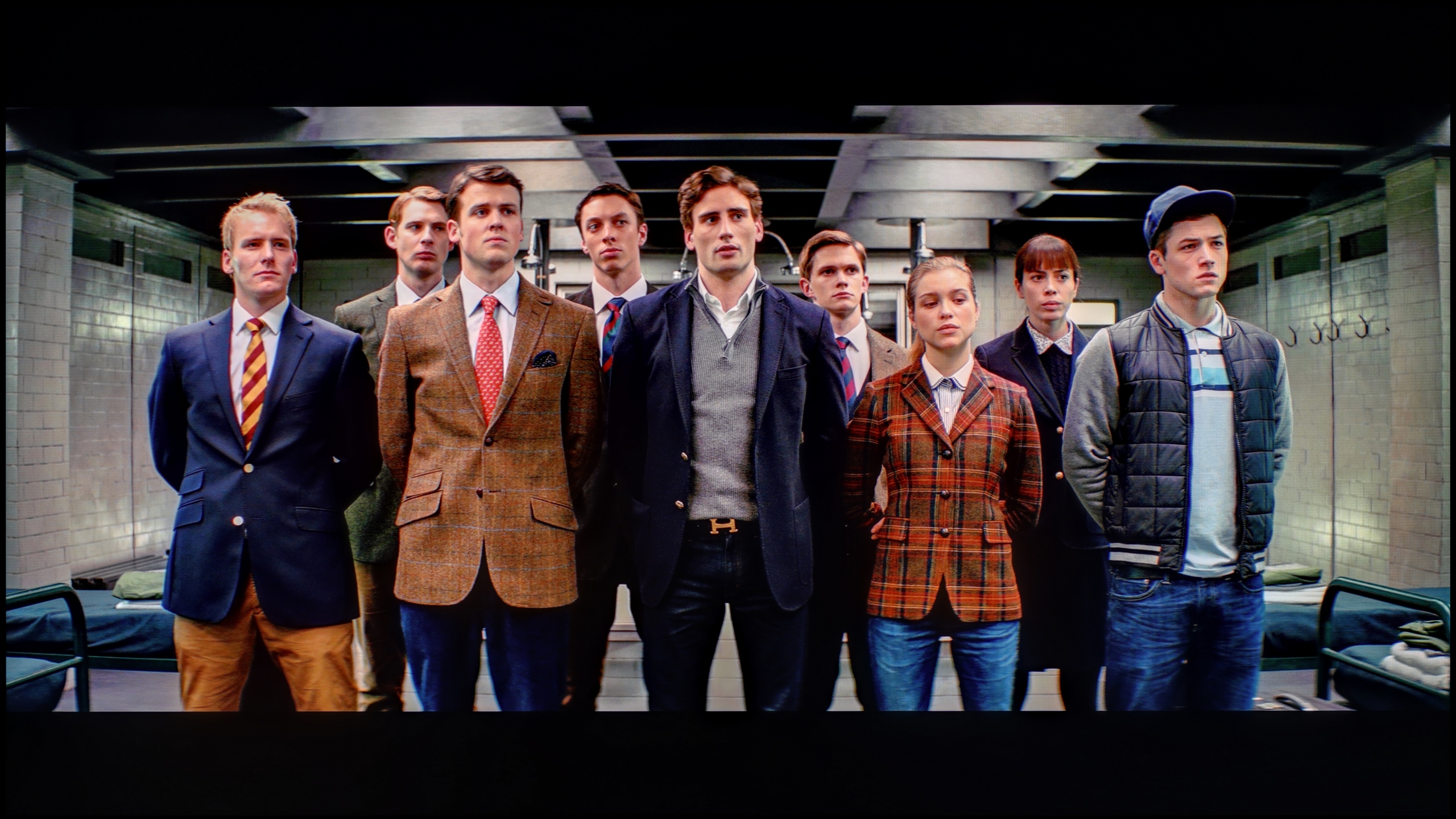
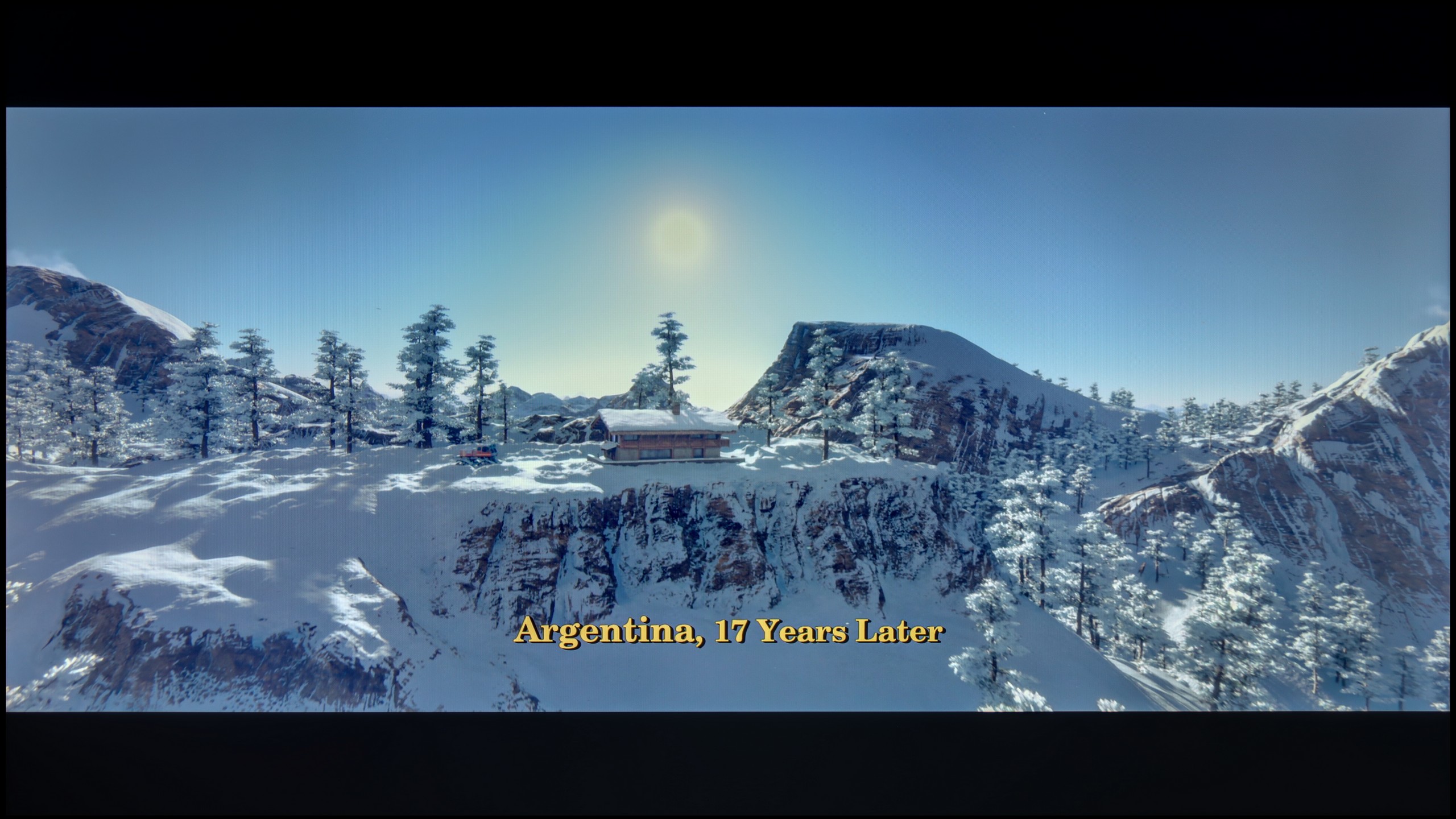
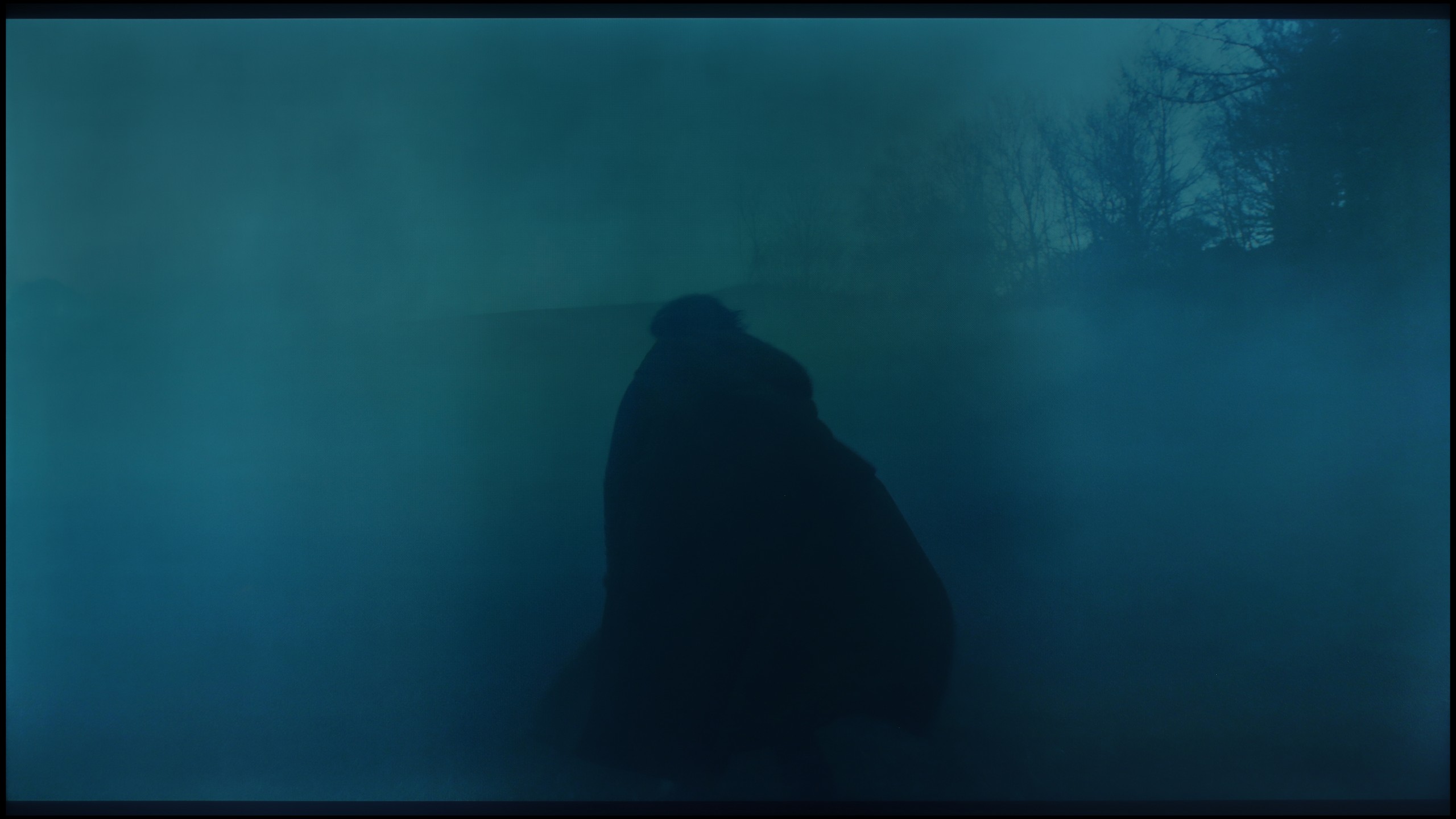
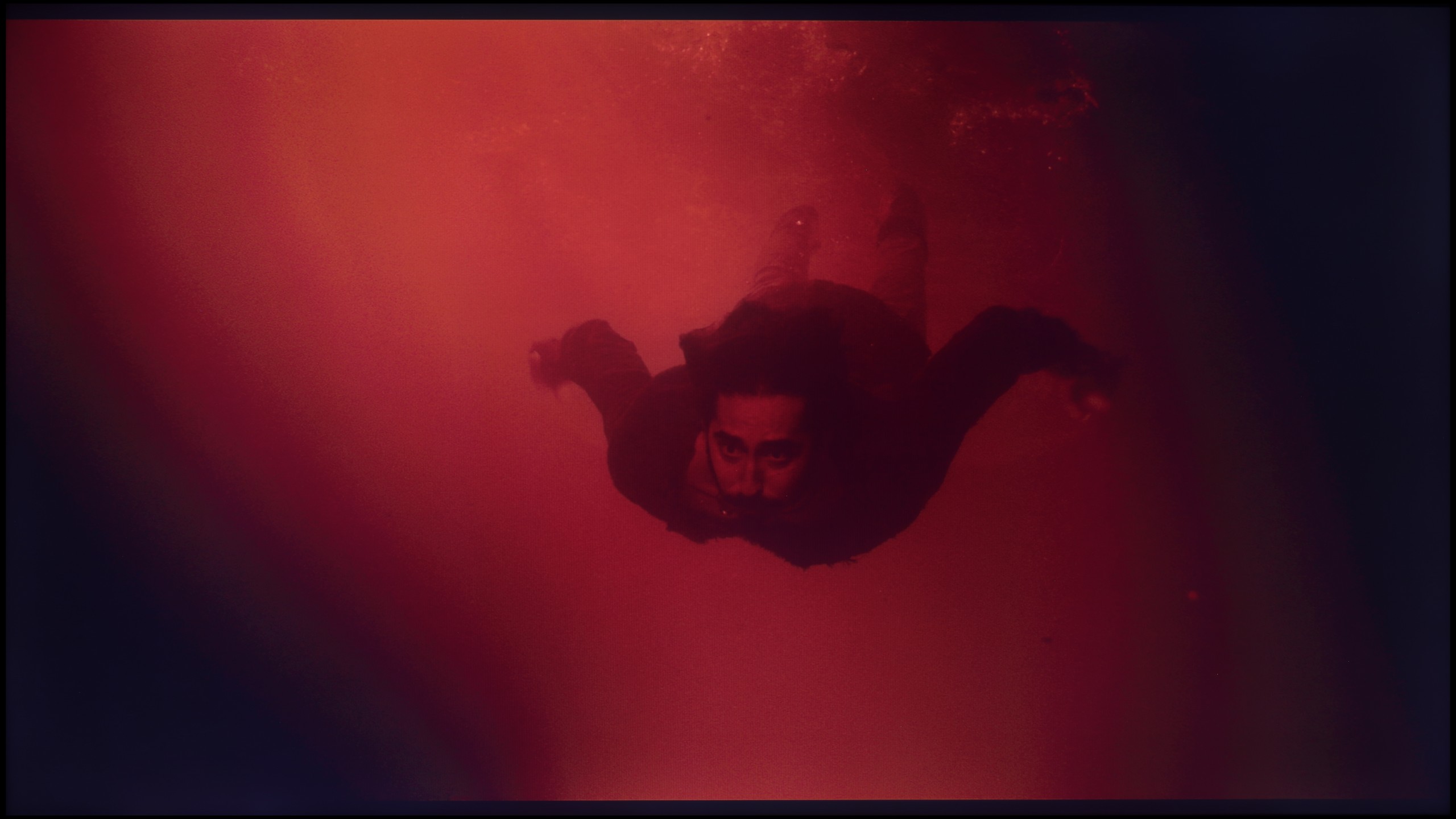
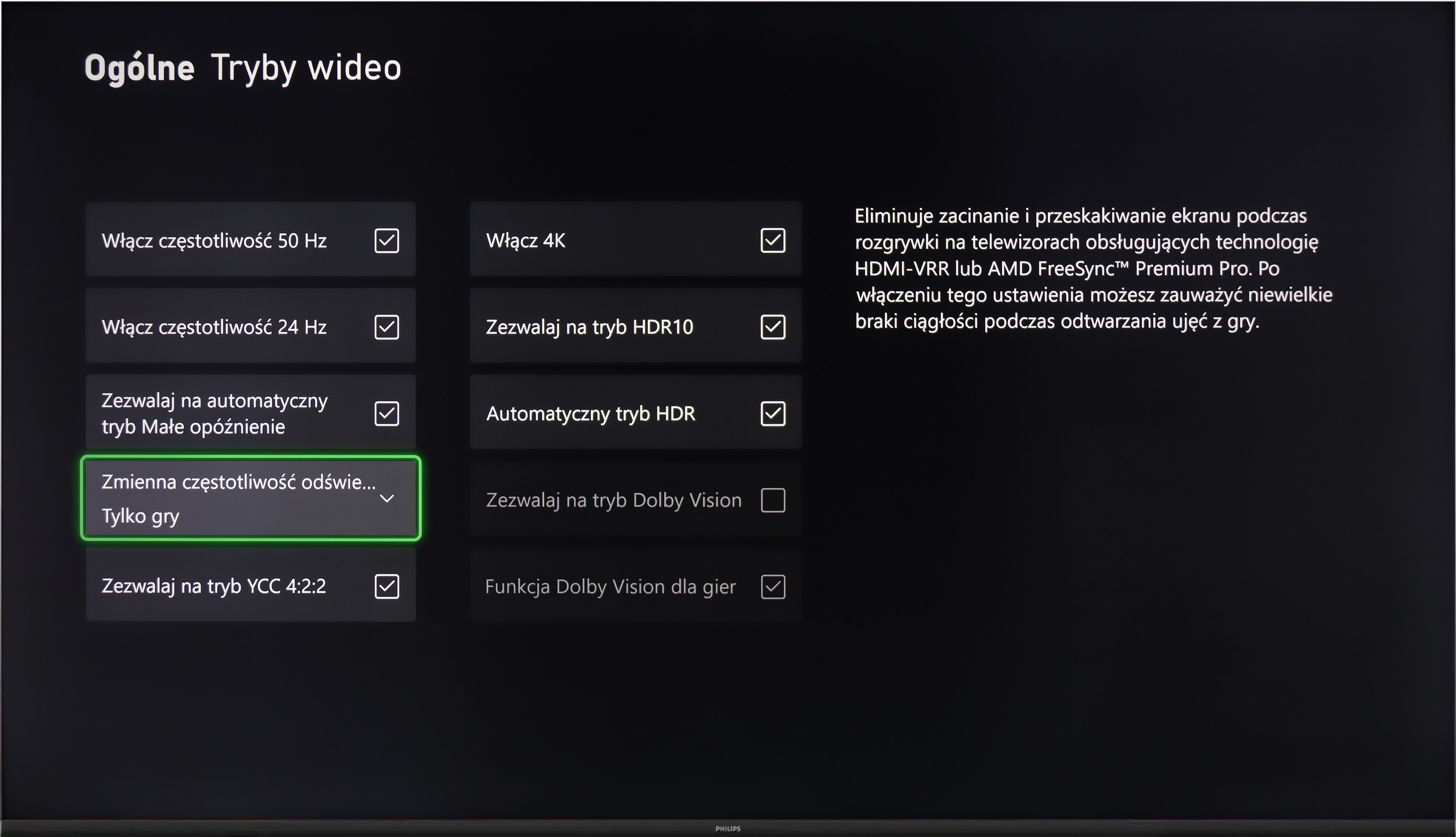
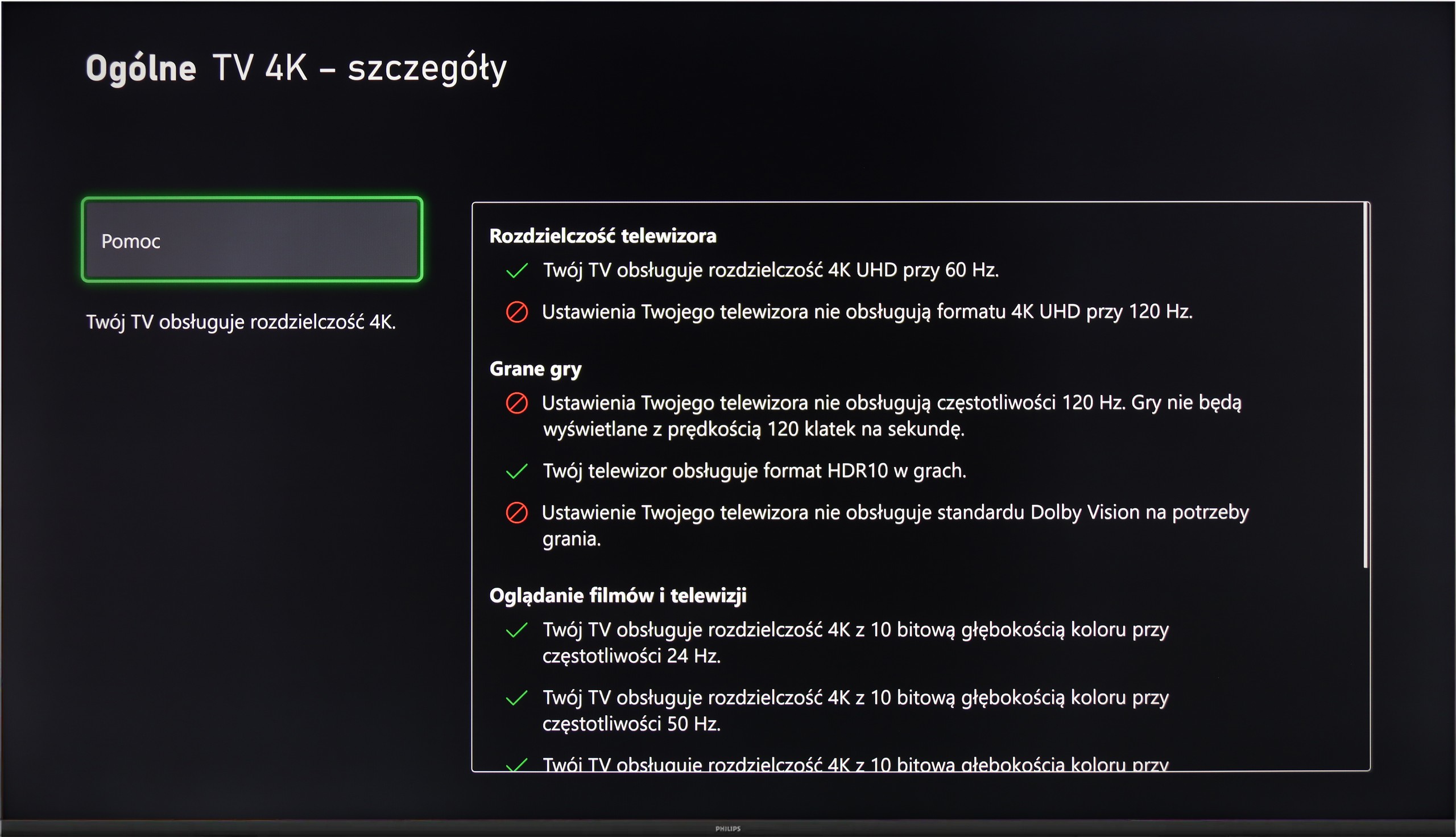
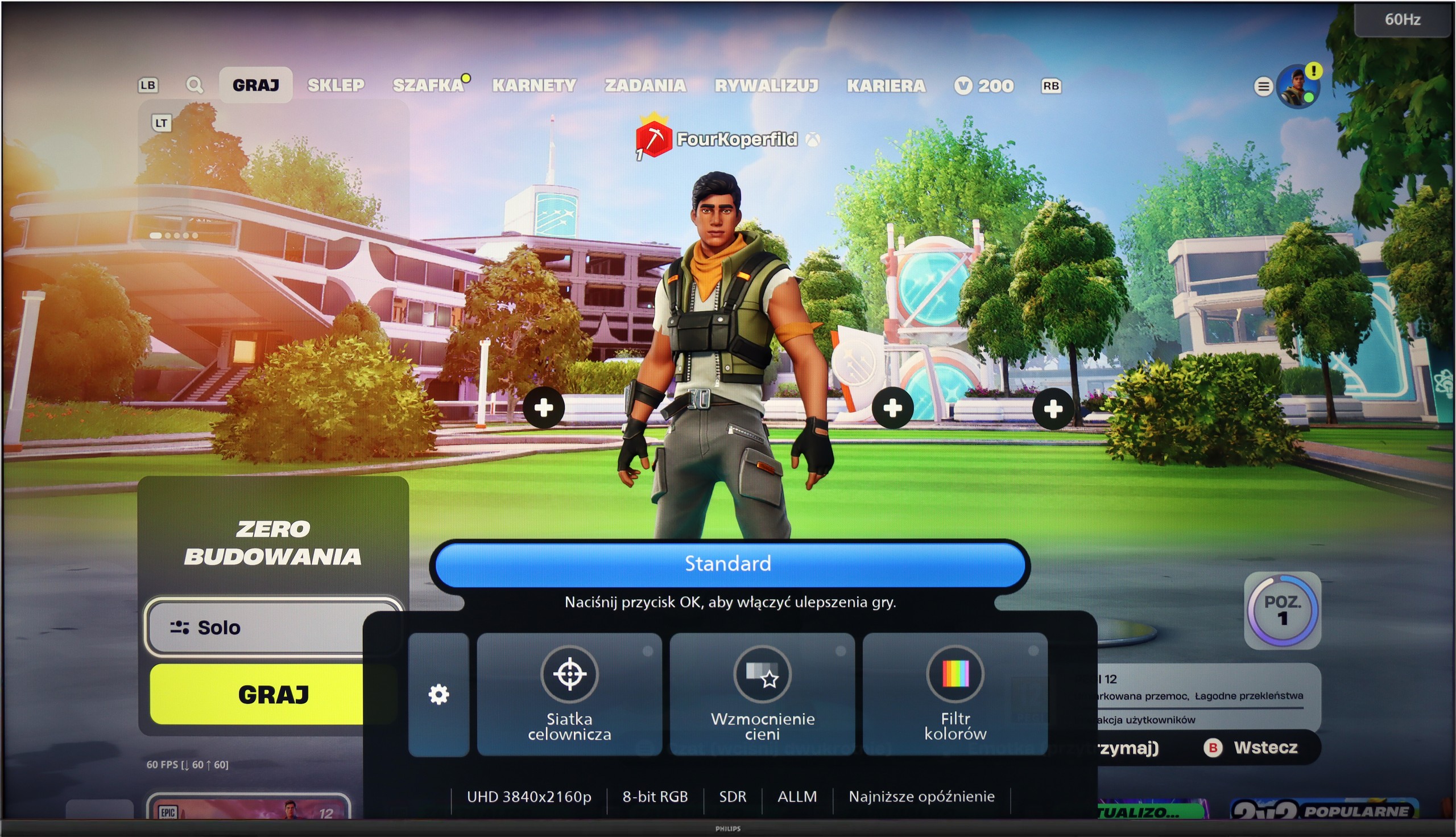
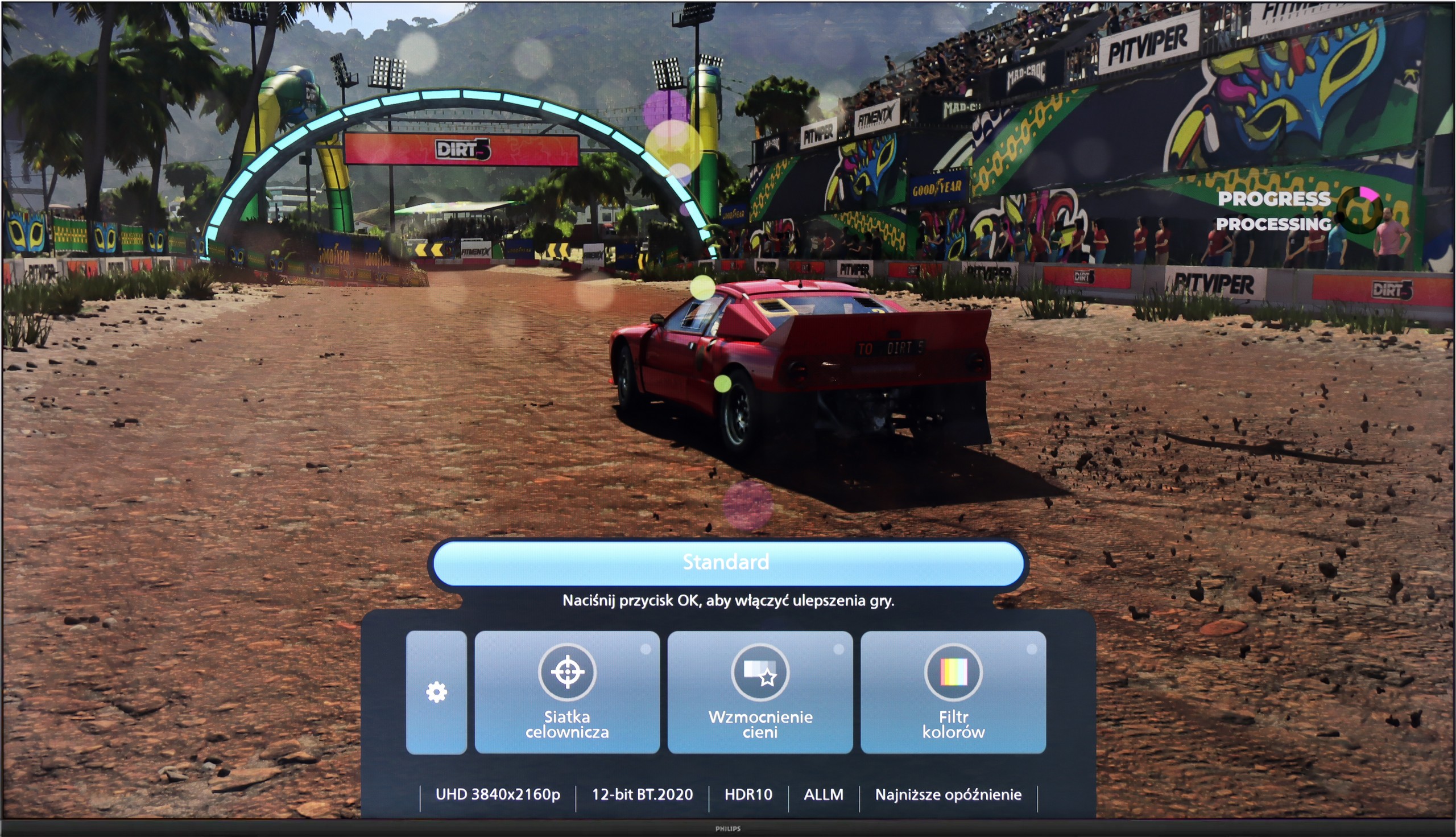
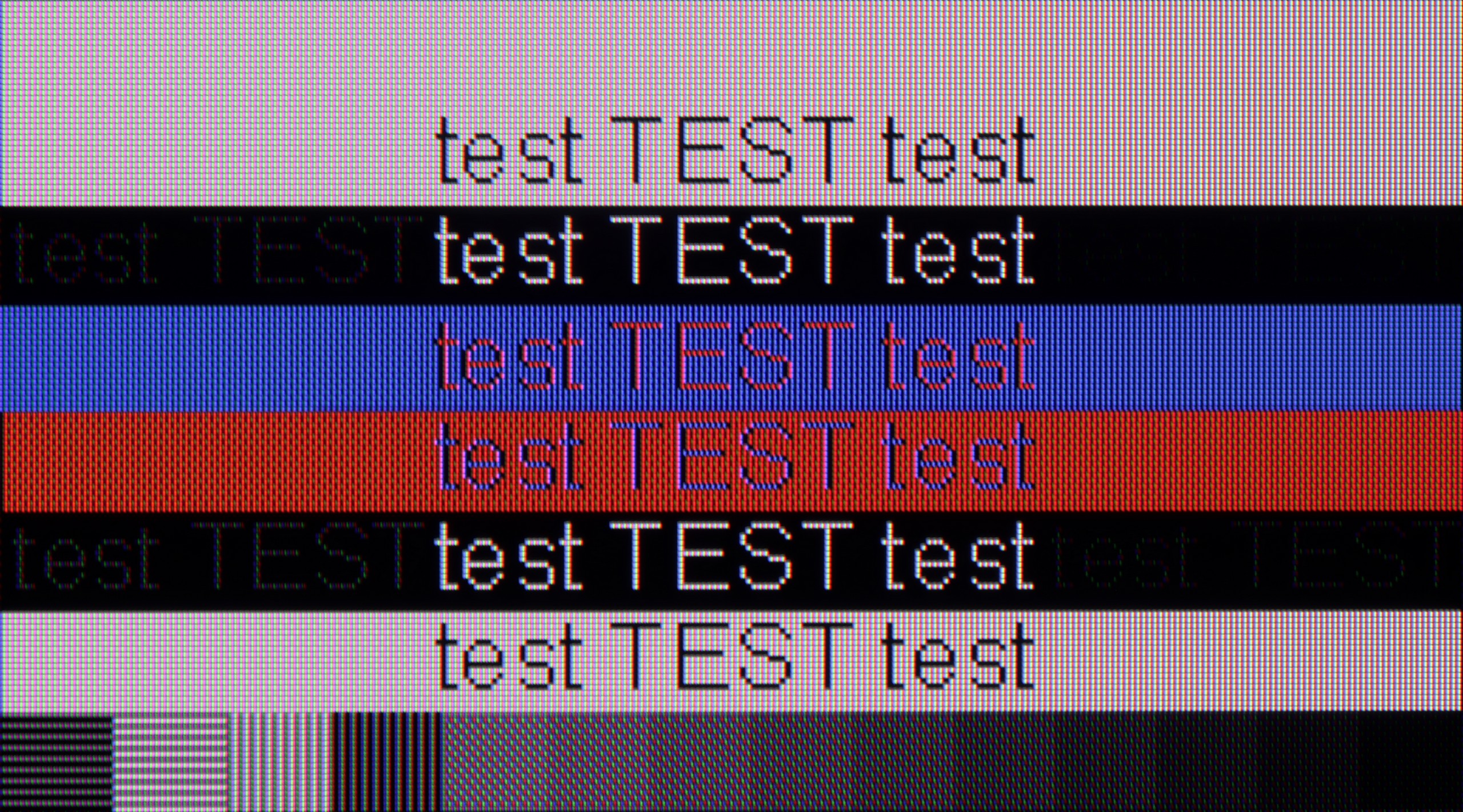
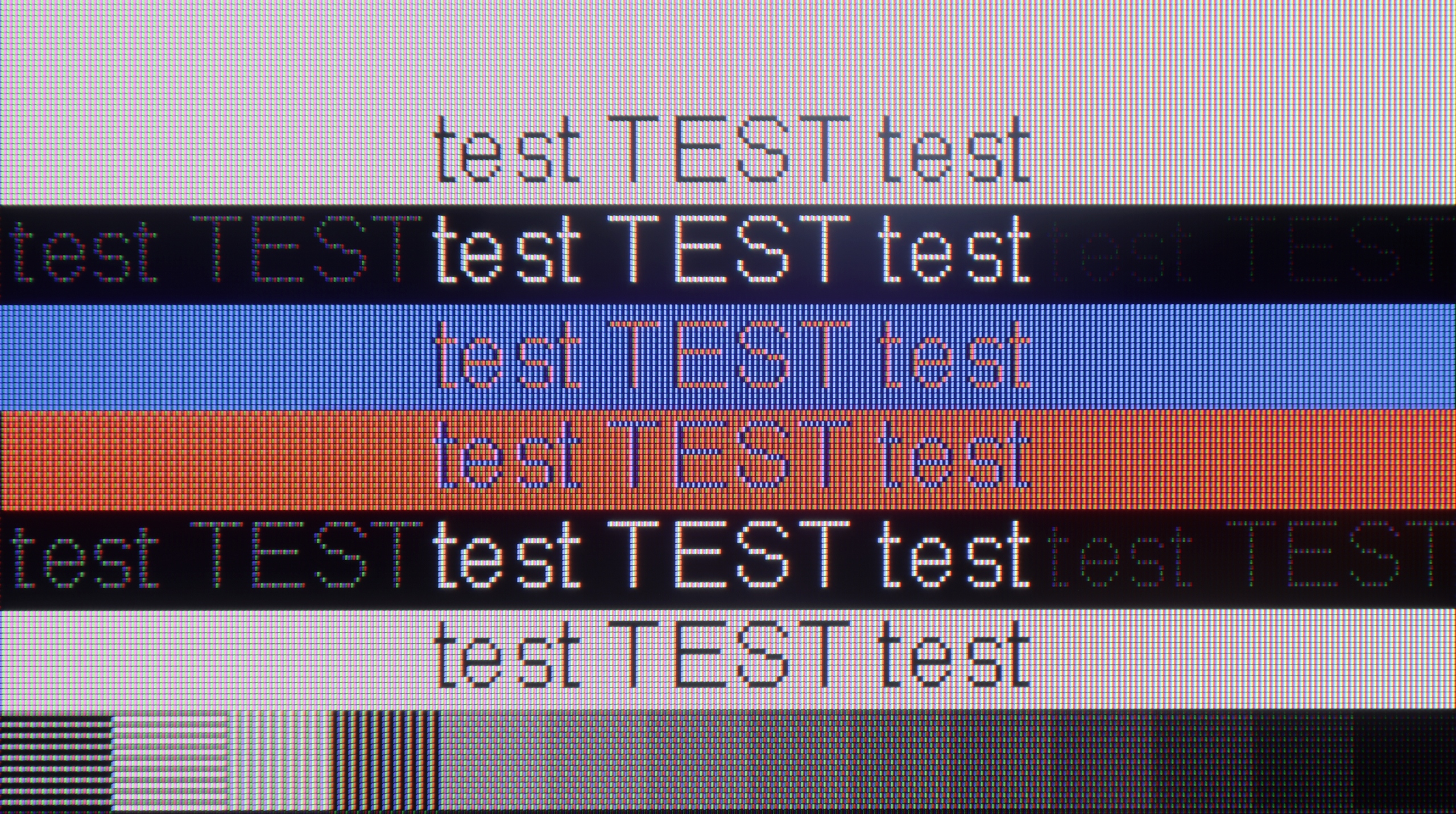
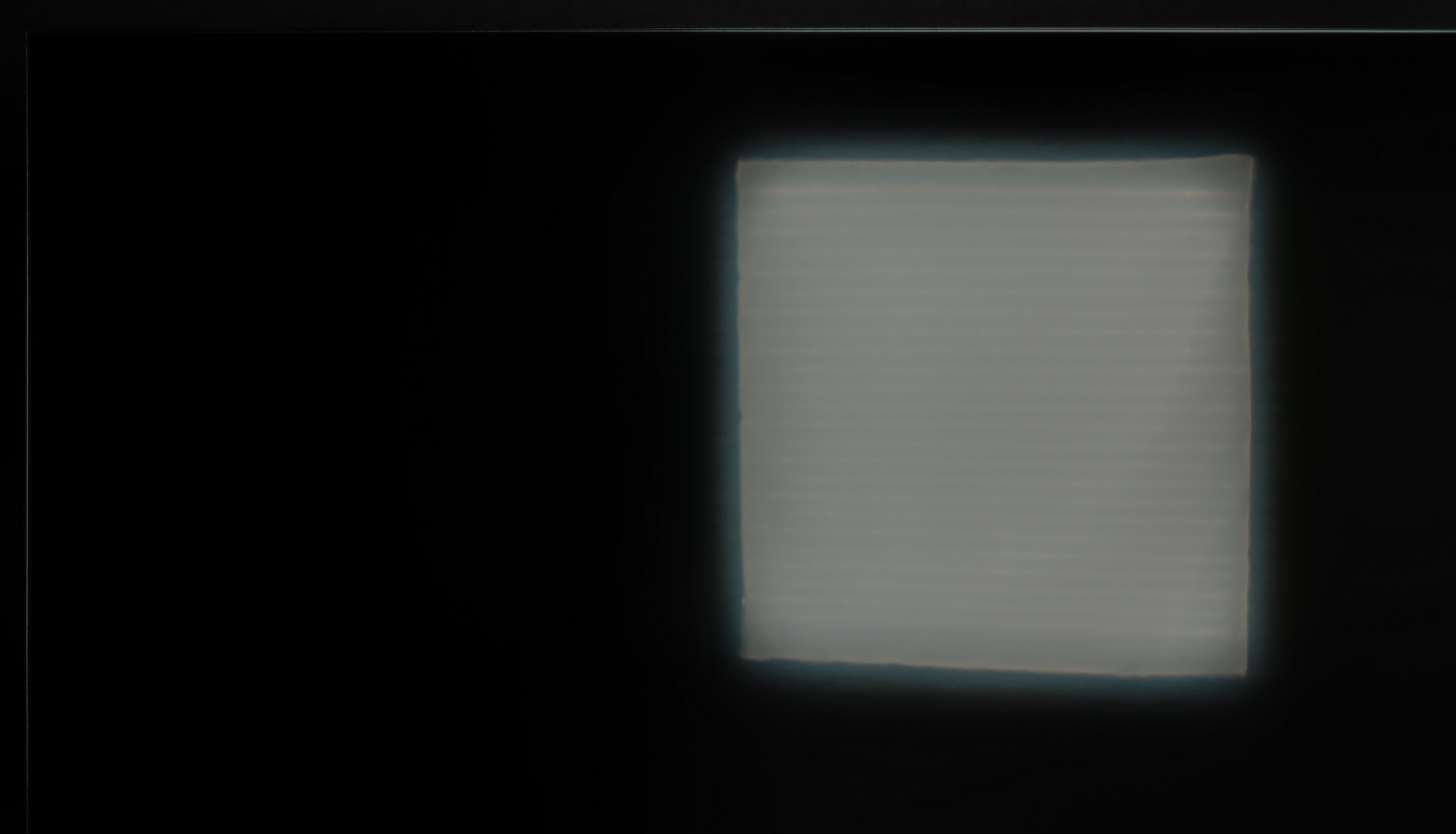
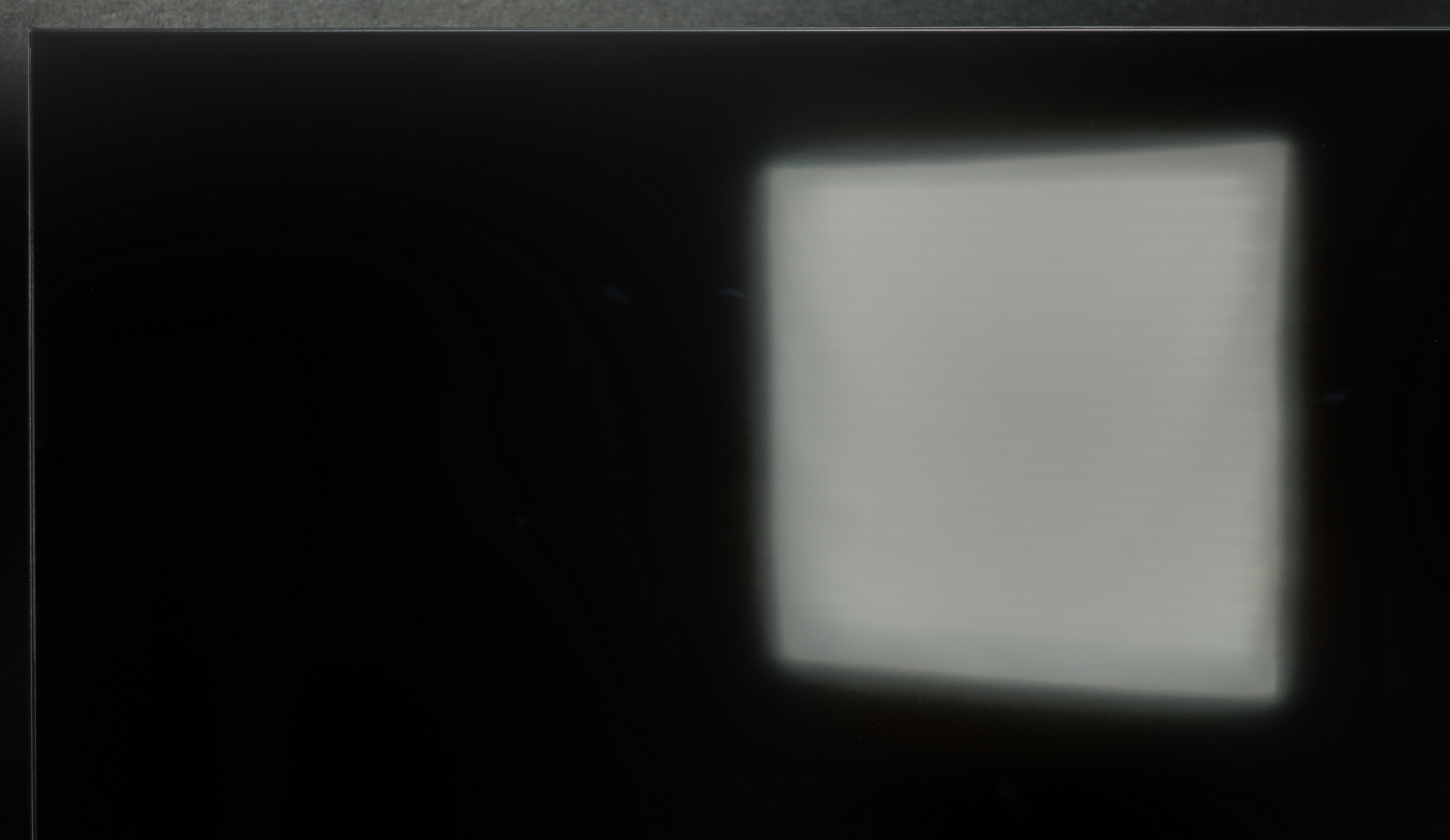
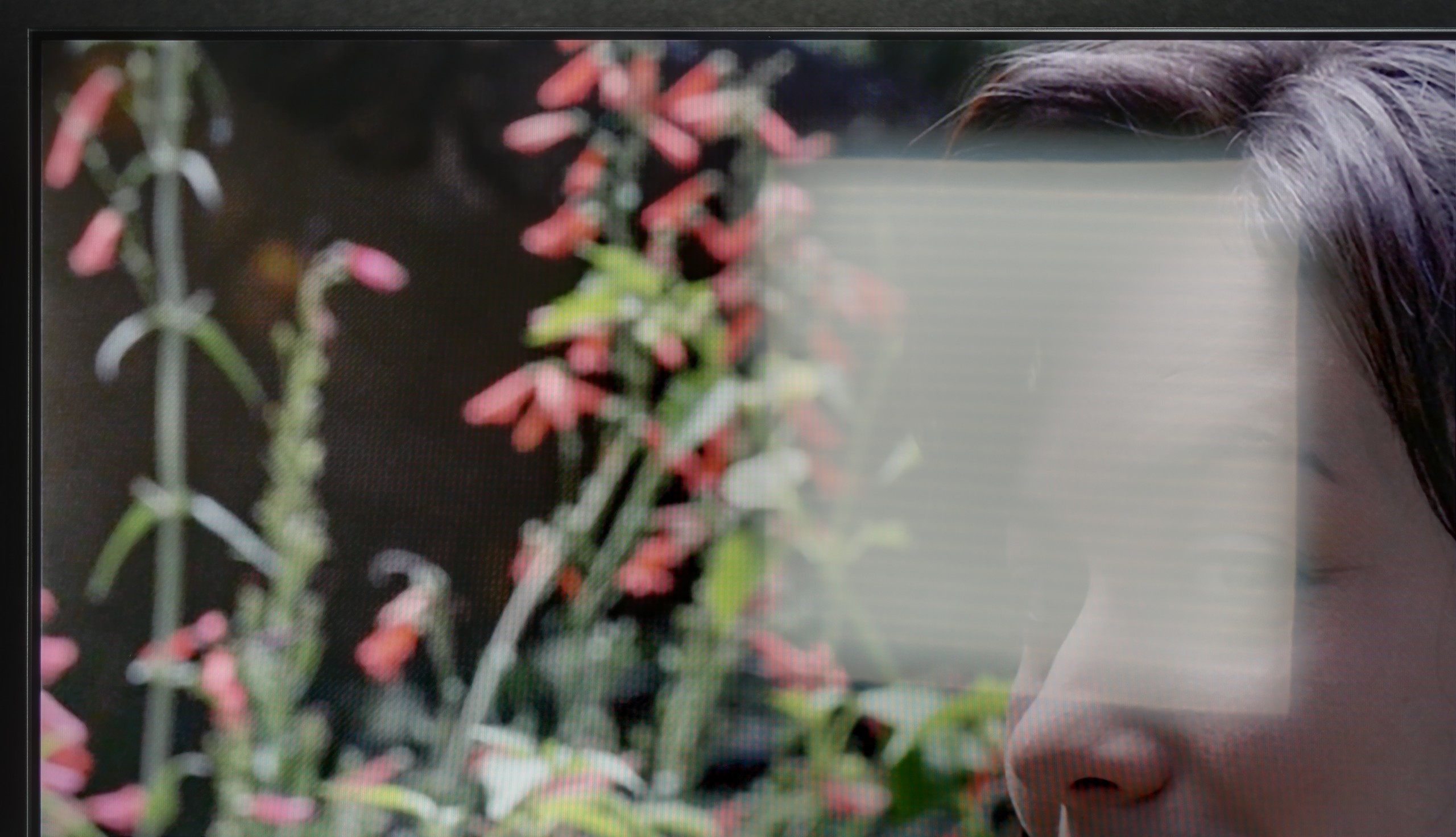
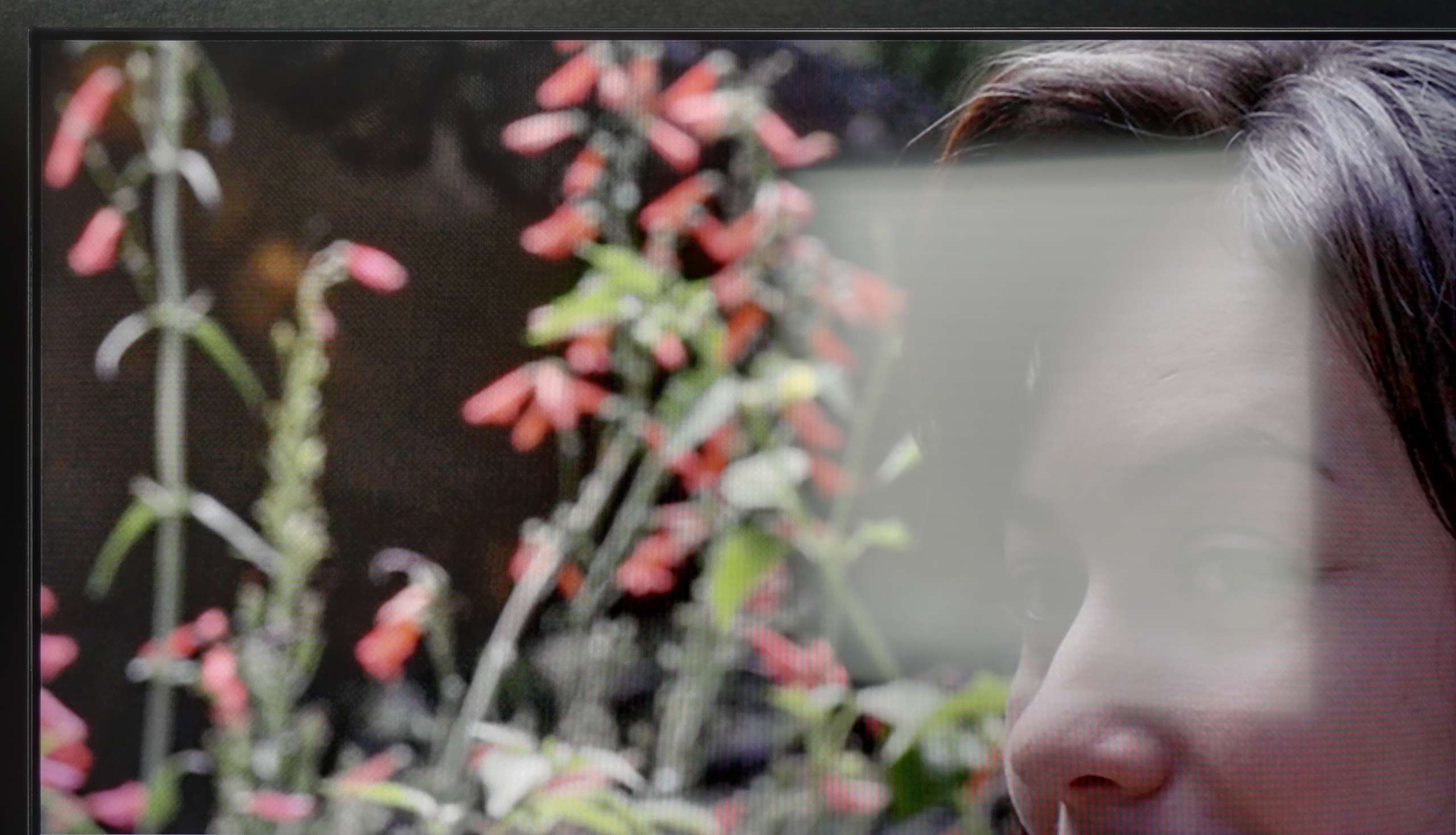
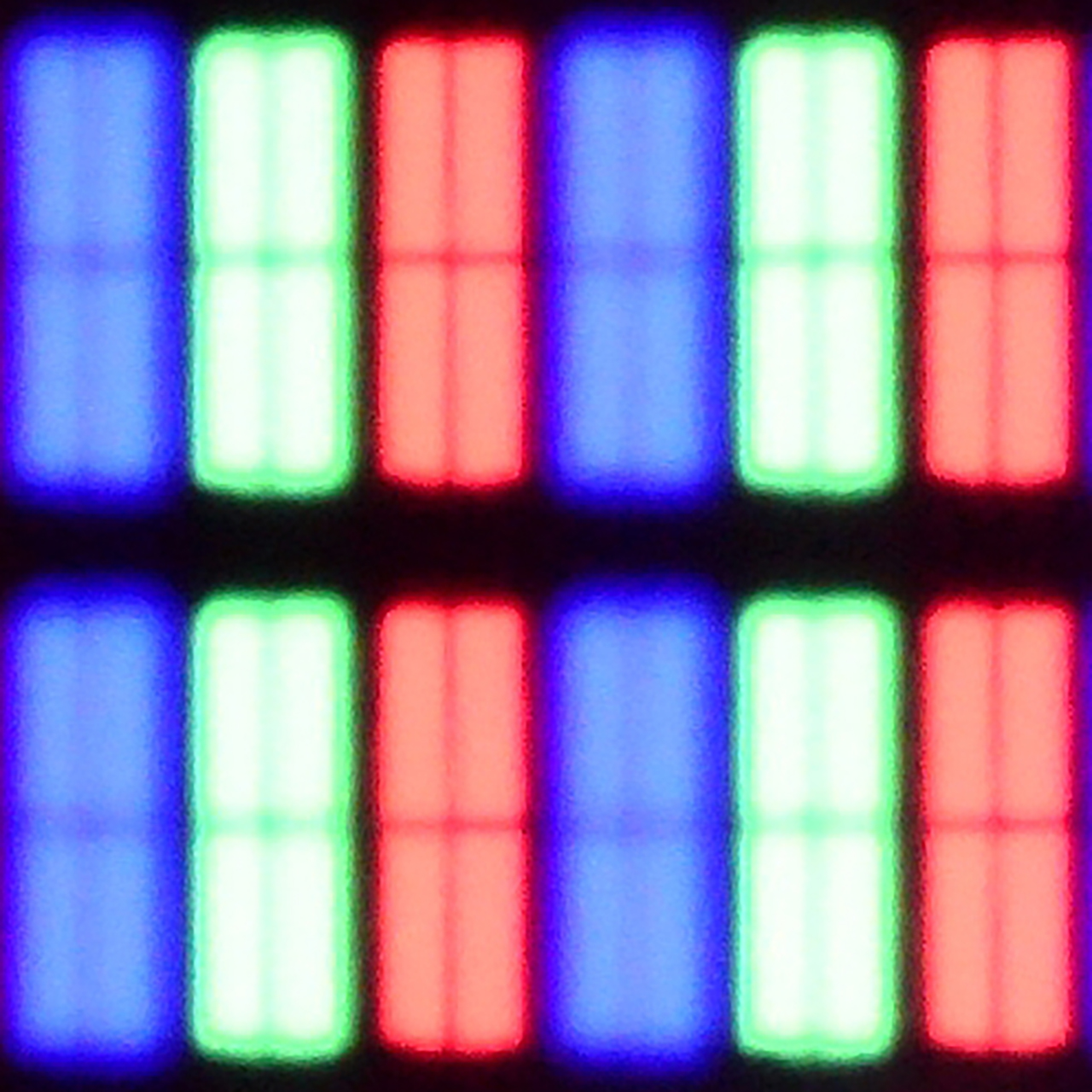
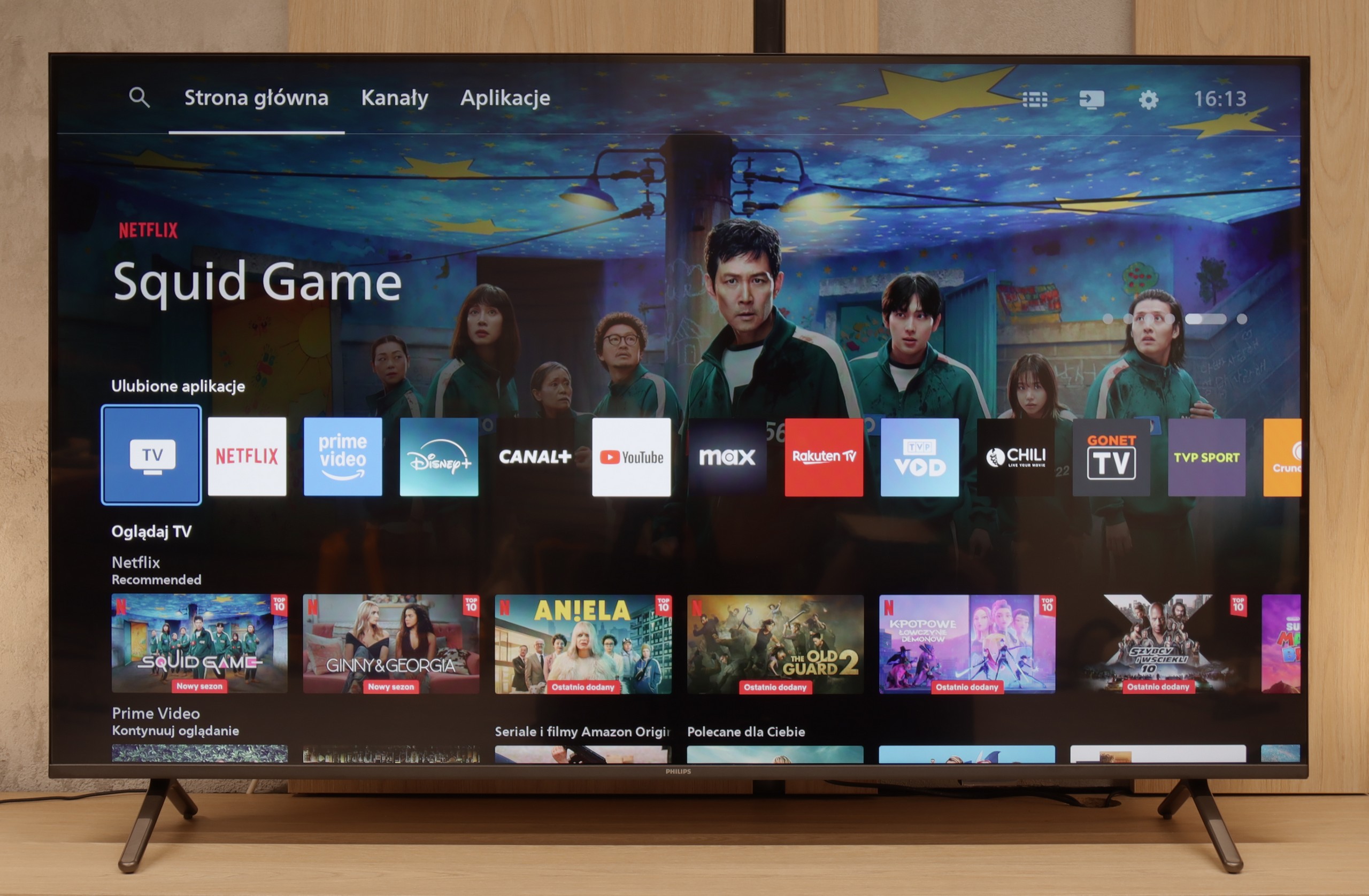
Ambilight because that's where we have to start, it's the biggest reason to buy the PUS8500. The three-sided backlighting of the TV looks great, especially in the evening. It creates an atmosphere, masks the imperfections of contrast, and makes the viewing experience simply more enjoyable. Even if the black levels aren't perfect, the native VA panel's high contrast is just fine. On top of that, there's really decent input lag and several gaming features like ALLM and VRR. Although there’s no HDMI 2.1 or 120Hz panel, casual gaming should be a pleasure. Especially since it's responsive and latency-free. Additionally, there’s full support for audio formats – both Dolby Atmos and DTS, so soundbar owners can rejoice too.
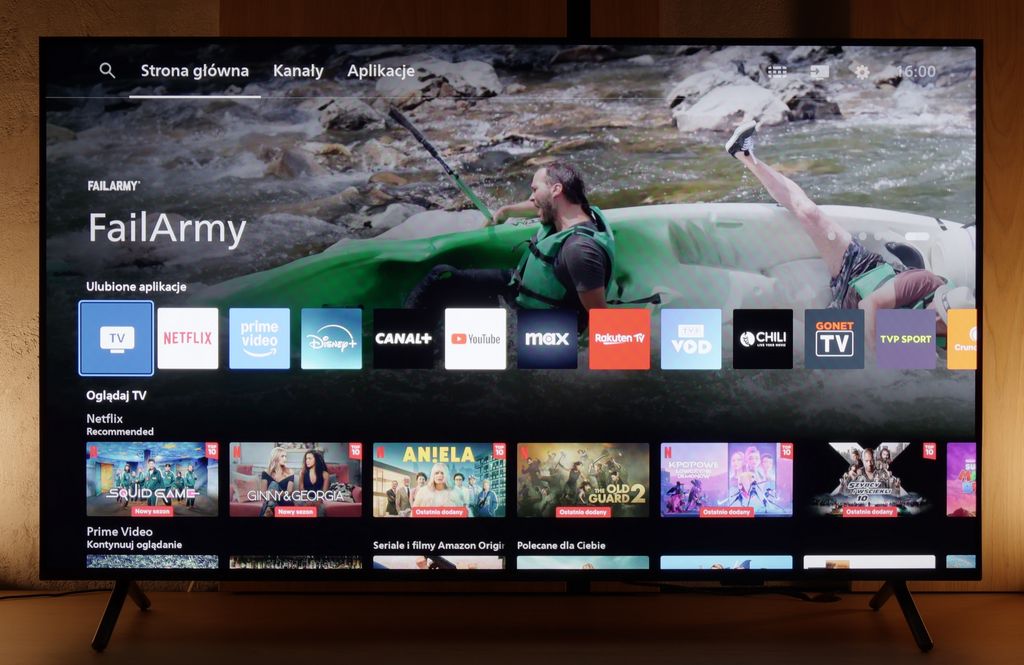
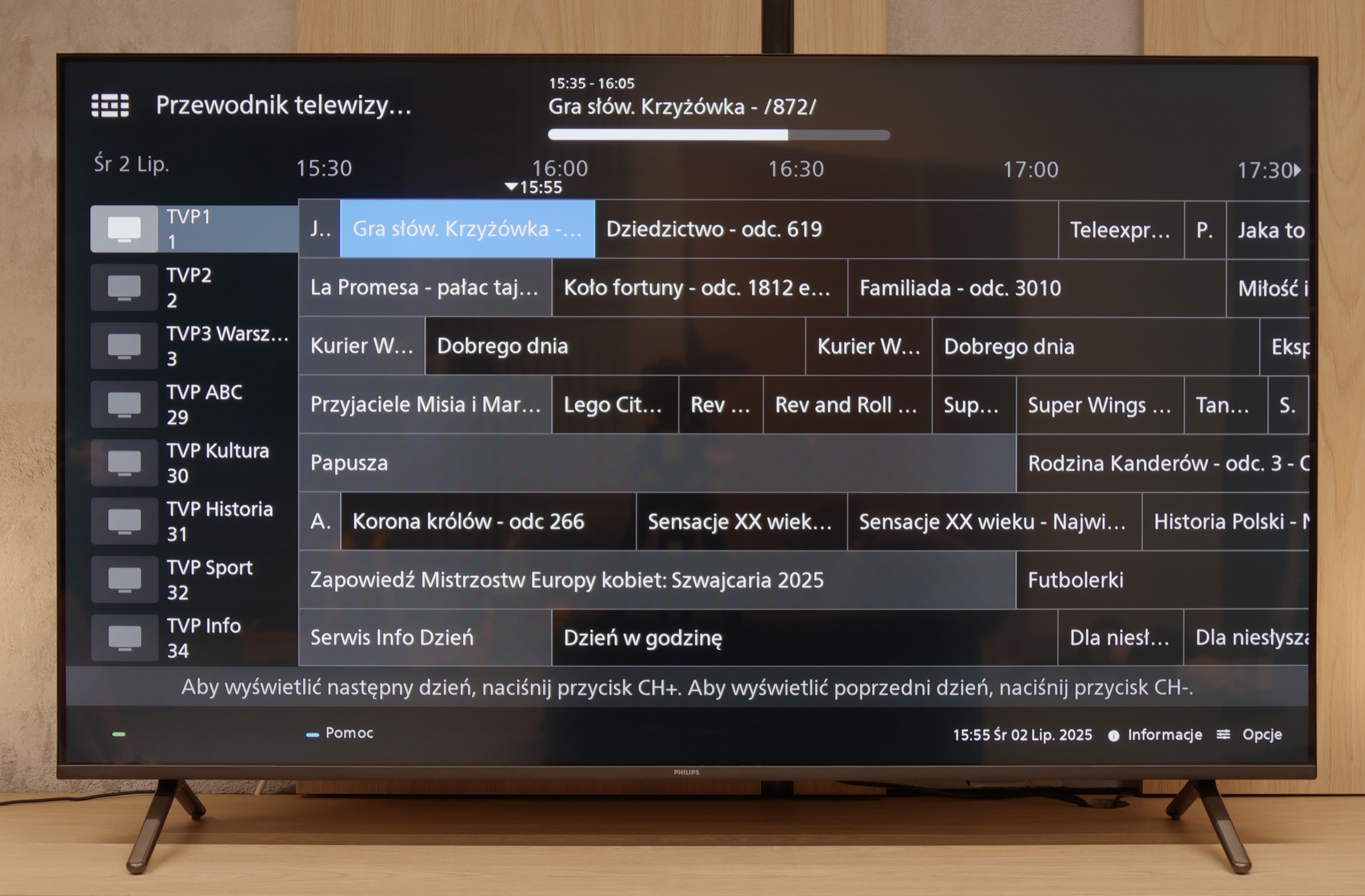
But let's not kid ourselves – this is still a budget TV, and at times it shows. Brightness is average – not weak enough to make viewing impossible, but if you hit a particularly sunny day, watching conditions without blinds can be problematic. However, in our opinion, the biggest disappointment with the PUS8560 is the operating system, Titan OS. Despite the system debuting some time ago, certain features simply wouldn't work – for example, screen mirroring from a phone despite the manufacturer's claims that such a feature is present here. There are fewer apps than with competitors, and the system itself runs a bit clumsily. Overall, it seems to have some capabilities, but clearly lacks refinement.
Of course, this is not a TV meant to compete with top models. But if someone is looking for something simple, with a nice atmosphere that the Ambilight system provides, it is a quite reasonable offer. You just need to know what to expect and accept the many compromises present here.
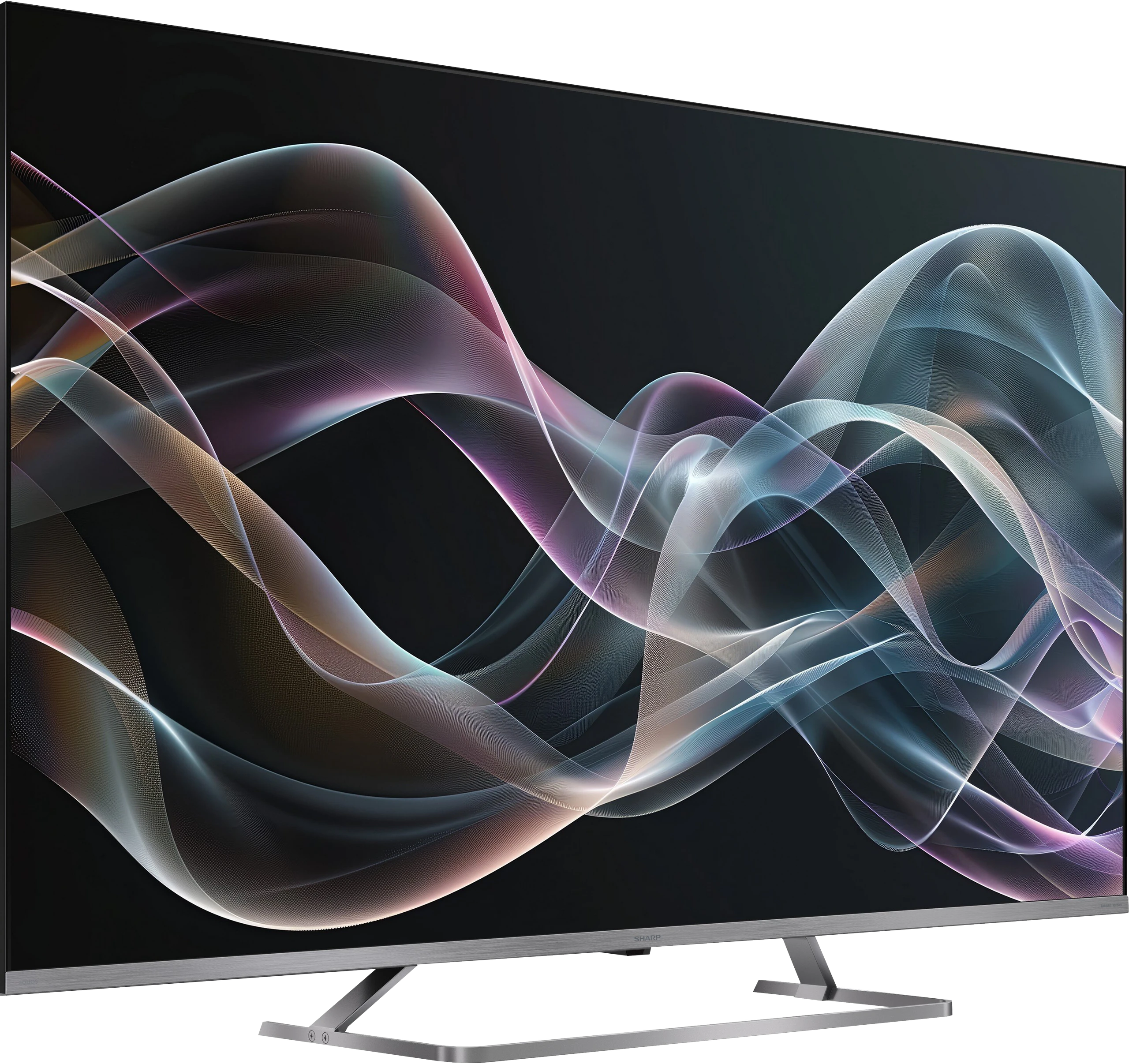
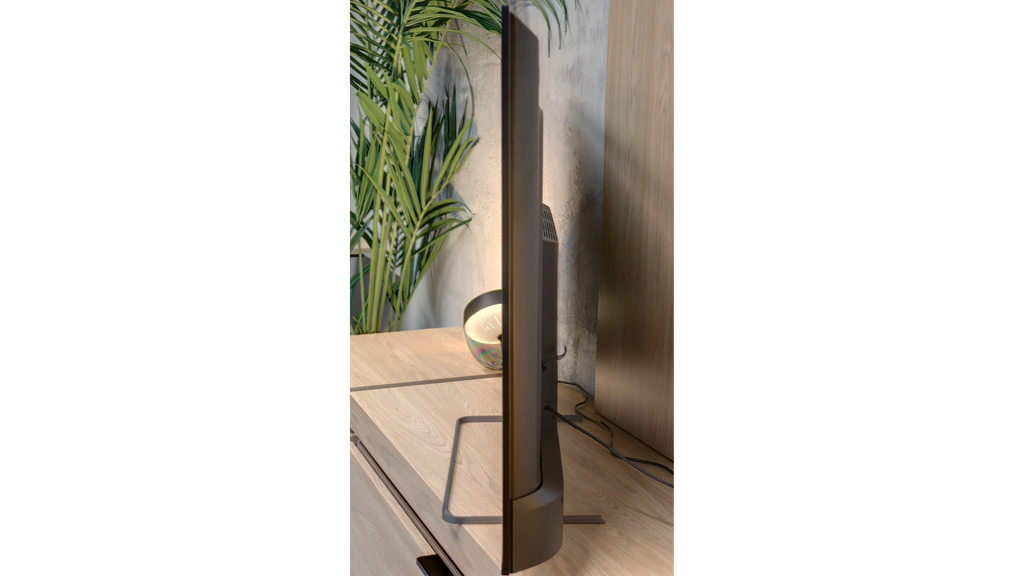
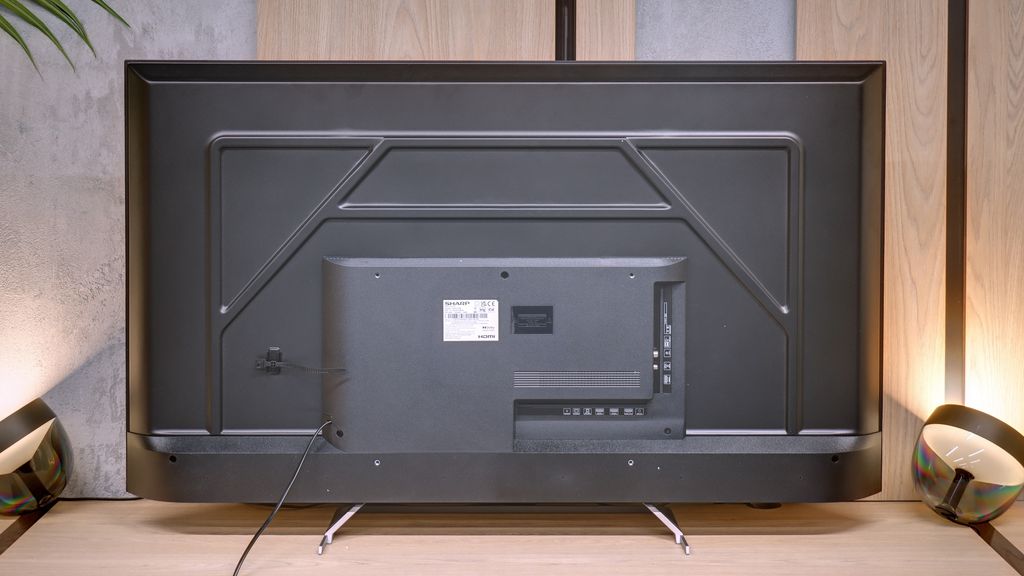
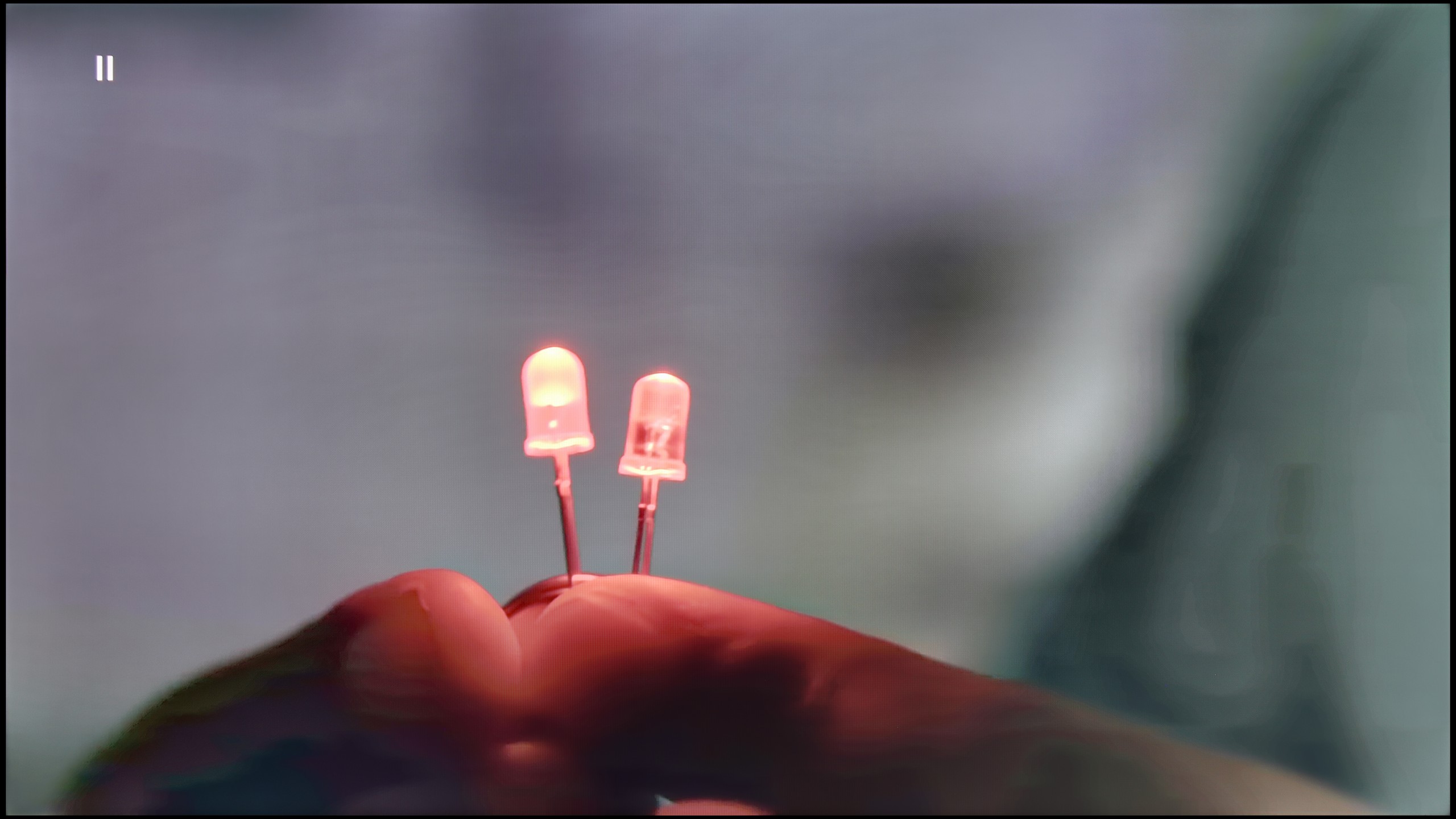
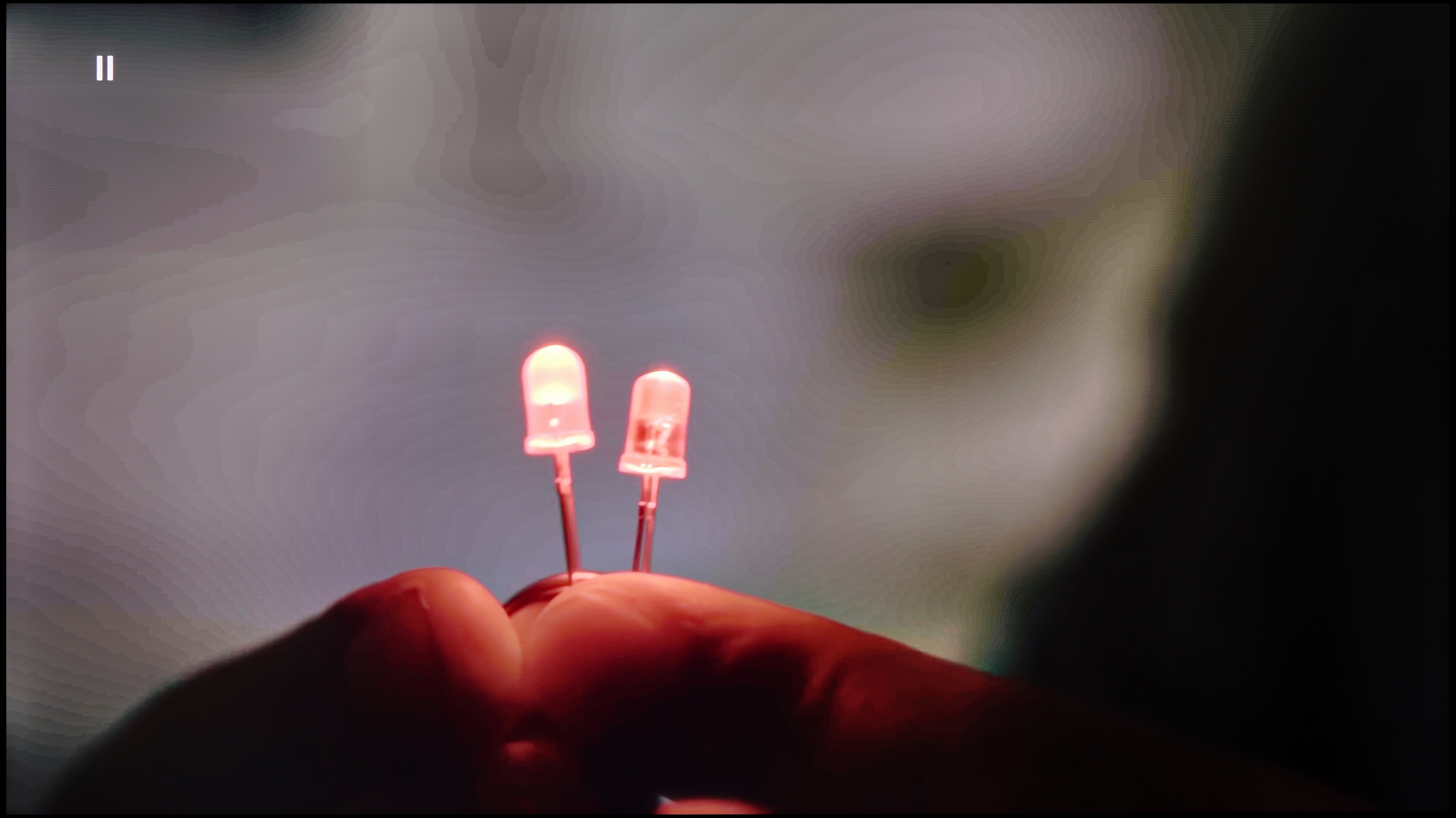
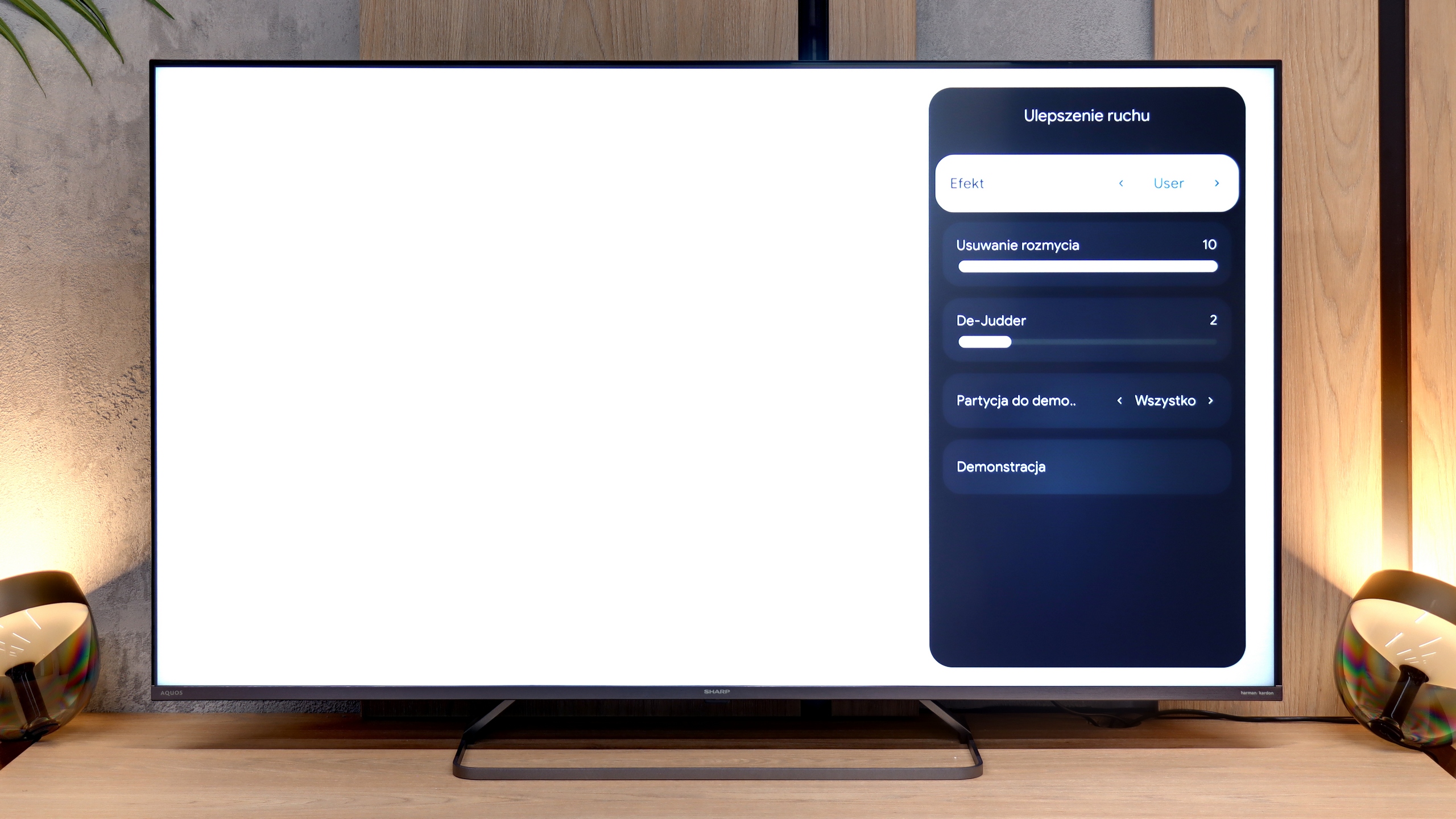
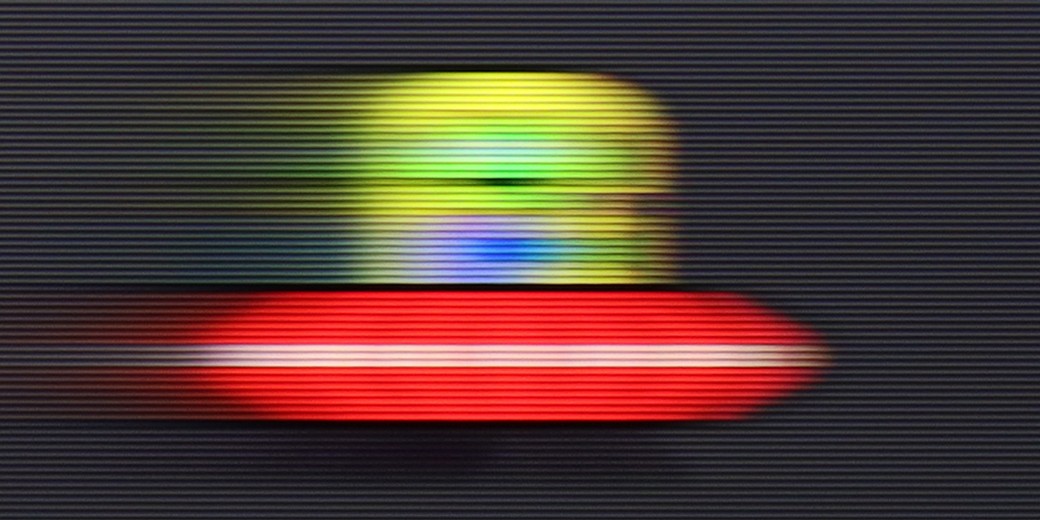
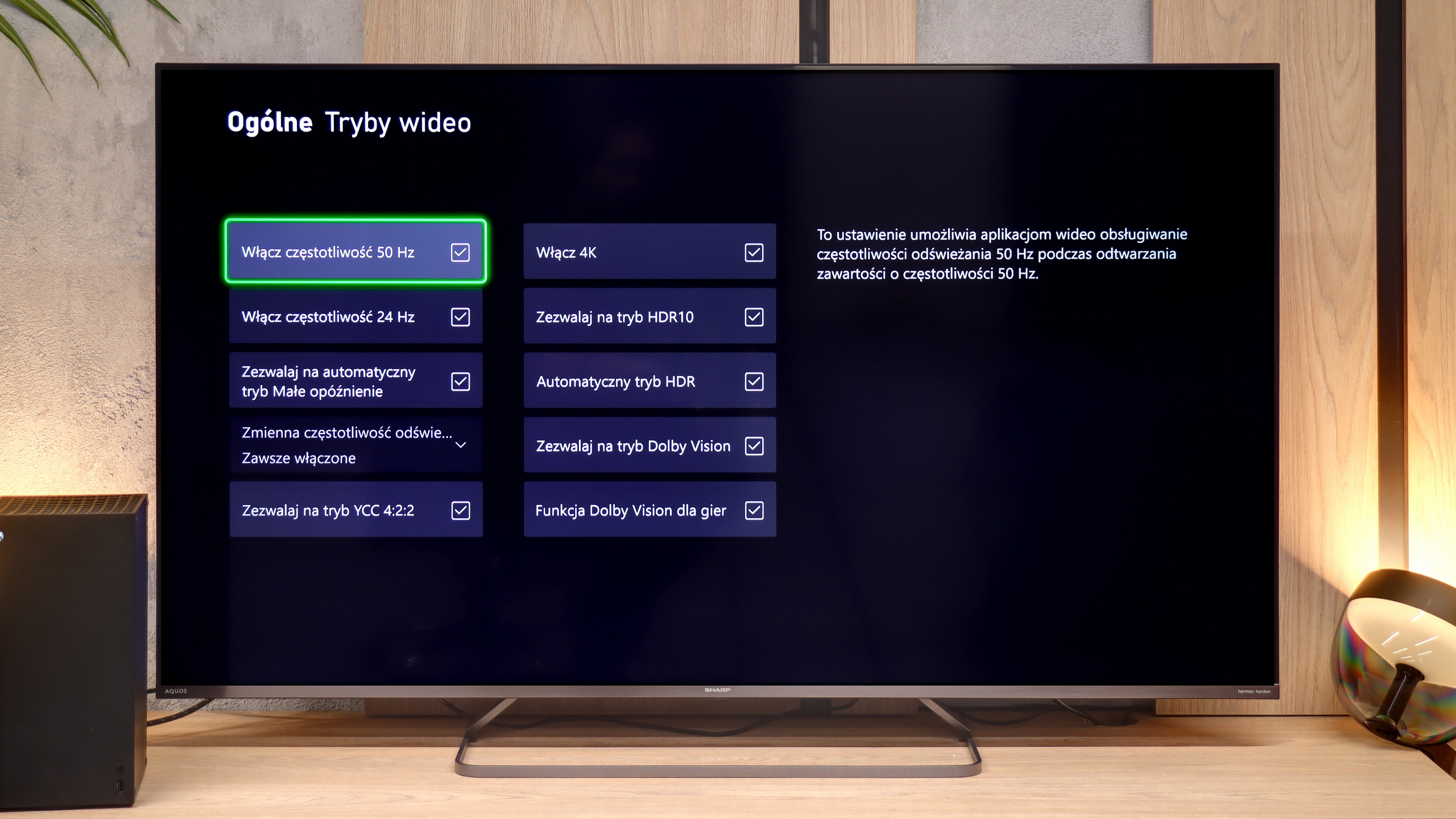
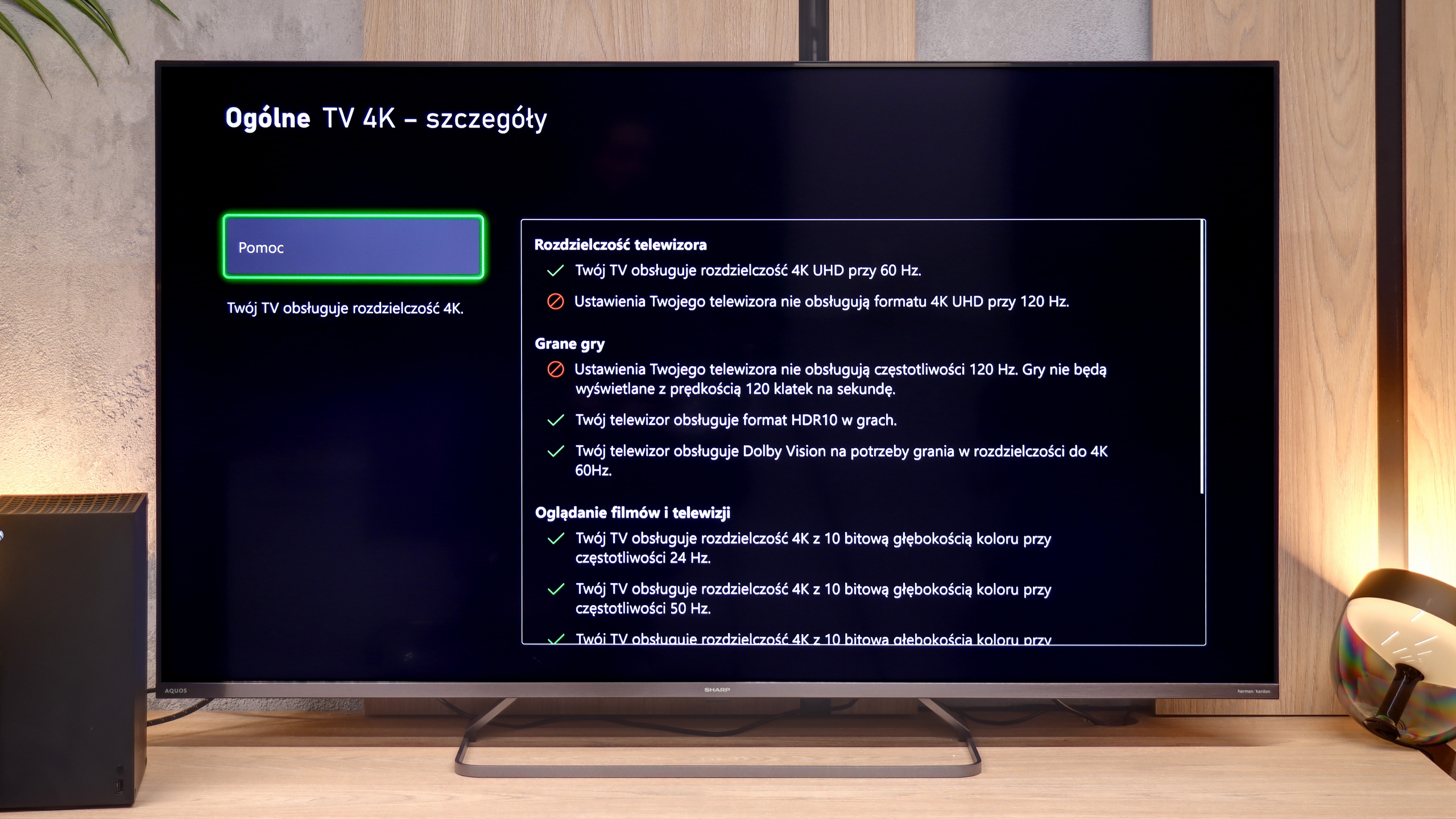
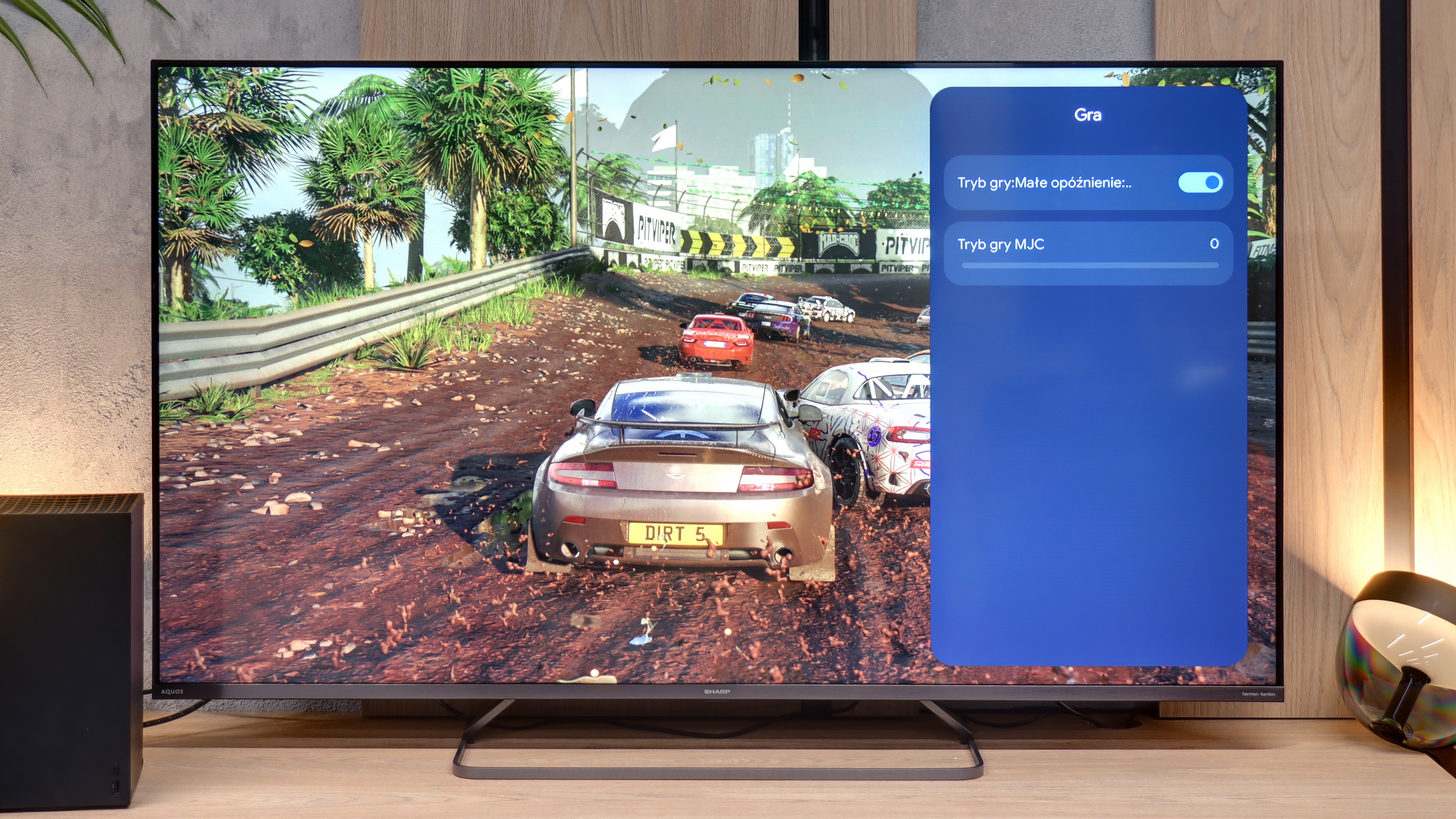
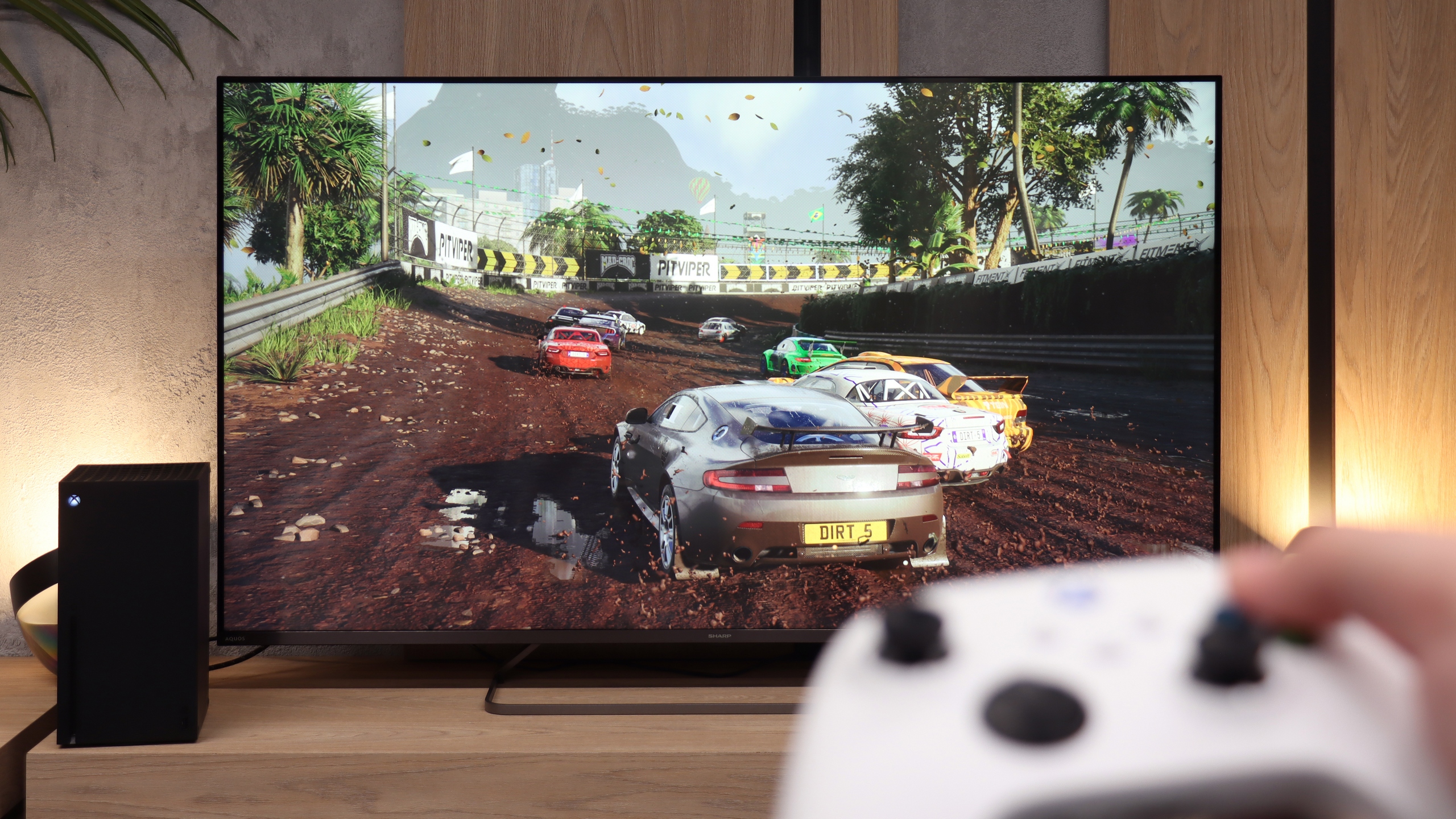
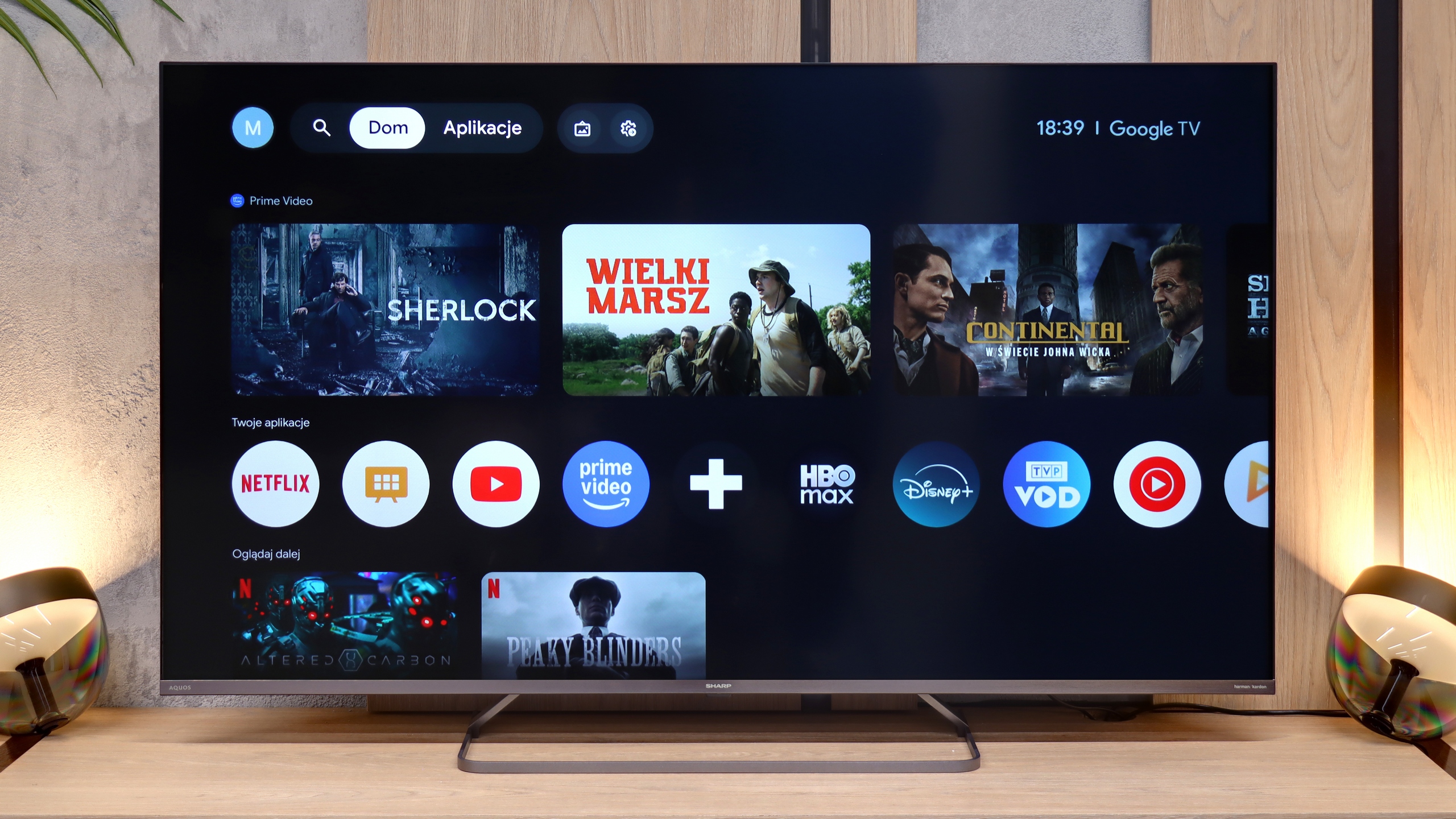
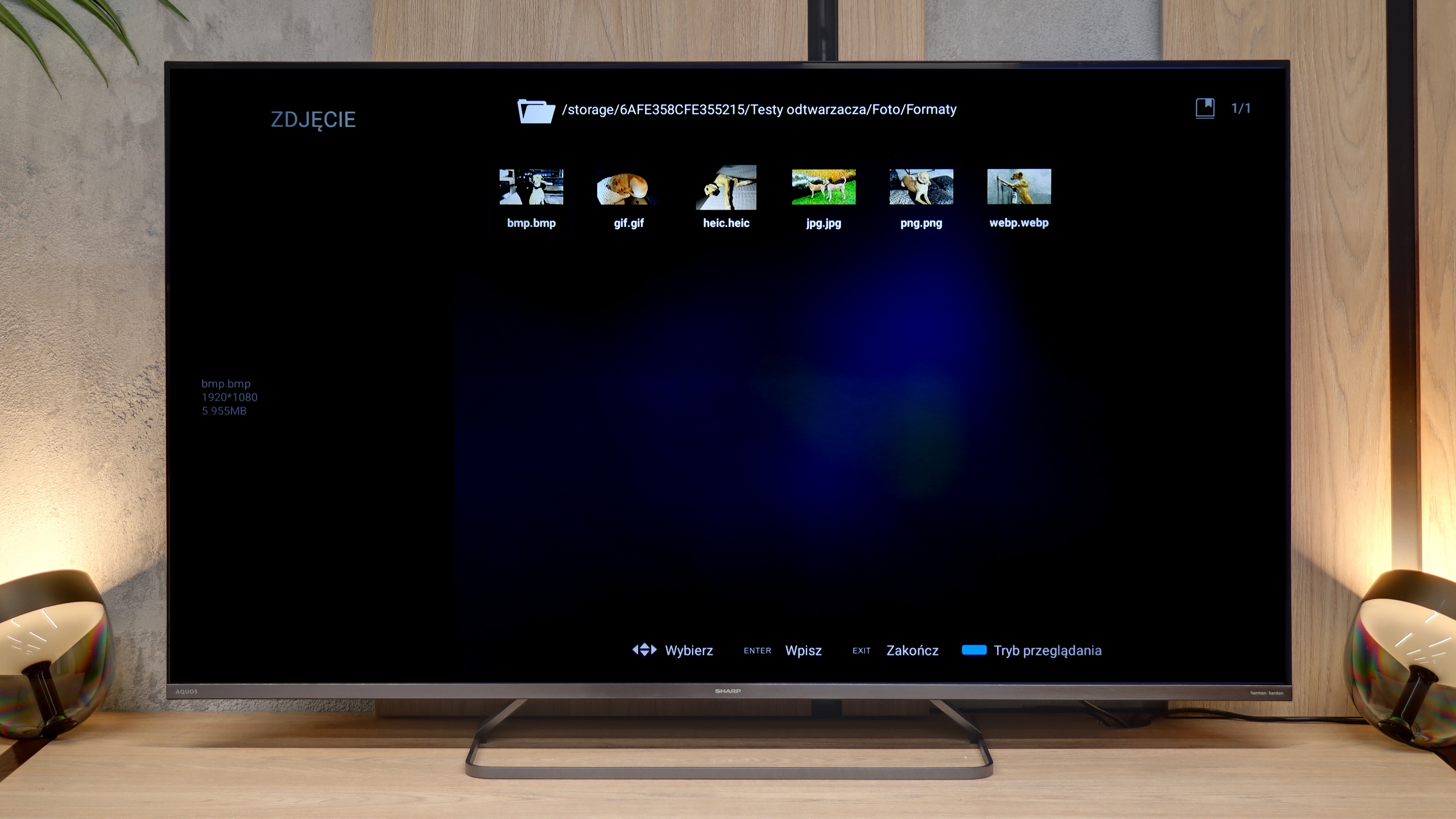
Sharp JP7765 is another offering in the market that tries to prove that Mini-LED technology doesn’t have to cost a fortune. The low price is matched with an exceptionally high brightness — a peak of 1000 nits in HDR is a result that simply impresses in this price range. Although the proprietary processor doesn’t always manage backlighting perfectly in demanding scenes, support for Dolby Vision effectively saves the situation. Thanks to dynamic metadata, the image becomes plastic, deep, and simply appealing to the eye. Adding to this the Google TV system, extreme volume, and a rarely-seen headphone jack, we get a device that is a brilliant option for seniors or less demanding viewers transitioning from basic, cheap LCDs. In such a scenario, the Sharp JP7 appears to be a really decent and cost-effective choice. However, it must be made clear: contrary to marketing slogans, this is not equipment for everyone. Gamers or sports fans will definitely not find themselves here. The biggest drawback of the JP7765 model is the slow, 60Hz panel and significant motion blur, which essentially disqualifies this television when watching dynamic matches or playing fast-paced titles. The image loses sharpness so markedly during rapid movements that for a football or racing fan, it may be an unacceptable barrier.
So who is the Sharp JP7765 for? It is a sensible option for budget-conscious individuals who do not have high demands for motion fluidity but appreciate a “kick” of brightness. By choosing the Sharp JP7, you will definitely make a better deal than purchasing basic (non-dimming) televisions from the competition. Rivals usually offer standard LCD panels at a similar price that cannot compare to the capabilities of even such a basic Mini-LED model as the JP7. Ultimately, it’s a matter of a simple arrangement: you accept weaker motion fluidity in exchange for the powerful brightness that is hard to find with other manufacturers at this price point.
 Direct comparison