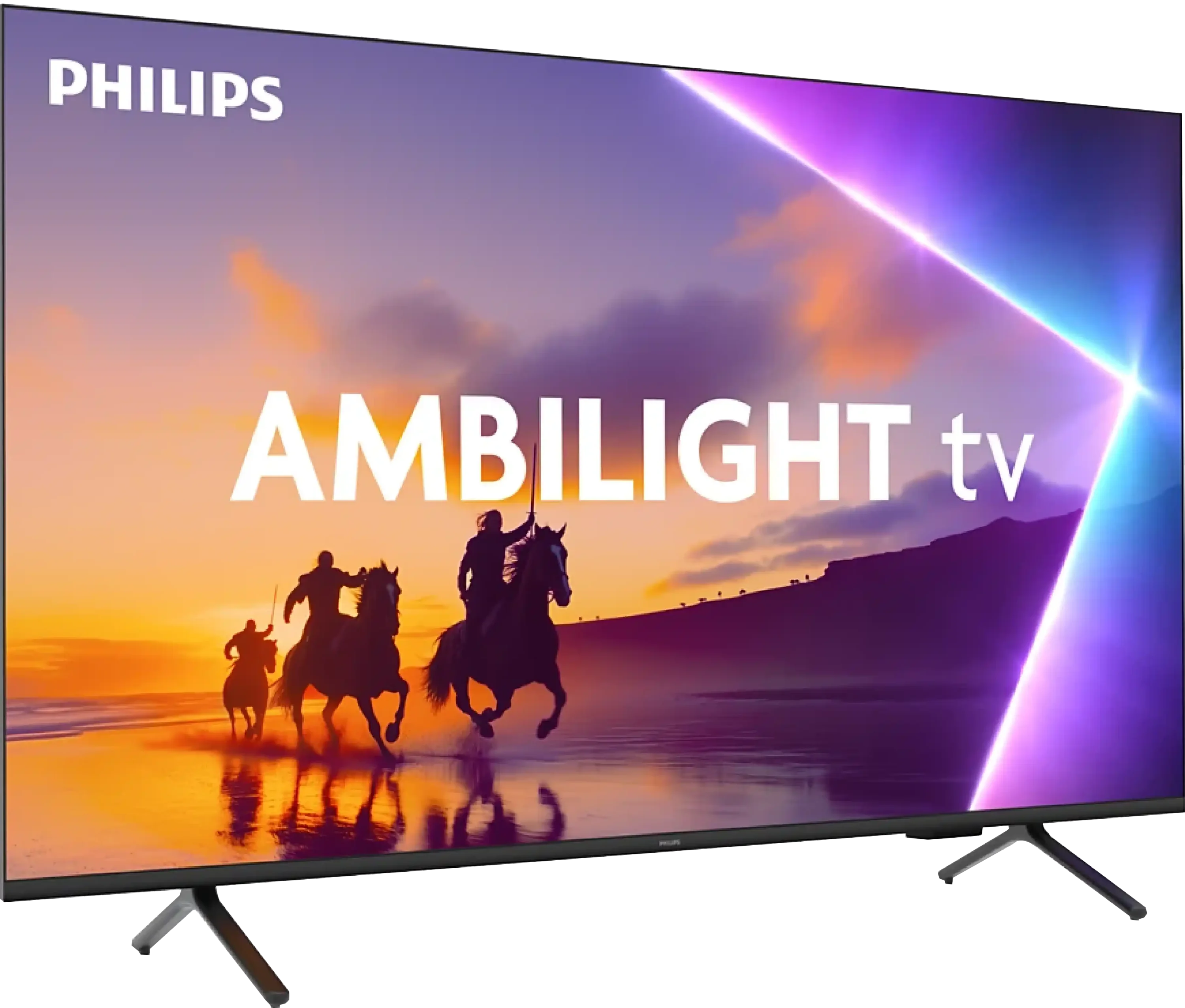
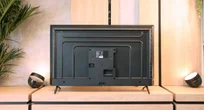
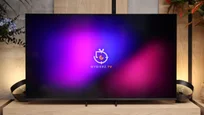
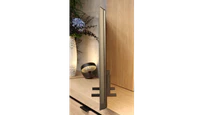
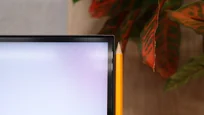
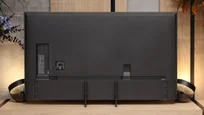
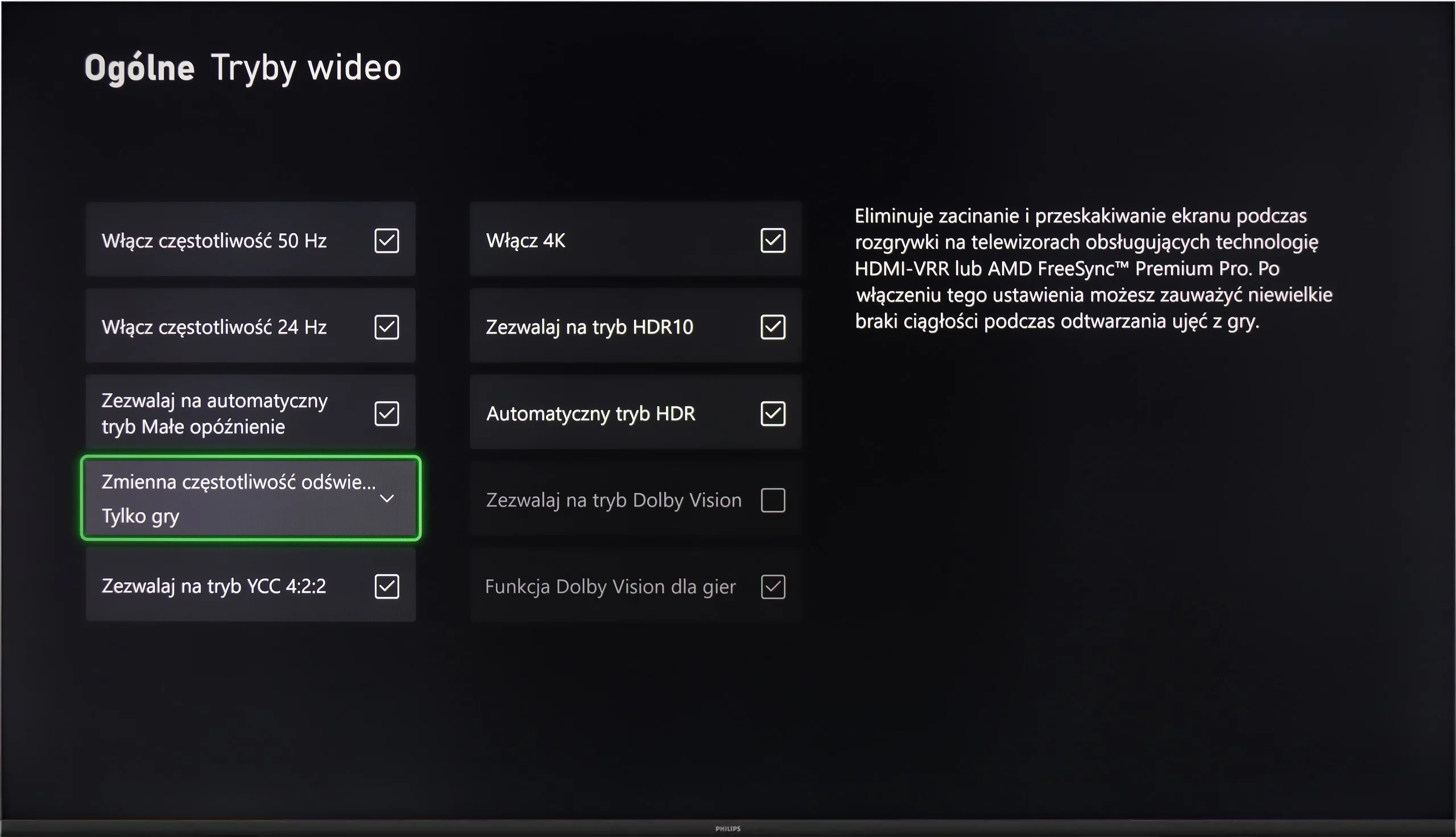
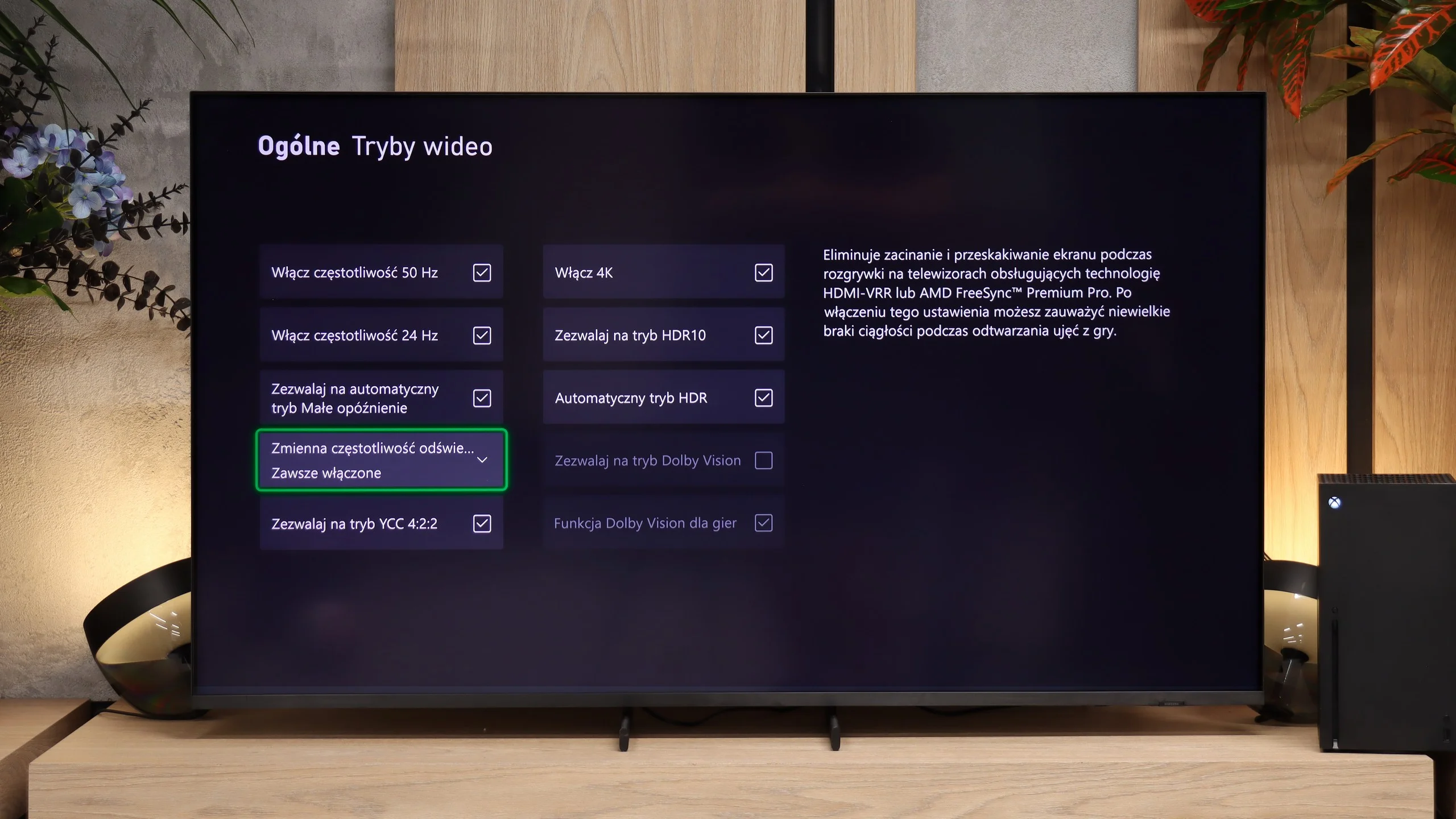
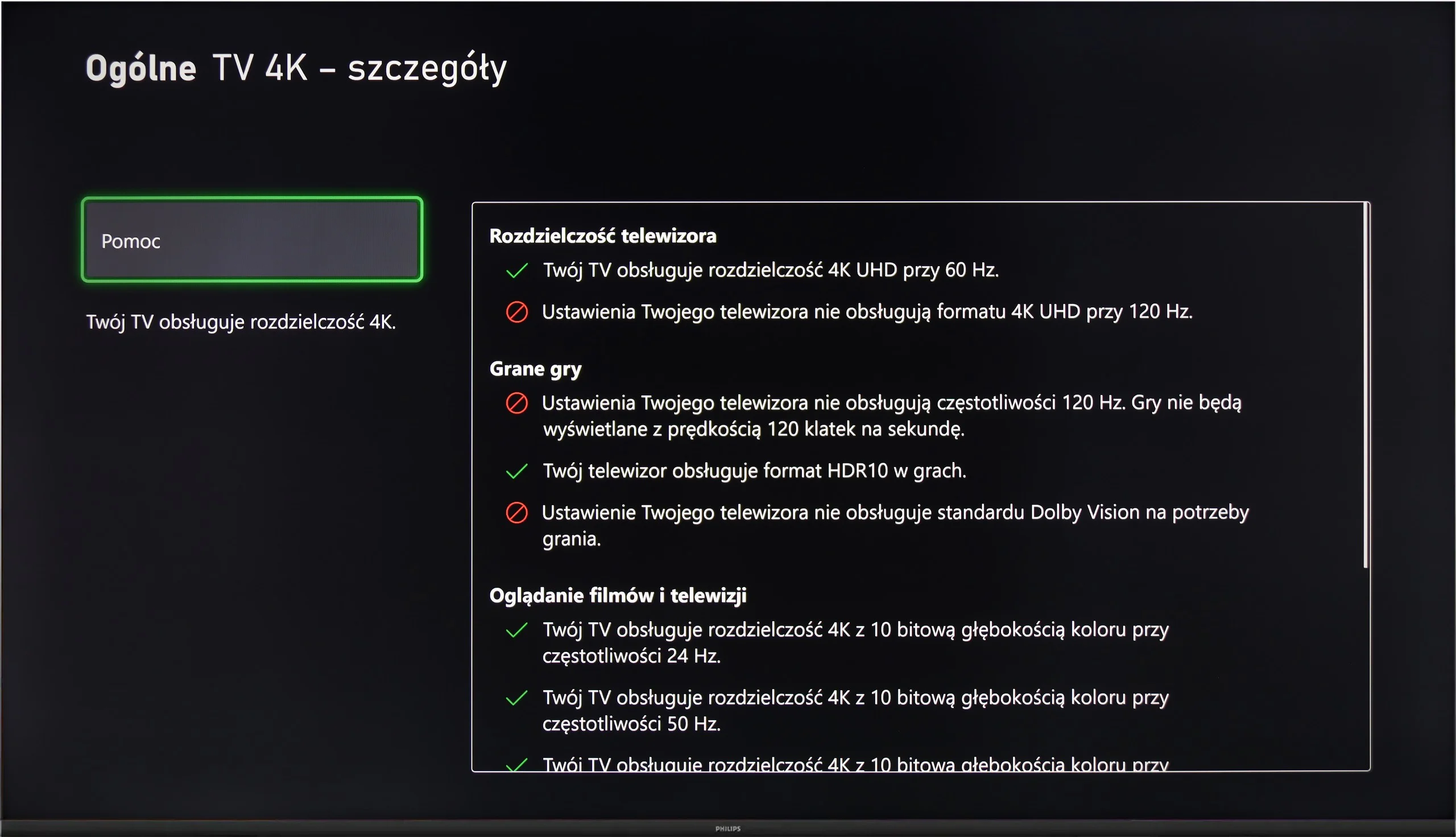
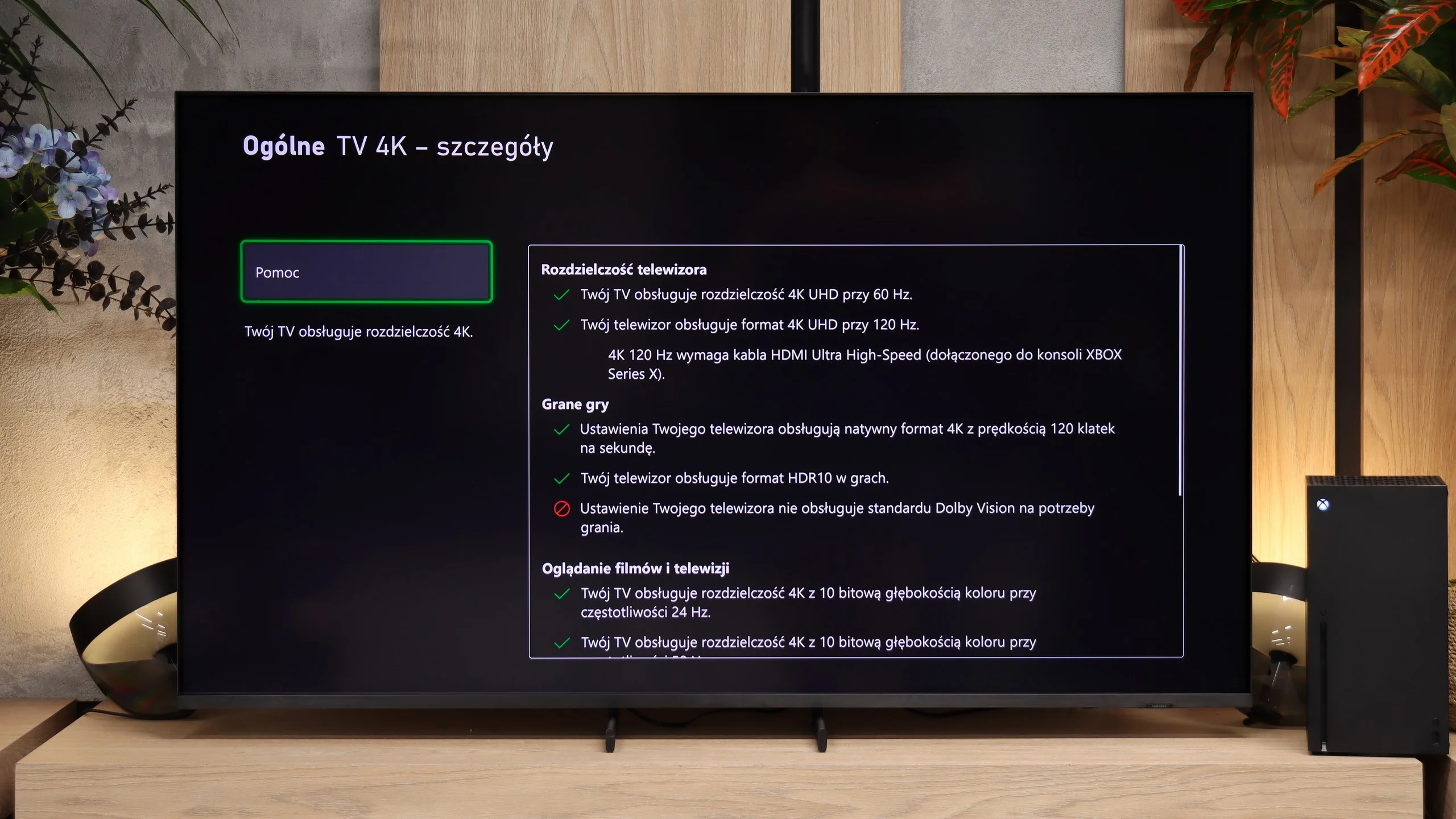
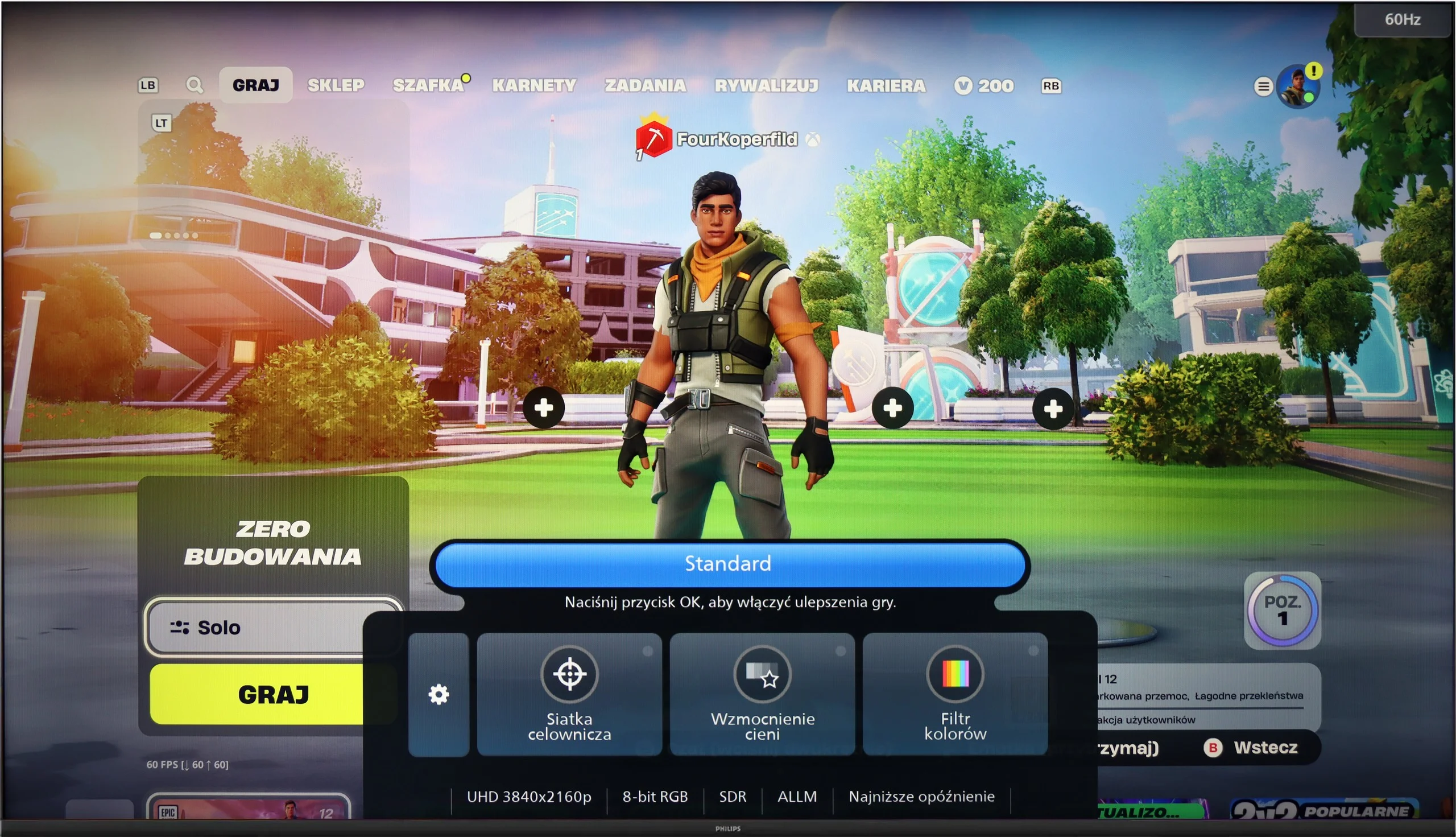
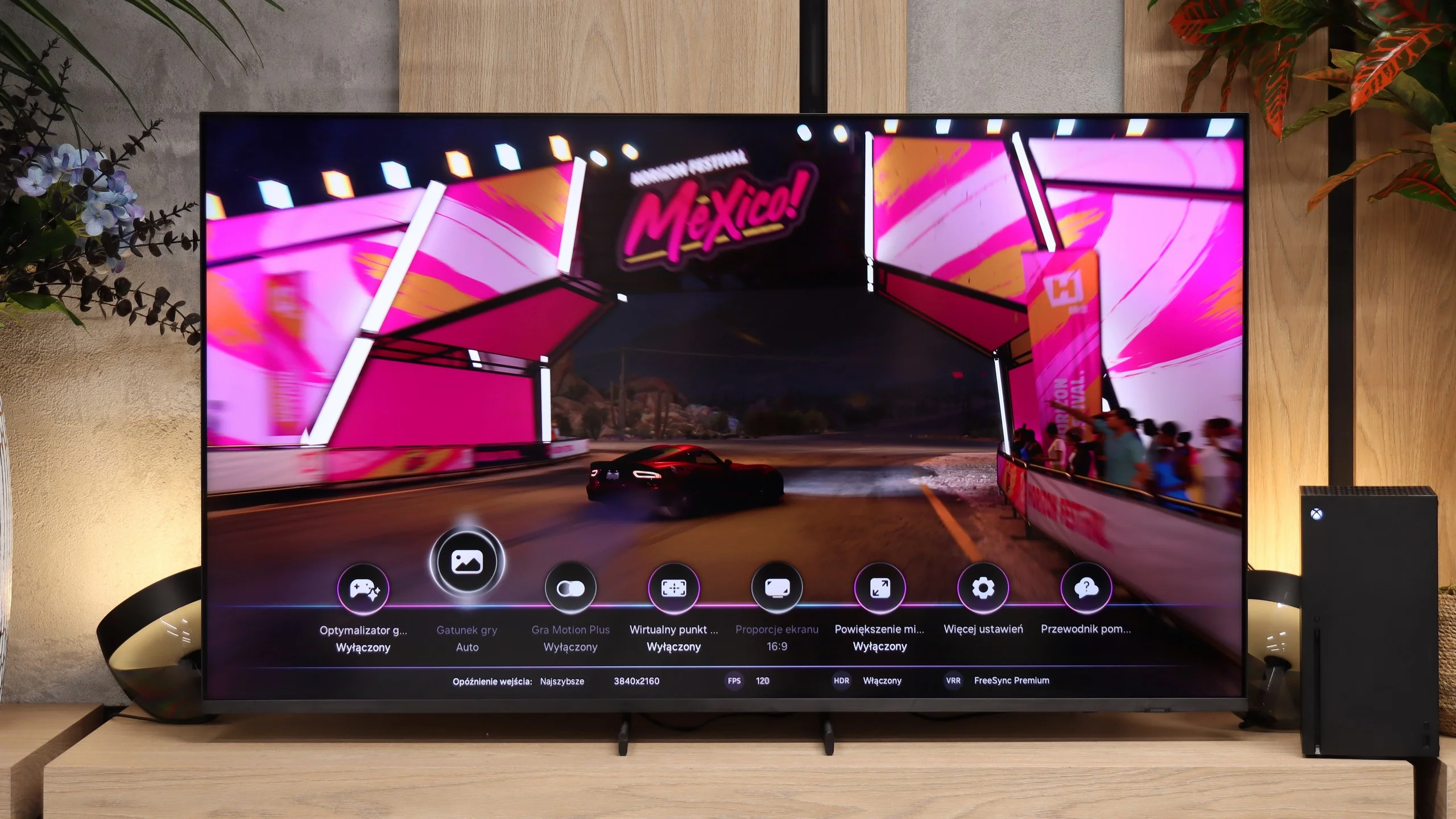
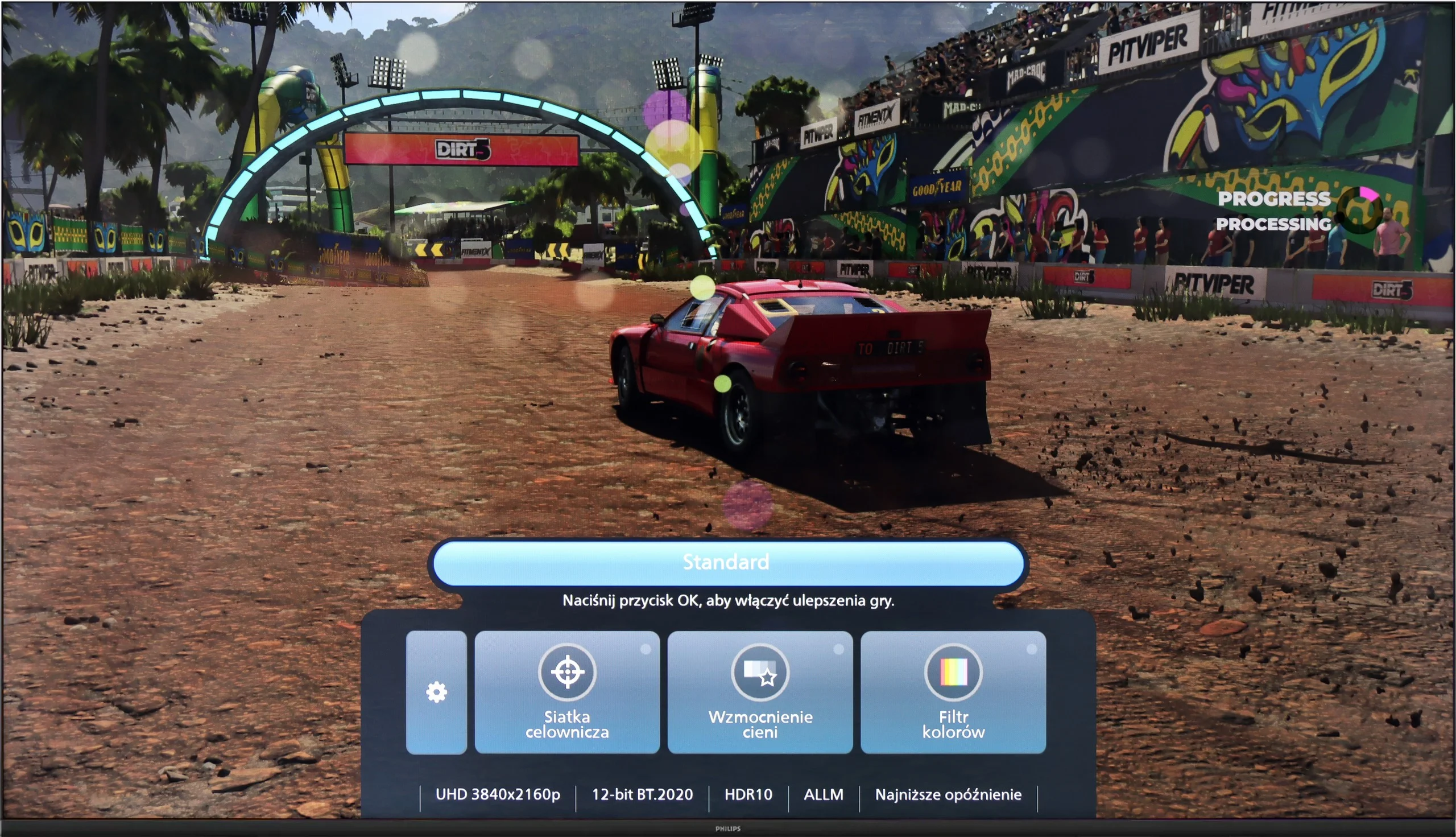
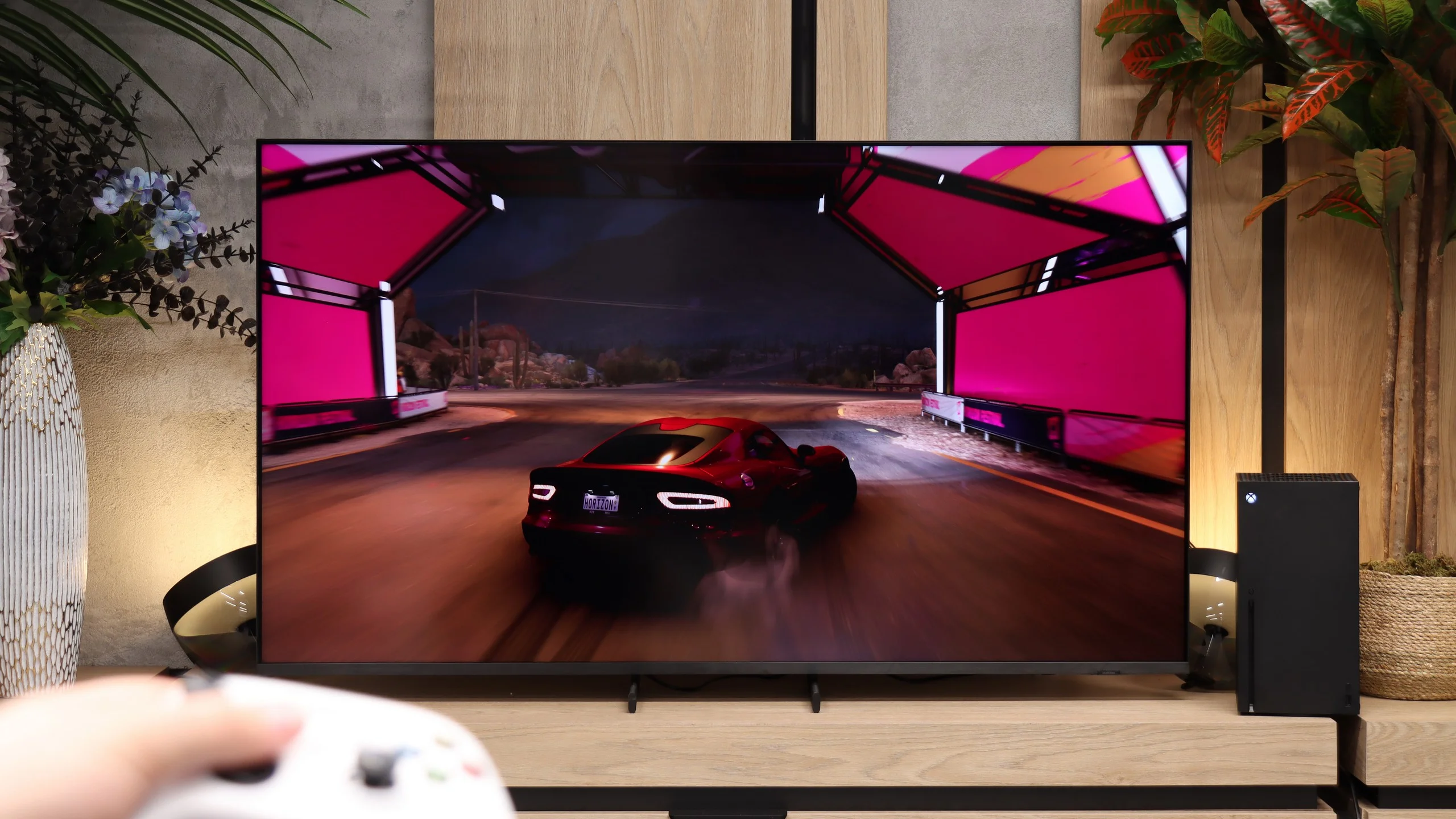
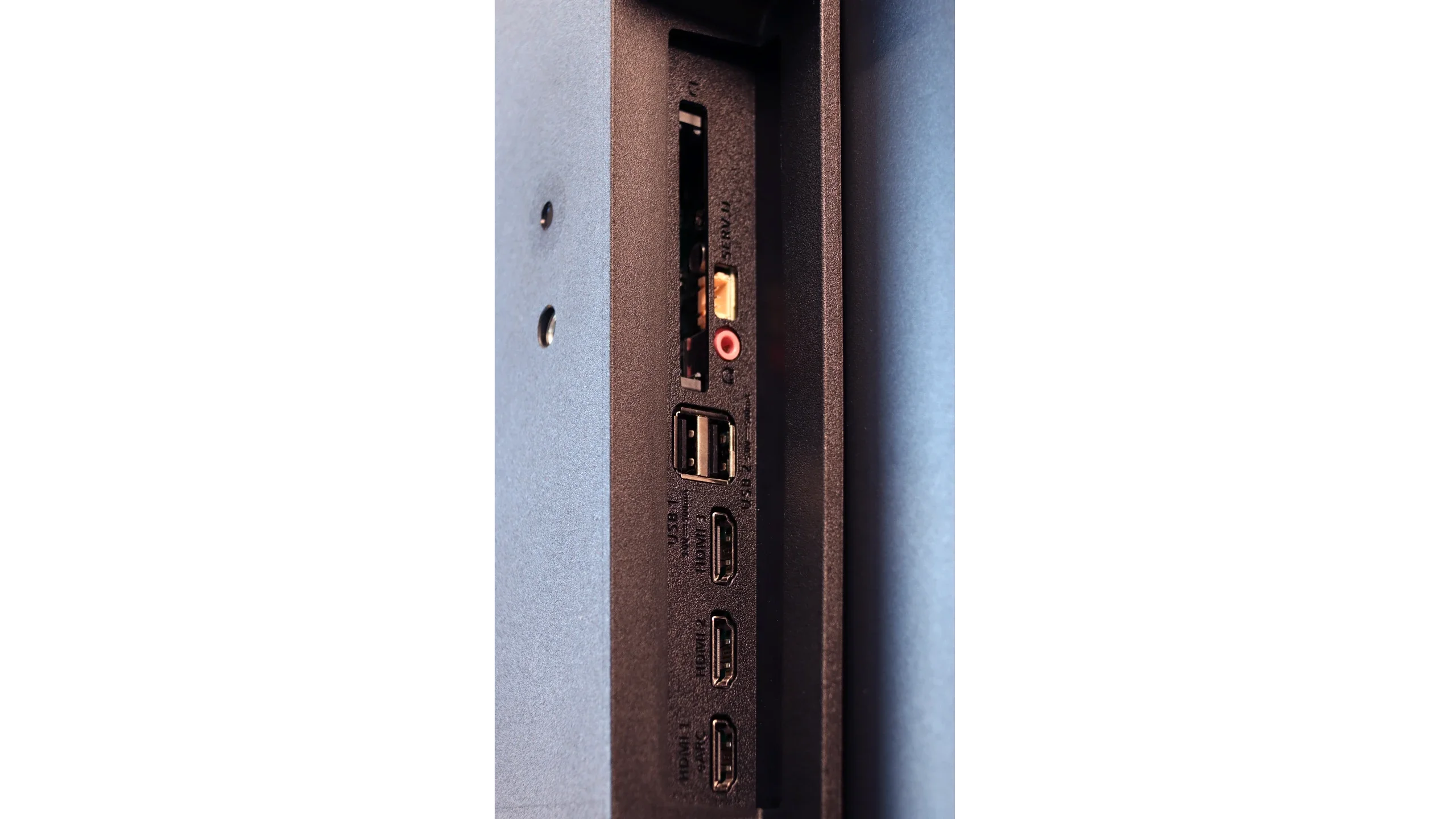
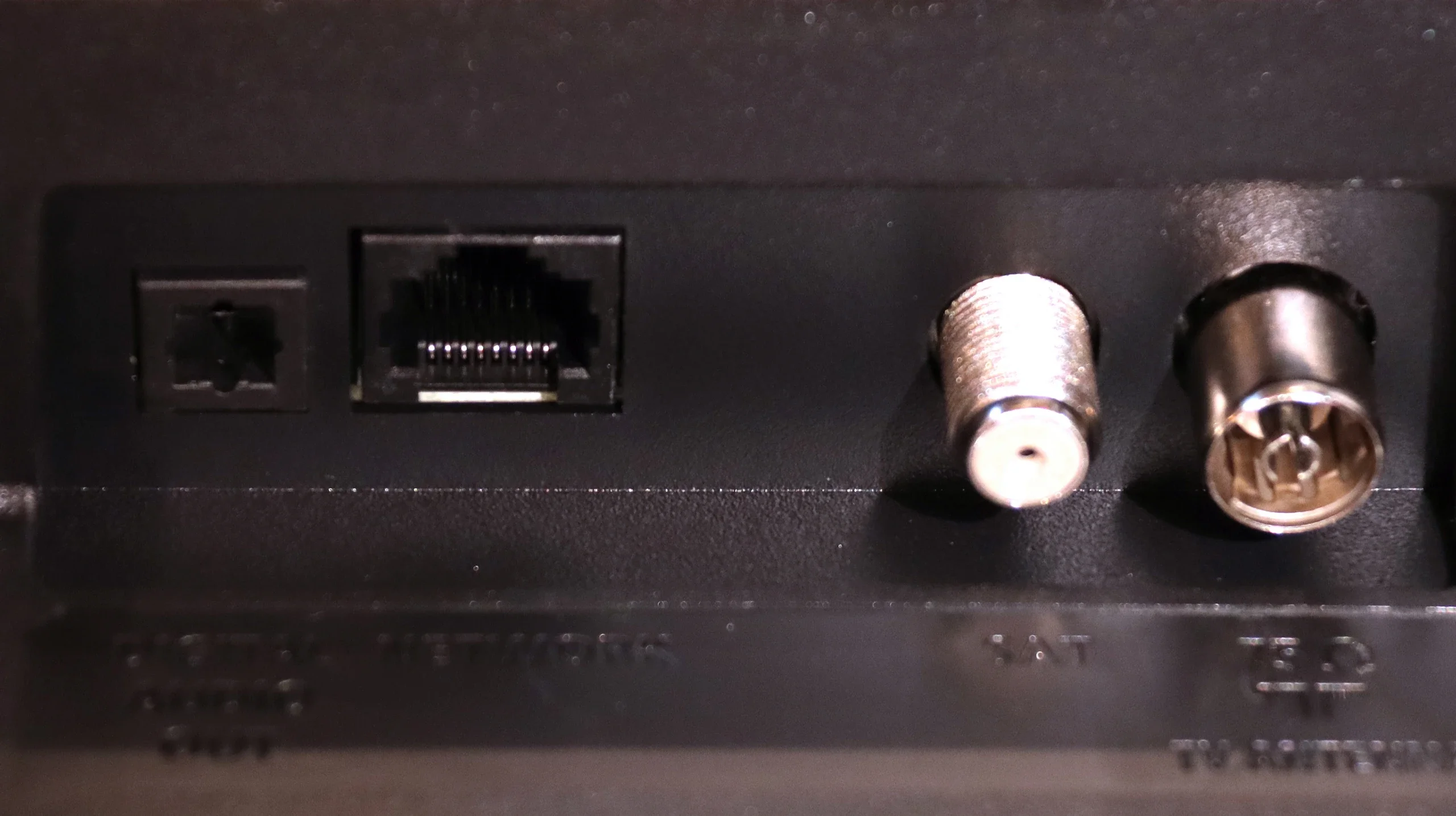
Ambilight because that's where we have to start, it's the biggest reason to buy the PUS8500. The three-sided backlighting of the TV looks great, especially in the evening. It creates an atmosphere, masks the imperfections of contrast, and makes the viewing experience simply more enjoyable. Even if the black levels aren't perfect, the native VA panel's high contrast is just fine. On top of that, there's really decent input lag and several gaming features like ALLM and VRR. Although there’s no HDMI 2.1 or 120Hz panel, casual gaming should be a pleasure. Especially since it's responsive and latency-free. Additionally, there’s full support for audio formats – both Dolby Atmos and DTS, so soundbar owners can rejoice too.
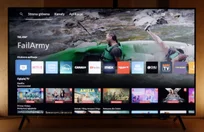
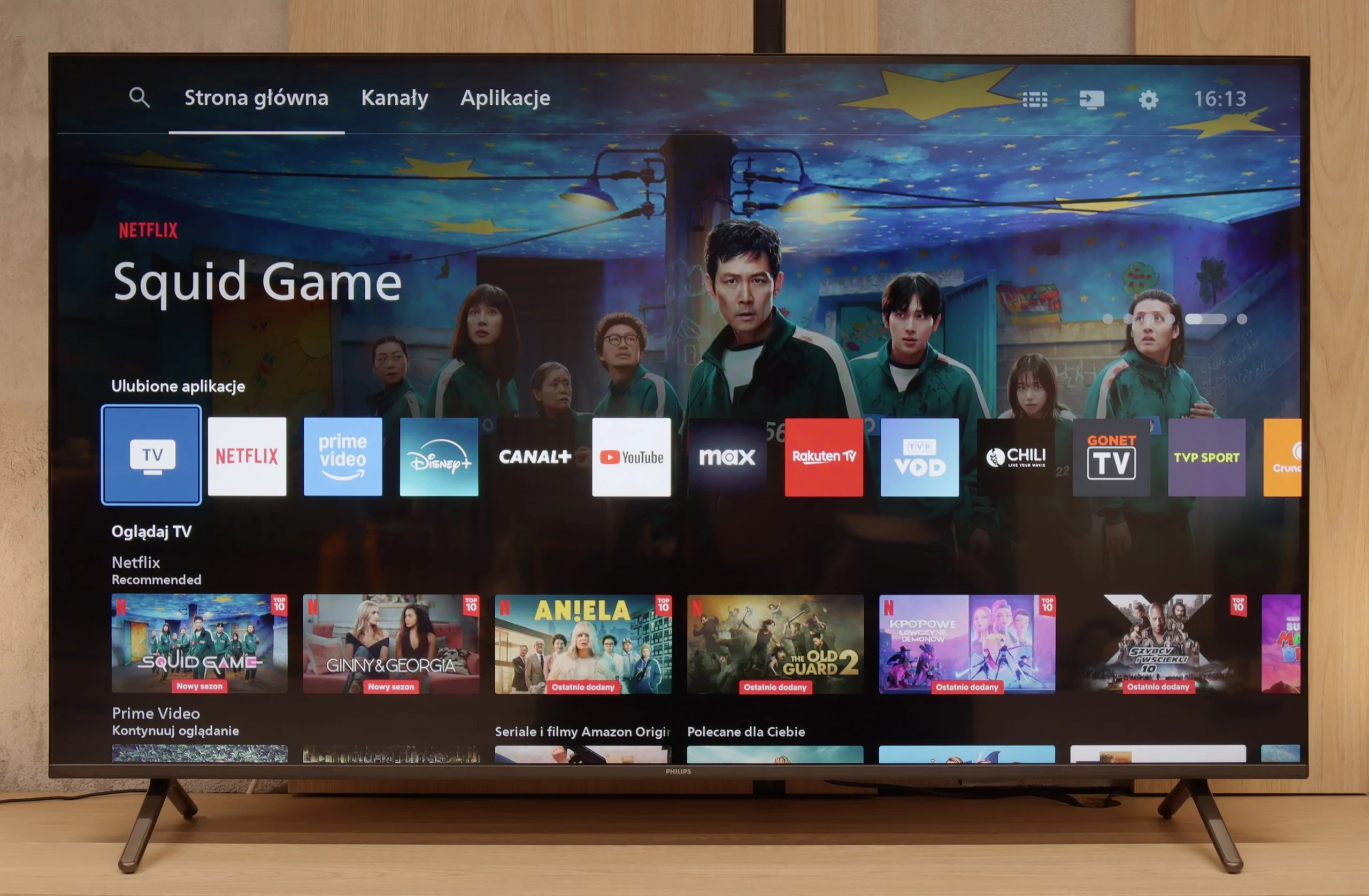
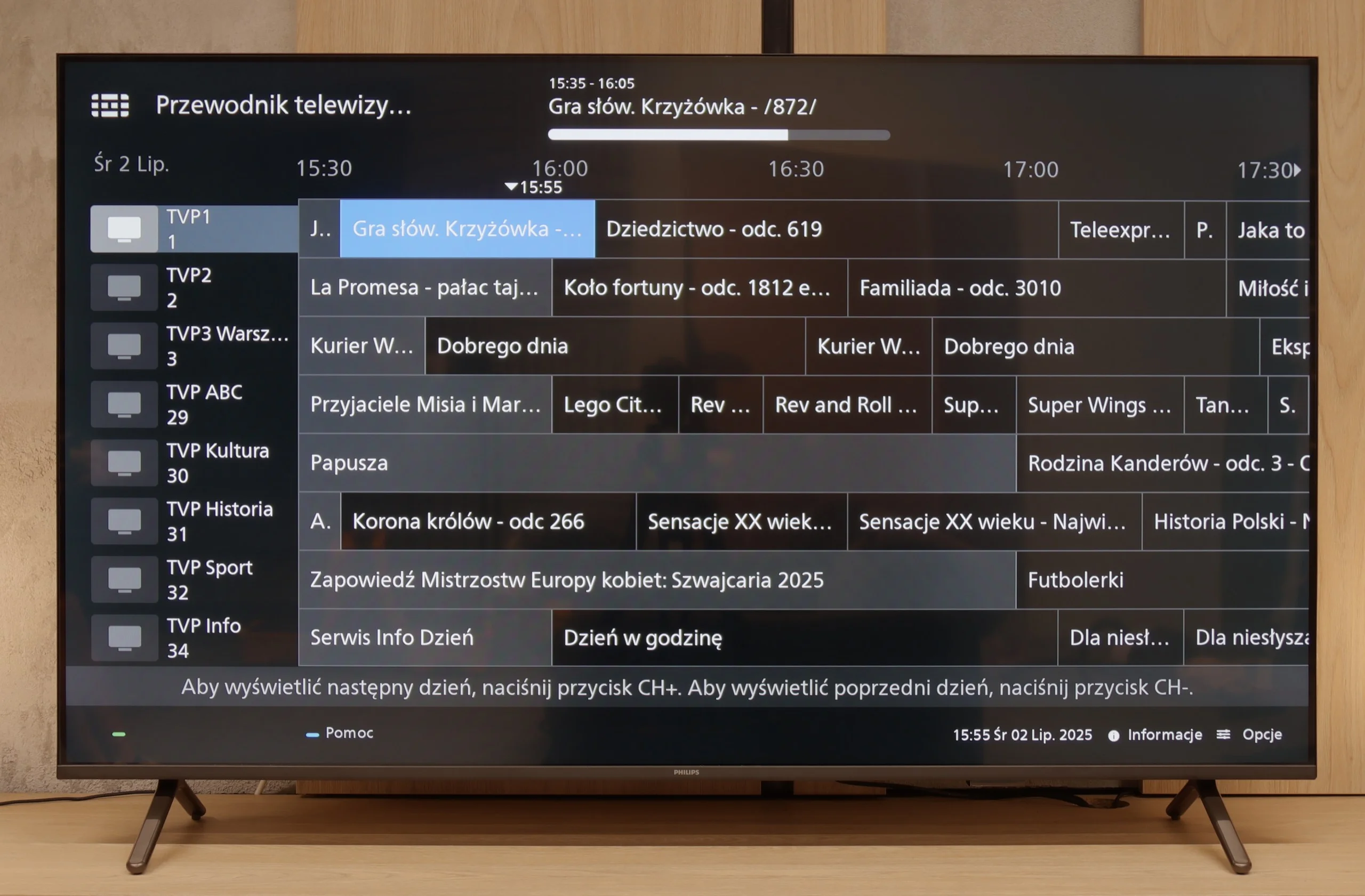
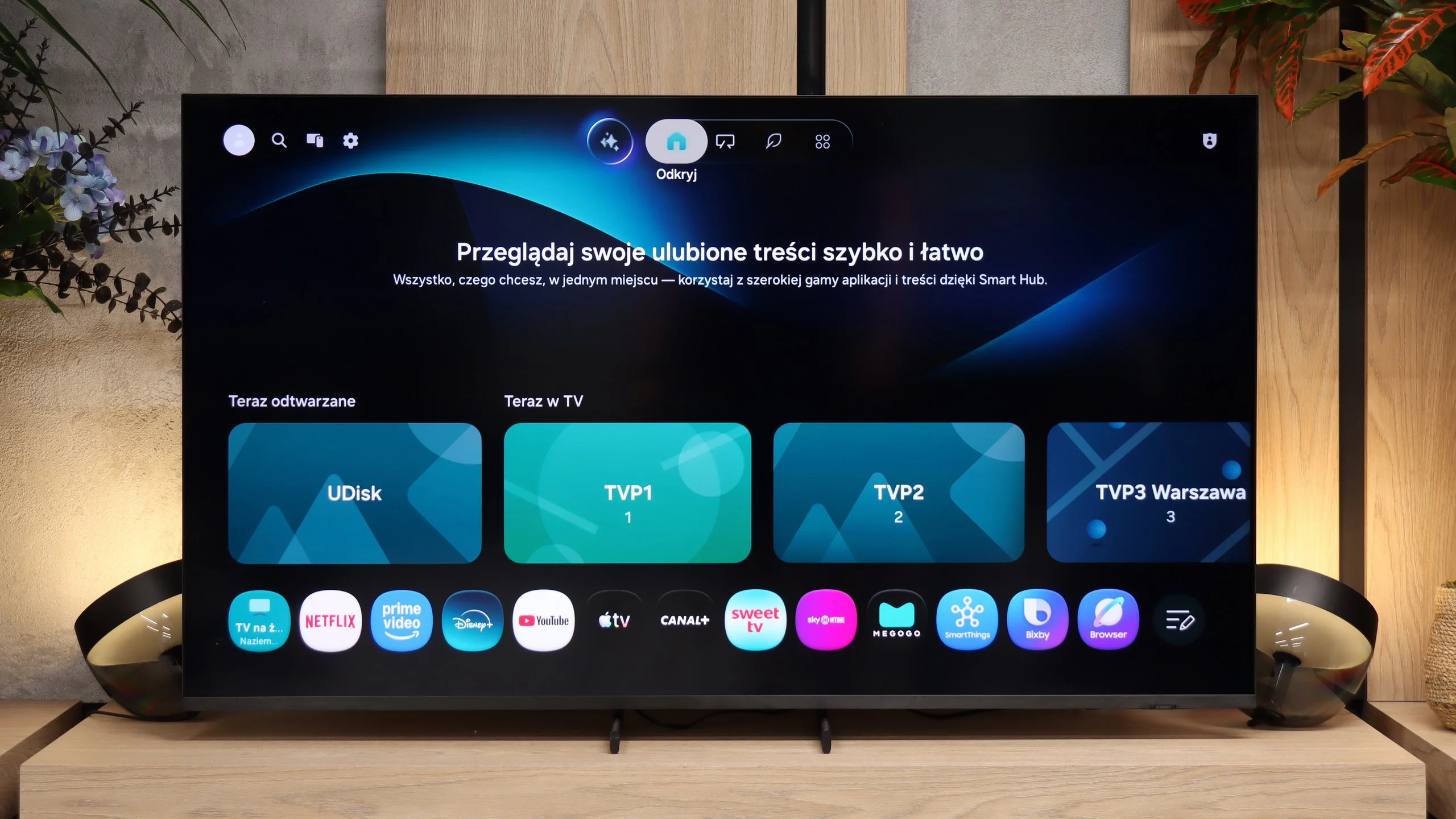
But let's not kid ourselves – this is still a budget TV, and at times it shows. Brightness is average – not weak enough to make viewing impossible, but if you hit a particularly sunny day, watching conditions without blinds can be problematic. However, in our opinion, the biggest disappointment with the PUS8560 is the operating system, Titan OS. Despite the system debuting some time ago, certain features simply wouldn't work – for example, screen mirroring from a phone despite the manufacturer's claims that such a feature is present here. There are fewer apps than with competitors, and the system itself runs a bit clumsily. Overall, it seems to have some capabilities, but clearly lacks refinement.
Of course, this is not a TV meant to compete with top models. But if someone is looking for something simple, with a nice atmosphere that the Ambilight system provides, it is a quite reasonable offer. You just need to know what to expect and accept the many compromises present here.
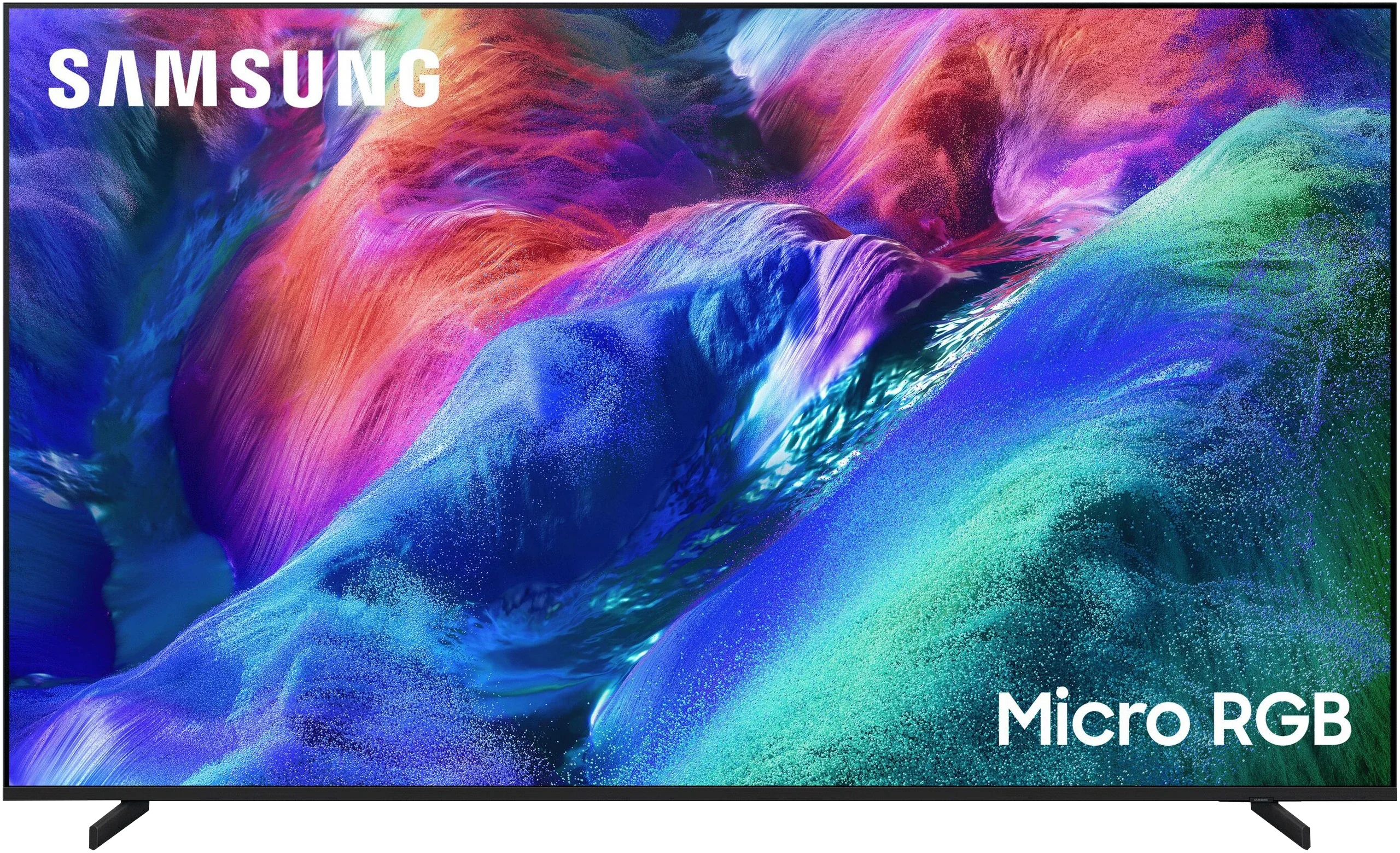
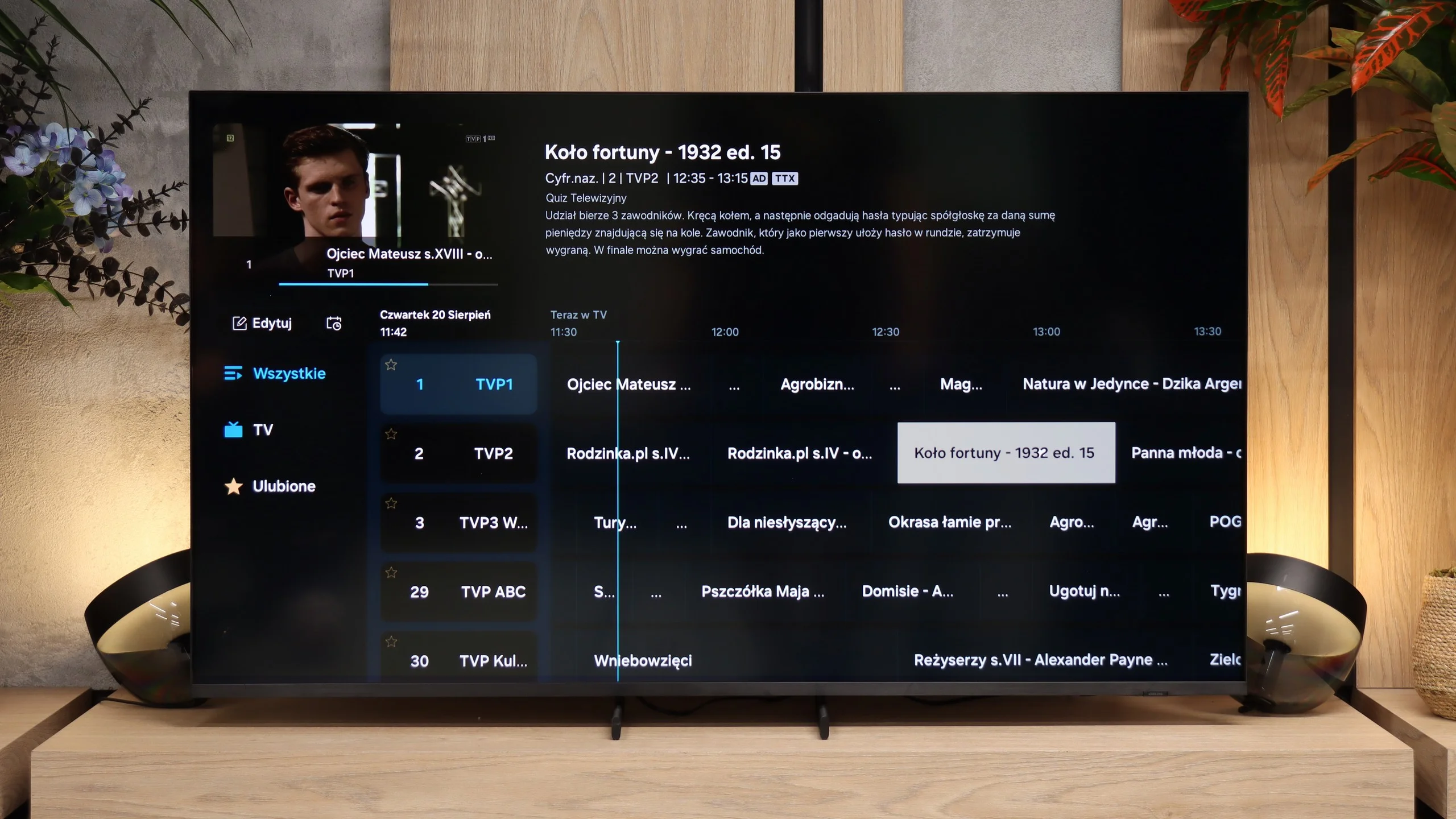
The Samsung R85H is above all a very versatile TV that works well in almost any situation. You can put it in a bright living room, hook up a console, watch a movie or series in the evening, and use regular broadcast TV every day, and each time you’ll get a good-quality picture. It may not make as strong an impression in the first minutes as Samsung’s best OLEDs, but it’s hard to point to a single feature that severely limits its use. That versatility is probably its biggest strength. Naturally, the R85H draws the most attention for its new "Micro RGB" backlight. From our tests we’d say it can indeed offer an advantage over classic Mini-LED, although not always in the areas the manufacturer emphasizes most. On test charts the color reproduction capabilities are impressive, but in real, more complex scenes the TV can’t always exploit the full potential of a three-color backlight. Its advantage is easiest to spot in simpler parts of the image, where intense reds, greens, or blues can look truly striking. Viewing angles are also a bit better, because colors viewed off-axis retain their saturation longer than on conventional LCD TVs. Micro RGB doesn’t, however, solve all the limits of RGB technology. With very saturated elements you can sometimes notice slight color bleeding into adjacent bright areas, and the relatively small number of local dimming zones means the backlight can’t always operate as precisely as its on-paper specs might suggest. The R85H shows that RGB really has potential and could be the next step in LCD development, but using colored LEDs alone doesn’t automatically translate into a huge jump in picture quality. For that reason we’d treat the R85H mainly as a somewhat better and more interesting alternative to the QN80H, not as a must-buy solely because it says Micro RGB. If the price gap between those models is reasonable, we’d choose the R85H. We wouldn’t pay a large premium just for the new backlight, since its everyday advantage isn’t always as big as marketing materials might imply. Regardless, the R85H is a successful all-purpose TV, and that’s probably the best way to look at it.
 Direct comparison