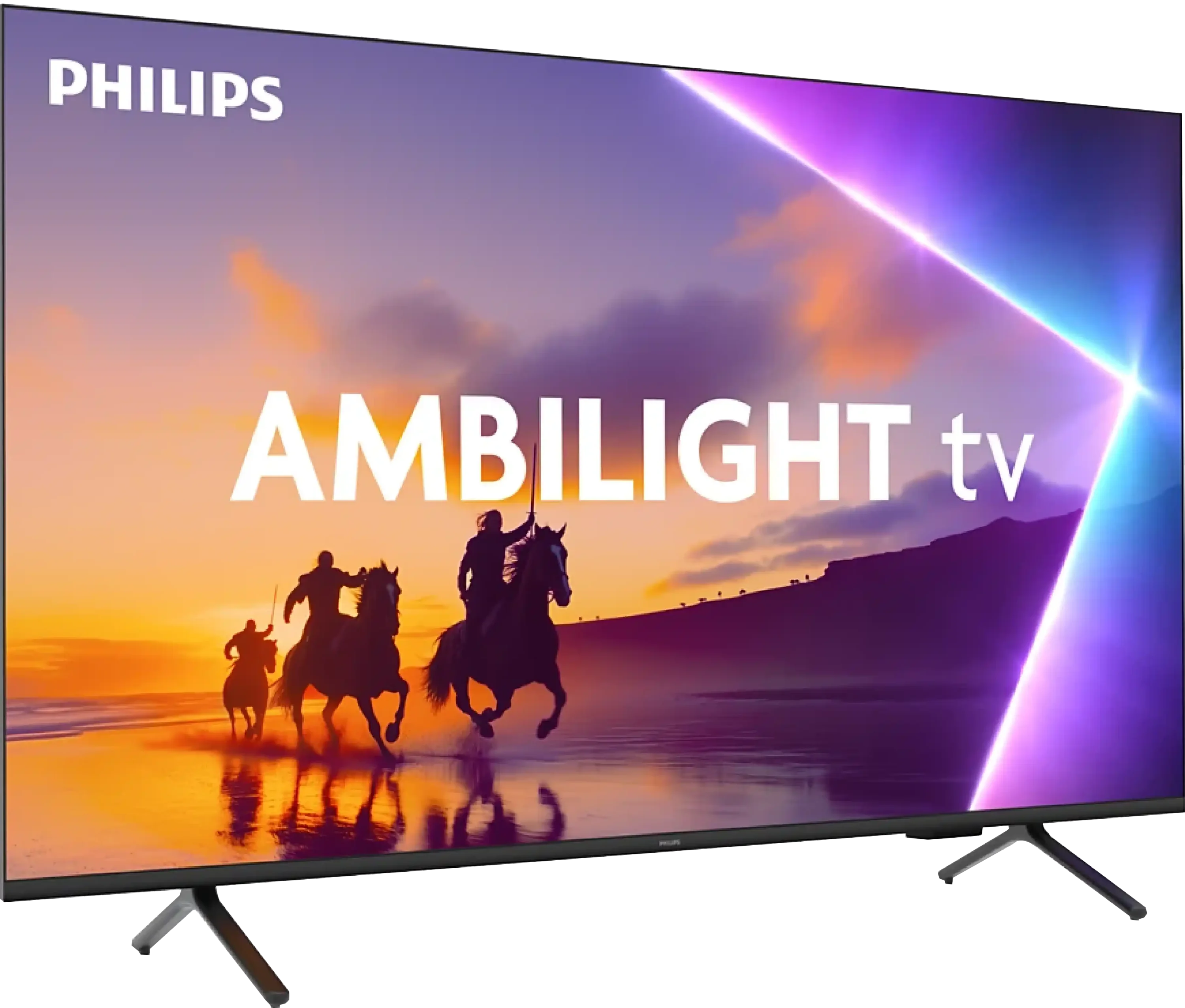
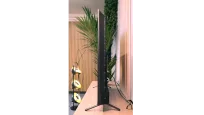
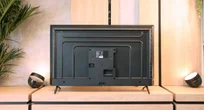
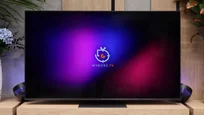
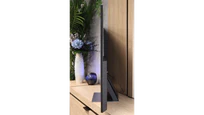
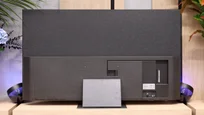
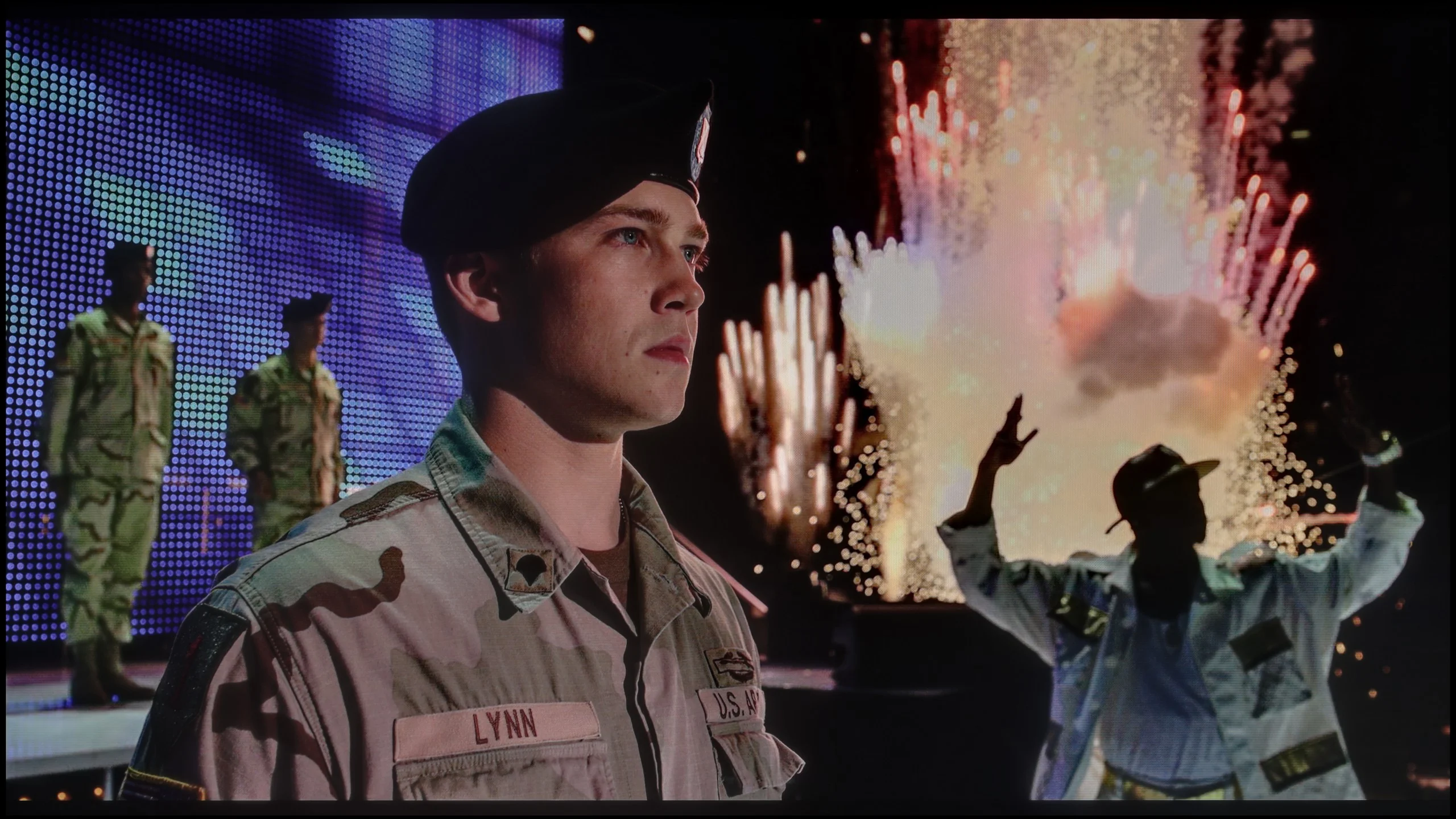
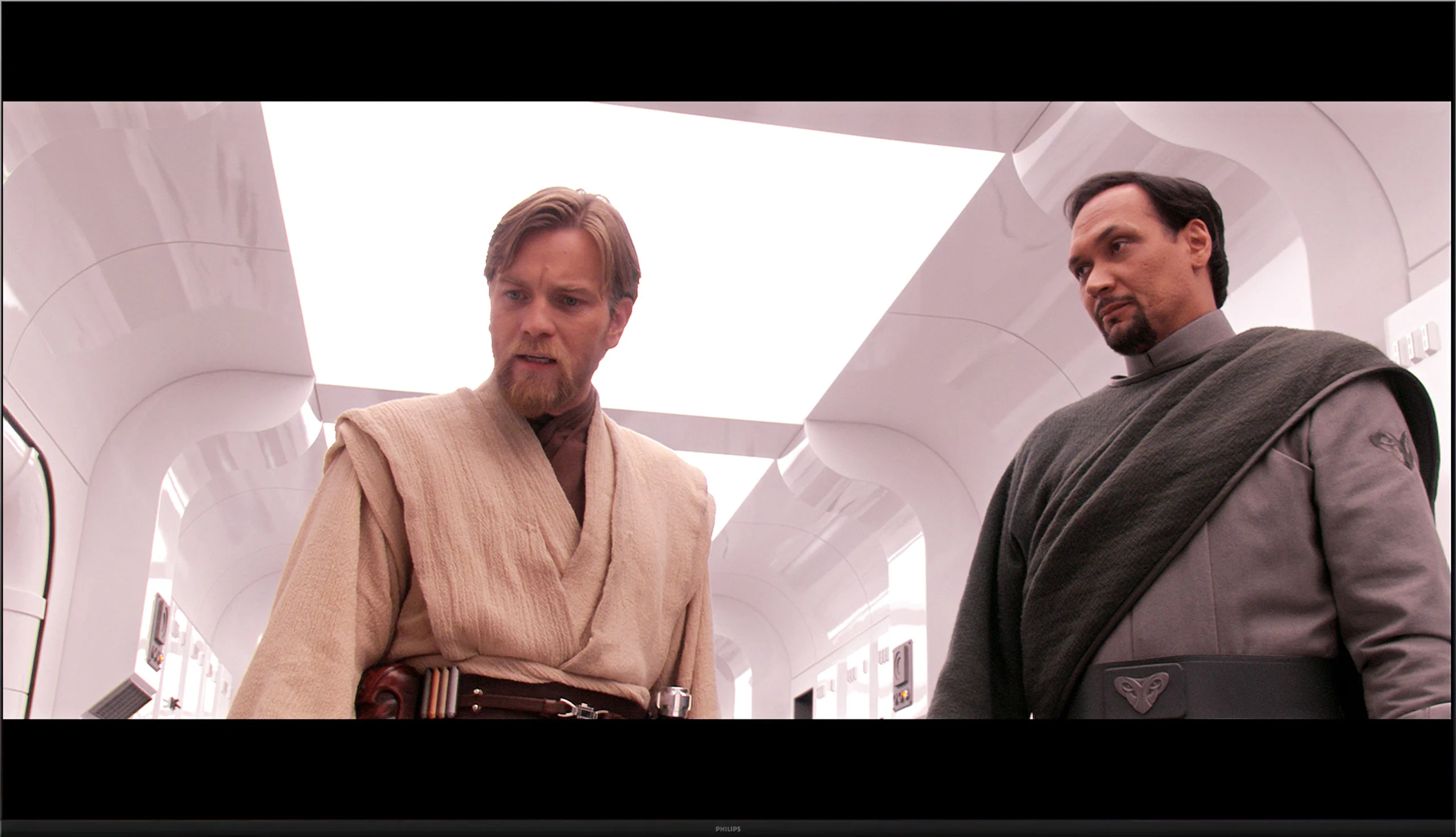
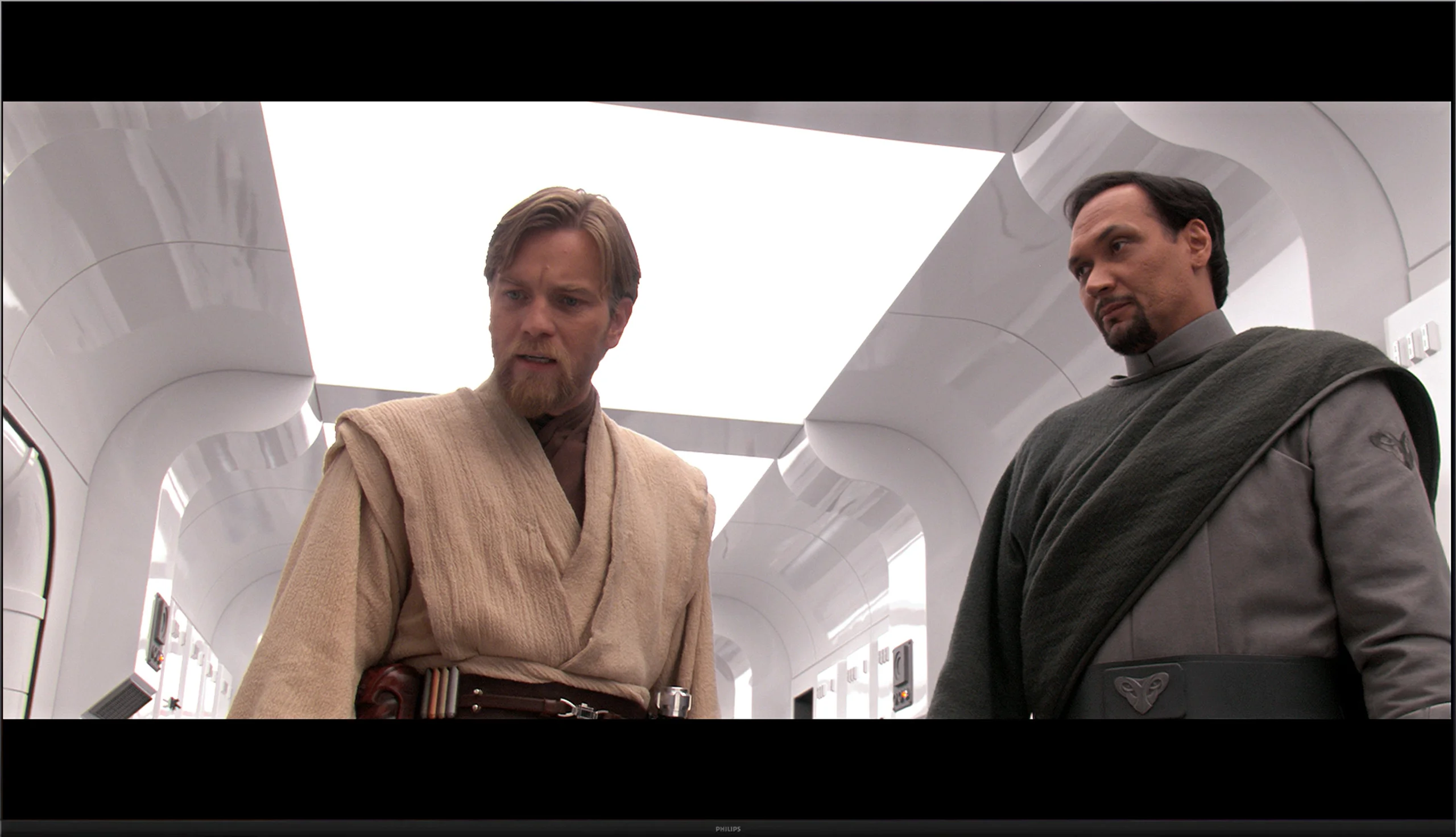
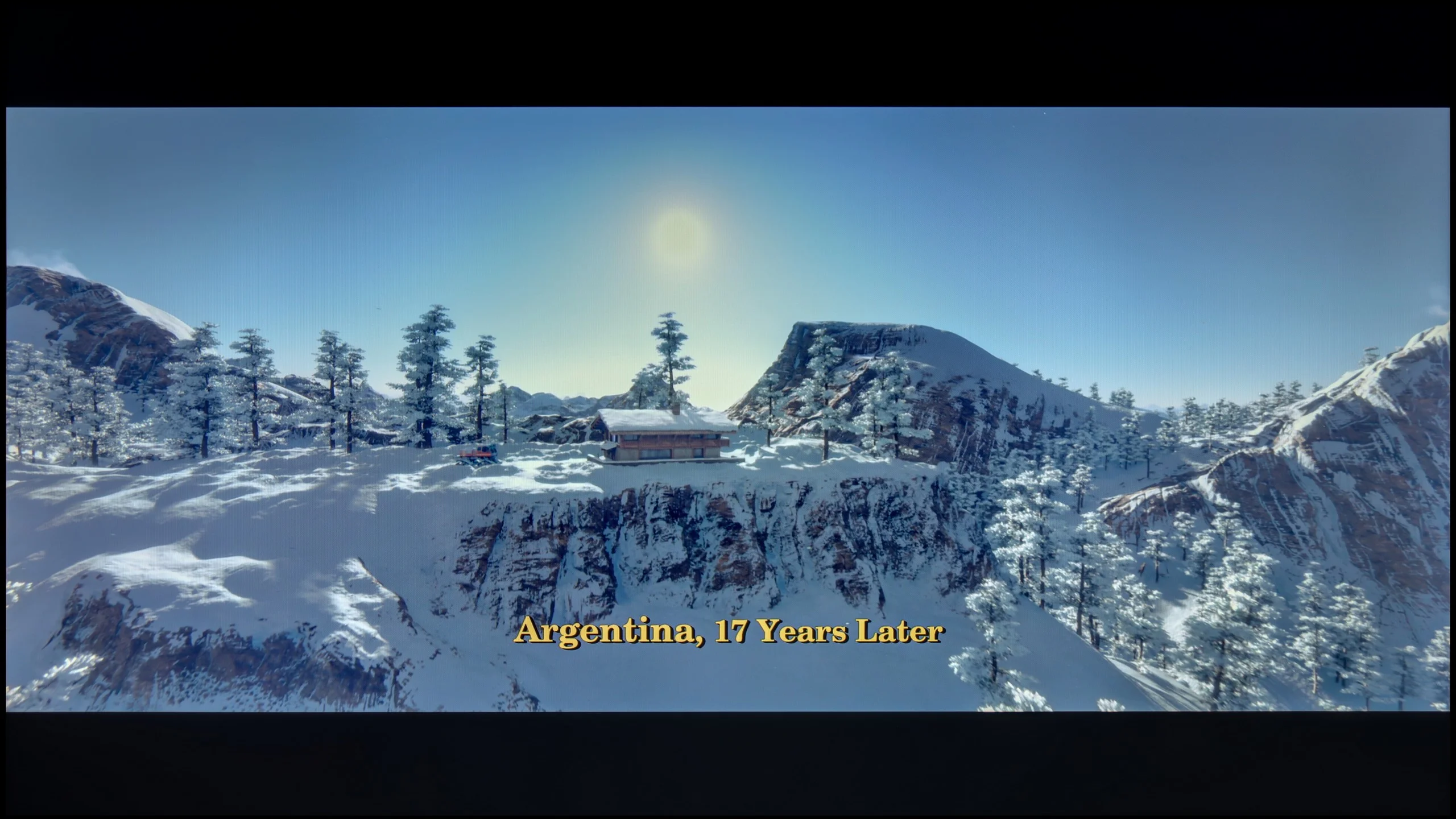
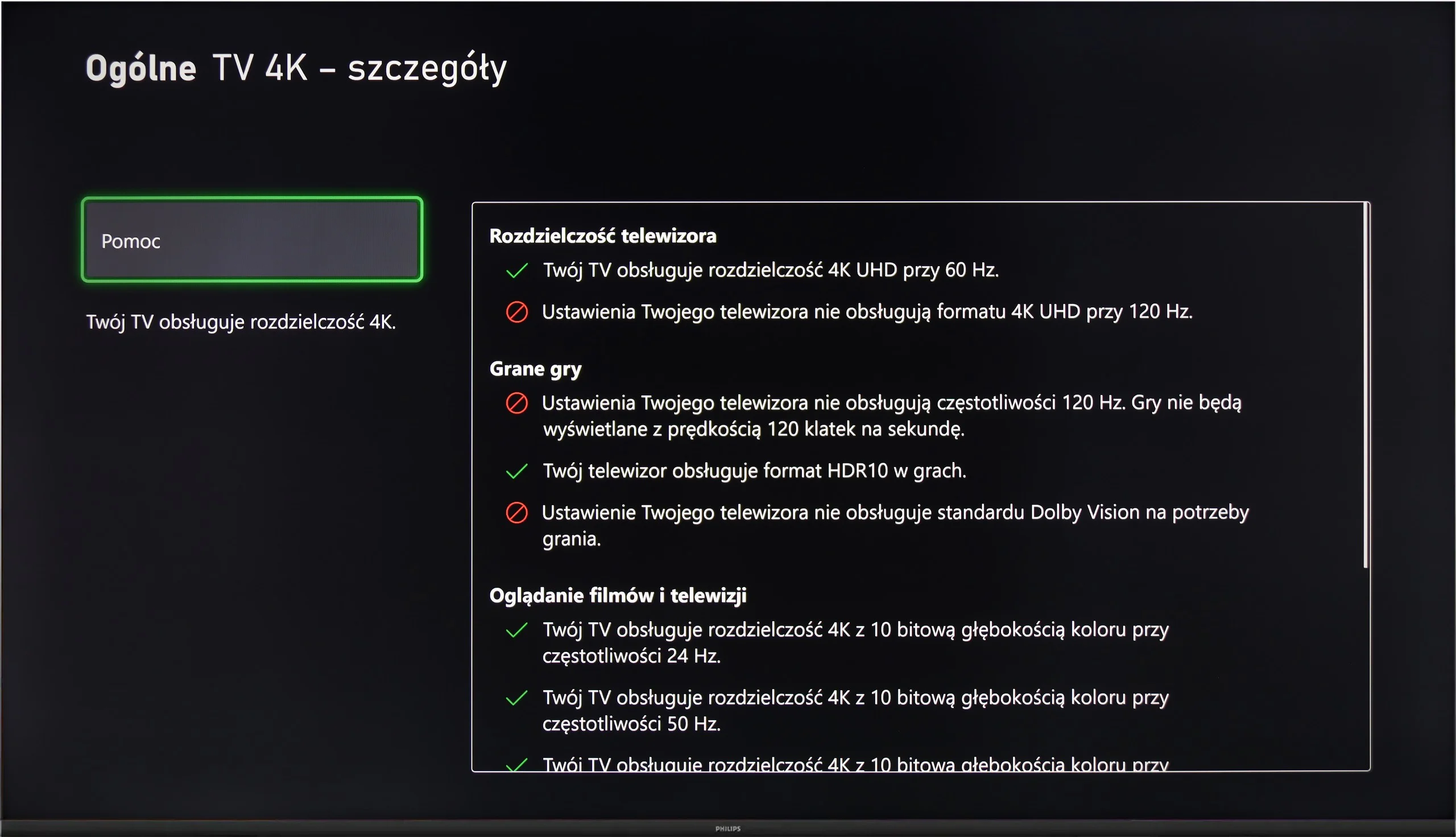
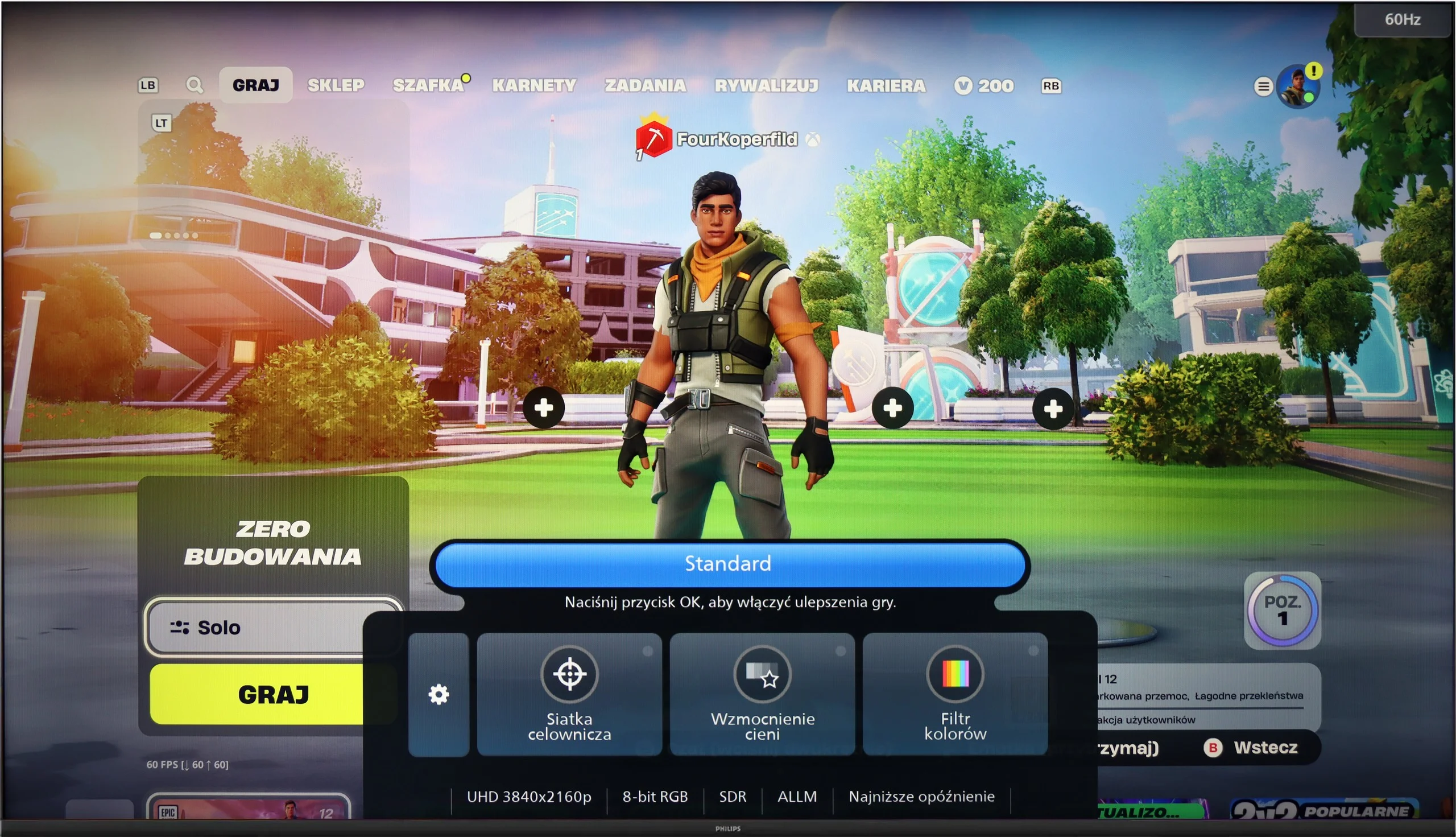
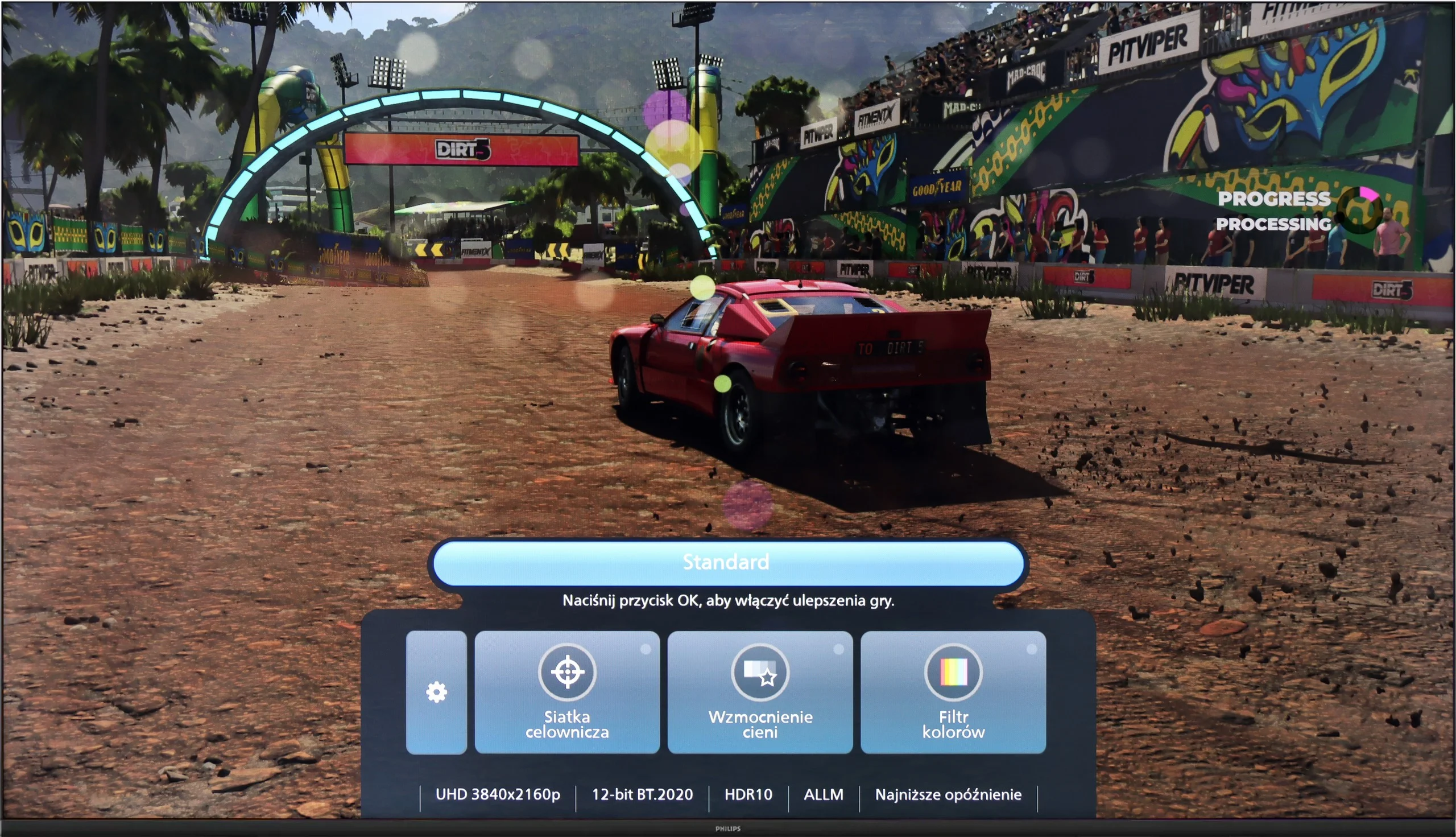
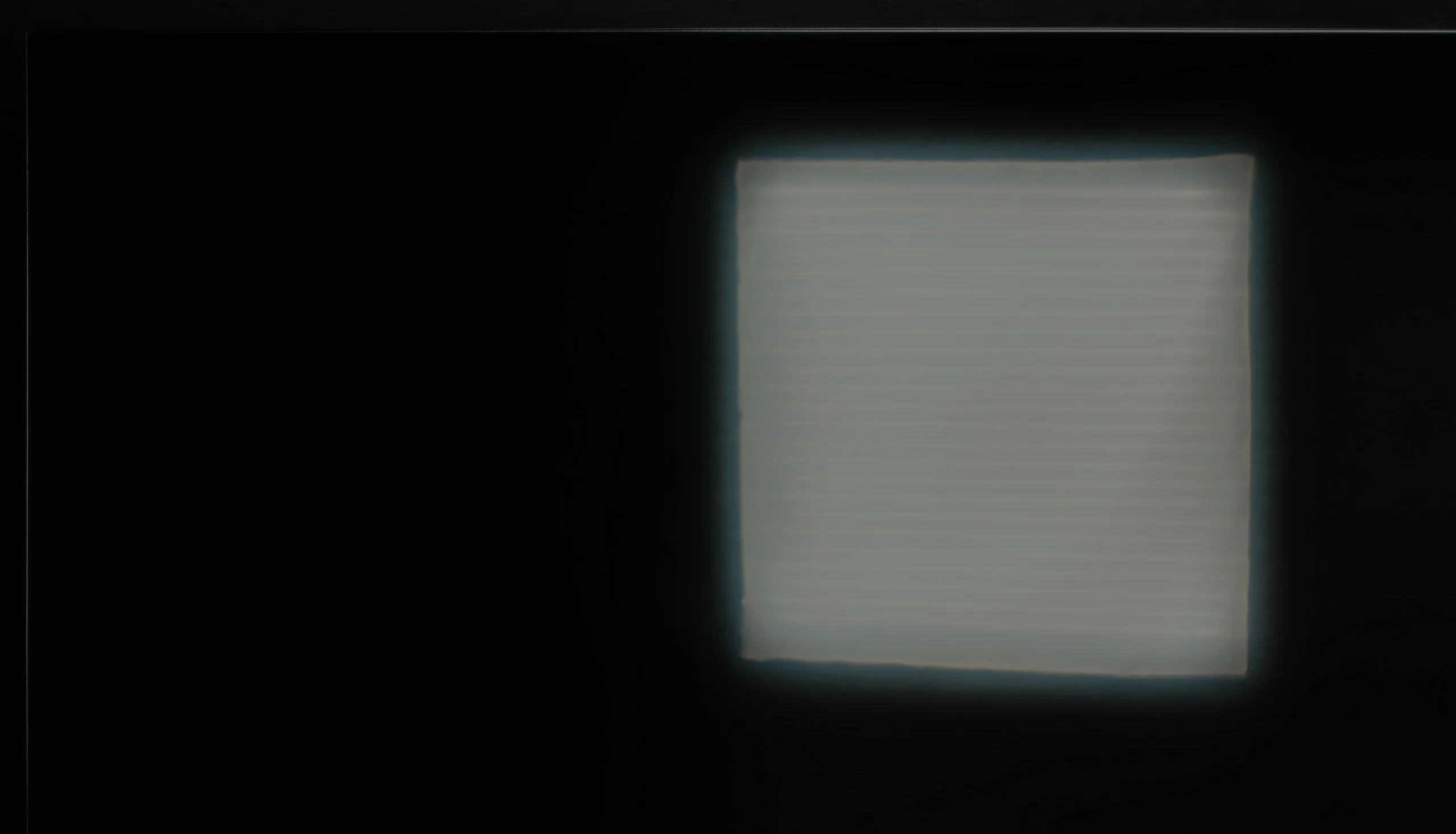
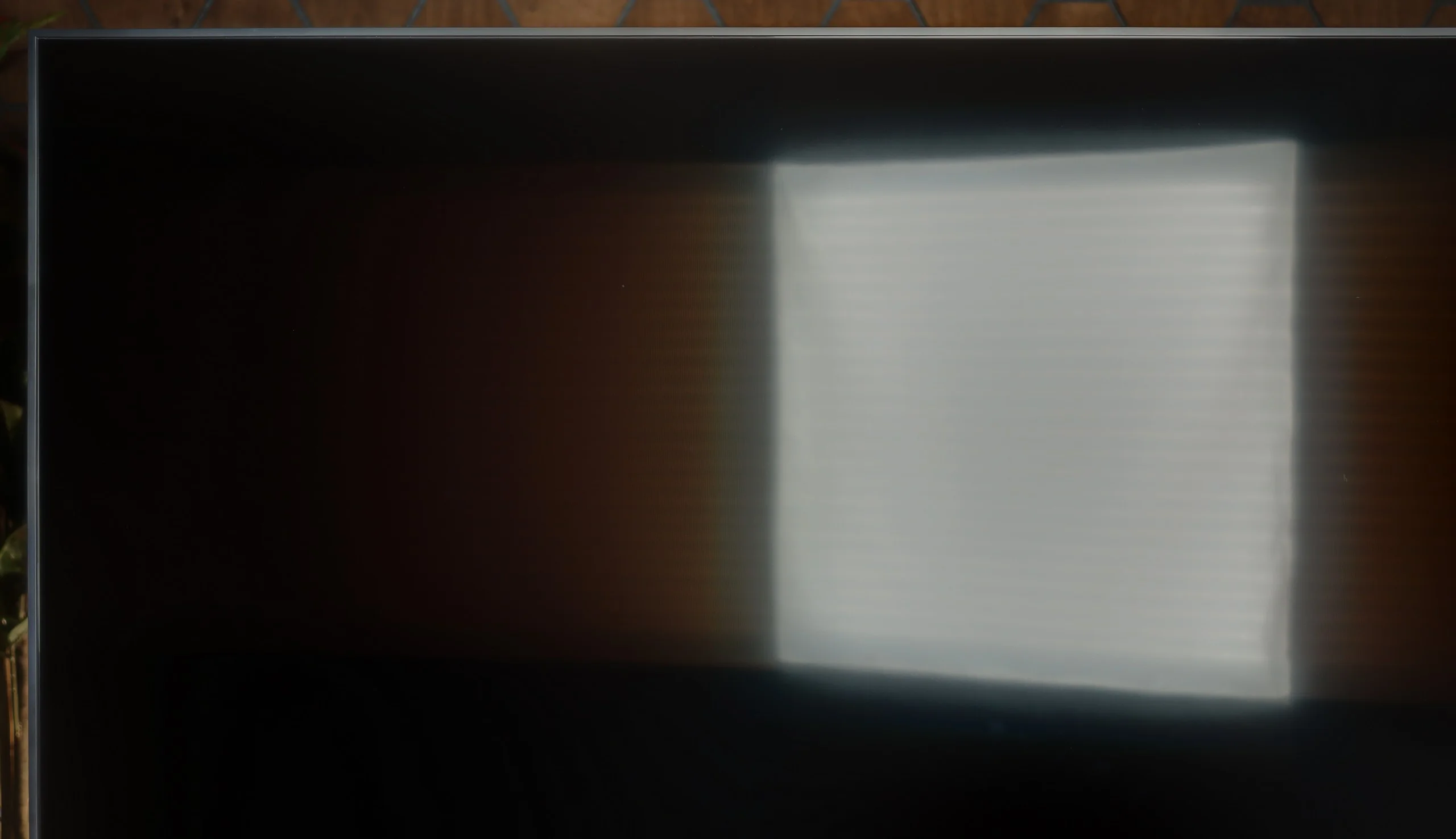
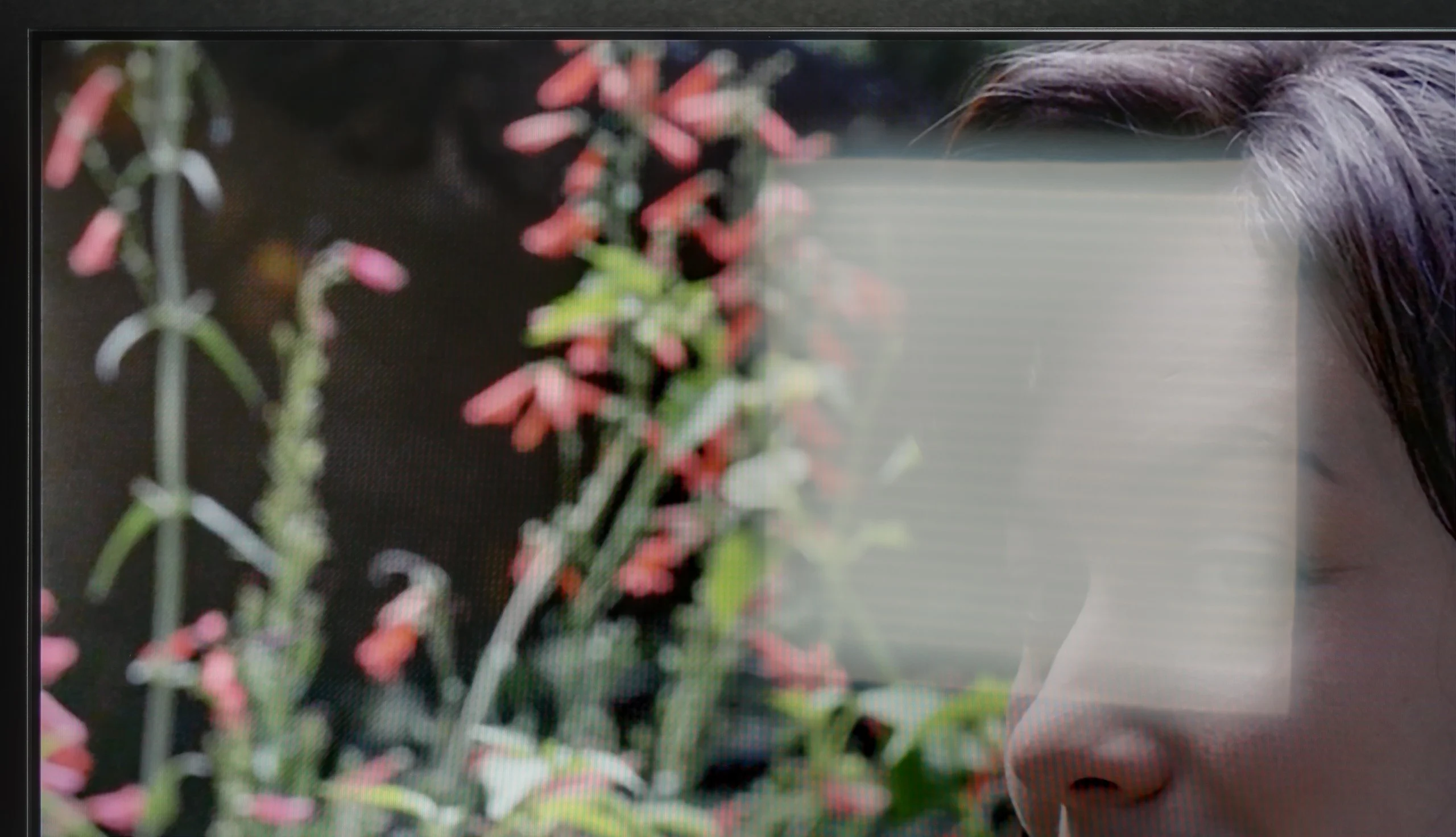
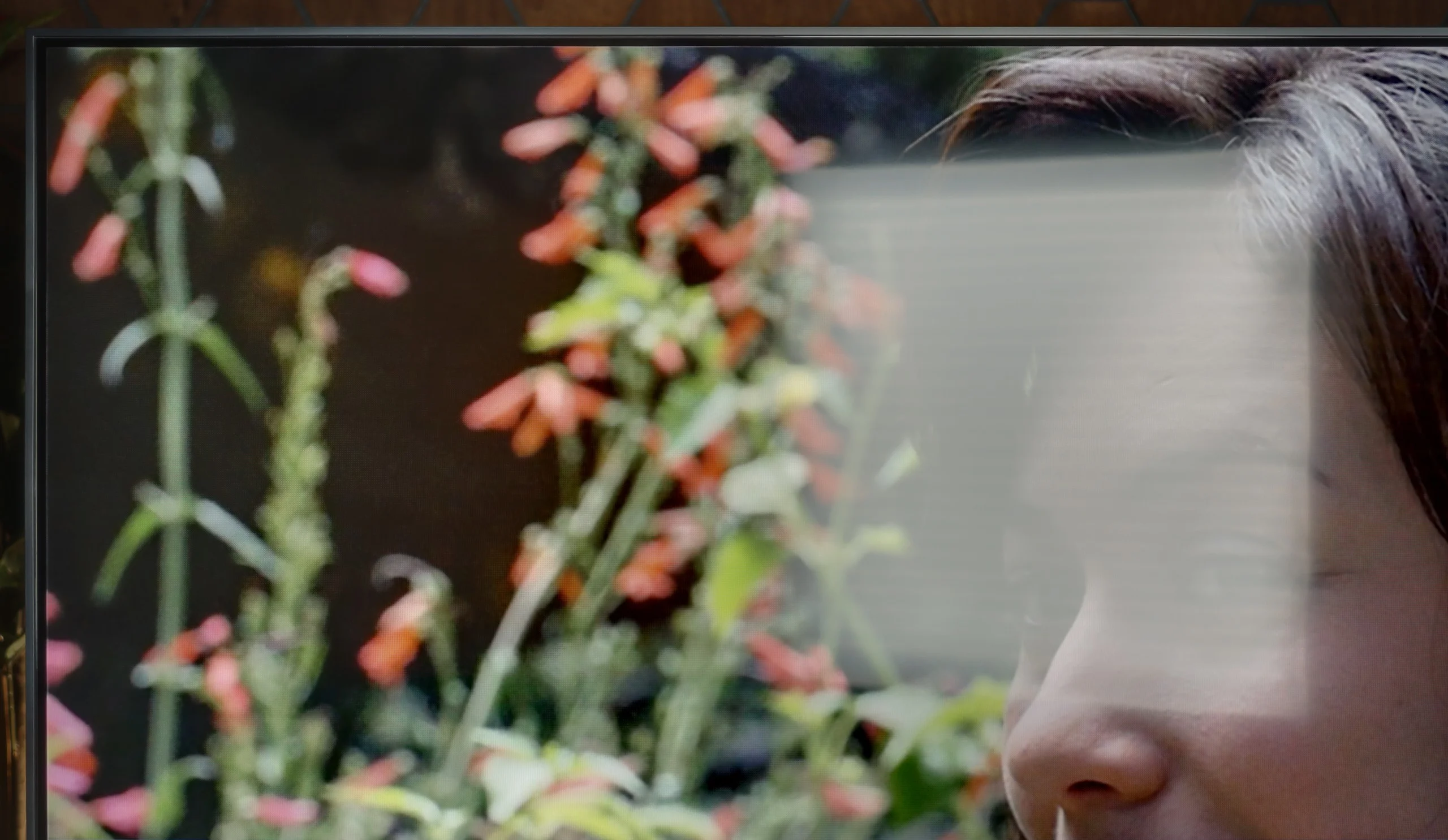
Ambilight because that's where we have to start, it's the biggest reason to buy the PUS8500. The three-sided backlighting of the TV looks great, especially in the evening. It creates an atmosphere, masks the imperfections of contrast, and makes the viewing experience simply more enjoyable. Even if the black levels aren't perfect, the native VA panel's high contrast is just fine. On top of that, there's really decent input lag and several gaming features like ALLM and VRR. Although there’s no HDMI 2.1 or 120Hz panel, casual gaming should be a pleasure. Especially since it's responsive and latency-free. Additionally, there’s full support for audio formats – both Dolby Atmos and DTS, so soundbar owners can rejoice too.
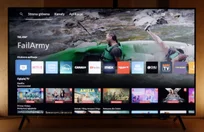
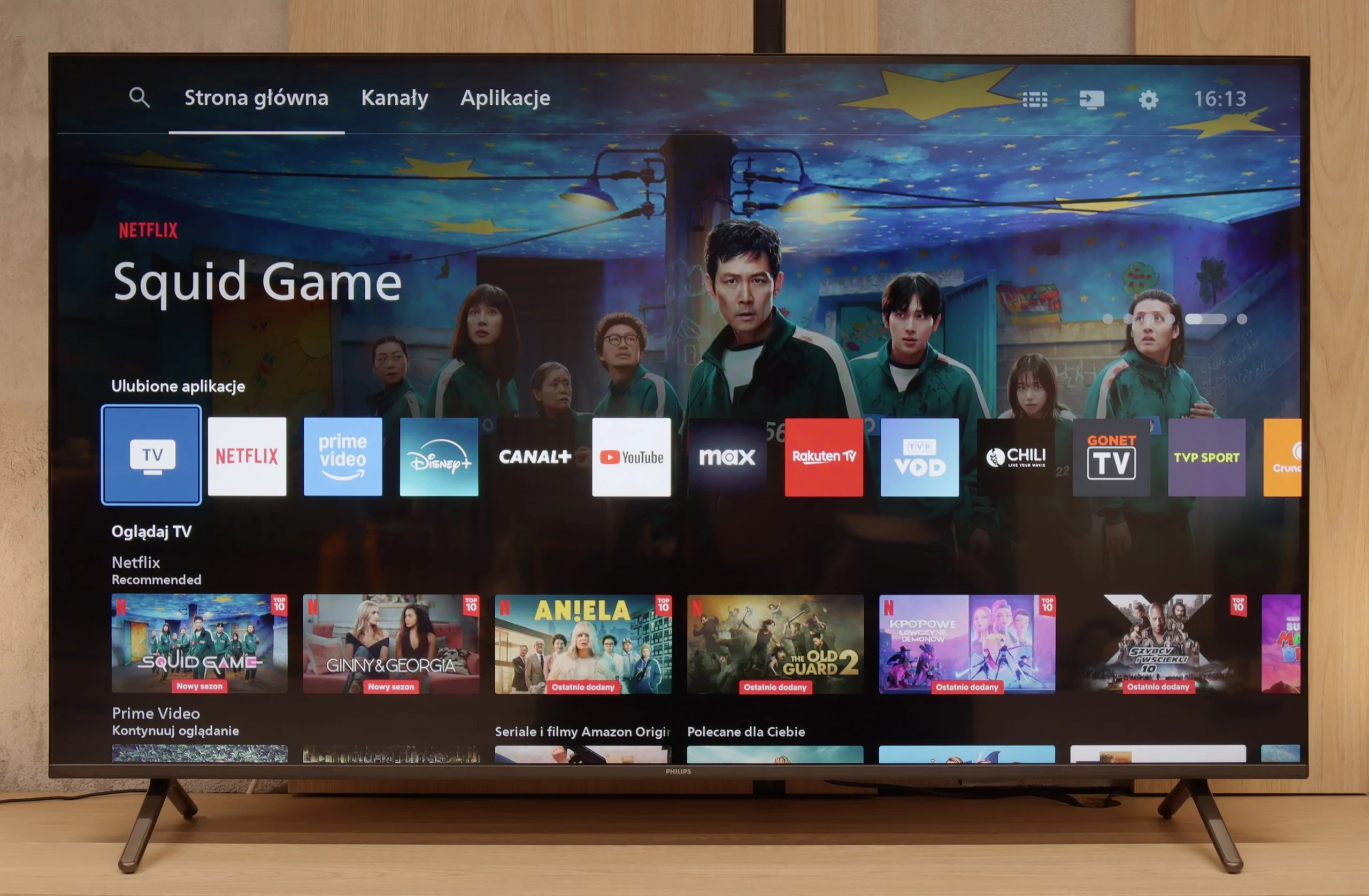
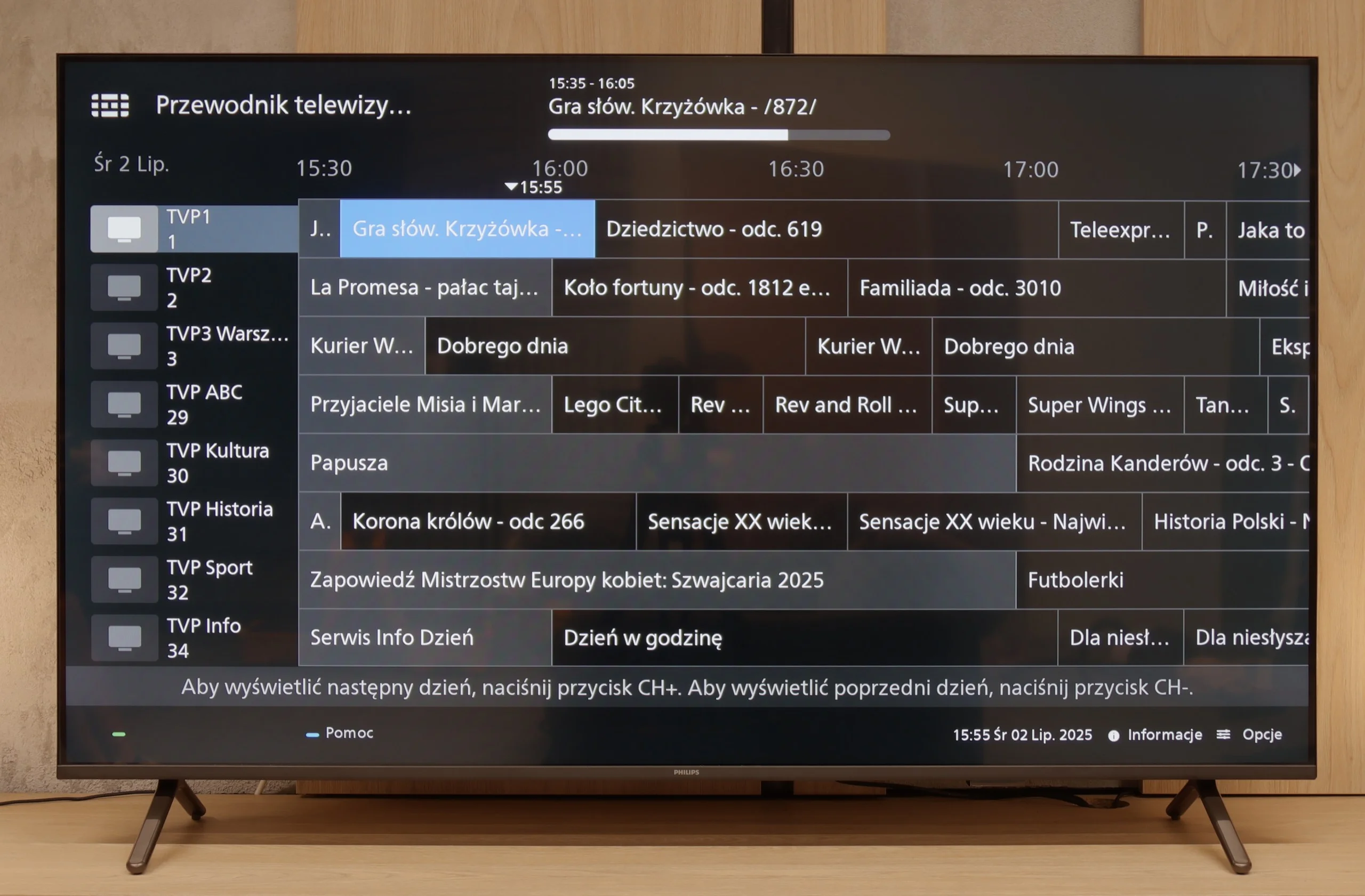
But let's not kid ourselves – this is still a budget TV, and at times it shows. Brightness is average – not weak enough to make viewing impossible, but if you hit a particularly sunny day, watching conditions without blinds can be problematic. However, in our opinion, the biggest disappointment with the PUS8560 is the operating system, Titan OS. Despite the system debuting some time ago, certain features simply wouldn't work – for example, screen mirroring from a phone despite the manufacturer's claims that such a feature is present here. There are fewer apps than with competitors, and the system itself runs a bit clumsily. Overall, it seems to have some capabilities, but clearly lacks refinement.
Of course, this is not a TV meant to compete with top models. But if someone is looking for something simple, with a nice atmosphere that the Ambilight system provides, it is a quite reasonable offer. You just need to know what to expect and accept the many compromises present here.
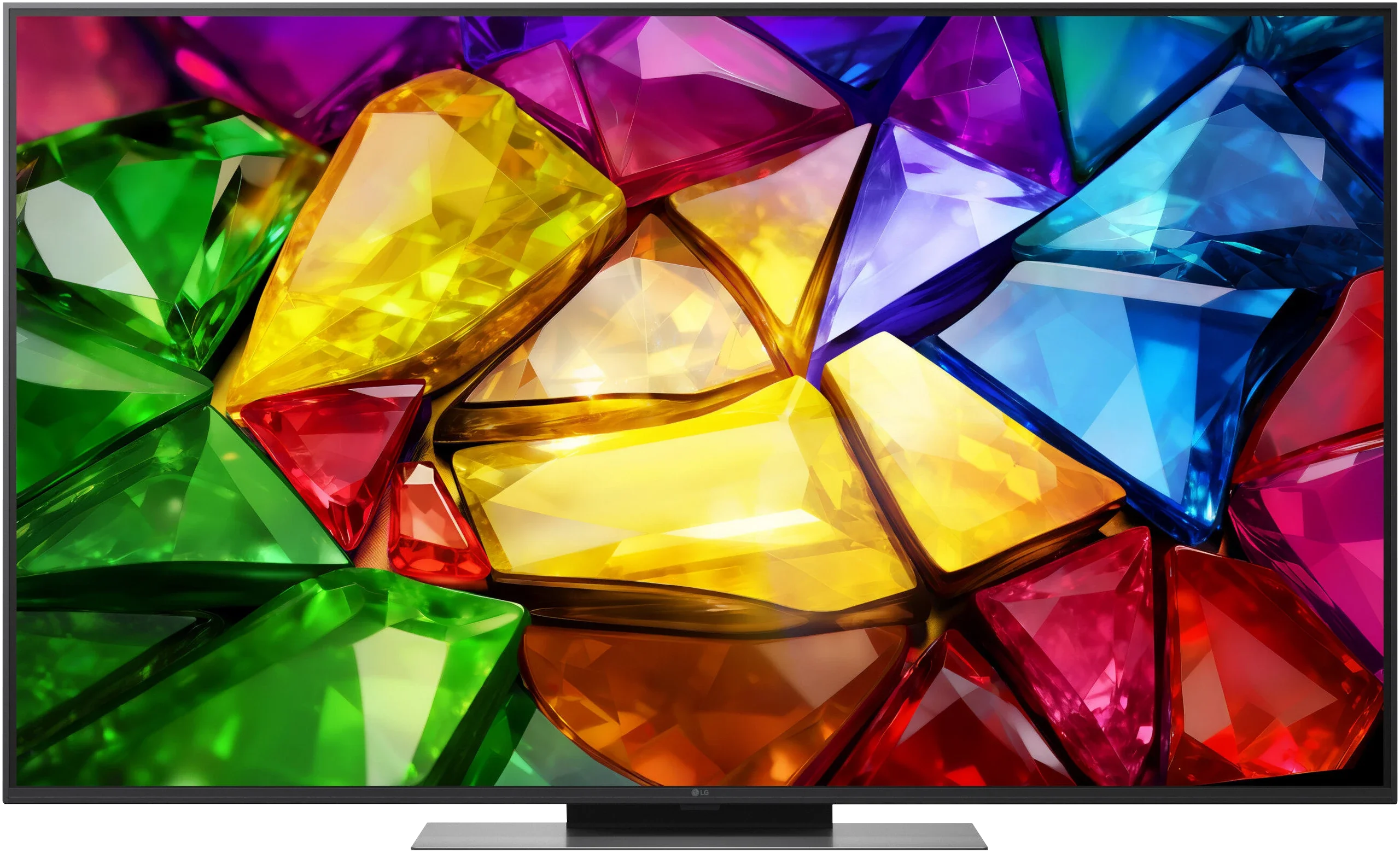
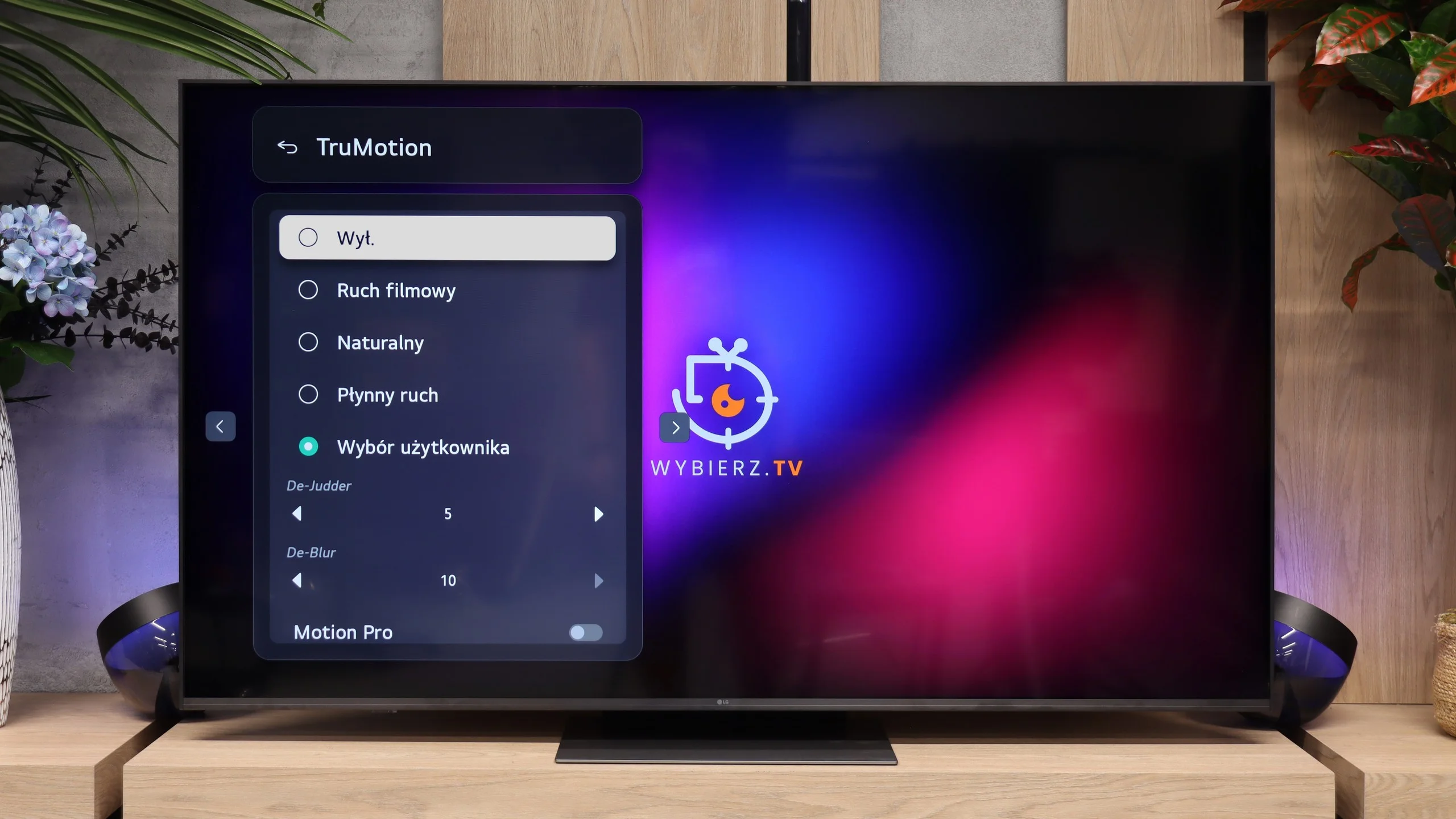
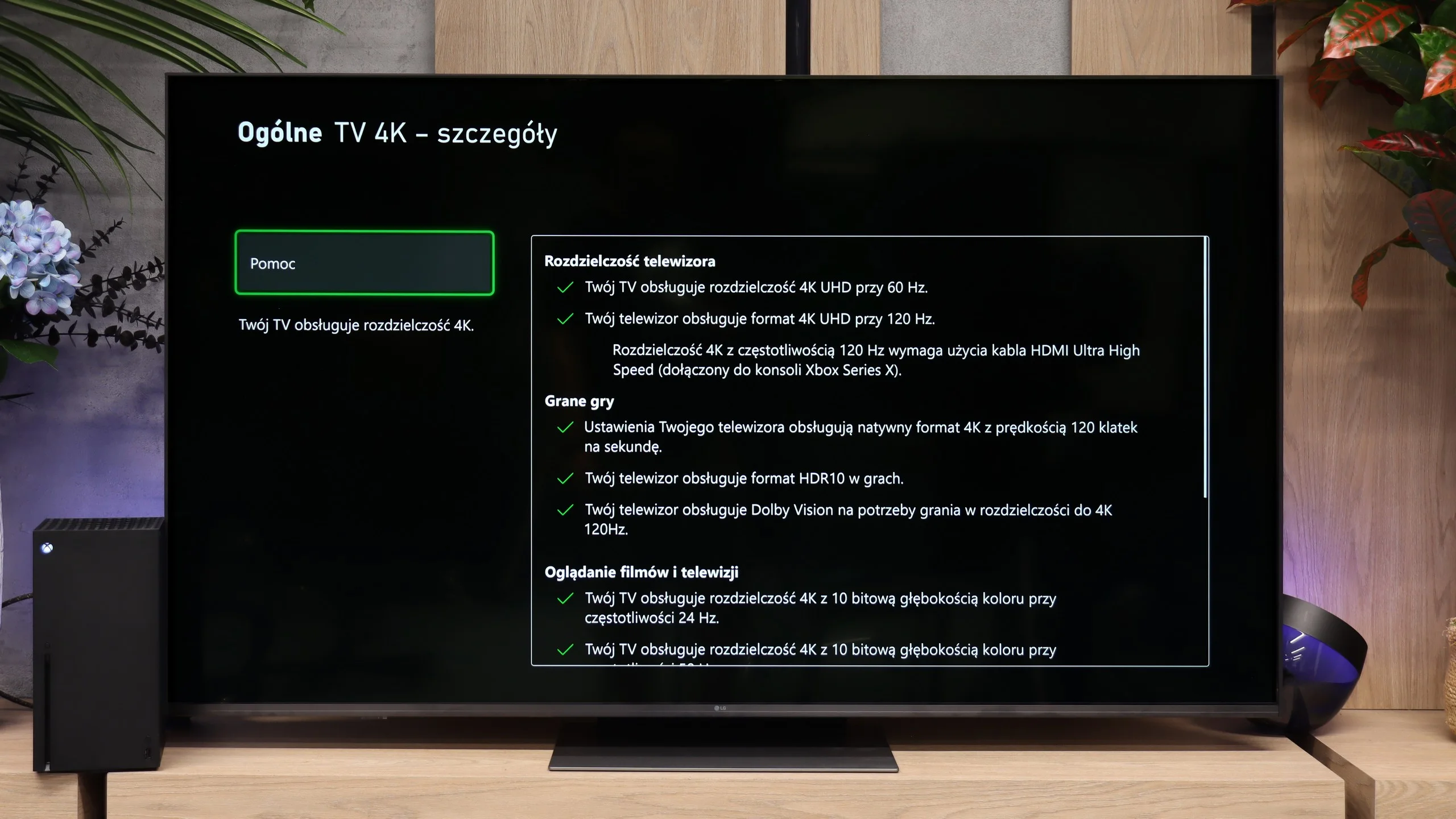
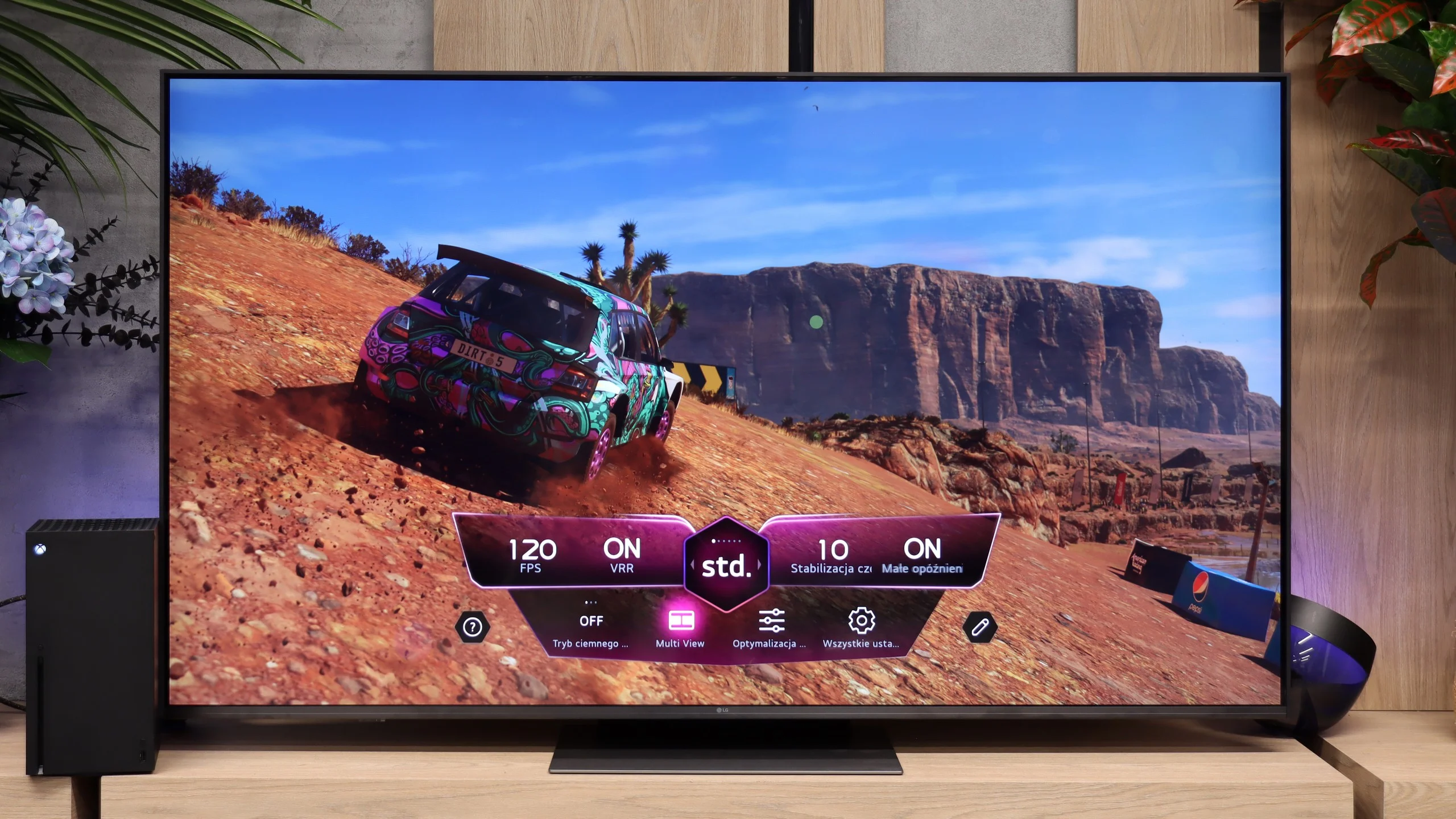
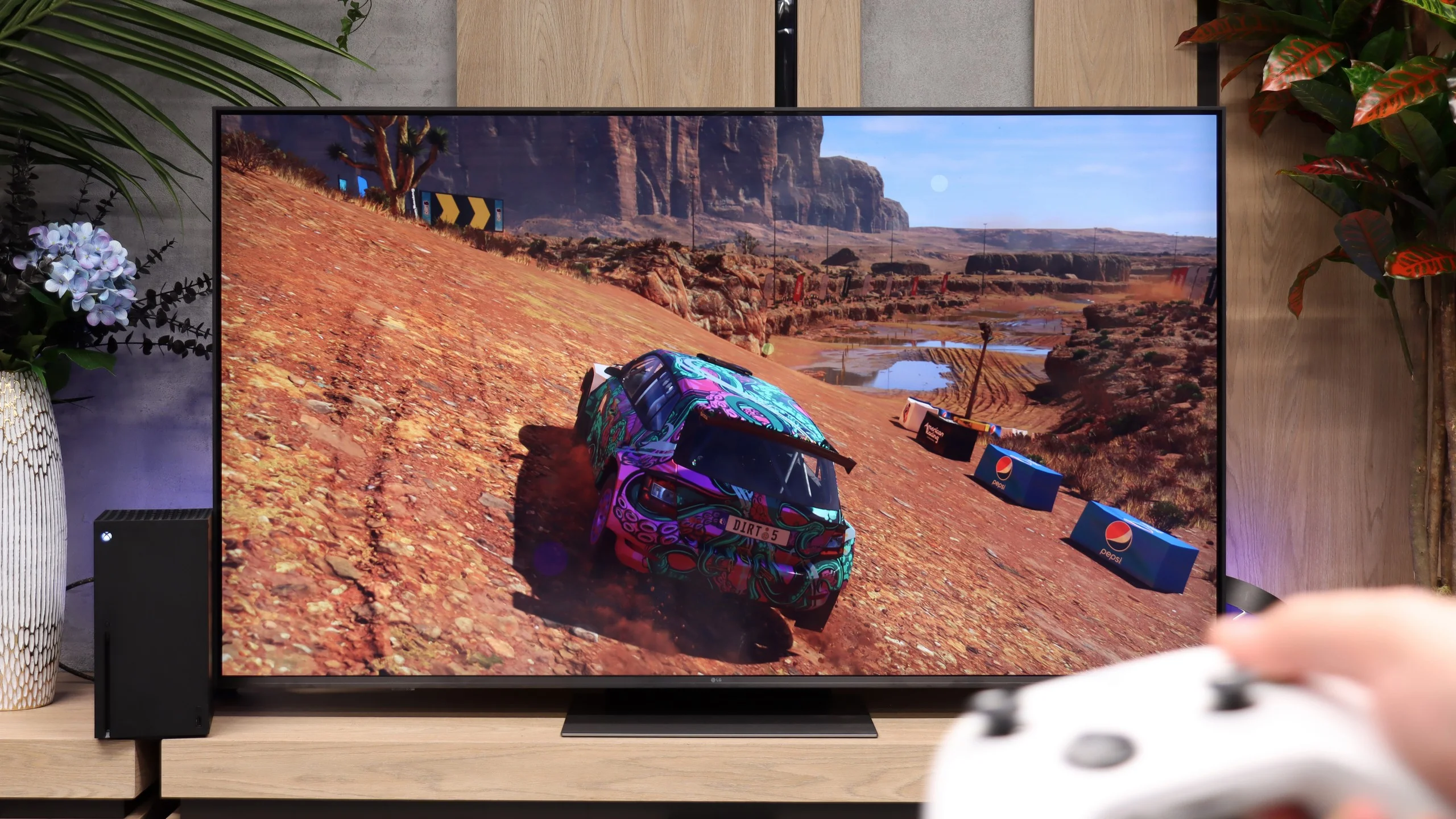
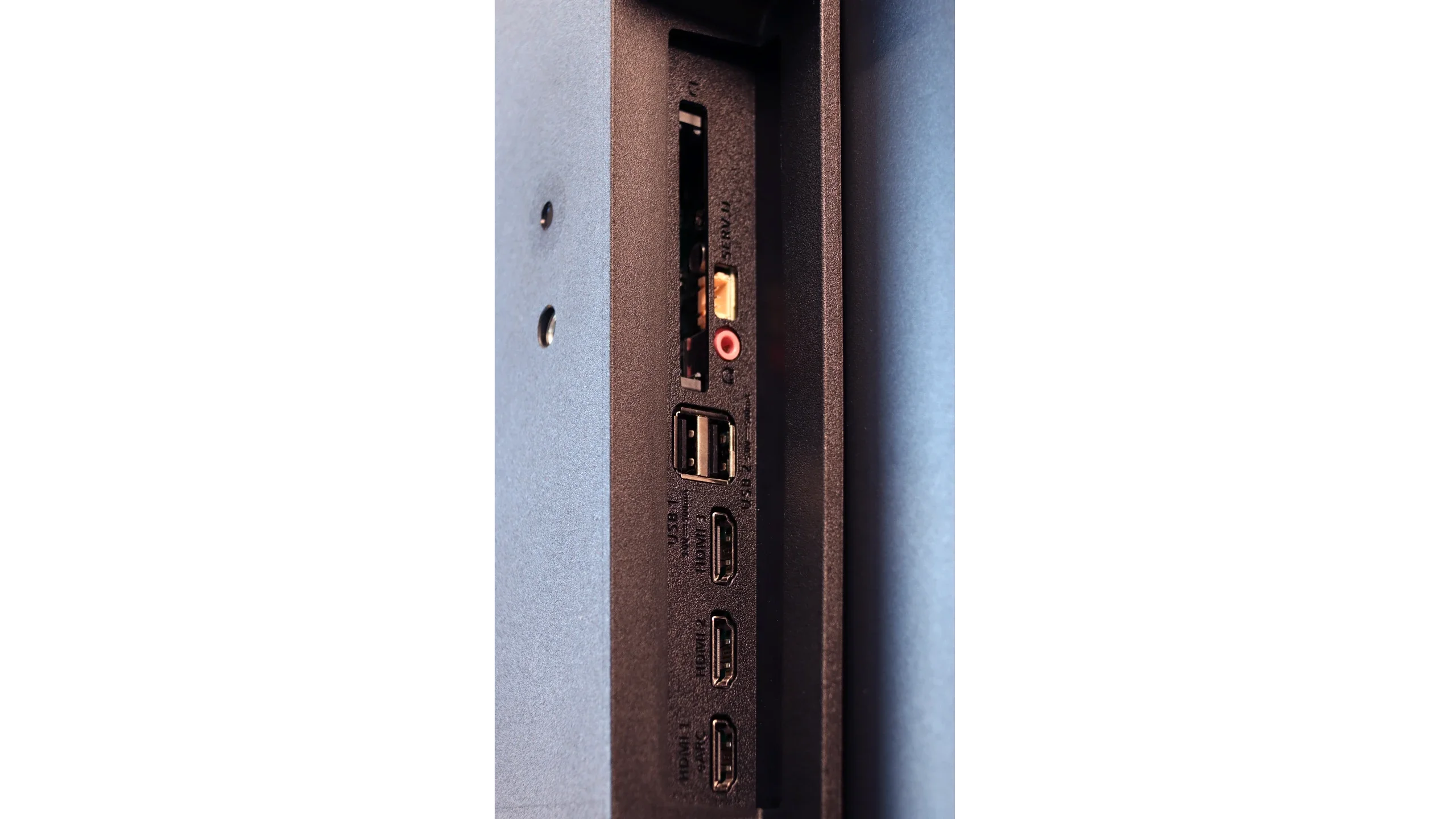
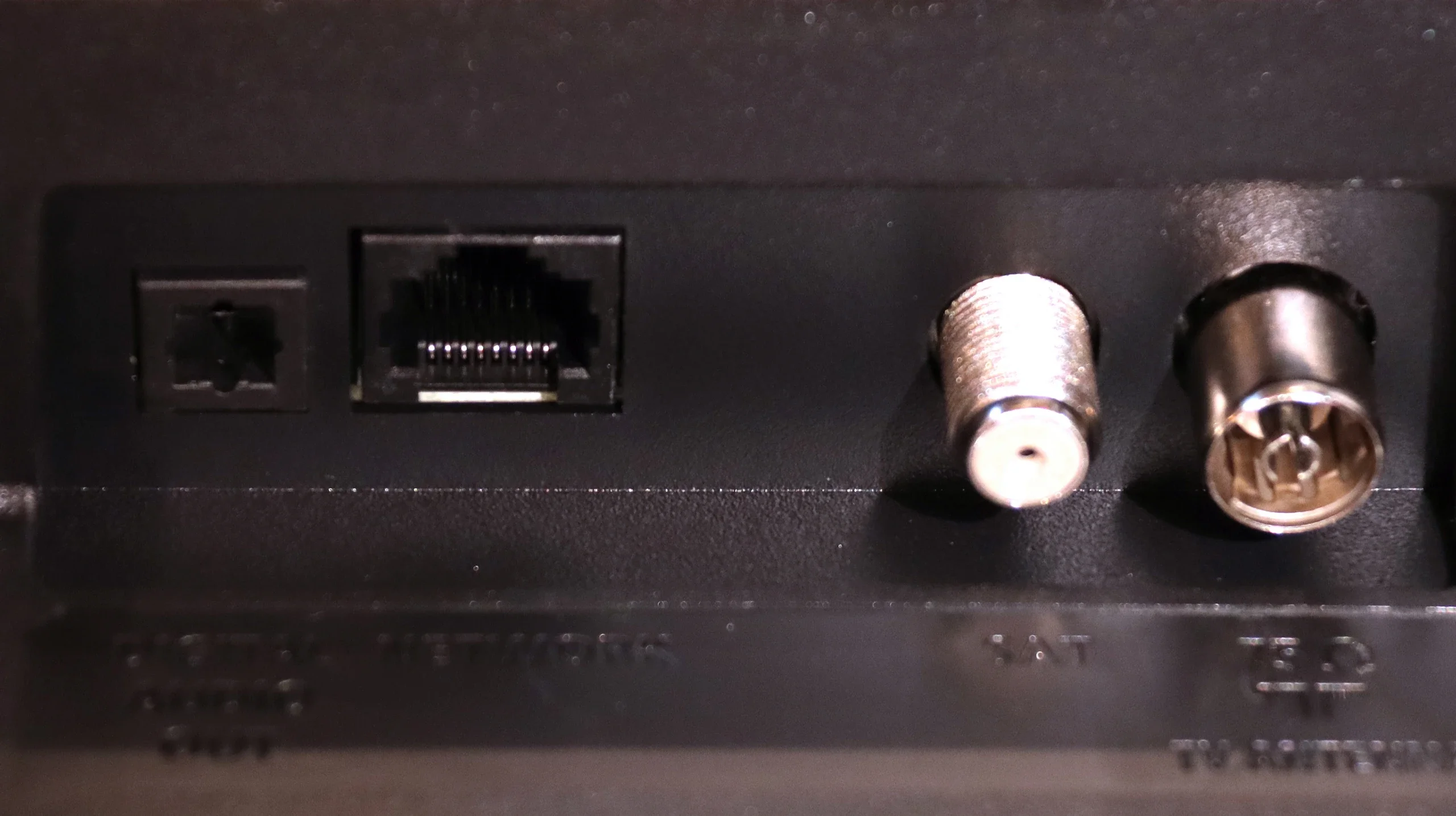
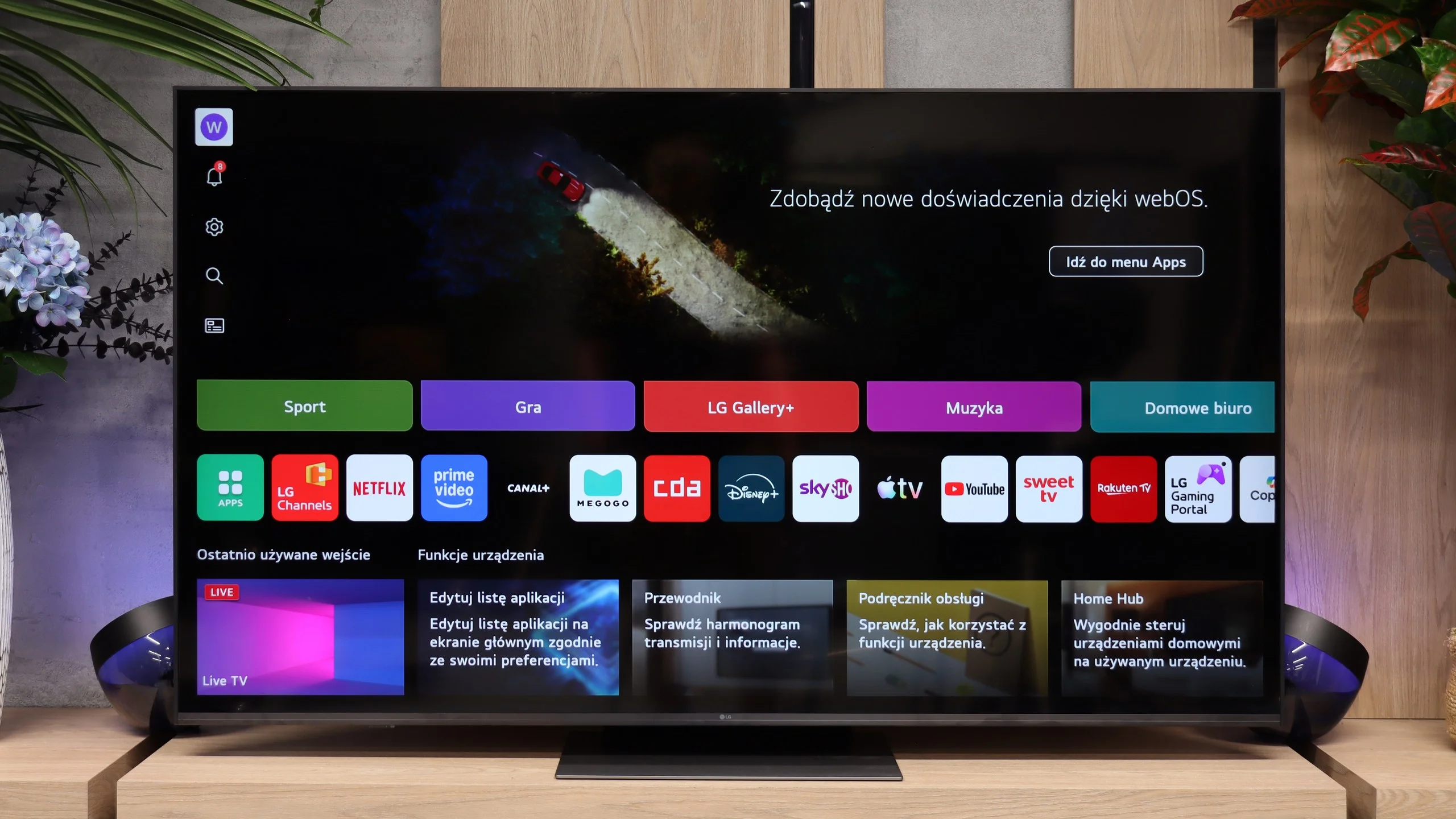
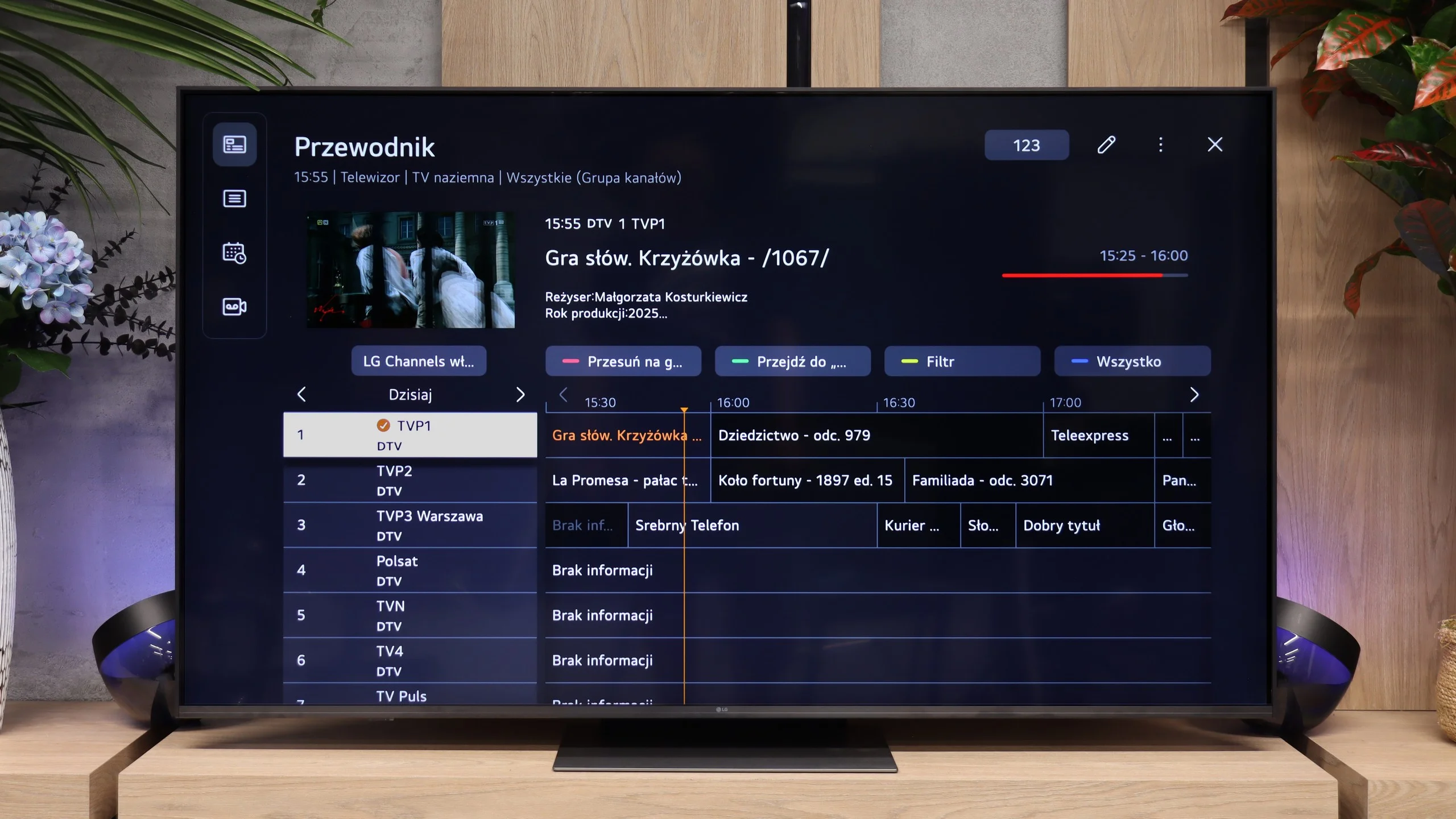
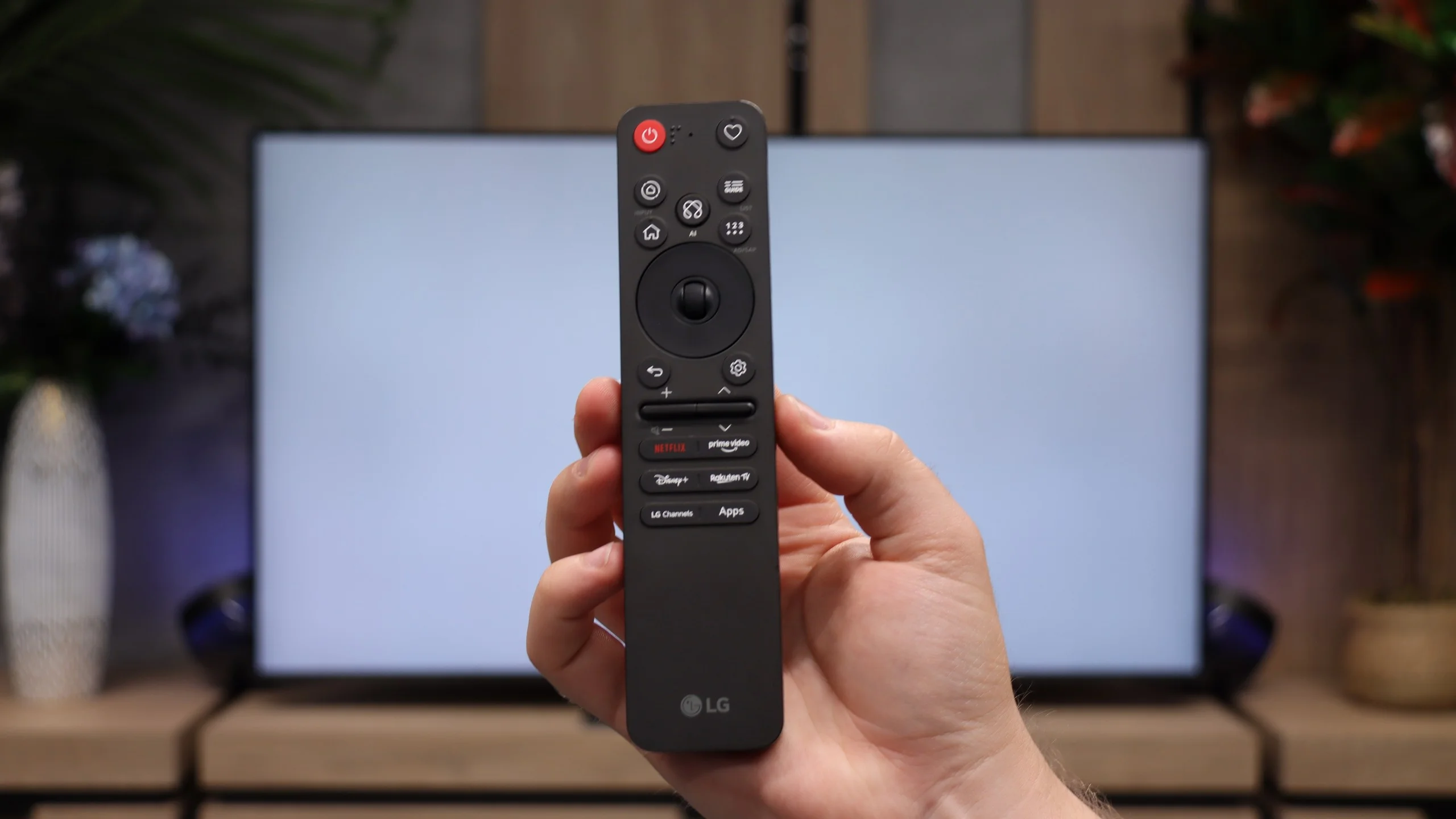
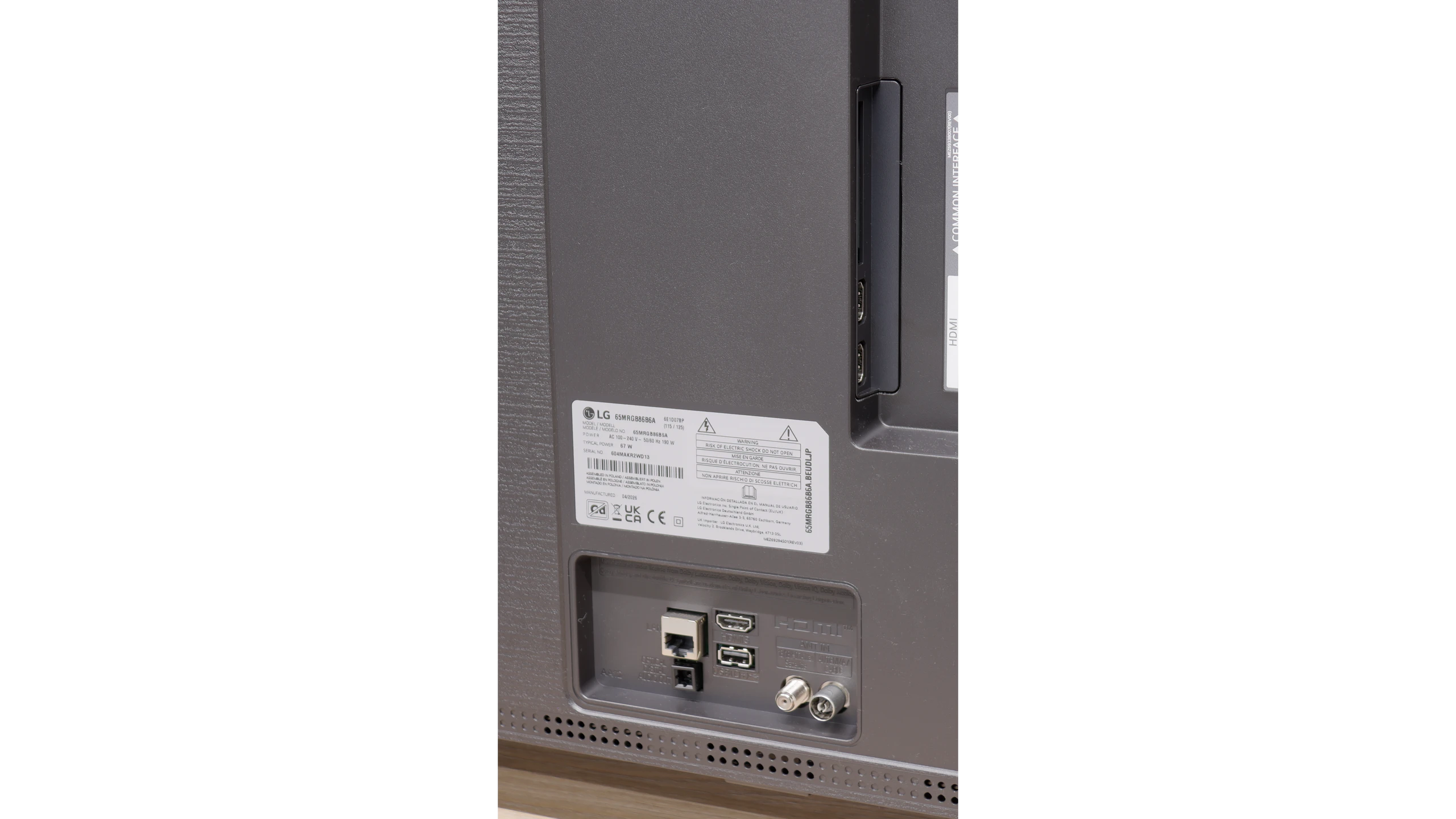
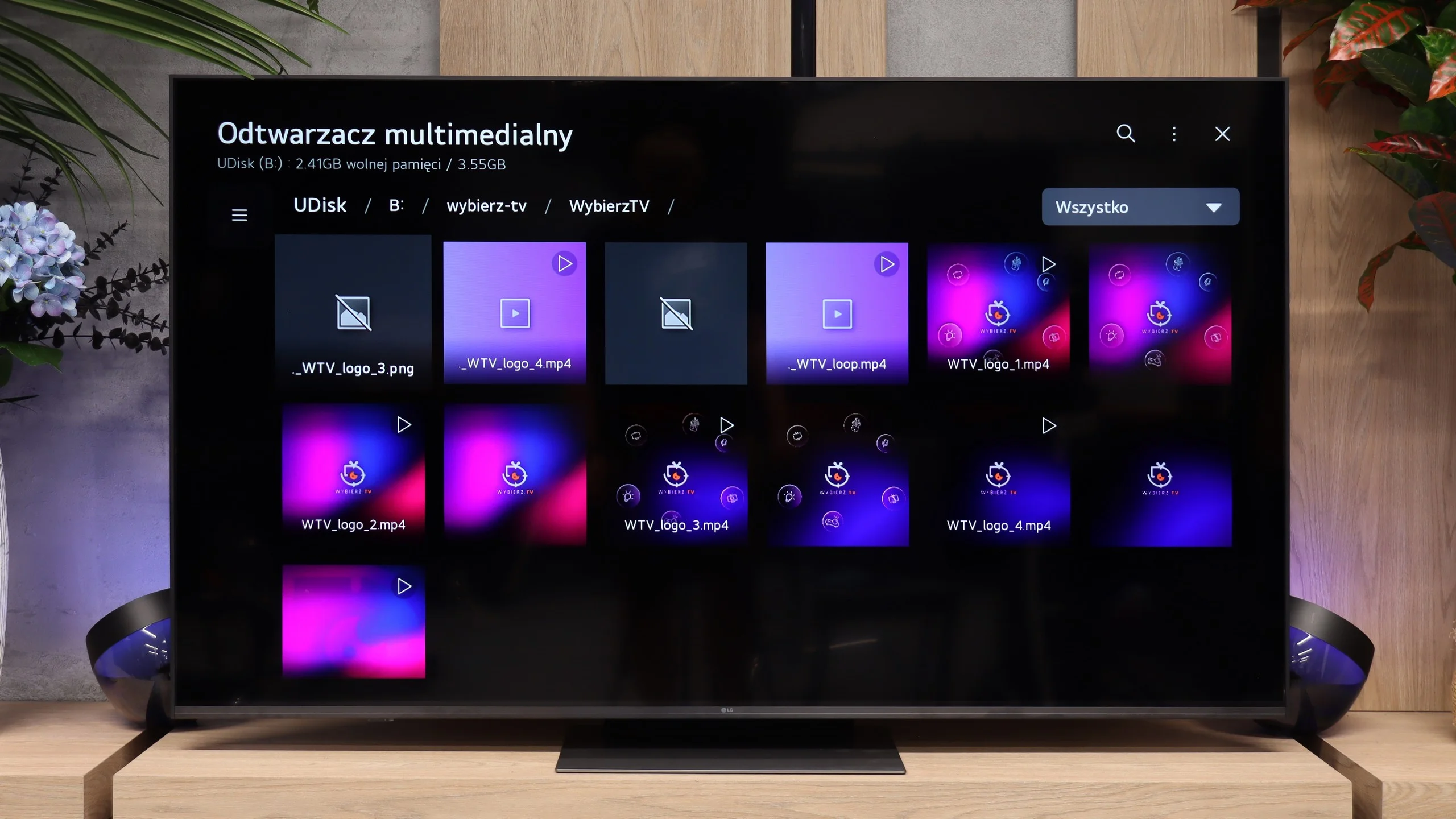
LG MRGB85 is a TV that feels most at home in the hands of gamers and people attached to the webOS ecosystem. In that respect it’s hard to fault. It offers a lot of advantages for gamers thanks to a very high refresh rate panel. On top of that there’s a smooth webOS experience that stands out on the market mainly because of the convenient Magic remote and a full set of features for traditional TV. The problem starts when you look at overall picture quality and compare it to the price the manufacturer asks for this model. The MRGB85 launches at a level that, to put it mildly, is hard to call attractive compared with competing models. For similar money you can find TVs with much more sophisticated backlighting and, above all, better black-level control. The biggest controversy, however, is the naming and the way LG positions this model. MRGB85 does use a three-color backlight, but it’s placed at the edge of the screen. It’s therefore hard to call this a full-fledged RGB Mini-LED in the sense commonly used for TVs that employ a large number of independently controlled zones behind the panel. In practice the local dimming limitations are very noticeable and in dark scenes they significantly impair the viewing experience. That doesn’t mean the MRGB85 is a bad TV. It handles everyday content well, offers decent colors, good brightness and a very broad feature set. SDR material can look really good, and Dolby Vision partly helps hide weaker brightness management in HDR. Still, it’s difficult to shake the impression that the model’s biggest problem isn’t the hardware itself but its price and overly ambitious positioning in the market. If someone is mainly looking for a gaming TV, values the convenience of webOS and finds a big discount, the MRGB85 can make sense. At the current price it takes a back seat, because the competition today simply offers more in terms of picture quality.
 Direct comparison