Philips PUS8359 in 50" is a straightforward television, but offers sufficient features to satisfy many consumers. Its most notable feature, which is common across the brand, is the Ambilight backlighting. At this price point, this addition is certainly valuable and may be a deciding factor for many buyers. While it’s unrealistic to expect a flawless picture in this price range, some models offer more, and in our view, this television is one of them.
In particular, the quality of tonal transitions, colour reproduction after calibration, and performance when connected to a computer stand out. With low input lag, casual gaming is quite enjoyable. However, the unit does have its drawbacks. The low luminance in HDR content and limited DCI-P3 colour gamut coverage are noteworthy issues. That said, the dynamic tone mapping feature works efficiently.
While the contrast and black levels are not exceptional, they are certainly better than those found in units with IPS/ADS panels. The operating system is one of the better ones, though it is still being developed and lacks many features, which we will address in a dedicated section. Additionally, it doesn’t offer as broad an app library as its competitors, though this should change soon.
Who is the PUS8359 for? It is suited for anyone seeking a balance between quality and price.
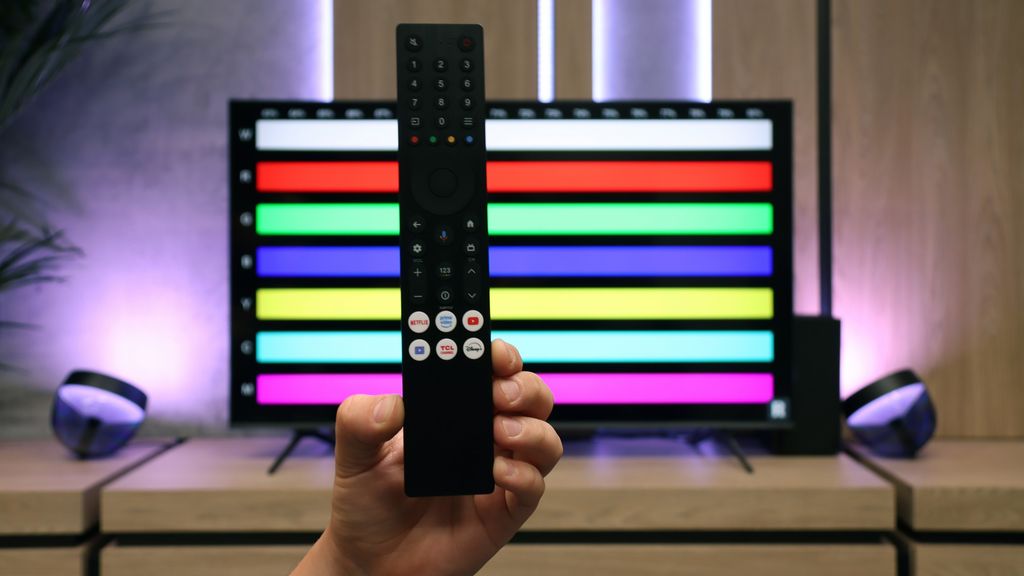
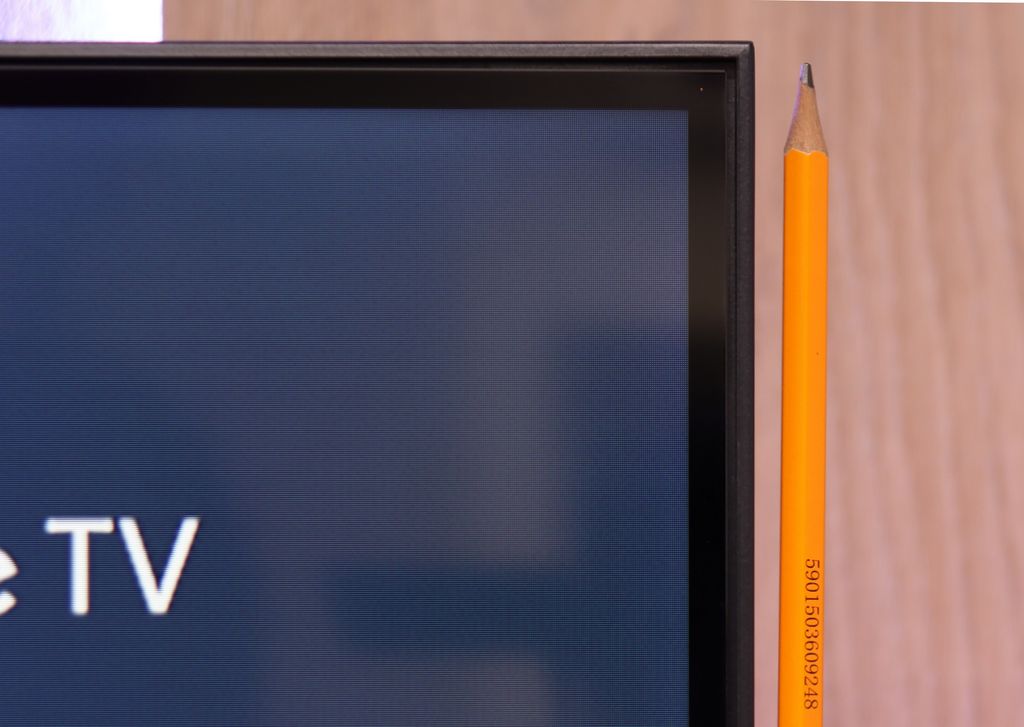
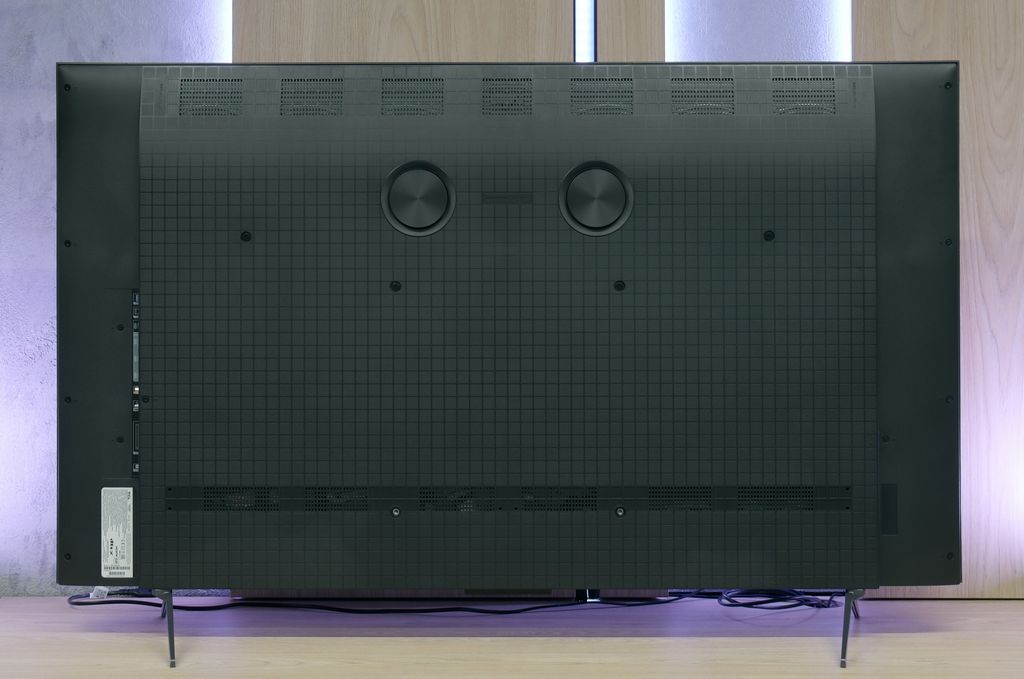
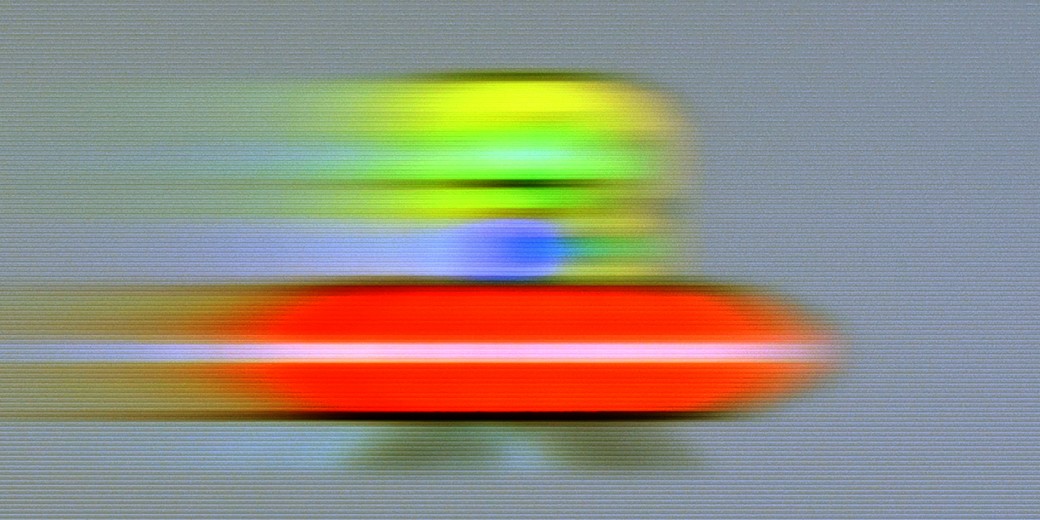
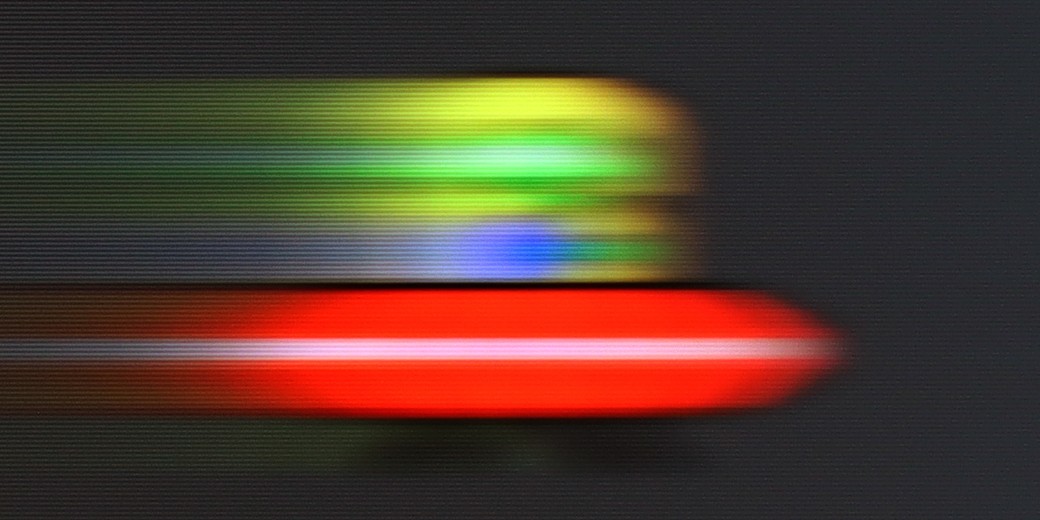
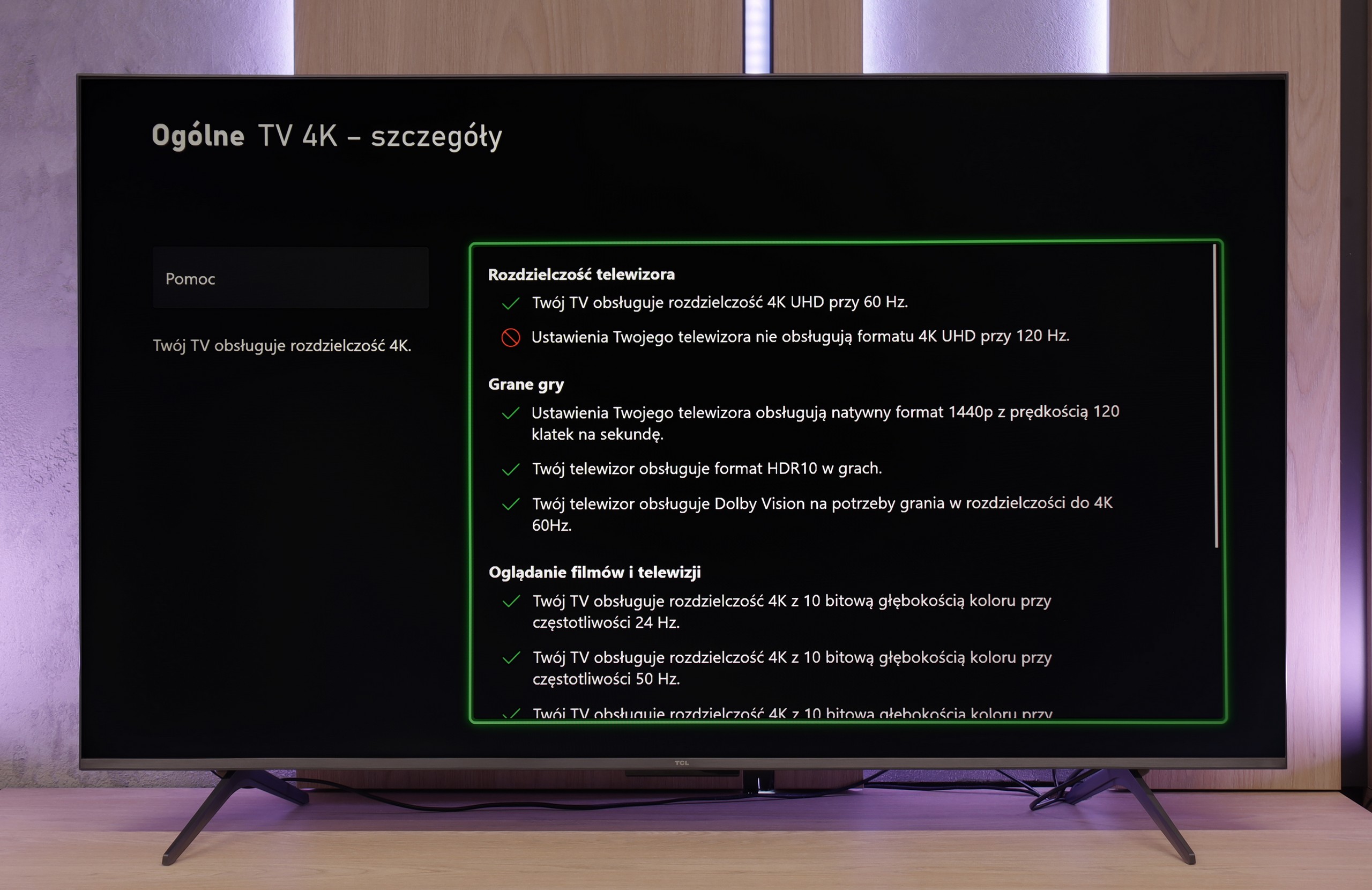
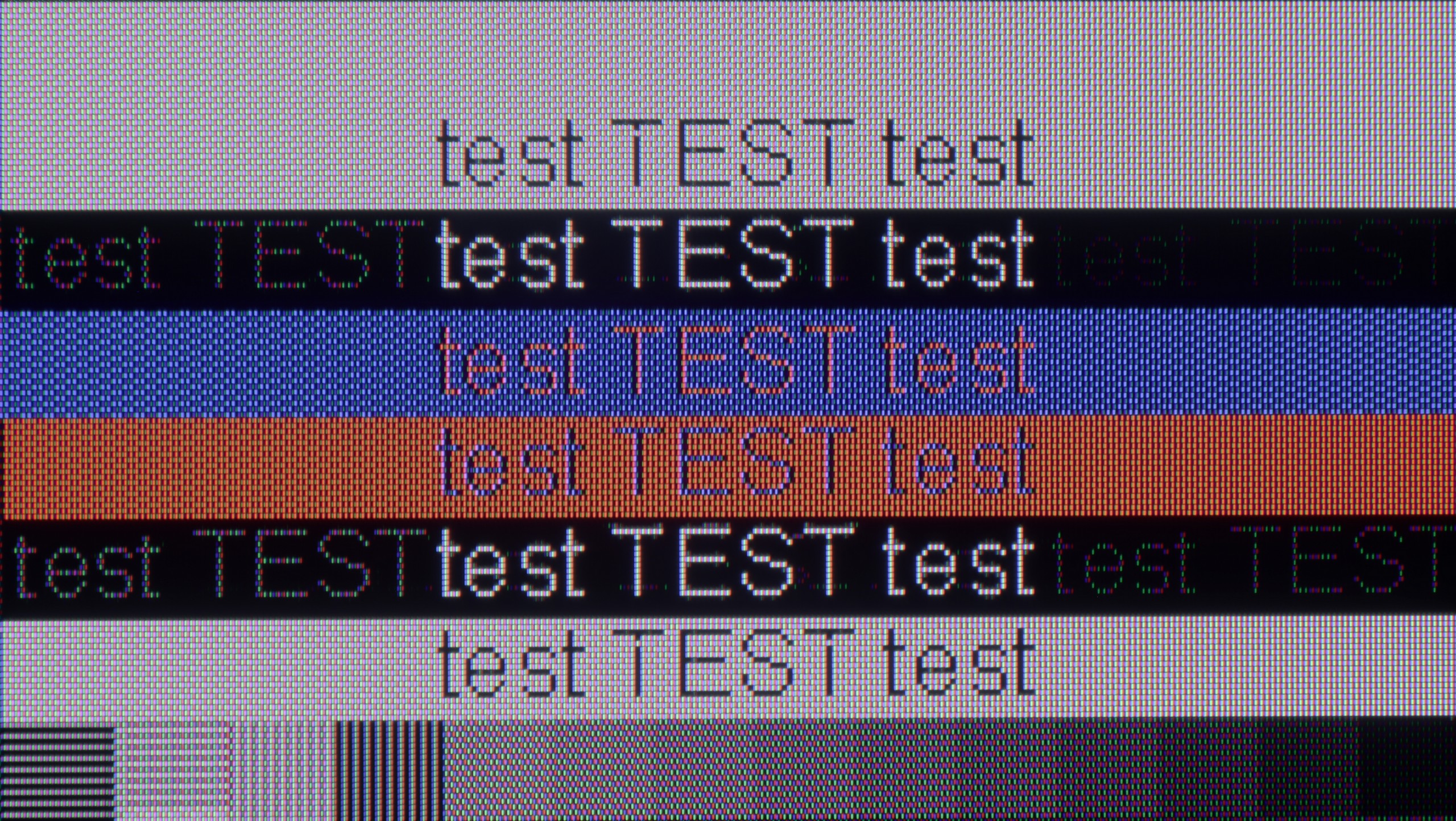
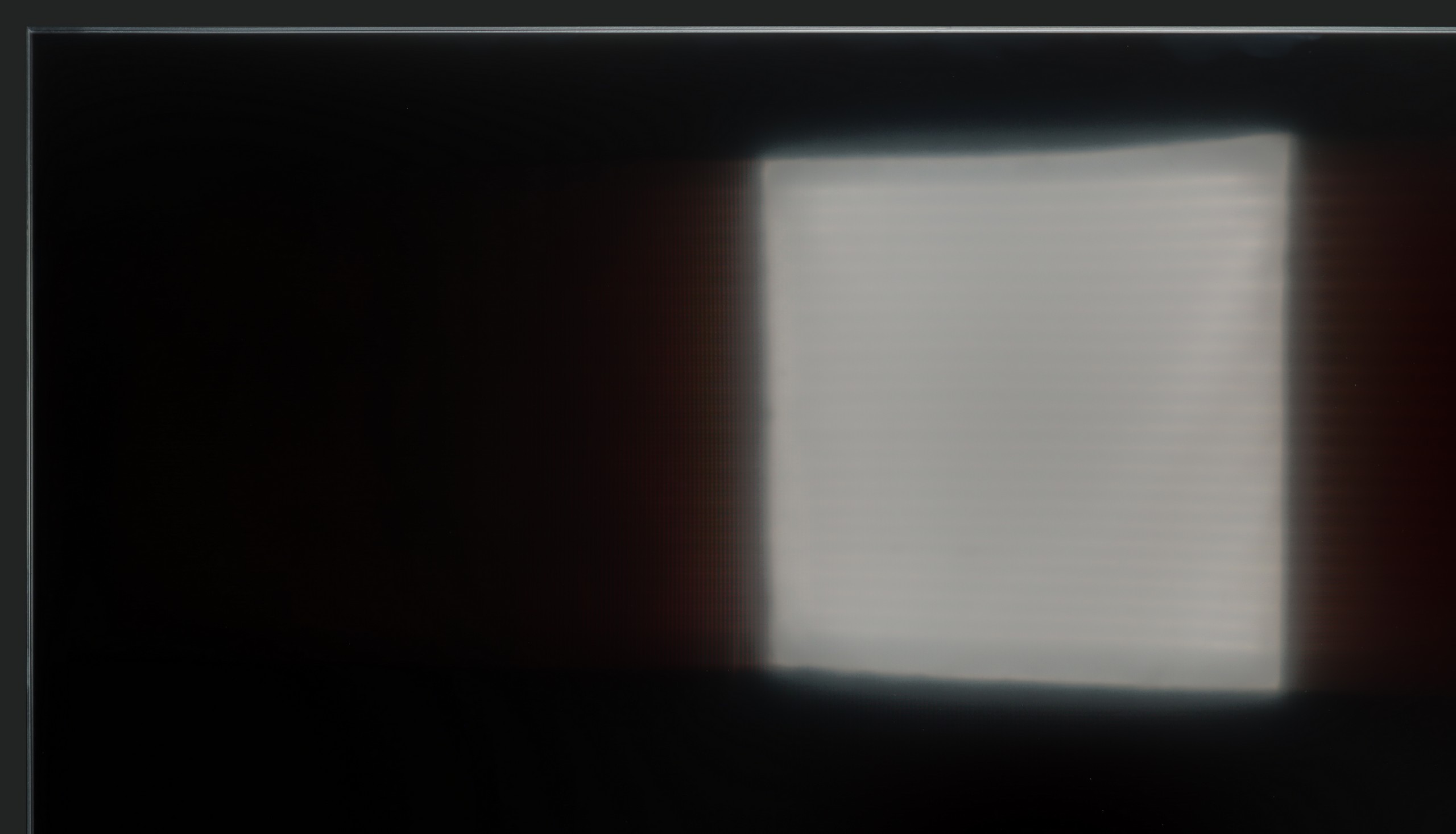
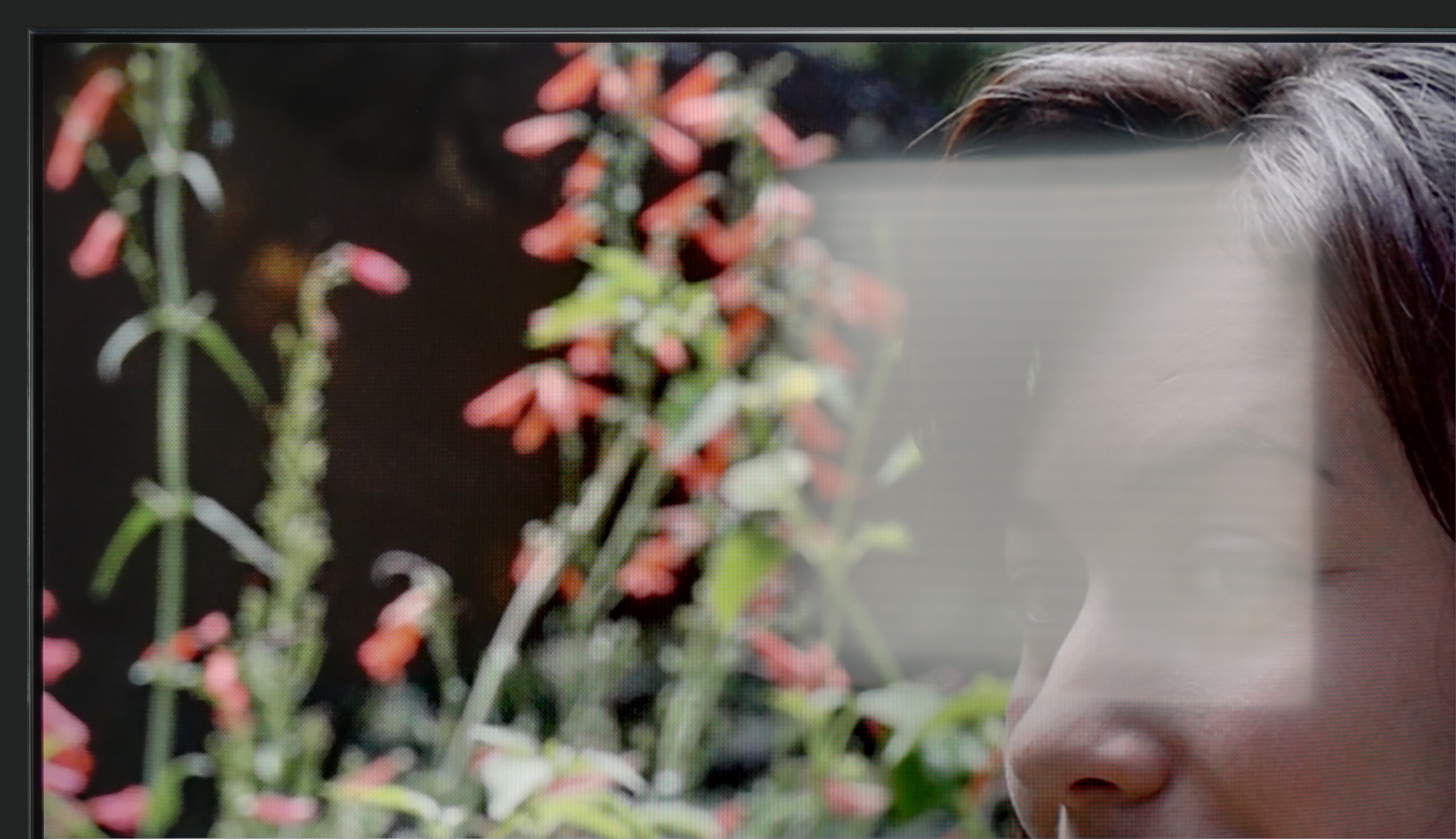
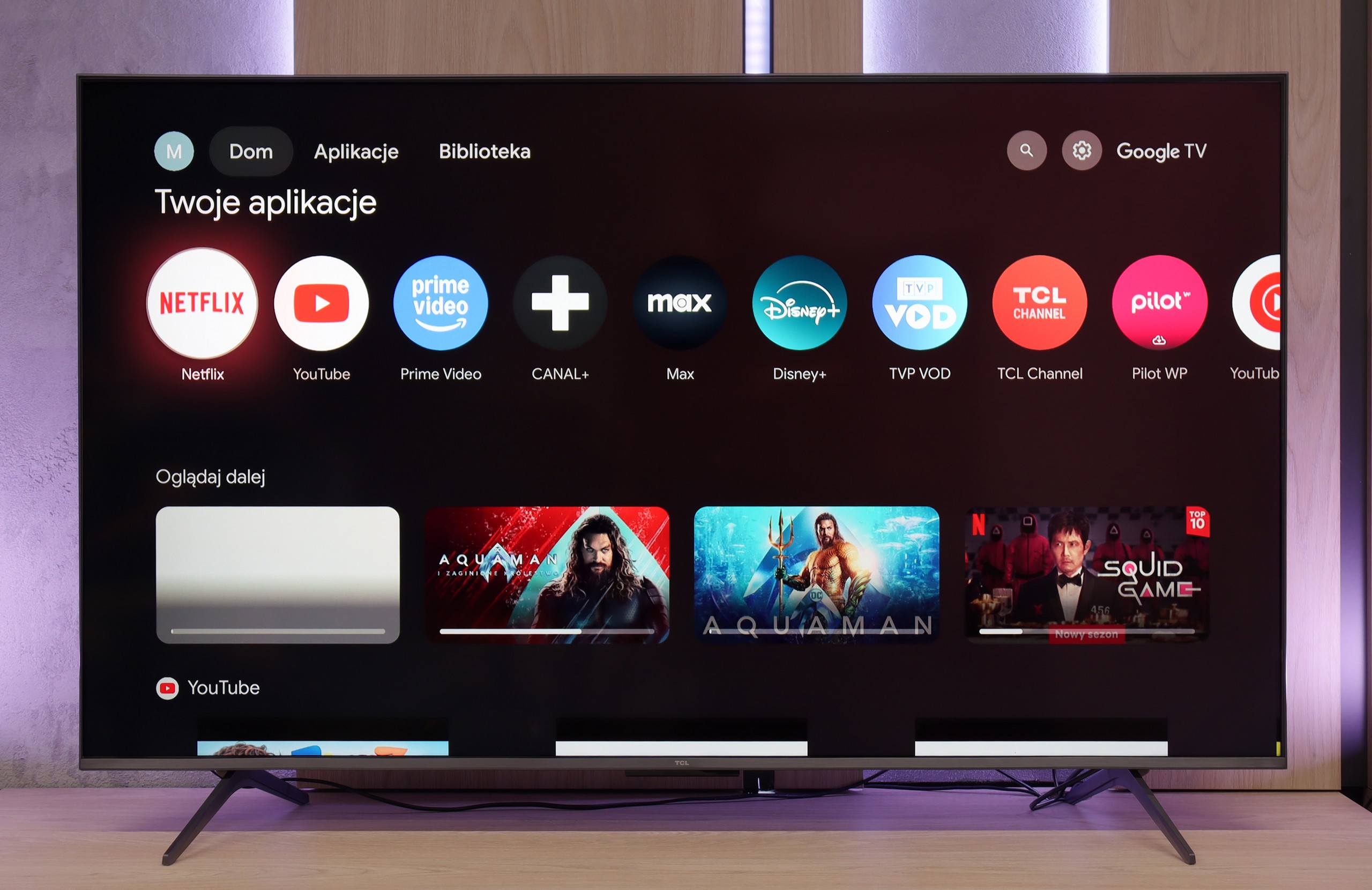
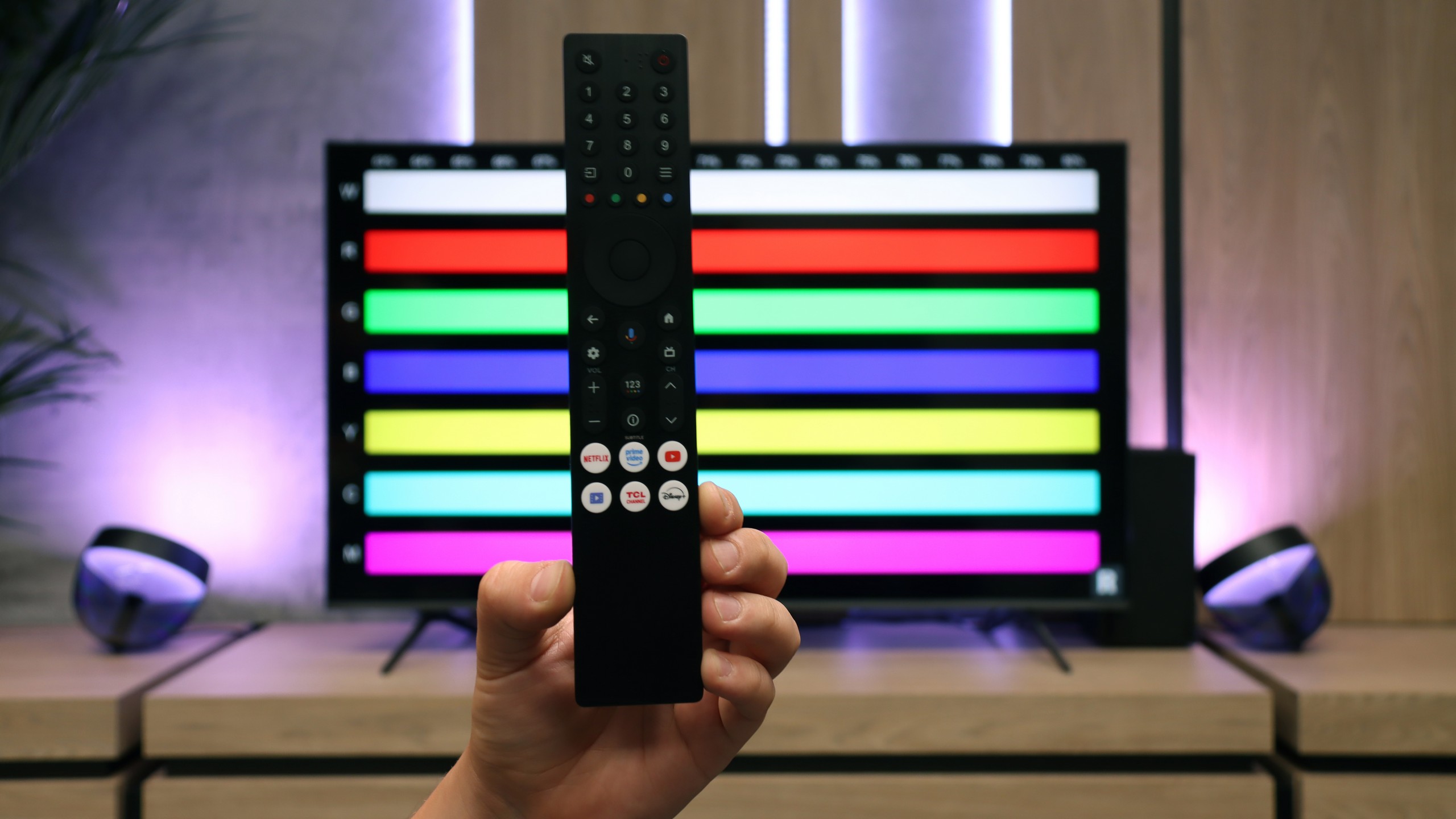
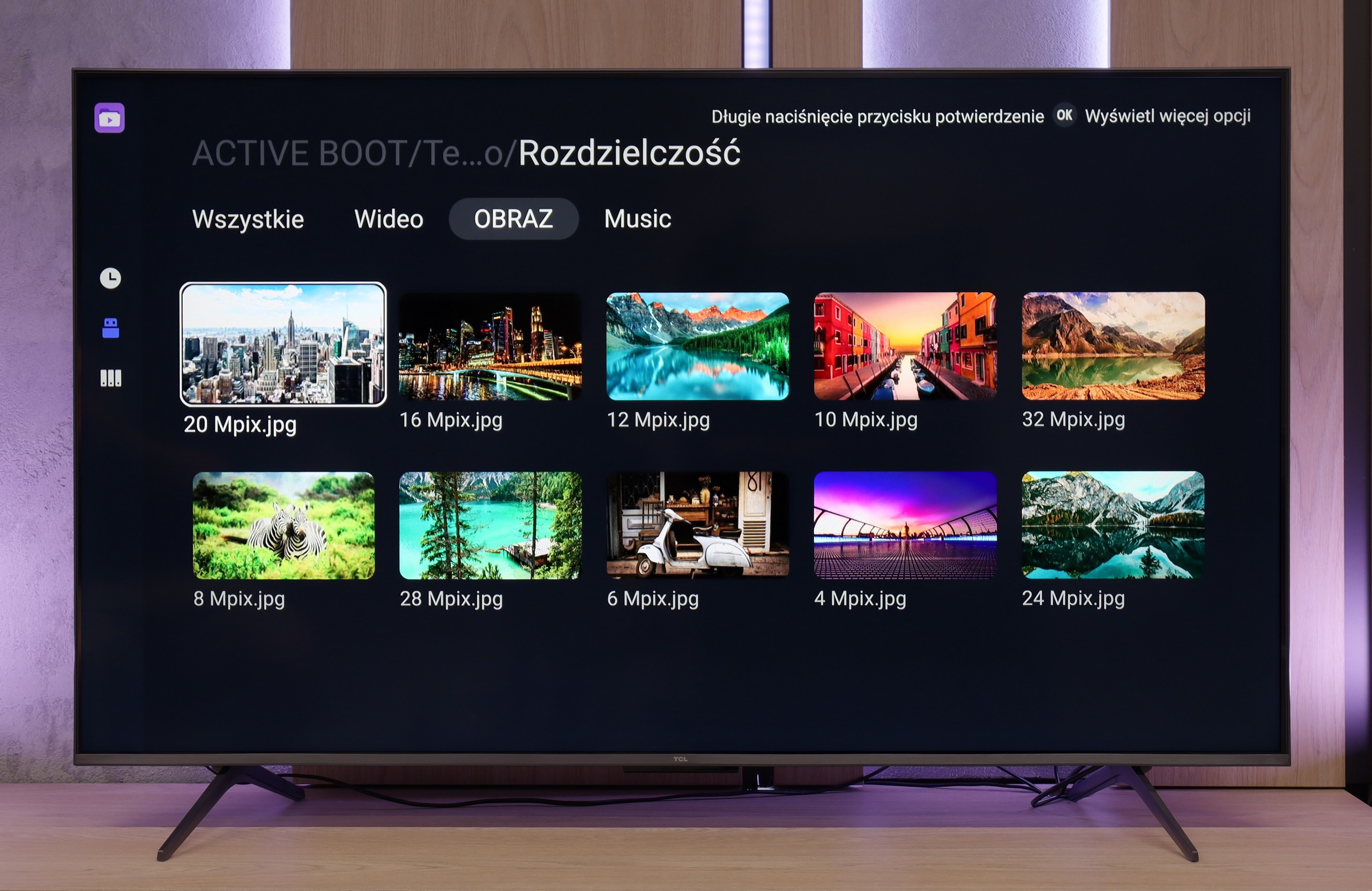
TCL C6KS (also known as C69KS and Q6CS) is a television that on paper promised to be a hit in the "value for money" category. And indeed, in many ways it's a successful piece of equipment: thanks to Mini-LED backlighting, we get good black levels and brightness that rivals more expensive models. In fact, it's identical to the slightly more expensive C6K model, which we've already tested for you. Additionally, it features the same excellent Google TV system and surprisingly rich gaming features, making it enjoyable to play even with a 60 Hz panel. Unfortunately, the positive impression is marred by the performance of the panel used. The television suffers from noticeable motion blur, and aggressive dithering (digital grain) makes the image often appear unnatural and artificial—as if it were being forced to be sharper. Ultimately, the biggest problem with the C6KS isn’t its flaws, but rather its sibling, the C6K. At its current price, this model finds itself in a strange "middle ground." It costs almost the same (or just slightly less) as the full-fledged TCL C6K, which offers a significantly better 120 Hz panel and is simply a complete design without those annoying flaws. The C6KS is a compromise model that will only become attractive under one condition—if its price drops drastically. For now, opting for the (often symbolic) additional cost to the C6K model remains a much safer and better choice. One could mischievously state that the letter "S" in the name actually stands for "Slim." It's just that it's not about an exceptionally slim case, but about how much this model has been "slimmed down" in terms of capabilities compared to the full-fledged C6K.
 Direct comparison