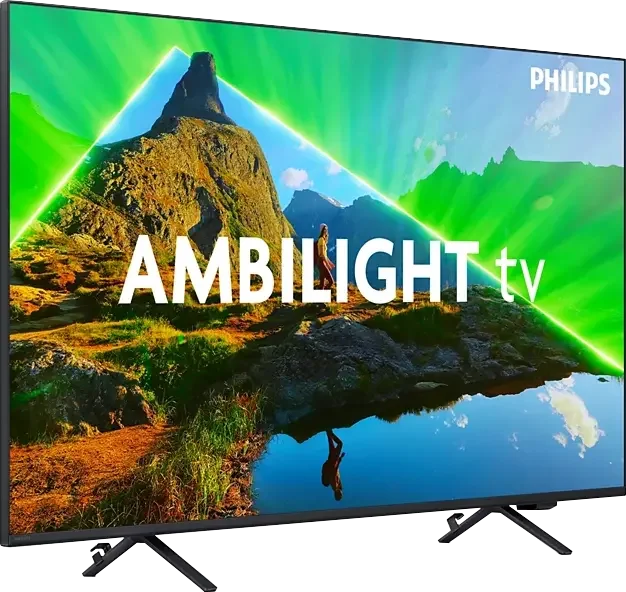
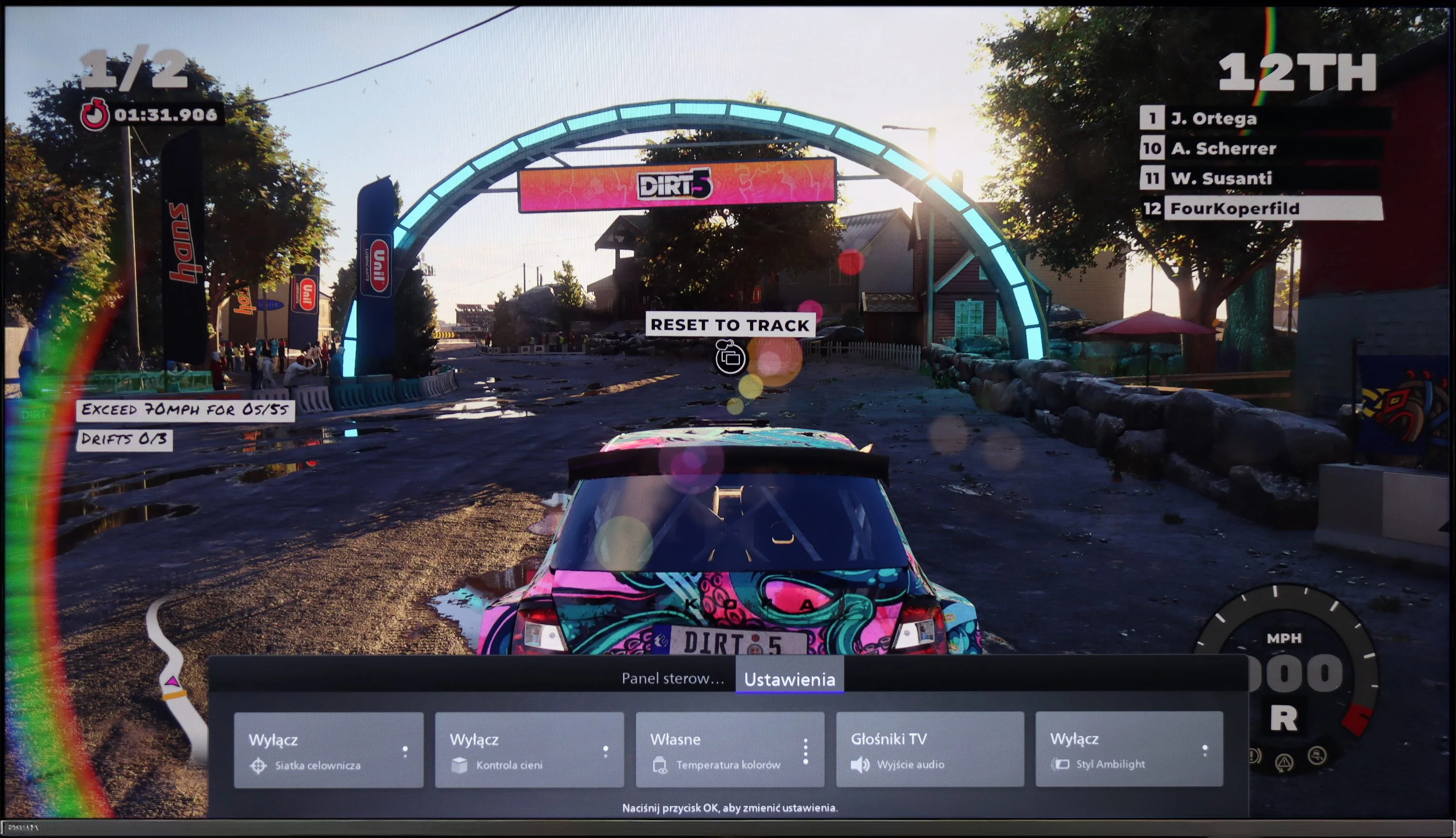
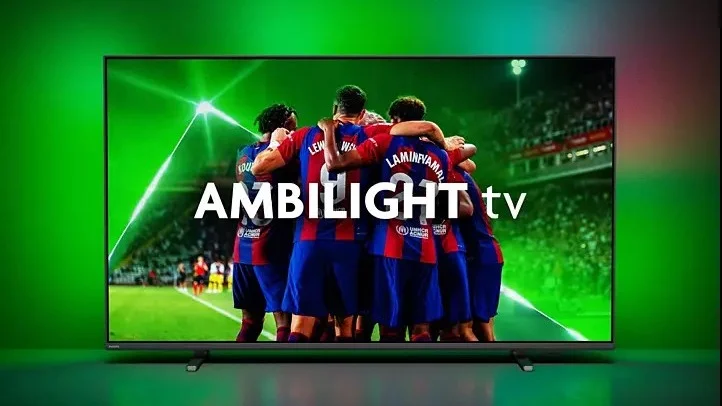
Philips PUS8359 in 50" is a straightforward television, but offers sufficient features to satisfy many consumers. Its most notable feature, which is common across the brand, is the Ambilight backlighting. At this price point, this addition is certainly valuable and may be a deciding factor for many buyers. While it’s unrealistic to expect a flawless picture in this price range, some models offer more, and in our view, this television is one of them.
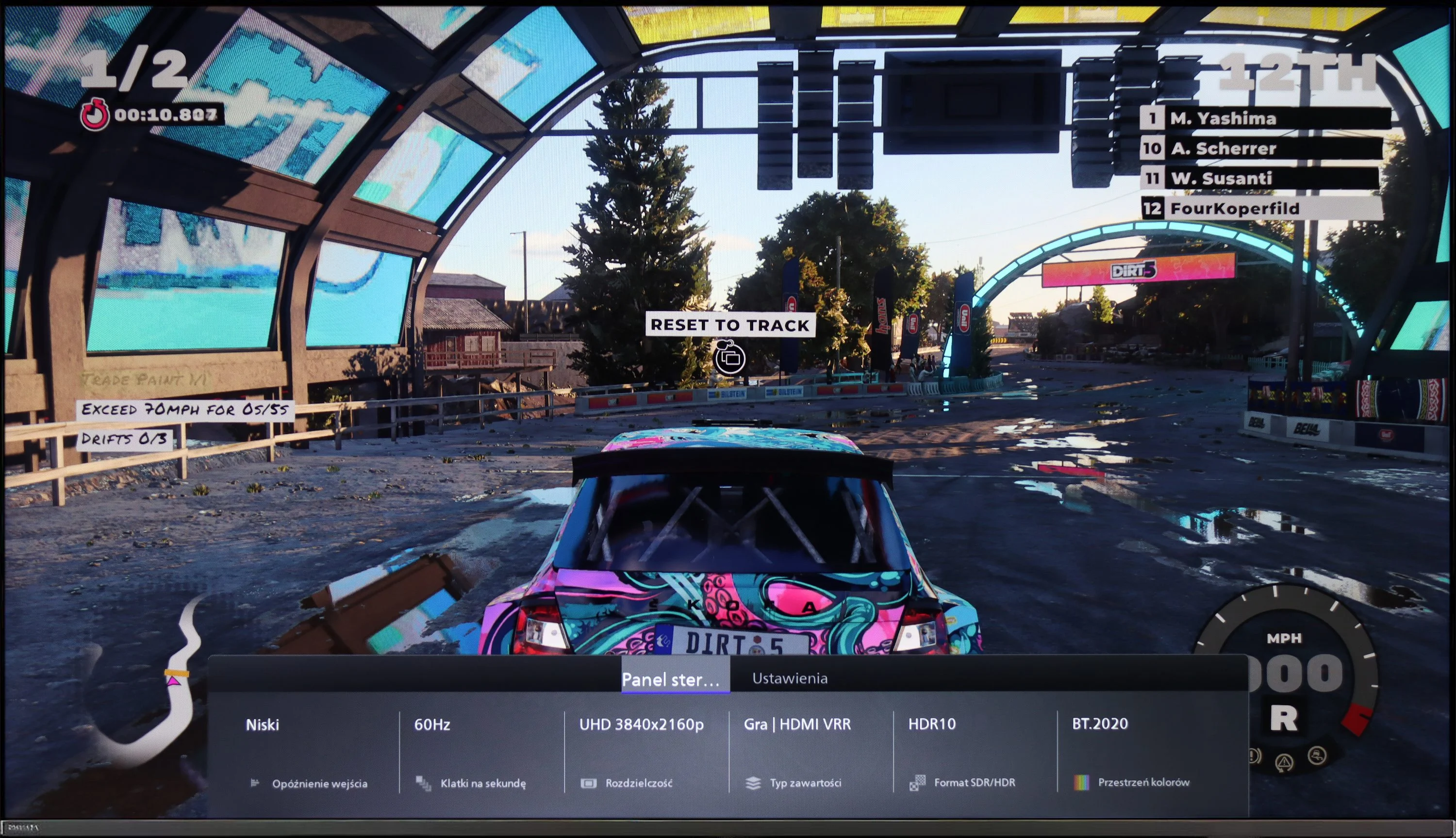
In particular, the quality of tonal transitions, colour reproduction after calibration, and performance when connected to a computer stand out. With low input lag, casual gaming is quite enjoyable. However, the unit does have its drawbacks. The low luminance in HDR content and limited DCI-P3 colour gamut coverage are noteworthy issues. That said, the dynamic tone mapping feature works efficiently.
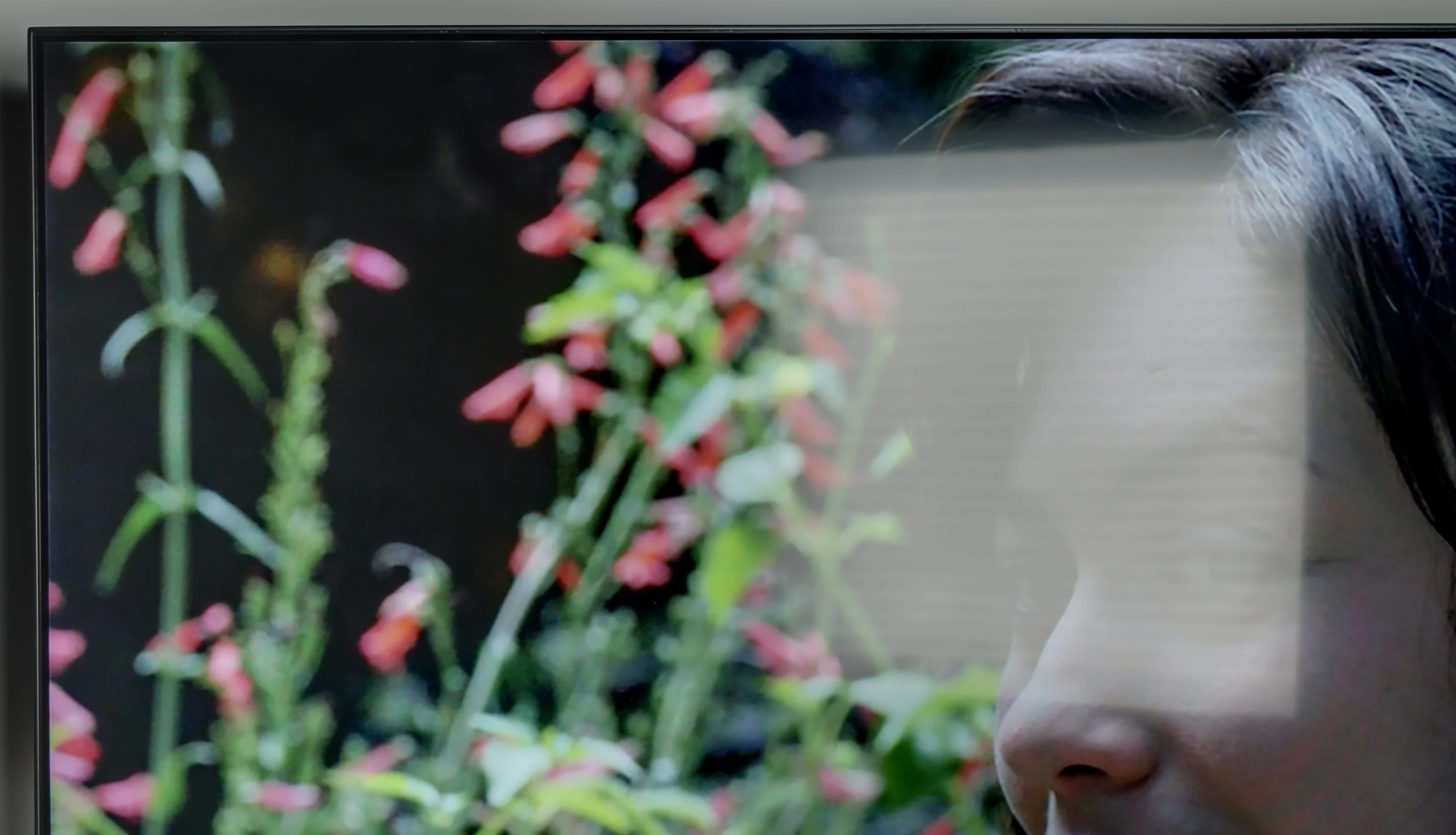
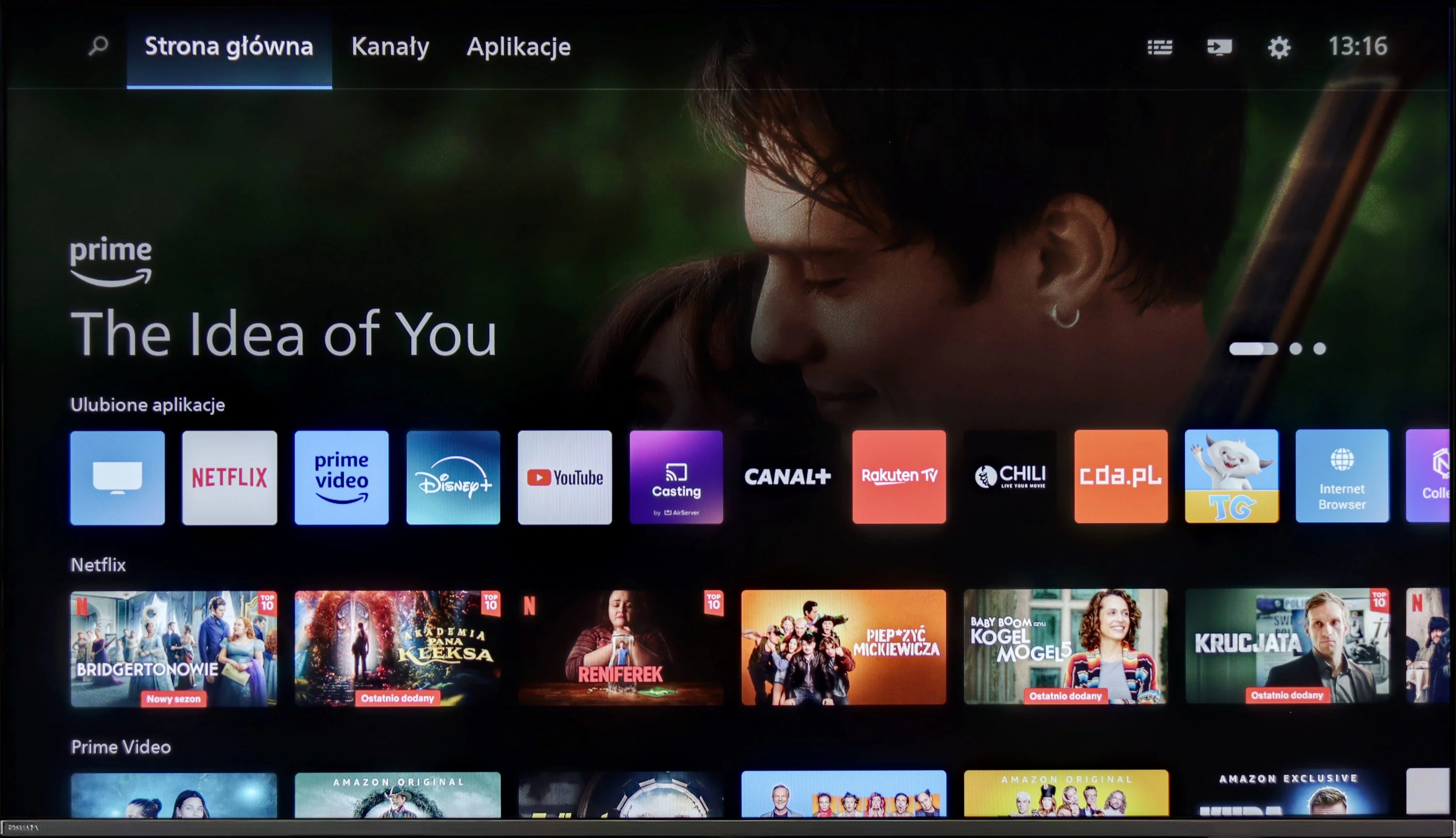
While the contrast and black levels are not exceptional, they are certainly better than those found in units with IPS/ADS panels. The operating system is one of the better ones, though it is still being developed and lacks many features, which we will address in a dedicated section. Additionally, it doesn’t offer as broad an app library as its competitors, though this should change soon.
Who is the PUS8359 for? It is suited for anyone seeking a balance between quality and price.
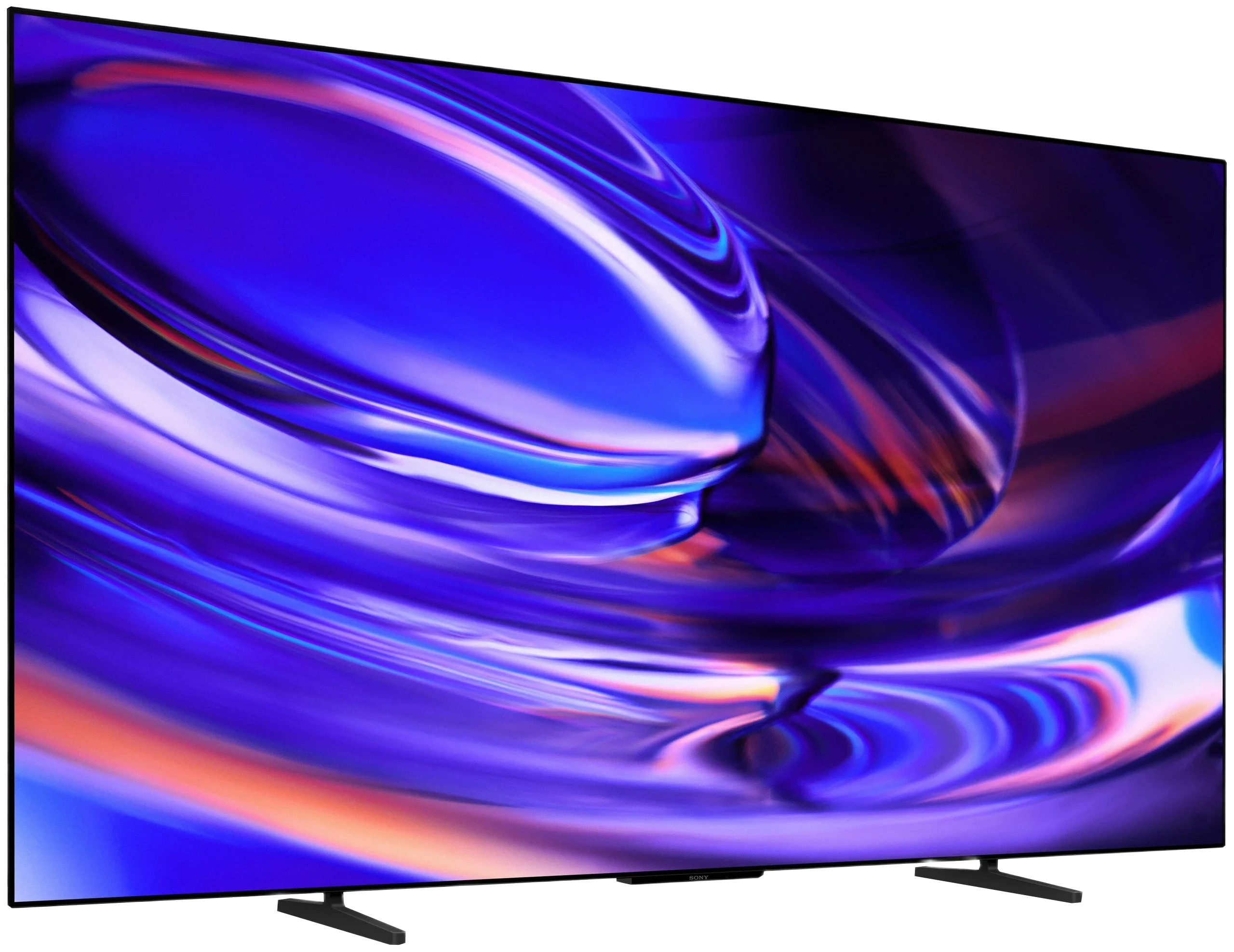
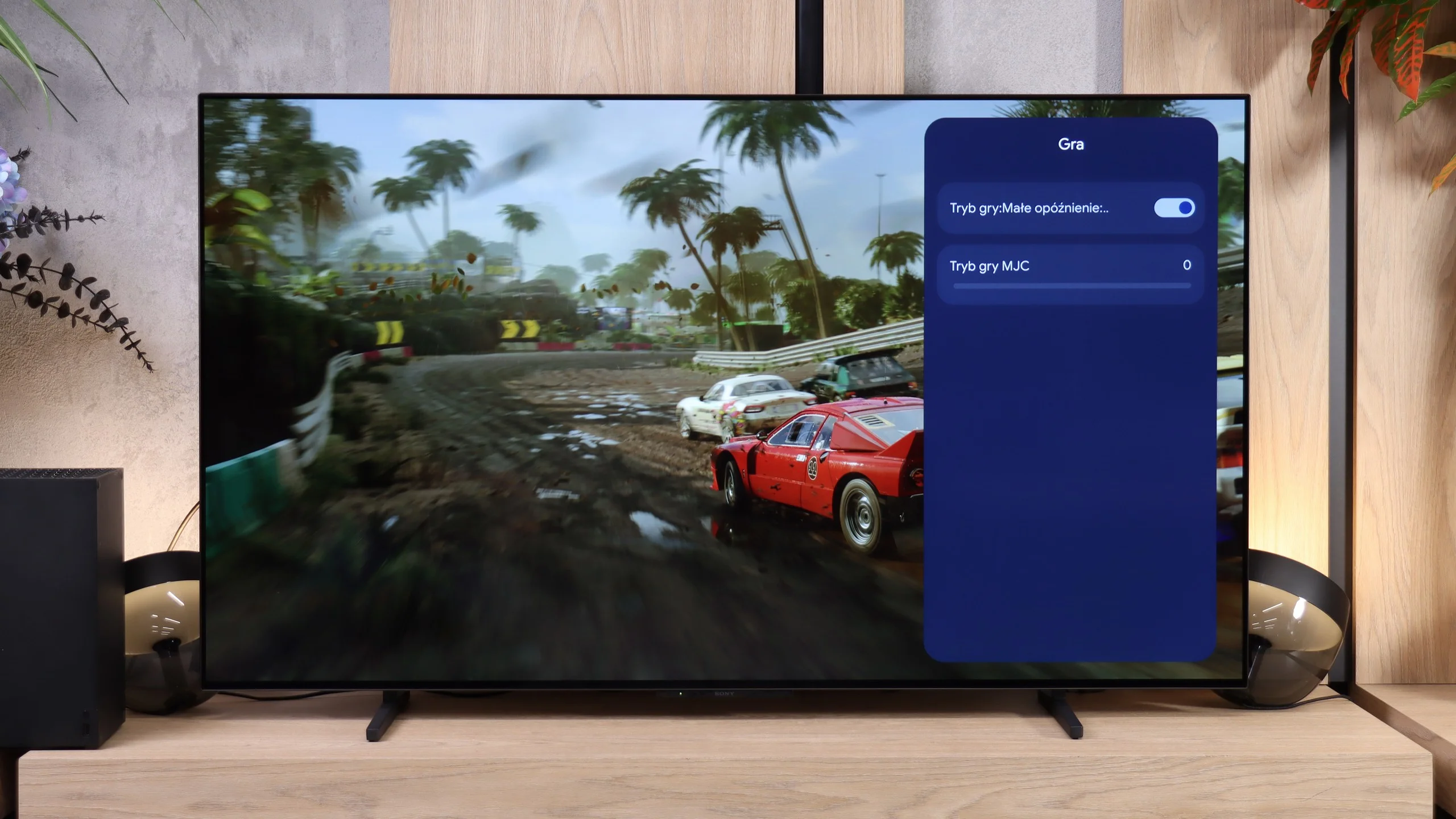
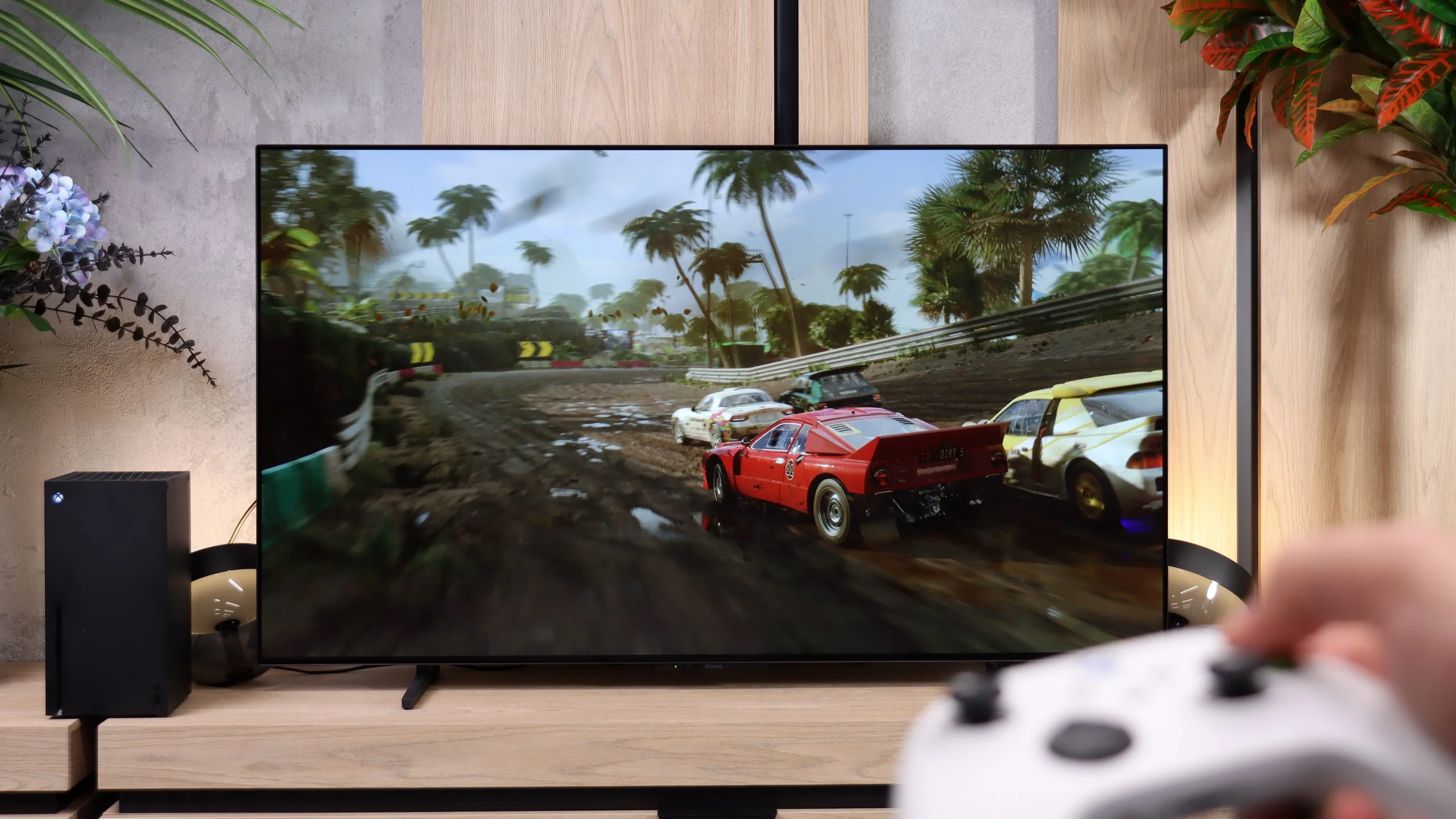
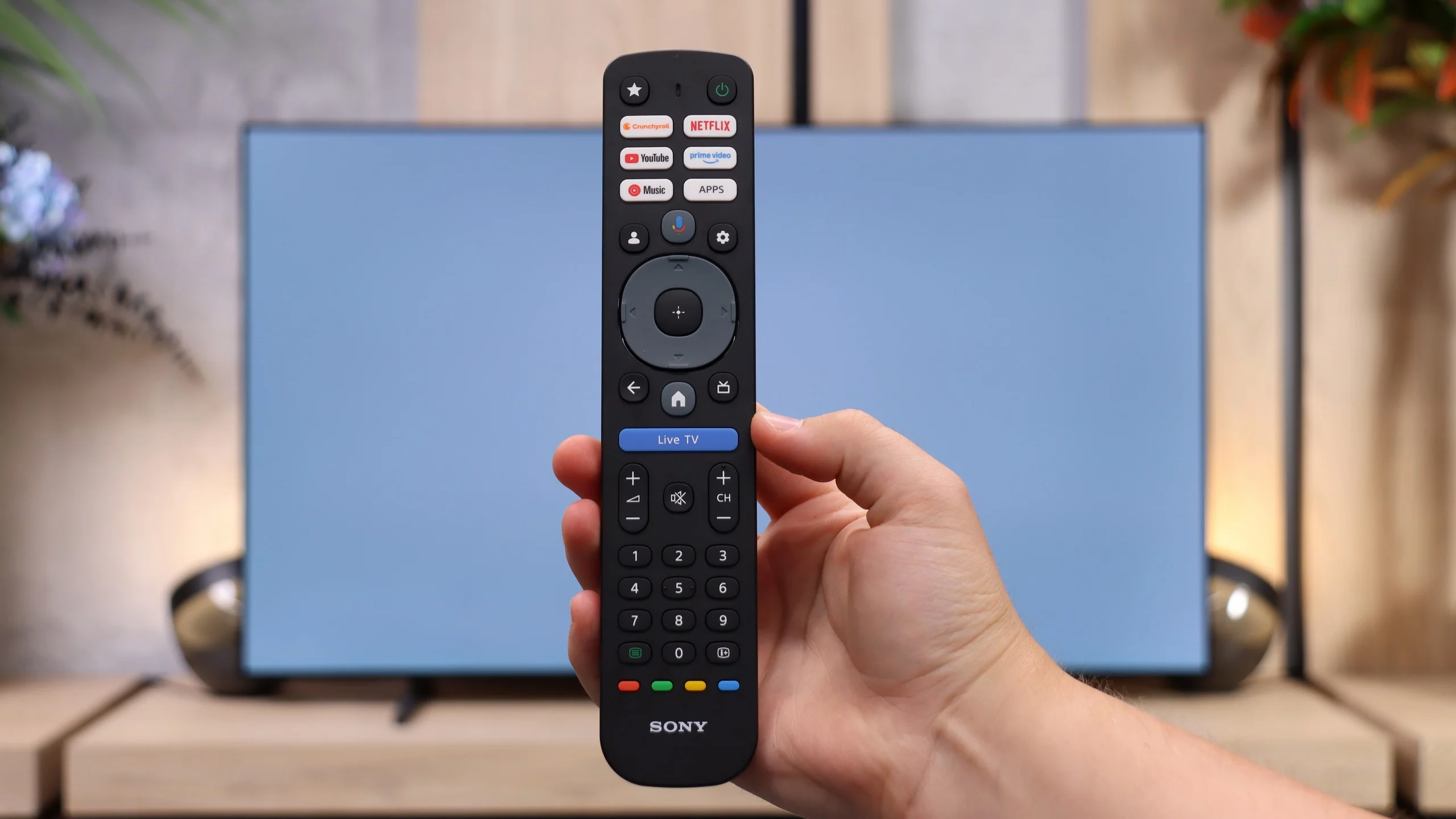
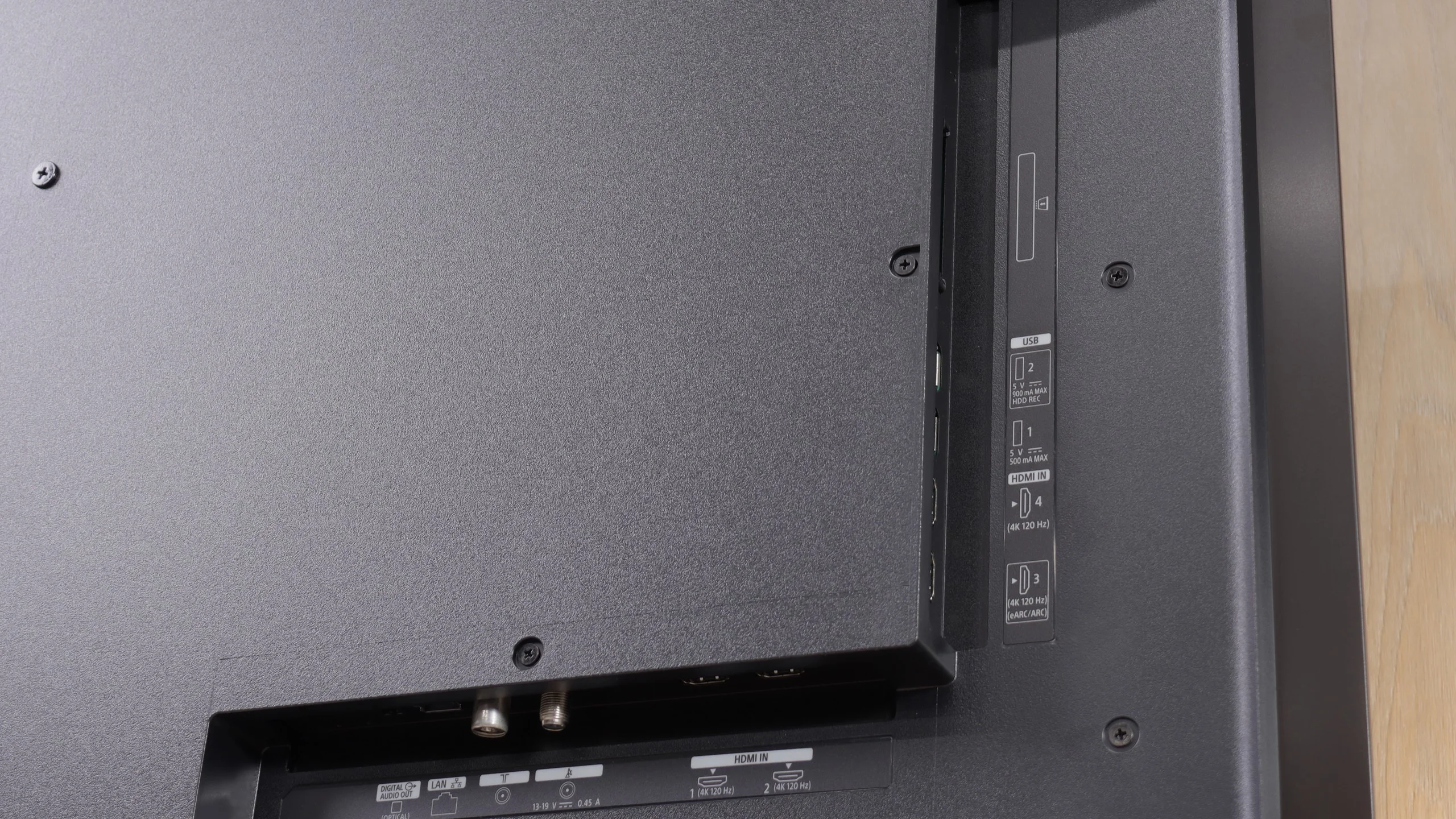
BRAVIA 6 can deliver a lot of viewing pleasure, especially in the evening when the advantages of the OLED panel are most visible. Deep blacks, good contrast and natural colors after calibration make it easy to appreciate its picture with the right material. It also performs well for console gaming: it provides smooth motion and responds quickly to controller input. It's also nice to see four full HDMI 2.1 ports, which Sony has finally included. Thanks to them, connecting multiple devices is less troublesome than even in some of the brand's pricier models. Solid build quality and an attractive design round out the package.
However, that's not enough to stand out among competing OLEDs. We usually paid more for Sony TVs for, among other things, better image processing, and with the BRAVIA 6 it's hard to see an advantage in that area. Lower-quality footage looks average, and in demanding HDR scenes detail is lost in bright parts of the picture. Dolby Vision helps a bit, but it doesn't change the overall impression: you get an image that can be pleasing, but it doesn't give a clear reason to choose Sony over another entry-level OLED.
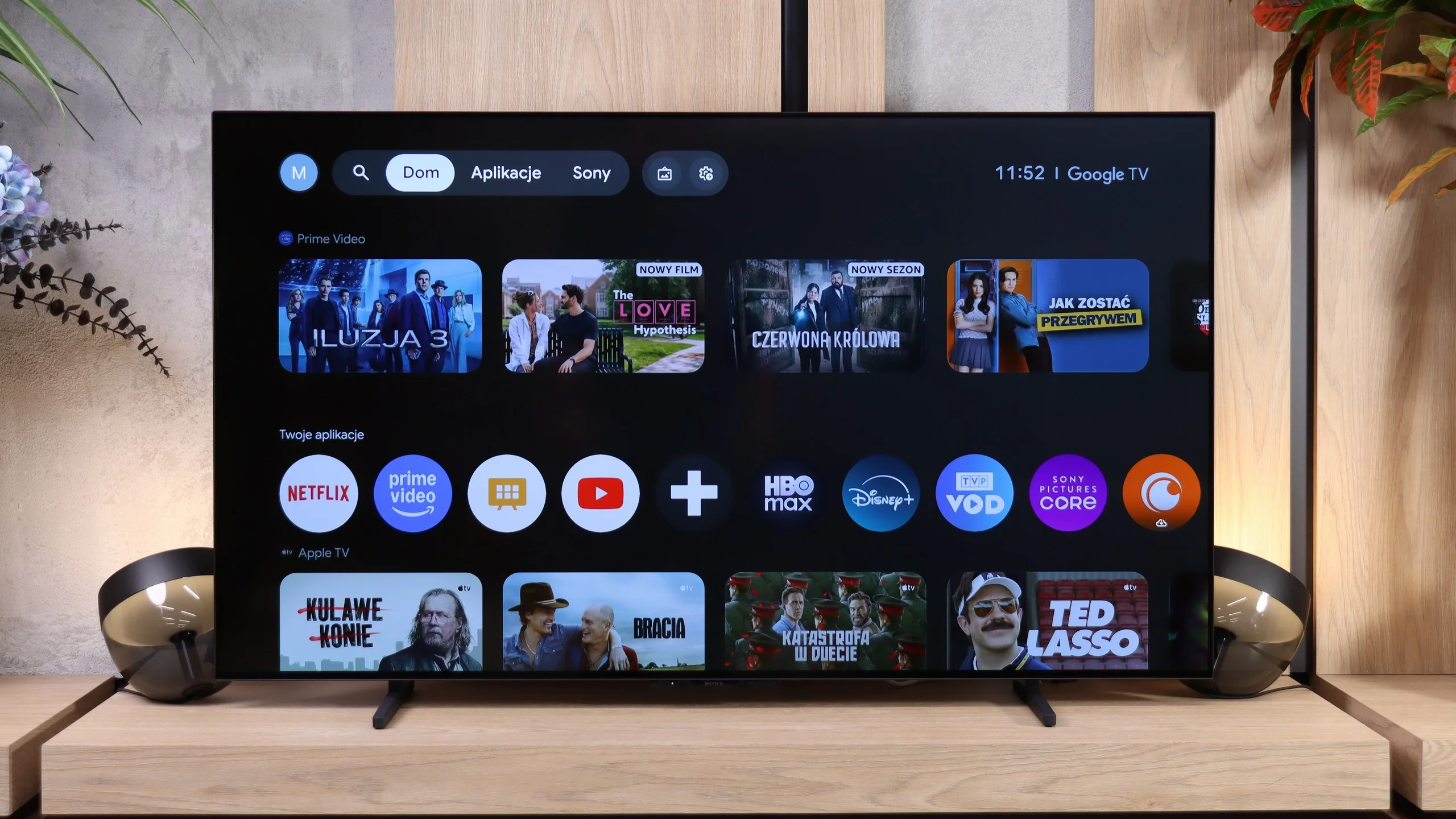
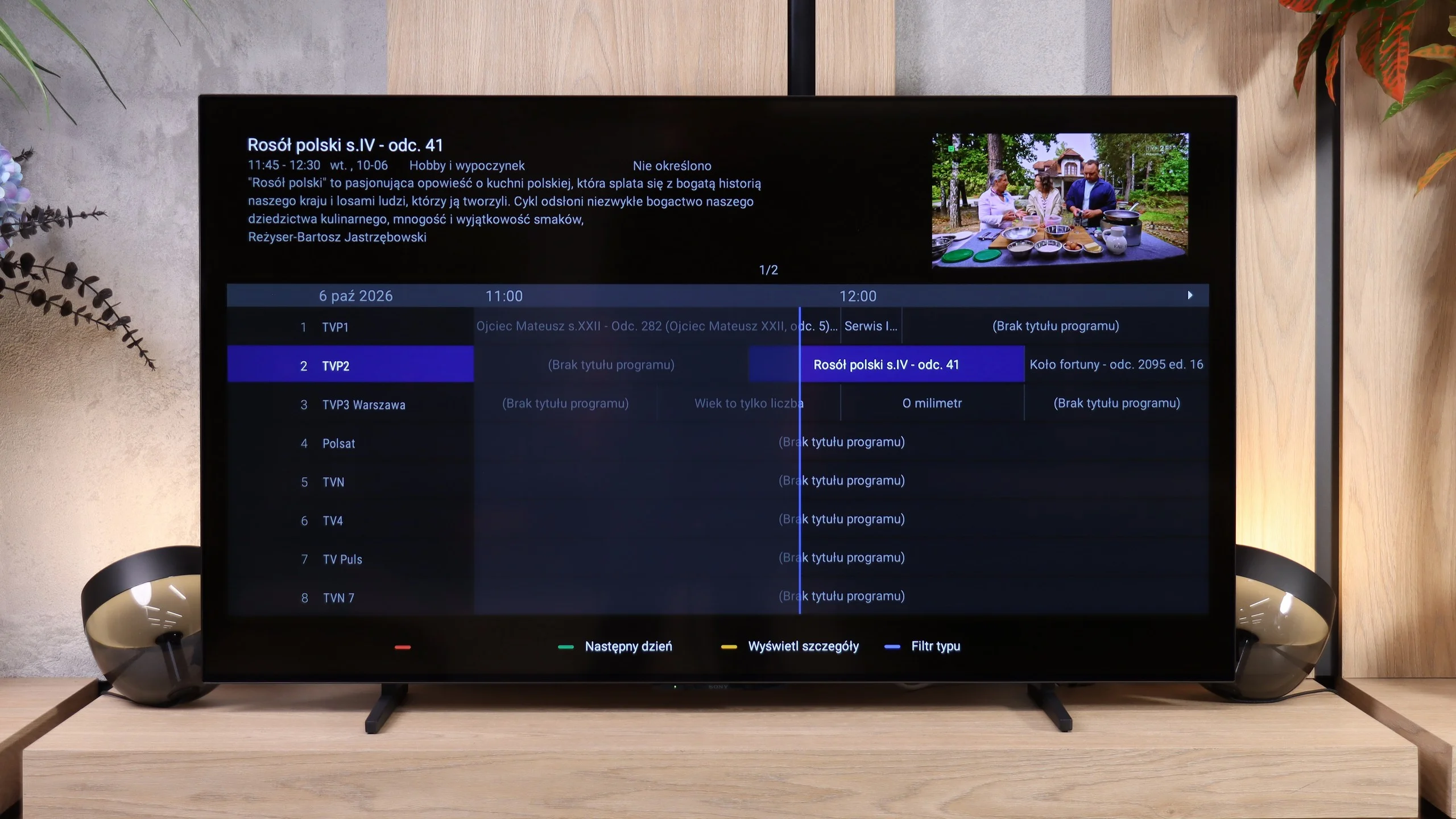
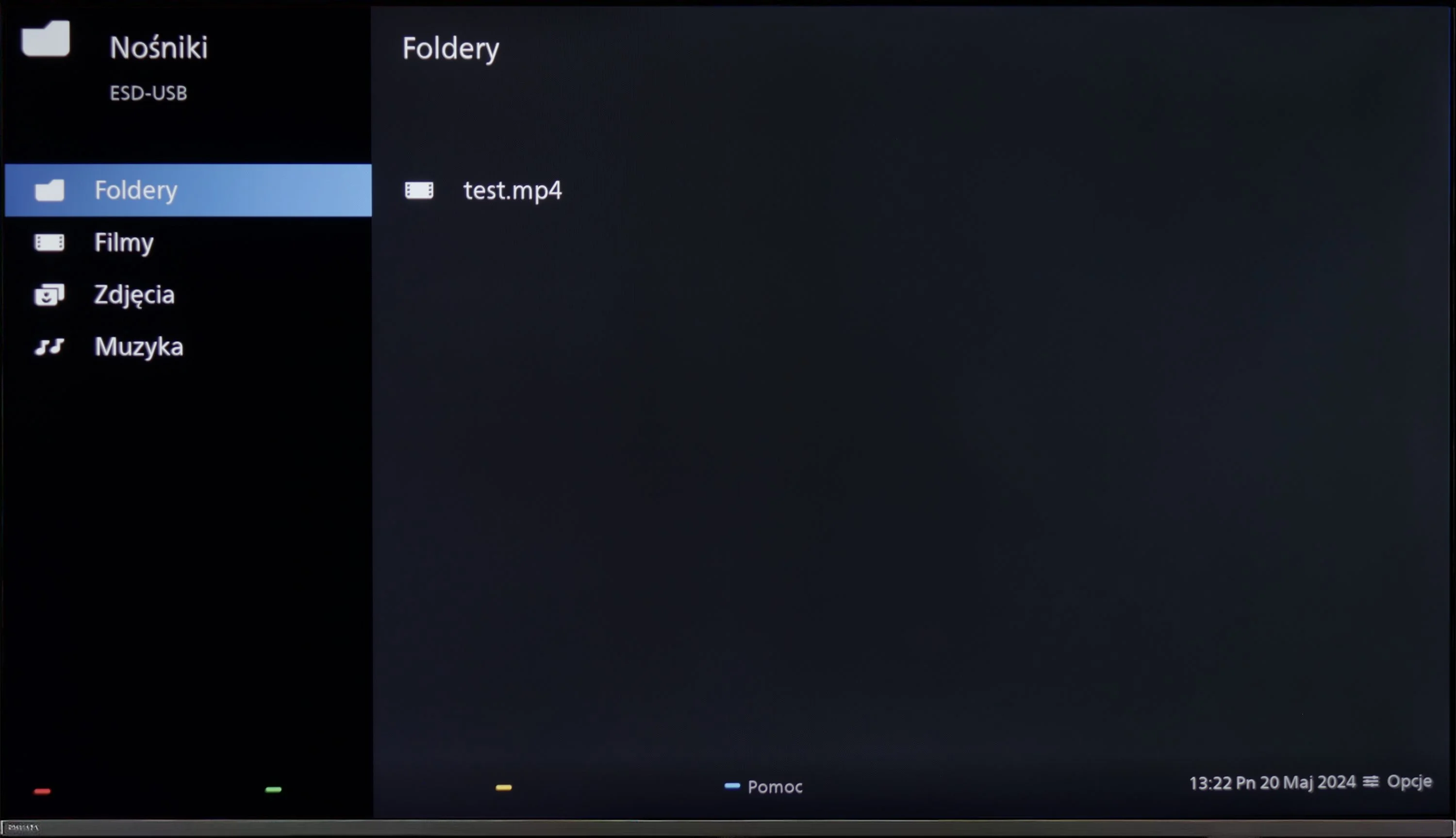
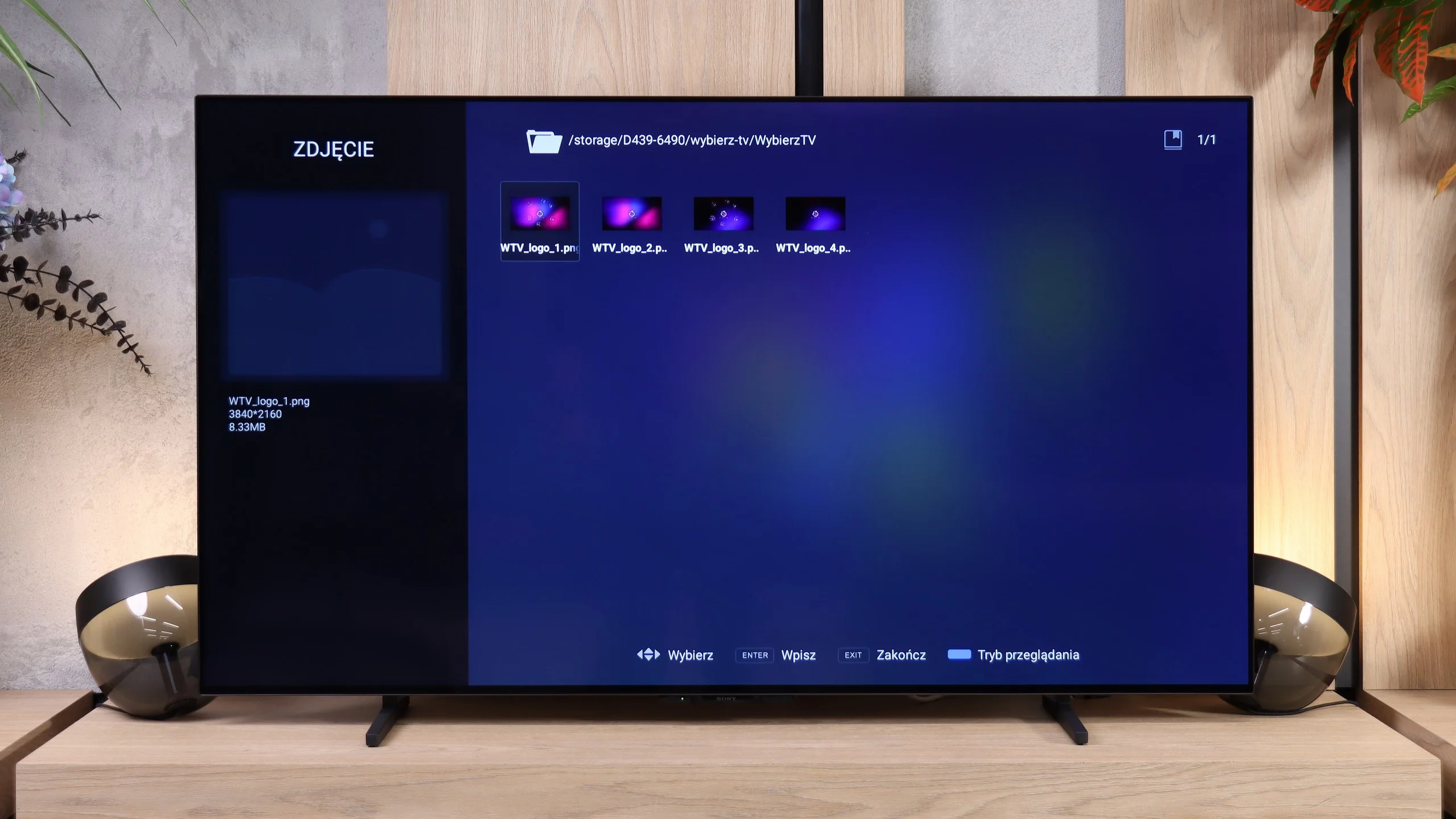
While the lack of such an advantage can be accepted at a sufficiently low price, it's much harder to turn a blind eye to problems with daily use. Google TV offers a wide selection of apps, but during our tests using the TV too often ended with the need to... unplug it. Even playing a movie from a USB drive could be problematic. It's at moments like these that we felt there was little... Sony in this BRAVIA. It lacks the polish that used to be one of the reasons to pay more for a Sony TV.
In the end the BRAVIA 6 leaves a big sense of disappointment. The OLED panel itself gives it a solid foundation, but the enjoyment of watching too often gives way to frustration with the operation. So in its current state it's hard for us to recommend it, even though it's among the cheapest OLEDs on the market. An attractive price can compensate for some image limitations, but it's hard to call that a sufficient argument when basic functions fail. Before we even start considering whether it's worth buying the BRAVIA 6, Sony needs to deliver the refinement we expect.
 Direct comparison