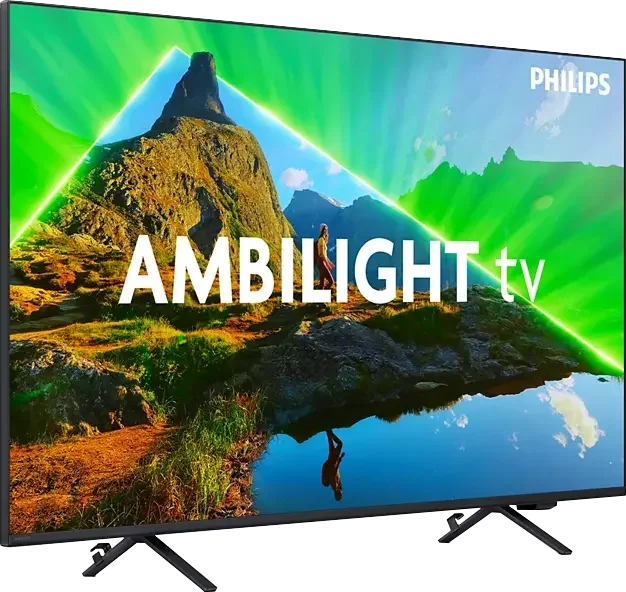
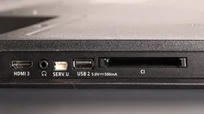
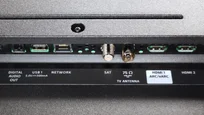
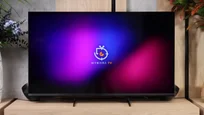
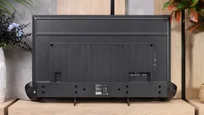
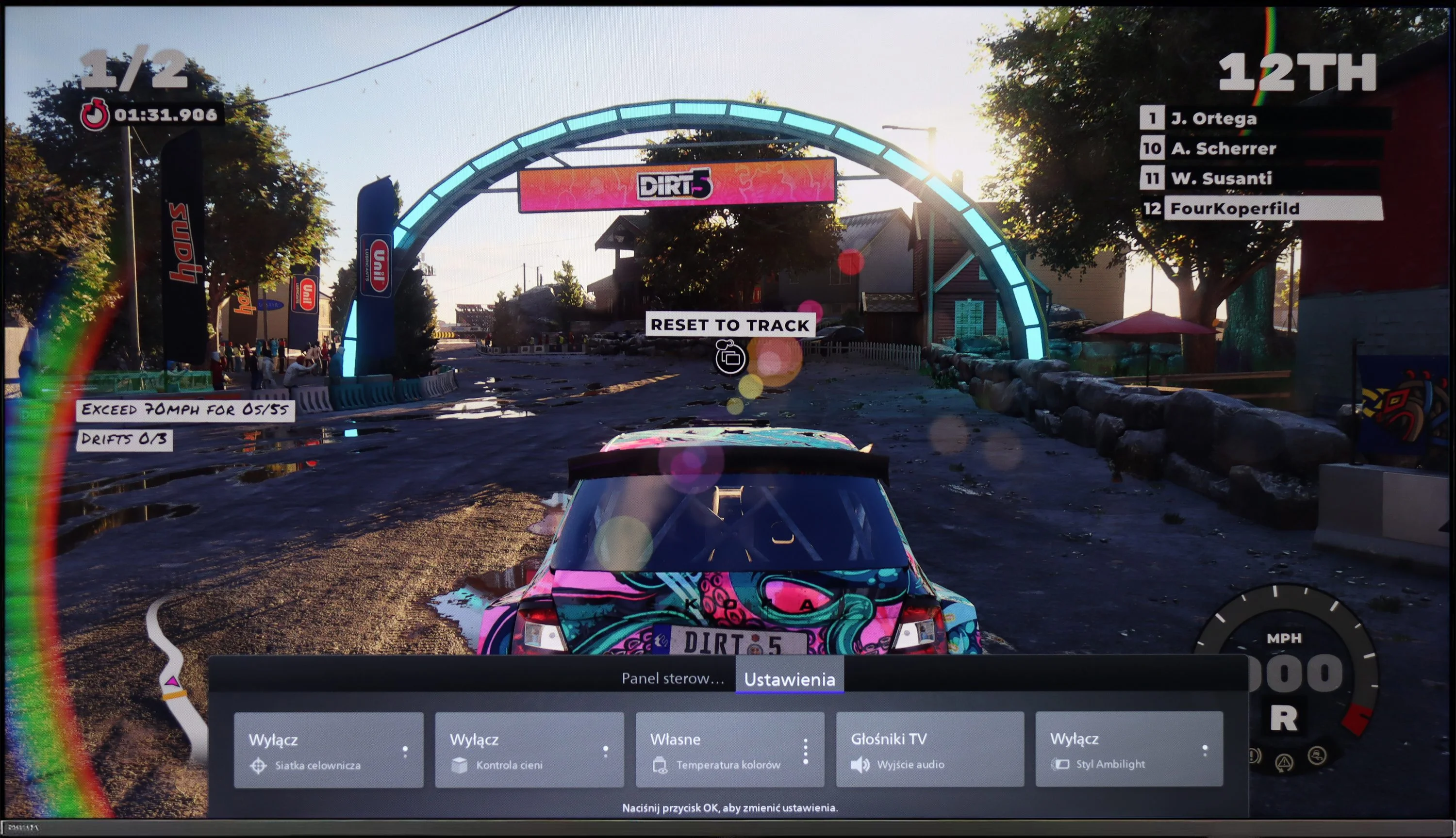
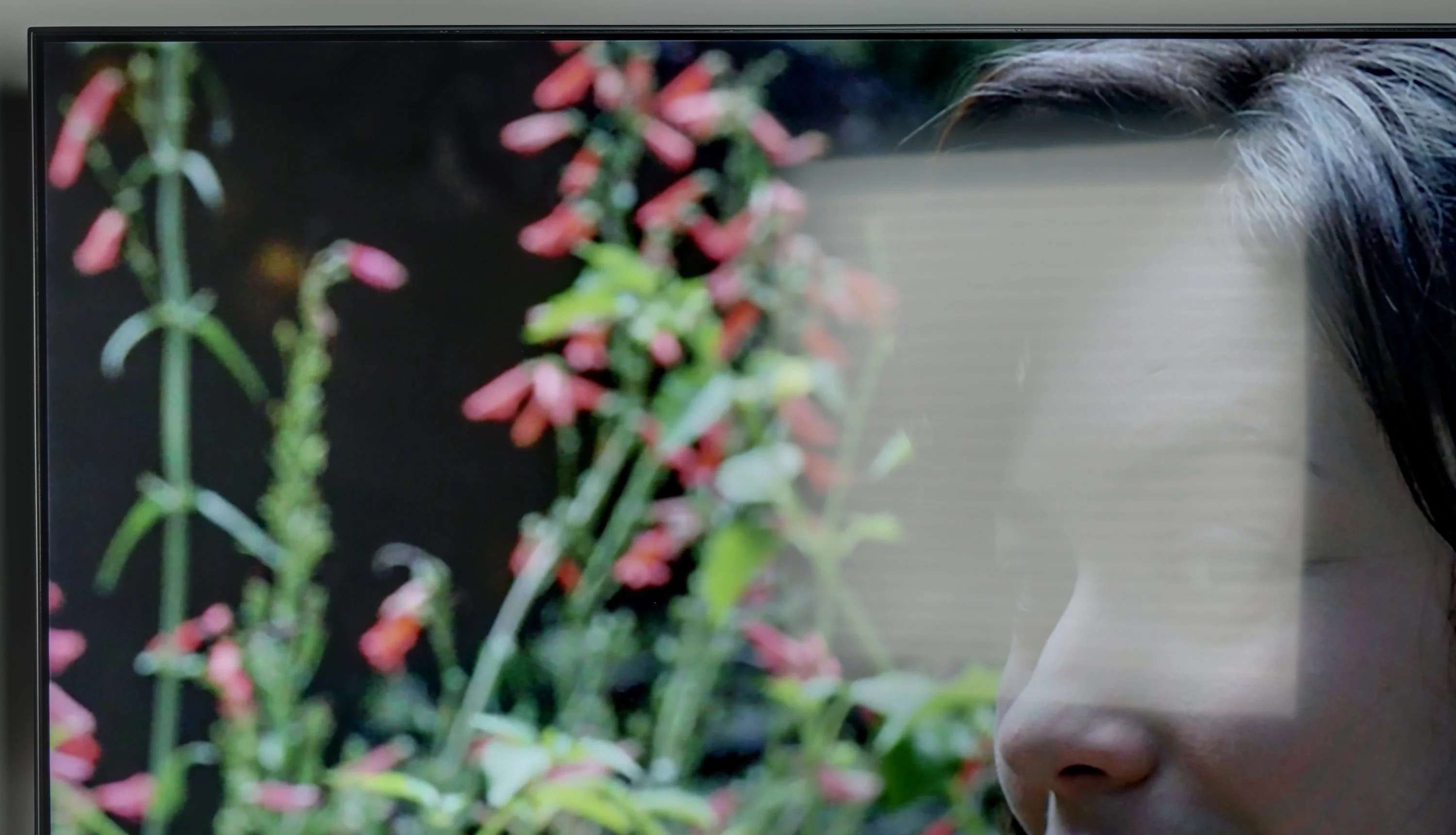
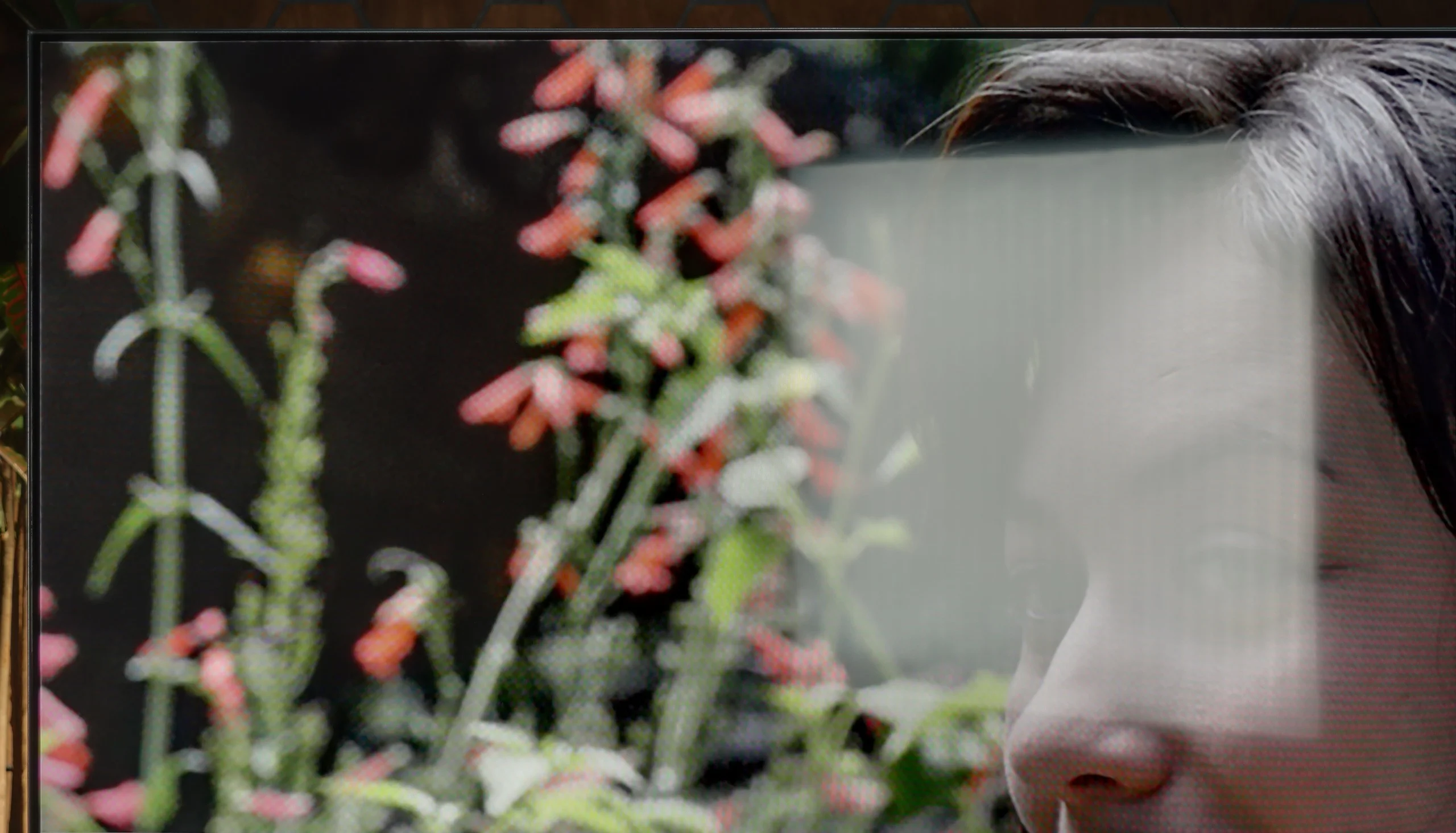
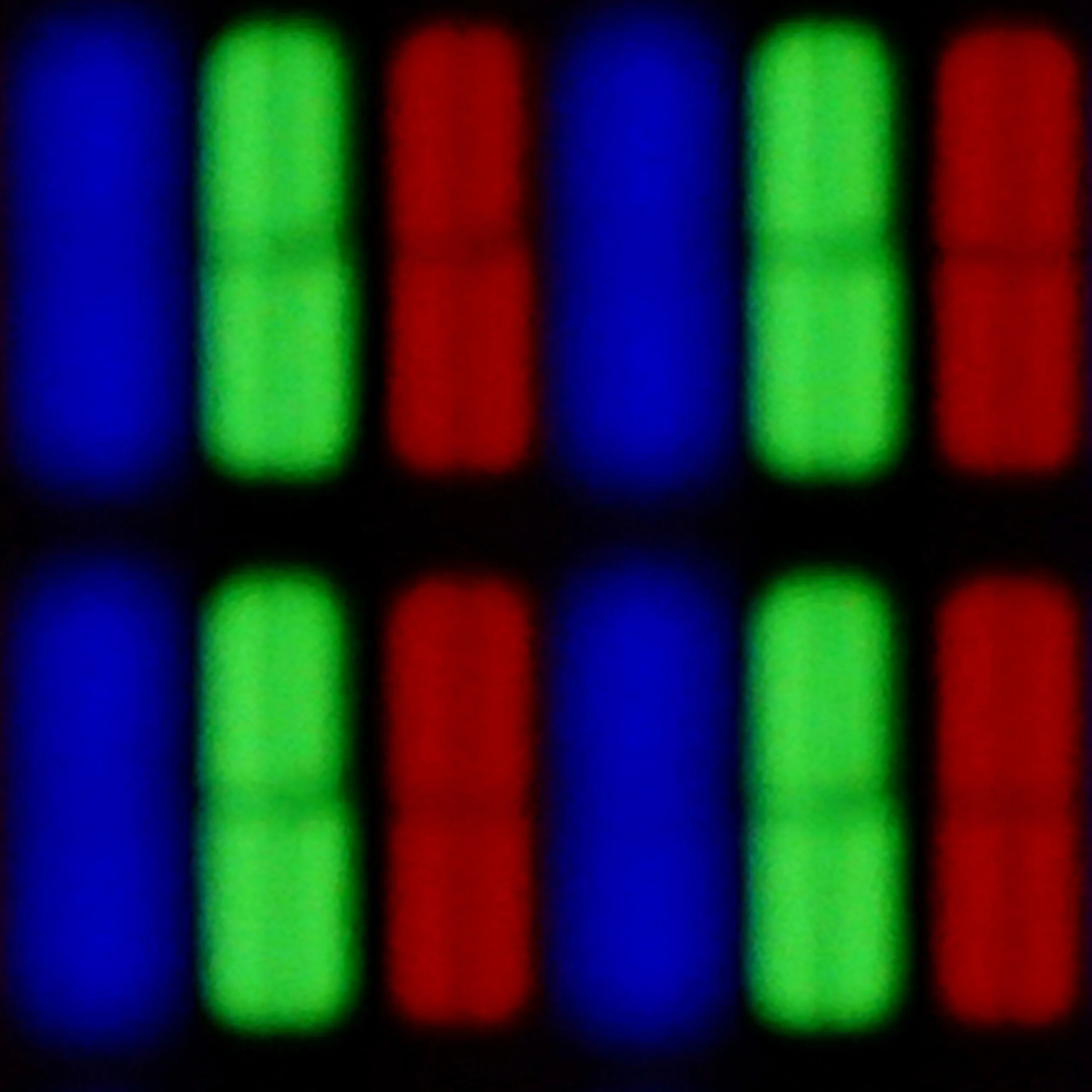
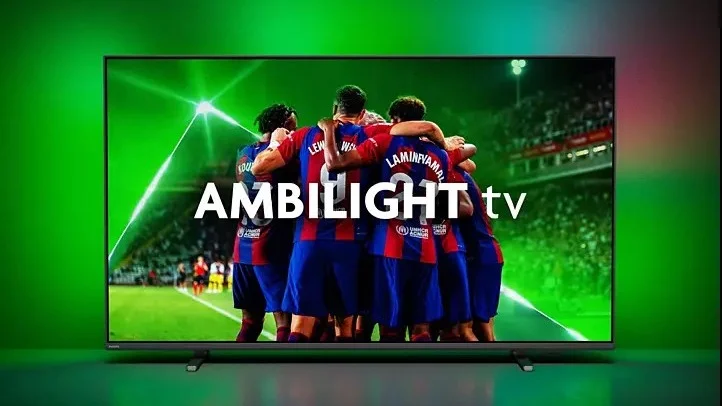
Philips PUS8359 in 50" is a straightforward television, but offers sufficient features to satisfy many consumers. Its most notable feature, which is common across the brand, is the Ambilight backlighting. At this price point, this addition is certainly valuable and may be a deciding factor for many buyers. While it’s unrealistic to expect a flawless picture in this price range, some models offer more, and in our view, this television is one of them.
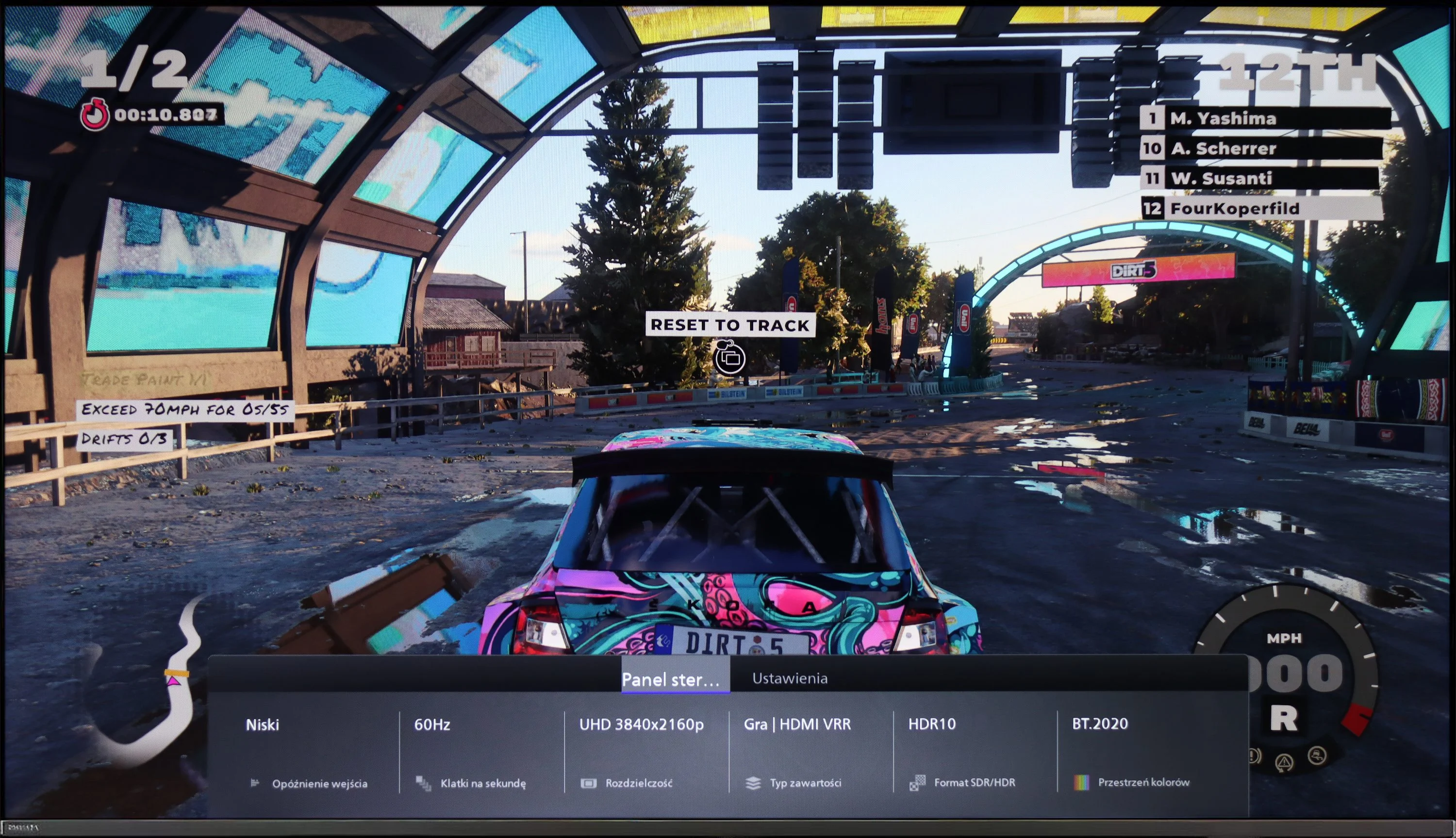
In particular, the quality of tonal transitions, colour reproduction after calibration, and performance when connected to a computer stand out. With low input lag, casual gaming is quite enjoyable. However, the unit does have its drawbacks. The low luminance in HDR content and limited DCI-P3 colour gamut coverage are noteworthy issues. That said, the dynamic tone mapping feature works efficiently.
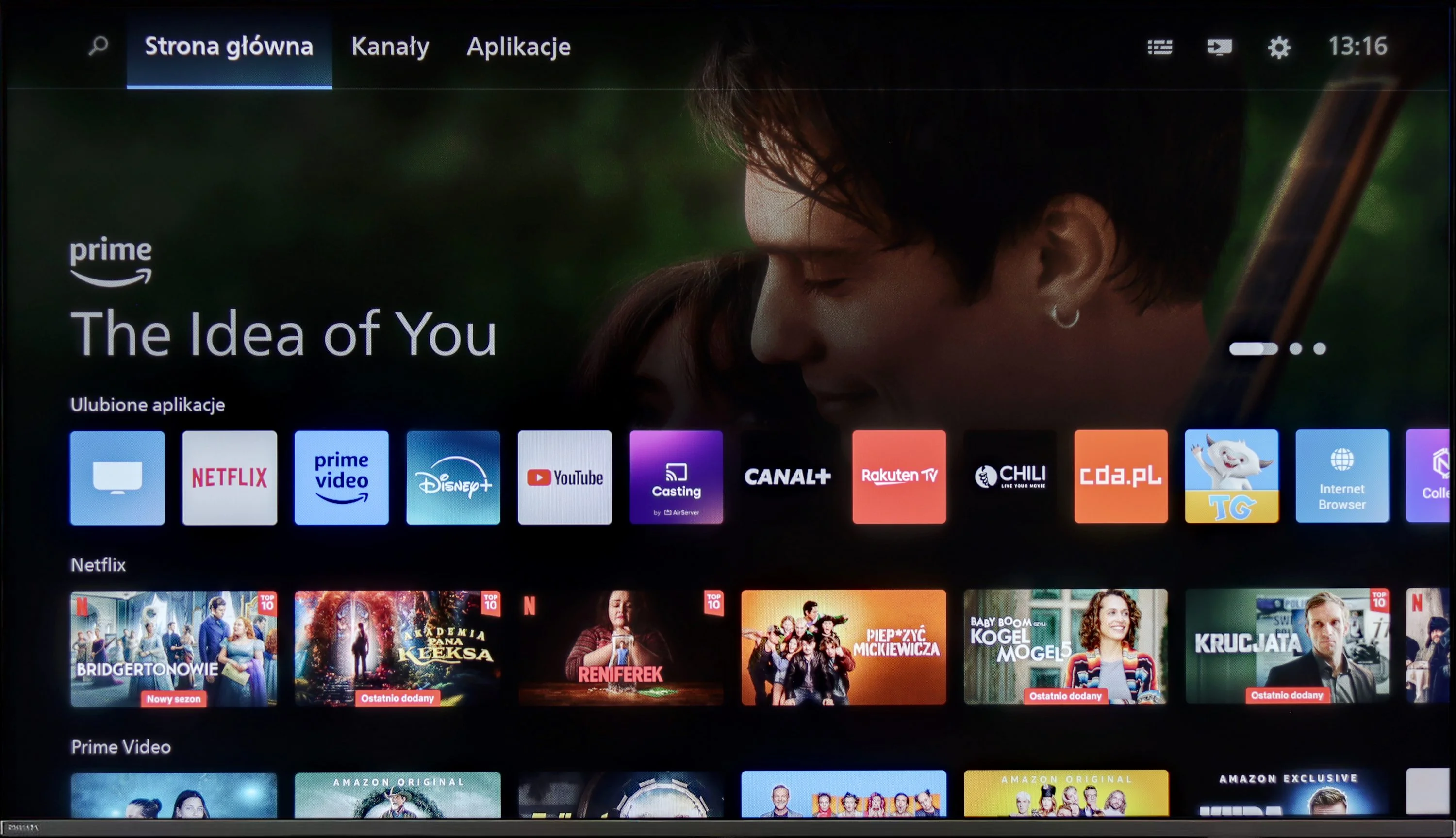
While the contrast and black levels are not exceptional, they are certainly better than those found in units with IPS/ADS panels. The operating system is one of the better ones, though it is still being developed and lacks many features, which we will address in a dedicated section. Additionally, it doesn’t offer as broad an app library as its competitors, though this should change soon.
Who is the PUS8359 for? It is suited for anyone seeking a balance between quality and price.
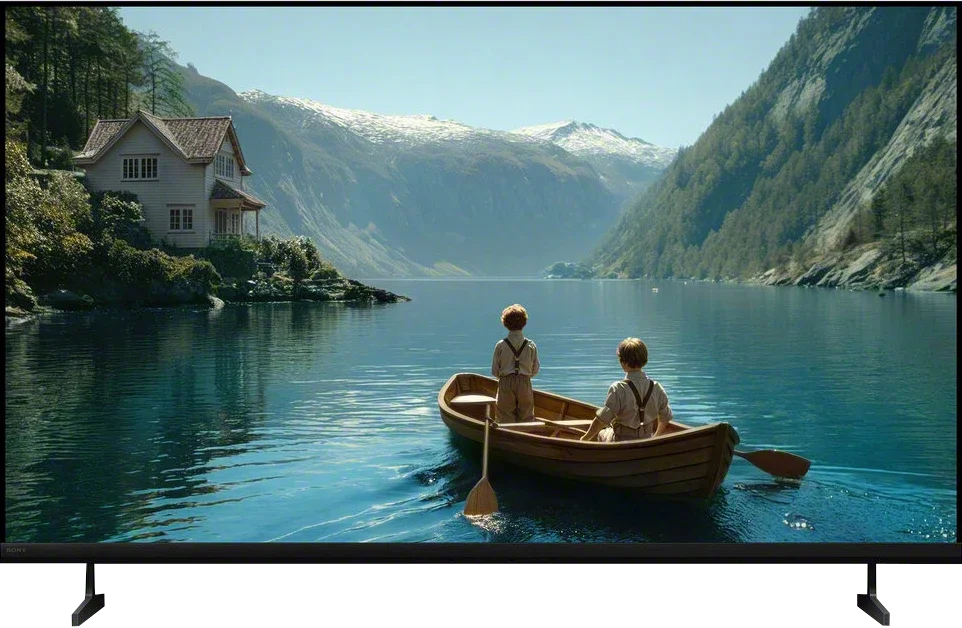
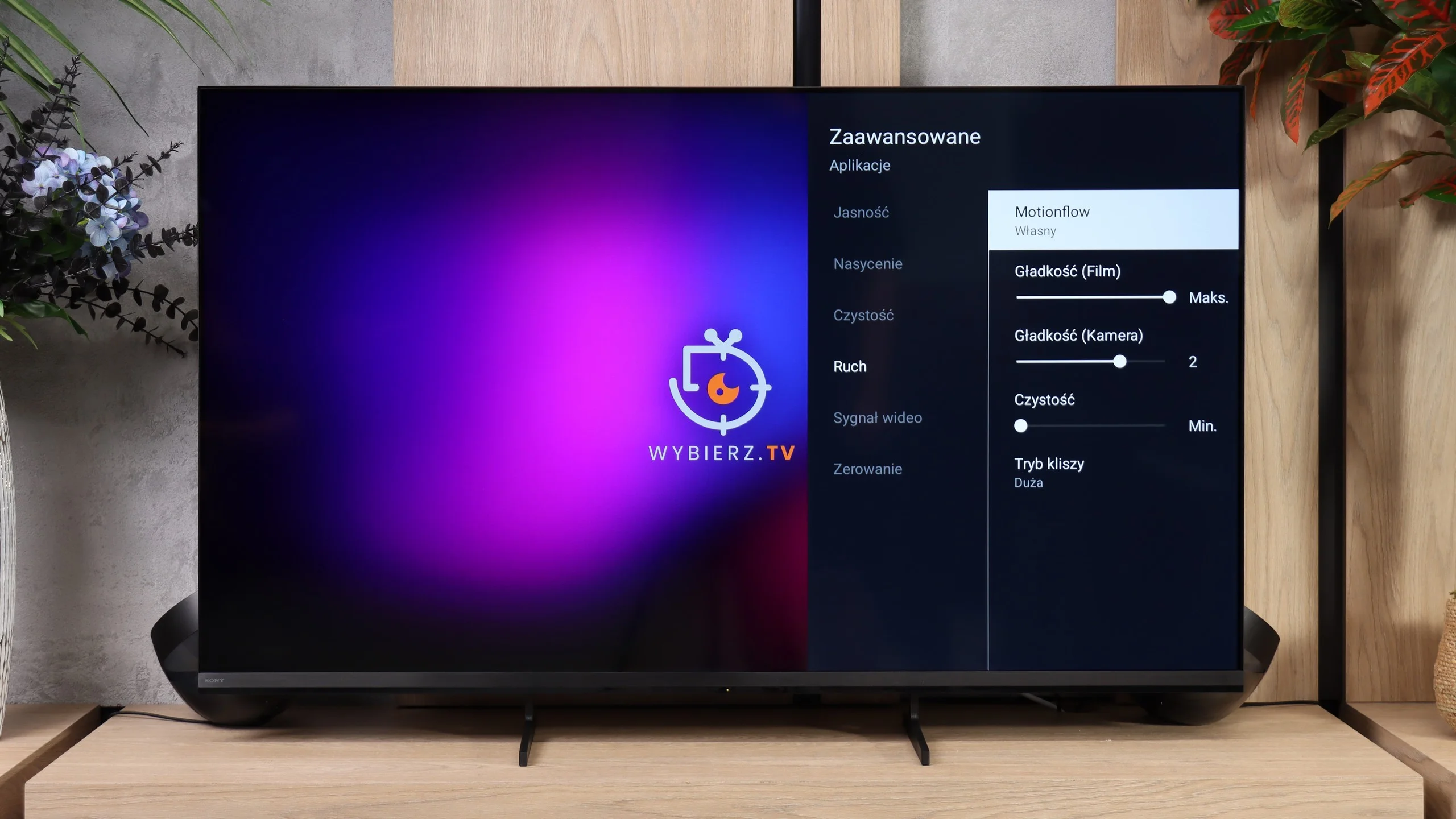
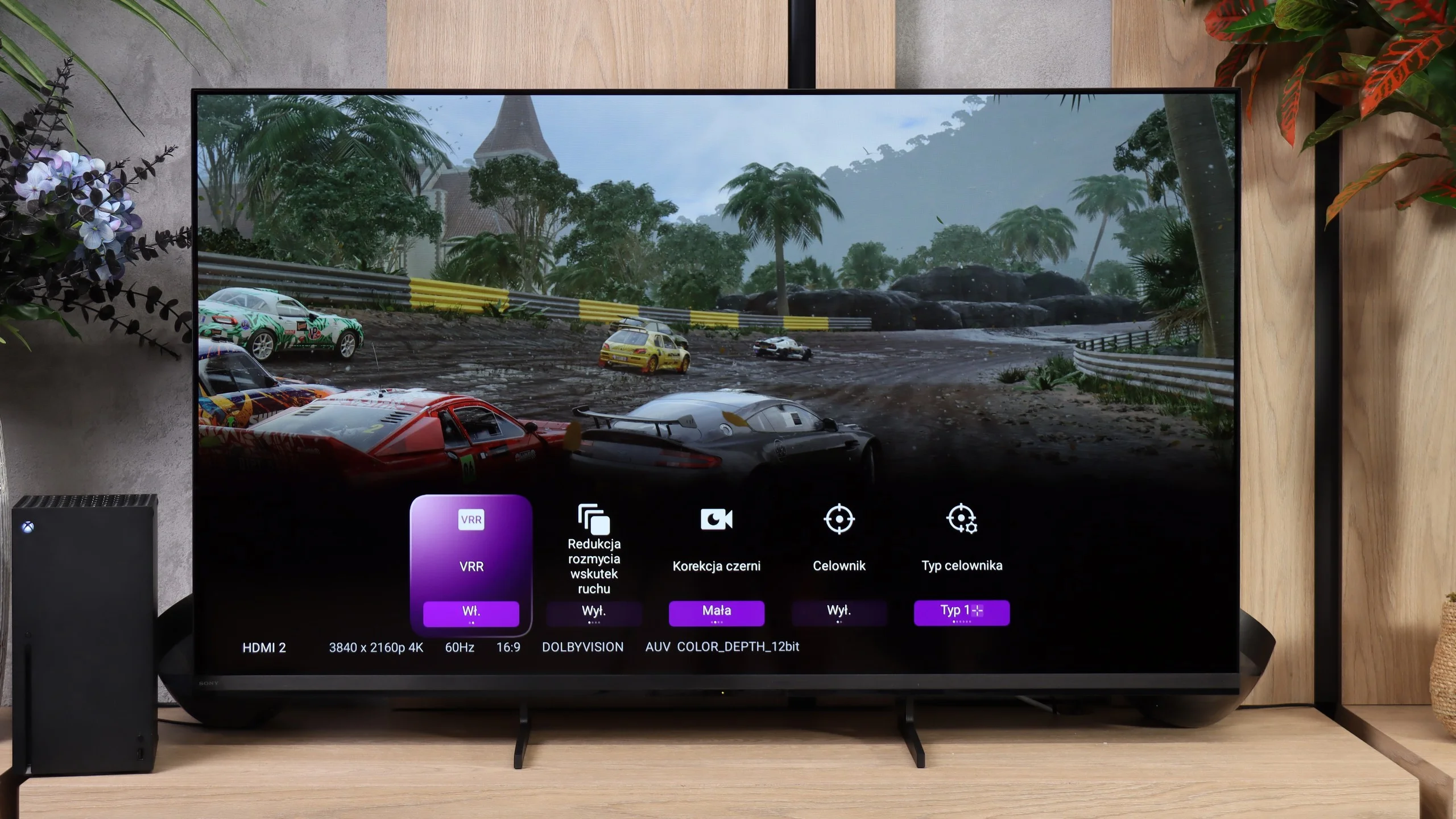
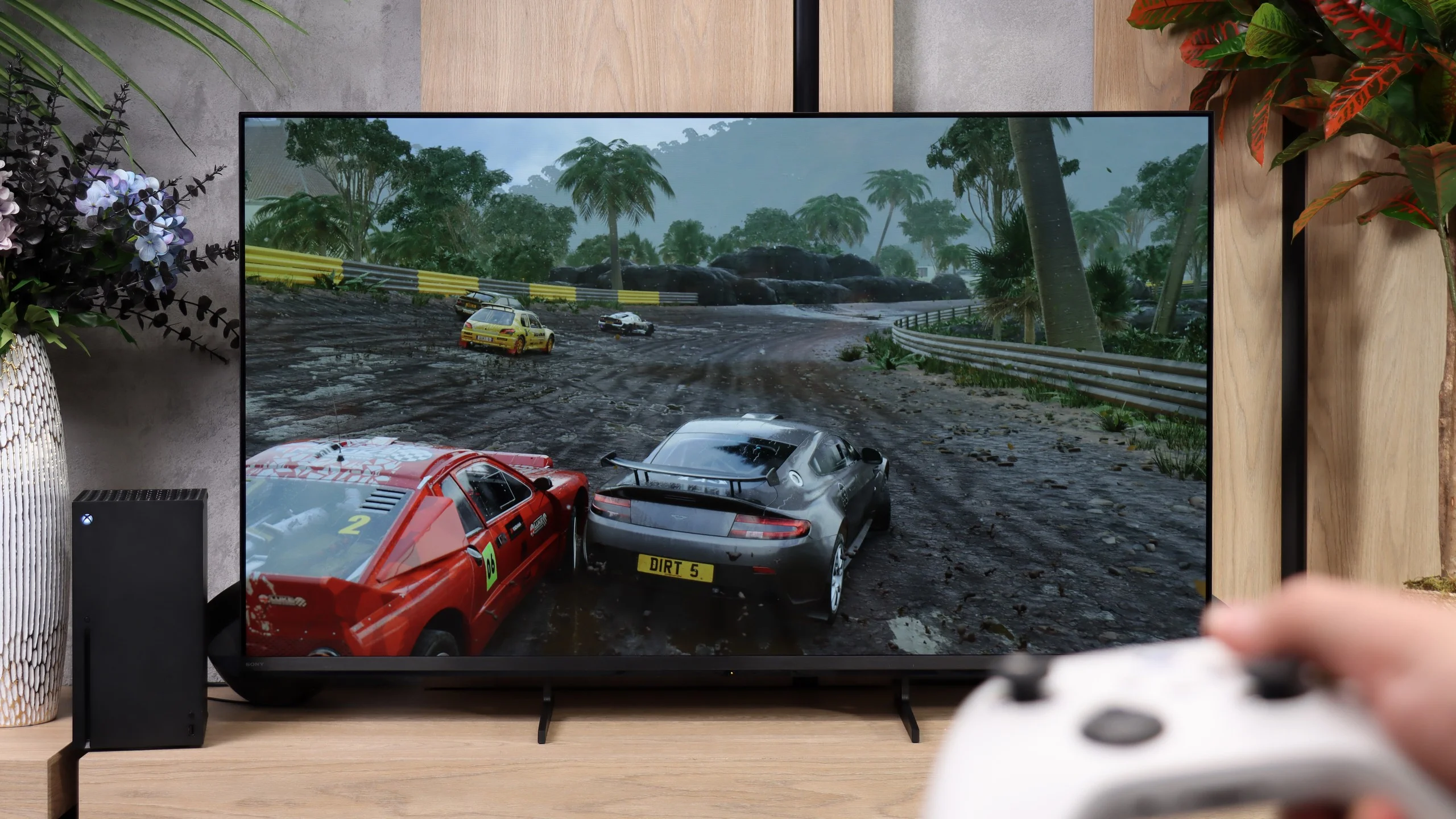
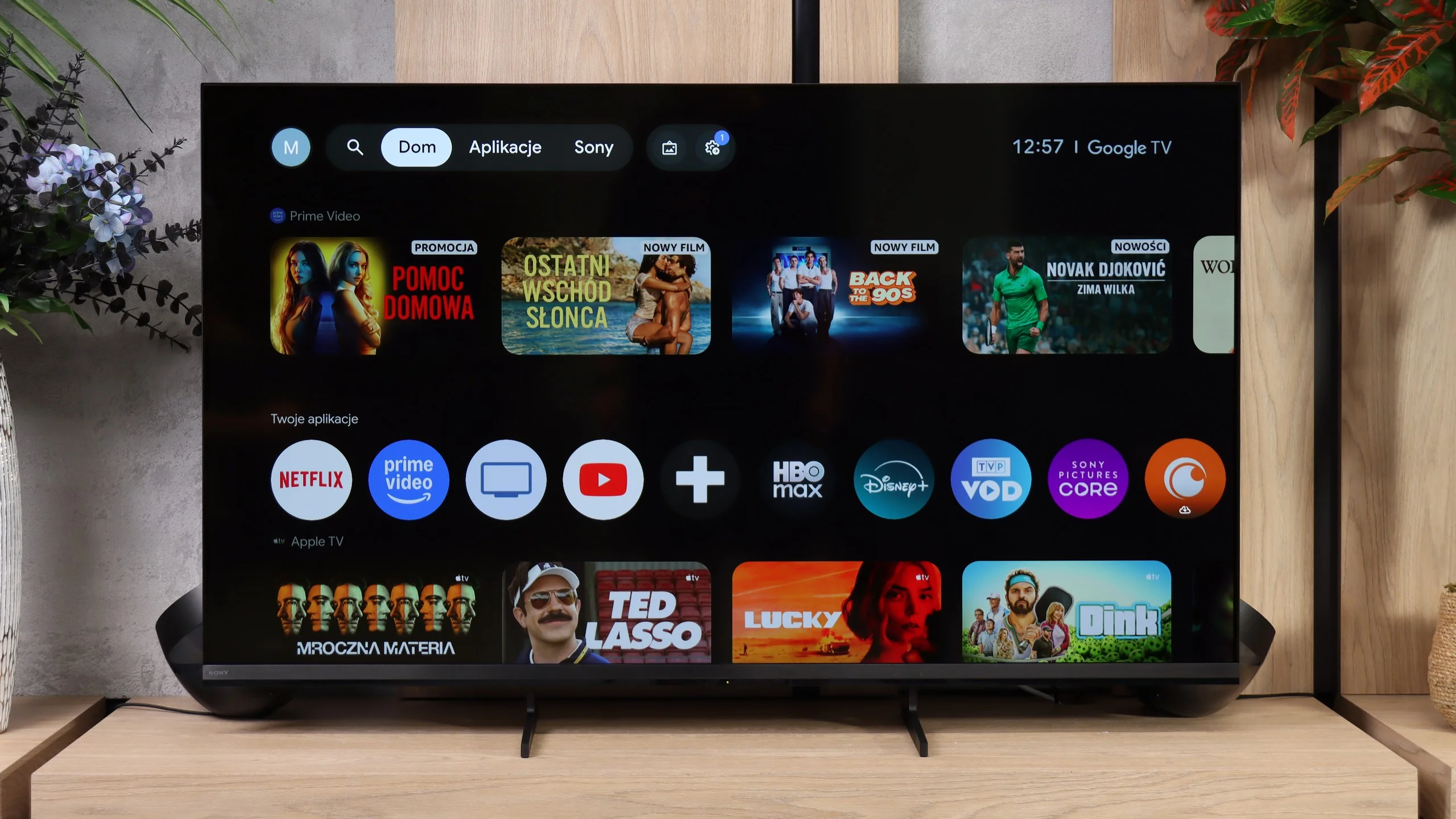
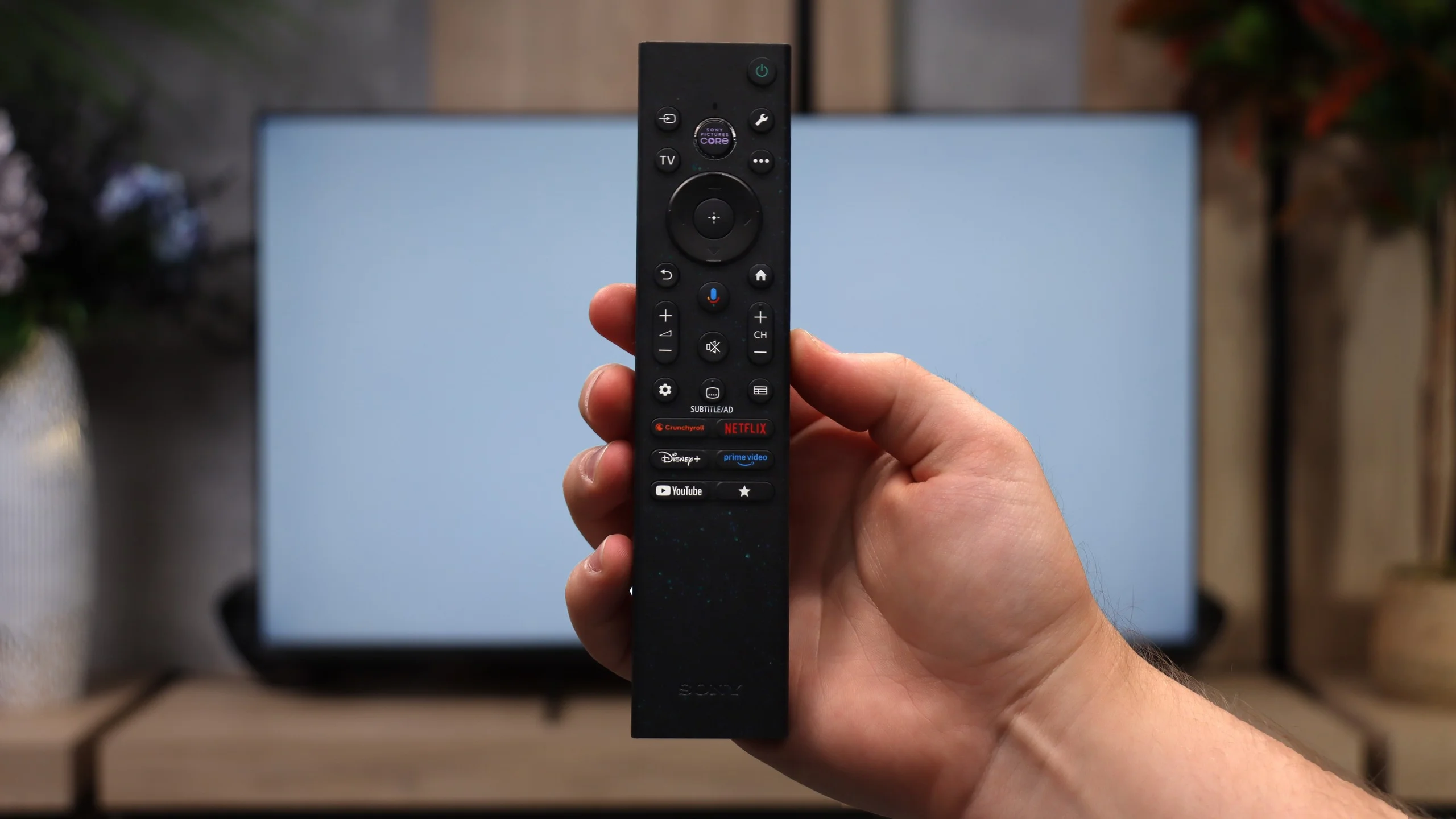
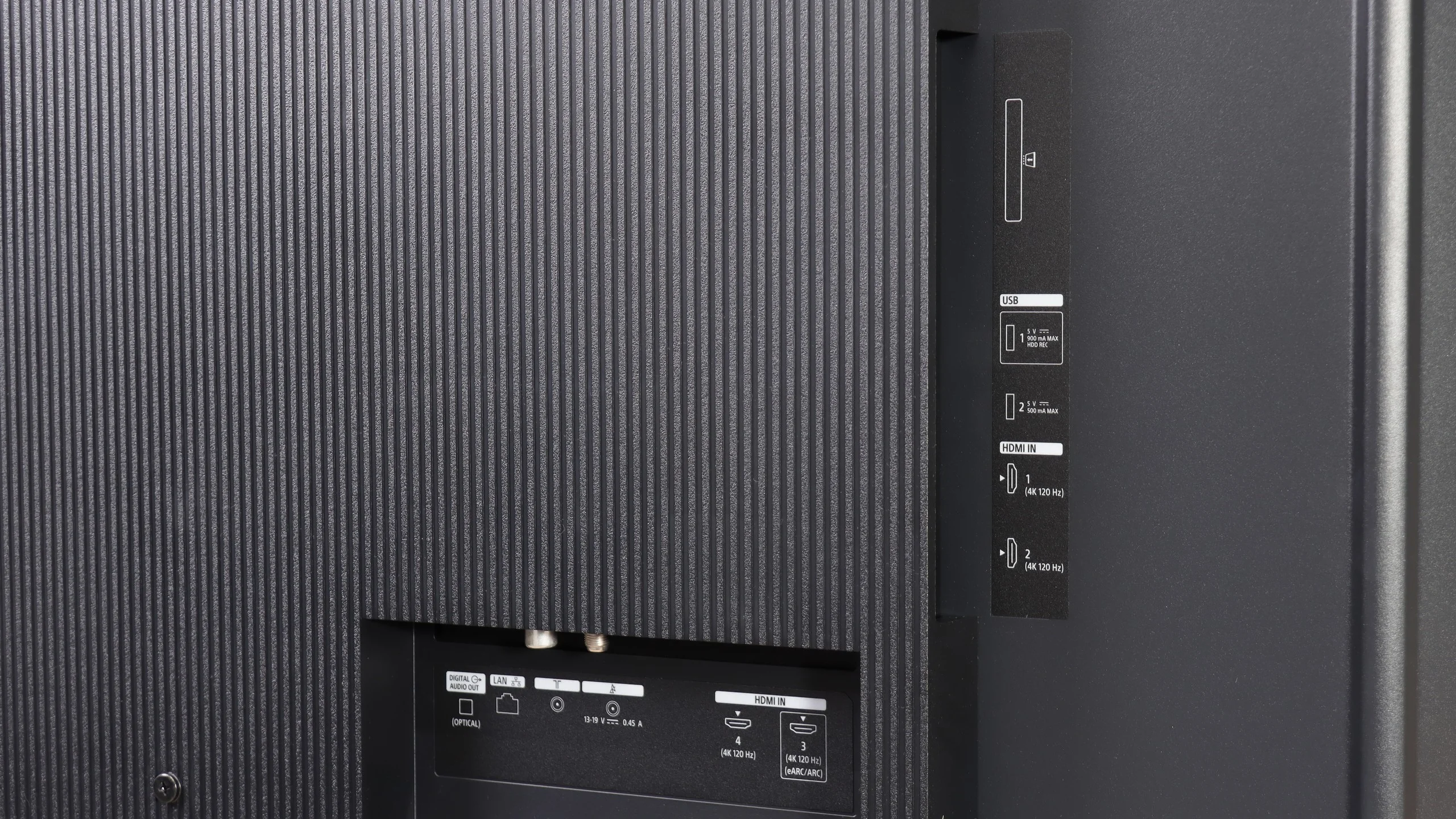
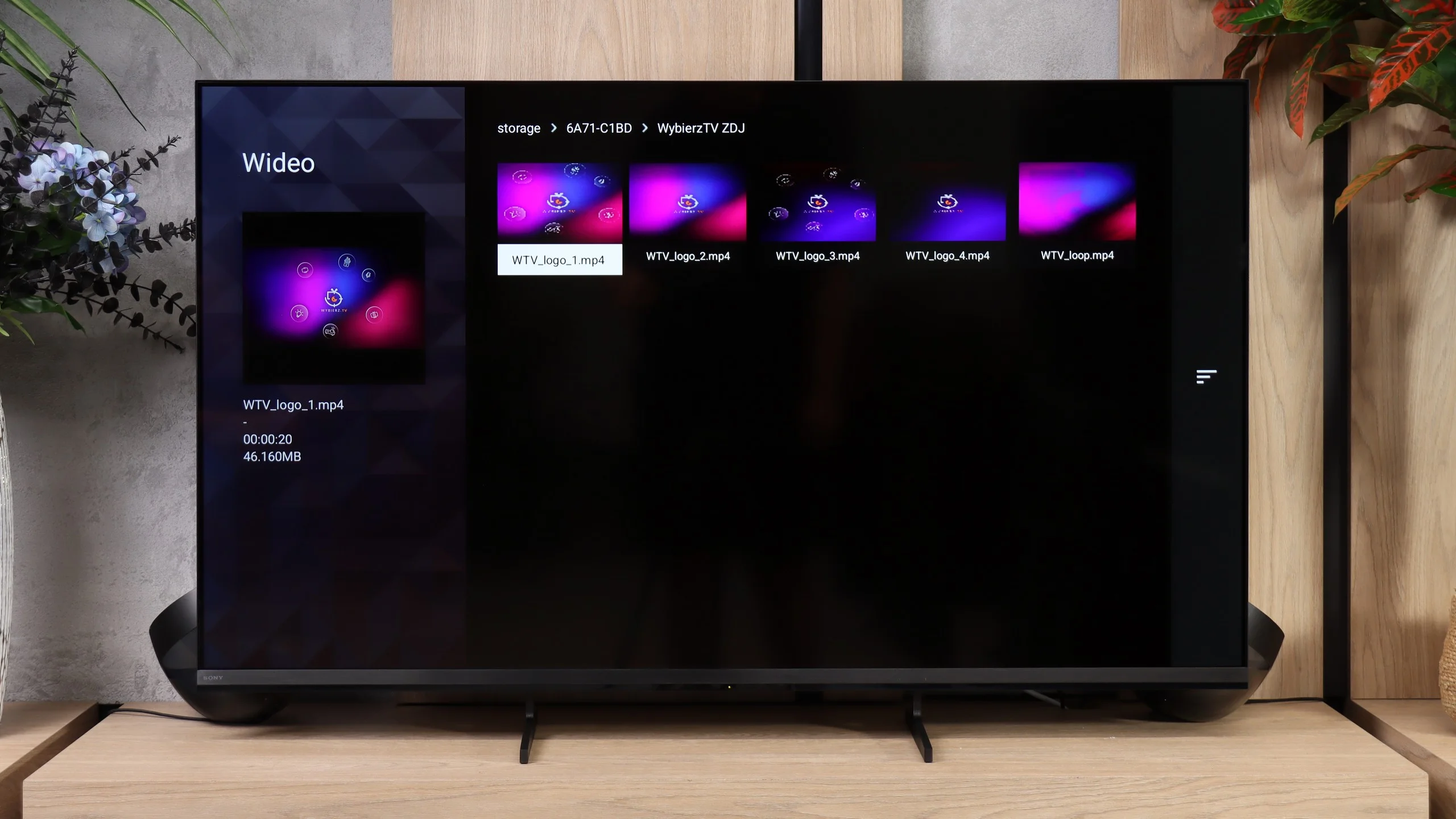
The Sony Bravia 3 II is a TV that quickly reveals what the manufacturer had in mind for this model. It's meant above all to be a sensible Bravia for gaming, and in that respect the changes are substantial. After all, Sony fixed one of the biggest complaints about its TVs: having only two full HDMI 2.1 ports. Here there are four, and that alone makes the Bravia 3 II a much more convenient choice for anyone who wants to hook up a lot of gaming gear. Fortunately it doesn't stop at gaming. The 120 Hz panel performs very well in terms of motion, motion blur is minimal, and the motion-enhancing systems work surprisingly effectively, sometimes even better than on Sony's top TVs. That's why sports are another use where the Bravia 3 II feels right at home. Add Google TV with its full suite of apps and features, and in terms of everyday use it's the Sony we've known for years.
The biggest problem with this model, however, isn't the TV itself but its current price. The Bravia 3 II is today priced dangerously close to the Bravia 5, and when the premium for the higher model is only a few percent, choosing the lower series starts to lose its point. The Bravia 5 already offers full Mini-LED backlighting with local dimming, exactly what the Bravia 3 II most lacks for evening viewing and in HDR. That's why we look at this model through the lens of price. The Bravia 3 II is a genuinely successful lower midrange TV and, at the right price, could easily be one of the more interesting choices for a gamer or sports fan. However, if the gap to the Bravia 5 remains small, it will be hard to recommend it with full conviction.
 Direct comparison