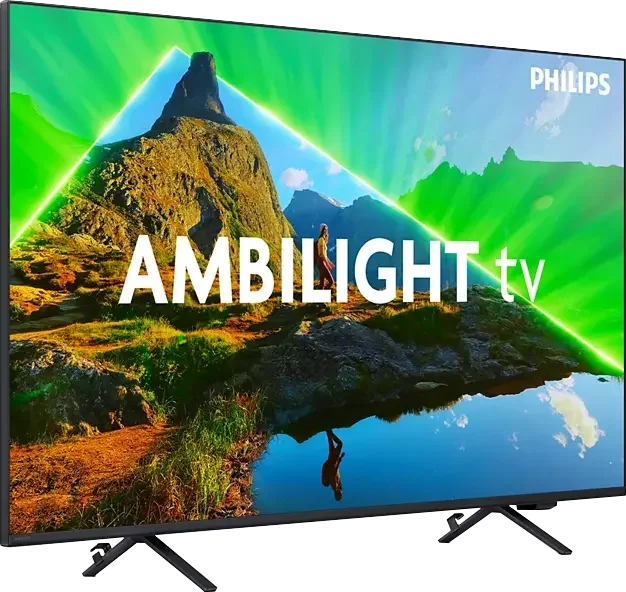
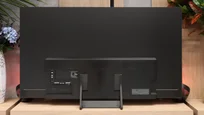
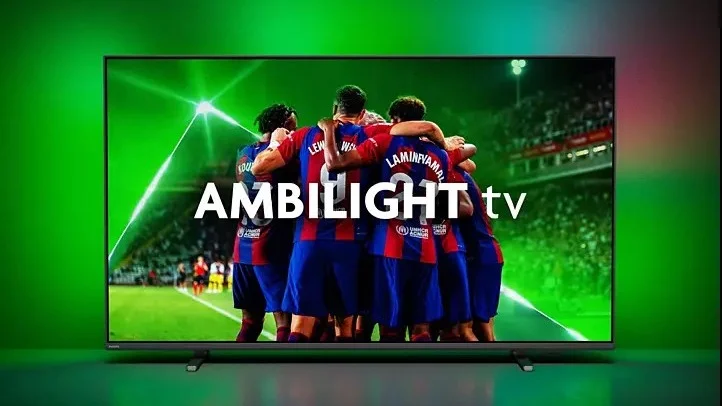
Philips PUS8359 in 50" is a straightforward television, but offers sufficient features to satisfy many consumers. Its most notable feature, which is common across the brand, is the Ambilight backlighting. At this price point, this addition is certainly valuable and may be a deciding factor for many buyers. While it’s unrealistic to expect a flawless picture in this price range, some models offer more, and in our view, this television is one of them.
In particular, the quality of tonal transitions, colour reproduction after calibration, and performance when connected to a computer stand out. With low input lag, casual gaming is quite enjoyable. However, the unit does have its drawbacks. The low luminance in HDR content and limited DCI-P3 colour gamut coverage are noteworthy issues. That said, the dynamic tone mapping feature works efficiently.
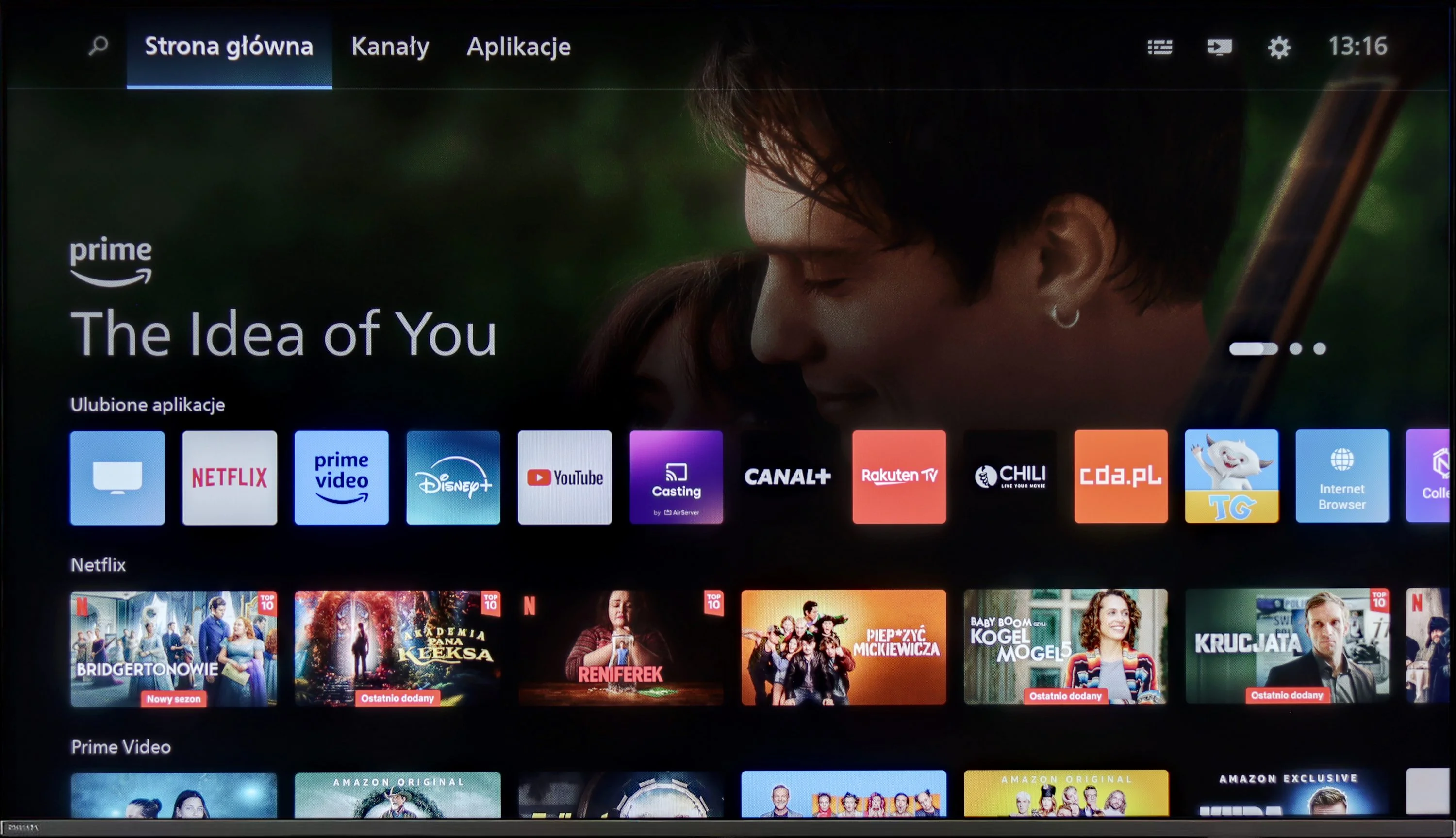
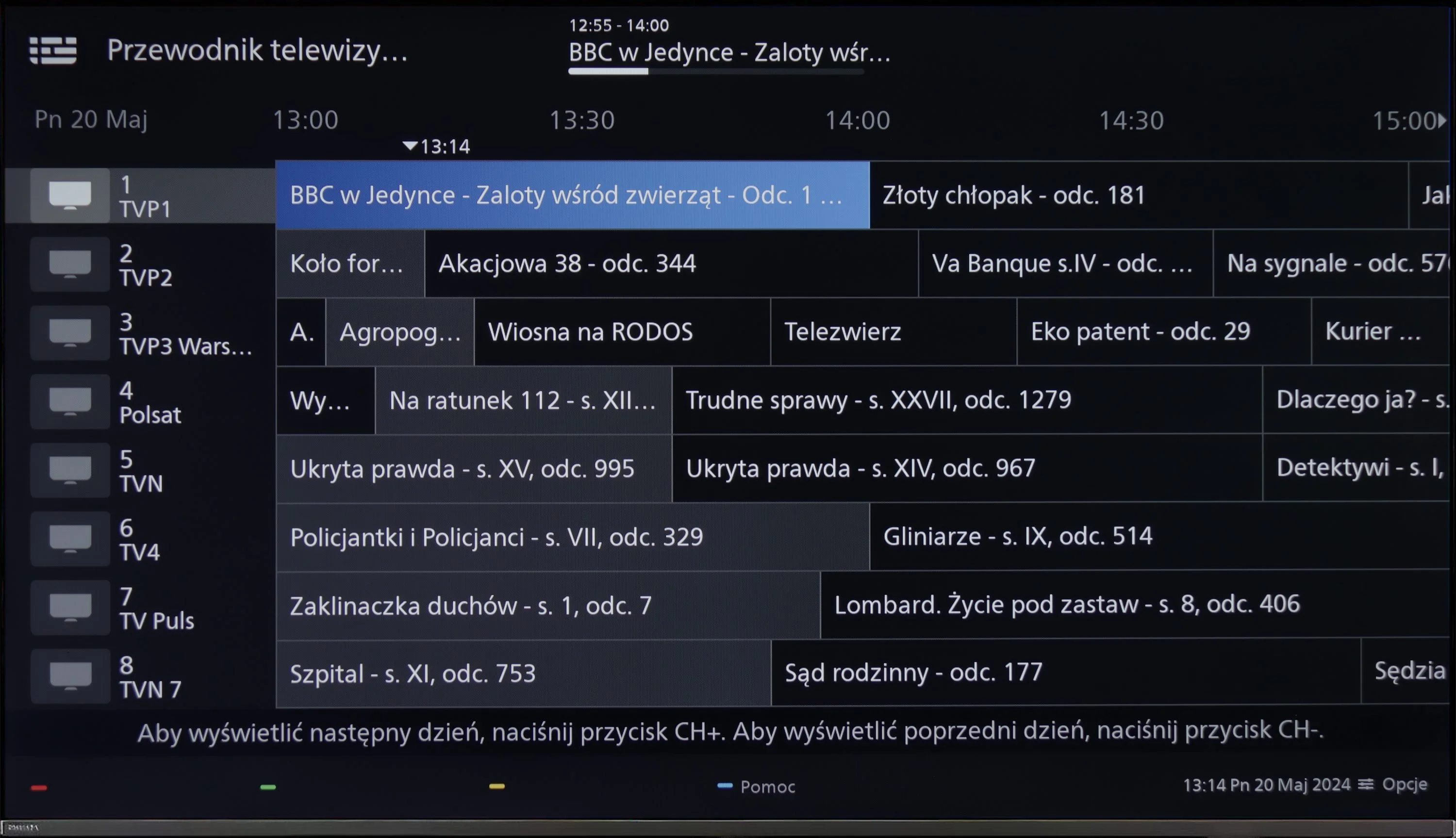
While the contrast and black levels are not exceptional, they are certainly better than those found in units with IPS/ADS panels. The operating system is one of the better ones, though it is still being developed and lacks many features, which we will address in a dedicated section. Additionally, it doesn’t offer as broad an app library as its competitors, though this should change soon.
Who is the PUS8359 for? It is suited for anyone seeking a balance between quality and price.
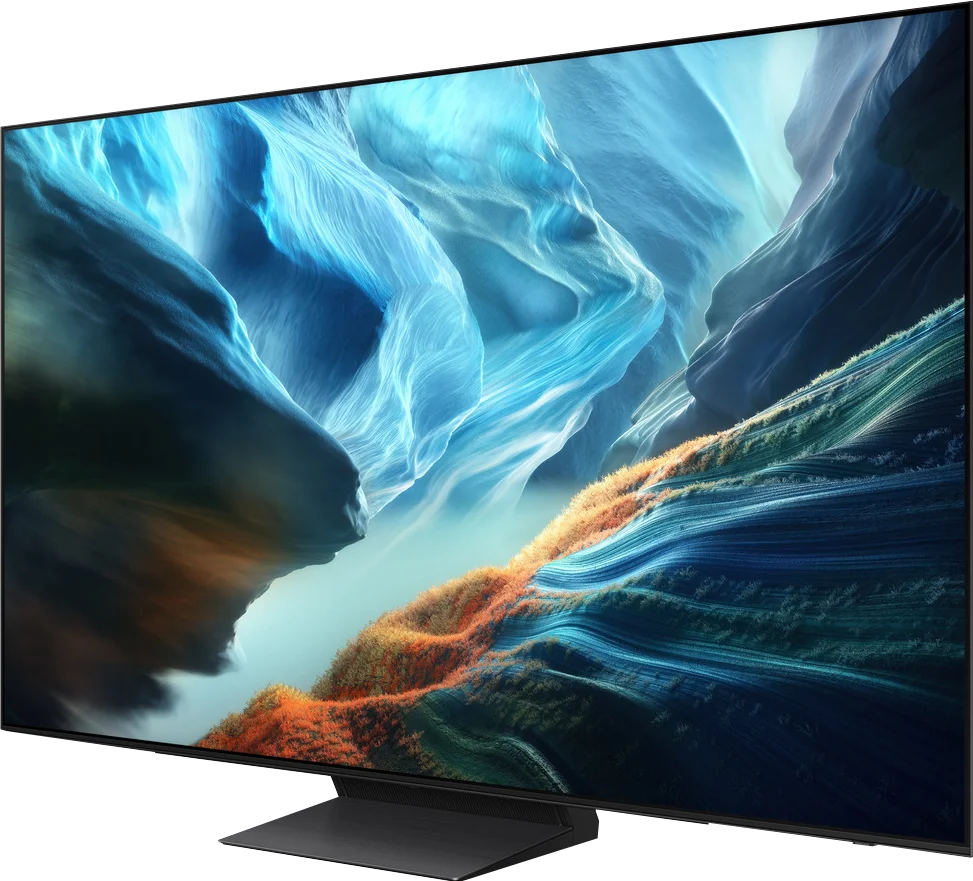
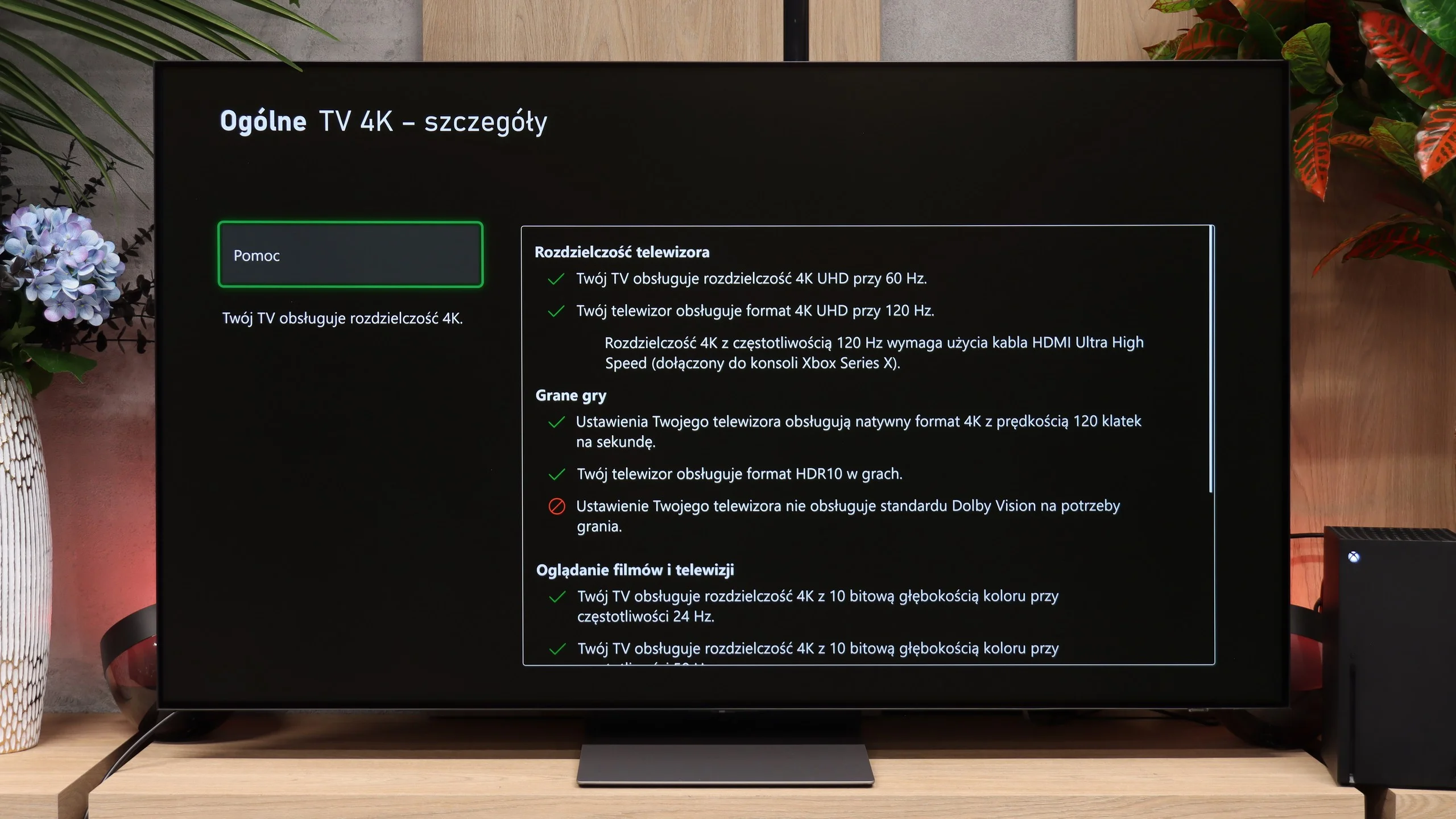
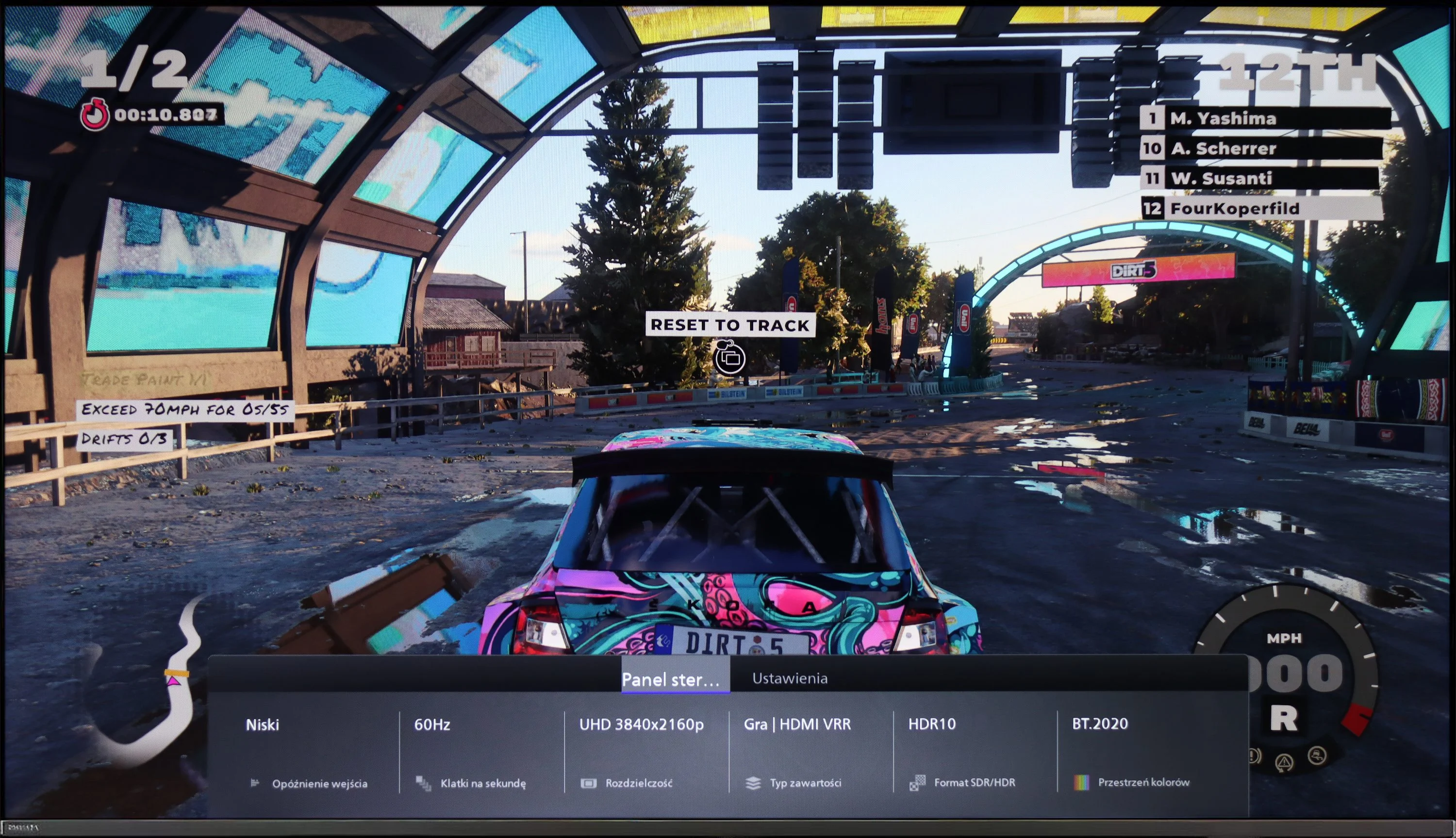
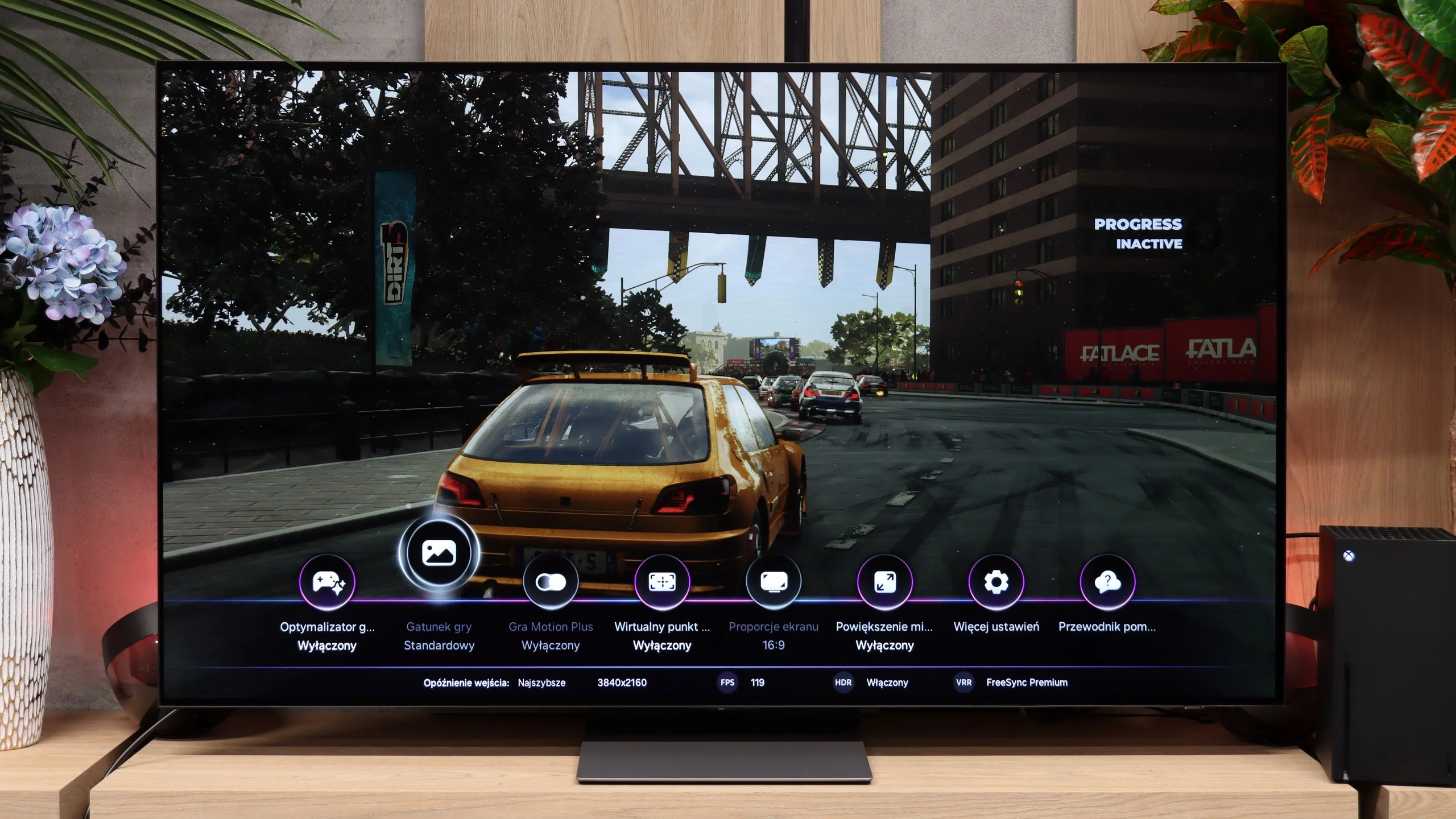
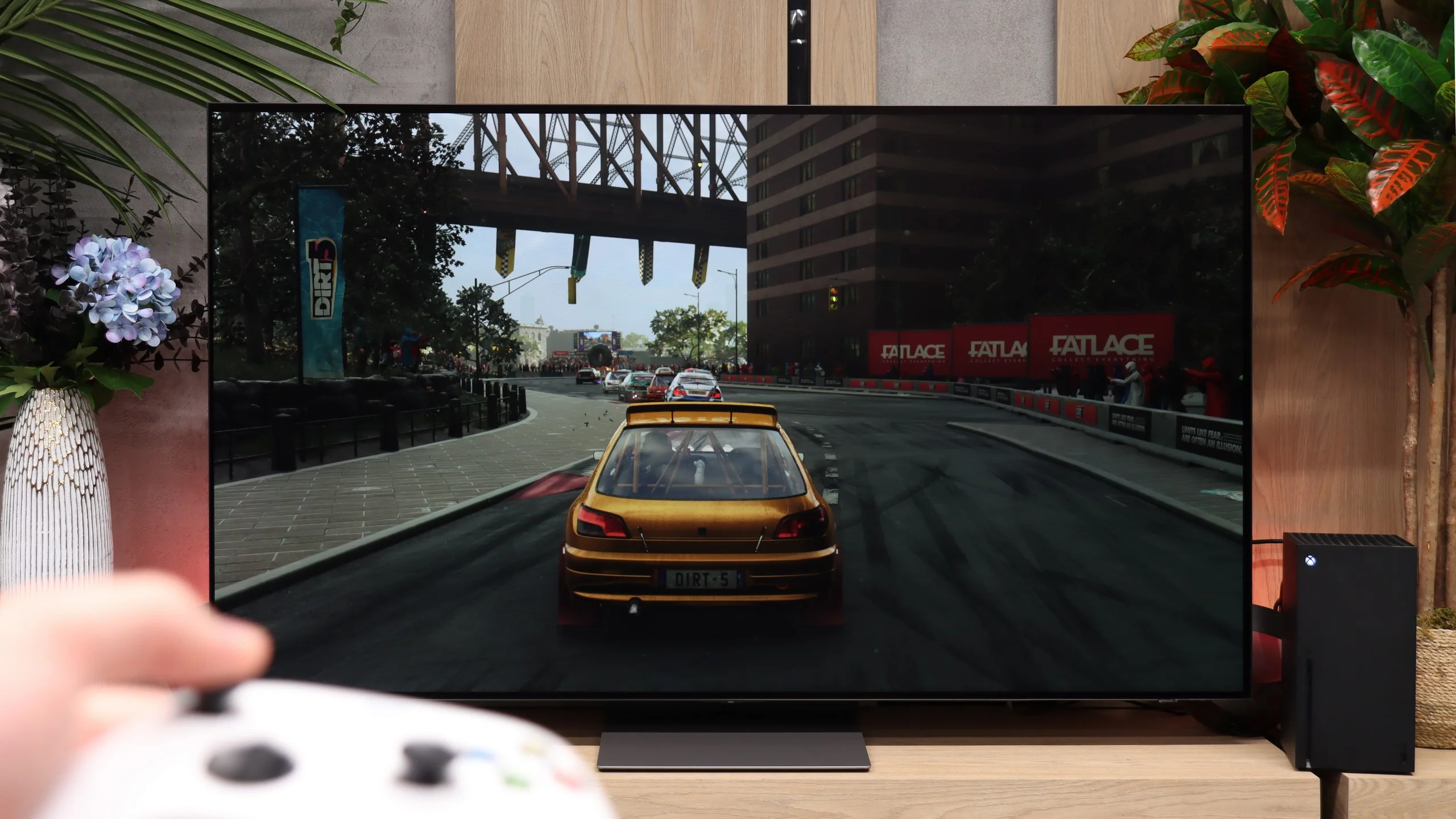
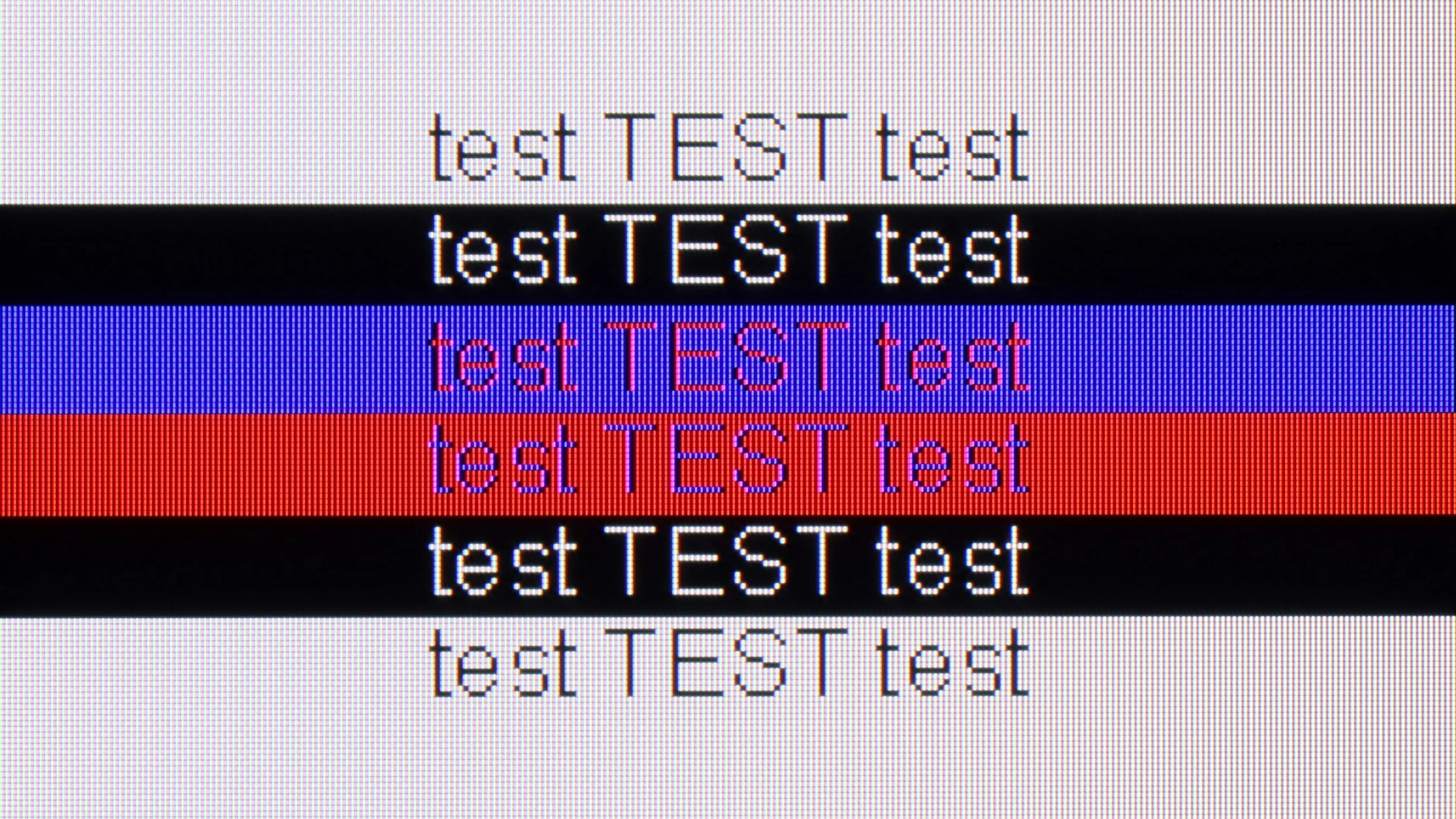
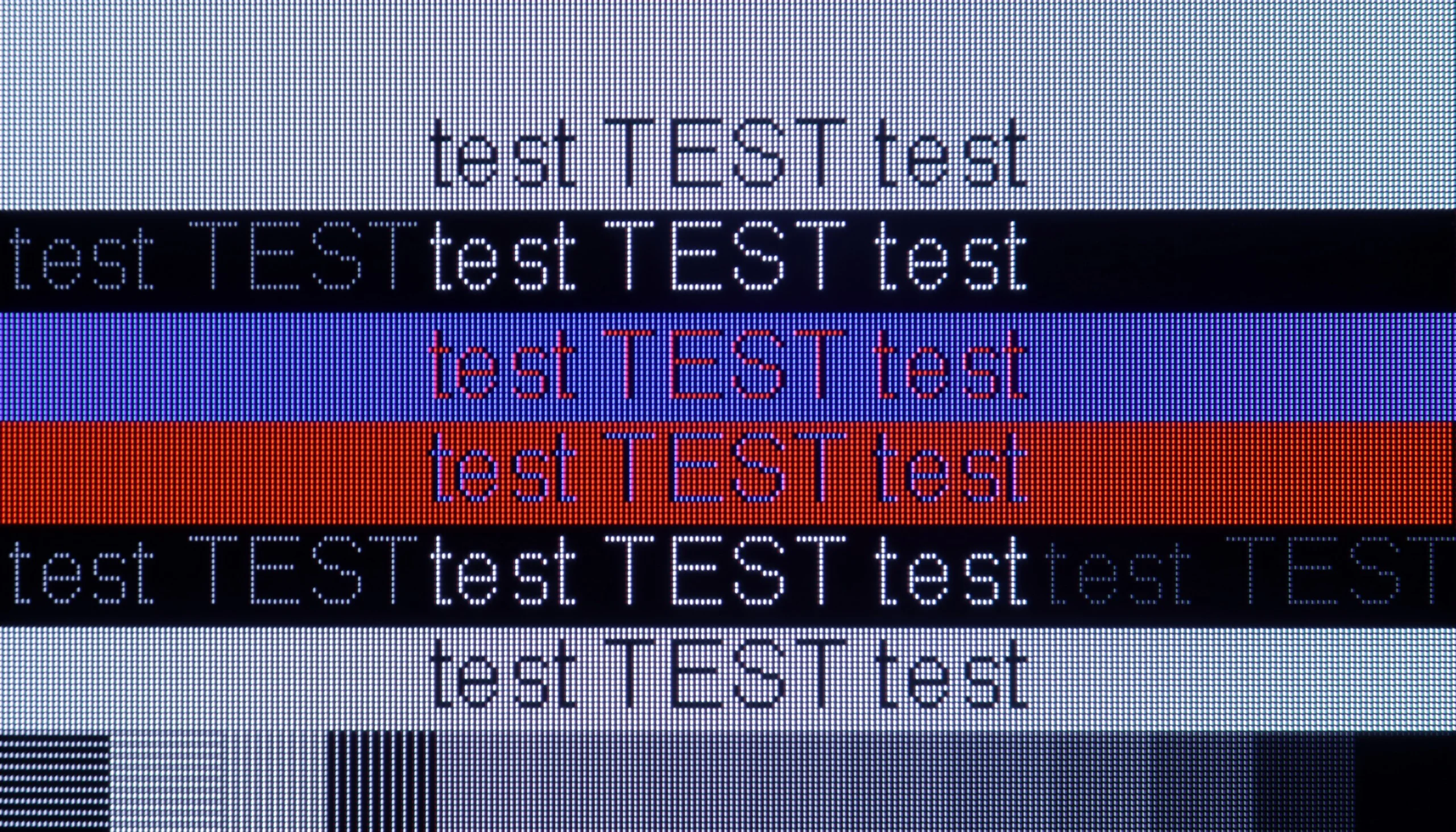
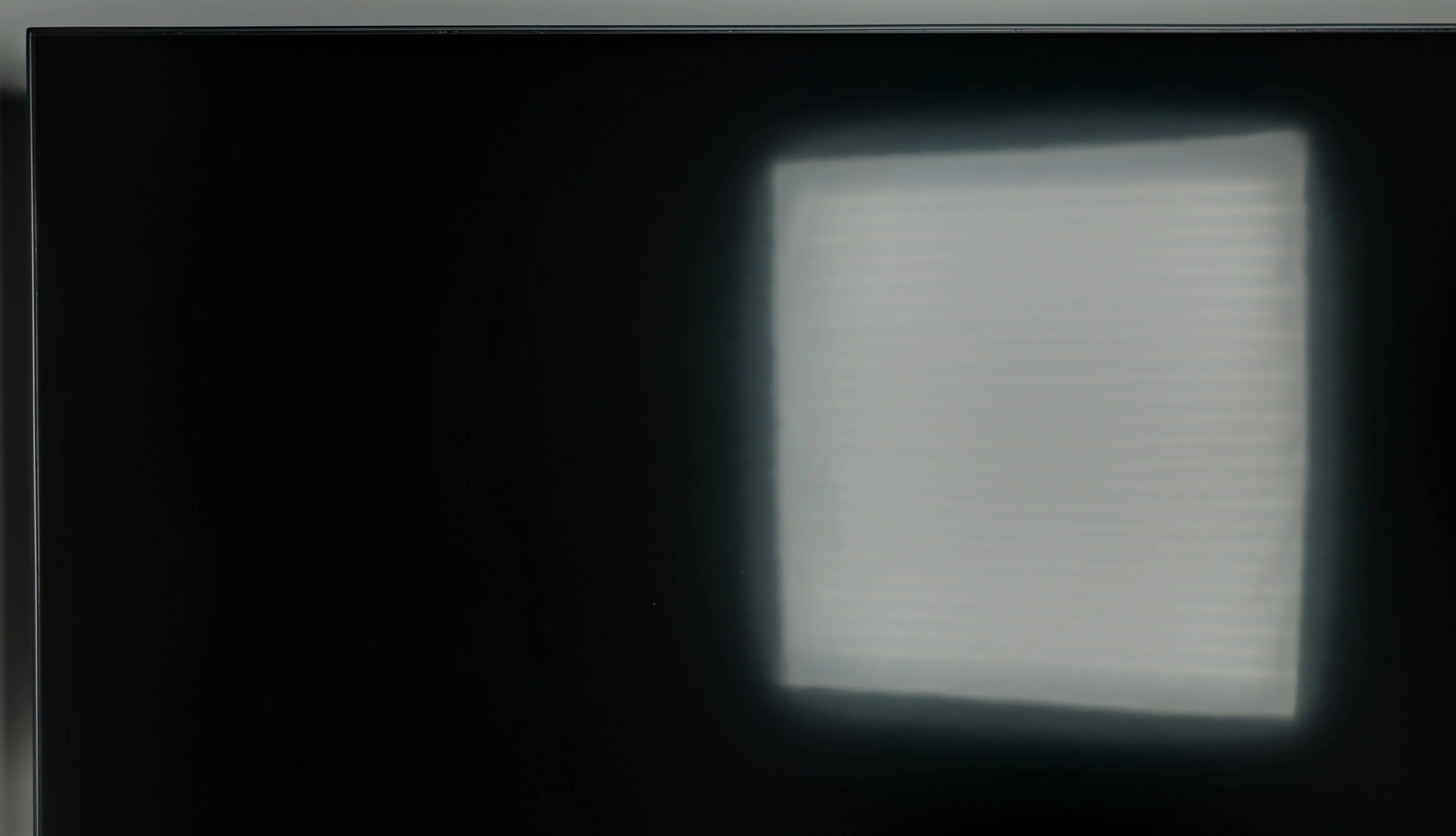
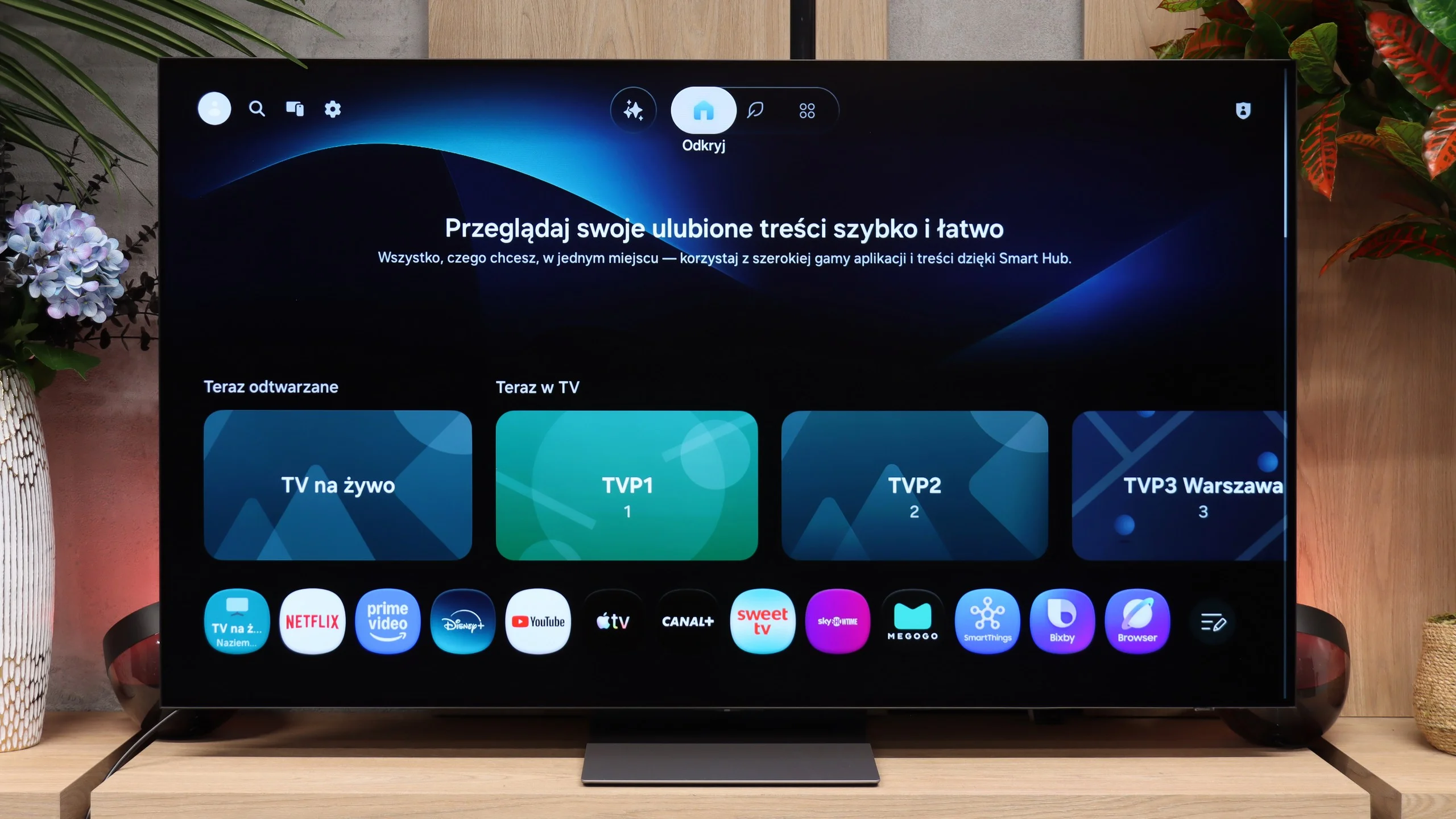
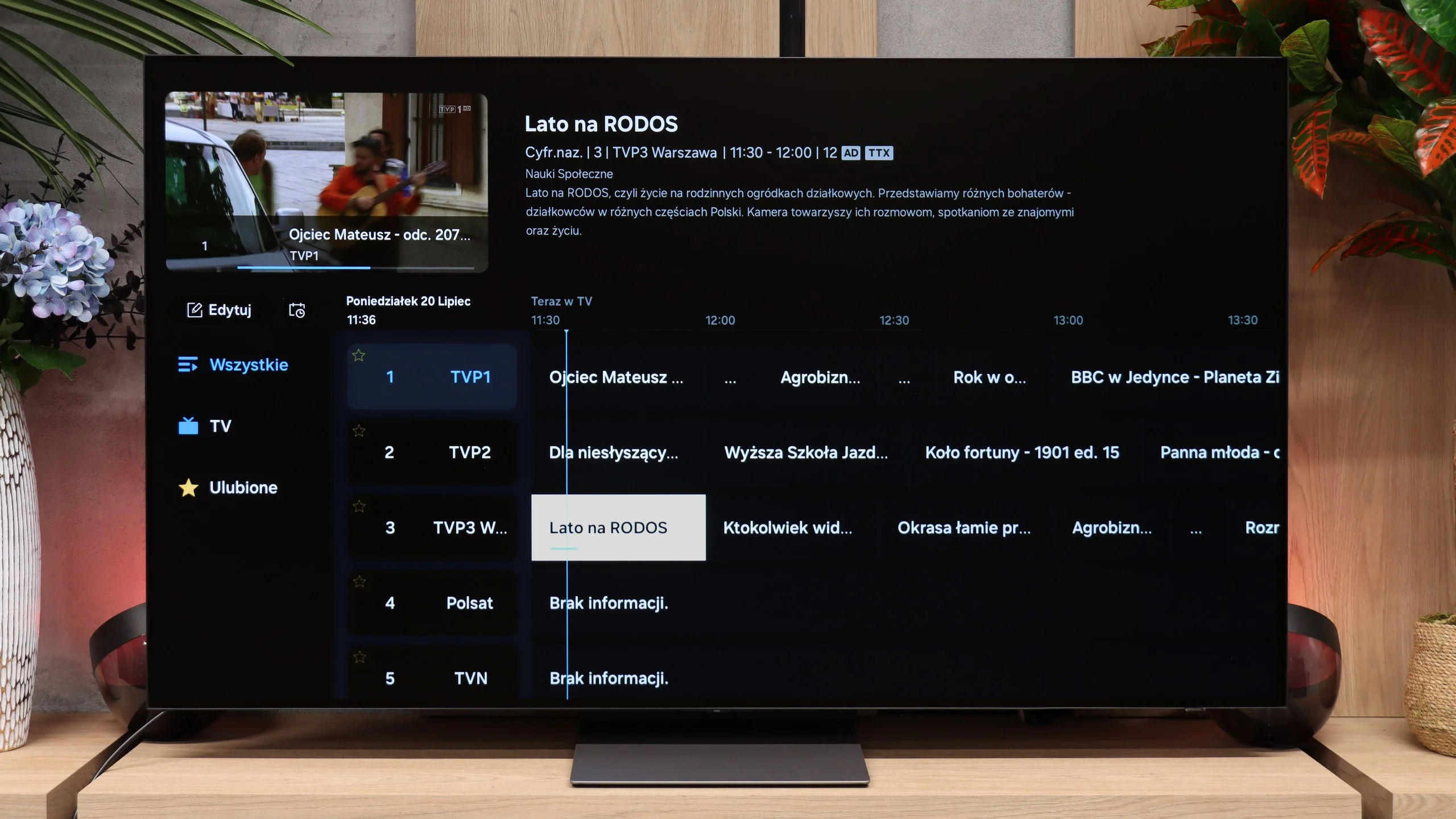
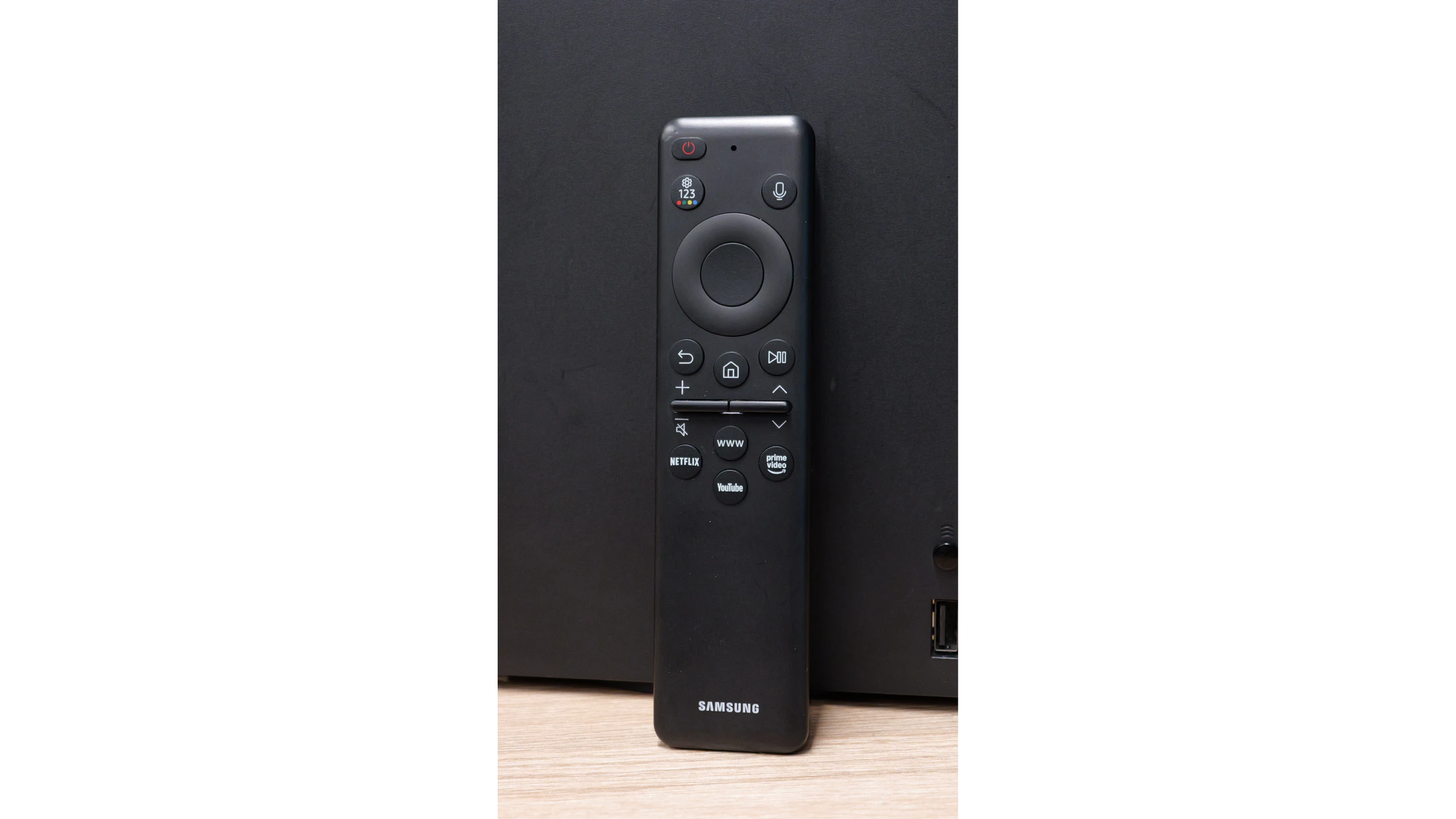
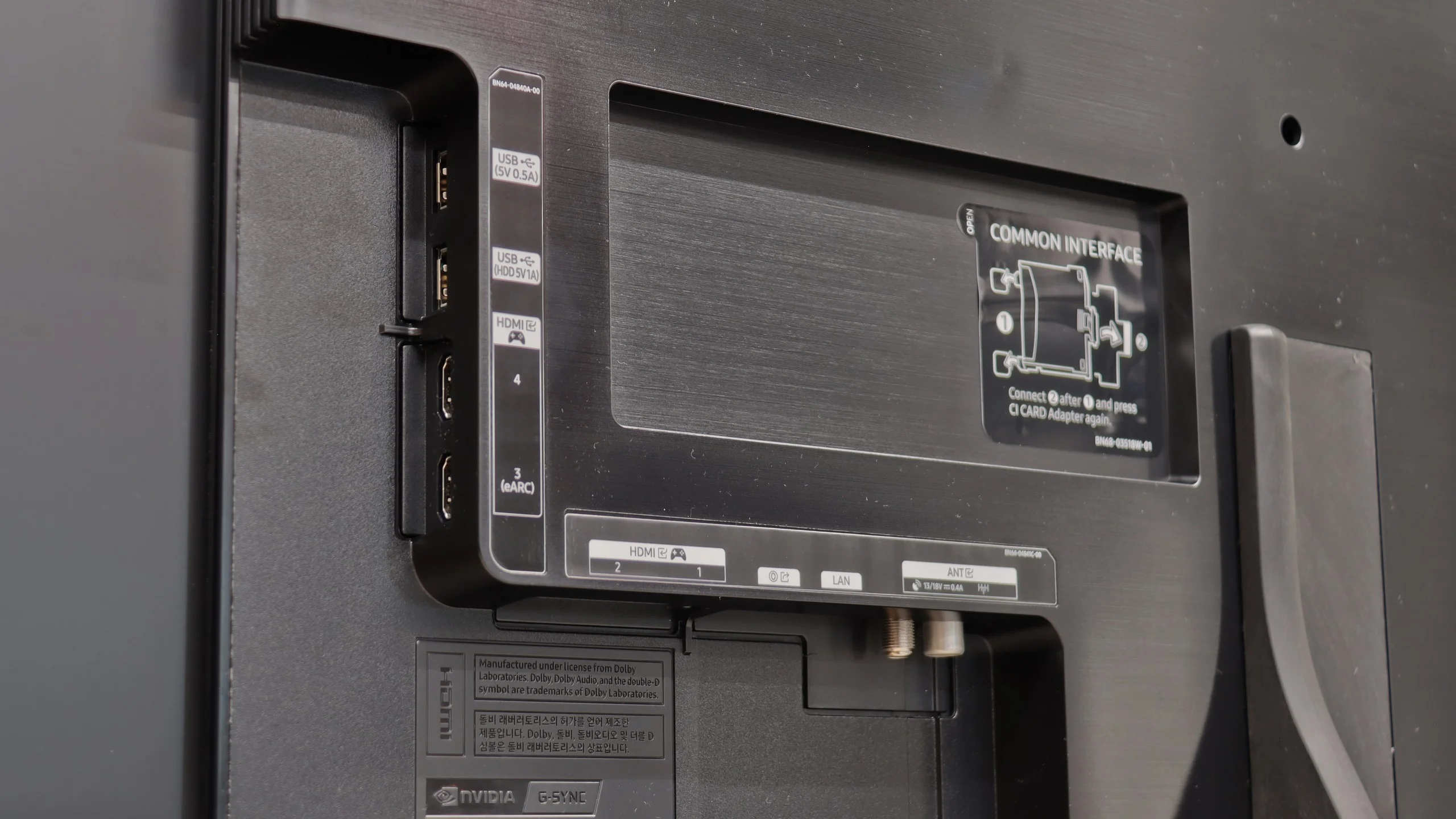
Samsung S90H is a TV that simply makes a spectacular impression. The combination of OLED's absolute blacks, high brightness, and excellent motion sharpness delivers a picture that's hard to look away from. And that's exactly what we expect from a good OLED TV. The matte anti-reflective coating also works very well. Reflections on a sunny day stop being a major problem, and thanks to the presence of a traditional polarizer black doesn't shift as much toward grayish-burgundy tones as with the QD-OLED variant. Add to that the blazing-fast Tizen, an excellent set of gaming features led by Game Motion Plus, and surprisingly good, full-bodied sound from the built-in speakers. Any weaknesses? Of course. Tone transitions aren't quite as perfect as on QD-OLED, and viewing angles remain slightly worse. In practice, though, these are mostly minor quibbles, especially since WOLED also has its own advantages, particularly in a bright room, where it preserves black levels and color saturation better. Overall, the QD-OLED variant still comes out slightly ahead, but this time the difference isn't as pronounced as it was a year ago. For most people that won't be the deciding factor when choosing a TV. So our advice is: rather than obsessing over the panel type, pick the size that best fits the room. Whether you buy the WOLED or QD-OLED version, you'll get a mature, versatile, and well-balanced TV. As every year, the S90H series has a guaranteed place among the most cost-effective OLEDs of 2026.
 Direct comparison