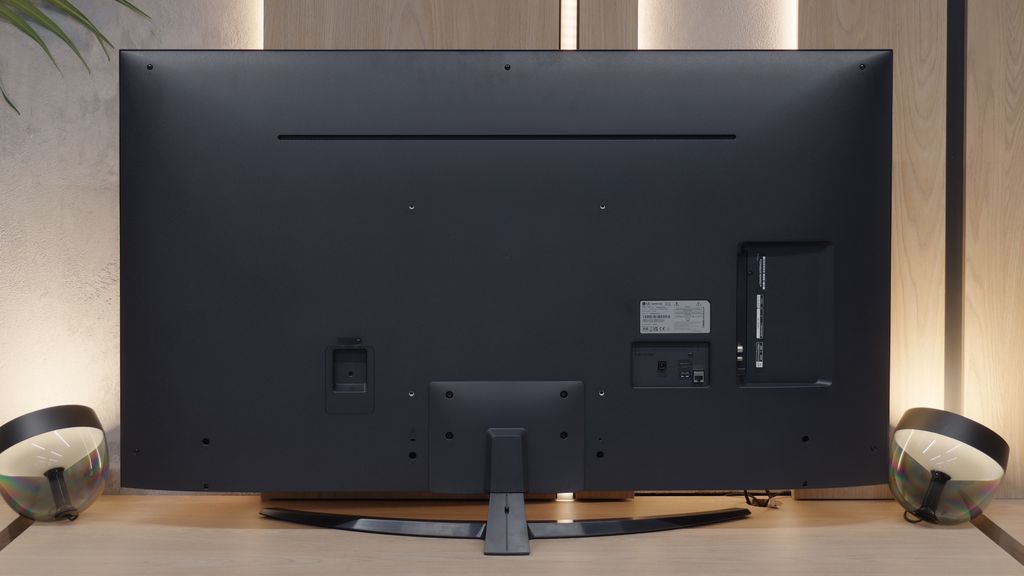
Philips PUS8359 in 50" is a straightforward television, but offers sufficient features to satisfy many consumers. Its most notable feature, which is common across the brand, is the Ambilight backlighting. At this price point, this addition is certainly valuable and may be a deciding factor for many buyers. While it’s unrealistic to expect a flawless picture in this price range, some models offer more, and in our view, this television is one of them.
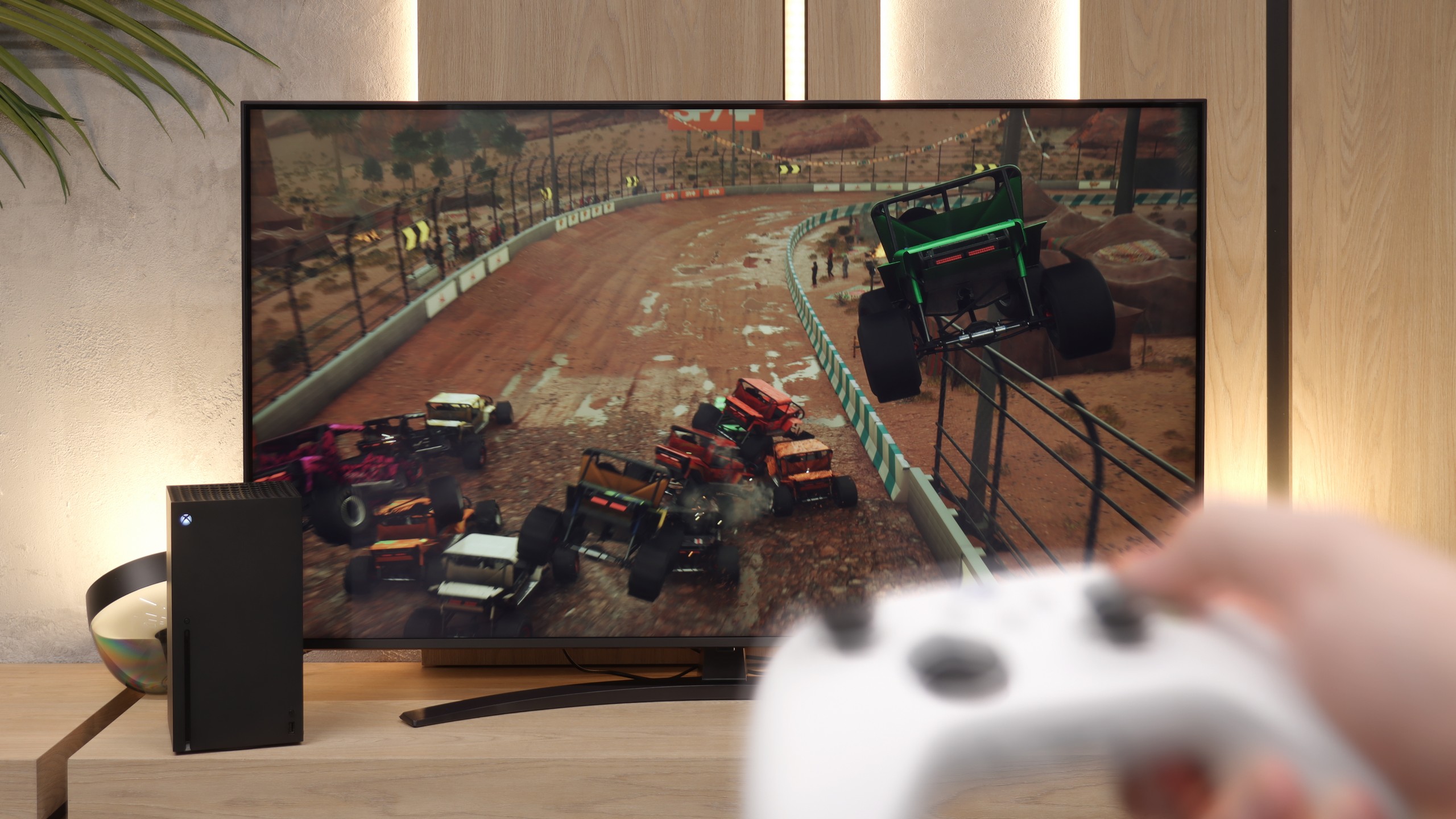
In particular, the quality of tonal transitions, colour reproduction after calibration, and performance when connected to a computer stand out. With low input lag, casual gaming is quite enjoyable. However, the unit does have its drawbacks. The low luminance in HDR content and limited DCI-P3 colour gamut coverage are noteworthy issues. That said, the dynamic tone mapping feature works efficiently.
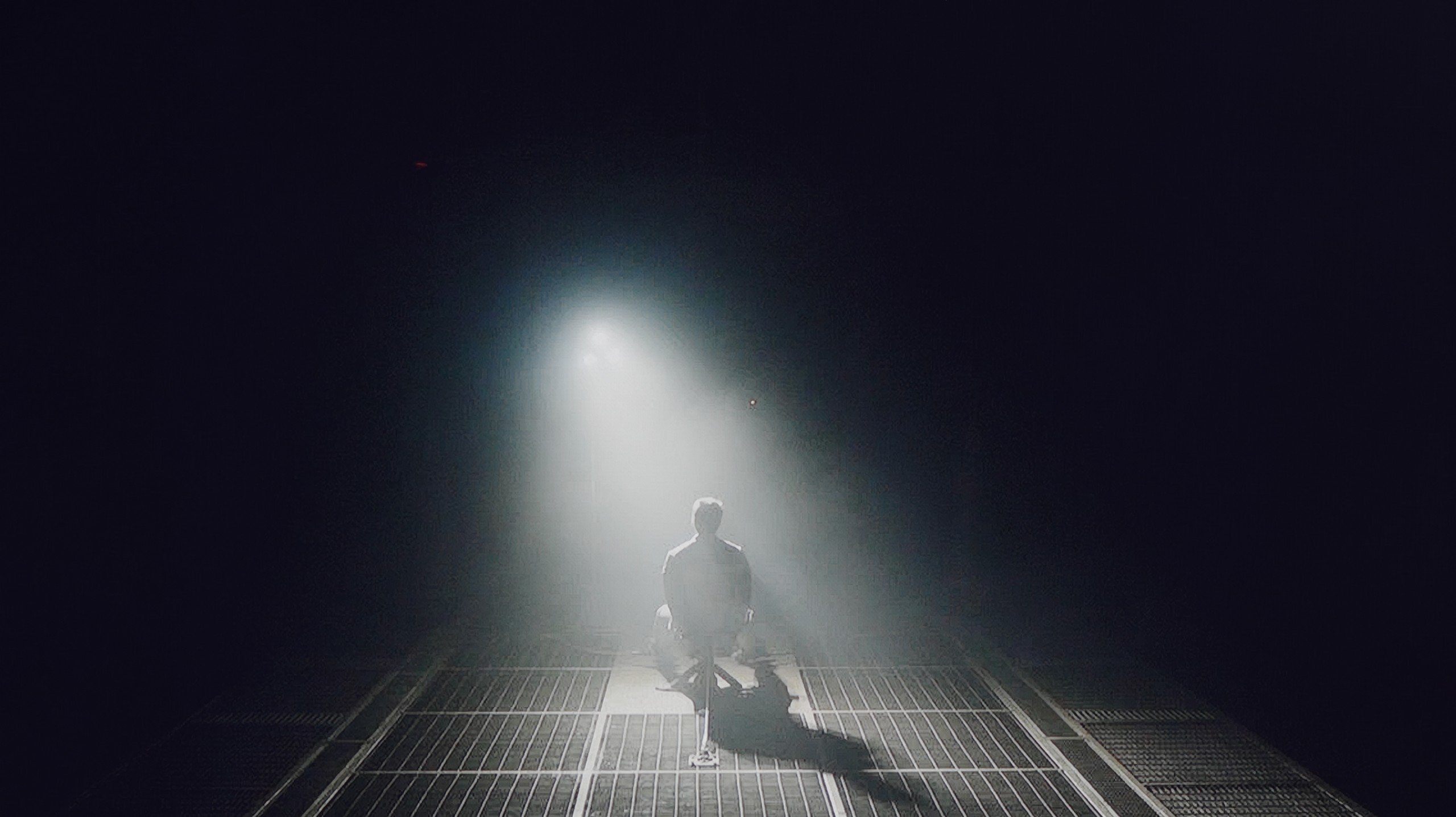
While the contrast and black levels are not exceptional, they are certainly better than those found in units with IPS/ADS panels. The operating system is one of the better ones, though it is still being developed and lacks many features, which we will address in a dedicated section. Additionally, it doesn’t offer as broad an app library as its competitors, though this should change soon.
Who is the PUS8359 for? It is suited for anyone seeking a balance between quality and price.
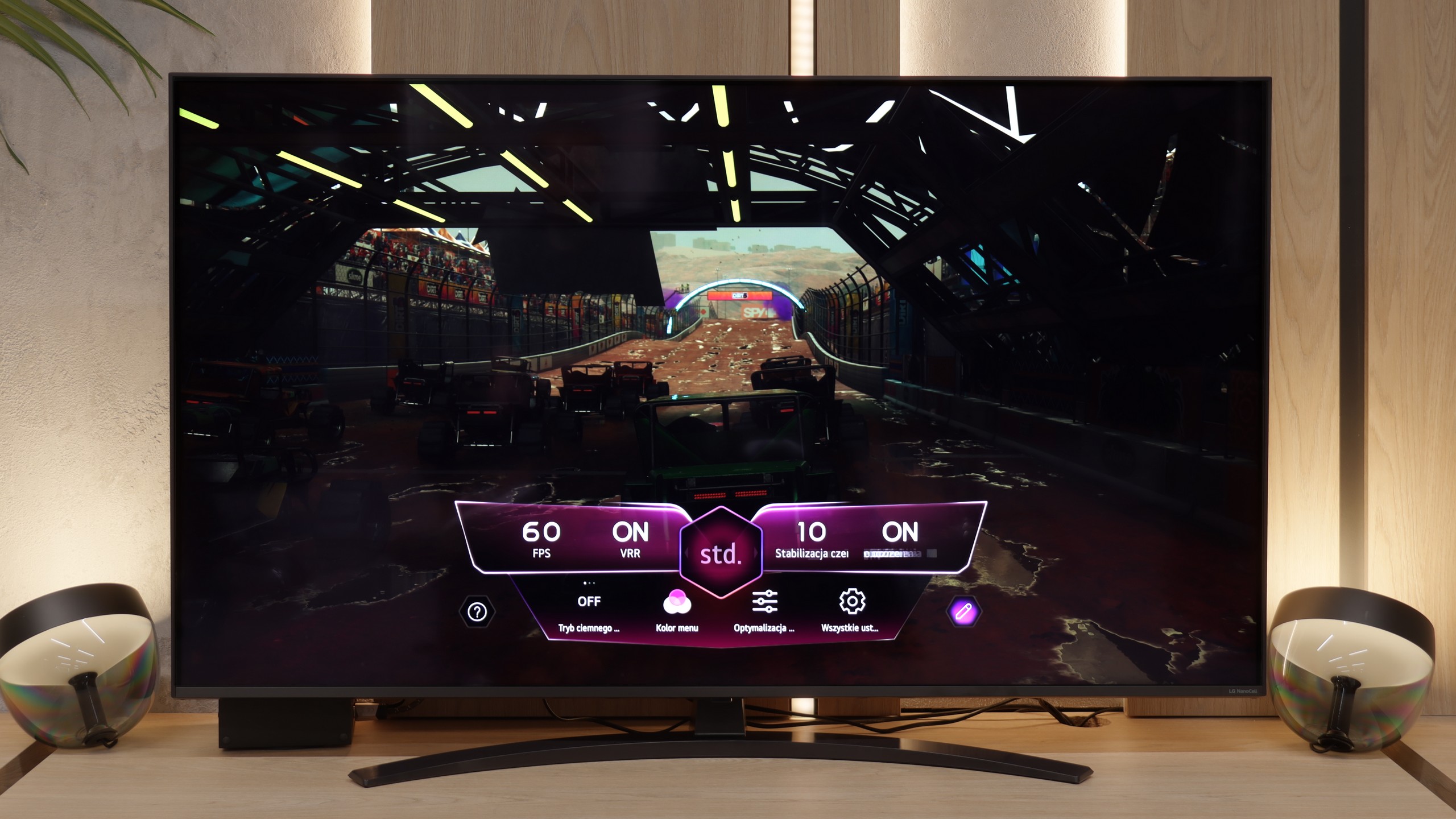
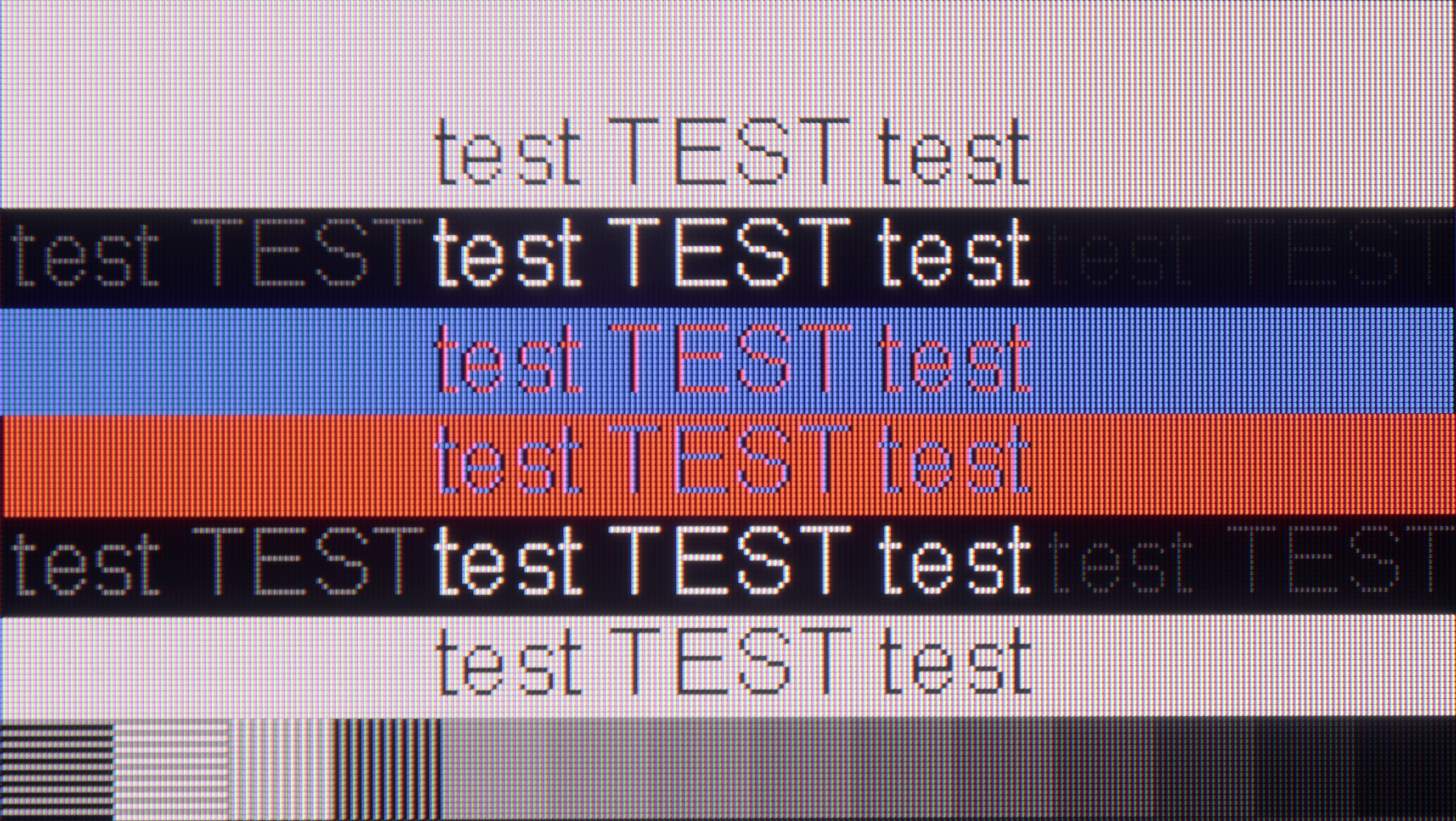
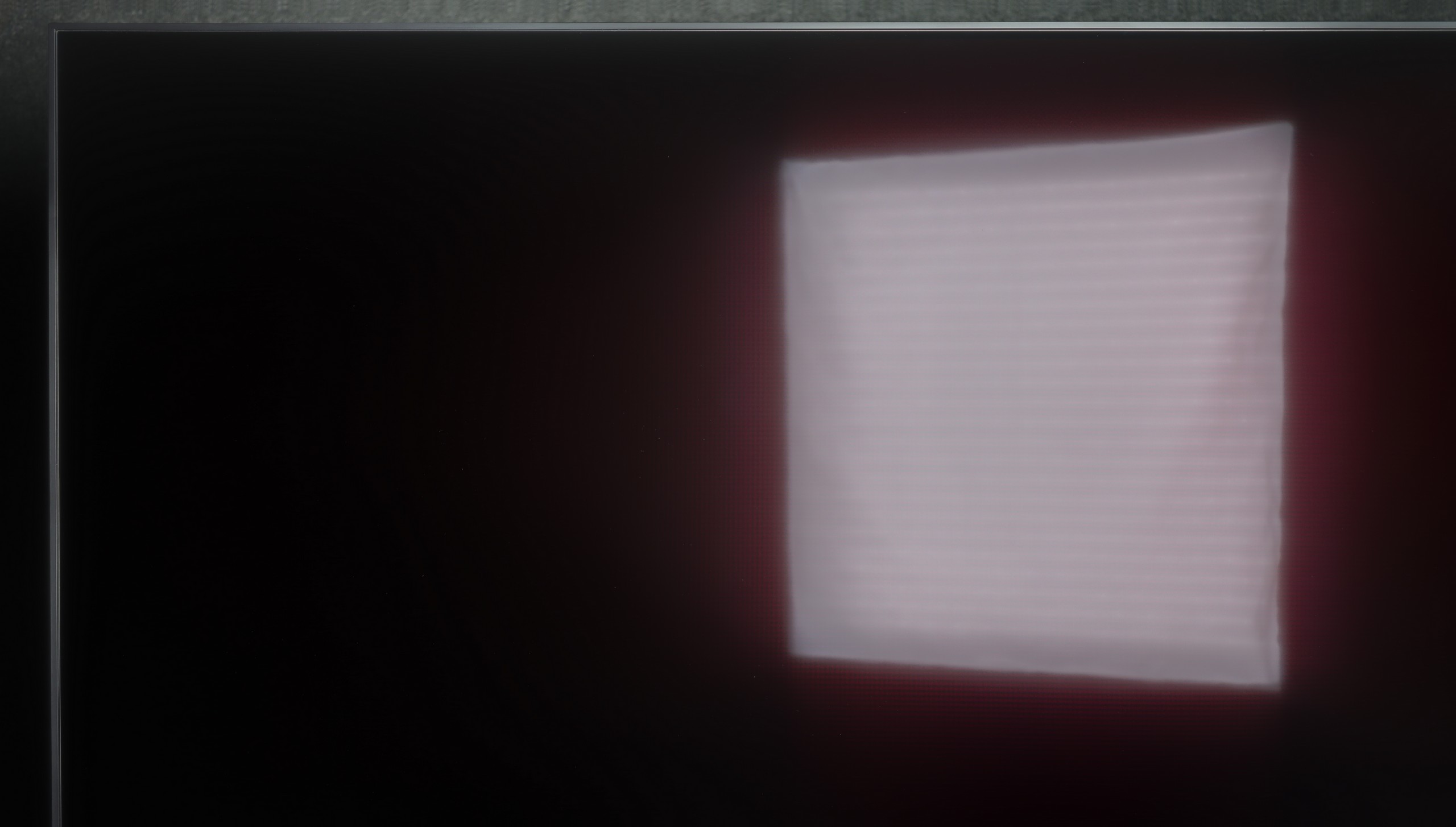
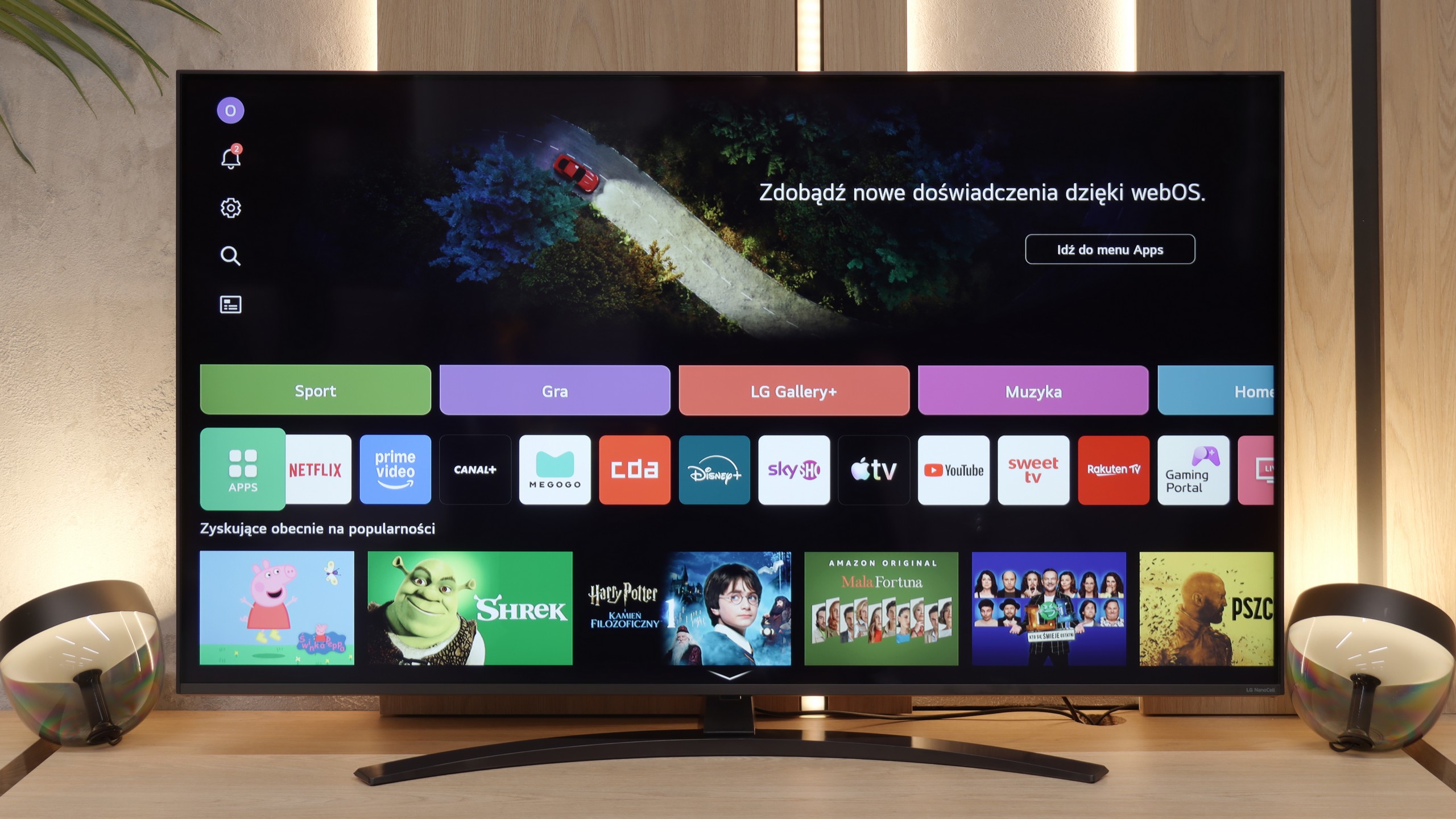
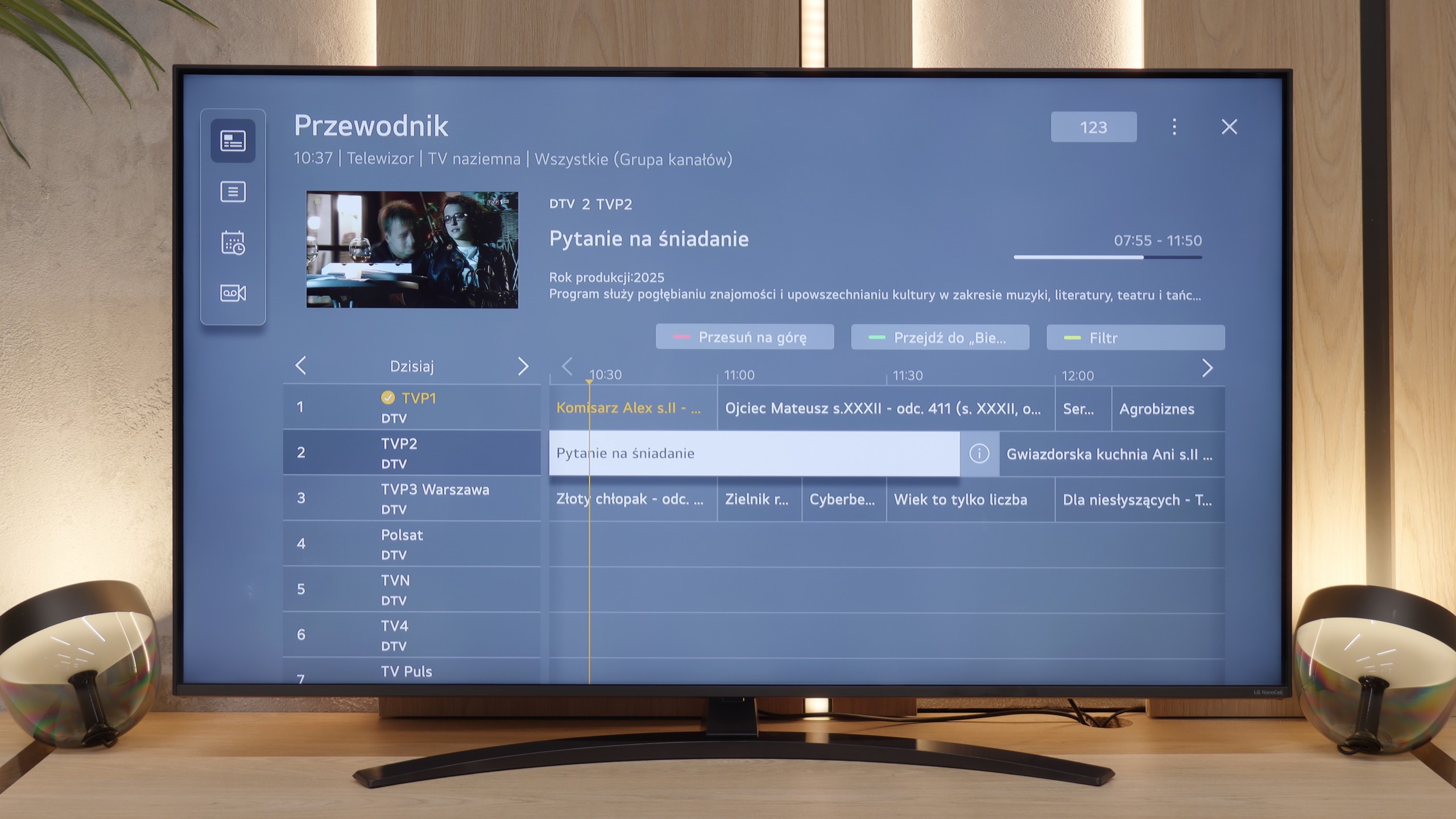
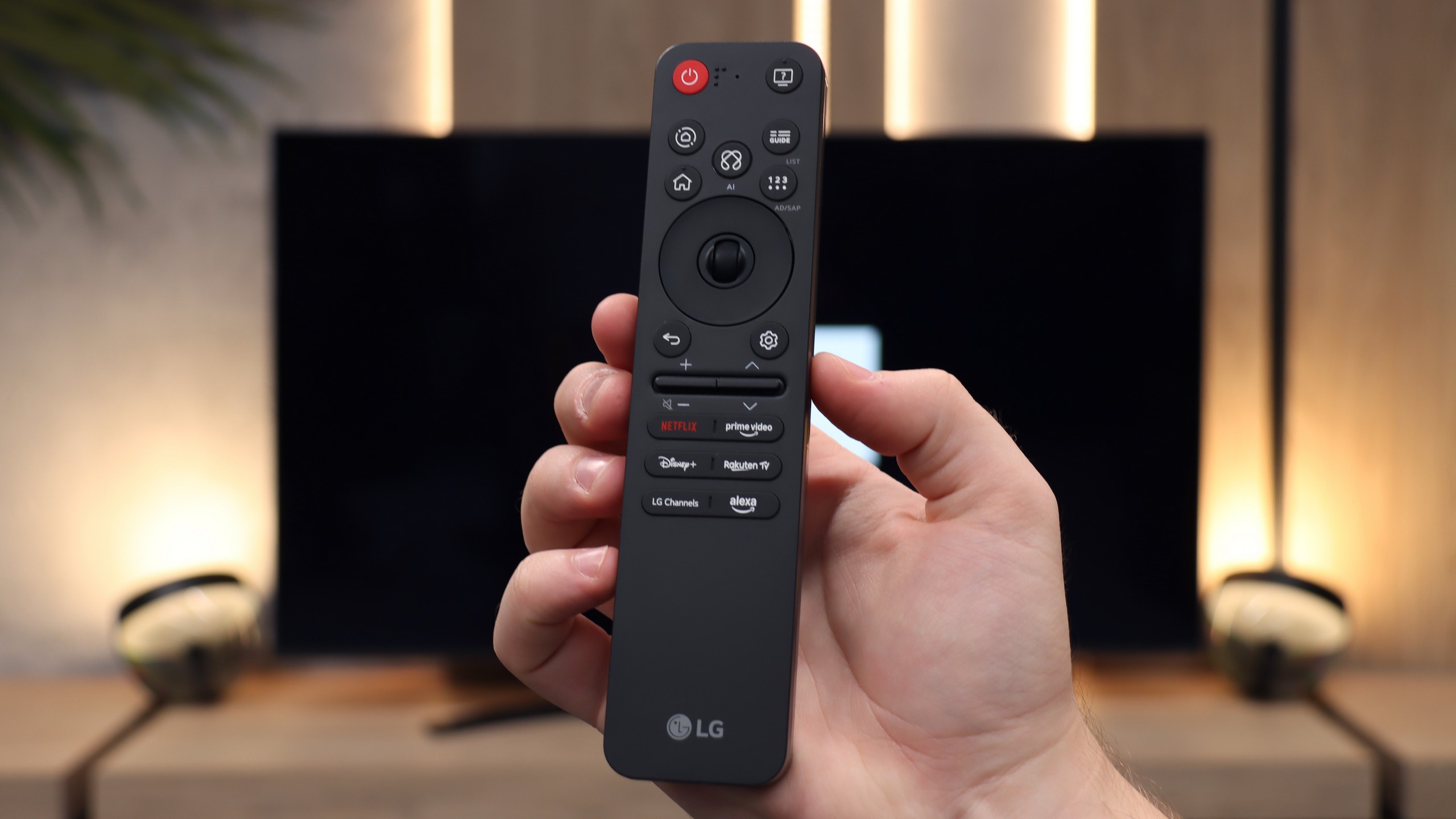
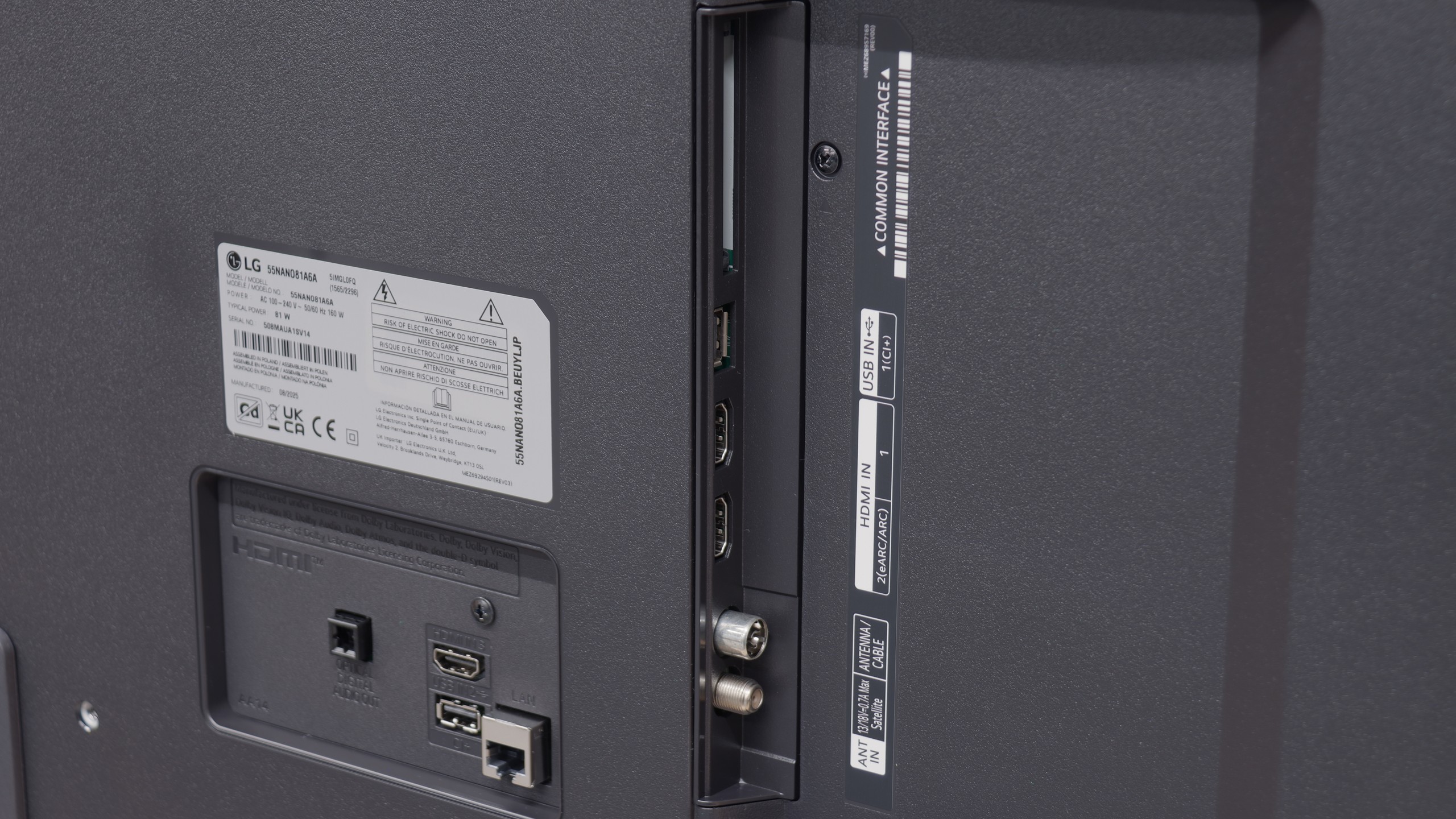
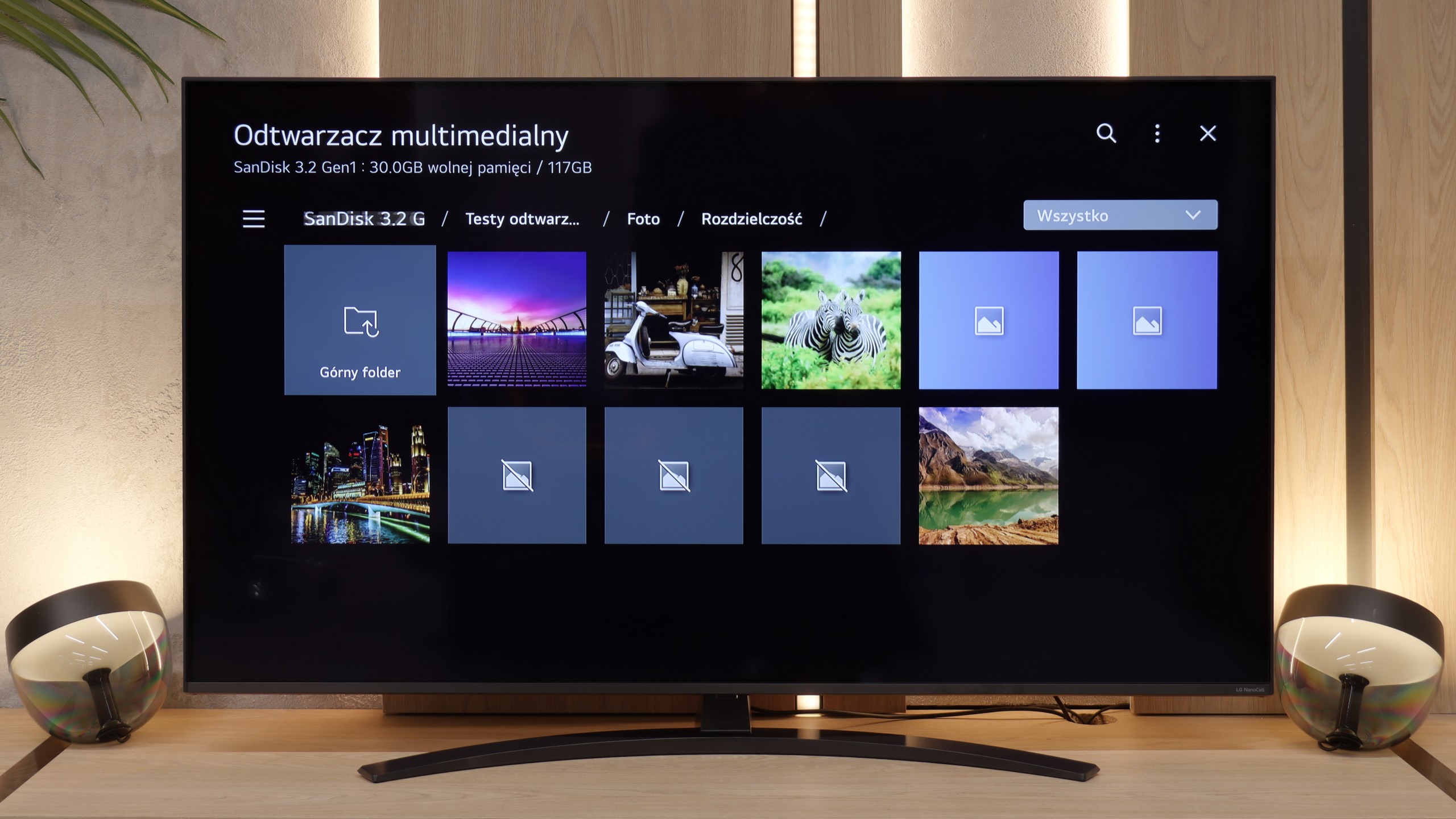
LG NANO81A is essentially a continuation of the NanoCell series, which has hardly changed over the past few years. Aside from a new operating system, a refreshed remote, and a few marketing additions, we are dealing with practically the same design that we have known for years. Thanks to the nanofilter, the TV is capable of displaying better, cleaner colors than standard budget TVs, and the IPS panel guarantees really decent viewing angles. Unfortunately, for these advantages, we pay a very weak black level and low contrast, which is immediately noticeable during nighttime viewings. Although webOS is still one of the best systems on the market, the biggest problem with the NANO81A is its price, which we simply do not understand. In 2025, this model faces enormous competition not only from brands like TCL or Hisense but... at LG itself. The model we tested earlier, QNED80A, is equipped with local dimming technology, has a brighter panel, and offers a wider color gamut. Interestingly, at the time of writing this review, the technically superior QNED80A is often much cheaper than the NANO81A. In this situation, the existence of the NanoCell model loses its meaning – unless wide viewing angles are your only priority, but in our opinion, the price you have to pay for them (at the cost of tragic blacks and a higher expenditure) is simply too high.
 Direct comparison