Philips PUS7009 with a VA panel is a television that works best for occasional users who mainly use it for watching TV, browsing photos, or using basic apps. Thanks to the VA panel, it offers significantly better contrast and deeper blacks than the IPS version, making it a better choice for watching movies in darker rooms. Features such as ALLM, VRR, and Game Bar provide satisfying compatibility with consoles, making it a solid option for less demanding gamers. In terms of picture quality, Philips PUS7009 with a VA panel offers better blacks than the IPS variant, but it is still not without its flaws. Low brightness and lack of Dolby Vision support mean that the television does not perform well with more demanding HDR scenes. Philips' proprietary operating system, TitanOS, still leaves a lot to be desired. Although it provides access to basic apps, its limitations and lack of intuitiveness can be frustrating for more advanced users. At this price, it is worth considering other models (list below) that better meet demands in terms of picture quality and multimedia features.
- Matching (Score) |
- Our verdict |
- TV appearance |
- Where to buy |
- Contrast and black detail |
- HDR effect quality |
- Factory color reproduction |
- Color reproduction after calibration |
- Smoothness of tonal transitions |
- Image scaling and smoothness of tonal transitions |
- Blur and motion smoothness |
- Console compatibility and gaming features |
- Input lag |
- Compatibility with PC |
- Viewing angles |
- Daytime performance |
- Panel details |
- TV features |
- Apps |
- Playing files from USB |
- Sound
Philips PUS7009 (VA) vs Samsung U8000F (VA)
 Direct comparison

Check the best price offer:
Samsung U8000F (VA)U8000F / U8092F

Available screen sizes: 50”

Panel type: LCD VA
Resolution: 3840x2160
System: Titan OS
Model year: 2024
Complete the survey to find out the result
Panel type: LCD IPS
Resolution: 3840x2160
System: Tizen
Model year: 2025
Complete the survey to find out the result
Overall rating
5.3
5.6
 Movies and series in UHD quality
 4.9
5.7
 Classic TV, YouTube
 5.4
5.9
 Sports broadcasts (TV and apps)
 5.0
4.9
 Gaming on console
 6.6
6.6
 TV as a computer monitor
 2.0
6.0
 Watching in bright light
 4.4
3.8
 Utility functions
 6.3
5.3
 Apps
Apps 6.7
8.7
 Sound quality
 5.6
5.7
Complete the survey to find out what fits your preferences
Advantages

Good native contrast - better than in the IPS matrix variant
Dynamic tone mapping enhances image quality in demanding scenes
Okay for casual gamers - VRR, ALLM, low input lag
Support for all popular audio formats, including Dolby and DTS
Nice black and contrast (VA panel version)
Advanced Smart system: Tizen
Great for working with text - displays fonts very well
Basic features for gamers - VRR and ALLM
Low input lag
Disadvantages

Very low brightness (250 nits)
Weakly developed operating system - TitanOS
No support for Dolby Vision
Worse viewing angles than the variants 43' and 55'
Low brightness
Worse viewing angles compared to the IPS matrix version (Obvious, isn't it? 😉)
Infrared remote control
Worse appearance than its predecessor
Our verdict
Samsung U8000F with a VA panel is a television that can pleasantly surprise in its class – of course, if we know what to expect from it. Its biggest advantage is definitely the black quality. Compared to the version with an IPS panel, the difference is enormous – the picture gains depth, the contrast looks much better, and evening movie sessions no longer feel like watching content through a gray filter. For a budget segment device, this is truly a nice surprise. The proven Tizen system also deserves credit, which not only works smoothly but also offers access to a full range of applications, support for SmartThings, and a voice assistant (via an app). The PC mode and connection to a console work flawlessly – the fonts are clear and readable. Additionally, it has basic features for gamers, such as VRR and ALLM, which – although they won’t turn this TV into an e-sport machine – are more than sufficient for occasional gaming.
Of course, like any construction in this budget, the U8000F with a VA panel has its limitations. The viewing angles are not one of its strong points – watching the picture from the side easily reveals a drop in quality. Nevertheless, it's hard to consider this a serious drawback – because something has to give. Better black levels are always associated with slightly lesser flexibility in adjustment. When it comes to HDR, we have rather a symbolic approach – the brightness is too low to talk about a true “wow” effect, and the color palette is limited. But let’s face the facts – that’s not why you buy such a TV. So if you're planning to purchase the U8000F, we definitely recommend opting for the version with a VA panel. It's still a very basic model, but in this version, it offers more than one might expect – especially in terms of black quality. And in this price range, that’s quite a lot.
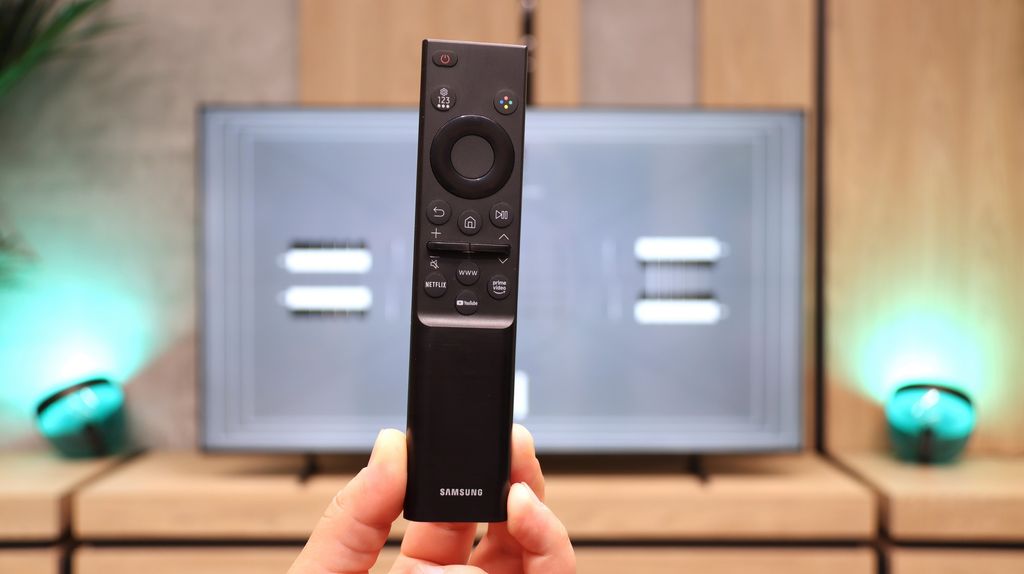
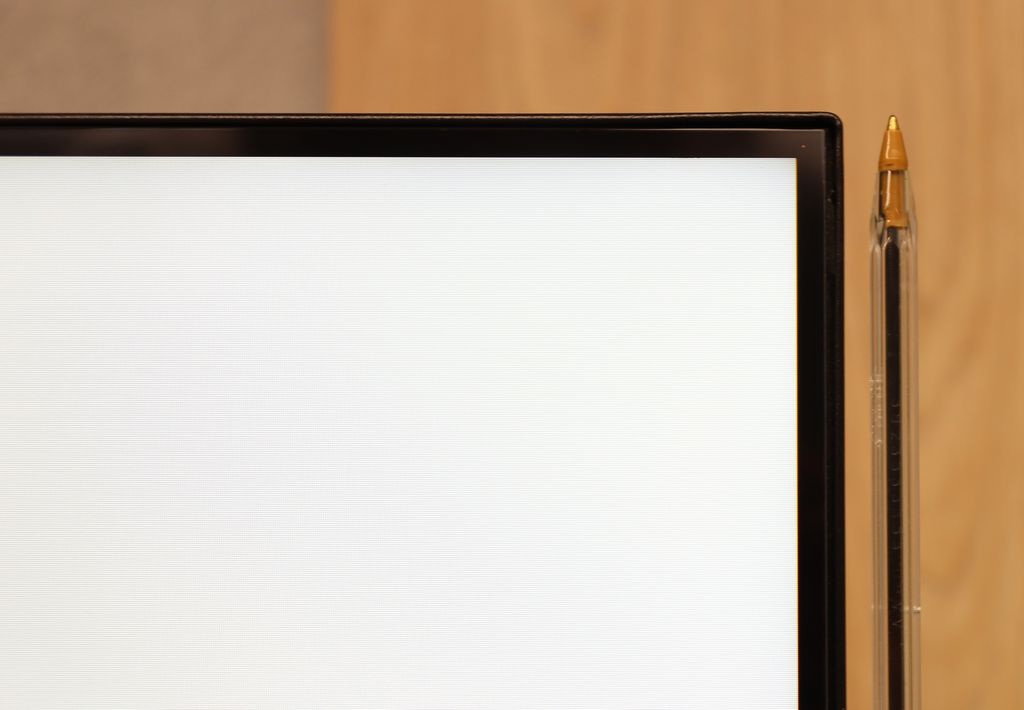
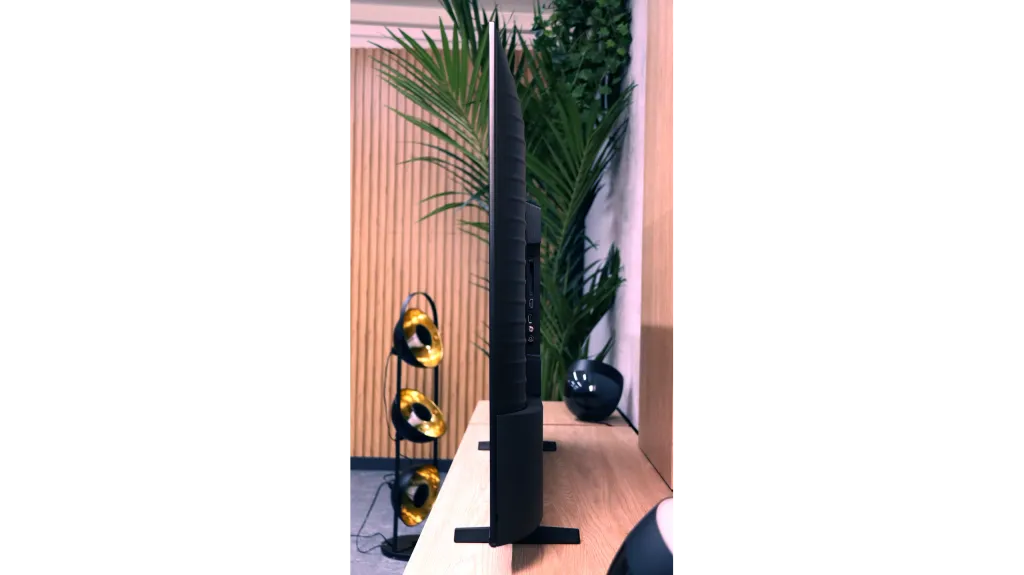
TV appearance



Contrast and black detail
5.4/10
5.3/10
Local dimming function: No
Local dimming function: No
Contrast:


Result
4,250:1

Result
4,600:1

Result
3,800:1

Result
4,200:1

Result
4,250:1
Result
4,600:1
Result
4,150:1
Result
3,900:1
Result
3,750:1
Result
3,400:1
Halo effect and black detail visibility:

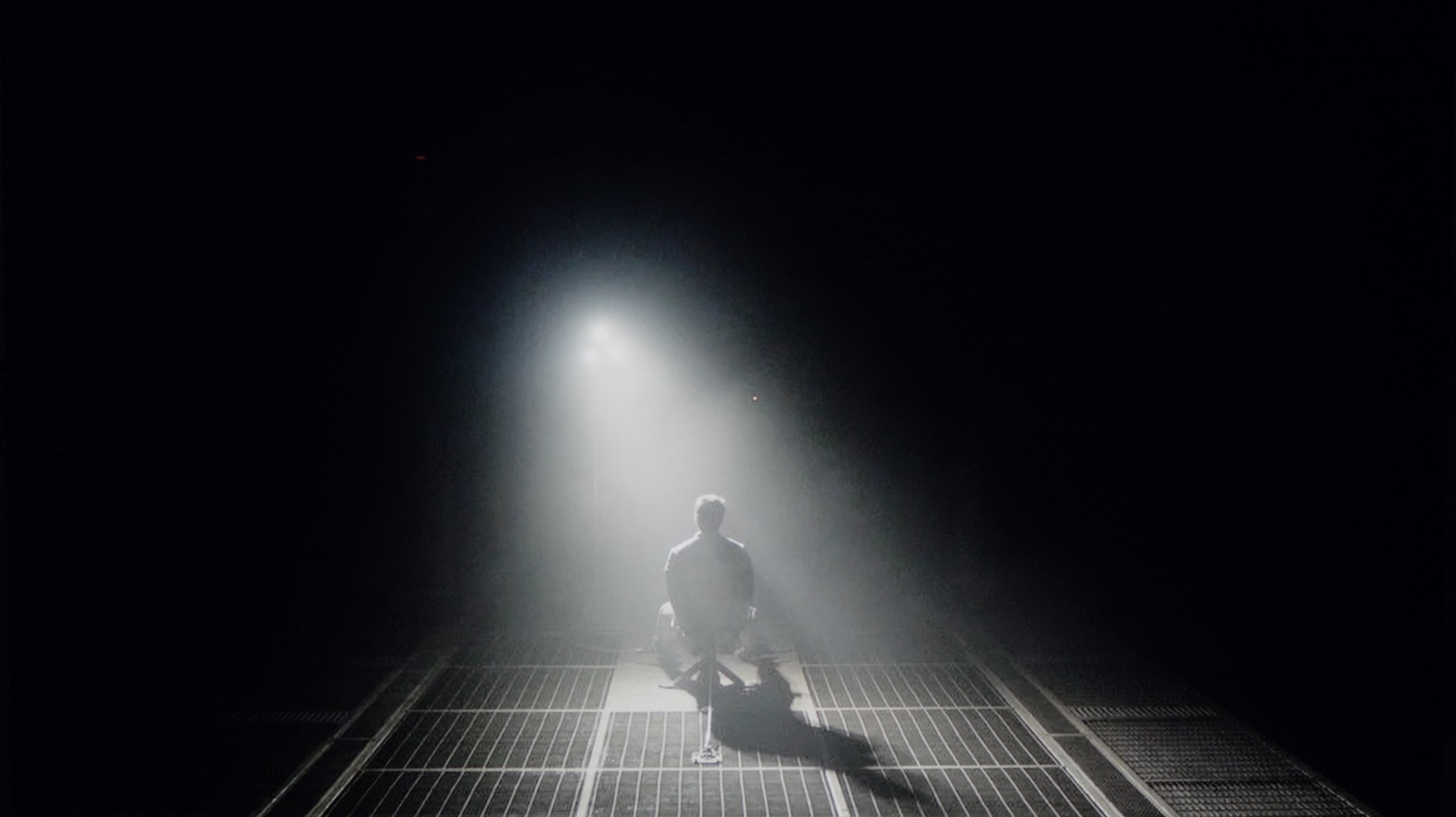
Check the visibility of bright lights on a dark background. Mini-LEDs often struggle with this. The photo does not compare black levels – that’s what the video below is for.

The video accurately shows differences in contrast and black levels between TVs, as well as potential issues: halo around bright objects or Mini-LED zone operation visible as brightness jumps.
Philips PUS7009 in the 50' variant has a VA panel, which offers better contrast and deeper blacks compared to the IPS panel variant, although with some limitations. Due to its price, this model does not feature local dimming technology, which affects the quality of black in challenging scenes. For example, in the film The Revenant, one can notice that the black takes on a shade of navy blue, which prevents full immersion in the cinematic atmosphere. Nevertheless, compared to the IPS version, the difference is noticeable in favor of the VA panel, which performs significantly better in reproducing darker scenes, providing a more satisfying picture in poorly lit rooms.
It is worth noting that the test concerns the variants with a VA matrix, which perform significantly better in terms of black levels and contrast compared to the 55-inch version equipped with an IPS panel. Thanks to the higher native contrast (though it is not a top result among VA matrices), the tested scenes looked much better – without noticeable grayness or the typical washed-out shadow effect found in IPS matrices. The black levels in the U8092F model can be considered really good and satisfying, especially in this price range. Of course, this is not a design equipped with local dimming, so it is hard to expect spectacular results in very challenging scenes. On the other hand, we are talking about an exceptionally budget-friendly television that performs quite solidly within its range.
HDR effect quality
3.4/10
3.1/10
Luminance measurements in HDR:

Result
229 nit

Result
210 nit

Result
241 nit

Result
234 nit

Result
240 nit
Result
212 nit
Result
173 nit
Result
265 nit
Result
90 nit
Result
250 nit
Scene from the movie “Pan” (about 2800 nits)


Scene from the movie “Billy Lynn” (about 1100 nits)


The photos show two HDR10 movies. 'Pan' is one of the brightest productions ever made, while 'Billy Lynn' (soldier) has brightness typical of streaming (Netflix, Prime, HBO MAX). Notice the intensity of effects and detail in whites.
Static HDR10


The photos present the visibility of white details in various HDR formats. They do not show brightness differences between TVs (these can be compared in the previous gallery).
Dynamic: HDR10+
Dynamic: HDR10+


The photos present the visibility of white details in various HDR formats. They do not show brightness differences between TVs (these can be compared in the previous gallery).
HDR luminance chart:
Samsung U8000F (VA)
Philips PUS7009 (VA)
In terms of HDR effect quality, Philips PUS7009 performs very poorly. A brightness level of 250 nits does not allow enjoyment of HDR effects, and the image resembles more of a standard SDR. There is no talk of dynamic effects or vivid light bursts. The coverage of the DCI-P3 color palette is only 75%, which is definitely insufficient. The lack of full color coverage means that the colors are not as vibrant as they should be, resulting in a flat and unconvincing image. There are no aspects to praise this model in the context of HDR.
While the U8000F with a VA panel can still be praised for decent blacks, there are no longer any reasons to be impressed regarding brightness – especially in HDR scenes. The television reaches a maximum of just under 250 nits, which is simply too little to talk about any impressive light effects. Bright elements come off as pale, and scenes that should shine look rather flat. An interesting situation was observed during the test of a scene from the movie Sicario 2 – the screen noticeably darkened, as if the television were trying to hide its limitations in displaying blacks. One might get the impression that the device artificially darkens the image to improve contrast, but in practice, the effect doesn't make much of a difference, other than that we see less on the screen. Additionally, there's the issue of colors – the U8000F does not support a wide color gamut, so don't expect vibrant, saturated shades known from better models. The HDR image here resembles slightly brightened SDR and… maybe that’s even a good thing. For this model, it's not worth setting expectations for cinematic experiences – it's better to treat HDR as a modest addition.
Factory color reproduction
4/10
6.5/10


This gallery shows how colors change after professional TV calibration. If you notice the difference, we recommend ordering this service at SkalibrujTV.com.
Factory Mode
After calibration
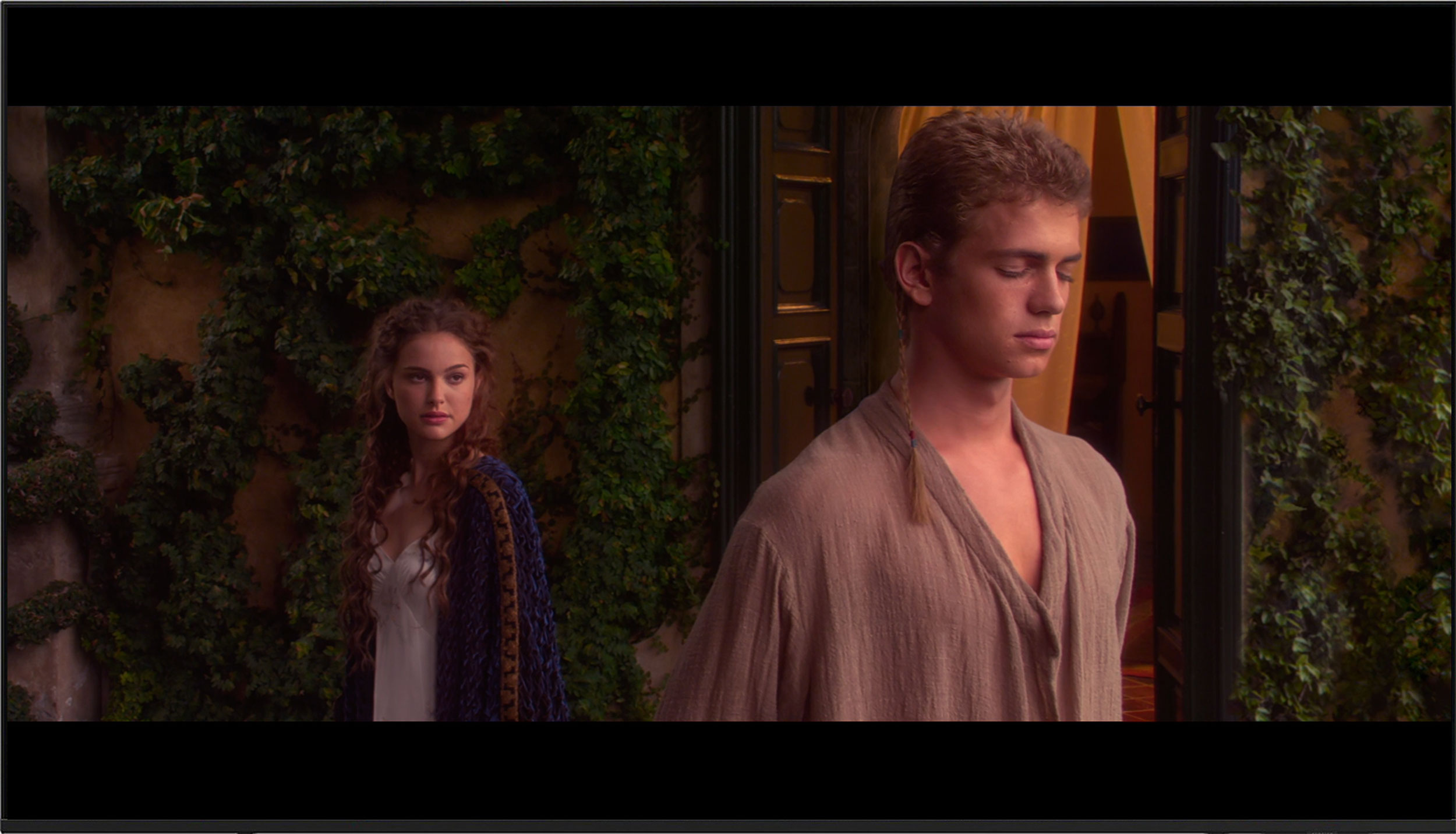
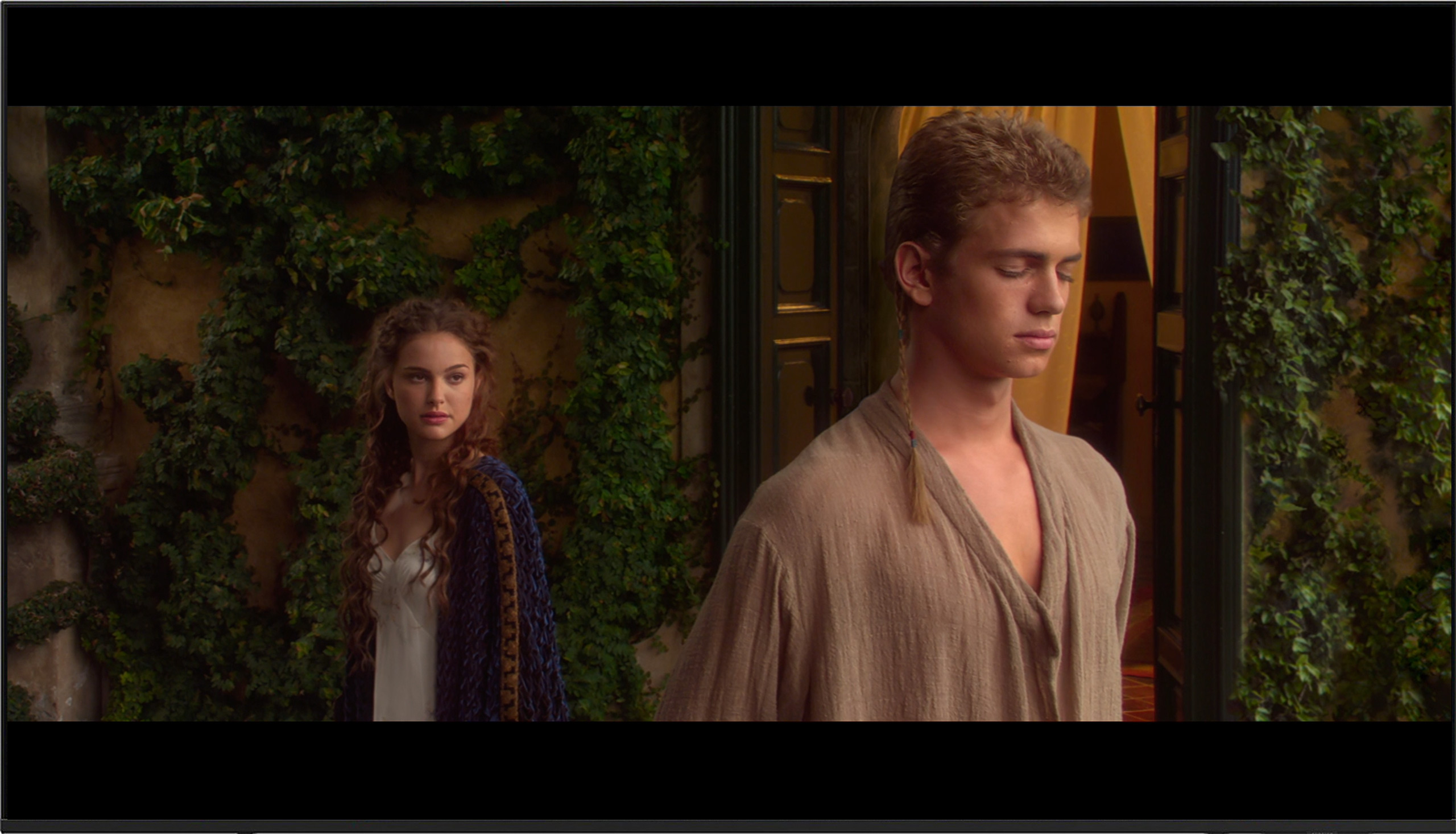
This gallery shows how colors change after professional TV calibration. If you notice the difference, we recommend ordering this service at SkalibrujTV.com.
Factory Mode
After calibration
The TV was tested in movie mode, which – despite its name – does not provide correct image display. The white balance in both 4K HDR and HD/SDR content is characterized by drops in red color, causing the image to appear cooler and colors to lose their natural warmth. The gamma brightness characteristics and EOTF curve confirm that the TV has trouble maintaining appropriate brightness – it boosts it significantly, resulting in an unnaturally washed-out image. This effect can be seen in the comparisons below, where the overall appearance looks as if covered with a milky filter. Additionally, limited coverage of a wide color gamut also does not favor quality – color checker tests indicate significant color fluctuations, making it difficult to achieve faithful image reproduction.
The Samsung U8000F has been tested by us in the best picture mode available out of the box – namely, Filmmaker Mode. This profile is supposed to provide a neutral, cinematic image, free of unnecessary enhancements and artificial beautifications. In the case of SDR content – mainly in HD or SD resolution – the television performed surprisingly well right out of the box. The only noticeable imperfection was brightness management. The gamma chart showed some deviations – slight brightening or dimming of certain tones – but in practice, it did not significantly affect the viewing experience. For a television in this segment, it performs quite well.
However, the situation is considerably weaker in HDR mode. Although white balance was still acceptable, color errors were very pronounced. In the Color Checker test, almost every sample was outside the target point, and the image itself looked unnatural – colors were shifted, sometimes too cool, at other times simply dull and lifeless. The main problem lies in the hardware limitations – the U8000F does not support the wide color gamut of DCI-P3, so it is physically unable to reproduce the colors anticipated by the HDR standard. And unfortunately, this is evident in almost every more demanding scene.
Color reproduction after calibration
5.7/10
7.5/10


The photos show how movies look on the TV. Pay attention to black detail visibility, colors, and shadow tint.


The photos show how movies look on the TV. Pay attention to black detail visibility, colors, and shadow tint.
After calibration, the image has significantly improved, especially in terms of white balance, which is now more stable, and the shades have gained naturalness, eliminating the previous impression of an excessively cool image. The calibration has brought noticeable benefits in terms of tonality – shadows and midtones are now more realistic, and the overall picture appears more harmonious. Unfortunately, hardware limitations still affect the quality of the image. The brightness characteristics remain problematic despite our efforts, and due to the poor coverage of the DCI-P3 and BT.2020 color gamut, delta E errors are still at a high level. Although calibration has improved some aspects, the television still does not allow for complete satisfaction.
Right out of the box, the U8000F offered quite a decent picture in SDR for its price range. However, we managed to slightly enhance it – we reduced a subtle purple tint and improved the gamma characteristics, giving it a more natural curve. Despite these adjustments, the TV still tends to brighten the brightest details a bit too aggressively – the gamma graph shows a clear dip that cannot be fully corrected.
On the other hand, in HDR mode, it is noticeably weaker. It's hard to talk about any significant improvement here – despite attempts to tweak the settings, the picture still presents considerable color errors. A Delta E exceeding 7 means noticeable deviations that couldn't be effectively reduced. Unfortunately, this is a limitation of the design itself – the U8000F was simply not designed for serious HDR. In everyday SDR viewing, it performs quite well, but when it comes to HDR content... it's best not to have too high expectations.
Smoothness of tonal transitions
7.6/10
9.5/10


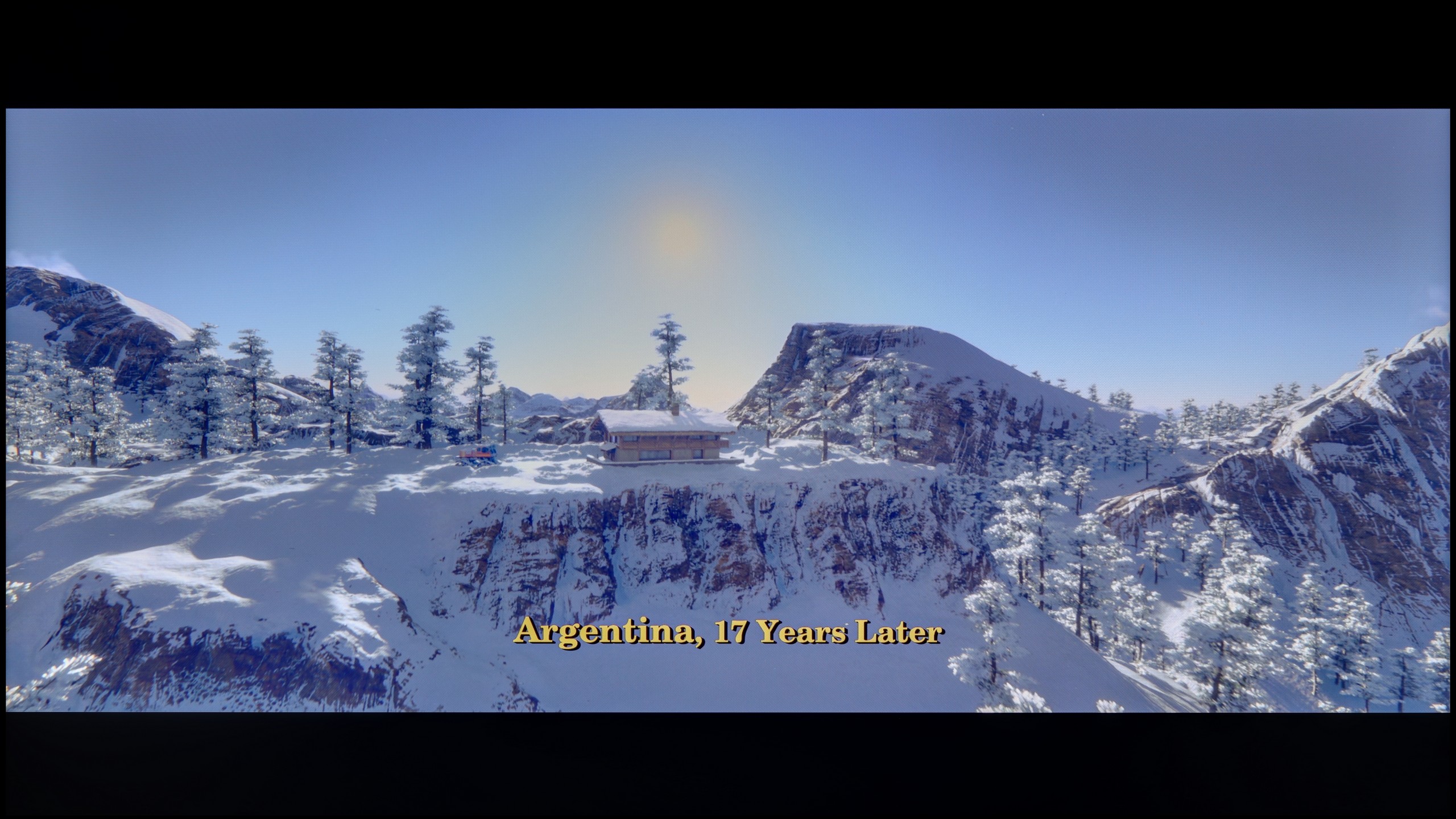
These are selected scenes that show smooth tonal transitions from one color to another. If you see distinct banding, it’s the TV panel’s fault.

These are selected scenes that show smooth tonal transitions from one color to another. If you see distinct banding, it’s the TV panel’s fault.

These are selected scenes that show smooth tonal transitions from one color to another. If you see distinct banding, it’s the TV panel’s fault.
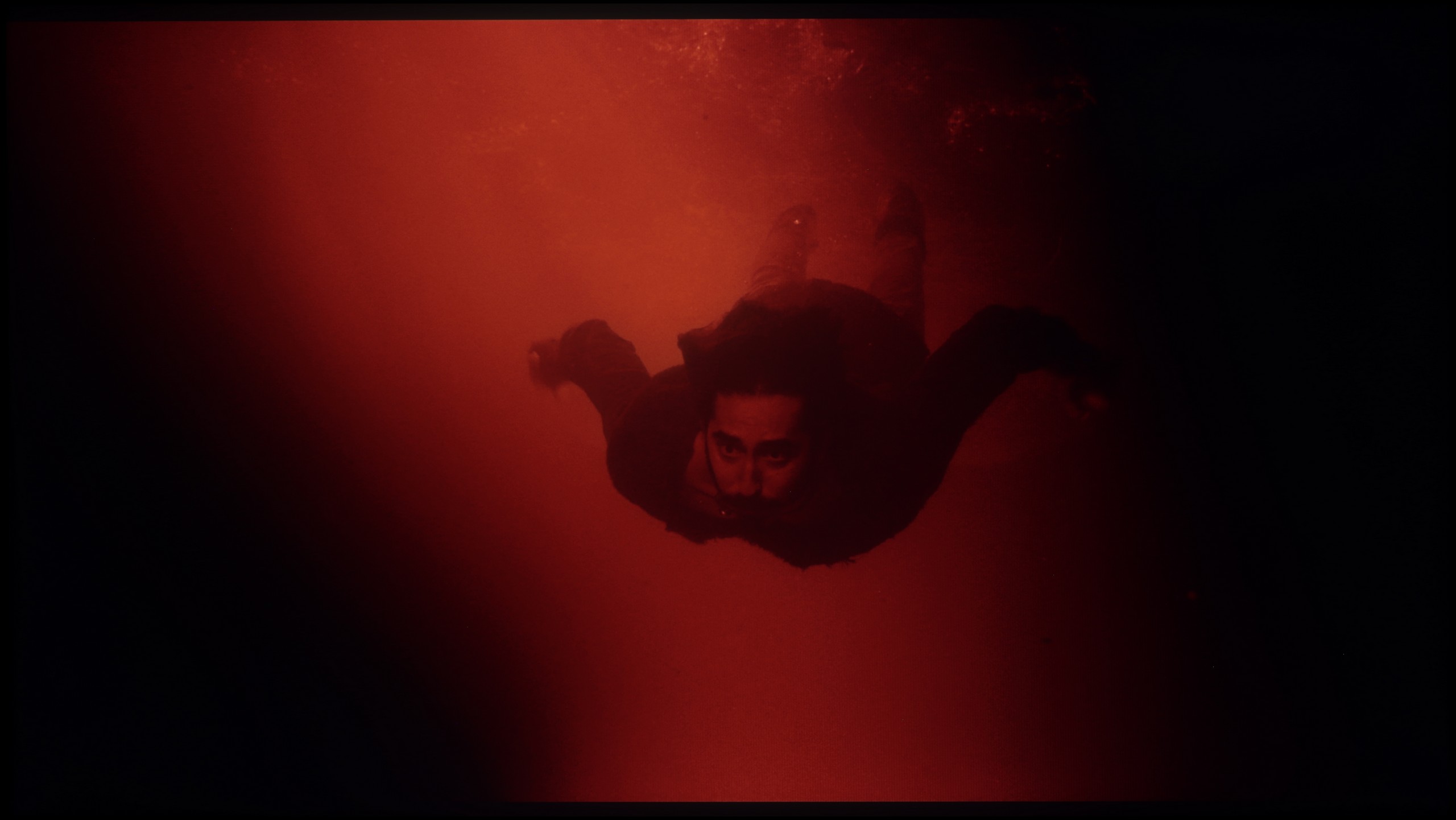
These are selected scenes that show smooth tonal transitions from one color to another. If you see distinct banding, it’s the TV panel’s fault.
The gradation of tonal transitions on the Philips PUS7009 television is at a decent level and does not exhibit serious flaws that could affect viewing comfort. Although upon closer inspection, one might notice slight imperfections in bright and colorful transitions, they are minimal enough that most viewers will not pay attention to them. The version with a VA panel performs somewhat worse in this regard, but the differences are subtle enough that they should not disturb the average user.
One of the key elements influencing the perception of the image is the way the television handles tonal transitions – that is, the blending of colors and shades without clear boundaries. In the case of the Samsung U8092F model, it performed really well. On the test screens, we did not observe any visible banding or disruptions in the colored gradients. The image retains a natural quality, without excessive digital interference, which unfortunately tends to be the norm in this class of equipment. Minimal imperfections appeared in very bright sections, but they are practically imperceptible and do not affect daily use of the television.
Image scaling and smoothness of tonal transitions
6/10
5/10


Smooth transition function

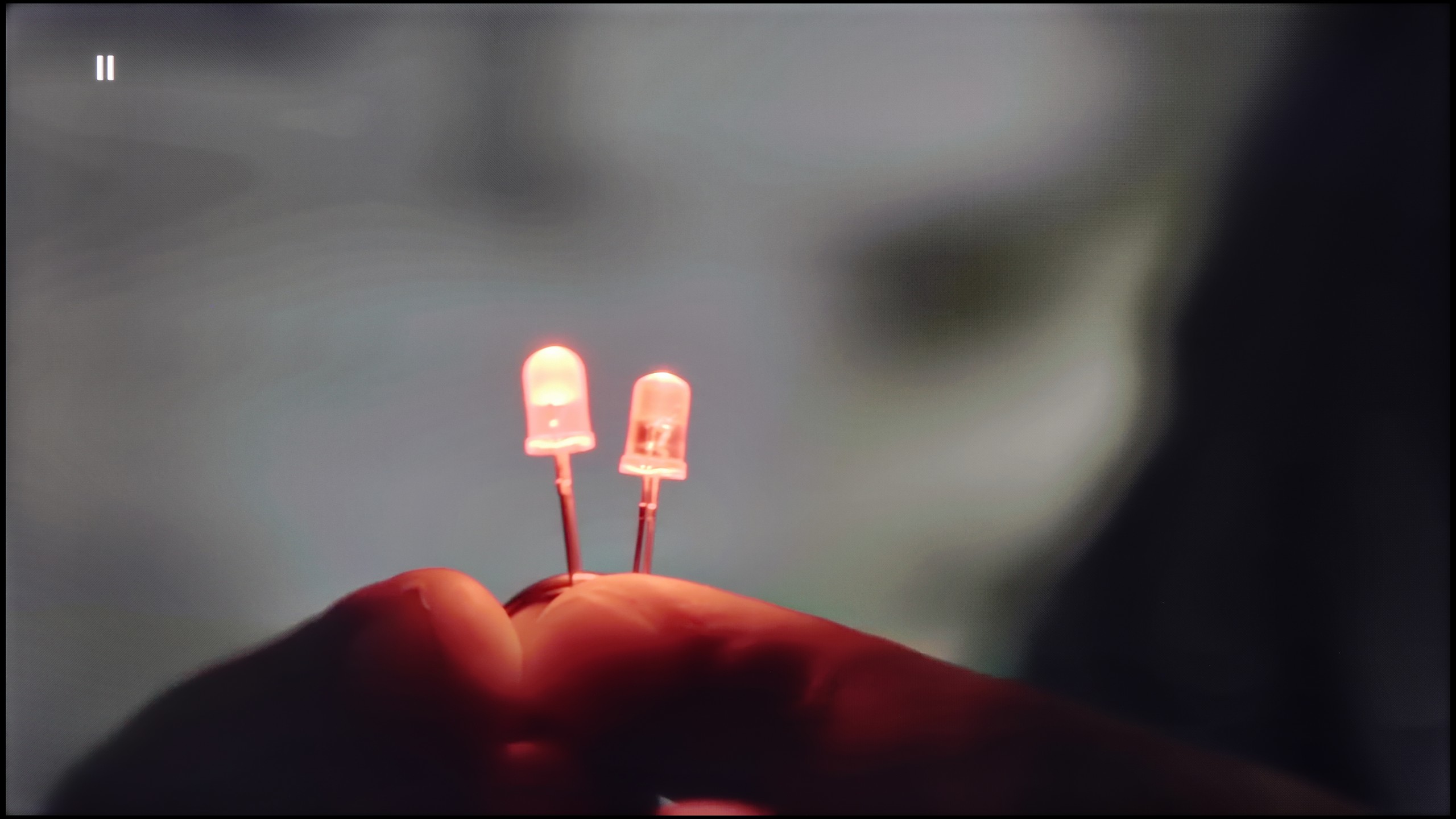
The match photo shows how the TV smooths weak tonal transitions in low-quality video.
Image scaling SD (576i)


The model photo shows how it handles upscaling of SD material.
When it comes to tonal transitions in low-quality material, the function called "Distortion Reduction" (setting "minimum") effectively improves gradation, eliminating ugly tonal transitions. However, this setting on Philips televisions is quite aggressive – it does not blur grain or good quality material, but with a poorer signal, it can introduce unwanted effects and blur elements that should remain sharp.
In terms of image scaling, Philips PUS7009 performs decently. A major advantage is the absence of cropped image edges, meaning no overscan, which allows for displaying the full frame without loss. The image is noticeably improved, making characters and backgrounds, such as models or branches in the background, look quite detailed and natural, even with lower quality signals. Although the scaling is not perfect, as it can remove desired details in the distance, the results are good enough for most users to be satisfied.
When it comes to how the Samsung U8000F handles lower quality materials, we must admit that Samsung has made progress compared to its predecessor from last year – the DU7192 model, which theoretically occupies the same position in the lineup. This year's model is equipped with a feature for improving the fluidity of tonal transitions, which has been implemented much better than last year. Yes, the TV still uses quite strong algorithms that can distort details or remove film grain, but despite that – it can be confidently said that it works effectively. However, not everything went perfectly. The U8000F has noticeable issues with slight image stuttering when watching very old content in very low resolution. If someone plans to play their old VHS tape, they should be prepared for the image to appear slightly "choppy."
Blur and motion smoothness
4.9/10
4/10

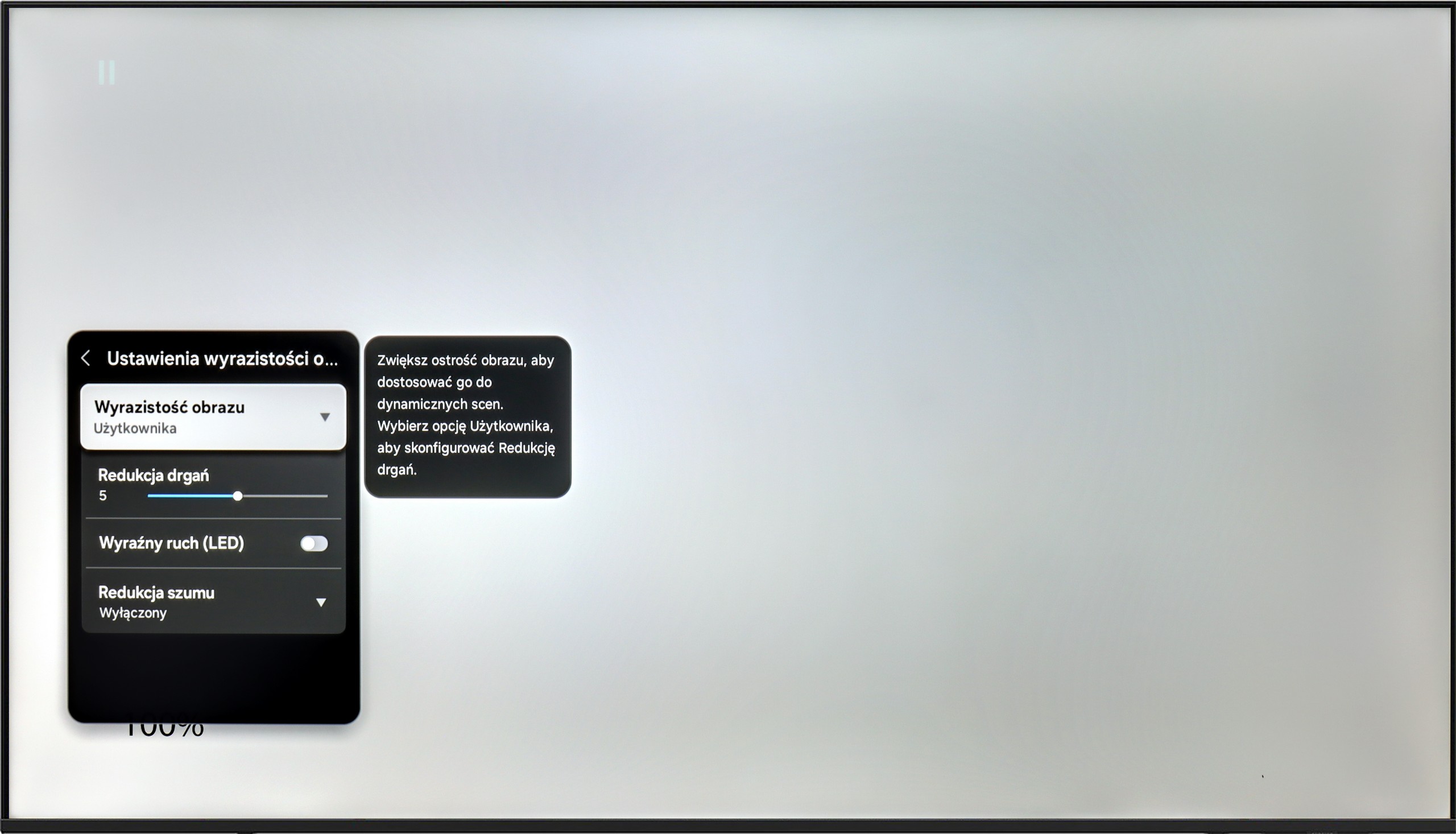
Blur (native resolution, maximum refresh rate):




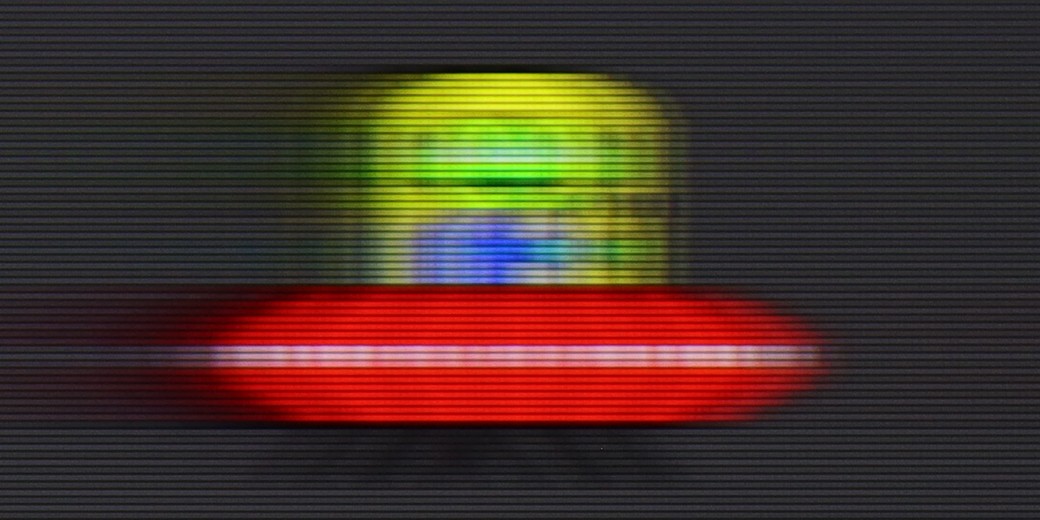
Blur (BFI function enabled):
Image flickers in this mode



Blur ():
Blur (Upłynniacz ruchu 4K@60Hz):



Philips PUS7009 does not have motion smoothing features, which means there is no option to adjust the image for a more choppy or smoother, cinematic effect. Such features could positively influence the reception of dynamic scenes. As for motion blur, this model is equipped with a 60 Hz VA panel, which produces slightly worse results than the IPS panel variant. The VA panel introduces a minimally greater motion blur, although the differences are not significant and should not pose a problem for most viewers.
The Samsung U8000F is equipped with a 60 Hz panel, so right from the start, it's clear that we shouldn't expect miracles. This is simply standard in this class – sufficient for everyday viewing but without any frills. The TV offers one motion enhancement slider – a feature called "Motion Blur Reduction," which allows us to adjust the smoothness of the image in movies. Higher settings give a more "theatrical" and smoothed effect, while lower settings help maintain the original character of the film with a slight 24p effect. An interesting feature is "Clear Motion LED," which is a BFI mode – inserting black frames between image frames to improve motion sharpness. However, in practice, the screen flickers heavily when it's activated, and it should be treated more as an experiment than something that genuinely improves gaming comfort.
Console compatibility and gaming features
4.7/10
5.3/10
- ALLM
- VRR
- VRR range48 - 60Hz48 - 60Hz
- Dolby Vision Game Mode
- Correct implementation of HGIG
- 1080p@120Hz
- 1440p@120Hz
- 4K@120Hz
- Game bar

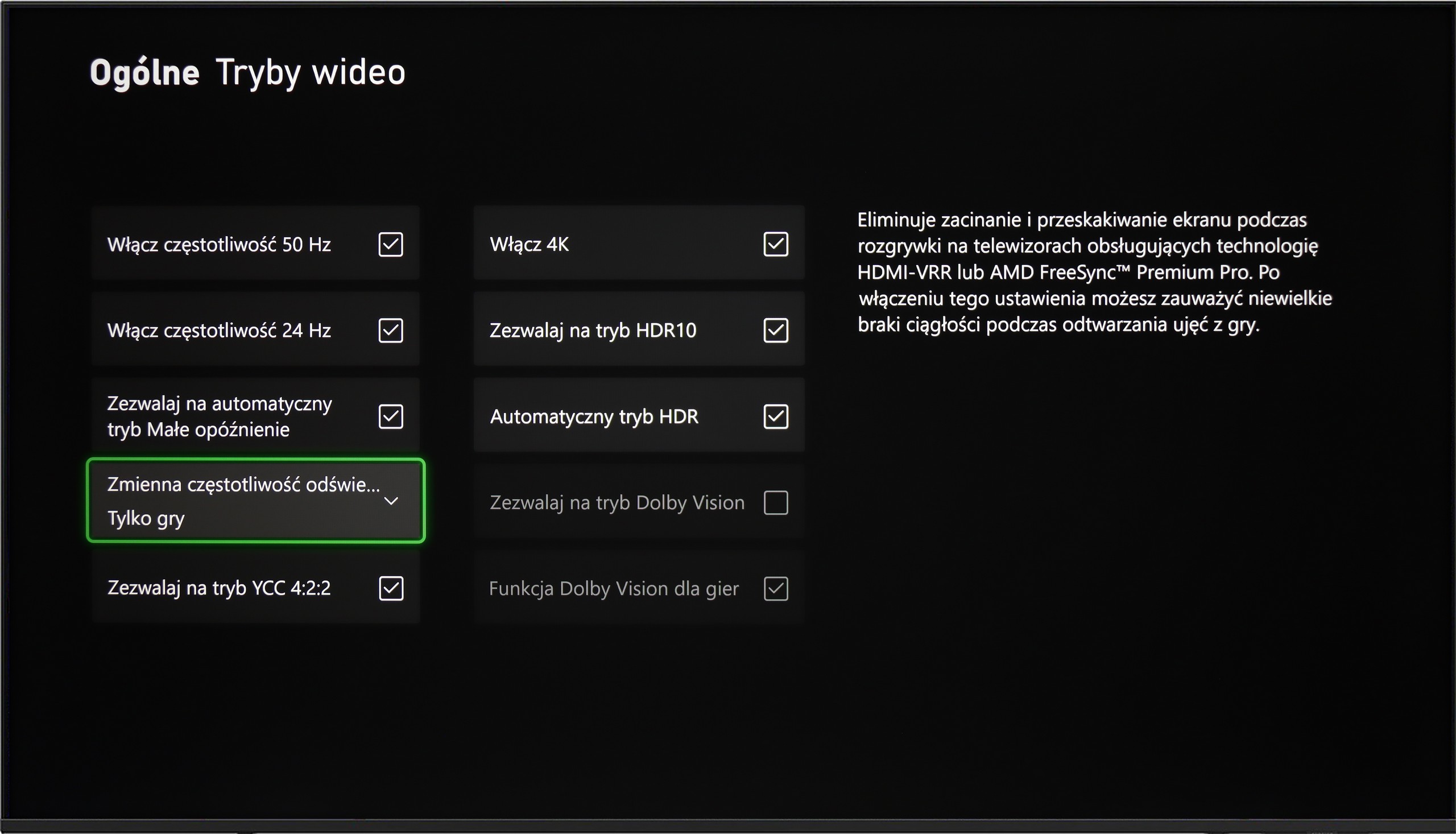

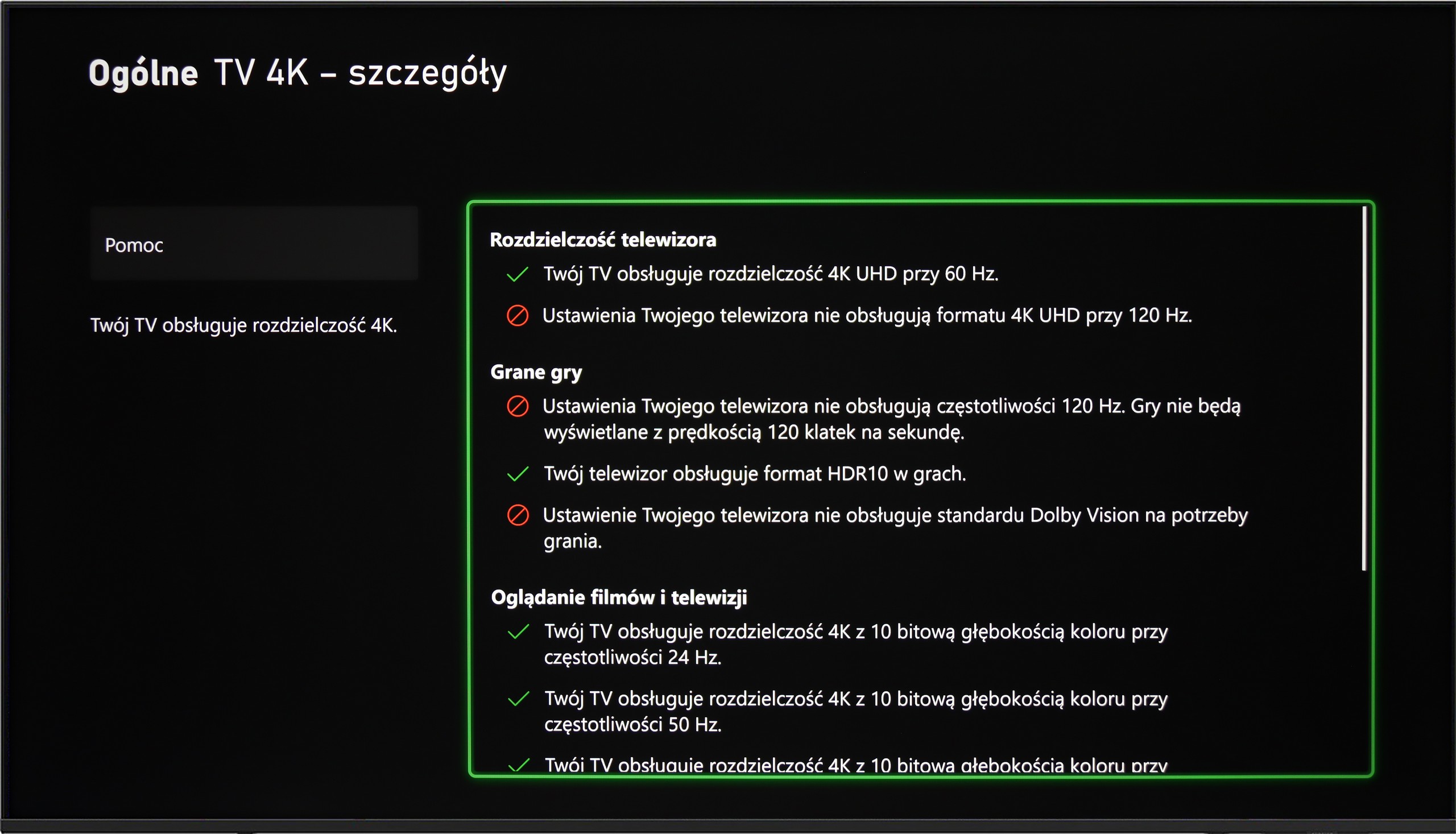

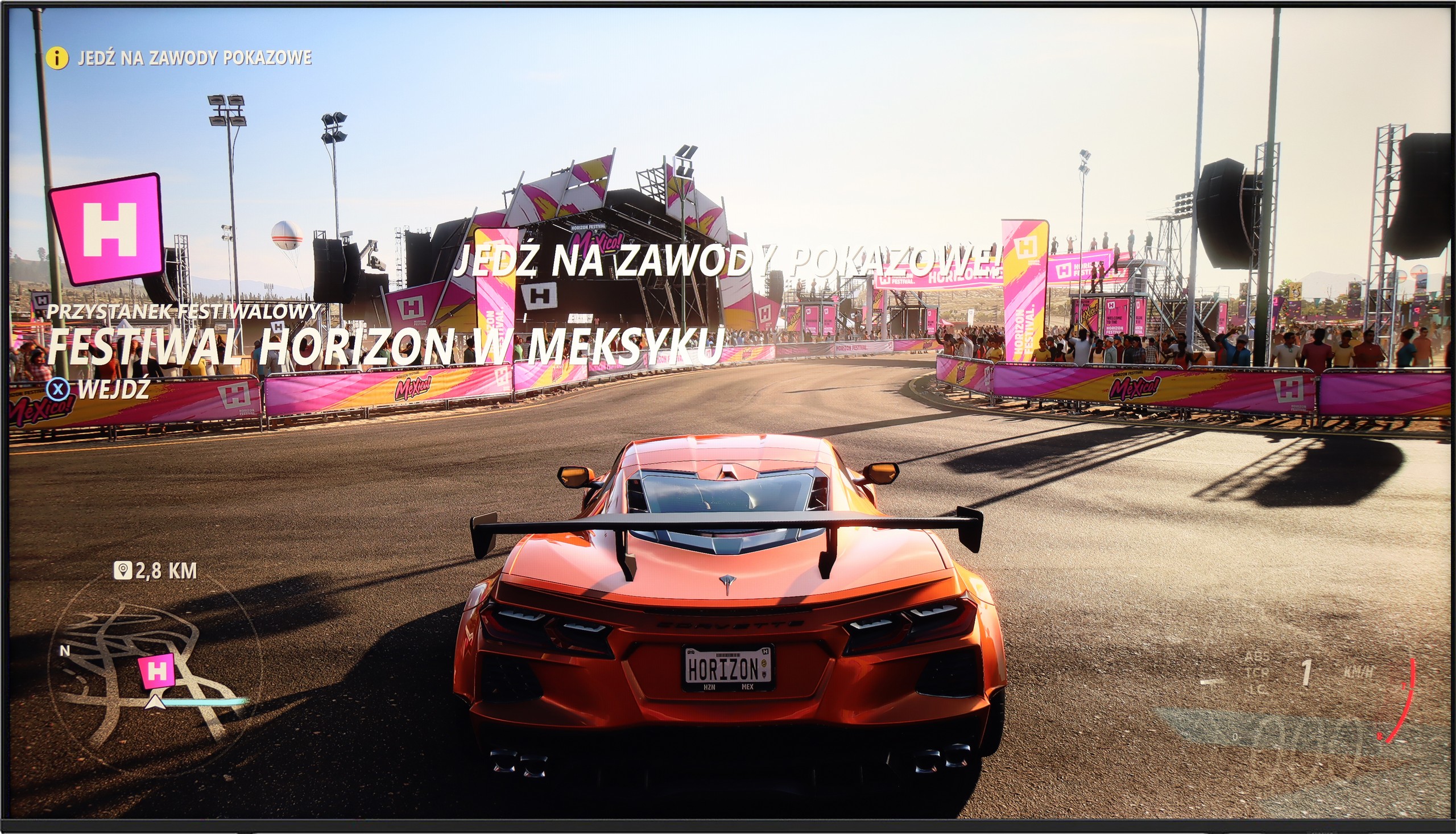

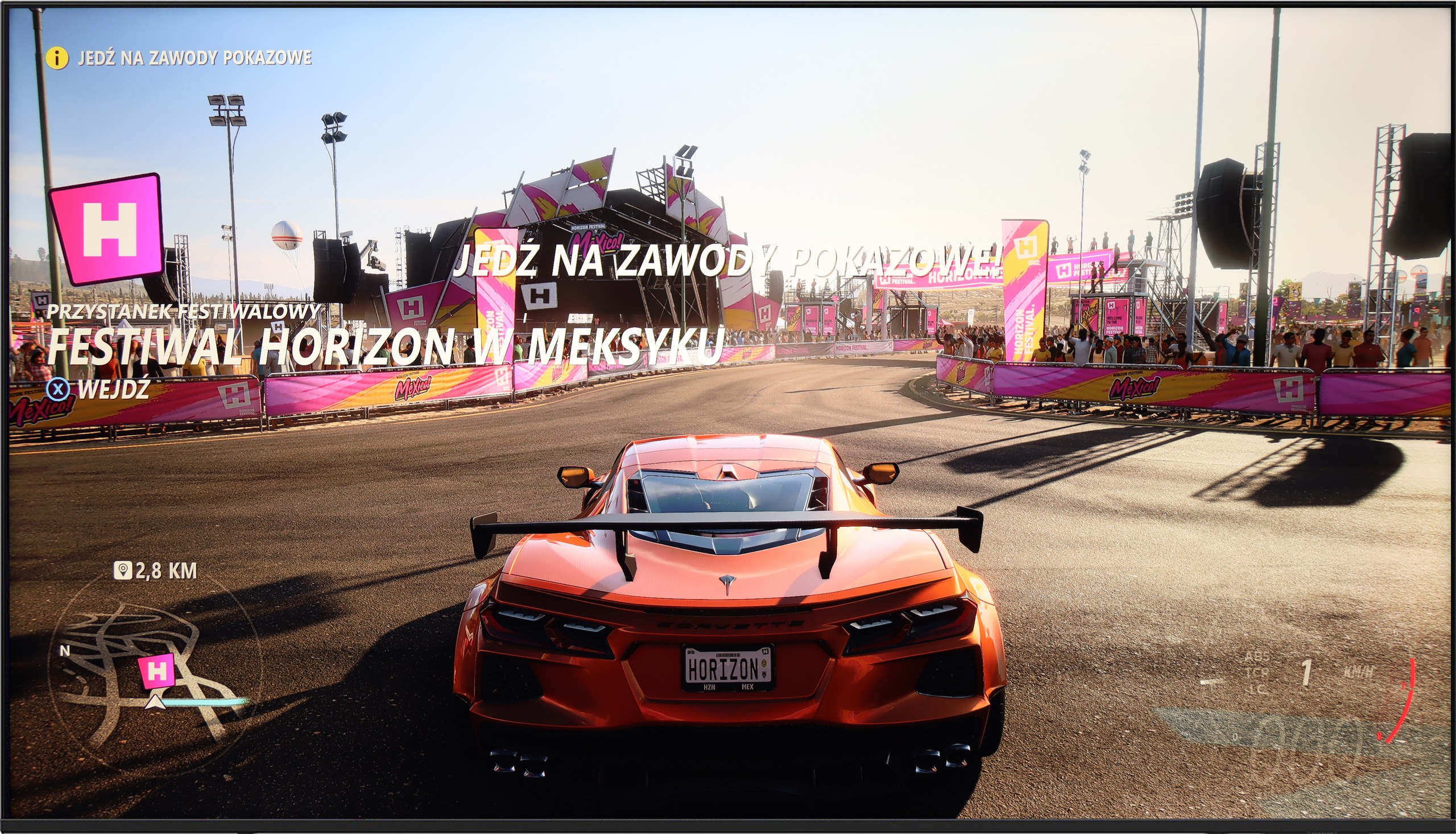
In terms of compatibility with consoles, Philips PUS7009 is likely to satisfy casual gamers. Although equipped with HDMI 2.0, it offers features such as ALLM (Auto Low Latency Mode), VRR (Variable Refresh Rate), and Game Bar. ALLM automatically switches the TV to low-latency mode, which speeds up reactions during gameplay, while VRR adjusts the refresh rate to minimize screen tearing. The Game Bar allows quick access to game settings and monitoring of key parameters, although it visually falls short compared to competing solutions. However, more demanding gamers may feel a sense of dissatisfaction. Philips PUS7009 does not support advanced HDR formats in games, and the 60 Hz panel limits the ability to display smooth and detailed images in dynamic scenes, which may not satisfy fans of fast-paced action games.
[UPDATE] We have updated our 2025 Samsung TV reviews following the release of firmware version 1131, which officially restores the essential HGiG (HDR Gaming Interest Group) support.
Samsung U8000F offers a basic set of features for gamers, which nonetheless may be sufficient for less demanding users. It has an automatic game mode – when a game is launched on the console, the TV automatically switches to low latency mode, significantly improving response time. It also includes a VRR feature, or variable refresh rate, which operates in the range of 48 to 60 Hz. This means that both Xbox and PS5 will not produce a "tearing" effect on the screen – as long as we stay within this range.
And unfortunately, that's about it when it comes to advantages. Additions like Game Bar or higher refresh rates are reserved for higher models of Samsung from the 2025 line. In theory, the TV also supports the HGiG function, which should adjust the HDR image to the intentions of game developers. Unfortunately – even though this feature appears in brochures and marketing materials – its configuration on the Xbox console turned out to be... impossible in practice.
Input lag
10/10
10/10
SDR
HDR
Dolby Vision
Input lag in Philips PUS7009 is at a very good level – it amounts to only 11 ms for supported resolutions. For most players, this low level of delay should be satisfying, providing smooth and responsive experiences during gameplay.
In our tests, the Samsung U8092F performed phenomenally in terms of input lag. Regardless of the resolution, the results were very low, which is truly impressive for this price segment. Therefore, we can confidently say that gaming on this television will not cause irritation due to significant delays between what we do on the controller and what we see on the screen. For most gamers, even the more demanding ones, this result should be more than satisfactory.
Compatibility with PC
2/10
6/10

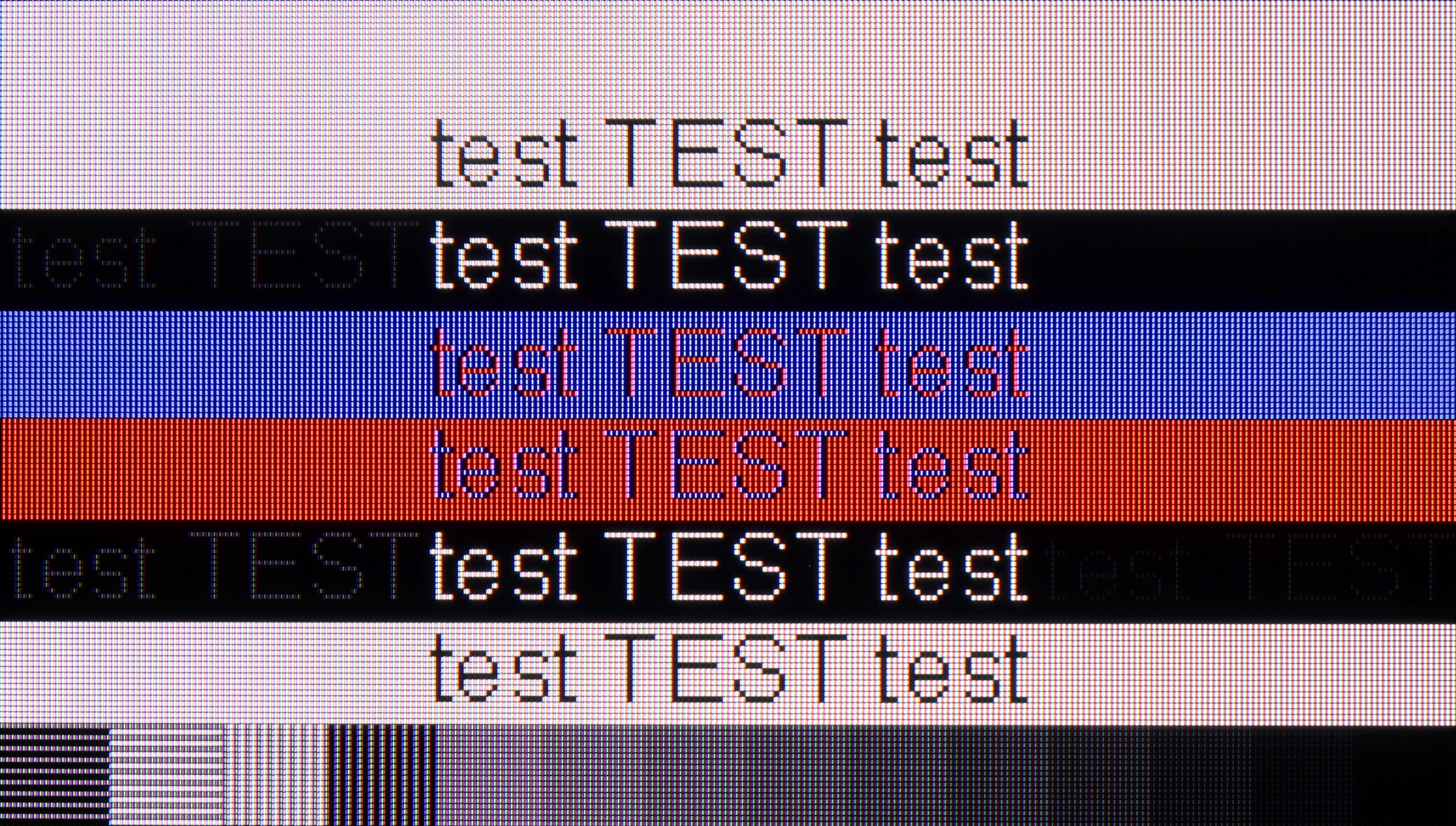
The photo shows the legibility of small fonts. Ideally, lines should be the same thickness on both light and dark text, with minimal pixel gaps.
When it comes to working with a PC, the VA matrix variant in Philips PUS7009 is not suitable for text work, despite supporting chroma 4:4:4. The visibility of fonts is at a moderately satisfactory level. The biggest problem is their display on a dark background – text appears to be "pixelated," and the letters have multi-colored textures, which significantly hinders comfortable work with documents and text editing.
Working on a computer using this television is a real pleasure. The Samsung U8092F supports chroma 4:4:4, and despite being a version with a VA panel, the readability of fonts is very, very good. The television is also suitable for occasional gaming on a PC, mainly due to its low input lag. However, one must take into account that the G-Sync feature does not work on this model, which is strange because VRR worked without problems when it came to the console.
Viewing angles
3.4/10
3.7/10
The viewing angles on the Philips PUS7009 with a VA panel are noticeably worse compared to the version with an IPS panel, which results from the natural limitations of VA technology. When watching from an angle, colors quickly lose their intensity, and contrast drastically drops, making the image appear faded and less readable. For those who plan to watch the TV from different spots in the room, this can be a significant issue, especially compared to IPS panels that offer much better viewing angles and a more consistent picture even when viewed from the side.
Daytime performance
4.4/10
3.8/10


Panel brightness
Samsung U8000F (VA): 204 cd/m2
Philips PUS7009 (VA): 280 cd/m2
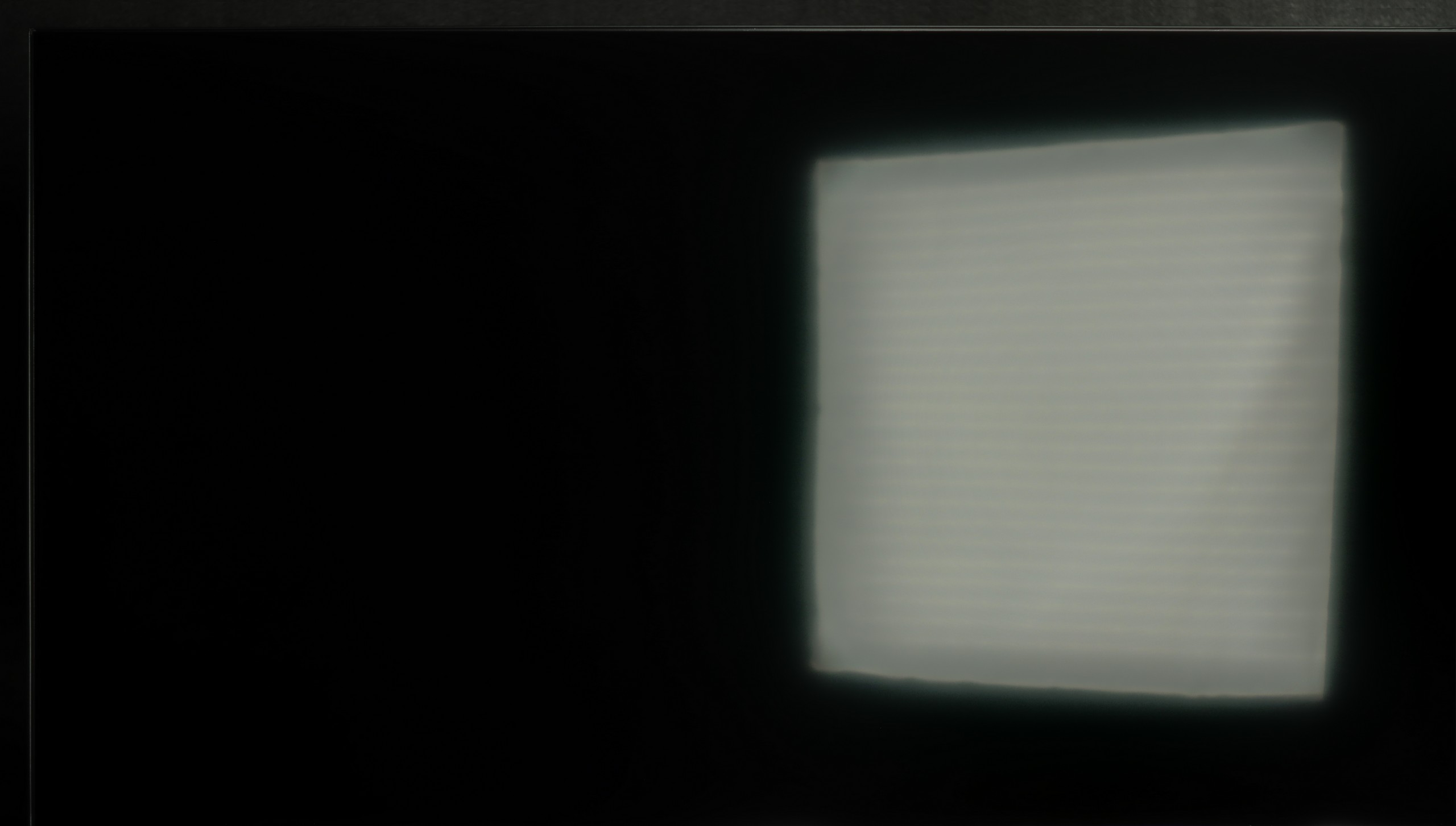
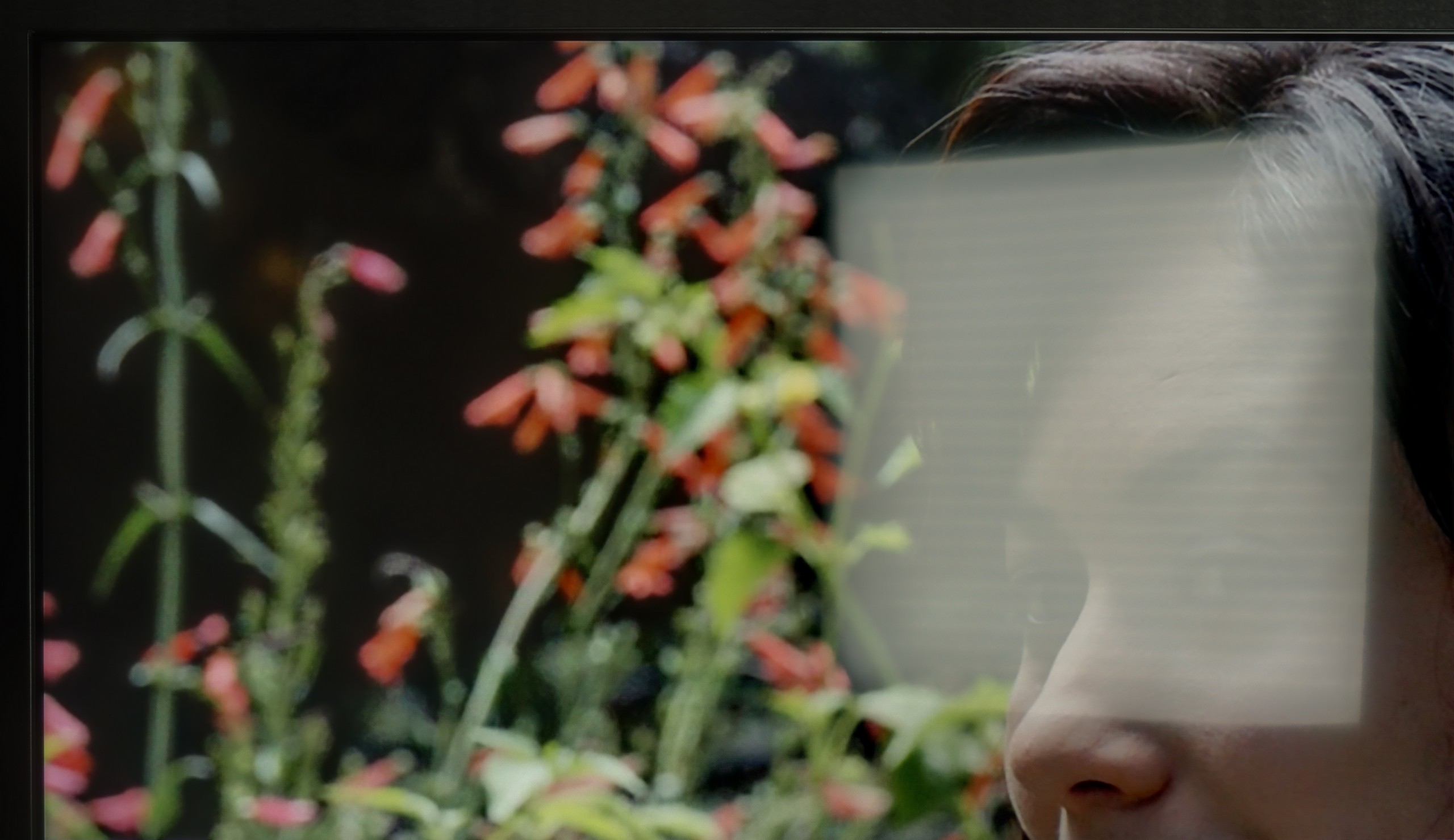
Despite the fact that the screen of the Philips PUS7009 is equipped with a satin coating that effectively reduces reflections, the brightness level of 280 nits in SDR mode is simply too low for the TV to perform well in bright rooms. As a result, in heavily sunlit conditions, details on the screen may be difficult to see, which decreases user comfort during the day.
Thanks to the satin coating on the Samsung U8092F matrix, it does quite well at reducing reflections. The screen doesn't act like a mirror, and the colors – given the capabilities of this class of device – remain fairly saturated, even in somewhat brighter conditions. Unfortunately, the coating alone won't work miracles. The television is simply too dark to effectively cut through very difficult lighting conditions. If we place it against a light source (e.g., a large window or a strong lamp) – unfortunately, we have to reckon with the fact that not everything will be visible on it.
Panel details
Subpixel Structure:
Panel uniformity and thermal imaging:

TV features
6.3/10
5.3/10
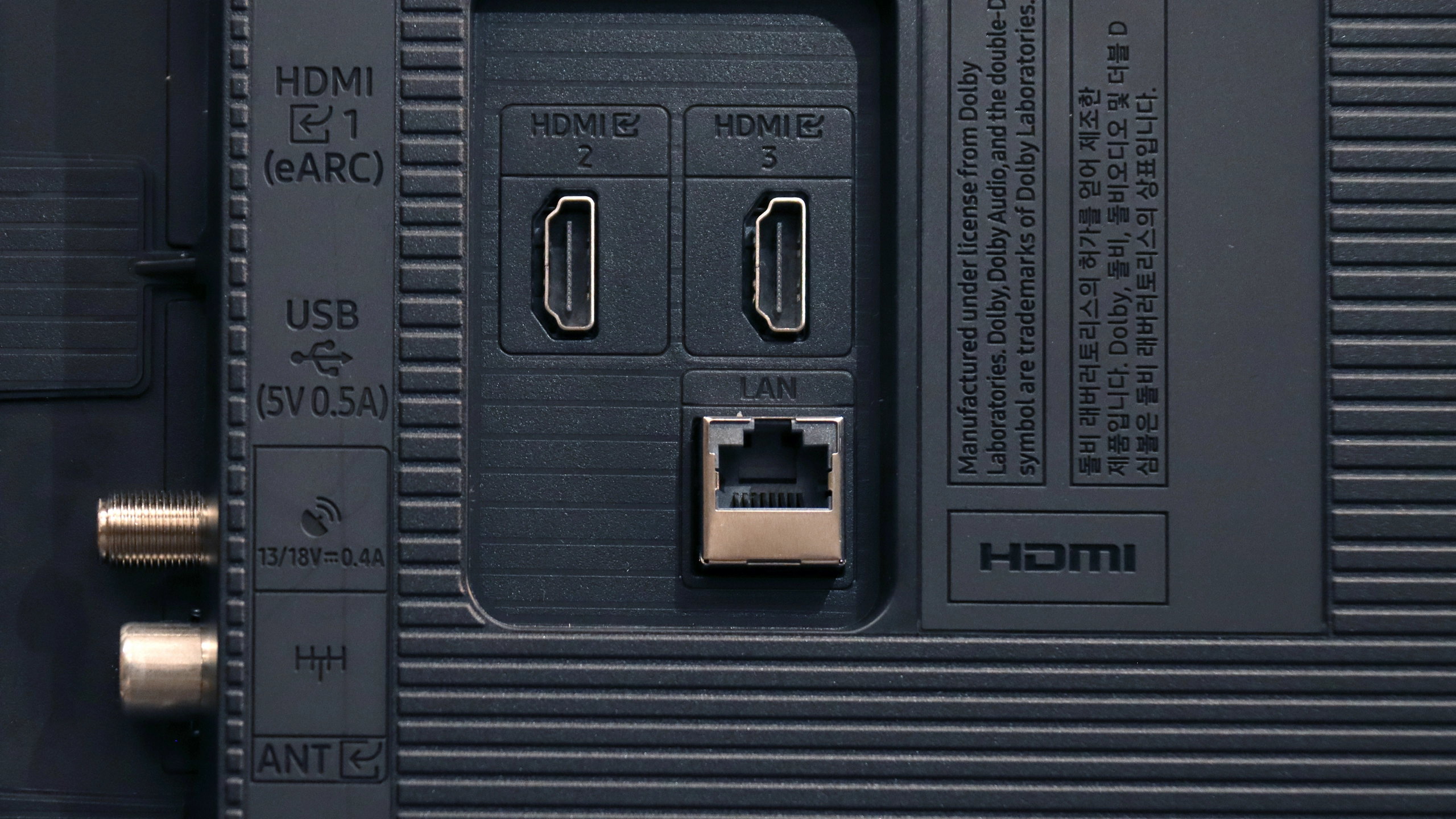
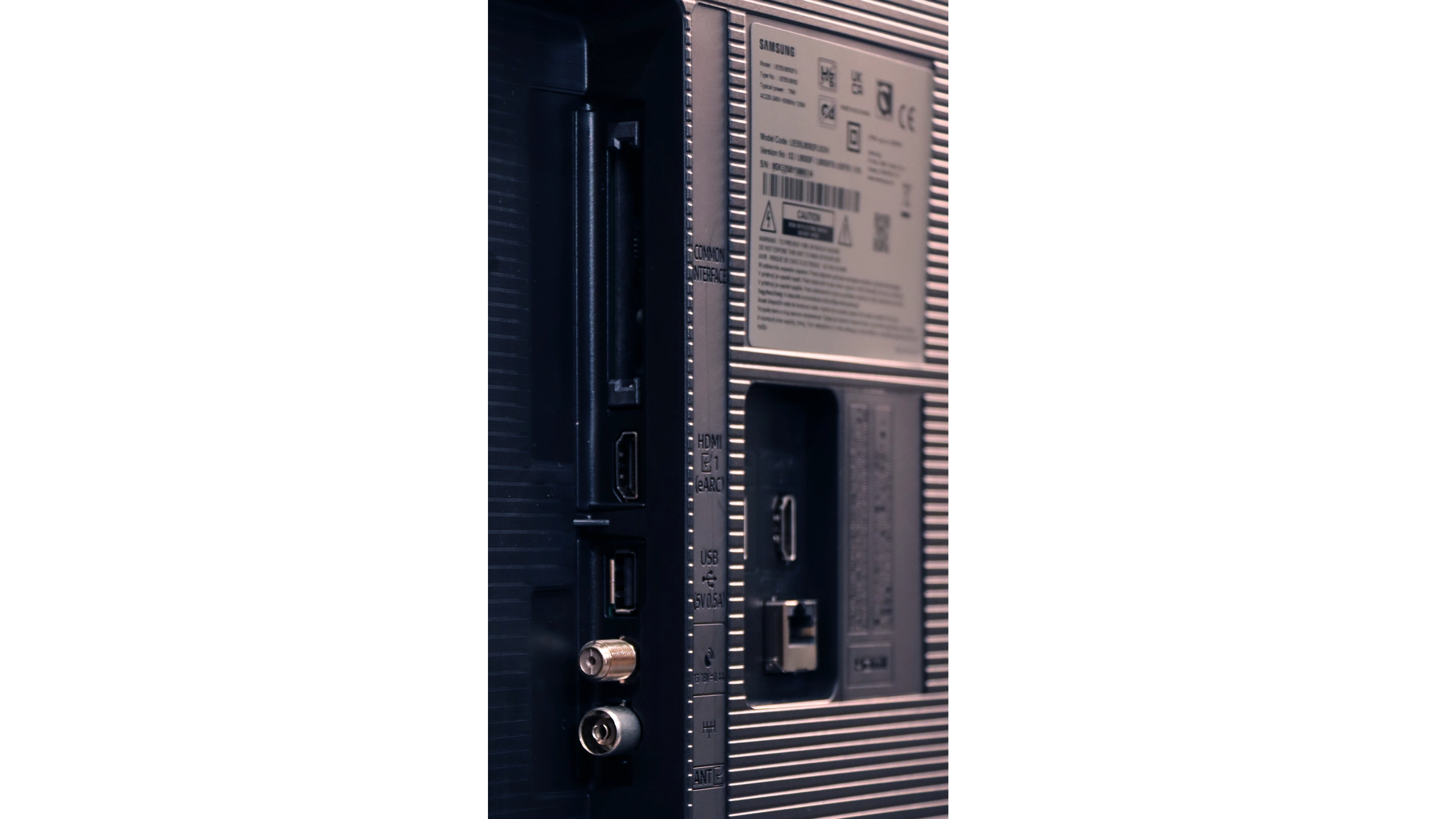
- HDMI inputs3 x HDMI 2.0, 0 x HDMI 2.13 x HDMI 2.0, 0 x HDMI 2.1
- OutputsToslink (Optical audio), eARC (HDMI), ARC (HDMI)eARC (HDMI), ARC (HDMI)
- Network InterfacesWi-Fi 2.4GHz, Wi-Fi 5GHz, Ethernet (LAN) 100MbpsWi-Fi 2.4GHz, Wi-Fi 5GHz, Ethernet (LAN) 100Mbps
- TV receptionDVB-T, DVB-T2, DVB-S, DVB-S2, DVB-CDVB-T, DVB-T2, DVB-S, DVB-S2, DVB-C
Classic features:
- Recording to USB (terrestrial TV)
- Recording programming
- Picture in Picture (PiP)
- RF remote control (no need to aim)
- Backlit remote control
- Teletext
- Audio only mode
- Bluetooth headphones support
- Simultaneous Bluetooth headphones & TV audio
Smart features:
- AirPlay
- Screen mirroring (Windows Miracast)
- Voice search
- Voice search in native language
- Ability to connect a keyboard and mouse


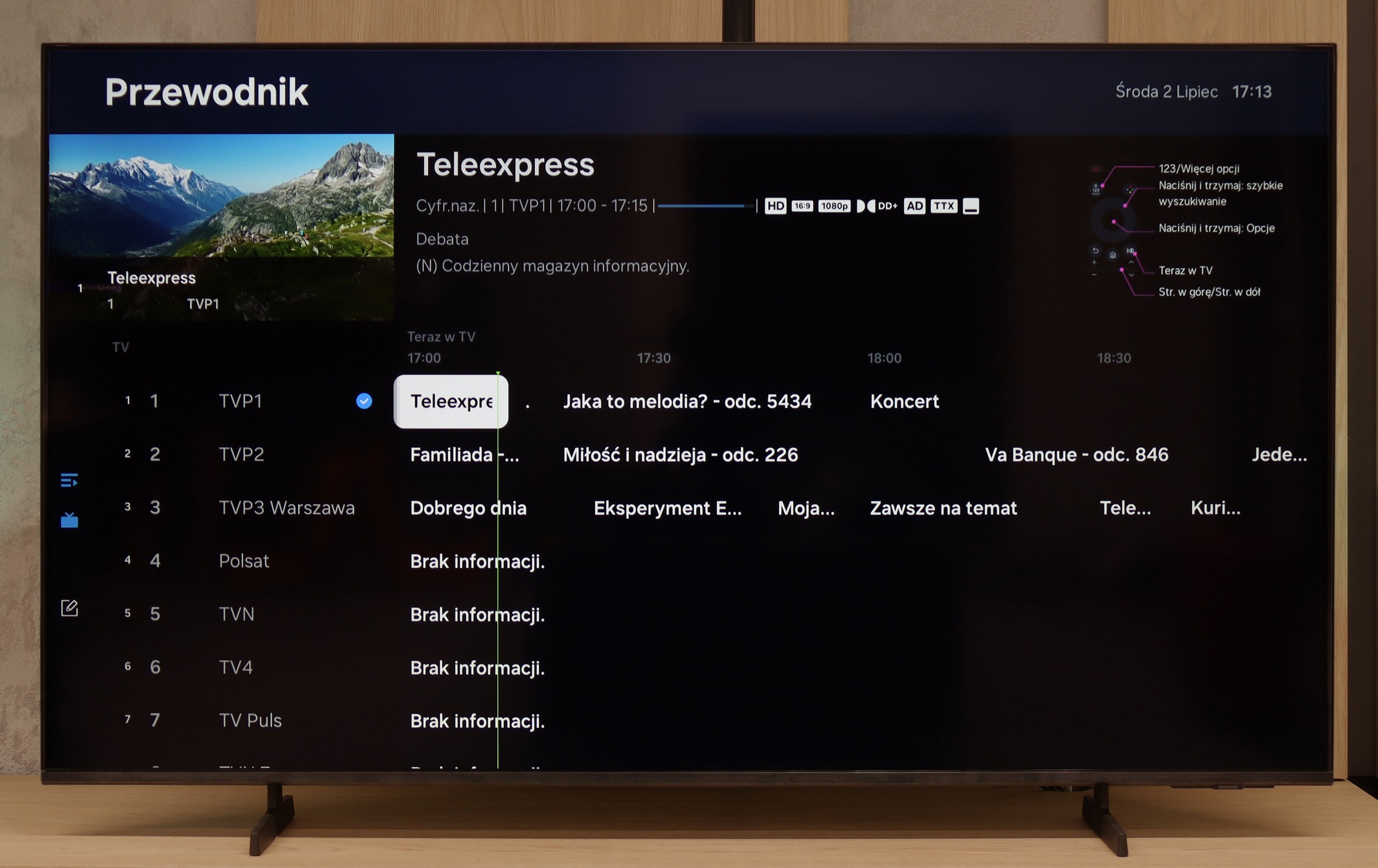
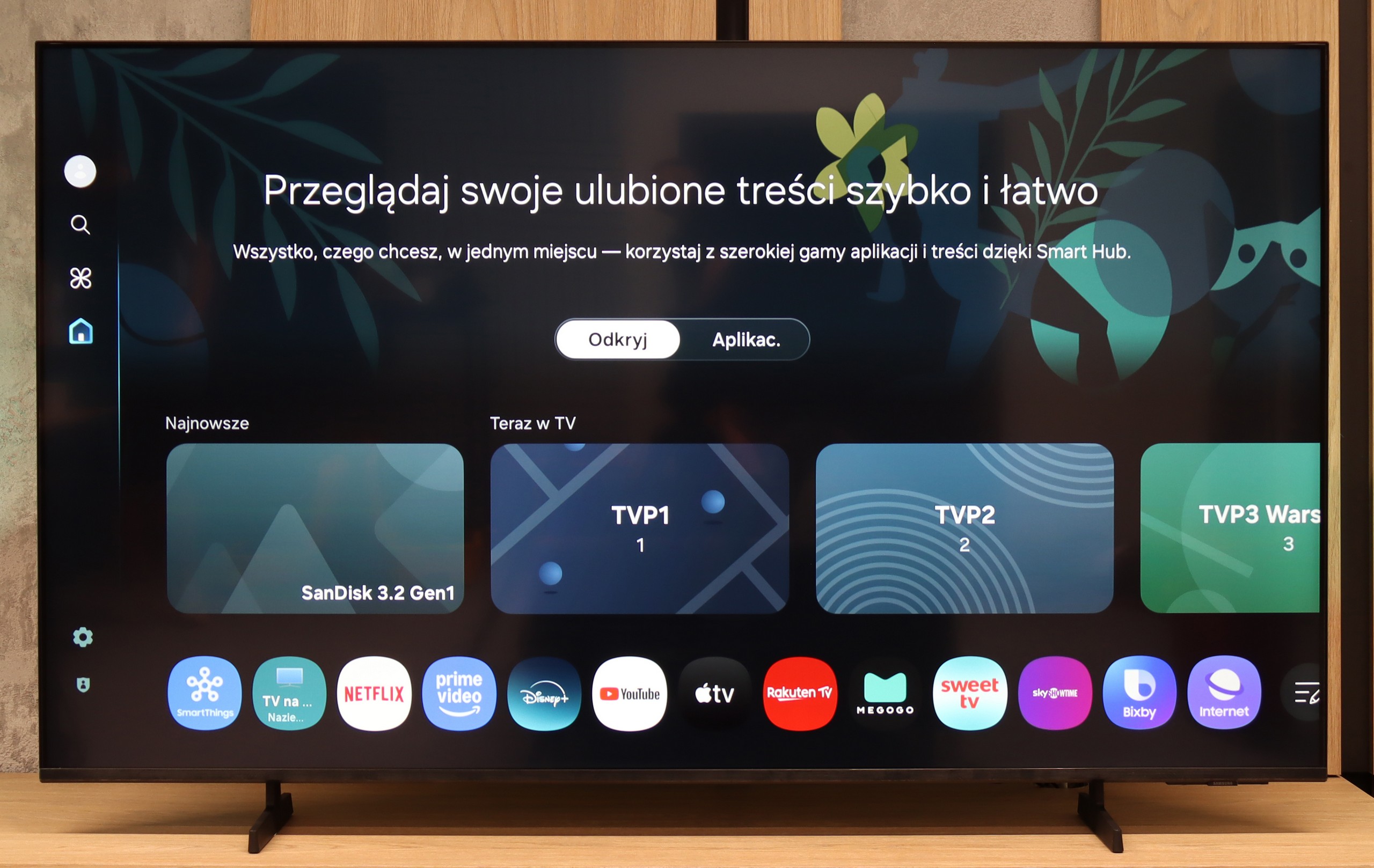
Philips has decided this year to change its approach to the operating system, replacing the previous open system GoogleTV with its own TitanOS. As is often the case with new solutions, TitanOS struggles with typical growing pains. Currently, it only offers basic applications, and the app store leaves much to be desired, which may disappoint users expecting a rich selection of programs. Additionally, the lack of support for AirPlay and the inability to record to USB represent further limitations that could affect the overall user experience. An interesting feature in models with TitanOS is the new remote control, which is very convenient to use thanks to its backlighting. Unfortunately, its wireless operation is not entirely consistent. The hybrid design means that sometimes you need to aim at the TV, while other times you do not – it depends on the buttons being used. This is simply annoying. On the positive side, the support for Bluetooth allows for the connection of a mouse or other peripheral devices. This is particularly useful when using the browser, which may serve as an alternative due to the limited availability of applications in the TitanOS app store.
Samsung U8092F – like all this year's models from this brand – runs on the Tizen operating system. The system itself is really well-developed: we have access to many applications (though not all), a well-developed smart home integration, and various extras, including exclusive Samsung apps. It also includes features like AirPlay and Chromecast, which make it easy to connect your phone to the TV and share media.
Unfortunately, as this is Samsung's cheapest series in 2025, the manufacturer did not include a solar remote control. In the package, we find a classic infrared remote control that visually resembles a newer version, but unfortunately lacks voice functions. Regarding typical "TV" extras – it lacks a recording feature and a PiP mode (picture in picture). On the plus side, however, is HDMI eARC, which allows for easy control with the included remote, for example, a decoder or soundbar – and it actually works seamlessly.
Apps
6.7/10
8.7/10






















Playing files from USB
8.2/10
9.3/10
Supported photo formats:
Maximum photo resolution:

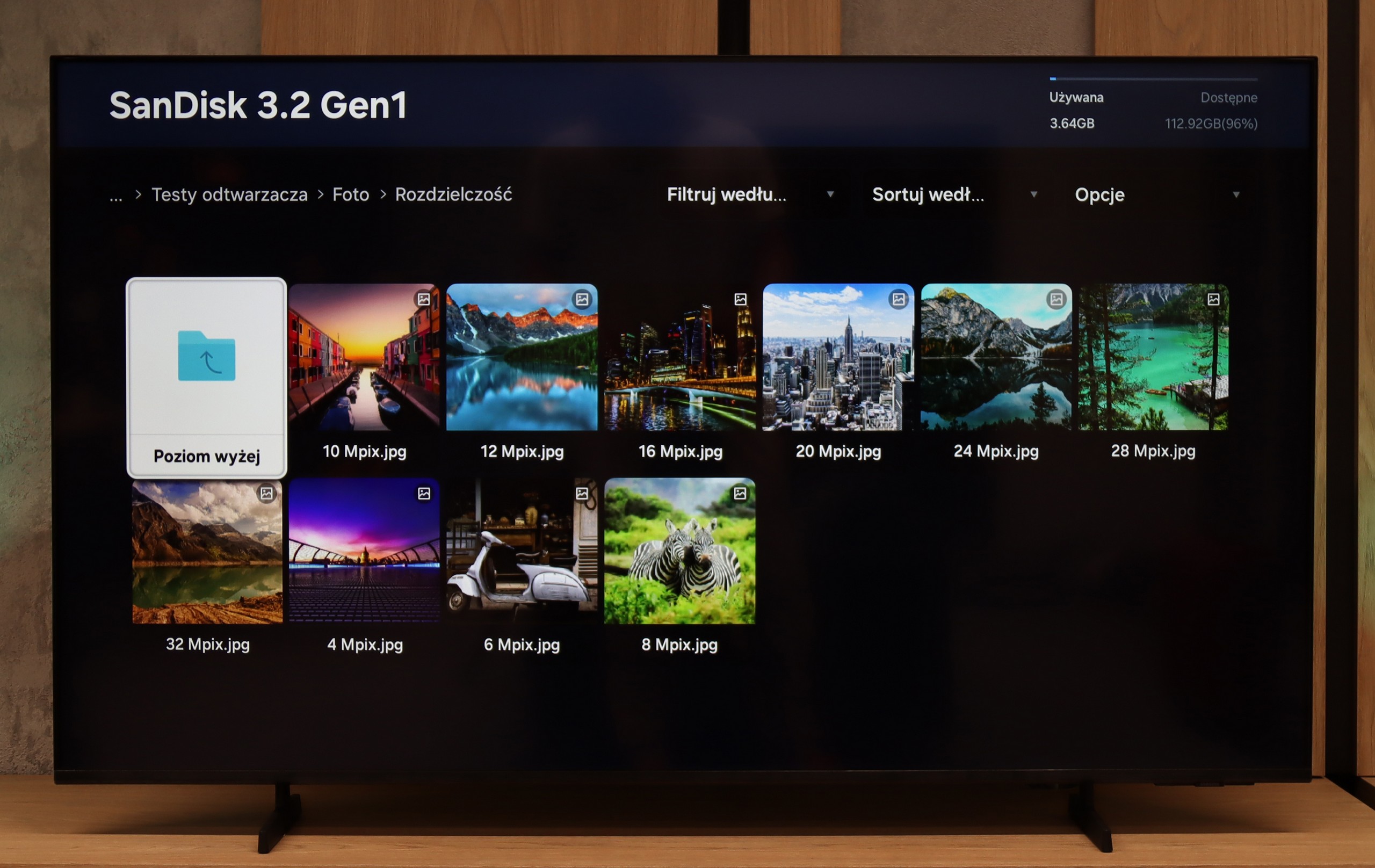
In terms of playing files from USB, Philips PUS7009 performs quite decently. The TV plays most popular photo, audio, and video formats, and an additional plus is the support for Polish subtitles and the ability to change fonts. Unfortunately, it has issues with playing some photo resolutions.
Samsung U8092F handles playback of files rather smoothly – the television supports most popular audio and video formats. Of course, it does not support Dolby Vision, but we simply won’t find that in any Samsung model.
Some reservations can be made about the support for external text files – those that the user would like to add as subtitles to a movie. During our tests, the television only played TXT files, and other extensions, such as SRT or SUB, unfortunately did not work. This may not be a problem for everyone, but it is worth knowing. Perhaps this is an issue to be improved in the future with a system update for the television.
Sound
5.6/10
5.7/10
- Maximum volume-81dB
- Dolby Digital Plus 7.1
- Dolby True HD 7.1
- Dolby Atmos in Dolby Digital Plus (JOC)
- Dolby Atmos in Dolby True HD
- DTS:X in DTS-HD MA
- DTS-HD Master Audio
The sound in Philips PUS7009 is rather flat and does not stand out compared to other televisions. However, it is worth noting that the television supports all popular audio formats, including Dolby and DTS, which is a plus in terms of compatibility with various audio sources.
U8092F doesn't pretend to have a home theater on board. We get a standard set of 2 x 10 W, which sounds fine but without much excitement, though with a slight bass. For everyday viewing, such an audio setup is more than sufficient. We were pleasantly surprised that it was able to play a movie with the built-in Dolby Atmos codec (JOC) – although of course, we are not talking about true surround sound.
Sound Quality Test
No sound test video
Acoustic Measurements
No acoustic data
81dBC (Max)
75dBC