 Direct comparison
The Philips PML 9009 is the brand's flagship LCD television with Mini LED backlighting. It boasts impressive build quality, a stylish remote, and Philips' unique multicoloured Ambilight feature. In terms of picture quality, black levels and contrast could be improved—they don’t quite match the depth and vibrancy offered by similarly priced competitors. However, thanks to effective image algorithms, tonal quality remains satisfying. The screen’s relatively low brightness is well managed, and the inclusion of Dolby Vision provides a gateway to HDR content. The TV’s smooth colour transitions are noteworthy, surpassing some higher-end models. The PML 9009 truly excels in gaming performance, offering an experience that will please any gamer. Its motion-smoothing system also deserves praise, with two adjustable sliders allowing users to select their preferred smoothing level, making it a solid choice for sports viewing. Although the TitanOS operating system is still evolving and lacks a wide range of apps, the manufacturer is expected to address this over time.
- Matching (Score) |
- Our verdict |
- TV appearance |
- Where to buy |
- Contrast and black detail |
- HDR effect quality |
- Factory color reproduction |
- Color reproduction after calibration |
- Smoothness of tonal transitions |
- Image scaling and smoothness of tonal transitions |
- Blur and motion smoothness |
- Console compatibility and gaming features |
- Input lag |
- Compatibility with PC |
- Viewing angles |
- Daytime performance |
- Panel details |
- TV features |
- Apps |
- Playing files from USB |
- Sound

Check the best price offer:
TCL C7L(paid link)The Xtra / PML9019 / PML9059 / PML9009 / PML9049 / AMBILIGHT TV

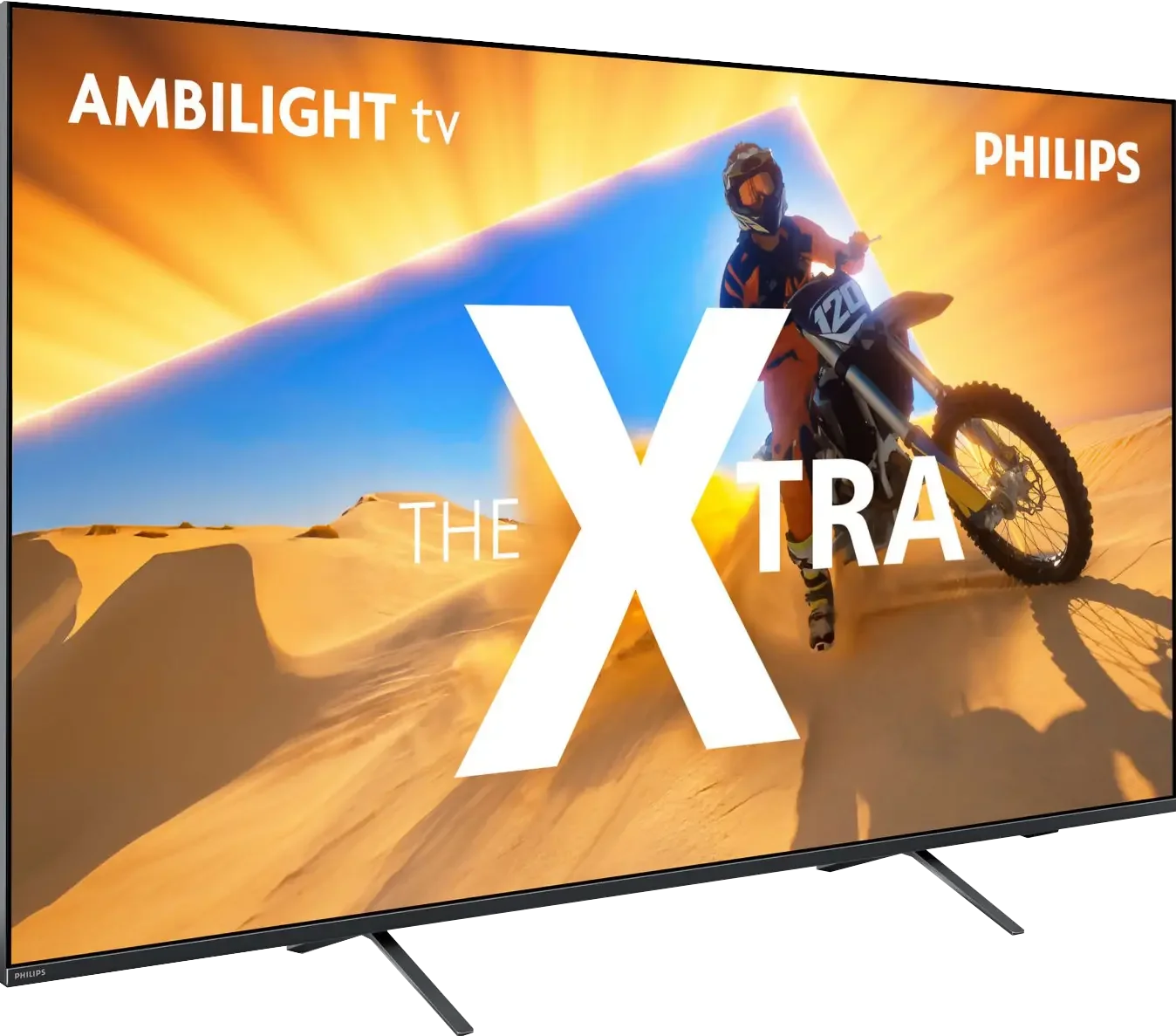
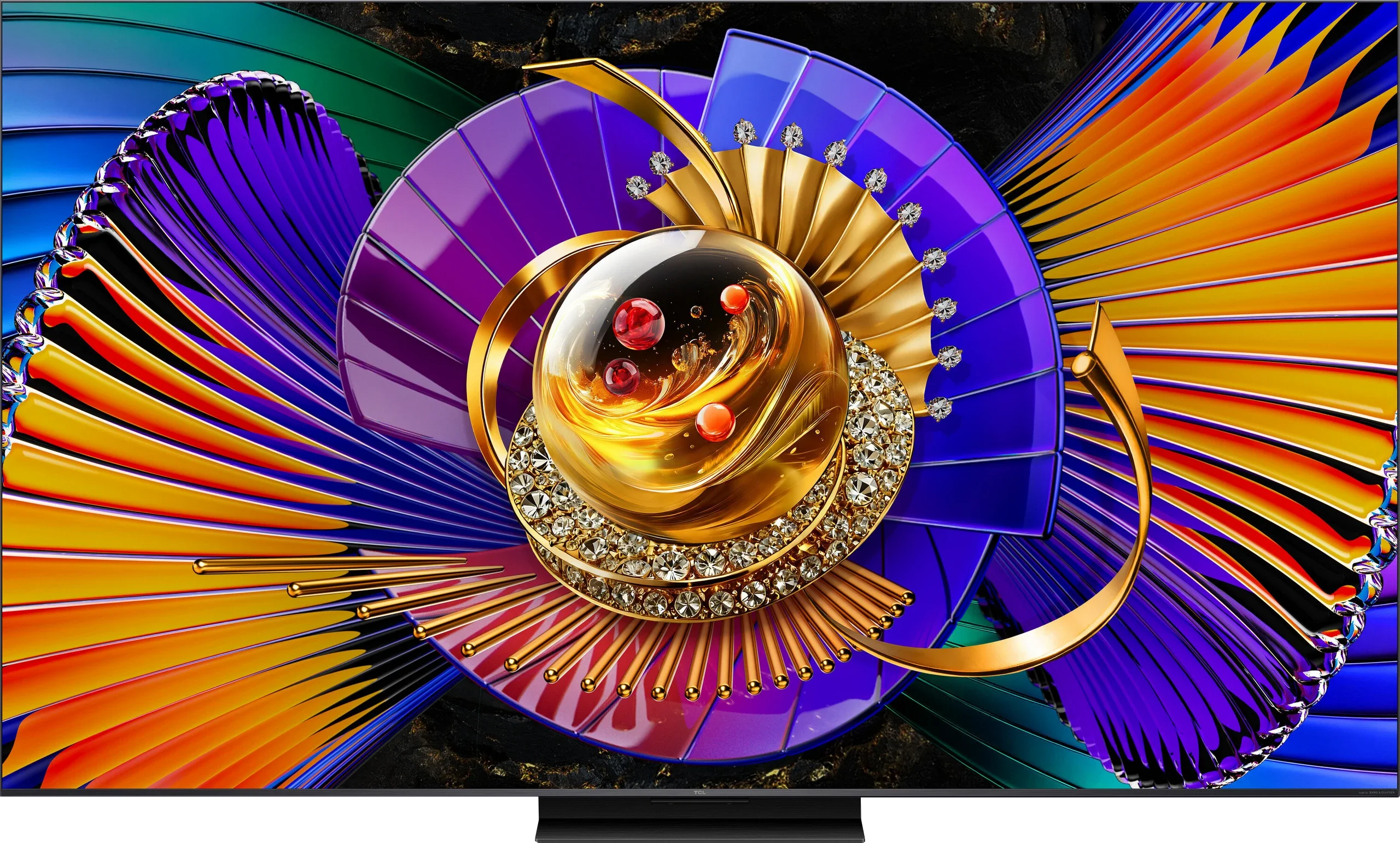
Panel type: LCD VA
Resolution: 3840x2160
System: Titan OS
Model year: 2024
Complete the survey to find out the result
Panel type: LCD VA
Resolution: 3840x2160
System: Google TV
Model year: 2026
Complete the survey to find out the result
Overall rating
6.8
7.8
 Movies and series in UHD quality
6.5
7.2
 Classic TV, YouTube
6.3
6.8
 Sports broadcasts (TV and apps)
6.6
6.7
 Gaming on console
8.5
8.8
 TV as a computer monitor
8.6
8.4
 Watching in bright light
6.1
8.8
 Utility functions
6.1
7.8
 Apps
6.7
9.6
 Sound quality
6.7
7.7
Complete the survey to find out what fits your preferences
Advantages

Superb tonal quality of scenes exceeding the capabilities of the television
Well-functioning dynamic tone mapping feature
Colour reproduction after calibration
Performance when connected to a console/PC
Very high brightness
Good black levels and contrast (VA panel + mini-LED)
Excellent color gamut coverage thanks to the new "Super QLED" filter
Full support for HDR formats including Dolby Vision and HDR10+
Top-tier specs for gamers (HDMI 2.1, low input lag)
High motion smoothness with low motion blur (up to 288Hz)
Google TV operating system (many apps, Gemini voice assistant)
Disadvantages

Significant halo/bloom effect
Poor viewing angles
TitanOs system is not as advanced as the competition
Average contrast and black levels
Poor digital image processing because it uses the older MediaTek Pentonic 700 processor
Only two HDMI 2.1 ports, one of which is shared with the eARC audio channel, e.g., a soundbar
Sound loses dynamic range above 40 to 50% volume
Our verdict
The TCL C7L is an incredibly successful Mini-LED television and a fully deserved successor to the hit model C7K. The list of advantages of this device is truly long. At the top is the extremely high brightness of the panel. Thanks to this, the television effortlessly handles brightly lit living rooms, offering an exceptional and dynamic picture in HDR format. Huge praise is also due for the use of the new Super QLED coating – after professional calibration, the colors can be not only natural but also incredibly saturated. The best part is that the screen does this regardless of what scene is being displayed, which is often not the case with all TVs that have RGB backlighting. The C7L is also a great piece of equipment for gamers; you could say it’s a true "media powerhouse." We get full support for consoles and PCs, a refresh rate of up to 288 Hz, G-Sync, and low input lag that doesn’t increase even when the very demanding mode of Dolby Vision Gaming is activated. The whole thing is tied together by a well-optimized Google TV system, which in this generation of TCL devices operates noticeably smoother and more efficiently (at least that’s the impression we got during our tests). Of course, the C7L is not a perfect device, and the manufacturer had to make certain compromises with this model. The biggest drawback of the C7L is the use of a less powerful image processor. Unfortunately, this translates to quite average digital processing and other design limitations in the form of only two HDMI 2.1 ports. A more powerful chip has been reserved this year for higher series, such as the C8L. From a business perspective, this is fully understandable. Why? Because if TCL had put a better processor here, most people would probably see no point in paying extra for the higher model. So even if certain compromises exist, the C7L series once again promises to be one of the most cost-effective Mini-LED televisions this year. If you are looking for a versatile, extremely bright screen for movies, series, television, or games – literally for everything – and at the same time do not want to overpay for the top series, then yes... the C7L is a brilliant choice that we can definitely recommend to you.
TV appearance
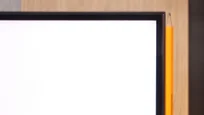
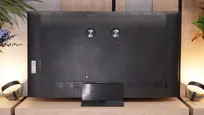

Contrast and black detail
6.6/10
7.7/10
Local dimming function: Yes, number of zones: 75 (15 x 5)
Local dimming function: Yes, number of zones: 1152 (24 x 48)
Contrast:


Result
132,000:1

Result
16,550:1

Result
14,450:1

Result
7,850:1

Result
6,650:1
Result
174,100:1
Result
25,700:1
Result
13,950:1
Result
10,900:1
Result
9,900:1
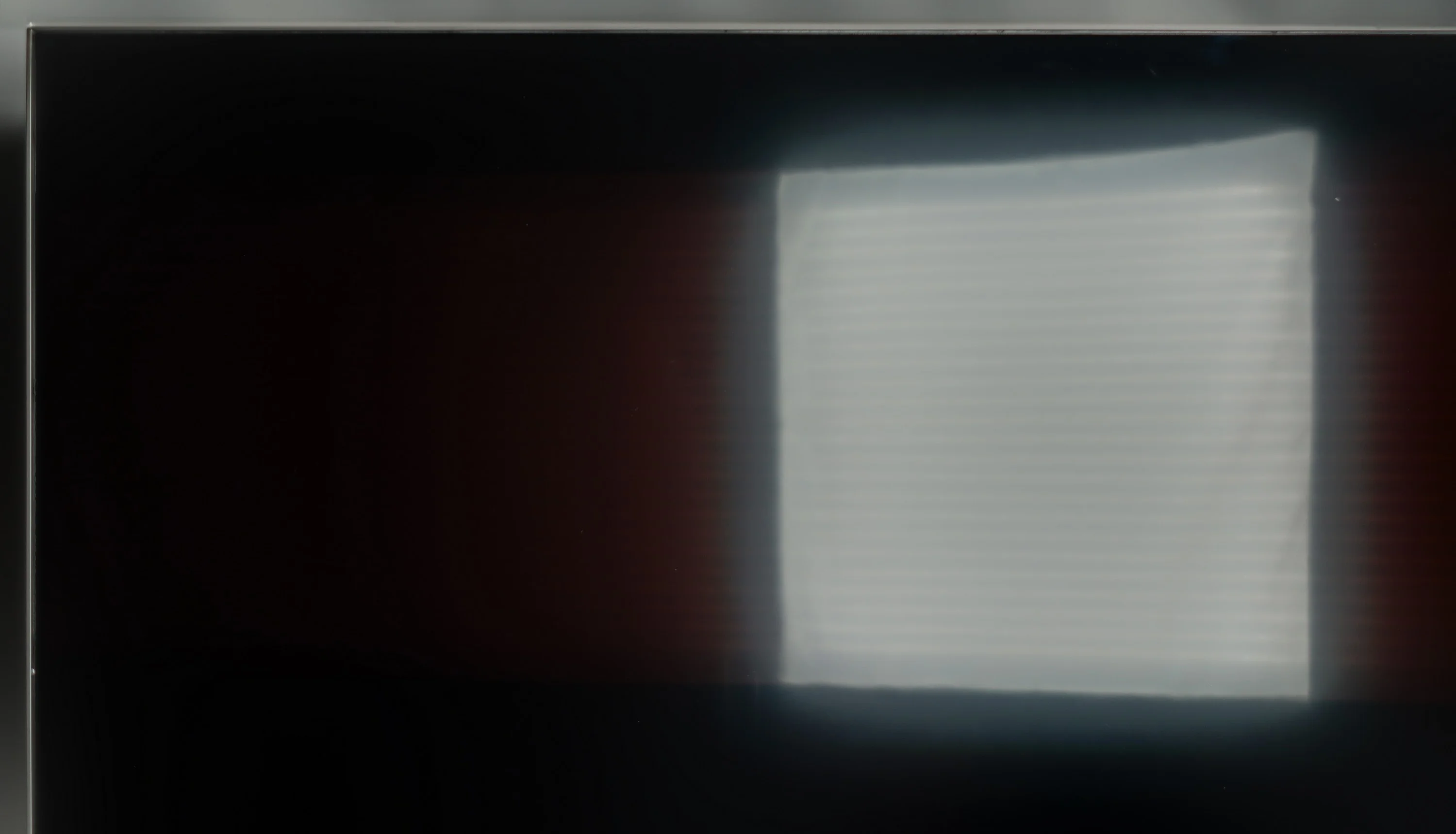
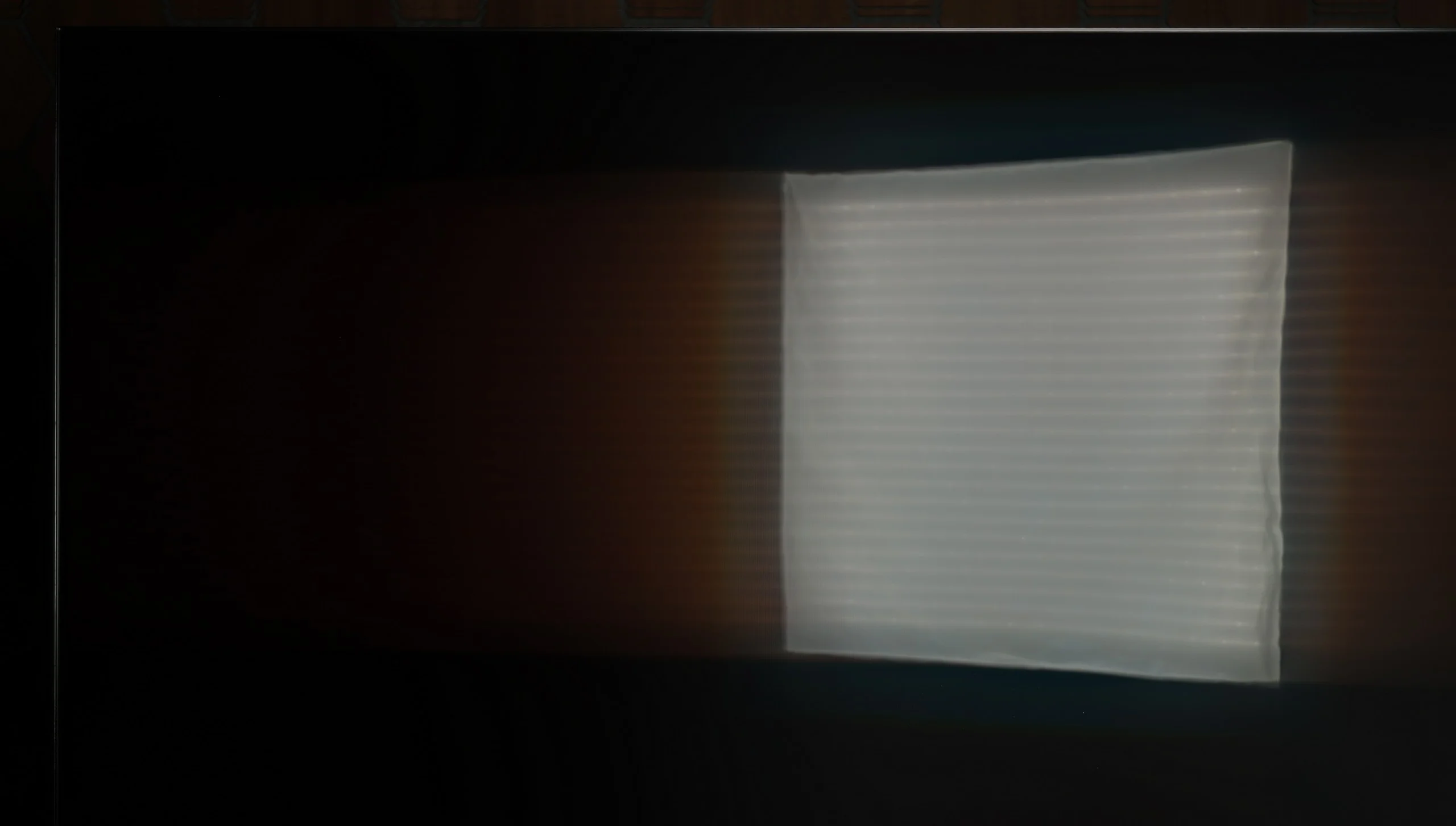
Halo effect and black detail visibility:
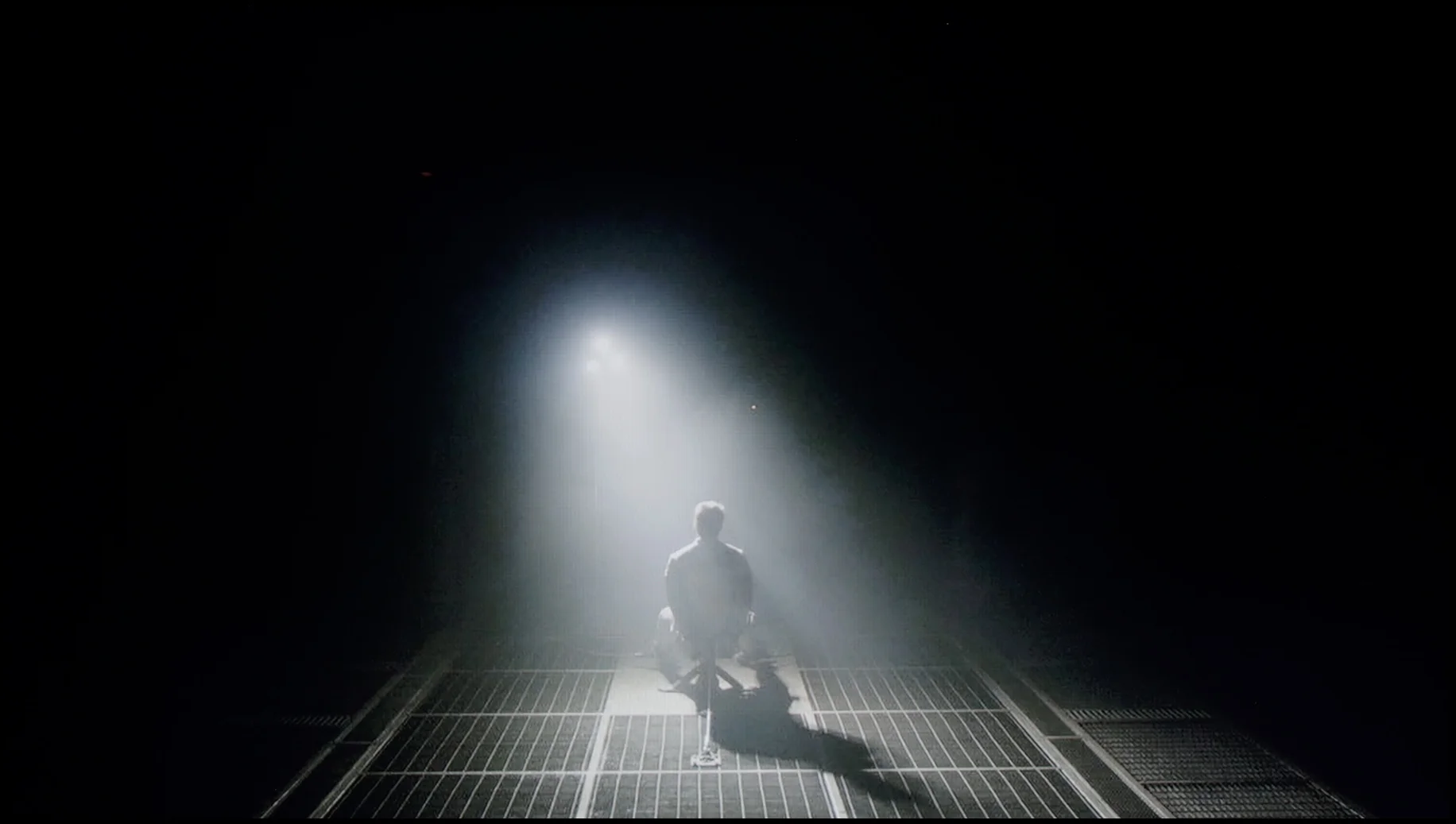
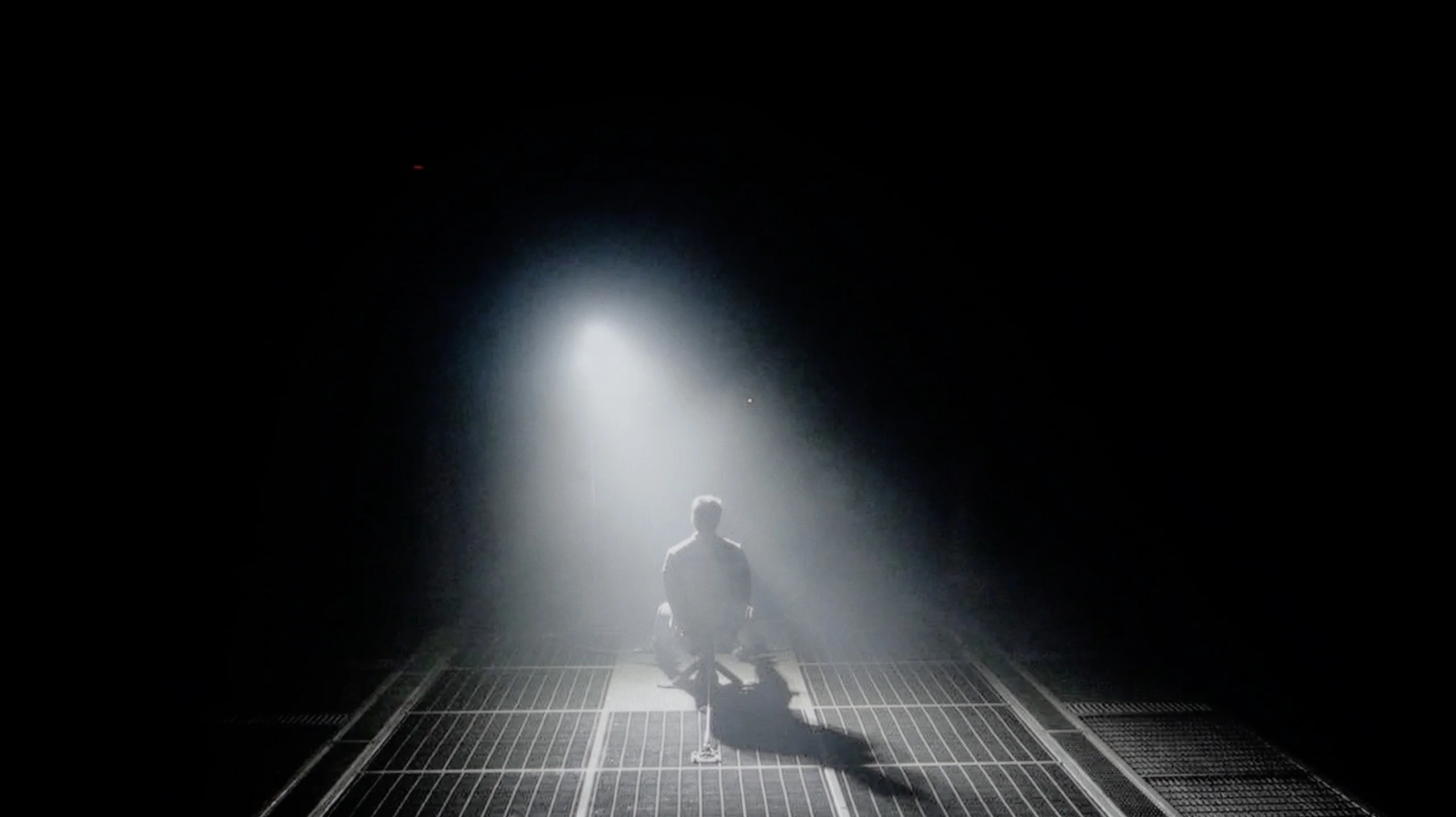
Check the visibility of bright lights on a dark background. Mini-LEDs often struggle with this. The photo does not compare black levels – that’s what the video below is for.
The video accurately shows differences in contrast and black levels between TVs, as well as potential issues: halo around bright objects or Mini-LED zone operation visible as brightness jumps.
The Philips PML9009 features a high-contrast VA panel. While it doesn’t produce the same depth and dimensionality as OLED displays, it remains a solid choice for home cinema, outperforming IPS/ADS panels in this regard. The measured static contrast ratio, at 6000:1 without local dimming, is commendable and showcases the Mini LED backlighting capabilities of this model. Though the contrast and black level measurements aren’t among the highest, the television performed well in certain scenes, such as Oblivion, where it effectively separated light – an achievement not always seen in much pricier units. Testing was conducted at medium power dimming; the lowest dimming level didn’t achieve satisfactory black levels, while the highest setting led to detail loss. Unfortunately, our test with The Revenant highlighted some issues. While background details were clear, the dimming zones disrupted the overall tonal balance, resulting in a noticeable halo effect around the subtitles.
TCL C7L is a Mini LED TV that, in the 65-inch variant we tested, was equipped with more than 1,000 local dimming zones. That, combined with a proprietary VA panel (called HVA 2.0 by TCL CSOT), delivers very respectable results for black levels and contrast. In most of the scenes we measured, black levels and contrast looked really good, and in the easiest shots the blacks were deep enough to even resemble those on OLED screens. This, of course, applies to the least demanding shots with large amounts of black on screen. When a larger number of bright elements appear and black no longer dominates, you can see that the TCL C7L, like most Mini LED TVs, has issues with managing the local dimming zones.
You can clearly see this on the ordinary bars in films shot in the 2.35:1 widescreen format. On the black bars or around small bright objects a noticeable halo effect can appear, a bright glow. The contrast then drops drastically, from lab-measured values of about 200,000:1 to around 10,000:1, which is quite noticeable in a completely dark room. It’s worth remembering that this should not be treated as a defect of the TV but rather as a characteristic of Mini LED technology. Of course the effect becomes much less bothersome when you turn on at least a little diffused ambient light in the room, which I strongly recommend for viewing sessions on any LCD TV.
HDR effect quality
6.1/10
6.6/10
Luminance measurements in HDR:

Result
548 nit

Result
550 nit

Result
824 nit

Result
491 nit

Result
582 nit
Result
1236 nit
Result
401 nit
Result
831 nit
Result
352 nit
Result
1204 nit
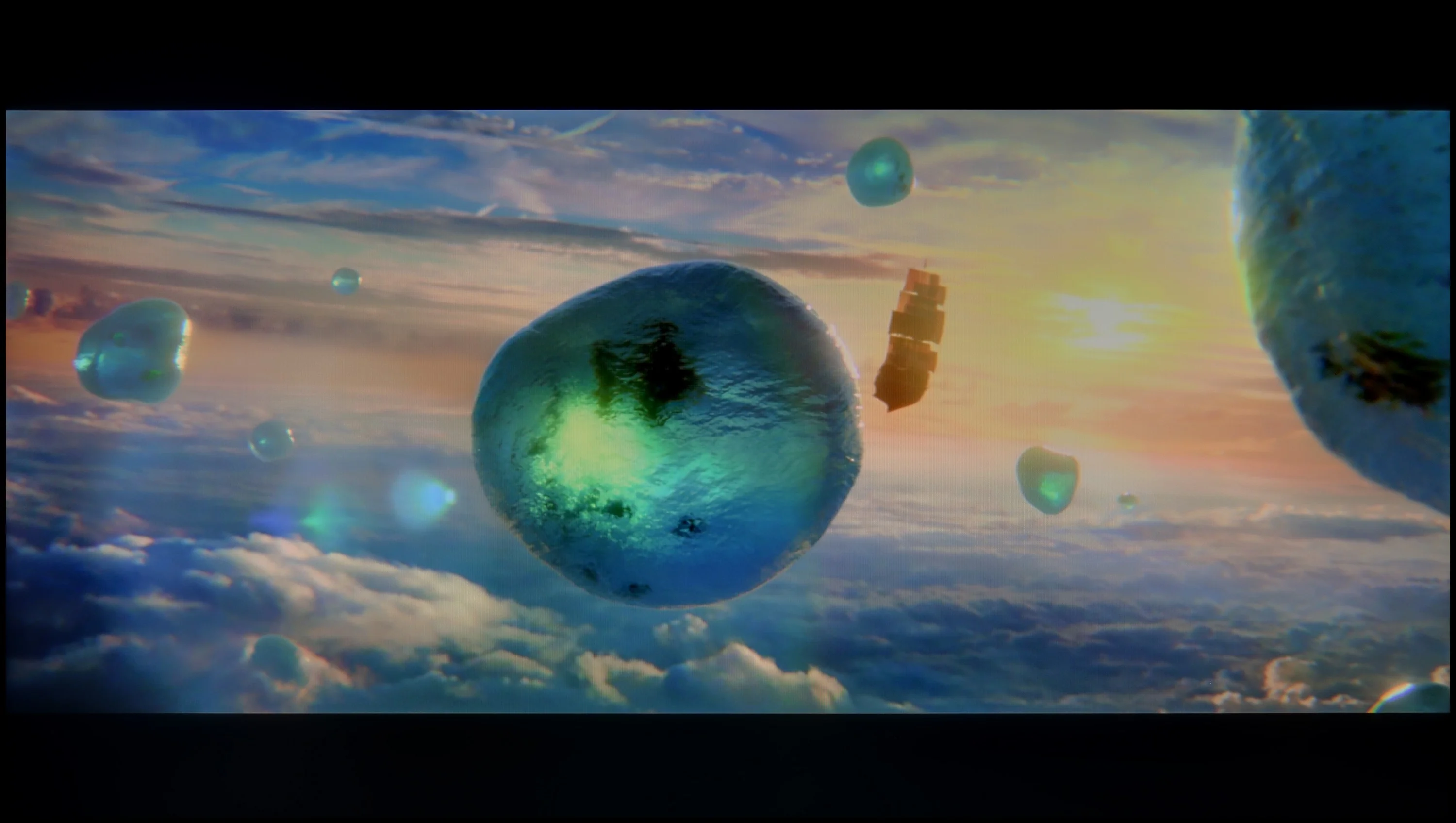
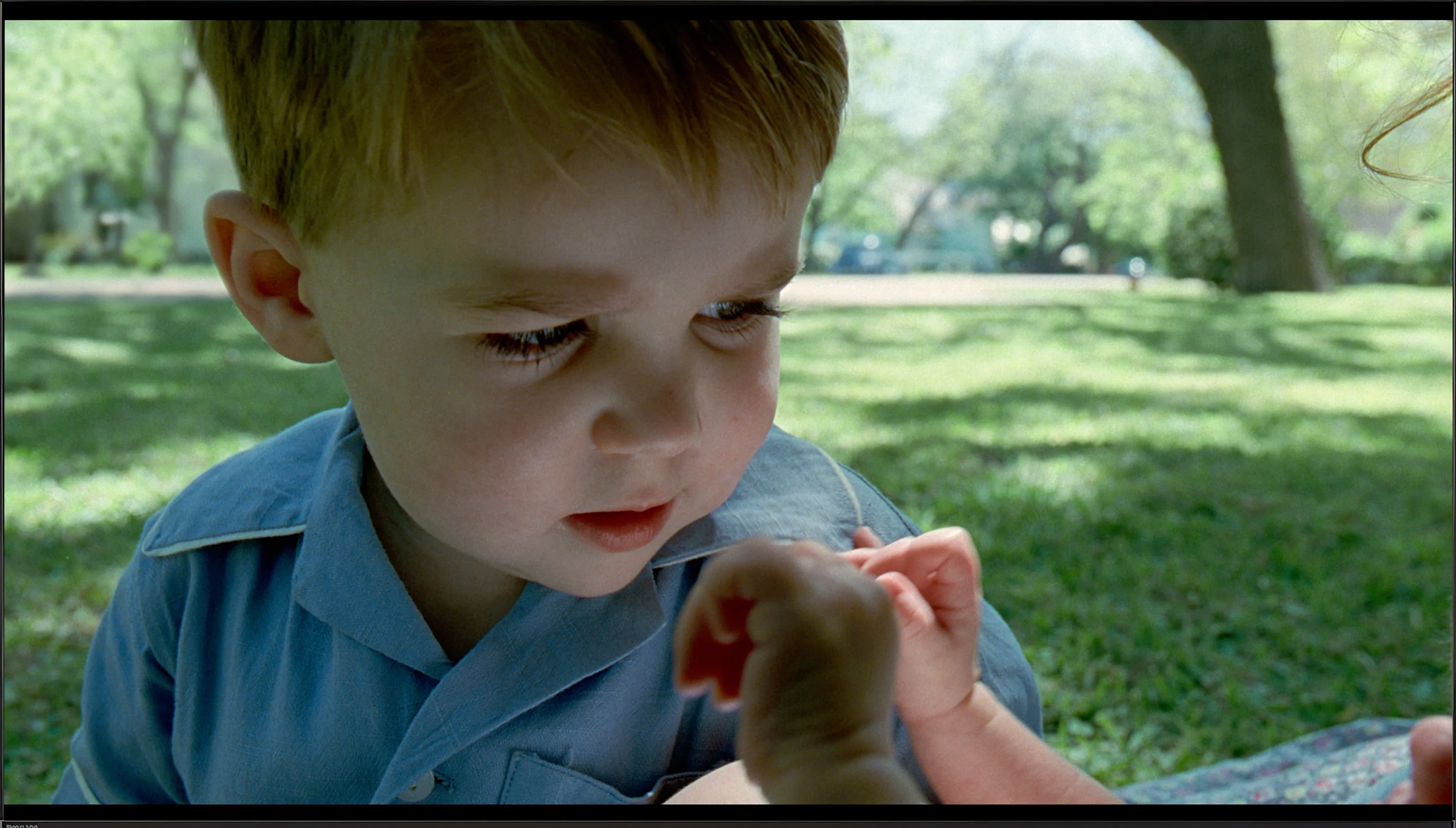
Scene from the movie “Pan” (about 2800 nits)

Scene from the movie “Billy Lynn” (about 1100 nits)
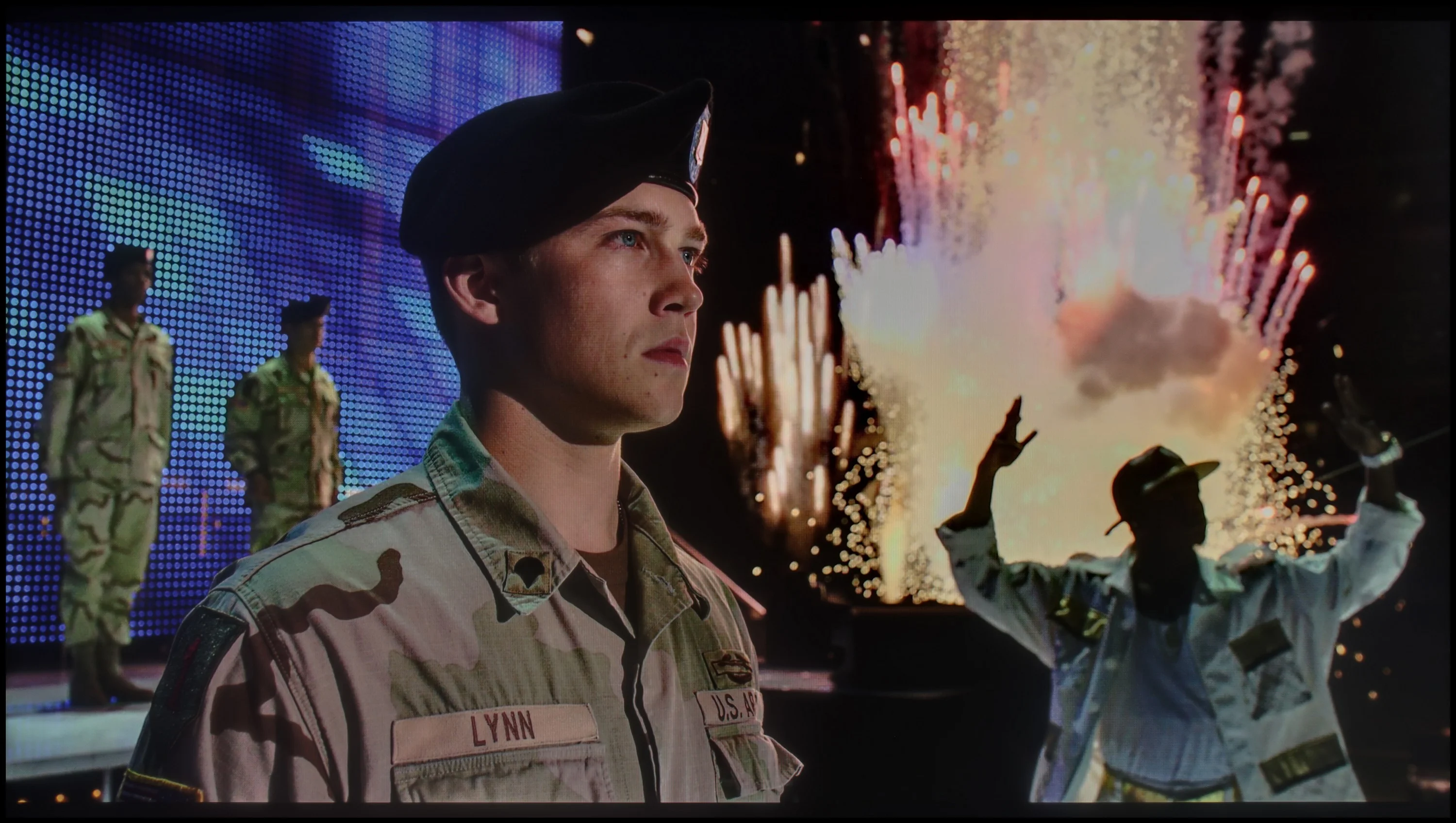
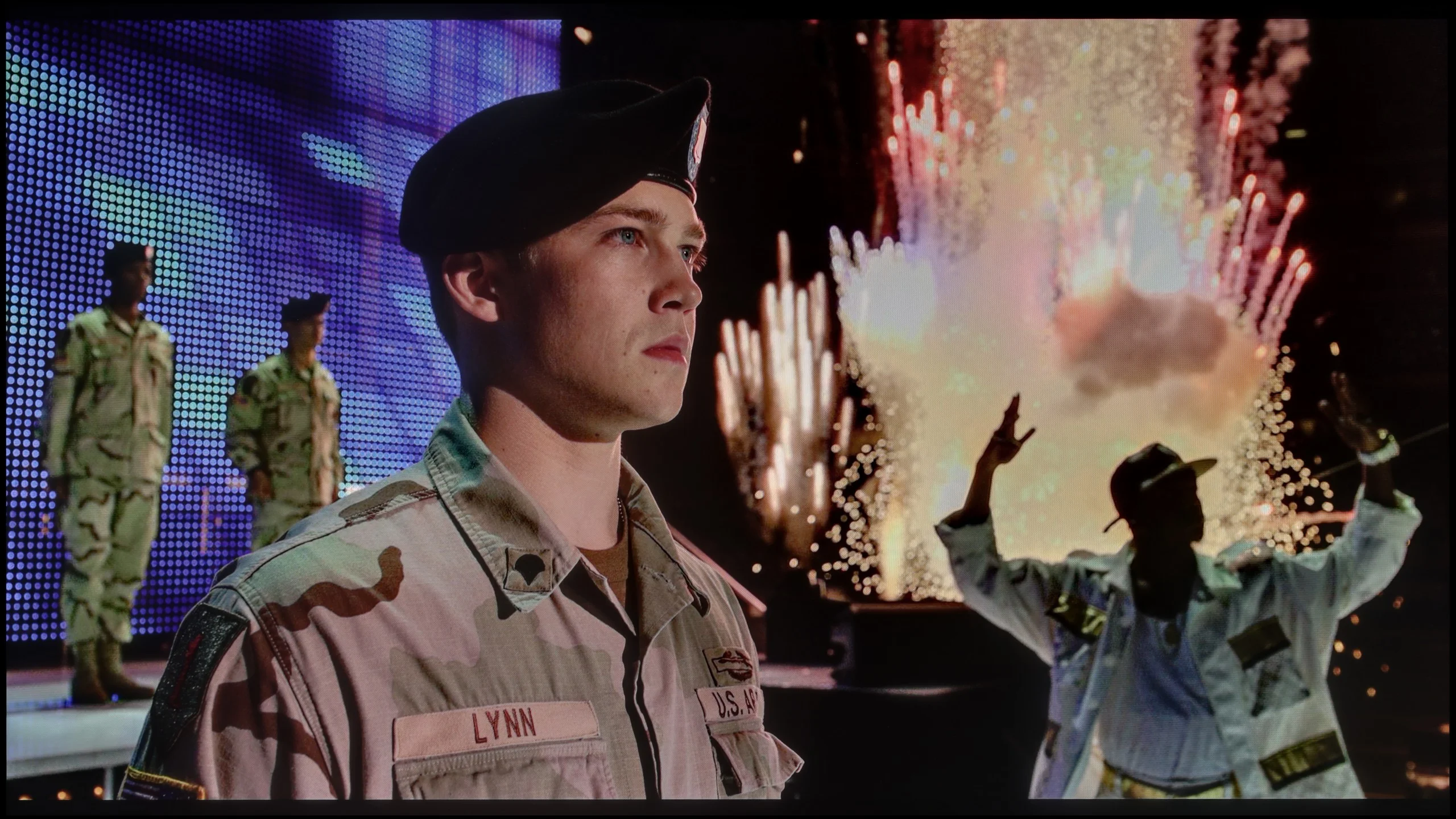
The photos show two HDR10 movies. 'Pan' is one of the brightest productions ever made, while 'Billy Lynn' (soldier) has brightness typical of streaming (Netflix, Prime, HBO MAX). Notice the intensity of effects and detail in whites.
Static HDR10


The photos present the visibility of white details in various HDR formats. They do not show brightness differences between TVs (these can be compared in the previous gallery).
Dynamic: Dolby Vision
Dynamic: Dolby Vision


The photos present the visibility of white details in various HDR formats. They do not show brightness differences between TVs (these can be compared in the previous gallery).
HDR luminance chart:
TCL C7L
Philips PML9009 / 9019 / 9059
The Philips PML9009 struggles to deliver the highest HDR performance. Scenes with effects around 550 nits don’t provide particularly impressive lighting, though the effects remain stable, an improvement over SDR materials. A notable exception is in Gemini Man, where a flashlight as the sole light source stands out. This is likely due to the absence of large dark areas and the relatively small size of the light source compared to scenes with larger, brighter elements like the sun. While the brightness results in HDR content aren’t quite strong enough to recommend this TV for productions utilising a wide colour gamut, it’s worth mentioning that the model does achieve decent coverage, reaching 93% of the DCI-P3 spectrum.
TCL C7L is undoubtedly an extremely bright television. In synthetic tests on static images, it can achieve peak brightness levels of around 2800 nits. This is an absolutely phenomenal result, considering the price range it falls into. Unfortunately, the tests with real film scenes are not as spectacular as the measurements of white squares. The brightness in actual HDR shots drops to around 1200 nits in the C7L model. This is still a very good result, as the vast majority of contemporary films are mastered at such a value. However, when small, pinpoint elements appear on the screen, the brightness of those details drastically drops – even to about 400 nits – which diminishes the HDR effect somewhat. The television does this intentionally to maintain a better level of black and prevent a huge glare of light. This is somewhat explainable, but it also shows that Mini LED technology is not completely uncompromising in this regard. As for the HDR effect itself – alongside brightness, colors are obviously key here. And these, thanks to the use of new, "super" quantum dots, are simply outstanding and among the best on the market. The television can achieve around 90% coverage of the ultra-wide color gamut BT.2020 and 99% of the DCI-P3 gamut, easily matching the best RGB MINI-LED screens. Best of all, the C7L can maintain such high color saturation regardless of the scene being displayed, which is often problematic in competing RGB Mini-LED televisions.
Factory color reproduction
5.3/10
5.6/10
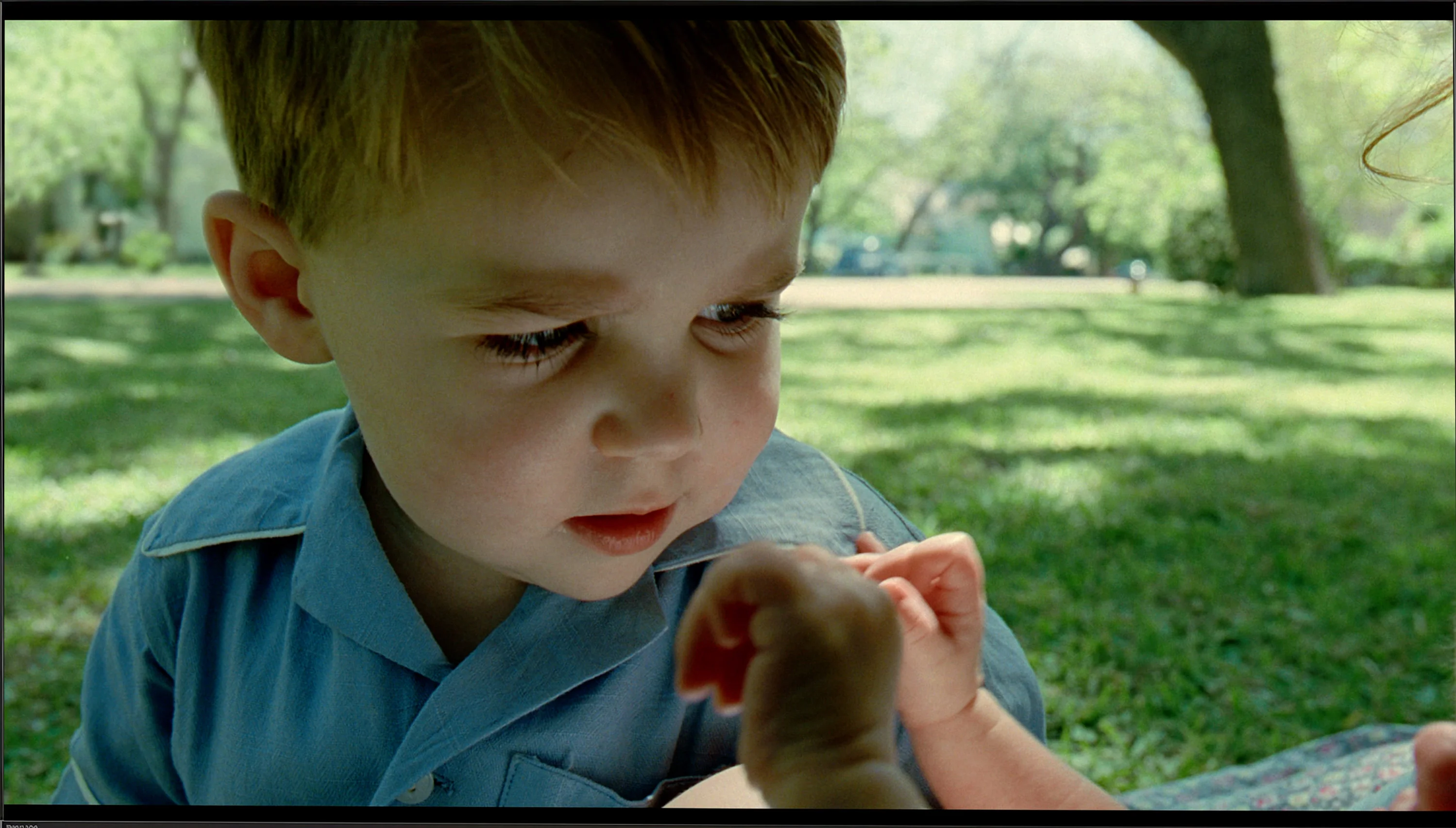
This gallery shows how colors change after professional TV calibration. If you notice the difference, we recommend ordering this service at SkalibrujTV.com.
Factory Mode
After calibration


This gallery shows how colors change after professional TV calibration. If you notice the difference, we recommend ordering this service at SkalibrujTV.com.
Factory Mode
After calibration
During testing, the Philips PML9009 performed best in the factory "Filmmaker" mode, which we evaluated across both SDR and HDR content. A key characteristic observed in this mode is the EOTF curve’s behaviour in HDR content and gamma settings in SDR, designed to enhance image accuracy. However, the PML9009 presented noticeable issues, particularly with white balance, as a pronounced red dominance created a yellow tint across the entire image. This affected skin tones and white areas, with faces and whites appearing unnaturally warm. The colour shift was confirmed through the "ColourChecker" palette, where colours leaned towards warmer shades.
In the gamma analysis, responsible for image contrast, we noticed considerable inaccuracies early on. Our measured values spiked above the reference, causing dark scenes to lose detail and merge visually up to about 10% screen brightness. Following this, the values dropped below the target line, further degrading contrast—an area already challenging for this model.
In HDR content, the white balance remained similarly flawed, and the EOTF curve also restricted brightness levels, resulting in a dim, muted image. Colour inaccuracies were even more pronounced here, with lower luminance levels causing large deviations from accurate colours, which were clearly visible on the error graph, often exceeding acceptable limits. While aiming for cinematic quality, this mode ultimately fell short in delivering balanced colour and contrast fidelity.
When it comes to colors straight out of the box, what's new in TCL TVs, including the C7L model, is the addition of a picture mode called Filmmaker Mode. That's significant because until now that mode wasn't available from this manufacturer at all. In theory, as the name suggests, the image in this setting is meant to represent the filmmaker's full intent. From our tests we can confirm that it's without a doubt the best built-in mode on this TV if you care about faithful color reproduction right out of the box. However, we wouldn't say it's perfect. Like most devices on the market, this C7L also had some factory issues. The white balance in Filmmaker Mode tended toward a slightly greenish-yellow tint, caused mainly by an excess of the green channel and a noticeable lack of blue. For the average viewer this won't be a drastic flaw, but if you care about perfect whites, natural skin tones, and getting the full potential out of the structure of these new "super" quantum dots, the TV really begs for professional calibration.
Color reproduction after calibration
7.5/10
7.5/10
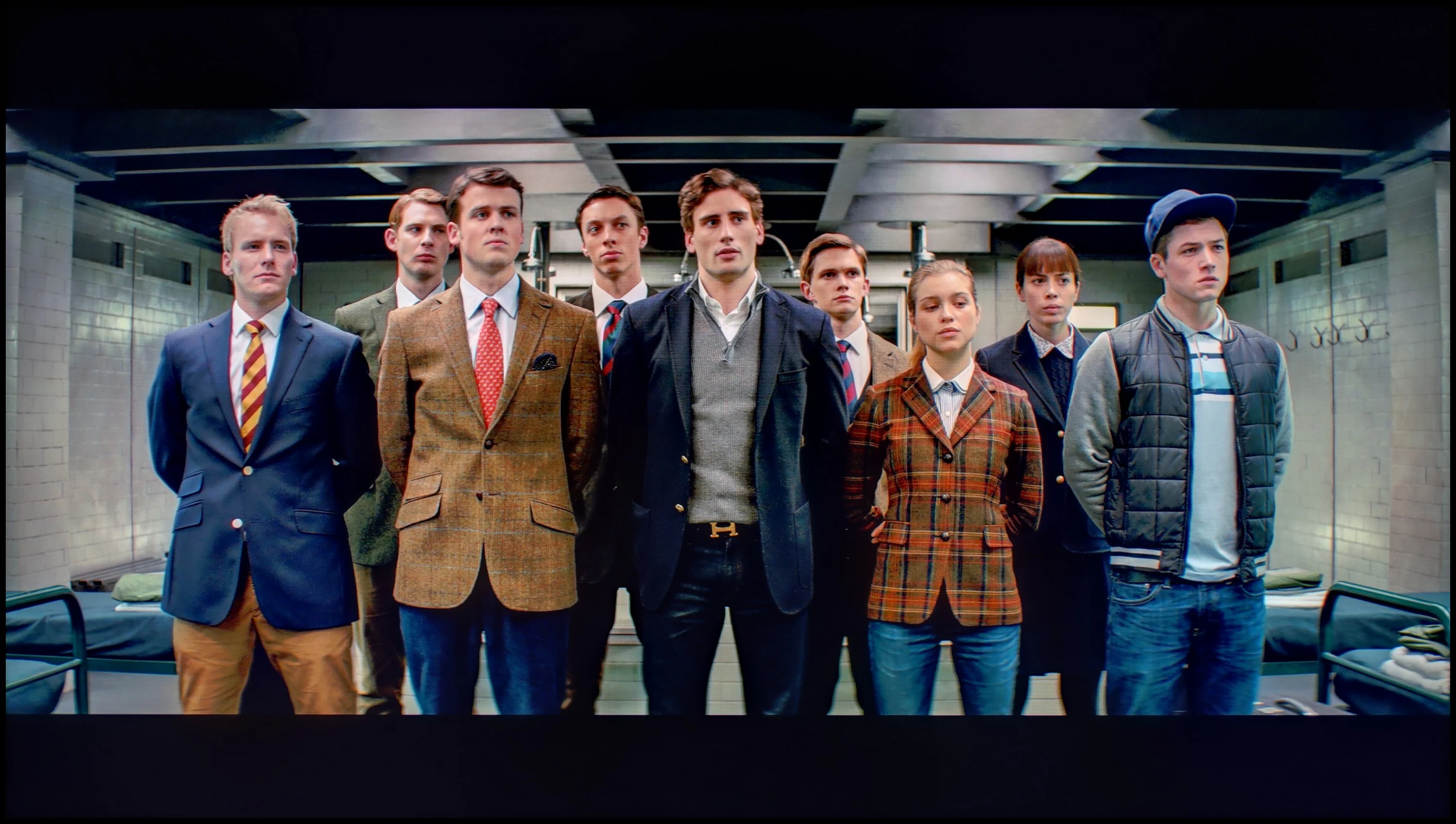
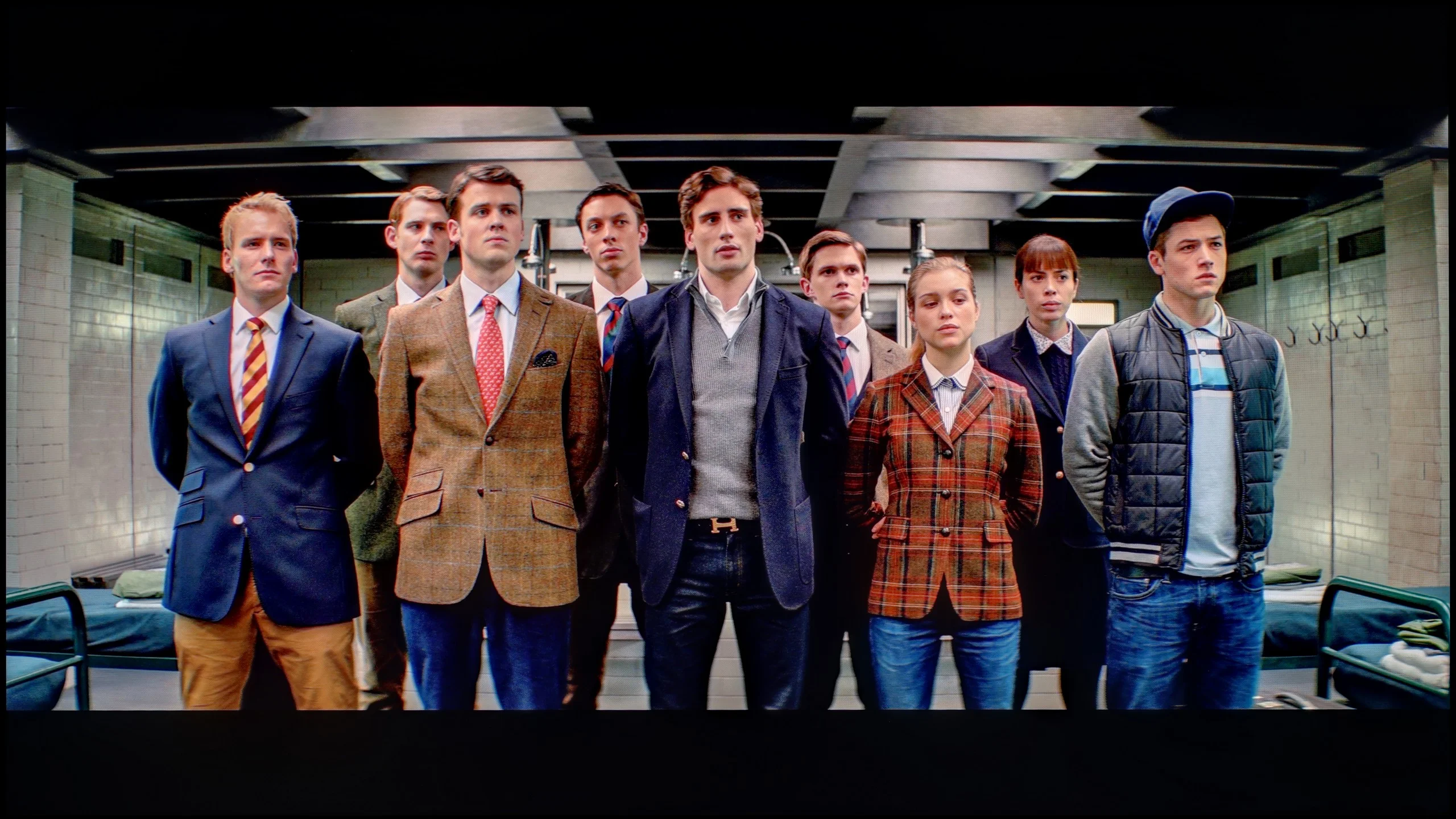
The photos show how movies look on the TV. Pay attention to black detail visibility, colors, and shadow tint.
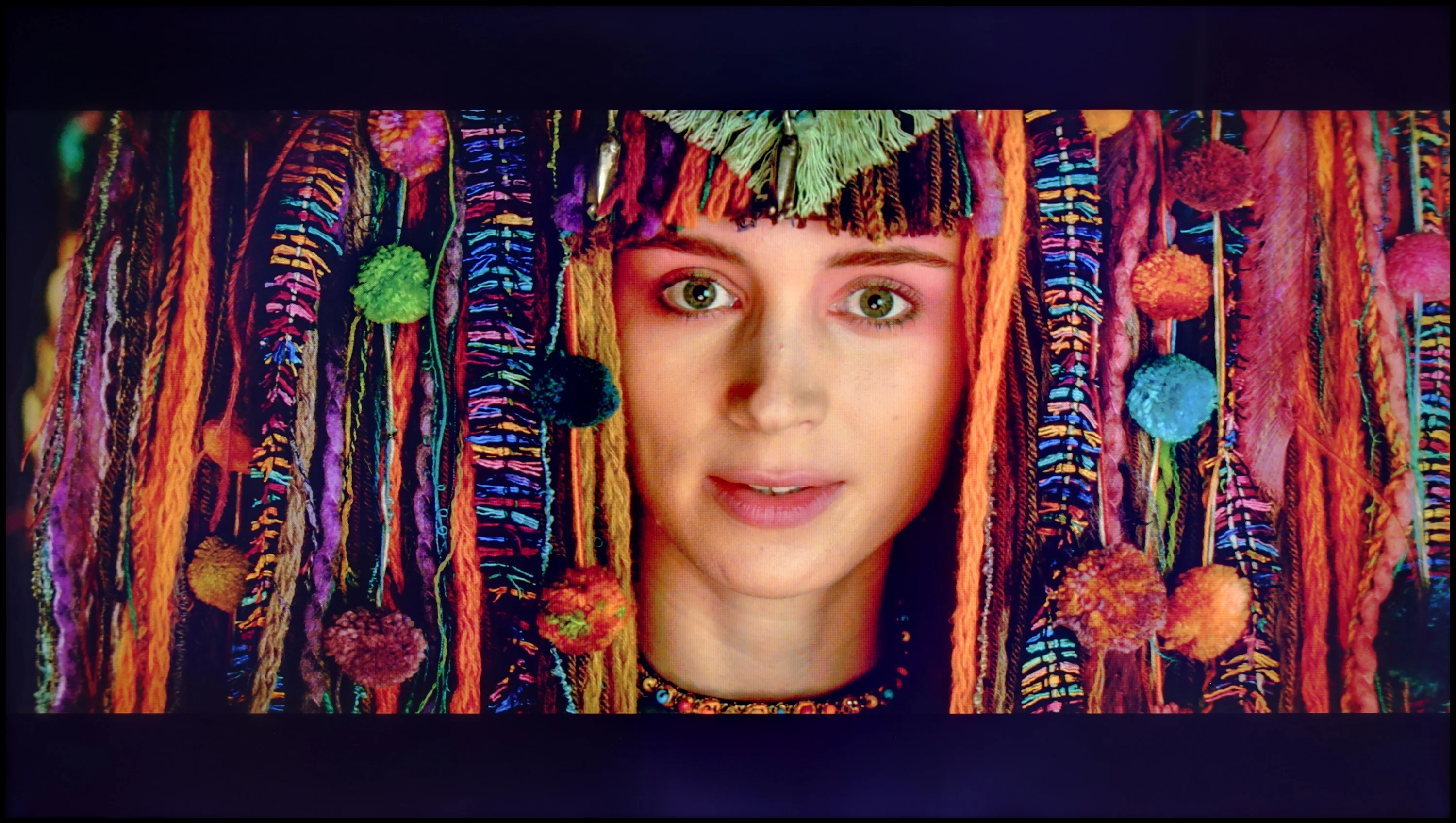

The photos show how movies look on the TV. Pay attention to black detail visibility, colors, and shadow tint.
Philips has long provided sophisticated calibration tools, including 2-point and 20-point grayscale adjustments as well as an advanced CMS (Colour Management System). These allow users to make significant improvements, and even those less attentive to image quality will likely notice a positive difference post-calibration. Both SDR and HDR content benefit from this process, notably eliminating the prominent yellow tint caused by an overemphasis on red in the white balance.
For SDR content, although gamma adjustments don’t entirely resolve the loss of detail in dark areas, the overall improvements bring most content to an impressive standard, with minimal, hardly perceptible errors. Colour accuracy is notably enhanced, achieving nearly reference quality with low deltaE errors.
HDR content, however, remains somewhat limited due to the display’s lower brightness capability. While the white balance has largely been corrected, a slight blue tint can occasionally appear. The EOTF curve aligns very well, providing accurate geometry, though colour errors persist due to the limited luminance. This calibration offers a substantial improvement but may still fall short for viewers who expect high brightness levels in HDR.
After a professional calibration we were able to greatly improve the out-of-the-box Filmmaker Mode. After our adjustments, errors in the ColorChecker test and across the wide color gamut fell below the threshold of human perception, that is below a value of 3, which is a very good result. The TCL C7L definitely benefits from this treatment in terms of color accuracy, and that's hard to argue with. A bit worse, however, is the issue of brightness management in HDR content after calibration. As I described earlier, even though we set this model up correctly, when you play real movie scenes on the TV it can manage its brightness in a rather peculiar way. It often brightens certain elements on the screen contrary to the creator's intent, which can be clearly seen on EOTF charts measured in particular films. Despite this flaw, or rather a specific quirk of this TV, you can't take away one thing: after calibration the C7L was able to reproduce colors accurately.
Smoothness of tonal transitions
7/10
8.6/10
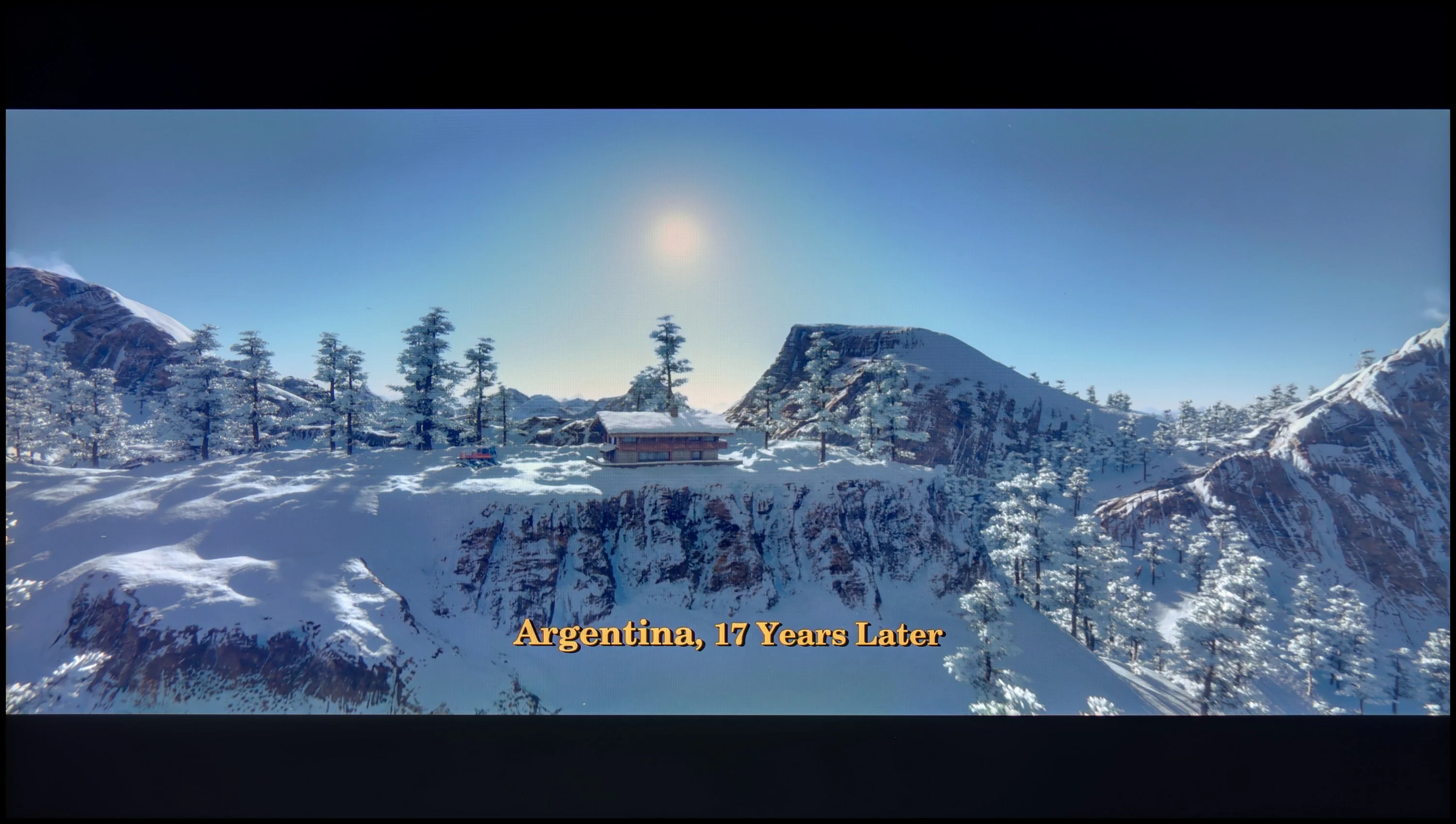

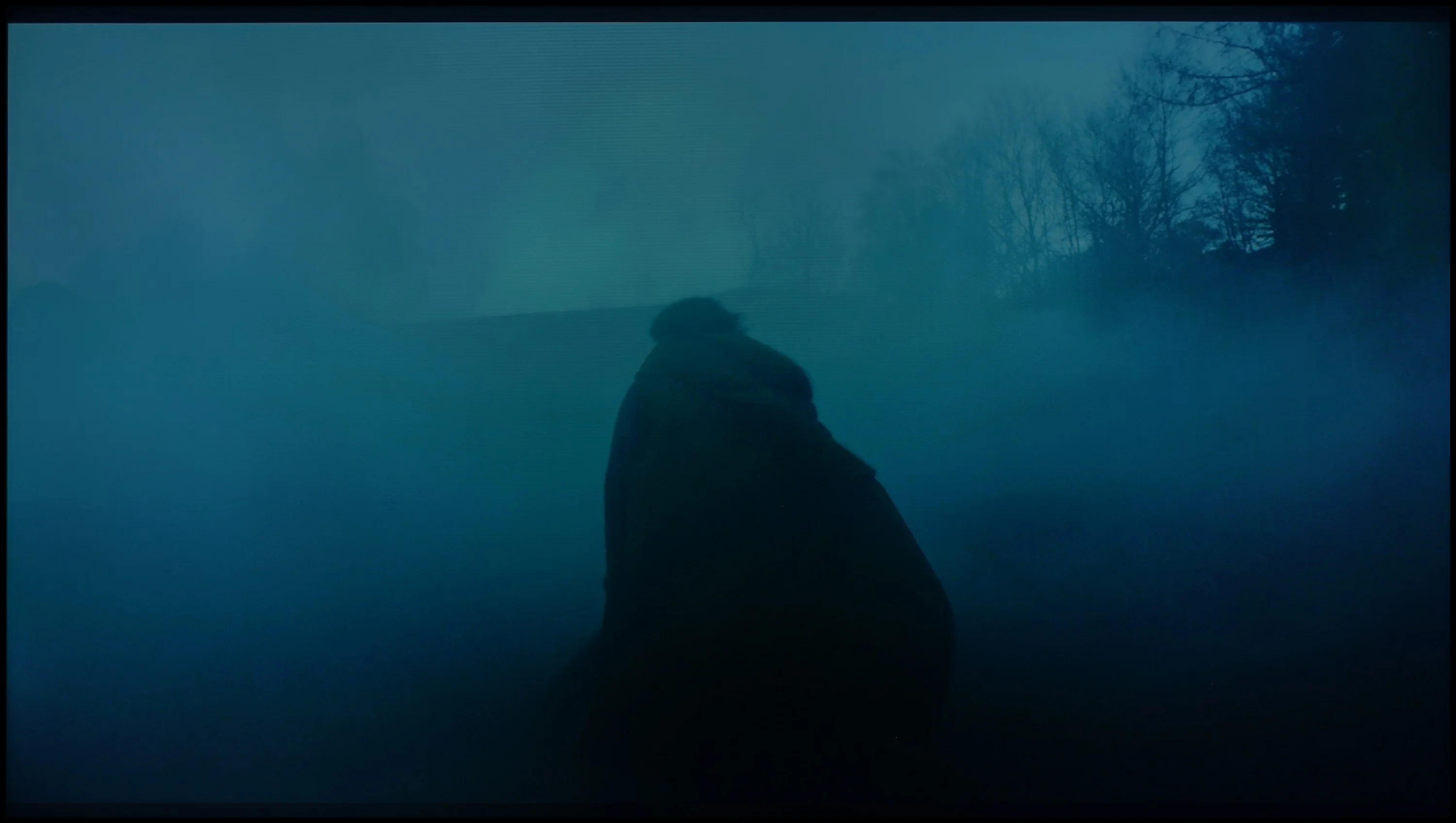
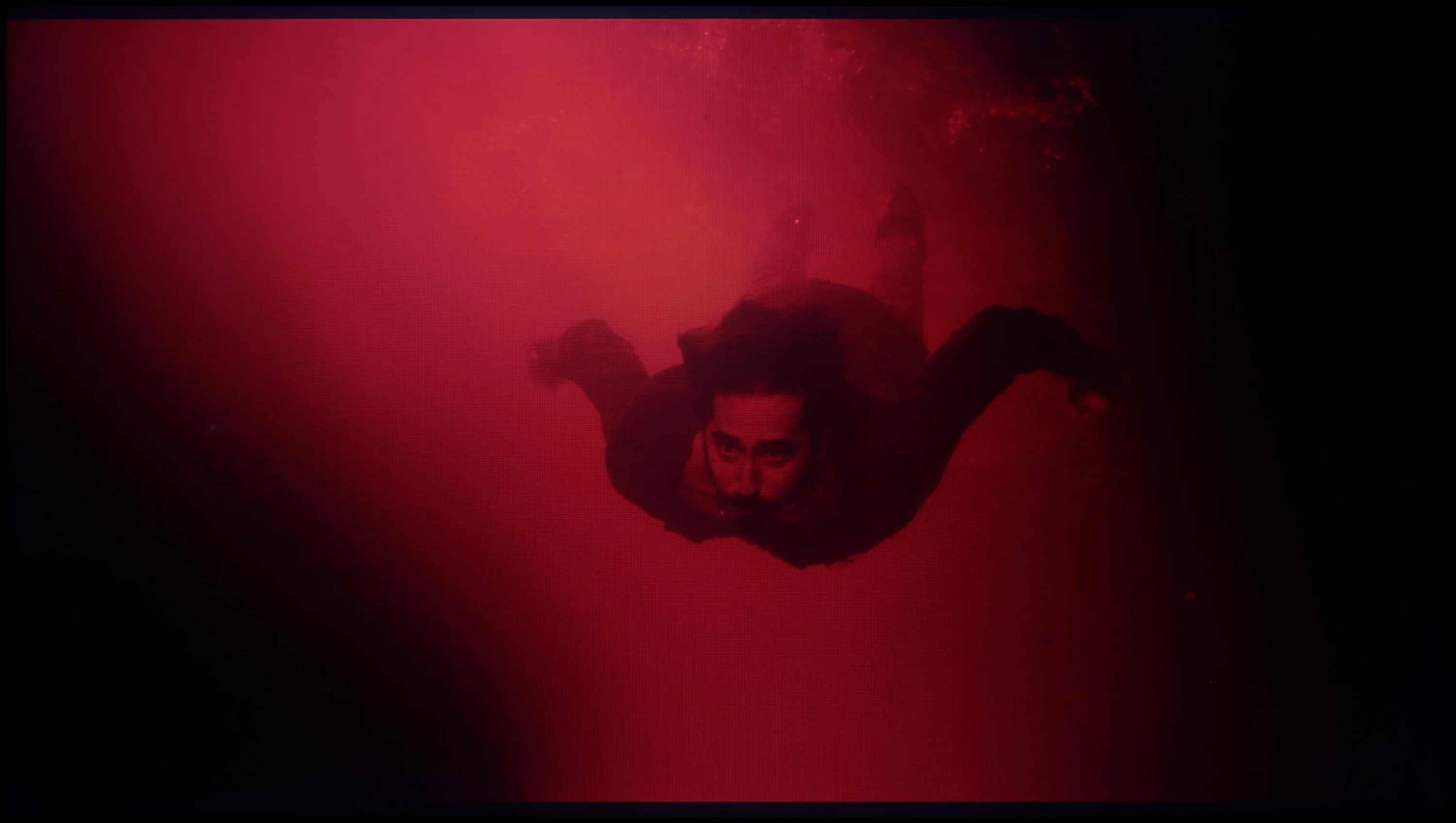
These are selected scenes that show smooth tonal transitions from one color to another. If you see distinct banding, it’s the TV panel’s fault.
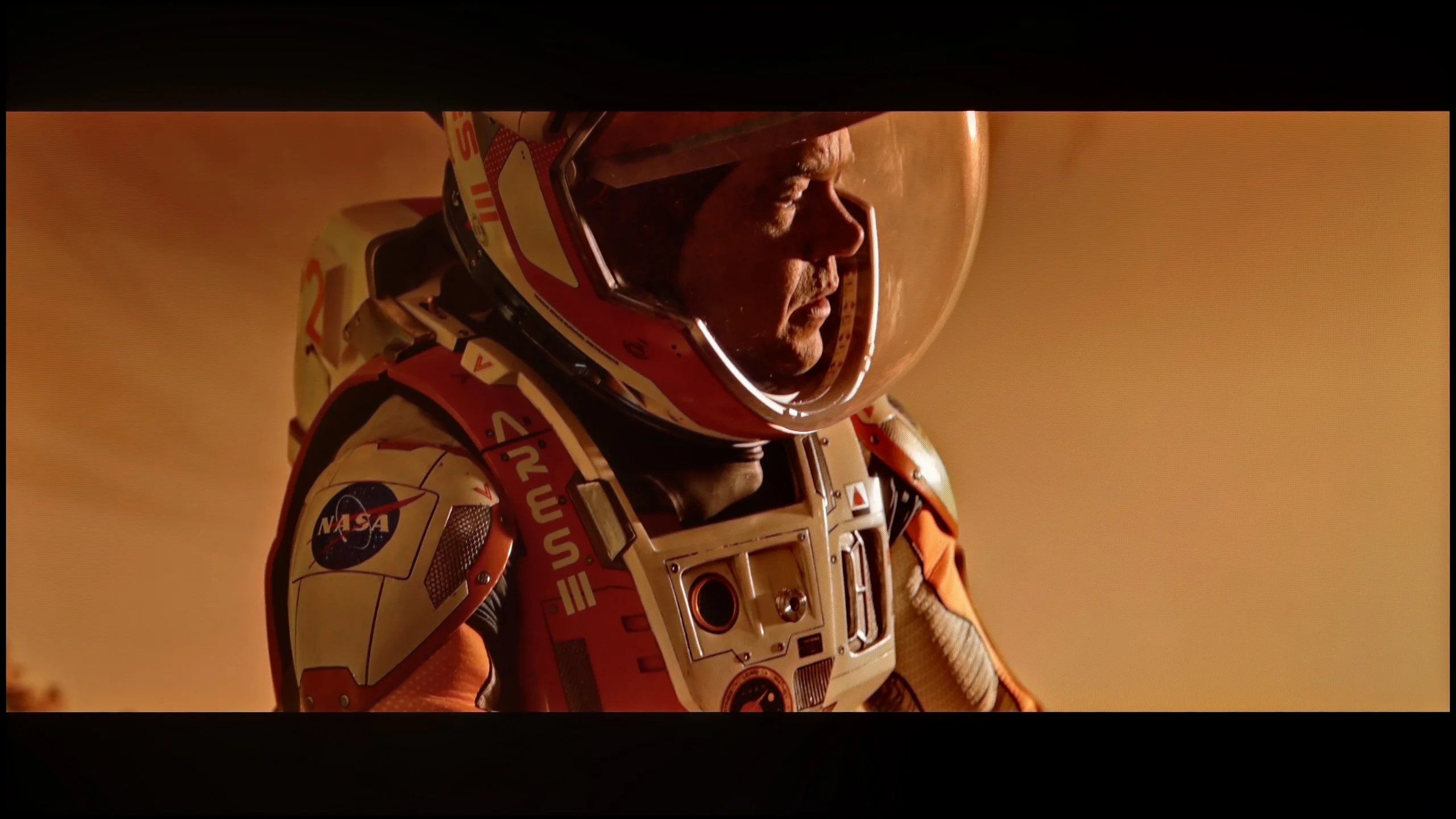
These are selected scenes that show smooth tonal transitions from one color to another. If you see distinct banding, it’s the TV panel’s fault.
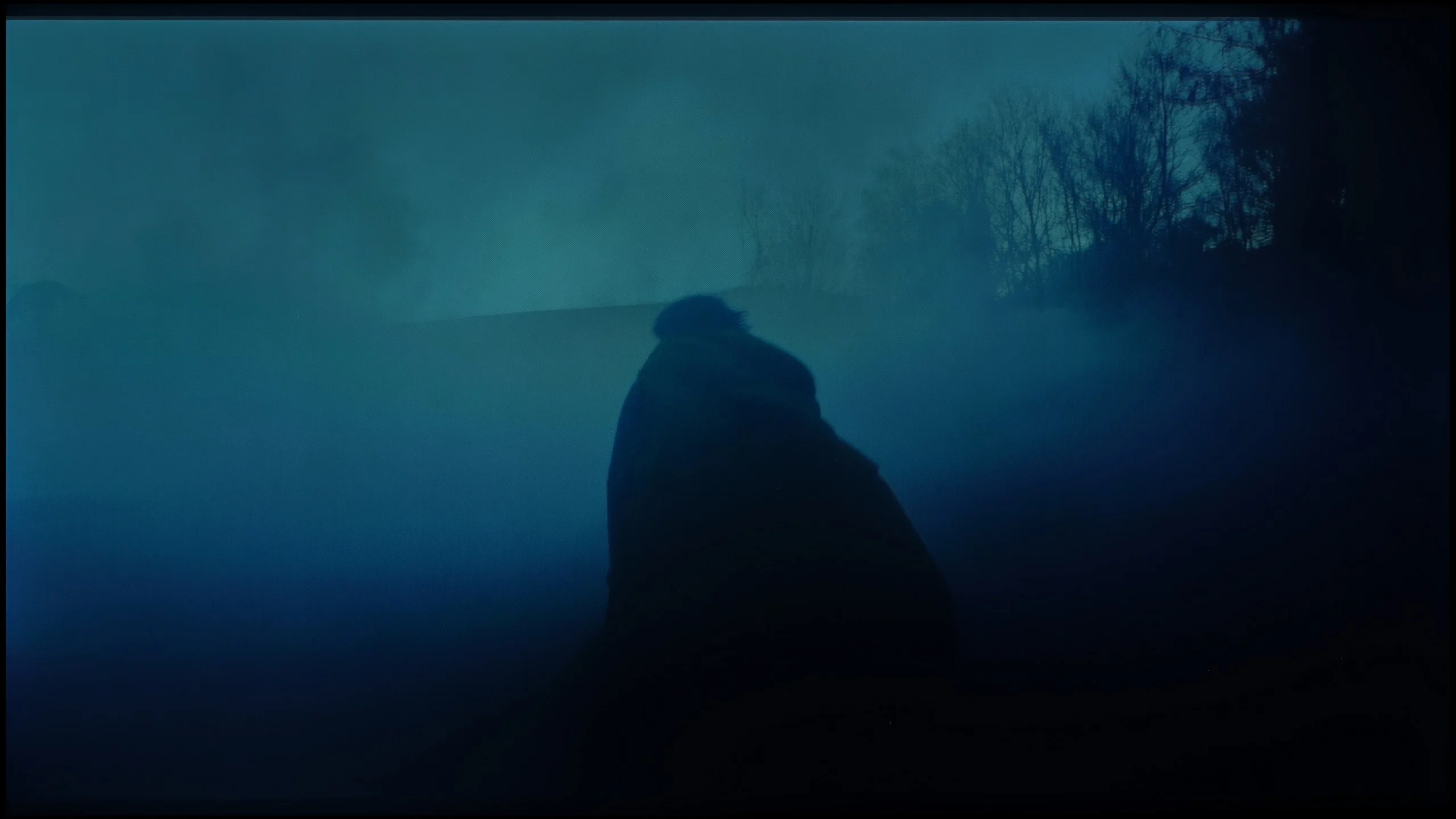
These are selected scenes that show smooth tonal transitions from one color to another. If you see distinct banding, it’s the TV panel’s fault.
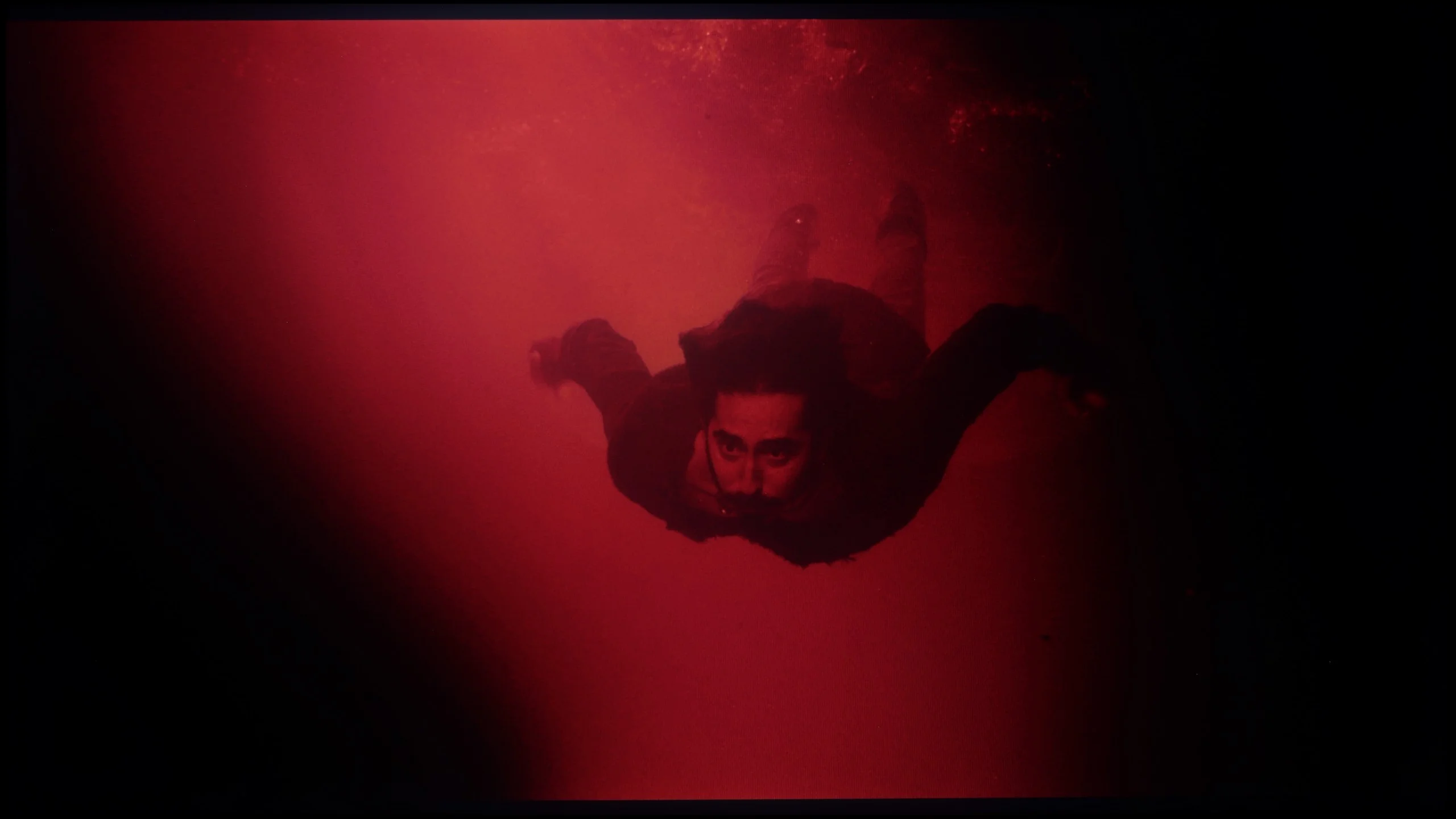
These are selected scenes that show smooth tonal transitions from one color to another. If you see distinct banding, it’s the TV panel’s fault.
In many films or series, you may have noticed instances where colour bands appear in areas that should exhibit smooth transitions. This is why we evaluate tonal transitions as part of our testing. The Philips PML9009 performed admirably in this area across all test scenes. While a few elements could benefit from finer processing, the overall result was impressive. Notably, it handled the challenging scene from The Green Knight exceptionally well, with no significant stuttering or unwanted artefacts visible, proving the TV’s capability to maintain smooth gradients even in demanding scenes.
Another aspect worth discussing is the smoothness of tonal transitions. Here, to be fair, the TCL C7L simply looks good. In most scenes, especially the brighter ones, you don't see any banding at all. With native 4K HDR content the image is clean and transitions between shades are very smooth. It's equally good in Dolby Vision mode, where during our tests we didn't notice any digital artifacts or ugly color banding. You could nitpick very dark scenes where a heavily compressed signal is being shown on the screen. In those conditions the C7L can sometimes reveal minor imperfections, but in this model it's not something that really jumps out at you. Especially during everyday movie watching.
Image scaling and smoothness of tonal transitions
7.2/10
5.5/10

Smooth transition function
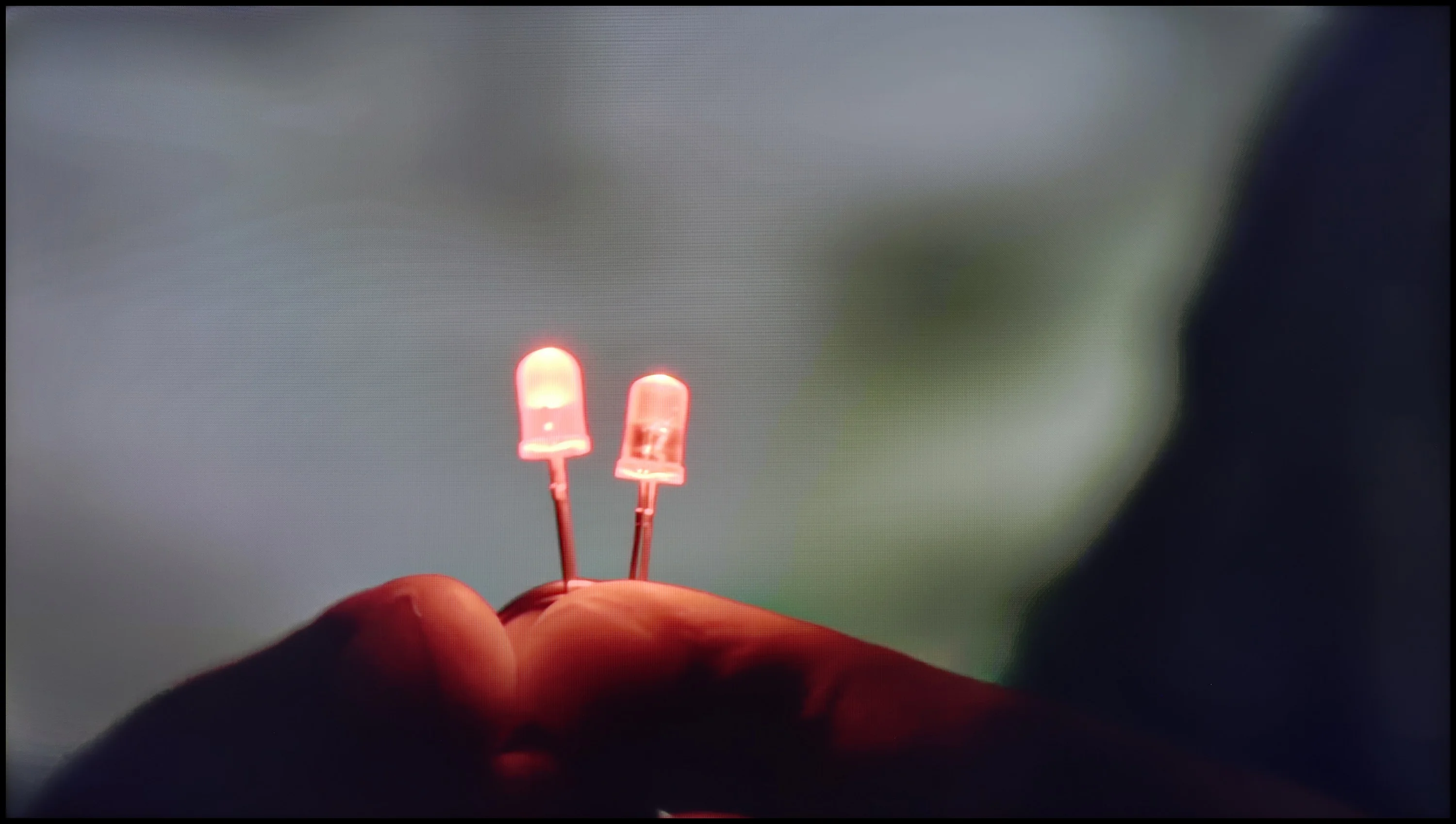
The match photo shows how the TV smooths weak tonal transitions in low-quality video.
Image scaling SD (576i)


The model photo shows how it handles upscaling of SD material.
Given the impressive handling of tonal transitions by the Philips PML9009, one might expect similar success in the image scaling test. However, the results were less than stellar. When upscaling lower-quality images, like those from certain TV programmes or older films, the Philips algorithm tended to blur fine details noticeably, especially in intricate elements like fine branches or a model's hair.
On the other hand, the tonal transition performance remains noteworthy, with the TV offering several levels of smoothing. Even at the lowest setting, it effectively addresses non-smooth transitions in most materials, and crucially, it preserves the film grain effect, maintaining fidelity to the director's vision. However, it’s worth noting that some fine details may still appear slightly softened.
This point could, in a sense, be called the Achilles' heel of the C7L. Unfortunately, this TV uses an older MediaTek chipset, the Pentonic 700, which was never known for outstanding digital image processing. You can clearly see this in the operation of the gradual smoothing function, which is responsible for reducing jagged edges and removing digital noise. It simply performs very poorly; when set to low, its effectiveness is practically nonexistent. The only small plus is that the algorithm doesn't further degrade the image or forcefully blur details. Upscaling itself, meaning the scaling of lower-resolution content to 4K, performs a bit better. It's simply adequate and doesn't stand out compared with the competition. That said, there's no denying the C7L would gain a lot in this area if the manufacturer decided to use the newer Pentonic 800 processor, which is now appearing in an increasing number of competing models.
Blur and motion smoothness
7.7/10
7.8/10
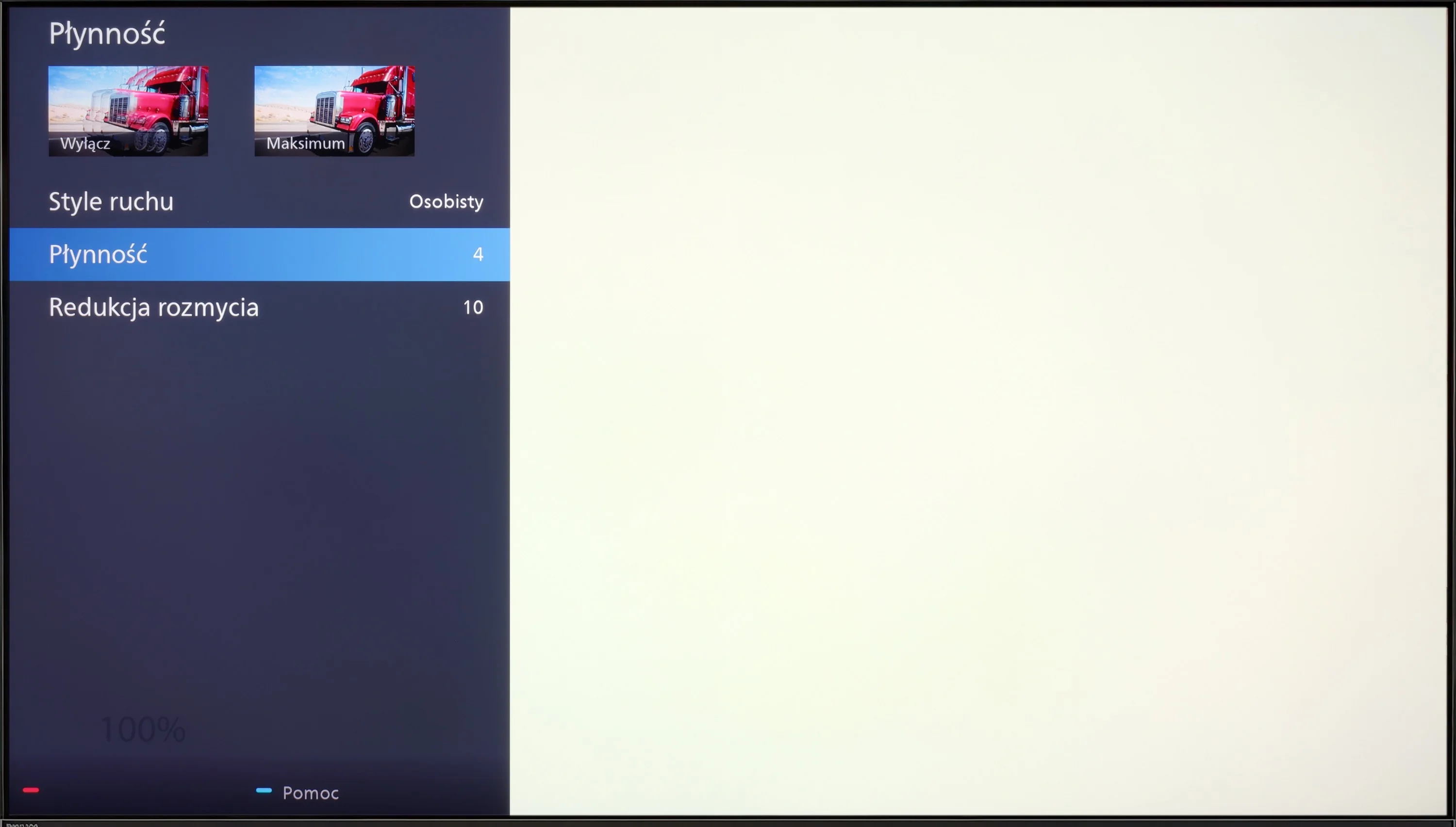
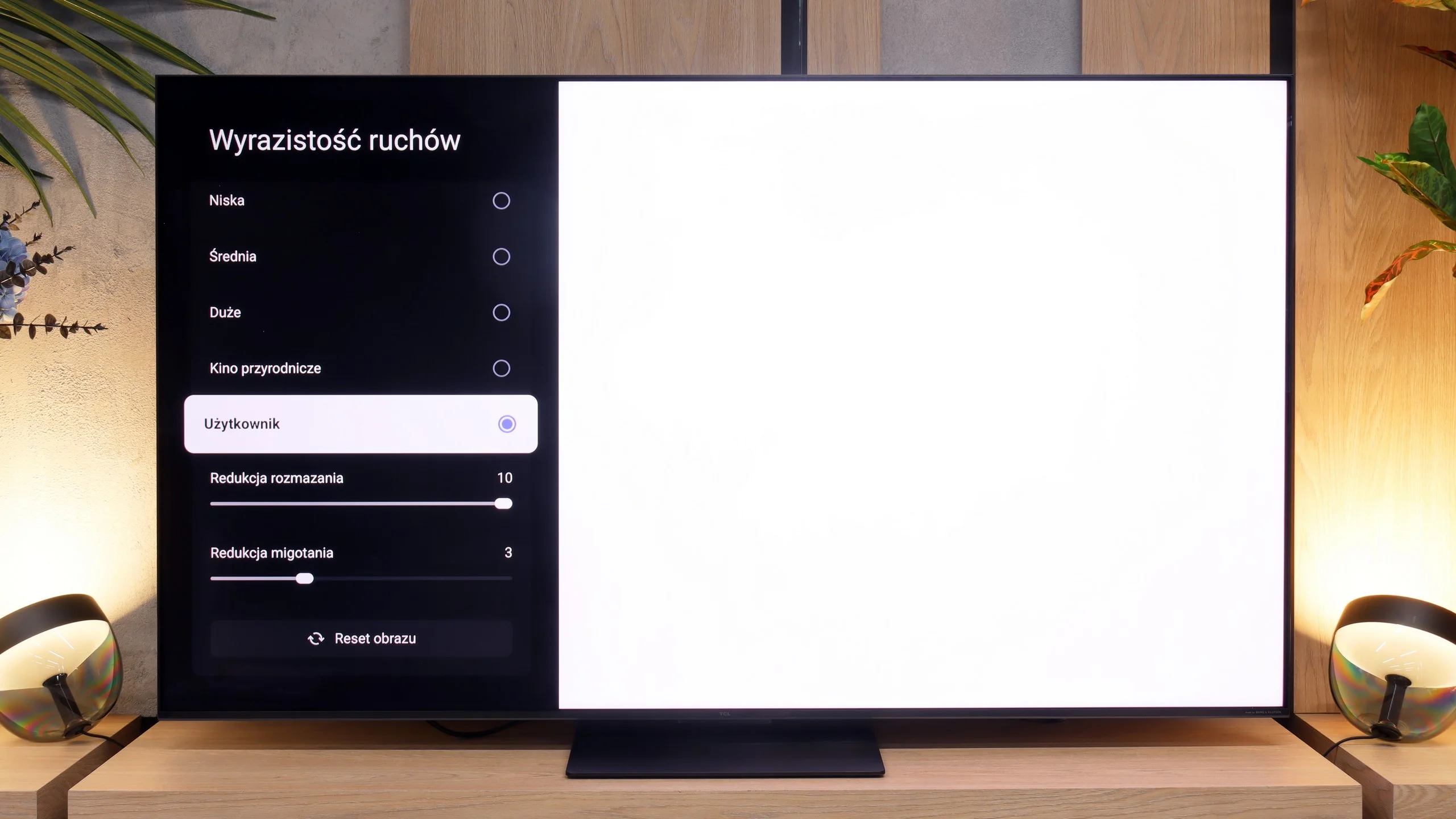
Blur (native resolution, maximum refresh rate):

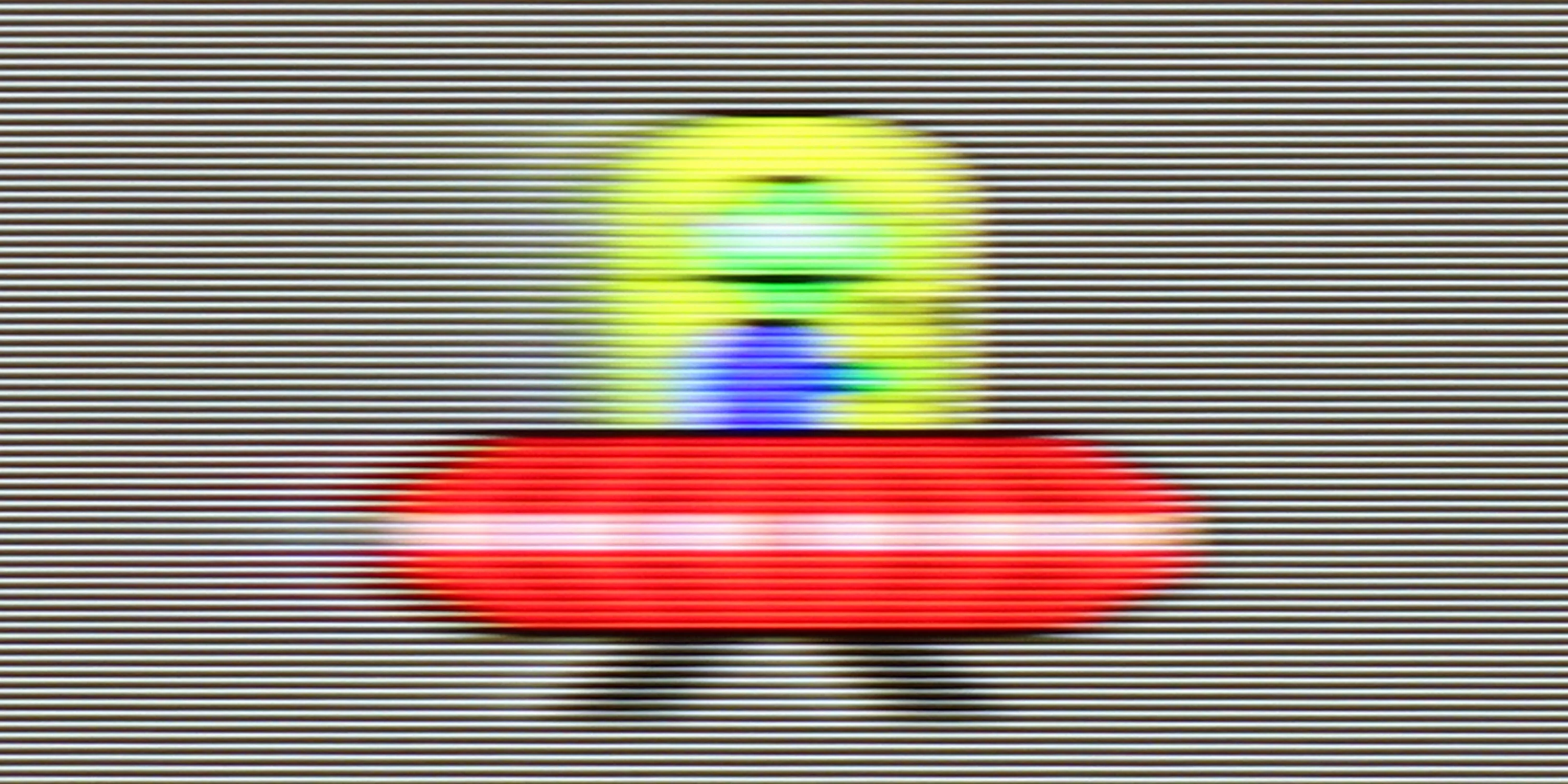



Blur (BFI function enabled):



Blur ():
Blur (4K@144Hz):


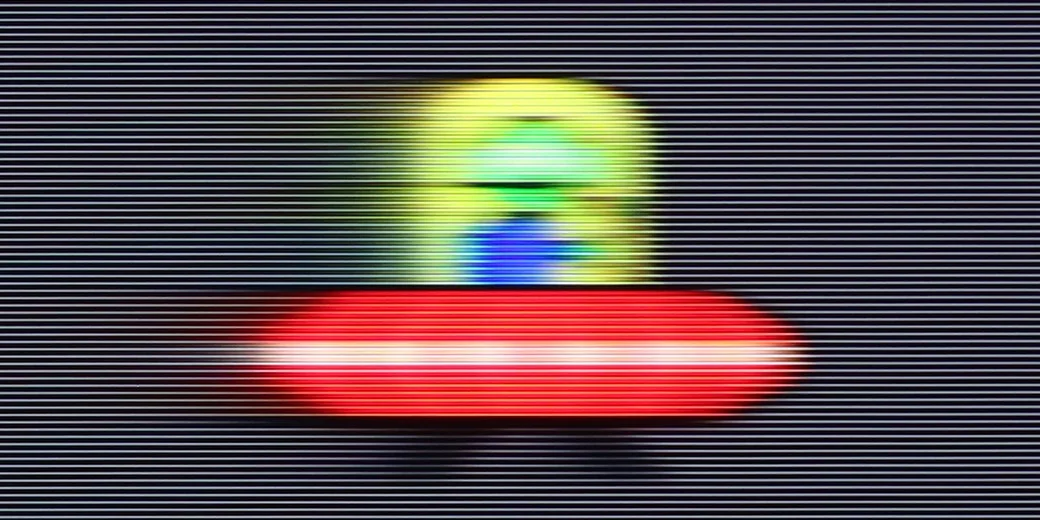
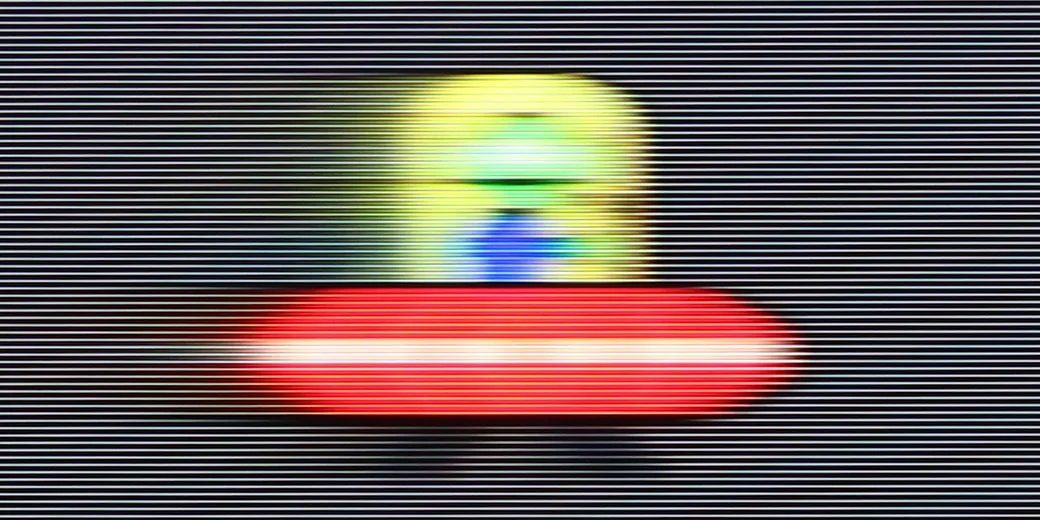
The Philips PML9009 has a 120 Hz native refresh rate, a baseline standard for watching sports and an ideal setting for gaming on consoles or PCs. Philips includes an effective motion-enhancement system for users who want to reduce the stutter of 24 fps content or need fluid motion for fast-paced scenes, like in football matches. The dedicated "Smoothness" slider effectively mitigates stuttering, while "Motion Blur Reduction" enhances the sharpness of dynamic content. Each setting produces a noticeable difference, so users can tailor the motion effects to their preferences. Our recommended setup achieves a moderate smoothing effect, avoiding the exaggerated “soap opera” appearance.
Regarding pixel response time, VA panels like this generally fall short compared to OLED or even IPS panels, which can lead to a slight "black halo" trailing behind fast-moving objects. Although not a frequent issue with this TV, the effect can be seen in certain scenes.
The TCL C7L uses a native 4K panel with a 144 Hz refresh rate, which, at lower resolutions when using a PC, can even reach up to 288 Hz. Those are obviously very high numbers and look impressive on paper, but in everyday use it's worth remembering that almost all dynamic content you play on this TV will still run at around a maximum of 120 Hz. To tame that motion, the TV's menu includes a motion smoothing system called "Motion Clarity." It offers several predefined modes, including a user mode that we strongly recommend setting manually using our tried-and-true guides on our YouTube channel. There are two key sliders available there. The first, "Blur Reduction," reduces smearing and improves sharpness in dynamic 60-fps material, such as sports broadcasts. The second slider, "Flicker Reduction," lets you add artificial frames to movies and TV series shot at cinematic 24 or 30 fps. This, of course, allows you to completely eliminate the annoying image judder during camera motion.
Console compatibility and gaming features
9.8/10
9.8/10
- ALLM
- VRR
- VRR range48 - 144Hz48 - 288Hz
- Dolby Vision Game Mode
- Correct implementation of HGIG
- 1080p@120Hz
- 1440p@120Hz
- 4K@120Hz
- Game bar
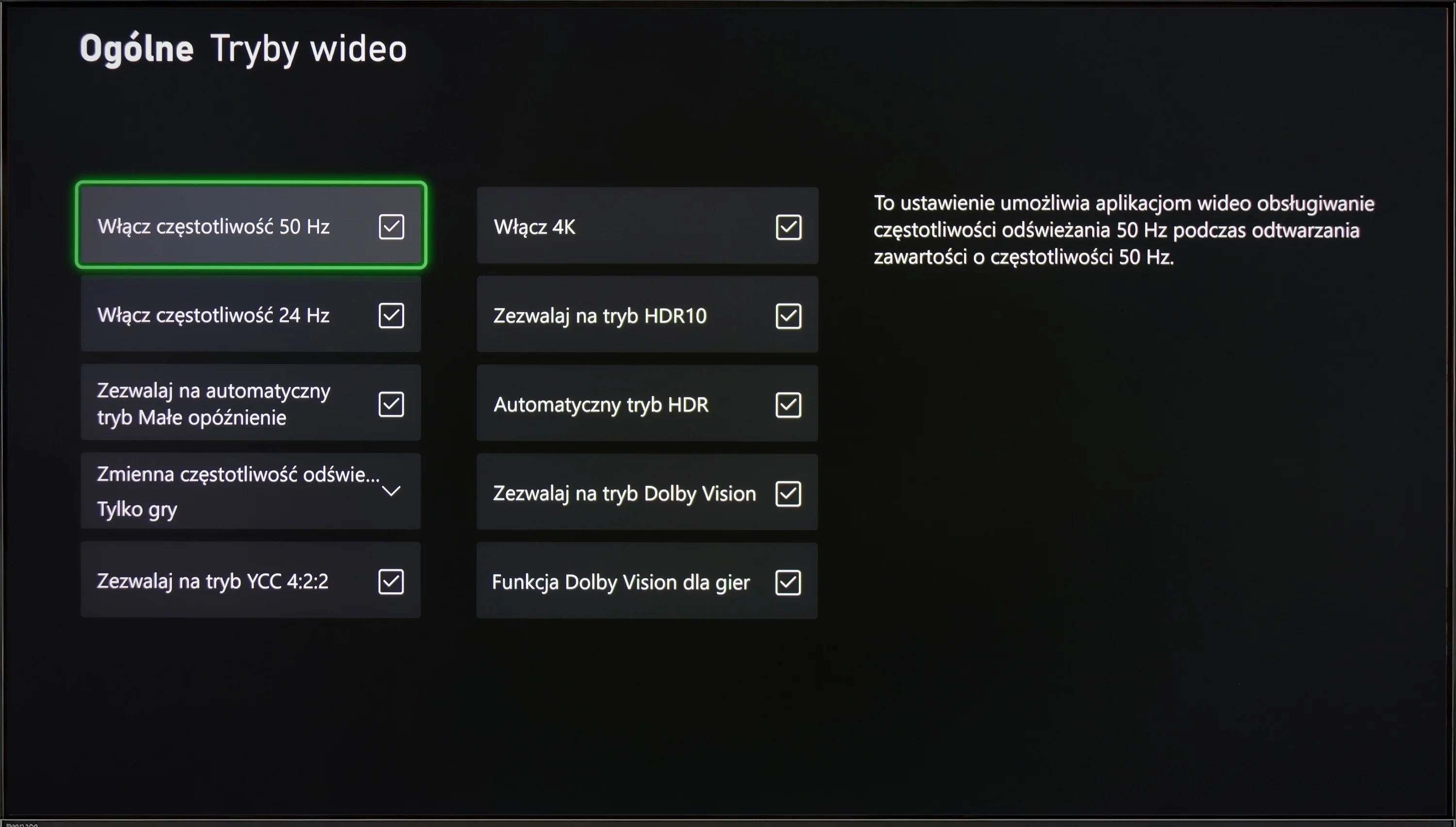
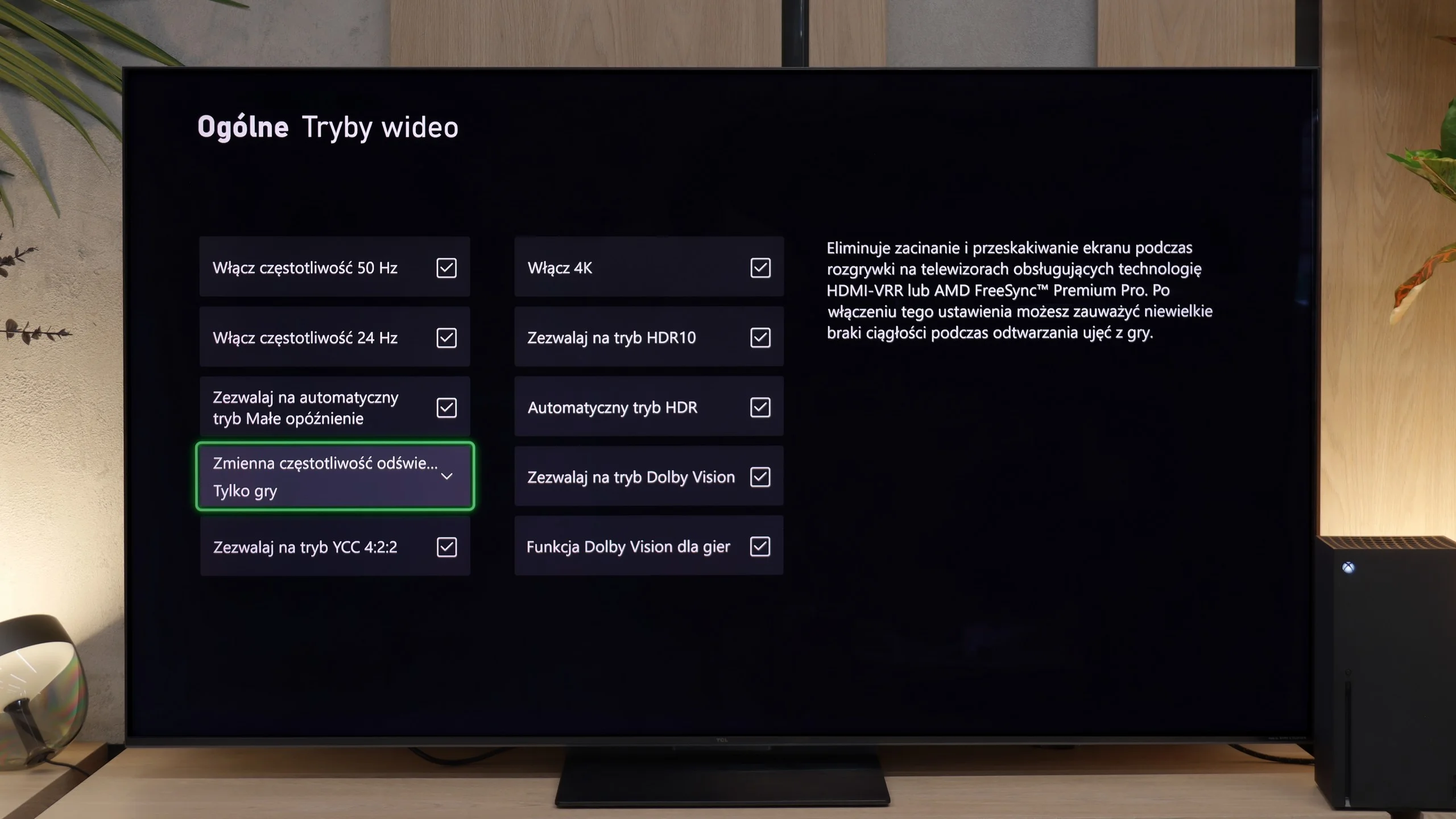
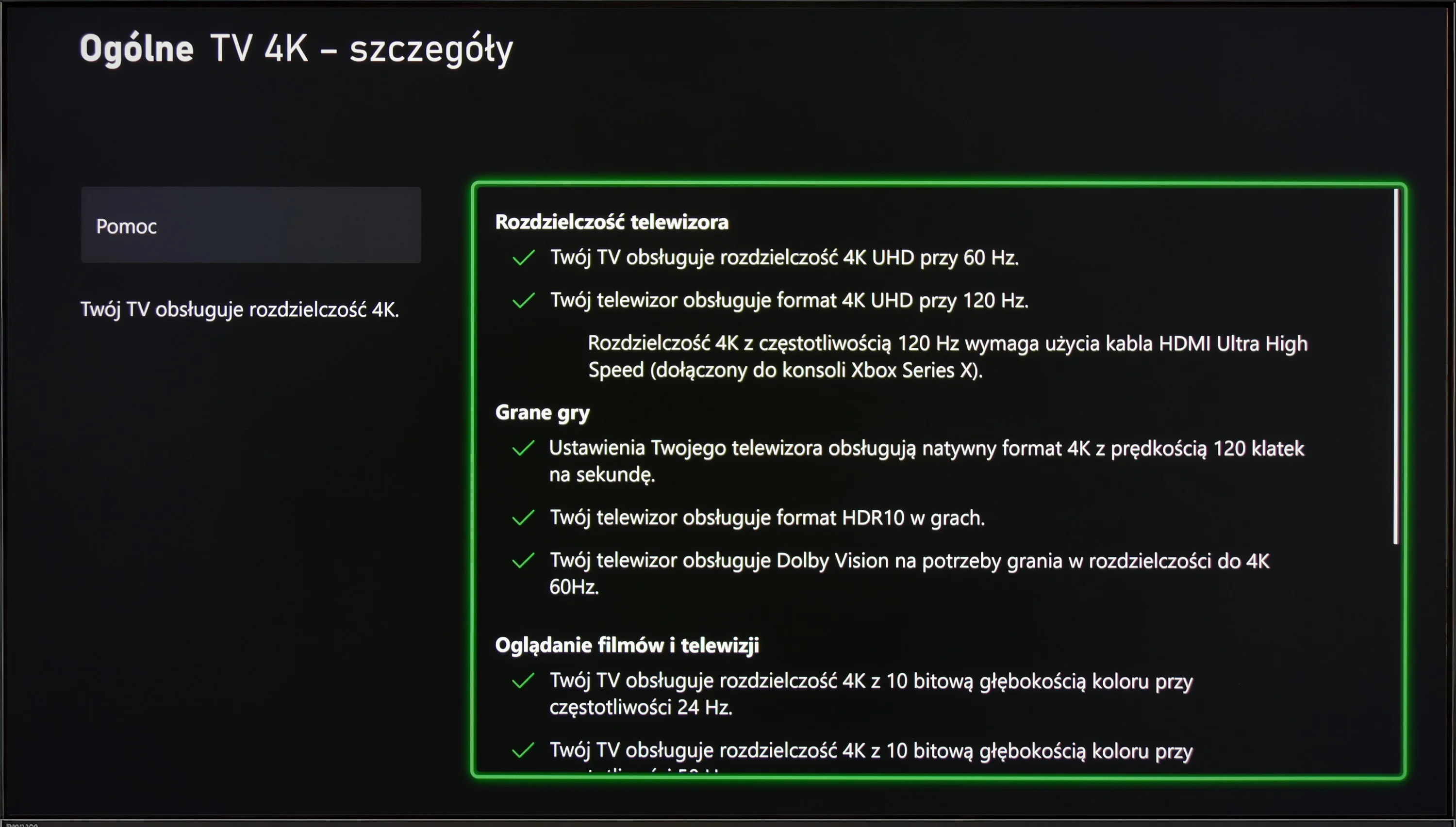
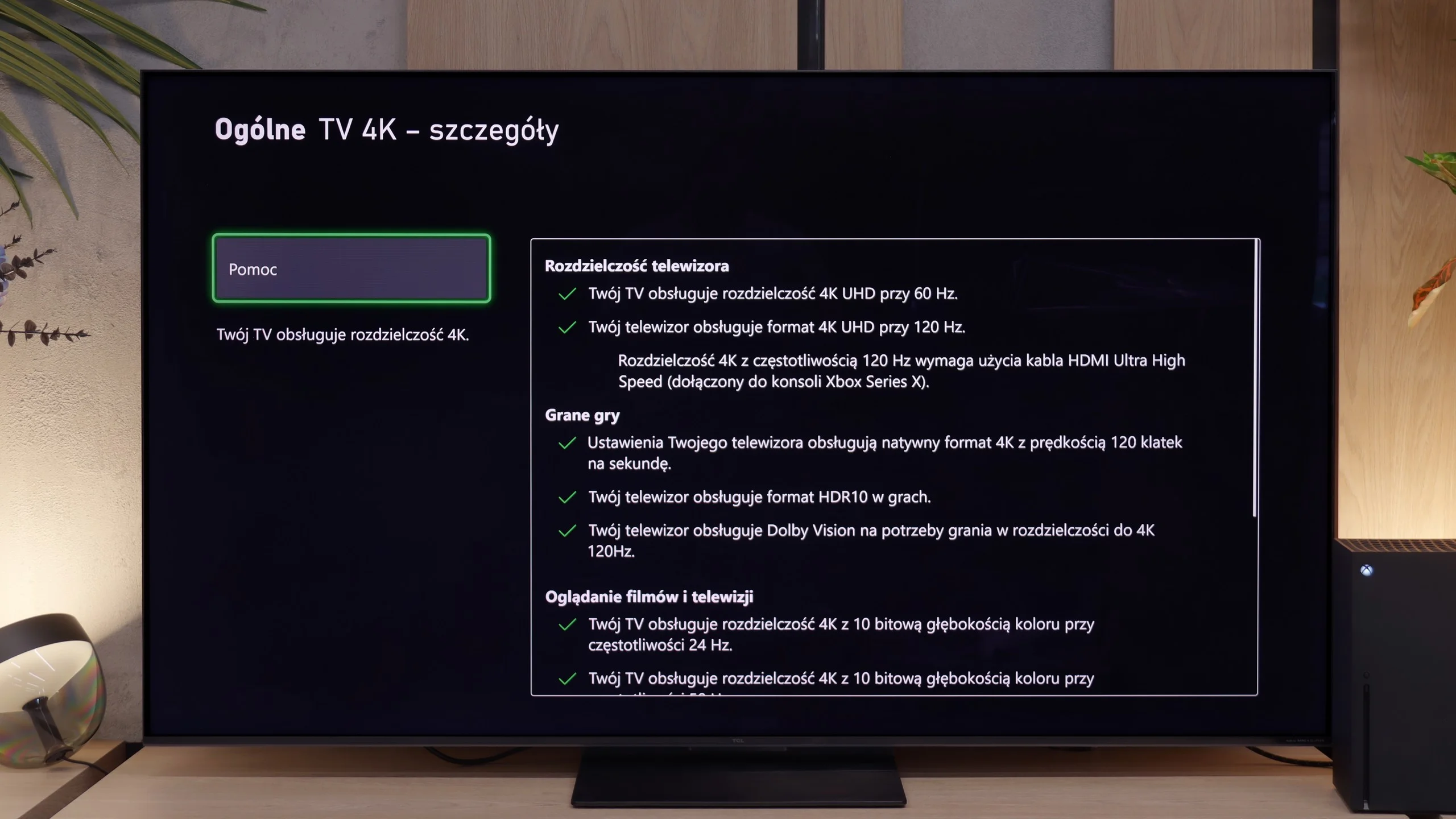
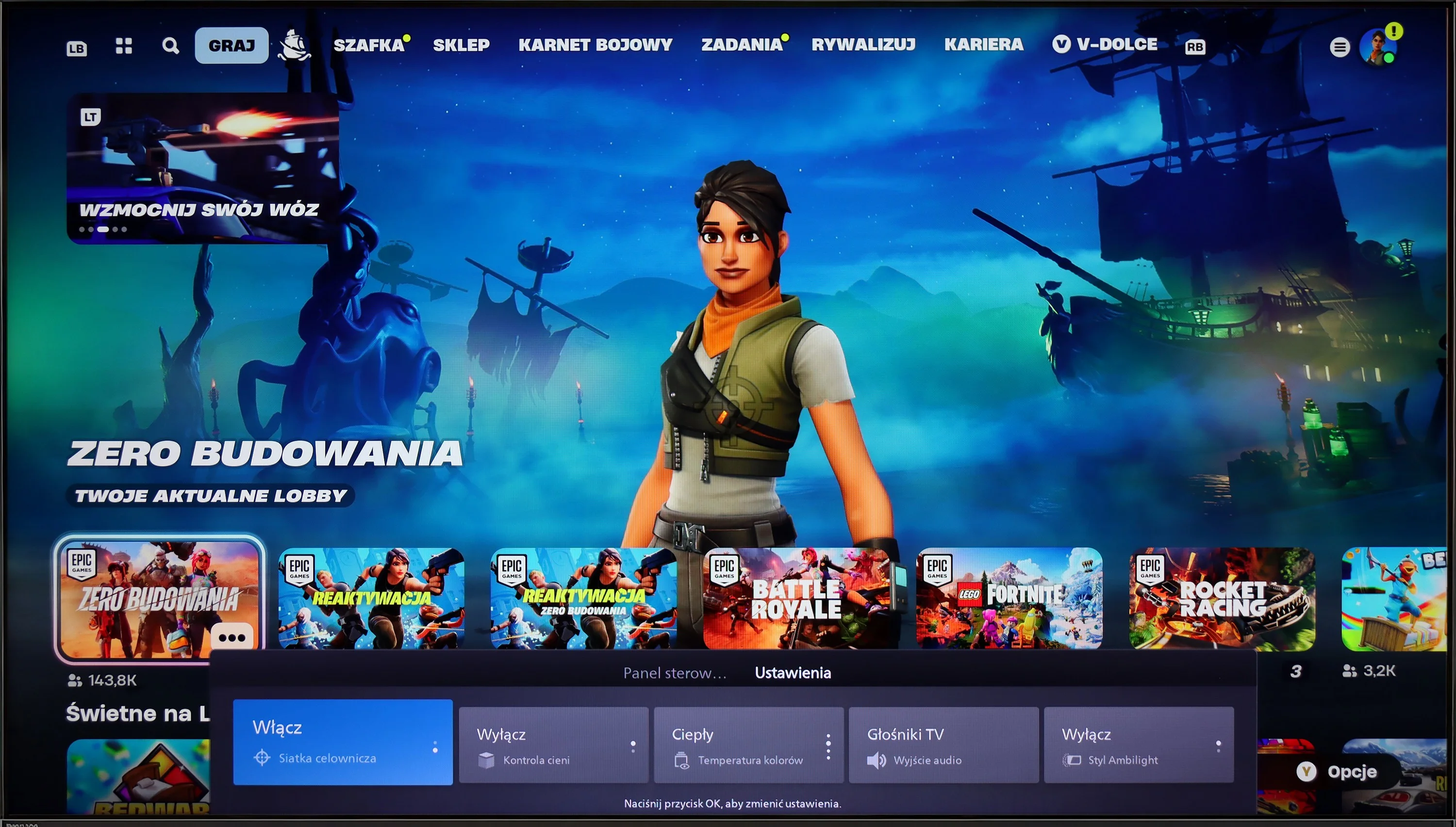
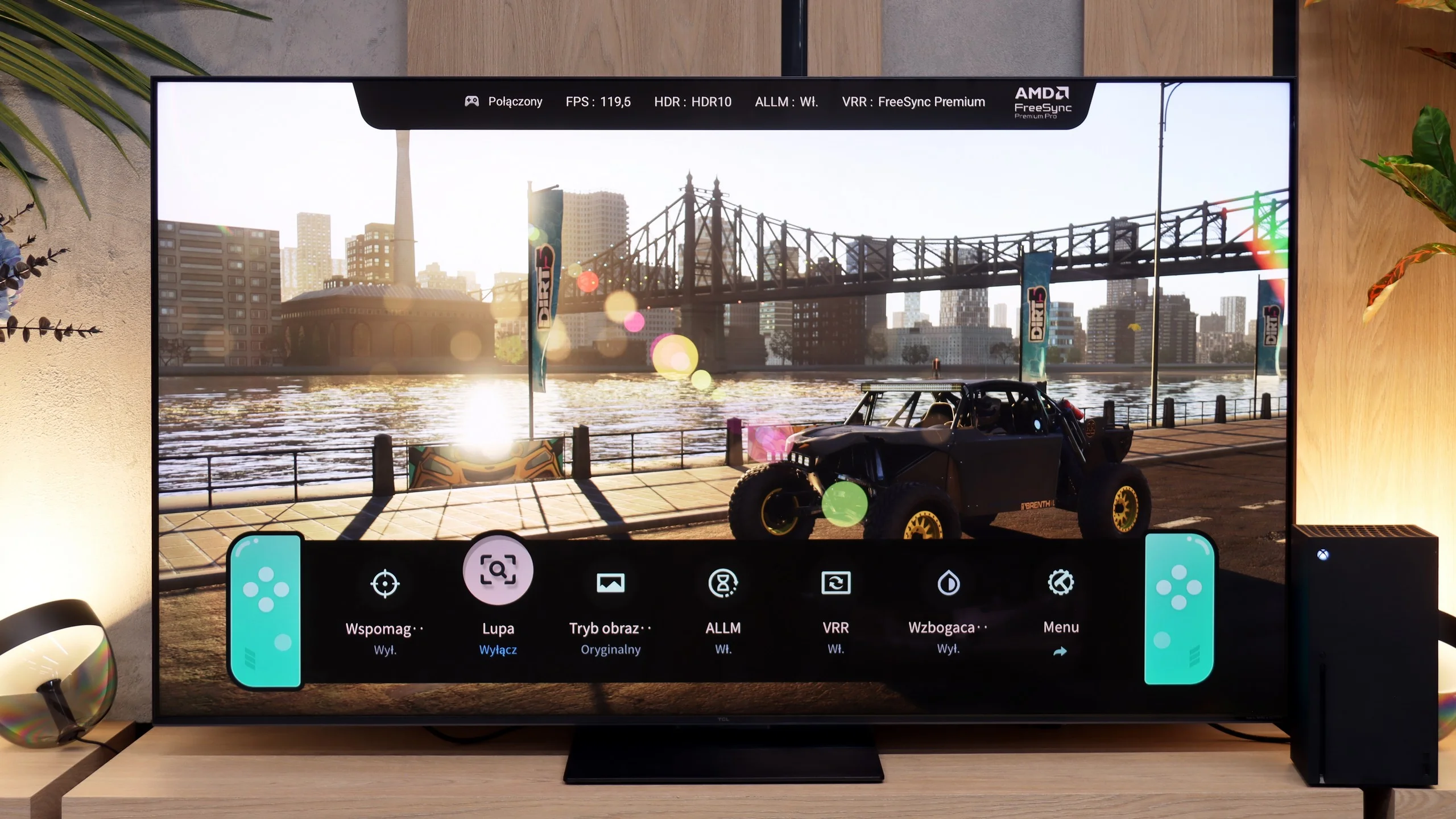
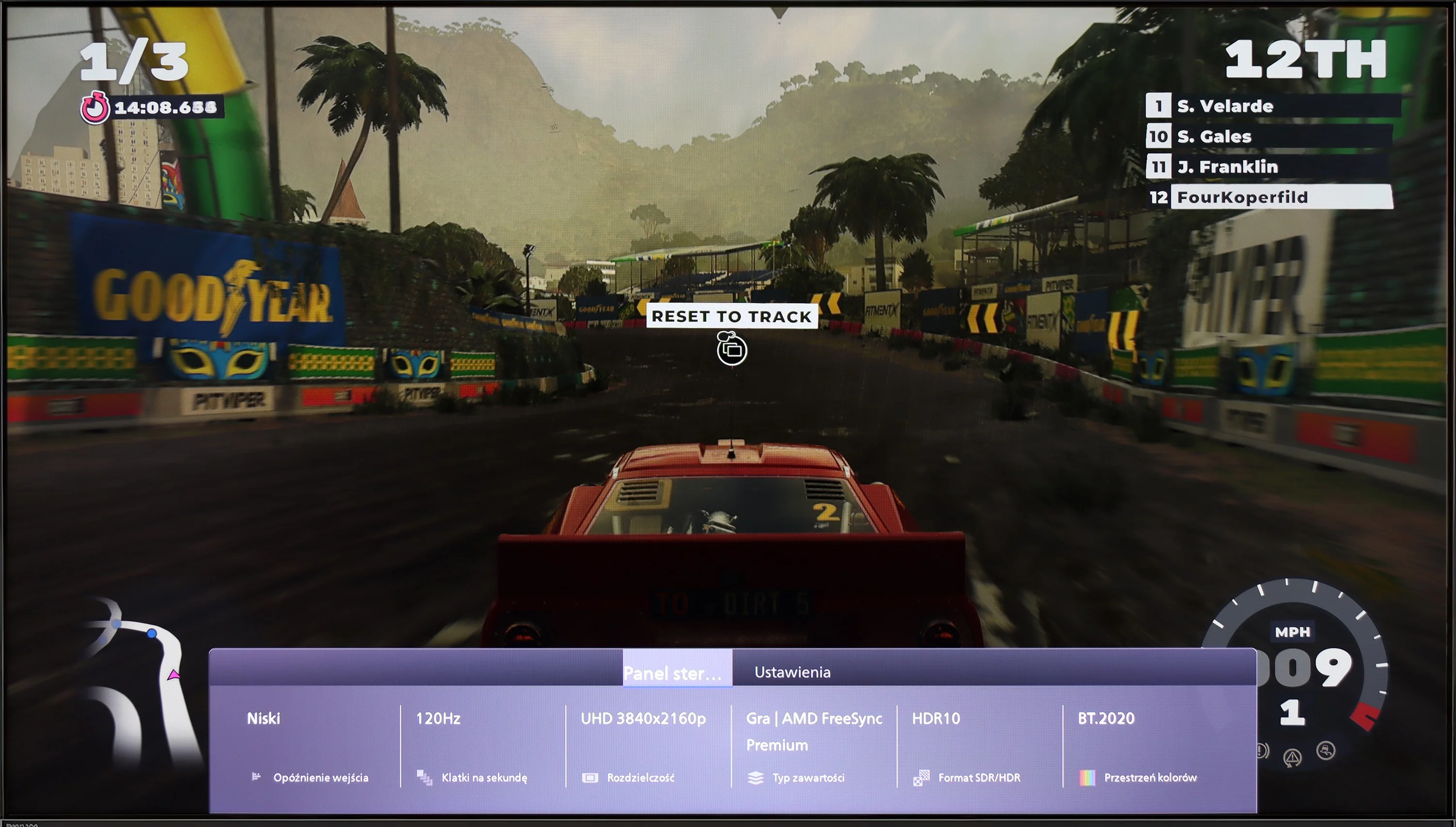
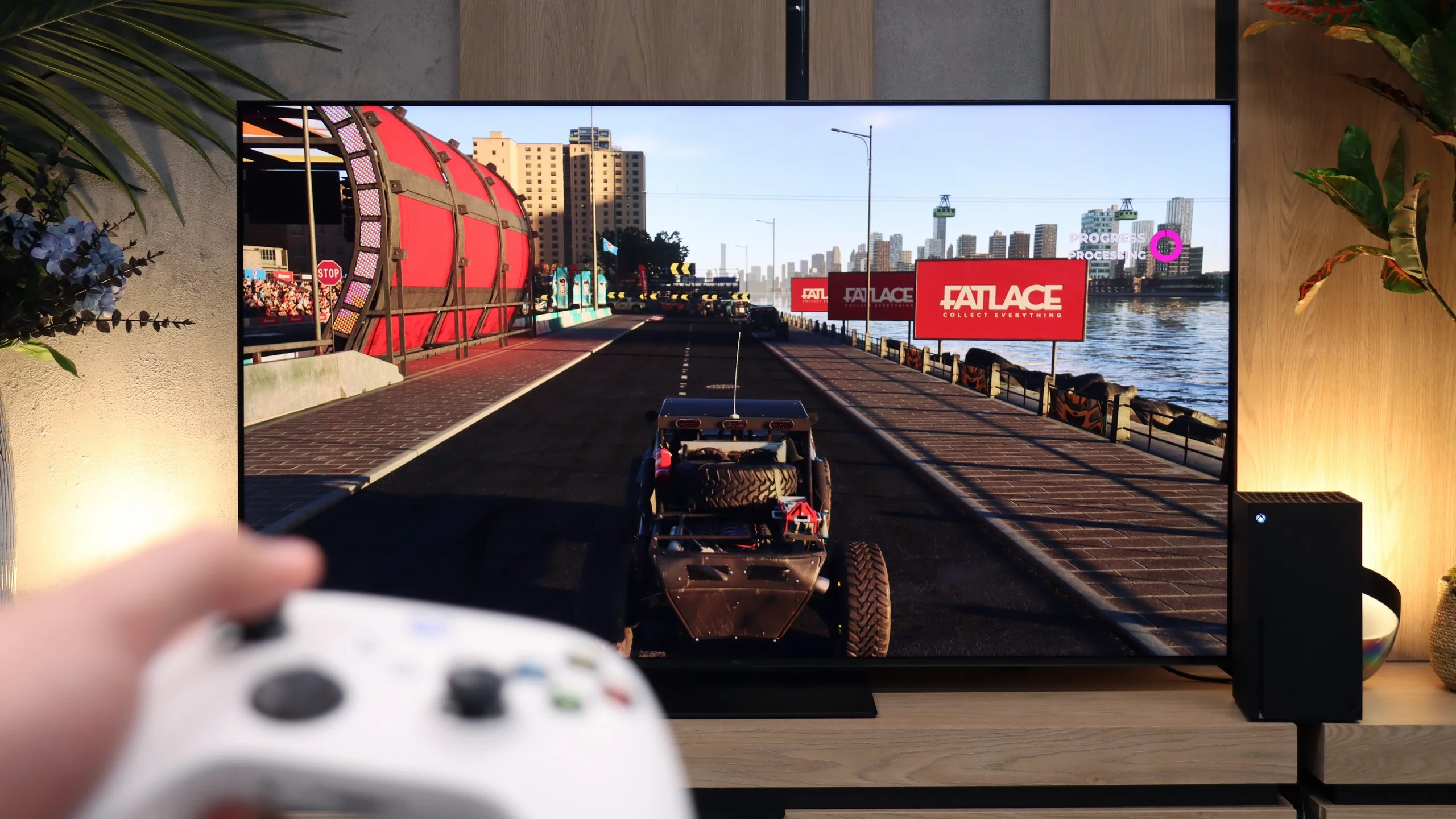
The Philips PML9009, with HDMI 2.1 ports supporting full bandwidth, is thoroughly equipped with gamer-focused features. Core functions like Variable Refresh Rate (VRR) and Auto Low Latency Mode (ALLM) are included, as well as the additional perks of G-Sync and FreeSync compatibility and low-lag HDR Dolby Vision support. All these gaming features activate seamlessly, proving this model’s suitability for gaming. The TV’s HGIG mode, particularly beneficial for gaming, adjusts HDR effects to the television’s capabilities to avoid image dimming and blooming, an advantage given the still limited number of games supporting Dolby Vision.
For added convenience, the PML9009 has a GameBar menu, allowing in-game setting adjustments without needing to exit. This menu includes features like a crosshair option and black level correction, which can enhance the visibility of shadowed areas—ideal for competitive play.
Overall, the Philips PML9009 offers a comprehensive setup for gamers, supporting VRR, ALLM, G-Sync, FreeSync, and HDR Dolby Vision to deliver immersive, high-quality gaming experiences across a wide range of titles.
When it comes to gaming, the TCL C7L is simply an outstanding TV for gamers. Thanks to two full-bandwidth HDMI 2.1 ports at 48 Gbps, you get access to all the key features required by console owners and users of powerful PCs. It has a well-implemented ALLM mode with very low input lag and VRR frame-sync that works in an impressive range from 48 to 288 Hz. Importantly, unlike some competitors, TCL implemented the console HDR10 HGIG profile correctly and added support for Dolby Vision in games. Rounding out the package is a very well-designed player panel, the Game Bar, which even lets you edit its appearance and change the theme to perfectly match your console’s style. The only thing you can — and should — criticize is that the TV offers only two full HDMI 2.1 ports, while the other two are older HDMI 2.0. That creates a fairly significant logistical problem. Why? Because one of those fast ports also supports eARC (enhanced Audio Return Channel). In practice, that means if you connect a soundbar or a home theater system, you’ll only have one free HDMI 2.1 port left. If you have two consoles at home, or a console and a powerful PC, you’ll unfortunately have to give something up or constantly juggle cables at the back while trying to maintain convenient control of your audio system.
Input lag
9.6/10
10/10
SDR
HDR
Dolby Vision
The Philips PML9009 excels in input lag measurements, showcasing impressive performance across various signals and resolutions. Gamers will appreciate the manufacturer’s optimisation, with an exceptionally low input lag of 8 ms when playing at 4K120Hz with HDR—virtually imperceptible even in fast-paced online games. Furthermore, the game mode with Dolby Vision also maintains a commendable response time of 16 ms, ensuring that players experience minimal delay during gameplay. This combination of low input lag and effective game mode implementation solidifies the PML9009 as an excellent choice for competitive gamers seeking a responsive, immersive experience.
It's worth taking a look at the raw numbers here, because in terms of signal delay the TCL C7L is an absolute market leader. Our measurements showed that input lag is extremely low and for a 60 Hz signal it's only about 10 ms. When we step up and run a game at 120 Hz, latency drops to an almost imperceptible 6 to 7 ms. More importantly, the TV maintains these values even after enabling Dolby Vision in games.
Compatibility with PC
8.6/10
8.4/10
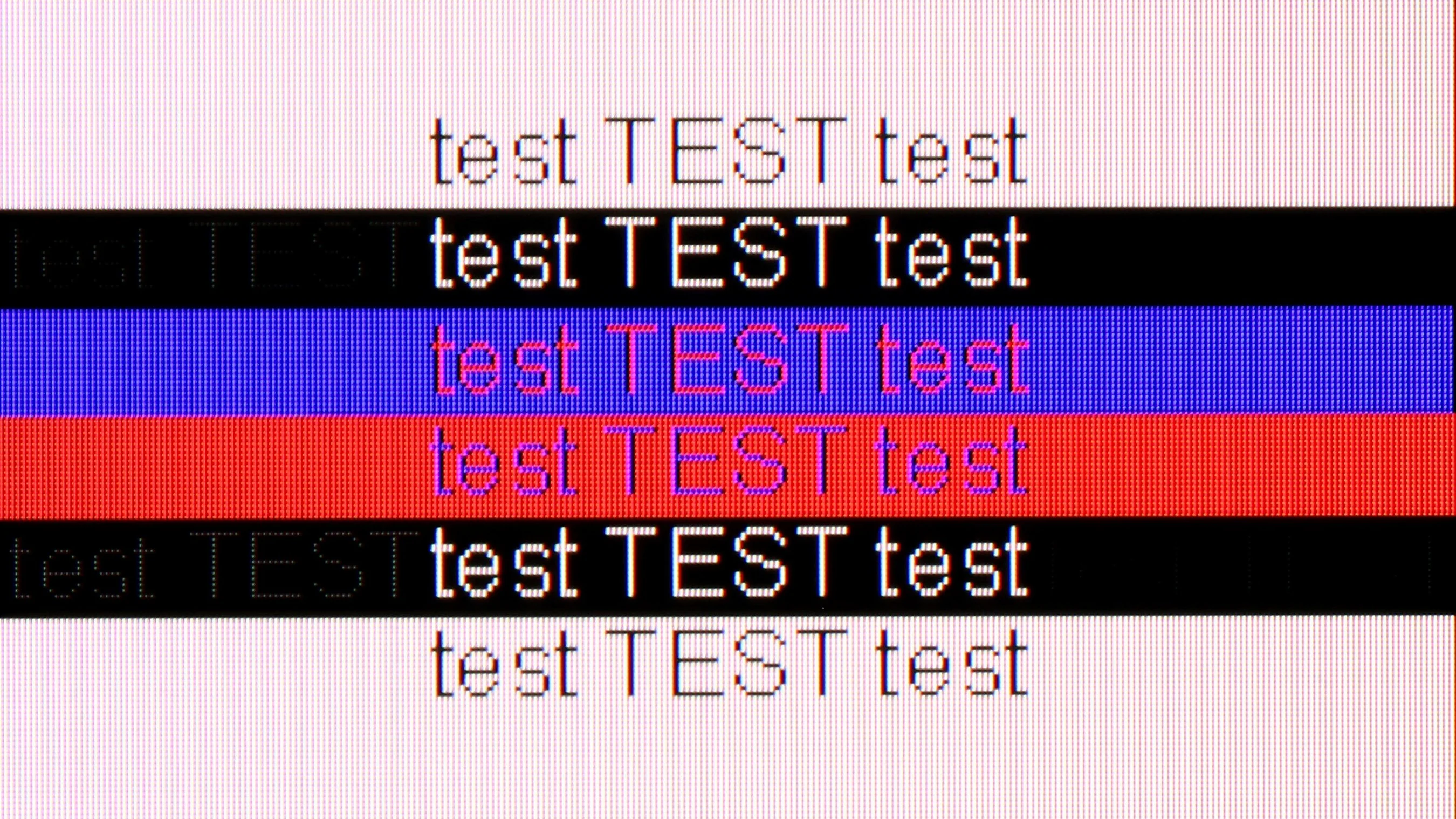
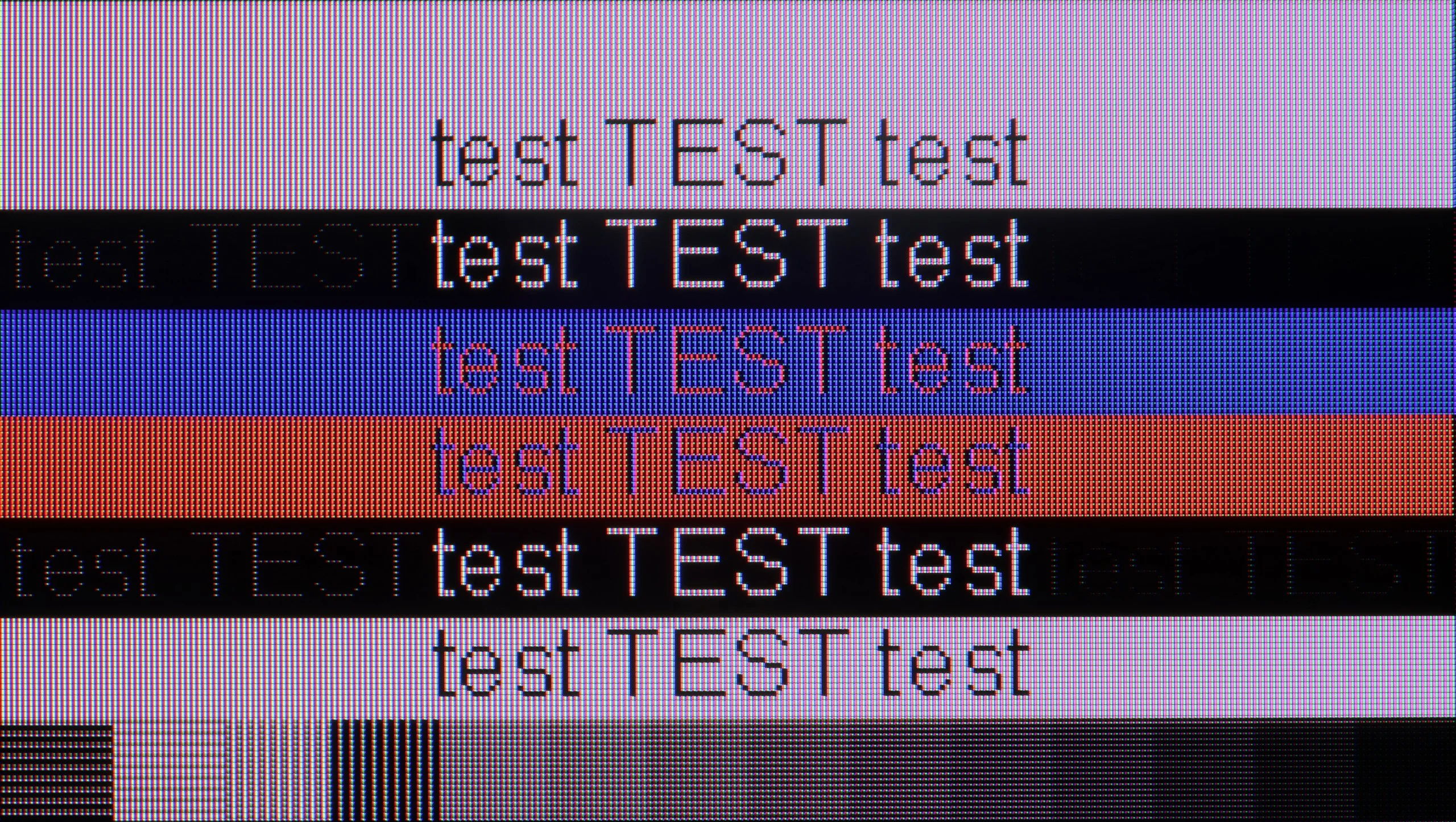
The photo shows the legibility of small fonts. Ideally, lines should be the same thickness on both light and dark text, with minimal pixel gaps.
The Philips PML9009 also excels in everyday tasks, with measured delays of just 8 ms providing nearly instantaneous reactions in the mouse-screen-eye connection. Its proper implementation of chroma 4:4:4 ensures crisp, sharp fonts, making it ideal for text work. While the subpixel layout of the matrix is BGR, this doesn't create any issues when using the Windows operating system. However, users on other systems may encounter challenges with text rendering, as those platforms may struggle to convert text accurately. Overall, the PML9009 is a versatile display suitable for gaming and daily productivity tasks.
When it comes to gaming on a PC, as I mentioned earlier, it’s really hassle-free. The TV handles high refresh rates without a hitch: full 4K at 144 Hz, and at Full HD it can even ramp up to 288 Hz. G-Sync and FreeSync work here with no problems. For PC gamers, the C7L can therefore serve as a great, gigantic monitor.
Typical office work with text looks a bit worse, though, because the panel behaves somewhat oddly in those conditions. With the highest refresh modes enabled, i.e. 144 Hz and 288 Hz, readability and the sharpness of dark text on a light background are rather mediocre: fonts become slightly blurred and jagged. Fortunately this can be fixed very easily by changing the display refresh rate in the graphics card settings to a stable 120 Hz. Then text becomes perfectly sharp again, which is definitely worth remembering if you plan to use the C7L as a work monitor.
Viewing angles
2.6/10
3.7/10
A commonly known drawback of VA panels that do not have an angle coating is their poor viewing angles. This is no different this time. Even after a slight shift off-axis, the image becomes washed out, and the colours undergo significant degradation.
Unfortunately, the HVA 2.0 panel's powerful native contrast comes at a price. It's the viewing angles, which on the C7L are simply weak. That's all due to the use of a VA-type panel. This is an entirely natural trait of that technology and something you need to take into account when buying. If you sit directly in front of the screen, the image will impress you with its depth, but just shift a few dozen degrees to the side on the couch and the colors will immediately start to fade. By choosing this model, you accept a classic market compromise: you get brilliant blacks and outstanding contrast, but you lose out on viewing angles.
Daytime performance
6.1/10
8.8/10
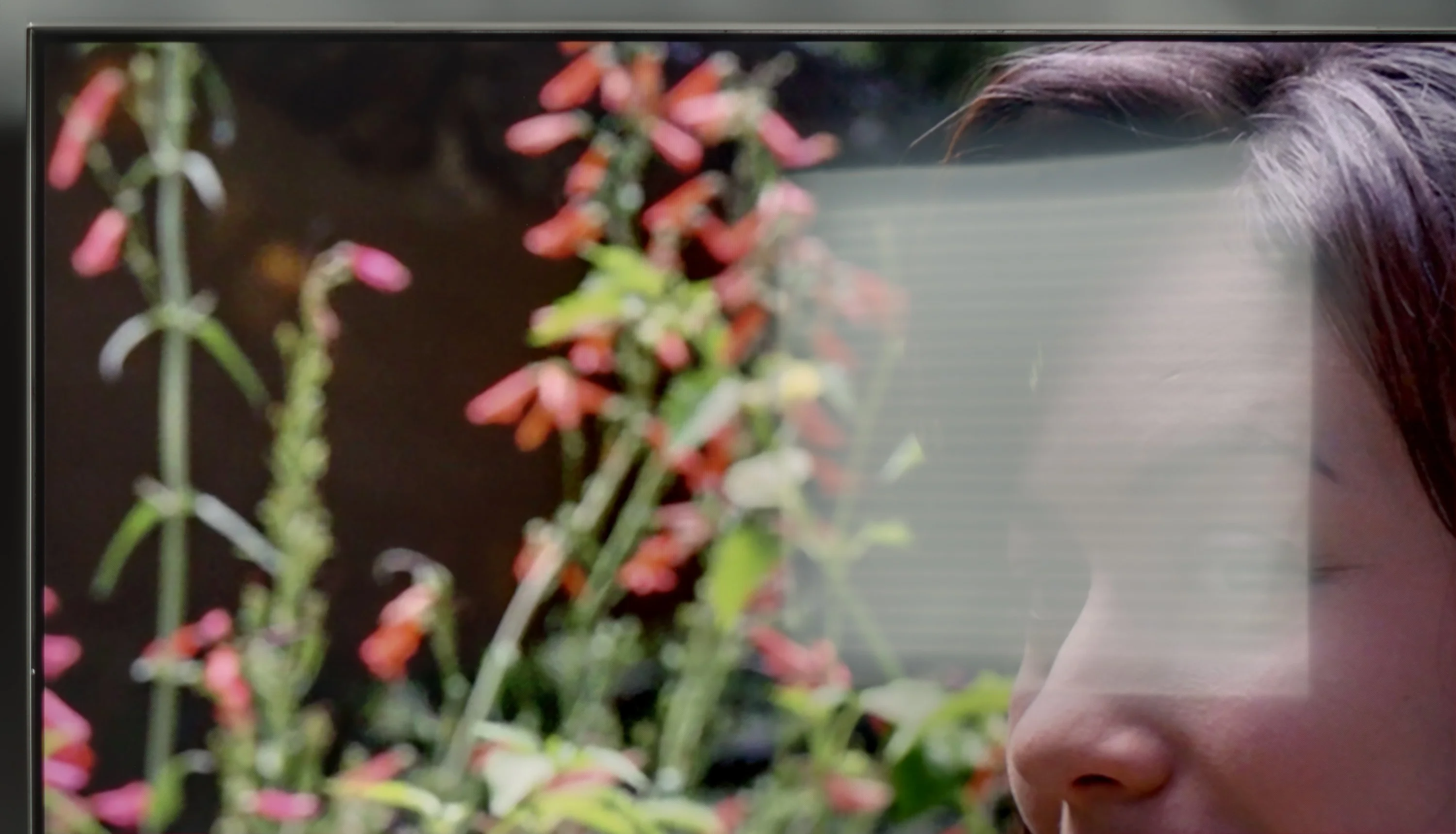
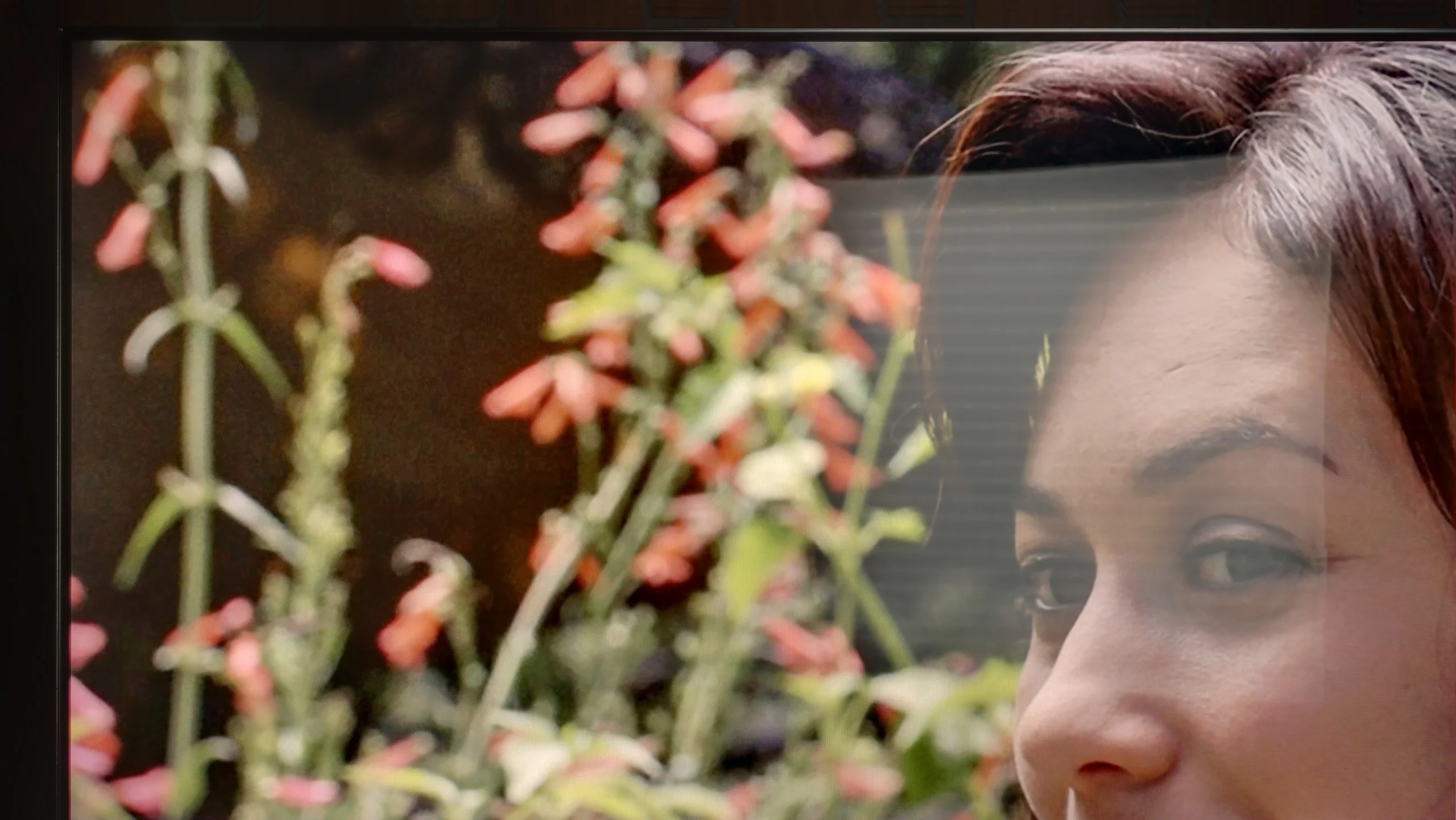
Panel brightness
TCL C7L: 1327 cd/m2
Philips PML9009 / 9019 / 9059: 564 cd/m2
While the Philips PML9009 offers good brightness levels for SDR materials—making it suitable for evening or dark-room viewing—the reflection suppression is only average. This can be attributed to the satin finish of the panel, which is prone to reflections from various light sources, as it neither absorbs nor diffuses them effectively. However, the relatively high brightness in SDR mode enables the television to perform adequately in brighter rooms, often outperforming many OLED models in this regard. This makes it a viable option for users who might watch content in well-lit environments.
It's also worth mentioning how the TCL C7L performs during everyday viewing in a sunlit living room. As we've already established, it's an extremely bright TV, and thanks to such a massive luminance headroom (up to 2400 nits in SDR!) it can excel in very bright rooms; the image simply punches through the light coming into the room without any problem. The only thing to watch out for is direct reflections on the screen. The panel coating used this year is noticeably glossier than the one we saw on last year's C7K. The screen does a much poorer job of reducing specular reflections, which in unfavorable conditions, for example when a window sits directly opposite the TV, can be quite annoying for some users. Still, in terms of raw brightness the C7L is simply a beast for bright living rooms.
Panel details
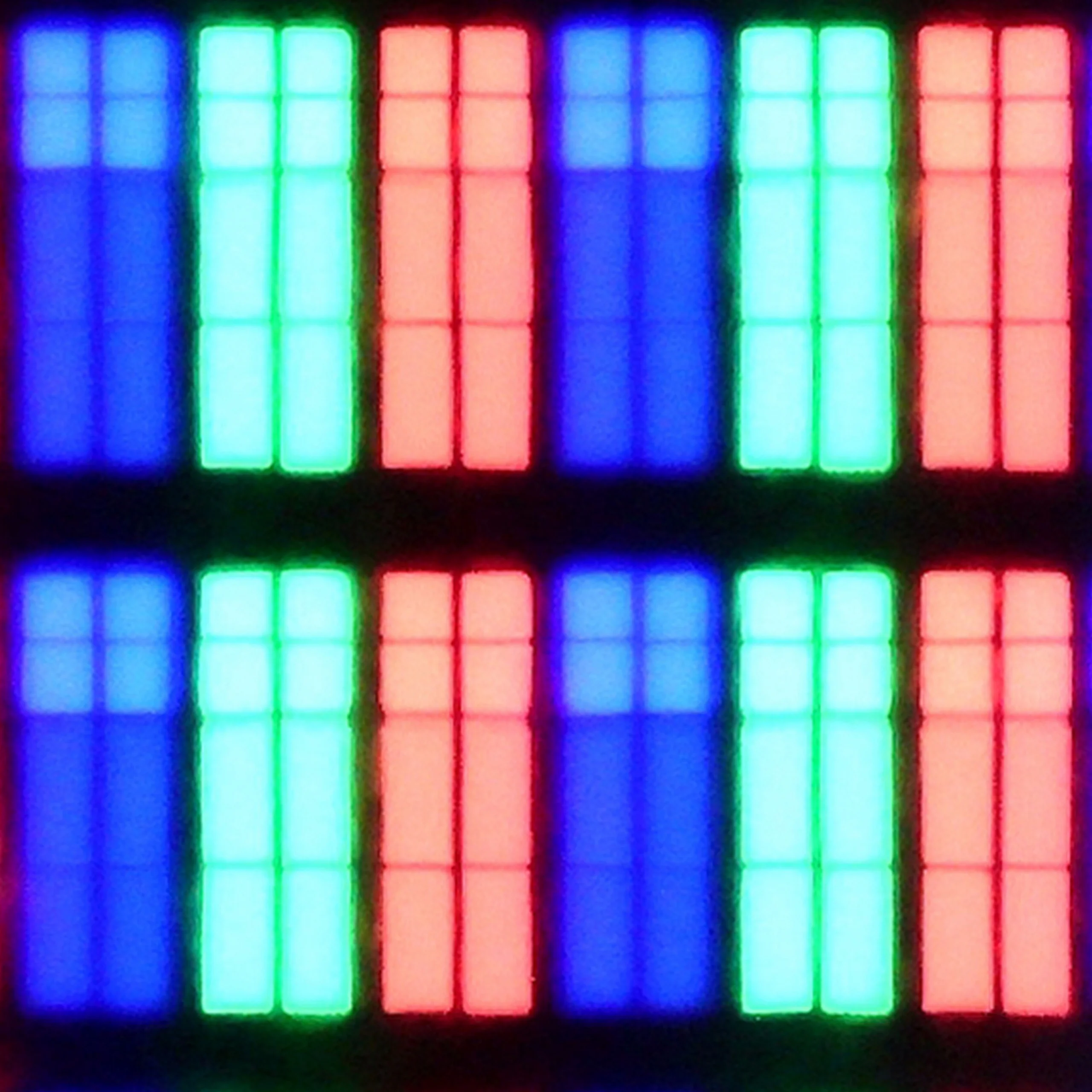
Subpixel Structure:
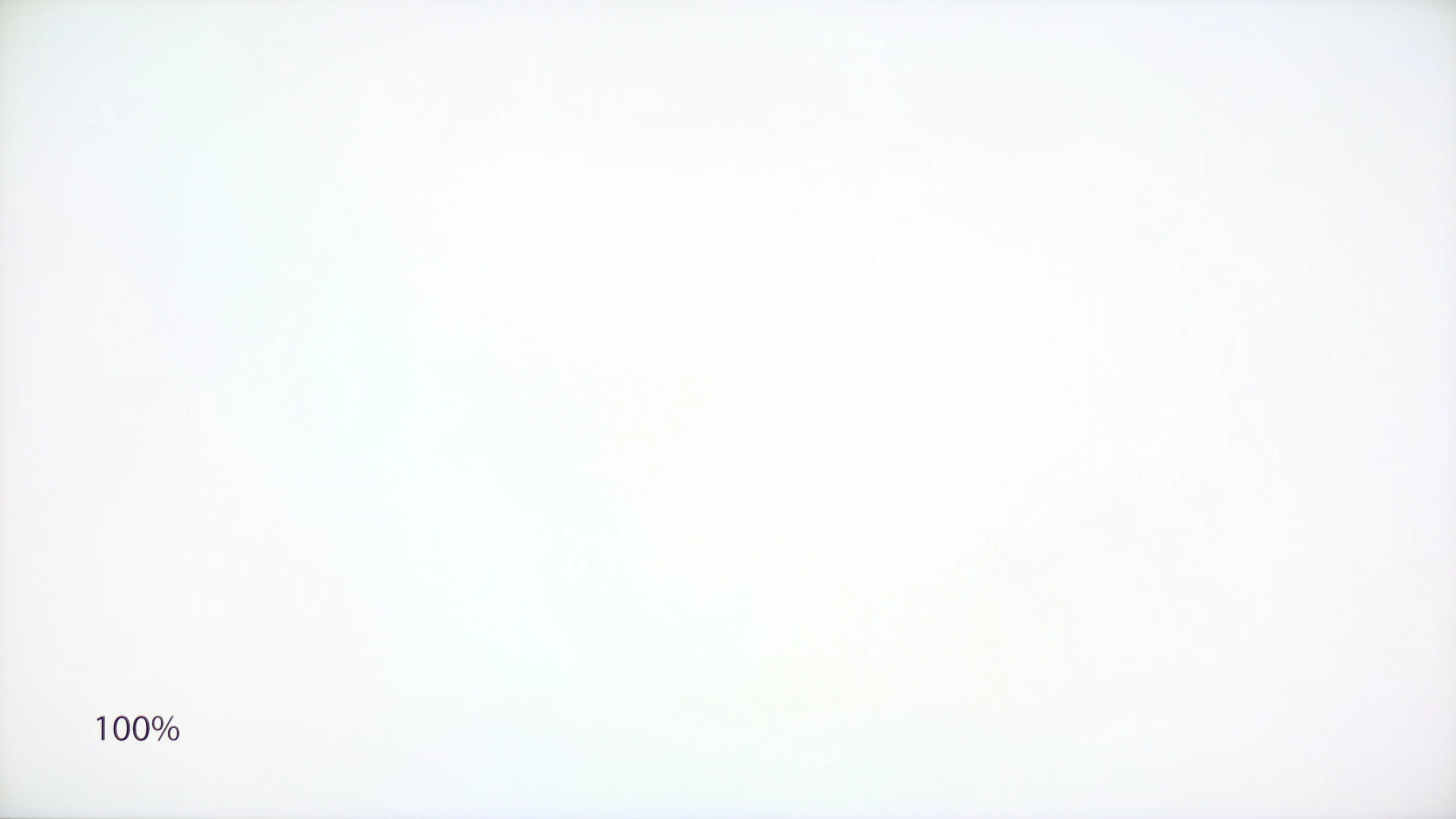
Panel uniformity and thermal imaging:

Philips PML9009 / 9019 / 9059
TCL C7L
TV features
6.1/10
7.8/10
- SystemTitan OSGoogle TV
- System performanceDecentVery good
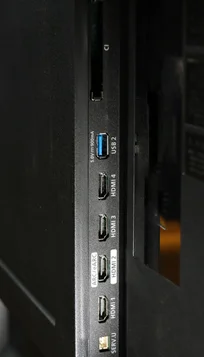
- HDMI inputs0 x HDMI 2.0, 4 x HDMI 2.1 48Gbps2 x HDMI 2.0, 2 x HDMI 2.1 48Gbps
- OutputsToslink (Optical audio), eARC (HDMI), ARC (HDMI), Mini-Jack (Headphones)Toslink (Optical audio), eARC (HDMI), ARC (HDMI)
- Network InterfacesWi-Fi 2.4GHz, Wi-Fi 5GHz, Ethernet (LAN) 100MbpsWi-Fi 2.4GHz, Wi-Fi 5GHz, Ethernet (LAN) 100Mbps
- TV receptionDVB-T, DVB-T2, DVB-S, DVB-S2, DVB-CDVB-T, DVB-T2, DVB-S, DVB-S2, DVB-C
Classic features:
- Recording to USB (terrestrial TV)

- Recording programming
- Picture in Picture (PiP)
- RF remote control (no need to aim)
- Backlit remote control
- Teletext
- Audio only mode
- Bluetooth headphones support
- Simultaneous Bluetooth headphones & TV audio
Smart features:
- AirPlay
- Screen mirroring (Windows Miracast)
- Voice search
- Voice search in native language
- Ability to connect a keyboard and mouse
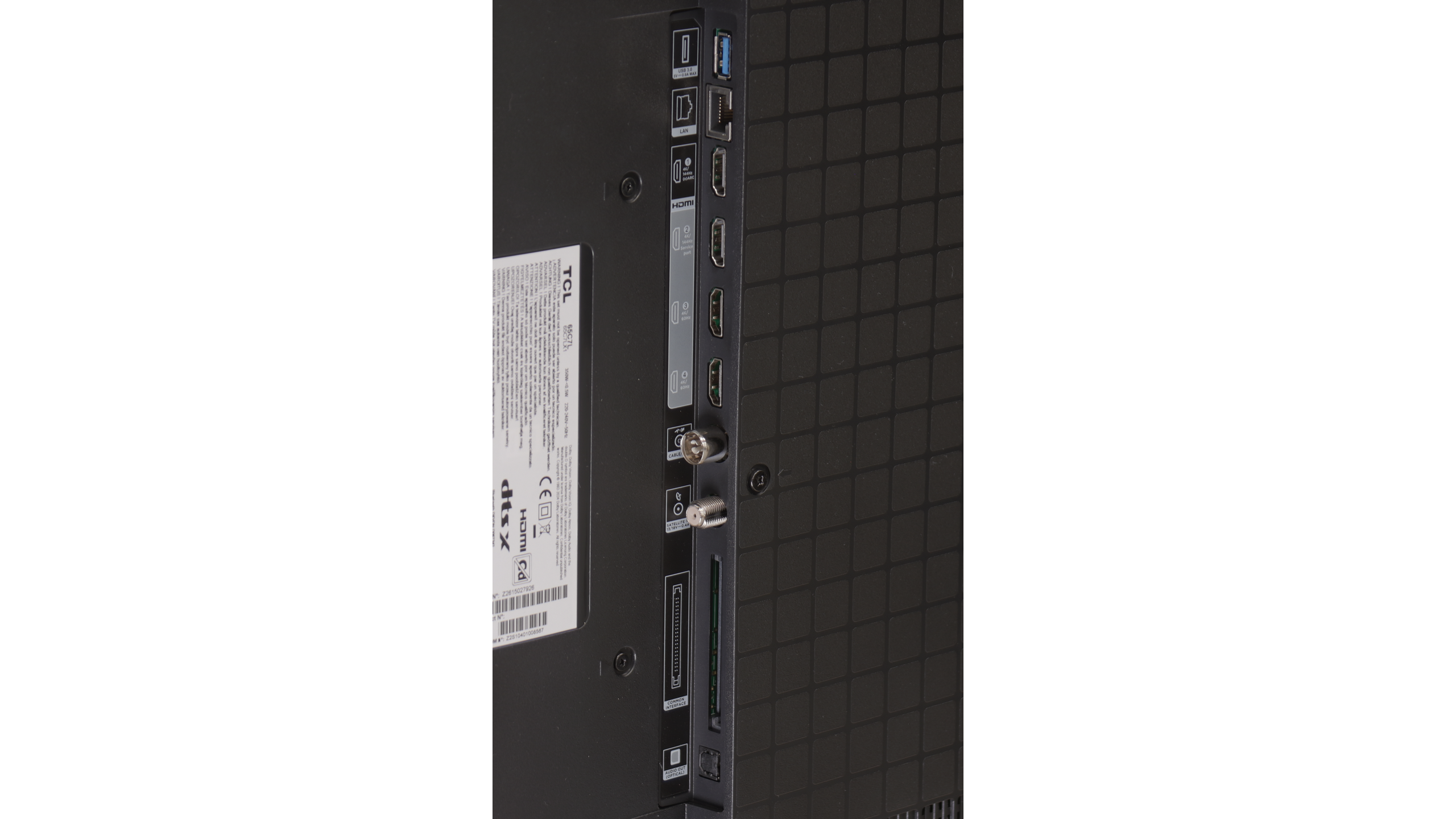
Sound connection options
- HDMI audioeARC (HDMI), ARC (HDMI)eARC (HDMI), ARC (HDMI)
- Other audio outputsToslink (Optical audio), Mini-Jack (Headphones)Toslink (Optical audio)
- Wireless audioBluetoothBluetooth
Supported audio formats (external HDMI eARC audio):
- Dolby Digital Plus 7.1
- Dolby True HD 7.1
- Dolby Atmos in Dolby Digital Plus (JOC)
- Dolby Atmos in Dolby True HD
- DTS:X in DTS-HD MA
- DTS-HD Master Audio
Senior accessibility
- Numeric keyboard on TV
- Font size adjustment
- Audio description
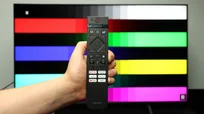
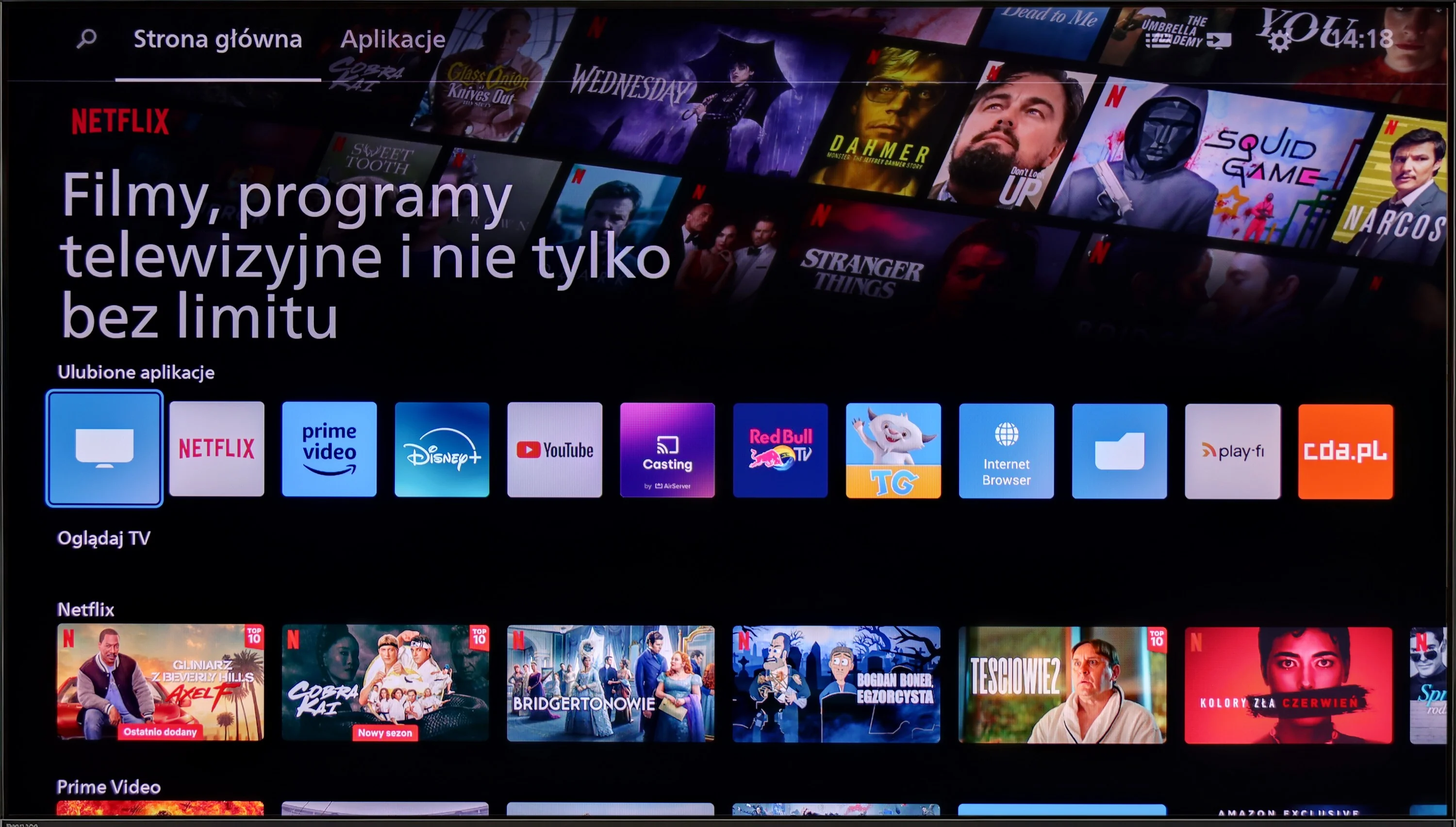
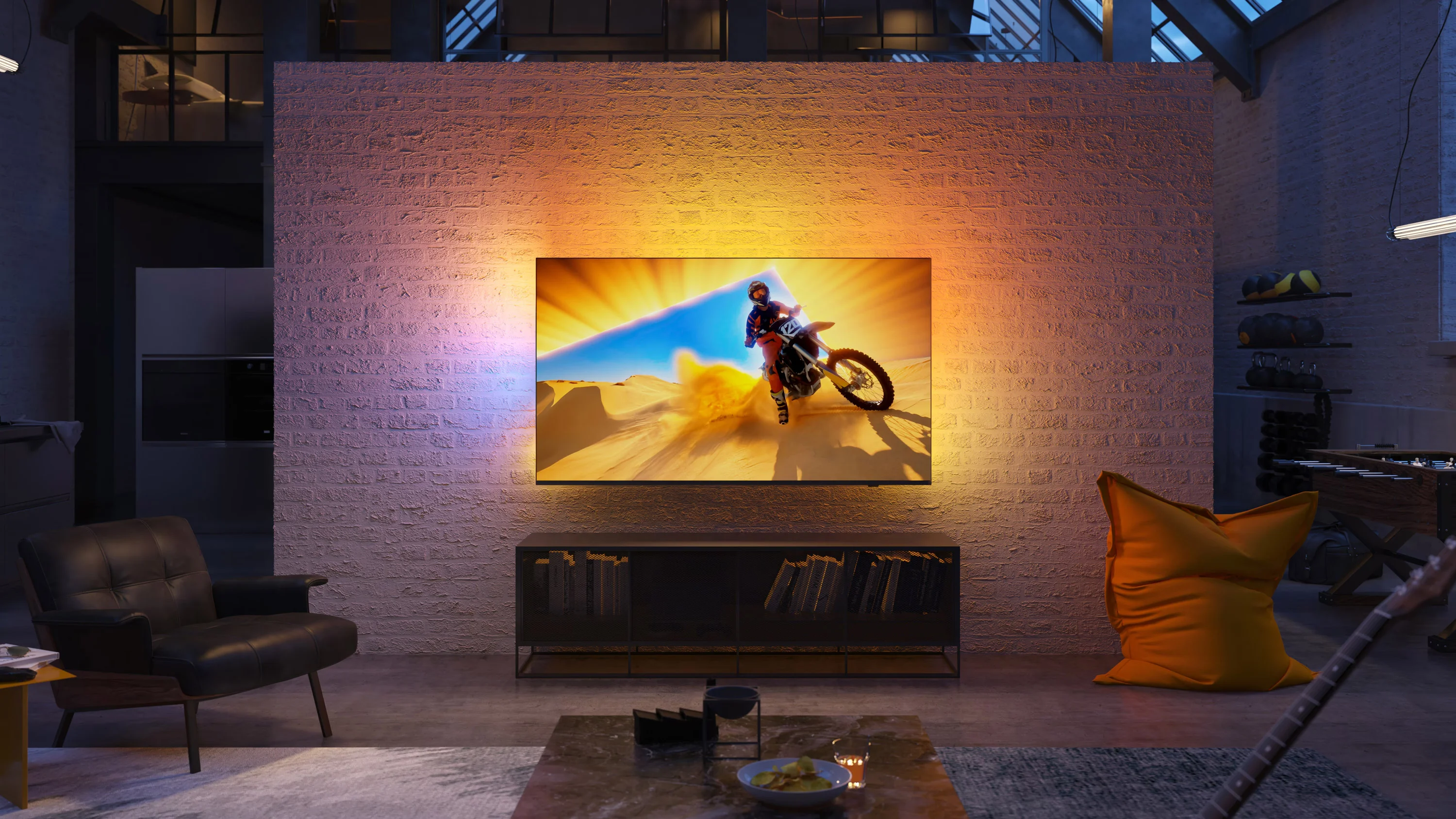
Before delving into the software that powers the Philips PML9009, it’s essential to highlight one of the standout features of the manufacturer’s TVs: the multicoloured Ambilight backlighting. This unique feature enhances the viewing experience by projecting colours from the back of the TV that correspond to the on-screen action, creating a more immersive atmosphere.
The operating system used in the PML9009 is Philips' proprietary TitanOs. While it offers some benefits, it is notably more closed and limited when compared to other models that use the Google TV system. One significant drawback is the absence of essential applications such as Apple TV, MAX, Canal+, and Player. Additionally, TitanOs restricts users from performing basic tasks like scheduling recordings or recording to USB. Apple device users may also be disappointed by the lack of AirPlay functionality, which allows for easy screen sharing.
On a positive note, the TV supports connecting a keyboard and mouse, which can simplify navigation through the menu. However, it's worth noting that while the remote pairs via Bluetooth for voice selection in English, all other functions rely on infrared (IR) connectivity.
In summary, TitanOs has its limitations, especially for users who frequently utilize a variety of streaming platforms. It seems better suited for those who primarily engage with a few key services—what one might refer to as the "holy trinity" of streaming: Netflix, YouTube, and CDA.
Google TV and Smart TV
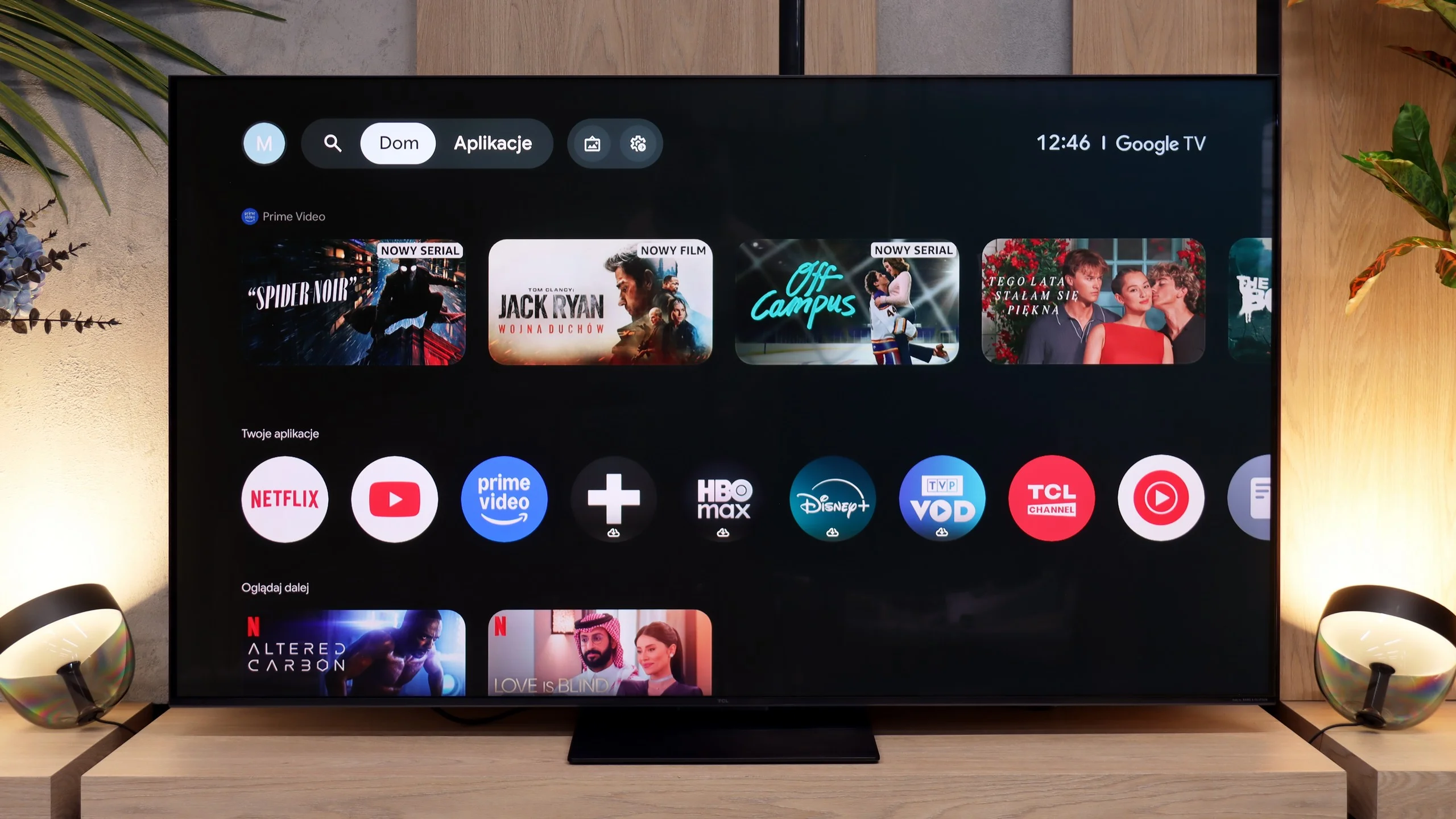
The multimedia heart of the TCL C7L is, of course, the Google TV operating system, which provides access to a vast library of apps and all the most popular streaming platforms on the market. The Smart TV in this model runs flawlessly, offering full support for useful network features such as Apple AirPlay and Chromecast. A huge and very pleasant surprise is the software's overall polish and responsiveness. We noticed that Google's system on the new C7L runs noticeably smoother and faster than on TCL models from last year. This is largely thanks to better optimization at launch. Unnecessary pauses and minor interface stutters that were common on older models seem to have been left behind.
Television features
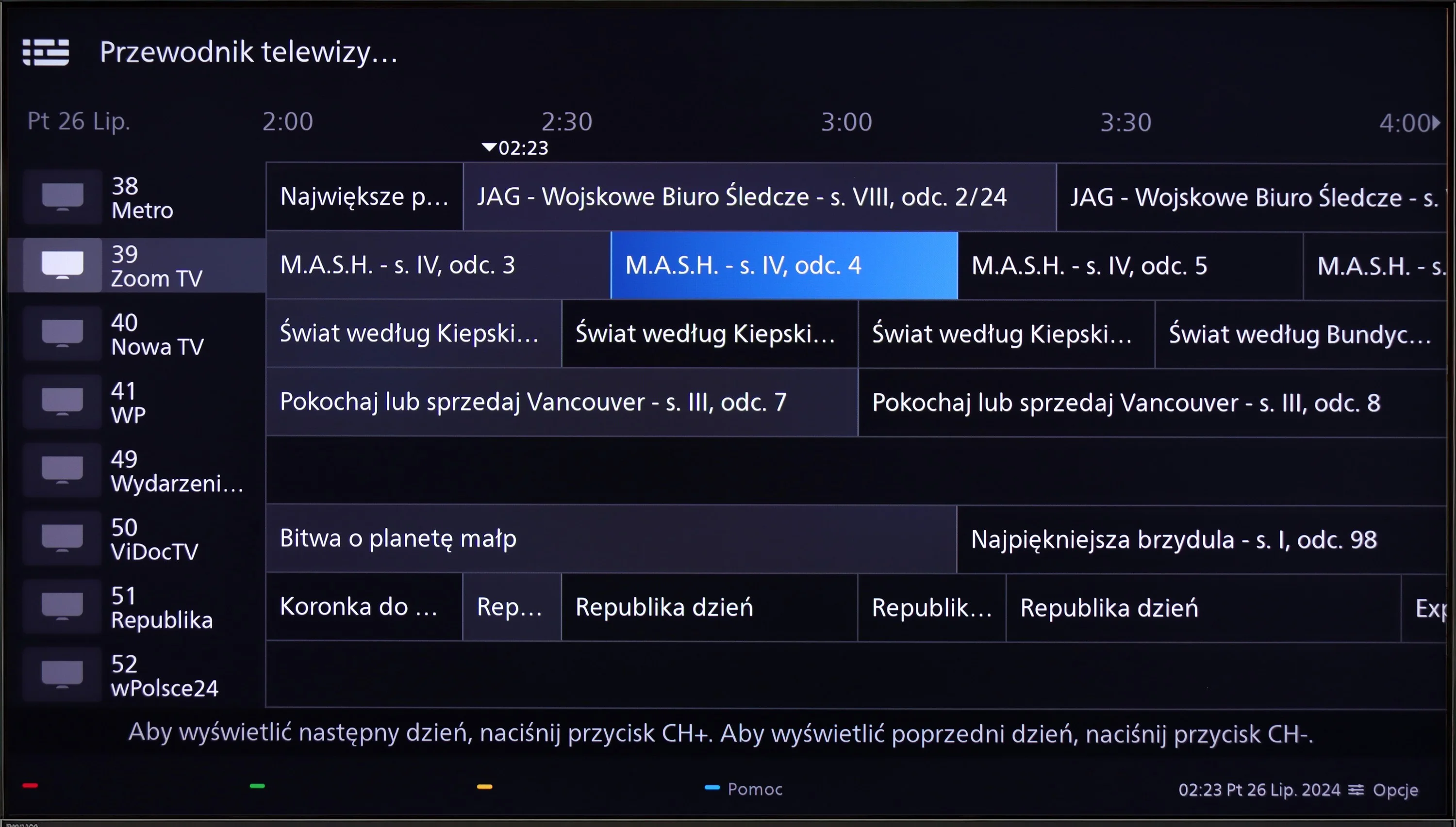
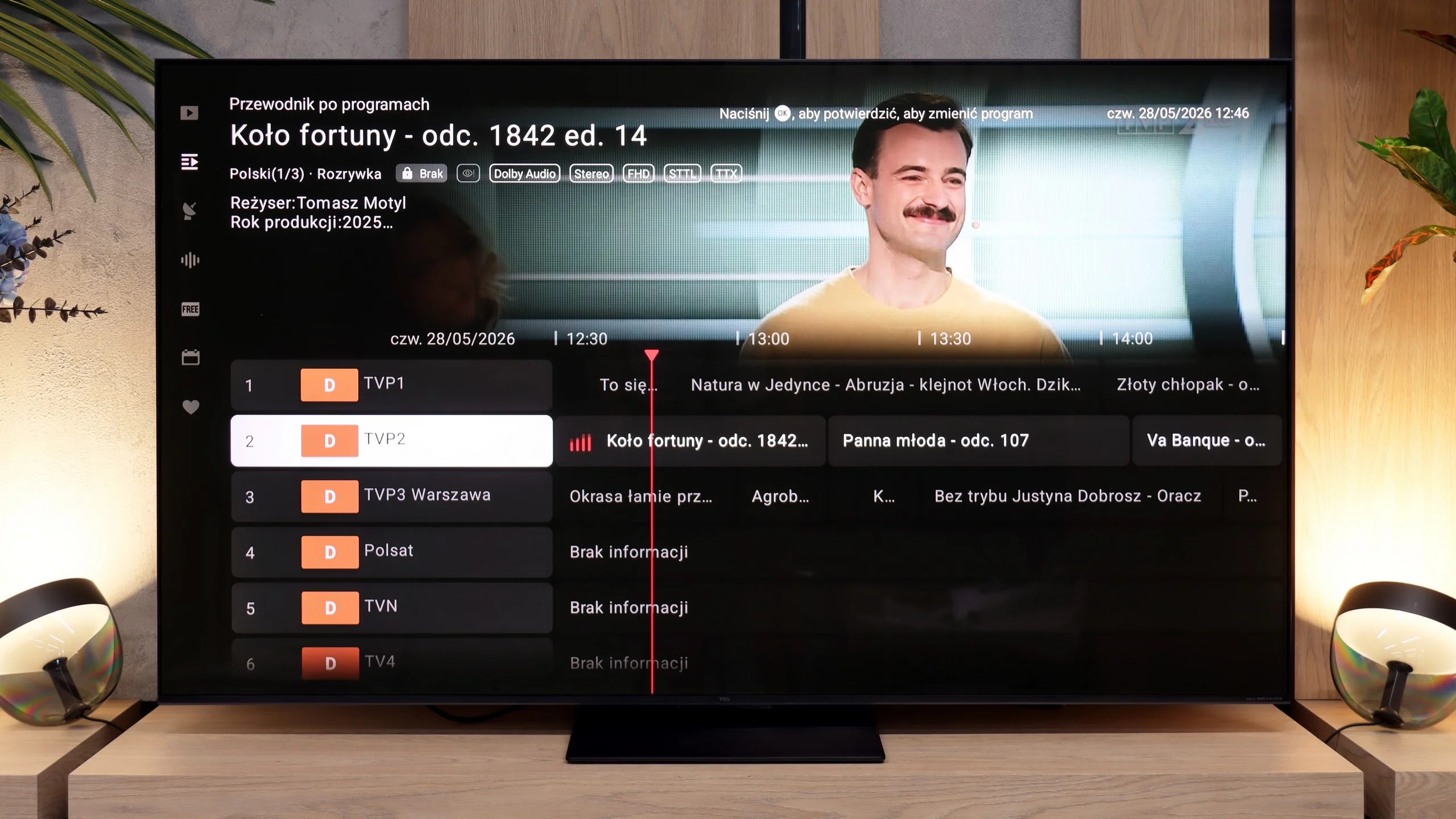
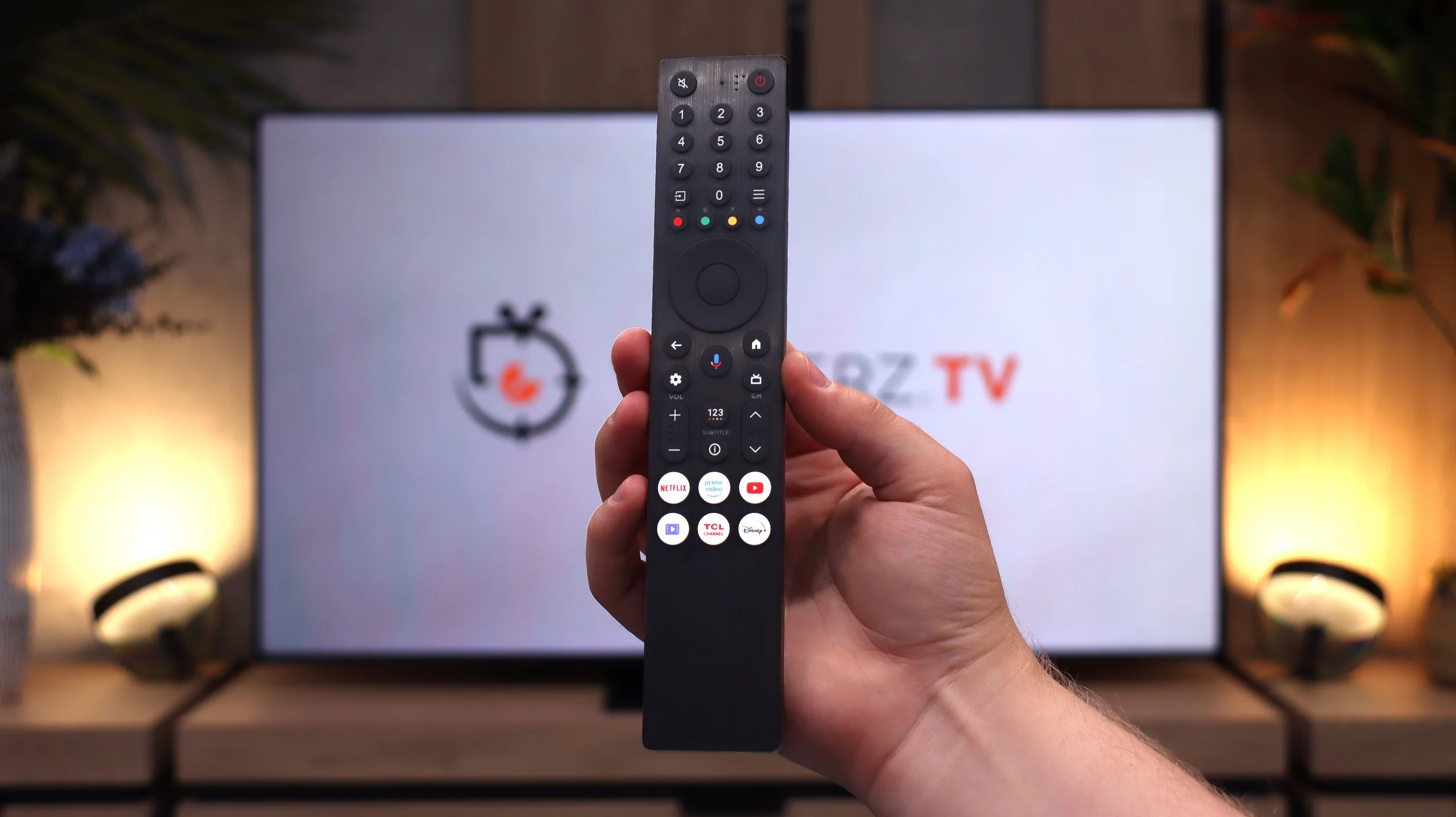
When it comes to traditional antenna or cable TV, the TCL C7L does not offer many additional advanced features. It's simply a basic receiver. The manufacturer didn't try any revolutionary solutions here, so aside from the standard program guide you won't find anything special. A big nod to traditional viewers, however, is the classic remote, which, contrary to the current trend toward minimalism, still includes a full numeric keypad, making it much easier to switch channels quickly.
Apps
6.7/10
9.6/10






















Playing files from USB
8.2/10
9.4/10
Supported photo formats:
Maximum photo resolution:
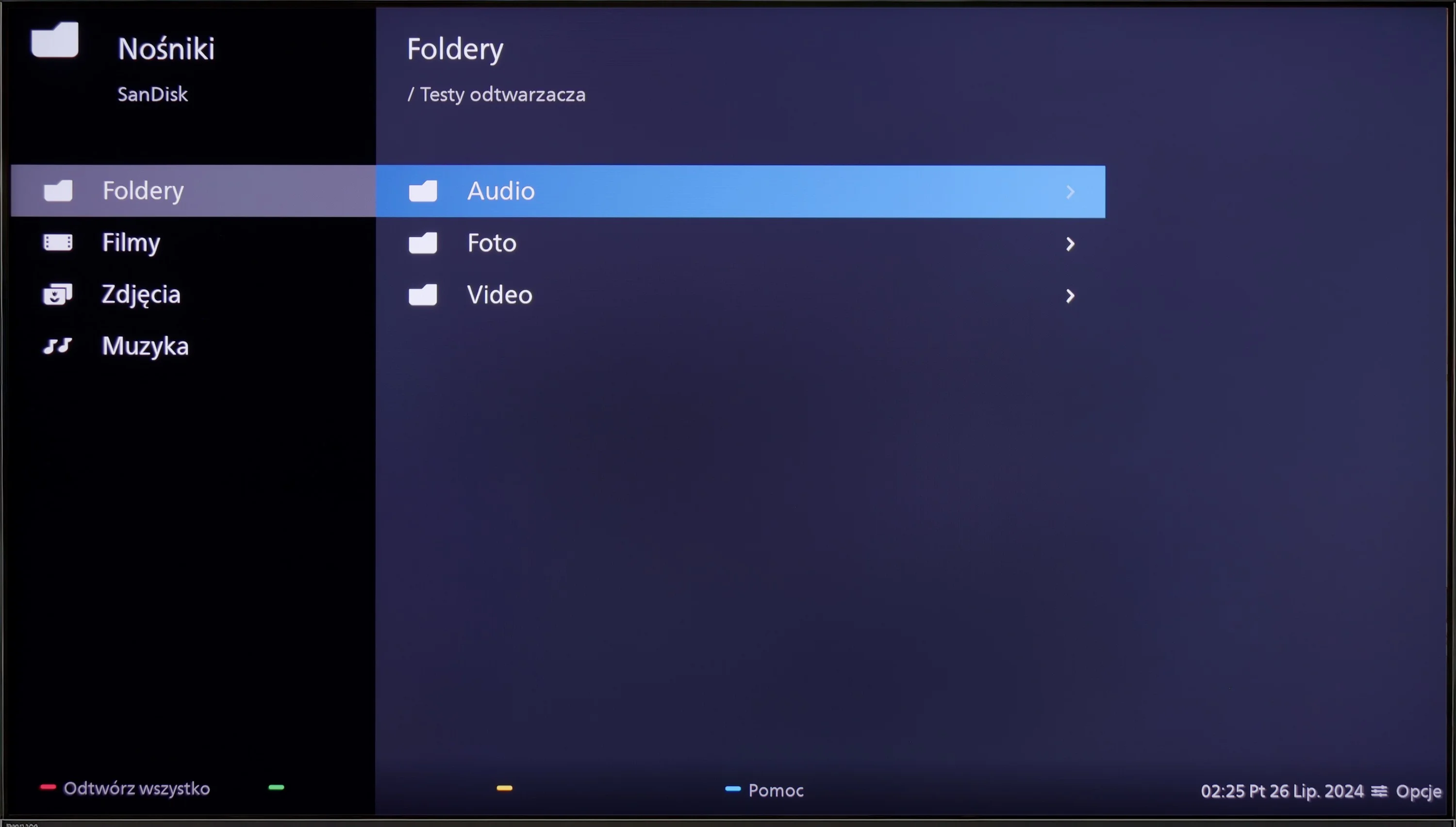
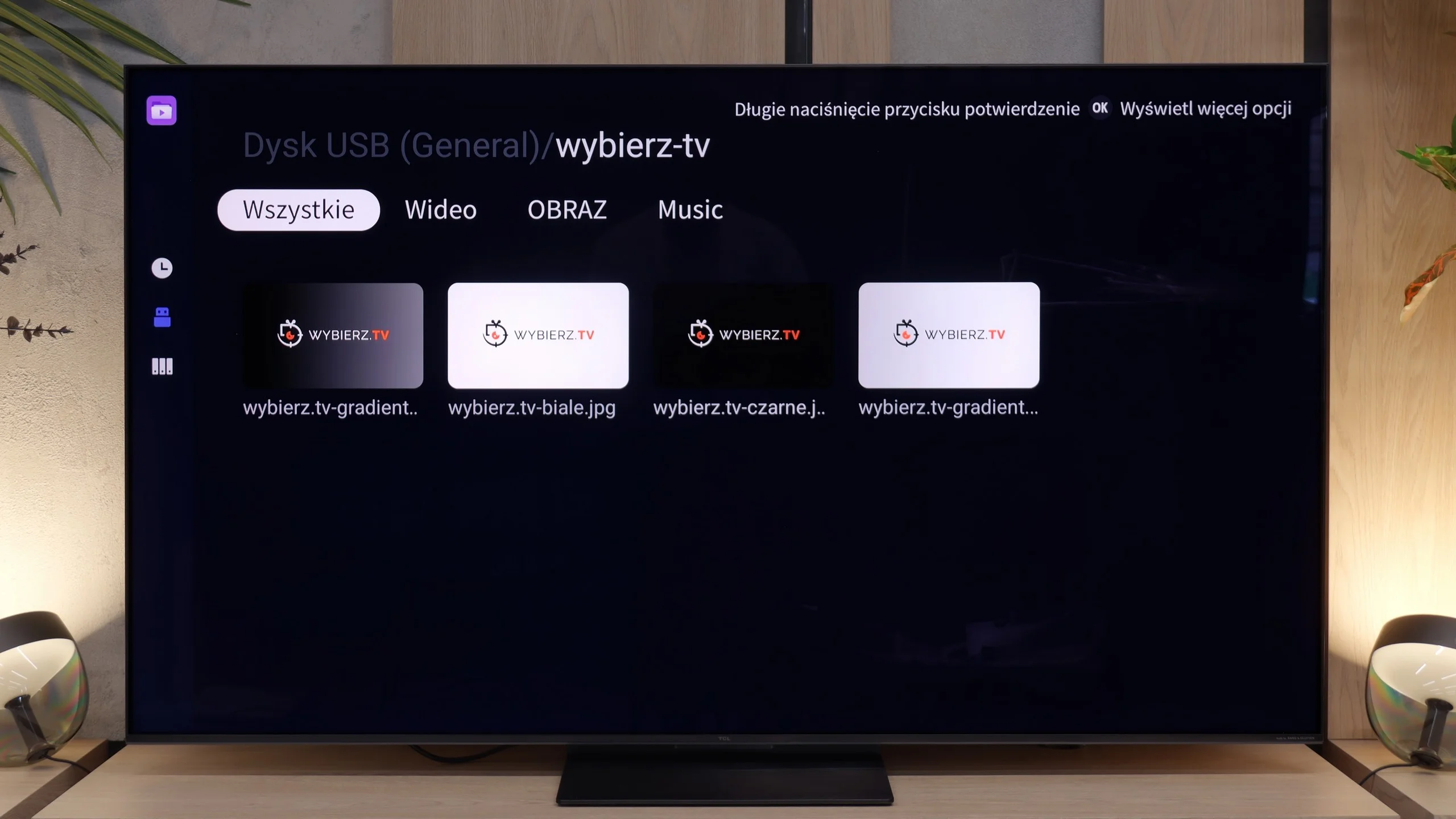
The default media player integrated into the Philips PML9009 provides a fairly comprehensive set of features but does have certain limitations. It supports nearly all common video formats except for the relatively rare .asf format. However, users may encounter issues due to the absence of the H.265 HEVC codec for high-bitrate content and a lack of support for .sub subtitle files, which are popular among many users.
With photo playback, the media player performs adequately, though it does not support some widely used resolutions and formats, such as HEIC, commonly found on Apple devices. The player excels in audio playback and leaves little room for criticism.
Unfortunately, the system's limitations prevent users from extending the player’s functionalities, meaning users are confined to the capabilities the manufacturer has included. This can be a drawback for those who rely on specific formats or additional features not provided by the built-in player.
At the very end of the multimedia section it’s worth mentioning playback from external USB storage devices. During our tests we did not run into any unpleasant surprises; the built-in player handles all popular video and audio formats exactly as it should. Interestingly, the TCL C7L also displayed photos saved in Apple’s native HEIC format without the slightest problem. That’s an extremely rare feature among manufacturers’ stock TV apps. And although Google TV naturally lets you install unlimited third-party media players, on the C7L the built-in player is refined enough that installing additional software will most likely not be necessary.
Sound
6.7/10
7.7/10
- Maximum volume-77dB
- Dolby Digital Plus 7.1
- Dolby True HD 7.1
- Dolby Atmos in Dolby Digital Plus (JOC)
- Dolby Atmos in Dolby True HD
- DTS:X in DTS-HD MA
- DTS-HD Master Audio
At the outset, it is worth noting that sound quality is a subjective matter. The built-in audio system in the Philips PML9009 is characterised by clear high tones, but the bass is quite flat and significantly worse than in competing models in the same price range.
The TCL C7L simply sounds fairly good and solid. In terms of sound quality itself, practically nothing has changed compared with last year’s C7K model. The manufacturer still uses a Bang & Olufsen-branded speaker system in a 2.2 configuration. The only thing that can be quite annoying during viewing sessions is that after raising the volume to higher levels, around the 50% mark, the volume stops matching the on-screen scale. The B&O audio system is great for everyday watching of current affairs or TV series at moderate volume, but if you’re looking for good sound it’s worth buying at least a basic soundbar for the C7L.
Sound Quality Test
No sound test video
Acoustic Measurements
No acoustic data
77dBC (Max)
75dBC
Reader comments
Comments are provided by the external service Disqus (Zeta Global). Once loaded, Disqus may set cookies and process data about your activity.
We will remember your choice on this device. Provider's privacy policy