 Direct comparison
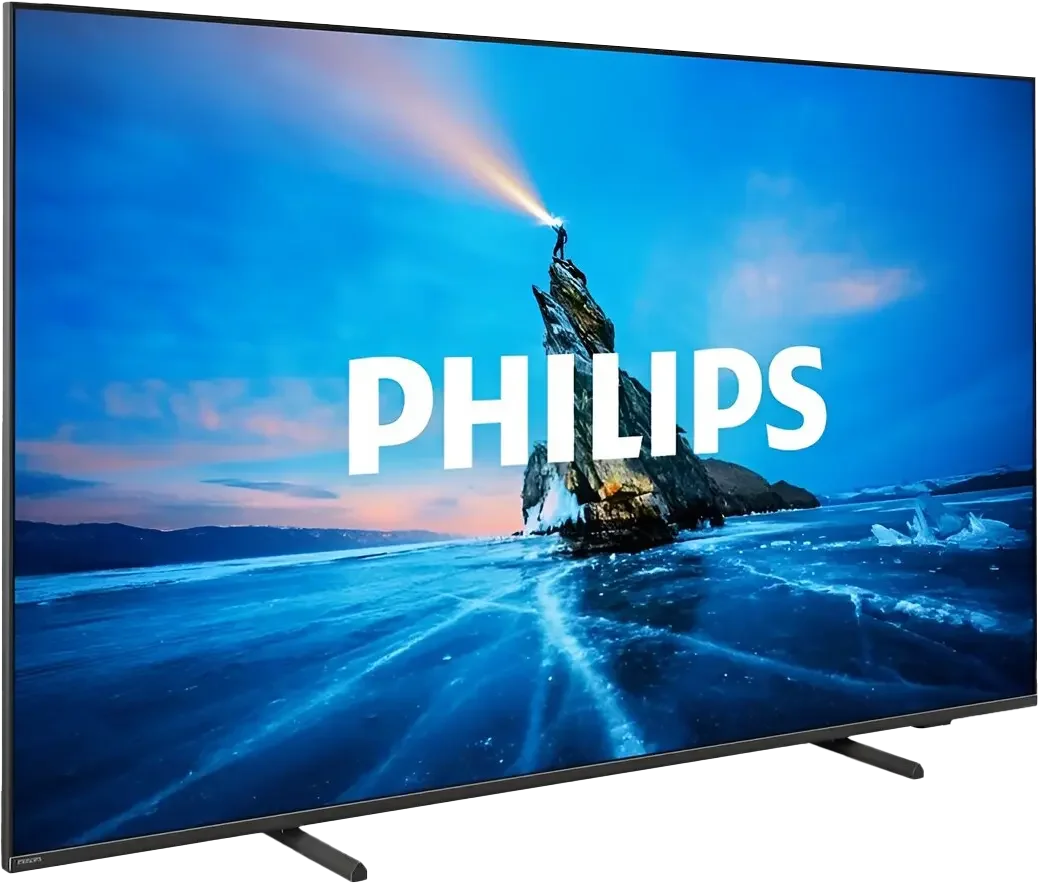
Philips PML8709 is a model that stands out in the offering of the Chinese-Dutch manufacturer due to its unconventionality. Instead of the classic operating system from Philips - TitanOS, we find here the already known Google TV, which provides extensive customization options and access to a rich library of applications. This is a television that, on one hand, tempts with very good contrast, and on the other – surprises with several unusual design decisions. When it comes to image quality, the PML8709 offers very good contrast, which, combined with wide color gamut coverage, ensures excellent color reproduction – especially after calibration. Despite the 60 Hz panel, the television also performs well in occasional gaming thanks to support for features such as ALLM, VRR, and a low input lag of around 13 ms. On the other hand, Philips has stripped this model of one of the biggest advantages of its televisions – the Ambilight system. This is a surprising decision that may disappoint many fans of the brand. Another weak point is performance in HDR – despite promising contrast results, the television performs average in this category. Maximum brightness and issues with detail in brighter scenes give the impression that something has evidently gone wrong in the implementation of this feature. The Philips PML8709 is a television full of contrasts. On one hand, it offers solid black quality and interesting solutions for gamers, on the other – some limitations, such as the lack of Ambilight or average brightness, mean that it is not a model without flaws. It is a good choice for those who appreciate the versatility of Google TV and are looking for a television for everyday use.
- Matching (Score) |
- Our verdict |
- TV appearance |
- Where to buy |
- Contrast and black detail |
- HDR effect quality |
- Factory color reproduction |
- Color reproduction after calibration |
- Smoothness of tonal transitions |
- Image scaling and smoothness of tonal transitions |
- Blur and motion smoothness |
- Console compatibility and gaming features |
- Input lag |
- Compatibility with PC |
- Viewing angles |
- Daytime performance |
- Panel details |
- TV features |
- Apps |
- Playing files from USB |
- Sound

Check the best price offer:
Samsung M80H(paid link)M80H / M86H

Panel type: LCD VA
Resolution: 3840x2160
System: Google TV
Model year: 2024
Complete the survey to find out the result
Panel type: LCD VA
Resolution: 3840x2160
System: Tizen
Model year: 2026
Complete the survey to find out the result
Overall rating
6.1
6.9
 Movies and series in UHD quality
6.3
6.5
 Classic TV, YouTube
6.6
6.6
 Sports broadcasts (TV and apps)
5.6
6.7
 Gaming on console
7.2
8.8
 TV as a computer monitor
3.5
8.9
 Watching in bright light
4.8
5.0
 Utility functions
6.5
7.3
 Apps
9.6
9.3
 Sound quality
5.1
6.0
Complete the survey to find out what fits your preferences
Advantages

Google TV operating system - intuitive and versatile
Very good contrast
Very good coverage of the DCI-P3 and BT.2020 color gamut
Low input lag - about 13 ms
Support for ALLM, VRR, and HGiG in gaming mode
Three HDMI 2.1 ports with support for VRR and ALLM
Dedicated motion smoothing for gamers: Game Motion Plus
Low input lag
High refresh rates: 4K 144 Hz and Full HD 240 Hz
Decent contrast thanks to a VA panel
Minimal smearing for a VA panel
Rich colors thanks to the PFS filter (a different kind of QLED 😉)
Good digital image processing for this segment
Fast Tizen OS with a wide selection of apps
Disadvantages

The quality of the HDR effect leaves a lot to be desired
No Dolby Vision
Not suitable for PC work
No Ambilight system
No local dimming despite being labeled Mini-LED!
Low brightness: 350 nits
No support for Dolby Vision and DTS:X
No Toslink optical audio output
Our verdict
The M80H shows its strengths where motion matters most. A fast panel, a refresh rate of up to 144 Hz, and relatively low motion blur make sports and fast-paced games look really good. In this respect the TV can even beat some significantly more expensive Samsung LCD models. Gamers also get low input lag, three full-bandwidth HDMI 2.1 ports, and Game Motion Plus, which can improve the smoothness of games running at 30 or 60 frames. When connected to a PC you can also use a 240 Hz refresh rate, although only at Full HD resolution. A big plus for the M80H is the NQ4 AI Gen2 processor, which was until recently used in higher-tier Samsung series. It handles lower-resolution content well and can enhance the look of weaker sports broadcasts or heavily compressed footage. The extra image-enhancing features do produce a visible effect, although at higher settings they become too strong and start to interfere with the picture's natural look. Still, they are worth listing as an advantage, since in the cheapest TVs similar solutions often matter much less.
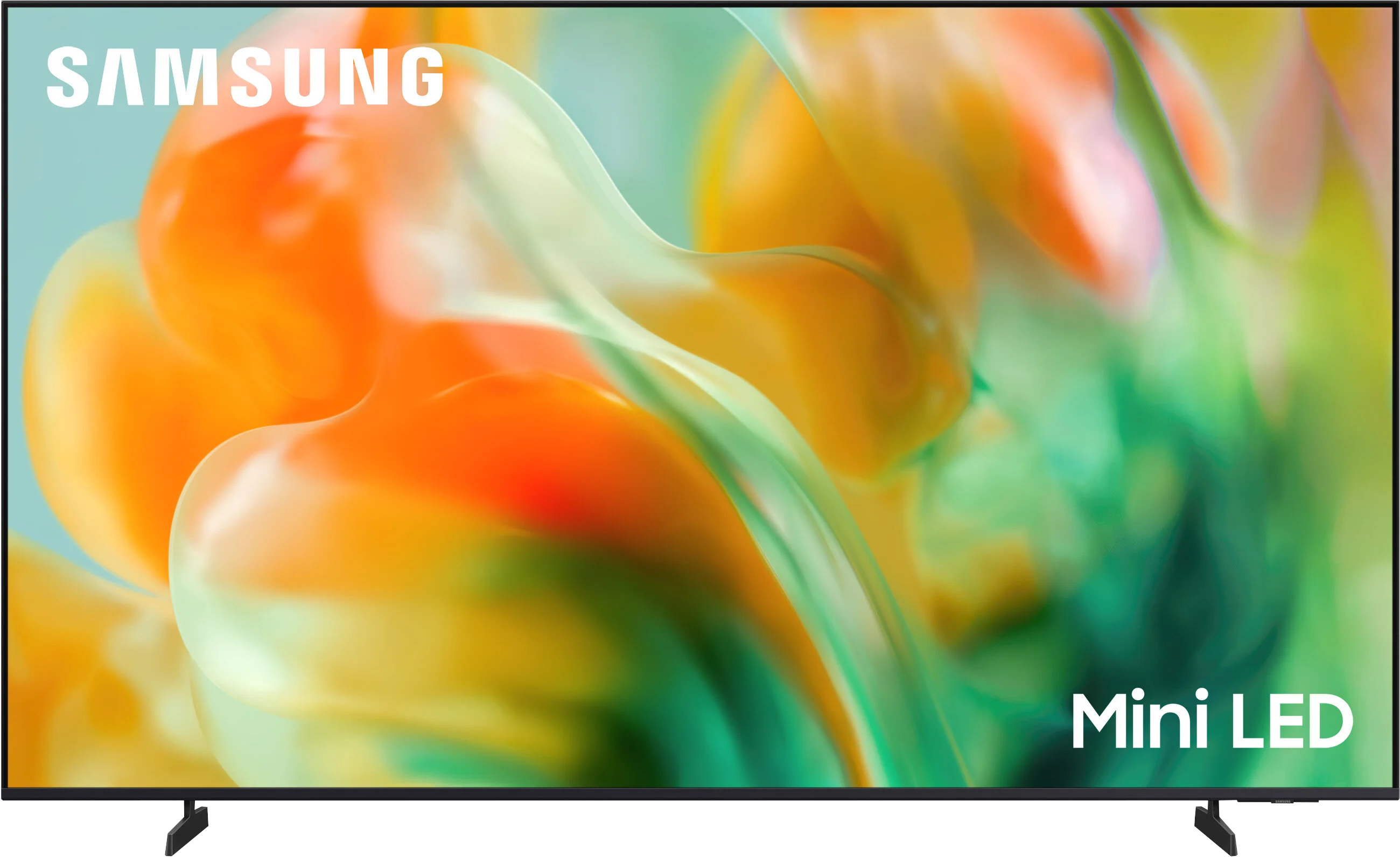
What raises the most concerns is the M80H being called a Mini-LED TV. It does not have local dimming, the feature that usually accounts for the biggest benefit of this technology. Brightness of around 350 nits also does not allow for particularly striking HDR. In terms of picture quality the M80H is therefore much closer to basic LCD TVs than to more advanced Neo QLED models like the QN80H. That does not mean movies look bad on it. The VA panel provides decent contrast, and the PFS filter delivers attractive, saturated colors. You should be aware, however, that the lack of local dimming clearly limits the TV's picture-quality capabilities. The M80H is therefore not a model that demonstrates the full potential of Mini-LED backlighting.
It will perform much better in the hands of a gamer or sports fan for whom panel speed, low input lag, and extensive gaming features are most important. If its price remains significantly lower than models equipped with local dimming, that compromise may be a sensible choice for that group of users.
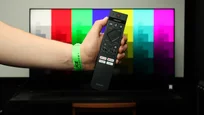
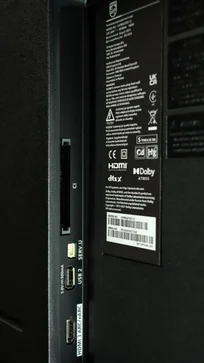
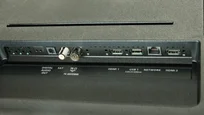
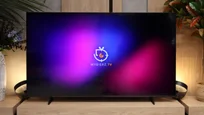
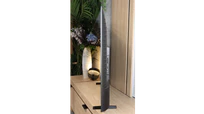
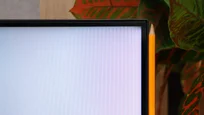
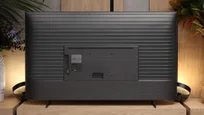
TV appearance

Contrast and black detail
7/10
6.3/10
Local dimming function: Yes, number of zones: 96 (16 x 6)
Local dimming function: No
Contrast:


Result
58,650:1

Result
37,150:1

Result
10,850:1

Result
6,150:1

Result
5,100:1
Result
5,950:1
Result
7,150:1
Result
8,150:1
Result
7,850:1
Result
5,550:1
Halo effect and black detail visibility:
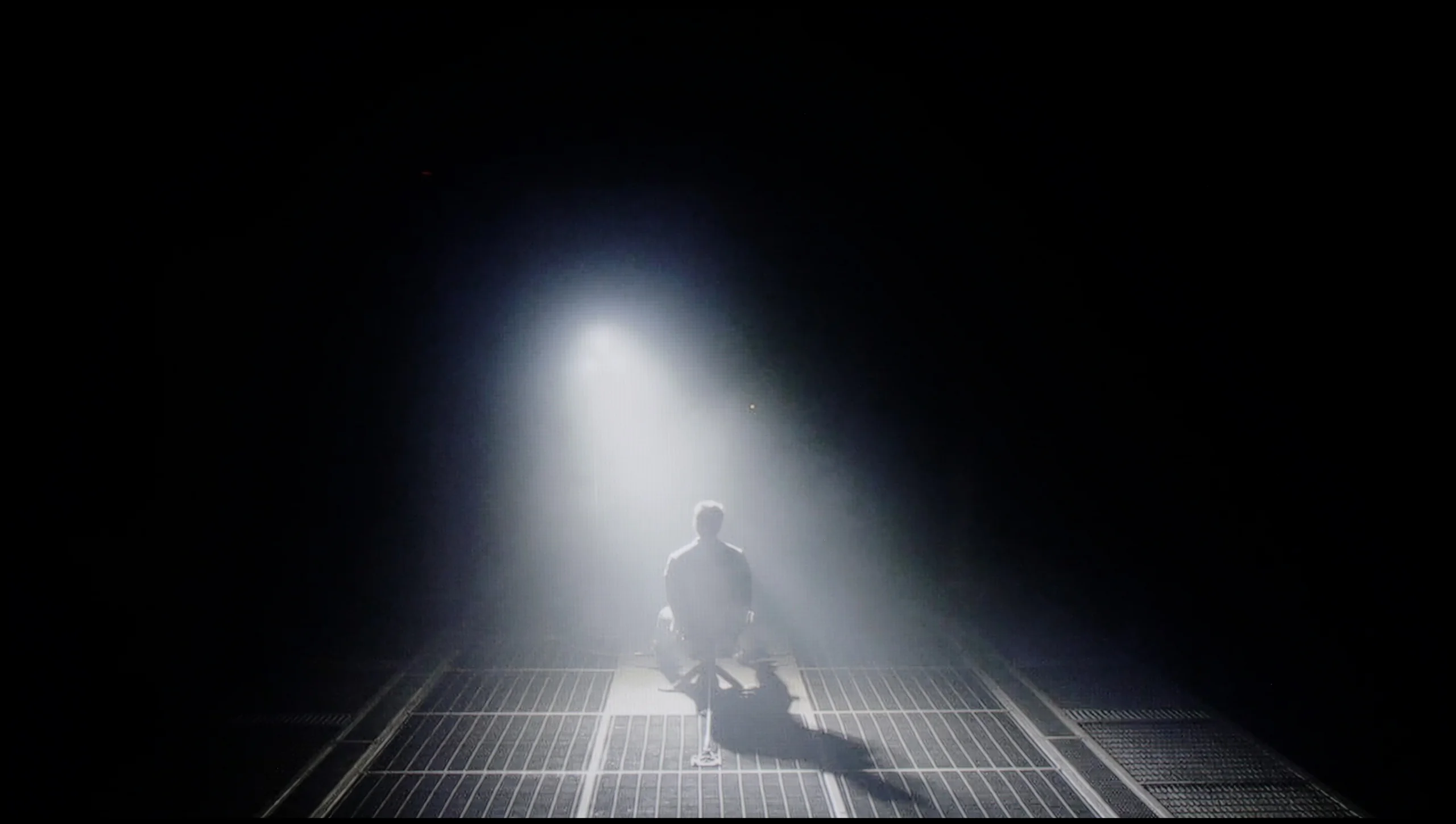
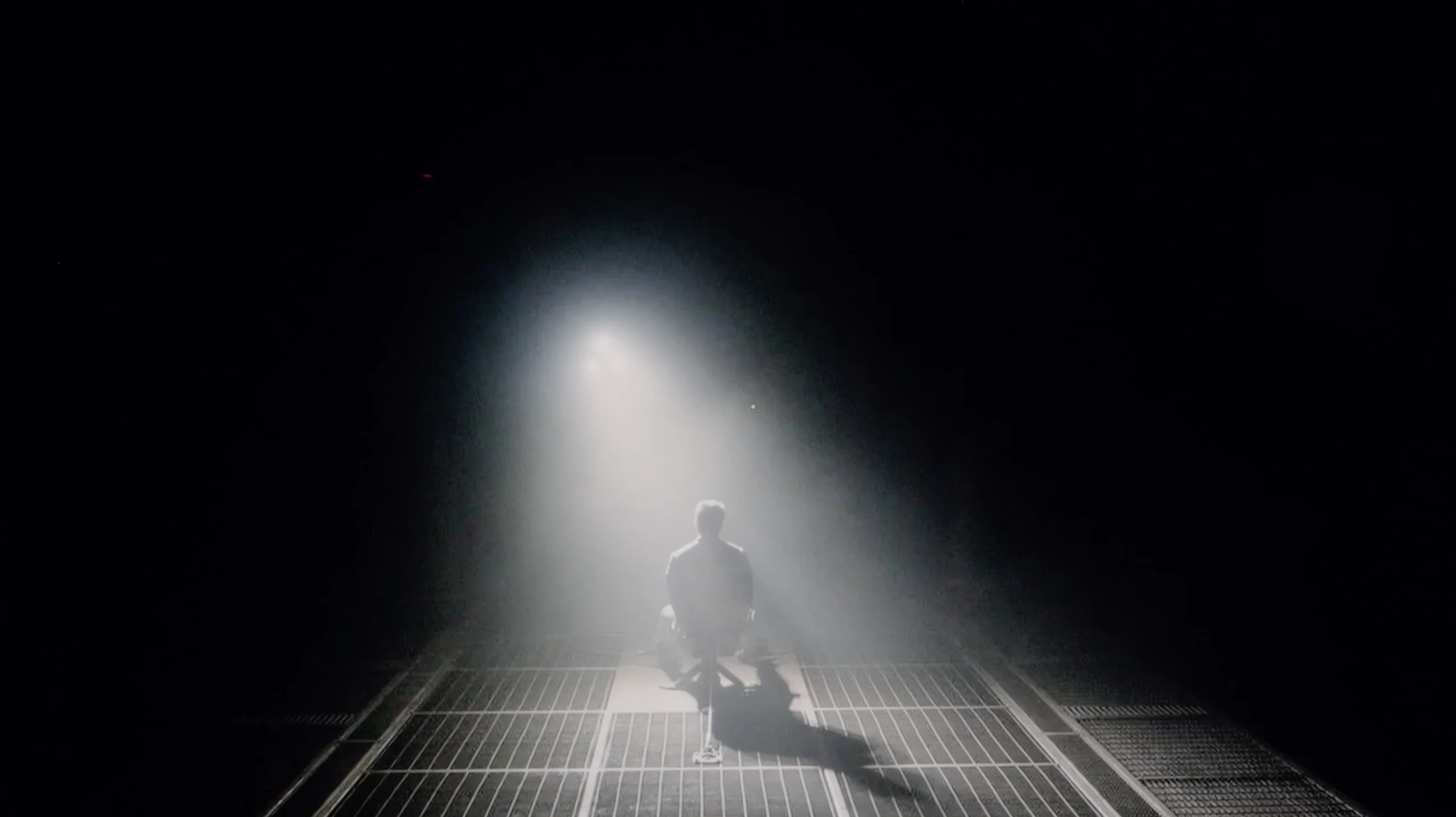
Check the visibility of bright lights on a dark background. Mini-LEDs often struggle with this. The photo does not compare black levels – that’s what the video below is for.
The video accurately shows differences in contrast and black levels between TVs, as well as potential issues: halo around bright objects or Mini-LED zone operation visible as brightness jumps.
The model name 8709 "PML" refers to Philips mini-LED technology, but can we really call its backlighting that? In the 65-inch version, we counted only 96 local dimming zones. For mini-LED standards, this number seems too low, raising questions about whether we are actually dealing with a full-fledged mini-LED here. However, if we look at the quality of black, the TV performs quite well. On the first two test screens, as well as in less demanding scenes, the image is quite decent – blacks are deep and the contrast is satisfactory. Problems start to arise in more complicated scenes, such as the last three test screens, where small light elements appear on the screen. The local dimming algorithm seems to "get lost," unable to decide whether to brighten or darken a certain area. The result is visible errors – reduced black quality and unevenness of the image. An example of the local dimming zones in action can be seen in a scene from the movie Sicario 2. You can see how the dimming zones try to reproduce details, but at the same time it leads to slight lightening around the helicopter lights. Nevertheless, despite these shortcomings, the blacks in the Philips PML8709 perform quite well, especially considering its price class.
Samsung M80H is an LCD TV that, according to the manufacturer, uses Mini-LED backlighting. And maybe smaller LEDs placed directly behind the screen are indeed used here, but it's not the same type of Mini-LED we know from more expensive TVs. The M80H lacks local dimming, so the backlight cannot independently control the brightness of individual parts of the image. Black levels are quite decent, mainly thanks to the VA-type panel used. Depending on the scene, our measured contrast was about 5500:1 to over 8000:1. For a TV without local dimming, those are good results, and it's exactly in such designs that VA panels have a considerable advantage over IPS/ADS panels. It's worth noting that part of the results exceed the native contrast of the panel itself, which is about 5000:1. Samsung has implemented a global dimming feature. When there's a lot of black on the screen, the TV dims the entire backlight, making dark areas look deeper. However, this comes at the cost of the brightness of the rest of the image. The M80H therefore won't strongly brighten a small bright spot while maintaining deep black around it; it dims or brightens the whole screen.
HDR effect quality
4/10
4.7/10
Luminance measurements in HDR:

Result
367 nit

Result
126 nit

Result
309 nit

Result
119 nit

Result
348 nit
Result
288 nit
Result
340 nit
Result
349 nit
Result
345 nit
Result
364 nit
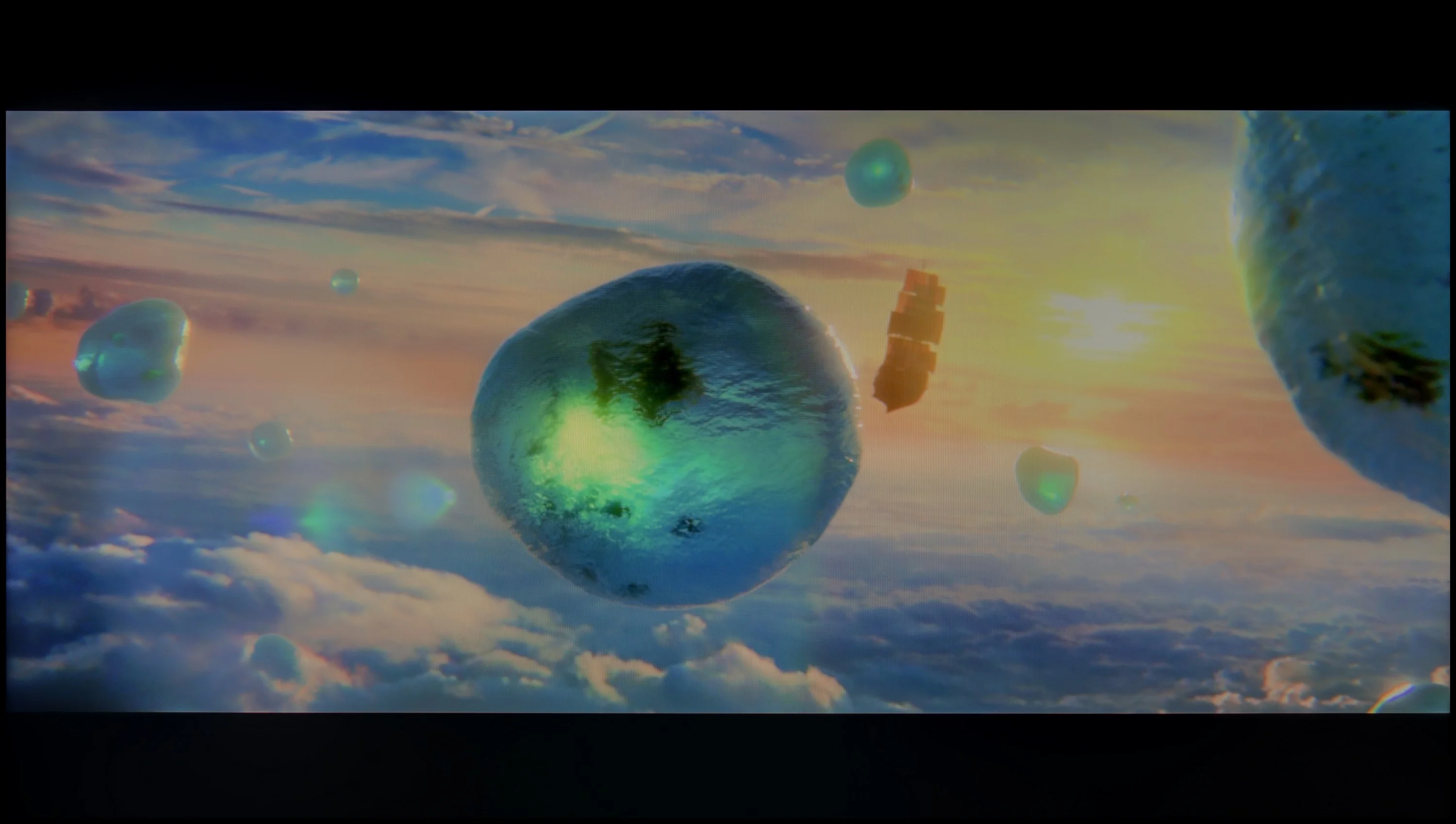
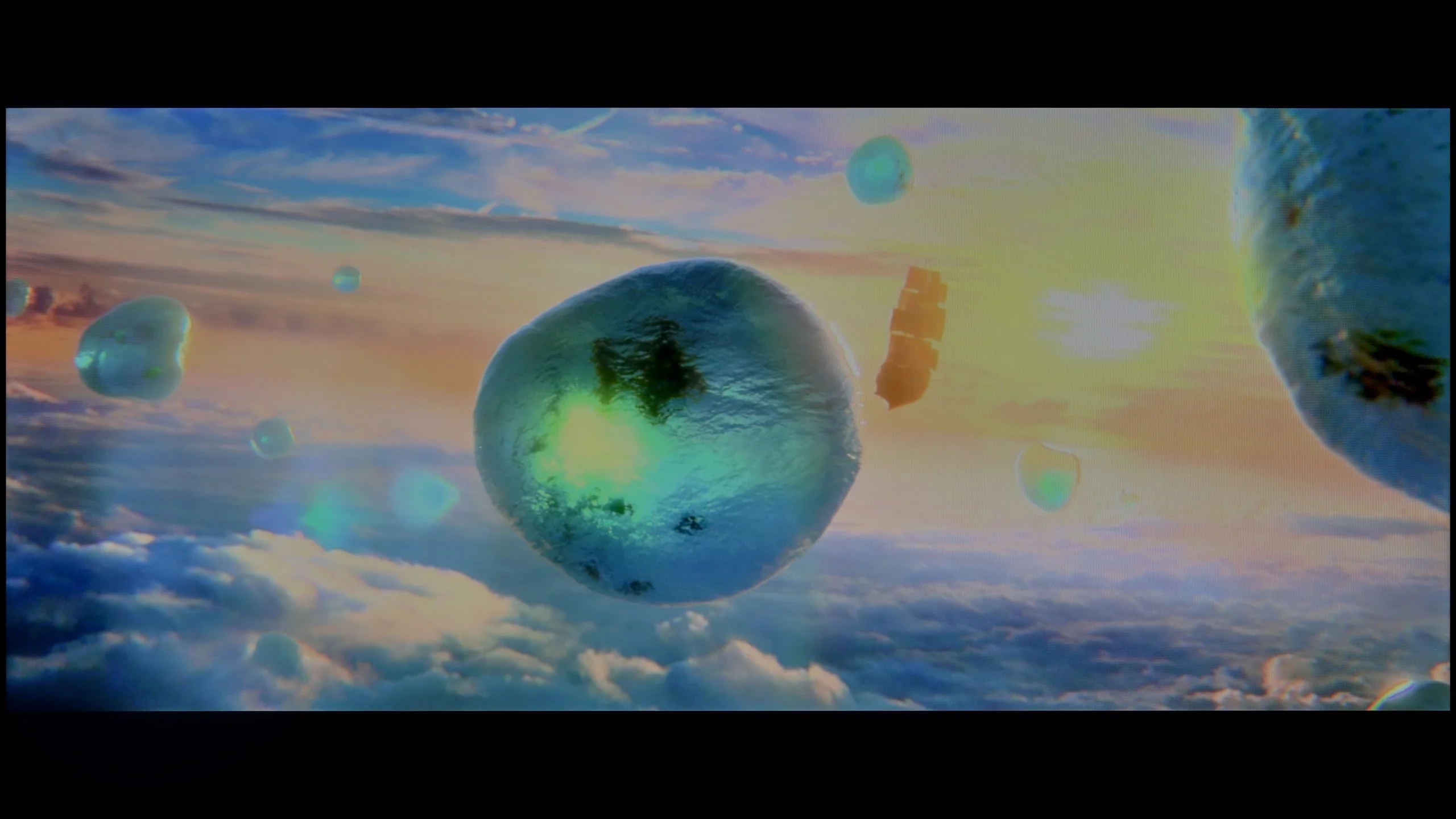
Scene from the movie “Pan” (about 2800 nits)
Scene from the movie “Billy Lynn” (about 1100 nits)
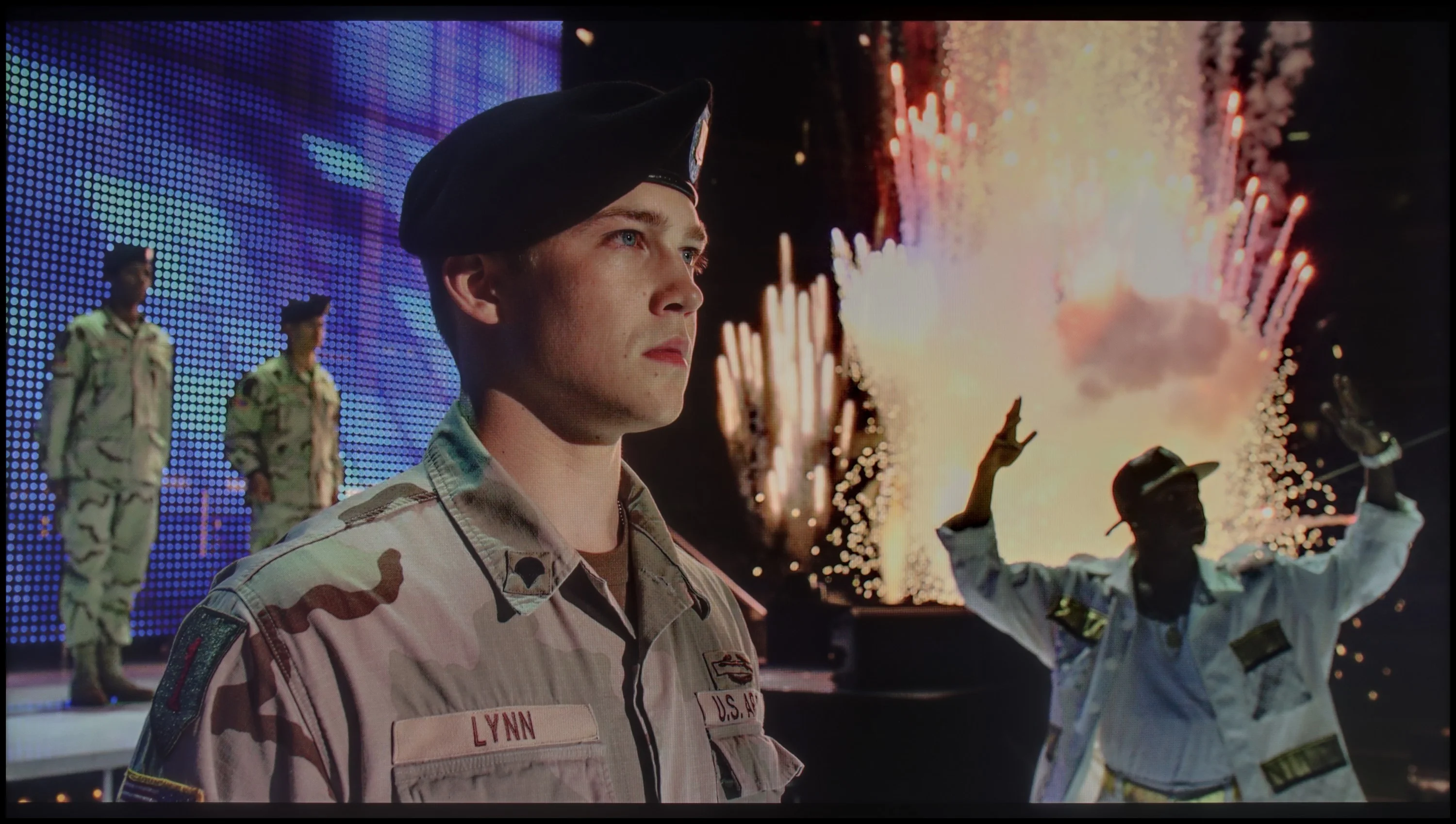
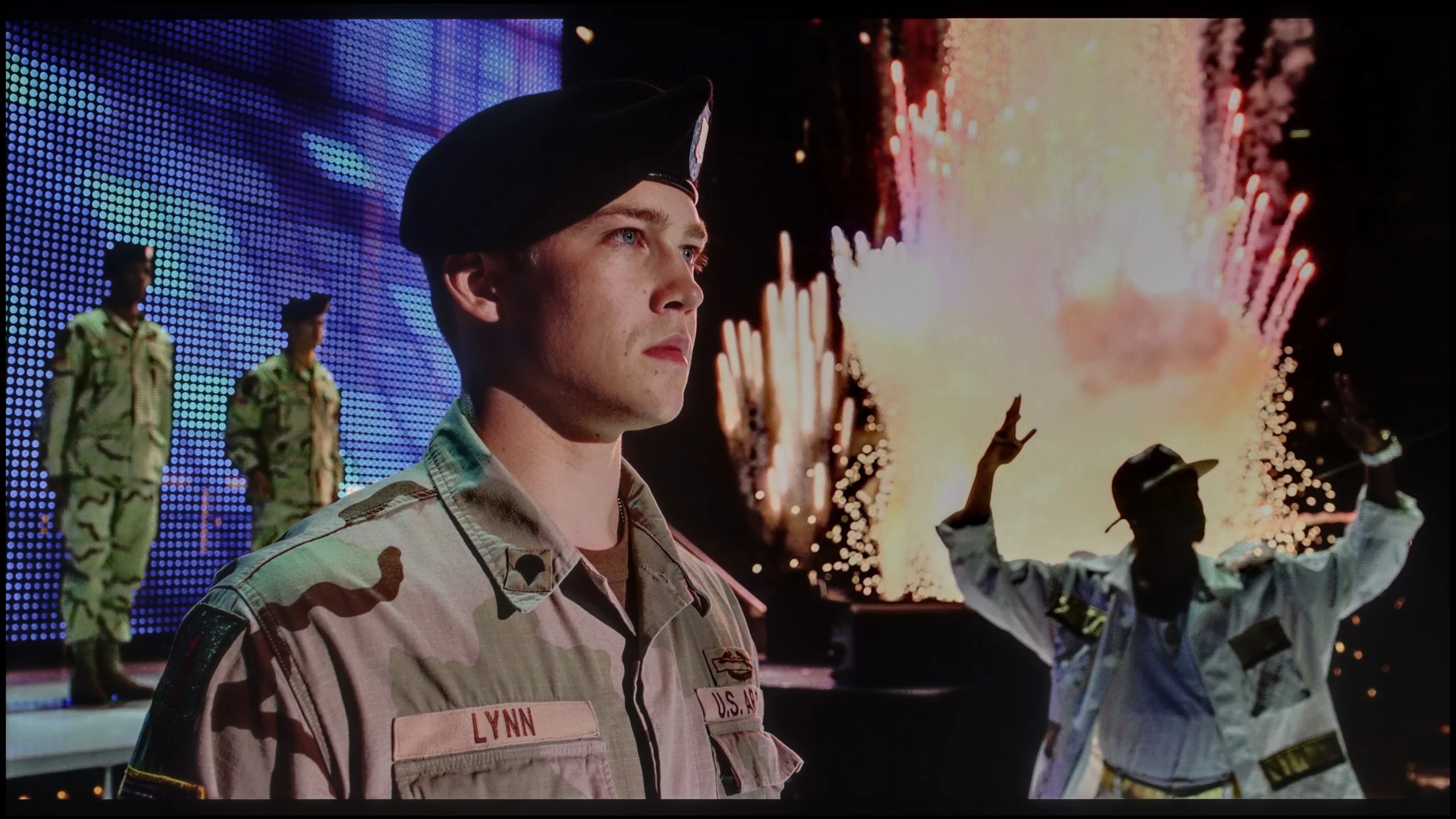
The photos show two HDR10 movies. 'Pan' is one of the brightest productions ever made, while 'Billy Lynn' (soldier) has brightness typical of streaming (Netflix, Prime, HBO MAX). Notice the intensity of effects and detail in whites.
Static HDR10


The photos present the visibility of white details in various HDR formats. They do not show brightness differences between TVs (these can be compared in the previous gallery).
Dynamic: HDR10+
Dynamic: HDR10+


The photos present the visibility of white details in various HDR formats. They do not show brightness differences between TVs (these can be compared in the previous gallery).
HDR luminance chart:
Samsung M80H
Philips PML8709
Looking at the contrast results, we expected that the algorithms responsible for the zones in the Philips PML8709 would be at least decent. However, what we encountered during testing is hard to explain. The maximum brightness we were able to achieve was only 350 nits, which is definitely too low to fully enjoy HDR effects. In practice, the TV barely stands out against an average SDR. The situation becomes even more surprising in the case of test scenes, such as the second one from the movie Life of Pi or Sicario 2. Small light elements reach only 120 nits there, making them practically invisible. Such a level of brightness is completely inadequate to modern HDR standards and significantly diminishes the viewing experience of high-quality content. The only bright spot in this category is the very good coverage of wide color gamuts – 97% DCI-P3 and 83% BT.2020. This ensures that colors are saturated and well reproduced, which can improve the overall viewing experience of HDR materials, even if just a little. However, the lack of appropriate brightness means that even this cannot save the Philips PML8709 in this category.
The M80H is not one of the brightest TVs. Its peak brightness is around 350 nits and we saw similar results in most of our test scenes. That's not enough to produce genuinely impressive HDR — bright highlights lack punch and the overall image is a bit too dark. In practice, HDR on the M80H resembles a well-presented SDR image more than clearly more dynamic wide-range content. The picture can still look fine, but it's hard to point to strong specular highlights, clearly bright light sources, or an effect that immediately separates HDR from ordinary content.
Colors
One of the M80H's strengths is its color. The TV uses a PFS-based backlight filter, which allows it to display a significantly wider color gamut than a standard LCD screen without filters. Our measurements confirm this — the M80H covers about 96% of the DCI-P3 gamut and 72% of BT.2020. Those are very good results, which let the colors appear strongly saturated. Samsung's policy here is interesting. The M80H is not part of the QLED family, even though in terms of color it is practically on par with models carrying that label. From an image-quality standpoint, that doesn't matter much; the colors are simply good.
Factory color reproduction
3.9/10
6.1/10
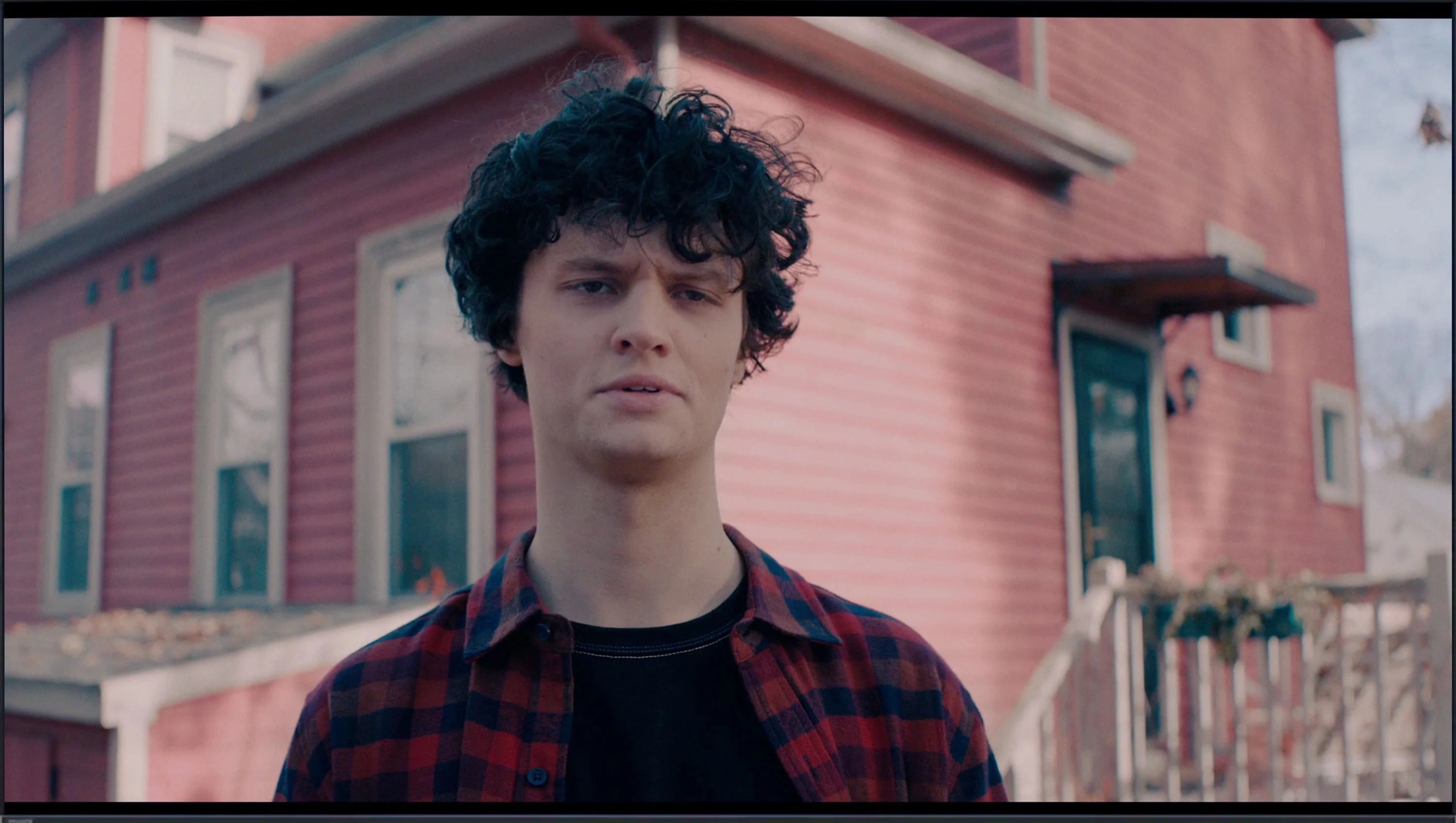
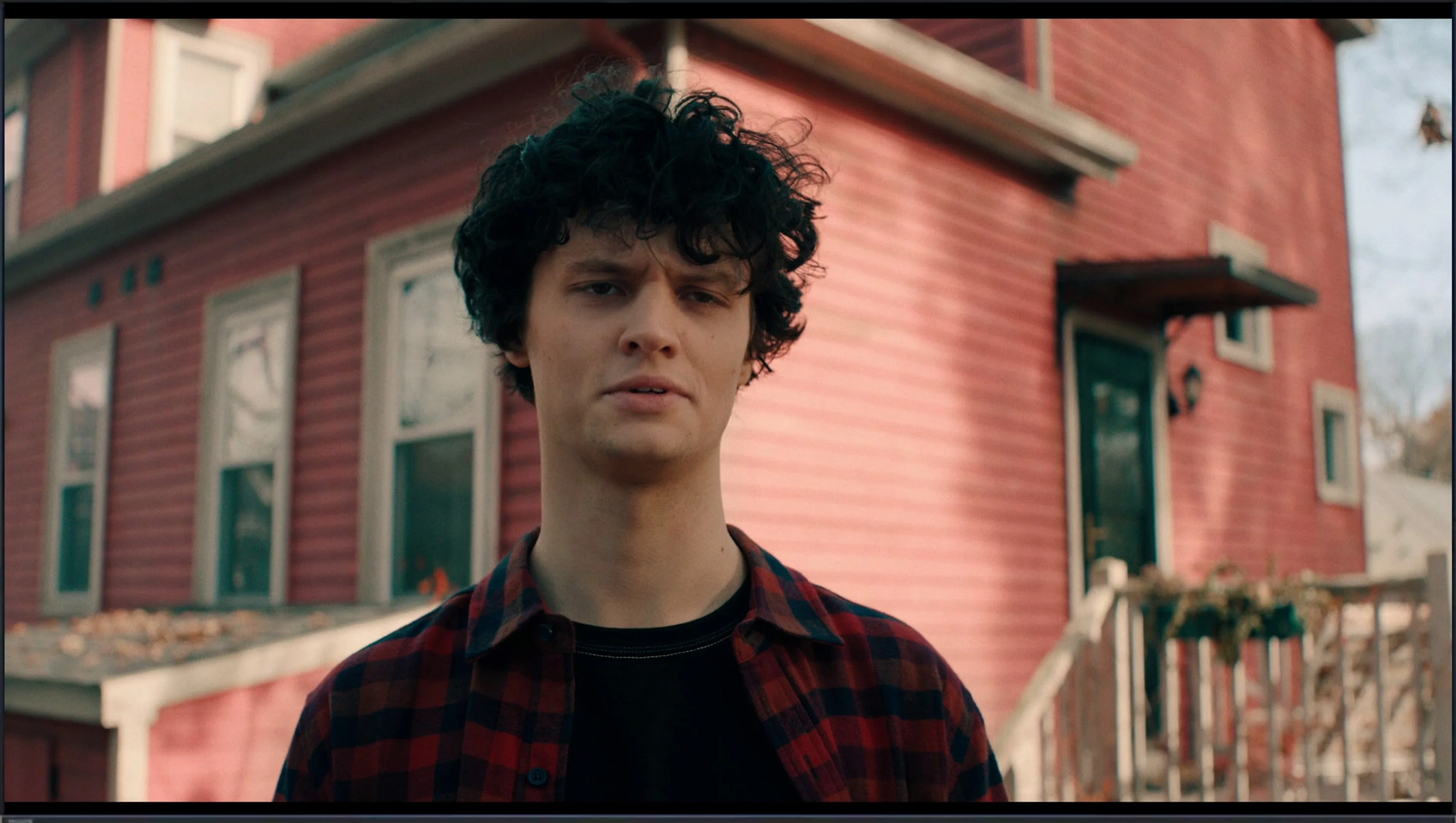
This gallery shows how colors change after professional TV calibration. If you notice the difference, we recommend ordering this service at SkalibrujTV.com.
Factory Mode
After calibration


This gallery shows how colors change after professional TV calibration. If you notice the difference, we recommend ordering this service at SkalibrujTV.com.
Factory Mode
After calibration
Although theoretically the Filmmaker mode on the Philips PML8709 should provide natural color reproduction, in reality it resembles a store mode more. In the white balance, both for HD and 4K content, there is a clear dominance of blue. This makes the image appear washed out and cold, which is particularly noticeable in the comparison picture below.
The brightness characteristics also leave much to be desired. Both the gamma and the EOTF curve show excessive screen brightness. As a result, there is a loss of detail in both the brighter and darker parts of the image, which further diminishes its credibility and naturalness. Bright elements appear unnaturally flat and little varied.
These significant problems in white balance and brightness characteristics lead to noticeable color reproduction errors, which can be easily seen in films as well as in the Colour Checker test. The colors are imprecise, affecting the overall image quality and visual experience. The factory settings require substantial improvement to fully enjoy the potential of this television.
Filmmaker mode is reasonably well set up out of the box, though it falls short of perfect. In SDR material the most noticeable issue is an excess of red in the white balance, which makes the image look a bit warmer than it should. HDR content shows a similar character. As for the brightness response, in SDR the gamma stays close to the target for most of the range. Small deviations are mainly visible in darker areas, which in places are a little too dim. In HDR the very darkest details are slightly lifted, while from around 65% brightness the image begins to be gently darkened. This is largely due to the way the TV controls its brightness. Overall, Filmmaker mode looks good straight out of the box, but the image can still be improved.
Color reproduction after calibration
7.6/10
7.8/10
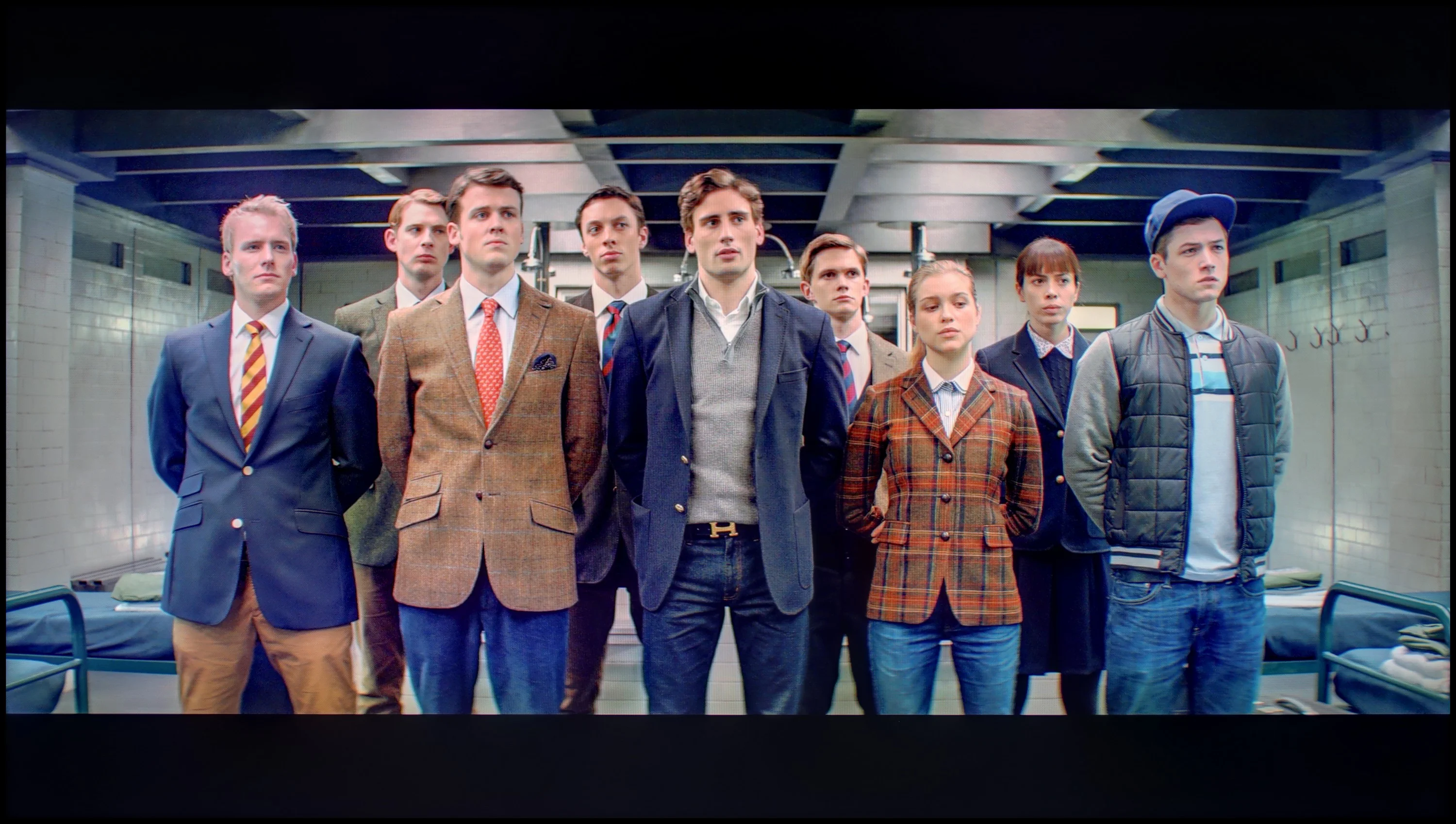
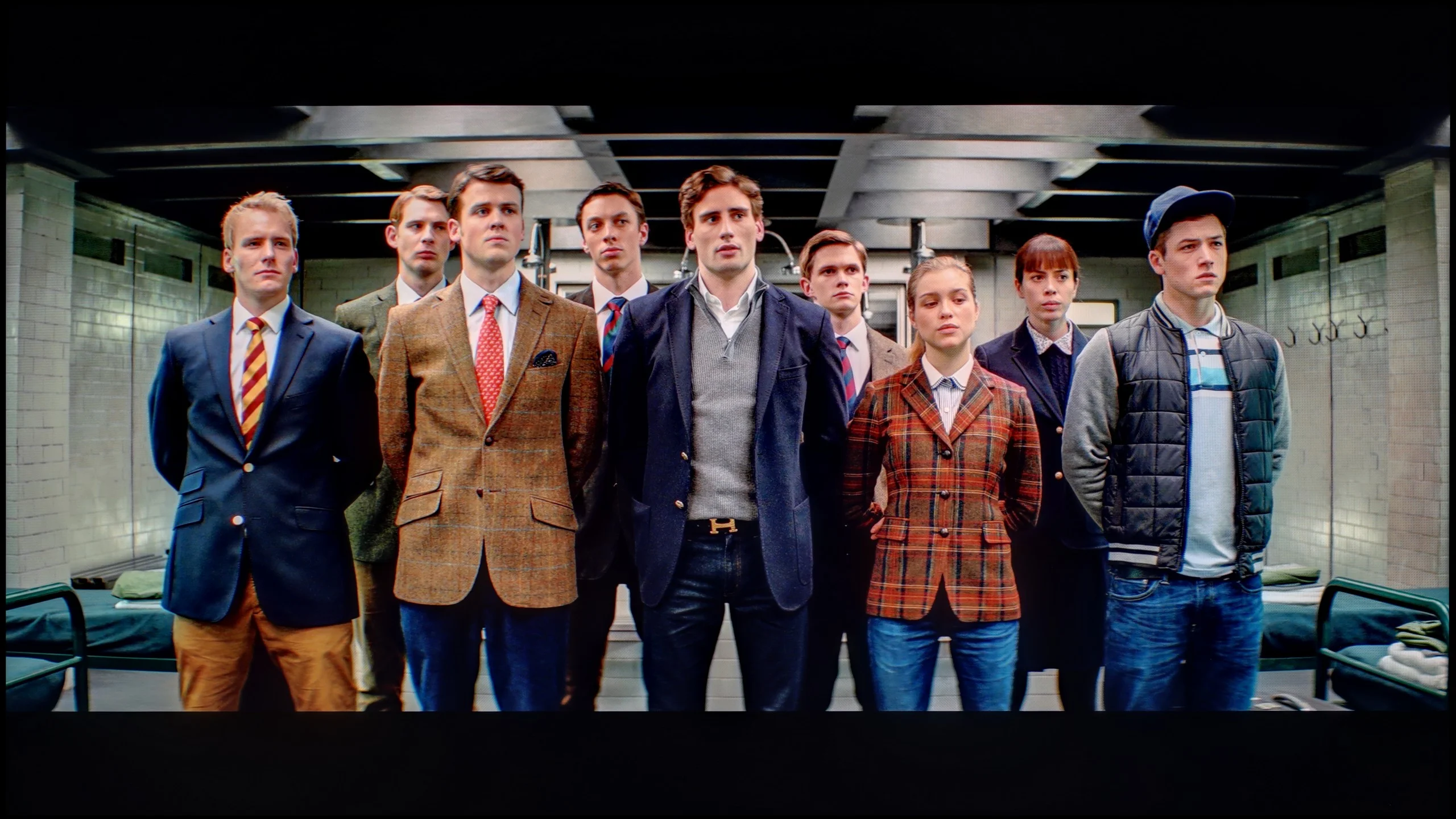
The photos show how movies look on the TV. Pay attention to black detail visibility, colors, and shadow tint.


The photos show how movies look on the TV. Pay attention to black detail visibility, colors, and shadow tint.
Philips offers advanced image calibration tools in its televisions, which we decided to fully utilize. The effects? While we managed to improve many aspects, it was not without difficulties. White balance was one of the biggest challenges – despite our efforts, it can be called a battle against windmills. We managed to correct it significantly, making the image look much better than in the factory settings, but it is still far from perfect. Particularly in some scenes, a subtle dominance of blue is noticeable, though not as intense as before. We achieved significant improvement in brightness characteristics – gamma now presents itself much more stably. The EOTF curve looks correct at first glance; however, when analyzing film content, it becomes evident that the television has difficulty maintaining the appropriate characteristics. The algorithms "struggle" to adjust brightness, which may result from the limited number of dimming zones that do not always cope with more complex scenes. Overall, the image after calibration looks much more pleasant to the eye – colors are more natural, and errors in color reproduction have been minimized. Although it's still not perfect, the Philips PML8709 now presents itself much better than in the factory settings.
After calibration, the M80H performs really well, especially with basic SDR content. Regular broadcast TV, YouTube, or movies viewed without HDR can look very accurate on it. After correcting the white balance, errors are minor, though you can still sometimes see that the TV tends to oversaturate the most saturated reds. In HDR you can also improve the picture and correct its main faults, but it doesn't reach the level of pricier models. Samsung quite heavily restricts color adjustment options in HDR, so in many areas we have to accept what the TV offers out of the box. Calibration lets us improve some parameters, but we are no longer able to change the overall image character of the M80H.
Smoothness of tonal transitions
9.1/10
9.8/10
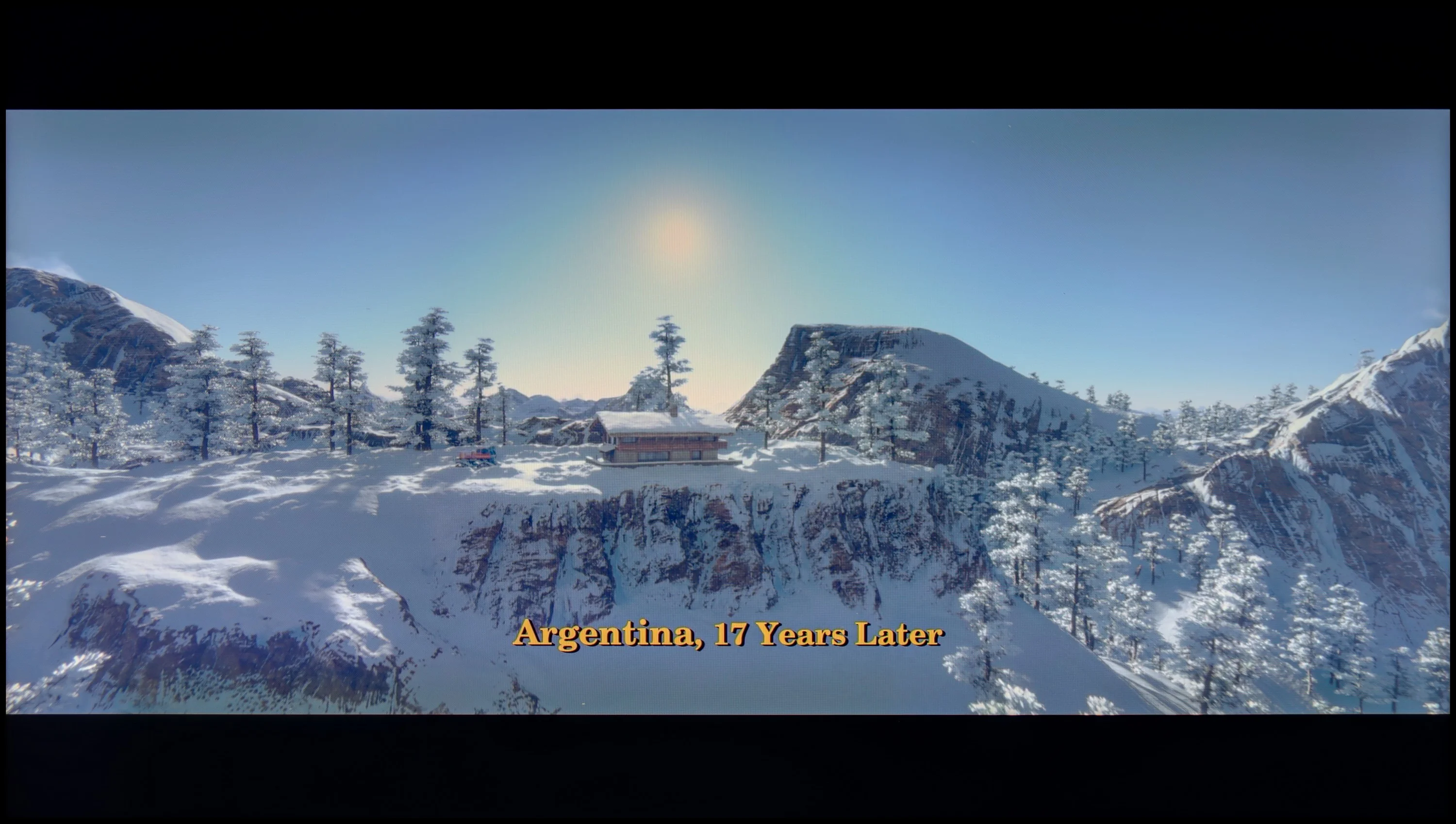

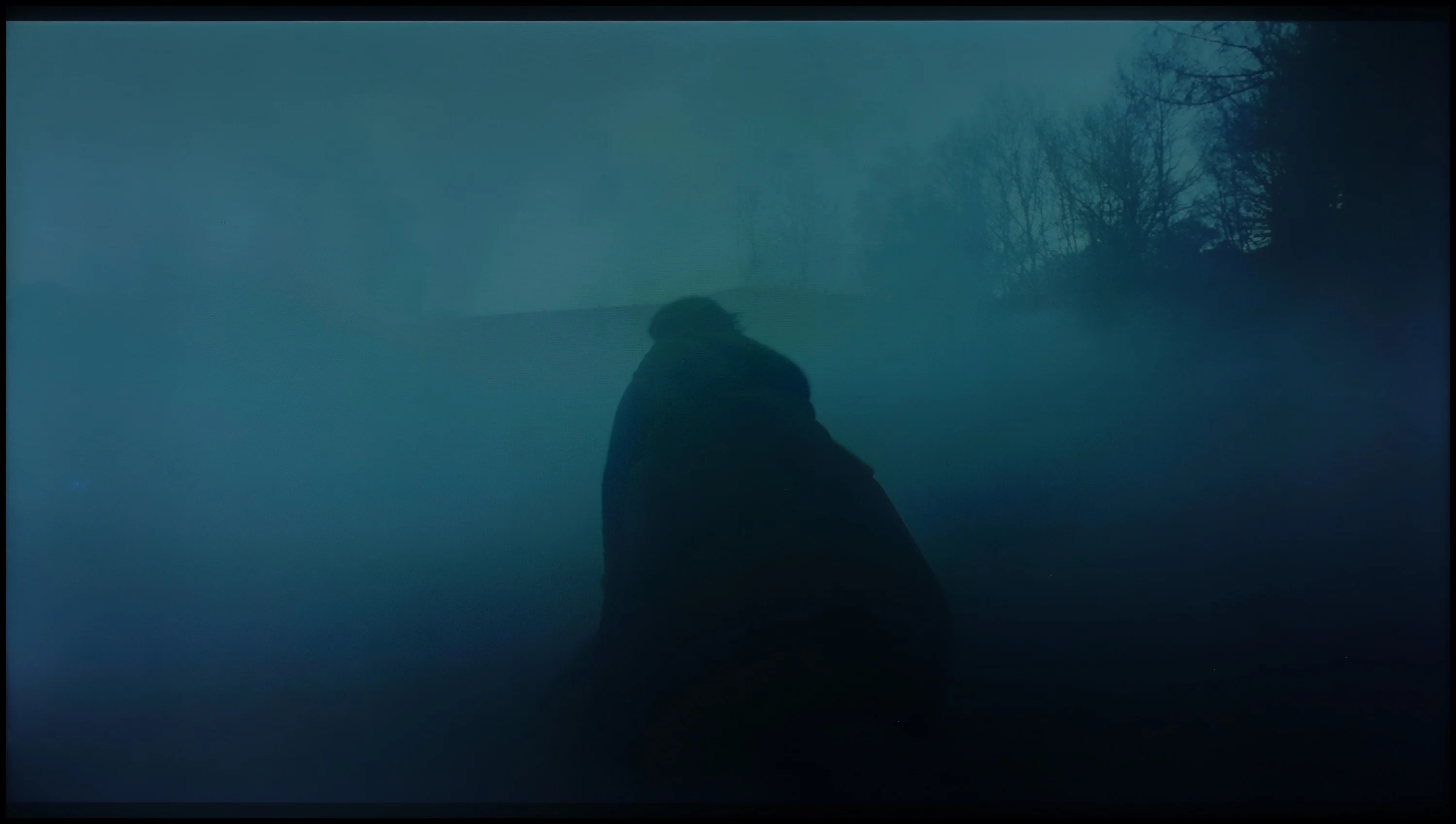
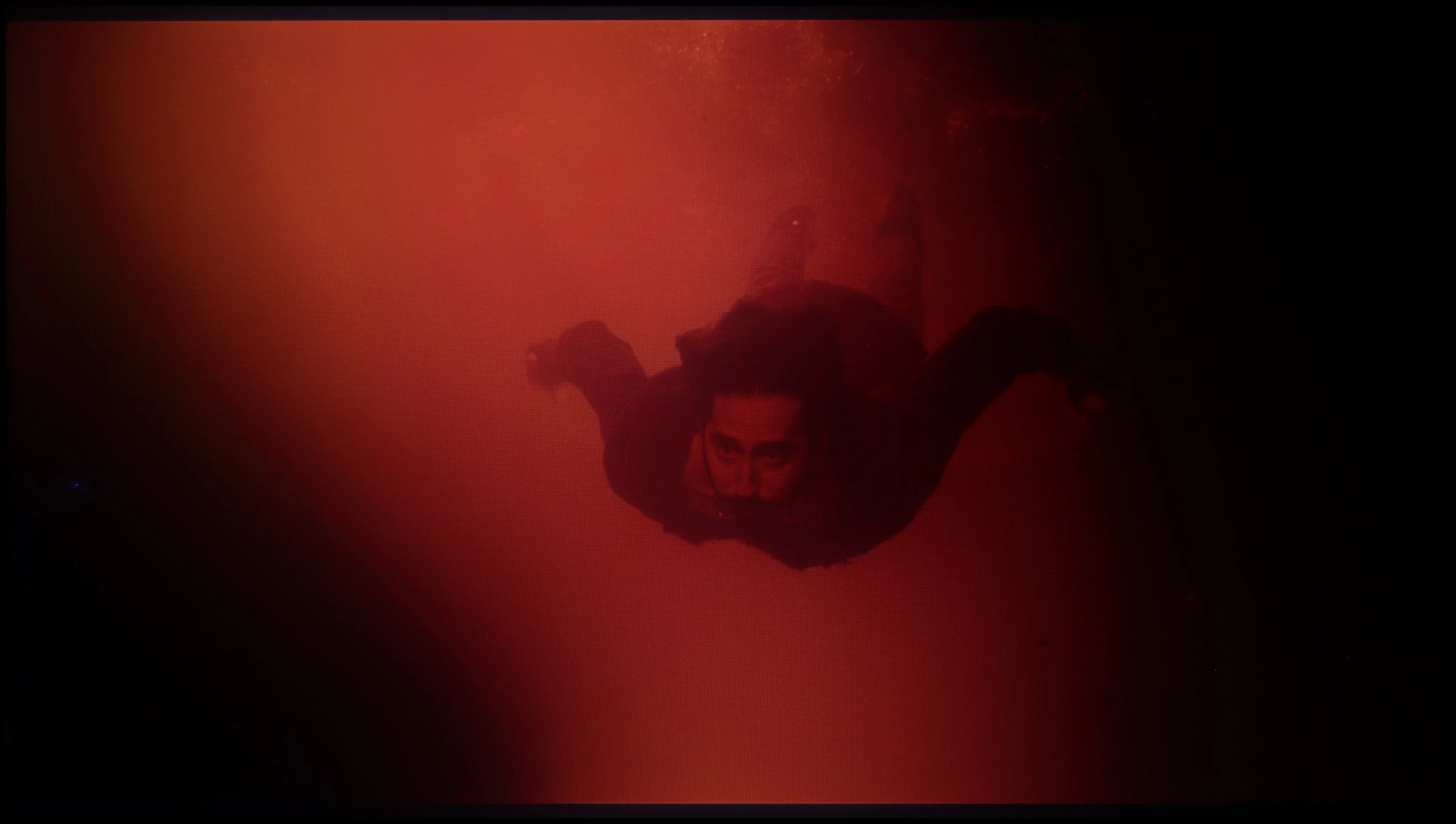
These are selected scenes that show smooth tonal transitions from one color to another. If you see distinct banding, it’s the TV panel’s fault.
These are selected scenes that show smooth tonal transitions from one color to another. If you see distinct banding, it’s the TV panel’s fault.
These are selected scenes that show smooth tonal transitions from one color to another. If you see distinct banding, it’s the TV panel’s fault.
These are selected scenes that show smooth tonal transitions from one color to another. If you see distinct banding, it’s the TV panel’s fault.
The smoothness of tonal transitions in the Philips PML8709 is at a very high level. Color gradation is extremely smooth, and transitions between shades look natural and detailed. Even in more demanding scenes, the television performs excellently. Minor issues may arise with bright elements, where the gradation can be slightly less precise. However, these are such subtle differences that only the most demanding purists will notice them. For most users, the effects will be fully satisfying, and the image will maintain its impressive quality.
The smoothness of tonal transitions on the M80H is nearly perfect. Posterization is practically non-existent, and successive shades blend very smoothly in both bright and dark scenes. We didn't notice any obvious color banding, even in the sky or in smoke scenes. If the image looks worse in dark shots, that's not due to gradation issues. What becomes more apparent are the backlight limitations and the lack of local dimming, which keep blacks from having proper depth.
Image scaling and smoothness of tonal transitions
6.9/10
7/10


Smooth transition function
The match photo shows how the TV smooths weak tonal transitions in low-quality video.
Image scaling SD (576i)


The model photo shows how it handles upscaling of SD material.
The distortion reduction function in the Philips PML8709 smooths tonal transitions, but its effectiveness leaves much to be desired. We recommend setting this option to "Medium" – at this level, the effect is noticeable but not excessive. Unfortunately, compared to other Philips models, the smoothing effect is less effective, meaning that some tonal transitions may still appear slightly uneven. An additional drawback is that this function also smooths other details, such as material textures like shirts, which can affect image sharpness.
As for image scaling, the television performs very well. The image appears plastic and free of noticeable "jaggies." This effect may appeal to many users, although some may prefer a more pronounced look. Fortunately, the television allows for adjusting the sharpness parameter, enabling us to tailor the image to individual preferences.
Although the M80H is positioned fairly low in Samsung's lineup, the manufacturer equipped it with one of its stronger processors, NQ4 AI Gen2. The same chip can be found in Neo QLED TVs and the lower-tier OLED S85H. That's good news, because the processor does a very good job improving weaker source material. Upscaling performs best. Low-resolution content is displayed properly, and edges don't look overly jagged. Of course the TV won't create details that aren't in the source, but regular broadcast TV and older recordings look decent on it. One drawback is overscan, that is, edge cropping, which cannot be fully disabled. The tonal transition smoothing feature, the so-called noise reduction, also works well. The processor can effectively reduce visible signs of heavy compression, but it does so not without side effects. At higher settings it can overly smooth the image, remove some fine detail, and even eliminate film grain. Therefore we recommend using this feature primarily for content that actually has problems with heavy compression and posterization.
Blur and motion smoothness
5/10
7.9/10
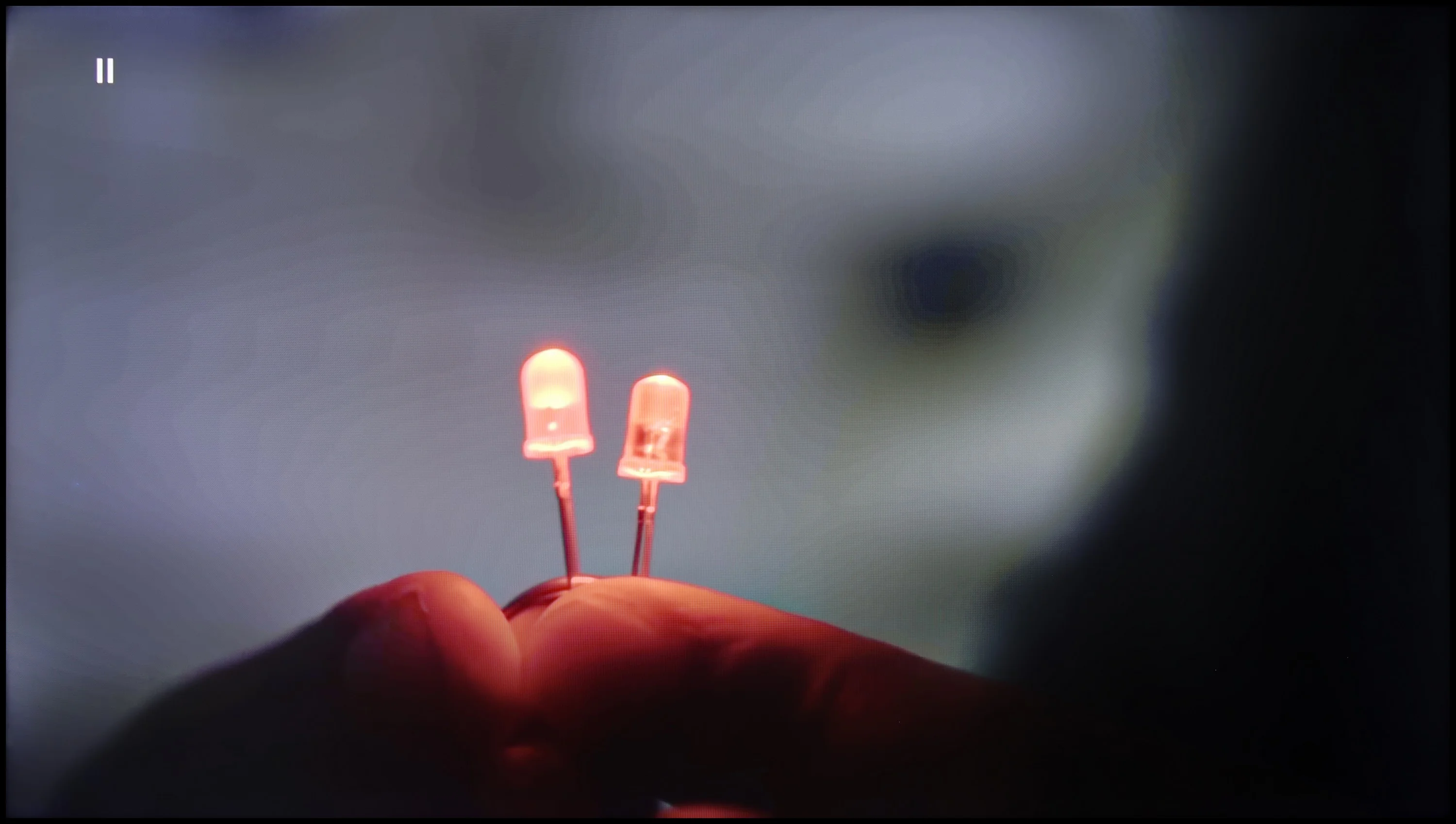
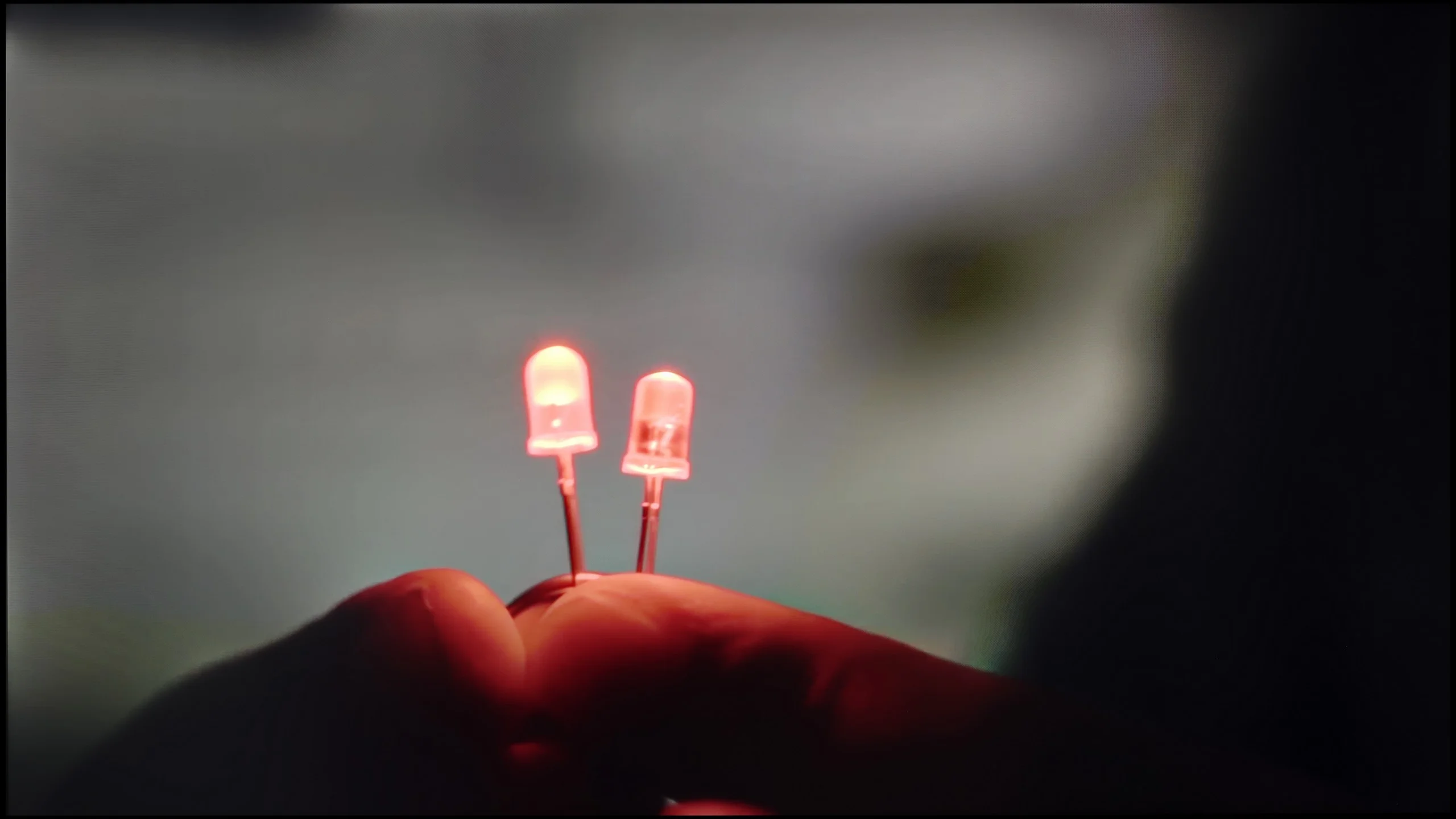
Blur (native resolution, maximum refresh rate):






Blur (BFI function enabled):
Image flickers in this mode



Blur ():
Blur (4K@240Hz):


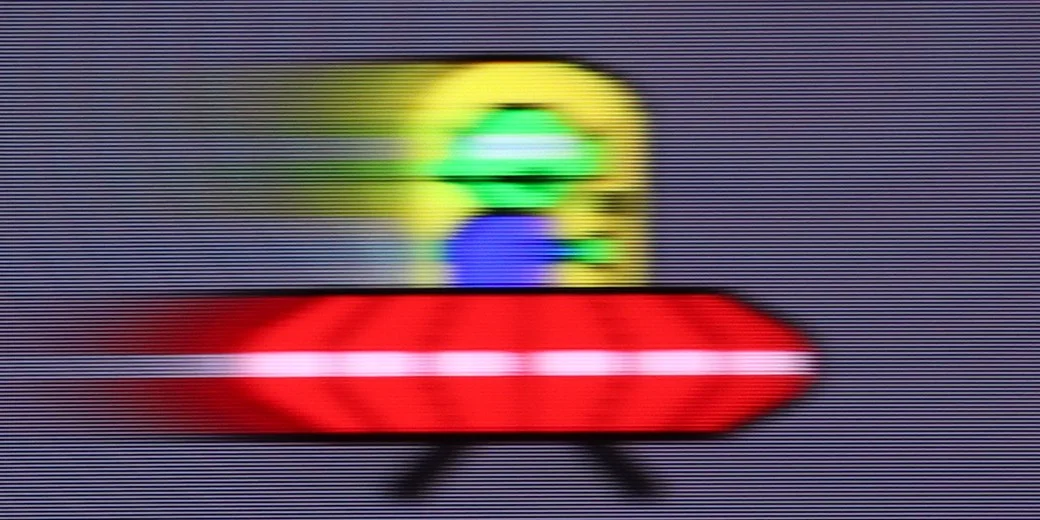
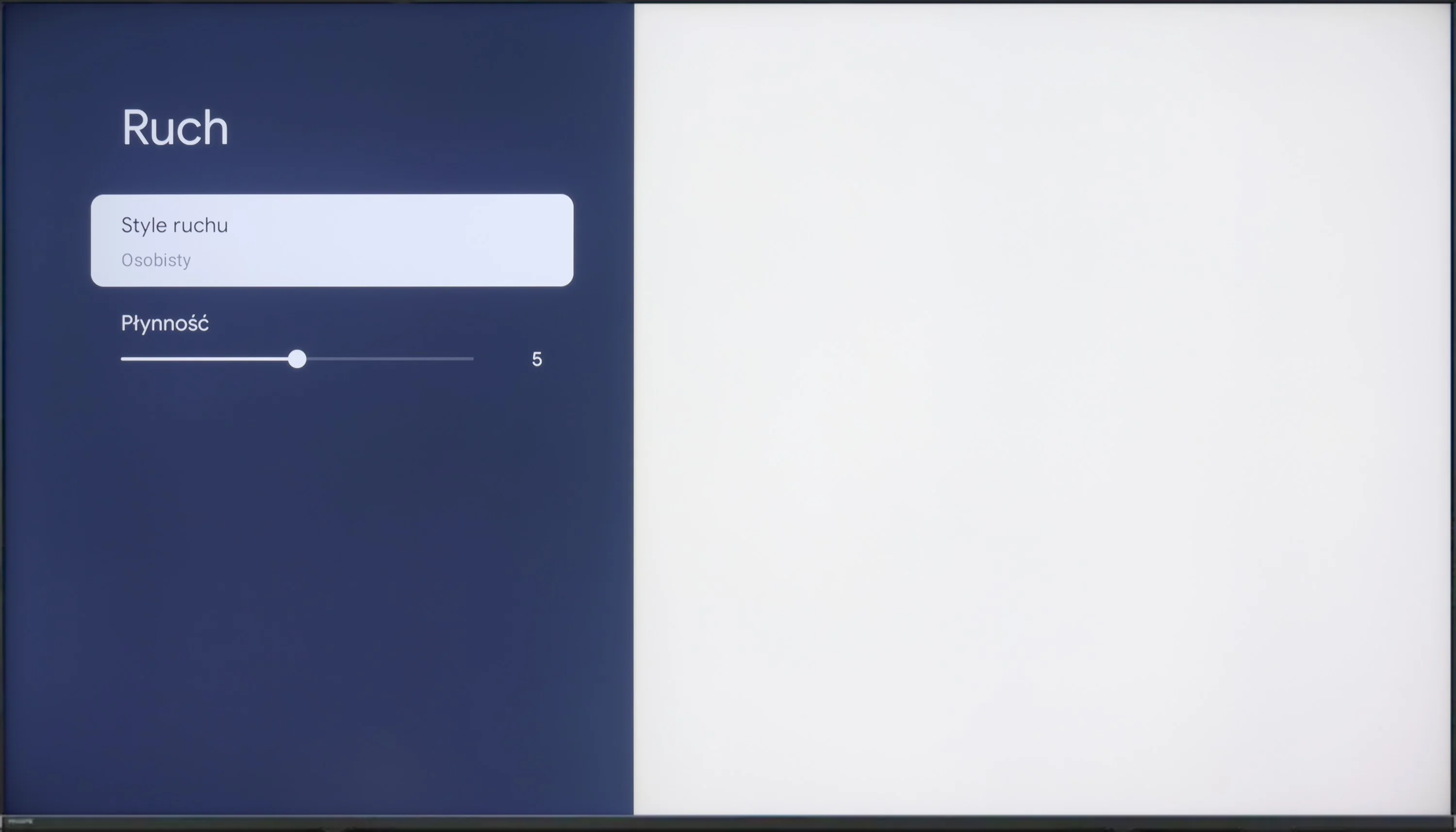
Philips PML8709 is one of the few models with mini-LED technology on the market that offers a refresh rate of 60 Hz. Although it is not a panel for the most demanding gamers, it should satisfy those who mainly watch movies. The television is equipped with the "Motion Style" feature, which is a motion smoother that allows you to adjust the fluidity of motion according to your preferences – from a more "plastic" appearance to a cinematic aesthetic with clearly visible frames.
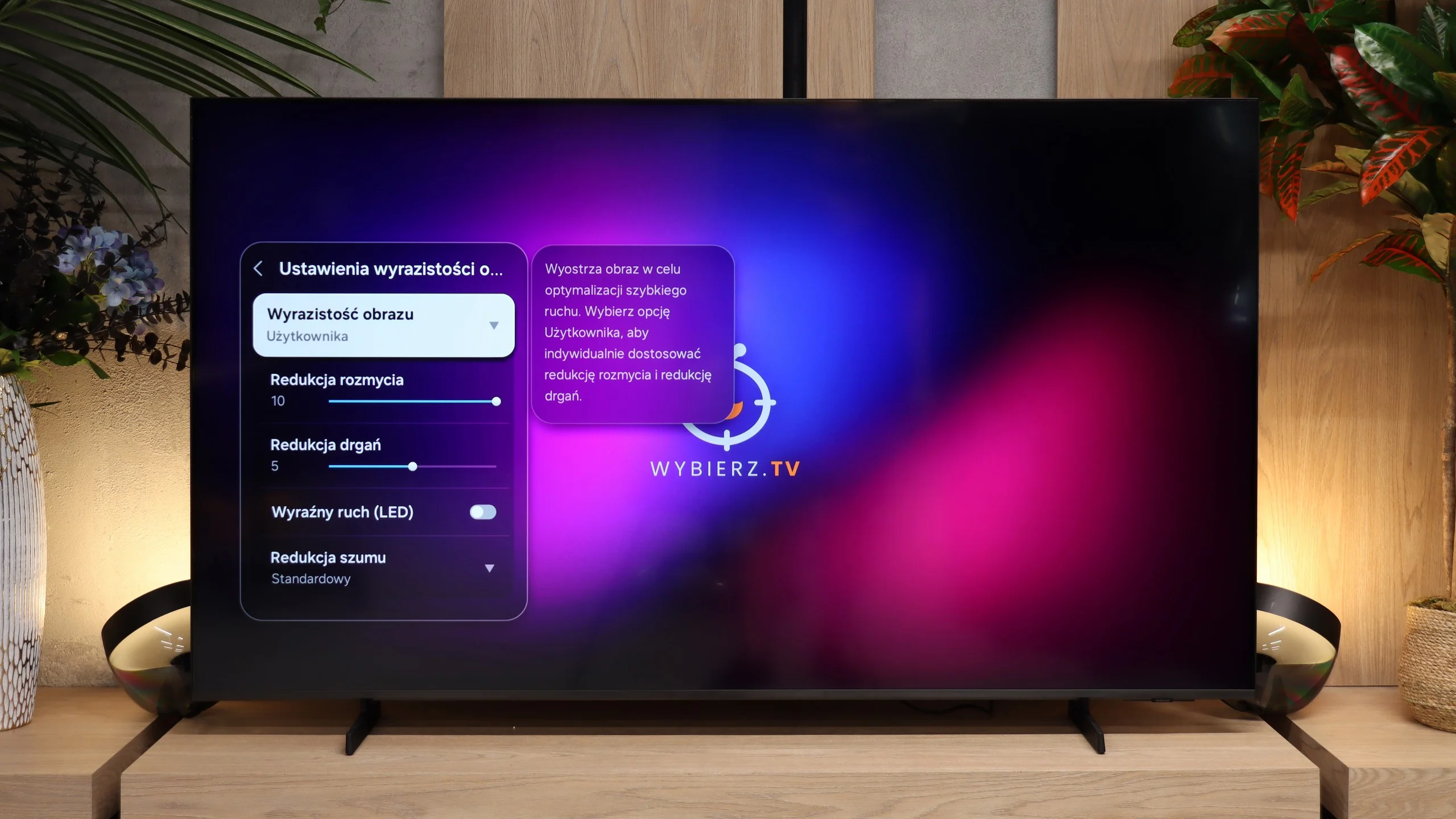
The M80H performs very well for watching sports and gaming. The TV is equipped with a panel with a refresh rate of up to 144 Hz at 4K, and when the resolution is lowered to Full HD it can handle up to 240 Hz. PC gamers will benefit most from the latter option.
The panel also handles 120 Hz content well, which matters especially for console gaming. The high refresh rate is useful for watching sports too, and motion blur is relatively low. That’s important because VA panels are not known for the best results in this respect. With the M80H, fast-moving objects do not produce a very noticeable trail.
Console compatibility and gaming features
6/10
9.6/10
- ALLM
- VRR
- VRR range48 - 60Hz48 - 240Hz
- Dolby Vision Game Mode
- Correct implementation of HGIG
- 1080p@120Hz
- 1440p@120Hz
- 4K@120Hz
- Game bar
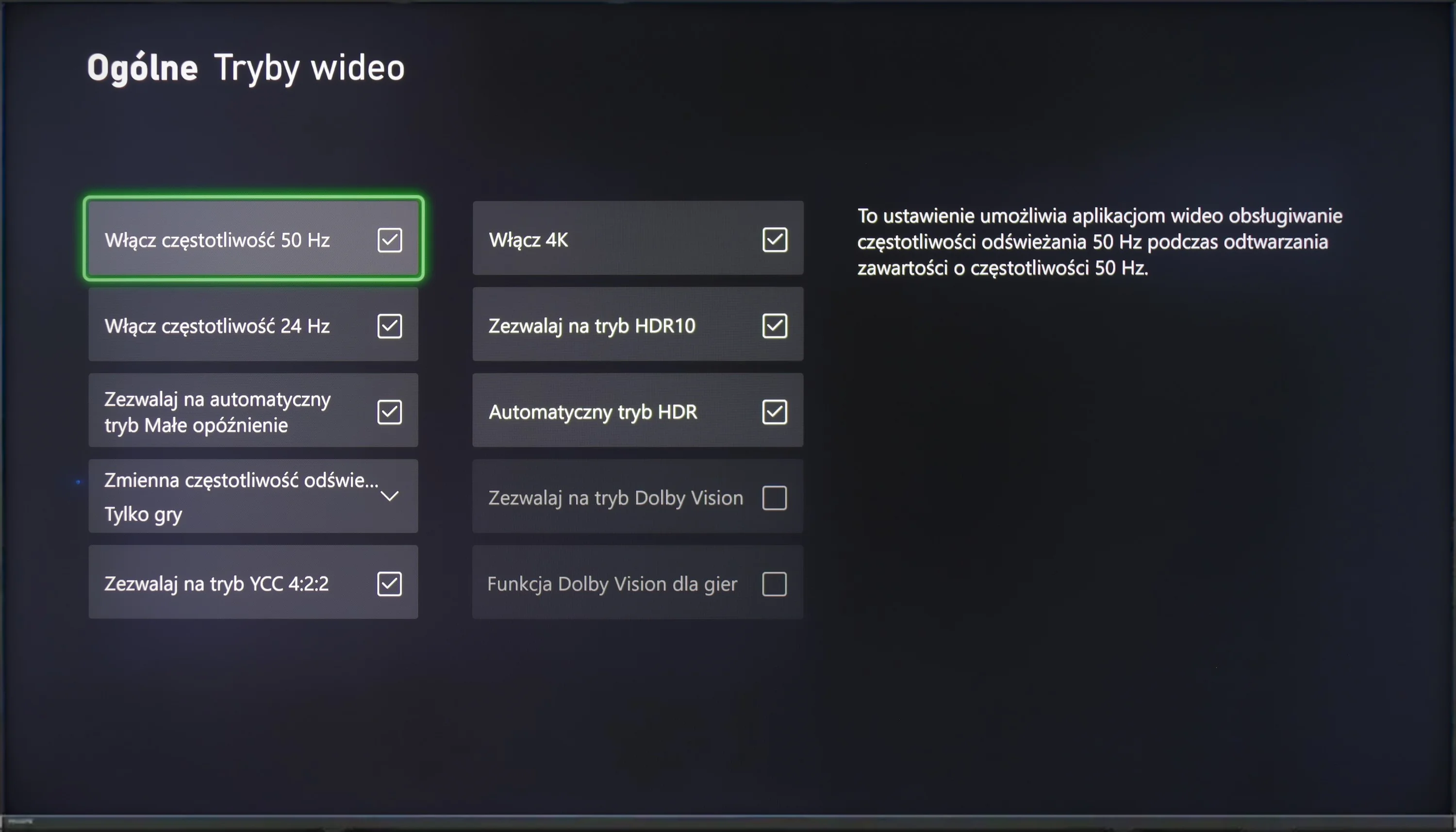
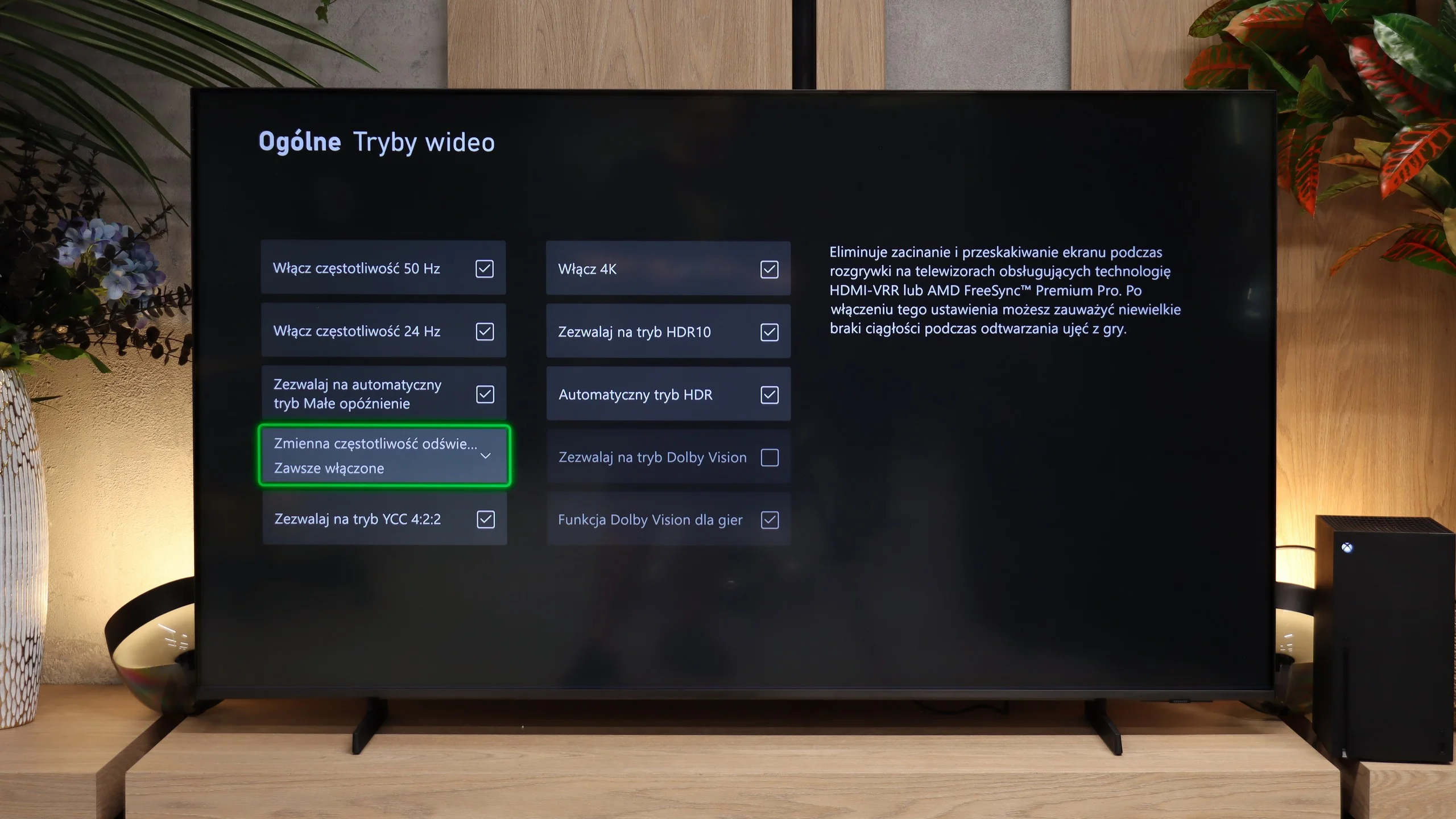
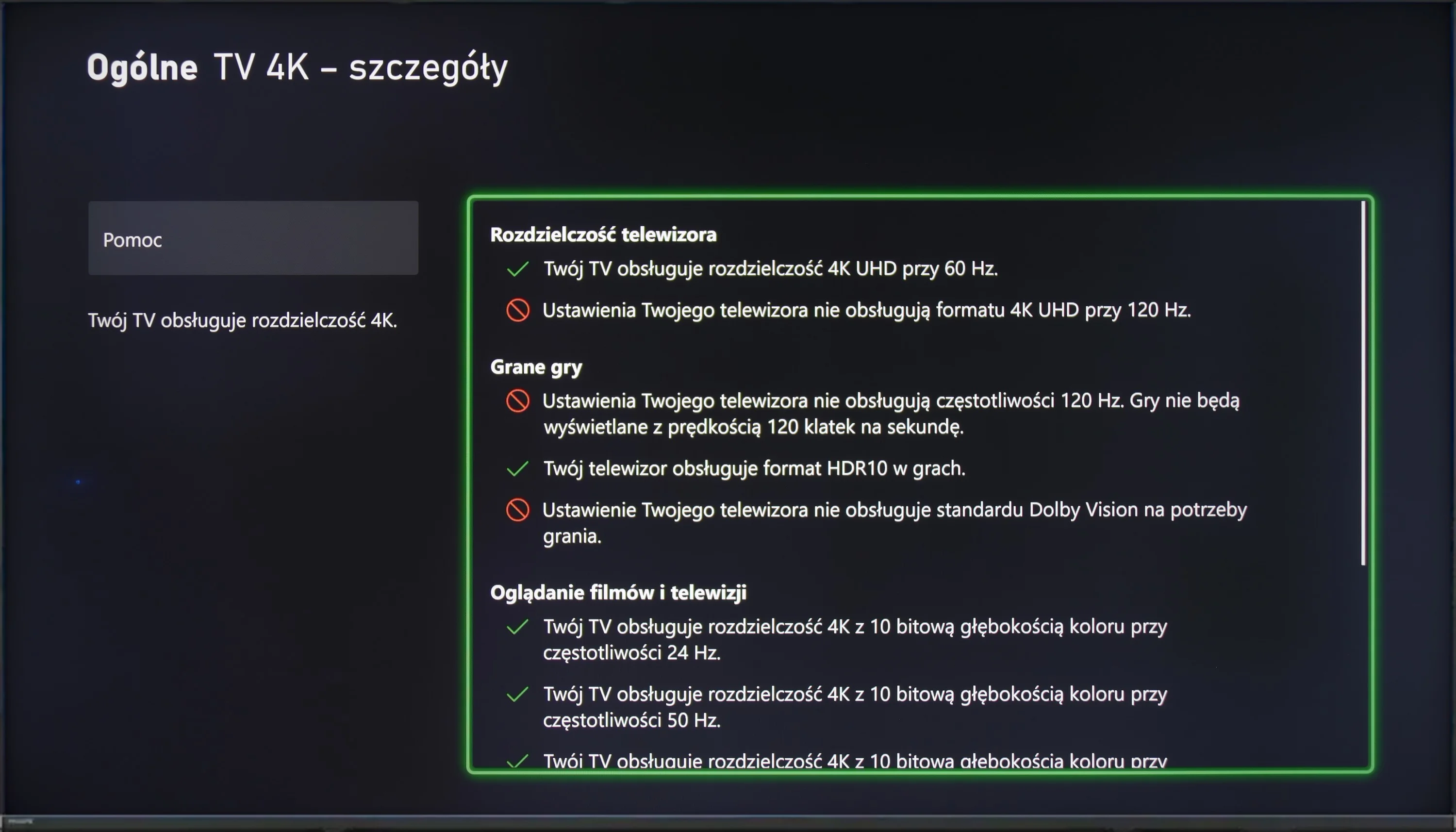
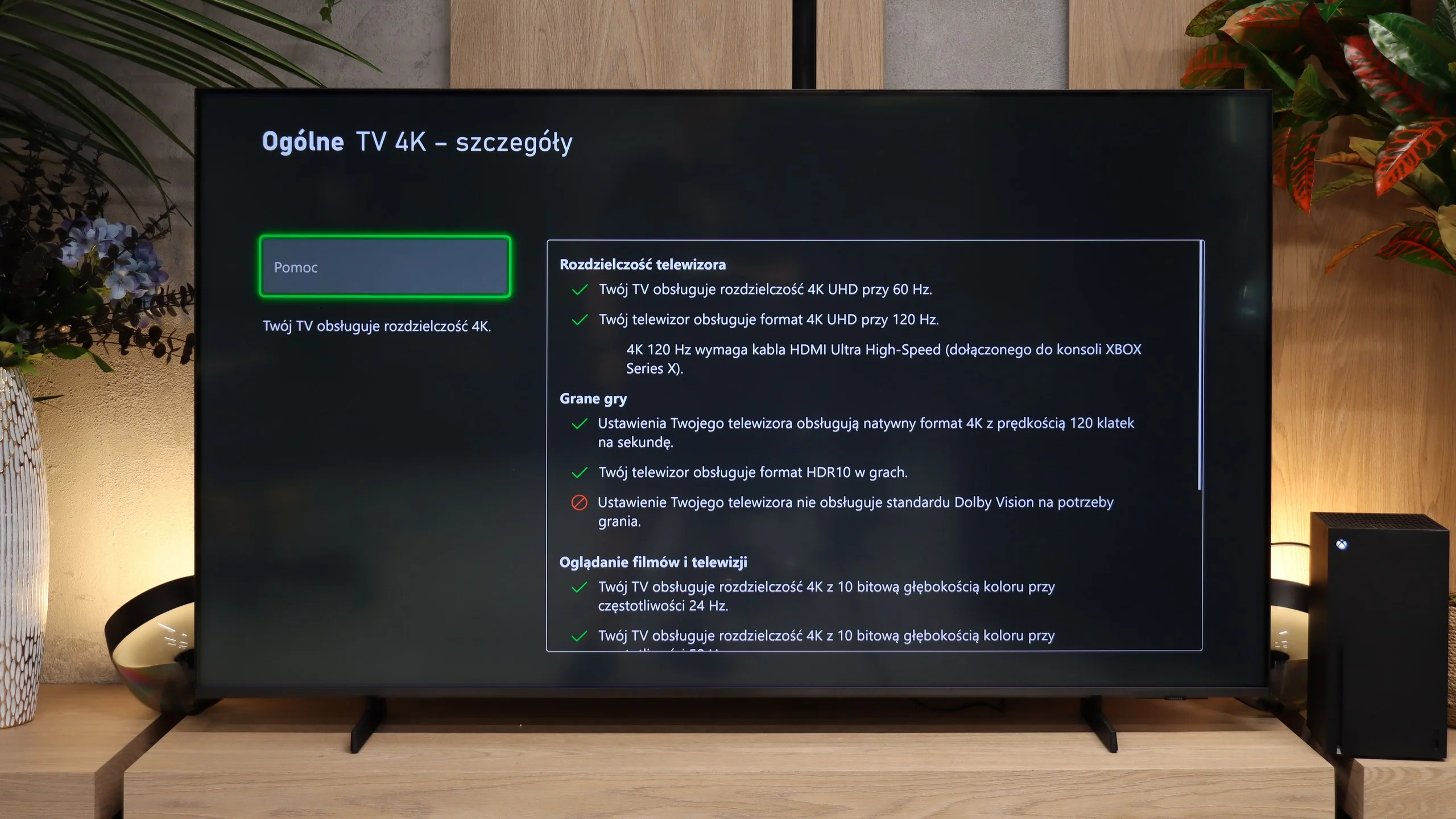
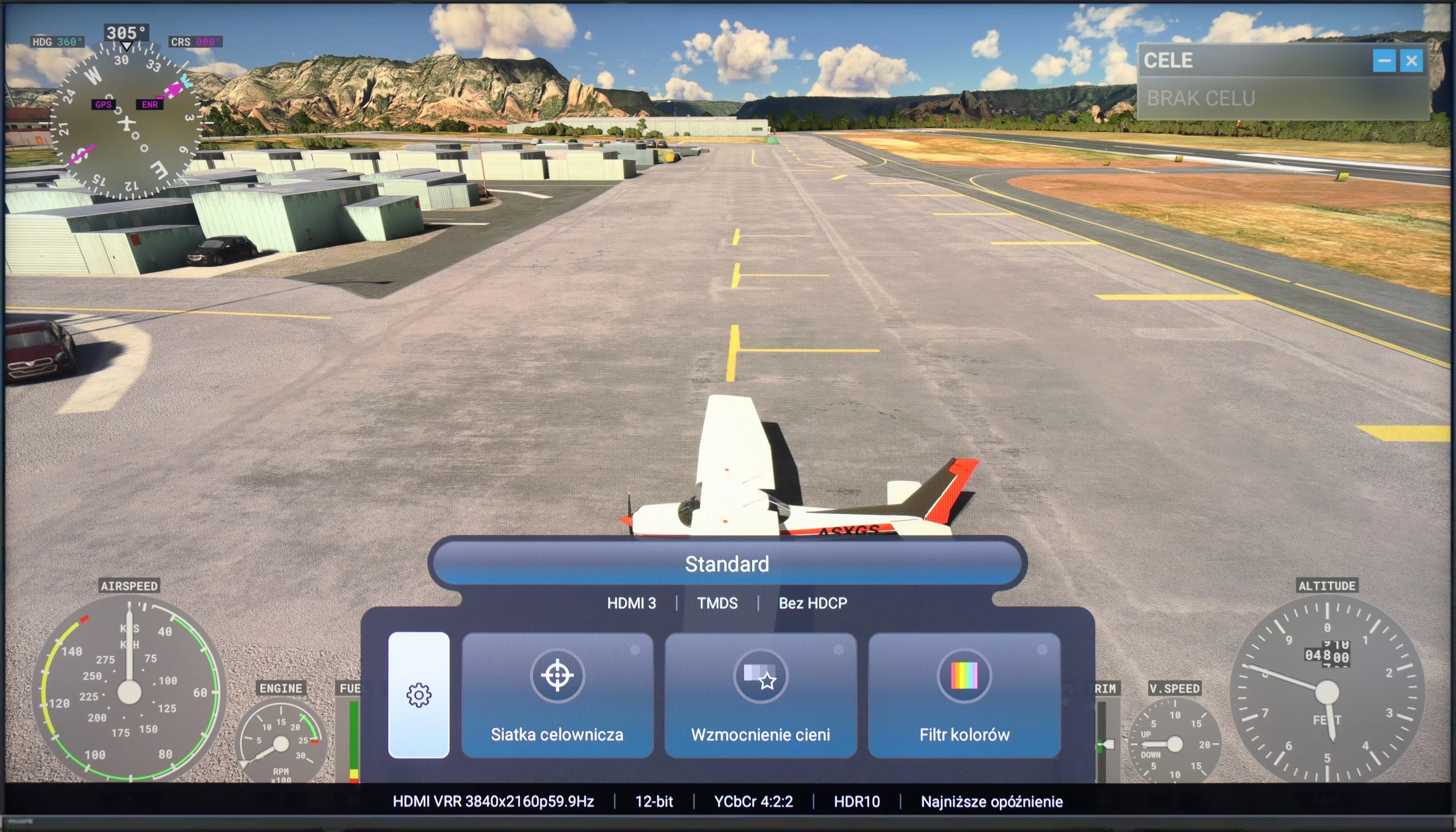
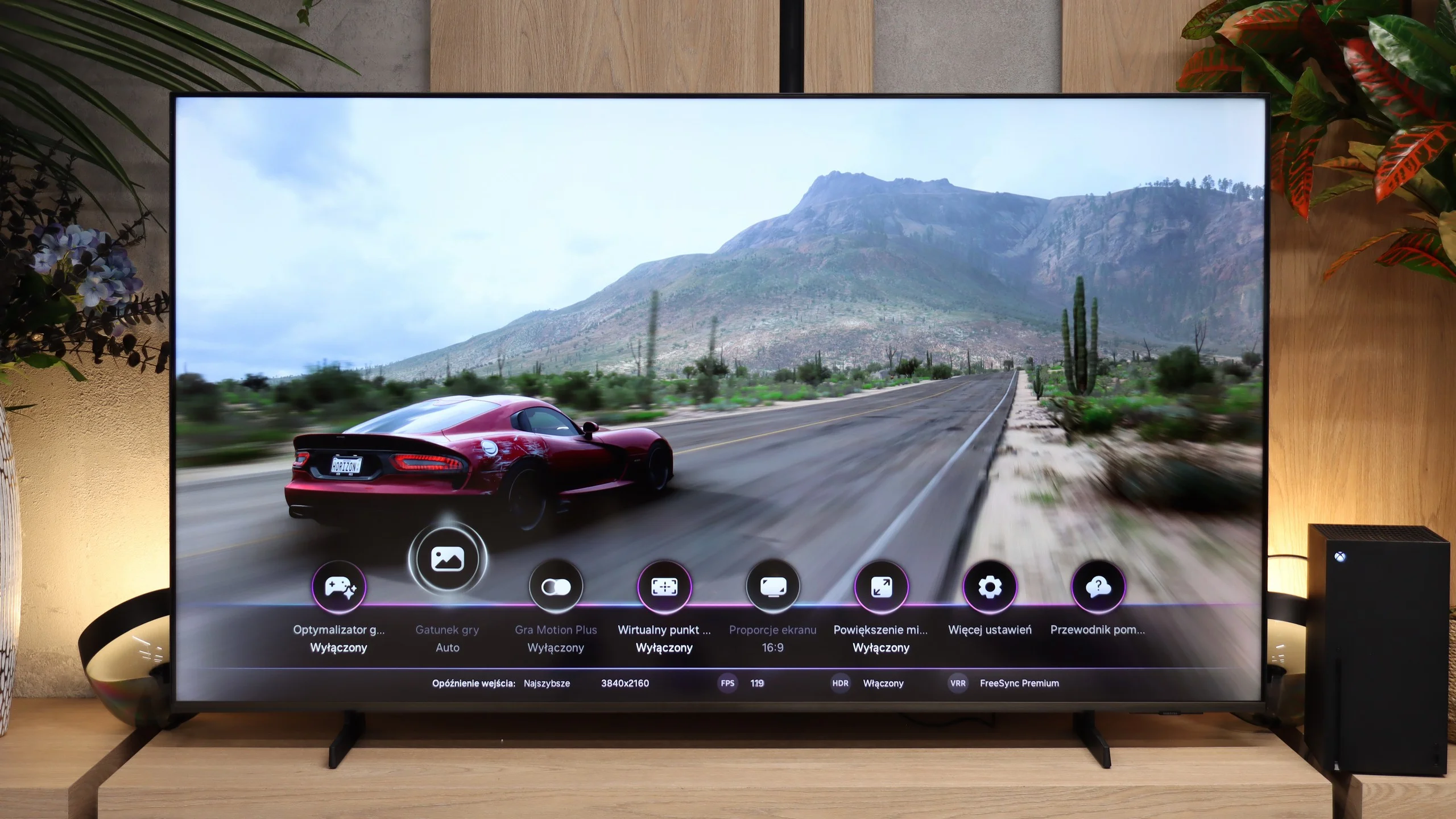
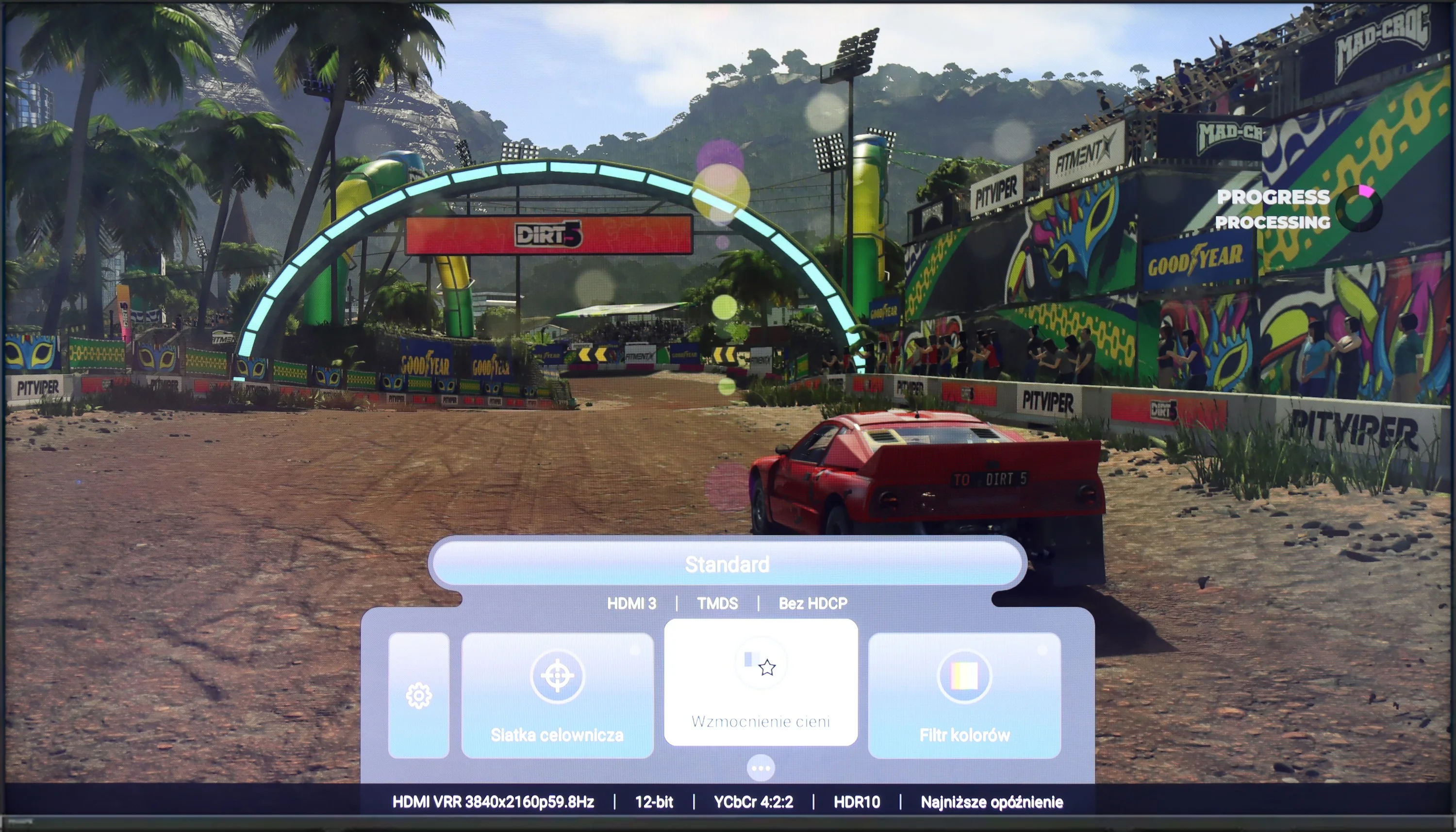
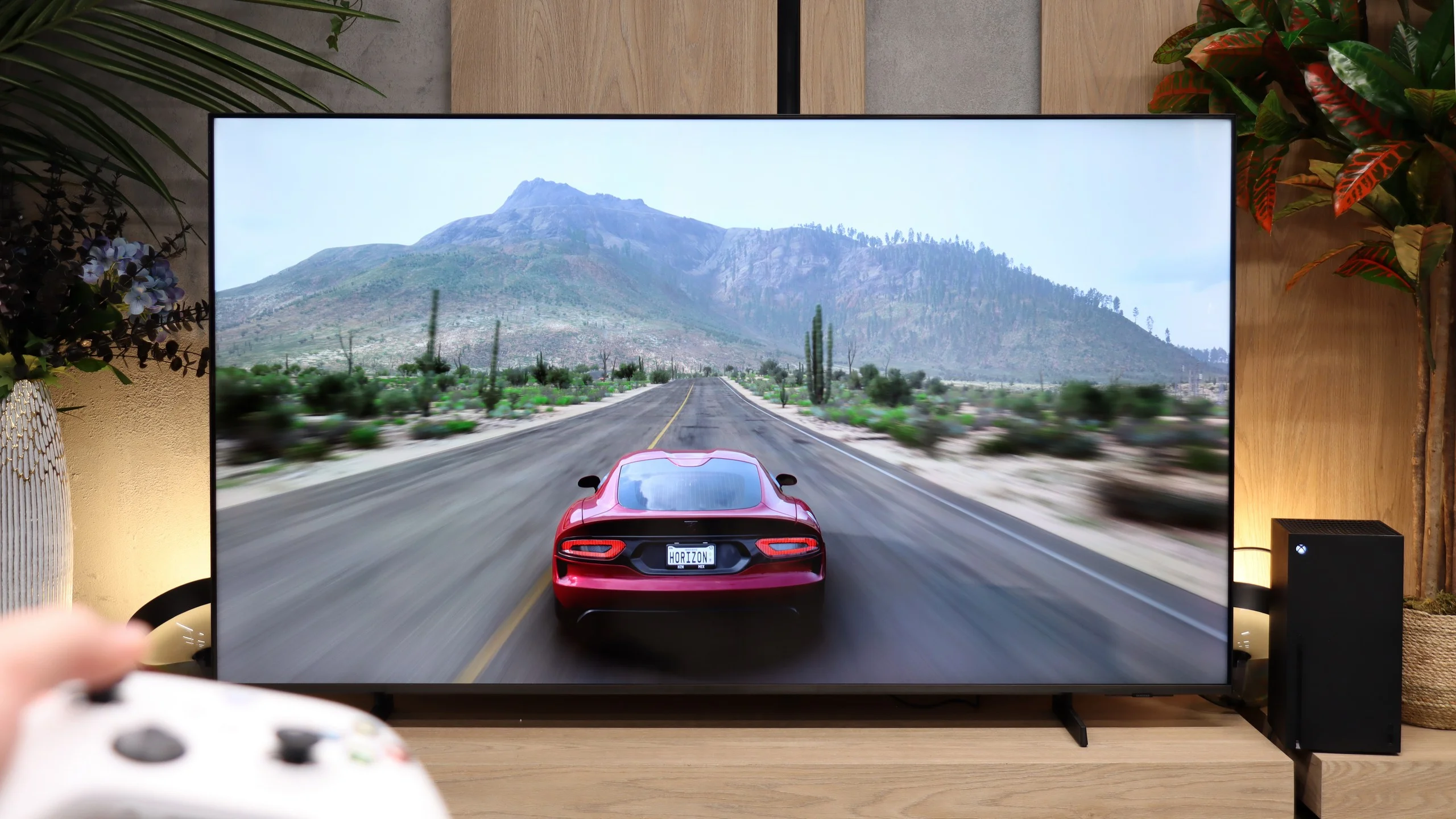
Philips PML8709 is a television aimed more at occasional gamers, mainly due to its 60 Hz panel, which does not meet the expectations of the most demanding users. However, for those who appreciate gameplay at a more measured pace, this model may prove sufficient.
The television offers several gamer-friendly features, such as ALLM (automatic switching to game mode) and VRR (variable refresh rate), which help in displaying images more smoothly without annoying stutters. Moreover, in terms of HDR, we find here the implementation of HGiG, which adjusts the HDR effect to the specifics of games, providing a more natural image in appropriately optimized titles. Unfortunately, there is no support for Dolby Vision mode, which may be felt in games that utilize this format.
A nice addition is the presence of a basic "Game Bar," which allows for quick preview and modification of key settings related to gaming. It's a simple yet helpful feature, especially for those who often change their setup between different types of gameplay. Despite certain limitations, the Philips PML8709 offers a solid set of features for less demanding gamers.
The M80H can be a very good choice for gamers on a slightly smaller budget. Feature-wise it offers essentially the same as Samsung's much more expensive TVs. All three HDMI inputs support HDMI 2.1, so even if one is taken by a soundbar connected via eARC there’s still room for a PC and consoles. There’s also VRR up to 144 Hz at 4K and up to 240 Hz in Full HD. Samsung has properly implemented HGiG as well, so after performing HDR calibration on the console, games are appropriately matched to the screen’s capabilities. That won’t make the M80H any brighter, but at least it won’t unnecessarily wash out the brightest parts of the image. There’s also a Game Bar for quick access to the most important settings and a Gaming Hub that lets you play in the cloud without a console. The M80H also includes Game Motion Plus, which creates extra frames and improves the smoothness of games running at 30 or 60 fps. Input lag then rises to about 59 ms, but it’s still roughly three times lower than with the typical motion smoothing on other manufacturers’ TVs. We don’t really recommend it for online multiplayer, but in more relaxed titles it can work very well.
Input lag
10/10
9.9/10
SDR
HDR
Dolby Vision
The Philips PML8709 performs very well in terms of input lag. With supported resolutions, results of around 13 ms are more than sufficient to ensure comfortable gameplay. Such a response time means that even more dynamic games do not cause annoying delays. This allows players to enjoy smooth gameplay without unnecessary stress.
Input lag on the M80H is very low. With a 60 Hz signal it's about 14 ms, and at 120 Hz it drops to 9-10 ms. The lag is therefore practically imperceptible, whether you're playing in SDR or HDR.
Compatibility with PC
3.5/10
8.9/10
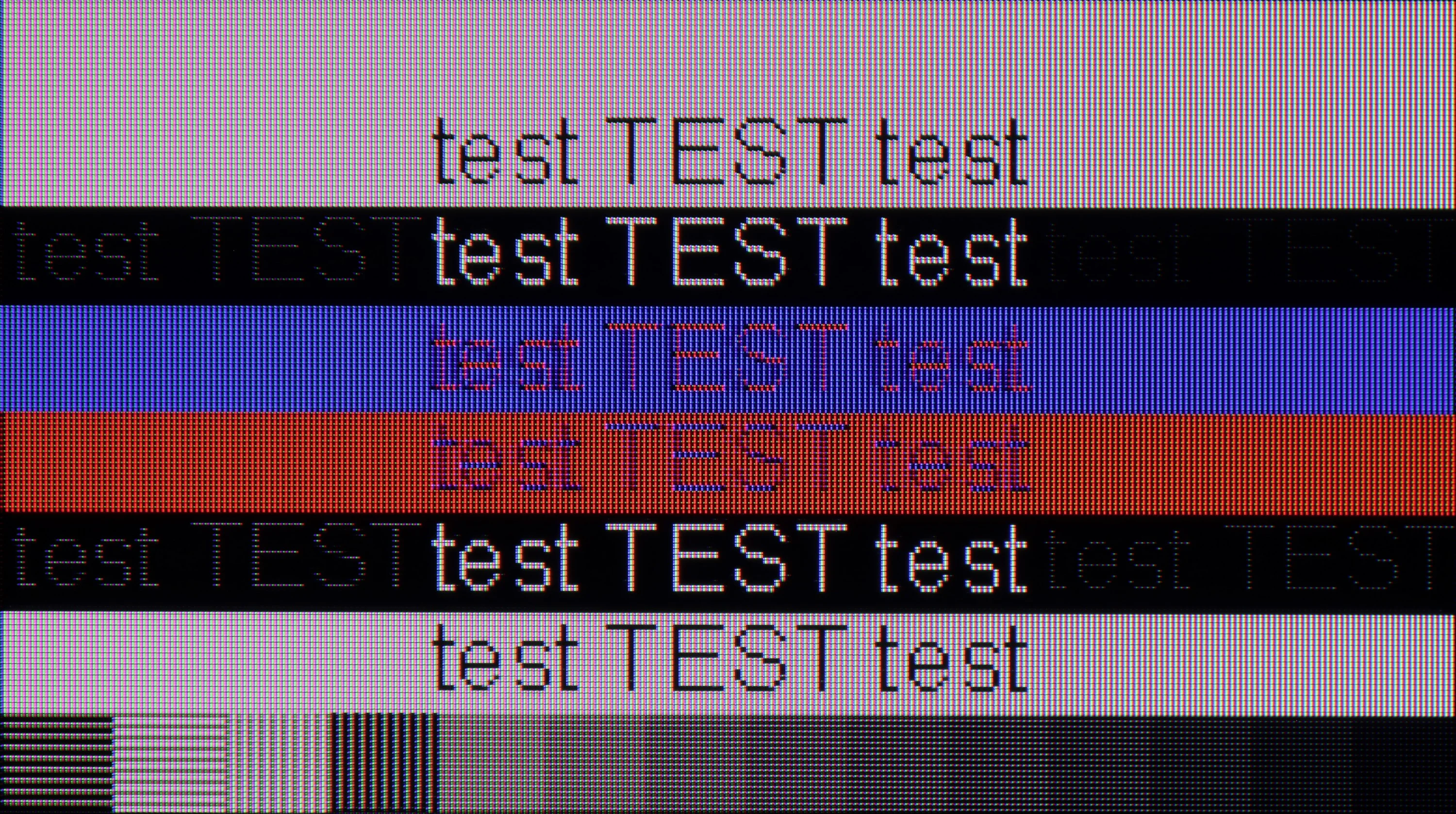
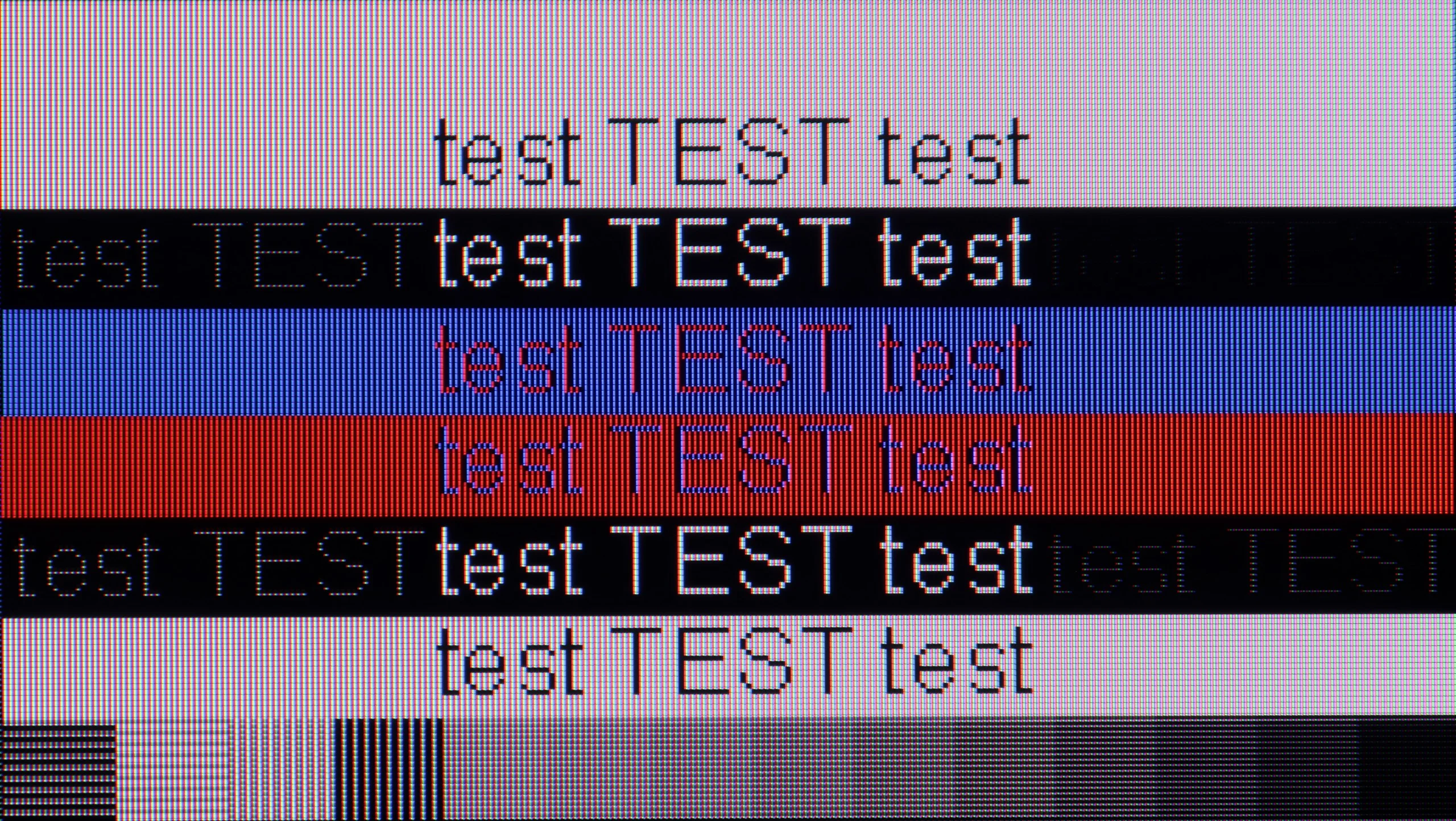
The photo shows the legibility of small fonts. Ideally, lines should be the same thickness on both light and dark text, with minimal pixel gaps.
Philips PML8709 offers a dedicated mode for PC, but its capabilities are highly limited. The TV does not support chroma 4:4:4, which significantly affects the readability of fonts – text appears blurred and is difficult to read, disqualifying this model for those planning to use it as a monitor for work or document browsing. Additionally, although the TV demonstrated compatibility in G-Sync tests, the image while using this feature is very unstable, with frequent stuttering. Such unpredictability eliminates the benefits that adaptive sync support should provide.
The only positive aspect regarding PC compatibility is the low input lag, which can be an advantage for those using the TV mainly for gaming. Nevertheless, the limitations in chroma support and issues with G-Sync mean that the PML8709 is not the best choice for PC users.
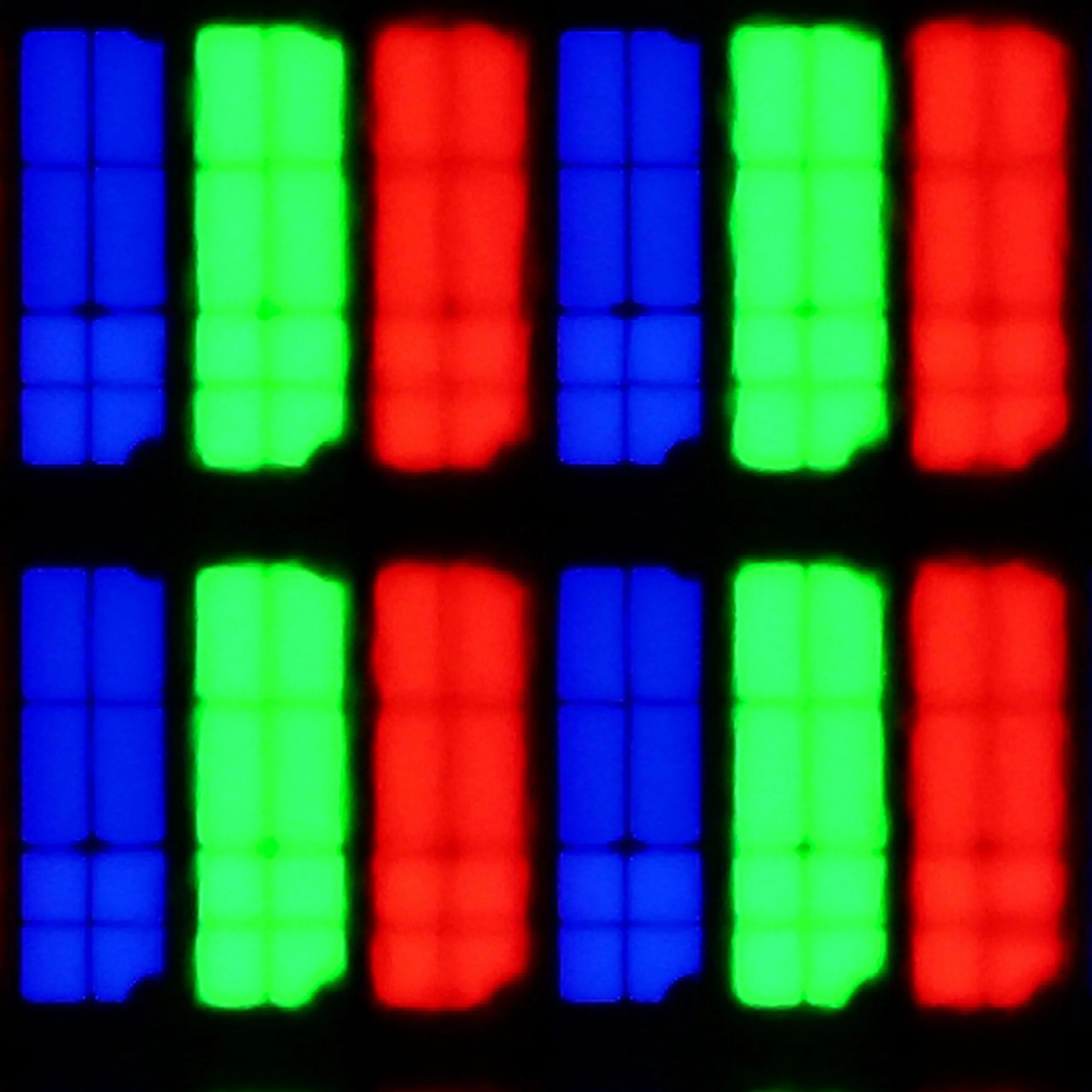
The M80H also works very well as a computer monitor. Gamers can use 4K resolution at 144 Hz with VRR and G-Sync, and input lag in PC mode is about 10 ms. A Full HD mode at 240 Hz is also available. The TV correctly displays chroma 4:4:4 at the maximum resolution and refresh rate. Combined with a classic RGB subpixel layout, this provides very good font legibility for both light and dark text. The M80H is therefore suitable not only for gaming but also for everyday desk work.
Viewing angles
2.9/10
3.1/10
Philips PML8709, equipped with a VA matrix, offers average viewing angles typical of this type of panel. The picture loses quality when viewed from a larger angle – colors fade, and contrast significantly decreases. This is a characteristic feature of VA matrices and should be kept in mind, especially if we plan to watch the TV from different places in the room. For viewers sitting directly in front, however, the image remains clear and well reproduced.
Viewing angles are one of the weaker points of the M80H. The TV uses a VA panel, which delivers better blacks and higher contrast than an IPS panel, but it looks worse when viewed from the side. Sit at a wider angle and colors start to lose saturation, blacks become noticeably lighter, and the whole image looks more washed out. That's a typical trade-off with this type of panel. The M80H is therefore best used when watched straight on or from only a slight angle.
Daytime performance
4.8/10
5/10
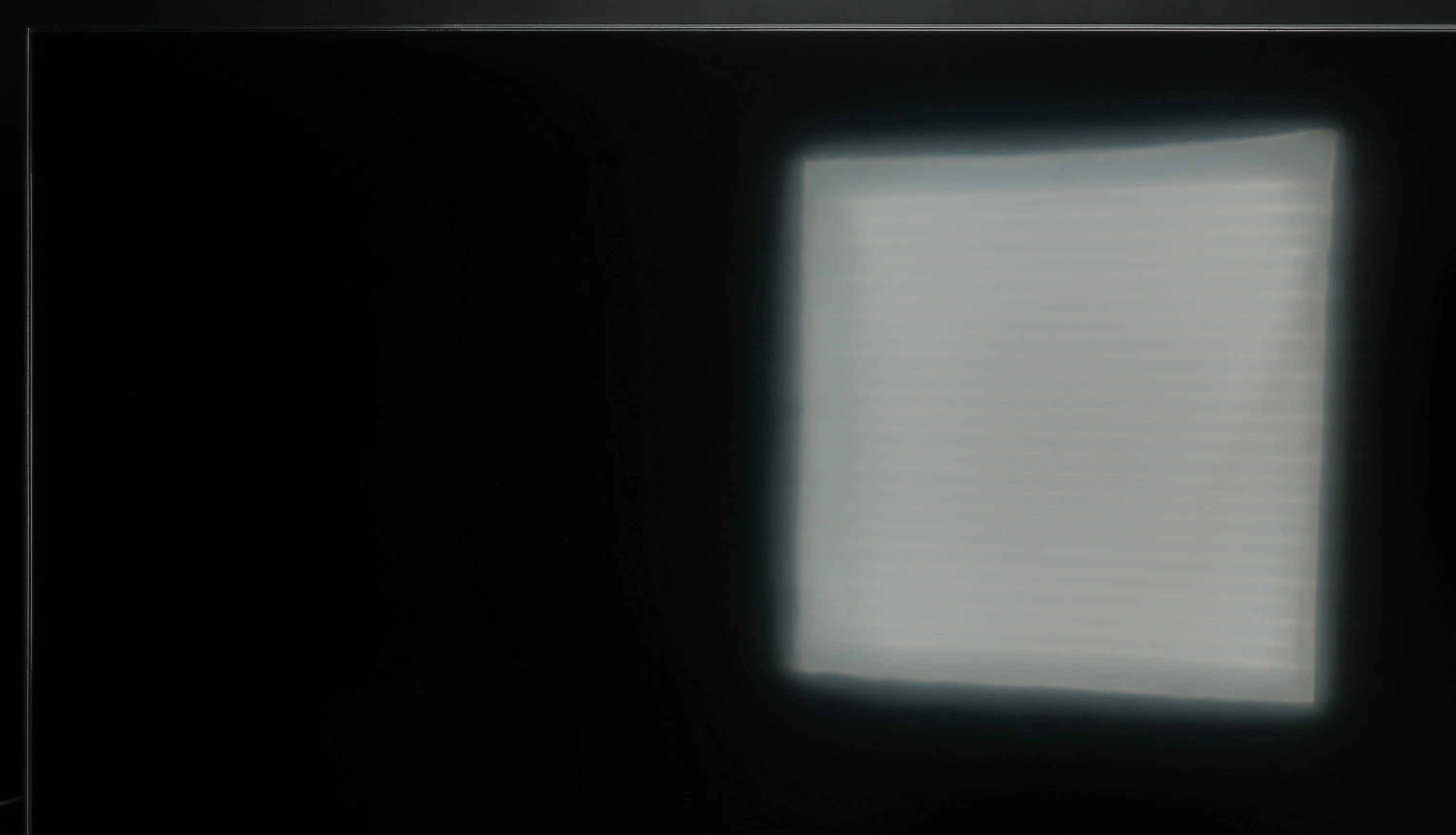
Panel brightness
Samsung M80H: 345 cd/m2
Philips PML8709: 337 cd/m2
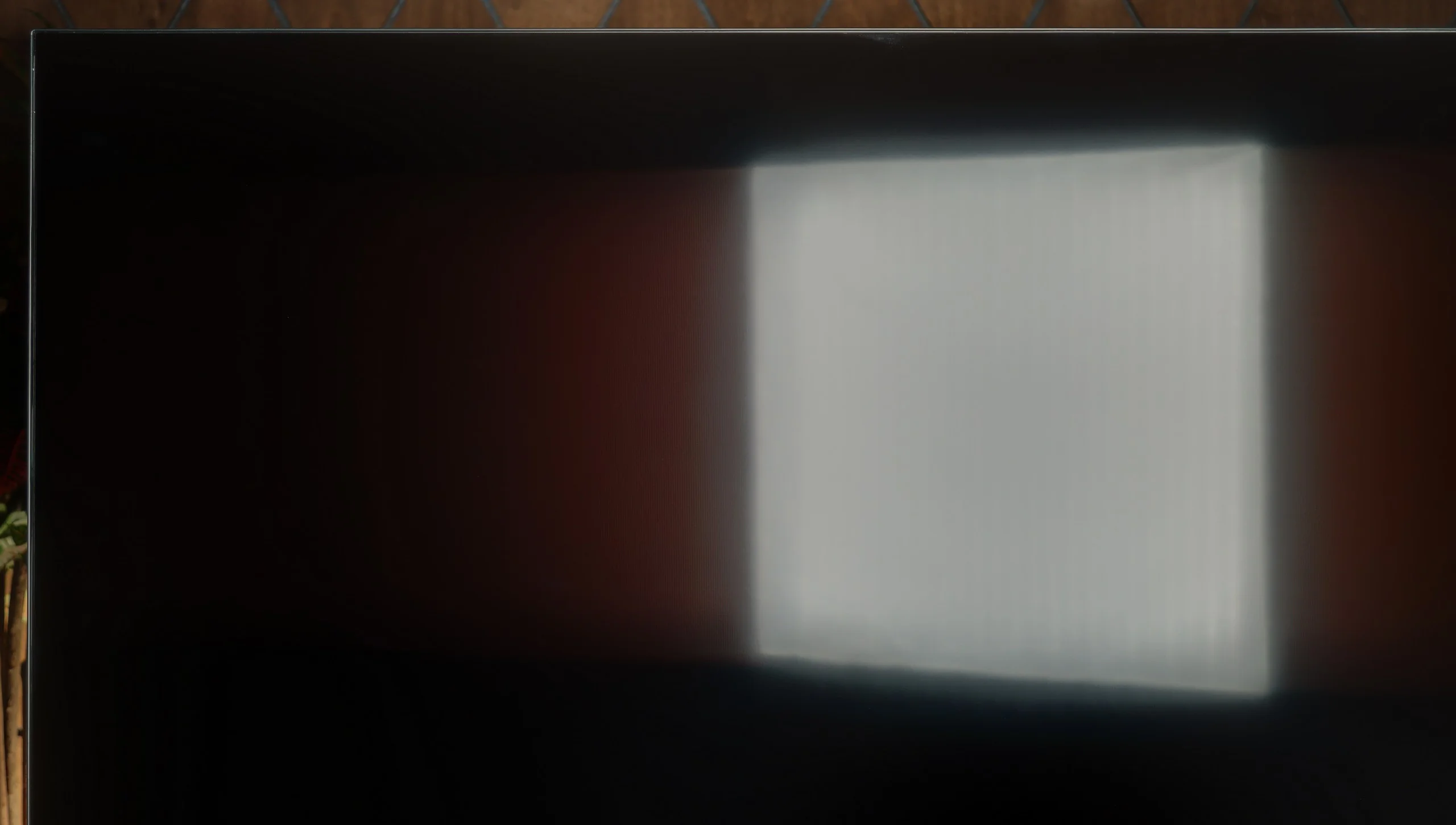
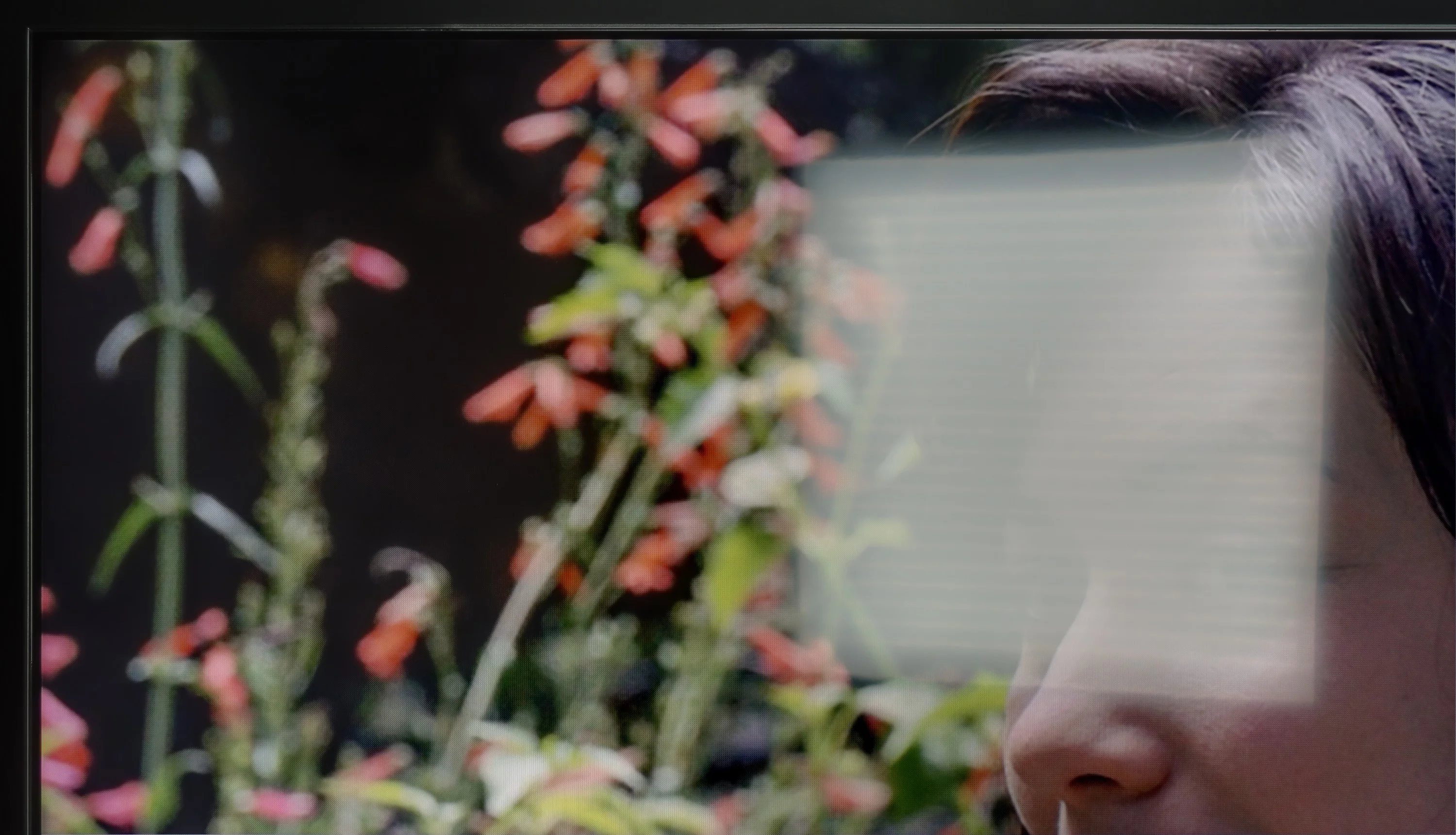
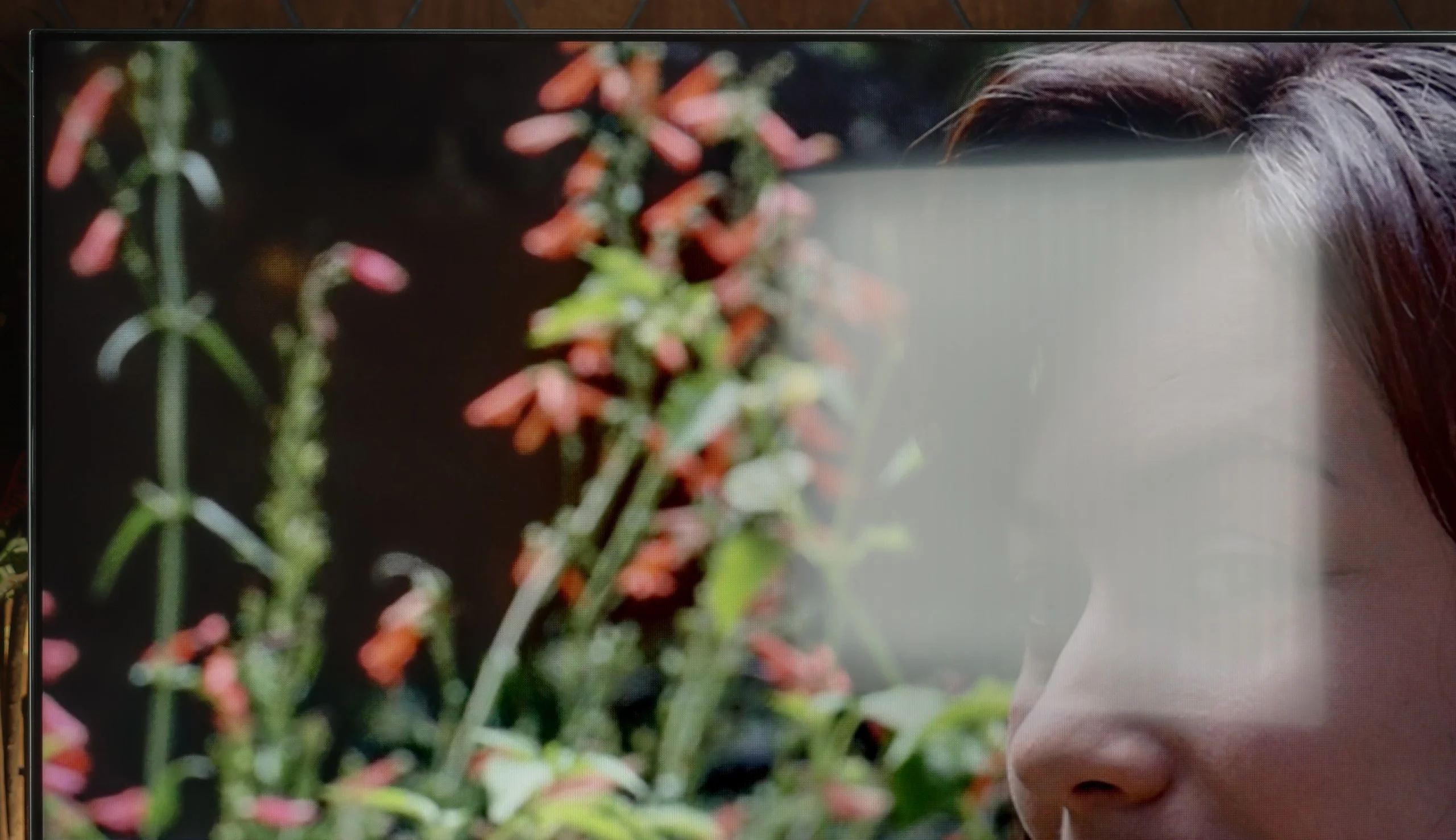
The Philips PML8709 is equipped with a satin matrix, which handles glare suppression moderately well. In moderately lit rooms, reflections will not be too bothersome, however, in very sunny conditions, the situation can become problematic. An additional challenge is the relatively low screen brightness, which is about 330 cd/m². This level may prove insufficient for comfortable viewing in bright rooms, where the image can appear too dark and unclear. The TV will perform better in controlled lighting conditions, but for those looking for a model that copes well during the day, this may be a significant limitation.
In a bright room the M80H performs adequately but without much fanfare. Its satin coating reasonably reduces reflections, though with large windows or lamps placed opposite the screen they will still be visible. The blacks are a plus; they don’t become excessively gray when the lights are turned on. SDR brightness is about 345 nits and remains stable regardless of the scene being shown. In a typical living room that should be enough for comfortable daytime viewing. In a room with very strong sunlight, however, the picture may not be vivid enough.
Panel details
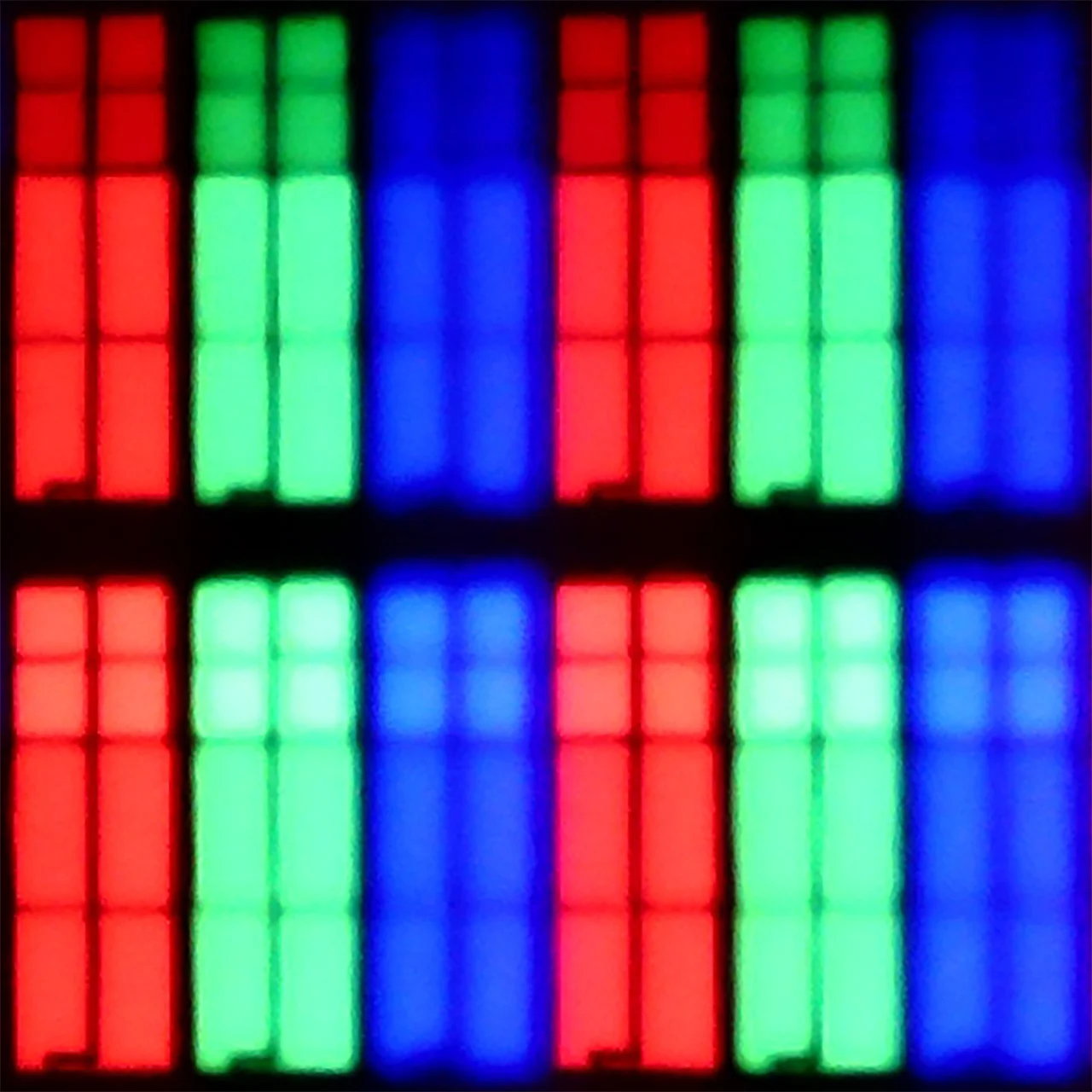
Subpixel Structure:
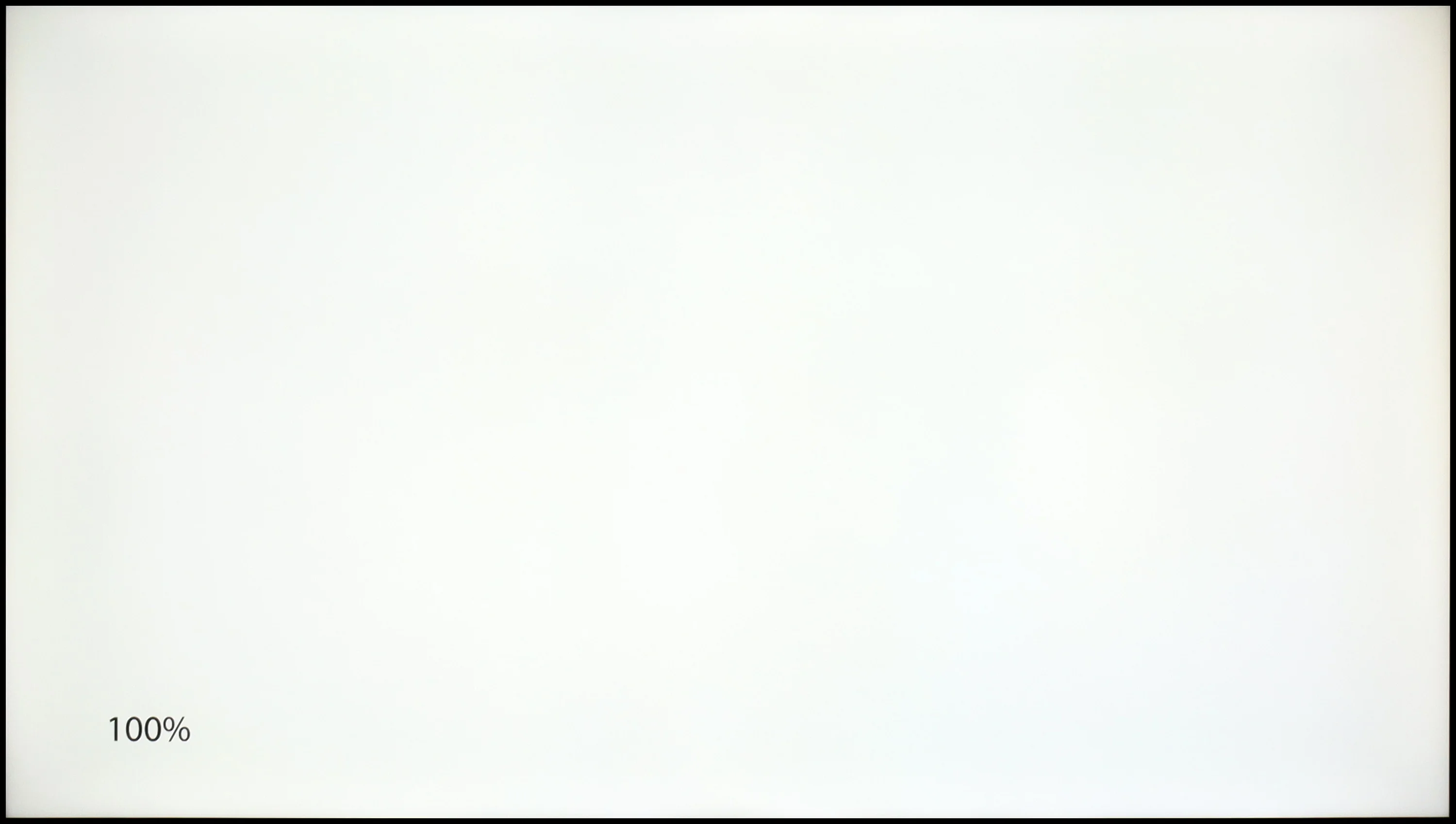
Panel uniformity and thermal imaging:

TV features
6.5/10
7.3/10
- SystemGoogle TVTizen
- System performanceDecentVery good
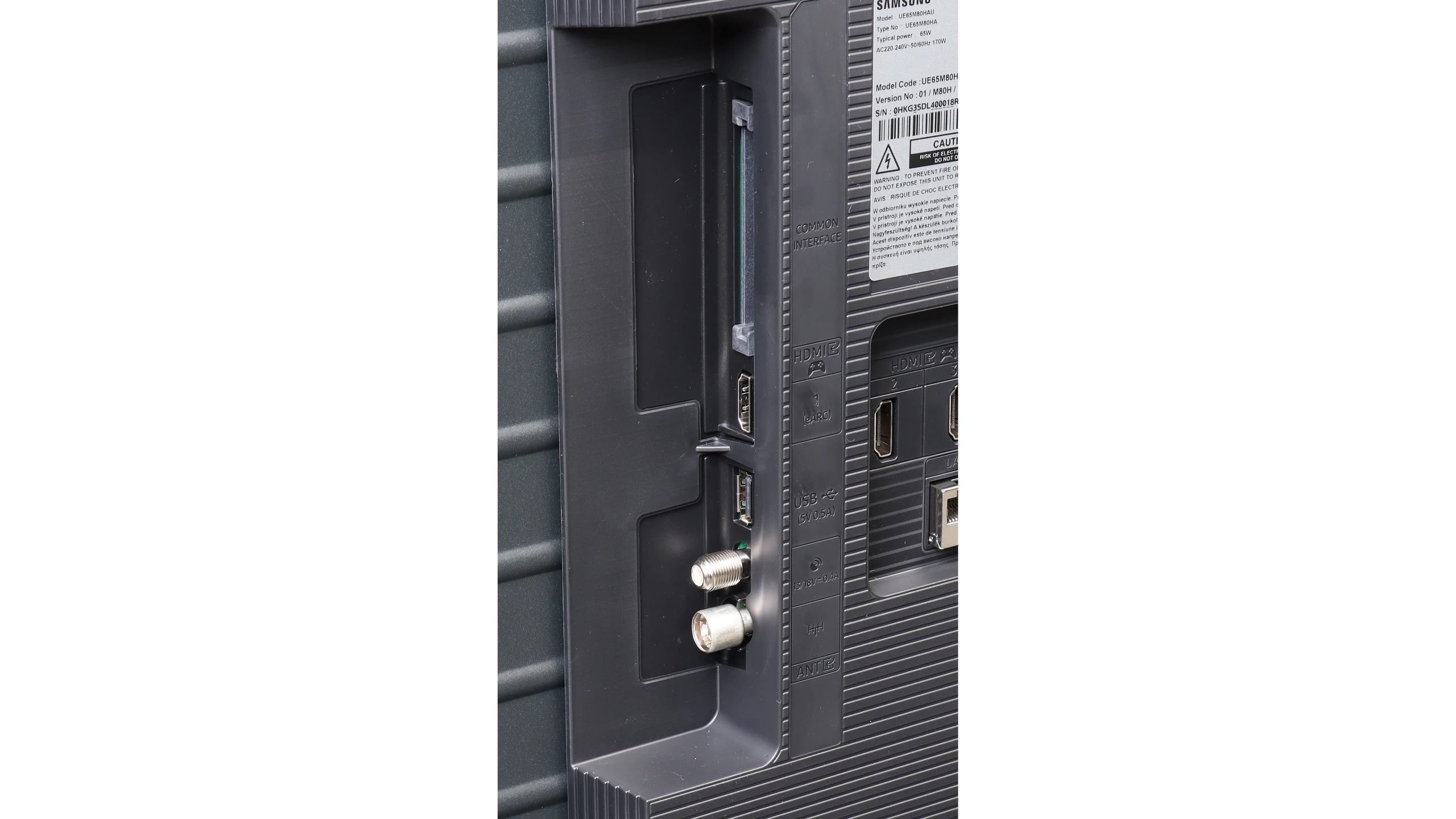
- HDMI inputs3 x HDMI 2.0, 0 x HDMI 2.10 x HDMI 2.0, 3 x HDMI 2.1 48Gbps
- OutputsToslink (Optical audio), eARC (HDMI), ARC (HDMI)eARC (HDMI), ARC (HDMI)
- Network InterfacesWi-Fi 2.4GHz, Wi-Fi 5GHz, Ethernet (LAN) 100MbpsWi-Fi 2.4GHz, Wi-Fi 5GHz, Ethernet (LAN) 100Mbps
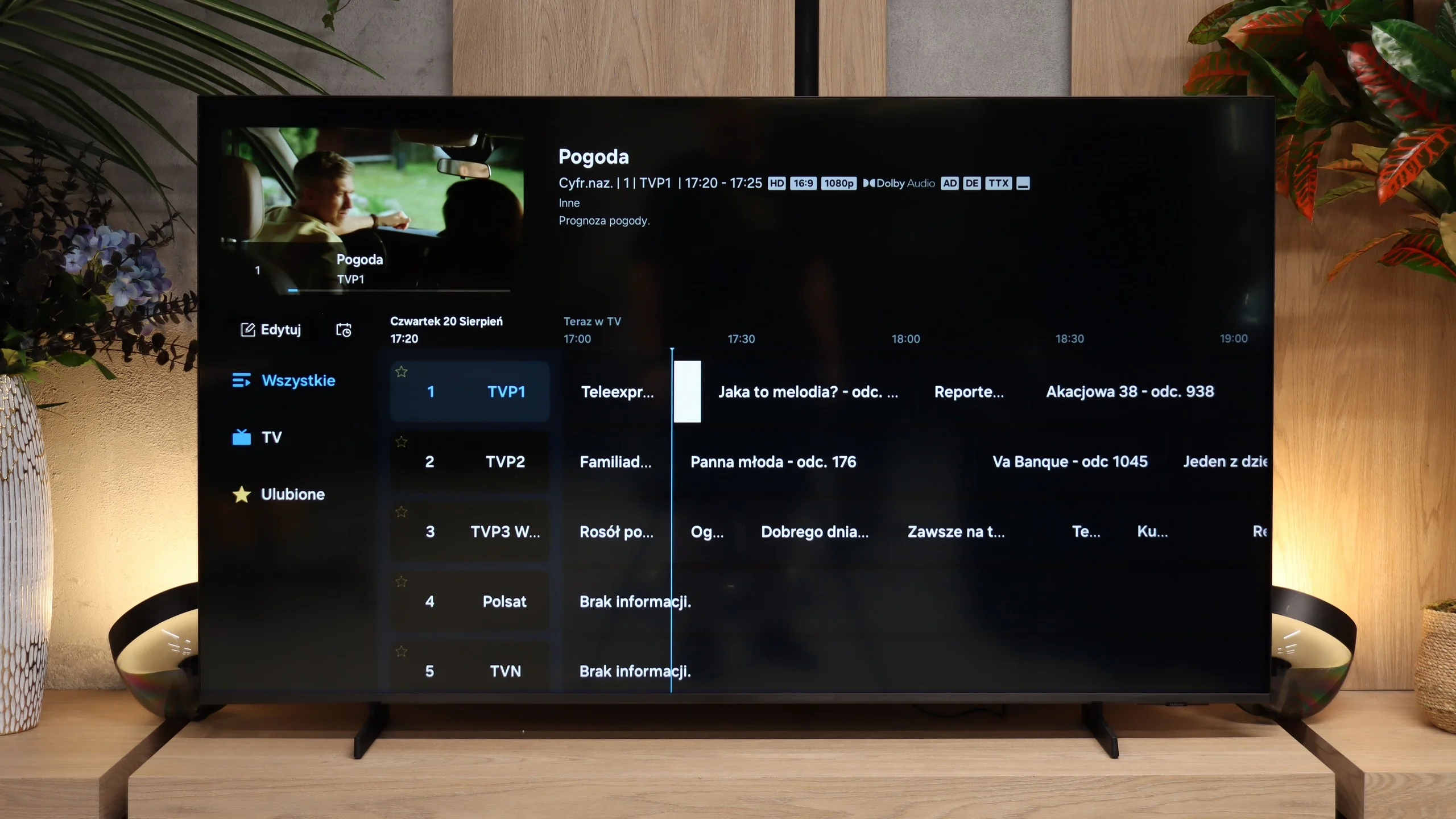
- TV receptionDVB-T, DVB-T2, DVB-S, DVB-S2, DVB-CDVB-T, DVB-T2, DVB-S, DVB-S2, DVB-C
Classic features:
- Recording to USB (terrestrial TV)
- Recording programming
- Picture in Picture (PiP)
- RF remote control (no need to aim)
- Backlit remote control
- Teletext
- Audio only mode
- Bluetooth headphones support
- Simultaneous Bluetooth headphones & TV audio
Smart features:
- AirPlay
- Screen mirroring (Windows Miracast)
- Voice search
- Voice search in native language
- Ability to connect a keyboard and mouse
Sound connection options
- HDMI audioeARC (HDMI), ARC (HDMI)eARC (HDMI), ARC (HDMI)
- Other audio outputsToslink (Optical audio)
- Wireless audioBluetoothBluetooth
Supported audio formats (external HDMI eARC audio):
- Dolby Digital Plus 7.1
- Dolby True HD 7.1
- Dolby Atmos in Dolby Digital Plus (JOC)
- Dolby Atmos in Dolby True HD
- DTS:X in DTS-HD MA
- DTS-HD Master Audio
Senior accessibility
- Numeric keyboard on TV
- Font size adjustment
- Audio description
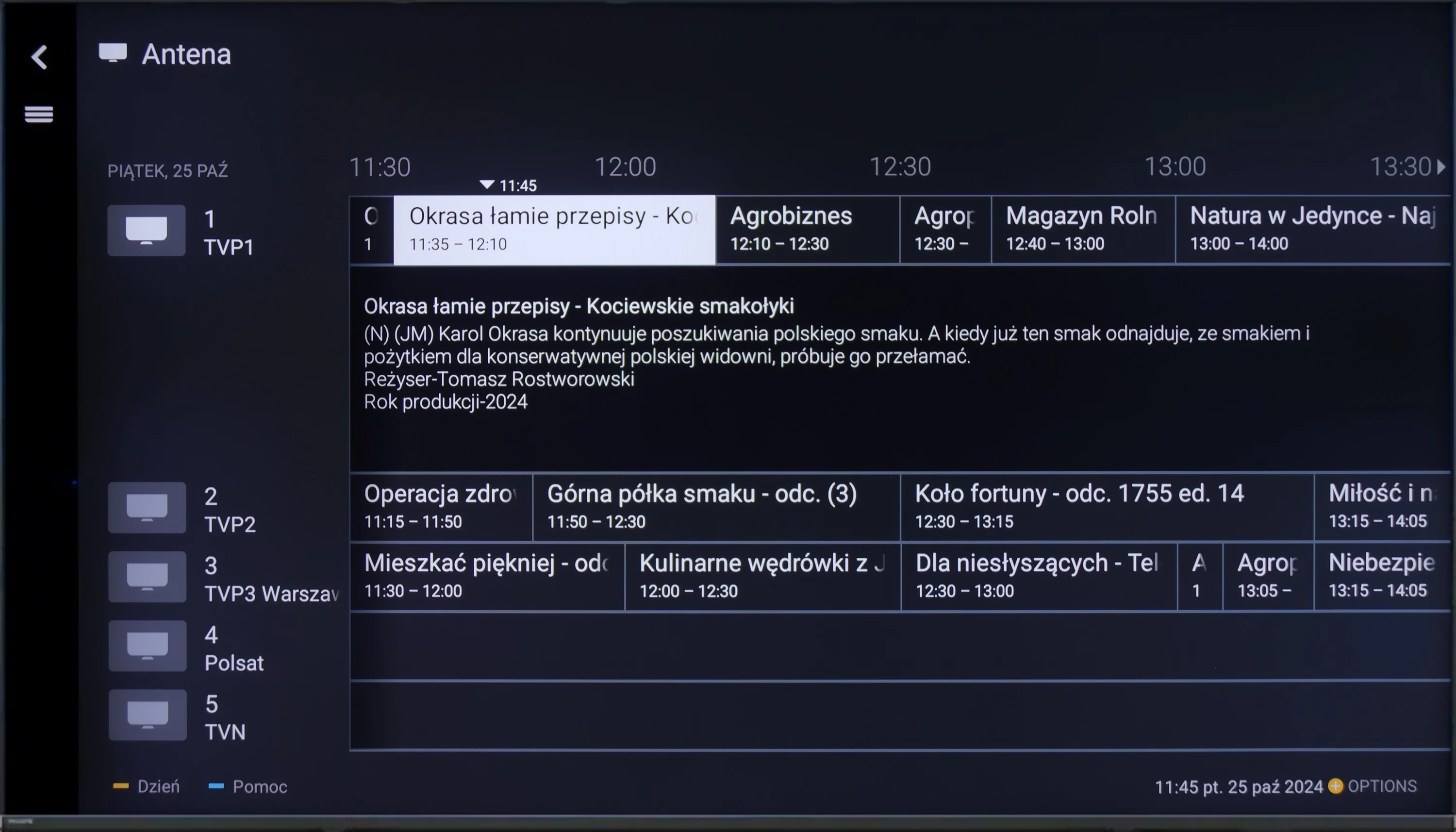
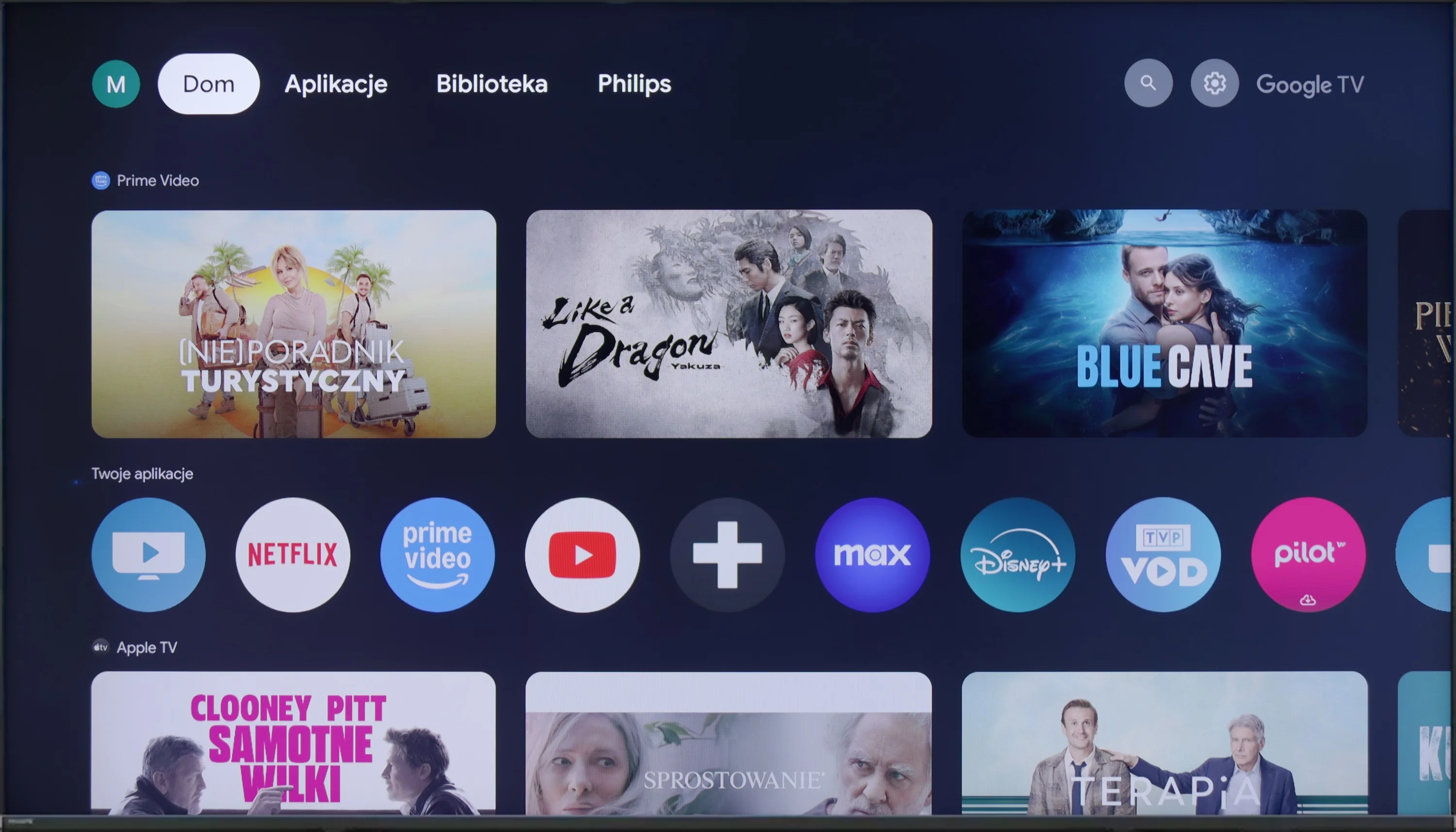
The Philips PML8709 runs on the Google TV operating system. This is quite a surprising choice, considering it is not the flagship model of the brand. Fortunately, it has avoided the implementation of the less popular TitanOS, which can be seen as a plus. Google TV offers a well-known, clear interface and extensive capabilities for installing applications, making the television more versatile.
In terms of user functionality, the television performs solidly. Daily use of the device is enjoyable thanks to support for Polish voice search. The ability to connect peripheral devices, such as keyboards, mice, or headphones via Bluetooth, increases its functionality. Unfortunately, the PML8709 does not offer more advanced options such as USB recording or PiP (picture-in-picture) functionality, which may disappoint more demanding users.
An interesting fact, and also a significant surprise, is the lack of Ambilight technology, which Philips is widely known for. The decision to omit this technology in the PML8709 model seems incomprehensible, especially since Ambilight is often cited as one of the biggest advantages of televisions from this brand.
Smart TV system
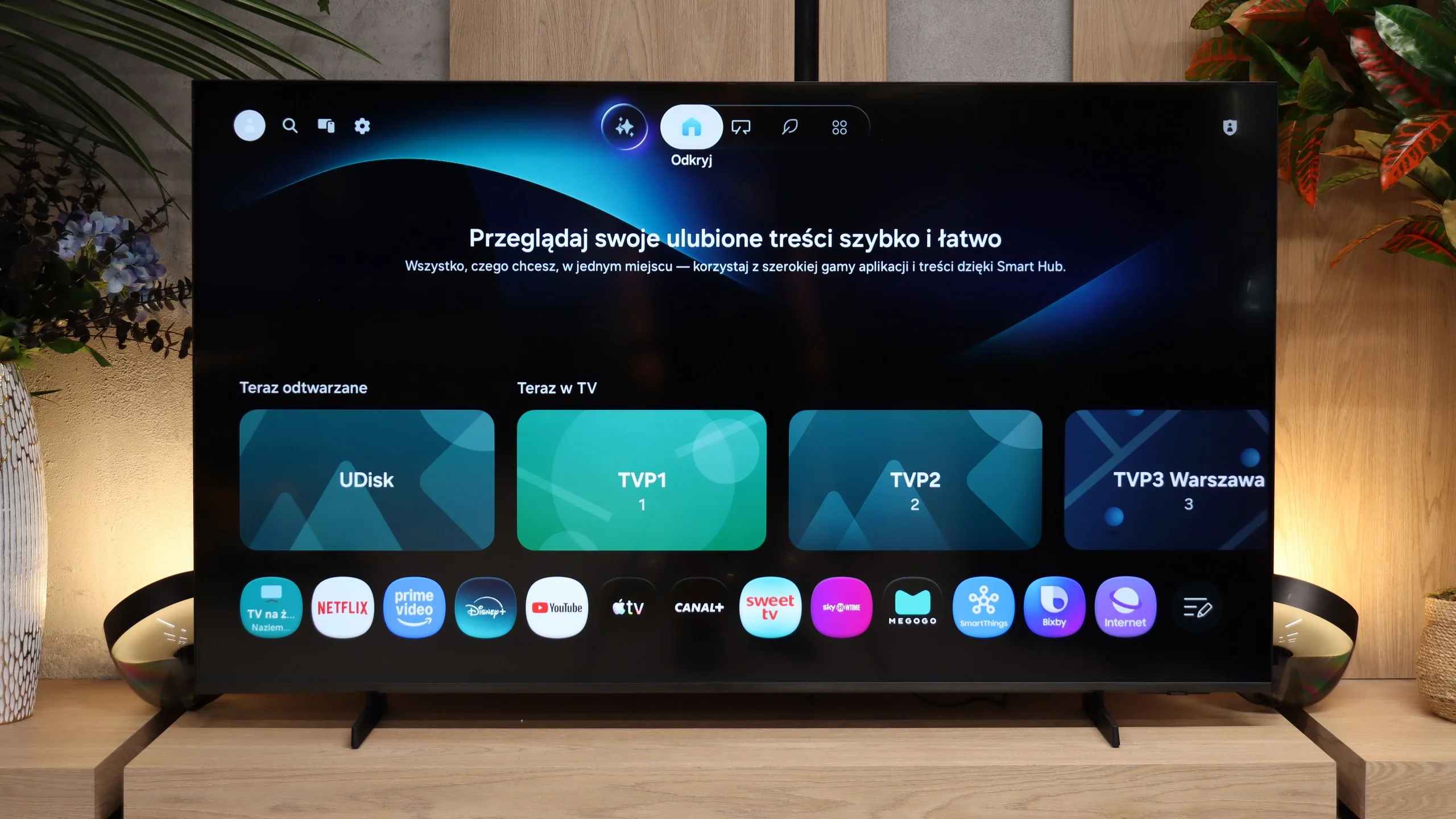
The M80H runs Tizen, the same system used across Samsung TVs. It's fast, stable, and offers all the most popular streaming apps, so you don't have to worry that a lower-tier model would be missing any major services. It also supports AirPlay, Miracast, and voice search. The TV works with SmartThings, so you can use it to control smart home devices.
TV features
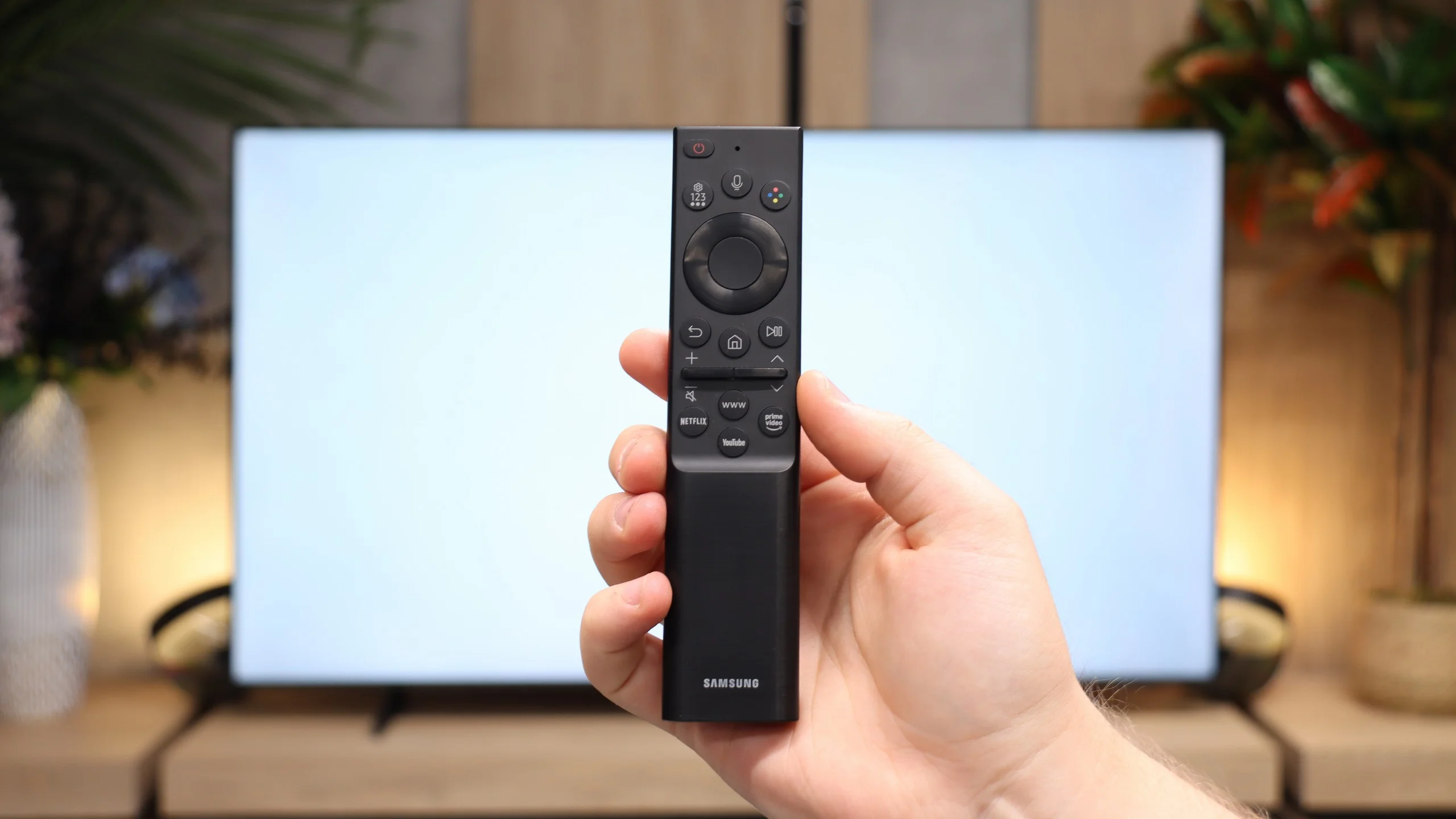
Conventional TV features are weaker. The M80H doesn't allow recording programs to a USB drive or scheduling recordings. It also lacks picture-in-picture. On the plus side, it keeps the basics, like teletext and the ability to turn off the screen while leaving the audio playing. You can connect Bluetooth headphones to the TV, and audio can play simultaneously through them and the built-in speakers. That's useful if one viewer needs higher volume, for example seniors. The TV comes with a simple Smart remote with a limited number of buttons. Unfortunately it's not the solar-powered version found on some other Samsung models, and the remote uses regular batteries. Fortunately it connects to the TV via radio, so you don't need to point it directly at the screen.
Apps
9.6/10
9.3/10






















Playing files from USB
7.6/10
9.1/10
Supported photo formats:
Maximum photo resolution:
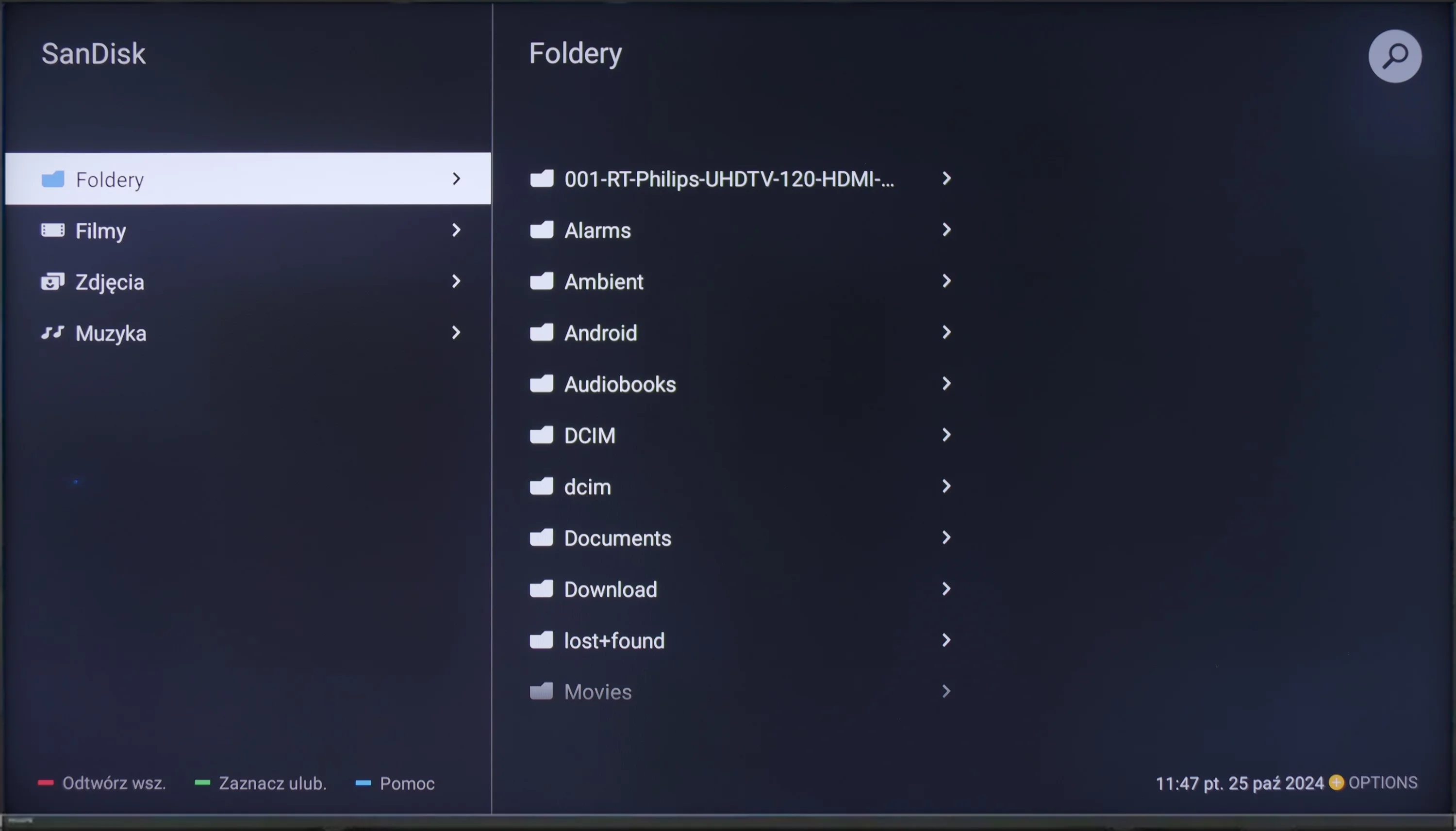
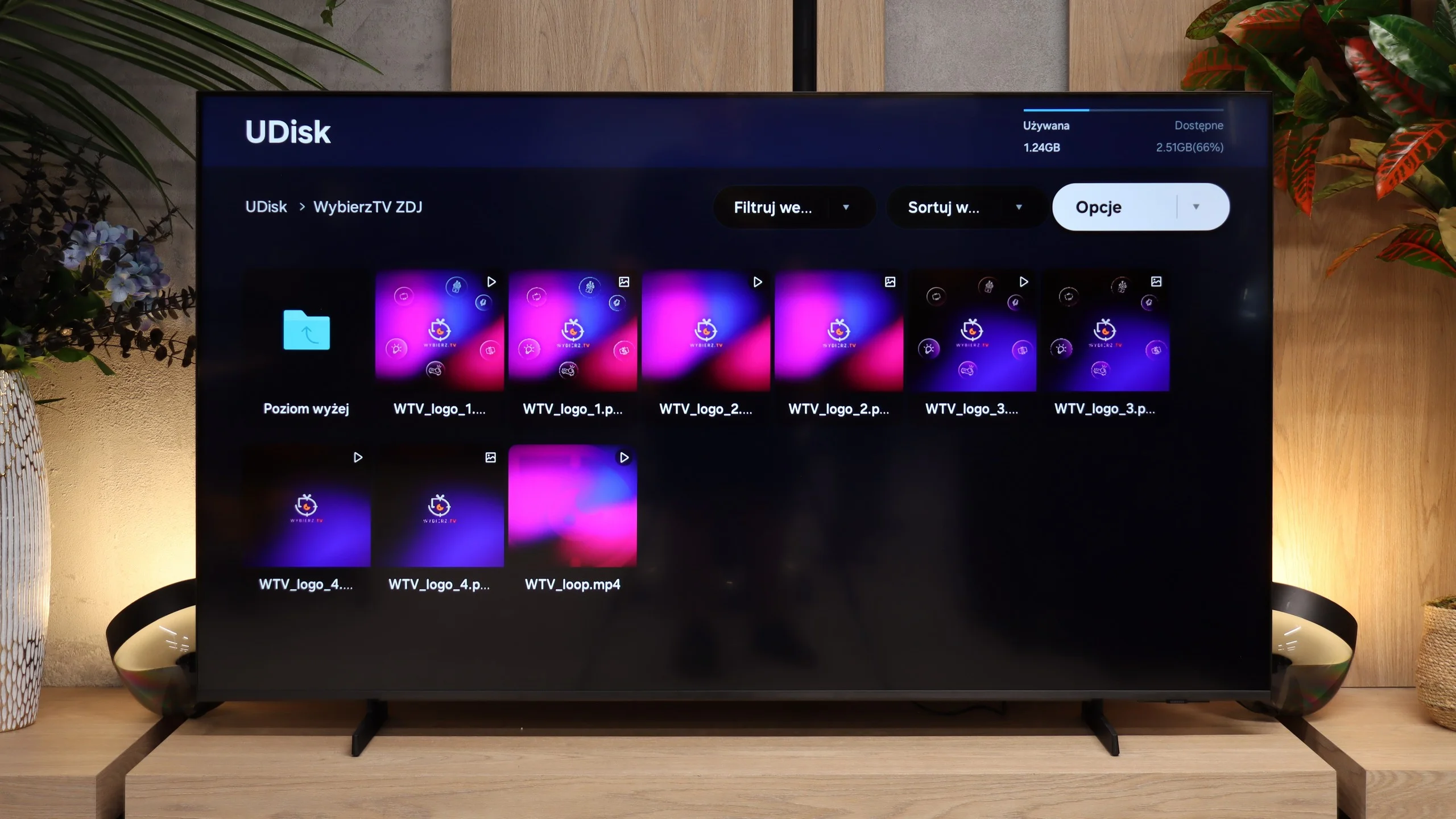
The Philips PML8709 handles multimedia file playback from USB well. The TV should have no problem supporting most popular video, audio, and photo formats, making it a versatile tool for home entertainment. Files are read smoothly, and the interface of the built-in player is simple and intuitive.
However, a significant downside is the lack of support for Polish characters in subtitles, due to the incomplete implementation of the UTF-8 standard. Subtitles with Polish characters are displayed incorrectly, which can be irritating for people watching movies in their native language. This shortcoming means that users seeking full compatibility with subtitles may have to turn to external media players.
The built-in USB player handles most popular video and photo formats. It easily displays JPEG, PNG, and BMP files, even in high resolution. However, it lacks support for HEIC, the format used, among others, by iPhones. In practice this probably won’t be a big issue, because the M80H supports AirPlay and most people will likely use that to show vacation photos on the TV. 😉
Sound
5.1/10
6/10
- Maximum volume-88dB
- Dolby Digital Plus 7.1
- Dolby True HD 7.1
- Dolby Atmos in Dolby Digital Plus (JOC)
- Dolby Atmos in Dolby True HD
- DTS:X in DTS-HD MA
- DTS-HD Master Audio
The sound quality in the Philips PML8709 is average and standard for a television equipped with 2 x 10 W speakers. The sound is sufficient for everyday viewing, but it's hard to expect deep bass or clear details in more demanding scenes. On the plus side, it does support Dolby Atmos and DTS.
The M80H is equipped with a 2.0 speaker setup with 20 W of power. It performs adequately but doesn't stand out compared with TVs with similar audio systems. Dialogue is clearly audible and the speakers themselves don't add noticeable distortion. However, it definitely lacks bass, so music in particular can sound flat. If you want a somewhat fuller sound, consider a simple soundbar and connect it via HDMI eARC. The TV can also pass through Dolby Atmos audio that way. However, note that the M80H has no optical output, so you can't connect older audio equipment using that method.
Sound Quality Test
No sound test video
Acoustic Measurements
No acoustic data
88dBC (Max)
75dBC
Reader comments
Comments are provided by the external service Disqus (Zeta Global). Once loaded, Disqus may set cookies and process data about your activity.
We will remember your choice on this device. Provider's privacy policy