The Philips OLED820 is a very successful and significant step forward compared to last year's model, the OLED 819. For many people, the main reason for purchasing it will, of course, be Ambilight: the multi-colored lighting system that sets Philips TVs apart from the competition. It’s no surprise, as it made a huge impression on us as well. It's not just an impressive gadget, but a real addition that can change the perception of the content being watched and add depth to it. However, Ambilight should not overshadow what the OLED820 offers as a screen. Here we have almost infinite contrast, high brightness in HDR films, and excellent color reproduction, which improves even more after slight tweaking or professional calibration. This setup guarantees one of the best pictures available on the market today, and we are also aware that the TV offers something unique and unprecedented elsewhere. It is also equipment that works well for gaming. A 144 Hz panel and HDMI 2.1 ports open up access to the full capabilities of new-generation consoles, and low input lag makes gameplay exceptionally responsive. The operating system also deserves praise – Google TV. This is a much better solution than the proprietary Titan OS found in lower-end Philips models, such as the OLED770. And this is a serious argument for paying extra for this model. A larger app library, a more efficient voice assistant, and fewer system errors contribute to a noticeably better everyday experience. Of course, the Philips OLED 820 is not free from minor shortcomings – some software issues are apparent, and certain features could be better refined. Nevertheless, the overall presentation is very solid. Perhaps the OLED820 is not a revolutionary TV, but it is a very successful and well-balanced option in Philips’ lineup. It combines excellent picture quality, a complete set of features for gamers, and a unique addition in the form of Ambilight. If you’re looking for a solid mid-range OLED that not only offers good picture quality but also something distinctive and exceptional, the OLED820 should be high on your shopping list.
- Matching (Score) |
- Our verdict |
- TV appearance |
- Where to buy |
- Contrast and black detail |
- HDR effect quality |
- Factory color reproduction |
- Color reproduction after calibration |
- Smoothness of tonal transitions |
- Image scaling and smoothness of tonal transitions |
- Blur and motion smoothness |
- Console compatibility and gaming features |
- Input lag |
- Compatibility with PC |
- Viewing angles |
- Daytime performance |
- Panel details |
- TV features |
- Apps |
- Playing files from USB |
- Sound
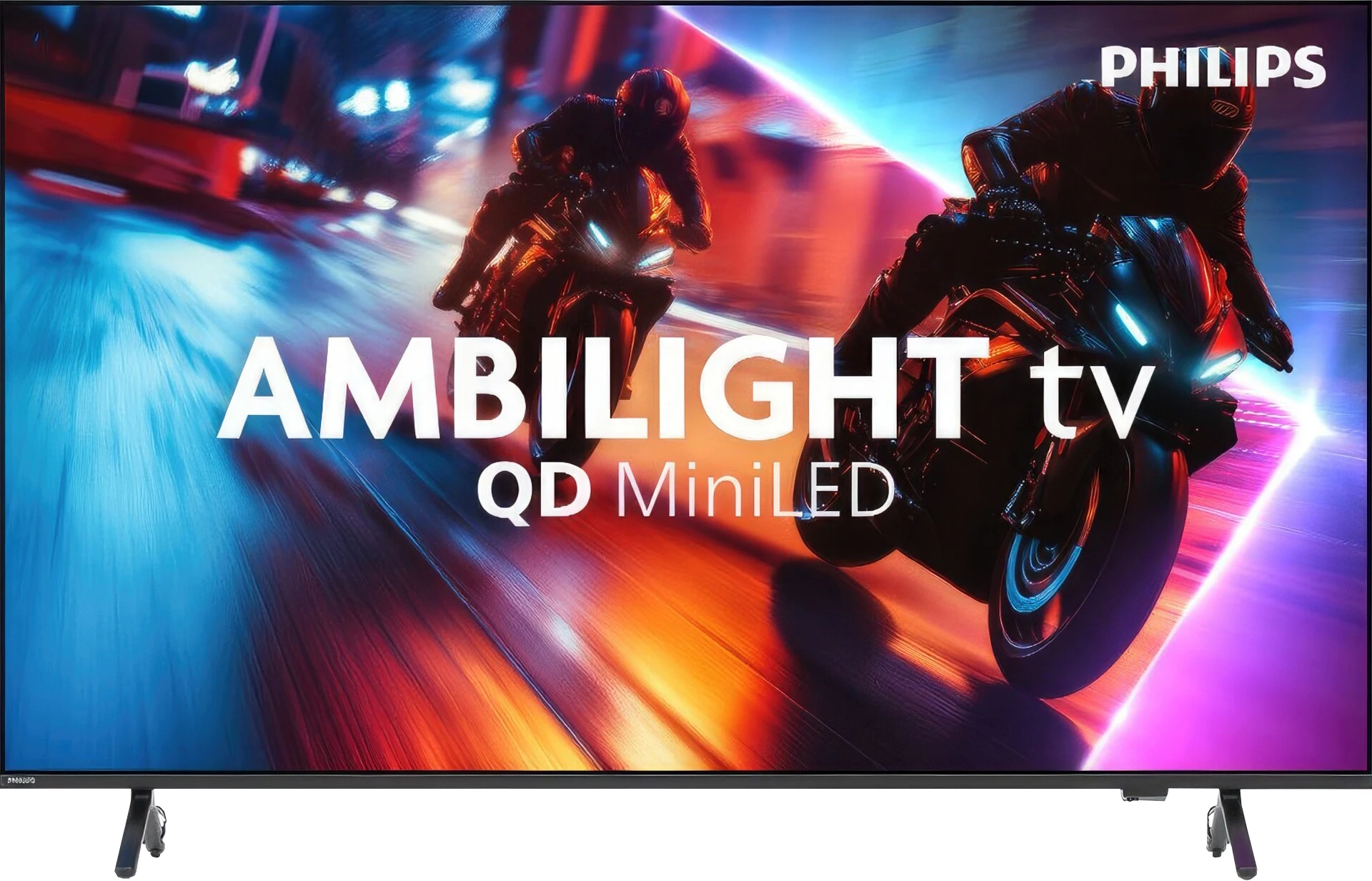
Philips OLED820 vs Philips MLED920 / MLED910
 Direct comparison
MLED920 / MLED910

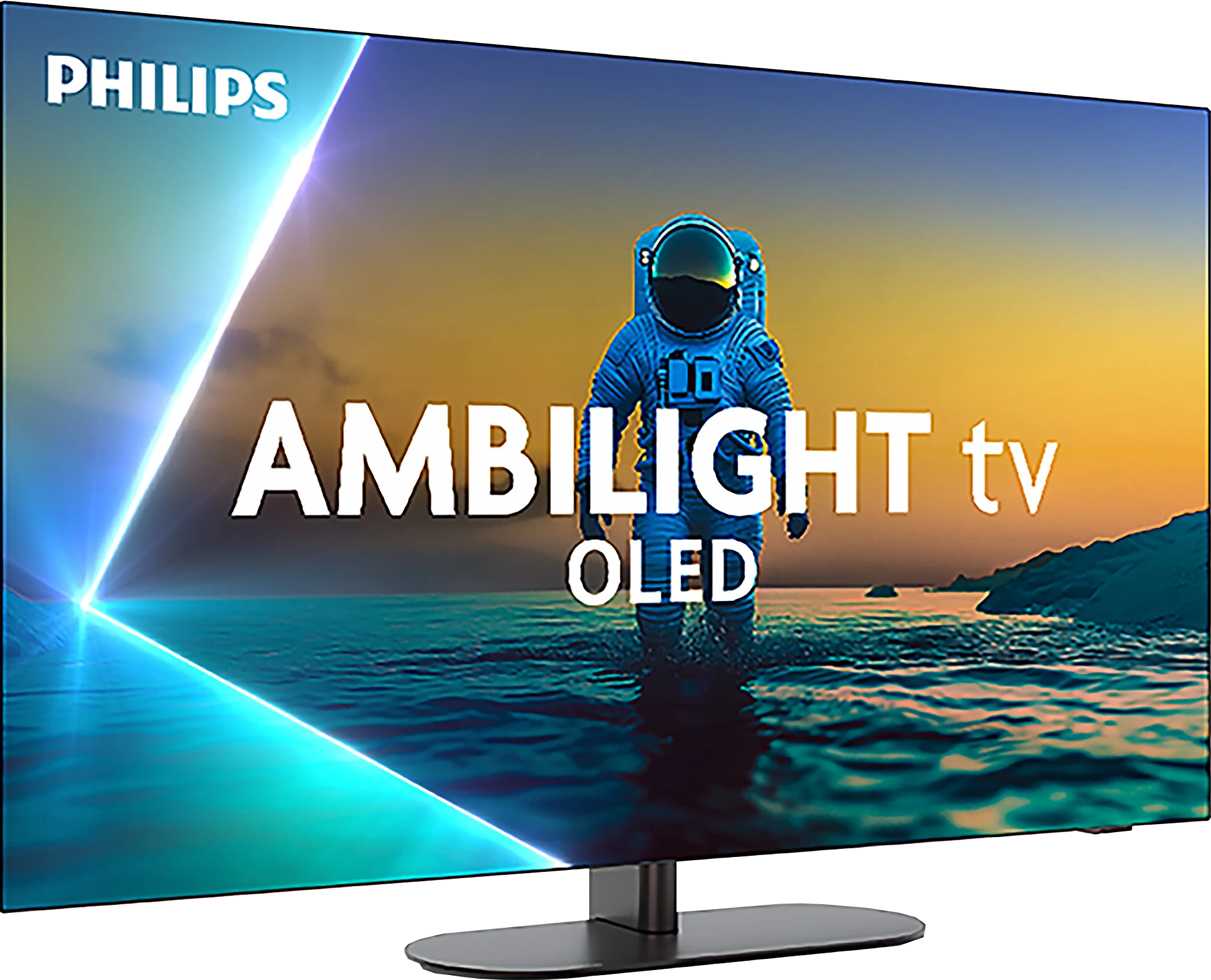
Panel type: WRGB OLED
Resolution: 3840x2160
System: Google TV
Model year: 2025
Complete the survey to find out the result
Panel type: LCD VA
Resolution: 3840x2160
System: Titan OS
Model year: 2025
Complete the survey to find out the result
Overall rating
8.0
6.5
 Movies and series in UHD quality
 8.3
6.4
 Classic TV, YouTube
 8.6
6.8
 Sports broadcasts (TV and apps)
 8.4
6.8
 Gaming on console
 9.4
8.5
 TV as a computer monitor
 6.5
4.0
 Watching in bright light
 5.7
5.5
 Utility functions
 6.8
5.5
 Apps
Apps 9.6
6.7
 Sound quality
 7.7
6.2
Complete the survey to find out what fits your preferences
Advantages

Ideal contrast and black thanks to the WOLED panel
High HDR brightness (up to 1300 nits) and wide coverage of the DCI-P3 color palette (99%)
Support for multiple HDR formats including Dolby Vision and HDR10+
Great motion fluidity, no motion blur, refresh rate up to 144 Hz
Full support for gamers: HDMI 2.1 (2 ports), VRR, ALLM, HGiG, Dolby Vision in games, low input lag
Ambilight, which realistically affects image perception and distinguishes the TV from the competition
GoogleTV system with a huge app base and great voice assistant
Extras in the form of: Backlit remote and rotating stand
Support for Dolby Atmos and DTS:X audio formats
Solid black and high contrast thanks to mini-LED backlighting
HDR brightness reaching 700–800 nits in real movie scenes
Support for multiple HDR formats including Dolby Vision and HDR10+
Ambilight – a feature that adds atmosphere, especially in the evening
Lots of supported audio formats: DTS:X, Dolby Atmos, Dolby True HD 7.1
144 Hz panel with support for VRR, ALLM, and Dolby Vision Gaming
Loud sound (up to 88 dB)
Illuminated remote
Disadvantages

Only two HDMI 2.1 ports (with 2 consoles and a soundbar, we are forced to "juggle" the cables)
Lack of many classic "TV" features, e.g., USB recording or PiP mode, the infrared remote can be annoying
Slight issues with color matching (much better than last year but far from the competition)
Font readability issues when working with PC (lack of full Chroma 4:4:4 support)
Titan OS is quite underdeveloped – there are significant bugs and deficiencies in the applications
Few user features
Hybrid infrared remote control
Issues with the fluidity of tonal transitions in dark scenes
The TV is not suitable (aside from gaming) for collaboration with a PC – strong dithering and poor readability of fonts, especially colored ones and on dark backgrounds
Our verdict
The Philips MLED920 is a natural continuation of last year's PML9000 model, but it's not a repeat performance. It's clear that the manufacturer has done its homework – first and foremost, the local dimming algorithms have been improved, which last year tended to significantly degrade the viewing experience. Now, the blacks and contrast look much better, and when combined with the Dolby Vision here, even HDR content looks really decent. The picture occasionally shines where it should, and it doesn’t strain the eyes in more challenging scenes. Undoubtedly, the biggest advantage of the MLED920 is its unique Ambilight system. The three-sided backlighting can give films and games a completely new atmosphere – the screen seems to extend beyond its borders, and the entire room becomes part of the viewing experience. This is something that will be appreciated not only by movie enthusiasts but also by gamers, who, in addition to the lights, get a whole set of features typical for modern gaming TVs: 144 Hz, VRR, ALLM, and Dolby Vision Gaming. In this regard, Philips has a lot to offer. However, there is a significant caveat – this brings us to the most difficult part of this verdict – it is still dual-purpose equipment. On one hand, we have strong picture quality and a unique Ambilight feature, while on the other, there are hardware limitations that are hard to ignore. Titan OS in its current form is a significant bottleneck, filled with bugs and shortcomings that make the television lag behind the competition. Additionally, the price is not low considering the offered capabilities. Therefore, it's hard to recommend it unequivocally to everyone. However, if you are looking for the brightest Philips screen at a reasonable price, with Ambilight, a full set of features for gamers, and basic applications – the MLED920 will be quite a good choice.
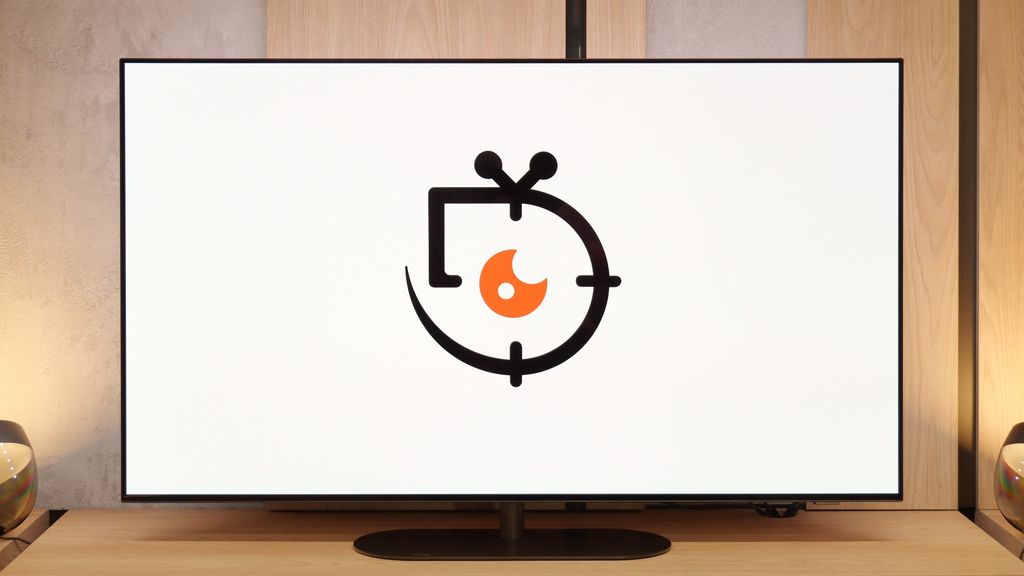
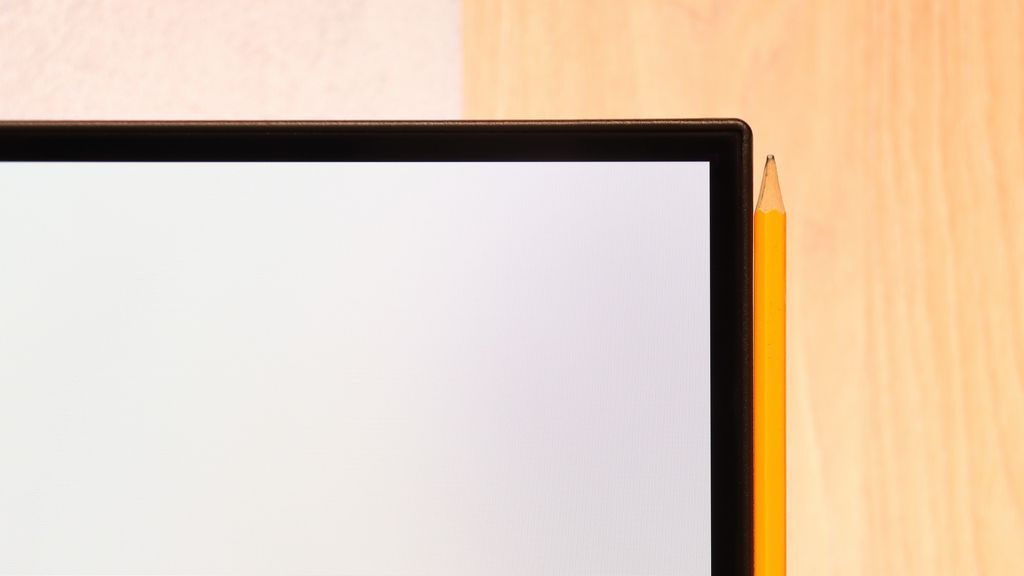
TV appearance
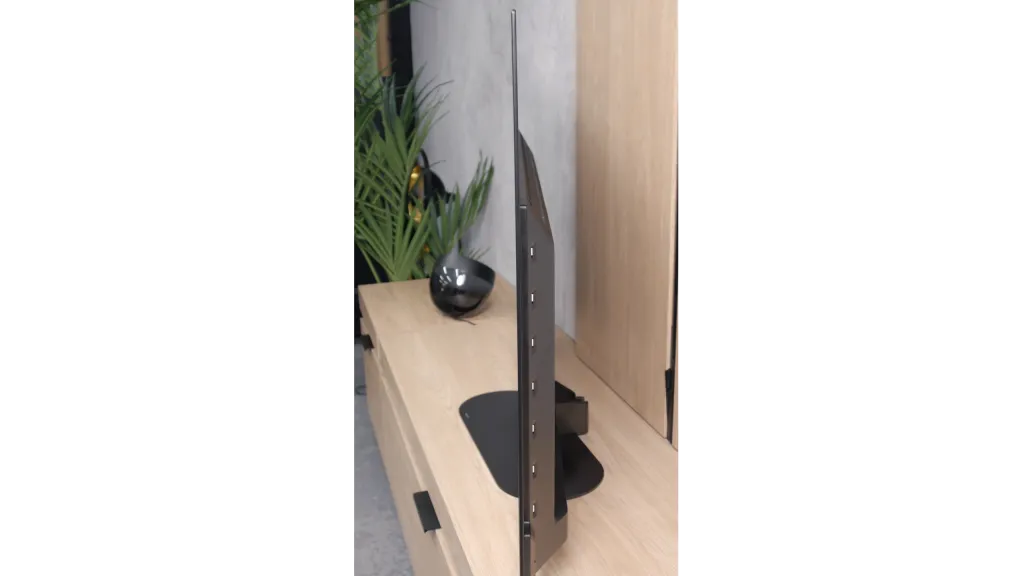
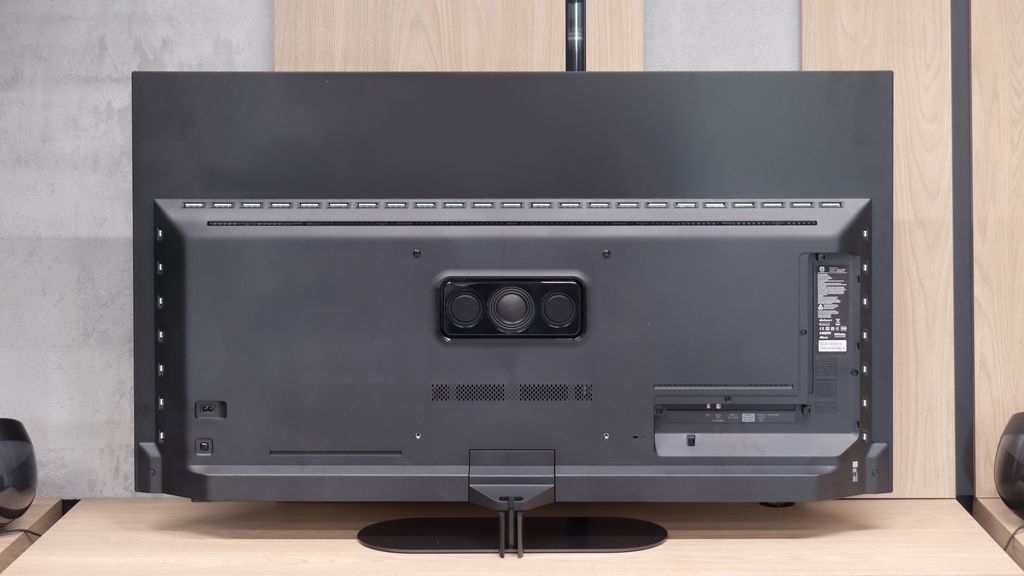
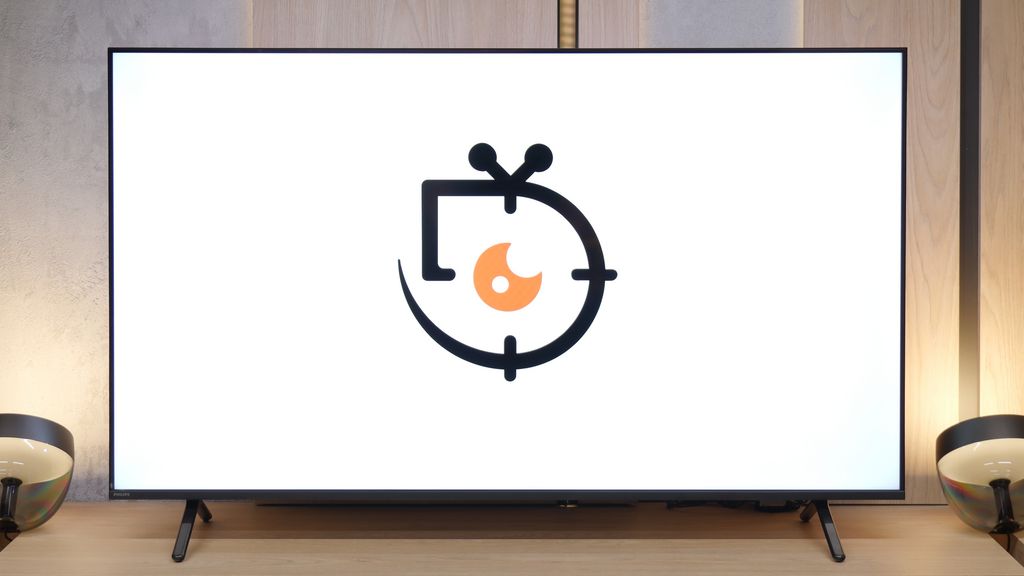
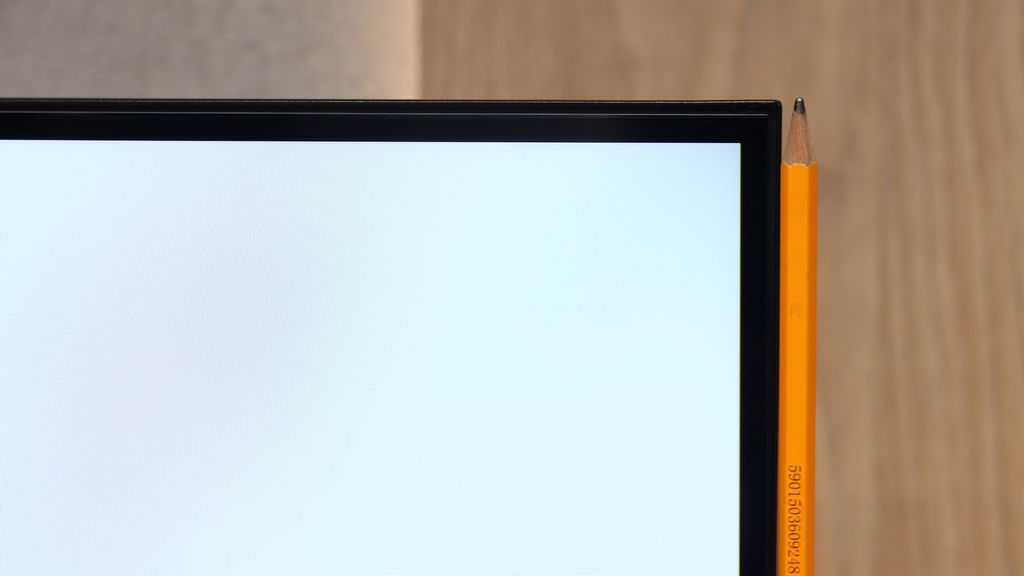
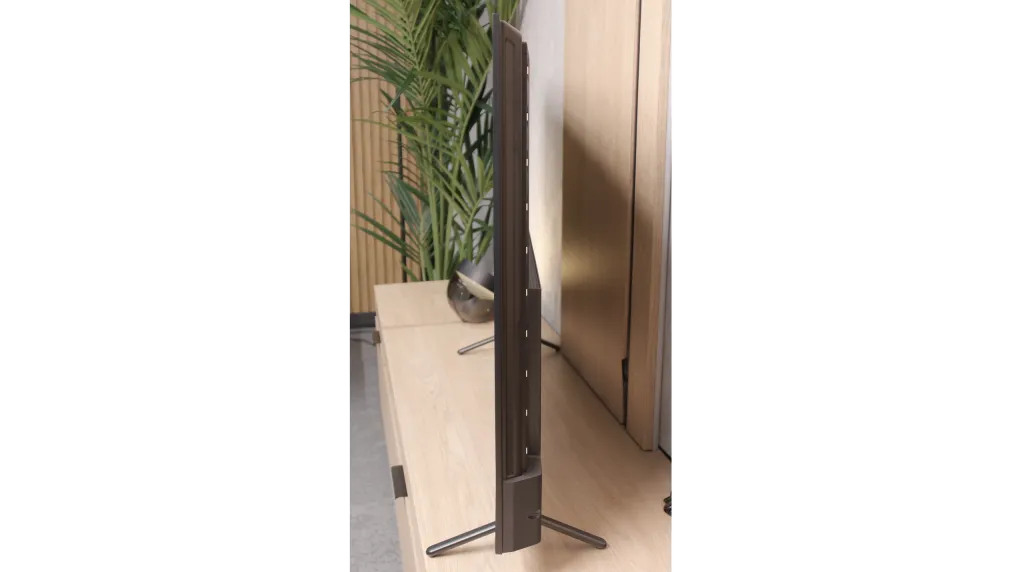
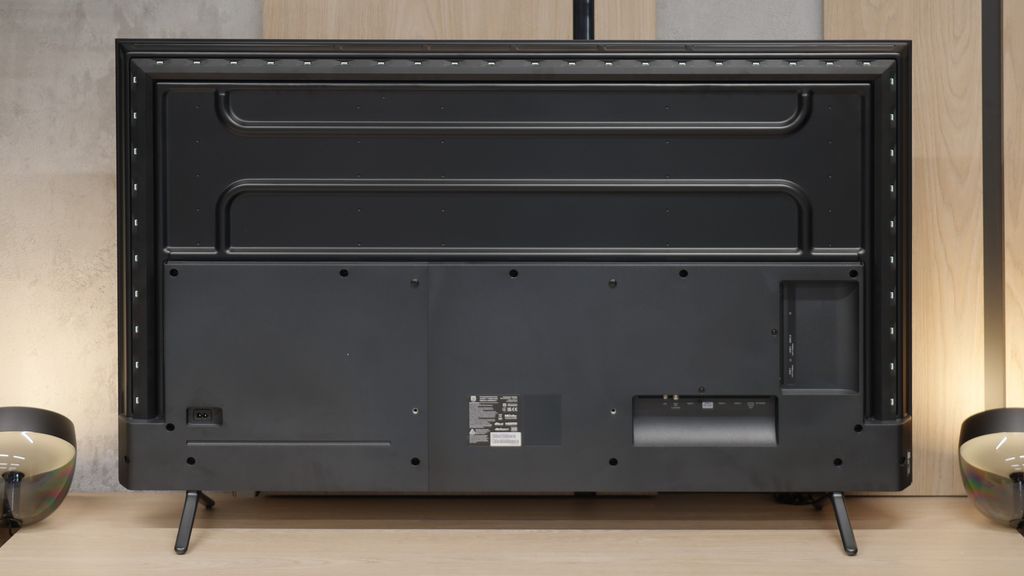

Contrast and black detail
10/10
7.9/10
Local dimming function: Yes, number of zones: 144 (12 x 12)
Contrast:


Result
∞:1

Result
∞:1

Result
∞:1

Result
∞:1

Result
∞:1
Result
298,900:1
Result
38,500:1
Result
23,950:1
Result
16,850:1
Result
8,000:1
Halo effect and black detail visibility:
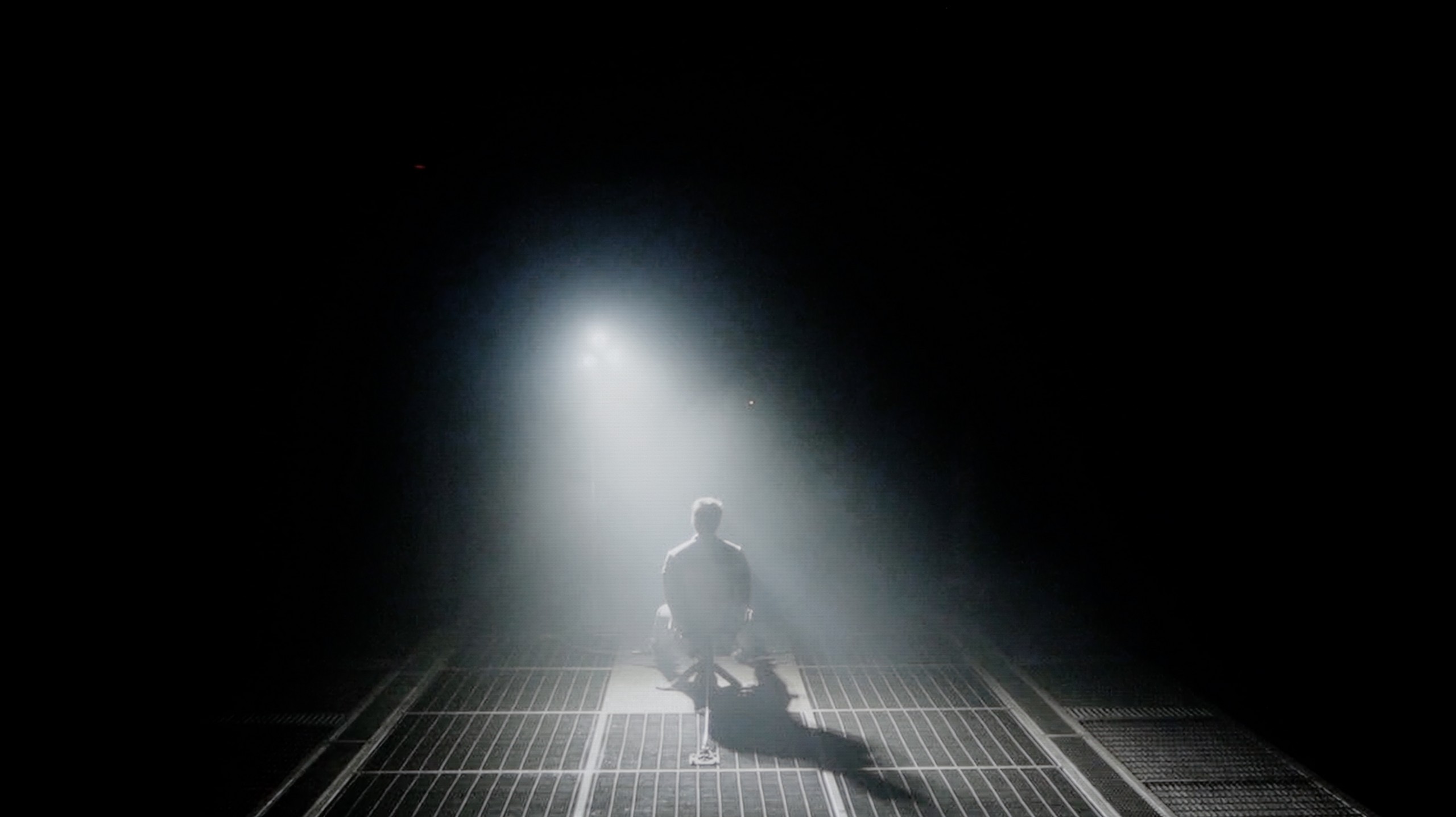
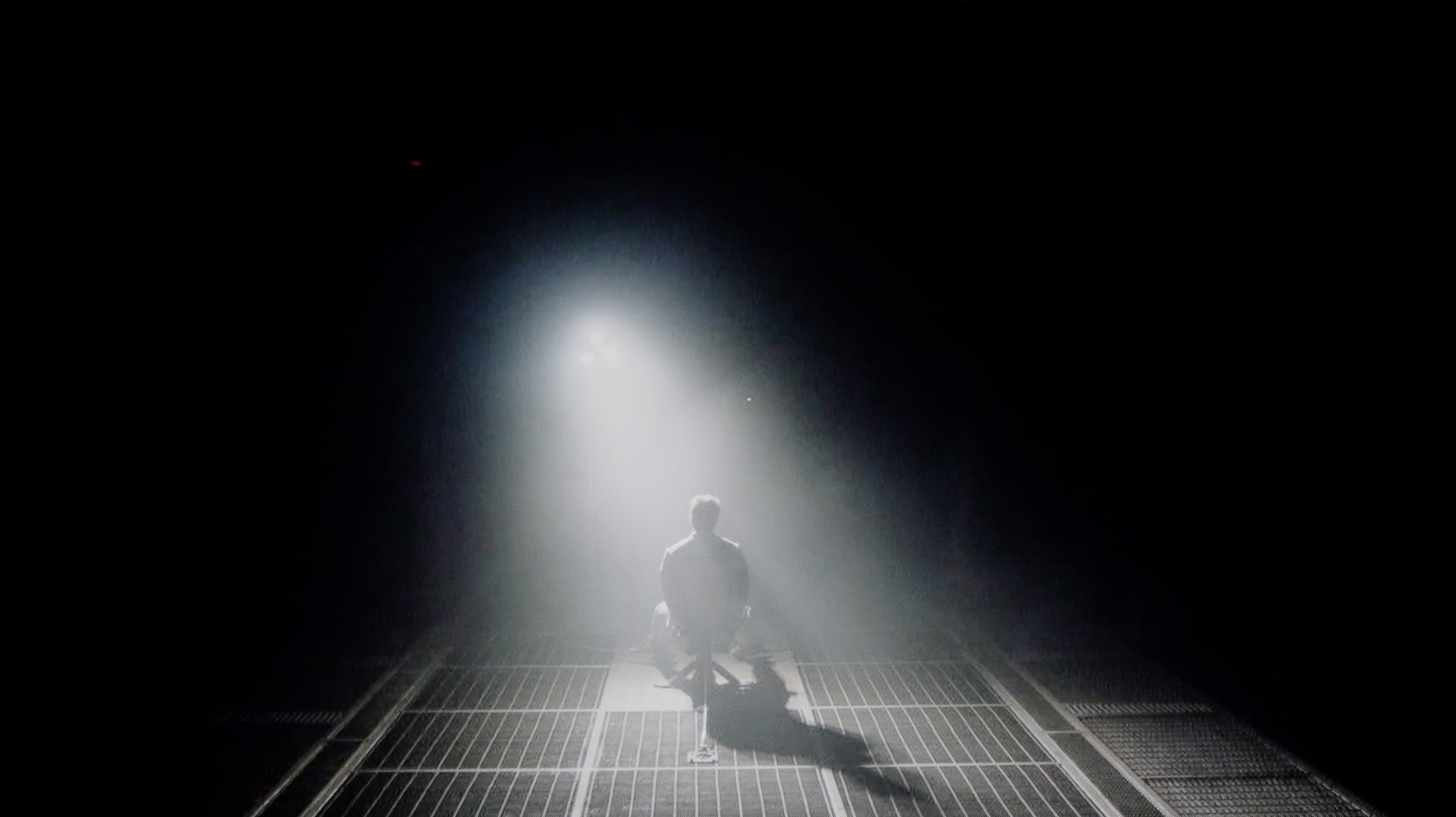
Check the visibility of bright lights on a dark background. Mini-LEDs often struggle with this. The photo does not compare black levels – that’s what the video below is for.
The video accurately shows differences in contrast and black levels between TVs, as well as potential issues: halo around bright objects or Mini-LED zone operation visible as brightness jumps.
Contrast and black are the domain of OLEDs, and the Philips OLED820 is no exception. The WOLED panel from LG Display works the same as in the LG C5 models or the Samsung S90F, providing exactly what we expect – perfect black and infinite contrast. Whether we are watching challenging scenes full of fine details or simpler frames flooded with uniform black, the television always performs excellently. It separates light from darkness with surgical precision, creating an extraordinary sense of depth in the image. And while different technologies can be debated, in this category, OLED simply reigns, and the Philips OLED820 only confirms this rule.
The Philips MLED920 in the 55-inch version that we had the opportunity to test uses a high-contrast VA panel. The panel itself is one thing, but the true distinguishing feature of this model is the mini-LED backlighting. This largely determines how black levels and contrast appear – and it must be said that Philips has made a significant leap forward compared to the models from 2024, where the local dimming algorithms performed just mediocrely. In this new version, it's much better, and the contrast presented by the MLED920 can really pleasantly surprise. At times, it even resembles the level known from the best LCD TVs on the market – blacks can be deep, the image gains three-dimensionality, and viewing sessions in a dark room create a great impression. Of course, as is the case with any mini-LED TV, this is not an image entirely free from compromises. With a large amount of fine details on the screen, the local dimming algorithms can sometimes get confused – sometimes dimming details more than we would like, and at other times brightening the background, resulting in slight light blue halos around objects (the so-called halo effect). Despite these imperfections, we must emphasize that black levels and contrast are truly a strong point of the Philips MLED920 and definitely one of the reasons to consider it in the mid-range.
HDR effect quality
7.5/10
5/10
Luminance measurements in HDR:

Result
1035 nit

Result
1235 nit

Result
1356 nit

Result
1315 nit

Result
521 nit
Result
722 nit
Result
177 nit
Result
775 nit
Result
131 nit
Result
677 nit
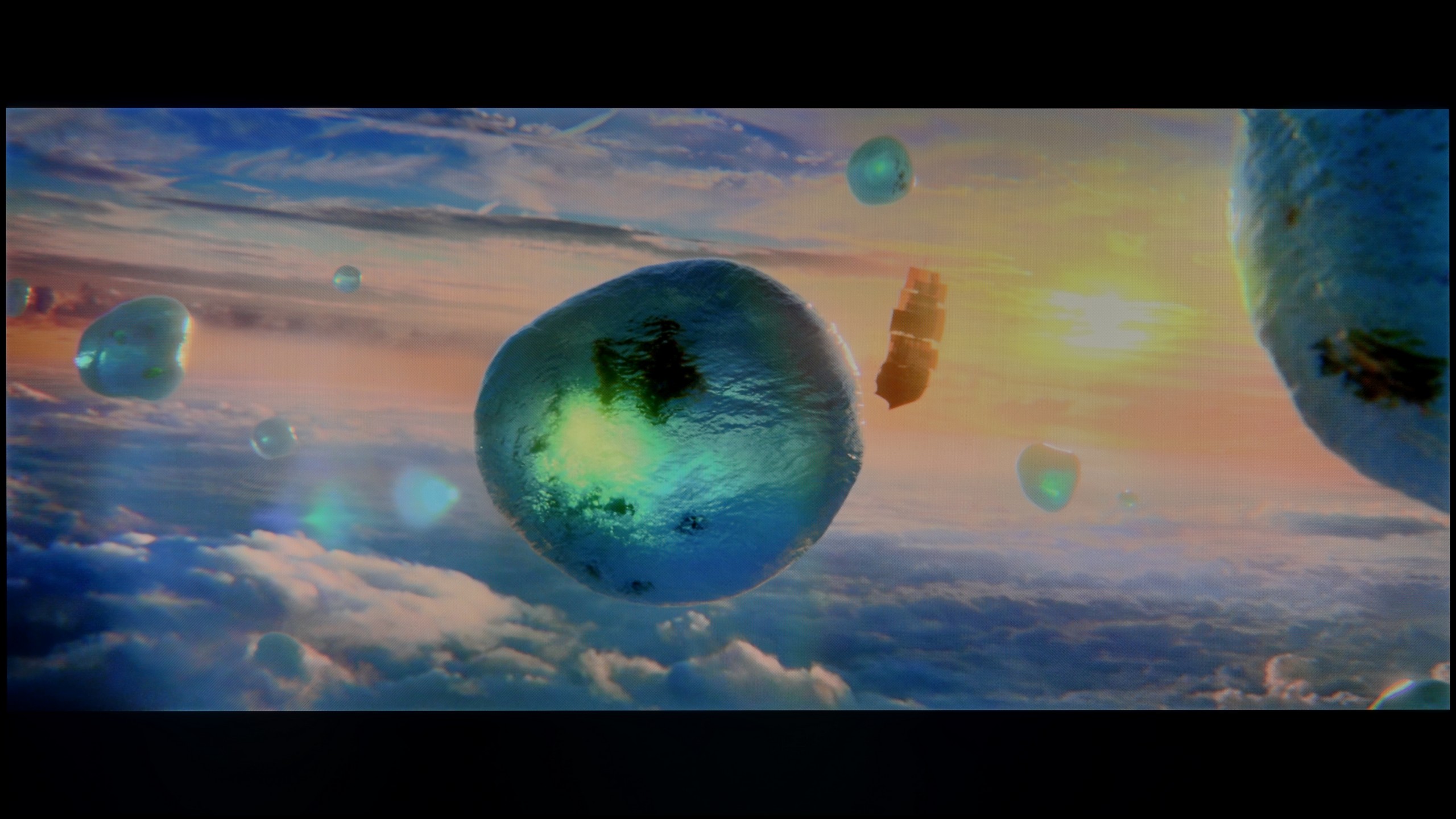
Scene from the movie “Pan” (about 2800 nits)

Scene from the movie “Billy Lynn” (about 1100 nits)
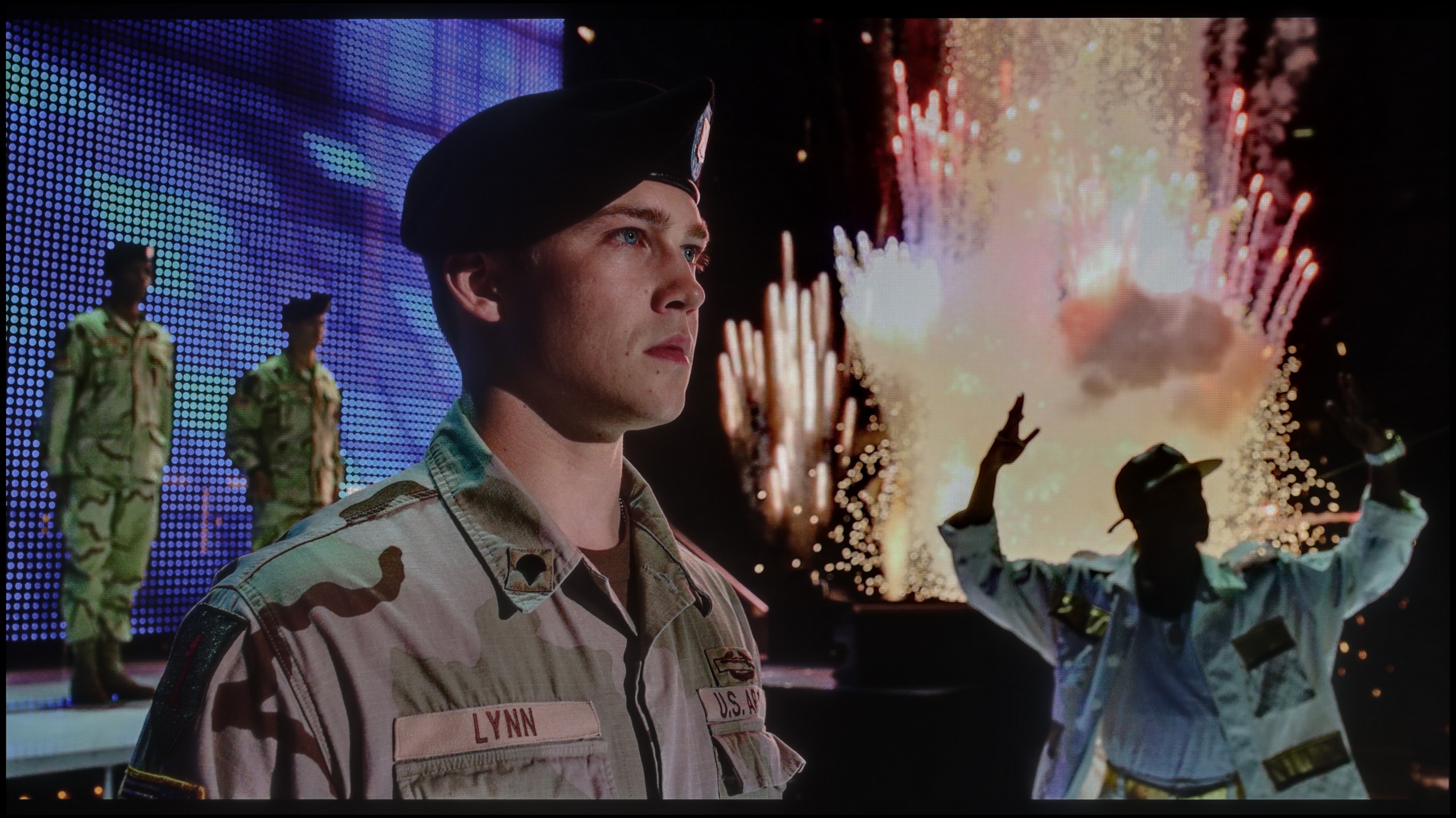
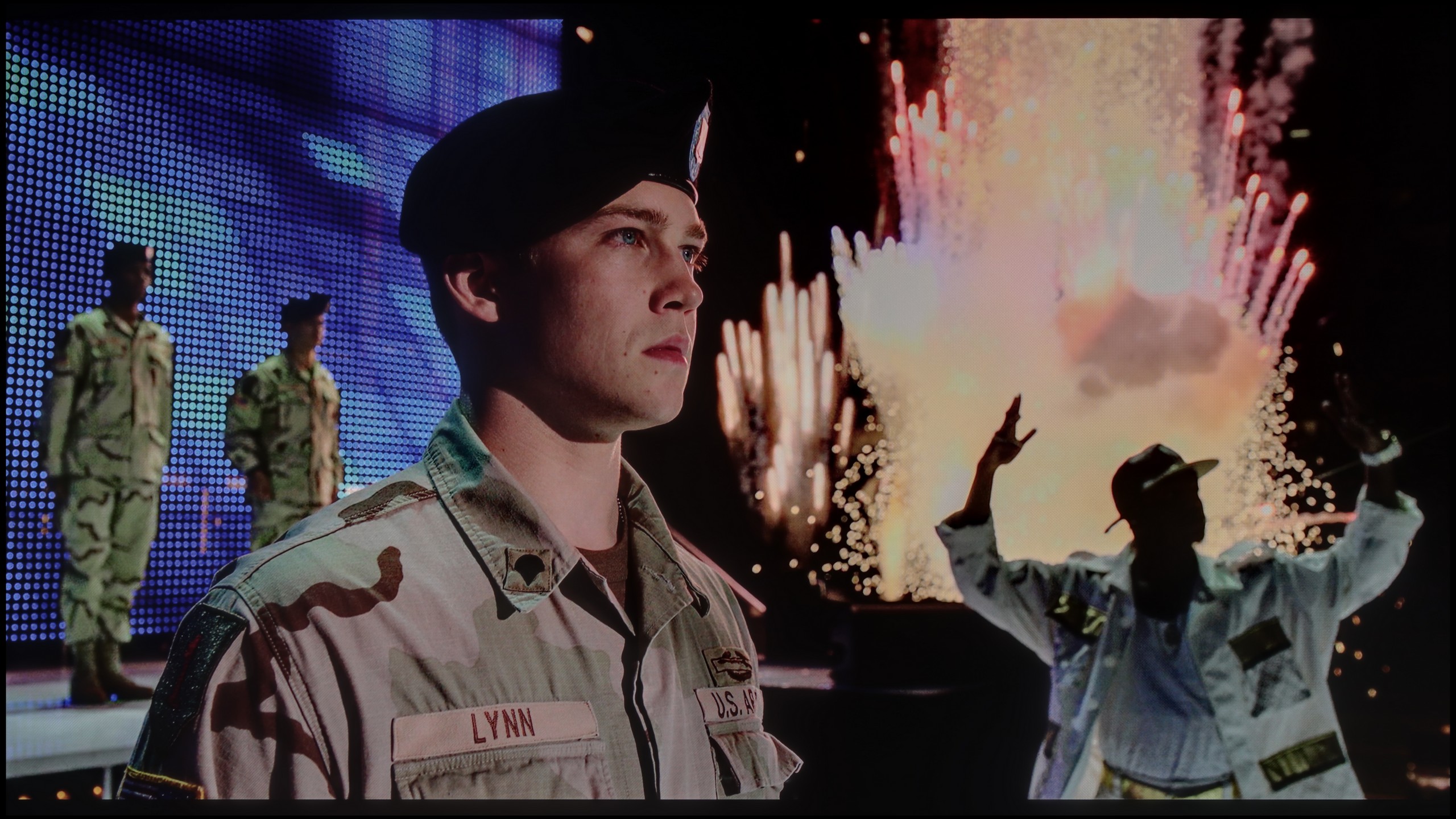
The photos show two HDR10 movies. 'Pan' is one of the brightest productions ever made, while 'Billy Lynn' (soldier) has brightness typical of streaming (Netflix, Prime, HBO MAX). Notice the intensity of effects and detail in whites.
Static HDR10


The photos present the visibility of white details in various HDR formats. They do not show brightness differences between TVs (these can be compared in the previous gallery).
Dynamic: Dolby Vision
Dynamic: Dolby Vision


The photos present the visibility of white details in various HDR formats. They do not show brightness differences between TVs (these can be compared in the previous gallery).
HDR luminance chart:
Philips MLED920 / MLED910
Philips OLED820
Luminance of RGB colors
When it comes to HDR quality, the Philips OLED820 uses the same class of WOLED panel that we find in its biggest competitors – LG C5 or Samsung S90F. This means we can count on truly solid performance. This year, mid-range OLED panels are capable of exceeding the threshold of a thousand nits, and the model tested reaches around 1300 nits in some films. This is an outstanding result that allows for an extremely precise depiction of the director's vision, as contemporary productions are mastered in such brightness ranges. Of course, there are situations where even the OLED820 has to compromise. Full-screen scenes flooded with white, like those in the movie The Meg, can drop brightness to 400–500 nits, which clearly weakens the effect. This is a characteristic of OLED technology that has not yet been fully eliminated. Despite this limitation, it is hard not to appreciate the HDR in this model – high luminance and wide coverage of the DCI-P3 color gamut at 99% make the picture simply look great.
In our measurements, the Philips MLED920 achieved even around 900 nits in static tests, which is a really solid result for a mid-range TV. In practice, this translates to a lot of satisfaction during viewing sessions – in scenes rich in bright light, such as the first, third, or fifth test screens, the screen was able to generate about 700 nits, which is enough to feel the true "HDR effect." However, it cannot be denied that the limited number of backlighting zones and the compromises of mini-LED dimming algorithms in more demanding scenes reveal their nature. In sequences with small light sources – such as the moon or a scene from the movie Sicario 2 – the television clearly prioritizes maintaining deeper blacks at the expense of the brightness of those small elements. For most viewers, this is still a reasonable compromise, as the dark background tends to look much better, though one must be aware that the details themselves may not impress with intensity. There is also some disappointment regarding colors. Although the applied PFS filter (the equivalent of quantum dots known from QLEDs) does its job and colors appear quite vivid, the coverage of the DCI-P3 color space reaches "only" 90%. In everyday viewing, this will be sufficient, but in extremely colorful productions – such as the latest Disney animations – one can notice that some tones are not as vibrant as they could be in other constructions.
Factory color reproduction
6.7/10
5/10

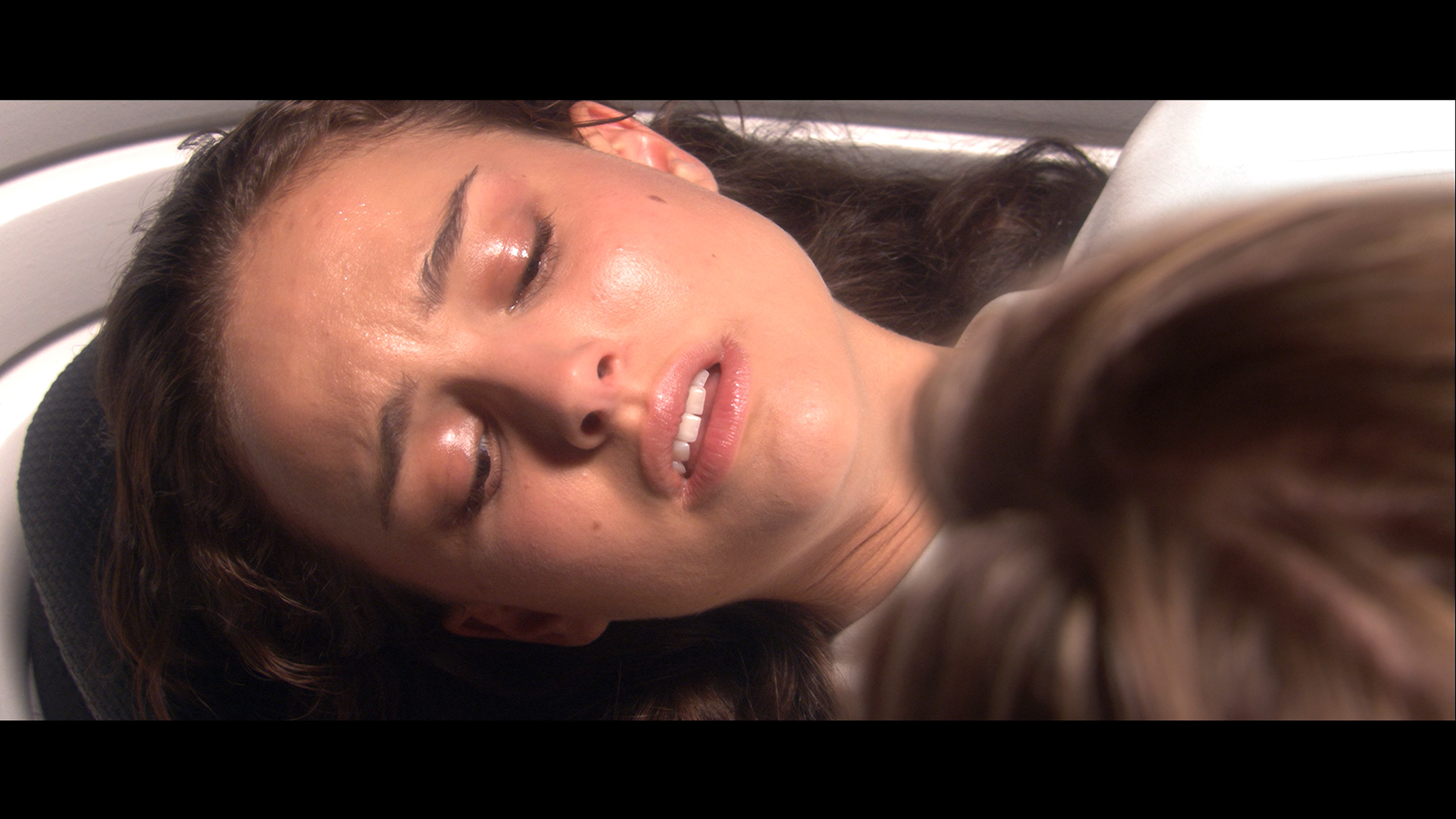
This gallery shows how colors change after professional TV calibration. If you notice the difference, we recommend ordering this service at SkalibrujTV.com.
Factory Mode
After calibration


This gallery shows how colors change after professional TV calibration. If you notice the difference, we recommend ordering this service at SkalibrujTV.com.
Factory Mode
After calibration
The color reproduction in the factory settings really surprised us, and positively so. The Philips OLED820, switched to Filmmaker mode, immediately showed that it was quite well tuned in terms of color. The white balance was relatively accurate, though with a slight lack in the blue hue, which sometimes gave the image a slightly yellowish tint. However, this is not a flaw that particularly interferes with everyday viewing. A larger problem arose with the brightness characteristic. The gamma chart clearly deviated from the ideal, with the line being below the expected values, causing the image to be overly brightened, and the colors looked as if they were covered with a light milky filter. This effect was also noticeable in tests using the Colour Checker pattern, where more pronounced errors appeared.
Like every Philips television we tested, we primarily evaluated the MLED920 in Filmmaker mode – this is supposed to be the "most honest" mode, designed for films and to faithfully convey the creators' intentions. Indeed, in terms of colorimetry, it performs the best among all the modes available on the television, but it is not without its flaws. The first thing that stands out is the white balance. The image has a slight tendency to take on purple-pink tones, which gives it a somewhat unnatural character. However, an even bigger problem turned out to be what we mentioned earlier – image clipping. Just look at the gamma or EOTF graphs to see that the line deviates significantly beyond the norm, falling below the value of 1.8. In practice, this means "clipping" the brightest whites, where the image becomes almost milky. Fortunately, most of these issues can be corrected – the MLED920 responds to calibration, and with a few adjustments, the image quality can be significantly improved.
Color reproduction after calibration
9.3/10
7.5/10

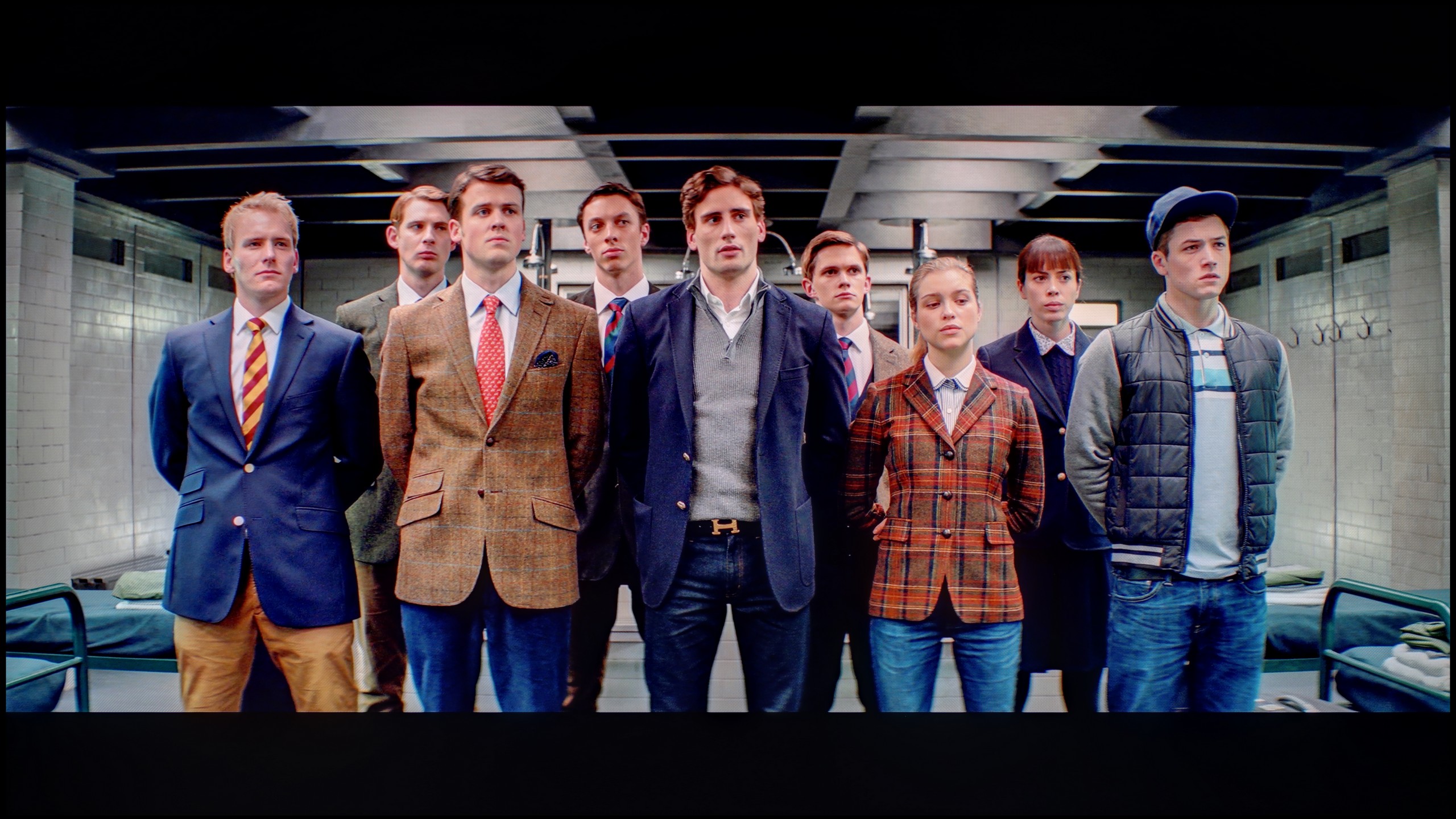
The photos show how movies look on the TV. Pay attention to black detail visibility, colors, and shadow tint.


The photos show how movies look on the TV. Pay attention to black detail visibility, colors, and shadow tint.
After calibration, both the Filmmaker mode and the game mode gained quite a lot. A slight adjustment of the white balance and an improvement in brightness characteristics resulted in excellent outcomes for SDR content – the image looked almost perfect, natural and very close to the reference. In the case of HDR materials, the situation was similar; the colors looked stunning and it was hard to find anything to criticize. However, we noticed a certain feature that we had already pointed out when comparing scenes from the movie Billy Lynn. An analysis of the EOTF curve revealed that the television has a slight tendency to dim details in the blacks, which means that the darkest sections are not always displayed exactly as the director intended. Nevertheless, the effect after calibration is remarkable, and the OLED820 stands out as one of the more interesting screens in its class. It just needs a little bit of fine-tuning, and there's really nothing to be afraid of.
After calibration, we managed to largely tame the white balance – to the extent that the average viewer will not be able to detect color inaccuracies. The characteristic pink-purple glow that previously disturbed the naturalness of the picture has also disappeared. The color palette has been organized, and the colors appear more consistent and neutral. The gamma in SDR content after calibration looks really good – there's no sign of the earlier “bleeding” effect in bright scenes. The picture has become more contrasted and devoid of the milkiness that previously spoiled the perception significantly. In the case of HDR content, the improvement is also noticeable, although it is still evident that the television is “doing its own thing.” The EOTF curve cannot be fully shaped, as Philips simply does not provide tools in its settings that allow for precise control over this parameter. In many films, the television simply still showcases the image “in its own way.” Despite these limitations, calibration has brought quite a lot of good – it has managed to minimize most of the color inaccuracies and significantly improve the overall balance of the picture. However, it must be remembered that certain barriers arise from the very hardware construction and they simply cannot be overcome.
Smoothness of tonal transitions
6.5/10
6.5/10
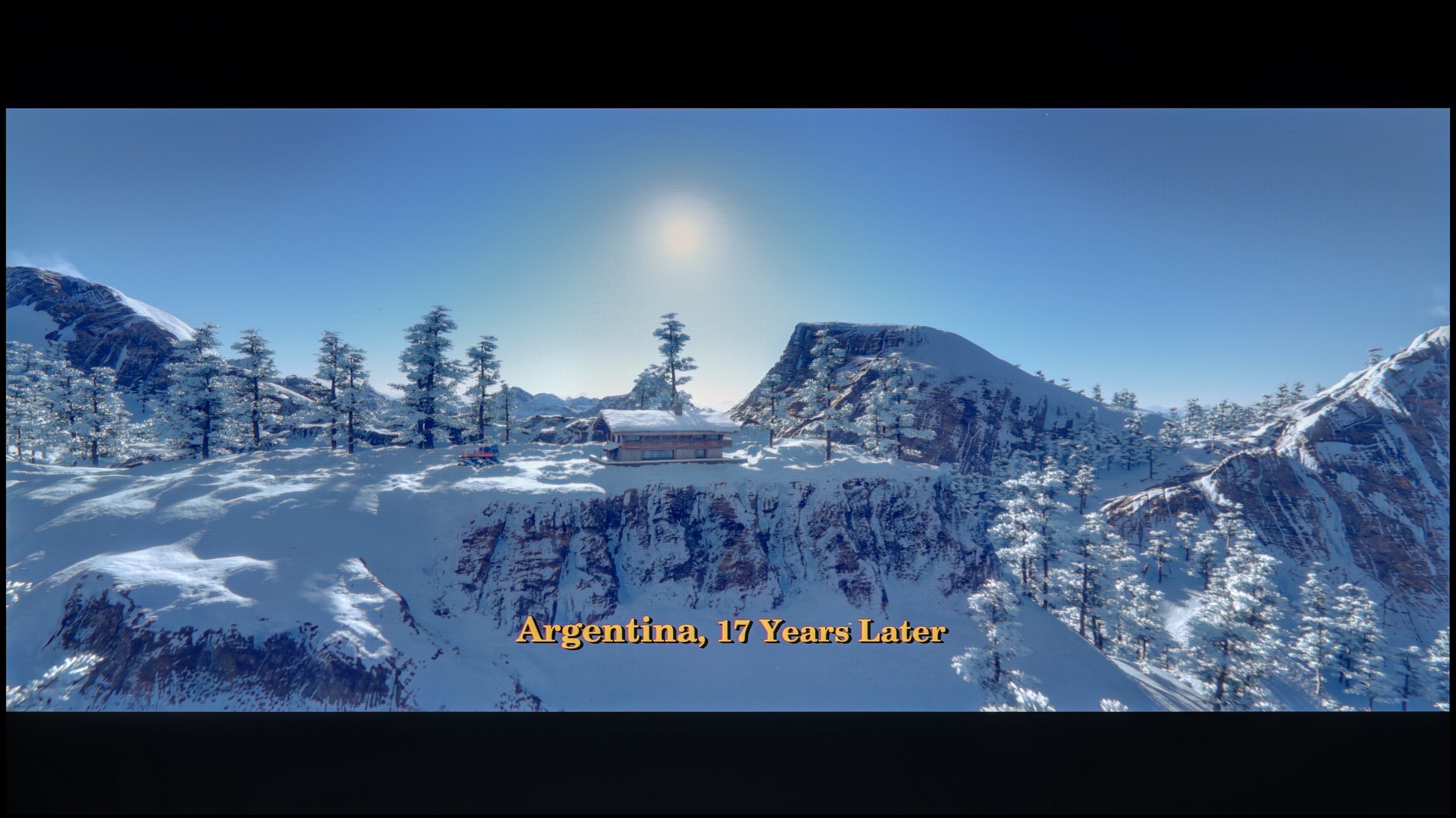

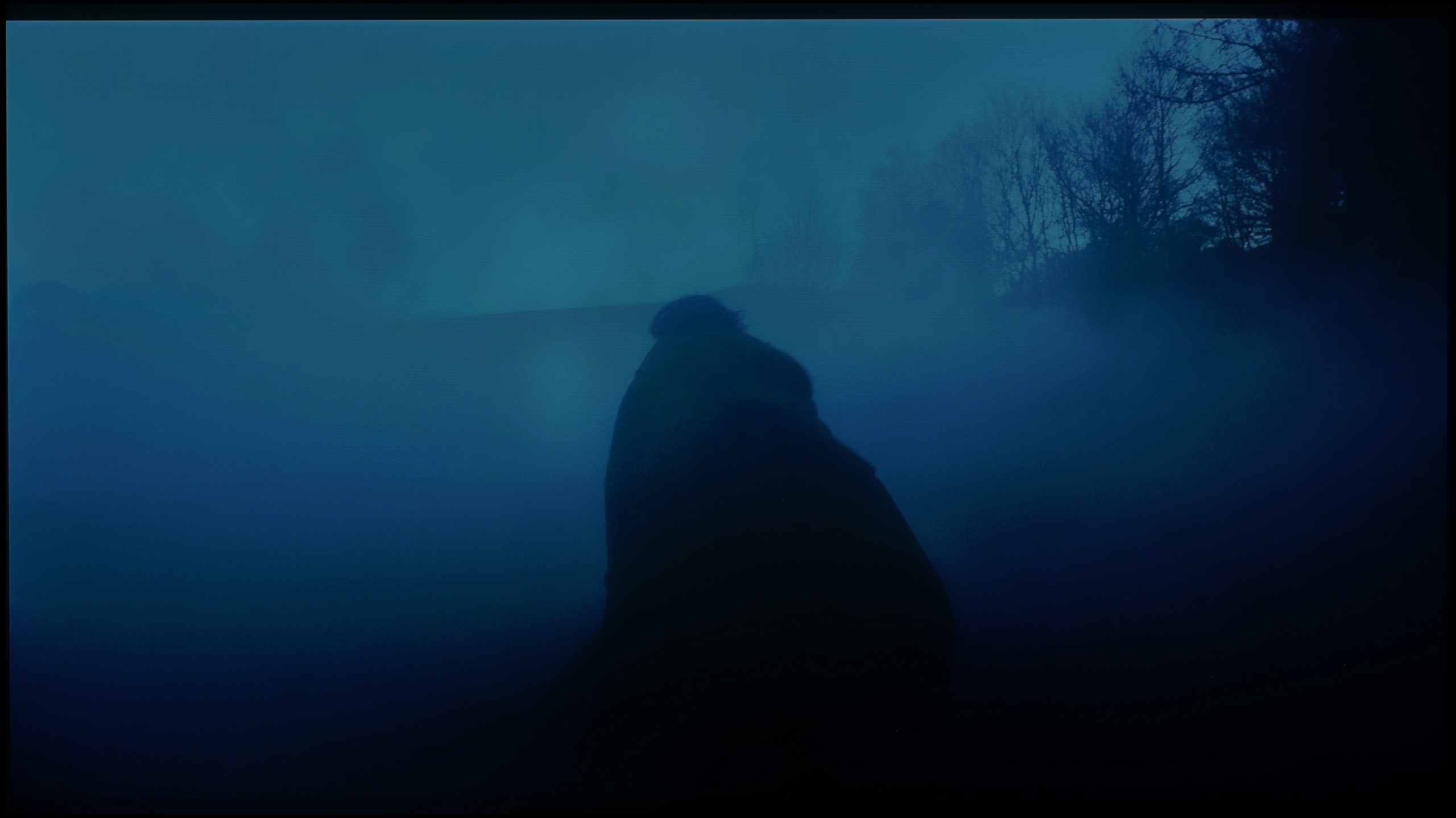
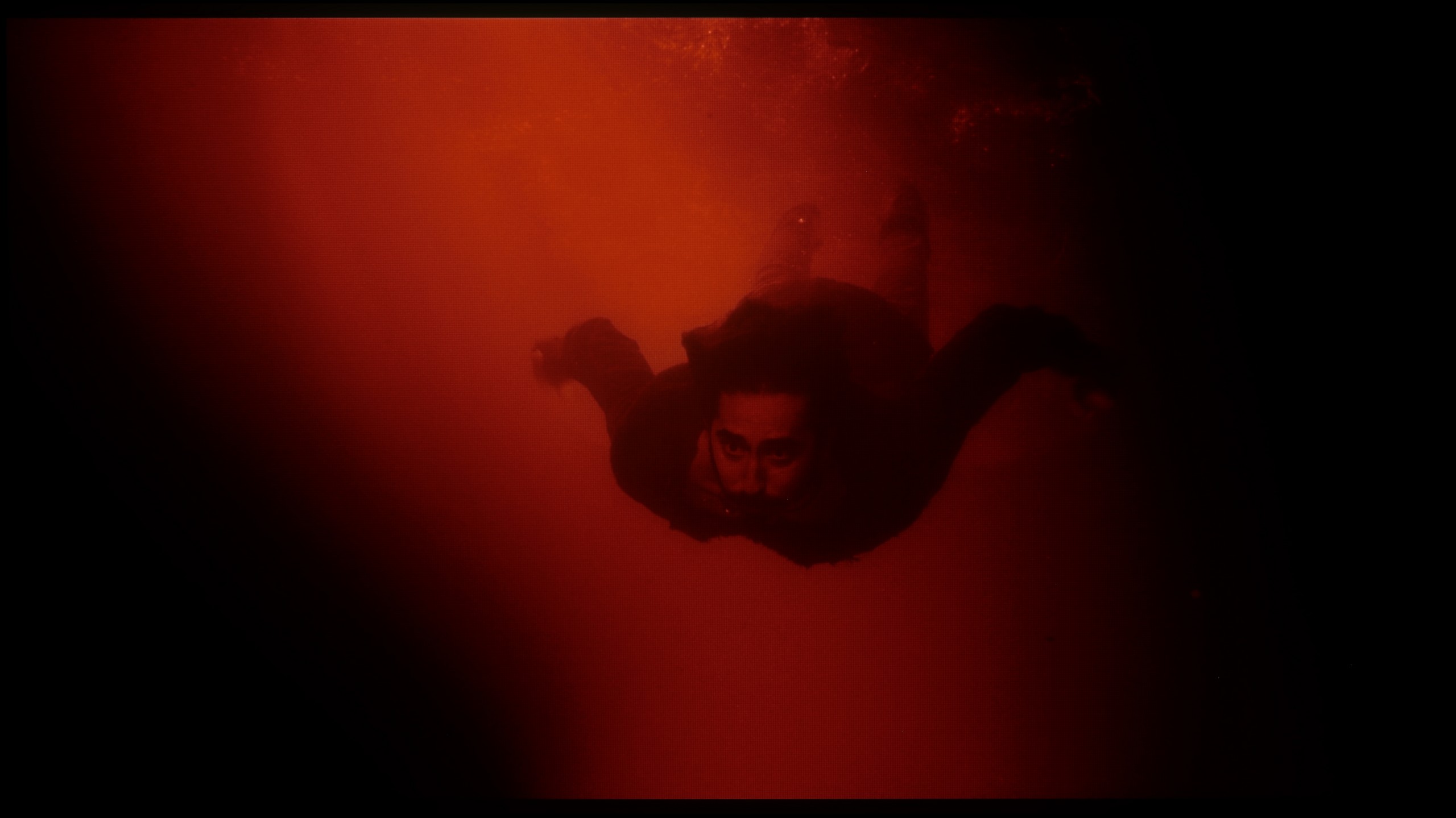
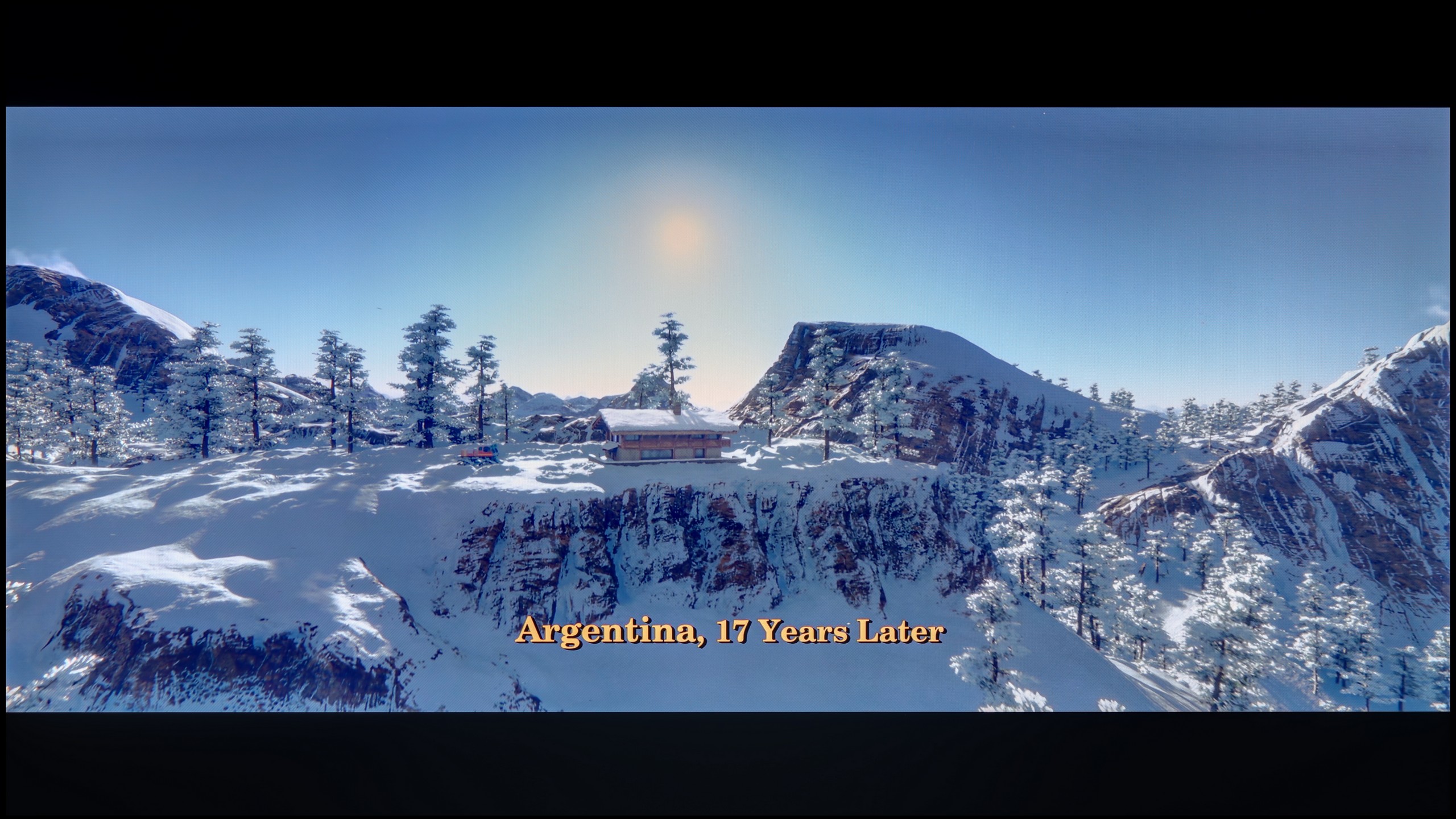
These are selected scenes that show smooth tonal transitions from one color to another. If you see distinct banding, it’s the TV panel’s fault.
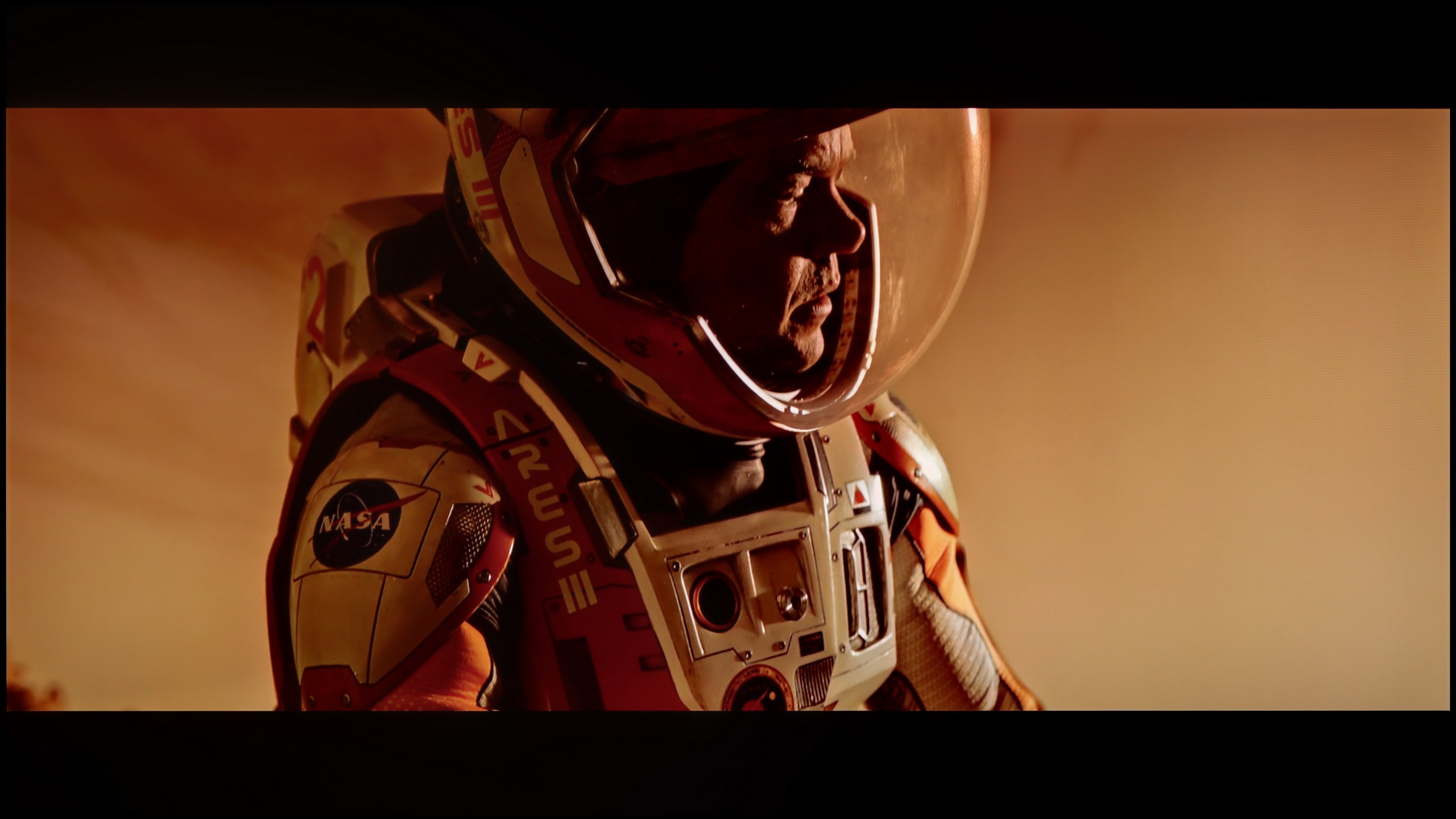
These are selected scenes that show smooth tonal transitions from one color to another. If you see distinct banding, it’s the TV panel’s fault.
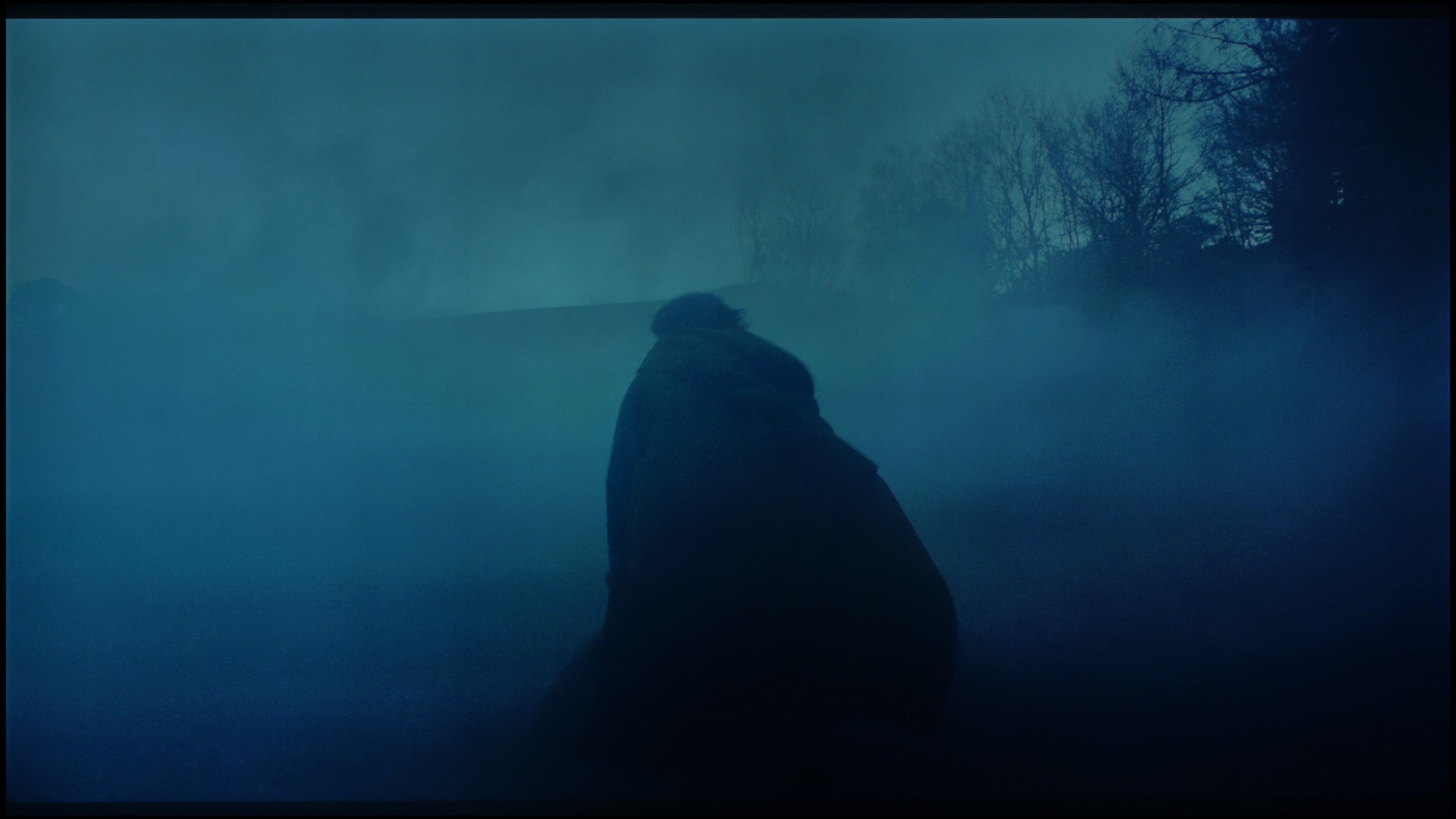
These are selected scenes that show smooth tonal transitions from one color to another. If you see distinct banding, it’s the TV panel’s fault.
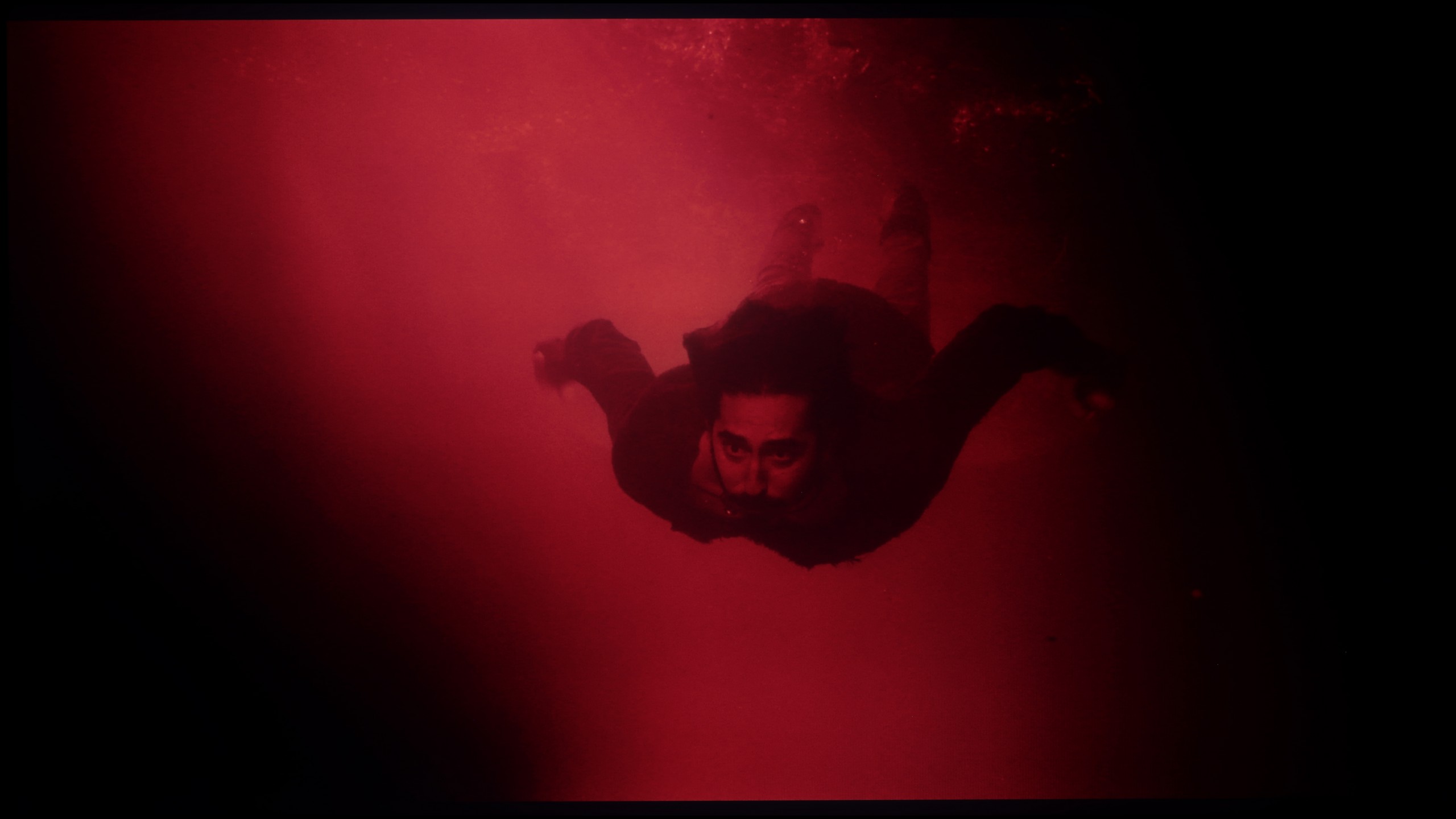
These are selected scenes that show smooth tonal transitions from one color to another. If you see distinct banding, it’s the TV panel’s fault.
The fluidity of tonal transitions is unfortunately the Achilles' heel of the Philips OLED820. During tests, we noticed slight issues with color blending – both in bright and darker scenes, one can see characteristic banding, which detracts from the naturalness of the image. It must be admitted that compared to last year's OLED 819 model, there is a significant improvement, but nonetheless, the competition performs better in this category.
The fluidity of tonal transitions in the Philips MLED920 is not its strongest suit. In our tests, we quickly noticed that the television has noticeable problems in darker scenes – for example, segments from the movie The Green Knight or test grayscale palettes. There, you can see the characteristic banding of colors and too sharp transitions between shades, which can be quite noticeable in productions with a darker style. Fortunately, the situation looks better in brighter scenes – there the image appears smooth and free of major artifacts.
Image scaling and smoothness of tonal transitions
7/10
7/10

Smooth transition function
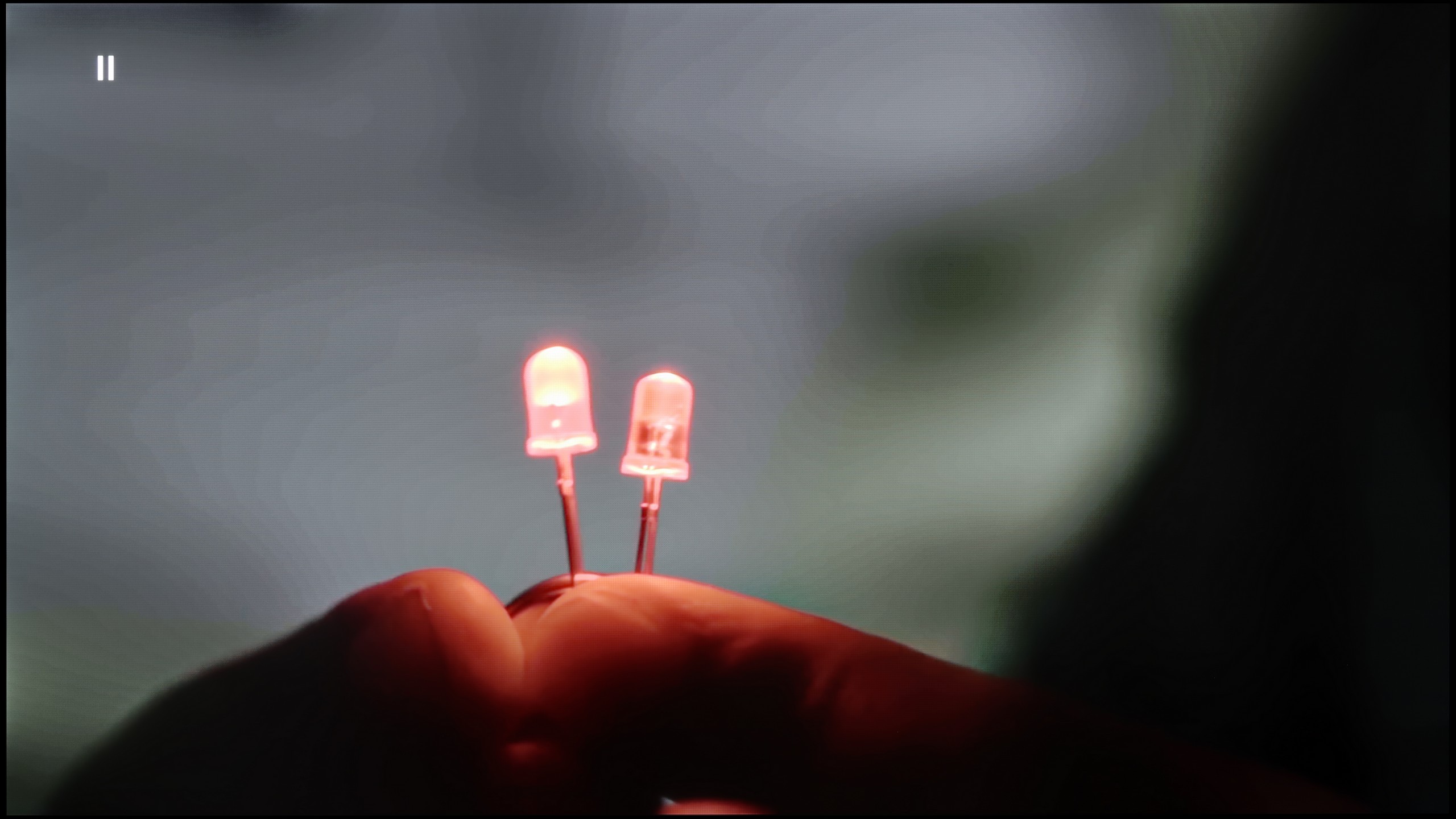
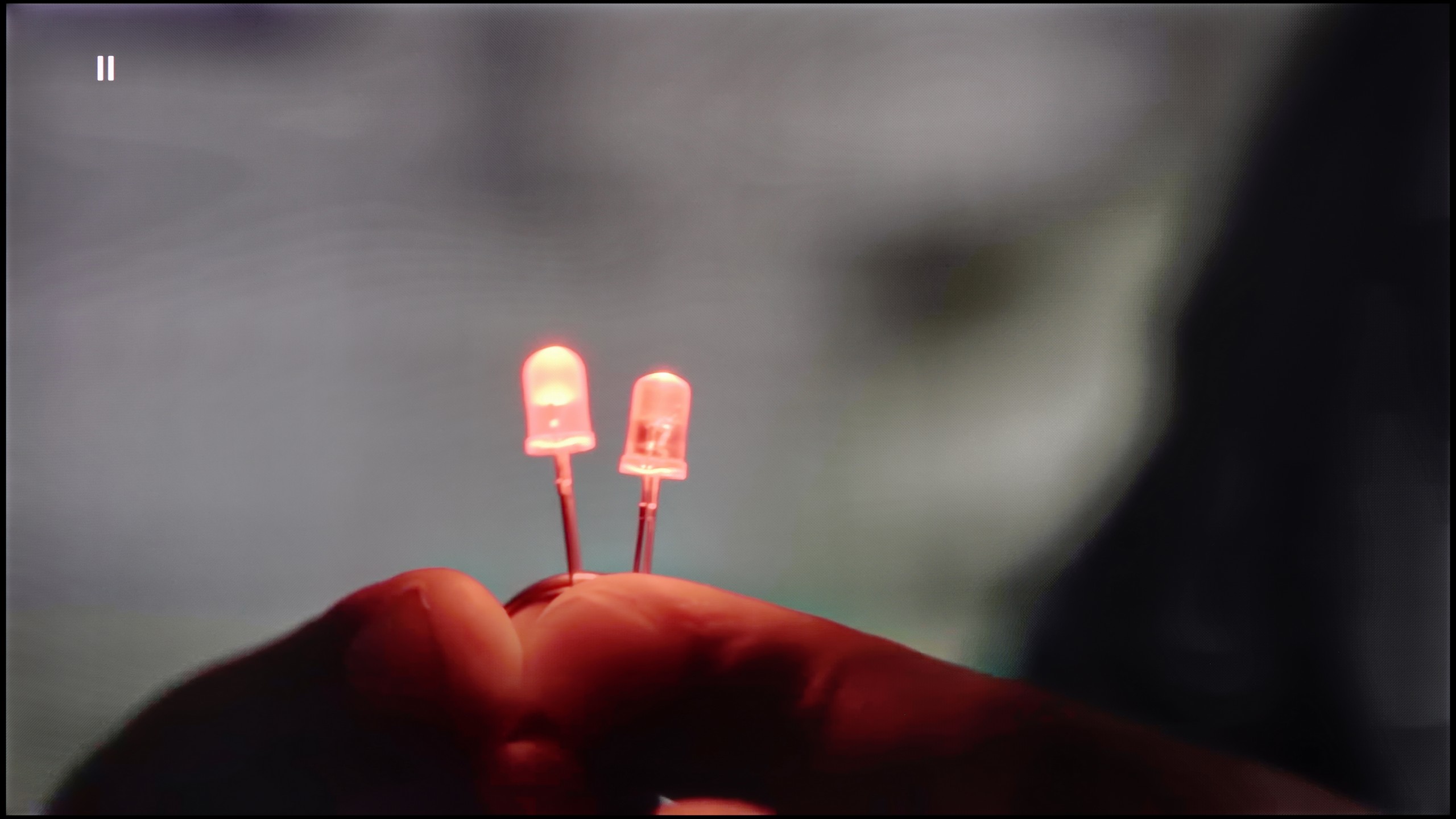
The match photo shows how the TV smooths weak tonal transitions in low-quality video.
Image scaling SD (576i)


The model photo shows how it handles upscaling of SD material.
Fortunately, the earlier effects of the aforementioned posterization can be quite effectively mitigated. The "distortion reduction" feature set to medium handles unwanted color banding, improving the smoothness of tonal transitions. It does happen, however, that it works a bit too aggressively and smooths out some details – such as minor skin imperfections of the actors – but despite this, it can be considered worth using without major compromises. The upscaling in the OLED820 also performs well. The test image with the model is exceptionally soft, sometimes even too much so, although this can be alleviated by slightly increasing the sharpness in the picture menu – it’s a matter of personal preference. The lack of overscan issues with very low-resolution content is also commendable, meaning we don't have to worry that the image will be unnecessarily cropped.
The manufacturer equipped this model with several features that improve signal quality, and although we usually approach such "enhancers" with skepticism, they turn out to be really helpful here. The key option is called "distortion reduction" – it works best at a medium level because, on one hand, it effectively smooths out unwanted banding and color transitions, while on the other, it doesn't excessively cut details, which keeps the image looking natural.
The situation is a bit worse with upscaling. Lower quality materials – such as test videos with models – appeared soft and lacking in sharpness. Yes, this can be somewhat corrected with the sharpness slider in the menu, but the effect still remains far from what competitors in a similar price range offer. Philips therefore still needs to work on this aspect because, in light of the successful improvement of tonal transitions, the upscaling simply performs poorly.
Blur and motion smoothness
8.5/10
7.7/10
Blur (native resolution, maximum refresh rate):






Blur (4K@144Hz):



Blur (4K@144Hz):
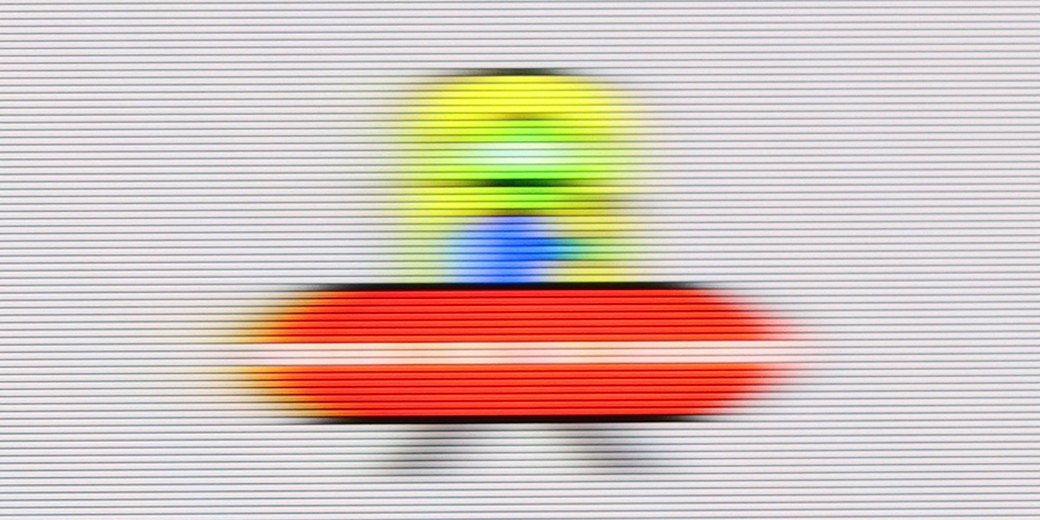
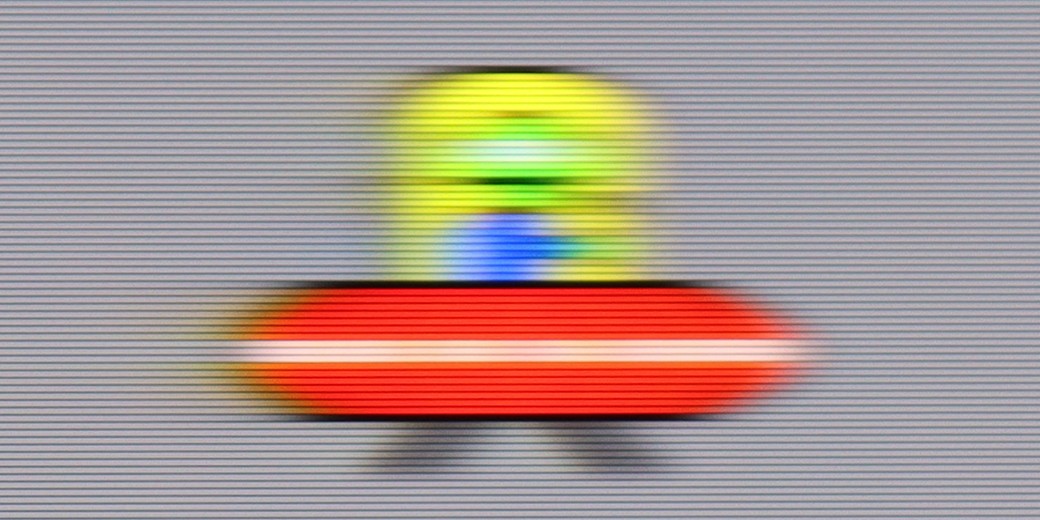

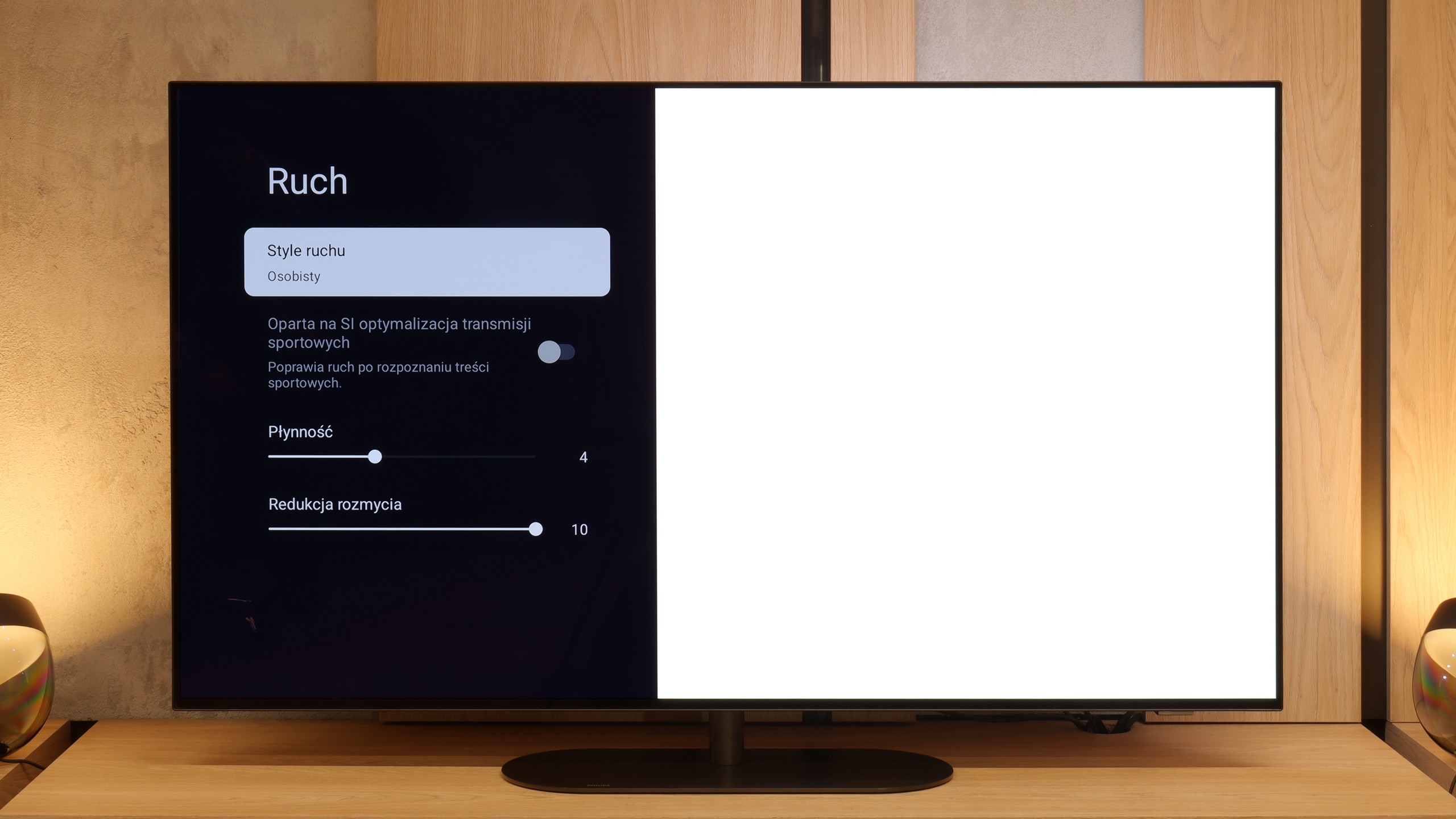
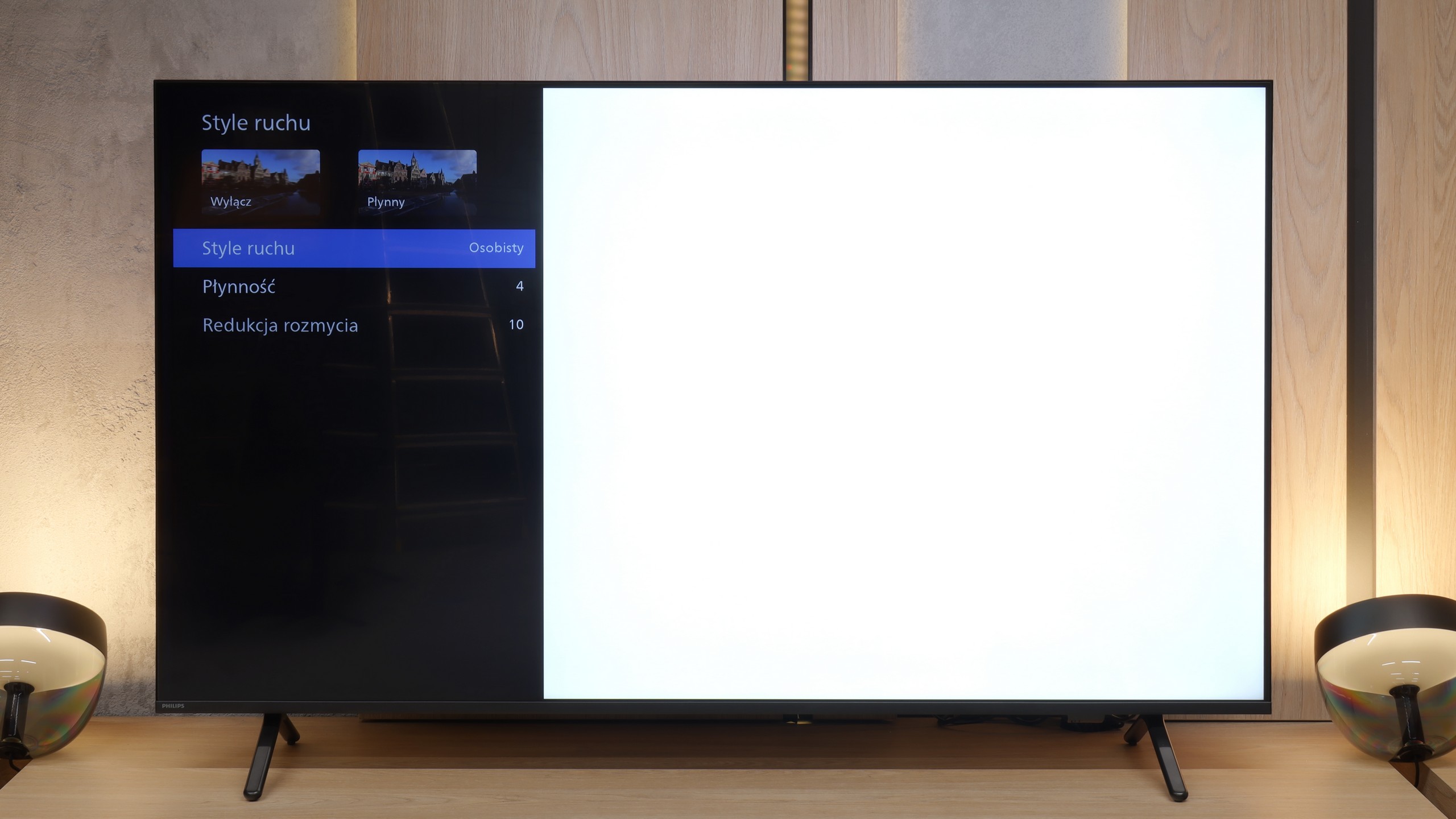
Motion fluidity is an area where OLEDs always shine, and the Philips OLED820 confirms this rule. The panel itself offers a refresh rate of 144 Hz, which will mainly benefit PC gamers, but even with standard television sources or consoles, where 120 Hz is used, the motion is fast, sharp, and simultaneously smooth, without traces of ghosting. This is thanks to the outstanding response time between pixels, which ensures the image retains clarity in every dynamic scene. The manufacturer has also added its own smoothing feature called "Motion Style." In the menu, we find two sliders – the first, responsible for fluidity, allows us to adjust the amount of artificially added frames in movies. This way, we can choose a raw, cinematic character with a clearly visible film frame or a more theatrical image with smooth motion. The second slider is for reducing blurring, especially useful in sports broadcasts. Here, we definitely recommend setting it to the maximum value, as the effect is truly excellent.
The Philips MLED920 features a 144 Hz panel, which immediately suggests that we shouldn’t complain about motion smoothness. And indeed – the motion blur is relatively low here for a VA panel, and although one might occasionally notice slight issues on darker backgrounds, they are not something that most people would notice during regular viewing.
A major plus is the presence of a motion smoother called "Motion Style." It allows you to adjust the smoothness to your own preferences – if someone prefers a more “theatrical,” almost television-like image, they can increase the sliders, and if they want to preserve the natural “jitter” of a cinematic frame, they just need to set lower values. This way, everyone can find the perfect balance.
Console compatibility and gaming features
9.8/10
9.8/10
- ALLM
- VRR
- VRR range48 - 144Hz48 - 144Hz
- Dolby Vision Game Mode
- Correct implementation of HGIG
- 1080p@120Hz
- 1440p@120Hz
- 4K@120Hz
- Game bar
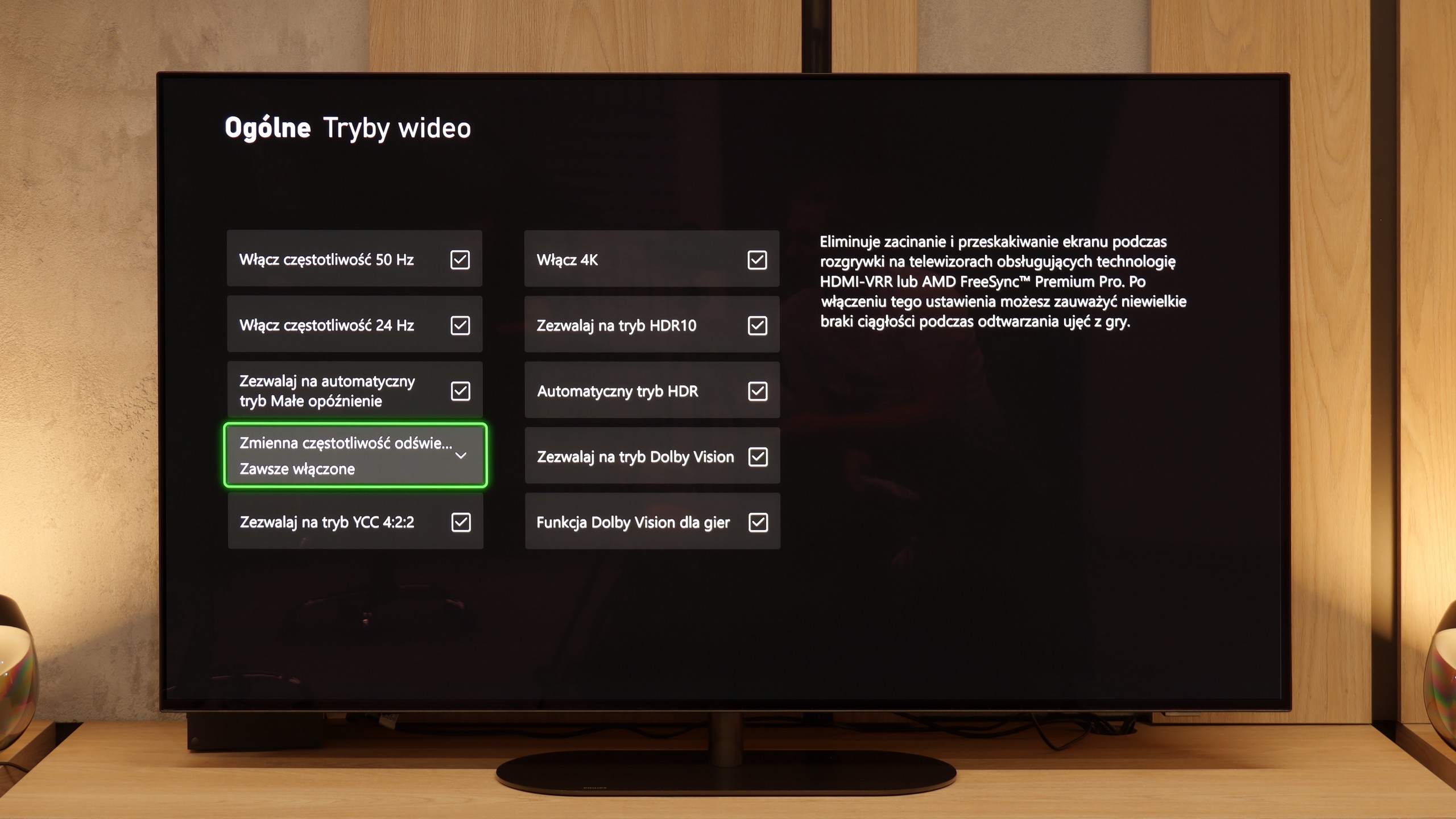
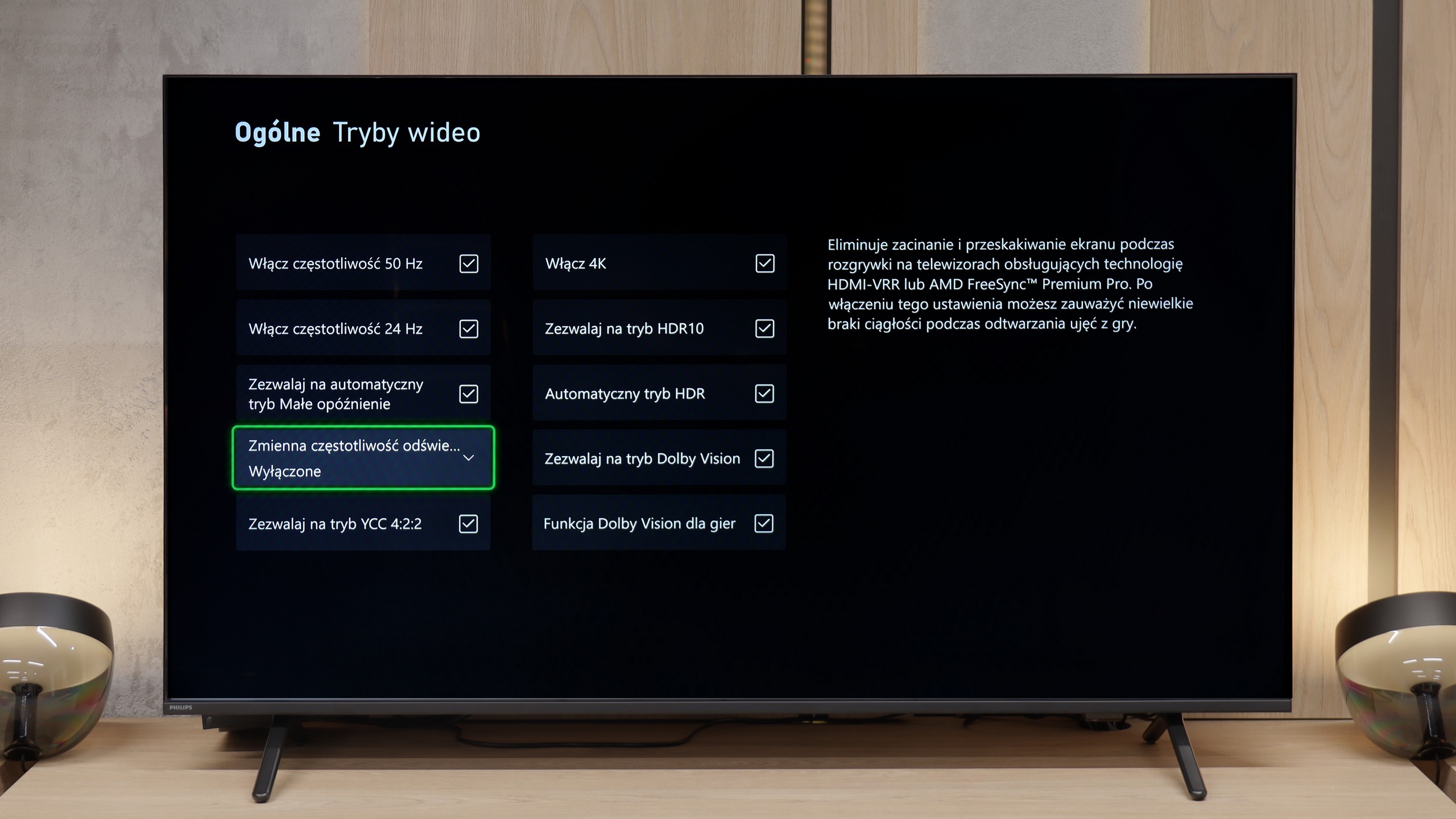
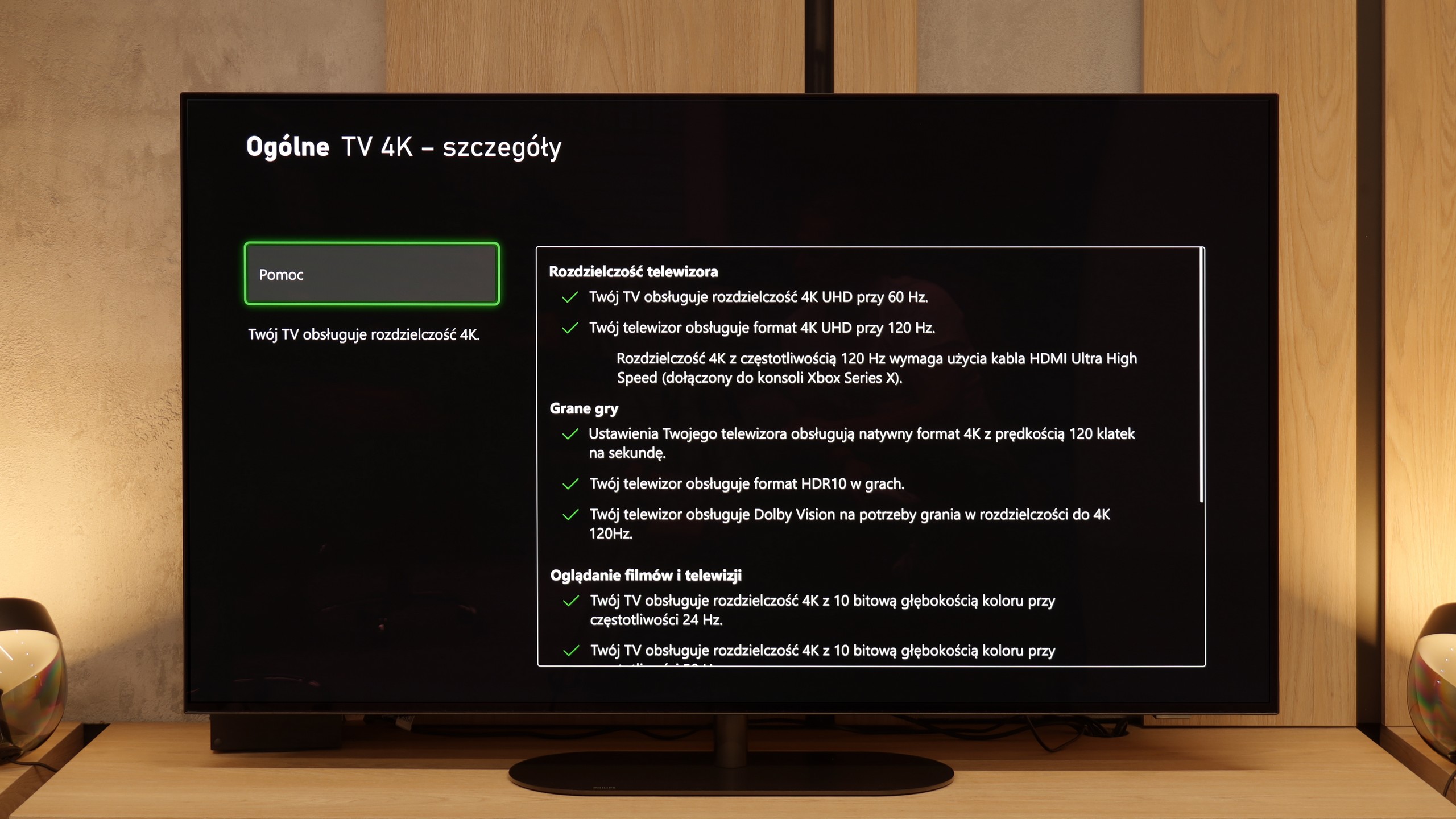
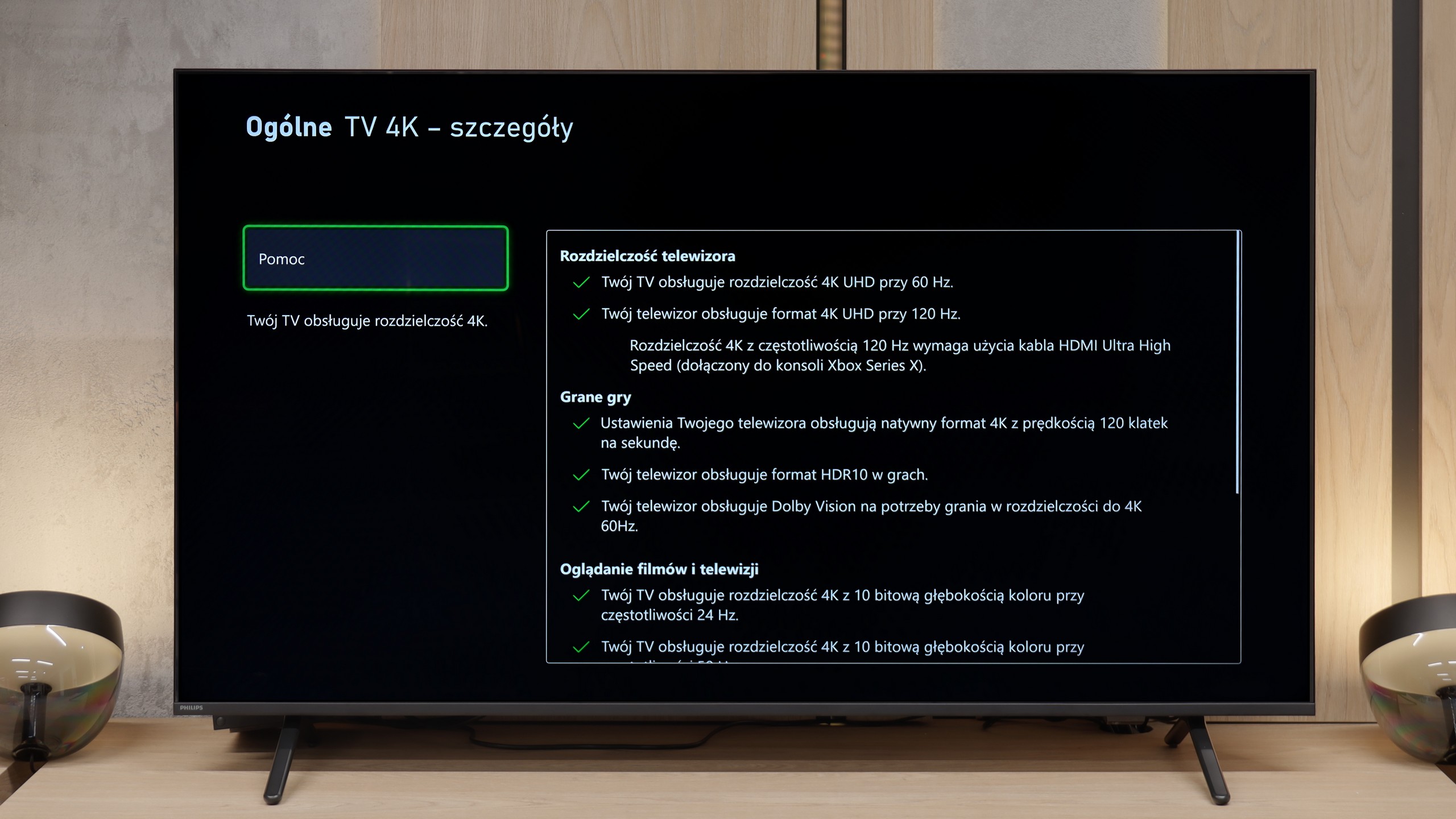
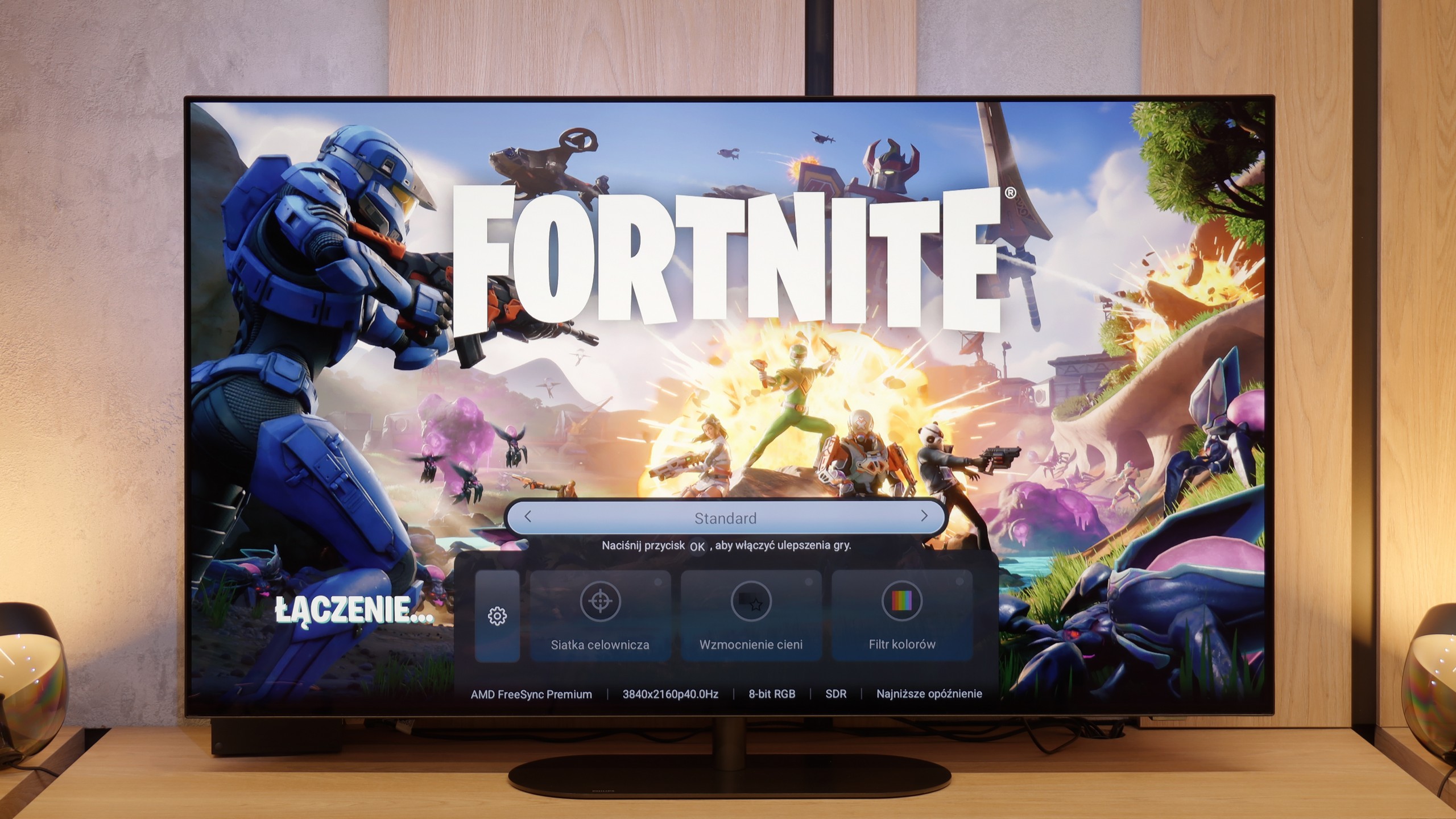
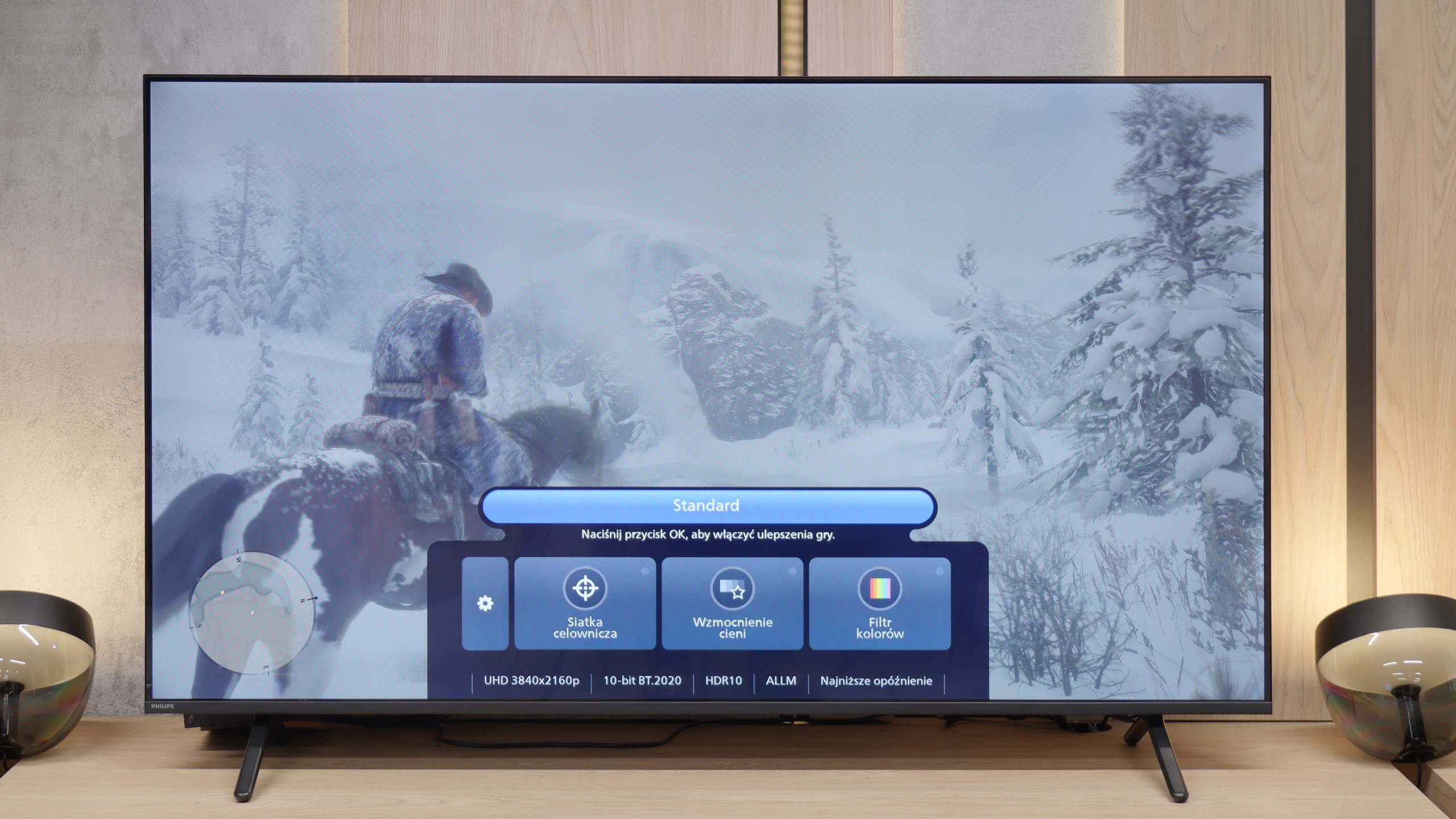
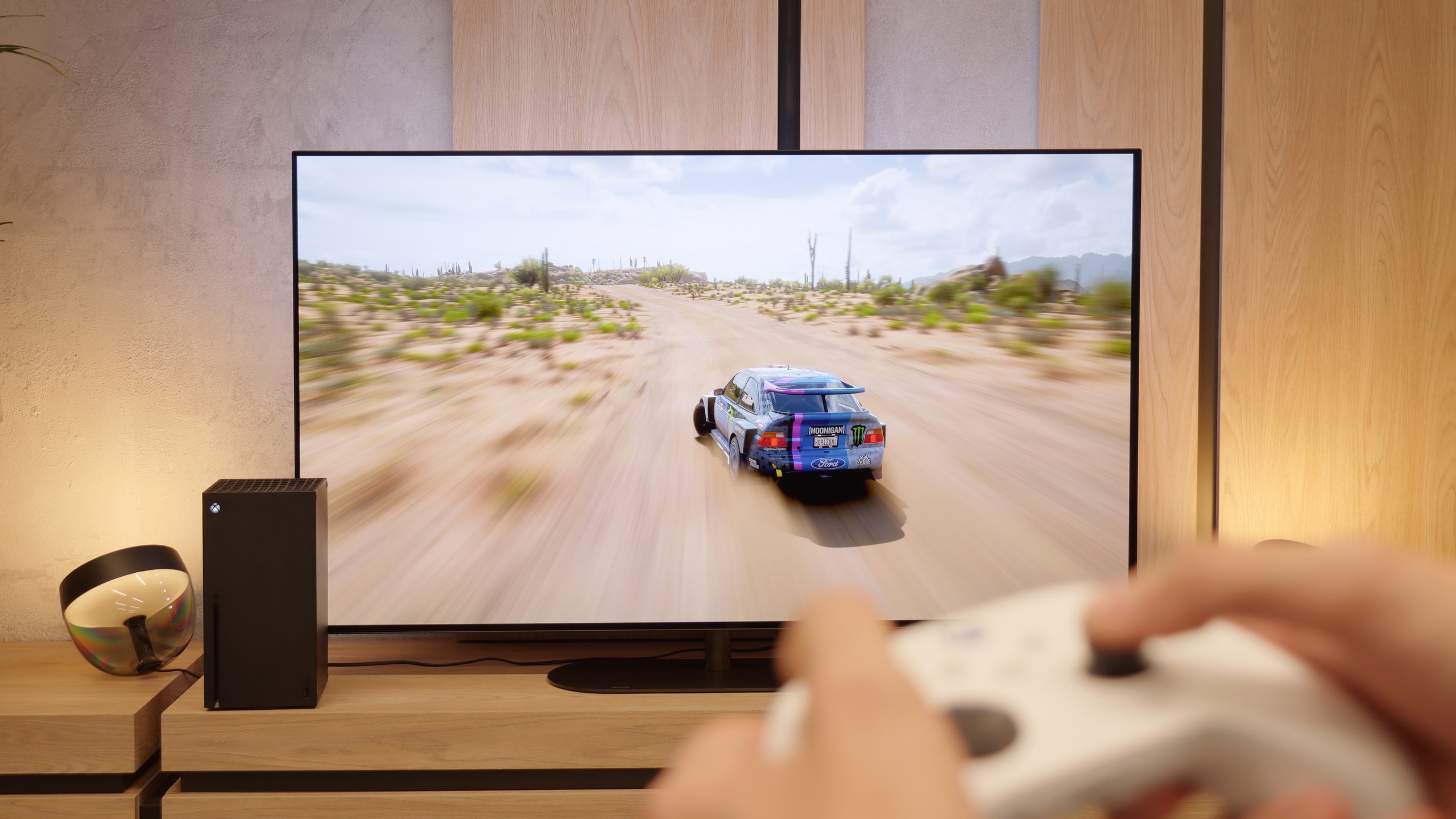
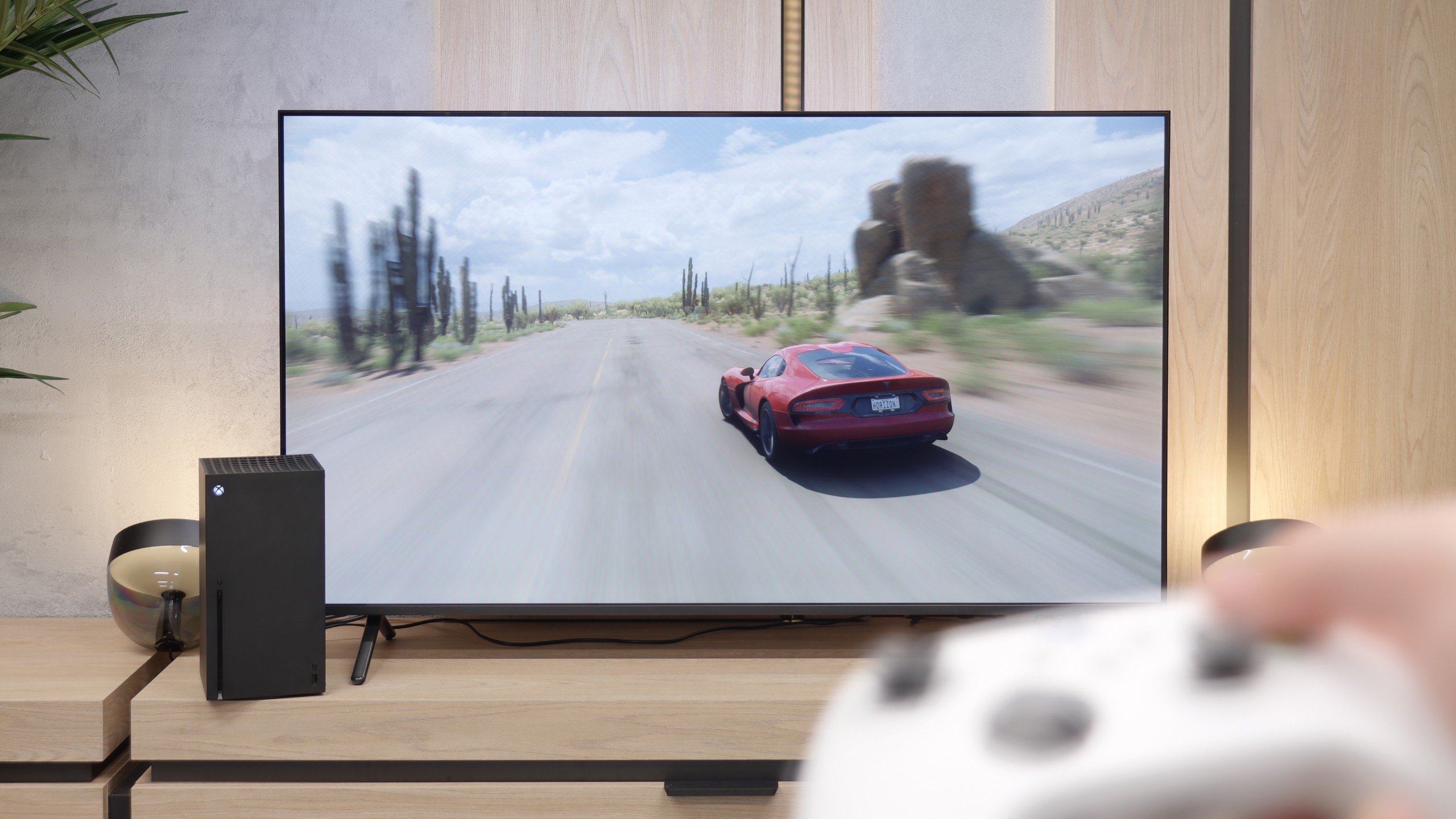
Philips OLED820 is one of the most complete televisions for gamers. It practically has everything you could expect: two HDMI 2.1 ports with full bandwidth of 48 Gbps (too bad there aren't four), variable refresh rate VRR, automatic game mode ALLM, support for Dolby Vision in games, and a good implementation of the HGiG mode. The television also handles lower resolutions at 120 Hz without any issues, so you can count on great flexibility when choosing different picture modes on the console. Philips also adds Game Bar – a panel that allows you to change picture modes, add a crosshair, or view parameters. Although it looks quite clunky and is less polished than that of the competition, it serves its purpose. In practice, therefore, the OLED820, besides having a full set of four HDMI 2.1 ports, offers almost everything a gamer might need.
For gamers, the Philips MLED920 is truly a complete tool. The manufacturer has taken care of everything that today is considered standard in televisions designed for consoles and PCs. It features ALLM, so the console automatically switches the screen to game mode, it has VRR and 144 Hz refresh rate, which guarantees smooth gameplay even in fast titles. All key HDR formats are supported – including HGiG and Dolby Vision Gaming for Xbox – which means that regardless of what you are playing and on which console, the TV will be able to extract maximum potential from the image. In everyday gaming, the Game Bar also proves to be useful – a relatively simple implementation by Philips, but a functional panel where you can quickly check image parameters, turn on VRR, or adjust details without leaving the game. It may not be as advanced as the competition's offerings, but it performs its job flawlessly. And lastly, something that distinguishes Philips from its competitors – Ambilight. The three-sided LED backlighting can make a huge impression in games, especially in the evening. It also provides a way to slightly "expand" the screen and feel greater immersion. And since colorful LEDs have recently become almost a mandatory element of a gamer’s room, the MLED920 fits into this trend perfectly.
Input lag
10/10
9.6/10
SDR
HDR
Dolby Vision
The input lag in the Philips OLED820 is truly at a reference level. The measurement showed values below 5 ms, which places it at the very top of the TVs available on the market. Even the Dolby Vision mode does not cause problems in this regard, which is quite a rare phenomenon. In practice, this means lightning-fast responses to every movement, no noticeable delays, and full comfort in dynamic games. In short, outstanding results that will please even the most demanding gamers.
Input lag on the Philips MLED920 is really very good – in 120 Hz mode, we measured values below 10 ms, placing this model among the absolute leaders of LCD televisions in terms of responsiveness. Even at 60 Hz, a result of around 18 ms is fully acceptable and won’t hinder any type of gameplay. A certain exception is the Dolby Vision mode at 60 frames, where the lag can increase to even 35 ms. This result might be slightly noticeable for esports players, but we must honestly admit – for the majority of so-called “casual gamers,” it will be absolutely unnoticeable. Especially since we’re talking about values that still allow for comfortable gaming without major compromises.
Compatibility with PC
6.5/10
4/10
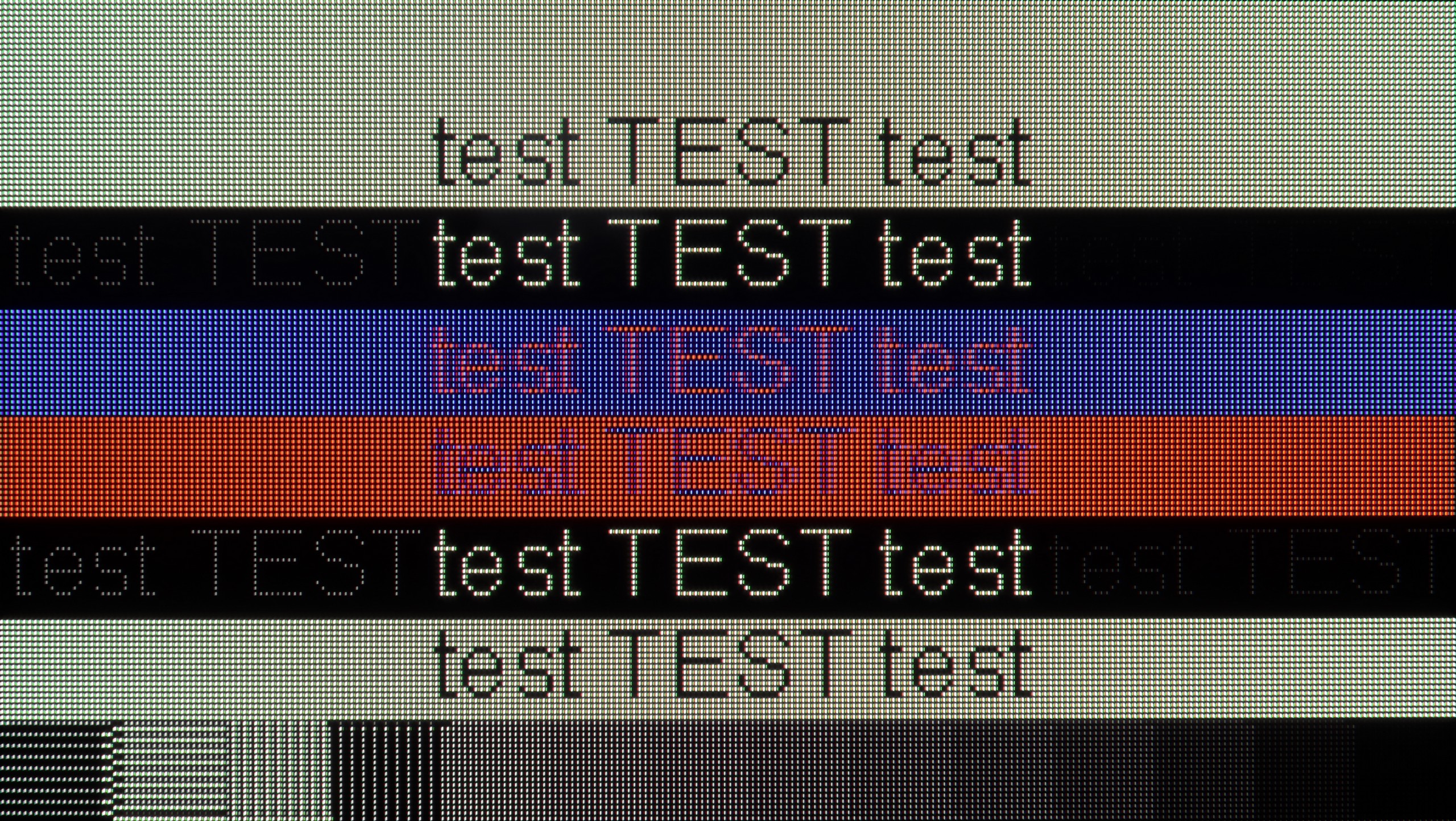
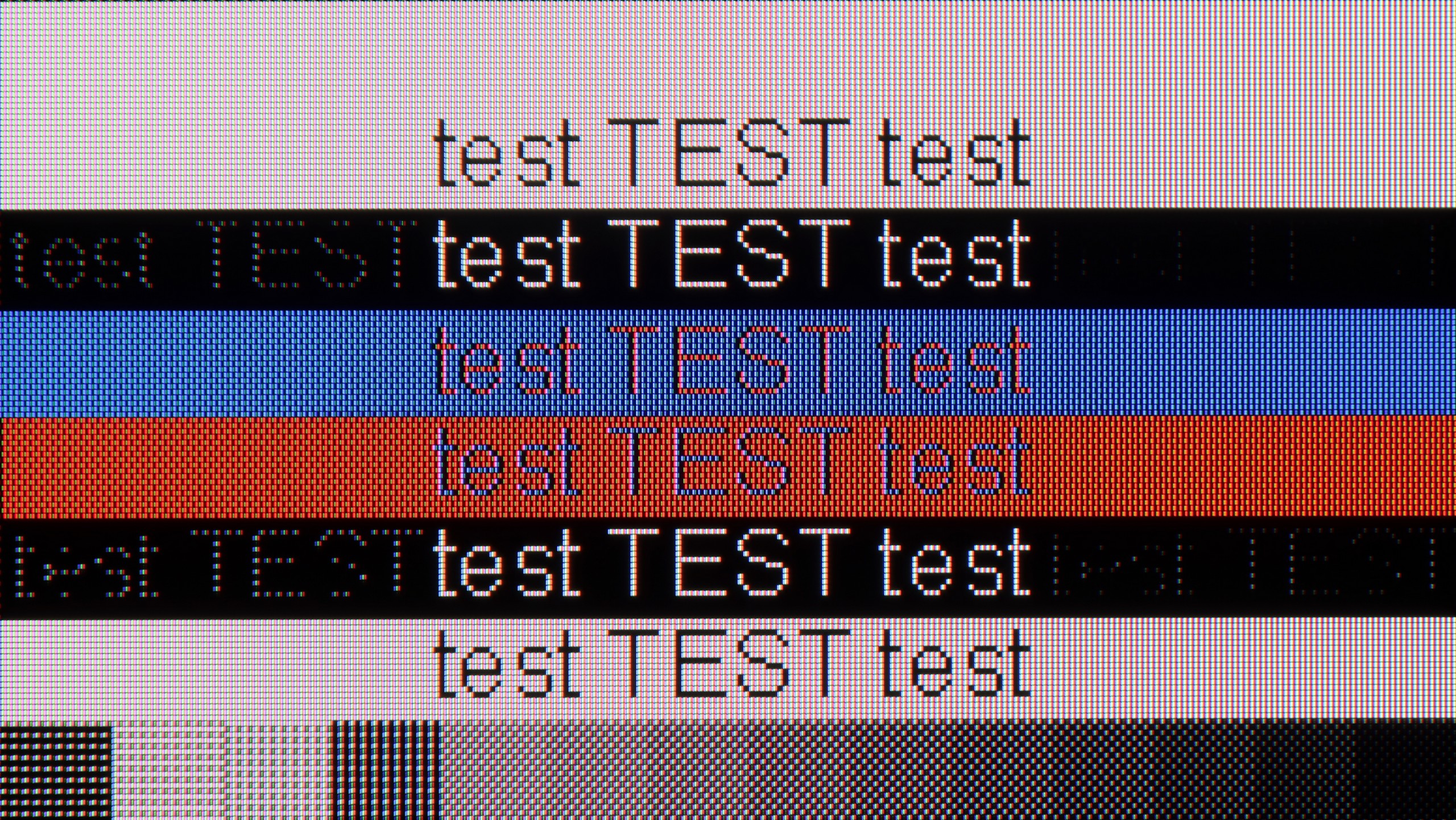
The photo shows the legibility of small fonts. Ideally, lines should be the same thickness on both light and dark text, with minimal pixel gaps.
Collaboration with a PC for the Philips OLED820 varies depending on the application. For gaming, it performs exceptionally well: a high refresh rate of 144 Hz combined with G-Sync support provides smoothness and responsiveness that other televisions would envy. The situation is less favorable when it comes to text work. The lack of proper implementation of chroma 4:4:4 causes fonts on colored backgrounds to be slightly blurred, which significantly lowers work comfort. Therefore, it's hard to recommend the OLED820 as a screen for office work with text or numbers. It's a pity that the manufacturer didn't learn from last year's models and this flaw continues to persist.
When it comes to working with a PC, the Philips MLED920 evokes rather mixed feelings. On one hand, it looks impressive on paper – we have 144 Hz, support for G-Sync and FreeSync, so in terms of gaming on a PC, the television does not disappoint. Anyone looking for a large screen for computer gaming gets a solid package of features here. However, when we try to use it as a typical monitor for daily work, its limitations quickly become apparent. The fonts do not look their best – there is noticeable strong dithering, colorful letters can be jagged, and with very dark text, strange anomalies appear, as if the panel loses thin lines and has trouble accurately reproducing them. In short: Yes for PC gaming. For any work and reading text: a firm no.
Viewing angles
7.4/10
3.2/10
The viewing angles on the Philips OLED820 are another advantage that should delight you. OLEDs have always been characterized by nearly perfect angles, so no matter where we look from, the image remains clear and readable. Indeed, the classic WOLED matrix does not match technologies like MLA OLED or QD-OLED, but it's still hard to criticize anything here. The angles are simply excellent.
The viewing angles on the MLED920 are classic for VA matrix technology – even a slight shift from the center causes the colors to begin to fade, the contrast weakens, and the overall picture becomes quite flat and unattractive. There are no miracles here. So if you’re watching movies with a larger group and everyone is sitting a bit off to the side, this will be slightly noticeable. On the other hand, you gain something for this: thanks to this matrix, the MLED920 can display a much deeper black than televisions with IPS panels.
Daytime performance
5.7/10
5.5/10
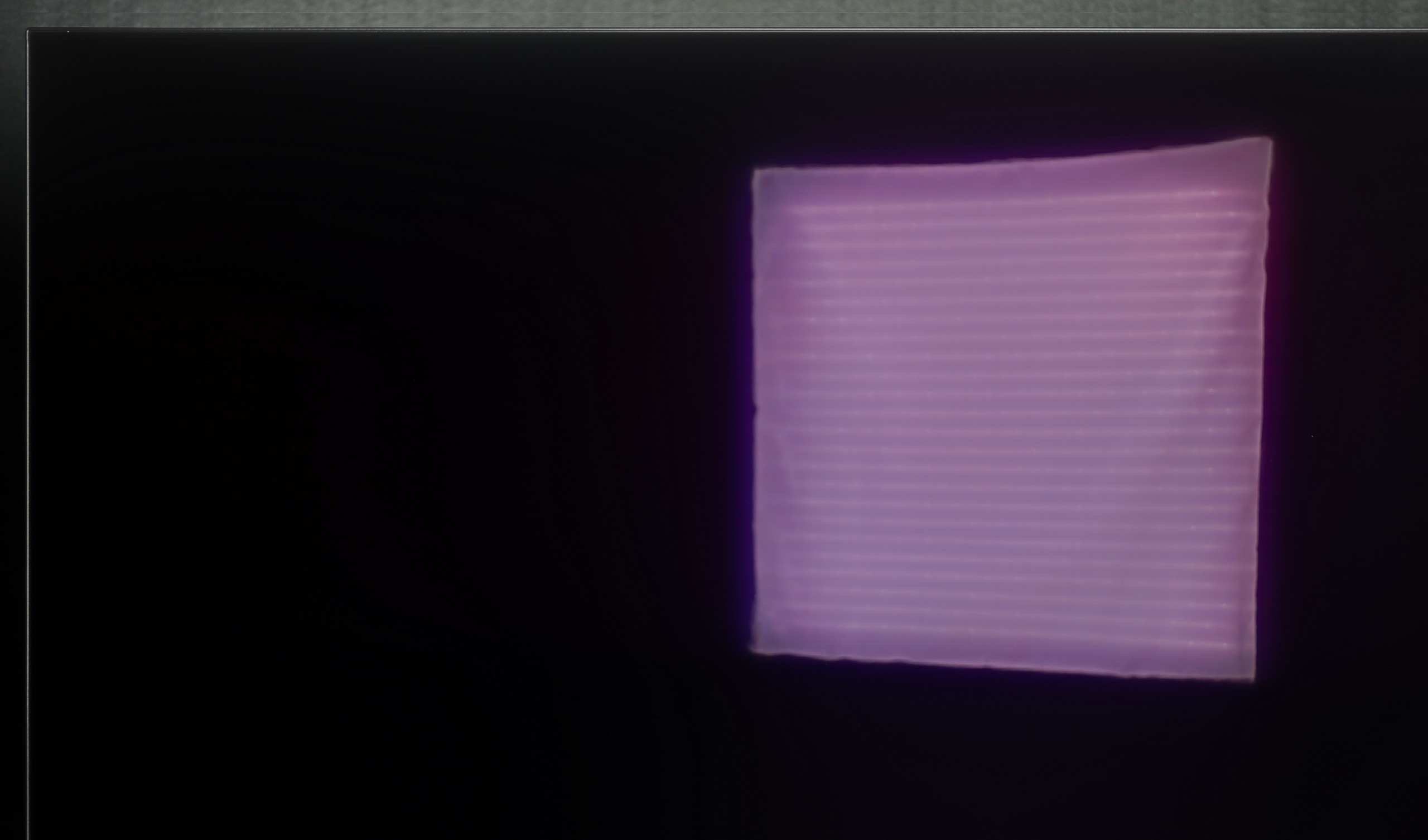
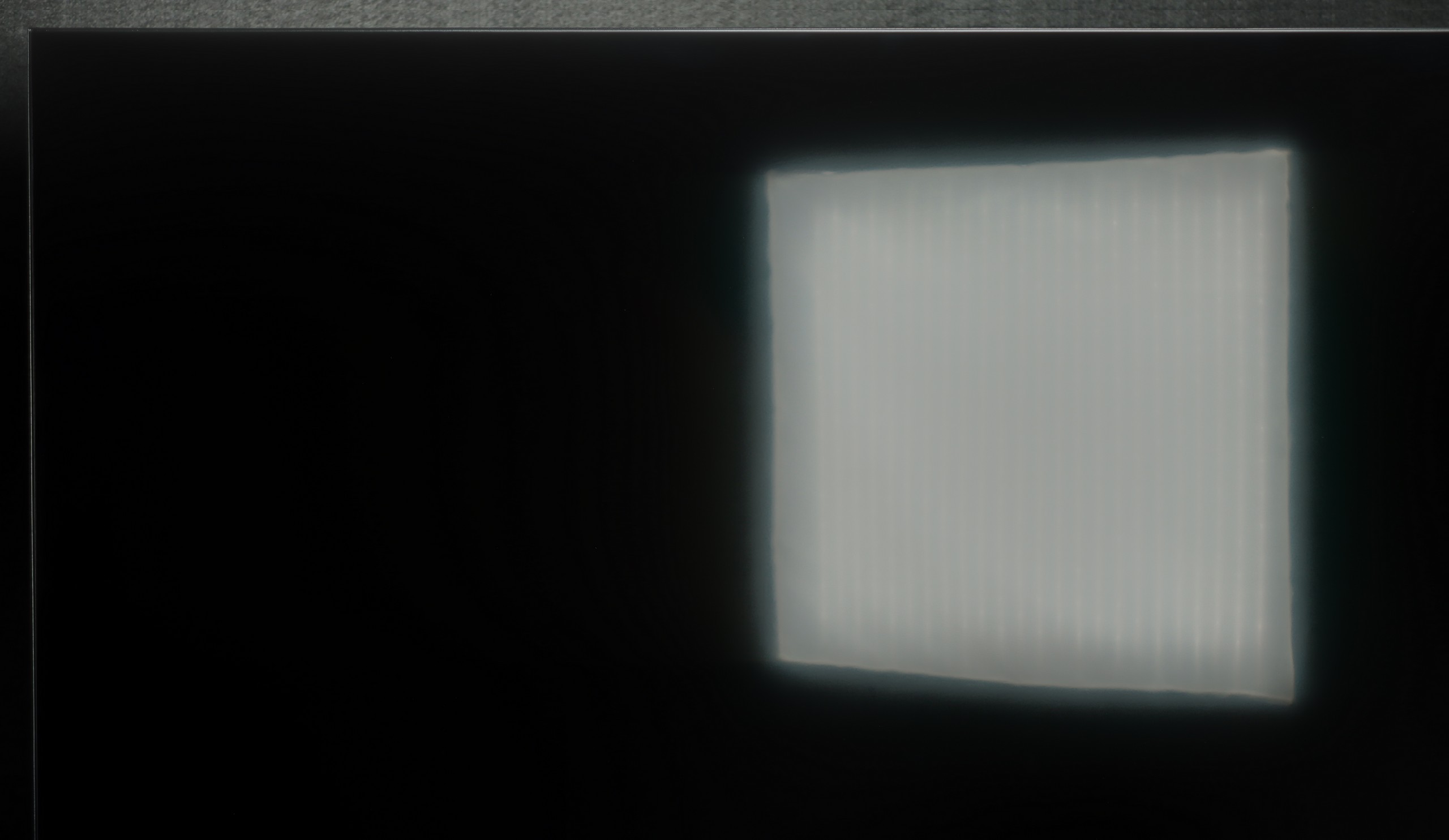
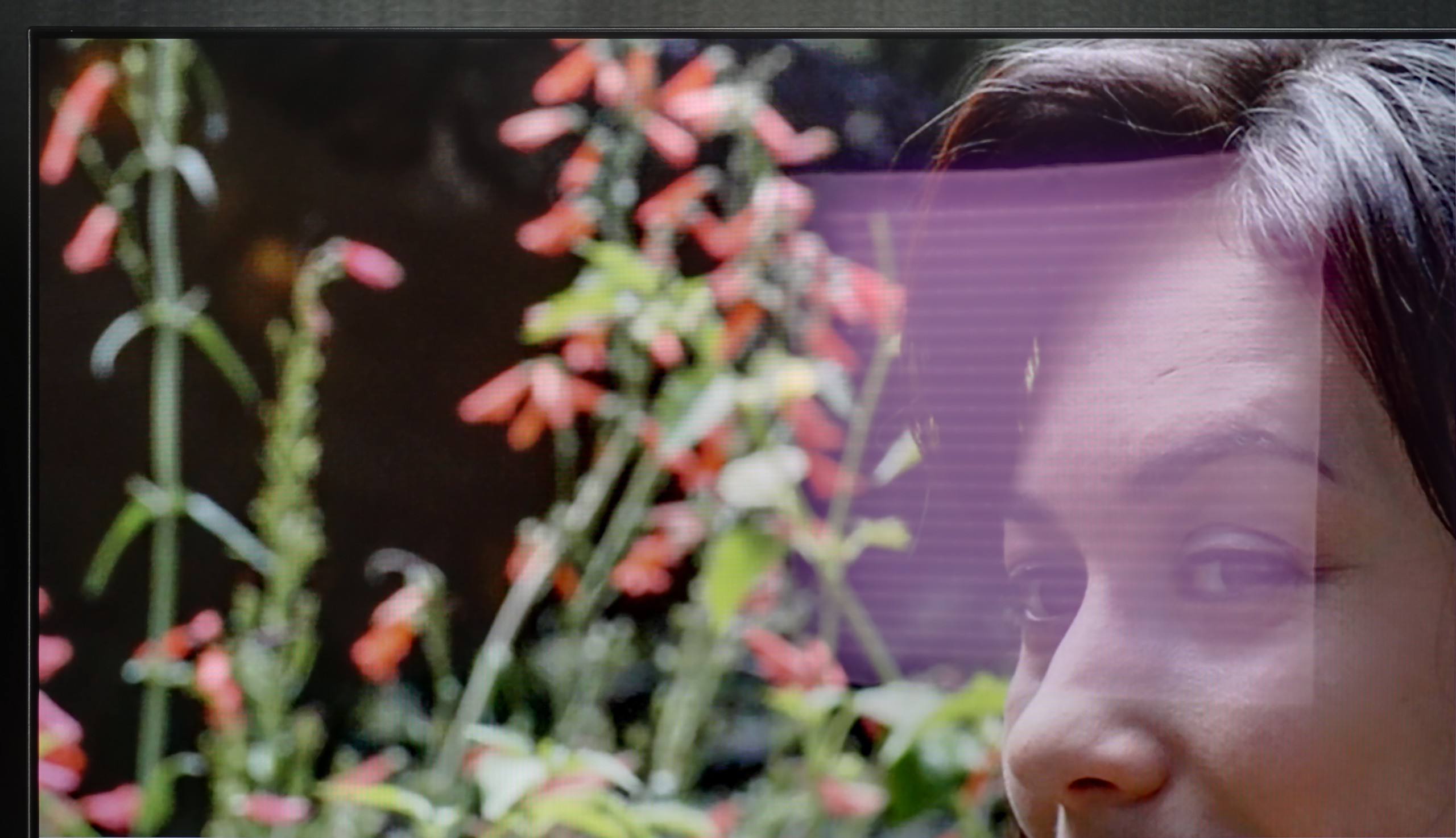
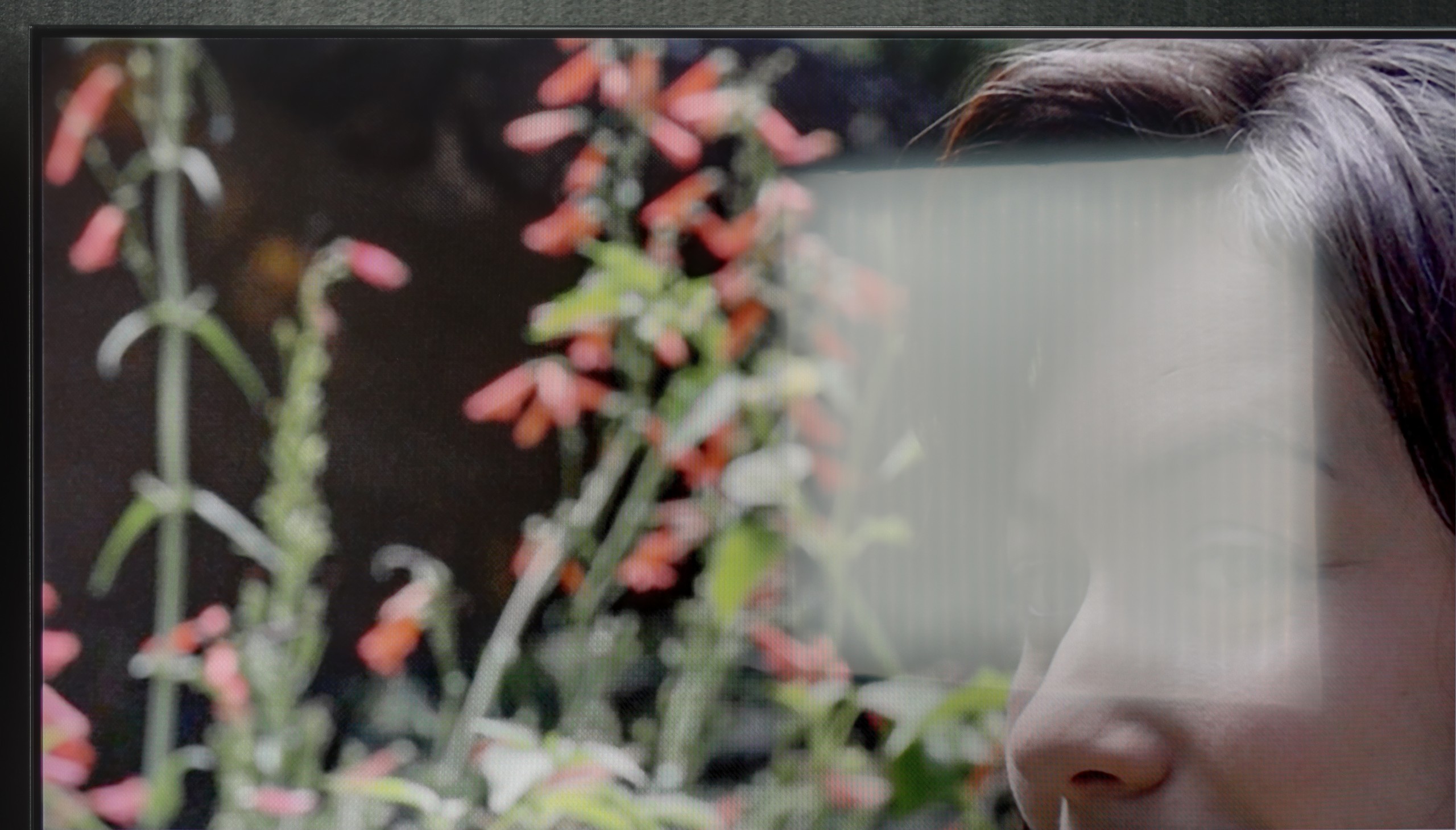
Panel brightness
Philips MLED920 / MLED910: 421 cd/m2
Philips OLED820: 345 cd/m2
The Philips MLED920 performs fairly well in everyday use. The satin coating on the panel effectively reduces reflections, and in most moderately sunny living rooms, it manages unwanted glare. However, it is important to remember that this is not a television that impresses with brightness – the average value in SDR hovers around 450 nits. In very bright rooms, especially with large south-facing windows, the screen may not always overcome intense daylight. In such situations, it's worth supporting it with at least light curtains so that viewing comfort doesn't suffer significantly.
Panel details
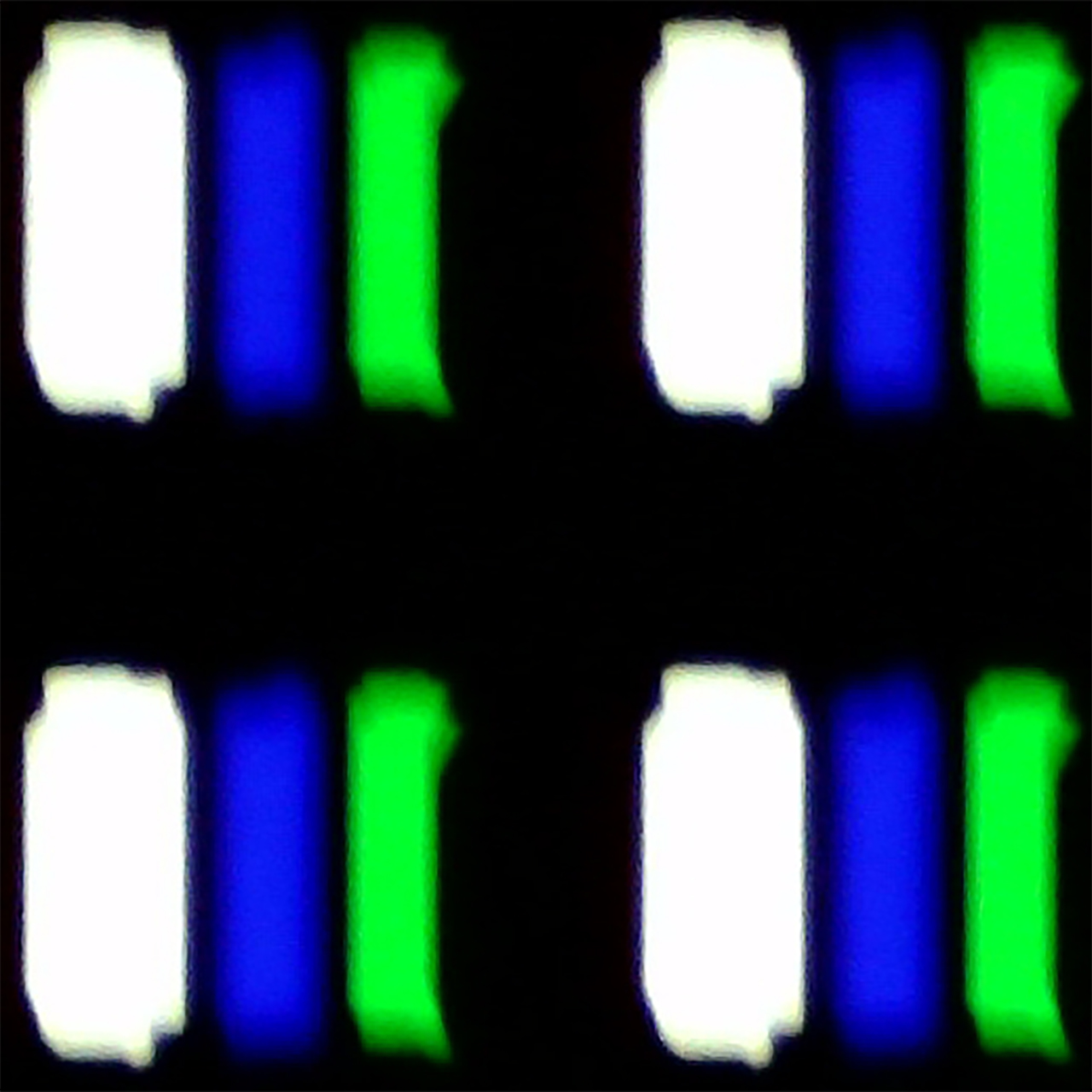
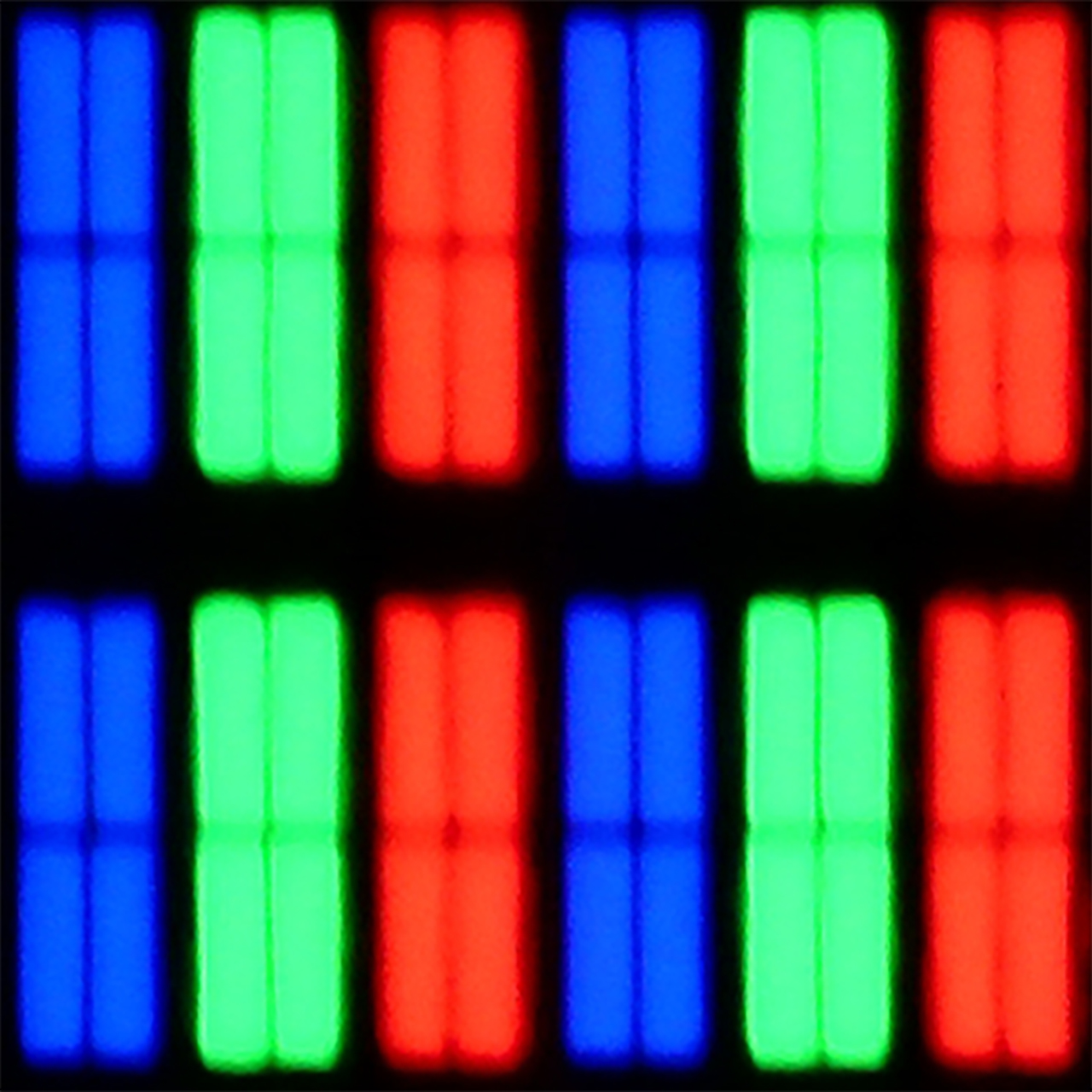
Subpixel Structure:
Panel uniformity and thermal imaging:


TV features
6.8/10
5.5/10
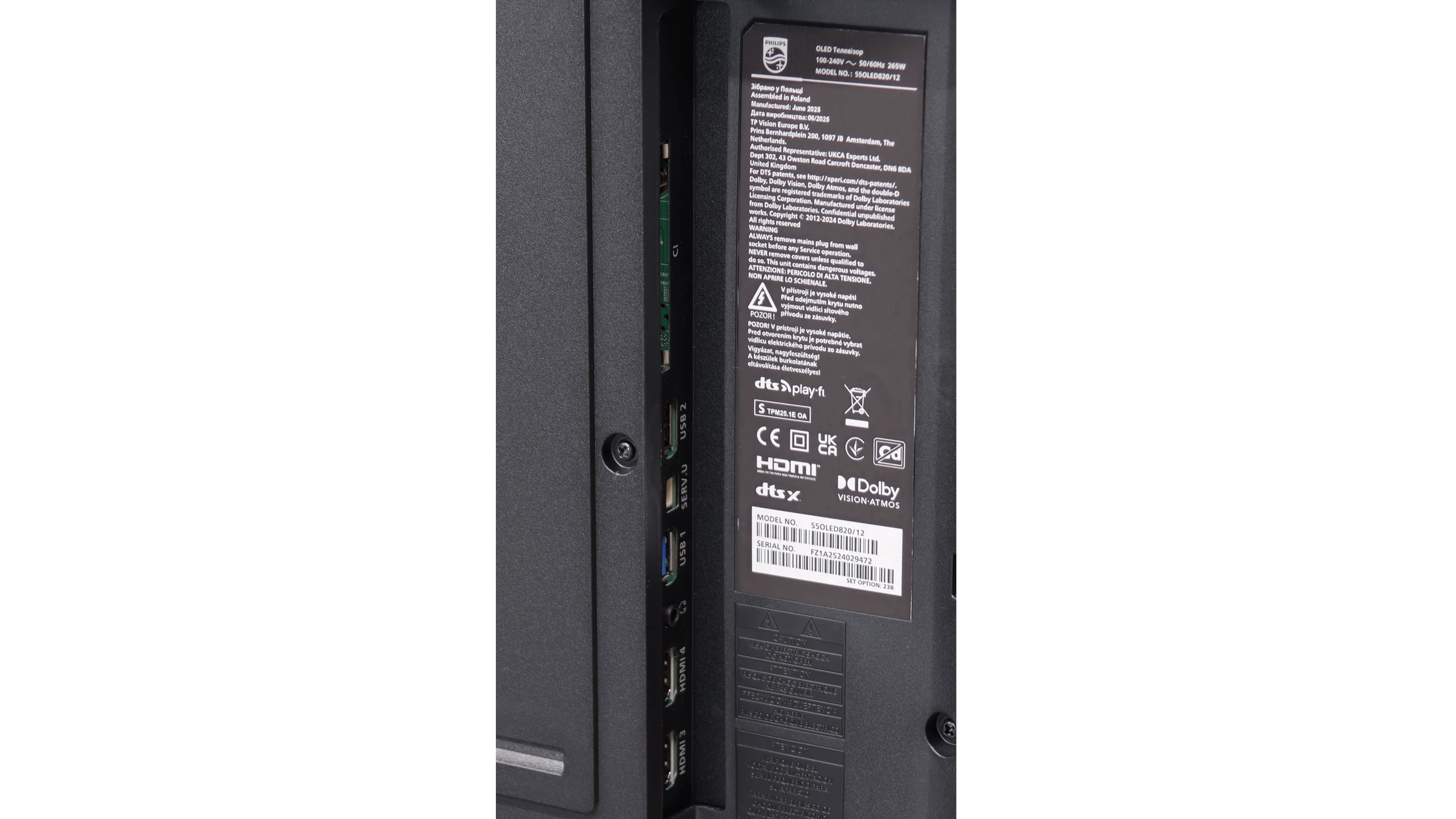
- HDMI inputs2 x HDMI 2.0, 2 x HDMI 2.1 48Gbps0 x HDMI 2.0, 4 x HDMI 2.1 48Gbps
- OutputsToslink (Optical audio), eARC (HDMI), ARC (HDMI), Mini-Jack (Headphones)Toslink (Optical audio), eARC (HDMI), ARC (HDMI), Mini-Jack (Headphones)
- Network InterfacesWi-Fi 2.4GHz, Wi-Fi 5GHz, Ethernet (LAN) 100MbpsWi-Fi 2.4GHz, Wi-Fi 5GHz, Ethernet (LAN) 100Mbps
- TV receptionDVB-T, DVB-T2, DVB-S, DVB-S2, DVB-CDVB-T, DVB-T2, DVB-S, DVB-S2, DVB-C
Classic features:
- Recording to USB (terrestrial TV)

- Recording programming
- Picture in Picture (PiP)
- RF remote control (no need to aim)
- Backlit remote control
- Teletext
- Audio only mode
- Bluetooth headphones support
- Simultaneous Bluetooth headphones & TV audio
Smart features:
- AirPlay
- Screen mirroring (Windows Miracast)
- Voice search
- Voice search in native language
- Ability to connect a keyboard and mouse
GoogleTV on OLED820
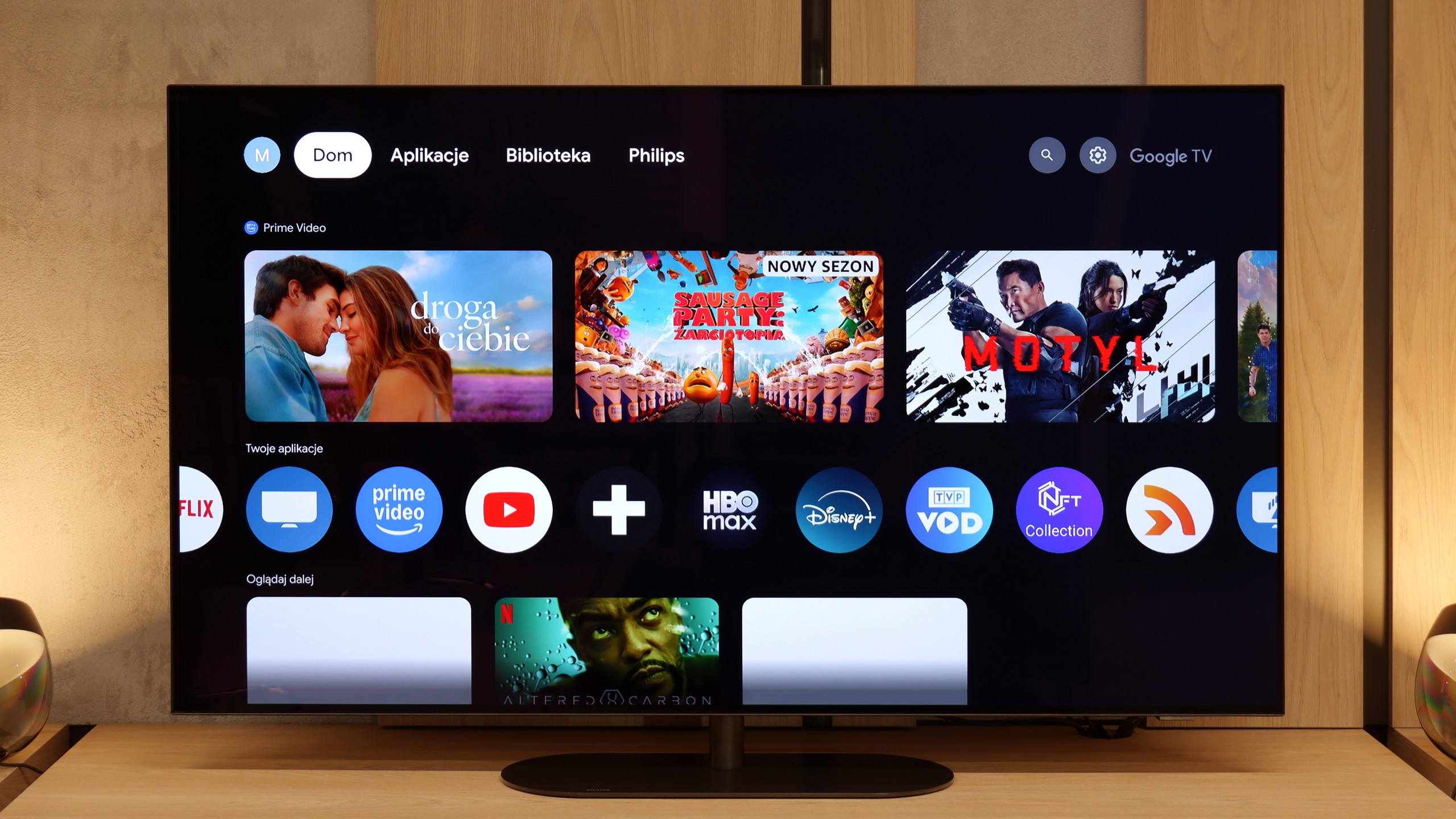
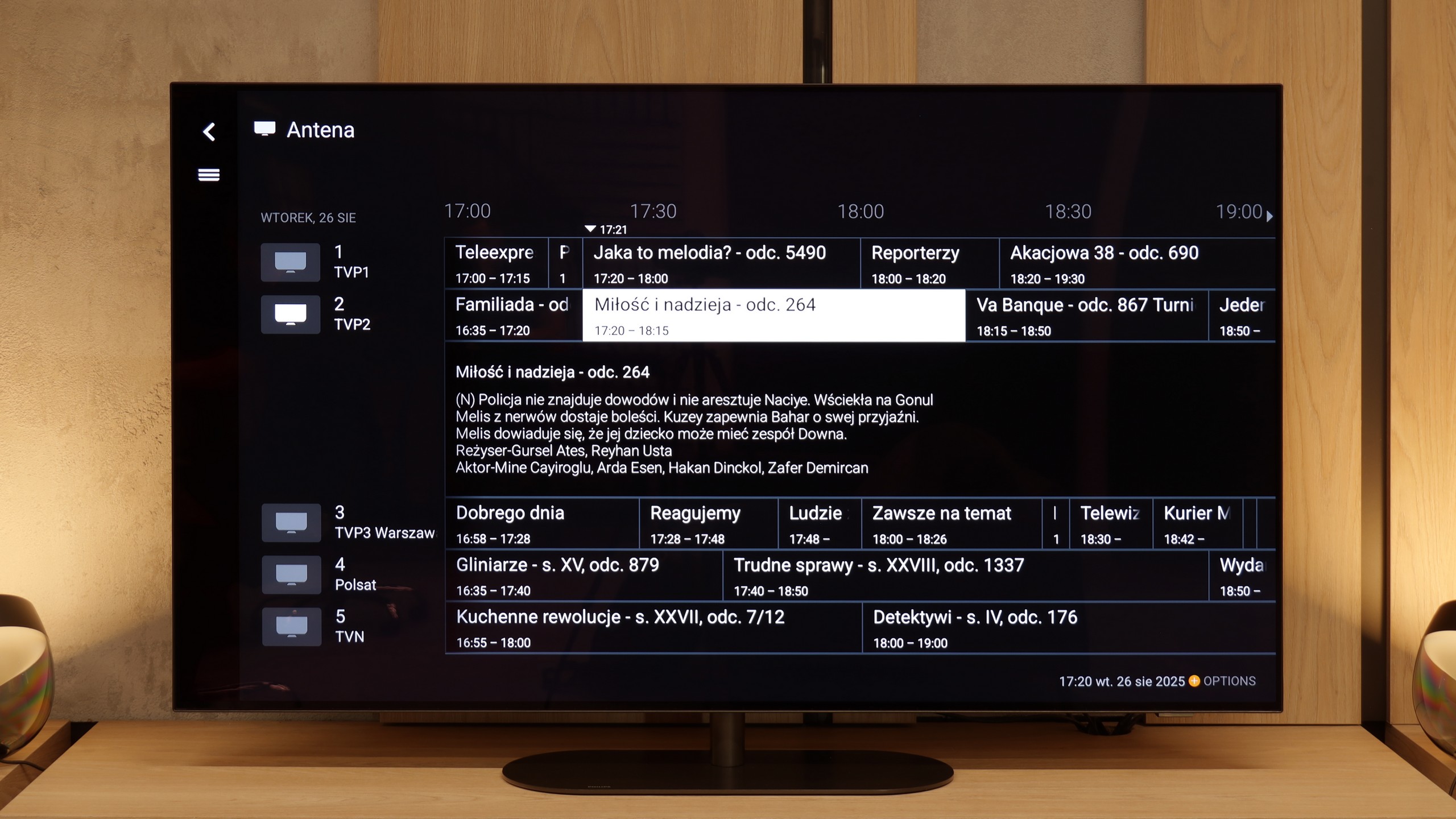
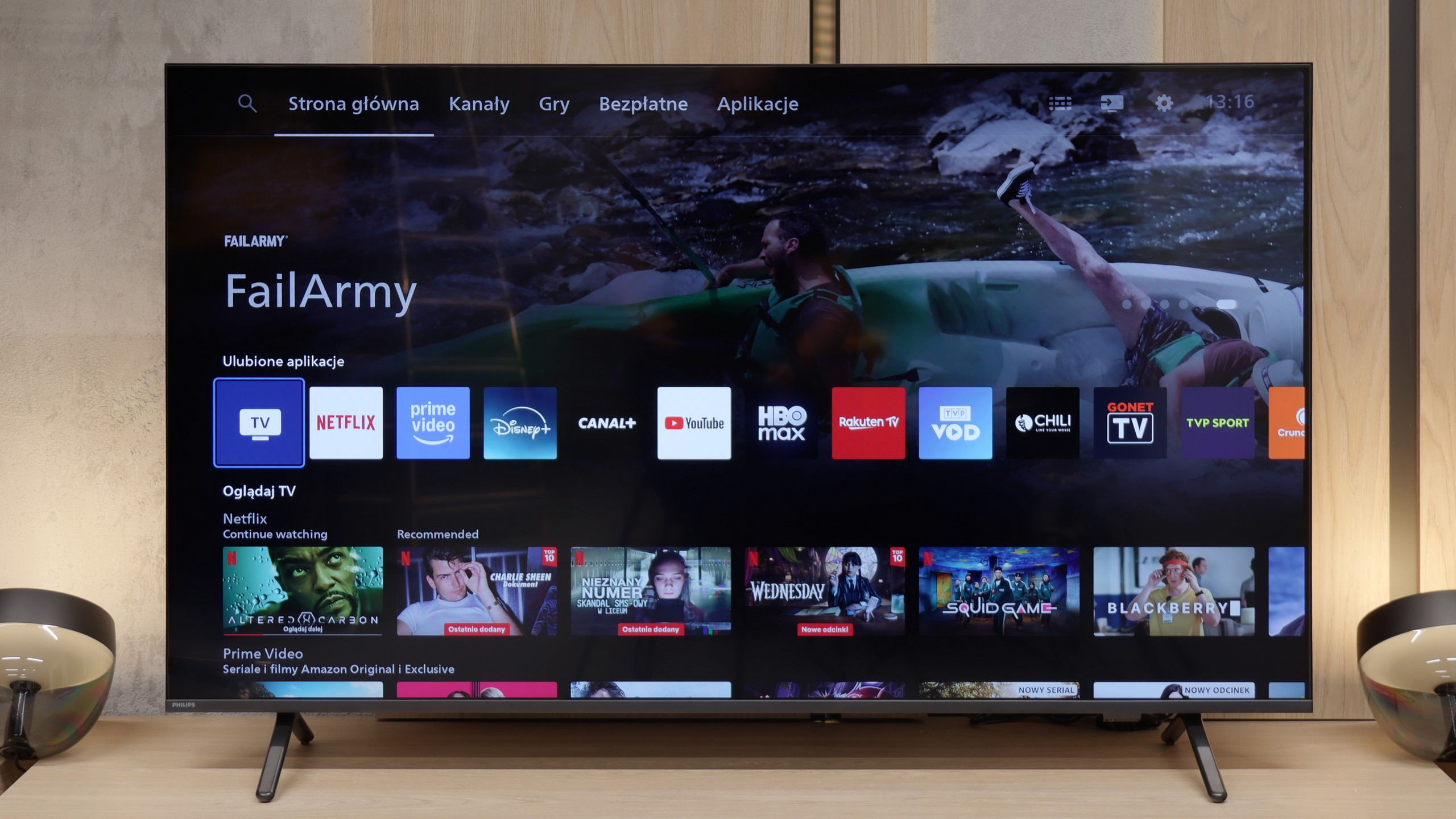
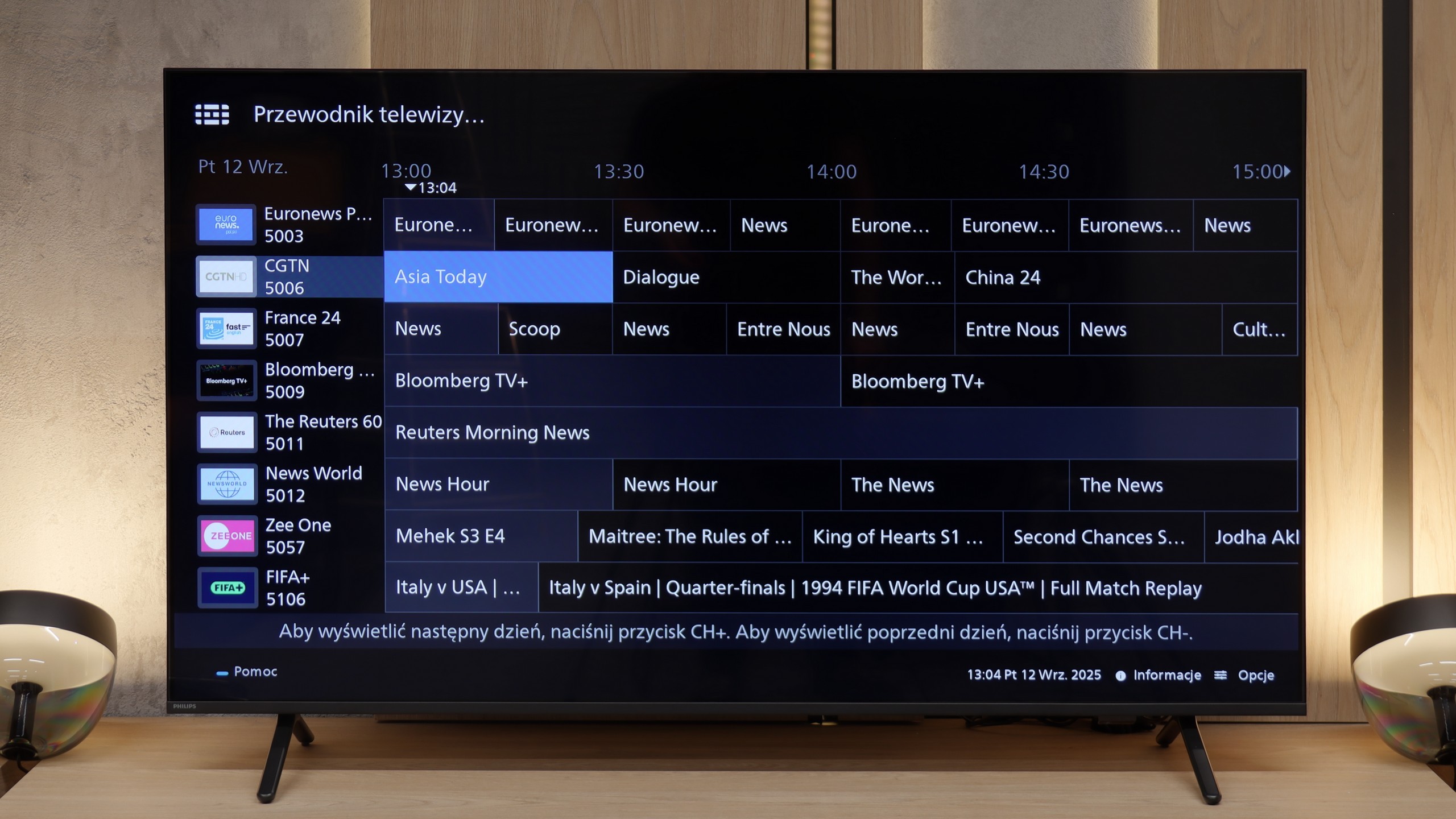
Philips OLED820 runs on the Google TV system, which immediately places it among the televisions that truly offer freedom of use. It's a fantastic platform that needs no introduction – you'll find almost an endless number of apps, from popular VOD services to niche programs or games. Google TV also allows you to customize the home screen, tailoring content to your preferences, so the television actually "learns" your viewing style. A huge plus is also Google's voice assistant – quick, natural, and effective. It can understand even less obvious questions, and in practice, it works significantly better than many competitors. Unfortunately, there was a hiccup – the screen mirroring function simply didn’t work during testing. This can be considered a minor issue, but in 2025, things like this just shouldn't happen.
Classic Features of OLED820
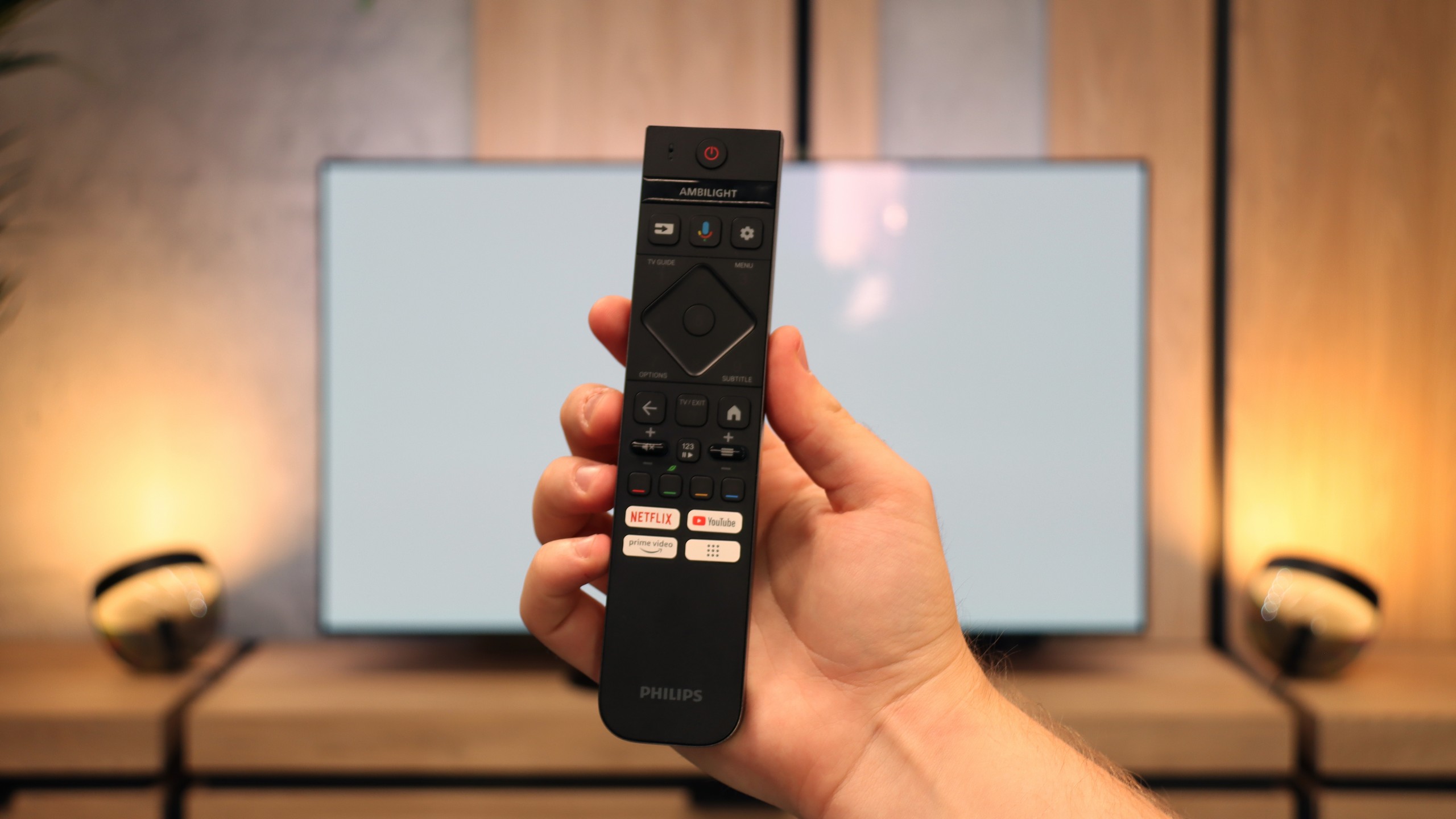
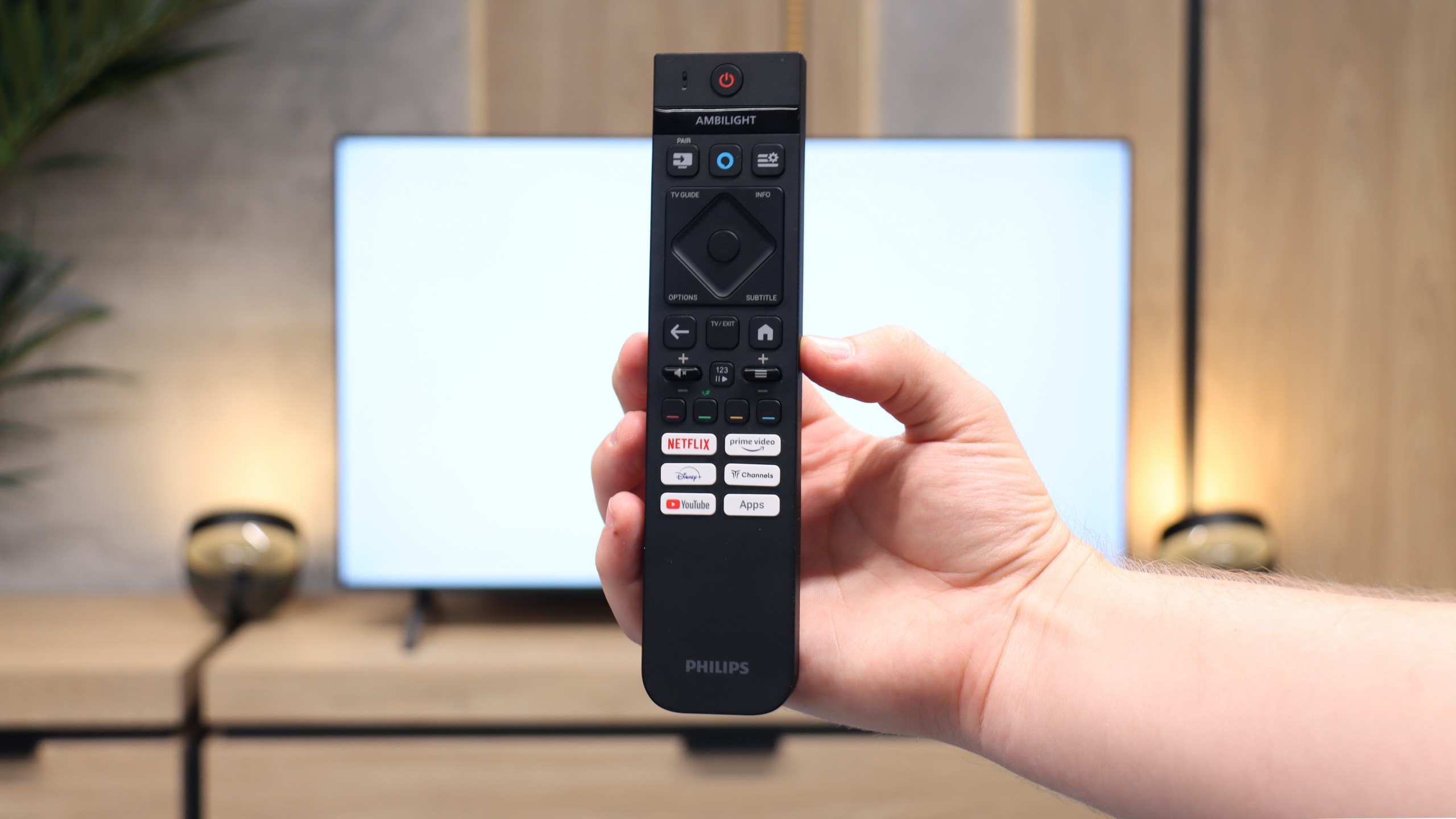
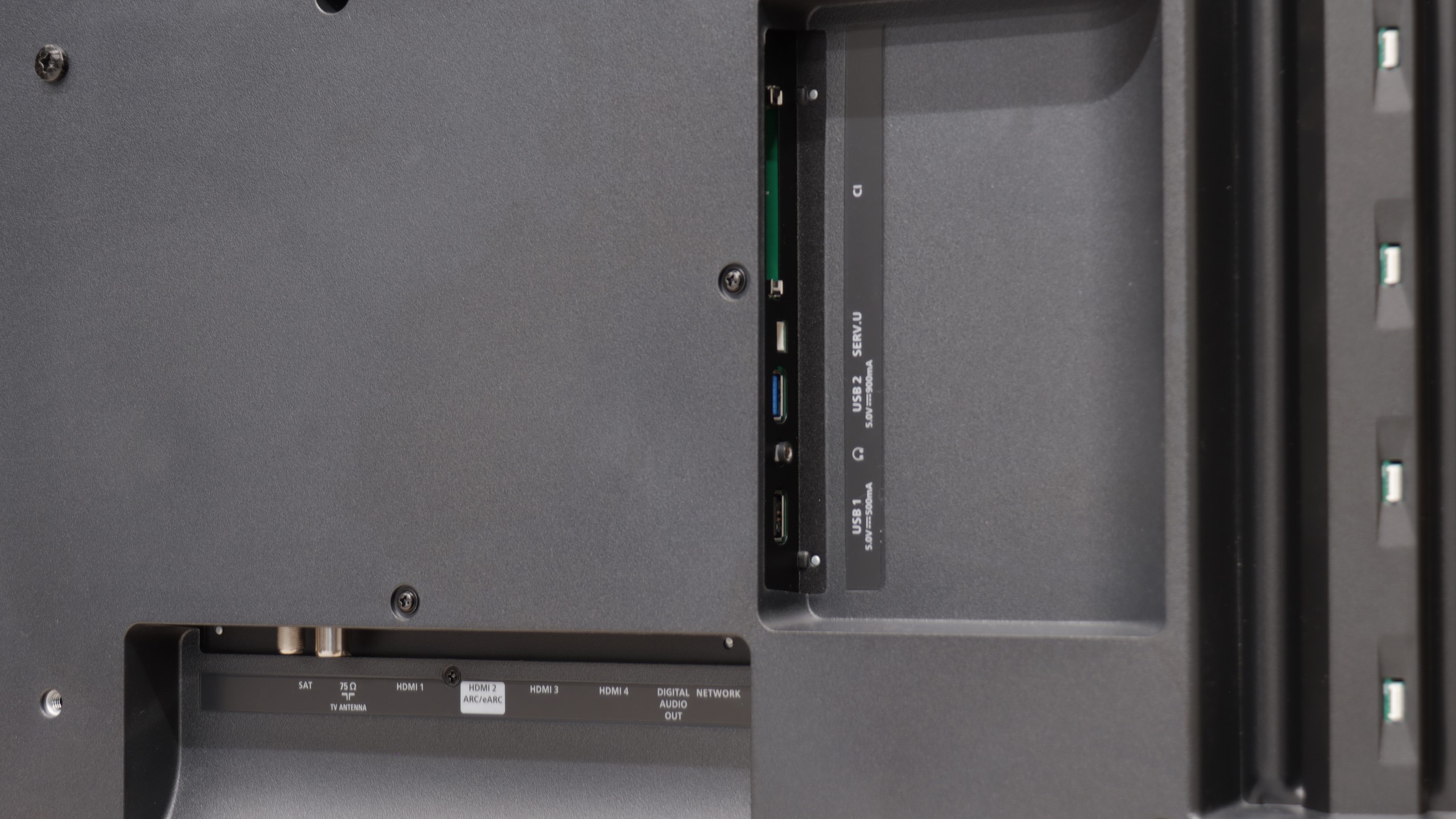
When it comes to classic additions, the OLED820 doesn't strive for conservative notes. On one hand, we get a backlit remote control with a numeric keypad that is quite well organized and comfortable to use. On the other hand, you have to aim it at the screen because it operates on infrared, which is more reminiscent of equipment from a decade ago than a modern television. It also lacks a few features that are often found in competitors – there's no USB recording from tuners or a PiP mode. A nice touch among classic solutions is the mini jack analog input for headphones. This is a rarity today, and it can prove useful – whether for a senior with an additional headphone station or for someone who would like to connect older speakers.
AmbilightTV OLED820
You also can't overlook Ambilight, a feature that is a hallmark of Philips. This solution impacts not only the television's appearance but also the reception of content. The lighting system can be set in various ways, from a multicolored mode that dynamically follows the image to calmer, static backlighting. We definitely recommend the latter option because the gentle light behind the screen makes the viewed content combined with the OLED matrix look even deeper and more engaging. It's a simple yet very effective addition that has given Philips televisions character for years.
Smart TV – Titan OS
Philips MLED920 uses the proprietary Titan OS, which is just beginning its journey in the TV market, and unfortunately, this is evident at every turn. On one hand, we have basic features – such as support for AirPlay or the ability to mirror the screen from a smartphone, but on the other hand, its limitations quickly become apparent. Screen mirroring works only with a phone, but not with a laptop. Voice search? Yes, but it is only supported by Amazon Alexa and in languages supported by this assistant. The system runs fairly quickly, but every now and then it can "fail" and gives the impression of something unfinished, still developing.
Classic TV Functions
Titan OS does not pamper in terms of classic TV functions either. Besides the hybrid remote with a numeric keypad – which, although illuminated and cleverly designed in two modes, unfortunately works via infrared – we won't find anything that could truly distinguish the MLED920 from the competition. There is no USB recording or PiP function, and such solutions could be useful in this class. From unusual additions, we have an analog output in the form of a jack, which allows connecting headphones or older speakers. It’s a small nod to users who still use older equipment.
Ambilight TV
What definitely diverts attention from the shortcomings of Titan OS is the unique, three-sided Ambilight system. Here, Philips still plays in its own league and can amaze those who have not encountered this addition. The colorful lighting that responds to screen content gives screenings a unique atmosphere and is something that the competition does not offer in a similar form. It is Ambilight that is meant to ensure that other issues – both system and functional – take a back seat.
Apps
9.6/10
6.7/10






















Playing files from USB
9.5/10
8.5/10
Supported photo formats:
Maximum photo resolution:
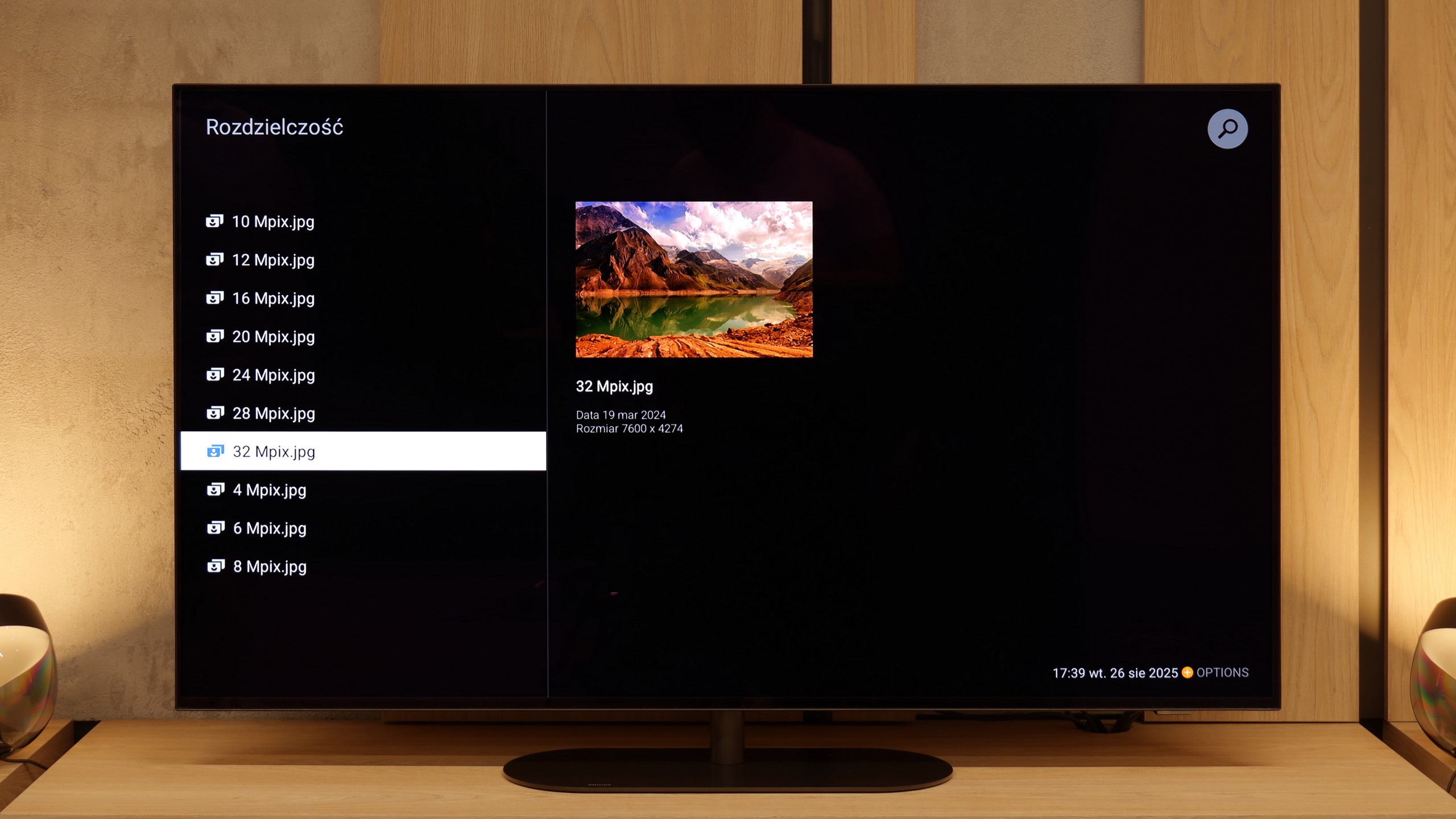
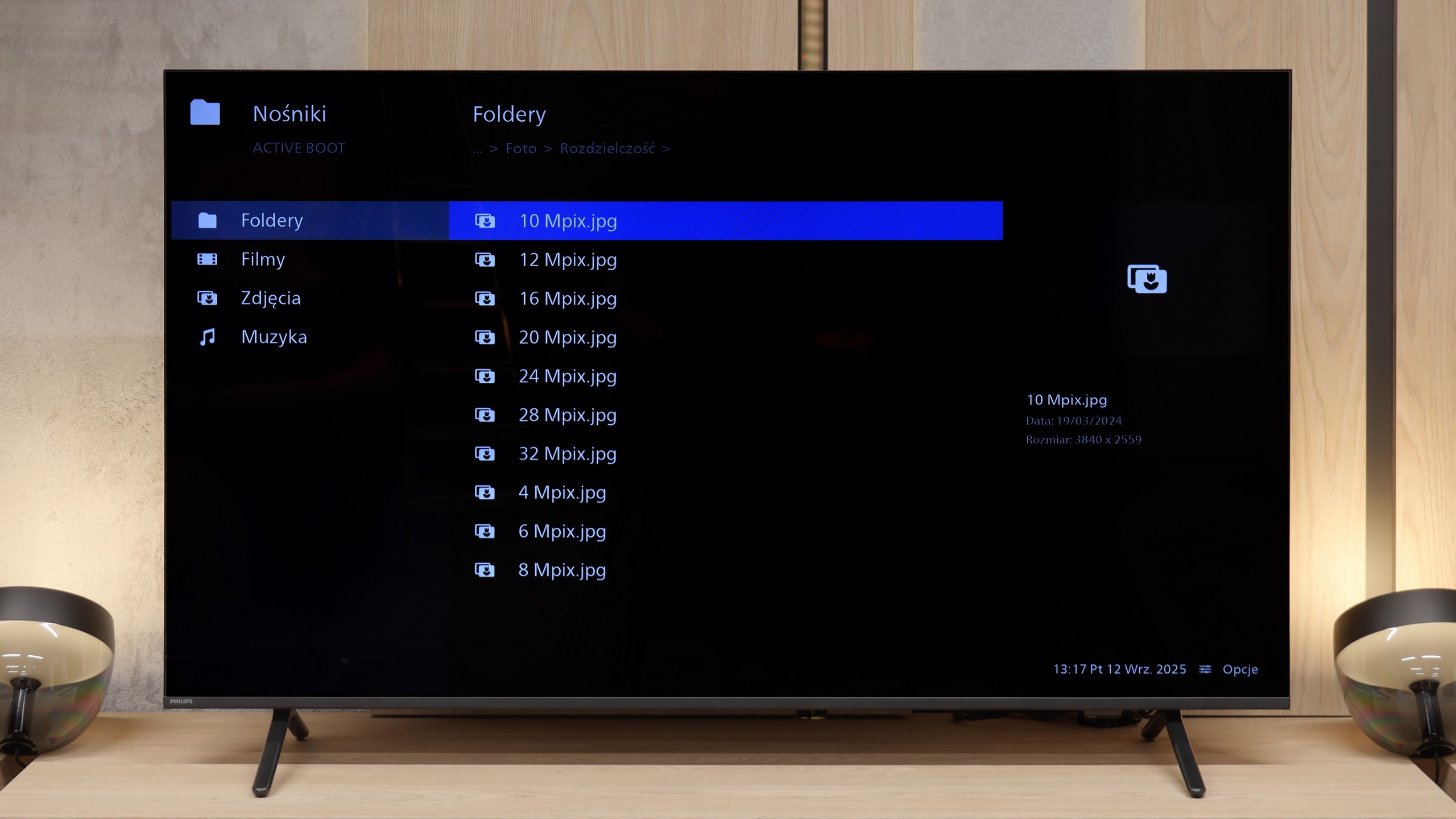
The Philips OLED820 has a built-in file player with USB, which at first glance looks quite clunky, but in practice, it works surprisingly well. One could even say that it is one of the best built-in players available in televisions. It handles virtually every type of file: photos, videos, or music, with minor exceptions, most of which are also not supported by the competition. And if someone still feels something is missing, there is always the option to install the VLC app from the Google Play library and the problem disappears.
The built-in player in the Philips MLED920 works quite well and handles most popular audio and video files without major issues – exactly as you can see in our test table. There is no need to worry about typical movie or music formats. We can only nitpick about the somewhat selective support for photo formats and certain resolutions.
Sound
7.7/10
6.2/10
- Maximum volume81dB88dB
- Dolby Digital Plus 7.1
- Dolby True HD 7.1
- Dolby Atmos in Dolby Digital Plus (JOC)
- Dolby Atmos in Dolby True HD
- DTS:X in DTS-HD MA
- DTS-HD Master Audio
The Philips OLED 820 features a built-in 4.1 speaker system with a total power of 70 W. At the back of the chassis, there is a subwoofer that provides quite solid and deep bass. The classic speakers responsible for the rest of the range are located at the bottom of the television, which means that the sound does not always propagate as we would like. However, the overall sound quality can be considered acceptable – series, television programs, or occasional music listening perform well, with slight bass support. This should be sufficient for daily use, although we still recommend purchasing even an inexpensive soundbar, which will significantly enhance the user experience.
The sound in the Philips MLED920 is probably not going to be the element that impresses you the most. It sounds rather flat, lacking depth and clearer bass, which means that movies or concerts don’t have the extra layer of immersion that a better audio system can provide. However, it must be noted that the volume is really decent – the TV can reach up to 88 decibels. A big plus of the MLED920 is not so much the sound quality itself, but the support for audio formats. Philips has ensured compatibility with nearly all the major standards, including Dolby Atmos, DTS, and Dolby TrueHD 7.1. As a result, if someone decides to connect an external soundbar or receiver, they will encounter no limitations and will be able to enjoy the fullness of cinematic sound.
Sound Quality Test
No sound test video
Acoustic Measurements
81dBC (Max)
75dBC
88dBC (Max)
75dBC