Before we dive into the software that controls the TV, it’s important to highlight one of the standout features of Philips OLED 809 is the multicoloured Ambilight. This unique system, positioned on the back of the device, adjusts its colours according to what's happening on the screen, enhancing immersion and overall viewing experience.
The Philips OLED 809 runs on the Google TV system, which is a significant advantage over some of the manufacturer's other models that use the proprietary TitanOS, a more closed system with fewer available apps. With Google TV, users can install virtually any application, from the store or via APK files directly from online repositories.
Additionally, Google TV offers convenient control options, such as easy integration with keyboards and touchpads for smoother typing and navigation. Voice commands can also be issued using the remote, with quick and accurate interpretation by the system.
In summary, Google TV is one of the most popular systems available today. Powered by a robust CPU, it operates smoothly and stably, without freezes or stutters. For those who want to make the most of their TV’s capabilities, Google TV offers the openness and versatility needed to enhance the overall experience.
Smart TV Features
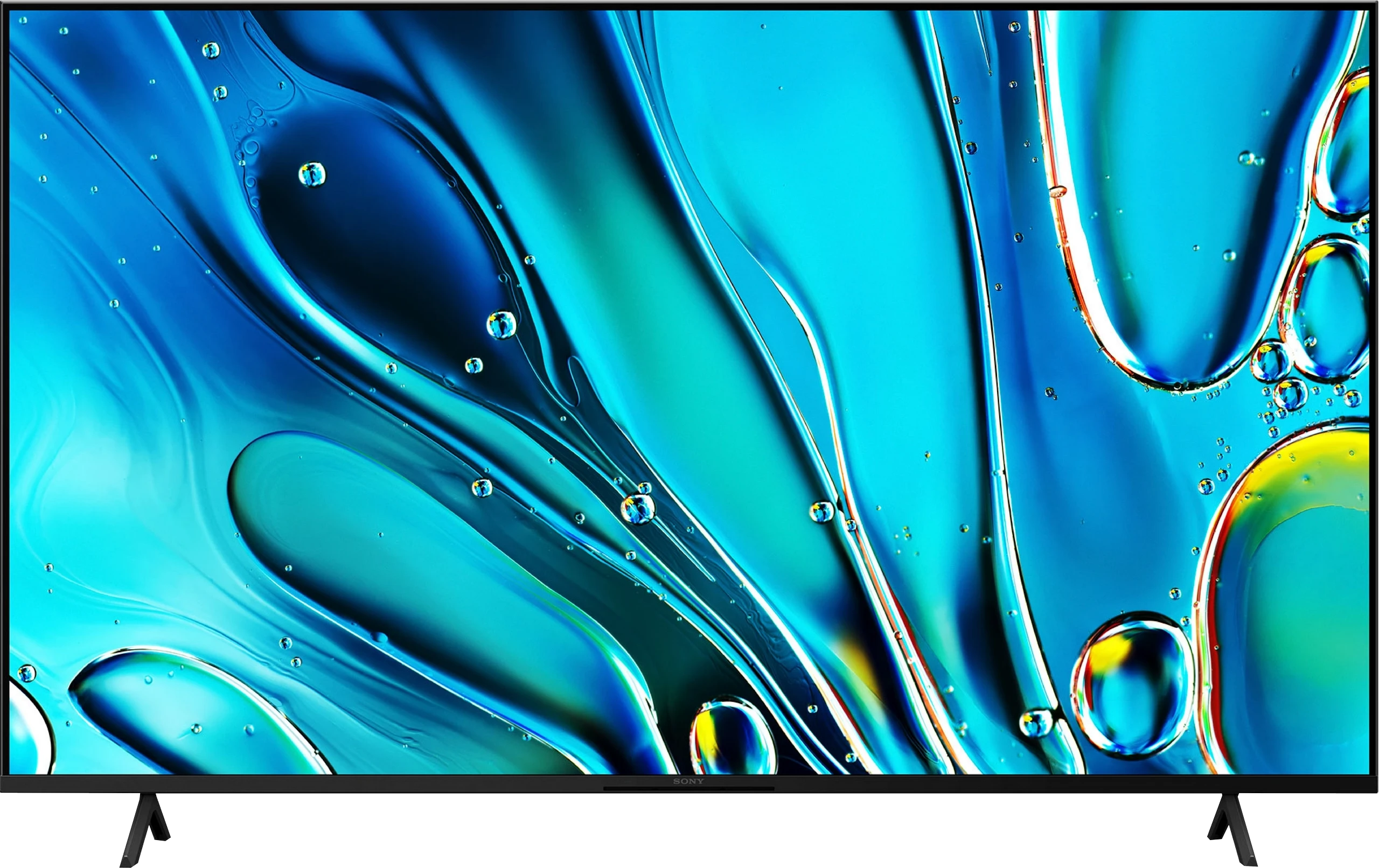
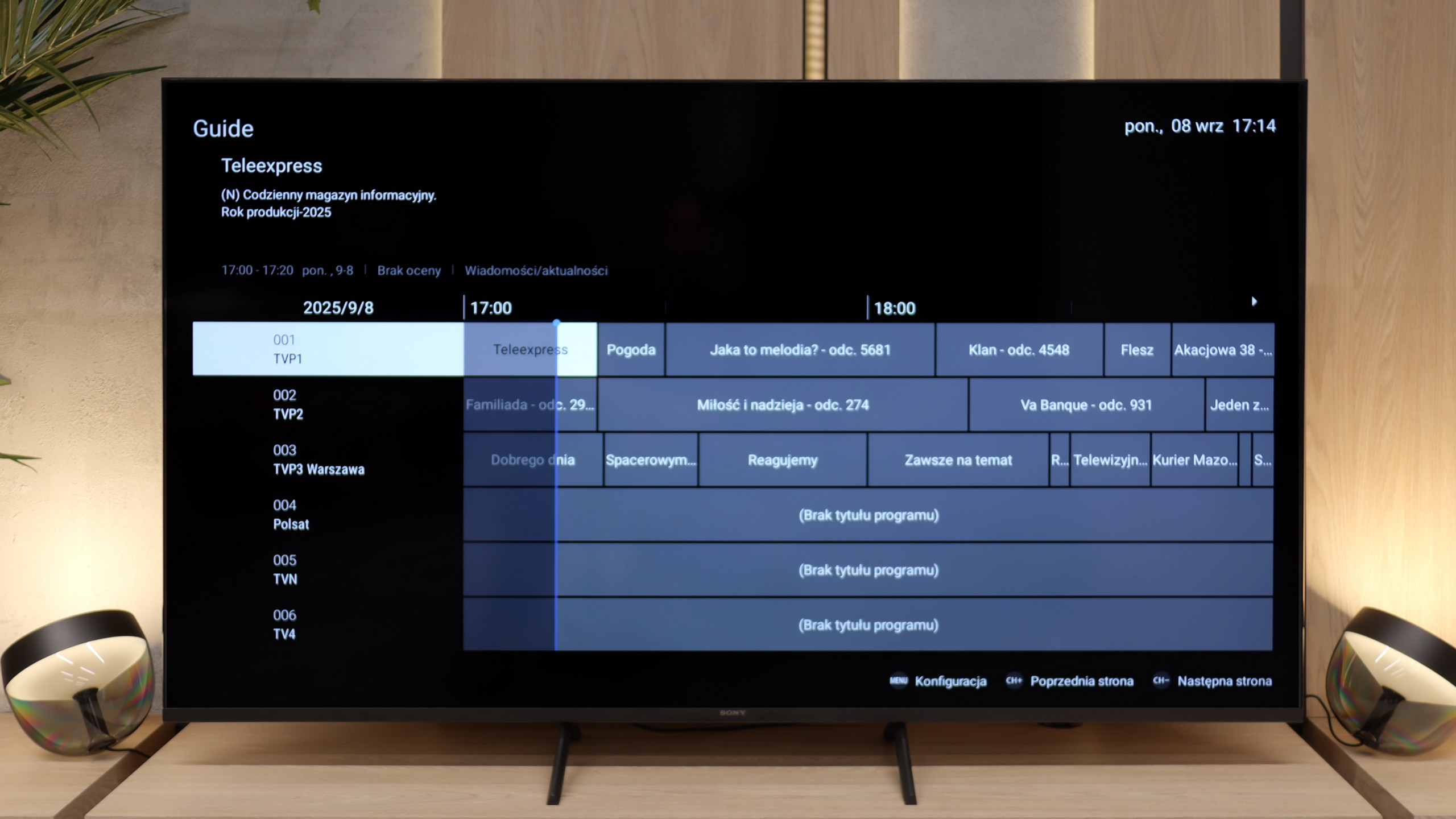
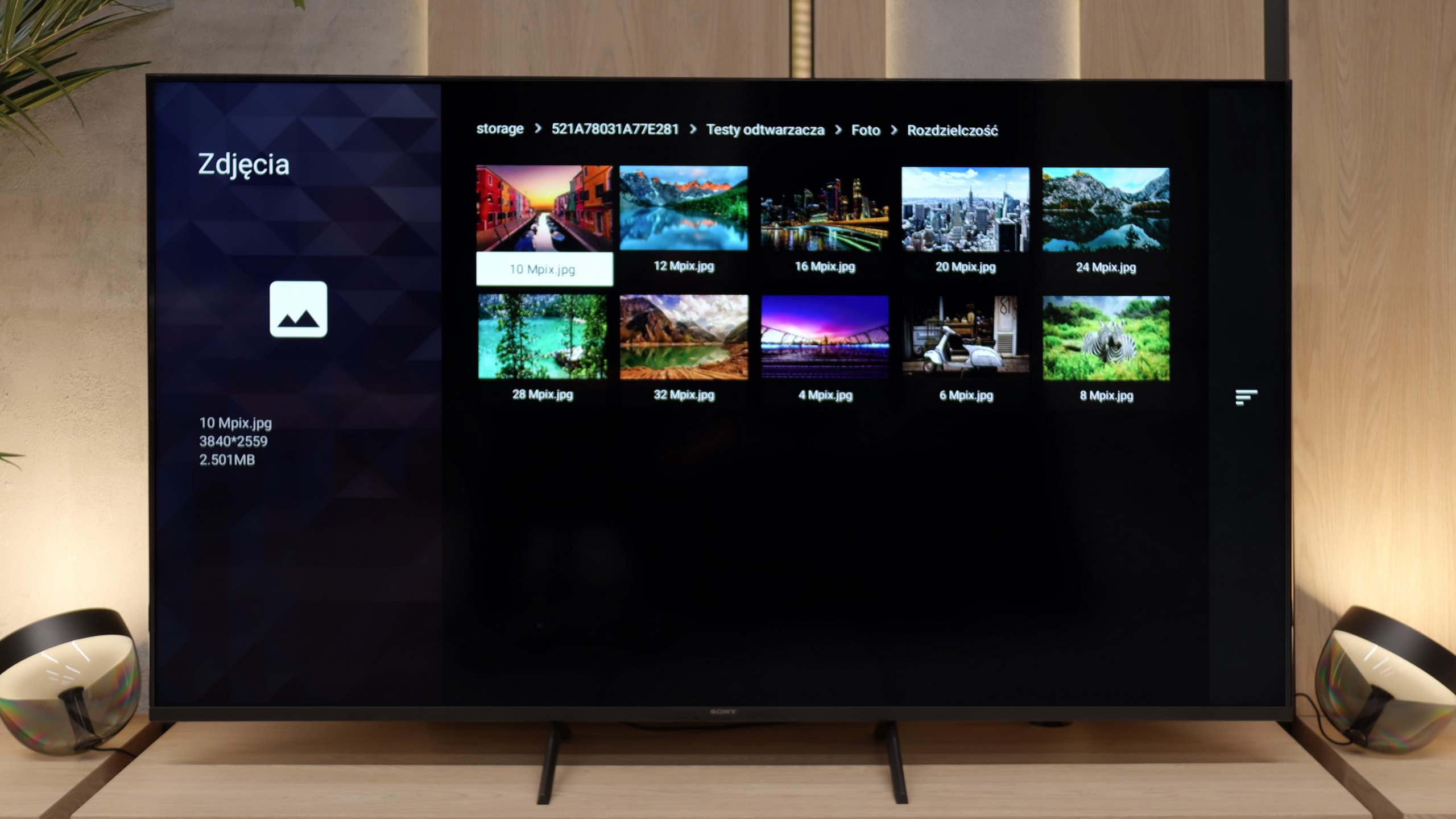
The biggest advantage of the Bravia 3 in everyday use is the presence of the Google TV system. Thanks to it, we have access to one of the largest libraries of applications and streaming services, so regardless of whether someone mainly uses Netflix, Disney+, or smaller platforms, everything is at their fingertips. The Google Assistant also worked very well, as it was able to respond to our commands quite "smartly." The Google TV system in theory should work very smoothly because Sony has been implementing it better than many cheaper competitors for years. Unfortunately, in the case of the Bravia 3, it is not as great as we would expect. During testing, we noticed slight stutters in the interface, and some functions, such as screen mirroring, simply refused to cooperate. One could get the impression that the processor in this model sometimes struggles with the demanding system, and not everything works as smoothly as we would hope.
Classic Features
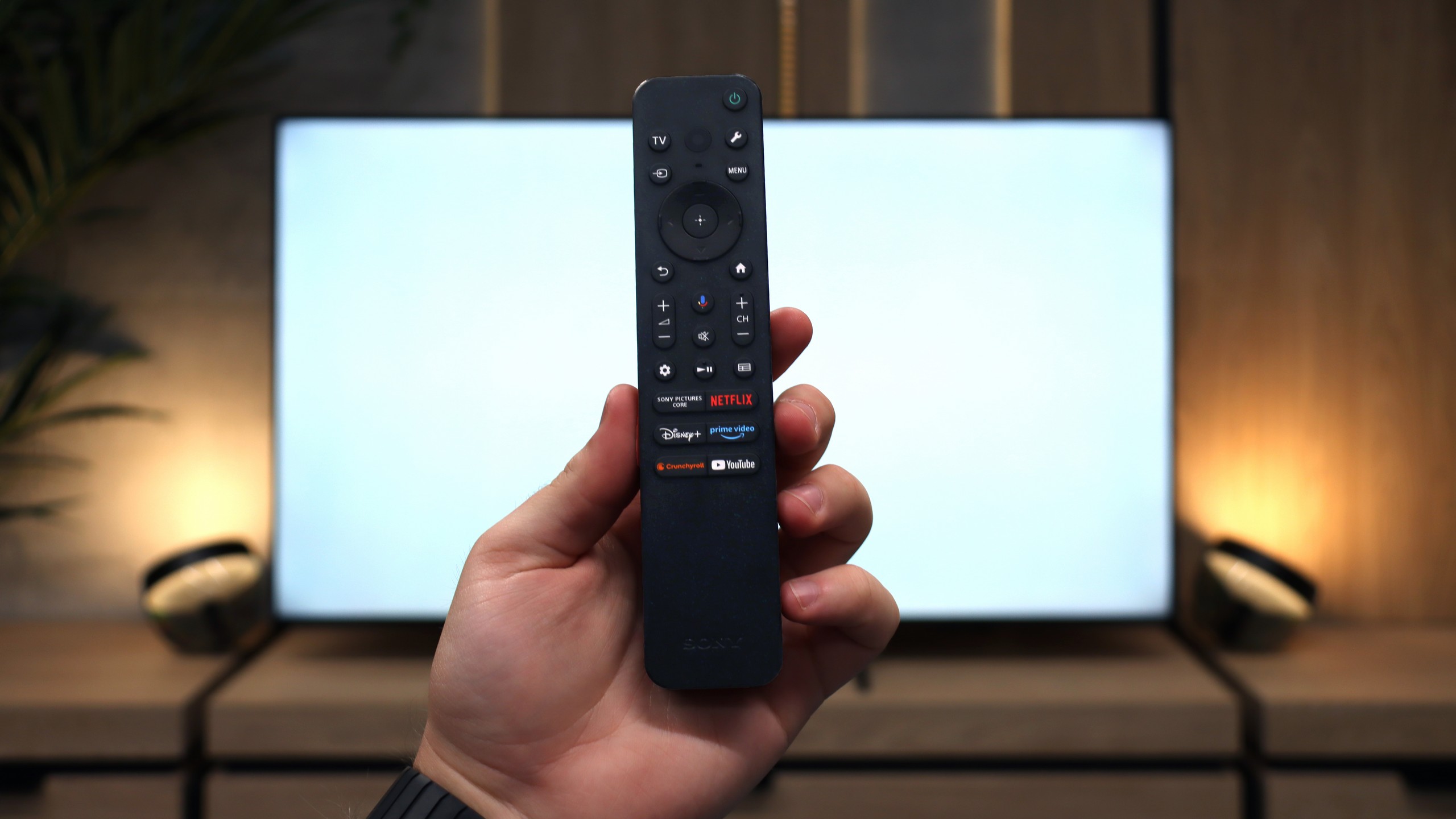
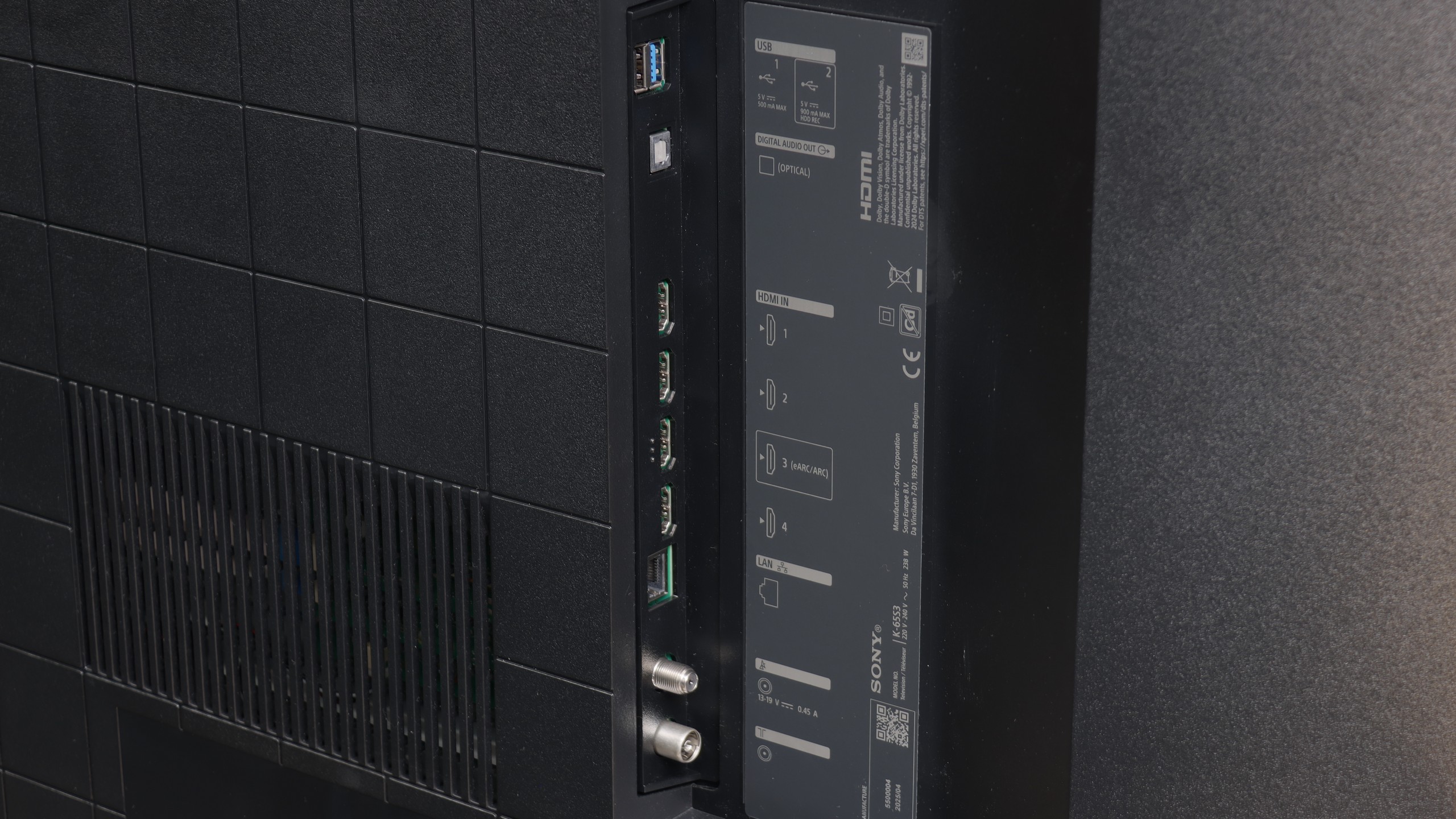
Sony, even in the cheapest series, manages to remind us of its experience with various users. In the set, we find as many as two remotes. The first is modern and minimalist, with a small number of buttons, which works great when using applications and Google TV functions. The second is a classic remote with a richer set of keys and a numeric keypad, which will be appreciated especially by older people accustomed to traditional solutions. This is a nice nod to different user groups, and it must be admitted that Sony handled this very practically. It is a pity, however, that compared to the X75WL model, the ability to record content from TV tuners to USB memory has disappeared. The manufacturer has completely eliminated this feature, so if someone was attached to it, they will unfortunately not find it in the Bravia 3.
 Direct comparison