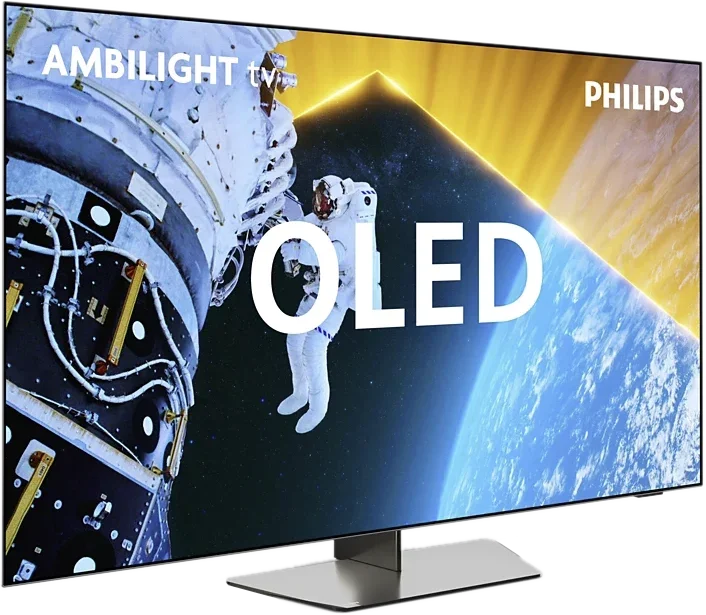
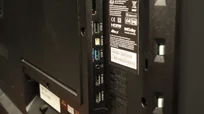
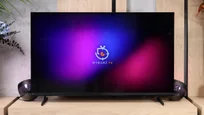
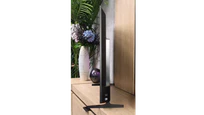
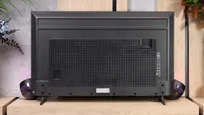
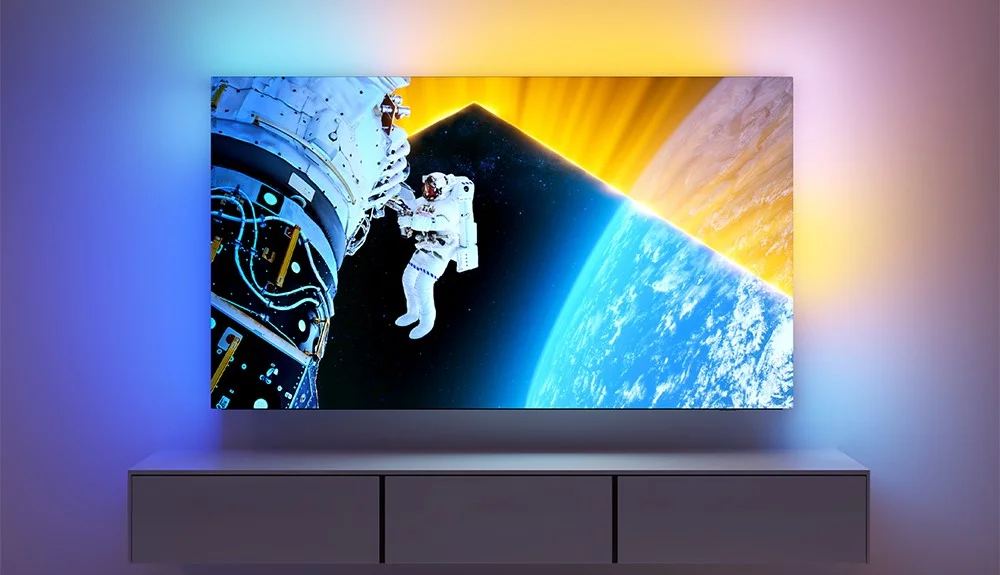
Before we dive into the software that controls the TV, it’s important to highlight one of the standout features of Philips OLED 809 is the multicoloured Ambilight. This unique system, positioned on the back of the device, adjusts its colours according to what's happening on the screen, enhancing immersion and overall viewing experience.
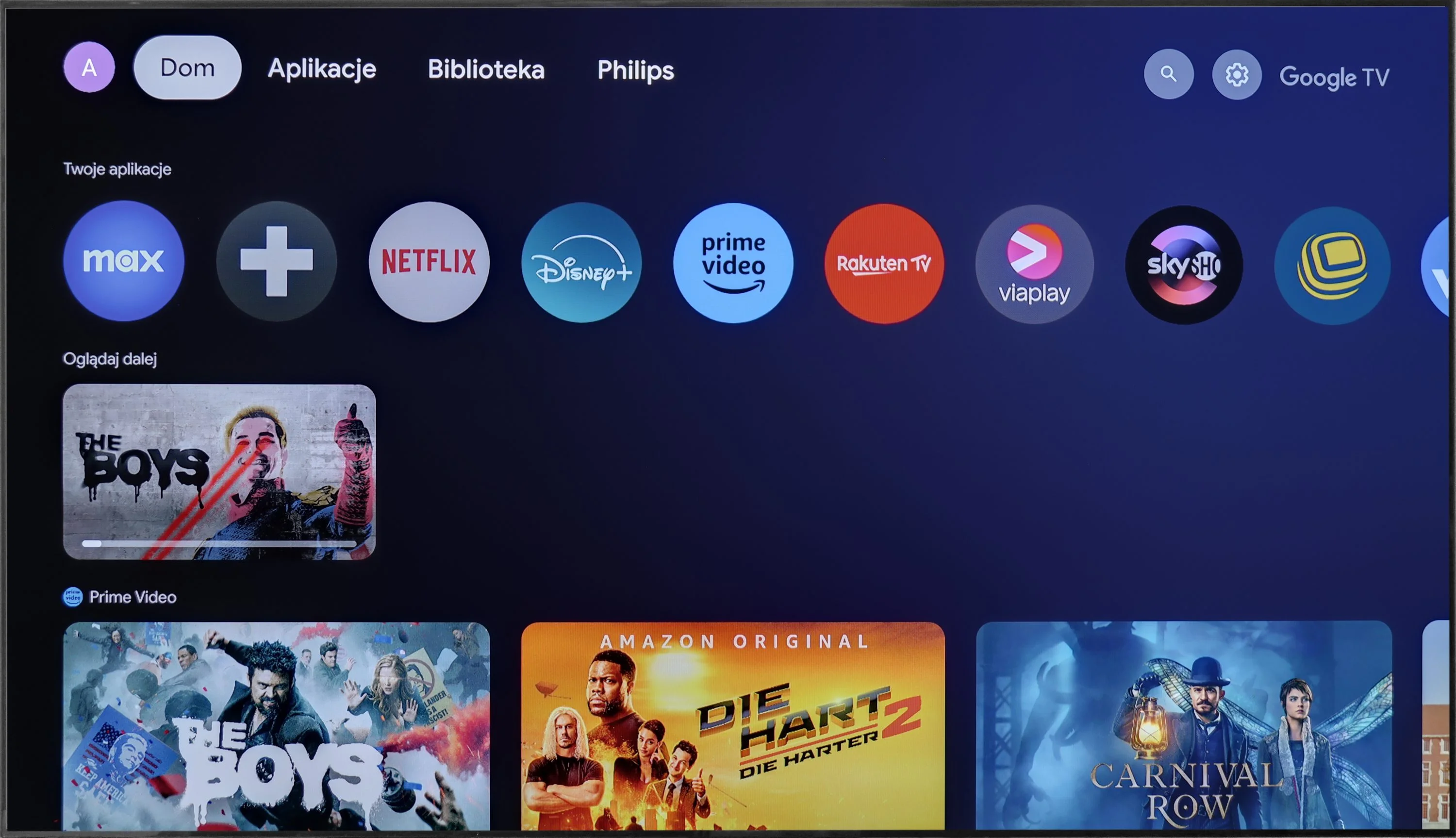
The Philips OLED 809 runs on the Google TV system, which is a significant advantage over some of the manufacturer's other models that use the proprietary TitanOS, a more closed system with fewer available apps. With Google TV, users can install virtually any application, from the store or via APK files directly from online repositories.
Additionally, Google TV offers convenient control options, such as easy integration with keyboards and touchpads for smoother typing and navigation. Voice commands can also be issued using the remote, with quick and accurate interpretation by the system.
In summary, Google TV is one of the most popular systems available today. Powered by a robust CPU, it operates smoothly and stably, without freezes or stutters. For those who want to make the most of their TV’s capabilities, Google TV offers the openness and versatility needed to enhance the overall experience.
Google TV
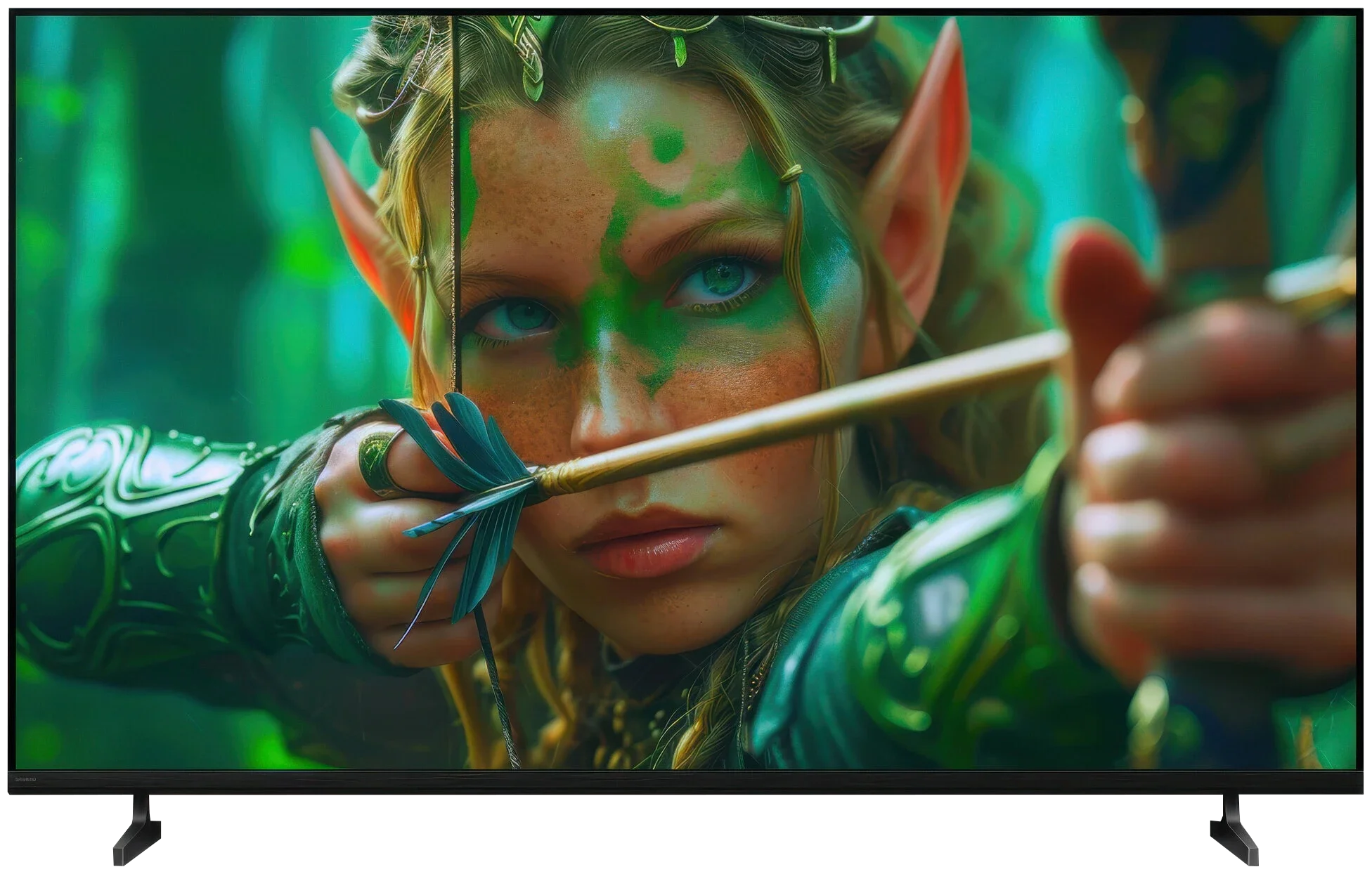
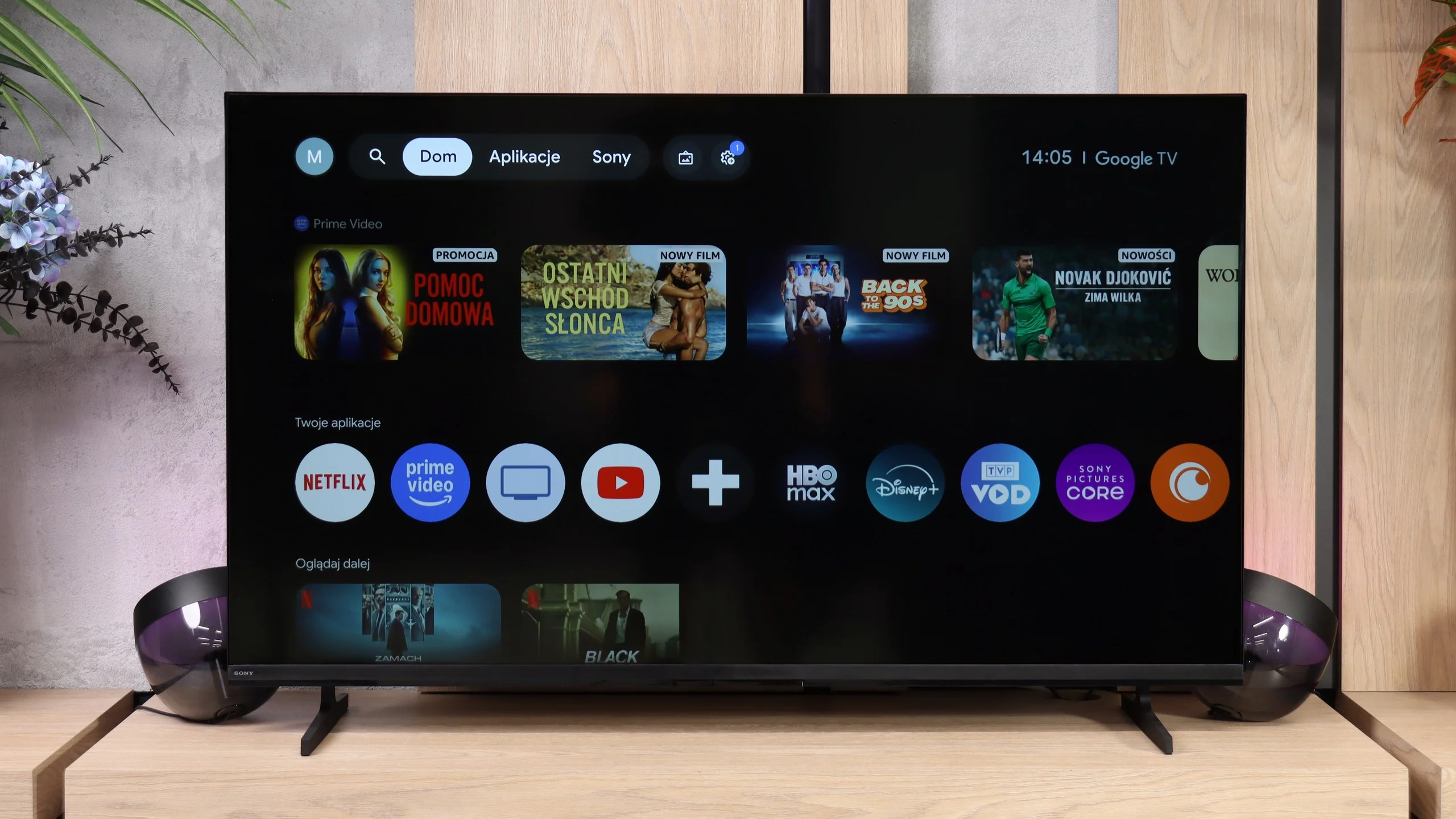
The Bravia 2 II runs Google TV, and that's definitely one of the model's stronger points. You get a huge selection of apps, so access to popular streaming services is no problem. It also has Chromecast and AirPlay, letting you easily cast content from your phone or other devices. Voice search with Google Assistant/Gemini also works very well, including in Polish. The system itself isn't among the fastest versions of Google TV we've used, and sometimes you have to wait a moment for it to respond, but overall it performs decently. In terms of capabilities, there's little to complain about, especially for one of Sony's most affordable TVs.
TV features
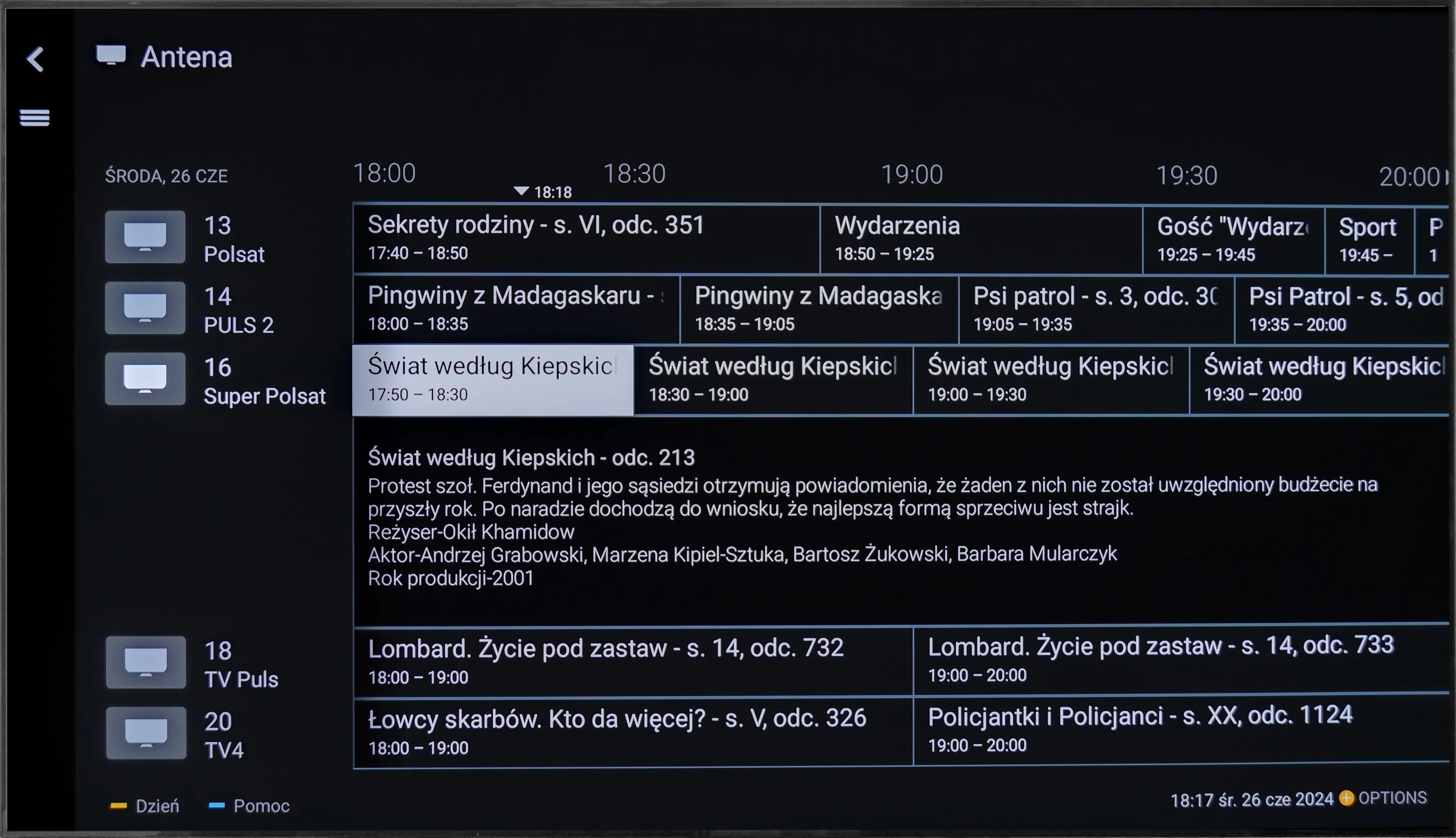
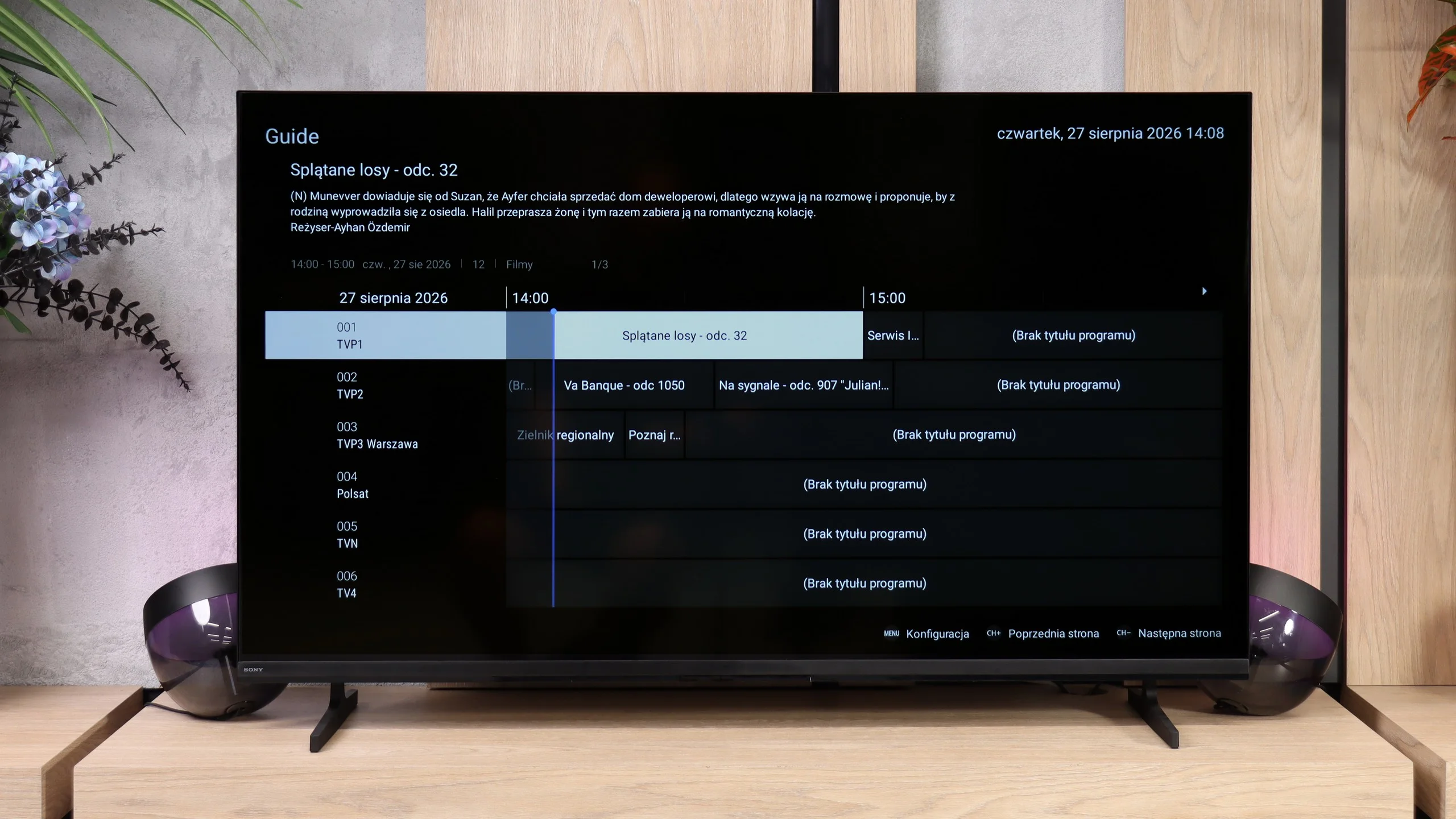
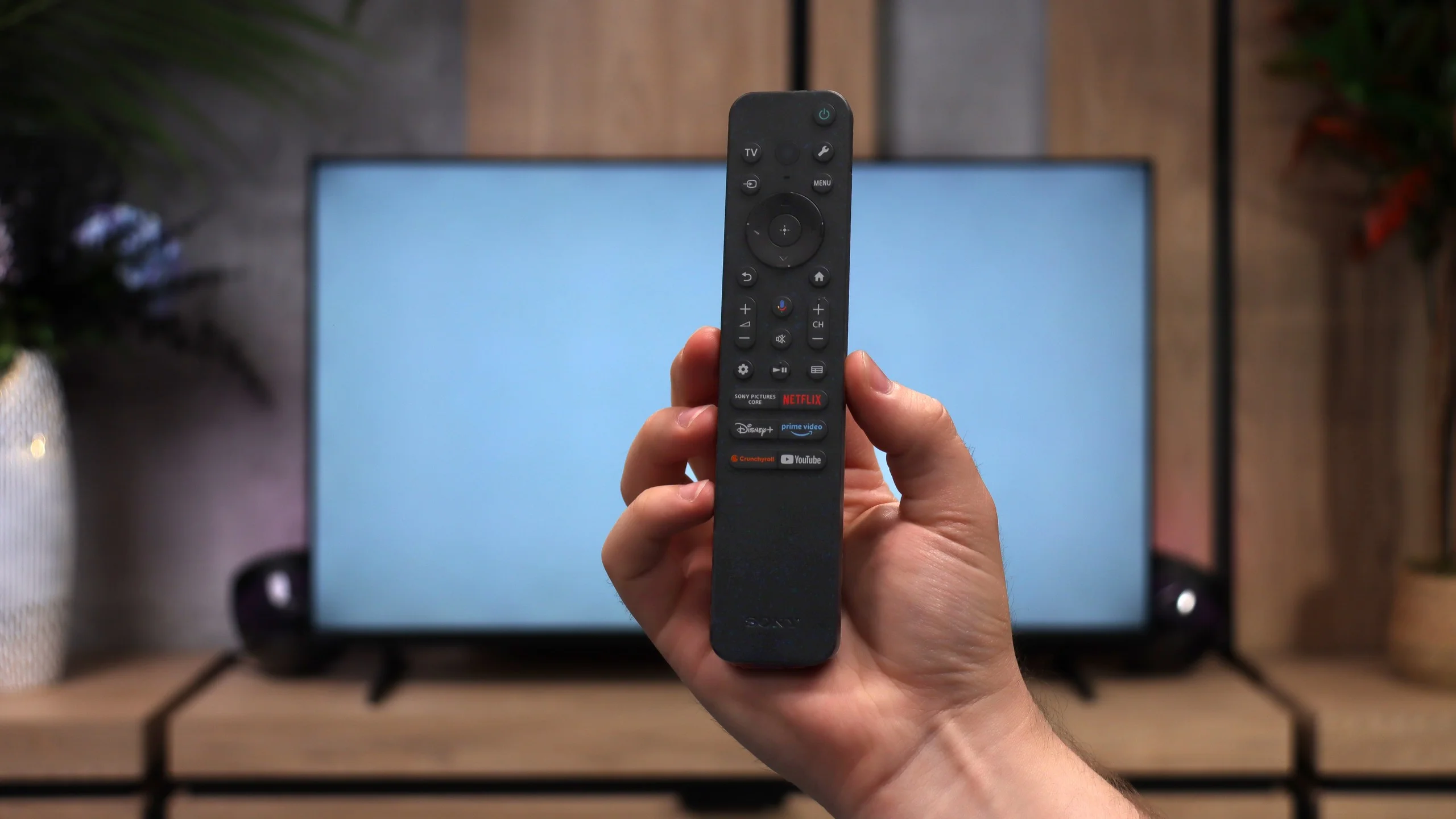
When it comes to classic TV features, the Bravia 2 II is rather modest. You won't find, for example, the ability to record programs to USB or other more advanced extras, so in that respect it's pretty basic. On the plus side, it comes with two remotes. One is modern and simpler, aimed mainly at controlling the Smart TV, while the other is a traditional remote with more buttons, which may be more convenient for people who frequently watch regular TV. The smaller one works via radio, so you don't have to point it directly at the screen, which is simply convenient in everyday use.
 Direct comparison