The Philips OLED 809 is a versatile television that caters to a wide audience. Its standout feature is the multicoloured Ambilight backlighting, which enhances immersion and engagement, particularly when watching films. As expected from an OLED TV, key aspects such as contrast, black levels, and colour reproduction are excellent, providing impressive visual quality.
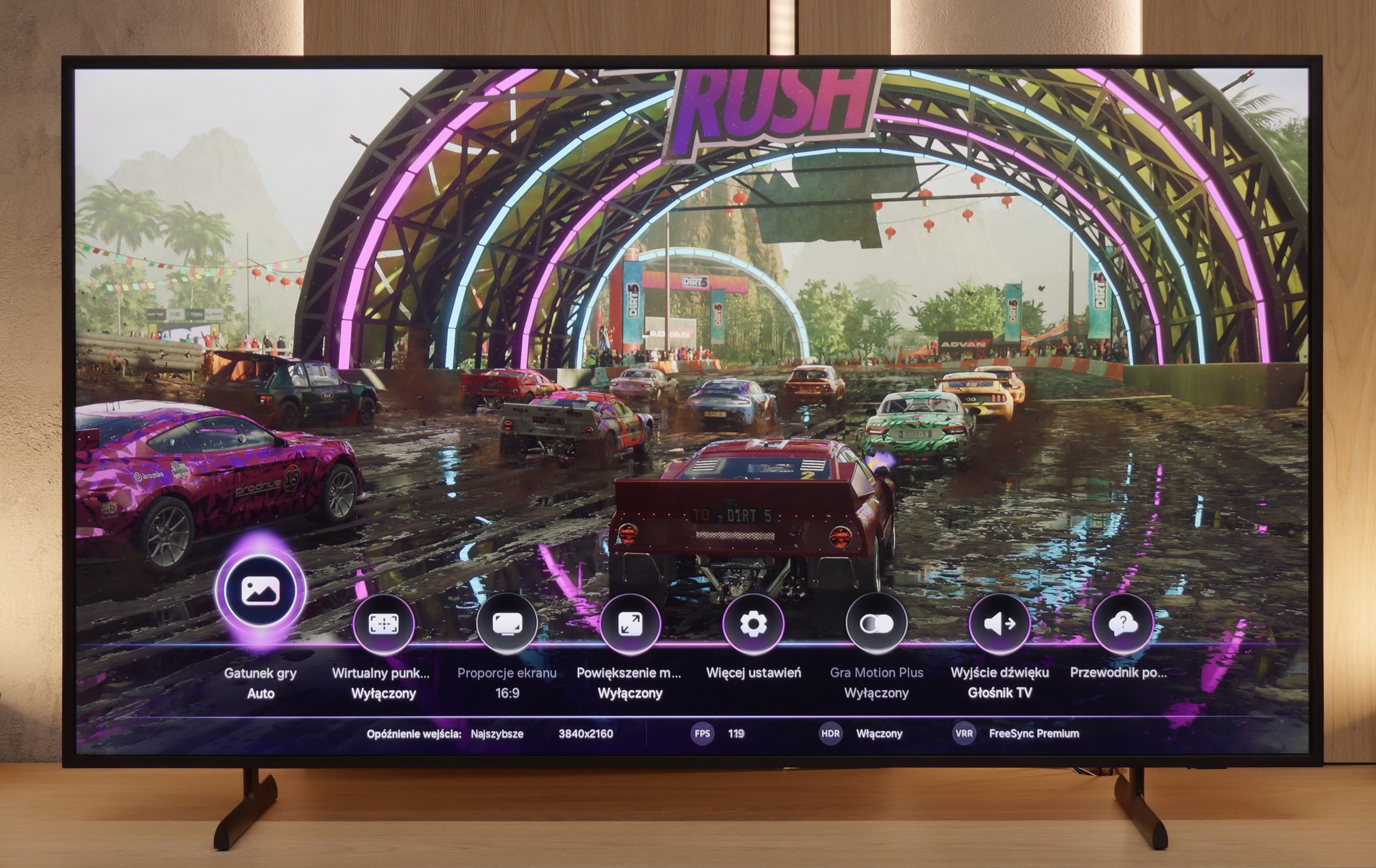
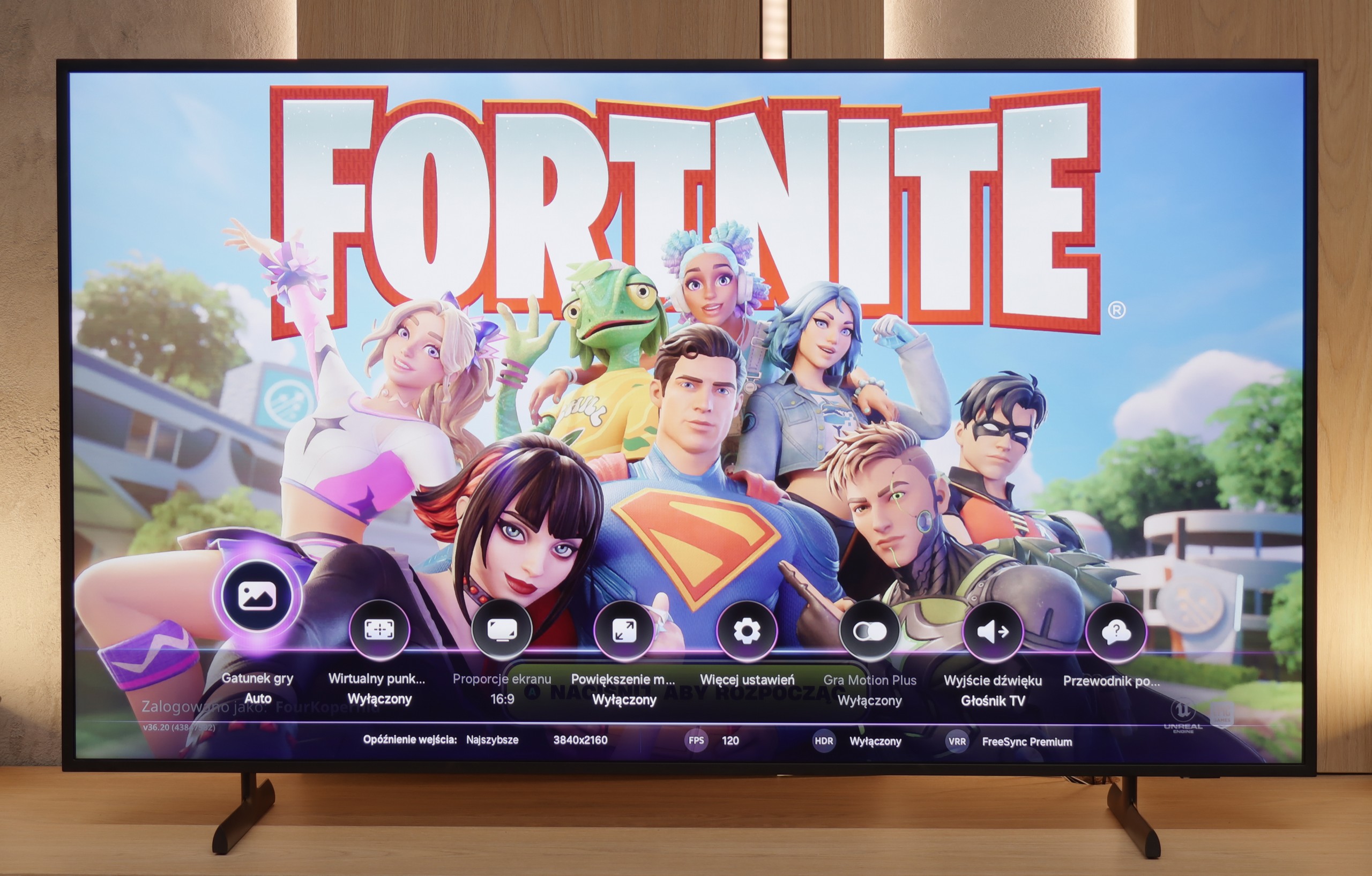
However, the television has some drawbacks, such as the quality of tonal transitions and the inconsistent operation of the dynamic tone mapping function, which can occasionally distract more sensitive viewers. Despite these shortcomings, the Philips OLED 809 excels in two key areas: gaming performance and motion smoothing. Gaming performance is particularly noteworthy, with each implemented feature functioning seamlessly to create a highly immersive experience.
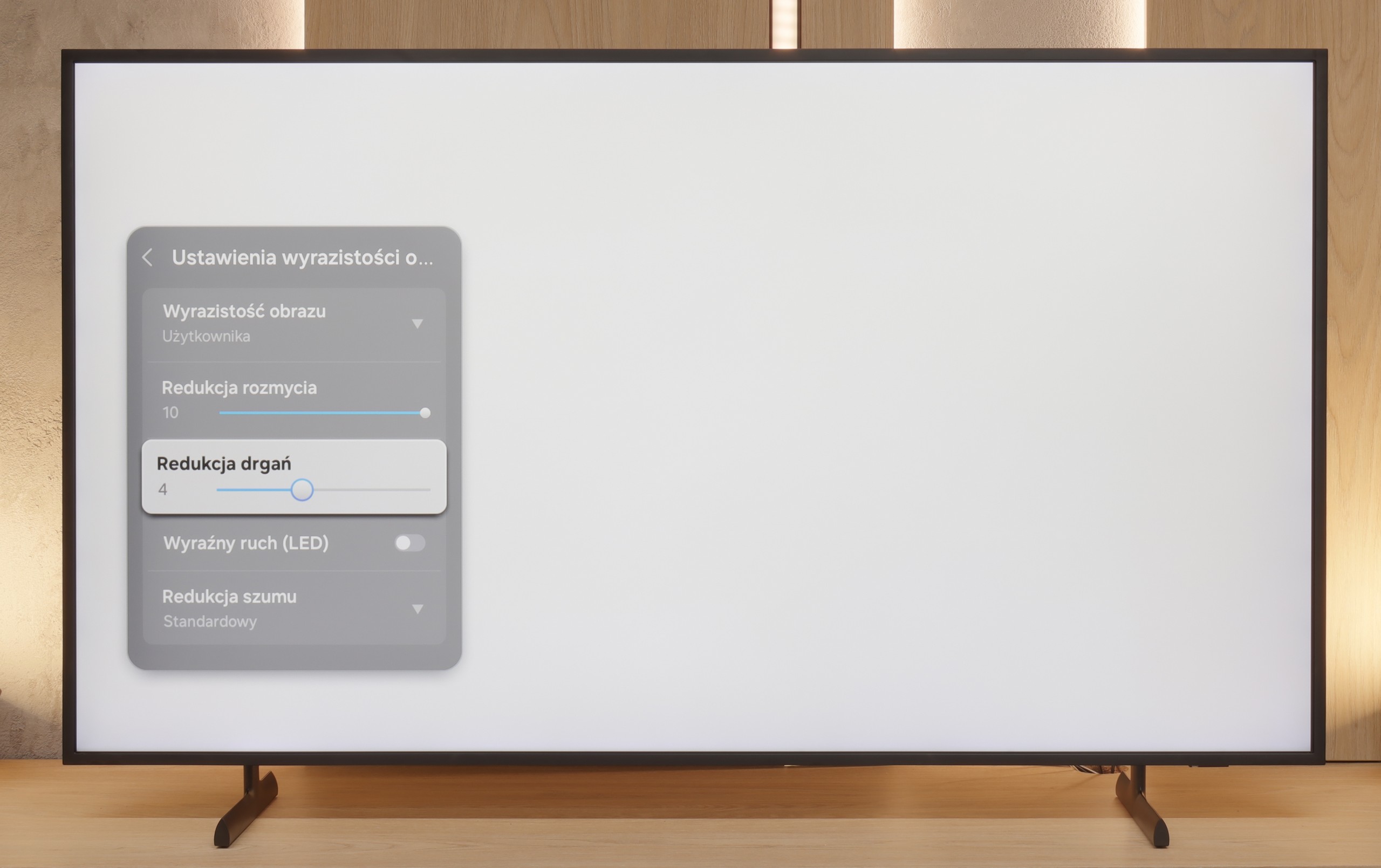
Motion smoothness is also impressive, with two effective sliders allowing users to customise the motion settings. The inclusion of the Google TV system further enhances the user experience, offering smooth and lag-free operation during tests. Overall, the Philips OLED 809 strikes a solid balance between its strengths and minor imperfections.
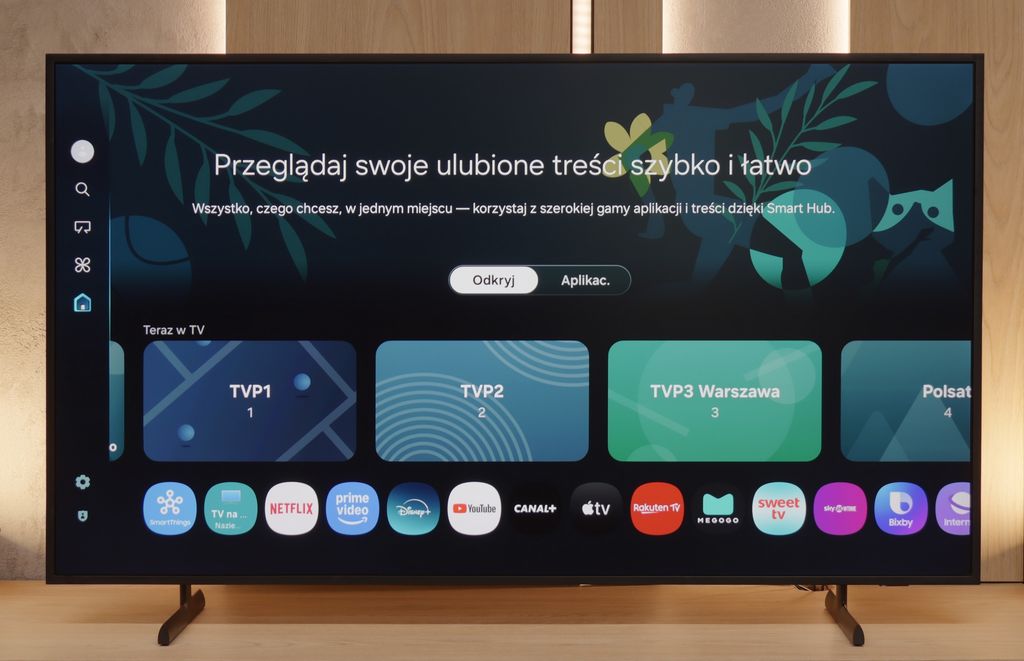
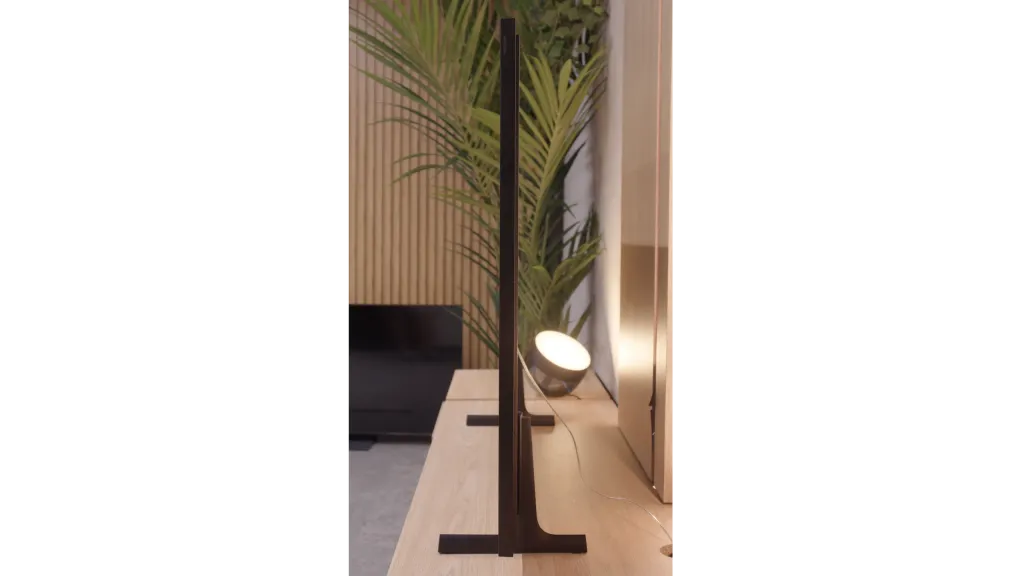
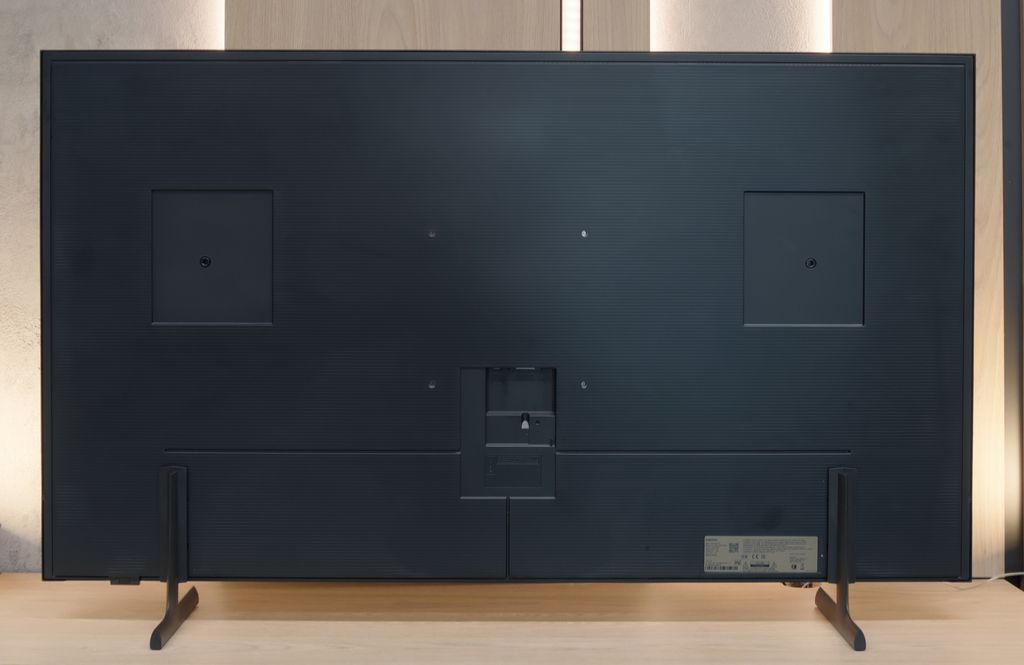
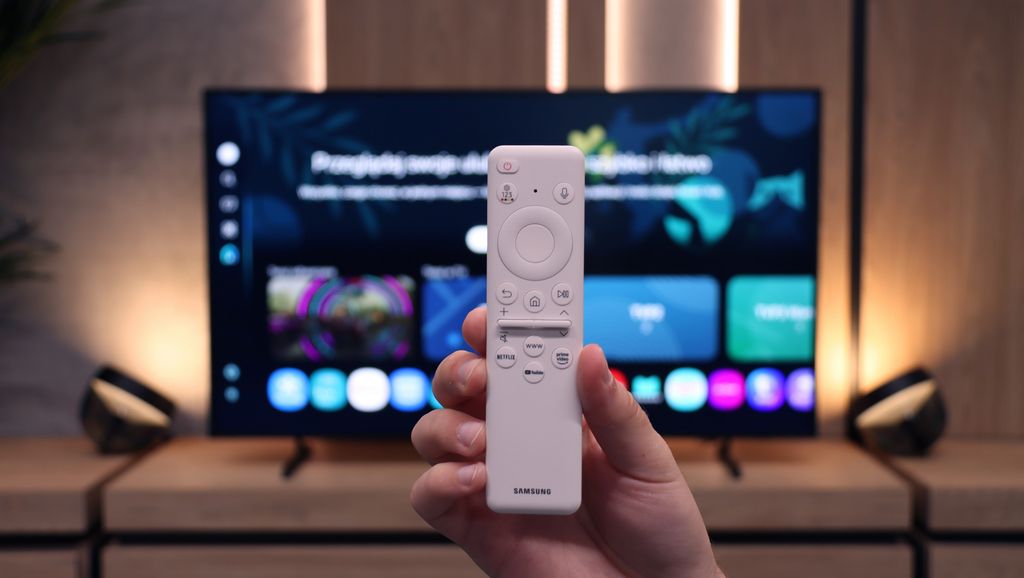
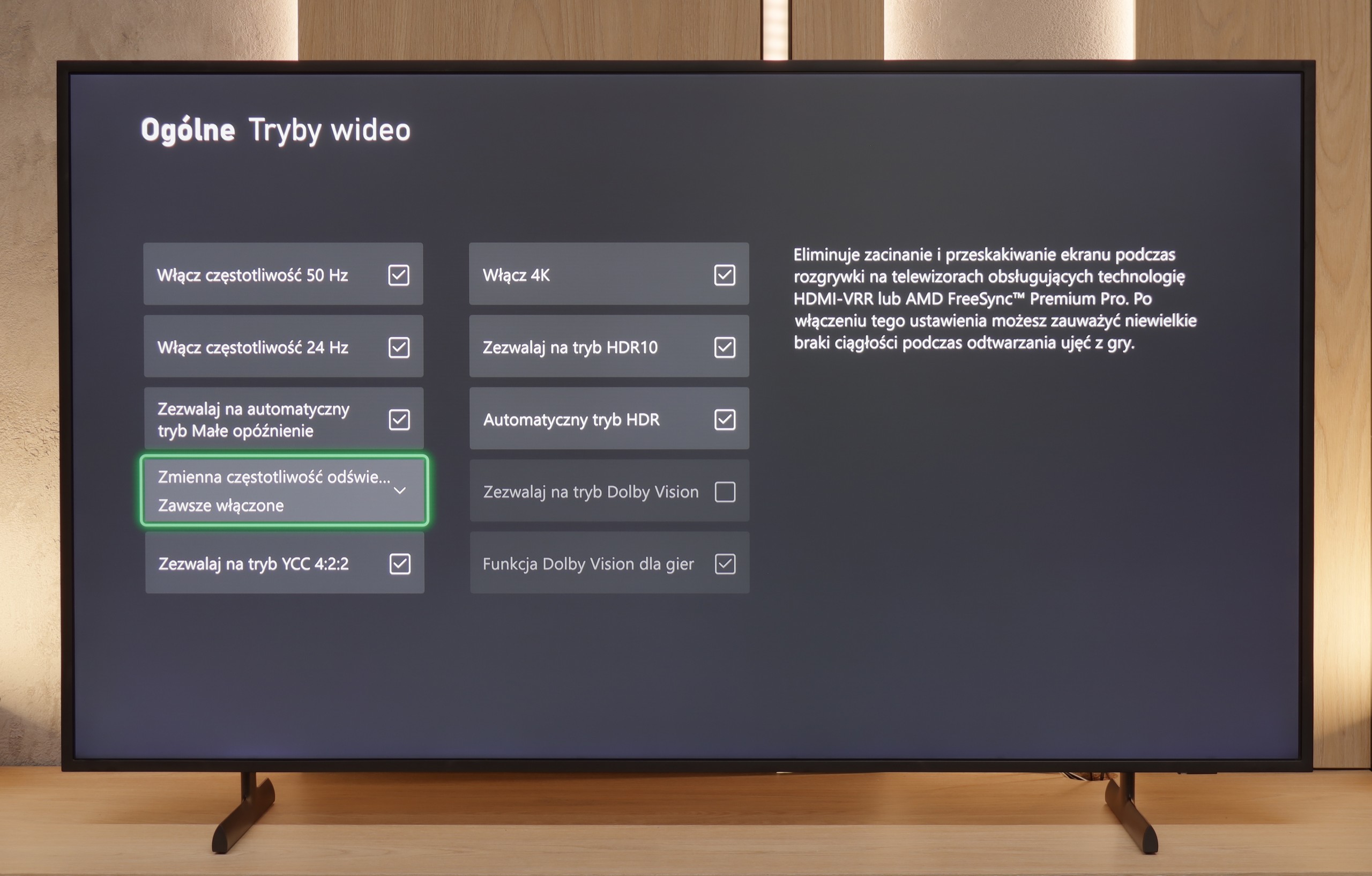
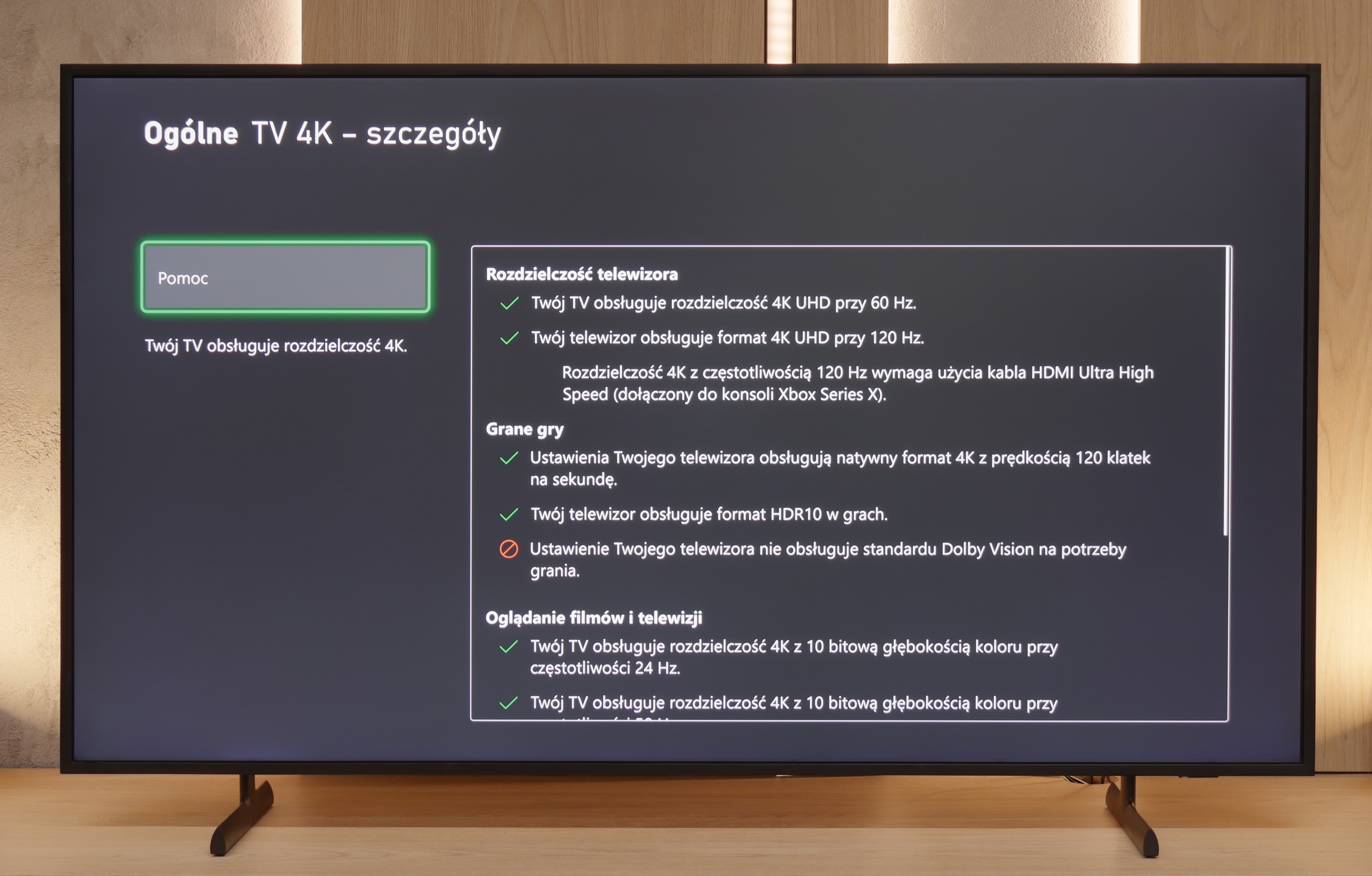
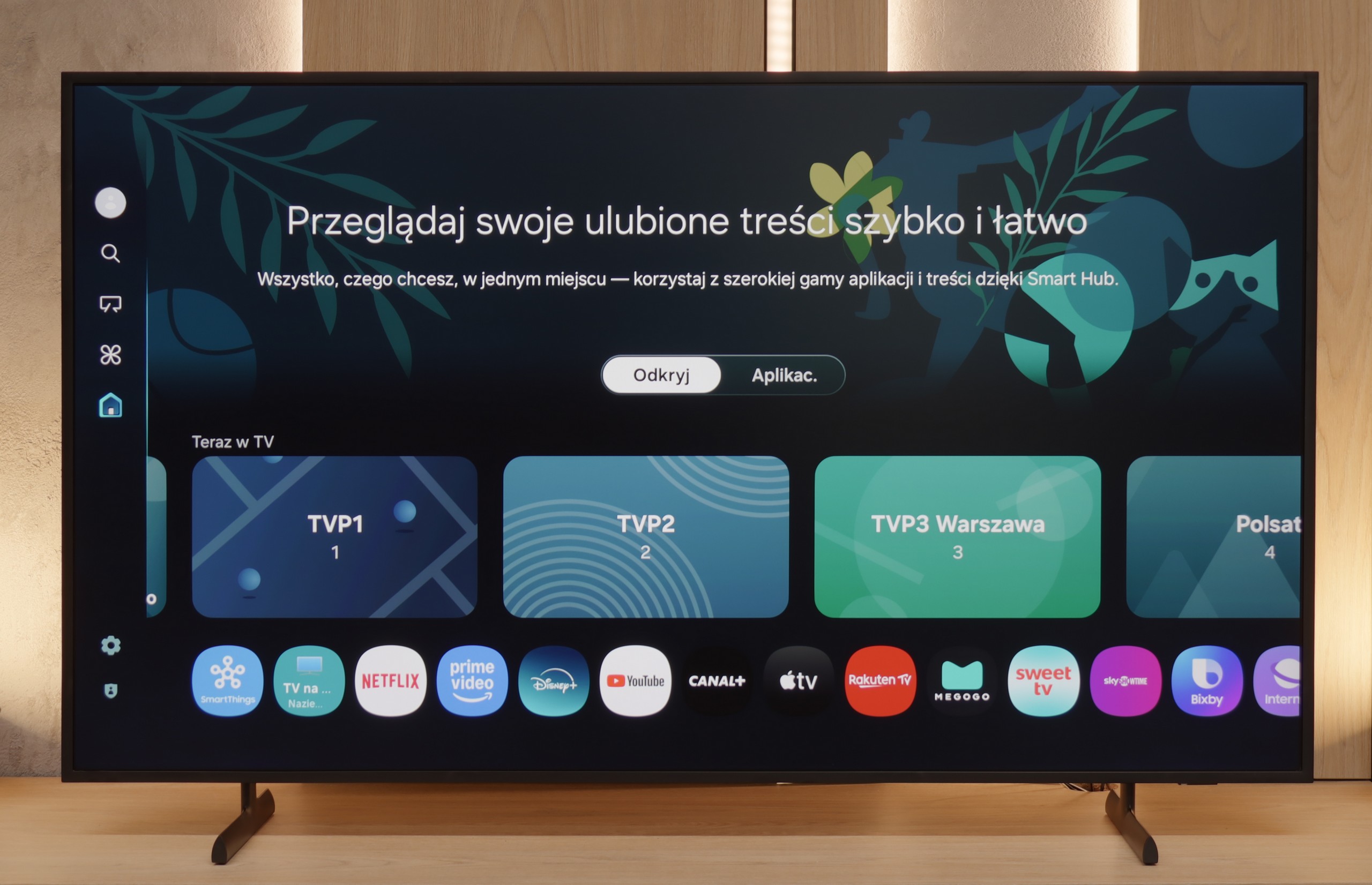
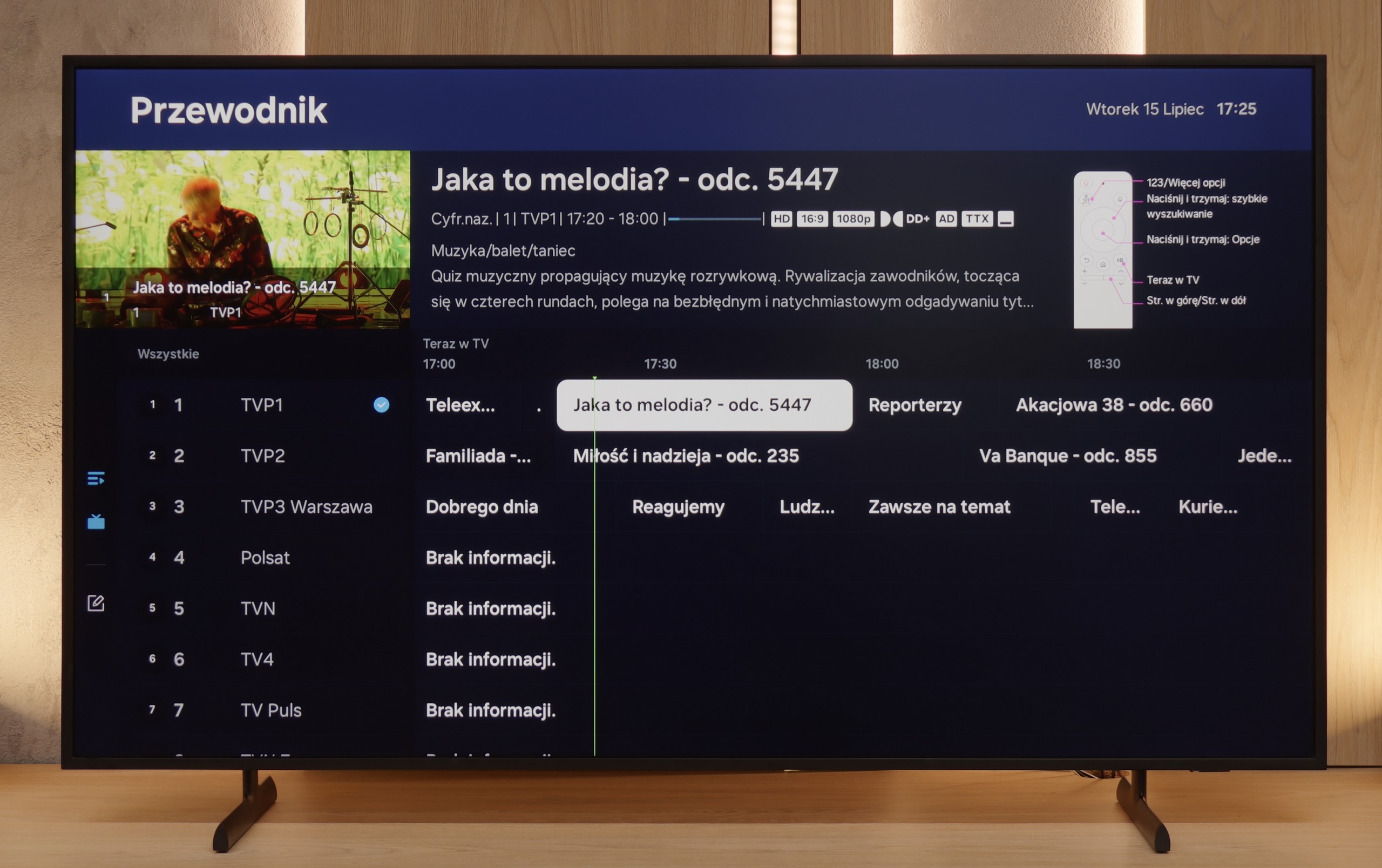
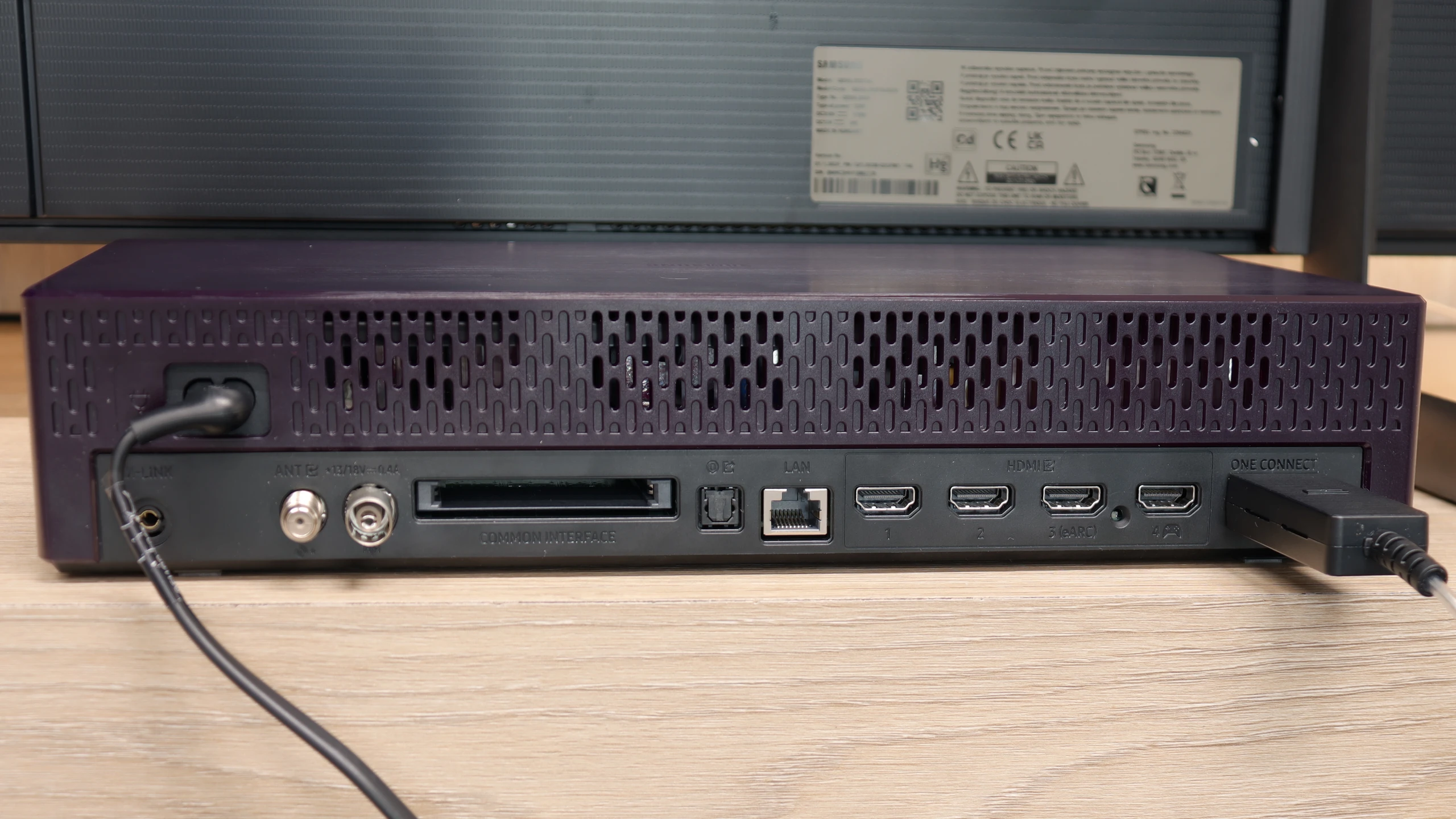
Samsung The Frame 2025 is a TV unlike any other – and even though competition has emerged for it, it still does it best. The matte screen, flush mount to the wall, and one thin cable thanks to the One Connect module make the device resemble a painting more than any other screen. The Art Store app still offers the best art scans on the market (even if they are on a subscription), and thanks to interchangeable frames, we can match the TV to the interior almost like a piece of furniture. As for the picture itself, since we are also talking about an ordinary TV, there are no major changes, but no disappointments compared to last year's LS03D model. The Frame still offers high native contrast and solid brightness at 600 nits, which, combined with the matte finish, provides very comfortable daytime use. The colors are not as vibrant as those on glossy screens, but against the backdrop of competing matte constructions, they stand out the best. A novelty is the 144 Hz refresh rate, although in practice it will mainly benefit PC gamers. And indeed – in terms of gaming features, The Frame has almost everything: low input lag, variable refresh rate (VRR) support, automatic game mode (ALLM), Game Bar, and a unique motion smoother designed for games. Unfortunately, not everything is as perfect as it might seem. Why? Because the HGiG mode is missing, which suddenly disappeared from the latest version of the Tizen system. Samsung really should respond to this, as it is a key element for many gamers' choice of screen. And we fully understand that. Even though the LS03F The Frame 2025 does not bring major revolutions, it is still a unique TV that, apart from its appearance, offers quite solid picture quality and advanced gaming functions. It's just a pity that year after year we also receive new compromises.
[UPDATE] We have updated our Samsung TV tests for the 2025 model year due to the release of software version 1131, which has restored the HGiG feature that is crucial for gamers.
 Direct comparison